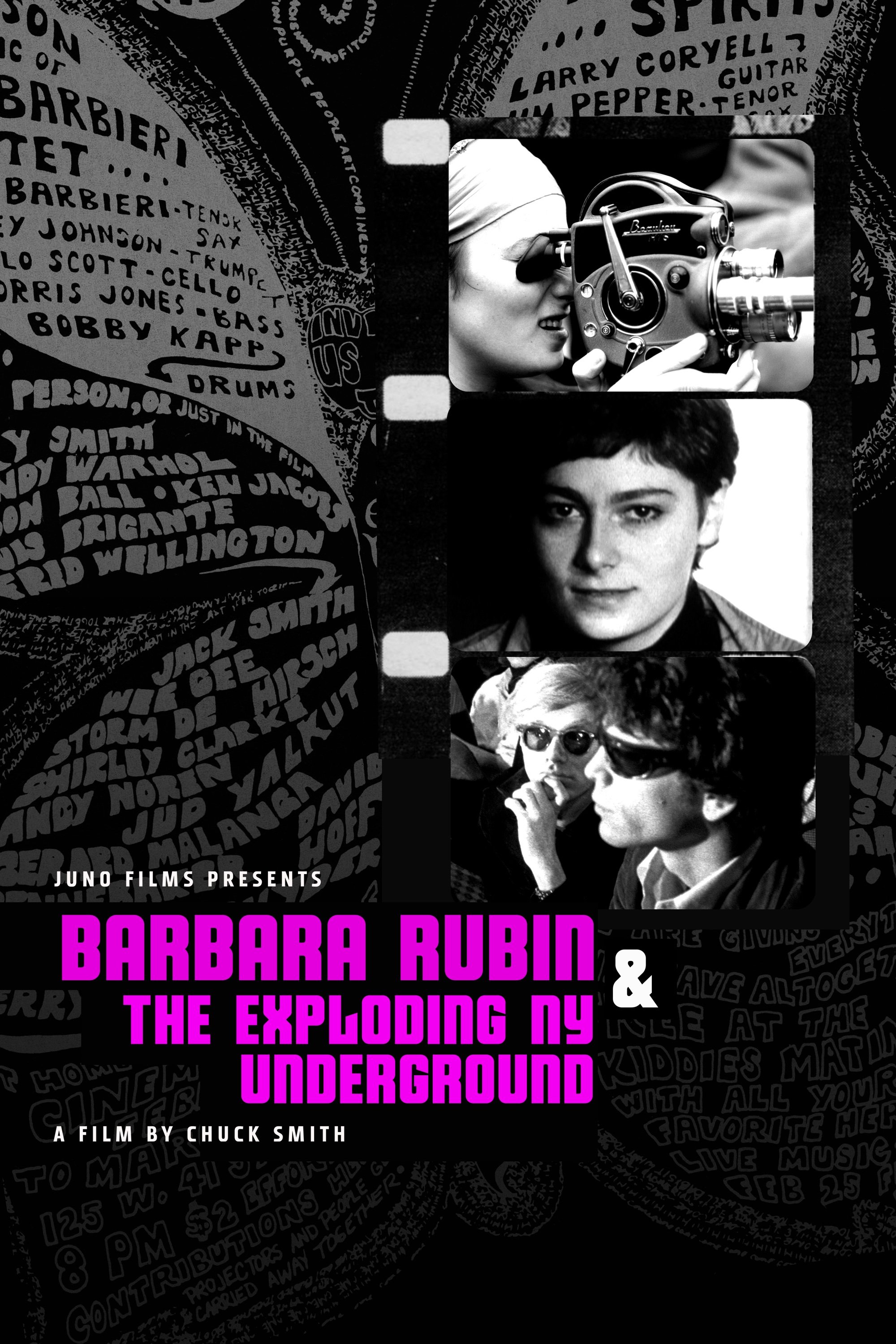
The 29-minute experimental film Christmas on Earth caused a sensation when it first screened in New York City in 1964. Its orgy scenes, double projections and overlapping images shattered artistic conventions and announced a powerful new voice in the city's underground film scene. All the more remarkable, that vision belonged to a teenager, 18-year-old Barbara Rubin. A Zelig of the '60s, she introduced Andy Warhol to the Velvet Underground, Bob Dylan to Kabbalah and bewitched Allen Ginsberg. The same unbridled creativity that inspired her to make films when women simply didn't, saw her breach yet another male domain, Orthodox Judaism, before her mysterious death at 35. Lifelong friend Jonas Mekas saved all her letters, creating a rich archive that filmmaker Chuck Smith carefully sculpts into this fascinating portrait of a nearly forgotten artist. An avante-garde maverick, a rebel in a man's world, Barbara Rubin regains her rightful place in film history.

Drawn from footage shot between 1949 and 1963, Jonas Mekas’s autobiographical diary film chronicles his early years in exile, capturing the struggle to build a new life in New York and his gradual discovery of a vibrant artistic community.
Where a nun and a nurse go to hell because of their sinful life in St. Vincent's Hospital.
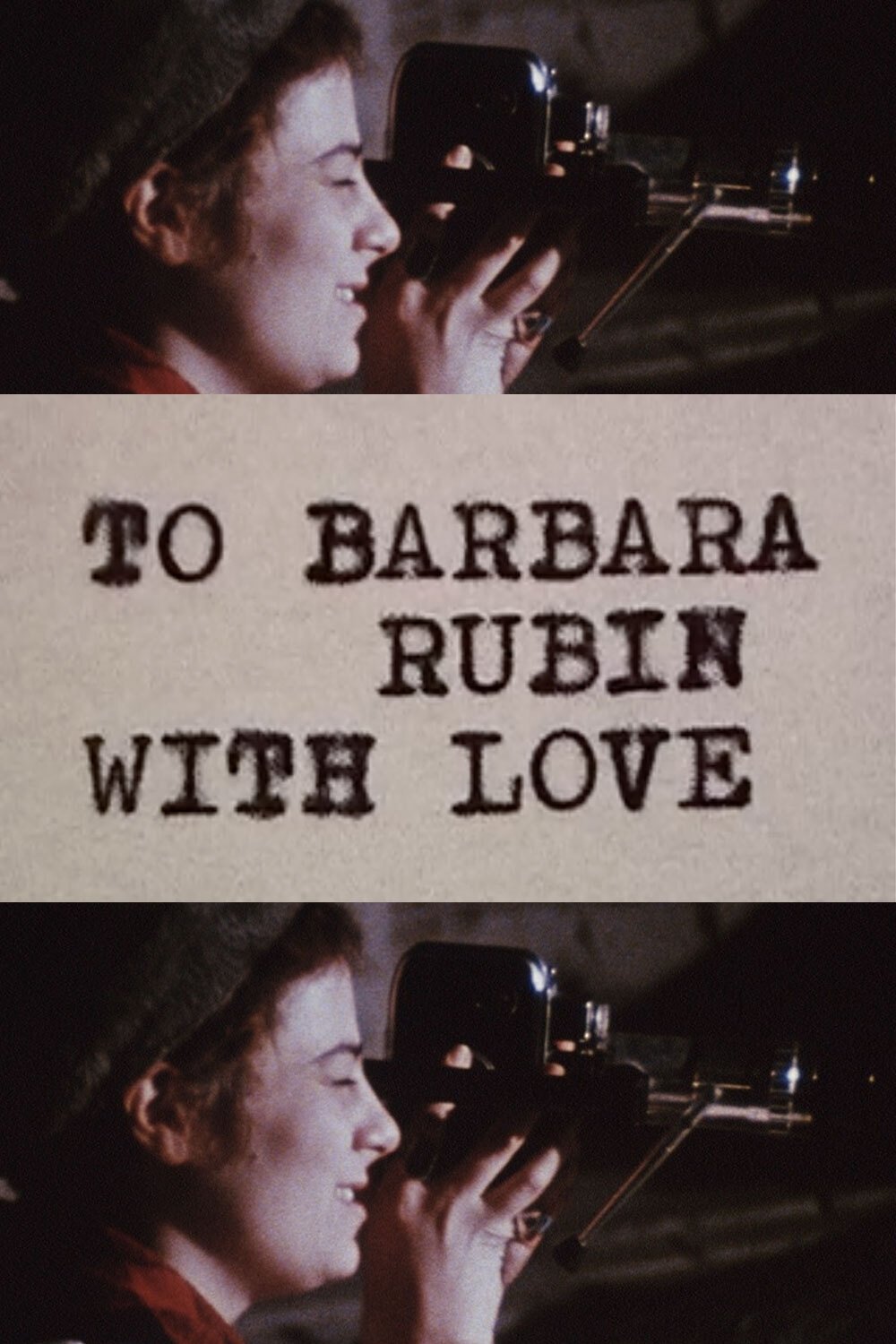
This is a mini-portrait of one of the legendary figures of the 60s who should be credited for the discovery of the Velvet Underground, for saving Bob Dylan's mind after the motorcycle crash, for her pioneering sound/image installations, for keeping the New York Sixties' art community together, for one of the key works of erotic cinema Christmas on Earth, and etc. and etc.
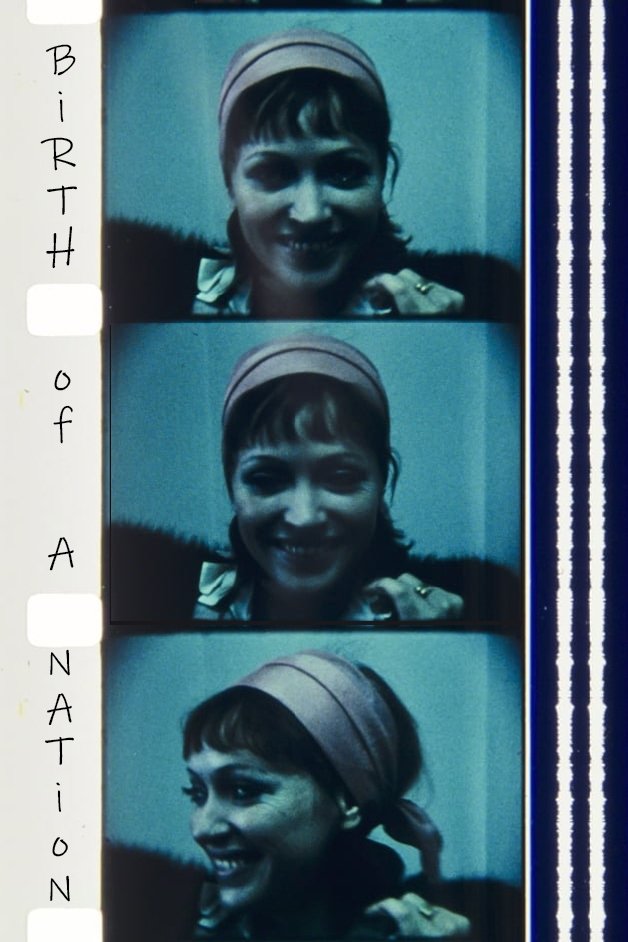
Jonas Mekas assembles 160 portraits, appearances, and fleeting sketches of underground and independent filmmakers captured between 1955 and 1996. Fast-paced and archival in spirit, the film celebrates the avant-garde as its own “nation of cinema,” a vital community existing outside the dominance of commercial film.
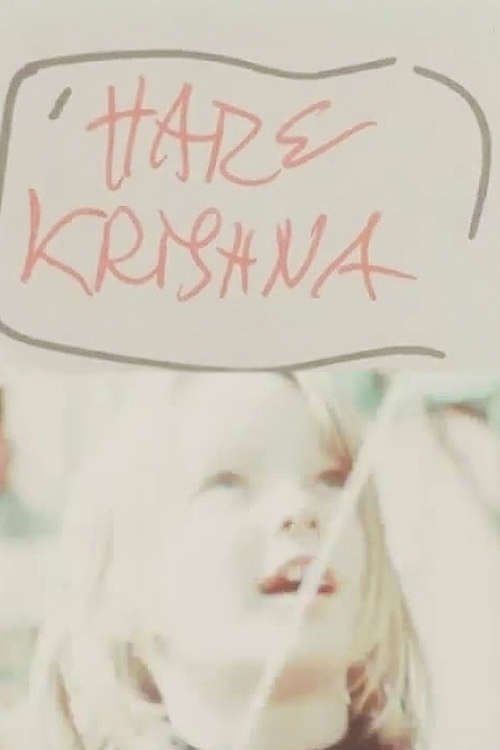
Jonas Mekas captures an afternoon in New York as a Hare Krishna group fills the streets with chanting and song. Filmed with his characteristic freewheeling style and later incorporated into Walden, the short stands as an impressionistic sketch of spiritual fervor and Mekas’s participatory approach to cinema.

The films were made between 1964 and 1966 at Warhol's Factory studio in New York City. Subjects were captured in stark relief by a strong key light, and filmed by Warhol with his stationary 16mm Bolex camera on silent, black and white, 100-foot rolls of film at 24 frames per second. The resulting two-and-a-half-minute film reels were then screened in 'slow motion' at 16 frames per second.

Two nuns take a bath, then meet a sailor on the Staten Island Ferry.
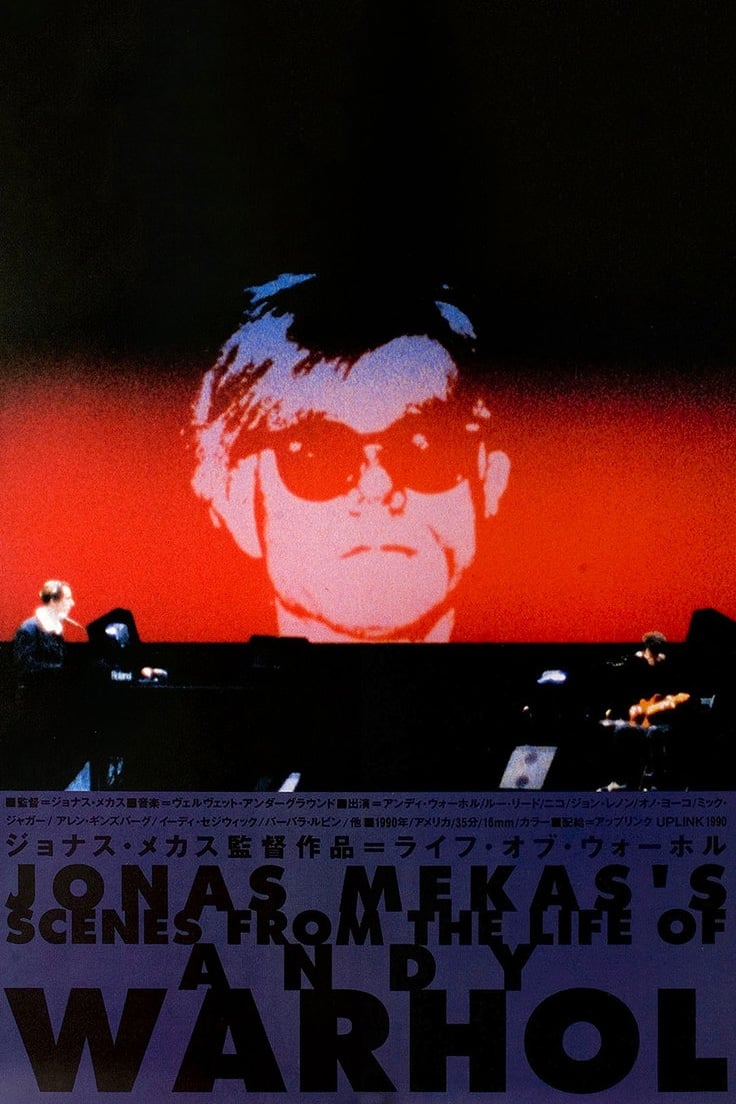
Jonas Mekas’s intimate diary film spans 1963 to 1990, capturing Andy Warhol alongside friends and collaborators from the New York avant-garde. Featuring figures such as Allen Ginsberg, John Lennon, Yoko Ono, and George Maciunas—as well as rare footage of the Velvet Underground’s first performance—it offers a personal portrait of Warhol’s world and his intersections with art, music, and counterculture.
Part of the Dirt Trilogy
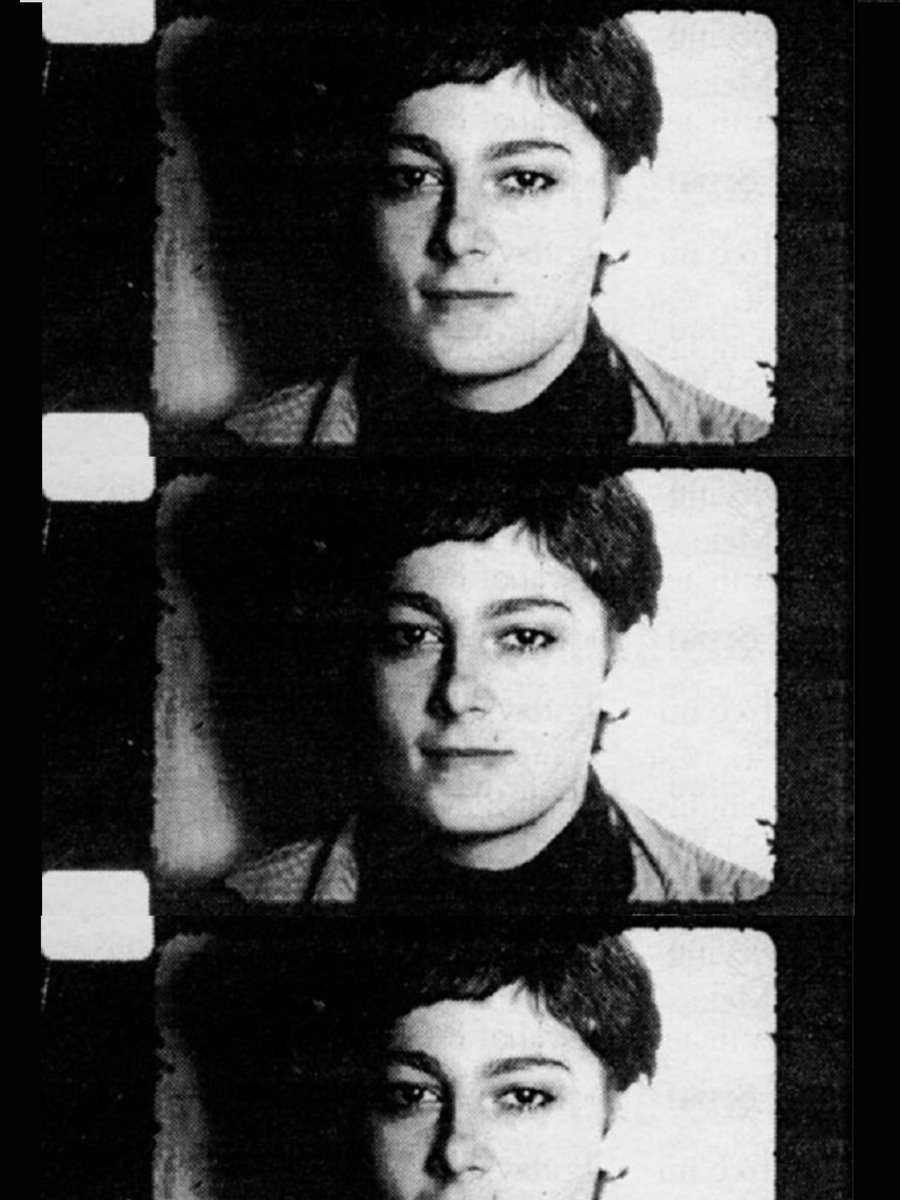
Barbara Rubin, posed against a white wall and brightly lit from the right, smokes, shifts position constantly, glances around, leans forward to put her cigarette out, and gazes off into space. Near the end of the film, she smiles broadly at people off-screen.