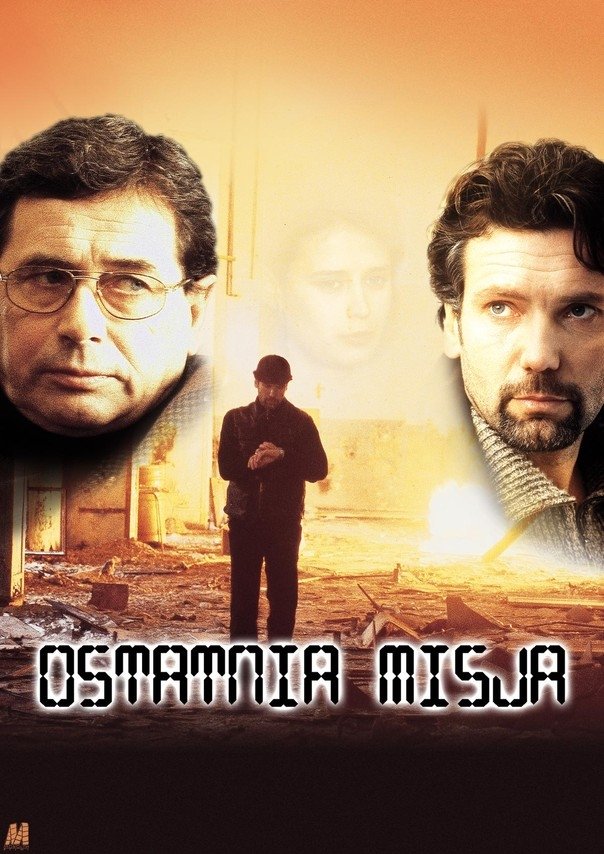
Andre, an assassin working on behalf of French government goes to Poland to kill Polish businessman Muran.

Ignacy Jan Paderewski returns to Poland. A journalist who is supposed to describe his arrival is called to the editorial office.
Etam, a young man from a small town in Lailonia, plucks pears from a neighbor's tree for his friend Nita. He is branded with a red patch on his pants for the theft. It soon turns out that the patch is contagious. Red patches appear on the pants of all Etam's friends. The patches get bigger and the boys wear a big red patch instead of pants. So they decide to pretend that they have red pants. When they come to school, however, the Teacher sees red patches instead of pants. He tells them to return to school only when they have pants. The boys, on Nita's advice, make holes in the patches and sew the real colored patches onto them. To the boys' surprise, the Teacher at school accepts the patched pants. He explains to them that the previous day they had red patches, and now they have patched pants. This is because it is possible to patch pants, while patches cannot be patched.
A young, unemployed catechist goes to the province to take a job at a school.
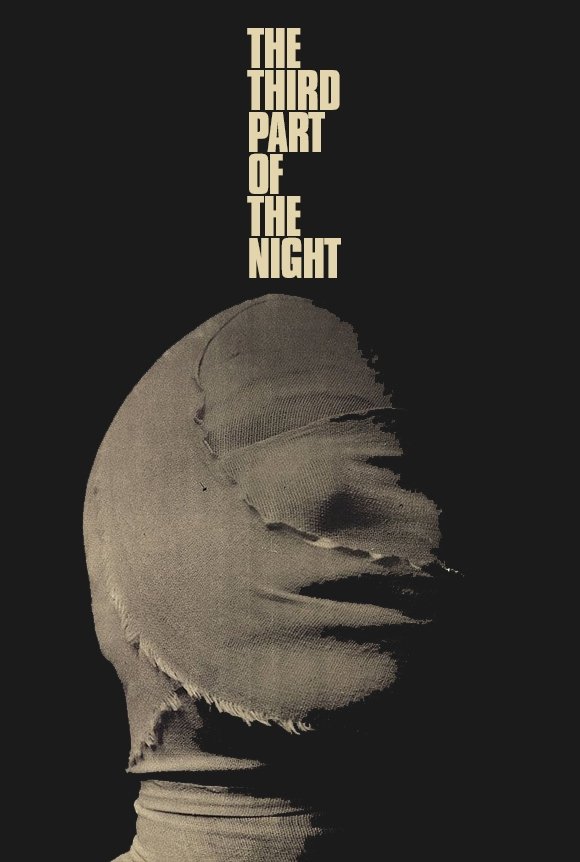
Set during the Nazi occupation of Poland, the story follows Michał, who witnesses the murder of his mother, wife and child and then is hurled into a life that literally is not his own; a surreal world littered with trapdoors, doppelgängers and wormholes.
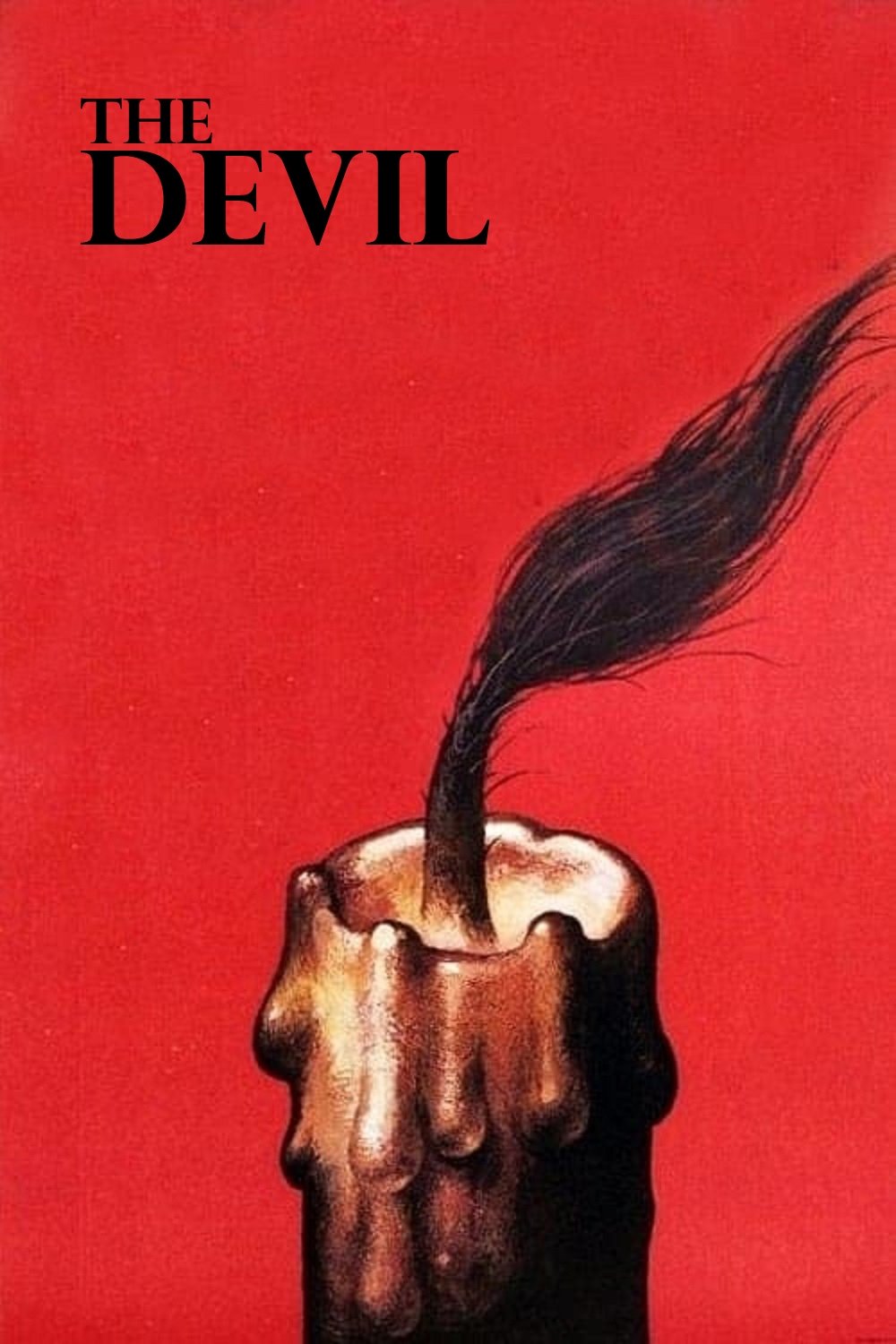
Young Polish nobleman Jakub is saved from imprisonment by a stranger. In return, the stranger wants to obtain a list of Jakub’s fellow conspirators. As he follows his mysterious savior across the country, Jakub is affected by the overall chaos and moral corruption; he goes insane and becomes a mass murderer.
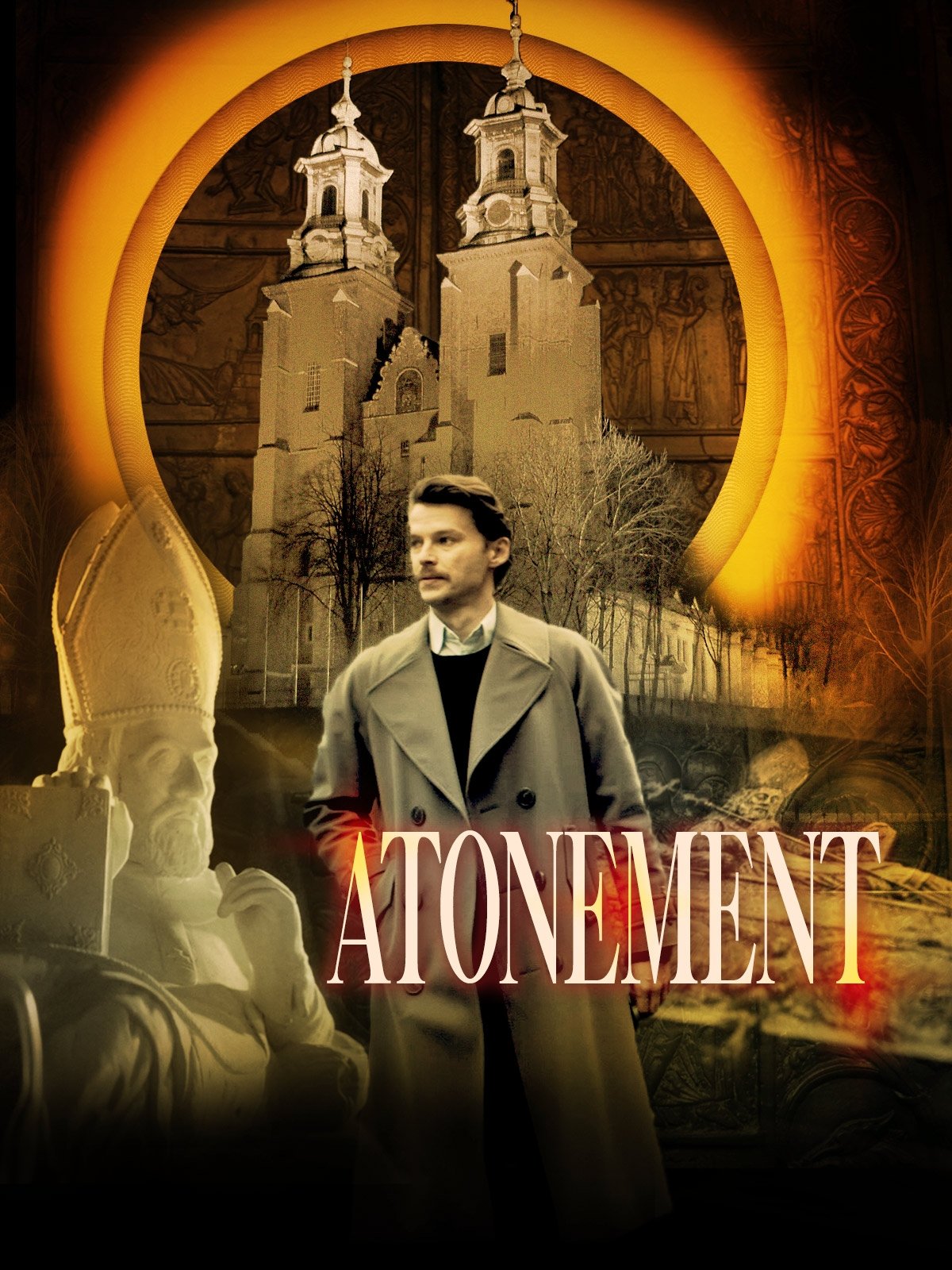
1984, Poland. The investigation into a stolen Catholic relic takes an unexpected turn when the detective unravels a web that suggests the crime has far-reaching political implications.
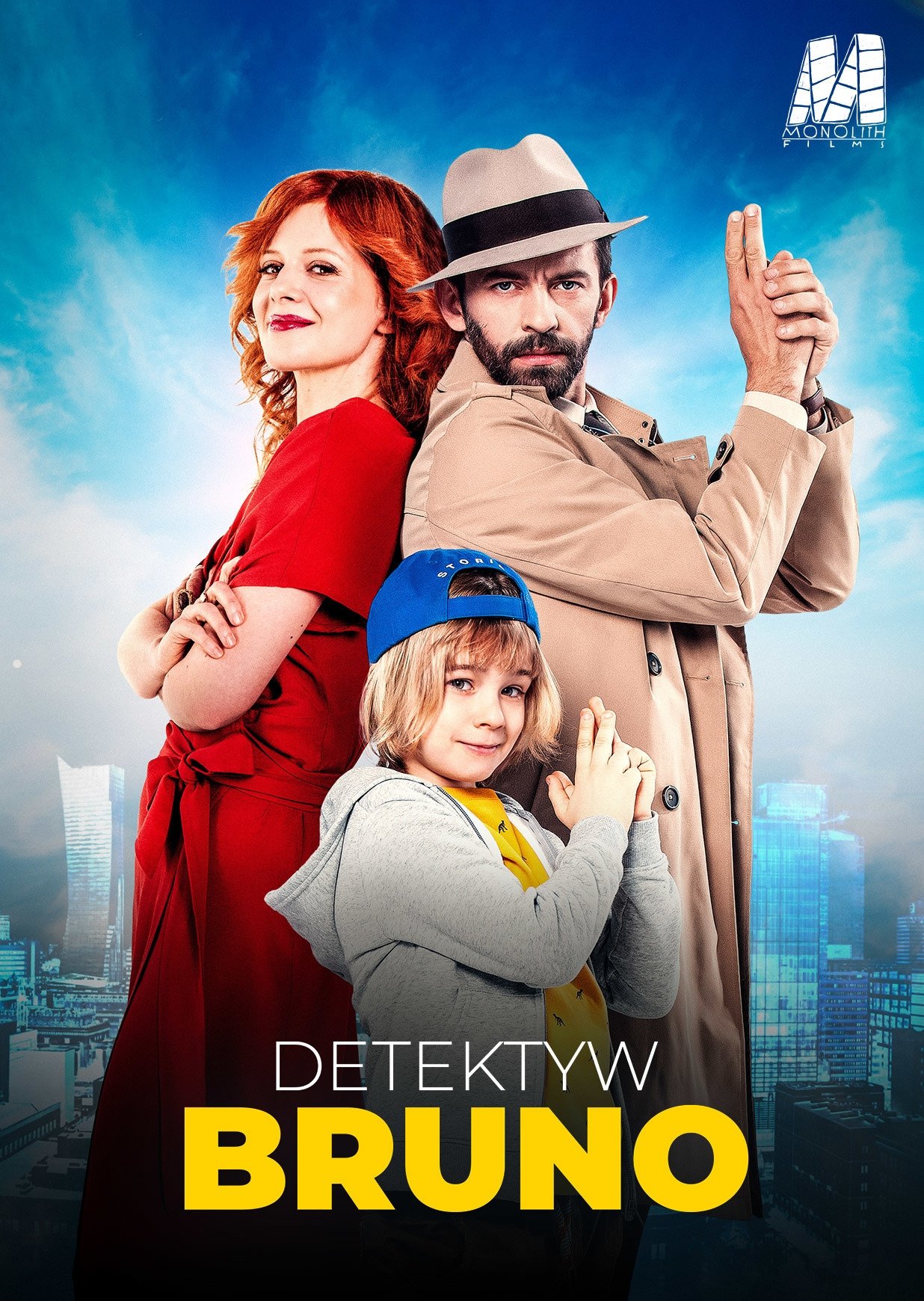
For his birthday, eight-year-old Oskar receives a clue about a mysterious treasure hunt left to him by his deceased parents. He immediately hires the best detective he knows: The star of the popular TV series "Detective Bruno". Together, the two embark on a turbulent paper chase and discover far more than just the next clue. A heart-warming family adventure to guess along with!
A documentary in which a picture of pre-war Poznan is reconstructed with the help of archival materials from regional collections and staging. The structural axis of the film is a radio broadcast from August 1939 with the participation of well-known and respected residents of the city, who answer the question: is there going to be a war?
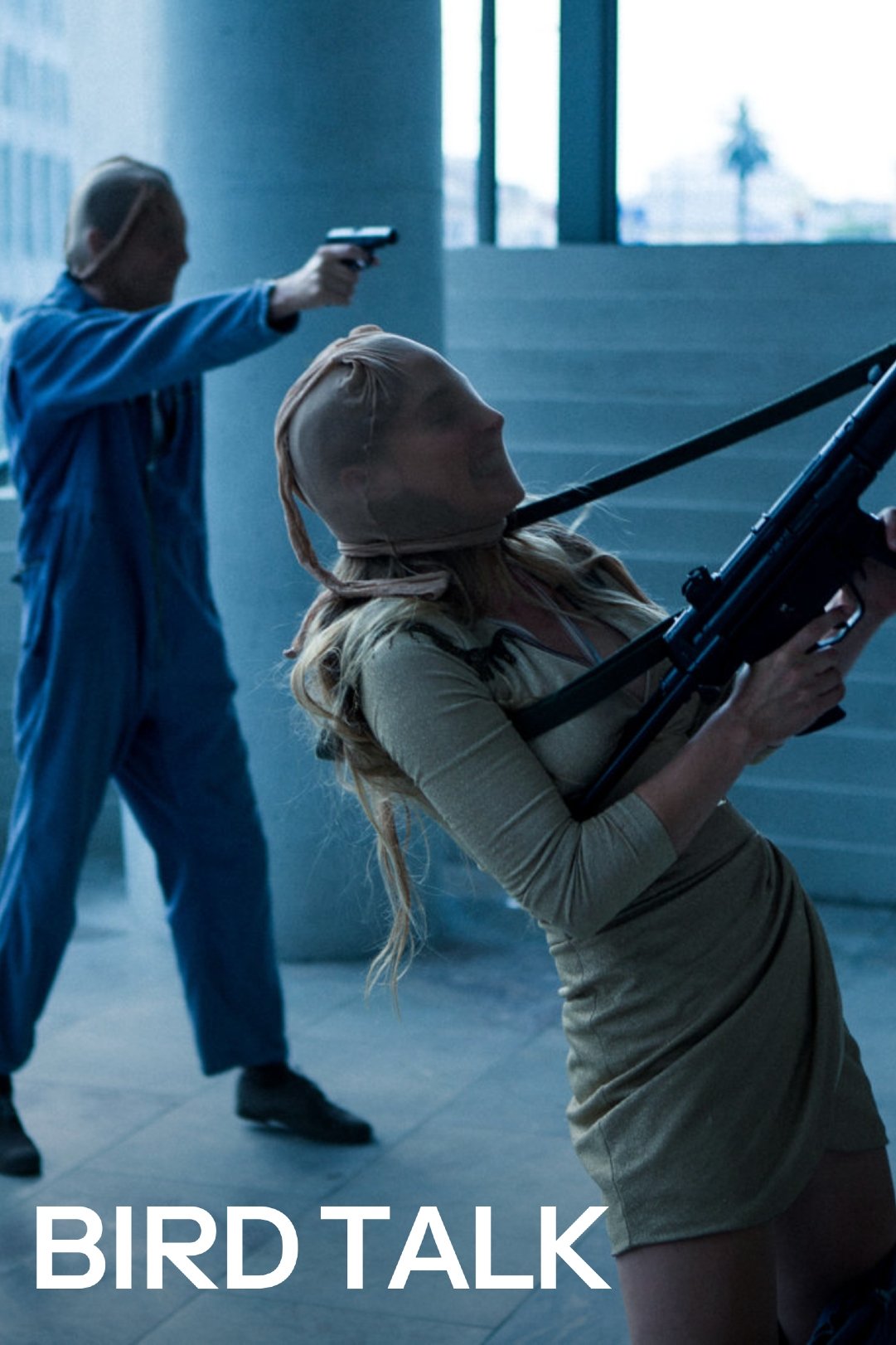
Based on a script by Andrzej Żuławski, this is a fascinating on-screen dialogue between father and son that combines nostalgia and fury, the sublime with humor, and old-school style with a sharp, penetrating look at Polish reality. The eponymous bird talk is the language used by those excluded from the aggressive majority: a history teacher tormented by children, a teacher of Polish studies fired from his job, a girl who cleans a banker’s villa, a florist with a club foot and a student with a fascination for cinema. Pushed to the margins by the extreme right, they defend themselves with irony, songs and quotes from the classics.
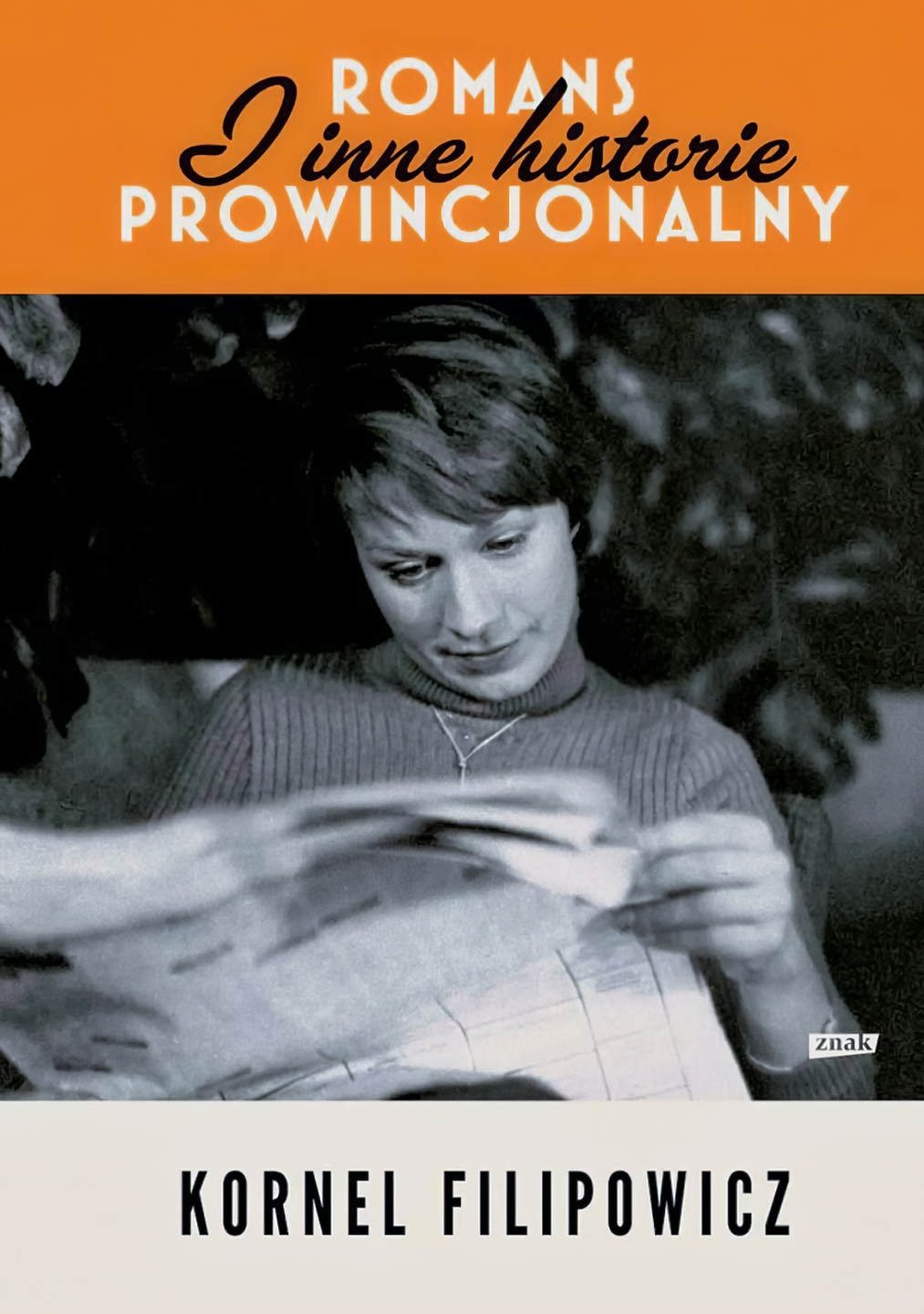
The young protagonist, Elżbieta, grew up in a small town bourgeois house. She rebels against the town's atmosphere and imagines that a love affair with a poet from a big city will liberate her. However, the love affair lasts only for a fleeting moment. It is the young engineers who arrive in the town to build a factory who are the real harbinger of changes in the town itself and the minds of its inhabitants. Based on a novel by Kornel Filipowicz.
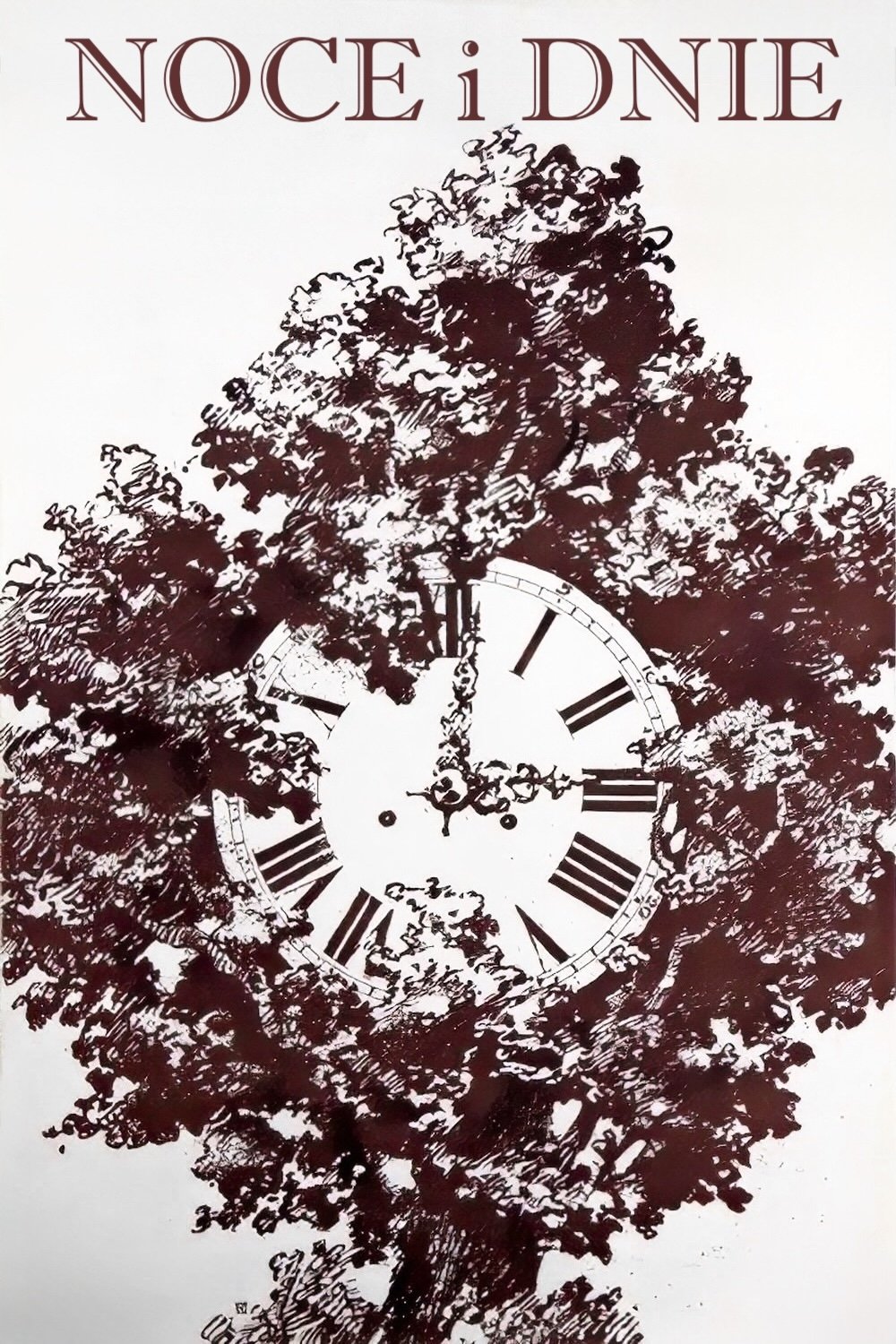
A family saga of Barbara Ostrzeńska-Niechcic and Bogumił Niechcic against the backdrop of the January Uprising of 1863 and World War I. The film is a rather straightforward and faithful adaptation of a novel by Maria Dabrowska with the same title. The plot is woven around the changing fortunes of a noble (upper-class) Niechcic family in the pre-WWI Poland. There are two main crossing threads: a social history one and an existential one.