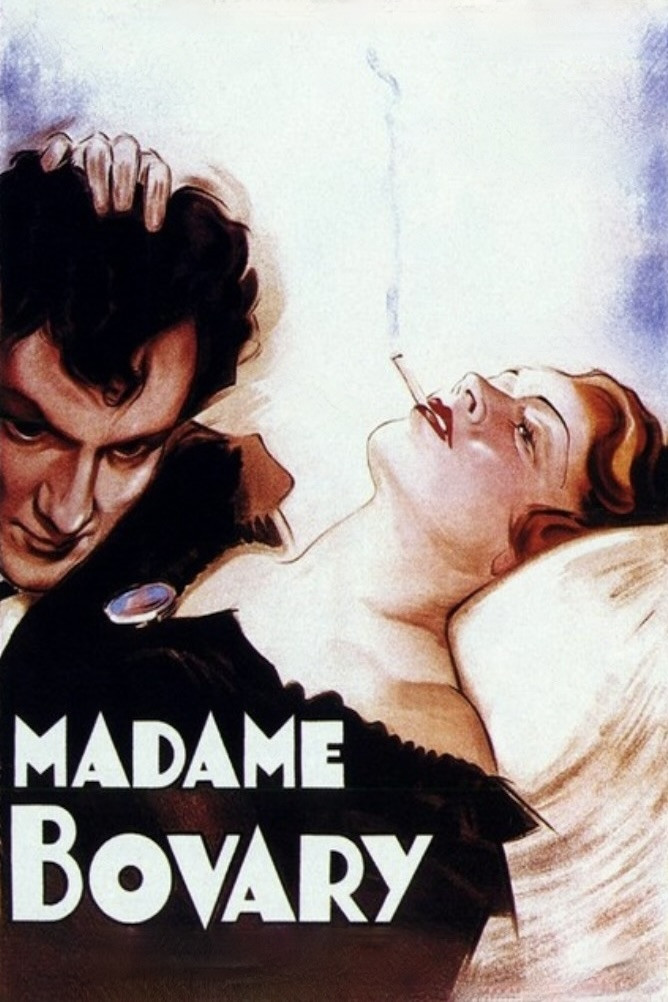
Soon after the death of his first wife (whose dowry was inadequate), Charles Bovary, a country doctor in Normandy, marries Emma Rouault. In her new home, Emma finds conflict with her mother-in-law, a husband uninterested in the social whirl, and general discontentment; thereby proving an easy conquest for philanderer Rodolphe. Other lovers follow. Does tragedy await?
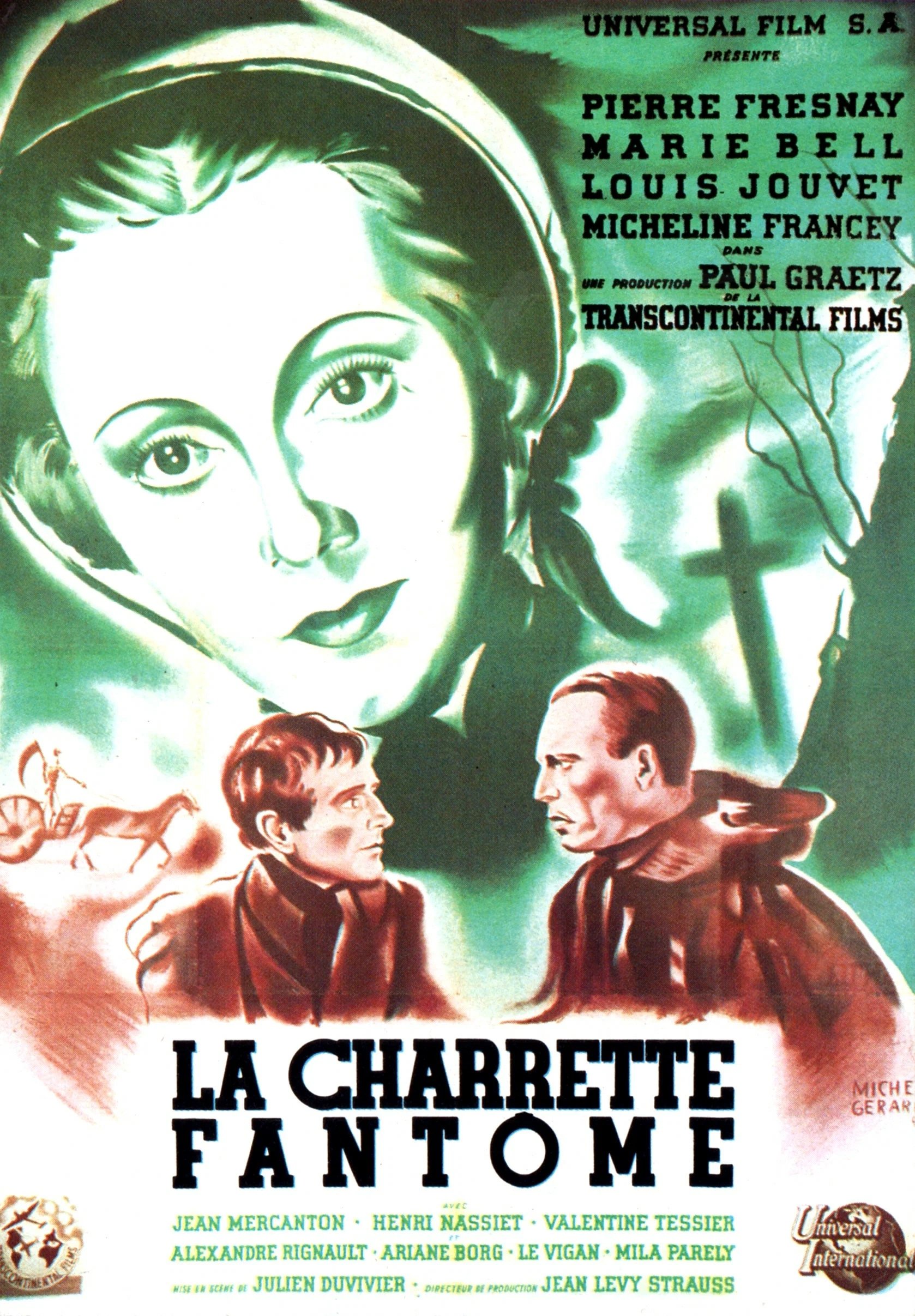
French version of the Selma Lagerlof story, most famously filmed in 1921 by Victor Sjostrom, about a poor sinner who only realizes what misery he's wrought when he dies on New Year's Eve and is collected by Death in his carriage.
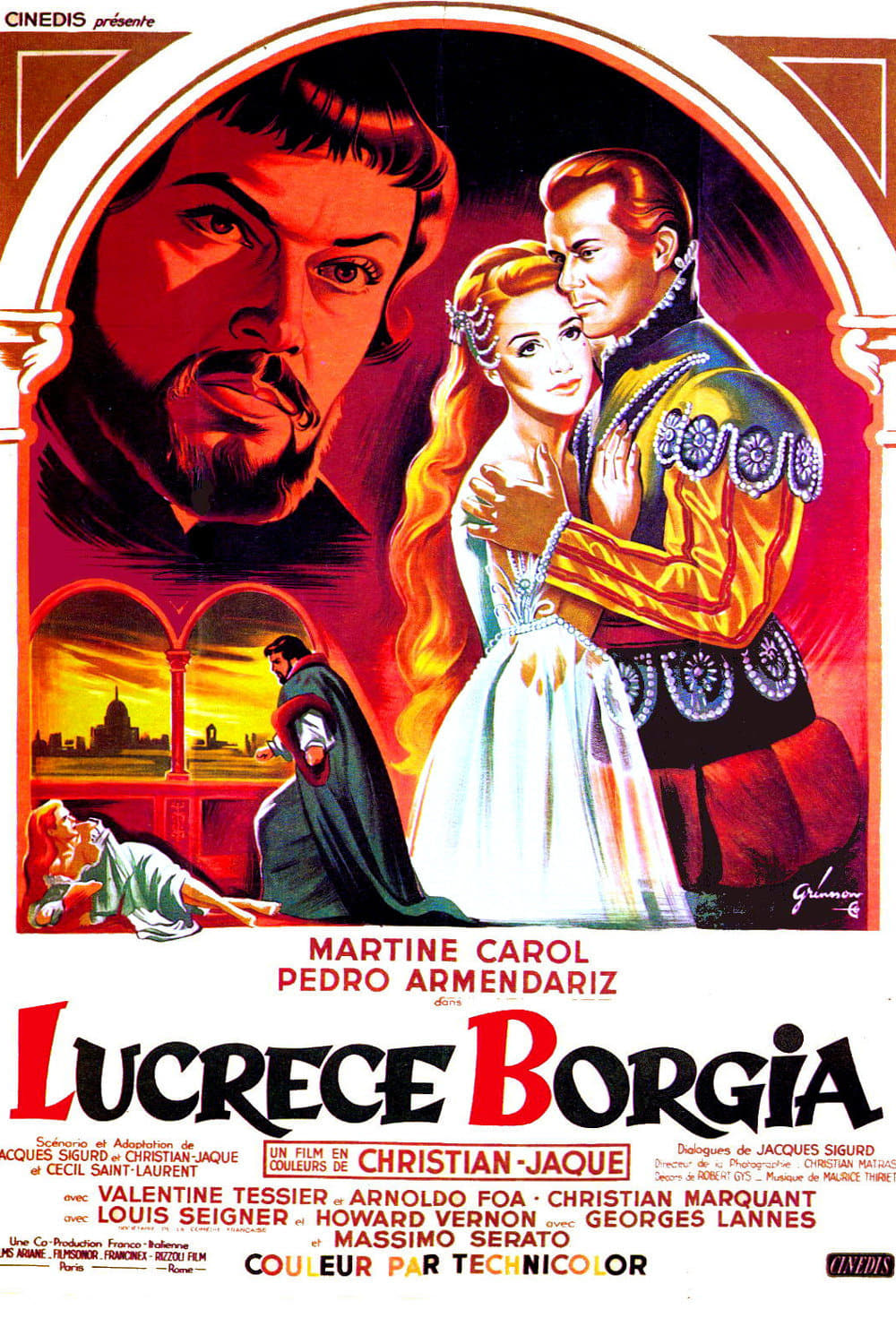
In the early 16th century, Italy is ruled by the powerful Borgia family, led by César Borgia and his sister Lucrèce. In a ruthless power play, César plots to have his sister’s husband murdered. But without her brother’s knowledge, Lucrèce has taken a strong lover who will challenge the Borgias.
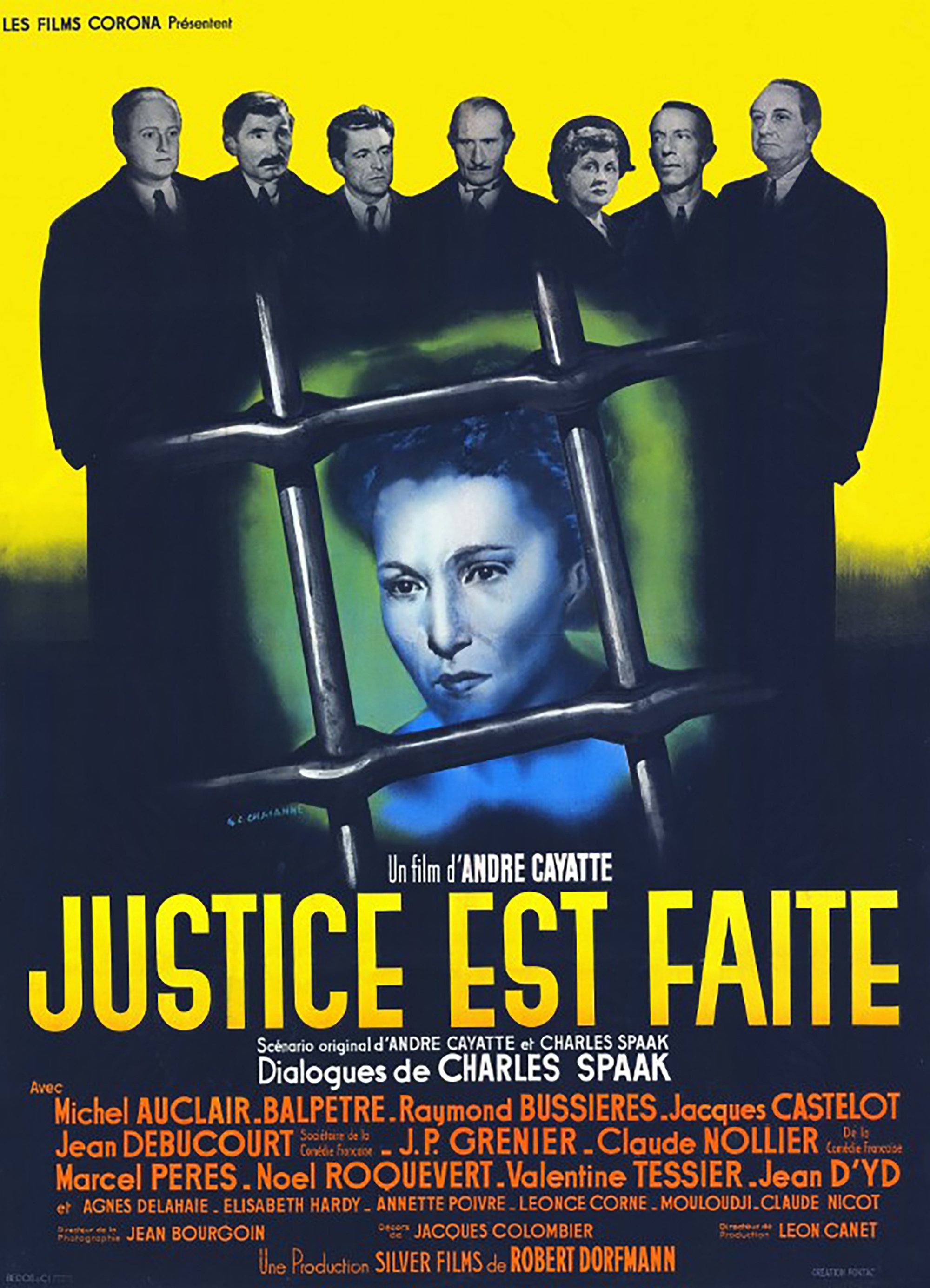
Elsa Lundenstein is accused of having murdered her lover. The jury discusses the case vividly. All members are somehow prejudiced because of personal life experience and subsequently each member reads something different into the presented facts.
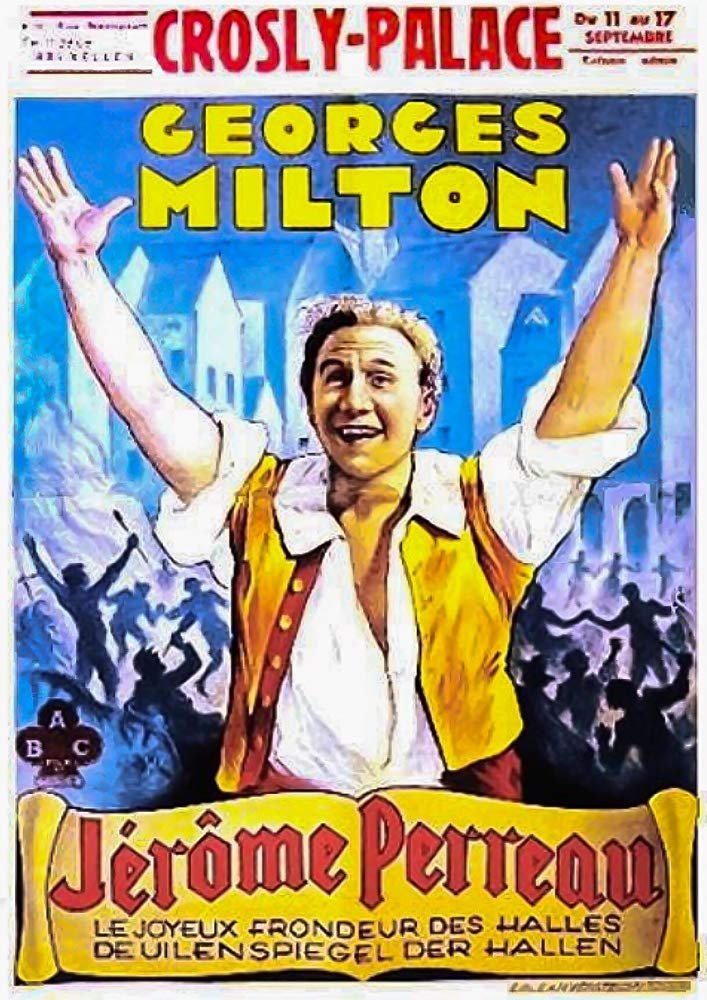
A hero of the Paris streets is recruited for a conspiracy against Mazarin in the court of the King, but he reveals the subversive plot to Anne of Austria.
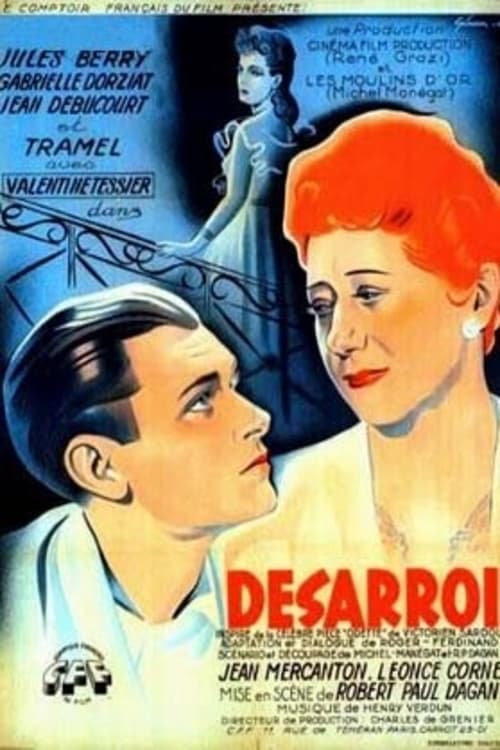
Martine discovers, on the eve of her wedding, that her mother, whom she believed to be dead, leads an adventurous life. Pierre, her fiancé, unable to overcome his family's opposition to the revelation of this news, decides to kidnap Martine. The adventurer, who is not recognized by her daughter, agrees to leave France. The family of the young man will no longer put obstacles in the way of marriage.
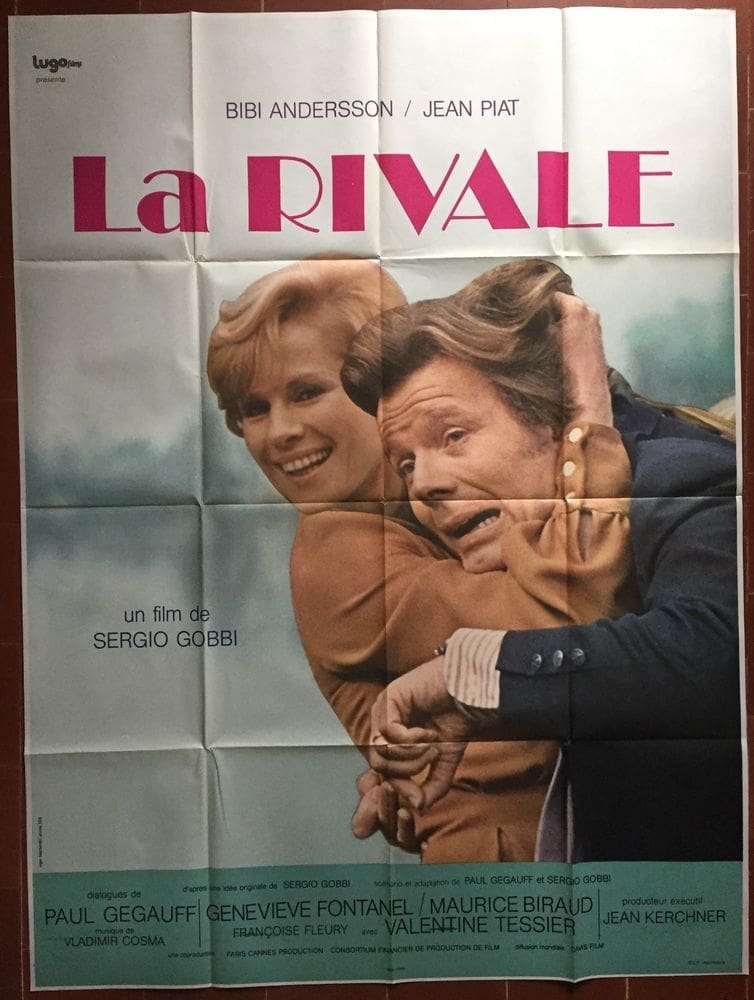
Middle-aged lust: a man, in his thirteenth and therefore omen-filled marriage year, cheats on his wife.
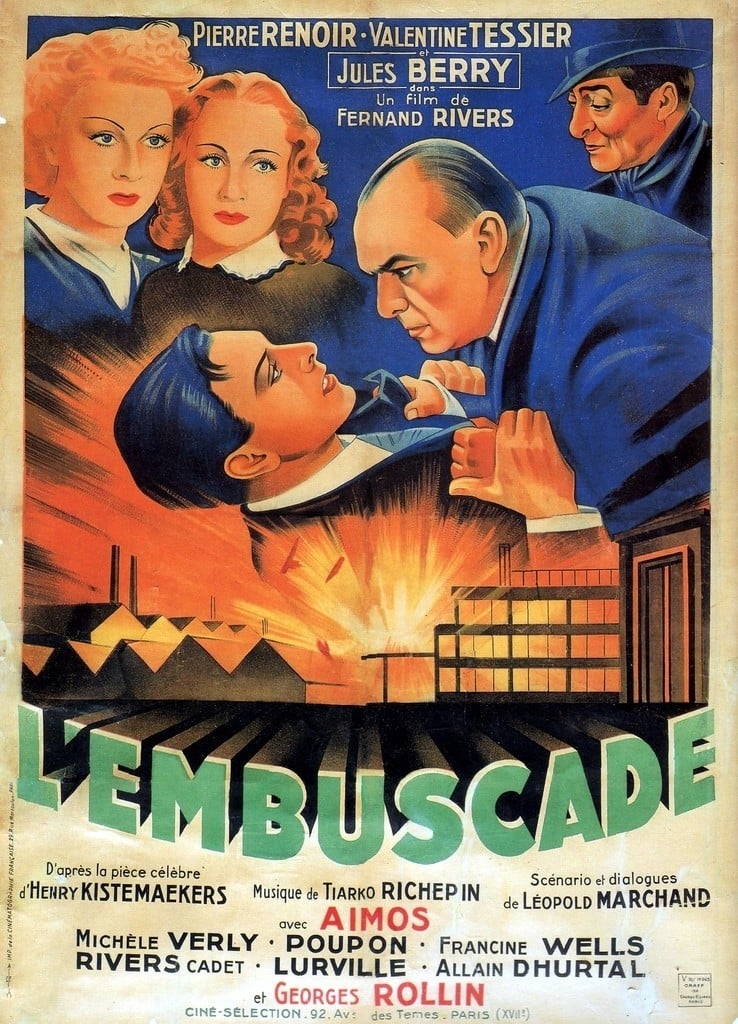
A young man is hired by an industrialist, while a secret hangs over his birth. His boss's wife turns out to be his mother, who hides the truth from him.
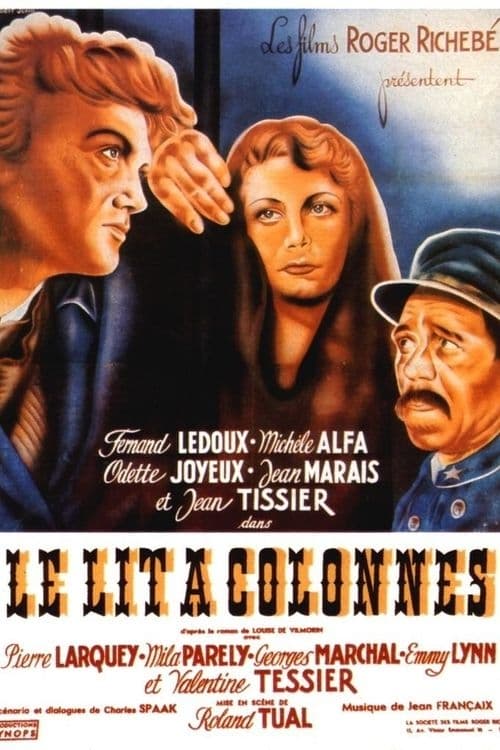
In his prison cell, the composer Remi Bonvent composed an opera, The columns bed. The director of the prison, Porey Cave, succeeds made believe he is the author of this work. The death of the two protagonists will prevent the discovery of the truth.

When Michel gets the life-sized sex doll he ordered, shipped directly from Japan, he is only intrigued by it at first. Then the silent unresponsiveness of the thing begins to haunt him, and he finds himself reacting to it as if it were an equally unresponsive living woman. As time passes, more and more of his life is spent trying to satisfy or placate its relentless silence, and he goes somewhat mad. He dresses the doll and takes it with him wherever he goes. When his usually very tolerant wife discovers what is going on, her jealousy knows no bounds and she attempts to imitate this threatening love-object. The light-hearted quality of this addle-pated fantasy darkens quickly when various neighborhood men attempt to put the doll to its originally intended use.

Paris, 1482. Today is the festival of the fools, taking place like each year in the square outside Cathedral Notre Dame. Among jugglers and other entertainers, Esmeralda, a sensuous gypsy, performs a bewitching dance in front of delighted spectators. From up in a tower of the cathedral, Frollo, an alchemist, gazes at her lustfully. Later in the night, Frollo orders Quasimodo, the deformed bell ringer and his faithful servant, to kidnap Esmeralda. But when the ugly freak comes close to her is touched by the young woman's beauty...
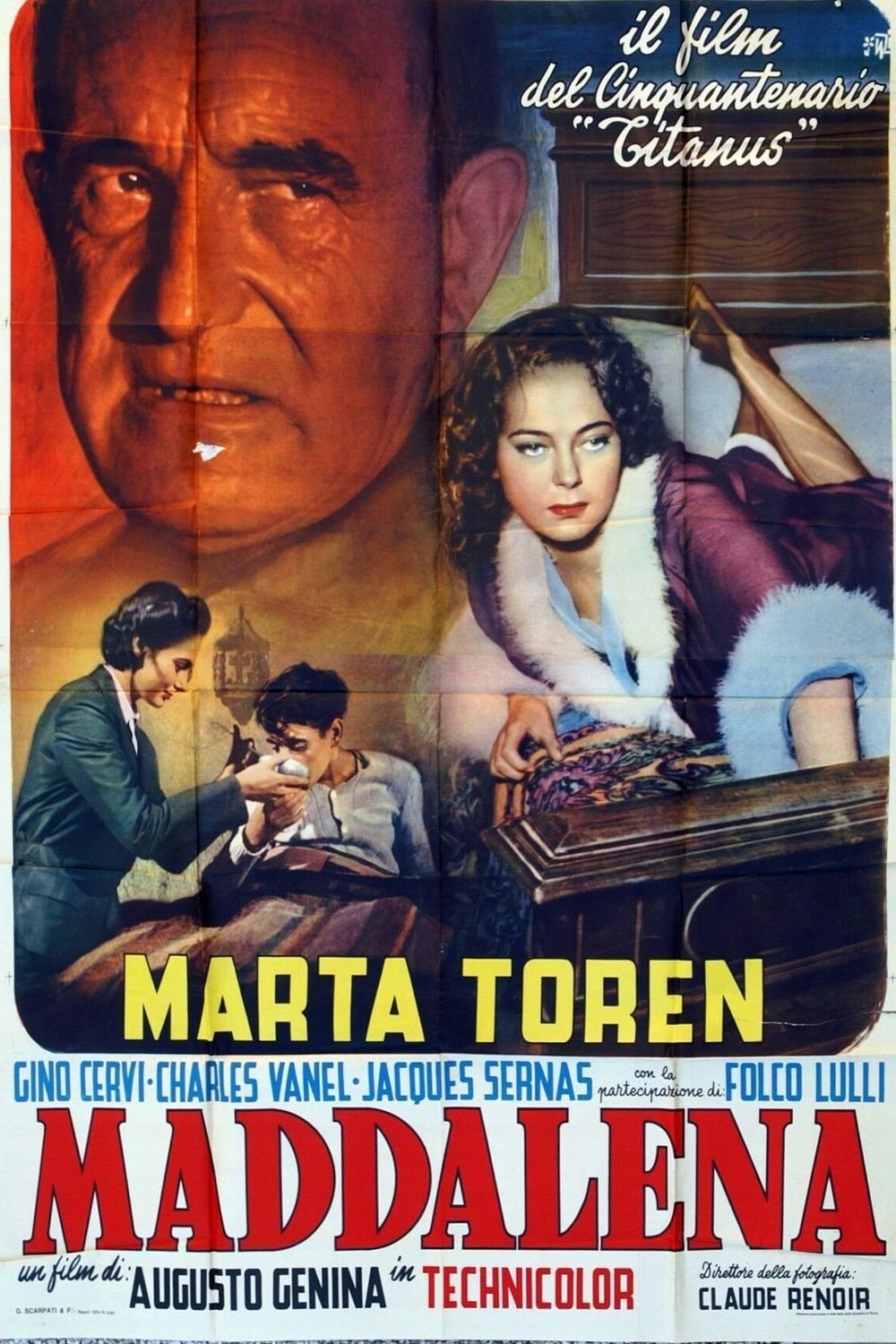
The story takes plays during the annual Good Friday pageant in a tiny Italian village. Local priest Don Vincenzo faces a crisis when the girl selected to play the Virgin Mary shows up pregnant.
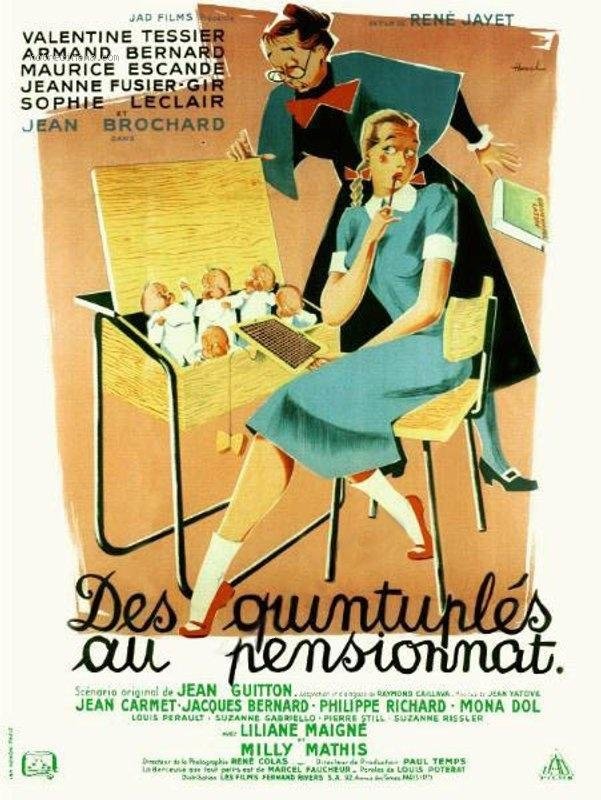
In a girls boarding-school run by Madame Piégeois, young Gisèle meets, at night, the count of Champrès' son.

Lydia (Danielle Darrieux) is a student, poor and orphaned, who pretends to be the daughter of a famous writer.
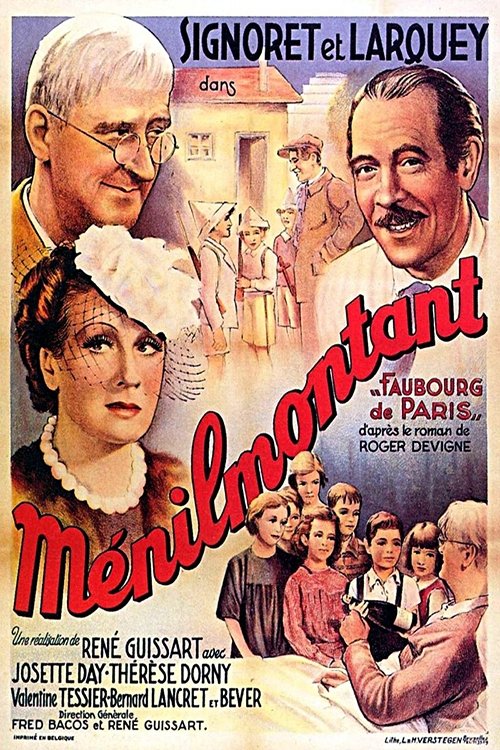
Because they brought her back a lost piece of jewelry, a very rich lady accedes to the request of three old people and transforms a vacant lot into a park for the neighborhood children.
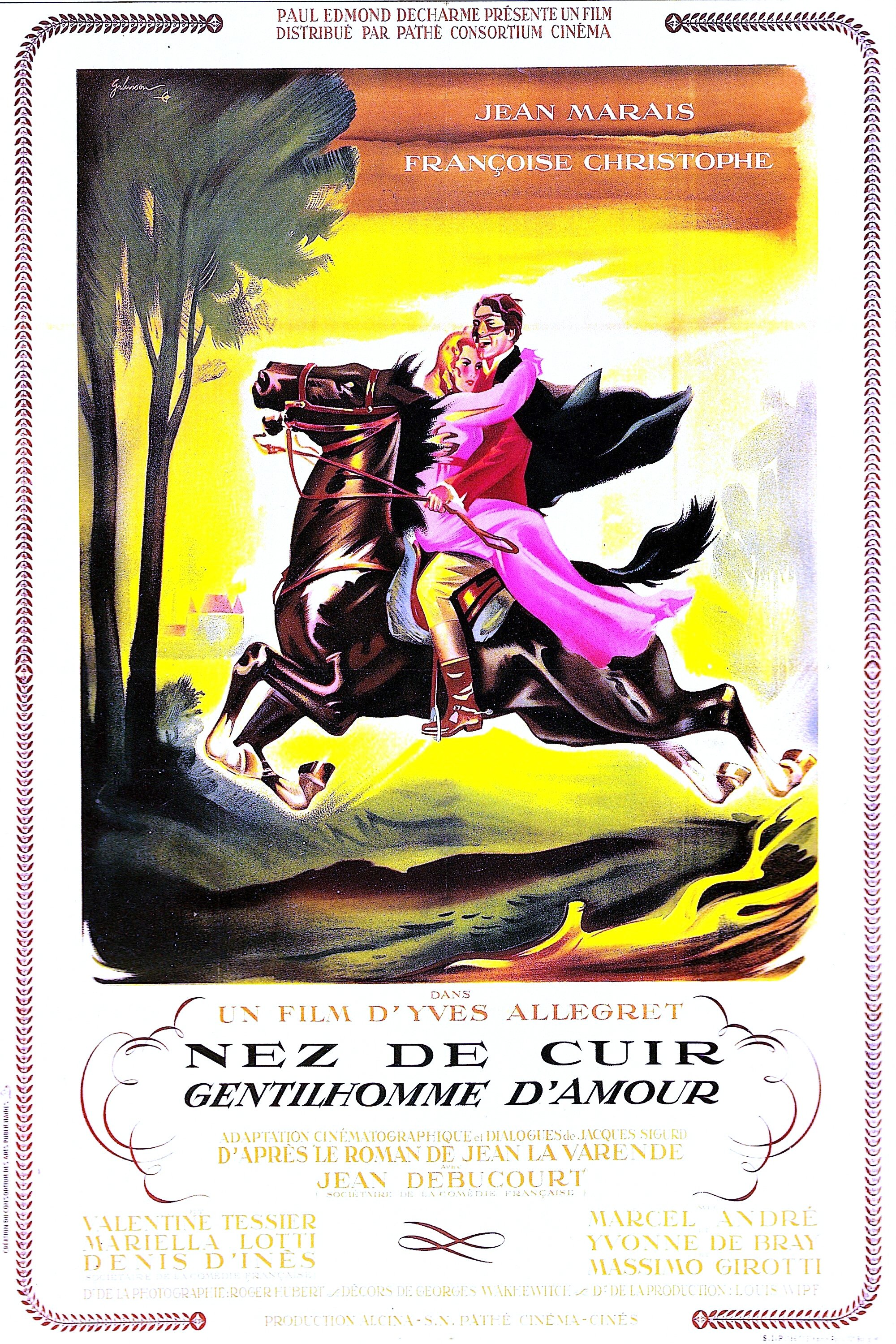
After being hurt in the face, Count de Roger Tinchebraye is forced to hide his disfigured face behind a leather mask. Dispirited for a while, he decides to become a Casanova-like seductor. When he meets true love, cynical Roger does not believe in it and lets pure Judith marry an old marquis. But once Judith's husband dies, he sees Judith again, shows her his disfigured face, which does not discourage the young woman from loving him. Nevertheless, he distances himself from her forever
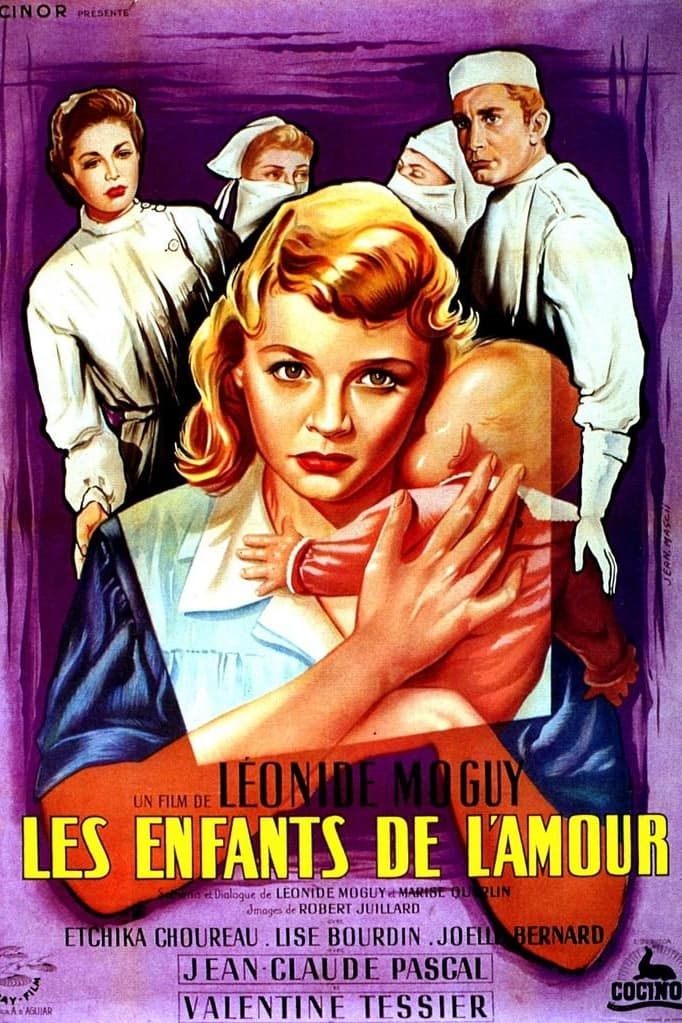
In a maternity hospital, young single mothers are accompanied by social worker Hélène Lambert, who tries to make them aware of their new responsibilities, while Dr. Baurain stresses the importance of their moral and sexual education. They come to the aid of several young women: one who would like to give up her child to a couple applying for adoption, another who, after the death of her first baby in dramatic circumstances, is expecting a second, and many others.
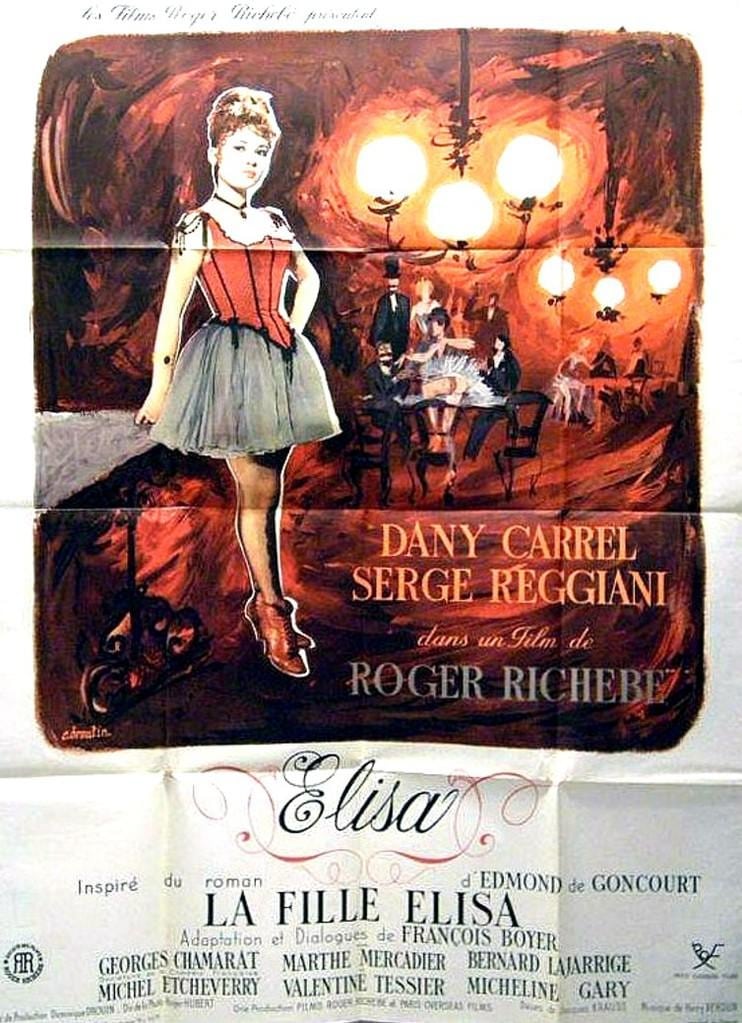
Recently released from reform school, Élisa works at Madame Irma's before moving to Paris, where her success is growing. On a trip to the provinces, she meets Bernard, a blind man. They soon fall in love, but Élisa hides her activities from him. When he finds out, he hits her. The situation quickly degenerates.

Nineteenth-century Paris comes vibrantly alive in Jean Renoir’s exhilarating tale of the opening of the world-renowned Moulin Rouge. Jean Gabin plays the wily impresario Danglard, who makes the cancan all the rage while juggling the love of two beautiful women—an Egyptian belly-dancer and a naive working girl turned cancan star.
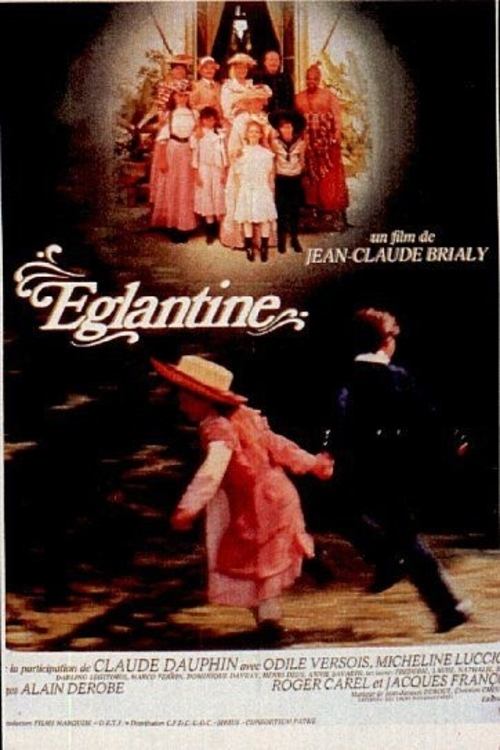
Léopold, a young schoolboy, returns from boarding school to spend the summer vacations with his family. He is delighted to see his grandmother Eglantine again. The good times spent with all those close to him make him forget the stress of school. But with the start of the new school year fast approaching, Léopold learns of Eglantine's death.
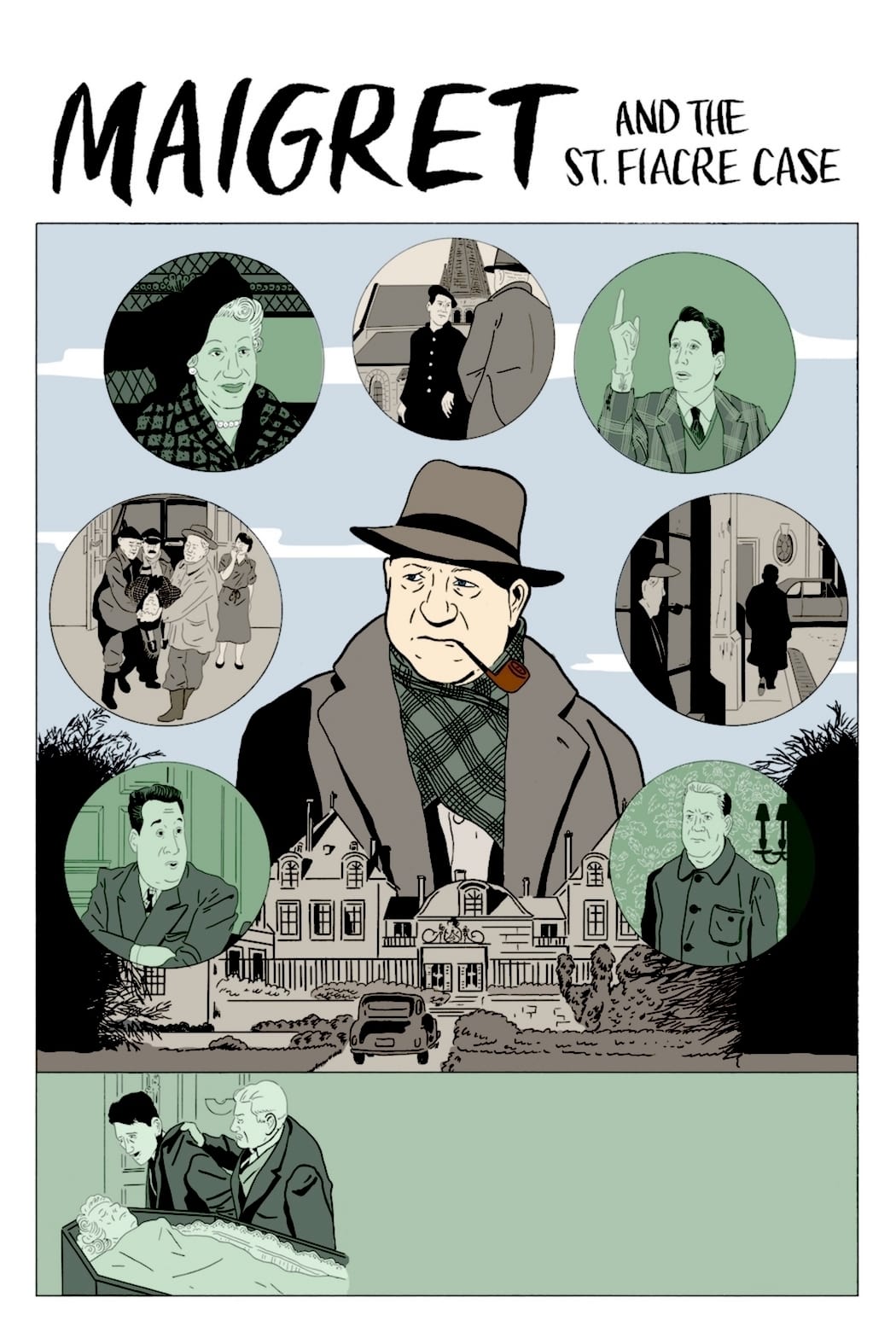
Police Commissioner Jules Maigret returns to the small village where he spent his childhood at the request of the Countess of Saint-Fiacre, who has received a disturbing anonymous letter.
The young Loris is undergoing a trial for killing his girlfriend Maria Luce. According to the reconstruction of the facts, the young man would shoot his mistress making it then end up under the wheels of a tram. On the remains of the woman's body, however, there is no trace of a gunshot wound and, during the trial, the accused, who appears hypnotized, refuses to answer. The arrival of the ex-lawyer Cidoni, who takes the place of the defense, overturns the thesis of the prosecution and instead demonstrates that the victim was not a naive girl as had been believed up to then.

Young women search for love whilst living in a cheap Parisian boardinghouse that does not allow men.
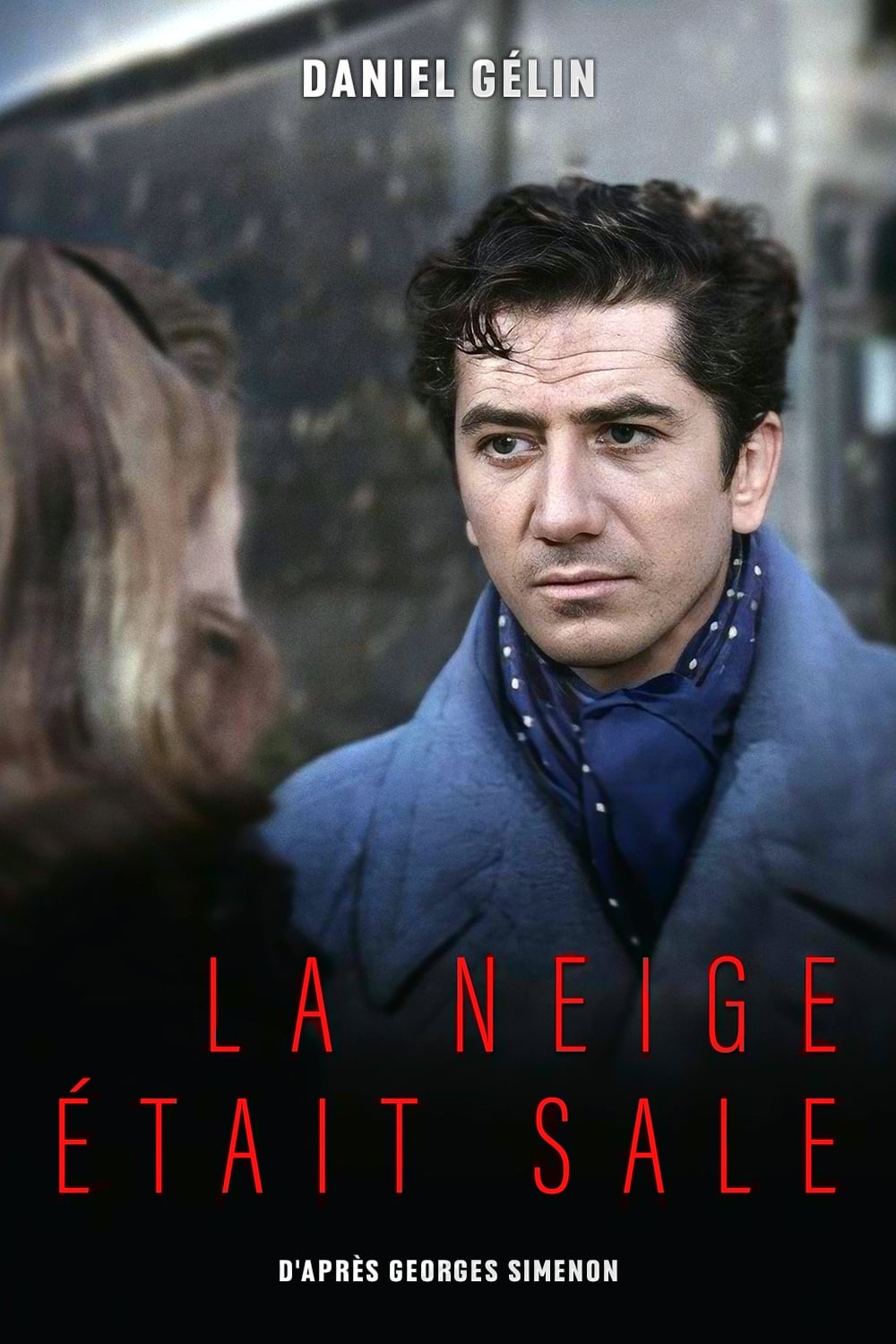
La neige était sale is based on a novel and play by the phenomenally prolific Georges Simenon. Upon learning that his mother was a prostitute, Frank (Daniel Gelin) dejectedly vows that he, too, will live a life of debauchery. Part of his self-degradation program is to kill someone, and since the story takes place during the Nazi occupation of France, he chooses a German officer as his victim. His steady descent into psychosis and depravity becomes his ultimate undoing.
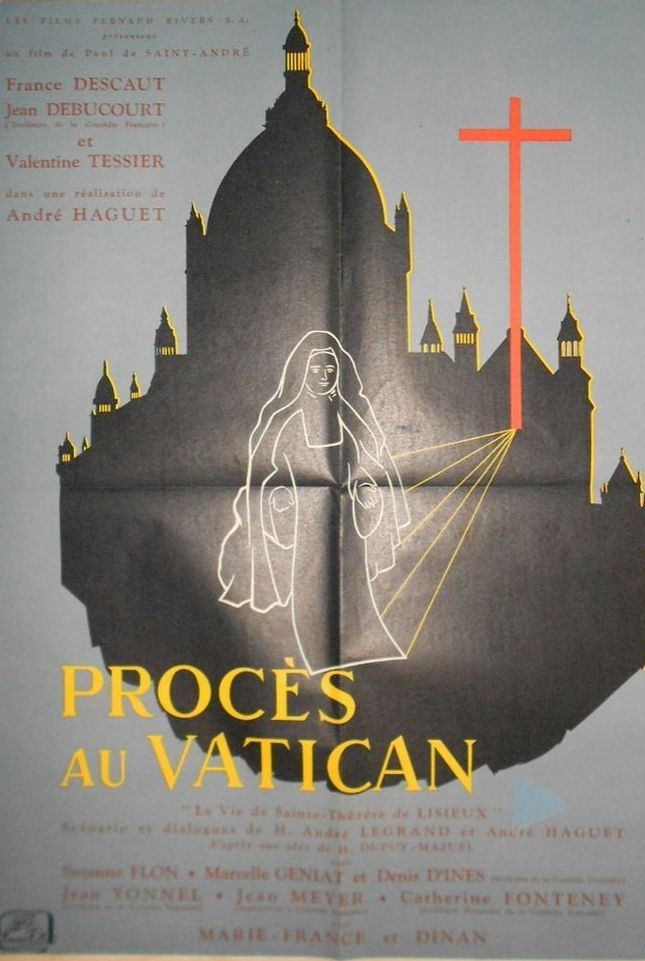
In 19th-century France, a little girl follows her two sisters into a Carmelite monastery with the goal of becoming a saint.