
The Emperor's mismanagement of his country is provoking some in his court to plot to overthrow him. He feels successful, at least, when he discovers the legendary Golem, which he believes can protect him and even cure his imaginary illnesses but, when he disappears while on a bender, his kindly baker, who looks just like him, is mistaken for him, and begins to put things in order. However, the conspirators, not to be outdone, determine to bring the Golem back to life to do their bidding.
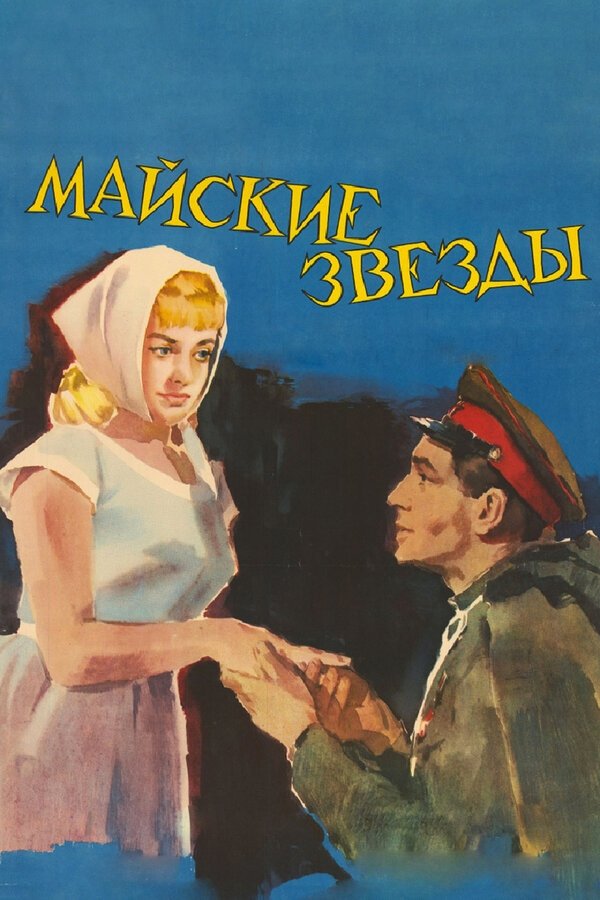
May 1945. On the outskirts of Prague, ordinary people meet Soviet soldiers-liberators with tears of joy in their eyes. In the early days of the lull, someone sadly recalls a pre-war life; someone unexpectedly meets his love; someone is returning from enemy dungeons looking hopefully into the future; and someone, having moved from a tank into a Czech tram, warmly recalls his craft as a car driver... These days, all those who survived the Great War fire swear an oath to keep peace on Earth forever, honoring the memory of those who gave their lives for simple human happiness.
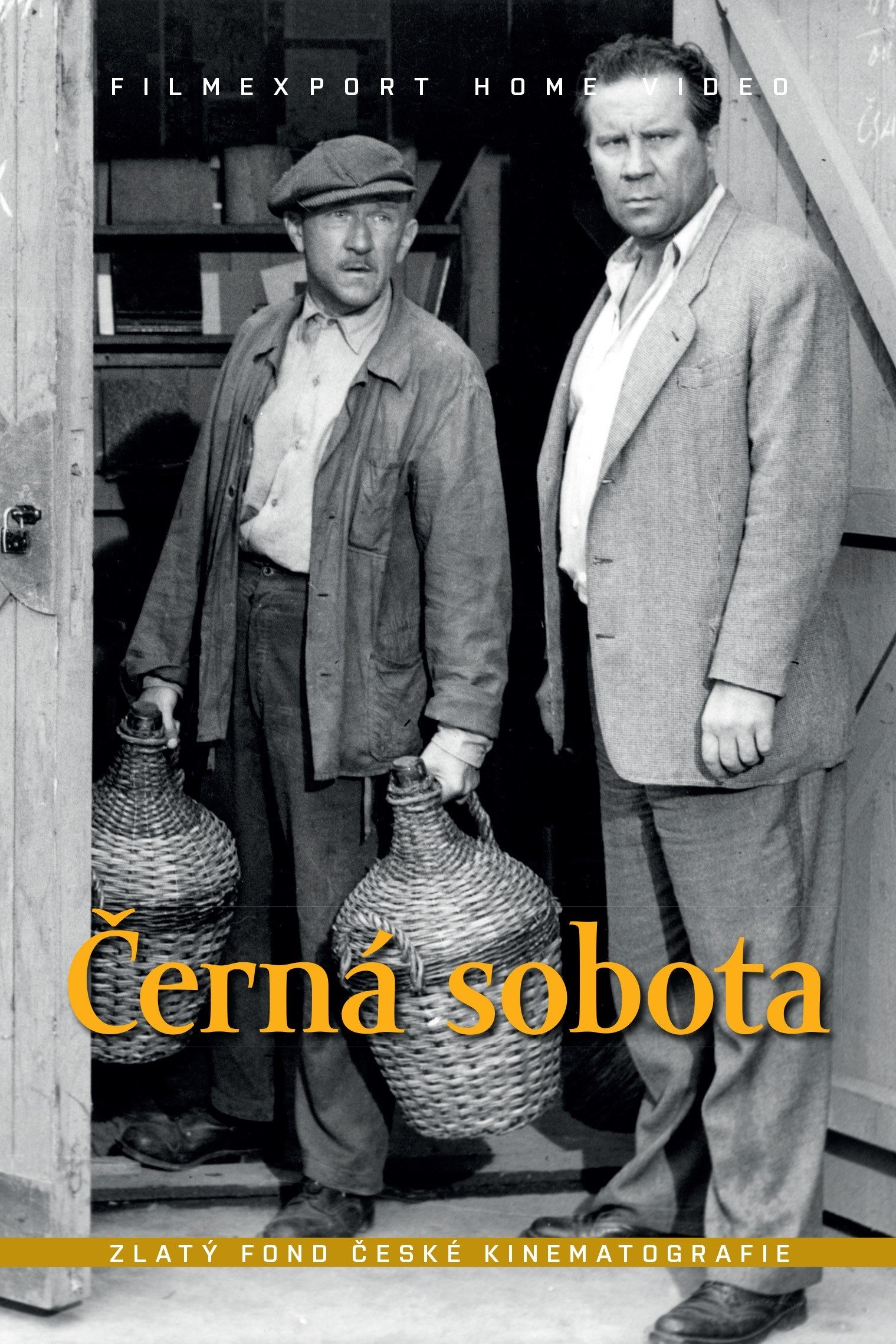
In this crime story, surprisingly, neither the all-powerful criminals nor the spies or saboteurs are pursued, as was once common. The plot is almost mundane: someone unwittingly siphoned off alcohol from a tanker, unaware that it was deadly methyl alcohol, intended for industrial use. Finding out where the poison has been transported and which people it endangers requires painstaking work.

Ten-year-old Martin attends religion at school and is always an altar boy at church. That's the wish of his mother Anci, a bigoted believer. However, Martin encounters hypocrisy at every turn and begins to doubt that God exists. His older brother Eda steals money from his father with impunity, his father steals materials from the cooperative building, and even Martin's best friend Kovajs "sins" without scruples. Pastor Hornof tries in various ways to maintain his influence over his sheep, but is hindered by people with a "progressive" socialist mindset. When Martin's beloved Angora rabbits, who have done nothing wrong to anyone, die, the boy's faith is clear. He decides to join a pioneer organisation. All that's left is to keep it a secret from his mother...
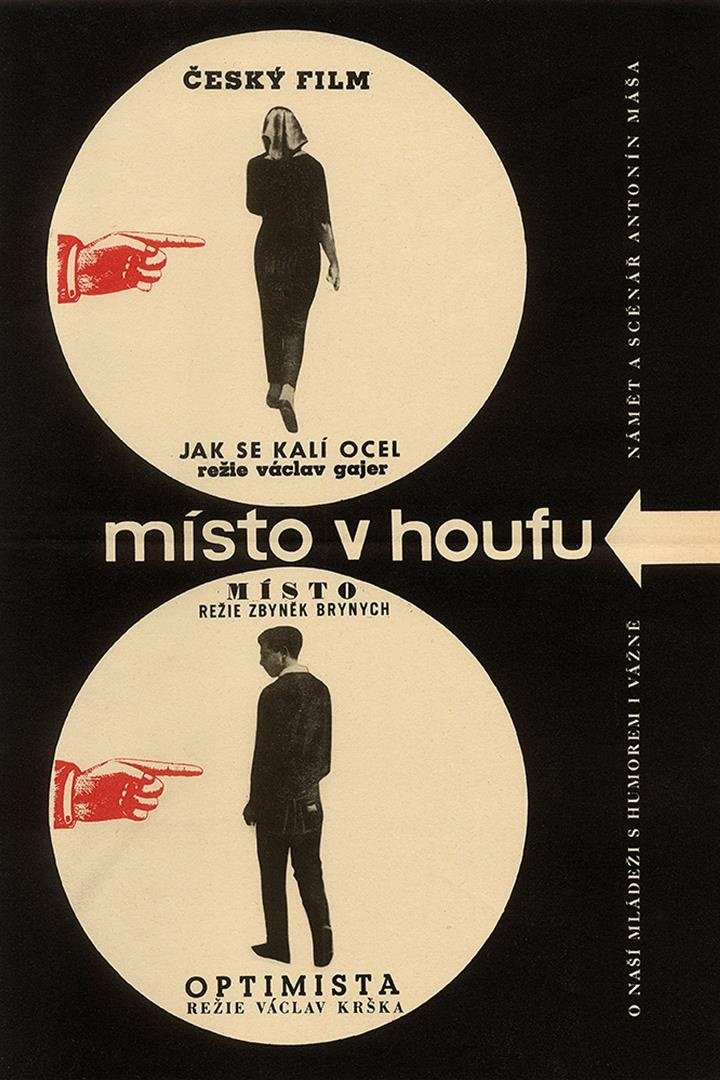
A film in five episodes, all based on an attempt to show the life of young people today, their feelings and relationships, their behaviour in public and private life.
Captain Martin from the police's child department and his colleague Kraus are called to Znojmo to help solve a case regarding stolen toys found in the town's subterranean passages. The members of the local police department are convinced that the thieves are the well-known "customers" from the Znojmo elementary school, pupils Exner and Mandlík. Martin, however, has doubts about these culprits. These doubts grow even stronger after the local self-service shop is robbed and the local tobacco store reports that it is missing a lot of imported cigarettes. Martin questions the children, inspects both shops and searches through the underground.
The comedy "Vendelin's Purgatory and Paradise" contains the amusing experiences of the Zemlicka family from Prague who are all trying to find a good match for their daughter Amalka. Amalka is a pretty girl and it comes as no surprise that Vendelin Hrom grows fond of her, having met her and her whole family on a Sunday outing. On the way home they all get wet and so Vendelin is invited to the Zemlicka's house to dry off; he is given dinner and asked to stay the night. The father and mother think up plans to ensnare the timid Vendelin so that they can marry off their daughter.
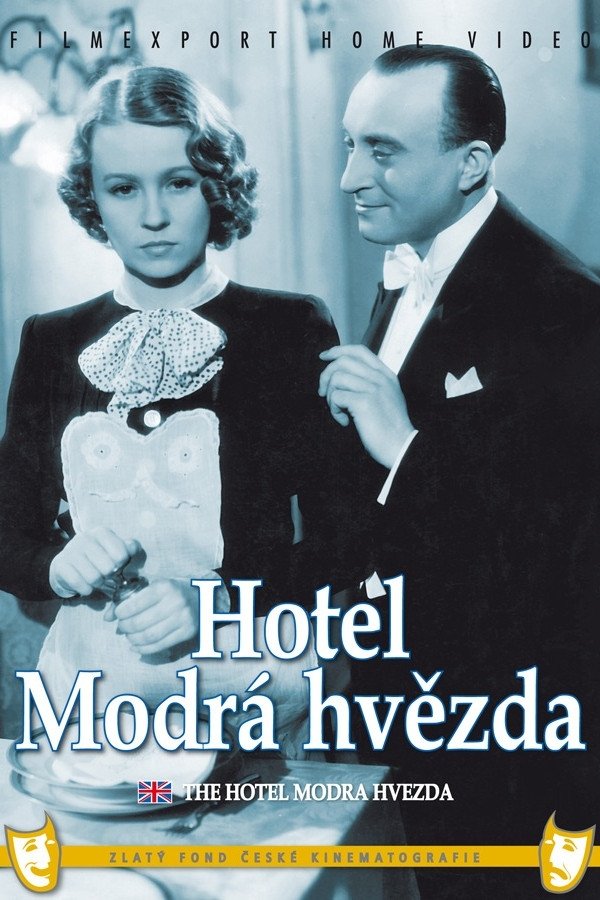
It all begins when Zuzanka, the new young owner, arrives at the dilapidated Blue Star Hotel. Determined to put the declining inheritance back on its feet, she starts chasing three young men, including the composer Jirka, who, dressed in a waiter's tailcoat, is to work off his debt to the new owner. Like his two friends, Jirka succumbs to the charms of his new boss and, with some confidence, hopes that he is the one who has the best chance of becoming her chosen one. At that moment, however, a guest arrives, intent on carrying out the family tradition and throwing an engagement party at the Blue Star Hotel, regardless of his condition. This, however, is not to the liking of his wilful fiancée. Fortunately, there is the sympathetic Zuzanka, who charms the unusual guest so much that he resolutely breaks off his engagement to the rich girl and prefers to marry the cute hotelier.

In the 1600s, an overzealous clergy hauls innocent women in front of tribunals, forces them to confess to imaginary witchery, and engages in brutal torture and persecution of their subjects.
The families of Vavruš Cagala and Cyril Hanulík live in a secluded area in the Beskydy Mountains. Vavruš and Cyril are hardworking woodcutters and foremen. Cagala's daughter Terezka likes Tomáš Hanulík, but she also likes Pavel Zgabaj, the son of the owner of the farms in the valley. Cyril Hanulík is jealous of his Heva and wrongly suspects her of infidelity. Francek, whom Heva loved before their marriage, takes revenge on the Hanulíks: he sets fire to their apiary, from which he seizes Cagala's hayloft. Since then, misfortune has befallen the Cagala family. They lose their horses and wood, and old Zgabaj demands the money he lent them. He is only willing to back down from his demands if Terezka marries his son. Cagala does not want to allow her daughter to sacrifice herself, so the girl secretly goes to the farm to work there as a helper on the farm...
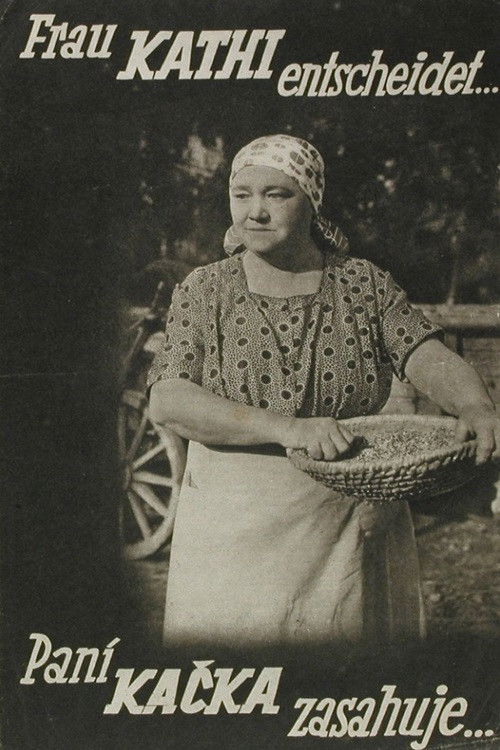
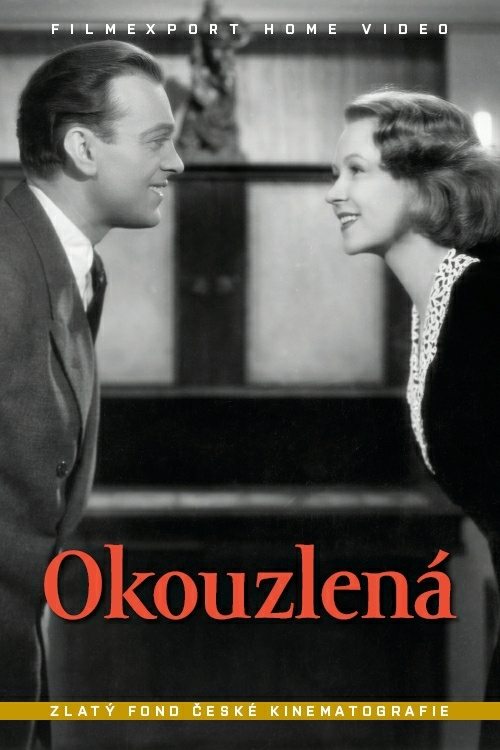
In the garden of Hojtaš's estate, local dignitaries gather to watch a theatrical performance starring the author of the play, Dr. Pavel Chvojka, the landowner's granddaughter Olga, and Lenka, her ward. Lenka is intoxicated by the theater and Pavel, but he prefers the more experienced Olga. Lenka runs away to Prague to become a real actress. However, the beginnings are difficult and the girl is forced to work in a fashion salon. Here she meets the warm-hearted Milada, with whom she also shares a sublet. In the salon, Lenka meets Pavel again after some time...
Intern Plichta arrives to work at a country estate, where there is a strict ban on marriage for officials, issued by the count. However, Plichta meets Jiřina Krátká on the way, falls in love with her and intends to marry her. Adjunct Ptáček and intern Ráček are also vying for Jiřina. All the officials already have brides in mind, whom they call chicaneries. The news of the count's death causes a stir, and twelve merry-making parties are planned at the estate at once...
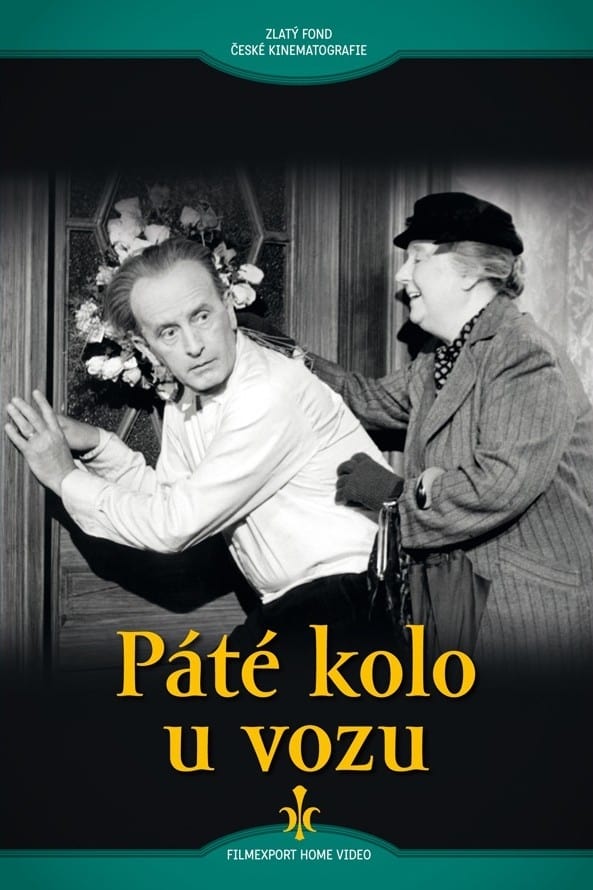
Although the emancipated editor of a women's magazine proclaims that grandparents in particular should not be abused by their adult children, she accepts without scruple the fact that her mother, still a sprightly pensioner, works in her household as a jack-of-all-trades without receiving not only any pay but also no recognition. However, the grandmother learns from an article written by her daughter - and rebels.
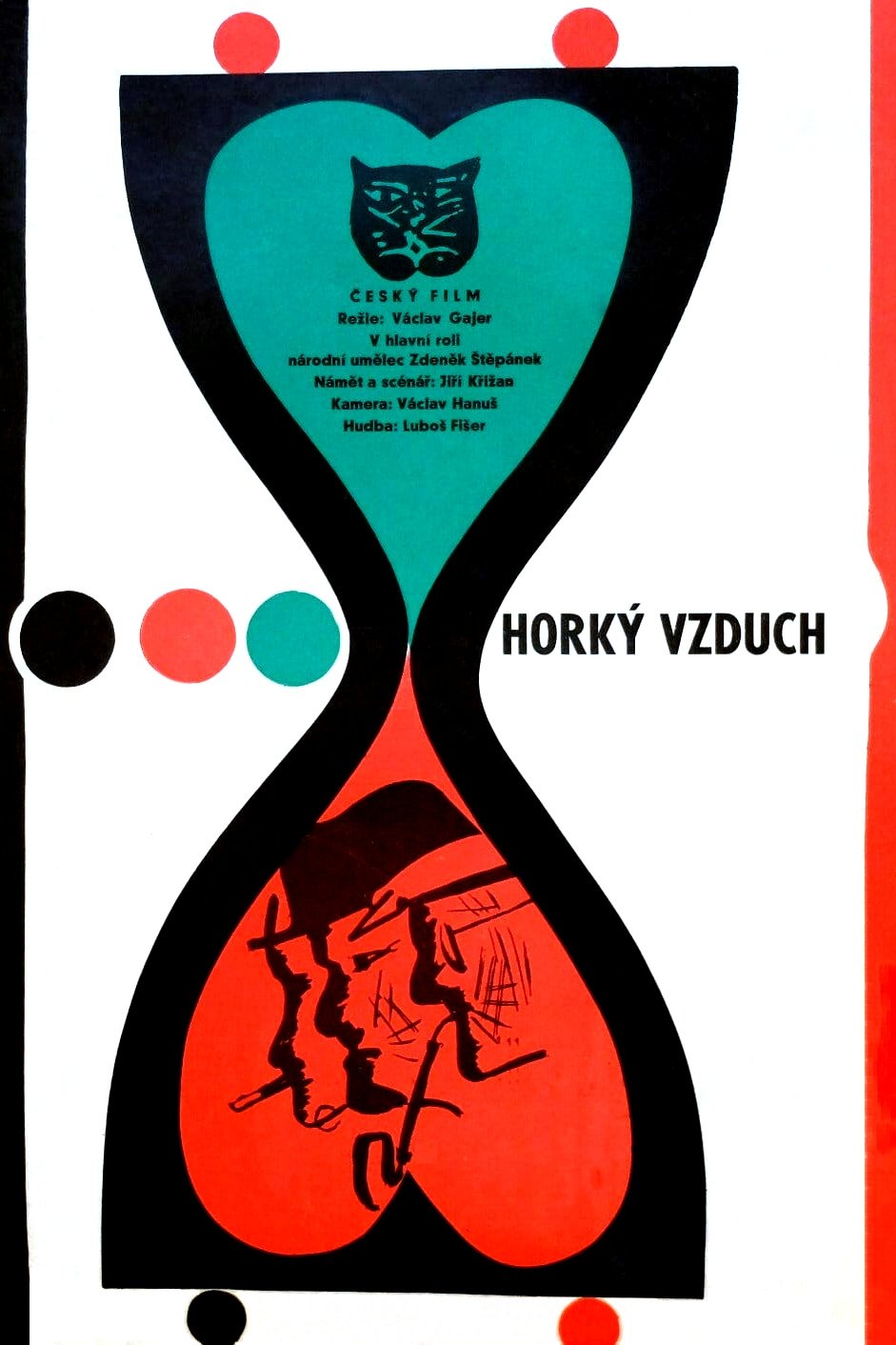
A tragicomedy set in a village where it depicts a diverse assemblage of old geezers spending the autumn of their lives in different ways. Some are amused by watching cars speeding around an obscure bend, but one agonises over both humiliating poverty (his pension is barely enough to buy the most basic food) and the rude behaviour of those closest to him.
Mist on the Moors examines fates of just about a few people. Their stories are outlined in a short space of time and are a symbolic representation of the drama of life, struggle for justice, human cognizance and the healing power of love. One of the most important components of the film is the nature, which ceases to be a mere stage for its plot—it serves almost as an autonomous plot agent. The movie landscape is a precisely defined and localized one. Only the South Bohemian ponds can serve as the right environment for development of such earthy and typically human stories as we encounter in the Mist on the Moors.
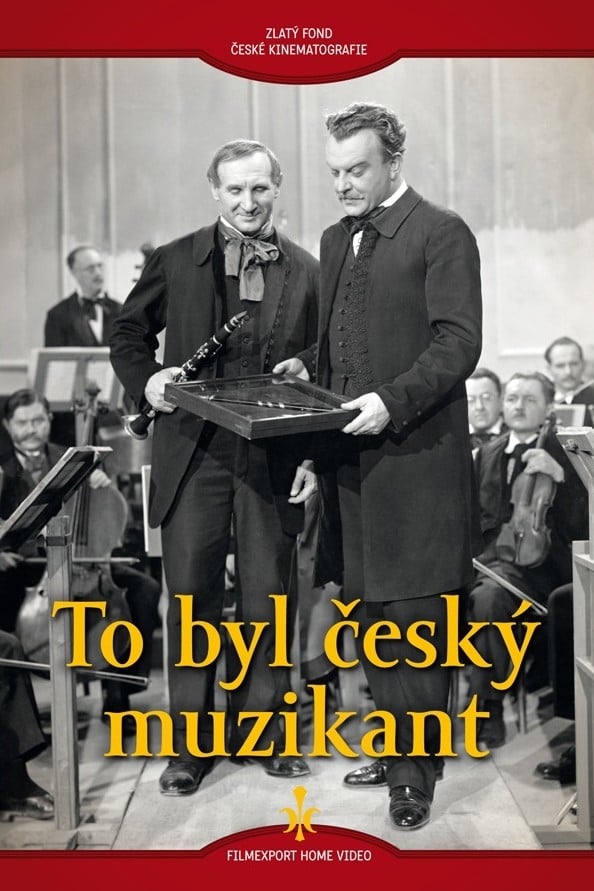
Teacher František Kmoch is suspended because he plays at dances or composes at night. He forms a band in Kolín and his supporter Baron Hrubý helps him perform in public. His music is popular not only at home but also around the world...
The new era brings with it progress, which must inevitably penetrate even the most remote corners. It has also reached the village of Čirá. The men there have a number of modern machines that make their work in the fields easier, while their wives still toil in the household. One help is readily available - a communal laundry could replace the traditional washcloths. However, the men who rule the municipal council do not want to hear about such spending. So the wives join forces in resistance and resort to severely repressive means...
Businessman Karel Bočan is a swindler who writes down the debts of his victims in a green notebook. He is stopped by an observant boy who reveals the fraudster and dealer in stolen goods in it.
Building a bridge is no simple matter. The city council has to decide between two competing proposals, one of which is submitted by villainous scoundrels and scoundrels who would like to enrich themselves everywhere. Although the film was made before the communist coup, it already anticipates the political diction of the stories that the approaching Stalinist period will produce.
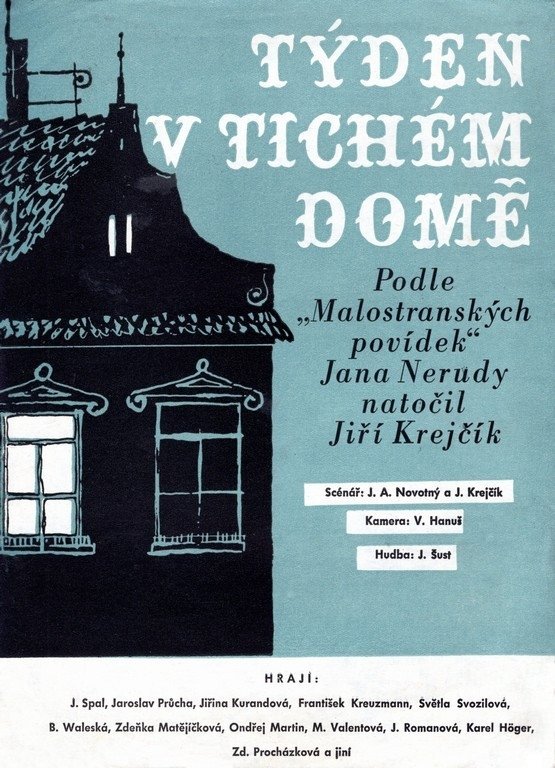
A sometimes humorous, sometimes more serious look at the hustle and bustle of a house in Lesser Town with a diverse array of tenants living there, and often petty quarrels that break out between them. Behind the facade of the house in Lesser Town "U dvou slunců" (Two Suns) there is life. The Bavors live here, eternal slaves to the grocery store. The Ebros, who need to marry their daughter off at a good price. The bachelor Dr. Loukota and other interesting Nerudov characters.
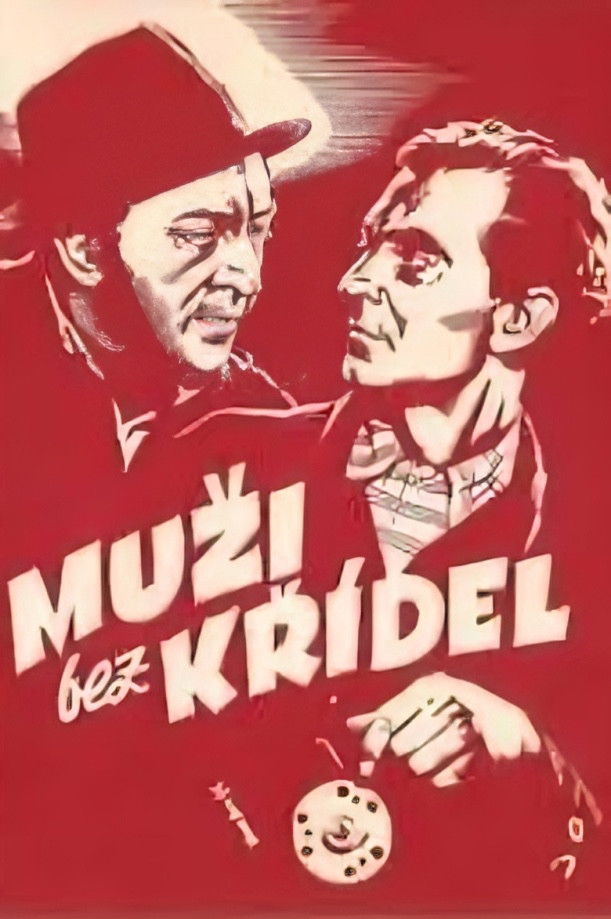
After an attack against the guard of the Third Reich, Nazi repression intensifies, and the Czechoslovakian resistance's organized sabotage in an aircraft factory leads to Gestapo shootings.

The leader of the emerging organized labor movement in the 1880s, Ladislav Zápotocký-Budečský, is exiled to his native village, where he works as a tailor and continues to raise social awareness among members of the working class.
The course of an organized strike by workers from North Moravian steelworks in 1931 to resist mass layoffs during the economic crisis.
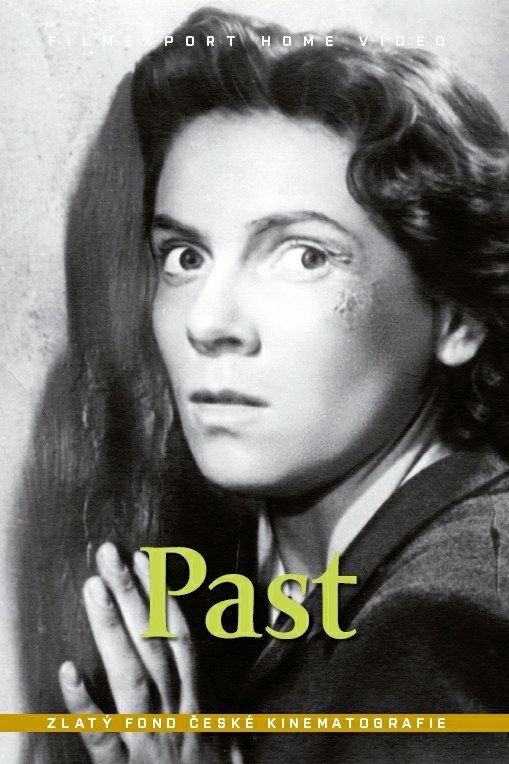
The drama from the time of the Nazi occupation begins at the train station, where a transport with German soldiers is passing. The train is stopped due to improvised sabotage by one of the railway workers. Resistance liaison Růžena Kubínová is arrested in a random raid. The cynical councilor Dönnert discovers her false documents and has her brutally interrogated. He suspects that she could contribute to exposing the entire group. He puts a informant, Herta, in her cell.
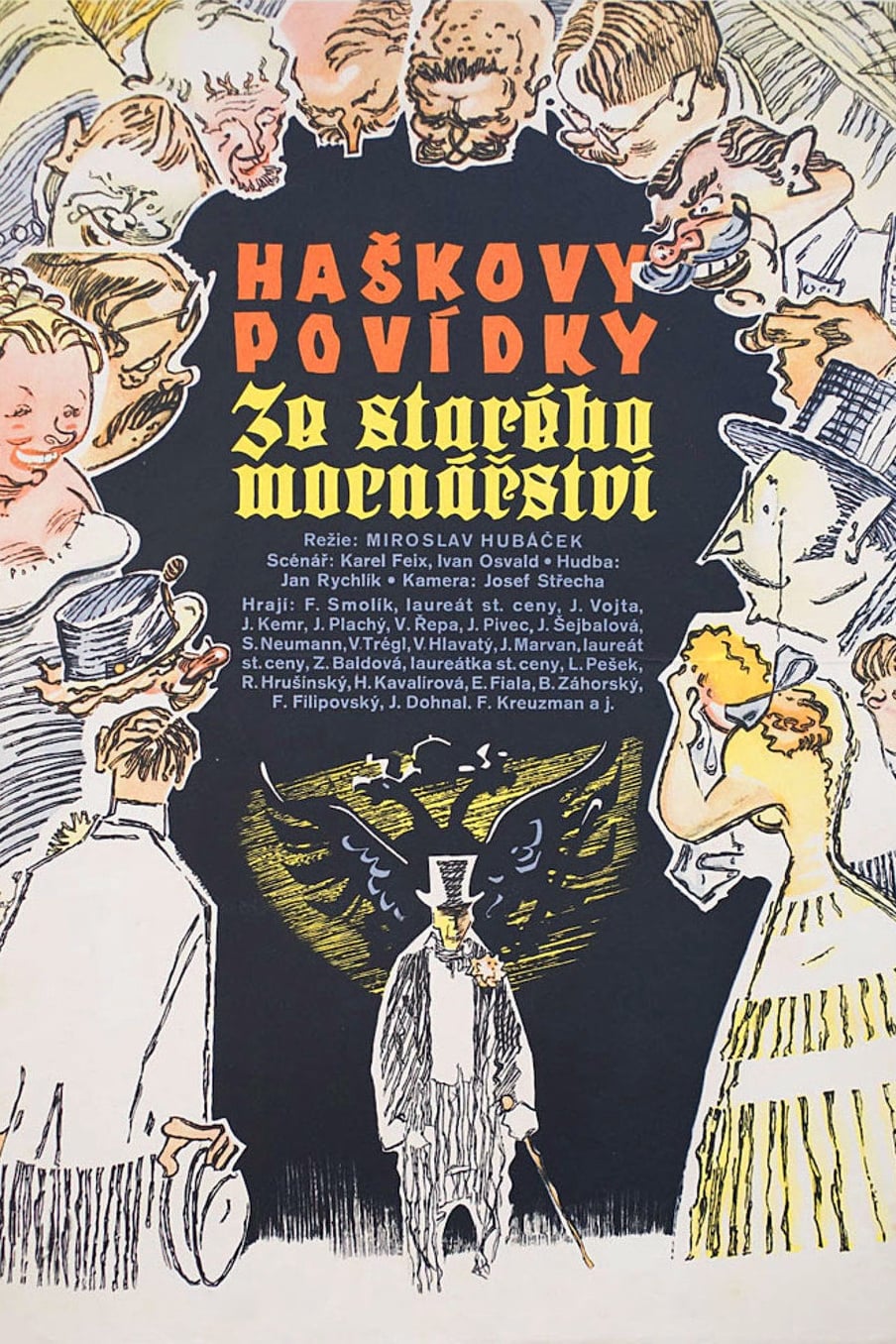
Four short stories by the greatest Czech satirist Jaroslav Hašek. "Soup for Poor Children" tells the story of how Prince Robert himself cooked soup for poor children, "Meeting of the Municipal Council in Mejdlovary" is the history of filling the position of municipal policeman, "Trampotes of Mr. Tenkrát" shows how strange events lead to marriage and promotion, "Revolt of the Convict Šejba" depicts the victorious fight of the convict Šejba for a dumpling for ministering at mass.
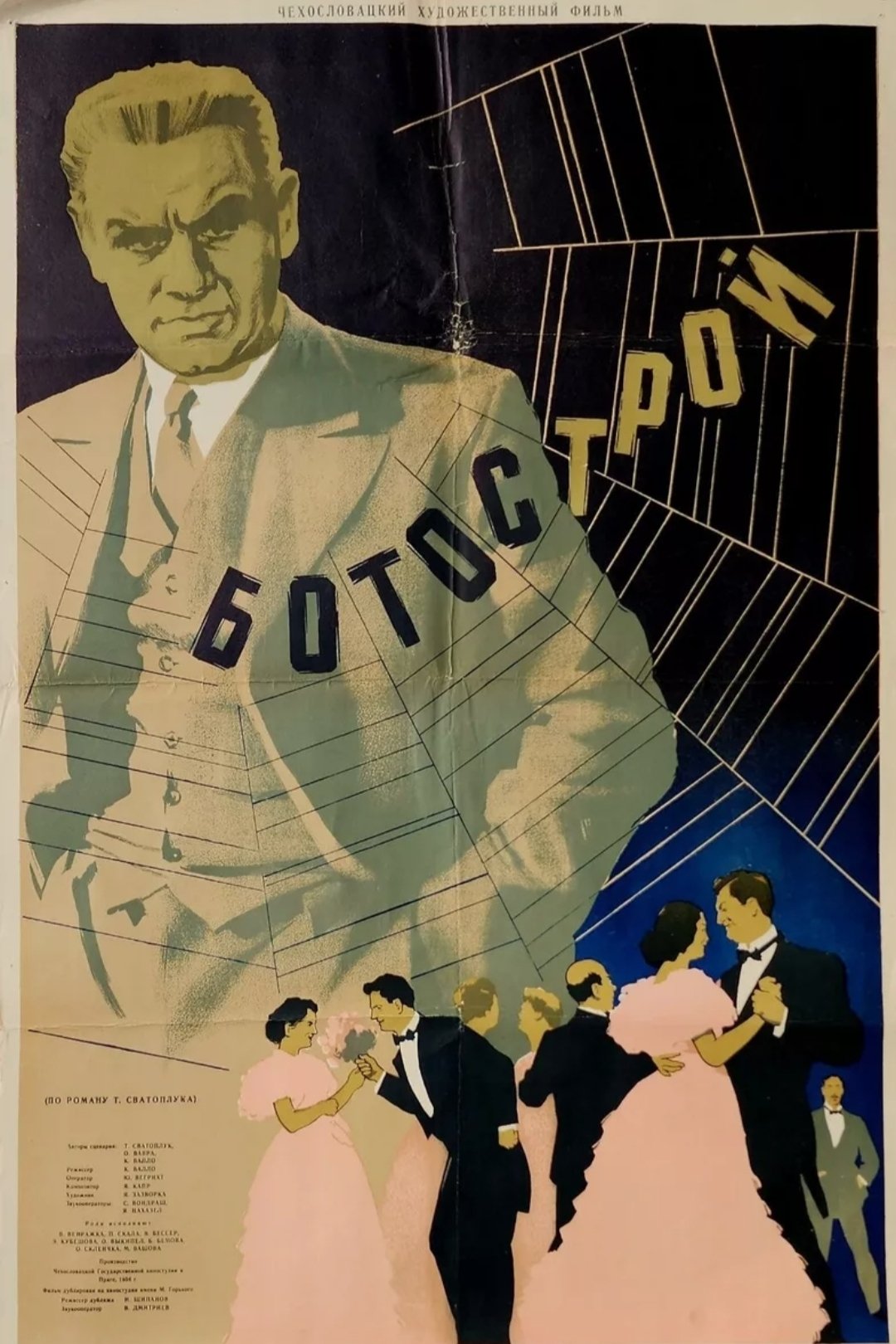
The happenings in a shoe factory serve as a not very thinly veiled examination of the pros and cons of both socialism and democracy.
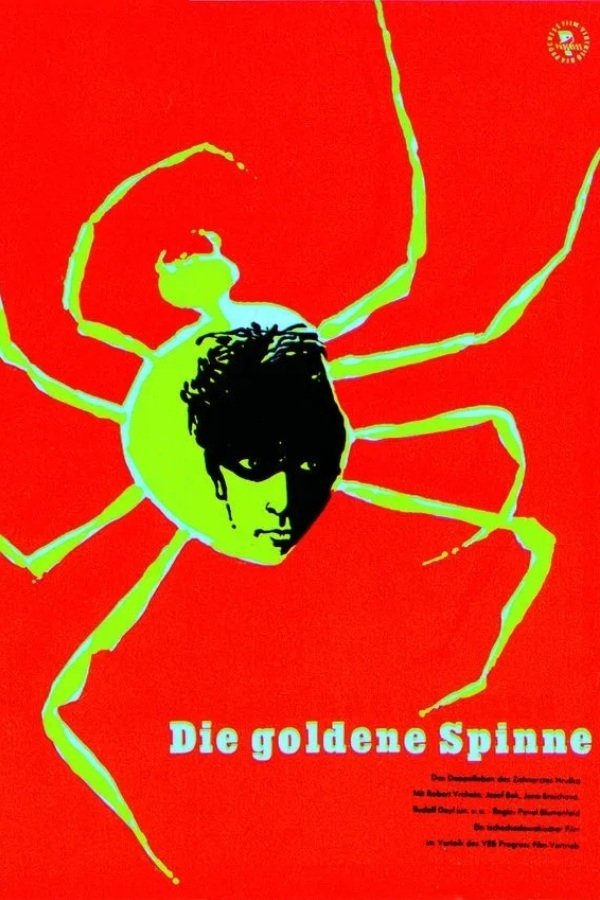
A man was killed while trying to leave Czechoslovakia. One and a half kilograms of gold was found on him - not in coins, not in jewelry, not in bars - but in the form of plates used to make teeth...
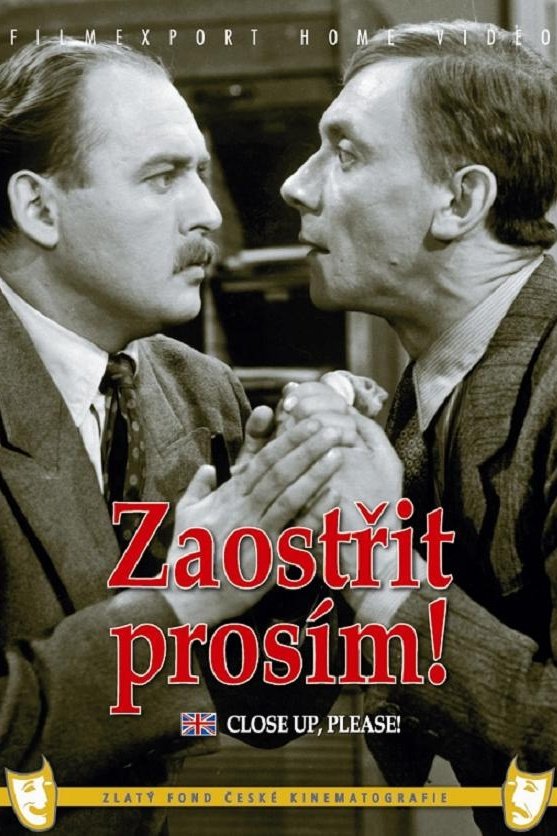
A Czech satirical comedy, filmed according to a script by the State Prize laureate Jiří Marek based on several of his satirical short stories. The film contains three stories, the first of which mocks careerism, the second takes aim at the inadequate attitude of some of our literary critics, and the final story is a satirical picture of how irresponsible construction work is still done in some parts of our country.
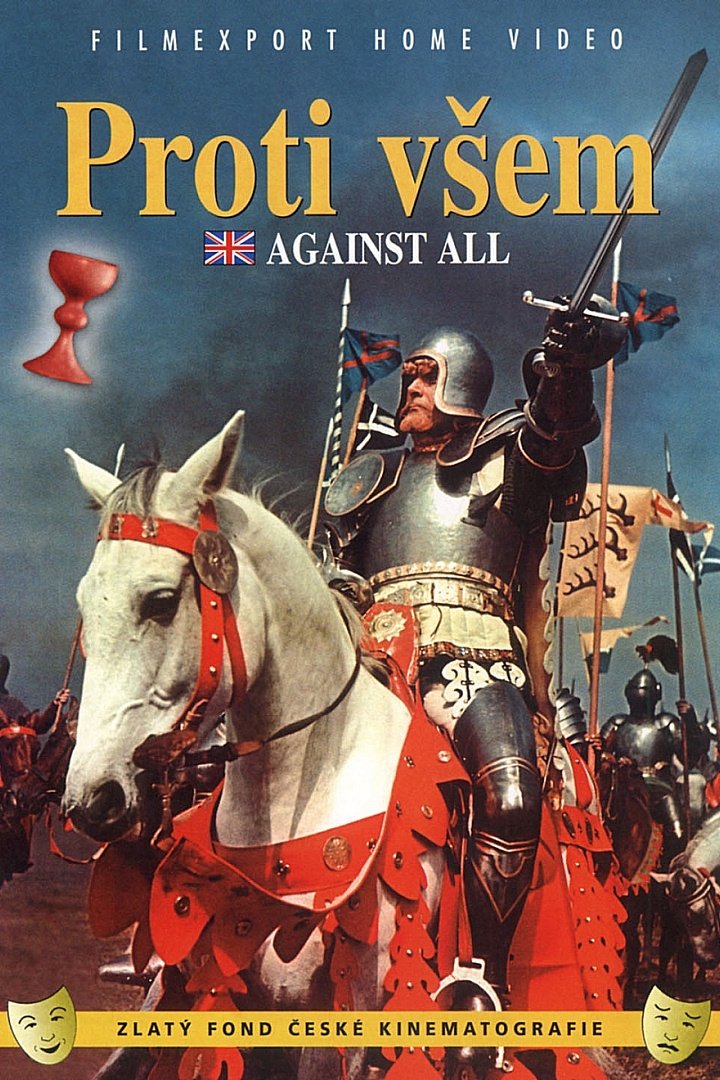
After the battle of Sudoměř the Hussite teaching spreads through the whole country and people start leaving their homes to help build the fortification of Tábor. Prague citizens request help against the army of Zikmund. The Hussite army with Jan Žižka in the lead make their way towards Prague. They fortify themselves on the mountain Vítkov and engage in a bloody battle with Zikmund’s huge army.
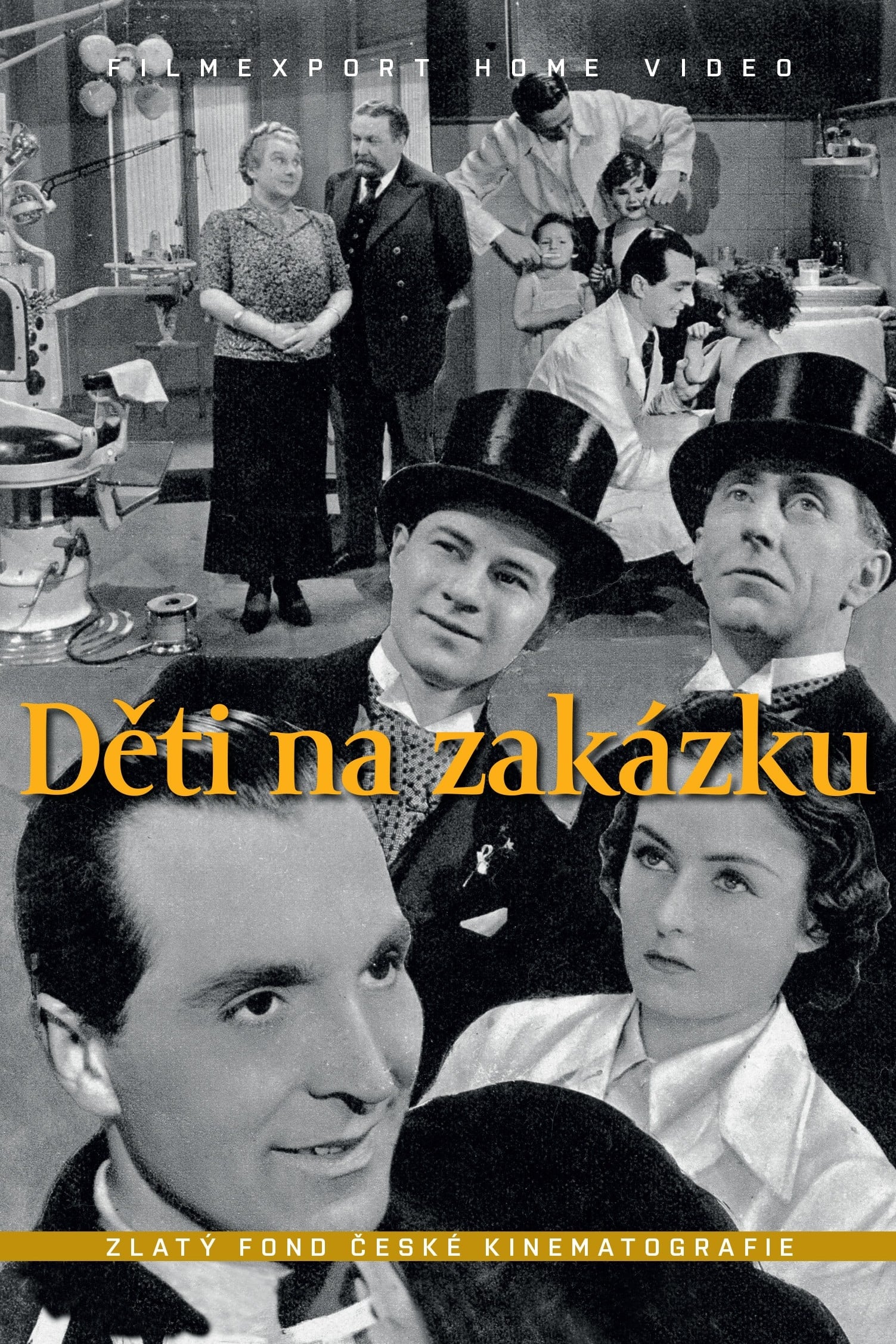
Dentist Dr. Matys employs two laboratory assistants, brothers Alois and Benjamin Zoubkova. They also serve as occasional nannies, because the young doctor is living with his widowed stepfather, former forest manager Václav Bezdětek, and his four small children. The brothers would like to marry their beloved boss, but they know that they must first find a new wife for Bezdětek. All the men are irritated by the radio feminist lectures of a certain Marta Kočová, who preaches against men who serve women and even give birth to children "on demand"...
A war drama about the anti-Nazi resistance in the early spring of the last year of the war. German villains are furiously searching for their opponents, threatening the villagers who helped a downed pilot sent from England. But suspicions are also growing in the Czech environment, as someone has stooped to being an informer.
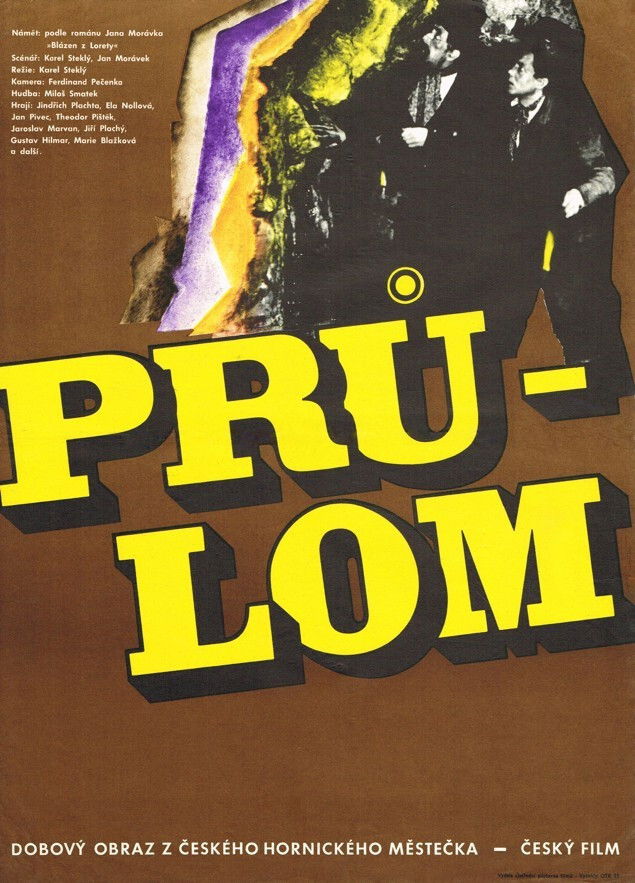
A small Czech town in the 1860s. The townspeople once made a fortune from the proceeds of gold mines that are now flooded. However, they do not want to invest in draining them, as they are convinced that it is not worth it. However, the cessation of mining has plunged the miners' family into poverty. After vain requests for help in the town and the governor's office, the miners decide to take action themselves...
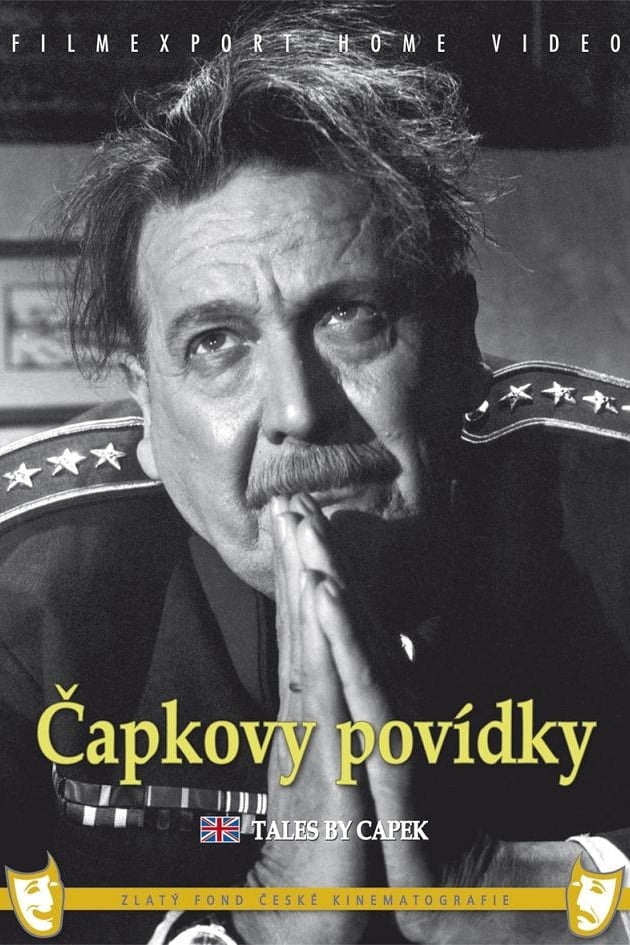
Five crime stories connected by the narration of police superintendent Bartosek.
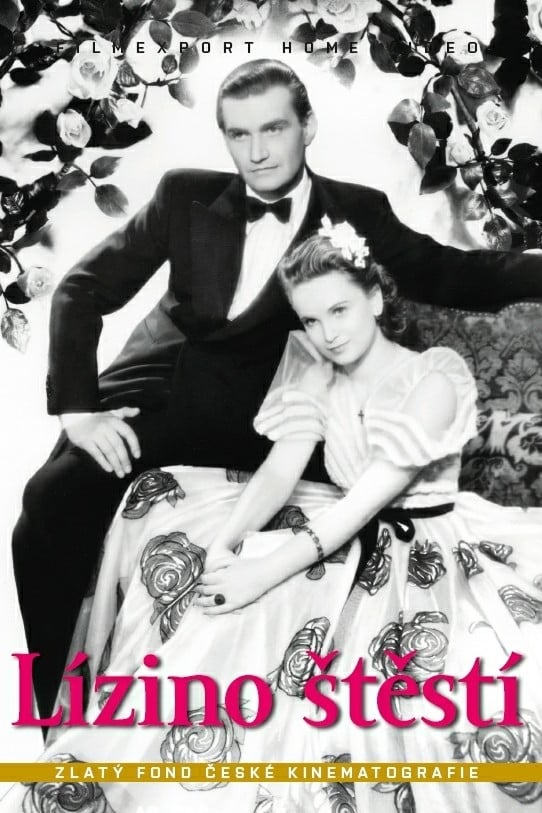
Zdenka Sulanová has grown from a leggy frog into an attractive young lady in the two years since the success of Líza's Flight to Heaven. It is no wonder that Václav Binovec decided to guide her through the further pitfalls of the life of the orphan Líza, who comes to a monastery boarding school to gradually win the heart of a strict teacher, her classmates, and finally the man who caught her eye at first sight. Of course, it will not be easy and Líza will have to shed a few secret tears, show vitality and a willingness to fight for her happiness. Then even the viewers of this typical First Republic girl's romance can conclude with emotion that the world is not so bad after all, when a poor girl can achieve success in it through diligence and hard work.
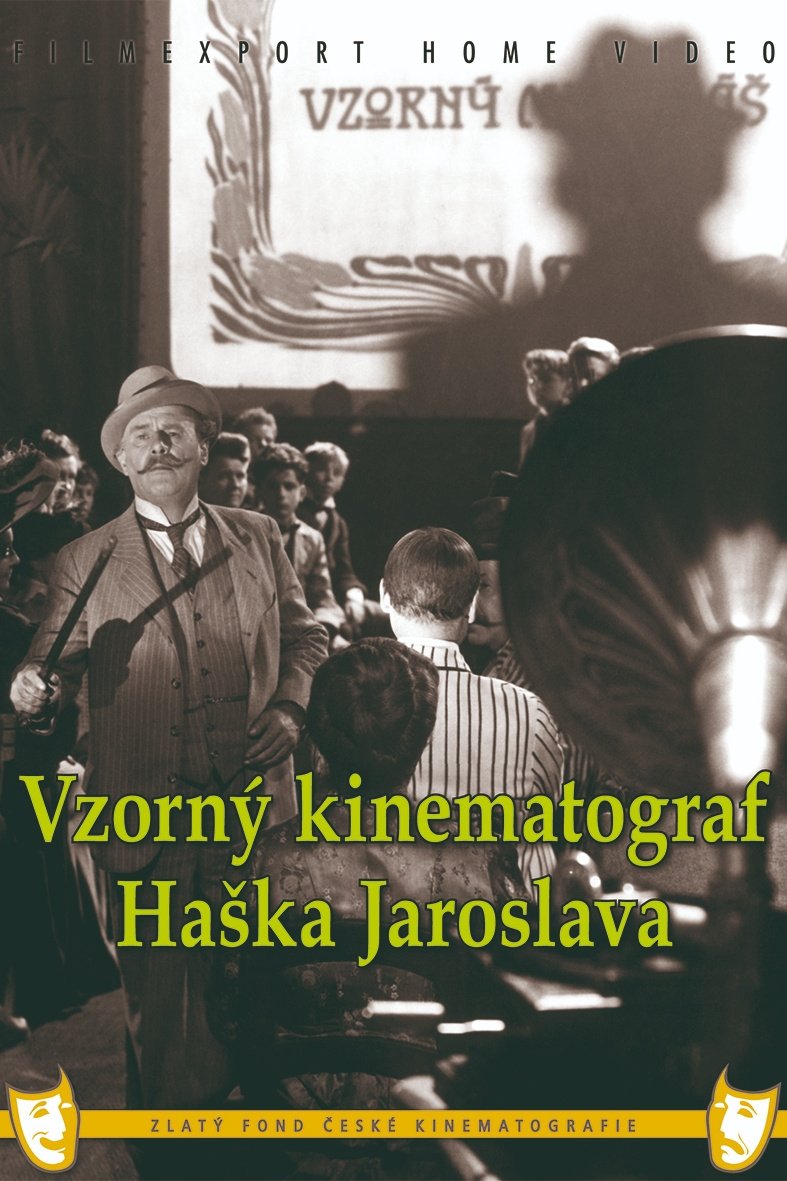
Jaroslav Hašek screens four film stories in the fairground shed around 1900. After period advertising slides and a "newspaper", we see "the first part of a sensational, exemplary, parfuss, salon program - a film from the life of school-age children, shot under very difficult circumstances". The plot of this film takes place partly in a school classroom and partly in a gymnasium toilet, where the primate Chocholka took refuge from a Latin composition. "Exemplary Family Happiness" is the second film that takes the viewer into the family of the municipal official Honzátek, in which many stormy scenes occurred when the hamster, provided by Honzátek Jr., moved into the sofa - a wedding gift from Sister Ema. Equally surprising are two other stories, one of which tells about the "father of the poor", the owner of a company with unrecoverable cash flow and a famous patron, and the other about the fateful consequences of a joint trip between the old bachelor Mr. Hanzlíček and his neighbors.
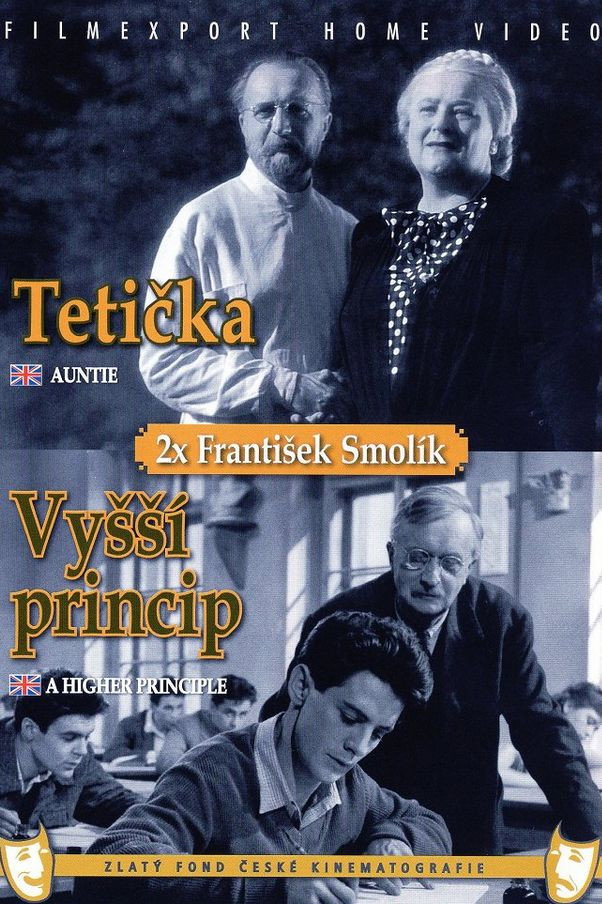
Rich spinster Berta celebrates her sixtieth birthday. Her faithful admirer Dr. Jelinek proposes. But Berta can not forget Edward, the great love of her life, and refuses the offer…
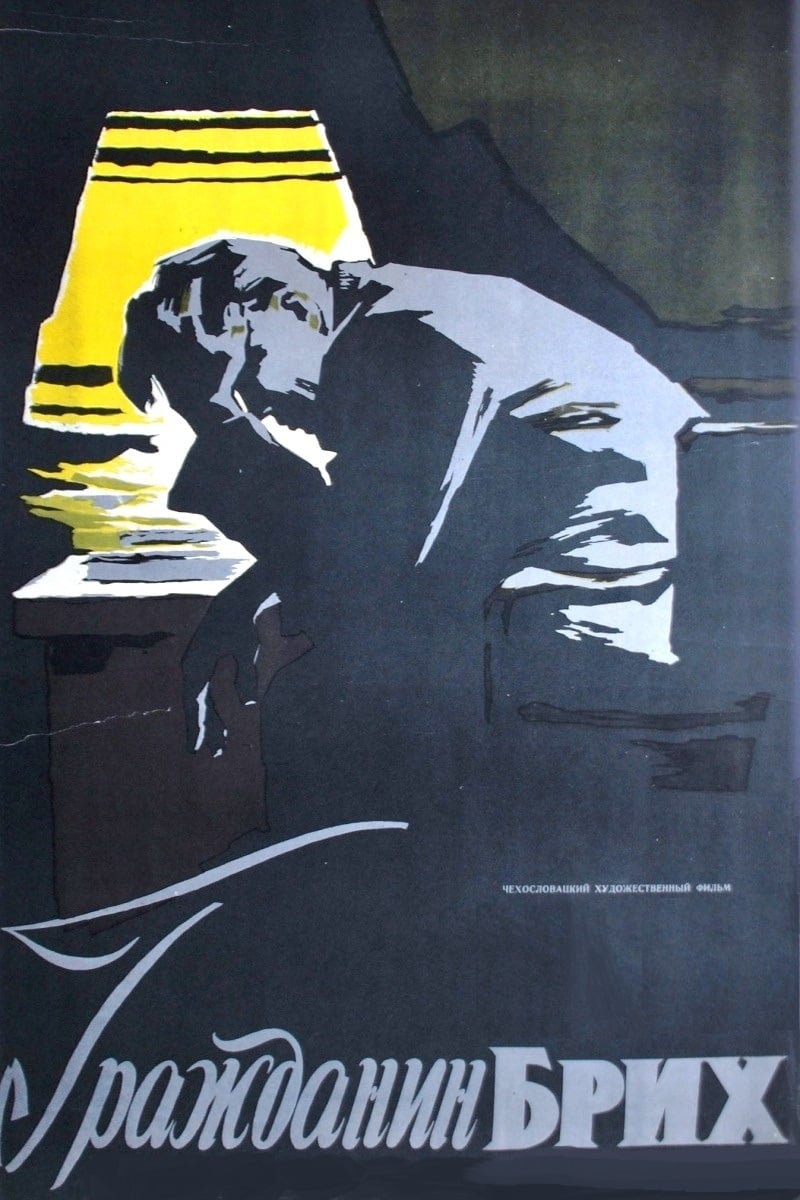
František Brych, a principled lawyer, refuses to back the new Communist regime at his factory and grows increasingly alienated, even as his former love Irena, unhappily married to factory owner Ondřej Ráž, seeks his understanding. When he helps plan an escape over the Šumava border, the group’s panic and violence lead to murder, prompting Brych to abandon the scheme and return home with Irena.
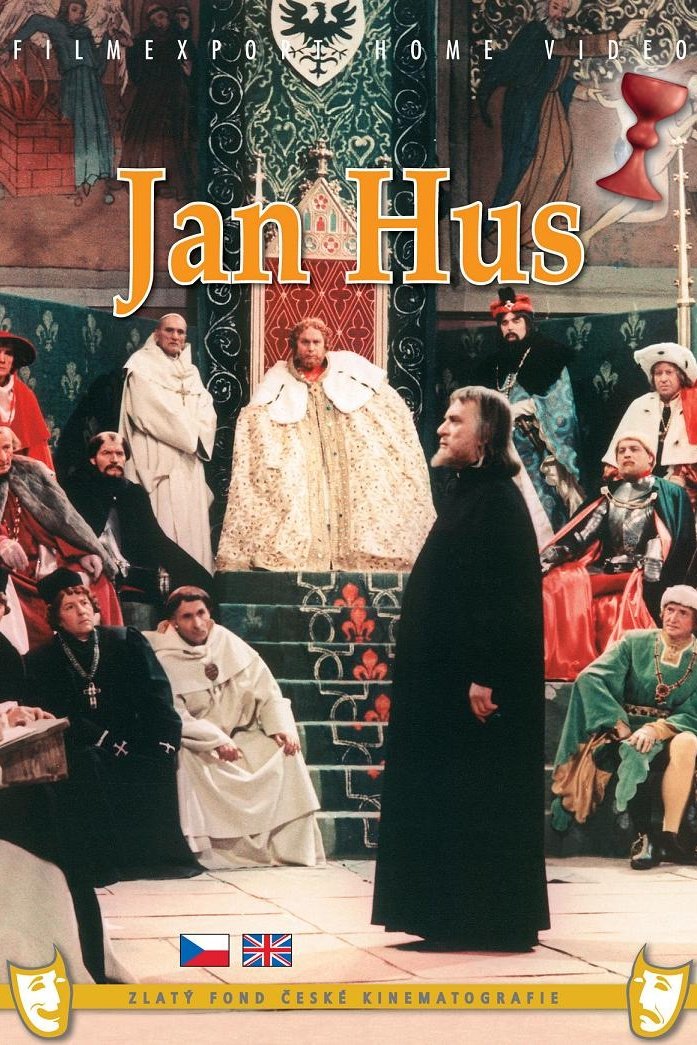
The first part of the "Hussite Revolutionary Trilogy", completed with Jan Žižka (1955) and Proti všem (Against All Odds, 1957). The film captures the period from May 1412 to the summer of 1415, a turbulent time in the Czech Kingdom, during which there were protests in Prague against the sale of "omnipotent indulgences" whose sale throughout the kingdom was announced by Pope John XXIII. The ideological leader of this movement is the preacher Master Jan Hus, whose words, calling for the elimination of church abuses, are listened to in the Bethlehem Chapel by thousands of ordinary Praguers, Czech lords and Queen Sophie, wife of the Czech King Wenceslas IV.
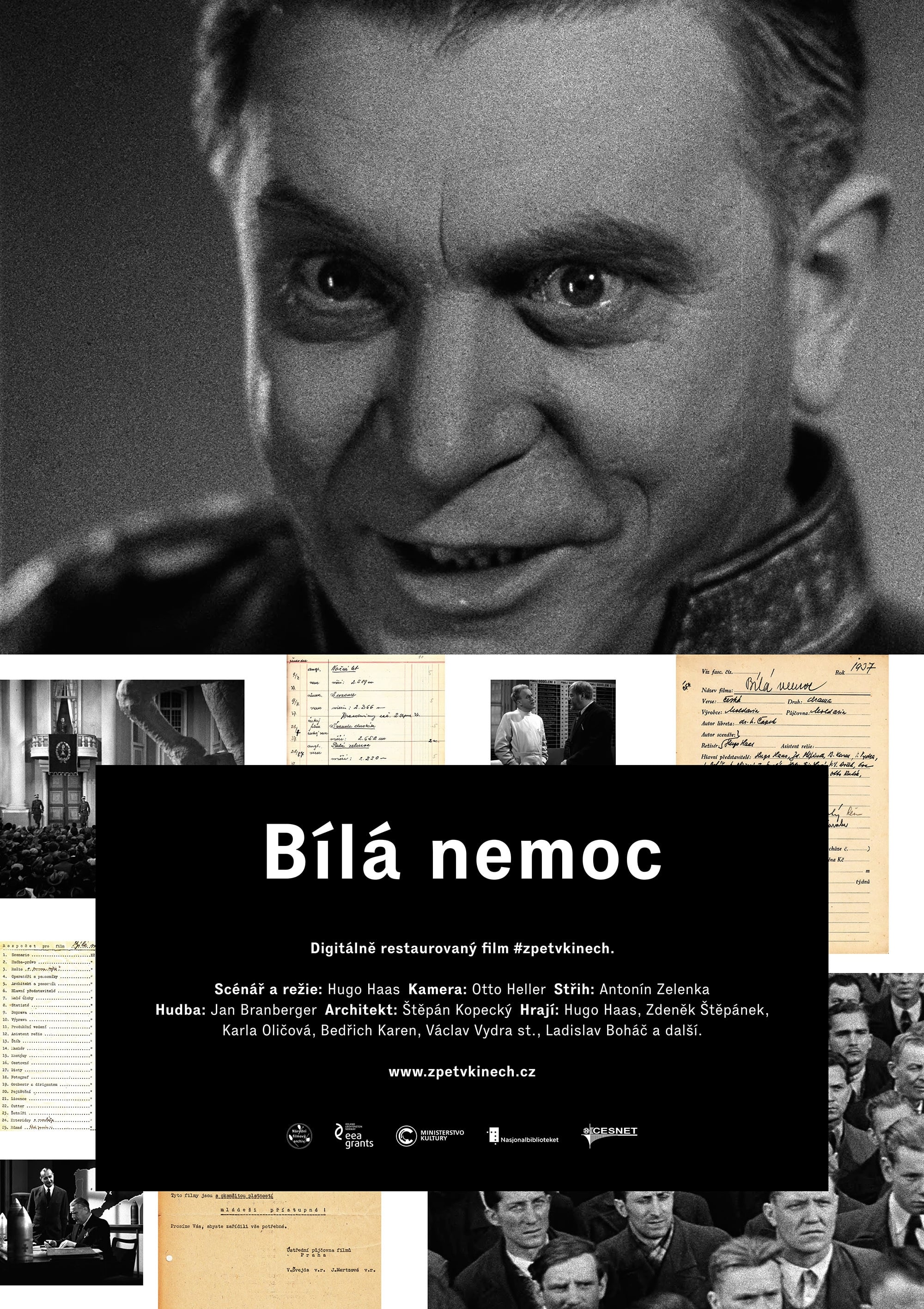
In a country whose people have just been successfully persuaded of their superiority and the justification for military expansion by the fiery speeches of a dictator, the bacillus of a highly destructive form of leprosy has spread. It is called morbus Tshengi, or popularly „white disease“. The only one who has developed an effective cure for it is a physician of the poor named Galén. But he refuses to reveal the secret of his cure as long as the powerful destroy human lives through wars.
At the annual festival in Strážnice, long-time rivals - cooperative members from the neighboring municipalities of Dubnice and Bojanova - met. This time, the people of Dubnice are leading both in selling sausages and in the artistic forum. Despite the protests of the accounting cooperative Ambrože, the youth from Bojanova establish a singing and dancing group, led by teacher Bartoš, whom Ambrože's daughter Eva loves. However, they go all the way to Dubnice to practice so that the irritable Ambrož does not know about it. This is the reason for the rift between Eva and Bartoš. They only reconciled after the defeat of the Bojanova group in the regional round of the competition. It turns out that neither Bojanova nor Dubnice alone can build an artistically strong group, but if they unite, they have hope for success in the next year of Strážnice.
The North Bohemian town of Chudoplesy in the middle of the 19th century: the only local industry is the domestic production of reed goods. The poor reeders organize a revolt against the exploitative factors.
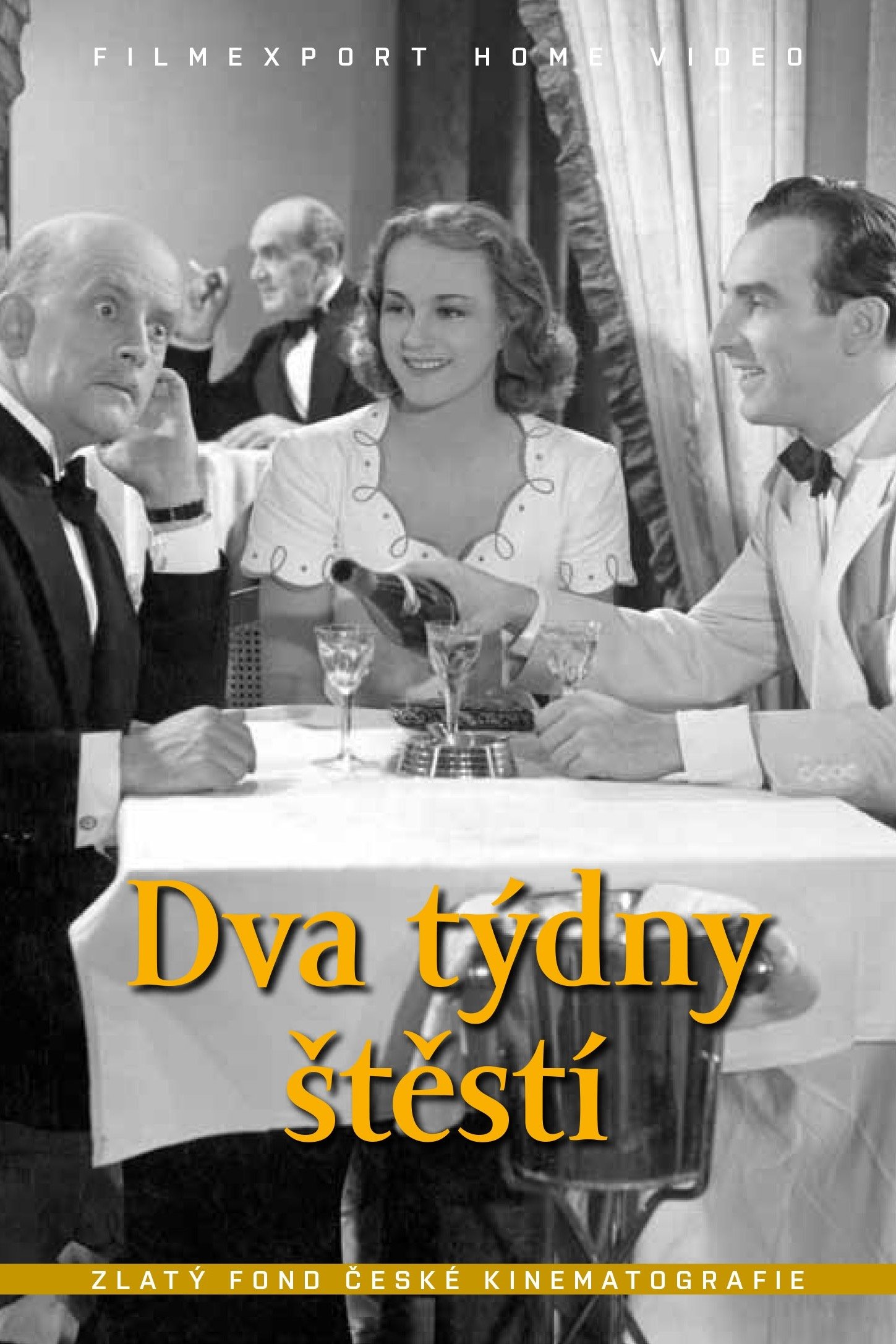
Young civil servant Marta Urbanová wins a two-week stay at a luxury hotel. While looking for a typing room, she accidentally finds herself in the suite of the Minister of Finance, who mistakes her for a typist. Marta complies with the request of the Minister's secretary Diviš and stays to take dictation...

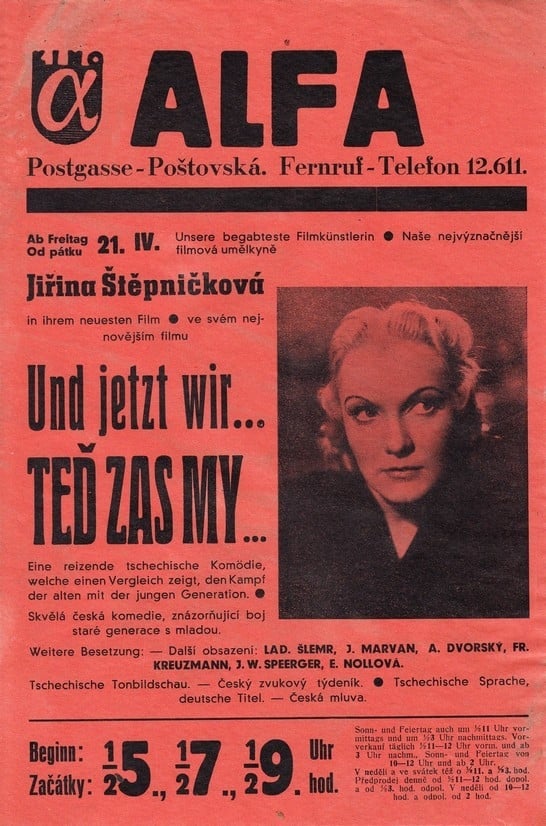
The factory owner Hložek is in a constant dispute with his son Jiří. Jiří wants to modernize the factory, but his father is afraid that the new machines will deprive the workers of their jobs. News of the factory modernization divides the employees into two hostile camps. To prevent unrest, Hložek offers his son money from his mother's inheritance in exchange for his departure. Jiří's biggest opponents include two older employees of the company - the correspondent Málek and the accountant Mazara...
Milada Dvořáková is about to get married to her business partner Dub, a gas station owner. When she catches him hugging his secretary, she breaks up with him. She sets up a rival company, ŽUB (Women at Gas Stations), and employs only single women. Dub also gets into the competitive fight...
Country man Josef Bezoušek has gone to Prague for an extended visit to his lawyer son's family. His son, daughter-in-law and granddaughters have welcomed him with open arms, so the grandfather quickly gets used to them and really likes the metropolis. He enjoys walks and city attractions, and in the process he inadvertently gets involved in the story of his son's sister-in-law's forbidden love. She has lost her mind for a poor young man, her father does not want her to know him and imprisons the girl at home. The scoundrel Bezoušek inadvertently finds himself right in the center of the affair - and trouble is already coming his way. He himself could have endured it, but before leaving Prague he wants to settle the whole matter to the benefit of the unfortunate lovers...
Theater props maker Karel Vajgant has a young wife, Magda, and two children, seven-year-old Pavlík and eleven-year-old Pepička. Magda is a caring mother, but she feels that her husband prioritizes work and his comfort. In a weak moment, Magda becomes unfaithful. Vajgant receives an anonymous letter that warns him of his wife's infidelity. His friend, the opportunist Tonda, advises him to throw away the letter and instead devote more time to Magda...
While in Bohemia, an American industrialist named Craigs goes missing. In Prague, the police have arrested a man without identification, who bears a striking resemblance to Craigs. The doctor, the secretary, and the hotel staff all claim that he is the industrialist. The man denies this claim. When he learns how harsh and despotic the man he is believed to be is, he agrees to go to London and adopts his new identity.
Tragicomic events in the idyllic town of Rukapán reveal both the prejudices of the local residents and their solidarity. The chronicle of the town of Rukapán captures the funny and tragic fates of its inhabitants at the end of the nineteenth century. Poacher Matěj saves the council of Zimmerheier in a buried mine, mayor Buzek is warned by an angel to stop drinking, and other events form a mosaic of the small town.
The revolutionary year of 1848 brought great hopes among the hitherto silent classes, awakening social and national hopes. The response also penetrated the remote countryside, even as far as the Podkrkonoše Mountains. The young shoemaker there began to take an interest in social and political events, and he also experienced disappointment in later developments.
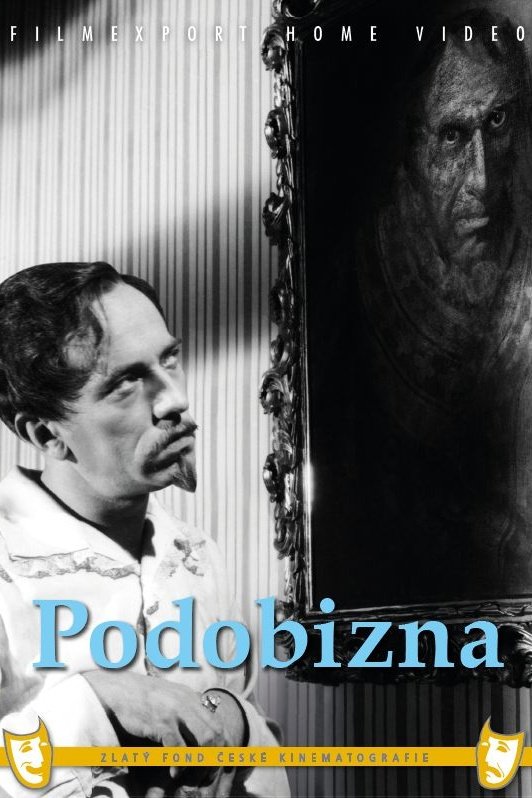
People are afraid of the usurer Chazaj and are convinced that he is the bearer of evil. One day Chazaj pays a visit to the poor artist Simon Jordán and asks him to paint his portrait. Simon agrees but as he progresses with the work his mind conjures up terrible thoughts and in the end he commits suicide. The portrait looks lifelike and Chazaj is content with the results. After Chazaj's death the picture changes hands and brings misfortune to all who own it. The last victim is the young painter Roman who buys Chazaj's portrait in a bazaar. He finds a treasure in the frame and begins to live well off it. The comfortable life suits him so well that he rejects his original artistic aims and becomes a painter of fashionable kitsch.

Leopold Kohák married a rich widow a long time ago and now has nothing to do compared to his energetic wife. He's growing old and troubled by the fact that he betrayed his first love Emča and his beloved river Sázava where he spent his childhood and youth. A visit from an old friend Lebeda brings it all back to him. After a nervous breakdown Leopold secretly visits his home instead of going to the spa. A wandering tramp suggest Leopold should bathe in the magical waters of the Sázava, and slowly his youth returns to him.
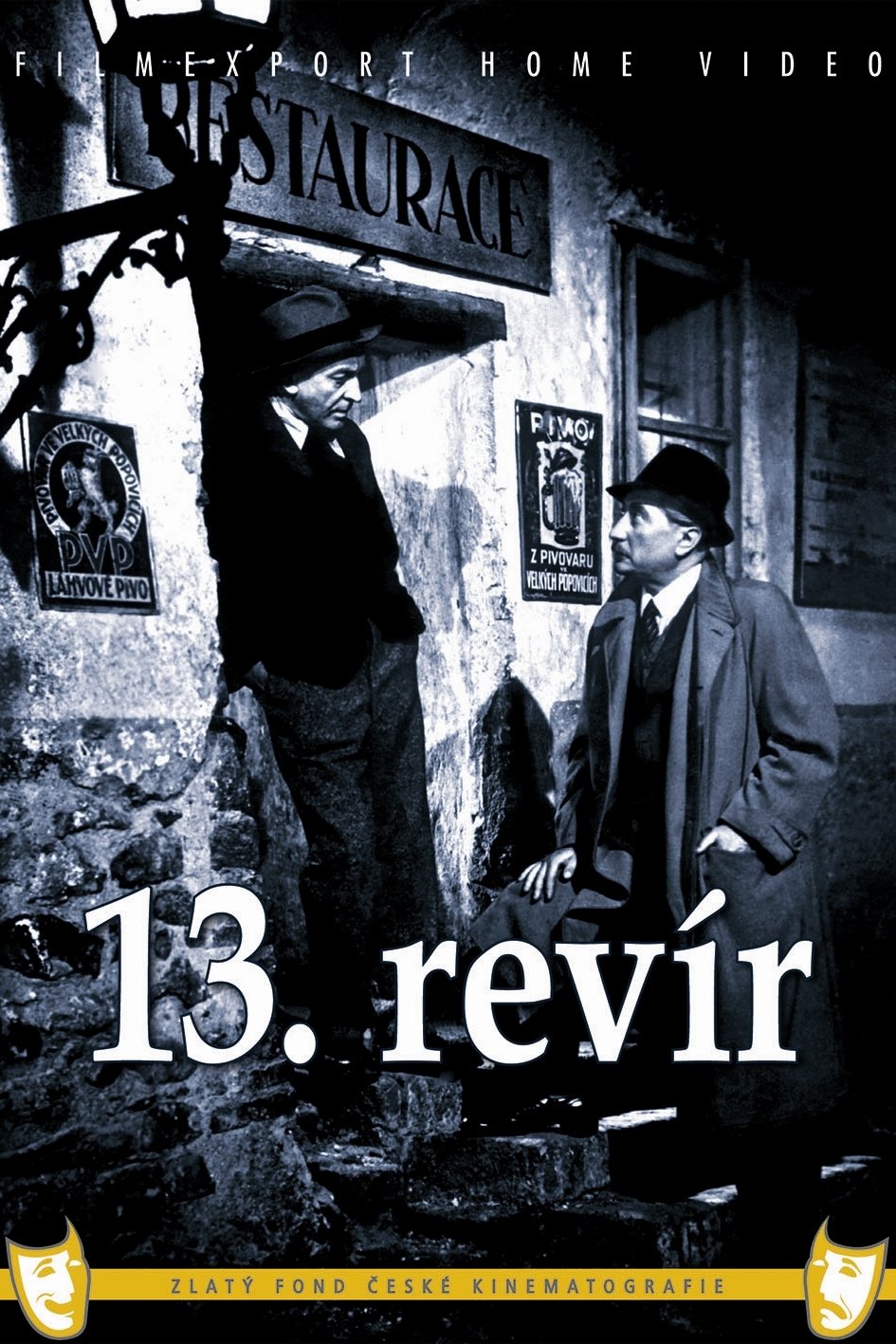
Inspector Cadek from the 13th police station should keep an eye on the released safe-cracker nicknamed The Cat. He rightly suspects that Cat will go and pick up his last loot which the police didn't manage to find and that he will want revenge on Karta who helped get him behind bars. At the hospital, Cat's ex-lover Fróny hopelessly falls for doctor Chrudimský and decides to start a new life. She still refuses to help the inspector in his search for The Cat and Karta.
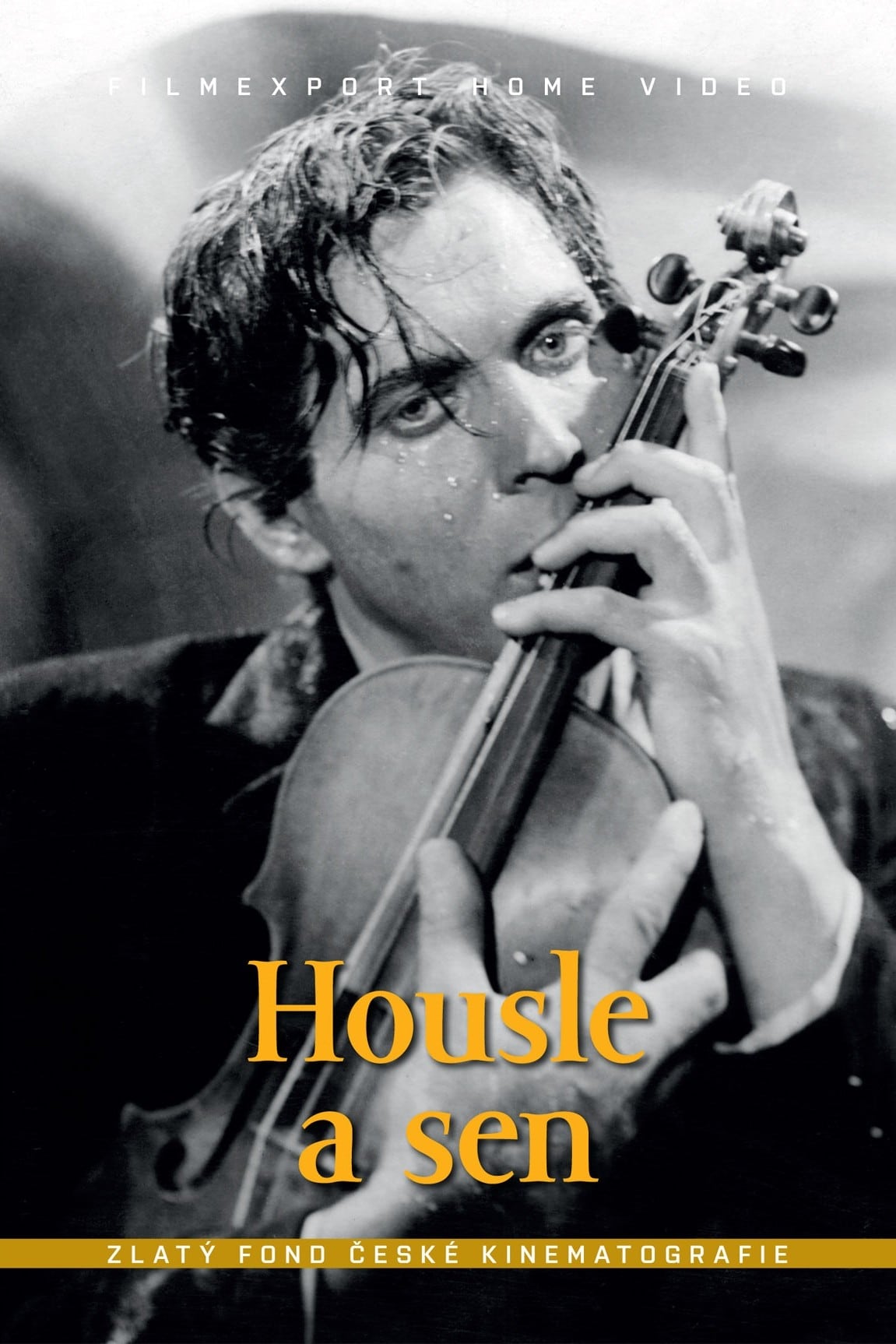
The biographical film about the prematurely deceased violin virtuoso Josef Slavík takes place entirely like a haunting dream, in the mind of a feverish artist who remembers how he amazed Paganini himself with his playing.
Such an hour-long probe into the conditions in Czechoslovakia during the occupation. Here it is in the image of a small village, in which citizens simply adapt to the current situation. Each in their own way. In any case, this film has a message that should be repeated again and again, especially today. It's simple. Neither we nor our children will forget.
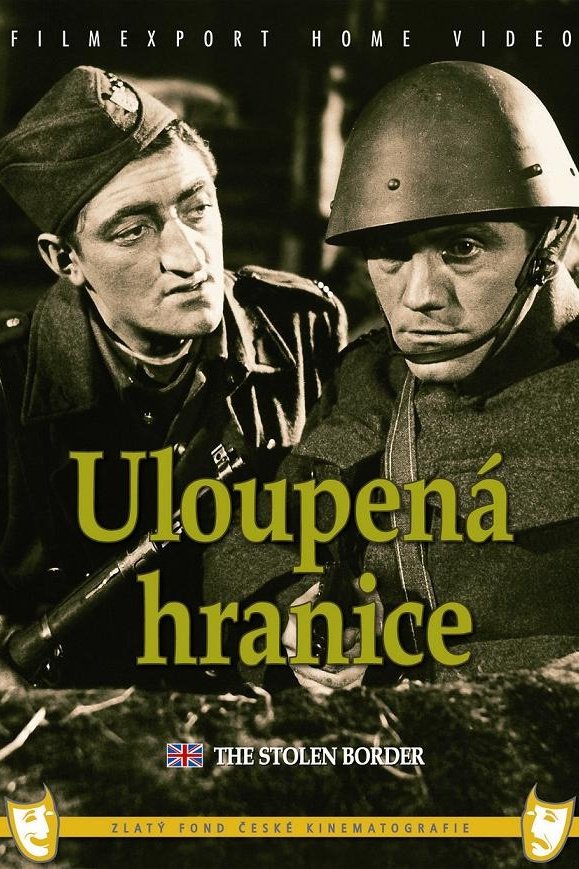
Czech film tells the story of a border town in World War II. Family members and friends become enemies.
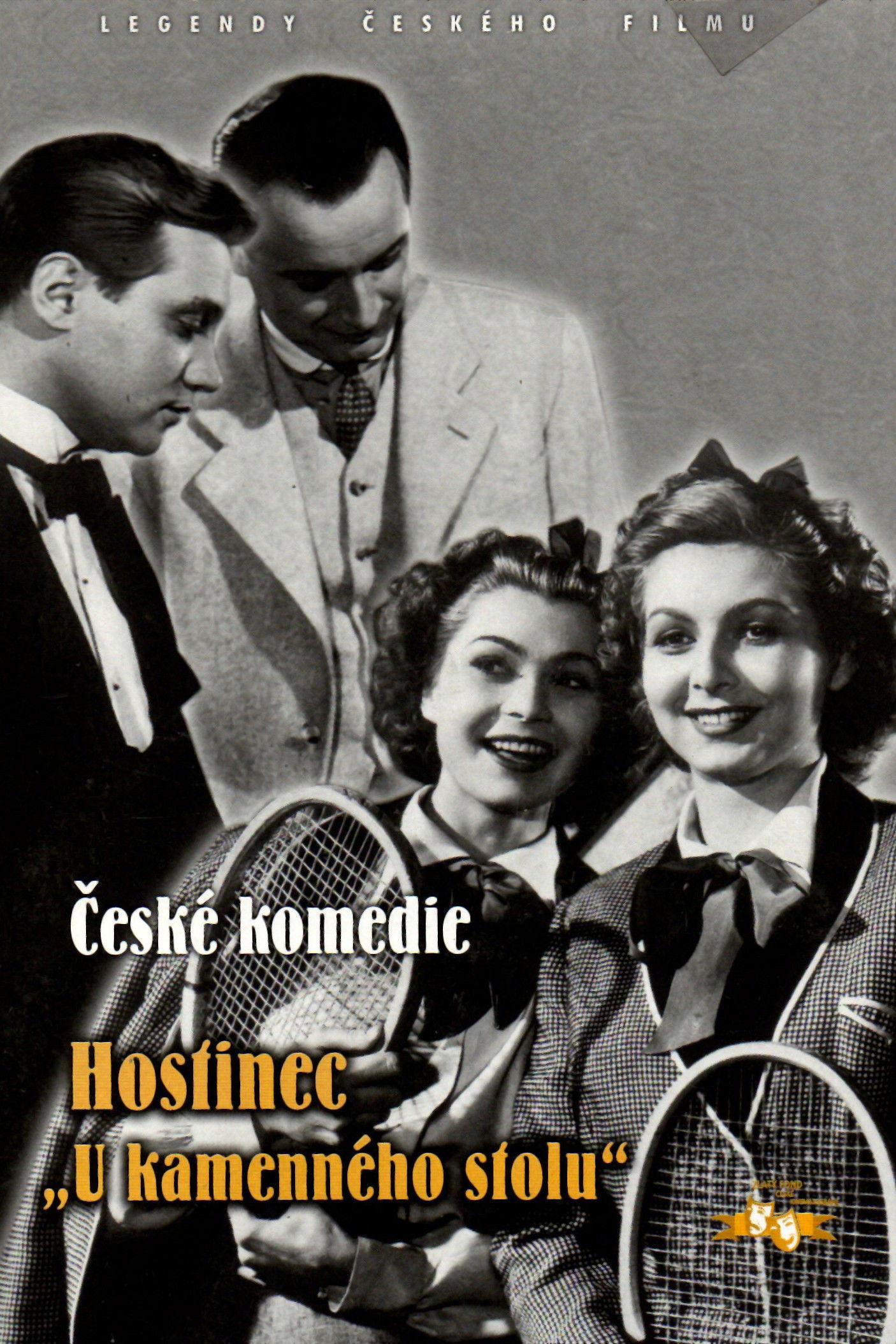
An innkeeper is grieving because his wife left him for a second-rate actor. His two nephews, who are not on speaking terms, have to take over the running of the establishment...
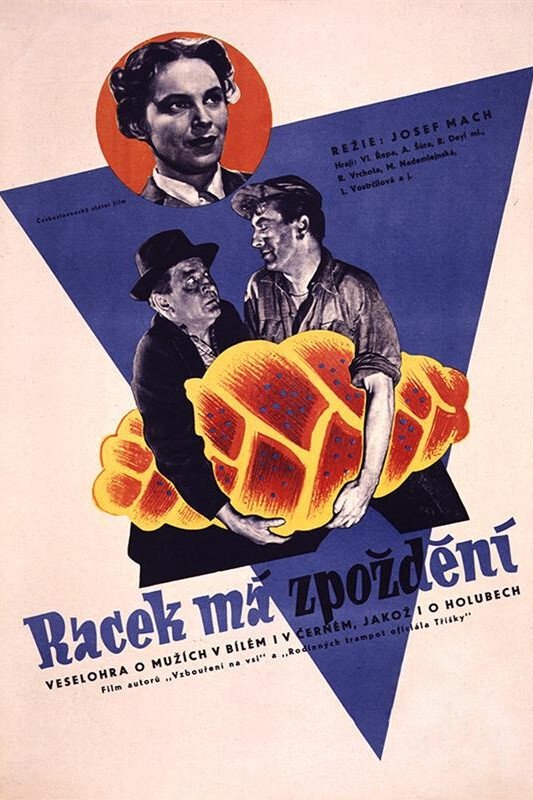
Baker Jan Racek (Vladimír Repa) is a very hard-working and sensible man. His great passion is pigeon-keeping and also, for many years, Ruzenka (Ludmila Vostrcilová). They are going to get married but Racek is busy waiting for the pigeons' return and misses the wedding. The engaged couple is already getting a little older so the otherwise kind Ruzenka gets very angry at this and gives Racek an ultimatum - it's going to be her or the pigeons.
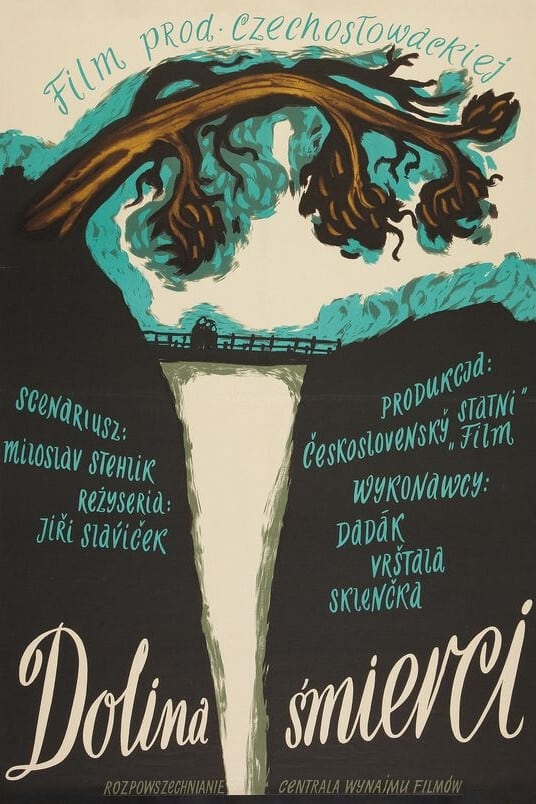
A new owner of the estate, Konrád Ritter von Schiess, arrives in the Czech village of Sluky. On his orders, the inhabitants of the village are to be evicted and only 30 families are allowed to remain, who volunteer to work on the estate. However, the inhabitants refuse to work for the lords, and their solidarity only strengthens when one of them is murdered by the Gestapo based on a report by the estate manager Prokeš...
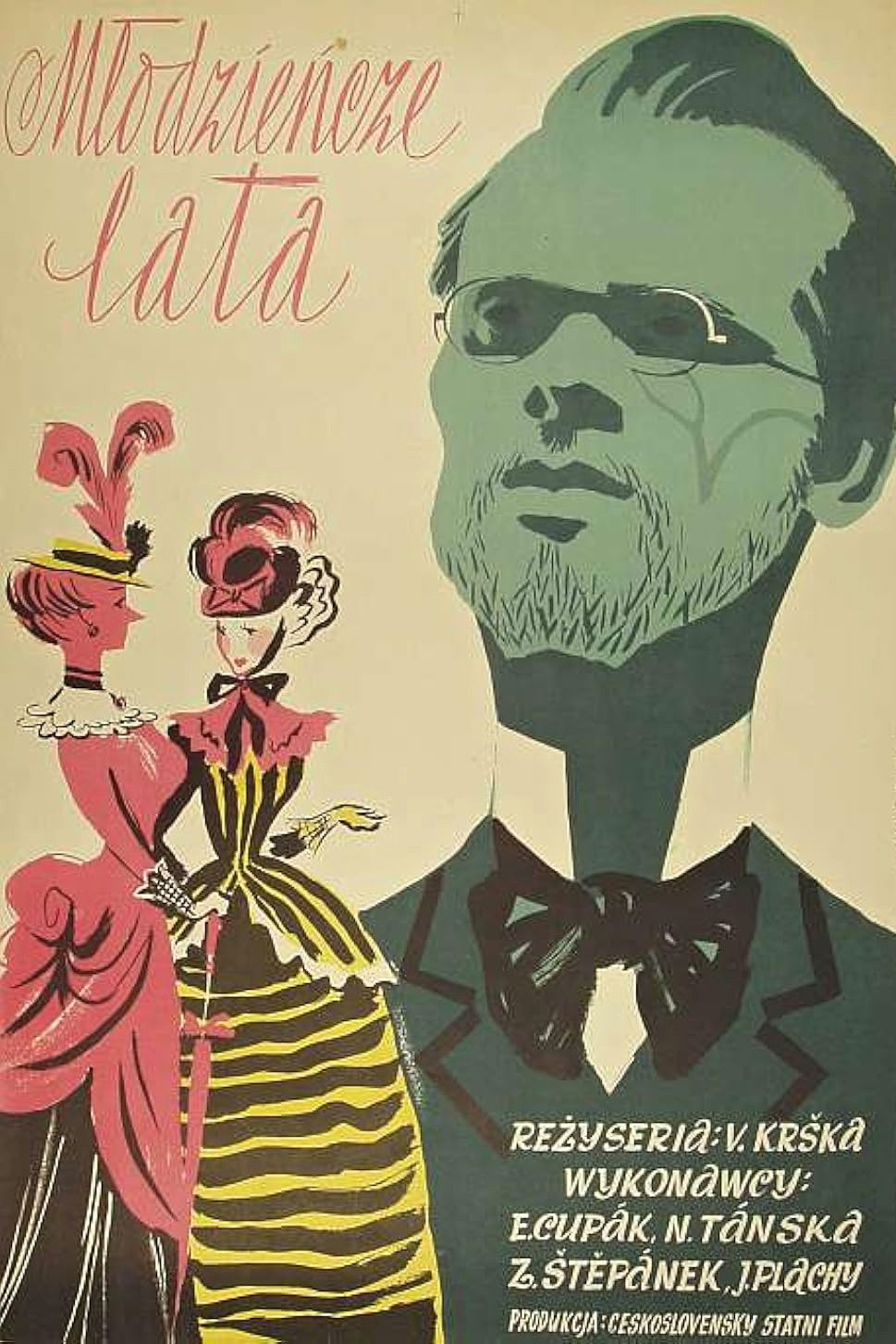
Early Days follows the early life of famous Czech writer Alois Jirásek. Jirásek had already developed his own view of the history of the Czech nation while he was at grammar school in Broumov. When he becomes the supply teach in Litomyšl, he has already written his first book and a number of poems. The local dignitaries await the arrival of the young writer in excited anticipation. Jirásek, however, is sickened by the empty patriotism from the depths of his soul and soon becomes disagreeable to the notables. The district sheriff tries to remove Jirásek from the school and drive him out of town. Unable to do this, the sheriff appoints a pro-Austrian headmaster who attempts to sabotage Jirásek. The students stand behind Jirásek , however, and discontent is not only felt in Litomyšl but throughout Bohemia.
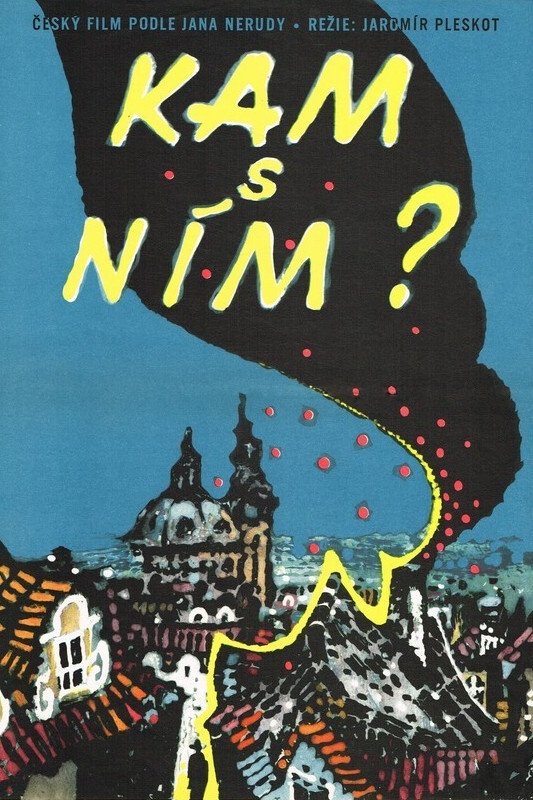
Based on Jan Neruda's column of the same name, which depicts the troubles of an old straw man. The film is introduced by poet Jaroslav Seifert with a speech about Jan Neruda and his work.
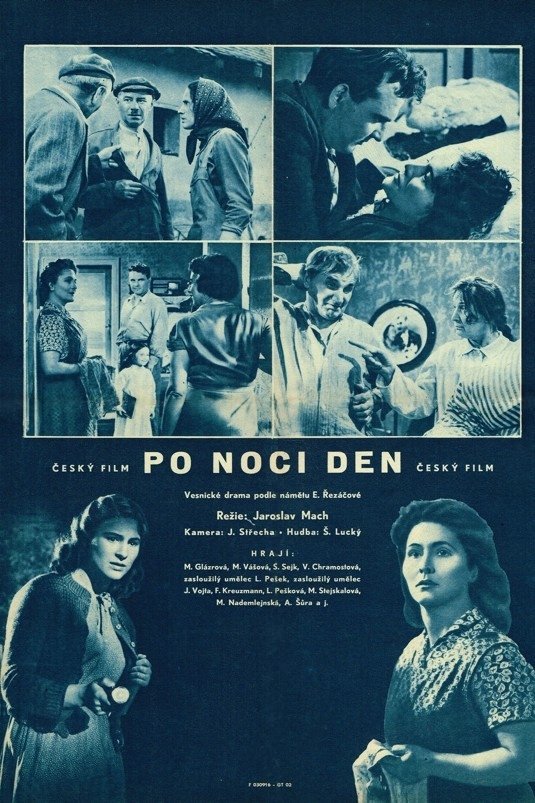
A Czech art film set in a modern village. The main character of the film is Karla Tolarová, a worker from a Prague printing house, who arrives for a harvest shift at a unified agricultural cooperative in Běšíčice at a critical time for the cooperative. The grain in the fields is ripe, the machine-tractor station does not have the necessary machines for the cooperative, the cooperative members do not trust each other, they lose interest in working together.
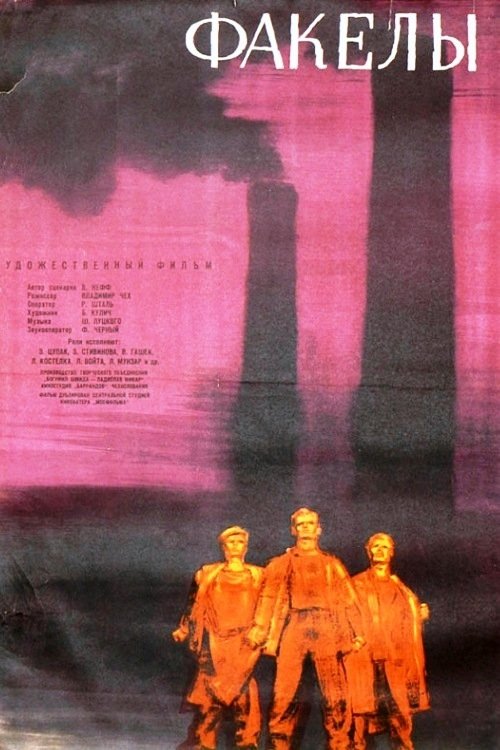
Prague in the 1870s. Work in Smolík's sulphur factory is hard and dangerous to health. The poorly paid workers resemble torches because their clothes are soaked with poisonous phosphorus. Young Josef Rezler also works in the sulphur factory and uses his earnings to feed his mother and little sisters. He throws his perpetually drunken father out of the house. The older worker Brož forces Josef to learn to read and write. A cholera epidemic breaks out in Prague and Josef is the only one of his family to survive the disease...