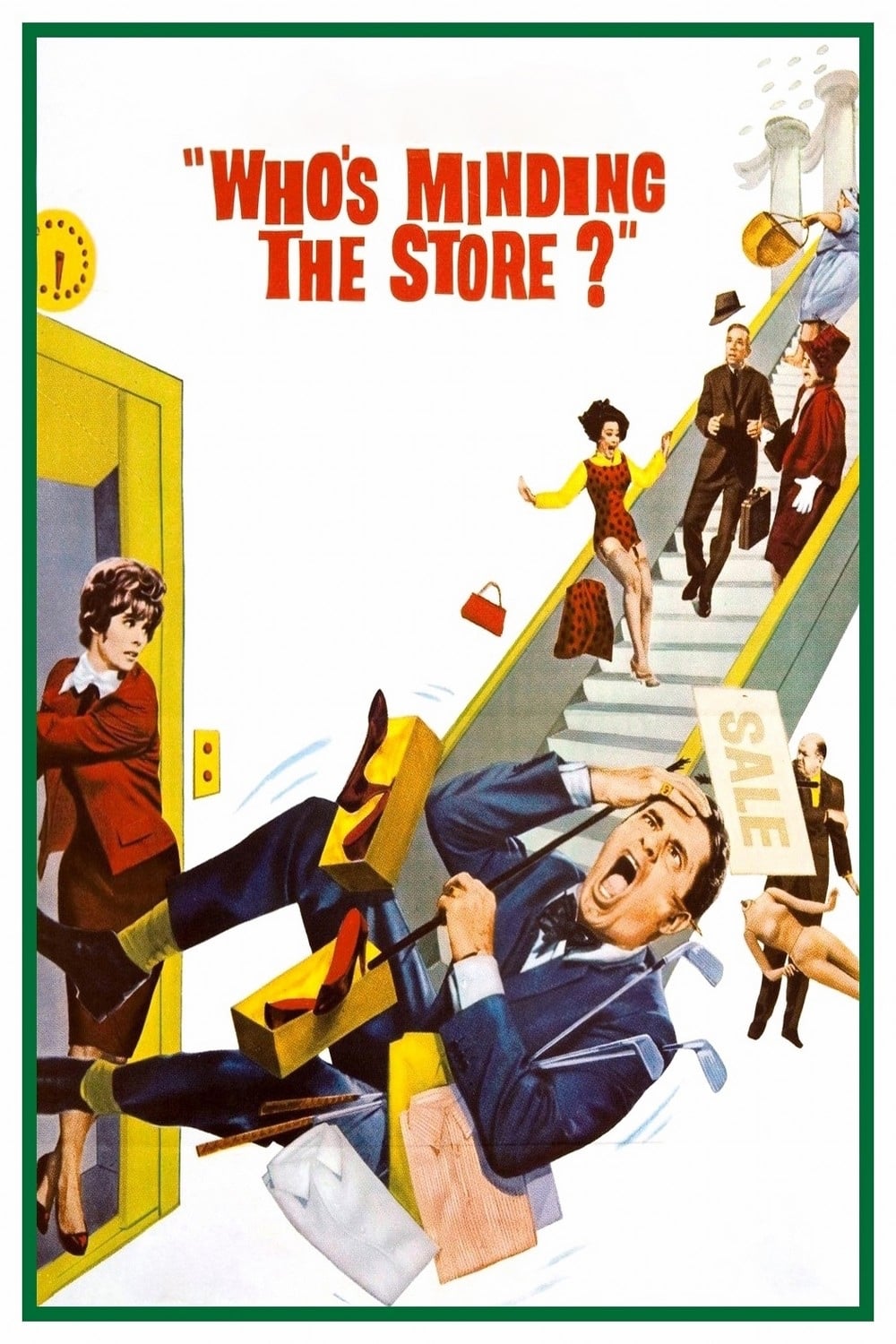
Jerry Lewis plays Norman Phiffer, a proud man in a humble life, who doesn't know that his girlfriend, Barbara, is heir to the Tuttle Department Store dynasty. Mrs. Tuttle, Barbara's mother, is determined to split the two lovers, and hires Norman in an attempt to humiliate him enough that Barbara leaves him. Will she ruin their love, or will he ruin her store?
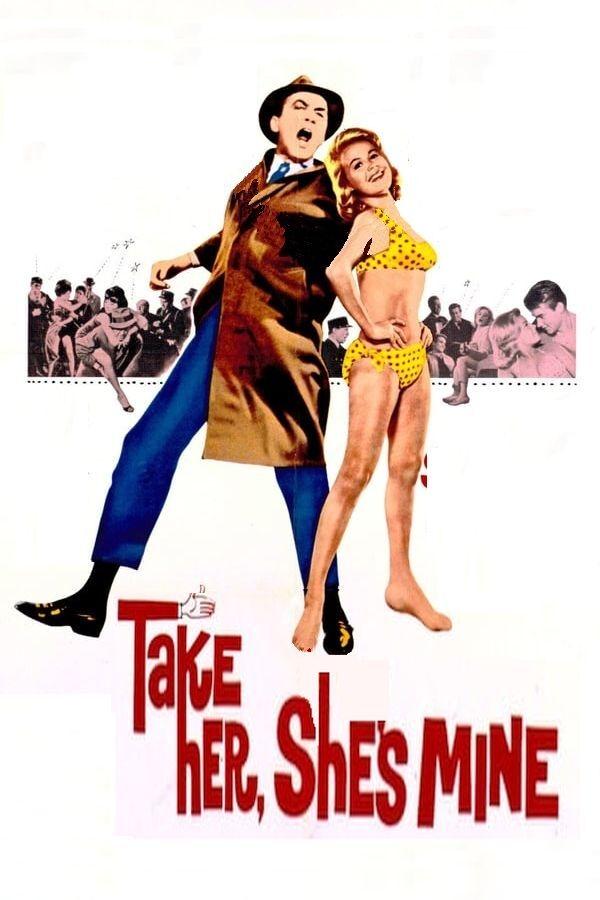
After reluctantly packing up his daughter, Mollie, and sending her away to study art at a Paris college, Frank Michaelson gives new meaning to the term "concerned parent." Reading Mollie's letters describing her counter-culture experiences and beatnik friends, Frank eventually grows so paranoid that he boards a plane to Paris to see firsthand the kind of lessons his daughter is learning with her new artist amour.

In the slums of the upper West Side of Manhattan, tensions are high as a gang of Polish-Americans compete against a gang of recently immigrated Puerto Ricans, but this doesn't stop two romantics from each gang falling in love.

Professor Bruce Patterson is constantly having to fight off the advances of his young female students and is engaged to Helen Bushmill. While Helen goes on vacation, Bruce decides to stay at her apartment but is surprised by the arrival of Libby, Helen's 17-year-old daughter. Having never been told by Helen of this daughter, Bruce assumes she's another student. During her stay, Libby is noticed by an amorous neighbor, Mike.

After his girl leaves him for someone else, Herbert gets really depressed and starts searching for a job. He finally finds one in a big house which is inhabited by many, many women. Can he live in the same home with all these females?

Two rural West Virginia brothers leave home, rob an armored car and become fugitives.
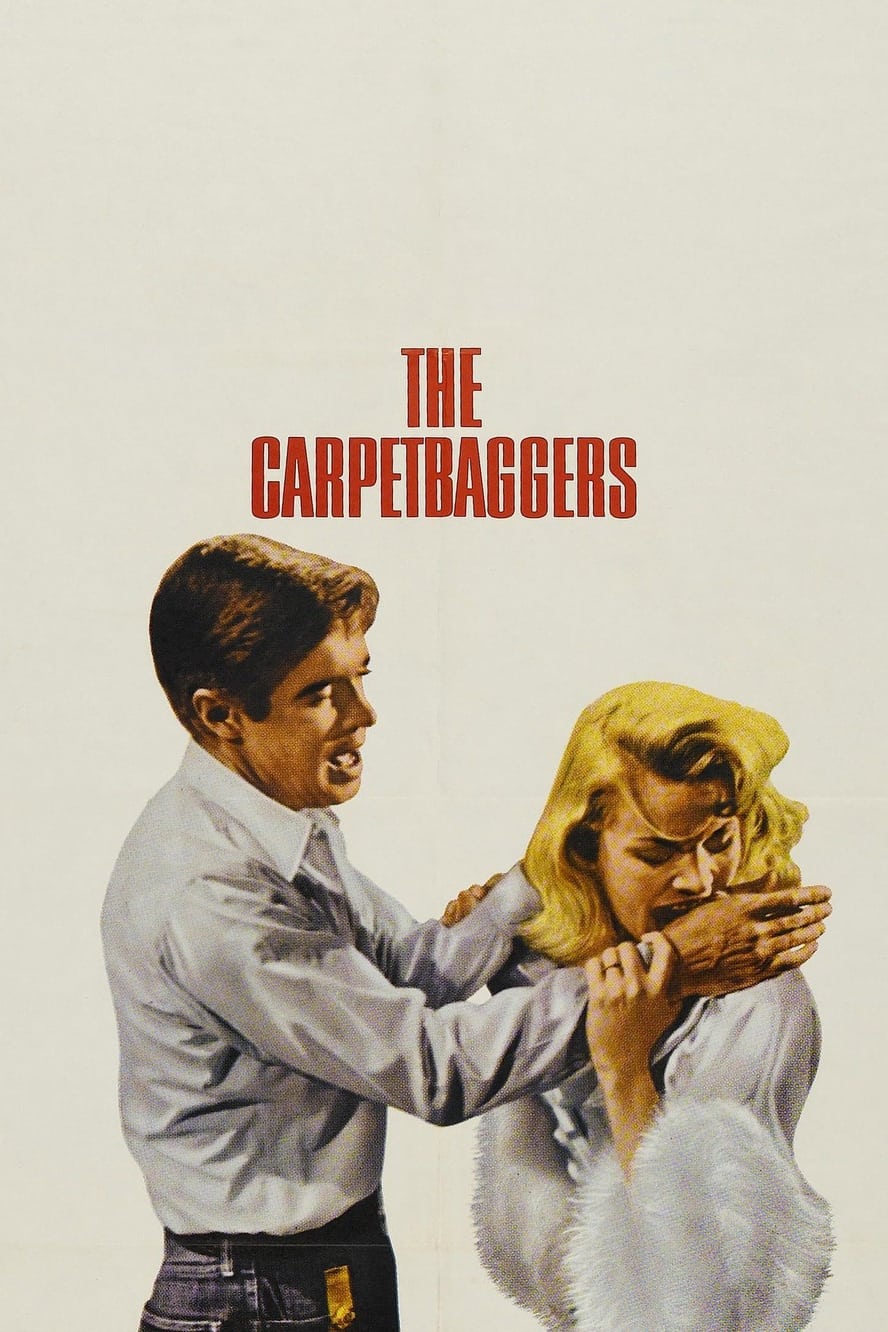
Jonas Cord is a disagreeable young tycoon who's building planes, directing films, and catting around on the corporate make in 1930s Hollywood.

A documentary film about dancing on the screen, from it's orgins after the invention of the movie camera, over the movie musical from the late 20s, 30s, 40s 50s and 60s up to the break dance and the music videos from the 80s.

After the success of the live 1957 Cinderella on CBS (with Julie Andrews), the network decided to produce another television version. The new script hewed closer to the traditional tale, although nearly all of the original songs were retained and performed in their original settings. Added to the Rodgers and Hammerstein score was "Loneliness of Evening", which had been composed for South Pacific but not used.