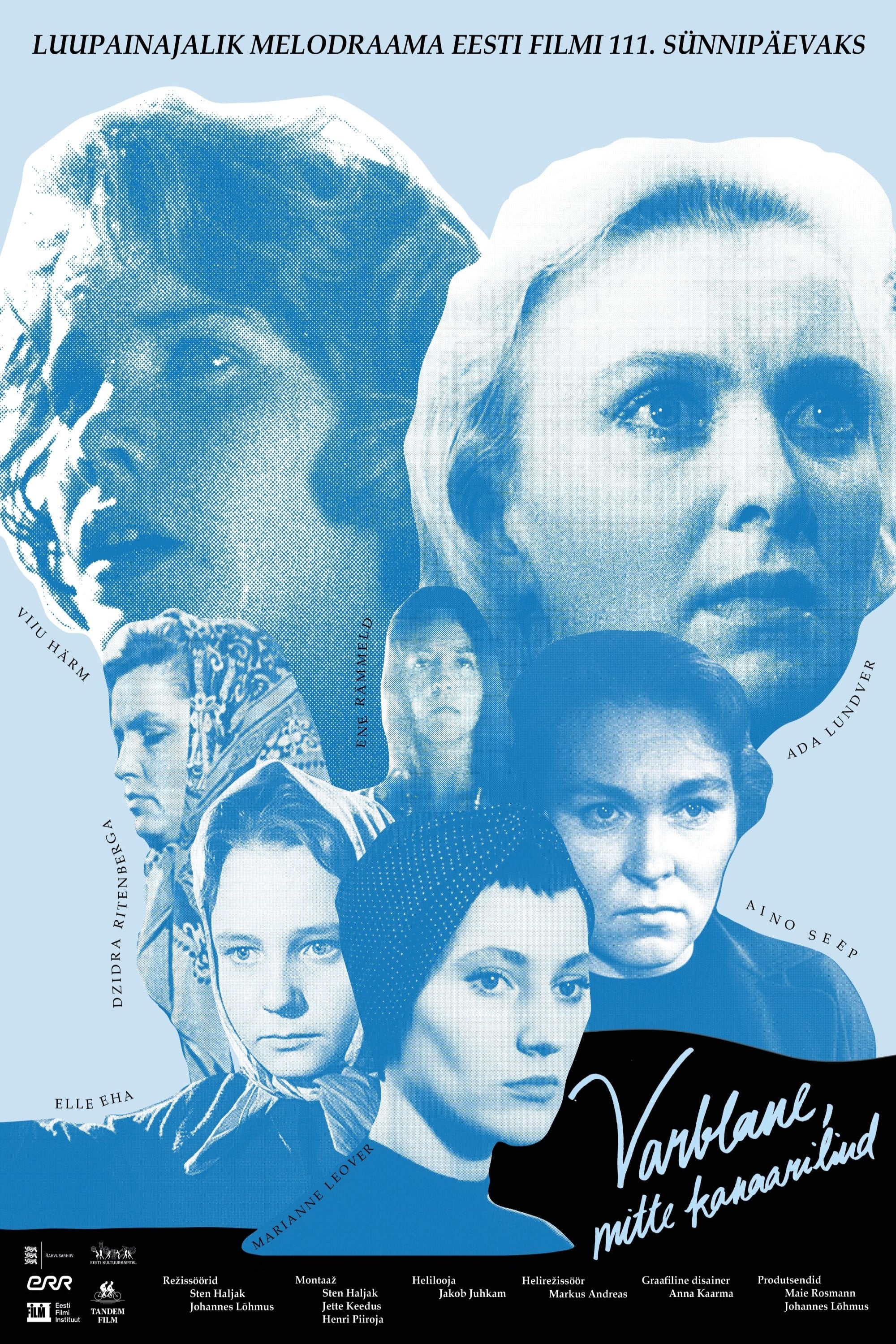
A housewife confronts situations to which no sane response exists... “Madwomen: To Be a Sparrow Not a Canary” is an experimental found footage melodrama composed entirely out of film footage shot in Soviet Estonia from 1960 until 1969. An experimental collage creating an alternative narrative to the storylines in the animations, documentaries and feature films of that time period.
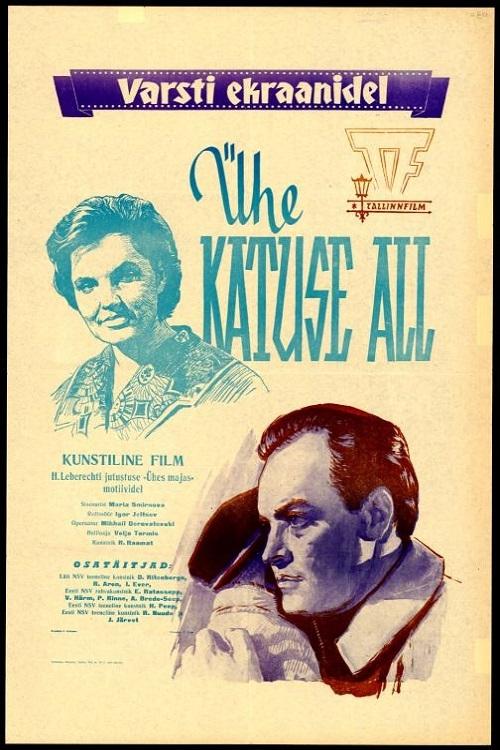
Mari has successfully led a collective farm in 1950s and fulfilled all tasks given from the authorities. Nonetheless, things in the collective farm become progressively worse. The Committee of the Communist Party sends its representative Peeter who learns that Mari acts as a tyrant for the local people. She has to resign during the elections of the new manager. Being without authority has a damaging effect on her so she starts to regain her position with the help of her old stalinist tricks.
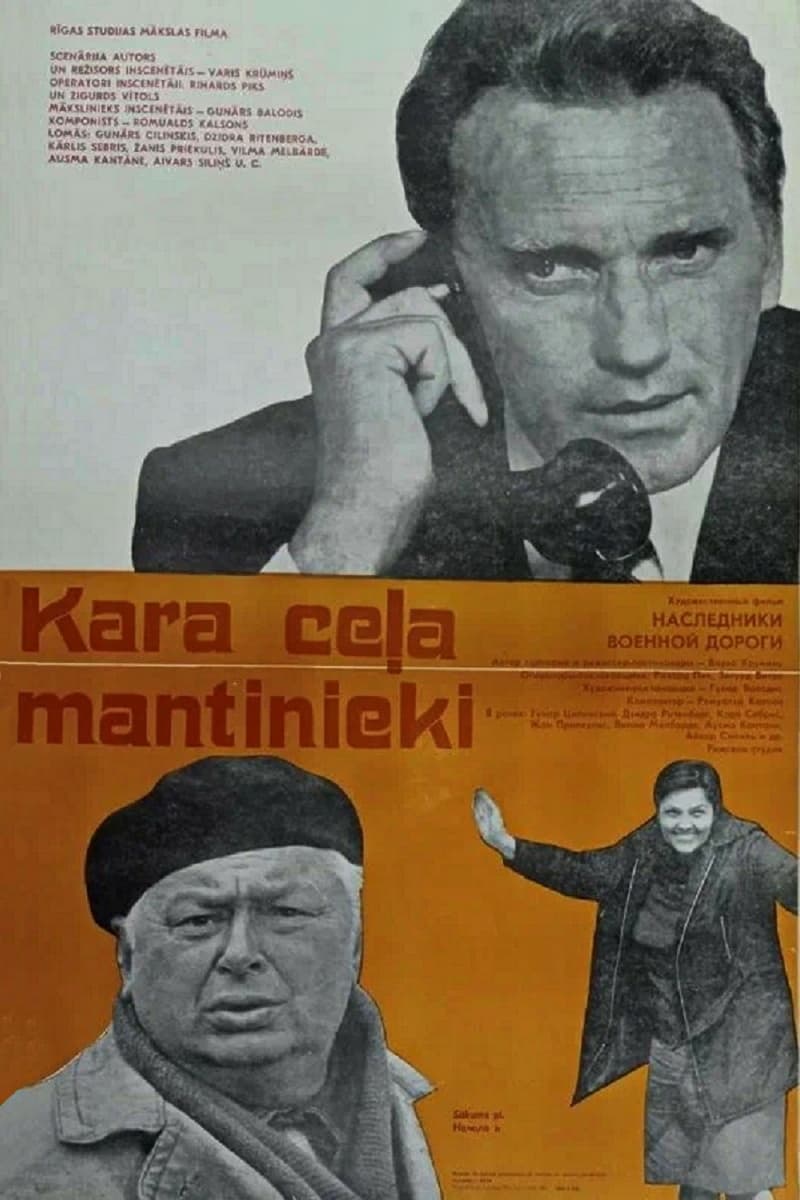
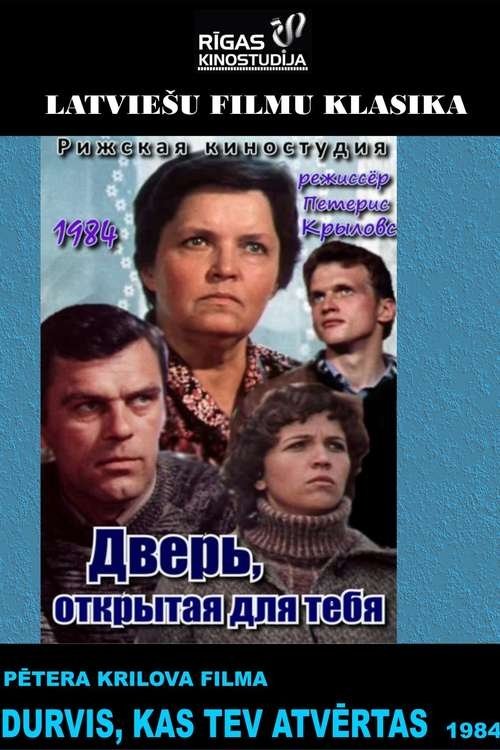
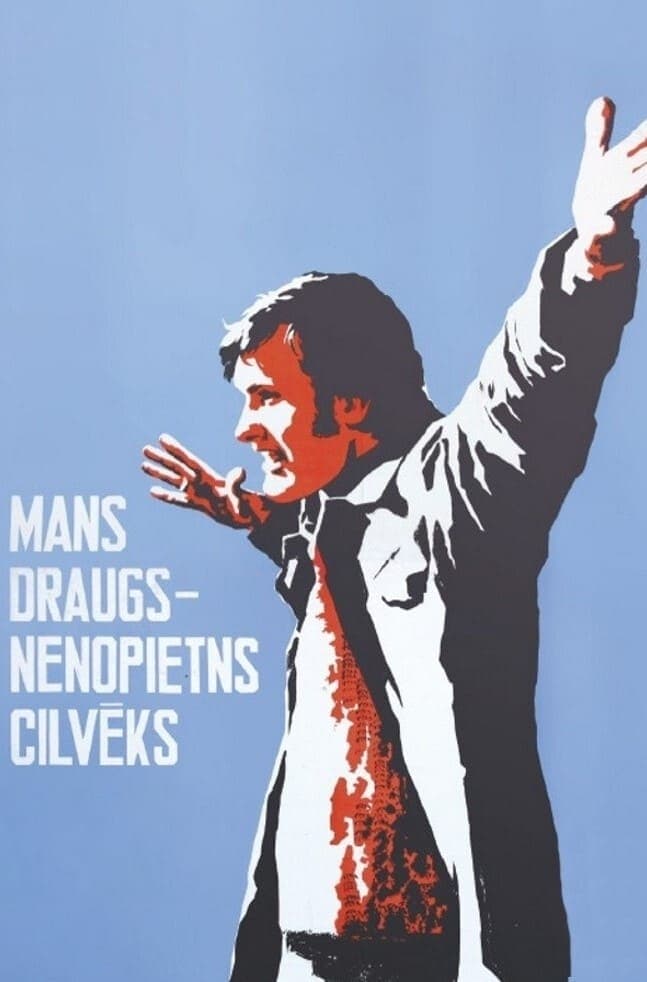
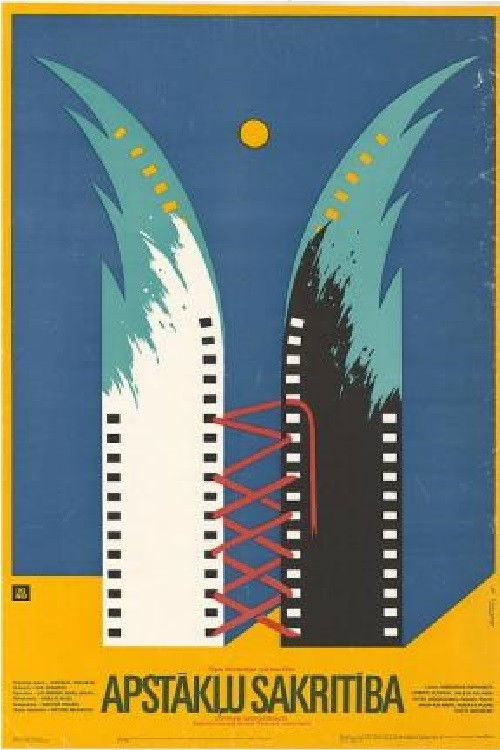
Arvīds Lasmanis can't hold any job for long because he is not ready to tolerate deceit and slapdash work. He still has to feed his family, by chance he finds a well-paid job as a gravedigger. A friend helps Arvīds to find a place in a construction team, but other workers don't approve of Arvīds' high principles. His wife accuses him of not knowing how to make money, the family lives crammed in one room of a shared flat. The Soviet absurd comedy tells a story about a man who, while at odds with the system, won't lose his conscience and his true self, even if it means saying no to wealth and comfort.
German troops leave a small town located on the border of Western Ukraine and Poland. The Pilsudians seize power in the city. Bolshevik, who returned from prison, heads the underground revolutionary committee.
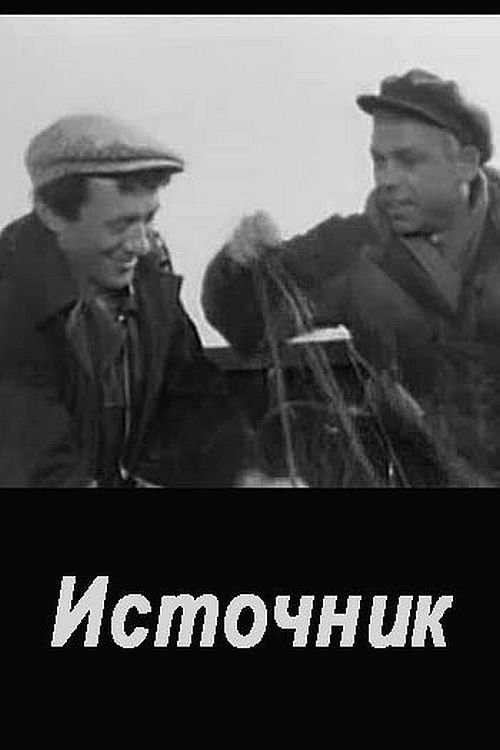
Savely and Lelya are leading a quiet peaceful life in a forest reserve, in a small village with a mineral spring, where Savely brought his seriously ill wife. The seemingly routine life can not hide deep and tender love that came a bit too late...
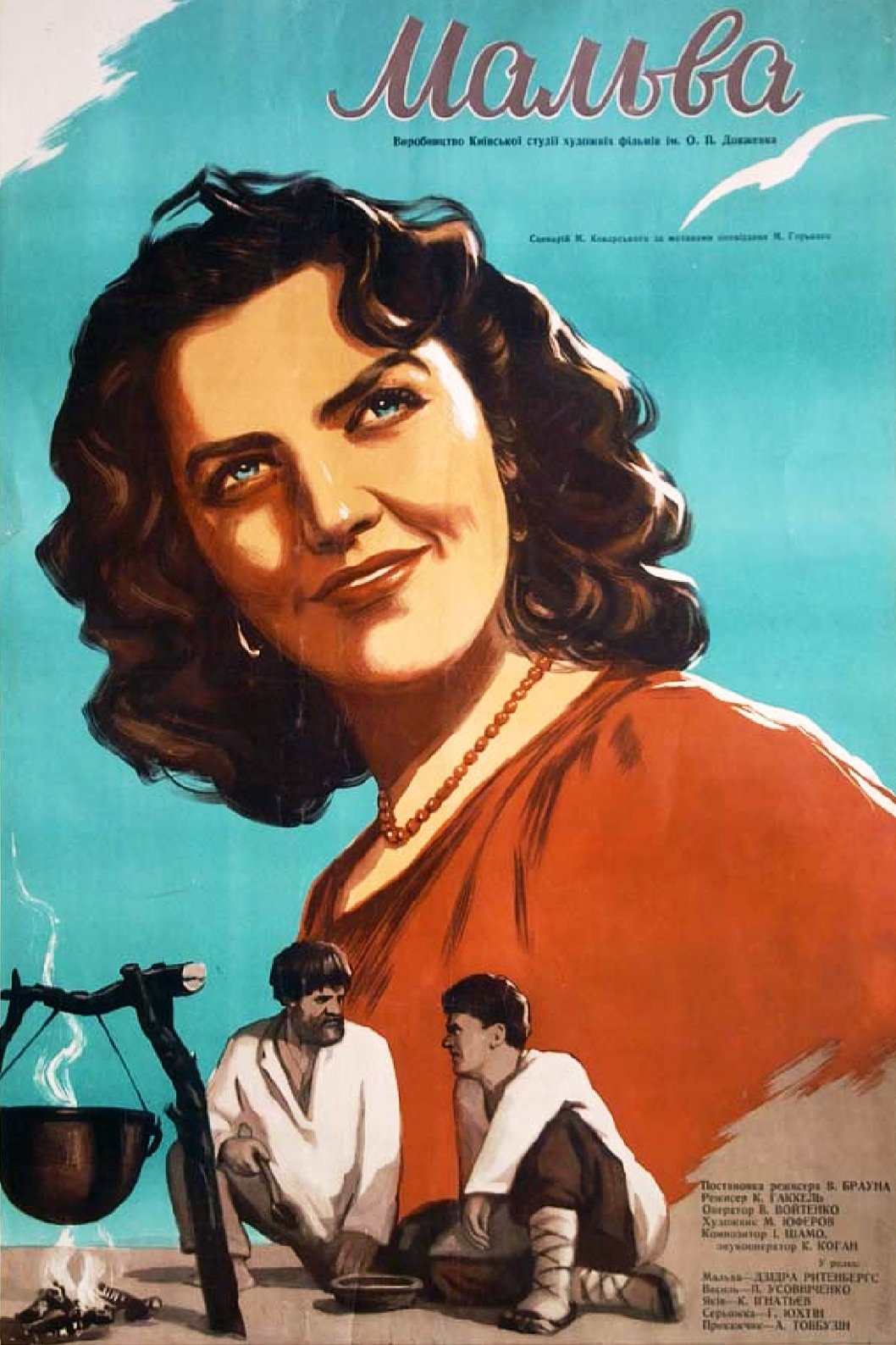
The title character, played by Dzidra Ritenberga, is the restless wife of a provincial village fisherman. Unwilling to dedicate herself to her husband, Malwa seeks out love from every man she meets. This results in a romantic triangle that is at once disarmingly simplistic and intensely dramatic. Malwa was the final directorial effort of Vladimir Braun, who died in 1957. Star Dzidra Ritenberga won a "Best Actress" award at the Venice Film Festival; co-stars Pavel Usovicenko and Anatoll Ighnaliev also earned praise for their realistic performances.
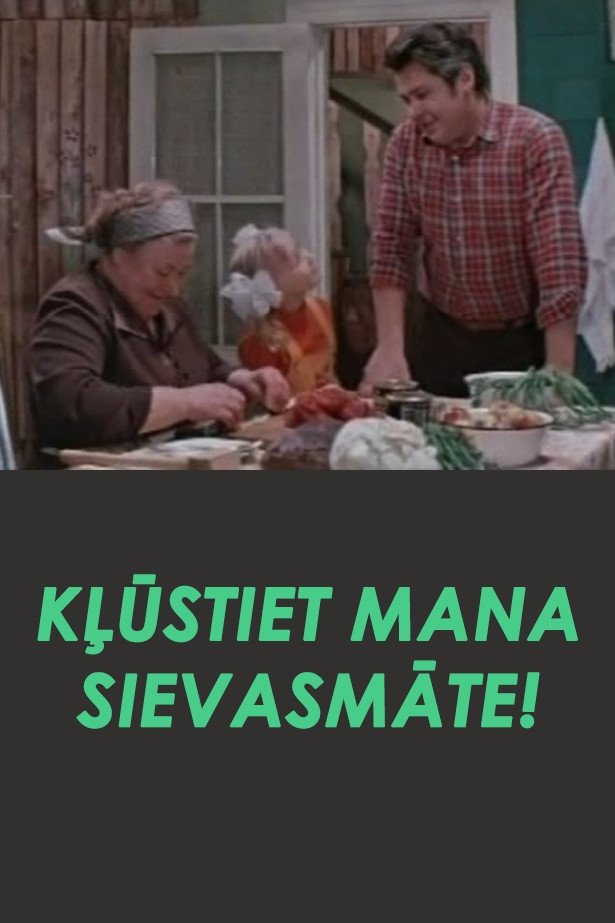
An adventurous love story of a veterinarian from Riga, a cheerful loser Andris.
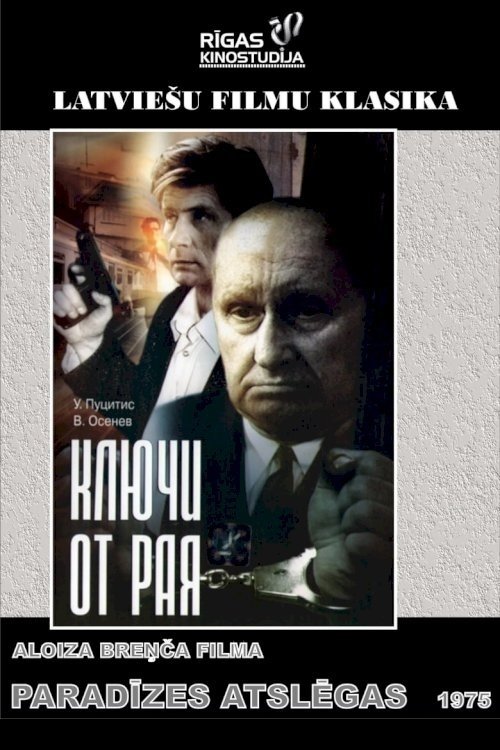
Successful work and life of a brave militia captain who does not know much about human psychology.
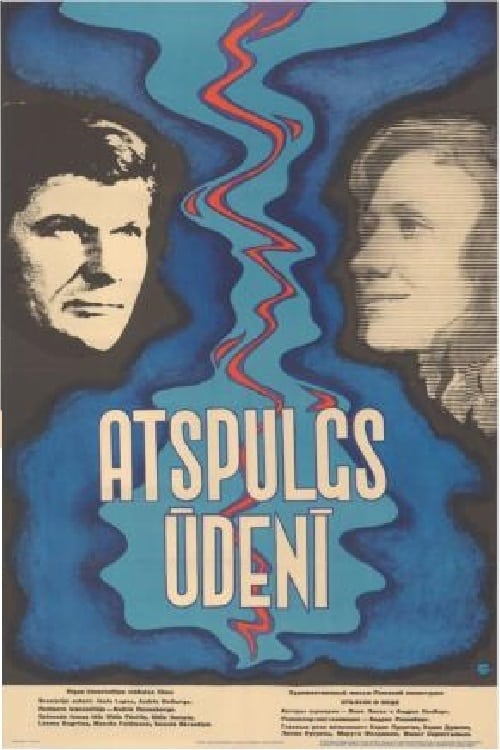
Based on a story by Janis Lapsa, written by Janis Lapsa and Andris Kolbergs, film is a singular work, filled with human warmth. It is a story about a talented surgeon Markalns, who after a serious personal crisis, returns to his native town in order to start his life anew. The attention is concentrated on the inner world of Markalns, his feelings in this so important period of his life, when to endure and to proceed means to regain the lost sense of life and himself. His character and emotional world opens in a wide scale: in collisions with colleagues, patients, friends, himself. He is contradictory, but even in moments of low spirits, virile. A real warmth and balance of mind is brought in the life of the outwardly robust and clumsy surgeon by a shy small-town girl Irita, called Doggie.
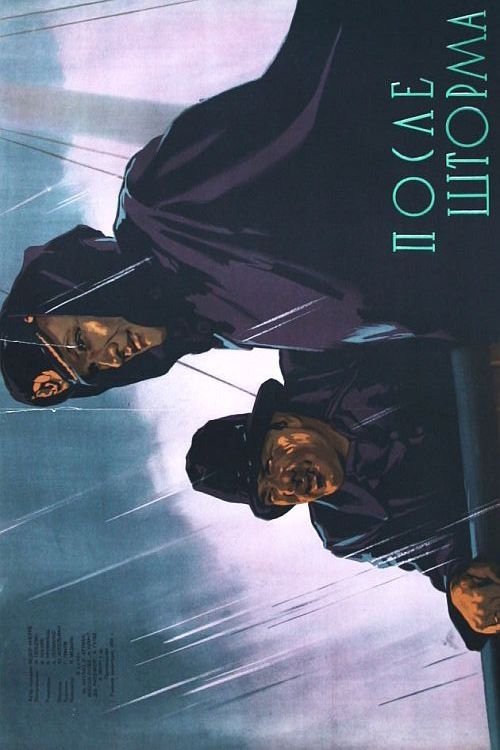
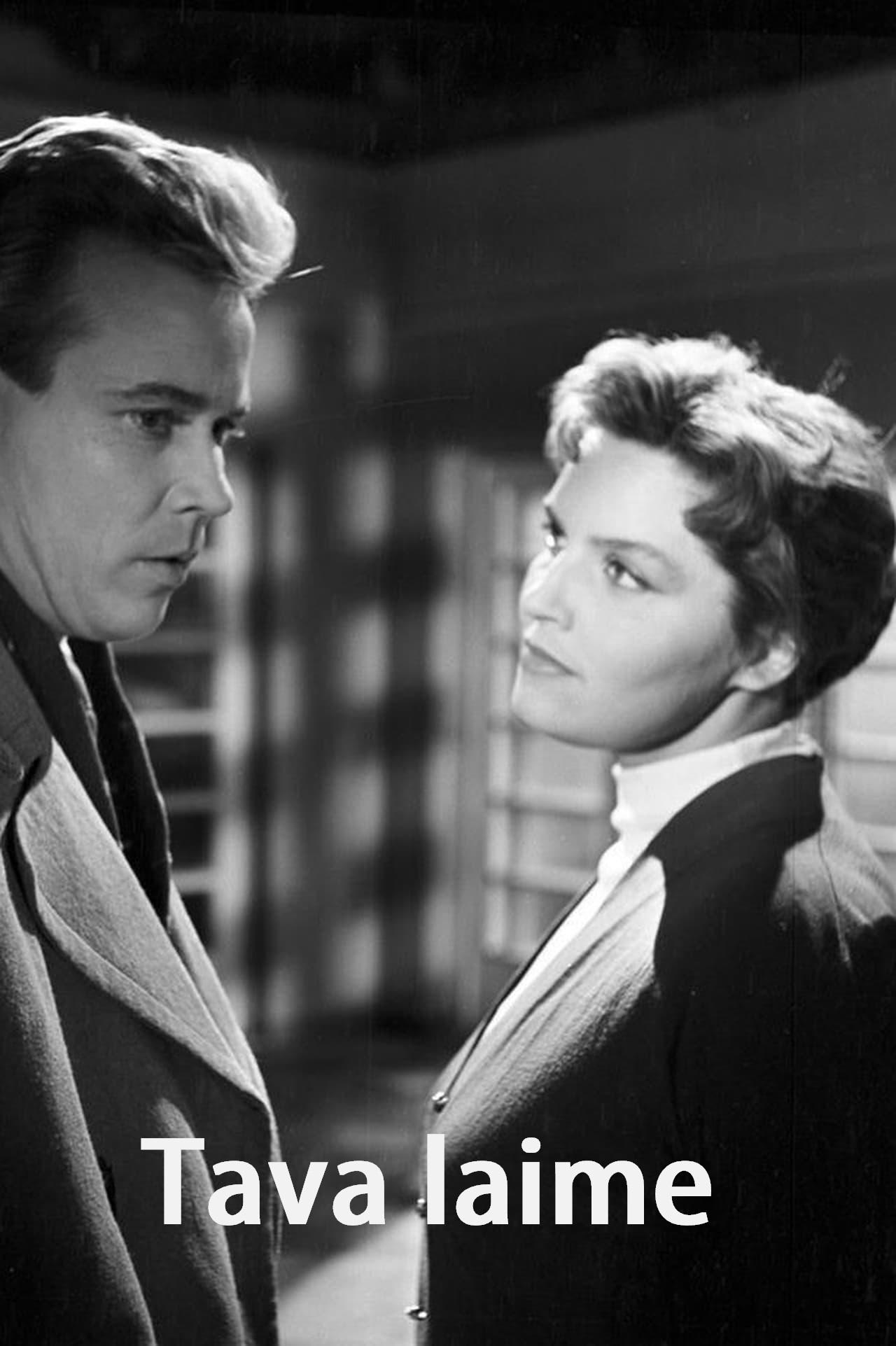
An inspector is torn between her conviction of there being a need to reconstruct a factory, and a love interest who asks of her not to do that in order for him to further his career.
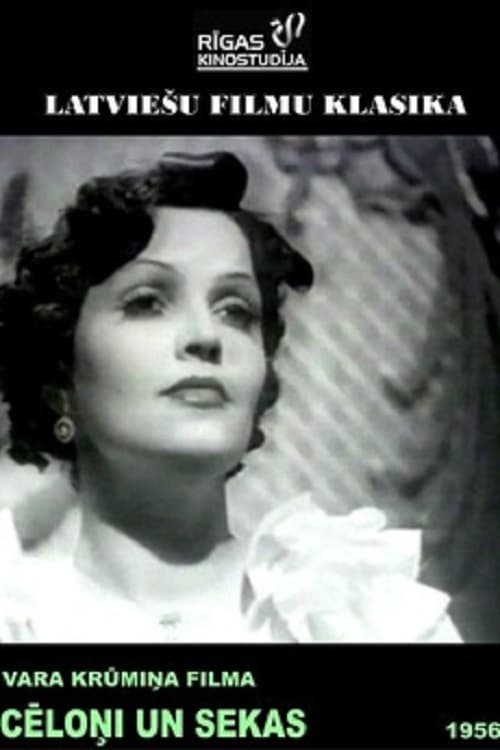
This screen adaptation of Andrejs Upītis' novella marks the debut in Latvian cinema of two of the first graduates of the Moscow Film Institute - director Varis Krūmiņš and cinematographer Māris Rudzītis. An egg comes out of a shopping bag and breaks in the street, triggering a chain of events that entangles the accountant Krastiņš, his fiancée Ada, a minister, a poet, a critic, a minister and other members of the highest circles...
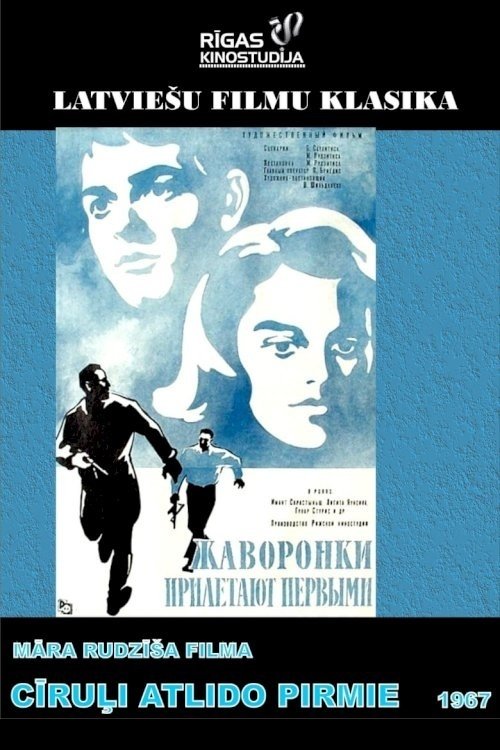
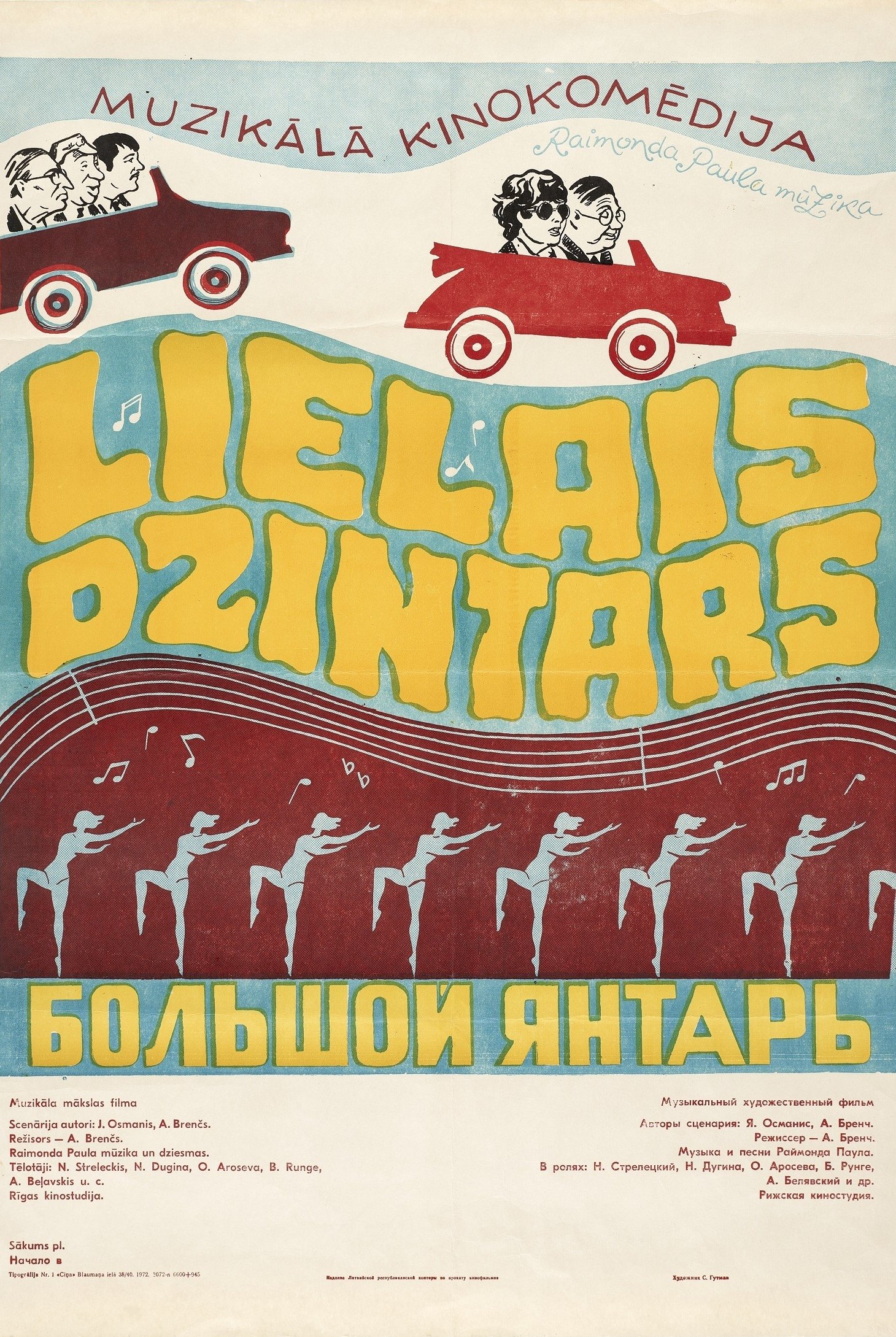
A band arrives late at the competition. They try to find the jury and show their performance.

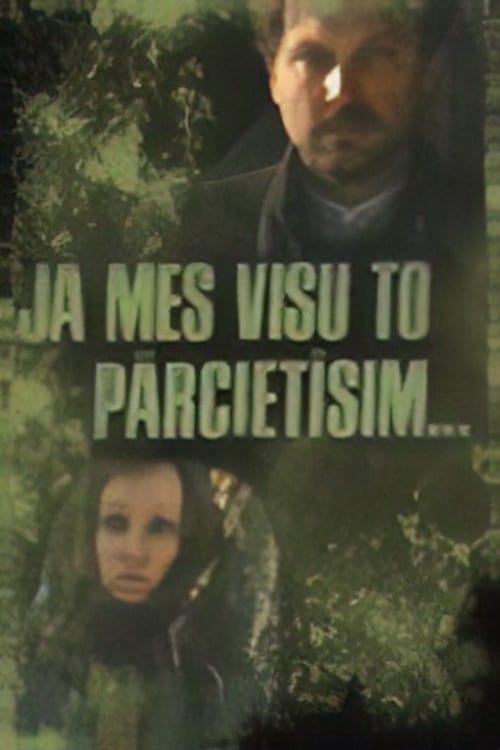
Revolution of 1905 in Latvia.
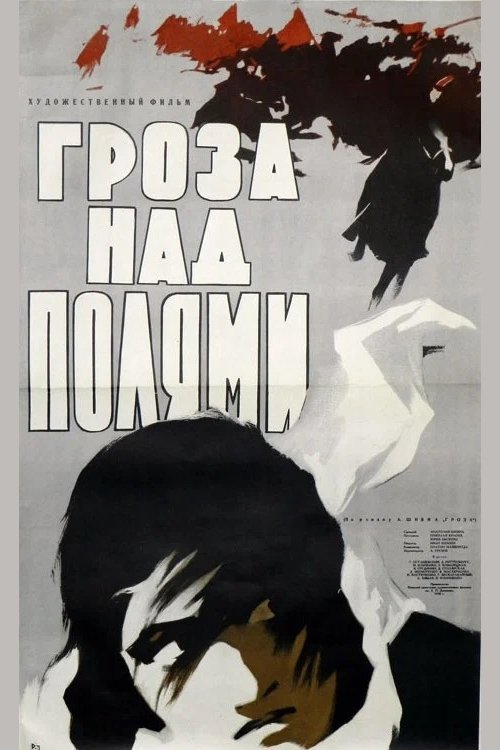
A Soviet propaganda film about the establishment of Bolshevik power in the Ukrainian countryside through the story of a woman's fate.
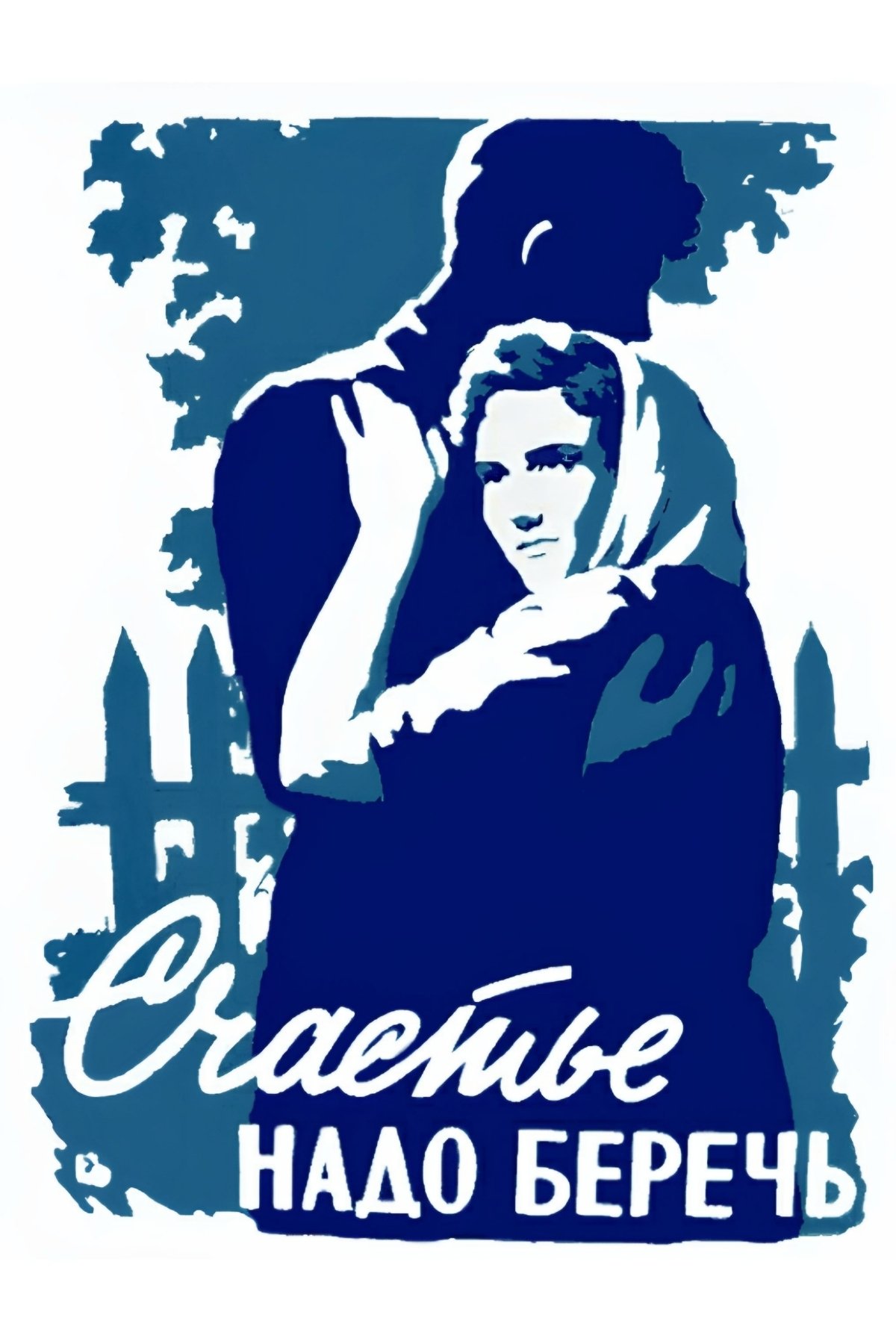
Returning to his native village at the end of his military service, Victor (Yuri Sarantsev) brought his bride into the house - and soon they got married. Victor works on the collective farm with great enthusiasm, he is appointed a foreman, but the happiness of old Danila, Victor’s father, is overshadowed by dirty gossip - as if Victor’s father is not he, but Shandybovich, whose unseemly deeds were recently exposed by Victor.
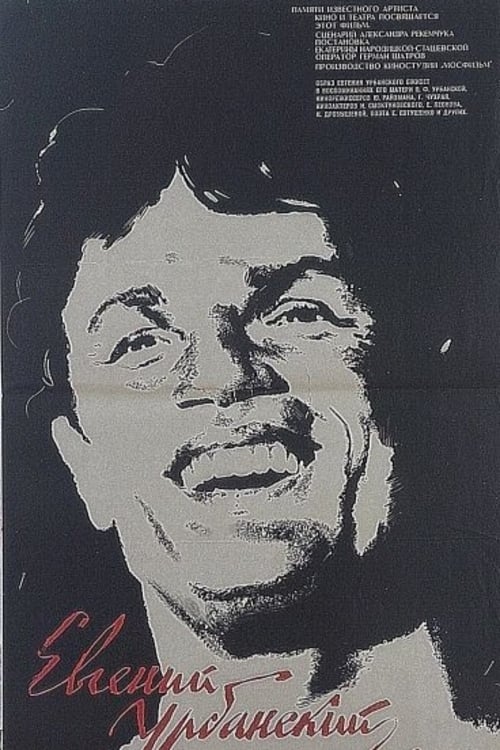
About the Soviet actor of theater and cinema, Honored Artist of the RSFSR - Evgeny Yakovlevich Urbansky recalled Vasily Livanov, Polina Filippovna, Grigory Chukhrai, Grigory Elanchik, Yuli Reisman, Sophia Pavlova, Evgeny Leonov, Innokenty Smoktunovsky, Nina Drobysheva, Yuri Nagibin and others. Poet Yevgeny Yevtushenko reads poems dedicated to Yevgeny Urbansky. The film also features fragments of movies with his participation.

The Second World War is over. The post-war Germany is divided into several responsibility zones. Still many Russian people languish in camps located in the American zone. Though former allies are in no hurry to let them off to the motherland, and even try to enroll some of them. The American intelligence agency gets to know that they've got a daughter of one of the West Germany cities commandant, whose brother is a famous soviet rocket engineering designer. They plan a crafty operation on the discrimination of the Russian colonel and introduction of the niece into the uncles design office. The Russian Intelligence service is also aware of the Americans interest in the designers works. The special department colonel Lartsev is coming from Moscow to Germany to prepare a reciprocal operation.
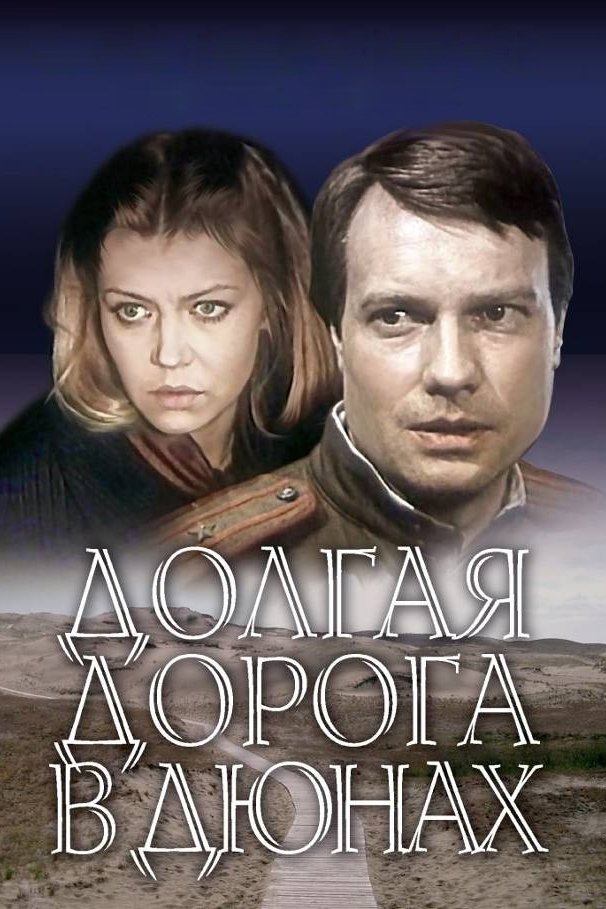
The action of the film takes place in Latvia and spans the period from 1939 to the early 1970s. The events that occurred in the country had various effects on the fates of the characters. But throughout it all, love guided them — it scattered and gathered, made them suffer terribly, and made them the happiest people in the world...