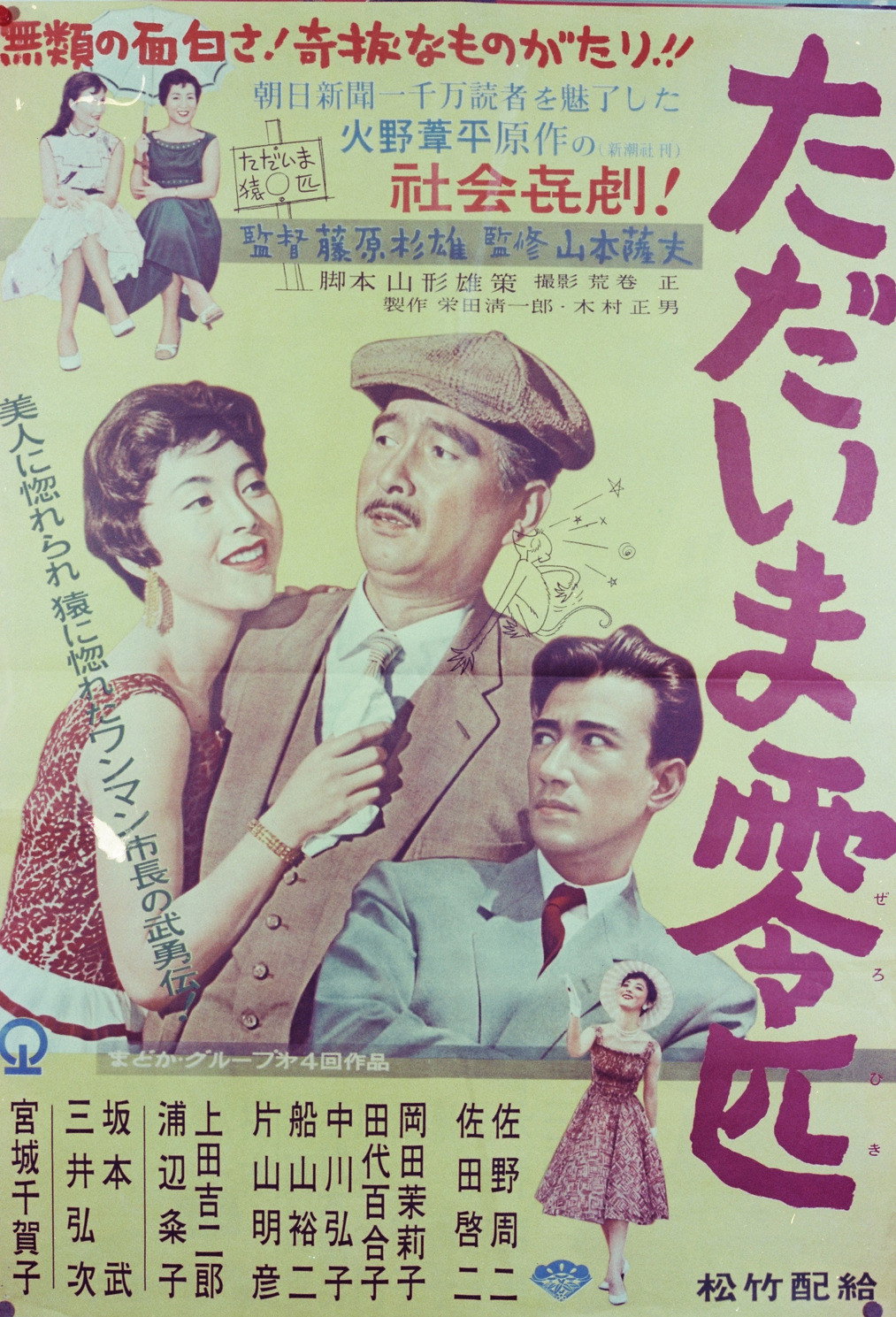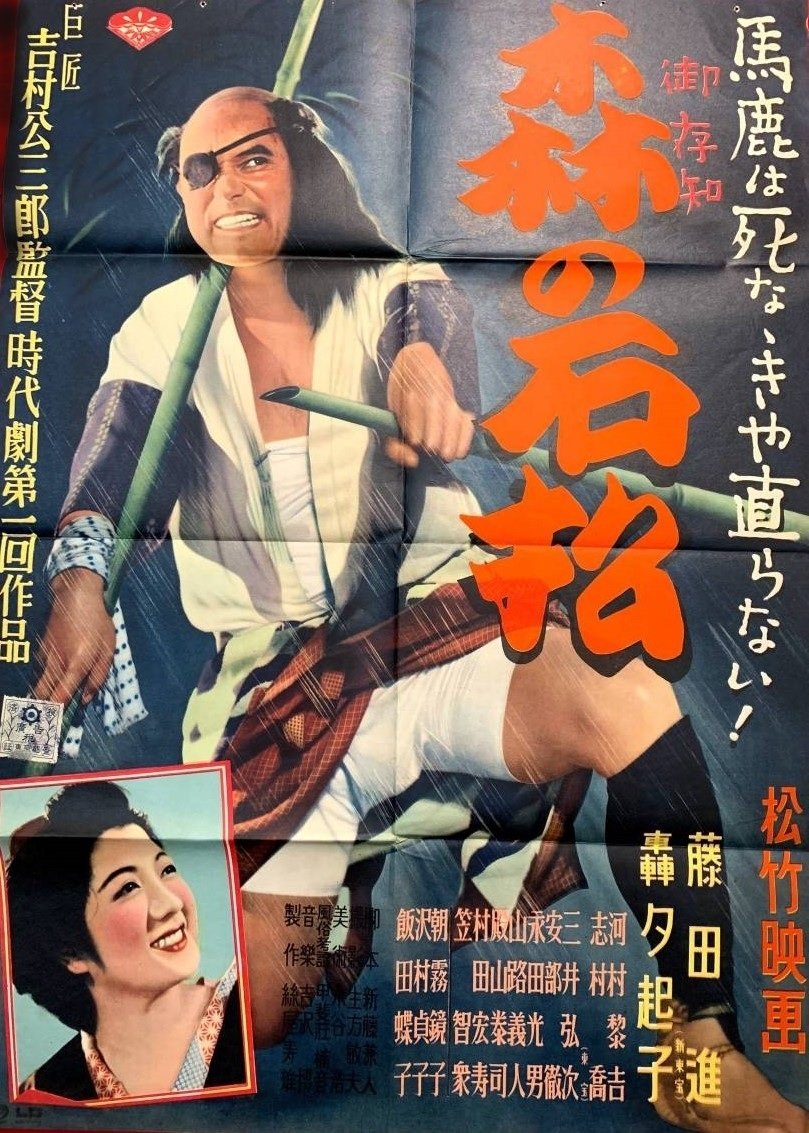
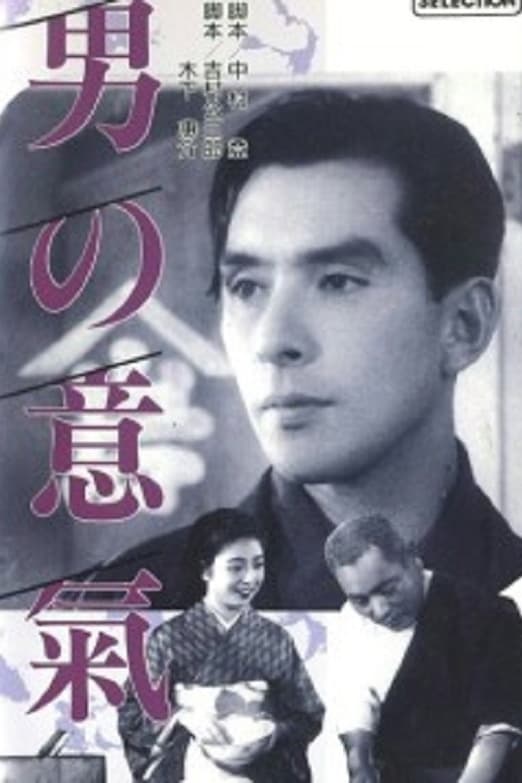
The tale of a feudal swordsman who cynically takes no responsibility for anything, relegating it to others, and then taking the credit.

A lost film by Masahiro Makino
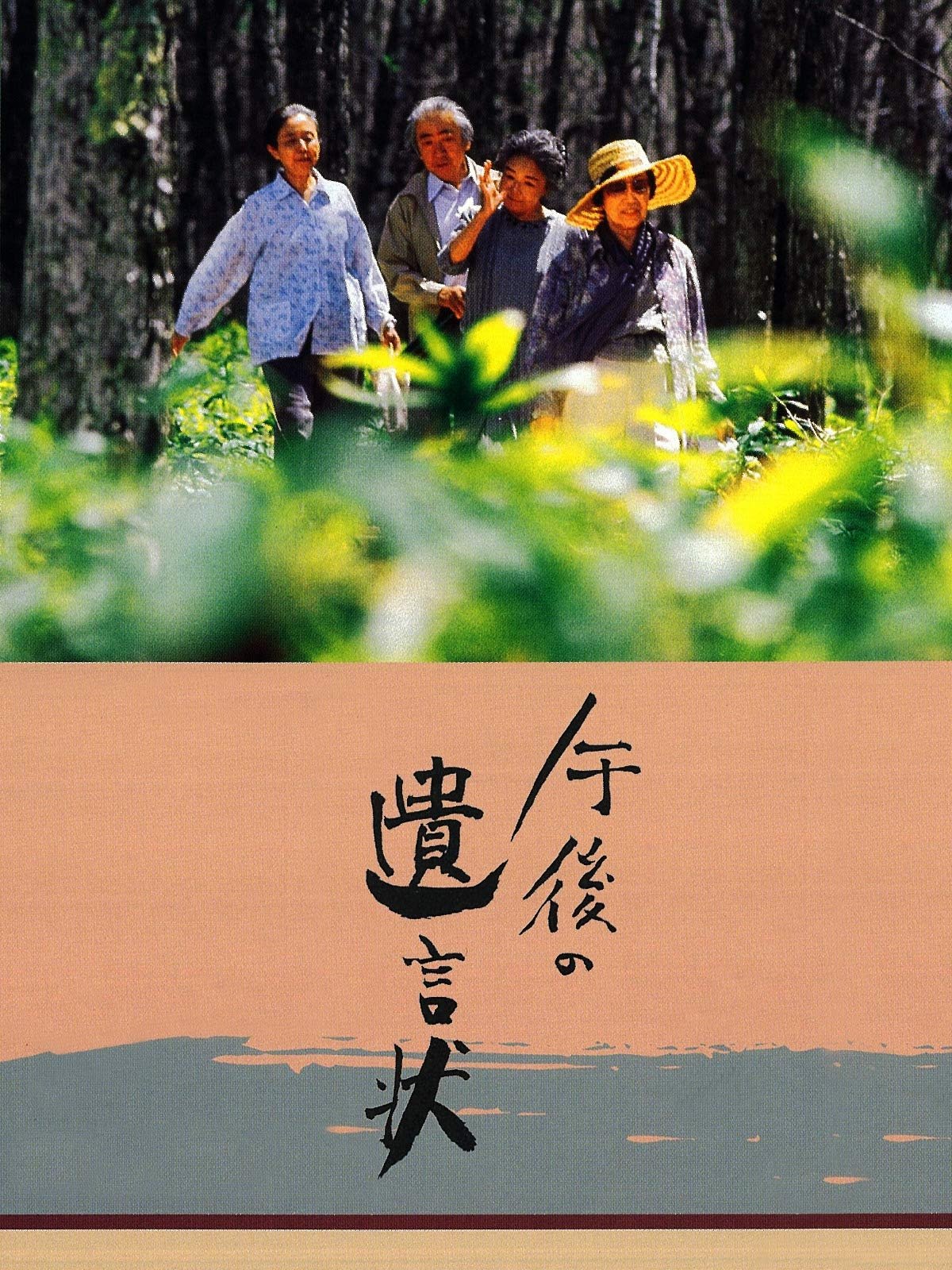
A retired actress whose husband has recently died visits her summer home. There she has encounters with old friends and acquaintances who bring various stories and news of death and the past
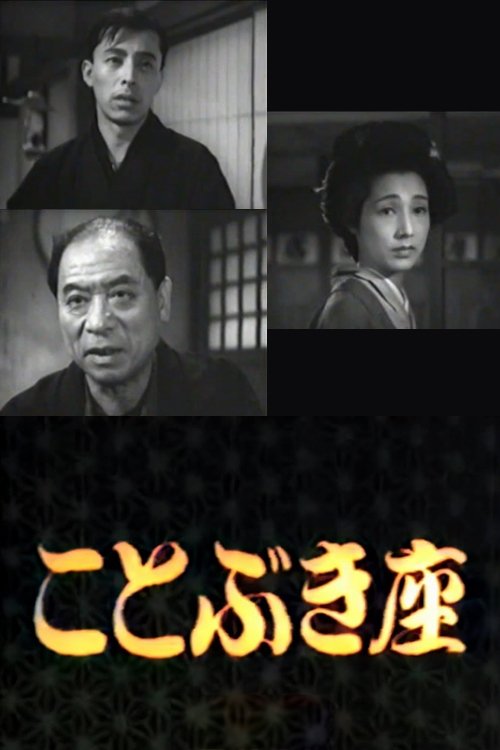
Kotobuki-za is a story of the Naniwa-bushi singer Baichuken Tsurumaru.
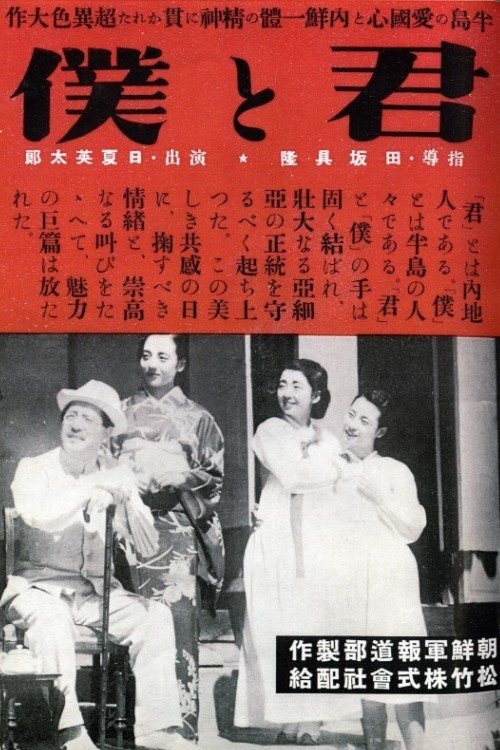
This was 1942, so it was a national policy film, no matter what you call it. But when the war was still on the winning side, there wasn't even a little bit of sadness in the film (as the war was getting worse and worse, the burdens on our backs were increasing day by day, and we had to keep forming a line for tomorrow with nowhere to go (Akira Kurosawa's "The Most Beautiful", Admiral Nomura's "Enemy Air Raid", etc.) (Song of Annihilation, directed by Sasaki Yasushi). The film closes with the hope of the blue cloud that is bubbling up in the air. Or it may be the last time that a Japanese film talks about war and looks at the end of the war with an unconcerned eye.
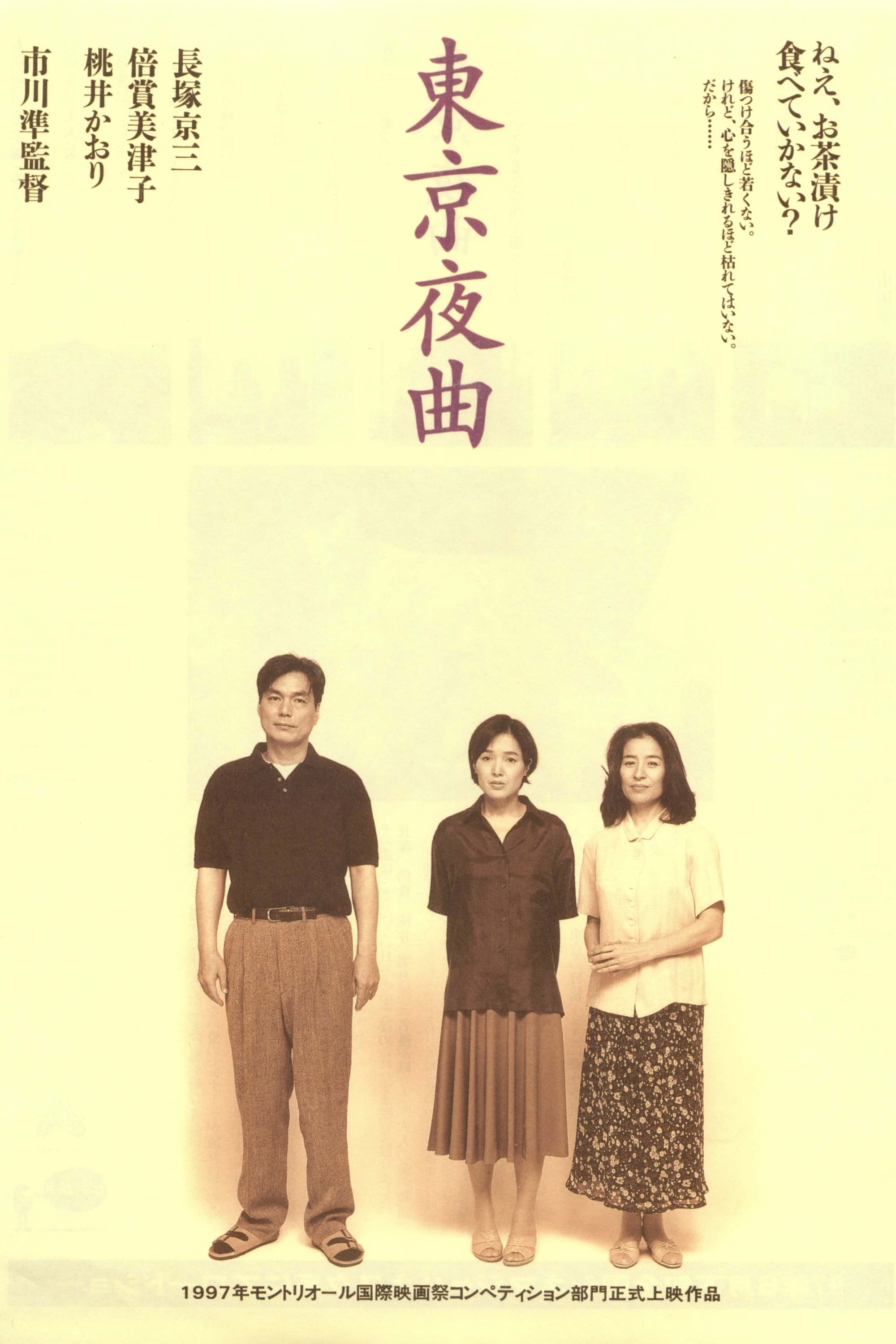
When Koichi Hamanaka returns after his mysterious disappearance years earlier, journalist Asakura who befriended Hamanaka's wife during his absence, tries to piece together the reasons for his departure.
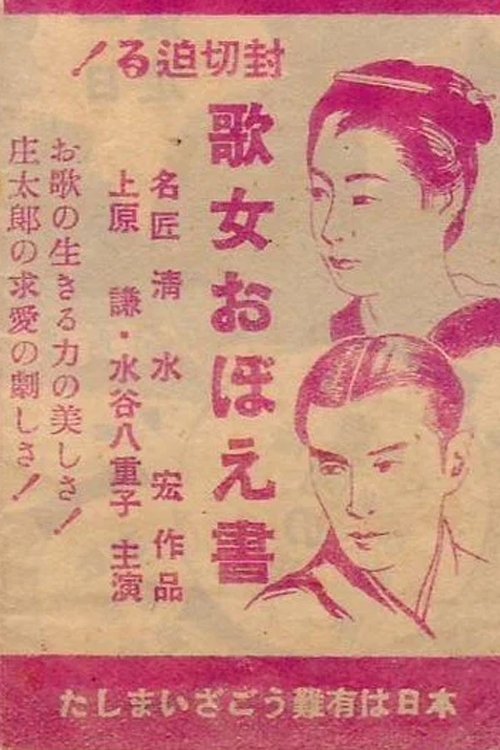
Uta’s mother died when she was six years old; her father she never met. She was forced to adopt a traveller’s life when her grandmother died, and now she is a dancer and part of a family of actors who travel from town to town, setting up street performances. A way of escape from this marginal existence arises when she gets the chance to move to tea merchant Hiramatsu’s place, where she is asked to teach his daughter to dance.
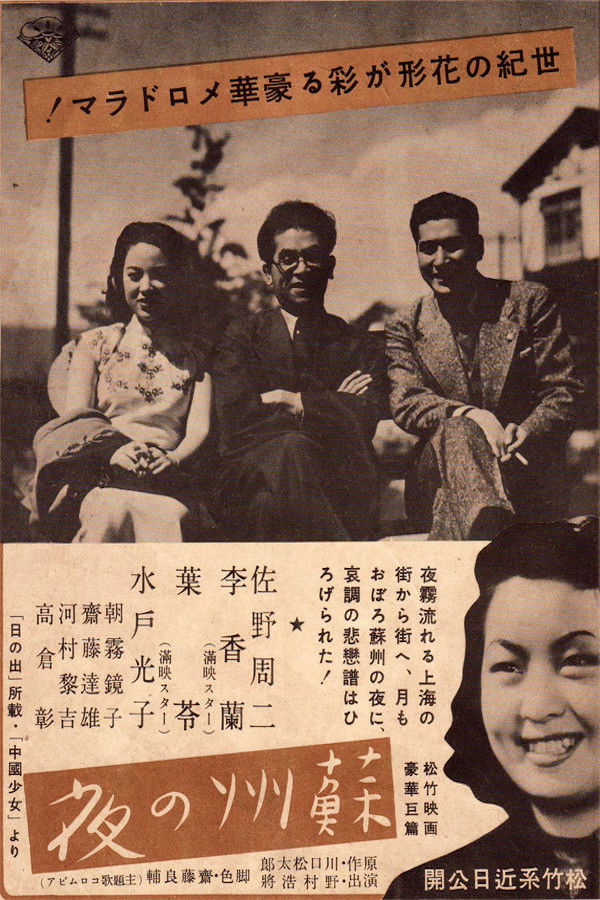
A hostile Chinese nurse (Yamaguchi) who works in an orphanage is won over by the care and commitment of the Japanese doctor (Sano) who treats her wards. Disease outbreaks and family obligations, however, threaten to torpedo their budding romance.
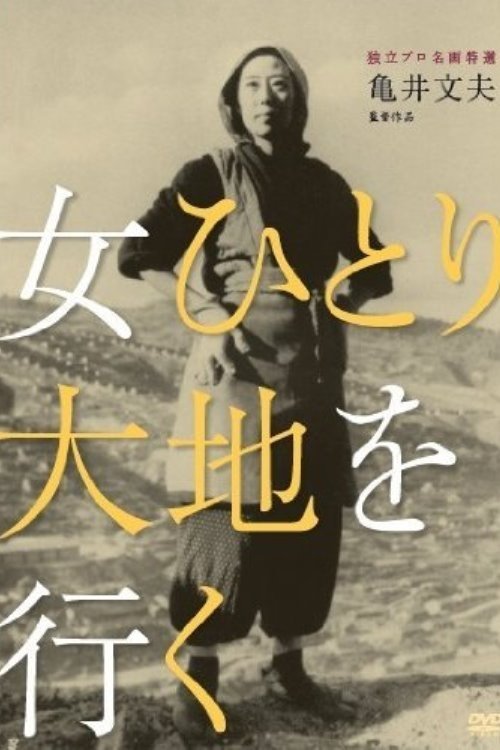
Onna Hitori Daichi wo Yuku (A Lonely Woman in a Lonely Land, Kinuta Production, 1953) was the second feature film directed by Kamei Fumio, who is known as a master of documentary films, and followed his “Haha Nareba Onna Nareba(Become a Mother, Become a Woman)” (1952).

Ginko, a poor cobbler's daughter, becomes a geisha to support her family. She passes from one geisha house to the next, trying to find love and hope in the process. No matter how hard she tries, she just can't escape her sad fate.
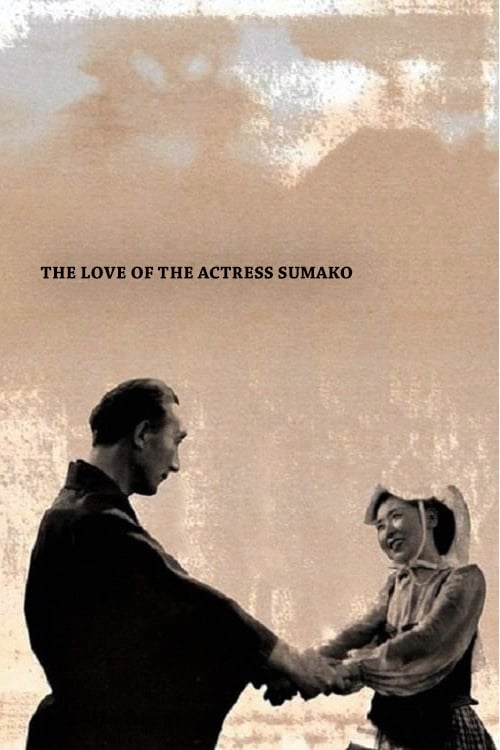
Stage director Shimamura, who is bringing western theatre to Japan, falls in love with outspoken actress Sumako Matsui, and leaves his family to be with her, while trying to keep his Art Theatre solvent.
Waiting woman
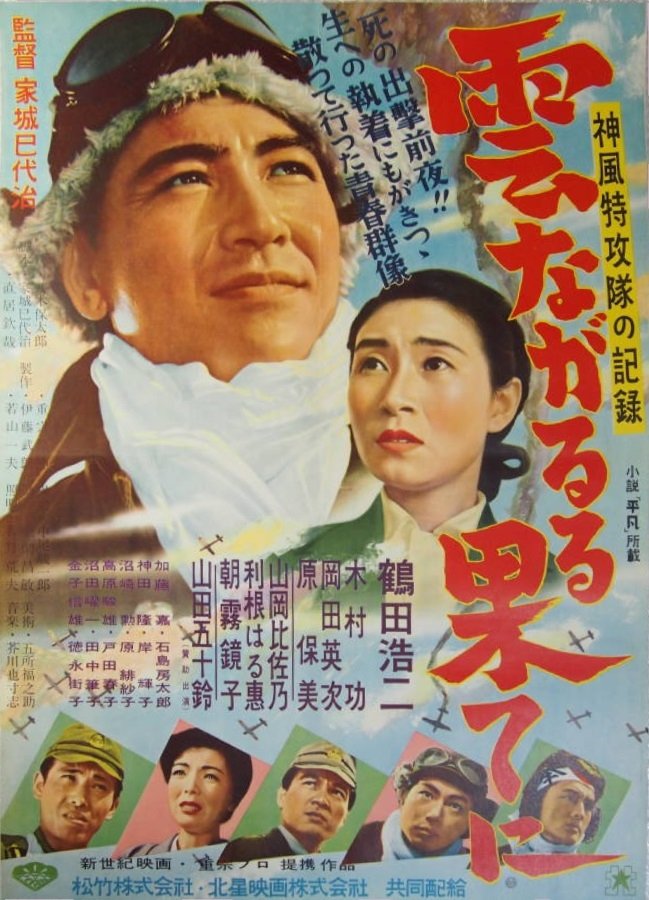
A movie that depicts the tragic fate of many Yokaren flight-academy pilots.