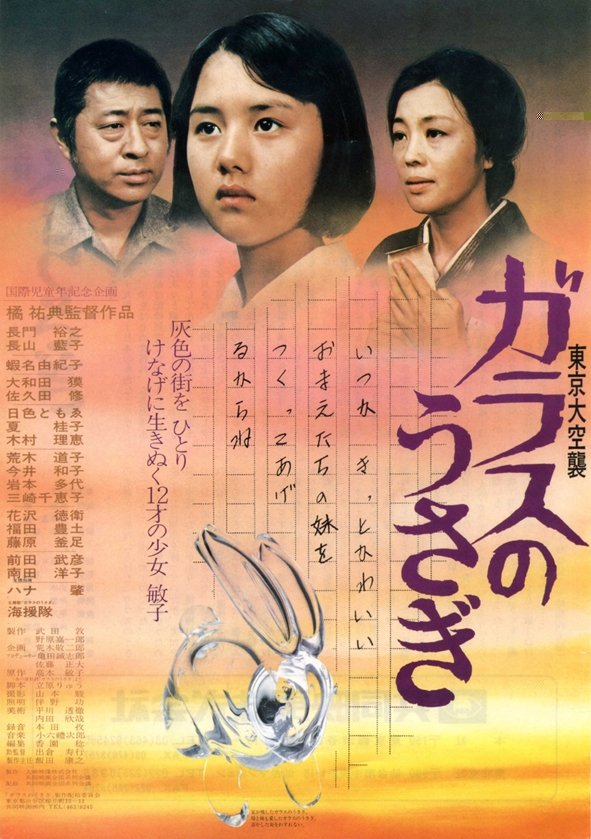
Based on an autobiographical novel by Toshiko Takagi, set close to the end of World War II
1963 Japanese movie
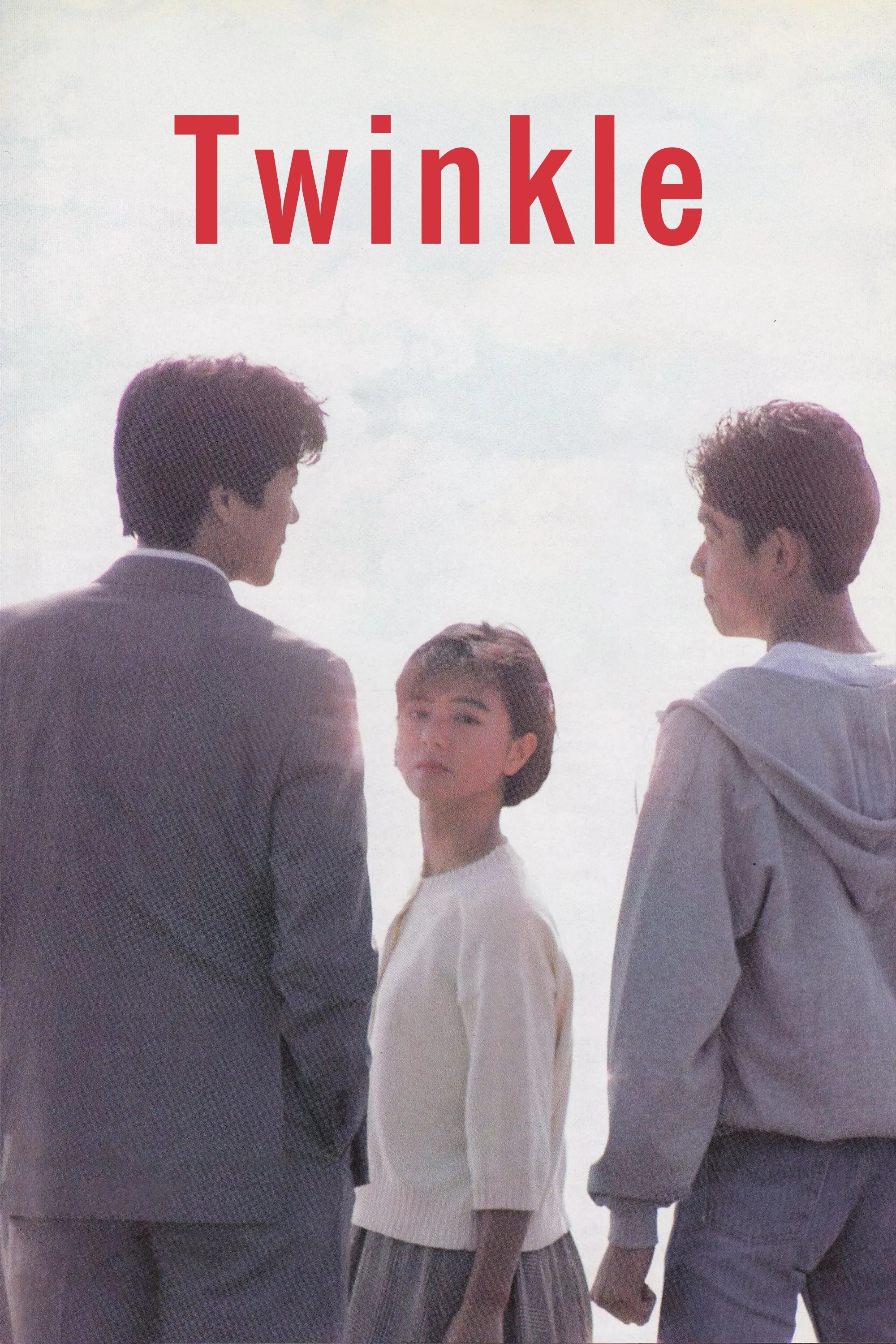
Shoko and Mutsuki get married to satisfy their worried parents, but she is well past the age at which a ‘good’ Japanese woman should marry, and he is in love with a young male college student.
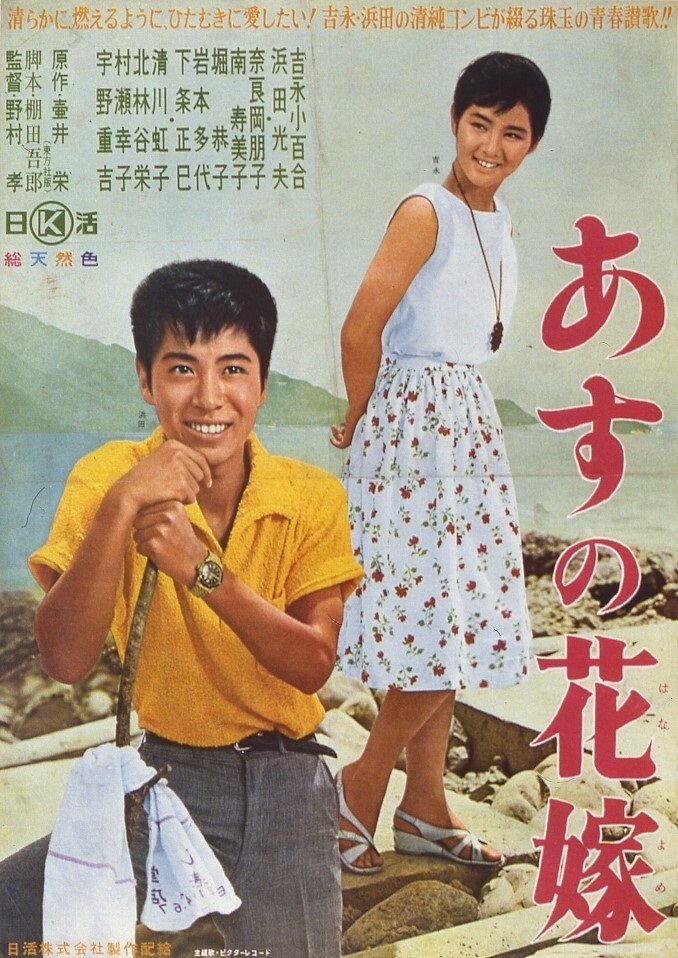
1962 Japanese movie
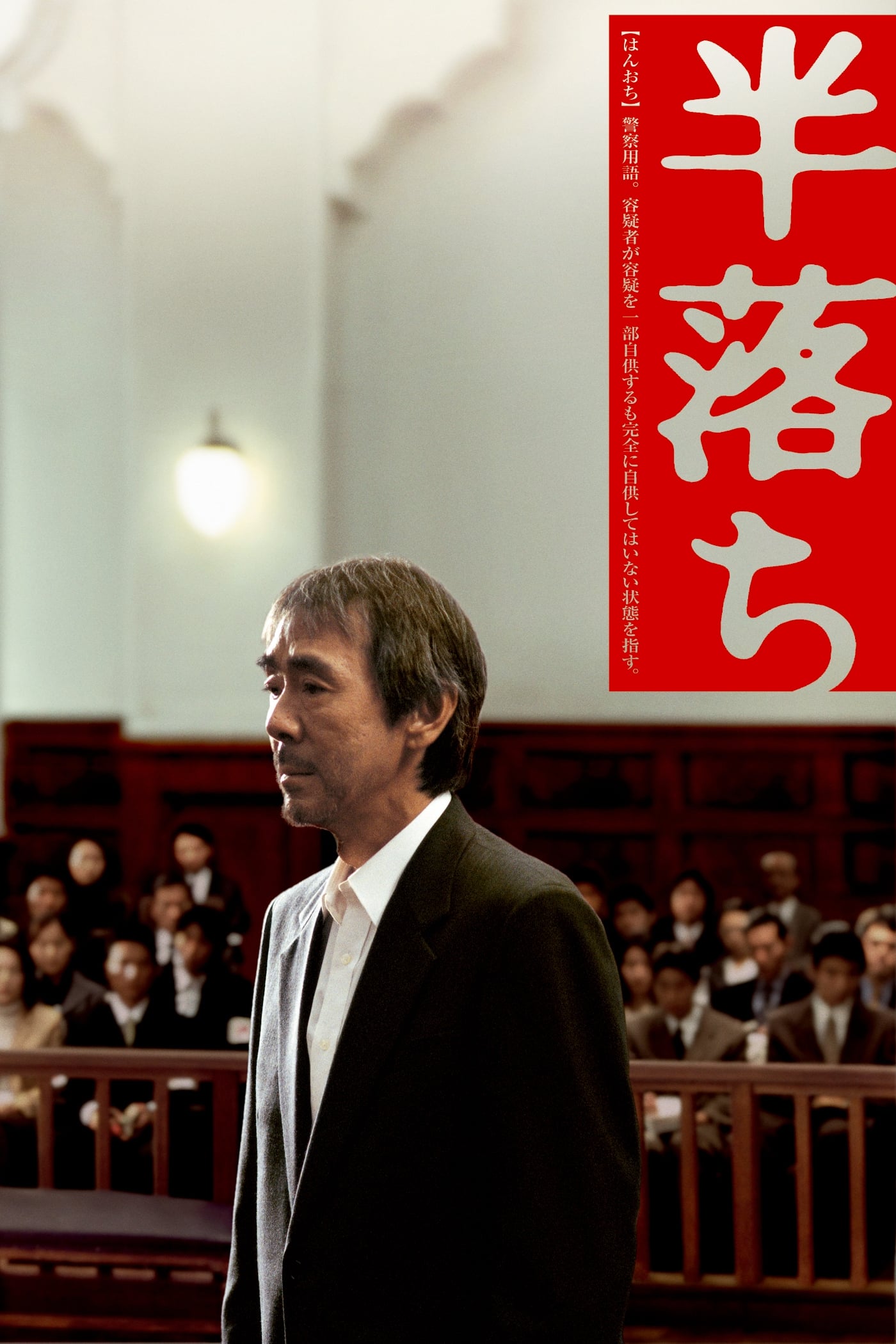
Half a Confession introduces itself as a thriller and abruptly changes gears, transforming into a tale of morality with deeper insights into its characters than we had anticipated. It begins when Soichiro Kaji (Terao), a retired detective, walks into police headquarters and confesses to the murder of his wife. We learn that the victim had prematurely developed Alzheimer's after the tragic death of their son, and in her suffering, had asked to die. The police chiefs would be far more content to take him at his word if it were not for a conspicuous hole in his story: 48-hour gap between the alleged murder and his confession. Fearing a public relations nightmare, they are eager to bury the incident and keep the press in the dark.
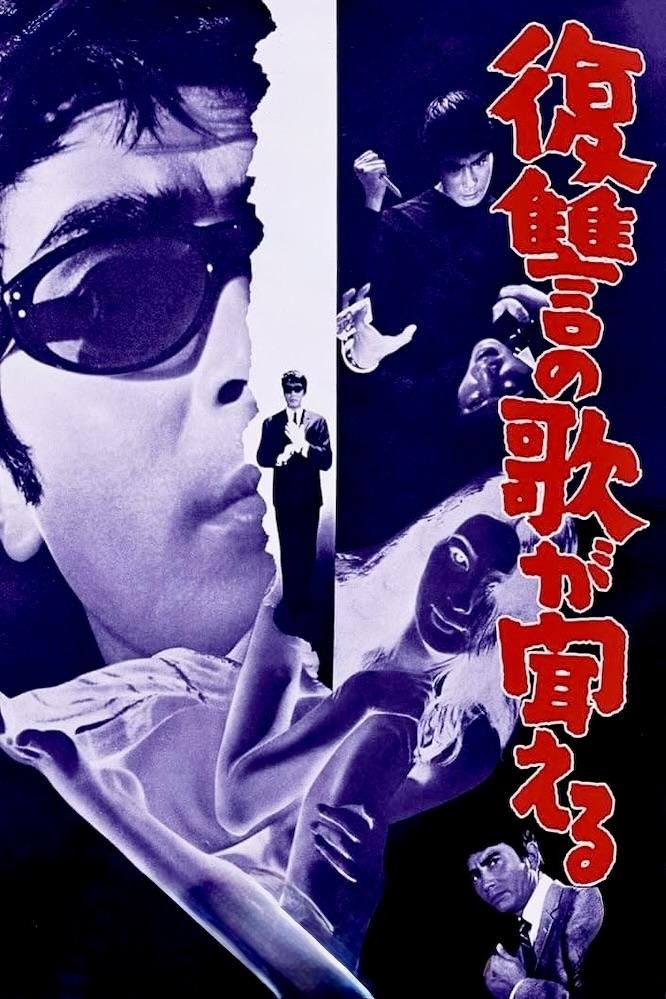
Executive management of a major Tokyo construction company are getting bumped off one after another. It seems obvious that it is a former partner of the company with a long-standing grudge who is responsible, but he died in the first ten minutes of the movie. Or did he? This may aptly be described as a giallo-noir for the unrelenting string of murders by a mystery man and the black-and-white gritty urban setting.
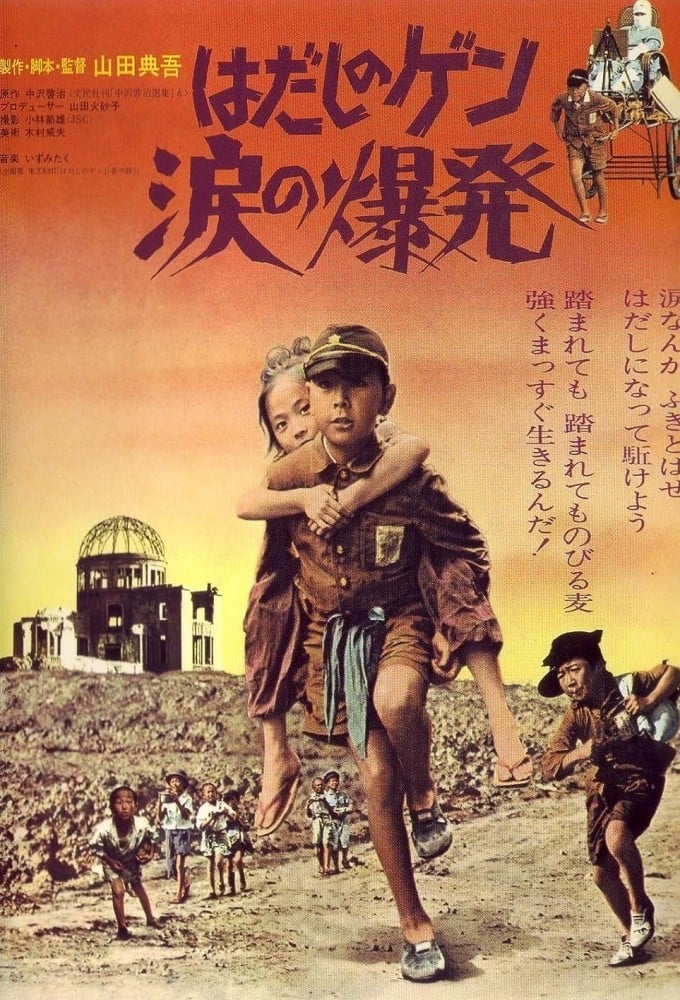
First live action "Barefoot Gen" sequel.
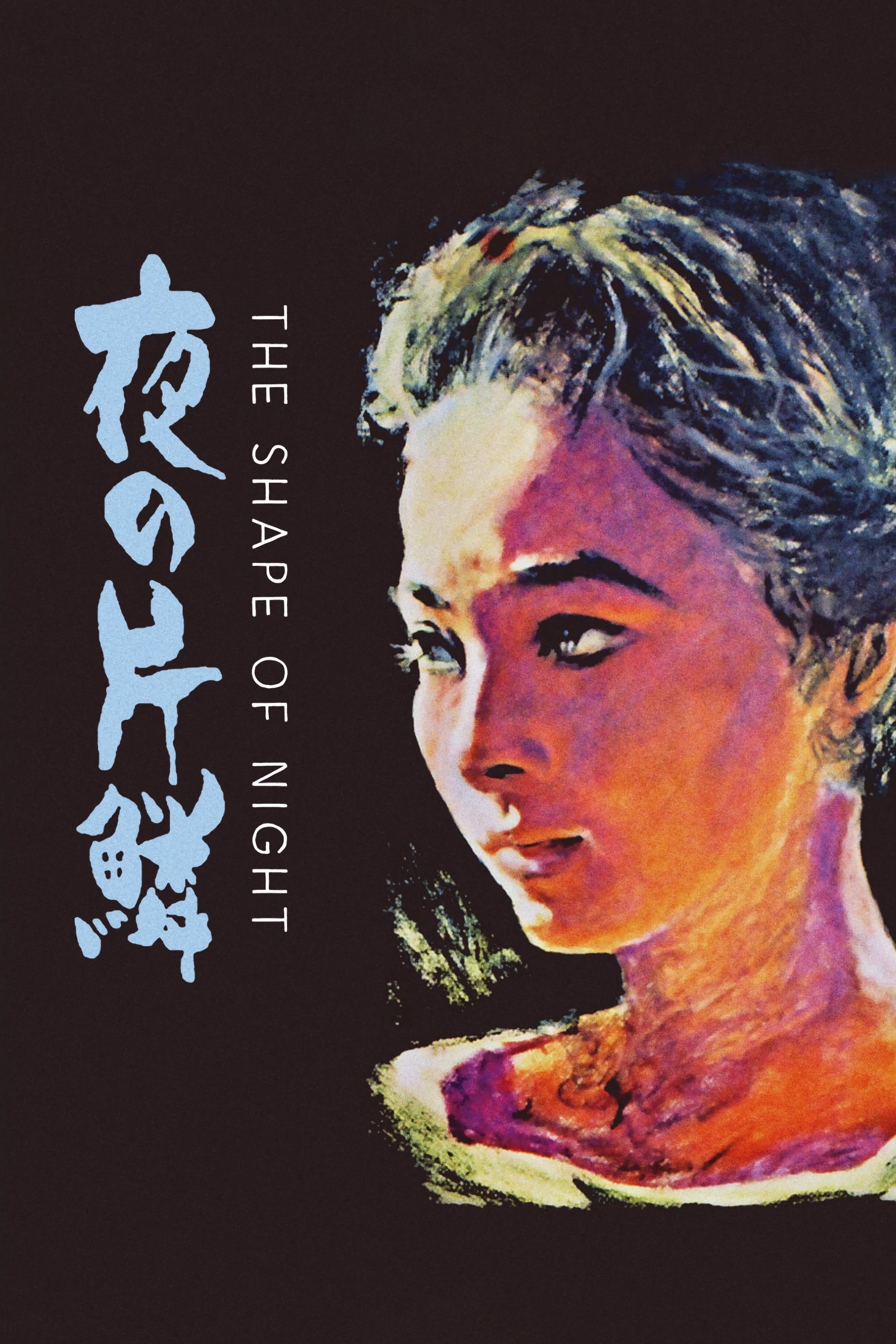
Yoshie Nogami, a factory worker by day, works as a bar hostess at night. She begins a passionate affair with one of her regulars, but his changing demeanor and constant demands for money lead Yoshie down a dark path.
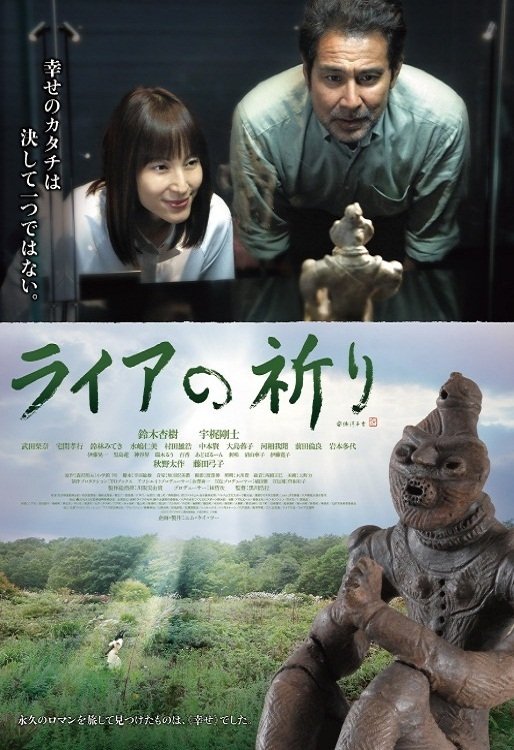
Goro is an archeologist, fascinated with the national treasure Gassho clay figure and remains from the Jomon period. He meets a woman, Momoko who is timid with love. Momoko often has memories from ancient times and landscapes of the heart in her dreams. She tells Goro about her dream and their relationship deepens.

A student, running late on the day of the University of Tokyo entrance exams, calls in a fake bomb threat in order to arrive on time.
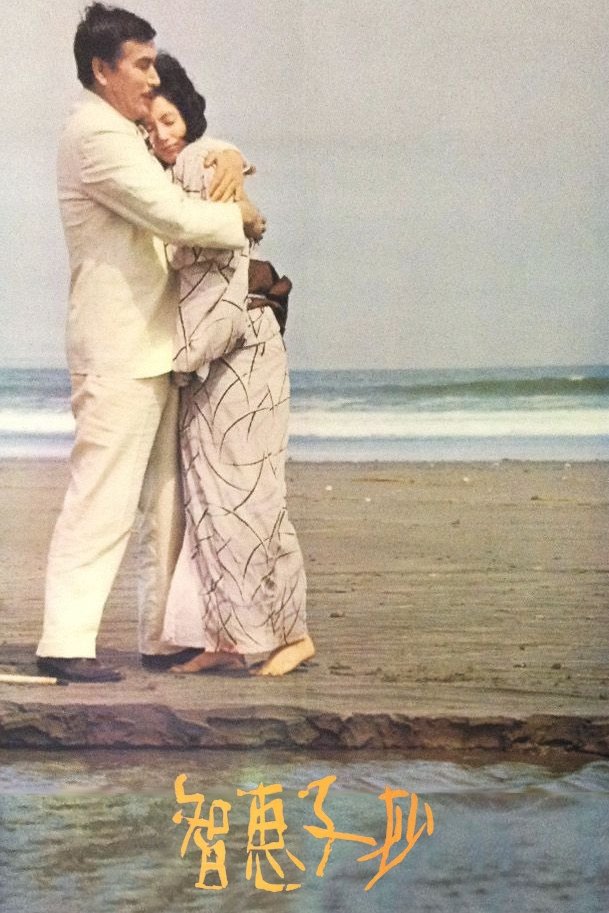
Takamura, a poet and sculptor, marries a budding artist named Chieko who dreams of becoming an oil painter. When a series of hardships befall her family, she finds herself unable to confide in her husband, and the pain she carries within begins to weigh heavily on her sanity...
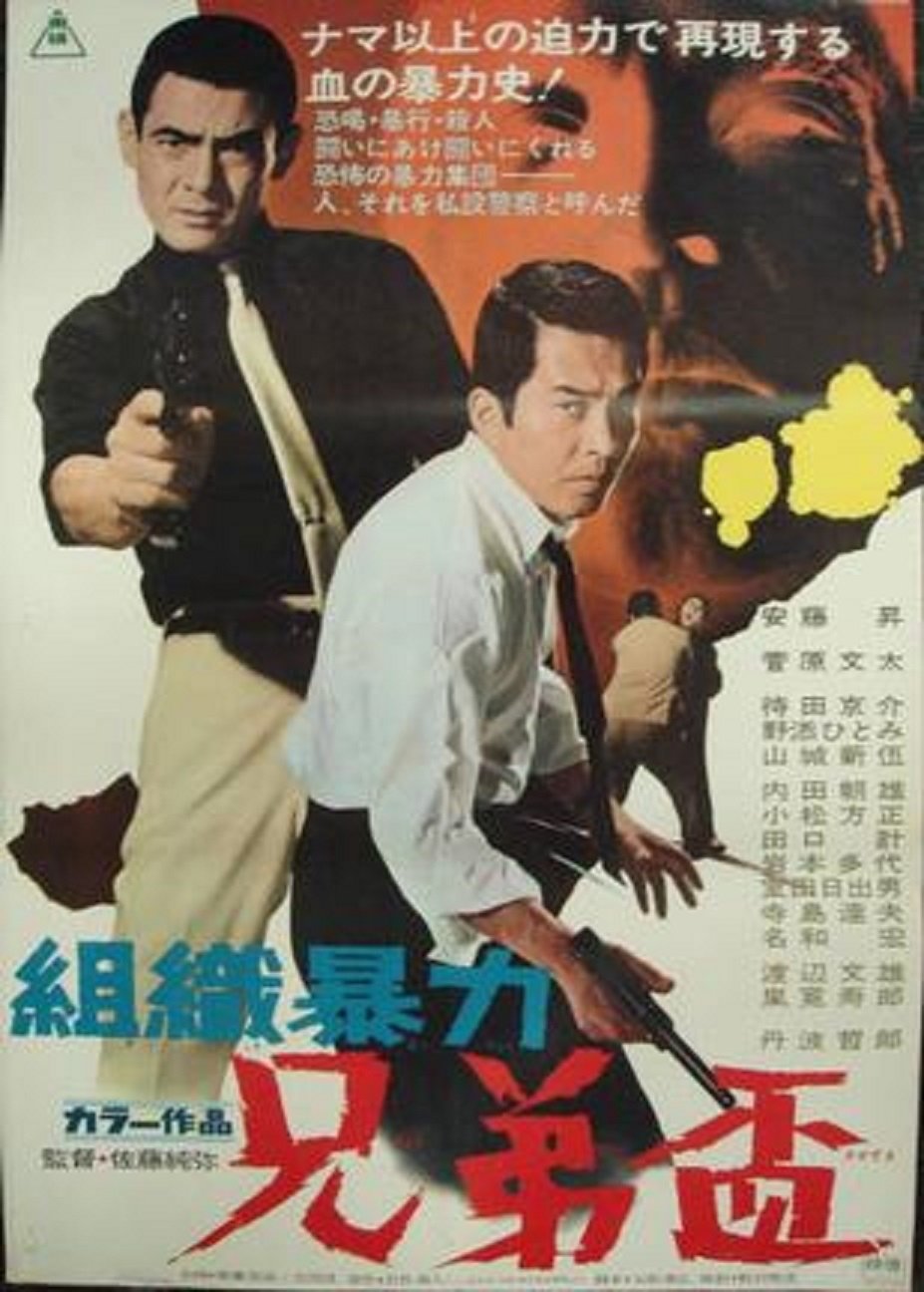
After the war, Kijima (Bunta Sugawara) returns to Tokyo where he meets Ôba (Noboru Andô), an Ex-Kamikaze pilot, and the two ruffians gather hooligans to join their group. In Ginza, the Togawa gang have taken over Sakurada's territory. After several fights Kijima and Ôba gain control of the territory by chasing out the notorious Togawa Group in the name of Sakurada. But Kijima is arrested for assaulting an American soldier. A few years pass. Kijima has served his prison term and the sears of war have been erased from Ginza. Ôba is now president of a company specializing in collection of bad debts, cheque frauds and everything that means money. People call their organization the “Private Police,” and Kijima begins to work for Ôba. Now the Takegami gang waits a chance to seize the Ginza territory.
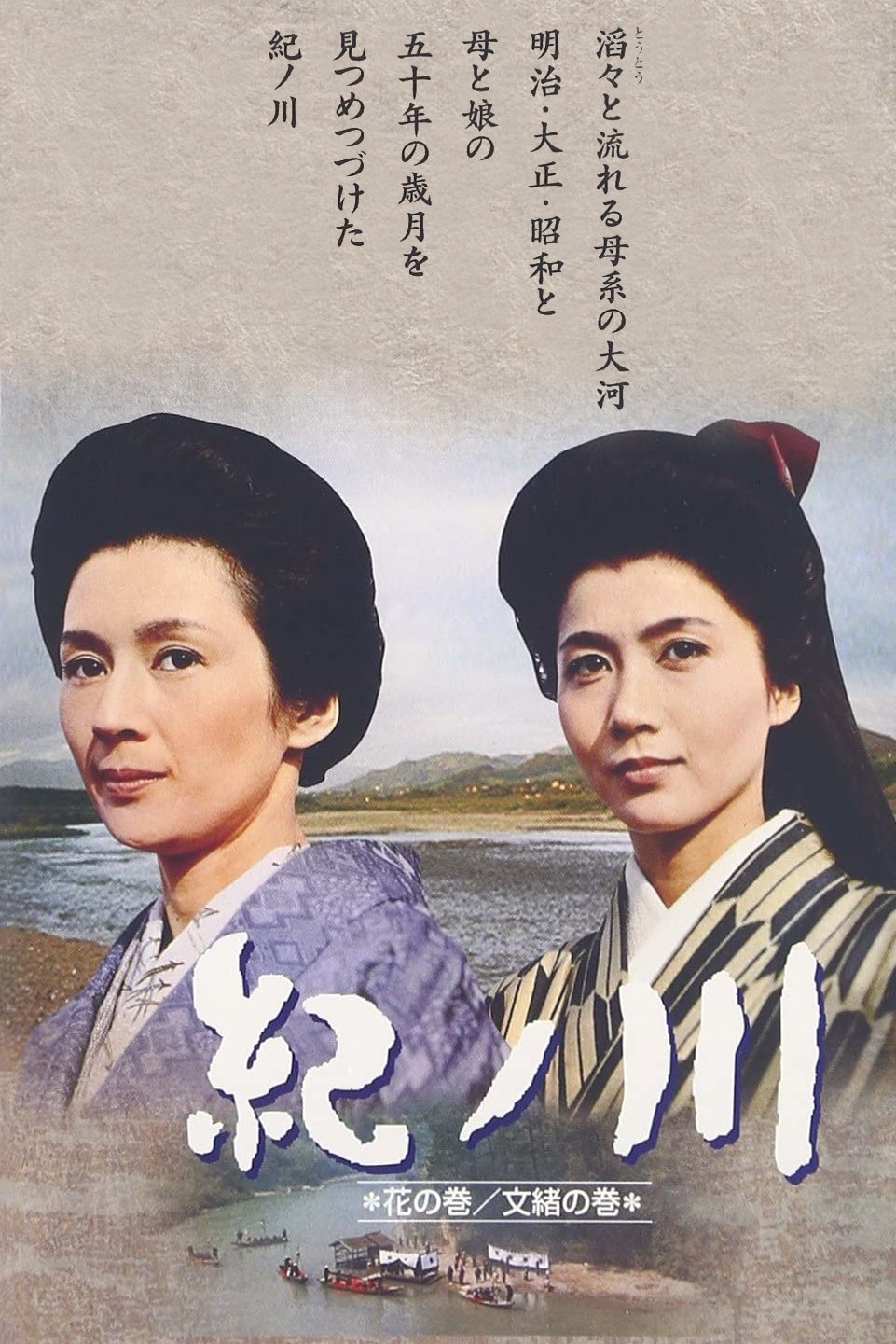
Epic saga of an idealistic land-owning family dealing with militarism, war, social change and economic reform.

To solve the mystery of her deceased husband, his wife departs to Shinshu.
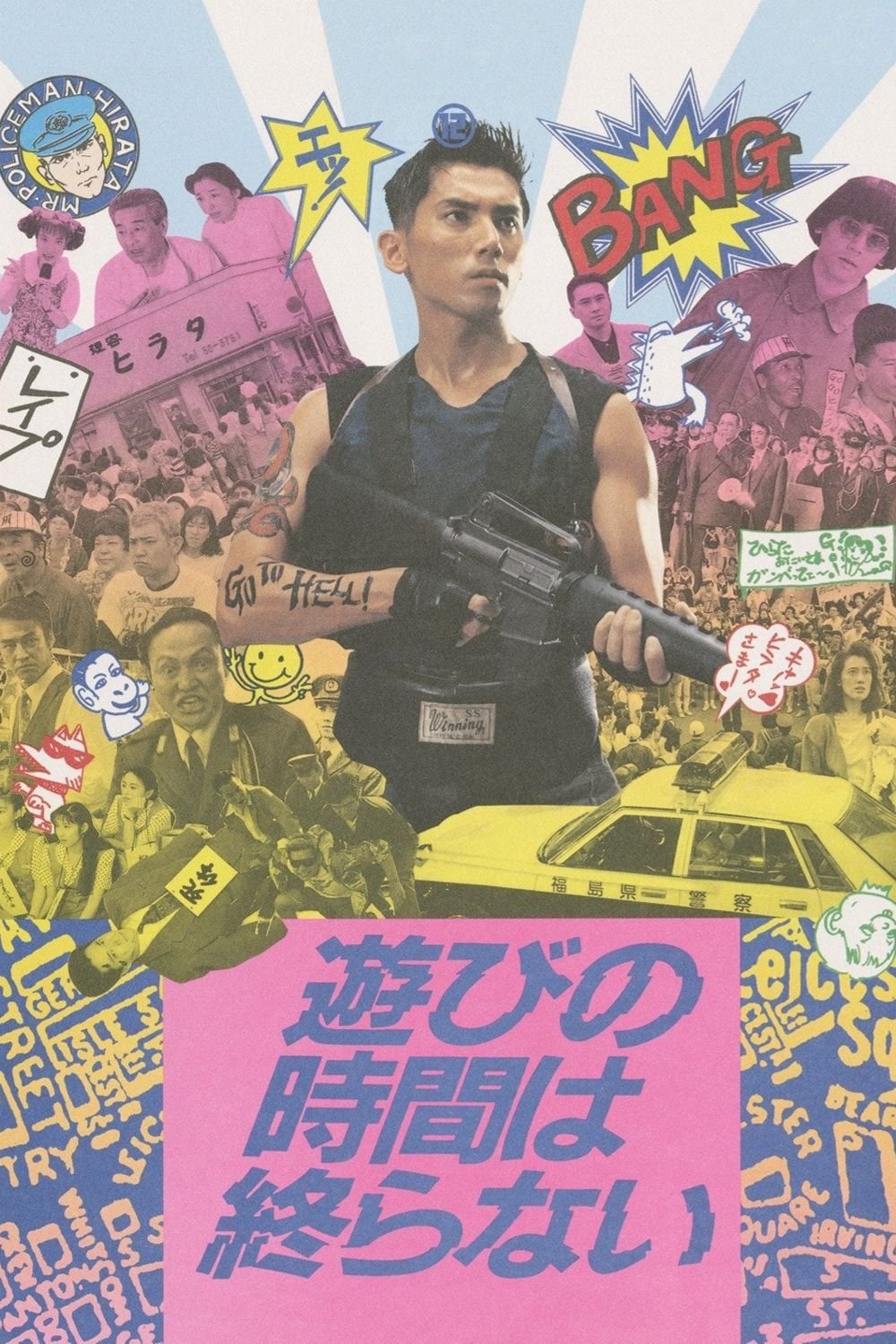
A serious-minded policeman plays the role of robber in a police training operation against bank robberies. He's so good his fellow policemen can't catch him. TV networks begin to broadcast the operation nationwide. TV audiences are amused and root for the runaway robber and police grows desperate to arrest him to save their face. However the robber remains at large.
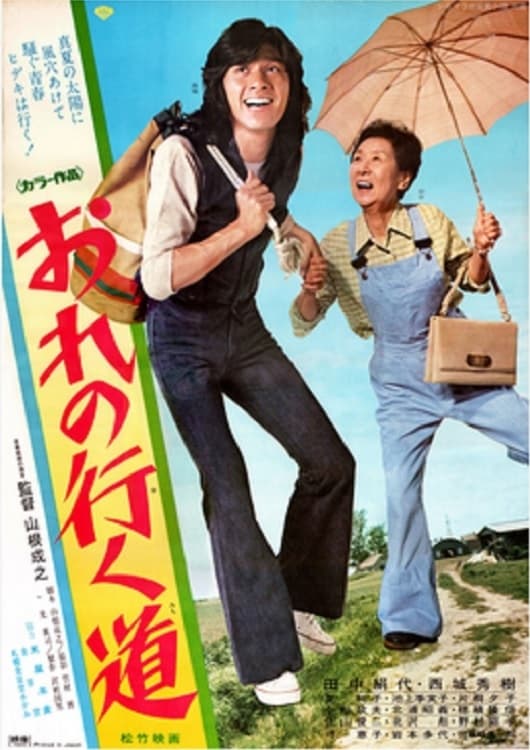
Let's Go, Grandma! plays like an exuberant, goofy update to Yasujiro Ozu's Tokyo Story. Kinuyo Tanaka plays the titular Grandma, who, after selling her Hokkaido property, is apparently flush with cash but newly homeless. Her grown children take turns hosting her, making extravagant performances of filial devotion with an eye to potential profit. Making use of a catalog of wacky visual effects, bracketed by gratuitous ham-fisted fight scenes, and costarring pop singer Hideki Saijo, the film is balanced by Tanaka's nuanced performance, which delivers a denunciation of hypocrisy and greed.
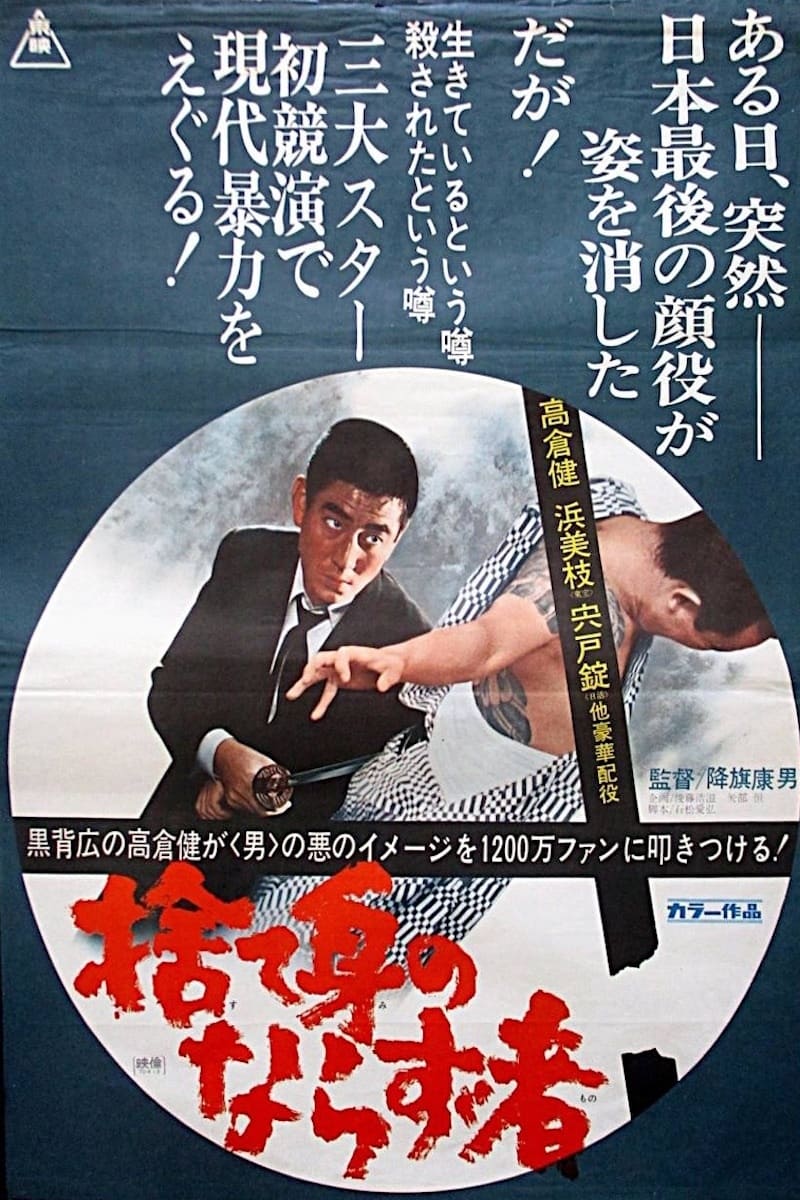
A reporter is framed for murder while investigating organized crime. Upon being released from prison the plan for his revenge unravels.