
Owners of all kinds of animals and birds, from puppies to sick calves and grasshoppers, come to the veterinary "hospital". They meet with the professionalism and helpfulness of the doctors and especially with the attending nurse Miluska, who finds a kind caress, a smile and help for every creature. She even gets the doctor to visit a sick grasshopper, which its rather stubborn owner left without treatment. There's a bit of loving reverie on Milushka's part, too, because she liked the young man who came with the mare. But it remained just a nice, if a bit silly dream, because the young man is married. But the daily reality overcomes that bit of sadness and Milushka remains faithful to her patients...
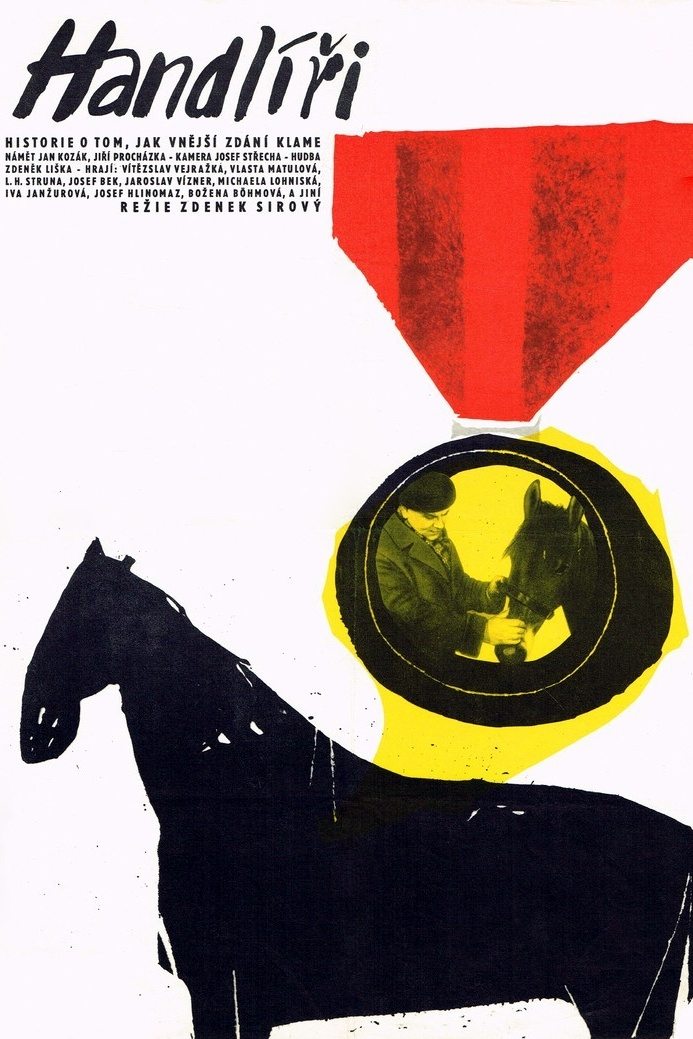
JZD Hořičky is one of the best cooperatives in the district. Its chairman, who knows how to get advice and money wherever he can, is supported by the district secretary - even at the expense of others. The cooperatives will reject high state honours as undeserved... An unconvincing attempt at a critical film from the present day.
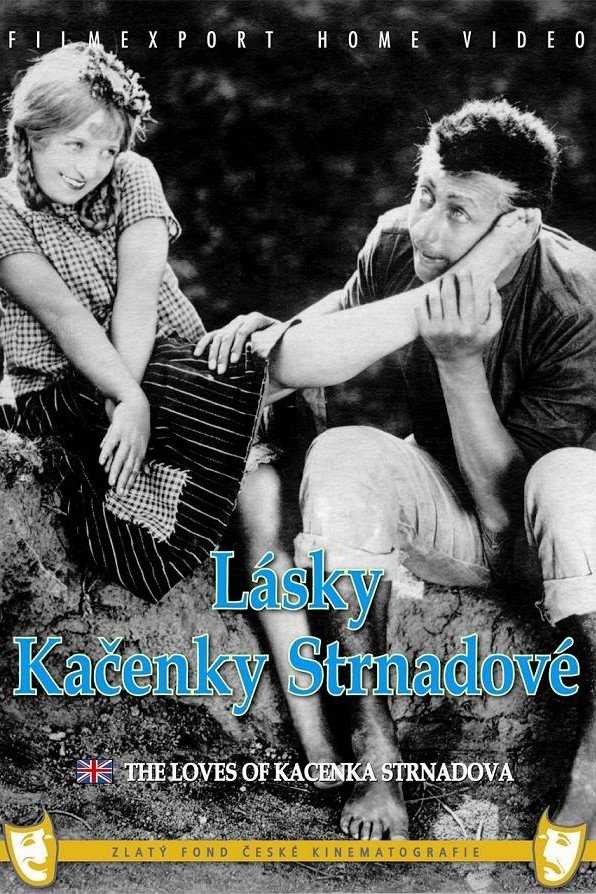
The film depicts the adventures of Kacenka (Zdena Kavková) and Vincek (Vlasta Burian), two innocent country bumpkins who live in a Czech small town, and the various jobs that Kacenka has once she moves to Prague, that beautiful capital city. Our heroine will have to bear difficult working conditions and to make things worse, she falls in love with a fake aristocrat. Fortunately her companion, Vincek who is also in Prague, has an unrequited love for her. Though he is the cause of many Kacenka's problems, Vincek finally will help and resolve her loves troubles. And of course there is a happy ending that brings the Czech couple together.
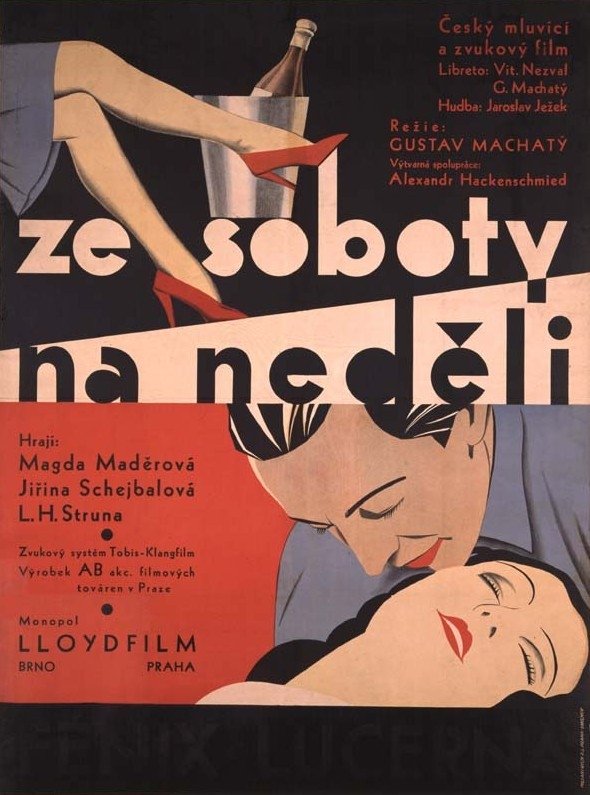
Two secretaries go out on a double date, but the inexperienced Mary flees when offered money for sexual favors. She takes refuge in a cafe and encounters a plebeian Prince Charming. The film recounts the simple progress of their romance after they go home together.
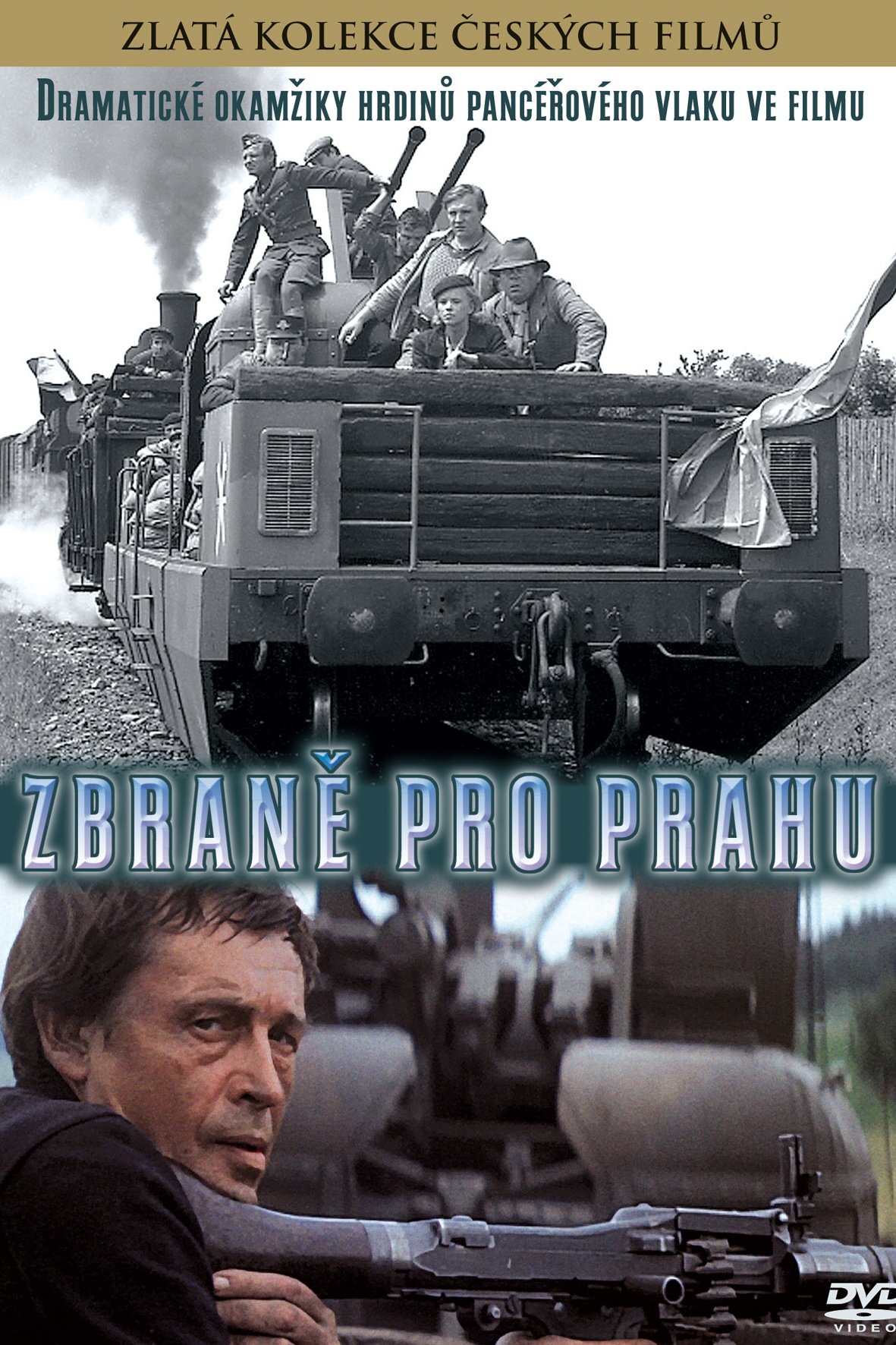
In May 1945, Czech revolutionaries used several armoured trains in the fighting - partly captured, partly assembled from whatever the railway brought. One of them was commanded by the shunter Jan Chýň, who managed to bring weapons from the ammunition depot in Libčice to help the fighting in Prague.
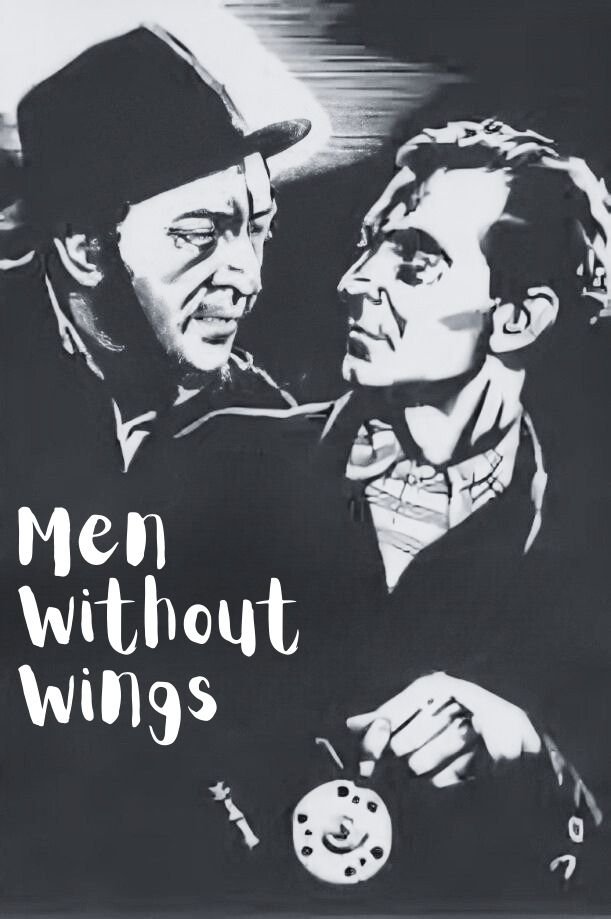
After an attack against the guard of the Third Reich, Nazi repression intensifies, and the Czechoslovakian resistance's organized sabotage in an aircraft factory leads to Gestapo shootings.
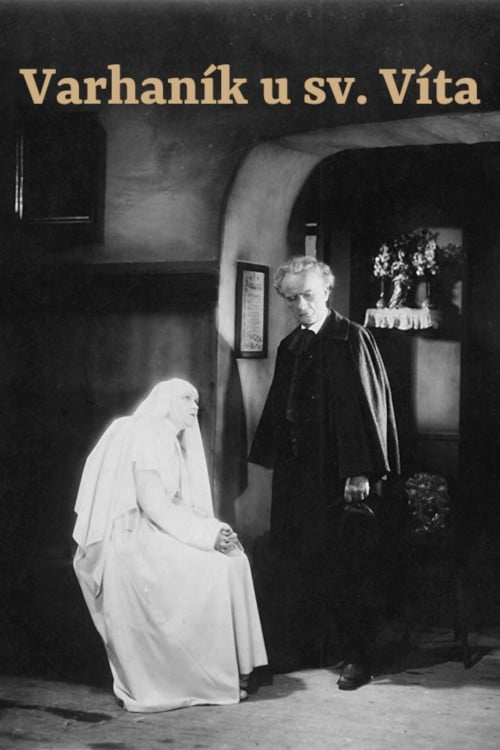
The most important silent film by director Martin Frič. Poet Vitezslav Nezval did scenographic modifications to the original story by Václav Wasserman. Film producer Jaroslav Stransky didn’t witness premier; because of fear of financial collapse, he killed himself.
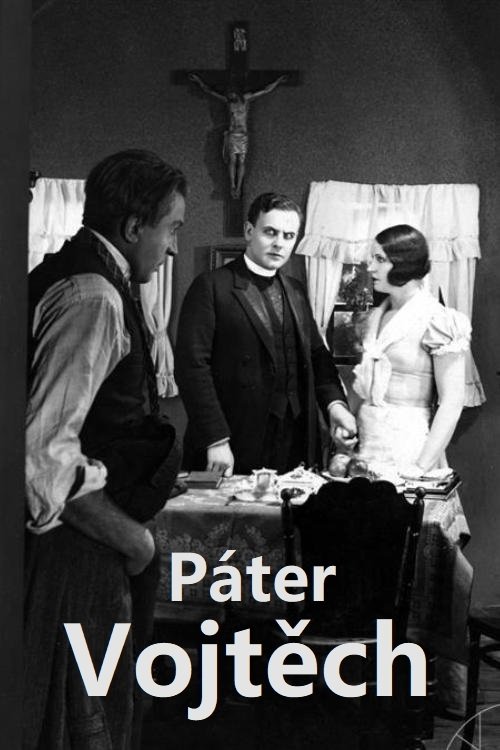
Father Vojtech (Czech: Páter Vojtěch) is a 1929 silent Czech romance film directed by Martin Frič.
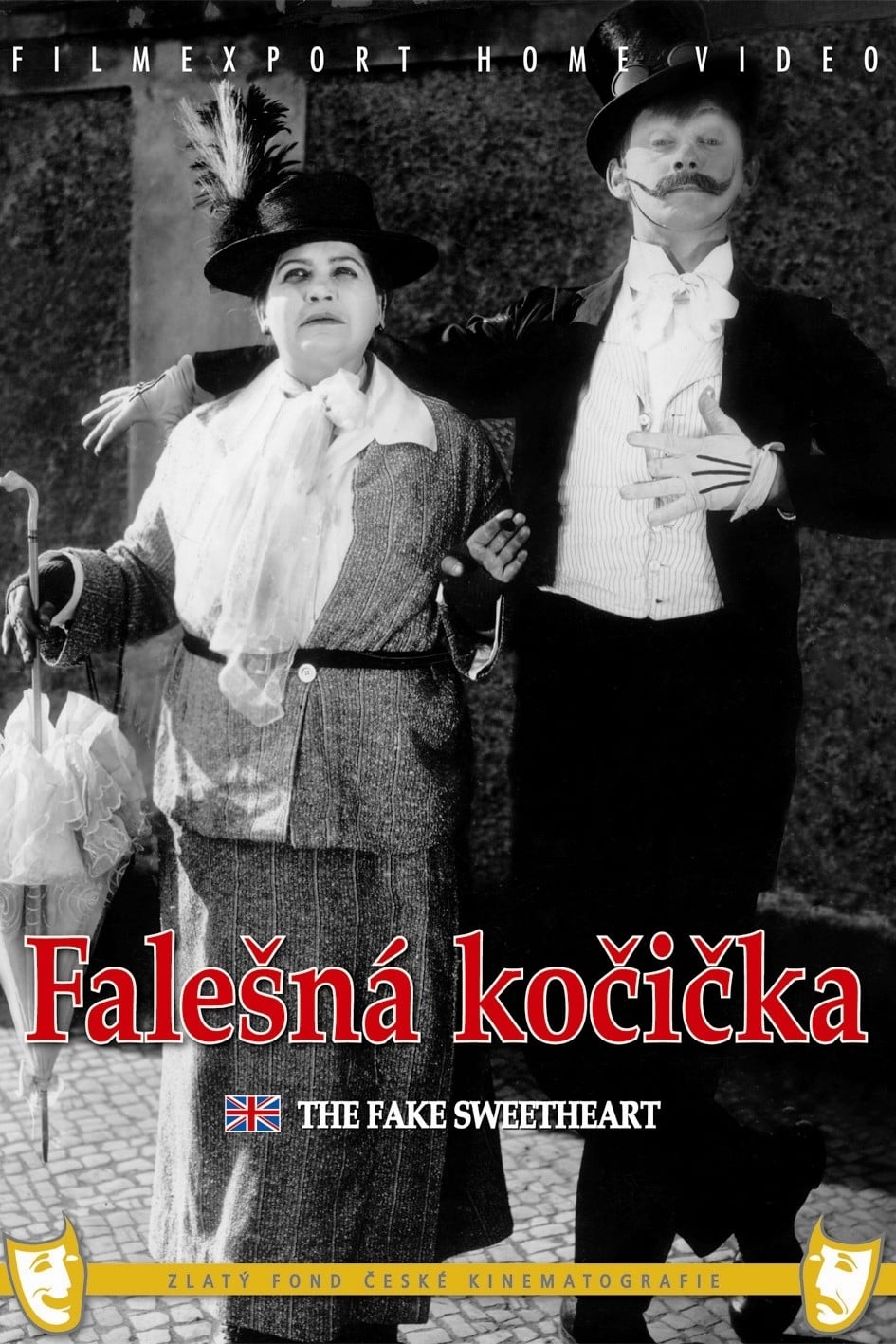
The film depicts the troubles of Herr Verner ( Herr Karel Hasler ), a middle-aged bachelor dentist who wants to marry.
Businessman Karel Bočan is a swindler who writes down the debts of his victims in a green notebook. He is stopped by an observant boy who reveals the fraudster and dealer in stolen goods in it.
Věra Donátová has graduated from law school and wants to open a law firm. However, she is financially dependent on her parents. Her emancipated mother supports her efforts, but her father gives Věra money on the condition that if her practice is not successful within a year, she will marry the son of Consul Raboch. Věra has no clients. The first case is assigned to her ex officio. Věra visits her client Petr Kučera, known as Tygr, in a prison cell and achieves his release against his will. In an attempt to reform him, she offers him a position as a butler in his office. Tygr invites her to a pub to get acquainted with the mentality of the underworld. Věra likes his sovereign behavior. The one-year deadline has passed and Father Donát is throwing a feast. He wants Věra to choose from several invited suitors. Věra ridicules all the suitors, including Consul Raboch's son...
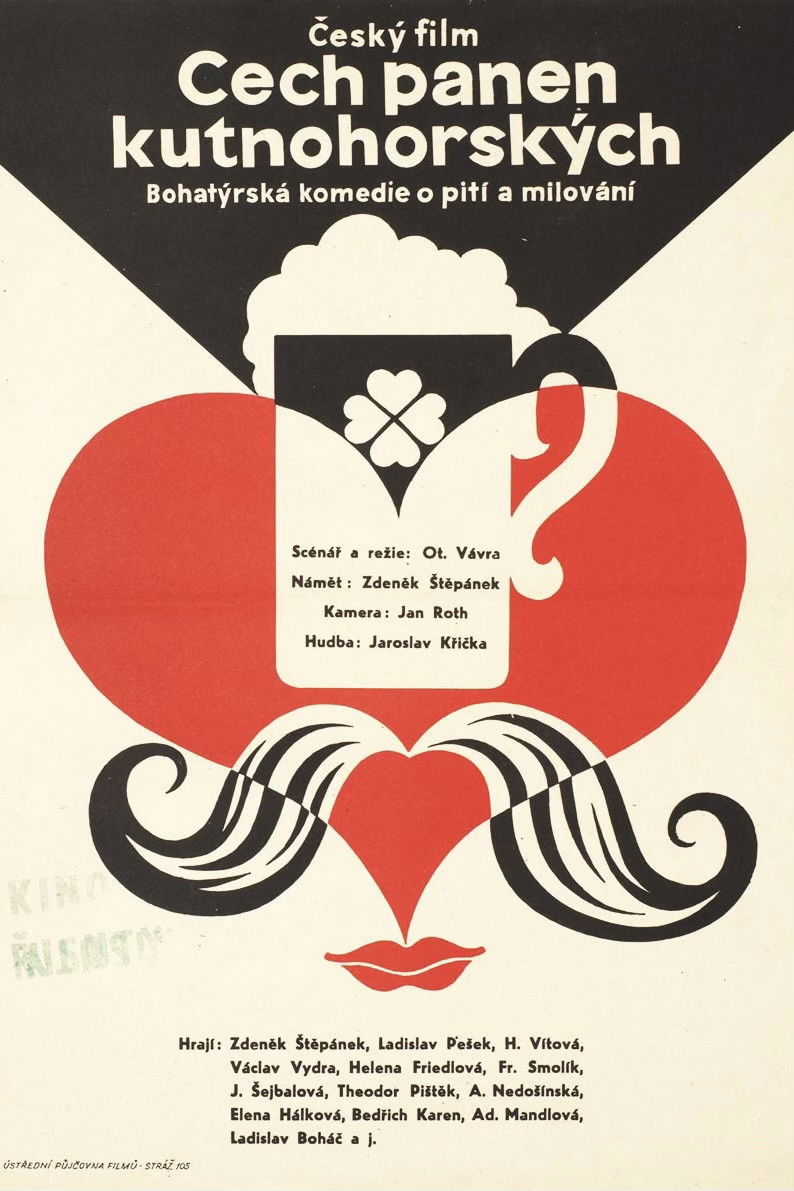
A morally questionable lord comes to the aid of a working class man who is to be executed for speaking out about thieving rich scoundrels sticking it to the poor.
Lieutenant Lukáš was transferred to the marching battalion in České Budějovice together with Švejko. On the way, Švejk makes Lukáš uncomfortable with a bald superior, a passenger in civilian clothes, and then because of pulling the handbrake, he is removed from the train and brought to the station master. The fine for Švejk will be paid by one lucky man, for whom Švejk's stopping of the train catapulted his beloved woman directly into his arms. Švejk goes to Budějovice on foot. His journey is full of humorous incidents. After arriving at the barracks, the regiment with Švejk and Lukáš is soon sent to Hungary, where Lukáš has an adventure with Mrs. Kakonyová. Eventually, the unit including Švejk arrives all the way to the Russian front. (According to the period label.)
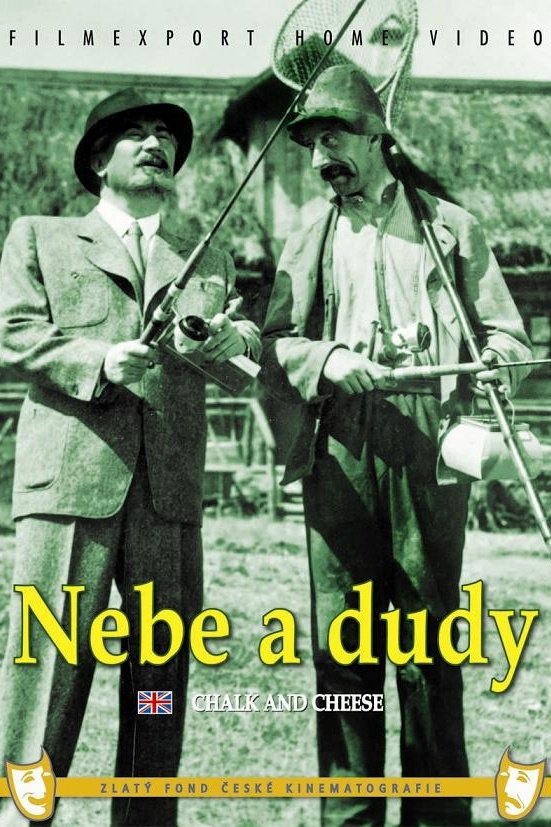
Rudolf Bartoš, the owner of a farm, quarry and factory, is extremely rich, however, he is unapproachable and irritable, and the dread of his employees. One day he falls down a steep slope by a river and hurts himself. The quarryman Fábera finds him groaning in pain and takes him to his cottage.
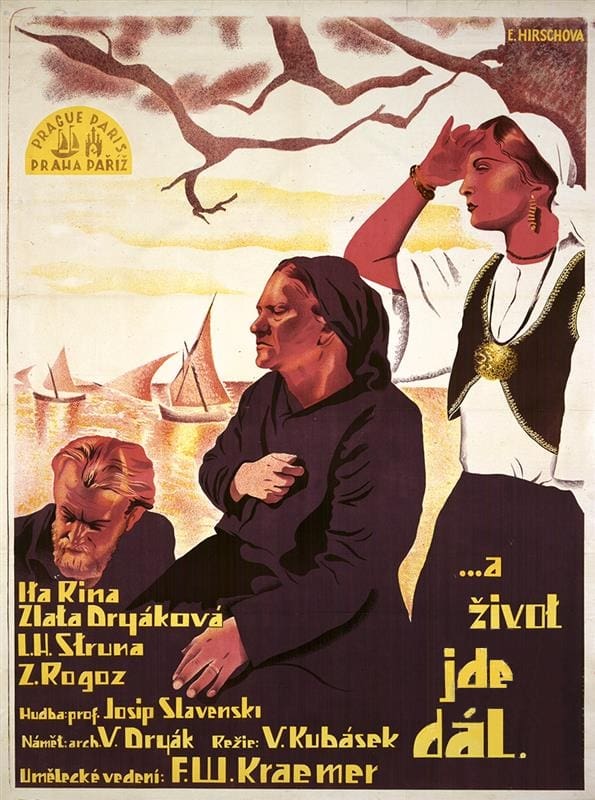
On the coast of Yugoslavia lives fisherman Ivo Kralj, his wife Marie, son Vuk, and Ivo's mother in one happy home. Marie, who loves her husband and always looks forward to his return from sea, attracts Nikola, with whom Ivo, out of jealousy, has a scuffle at a dance. After the outbreak of World War I Ivo is mobilized. He ends up in a P.O.W. camp where he is subjected to hard labour. His family then receives news of his death. The years pass and the lonely widow Marie is occasionally visited by her friend Nikola. Ivo's mother would like her to remarry. Soon after the wedding Marie becomes pregnant. Ivo, who has been thought dead, succeeds in escaping the P.O.W. camp where he has spent several years. Upon his arrival home he finds his name on a memorial erected to the victims of the war...
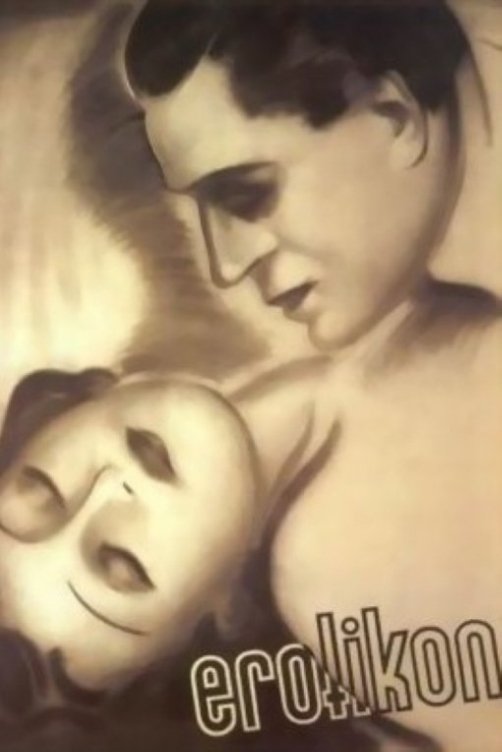
Andrea, the beautiful daughter of a railway gateman, is seduced by a rich passenger, who missed his train. Left pregnant, Andrea marries another man and moves to Prague, only to encounter her former lover and recover her former lust.
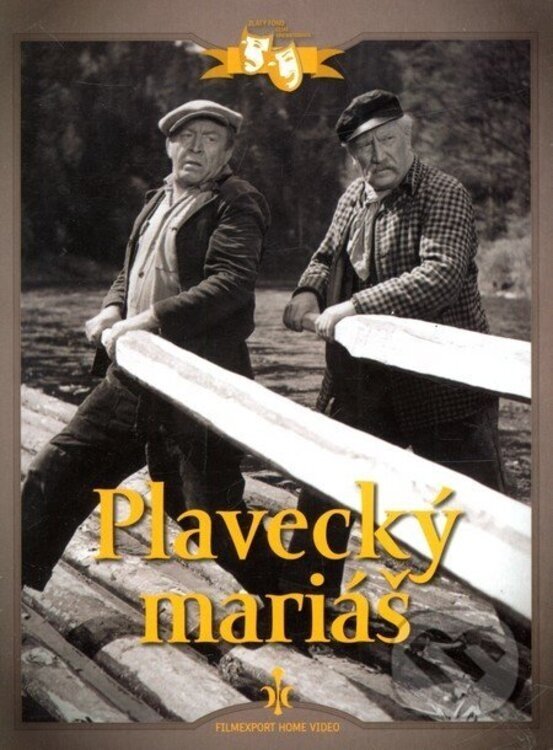
In the past, most of the wood from the mountain forests was transported to the sawmills by river. The rafters were gradually replaced by trucks and railways, but they still remember the days of their glory and the romance of water travel. Two experienced old swimmers, Váň and Šindelář, managed to push for a return to the old way, at least for one trip. They got a group of like-minded enthusiasts and rafts made of logs can set off down the river...
A young doctor and a group of injured are hiding in an underground shelter and are liberated by Soviet soldiers.
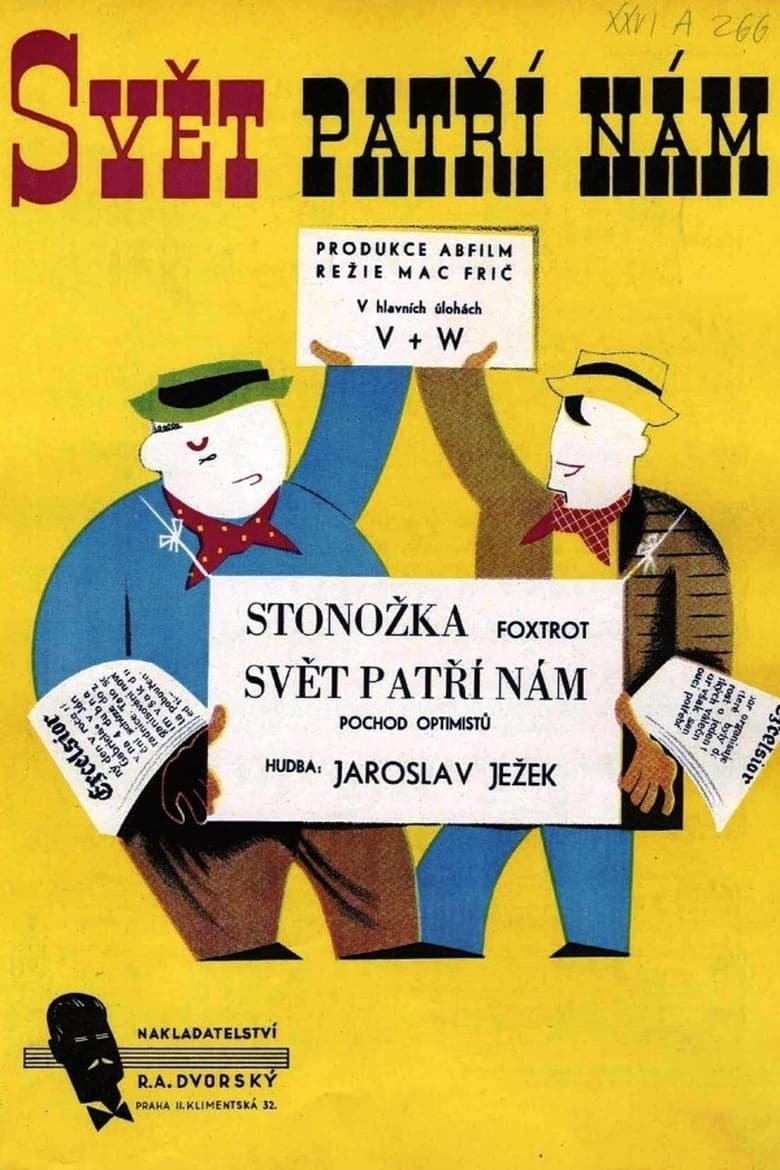
One of the few European films of the 30s to criticize the Nazis, even if they couldn't be directly named due to censorship: Gangsters with gray hats stir up trouble in what is obviously the Sudetenland.
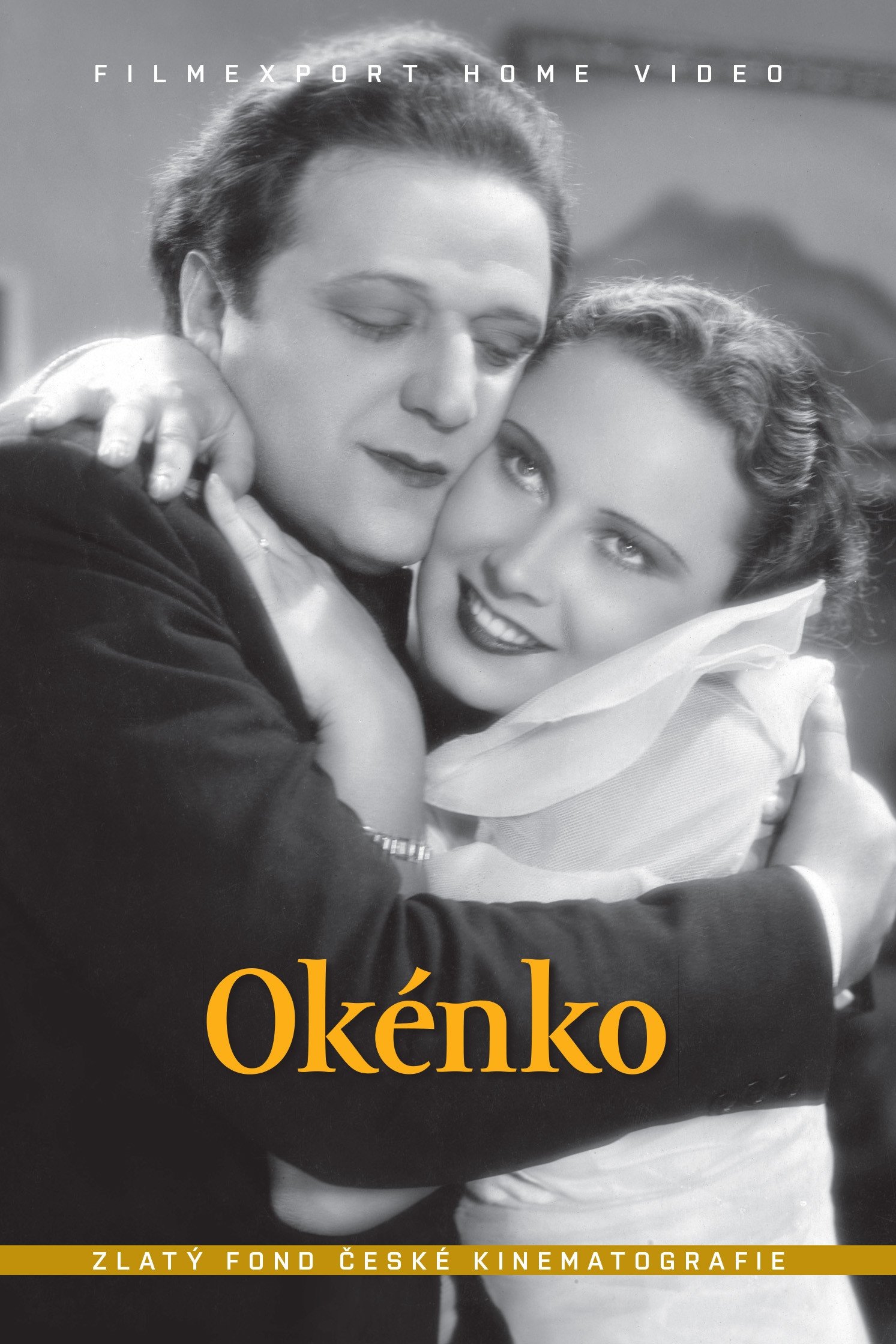
Associate Professor Jakub Johanek was looking forward to his uncle's inheritance and celebrated it with his friends in advance, not knowing what treasures he could actually expect. He had a few too many drinks and woke up the next day with a perfect window. He is tormented by a hangover, and on top of that, the housekeeper comes in with a statement that he robbed her daughter of her wedding ring yesterday - so the associate professor is in for a quick wedding. Although Jakub has been eyeing the girl for a long time, he now has completely different concerns. He has been approached by a certain loafer who claims to have seen Johanek set fire to a stack of wood at night with his own eyes. If he doesn't get a hefty ransom, he will go and report him...

The smooth narration, corresponding to the requirements of a light comedy, develops the smiling and optimistic story of the "one-armed" beggar Dostál, who earned enough money with his excellent begging skills to buy a nice house, become a respectable master of the house, and save the impoverished lawyer Neprosil from poverty, who he contributed regularly to him when he was still well off. He also wanted to get him together with his pretty ward Zorka, for whom he said he would be an ideal husband, but the young people were able to do that by themselves and without his clumsy help, or rather despite his rather ineffective help... The film was shown at the VI. IFF in Venice in 1938.

A kind-hearted man and lawyer's clerk, Kypr, selflessly takes care of his ward Anna Marie and in the evenings helps the poor and helpless with various legal problems at the U Hrubiána pub. While Anna Marie gains the opportunity to succeed as a singer, the aging man struggles with growing problems that stem not only from his work as a lawyer for the poor, but above all from his tragic past shrouded in mystery, which catches up with him again after years...
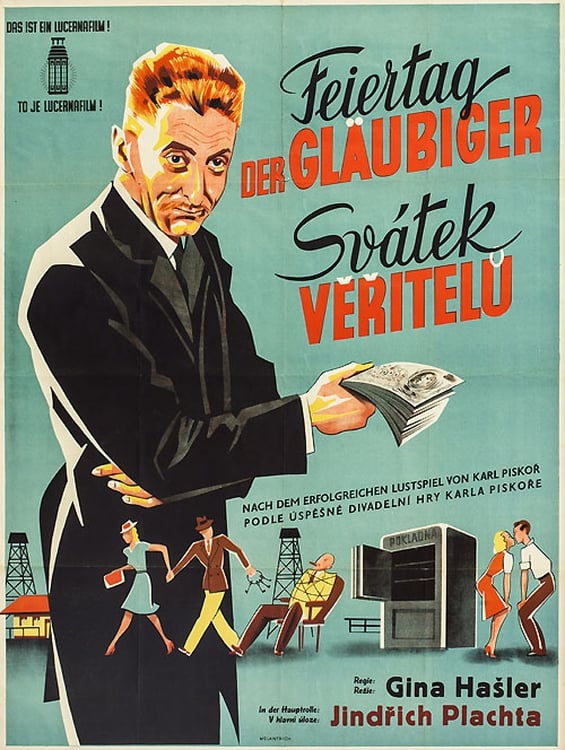
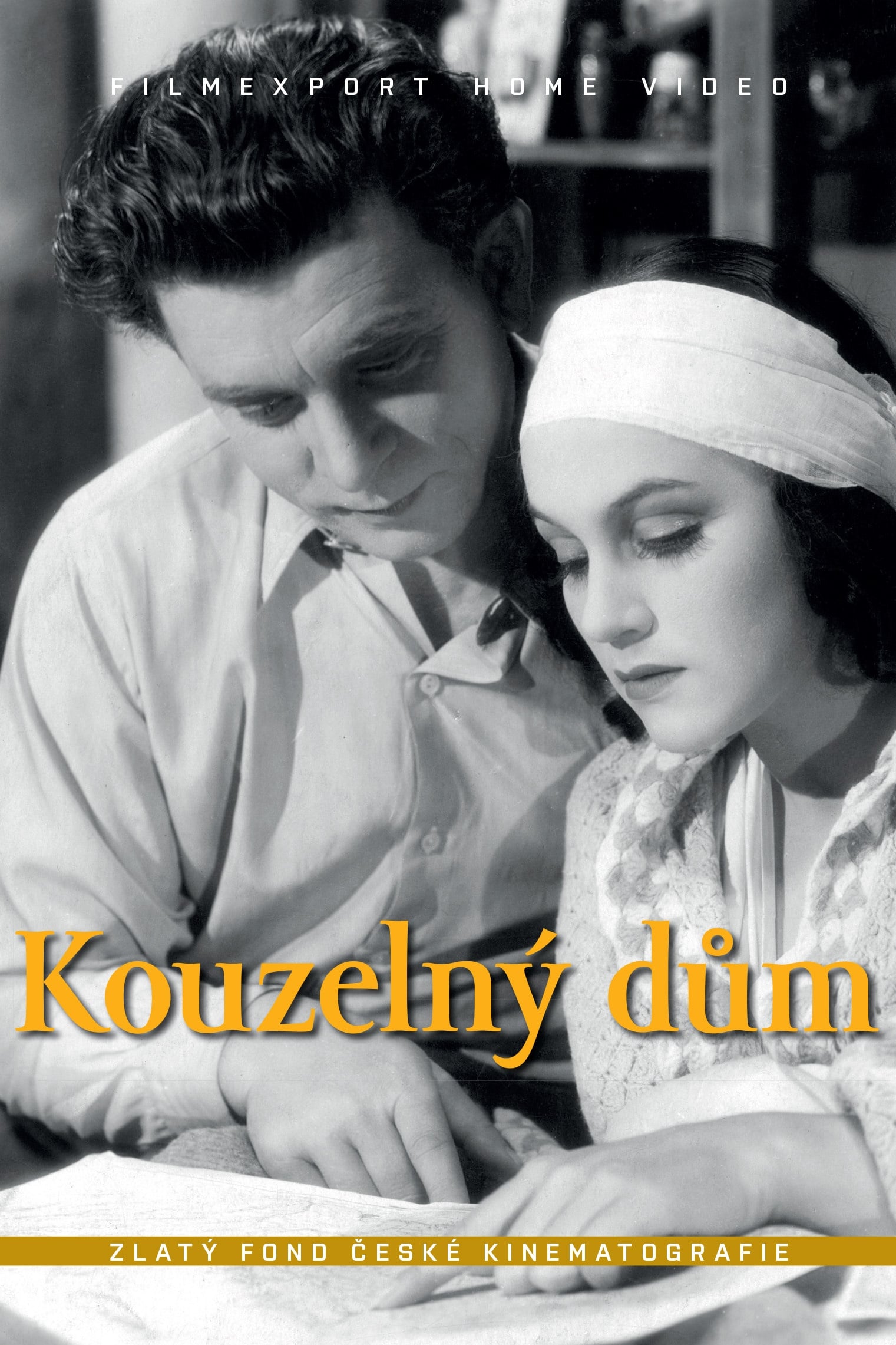
When Vilem appears in the road with an unconscious young woman, it disturbs the peaceful life of three generations of the Balvínova family.

In May 1945, a woman in Marienbad reports a murder - committed in 1933 against the German emigrant Professor Lessing. She also names the murderer. Against the wishes of his superior, who does not feel responsible for this case - it was a fascist femicide - Inspector Šedý picks up the trail and arrests the murderer, the German Eckert. Eckert was a fugitive at the trial in 1933, and now the evidence is no longer available. Nevertheless, Šedý does everything he can to convict him. He finds witnesses who support him - anti-fascists, but also former collaborators who want to clear themselves. Reconstructing the case at the crime scene, Šedý is able to prove that Eckert was at least an accessory. He is convicted. After his release from prison, Eckert goes to West Germany, where he demands compensation from his former clients.
A ballad drama set in a rural setting, set in a foothill area, where farmers struggle with harsh natural conditions and their own inner hardness. The biggest obstacle, however, is the eccentric mill owner, who deliberately blocks the water supply. The reclusive man is unable to cope with disappointment in love.
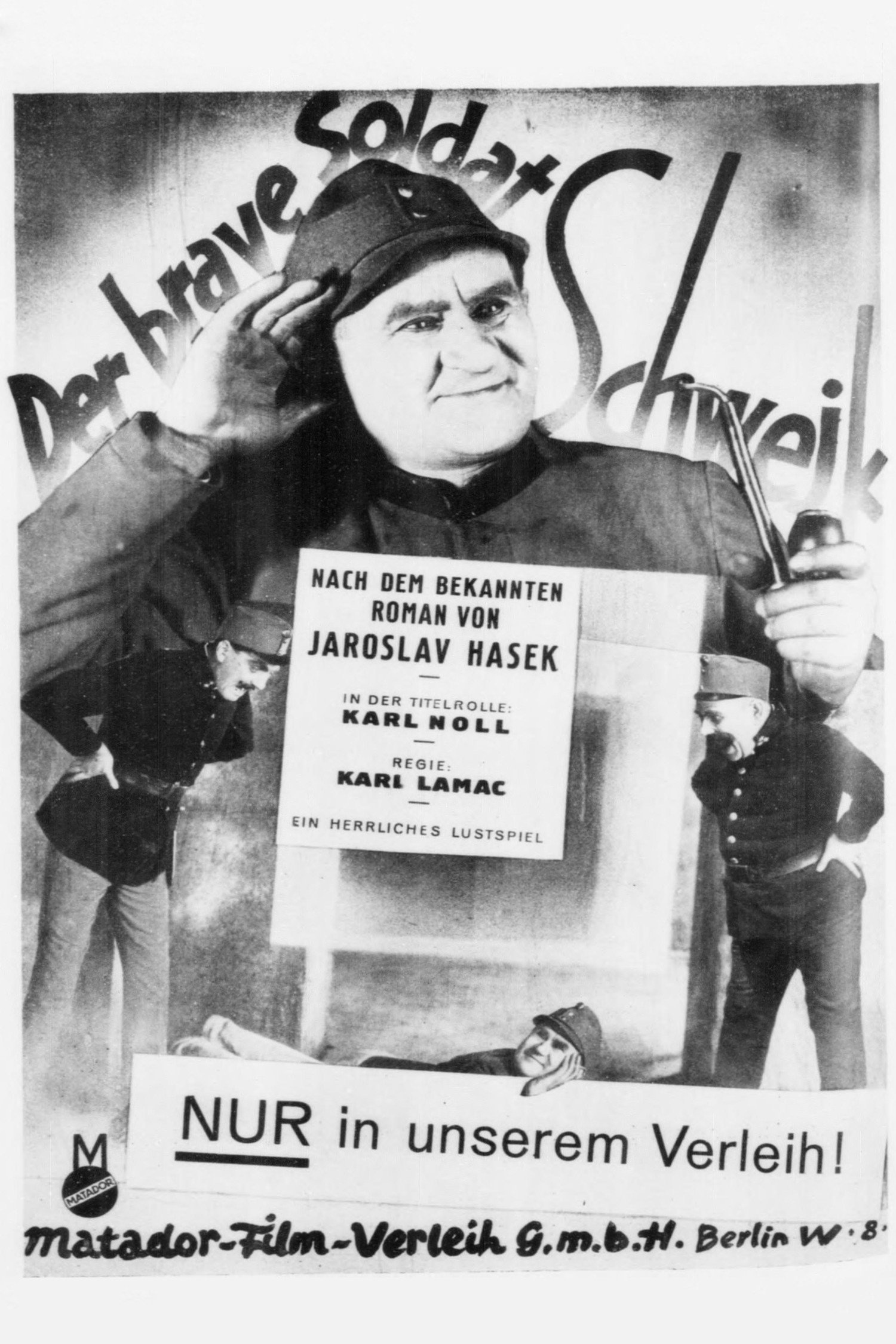
The first film treatment of the fate of the good soldier Švejk, a dog dealer from Prague, who is arrested after the Sarajevo assassination, psychiatrically examined and later called up to c. and k. army to fight for the emperor lord.
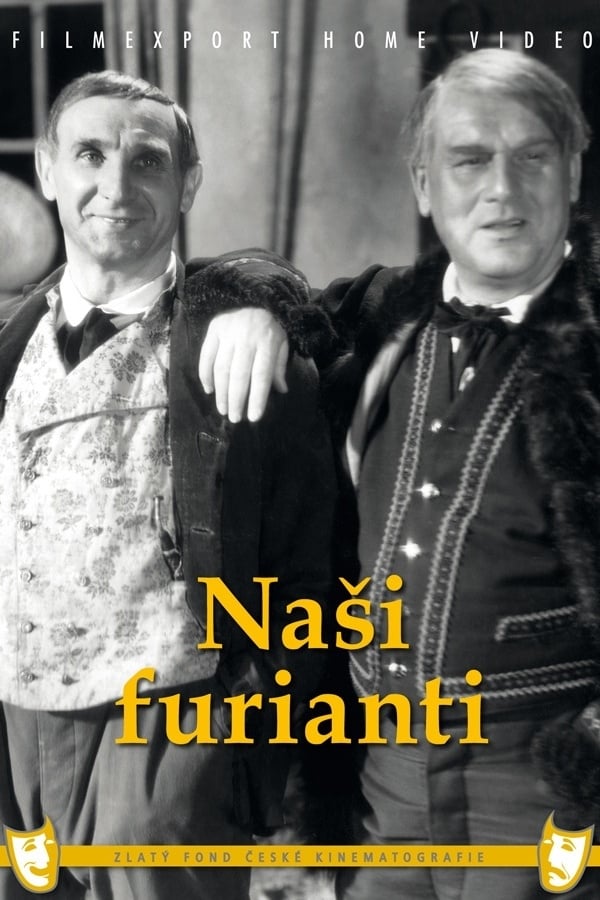
The richest farmer and at the same time mayor Dubský and first councilman Bušek are constantly competing for supremacy. Their rivalry affects not only the fates of their families, but also the entire village, in which every problem, even the smallest one, everything that the board of directors discusses becomes a battleground for the two rivals. And it is not just about who will be appointed night watchman due to the increasing thefts. It is also about the love of Václav, Dubský's son, and Verunka, the daughter of councilman Bušek.
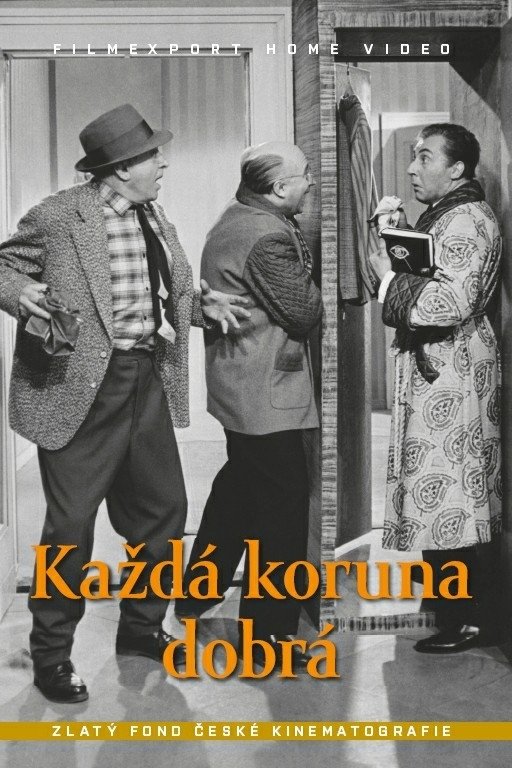
After inheriting a villa from his uncle, Emil Tuma meets its strange inhabitants, getting him in trouble.
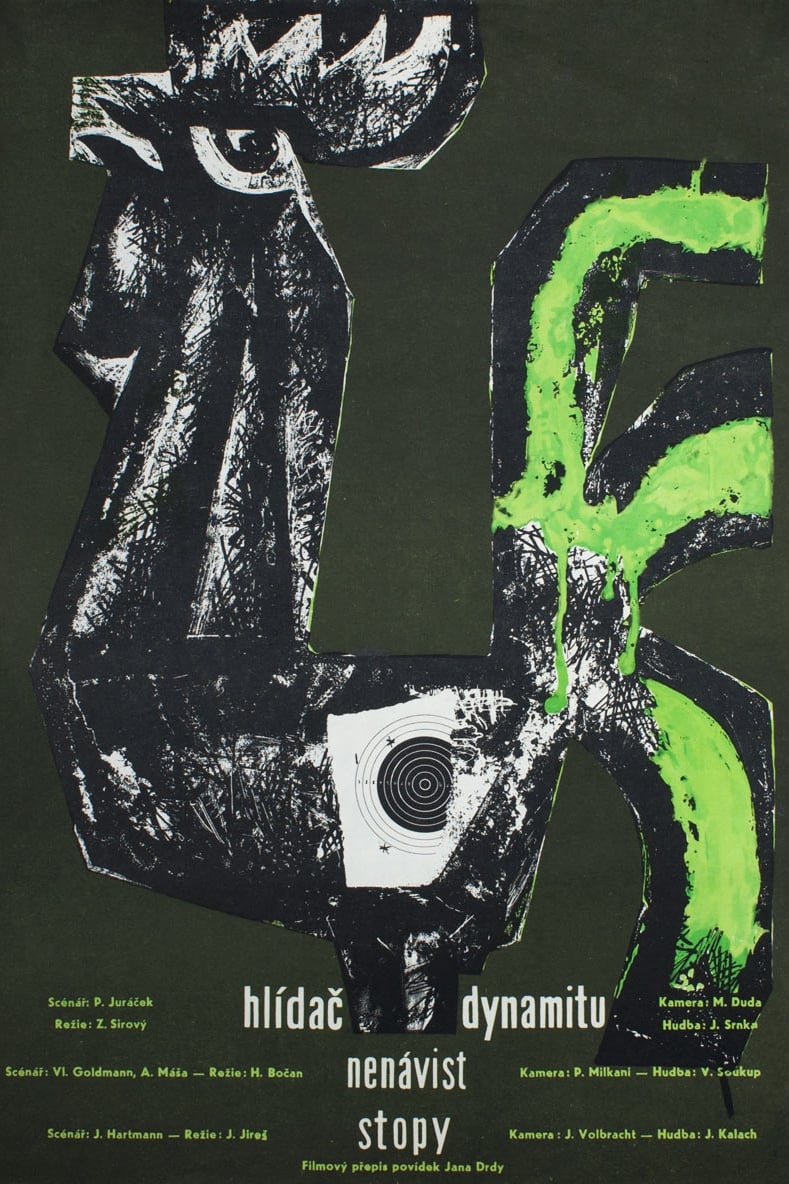
Three separate short stories by Jan Drda from the collection The Dumb Barricade: The Dynamite Watchman, Hatred and Traces.
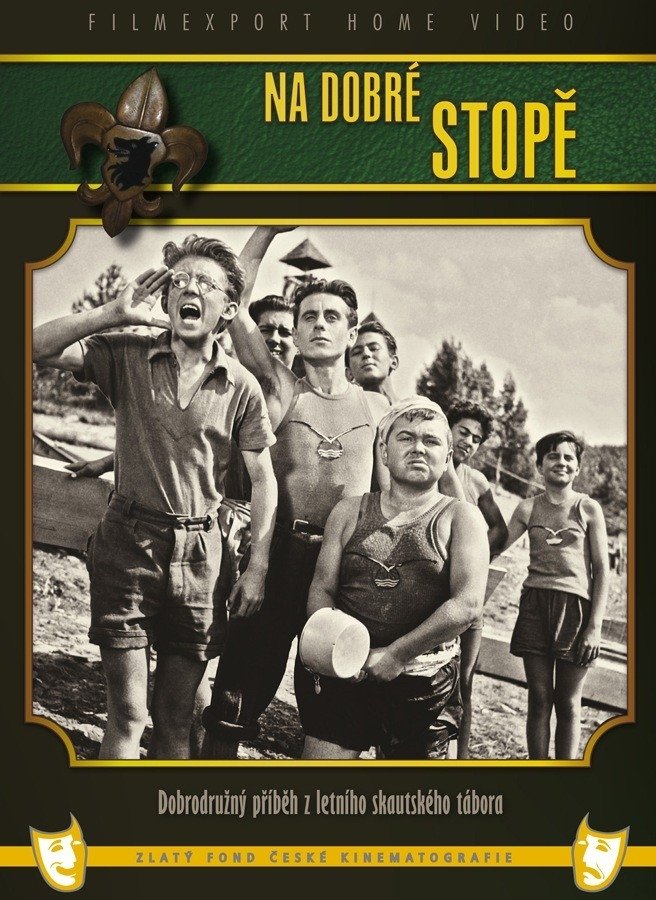
An adventure story for young people set in a summer camp for boaters in Juná. Eda, marked by a tragic experience of occupation, has difficulty getting along with the other boys. He only gains their trust and friendship when he helps to uncover German saboteurs.
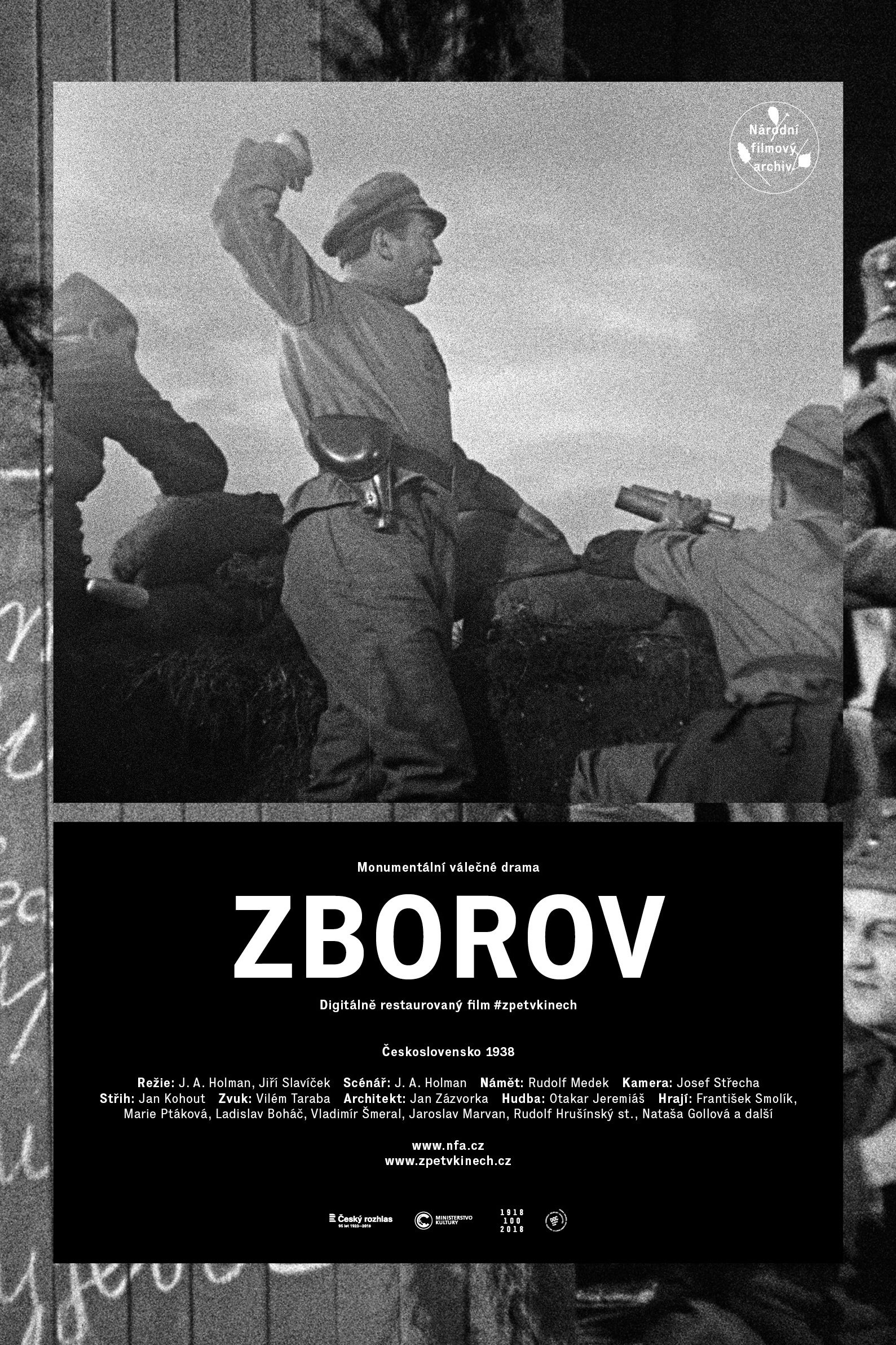
In the Škoda factory, where they are feverishly rearming in 1914, works the foreman Kalina, the father of the young men Pavel and Jan. Pavel is a supporter of the monarchy, while Jan, on the contrary, defends the idea of our national independence. Just before mobilization, Jan escapes to Russia, where he joins a group of volunteer legionnaires called the "Czech Company", fighting against the Austro-Hungarian monarchy. Pavel enlists in the Austrian army. The brothers do not meet again until July 1917 in the battle of Zborov in Ukraine, which marked a successful breakthrough of the Austro-Hungarian front.
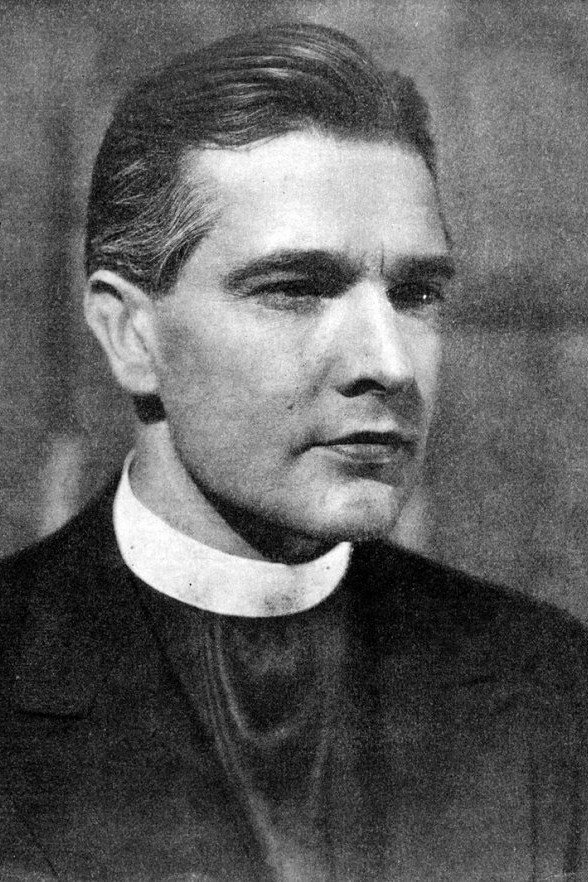
Vojtěch's beloved Frantina is leaving for Prague to work. Vojtěch promises his dying mother that he will become a priest. His brother Karel is to inherit the mill. However, during the feast, he attacks the weak Josífek and then flees the village. He hides in a quarry with an unknown vagrant. While blasting a stone in the quarry, the vagrant dies, and Karel exchanges his documents for his own. Vojtěch is still thinking about Frantina in the seminary.
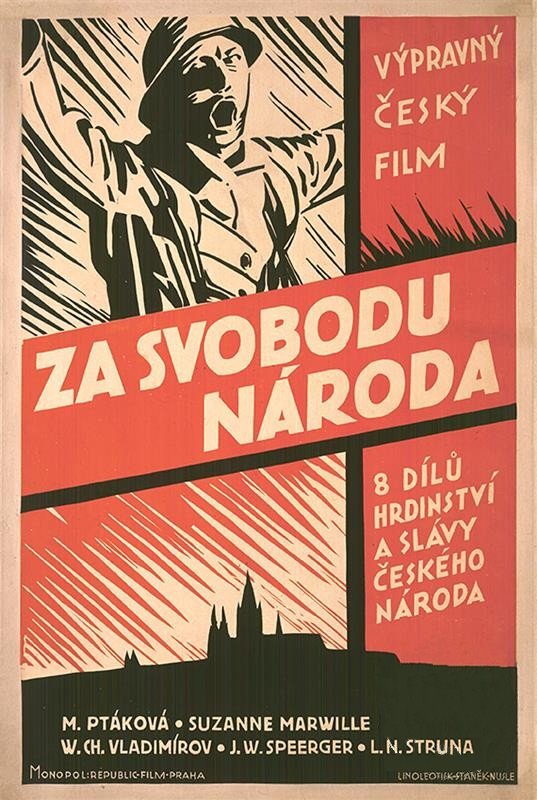
Building a bridge is no simple matter. The city council has to decide between two competing proposals, one of which is submitted by villainous scoundrels and scoundrels who would like to enrich themselves everywhere. Although the film was made before the communist coup, it already anticipates the political diction of the stories that the approaching Stalinist period will produce.
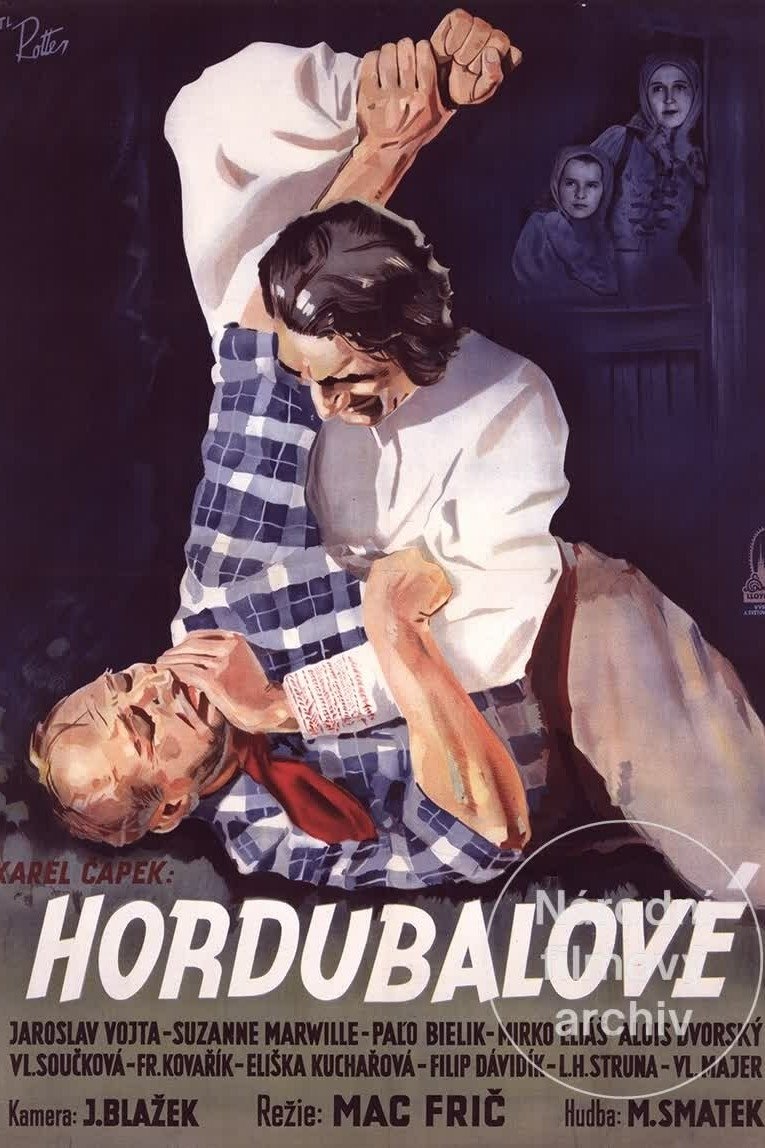
Juraj Hordubal returns from America after eight years, where he has earned enough money to improve his farm. However, his daughter Hafia does not recognize him and his wife Polana does not show any joy at his return. Štěpán Manya has been a farmhand on the farm all these years, and people claim that he has become Polana's lover. Juraj denies the accusations and believes that his wife's distance from him is only due to the long separation...
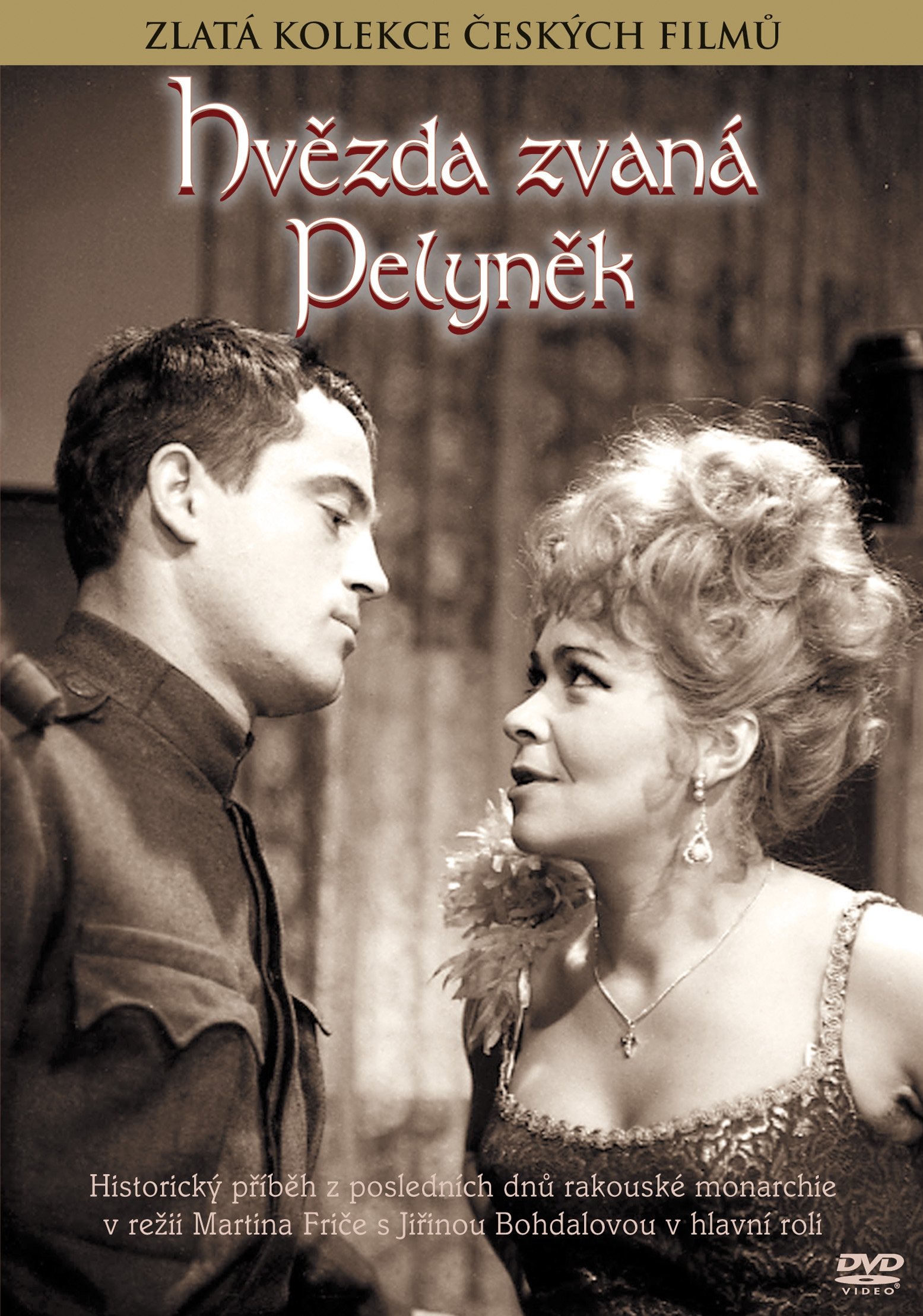
At the end of May 1918, released prisoners return to the Rumburk garrison from Russian captivity, hoping that the war is over for them. The only thing they want is to get their withheld ...
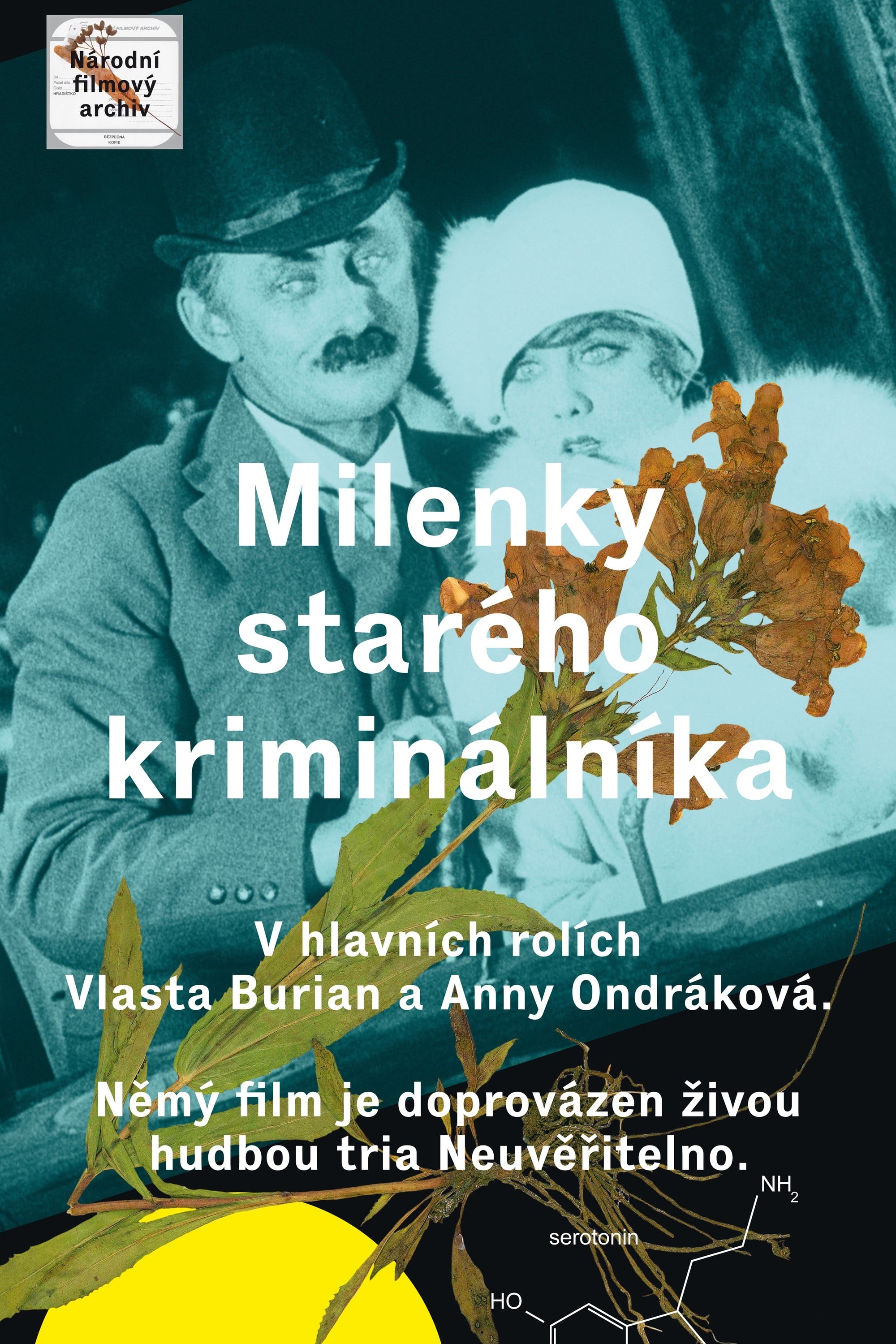
Factory owner Pardon, meets Olga, daughter of clairvoyant Stefanie Lesczynska at a ball. Their brief acquaintance is interrupted when Olga and her mother have to leave. Fifi Hrazánková has her sights set on the elligible Pardon. Pardon asks his Uncle Cyril Ponděliček if the girl could take over his position at work so that she may be dissuaded of her amorous intentions. Fifi seduces Pondělíček. In the meantime, Pardon meets Olga and Stefanie again by chance and offers them a place to stay at Ponděliček’s while Pondělíček passes himself off as Pardon.
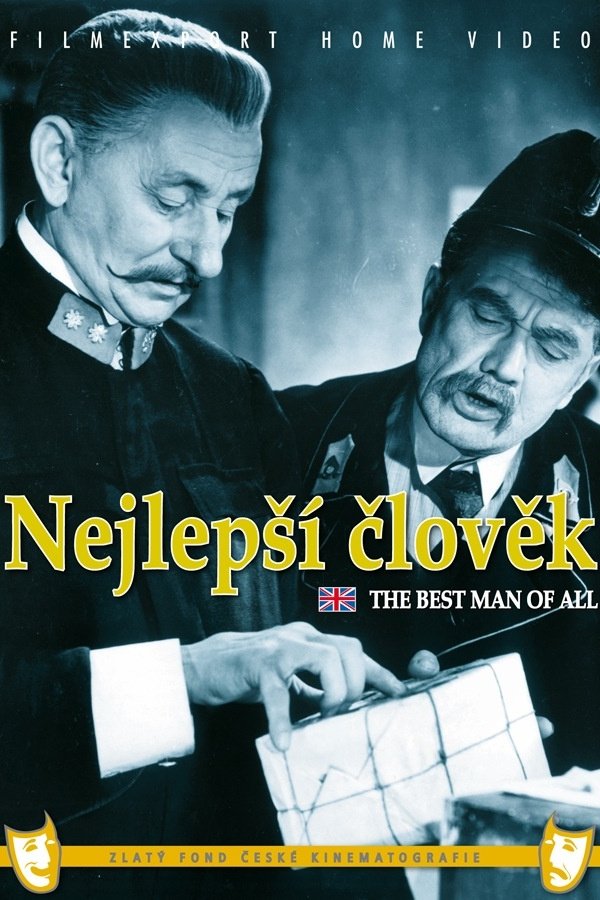
A Czech satirical comedy set around 1900. The inhabitants of the small town of Pětice are excited by a mysterious package that is to be delivered to the best person in the village. Of course, all members of the town council claim the title of best person. In the end, it turns out that it was a cleverly thought-out prank intended to reveal the true character of the "better people" of the town.
In the early 1970s, the class struggle flared up in full force on the big screen - the hero of this film, set in the interwar period, is a staunch communist journalist who arrives in the Ostrava region during the economic crisis to instigate a strike. The impoverishment and hopelessness of the miners had exceeded all limits...
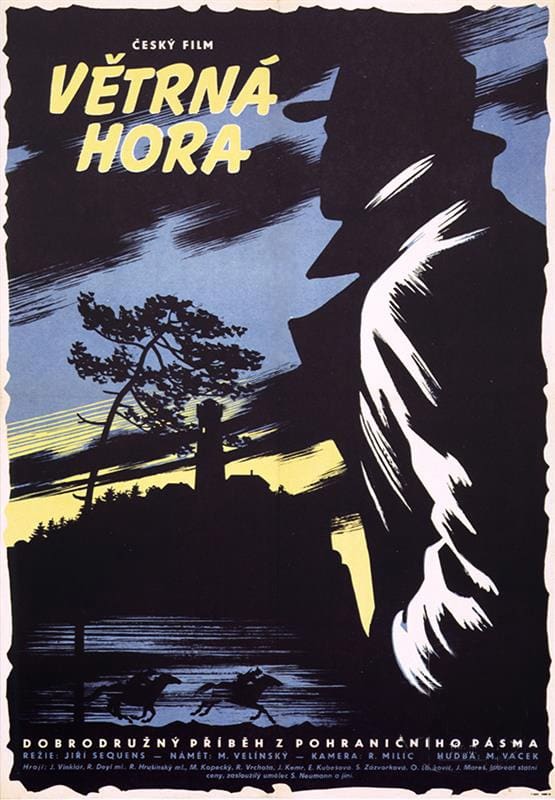
A group of temporary workers arrive at the Czech-German border to conduct geological exploration. However, not all people have pure intentions and a past, and so the group of geologists is threatened by saboteurs who want to blow up an abandoned mine and escape across the border...
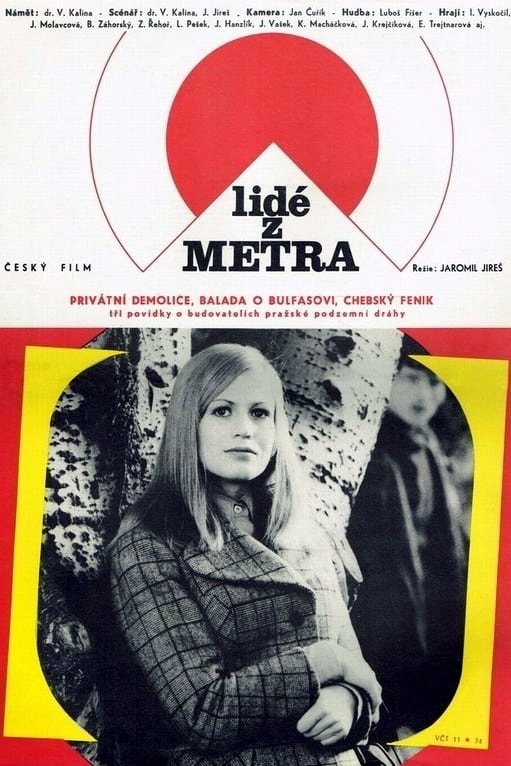
Three short stories. Prague finally sees the approval of the subway construction. Thousands of individuals took part in preparing, course and finalizing construction of subway and their lives crossed at certain points of this construction.
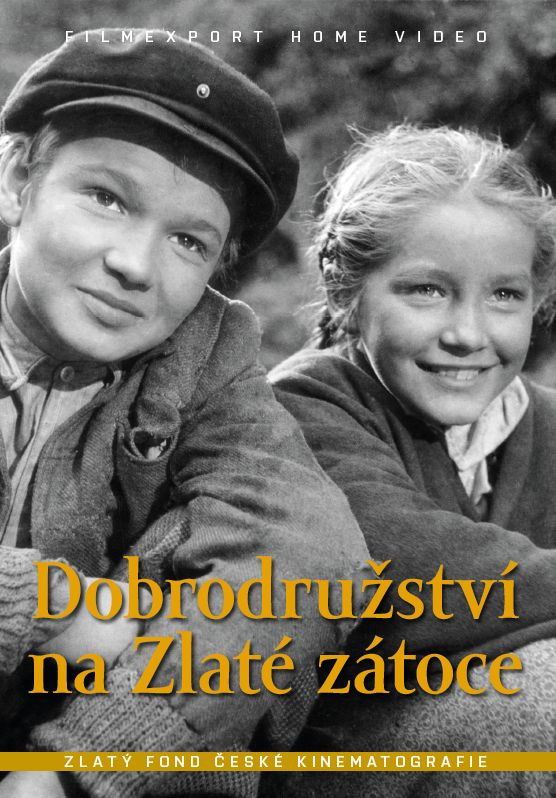
Orphan Jirka lives alone with his grandfather by the river. He spends all his free time by the water and does not grow up with the other children. His biggest dream is to catch a big pike, which he knows that he can't do without friends. ► International Film Festival of Documentary and Experimental Films Montevideo - 1956 - 1st Main Prize (Distributor's Official Text)
The troubled situation of a provincial actor and his actress wife who come to the city. The actor is suspected of attacking another actor who admires the actress.
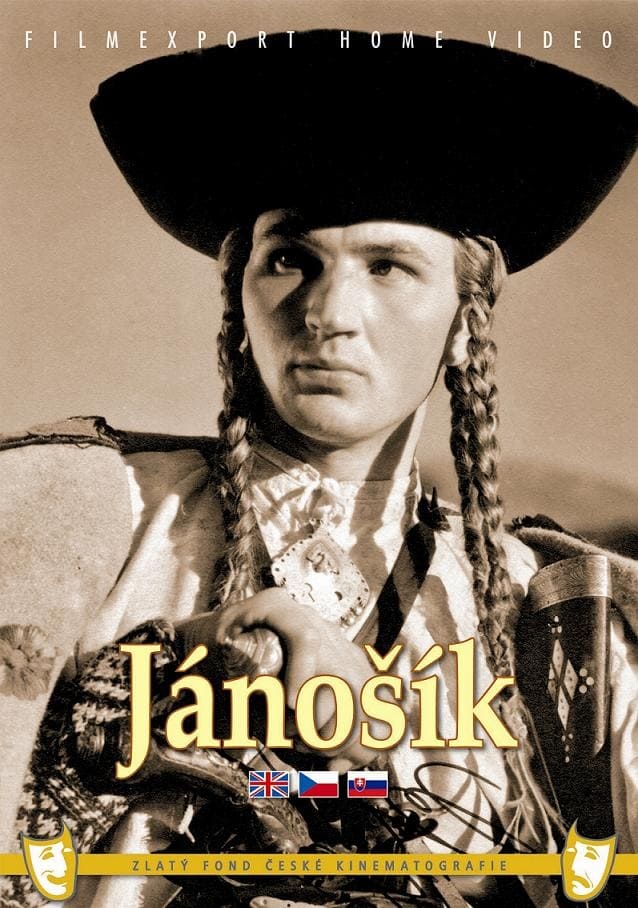
Jánošík has been topic of many Slovak and Polish legends, books and films. According to the legend, he robbed nobles and gave the loot to the poor. The legend were also known in neighboring Silesia, the Margraviate of Moravia and later spread to the Kingdom of Bohemia. The actual robber had little to do with the modern legend, whose content partly reflects the ubiquitous folk myths of a hero taking from the rich and giving to the poor. However, the legend was also shaped in important ways by the activists and writers in the 19th century when Jánošík became the key highwayman character in stories that spread in the north counties of the Kingdom of Hungary (present Slovakia) and among the local Gorals and Polish tourists in the Podhale region north of the Tatras.
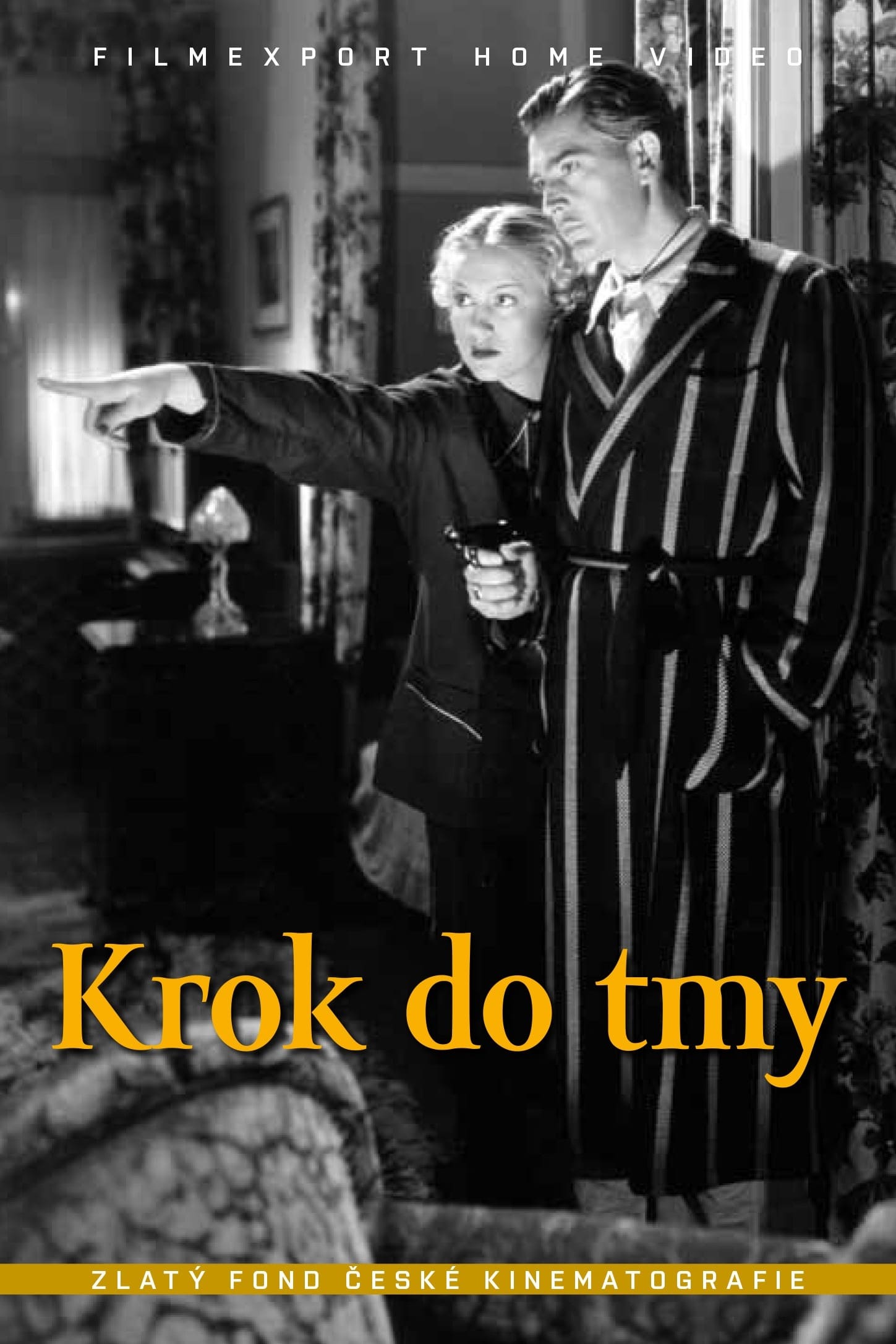
A dashing but mysterious man saves a gambler from suicide, crashes the posh party of a prominent industrialist, falls in love with his daughter, and finds himself in a web of intrigue revolving around her blackmailing fiance and a gang of counterfeiters.
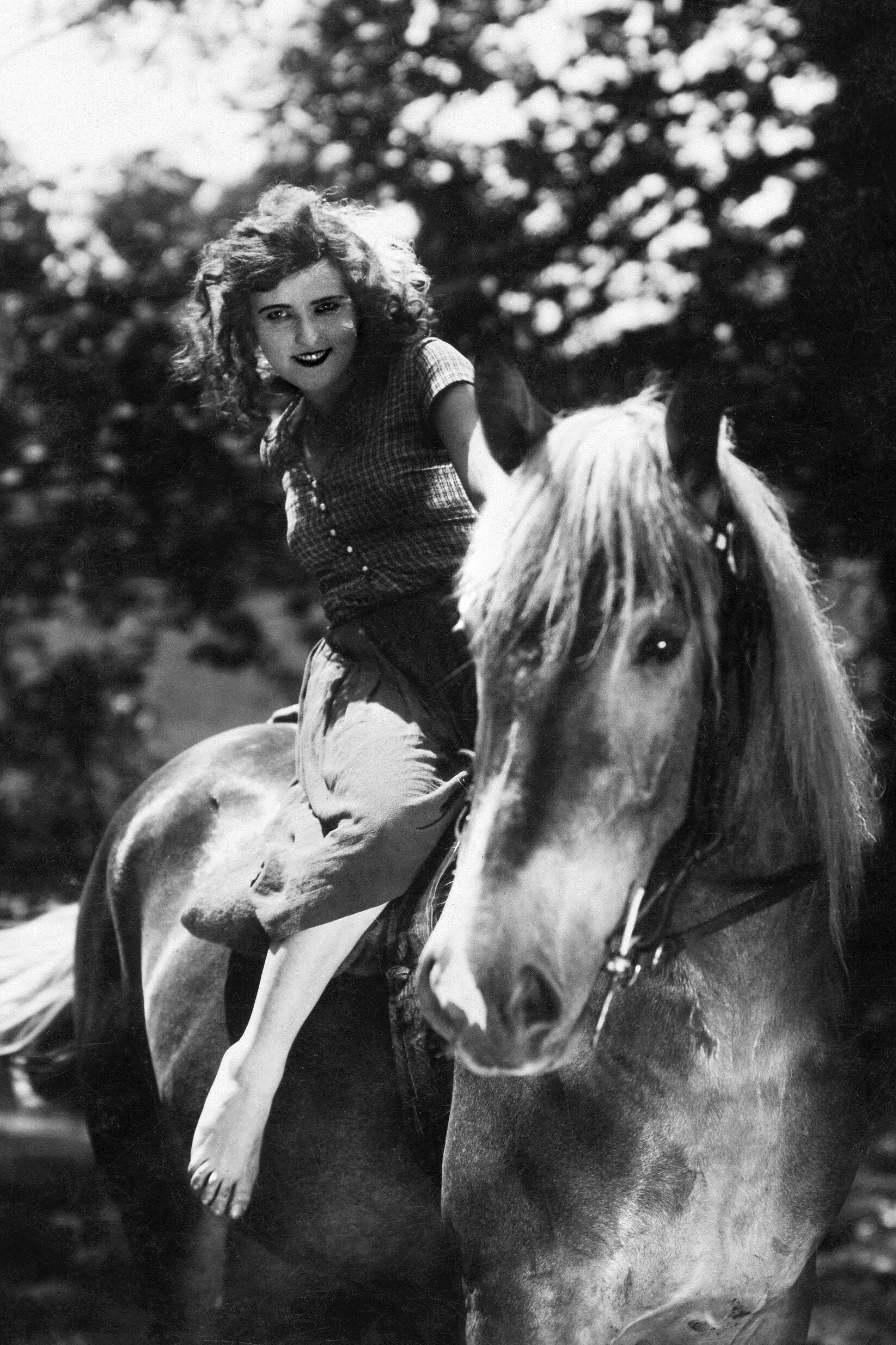
A lyrical tale of the pure, vernal romance between a diffident, somewhat naive girl from a rural backwater and a fairly dissolute, but kind-hearted law student from Prague.
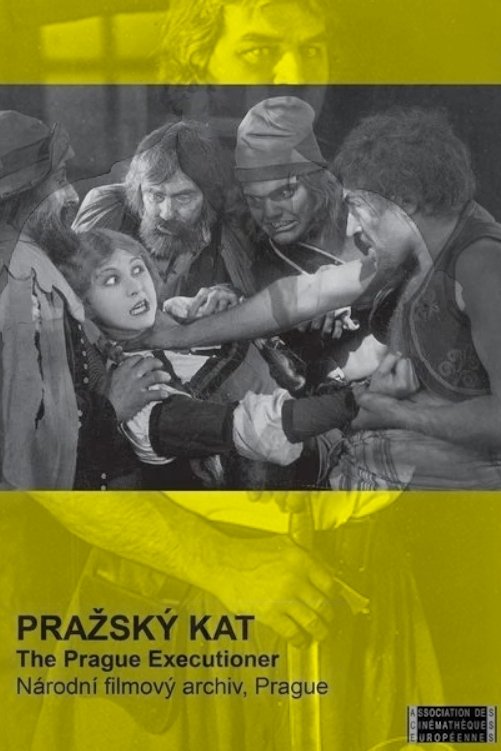
Rudolf Měšťák’s silent film The Prague Executioner, based on the novel of the same name by Josef Svátek, is a historical tale of love, betrayal and revenge.
The war drama The Horse Patrol is an adaptation of the play of the same name by writer and military doctor František Langer. It takes place in 1919 in Russia and depicts the conflict between members of the Czechoslovak legions and Soviet agitators who are trying to forcibly integrate the legionnaires into the Red Army. Members of the legionnaire's horse patrol, led by sergeant František Matějka (Z. Štěpánek), befriend the inhabitants of a Russian village, but after a cunning attack they find themselves isolated in a lonely building. They are holding two Russian prisoners, while two of their soldiers have set out to report to their superiors. The horse patrol then loses its horse due to betrayal and must prepare for an unequal battle during a major Red Army attack...
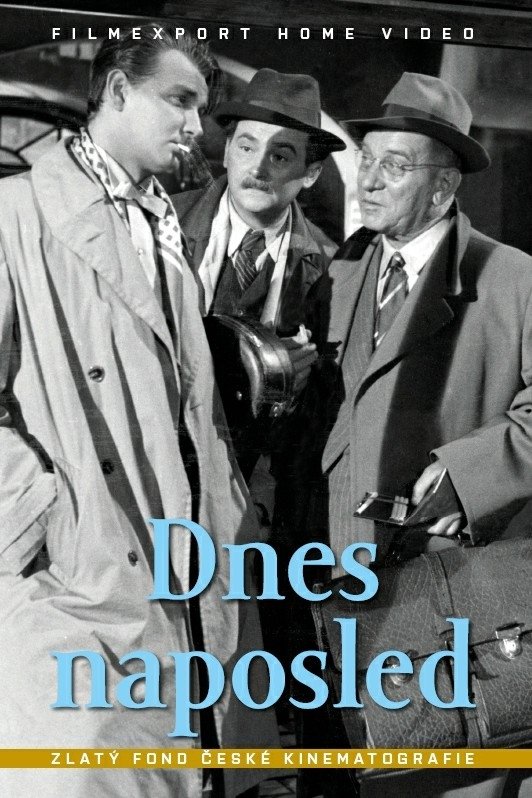
Concert master Karel Mašek is a drunk, as well as engineer Danda and other regular guests of the pub U Kroců. Mašek returns from the pub in the morning and promises the woman that he will stop drinking. But he failed again, and the orchestra players refuse to play with him. Danda returns home without a bag and goes to Krocs again in the morning, even though he has an important job at work. He has been degraded to subordinate job position, but he refused to admit it at home.
Television lighting engineer Honza borrows an apartment from successful architect Zdeněk so that he can meet his love Marta alone. The architect pretends that Honza's request is convenient for him, because he has a program in the early evening anyway. However, the opposite is true, the architect spends the most important time of the year in a pub. He is successful and carefree only on the surface, but in reality he is unhappy, his marriage has ended in bankruptcy. On the other hand, Honza and Marta are happy, although they lack their own apartment to be happy. They have their love...
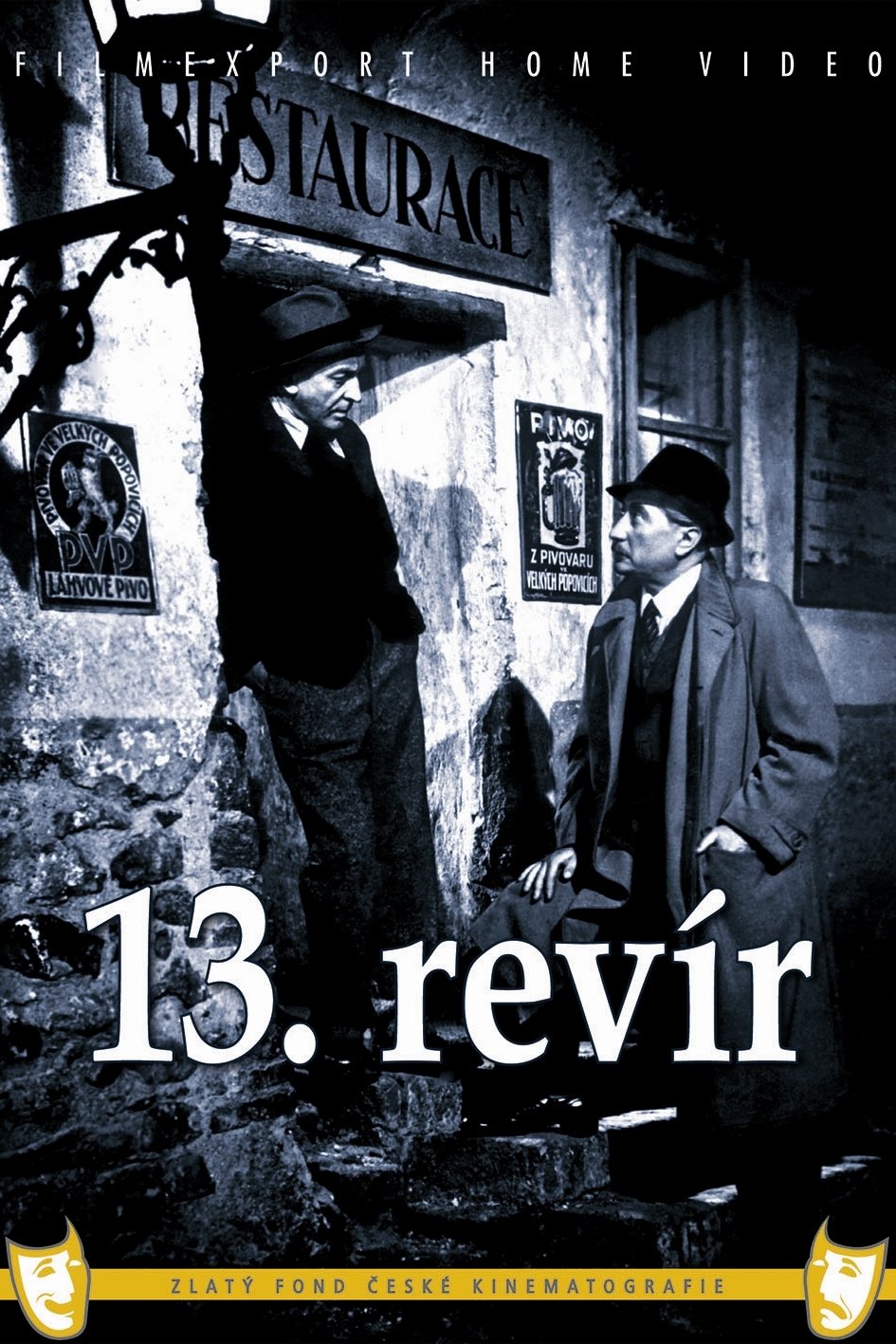
Inspector Cadek from the 13th police station should keep an eye on the released safe-cracker nicknamed The Cat. He rightly suspects that Cat will go and pick up his last loot which the police didn't manage to find and that he will want revenge on Karta who helped get him behind bars. At the hospital, Cat's ex-lover Fróny hopelessly falls for doctor Chrudimský and decides to start a new life. She still refuses to help the inspector in his search for The Cat and Karta.
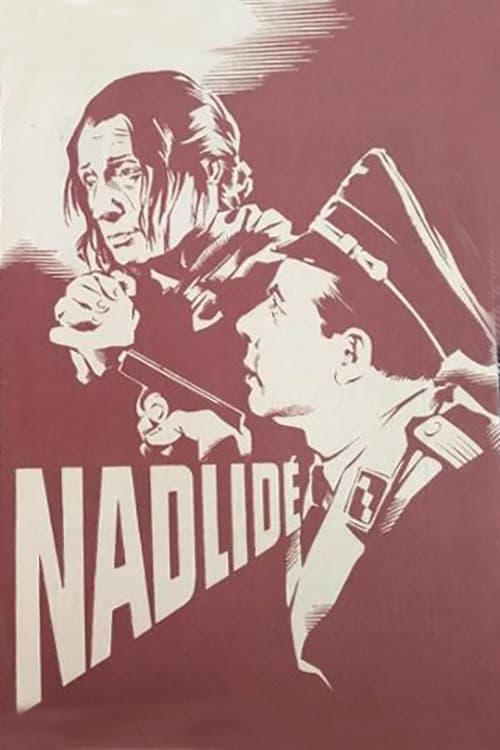
Such an hour-long probe into the conditions in Czechoslovakia during the occupation. Here it is in the image of a small village, in which citizens simply adapt to the current situation. Each in their own way. In any case, this film has a message that should be repeated again and again, especially today. It's simple. Neither we nor our children will forget.
A significant event in the life of the Ostrava assemblers. Private matters take a backseat as preparations are being made to fit the high-rise chimney with an extension for burning kycht gases. The challenging installation is to be carried out by helicopter and the first attempts have not been successful...
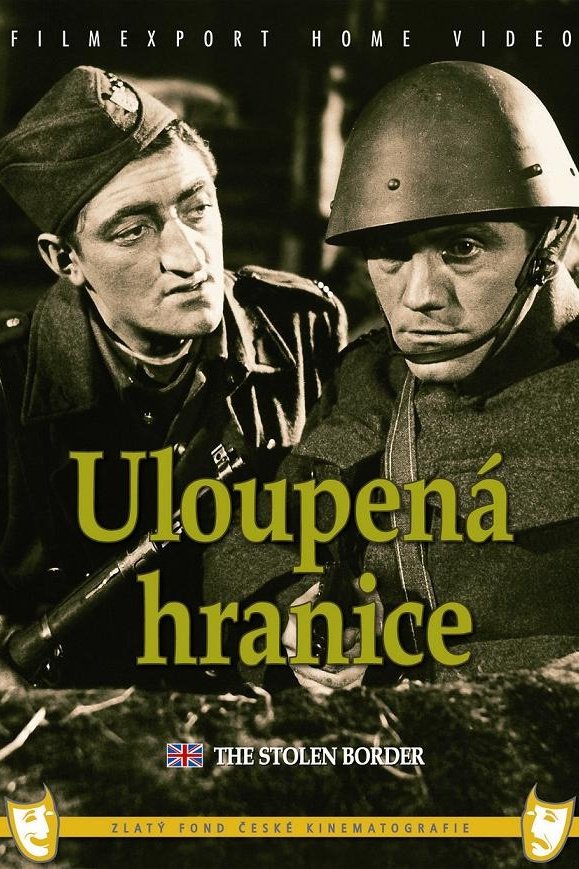
Czech film tells the story of a border town in World War II. Family members and friends become enemies.
The mysterious story of a young girl Pavla, who mysteriously disappeared from her mother five years ago, takes place in the dark corners of the Bratislava port. The girl was kidnapped by the hypnotist Lascani, who performs in a variety show and has just arrived in Pavla's hometown on his travels. He completely controls his victim and Pavla doesn't remember anything. She has to act as his "medium" with Lascani and even has to be his lover. However, a young boatman, Franta, falls in love with the girl and tries to free her...
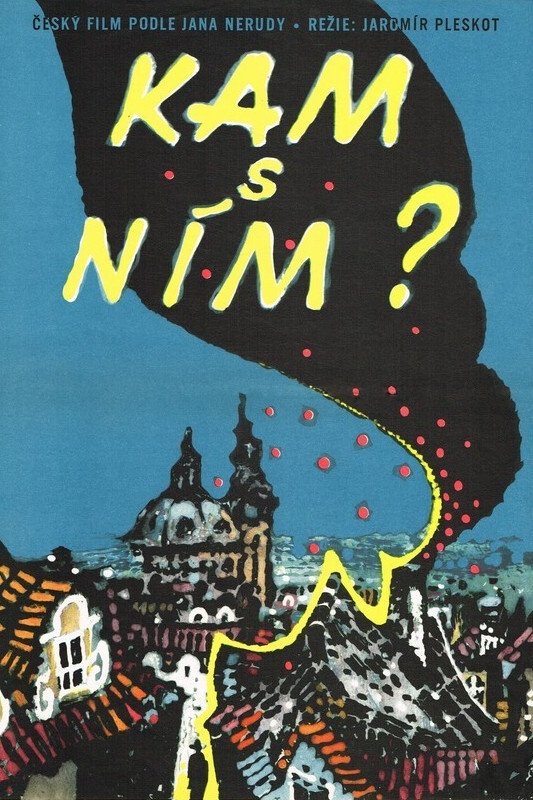
Based on Jan Neruda's column of the same name, which depicts the troubles of an old straw man. The film is introduced by poet Jaroslav Seifert with a speech about Jan Neruda and his work.
The construction of the new dam deprived the ferryman Ryba of his trade. The new dam replaced the ferry. However, Ryba's ancestors were ferrymen and the old man would have liked his two sons to take up the same profession. But Joseph is an indecisive weakling and Karel found work on the dam. That's why old Ryba drove him out of the house. The persistent rain brings Ryba miserable joy. The man knows well that a sudden flood can endanger the unfinished dam. In his fanatical hatred, he forgets that the water from a broken dam would sweep away his house and his daughter-in-law and sick grandchild in the first place...