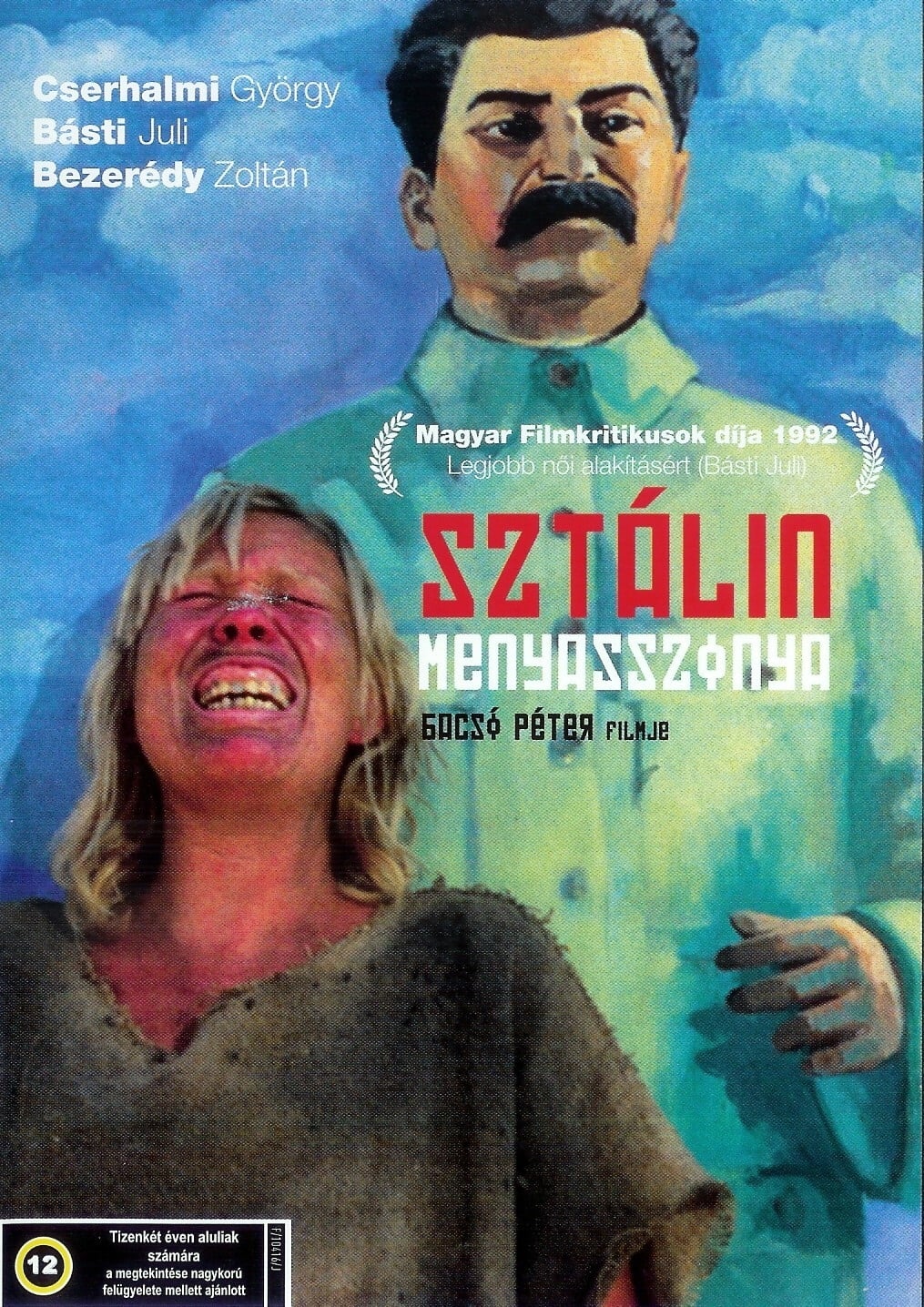
At a dusty crossroads in the Soviet Union villagers surrender their possessions - a horse, a samovar, a goat - to the state. The train which takes them away brings to the village a physically and mentally handicapped woman, barely able to speak. She makes herself bracelets of burrs and studies herself in a cracked and cloudy mirror. Befriended by very few, teased and tormented by many she seeks protection at a huge portrait of Stalin.
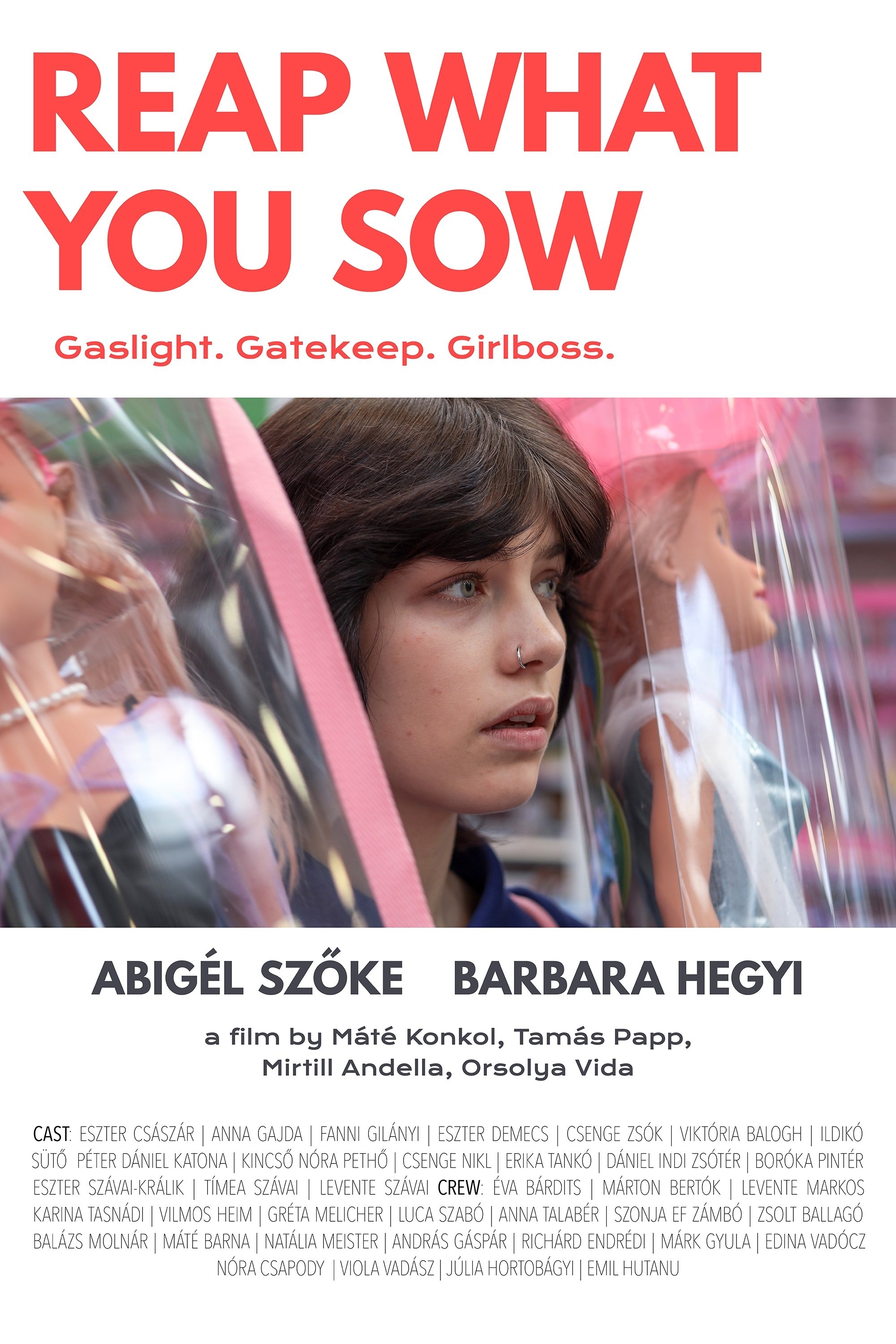
A week in the life of 19-years-old Noémi, a first-generation college student who recently moved to Budapest from the country, as she is becoming independent from her controlling mother and starts taking full time shifts at a toy store to support herself. In the meantime, she's facing how hard life is as a woman, especially coming from a working-class background.
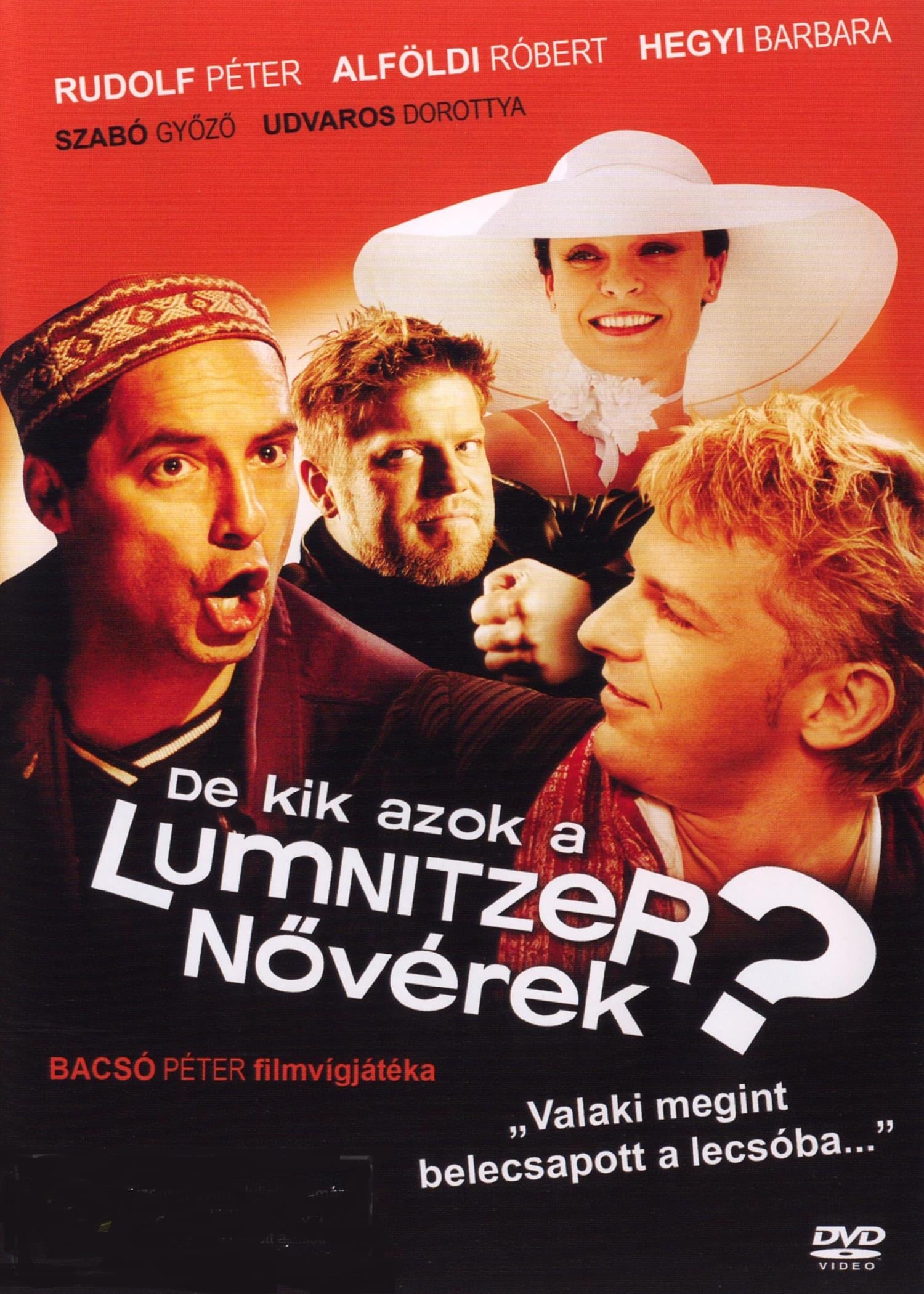
Olivér and Ficskó are fierce restaurant critics crusading for culinary excellence and mercilessly skewering inept chefs under the pseudonym “the Lumnitzer Sisters.” Offended restaurateurs hire resourceful young manager Milica to unmask, neutralize or recruit the critics - by bribery, seduction or, failing that, elimination. A battle of wits unfolds as Milica’s schemes clash with the critics’ razor-sharp reviews.
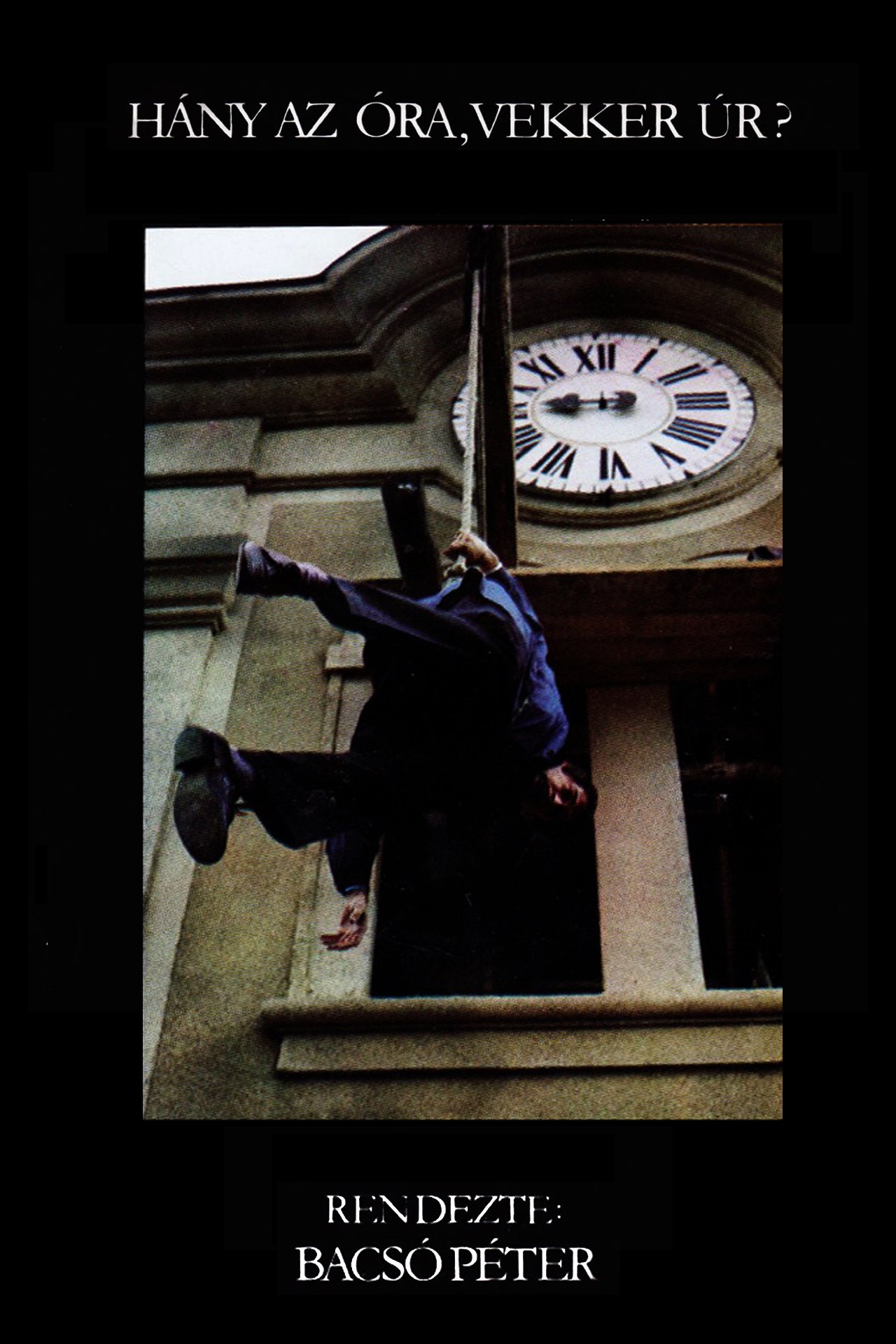
Even without a clock, the watch-maker of the small country town always knows the exact time to the second, and for this reason he came to be called Mr. Clock. His wife left him, and he only lives for his work. He is just engaged in repairing the tower clock when his wife returns and the German troops appear.
Ferenc Gergó met Béla Nagy in the army, who later appeared at his workplace, a rural communications technology factory, as a counterintelligence officer, and played a major role in Gergó being sent to death row in 1958. Here he recalls what happened. Gergó fell in love with Zsuzsa, the wife of his friend, chief engineer Wágner. However, before their conflict could unfold, Wágner was arrested on suspicion of espionage and died in prison. Zsuzsa rejected Gergó's advances for a while and raised her child alone. After rekindling their relationship, they get married. On their honeymoon, they learn of the outbreak of the revolution. On their way home, they take part in one of the revolutionaries' actions. Gergó becomes a member of the factory workers' council. He saves Nagy from being lynched. In November, the factory is surrounded by soldiers. Gergó is also arrested...
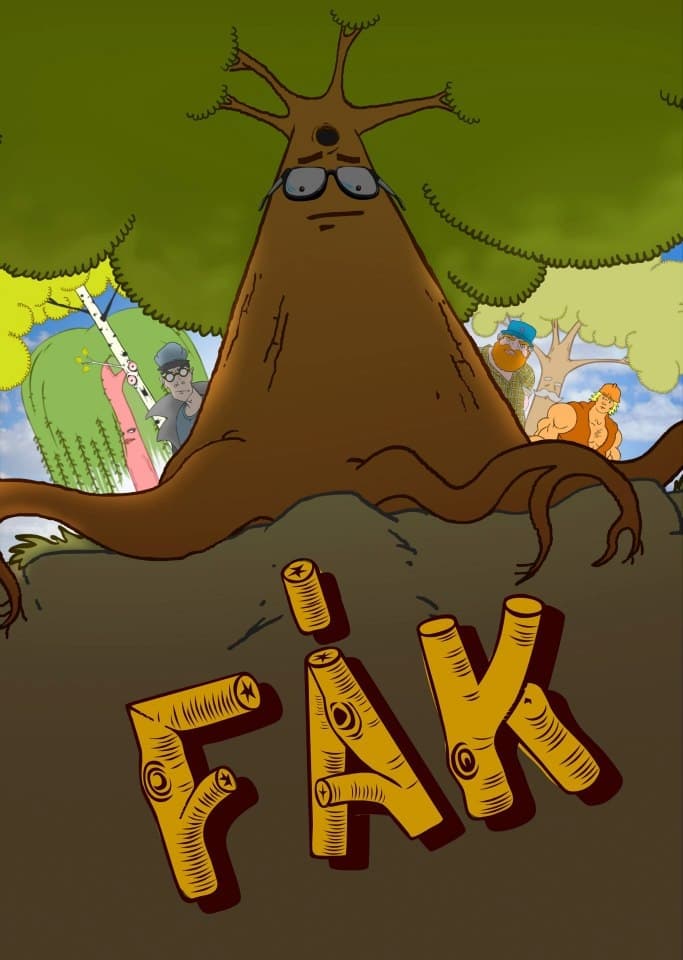
The film’s protagonist, Tree moves into the city, where he tries to adapt to his new environment. The trash-style series is about having no roots: it analyses human relationships in the midst of such living conditions that feed hopelessness and demotivation.
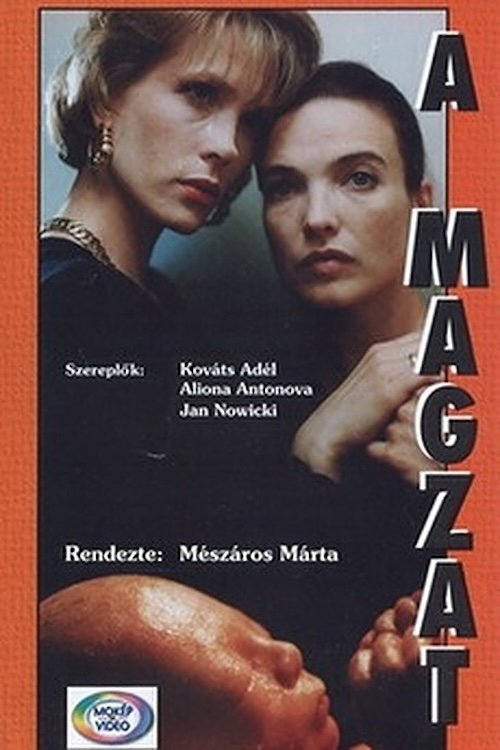
This drama follows the dilemma of a young, unwillingly pregnant wife who gives her child up for adoption by a businesswoman. Anna doesn't need another mouth to feed. She can barely afford to care for the two she already has so when she discovers that she is six weeks pregnant she readily accepts the cash offer from Terez, her tough boss at the store where she works. If she will isolate herself throughout the pregnancy, secretly bear the child and immediately allow Terez to sign for it, Anna will receive $50,000. Most of the story then focuses upon Anna's emotional processes as she evaluates her choice. Included are dream segments and shots an unborn baby in the womb.

The movie is inspired by writer-director Márta Mészáros' own childhood. The film is a grim reminder of horrible days under Stalinist period when several innocent people were persecuted for no fault. A good film which allow people to know how people in Europe were tortured before second world war by dictators and authoritarian regimes.
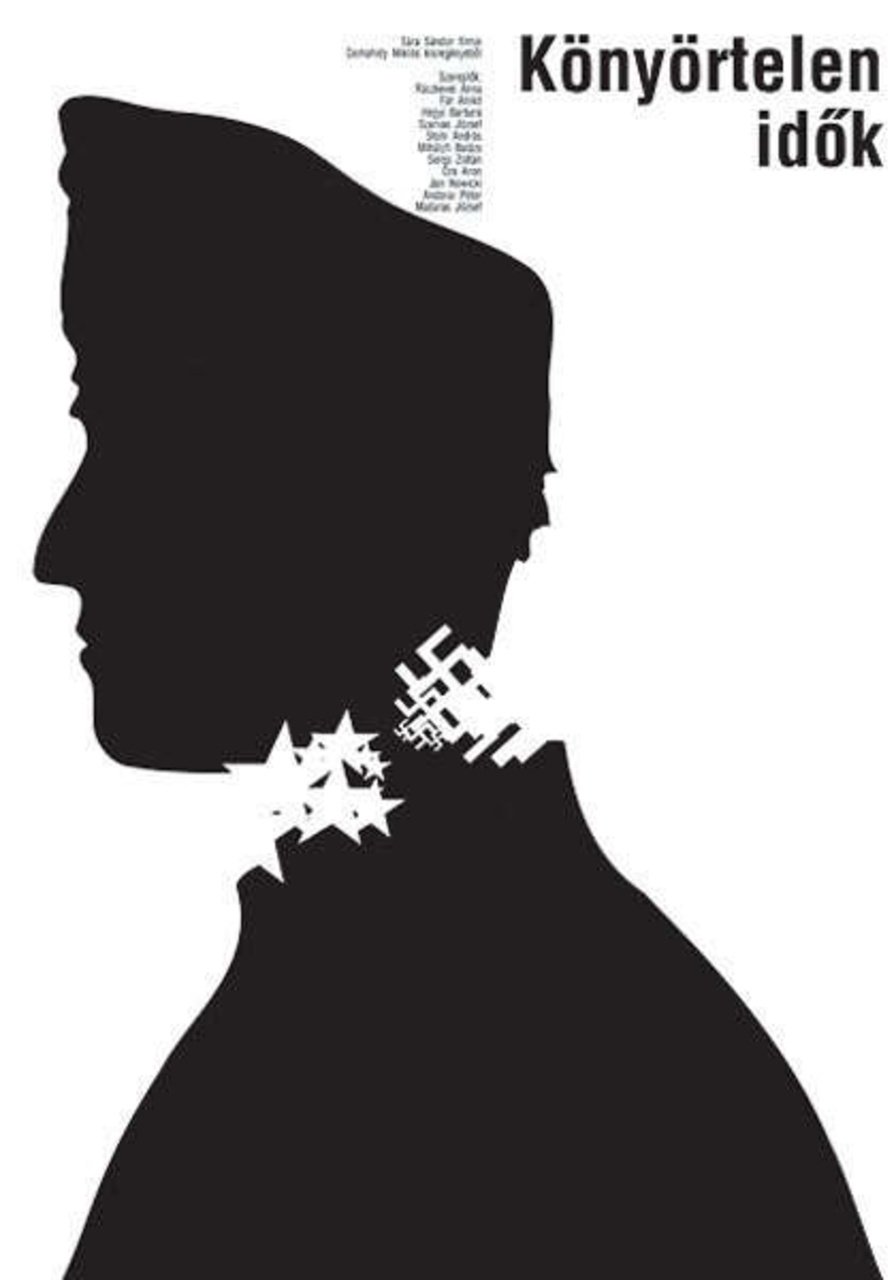
Hungary, end of World War II. Five Hungarian soldiers desert their troop which has been directed to Germany. They are escaping with the help of a stamp and unfilled travelling warrants, trying to survive until the war ends.
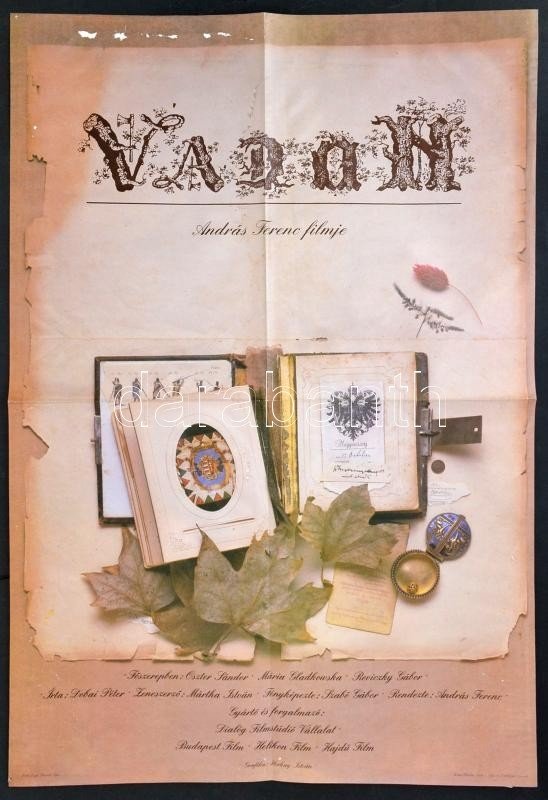
1859. Exploiting the Austrian-French-Italian conflict, Kossuth sends Batiszy Kristóf back from the emigration to organize the Hungarian Legion. Batiszy's company gets into trouble, Austrians are waiting for them, Hungarian authorities chase them, people stand still. Demolition of the troop is the task of Görgényi László chief district administrator, who used to be an officer in the revolution once.

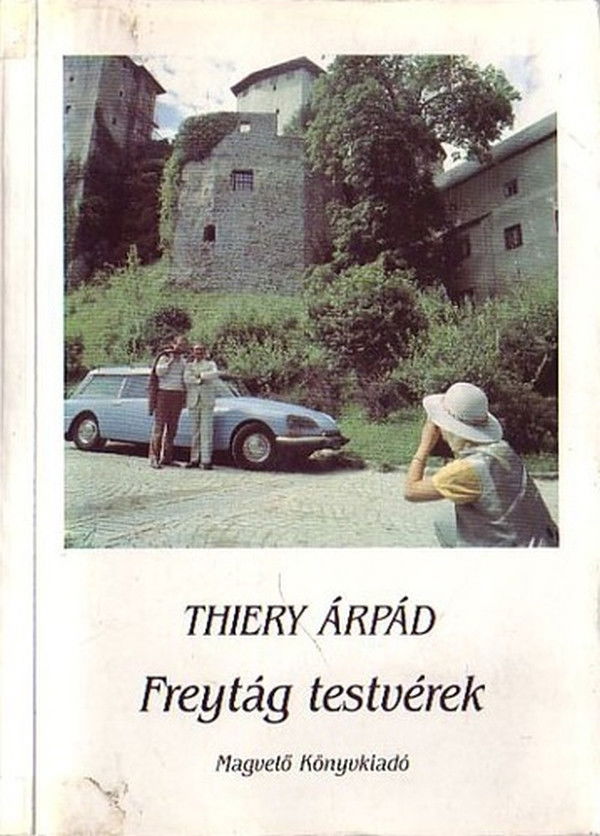
Few writers today tackle sweeping, multigenerational family sagas, work that demands vast life experience and insight. József Attila Prize–winner Árpád Thiery has done just that: his two published volumes of the Freytág Siblings’ story (1943 through the late 1960s) have been adapted by Hungarian Television into a five-part series slated for January 1989, and he’s already completed the trilogy’s final installment. Thiery describes it as a historical family novel, tracing postwar Hungary, from the Stalinist 1950s and the 1956 uprising’s aftermath to the upheavals of 1968, while celebrating freedom, truth, hope, boundless faith and innocent responsibility.