
Filmmaker Sobhi al-Zobaidi lives in Ramallah with his wife and baby daughter. ‘Kalandia’ is the checkpoint the family has to cross, whenever they want to get to Jerusalem. The film shows the humiliation Palestinians suffer there every single day.
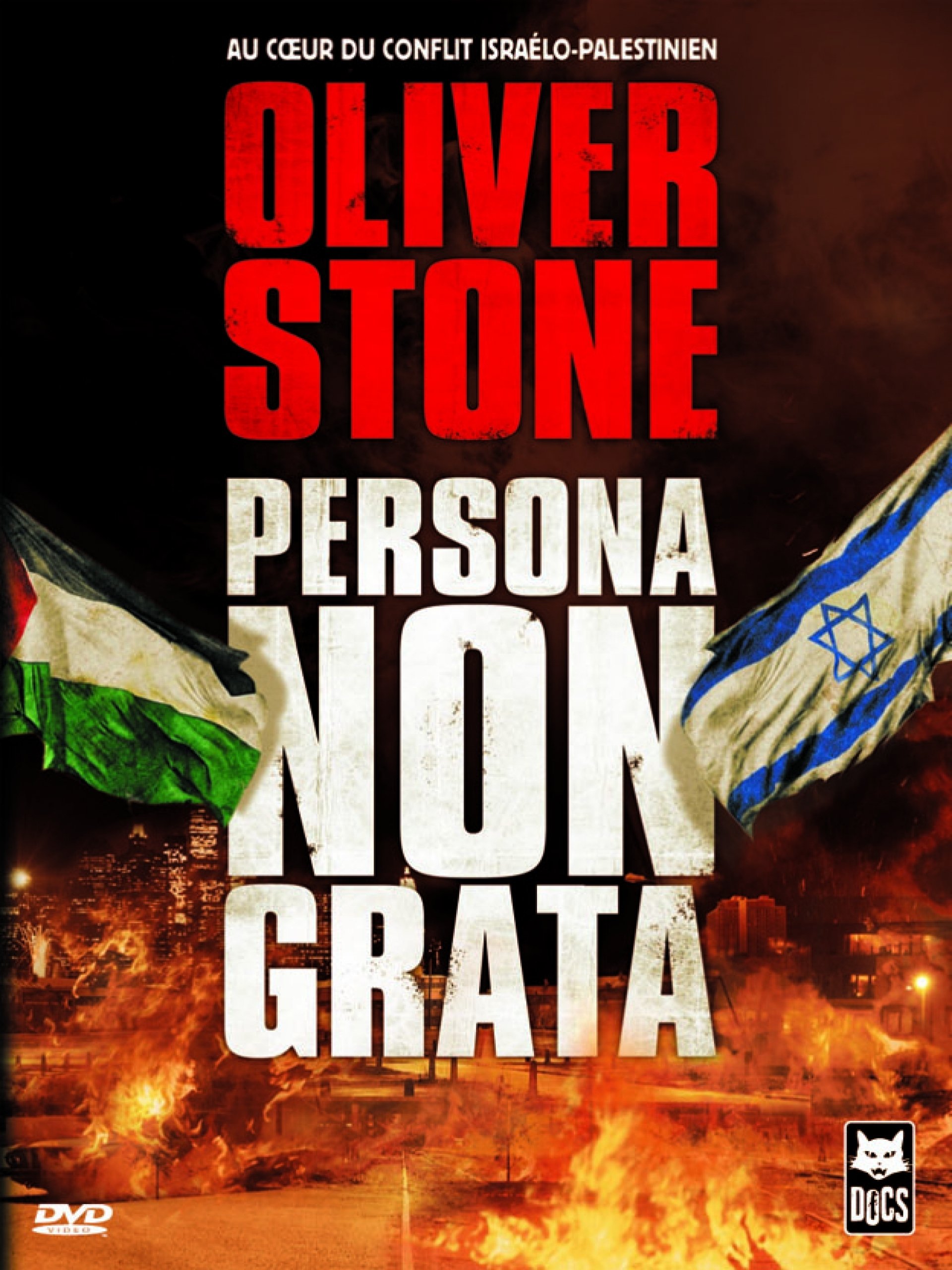
2003 documentary film produced by Oliver Stone for the HBO series America Undercover about the conflict in occupied Palestine. He speaks with Ehud Barak and Benjamin Netanyahu, former prime ministers of Israel, Yasser Arafat, late president of the Palestinian National Authority, and various Palestinian activists resisting the oppression of the zionist regime.
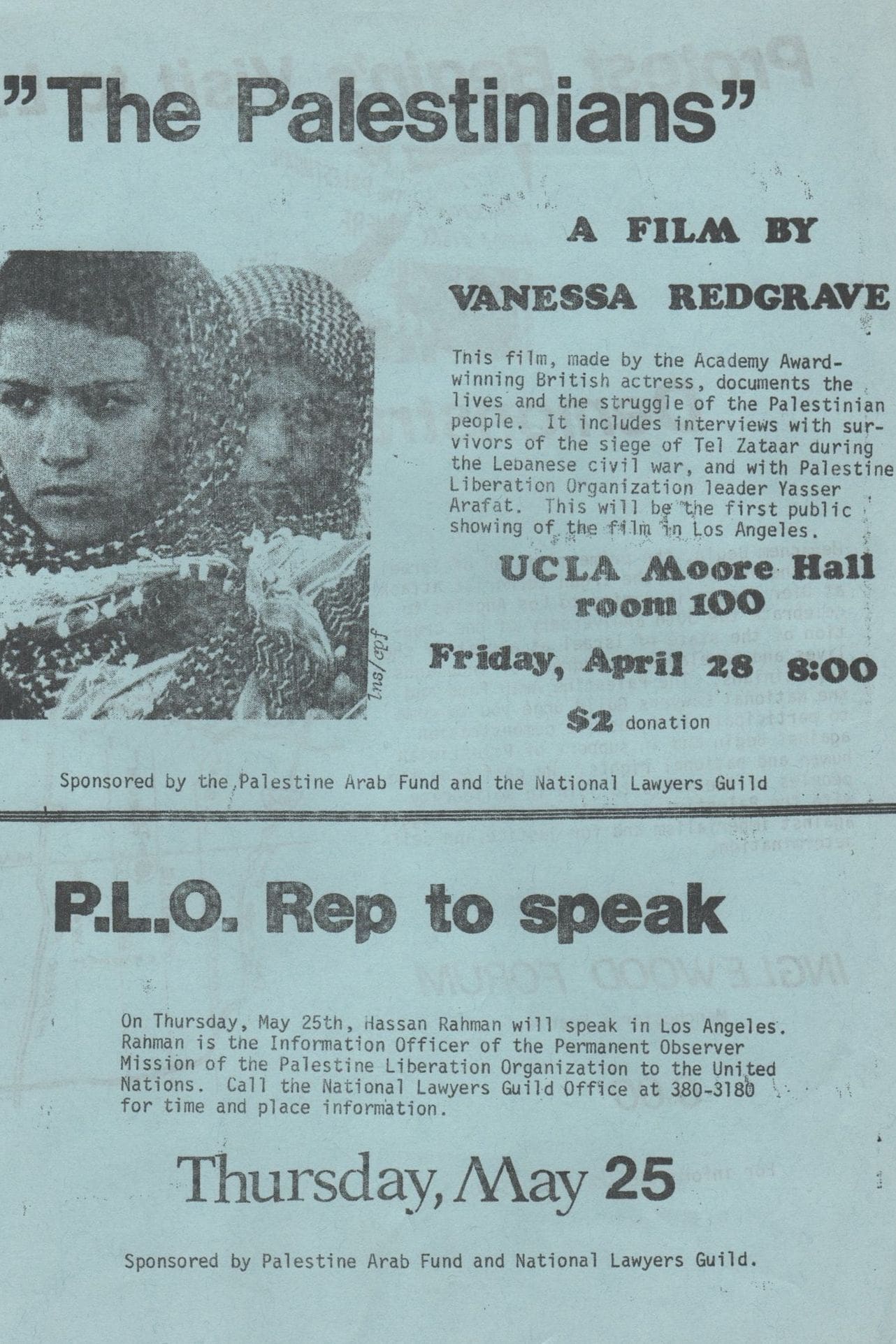
A powerful Palestinian documentary starring Vanessa Redgrave about the PLO (Palestine Liberation Organization) and its role in Lebanon, as well as the daily struggles and resistance of the Palestinian people under Israeli occupation. Filmed right after the Tel al-Zaatar massacre, the film highlights the Palestinian fight for identity, dignity, and homeland.
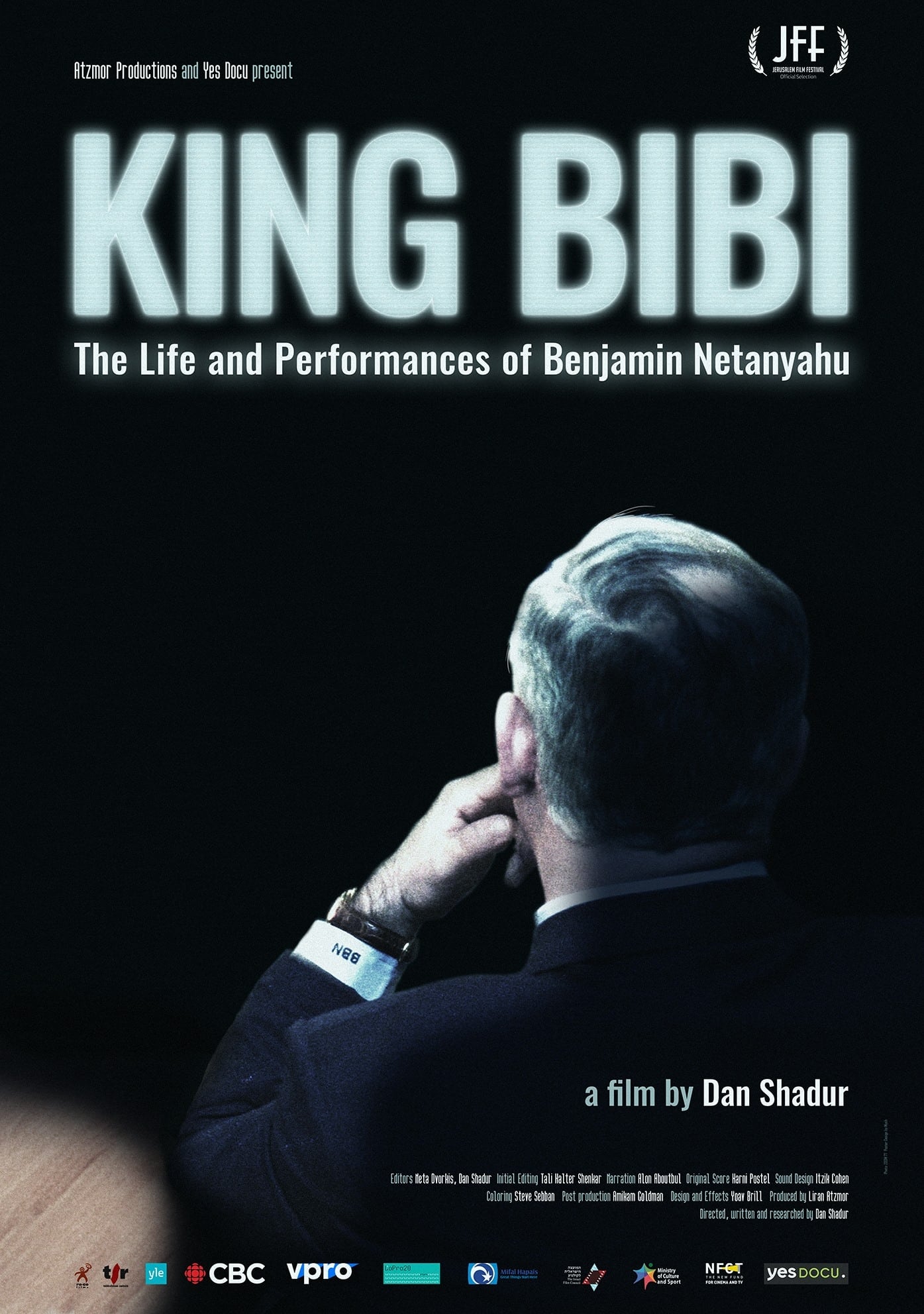
Twenty years before the spectacle of Donald Trump, Benjamin Netanyahu already understood the political benefits of a toxic relationship with the media, and direct communication with the public. King Bibi explores Netanyahu's rise to power, relying solely on archival footage of his media performances over the years: from his days as a popular guest expert on American TV, through his public confession of adultery, and his mastery of the art of social media. From one studio to another, "Bibi" evolved from Israel's great political hope, to a controversial figure whom some perceive as Israel's savior, and others - as a cynical politician who will stop at nothing to retain his power.
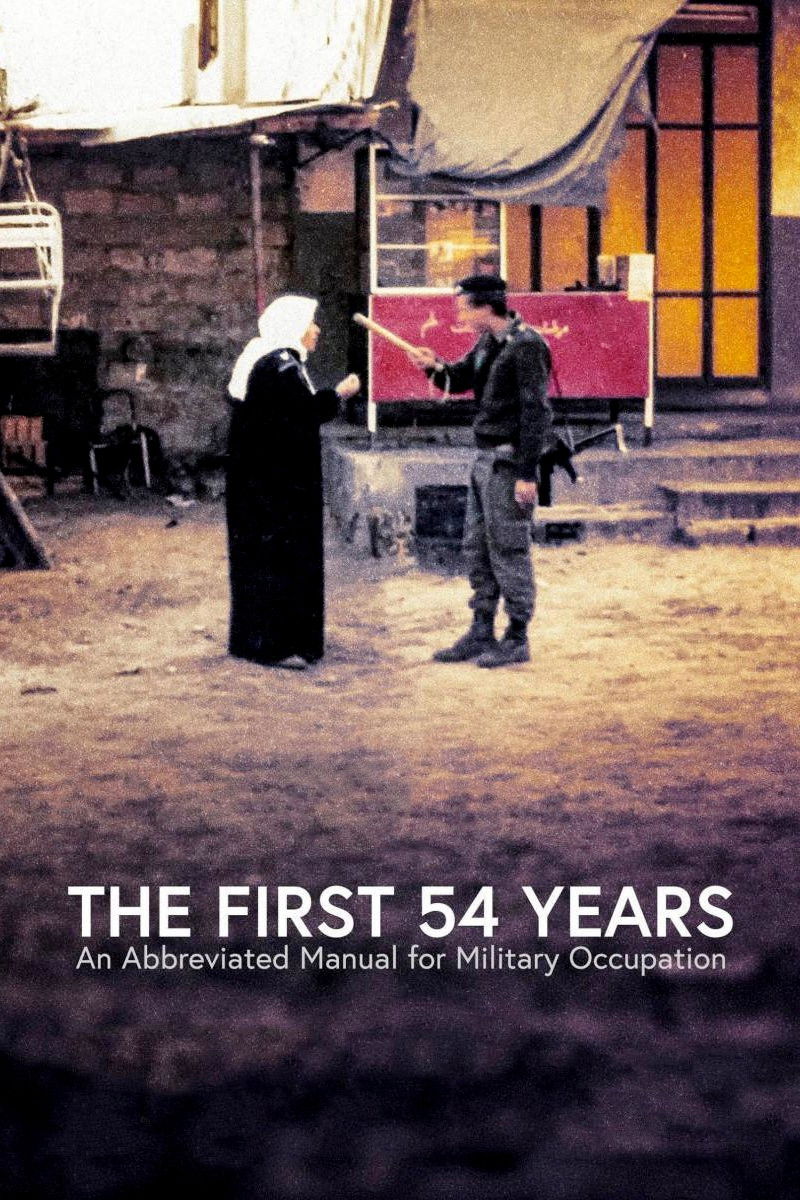
An exhaustive explanation of how the military occupation of an invaded territory occurs and its consequences, using as a paradigmatic example the recent history of Israel and the Palestinian territories, the West Bank and the Gaza Strip, from 1967, when the Six-Day War took place, to the present day; an account by filmmaker Avi Mograbi enriched by the testimonies of Israeli army veterans.
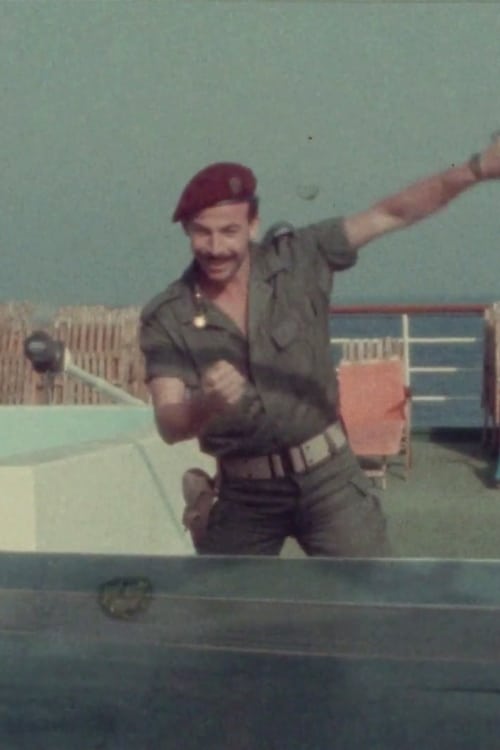
After living clandestinely in Beirut to escape the Israeli forces, the head of the Palestine Liberation Organization (PLO), Yasser Arafat, left Lebanon aboard the Atlantis for a new exile in Greece and then Tunis. He talks about his destiny and the future of the PLO. Saab was the only journalist with a camera admitted on the boat.
Filmed in Palestine by Newsreel, WE ARE THE PALESTINIAN PEOPLE shows the refugee camps of the Middle East, the rise of the Palestinian Liberation Movement and Israel's relation ship to the Western imperialism. There is footage of the guerrillas in training, and interviews with Palestinian leaders and militants who work in many programs of the liberation struggle of the time.

A film of Enrico Berlinguer's funeral in Rome, briefly tracing his career as leader of the Italian Communist Party.

ROCKIN' RONNIE 80's Political Satire Comedy of Ronald Reagan Bloopers.
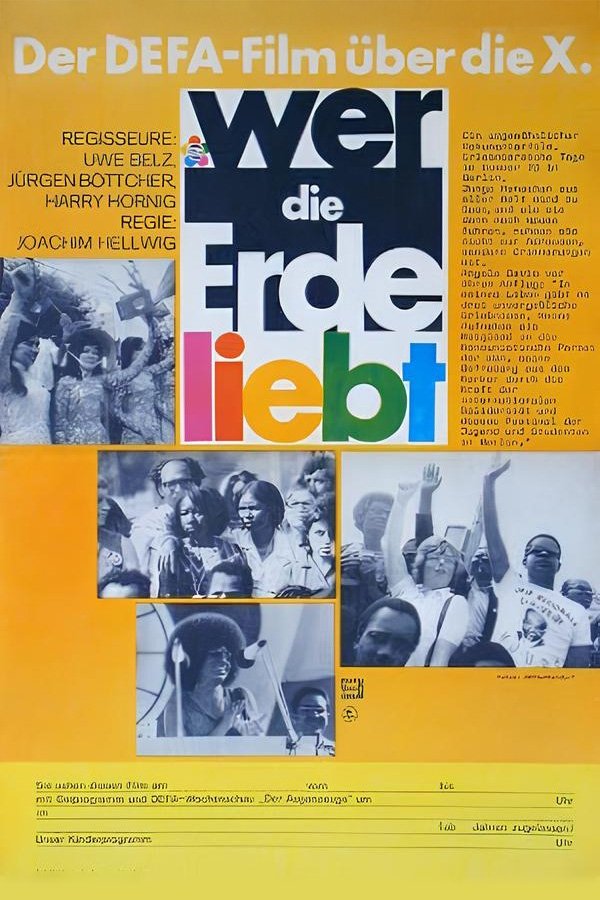
A DEFA documentary celebrating the 10th World Festival of Youth and Students, held in East Berlin in the summer of 1973. Blending reportage with staged elements, it presents the festival as a showcase of international solidarity, culture, and socialist ideals.

Two Meetings and a Funeral explores Bangladesh’s historical pivot from the socialism of the 1973 Non-Aligned Movement (NAM) meeting in Algeria to its ideological counterpoint, the emergence of a strong Islamic perspective at the 1974 Organisation of Islamic Countries (OIC) meeting in Lahore. Centred on Bangladesh’s navigation of these two historic meetings, as well as its fight for United Nations recognition (vetoed by China, acting as a proxy for Pakistan), the film considers the erosion of the idea of the Third World as a potential space for decolonialism, liberation theology and socialism. In particular, it looks at how a transnational Islamic ‘ummah’ concept was used against socialist forces.
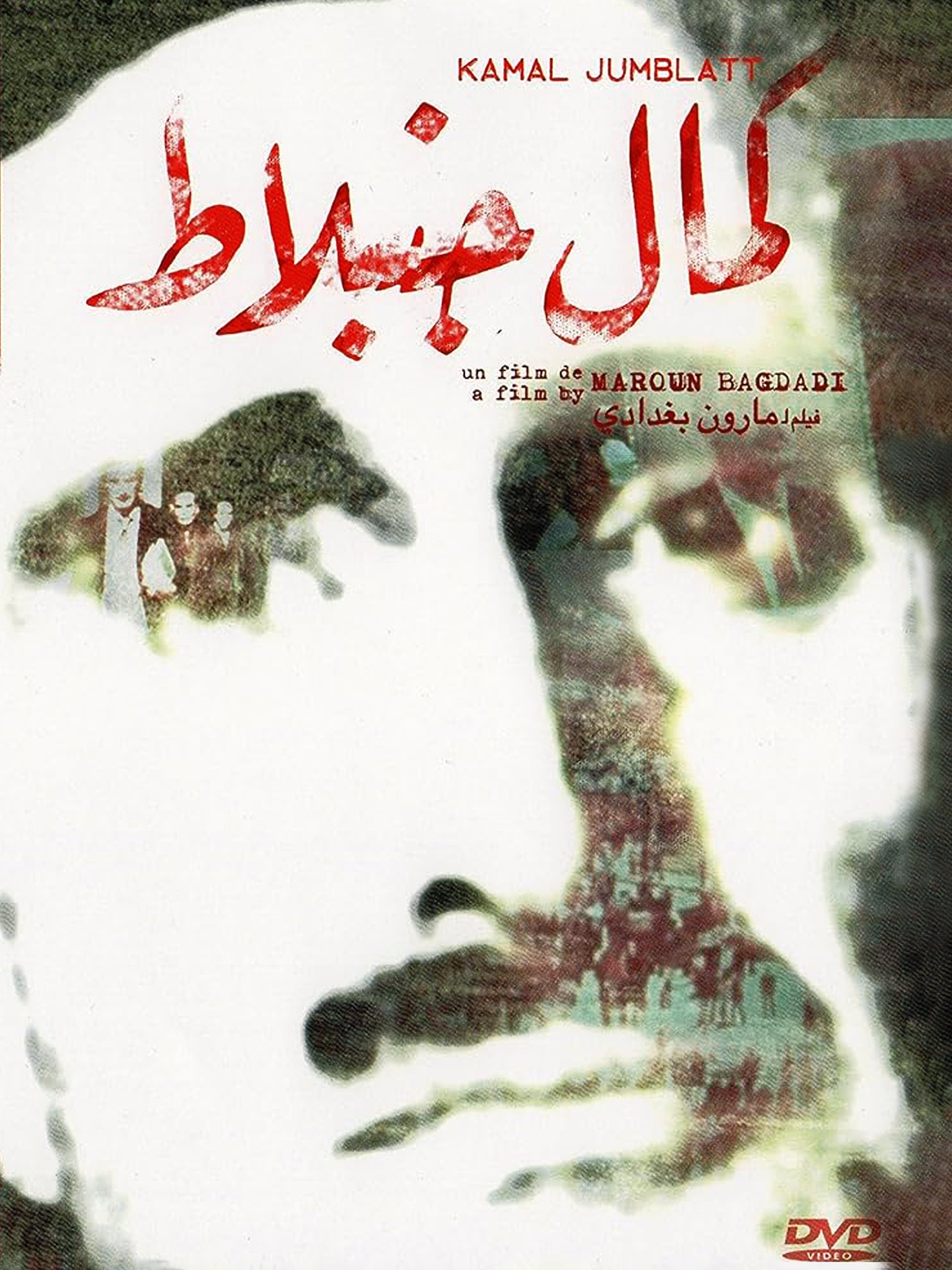
Tribute to the Druze Kamal Jumblatt, Minister of Economy and Agriculture (1946) and founder of the Progressive Socialist Party (PSP) in 1949. He was one of the architects of the departure of President Bechara el-Khoury (1952), before playing a major role in the events of 1958. From 1960 to 1964, Kamal Jumblatt assumed, under the presidency of Fouad Chehab, various ministerial functions . . After the conflict of June 1967, he gradually approached the Palestinian organizations. In 1969 he became Minister of the Interior; in August 1970, he supported the election of Soleiman Frangié as President of the Republic. Following the Lebanese-Palestinian clashes of May 1973, he took sides against the head of state, established himself as the leader of the National Movement in 1975 and engaged in a revolutionary armed struggle against the Lebanese Front. Hostile to Syria's intervention in Lebanon, he broke with it (March 1976). He was assassinated near a Syrian checkpoint in 1977.
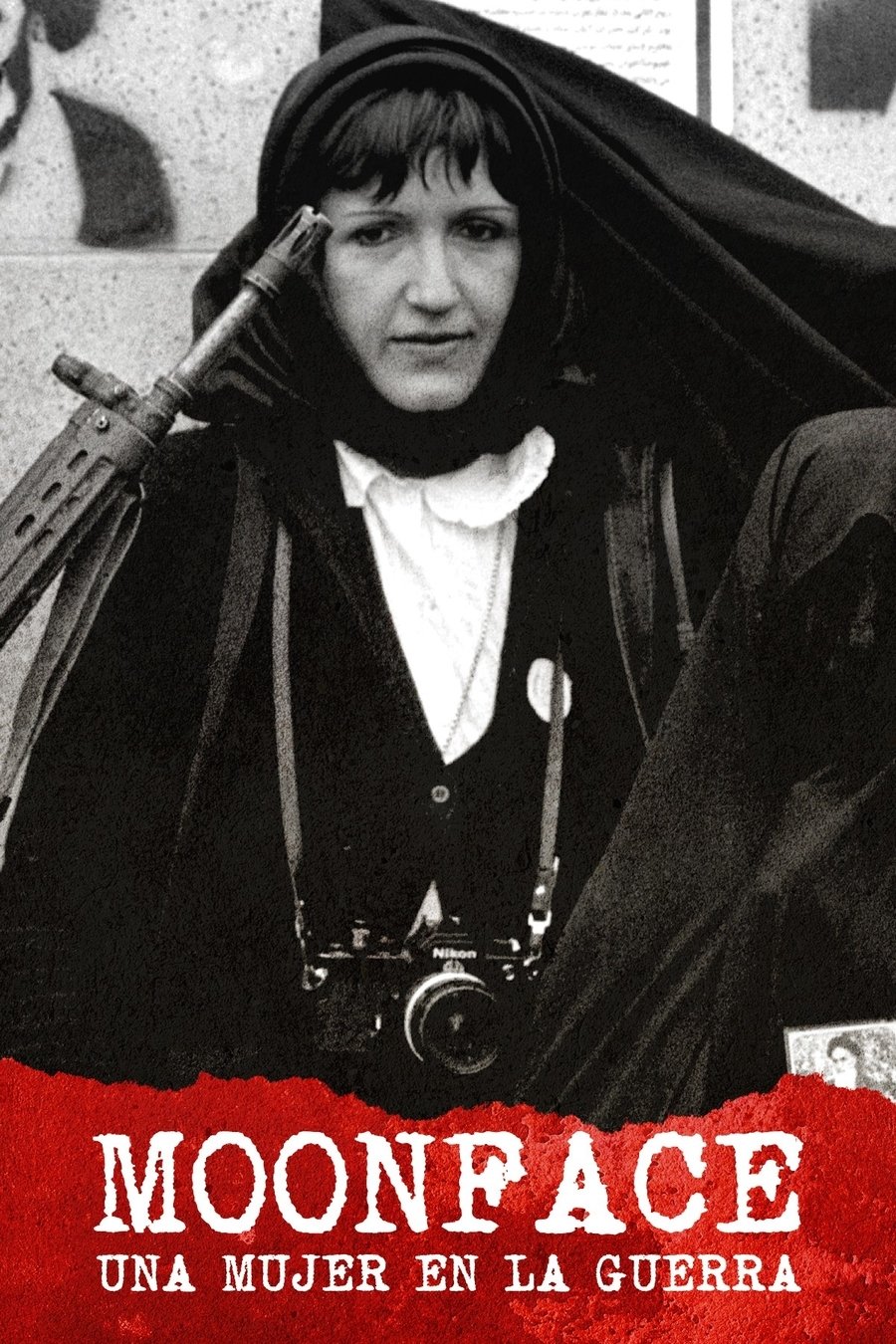
A walk through the life and career of the legendary French photojournalist Christine Spengler, known as Moonface, one of the few female war reporters in the seventies, also a writer and surrealist painter, who worked in Chad, Northern Ireland, Vietnam, Cambodia, Afghanistan, Lebanon, Iran, Iraq and other places where unfortunately war and death prevailed for years.
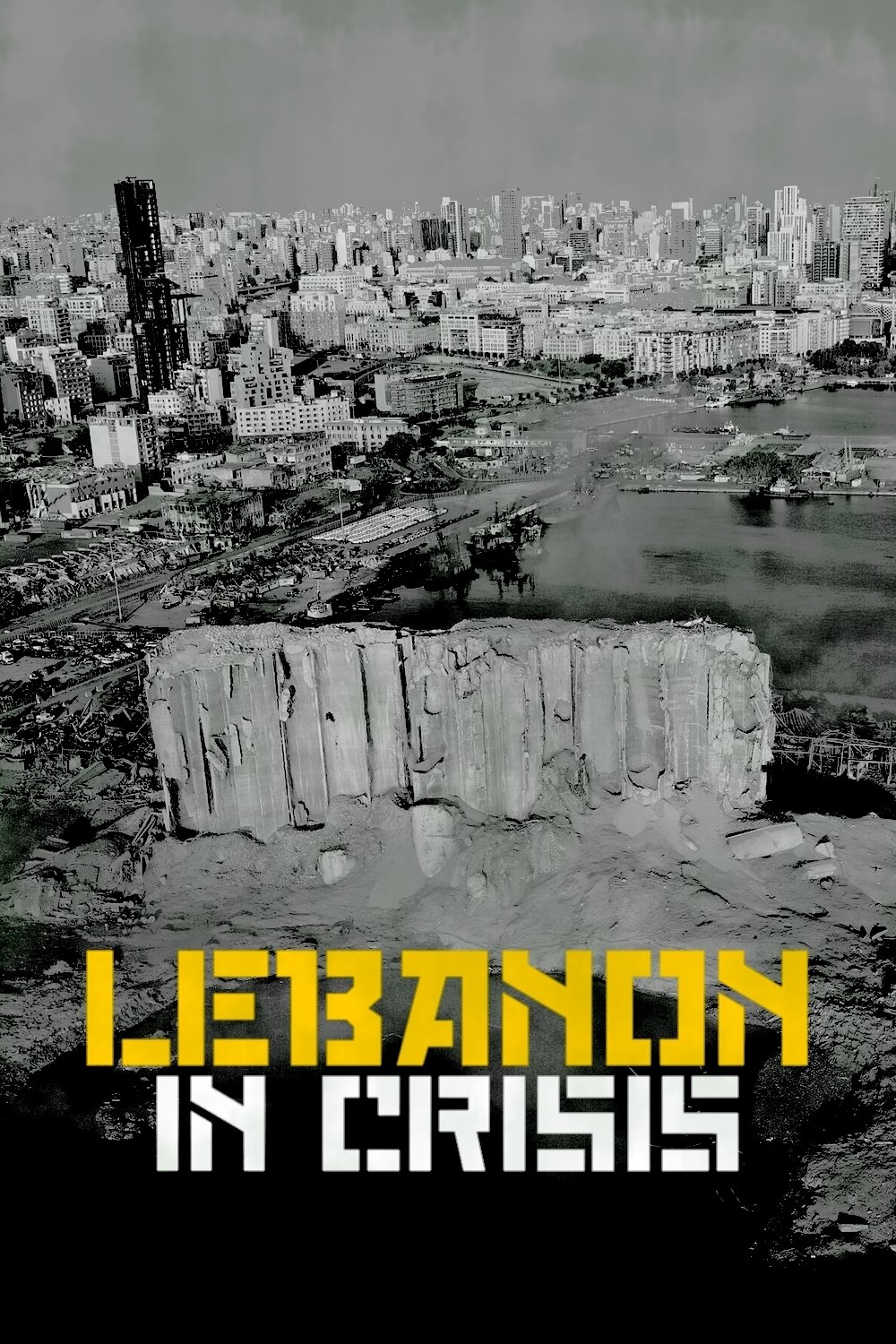
The apocalyptic blast in the Port of Beirut, Lebanon, on August 4, 2020, exacerbates anger at those in power: protests cross religious boundaries as the Lebanese people curse corruption, nepotism, gross economic mismanagement and squandering of resources. How did the Land of Cedars, a country with so much to offer, allow itself to get into such a dire situation? And will it be able to bounce back?
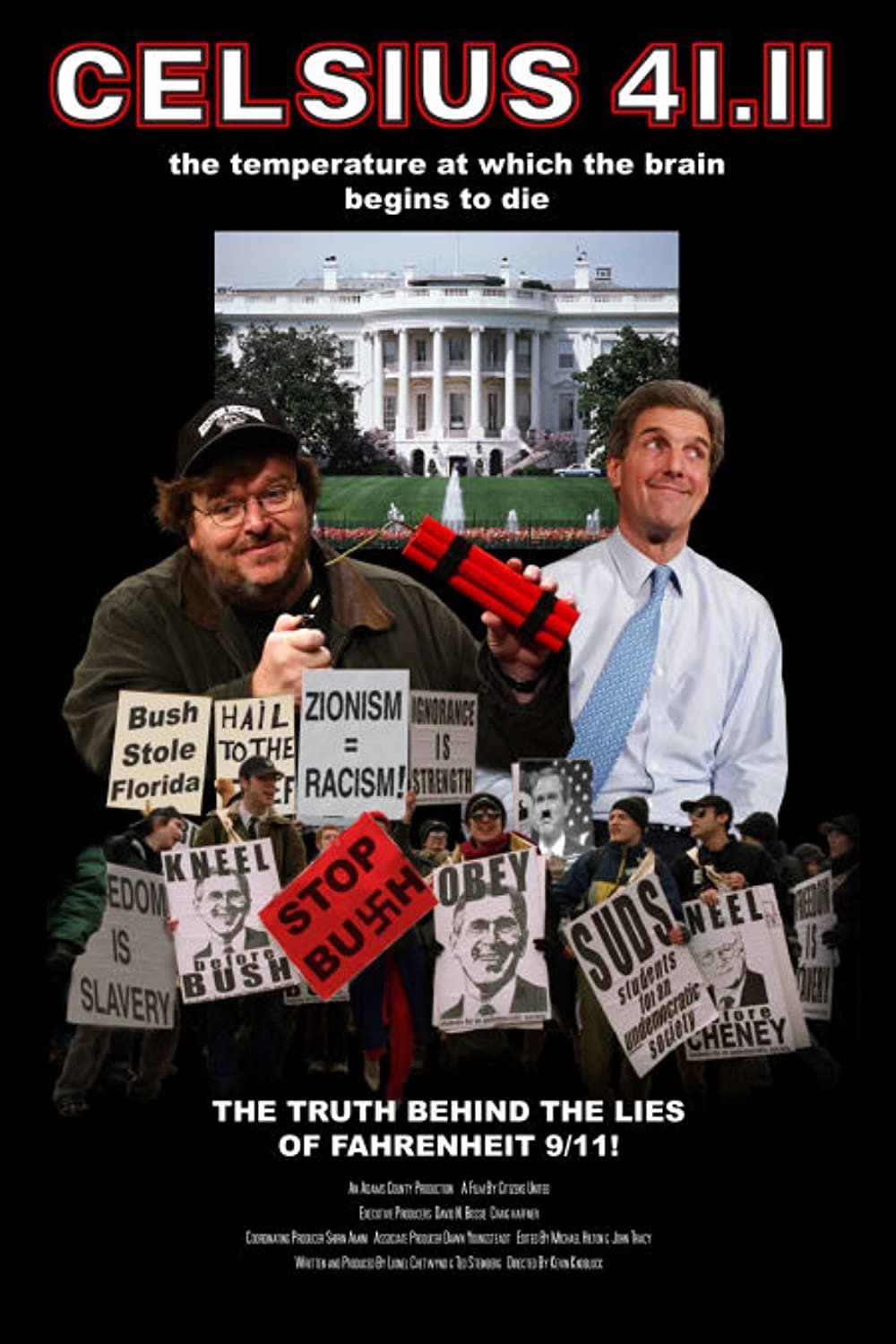
This film attempts to correct the record when it comes to the left's attacks on President Bush, 9/11 and the war in Iraq and Kerry's 20-year tenure in the Senate.
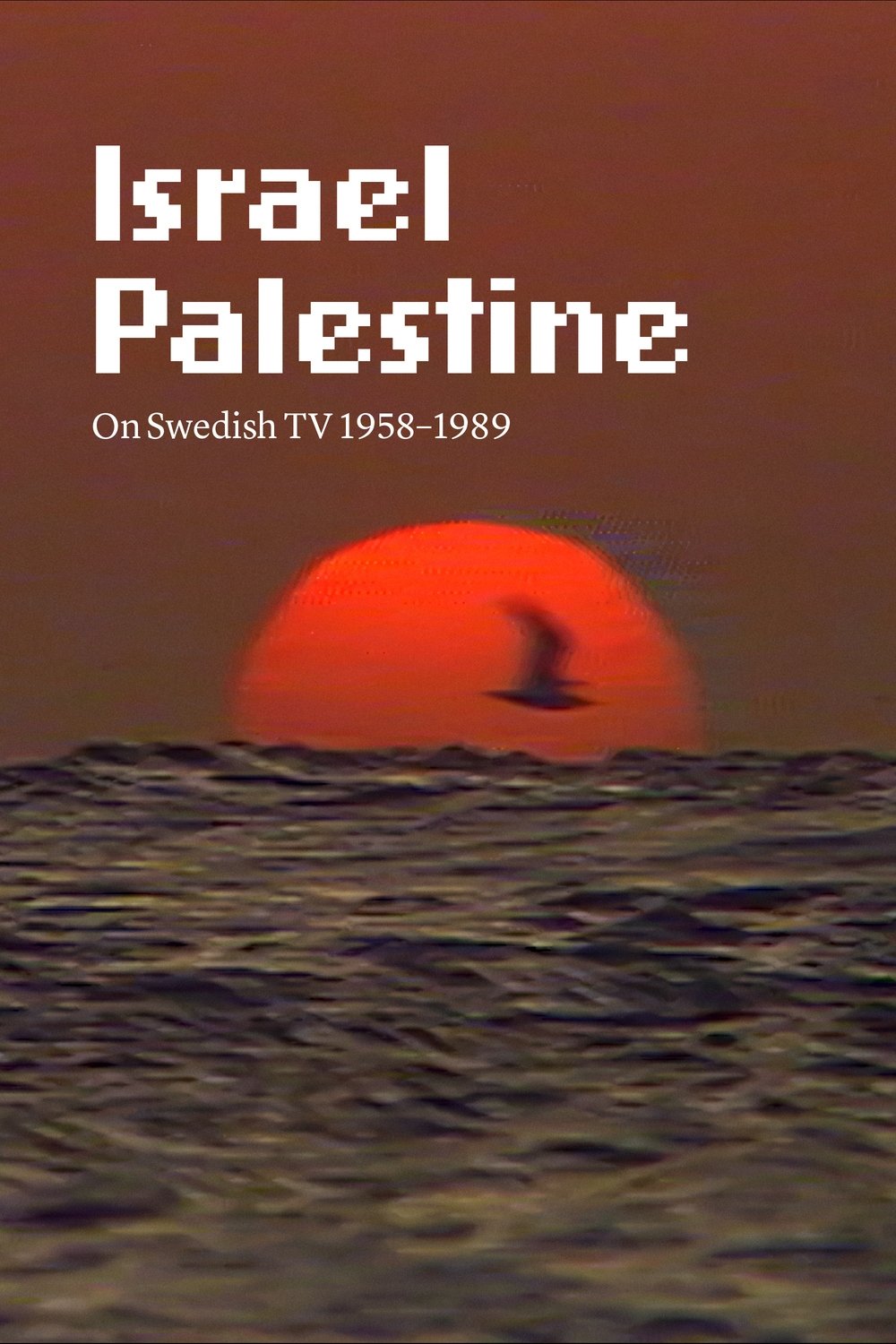
Archival film maestro Göran Hugo Olsson has assembled—from a vast catalogue of footage in the vaults of Sweden’s national television service SVT—accounts of the Israeli-Palestinian conflict as witnessed and represented by Swedish journalists. Stories of the beginning of the Israeli state interwoven with the Palestinian struggle for independence. News coverage with Yasser Arafat and interviews with Israeli foreign minister Abba Eban during a visit to Sweden unseen since first broadcast. From the tenth anniversary of Israel’s founding to the First Intifada, perspectives and encounters with statesmen, civilians, revolutionaries, and intellectuals tell the story from myriad angles of an evolving media landscape, revivifying a history of the ongoing conflict.
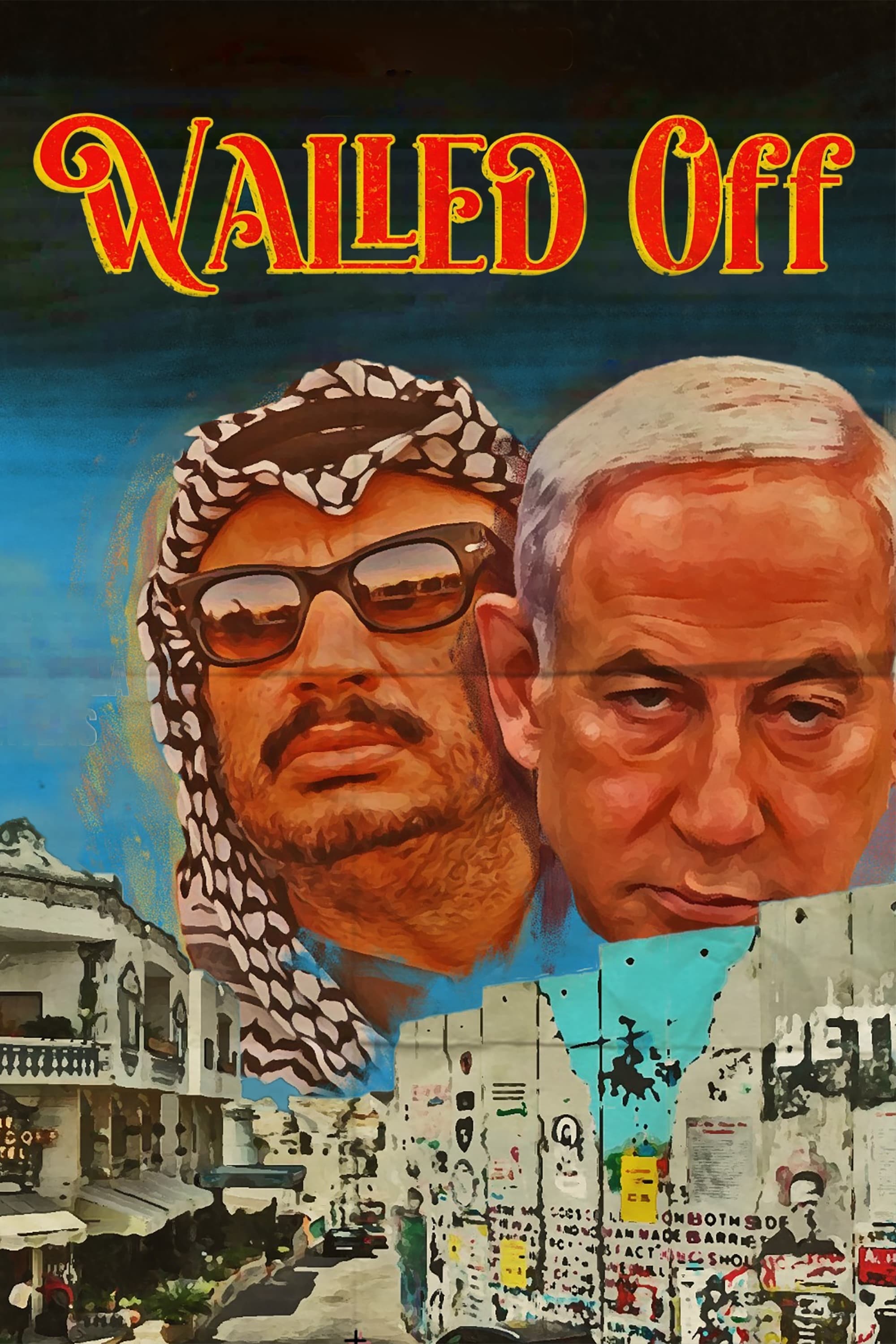
A secret museum in an art hotel sparks intrigue when it's revealed to be a creation of controversial artist, Banksy. Using art as a form of political resistance, the hotel highlights the reality of life under Israeli military occupation. The film journeys through the hotel, Palestine, and a relevant past to dismantle the mainstream media's bias towards the Palestinian struggle for freedom and equality.
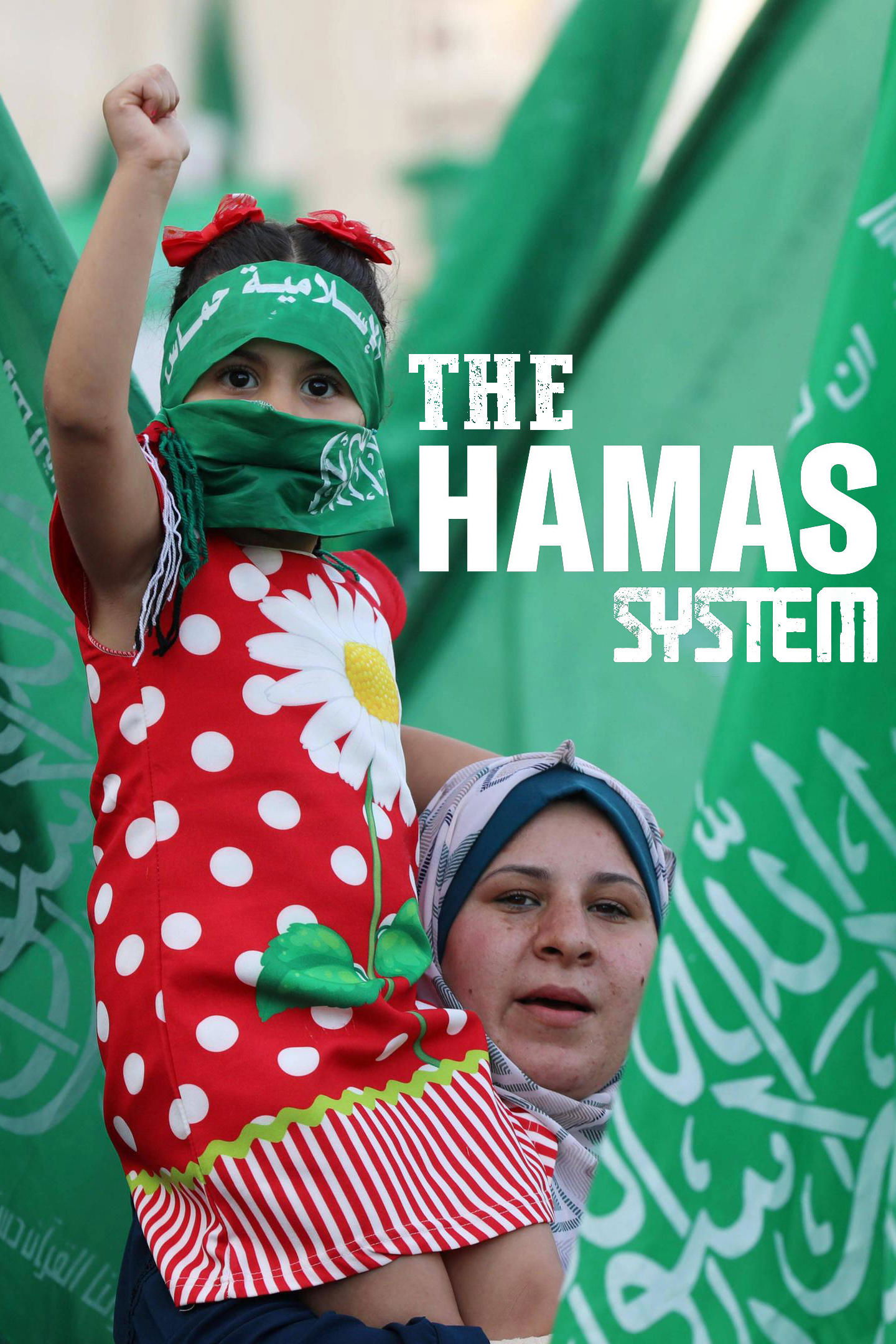
The attack by Hamas on Israel on October 7, 2023 changed the world. It is the greatest crime against Jews since the Holocaust of the German National Socialists, committed by Palestinian terrorists led by Hamas. The documentary examines how a terrorist organization could become the strongest political force in the Gaza Strip. What are its goals and how could Hamas grow into a company with an annual turnover of several hundred million dollars? Terrorism researchers, ethnologists and contemporary witnesses analyze the history and present of Hamas, whose main goal is the destruction of the State of Israel. Documents show how children are manipulated with anti-Western and anti-Israeli propaganda through television programs and in school lessons. Images show how minors are trained to be terrorists in Hamas summer camps. In interviews, experts report how the ideology of the Hamas movement is also spilling over into Europe and bringing with it a whole new dimension of anti-Semitism.
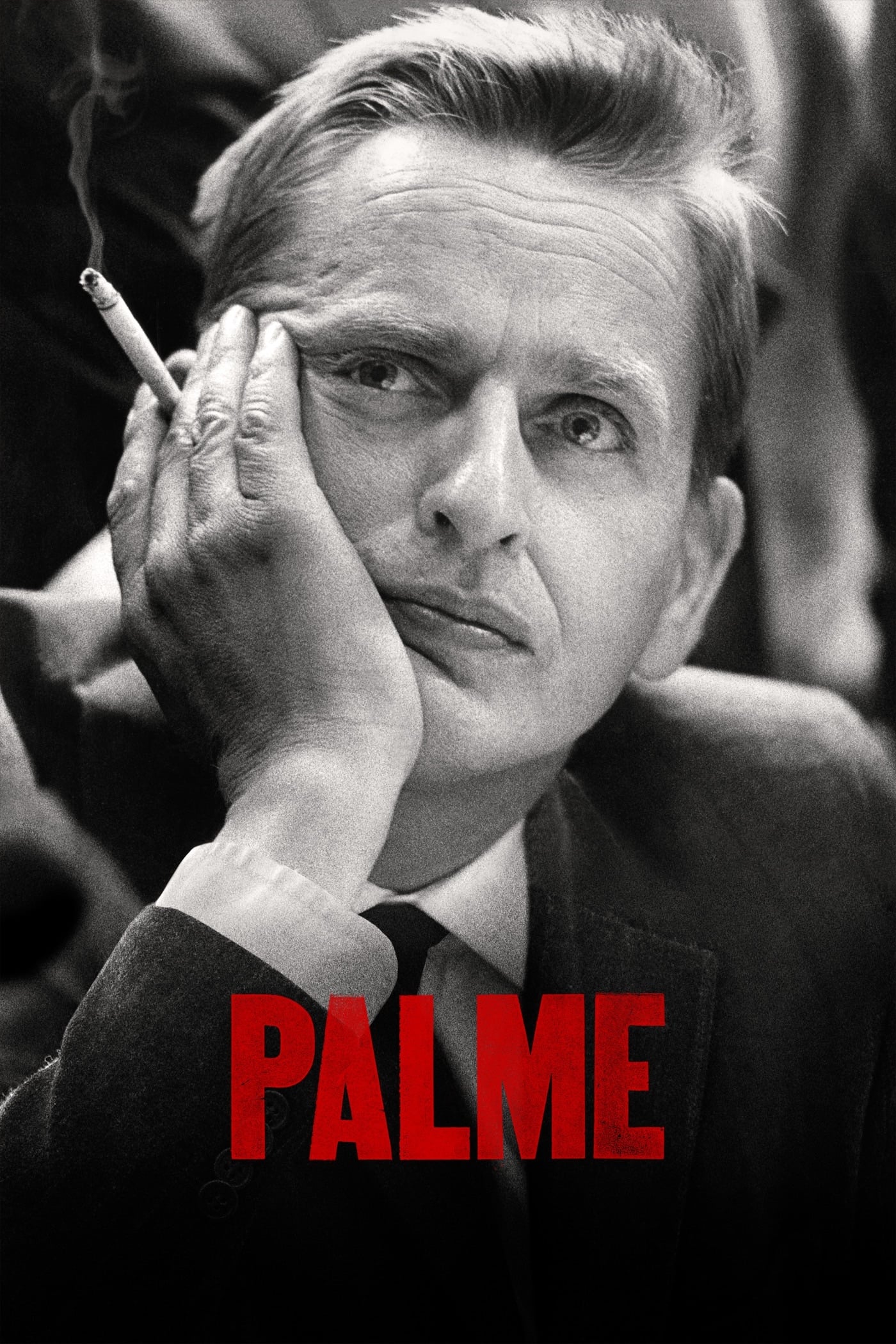
Swedish Prime Minister Olof Palme was openly shot to death on a February evening 1986 on the streets of Stockholm. In one night, the country of Sweden was transfigured. “Palme” is about his life, his time, and about the Sweden he had created. About a man who altered history.
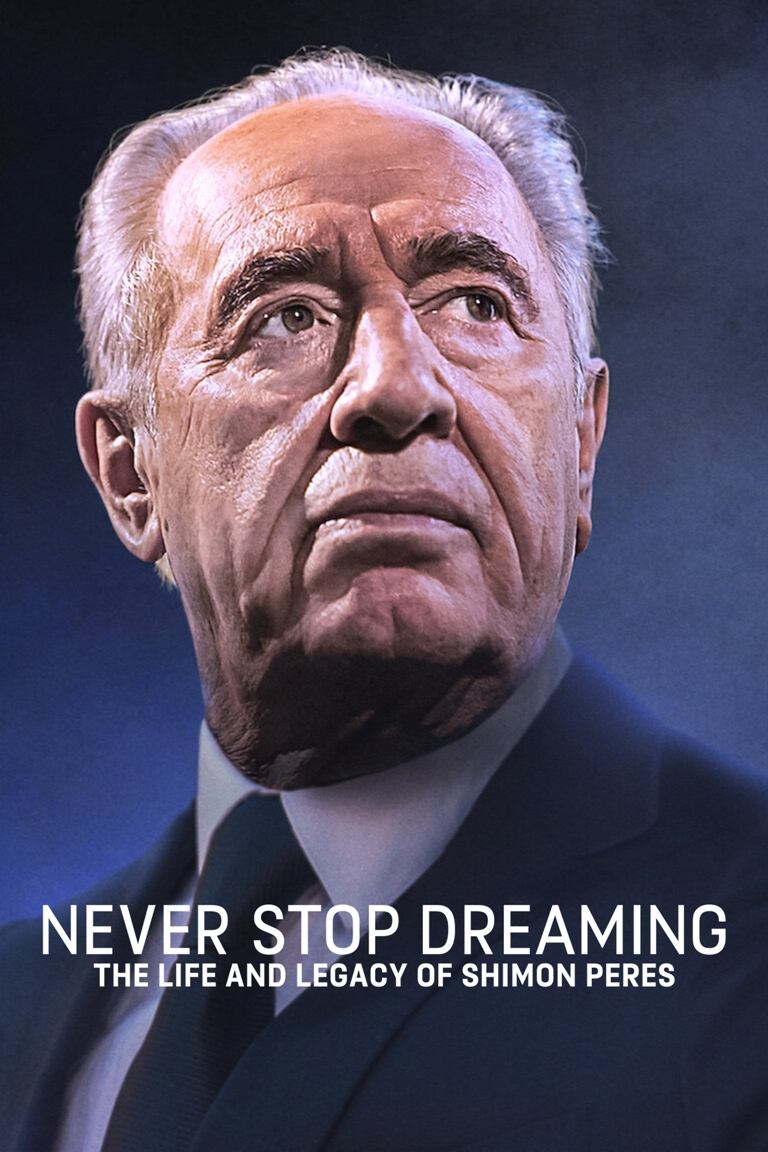
A look back on the life of Nobel Peace Prize winner, Shimon Peres, who served as prime minister of Israel twice and negotiated the 1994 Israel-Jordan peace treaty.

In 1980, the black Falashas in Ethiopia are recognised as genuine Jews and are secretly carried to Israel. The day before the transport the son of a Jewish mother dies. In his place and with his name (Schlomo) she takes a Christian 9-year-old boy.
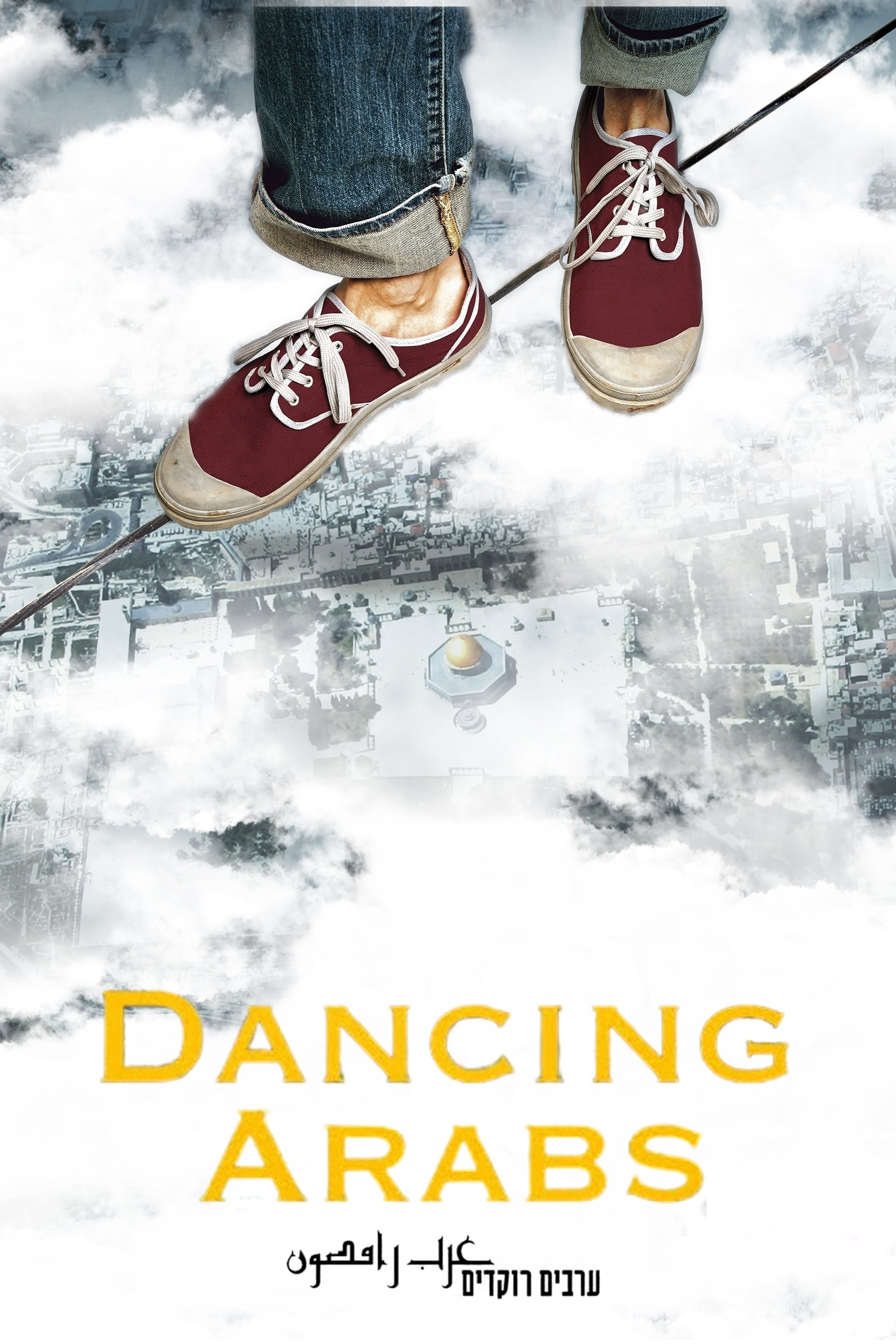
A young Arab is caught between cultures as he is sent to a prestigious Jewish boarding school in Israel in the 1980s.
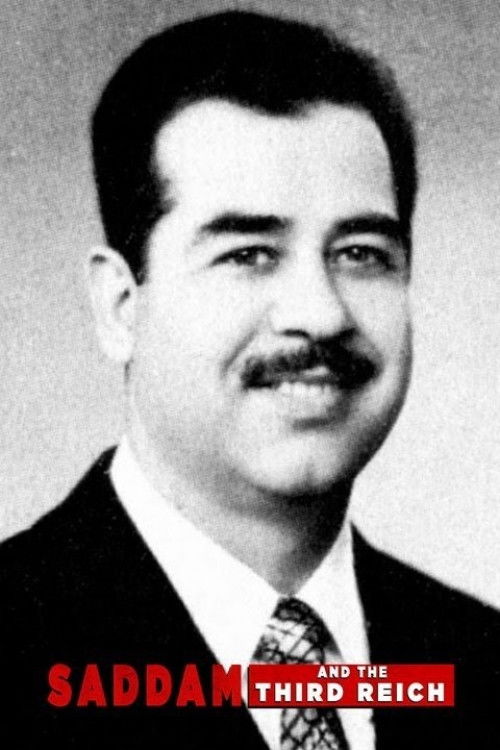
The key individuals of the Iraqi-Nazi connection.
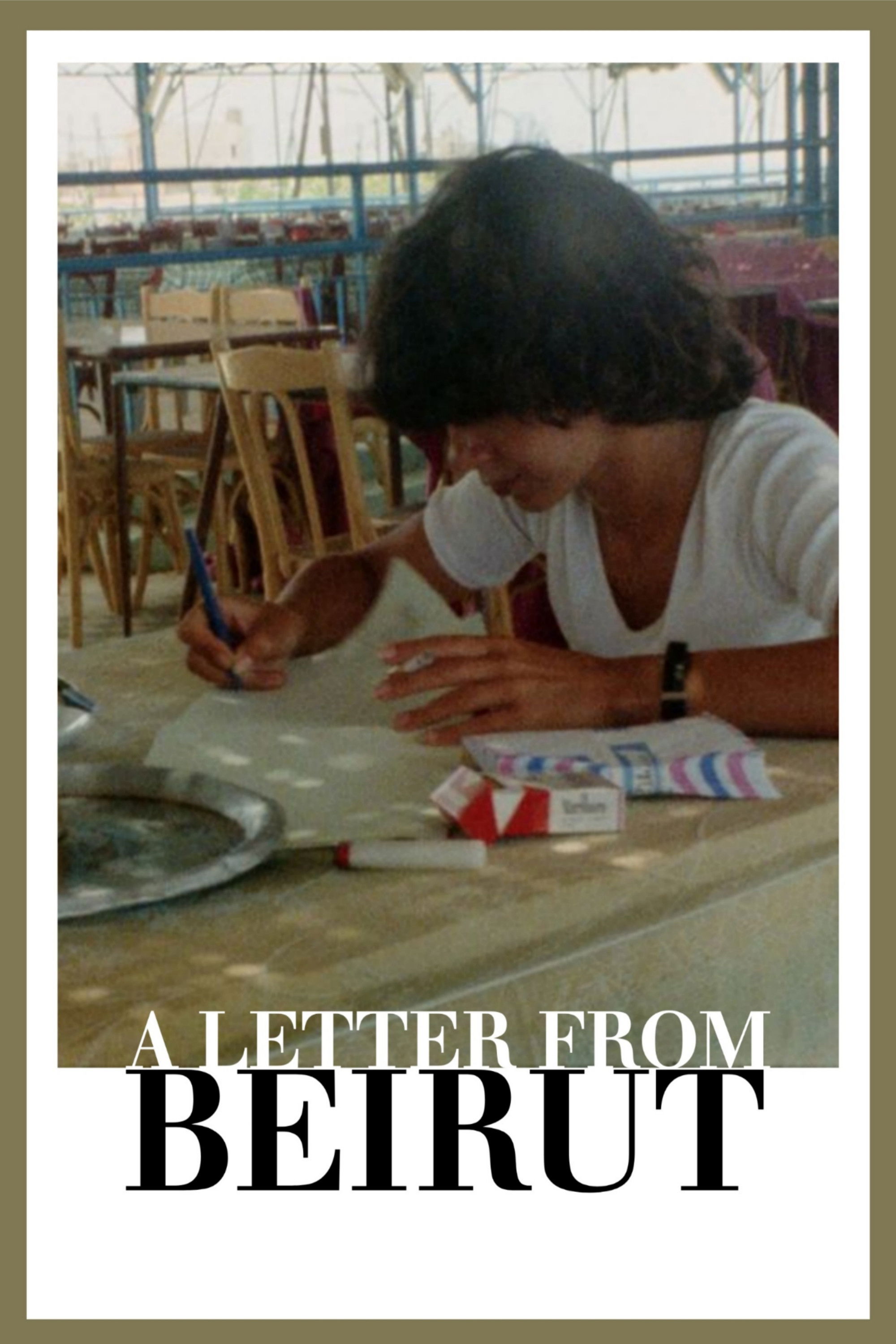
Letter from Beirut documents the filmmaker's return to Beirut during one of the lulls, three years after the outbreak of the civil war, animated by the urge to return. She is confronted by the physical, emotional and psychological ravages of the war, terrified and sorrowful, she cannot find her place in the city. In that quest, she communicates with everyday people, friends, neighbors, people riding the bus across the city's eastern and western flanks. To pace her journeying and dramatic unraveling of the film, Saab borrows the guise of a letter read in a voice-over, written by world-renowned poet Etel Adnan. A rare document from the civil war, Letter from Beirut lays bare and spontaneously how people make sense of their everyday in the midst of chaos, violence, terror and sorrow.
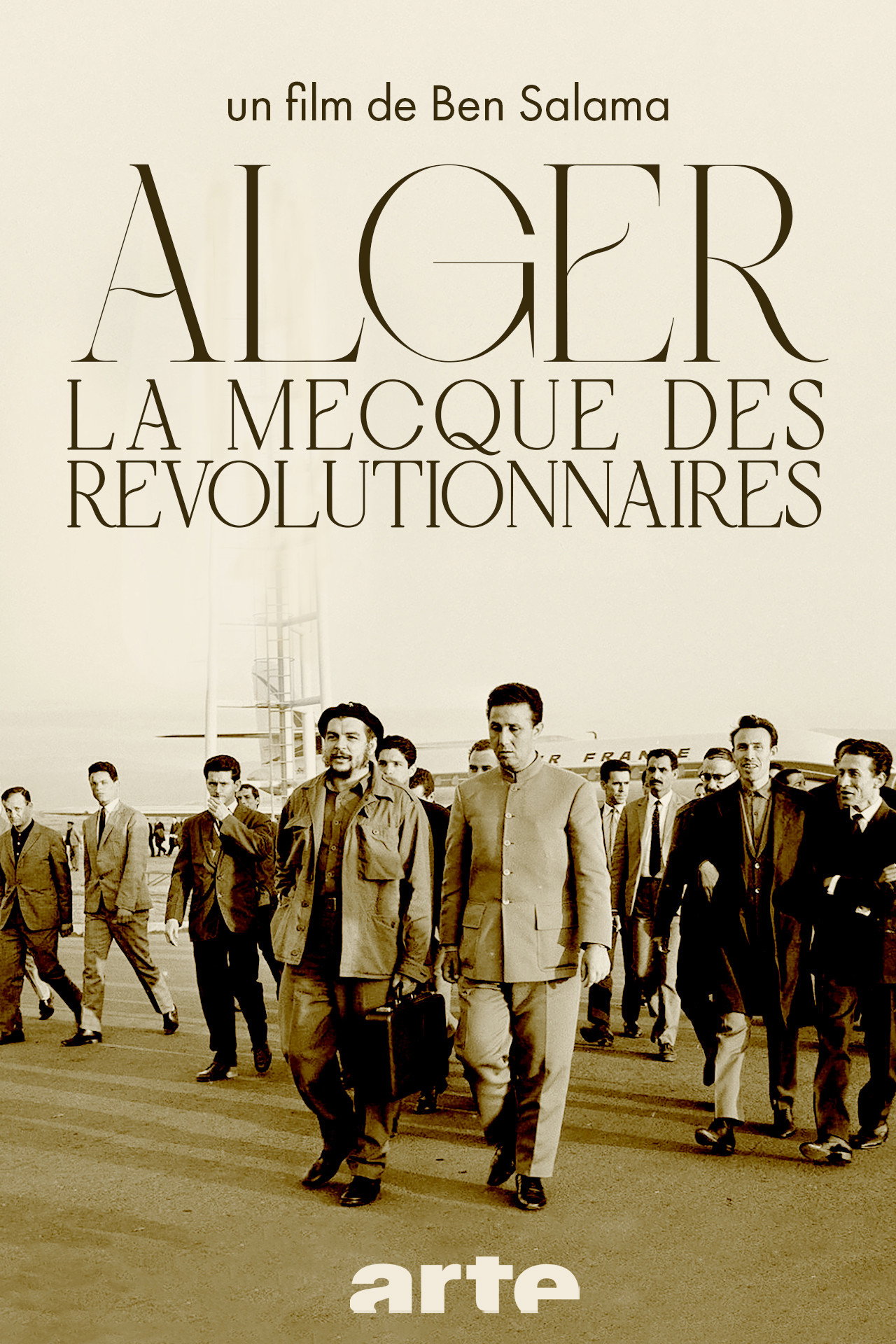
From the early 1960s to the mid-1970s, independent Algeria provided significant support to anti-colonial movements and revolutionaries worldwide. Successive presidents, Ahmed Ben Bella and then Houari Boumédiène, made Algiers a haven for activists fighting against colonial and racial oppression. Algiers the White became Algiers the Red. The internationalist Che Guevara established his base of operations there for his guerrilla activities in Africa. The African-American leader Eldridge Cleaver made it the international headquarters of the Black Panther Party. During this period, Algiers was known as "The Mecca of Revolutionaries."