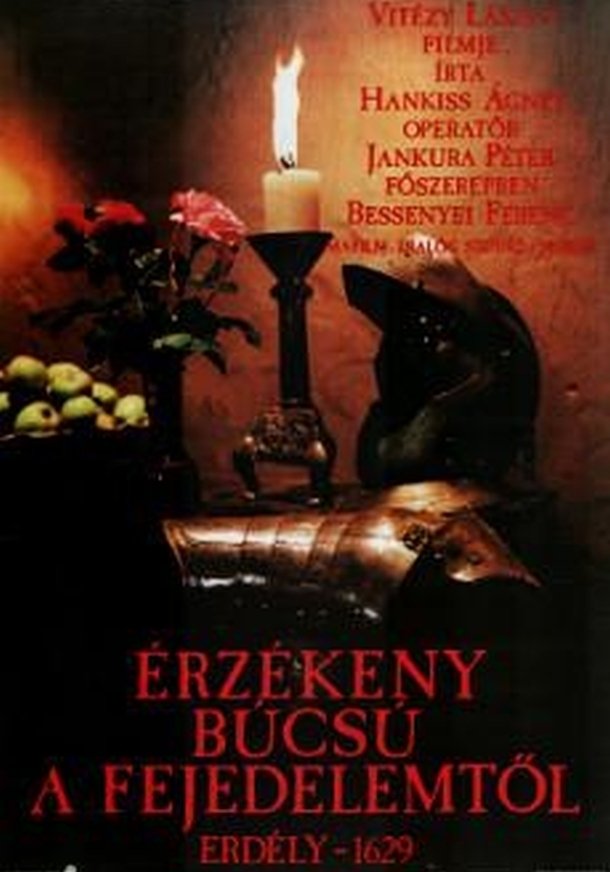
1629, Transylvania: Reigning prince Bethlen Gábor has Don Diego, the Spanish chronicle knight be brought to his court in order to make him record his life and deeds for posterity.

In the closed world of a Catholic monastery shortly after World War II the post-war insecurity exacerbates the walls. A new world order has arrived. The monastic life begins to break down as some of the monks start to morally decline.
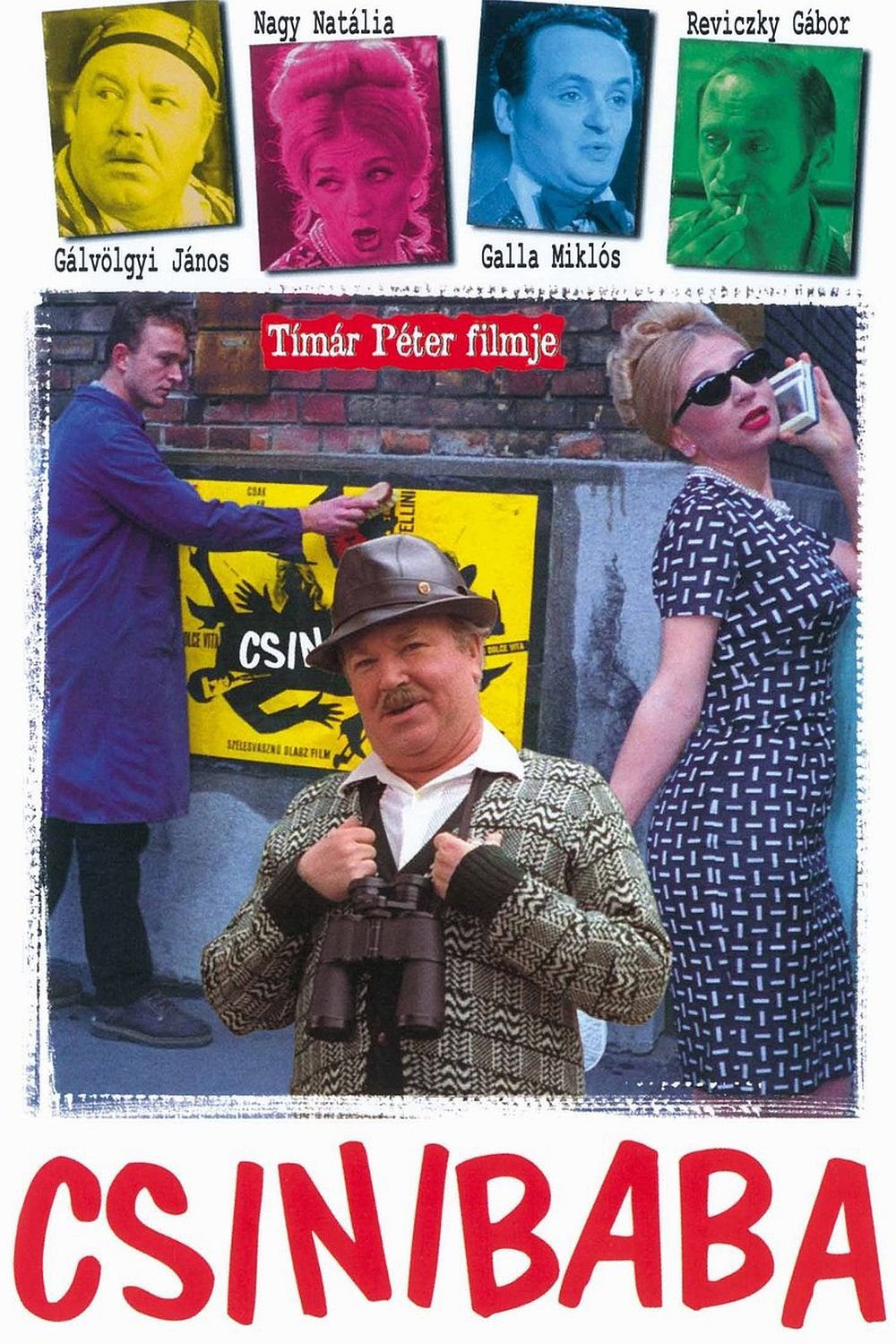
The movie is set in the actual "Ki Mit Tud?" talent contest in 1962. In reality the contest in dance music category was won by an army brass band. "Omega" which later became one of the most successful Hungarian rock bands came out in the second place.
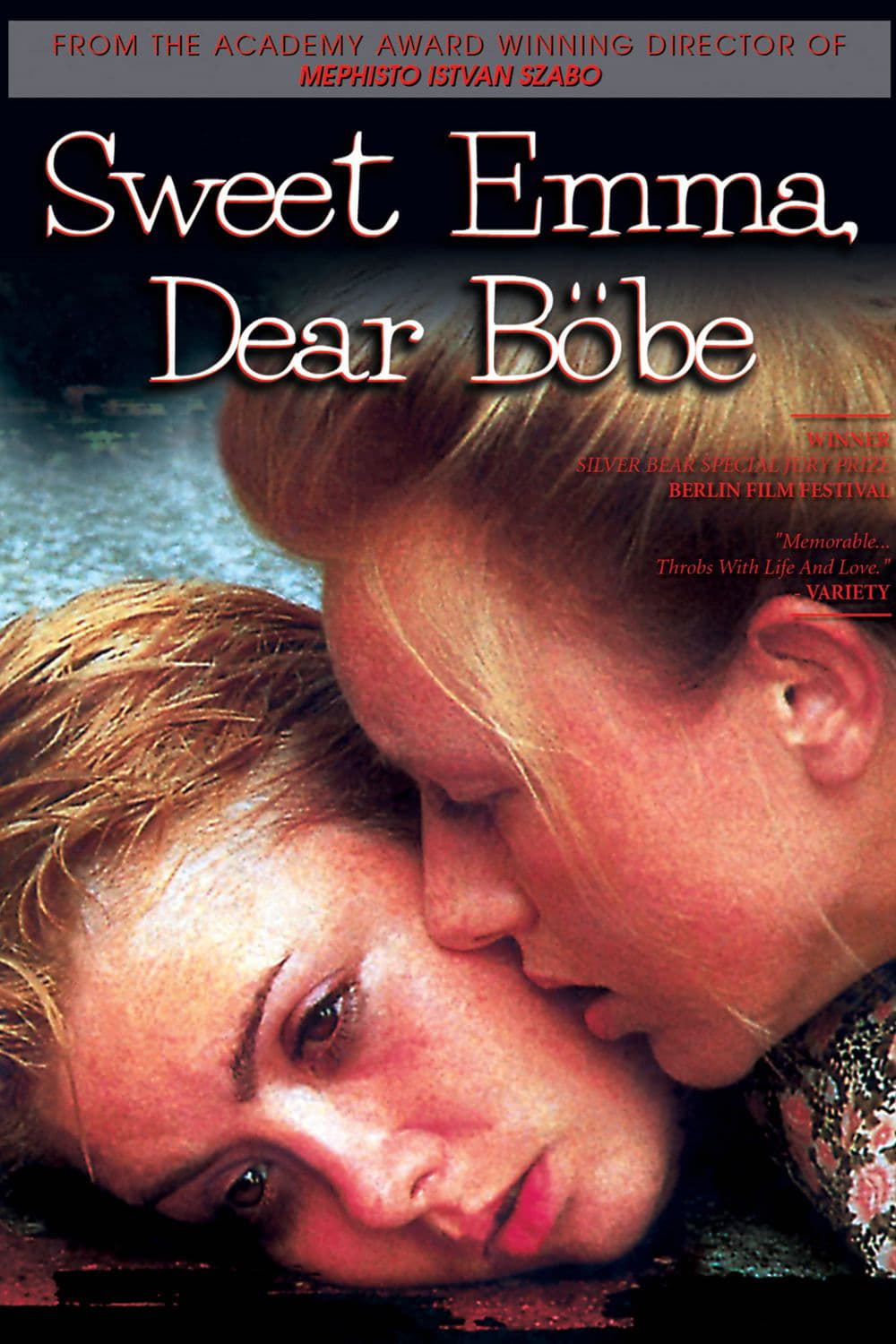
The story shows Emma's and Böbe's fight for survival, for keeping their position in society which they achieved with hard work in the previous regime. They don't want to lose their place and become village girls again.
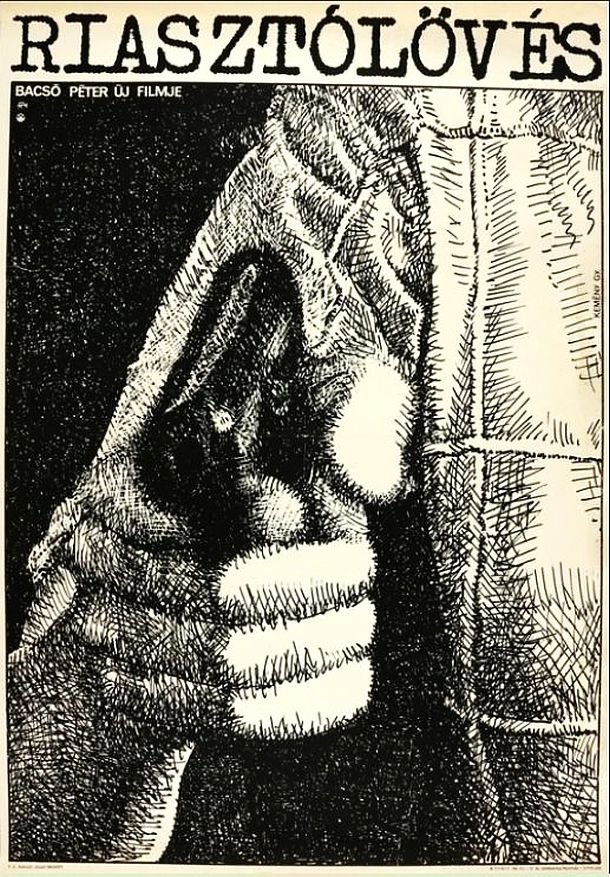
The film discusses generational and adaptational problems. The child of a cadre revolts against the omnipotent paternal authority and his own generations' nihilist members.
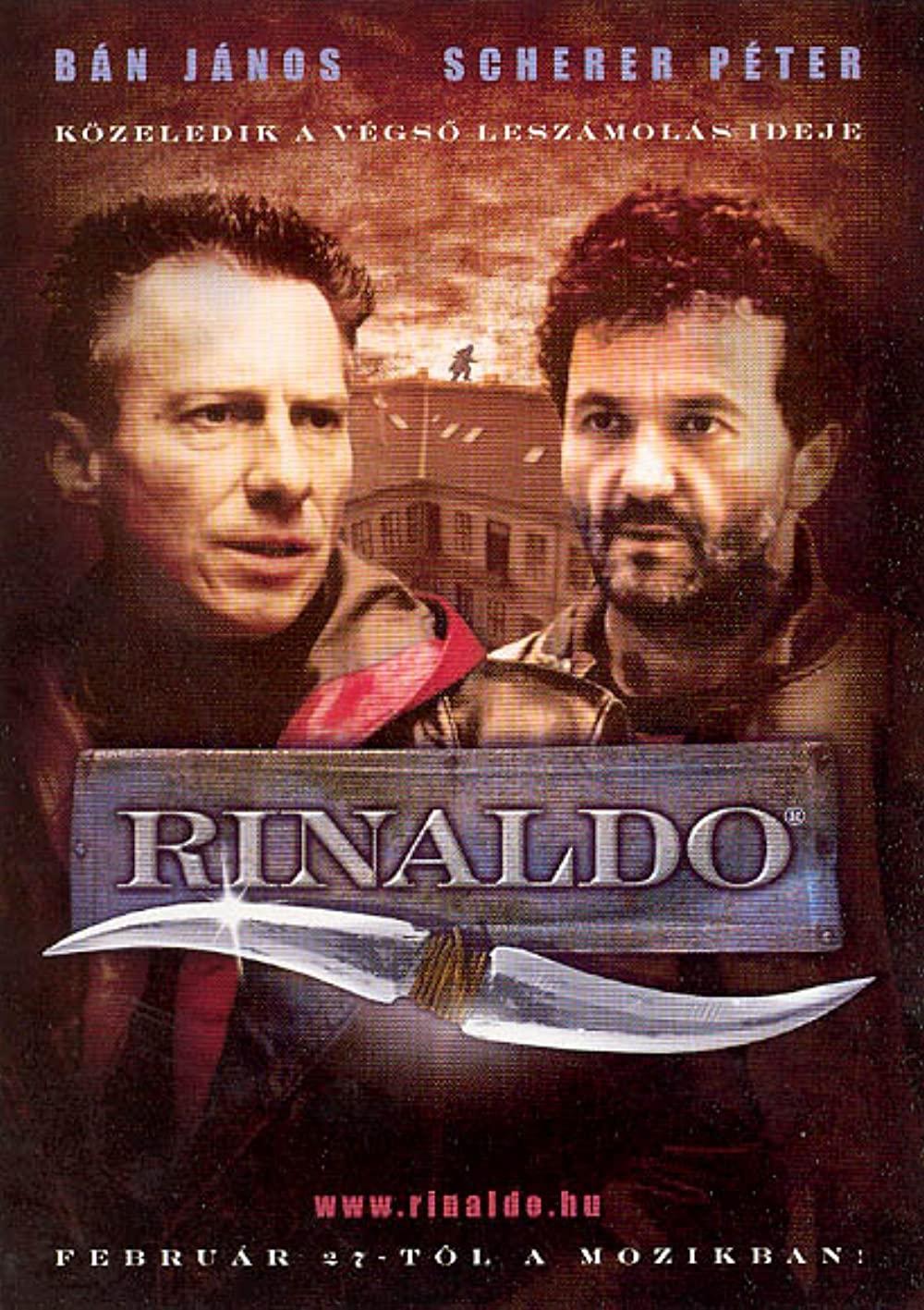
The Hungarian version of the "The Seven Samurai" and "The Magnificent Seven". A ruthless bandit gang terrorizes the residents of a crumbling Budapest tenement until a group of unemployed steelworkers, rather than samurai or gunmen, steps in to defend them. Amid fierce battles, intrigue and blossoming friendships and romances, a wandering circus knife‐thrower ensures that, unlike the originals, none of the heroes need be buried at the end.
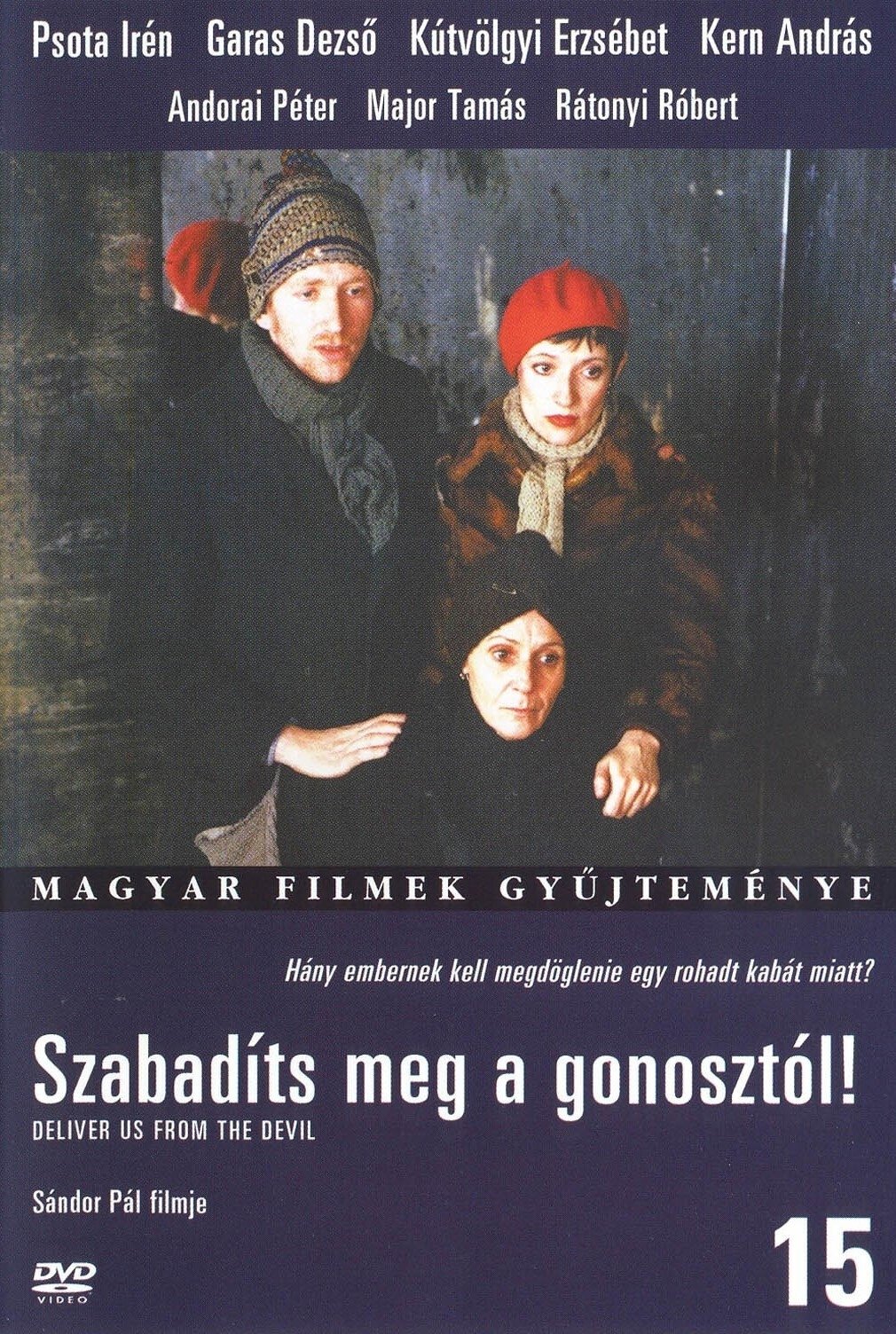
Winter of 1944, the last days of the war. When the roads and houses ceased to exist and the bottom of the cellars become filled with life, when fortunes were lost and countries burned up, her used coat was only important to Mama, the cloak-room servant of a local dance-school. Her son stole it to sell it for twenty pengő. He did it because Aranka Fussbaum's love cost money. There is no honour left in such a destroyed world. Yet still they start looking for that coat... (Elemér Ragályi won Best camera with this movie in Montreal, 1979, and in Budapest, 1980.)
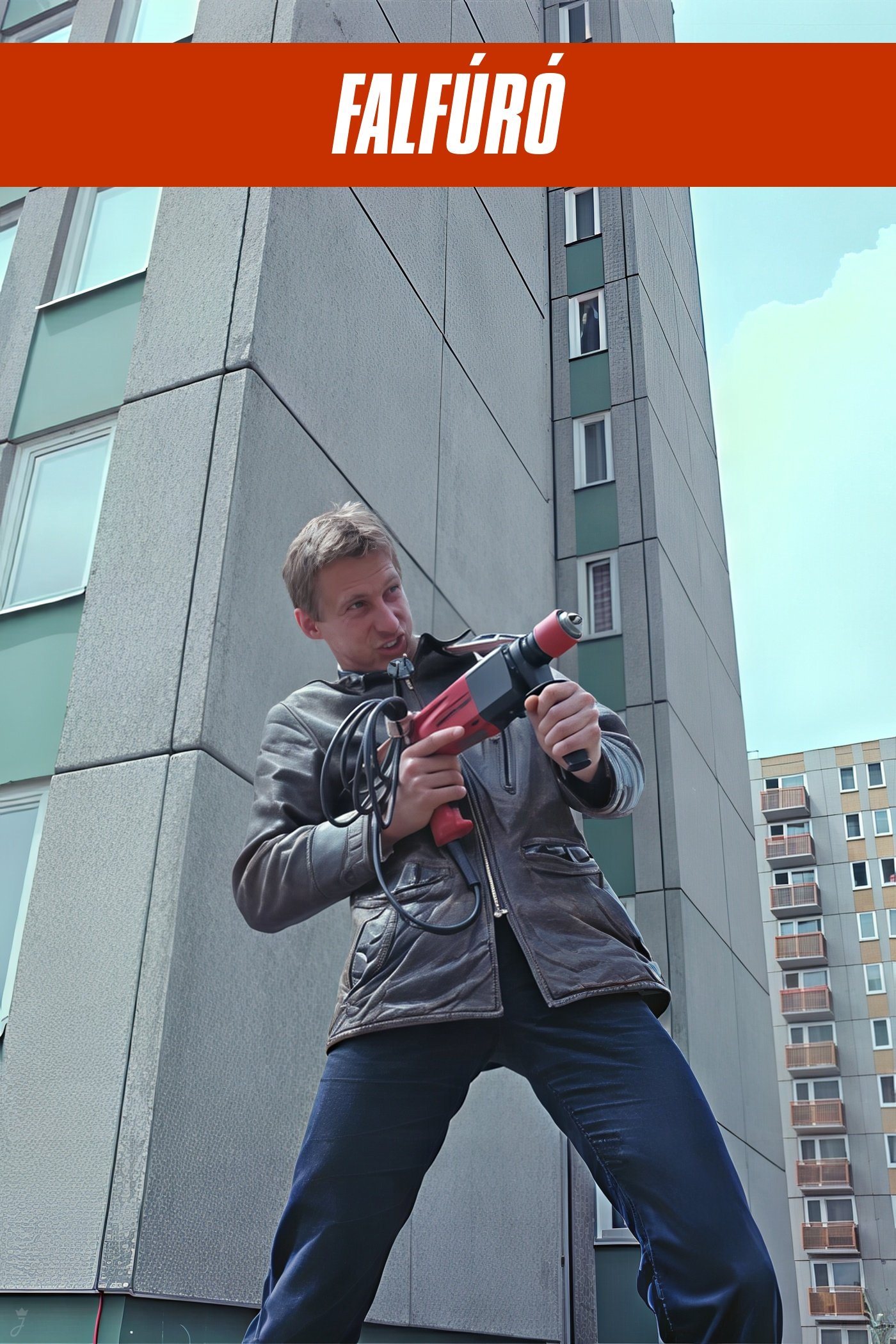
The sad tale of a proletarian malcontent ensconced in a monstrously depressing housing project who—even less effectually than the heroes of Bald-Dog Rock—attempts to change his life. Purchasing a power drill and slinging it across his shoulder like the anti-hero of a spaghetti western, he turns entrepreneur, boring holes in his neighbors’ walls so that they can hang mirrors or pictures.
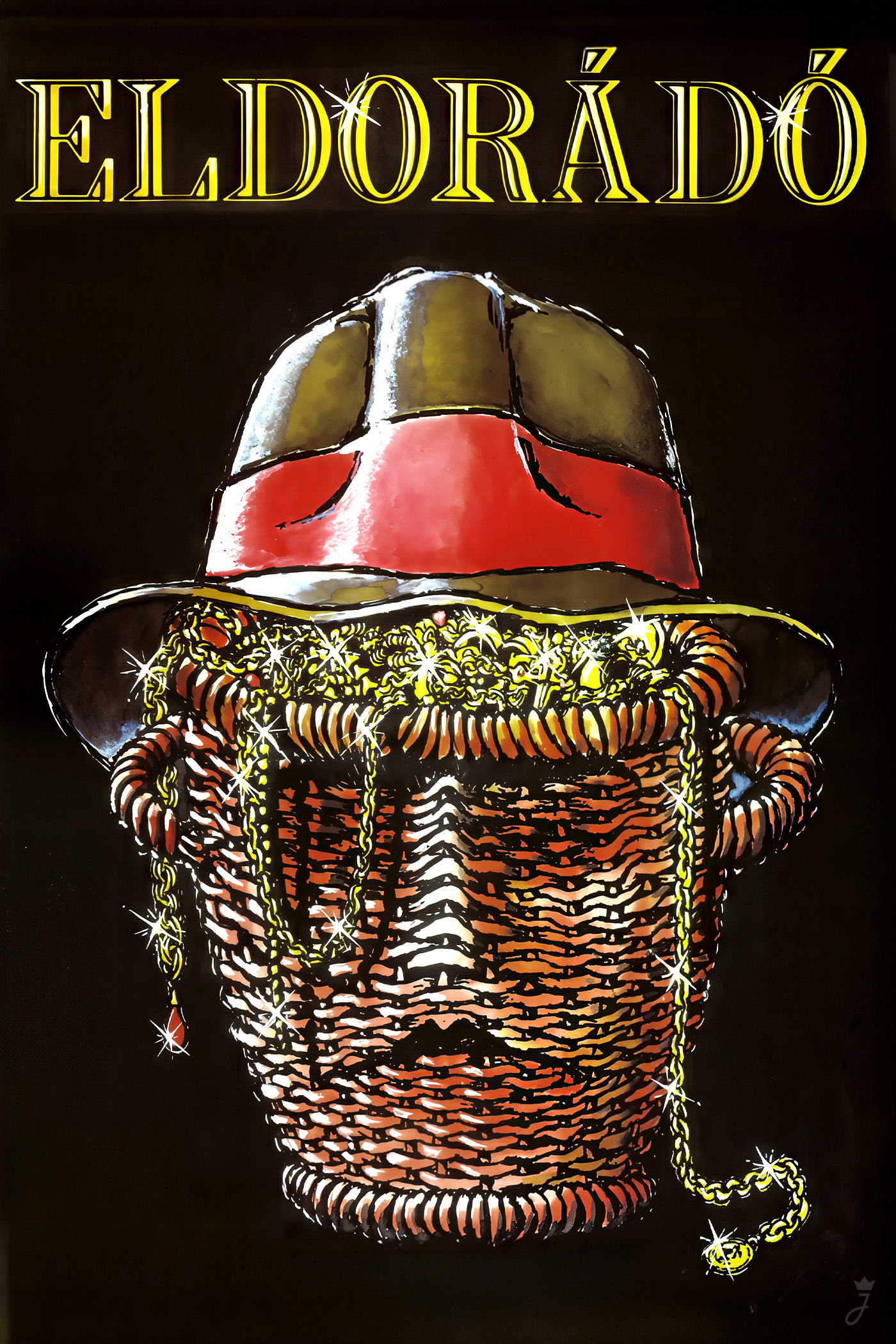
A deep drama about life in Hungary after the WW2 until the revolt against Russians in '56. The main character is the head of the black market in Budapest. He thinks he can buy everyone and everything but at the end he must face that he can't buy life. A must-see for everyone. Casting involves some of the greatest Hungarian actors. The story takes place in the eighth district of Budapest focusing on the market place on Teleki square which is still working. The movie contains some archive footage of real fight during the revolution.
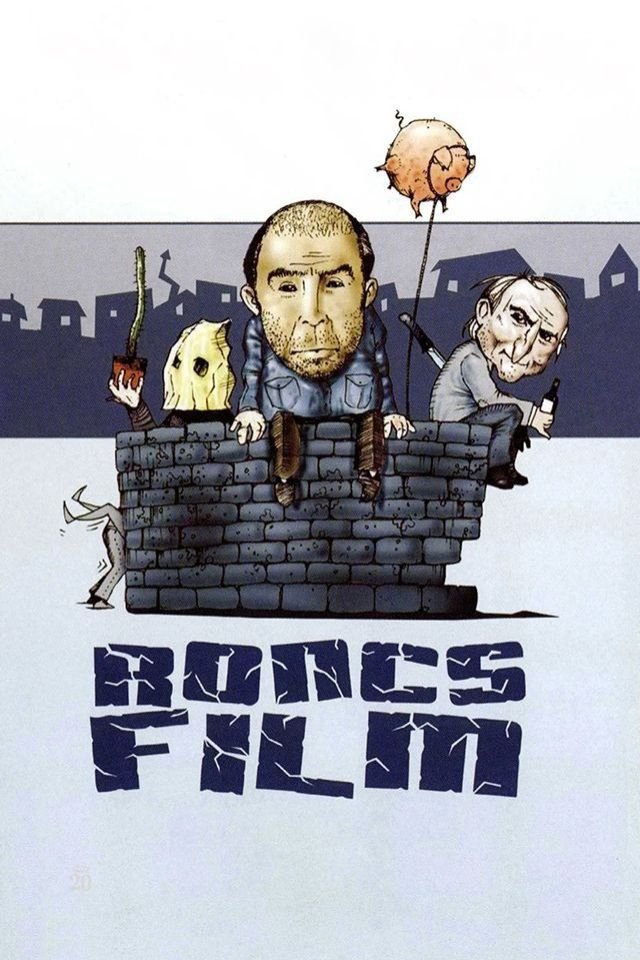
It is 1989, the year of the demise of socialism in eastern Europe. Nevertheless, the one theme of Junk Movie does not refer to this historical moment of high ideals, quite the contrary, the wild, burlesque of a motif-mozaic seems merely to stick it’s tongue out at the arrogant players of politics who have their heads stuck in the clouds. The film rudely points out the mystery and unapproachability surrounding the every-day existence of politics. The scene is a greasy, falling-down block of a pub called the Gólya and its immediate surroundings.

A crime is committed in Paris, and the police are clueless. They call in Simon, a sorcerer with supernatural powers. whilst in Paris, Simon falls in love with Jeanne, although they do not speak each other's language. When Jeanne leaves for a couple of days, Peter, another visionary, calls Simon for a duel: They both have to spend three days buried alive. Will Simon ever meet his love again?
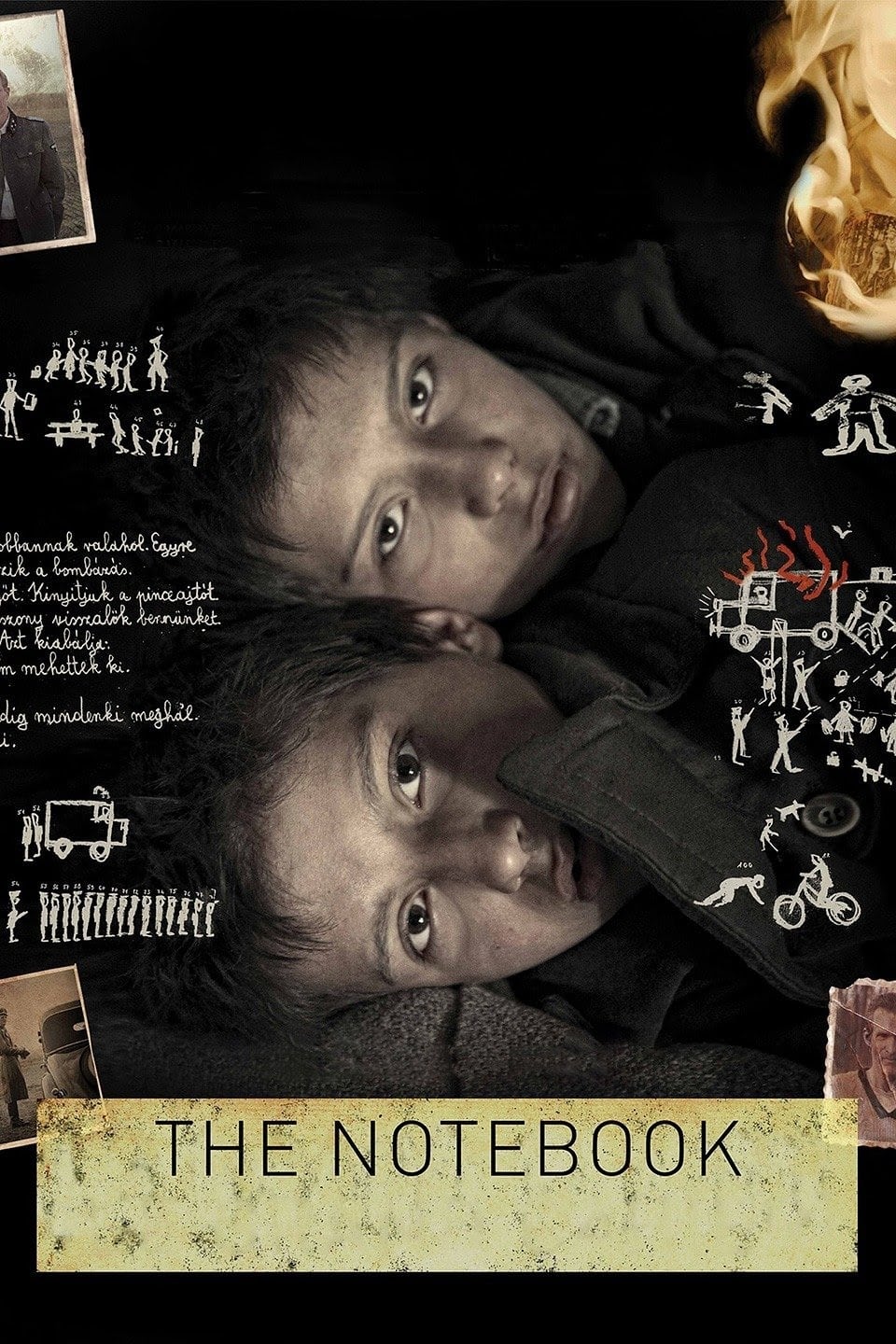
In a village on the Hungarian border, two young brothers grow up during war time with their cruel grandmother and must learn every trick of evil to survive in the absurd world of adults.
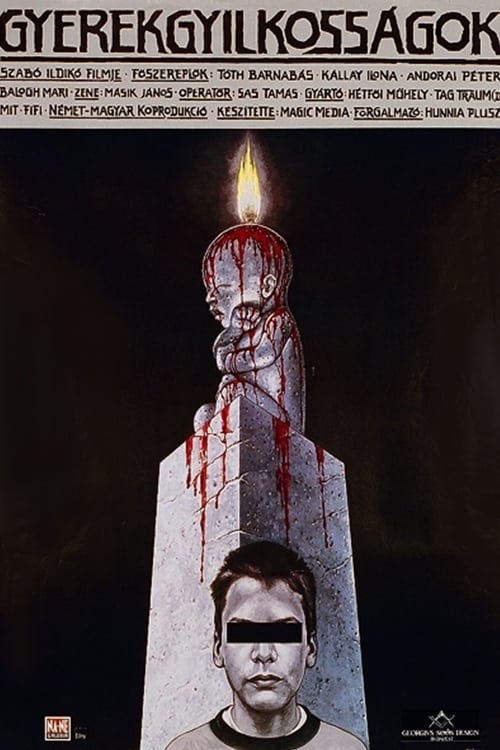
A melodrama about children, the child murders that the film’s title refers to are the million and one ways that children’s souls are ravaged by neglect, unkindness and cruelty, even though several physical deaths take place in the story.
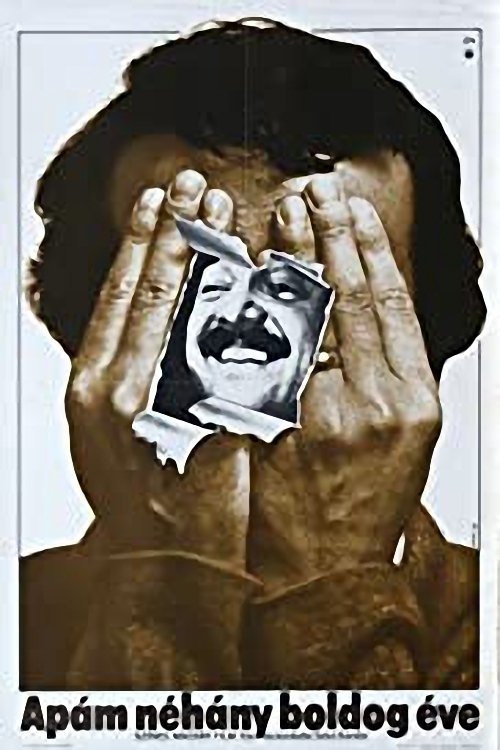
Director Sandor Simo based this film on his recollections of a period in his father's life just after World War II. In the film, Janos Torok is a chemist and an entrepreneur With enormous enthusiasm, he gets loans to purchase a small chemical plant and begins experiments to create innovative products, such as hormones. Meanwhile, the communist party has come to dominate Hungarian life in such a way that his activities are viewed as little more than criminal. He is hauled away to a prison camp, but even then his letters home are full of boundless optimism and his ideas for further experiments.

A tale of twin girls, Dóra and Lili, who are born in 1880 Budapest at the same moment Thomas Edison presents his electric lightbulb to the world. The sisters are soon orphaned and separated in childhood, and follow different paths: one grows up to be a naïvely idealistic, bomb-toting anarchist, the other a pampered, hedonistic courtesan. Their paths cross once again on the Orient Express on New Year's Eve 1899...
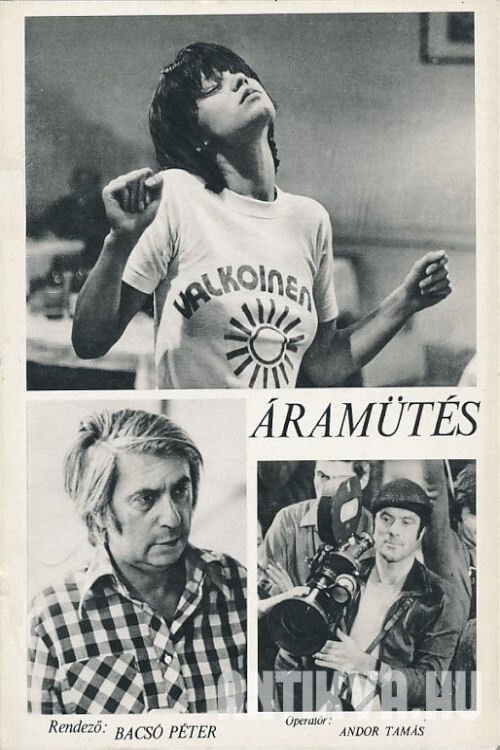
This double-threaded story depicts the lives of a sister and a brother in a critical phase of their lives. Virág participates in a tour of the collage choir to Finland. Upon her return home she refuses the assistance offered by Vince, leaves the collage and aborts her child by a young Finn.
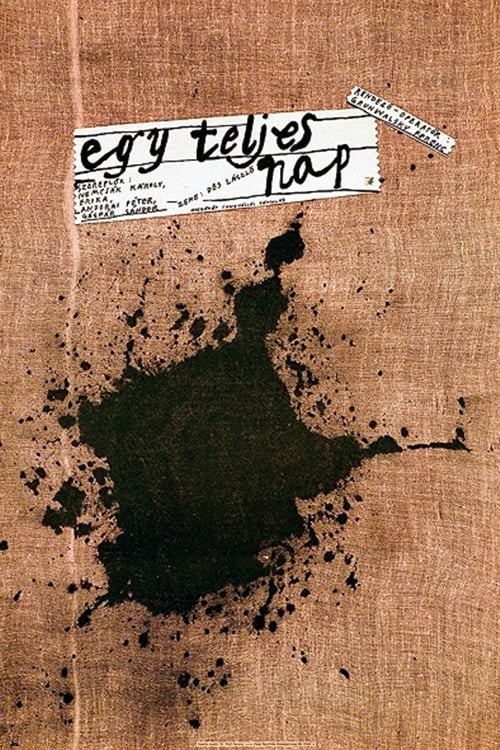
Józsi drives a taxi all day long. He often telephones Éva, who, on the other hand, stays home all day long, having nothing else to do but to be beautiful and wait for Józsi.

The royal summary court sentences Sallai Imre and Fürst Sándor to death on charges of attempting to uproot the state and the social order. The film, the story of which takes place in 1932, enlarges the moment of delivering the death-sentence. Sallai, preparing for his death, envisions the people and the events that have been decisive for his life.
1958, Budapest. Gerencsér is a skilled worker at the abattoir, his wife left in 1956. They falls in love with the beautiful Mrs. Hász at the personnel management department, but they only date secretly because of a former relationship of Mária. They go on holiday and travel to the Mátra, just the two of them.
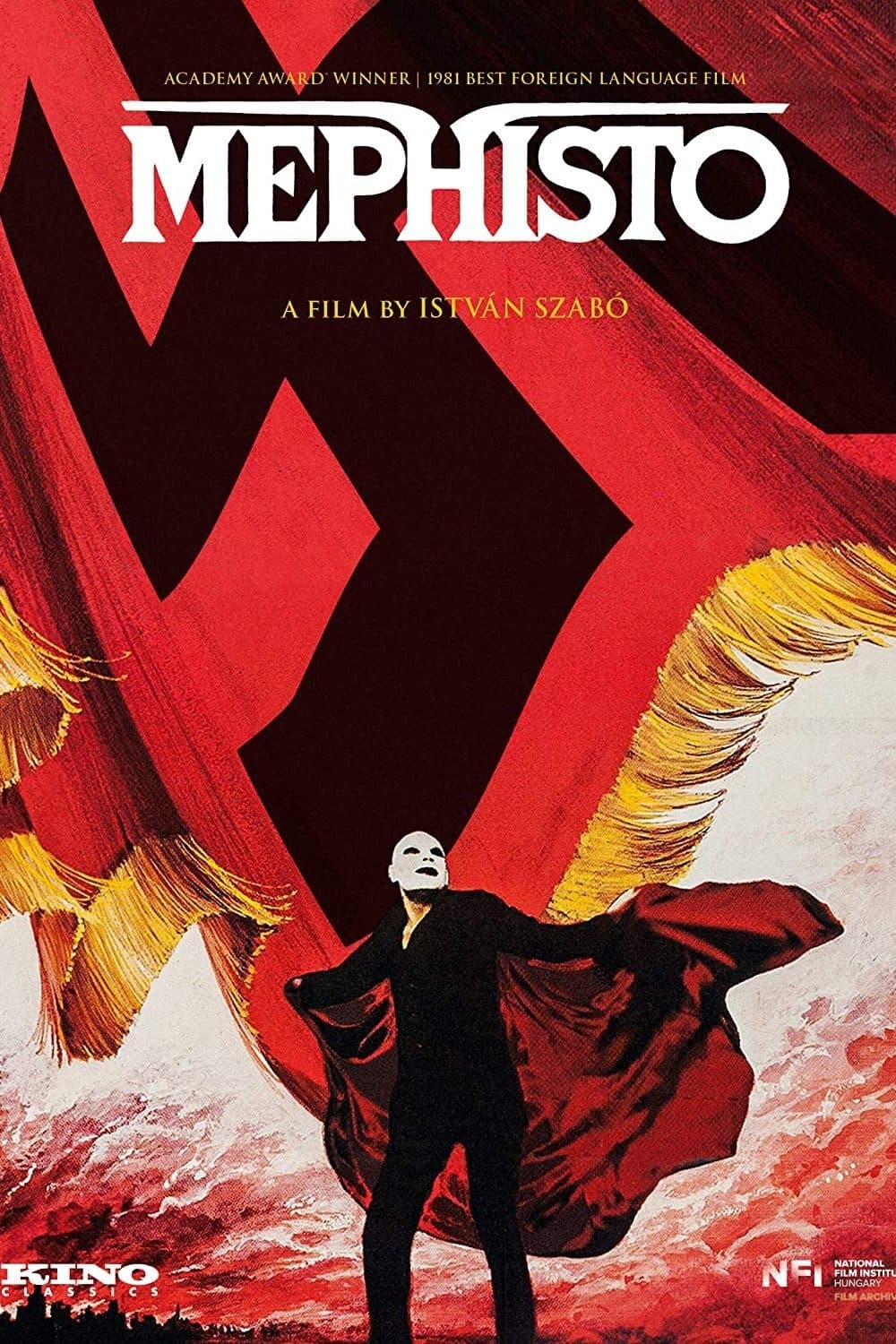
A German stage actor finds unexpected success and mixed blessings in the popularity of his performance in a Faustian play as the Nazis take power in pre-WWII Germany. As his associates and friends flee or are ground under by the Nazi terror, the popularity of his character supercedes his own existence until he finds that his best performance is keeping up appearances for his Nazi patrons.
At the time of the regime change, Imre Kopa travels to Austria with three suspicious characters to buy various items for his client. But in Vienna, nothing goes as planned.
The ruined castle is inhabited by architects who, feeling the spirit of the place, want to direct the modernization of the settlement below the castle from here. Despite the residents' protests, the architects want to make the people happy by force.
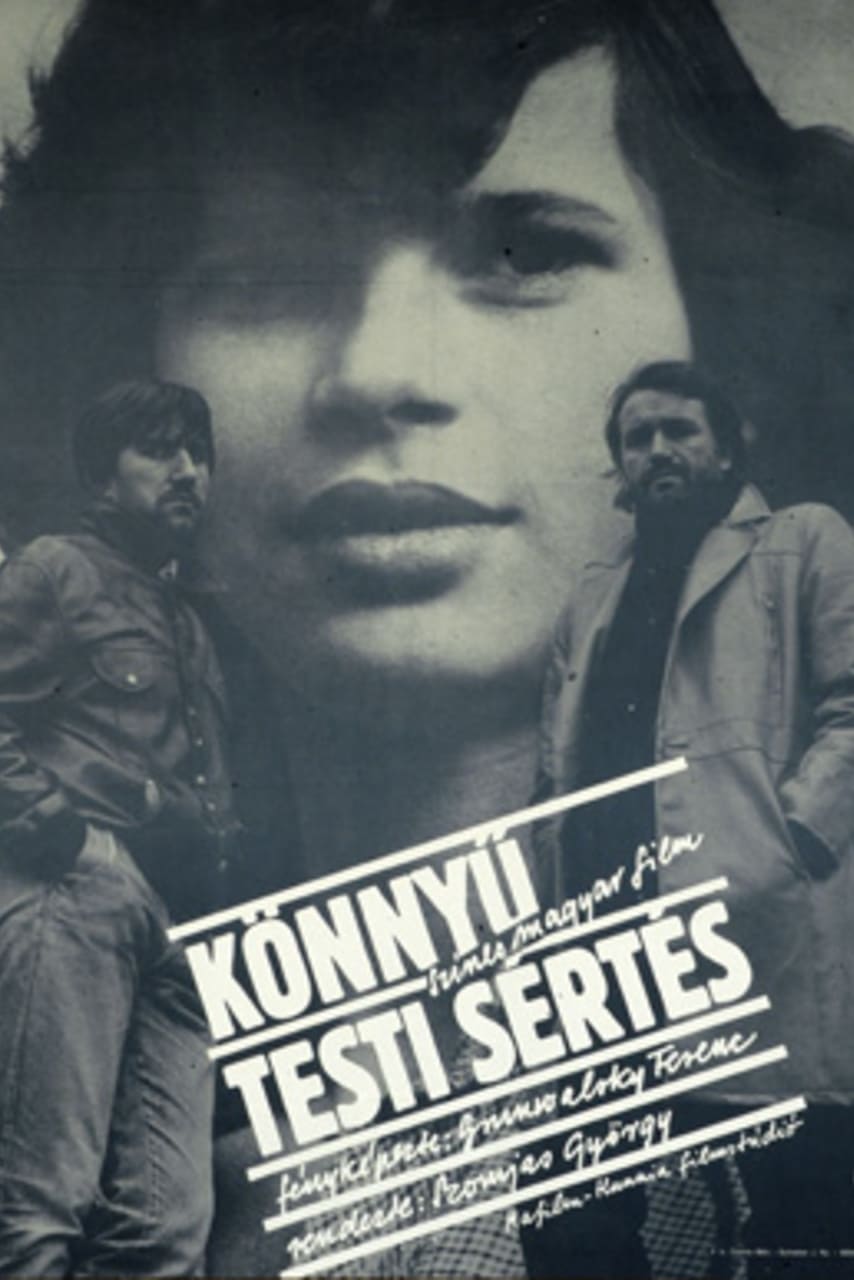
After serving a prison sentence for a street fight, Csaba returns home to find his wife, Éva, now living with another man, Miklós. With nowhere else to go, Csaba is forced to share their small apartment, leading to constant friction and escalating provocations.
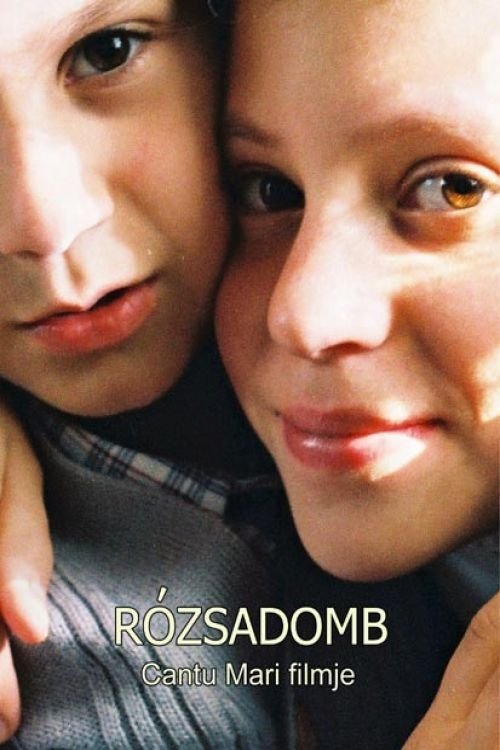
The film shows the times directly before and after the revolution of 1956 in a Rosehill villa and its garden, guarded by the state security, from the perspective of a powerful party functionary’s children living there. The children witness a lot of things they do not understand, mysterious things, which they interpret in their own way.
1956. Bébé is a painter, but he has not worked for years. The news arriving form Paris about the death of his childhood friend, Halász Petár affects him deeply, but his reflections are continually disturbed by telephone calls: the Alliance for Fine Arts wants to purchase one of the popular self-portraits of Halász.
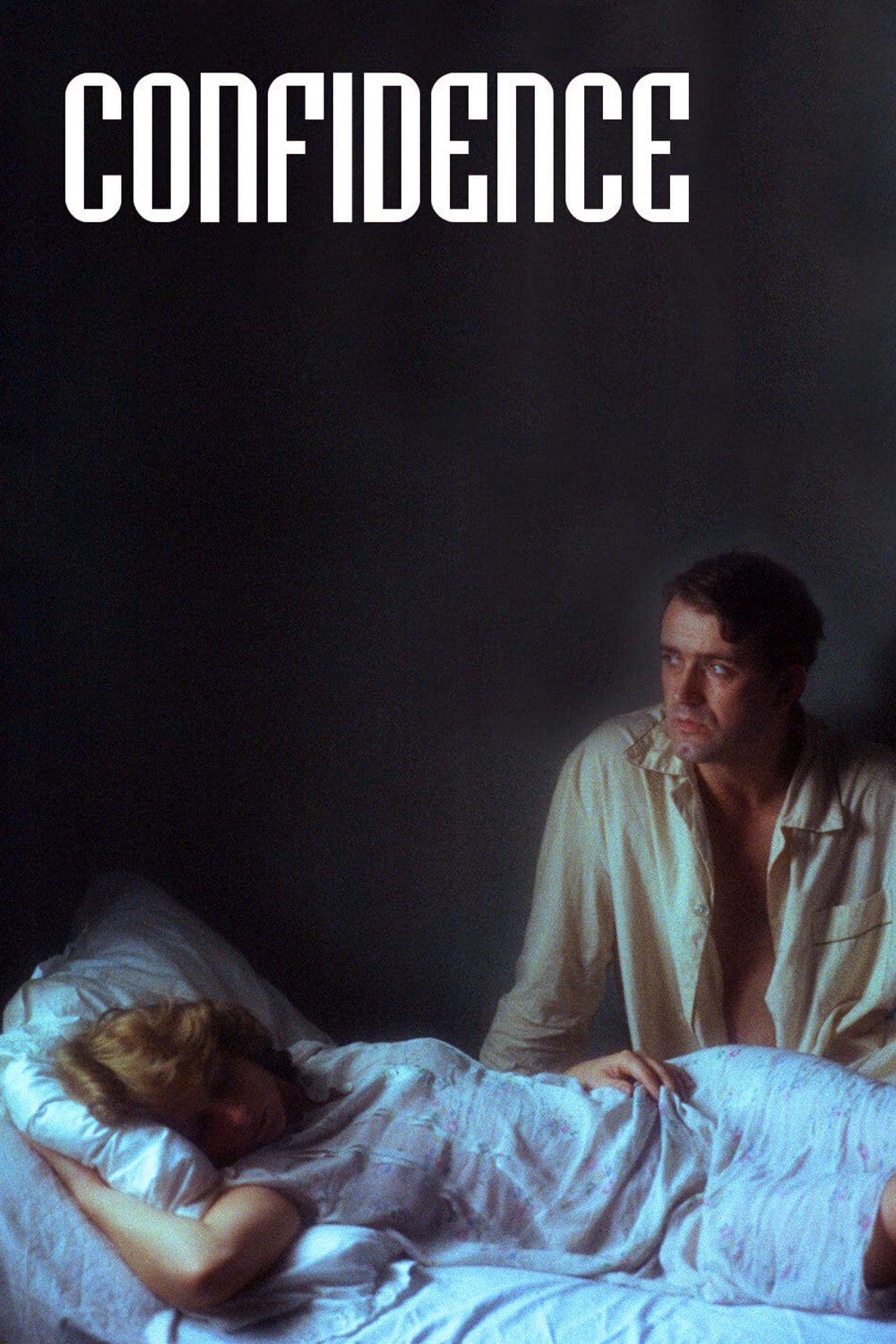
Janos and Kata are thrown together during the Second World War and forced to pose as husband and wife to hide from the Nazis. The intensity and suffocating intimacy of their new relationship and the circumstances in which they find themselves, forces them to confront past prejudices and assumptions and challenge what they truly believe.
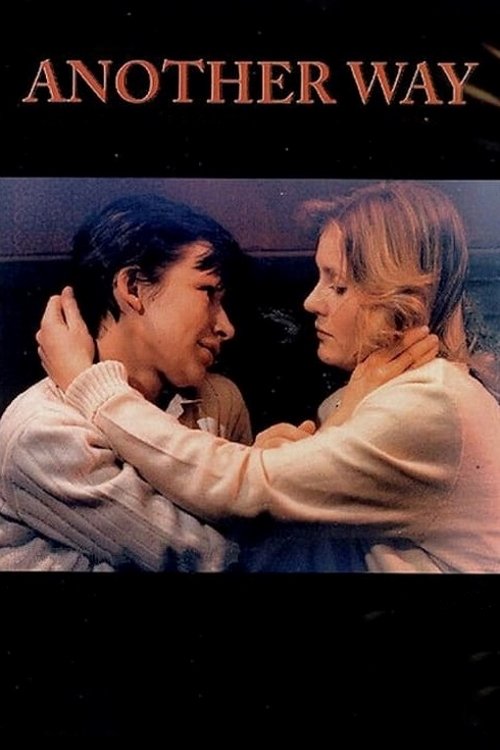
Political and sexual repression in Hungary, just after the revolution of 1956. Passionate and determined, Eva gets a job as a journalist. There, she meets Livia and is attracted to her. Livia feels much the same, but as a married woman, has doubts and hesitations. In their work, they (and Eva in particular) bang up against the limits of telling political truths; in private, they confront the limits of living out sexual and emotional truth.
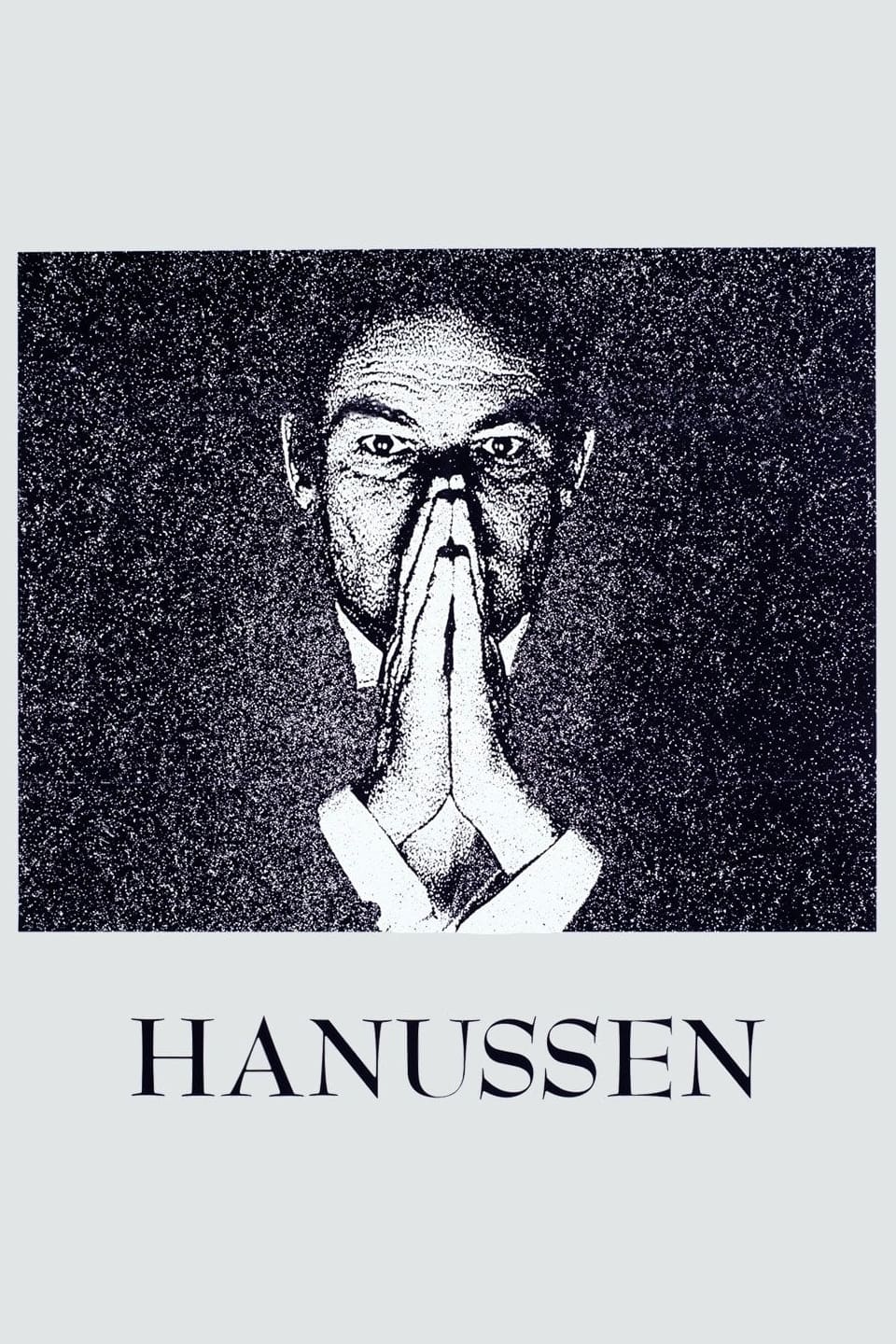
A man's story parallels Hitler's rise. Austrian Klaus Schneider, wounded in World War I, recovers in the care of Dr. Emil Bettleheim. Bettleheim discovers that Schneider possesses powers of empathy and of clairvoyance, such that could aid suicidal patients. After the war, with one friend as his manager and another as his lover, Schneider changes his name to Eric Jan Hanussen and goes to Berlin, as a hypnotist and clairvoyant performing in halls and theaters. He always speaks the truth, which brings him to the attention of powerful Nazis. He predicts their rise (good propaganda for them) and their violence (not so good). He's in pain and at risk. What is Hanussen's future?
Our story can begin anywhere where chances are rarely found to be able to survive and thrive, where small things matter by the end of the day and where people would want possess things that were never theirs to begin with. In this village where destitution and alcohol prevails, Leslie, (Laci), the world's greatest looser, recently released from prison starts to construct a football field and a chance for a better life. The slid down and alcoholic Veronica hopes to find happiness in her love for Leslie (Laci). Veronica’s nine years old son Mark acquaints the violin thanks to an old, burned-out musician, who has a fascinating and mysterious past. The stories of these four people intertwine drifting their life towards further tragic situations to crow by a surprising end.

Hungary, end of World War II. Five Hungarian soldiers desert their troop which has been directed to Germany. They are escaping with the help of a stamp and unfilled travelling warrants, trying to survive until the war ends.
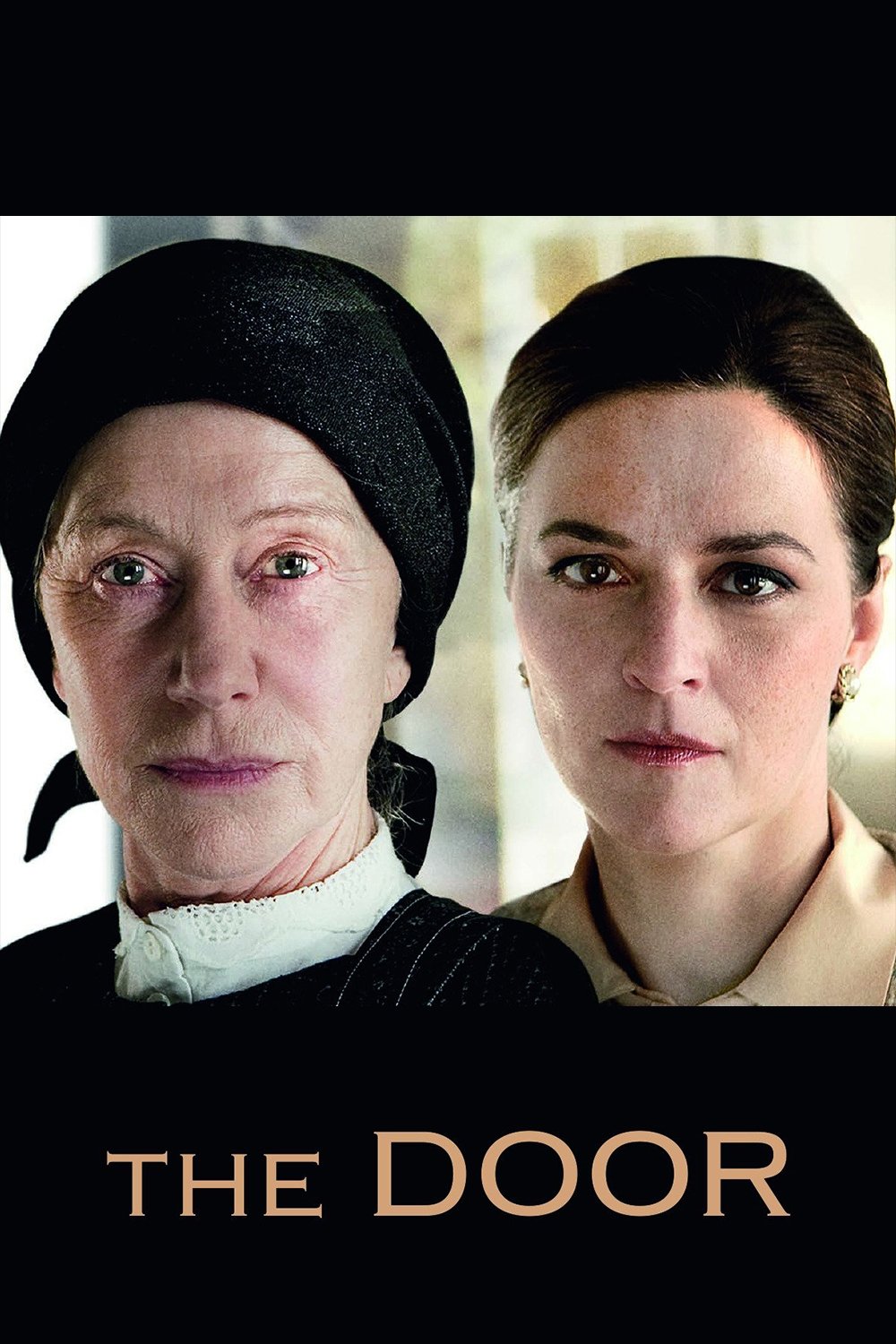
Emerenc, an elderly and private woman, is hired to be the housekeeper of a struggling writer, Magda. An event in the writer's life prompts Emerenc to disclose details of her traumatizing past, which will bond the two women forever. Based on the novel by Magda Szabó.
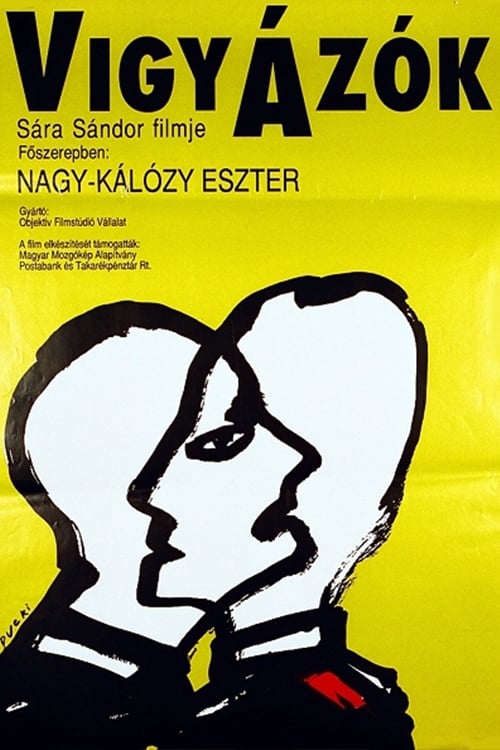
A group of seven friends of different ages and interests meet regularly at Eva's. They have coffee, talk and listen to music. At one of the gatherings, Eva finds a secret agent's badge, "Lookout 123", in the hallway. The accidentally dropped ID card can only belong to one of the members of the party. From that moment on, the film is a continuous chain of private investigations, suspicions, betrayals, deceptions, the fabrication of hypotheses, the chess game of thinking through all the motives that are supposed to be relevant.
In 1894, in Csuča, tragedy-stricken, from a blood-relative marriage, Boncza Berta is born. At the age of sixteen, at a girls' boarding school in Switzerland, she admires Jenő Törzs and Endre Ady with equal fervour. She writes poetry and believes in her drawing talent - but she cannot be mediocre - this girl who lives in literature is destined to live forever. Chinska's personality, which neither reckons nor wants to reckon with reality, naturally leads to the bitter ordeal of her marriage to Ady. After Ady's death, she does not want to be the 'widow of the nation'.
The love story between a German cancer researcher and her Polish colleague that drags on for more than ten years. Both are married, which rules out marriage, but fuels their passion, as they only see each other a few days a year at medical congresses.

Tibi and his small‐time crook crew haven’t grown wiser in ten years and are hired by a shadowy Japanese syndicate to steal a priceless data drive. Clueless about IT, they drag along a computer‐science teacher, only to trigger revenge from a Roma mafia boss, face off against Japanese hitmen and even anger the Slovak army. As their dream of escaping to a Malibu beach with the loot fades, Tibi’s street smarts might be their only hope.
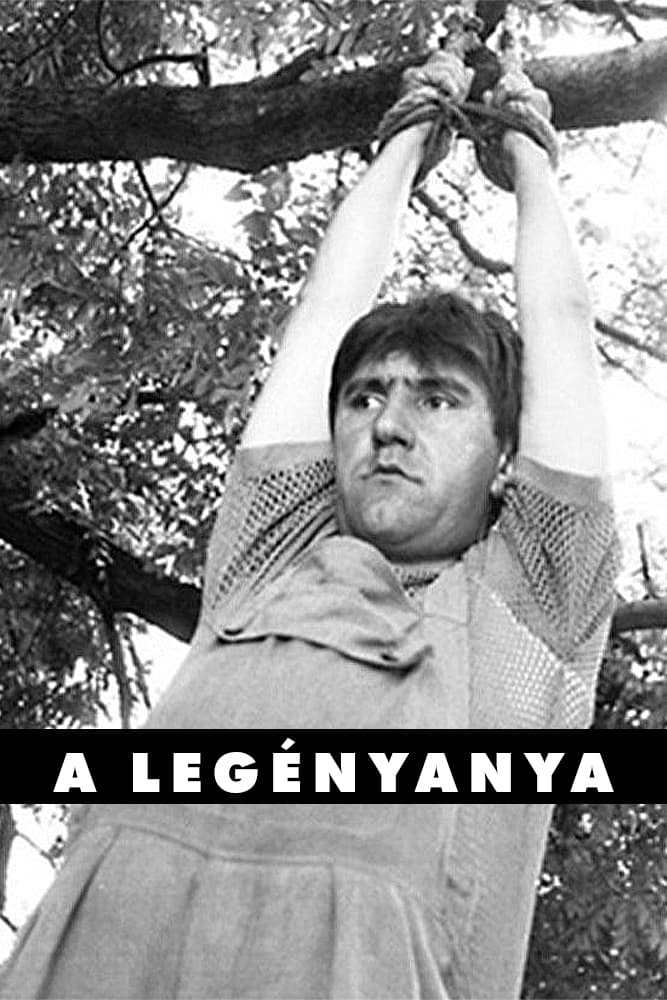
In the small village of Rátót, every male is called Béla. When a woman gives birth to her child, she names him Józsi...
"Who are you, wonderful creature, Who are you, man? The garment of your soul A bright robe woven of starry rays, And your body Worn rags cover your body. Your family is hungry, you are hungry yourself, And it is your Sunday, If soft bread should chance to be On your tableclothless table, And what is there for you and yours Thou canst not get, The world at large Thou strivest to make the world happy."
Margó and Ildi are good friends. Margó lives with her simple, conservative parents, her fiancé is a roadie, her lover has been in prison for two years. Ildi was a pupil of a reformatory school, she buried an Araba husband already and her Rumanian partner is living in Paris. She lives together with a Yugoslavian man in a rented flat. Both are models at the Scholl for Fine Arts, attend an evening school and earn their money by selling their bodies. The lover of Margó, Attila is suddenly released. Margó and Ildi want to get rid of him, but Attila does not let them do that...

The fate of a Hungarian Jewish family throughout the 20th century.
The sisters have been living in a Soviet barracks in Hungary for eleven years. They long to go to Moscow, but they are drawn here by habituation and inertia. Their father, the brigade commander, is dead, yet they are unable to act and prefer to remain in the closed world of the barracks. So the plot is the same, only the setting has changed.

Young honest public official is sworn in after his predecessor had to leave due to a corruption scandal. Soon, the young idealist discovers just how far-reaching the corruption is in his town and how easy it is to become corrupt yourself.

Depicts the slow decline of three individuals as they are sucked into a world of sinful existence. It is the story of a wild and voracious love triangle.
Some of the most symbolic moments of the 1956 Revolution in Hungary were the tooth-and-nail battles fought by the so-called 'Pest Lads' who dared to defy odds by taking on the panzers of one of the world's superpowers. The story begins on October 23rd, 1956 and ends on November 4th of the same year. Juli is Totya's girlfriend but also loves Gábor. Their love triangle will have to endure the trials and tribulations of these stirring times. A group of boys living in the outskirts of the capital are playing football in abandoned lot when Juli, a ticket inspector, brings news of protests breaking out in the city. Only Gábor accompanies her into town and together they become part of this historical event. At dawn, when the boys too come under fire from Soviet forces, they decide to join in the fight.
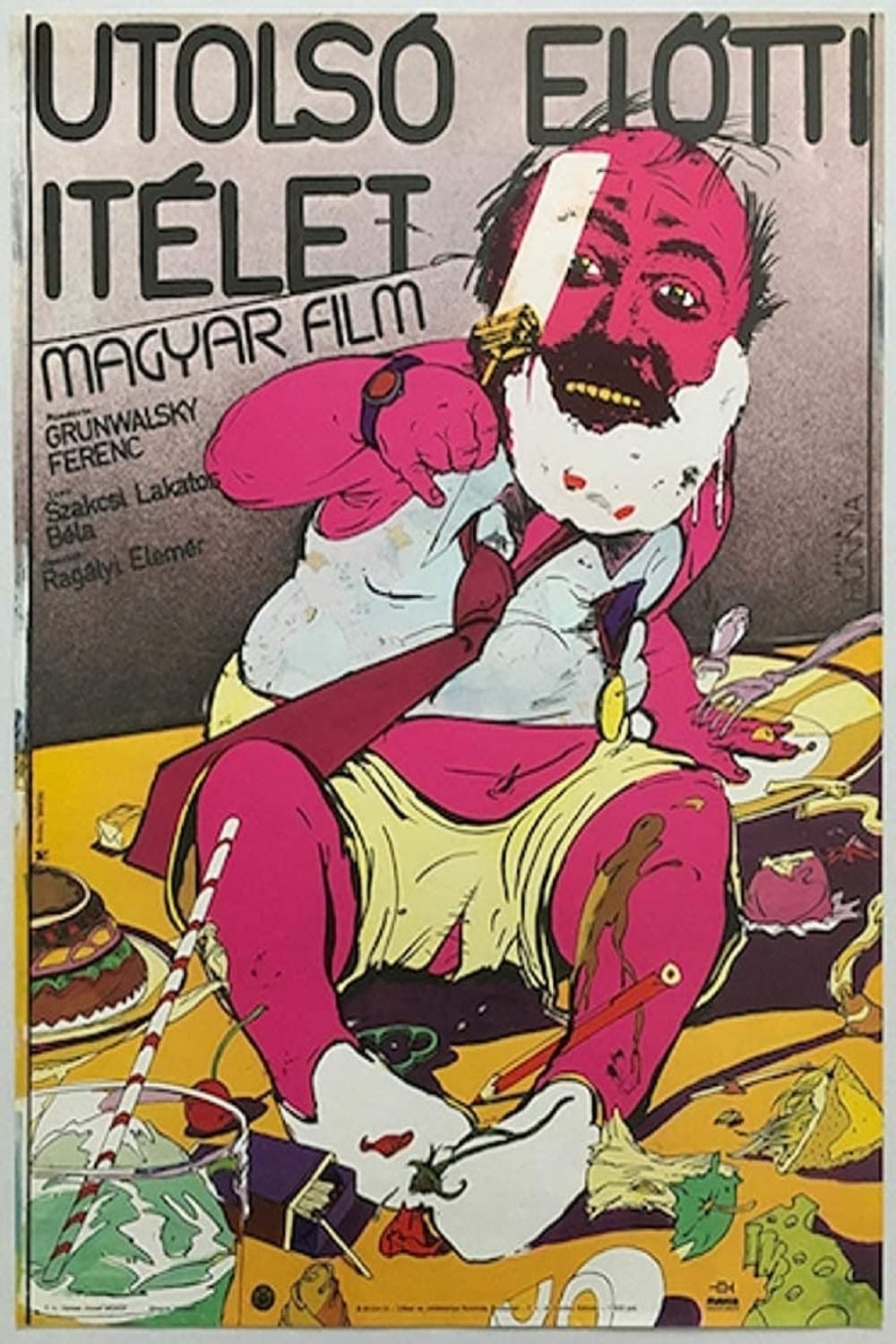
The relationship of István Kozár and his wife has reached the point where neither is prepared to hear even a single word from the other. The woman travels to the countryside because she needs a little time by herself. The next morning the police inform the man that his wife has died. István, who has fantasized on more than one occasion about strangling the woman, soon finds himself being investigated by detectives who expect a confession from him.

Pál Utrius is twenty three years old and in love with his sister.

This is a rough, fragmented drama about a couple whose 13-year-old son committed suicide without an apparent reason. The film portrays the day after the funeral and the helpless, abandoned mourning of the parents.
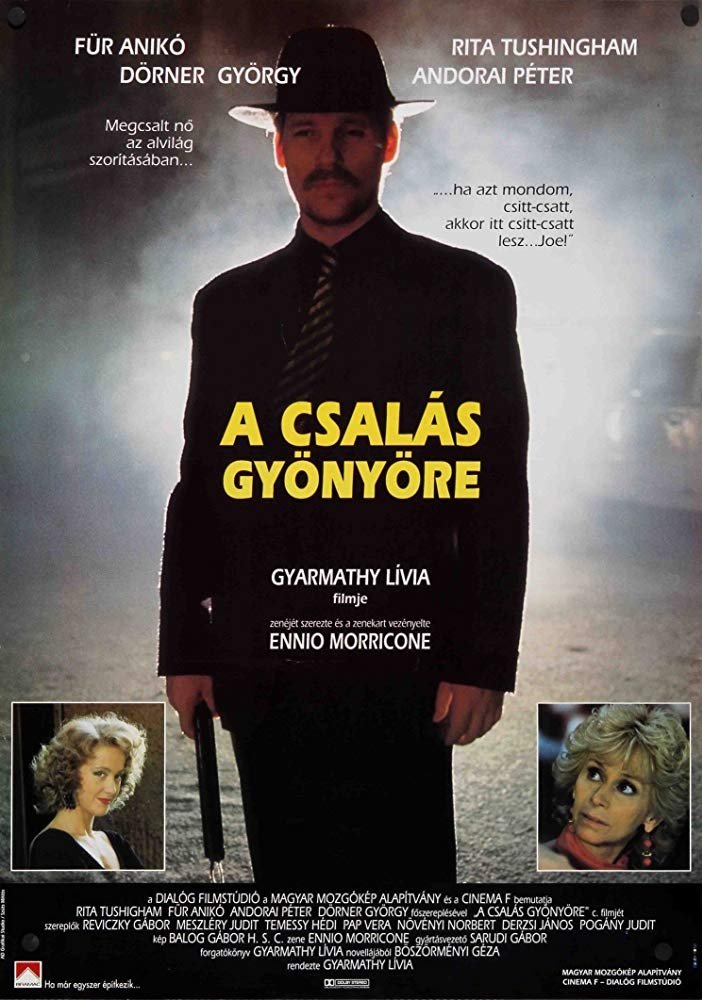
Hungary after the changes. Jutka loses her job and even her marriage is ruined, since her husband gets involved with the daughter of an influential businessman. Jutka moves in with a female friend, Dóra likewise has to face a difficult choice.
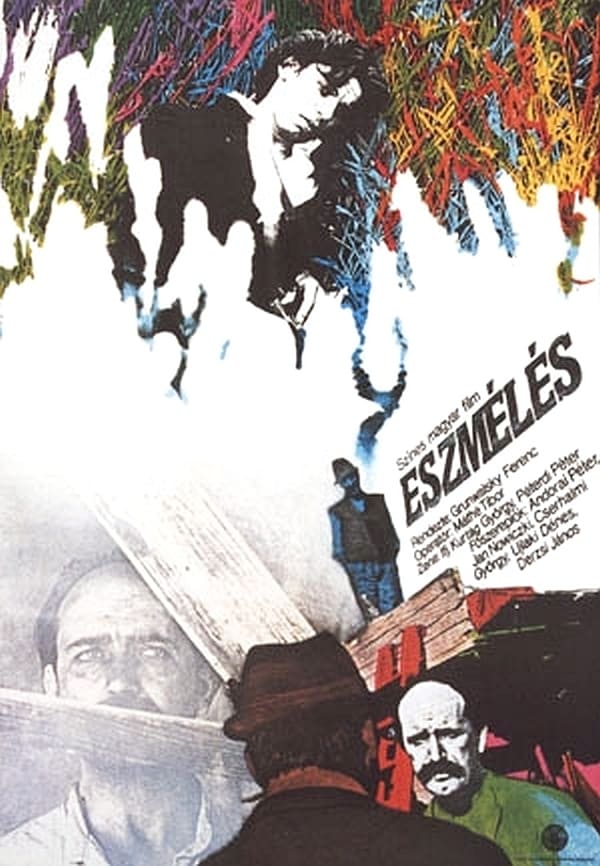
1894. The mortal remains of Lajos Kossuth are brought home from abroad, the railways are lined with people with their hats in hand, and among them stands the teenager Imre Tányér. 1910. The grown-up Imre undertakes the task to solve the question unsolved since 1848-49, i.e. the transformation of peasant life. He fights for the rights of his class, for justice, for human dignity in a society distorted, backward and built on inequality.
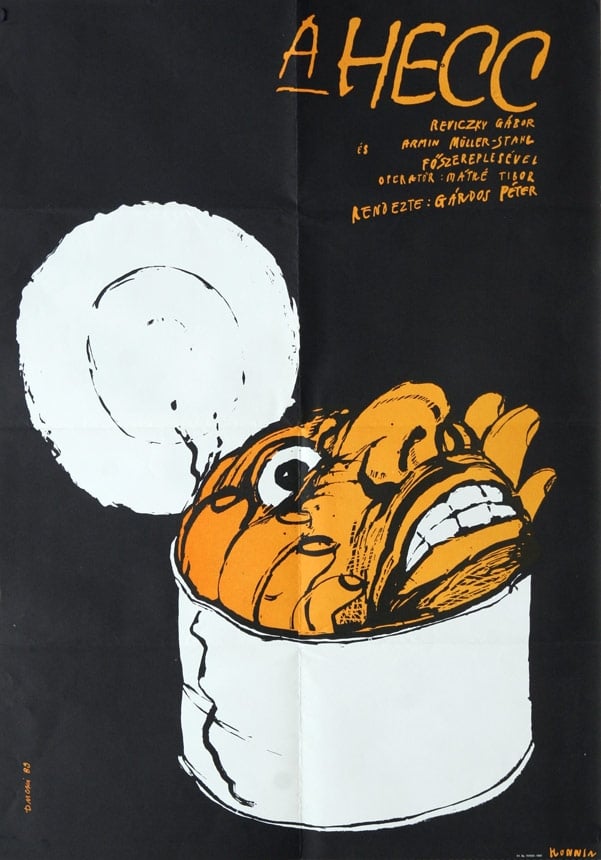
The life of Tamás, antiquities dealer, runs in a normal, everyday way, he is stealing, swindling, cheating on his wife just like everybody else. Suddenly three men, who live in the attic, start harassing him. They construct coarse and unpleasant schemes against him and carry them into effect at the most unexpected times and places.
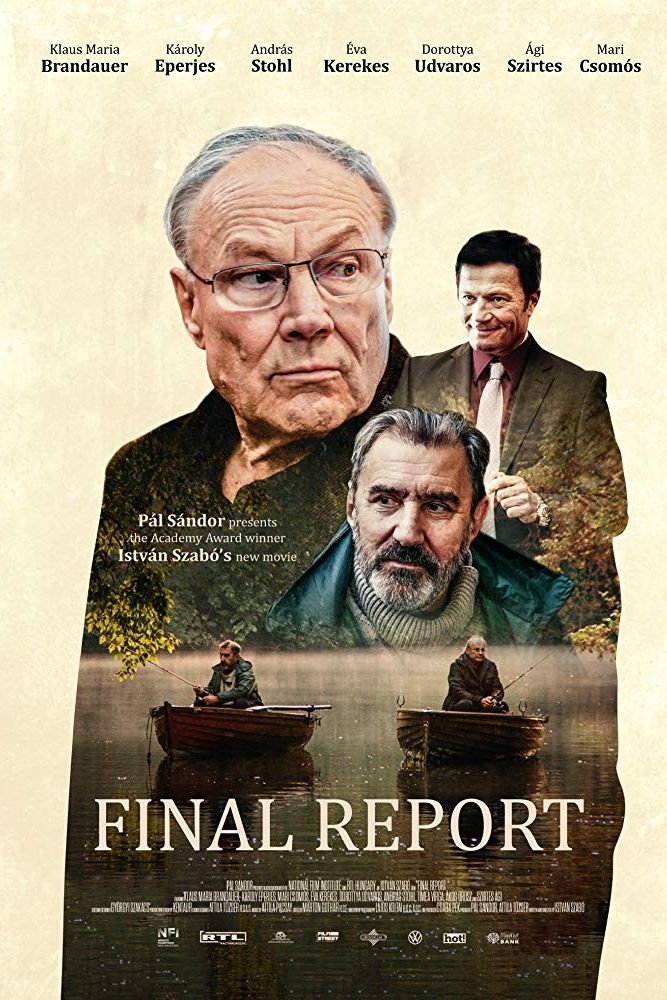
A cardiologist is sent into retirement, but he feels at loss without his work. He returns to his home village to work as a general practitioner. This is the start of his ordeal: he's confronted with raw reality, which finally brings him to his knees. But music has the last word.
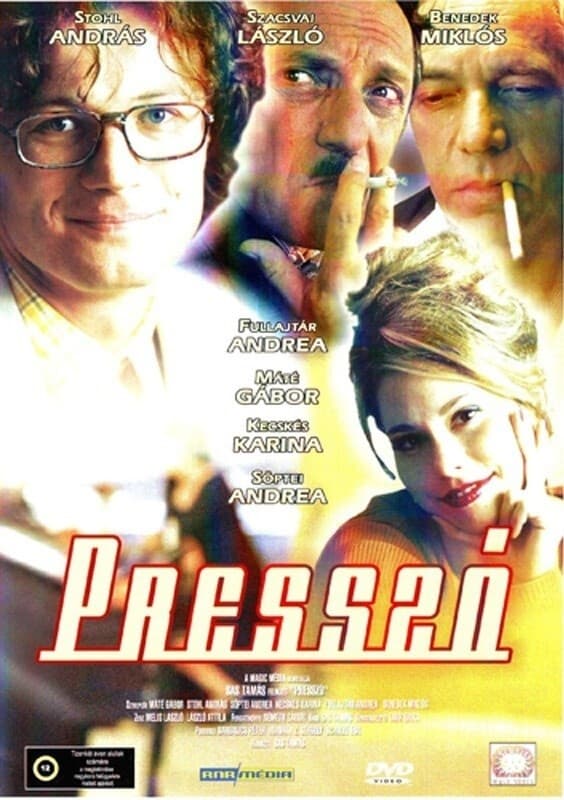
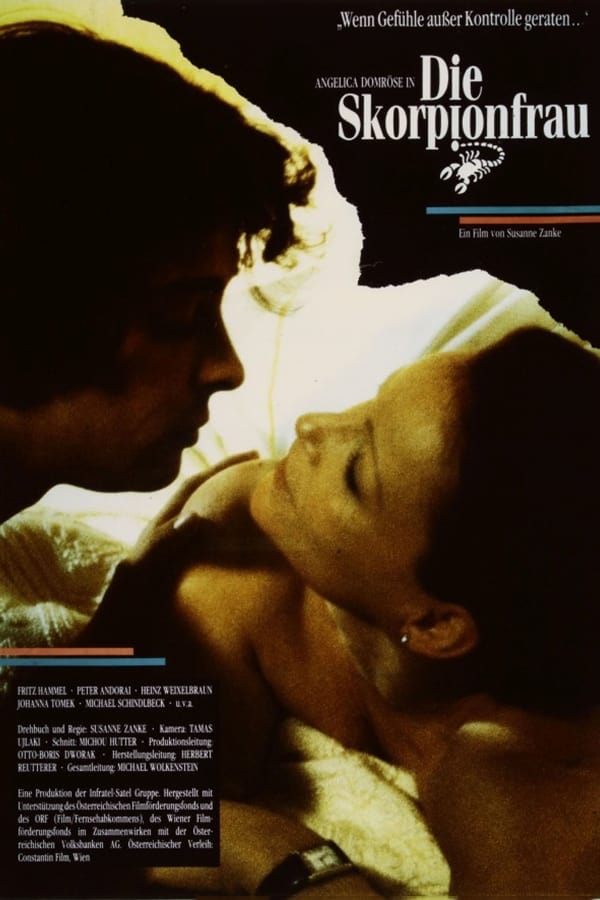
Lisa is a judge, 44 years opld and divorced. She lives with her 18 year old son Georg. For seven years she has had a weekend relationship with Felix. Suddenly her life takes a drastic turn when she falls for 23 old law trainee Rudi.
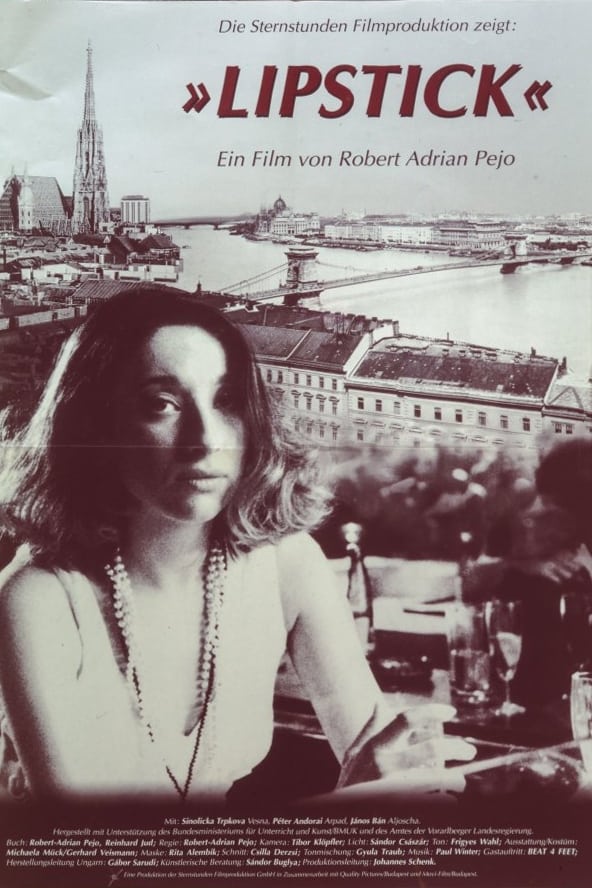
Lipstick strives to depict the inner conflicts of the protagonist Vesna as subjectively as possible. Vesna, apparently unmoved by the armed conflicts in her homeland Yugoslavia, leads a happy-go-lucky life. A form of denial, the causes of which should be explored. Her visit in Budapest and therefore her compromise with her possibly true, though repressed, identity, evokes a feeling of happiness for a short time. The next morning, reality catches up with her again. She is taken off the train and is forced, since her passport and Austrian visa have both expired, to assume a new identity. Despite the futility of her undertaking, she refuses to make a statement concerning her person while in jail. What remains is the memory of a short-lived feeling of emotional success by delaying the course of events. The suggestion to consider a denial while in a condition of statelessness.
1958. In the cell of the condemned, seven men await the signs of an approaching execution. All of them recall their pasts and envision their wish-dreams.
For the film, the authors used motifs from Alain Robbe-Grillet's novel Le voyeur.
A love quadrangle story set in a luxurious setting, sometimes frivolous, sometimes bitter. The TV film gives us a glimpse into a seemingly distant world, while at the same time - unnoticed - confronting us with the emotional/emotional conflicts of our everyday lives.
Vilmos Gonda, a former bomb expert, wants revenge for the rape of his daughter Mari at a house party. Gonda even sheds human blood for this, but he has no idea that his daughter is also responsible for what happened, and she does not want to press charges. In fact, she feels it is more important to assert herself in this kind of friendship at any cost...
Marguerite Gautier, a beautiful Parisian courtesan turned courtesan, falls in love with the son of a country nobleman of modest means. This ardent love makes her give up her former lifestyle and move to the country with the boy. Despite their financial problems, their blissful happiness is interrupted by the appearance of the father, who asks Marguerite to break off her love affair for the sake of the boy. She then returns to Paris and resumes her self-destructive lifestyle, which has a fatal effect on her health. Her lover's heartache only increases when the truth is revealed: she has sacrificed her happiness for his career.
Richter, Gál and Bakos have stolen valuable paintings from a museum. During their escape, however, they accidentally exchange the black suitcase containing the booty for another. The hunting after the paintings starts.
József Tógyer, the typical nobody, just wanted to buy some cloves for their New Year's Eve punch, but ends up as a hostage to a bank robbery gone wrong. In distress, he takes out life insurance, that makes his wife want him to die, while the insurance company wants to save his life. The local radio-station offers him a job and he gains surprising popularity, and finds new love.