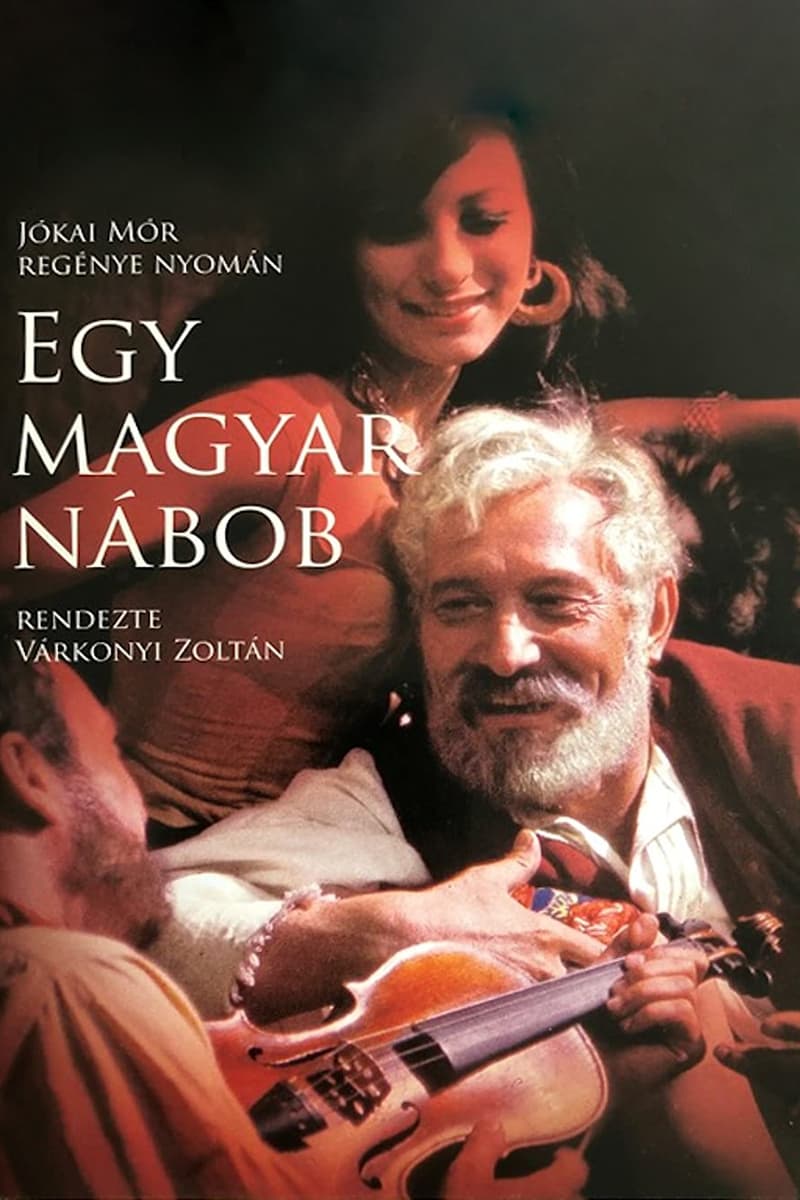
On the novel by Mór Jókai. The first half of the XVIII century. Several decades of life of a noble family Karpati.
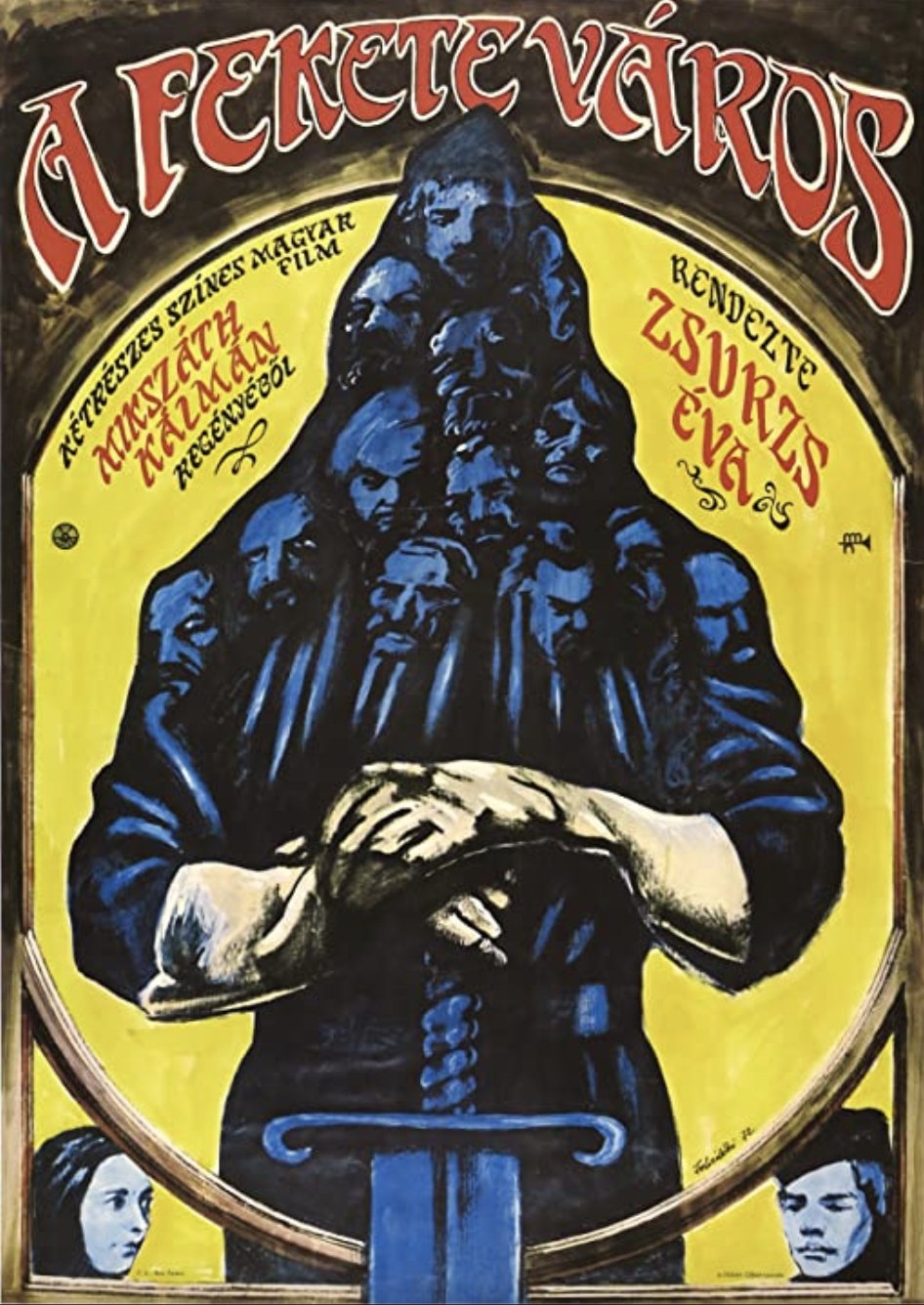
Feature film version of the 1971 series. On the eve of the 18th century, County Vicecomes Görgey Pál broods alone in his manor while the town of Leutschau celebrates New Year’s with lead‐casting omens and a disastrous hunt that sparks a bitter feud. As Görgey fights for his honor and life, and the townspeople defend their Saxon privileges, their mutual blind ambition prevents them from seeing the rising light of Rákóczi’s coming rebellion.

Mythomaniac teenager Anna tries to impress her schoolmates so she impersonates a journalist to meet her dancer crush who she said to be in a relationship with.
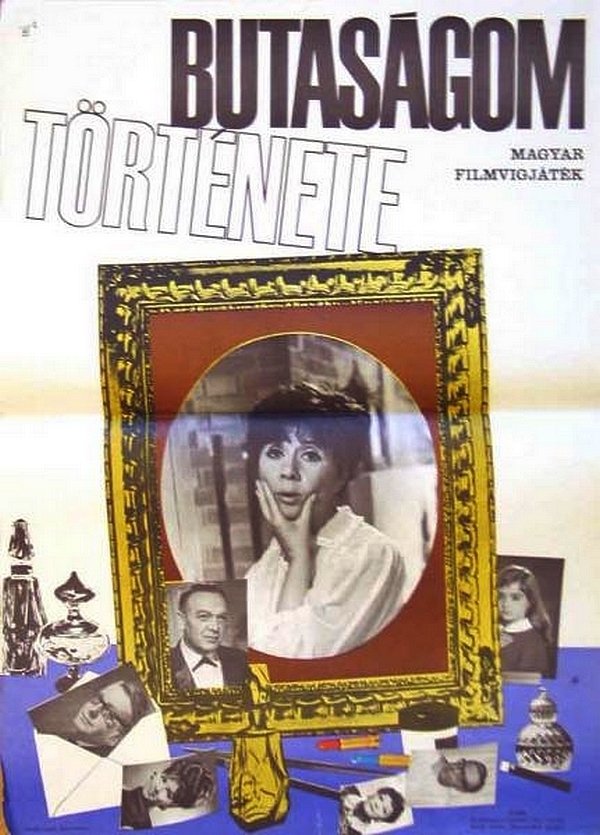
The celebrated actor considers his wife a nitwits actress of a mediocre talent. But an influential playwright, a friend of theirs, has written a play with the main role designed for her, Kati, particularly. Its title is "The Most Intelligent Woman in the World". On the day of the first night performance Kati recalls their past, the times she had together with her husband.
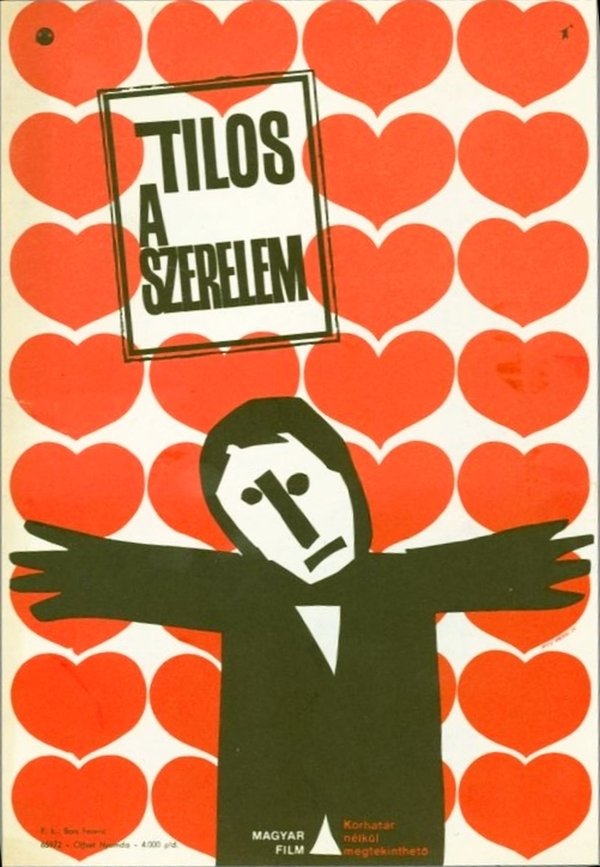
Nothing is as dangerous to a really good group of friends as a woman and love. At least according to Frank, the brigade leader, who not only protects cohesion but also work performance when he gives advice to his colleagues. It's easy for him, of course, because he's never been in love. Not so his friends, who are still courting the travelling circus artists. But what goes around comes around. Then Klári, the forklift girl, appears...
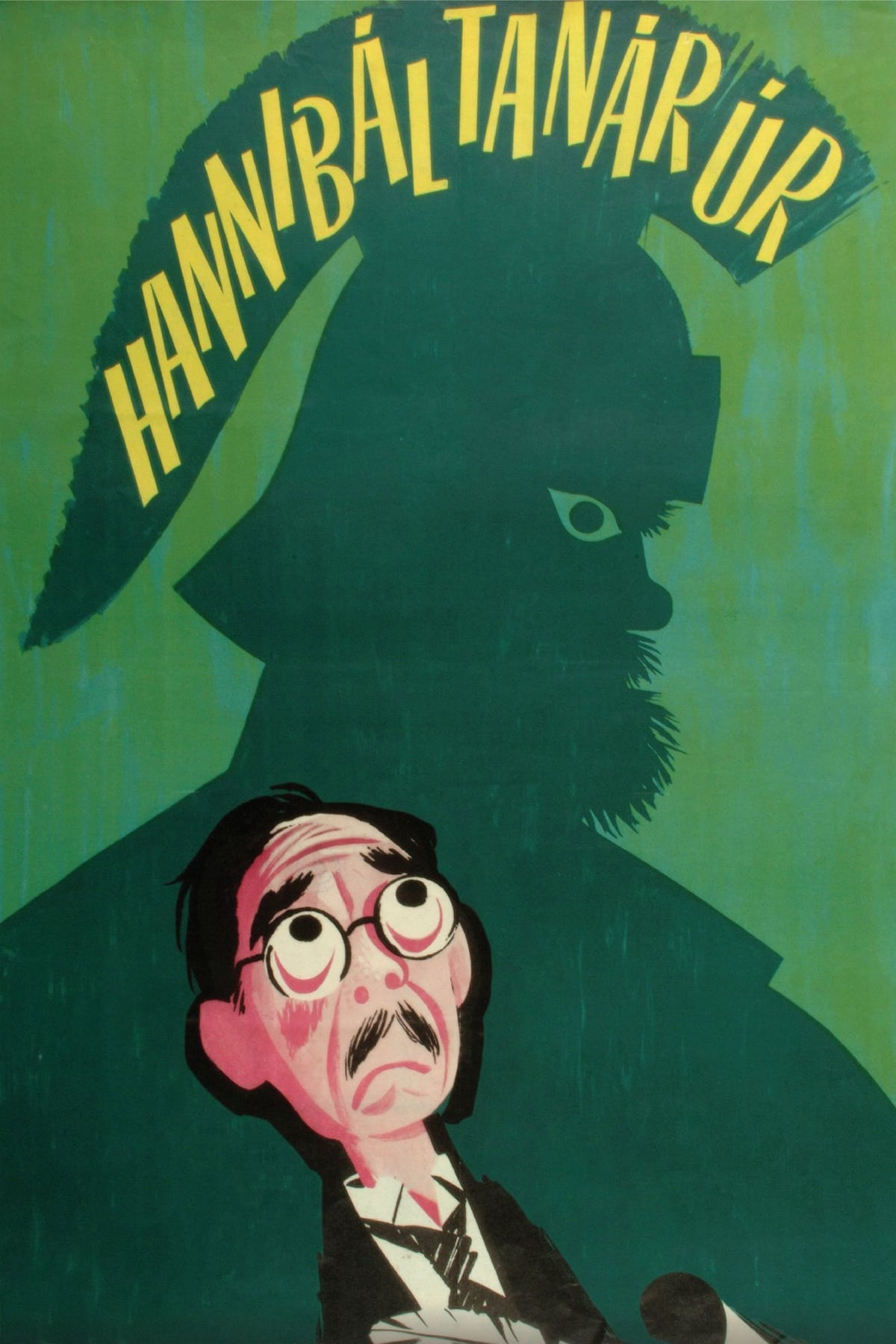
A school teacher becomes a momentary hero after having rescued a stuffed-bird from a school incident.
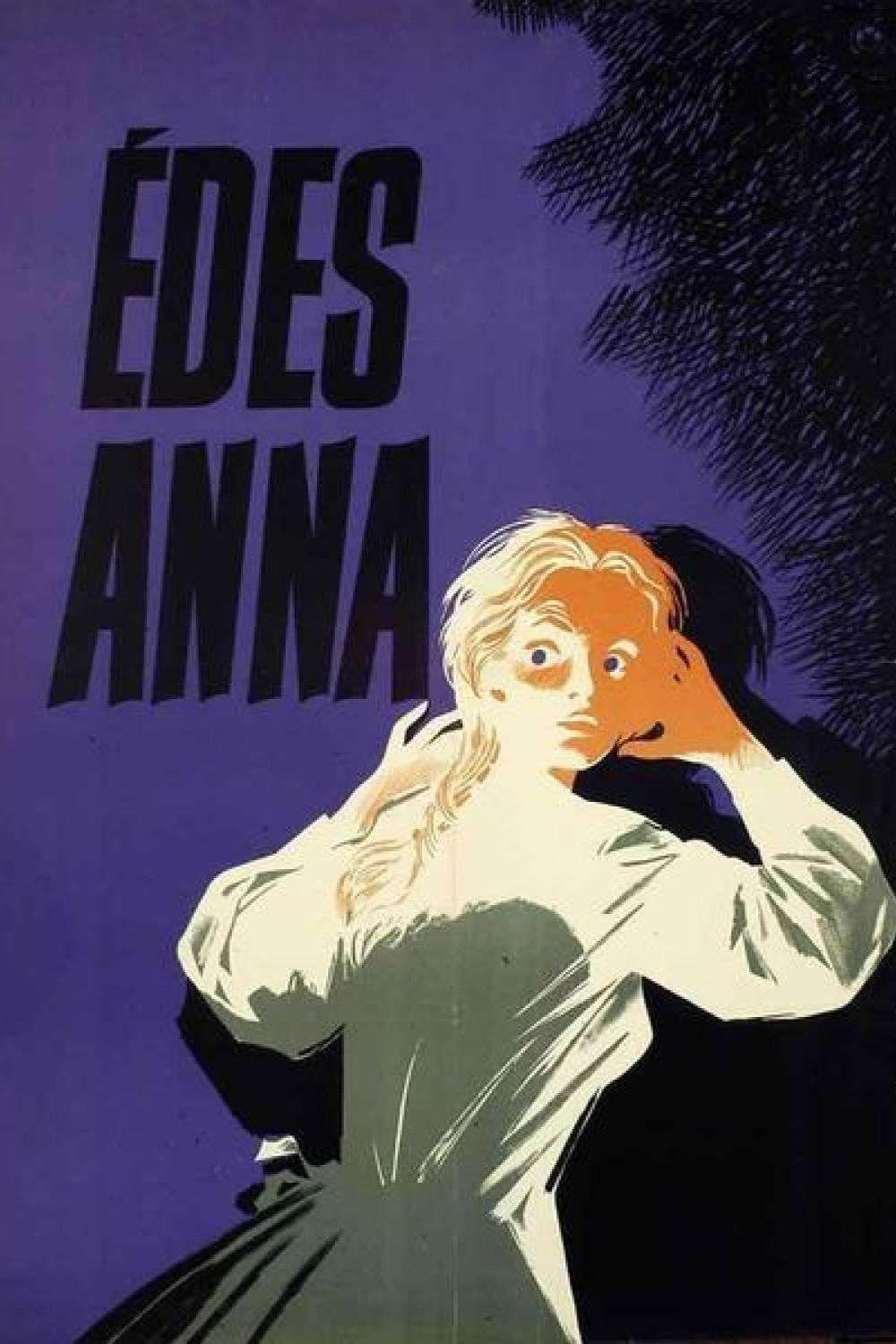
The young maid, Anna starts to work for the noble Vizy family. Mrs Vizy is proud of the hard-working servant but doesnt treat her well. Her nephew seduces Anna with sweet words, but when leaves her as soon as she gets pregnant. The humiliations of Anna finally lead to a tragic ending.
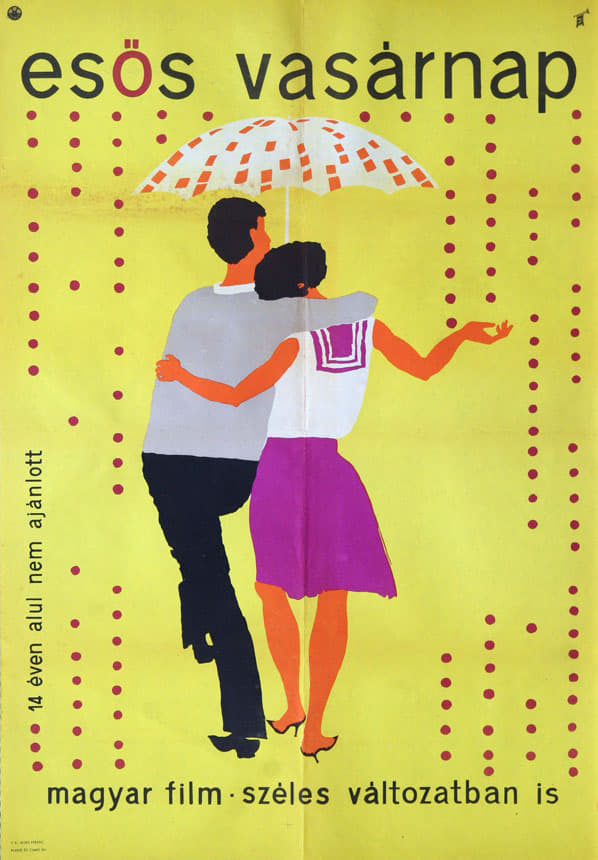
A new teacher arrives at the secondary grammar school. The girls are all crazy for the handsome, blonde young man, except for the most excellent pupil, Balázs Ági. Yet Pali starts paying his attentions to no one else but her.
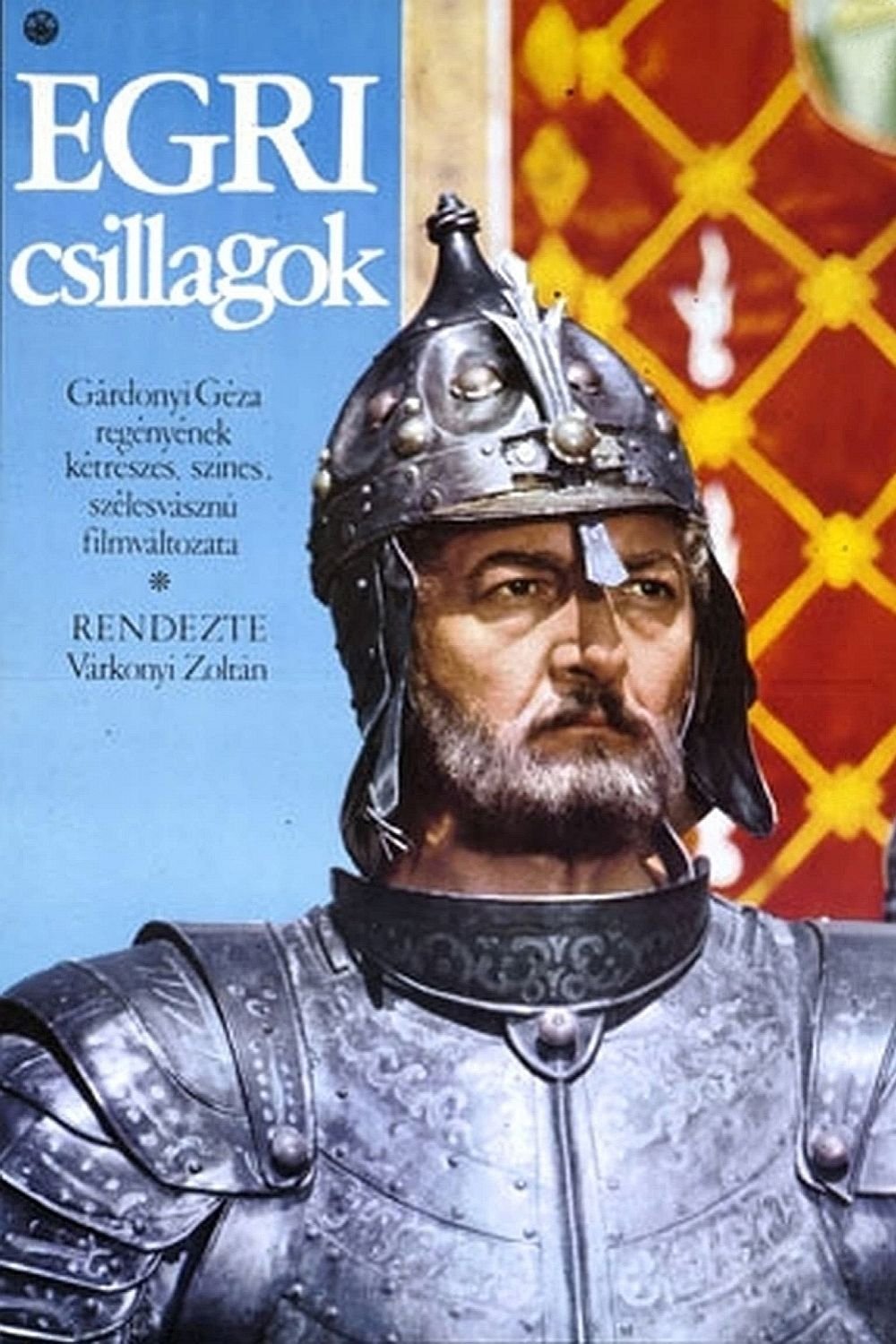
This romantic and grandiose historical film depicts the era of the constant incursions and heroic battles fought by the defenders of the castle of Eger, led by captain István Dobó, against the heavy odds of superior numbers through the lives and love of Bornemissza Gergely and Cecey Éva. Gergely is inaugurated as a fighter already at the age of 7, when he escapes the captivity of the half-eyed Turk, Jumurdzsak, with Vica and the war-booty. In thirty years' time he becomes the first assistant of captain Dobó and the brain of the castle in the defence of Eger.
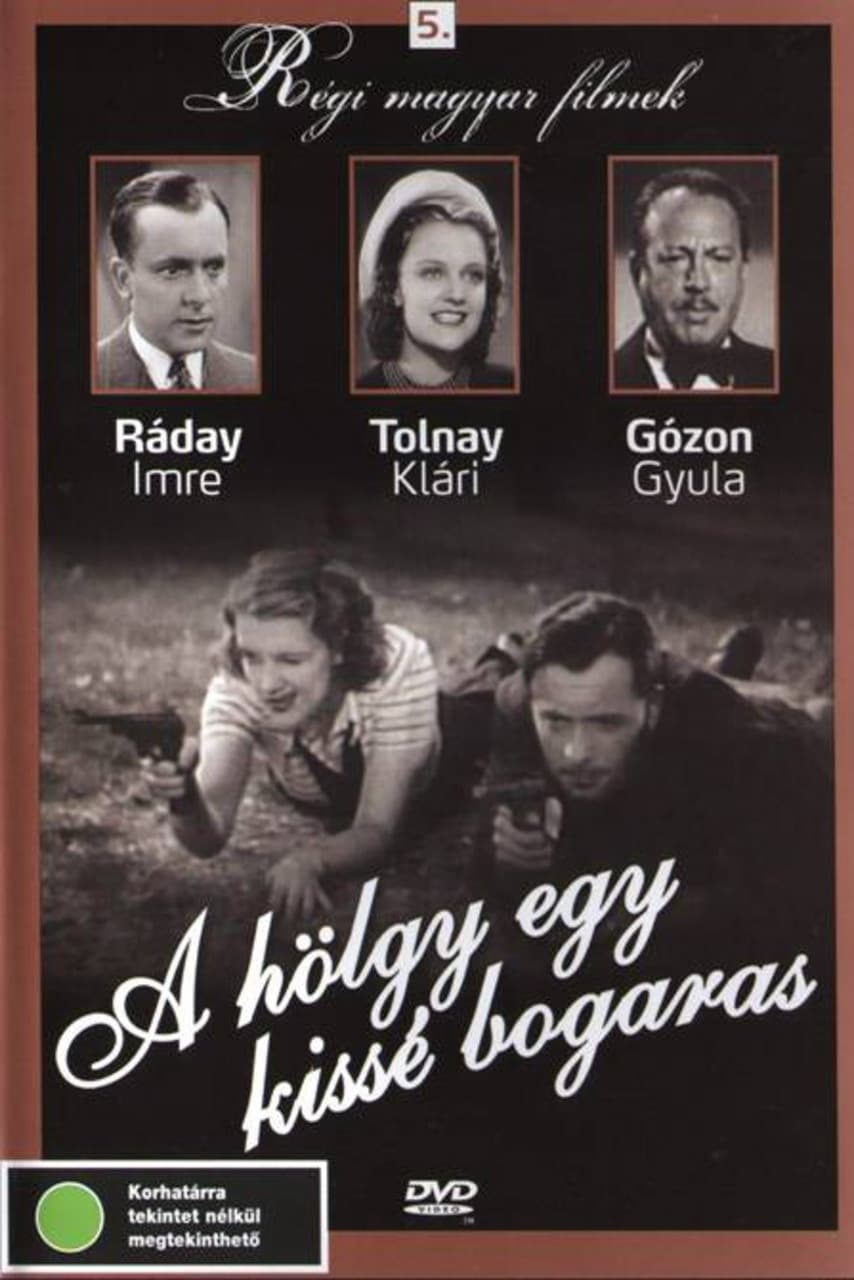
Bimbi, aka Takács Klára is unemployed. She lives in a sublet and has no idea how she will live and pay her bills. But luckily for her, the previous tenant, who had a letter of recommendation for the director of Tormássy Works, has now been put in a mental home. So he can apply for a job with the "unused" letter of recommendation. Since the letter says that the "lady with a bit of a bug" will not get a job, she can go to the son of the CEO as a typist's assistant.
A barber goes for a walk on an average Sunday morning, and end up winning an other guy's wife on card.

Tina, Julie and Alfa simply turn the tables on love: they don't wait for the guys to come on, they throw themselves into the action when they meet the bowling clique around Tim, Freddy and Rolf. Although their goal is actually only the bowling competition in St. Tropez, they let the party go on. And then it turns out that Tina's father has a plane that might take the boys to St. Tropez...
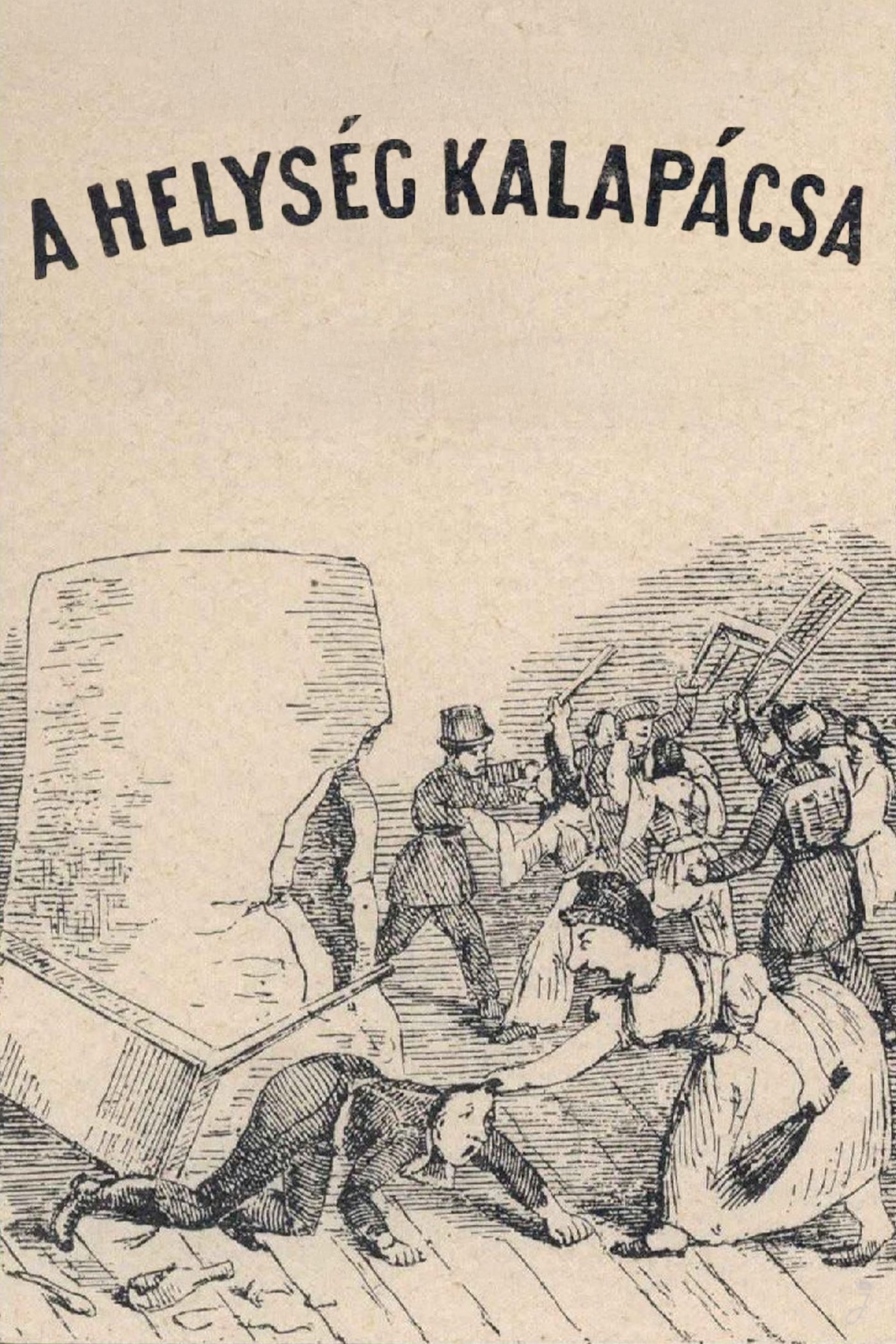
13 March 1965 (Hungary)

The archduke's grandfather wants to thwart the love between Princess Erzsébet and András Balogh, a young man of lower rank. He sends Erzsébet to Switzerland and András Balogh to Warsaw as an embassy secretary. However, Erzsébet follows András to Warsaw, where they both become embroiled in criminal complications when András has to return home with important diplomatic documents. Back home, it turns out that everything happened so that Erzsébet could soften the archduke's grandfather's heart and rescue András from the predicament he got himself into for Erzsébet's sake... The film is set in Warsaw, and the exterior shots were taken just before the outbreak of World War II, so the film still shows Warsaw intact.
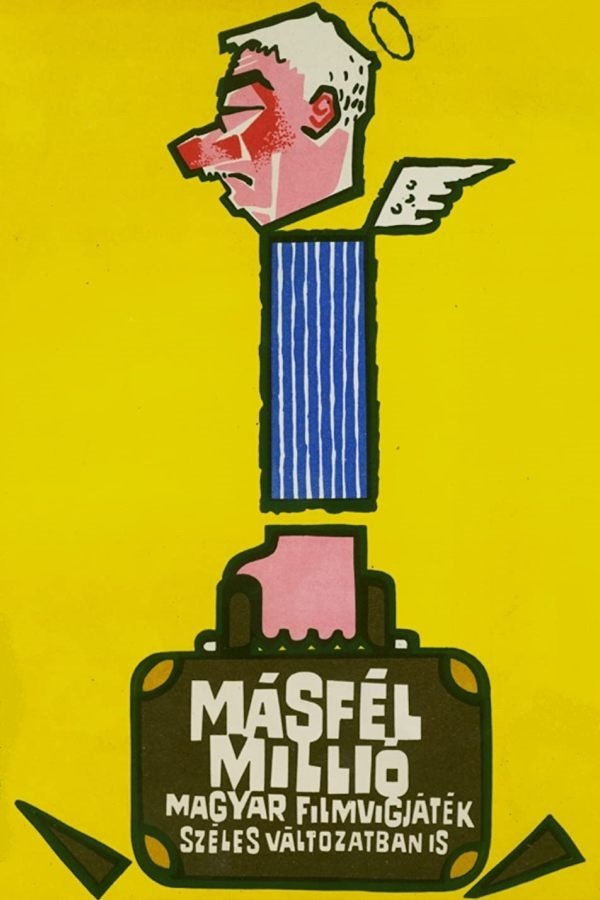
Mihai Toth worked for forty years as a watchman in a timber warehouse. On his last watch, there was a fire: the warehouse burned to the ground. The damage amounted to one and a half million forints. It was a terrible blow to Mihai, who had worked honestly all his life. Suddenly it turns out that Mihai has won one and a half million forints in a lottery. Wanting to save his good name, he wants to deposit this sum in the state treasury. But it turned out to be not so easy: the cause of the fire has not been established and Mihai's guilt has not been proved. That's why nobody had the right to take money from him. For a long time Mihai wandered from one institution to another with a request to accept money from him, but everything was in vain. Then the old man tried a trick...
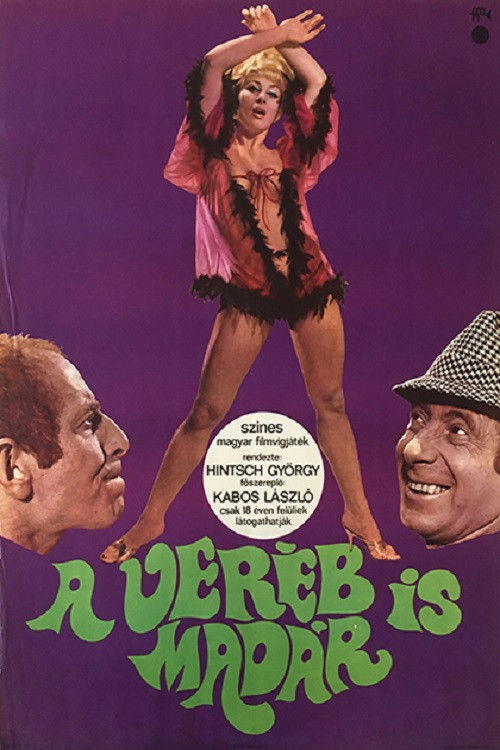
A comedy about two twin brothers - Sándor, who emigrated and became a rich man, and Zoltán, who stayed in Hungary and lives the life of an average working-class man. When Sándor visits his twin brother, they are constantly mistaken for each other, and when Zoltán sees how differently people treat Sándor because of his money and his foreign citizenship, he begins to like being mistaken for him - until he realizes that this means he will lose his girlfriend Szöszi...

The film, depicting life in the tenement houses of Angyalföld in the thirties joins the neorealist currents of Hungarian film. Ambrus Pista, the good humoured, attractive tram conductor is loved by women for his excellent job as well. With his lover, the street-walker Terus they spy upon the neighbour as he beats his wife in jealousy.
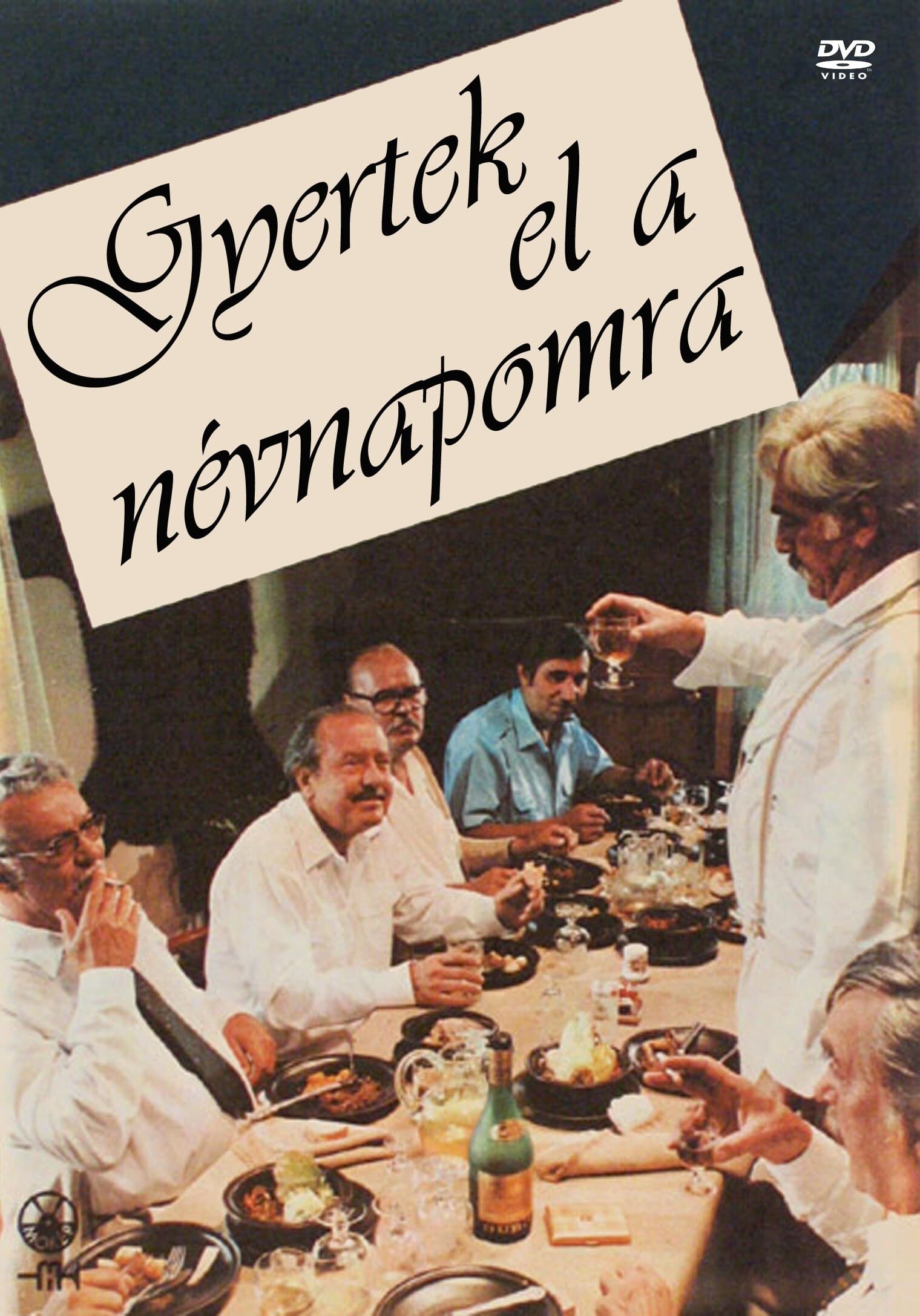
The elite of political and business life of the country town gather to celebrate the namesday of László in the luxury villa. Everything begins just as usual, but now an incident disturbs the stag party.
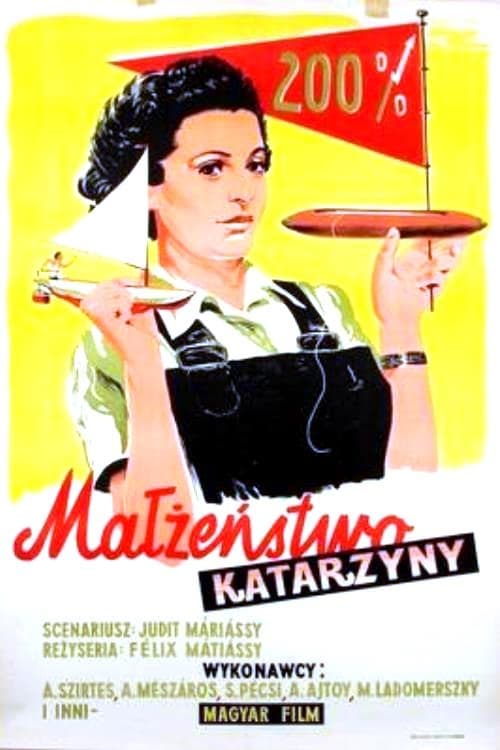
Kis Katalin and Varga Jóska are getting married. During their honeymoon they are preparing plans for the future. Katalin, however, seems to lag behind both in her studies and the work competition, becoming a couch potato version of a wife. Jóska, instead of trying to help, does nothing else than his work.
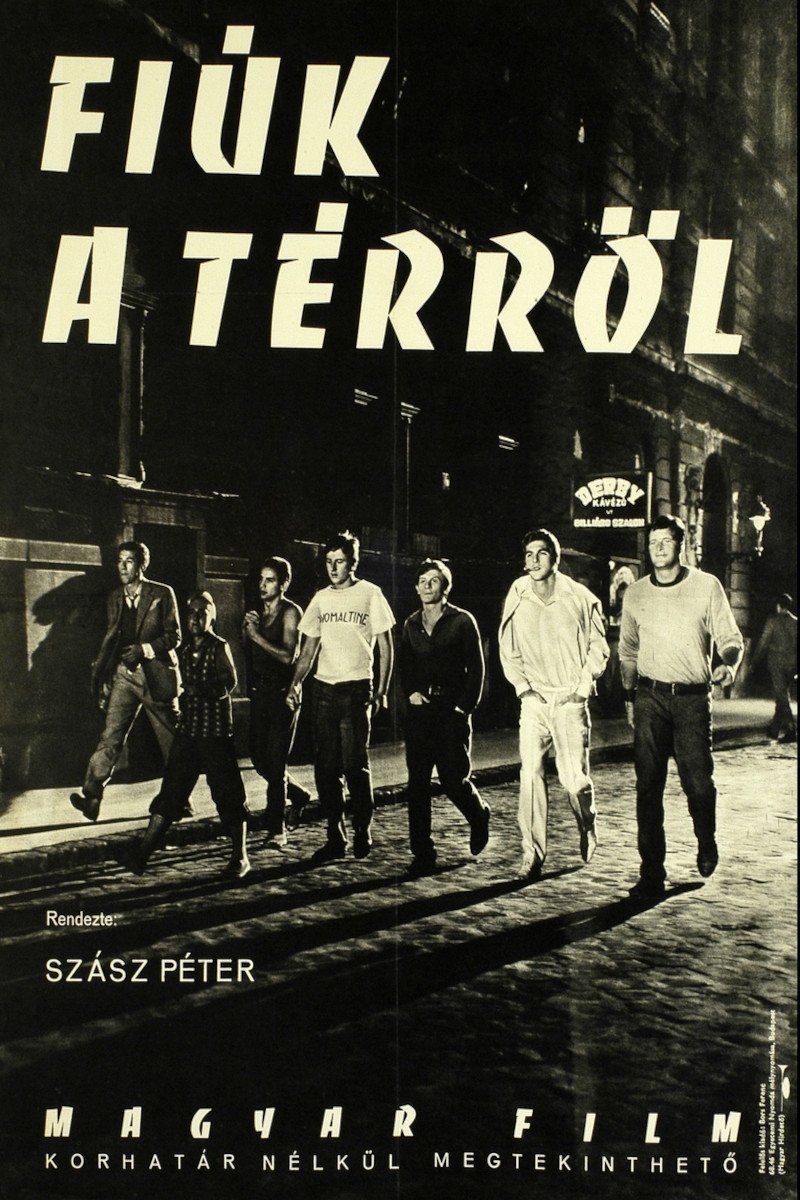
The story takes place during World War II and presents the illegal movement from inside. Some tough guys from the square have been angry with Albert Zoli, a boxer since he started living a decent life, passed the final examination at high-school, and entered a job as a bank clerk. About his illegal activity, however, they do not even have the slightest idea. With the help of Zsizsi, a young actress, and Diogenes, an extravagant tramp, he persuades the guys to join the movement. They distribute anti-Nazi handbills and paint pacifist slogans onto the walls of houses.
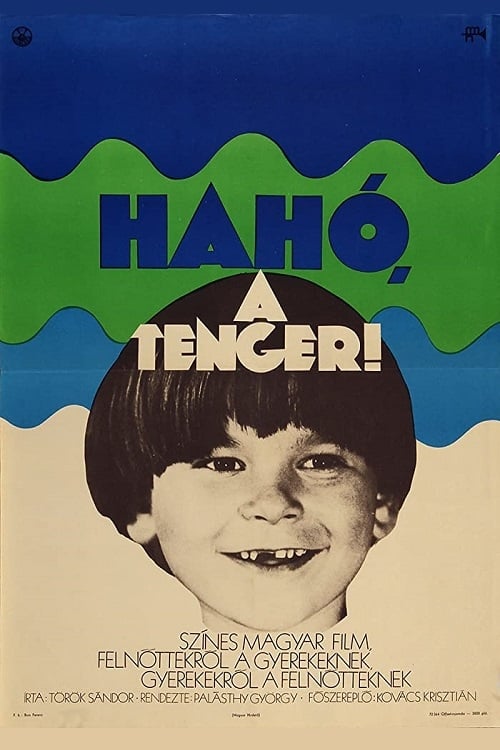
Öcsi is going to have a little brother. The little child is sulking, he is deeply hurt because he learns the great secret not from his parents but his best friend, Évike.

Among the Gruber family, the rumor spreads like wildfire that their wealthy American relative, Menyhért Gruber, is visiting Hungary with his daughter, Mary. Various plans are devised to exploit the rich relative. The boldest of them all is the plan of Bálint Koltay, who directly pursues Mary's hand. However, the young ones fall in love with each other so deeply that Bálint stands by Mary even when the "wealthy" Gruber informs him that he's bankrupt. At this point, the only thing left to arrange is for Bálint, who poses as a landowner, to actually present a noble castle to his future father-in-law.
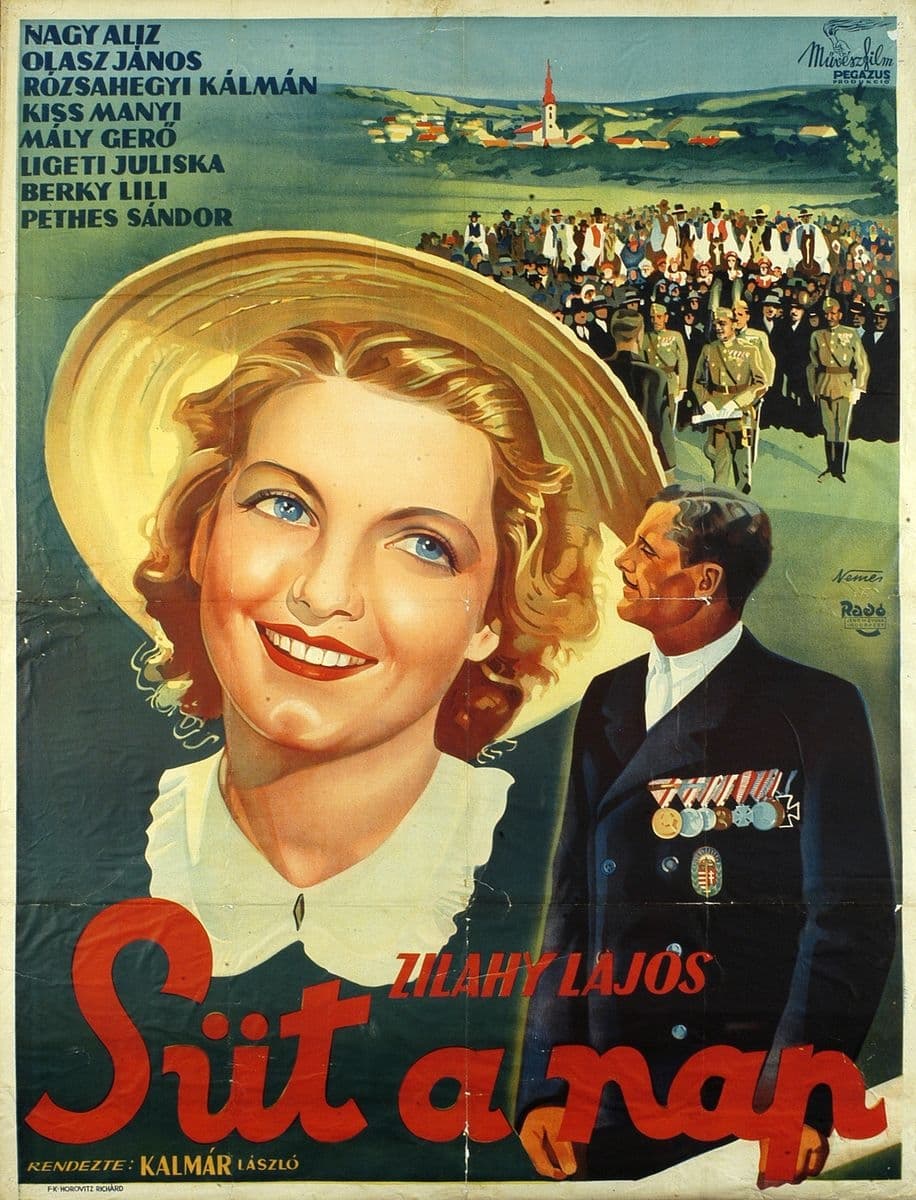
The village is preparing for the celebration of Mihály Sámson's entry to the Vitéz Order. There's a great competition for roles in the amateur theatrical performance, and the choir is practicing. Two girls compete for the attention of Gyula Kopácsi, the railway traffic controller: Jolán, the postal clerk, and the pastor's daughter, Sárika. Jolán's mother spreads rumors during the rehearsal of the performance that Kopácsi has already proposed to her daughter, even though he's actually leaning towards Sárika. However, at the celebration, Sárika and Sámson notice each other...
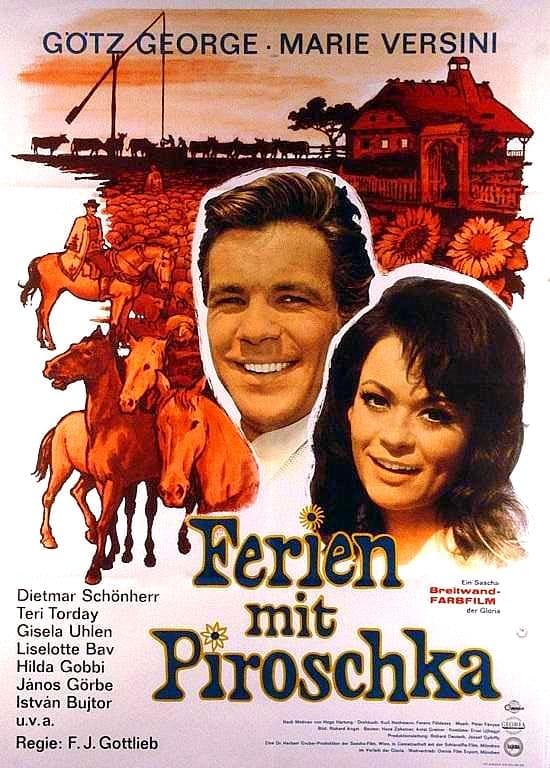
The young heartbreaker Thomas Laurends, son of a wealthy Hamburg family, is sent to Hungary to buy horses for his father's stud farm. This comes in very handy for Thomas. It allows him to escape his clingy girlfriend Karin for a while. However, his stay is complicated when Karin follows him to the Puszta, but Thomas has fallen in love with the passionate Tery in the meantime.

The bitter film grotesque focuses on a Socialist Mafioso. Vágó, the enthusiastic young propagandist is put up at Apuka (Daddy) of the outskirts, Dávid. In the hands of Apuka everything becomes money and he skilfully avoids inspection and controls. In order to help his little family, he sells his rabbit husbandry as mutton, he practises usury on and blackmails his tenants, their rooms are operated as cigar stores.
Drapp Tamás, metro-driver inherits an American salami-factory worth a hundred thousand dollars from an unknown relative abroad.
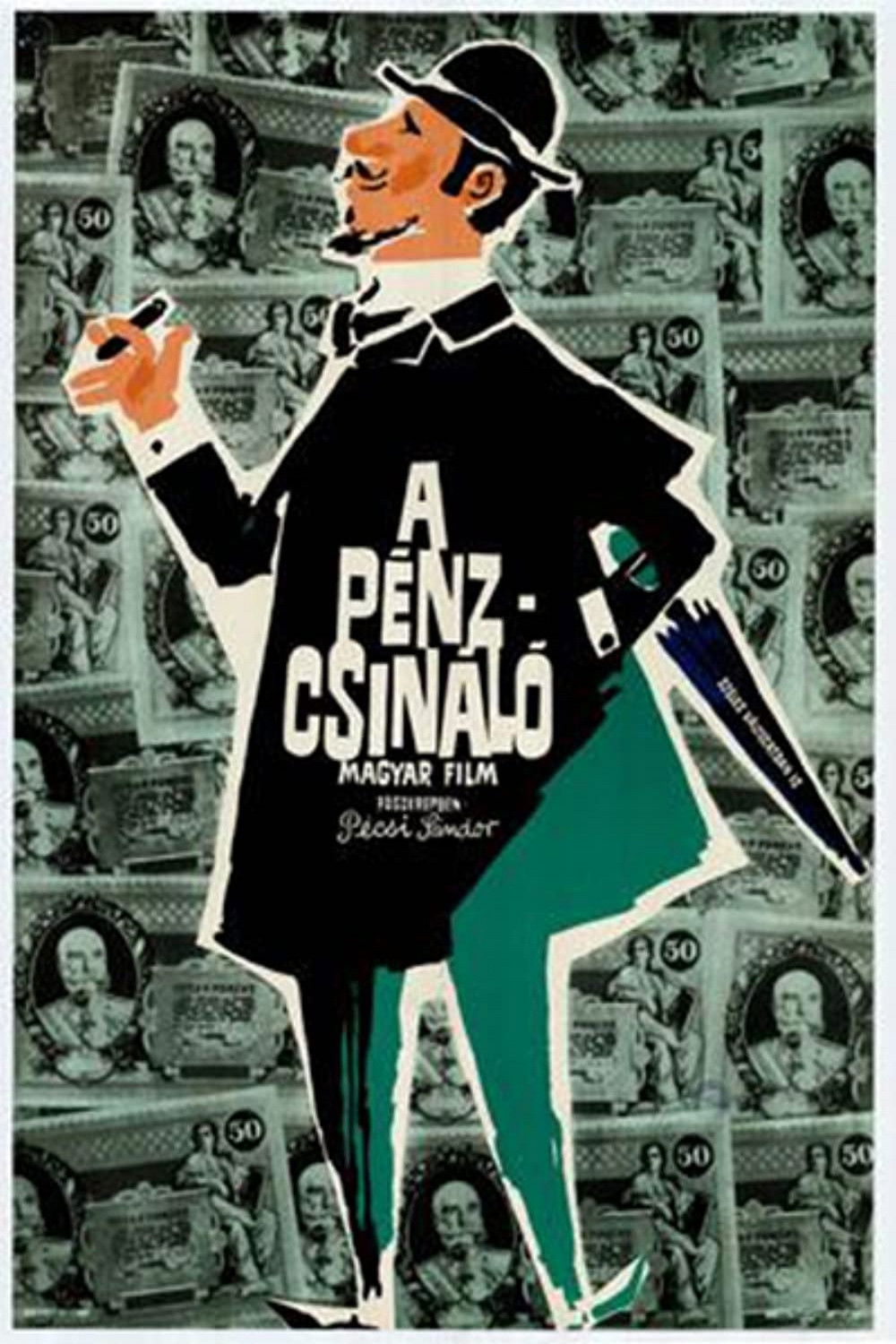
This film comedy takes place in the good old times of the Austro-Hungarian Monarchy at the turn of the century. Bányai, an impecunious clerk suddenly finds himself to be able to make perfect imitations of ornaments on the bank-notes. Being spurred by his incessantly shrewish mother-in-law, he finds a solution to his family's financial problems overnight, but an ambitious detective becomes suspicious of him.
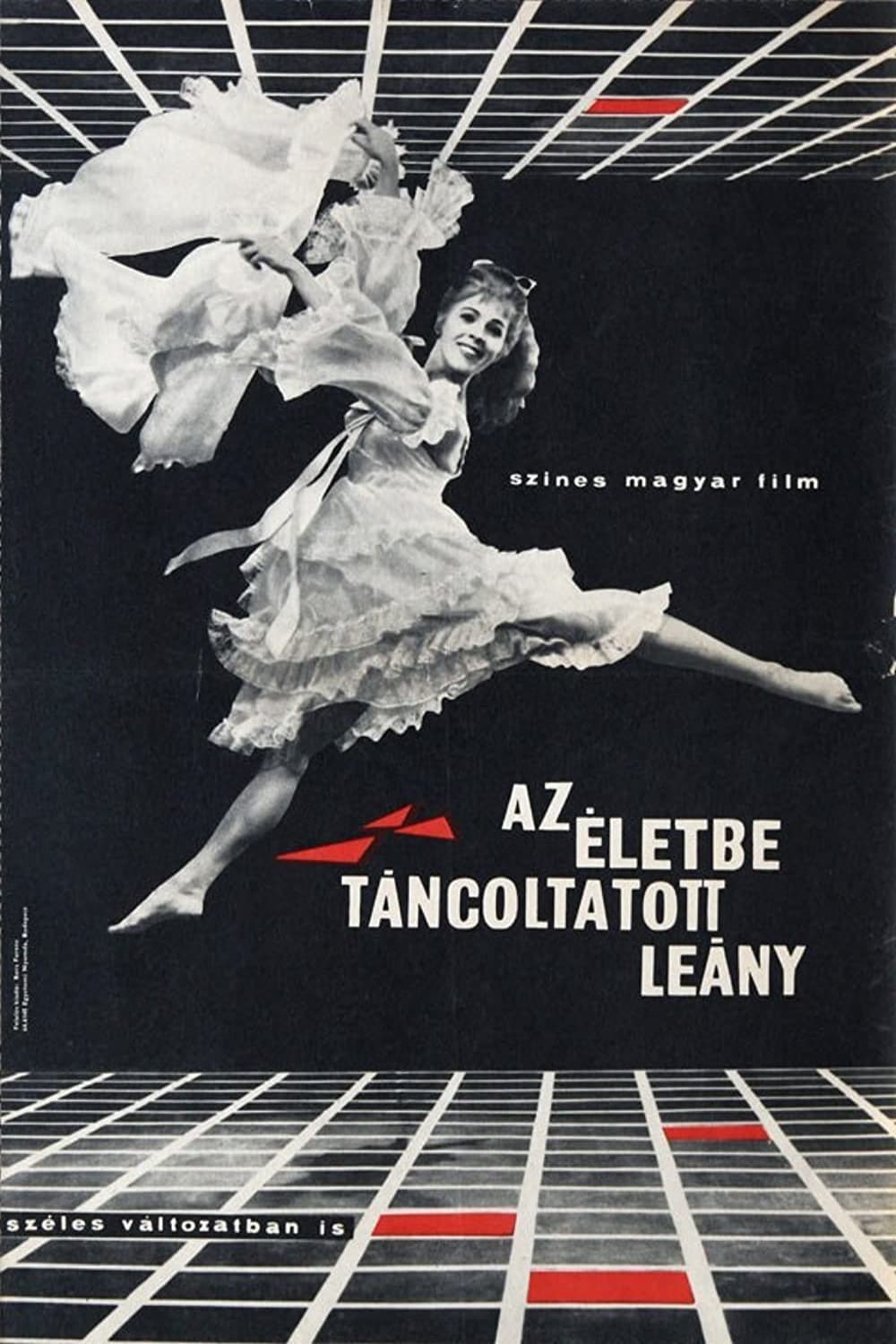
The dance play is based on the legend of the girl who was danced to death. Using the tools of folk dance, classical ballet and modern dance, the three parts tell the tale of the black man's spell that takes the girl away from her lover in a setting of folk tales, 18th century Rococo and the 1960s metropolis. But in the modern world, in the ballroom bustle of the last part, the girl is no longer alone, but with the help of the other young people, she is freed from the magic of the red shoe and manages to stay with her lover.
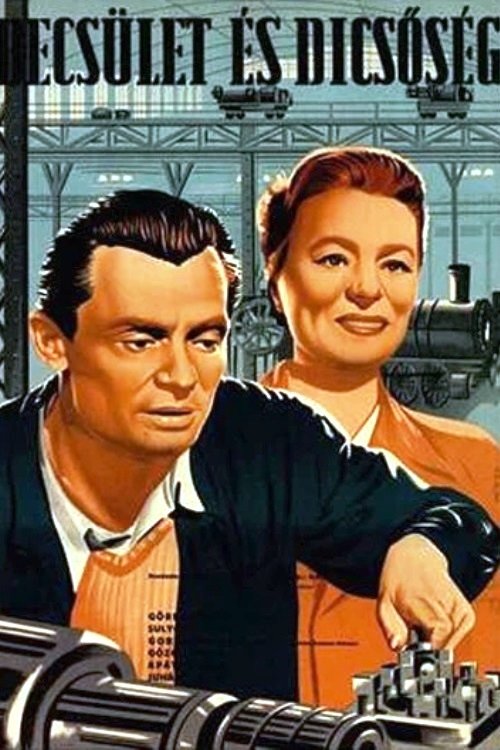
Lugosi works in the locomotive factory, earning little. He does not feel at ease in the world. One reason for his discontent is that his wife - a tractor factory worker - earns more than he does, and another is that she has even had her innovation accepted, while his has not. And because trouble doesn't come alone, poor Lugosi gets involved in a sabotage case.
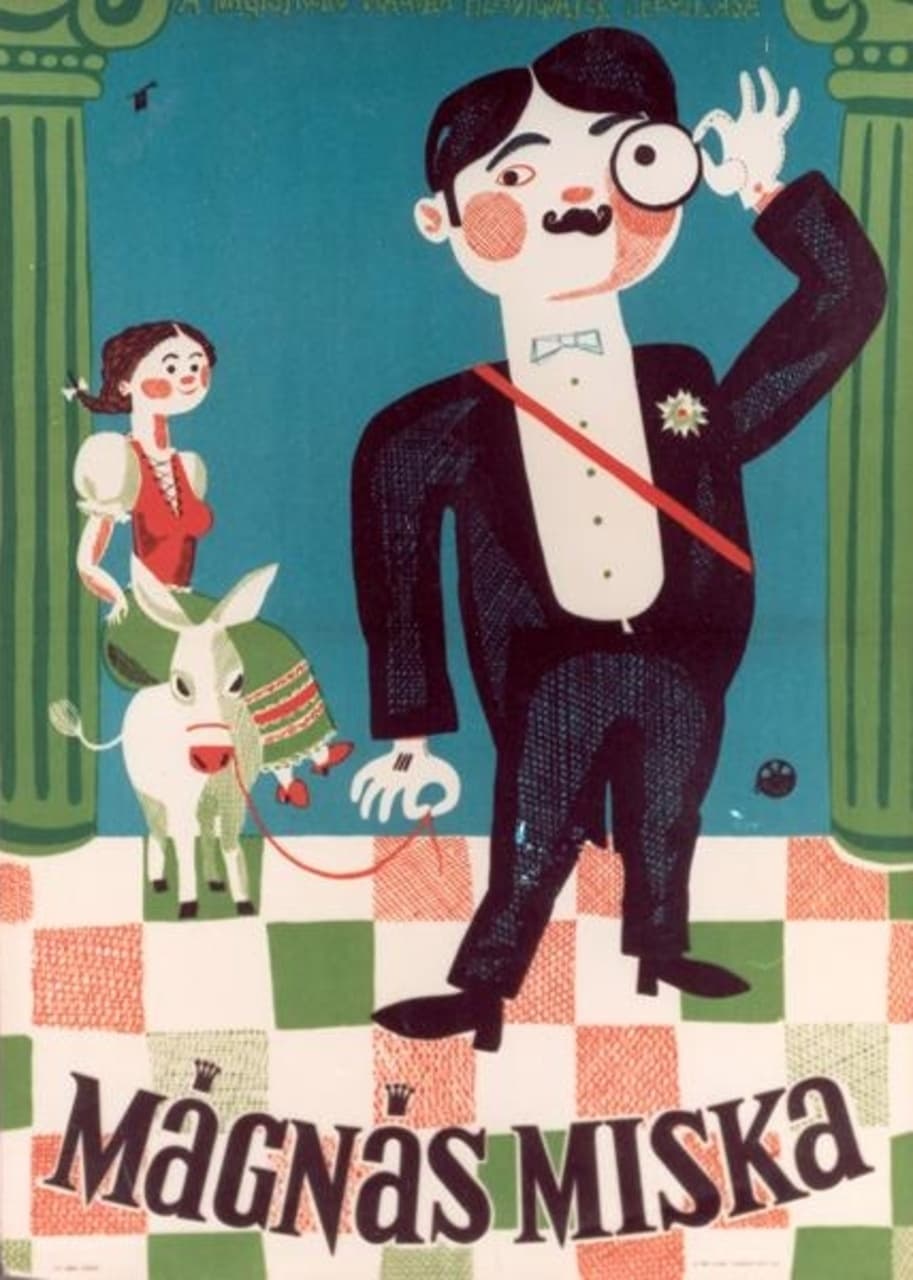
Baracs Pista, engineer at the construction site of a railway line near the Korláthy estate, falls in love with Rolla, a countess disguised as a peasant girl. The count is giving a party as he wants the railway line to go across his lands.

The German national swimming team travels to Budapest for a competition. However, the teenagers are more interested in flirting with each other than training. Their coach is less than thrilled with his team's behavior.
The 16th century Kecskemét troubled by both the Kurutses and the Labancs would like a Bey from the Buda pasha to defend them in exchange for four beautiful girls, but only gets a caftan. It was a good deal, however. All Muslims fall on their knees when they see the magic caftan and fulfil its owner's wish.
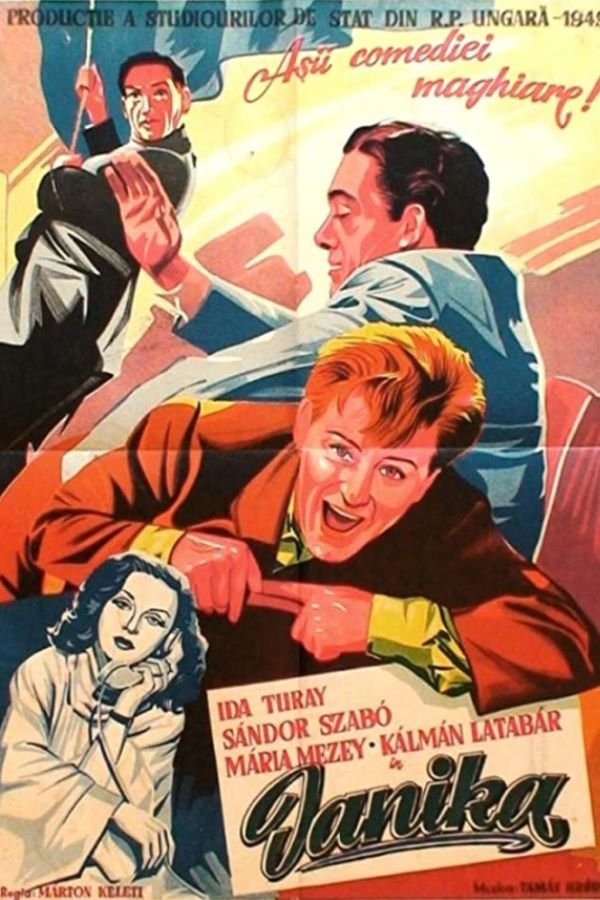
After a 15-year absence, the famous actress' expatriate husband returns to Hungary to settle their divorce. The actress is rehearsing the role of a young boy back home when her husband walks in. Seeing the little boy, the husband thinks that Janika is his child, but the actress fails to inform him of the mistake.
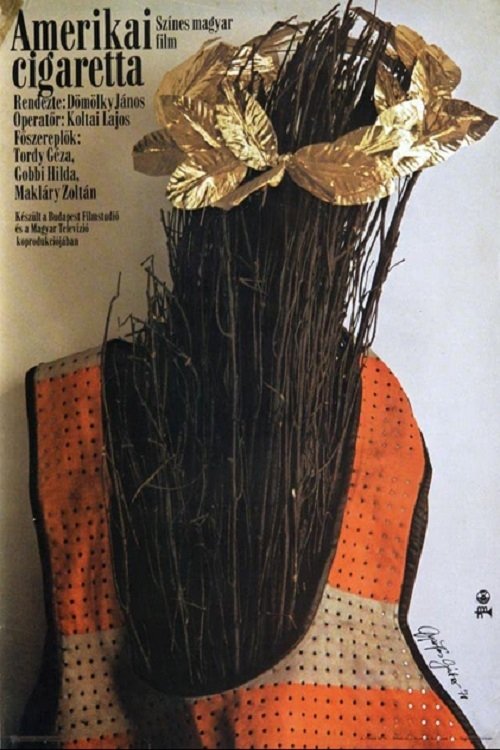
The satiric film is a dramatic-ironic picture of the Hungarian intellectuals in the seventies. Ebes, whose art has been awarded for its merits conglomerating folk features with modernity, can hardly believe that from his parents, old friends, and the sons of the people he did not even receive a telegram of congratulation.
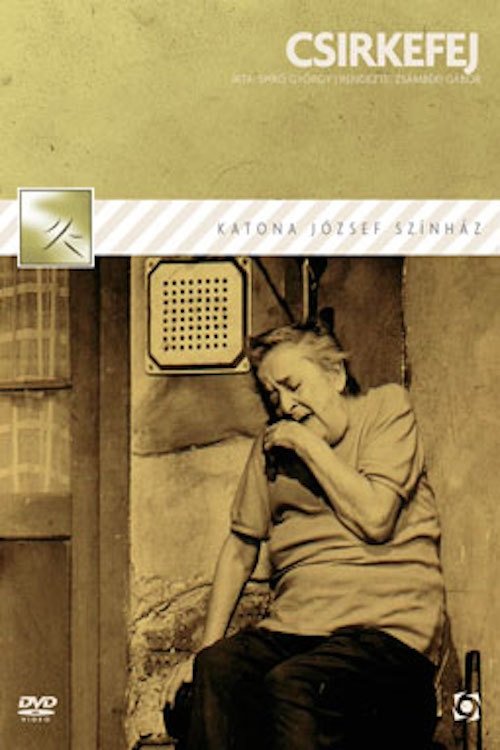
It is a tragedy, set among low-lifes on the outskirts of Budapest. Dramatic Exchange describes it as "Widely considered to be the most important Hungarian play of the last 20 years". The odd title of the play refers in the first instance to the chicken heads that an old woman feeds to her cat. However, it can also be taken to refer more broadly to the obtuse behaviour of the main characters in the play. The play is an odd mixture of pathos and nihilism, written against the bleak background of Stalinist totalitarianism from which Hungary was emerging. As with much modern drama, there is no hero in the play. The only noble behaviour that one can find belongs to one of the characters in the past, when he was a child, but he is no longer as he was. The hint that what once existed might be achieved again is the only faint ray of hope in a very bleak view of the human condition.

Pólika, tired of her husband Balázs Nyiri’s partying, moves in with her aunt. Nyiri, desperate to win her back, tries everything but fails. Aunt Zsani seeks help from her brother, Uncle Lajos. They sing Pólika’s songs at a pub, joined by the household. Aunt Zsani’s housekeeper, Pepi, serves them food, while servants share news of the Nyiri farm’s sale. Frustrated by the scandals, Pólika tells Nyiri to run away with her if he wants.
Pólika, tired of her husband Balázs Nyiri’s partying, moves in with her aunt. Nyiri, desperate to win her back, tries everything but fails. Aunt Zsani seeks help from her brother, Uncle Lajos. They sing Pólika’s songs at a pub, joined by the household. Aunt Zsani’s housekeeper, Pepi, serves them food, while servants share news of the Nyiri farm’s sale. Frustrated by the scandals, Pólika tells Nyiri to run away with her if he wants.
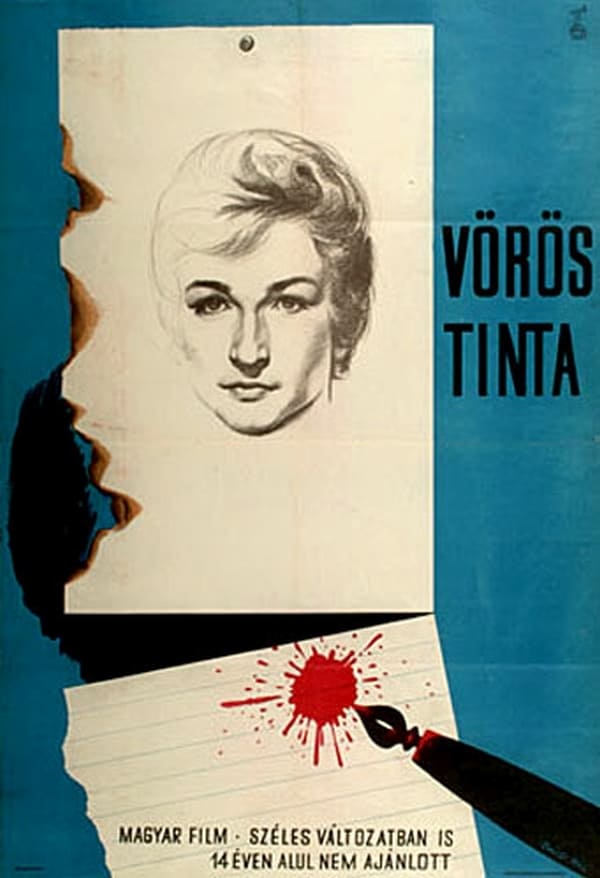
Most of her colleagues take Mária, the new teacher to be a communist party-worker, only Irma and the drawing teacher Zoli treat her kindly. Mária starts working with great enthusiasm, and her class learns to love her in a short time.
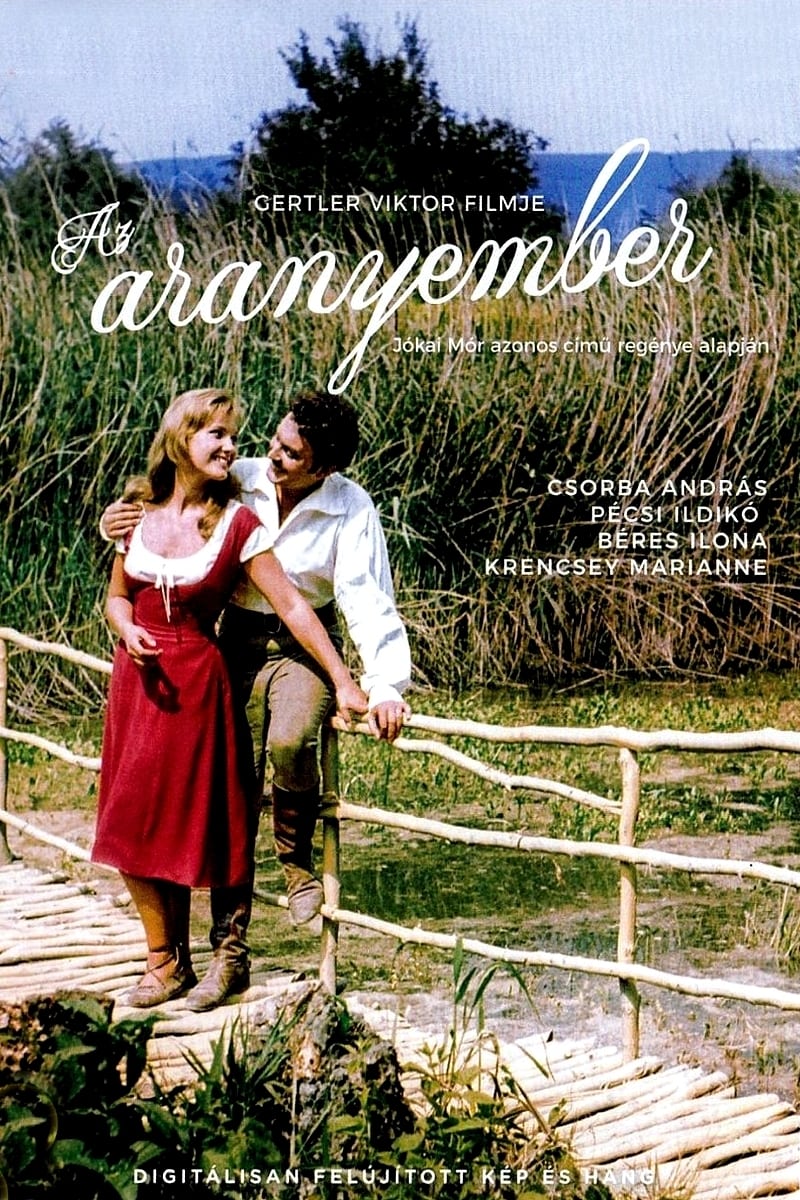
Adaptation of Mór Jókai's classic 19th century novel on Mihály Tímár, the captain of a commercial Danube ship in the 1830s, who finds unexpected fortune by meeting a Turkish aristocrat fleeing from his home country with his daughter Tímea. On their journey, they find an unknown island on the Danube, called the Senki szigete (the Island of No-one), a sort of earthly paradise, with only an old woman and her young daughter Noémi living on it.
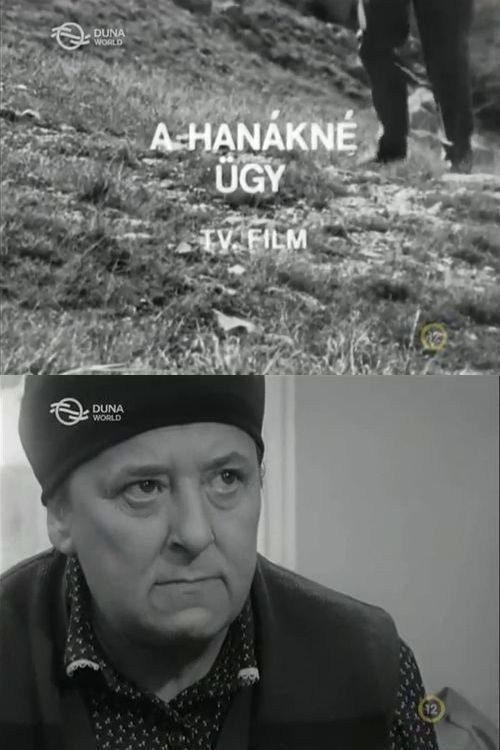
Mrs. Hanák is a hairdresser and a cleaner in a KTSZ. She knows how difficult it is to find a successor, so she constantly bullies the members of the cooperative. When she quits, the workers do everything they can to make her stay.

Cabinet crisis threatens in Futbólia, due to a series of lost matches. The head of state charges admiral Duca with the task, as a last chance, to get hold of the football star of the Hungarian team presently playing in Switzerland.
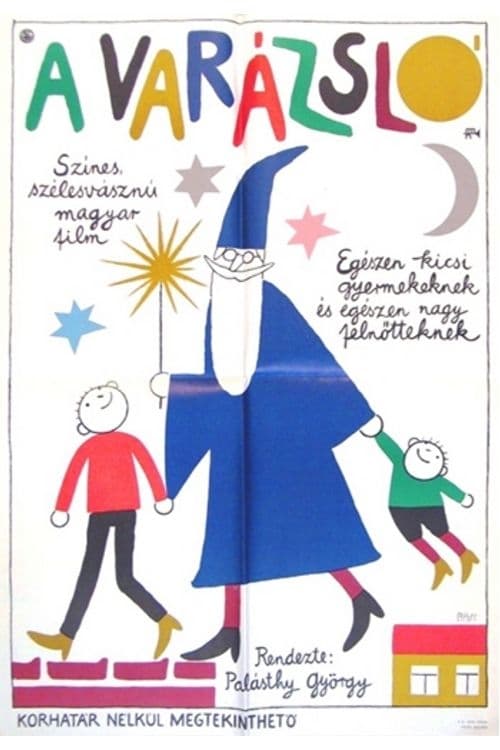
Amazing adventures of a little boy and his friend, the great wizard Chili Chala.

The story unfolds using the Lajtai operetta The Old Summer. The son of landowner János Pataki comes from Sweden to visit his father in Budapest for a month's holiday. The parents are divorced because of a prima donna, and the mother warns her son against operettas and Buda pubs. The young Pataki, with the help of his father, enters the theatre world...

Lt. Kojak arrives in Budapest as a guest speaker for the 'International Crime Writers Conference'. Soon after he starts enjoying the pleasures that the city has to offer, he assists his old friends at the police department with a case. The case involves solving the murder of a noted scientist, unaware that a Mafia hit man and his female companion are targeting him.
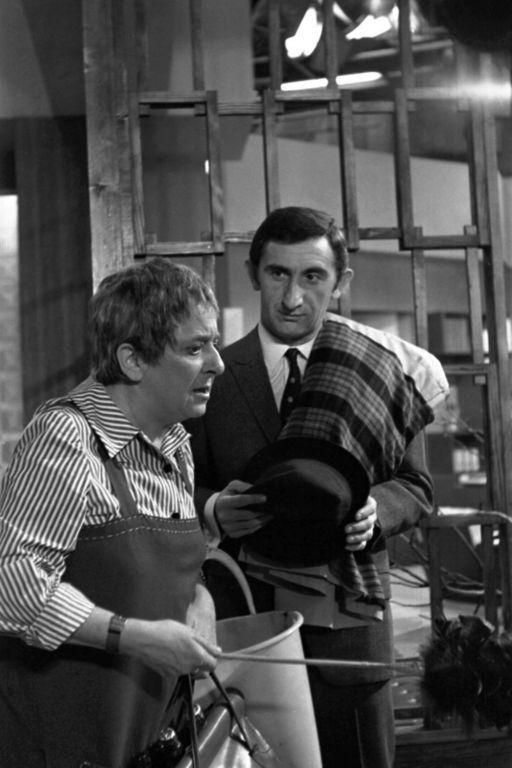
"Good evening... I'd like to report a murder... Where do I live? In the basement... but I'm not there now... I'm on the top floor, in the boss's room... Ah, I don't know who the body is... You like to know, I'm the cleaning lady... How can I check if he's just taking a nap? Maybe, but he's got a dagger sticking out of his back the size of half my arm... So I lock all the doors... don't touch anything... keep my mouth shut and don't tell anyone until you arrive..." - Mrs. Piper, the cleaning lady, begins the eerily cheerful, twisty story with her broken sentences, but at the end we are left with no answer as to why Mrs. Pipper talks so much.
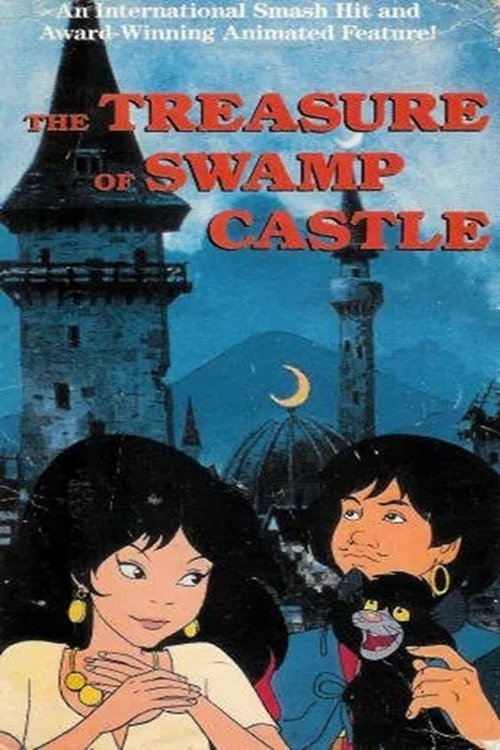
Szaffi is a full-length animated feature based on Mór Jókai’s short books The Gypsy Baron (A cigánybáró) and Szaffi. It has adventure, and treasure, and love, and a little black cat, and a war, and picturesque villains - a governor with a pressure release valve in his skull and a fat pig-loving baron, and of course, the good gypsies.
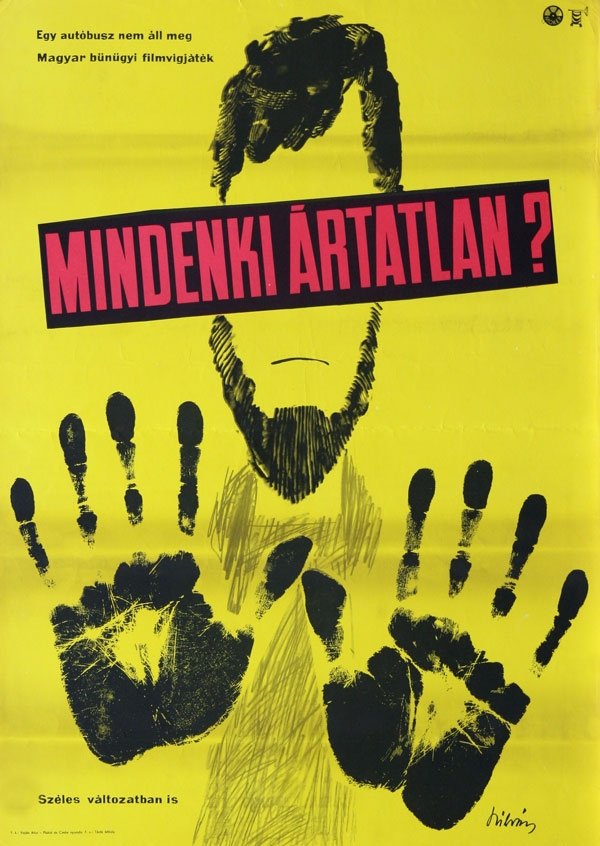
A young woman on board of a bus notices that her watch has been stolen. The ticket collector keeps everybody on board, and upon the advice of a traffic police, they drive directly to the nearest police station.

Tommy and Mike, again without a job and without money, are looking for a public toilet at a motor show.
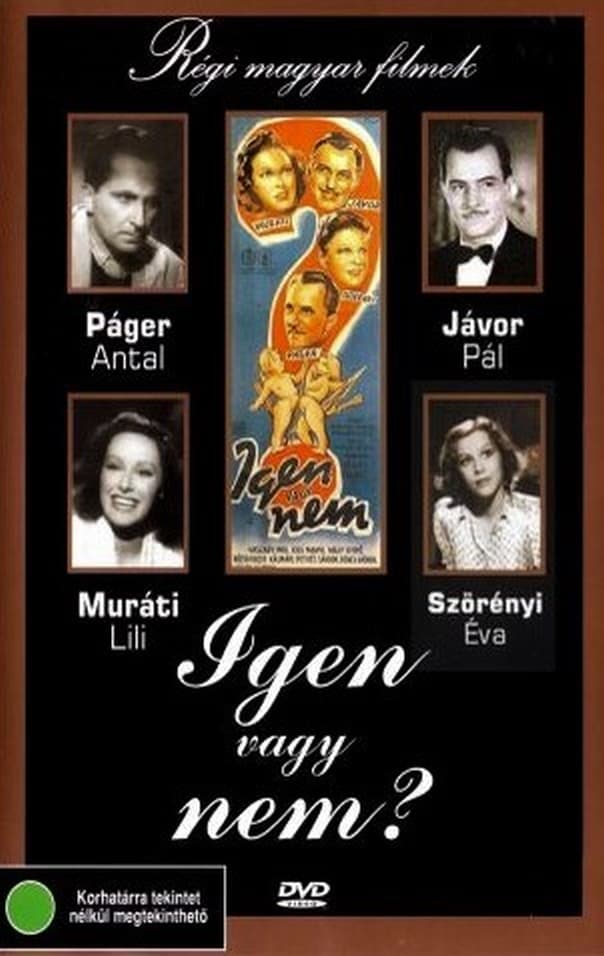
How did a beautiful American divorcee get into the bed of her best friend's fiancé right after returning to Budapest?
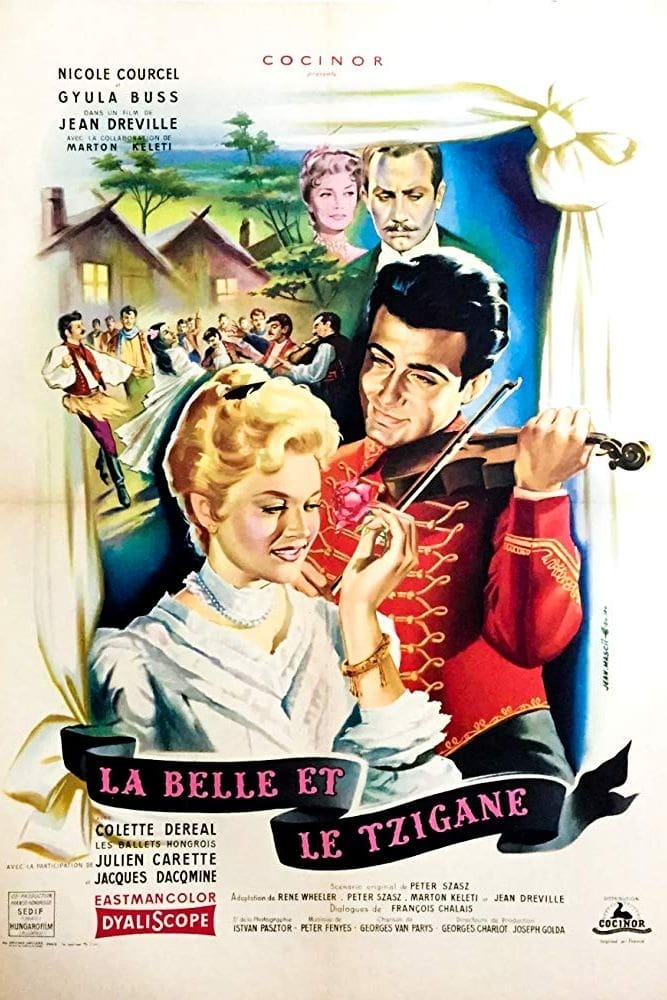
Georgina comes to see her sister Gladys in Paris in order to dissuade her from becoming attached to Rigo, a gypsy conductor. When she meets the latter, it is love at first sight. Louis, Georgina’s husband, does not accept this situation.
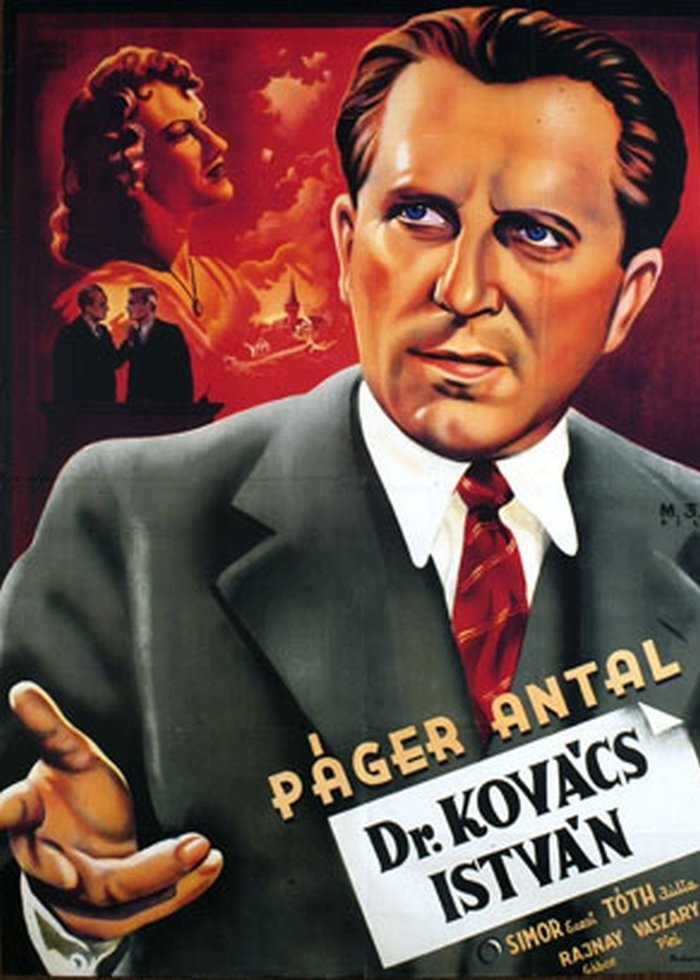
When his new wife from a peasant background is not accepted by his colleagues, a University Professor resigns his post and returns home to his rural village. After receiving popular support, he is returned to his position by the Minister of Education.
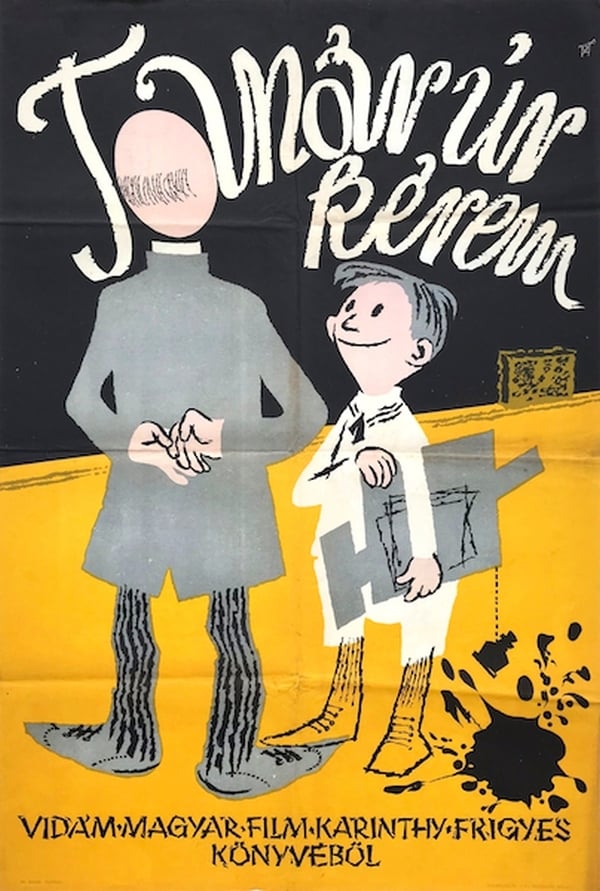
In the story which takes place at the beginning of the century Károly Bauer pupil experiences a series of everyday failures during twenty four hours in the family, on the street and at school.
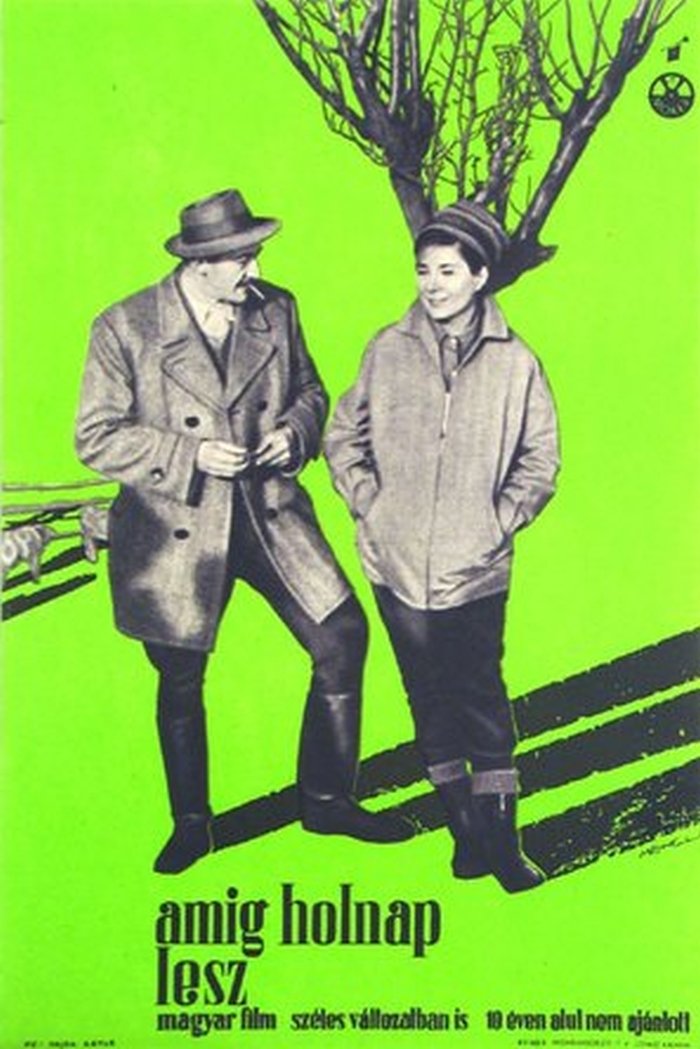
Mihály Zágon has been struggling with his conservative mother-in-law for a long time. Now, that his wife is pregnant, the old woman wants Piroska to stay in bed. Mihály is elected to be the president of the co-operative, but nobody is happy about this back home. His wife often pretends to be ill to keep him by her side.
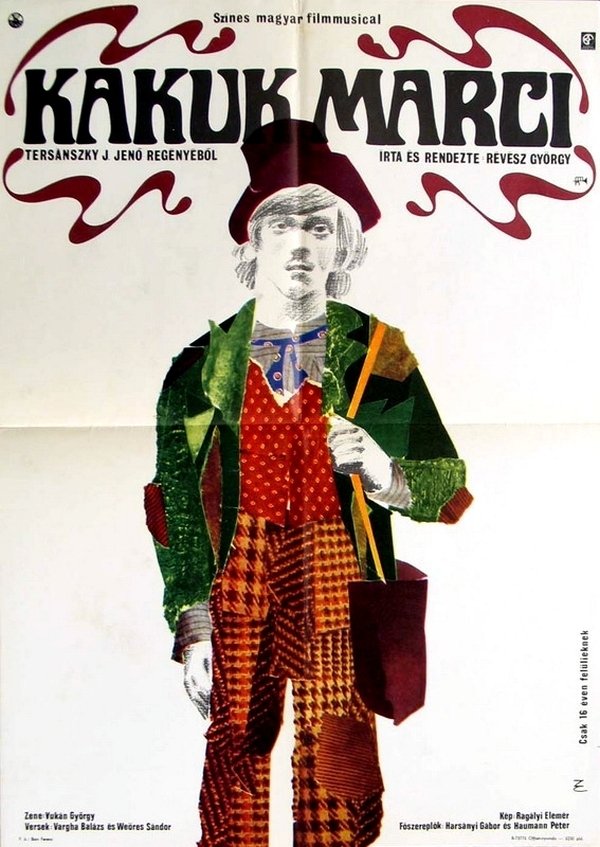
Marci, an impertinent crook buries his drunk parents and chooses to wander instead of becoming an apprentice.
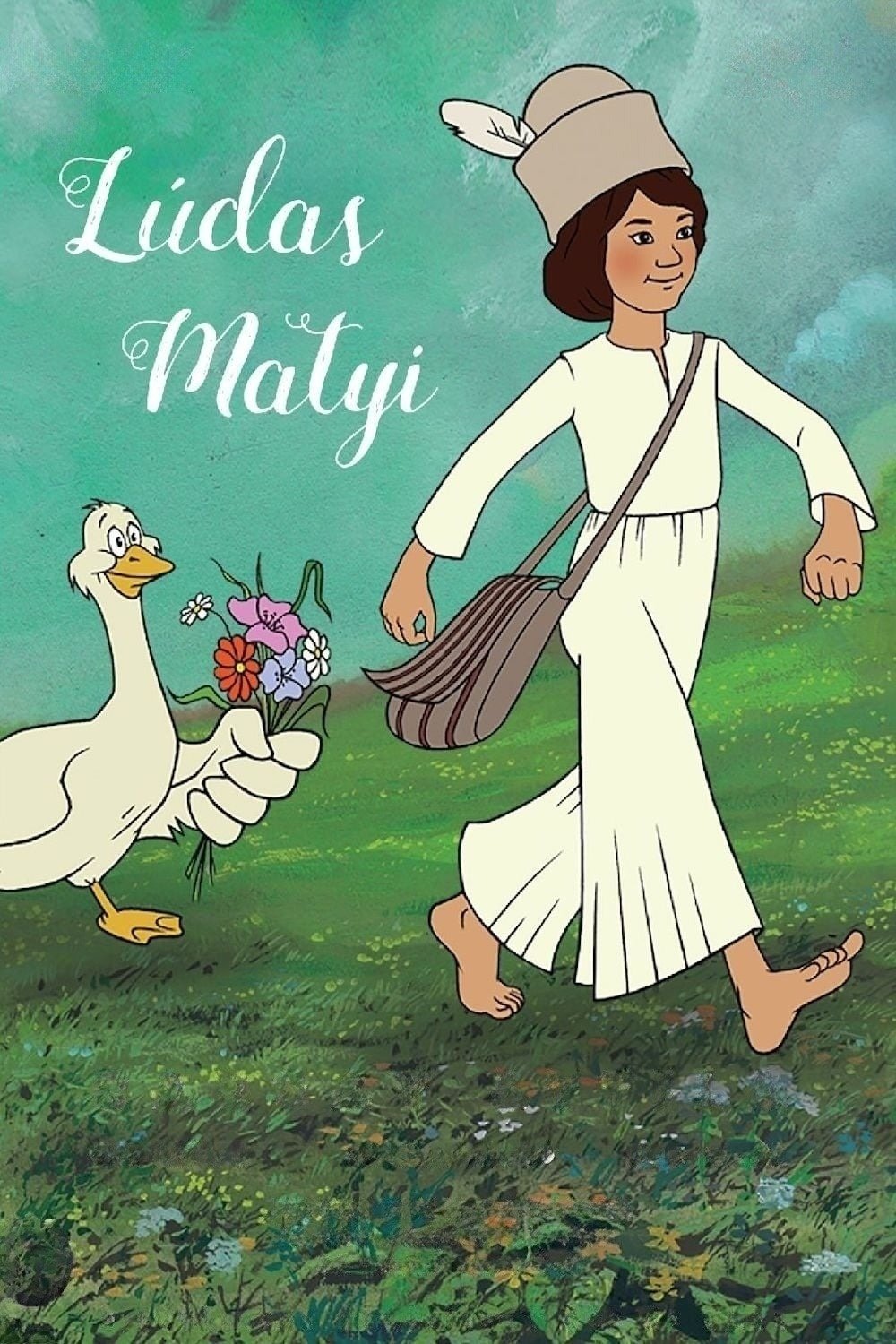
A young peasant boy stands up to tyranny, aided by his trusting friend - a goose.
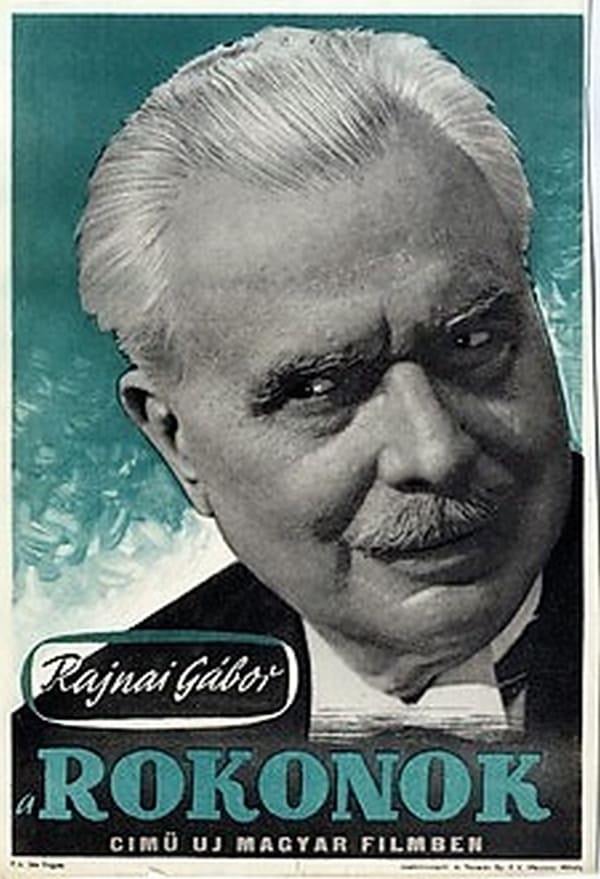
The hero of the story taking place at the end of the twenties is the modest civil servant, doctor Kopjáss who is suddenly appointed to be the chief attorney of Zsarátnok city. He realises slowly that his immaculate name was needed as a cover for the corrupt loan transactions handled by the lords of the city.
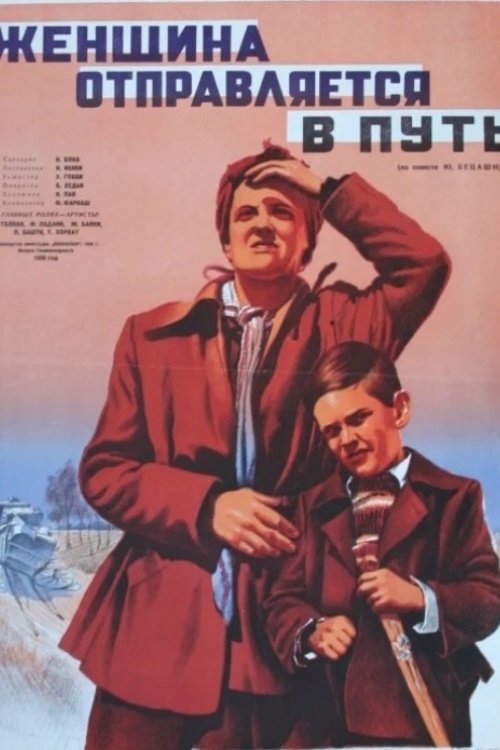
The story is about a woman who is waiting for the return from the war of her front-line soldier husband. Ilonka and her two children return from the village to their apartment in Budapest. Her husband is held captive by the Americans and awaits the first opportunity to return home, but he does not yet know that his fellow soldiers suspect him of complicity in crimes. In the meantime, Ilonka takes a job in a factory to make a living...
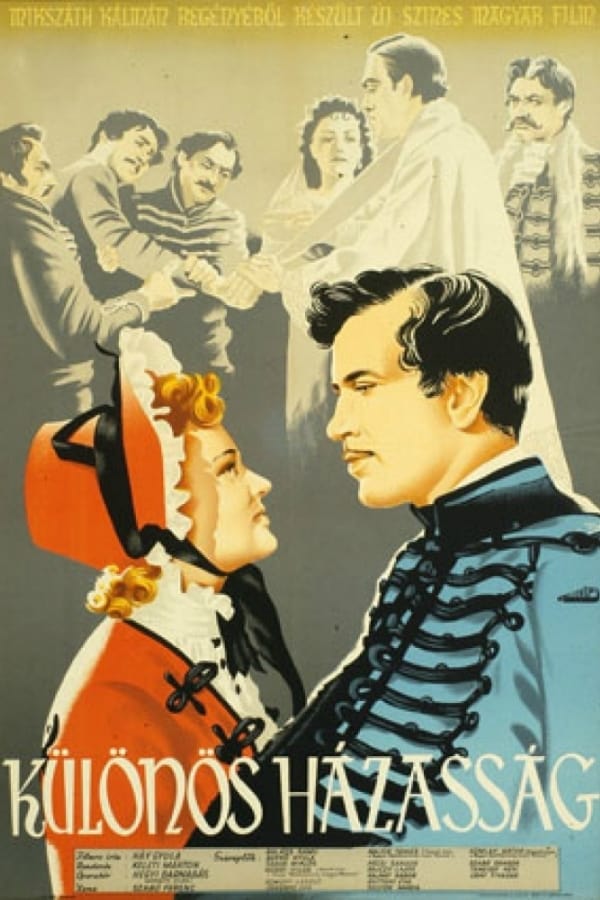
Count János Buttler rushes home to his parents and his beloved for the school holidays. On the way, they stop at Baron Dőry's house, where János is deviously trapped. In the presence of false witnesses, he is forcibly married to Baron Dőry's pregnant daughter. The swearing priest is the father of the unborn child. Although Buttler, his family and friends do their utmost to have the marriage annulled, the Church and the court, fearing for his authority, will not allow it. John Buttler and his lover therefore choose another way to divorce.
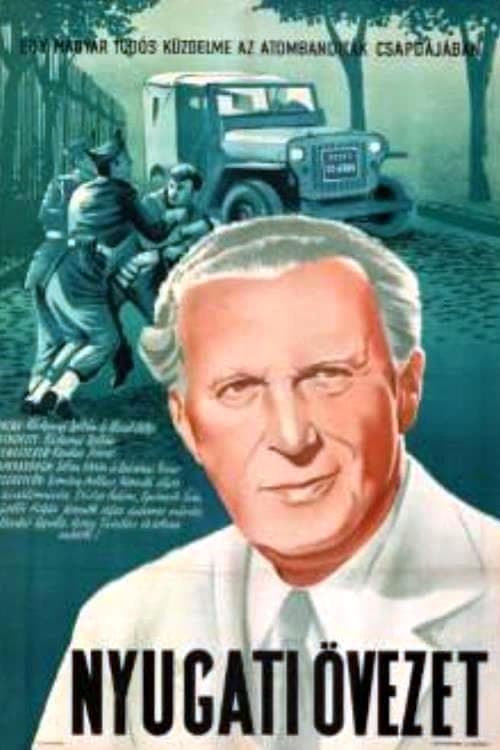
Prof. Laurent Akush from the Institute of Geophysics is working on a device that can be used to locate coal underground. For successful work he needs a tube XCX13, it is available in the West, but foreign firms sabotage the supply of the device. In his institute there is an enemy engaged in sabotage, but the professor does not believe in enemies. He believes that this is propaganda, science is above ideology, and that "scientists are made of a different dough." Laurent Akush receives an invitation to the international geological congress in Berlin, there he hopes to meet an old American friend, the scientist McLane. He takes with him his assistant Ferenc Ervish and a young Stakhanovite worker, Ishvan Kadosh. The professor does not yet know that in Berlin, Colonel Thompson of American intelligence is preparing a trap for him.
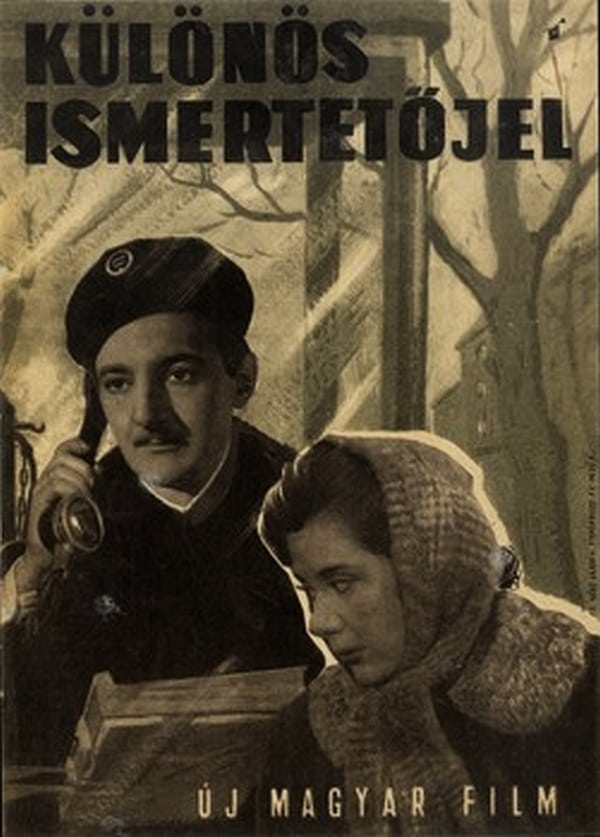
Imre, secretary of the illegal communist party arrives in Budapest secretly in 1942, in order to start the newspaper of the party in the fight against war. Not even his own mother can see him.
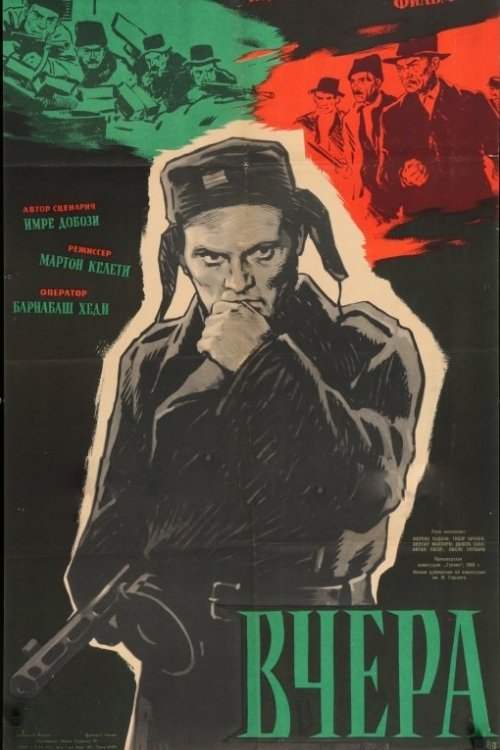
October, 1956. Colonel lieutenant Szabó sends a platoon with the mission of calming the people demonstrating in the town. The platoon is lined up under the command of Lieutenant Csendes and the soldiers aim at the demonstrators. Szusza Kis changes sides, and Csendes is unable to shoot at his childhood mate. They withdraw.
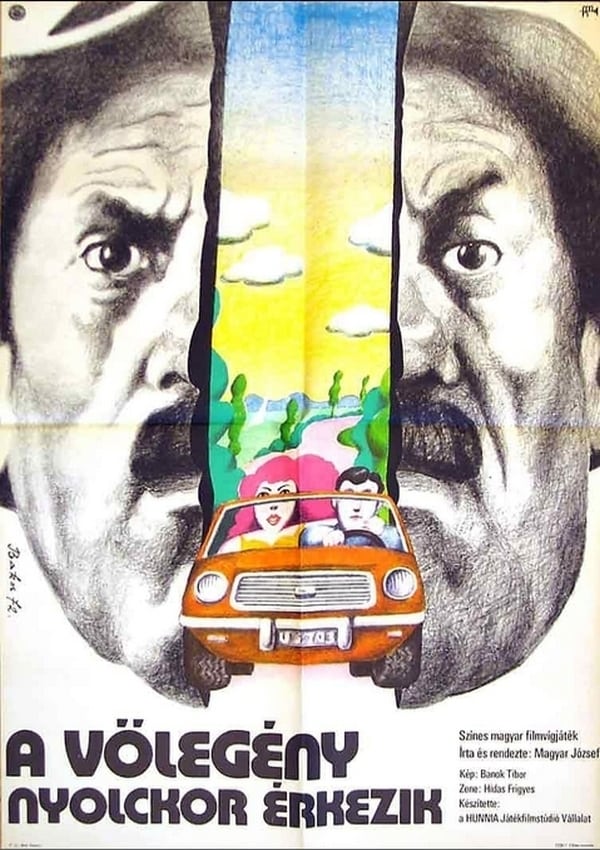
The satiric film, interlarded with burlesque elements is the caricature of the petty bourgeois. The hero, Kotlár spends even his holiday with his boss by jogging, in order to learn whether he will be nominated for head of department or not.
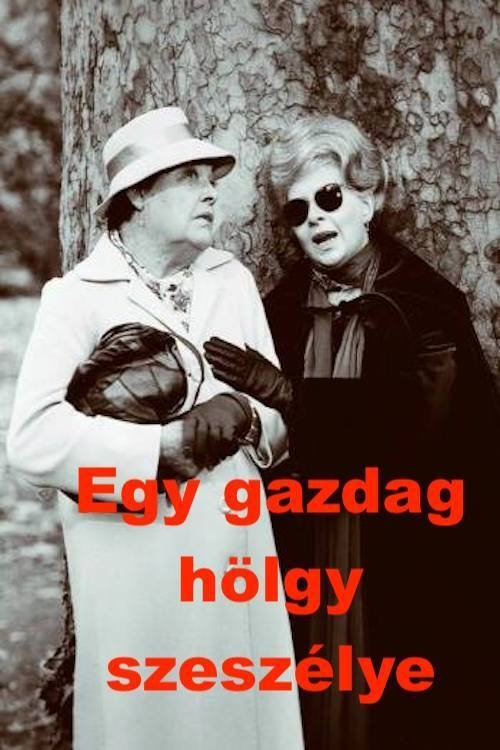
Emese, a wealthy old lady returning from Switzerland, invites her seven surviving classmates, all graduates of the 1930s, to a belated 50th reunion at her own expense. All but one of them live abroad, and they gather at the hotel on Margaret Island from all over Europe, where the hour of honesty arrives for all. During their days together, they confront themselves and their sins of the past decades. This is Hédi Váradi's last work for television, and her classmates Hilda Gobbi, Zsuzsa Gordon, Teri Náray, Juci Komlós, Erzsi Pártos and Zsuzsa Bánki all give excellent and long-lasting character performances.
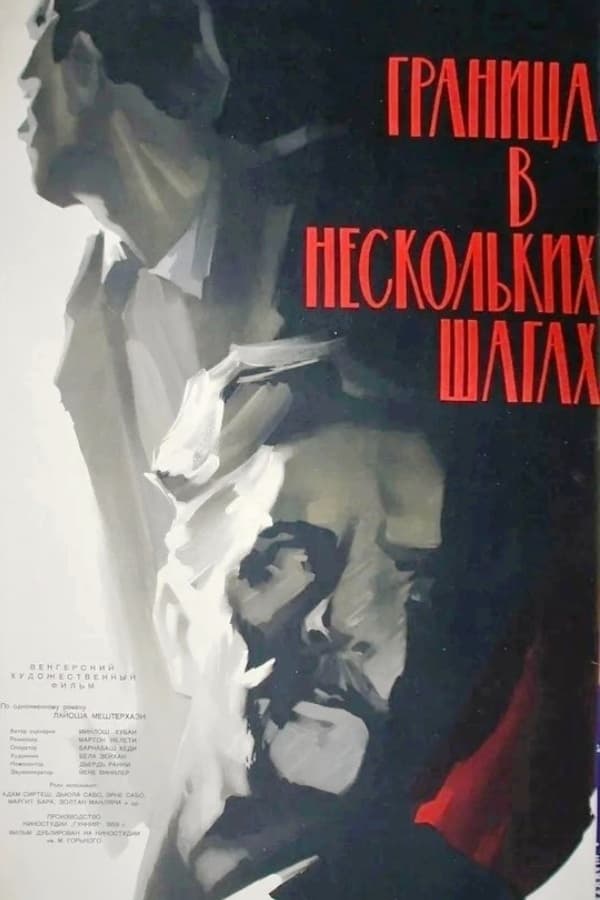
Based on the novel of the same name by Lajos Meszterházy about the escape from prison of two communists sentenced to death. The movie is set in 1921, two years after the defeat of the Hungarian Soviet Republic.
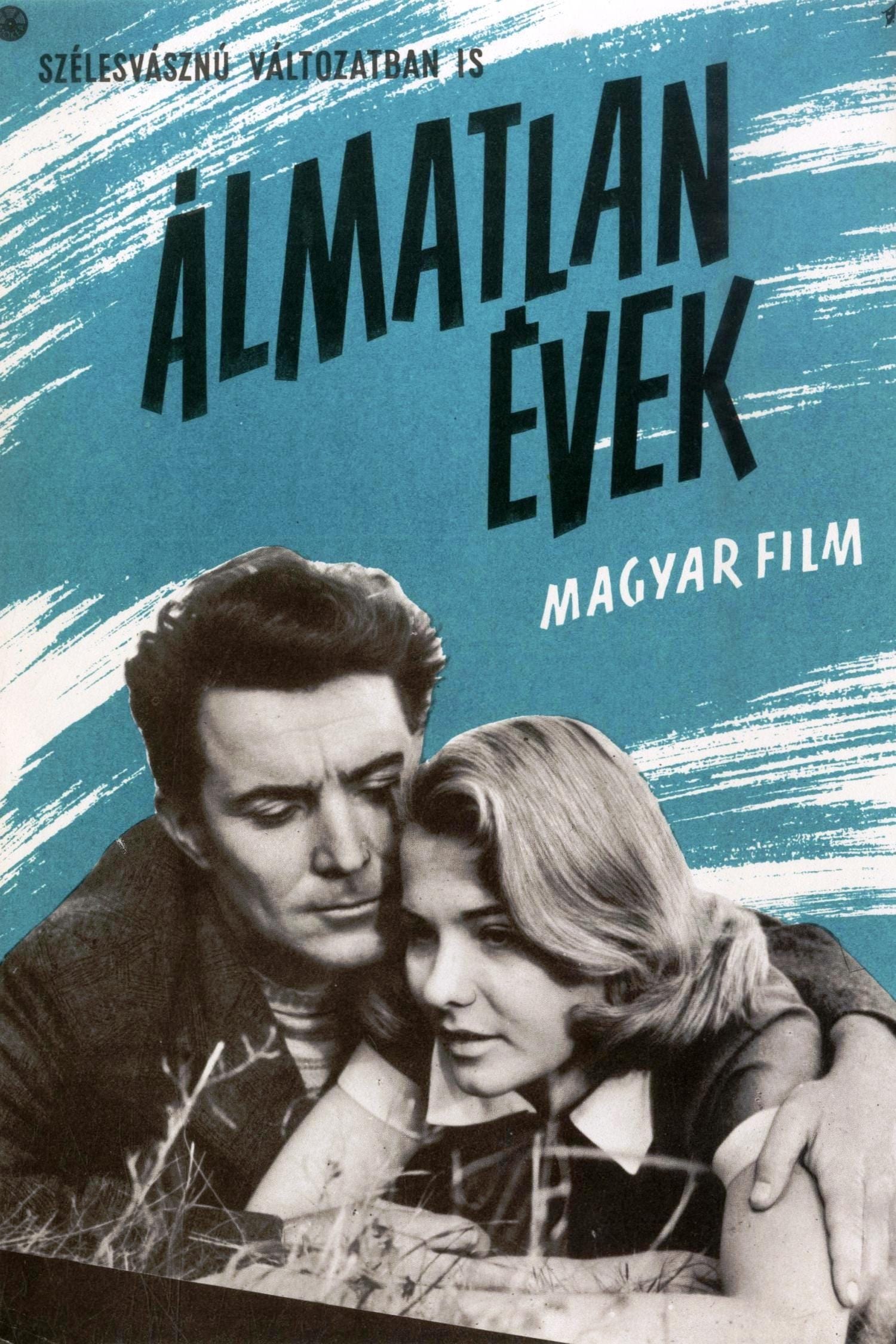
The "sleepless years" in this propaganda piece by director Felix Marlassy occur on Csepel Island, an island south of Budapest that is home to an armaments factory. The factory workers are shown being exploited by imperialists, capitalists gone berserk, and fascists, more or less in that exact chronological sequence. The heavy-handed approach does much to undercut the belief that when socialism finally takes over, the lives of the workers are brought up to a human level. In this instance, audiences might prefer a more nuanced and subtle statement, no matter what the message.
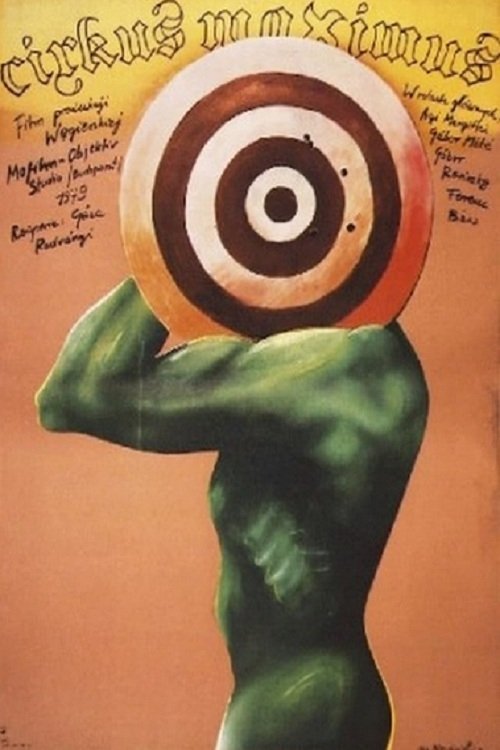
During World War II Carlotta, the circus owner maintains herself, her lover and her rather run-down circus-team by illegal man-smuggling. In the year of 1944, besides the usual refugees, she even has to take Professor Máté, the renown mathematician to the Yugoslavian partisans. The team is joined by Carlotta's psychotic son who has escaped from an asylum.

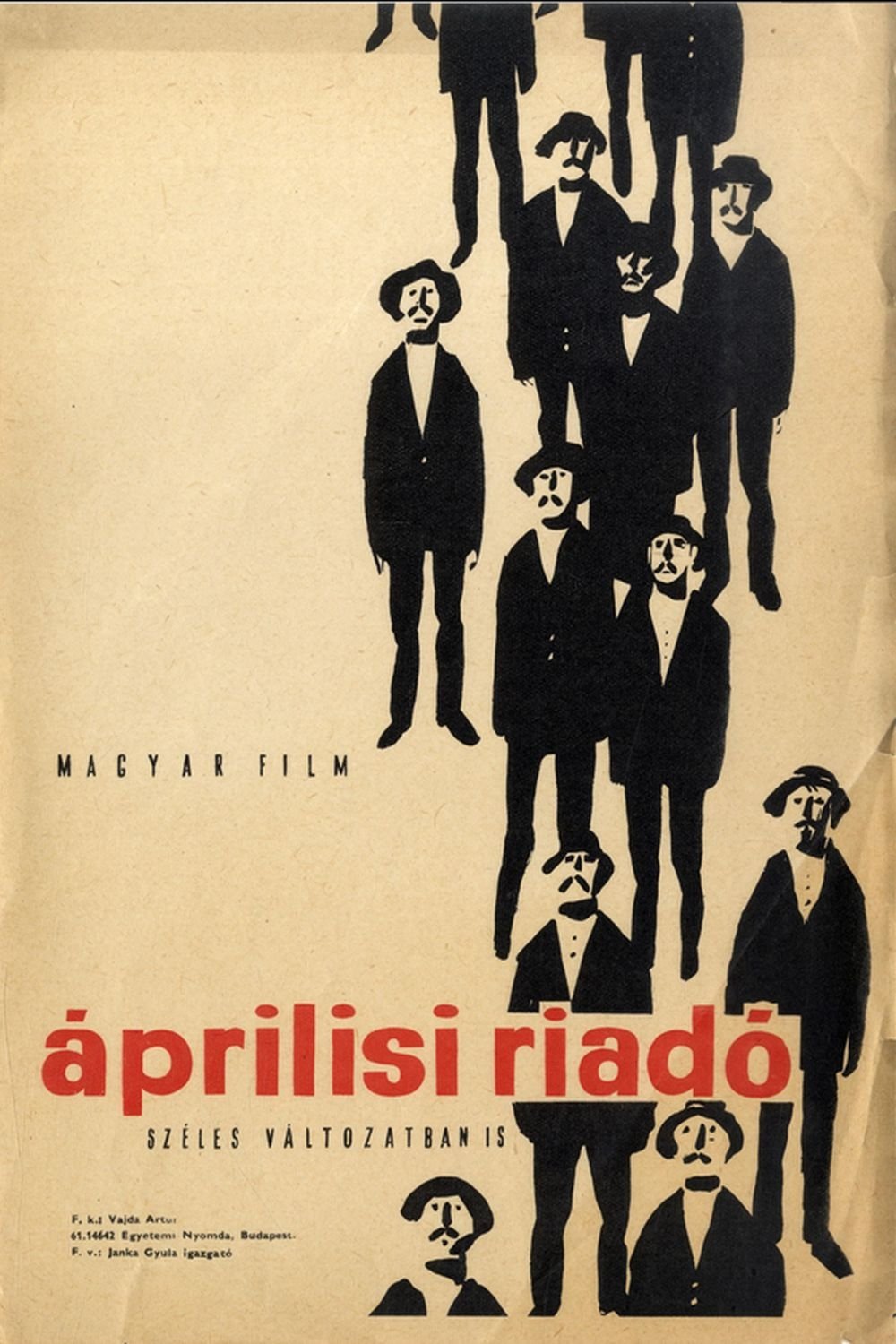
1946. Borok Vince, party secretary, and Holló Döme, former landowner, arrive in Nagybökény the same day at Easter. The latter wants to get back his castle and land with the help of his attorney. Albert József, the police-chief, wants to strengthen Communist power with tough actions. His R-guards disperse the clerical torch march.