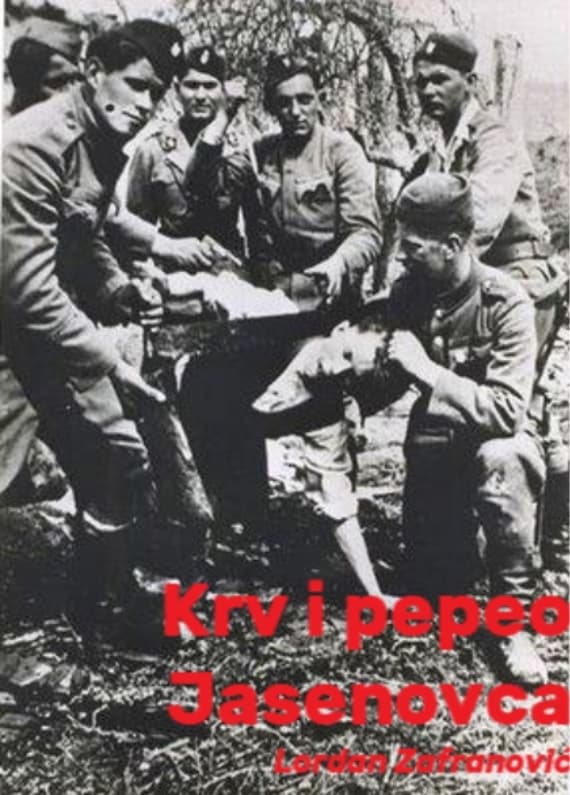
This film tells the story about the concentration camp run by Ustashas and was made on the 40th anniversary of the inmates' escape from the camp.
The film analyzes the Titoist (Stalinist) rituals that were used to manipulate public opinion and the masses. In parallel, the film shows the monument of Edvard Kardelj, the main Orwellian ideologue of Titoism in the center of Ljubljana. The workers surrounding Kardelj are beings without articulated faces. Kardelj has the only human face. They all go to the so-called happy future. The monument confirms in an astonishing and perverse way that the so-called self-governing socialism produced a mass of impersonal and authoritarian individuals in the crowd, which the so-called communist elites rule unscrupulously by manipulating the feelings of the masses "about a better future".

Promulgation of the Yugoslav Republic, held in Jajce, Bosnia and Herzegovina, on November 29, 1943.
Documentary about Josip Broz Tito, made when he was still alive and ruling Yugoslavia.
Through the conversation with Yugoslav film authors and excerpts from their films, this documentary film tells a story of a film phenomenon and censorship, and its focus is, in fact, a painful epoch of Yugoslav film called “a Black Wave”, which was the most important and artistically strongest period of Yugoslav film industry, created in the sixties and buried in the early seventies by means of ideological and political decisions. The film tells a great “thriller” story of the ideological madness which characterised the totalitarian psychology having left multiple consequences felt up to our very days. It stresses similarities between totalitarian regimes defending their taboos on the example of the persecution of the most important Yugoslav film authors. Those film authors have, however, made world careers and inspired many later authors. The film is the beginning of a debt pay-off to the most significant Yugoslav film authors.
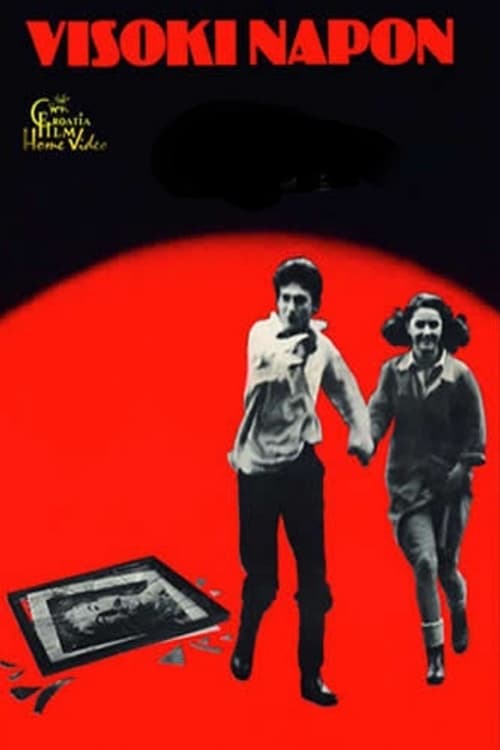
After WW II many young people arrive to Zagreb, among them a young worker Sonja Kacar. She is supposed to participate in the construction of the first generator in the Rade Koncar factory. Because there aren't enough experts and materials in Yugoslavia, the factory counts on help from fellow communist countries, Czechoslovakia and Soviet Union. However, after the Inform Bureau's resolution this help is no longer available. Sonja experiences a great intimate disappointment because Stjepan, who she is in love with, supports Stalin.
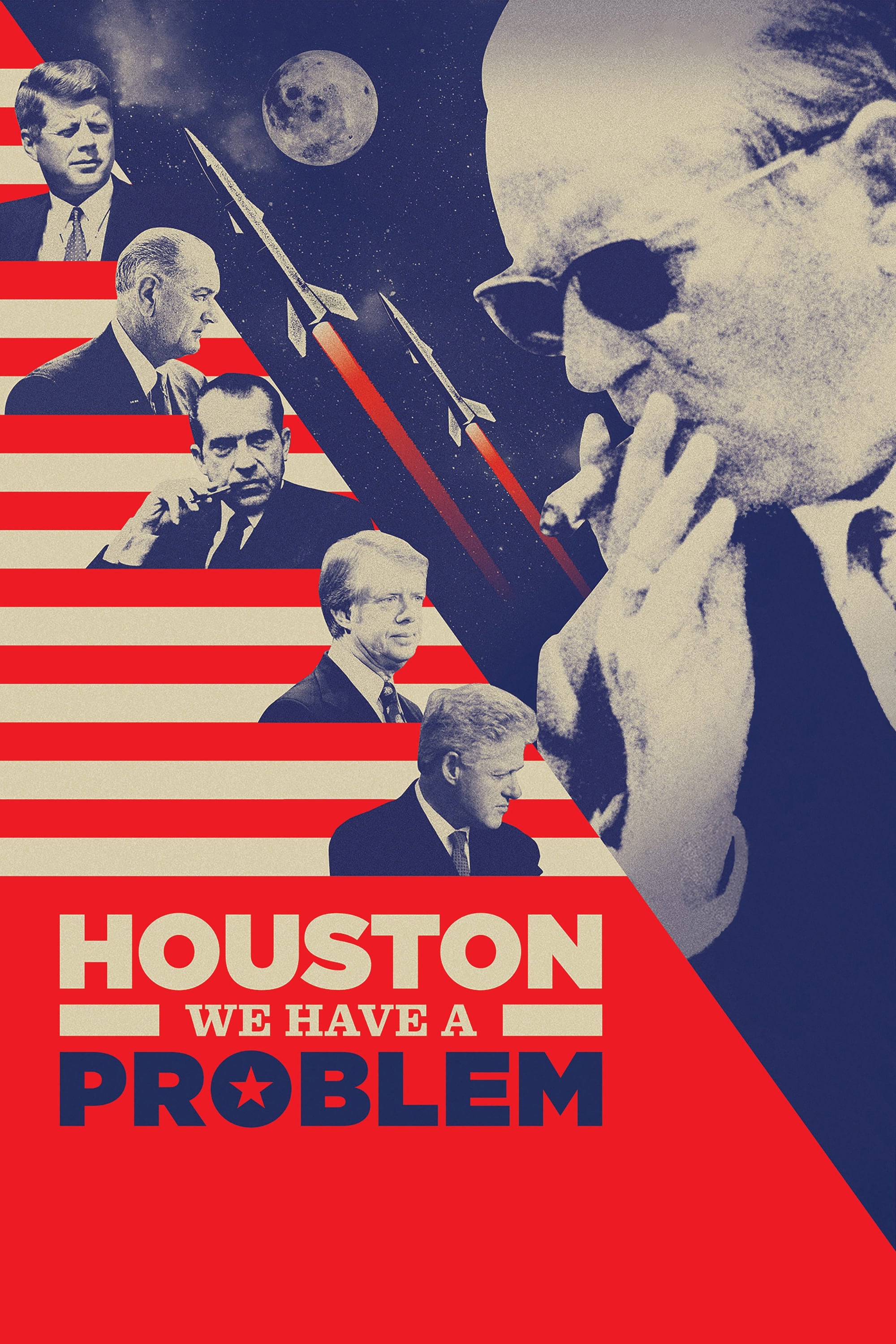
The cold war, the space race, and NASA’s moon landing are landmark events that defined an era. But they are also fodder for conspiracy theories. In Houston, We Have a Problem! filmmaker Žiga Virc adds new material to the discussion on both fronts. This intriguing docu-fiction explores the myth of the secret multi-billion-dollar deal behind America’s purchase of Yugoslavia’s clandestine space program in the early 1960s.
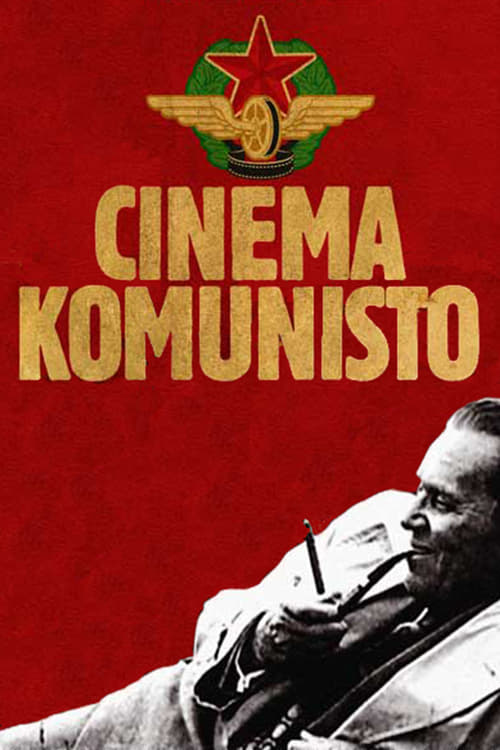
This eye-opening and bittersweet chronicle of the Yugoslavian film industry recounts how the cinema was used—often with direct intervention from President Josip Broz Tito—to create and recreate the young nation’s history, replete with heroes and myths that didn’t always hew closely to reality.
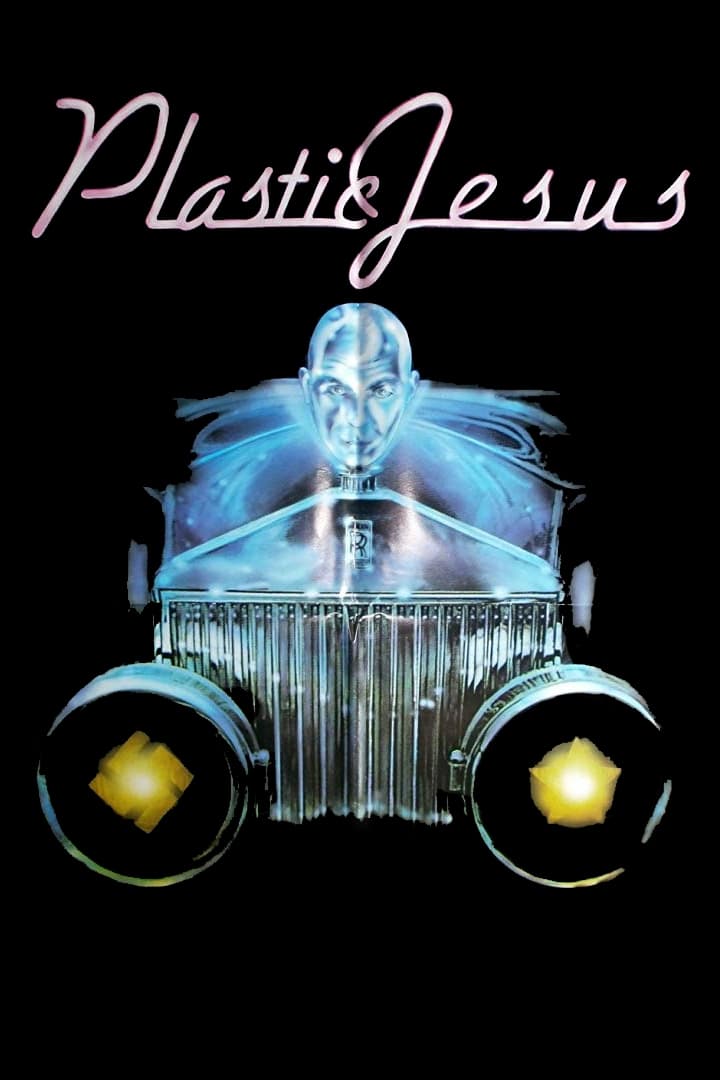
Tom is a young guy from Zagreb, completely without money, trying to make films in Belgrade. He somehow manages to survive with a help of women. He doesn't believe in anybody, respects no one and is in constant conflict with the ruling system and order. After being left by a silly American girl, Tom binds with a woman whose husband is abroad. When she kicks him out, he moves in with her husband's sister, who later kills him in the attack of jealousy. All this is shown in the context of major historical events prior to 1968. with lots of archive footage of world leaders.
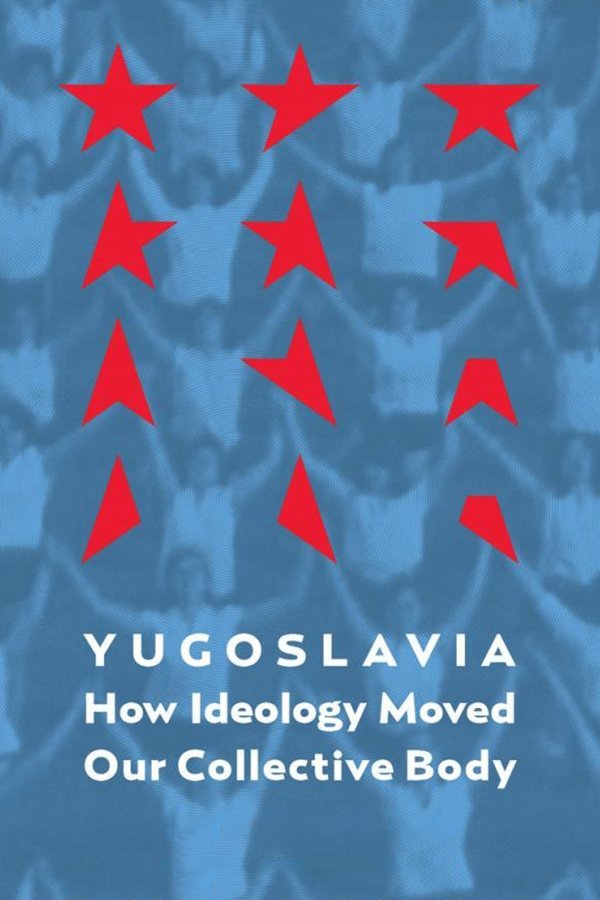
A research-based essay film, but also a very personal perspective on the history of socialist Yugoslavia, its dramatic end, and its recent transformation into a few democratic nation states.
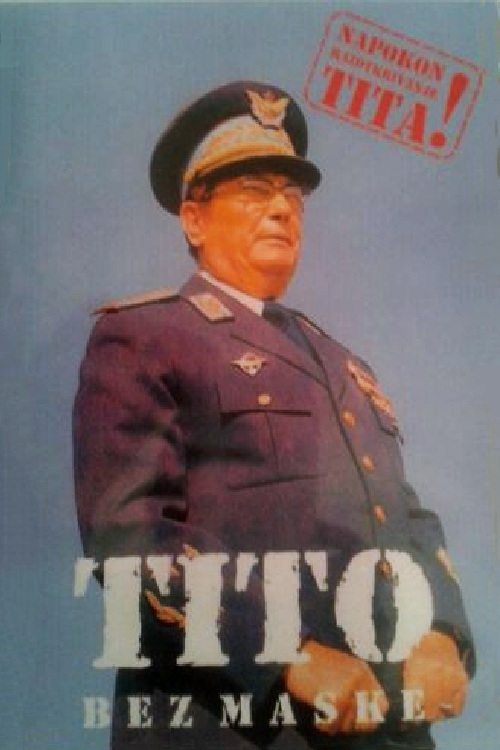
Little known facts about Yugoslavian president-for-life.
The recollections of Yugoslavian president-for-life, Josip Broz 'Tito'.
A Yugoslav propaganda film.
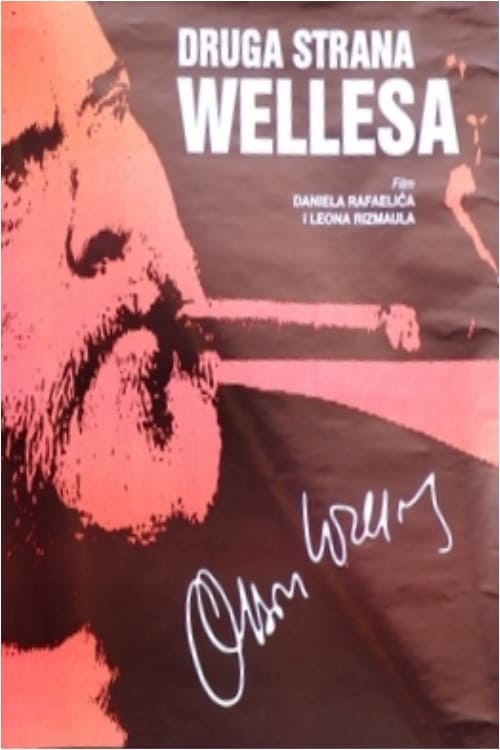
Film The Other Side of Welles portrays the life, work and intellectual heritage of Orson Welles in Yugoslavian federal unit "Socialist Republic of Croatia". Through the period of 25 years, he appeared as actor in several co productions made in Croatia (David and Goliath, Tartars, Austerlitz) - acted in few Yugoslavian film (Battle of Neretva, The Secret of Nicola Tesla) and directed two of his own film: The Trial and The Deep. As a Hollywood maverick, in Croatia he often found his shelter. Through the never before seen archive materials and the interviews with the people who worked with him, directors of this film, in the 90th anniversary of his birth and 20th of his passing, reveal the other side of Orson Welles
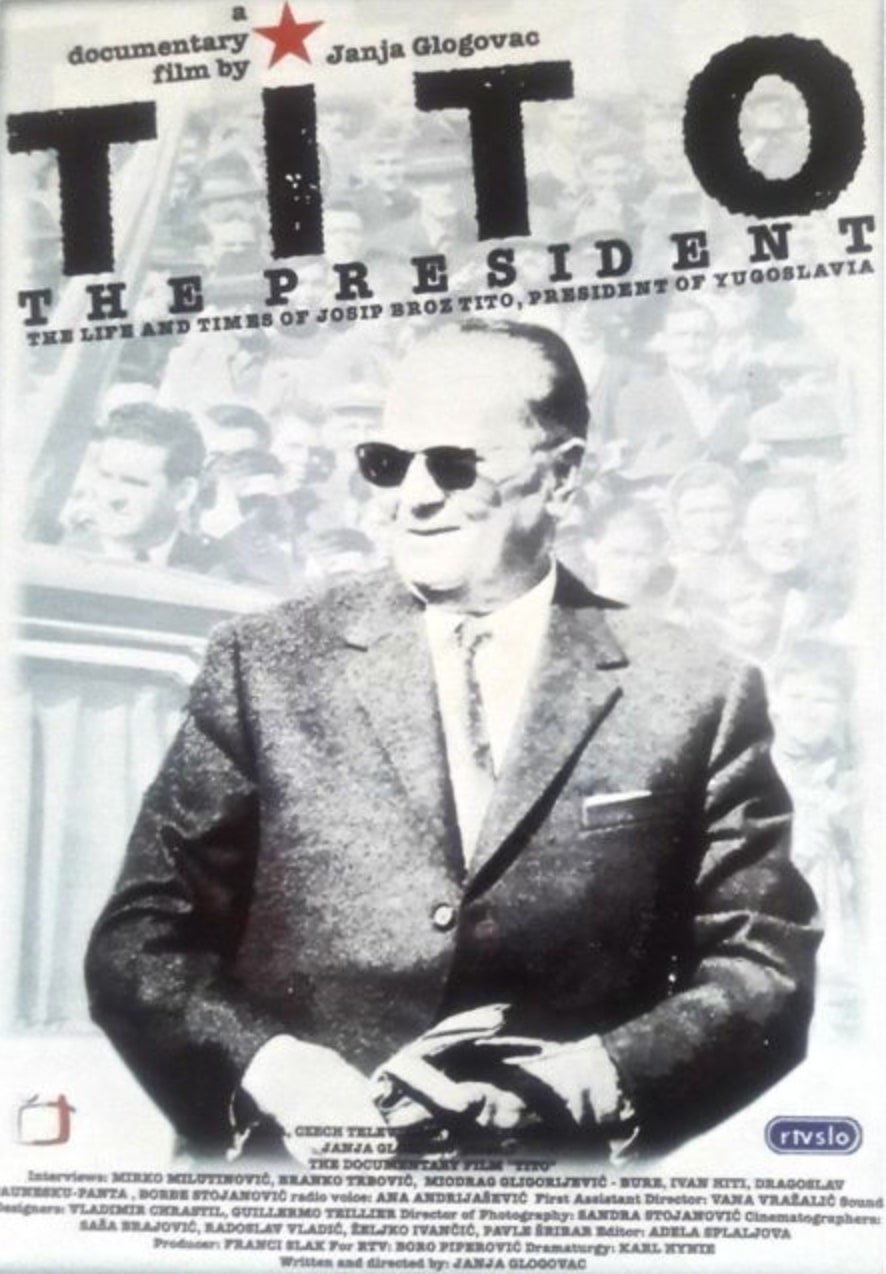
Colleagues, friends, and other close acquaintances all give their account of the man who led strife-torn Yugoslavia from German occupation in World War II and walked her down a political tightrope for 40 years, begrudgingly gaining the respect and admiration of both the Soviet and Western superpowers.
Short documentary by Krsto Škanata.
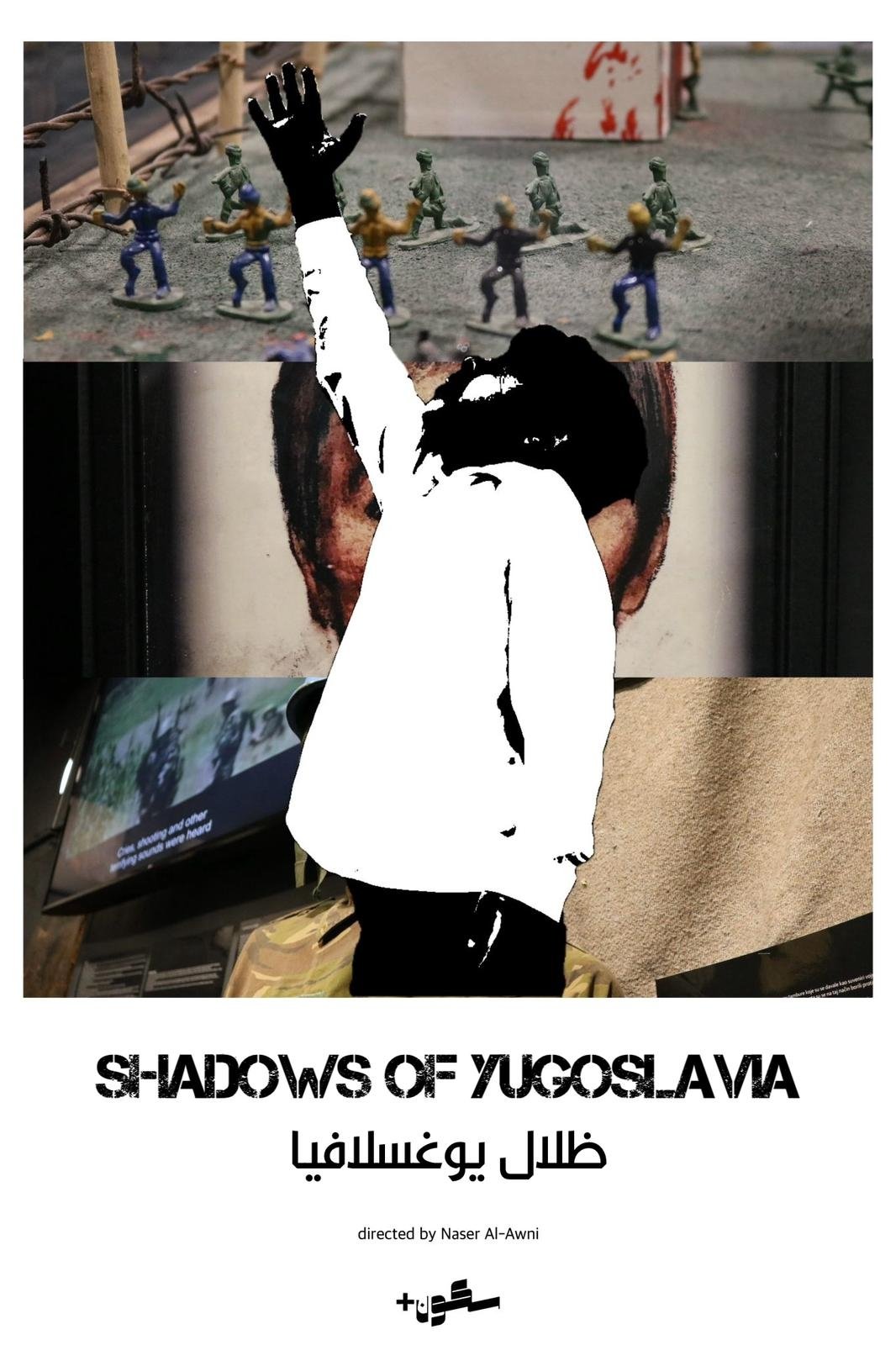
This documentary explores the disintegration of Yugoslavia from a historical and human perspective, highlighting the events that led to the collapse of this union, which was once considered a symbol of unity and coexistence among diverse nationalities.
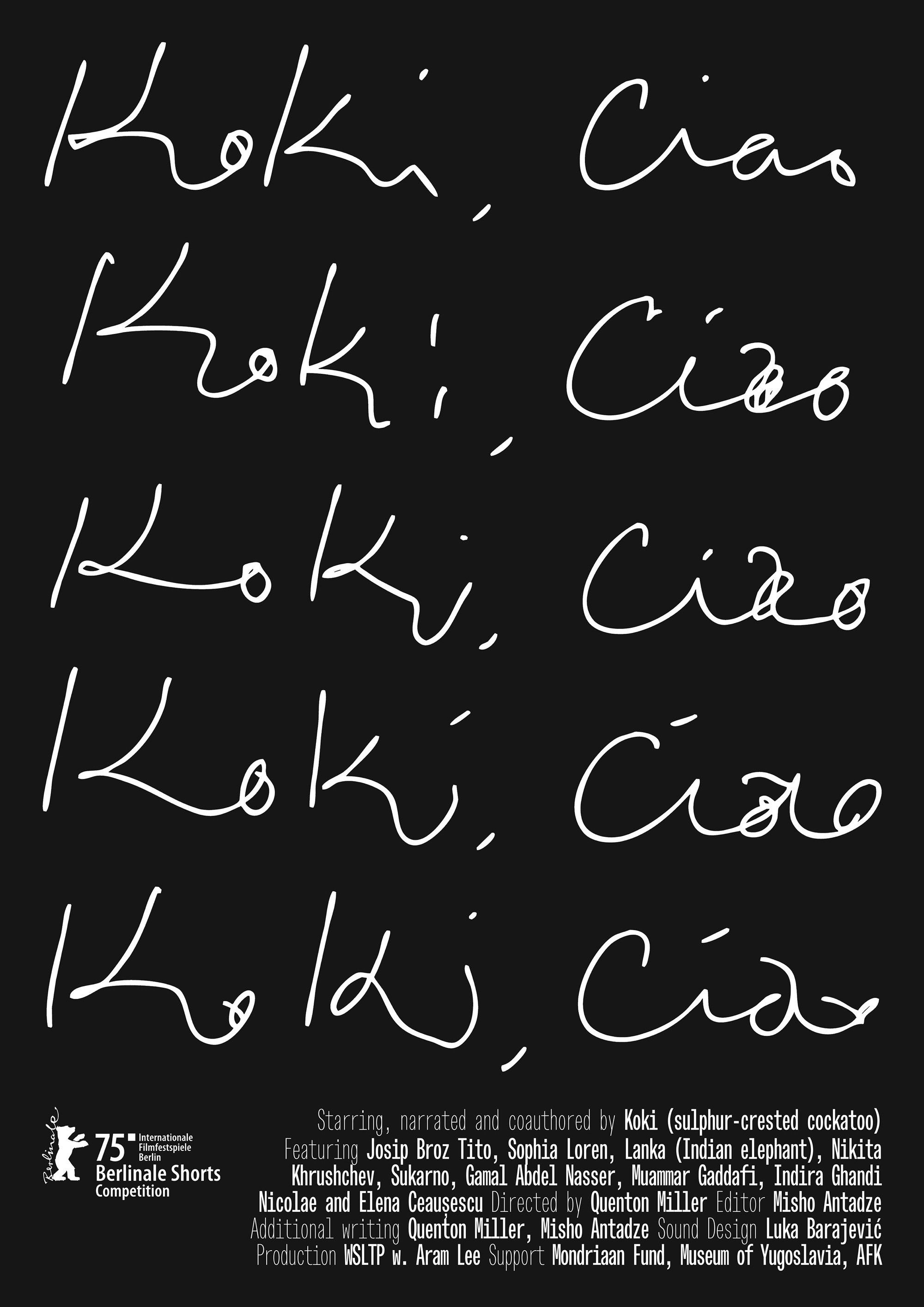
The autobiography of Koki, an immortal parrot. Artist Quenton Miller portrays the life of this unique animal, a loyal comrade of Marshal Tito, leader of Yugoslavia for 35 years. A rich photographic archive relives the caged memories of this cockatoo, who had the honour of meeting Hollywood stars, and bloodthirsty dictators. A funny portrait, non-aligned with the documentary orthodoxy, that deals with the false constructions of history.
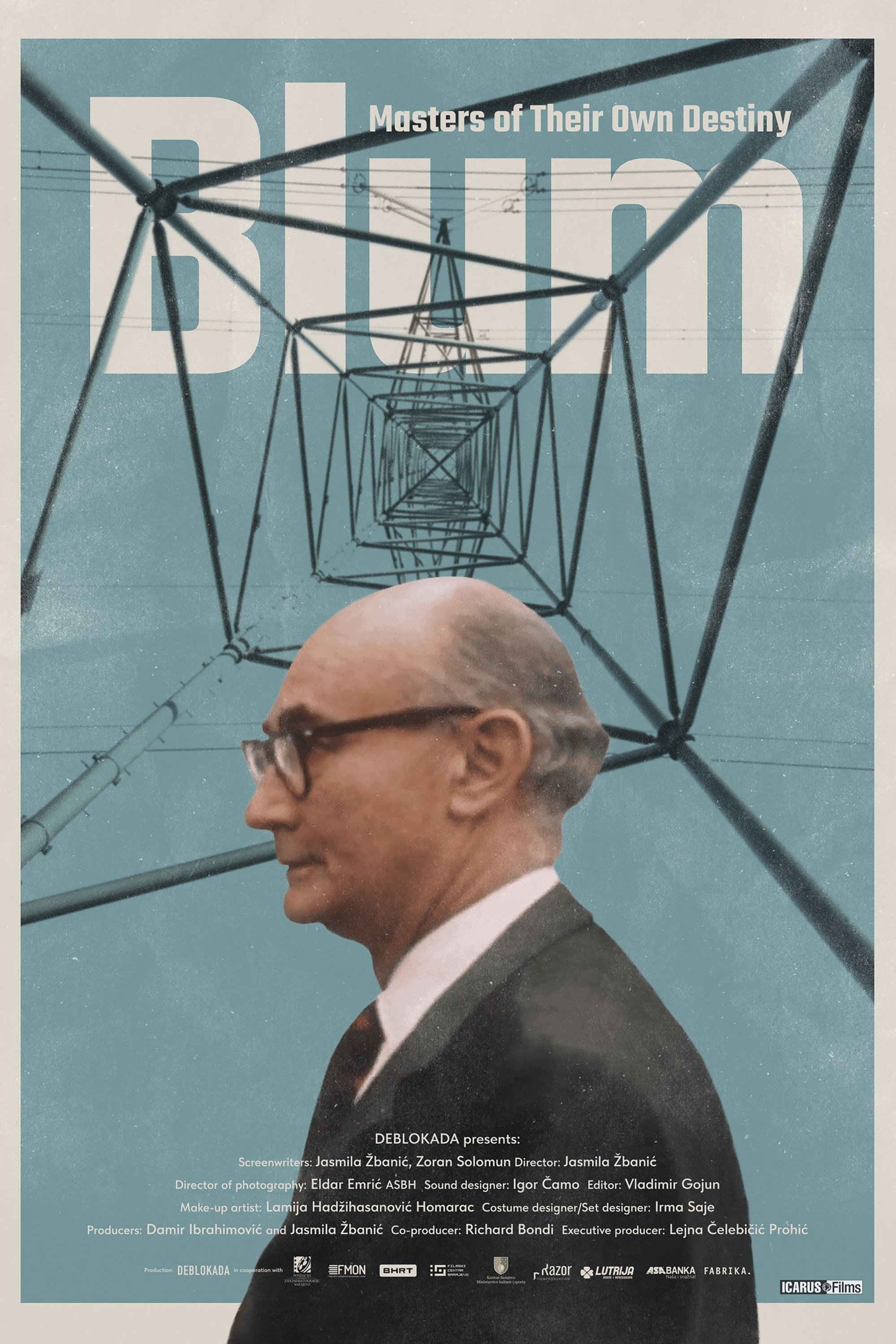
A documentary about Sarajevo’s preeminent Yugoslav-era businessman and mayor, Emerik Blum, and the inner workings of his engineering company, Energoinvest.
A documentary film consisting of various clips of Josip Broz Tito.
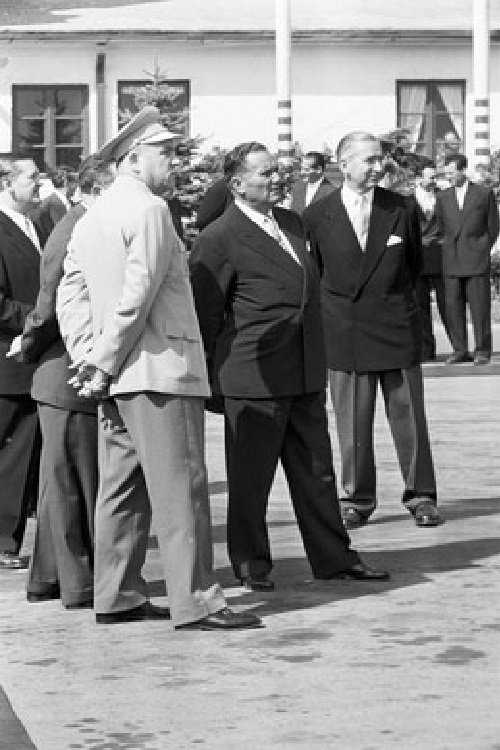
Report on the visit of Josip Broz Tito and Polish officials Gomulka and Cyrankiewicz to Skopje in 1965. During the visit, the high-ranking guests from Poland were presented with a charter declaring them honorary citizens of Skopje. Review of the new urban solutions of the city, sketches and models.