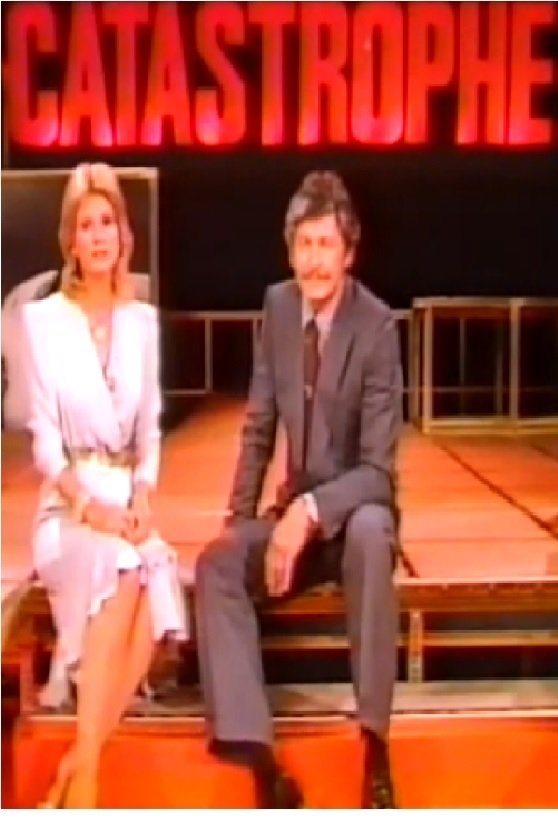
Catastrophe-No Safe Place is a 1980's documentary series presented by Charles Bronson and Jill Ireland presenting different catastrophic events around the world. But they dug into the events leading up to the event whether it was a bad location or engineering mistakes or unauthorized modifications made by the contractors who built the thing, to seismic or volcanic events.
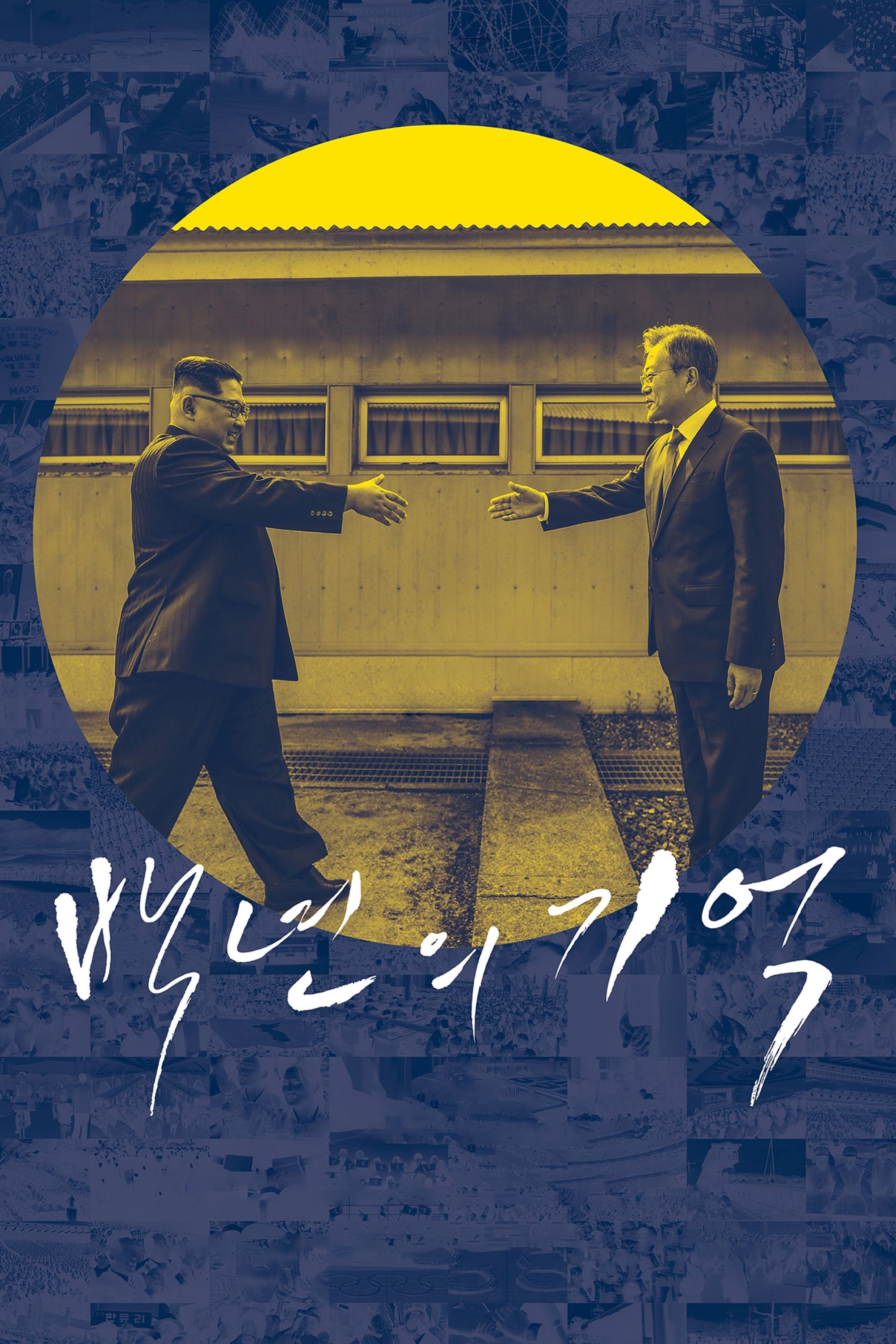
A contemporary history of Korea(s) from a unique point of view that embraces the inner history of both South and North Korea in a single narrative.
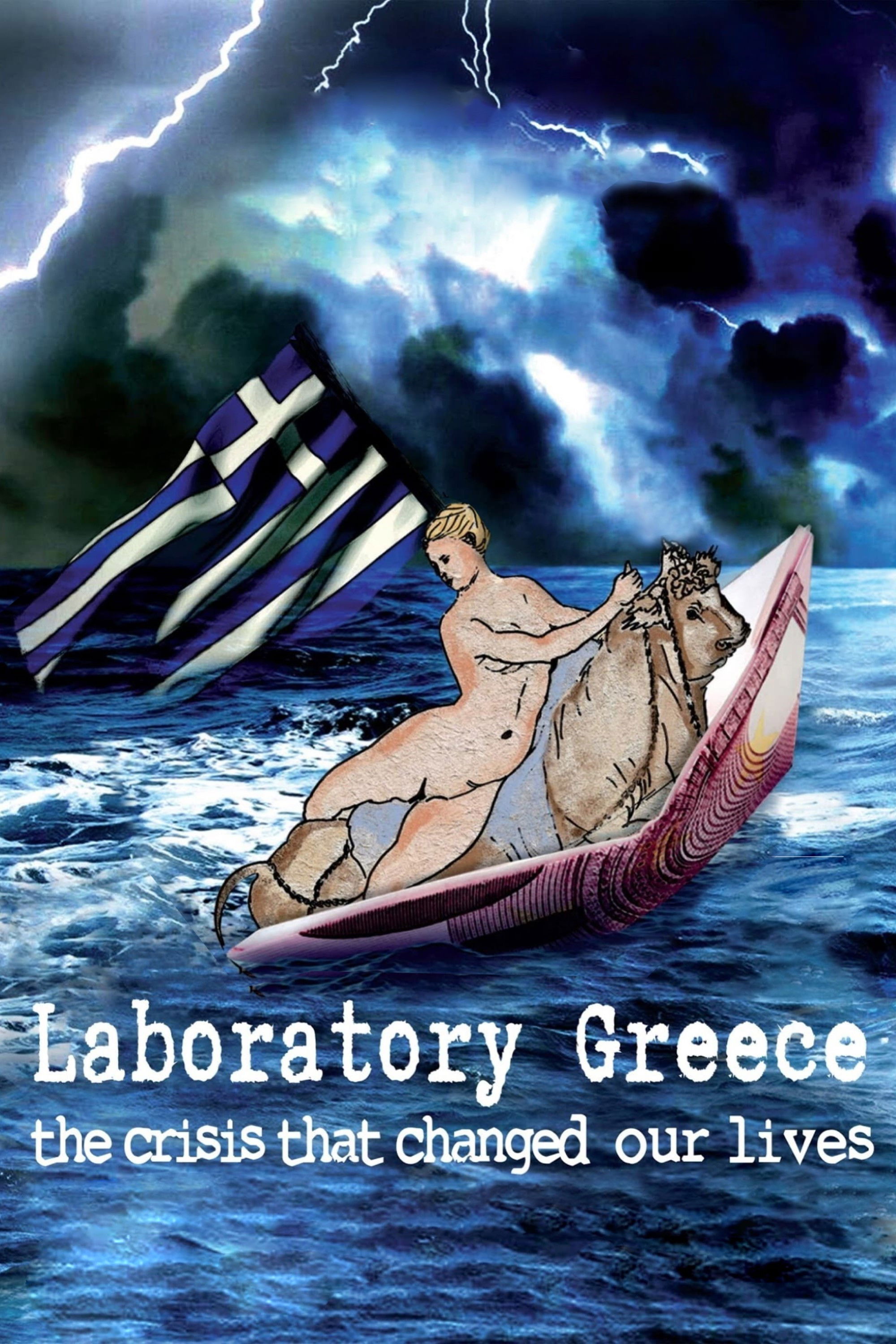
A journey through Greece and Europe’s past and recent history: from the Second World War to the current crisis. It is a historical documentary, a look into many stories. «If Democracy can be destroyed in Greece, it can be destroyed throughout Europe» Paul Craig Roberts
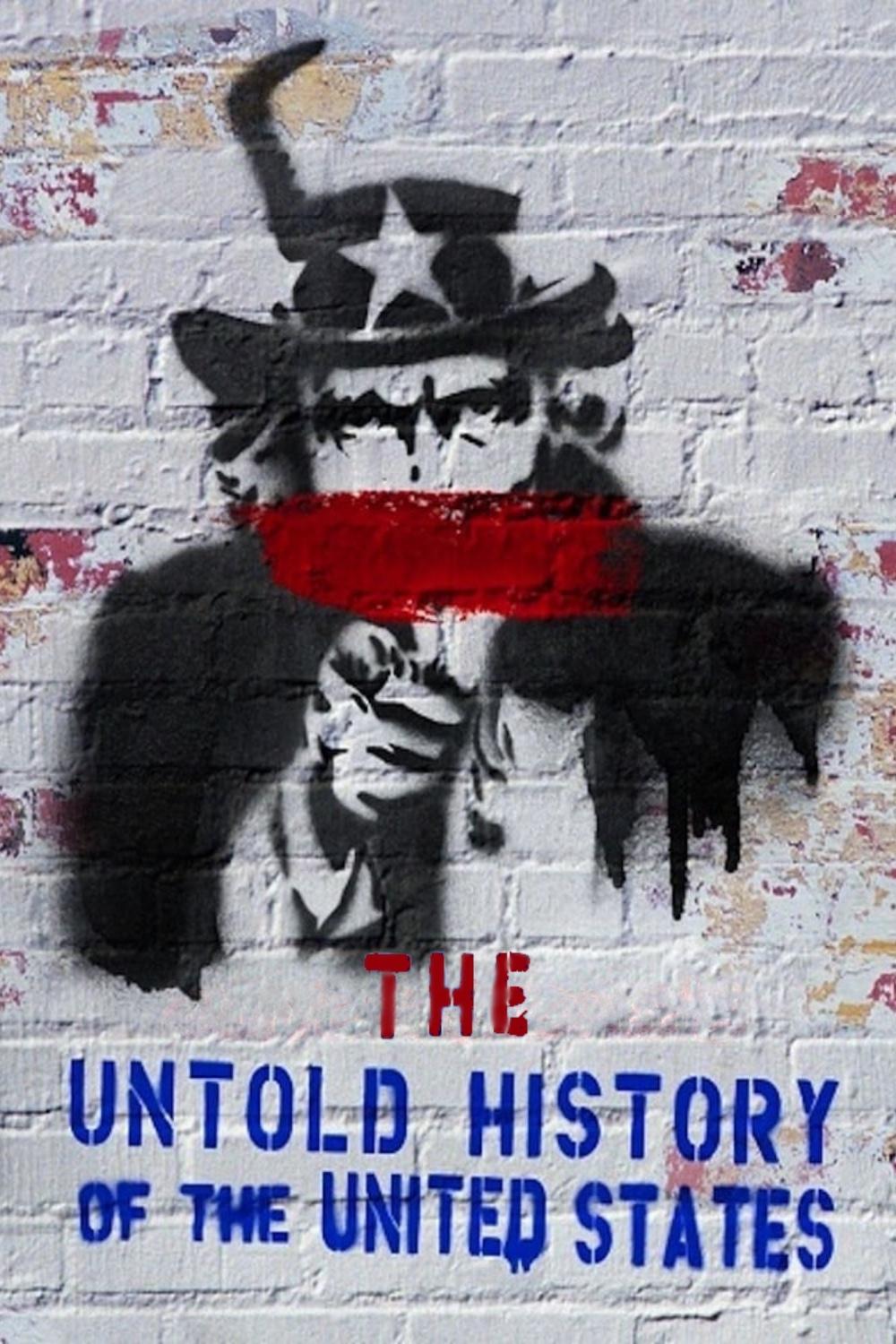
Oliver Stone charts the history of the United States from the Second World War to the present.
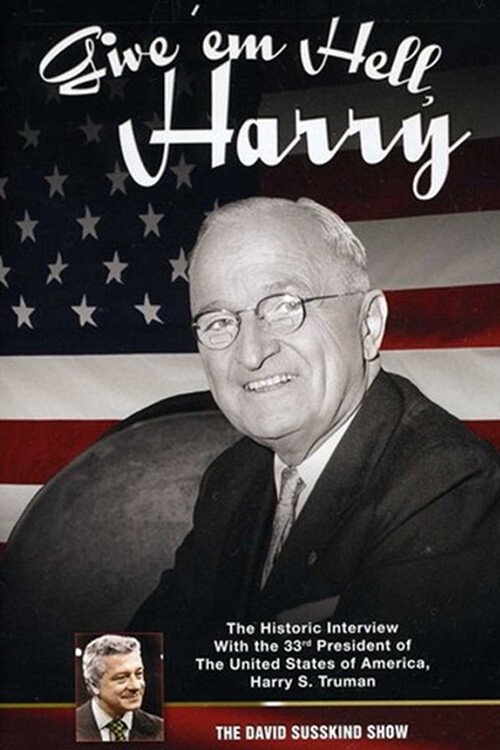
In 1961, David Susskind conducted a series of interviews with former President Harry Truman in Truman's hometown of Independence, Missouri. After picking Truman up at his home to take him to the Truman Presidential Library for the interviews over a number of days.
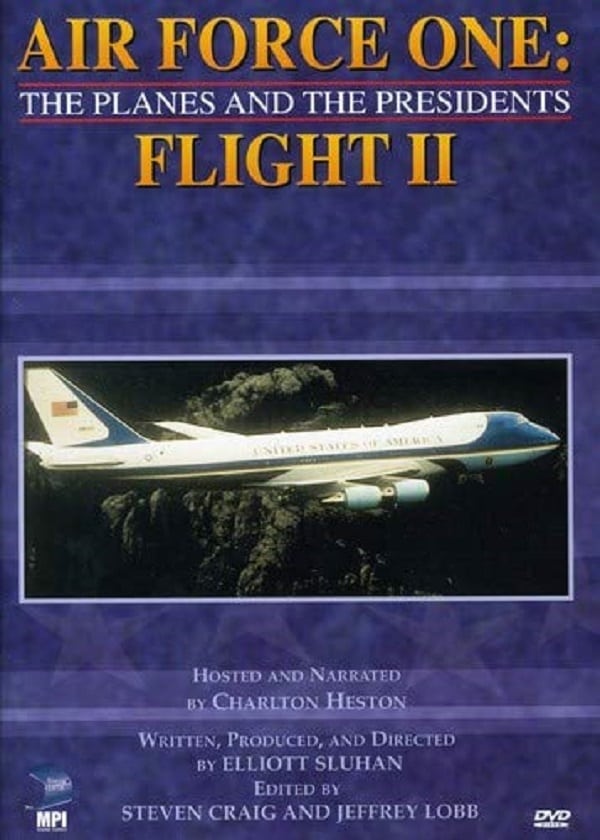
Several important historical events occurred on the planes with call sign Air Force One. These events are described within the backdrop of the evolution of the presidents' airplanes.
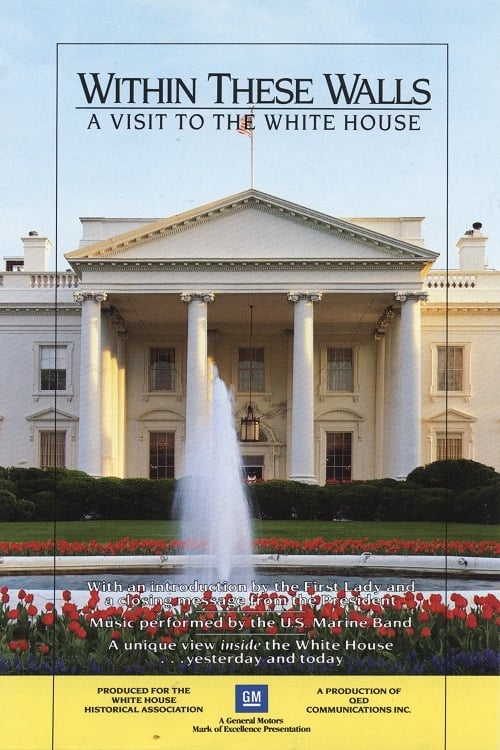
A special that takes a look inside the White House.
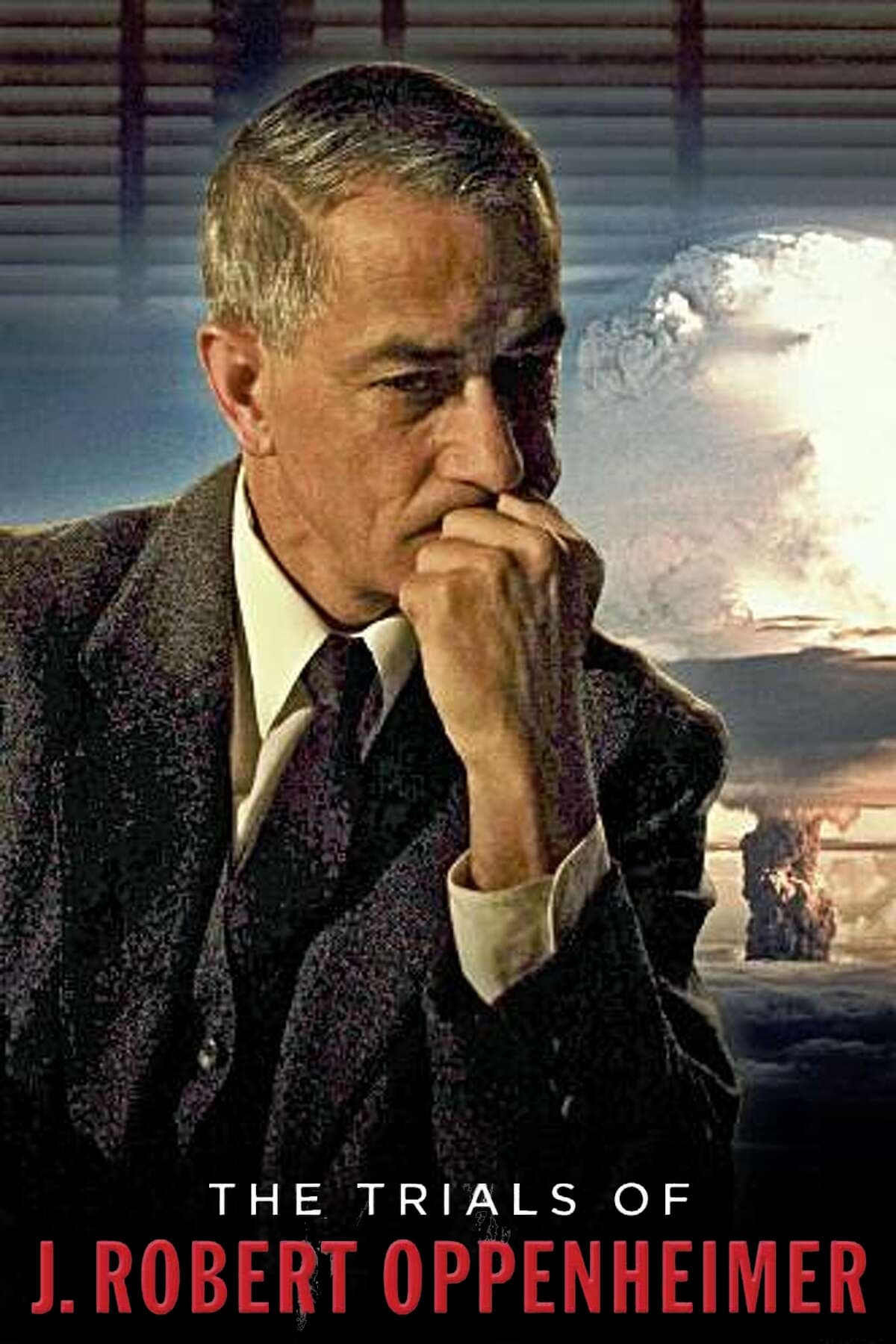
J. Robert Oppenheimer was a national hero, the brilliant scientist who during WWII led the scientific team that created the atomic bomb. But after the bomb brought the war to an end, in spite of his renown and his enormous achievement, America turned on him - humiliated and cast him aside. The question the film asks is, "Why?"
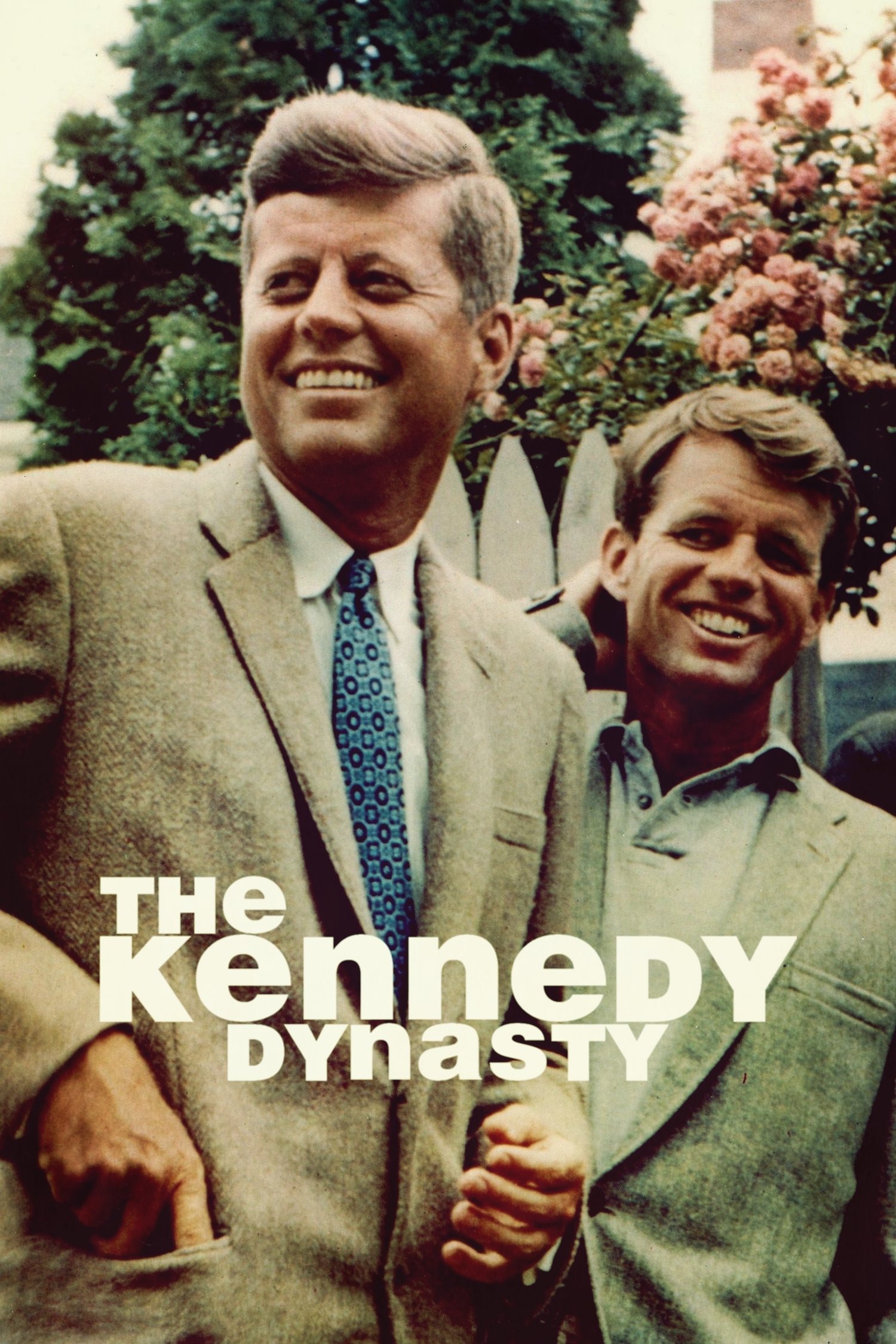
The story of a powerful political and economic dynasty, fundamental to understanding the turbulent destiny of the United States of America throughout the 20th century; of nine brothers who had truly extraordinary lives, marked by both greatness and tragedy: the story of the Kennedy family.
Superpower illustrates how the United States has leveraged its position to ensure unilateral world domination through absolute economic and military superiority and government deception.
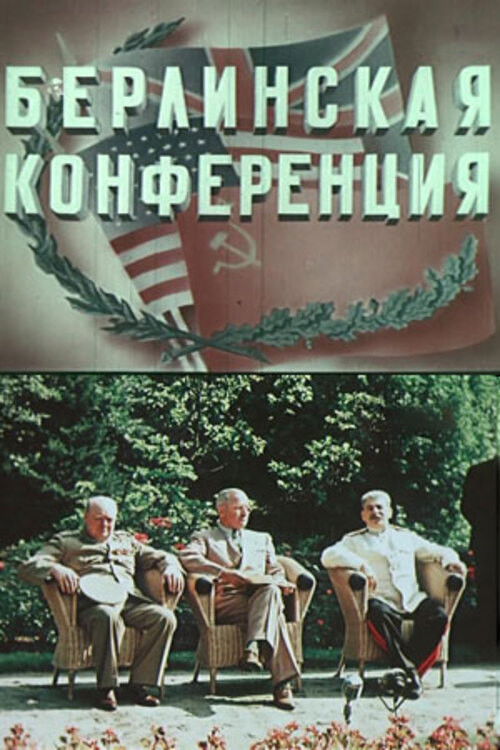
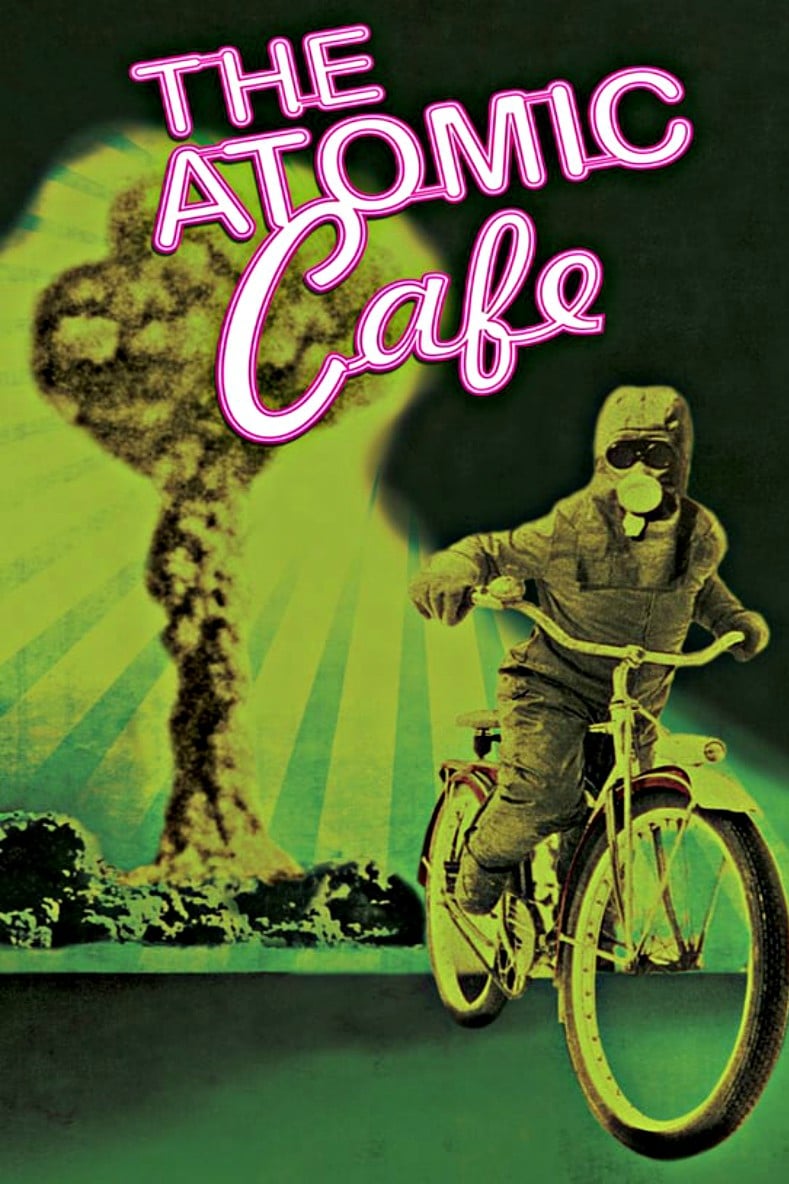
A disturbing collection of 1940s and 1950s United States government-issued propaganda films designed to reassure Americans that the atomic bomb was not a threat to their safety.
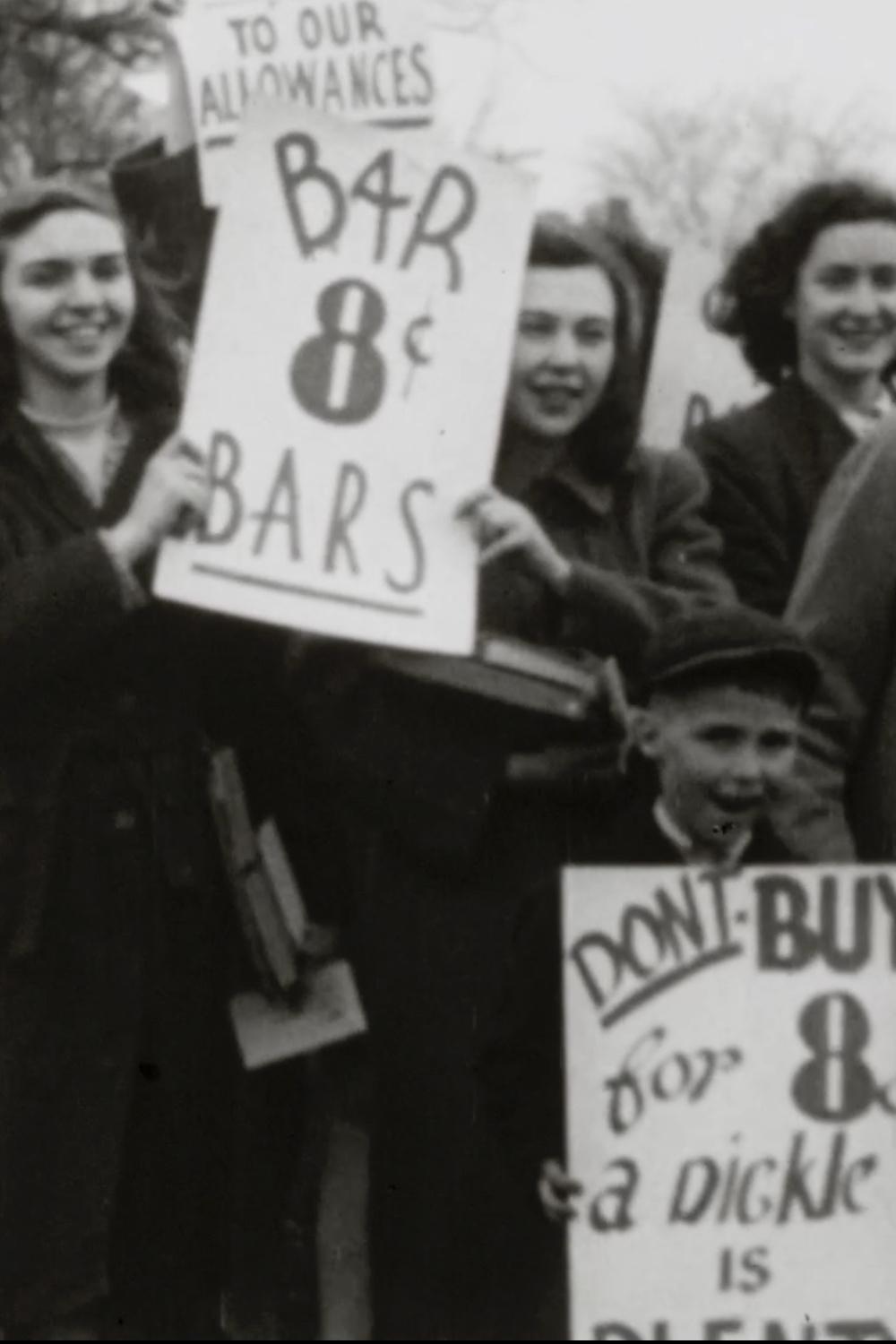
A compilation of Canadian news stories from 1947 including: long skirts, a new look in women's fashion; scenes of a record snow storm; a representative group of Canadians receive the first Canadian citizenship certificates at the Supreme Court of Canada; 18-year-old Barbara Ann Scott in Ottawa after winning the amateur European and World figure skating championships and being presented the trophy by Governor General Viscount Alexander for defending her North American title; postage stamps that commemorate the 100th anniversary of the birth of Dr. Alexander Graham Bell including shots of his home in Brantford, Ontario; the Dominion Ski Championships at Mont Ste-Anne, Quebec with twins Rhoda and Rhona Wurtele of Montreal and Tom Mobraaten of Vancouver.
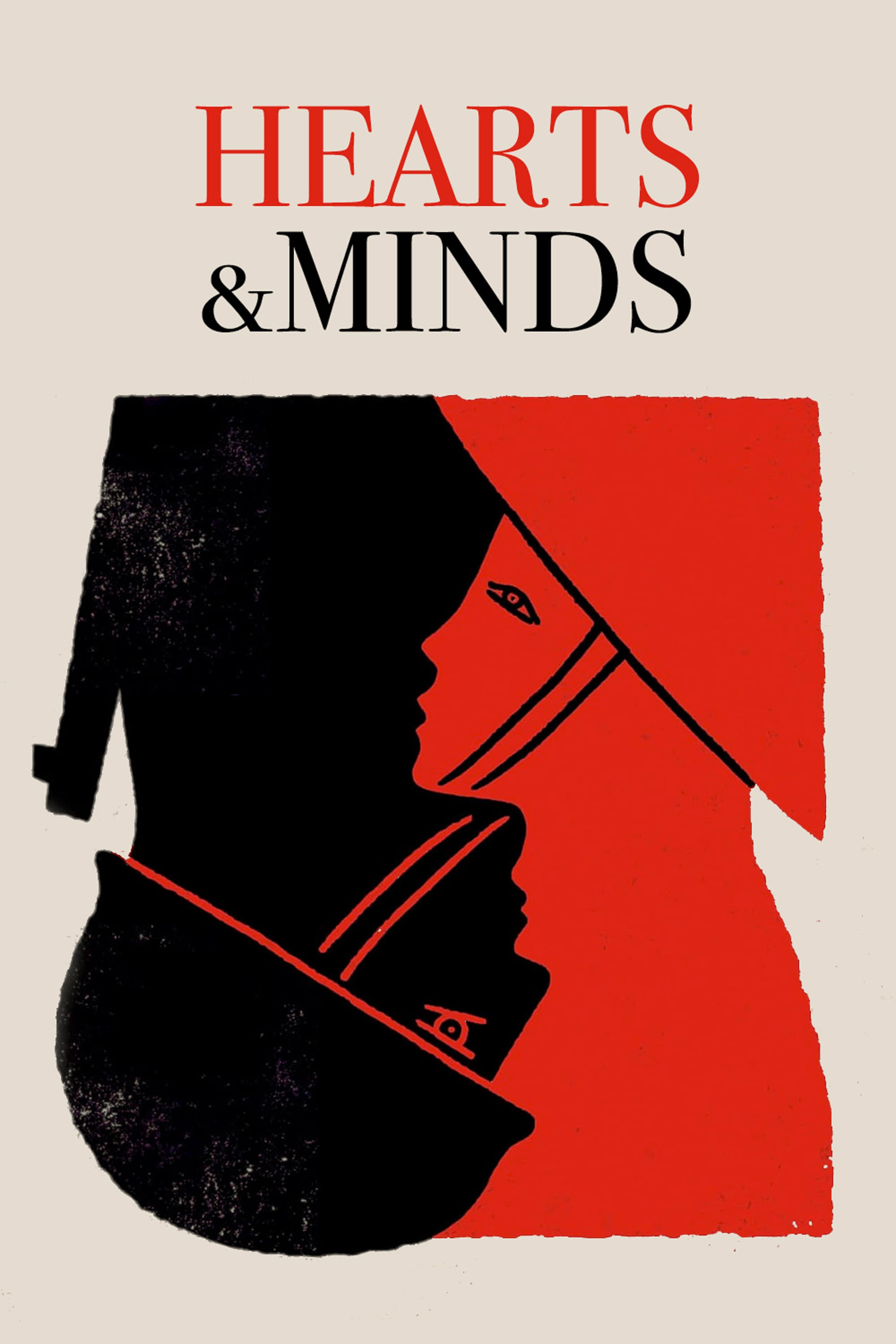
Many times during his presidency, Lyndon B. Johnson said that ultimate victory in the Vietnam War depended upon the U.S. military winning the "hearts and minds" of the Vietnamese people. Filmmaker Peter Davis uses Johnson's phrase in an ironic context in this anti-war documentary, filmed and released while the Vietnam War was still under way, juxtaposing interviews with military figures like U.S. Army Chief of Staff William C. Westmoreland with shocking scenes of violence and brutality.
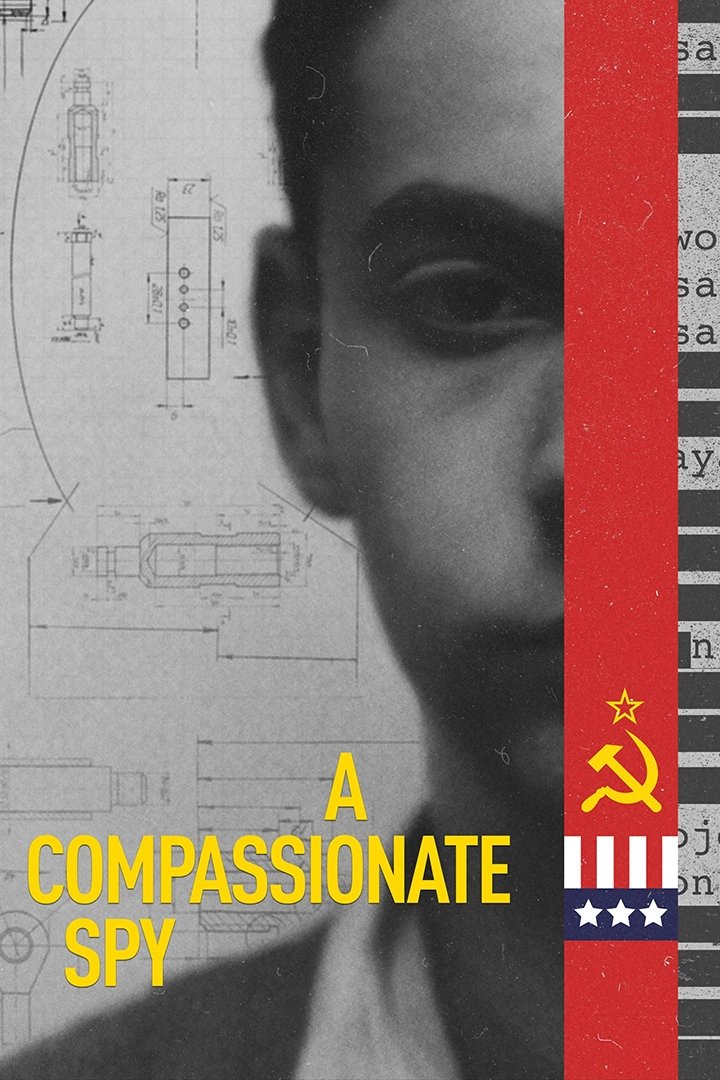
Physicist Ted Hall is recruited to join the Manhattan Project as a teenager and goes to Los Alamos with no idea what he'll be working on. When he learns the true nature of the weapon being designed, he fears the post-war risk of a nuclear holocaust and begins to pass significant information to the Soviet Union.
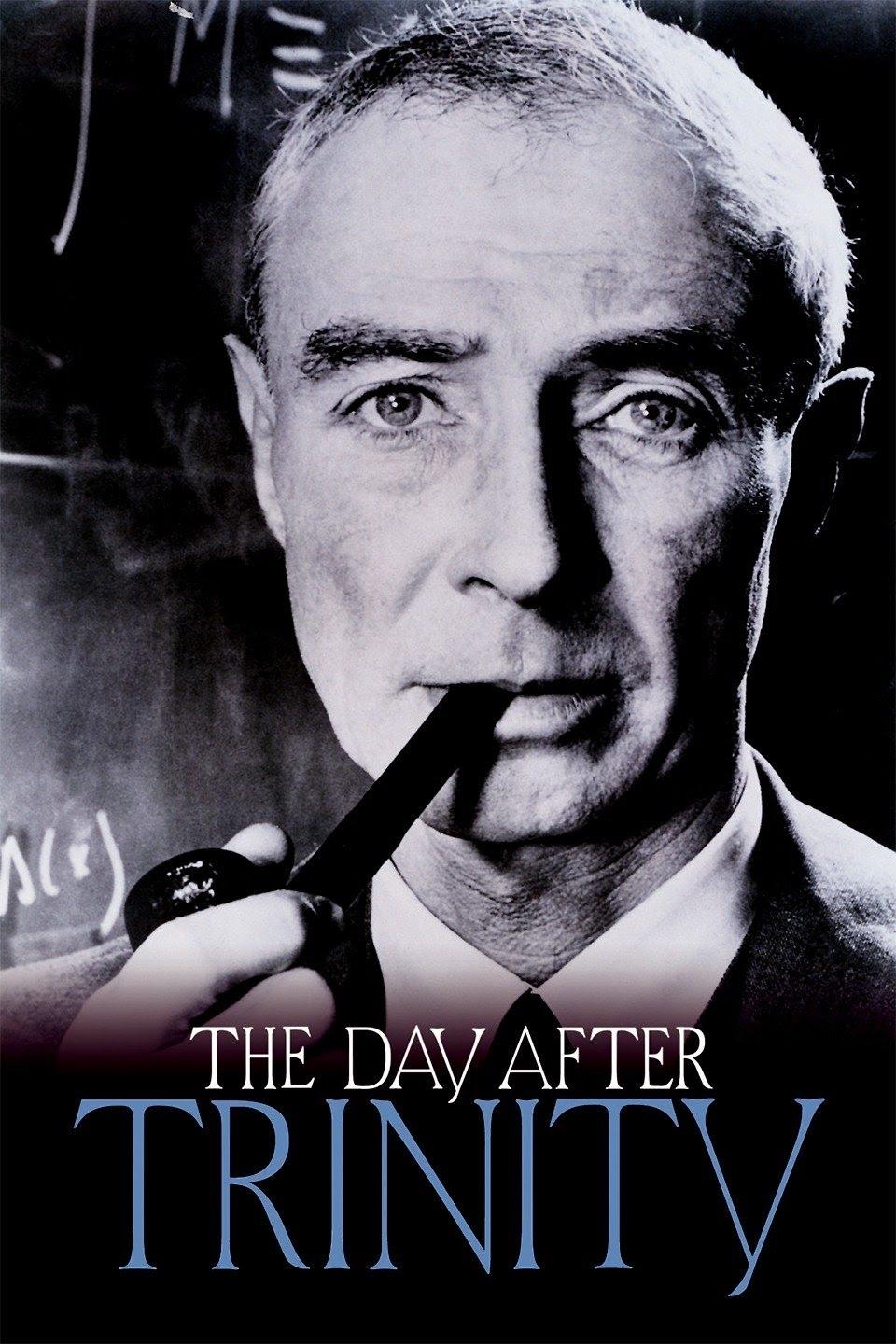
Through interviews with Manhattan Project scientists and newly declassified archival footage, this documentary examines the life of physicist J. Robert Oppenheimer and his leadership of the Manhattan Project. The film traces the development and testing of the first atomic bomb and follows Oppenheimer’s later opposition to nuclear proliferation during the early years of the Cold War.
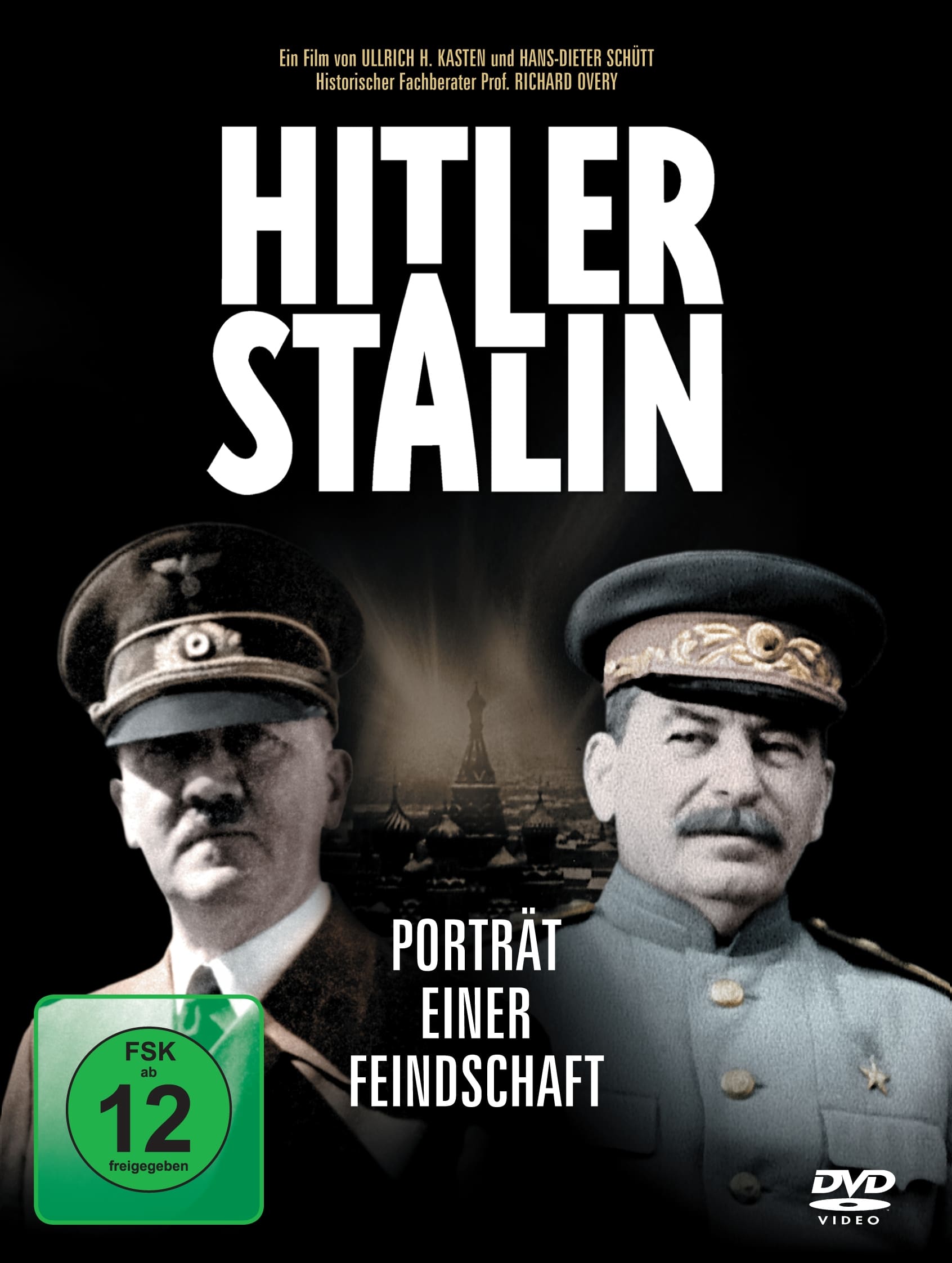
A double portrait of two dictators who were thousands of miles apart but were constantly fixated on each other.
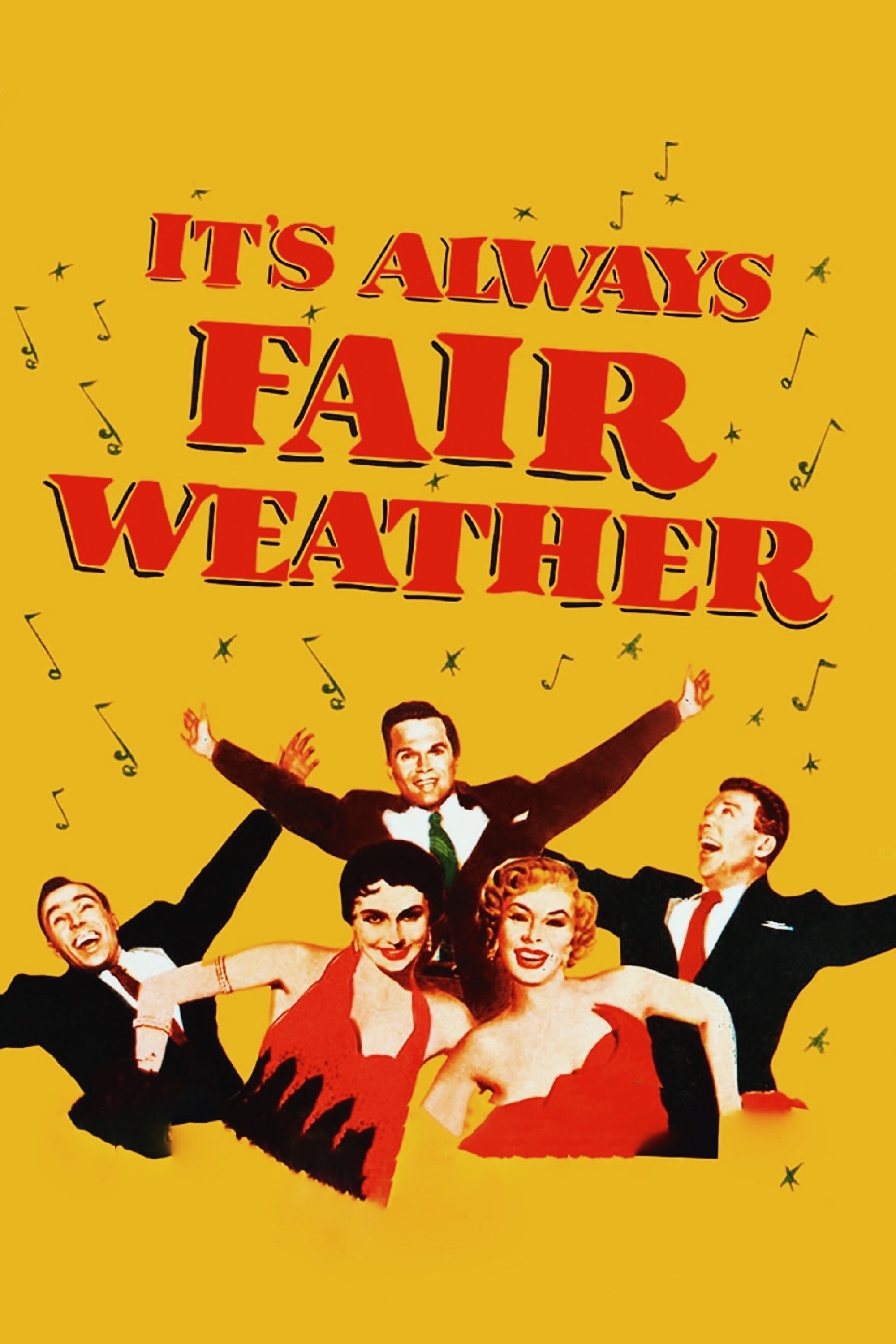
Three World War II buddies promise to meet at a specified place and time 10 years after the war. They keep their word only to discover how far apart they've grown. But the reunion sparks memories of youthful dreams that haven't been fulfilled -- and slowly, the three men reevaluate their lives and try to find a way to renew their friendship.
Dieser Dokumentarfilm zeigt die ökologischen Probleme, mit denen die Erde zu kämpfen hat. Mit Bezug auf die lange Entwicklungsgeschichte der auf der Erde lebenden Lebewesen wird insbesondere auch ein Augenmerk auf das Artensterben, das durch den Menschen verursacht wird, gelegt.
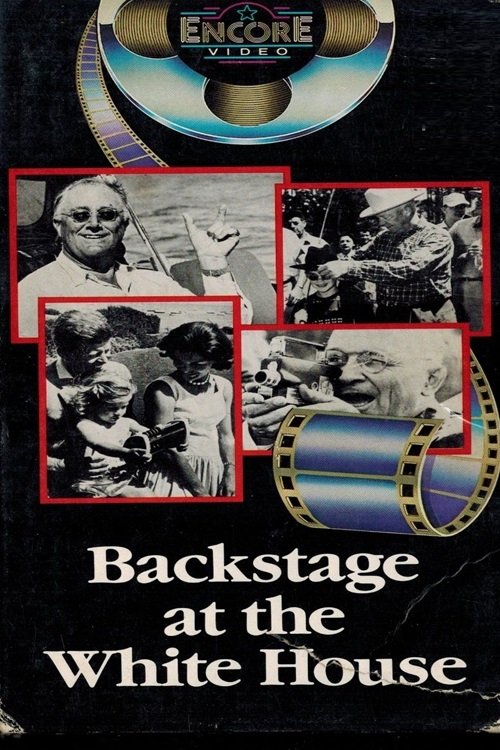
This unique glimpse into the private lives of our Presidents and their families showcases some of the most significant personal moments they have experienced. These instances have not only resonated with our emotions but have also elicited joy, creating lasting memories that highlight the humanity of these influential leaders.
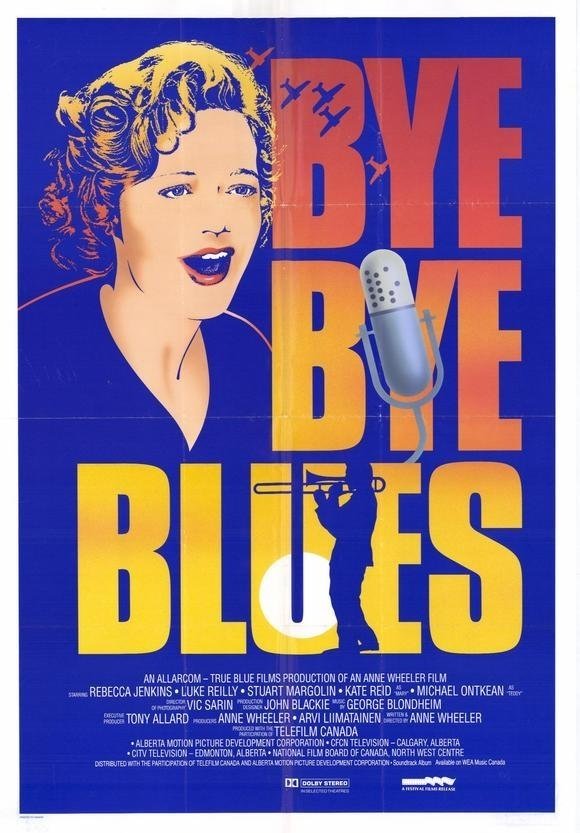
During World War II, Daisy Cooper returns home to Canada with her children after her British husband, soldier Teddy, is assigned to Singapore. With the help of trombonist Max Gramley, Daisy's amateurish piano and vocal skills improve, and soon she is supporting her family with her performances. Unsure whether Teddy is alive or dead, Daisy is torn between staying faithful and giving in to her growing feelings for Max.
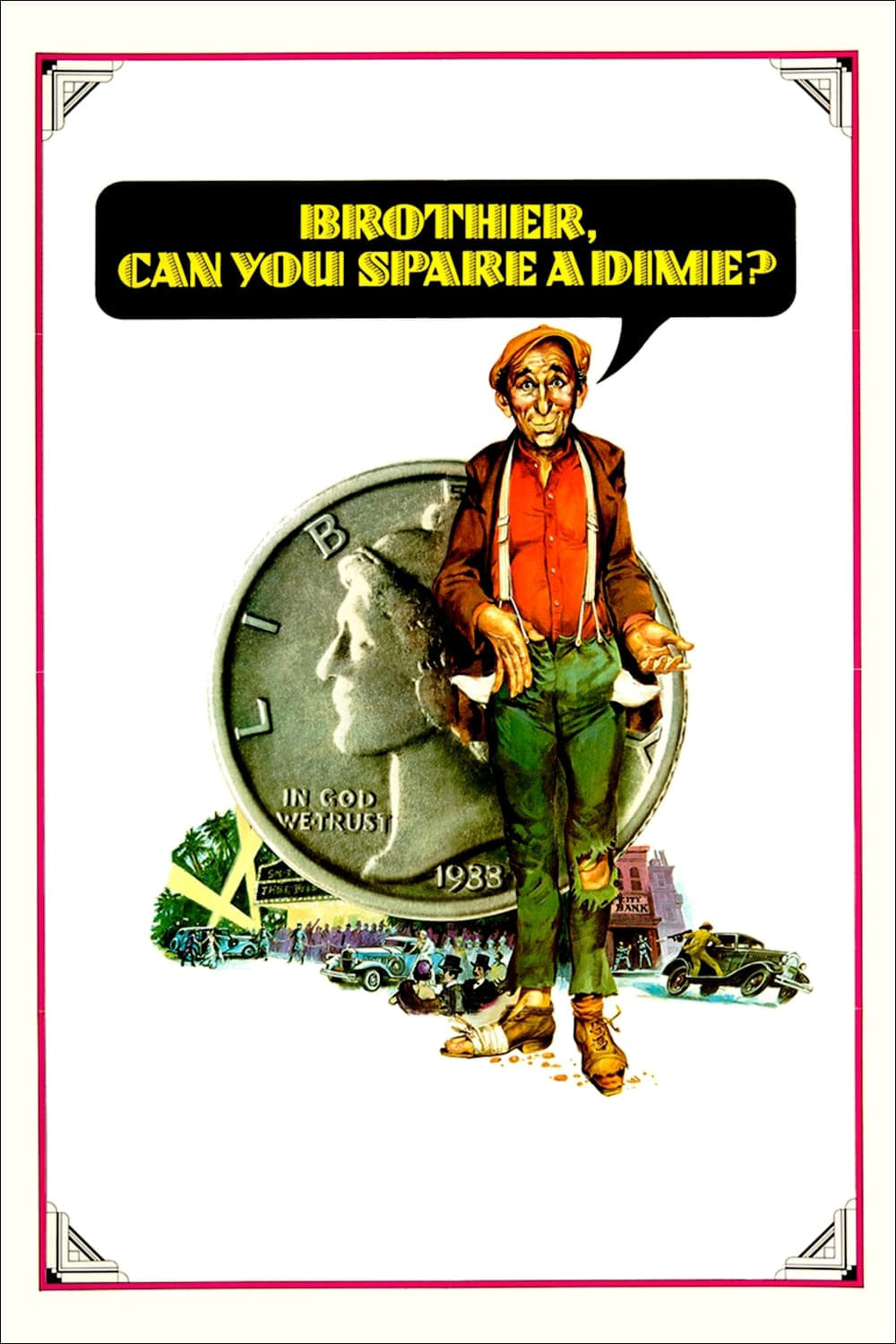
Period music, film clips and newsreel footage combined into a visual exploration of the American entertainment industry during the Great Depression.
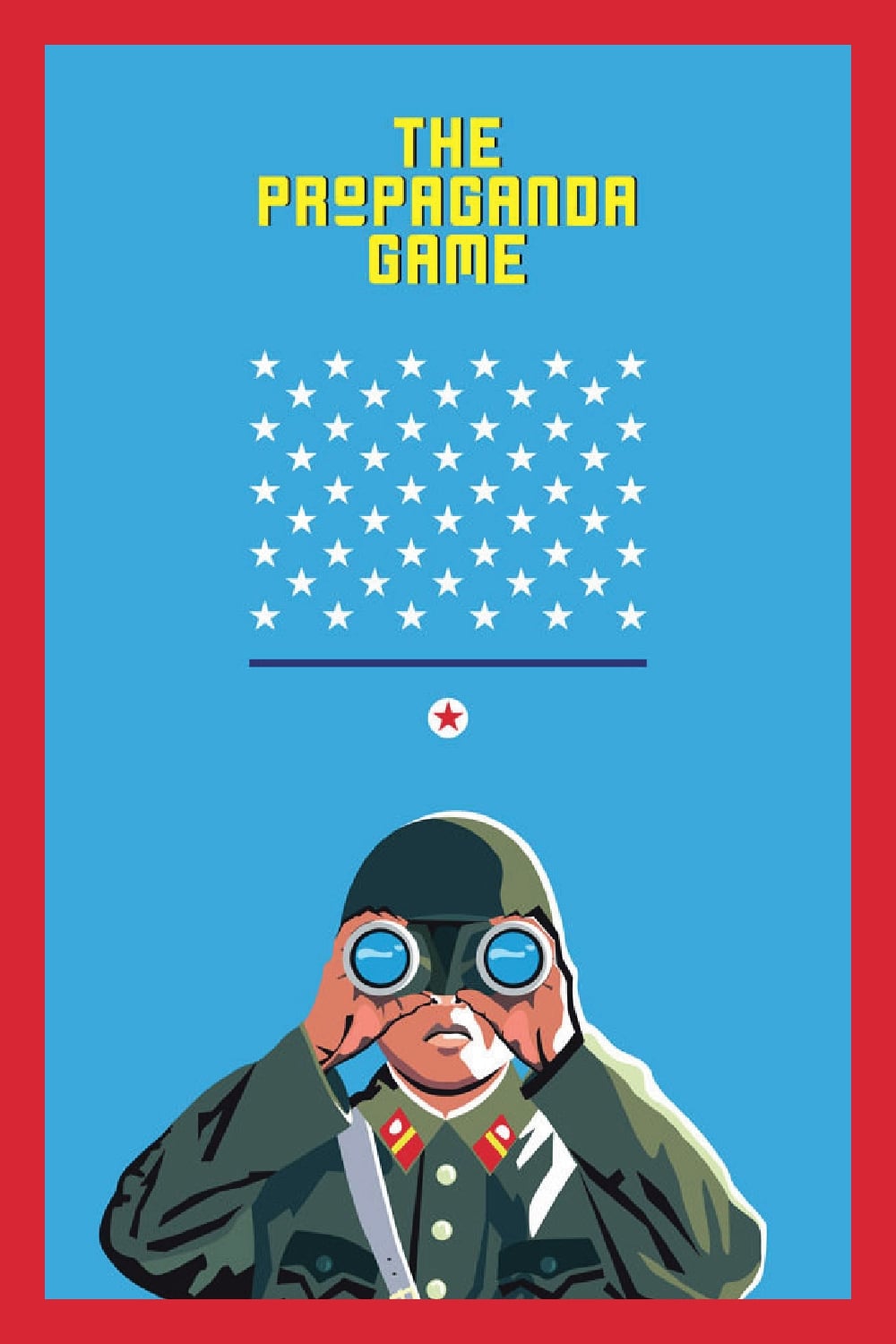
North Korea. The last communist country in the world. Unknown, hermetic and fascinating. Formerly known as “The Hermit Kingdom” for its attempts to remain isolated, North Korea is one of the largest sources of instability as regards world peace. It also has the most militarized border in the world, and the flow of impartial information, both going in and out, is practically non-existent. As the recent Sony-leaks has shown, it is the perfect setting for a propaganda war.
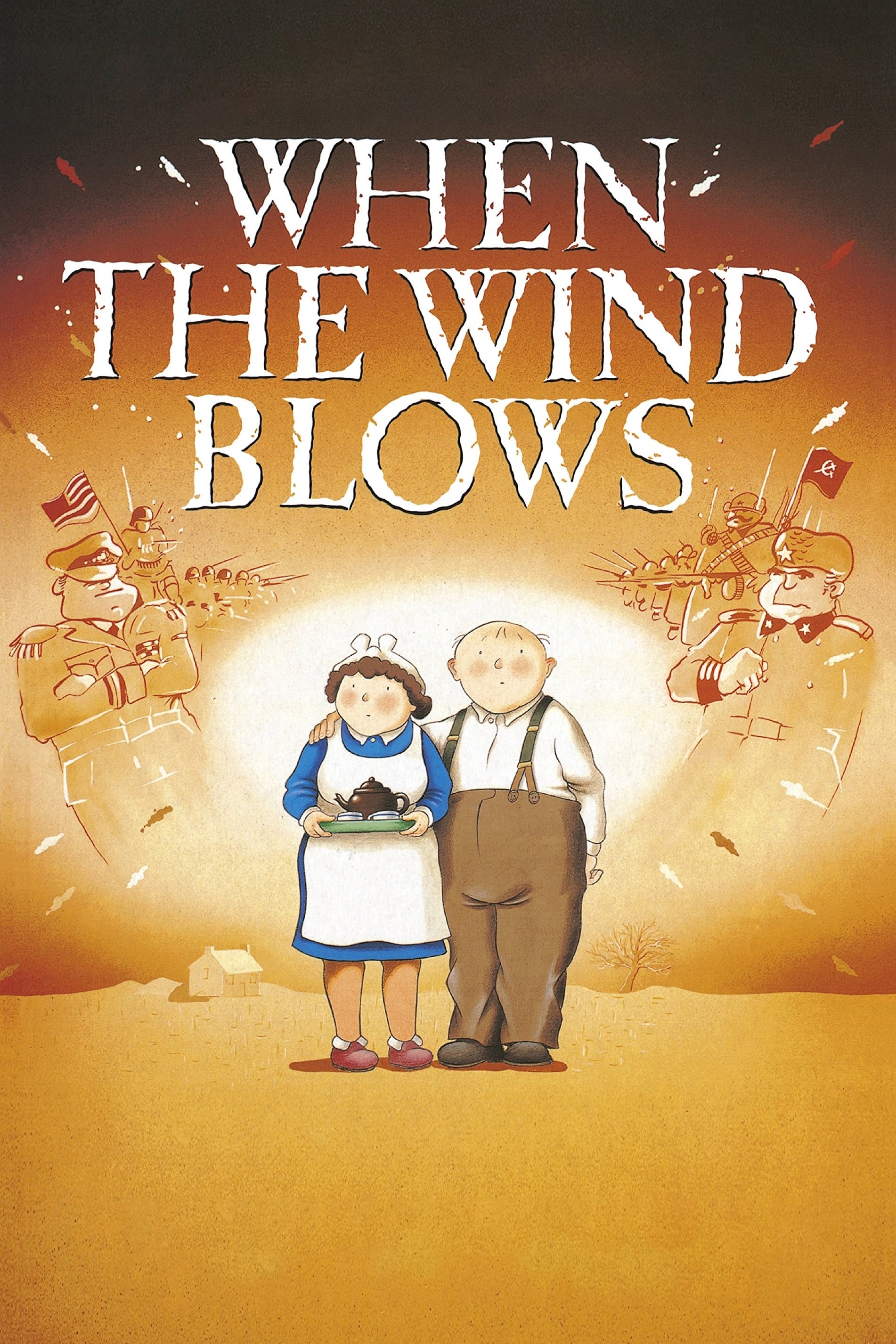
With the help of government-issued pamphlets, an elderly British couple build a shelter and prepare for an impending nuclear attack, unaware that times and the nature of war have changed from their romantic memories of World War II.

A new look at the public and private life of one of the most important statesmen in the history of Europe: Winston Churchill (1874-1965), soldier, politician, writer, painter, leader of his country in the darkest hours, winner of the Nobel Prize in Literature, a myth, a giant of the 20th century.
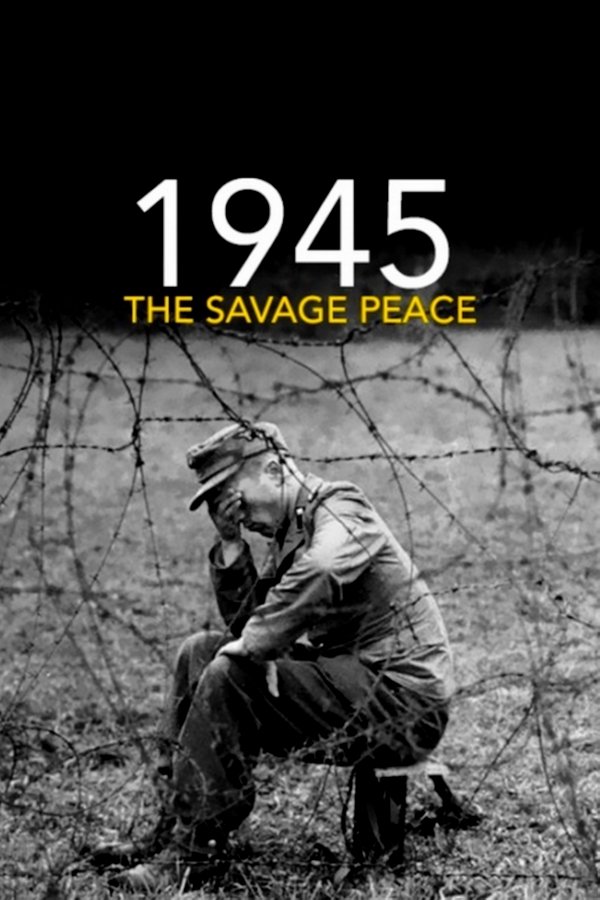
How, in 1945, after the end of World War II and the fall of the Nazi regime, the defeated were atrociously mistreated, especially those ethnic Germans who had lived peacefully for centuries in Germany's neighboring countries, such as Czechoslovakia and Poland. A heartbreaking story of revenge against innocent civilians, the story of acts as cruel as the Nazi occupation during the war years.
How can the masses be controlled? Apparently, the American publicist Edward L. Bernays (1891-1995), a pioneer in the field of propaganda and public relations, knew the answer to such a key question. The amazing story of the master of manipulation and the creation of the engineering of consent; a frightening true story about advertising, lies and charlatans.
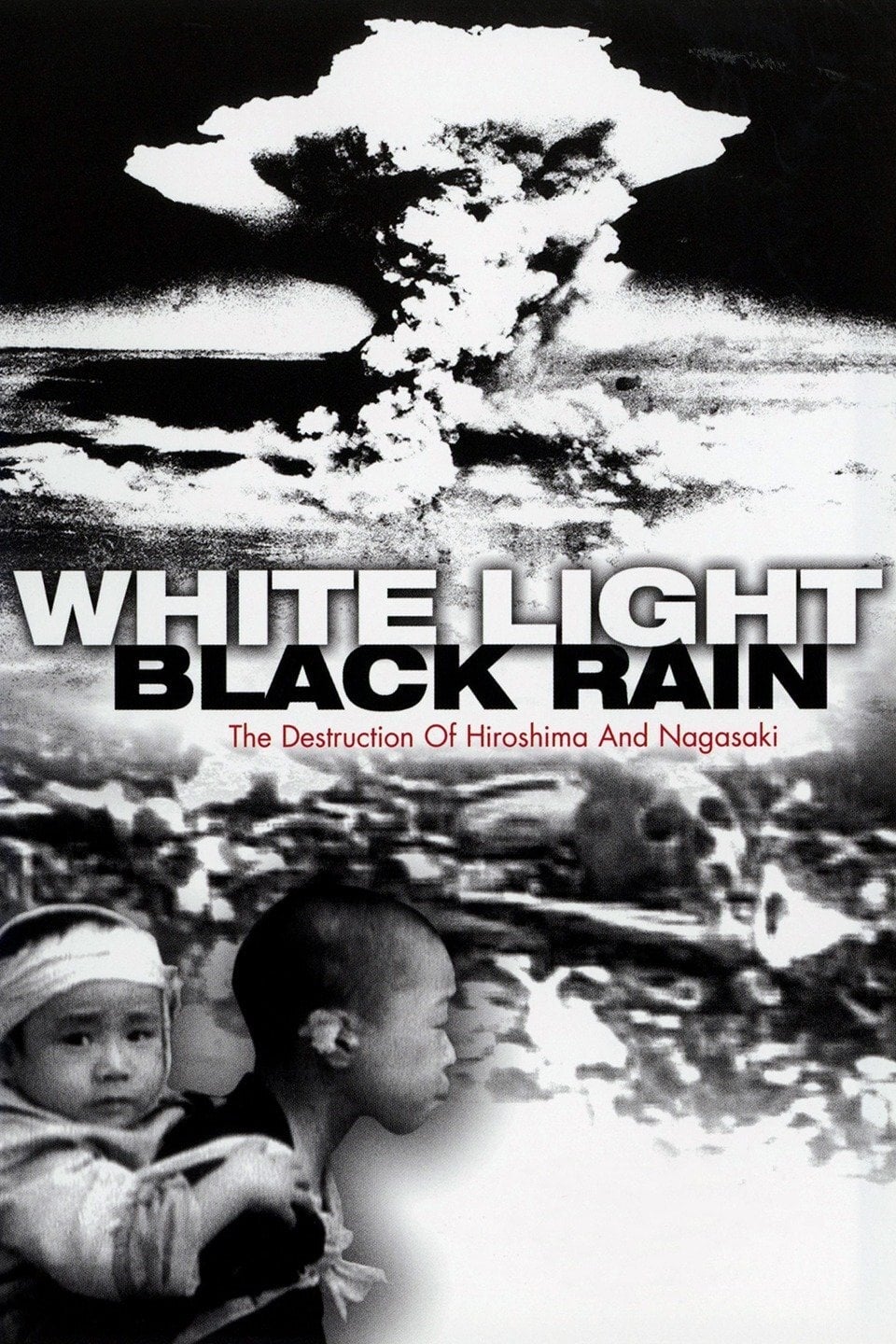
Steven Okazaki presents a deeply moving look at the painful legacy of the first -- and hopefully last -- uses of nuclear weapons in war. Featuring interviews with fourteen atomic bomb survivors - many who have never spoken publicly before - and four Americans intimately involved in the bombings, White Light/Black Rain provides a detailed exploration of the bombings and their aftermath.
Since the late 18th century American legal decision that the business corporation organizational model is legally a person, it has become a dominant economic, political and social force around the globe. This film takes an in-depth psychological examination of the organization model through various case studies. What the study illustrates is that in the its behaviour, this type of "person" typically acts like a dangerously destructive psychopath without conscience. Furthermore, we see the profound threat this psychopath has for our world and our future, but also how the people with courage, intelligence and determination can do to stop it.
The story of the International Military Tribunal for the Far East, known as the Tokyo Trial, which, just after the Second World War, was established in Japan as a special jurisdiction in 1946 (it was closed in 1948) to judge the war crimes of the Japanese leaders; and how and why officials in Washington prevented Emperor Hirohito to be seen sat on the bench.
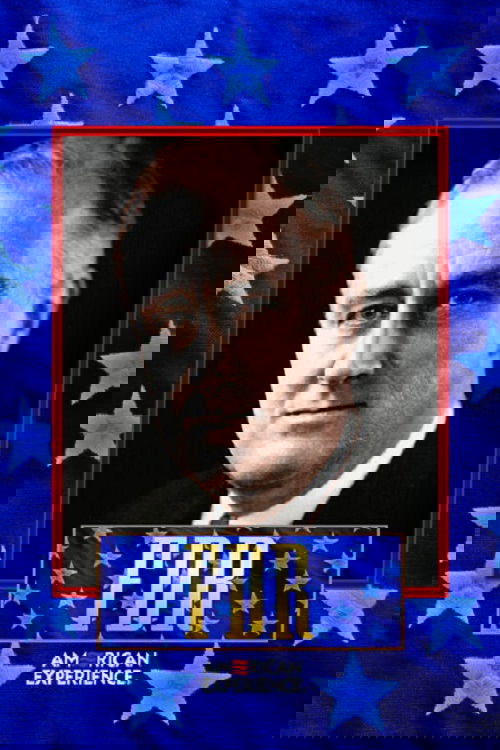
Polio at age 39, president at age 50. Explore the public and private life of a determined man who steered this country through two monumental crises: the Depression and World War II. FDR served as president longer than any other, and his legacy still shapes our understanding of the role of government and the presidency. A film by award winning filmmaker David Grubin. This is the second of four parts.
A propaganda short about the 1944 United States presidential election, produced by the Office of War information, for overseas distribution. It is meant to explain how the democratic process in America works. Preserved by the Academy Film Archive in 2007.
Shedding new light on a geopolitical hot spot, the film — written and produced by John Maggio and narrated by Korean-American actor John Cho — confronts the myth of the “Forgotten War,” documenting the post-1953 conflict and global consequences.

Documentary of the U.S. Senator Joseph McCarthy, who rose to prominence in the early 1950s by trumpeting allegations of a vast conspiracy by alleged Communist agents whom he claimed had infiltrated the U.S. government, media, film industry, labor unions and other organizations.
A cashier poses as a writer for blacklisted talents to submit their work through, but the injustice around him pushes him to take a stand.
Roy Cohn personified the dark arts of American politics, turning empty vessels into dangerous demagogues - from Joseph McCarthy to his final project, Donald J. Trump. This thriller-like exposé connects the dots, revealing how a deeply troubled master manipulator shaped our current American nightmare.
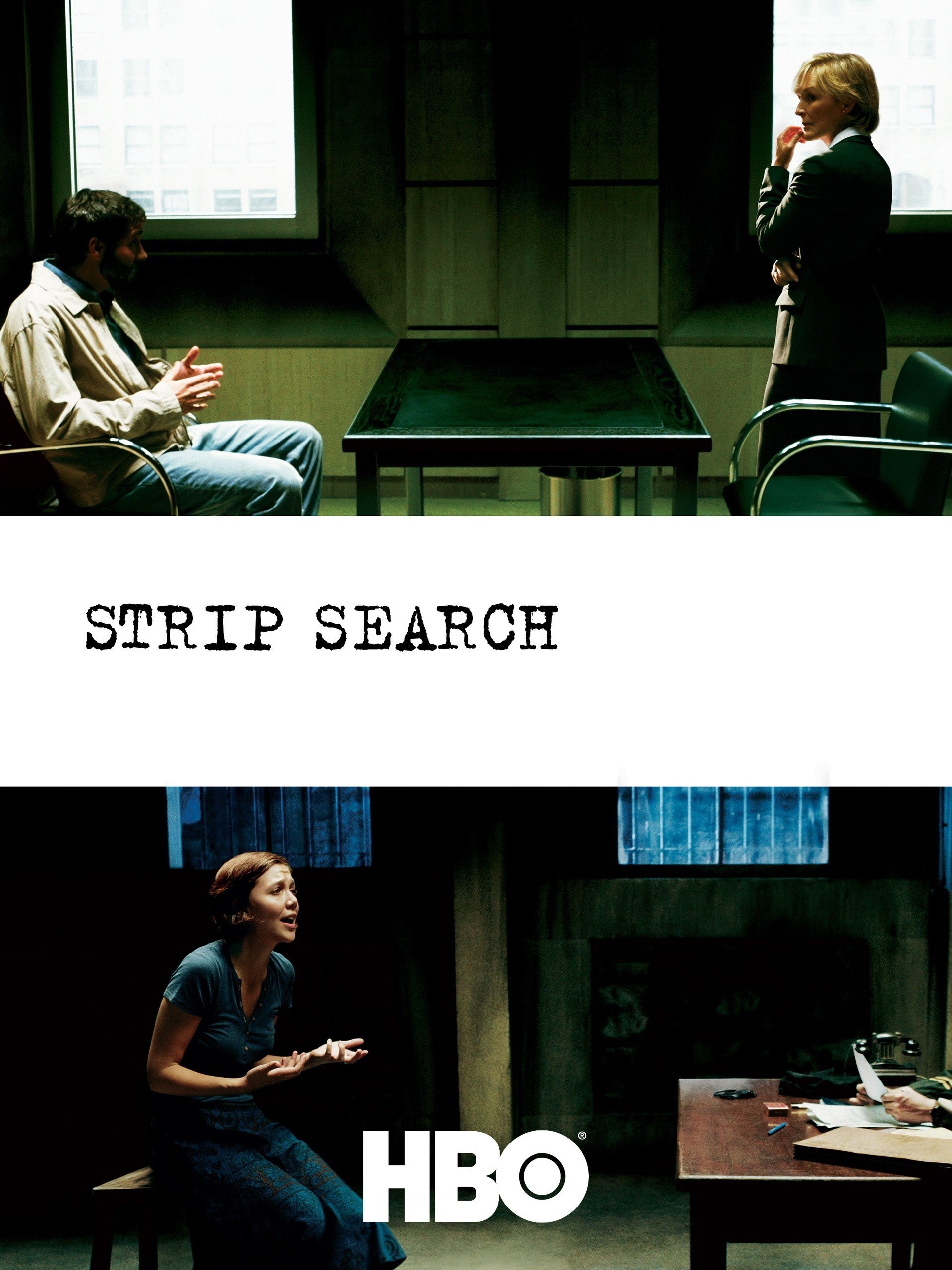
Strip Search follows several parallel stories examining personal freedoms vs. national security in the aftermath of 9/11; two main subplots involve an American woman detained in China and an Arab man detained in New York City.

In 1945, two young American soldiers, brothers Budd and Stuart Schulberg, are commissioned to collect filmed and recorded evidence of the horrors committed by the infamous Third Reich in order to prove Nazi war crimes during the Nuremberg trials (1945-46). The story of the making of Nuremberg: Its Lesson for Today, a paramount historic documentary, released in 1948.
It fought against international terrorism in South America and watched out for our allies abroad...but what else did it do?...What are the true secrets of the C.I.A.?
A controversial three part critical documentary on the history of the CIA.

In 1946, Isaac Woodard, a Black army sergeant on his way home to South Carolina after serving in WWII, was pulled from a bus for arguing with the driver. The local chief of police savagely beat him, leaving him unconscious and permanently blind. The shocking incident made national headlines and, when the police chief was acquitted by an all-white jury, the blatant injustice would change the course of American history. Based on Richard Gergel’s book Unexampled Courage, the film details how the crime led to the racial awakening of President Harry Truman, who desegregated federal offices and the military two years later. The event also ultimately set the stage for the Supreme Court’s landmark 1954 Brown v. Board of Education decision, which finally outlawed segregation in public schools and jumpstarted the modern civil rights movement.

Billy Graham was a man known worldwide for his southern charm, unmistakable voice and most importantly to him, his love and devotion to Jesus Christ. Lesser known, however, is his role as a statesman of the United States. Despite never holding public office, Graham comforted the nation in some of its darkest hours, spread its causes and principles to all corners of the globe, and counseled every president from Harry Truman to George W. Bush. This is the story of the unelected statesman.
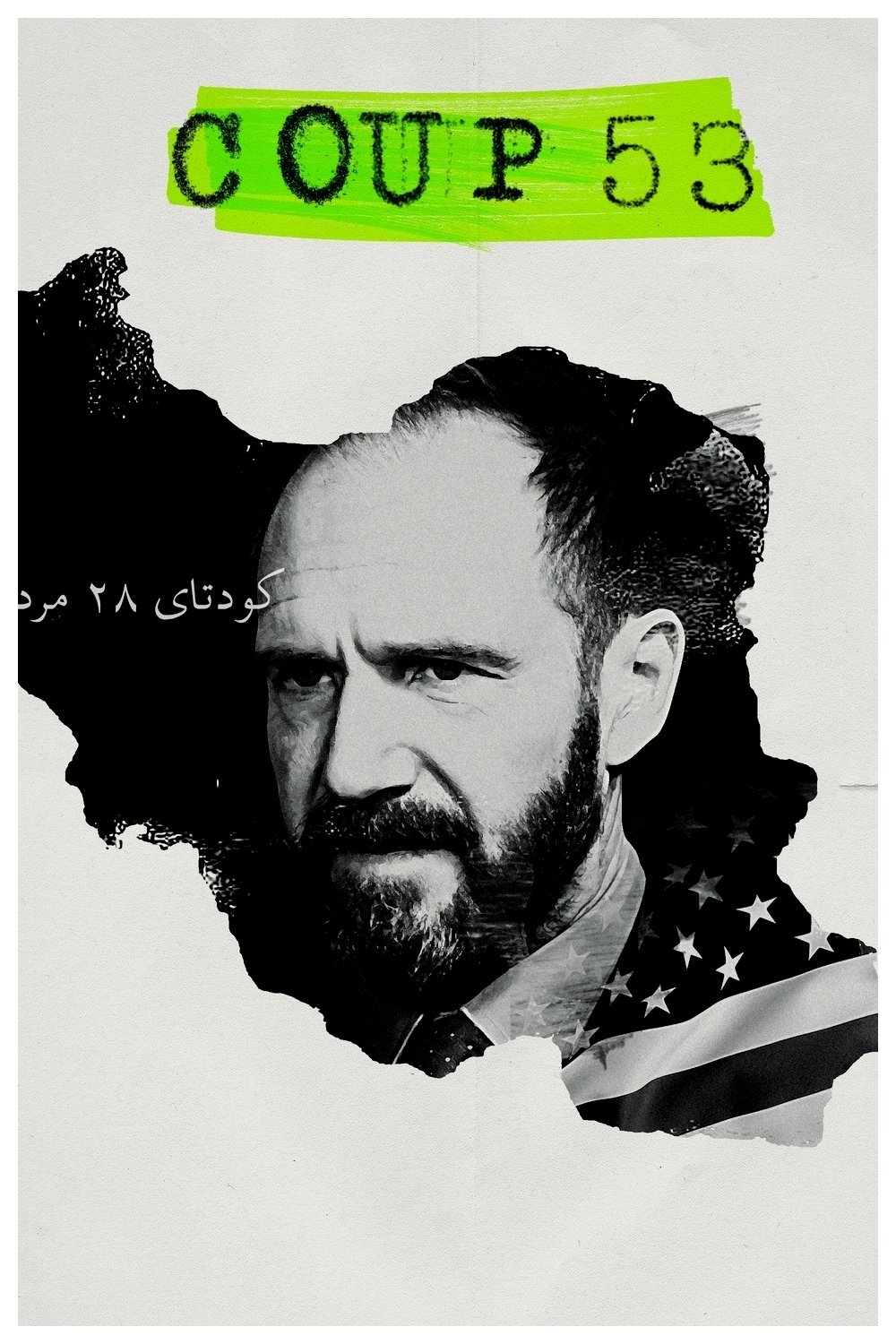
Tehran, Iran, August 19, 1953. A group of Iranian conspirators who, with the approval of the deposed tyrant Mohammad Reza Pahlavi, have conspired with agents of the British MI6 and the US CIA, manage to put an end to the democratic government led by Mohammad Mosaddegh, a dramatic event that will begin the tragic era of coups d'état that, orchestrated by the CIA, will take place, over the following decades, in dozens of countries around the world.
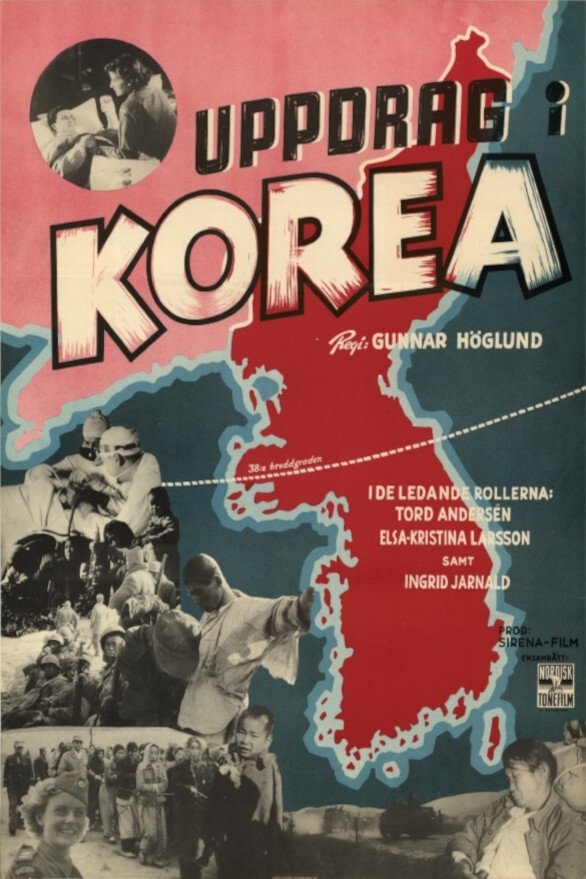
Swedish journalist visits Korea to report on the situation during the war
He was a farmer, a businessman, an unknown politician who suddenly found himself president. Of all the men who had held the highest office, Harry Truman was the least prepared, but would prove to be a surprise.
Using over an hour of new, never-before-seen material, combined with footage from 1946, producers David Abravanel Stein and Patrick S. Cunningham have brought to life the sixty-year-old vision of legendary filmmaker Pare Lorentz.
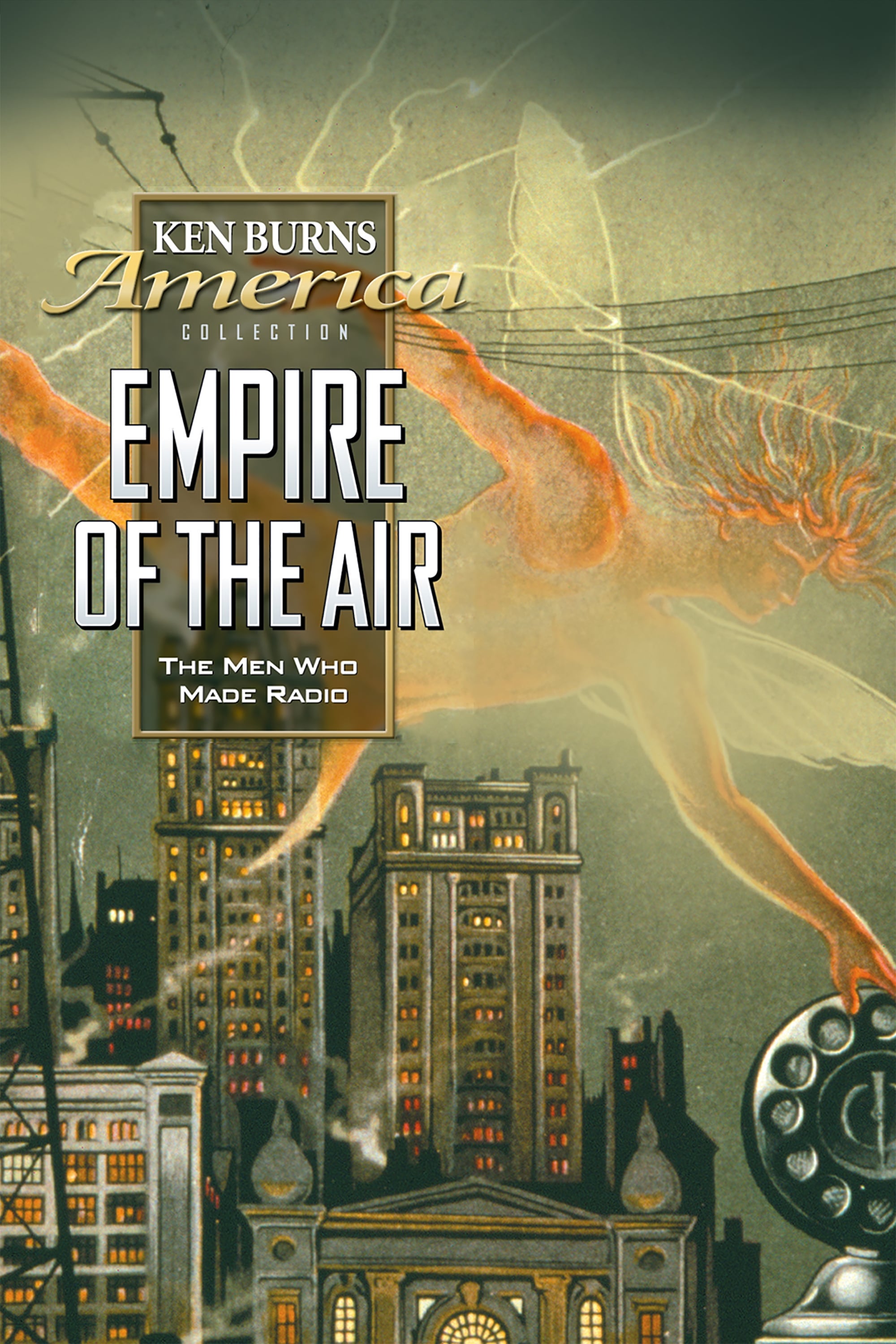
For 50 years radio dominated the airwaves and the American consciousness as the first “mass medium.” In Empire of the Air: The Men Who Made Radio, Ken Burns examines the lives of three extraordinary men who shared the primary responsibility for this invention and its early success, and whose genius, friendship, rivalry and enmity interacted in tragic ways. This is the story of Lee de Forest, a clergyman’s flamboyant son, who invented the audion tube; Edwin Howard Armstrong, a brilliant, withdrawn inventor who pioneered FM technology; and David Sarnoff, a hard-driving Russian immigrant who created the most powerful communications company on earth.

Origin sticks like shit to your shoe! That's what Marlen Hobrack says, who grew up as a working-class child in Bautzen. But the promise of the old Federal Republic was that you can become anything if you just try hard enough. But that no longer applies. So is class in Germany fixed from birth? Have we long been living in a country in which origin and family background are more important for future prospects than individual performance and commitment? In Germany, it takes six generations to rise from poverty to the middle class, in Denmark only two generations. Those affected reflect on their life stories, the burden of their social origins, the wrong and right turning points for social advancement, as classified by social researchers. They talk of pride and shame, of financial hardship and wealth, of origin and future, of growing up and moving up in this Germany with its entrenched selection mechanisms for social advancement.

An examination of the United States’ involvement in war, focusing on its impact on political decisions, national identity, and the lives of its people.
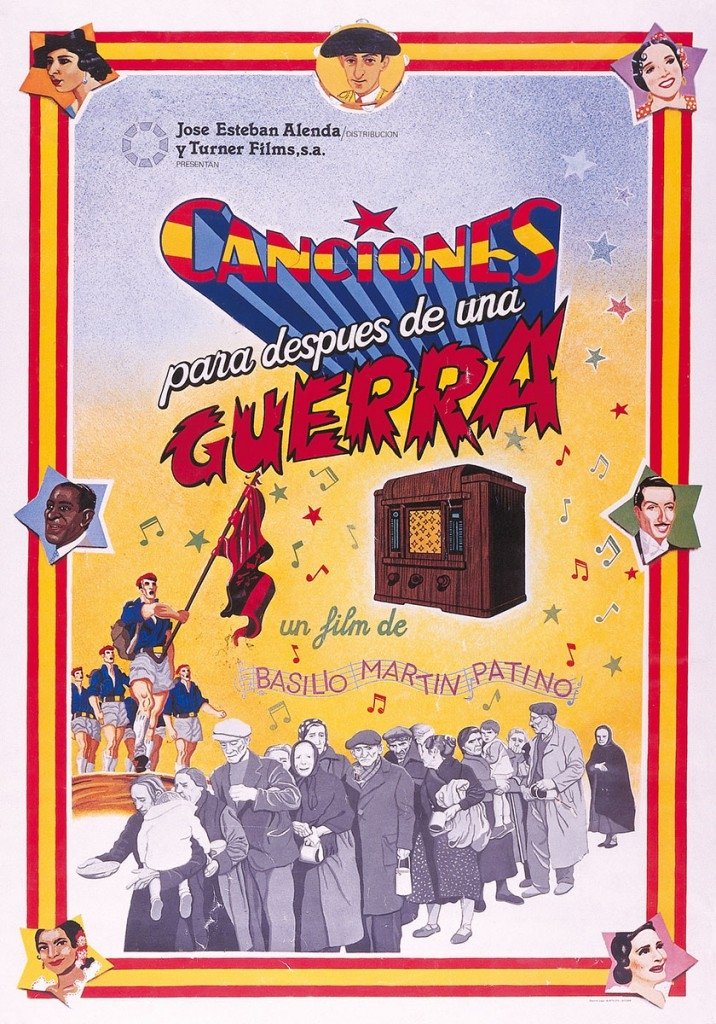
A particular reading of the hard years of famine, repression and censorship after the massacre of the Spanish Civil War (1936-39), through popular culture: songs, newspapers and magazines, movies and newsreels.
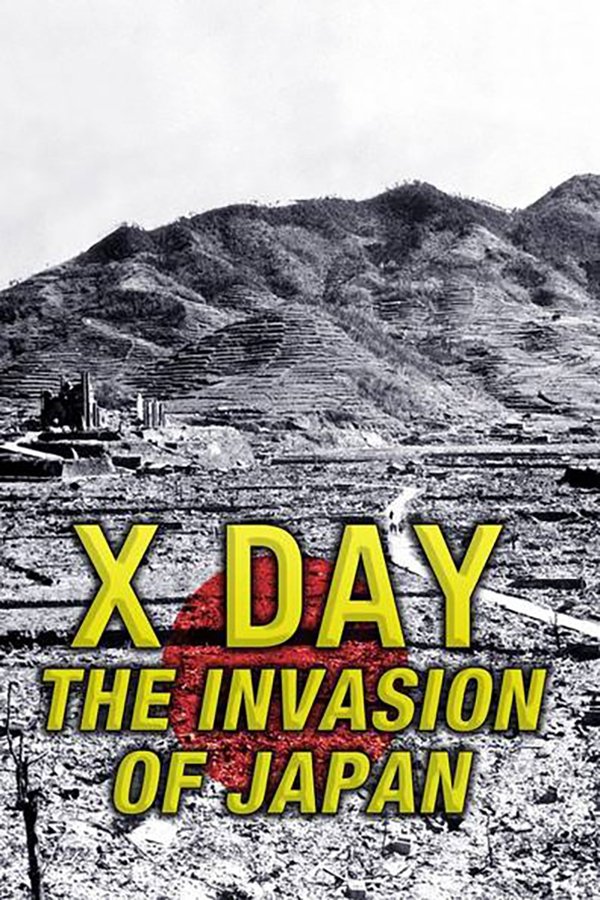
By spring of 1942, Japan controlled the western Pacific, the Philippines, and large parts of Indochina. America and her allies knew that final victory could only be achieved by unconditional surrender and that would involve occupation of the Japanese homeland. This is the story Operation Downfall, the plan to invade and occupy Japan that would dwarf the D-Day landings in Europe. According to the plan, on X-Day--November 1, 1945--General MacArthur would lead an invasion force onto the beaches of Kyushu, the southern most of the Japanese Islands. Y-Day would follow six months later when the largest beach landing in military history would take Tokyo. Politicians and military strategists knew that Japanese resistance would be ferocious. Plans for the invasion continued throughout 1945 until President Truman made the decision to drop the atom bomb. We trace the invasion plans from Pearl Harbor to Hiroshima and analyze why Truman chose the bomb over Operation Downfall.
A documentary account of the five-week visit of Princess Elizabeth and the Duke of Edinburgh to Canada and the United States in the fall of 1951. Stops on the royal tour include Québec City, the National War Memorial in Ottawa, the Trenton Air Force Base in Toronto, a performance of the Royal Winnipeg Ballet in Regina and visits to Calgary and Edmonton. The royal train crosses the Rockies and makes stops in several small towns. The royal couple boards HMCS Crusader in Vancouver and watches Native dances in Thunderbird Park, Victoria. They are then welcomed to the United States by President Truman. The remainder of the journey includes visits to Montreal, the University of New Brunswick in Fredericton, a steel mill in Sydney, Nova Scotia and Portugal Cove, Newfoundland.
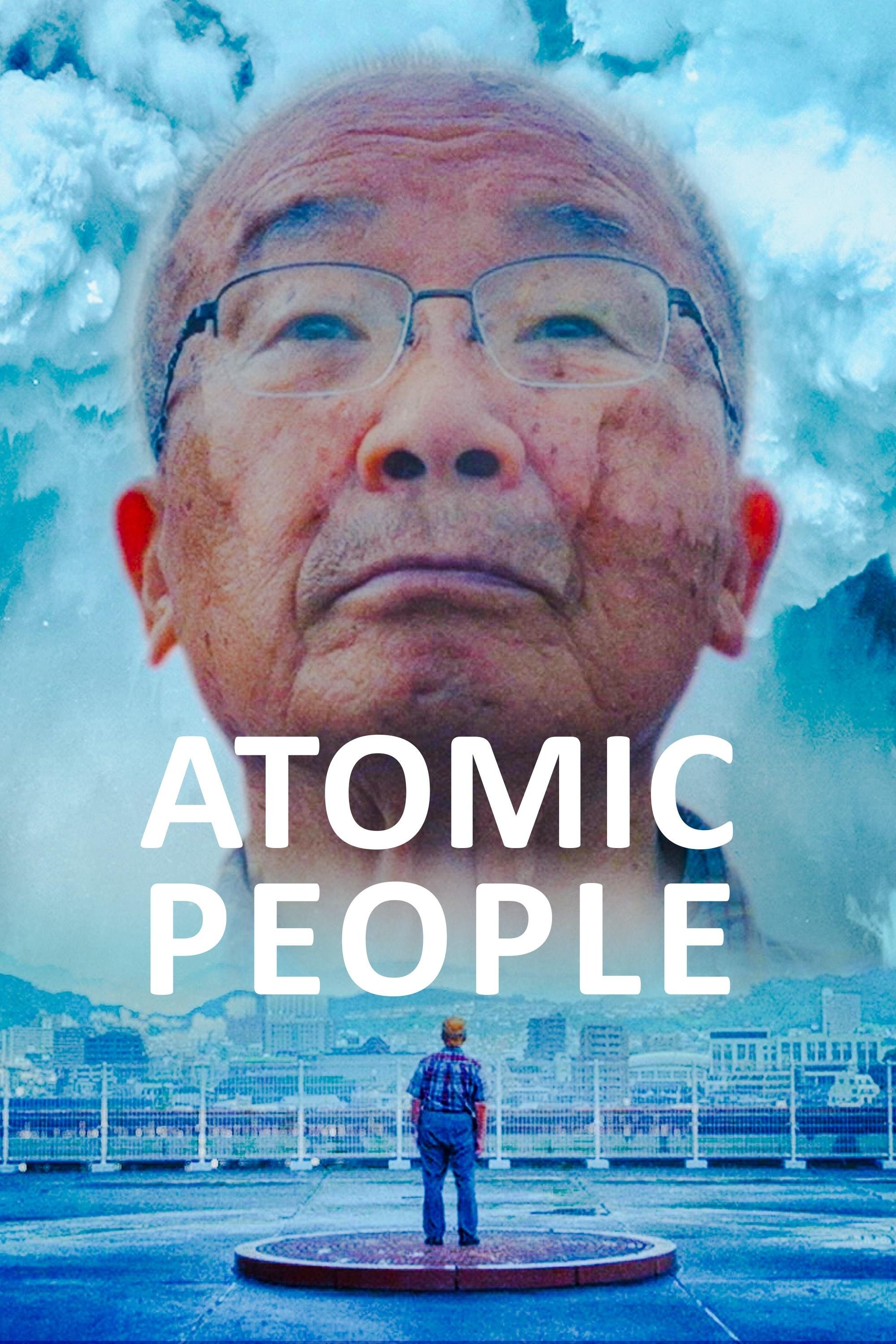
Combining personal accounts with archive footage, this film features the voices of some of the only people left on earth to have survived a nuclear bomb.

The documentary recounts the world's first nuclear attack and examines the alarming repercussions. Covering a three-week period from the Trinity test to the atomic bombing of Hiroshima, the program chronicles America's political gamble and the planning for the momentous event. Archival film, dramatizations, and special effects feature what occurred aboard the Enola Gay (the aircraft that dropped the bomb) and inside the exploding bomb.
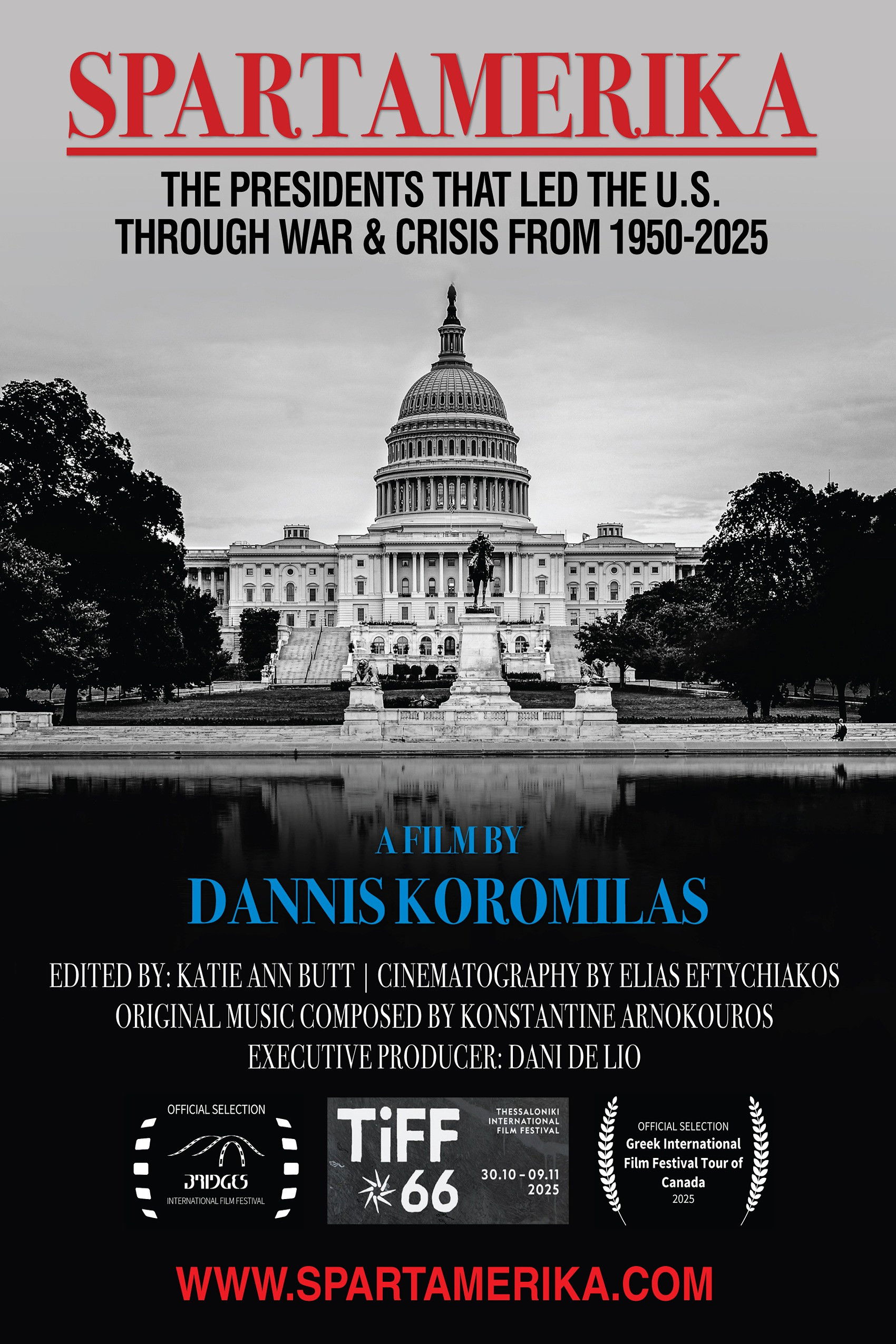
An essay film exploring the thirteen United States Presidents that have led the country through war and conflict from 1950 to 2025.