A film about a young sanitation worker who tries to prevent the pollution of a river, but pays the price...
A TV adaptation of the famous novel in which writer Zikmund Winter depicts the life story of Prague university professor and humanist poet Jan Campanus Vodňanský and his efforts to save the ancient university after the Battle of White Mountain. Campanus gradually loses all his battles. The path of concessions leads to unintentional but tragic guilt when, at Campanus's unwitting instigation, the Jesuits seize the child of the executed Jesenius. The difficult post-White Mountain period in the Czech lands presented Campanus with a dilemma: whether to convert or to keep a clear conscience, a conflict of power and honor so common in our history...
Bohus is indolent and spends his days drinking brandy. One day he finds he has inherited a brickworks, several shops and a five-star hotel. Bohus sets out to tour his new empire, insulting everyone on the way.

Two families, Sebkovi and Krausovi, are celebrating Christmas, but not everyone is in a good mood. The teenage kids think that their fathers are totally stupid, and the fathers are sure that their children are nothing more than rebels, hating anything they say.
Life of Czechoslovak soldiers in a military unit for the so called "politically unreliable" - the Technical auxiliary battalions, aka "the black barons". Although it might seem like a political satire and it's mostly funny, it shows the reality and the absurdity of military service under the communist regime. Based on a novel by Miloslav Svandrlik.
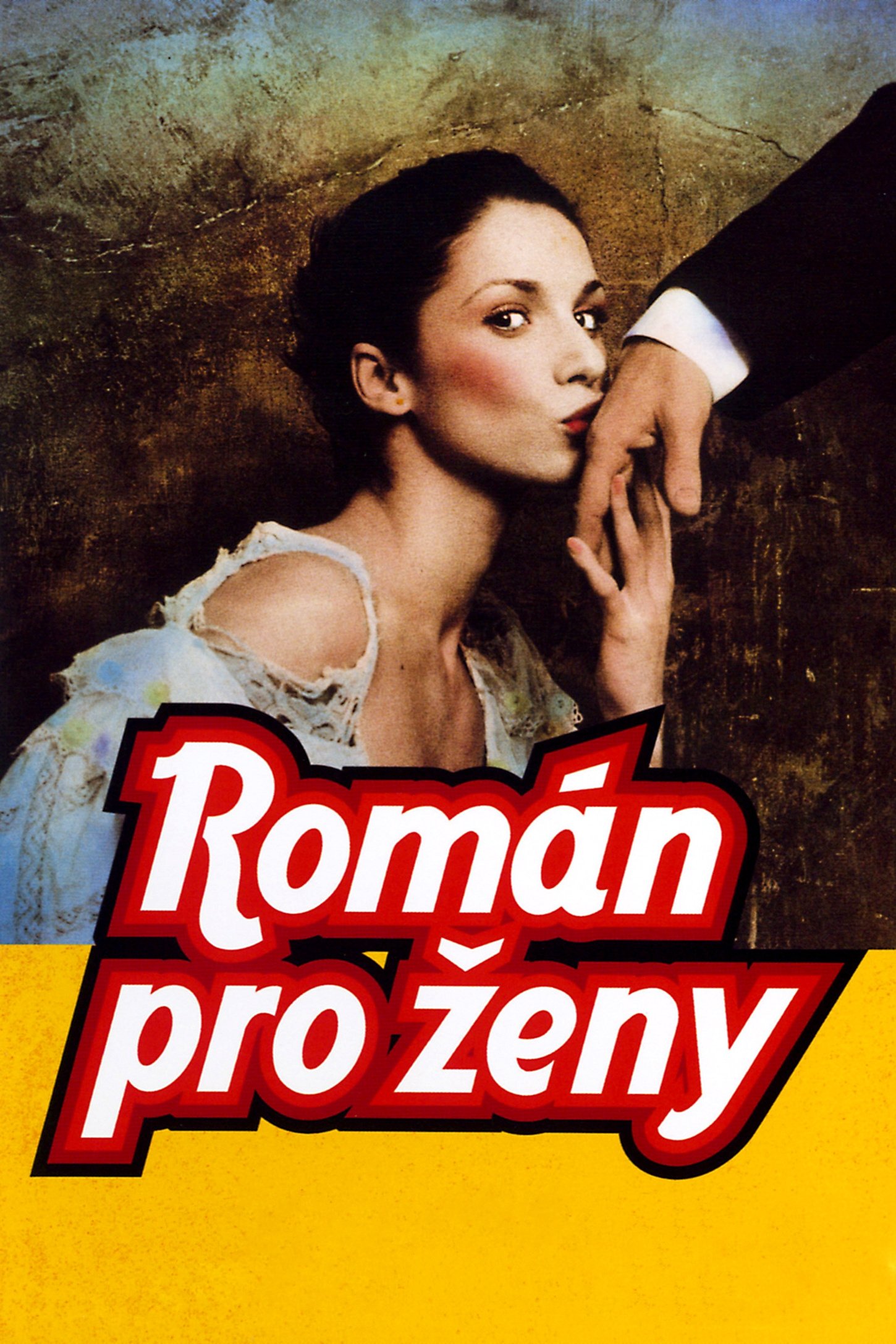
This romantic comedy presents a story of two women, twenty-year-old Laura, an editor at a woman’s weekly, and her widowed mother, a translator-interpreter named Jana. The two of them tirelessly seek Mr. Right. Having once lived through an intense relationship with a ‘typical’ Czech man, Jana intentionally avoids Czech men. She searches for her dream foreigner while long-sufferingly warding off the tragicomic advances of her good-natured neighbor Žemla. After several unsuccessful attempts, Laura falls in love with Oliver, a forty year old who works as an ad agency idea man. Little does she suspect that twenty years ago Oliver was Jana’s true love…
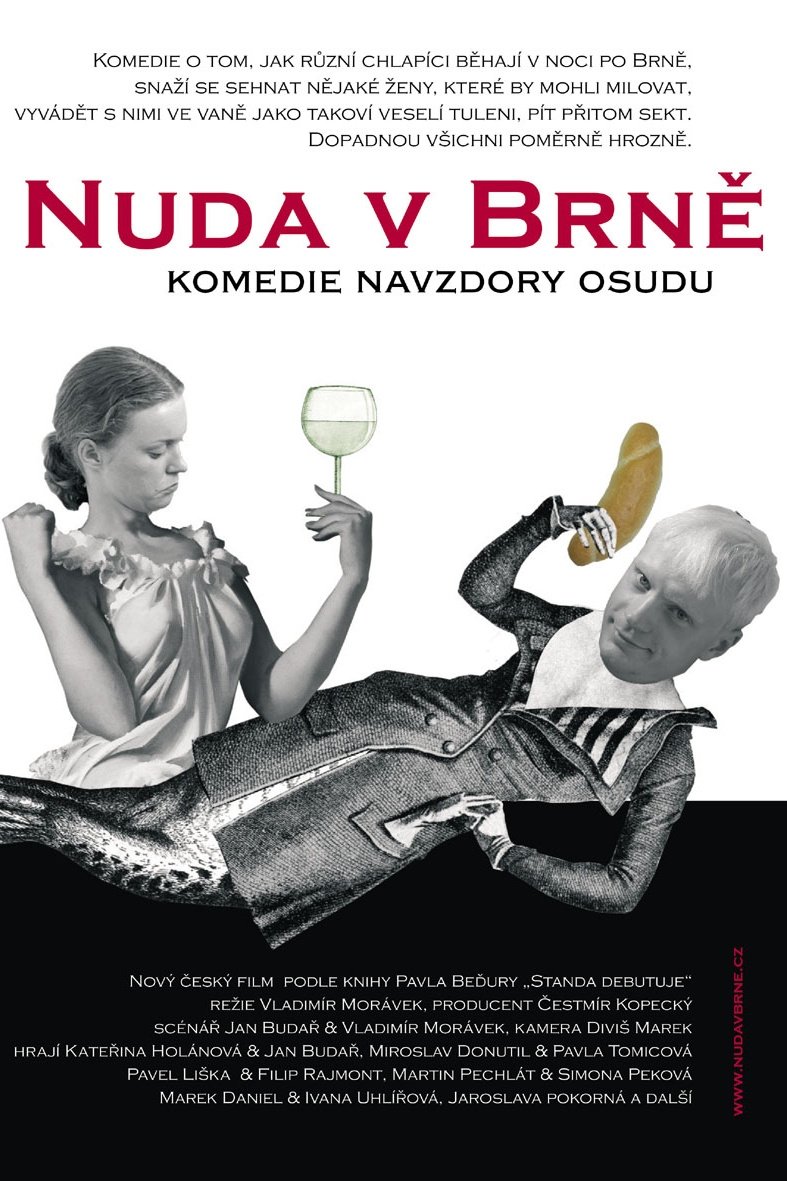
Black-and-white comedy about two young people who want to lose, finally, their innocence, and about life in a very boring city of Brno ...
After two troubled but powerful men rape a young hitchhiker who happens to be a vet, she drugs them and removes their testicles.
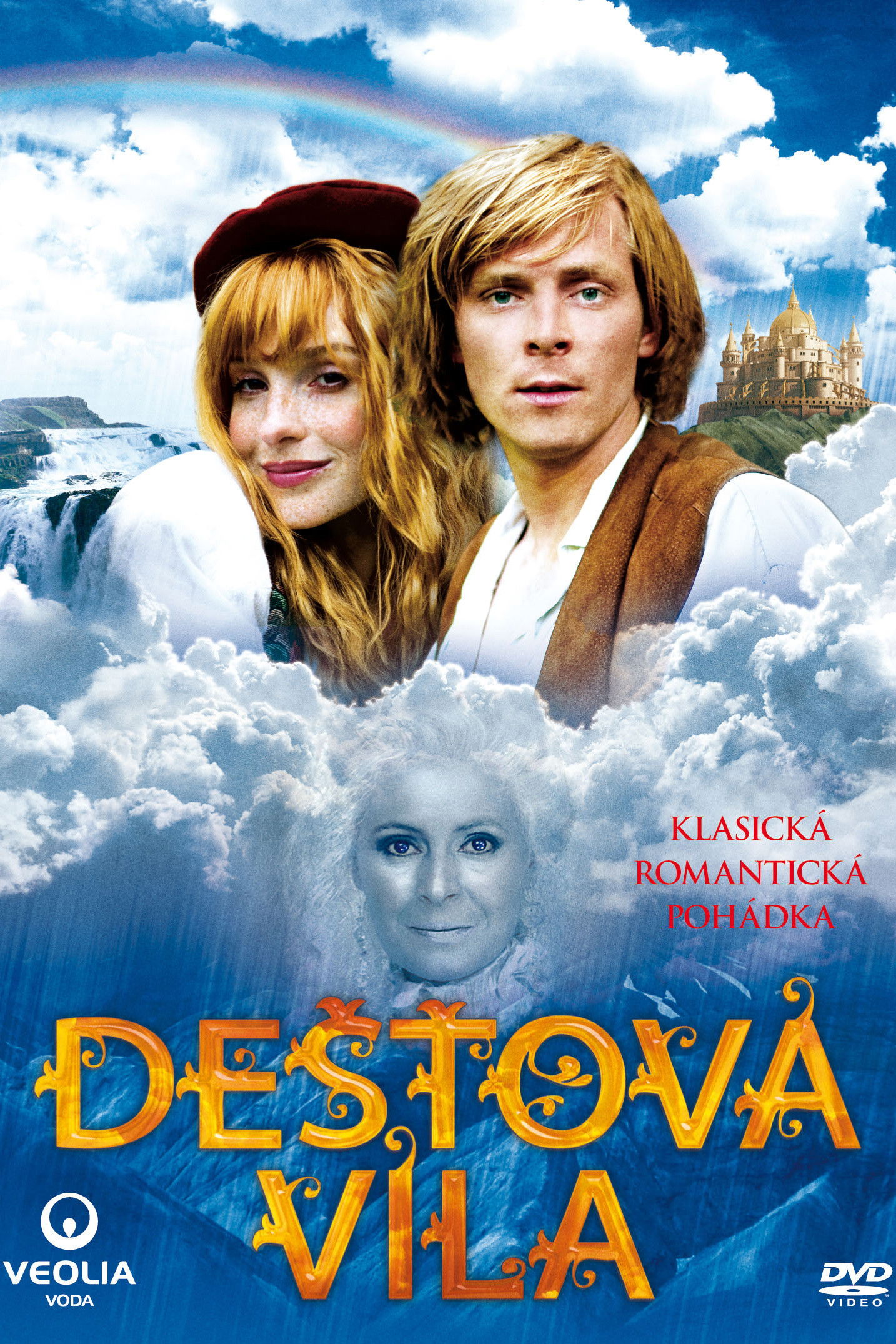
The elements that rule Earth - Air, Fire, Earth and Water - are in their "regular inspection tour". We are following Water, in the form of the Rain Fairy. Traversing the land dressed like a poor woman, she learns that people really have begun focusing mainly on money and that love and goodness are disappearing.
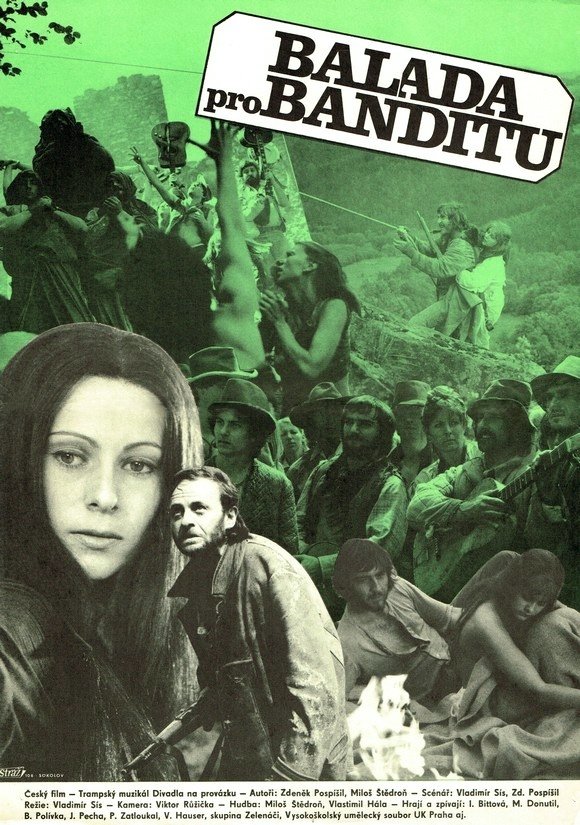
The film version of the theatre musical production by the "Divadlo na provazku" in Brno tells the tale of legendary bandit Nikola Šuhaj from Koločava.

The story of three siblings: Cyril, Bruno, and Aneta. A deep bond was forged between them after their parents’ tragic death, when much older Cyril took on the responsibility of raising his younger brother and sister. That bond now faces an unusual test. The three set off on their traditional mountain excursion, all the while carrying the shadow of Bruno’s inevitable fate.

The lacking attitude of a conscripted university graduate places him at odds with the power and doctrine of his military superiors. His secret relationship with the wife of a superior officer along with the low discipline of his fellow conscripts only heightens the disrespect towards the new post world war two communist regime. The first privately produced movie in Czech Republic.
The story takes place in Italy, a country where terrorism and kidnappings are almost daily occurrences. Rampant banditry, injustice, coercion, and ultimately hopelessness stem from political events. Sunny Italy is no longer just a place of ancient monuments and tables laden with fine wine. Now it is primarily a place of ever-deepening social and political divisions.
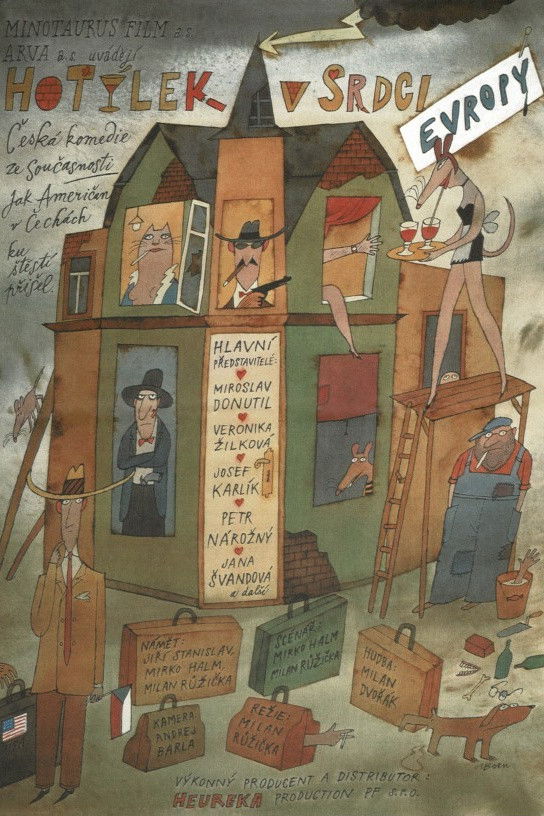
This comedy starring Miroslav Donutil tells the story of an American of Czech origin who returns to his homeland in the 1990s. At his parents' request, he is supposed to take over the family hotel in Prague and find a Czech bride. However, he has no idea what he will have to endure in the atmosphere of the 1990s, what condition he will find the property in, or what tragicomic situations he will have to go through before someone deprives him of his property. But in the end, he finds a girl who, unbeknownst to her, comes from the same background as him.
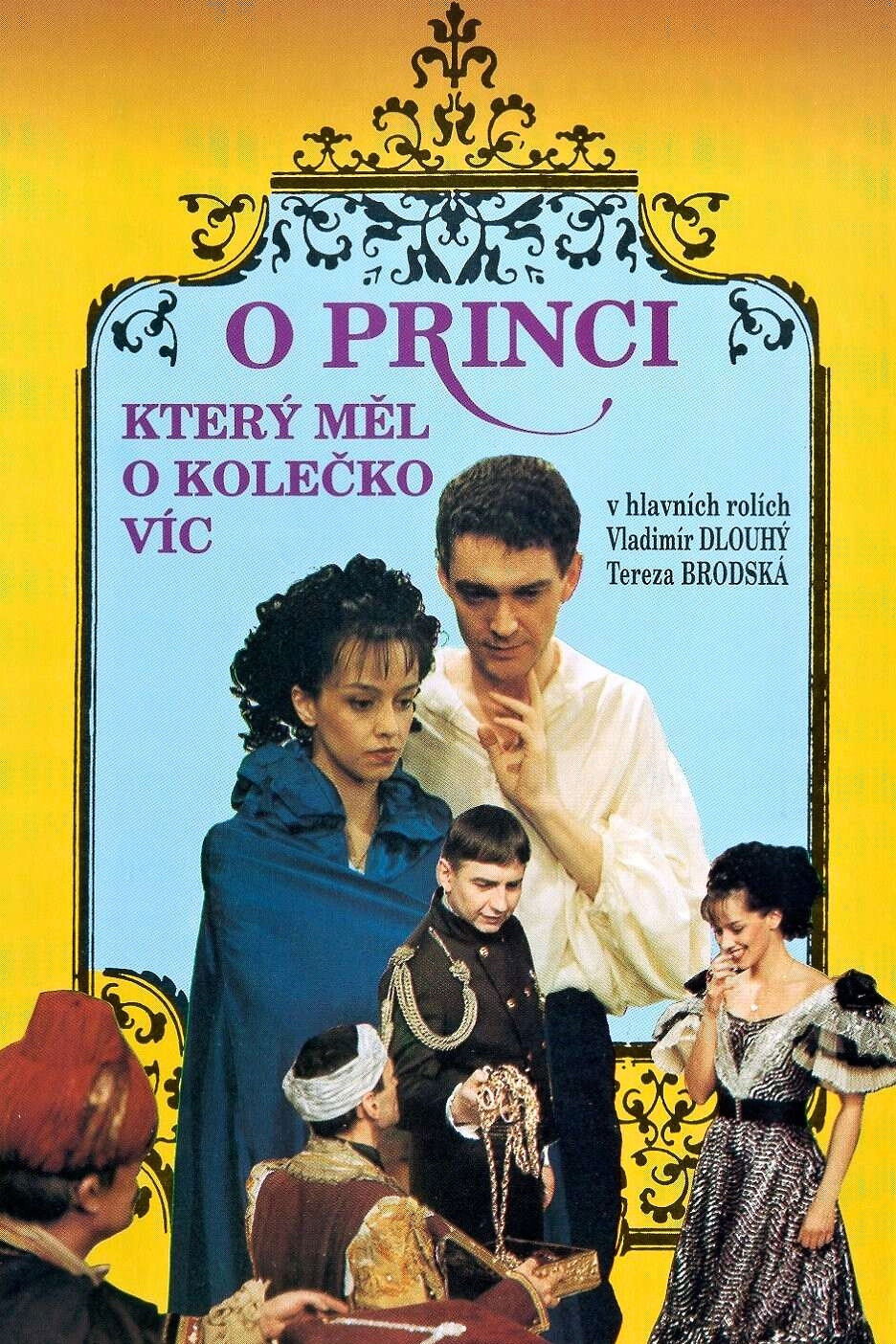
A fairy tale about a kingdom where the clever and wise must be given an "extra cog" so that the stupid can rule and steal. Prince Louis, however, manages to use the extra wheelbarrow brilliantly and outsmart the fools and thieves.
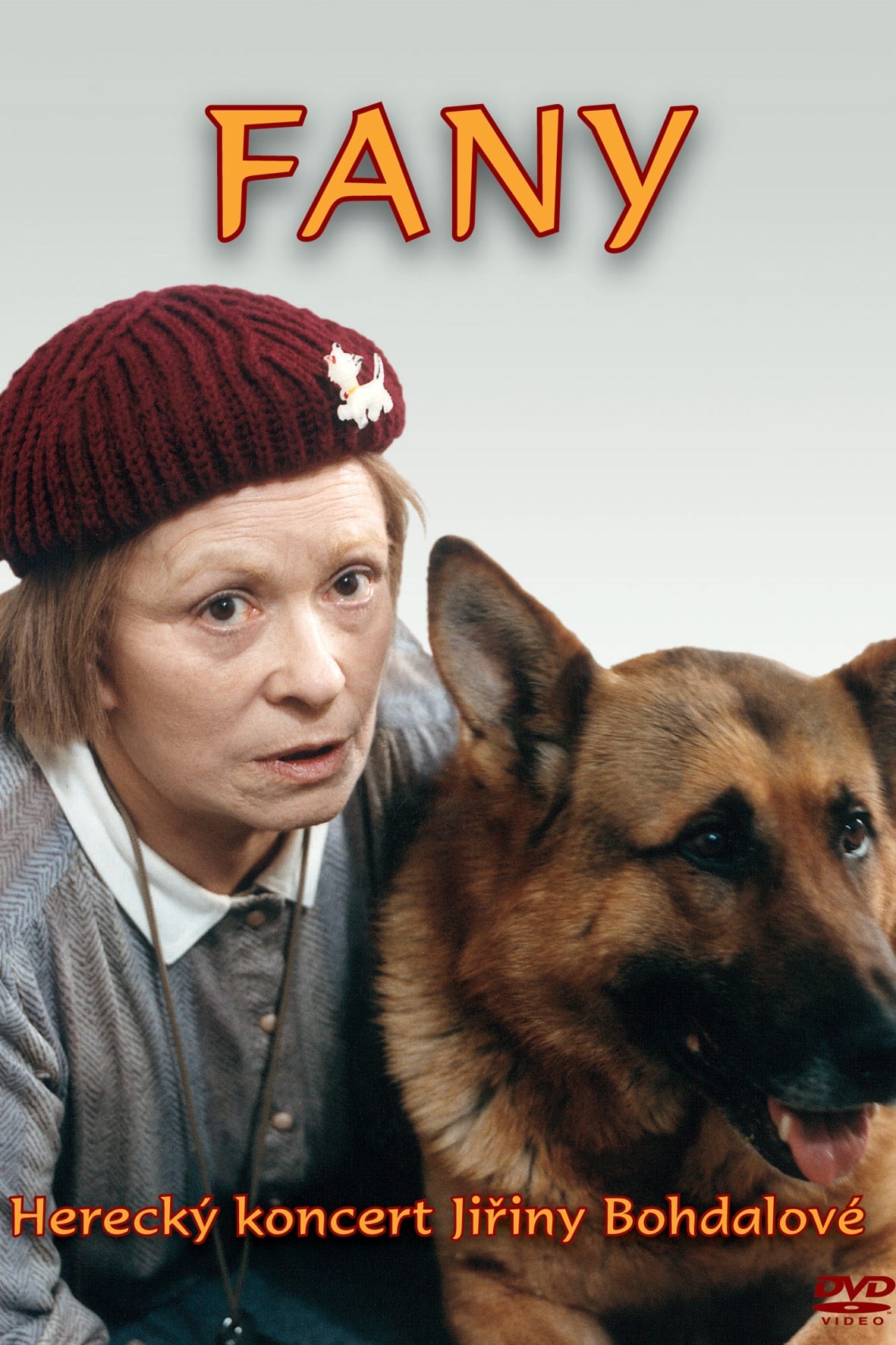
Oligophrenic Fany (Bohdalová) lives with her aunt who suddenly manages to travel abroad. Fany has to move to her sister (Jirásková). Two very different women, one mentally disabled and the second one intelligent doctor has to live together and learn from each other about tolerance, loneliness, life and why call dogs "Mister".
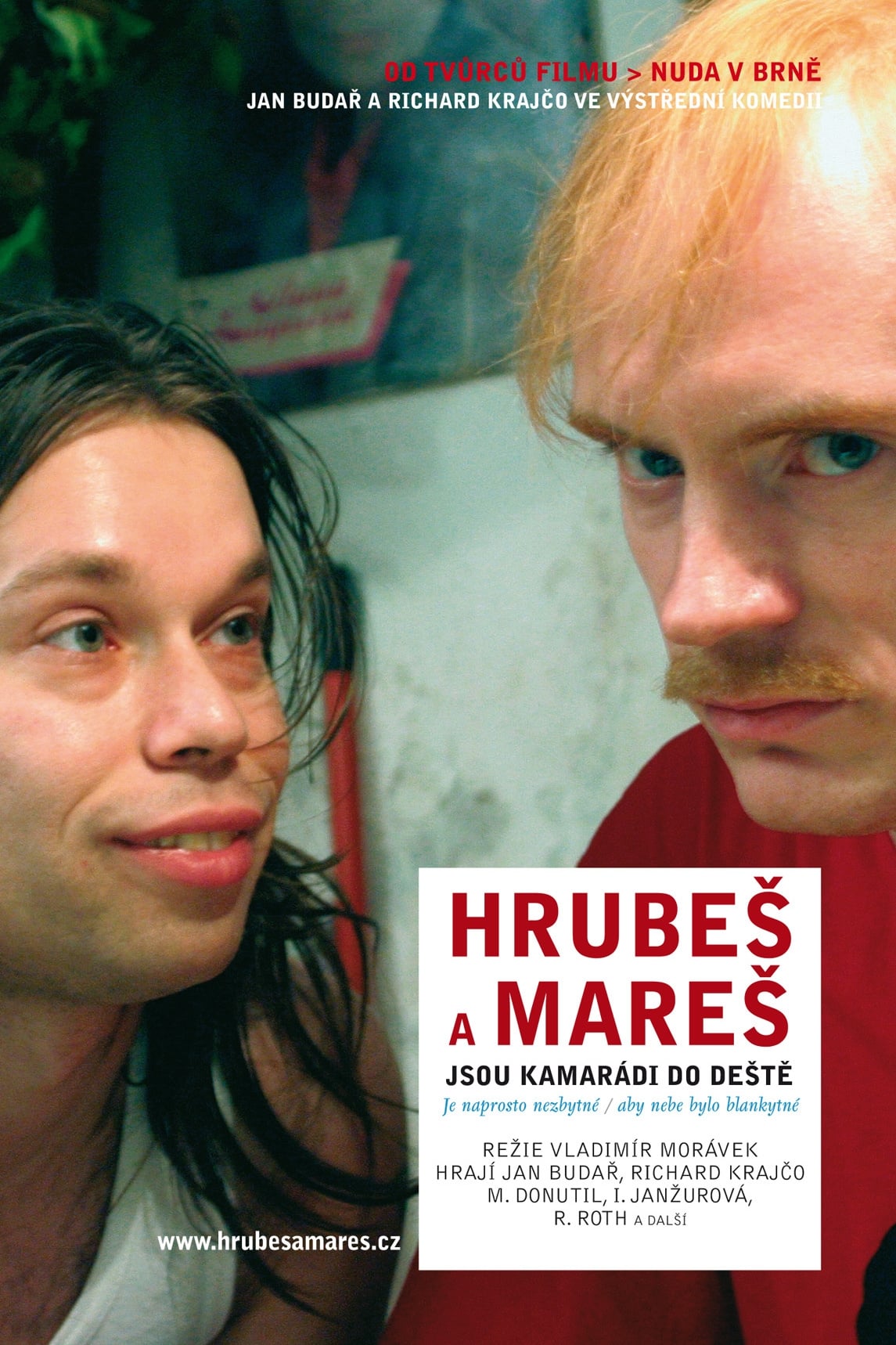
Slovak director Karpatti arrives in Prague to make a name for himself. He has brought all his belongings with him, as he can no longer show his face in Bratislava. Meanwhile, on the roof of an apartment building in Pankrác, Hrubeš and Mareš spit from the seventeenth floor, planning to become important film professionals and longing for love. Then Mareš's grandmother dies, Hrubeš is kicked out of his house by his father, and eleven terminally ill patients do not die. Václav Hrubeš meets President Klaus, and Josef Mareš finds a girlfriend, but for money. At the end, the power goes out for ten minutes throughout Prague 4, and Viliam Karpatti receives an award at the Jihlava Film Festival. It rains for the entire last ten minutes of the film, and planes hover over Prague like phantoms.
A film based on three short stories about the attitudes of ex-members of a then forbidden big- beat band. The stories capture the life-styles and opinions of the musicians who gave up music and had to find ordinary jobs in order to earn a living.
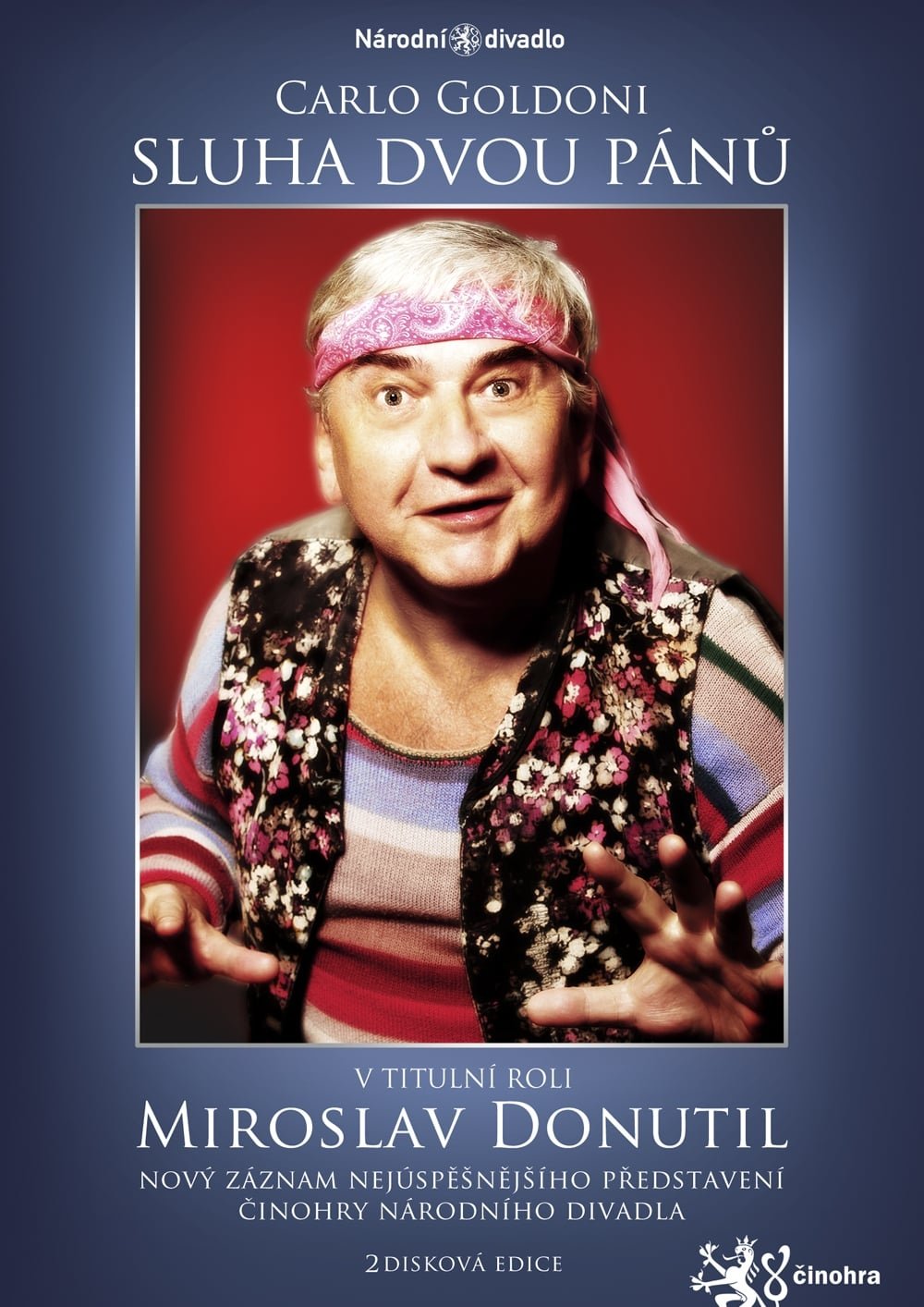
New recording of the most succesful play of Prague's National Theater starring Miroslav Donutil. Goldoni's comedy "Servant of Two Masters" is typical example of classical "commedie dell'arte". Beatrice arrives in Venice dressed as her brother who was killed by her lover Florindo. Florindo also escapes from Tourine. Beatrice hires Truffaldino, a servant who also lets himself be hired by another master to get twice as much money and food. The second master is indeed Florindo, who coincidentally accomodates in the same hostel as Beatrice...
A magical wizard visits a poor royal family. In exchange for food and kind treatment, he gives King Matyáš, Queen Elíza, and Princess Sylvie a magic telescope, a magic whistle, and a magic pouch that knows everything best. The princess uses the purse to pressure her parents during the courtship, when her beloved, Prince Zbyšek, arrives with his father, King Vladislav. However, the purse does not approve of the marriage, and so the courtship ends with a rift between the two royal families. But it wouldn't be a fairy tale if everything didn't turn out well in the end...
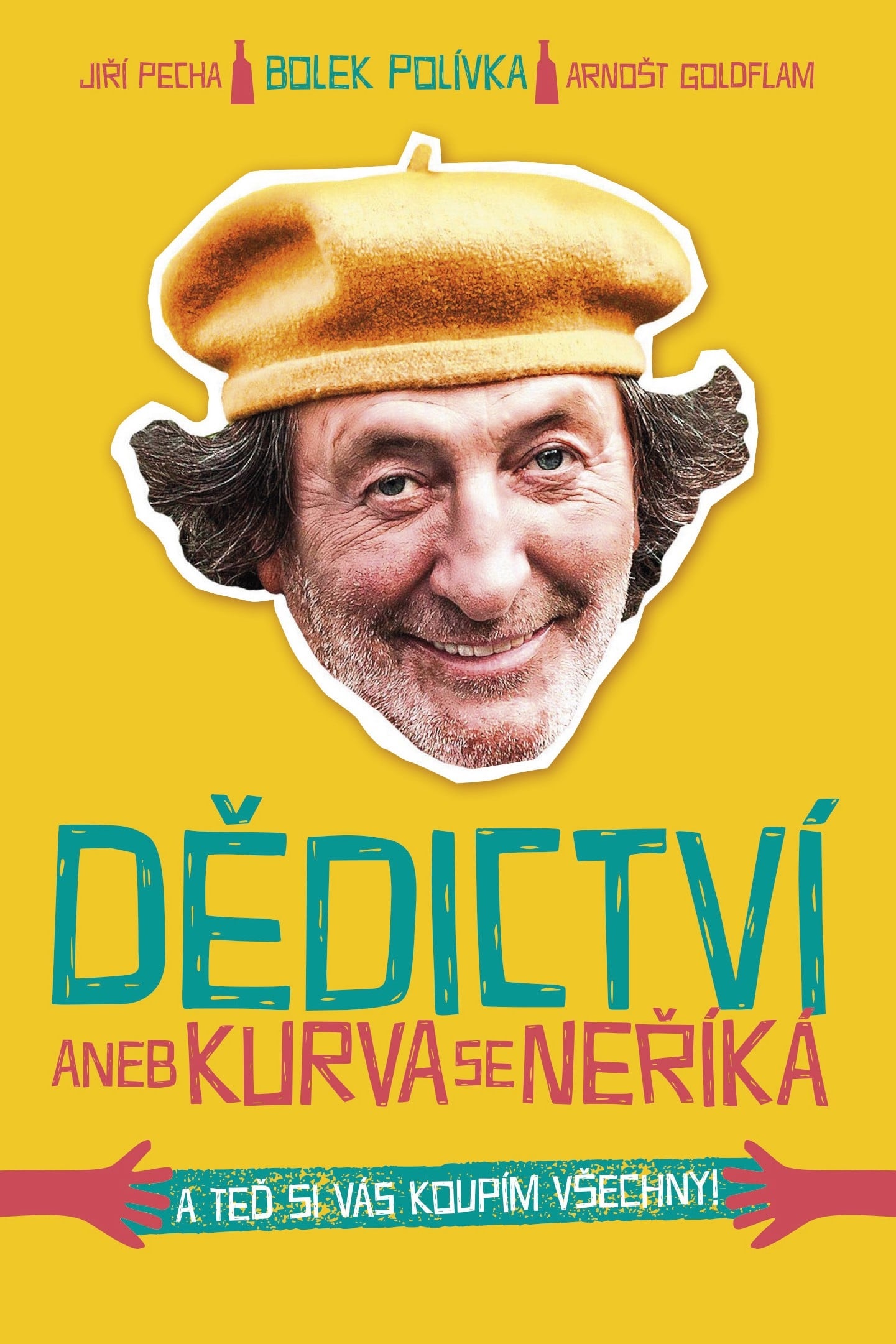
The aging Bohus buries his wife Vlastička and after seven years of abstinence starts drinking again.

The Slippers of Happiness is another film made by the Slovak Film Production in co-production with West German companies based on classic world fairy tales. After Slovak folk tales [The Greatest Peck in the World, Salt Over Gold] and the works of German fairy tale writers Wilhelm Hauff [The False Prince] and the Brothers Grimm [The Land of the Thrush's Beard, Perinbaba], screenwriter Alex Koenigsmark and director Juraj Herz were inspired by the famous fairy tale by Hans Christian Andersen. It tells the story of slippers that the Fairy of Fortune enchanted so that they would fulfill every human wish and thus bring people happiness. The filmmakers humorously transferred the plot from Copenhagen to old Prague.

The 10 Rules comedy tells a story of a shy scientist Marek who falls hopelessly in love with a seemingly inaccessible girl. His friends determined to help him, call Marek’s father, a successful publisher of books on the subject of how to get a woman. Together, they begin to develop a very peculiar course on girl psychology. However, do these 10 sure-fire rules apply exactly as described in the books?

Roman runs a fake car dealership on the outskirts of town, has three children, a vivacious wife and drinks. Emil, a fanatical lover of order, runs his downtown garage, which is backed by his greatest pride: a mock-up of a Formula One car. When Emil wins tickets to the Formula One Grand Prix in a TV competition, he has no choice but to ask his cousin Roman to drive him there. He can't drive. Little do either of them know that the local trouble magnet, the top supplier of stolen cars and Roman's prison friend Štětka, is about to pounce.
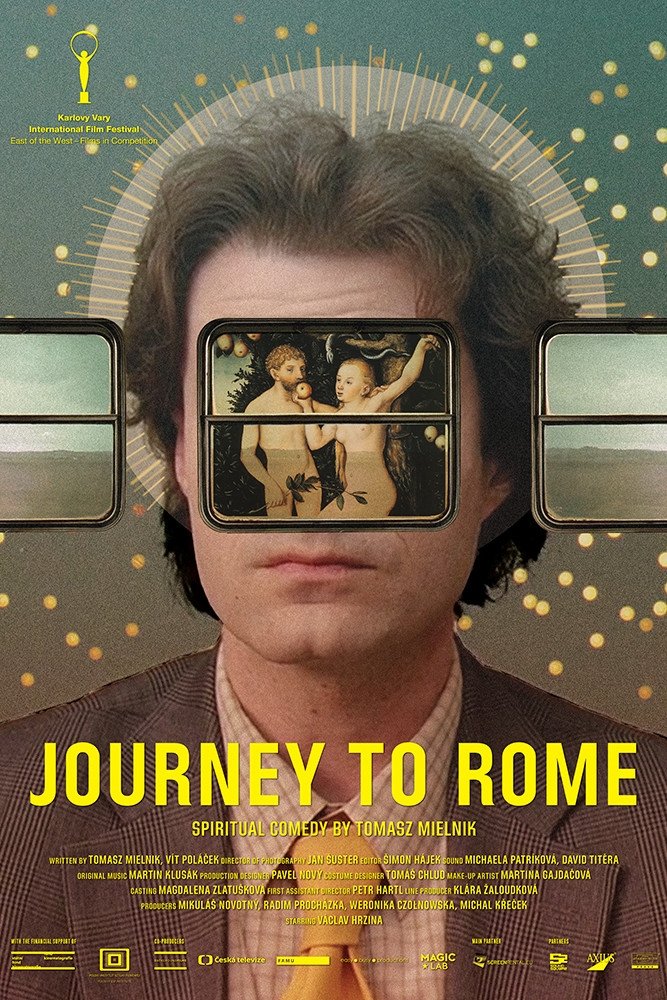
The day’s work never ends for a guard worth his salt, even when the gallery closes at seven. And Vašek is a perfect example, at least until he meets Ginger – a femme fatale who has her own plans where he’s concerned. Love turns this nice lad into a thief: armed with a false moustache, sunglasses and a stolen painting, he gets on a train and it remains to be seen whether or not his journey to Rome is paved with good intentions. The train compartment is full of passengers keen to impart their life stories – to him or to anyone who’ll listen. The withdrawn young man pays close attention to it all, even though he has plenty to worry about as it is. The police and a bunch of crooks are hot on his heels and it’s difficult trying to give them the slip with a hefty painting in tow.
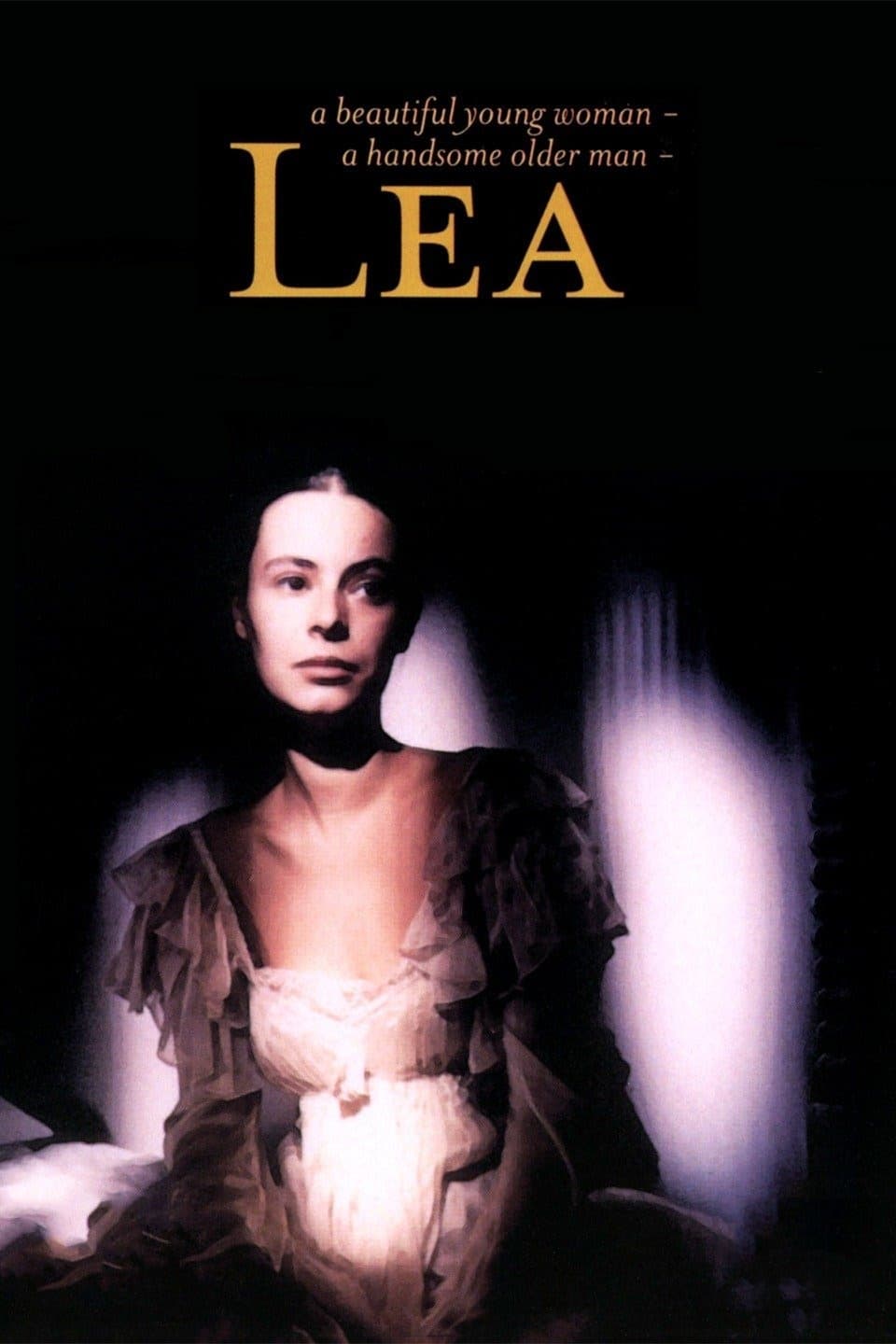
51-year-old Herbert Strehlow, a furniture restorer, falls in love with 21-year-old Lea, who has not spoken a word since childhood when her father killed her mother. She bears a striking resemblance to Herbert's dead wife. They get married, but their relationship seems doomed, until gradually each one manages to penetrate the mysterious world of the other, and they begin to realize that they are bound by a kind of spiritual relationship. For Lea it is the death of her mother, for Herbert it is the death of his first wife. His hard exterior slowly beings to thaw, and he starts to show feelings and responses that soften Lea's initial hatred and fear of him, and which put their relationship in a more positive light.

Whizzy is a little mouse, Whitebelly is a fox. They are naturally mortal enemies. One day, after an unfortunate accident, both meet in animal heaven. Together, they will embark on a fantastic journey and discover friendship can overcome everything.
Whizzy is a little mouse, Whitebelly is a fox. They are naturally mortal enemies. One day, after an unfortunate accident, both meet in animal heaven. Together, they will embark on a fantastic journey and discover friendship can overcome everything.
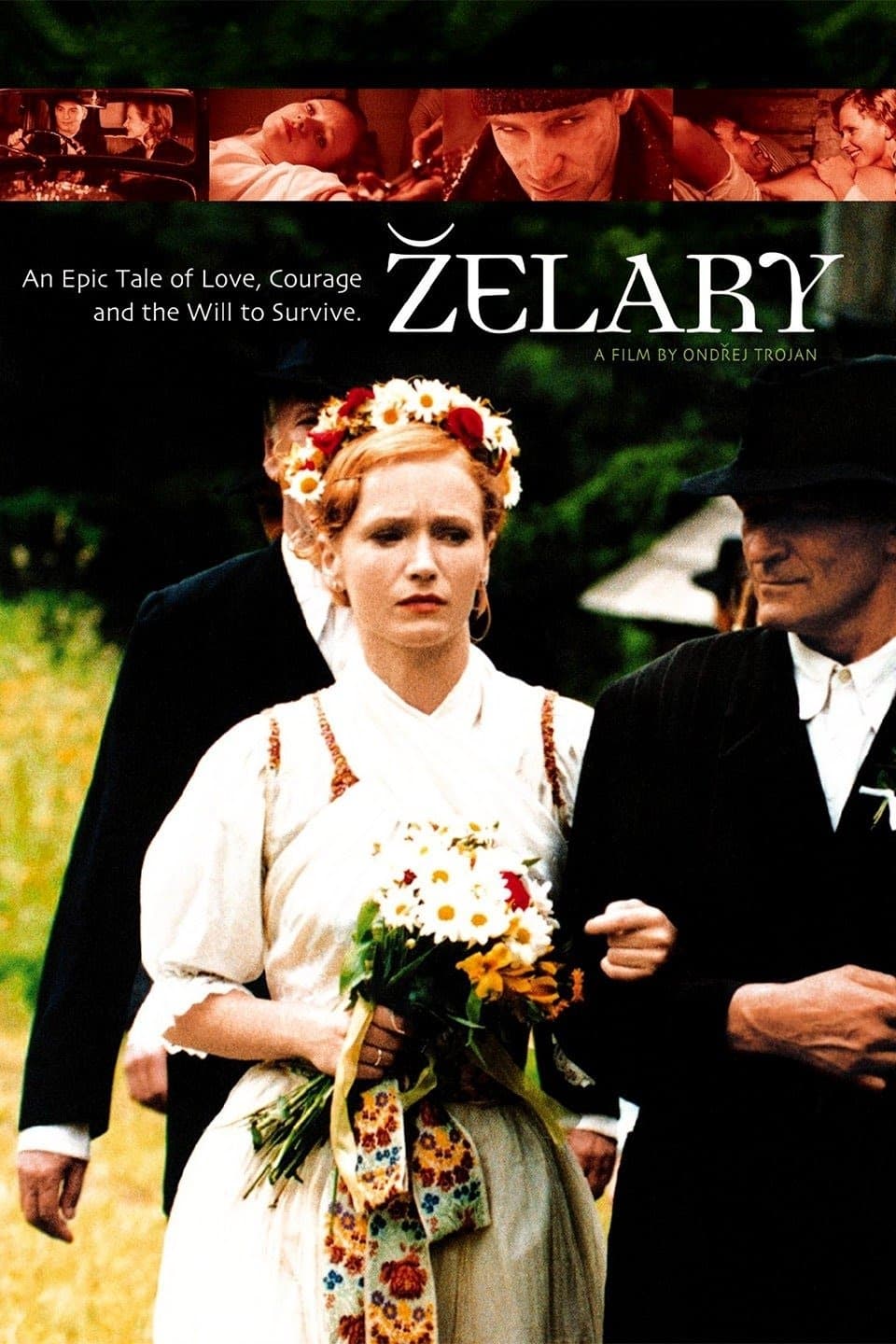
A nurse and her surgeon-lover are part of a resistance movement in 1940s Czechoslovakia. When they are discovered, her lover flees and she must find a place to hide. A patient whose life she saved, a man from a remote mountain village where time stopped 150 years ago, agrees to hide her as his wife.
Once again, Lucerna was bursting at the seams, and once again you can have as much fun as Miroslav Donutil's audience and guests. Today, we can prove that thanks to television, it is truly possible to sit with your feet warm and experience wonderful adventures not only on flying machines, but also on buses, in cars, or on foot. Even Hradišťan came from far away!
Arthur Watkins' English conversational comedy has been successfully adapted to the Czech environment and the present day by screenwriter and director Jaroslav Brabec. Ondřej Bednář is a man whose life follows a strict routine. Convention and rationality are the corridors in which Ondřej, an exemplary father and meticulous golf course groundskeeper at the local club, feels safe. His wife Sylvie, on the other hand, is impulsive and chaotic, so they complement each other well. Ondřej would certainly not want to know that Sylvie was such a terrible driver that she ran into a baby carriage at an intersection. But what he suddenly has to keep secret...
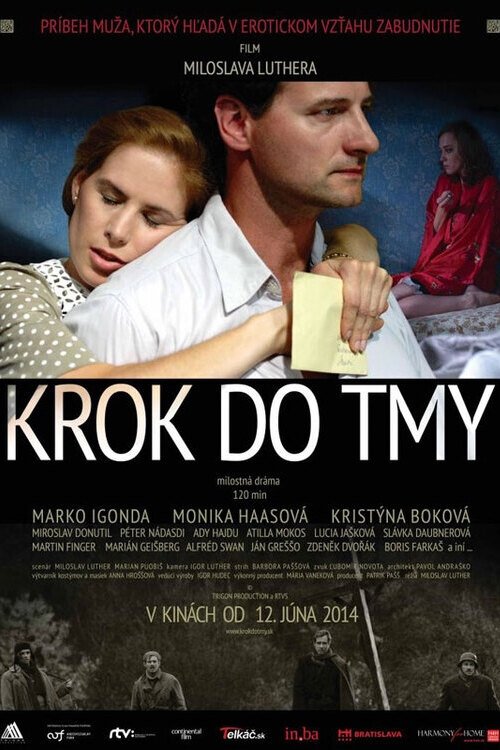
A young doctor, former partisan leader - is he a hero, or a murderer? His wife - a victim, or a minion of a totalitarian regime? And his lover - a political careerist, or a naive single mother betrayed by fate? The dramatic fates of these antiheroes from the era of rise of communism are stories of violence and resistance, weakness and courage, much like the ones that take place today.
In the film, the creative forces of personalities from three spheres of art collide. The subtitle "The Game of Love and Hate" refers to the motivation of an old Czech medieval satire, the theme belongs to Antonín Přidal, an expert on this subject. His collaboration with Juraj Herz created a collage of past and present, an updated, sharp satire and a parable about the clash of human qualities that could not but end up in the vault. The music of the Prague Selection - Michael Kocáb and Michal Pavlíček - also contributed to the film's offensive provocativeness - the film was one of the reasons for their complete move to the underground. The dancing chorus of medieval citizens resembles more of a jumble of long-haired maniacs, the edge of a contemporary dump intrudes into the space of a medieval marketplace, and the characters oscillate between the past and the present, whether in their appearance, symbolism or behaviour.
A sad story about a young girl who is forced to move from one foster home to another.

Life in communist Czechoslovakia in the early 1950s and the punishments for going against the state.
Czech Television has successfully aired two TV movies detective novels by Emil Vachek: The man and the Shadow and Evil minute. In both stories of the First Republic, acting chief inspector Klubíčko detective Tchaikovsky stamping, bachelor, gourmet, collector of old prints, which played an excellent way Miroslav Donutil.

A communist journalist from Prague is sent to Ravensbruck concentration camp.
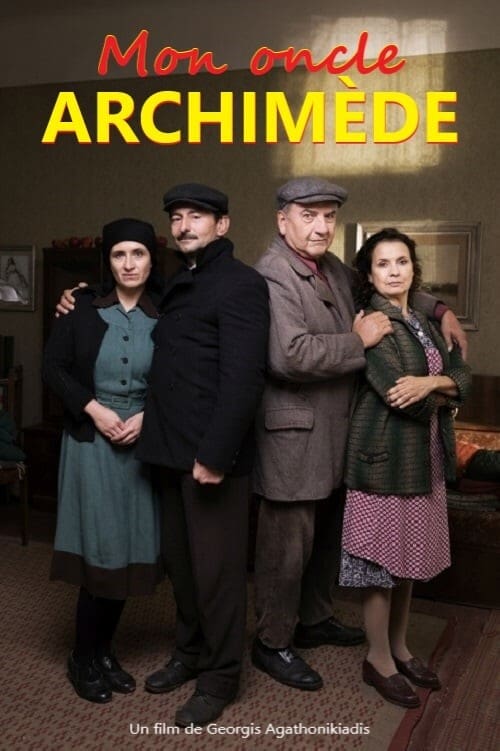
Telling the story of Archimedes, one of thousands of refugees who left Greece for Czechoslovakia at the end of the 1940s, as the Greek civil war meant many communist fighters sought refuge in communist countries. Told through the eyes of Archimedes’ grown-up nephew Aris, who recalls how his uncle's life changed when he escaped from Greece to Czechoslovakia with the naive dream of a rosy future under a socialist regime. But all was not as it seemed.
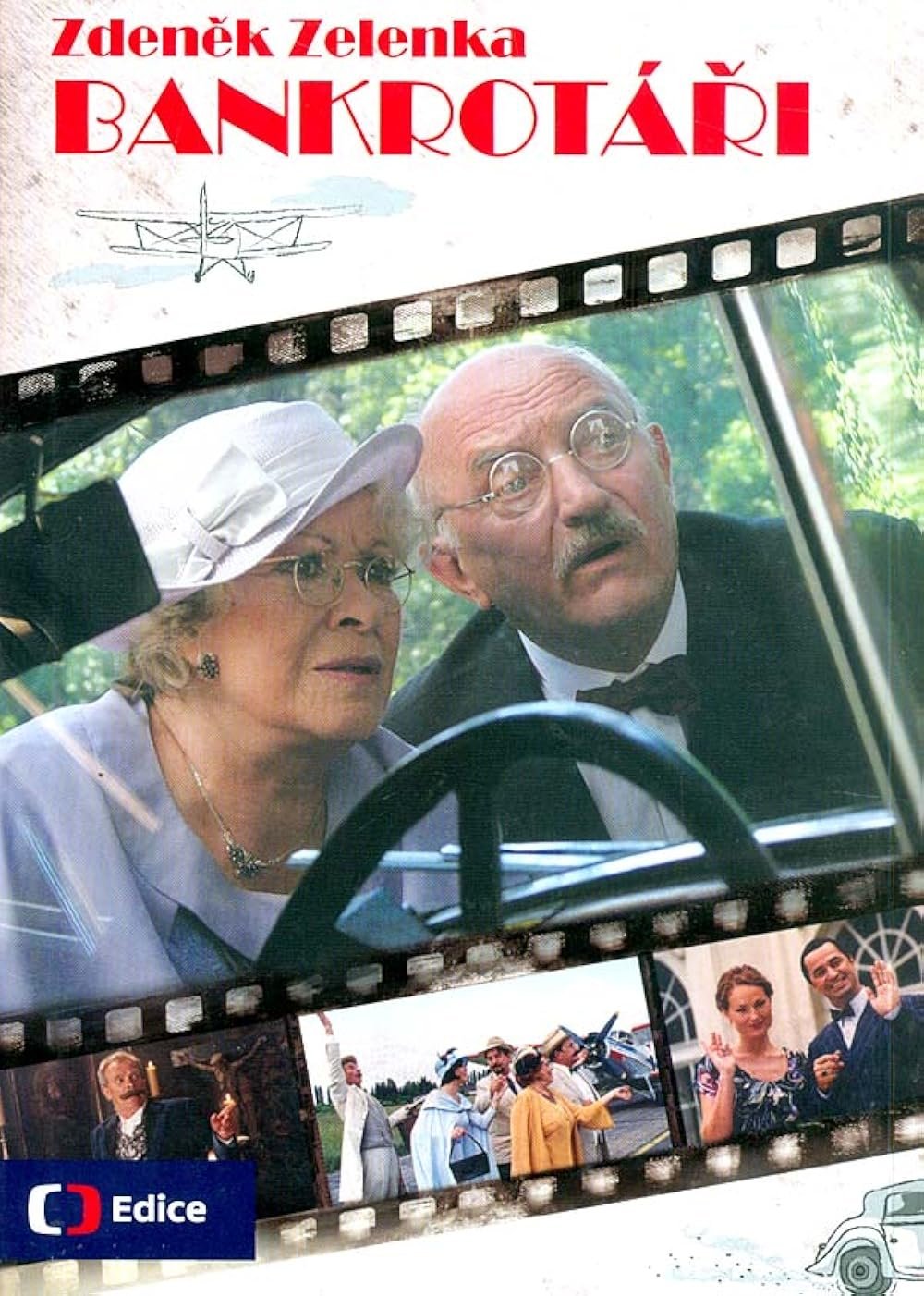
A black comedy about suicides. Good old England, 1937—a spooky night scene on the moors, silhouettes of trees, the distant silhouette of a small castle reflected in the glistening water. Only the Hound of the Baskervilles is missing... we see only distant silhouettes of figures on a raft and have no idea where they are sailing.
The young prince and the old king stand in the way of the treacherous queen's plans to gain the royal crown and fulfill her insatiable desire for power. The cunning queen manages to get rid of the prince and his stepson by sending him into the world to search for his dream Golden Maiden. With her helpers, she cunningly arranges everything so that the prince never returns and the old king does not survive. The path to the throne will then be clear. In the end, however, as in every good fairy tale, so too here, good will be rewarded and evil punished.

The fairy tale tells the story of a very wise Japanese judge, Ooka, who, when judging disputes between merchants, slaves, and even mayors, always listens to both sides first and then makes a fair decision. With his tricks and correctly asked questions, no perjurer or swindler escapes his notice.
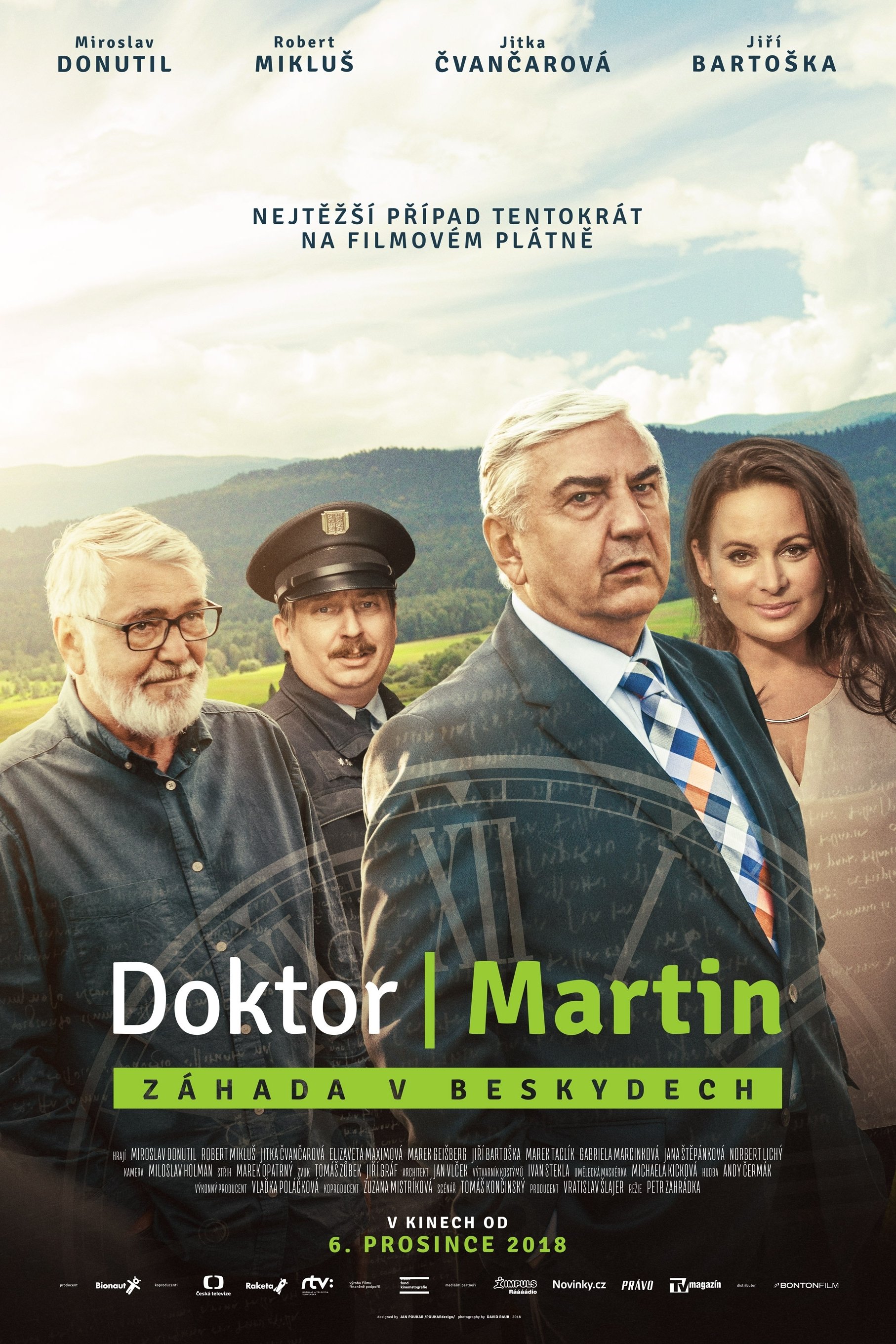
The discovery of decades-old skeletal remains kicks off a criminal investigation into the ancient secrets of the Beskydy Mountains.
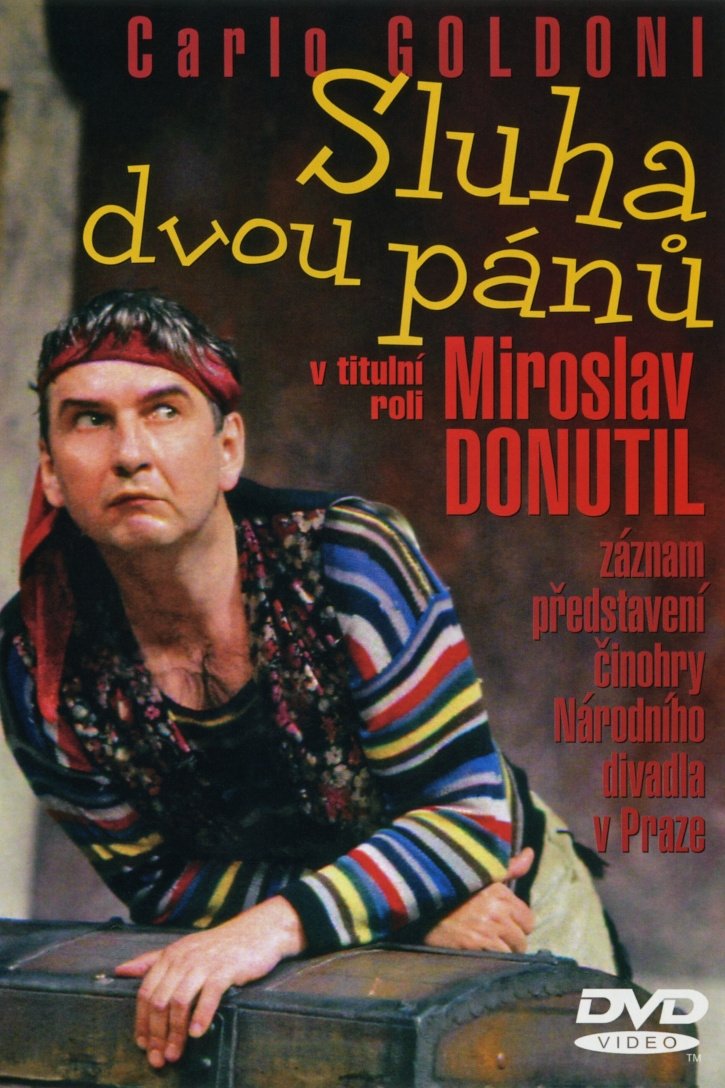
The Servant of Two Masters is a mature example of commedia dell'arte, featuring traditional characters and situations. It takes place within a close-knit family, where the main event is an engagement complicated by the servant Truffaldino, who is both cunning and foolish. He sets in motion a comedy of mistaken identities and misunderstandings, driven by his eternal hunger, through unexpected twists and turns to a happy ending. He is surrounded by traditional characters – commedia dell'arte masks – the worried father Pantalone, the wise doctor, and their children in love, an adventurous couple of lovers, the innkeeper Brighella, and the maid Smeraldina. Truffaldina is played by Miroslav Donutil, who continues the tradition of improvisation to the great delight of many audience members.
The story of student love in the most difficult times, because even during the Protectorate, young people liked to have fun, dance, and fall in love. In the villa of their classmate Paddy, who was expelled from high school because of his mixed heritage, his former classmates gather, obsessed with jazz and the desire to start their own band. They succeed, and when Paddy's father takes Zuzana, whose parents are in a concentration camp, under his wing, the band also gains a singer. Zuzana and Paddy fall in love. Their classmates prepare a concert, but it is threatened by a ban imposed by the high school principal, who says that students are not allowed to perform in public after 7 p.m. Zuzana lures the principal to Prague with a fake invitation, where he is to be awarded the Protectorate Order for his pedagogical merits. The Maskovaní banditi concert takes place, but the price the students pay is high...
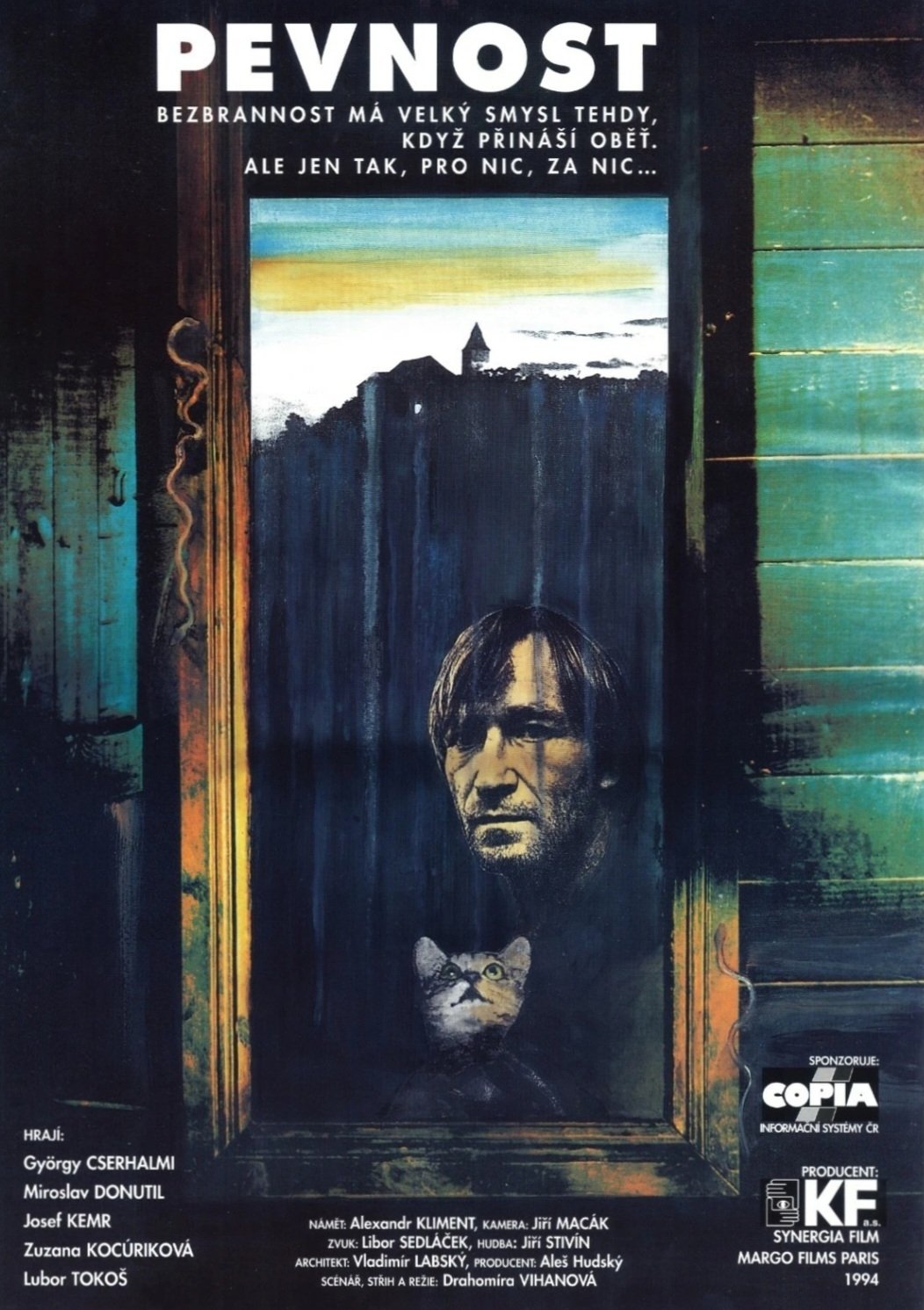
Set in the late 80s in a quiet, rural village headed by a suspicious, conspiring group of nasty leaders. Ewald has arrived there to measure water levels. Surrounding the fortress near the village are soldiers.
A successful scientist dares to openly and forcefully criticize the unproductive activities of the institute in which he works. He draws attention to outdated procedures and also to the fact that scientific work must not fall into the abyss of mediocrity and everyday grayness, so typical of the entire society. Will his career withstand this situation?
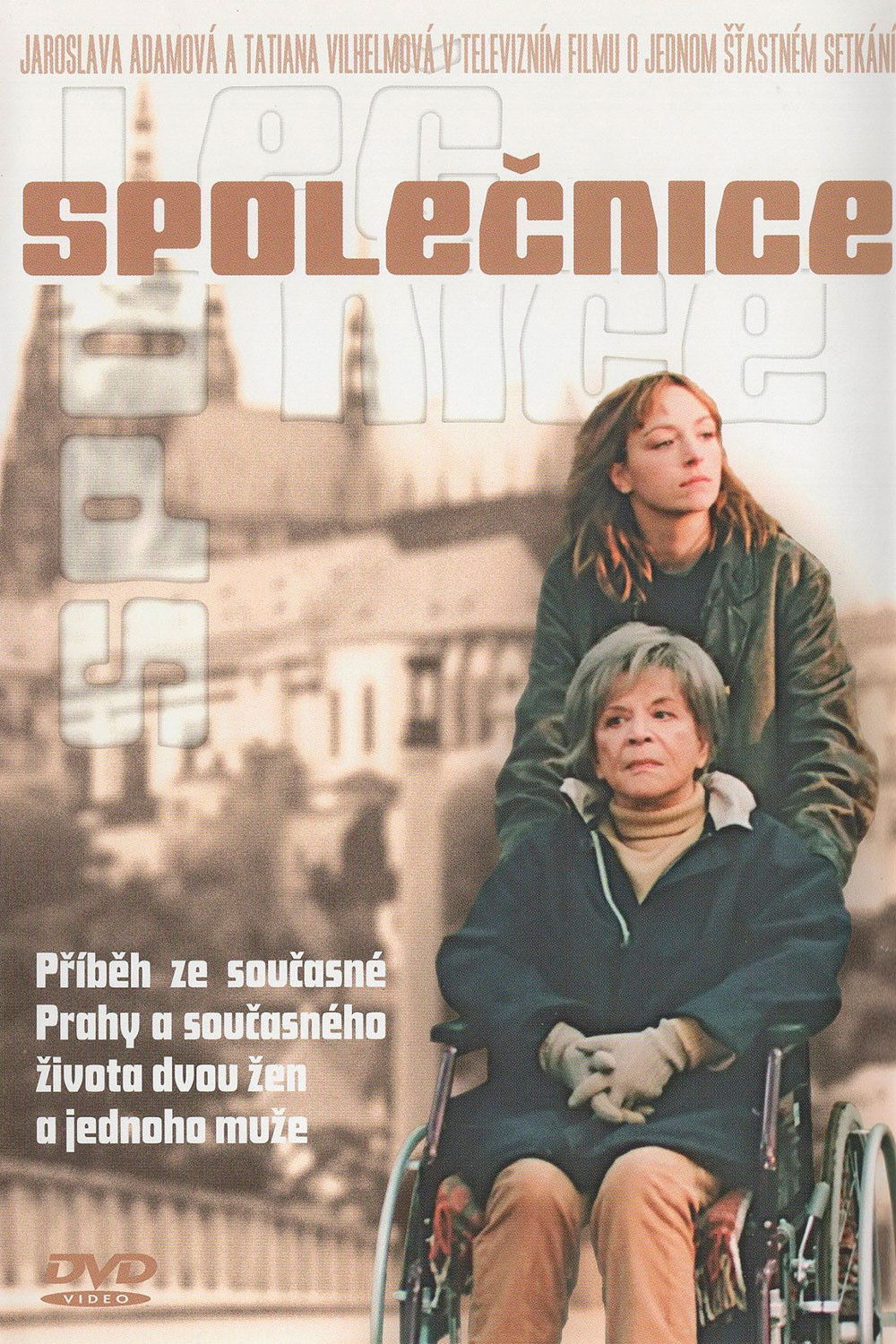
The story of old Hana, who devoted her entire life to gardens. She designed them, planted them, cared for them, lived for them. Now she is old, sick, has difficulty moving, and feels that her life has shrunk and is coming to an end. However, Hana is not a whiny poor thing; she is a realistic woman with a sense of ironic humor who can still tease even her very grown-up son. She sees quite clearly that nothing new will happen in her life. The opposite is true. A young girl in worn-out sneakers enters Hana's life.
Elementary school student Jožka has a great love – horses. He is looking forward to turning this love into a profession. However, he is atoning for his father's criminal activities, he is not accepted into his dream school focused on horse breeding due to a bad report and has to be content with learning to be a tractor driver. However, he continues to do his best for horses, he trains the racehorse Palisander, who has never won. His outsider fate is similar to his. However, Jožka wins everything there is to win despite various ups and downs – he stands up to bullying in the youth home, an arrogant tutor, human weaklings, manages to study well even at a school that he doesn't enjoy and does sports. He also gains the respect of his classmates. Real jockeys also star in the film. It also features the birth and death of a horse. The scene where Jožka's father saves a horse from a burning truck is dramatic. The scenes with carrier pigeons are touching.
About the fact that honesty will get you the furthest... The main characters of the fairy tale are two tinkers, a now extinct profession in which men travel the countryside and repair earthenware pots for peasants and the like. The older of them, Jura, tries to earn some extra money in all sorts of ways other than honest work, while the younger Martin is an honest man from the bone and a hard worker to behold. We also meet poor Vojta, who catches birds, the beautiful and rich Eliška and robbers, but most importantly we understand that honesty will get you the furthest in life.
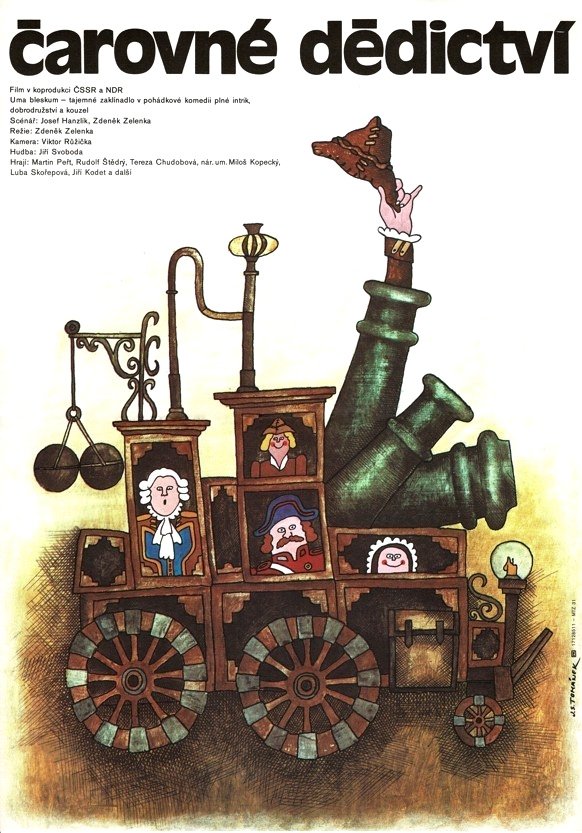
In 18th century Bohemia, the mercenary troops of a cruel duke roam the countryside. A cap maker who defends himself against injustice is thrown into prison. His ten-year-old son tries to free his father with the help of his friends of the same age and a magic cap, but the duke's henchmen are soon after the magic cap.
Just in time, Róza Riedlová returns from the grave to beneficially intervene in the life of timid Jana, who is full of doubts about everything and especially about herself. If Róza, that charming older lady, is a ghost at all, then she is definitely one of the kindest ones in our world. Otherwise, she would not be able to bring such wonderful order to human relationships, not only in Jana's family and at school, but everywhere she appears. An appealing comedy story that has won awards both at home and abroad. In 1995, a jury in Montevideo named it the best film for children, and in 1994, it won first prize in the children's film category at the Ota Hofman Festival in Ostrov, with Iva Janžurová winning the award for most likable adult actor for her role as Róza.
The love story of students Jana and Tomáš begins in Prague just after the establishment of the First Republic. Their impulsive "escape to Buda" marks not only the liberation of the dissatisfied Jana from her monotonous life with her mentally unstable mother, but also the beginning of their fateful marriage. They settle in the picturesque Slovak foothills, on the sprawling estate of Tomáš's vital father, with whom Jana strikes up a deep friendship. Soon, however, she is visibly affected by Tomáš's surprising transformation. The marital crisis is deepened by the unstoppable decline of the estate. The family's efforts to establish itself in Vienna, which after the collapse of the monarchy is only a memory of its former glory, also fail. Jan's enterprising brother-in-law lends a helping hand. The return to prosperous Prague is their last chance, but it brings something different to everyone...
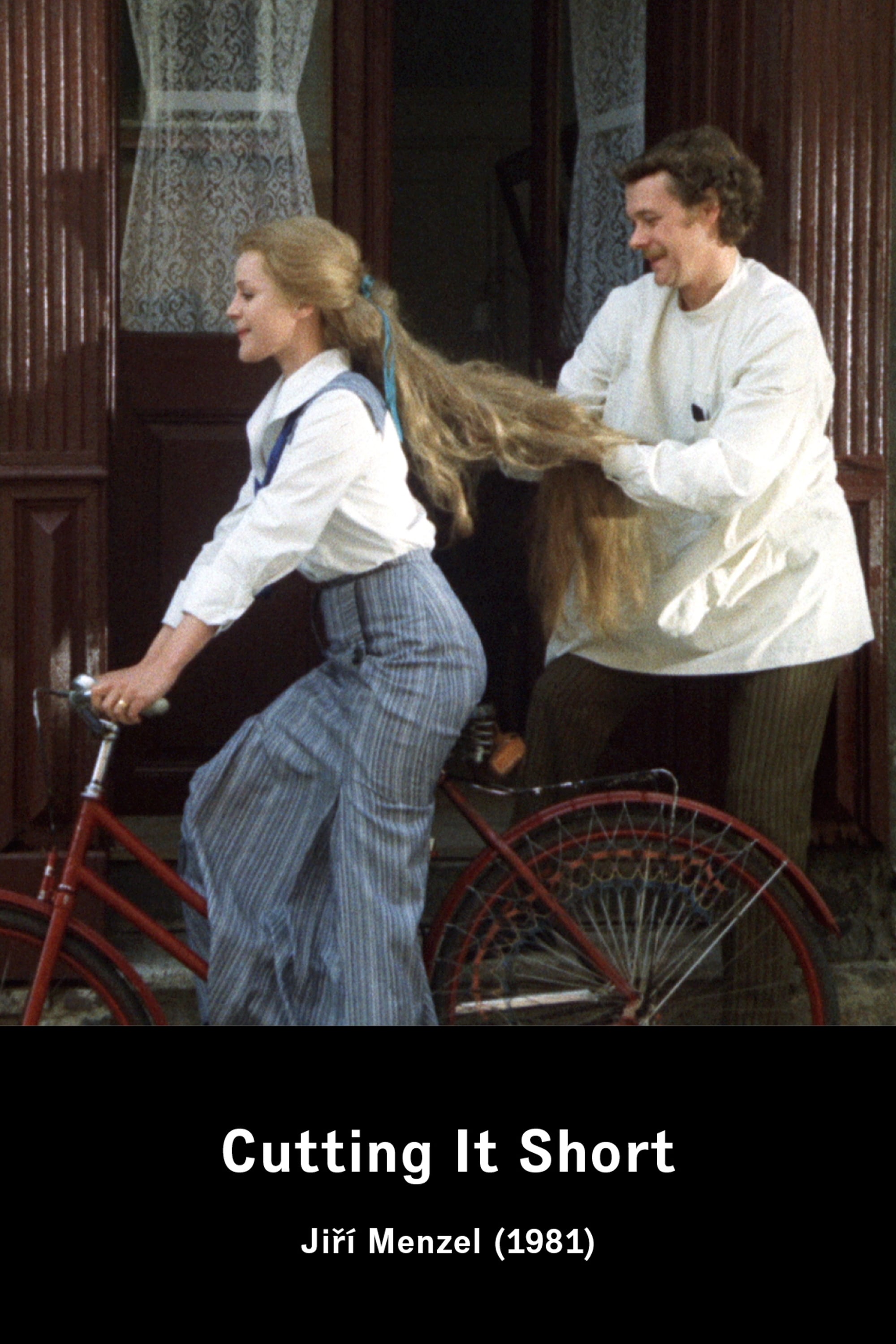
Francin, manager of a small-town brewery, has a charming wife whose abundant blonde locks are an adornment to the town. Maryska looks ethereal but loves meat and beer, while Francin is an ascetic. The strict members of the brewery board of directors come to audit the accounts, but are diverted from concentrating on Francin's detailed reports by Maryska, who has organized a pig-killing feast and is ably assisting the butcher. When she invites the old curmudgeons on the board to enjoy the fresh pork, they are too happy to agree. Francin doesn't know whether he is going to get a permanent contract. To make things worse his brother Pepin - eccentric, noisy and garrulous - turns up on an indefinite visit.
Miroslav Donutil's entertaining show takes you to a club on Šelepova Street in Brno, which left an indelible mark on Moravian cultural life in the 1960s. That is why the actor chose this place to reminisce about his student years in Brno. Few people can tell stories with such enthusiasm as he can, few people can find stories with punchlines even in simple everyday situations, and few people can so accurately capture and then portray the individual people he has met in his acting career.
On Saturday, October 12, 1996, Miroslav Donutil welcomed a sold-out crowd to Prague's Lucerna Hall, bringing his guests and friends onto the stage with him. Among them were Jiří Suchý and the Semafor Theater Orchestra, Jiří Sovák, Iva Bittová, Hana and Petr Ulrych with the band Javory, Miloš Štědroň with the original band of the Na provázku Theater, Bambini di Praga, and others. The program also included the presentation of two platinum records for 120,000 copies sold of the albums "Pořád se něco děje" and "Furt ve střehu," released by Multisonic. The evening, with its unique atmosphere, was recorded by Czech Television.
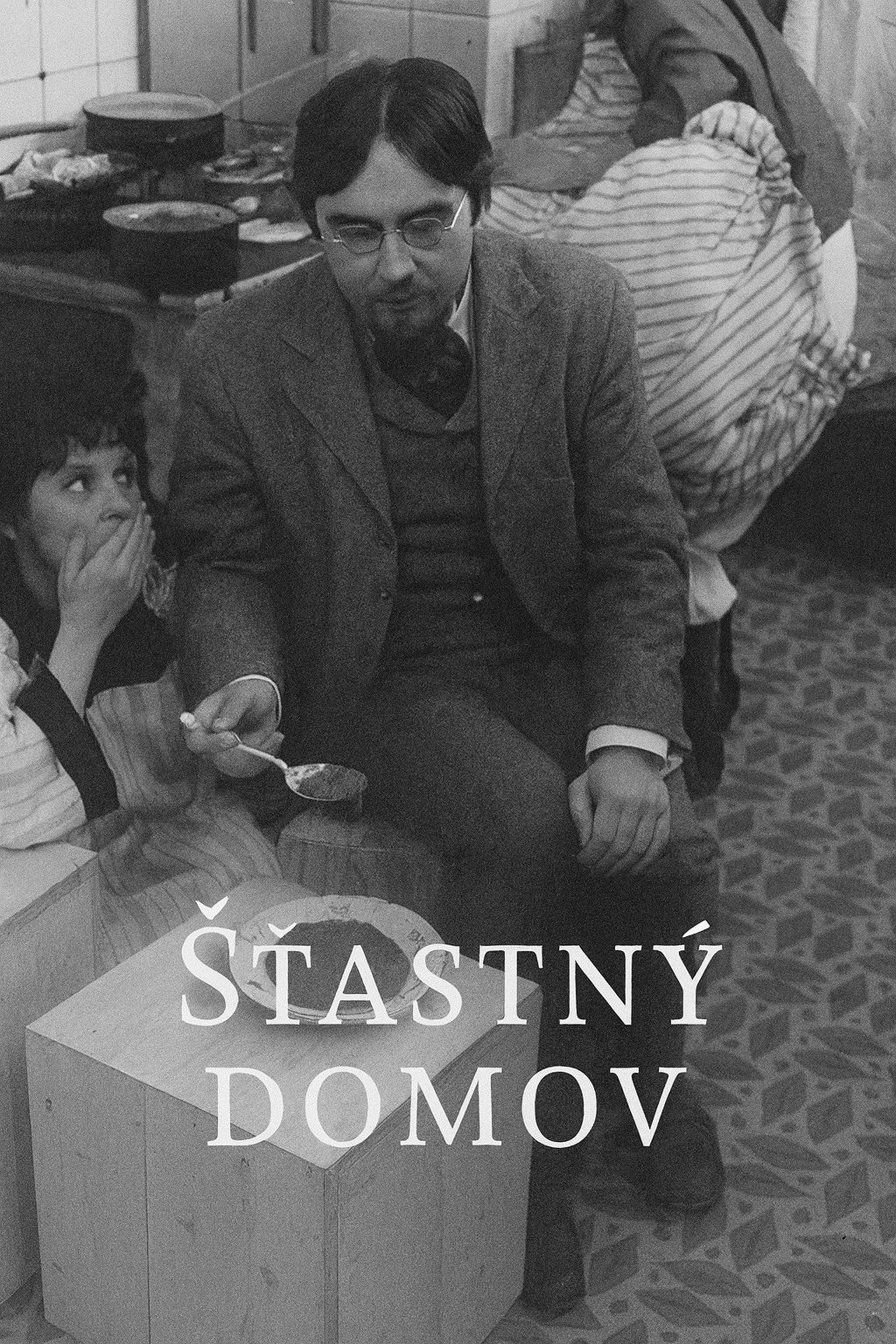
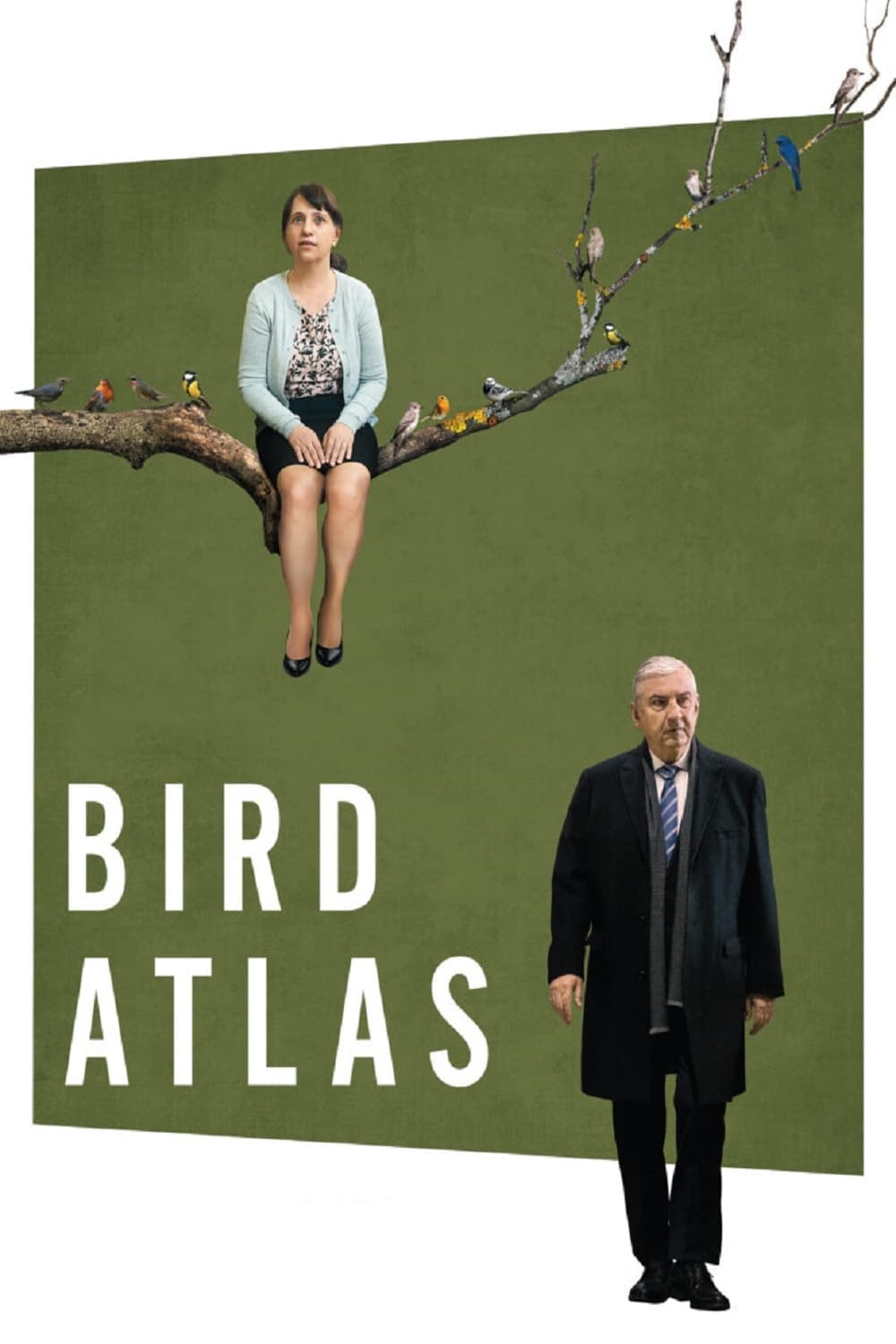
An ageing proprietor of a technology company has dedicated his whole life to his work, so it comes as a big blow when things suddenly start to fall apart at the seams.
Three short stories about the people and folk around the shaft.
Intolerance can already be ominously growing among children. Even the talented Petr, who is not accepted by his new classmates, will be convinced of this - he only encounters rejection and even betrayal of trust. More than exposing children's mentalities, however, the creators are trying to present a model of social morality, which, however, lacks both a more credible motivational background in the actions of the individual characters and the courage to point out the functioning of deformed relationships. However, they unfortunately did not reach the level and communication of Schorm's film Five Girls on the Neck, which dealt with a similar problem.
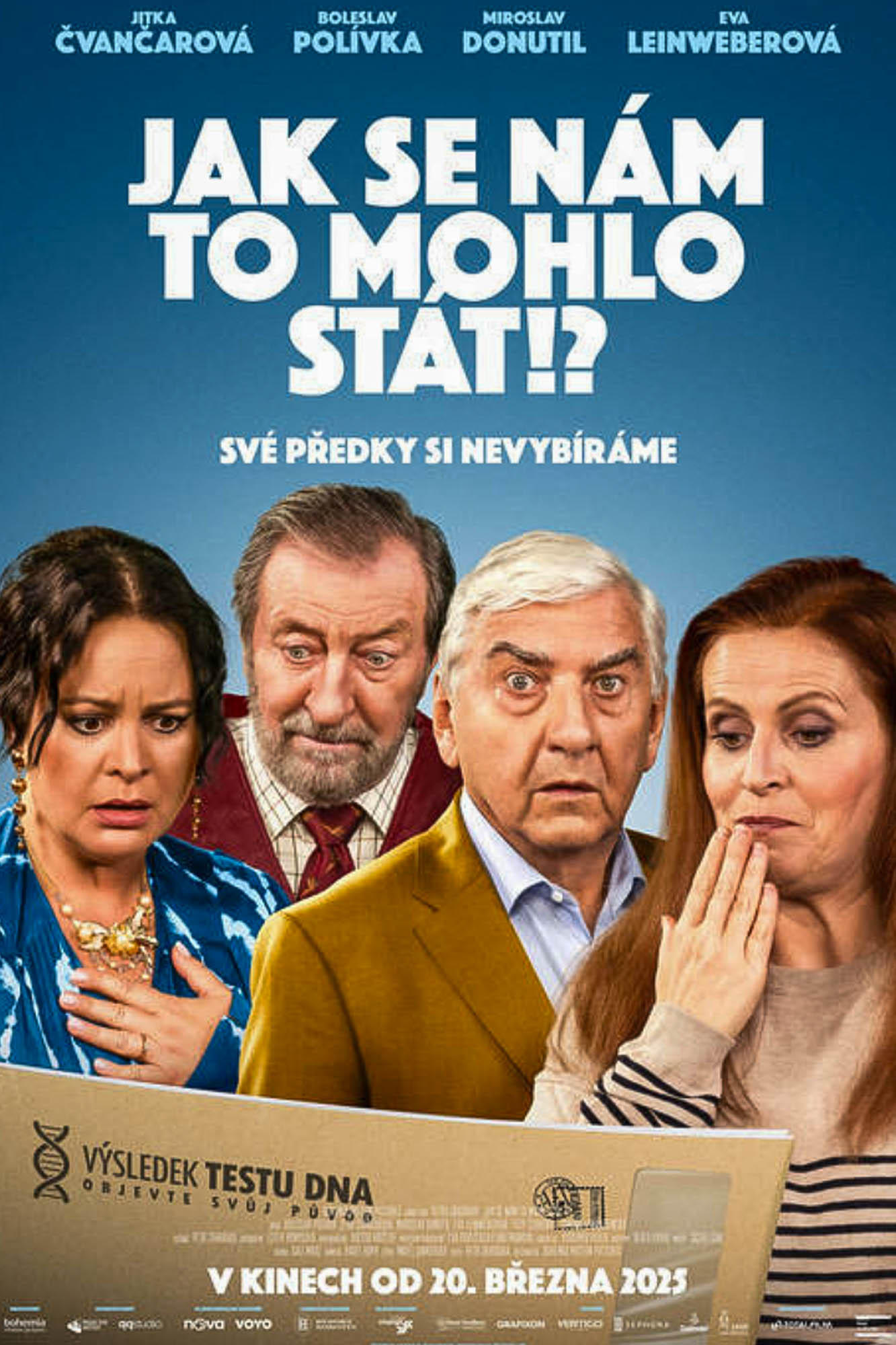

Colorful characters of various ages, personalities, professions, and hobbies are all searching for happiness, though each in a different place and with a different outcome.