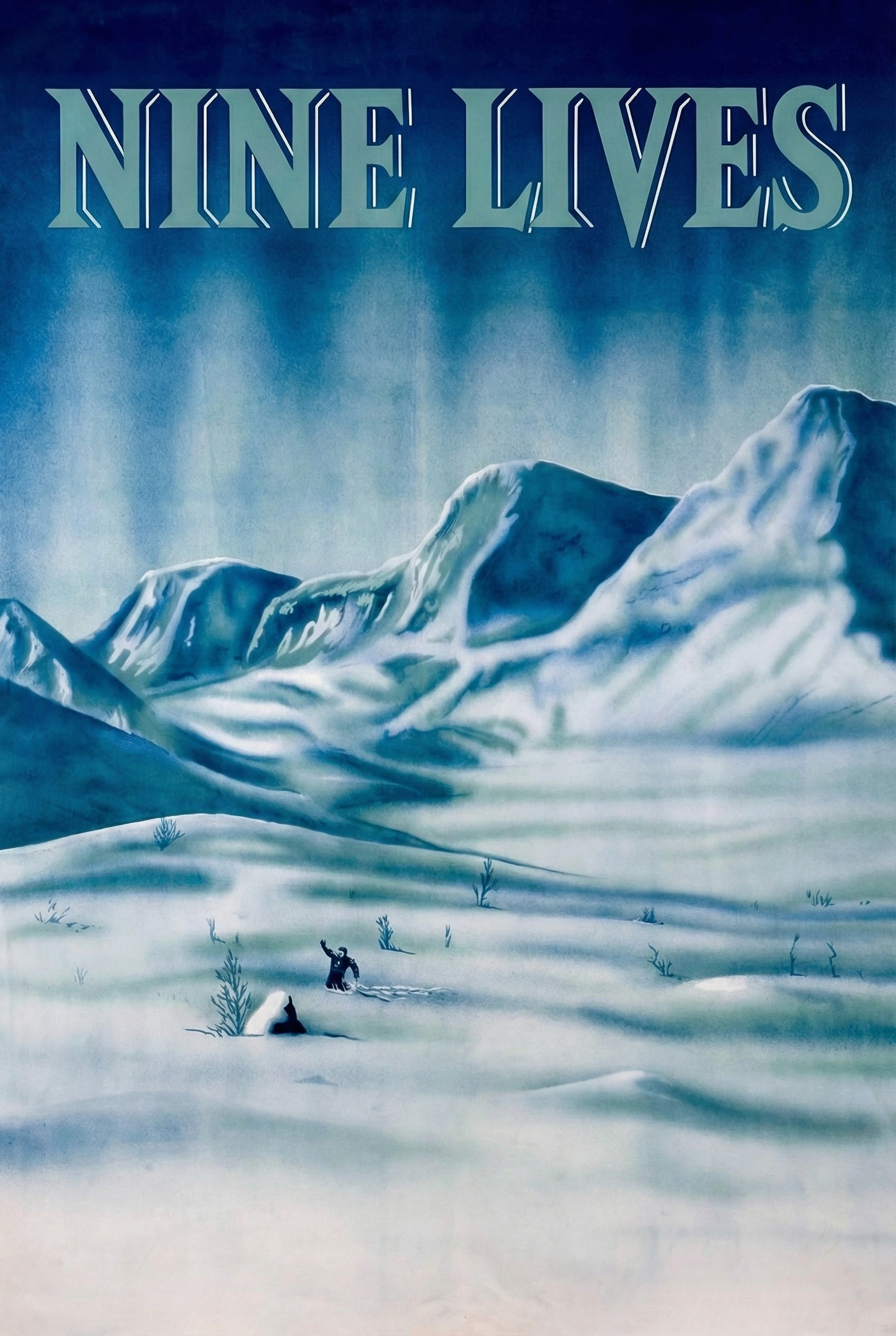
The movie takes place during World War II and depicts the true story of Jan Baalsruds amazing escape from the German army from the coast of Northern Norway and across the border to the neutral country Sweden.
Two brothers in their seventies, Pa and Moe, have lived together all their lives in a little house in the country, the only interruption being when Pa made a weekend trip to Småland on his moped during the second World War. The past returns when his adult son dating from his Swedish visit, Konrad, comes to live with them after his mother has fallen ill. Soon Moe is about to discover that three is indeed a crowd...
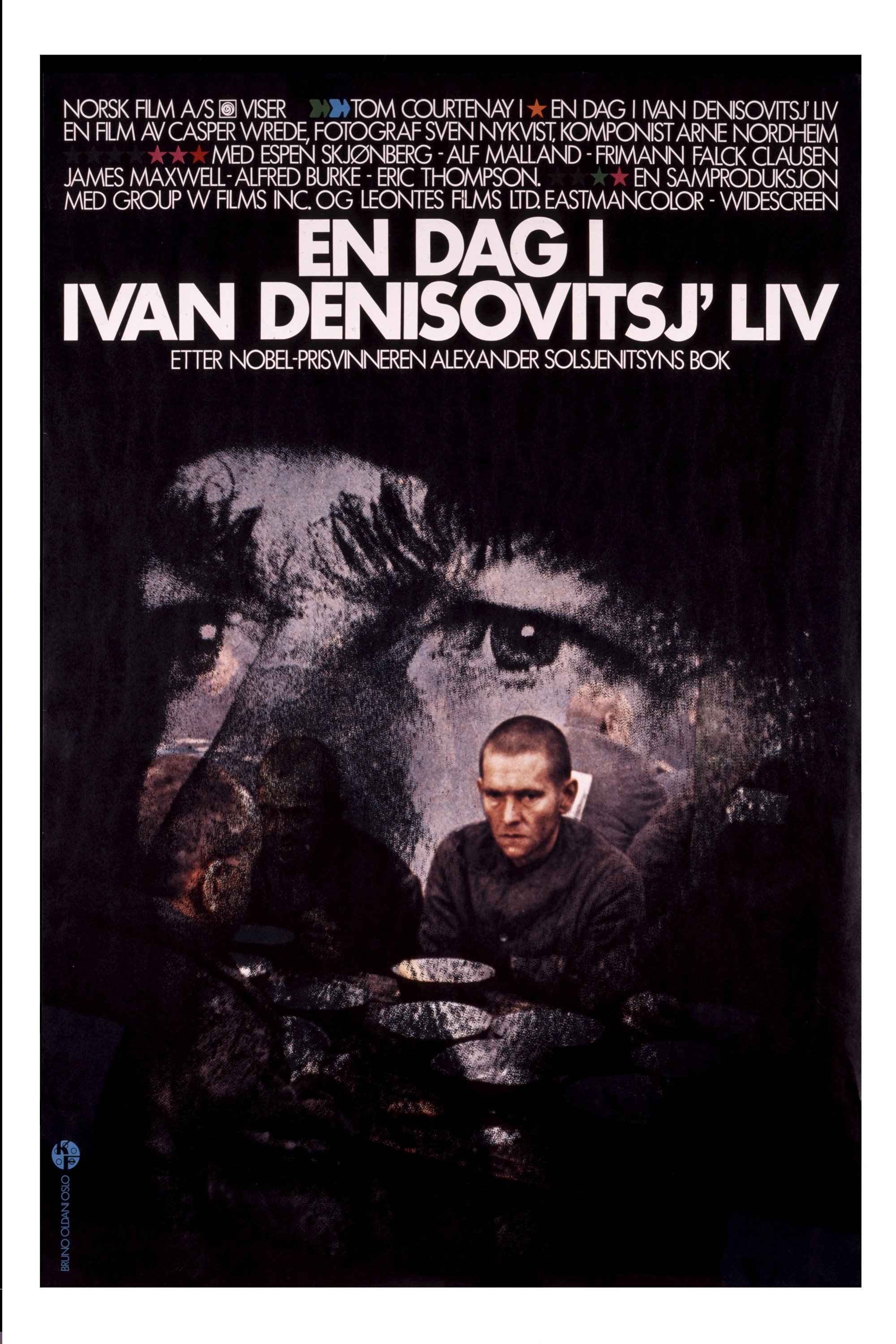
Fly-on-the-wall treatment of an ordinary day in the life of a prisoner in Stalin's Gulag. Closely adapted from Solzhenitsyn's classic novel based on his own experiences. Shot entirely on location in northern Norway
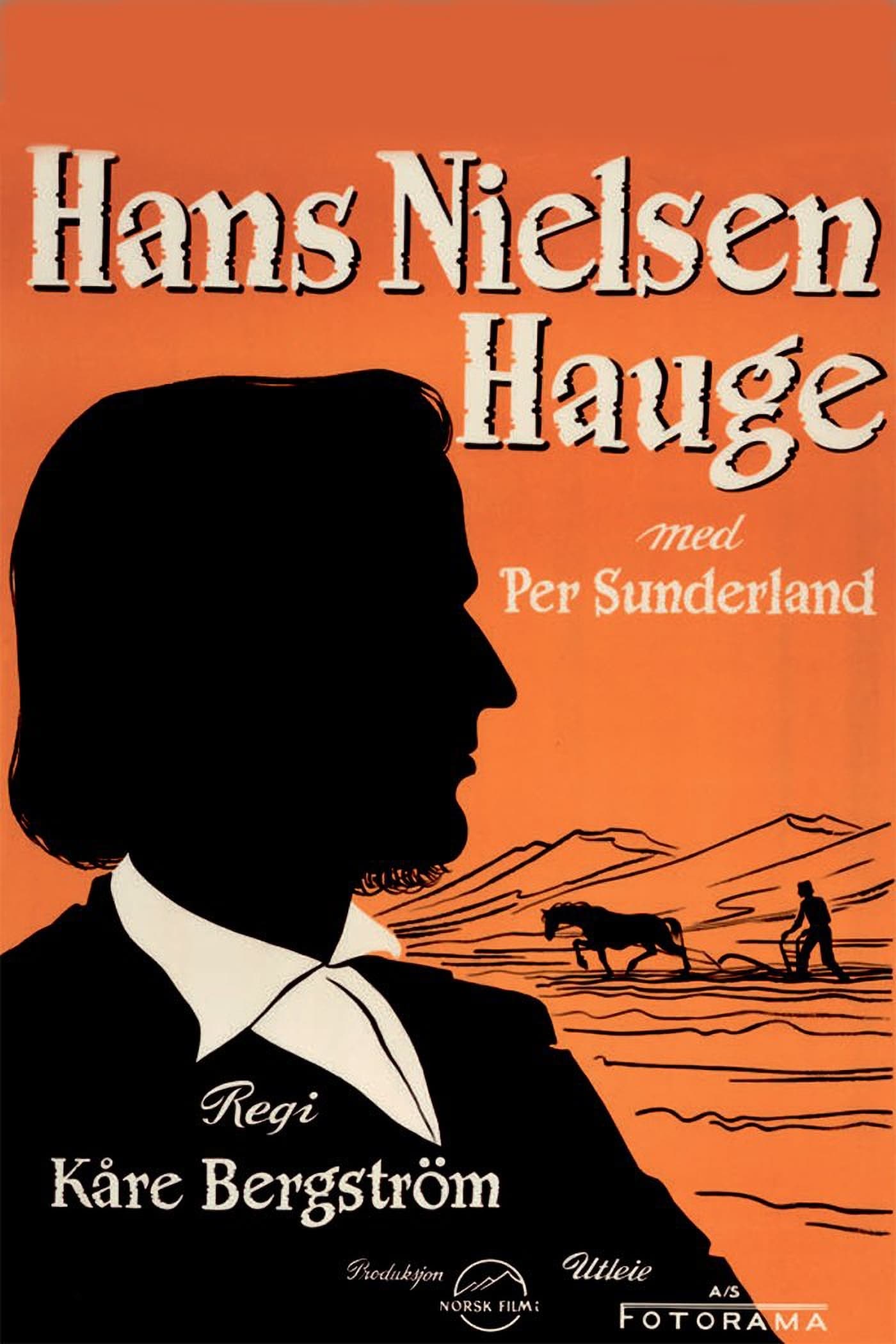
Hans Nielsen Hauge was a Norwegian reformer in the early 1800's both financially and spiritually.
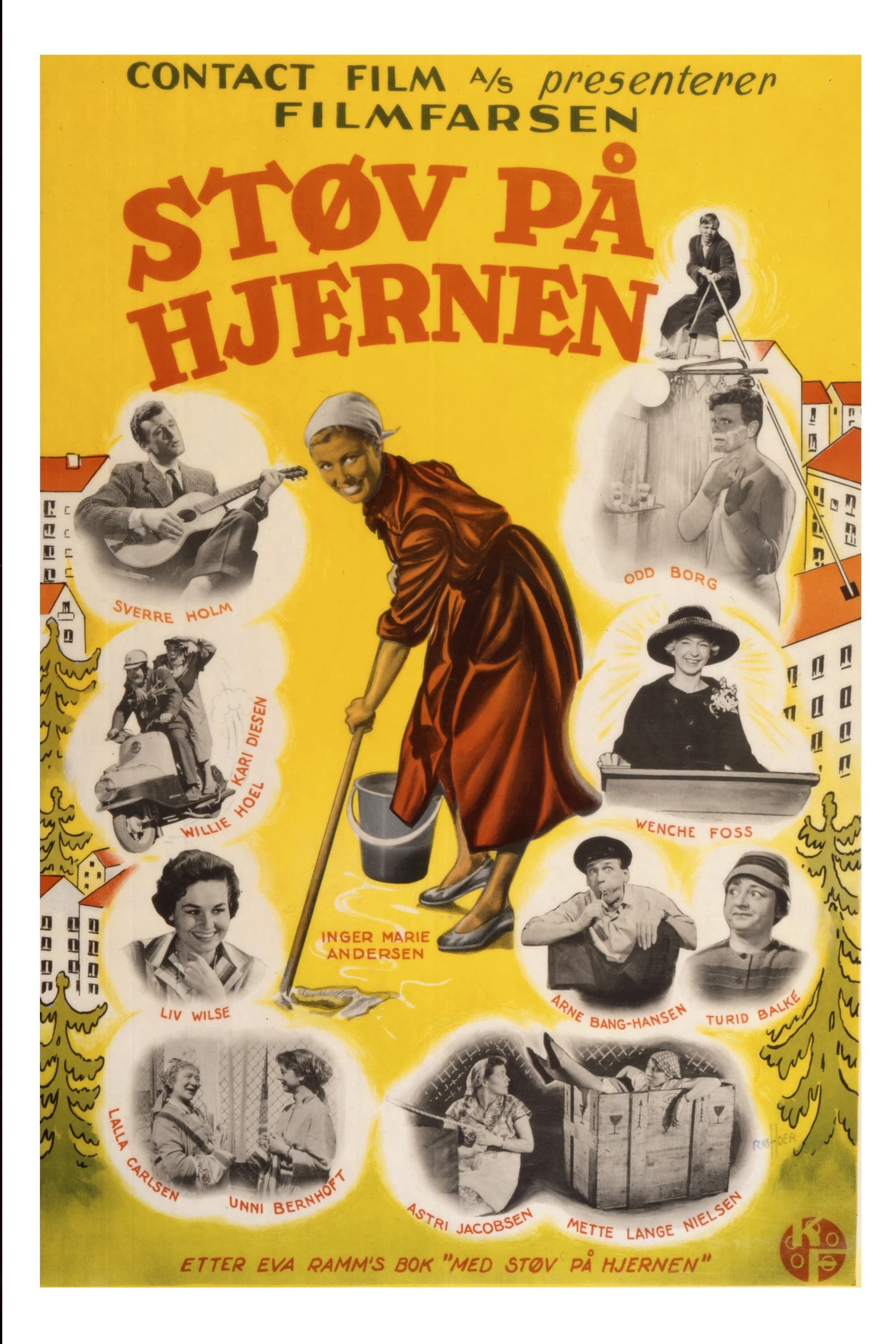
The film is about suburban families, trying to be perfect housewives, and their theories in what is the right way of treating and accepting husbands and kids.

Viva Villa Road deals with a handful of neighbors who completely unaware manages to go to Gran Canaria at the same time. For many, this would be a nice, but for Swedish Reidar Frank (Brass Brännström), pensioner Sigurd Vatne (Sverre Hansen) and crazy Alice Lindblad (Elsa Lystad) this is the worst thing that could have occurred. After countless neighborhood feuds they all had, by coincidence, decided to travel to the Canary Islands to escape the unwanted situation of Villa Road. Therefore, the disputes continue also in the holiday paradise of the other family members' great despair. This surprisingly leads to a lot of funny episodes that contain both problems with the travel company, absurd misunderstandings and intricate entanglement that eventually tie up to a pretty successful movie.

Based on a play by Henrik Ibsen (Norwegian)
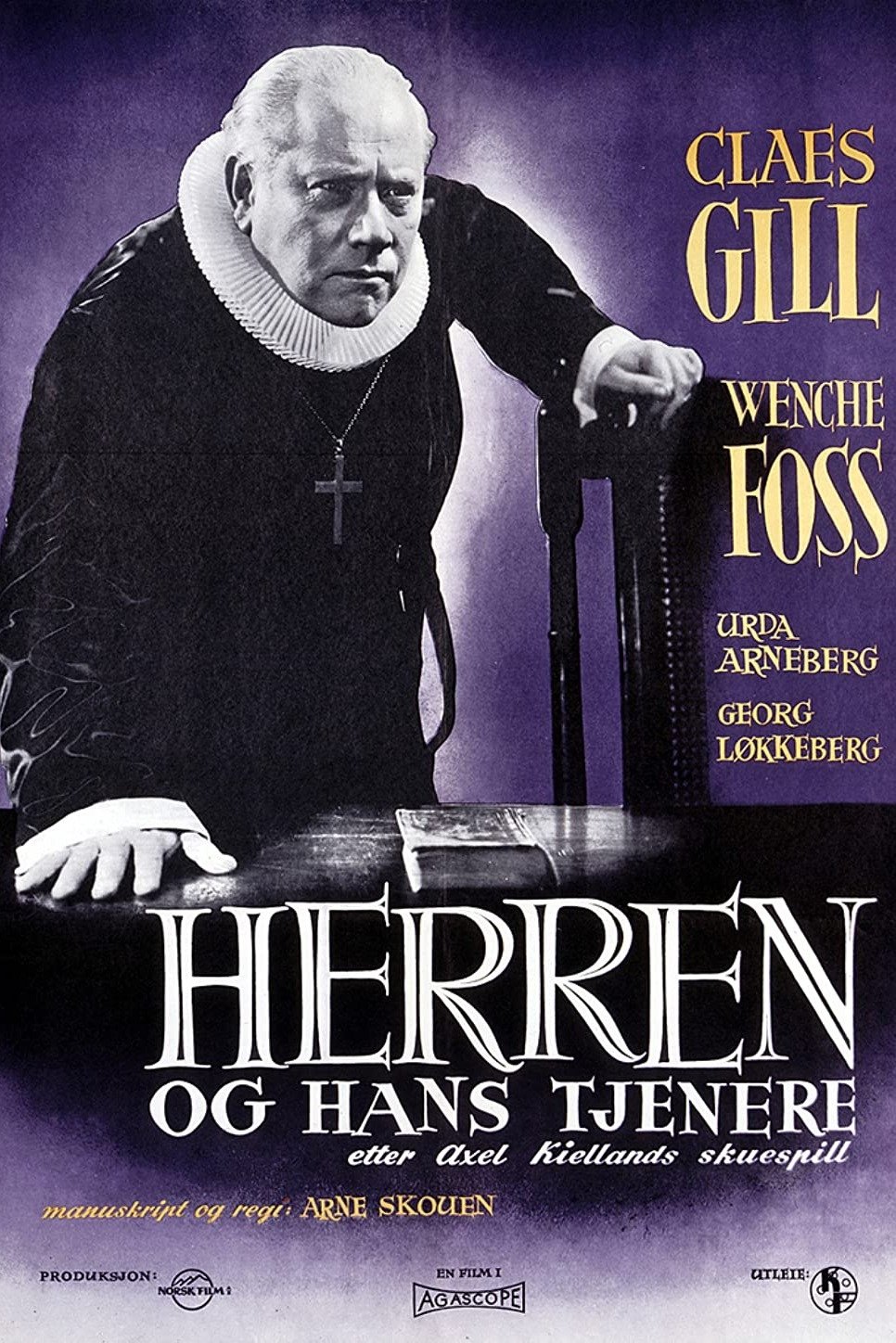
While Sigurd Helmer is being dressed in his bishop's robes, the fanatical Tornkvist arrives at the ordination and watches from the background. Even before the ordination is over, he goes to the police. He has evidence that Helmer has stolen the office with the help of anonymous letters that slandered Tornkvist in the battle for the bishop's crozier. At the banquet in the bishop's residence, Tornkvist drops the accusation like a bomb. At the same time, he announces his engagement to Helmer's daughter, and the banquet table dissolves into complete confusion. Only Helmer's wife stands firm in her belief in his innocence. Helmer is then brought to trial, accused by Tornkvist. Based on Axel Kielland's play from 1955.
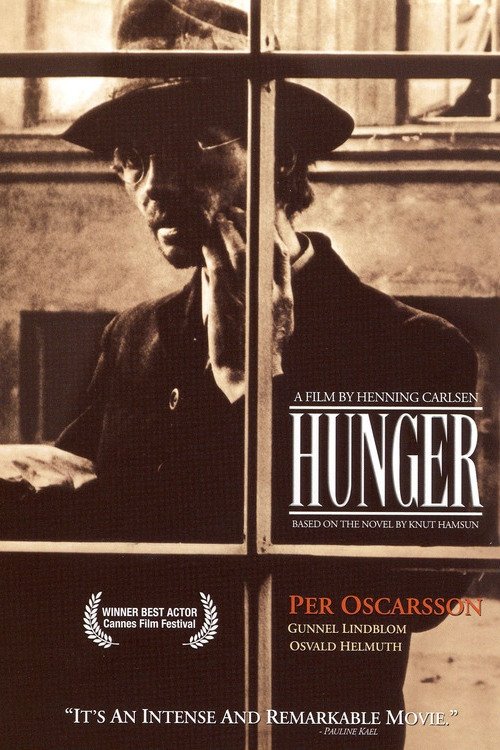
In 1890, Pontus, the starving writer, wanders the streets of Christiania, in search of love and a chance to get his work published. All he meets is defeat and suffering while his sense of reality is withering. One moment he is delighted and the next he curses everybody. All the time he manages to maintain human dignity and pride.
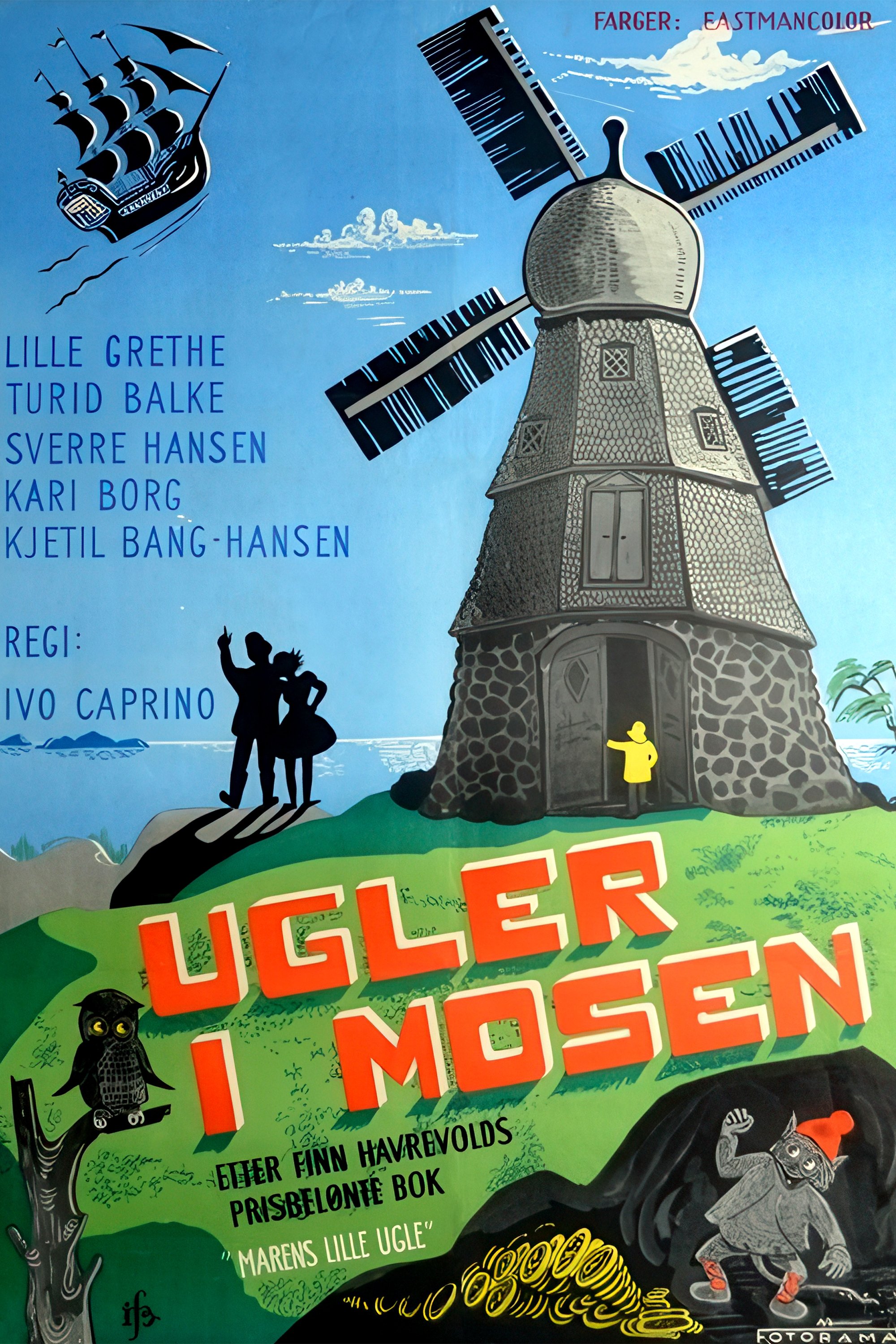
Oslo family the Monsens recieve uncle Pavel's house on the south coast of Norway after his passing. Mr. Monsen is also under the assumption that he has won 5000NOK in the lottery, though things are not as they seem. On an old record, the little girls hear uncle Pavel tell the story of a lost treasure buried somewhere in the house, but to find its location, one must solve 4 riddles.
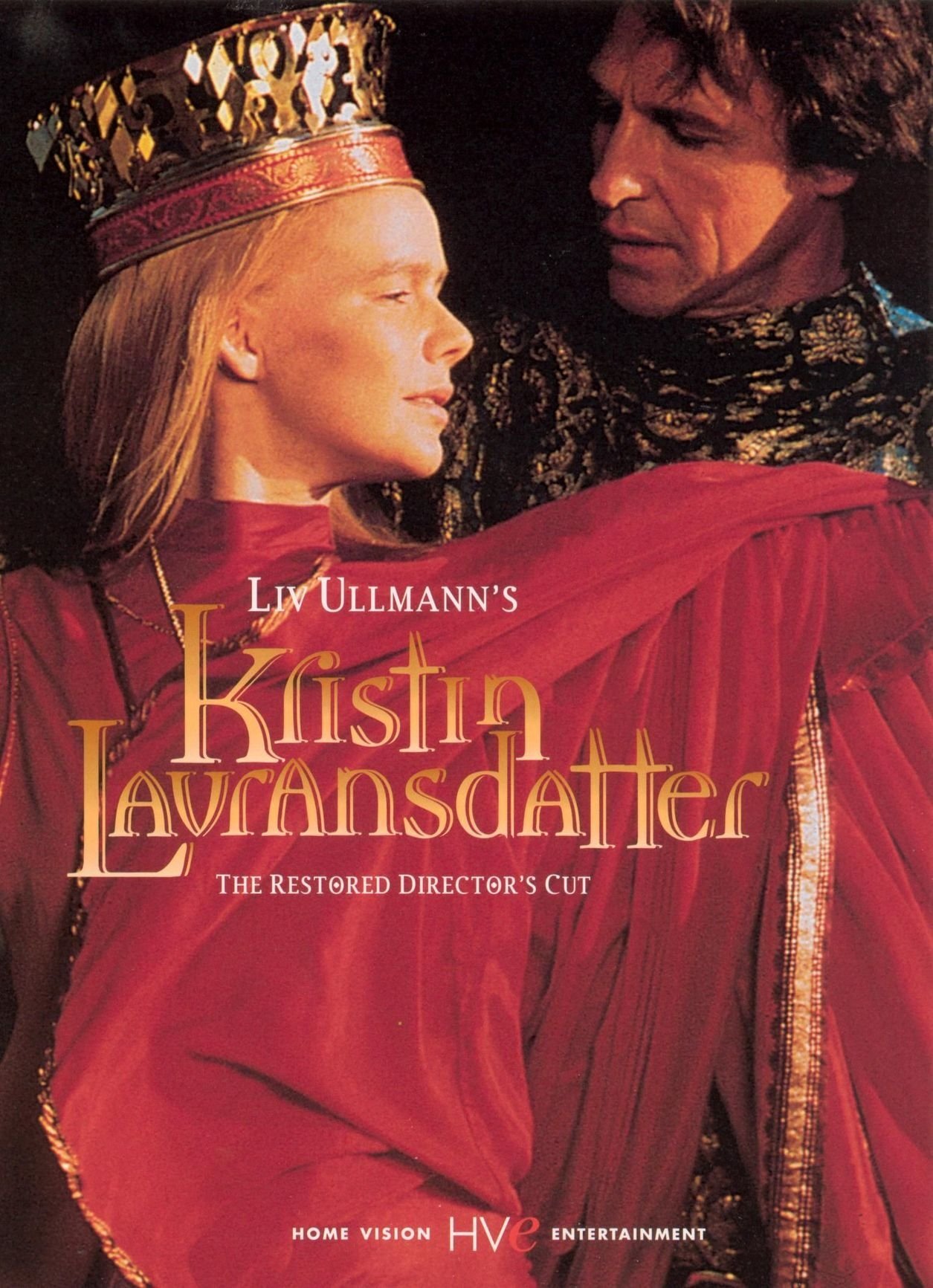
The daughter of a prominent medieval Norway landowner, Kristin grows up in total harmony with the ideals of the time: strong family ties, social pride and devout Christianity. As she accepts the fact that she has been arranged to marry the son of another landowner, Kristin's beauty, innocence and purity evokes violent emotions around her: envy, lust, murder, revenge. She seeks refuge in a convent, awaiting marriage. Here, the passion of her life strikes, the knight Erlend Nikulaussonn. However, their love cannot be private, and suddenly Kristin is the centre of a scandal.

The throne of ice skating sees a change of regent when Hans takes over as “The King”, and the sports press can’t seem to get enough of him.
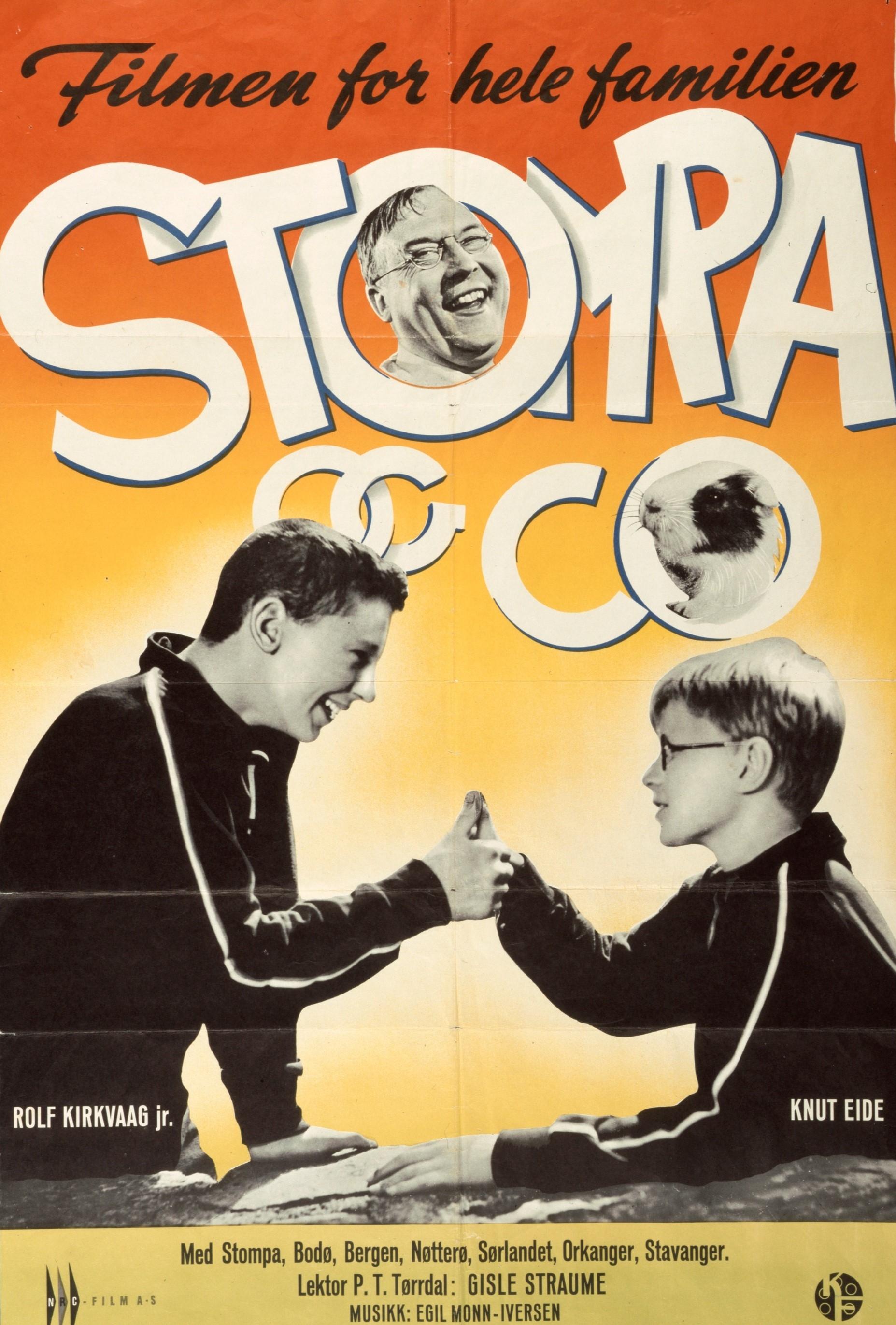
Stein Oscar Magel Paus-Andersen (ST.O.M.P.A.) starts at Langåsen boarding school in Stakavik, where he meets his new friends Bodø, Bergen, Nøtterø and Sørlandet. They find themselves tangled up in troubles with a spider, a fire drill and a swimming contest leading to detention.
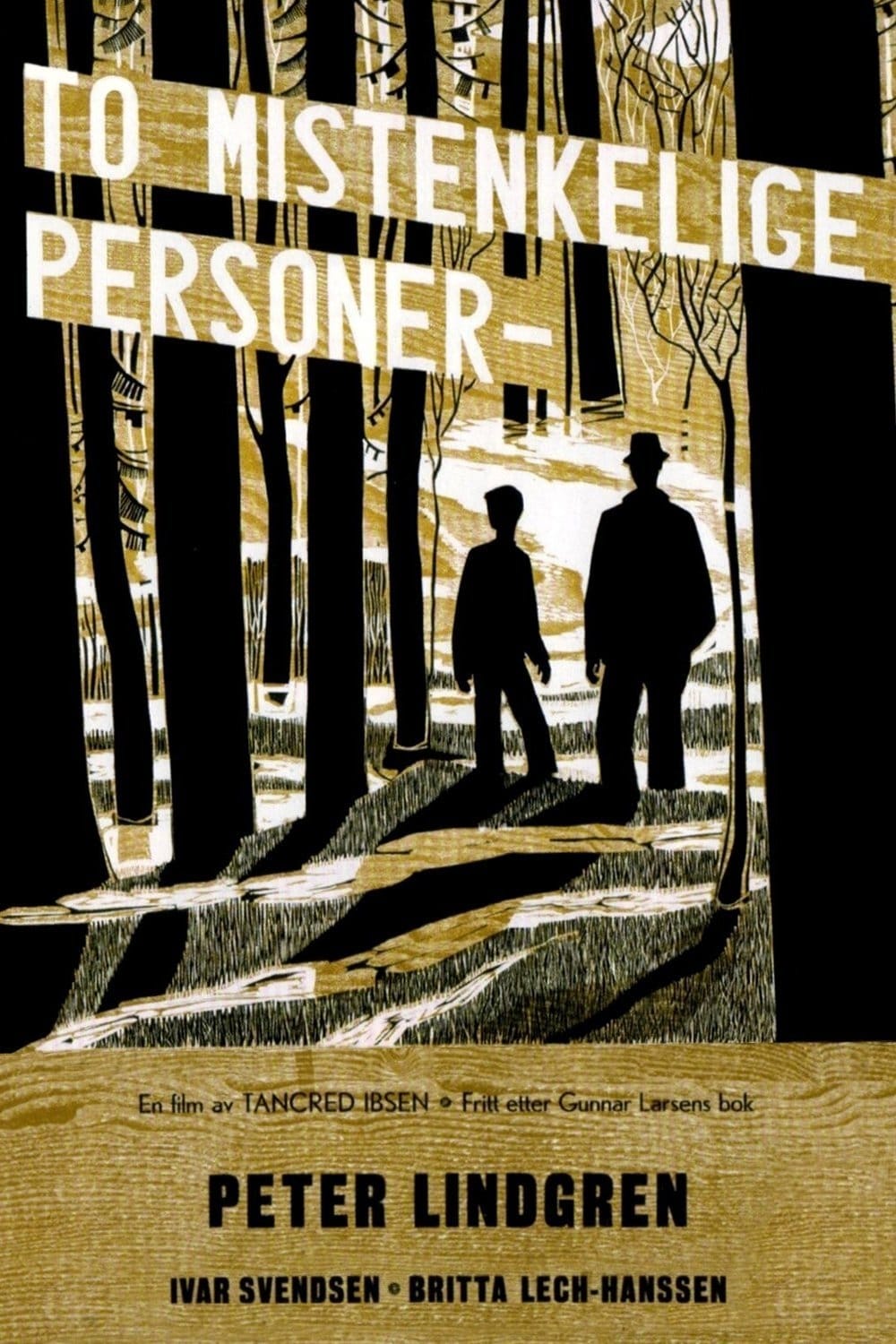
Two police officers lie dead. The swede Ekstrøm and the youngster Gustav flees the scene of the crime. Based on a real double murder in 1926, this movie remained almost unseen for 57 years. When the film was set to premiere in 1950 one of the murderers, having served a full sentence, went to court to have the film stopped.
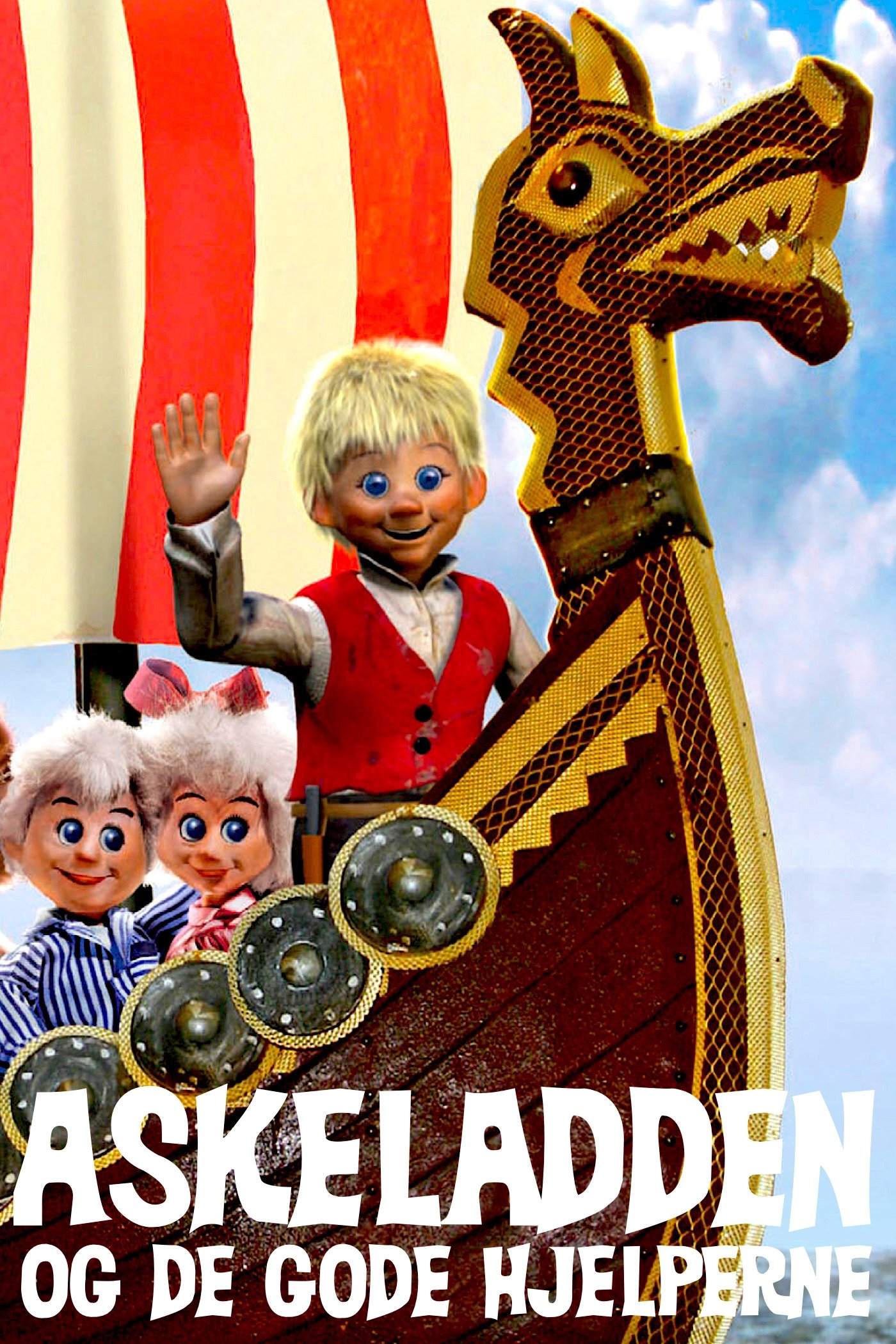
Askeladden (Norwegian "The Ash Lad") is the main character in many Norwegian folktales.
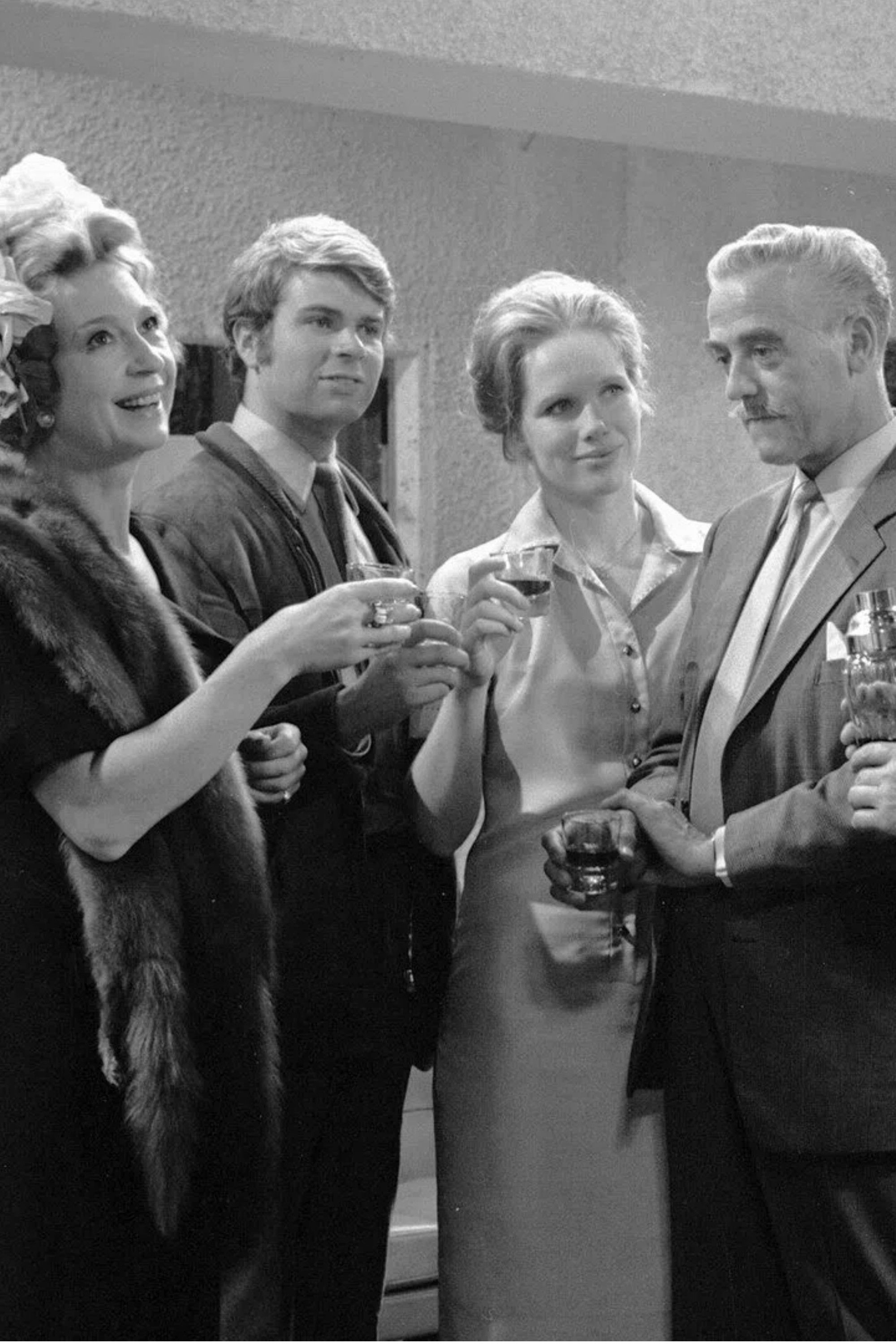
Lavinia has left her husband before a cocktail party. They have both had relationships. A foreign guest, Sir Henry, analyzes their marriage and relationship. Will they find their way back to each other again?

A high comedy about a dental family with an office on the best western edge, where the lady of the house is mixed up in a delicate intrigue in her efforts to get a new fur.
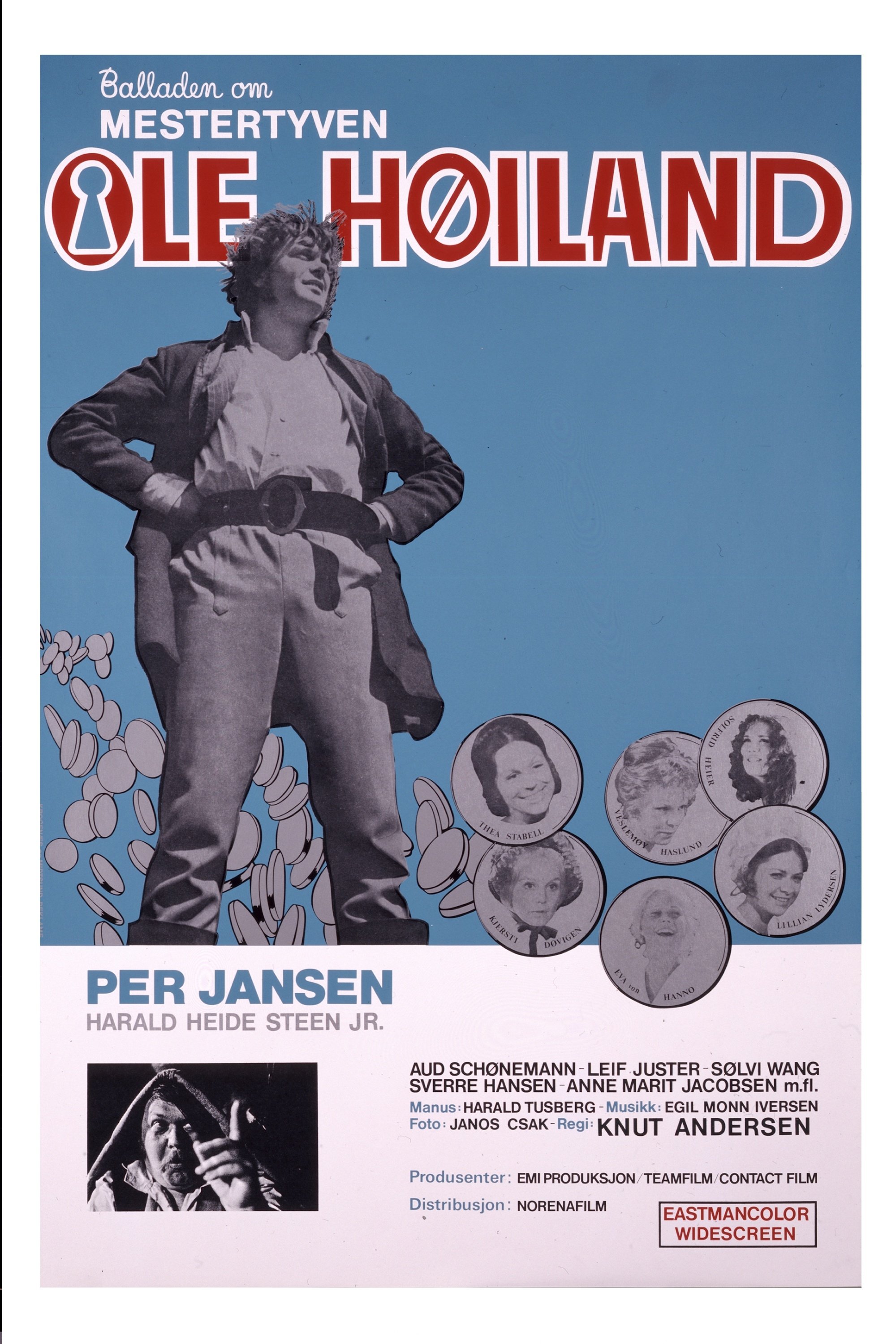
Ballad of the Masterthief Ole Hoiland (Norwegian: Balladen om mestertyven Ole Høiland) is a 1970 Norwegian drama film directed by Knut Andersen, and starring a broad cast of notable Norwegian actors, headed by Per Jansen as Ole Høiland. Ole Høiland was an actual Norwegian Robin Hood-figure in the early 19th century. He steals from the rich and gives to the poor, enjoying numerous affairs with attractive women along the way. The story culminates in the ambitious burglary of Norges Bank, Norway's central bank.
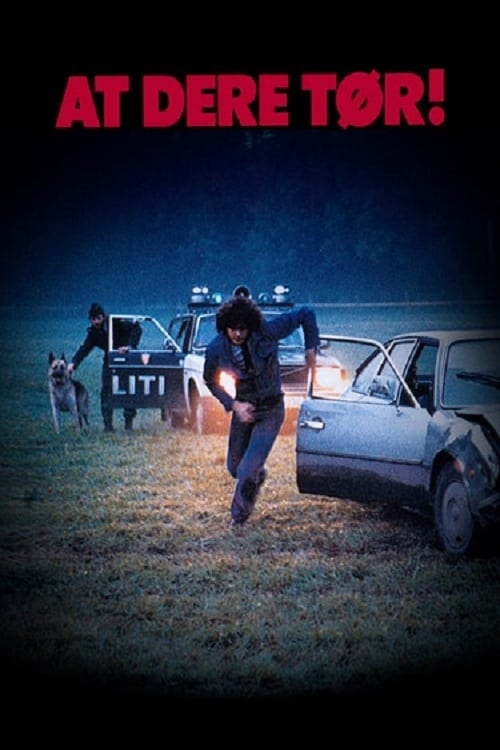
After a dramatic car chase, the two 16-year-old boys try to get off on foot. However, a policeman pulls his weapon and shoots one of the boys in the back. Based on actual events.
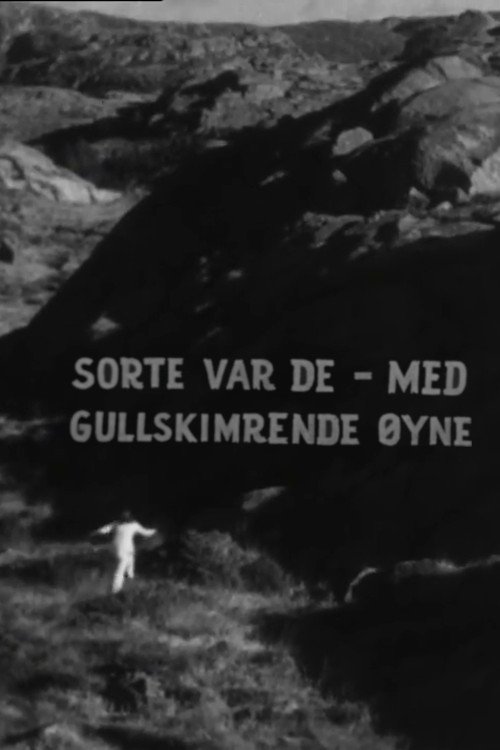
In the midst of an atomic war on Earth in the near future, a number of colonists are sent to establish an outpost on Mars. Strange events begin to affect the Terran life brought as part of the settlement effort, including the seeded grass sprouting purple, the family cow growing a third horn in the middle of its head, and other anomalies with the vegetable garden. Slowly people begin to show signs of transforming into Martians, as their limbs and bodies elongate and their irises turn to a shimmery gold, along with their skin darkening.
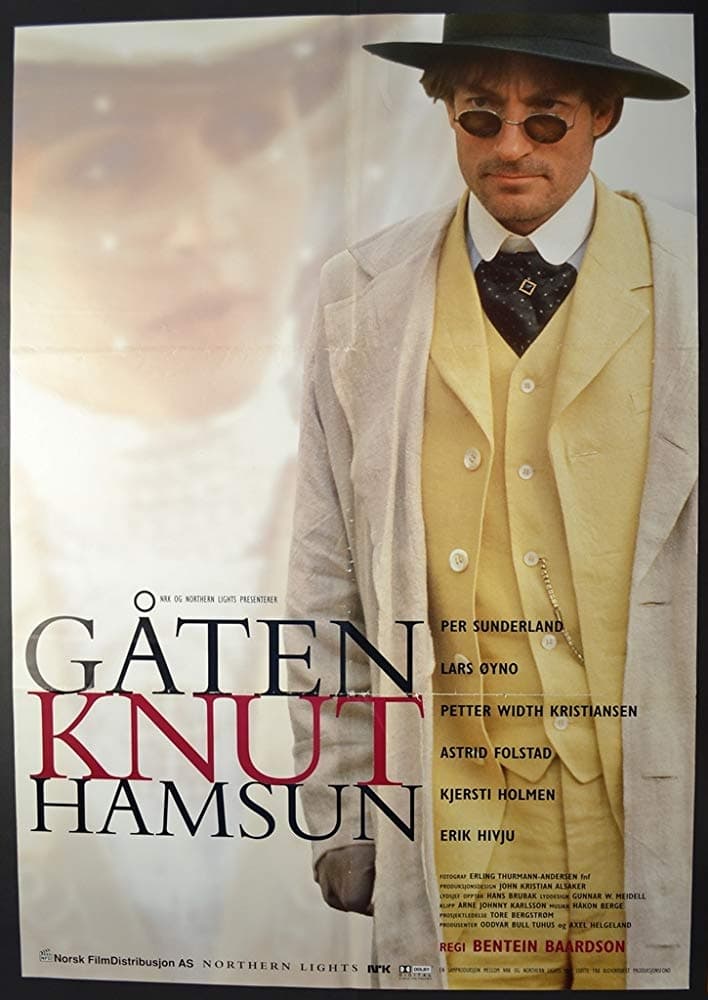
What is the answer to the riddle. What made the famous author, nobel prize winner, Knut Hamsun to support Hitler? 1945. The famous writer Knut Hamsun looks back to his youth., and compares his life with two of his works "Hunger" and "Mysteries".
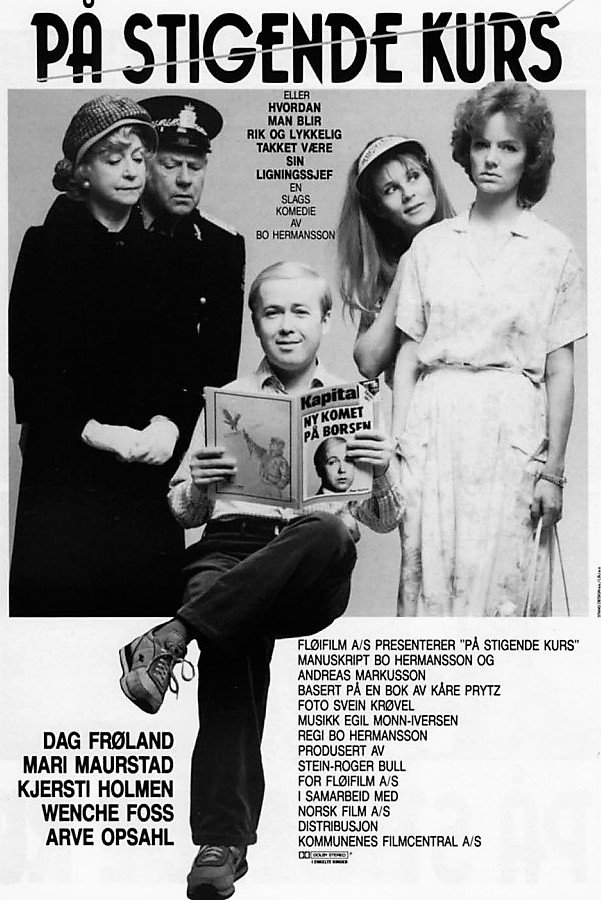
Struggling worker tries his luck in the stock market - with great success. But it doesn't last.
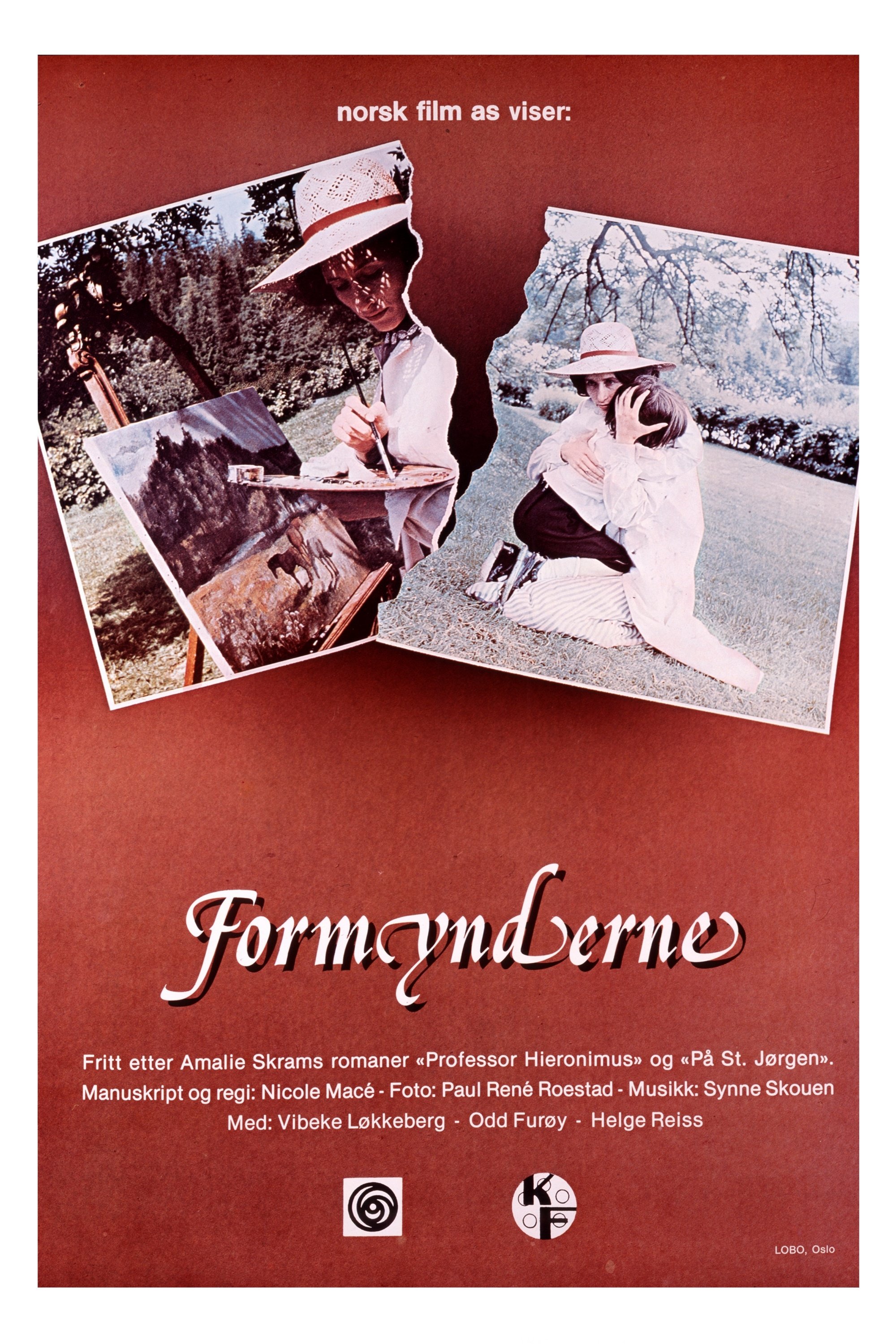
Film about a woman's struggle in a male-dominated society in the late 1800s. Amalie Skram was one of our first female writers who fought woman liberation cause. In a society that did not accept that a woman could have its own independent work, it was difficult for a woman to work as a creative artist, wife and mother. The author's autobiographical novels "Professor Hieronimus" and "On St. Jorgen" underlies this film.
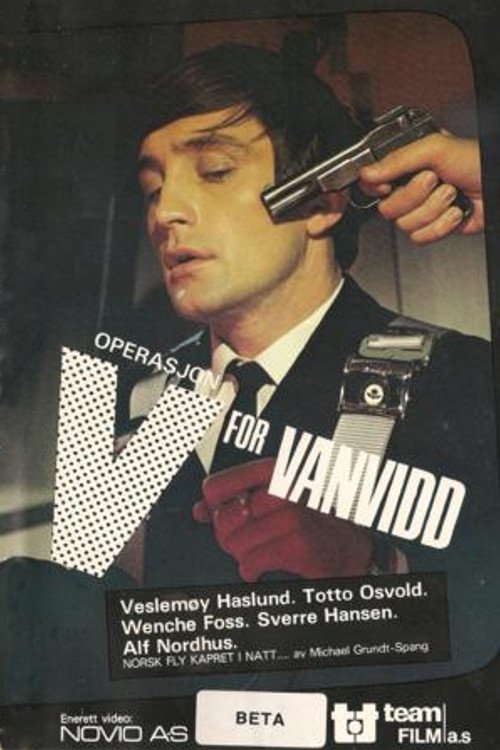
Five young men are planning a crime of forcing a plane down to rob the passengers.
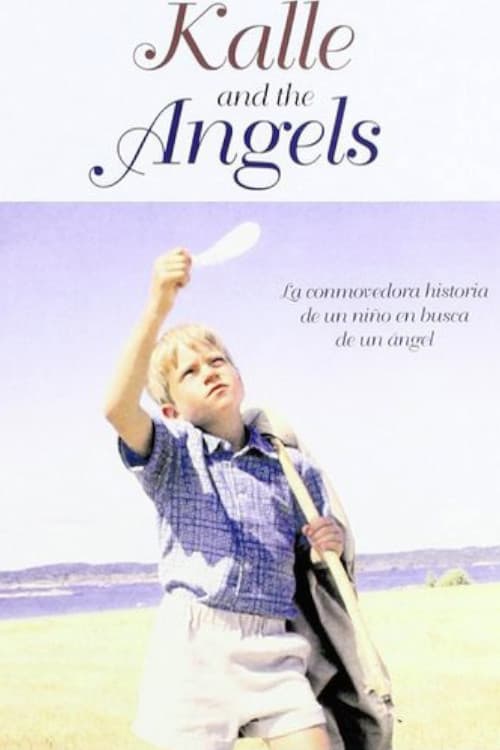
Kalle and his dad is having a long planned summer holiday at his grandparents in the countryside, where has made a hang-glider as planned. But when the father falls down with it, and dies, only an angel keeps Kalle on his feet.
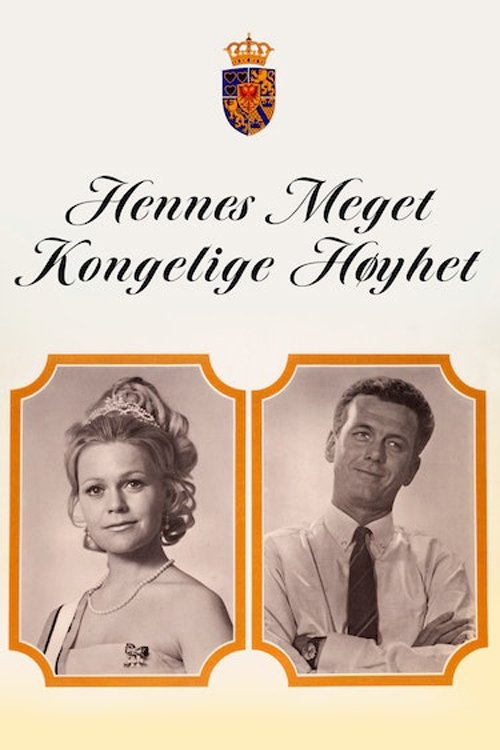
A princess falls in love with a man of the people, and their love must be a secret. But when someone takes a photo of them together, the scandal is a fact.
Based on a play by Dario Fo.
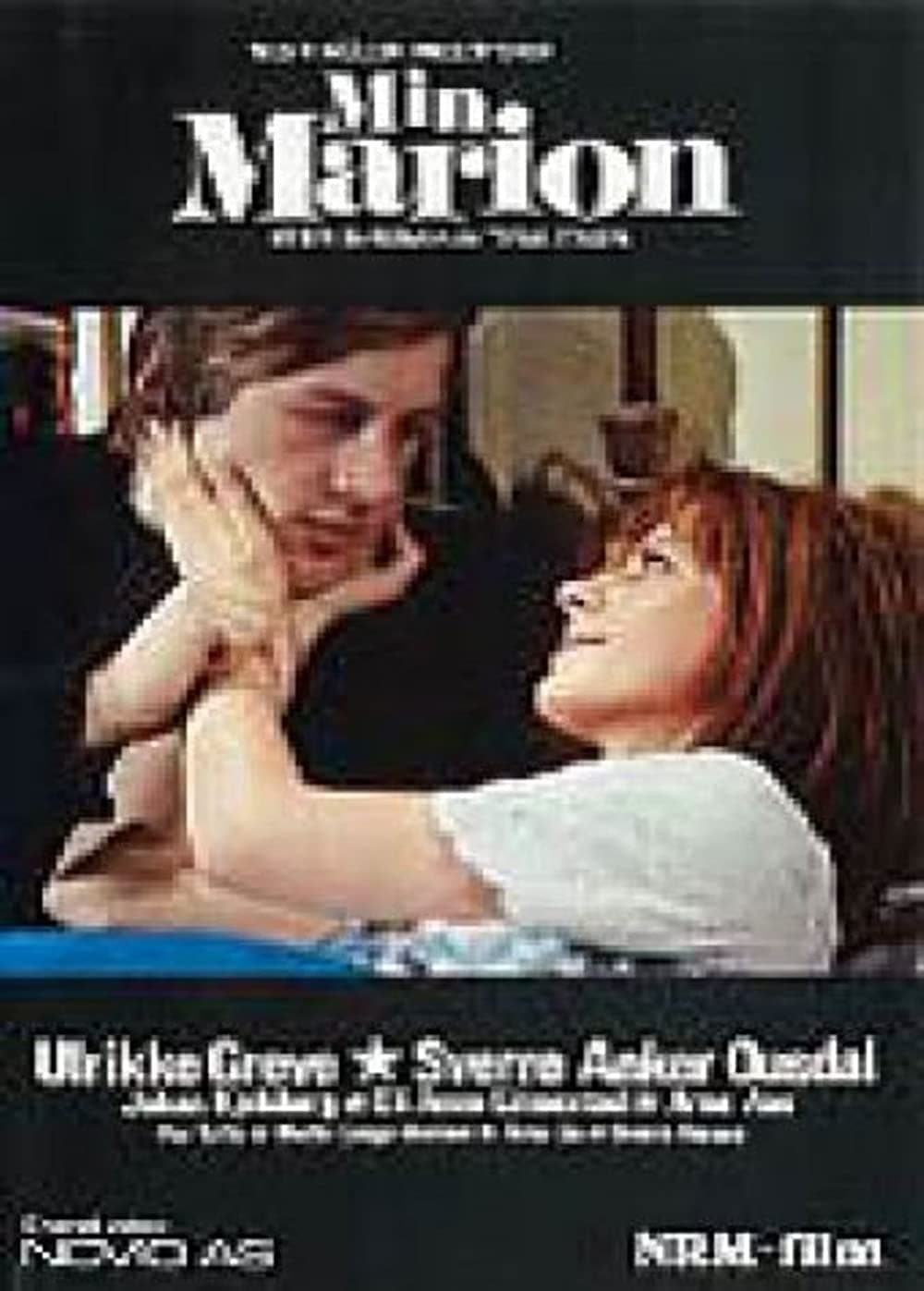
Marion is born limp and with a scarred face. Georg is also limp after a car accident. it takes more than a man to go together.
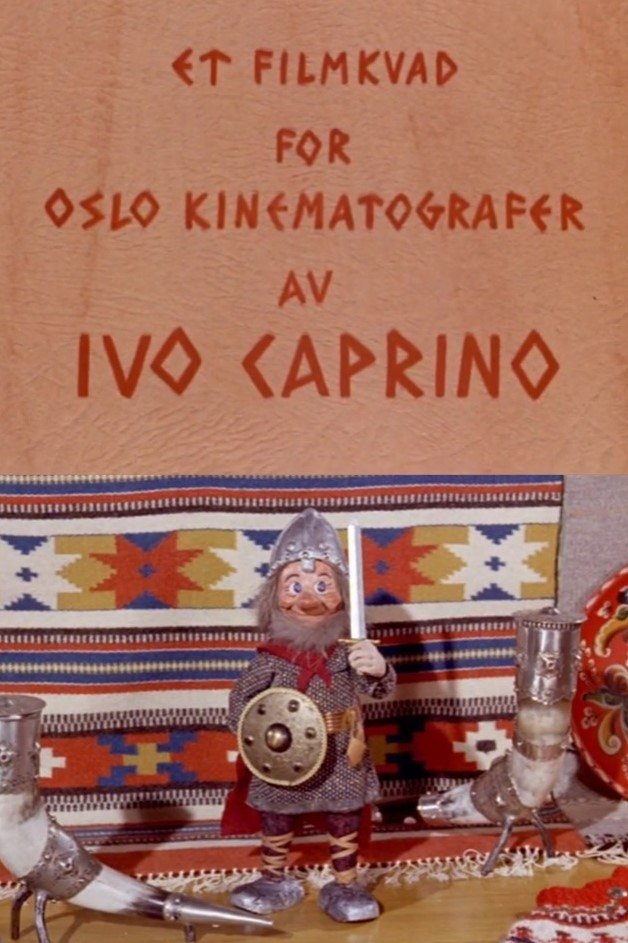
The winning entry in a state-sponsored competition to create the best promotional film for Oslo. // Oslofilm was a series of public information films about life in and around Oslo, produced between 1940 and 1980. Funded by the state, the films offer valuable insight into postwar Norwegian society. A wide range of Norwegian filmmakers contributed to the productions, resulting in a rich variety of styles and expressions. Several of the films also possess notable cinematic qualities, standing out as more than just informational material. The Oslofilms represent a unique and important chapter in Norwegian film history.