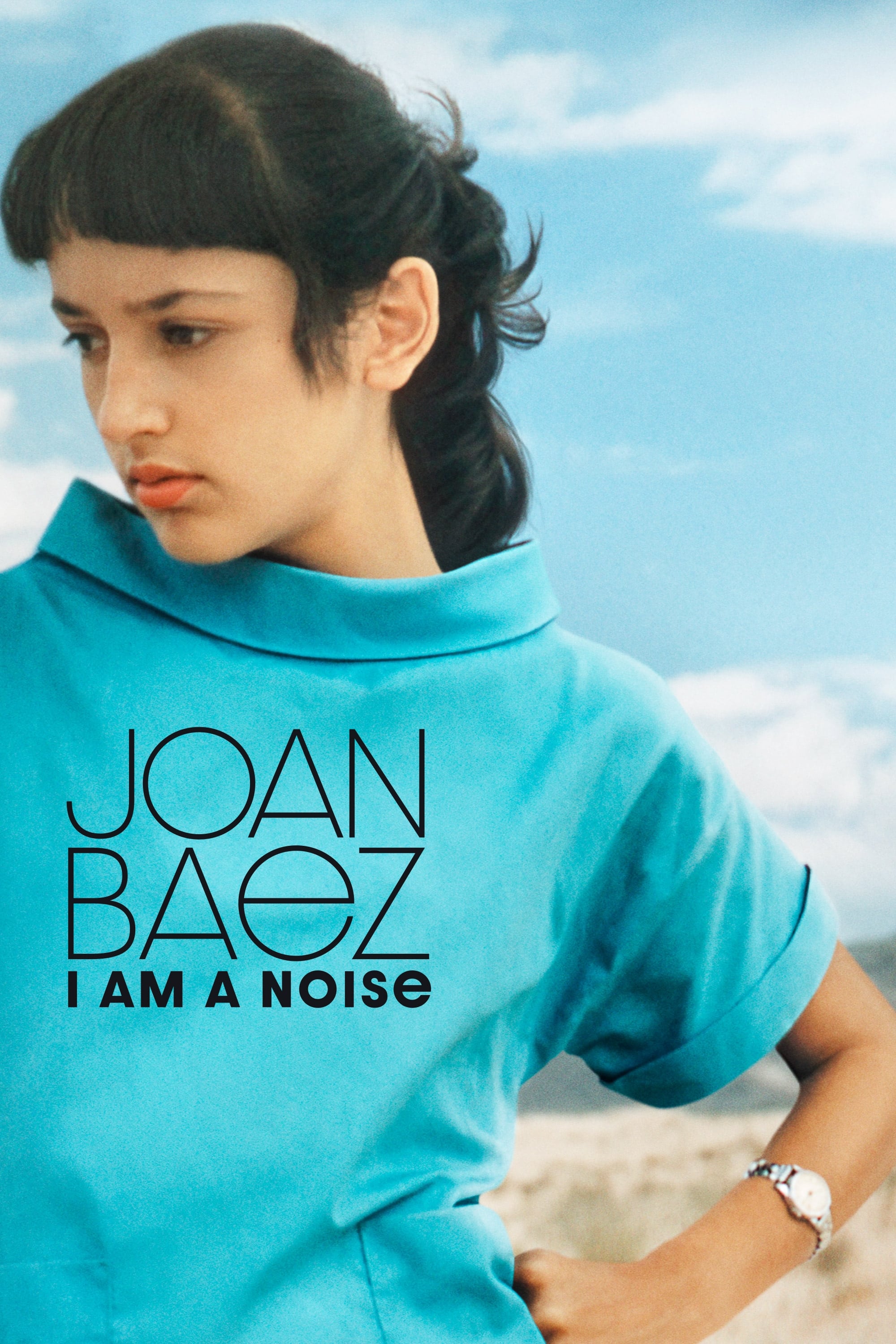
Since her debut at the age of 18, musician, civil rights campaigner and activist Joan Baez has been on stage for over 60 years. For the now 82-year-old, the personal has always been political, and her friendship with Martin Luther King and her pacifism have shaped her commitment. In this biography that opens with her farewell tour, Baez takes stock in an unsparing fashion and confronts sometimes painful memories.
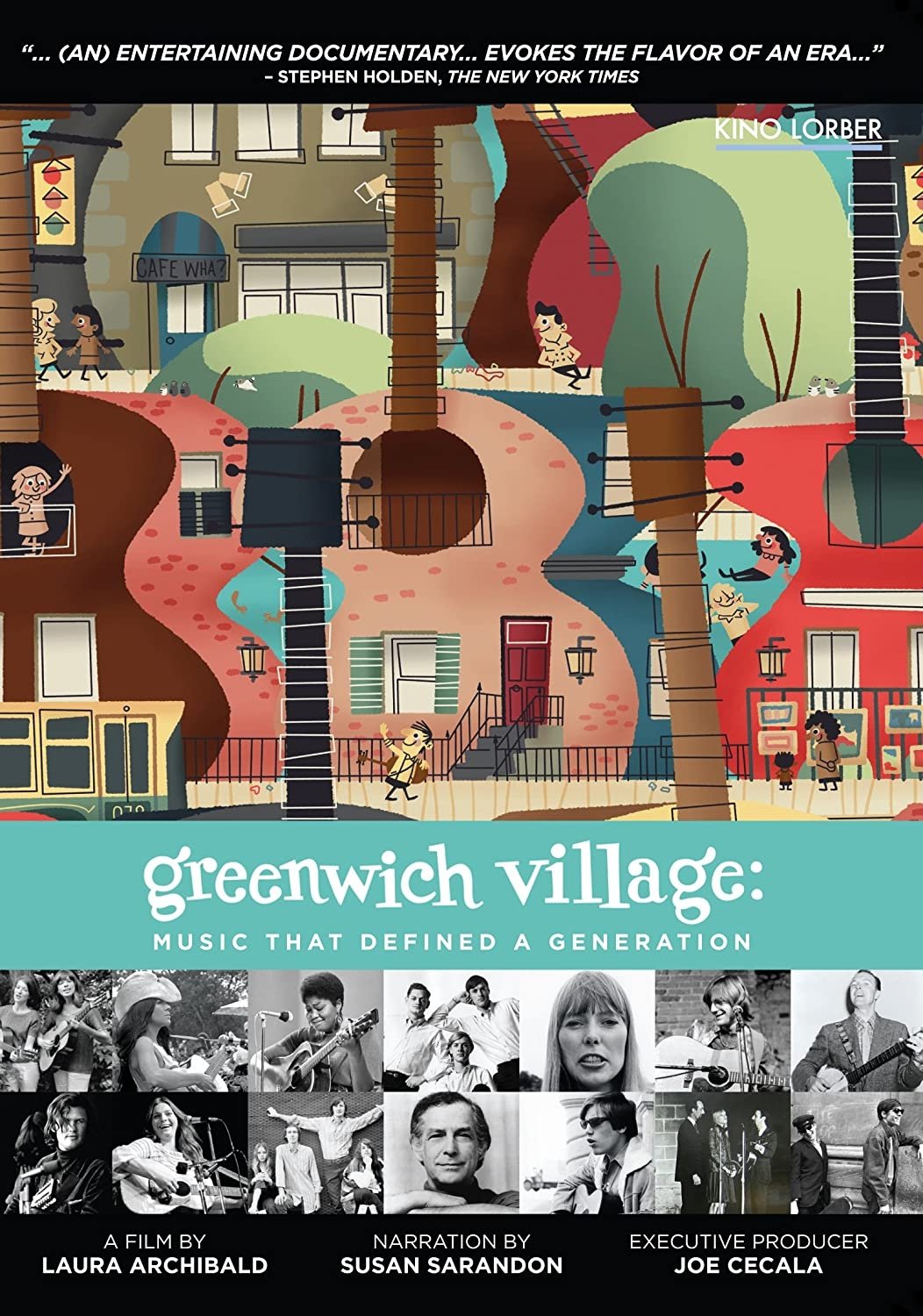
Explores the music scene in Greenwich Village, New York in the '60s and early '70s. The film highlights some of the finest singer/songwriters of the day.

Three families that are best friends head to their secret retreat when WW3 seems to be nearing. The adults arrive at the retreat and must endure the stress to come while the children are separated from the adults and have their own troubles along the way.
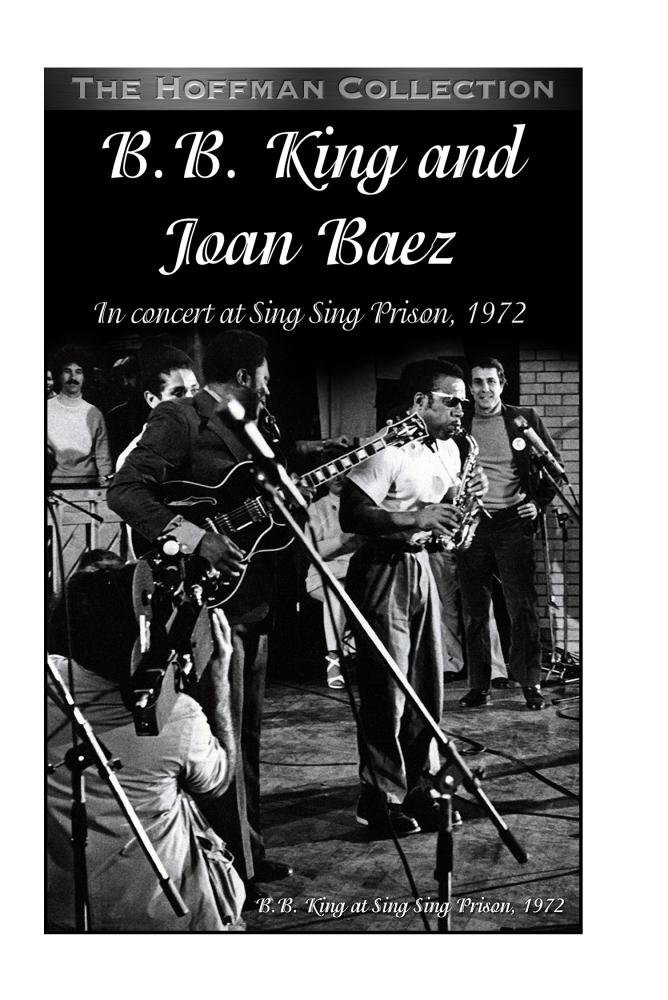
B.B. King, Joan Baez and other great artists gather for a show at Sing Sing Prison.
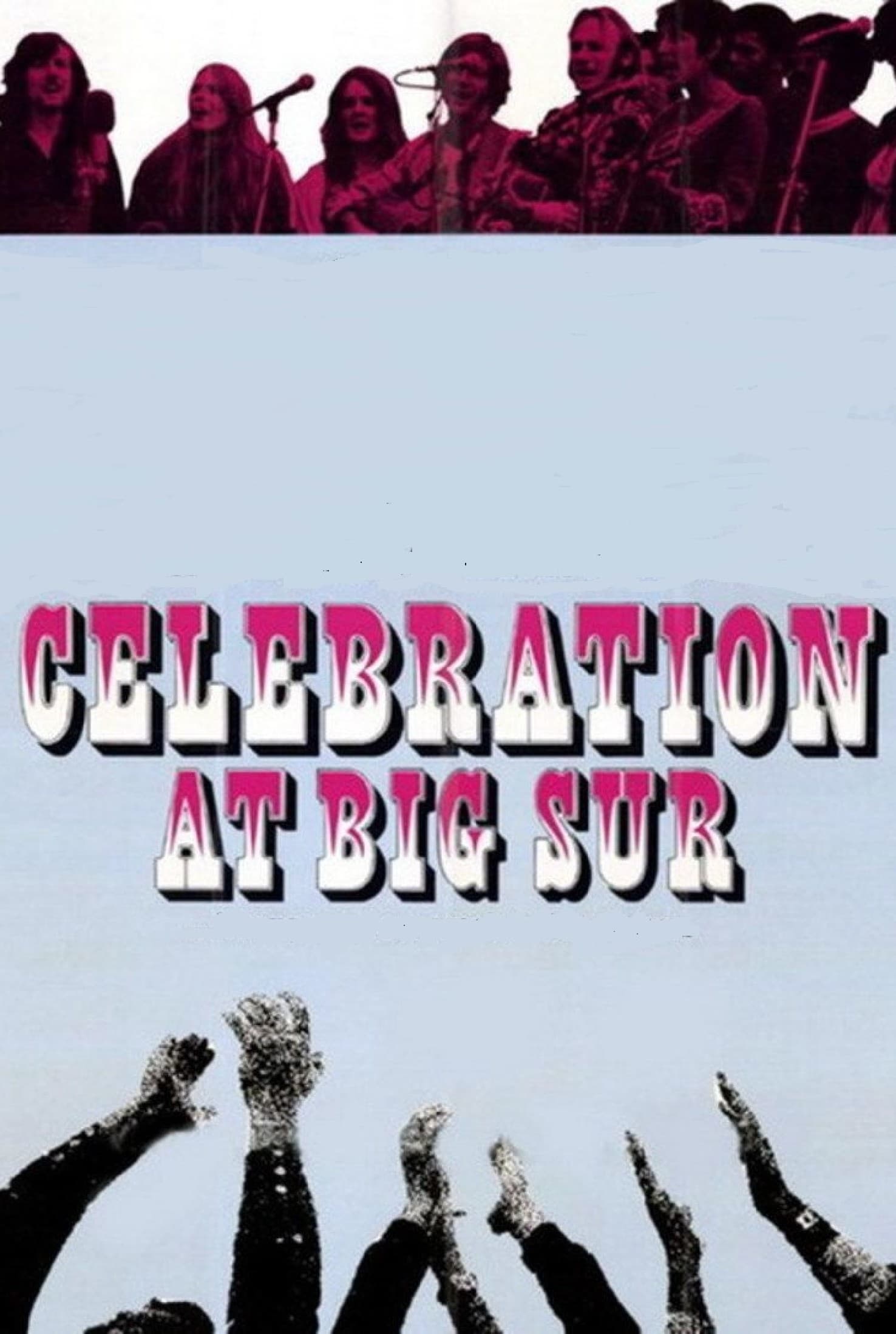
Star-studded show recorded at the Big Sur Folk Festival, Big Sur, California, September 13th and 14th, 1969. Joan Baez, Crosby, Stills, Nash & Young, Joni Mitchell, John Sebastian, and others. This film captures a remarkable moment in folk, rock, and pop history - the famous folk festival that brought traditional acts like Dorothy Morrison & The Combs Sisters and Carol Ann Cisneros together with the psychedelic rockers of the day who were most deeply rooted in the folk revival. Older songs like ‘Oh Happy Day,’ ‘Rise And Shine,’ ‘All God’s Children,’ and ‘Swing Down, Sweet Chariot’ meet Joni Mitchell’s ‘Woodstock,’ Joan Baez’s ‘Sweet Sir Galahad,’ ‘Bob Dylan’s ‘I Shall Be Released,’ CSNY’s ‘Down By The River,’ and many more of the now-classic songs of what was then called the ‘new rock.’ The scene is notably intimate and - aside from one fan’s dustup with Stephen Stills - mellow, with many rare, close-up moments with the stars.
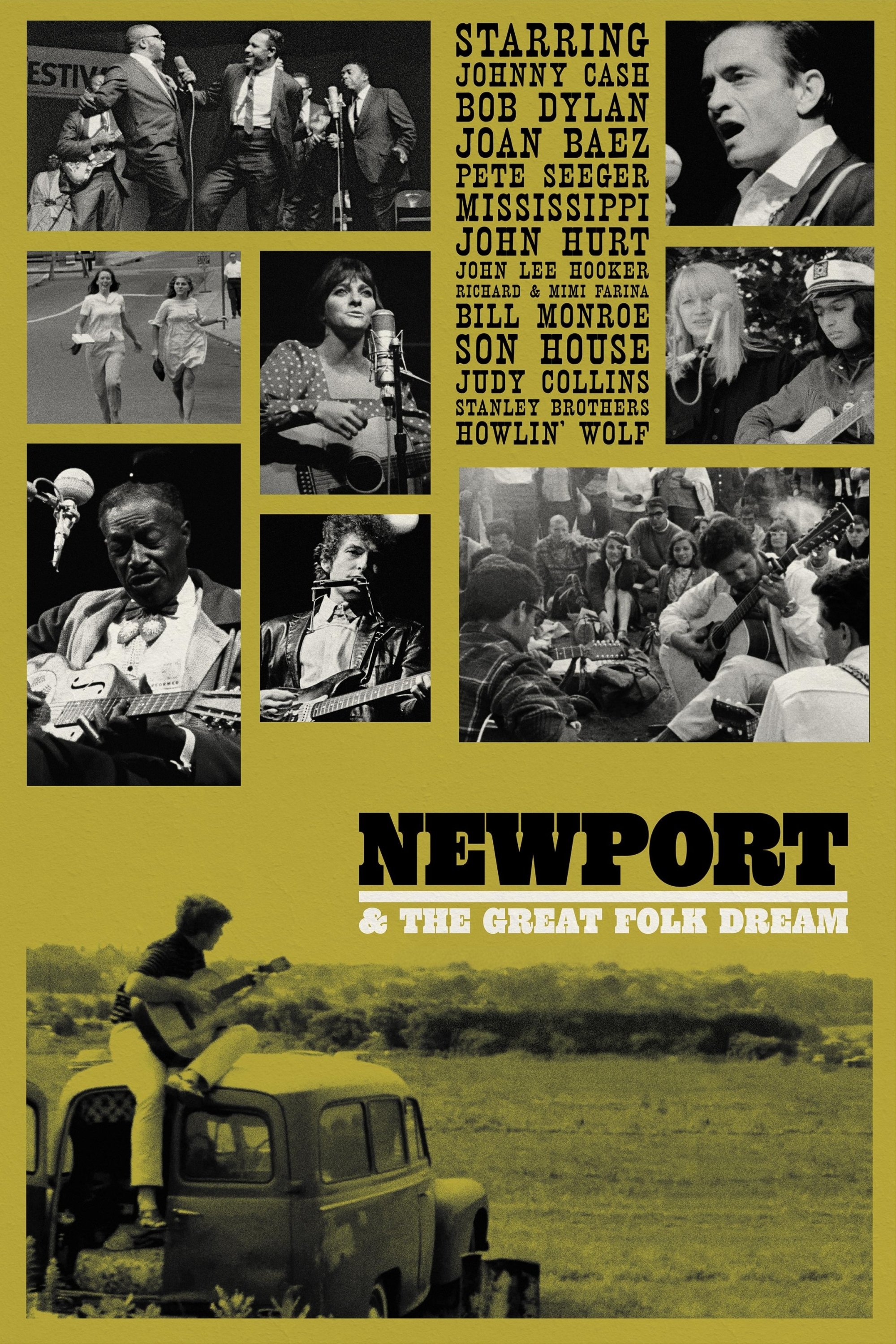
Powerful music leaps from the air and can change the actual world. At the Newport Folk Festivals in the early 1960s, the molecules were electric with rebellion and democracy, with anger and hope. Musicians drove that change — Bob Dylan, Joan Baez and Pete Seeger but also banjo players from coal country, remote Georgia gospel artists, rural Canadian fishermen, and the opportunities created for the urban kids to mingle with those they’d not ordinarily encounter.