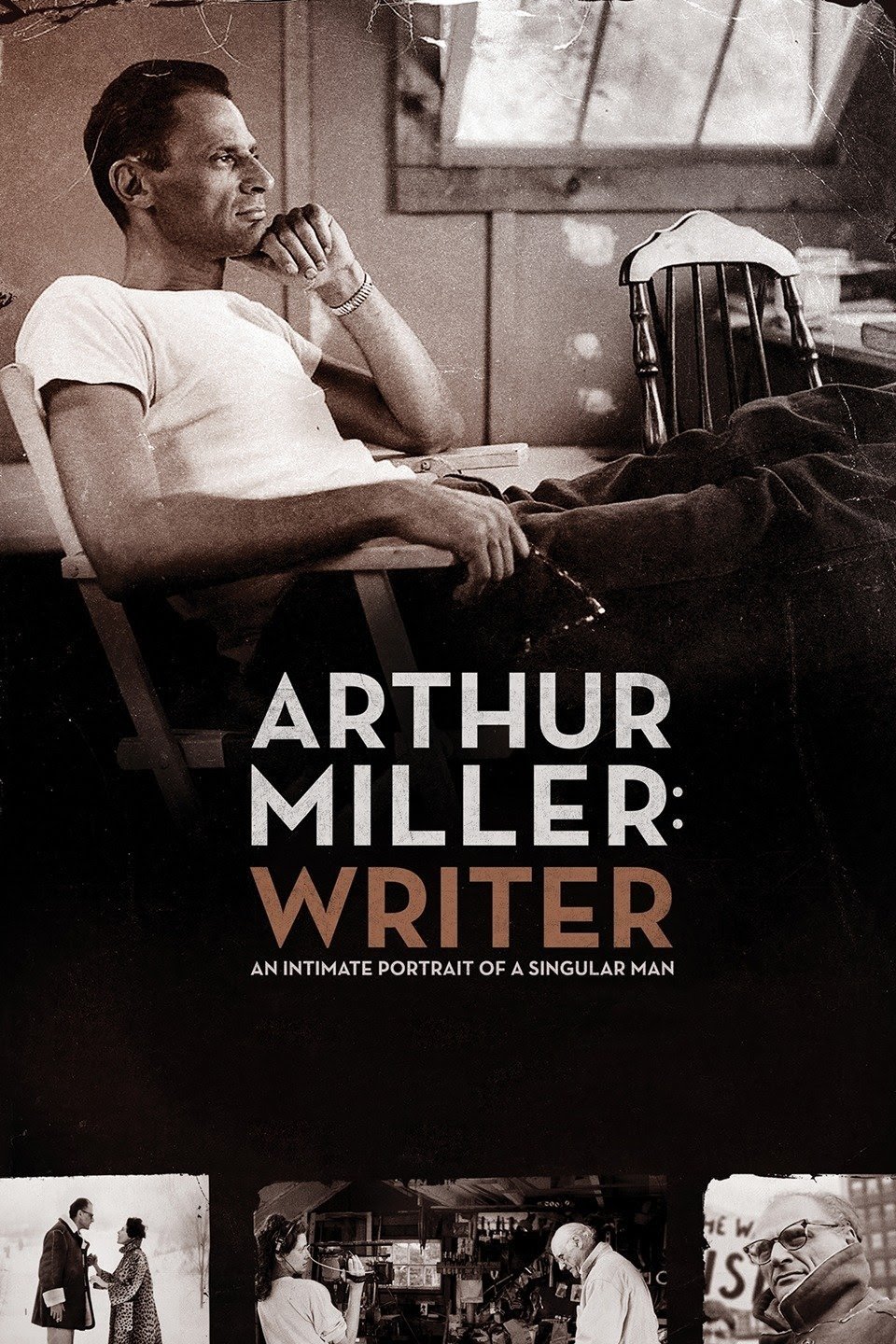
One of the greatest playwrights of the 20th century, Arthur Miller created such celebrated works as Death of a Salesman and The Crucible, which continue to move audiences around the world today. He also made headlines for being targeted by the House Un-American Activities Committee at the height of the McCarthy Era and entering into a tumultuous marriage with Hollywood icon Marilyn Monroe. Told from the unique perspective of his daughter, filmmaker Rebecca Miller, Arthur Miller: Writer is an illuminating portrait that combines interviews spanning decades and a wealth of personal archival material, and provides new insights into Miller’s life as an artist and exploring his character in all its complexity.
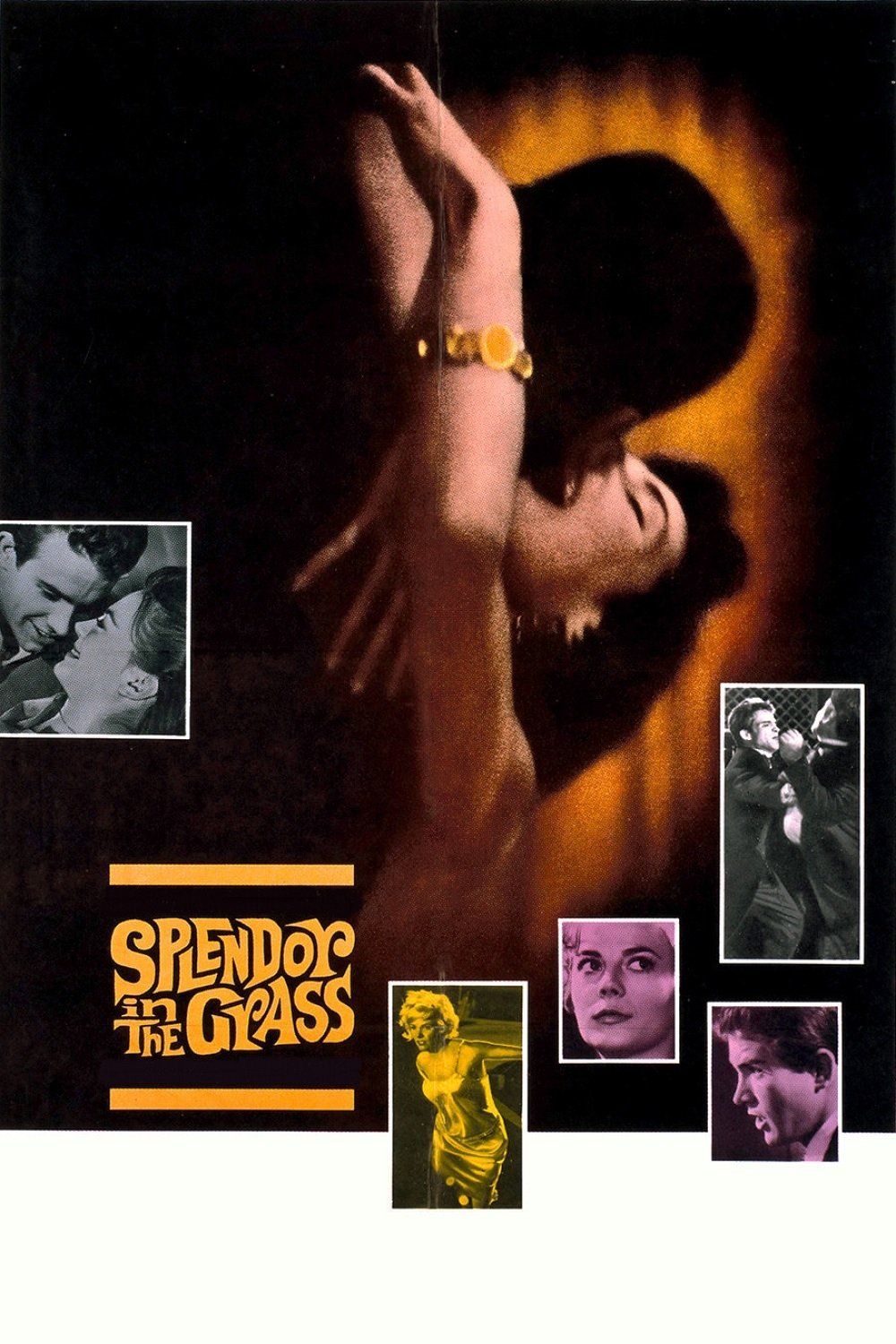
A fragile Kansas girl's unrequited and forbidden love for a handsome young man from the town's most powerful family drives her to heartbreak and madness.
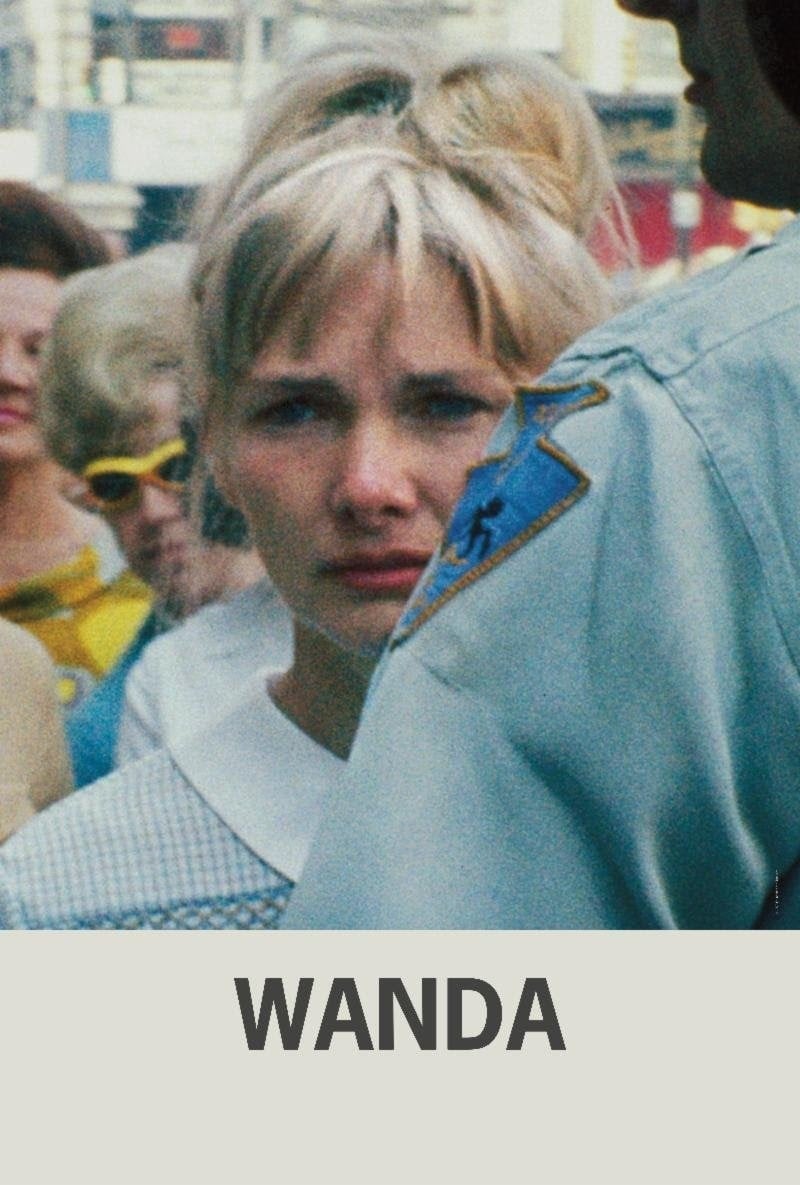
After a string of abusive relationships, Wanda abandons her family and seeks solace in the company of a petty criminal.
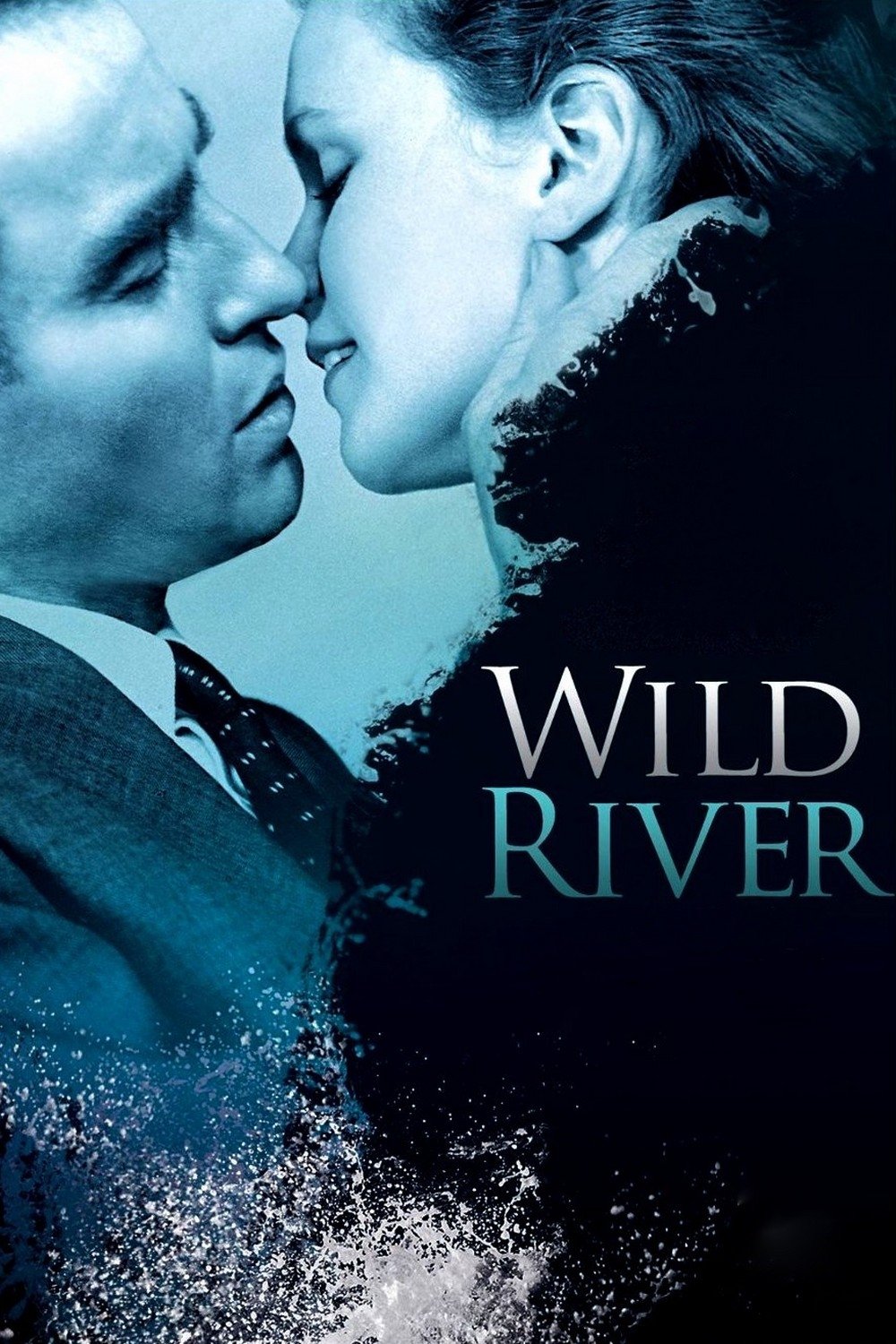
A young bureaucrat for the Tennessee Valley Authority goes to rural Tennessee to oversee the building of a dam. He encounters opposition from the local people, in particular a farmer who objects to his employment (with pay) of local black laborers. Much of the plot revolves around the eviction of a stubborn octogenarian from her home on an island in the river, and the young man's love affair with that woman's widowed granddaughter. Preserved by the Academy Film Archive in partnership with The Film Foundation.
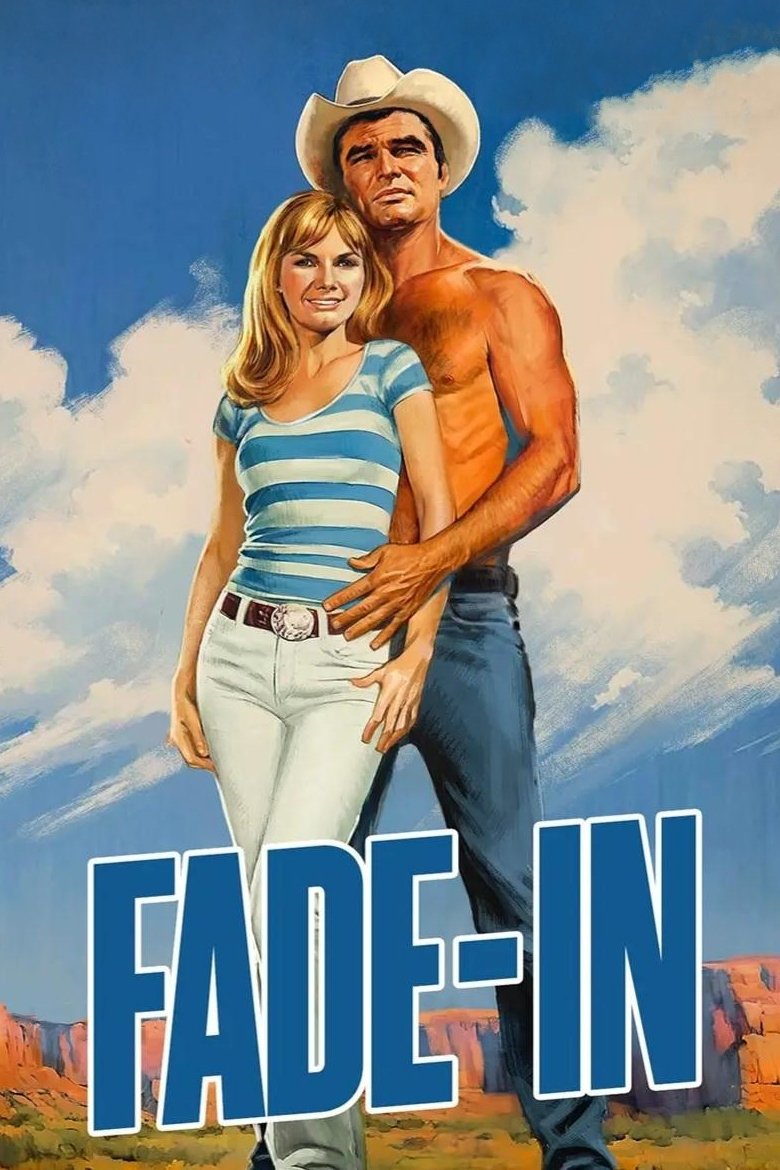
A sophisticated Hollywood film editor, on location for a film she is working on, falls for a local cowboy who is hired to work on the film.
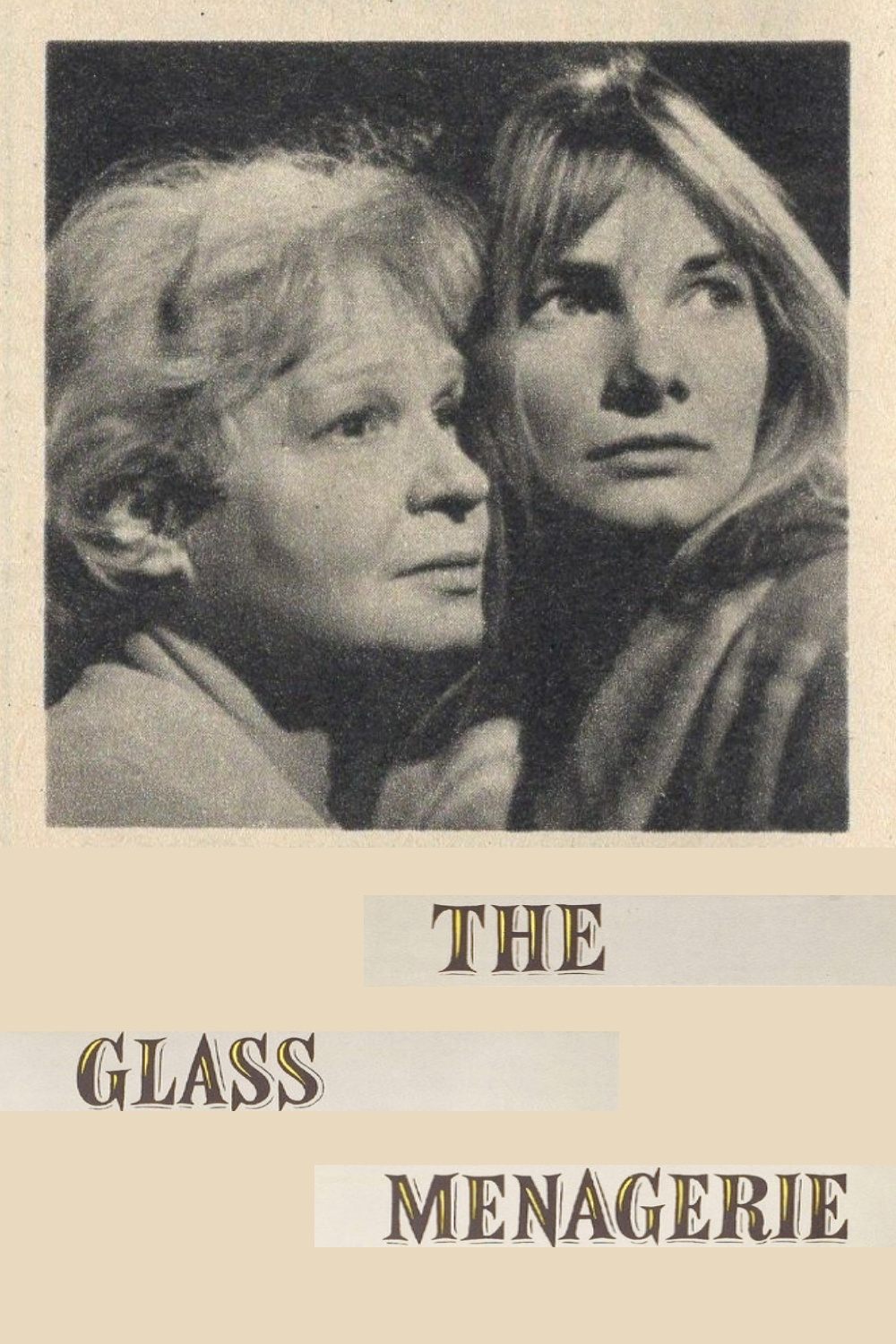
An aging Southern Belle complicates life for her ambitious son and crippled daughter because of her own warped views of what life should be.
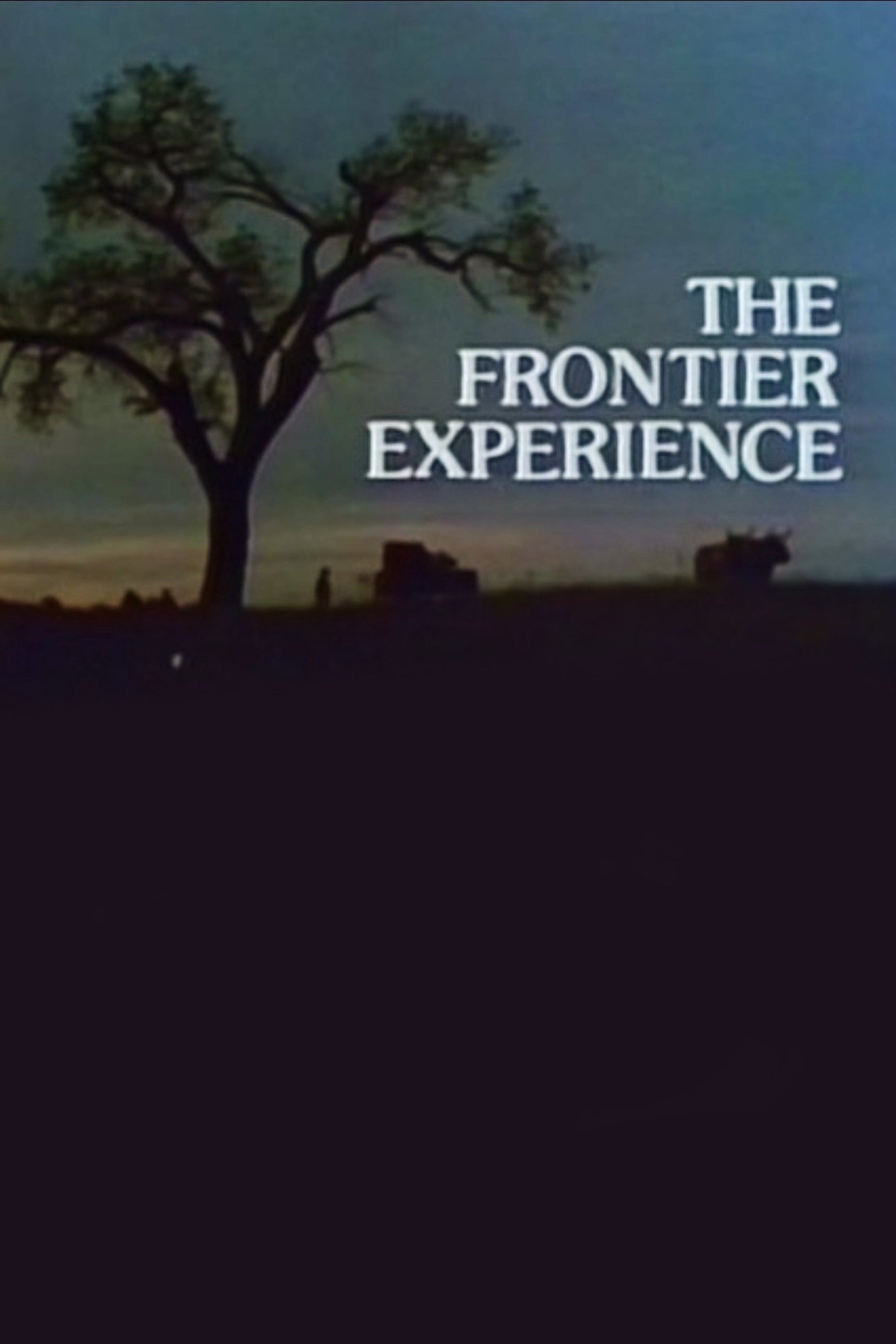
The Westward movement — and a woman's perspective of that movement — emerges in the dramatic story of Delilah Fowler's first year on the Kansas frontier in 1869. Based on diaries of the period, the program reveals the cruel violence, and even crueler loneliness, which early settlers encountered — but above all, it shows the quiet courage of those who lived it.

Documentary about American film director and actress Barbara Loden featuring an interview filmed in 1980.

For one extraordinary week in February 1972, the Revolution WAS televised. DAYTIME REVOLUTION takes us back in time to the week that John Lennon and Yoko Ono descended upon a Philadelphia broadcasting studio to co-host the iconic Mike Douglas Show, at that time the most popular show on daytime television, with a national audience of 40 million viewers each week. What followed was five unforgettable episodes of television, with Lennon and Ono at the helm and Douglas gamely keeping the show on track.