
A young salaryman and his wife struggle within the confines of their passionless relationship while he embarks on an extramarital affair.

Taking its title from an archaic Japanese word meaning "ghost story," this anthology adapts four folk tales. A penniless samurai marries for money with tragic results. A man stranded in a blizzard is saved by Yuki the Snow Maiden, but his rescue comes at a cost. Blind musician Hoichi is forced to perform for an audience of ghosts. An author relates the story of a samurai who sees another warrior's reflection in his teacup.
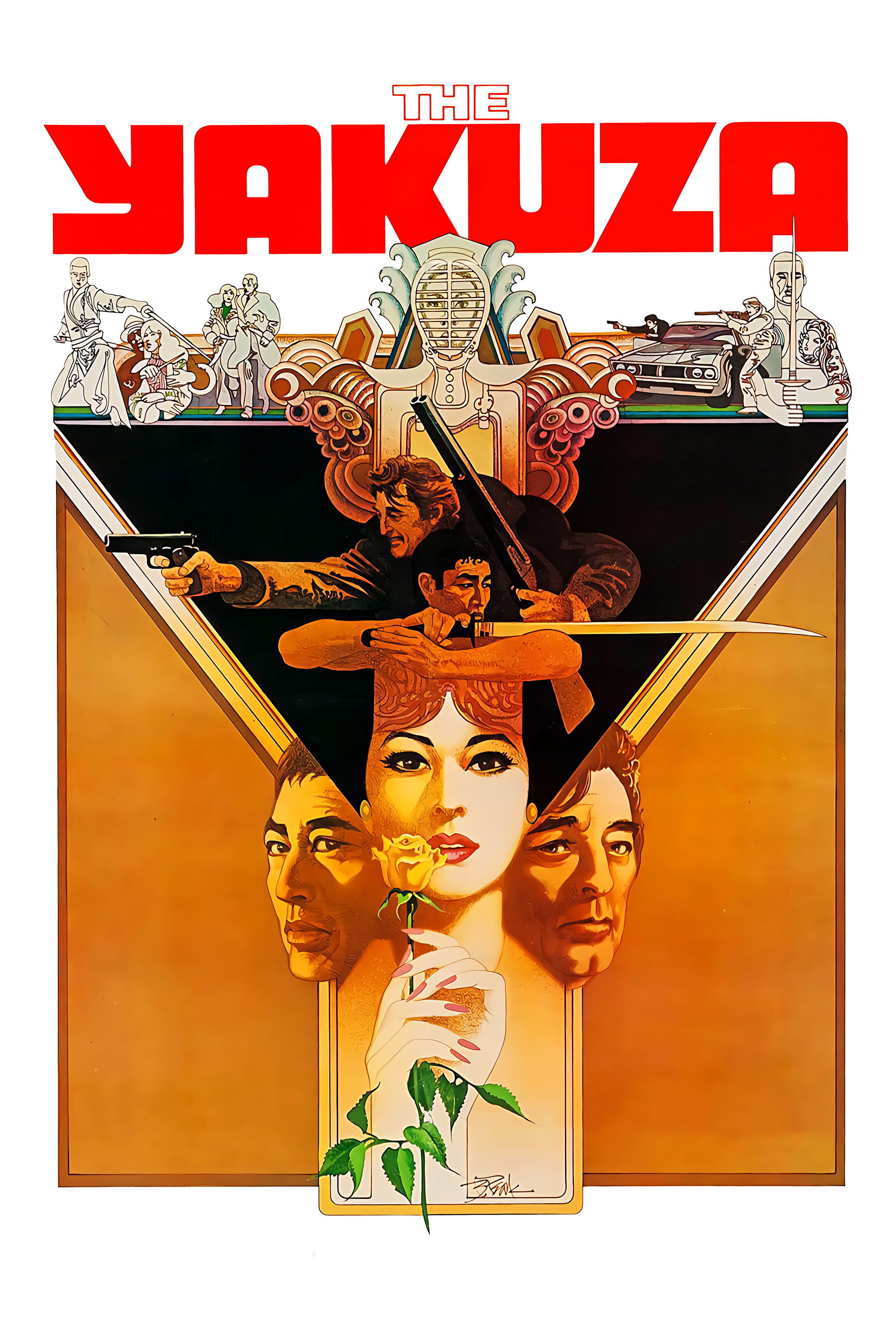
When George Tanner does business with high-ranking Yakuza Tono, Tono kidnaps his daughter, and George summons his old friend, private eye Harry Kilmer, to Japan to investigate.
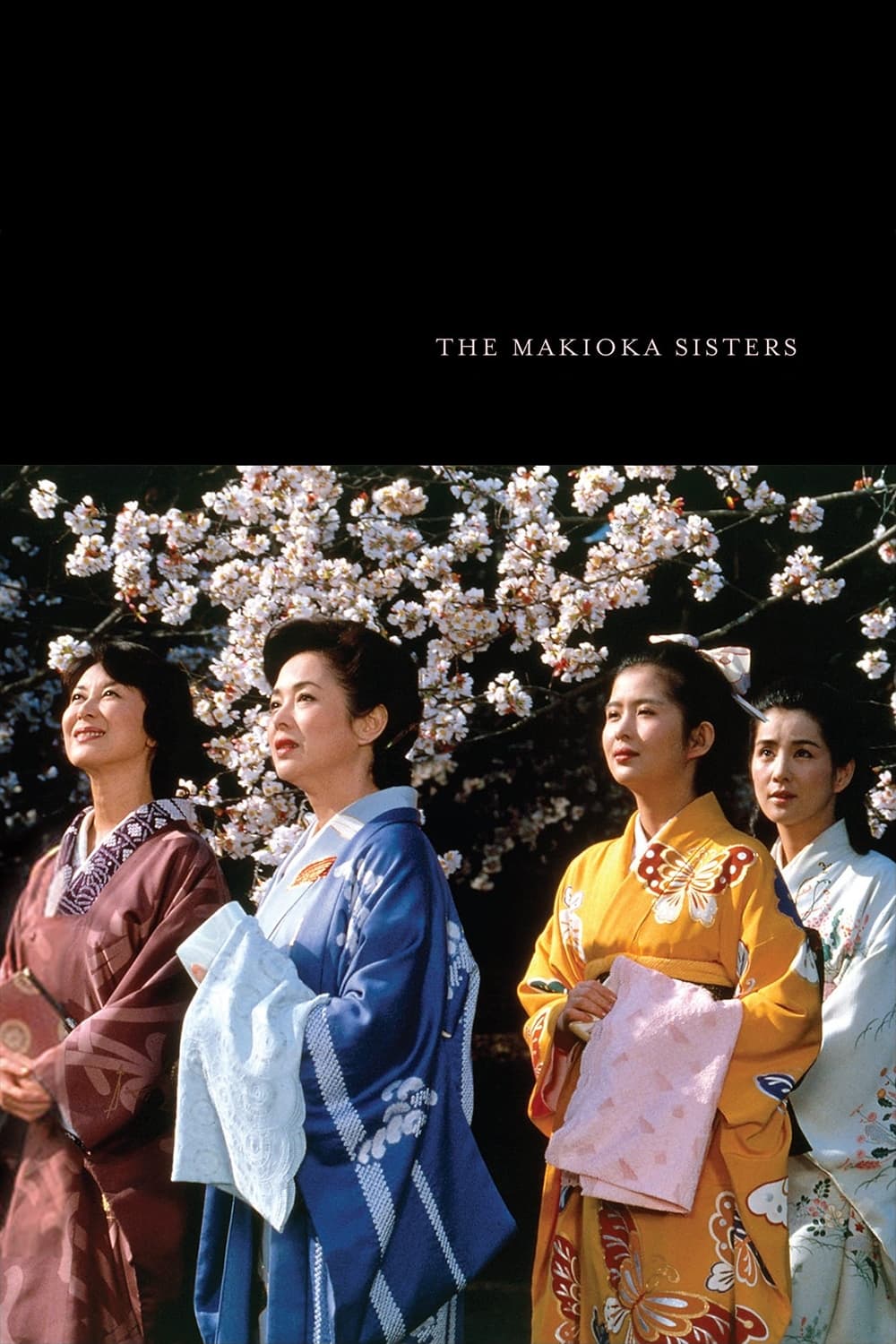
This sensuously beautiful film chronicles the activities of four sisters who gather in Kyoto every year to view the cherry blossoms. It paints a vivid portrait of the pre-war lifestyle of the wealthy Makioka family from Osaka, and draws a parallel between their activities and the seasonal variations in Japan.
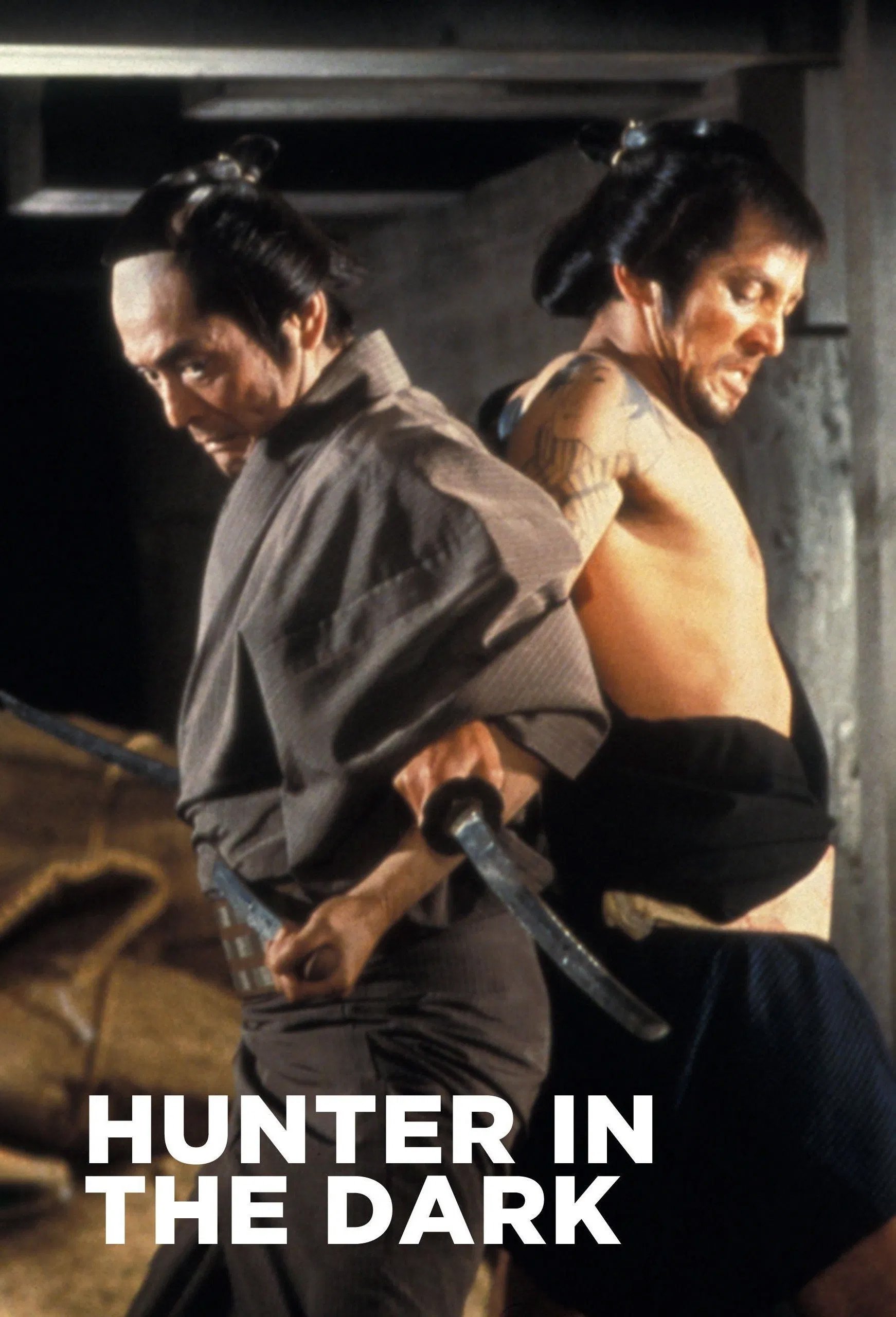
Yataro Tanigawa, a one-eyed hired assassin, impresses yakuza boss Gomyo Kiyoemon with his skill. Gomyo hires Tanigawa as his bodyguard, or yojimbo, to protect him during an inter-clan conflict. Tanigawa quickly rises in stature in the clan, but finds his boss's enemies almost overwhelming.
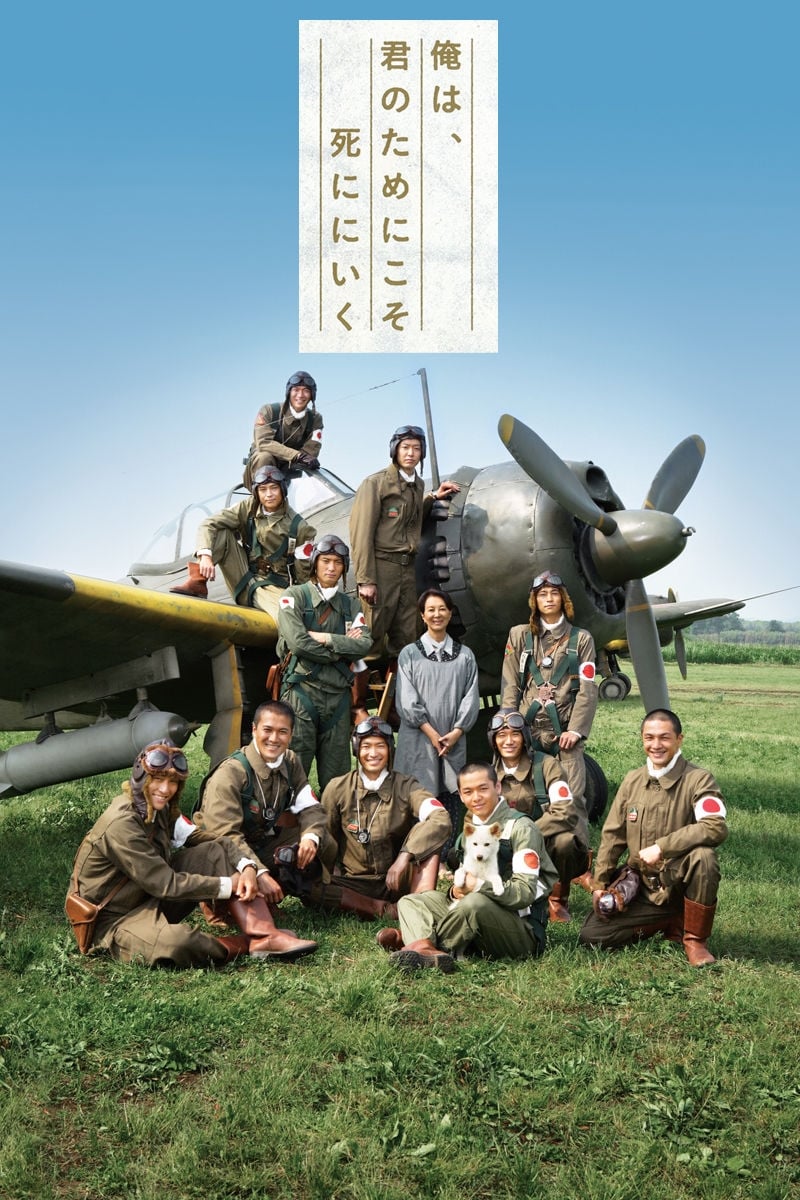
In 1943, as Japan's WWII effort falters, a vice-admiral proposes training squadrons of "volunteer" flyers to crash their armed planes into Allied warships. Yarn follows the lives of kamikaze pilots, as remembered by an aging Kyushu restaurateur who cherishes their memory. Honoring the dead and multiple military anthems may stir the soul of some Japanese, but elsewhere auds will make a one-way trip for exits. Battle scenes are well-executed and script delivers some memorable scenes, but overall competent helming and thesping are powerless over writer-cum-Tokyo governor Shintaro Ishiara's repetitive storytelling. A post-war postscript adds considerable length to an already over-extended narrative. Tech credits are good quality.

Shuzenji Monogatari (The Mask and Destiny) is based on a 12th-century Japanese legend. An abortive royal romance leads to an escalating series of tragedies. The central character is a Japanese monarch who would prefer to live a humble existence as a maskmaker. Unfortunately, events -- and destiny -- are against him. When first released, Shuzenji Monogatari was held in far lower esteem than such recent Japanese films as Gate of Hell and Samurai. Nevertheless, the film was selected as an entry at the Venice Film Festival, possibly on the strength of its excellent production values.
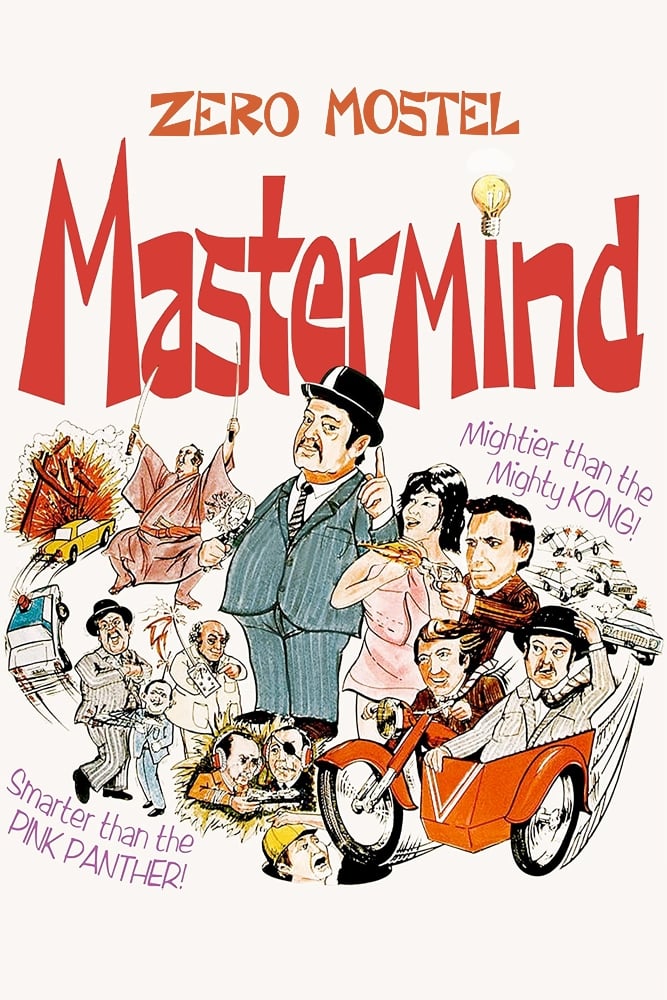
Zero Mostel plays an inspector on the trail of criminals who have captured a robot called Chatze(sp?) played by Felix Silas. The inspector has delusions that he is a great Samurai warrior and the movie flashes back and forth between present day and ancient times.
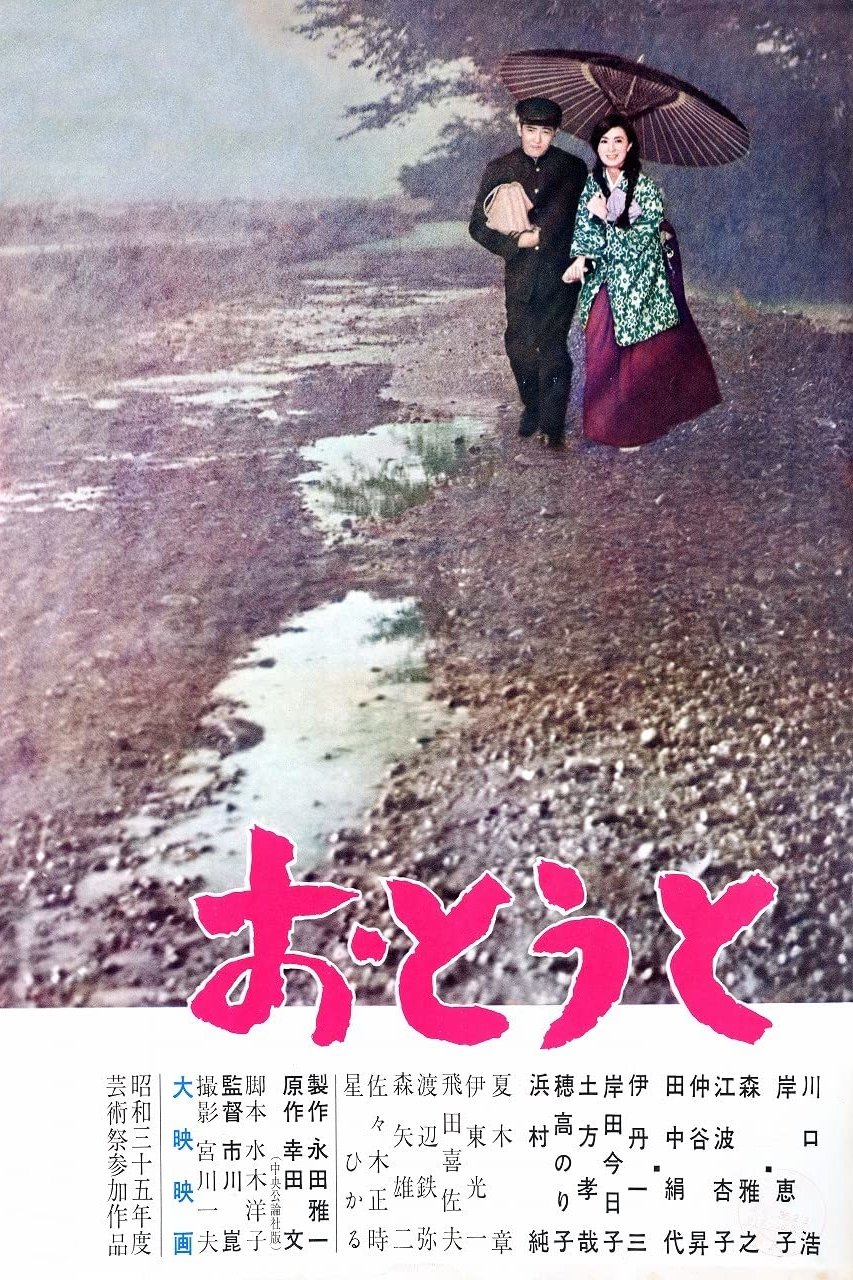
Set in 1926 when Japanese tradition was much stronger, this drama looks at the inner workings of a small family, especially the relationship between a sister and brother.
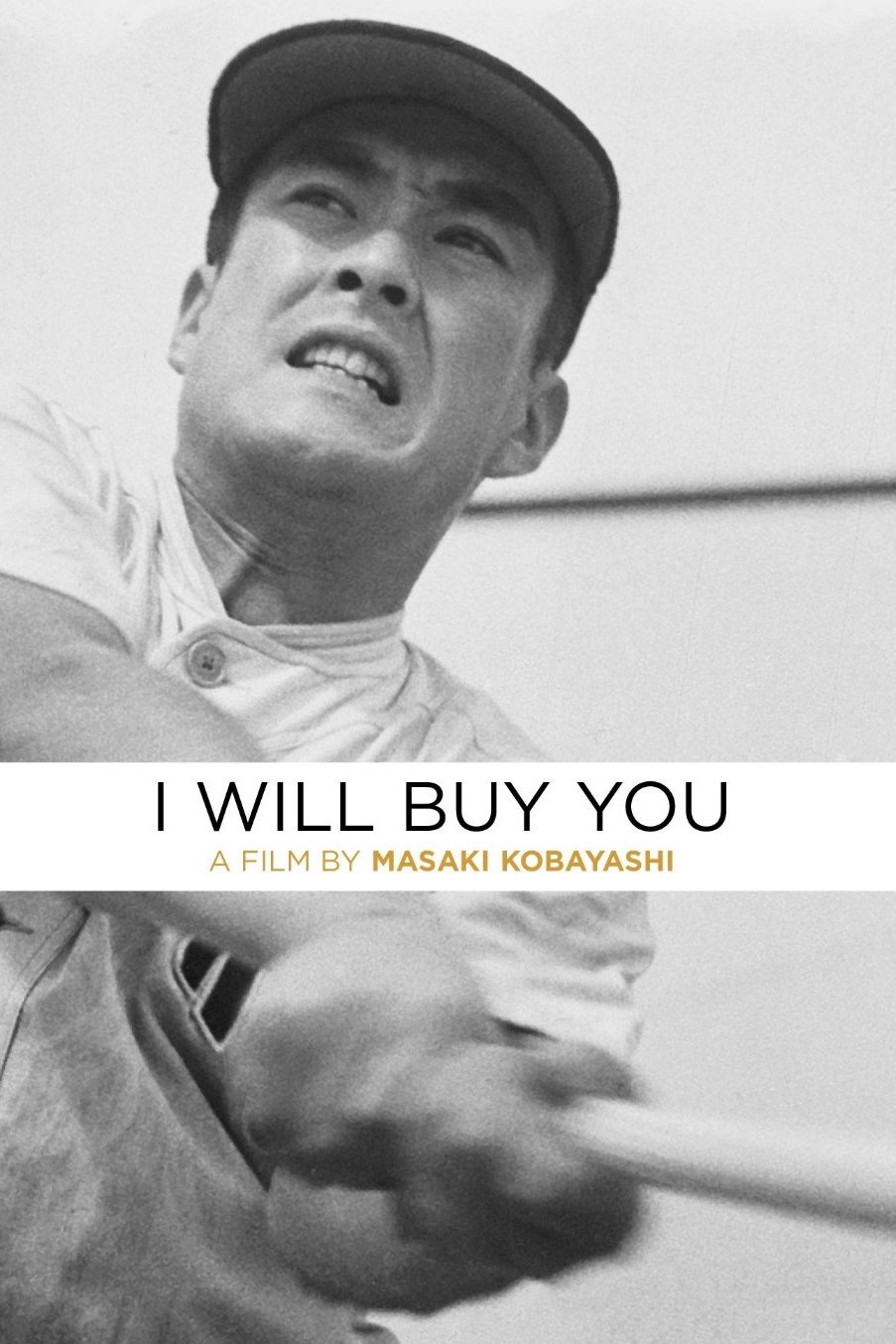
A talent scout moves sharply, dead-set on signing a promising baseball player to The Toyko Flowers.

Kôsuke Kindaichi, a somewhat peculiar private detective, visits a remote town. He meets a police detective and they start to investigate an old unsolved murder. Then some murders happen. Kindaichi must find out about the past in order to reveal who the murderer is.
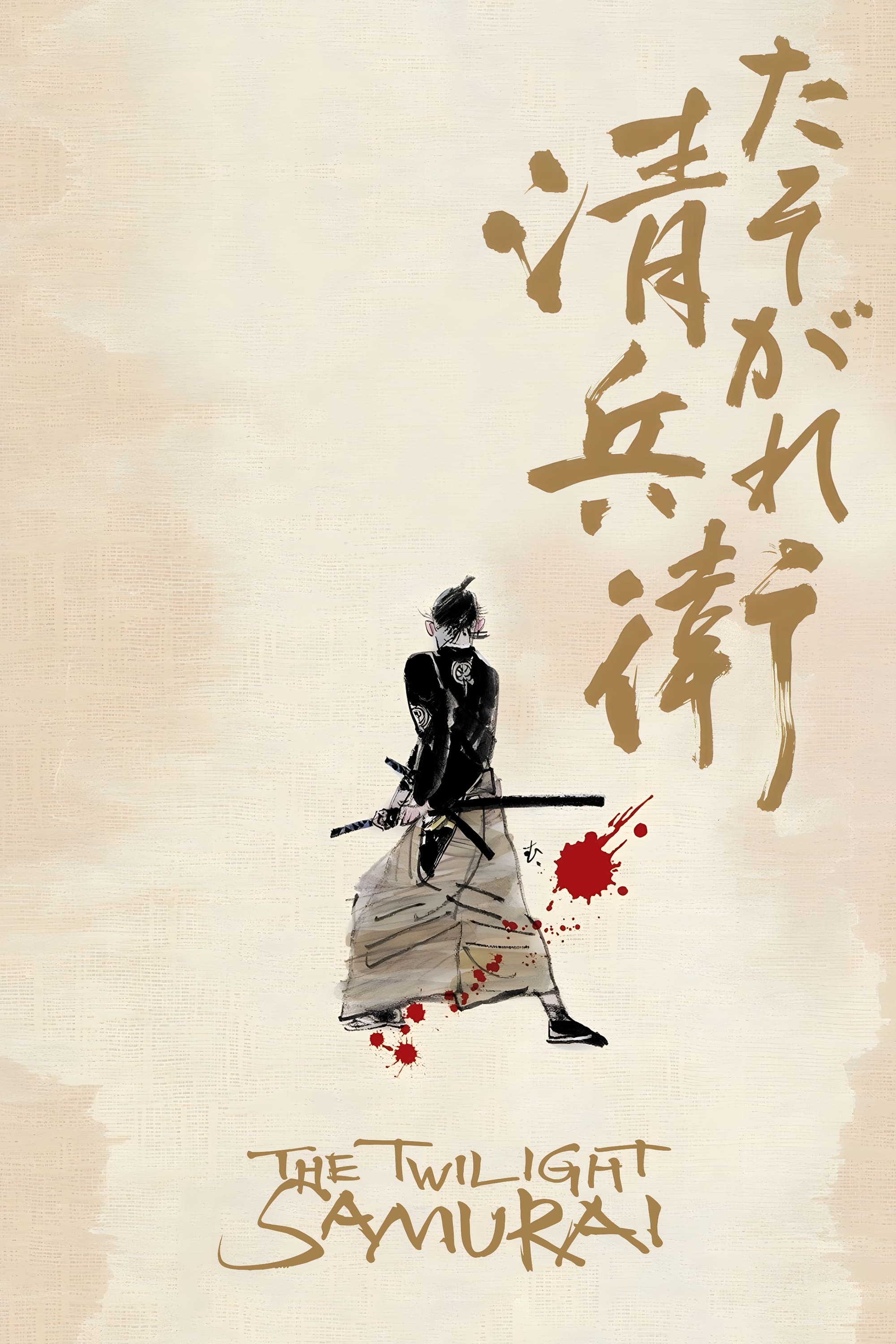
Seibei Iguchi leads a difficult life as a low ranking samurai at the turn of the nineteenth century. A widower with a meager income, Seibei struggles to take care of his two daughters and senile mother. New prospects seem to open up when the beautiful Tomoe, a childhood friend, comes back into he and his daughters' life, but as the Japanese feudal system unravels, Seibei is still bound by the code of honor of the samurai and by his own sense of social precedence. How can he find a way to do what is best for those he loves?

A group of rank-and-file soldiers are jailed for crimes against humanity, themselves victims of a nation refusing to bear its burdens as a whole.
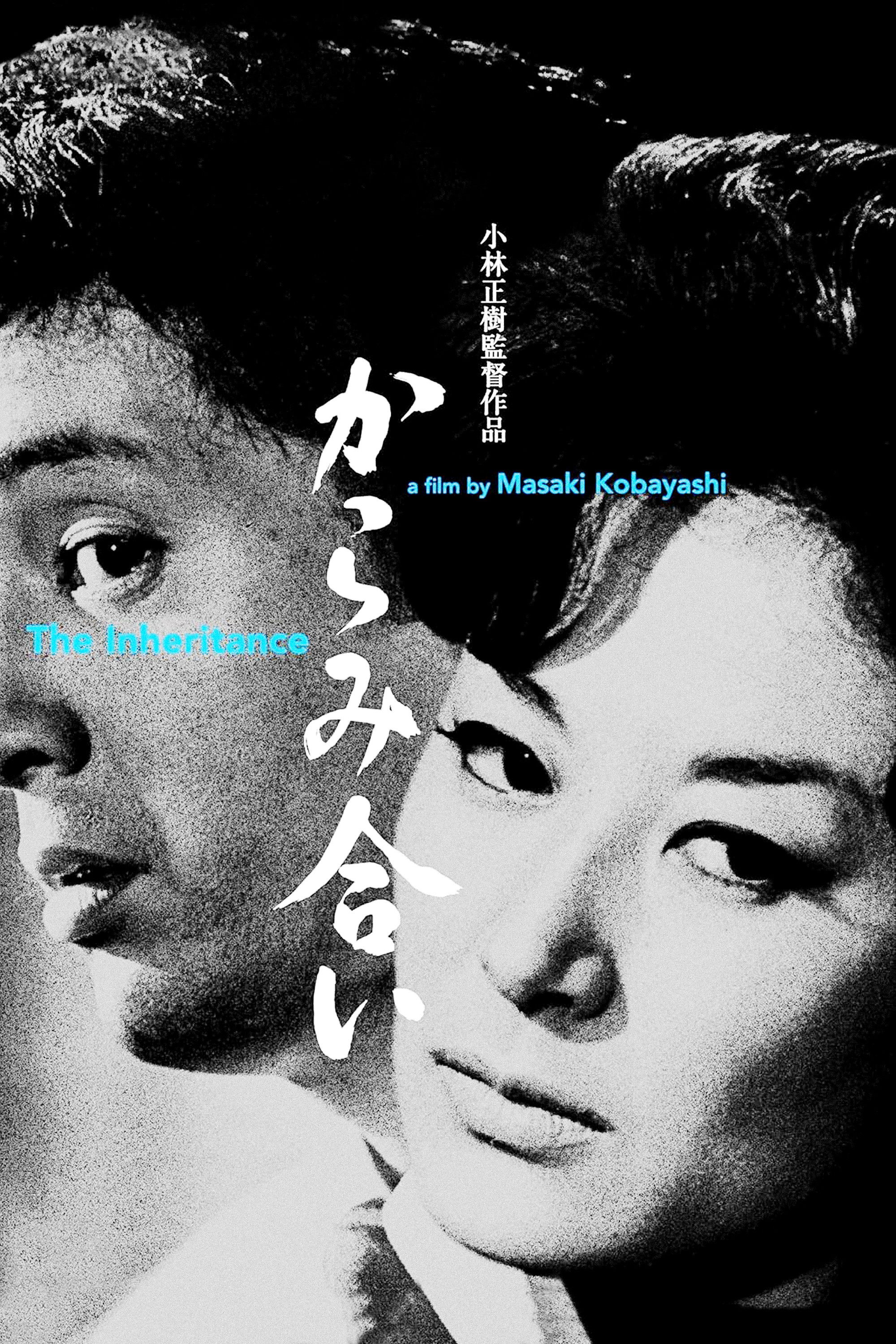
A dying businessman intends to will ¥200 million to his three illegitimate children, but his associates scheme to take advantage of the situation.
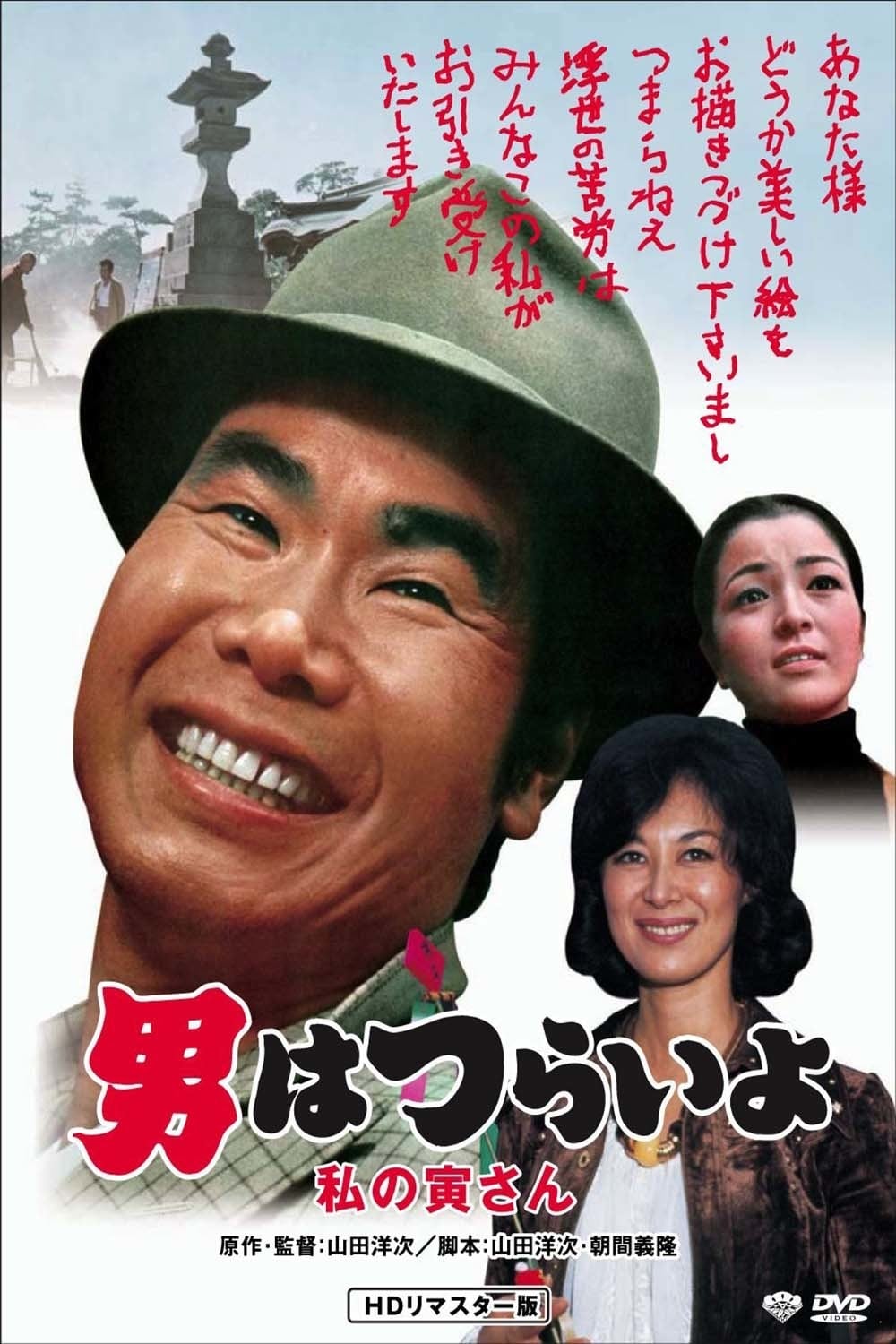
Tora-San returns to Shibamata just before his family leaves on a trip for Kyushu. Later, he encounters an old school chum and begins to have feeling for his artist sister.
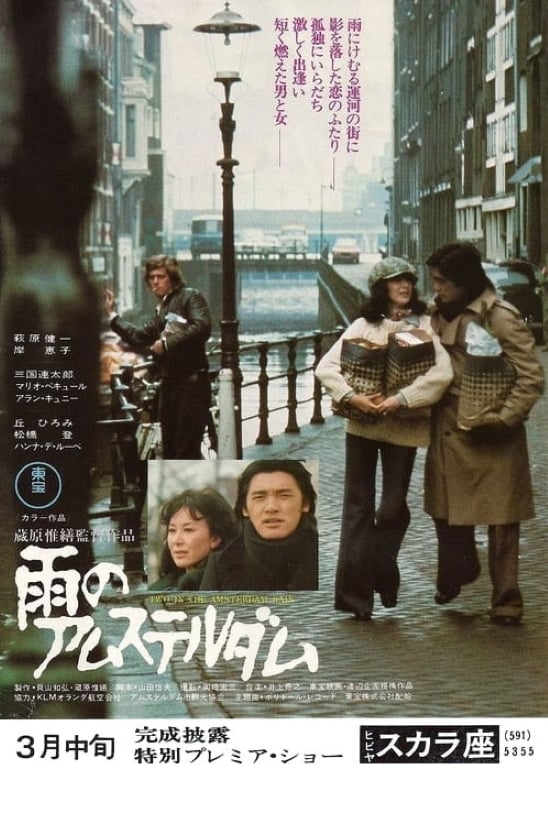
Sakuda is a Japanese expat working in Amsterdam. When his company gets exposed for exporting fire arms to Italy that are later repurposed for war in Africa, he finds himself involved in a major complot alongside Ryo, a woman from his native village whom he falls in love with.
After surviving the double suicide pact she made with her lover, a woman gives birth to their child.
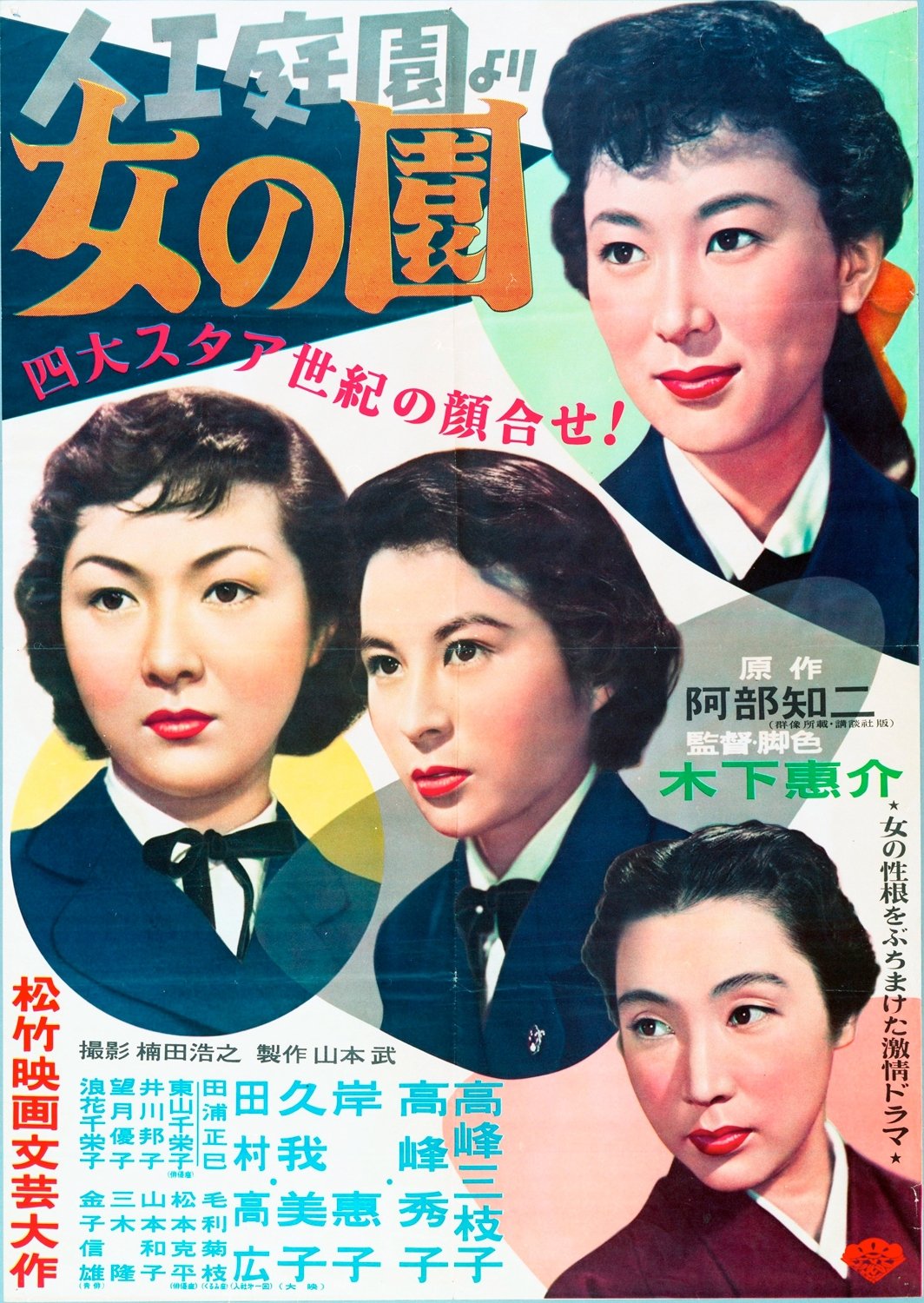
A student at a woman's university takes a controversial action against the school's old-fashioned doctrines.
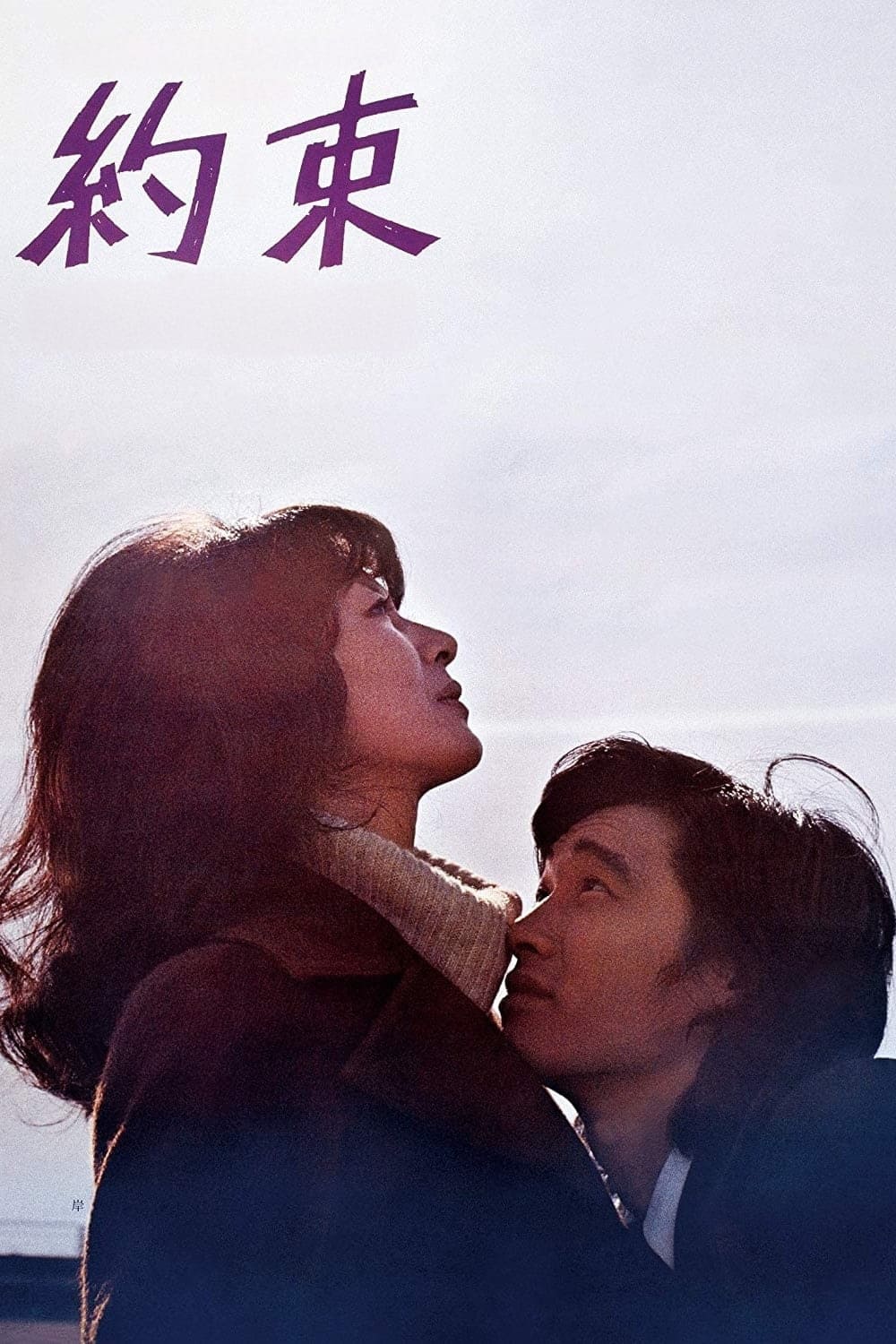
The brief love story of an attentive young man and a beautiful woman who meet, fall in love and part during the course of a train ride.
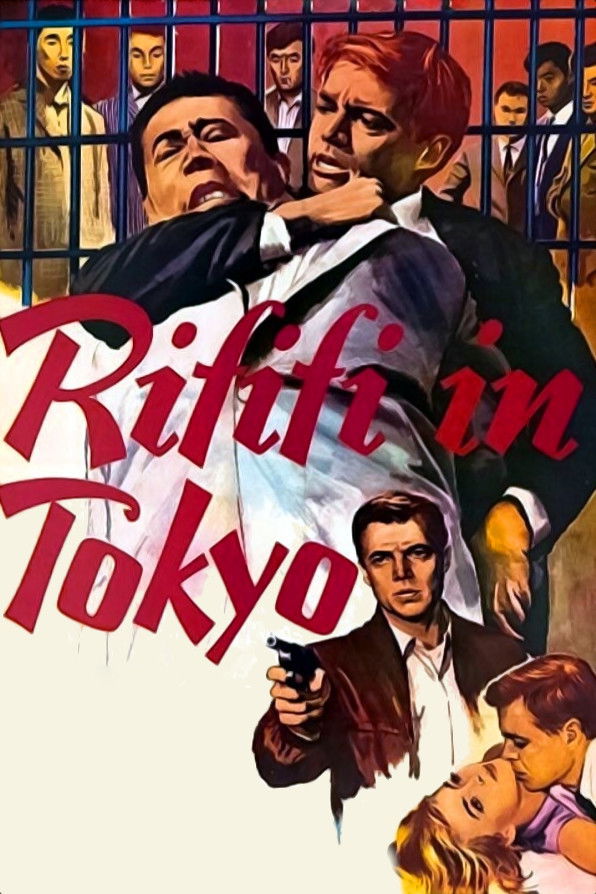
Van Hekken, an old gangster, arrives in Tokyo to direct a bank hold-up in order to get a very valuable diamond.
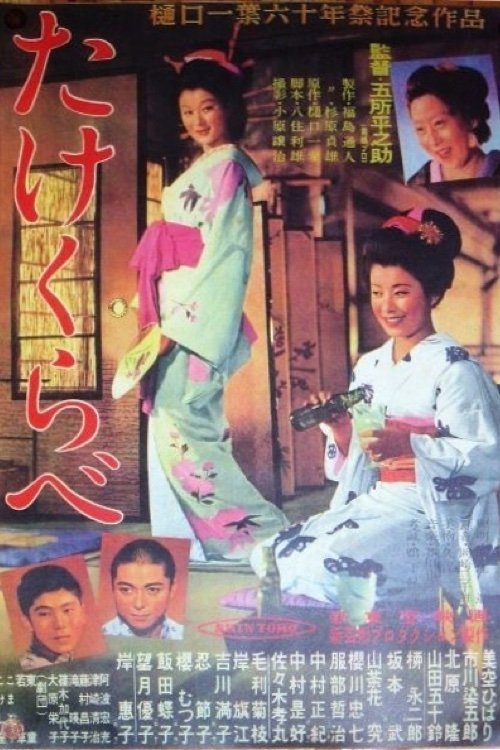
A boy falls in love with a girl. Neither of them know that she's to be sold to a brothel.
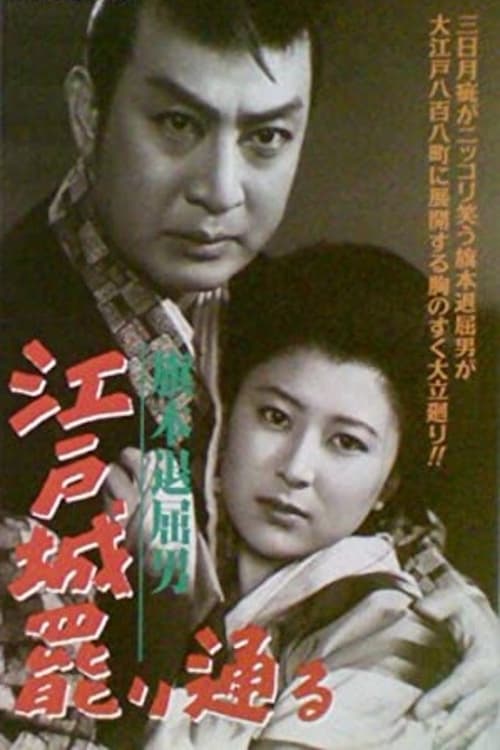
Around the Genroku era, there was a man named Saotome Shusui-no-Suke, nephew to the senior councilor Matsudaira Sakon Shogen. He was commonly known as the Bored Samurai of the Hatamoto rank. Just as he was engulfed in boredom, Tokugawa Jo-Kaibo, claiming to be the Shogun's illegitimate child, made a grand entrance into Edo. At the behest of Sakon Shogen, Shusui-no-Suke was tasked to investigate Jo-Kaibo's background and had his young page Kyoya disguise as a woman to infiltrate Jo-Kaibo's gun mansion.
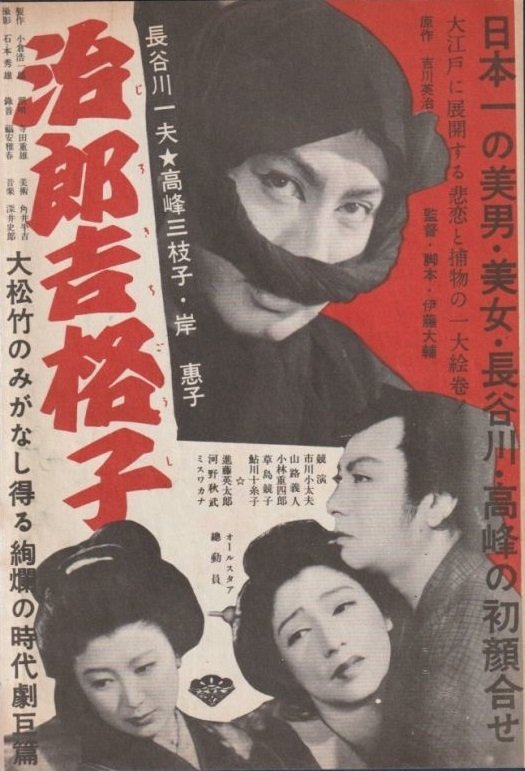
Aboard a ship connecting Kyoto and Osaka, Osan was pickpocketed by a sham blind biwa player. A man who looked like a merchant retrieved the wallet for her. Osan was a woman being sold off for the sake of her yakuza-like brother, Nin'kichi. The man in the guise of a merchant turned out to be the Rat Thief, Jirokichi, the infamous thief of Edo. Due to this chance encounter, the two ended up staying at the same hot spring inn. However, one morning, as Jirokichi was about to leave alone, Osan, with the intuition of a smitten woman, confessed she knew he was the famed Rat Thief.
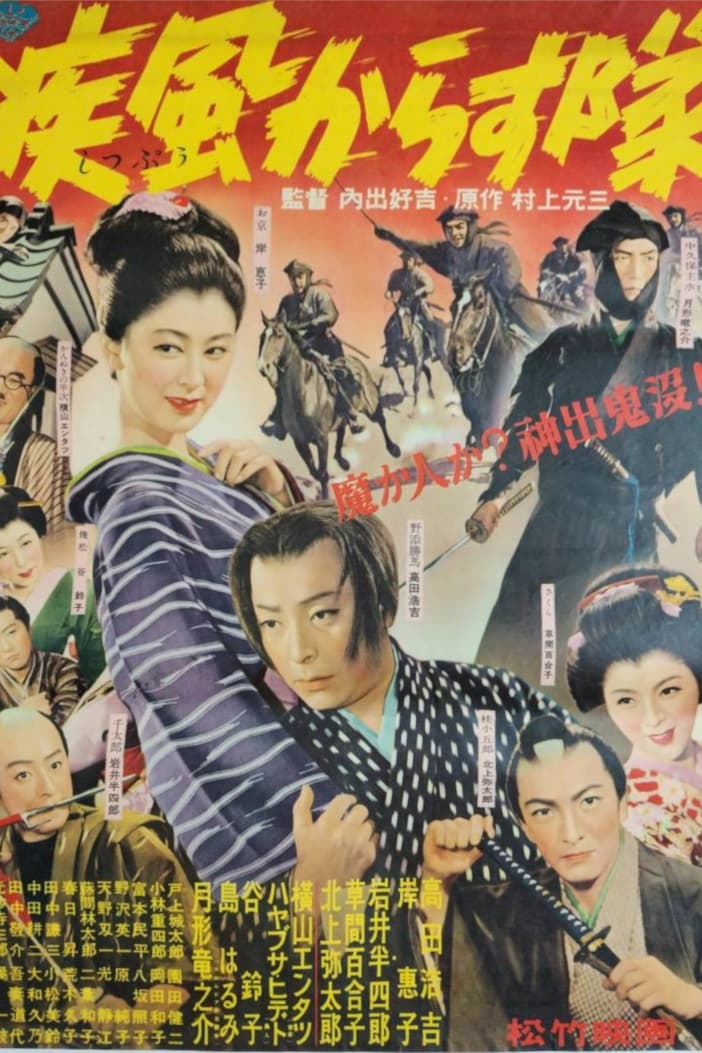
During the end of the shogunate, there was a group of black-clothed masked samurai known as the "Crow Squad" who resisted the shogunate's oppression, taking down key figures one by one. During a Go game with a visitor named Seki Hikonoshin, the government inspector, Nozoe Minbu, was attacked and killed by what appeared to be the Crow Squad. The witness, Yoshi Goro, was also injured by their blade. Minbu's son, Katsuma, returning from a trip, learned of this and, along with his sister Sakura, vowed revenge.
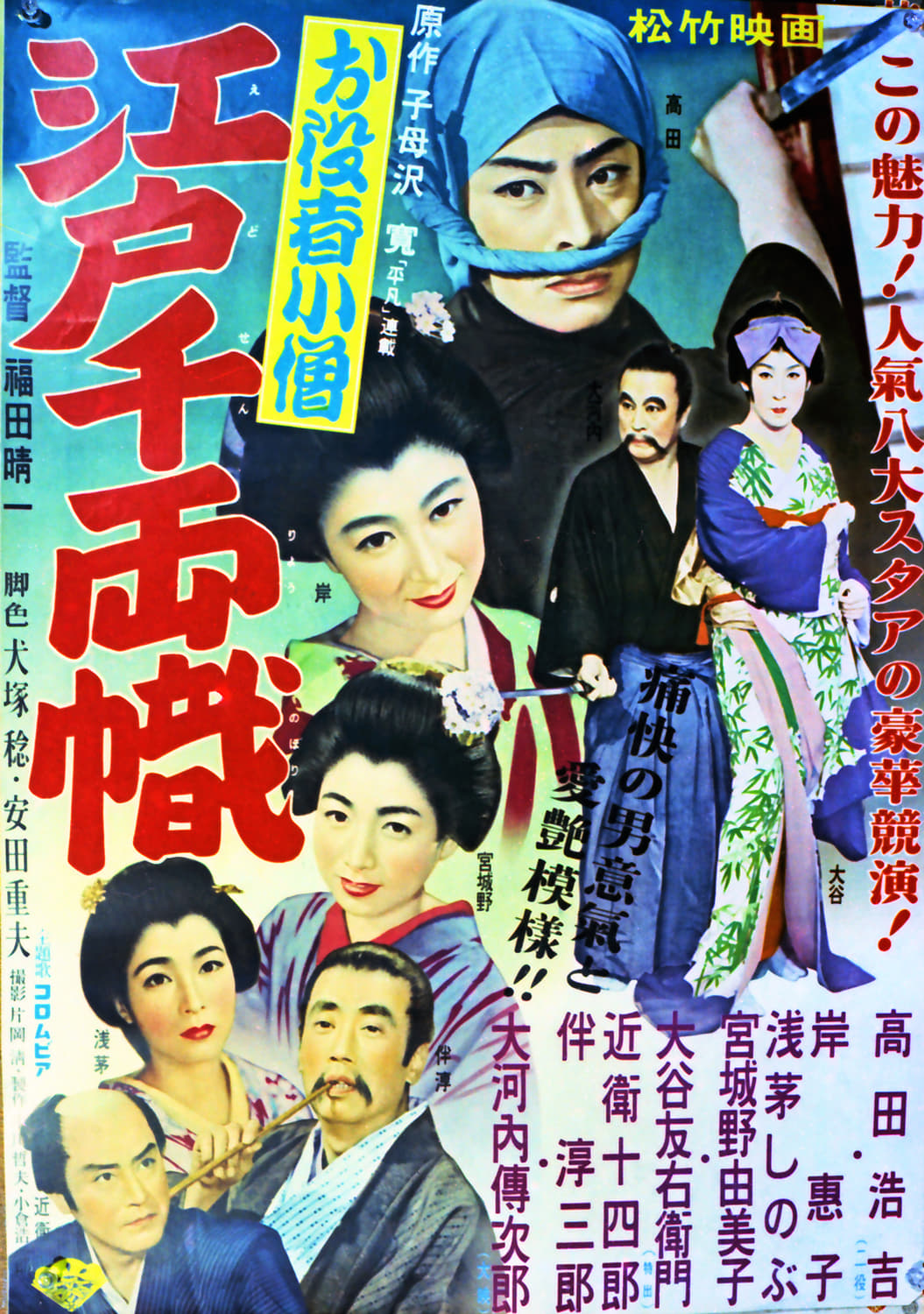
Okazaki Domain samurai Inaba Gotaro accidentally killed a superior while trying to save his beloved geisha, Ko-en. On the run, they were rescued by the actor Nakamura Utaemon, but Ko-en was taken by the Hatamoto, Ono Issai. Gotaro, who fell off a cliff, was saved by the Dutch-trained doctor, Shibarai Ryokai, and his daughter Oume. While traveling to Edo, they met Utaemon in Mishima, who was suffering from a serious eye disease. Ryokai’s treatment saved Utaemon from blindness, and a strong friendship was formed among the three.
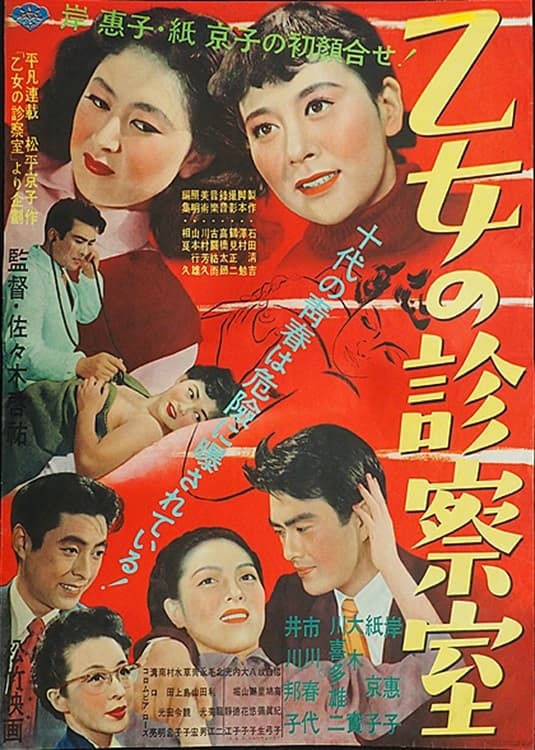
1953 Japanese movie
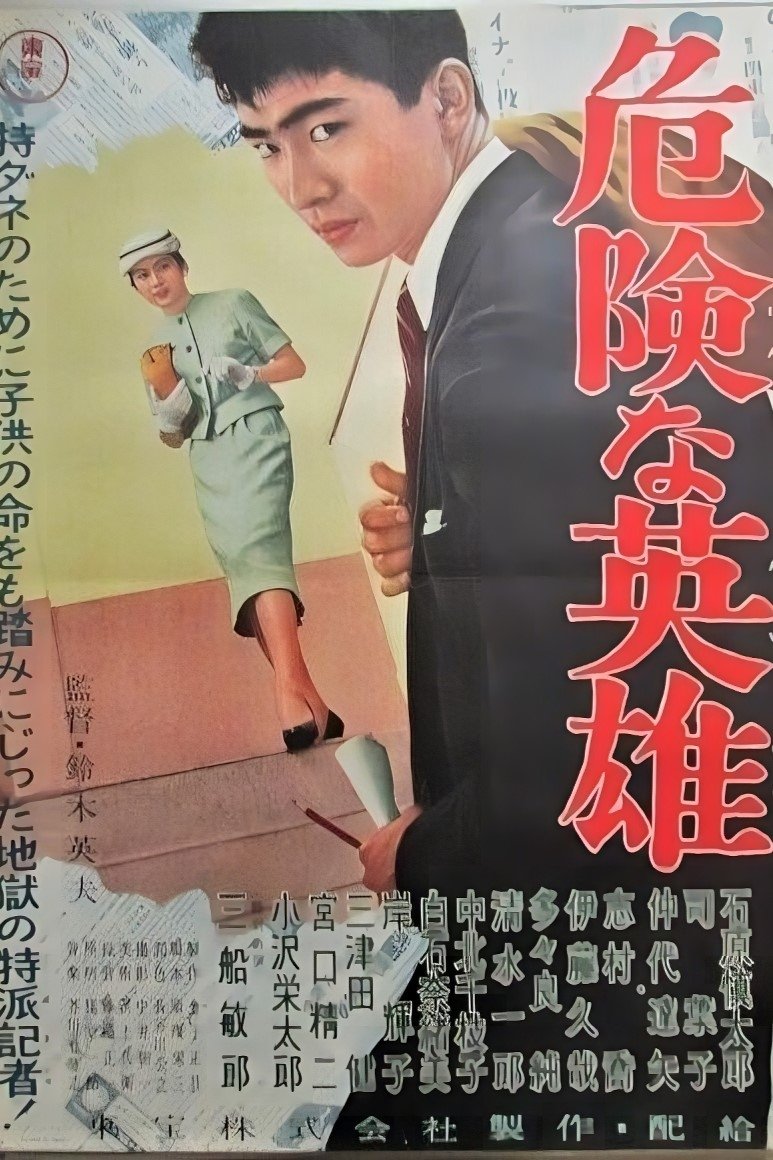
A film by Hideo Suzuki.
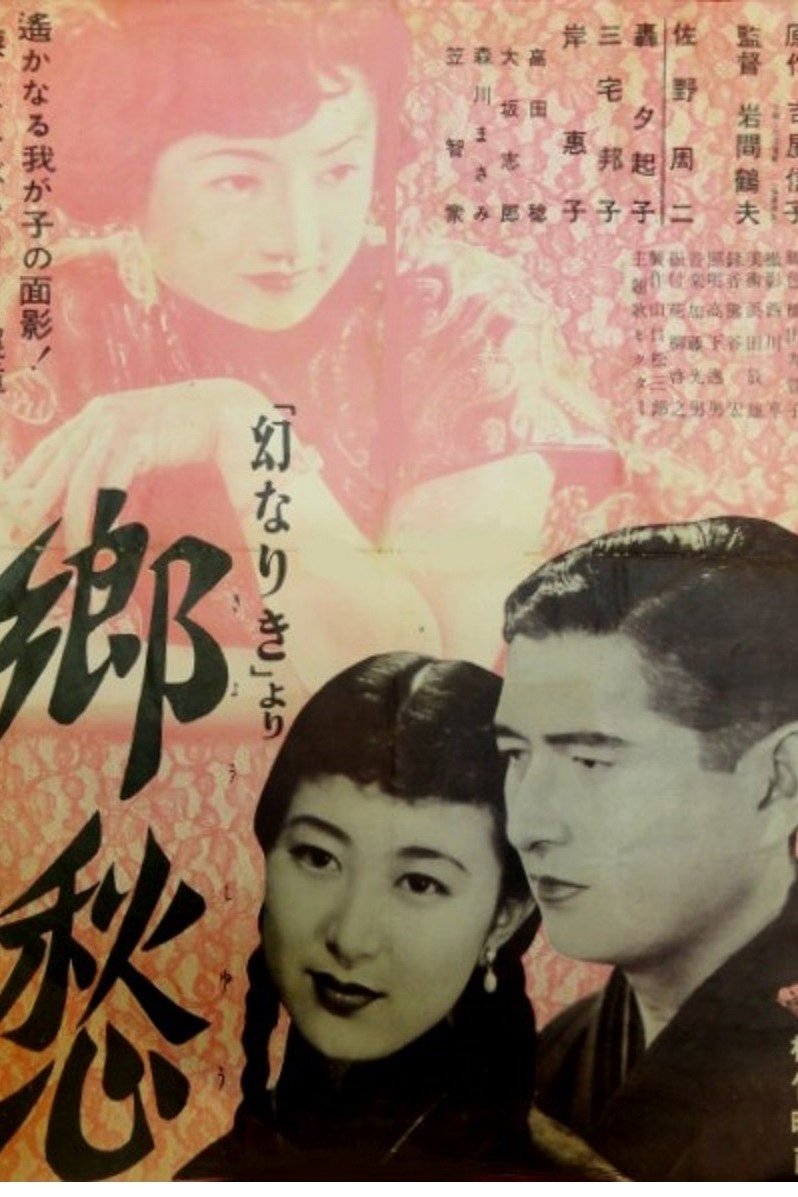
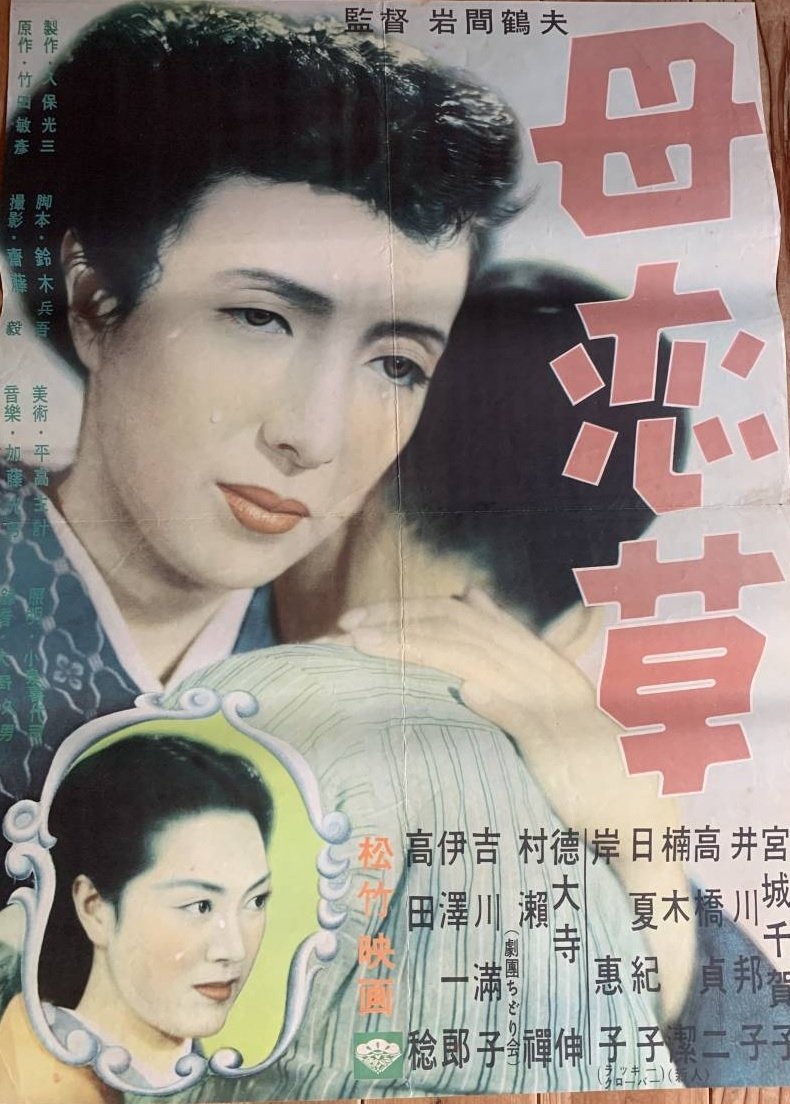
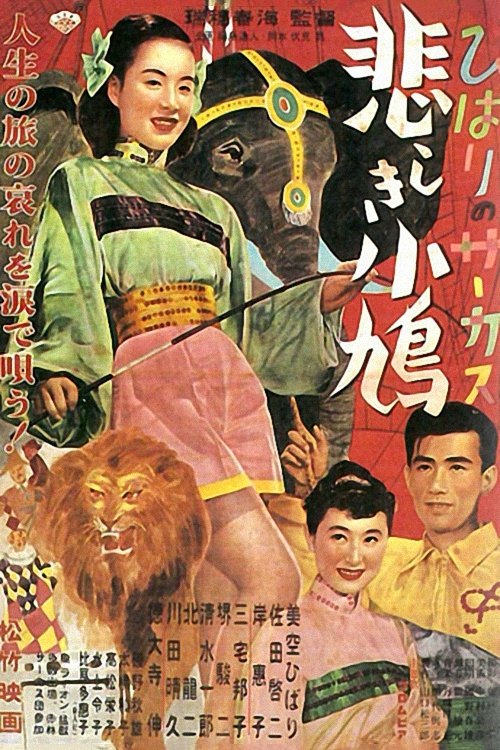
Mariko studies at a missionary school in Shinshu. She drops out of school and joins her father on a circus tour when she discovers that her father, Ryutaro, whom she always thought was an agricultural and forestry engineer, was a circus clown. Over time, Mariko's singing attracted the attention of the public.
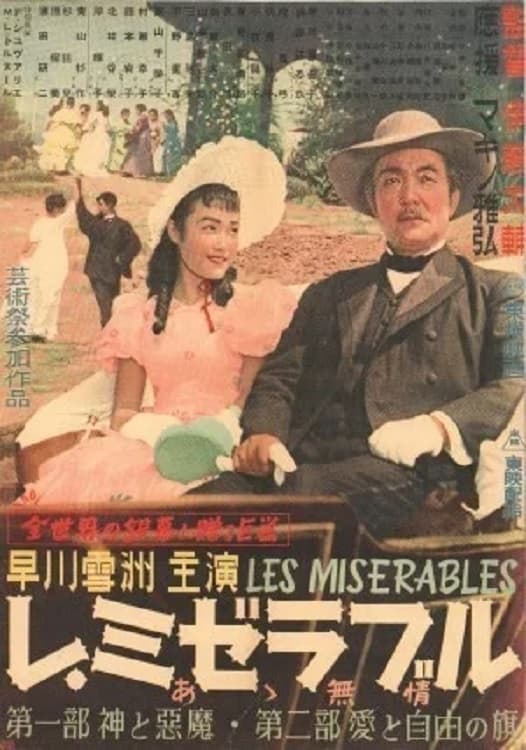

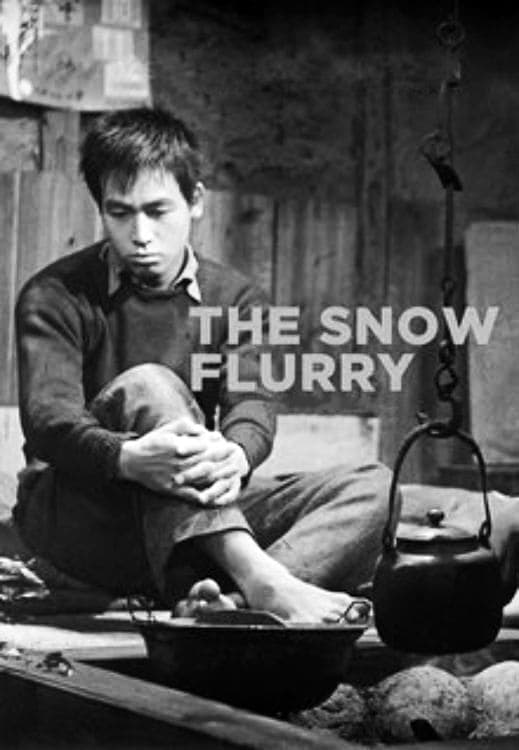
10-year-old Sota lives with his grandfather and a dog named Chibi in a small snowy village. They live in such a poverty that Sota cannot even afford to go to school, but however hard the situation is, Sota never holds a bad feeling against anyone around and keeps his dream alive to become a painter. He has been friends with Sayo, a girl brought up in a wealthy family, ever since they were little despite the difference of their family position, which Sayo’s father has uneasy feelings against. In spite of the difficulties he faces, Sota manages to complete a piece of painting which he wishes to give Sayo. He and Chibi goes down a snowy night path to Sayo’s house to find that her father’s storage is on fire... What waits for Sota and Chibi gently reminds that genuine happiness always exists in your heart.
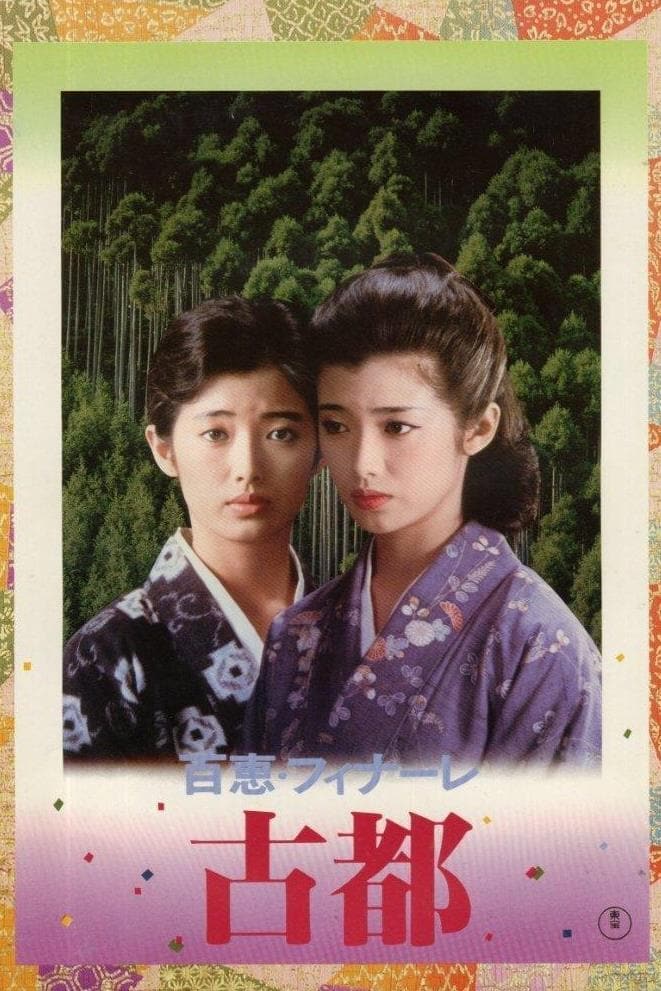
Chieko (Momoe Yamaguchi) has been raised as the only child of parents who run a dry goods store. When Chieko was a middle-school student, she learned that her parents are not her biological parents. Cheiko's mother told her that she was stolen while sleeping under a cherry tree in Gion, Kyoto, Japan, but Chieko doesn't believe that. Her relationship with her parents is very close. Chieko only tells her childhood friend Shinichi, but...

Born in 1932, Keiko Kishi has been one of the first Japanese actresses known worldwide. Her decision to move to France and to marry director Yves Ciampi in 1957 – after he filmed her in Typhoon Over Nagasaki starring Jean Marais and Danielle Darrieux – caused a huge scandal in Japan. Despite this transgression, Keiko Kishi continued acting in her home country with Kon Ichikawa, Yasujiro Ozu, Masaki Kobayashi… building unique bridges between Japanese and European cultures. Free and rebellious, she emancipated herself from the many obstacles she encountered in the film industry, and created her own production company in her early twenties. Let’s look back at the story of a pioneer, an inspiration for many generations.
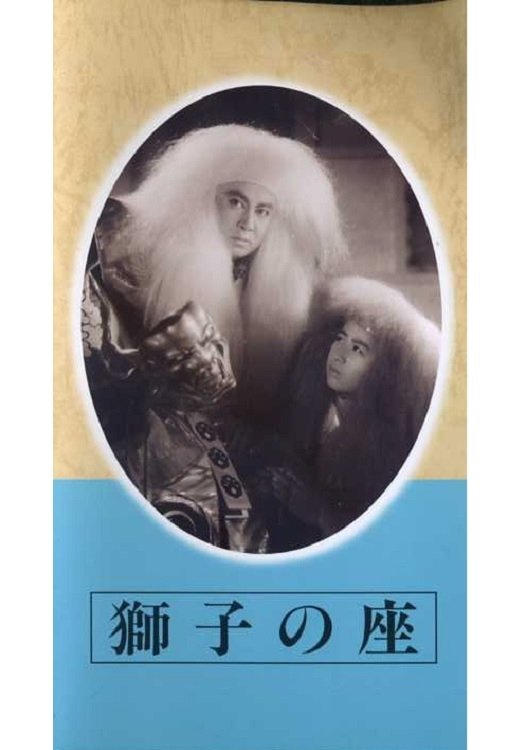
This film stars Tanaka Kinuyo as the mother of the heir to the Hosho name, a famous lineage of Noh actors. The heir, Hosho Yagoro, is played by Hasegawa Kuzuo who went on to become familiar among Ichikawa Kon fans as Yukinojo in An Actor's Revenge, which was also co-written by Ito, adding to the relatedness of An Heir's Place.
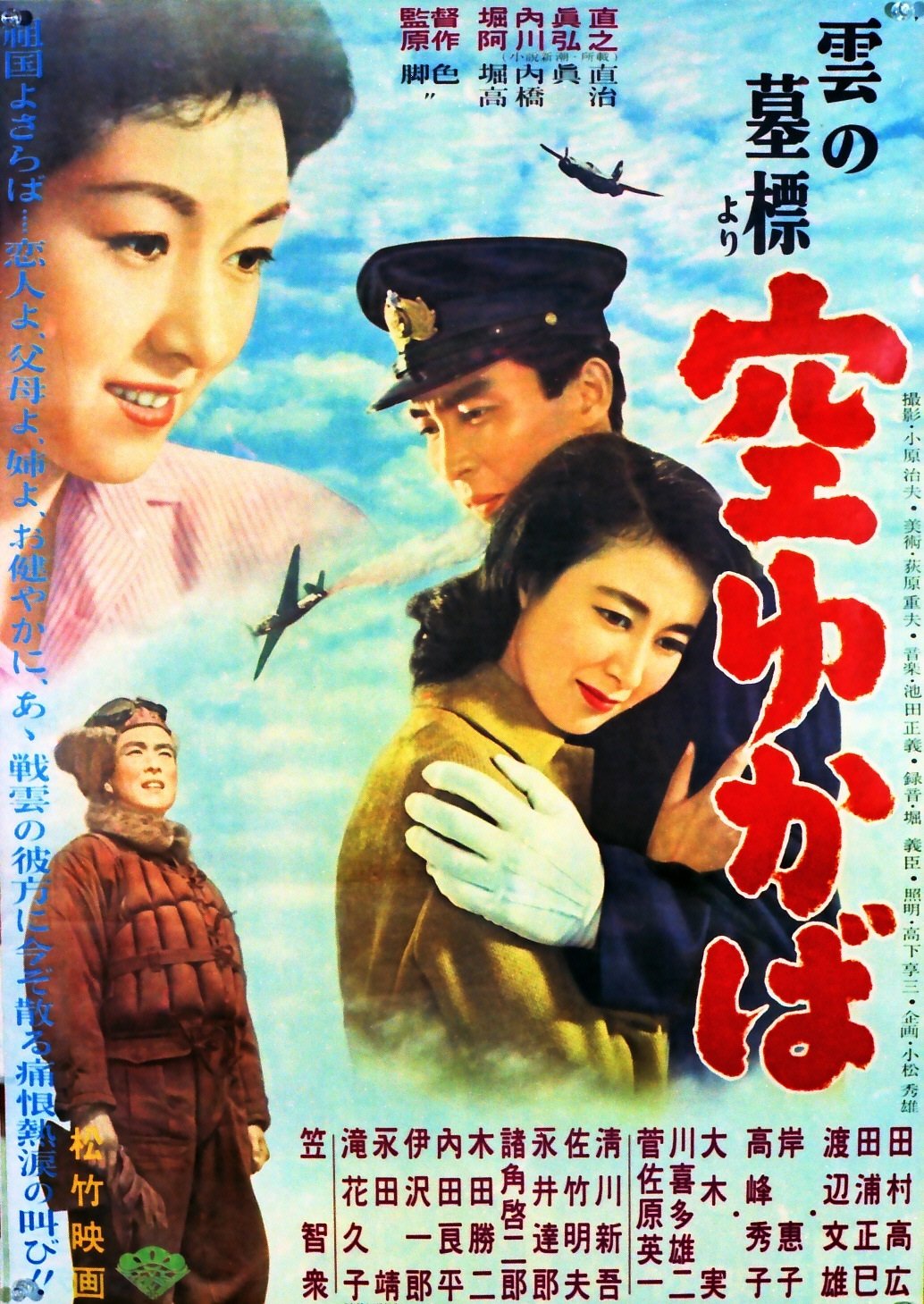
The movie depicts the youth of kamikaze pilots who scattered young lives in the sky.
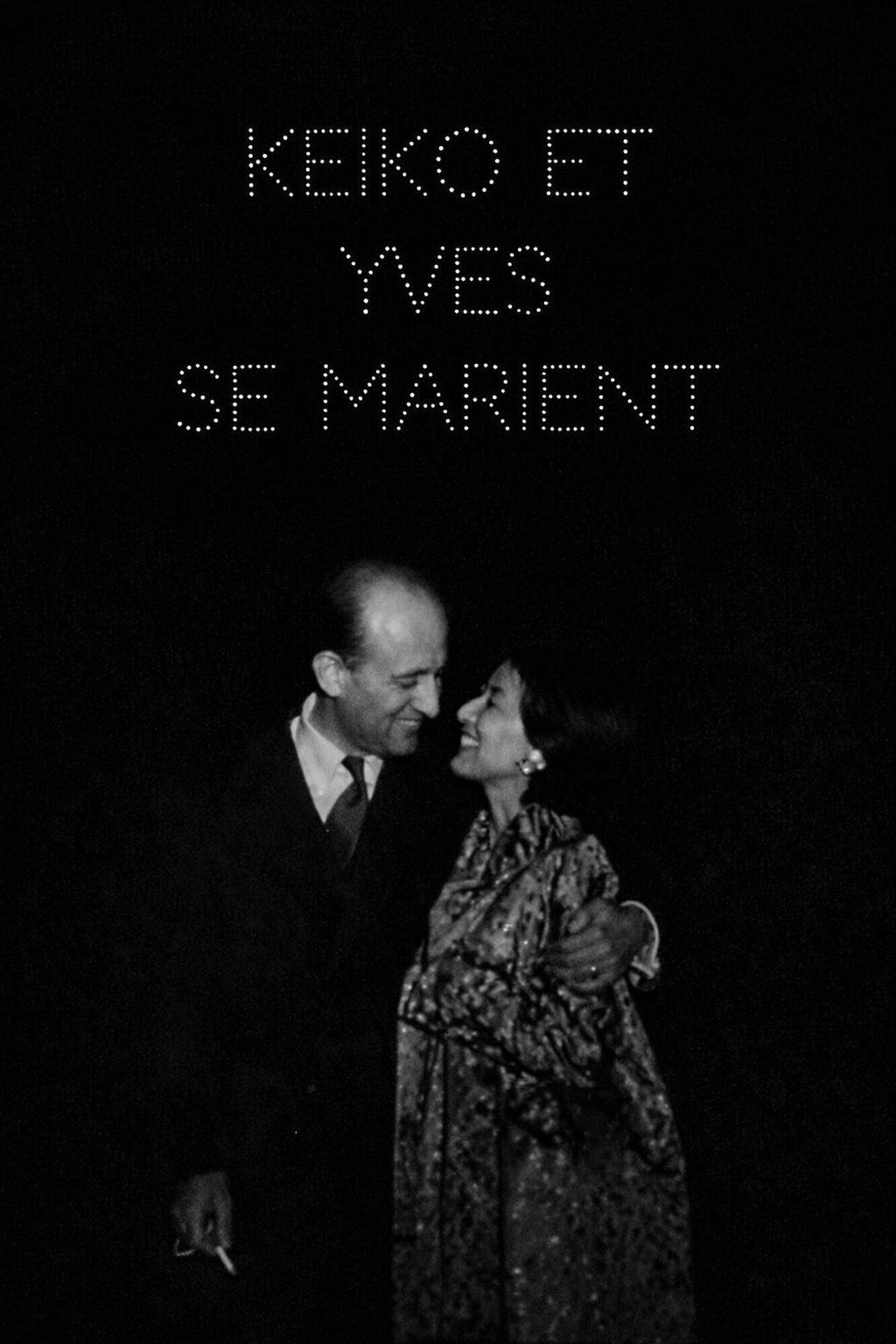
The wedding of actress Keiko Kishi and filmmaker Yves Ciampi.
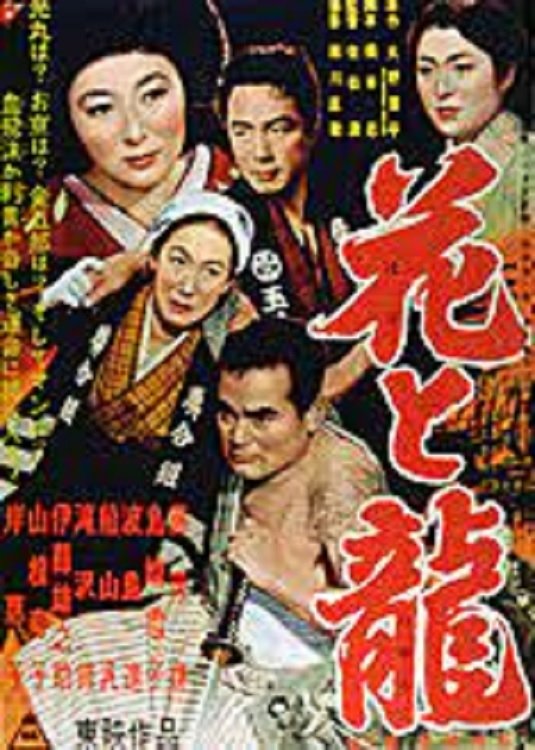
Dai-ni-bu: Aijô ruten: Kiyoshi Saeki directed movie
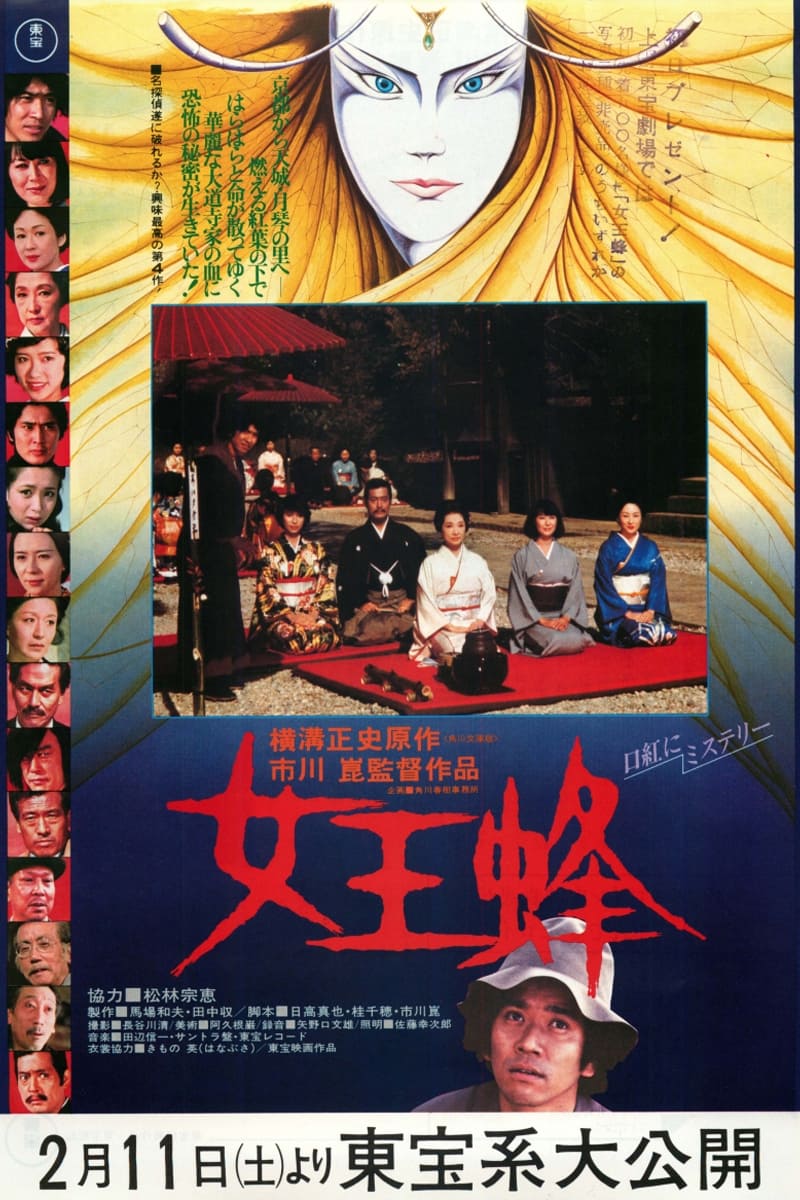
To solve the mystery of a murder of an old governess which takes place at a wealthy Daidoji family's country estate, family secrets and lies dating back several generations must be sorted out once and for all.
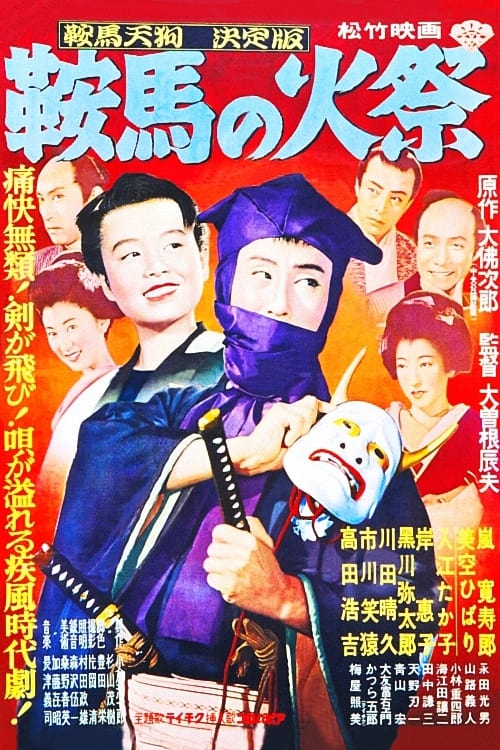
The masked avenger Kurama Tengu is linked to a plot to bring down the Tokugawa shogunate, but is it really our hero, or an imposter?
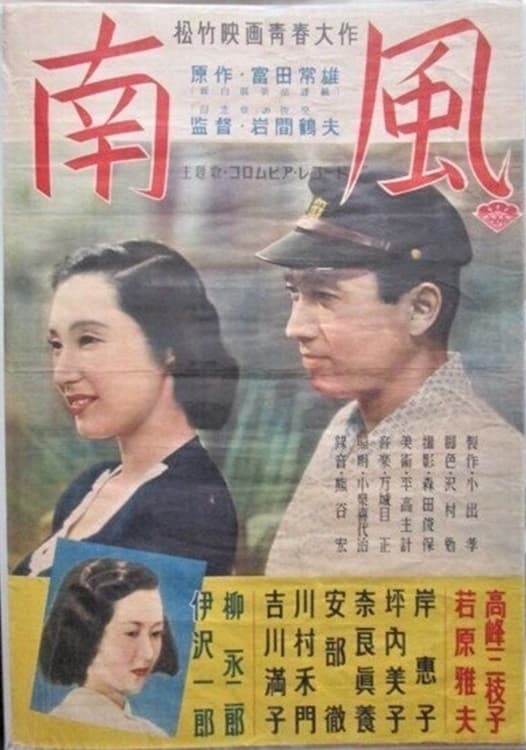
1951 Japanese movie
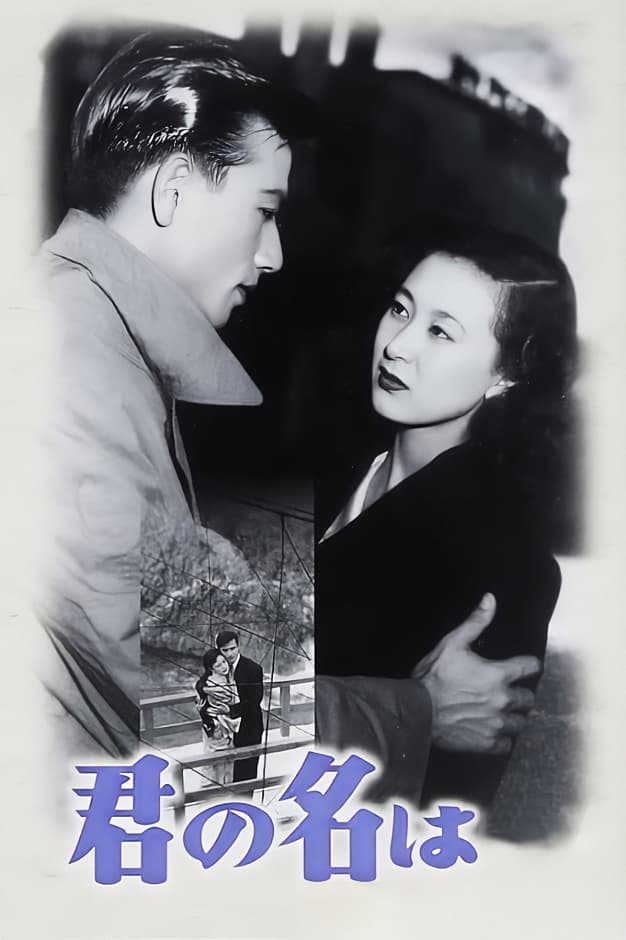
Machiko Ujiie and Haruki Atomiya first meet and fall in love on Ginza’s Sukiyabashi Bridge during the Great Tokyo Air Raid in March 1945. Machiko and Haruki pledge to meet again at the bridge in six months but part without asking each other’s names.
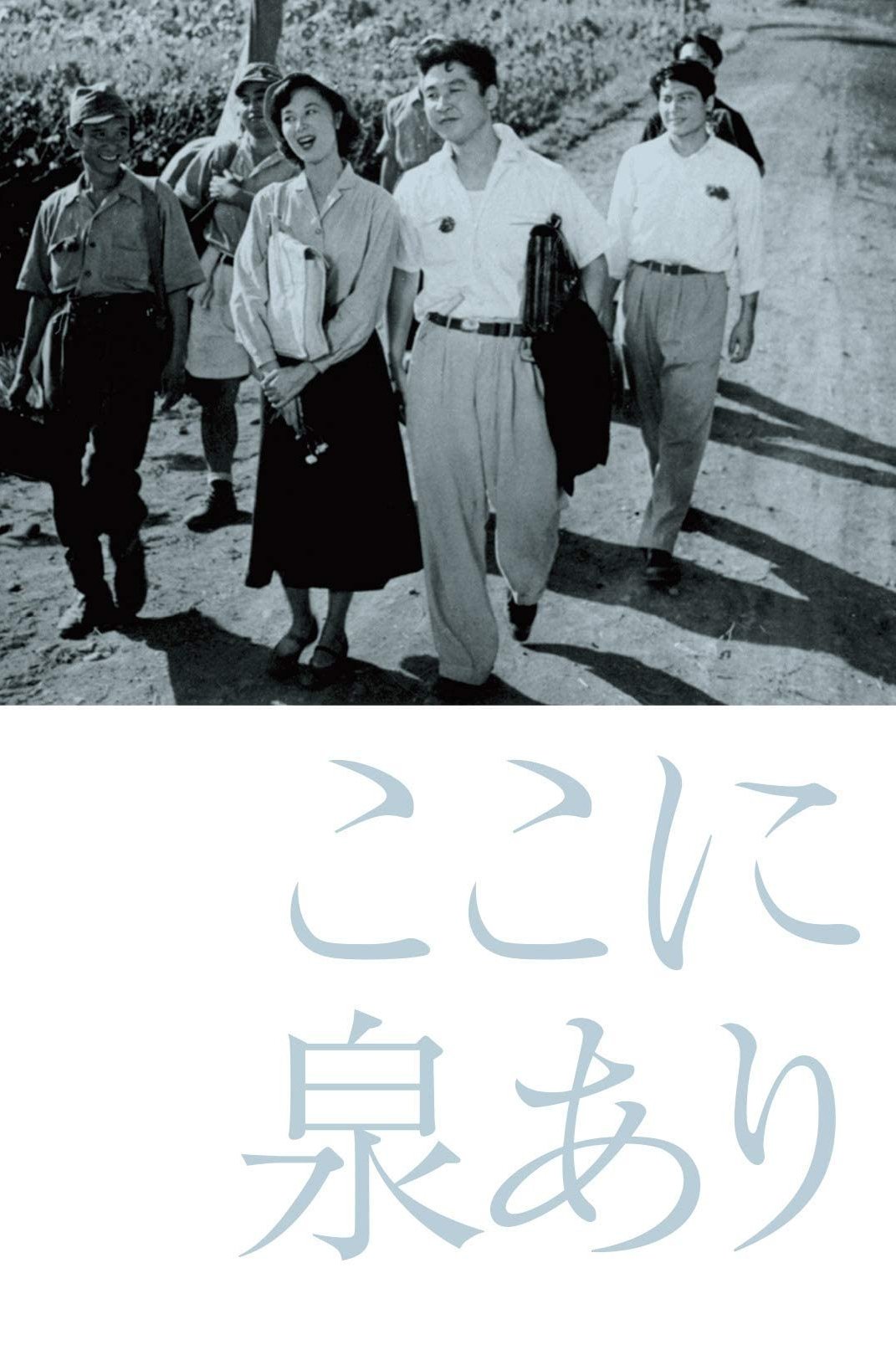
The story of a group of young people who organise their own travelling symphony orchestra to provide music for people living in remote villages shortly after the war.
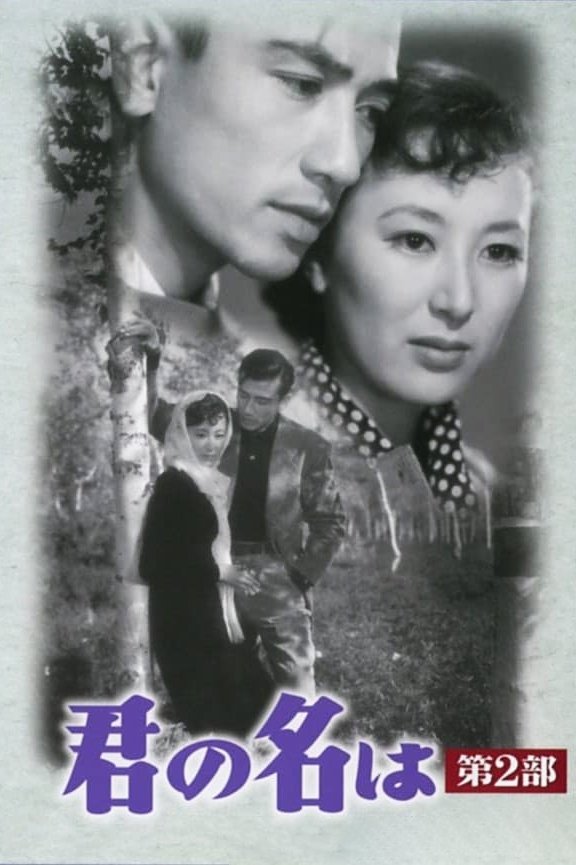
Machiko and Haruki’s drama continues. Two meet again in Hokkaido only to be separated again.
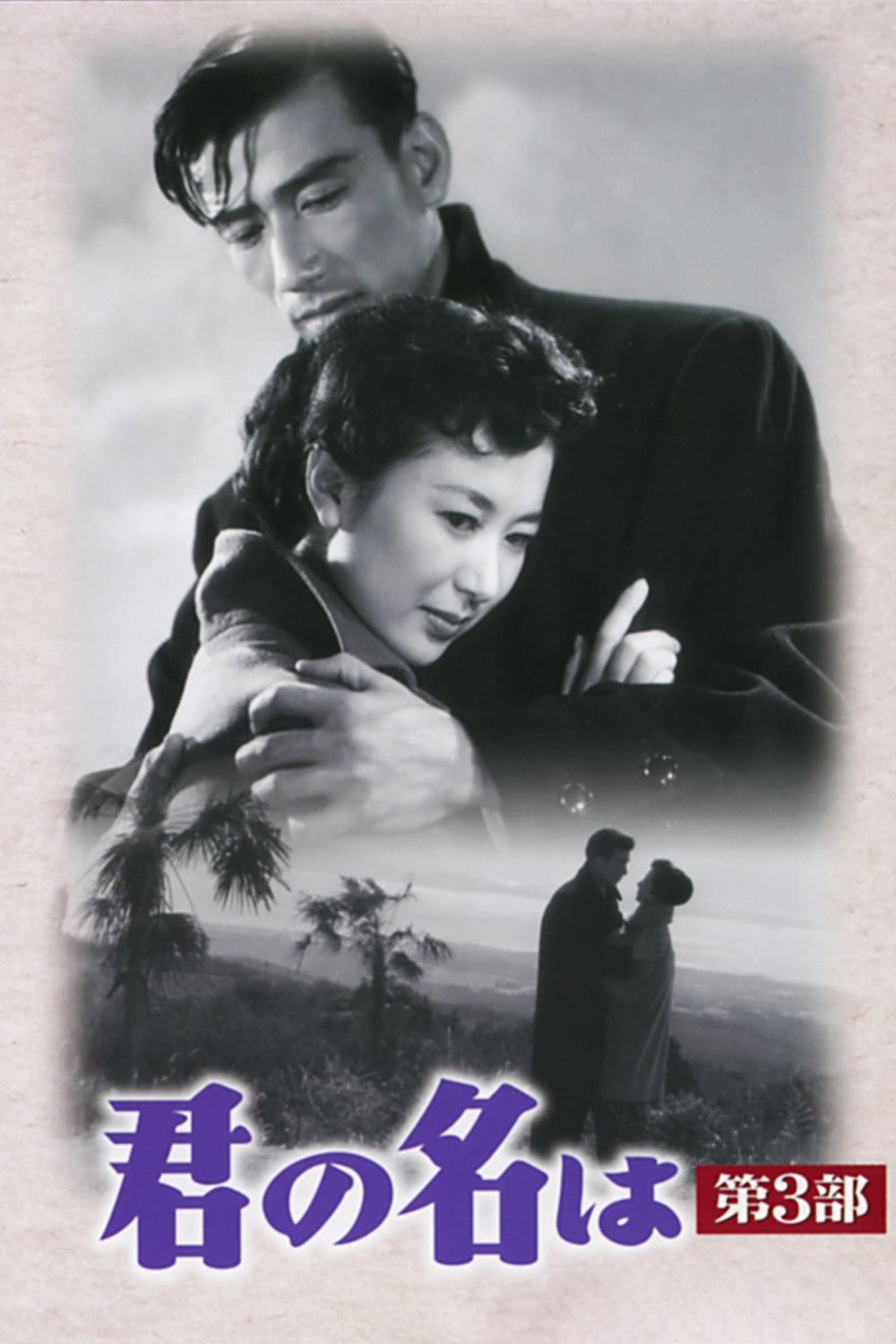
Machiko and Haruki’s drama continues. Machiko is not allowed to see Haruki. They finally meet again, but Haruki departs to Europe.

Vincent is recovering from a nervous breakdown in a seaside village on the Costa Brava. He enters into an affair with nightclub owner Jenny, but their relationship changes when she falls for alcoholic author Pascal Regnier, who is struggling to resume his writing career. Vincent eventually returns home, leaving Jenny to stay on with Pascal and his young son Daniel.
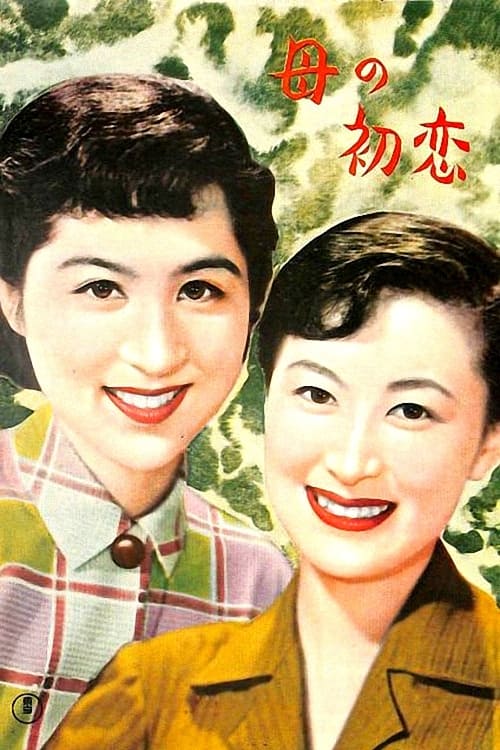
A melodrama based on the novel by Yasunari Kawabata, telling about the tragic fate of a mother and daughter who are attracted to the same man.
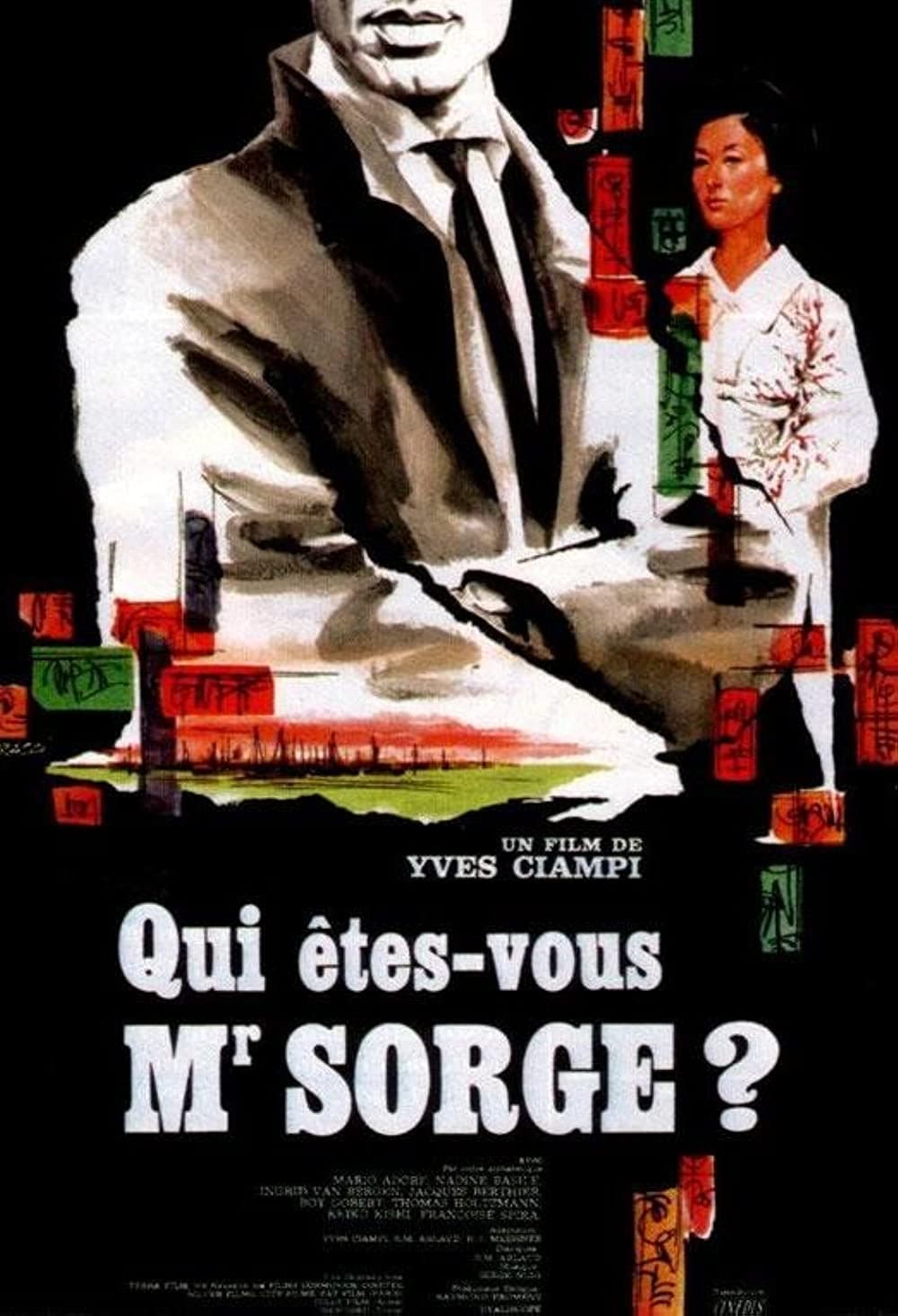
French docu-drama which chronicles the chain of events that lead to the hanging of German-journalist Richard Sorge, who was executed in 1944 after he was found supplying classified information to the Russians.
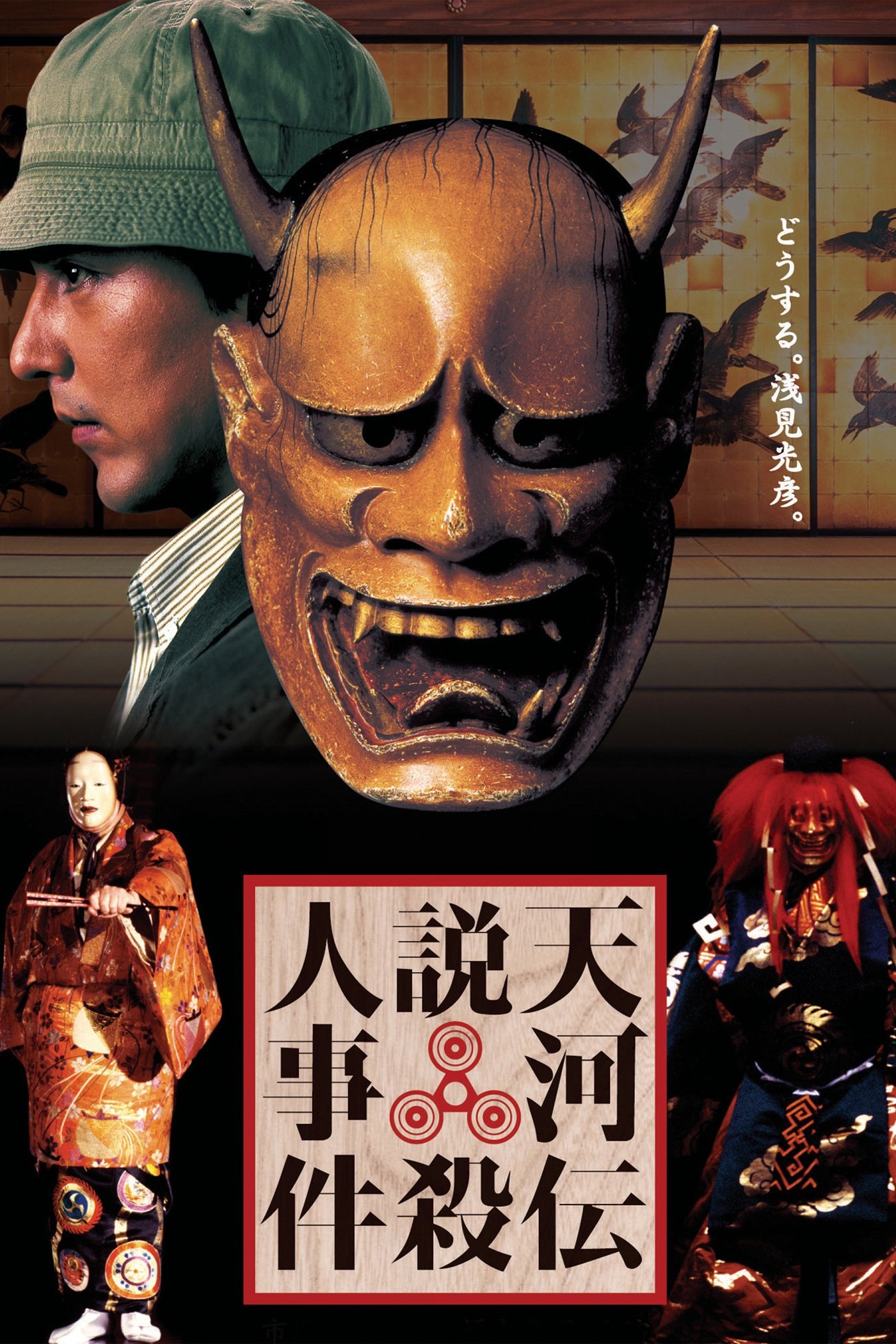
The patriarch of a bickering family announces his retirement, stirring competition about who will succeed him as a leading practitioner of Noh theater, his granddaughter or grandson.
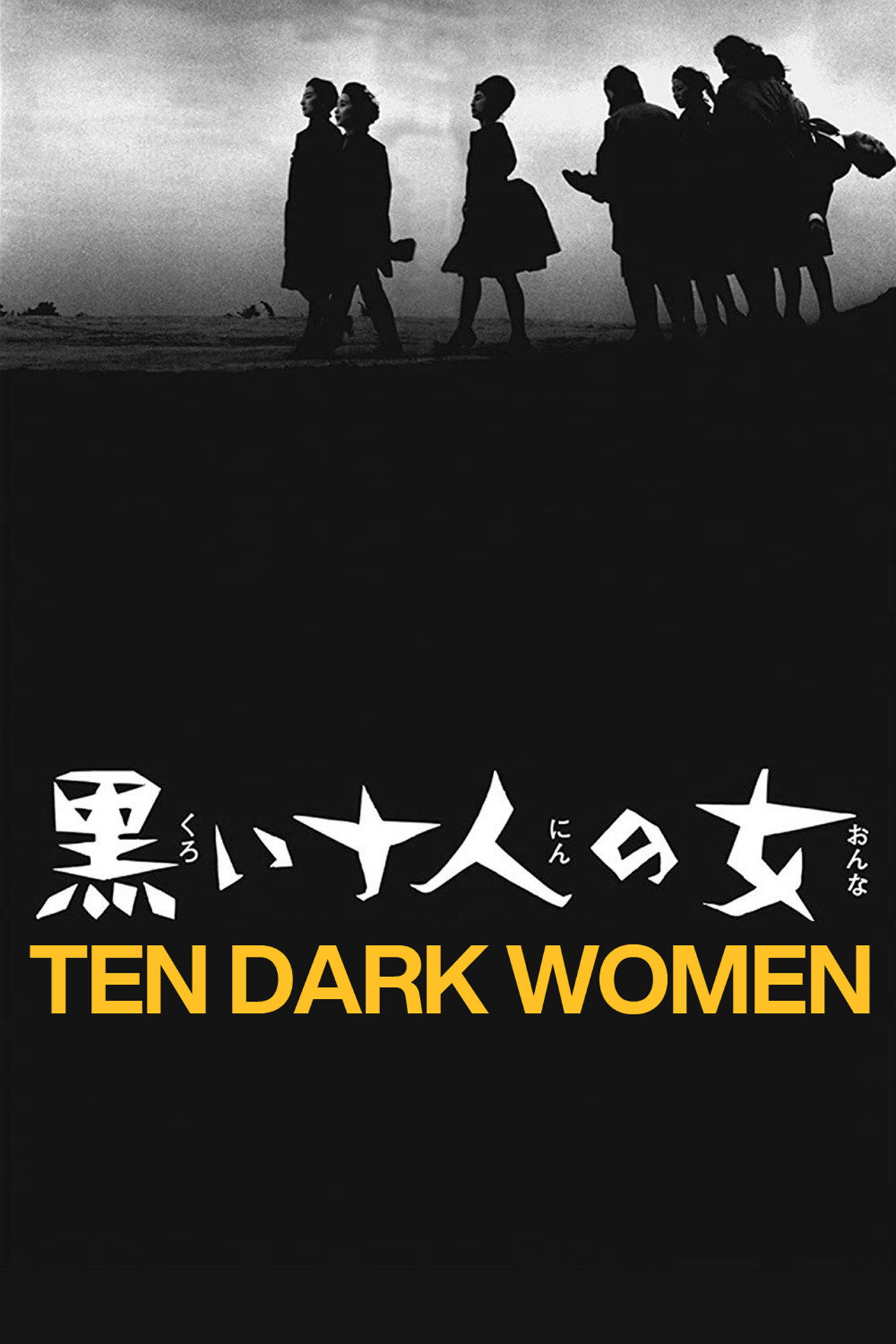
Kaze is a philandering TV producer. His wife and nine of his mistresses conspire to kill him. However each woman would rather keep him alive, as long as she was the only woman in his life.
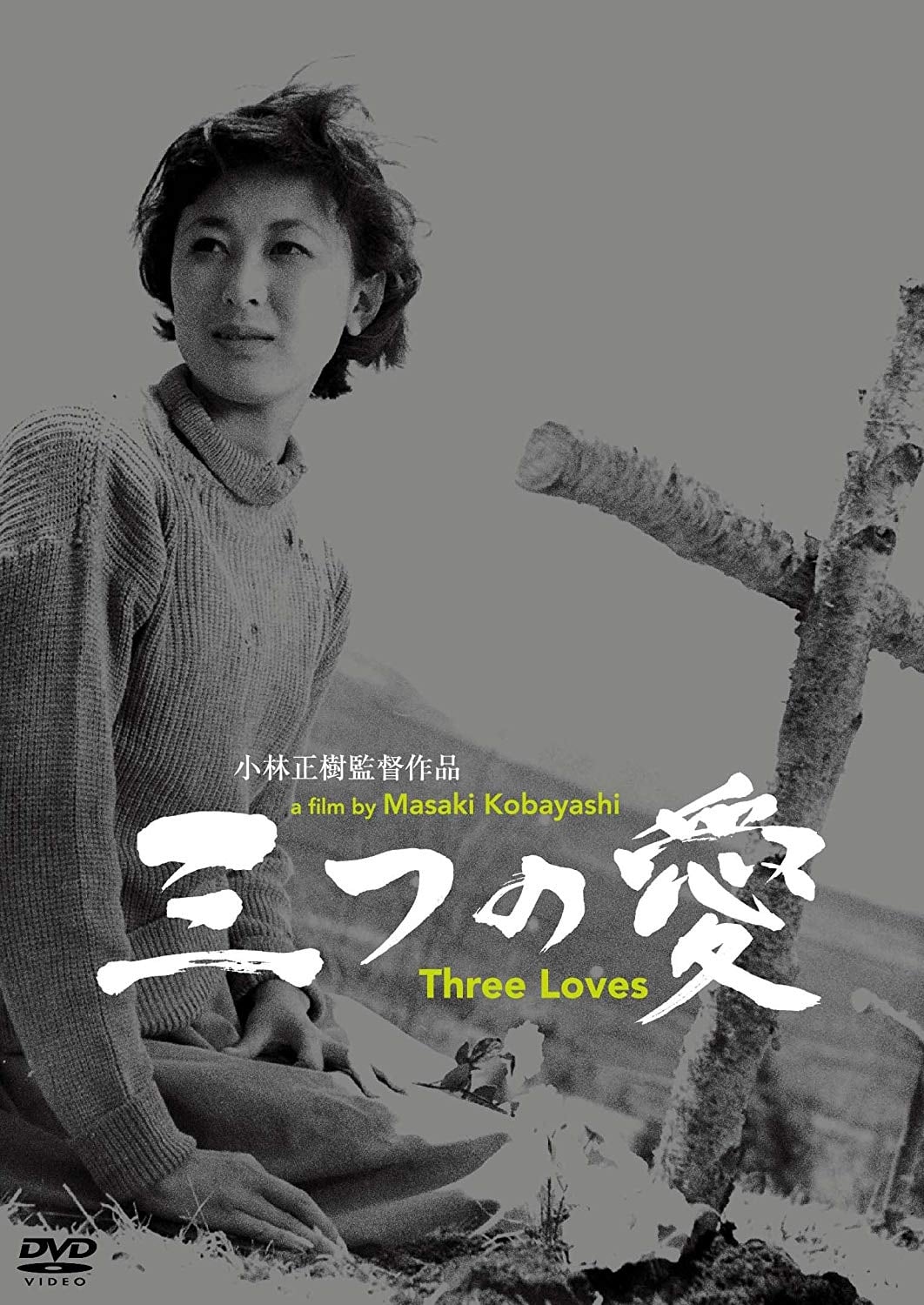
In a mountain village, Heita, a translator's son, is a gifted boy but is shunned by the villagers. He can imitate birds' cry and befriends another boy who works in a brewery. Heita also finds solace in the village pastor Yasugi and his teacher Michiko, but they too have problems of their own.
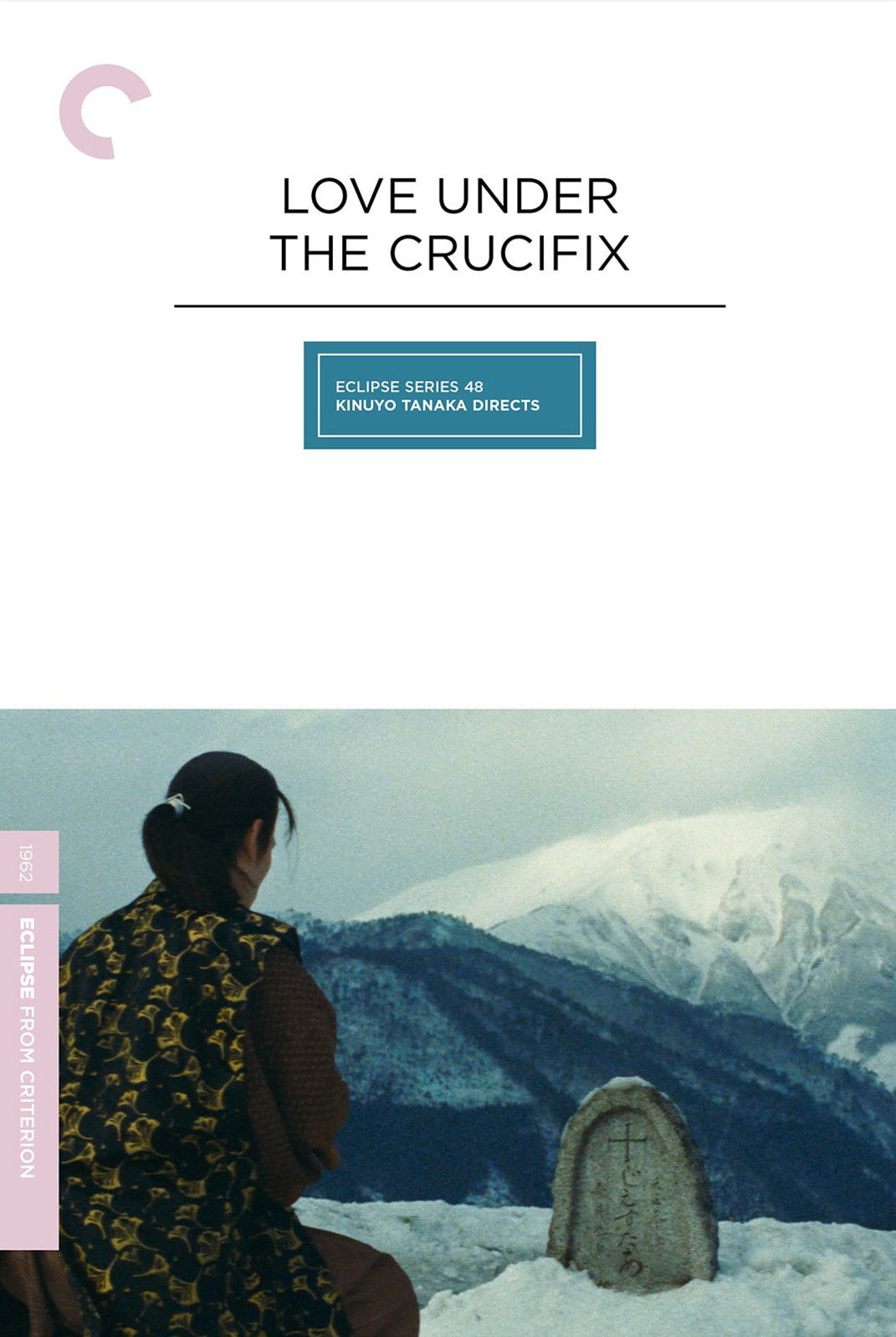
A tea master and his daughter Ogin are both Christians in feudal Japan. Ogin falls in love with a married feudal prince who shares her faith. When the Shogun bans Christianity, the situation worsens.
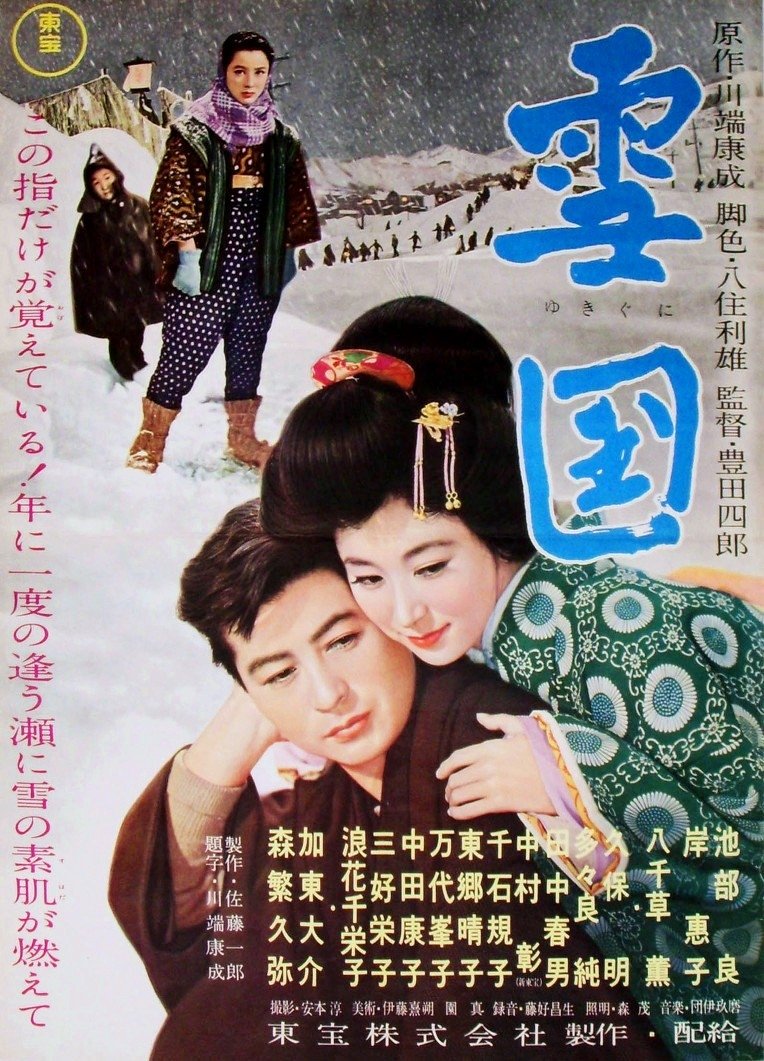
It's a man's world. Shimamura, an artist, comes to this snowbound town to rejuvenate himself. He connects with Komako, a geisha he met on a previous trip, and it seems like love. She's the foster daughter of a local family, almost engaged to the family's son Yukio, now dying of consumption. He's tended by his sister Yuko who's angry at Komako for abandoning her brother. Shimamura returns to Tokyo but promises he will be back soon. In anticipation of his return, Komako breaks with her patron and her family loses their home. Complications arise when Shimamura doesn't come back as promised. Then Komako discovers that he and Yuko knew each other in Tokyo. Can Komako escape destiny?
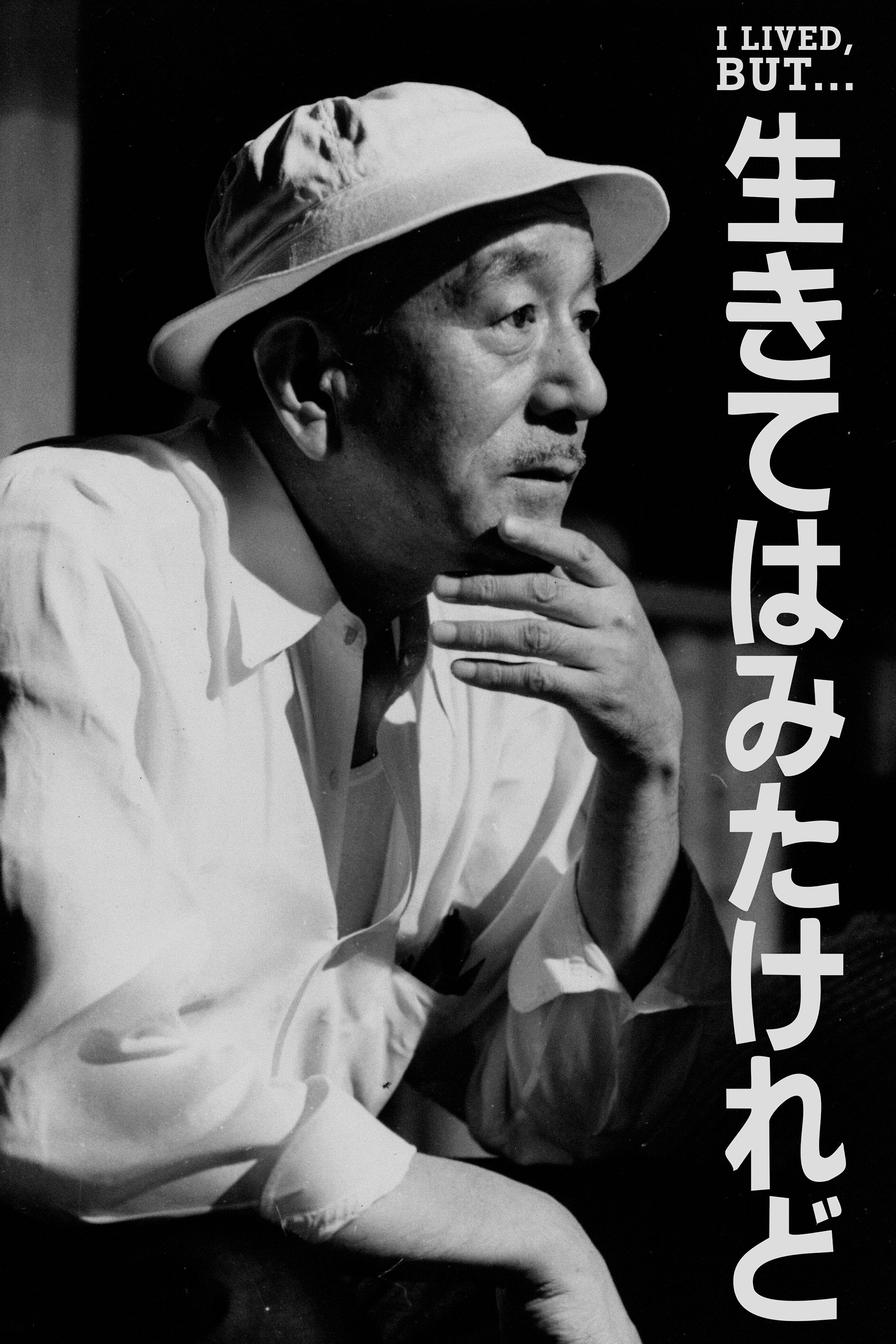
An extremely lovely tribute to Ozu, on the 20th anniversary of his death. It uses a combination of footage from vintage films and new material (both interviews and Ozu-related locations) shot by Ozu's long-time camera-man (who came out of retirement to work on this). Surprisingly (or perhaps not), it focuses less on Ozu's accomplishments as a film-maker than on his impact on the lives of the people he worked with..
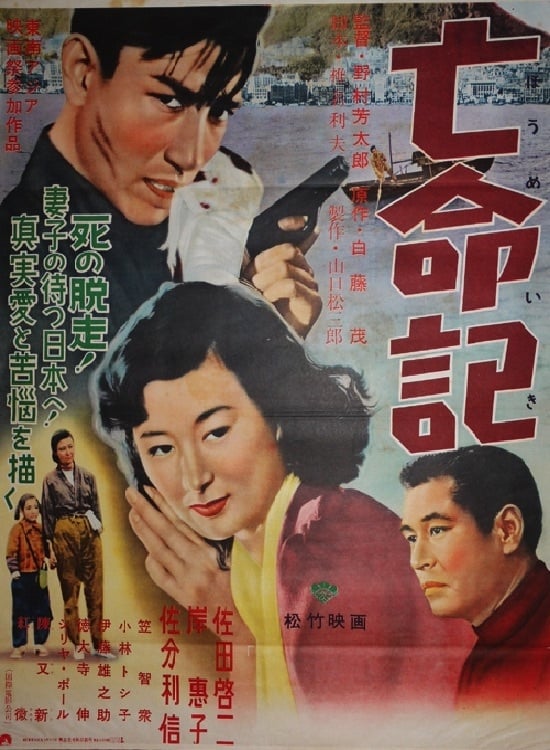
A Chinese medical student named Gan Shosho finds himself cut off from his homeland as he is studying in Japan during the outbreak of the war. Despite his difficult circumstances, he finds love in the form of Sachiko and the two marry. They later travel to Nanjing to live a new life together where Sachiko and Shaochang cooperate with the Japanese-backed government. Their ultimate hope is to secure peace but their idealism is not enough to keep them together through brutal times and with the end of the war the two find themselves facing a divorce... --Osaka Asian Film Festival
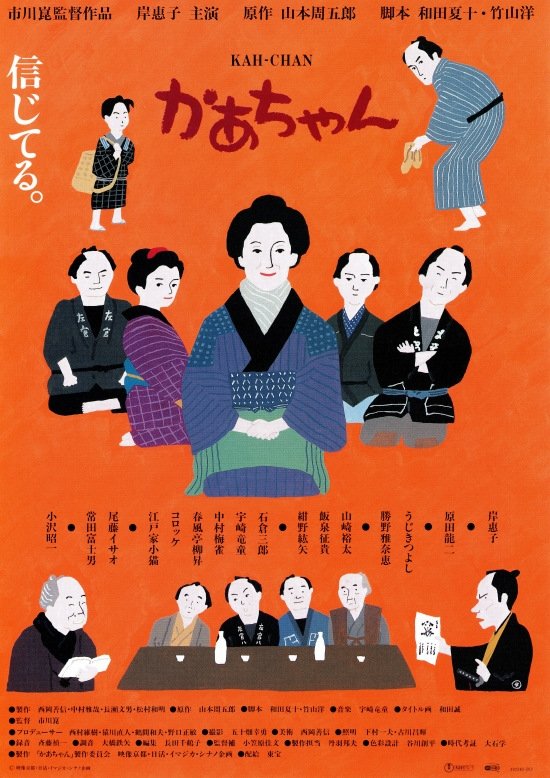
Okatsu is a widow raising five children - adults but still mama-dependent - in mid-eighteenth century Edo, Japan. Her frugality attracts unflattering comment even amid national tough times (the region is in famine) What Okatsu tells no one is that she saves so that a friend can start his own business once he's released from prison.
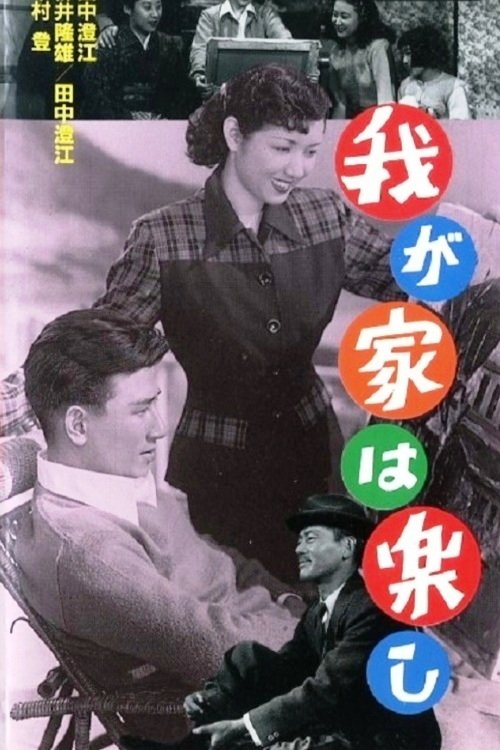
The Ueki family may not be wealthy, but smiles are never in short supply. The father is awarded prize money for 25 years of service to his workplace, but has it stolen on the way home from the ceremony...
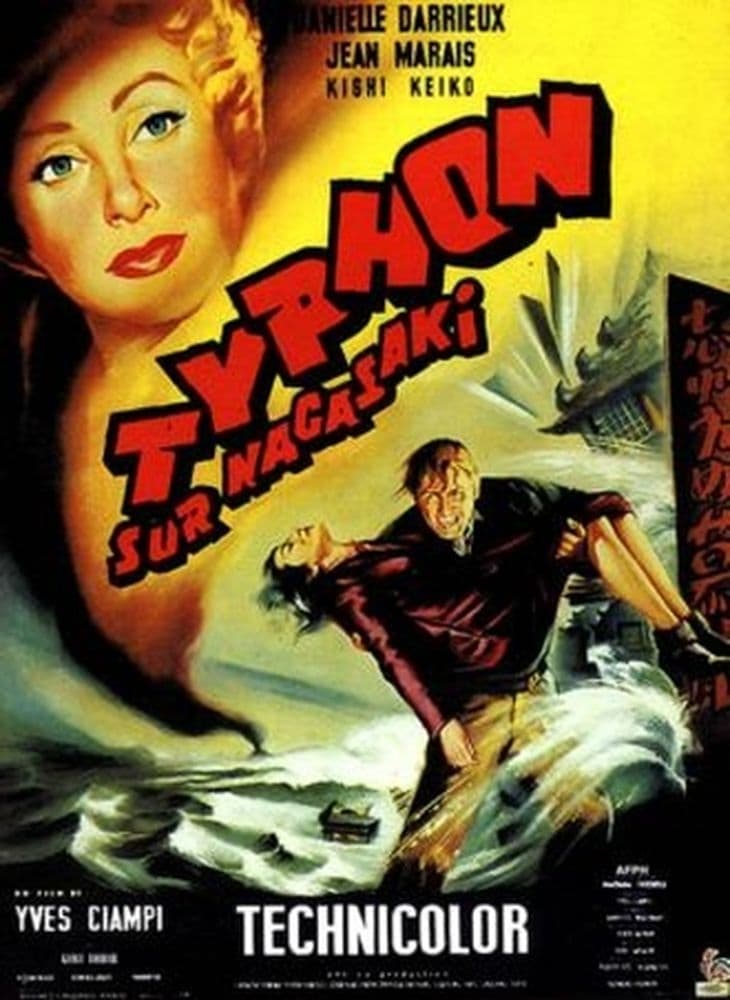
Pierre Marsac, a French engineer working for the Nagasaki shipbuilding yards, has fallen in love both with Japan and a charming Japanese girl named Noriko. But Françoise Fabre, a French journalist and Pierre's former lover, contacts him while visiting the Land of the Rising Sun. They meet again, find out their love might not be dead. Meanwhile, Pierre gradually becomes estranged from sweet, humble Noriko. One day, a typhoon strikes Nagasaki...
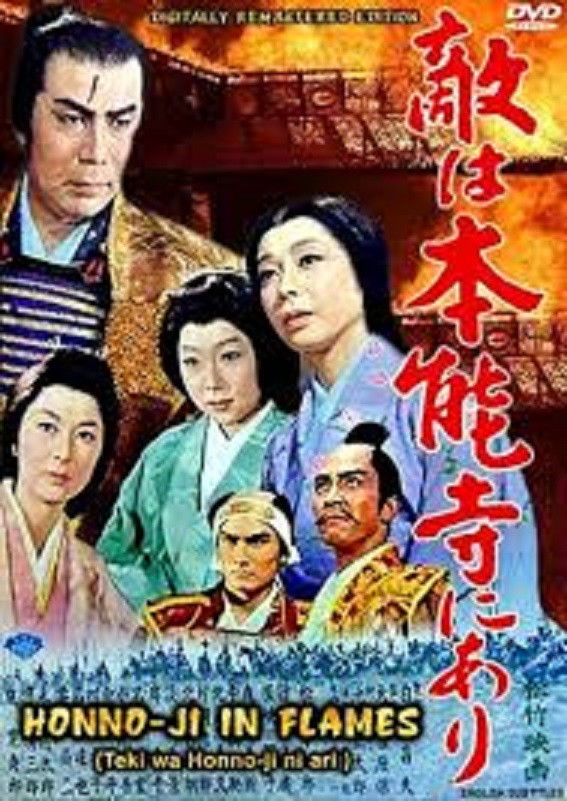
The plot is based on the novel "Akechi Samanosuke no Koi," the final work in a trilogy by Hiroshi Kato about the forced suicide of Oda Nobunaga at the temple Honnoji. Historically, the general Akechi Mitsuhide is credited with causing Nobunaga's downfall. Kato's novel focuses on Mitsuhide's nephew Samanosuke, who fought alongside his uncle during the assault on Honnoji.
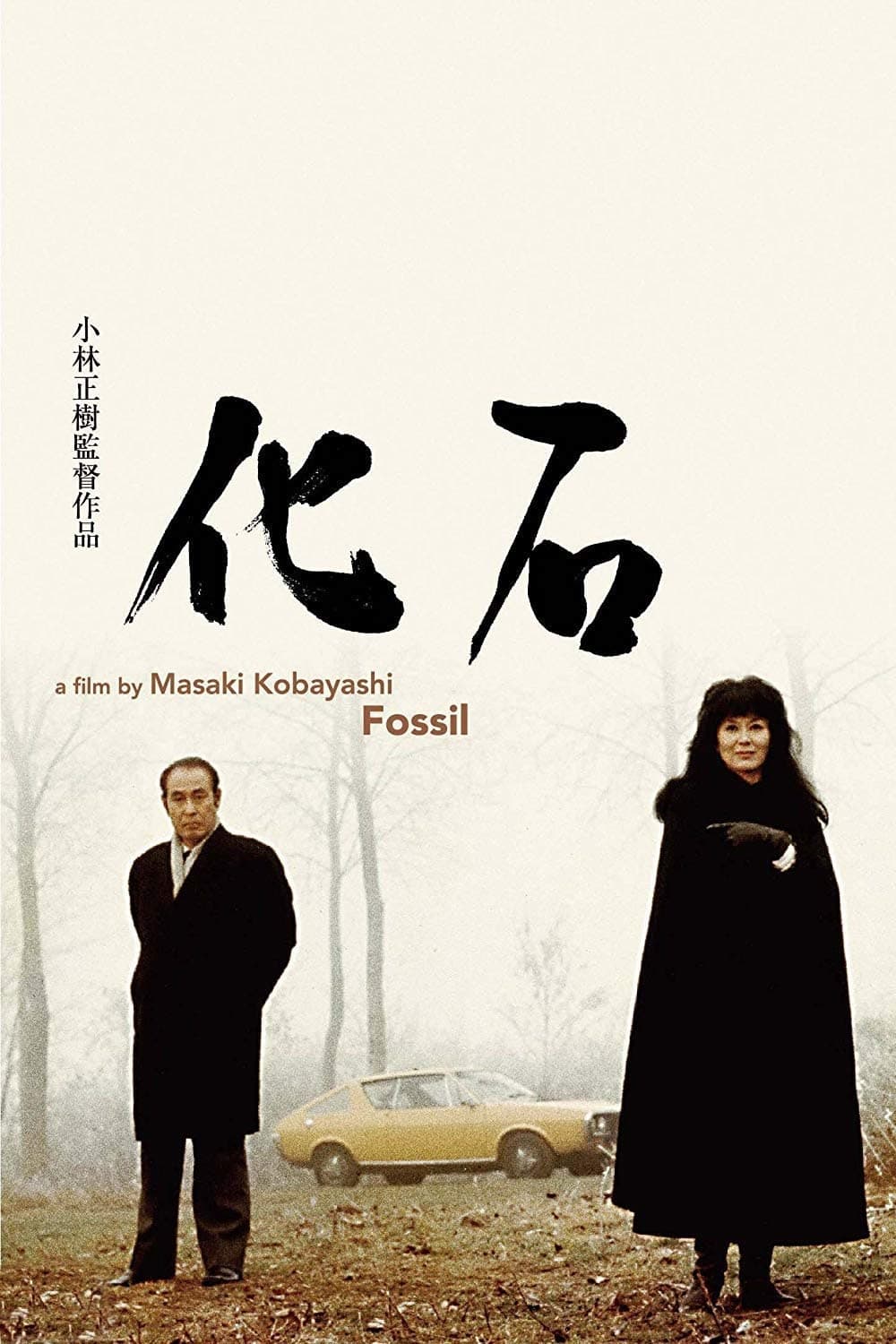
An industrialist is diagnosed with terminal cancer. He is abroad in Europe at the time, and a glimpse of a Japanese woman in that setting causes him to imagine her as the personification of his impending fate. As his dialogue with his imagined mortality continues, he meets the living woman, the template for his fantasy, and together, they tour rural churches. Gradually, he comes to some kind of peace about the diagnosis. When he returns to Japan, he is met with a series of challenges that profoundly test the lessons he has learned.
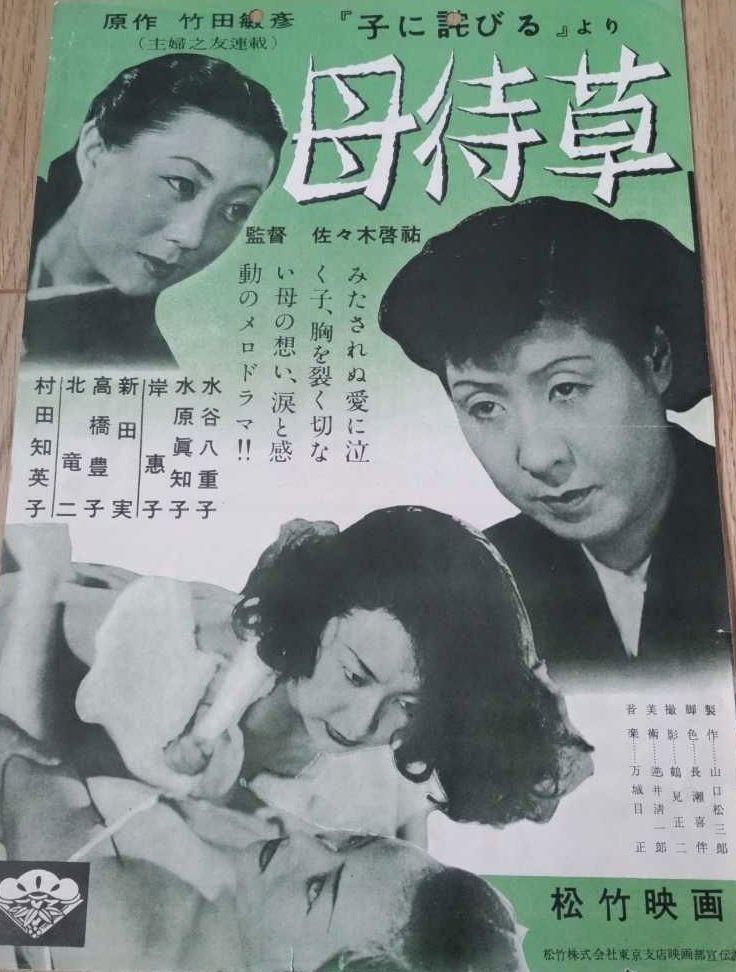
Asako works in a hostel for troubled young women. When a beautiful young girl is brought in one day after committing theft, Asako finds out from the older widow she works with that the new girl is undoubtedly her half-sister. When the younger sister suddenly flees on account of a misunderstanding, Asako makes up her mind to find the mother who deserted them both.
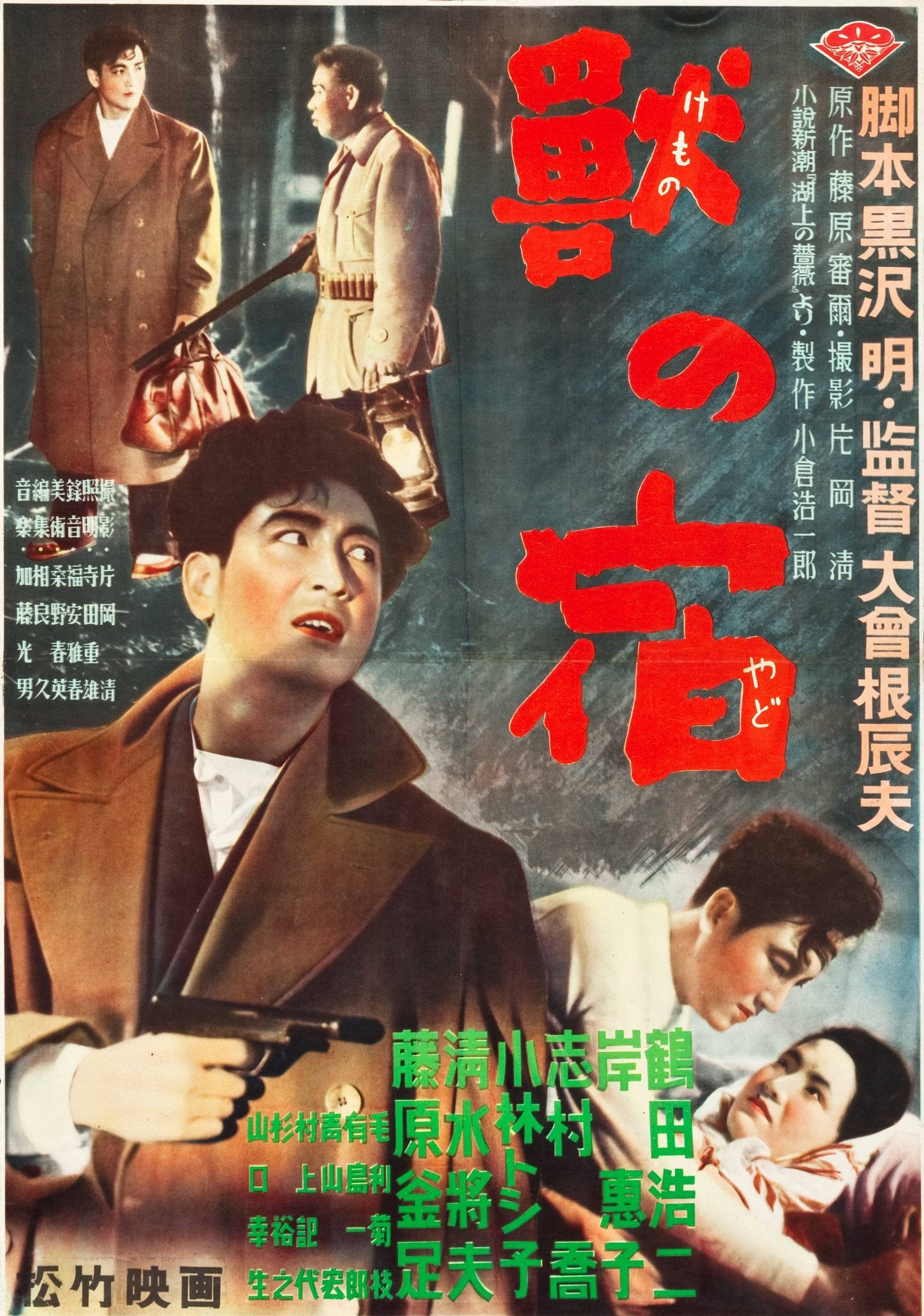
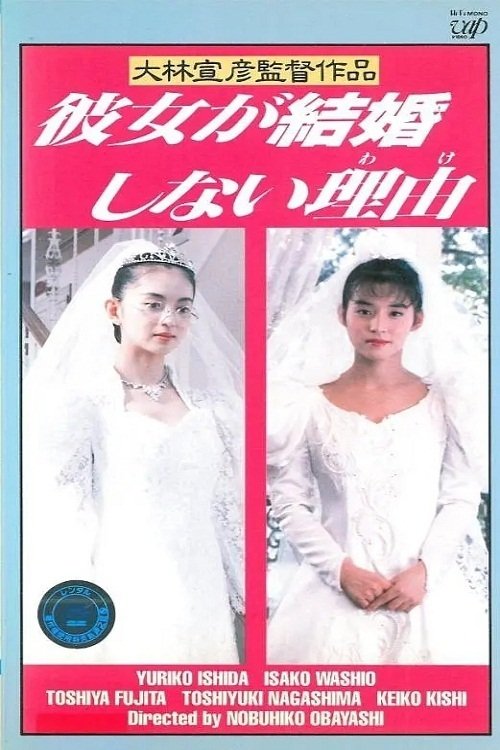
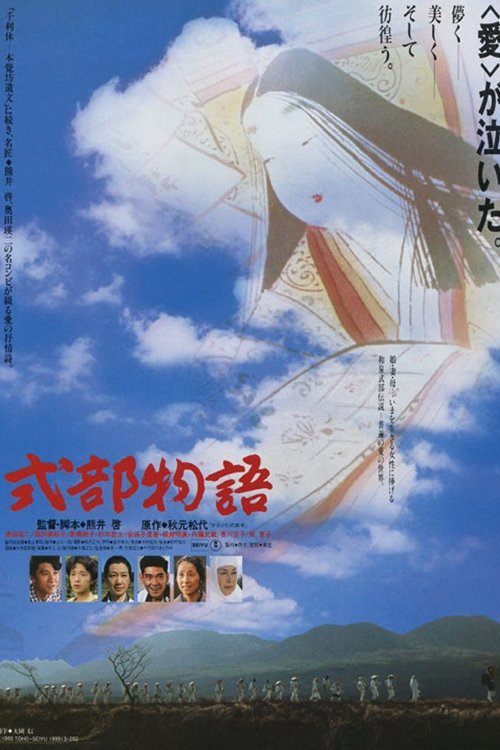
Toyoichi Otomo suffers from psychological and spiritual troubles after a horrific industrial accident. He lives with his elderly mother and wife near Mt. Aso in rural Kyushu. He seeks solace in a small religious group run by Buddhist nun Chishu-bo who claims to be the 68th descendant of famed 11th century poet Izumi Shikibu. The members of her sect regard her as a living saint. Yet instead of balming his soul, she riles his libido by playing a sexual cat-and-mouse game with the fragile Toyoichi. When she does bed him, it leads to a miracle healing -- followed by a terrible calamity.
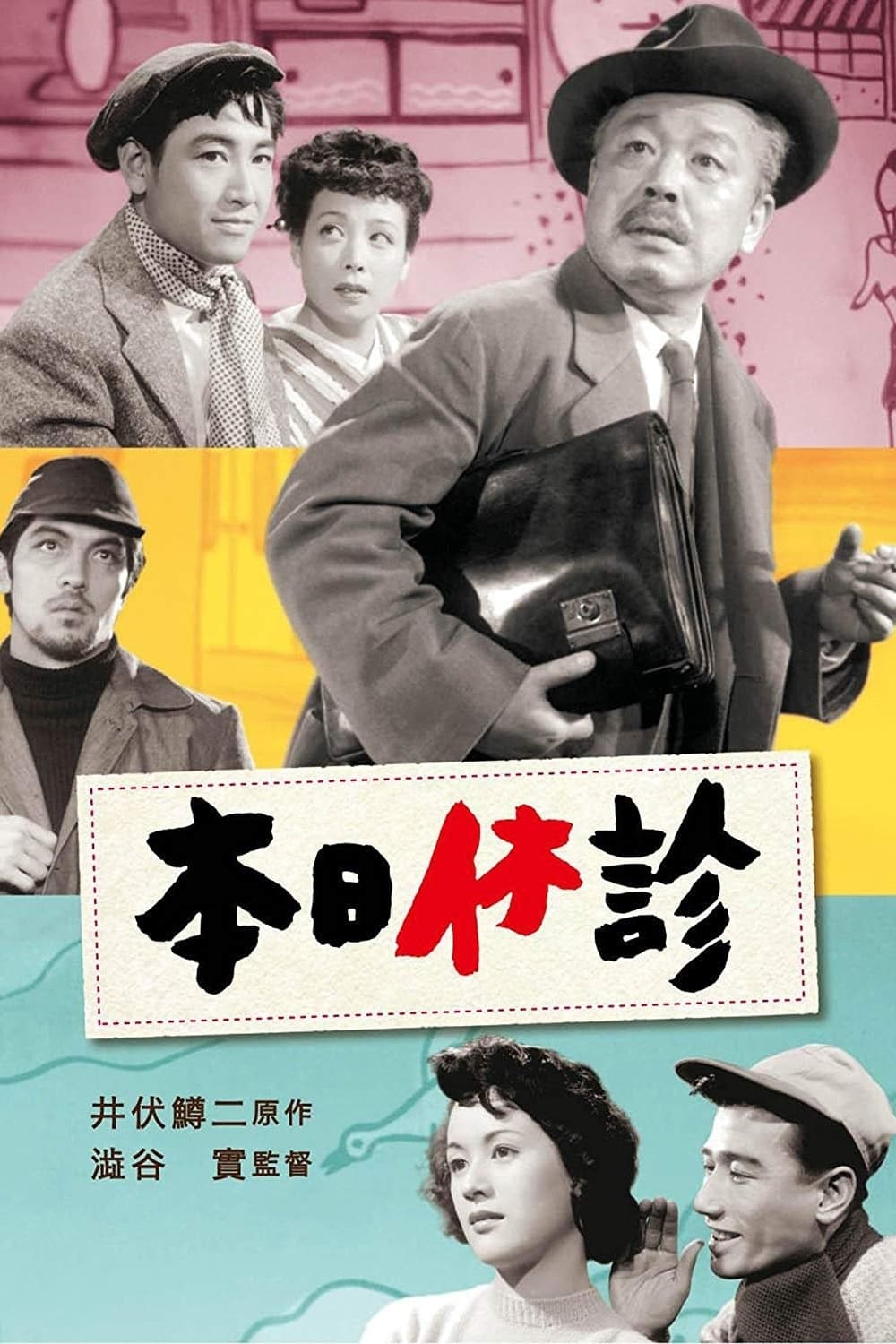
Having completed the first year at his new medical practice, a doctor plans to relax on his day off. However, it is not to be: on this hectic day a man just back from the war front visits the doctor with a medical emergency, followed by a woman who claims to have been molested. Then a yakuza arrives to ask the doctor to cut his finger off...
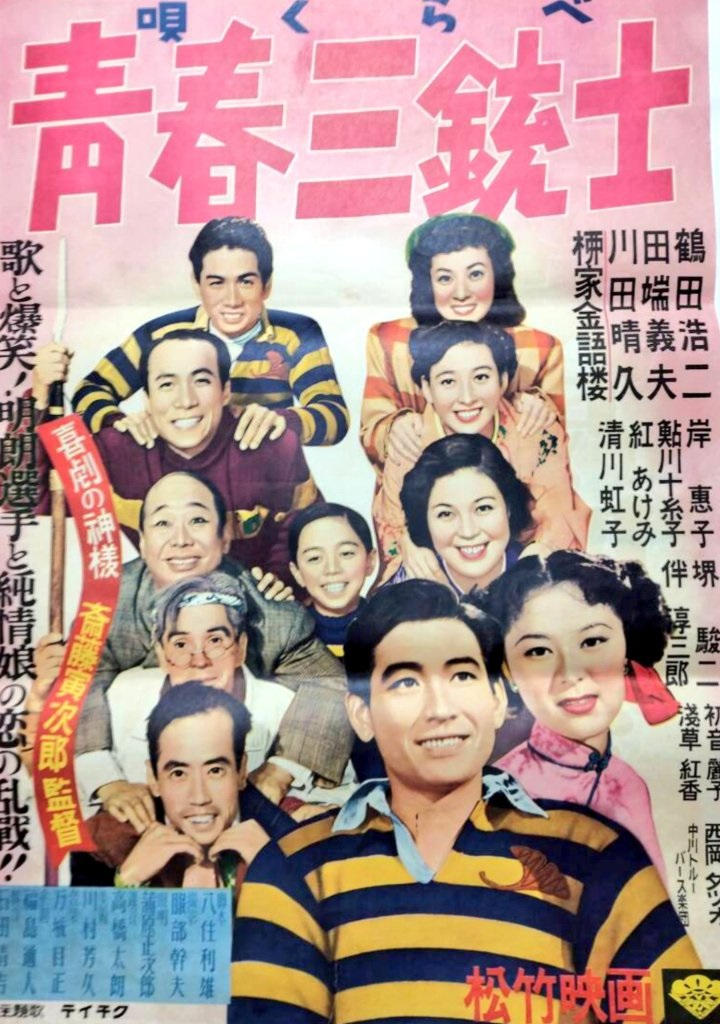
Saito Torajiro directed this light comic musical about the lives and loves of three cheerful, lively young men on the R University Rugby Club, Toshio (Tsuruta Koji), Kenkichi (Tabata Yoshio), and Shunzo (Kawada Haruhisa).
In 1943, as Japan's WWII effort falters, a vice-admiral proposes training squadrons of "volunteer" flyers to crash their armed planes into Allied warships. Yarn follows the lives of kamikaze pilots, as remembered by an aging Kyushu restaurateur who cherishes their memory. Honoring the dead and multiple military anthems may stir the soul of some Japanese, but elsewhere auds will make a one-way trip for exits. Battle scenes are well-executed and script delivers some memorable scenes, but overall competent helming and thesping are powerless over writer-cum-Tokyo governor Shintaro Ishiara's repetitive storytelling. A post-war postscript adds considerable length to an already over-extended narrative. Tech credits are good quality.

An atypical and little-known filmmaker, Yves Ciampi nevertheless left his mark on French cinema. Sébastien Le Pajolec and Pascal-Alex Vincent, university lecturers, along with Delphine Ciampi, musician and daughter of the filmmaker, paint a portrait of him interspersed with excerpts and previously unseen archive footage.
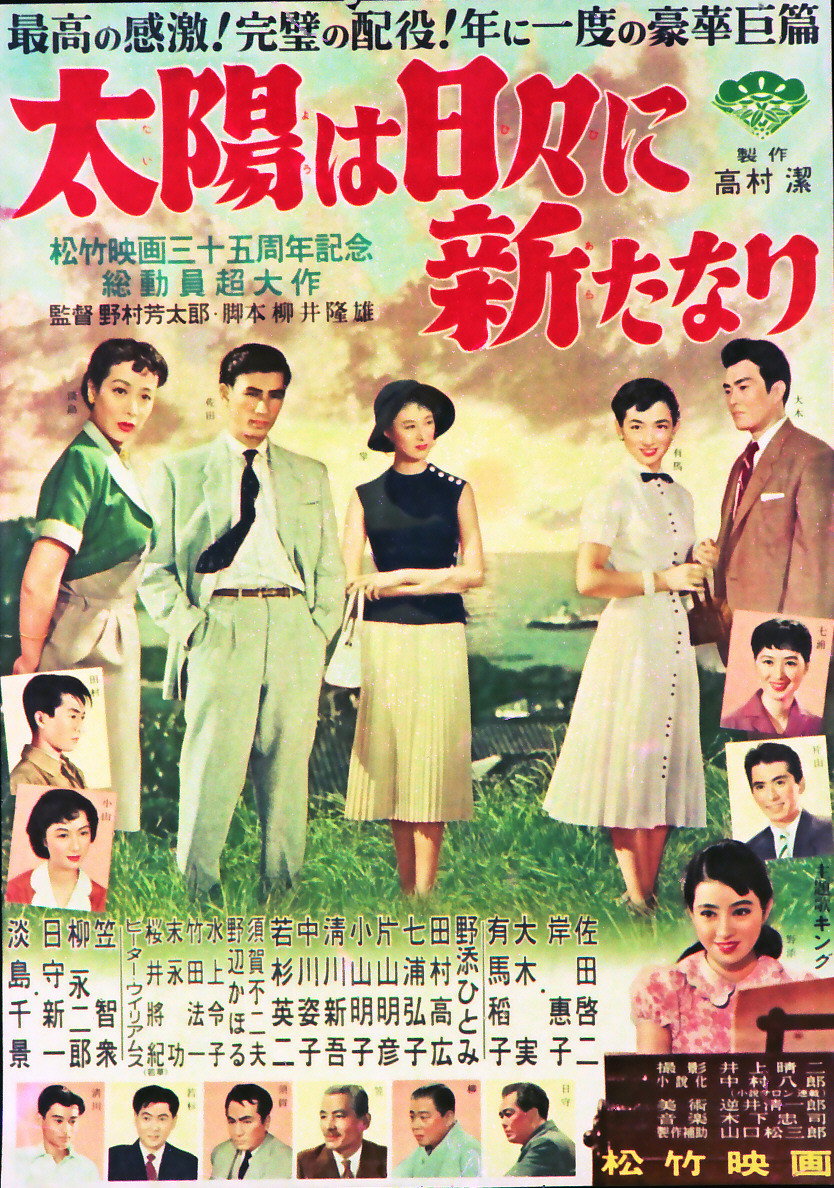
Akiko divorces her husband Fujikawa due to his infidelity, and when she returns to her parents' home, she finds that her family's toy factory is in decline, and she has to work hard to rebuild it. Thanks to the mediation of Niimura, who is a close friend of her brother Shinichi and has feelings for Akiko, they are able to secure a sales contract with a foreign trading company for the toy that Shinichi invented. However, Fujikawa, who has a grudge against Akiko, begins to interfere by making cheap imitations...
Produced by Shochiku’s all-star cast as a commemorative film to mark the completion of the “Shochiku Kaikan” in Tsukiji, Tokyo, this movie introduces both the Shochiku Ofuna and Kyoto studios. Part One focuses on the studio’s behind-the-scenes staff: set designers, prop masters, and lighting technicians. Part Two presents a digest-style overview of the process surrounding a young woman who auditions for the “New Faces” program, from the auditions to her debut as an actress.
