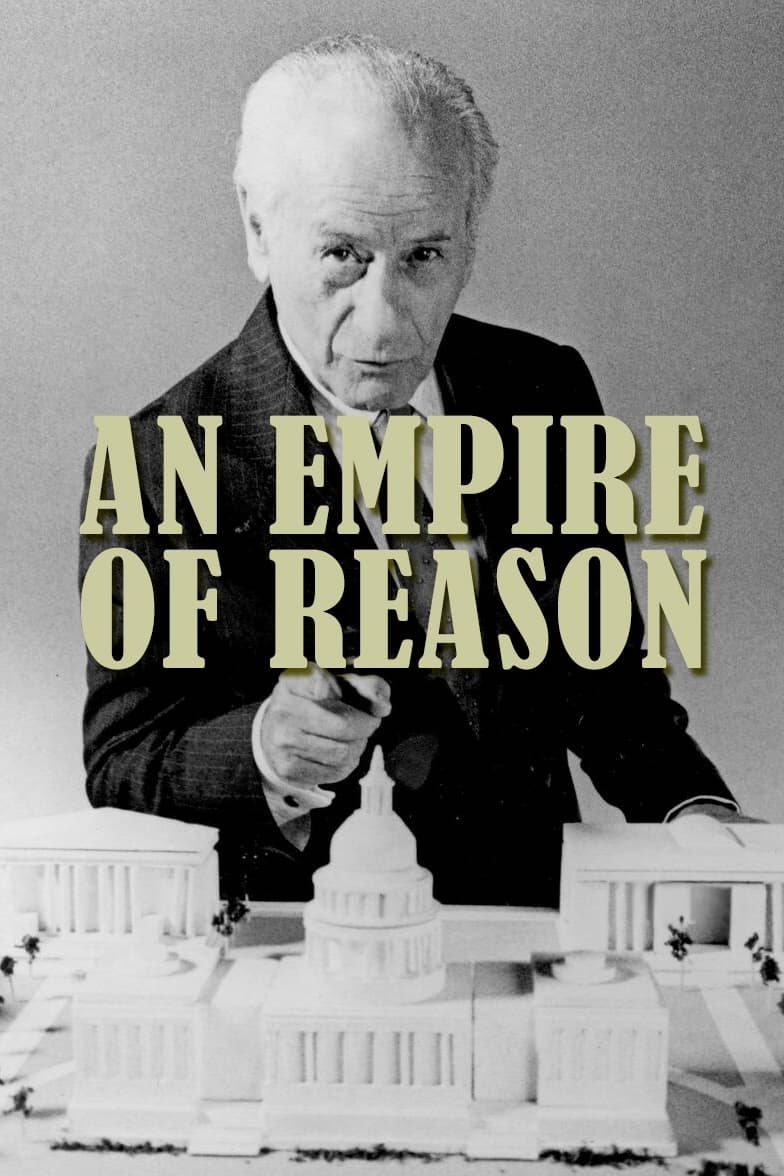
Docudrama about the debate surrounding New York State's ratification of the United States Constitution. Historical figures wear modern dress and use familiar language to help today's audience understand firsthand the forces that shaped this country two hundred years ago. The argument, characters, passions and debating points are historically accurate, but the language and the medium of the debate is modern in form. Present day newscasters and commentators play themselves, reporting on the events of the 1780s as though they were occurring now.

From 1971 to 1973, Richard Nixon secretly recorded his private conversations in the White House. This film chronicles the content of those tapes, which include Nixon's conversations on the war in Vietnam, the Pentagon Papers leak, his Supreme Court appointments, and more--while also exposing shocking statements he made about women, people of color, Jews, and the media.
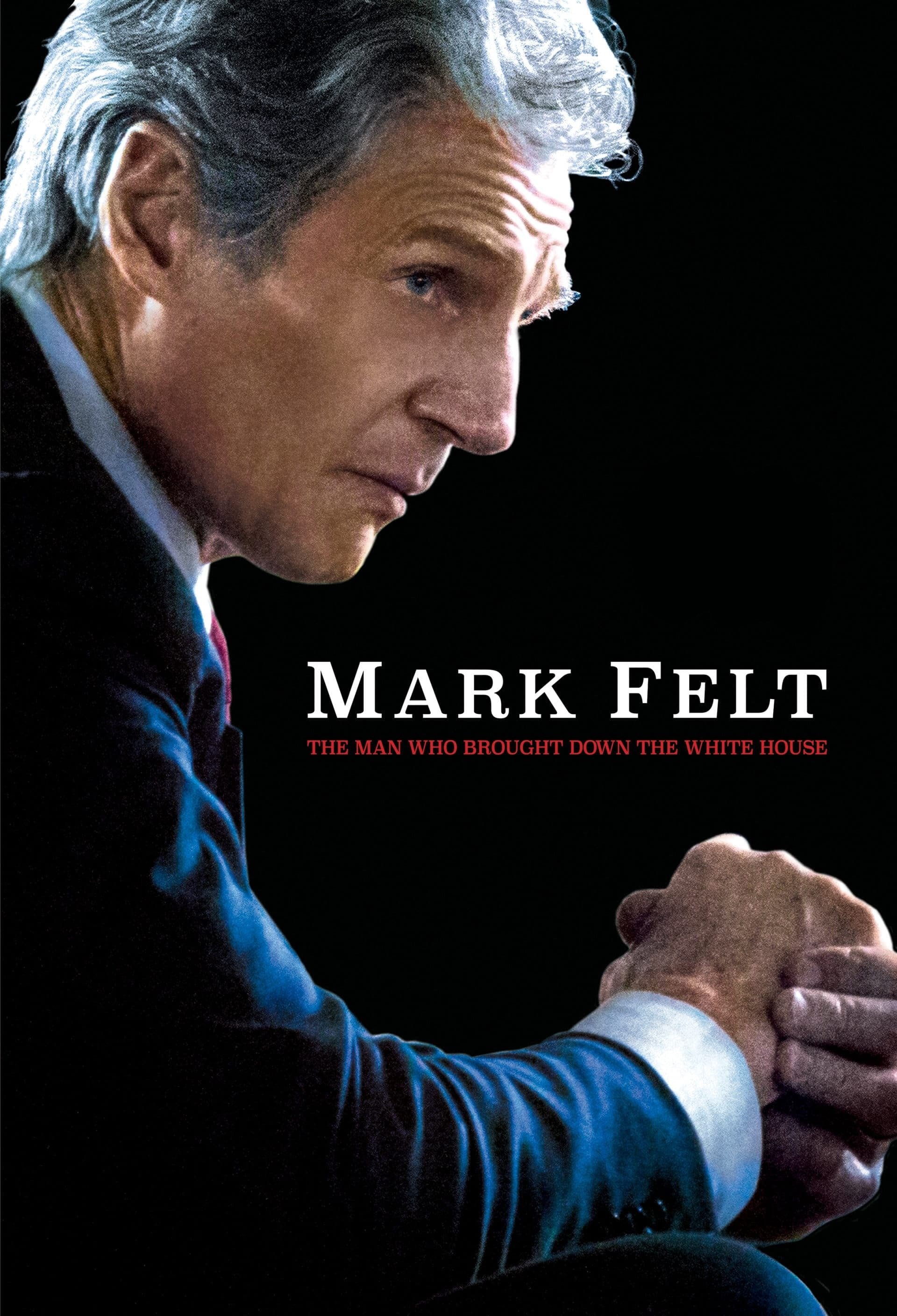
The story of Mark Felt, who under the name "Deep Throat" helped journalists Bob Woodward and Carl Bernstein uncover the Watergate scandal in 1974.
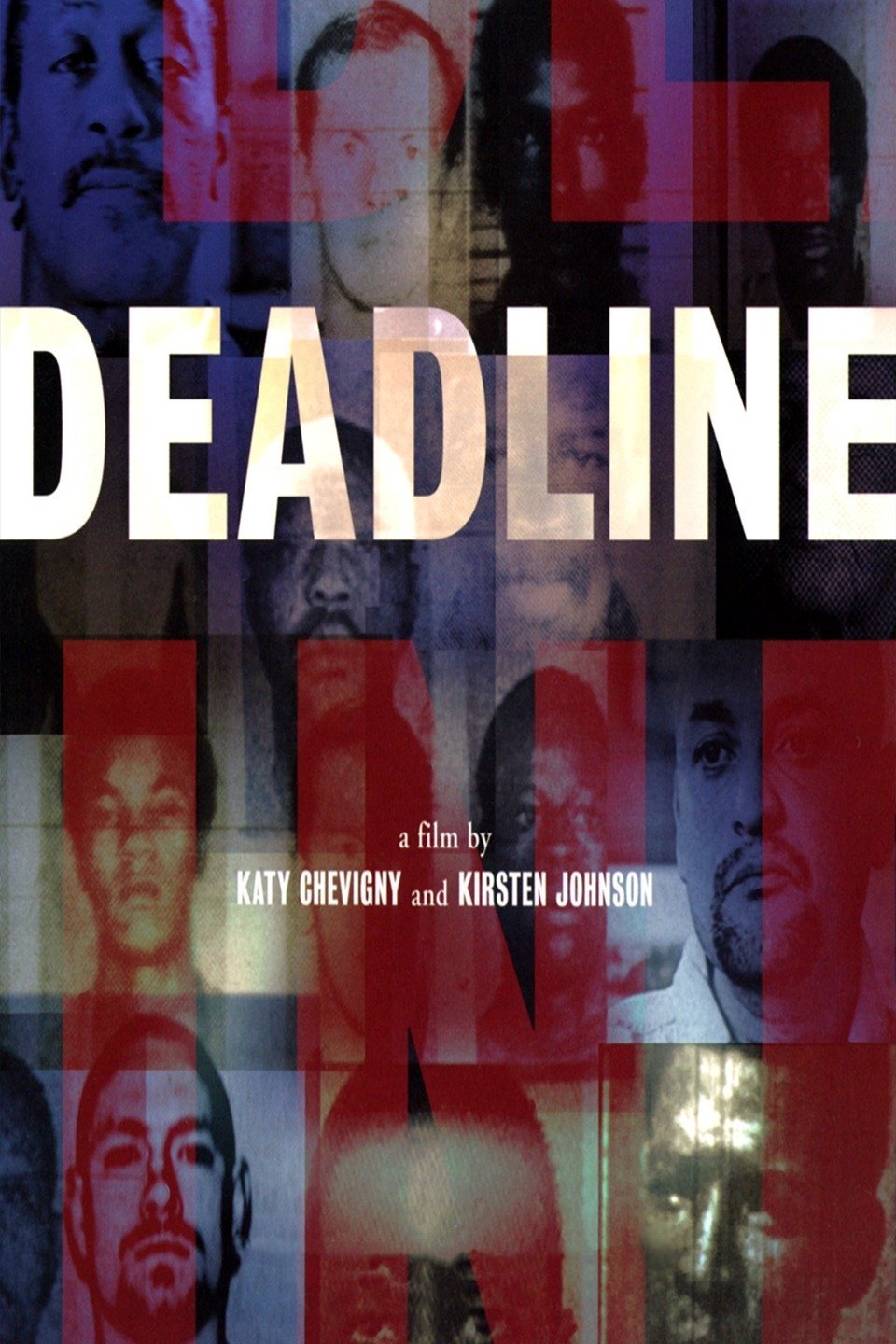
In 2000, Illinois Gov. George Ryan ordered a moratorium on the death penalty after university students uncovered new evidence proving the innocence of 13 men on death row. This documentary follows the hearings held by a panel Ryan appointed to study the issue and interviews activists, scholars and prisoners, while examining the history of the American death penalty. As Ryan's time in office comes to an end, he must decide what steps to take to reform the judicial system.
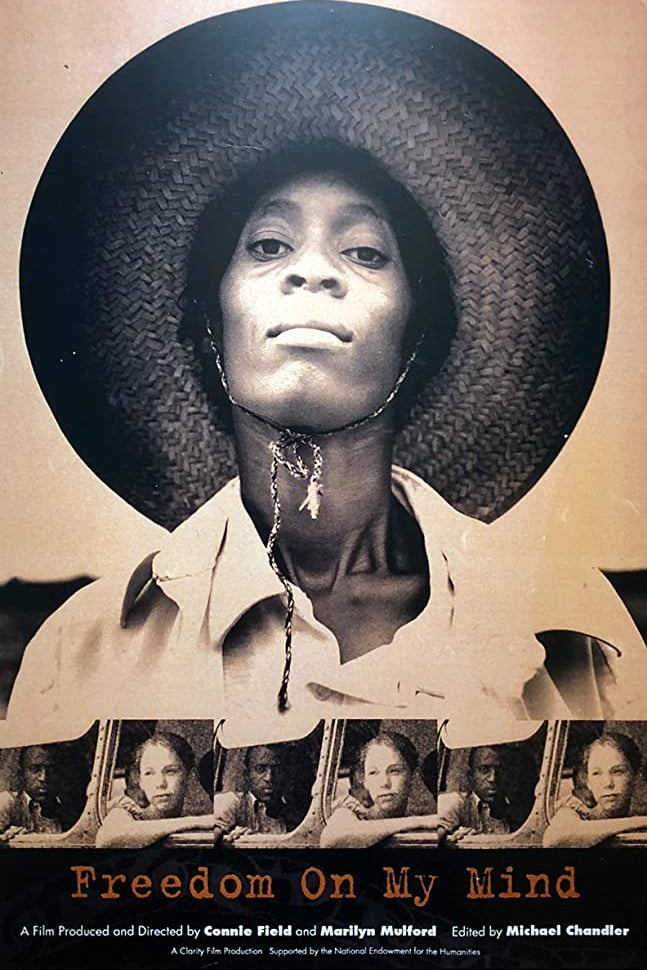
Chronicles the Mississippi voter registration drive from 1961-1964.
In 1975, as America faced social and political upheaval, filmmakers turned chaos into art.

Those who knew iconic funnyman John Candy best share his story, in their own words, through never-before-seen archival footage, imagery, and interviews.
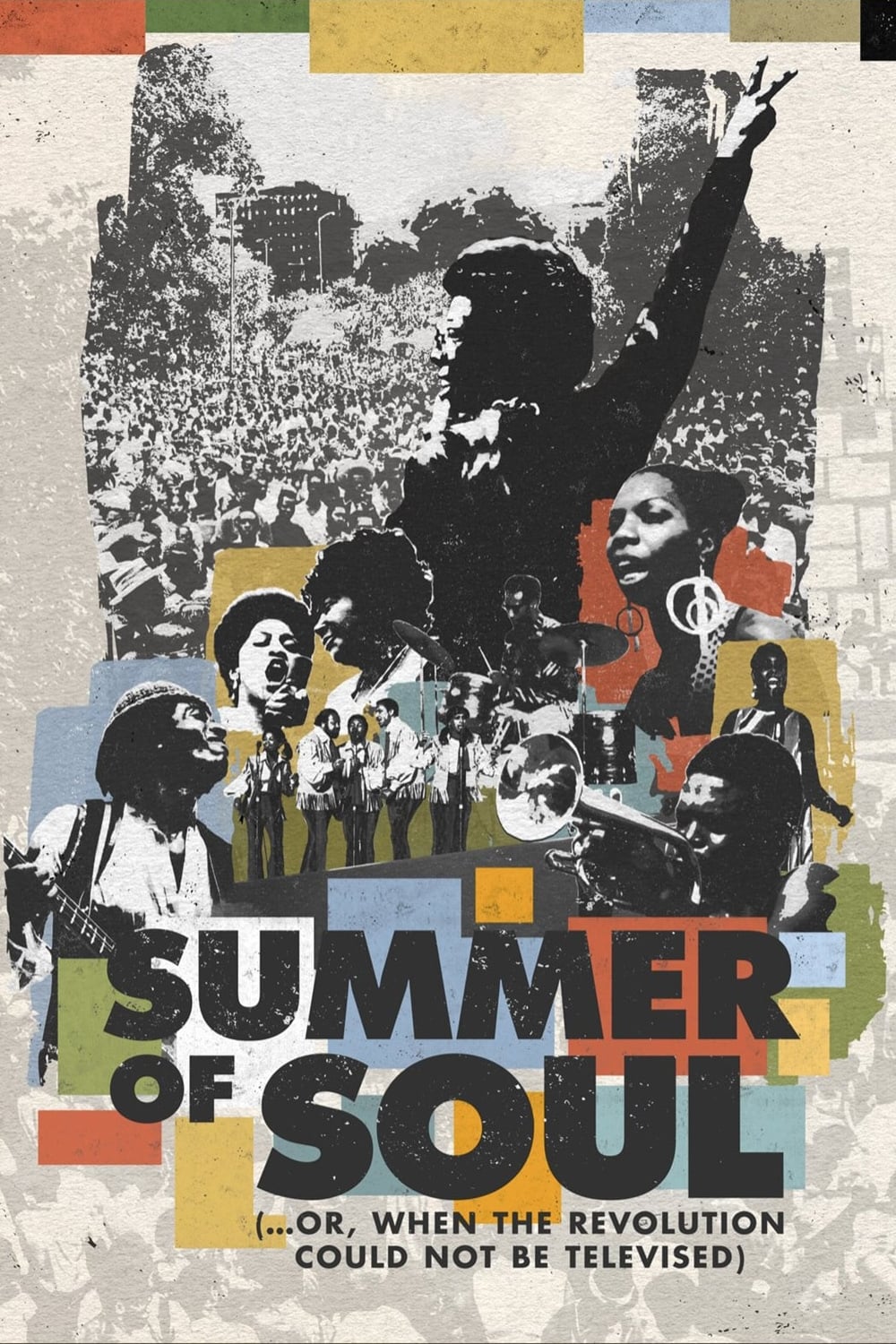
During the same summer as Woodstock, over 300,000 people attended the Harlem Cultural Festival, celebrating African American music and culture, and promoting Black pride and unity. The footage from the festival sat in a basement, unseen for over 50 years, keeping this incredible event in America's history lost — until now.
When veteran anchorman Howard Beale is forced to retire his 25-year post because of his age, he announces to viewers that he will kill himself during his farewell broadcast. Network executives rethink their decision when his fanatical tirade results in a spike in ratings.
A celebration of 50 years of NBC broadcasting in radio and television, since first going on the airwaves on 15 November 1926.