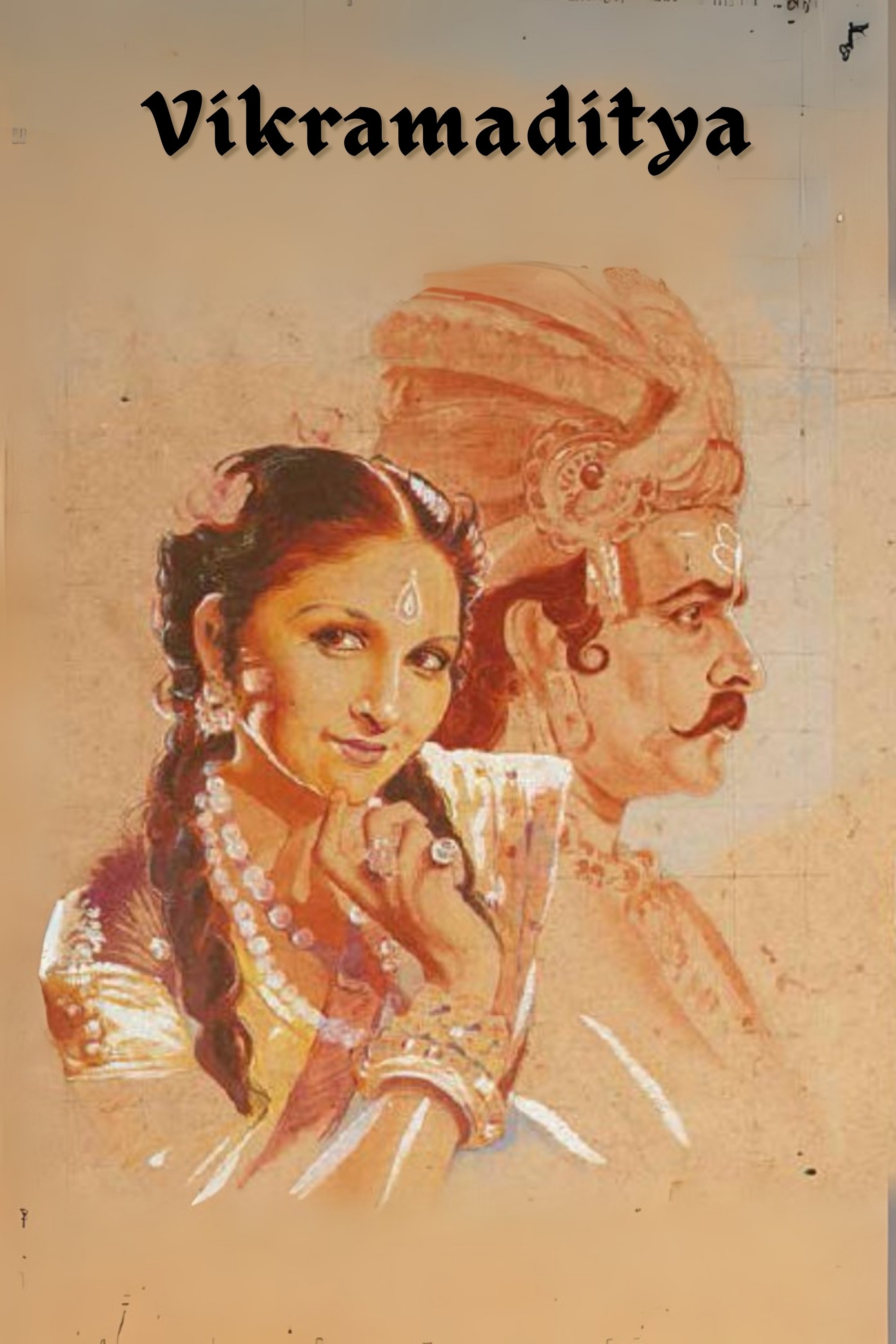
A legendary king of Avanti, Vikramaditya, pledges to protect Princess Shreelakha of Kashmir from the Shakas, appointing Kalidas as his court poet. The film depicts Vikramaditya's heroic battles, his eventual defeat of Shakaraj, and the restoration of Kashmir's kingdom.

A Bollywood historical action film.
A Bollywood film
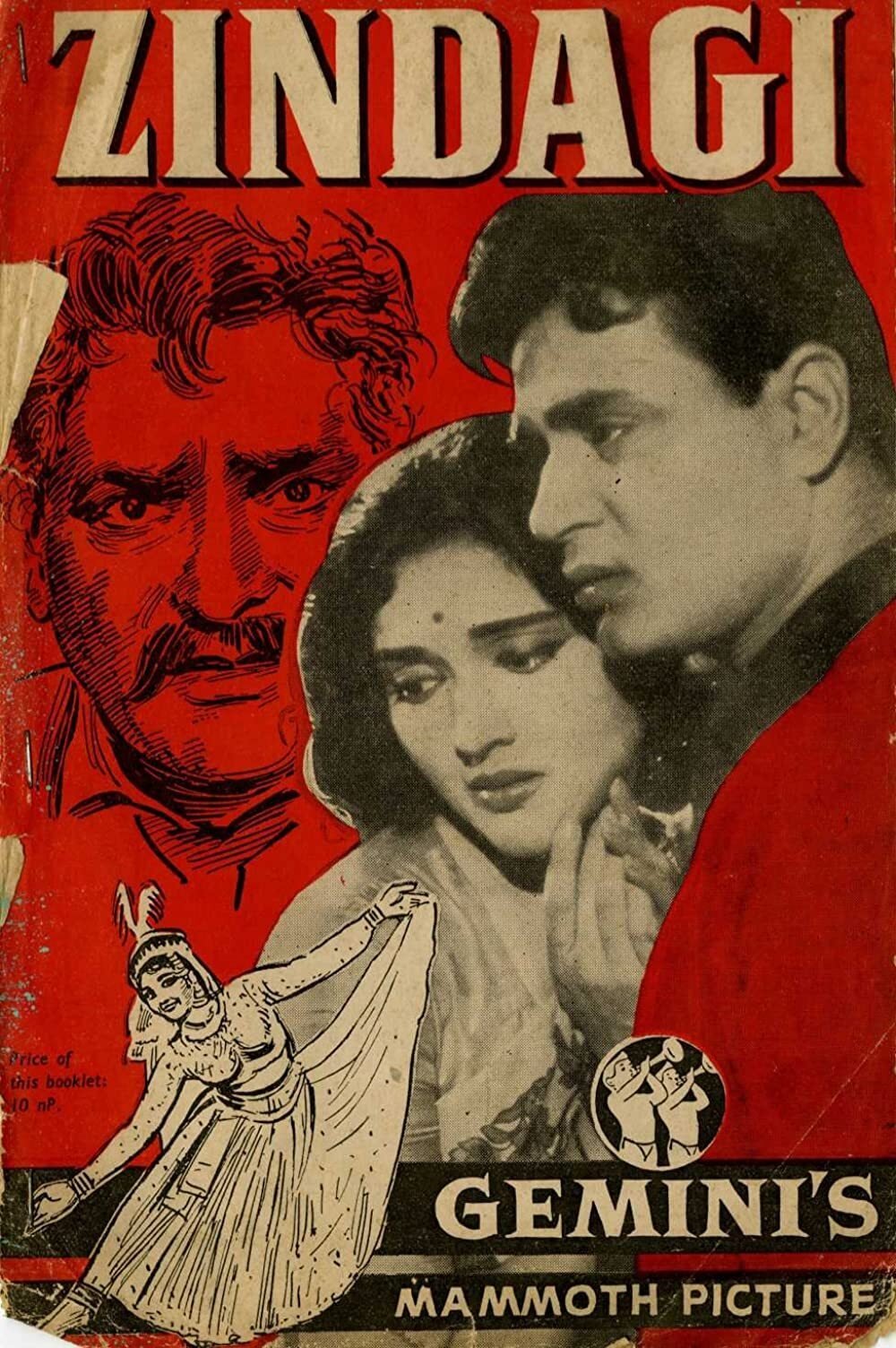
Beena falls in love with Rajan after he rescues her from some goons. Soon they marry and she is pregnant. The trouble starts when Beena spends the night with Gopal. What compels her to do this?

In the 16th century, when Prince Salim falls in love with a beautiful courtesan named Anarkali, Emperor Akbar's disapproval leads to a battle between father and son.
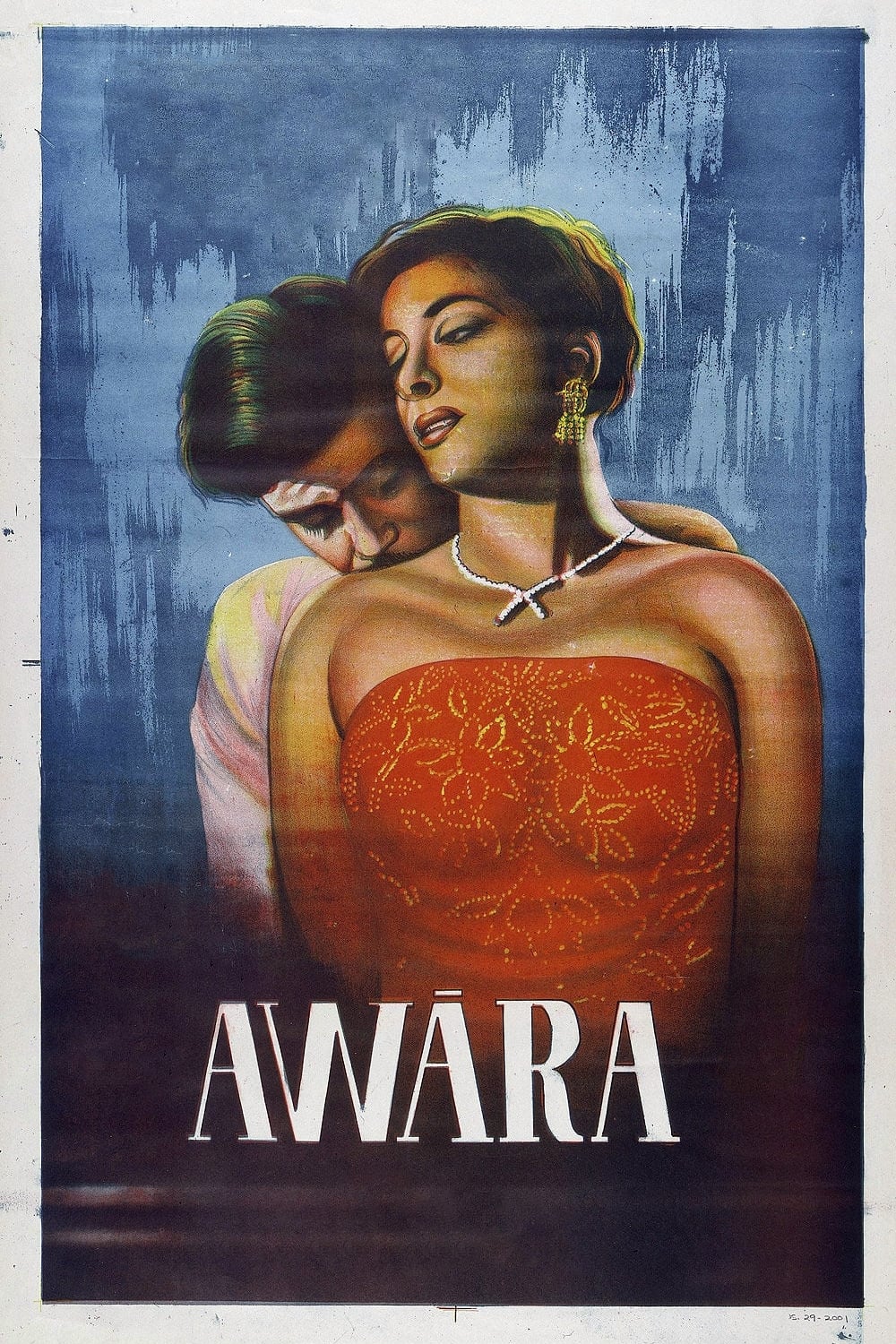
A petty thief is put on trial for the attempted murder of a lawyer. Through a series of flashbacks, the intertwining lives of the thief, the lawyer, and the thief's defense lawyer are illustrated.
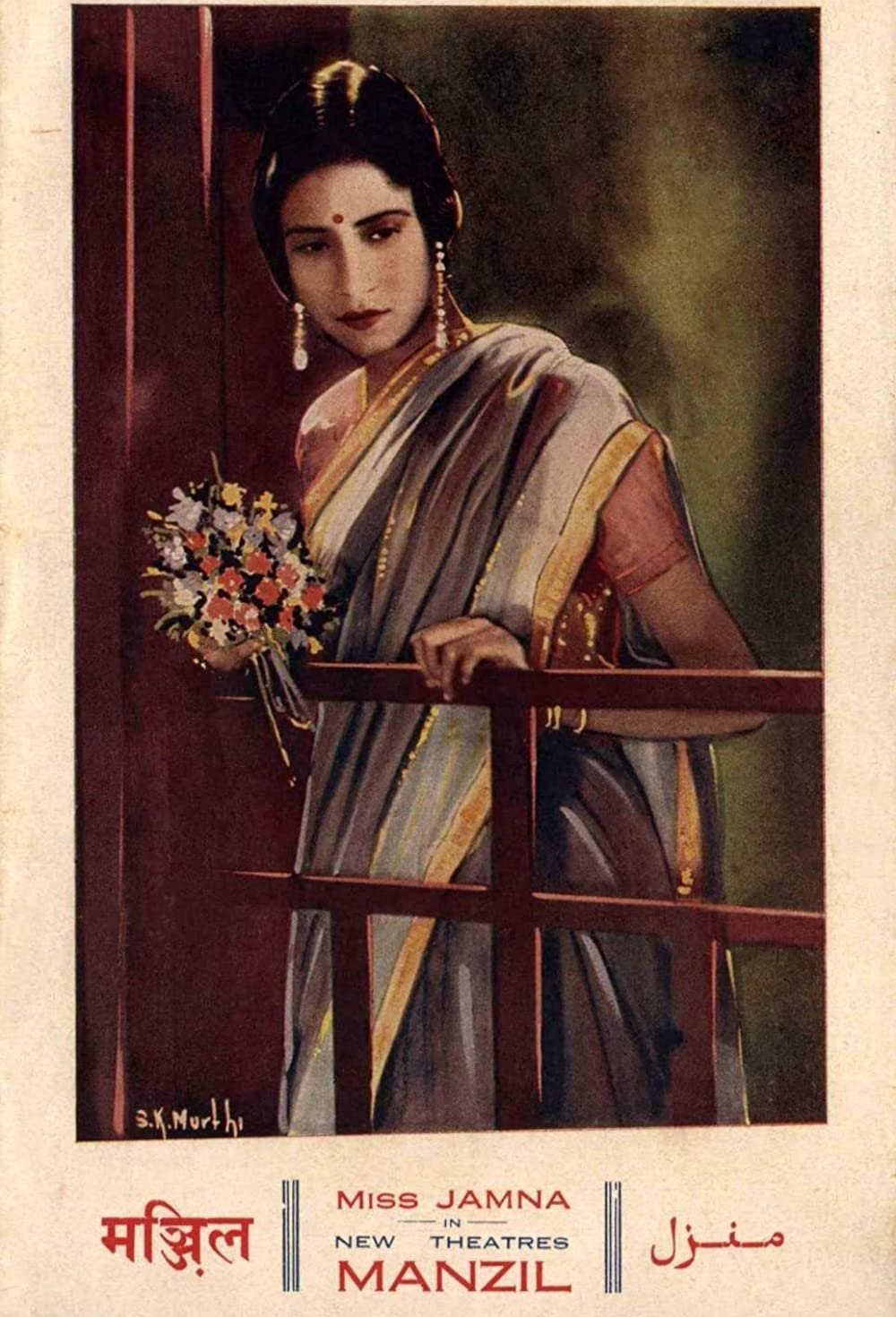
The poor but educated Mahim and his childhood friend, the rich but conservative Suresh, both fall in love with the same woman, the liberated Achala. Mahim marries her and they move to a village but she cannot forget Suresh. Her smoldering unhappiness takes the form of resentment towards the orphaned Mrinal, raised by Mahim's father, and receives a dramatic visual embodiment when their house burns down. Mahim falls ill, is rescued by Suresh, and nursed back to health by Achala. On a train (a metaphor for the irreversibly linear course of life) to a health resort where Mahim is supposed to convalesce, Suresh on a rainswept night gives in to temptation and elopes with Achala. At the end of the film, there is a dubious reconciliation as Achala is shown following Mahim's 'good' traditionalism with Sharatchandra's barely concealed hostility towards Achala's liberated Brahmo Samaj upbringing.
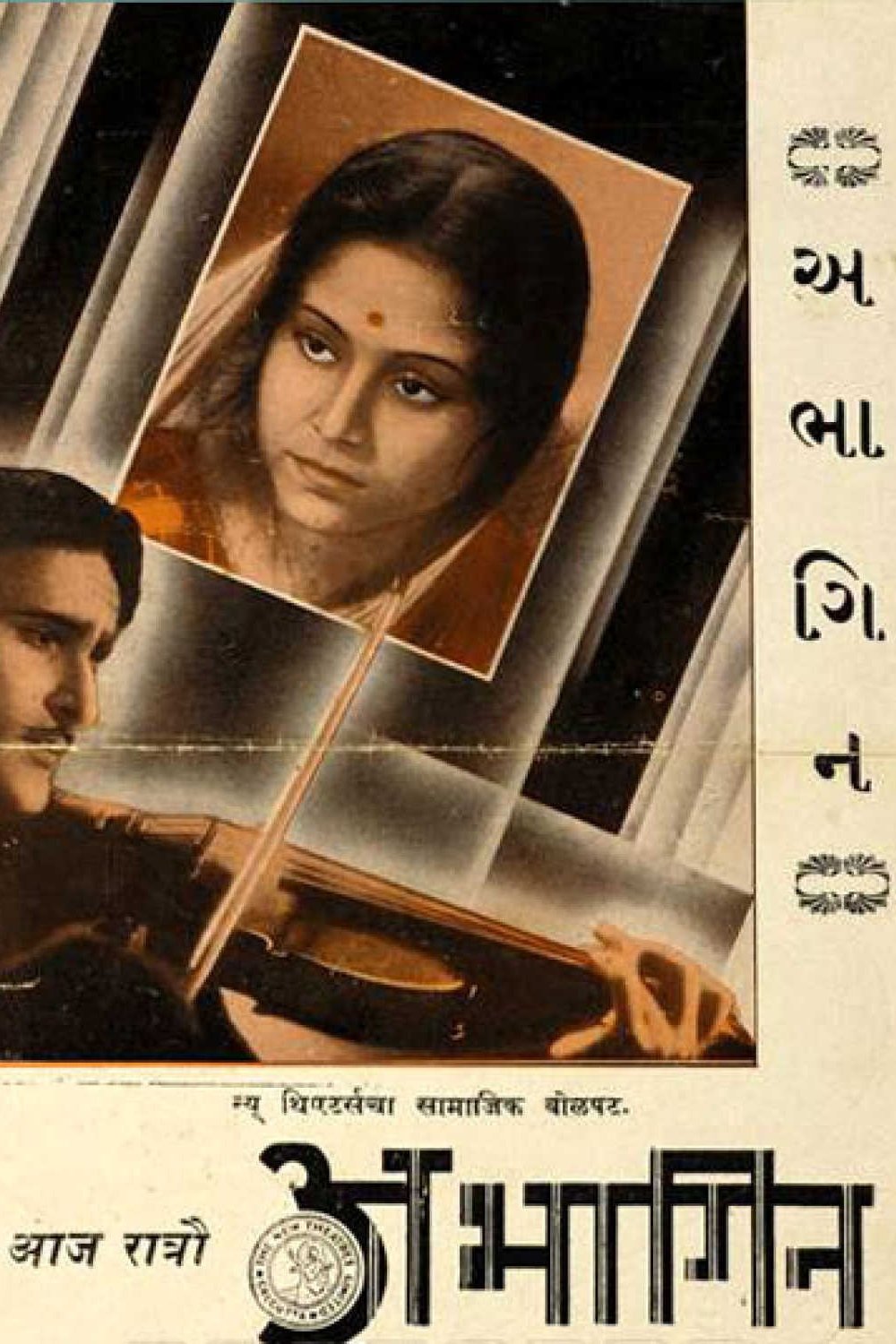
A tenant attacks the villainous landlord Jawaharlal Choudhry, injures his son Priyalal and abducts his daughter-in-law Sandhya. Sandhya escapes unharmed to her relative, the engineer Praksh, but her father-in-law refuses to take her back, believing her to be 'damaged goods'. Sheltered by the kindly Promode, her husband eventually accepts her back although she feels torn between affection for her savior and her marital obligations.
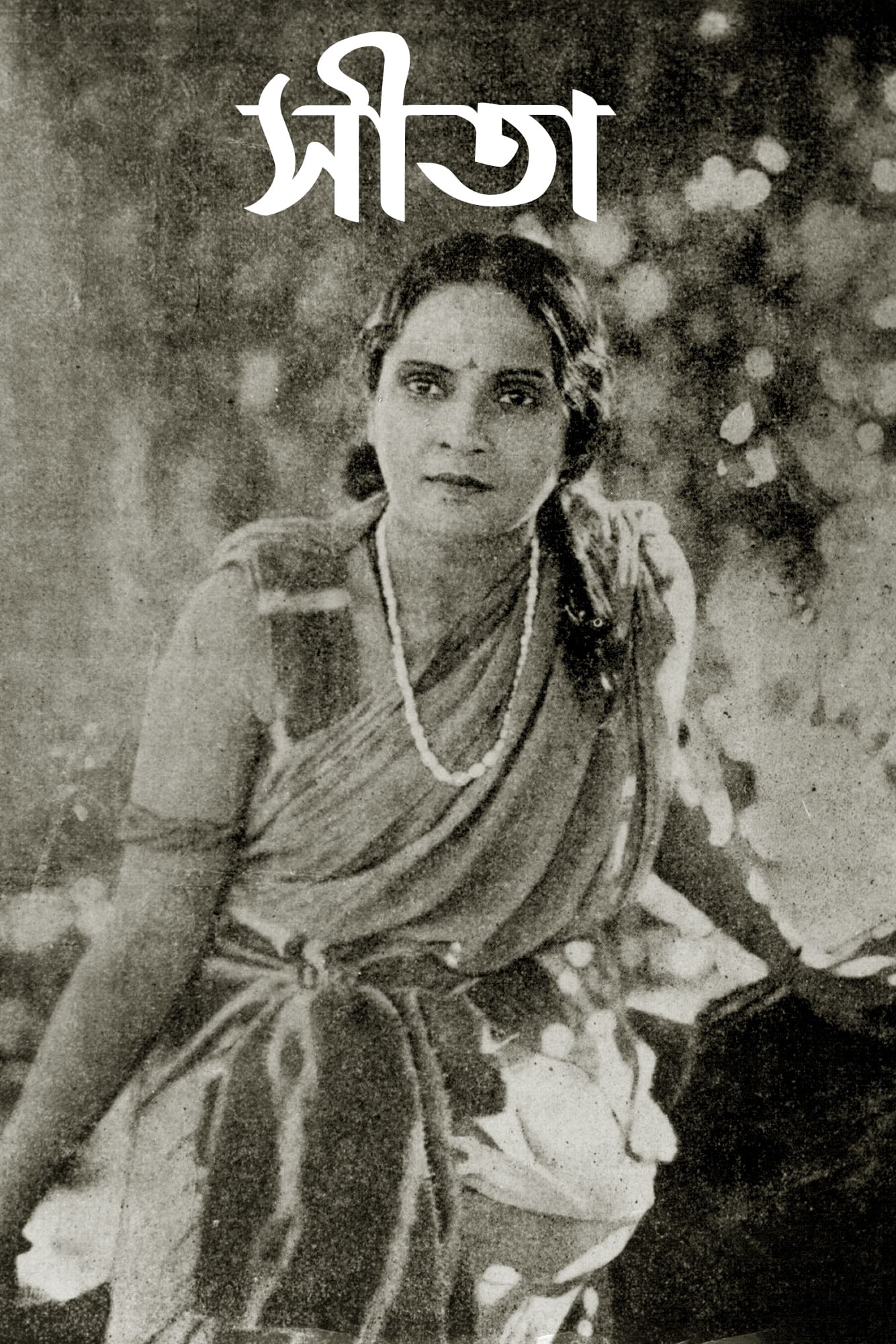
Seeta was a 1933 Indian talkie Bengali film, directed by Debaki Bose and produced by the East India Film Company.[1] It won an honorary diploma in the 2nd Venice International Film Festival in 1934, becoming the first Indian talkie to be shown at an international film festival.
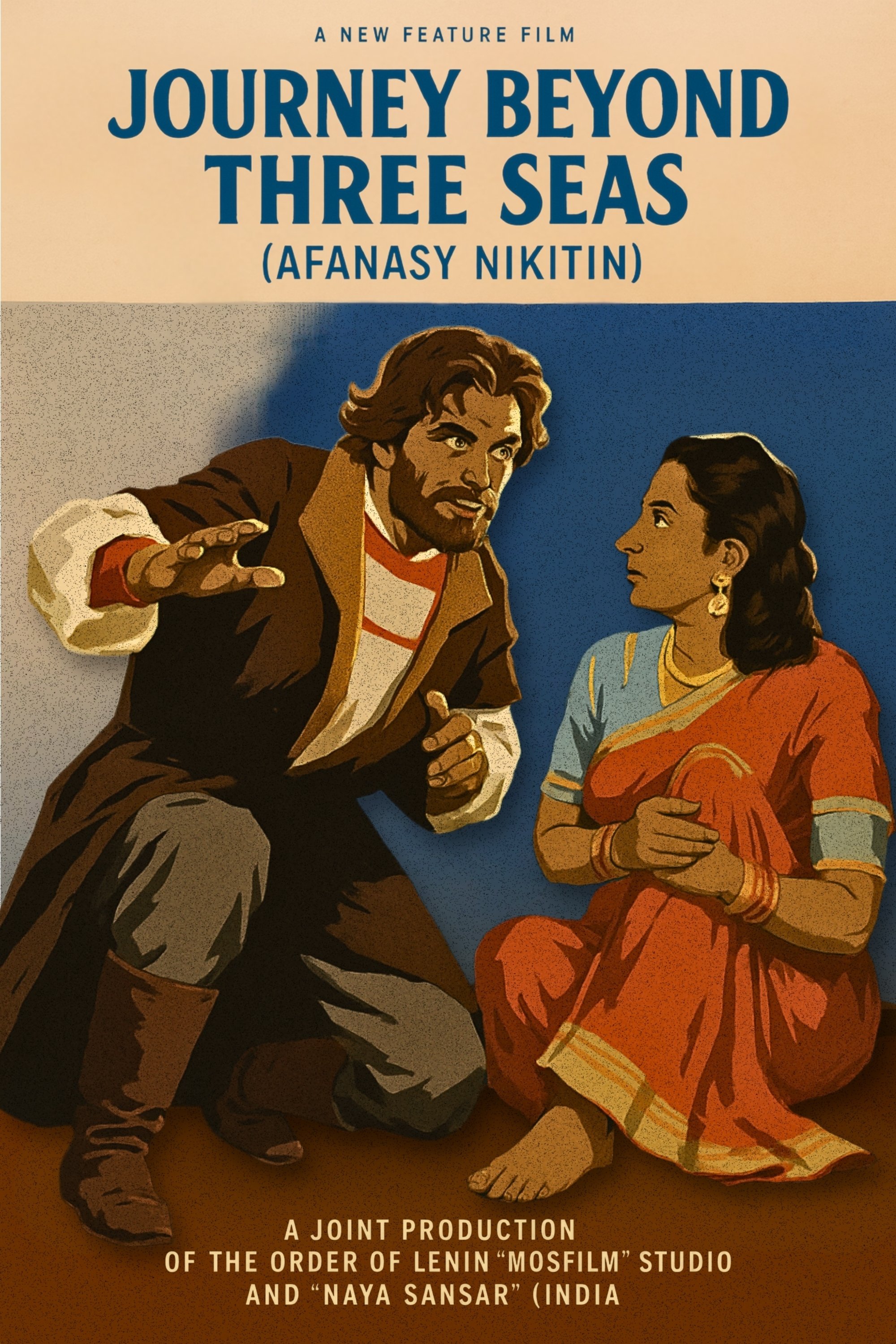
This first co-production of the Soviet and Indian cinematographers is dedicated to the Tver merchant Afanasy Nikitin who in 1466-1472 blazed the trade way from Europe to India. The film is based on Nikitin’s travel notes. Starring in the film are popular Russian actor Oleg Strizhenov and India’s 1950s movie star Nargis.
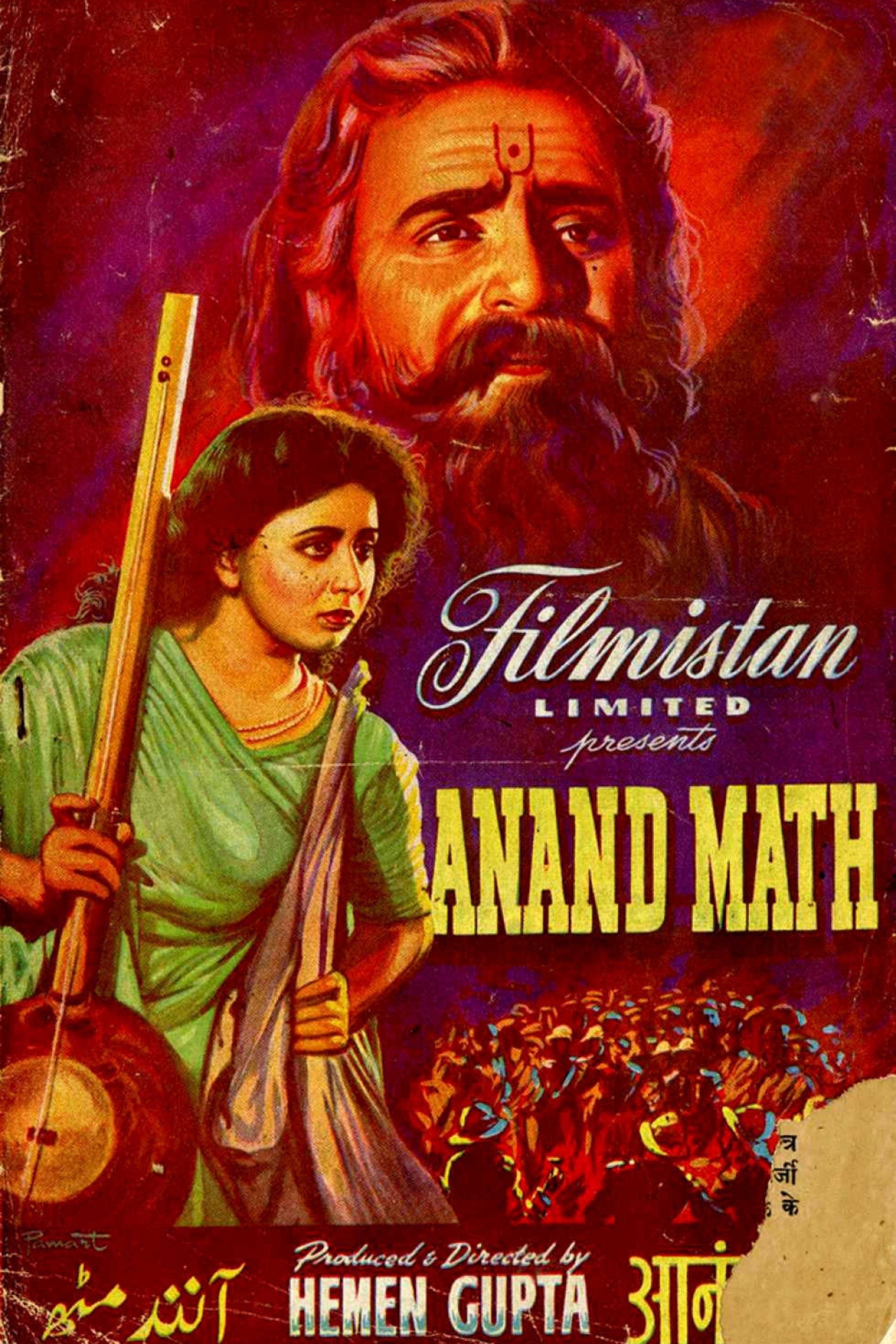
Driven by the devastation of a famine, a patriotic landlord joins a secret brotherhood of warrior monks to lead a fiery revolt against the British East India Company, embracing the motherland's freedom as a sacred and ultimate sacrifice.
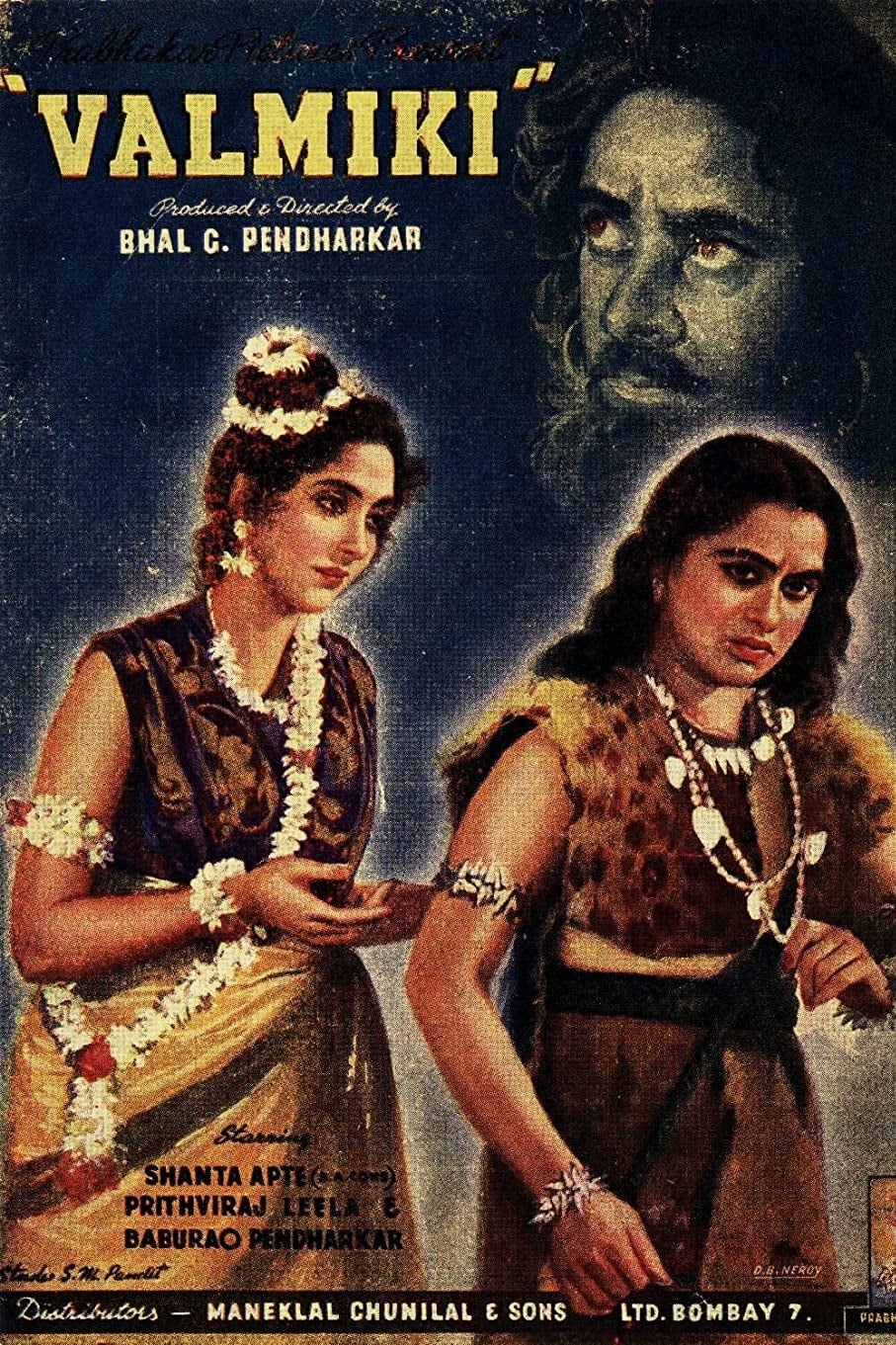
Valmiki is a movie directed by Bhalji Pendharkar featuring Shanta Apte, Prithviraj Kapoor.
A drama set amid an earthquake in Bihar. Miss Renee (Khote) looks after the victims while her lover, the businessman Sardar (Mohanned), wants to make money from the disaster.
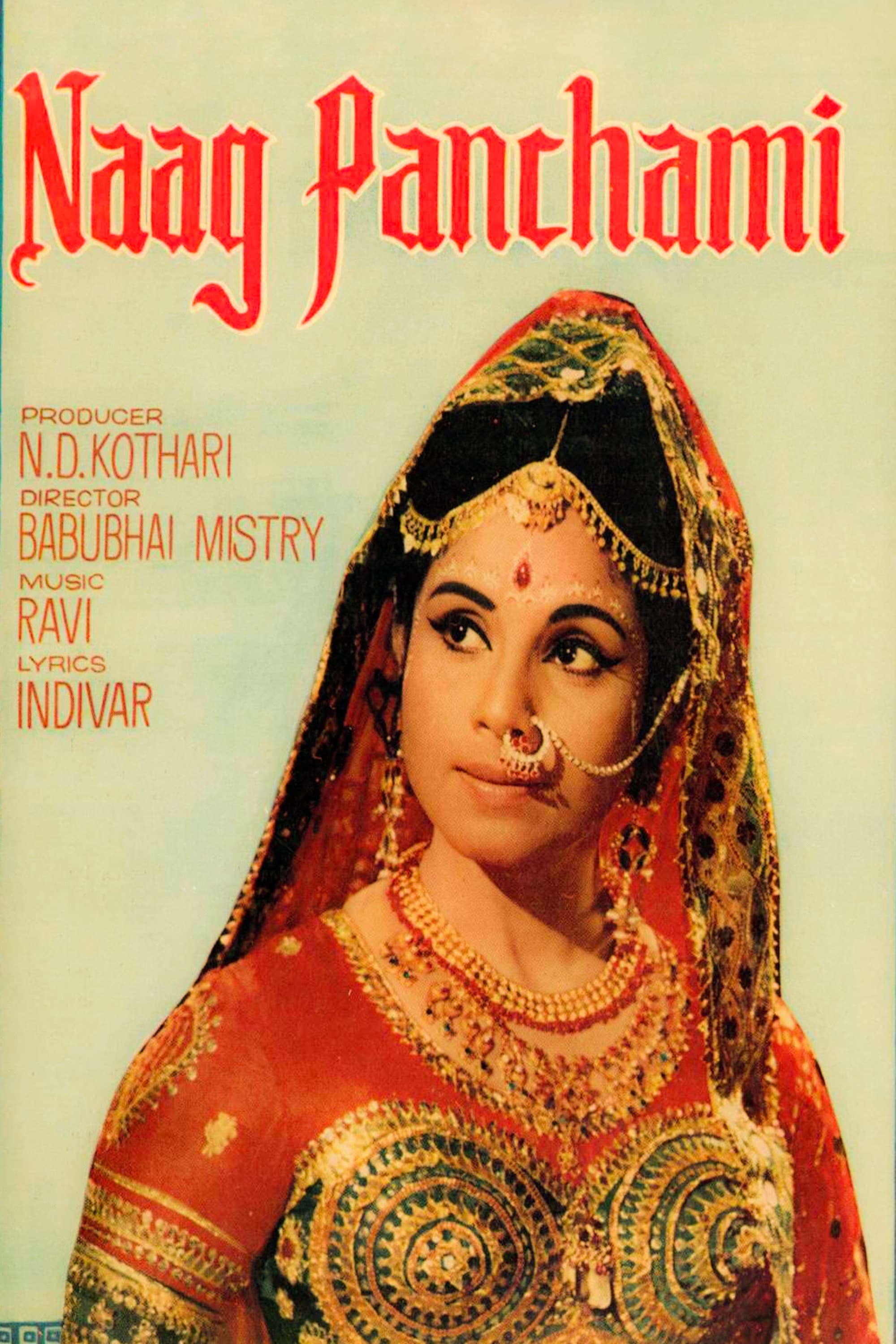
Snake Goddess Mansa is having a bad day. It's her birthday but she is restless and irritated by her followers in Naglok. Fortuitously Nagraj turns up and she manages to cajole him into revealing the name of her father, who is none other than Lord Shiva.
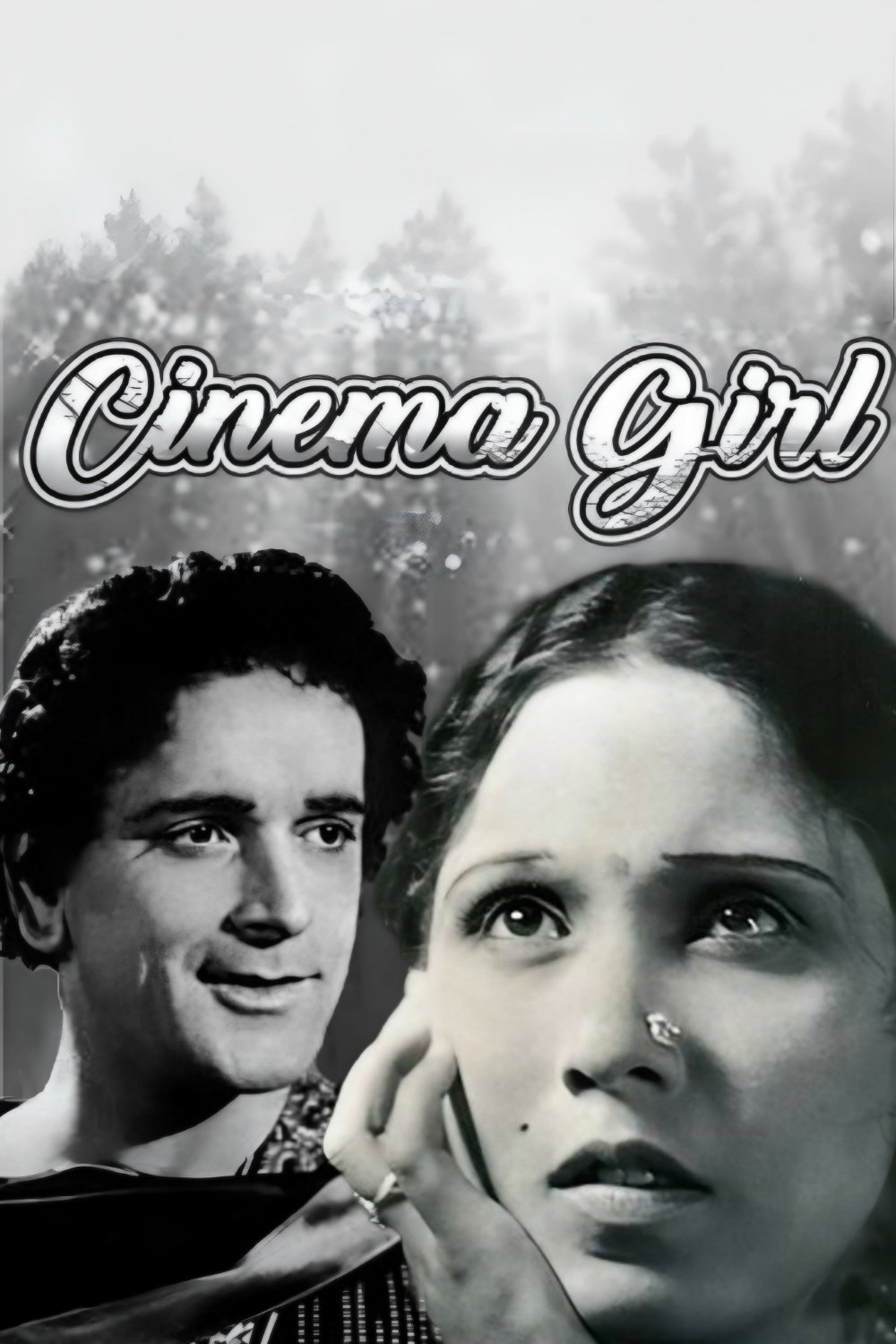
This film presented a fictionalized biography of its maker. One of the major characters is a producer modeled on Kohinoor's proprietor, D.N. Sampat, including a reference to the real life occasion when the studio, on the verge of bankruptcy, survived only because its employees donated money and gold ornaments to keep it afloat. Another character referred to a financier at the Imperial Studio. The plot also touched on the way a producer can curtail the freedom of a director.
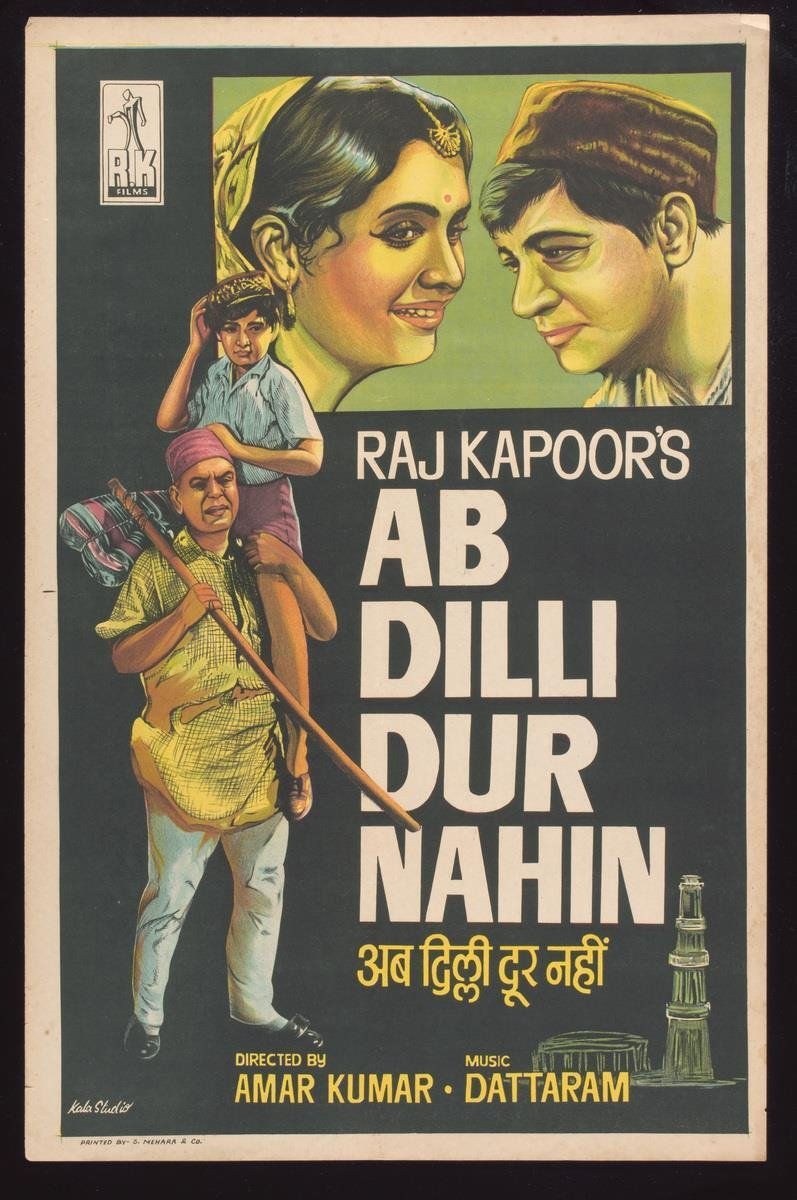
A young boy travels to Delhi, wanting to meet Prime Minister to seek justice for his father who has been wrongly sentenced to death.
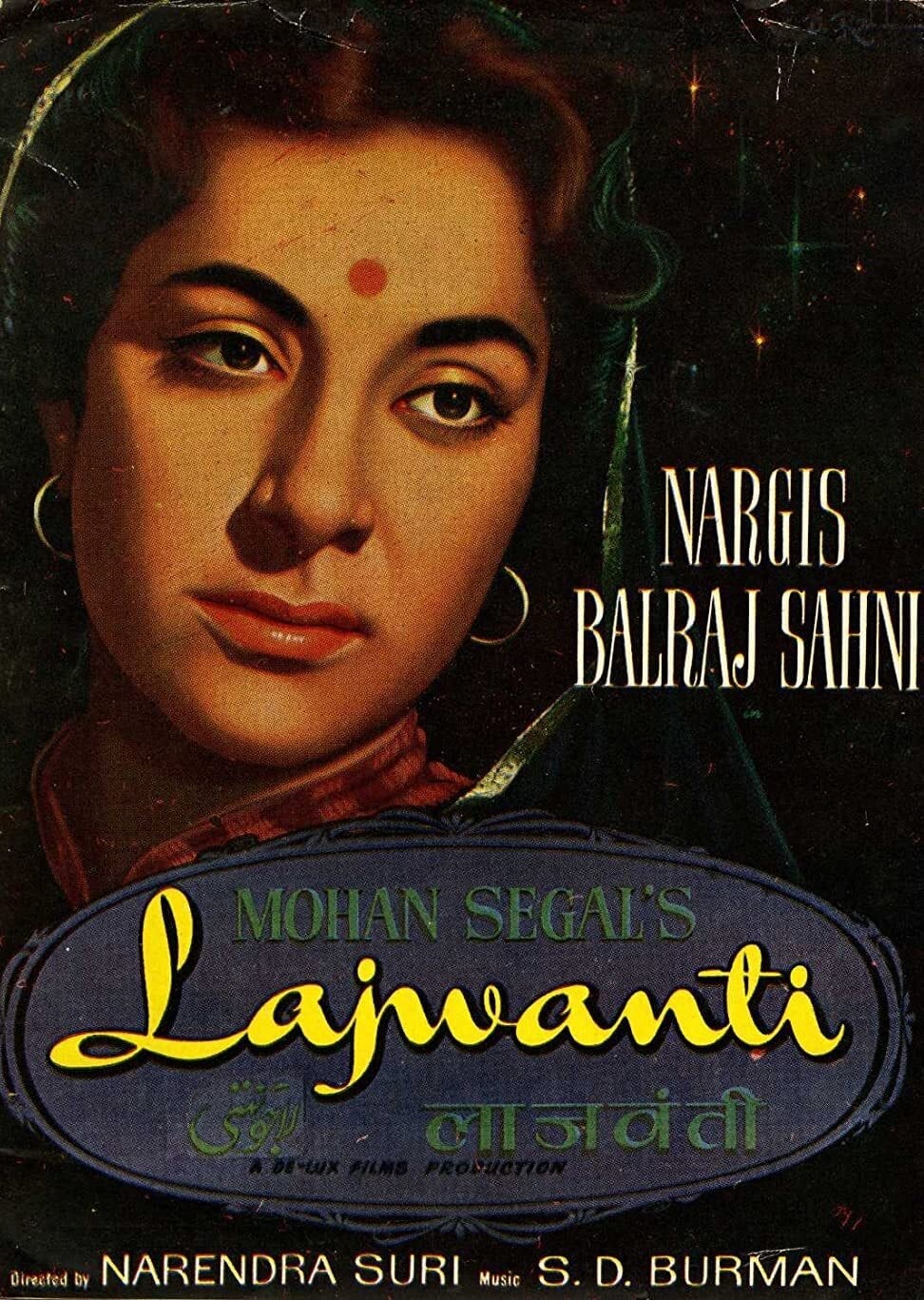
Having been unjustly accused of having an affair, a dutiful and loving wife is thrown out of the house by her husband and forced to abandon her baby. When mother and child are eventually reunited, the mother faces an uphill struggle to regain the love of her daughter.
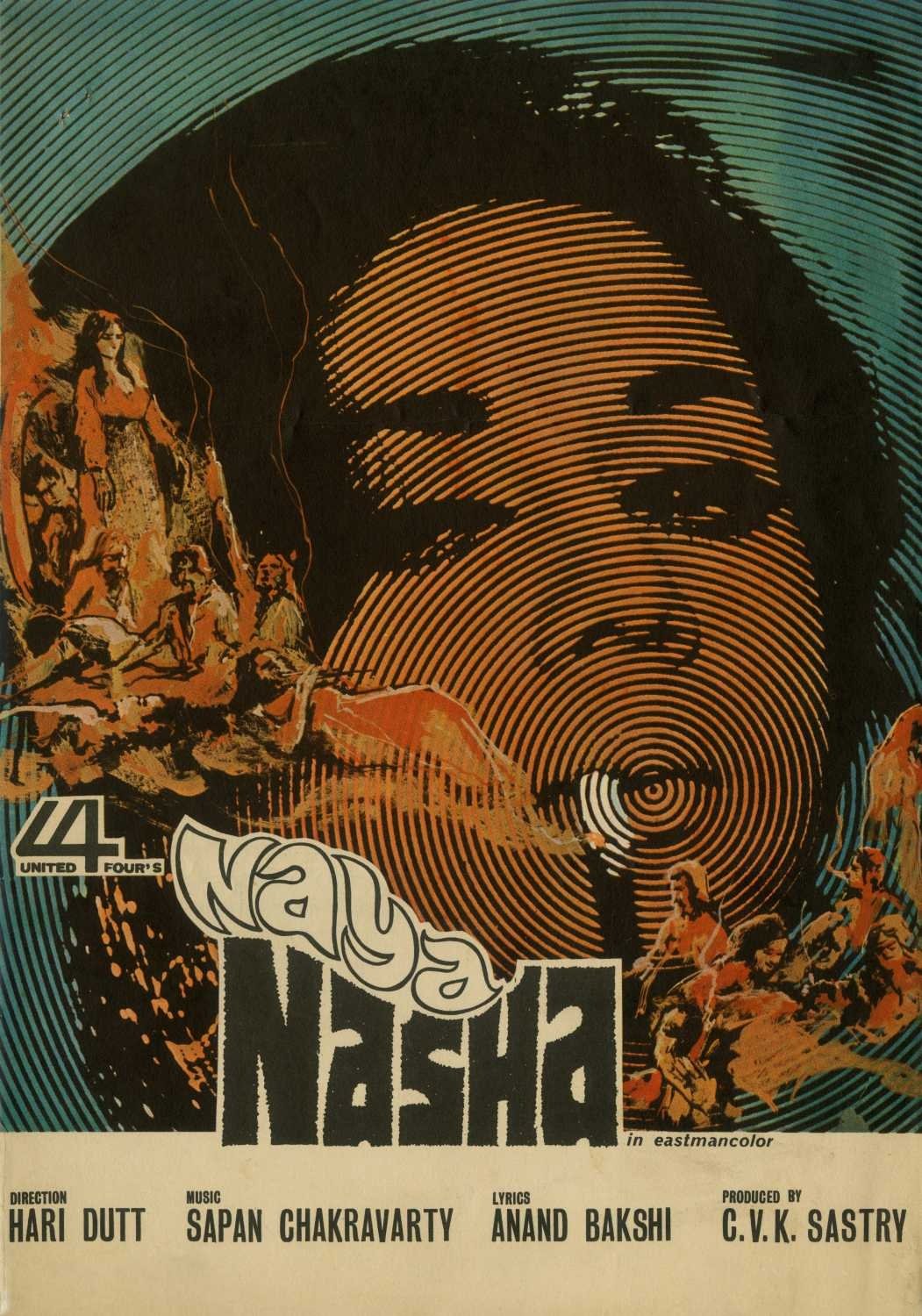
Story of Reena, who gets into drugs.

Rich man's son Rajesh loves Savita, daughter of a teacher he got fired. She helps him excel in college. They marry against his father's wishes. Their friend Jivan creates problems between them, leading to separation.
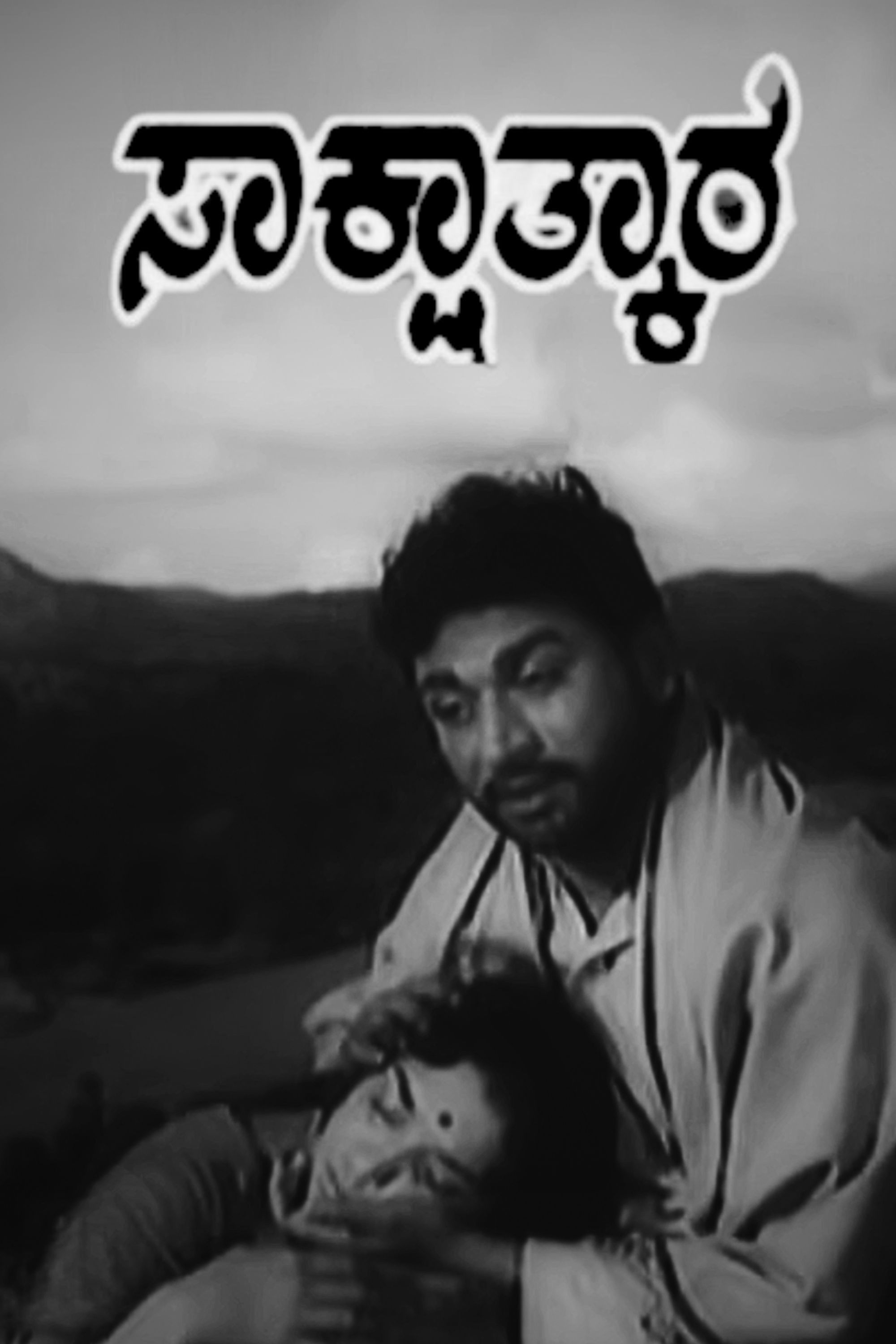
The story revolves around the dangers of superstition, particularly when it concerns marriage and how unscrupulous elements in society could manipulate these beliefs to their benefit and lead to tragic consequences.
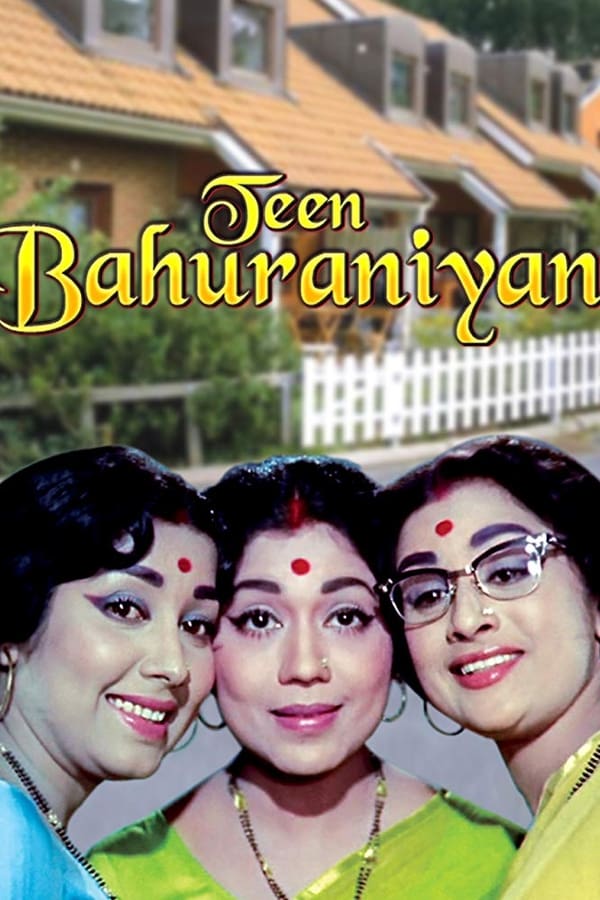
Teen Bahuraniyan (English: Three Daughters-In-Law) is a 1968 family comedy movie. The film is a remake of 1967 Tamil movie Bama Vijayam (Bama's Visit). The film's three lead ladies reprise their roles from the original movie. Teen Bahuraniyan is family story of 3 daughter in laws and their husbands. The movie shows how their relations takes different colour at various situations and how the father Prithviraj Kapoor plays vital role in the family to keep things going.
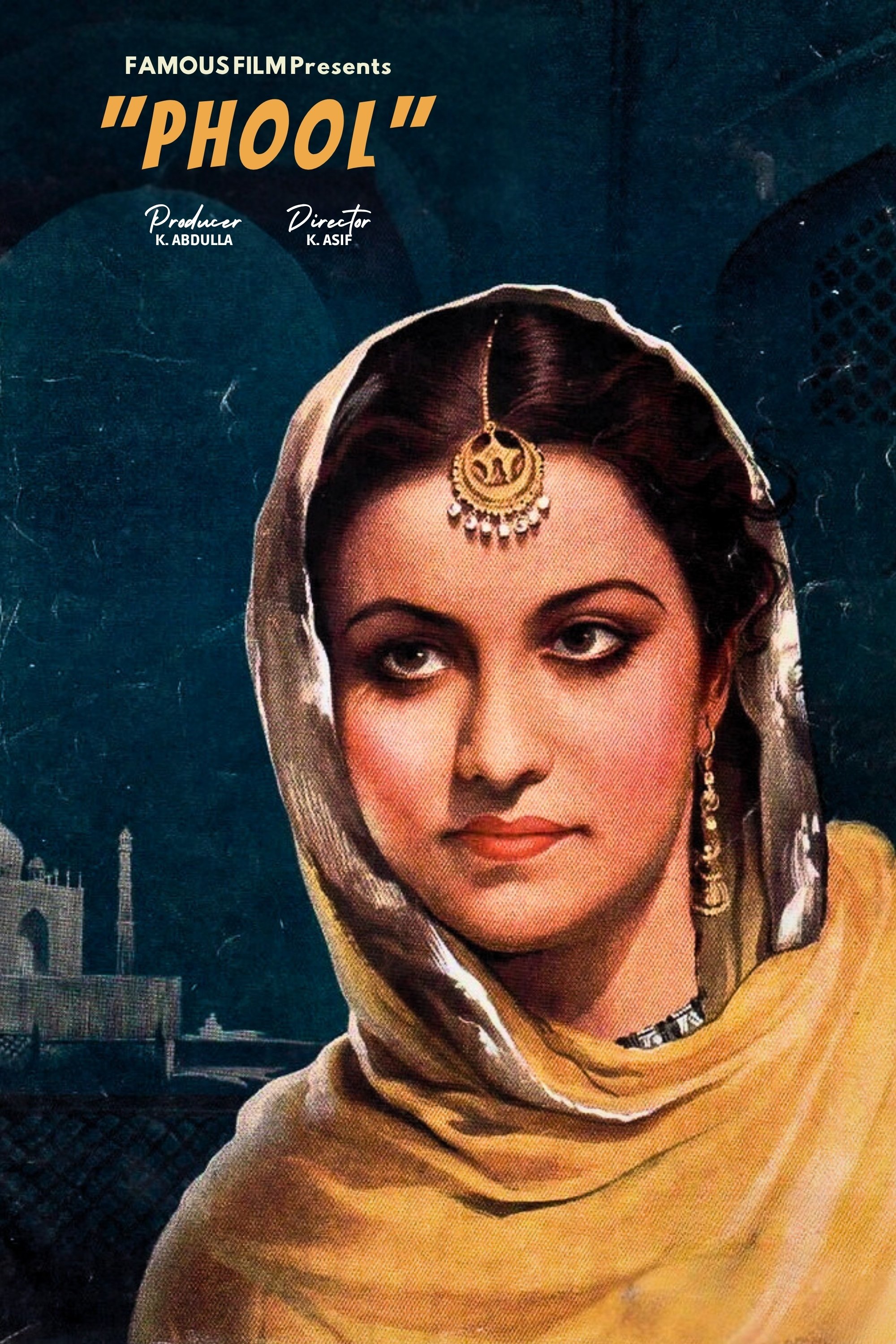
A drama set in a Muslim family. Safhar's inheritance is lost, thanks to his sister-in-law, but he is still expected to complete his late father's work of building a mosque. If he cannot complete the work, then Salim must take over, but he goes off to fight in the Balkans, leaving the sister-in- law's orphaned daughter to complete the task. In doing so, she will lose her freedom, so she has a difficult decision to make.
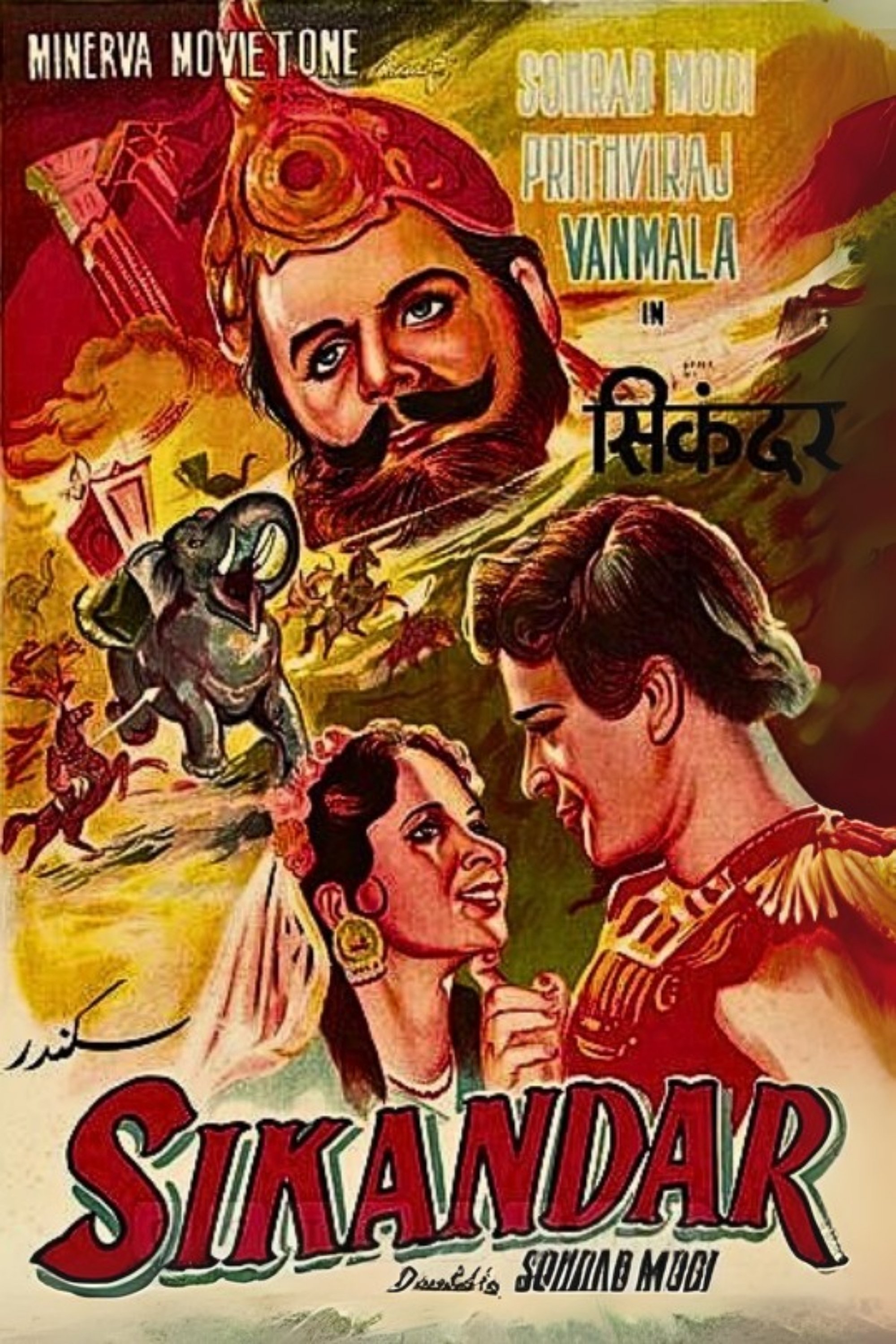
The film begins after Alexander the Great (Sikander in Hindi/Urdu) conquers Persia and the Kabul valley and approaches the Indian border at Jhelum. Sohrab Modi plays the Indian king Puru (Porus to the Greeks). The story goes that when Sikander defeated Porus and imprisoned him, he asked Porus how would he like to be treated. Porus replied the same way a defeated king is treated by the winner (meaning killed).
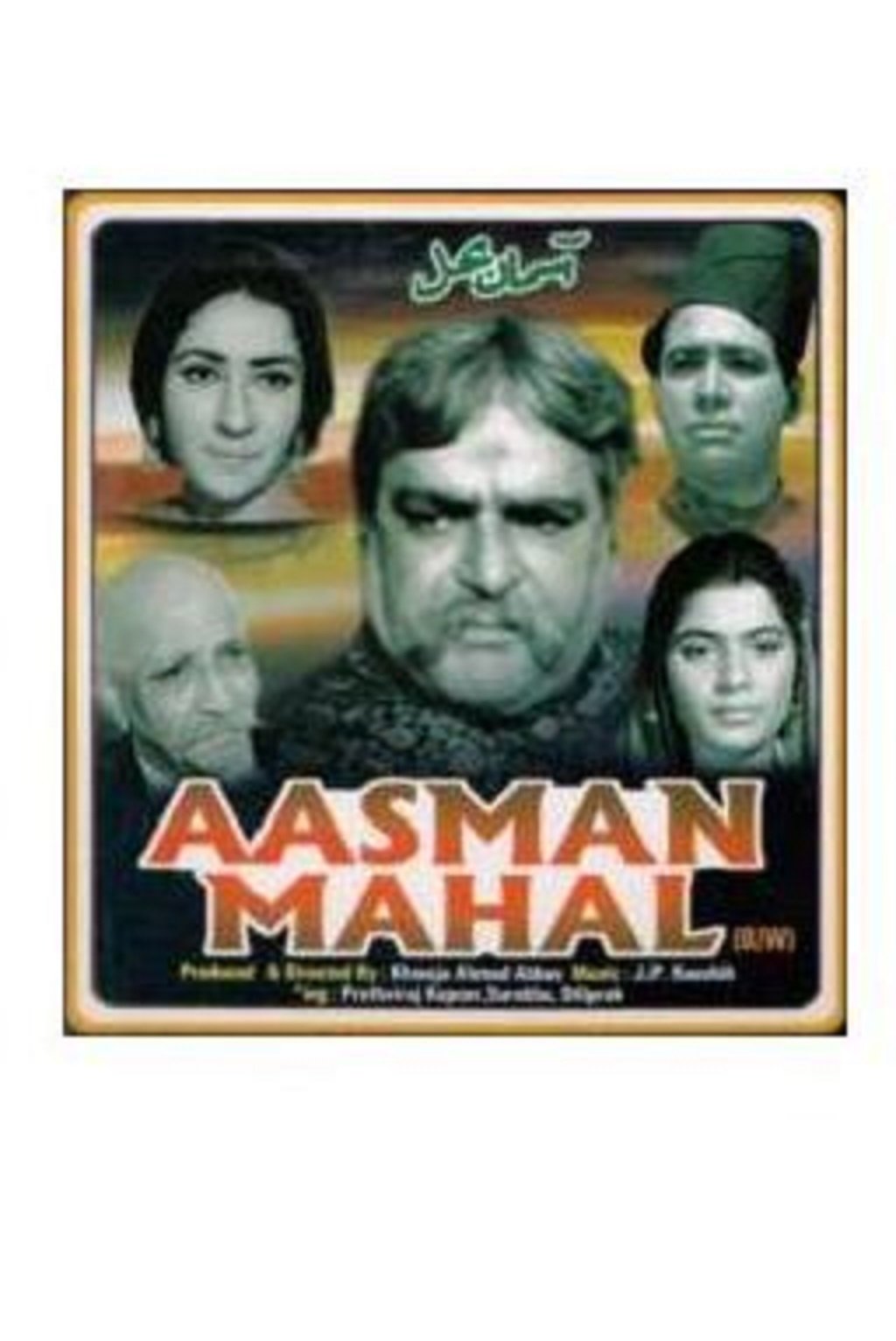
The story revolves around a Nawab, who having lost his money, still continues to live in the old traditional style, maintaining a grandeur facade. His son opposes the unrealistic life-style.
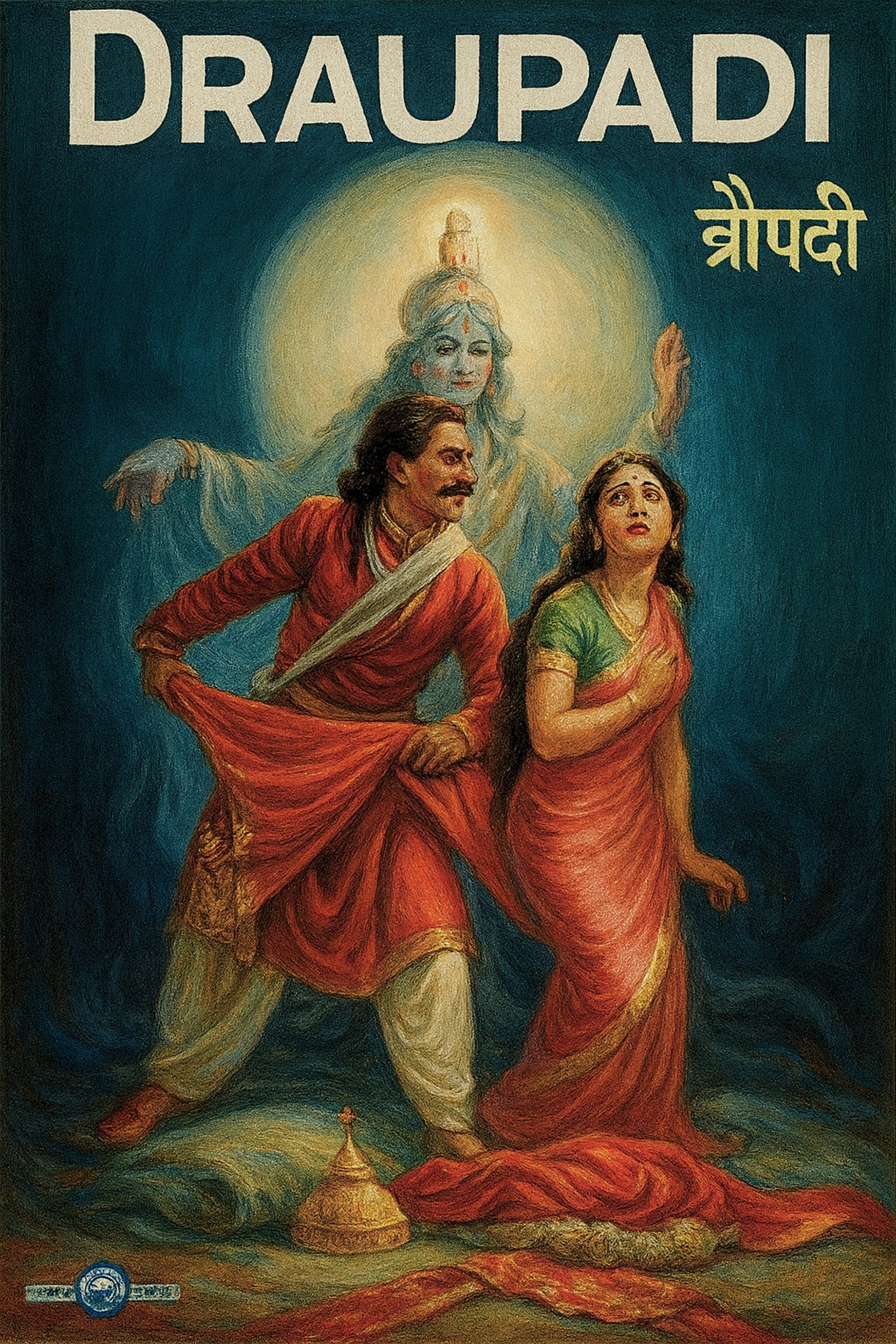
A grand Mahabharata adaptation, this film focuses on Duryodhana's plot to usurp the Pandavas' kingdom. It culminates in the infamous dice game where Yudhishthira loses everything, including Draupadi, whose honor is miraculously saved by Krishna during a public humiliation.
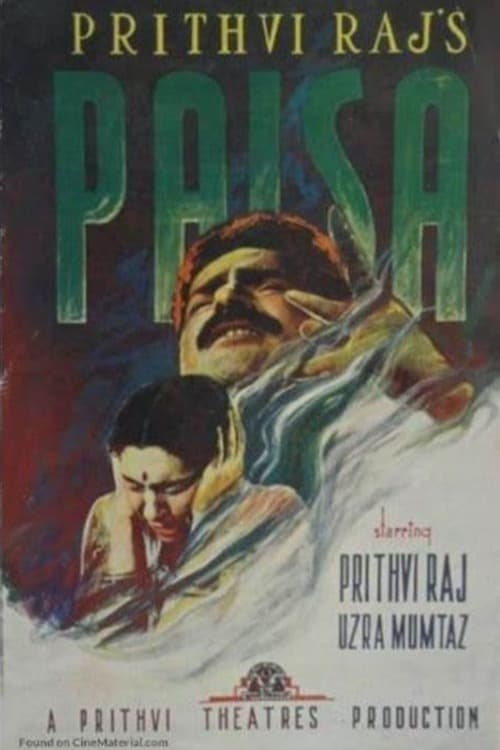
Only film directed by Prithviraj Kapoor
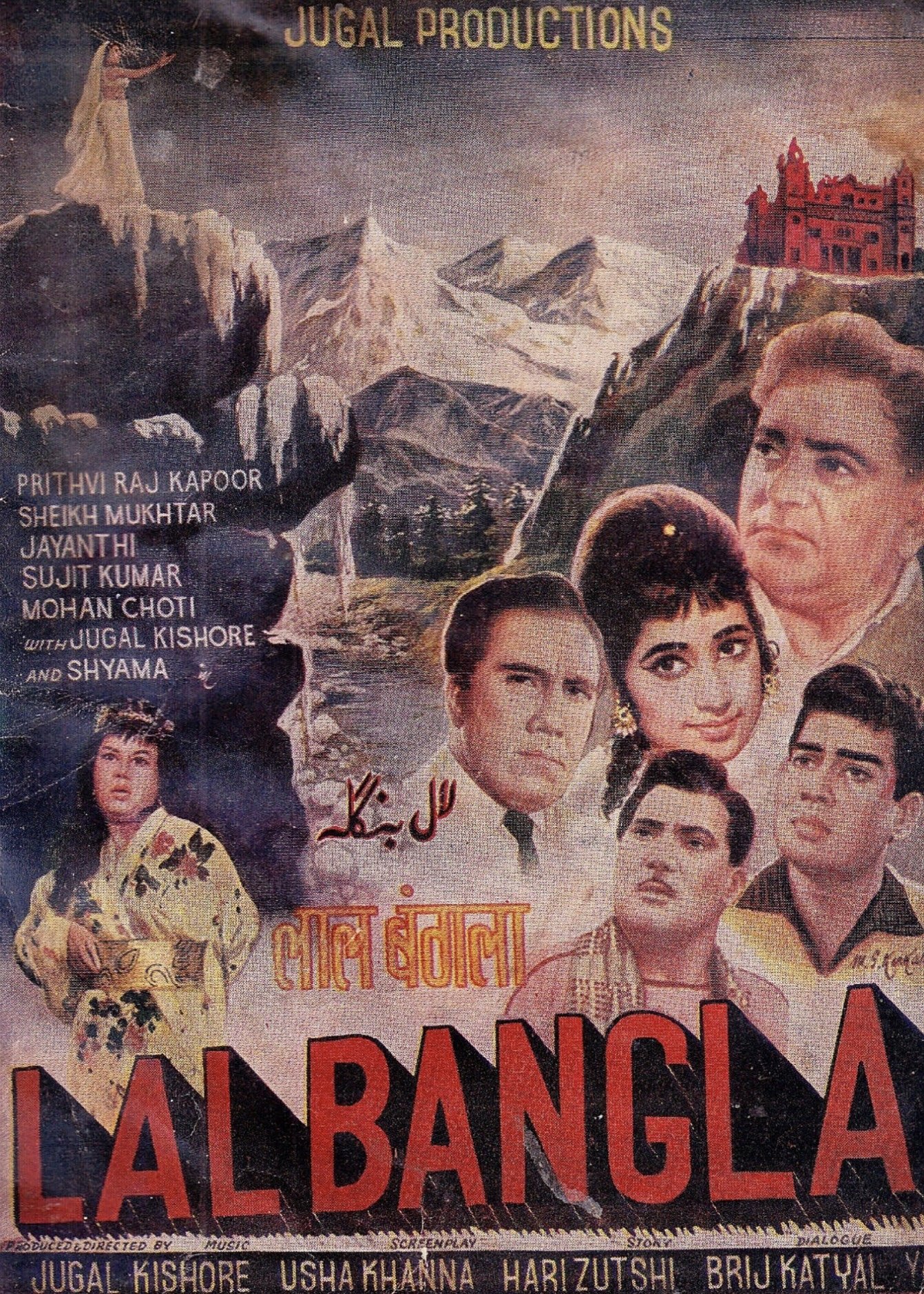
While investigating a murder case that involves his younger brother, a police inspector discovers a ghost roaming the ruins of an ancient palace.
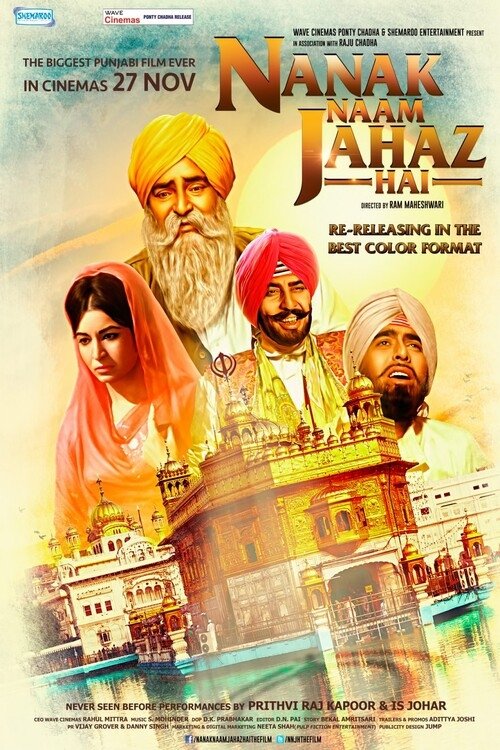
In this classic drama, bachelor Prem (Suresh) enjoys a good life, with a successful business and a loving family. But when he marries the manipulative Ratan (Nishi), his once-blissful existence becomes fraught with tension. Ratan drives a wedge between Prem and his brother, Gurmukh (Prithviraj Kapoor), and tries to destroy Gurmukh's relationship with his wife, Channi (Vimi). Will Channi's strong Sikh faith be enough to restore peace to the family?
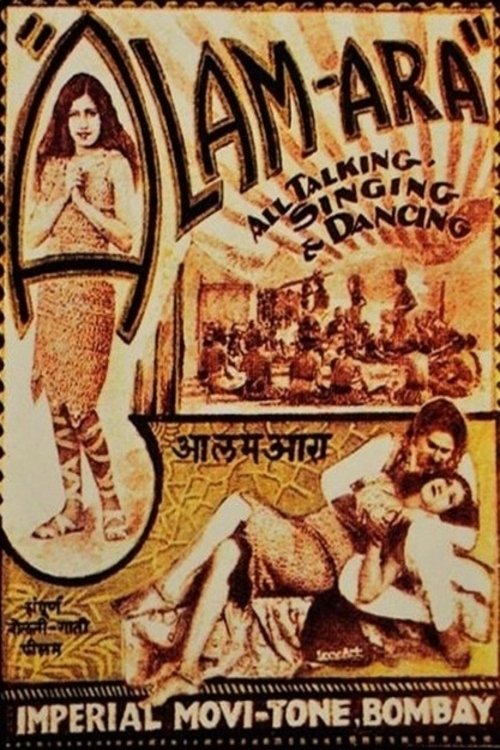
A period fantasy that told of the ageing king of Kamarpur, and his two rival queens, Navbahar and Dilbahar, and their rivalry when a fakir predicts that Navbahar will bear the king's heir. Dilbahar unsuccessfully tries to seduce the army chief Adil (Vithal) and vengefully destroys his family, leaving his daughter Alam Ara (Zubeida) to be raised by nomads. Eventually, Alam Ara's nomad friends invade the palace, expose Dilbahar's schemes, release Adil from the dungeon and she marries the prince of the realm.
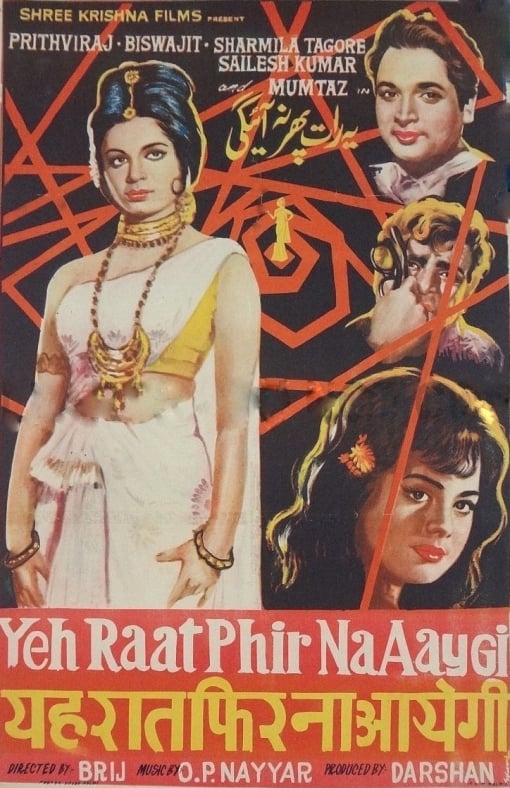
After discovery of skeletal remains at an excavation site, a woman known to be deceased for over 2 centuries mysteriously re-surfaces to claim her lover.
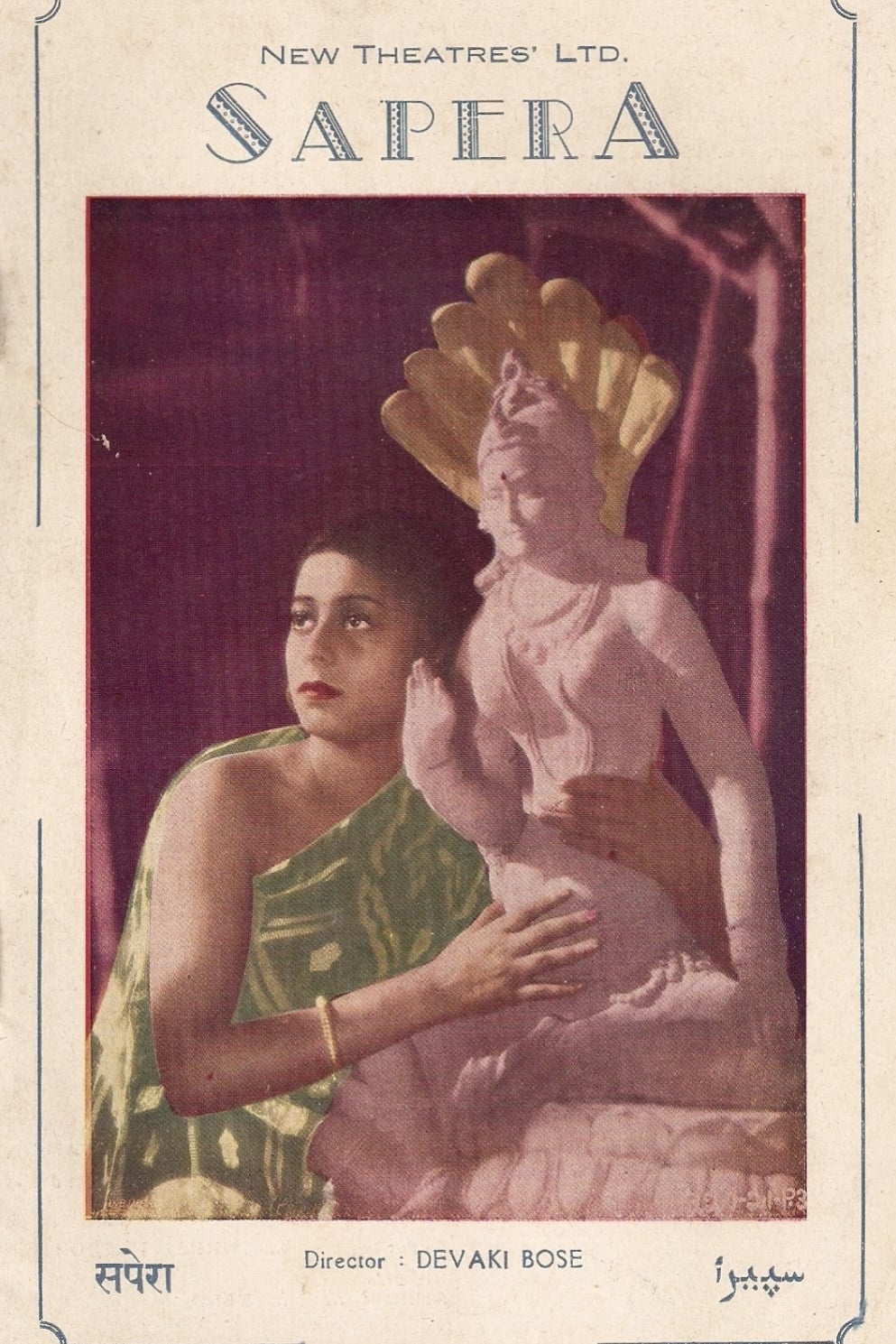
Adapted from a story by Kazi Nazrul Islam this film concerns love and revenge among a tribe of snake charmers led by Jahar (Nawab) who is searching for his 100th poisonous snake so as to show how he can magically cure its deadly bite.
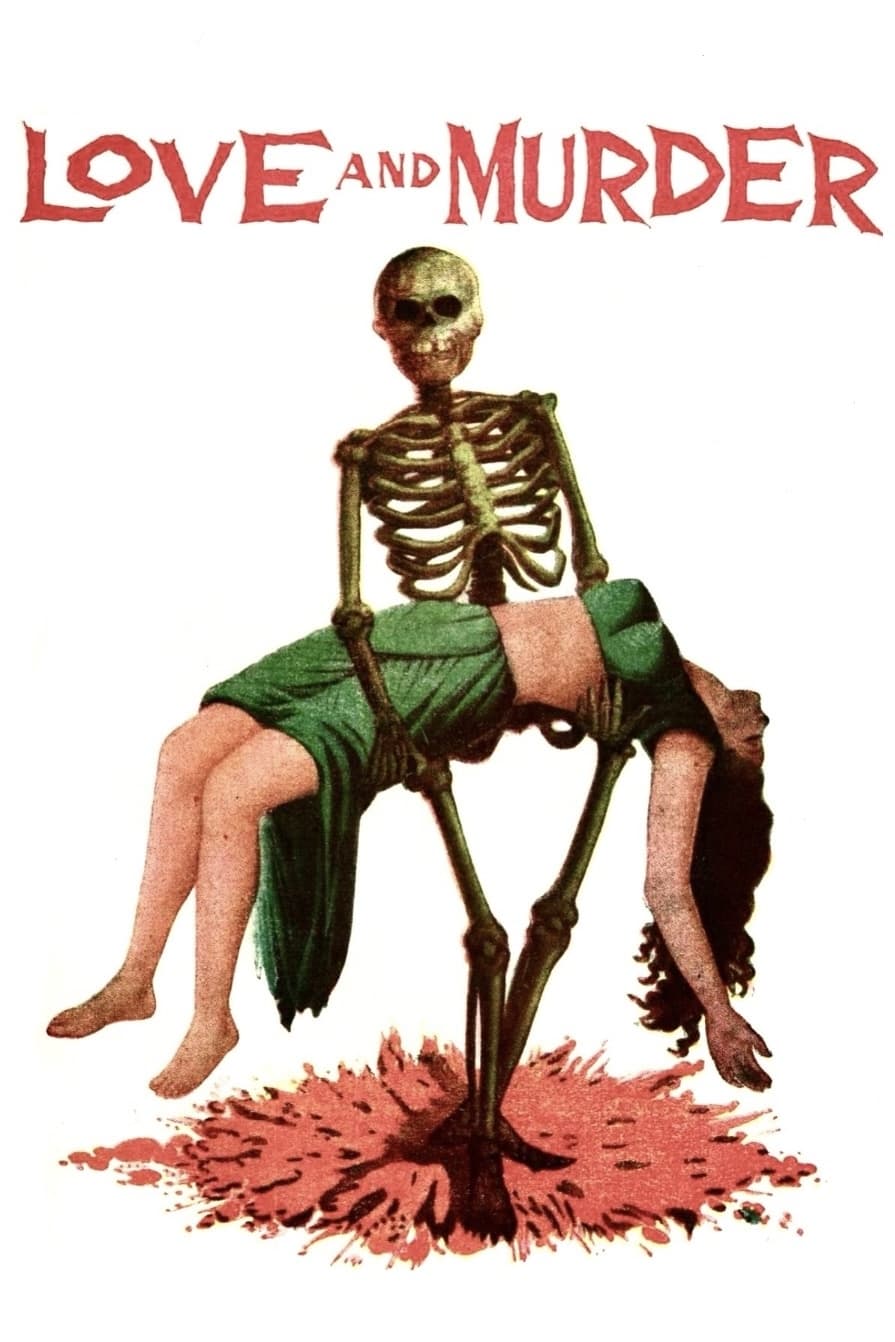
A robber steals the money from a bank heists from his accomplices. He hides at his sister’s place but gets murdered. She soon is lured to a resort called the Rainbow Hotel where the other gang members also are. Soon one after another they are murdered.
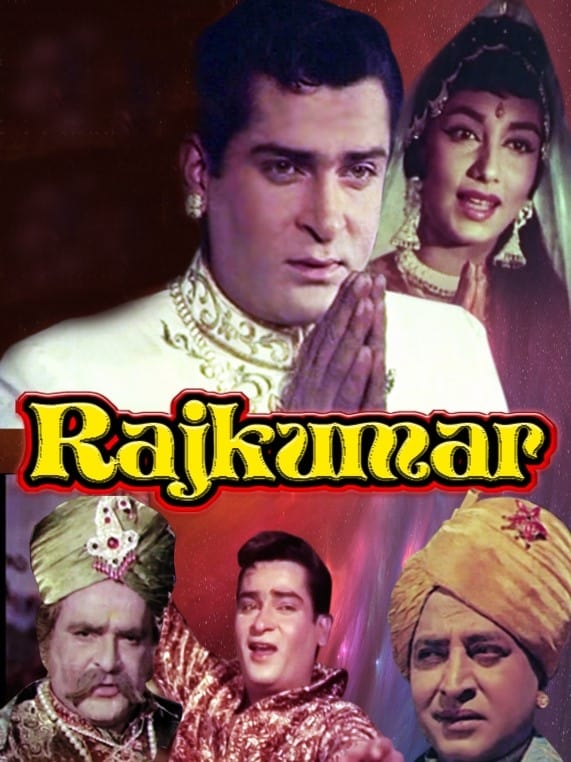
Prince Bhanu Pratap and his friend, Kapil, decide to dress incognito and mingle with the general public and find out if anyone is conspiring to dethrone the king; what they find out will change their lives, and endanger the lives of their loved ones.
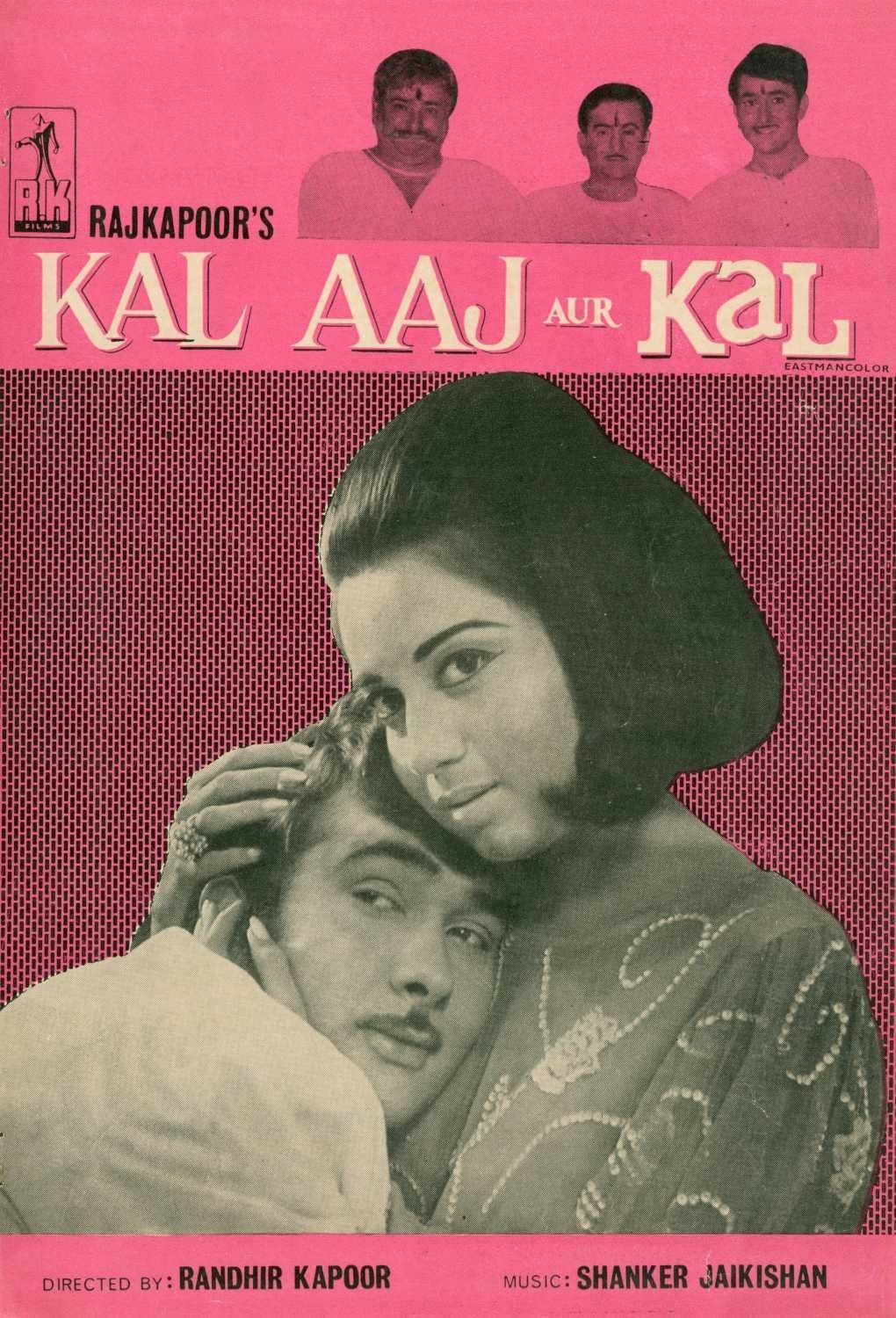
Widower Ram Kapoor frequently throws lavish parties to overcome his loneliness. That changes when his son, Rajesh, returns home with a proposition. Ram's life soon spirals out of control.
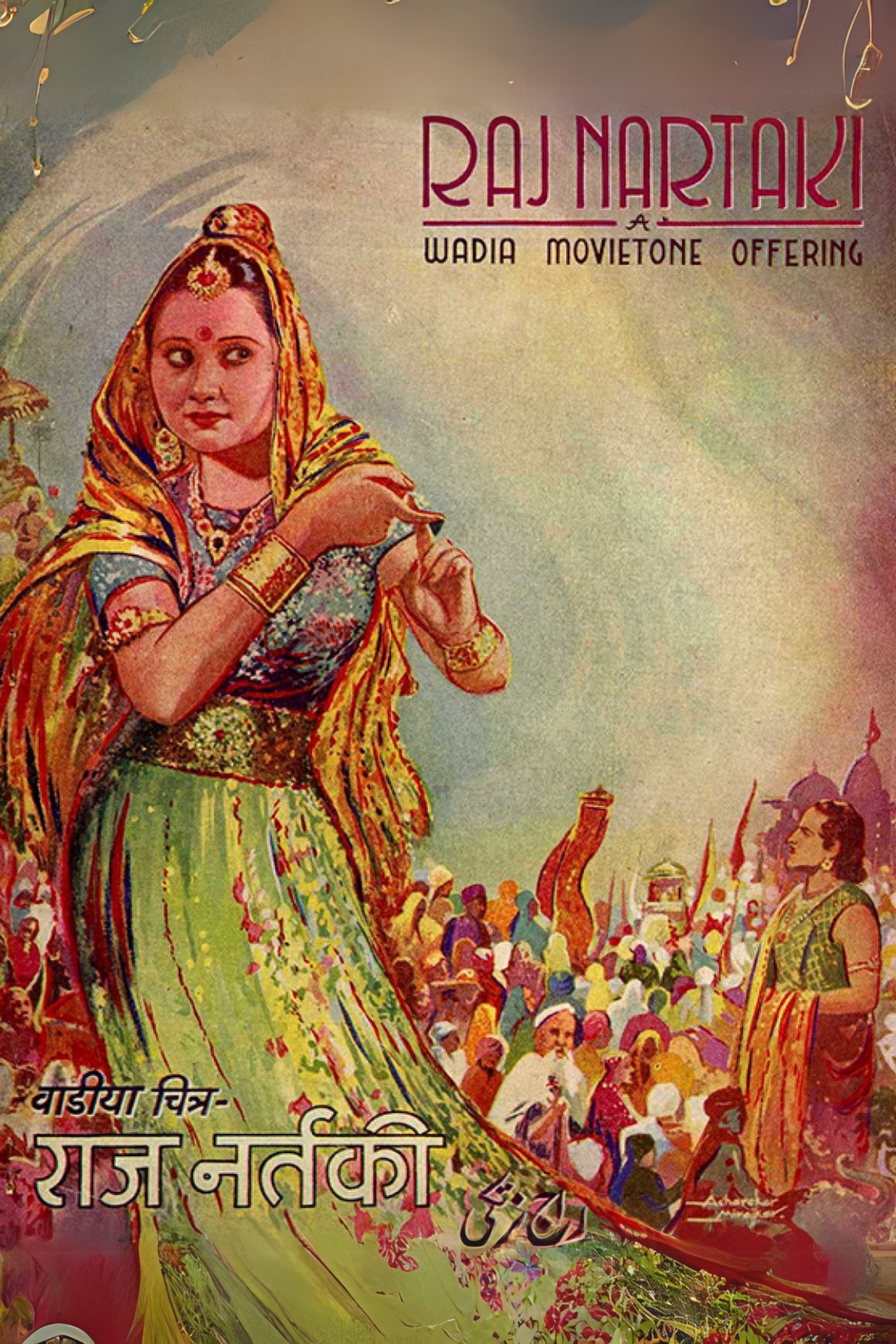
In Manipur, in the early years of the 19th century, graceful and enchanting court dancer Indrani has captured the heart of Prince Chandrakirti. However, Indrani is looked down upon because of her low social standing and turned away when she tries to enter the city temple. She seeks solace in a crumbling temple, where all are welcome. Meanwhile, Prince Chandra comes under pressure to marry the princess of a neighboring land and secure a peace treaty for his kingdom.
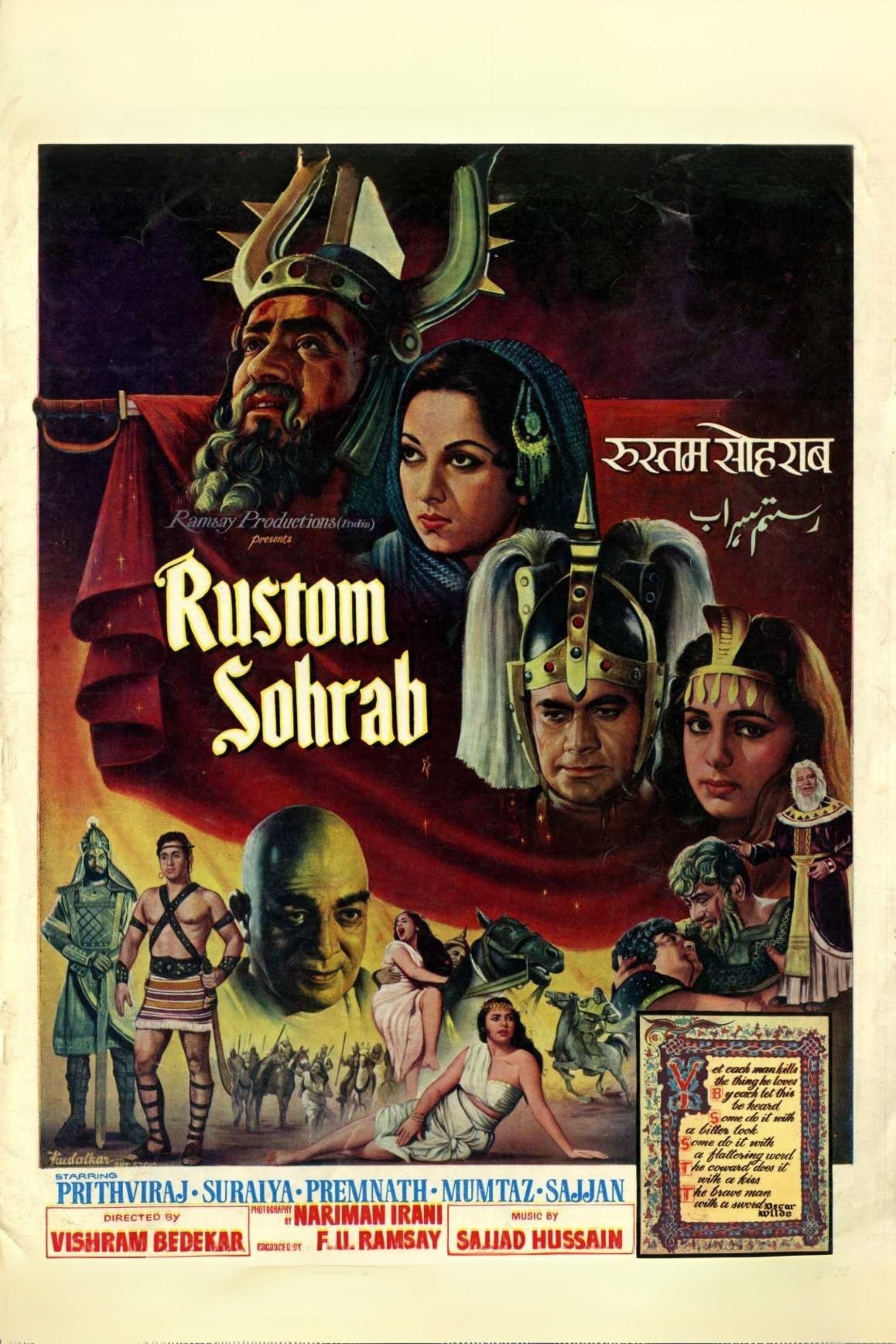
In the year 720B.C., Rustom, who reigned in Iran- Persia and was known for superhuman strength, married Tehminia, Princess of Samangan. When he moved to Samangan, Iran's enemies took advantage, attacked and imprisoned the king. As he heard the news of this rebellion, he began planning his own revolt- to free the king from his captors.
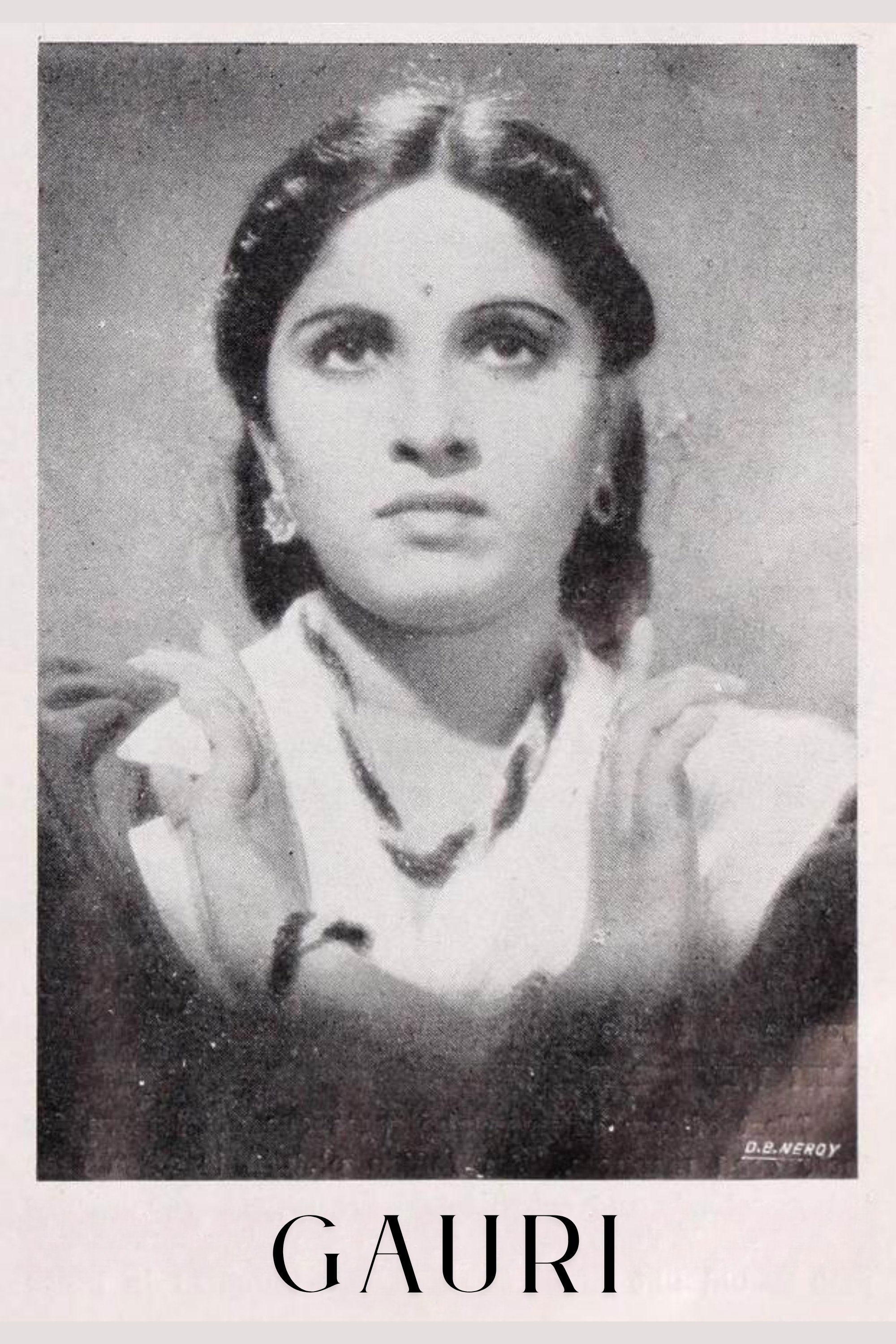
Gauri is a 1943 Indian Bollywood film. It was the seventh highest grossing Indian film of 1943. Monica Desai, Prithviraj Kapoor and Raj Kapoor played the lead roles in the film. [Wikipedia]
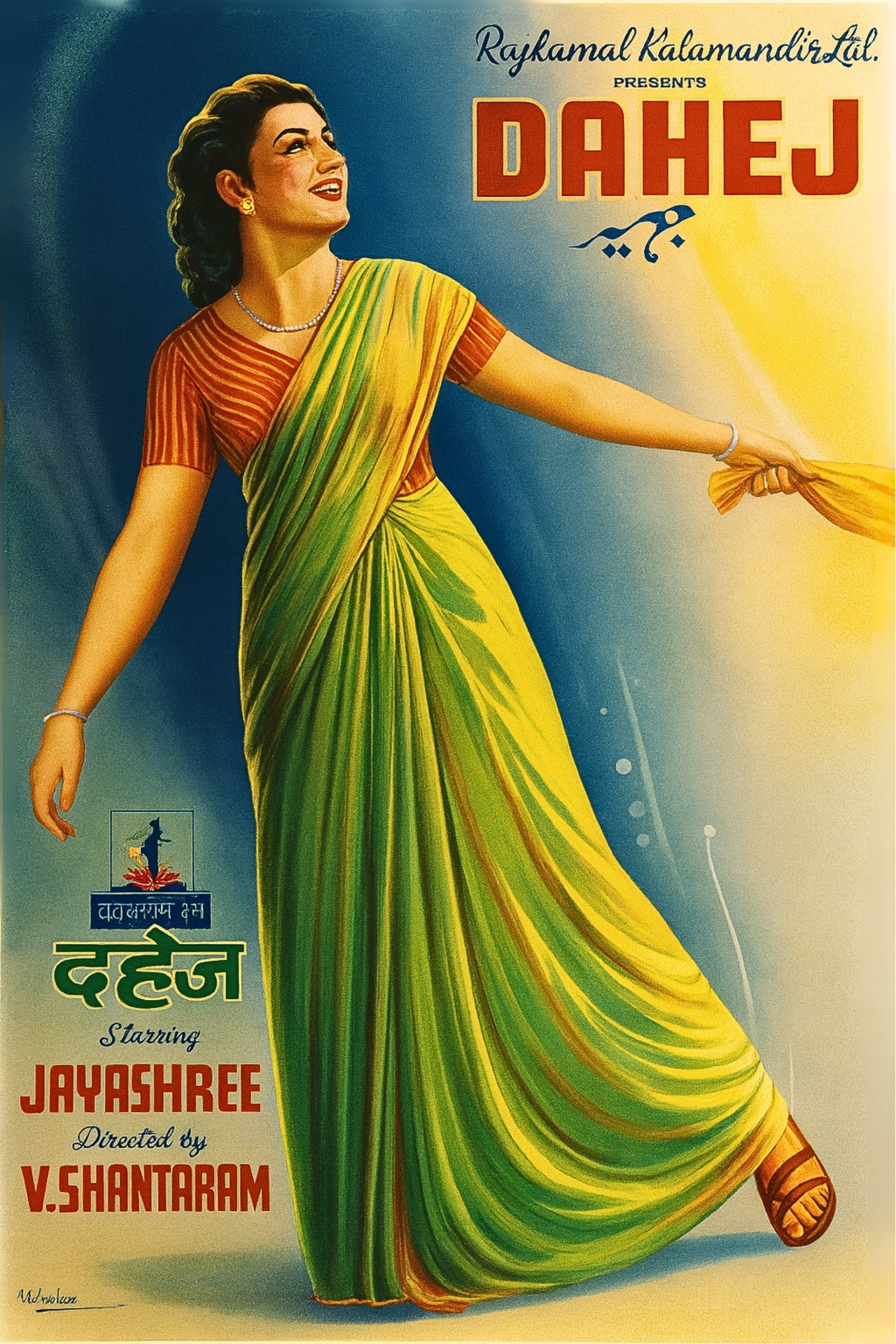
Thakur is a proud and dignified man who loves his only daughter, Chanda, dearly. His wife and he receive a proposal for Chanda from the house of a lawyer and his wife. While Thakur accepts the proposal, he makes it clear to the lawyer that he is unable to afford any dowry. After the wedding, Chanda's mother-in-law starts harassing Chanda about her lack of dowry.
Classic celebration of Mithila's King Shiva Singha's (Bannerjee/Kapoor) love for his wife while chronicling the influence of the pacifist court poet Bidyapati (Sanyal). Invited to the royal court by the king, Bidyapati arrives with his faithful follower Anuradha (Kanan Devi). Queen Laxmi (Chhaya Devi) falls in love with the poet, much to the distress of the king. The king falls ill and starts neglecting his royal duties until Anuradha persuades him that true love does not need reciprocation. The queen, equally distressed by her divided loyalties, contemplates suicide, encouraged by the prime minister who is worried by the nefarious impact of Bidyapati's poetry on the king.
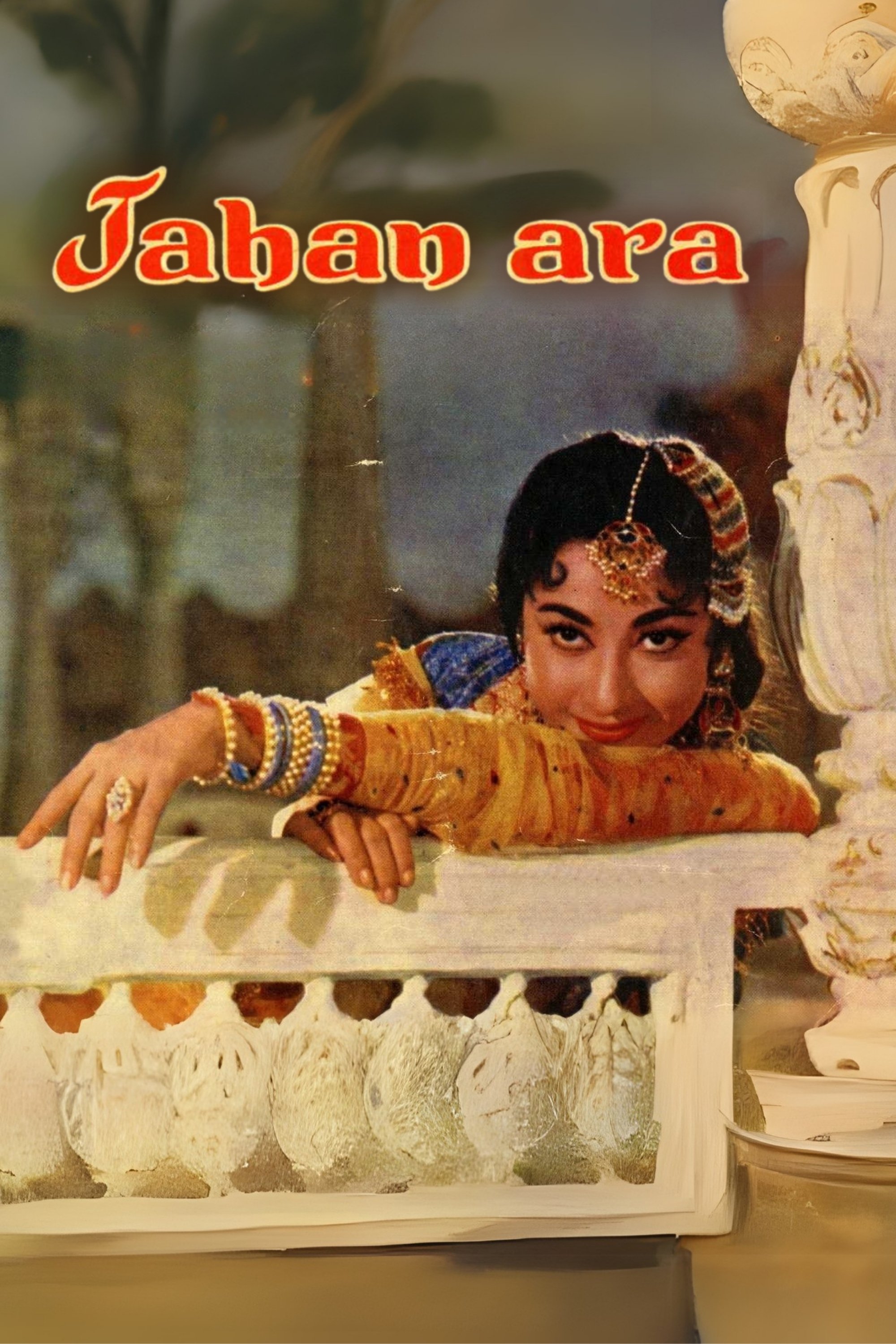
The relationship between two childhood friends is tested as they grow up and discoveries are made. Mirza Yusuf Changezi has known Jahan Ara since childhood, and both have been good friends. After they grow up, things are not quite the same, as Jahan Ara's dad is none other than Emperor Shah Jahan, and men are not permitted to meet with the princess under any circumstance. But Jahan and Mirza do meet secretly and promise to marry each other.
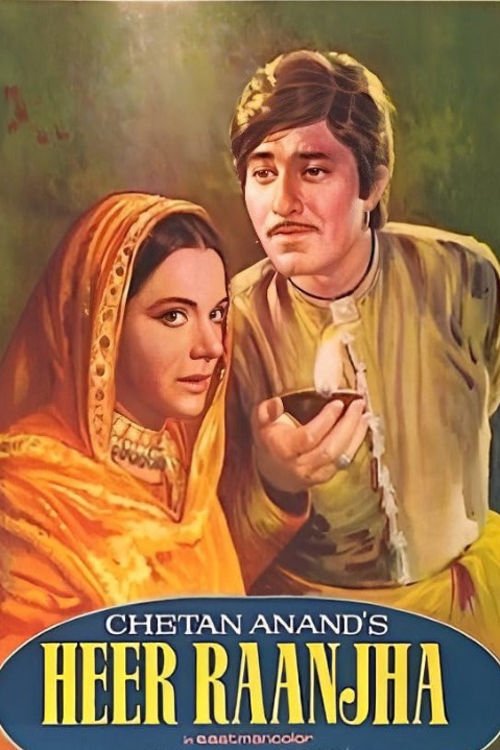
Heer Raanjha is a 1970 Indian Hindi-language romantic musical film directed by Chetan Anand. It stars Raaj Kumar and Priya Rajvansh and tells the tragic love story of Heer, a wealthy girl, and Ranjha, who has been banished by his family. The film is often referred to as a Punjabi version of "Romeo and Juliet.
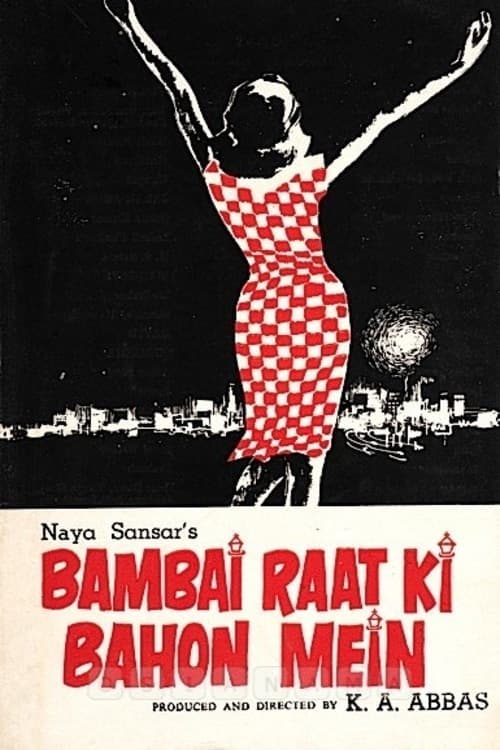
A news reporter becomes a suspect after a robbery and a homicide aboard an aircraft.
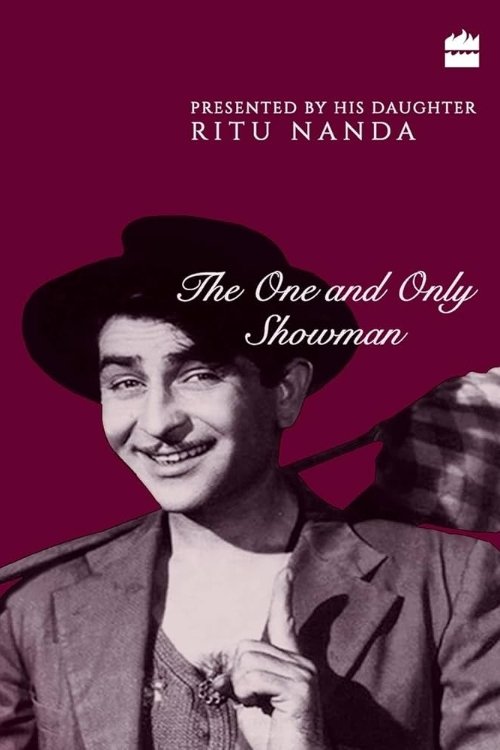
Raj Kapoor, the film maker and actor became a legend in his lifetime. Head of one of the last great studios on the Indian sub-continent and creator of a film-making empire for nearly half a century. Woven into the texture of this 70-minute film, part personal narrative, part rare visuals, part cinema footage, is the picture of a man who straddled the Indian cinematic world for nearly half a century like a colossus.
Though times have changed, Ram still uses old ways of farming due to a drought in the village. His brother, Bala, goes to Bombay to earn his living. Mahadev, a Zamindar in the village, eyes Usha, the lover of Bala. Due to the drought, the crops fail in the village, and Shikh Sahib, a social worker, comes to help the farmers, and shows them new ways of farming. Ramu goes to Bombay to take a loan for cooperative farming and asks Bala to turn back to the village, but he refuses. [The film is a socio-economic study of post-independence India, blending documentary elements with narrative storytelling. The film is often described as a "simple story woven into the documentary design" and features actors like Prithviraj Kapoor and Dev Anand.]
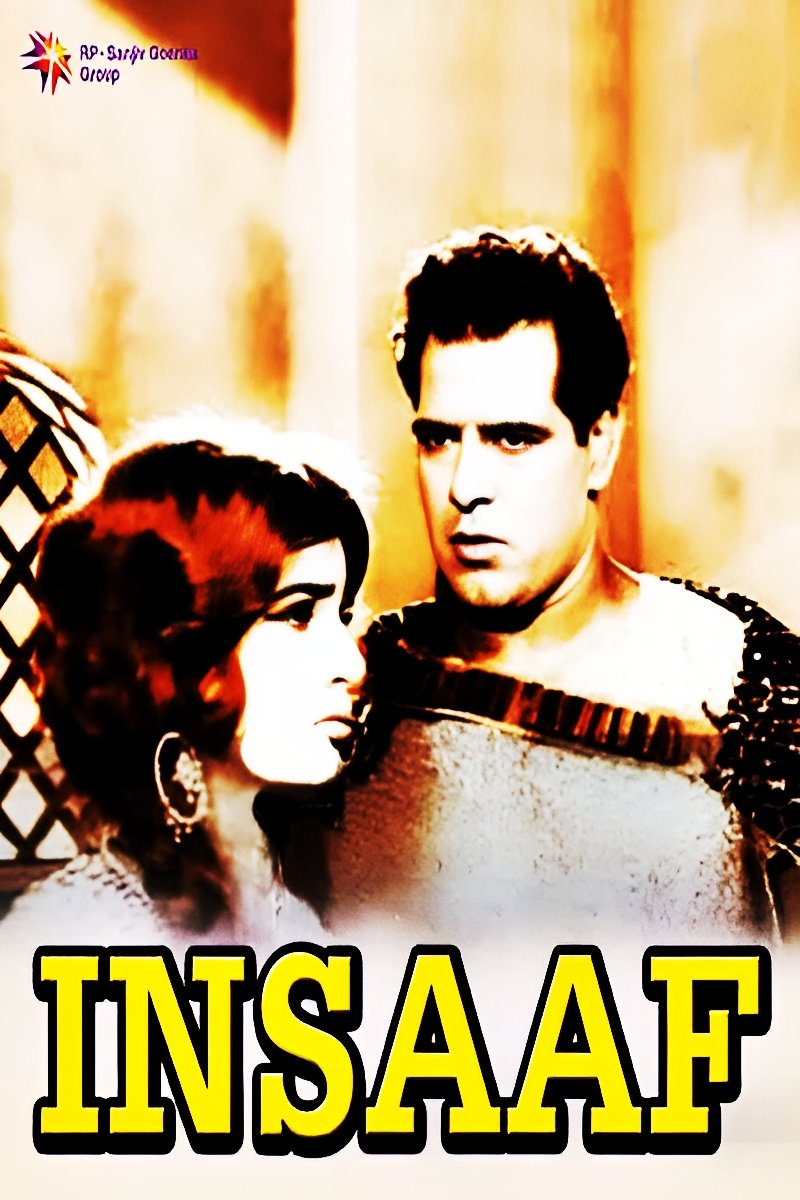
Rakesh promises a women justice who stands trial by the law created by his own father.
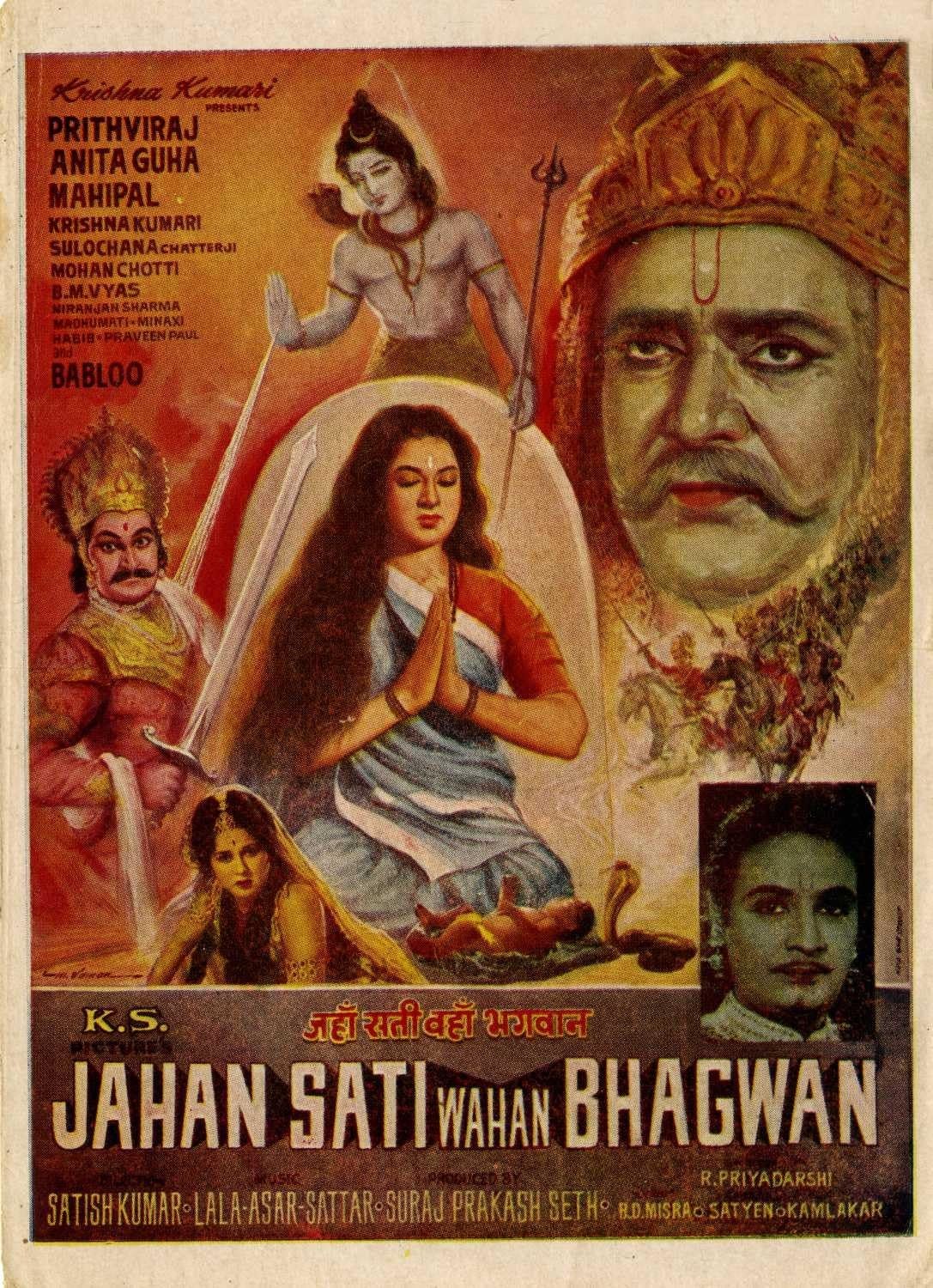
Fated to die at the hands of a child, a demon wreaks havoc on the lives of the to-be parents.
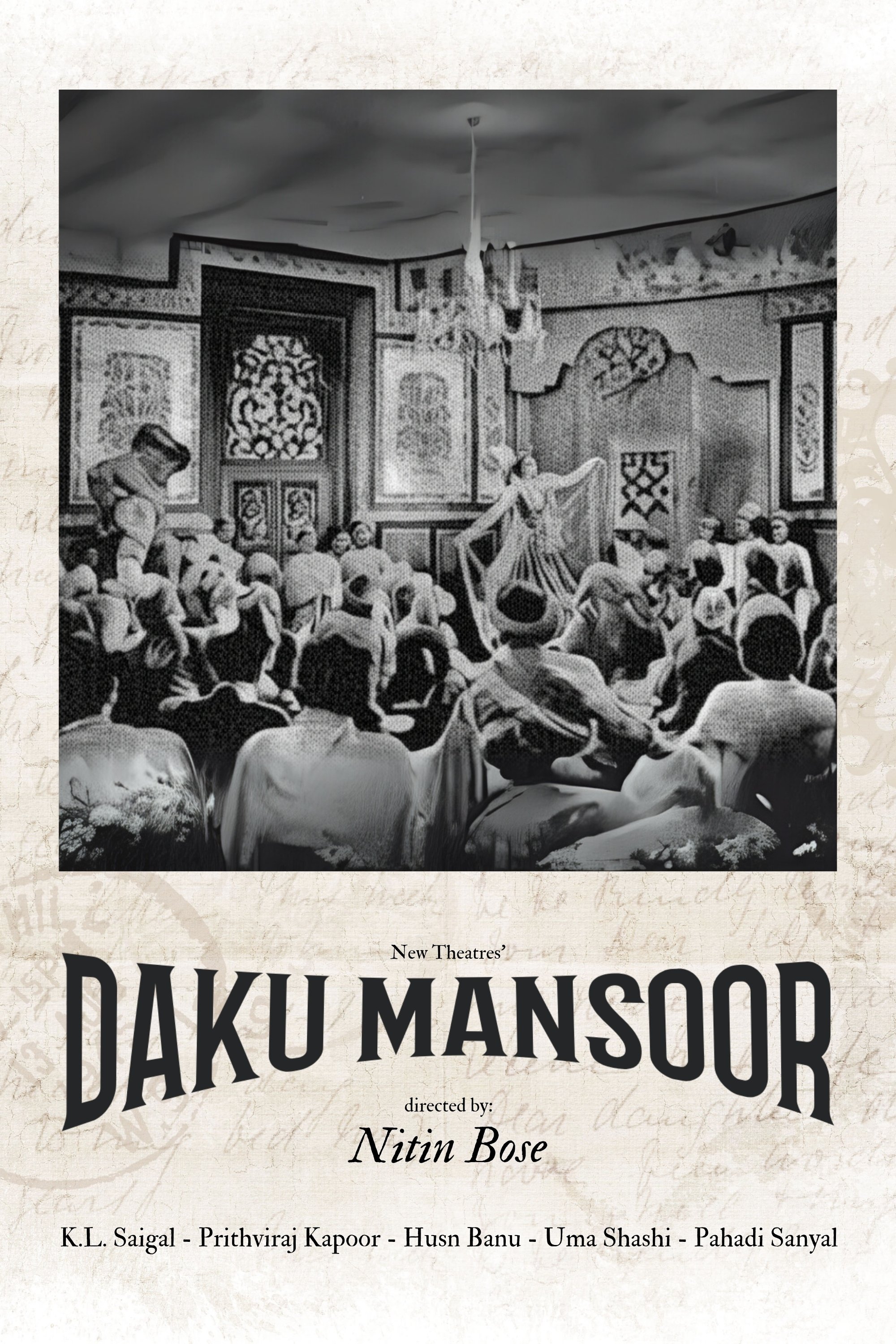
Mansoor, a feared bandit who falls for Husn Pari, the sister of a tyrannical caliph. After taking shelter with a merchant, he’s pursued by the merchant’s daughter Meher. Torn between love and guilt, Mansoor faces betrayal, loss, and a final choice between his past and redemption.
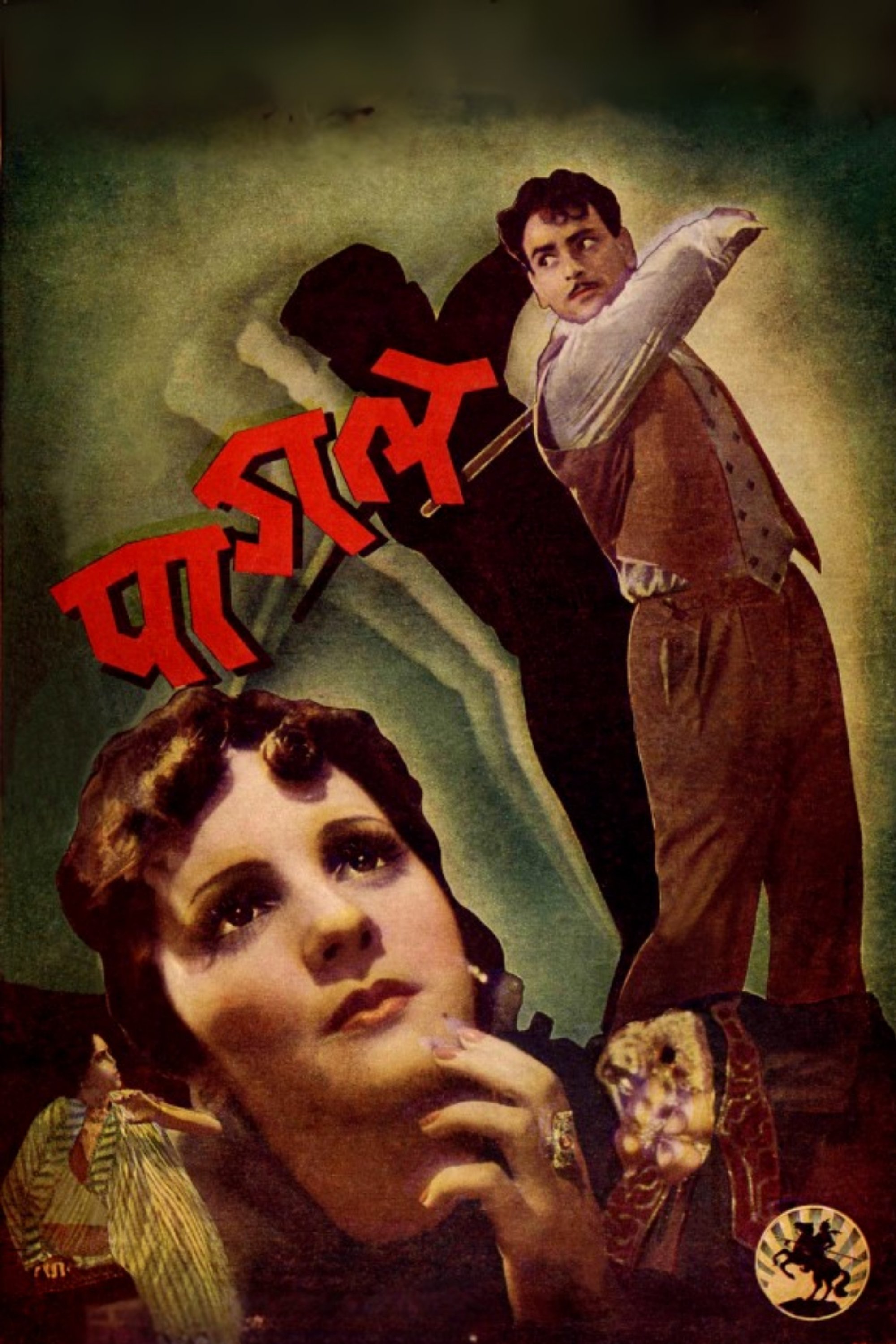
A psychiatrist spirals into madness after being tricked into marrying the wrong sister. When his obsession with her sibling grows, he uses his medical authority to turn her insane and imprison her within his own asylum.
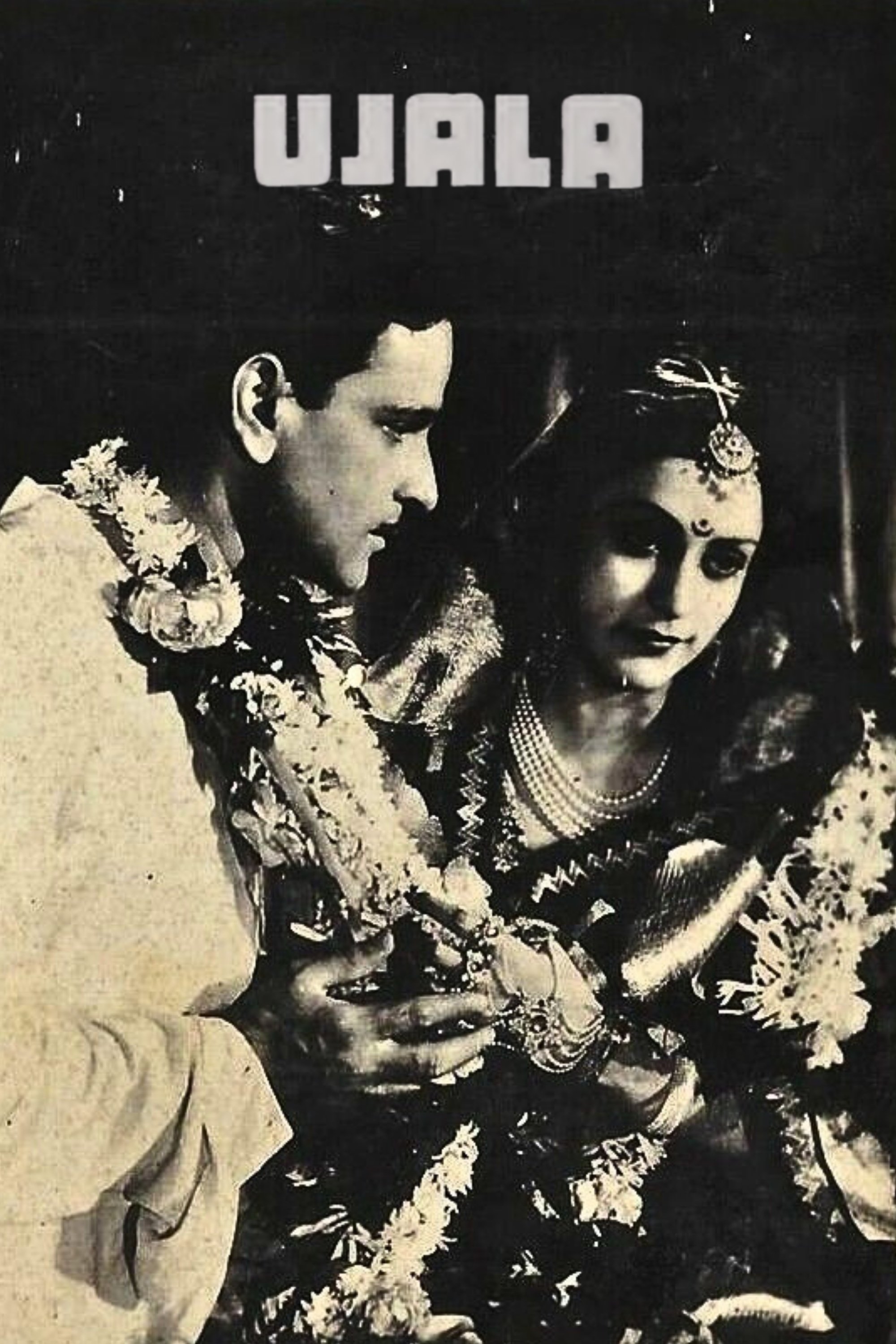
An idealistic theatre owner discovers a captivating dancer, sparking a passionate romance destined for the stage and beyond. But when tragedy strikes on their wedding day, can their love endure the harsh realities that follow, transforming them and the very soul of the theatre?
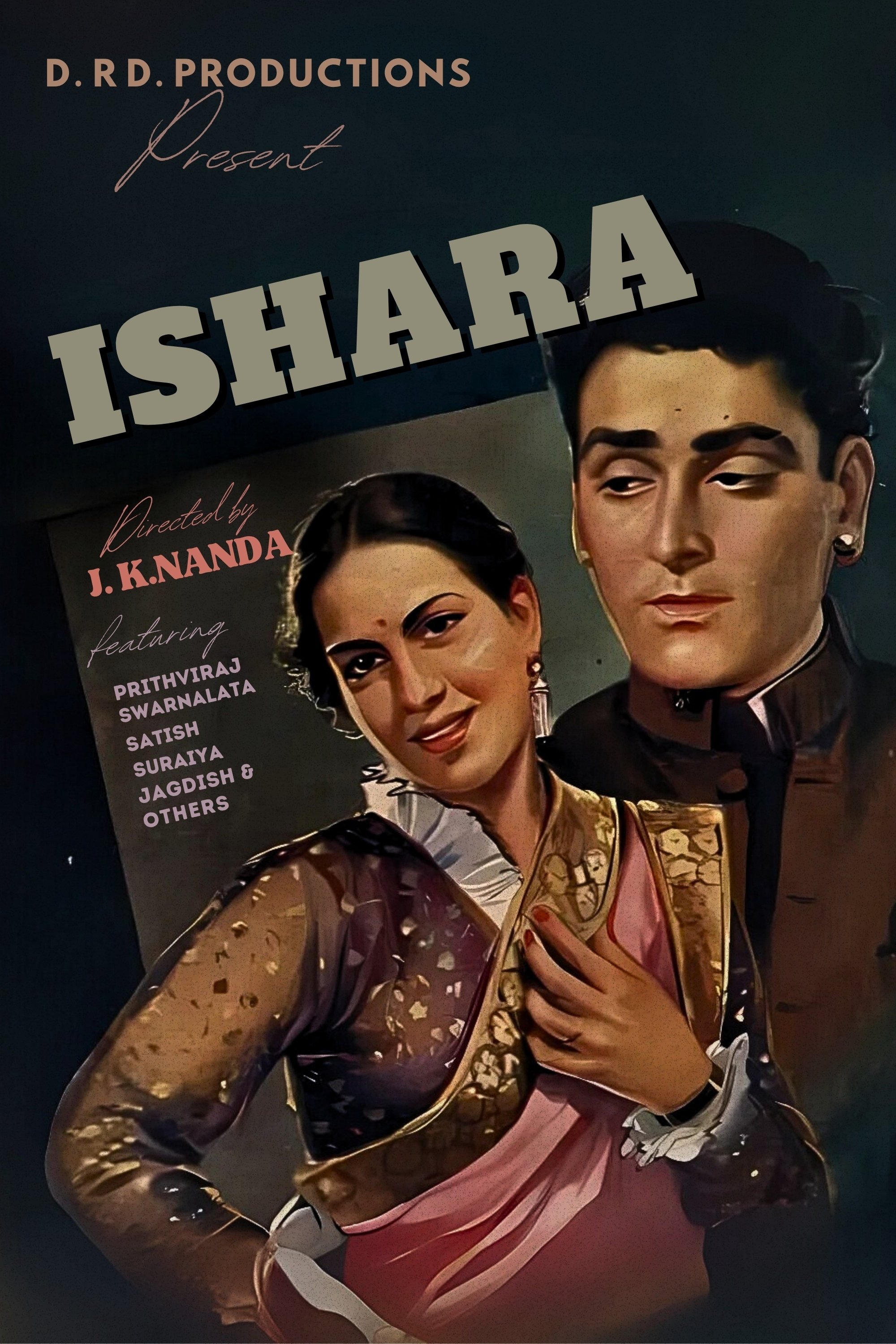
A love triangle blossoms amidst class divides when a wealthy young man falls for a poor girl, only for a traditional arranged marriage to disrupt their lives and expose the harsh realities of societal expectations.
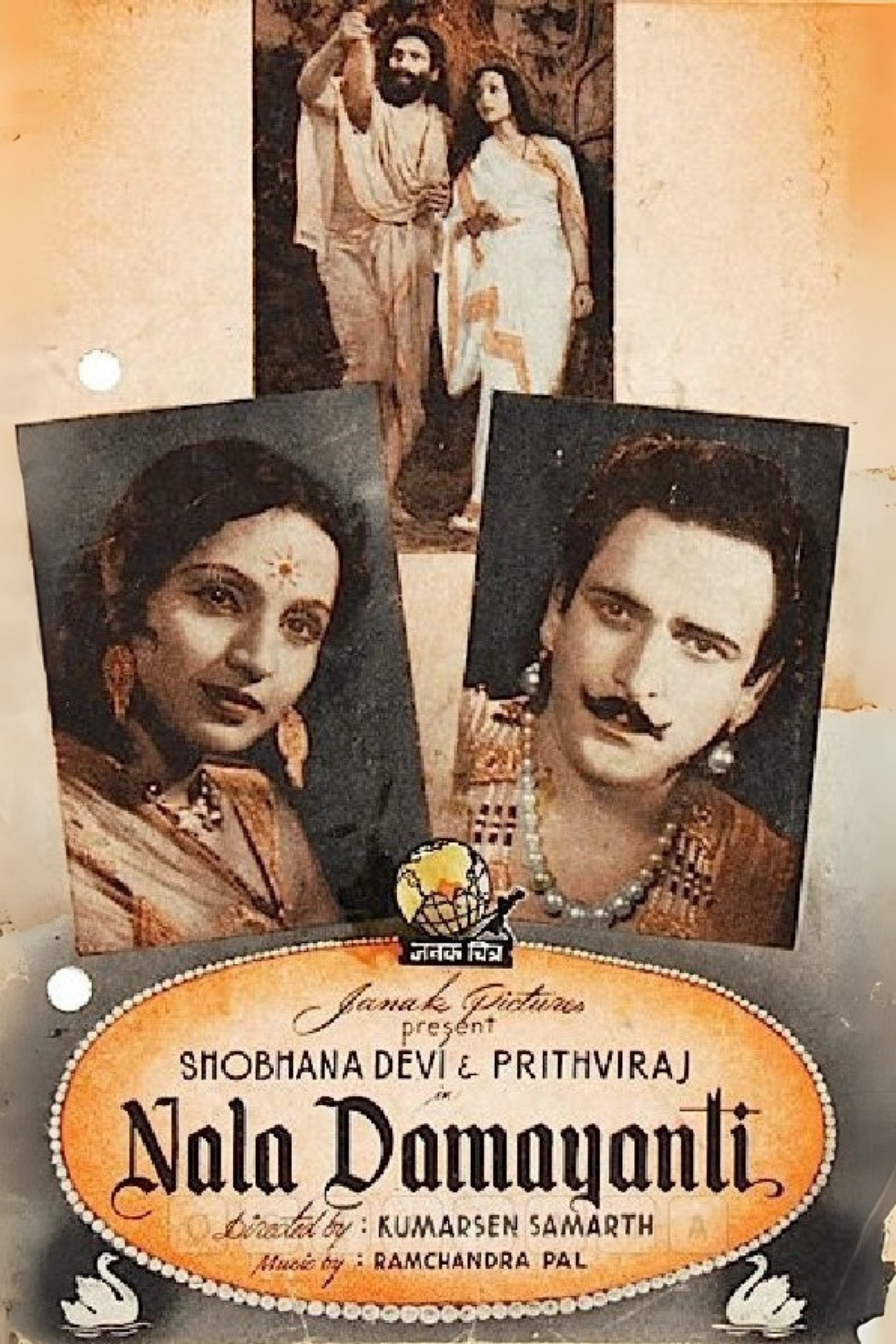
Based on an ancient Hindu epic, the film tells the timeless love story of King Nala of Nishadha and Princess Damayanti of Vidarbha. Their love is sparked by the magical swans who carry messages between them. Despite challenges from gods who also desire Damayanti, and the cunning machinations of the evil Kali who curses Nala, the couple endures separation, hardship, and transformations. The film focuses on their trials, Nala's loss of his kingdom and disguise, Damayanti's unwavering devotion and search for him, and their eventual reunion and restoration of their happiness and kingdom.
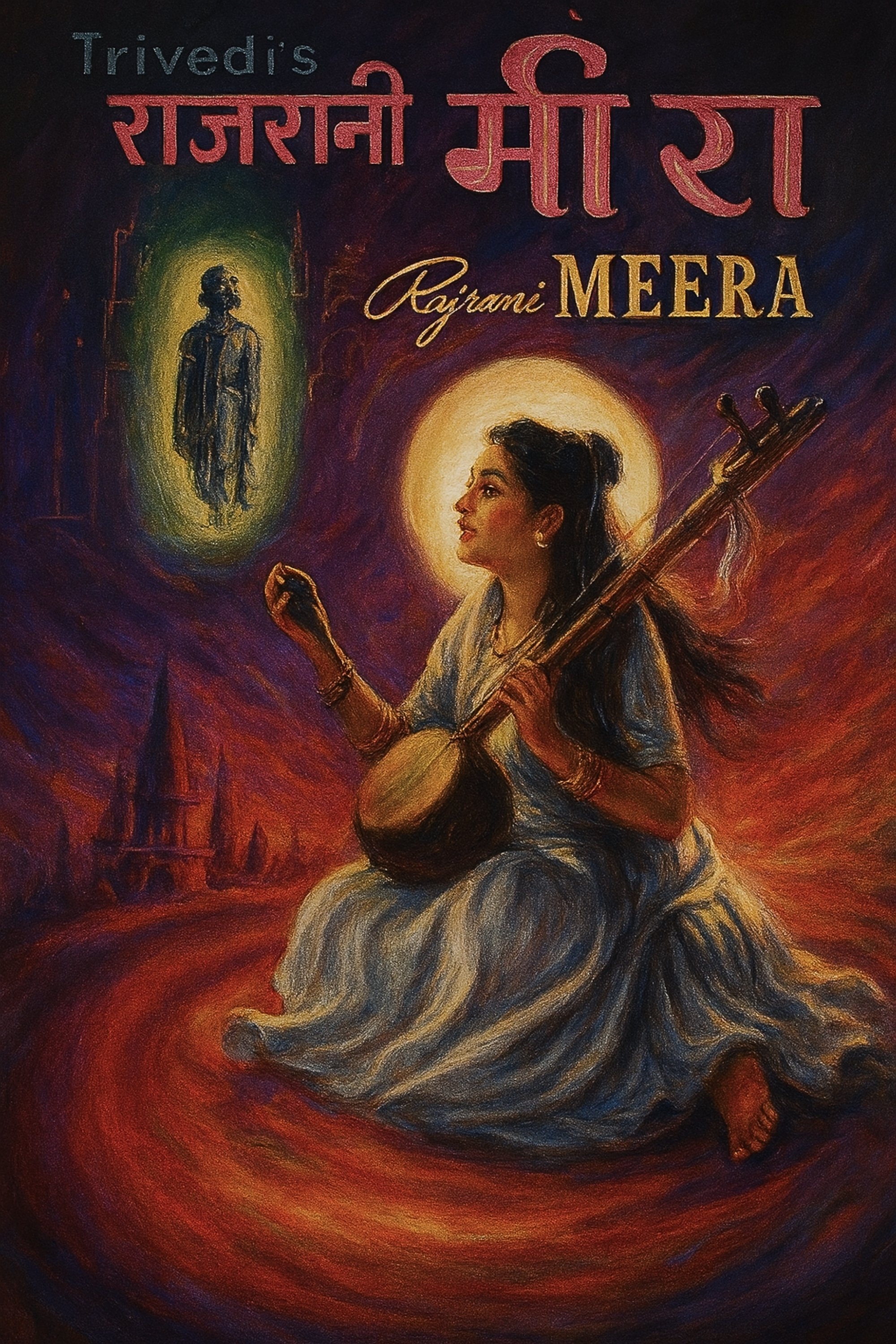
Meera is immersed in her love and devotion to Lord Krishna since a young age. When she grows older, her family get her married to the Rana of Mewar. Misunderstandings occur when her devotional poetry is thought to be love songs for someone. Several hardships are inflicted on her by her husband and her in-laws. She takes to sitting in the temple and singing bhajans (sacred songs) composed by her. Her brother-in-law tries to have her killed many times, but fails. She finally renounces her life in the palace and wanders from place to place singing devotional songs.
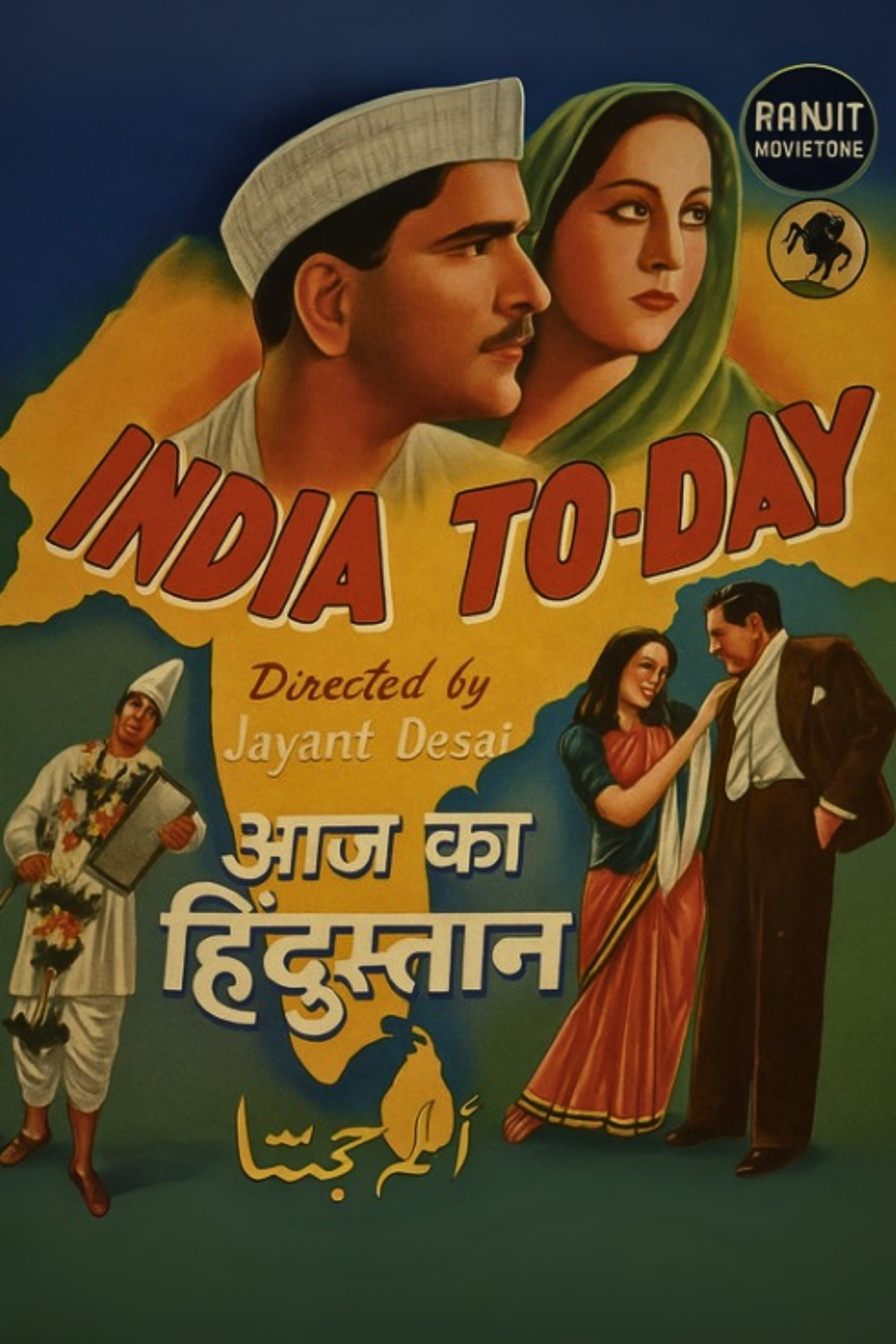
The story of two brothers, Dhiraj and Shashi, and their rivalry. The cunning Dhiraj mortgages their ancestral property, causing complications for his innocent brother Shashi and their family. The plot also explores the contrast between rural (Unmad village) and city life, as both brothers originate from Calcutta.

Geeta then goes to live with her brother, who is not in a financial position to adequately support her. The film's later scenes focus on her husband's attempts at reconciliation, especially after his father passes away and his other wife (through whom he had a son named Charan) also dies. Initially, Geeta is resistant to a reunion, but Charan's subsequent illness ultimately brings the couple back together.
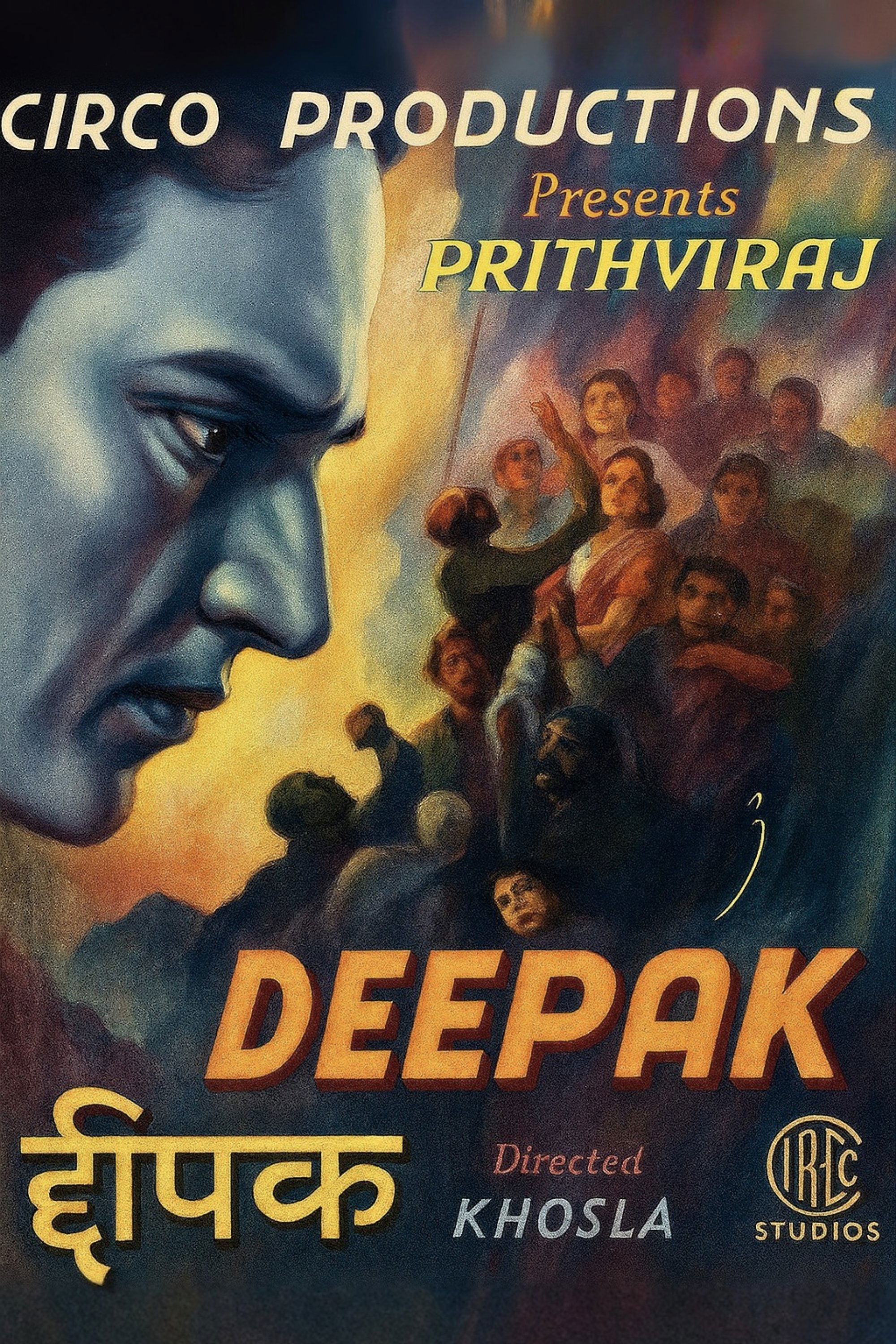
A young doctor, Dr. Deepak, uses faith cures and is expelled from his profession. After successfully curing a Prince, he becomes a Chief Medical Officer but is framed for murder by a jealous State Physician. When his sweetheart falls ill, Dr. Deepak must cure her from prison, leading to a "satisfactory ending."
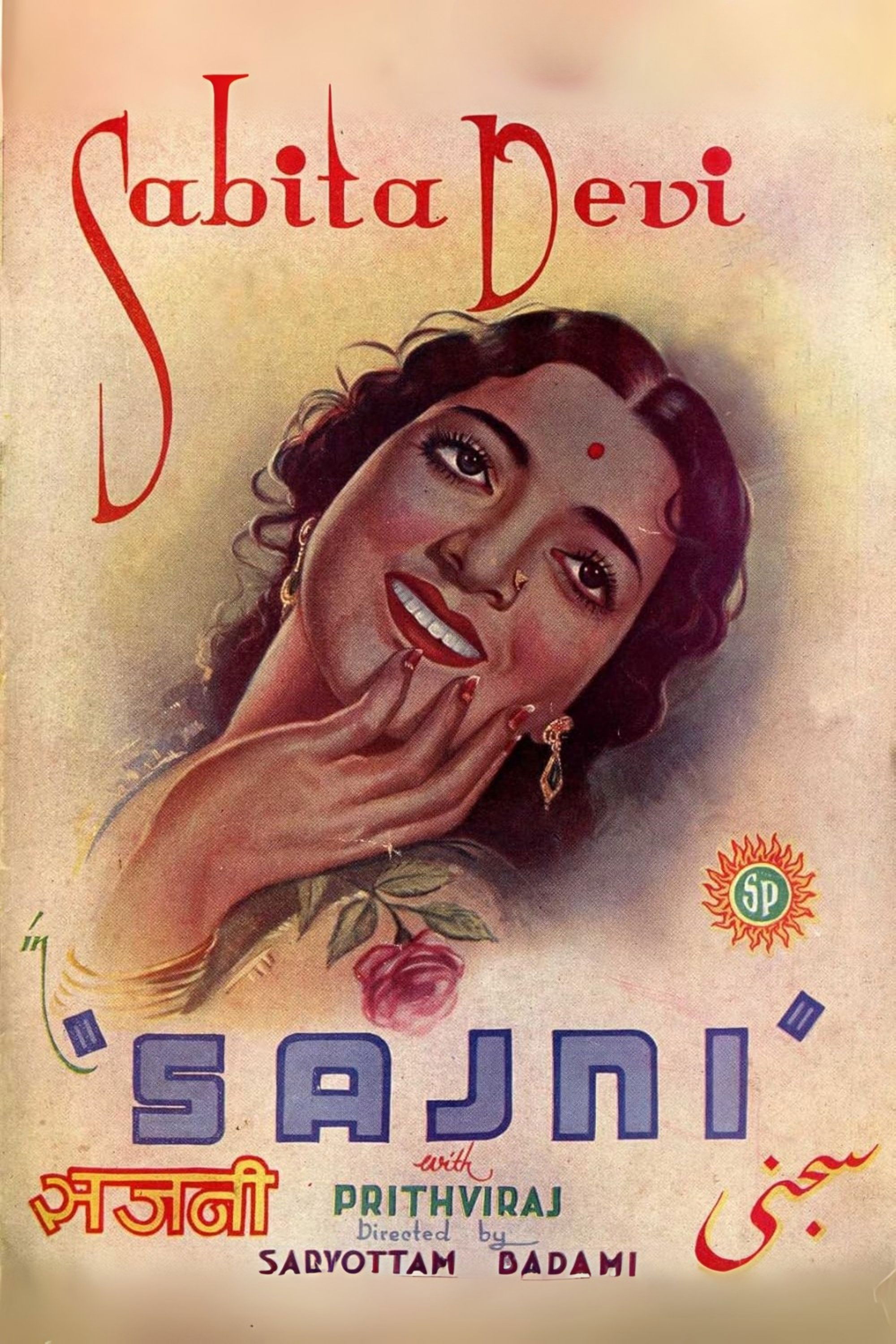
Nanda, a money lender's son, falls for farmer's daughter Rupa. His father arranges his marriage to Radha for a dowry. Rupa sacrifices her love and blesses Nanda's marriage to Radha.
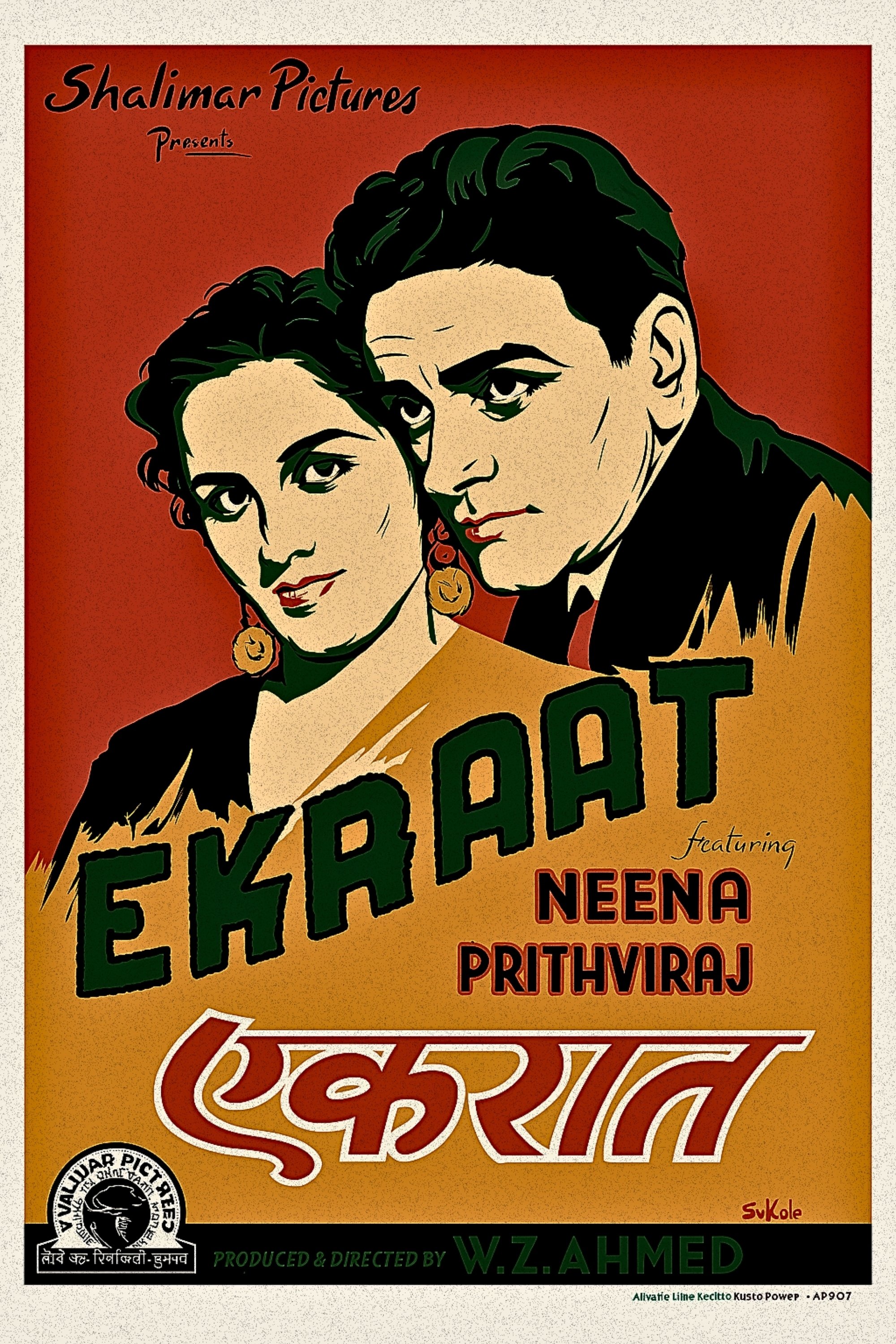
A thriller centered on Ravi, who arrives at Heera Mahal on a stormy night. He finds the bungalow now owned by Balraj Sharma, a crippled ex-police officer, and his daughter Rekha. Ravi takes a job with Balraj and learns of Balraj's fear of Jaggi, a man seeking revenge. Ravi and Rekha fall in love and try to help Balraj. The plot thickens when Ravi is accused of two murders, leading to more suspense and revelations.
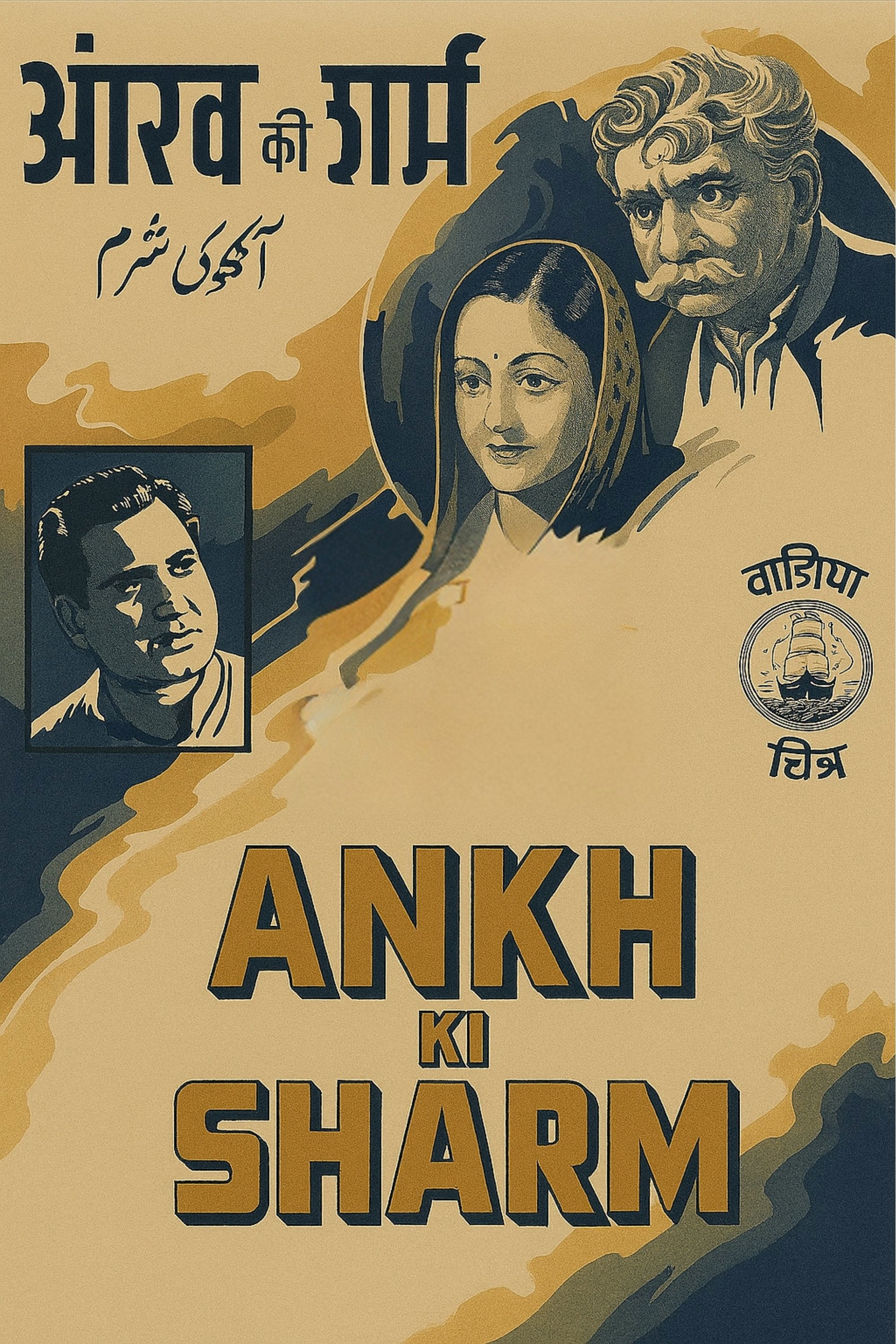
An early social drama that delved into themes of honor, modesty, reputation, and the consequences of actions that bring shame or dishonor
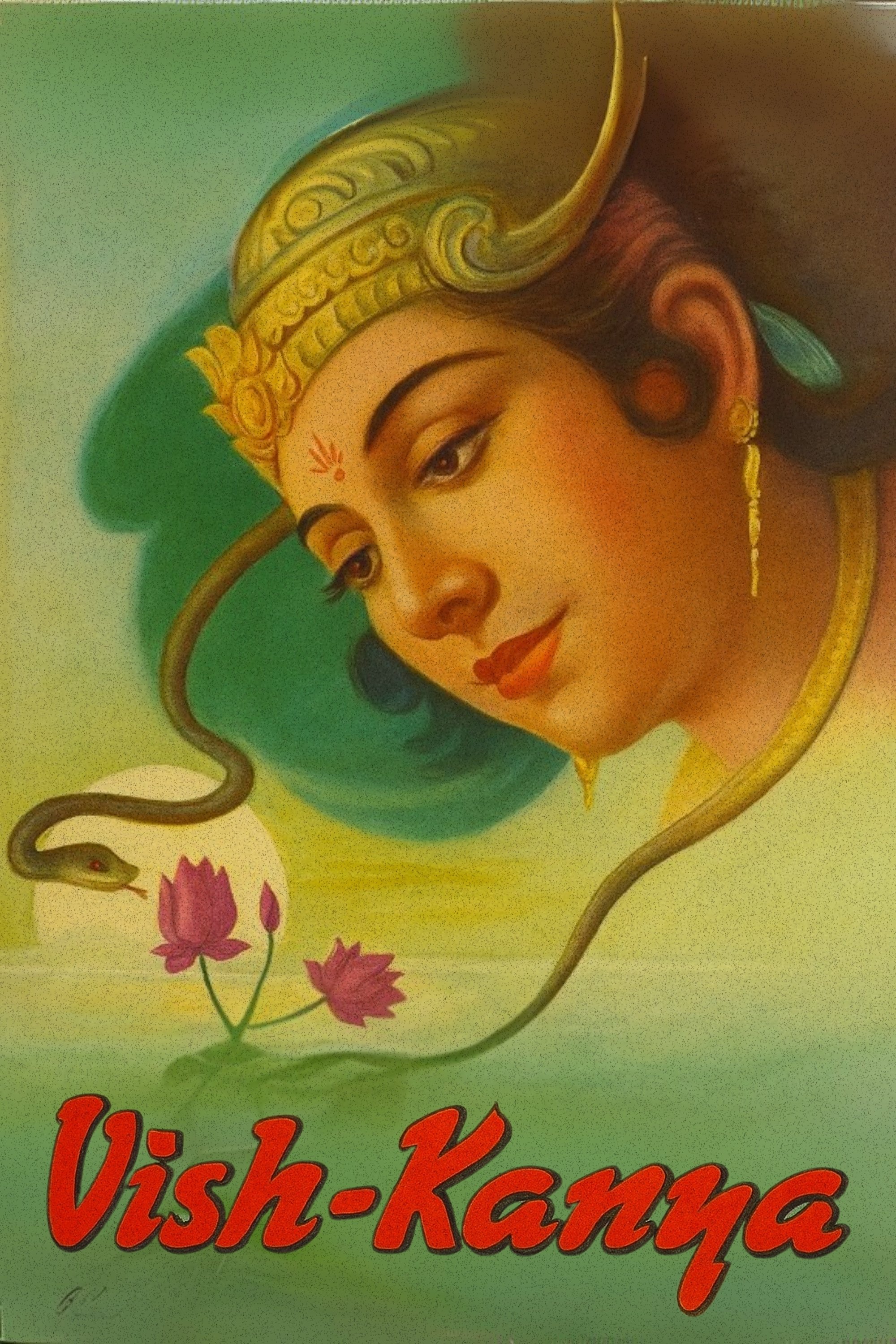
An Indian film drawing on the ancient concept of the "poison maiden." It depicted a mysterious and dangerous woman whose very touch or presence could be lethal.
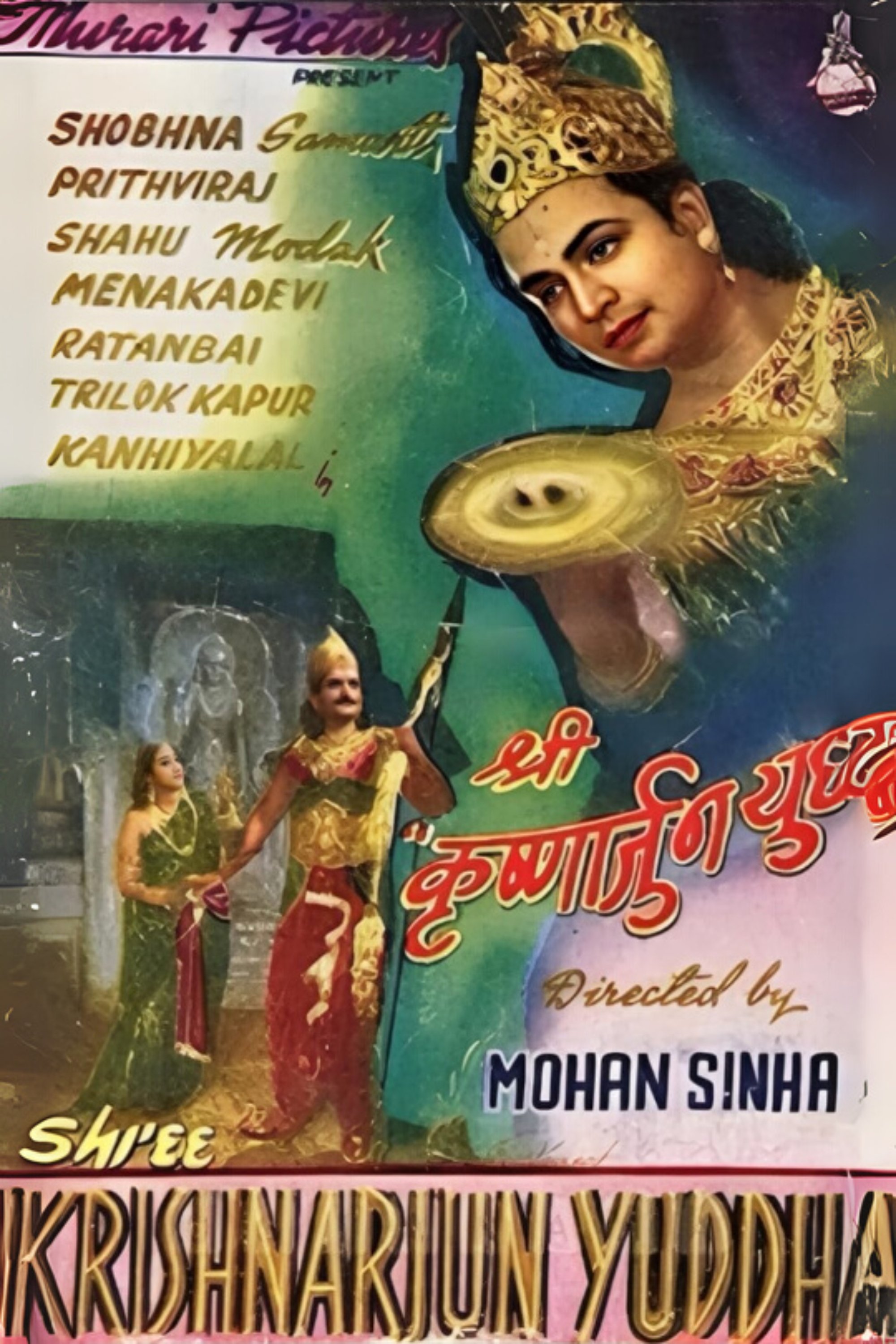
Chitrasen inadvertently humiliates Gabal Rishi, who approaches Bhagwan Shri Kishan and prays that the former be punished. Kishanji readily agrees to punish Chitrasen by beheading him with the Sudarshan Chakra. When no amount of pleas for mercy are adhered to, a compassionate Subhadra, moved by Chitrangini's plight, asks her spouse, Arjun, to intervene. The later, at first, refuses to take up arms against Kishanji, his friend, but subsequently relents - resulting in war - that will not only end their friendship - but may well also destroy the universe and annihilate Arjun, his brothers and their entire army.
Reformist melodrama about widow-remarriage. Jai Narain, owner of a colliery, forms a happy family with his wife, his daughter Saroj, son-in-law Kailash, an engineer at the colliery, and their son Nannha. Kailash dies in a colliery accident caused by Jai Narain. Nannha is sent to an orphanage and Saroj marries Ramesh, who loves her but is unaware of her previous marriage or of being a stepfather, while Saroj misses her dead husband and longs for her absent son. A former suitor, Ranjit appears, knowing her past history. Repeated scenes show Nannha pining for his mother.
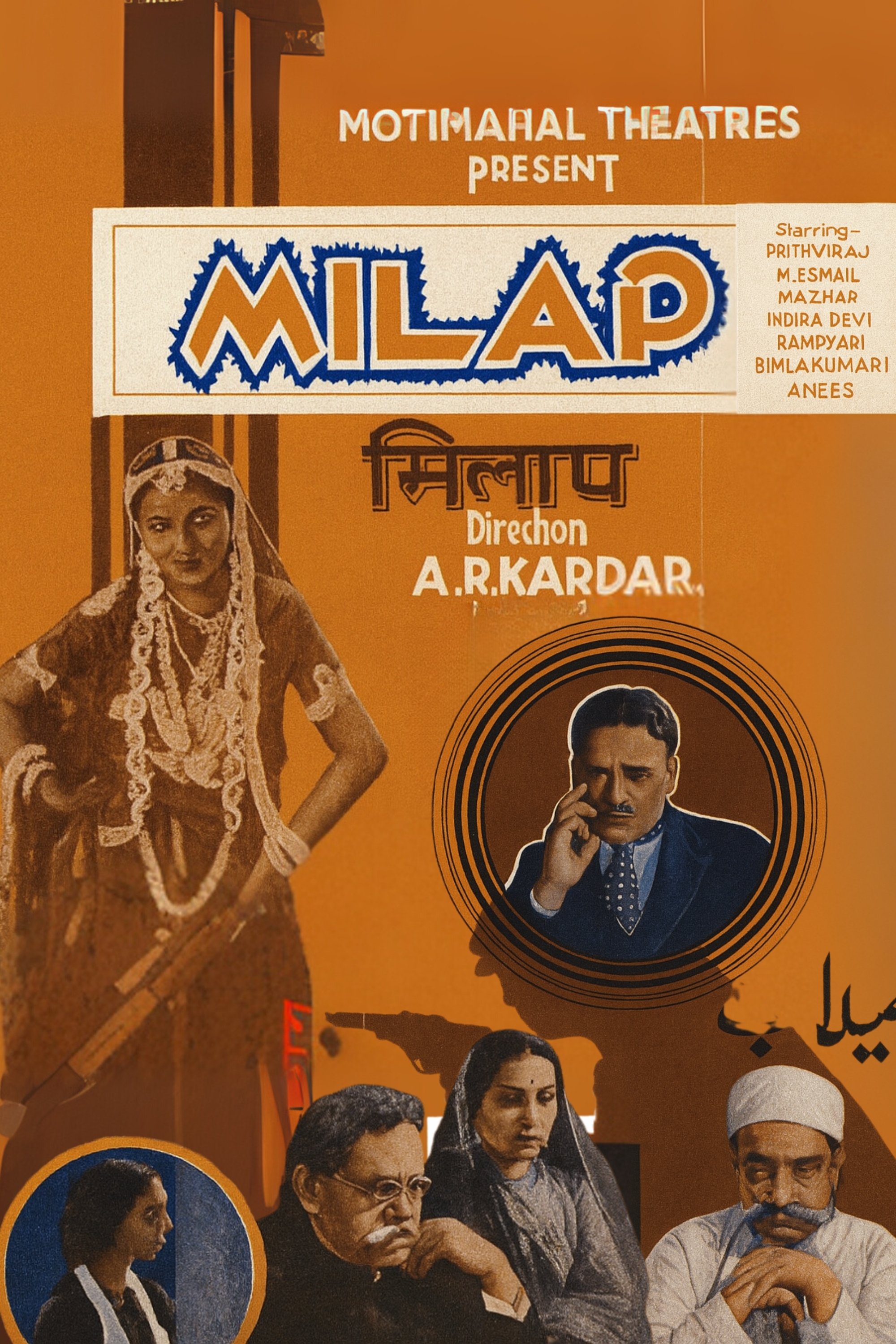
A social drama by A. R. Kardar, was a hit for Rampyari and Moti Mahal Pictures. It's famous for introducing Indian cinema's first "vamp" prototype, with Rampyari seducing Prithviraj Kapoor in an off-shoulder dress and using a cigarette-holder. Music by K. C. Dey.
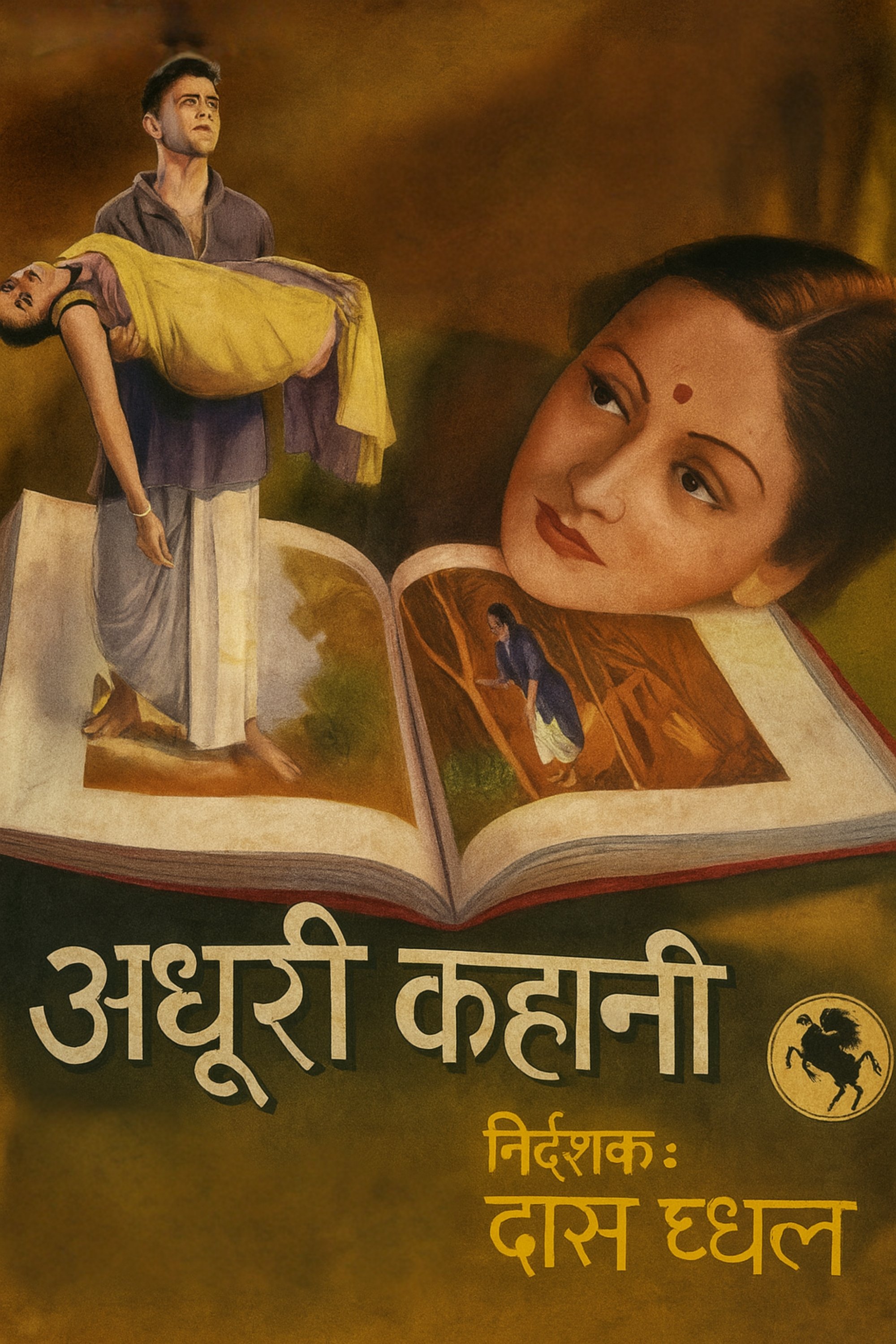
The educated Harbala battles the oppressive traditionalism of her husband, Seth Gopaldas. Desperate for her children, Somnath and Neelam, to live freely, her frustration leads to a tragic act. Haunted by guilt, her children ultimately follow. The film, aptly titled "The Unfinished Tale," suggests hope for a more liberated future.
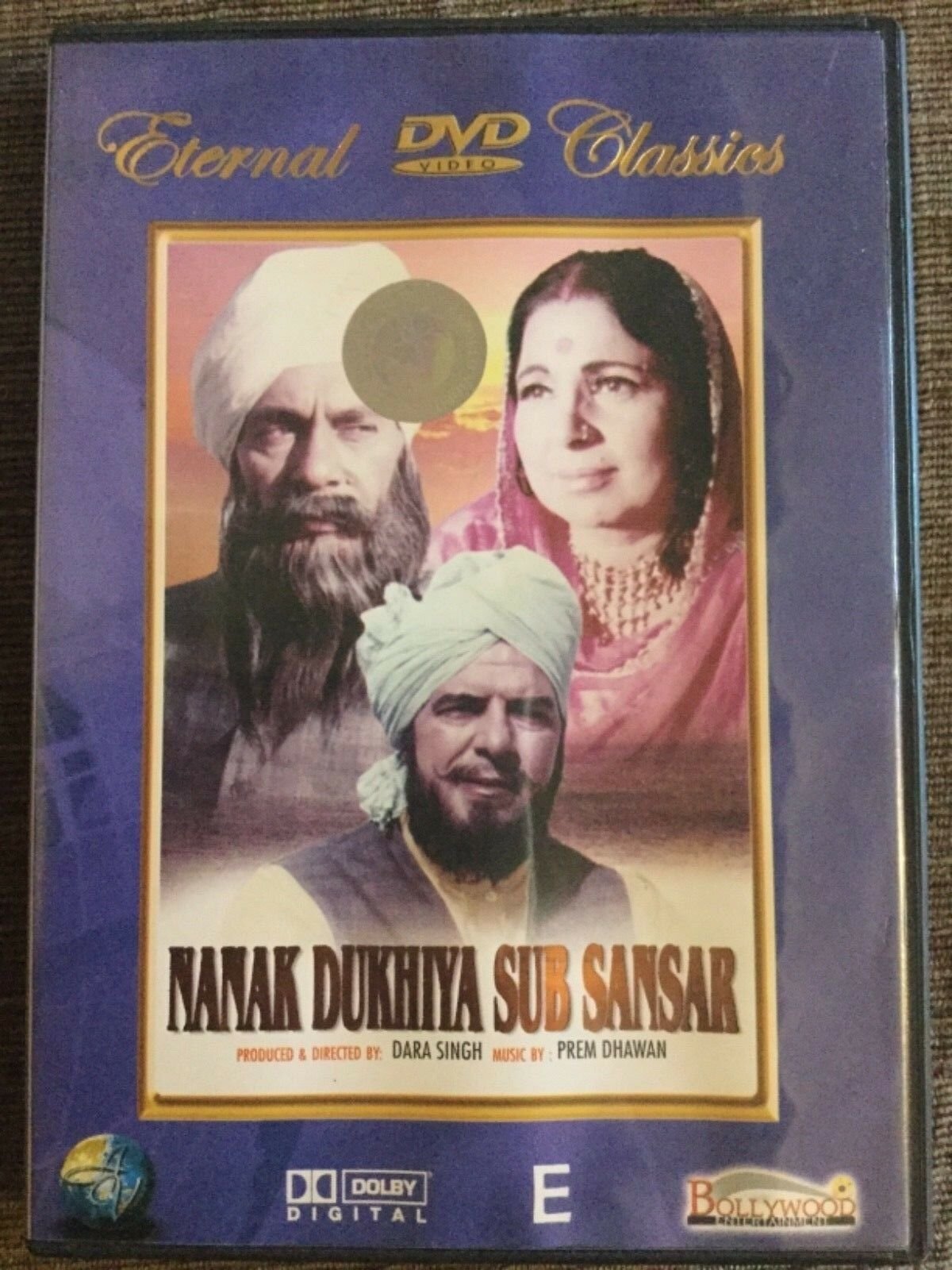
Two brothers, separated in the riots during the India-Pakistan separation, meet as friends. Even when they learn that they are real brothers, they do not refrain from opposing each other over a woman.

A 1954 Hindi social drama directed by Rajendra Sharma, featuring Shammi Kapoor and Prithviraj Kapoor, with Munawwar Sultana, K. N. Singh, Gulab, Naaz, and Roopmala in supporting roles. The film is notable for its Madan Mohan soundtrack and for being one of the few films featuring Shammi Kapoor and his father Prithviraj Kapoor together.
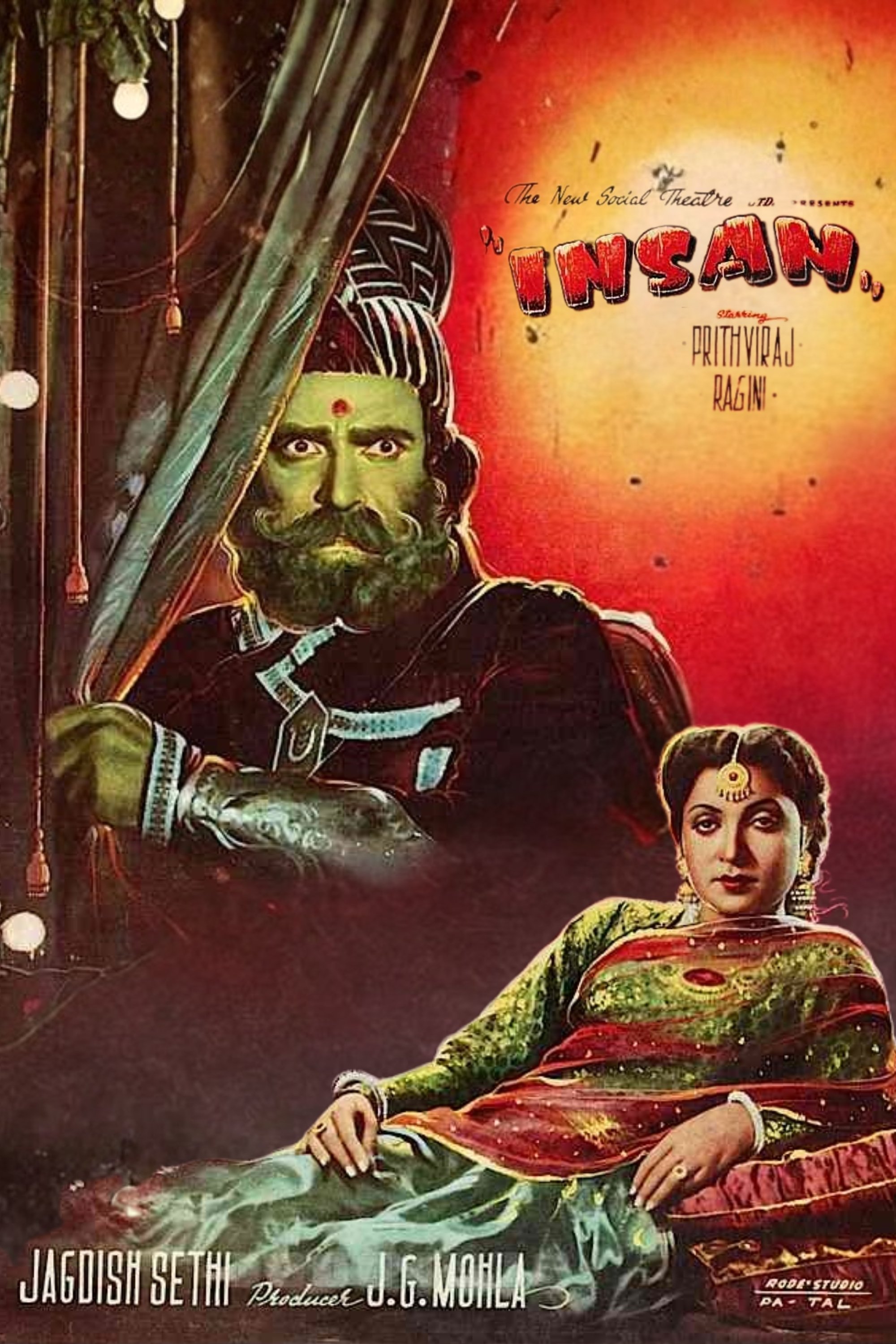
A philosophical drama follows a disillusioned man's journey to rediscover his lost humanity in a society that has forgotten what it means to be a true human.
The film chronicles the ascent of Shivaji, the great Maratha warrior who fought for liberty from the erstwhile Muslim rulers in order to establish a secular Hindu kingdom.