
An aging, decadent landlord’s passion for music becomes the undoing of his legacy as he sacrifices his wealth in order to compete with the opulent music room of his younger, richer neighbour.
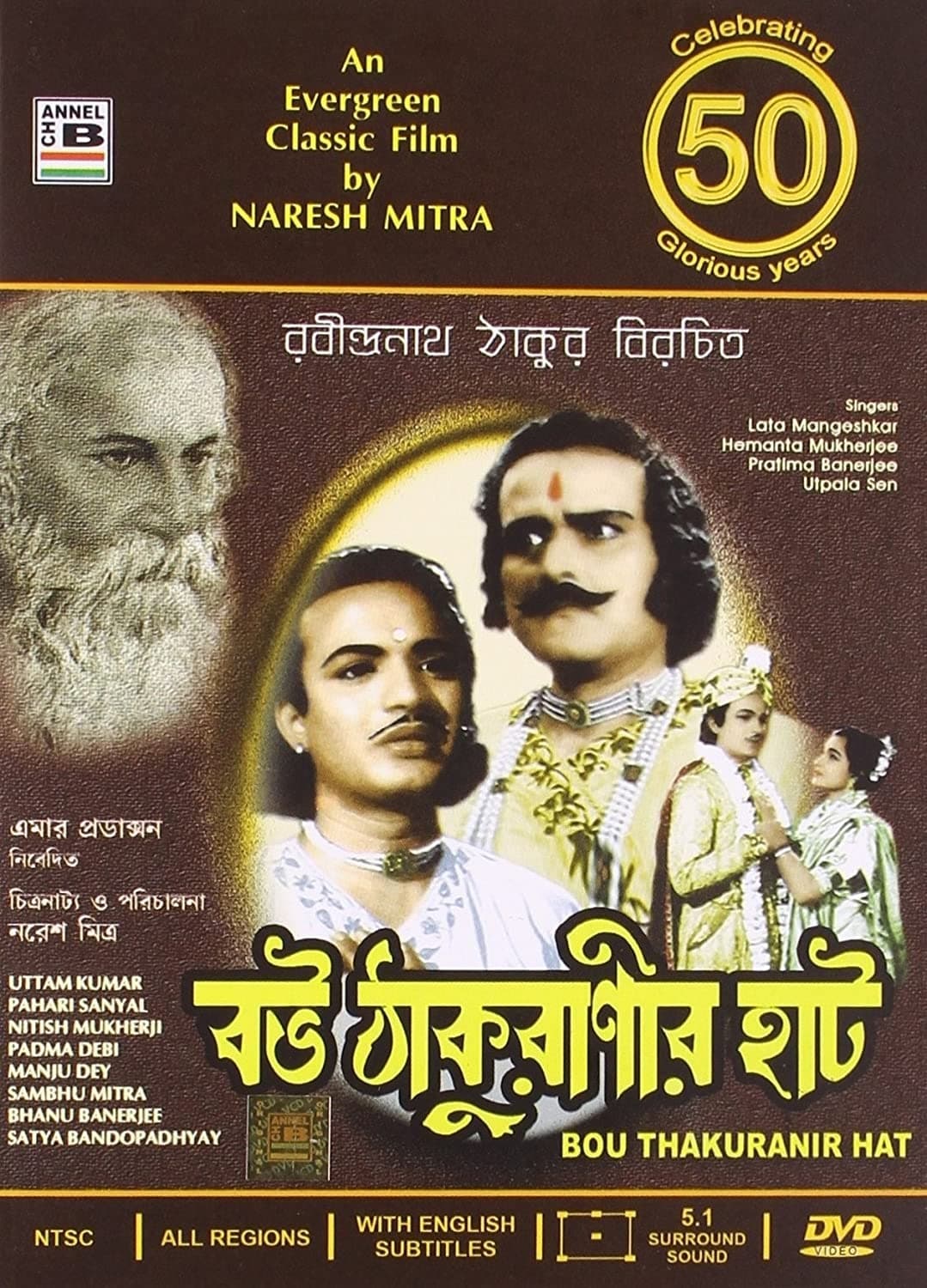
Bou Thakuranir Haat is a Bengali drama film directed by Naresh Mitra based on a novel of Rabindranath Tagore in the same name, published in 1883. The film is based on the real-life story of Jessore Raj Pratapaditya. Pratapaditya is described as an antagonist more than a protagonist in this film.
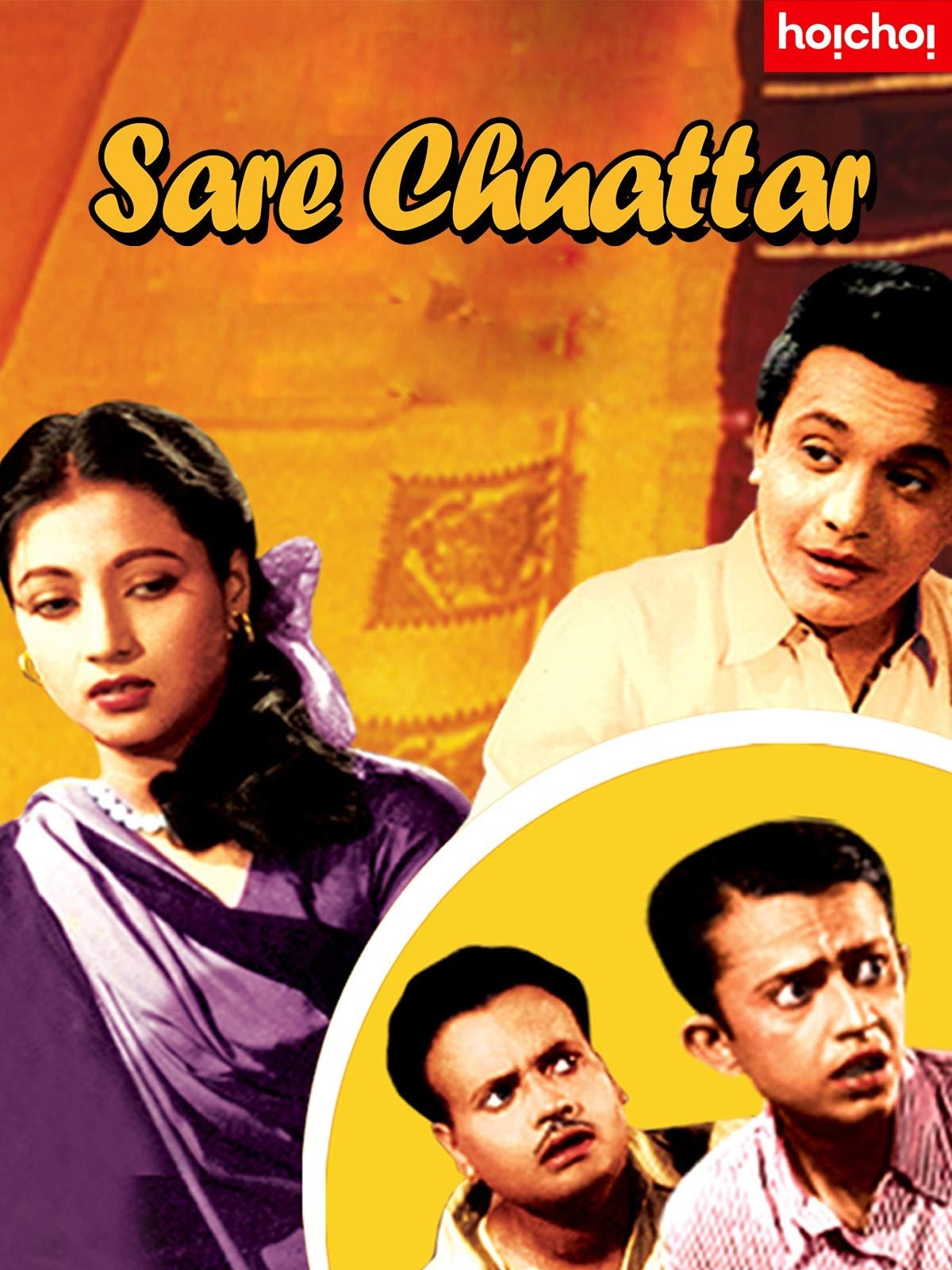
The owner of Annapurna boarding house facing an upcoming trouble for let in a girl in the boys hostel.
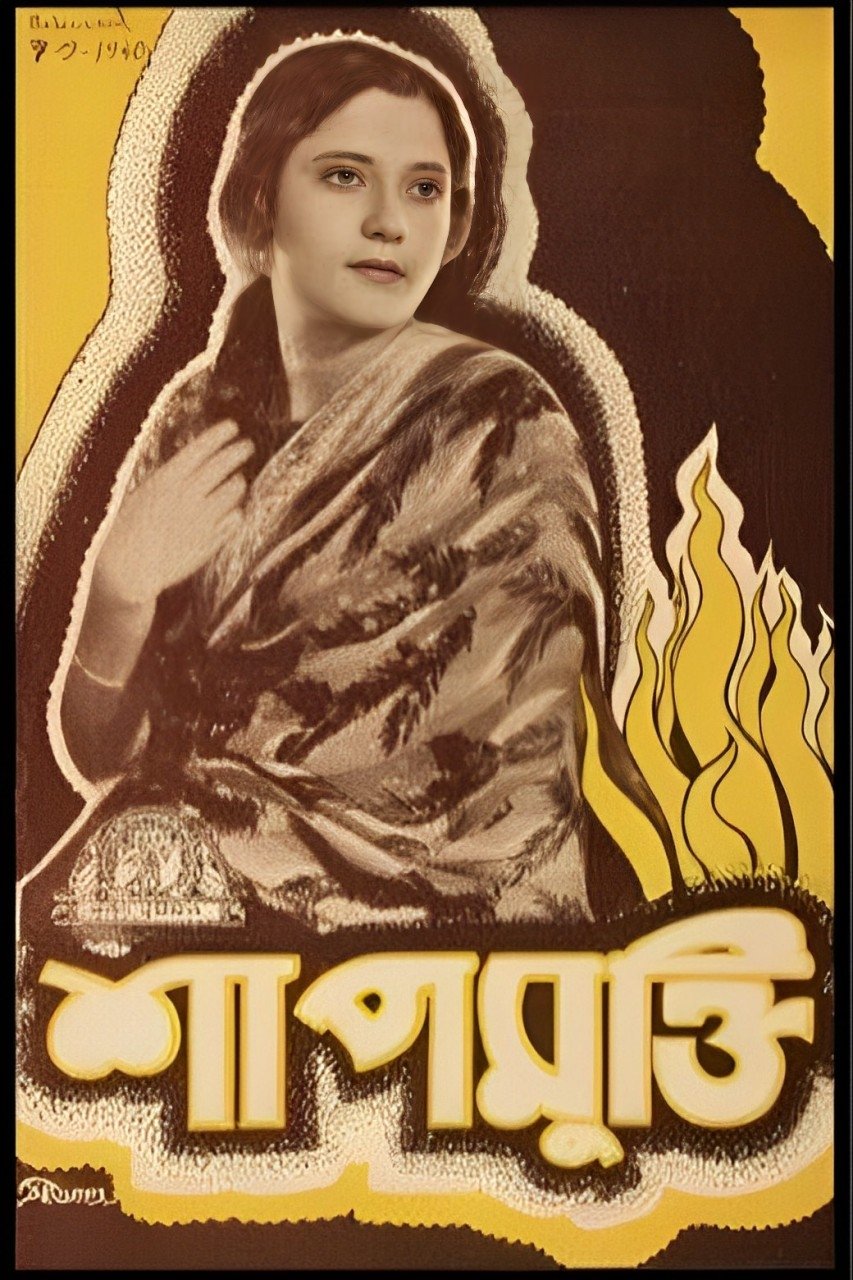
A lonely girl faces several odds in society after her mother's death. Later, she gets attracted to a witty man, who decides to marry her.
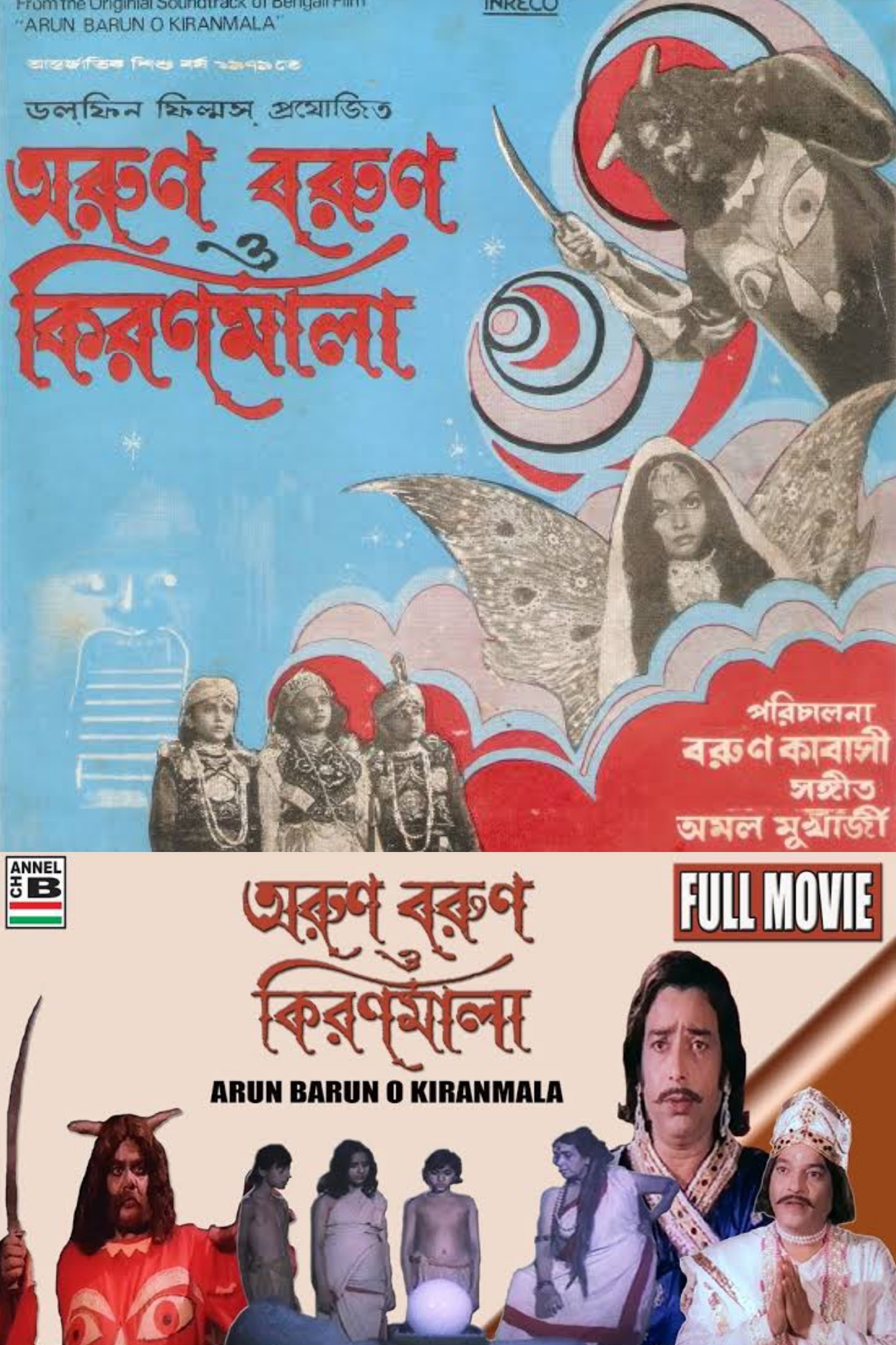
Three orphans Arun, Barun and Kiranmala set out to search for their parents. While doing so, they face many challenges but receive help from the fairy spirits.

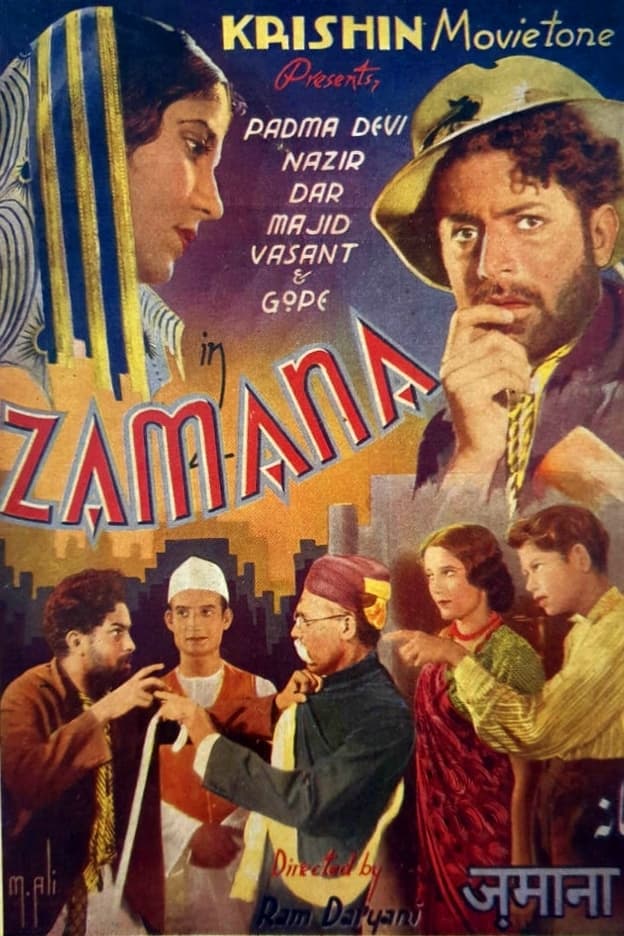
A married couple is overcoming social challenges and obstacles, with fate playing a pivotal role in their decisions.

The scion of a wealthy landowner family turns to alcohol and self-pity and slowly self-destructs after class differences force him to break off his relationship with his childhood sweetheart.
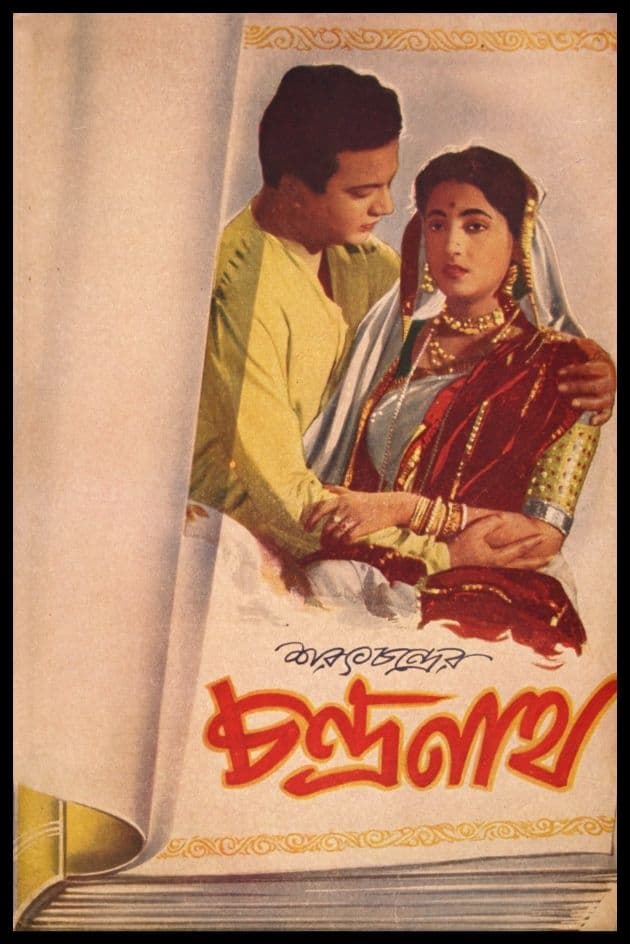
Feeling lonely after his father's death, Chandranath meets and falls in love with a poor widow's daughter during his travels. Later, secrets from her past come to haunt him.
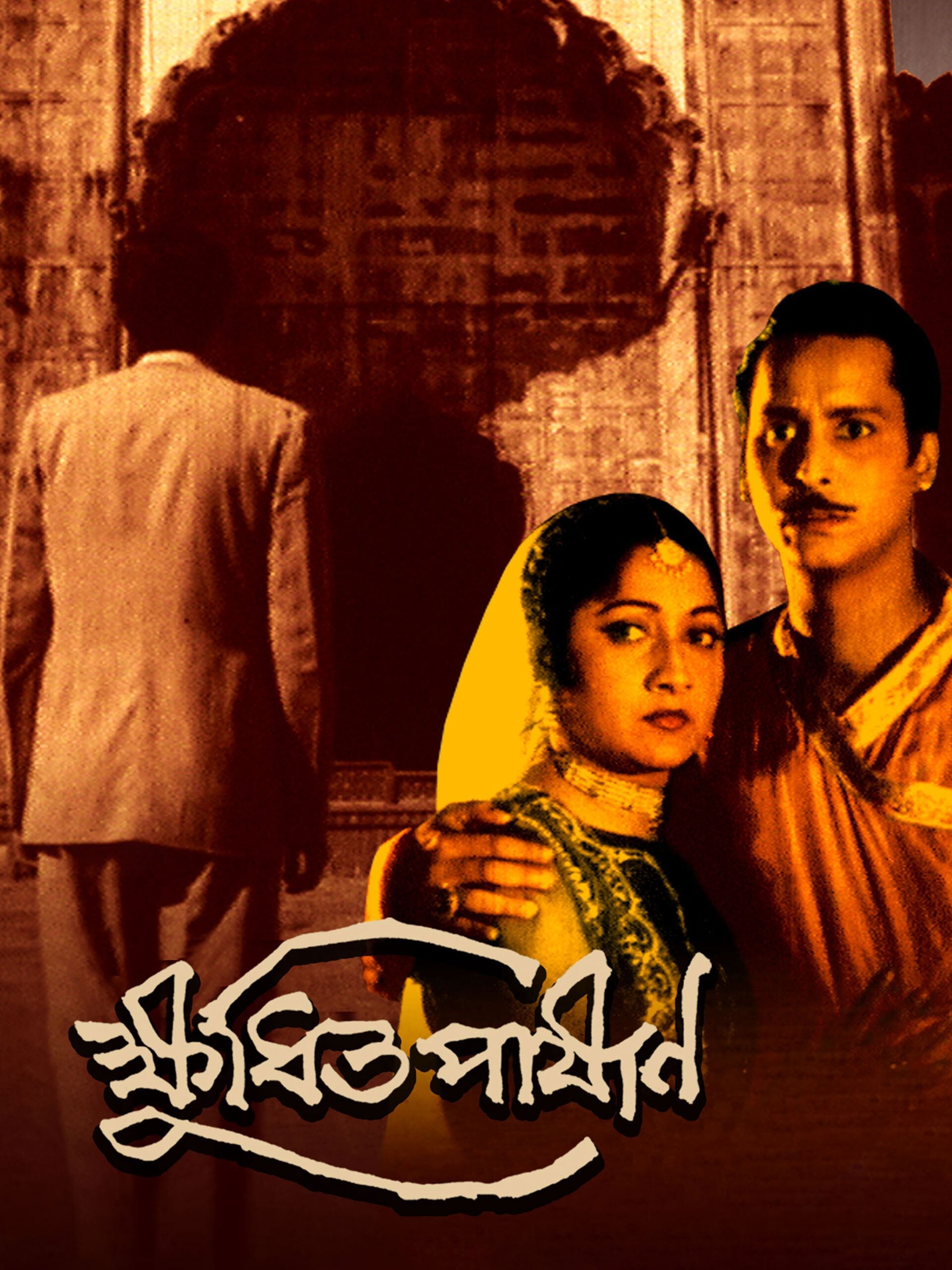
A tax collector posted to a small town puts up at a mansion feared by the locals because it is haunted. As time passes he grows more consumed by the mansion and its air of romance, and the spirits that haunt it, especially a beautiful woman. Adapted from a Rabindranath Tagore story.
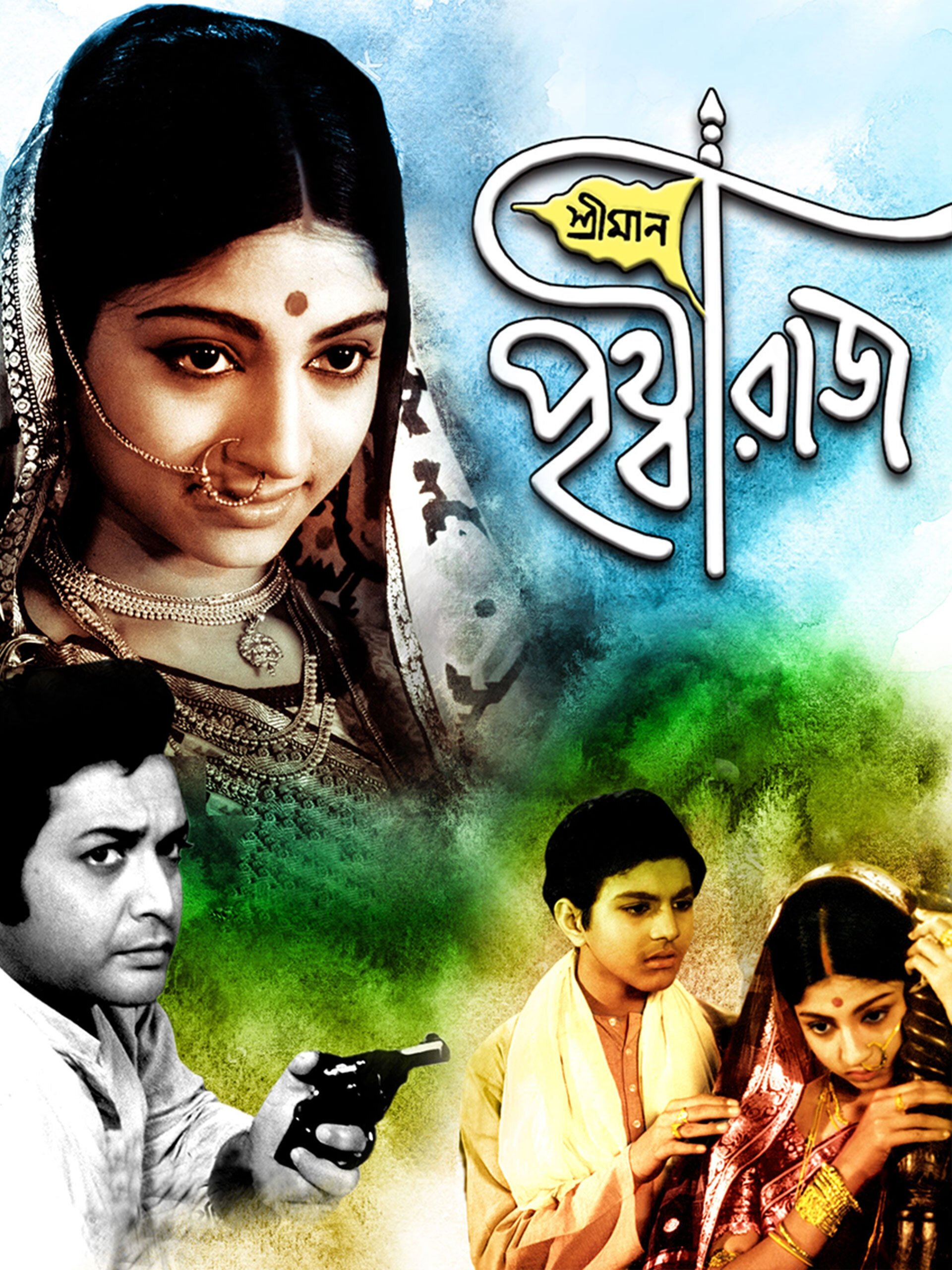
Social comedy about two young newlyweds against the backdrop of pre-Independence Bengal.
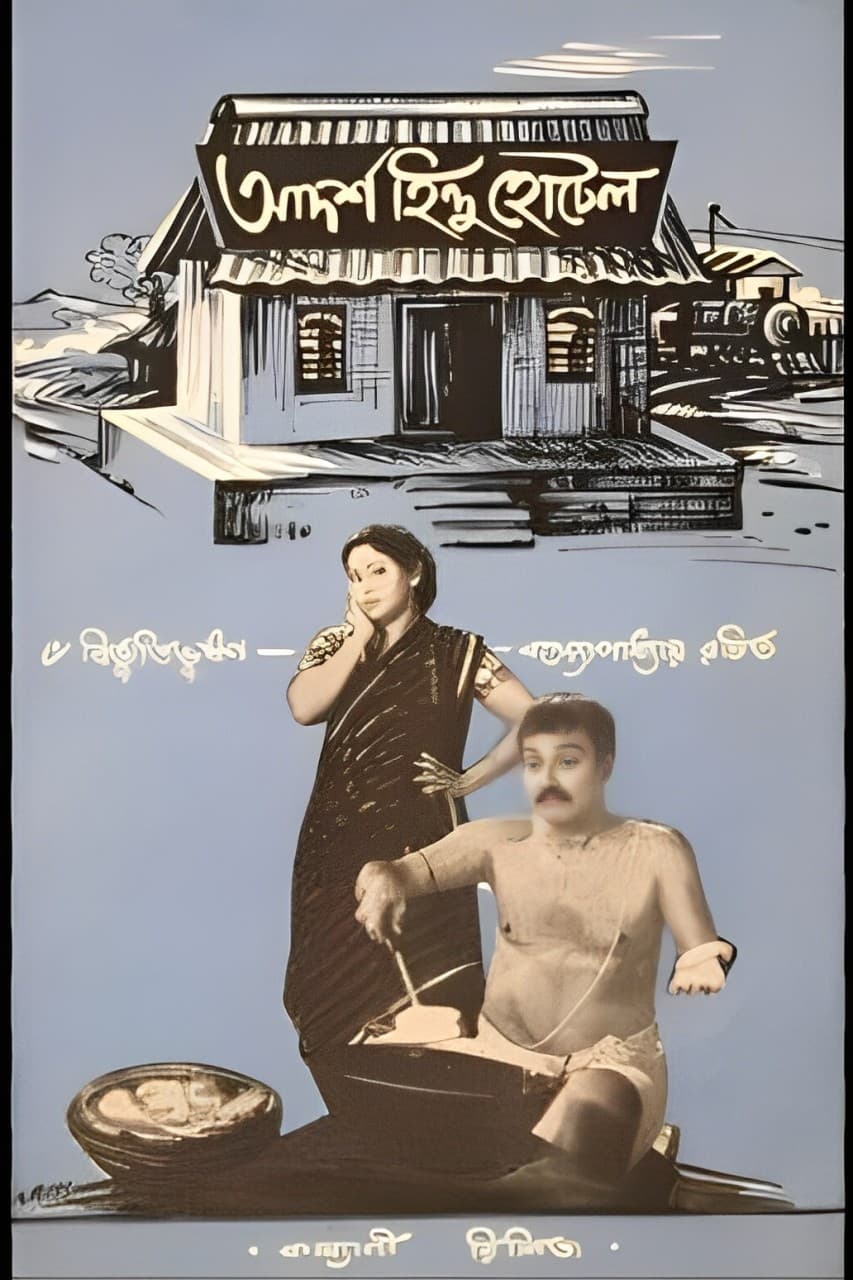
Hajari Thakur, a middle-aged Bengali Brahmin cook, faces humiliation and exploitation at his job while harboring dreams of owning his hotel. After overcoming numerous challenges including wrongful imprisonment and financial hardship, he successfully establishes a thriving hotel business, eclipsing his former employer and even securing a contract to manage large railway hotels. In a surprising turn of events, Hajari offers his former tormentors, Bechu Chakraborty and Padma, positions in his growing enterprise, showcasing his resilience and magnanimity.
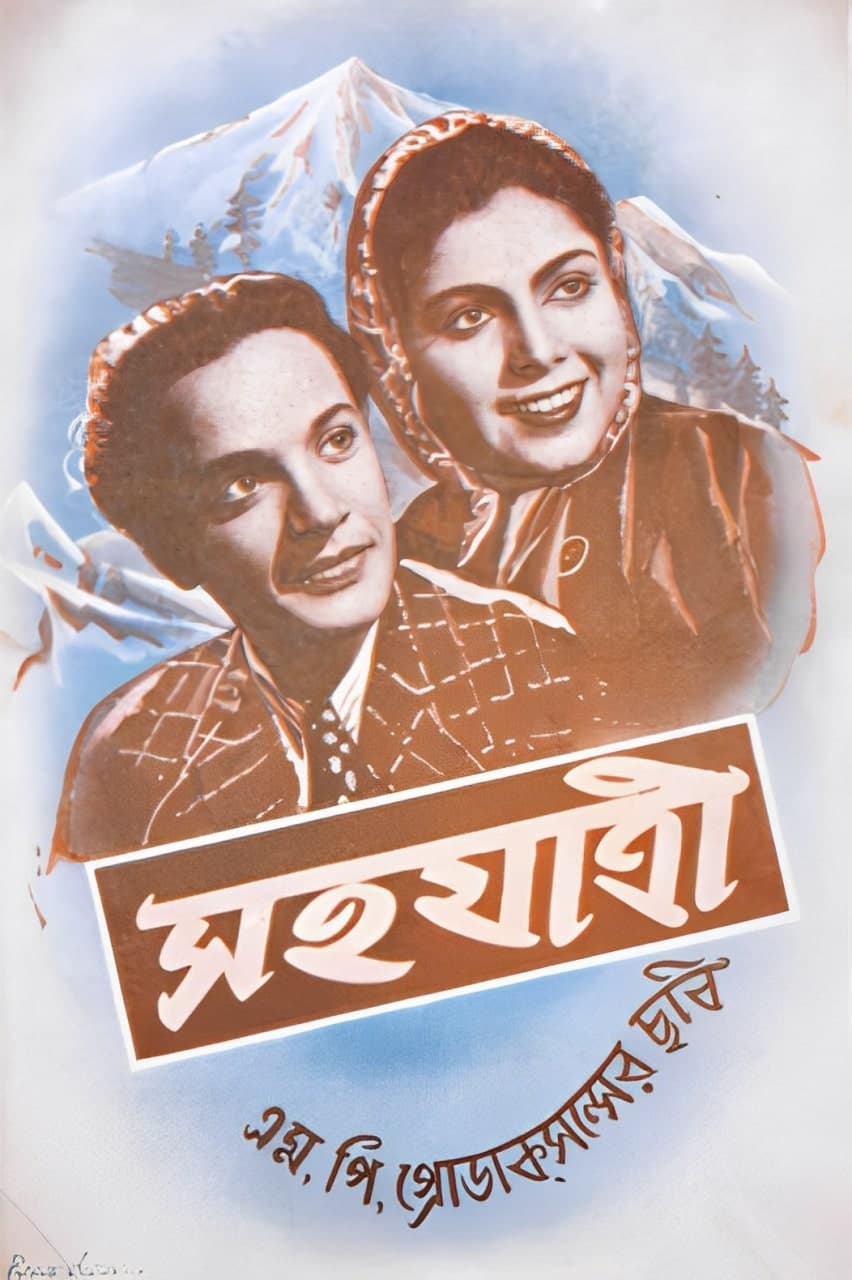
The first-ever collaboration of Uttam Kumar and Agradoot.
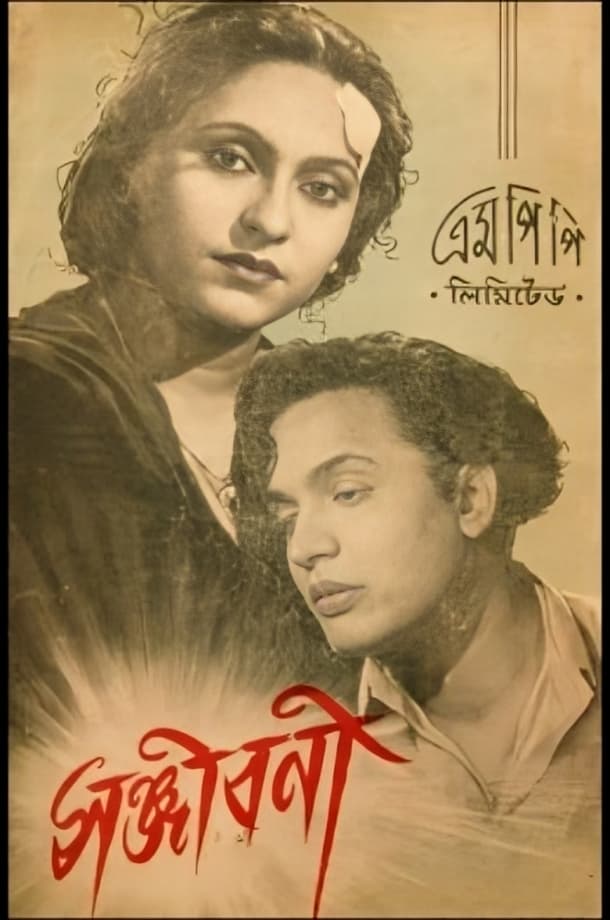
A narration of the journey of a young aspiring writer. Sandhya Rani and Uttam Kumar won critical favor for their performance in the film.
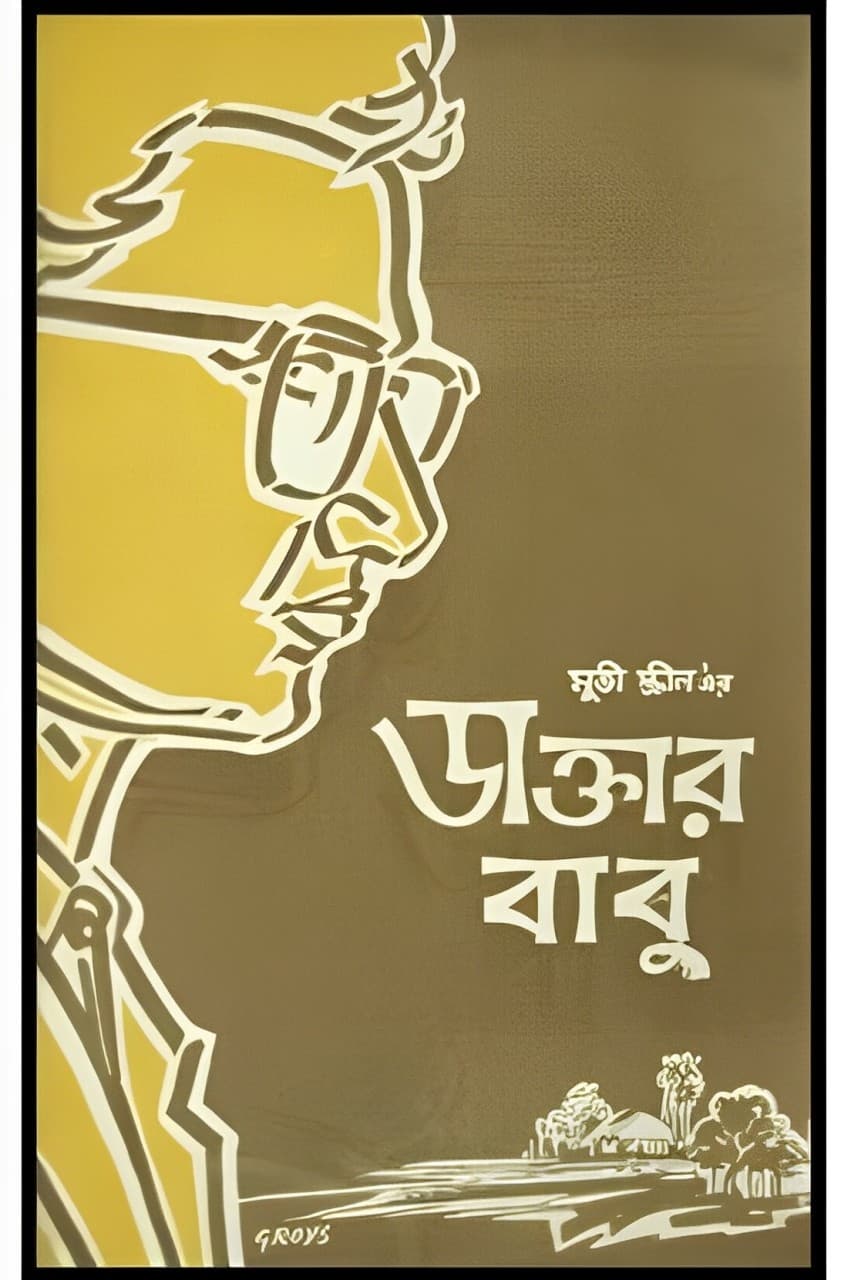
Daktar Babu was a 1958 Bengali film produced by Movie Screen Limited and directed by Bishu Dasgupta. The film's story was written by Bijan Bhattacharjee and the script was written by Pranab Ray. The film starred Uttam Kumar and Sabitri Chattopadhyay and featured music composed by Rajen Sarkar.
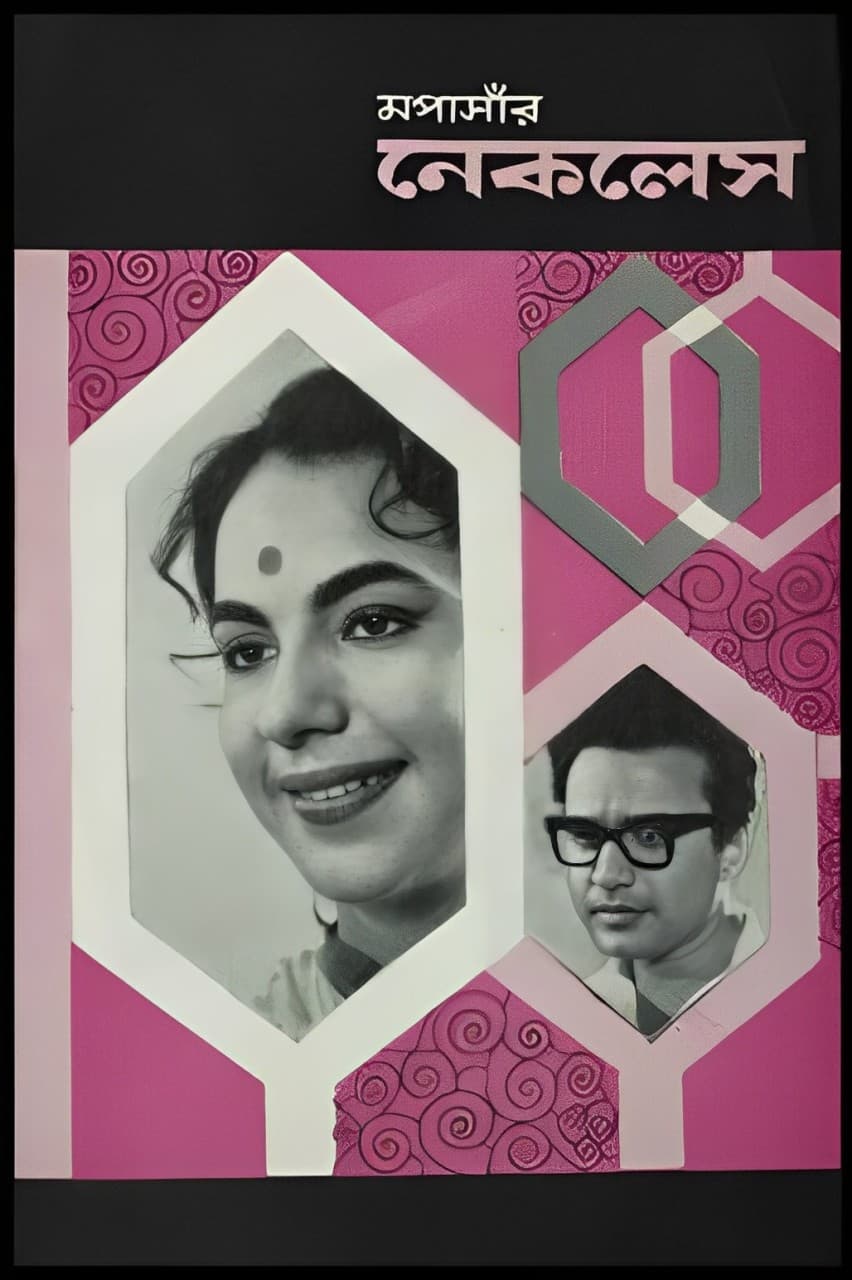
A Lost Uttam Kumar Film.
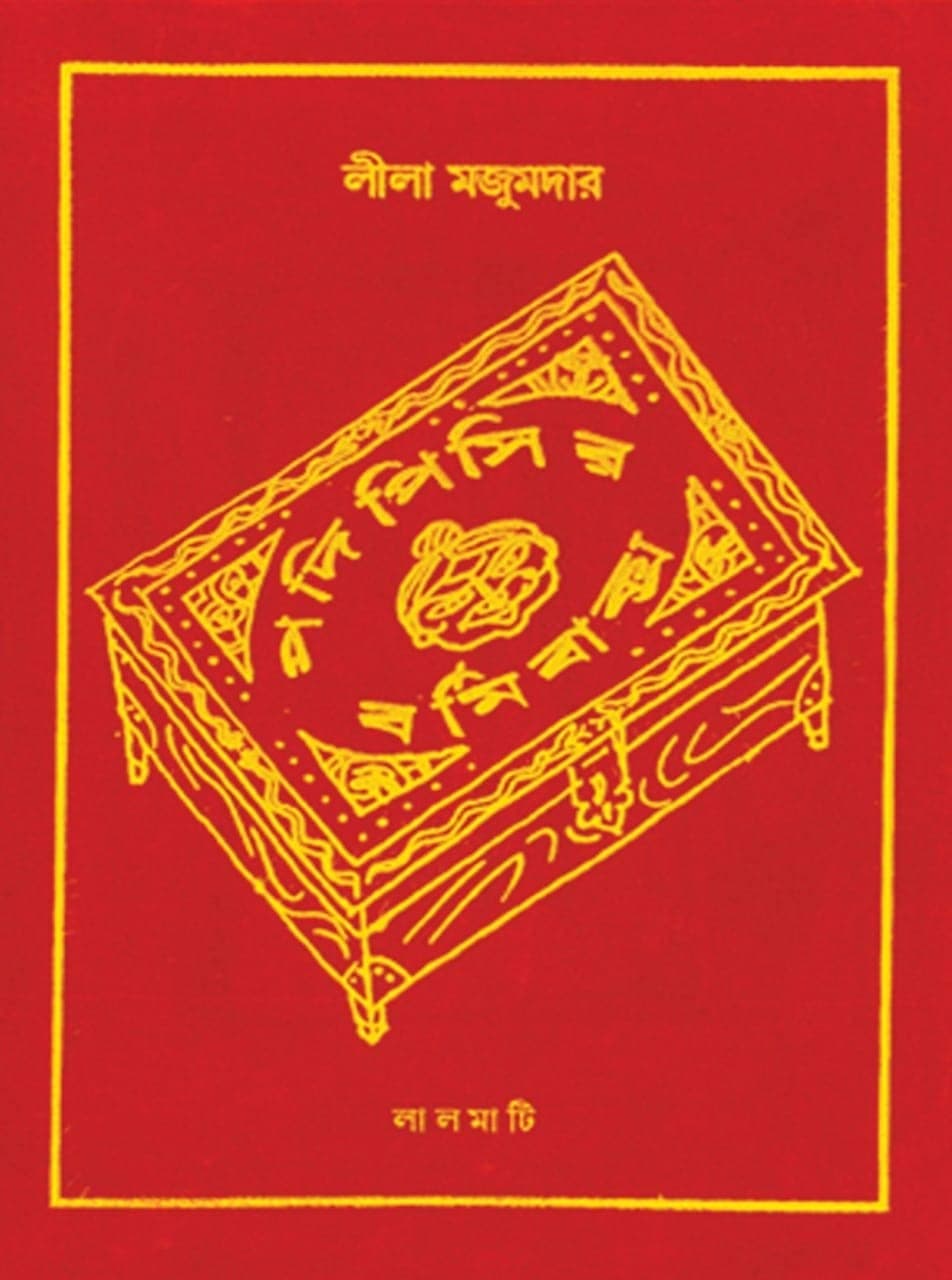
Khoka is a schoolboy who goes to his uncle's house, where he learns about the tales of Padi Pishi (Aunt Padi), a formidable widow. She had once gone to Khuro's house to meet him, but bandits attacked her. When Khuro got to know about it, he offered her bribes from his loot so that the news would not be public. Padi Pishi then took a precious Burmese box that was hidden in Khuro's house. Before Padi's Pishi's death, she did not reveal the hiding place to anyone except her son Goja. The entire family searched for the missing box but could not recover it. A private detective also searched for the box but could not find it. The story is about how it is finally discovered. Padi Pishir Barmi Baksha is an Indian Bengali adventure comedy film directed by Arundhati Devi. It is based on the children's novel of the same name by Leela Majumdar.
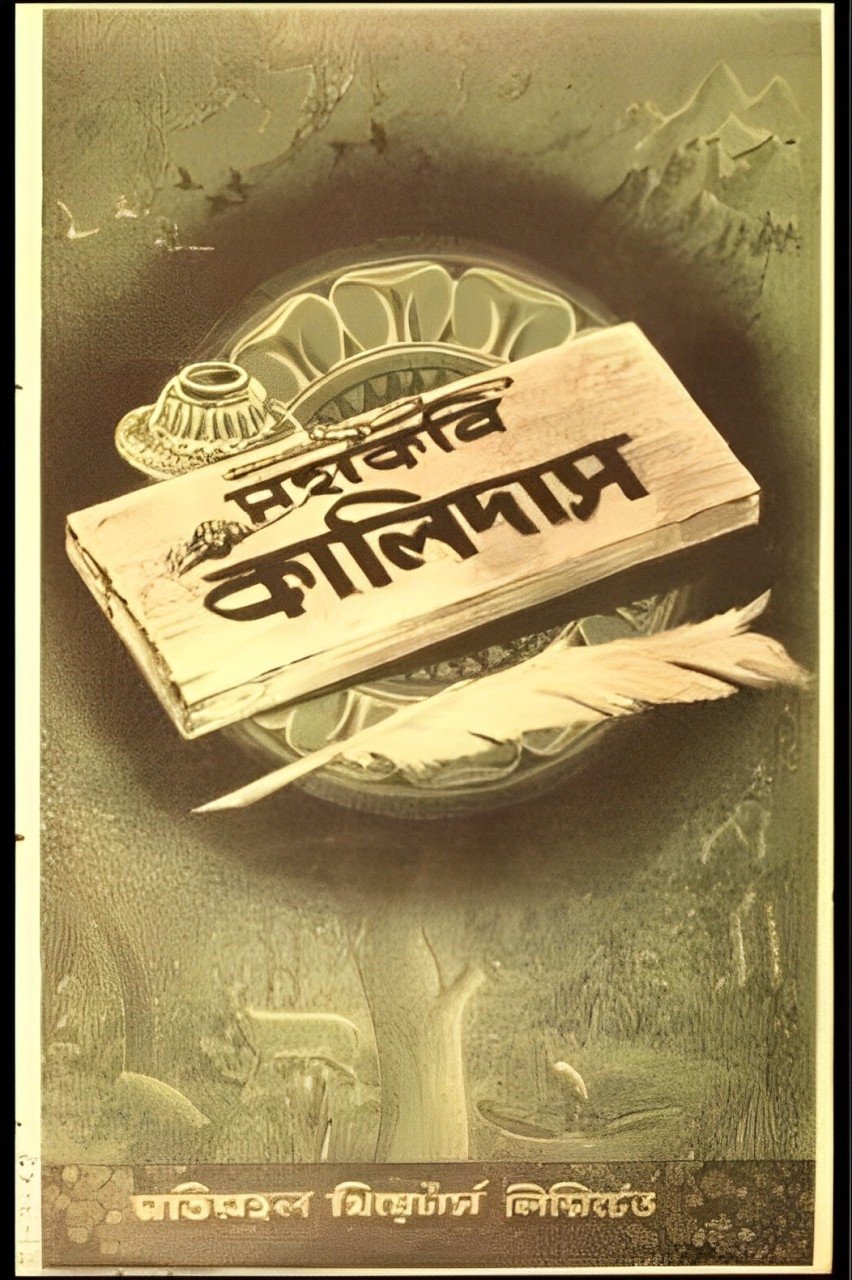
A naive Sanskrit poet, shunned for falling in love with a low-caste Indian woman, faces challenges after entering into a competition with a princess.
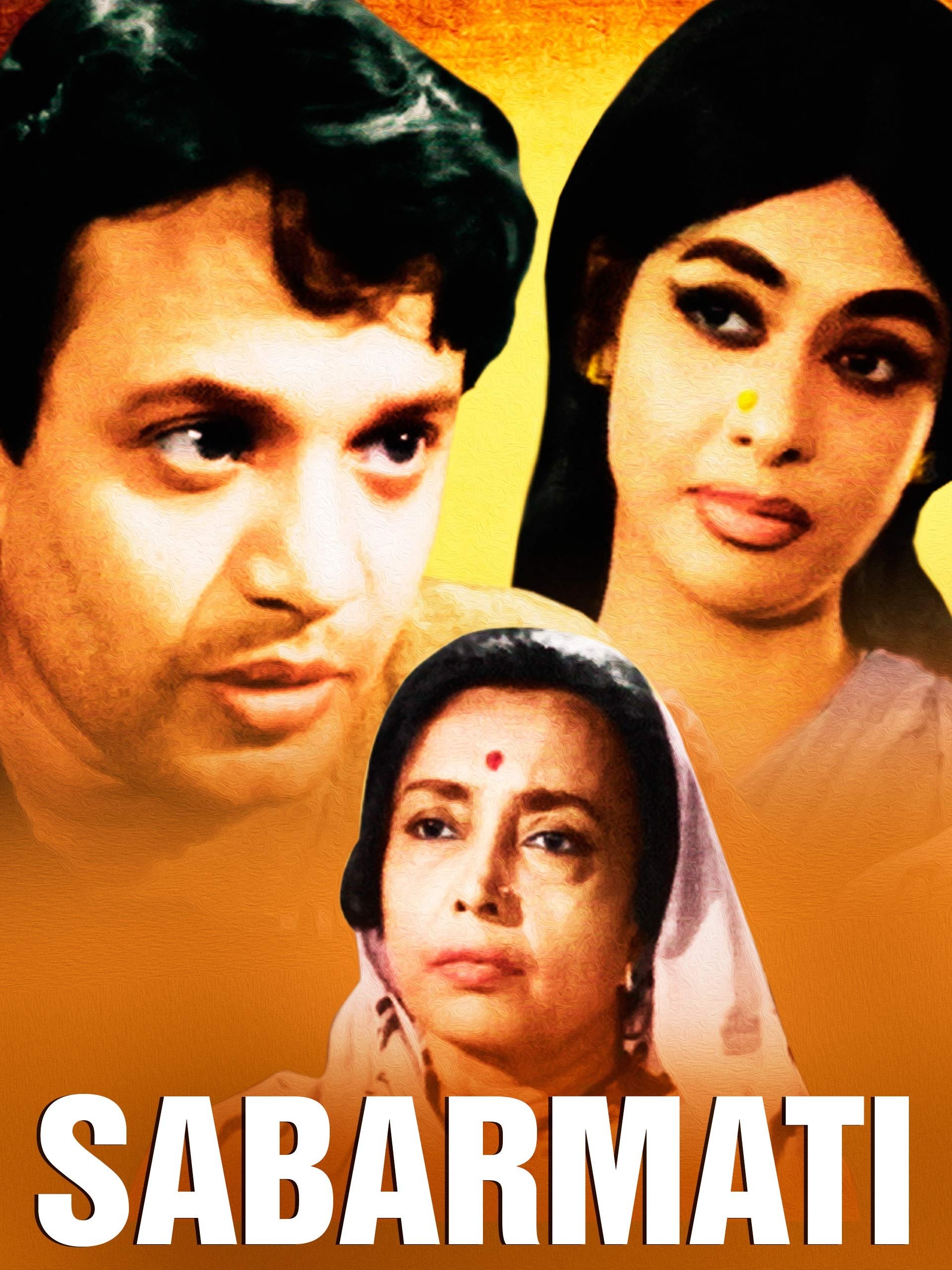
Yashomati runs away from home in search of freedom and travels to Ahmedabad, Gujarat. When her bags get stolen, Shankar helps her. However, when he takes her home to her parents, she feels betrayed.
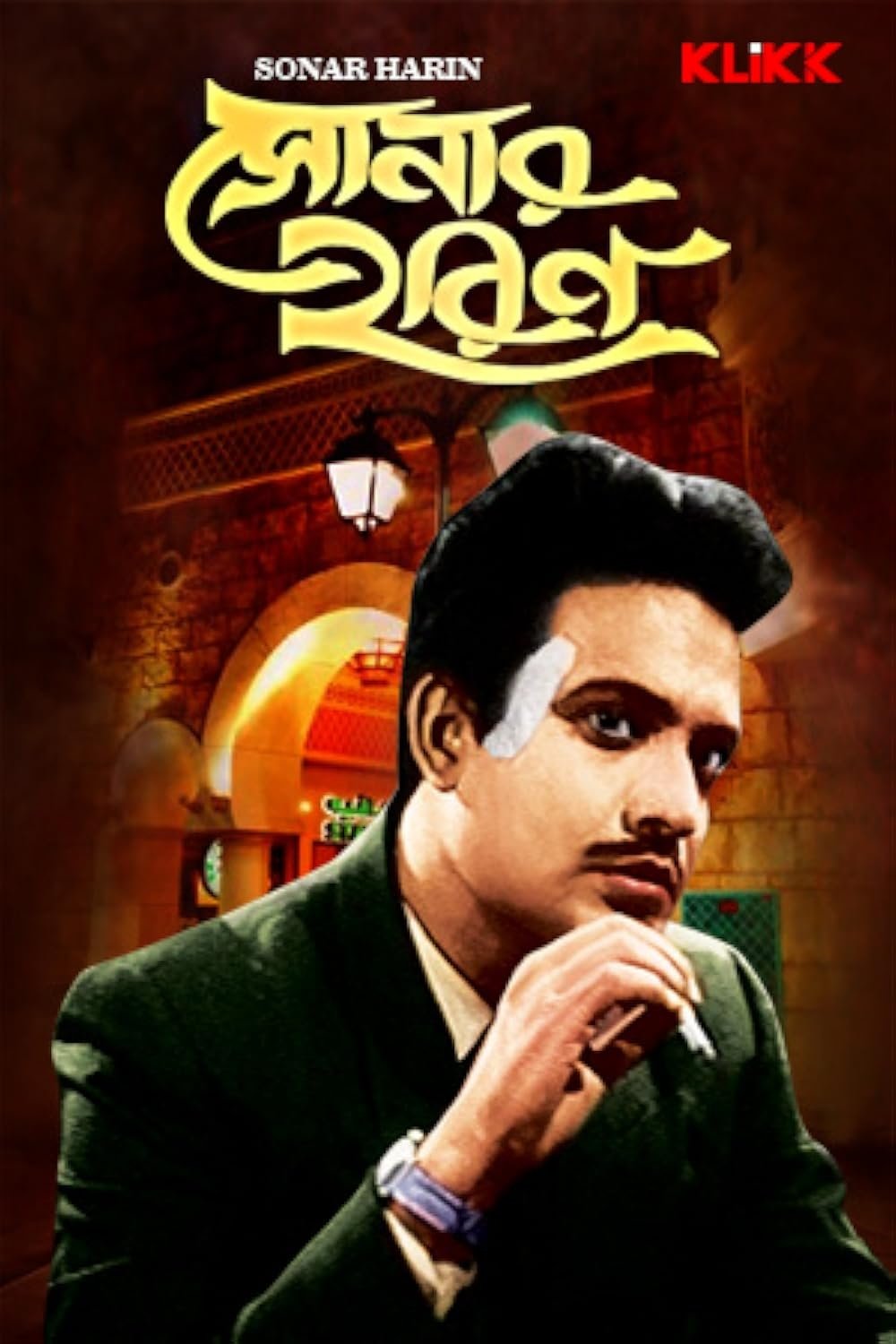
Jayanta Chowdhury, a ground engineer, is gravely injured and is received by his fiancé, Kuntala who takes care of him. However, Jayanta is not at peace as he suspects a conspiracy. He returns to Kolkata, much to Kuntala’s dismay, and starts following another ground engineer Sandeep Mukherjee, who he believes has betrayed his employer. Jayanta gets together with the Intelligence Officer Ranjit Mitra and traces Sandeep’s whereabouts. Sandeep is actually involved with the criminals Krishn Chand and Abdullah who force him to plant a bomb on an international flight. Sandeep, rather unwillingly, gives in as he needs money to treat his handicapped younger brother. Although he loves a girl named Ruby, he is unable to marry her for the same reason. Jayanta takes up the name of Arun Roy and befriends Sandeep to learn more about him. And the plot thickens.
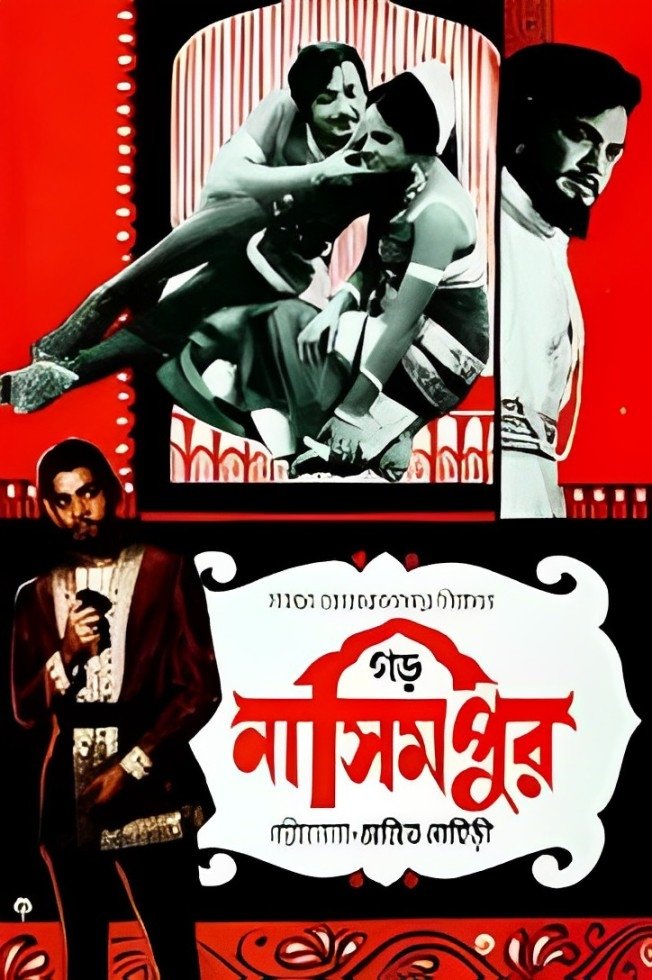
Depicted on the backdrop of 1651 when the emperor was Shahjahan and the subadar of Bengal was Shajada Suja. Amidst the conspiracies of the royalty, a young man decides to expose the schemes and reunite with his lover after the Nasimpur territory of Bengal gets occupied by a Mughal prince.
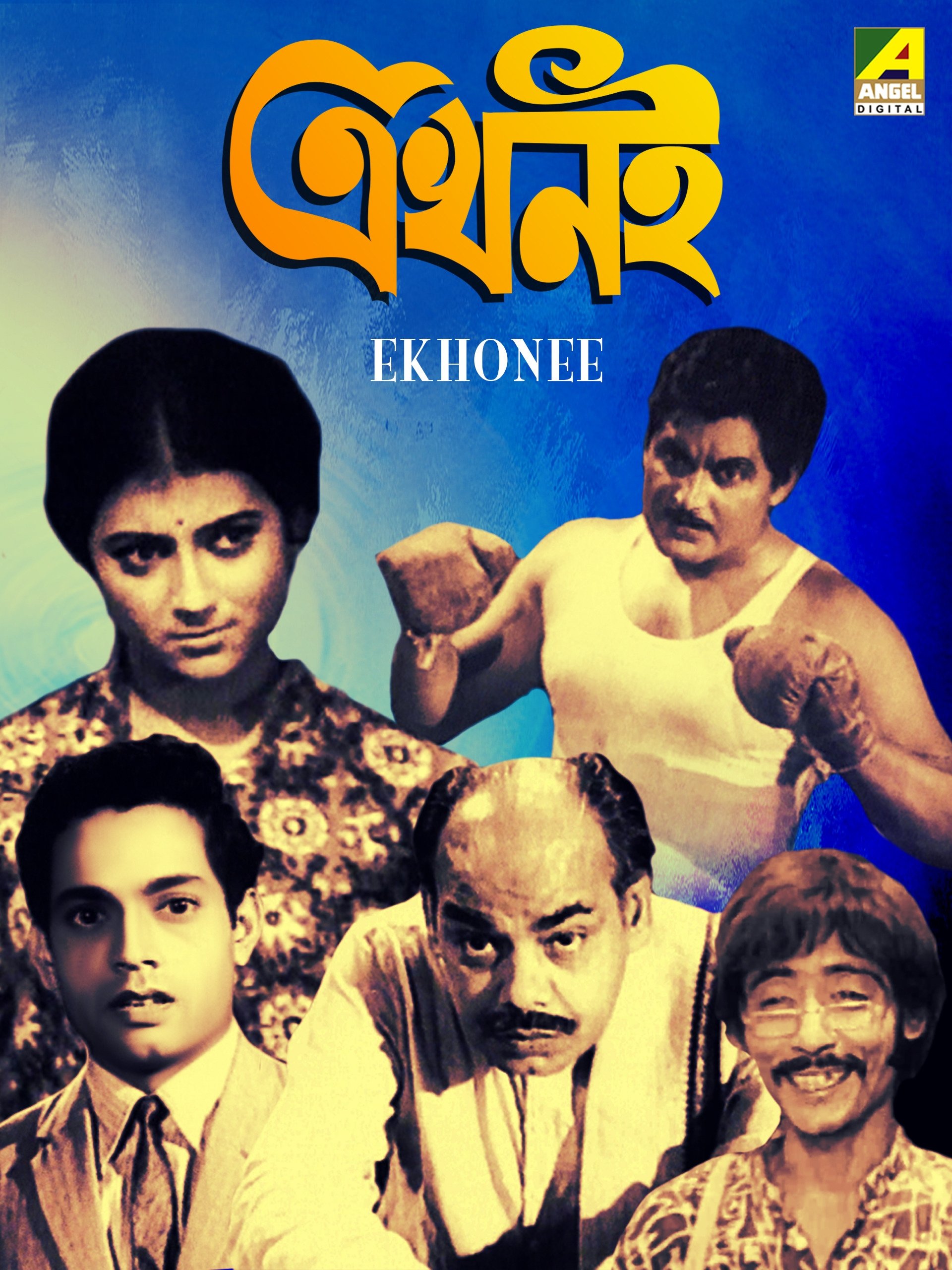
Ekhonee depicts the lives and frustrations of a bunch of youth struggling to cope with the adversities of a bureaucratic society. There's a bunch of college students Arun, Tiklu, Shambhu, Biman, Sujit, Urmi whose lives undergo a change after the carefree days of college are over.
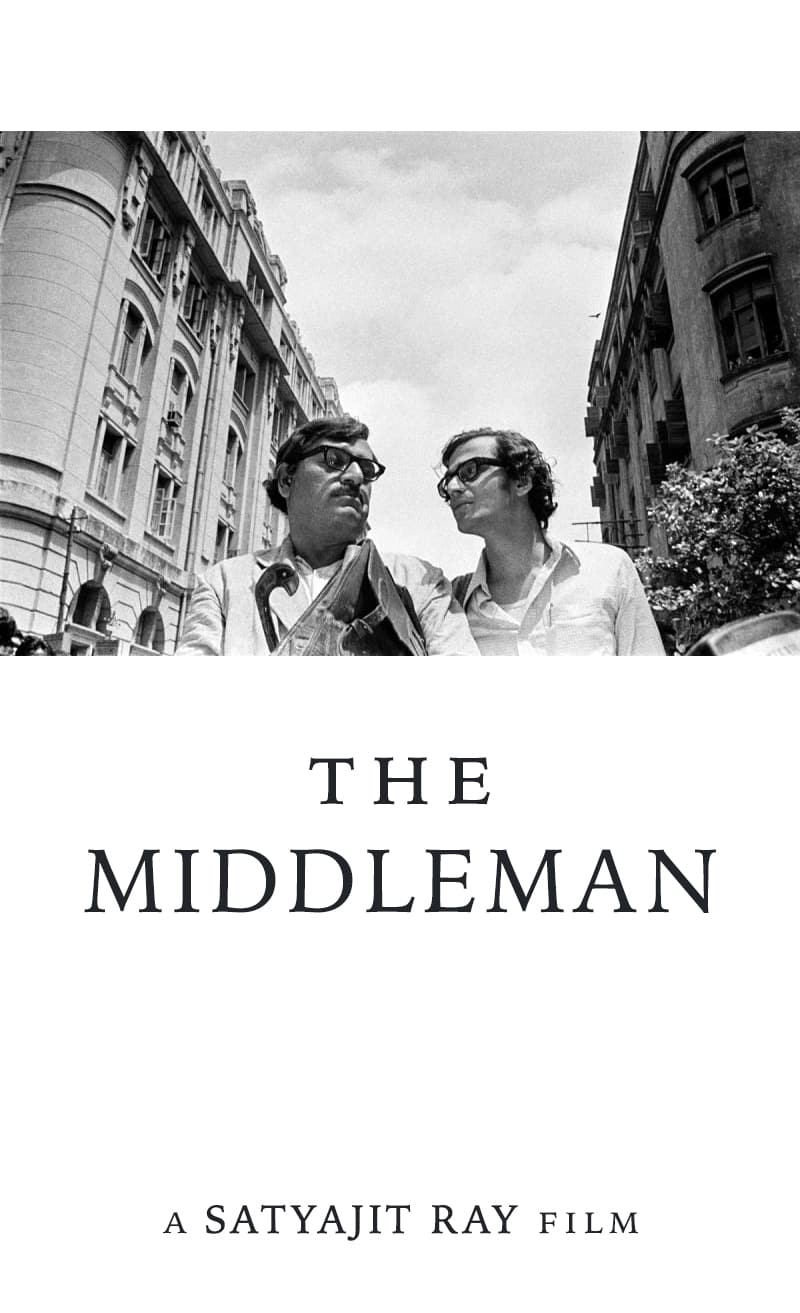
A bright and idealistic young graduate steels himself for a dog-eat-dog world, only to flounder in a job market packed with thousands of other hopefuls. When he eventually decides to start his own business as a middle-man, he discovers that the world of business does not live up to his lofty ideals.
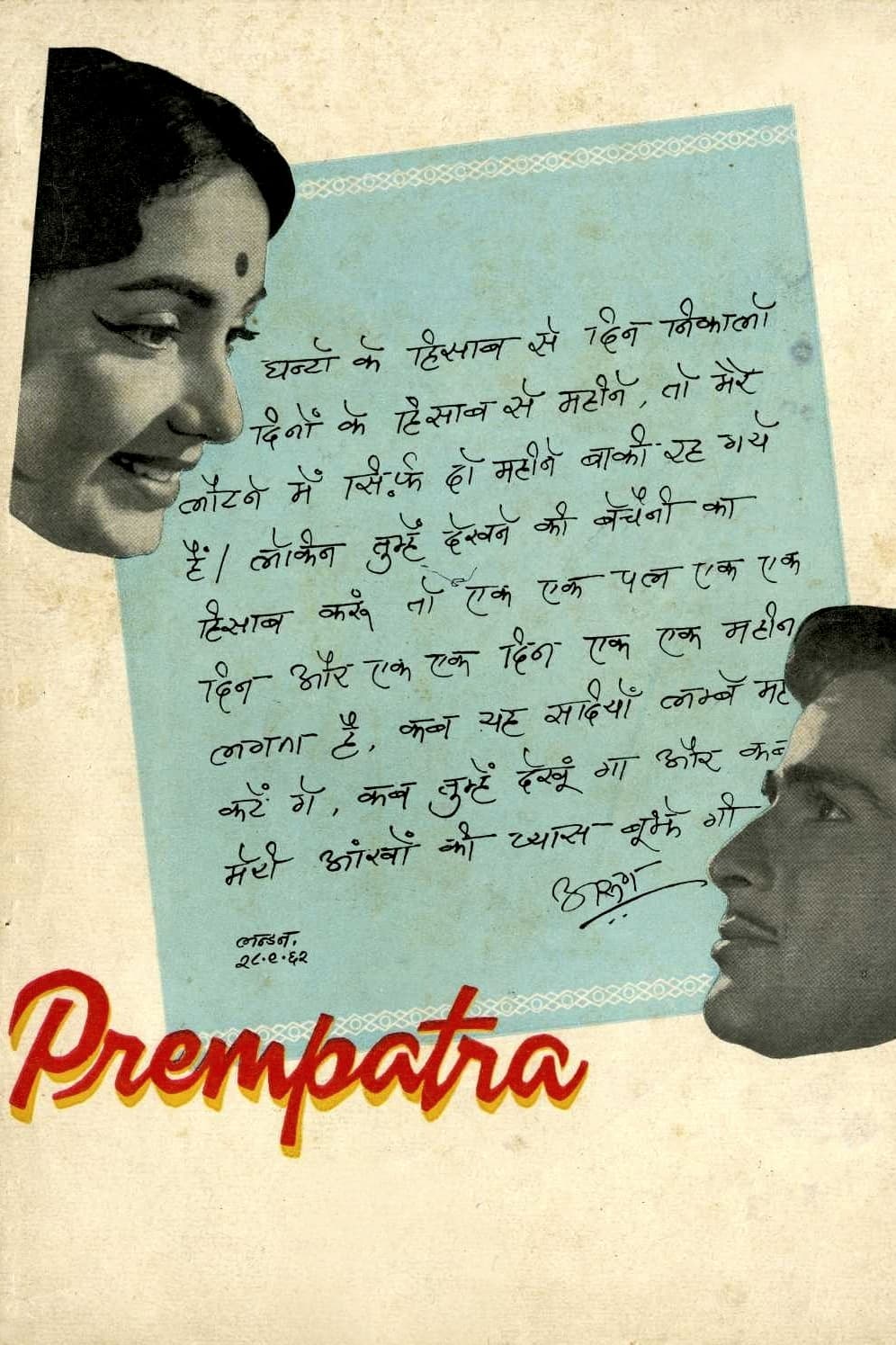
Arun begins hating Kavita when he loses his scholarship due to a misunderstanding with her. But after his new fiancé asks Kavita to write Arun letters on her behalf, Kavita falls in love with him. An accident intertwines their futures.
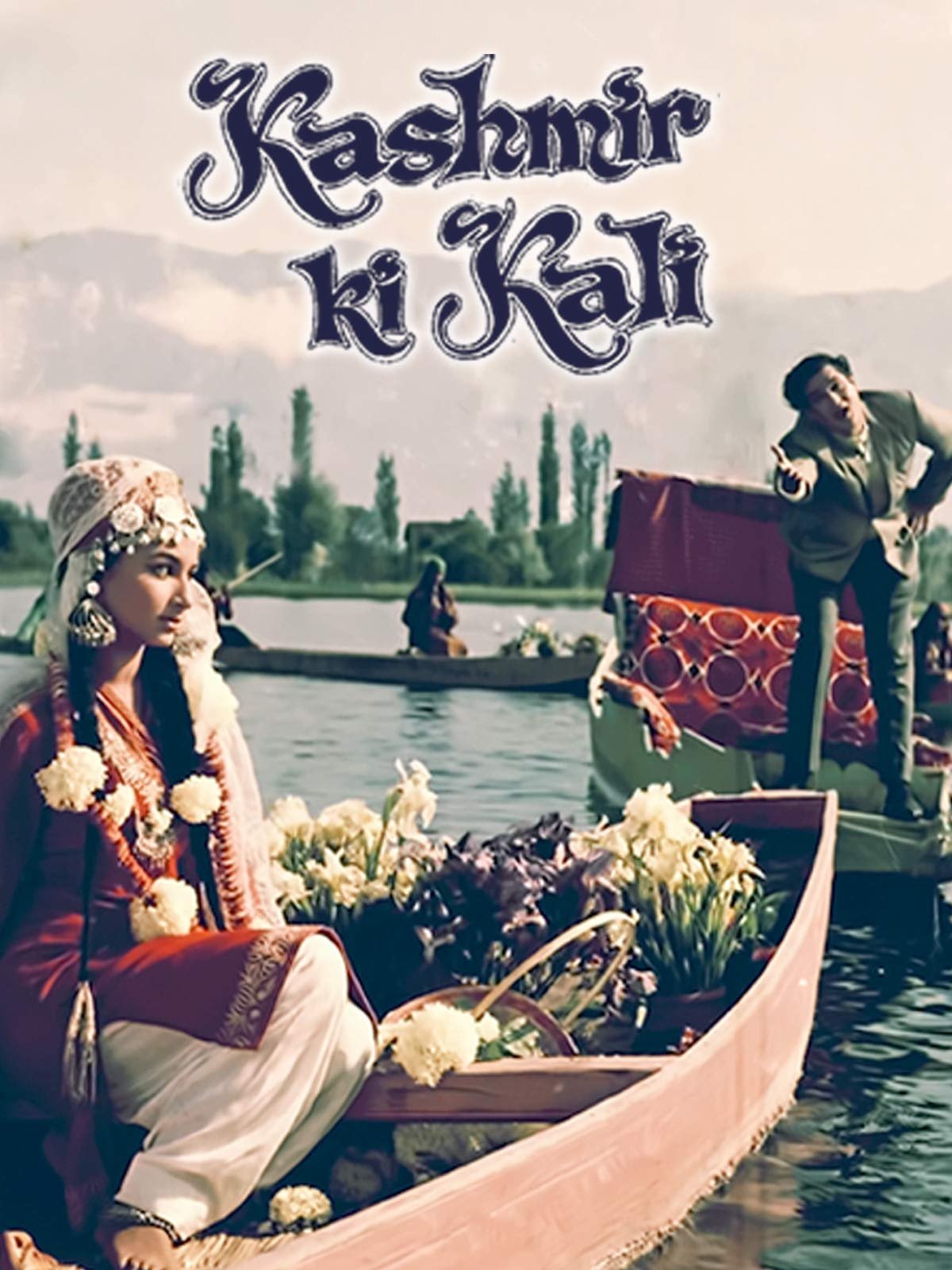
A rich young man woos proud girl against her father's wishes.
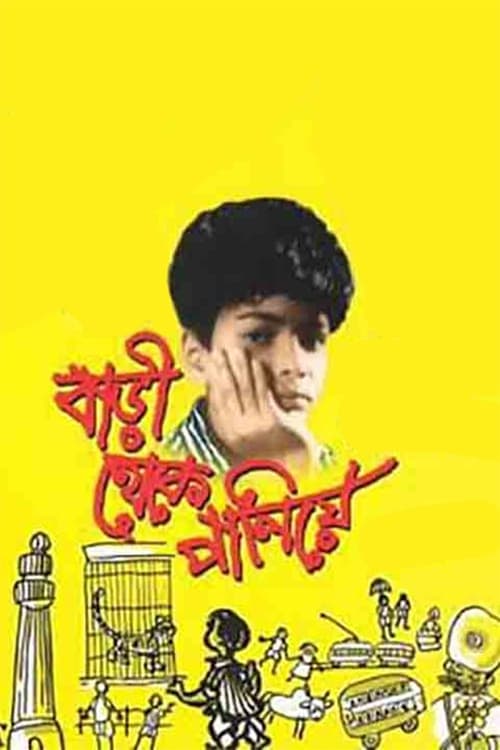
Kanchan, all of eight years old, is always up to pranks and mischief in his village home. He finds his father a cruel demon who keeps his mother oppressed and imprisoned. In his dreams, the big city is El Dorado, until he reaches there.
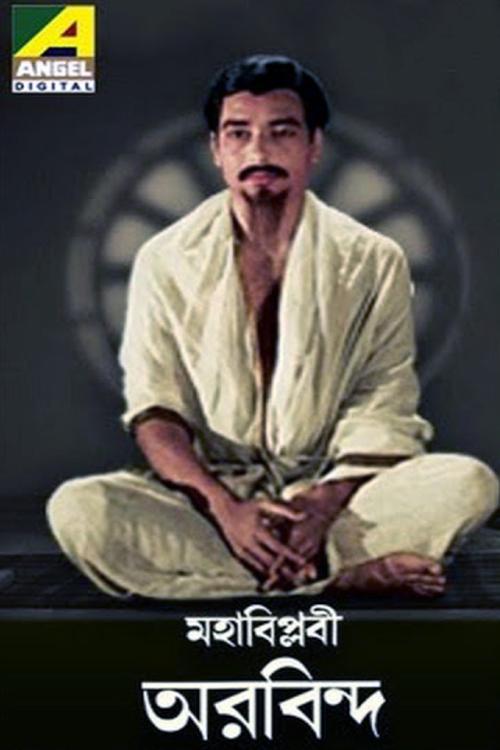
Inspired by the life of Rishi Aurobindo, it’s a Bengali classic portraying the life of Sri Aurobindo Ghosh beginning from his return to India in 1892 to his life in Pondicherry in 1910. This film shows a detailed narration of his early life, marriage, interaction with Sister Nivedita, contributions in India’s freedom struggle and activities in Jugantar, Alipore bomb blast case, and the subsequent trial.
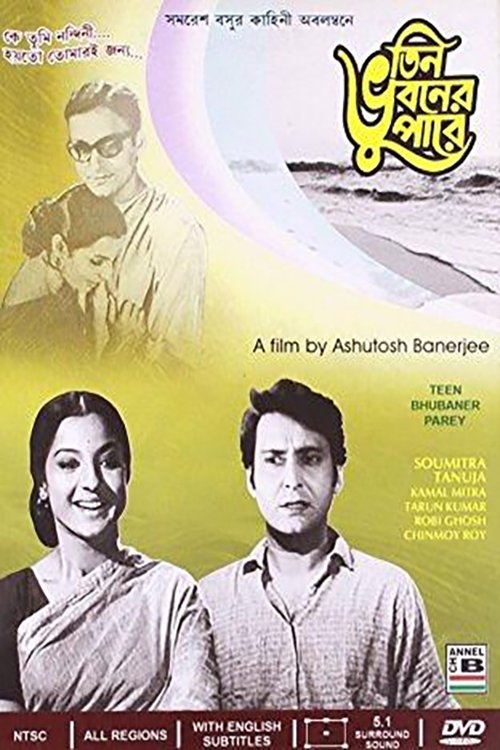
Montu, an unemployed middle-class bachelor falls in love with Sarasi, a teacher. He tries hard to impress Sarasi but she dislikes his unstable lifestyle and rejects him. Will the two unite?

Satyendra, the scion of a wealthy Bengali zamindar family, is married by family duty to an eleven‑year‑old girl, Radharani. Emotionally detached, he grows closer to Bijli, a mature, self‑sacrificing courtesan.
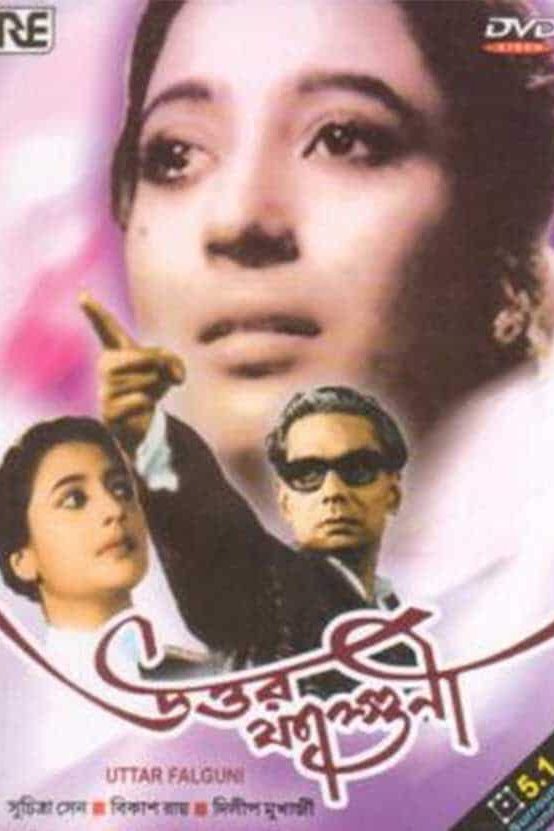
A story of love and sacrifice of a mother who did everything to protect her child ,even from her husband.
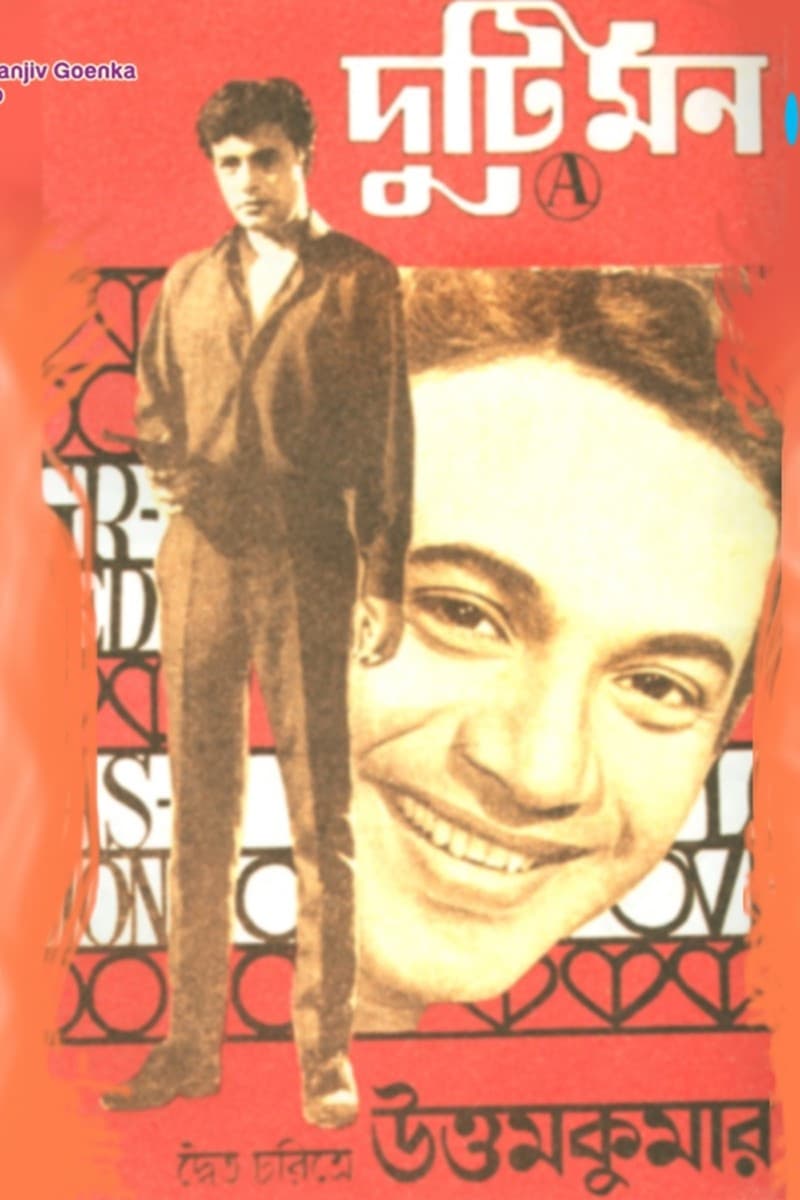
A 1970 Bengali Drama Film directed by Pijush Bose.
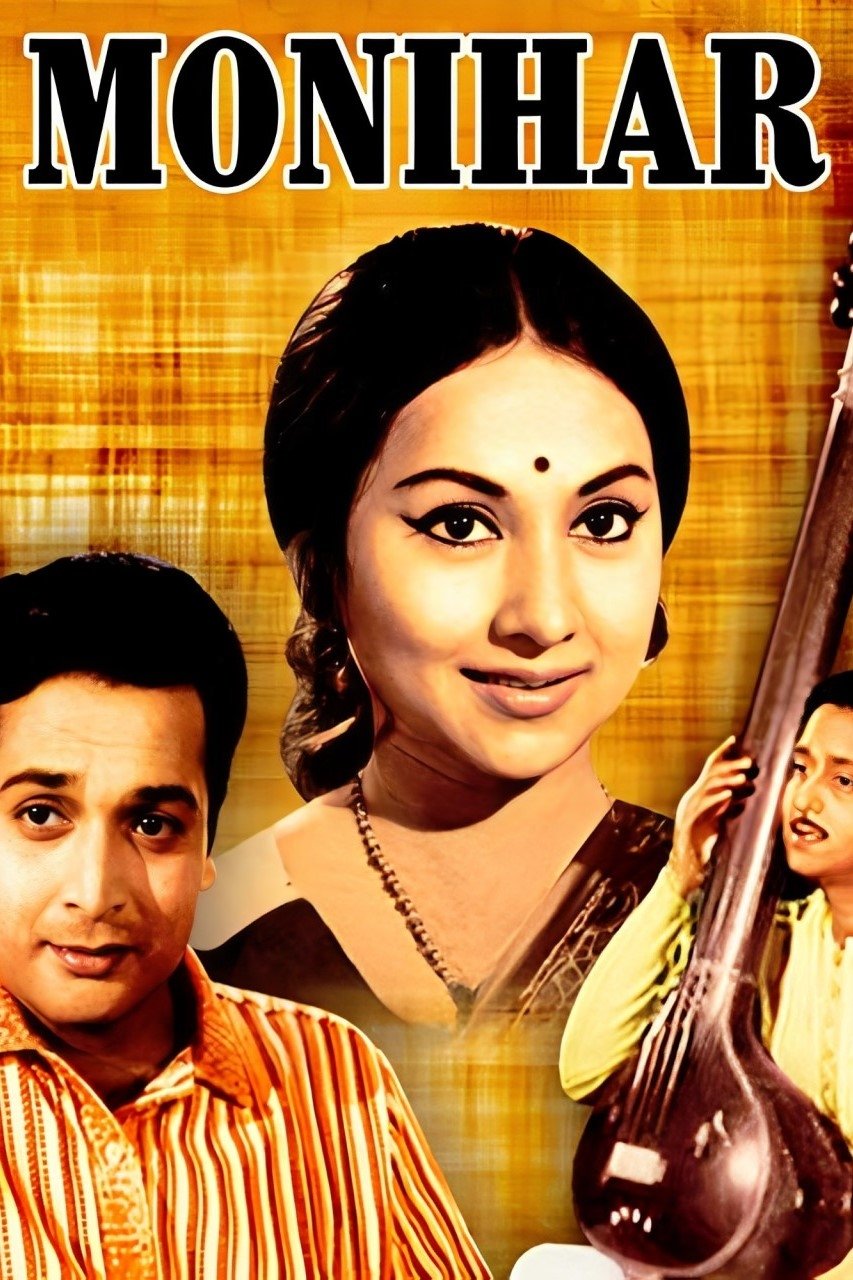
Ajay is a musician by hobby and also runs a business. His younger brother Arun wants to become a doctor. After his mother’s death, Ajay becomes the head of the family however, he falls into debt. He decides to take singing lessons to earn money. Bandana is a good singer and she starts taking classes from Ajay. Ajay starts liking Bandana because she is a charming lady and sings well. Arun and Bandana meet and they fall in love. Ajay is forced to sell his inherited property to pay Arun’s fees. His poverty is only short-lived as his popularity spreads and he becomes wealthy. In the meantime, Arun comes to know that Ajay has sold their family property but does not know the reason behind the act. This creates a misunderstanding between the two brothers. However, it is soon cleared and Ajay transfers his wealth to his brother. Arun and Bandana got married.
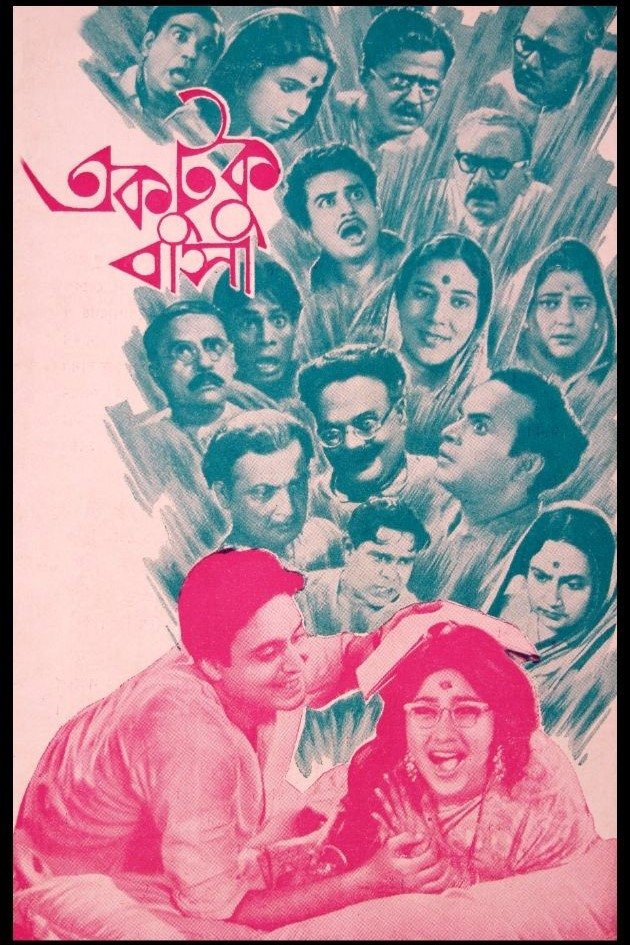
A 1965 Bengali Romantic Comedy Film directed by Tarun Majumdar, featuring Soumitra Chattopadhyay and Sandhya Ray.
A 1973 Bengali Drama Film directed by Ajit Gangopadhyay.
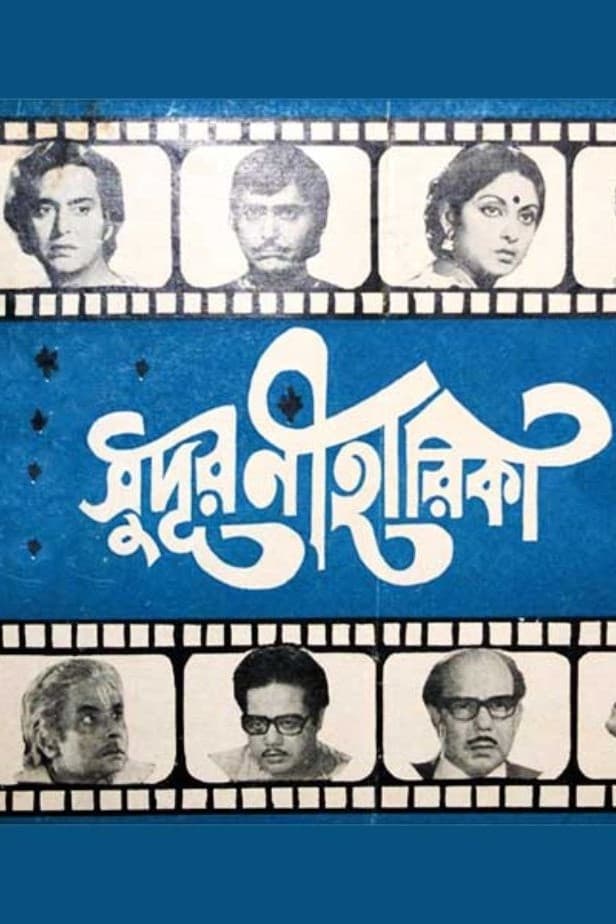
Another attempt at ghosts and reincarnation. The Court singer's foster grandson, Baiji Kamala's son (Shankar) arrives one day at the court and is exactly a replica of the prince (Rudra). Ali knows he is the illegitimate son of the King. Despite being aware of the facts, both become fast friends, and Rudra takes it upon himself to protect Shankar. Queen Padmavati (Dipti) tries to poison Shankar, killing the King Pratap instead. Shankar grows up to be a stereotype, drunkard, and pleasure-loving, and Shankar is the moderator. In childhood, Dewan's daughter Ranjita betrothed Rudra, preferred Shankar and finally married him. Rudra can't bear it and is out to kill Shankar. Will he succeed? If he does then?
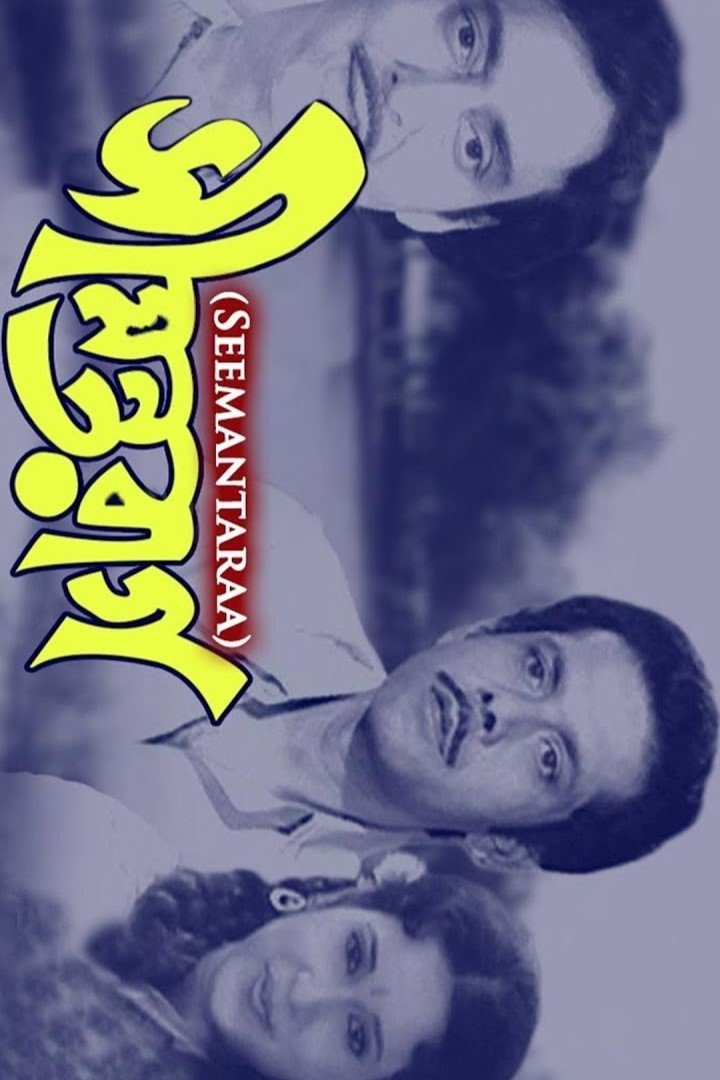
A young engineer arrives at a village. He decides to transform the village and the villagers completely. He even decides to get rid of the various superstitions the villagers have. How will he be able to manage his personal life in the village along with the task undertaken? Watch Seemantaraag to know these answers.

This film is based on the Indian Mythological love story of Radha and Krishna.
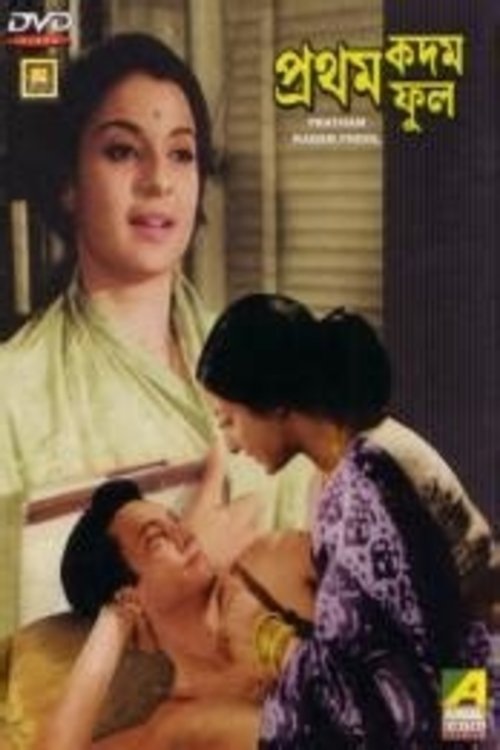
Kakoli and Sukanto meet in a library reading room. They gradually grow closer to each other and start meeting frequently. One day, she visits Sukanto at his home and her appearance moves everyone in his family. Sukanto's mother wants them to marry but Kakoli's parents refuse the proposal. So, Kakoli leaves the home of her father and begins working as a receptionist. However, misunderstandings soon develop between her and Sukanto.
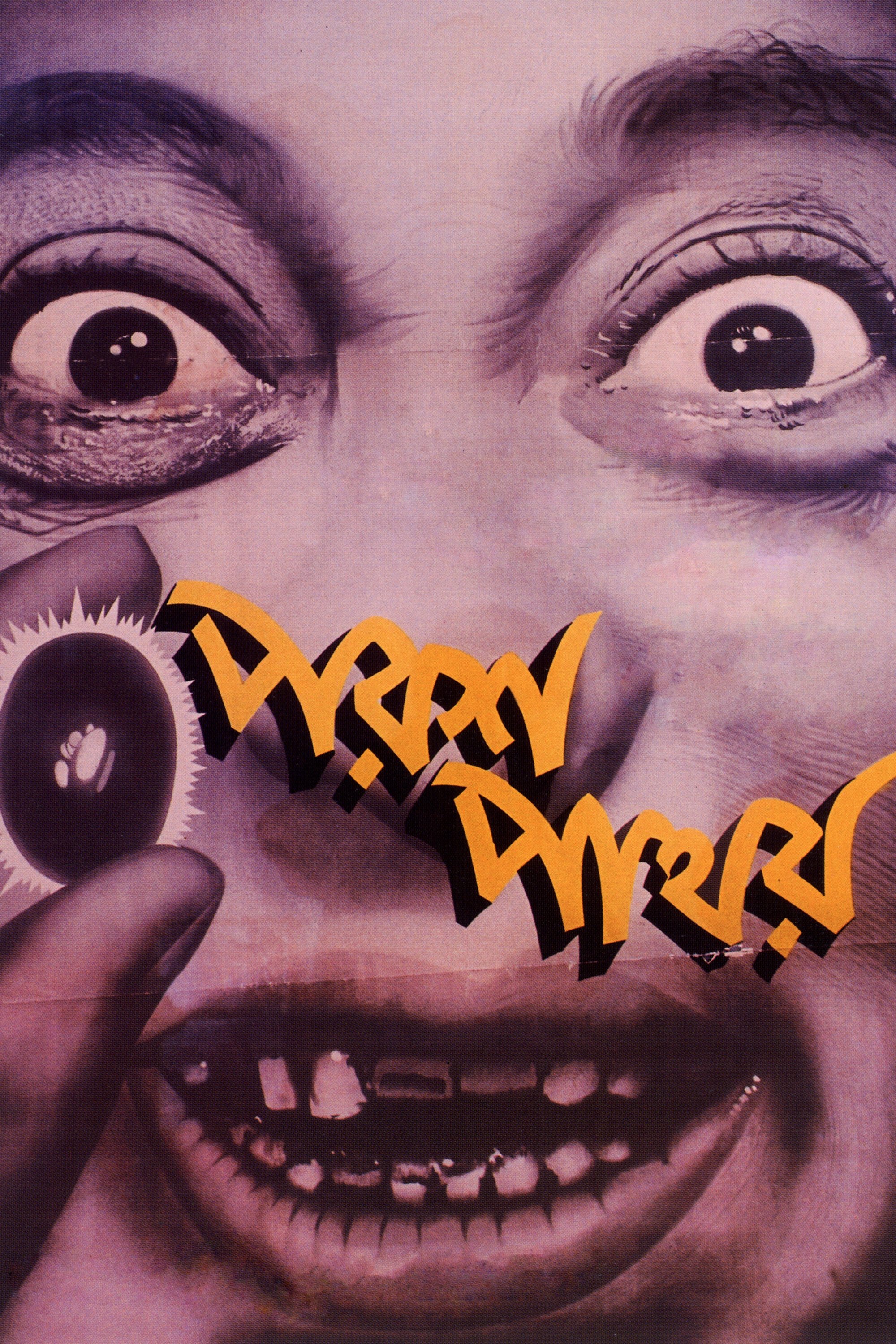
An underpaid middle-aged clerk finds a stone that changes iron to gold on touch. Preserved by the Academy Film Archive in partnership with The Film Foundation in 2007.
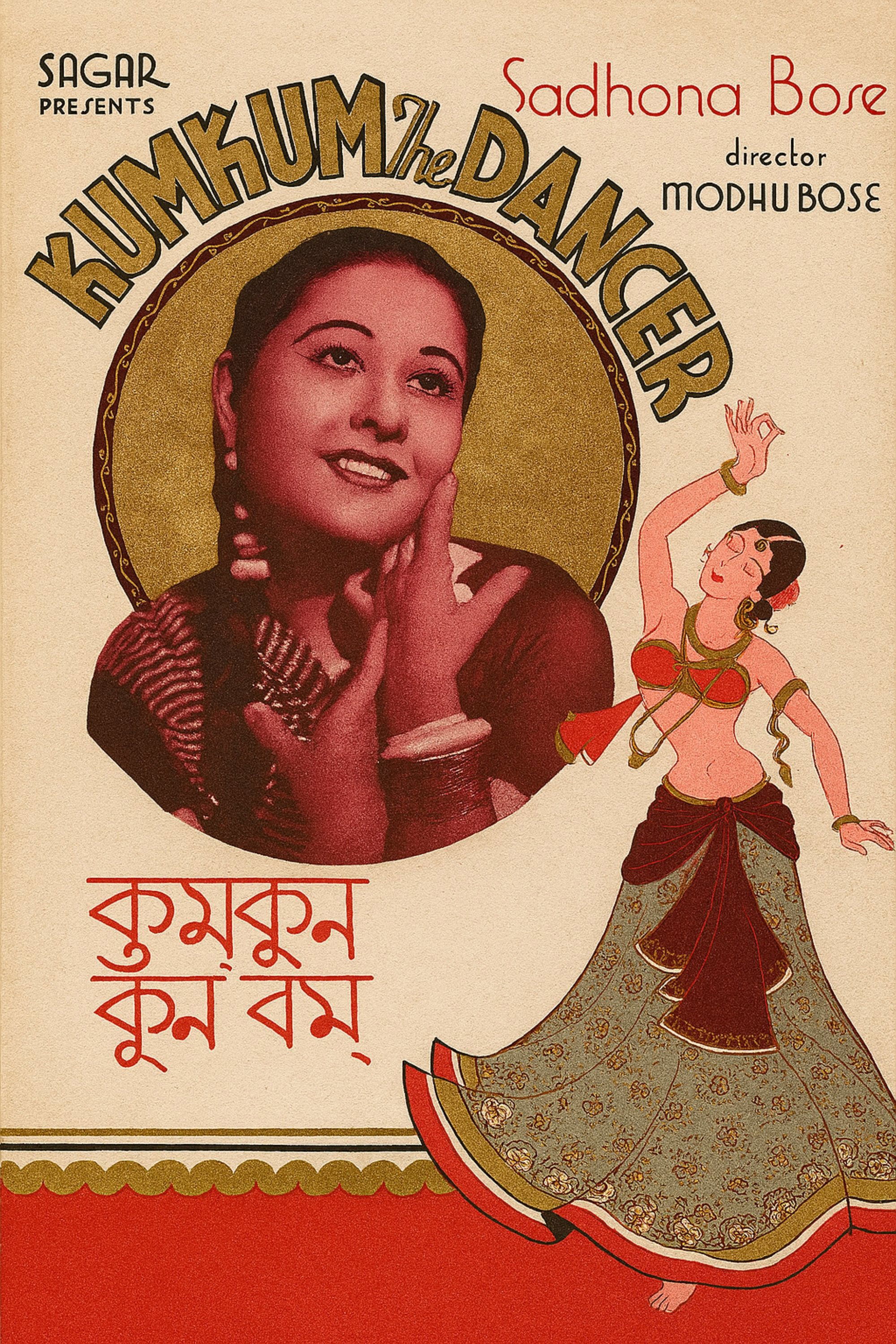
A dance film idealising poverty made mainly to showcase Bose's talents. Labour leader Suryashankar is jailed for trade union activities and, when released, finds that his friend Jagdish has stolen his property and plagiarised his play Bhookh (Hunger). To take revenge on behalf of the poor, Suryashankar's daughter Kumkum (Bose) marries Jagdish's son Chandan (Bhattacharya). Later she collaborates in staging a play meant to expose Jagdish's evil past. The film's publicity slogan was 'She robbed her husband to feed the poor!'
Feudal melodrama: Veena (Jamuna), daughter of an exploitative landlord and wife of the drunkard Chunilal (Shivdasani), defies her family and fights for the exploited peasantry. In the process she falls in love with the poor Madhu (Nandrekar). When her evil husband cannot undermine the peasants' unity he commits suicide. The heroine is disinherited by her father, but remains committed to nationalism. The film prominently deploys Gandhian symbols (e.g. the spinning wheel), and contrasts an idyllic notion of erstwhile India to the penury of its people today.
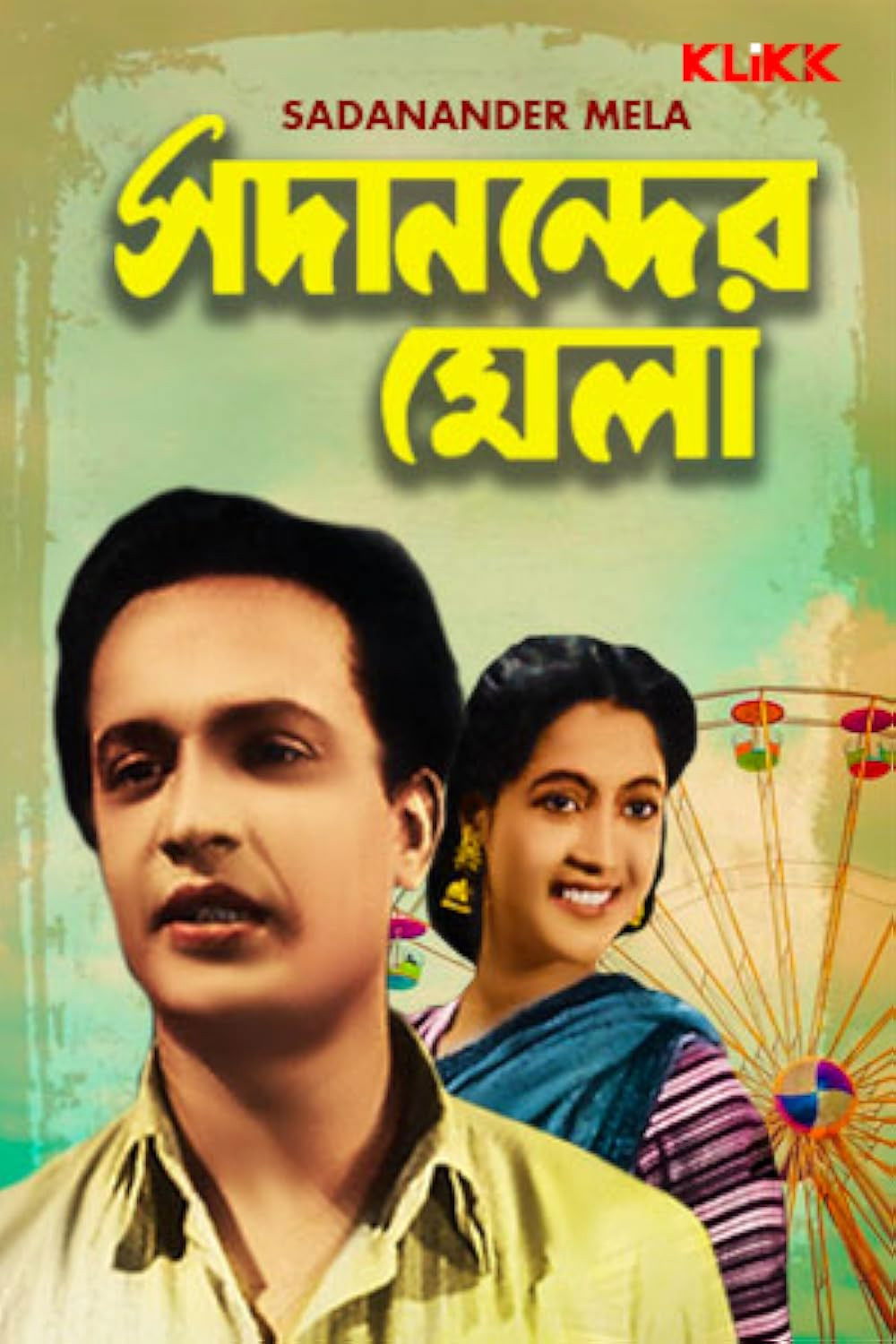
Sadananda, a wanderer, brings about a positive change in the lives of everyone around him when he starts living in a renowned man's unoccupied mansion along with the family of a little girl, Runu.