
A documentary that investigates the ways in which the civil liberties of American citizens and immigrants have been rolled back since September 11 and the passing of the Patriot Act.
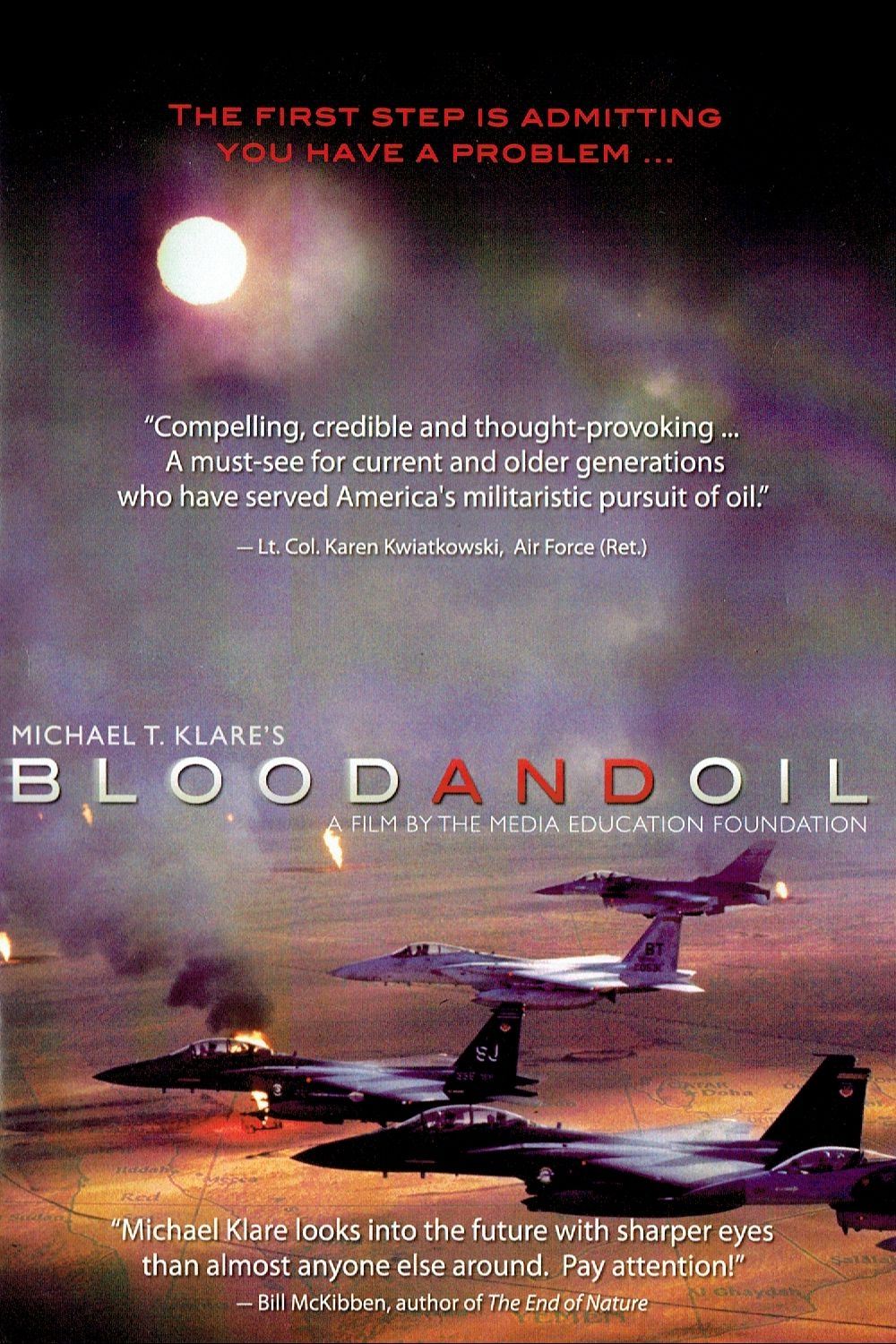
The notion that oil motivates America's military engagements in the Middle East is often disregarded as nonsense or mere conspiracy theory. In Blood and Oil, bestselling author and Nation magazine defense correspondent Michael T. Klare challenges this conventional wisdom and corrects the historical record. The film unearths declassified documents and highlights forgotten passages in prominent presidential doctrines to show how concerns about oil have been at the core of American foreign policy for more than 60 years -- rendering our contemporary energy and military policies virtually indistinguishable. In the end, Blood and Oil calls for a radical re-thinking of US energy policy, warning that unless we change direction, we stand to be drawn into one oil war after another as the global hunt for diminishing world petroleum supplies accelerates.
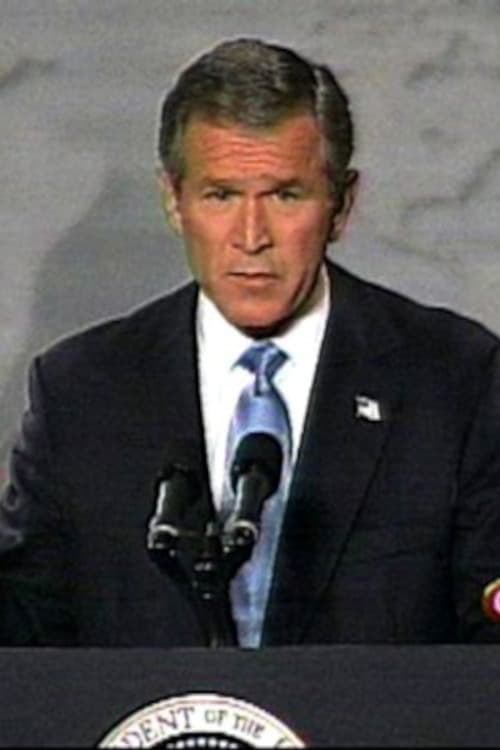
Echolalia is the meaningless repetition of words or phrases associated with forms of dementia and aphasia. In the build-up to the war in Iraq certain phrases were endlessly repeated to the point where these empty rhetorical phrases were confused with concrete facts. I tried to record as many instances of people repeating the phrase “weapons of mass destruction” as I could stand and represent these statements in a way that draws attention to the deadening effect of their repetition, however emphatically they are expressed.
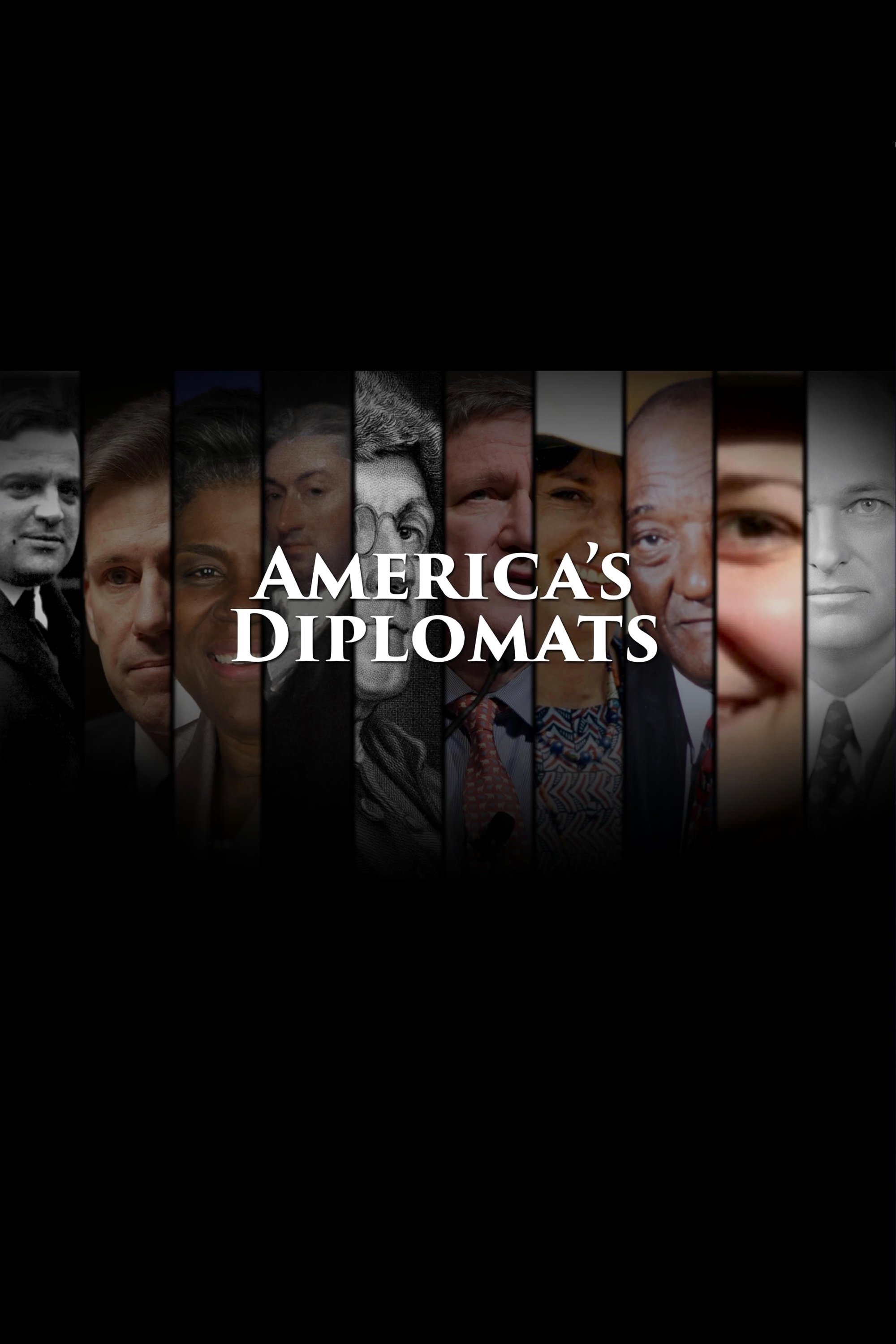
A documentary about American diplomats narrated by Kathleen Turner
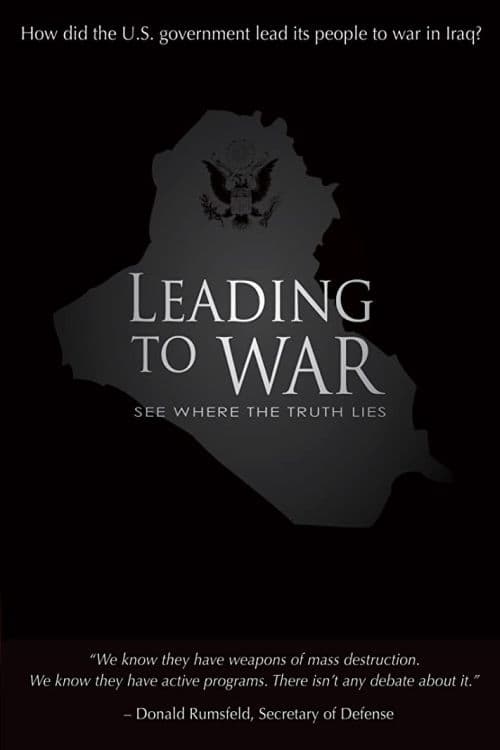
Leading to War is a 2008 American documentary film composed entirely of archival news footage of the declarations of the United States President George W. Bush and his administration explaining their reasons to attack Iraq in 2003. The film is presented as a historical record and highlights the rhetorical devices and techniques employed by a government to wage war against another nation. Presented chronologically from President Bush's State of the Union Address in January 2002 (the Axis of evil speech), and continuing up to the announcement of formal U.S. military action in Iraq on March 19, 2003, the film presents selected interviews, speeches, and press conferences given by Bush and his administration, including Vice President Dick Cheney, Secretary of Defense Donald Rumsfeld, Secretary of State Colin Powell, National Security Advisor Condoleezza Rice, Deputy Secretary of Defense Paul Wolfowitz. Non-U.S. sources include British Prime Minister Tony Blair.

How do the well-meaning and highly educated men and women of America’s foreign policy elite, dreaming of doing good in the world, so often find themselves presiding over disastrous wars and genocides? Master filmmaker Dror Moreh takes us deep inside the three decades of American foreign policy since the fall of the Berlin Wall, a period of almost constant war and mass killing
Following America's withdrawal from the Anti-Ballistic Missile (ABM) Treaty, FRONTLINE examines the reason why: the Bush administration's determination to deploy an antimissile system. Supporters say national missile defense is essential to protecting America from a missile attack by rogue states. Critics argue that terrorist attacks like September 11 are a far greater threat than that posed by ballistic missiles. In "Missile Wars," FRONTLINE examines both sides of the missile defense debate. Through interviews with staunch proponents, skeptical scientists, and military and intelligence experts, the one-hour documentary investigates this multi-billion dollar--yet still unproven--weapons system, and explores how national missile defense fits into the nation's military strategy after 9/11.