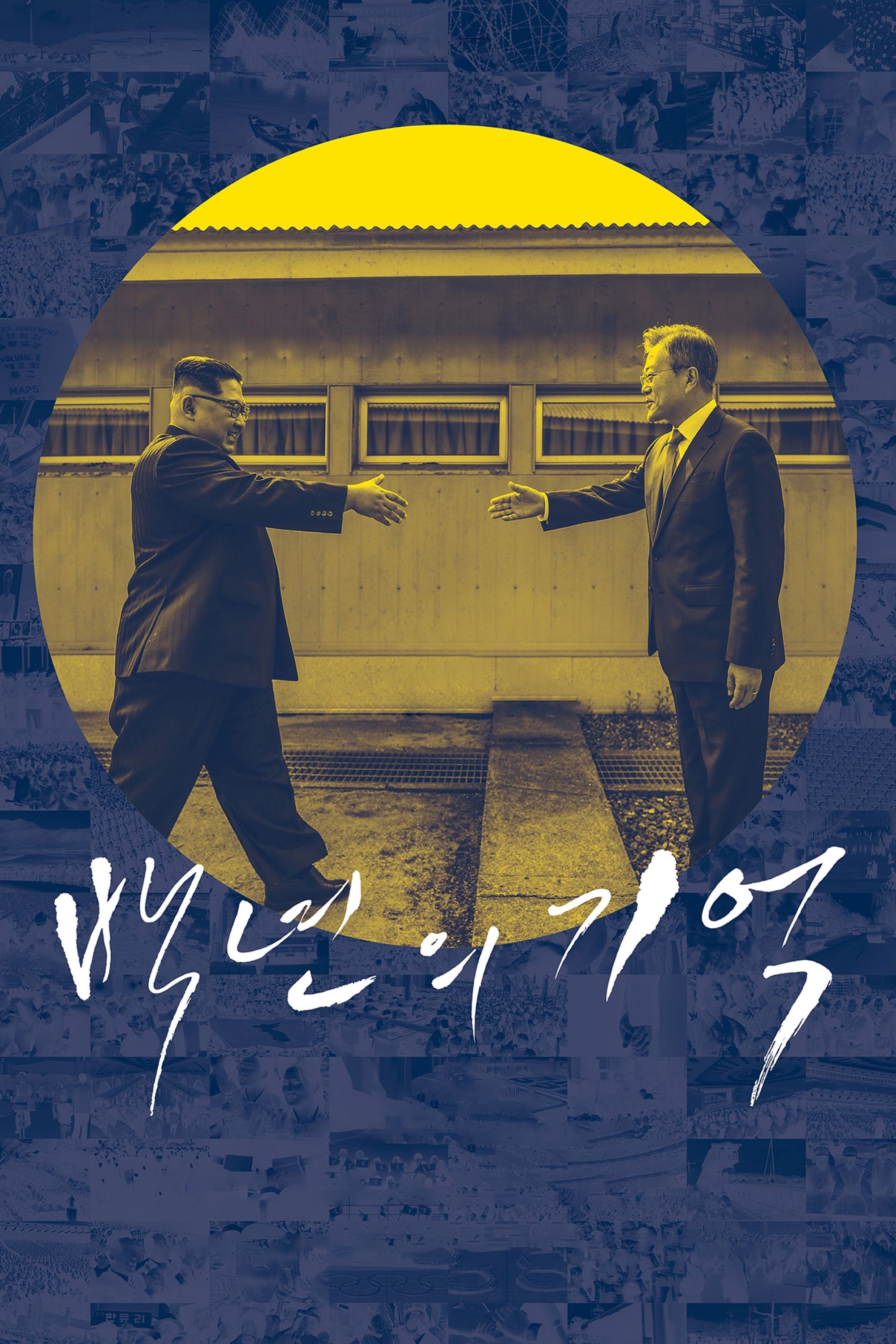
A contemporary history of Korea(s) from a unique point of view that embraces the inner history of both South and North Korea in a single narrative.
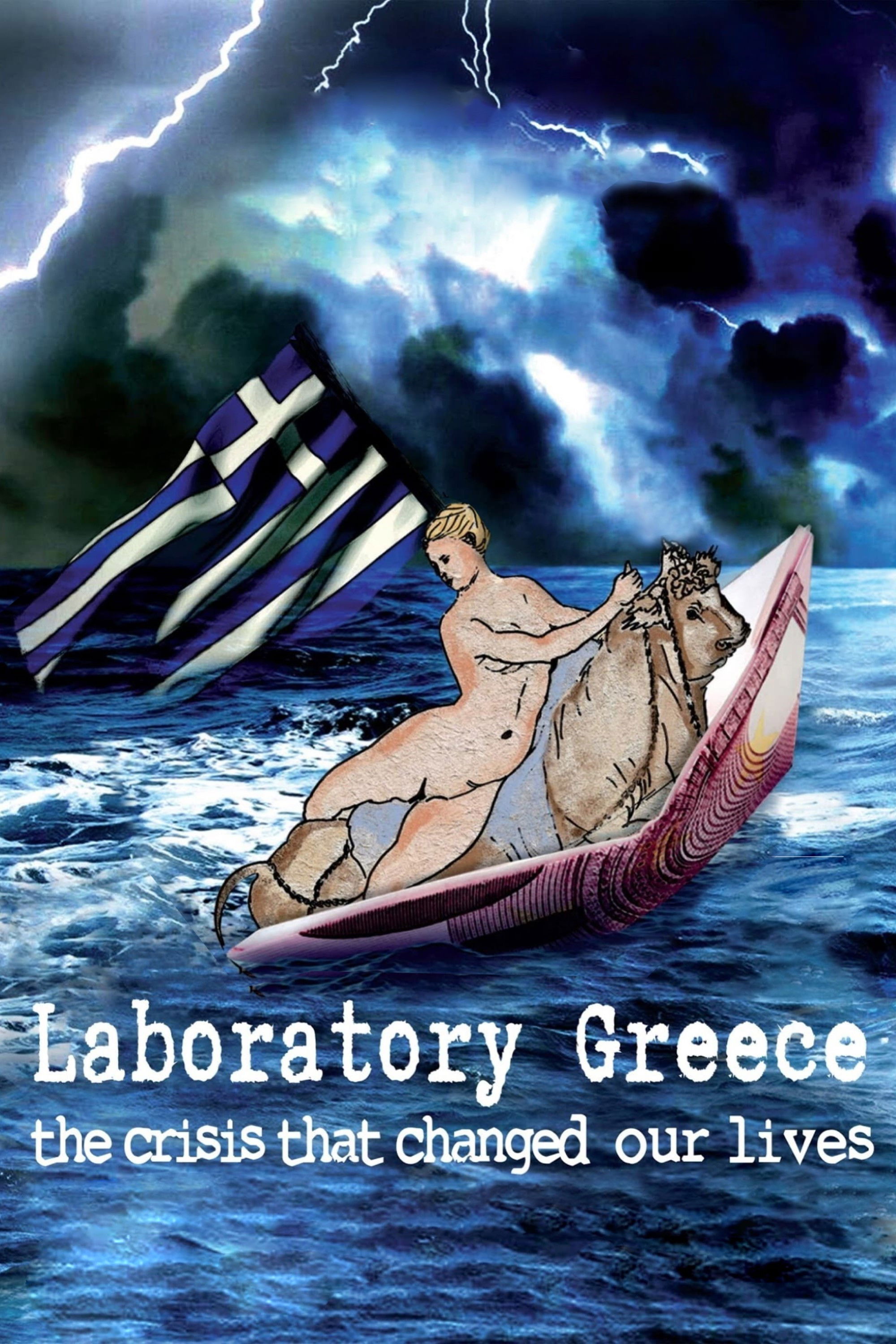
A journey through Greece and Europe’s past and recent history: from the Second World War to the current crisis. It is a historical documentary, a look into many stories. «If Democracy can be destroyed in Greece, it can be destroyed throughout Europe» Paul Craig Roberts
Oliver Stone charts the history of the United States from the Second World War to the present.

A historical perspective to understand Neoliberalism and to understand why this ideology today so profoundly influences the choices of our governments and our lives.
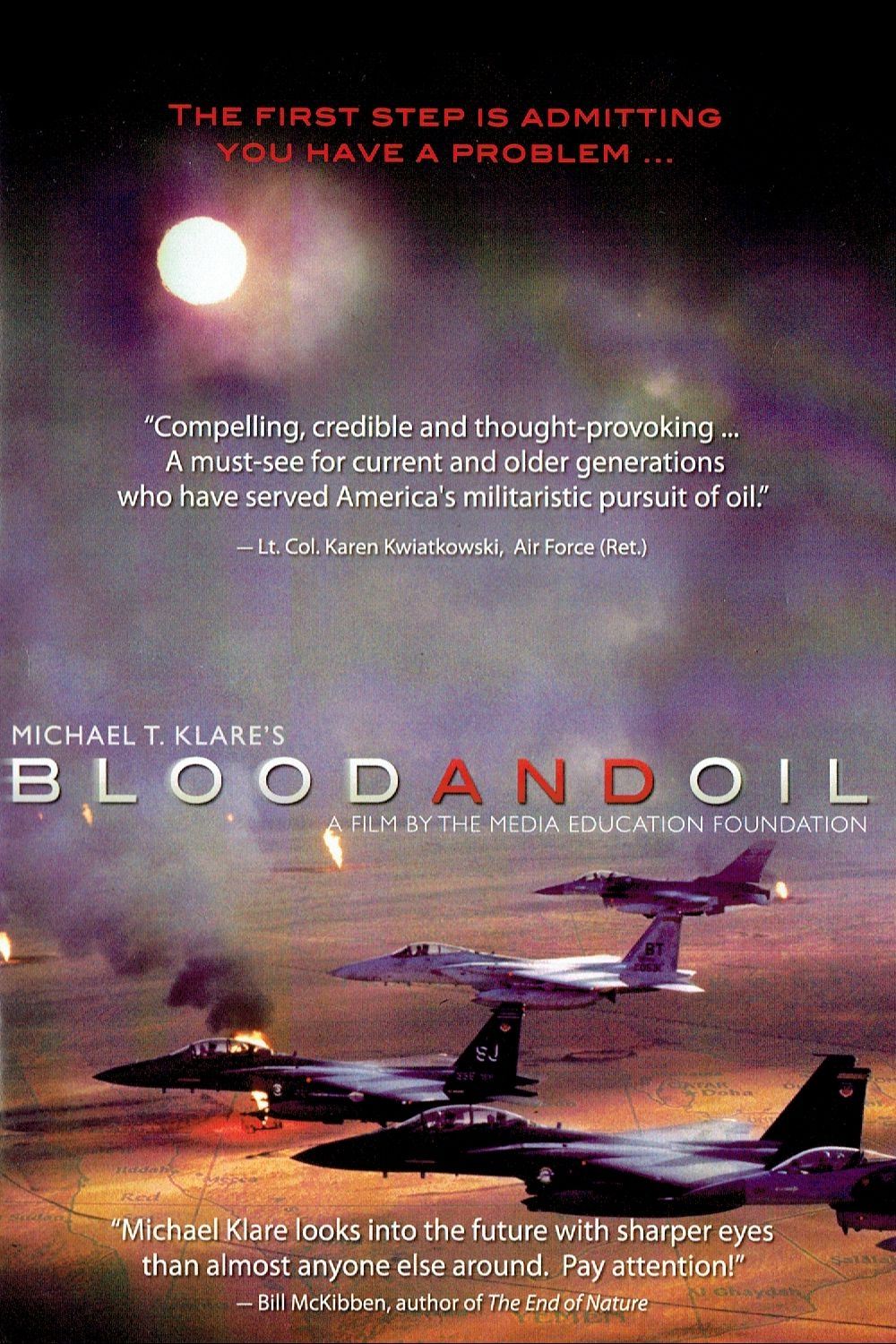
The notion that oil motivates America's military engagements in the Middle East is often disregarded as nonsense or mere conspiracy theory. In Blood and Oil, bestselling author and Nation magazine defense correspondent Michael T. Klare challenges this conventional wisdom and corrects the historical record. The film unearths declassified documents and highlights forgotten passages in prominent presidential doctrines to show how concerns about oil have been at the core of American foreign policy for more than 60 years -- rendering our contemporary energy and military policies virtually indistinguishable. In the end, Blood and Oil calls for a radical re-thinking of US energy policy, warning that unless we change direction, we stand to be drawn into one oil war after another as the global hunt for diminishing world petroleum supplies accelerates.
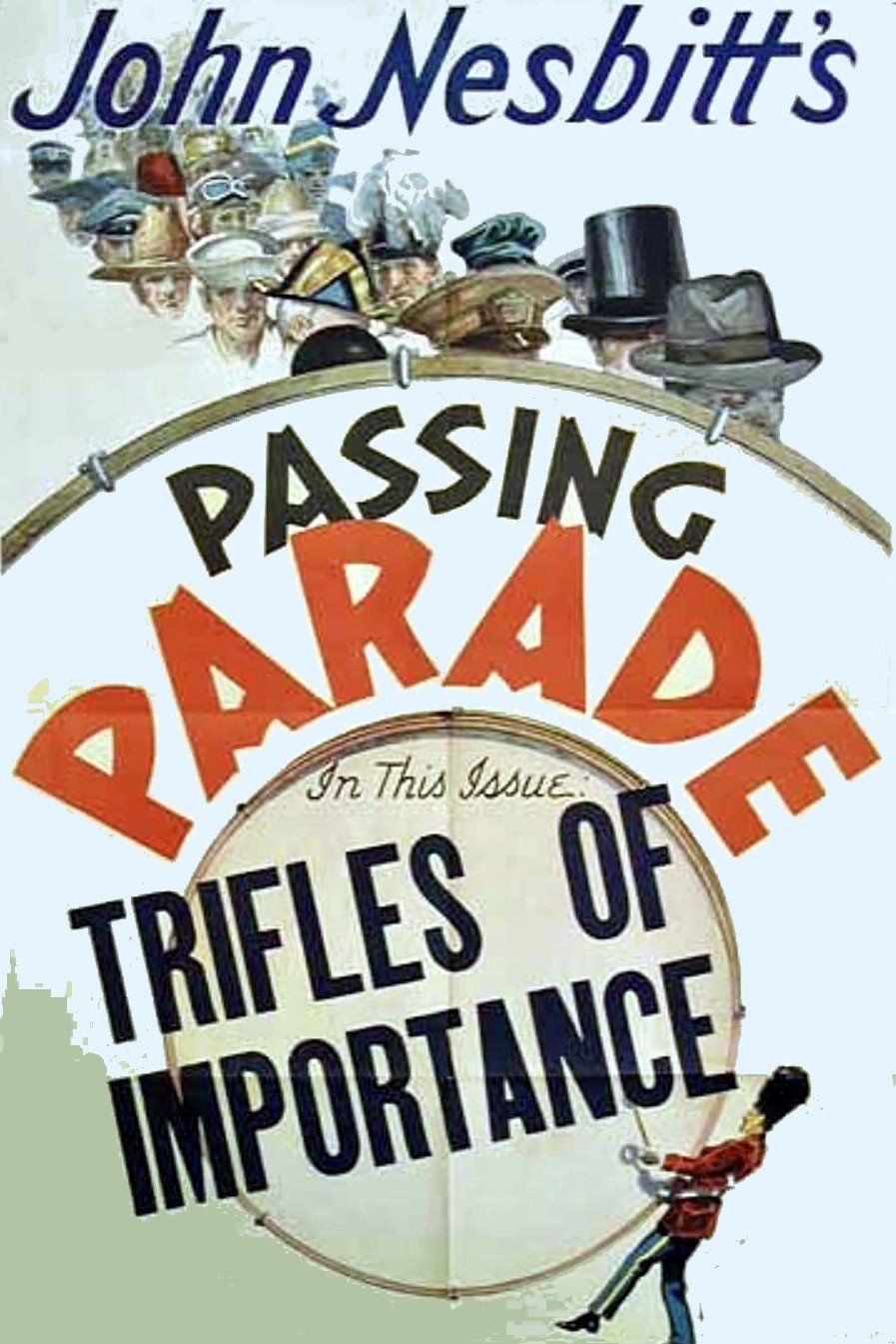
Part of John Nesbitt's Passing Parade series, this short shows how three seemingly unimportant things can affect people. The first is how the number 7 affects a student accused of theft charges. The second segment shows that a person's doodles can reveal personality traits. The final segment shows why certain items are on men's suits, such as lapels.

The New Air Force One: Flying Fortress follows the new presidential aircraft's creation, diving into how it transformed into a top-secret command center.
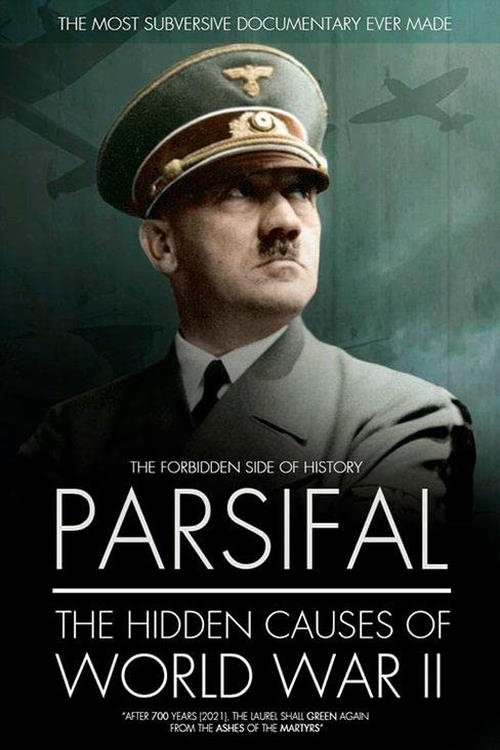
Based on Worldwide Defeat by Salvador Borrego, it exposes the forbidden side of history and reveals Adolf Hitler's hamartia.

Documentary filmmaker Védrès' first semi-fictional feature was released in France in 1949 as La Vie Commence Demain. The film made it to the U.S. in 1952 as Life Begins Tomorrow. Made in cooperation with UNESCO, the film speculates on the future of mankind after the advent of Atomic Energy. Many prominent French artists and intellects contribute to the narration: Jean-Pierre Aumont plays The Man of Today, Andre Labarthe is the Man of Tomorrow, and Jean-Paul Sartre, Daniel Agache, Jean Rostand, Le Corbusier, Pablo Picasso and Andre Gide are respectively seen as "The Existentialist," "The Psychiatrist,' "The Biologist," "The Architect," "The Artist" and "The Author". Film clips of hospitals, schoolrooms, scientific laboratories, and even nightclubs are woven into Védrès' fascinating tapestry.

It’s the 2014 midterms and residents of a South Florida retirement community feel the weight of democracy on their shoulders. In one of the most influential counties of America’s largest swing state, these political kingmakers trade their golf clubs for clipboards and hit the pavement to get out the vote. A GREATER SOCIETY is a feature documentary to inspire voter turnout. Inside the gates of Wynmoor Village are three miles of manicured lawns lined with palm trees, a golf course, and carefully maintained condominiums. At first glance, it’s just another retirement community where elders go to enjoy their golden years relaxing by the pool and taking ceramics classes; but look further and you’ll see that the people who live in this community share something unique: the power to have a real impact on national politics.

"Trinity and Beyond" is an unsettling yet visually fascinating documentary presenting the history of nuclear weapons development and testing between 1945-1963. Narrated by William Shatner and featuring an original score performed by the Moscow Symphony Orchestra, this award-winning documentary reveals previously unreleased and classified government footage from several countries.
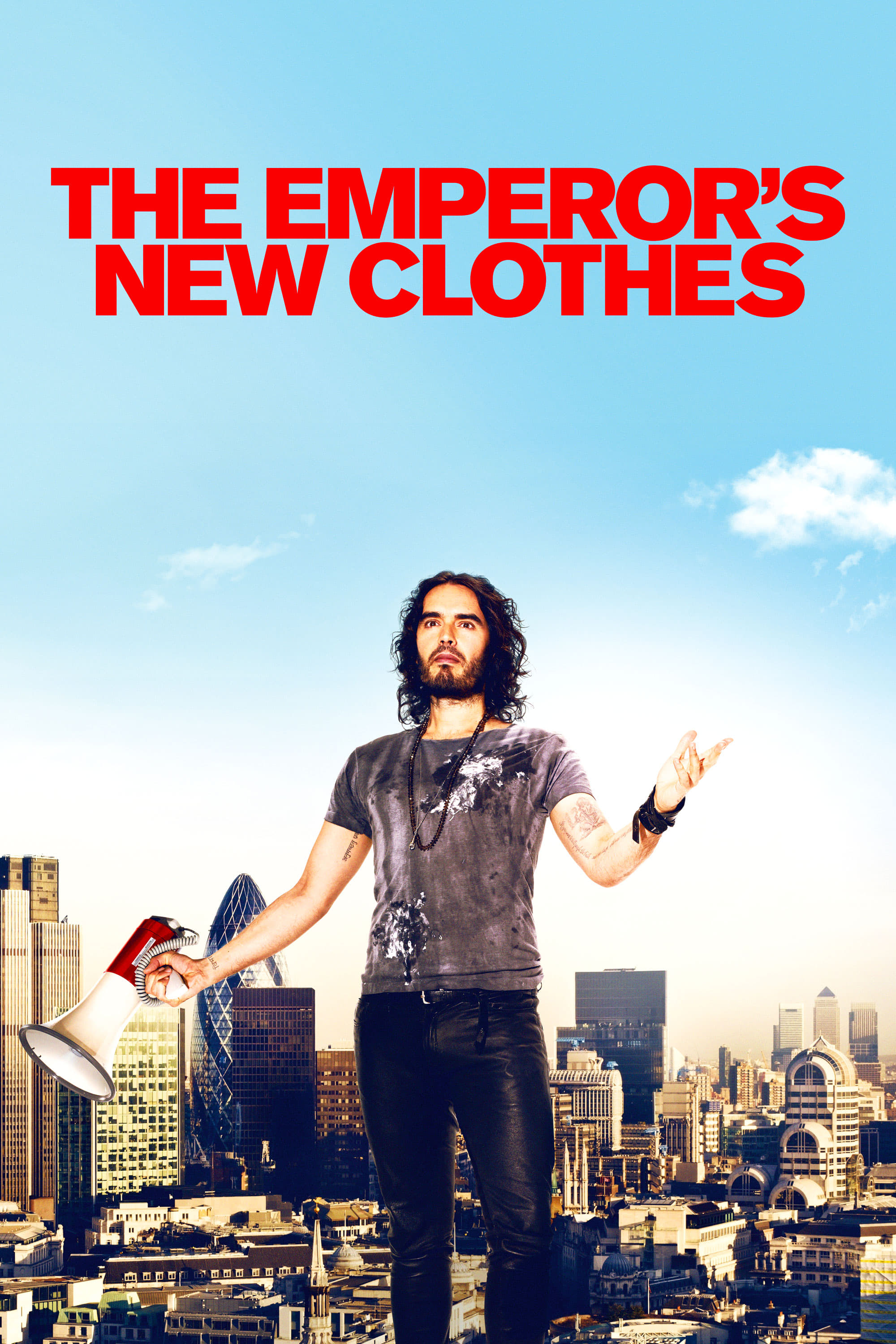
An uproarious critique of the world financial crisis. Building on actor, comedian, and provocateur Russell Brand’s emergence as an activist following his 2014 book Revolution, where he railed against “corporate tyranny, ecological irresponsibility, and economic inequality".
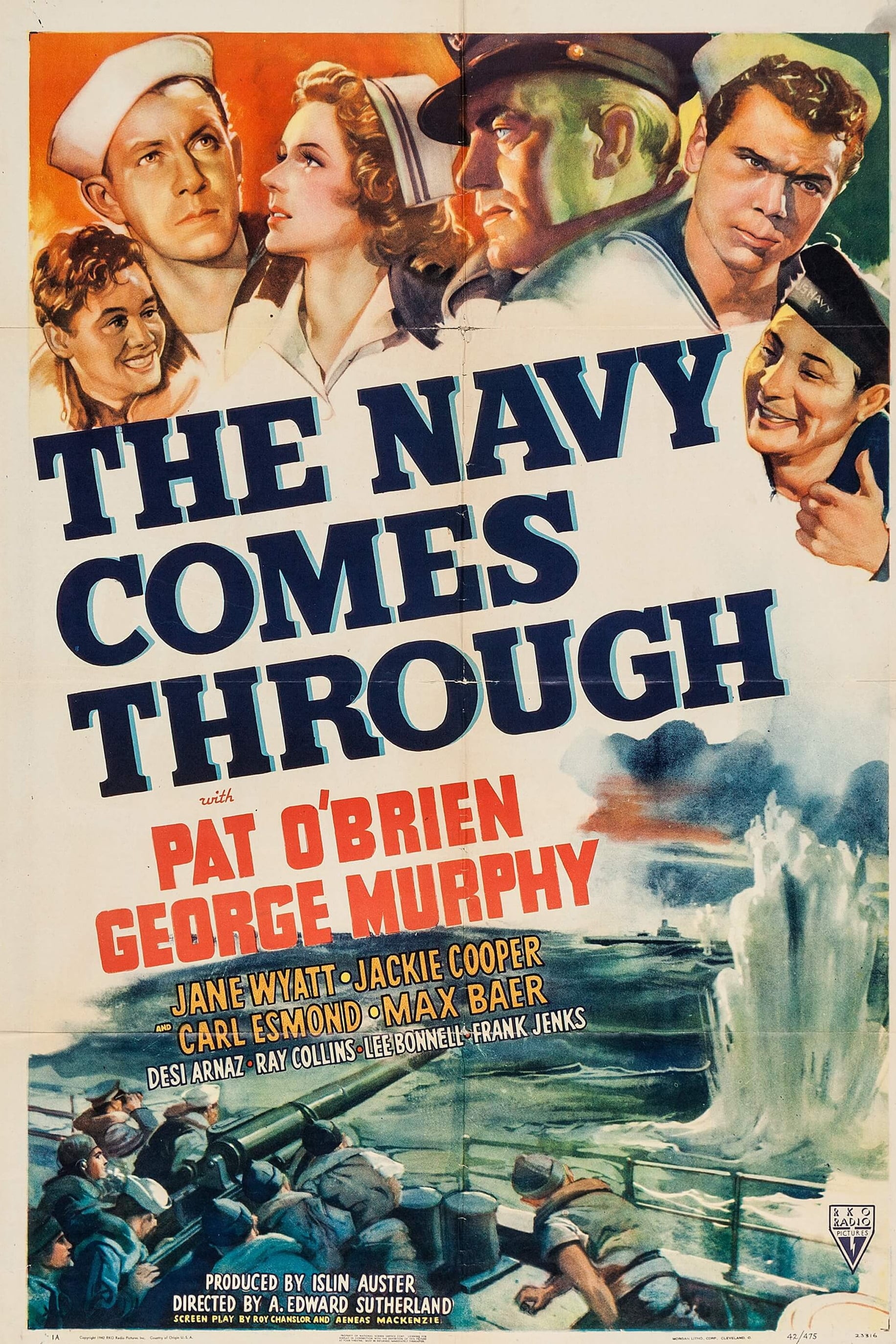
A U.S. Navy crew aboard a merchant marine ship battle Nazis.

Hollywood, 1942. The US government pressures Hungarian-born film director Michael Curtiz, who is about to finish shooting Casablanca, to accentuate the film's propaganda message in order to sway public opinion in favor of the country's intervention in the European war.
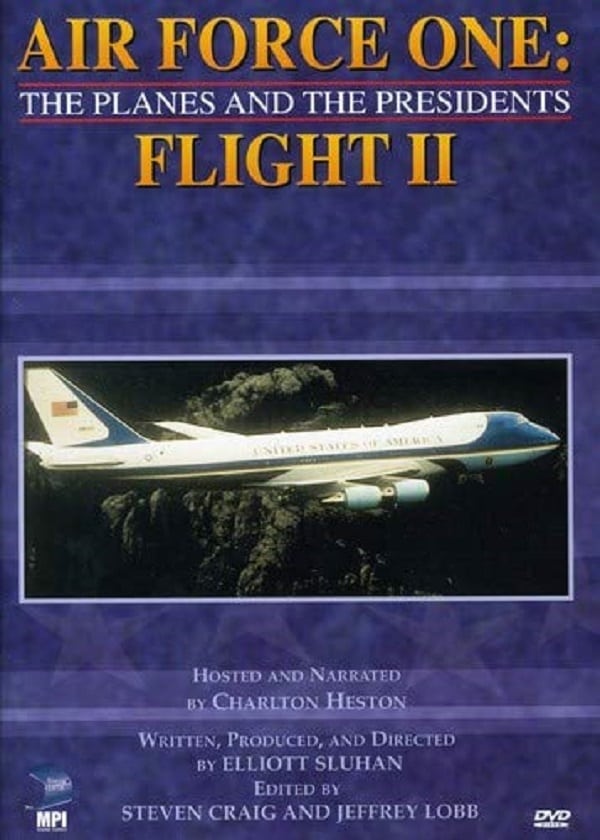
Several important historical events occurred on the planes with call sign Air Force One. These events are described within the backdrop of the evolution of the presidents' airplanes.
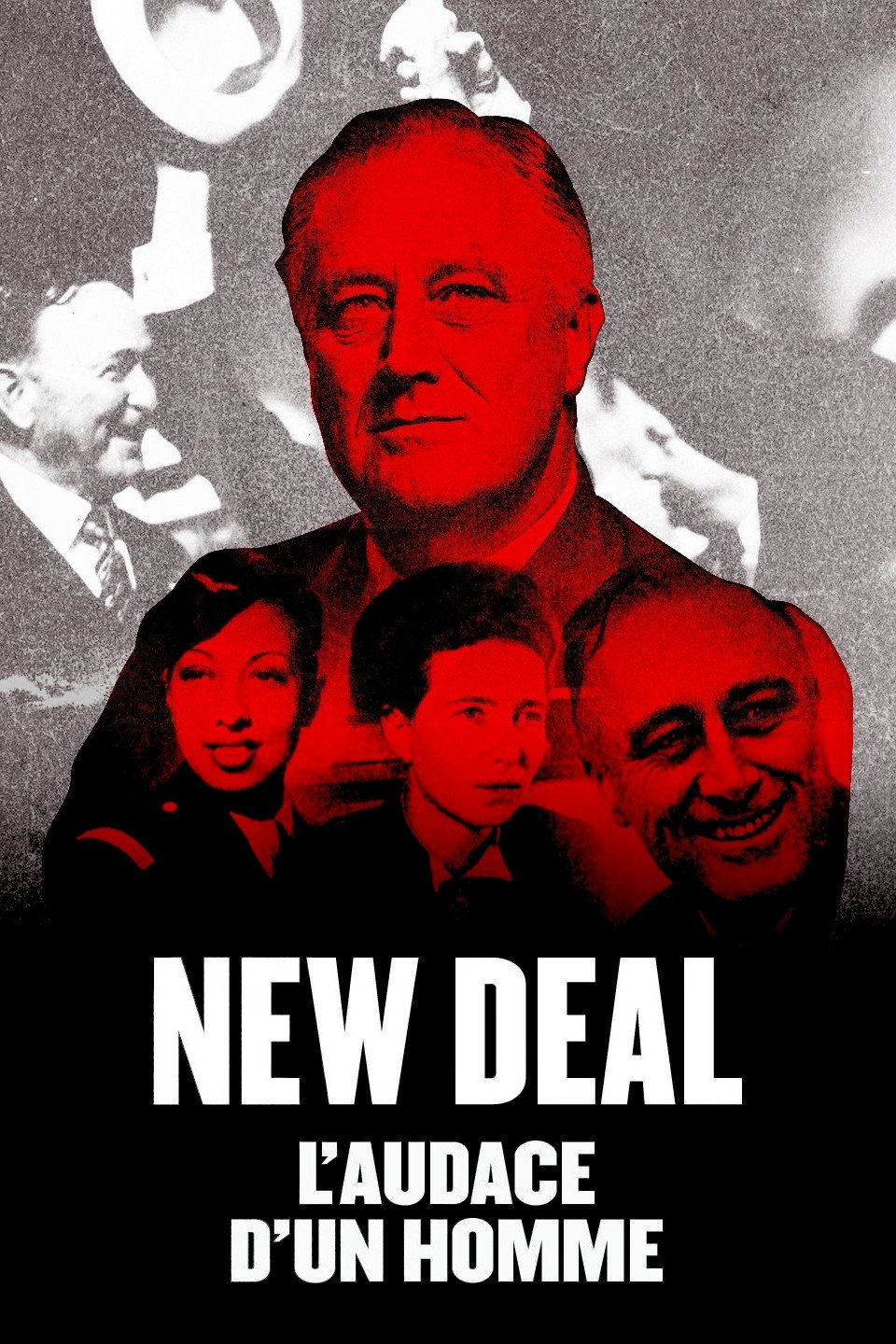
Elected in November 1932, as the economic crisis ravaged the United States, Franklin Delano Roosevelt immediately put all his campaign promises into action: it was time for the "New Deal". This bold plan, designed to turn around a nation on the brink of collapse, where unemployment was at an all-time high and the working poor were suffering from the precariousness of the job market, was intended to give hope to a country that had been battered before anything else. Once he came to power, the new president from the Democratic Party immediately passed some fifteen laws designed to revive the economy.
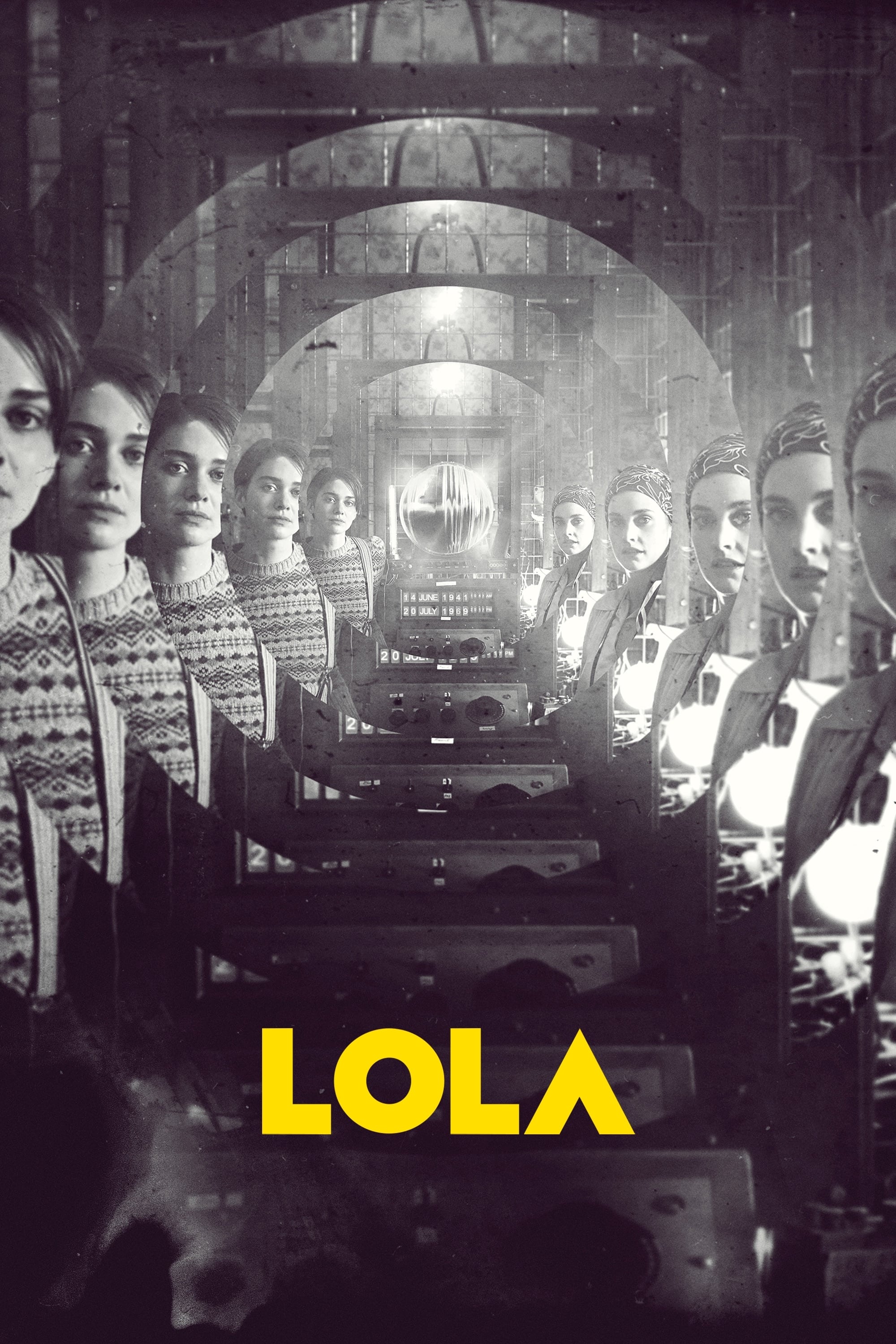
Sussex, England, 1938. Shortly before the outbreak of World War II, Thomasina and Martha Hanbury, two ingenious sisters, create LOLA, a miraculous machine.
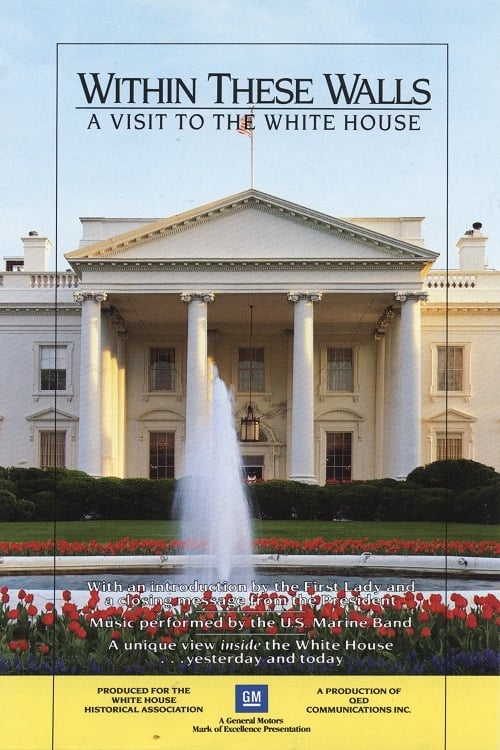
A special that takes a look inside the White House.

The film depicts Olav Vs and Märtha from Norway's trip to the USA in 1939
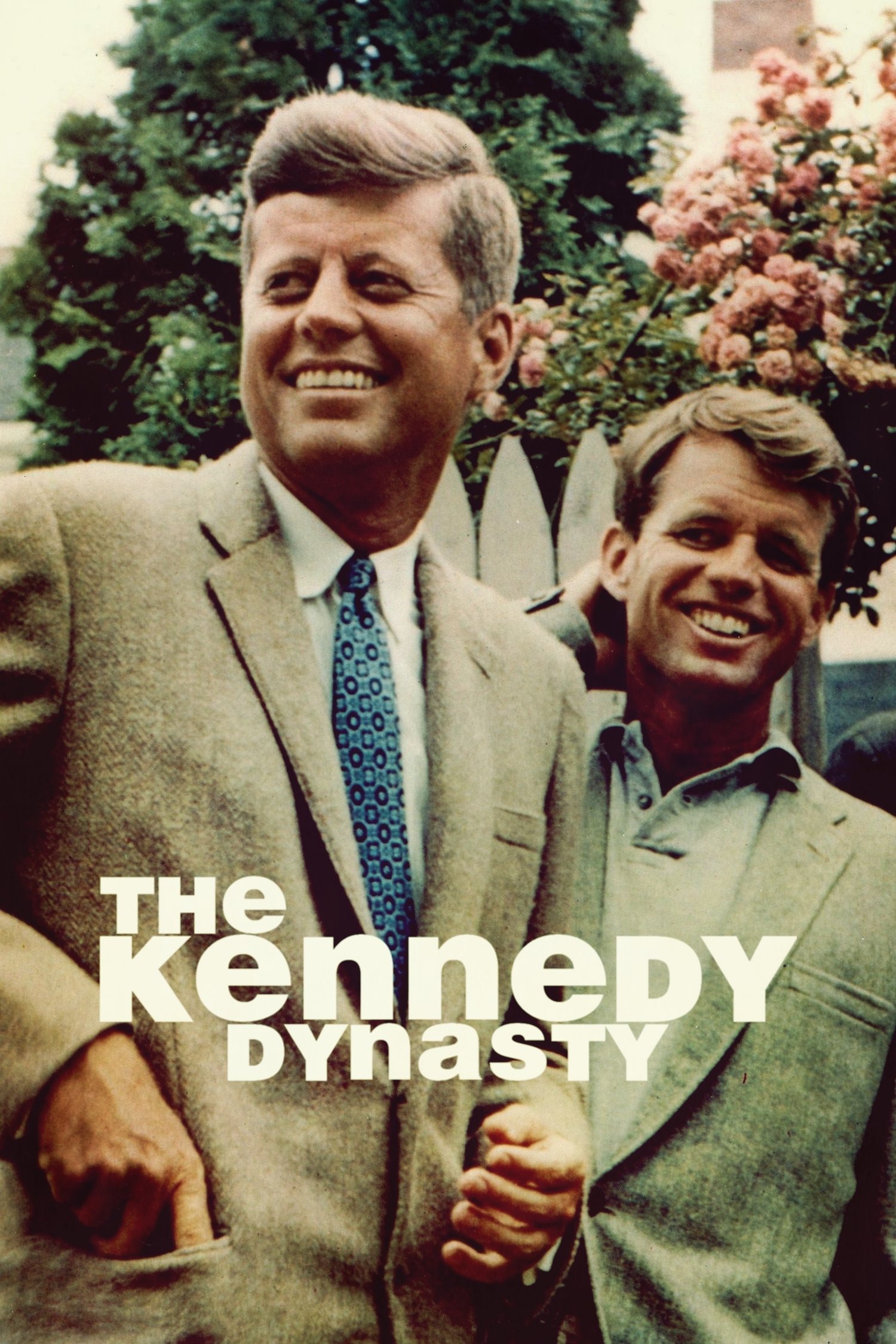
The story of a powerful political and economic dynasty, fundamental to understanding the turbulent destiny of the United States of America throughout the 20th century; of nine brothers who had truly extraordinary lives, marked by both greatness and tragedy: the story of the Kennedy family.
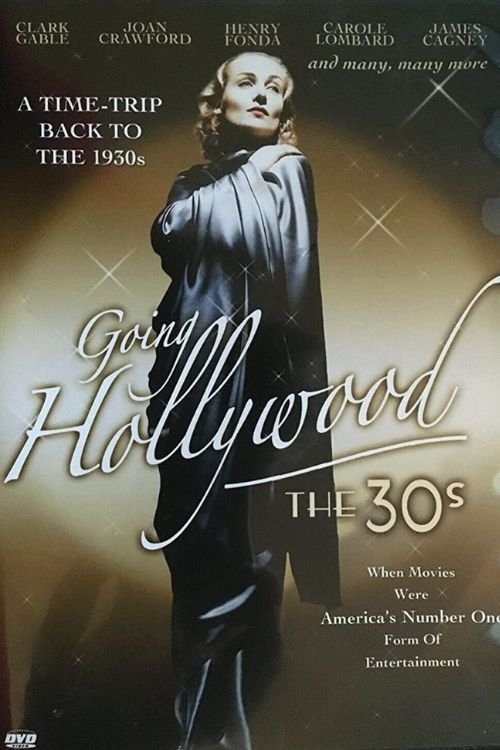
Robert Preston hosts this documentary that shows what people of the 1930s were watching as they were battling the Depression as well as eventually getting ready for another World War.
The story behind the creation of Mount Rushmore National Memorial.
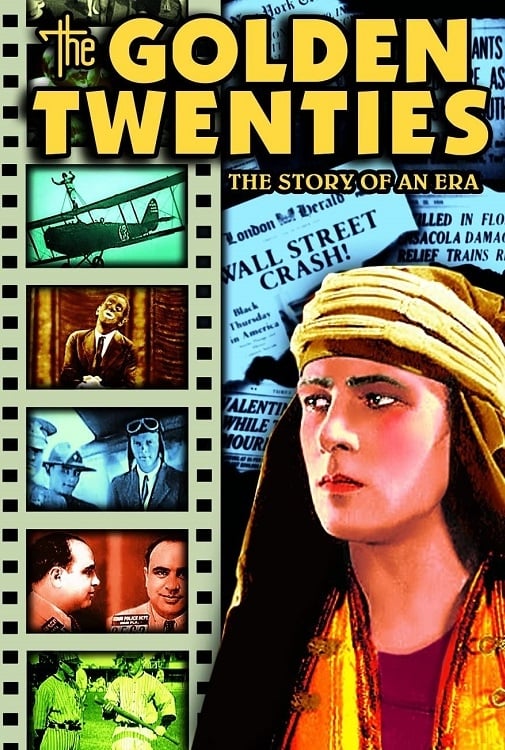
Feature-length compilation of 1920s newsreel footage, with commentary about news, sports, lifestyles, and historical figures.
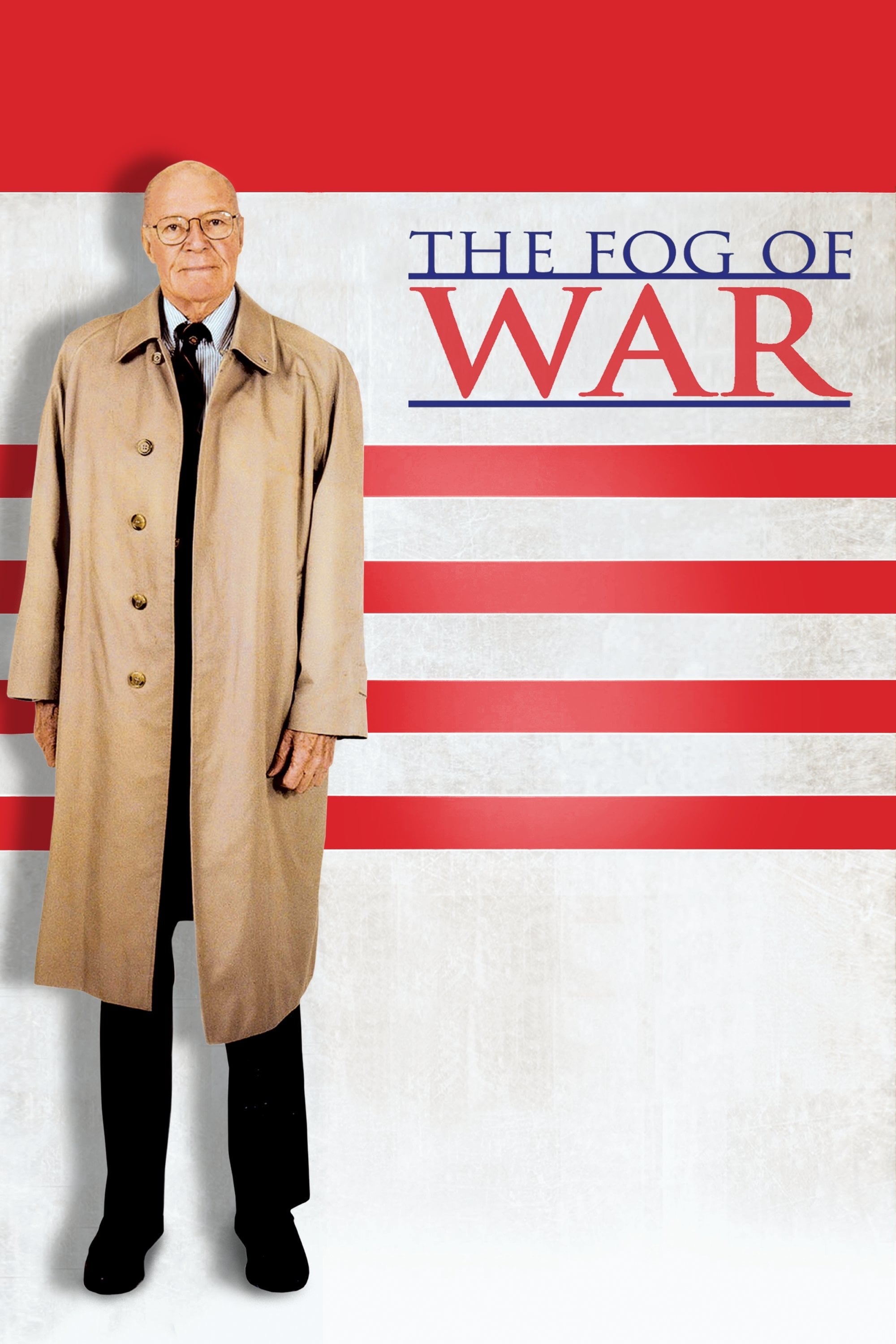
Using archival footage, cabinet conversation recordings, and an interview of the 85-year-old Robert McNamara, The Fog of War depicts his life, from working as a WWII whiz-kid military officer, to being the Ford Motor Company's president, to managing the Vietnam War as defense secretary for presidents Kennedy and Johnson.
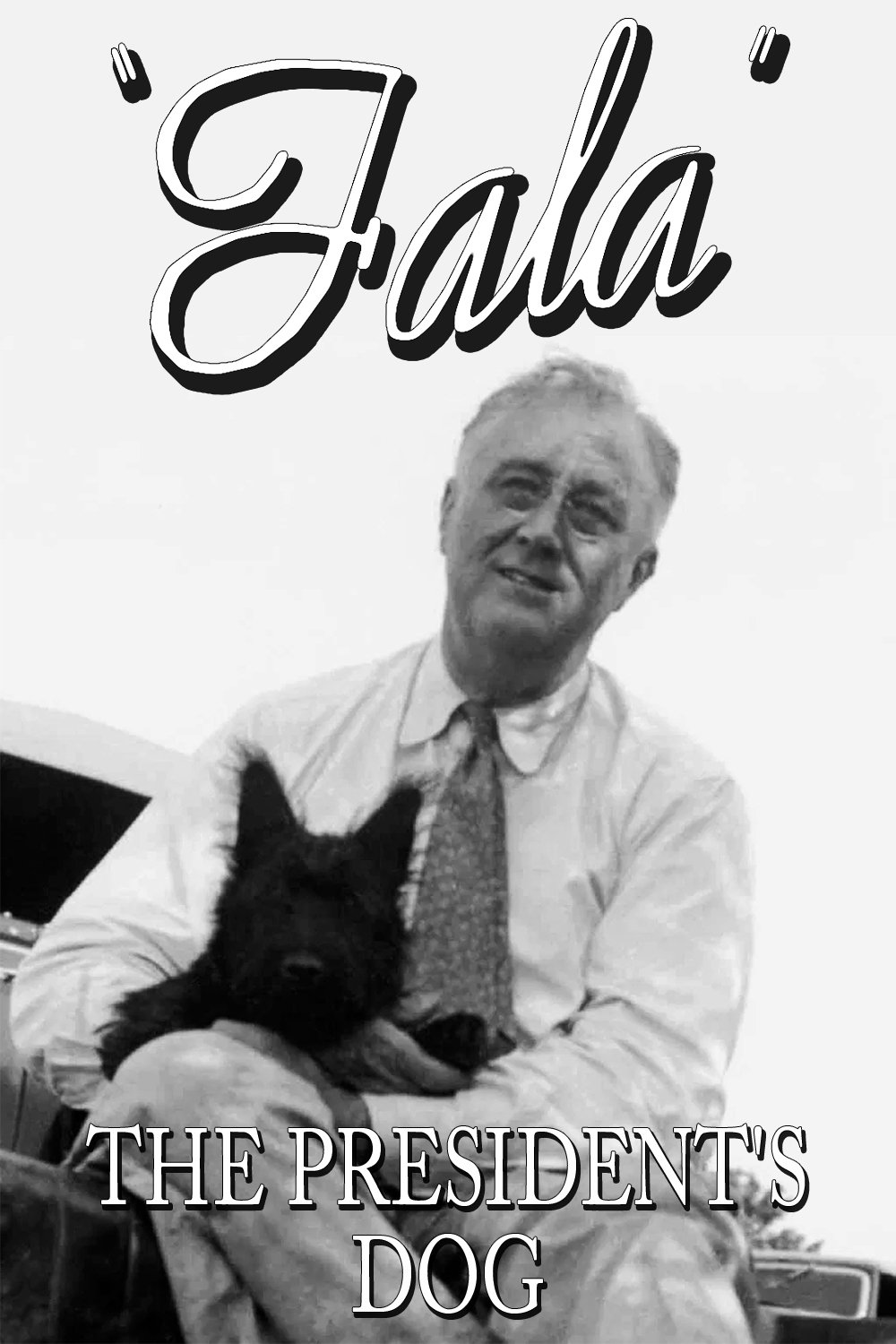
Fala was the famous Scotch Terrier owned by Franklin Delano Roosevelt during his last two presidential terms.
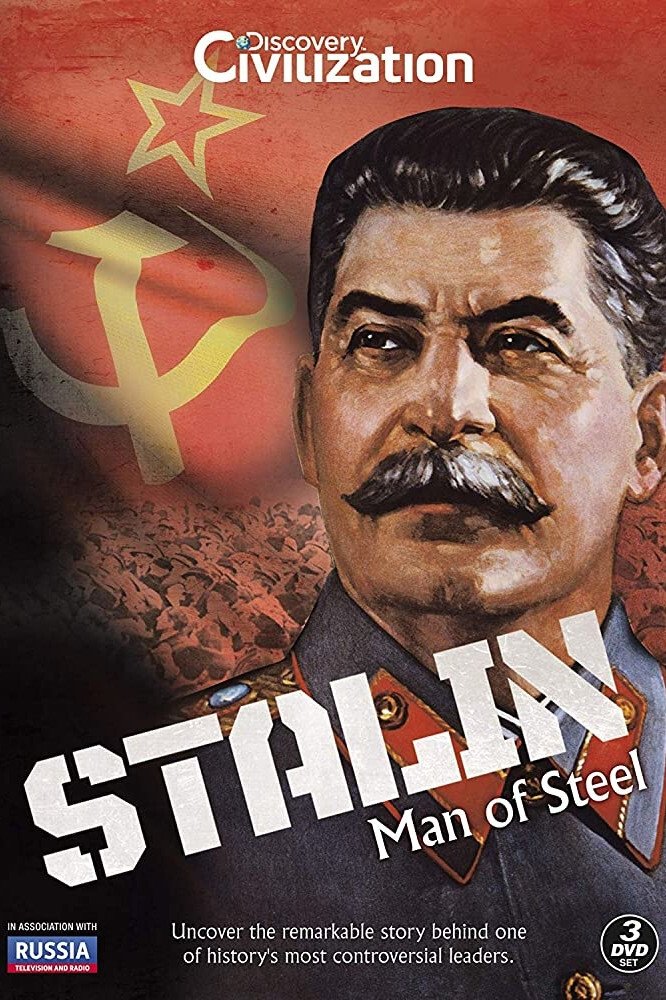
Emmy Awards nominee for "Outstanding Individual Achievement in a Craft: Research: Multi-faceted portrait of the man who succeeded Lenin as the head of the Soviet Union. With a captivating blend of period documents, newly-released information, newsreel and archival footage and interviews with experts, the program examines his rise to power, deconstructs the cult of personality that helped him maintain an iron grip over his vast empire, and analyzes the policies he introduced, including the deadly expansion of the notorious gulags where he banished so many of his countrymen to certain death.
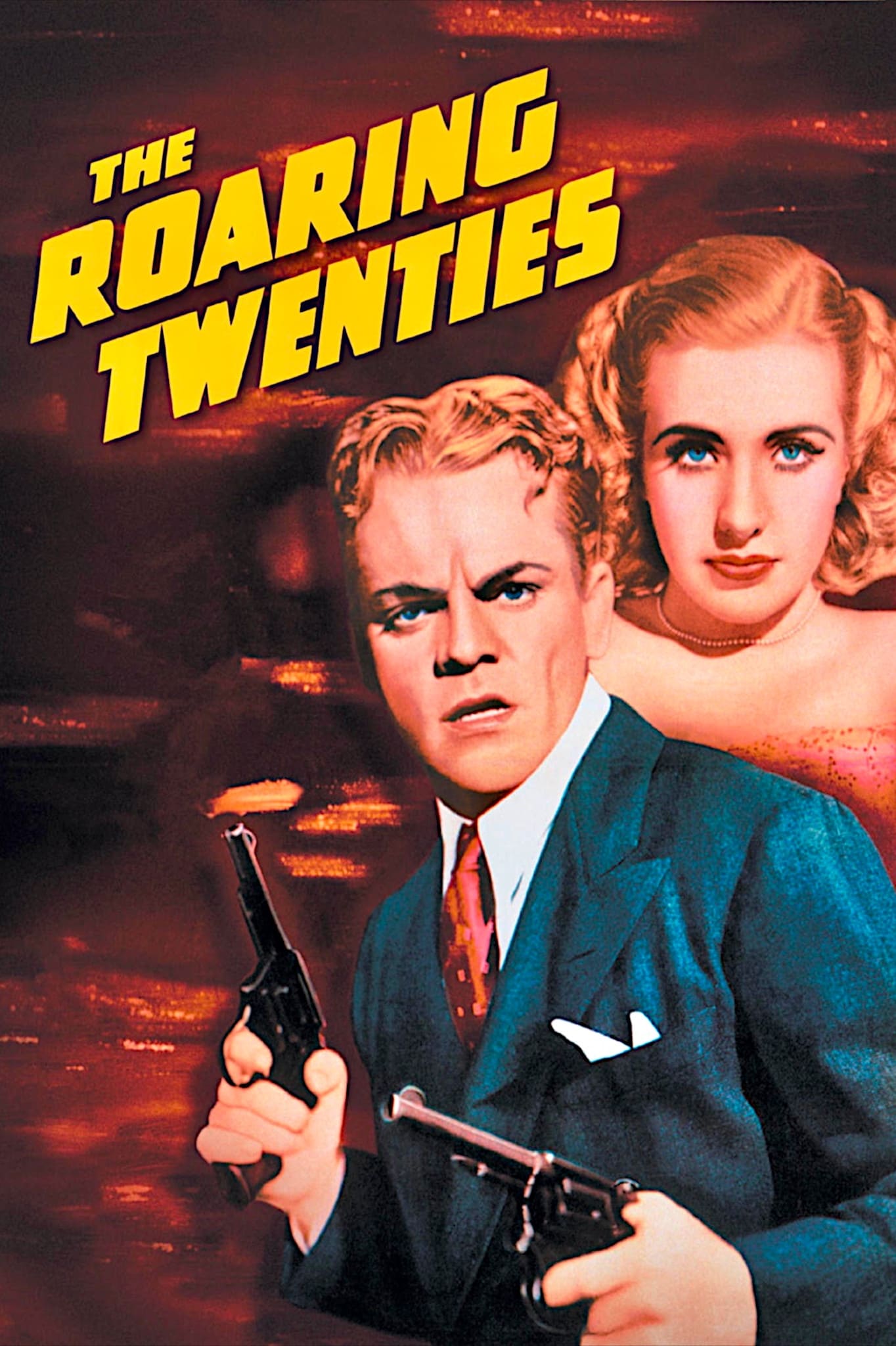
After World War I, Armistice Lloyd Hart goes back to practice law, former saloon keeper George Hally turns to bootlegging, and out-of-work Eddie Bartlett becomes a cab driver. Eddie builds a fleet of cabs through delivery of bootleg liquor and hires Lloyd as his lawyer. George becomes Eddie's partner and the rackets flourish until love and rivalry interfere.
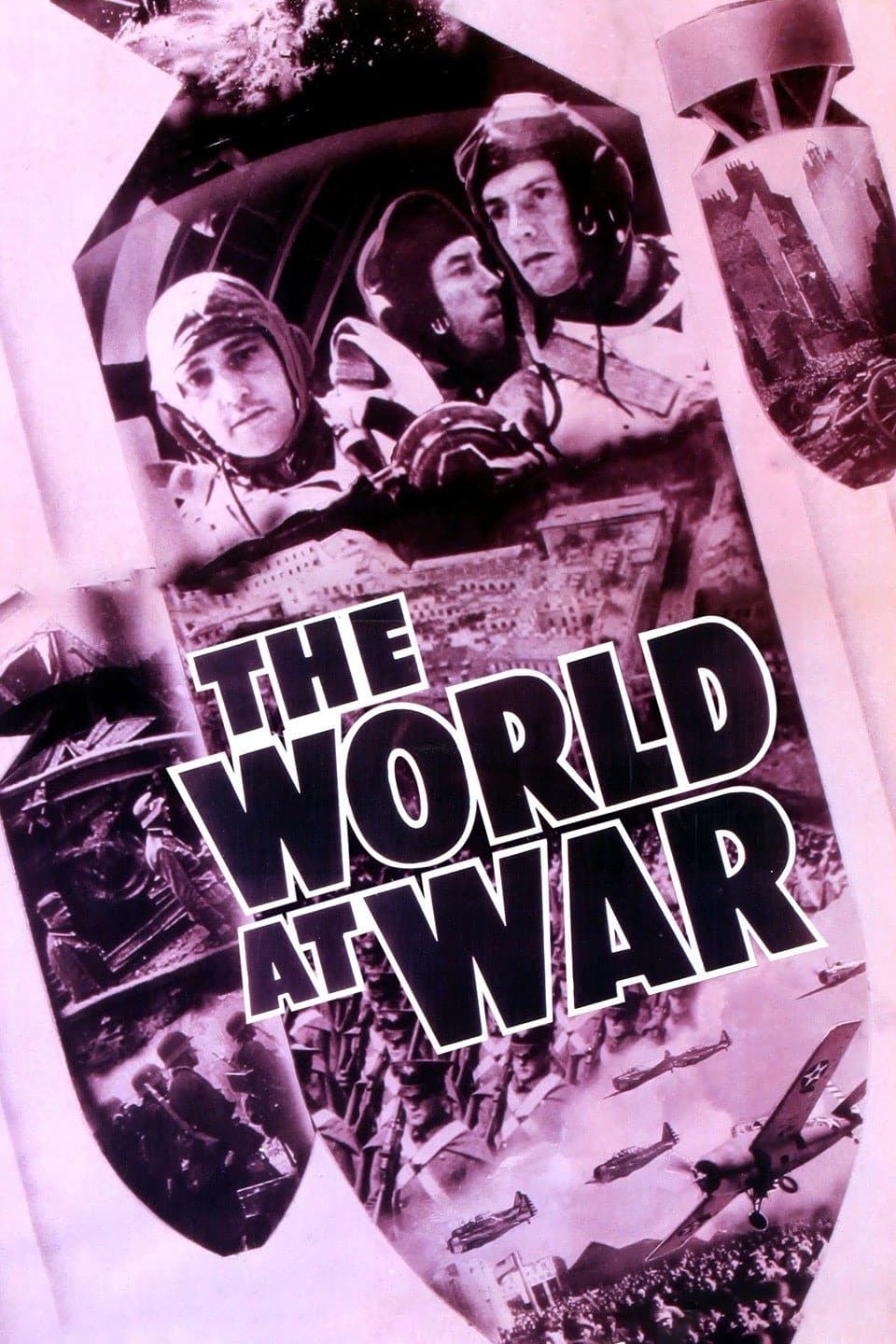
Documentary examining the events which led up to the Second World War.
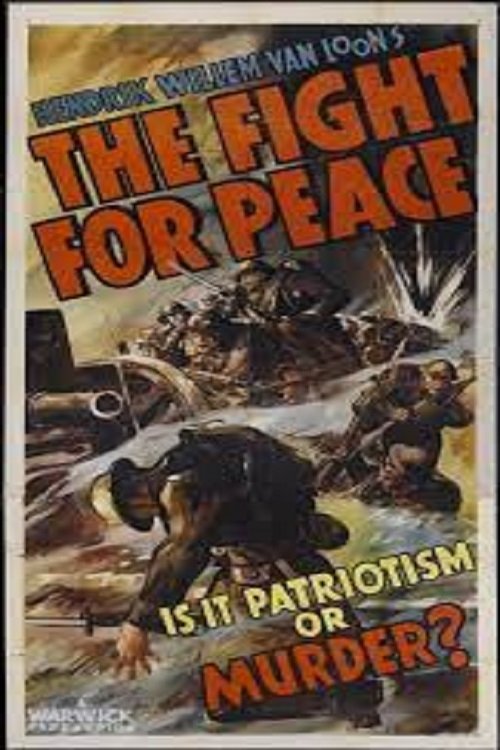
A documentary about the threat of war breaking out in Europe, focusing on Hitler, Stalin and Mussolini.
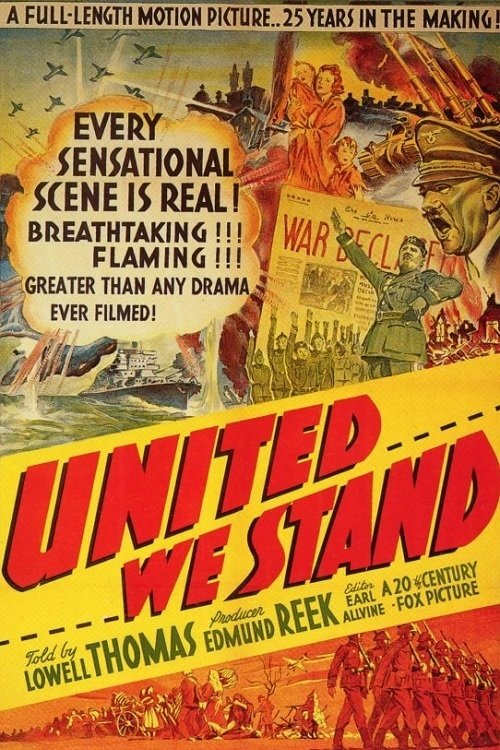
Using newsreel footage, this film reviews world events from the end of World War I to the American entry into World War II and, according to the narration, shows "how, through their disunity, democracies were led, some to destruction and others to the verge of destruction."]
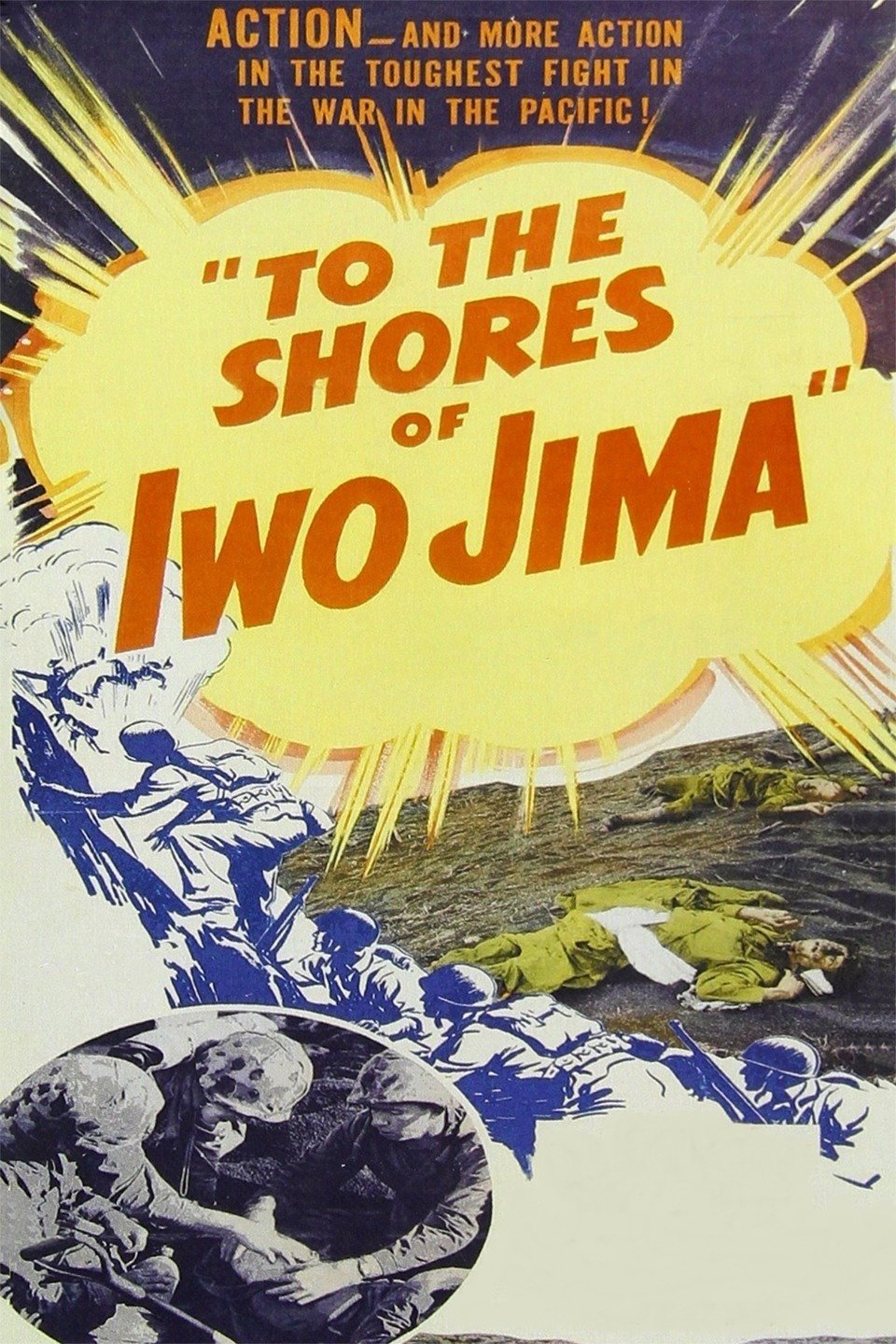
Documentary short film depicting the American assault on the Japanese-held island of Iwo Jima and the massive battle that raged on that key island in the Allied advance on Japan. Four cameramen died bringing this footage to the public

Meet the real-life airmen who inspired Masters of the Air as they share the harrowing and transformative events of the 100th Bomb Group.
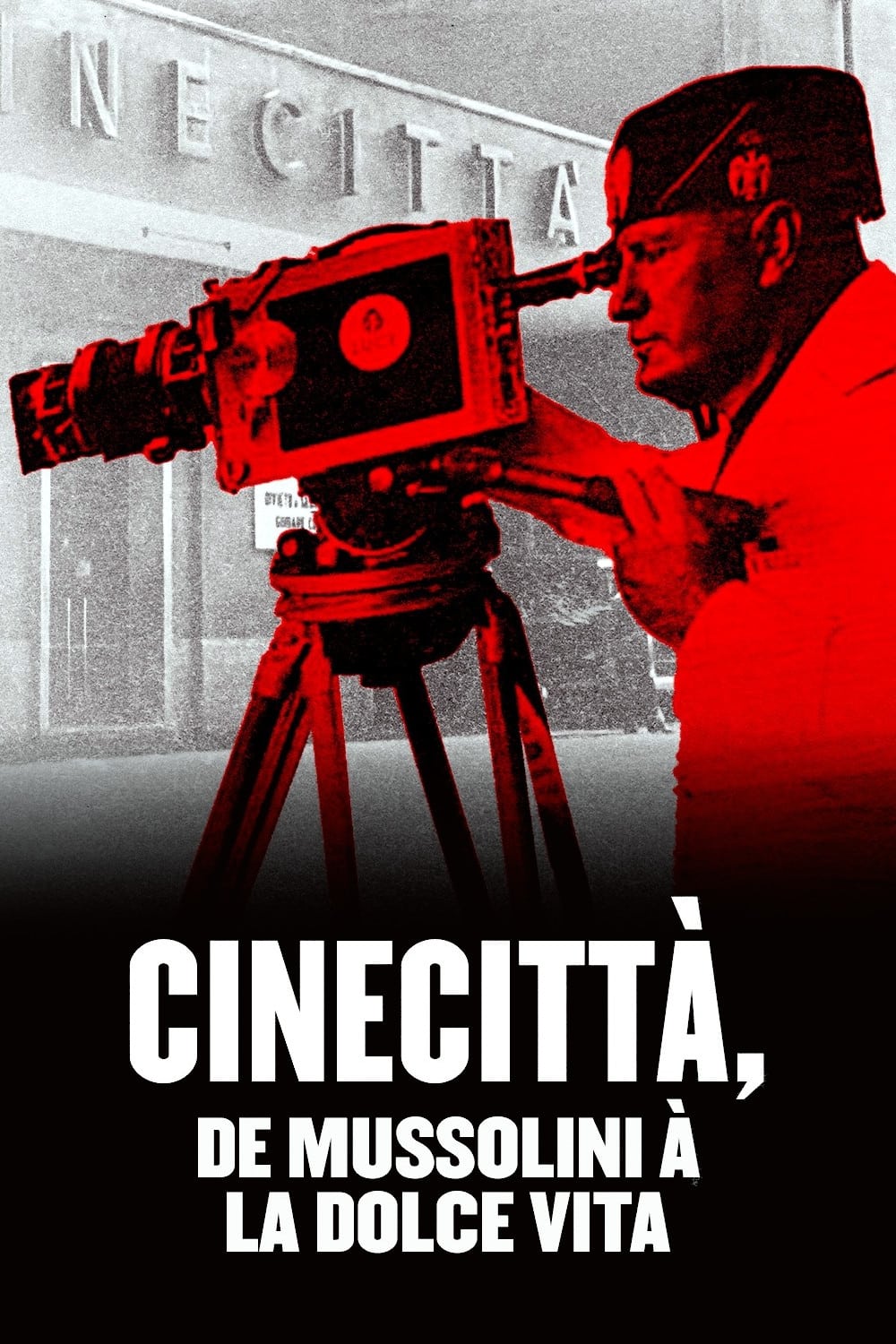
Cinecitta is today known as the center of the Italian film industry. But there is a dark past. The film city was solemnly inaugurated in 1937 by Mussolini. Here, propaganda films would be produced to strengthen the dictator's position.
The stories of the battles that brought together a Polish cavalry officer, a Canadian captain, and a Polish underground member are told by the very same Canadians who survived them.
Know Your Ally: Britain was a 45-minute propaganda film made in 1944. It was narrated by Walter Huston and produced by the United States War Department and Signal Corp to solidify Anglo-American solidarity within the ranks as well as counter Nazi propaganda aimed at weakening the Alliance.
Traces the origins and actions of World War I, from the funeral of Britain's King Edward VII to the Versailles Treaty.
As World War II rages, the elite Sixth Ranger Battalion is given a mission of heroic proportions: push 30 miles behind enemy lines and liberate over 500 American prisoners of war.
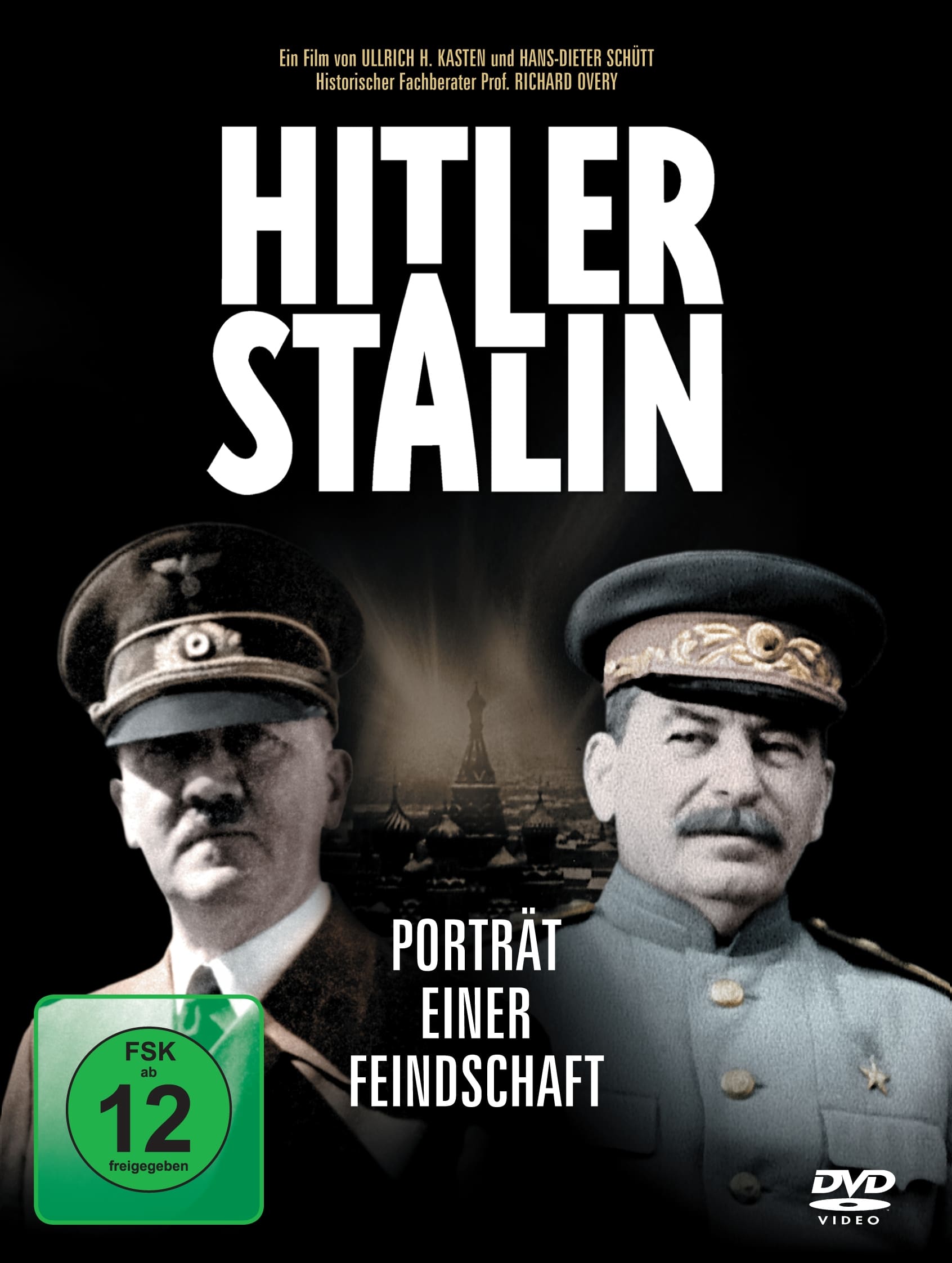
A double portrait of two dictators who were thousands of miles apart but were constantly fixated on each other.
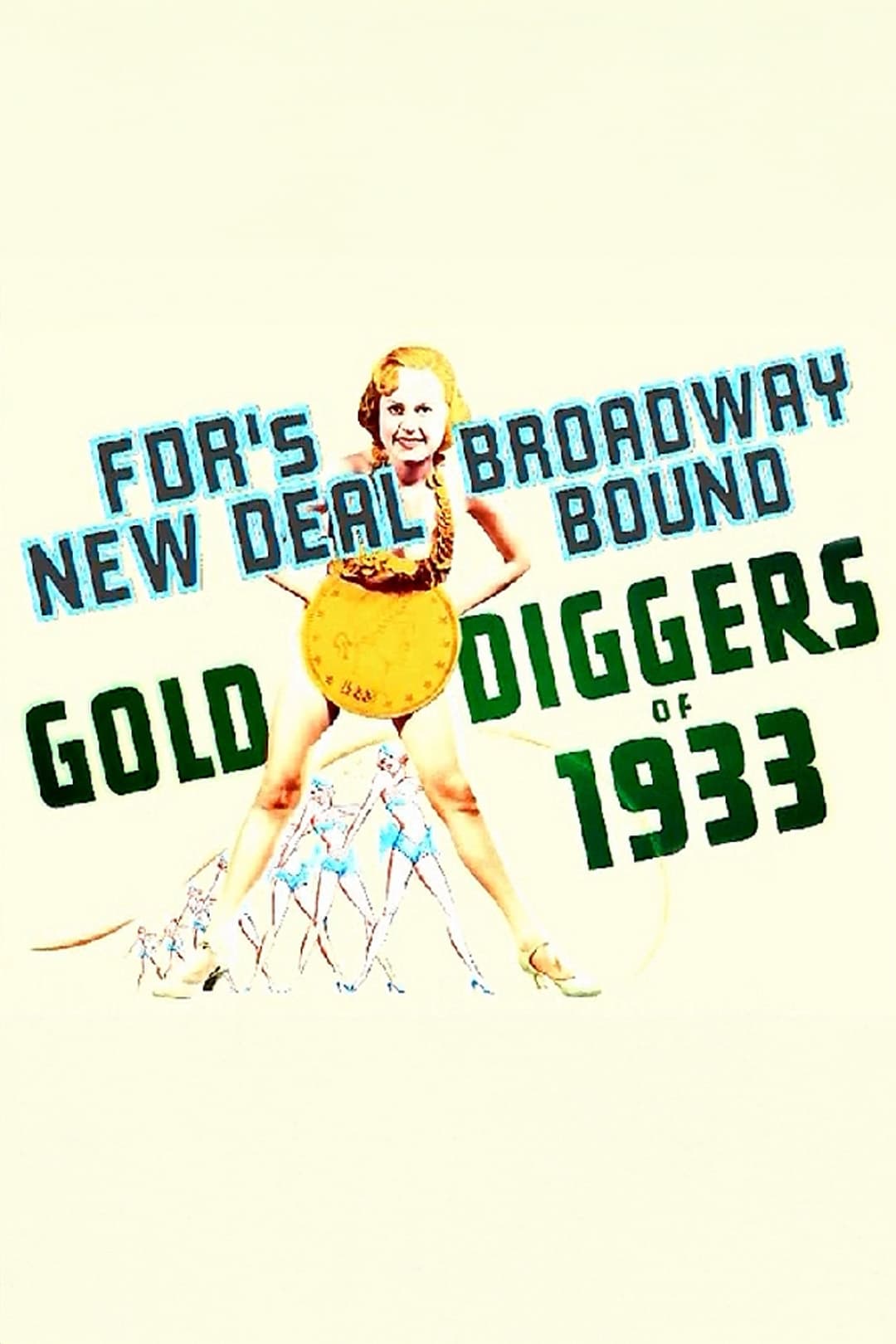
Short documentary about the Great Depression's impact on film, specifically Berkeley musicals.
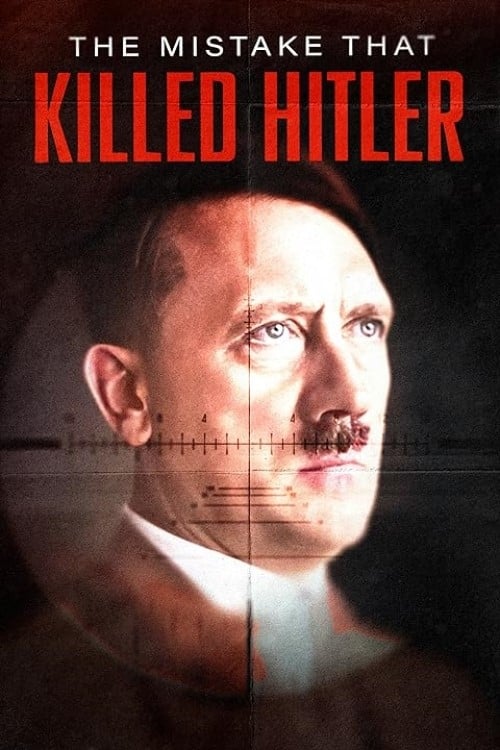
In April 1945, as Stalin's Red Army approach from the East and the Western Allied forces quickly approach through France and Belgium, Adolf Hitler awaits his fate in his bunker, reflecting on the mistakes that lost him the war.
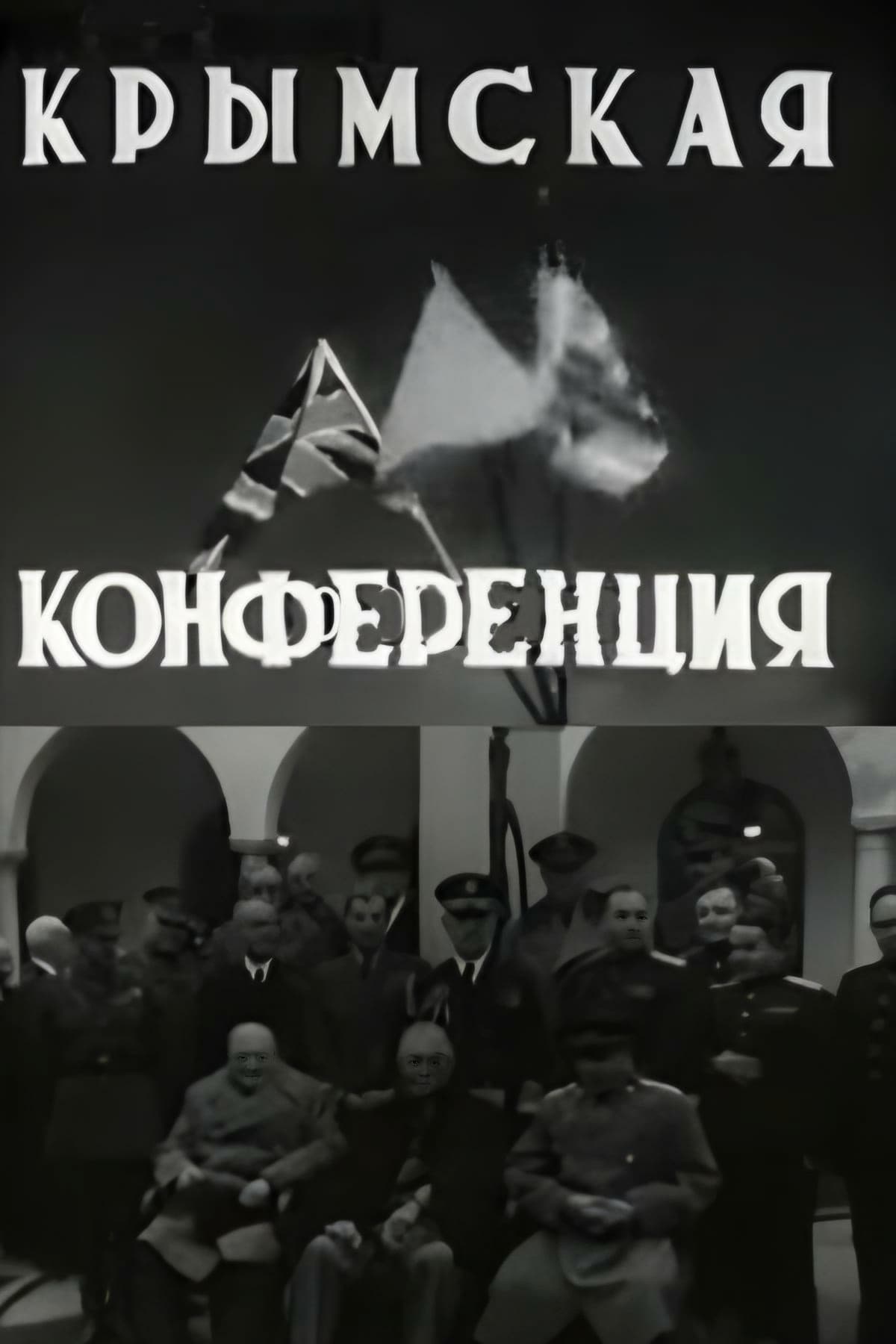
The Crimean (Yalta) conference of the leaders of the three powers - allies in the Anti-Hitler coalition was held from February 4 to February 11, 1945 in the Livadia Palace near Yalta.
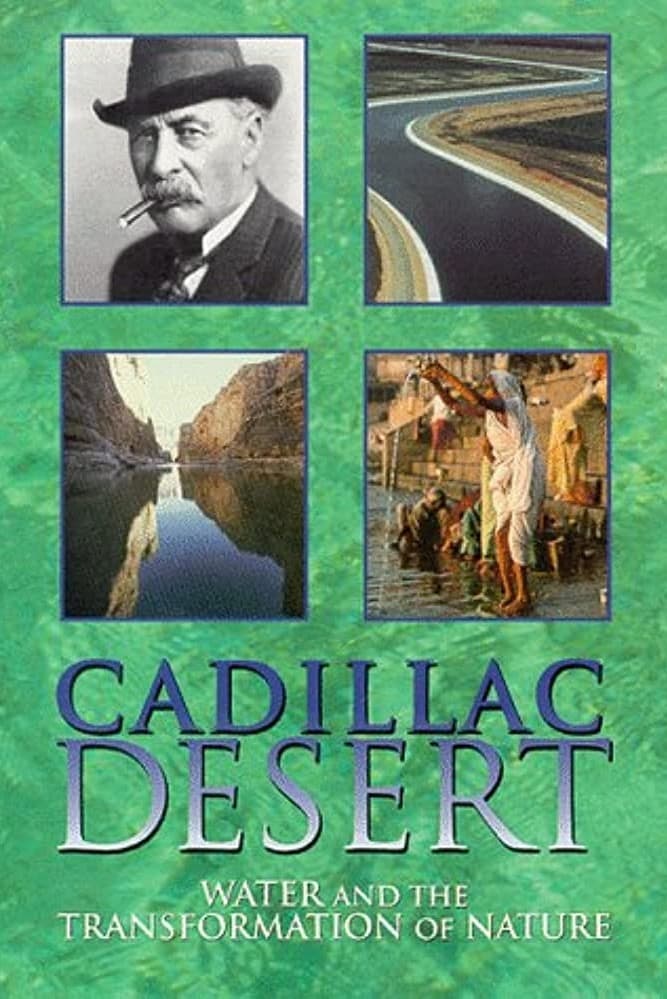
Documentary on water usage, money, politics, the transformation of nature, and the growth of the American west, shown on PBS as a four-part miniseries.
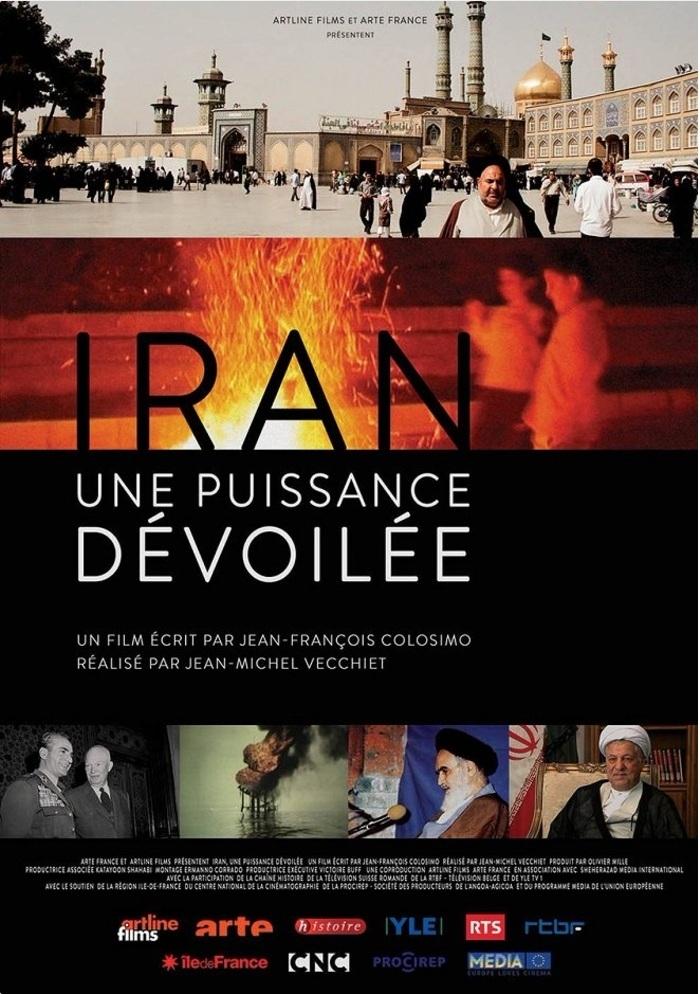
What kind of world power is Iran becoming, and how will Western countries deal with it?
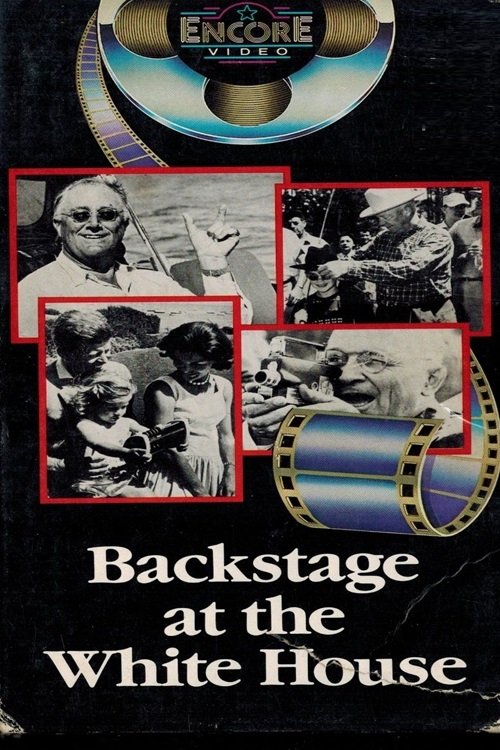
This unique glimpse into the private lives of our Presidents and their families showcases some of the most significant personal moments they have experienced. These instances have not only resonated with our emotions but have also elicited joy, creating lasting memories that highlight the humanity of these influential leaders.
A Washington Parade reel....
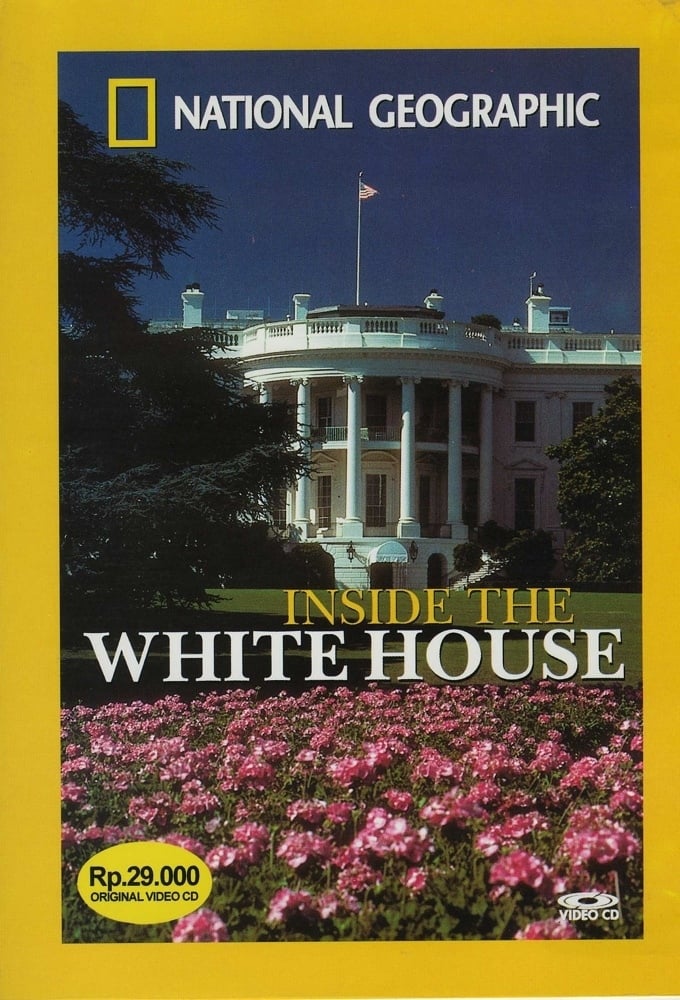
Featuring behind-the-scenes footage and unprecedented access to its hallowed halls, this program from National Geographic takes viewers on an in-depth tour of 1600 Pennsylvania Avenue -- the White House. Interviews with presidents and first ladies offer a revealing look at what goes into running that famous household, and White House employees give viewers a taste of the preparations involved in hosting a state dinner.
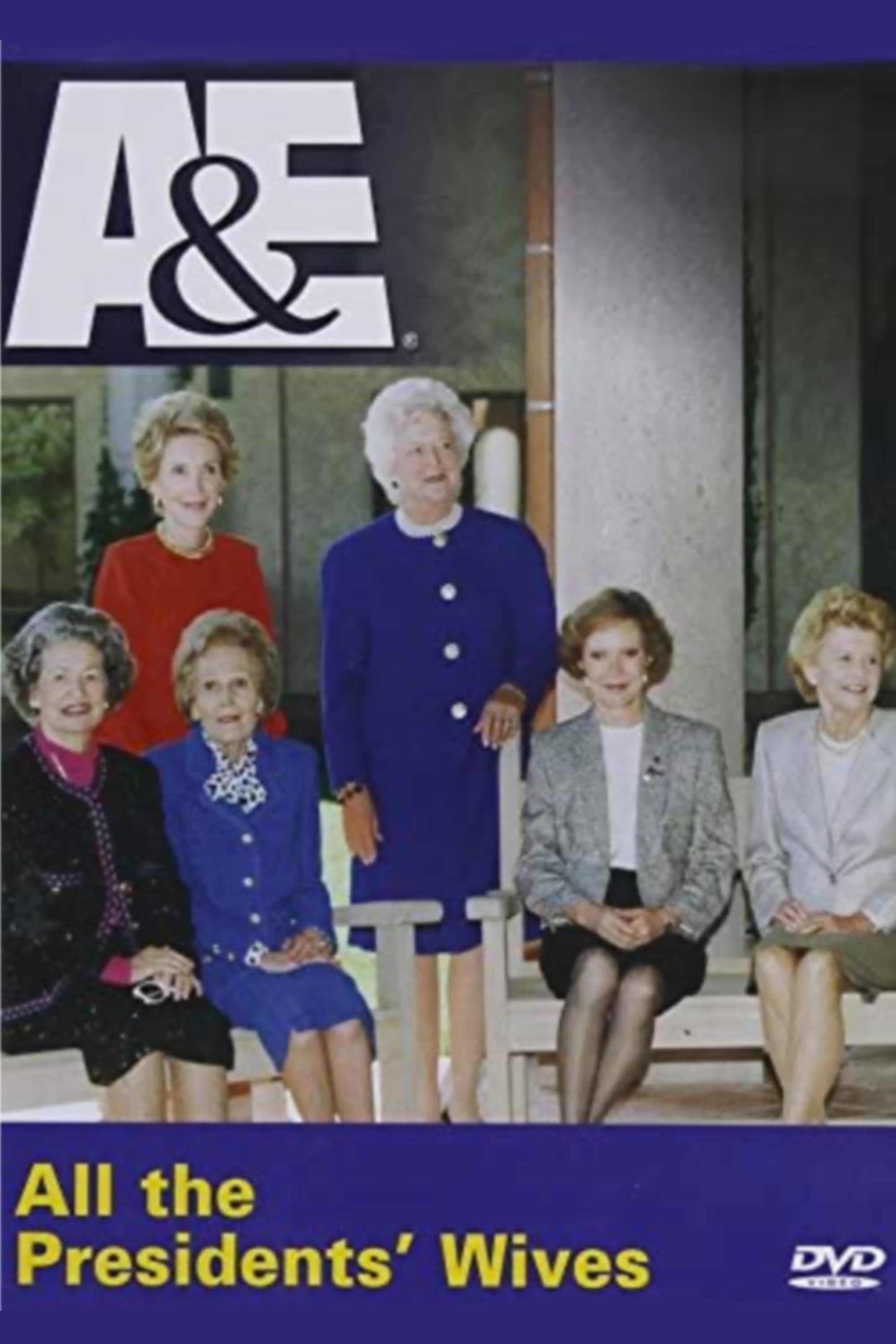
A look at the women who has served as First Ladies of the United States.
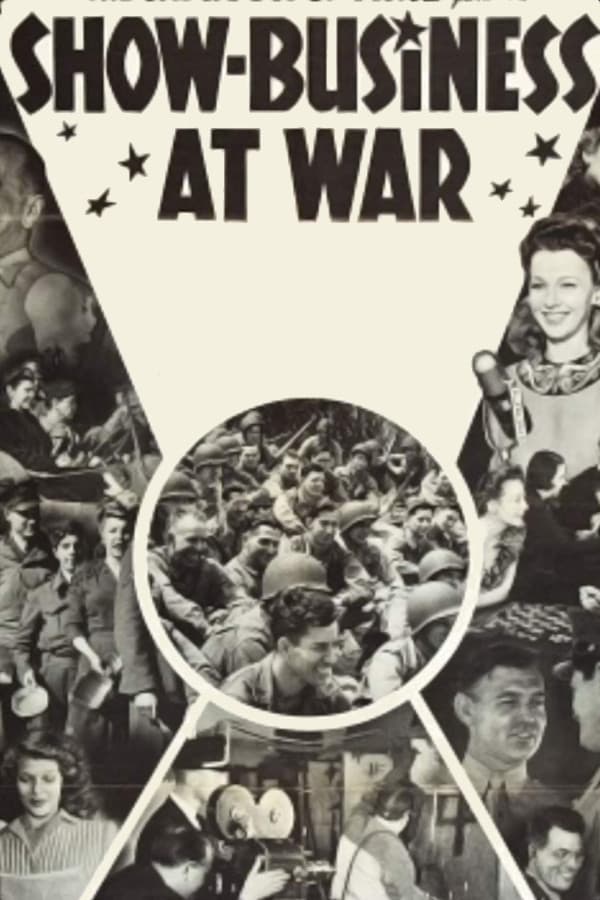
A multi-studio effort to show the newsreel audience the progress of the Hollywood war effort.
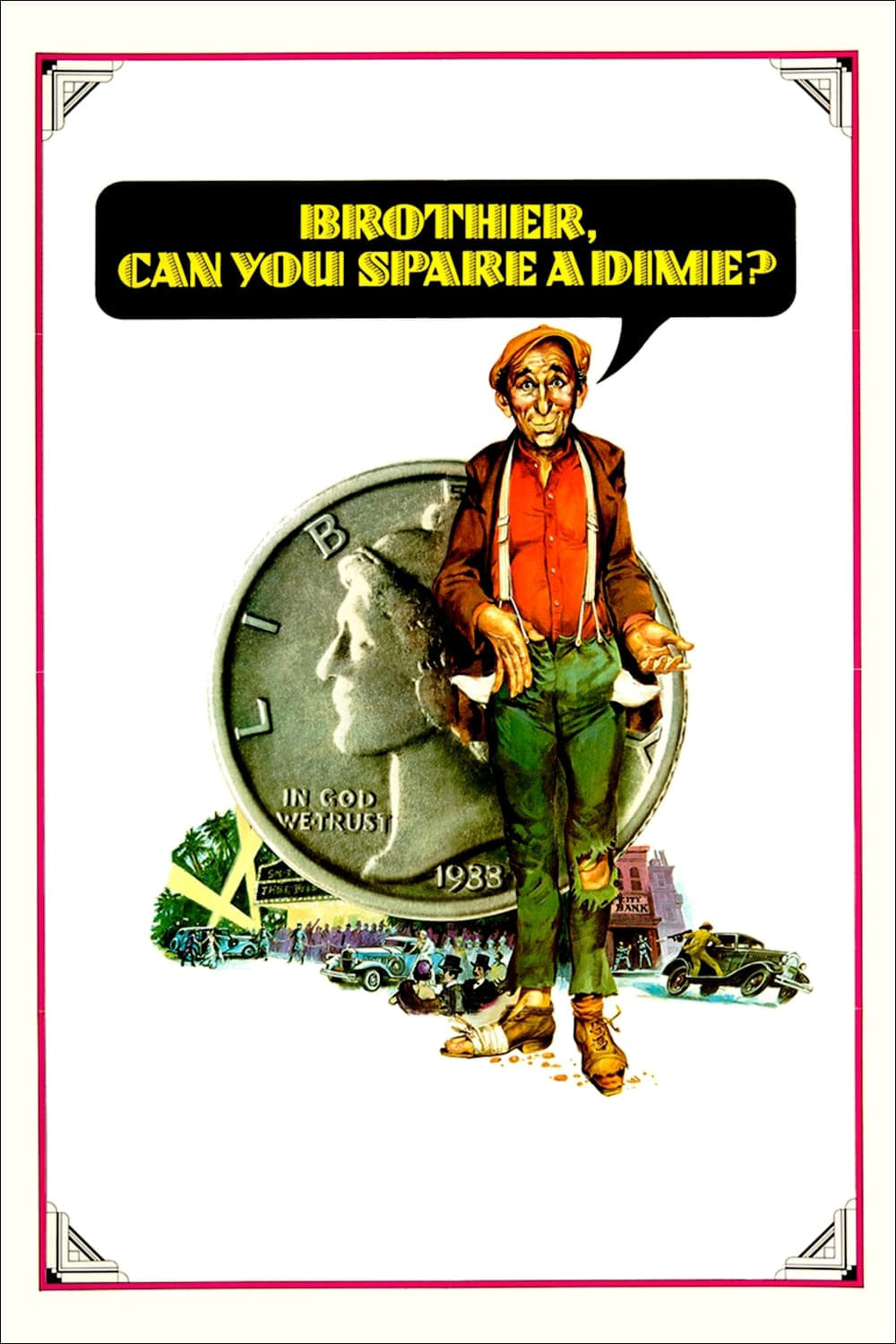
Period music, film clips and newsreel footage combined into a visual exploration of the American entertainment industry during the Great Depression.
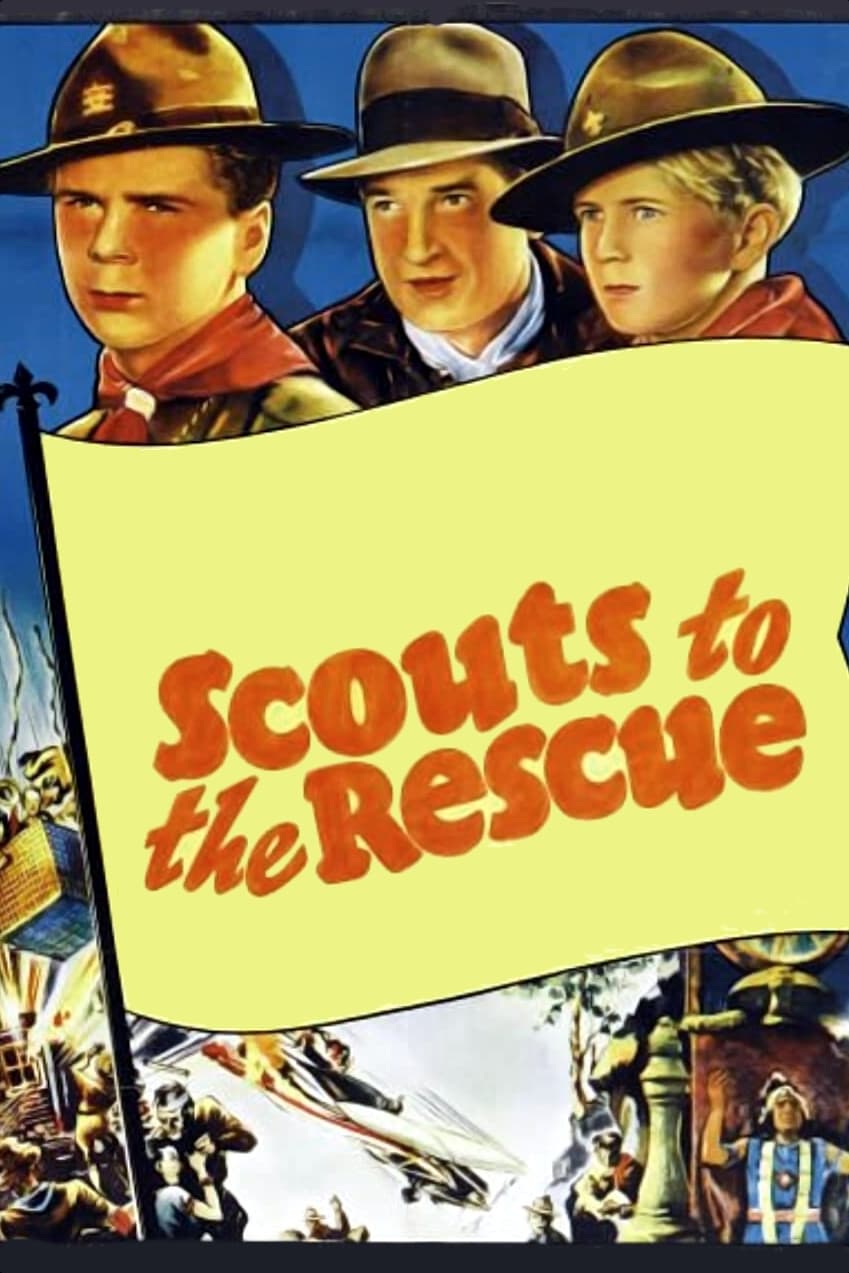
Filmed in the Sierra Nevada mountains near Sonora, California, this Universal serial is Universal's 40th sound-era serial. Eagle Scout Bruce Scott, leader of Martinsville Troop Number One, and his pack sets off in search of lost treasure and finds adventure
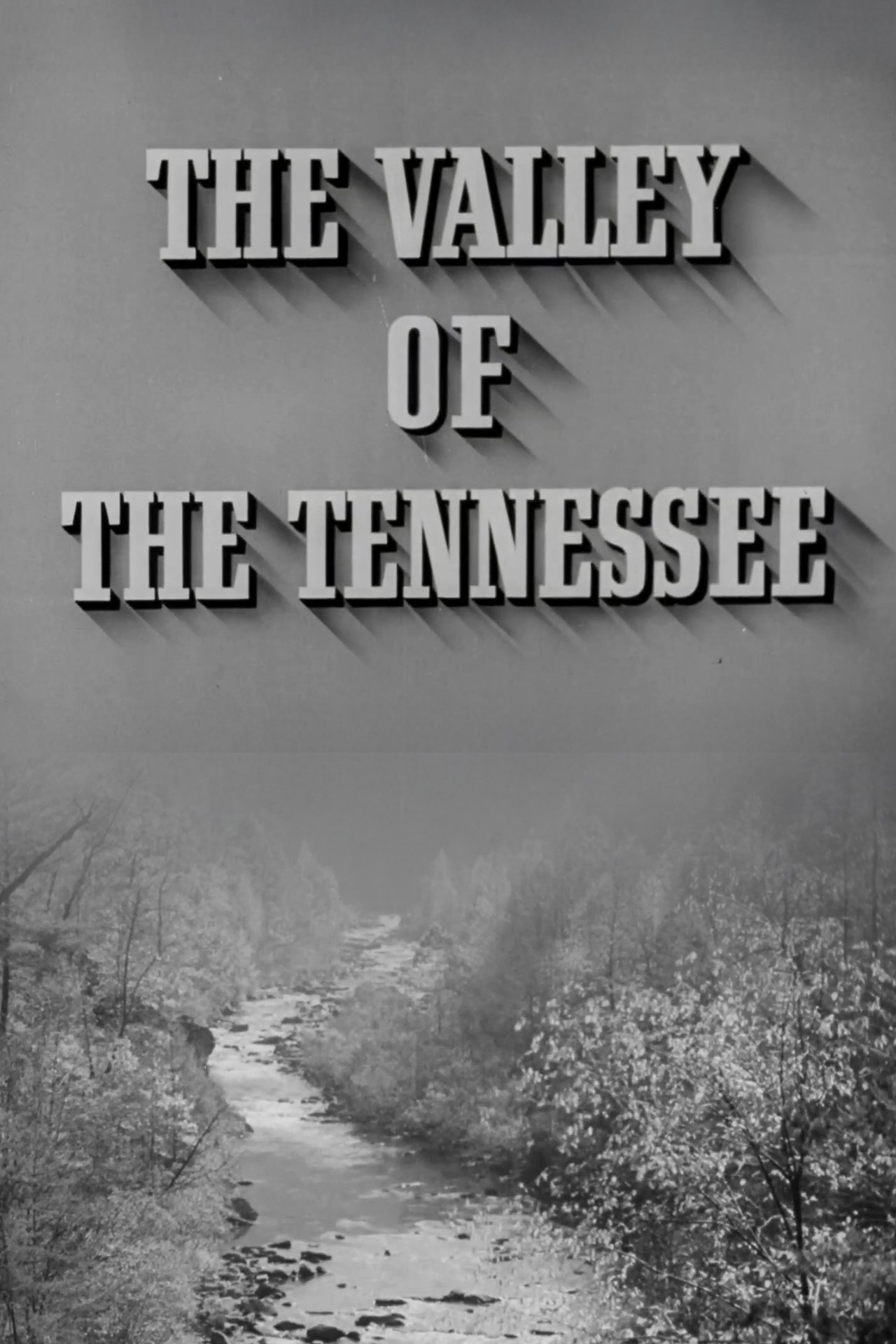
U.S. Goverment film about the creation of the Tennessee Valley Authority in the 1930s and 1940s.
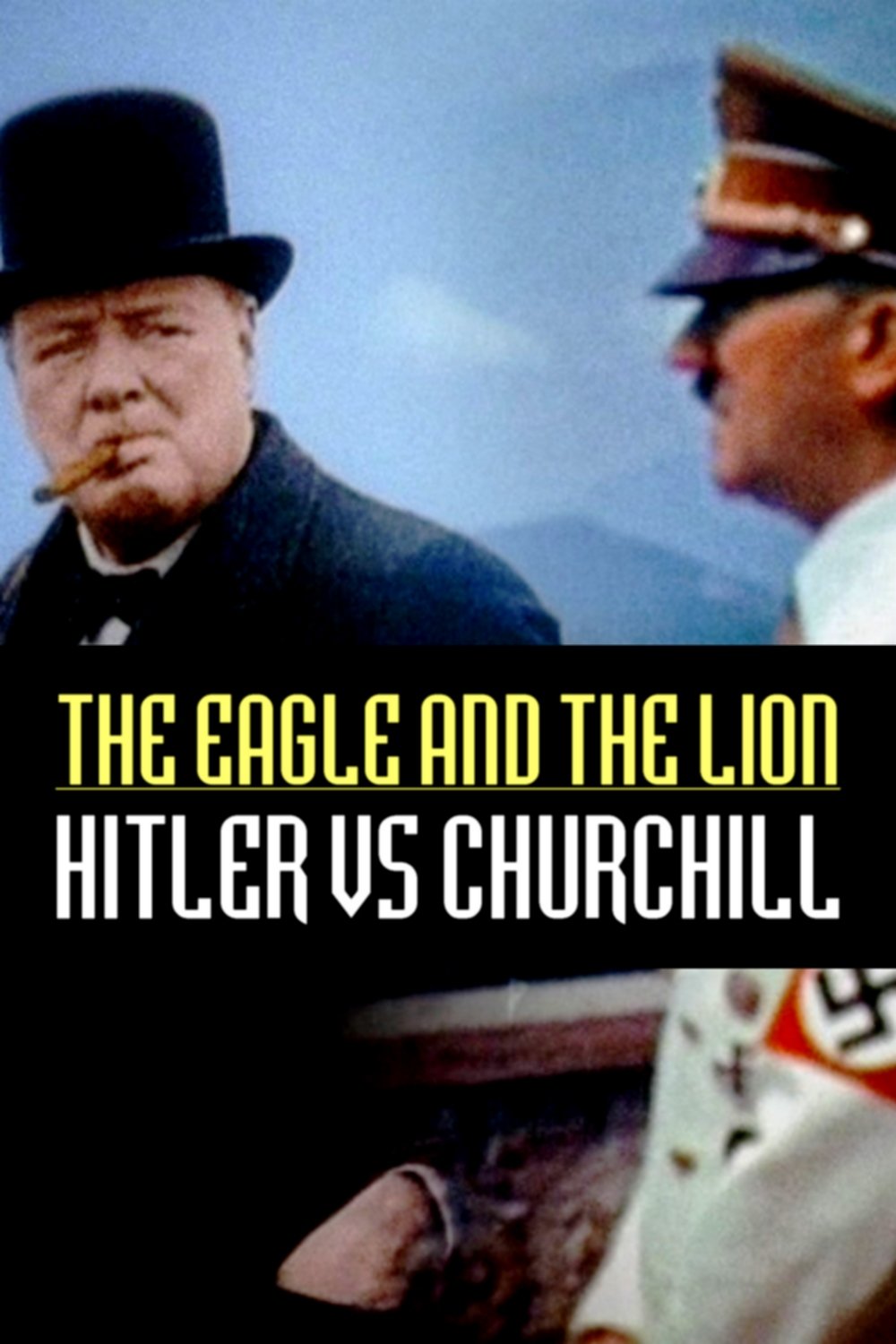
Winston Churchill, one of the most revered men of the twentieth century. Adolf Hitler, one of the most hated leaders in contemporary history. Between 1940 and 1945, these two enormously contradictory personalities faced each other in both politics and war. A clash of giants whose story begins in the trenches of the World War I and ends with the debacle of the World War II.
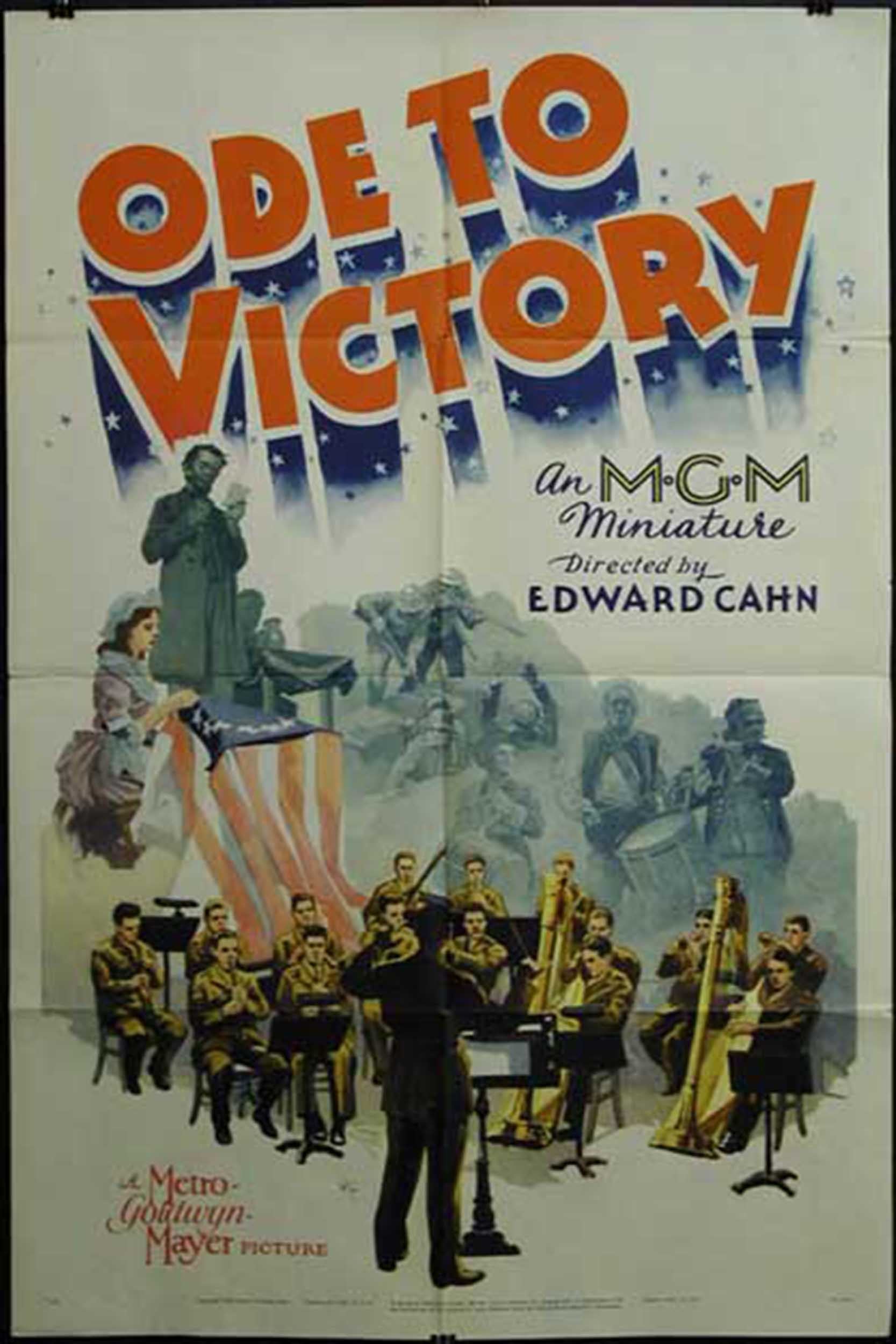
This short uses a musical suite to show Americans what they are fighting for in World War II. As an orchestra in military dress plays different "chapters" of the work, relevant excerpts from MGM films show the history of America. The chapters are: 1) Birth of Freedom; 2) The Land Divided; 3) Coming of Age: 4) Land of the Free. At the end, a chorus sings a patriotic exhortation. (Written by David Glagovsky)

Ireland, June 1944. The crucial decision about the right time to start Operation Overlord on D-Day comes to depend on the readings taken by Maureen Flavin, a young girl who works at a post office, used as a weather station, in Blacksod, in County Mayo, the westernmost promontory of Europe, far from the many lands devastated by the iron storms of World War II.

A new look at the public and private life of one of the most important statesmen in the history of Europe: Winston Churchill (1874-1965), soldier, politician, writer, painter, leader of his country in the darkest hours, winner of the Nobel Prize in Literature, a myth, a giant of the 20th century.
This short was released in connection with the 20th anniversary of Warner Brothers' first exhibition of the Vitaphone sound-on-film process on 6 August 1926. The film highlights Thomas A. Edison and Alexander Graham Bell's efforts that contributed to sound movies and acknowledges the work of Lee De Forest. Brief excerpts from the August 1926 exhibition follow. Clips are then shown from a number of Warner Brothers features, four from the 1920s, the remainder from 1946/47.
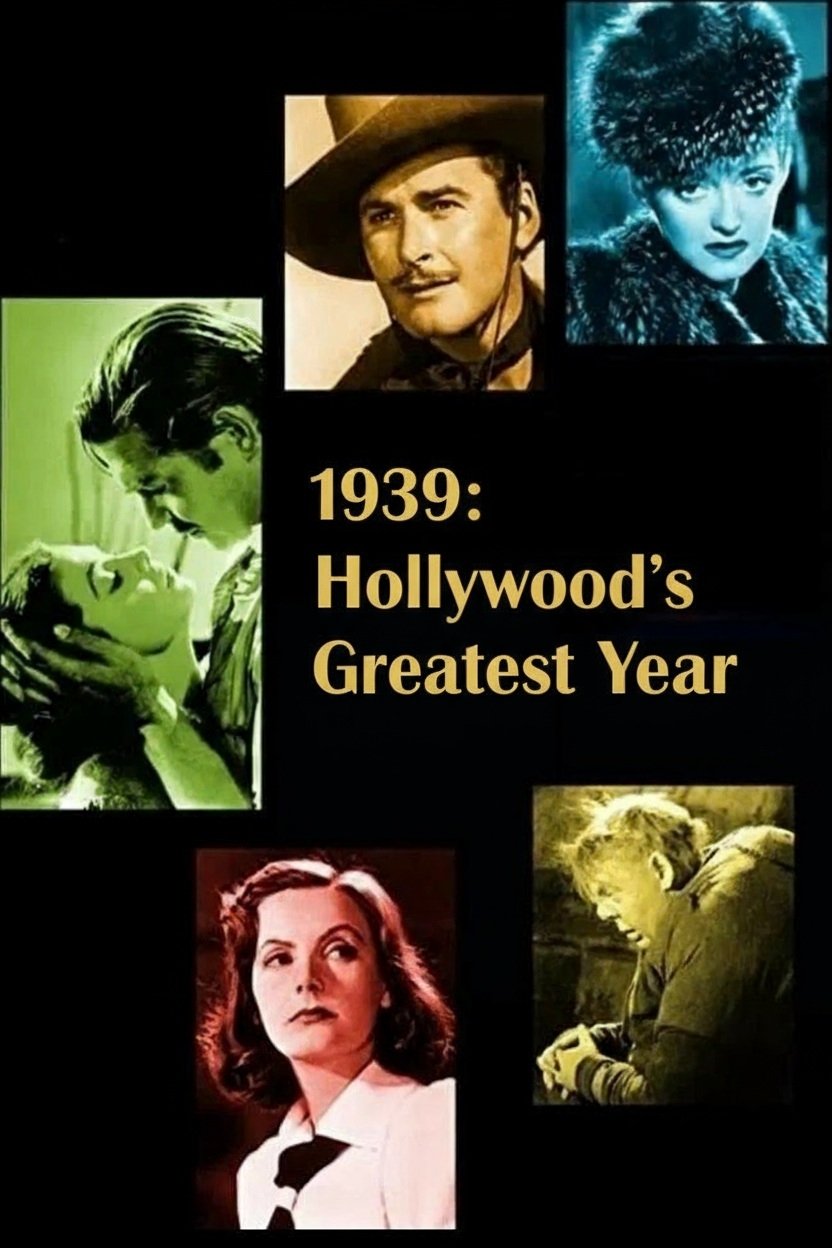
This documentary focuses on 1939, considered to be Hollywood's greatest year, with film clips and insight into what made the year so special.
How can the masses be controlled? Apparently, the American publicist Edward L. Bernays (1891-1995), a pioneer in the field of propaganda and public relations, knew the answer to such a key question. The amazing story of the master of manipulation and the creation of the engineering of consent; a frightening true story about advertising, lies and charlatans.
On the 29th of August 1949, the USSR set off their first atomic bomb, just four years after the Americans. The speed with which they achieved this surprised the world. What nobody knew was that it was the result of espionage. At the centre of the operation was a very unusual female spy, Elizabeth Zaroubin, in a story worthy of the best spy novels ever written.
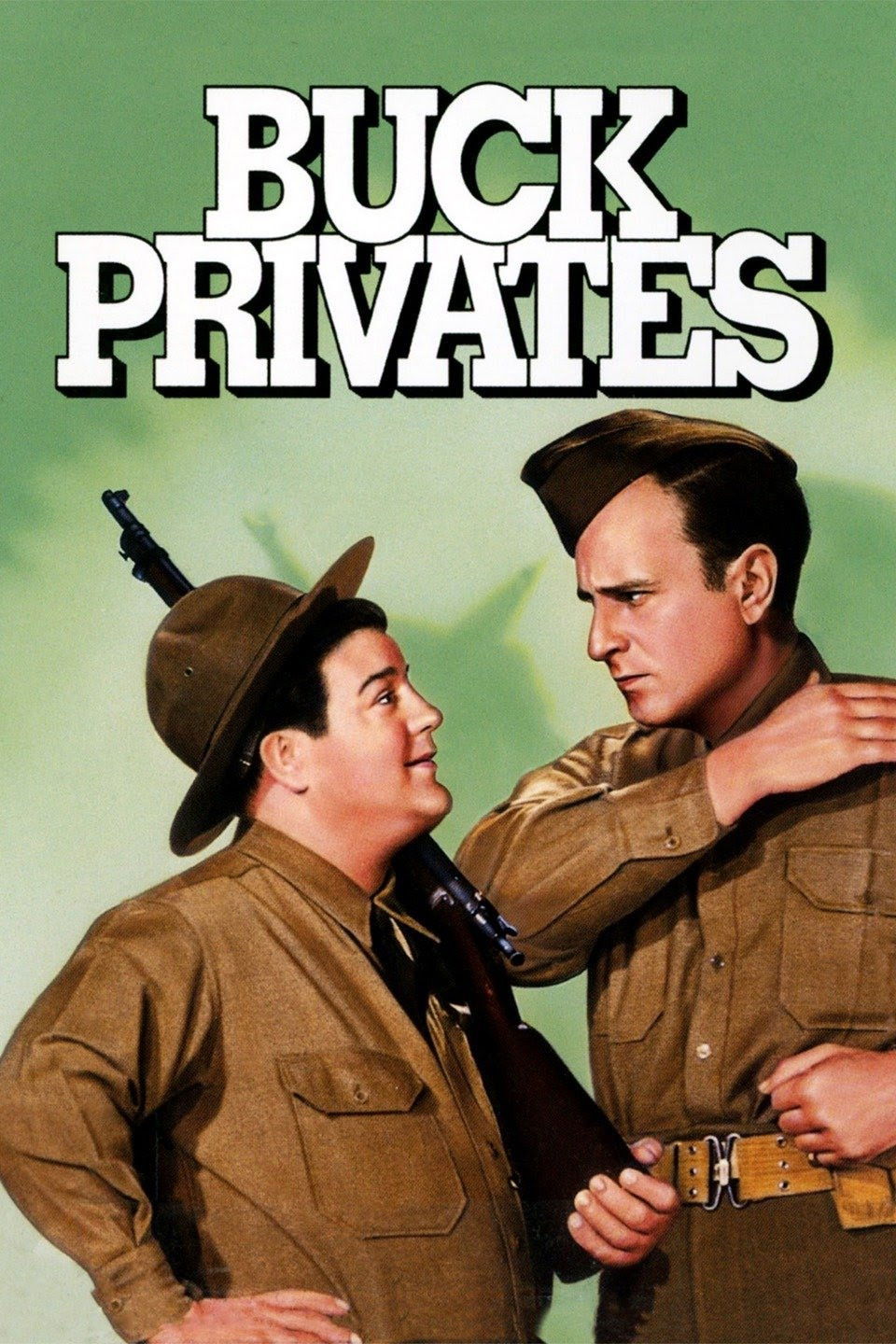
Petty con artists Slicker Smith and Herbie Brown mistakenly join the Army evading the cops. The cop chasing them winds up as their drill instructor. A rich young man and his former working class chauffeur are not only in the same unit, they're vying for a pretty girl who seems attracted to both.
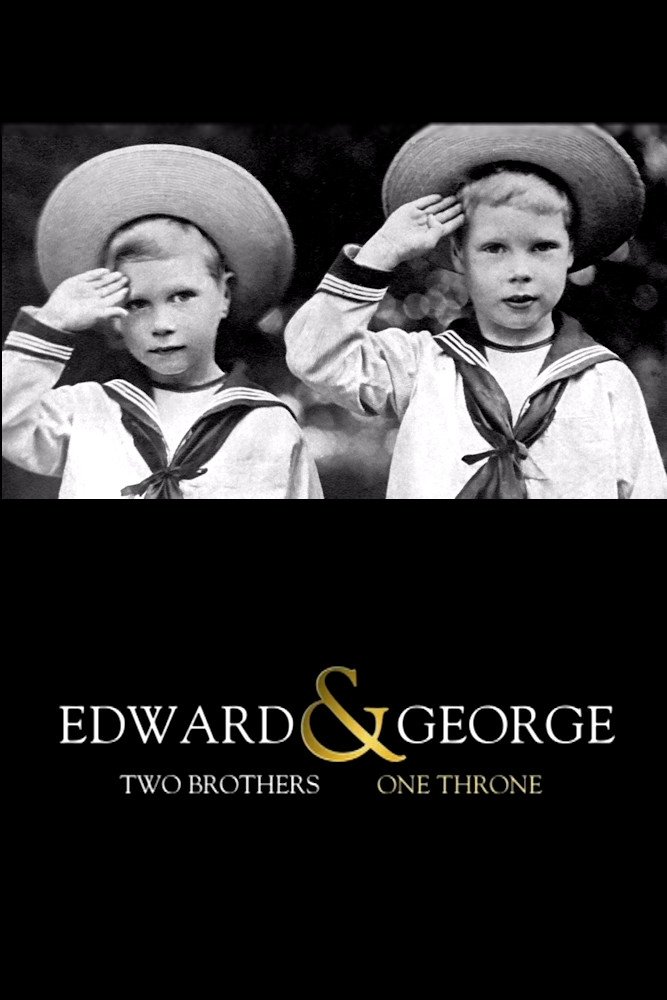
The complex relationship between royal brothers Edward VIII and George VI, who were both at the heart of the infamous abdication crisis of 1936, is the subject of this excellent documentary. From British Pathé TV's Royalty Collection.
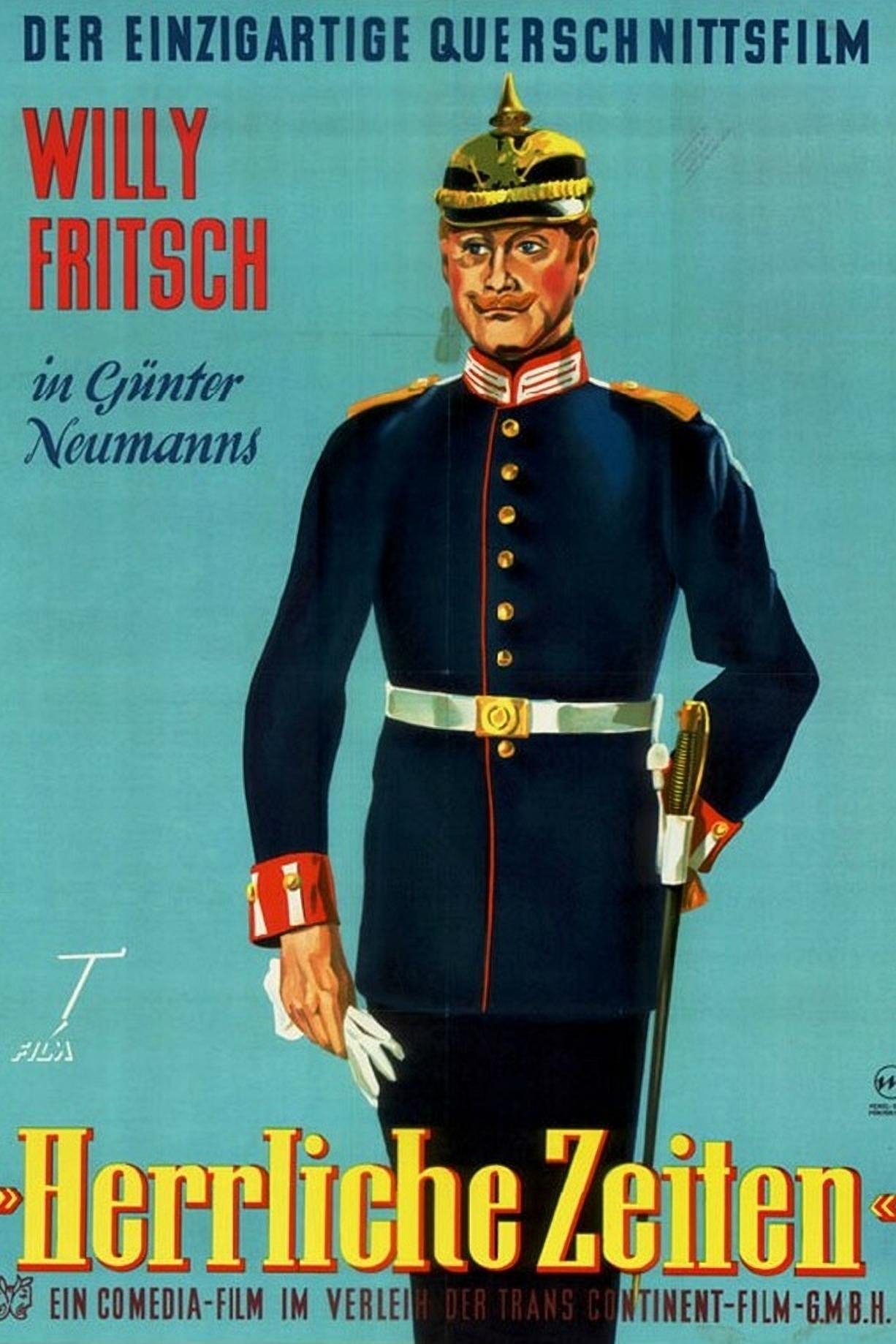
Compilation film about a very German first half of the 20th century.
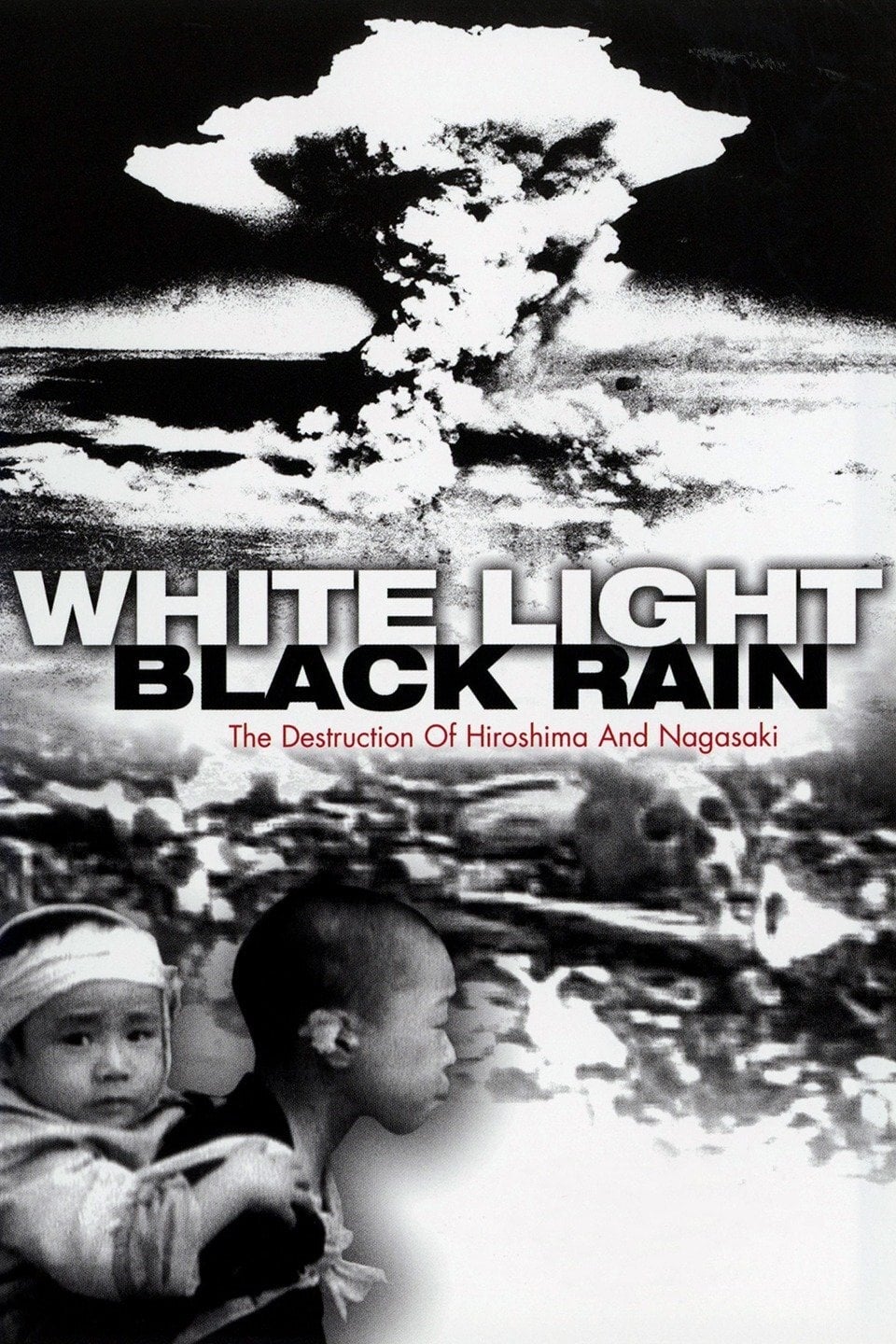
Steven Okazaki presents a deeply moving look at the painful legacy of the first -- and hopefully last -- uses of nuclear weapons in war. Featuring interviews with fourteen atomic bomb survivors - many who have never spoken publicly before - and four Americans intimately involved in the bombings, White Light/Black Rain provides a detailed exploration of the bombings and their aftermath.
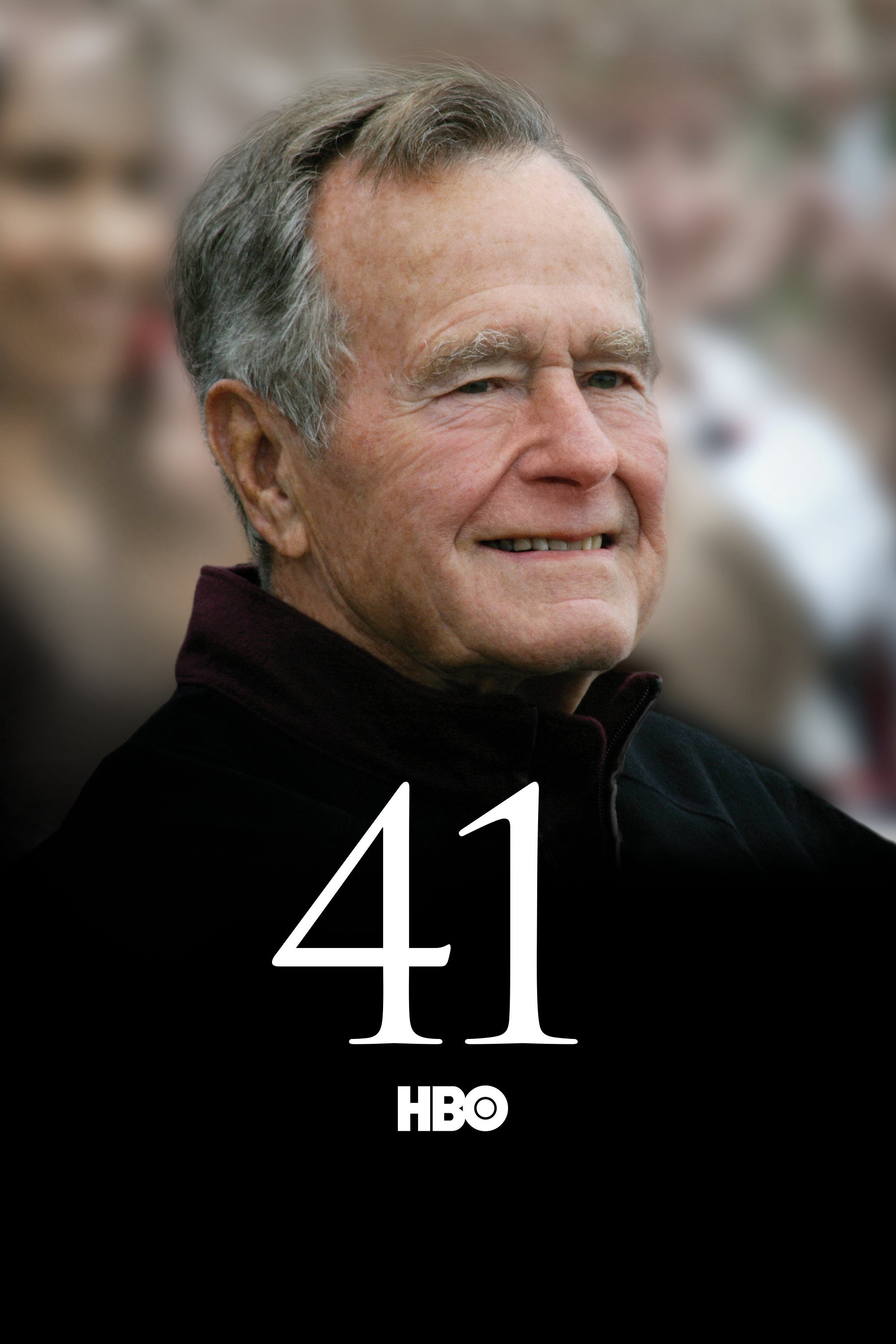
An HBO documentary, takes a ‘personal, not political’ look at George H.W. Bush, the 41st president of the United States.
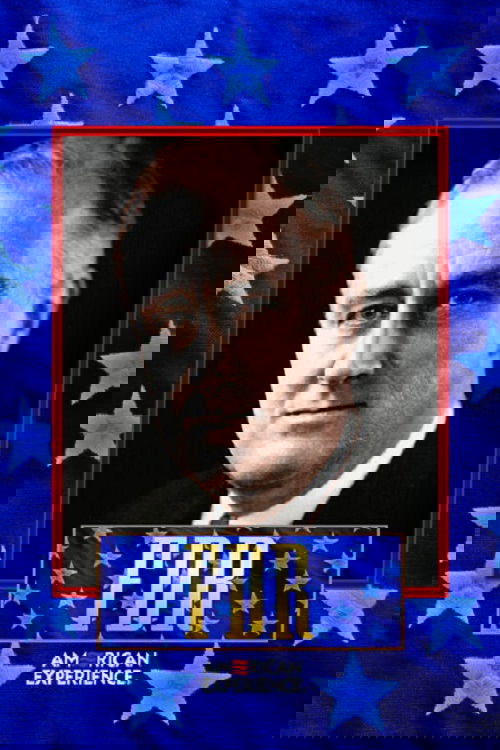
Polio at age 39, president at age 50. Explore the public and private life of a determined man who steered this country through two monumental crises: the Depression and World War II. FDR served as president longer than any other, and his legacy still shapes our understanding of the role of government and the presidency. A film by award winning filmmaker David Grubin. This is the second of four parts.
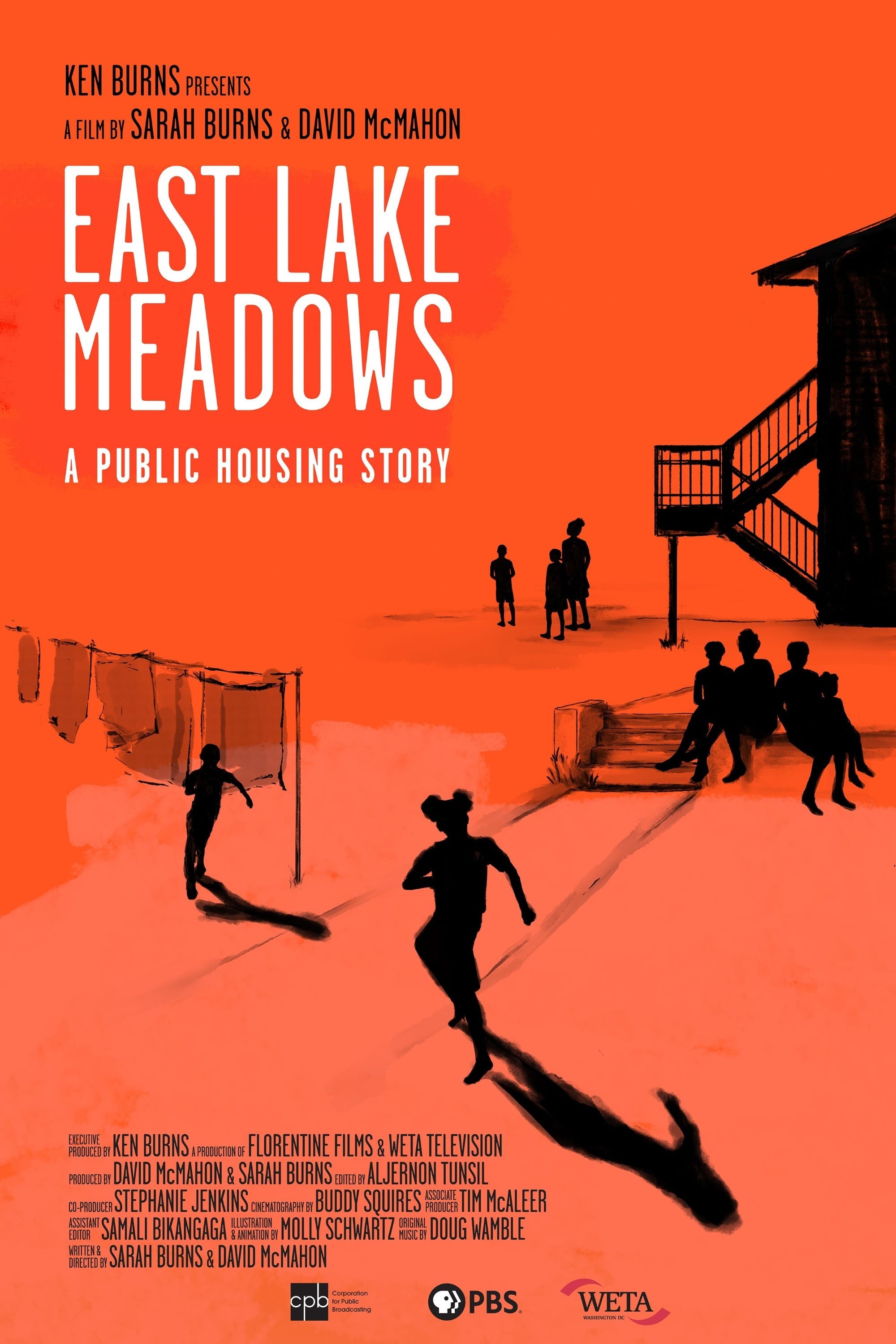
The history of the East Lake Meadows public housing project in Atlanta and the people who lived there from 1970 to its demolition in 2000, with special emphasis on the activism of Eva Davis asserting the rights of the tenants.
A propaganda short about the 1944 United States presidential election, produced by the Office of War information, for overseas distribution. It is meant to explain how the democratic process in America works. Preserved by the Academy Film Archive in 2007.
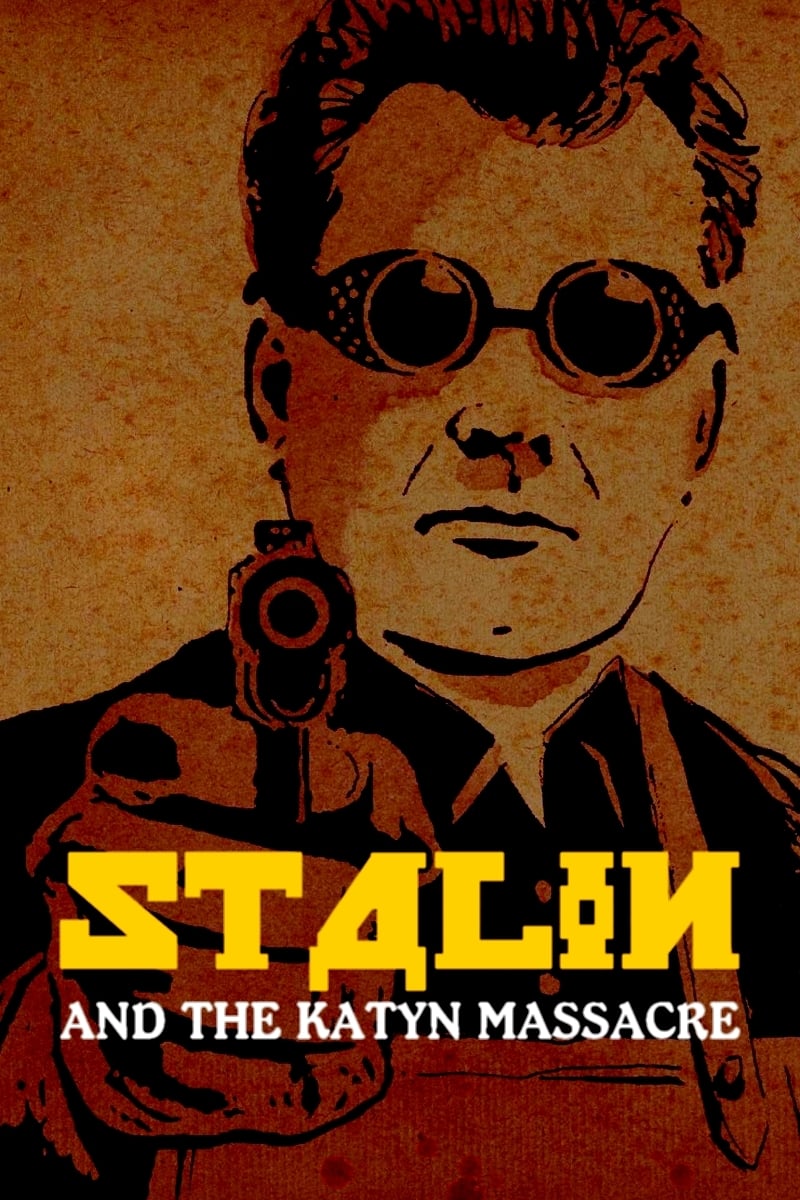
The Katyn massacre, carried out by the Soviet NKVD in 1940, was only one of many unspeakable crimes committed by Stalin's ruthless executioners over three decades. The mass murder of thousands of Polish officers was part of a relentless purge, the secrets and details of which have only recently been partially revealed.
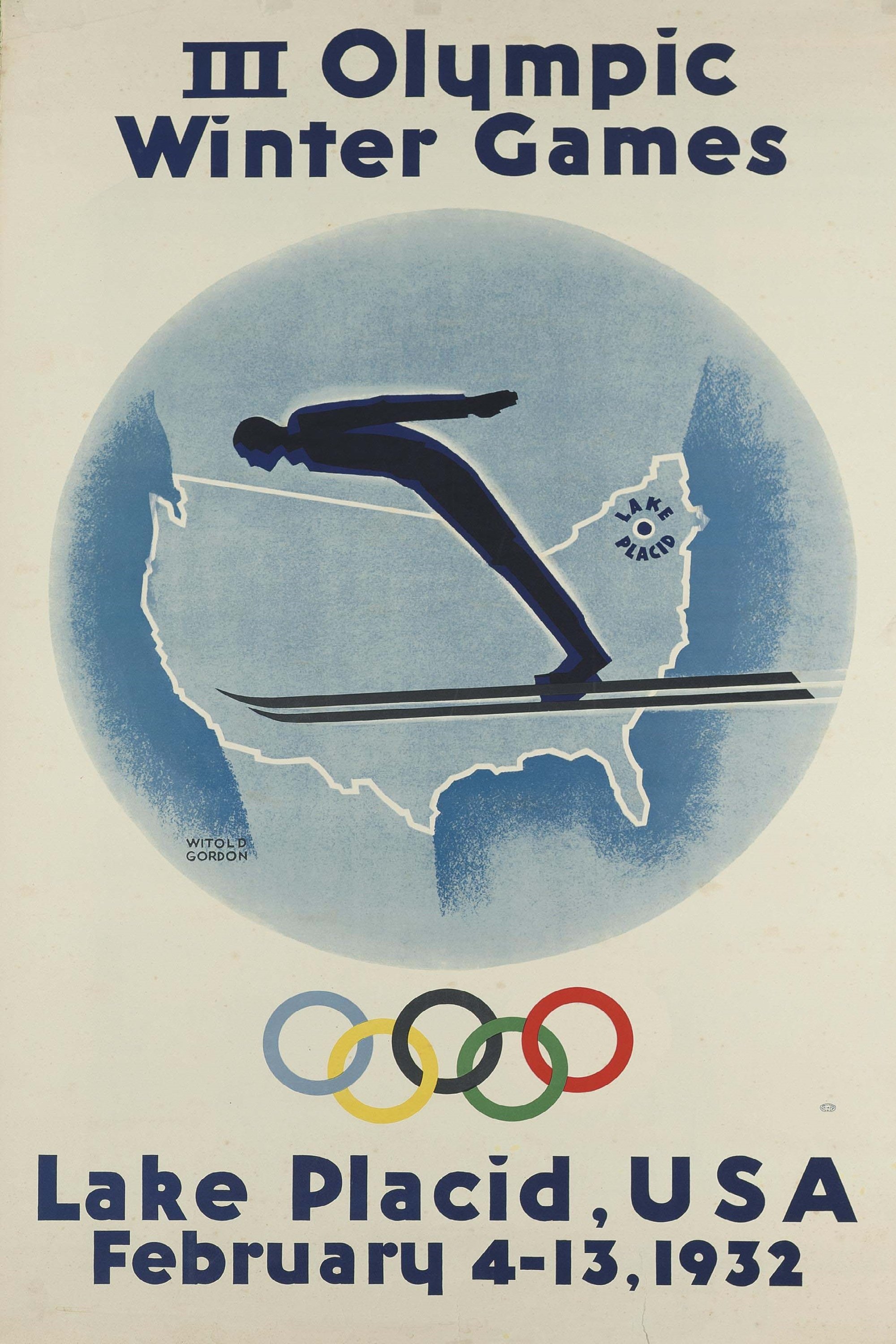
IOC has restored 18 minutes from the 1932 Lake Placid Olympics. Ten of those minutes are silent sequences from men’s speed skating. The other eight minutes are taken from newsreel reports produced by Hearst Metrotone, Fox Movietone and Pathé.
Based on the story of Americas enigmatic career of one of the revered architects of the modern world - icon, screen star, and two-term president, Ronald Reagan.
Roy Cohn personified the dark arts of American politics, turning empty vessels into dangerous demagogues - from Joseph McCarthy to his final project, Donald J. Trump. This thriller-like exposé connects the dots, revealing how a deeply troubled master manipulator shaped our current American nightmare.
Writer, journalist, Pulitzer Prize-winning historian and presidential biographer John Meacham offers his timely and invaluable insights into the country’s current political and historical moment by examining its past. Based on his 2018 bestseller of the same name.
The mass murder of Jewish people by the Nazi regime is chronicled, with a warning that anti-Semitism is on the rise and the events of the Holocaust could happen again. The history of European Jewish culture and events before and during the Holocaust are seen in newsreels, photographs, and animated segments. The words of the victims of the era are read, and footage from the liberation os a concentration camp is shown.
Two vaudeville performers fall in love, but find their relationship tested by the arrival of WWI.
Tells about the Wilderness Act of 1964 and the three men responsible for its passage: forester/philosopher Aldo Leopold, author of the bestselling Sand County almanac and the first to bring the word 'ecology' into standard usage; Bob Marshall, millionaire socialist and founder of the Wilderness Society; and Howard Zahniser, a bureaucrat with a love of the wild places he seldom saw. Singly and together, these three fought from the 1920s through the 1950s to preserve the natural world. Provides an overview of the roots of the environmental movement, offering a deeper understanding of one of the most important issues facing contemporary civilization.

In 1945, two young American soldiers, brothers Budd and Stuart Schulberg, are commissioned to collect filmed and recorded evidence of the horrors committed by the infamous Third Reich in order to prove Nazi war crimes during the Nuremberg trials (1945-46). The story of the making of Nuremberg: Its Lesson for Today, a paramount historic documentary, released in 1948.
Dr. Steven Greer—an Emergency room doctor turned UFO researcher—discloses top secret information about classified energy and propulsion techniques, investigates new technology and sheds light on criminal and murderous suppression. He does so by accumulating over 100 Government, military and Intelligence-community witnesses who testify on record about the cover-up.
The real reasons and orchestrators behind Hitler, to an incredible theory of the JFK assassination, all the way to 9/11 and the current age of the terrorist. Taken from an historical perspective starting around World War 1 leading to present day.
The very name conjures up images of the good life black tie affairs and high society balls. Yet their long saga proves that money is no guarantee of happiness or stability. John Jacob Astor built an empire by parlaying a job in the fur business into a real estate empire so vast he became the richest man in the world. Follow the fortunes of five generations of Astors in this special BIOGRAPHY. From John's son William, who doubled the family fortune and earned the nickname "the landlord of New York," to the astounding charitable contributions of the Astor Foundation, the incredible story of the famed family comes to life through interviews with family members, archival footage and period accounts. Trace the feud and reconciliation that led to the creation of the Waldorf-Astoria hotel, and find out how the Titanic disaster forever transformed the Astors and their reputation.

A look at the history of the comic book publication that launched such legendary characters as Superman, Batman and Wonder Woman.

Everything you always wanted to know about pornography (but were afraid to ask).
Presents the history of the U S from the inauguration of Franklin D Roosevelt to the eve of World War II, including the Great Depression and New Deal legislation designed to overcome it. Emphasizes events that had lasting effects on the nation, such as the Tennessee Valley Authority, the strengthening of organized labor and the growing power of the Federal government.. Continues the story of 20th century America from the inauguration of Franklin D. Roosevelt to the eve of World War II. Footage shows the Great Depression, strengthening of organized labor, Social Security Act and growing powers of the federal government.
The Inauguration ceremony for Franklin D. Roosevelt on March 4th 1933.
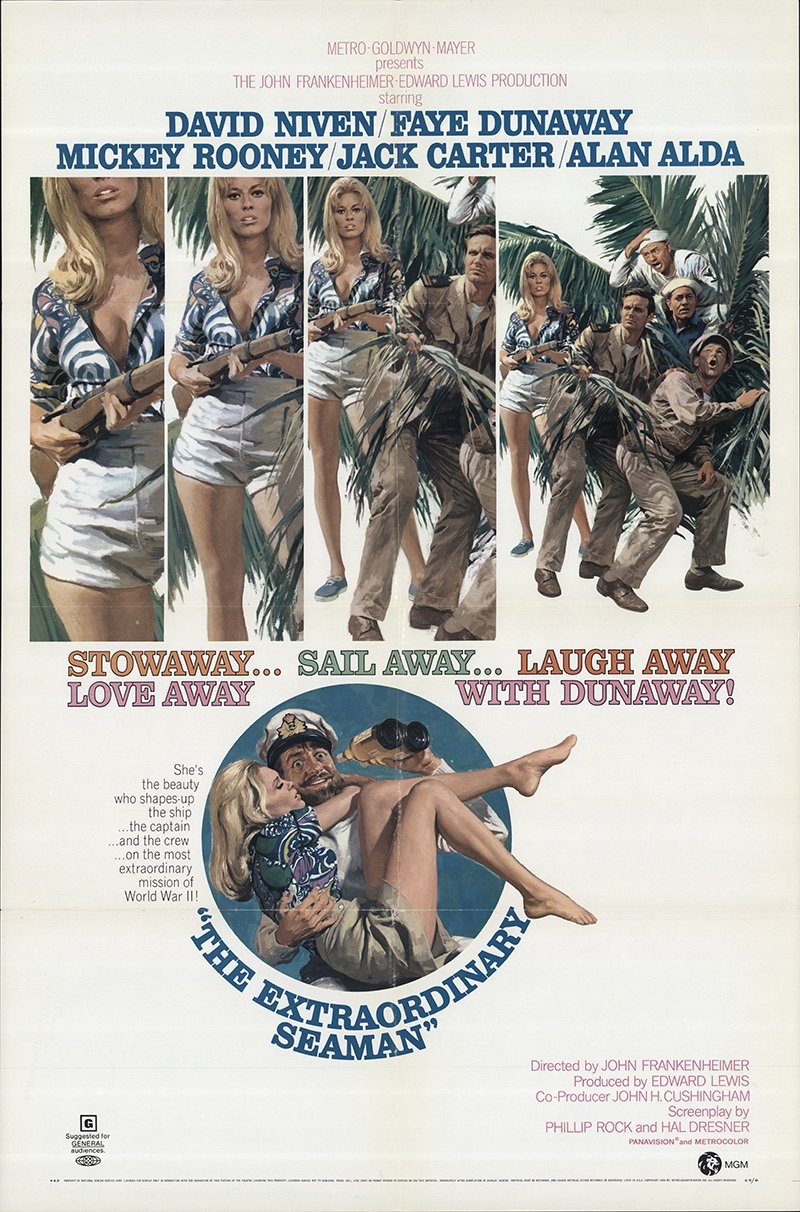
Marooned sailors discover a World War II ship haunted by its late captain.
Using over an hour of new, never-before-seen material, combined with footage from 1946, producers David Abravanel Stein and Patrick S. Cunningham have brought to life the sixty-year-old vision of legendary filmmaker Pare Lorentz.
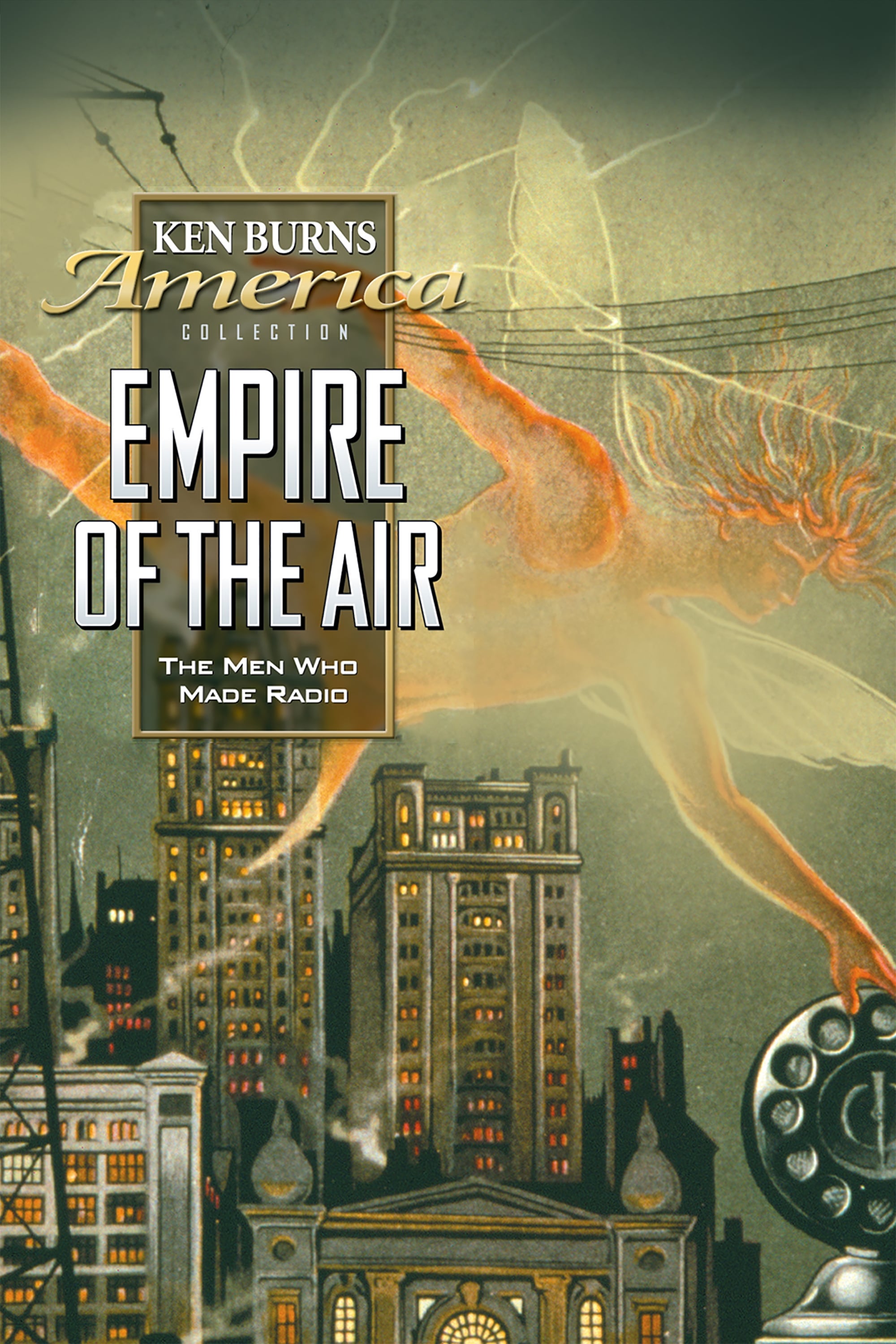
For 50 years radio dominated the airwaves and the American consciousness as the first “mass medium.” In Empire of the Air: The Men Who Made Radio, Ken Burns examines the lives of three extraordinary men who shared the primary responsibility for this invention and its early success, and whose genius, friendship, rivalry and enmity interacted in tragic ways. This is the story of Lee de Forest, a clergyman’s flamboyant son, who invented the audion tube; Edwin Howard Armstrong, a brilliant, withdrawn inventor who pioneered FM technology; and David Sarnoff, a hard-driving Russian immigrant who created the most powerful communications company on earth.
An air raid warden demonstrates safety measures, while a refugee from Occupied Europe reveals why she came to America.
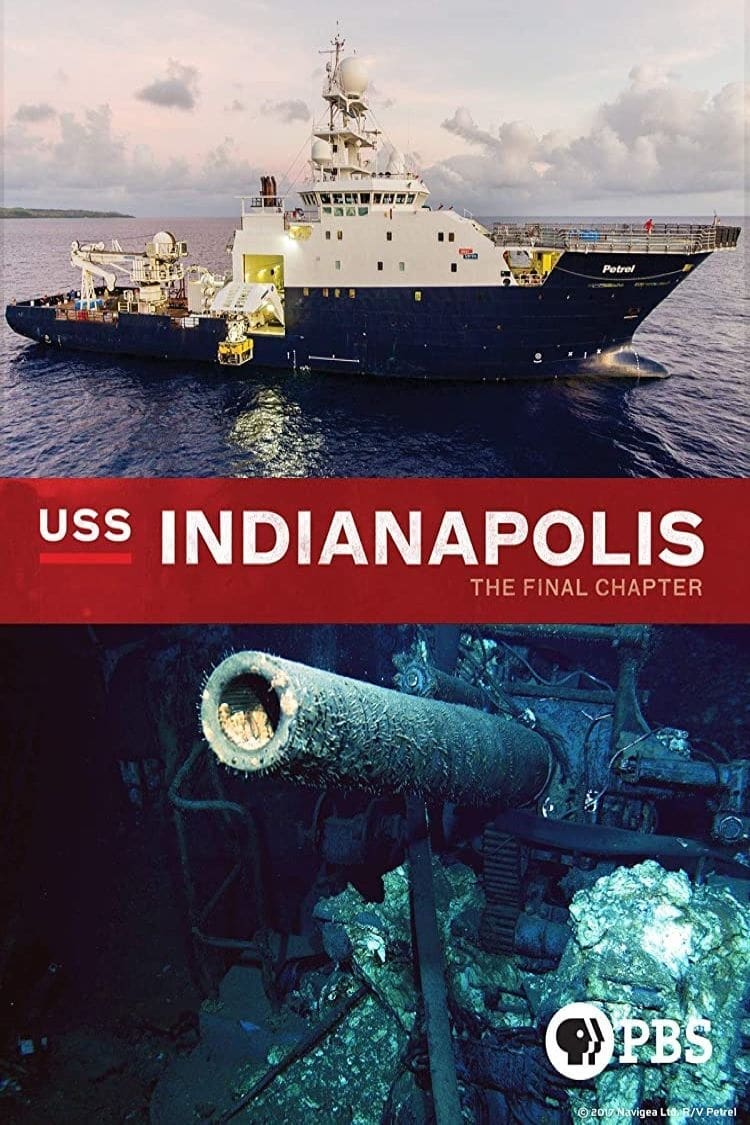
The discovery of the USS Indianapolis wreck site, 18,000 feet below the Philippine Sea, is detailed. The ship's sinking during World War II was the largest loss of life in U.S. Naval history.
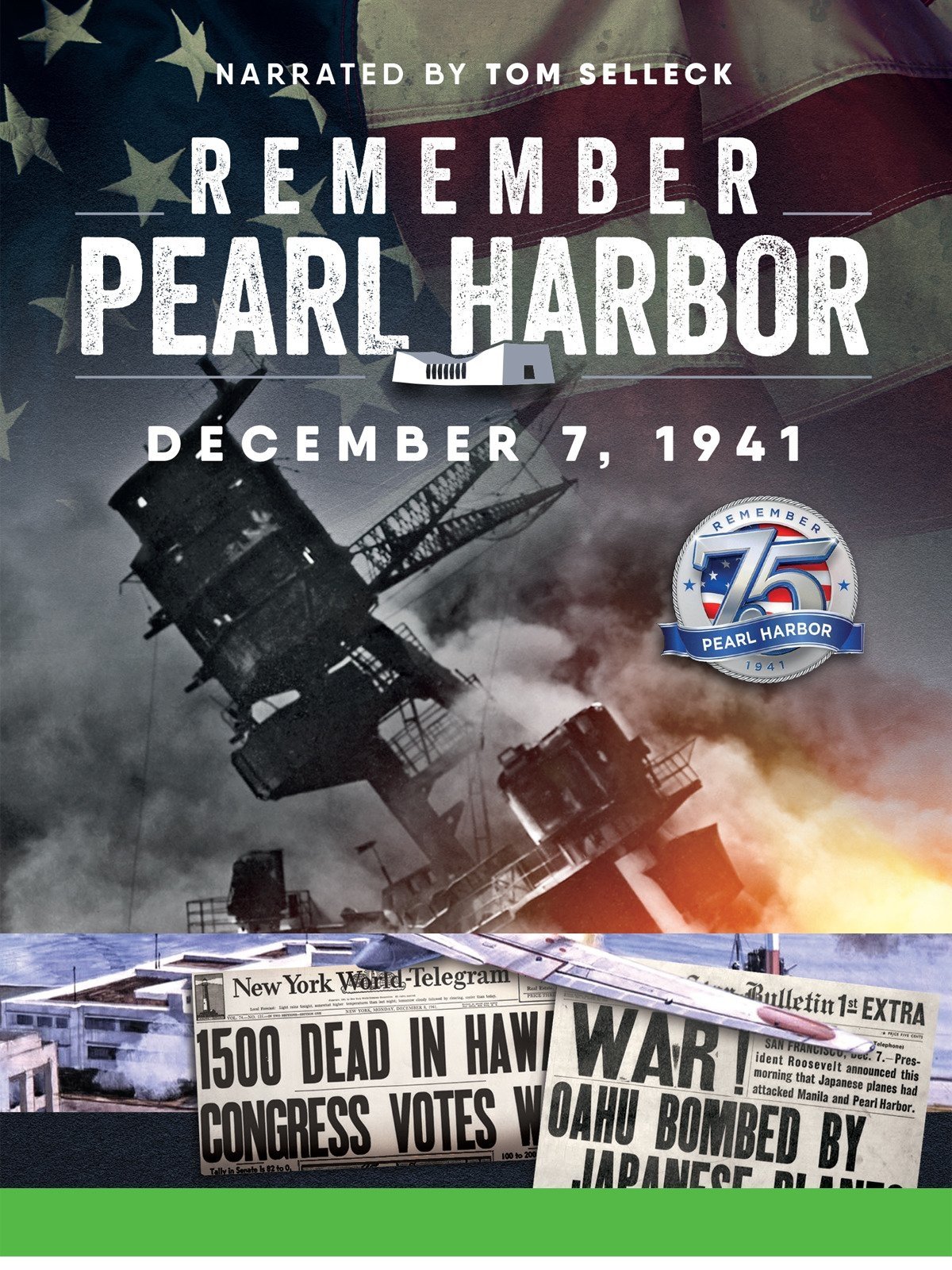
Narrated by veteran Hollywood actor Tom Selleck, REMEMBER PEARL HARBOR chronicles the personal stories of veterans and citizens who witnessed the surprise attack by the Japanese on the American Pacific Fleet on December 7, 1941, launching the United States into World War II. Using archival footage and photos and graphics, the documentary shows in detail the bombings on Oahu, along with the fiery explosion of the USS Arizona, the sinking of the USS Oklahoma, and the attacks on Hickam Field, as well as on other parts of the island. REMEMBER PEARL HARBOR documents the 75th anniversary, the tragic events and the courageous acts of those who were in or near Pearl Harbor on that day.
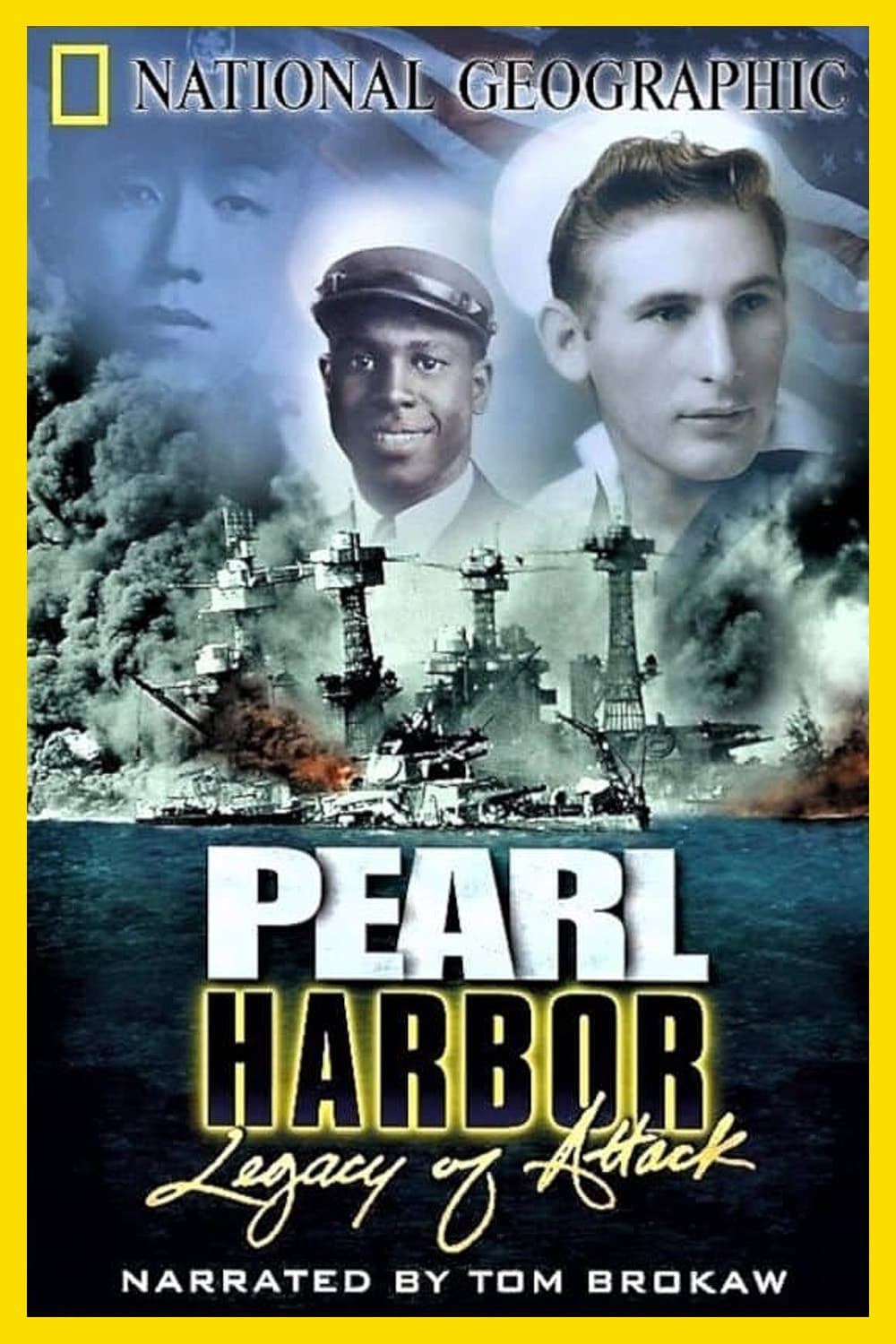
Documentary narrated by Tom Brokaw. National Geographic delves into the untold storylines and unresolved mysteries surrounding the Japanese attack on Pearl Harbor on Dec. 7, 1941. Oceanographer Robert Ballard dives deep into the waters of the harbor to find the remains of a Japanese sub and closely examine the famous wreckage of the USS Arizona. This footage is mixed with interviews with survivors of the attack.
A silent short film promoting the United States Citizens Defense Corps, a group in which civilians served locally to aid in the war effort and to prepare their cities for possible military attacks.
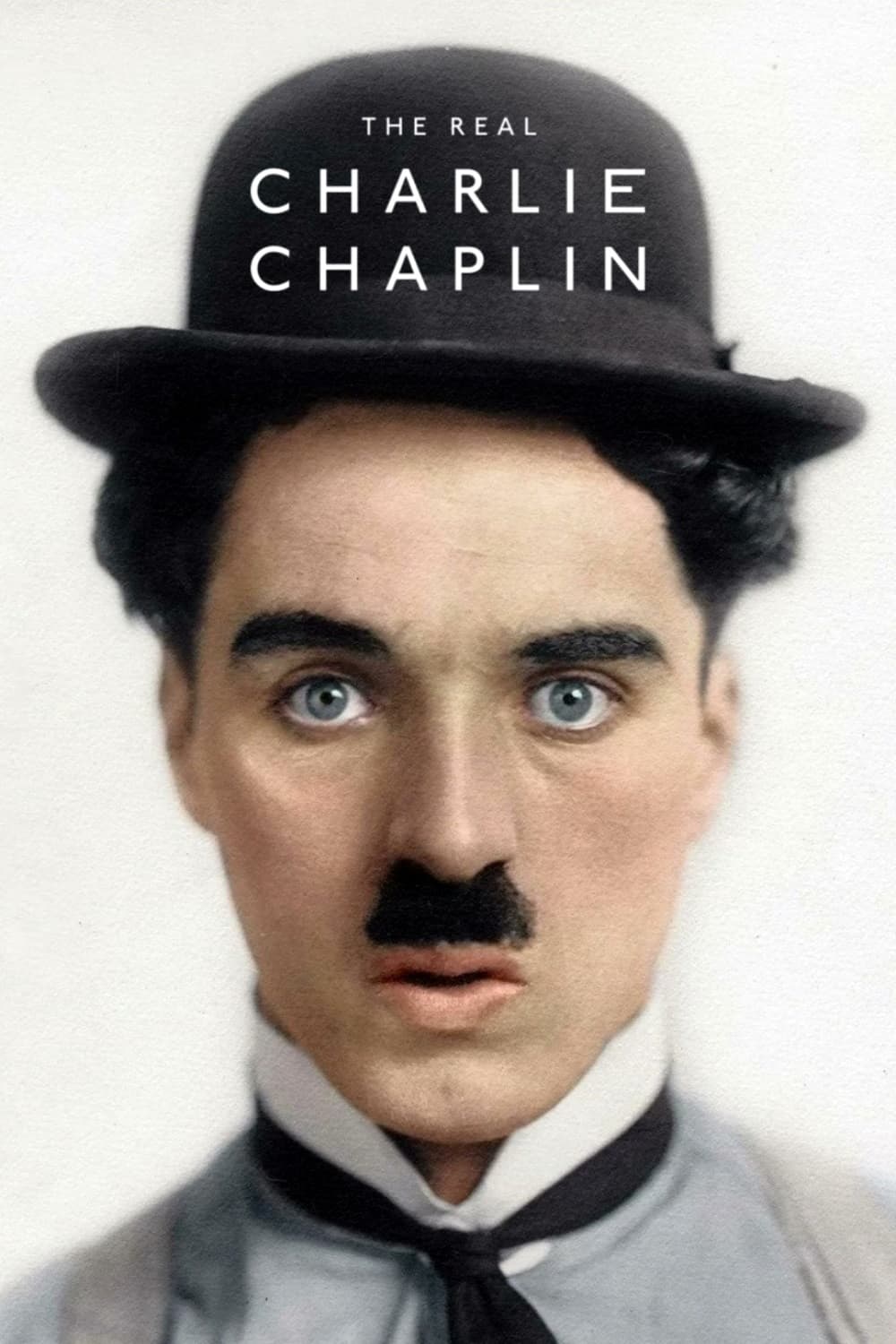
A look at the life and work of Charlie Chaplin in his own words featuring an in-depth interview he gave to Life magazine in 1966.
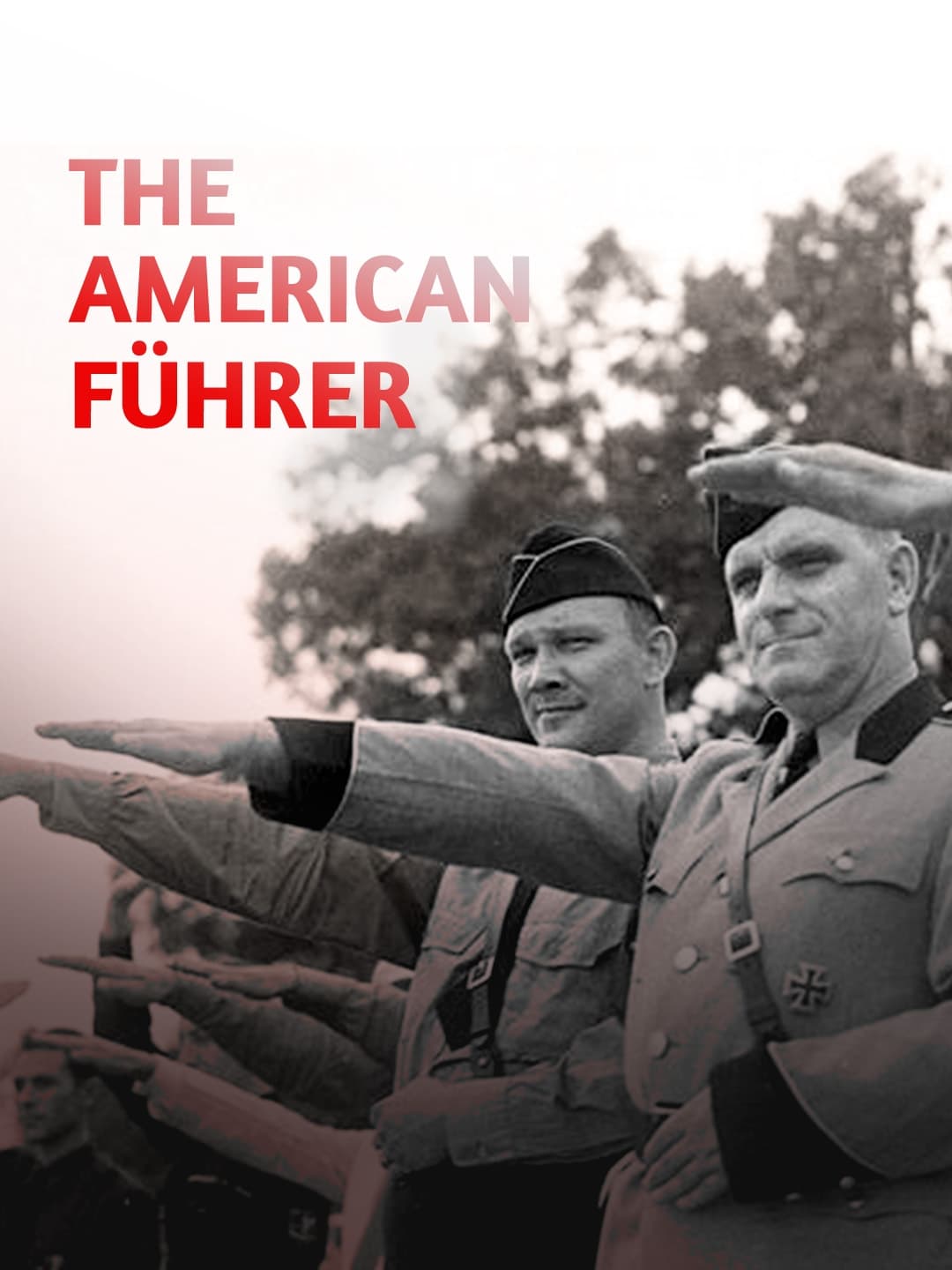
The story of the fascist conman Fritz Julius Kuhn is as unknown as it is terrifying: Kuhn is a German immigrant who pretends to be Hitler’s deputy in the USA during the 1930s. He is at the top of the German-American Bund, a fascist organization of Americans of German origin. The followers of this association march in goose-step with swastika flags and in Nazi-uniforms thru New York, Chicago, or Los Angeles. They gather in thousands in stadiums and sing the Horst-Wessel-song.
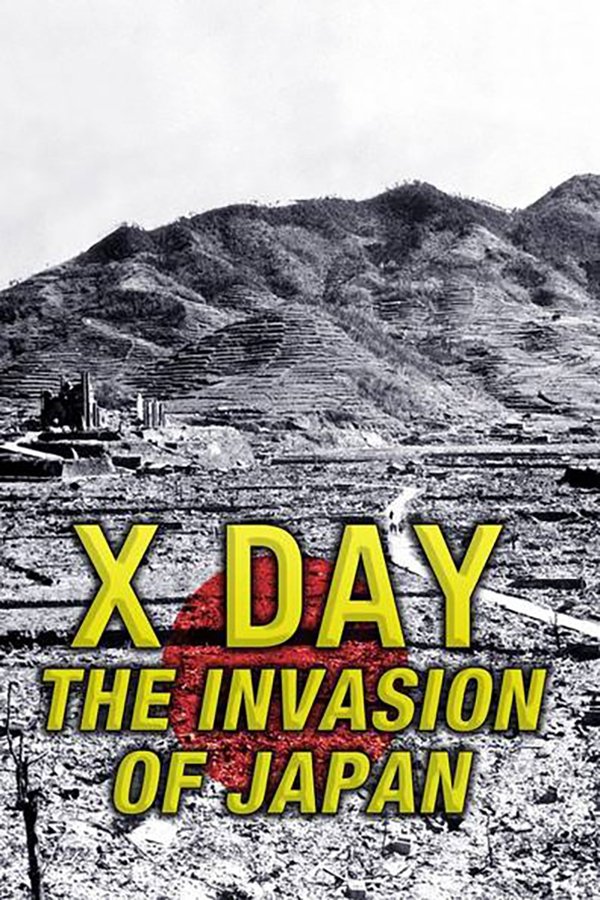
By spring of 1942, Japan controlled the western Pacific, the Philippines, and large parts of Indochina. America and her allies knew that final victory could only be achieved by unconditional surrender and that would involve occupation of the Japanese homeland. This is the story Operation Downfall, the plan to invade and occupy Japan that would dwarf the D-Day landings in Europe. According to the plan, on X-Day--November 1, 1945--General MacArthur would lead an invasion force onto the beaches of Kyushu, the southern most of the Japanese Islands. Y-Day would follow six months later when the largest beach landing in military history would take Tokyo. Politicians and military strategists knew that Japanese resistance would be ferocious. Plans for the invasion continued throughout 1945 until President Truman made the decision to drop the atom bomb. We trace the invasion plans from Pearl Harbor to Hiroshima and analyze why Truman chose the bomb over Operation Downfall.
How long-distance telephone calls are made, from the UK to the USA. We see operators, miles of wires, and the amplification of voice transmitted across the waters. Engineers of the Post Office describe how they are improving the service.
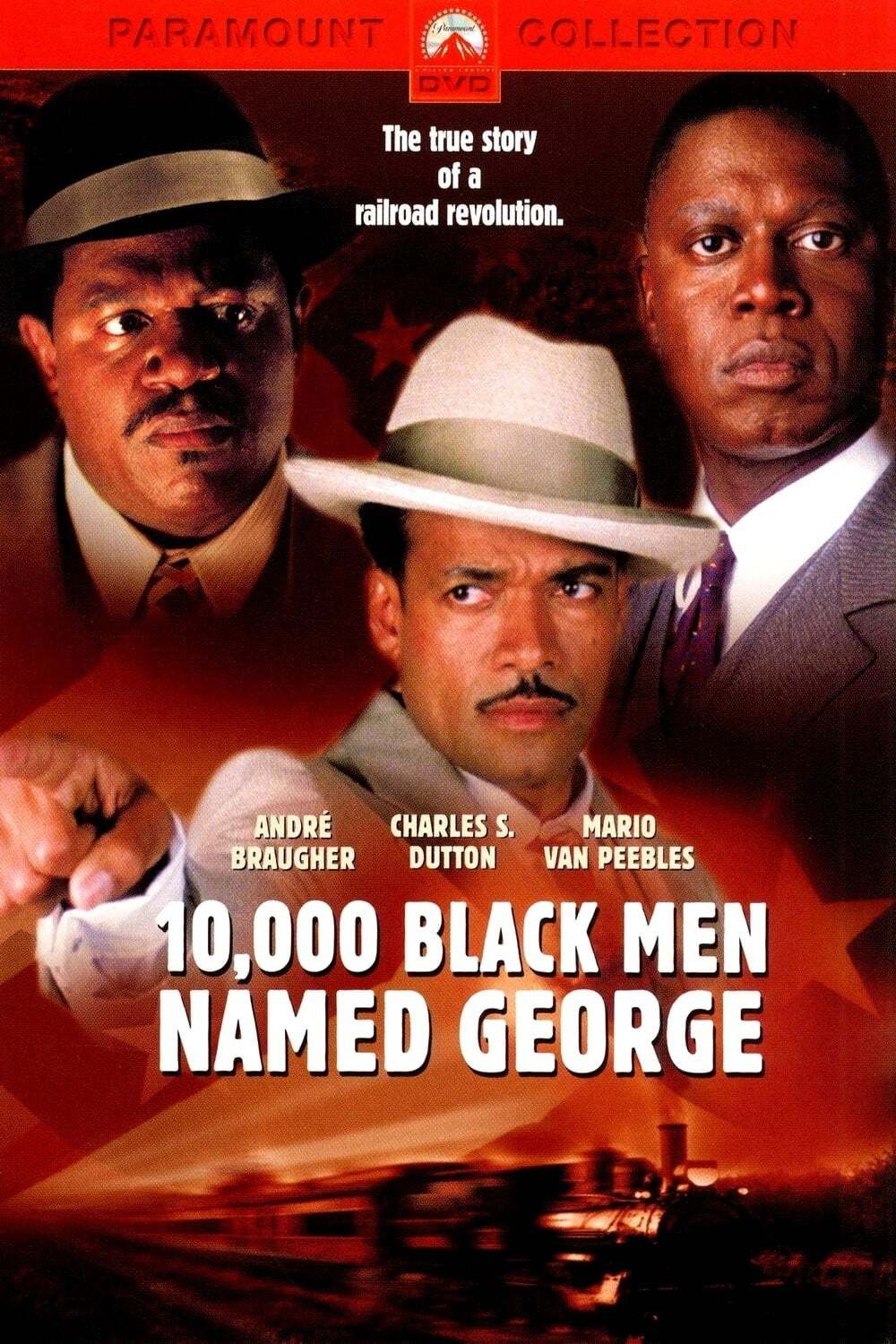
In the 1920s, the rights of American workers to join a labor union was still considered an open question, and African-Americans were routinely denied their civil and economic rights. 10,000 Black Men Named George, the title, refers to the fact Pullman porters were often called "George" by white passengers, which was considered a racial slur.
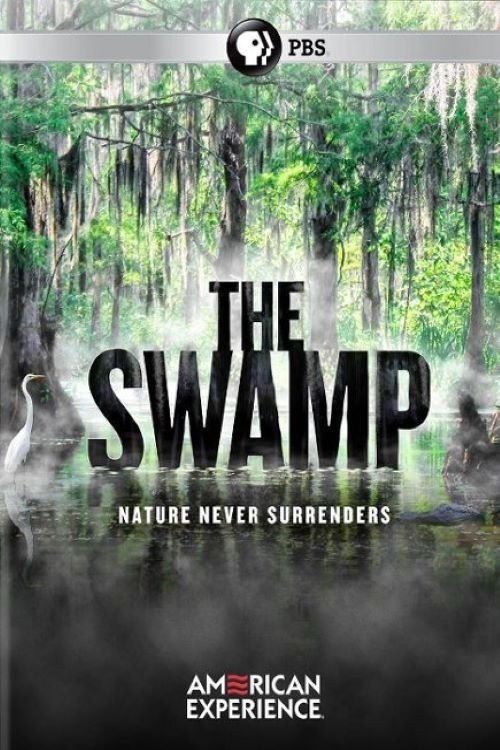
The history of the Florida Everglades and the efforts to reclaim, control and preserve the vast area once viewed as a wasteland.
Produced by the U.S. Atomic Energy Commission, this educational film introduces the organization’s role in developing and regulating nuclear technology in the United States. Through a survey of research laboratories, nuclear power projects, weapons programs, and radioisotope applications, the film explains how atomic energy programs support both national security and civilian scientific and industrial uses.
Through interviews and real-life examples, Hari Sreenivasan and Dr. Haass explore how Americans are working towards strengthening democracy and renewing the spirit of a more informed and engaged citizenry.