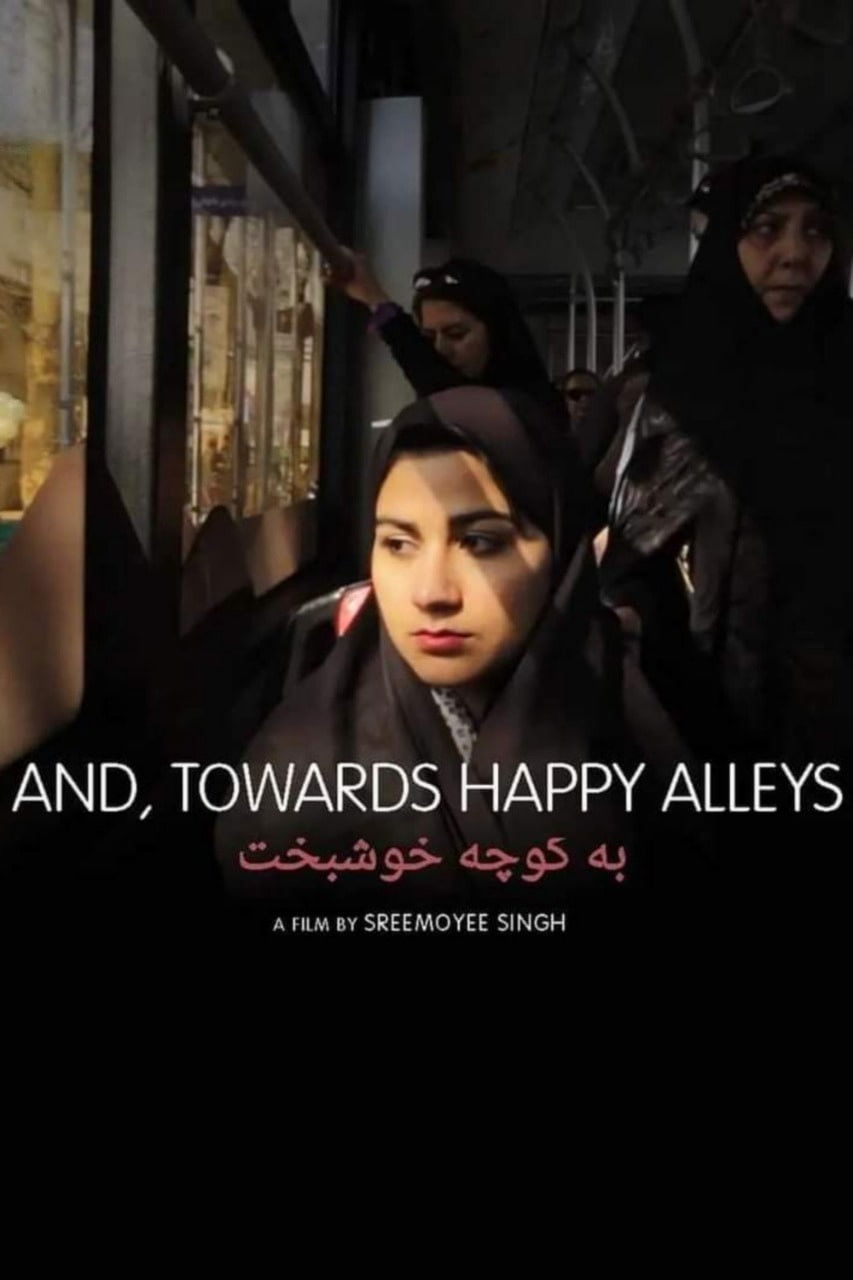
A passionate declaration of love for the cinema and poetry of Iran, which also offers a frank view of the precarious situation for critics of the regime and shows the uncompromising daily struggle of Iranian women against their oppression.
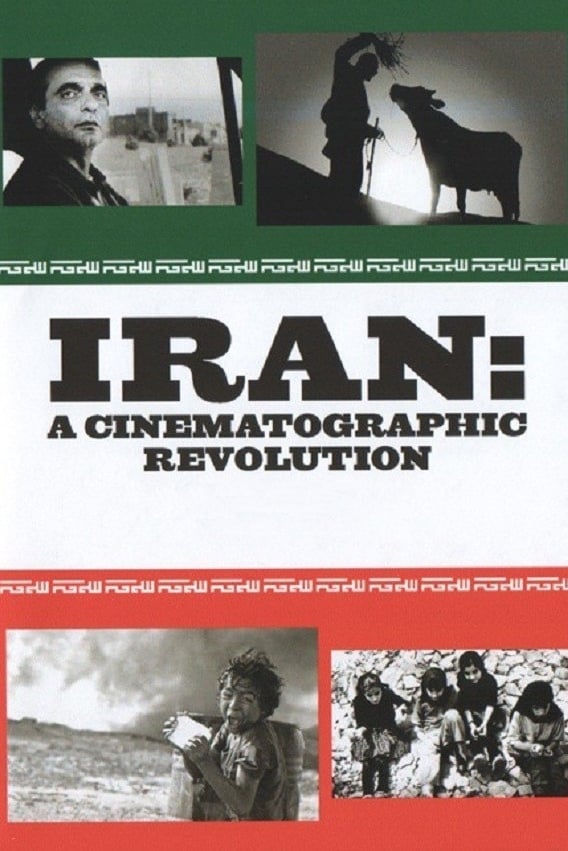
Today Iranian cinema is one of the most highly regarded national cinemas in the world, regularly winning festival awards and critical acclaim for films which combine remarkable artistry and social relevance. Iran: A Cinematographic Revolution traces the development of this film industry, which has always been closely intertwined with the country's tumultuous political history, from the decades-long reign of Reza Shah Pahlevi and his son, the rise of Khomeini and the birth of the Islamic Republic, the seizure by militants of the U.S. Embassy in Tehran, and the devastating war with Iraq.
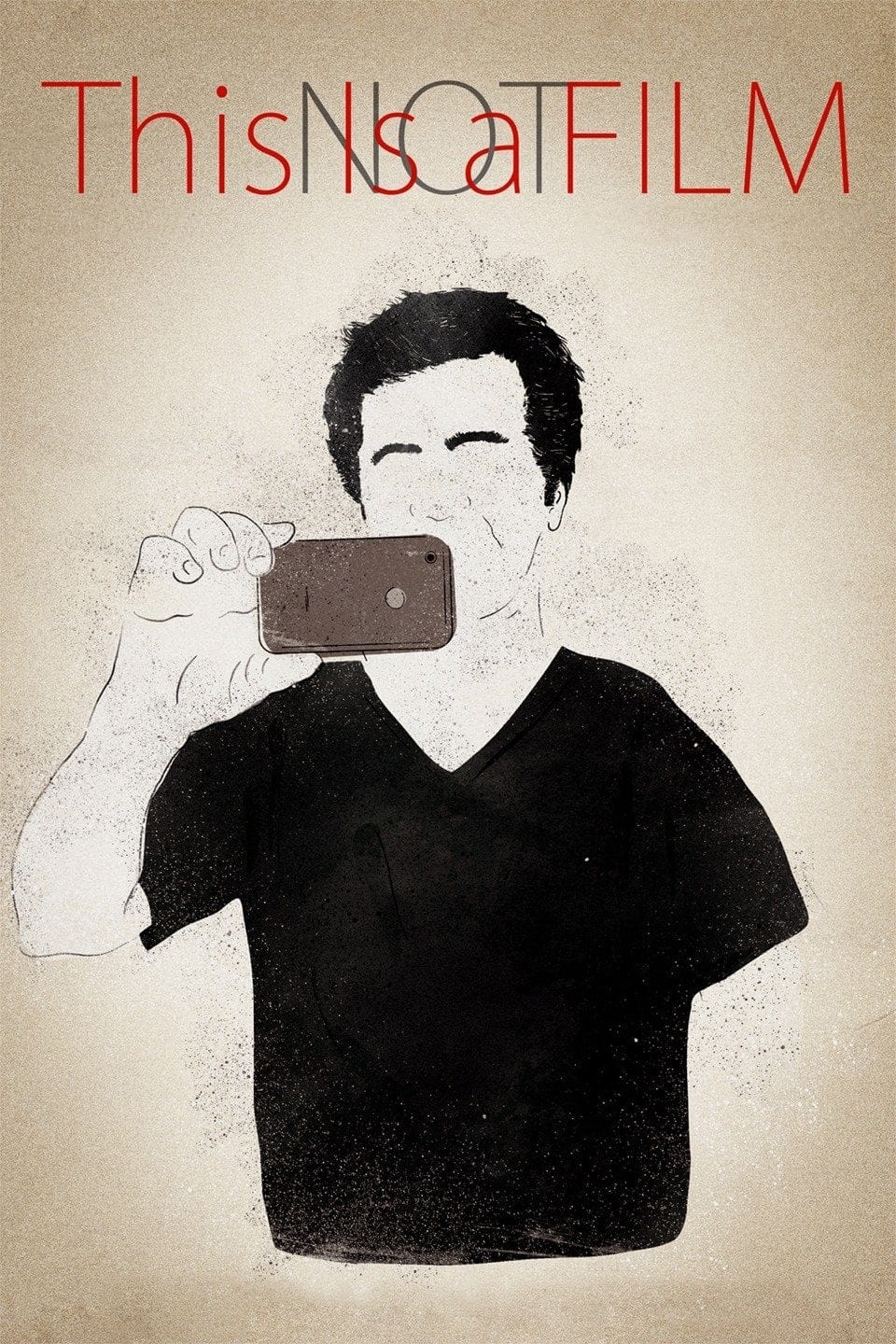
Renowned Iranian director Jafar Panahi received a 6-year prison sentence and a 20-year ban from filmmaking and conducting interviews with foreign press due to his open support for the opposition party in Iran's 2009 election. In this film, which was shot secretly by Panahi's close friend Mojtaba Mirtahmasb and smuggled into France on a USB stick concealed inside a cake for a last-minute submission to Cannes, Panahi documents his daily life under house arrest as he awaits a decision on his appeal.
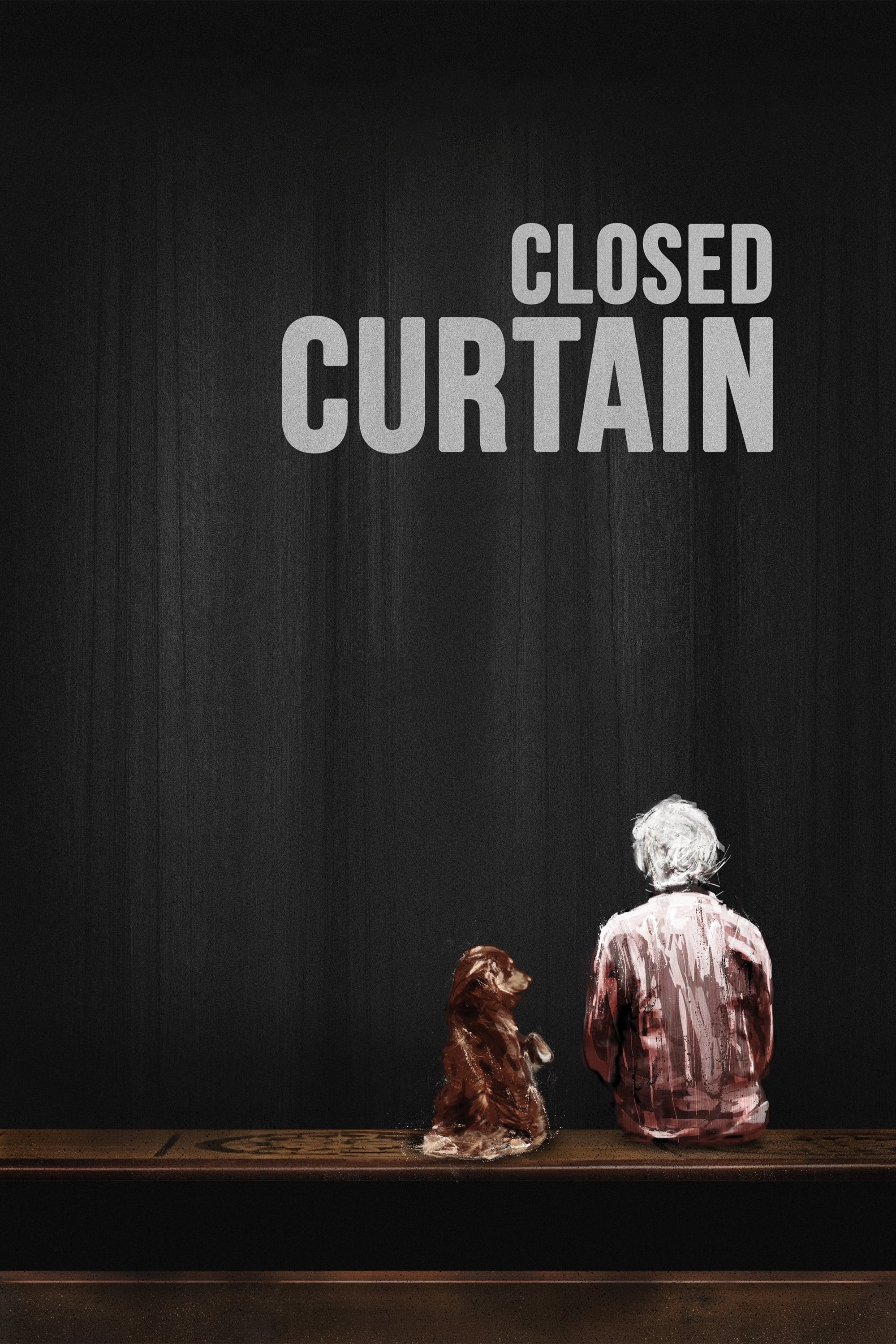
In a secluded house by the sea with the curtains shut, a screenwriter hides from the world with only his dog as company. The tranquility is abruptly broken one night by the arrival of a young woman fleeing from the authorities. Refusing to leave, she takes refuge in the house. But come dawn, another unexpected presence will change everything.

Featuring seven stories from seven auteurs from around the world, the film chronicles this unprecedented moment in time, and is a true love letter to the power of cinema and its storytellers.
On May 18, 2017, the Busan International Film Festival’s Program Director Kim Jiseok died suddenly and unexpectedly from a heart attack while on a business trip to the Cannes Film Festival. In the face of his unexpected demise, his old friends and colleagues in the film industry recall what tormented him in his last days.

Iranian director Jafar Panahi, who has been barred from leaving the country, arrives at a village on the Iran-Turkey border to supervise a film based on a real-life couple seeking passports to Europe being shot in Turkey, but both his stay and the production run into trouble.
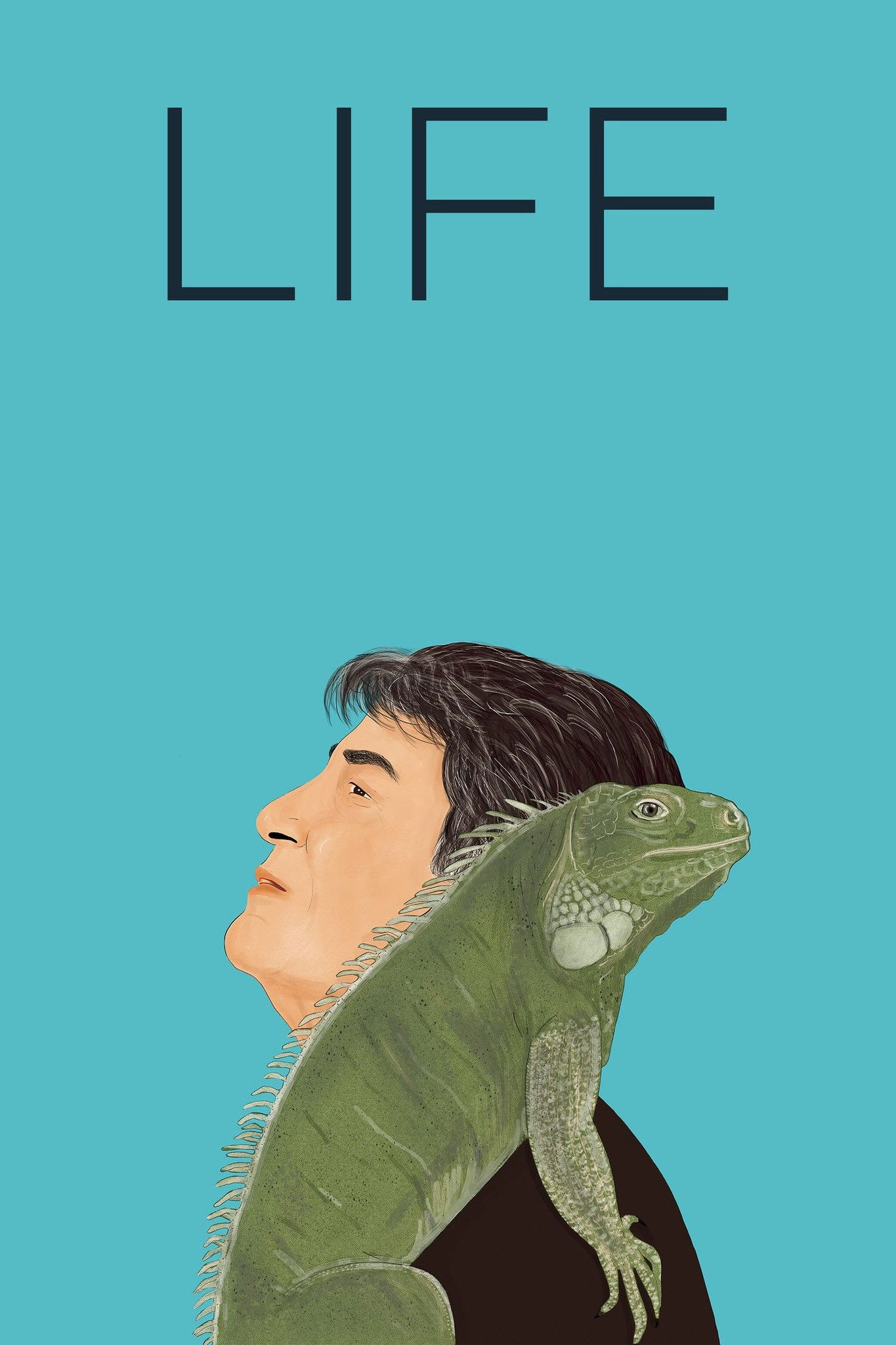
A portrait of the Panahi family's matriarch as the pandemic makes it more difficult for intergenerational connection.
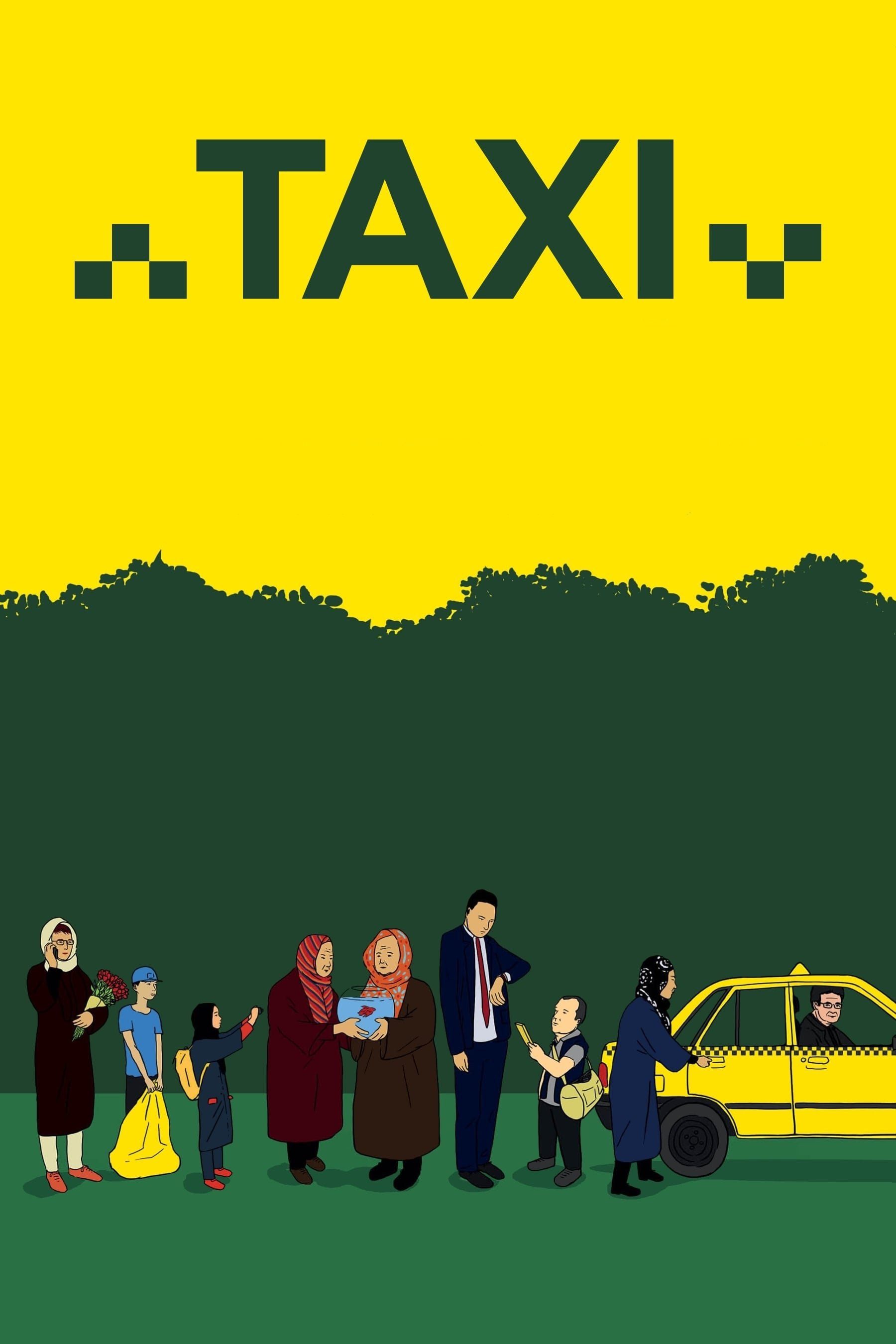
A yellow cab is driving through the vibrant and colourful streets of Tehran. Very diverse passengers enter the taxi, each candidly expressing their views while being interviewed by the driver who is no one else but the director Jafar Panahi himself. His camera placed on the dashboard of his mobile film studio captures the spirit of Iranian society through this comedic and dramatic drive…
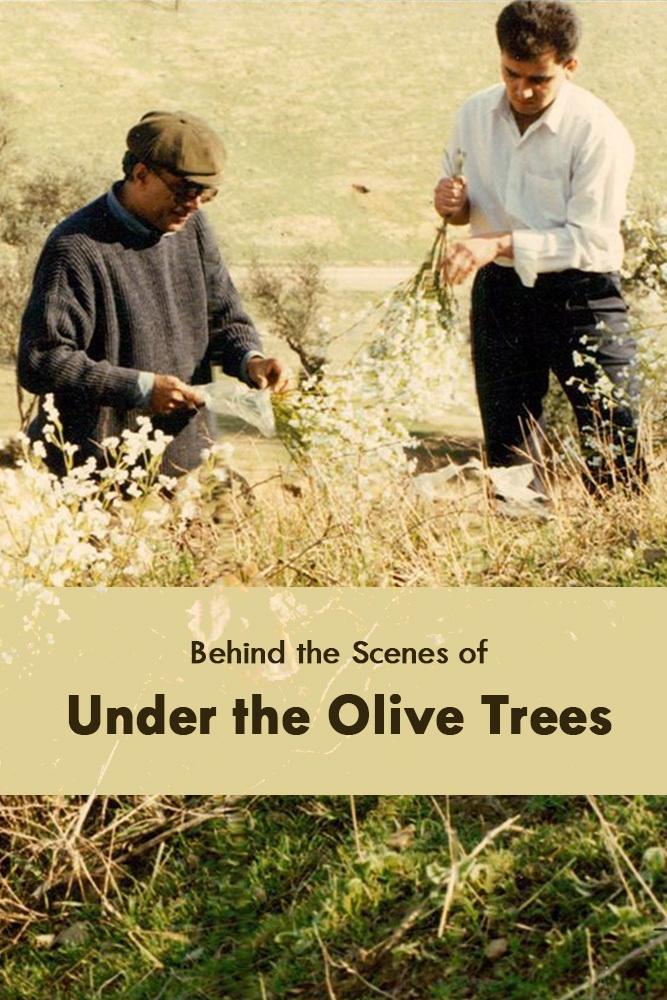
A documentary by Hamideh Sharif Rad about Abbas Kiarostami's "Through the Olive Trees" (1994).
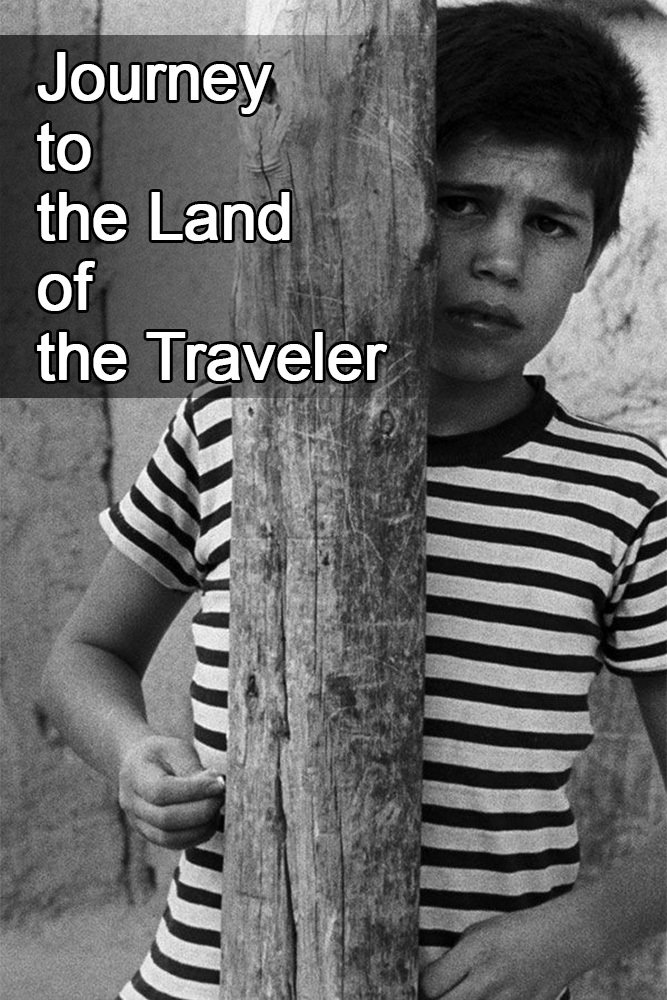
Twenty years after The Traveler was made, Kiarostami's son filmed his father as he reunited with the film's child star, now in his 30s.
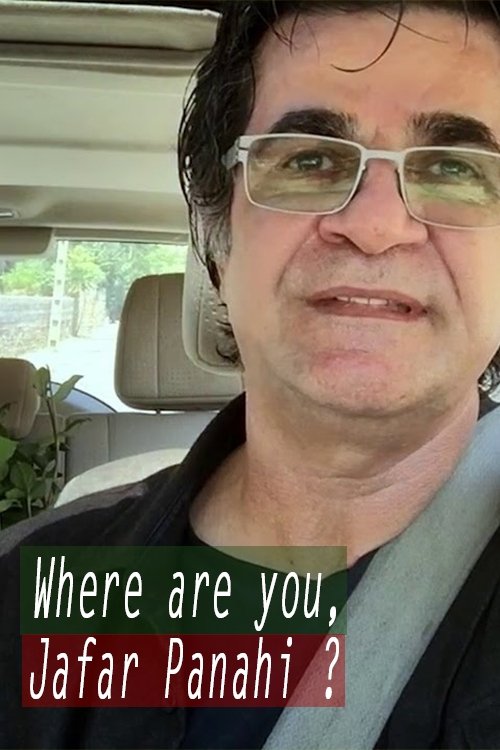
Jafar Panahi and fellow Iranian director Majid Barzegar take a 20-minute drive to Kiarostami’s grave, during which time “the two friends speak appropriately of cinema, but also censorship and festivals, police power and ideology.”
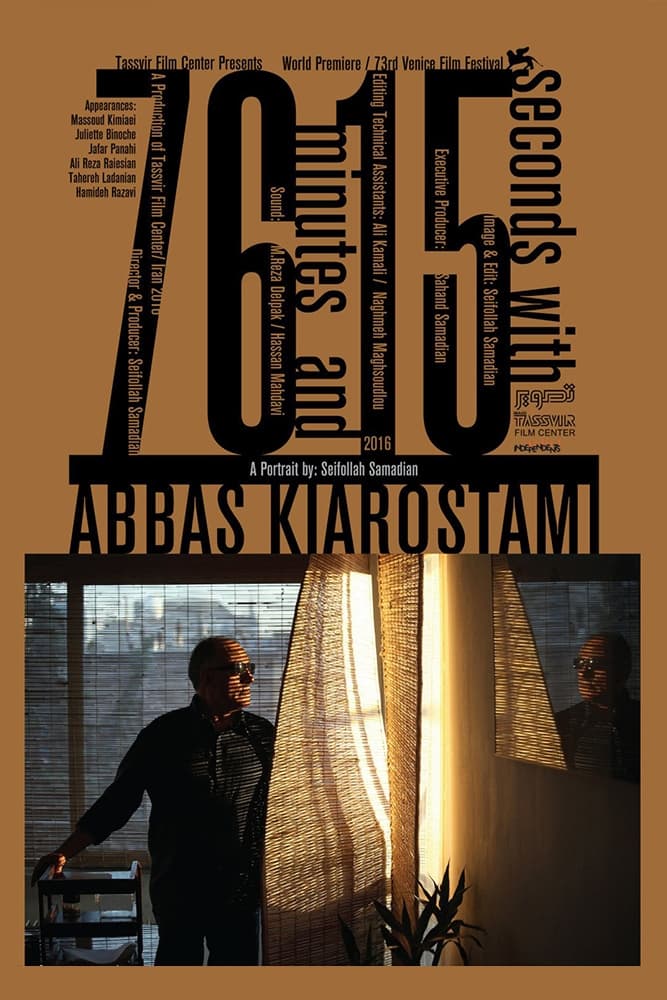
Kiarostami as we have never really known him before, despite the transformative power of his many movies. Filmmaker and close friend Samadian avoids the talking heads of so many artistic memoirs to offer more candid clips of Kiarostami the man: lover of poetry, convivial with friends, engaging landscapes on and off screen, laughing with other artists. The artist and visionary emerges more clearly but so does a loving, wondrous man whom we will miss now as much as the auteur.
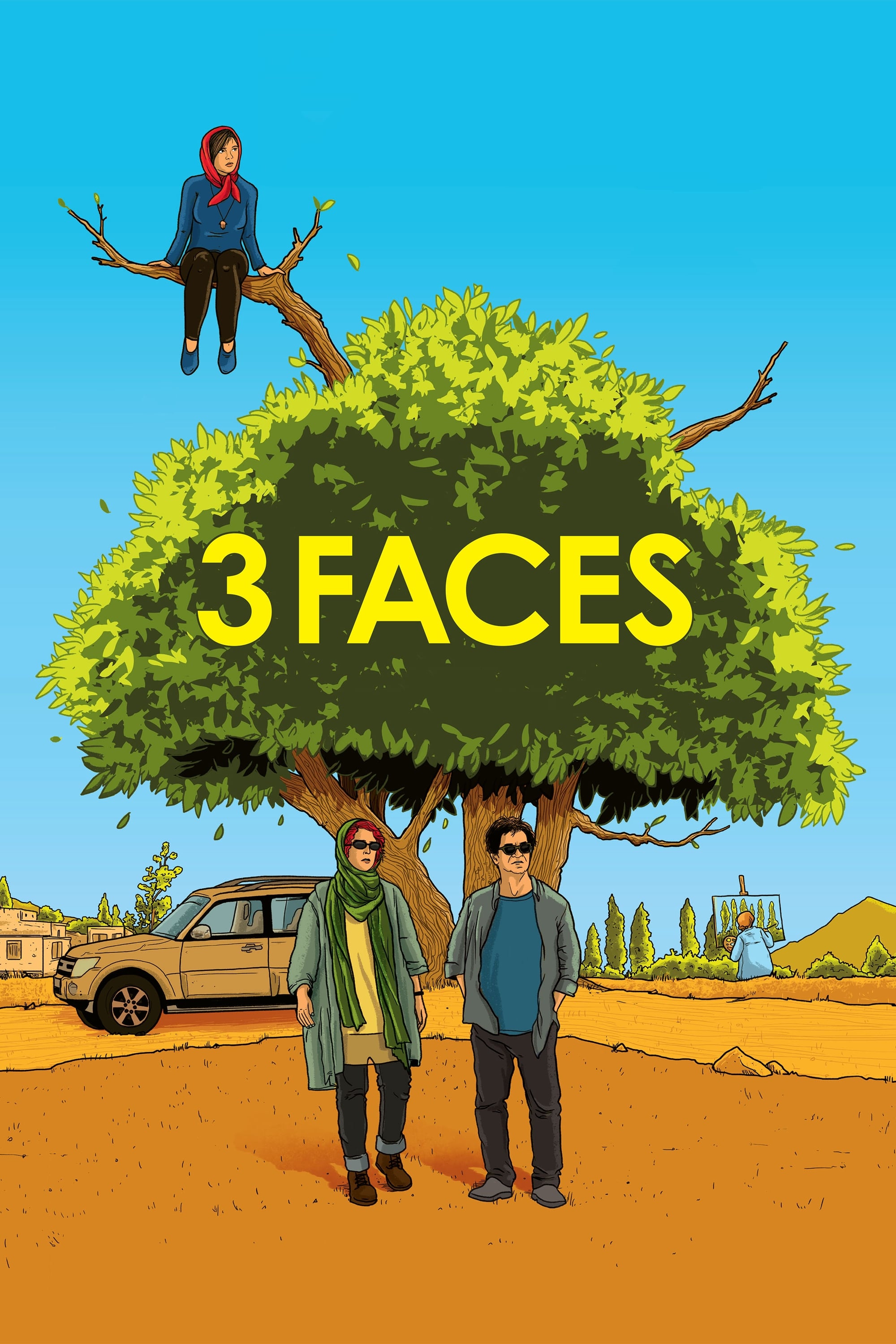
Filmmaker Jafar Panahi and actor Behnaz Jafari travel to a tiny village after receiving a plea for help from a girl whose family has forbidden her from studying acting. Amusing encounters abound, but they soon discover that the local hospitality is rivaled by the desire to protect old traditions.
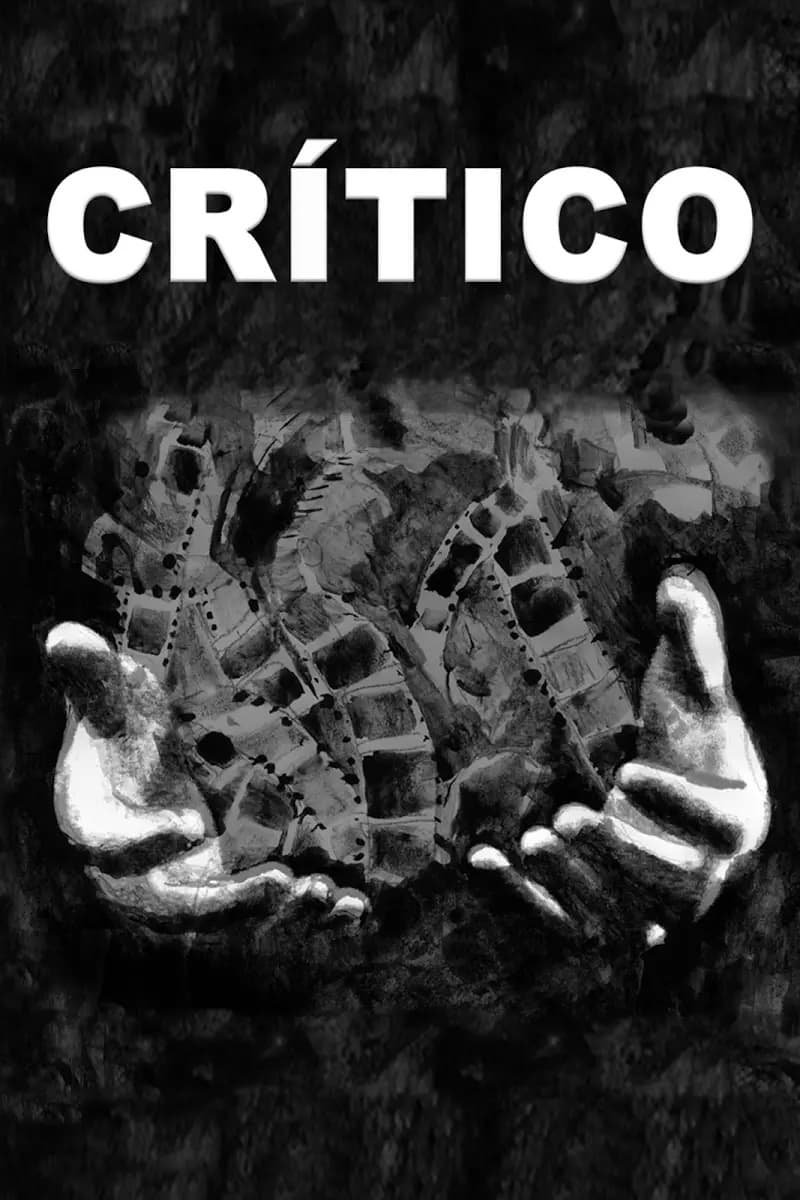
Seventy critics and filmmakers discuss cinema around the conflict between the artist and the observer, the creator and the critic. Between 1998 and 2007, Kléber Mendonça Filho recorded testimonies about this relationship in Brazil, the United States and Europe, based on his experience as a critic.
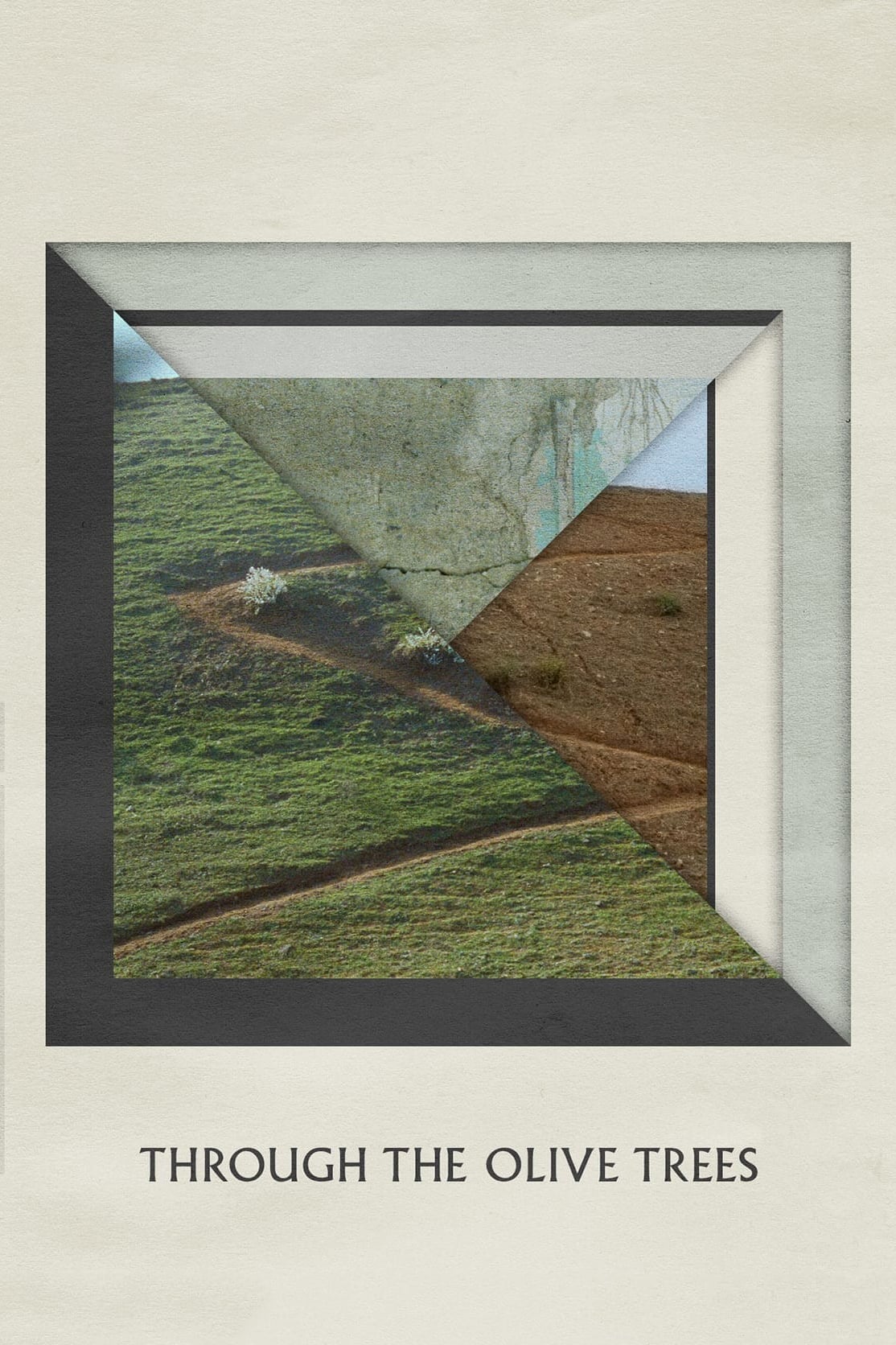
When the actor in a scene for his film Life And Nothing More… has to quit, a film director casts another man for the part. However, complications arise since the man and the woman who was cast for the scene know each other.
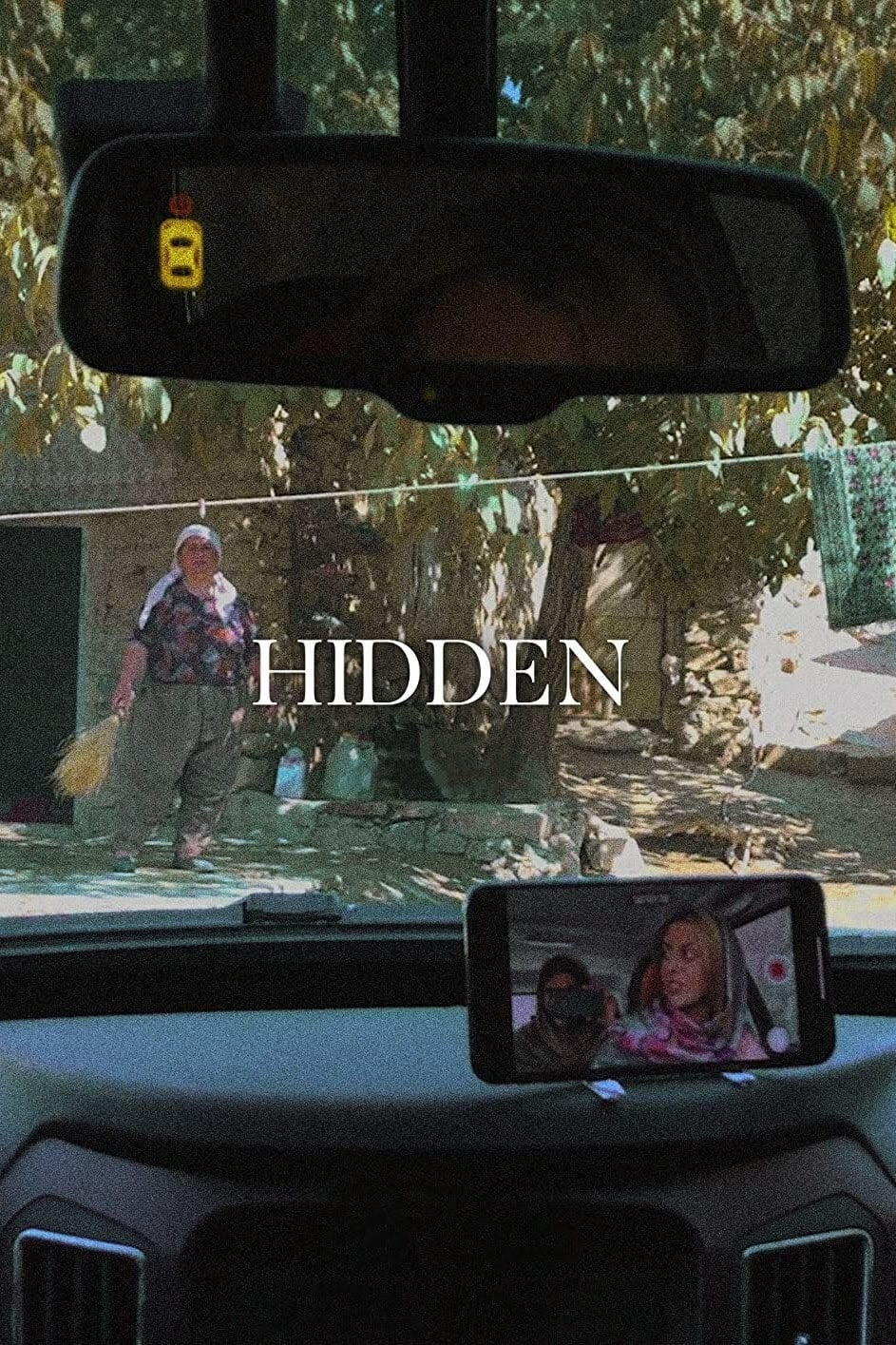
Jafar Panahi sets out to find a Kurdish young woman with a golden voice that has been forbidden to sing by her family.
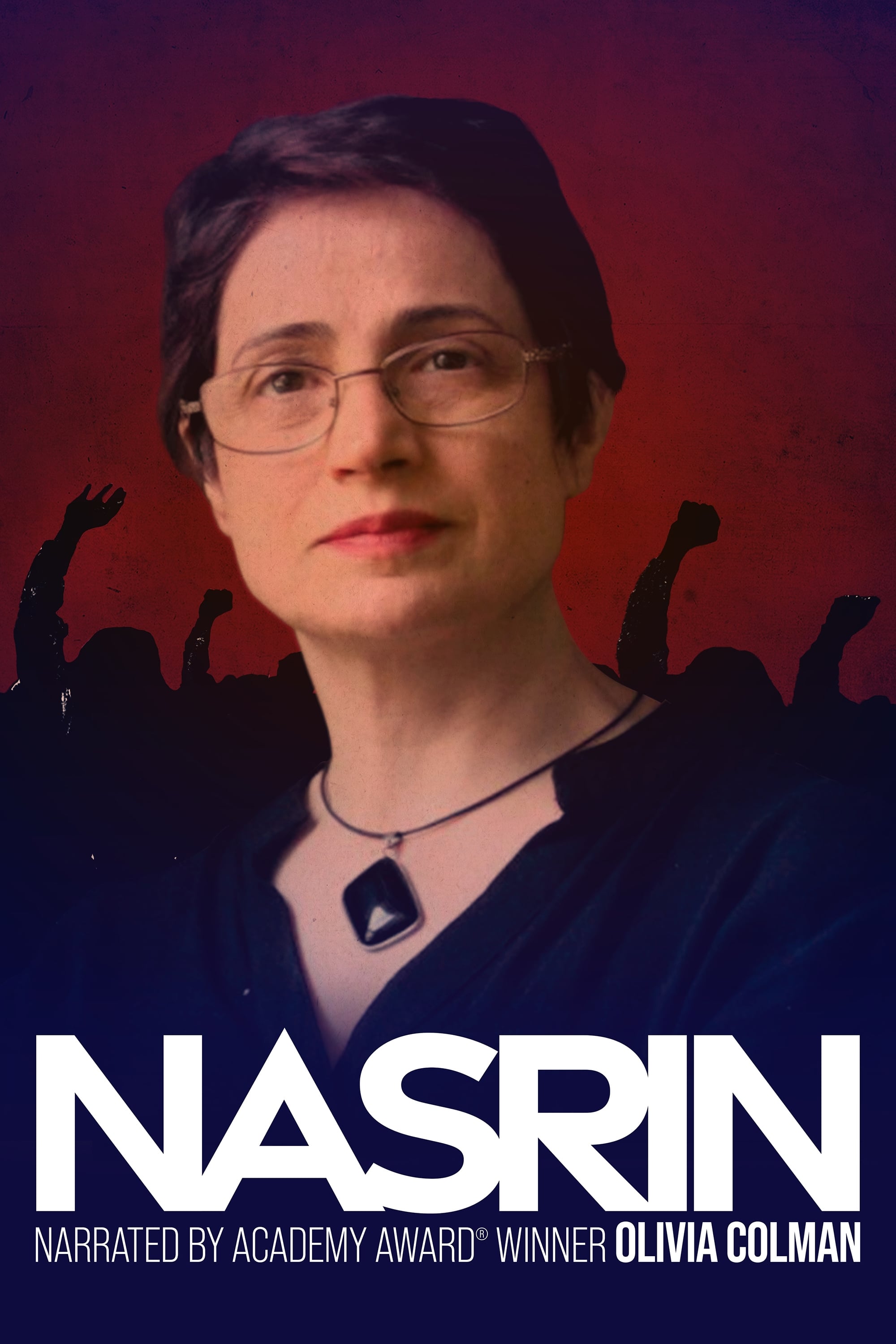
Secretly filmed in Iran for over two years, Nasrin is an immersive portrait of human rights activist and political prisoner Nasrin Sotoudeh and Iran’s remarkably resilient women’s rights movement. Nasrin has long fought for the rights of women, children, LGBT prisoners, religious minorities, journalists and artists, and those facing the death penalty. She was arrested in 2018 for representing women who protested Iran’s mandatory hijab law and sentenced to 38 years in prison, plus 148 lashes. Narrated by Academy Award-winning actress Olivia Colman and featuring acclaimed filmmaker Jafar Panahi, Nobel Peace Prize laureate Shirin Ebadi, journalist Ann Curry, exiled women’s rights activist Mansoureh Shojaee, and Nasrin Sotoudeh.

Tracing the history and influence of Iranian cinema and its filmmakers.