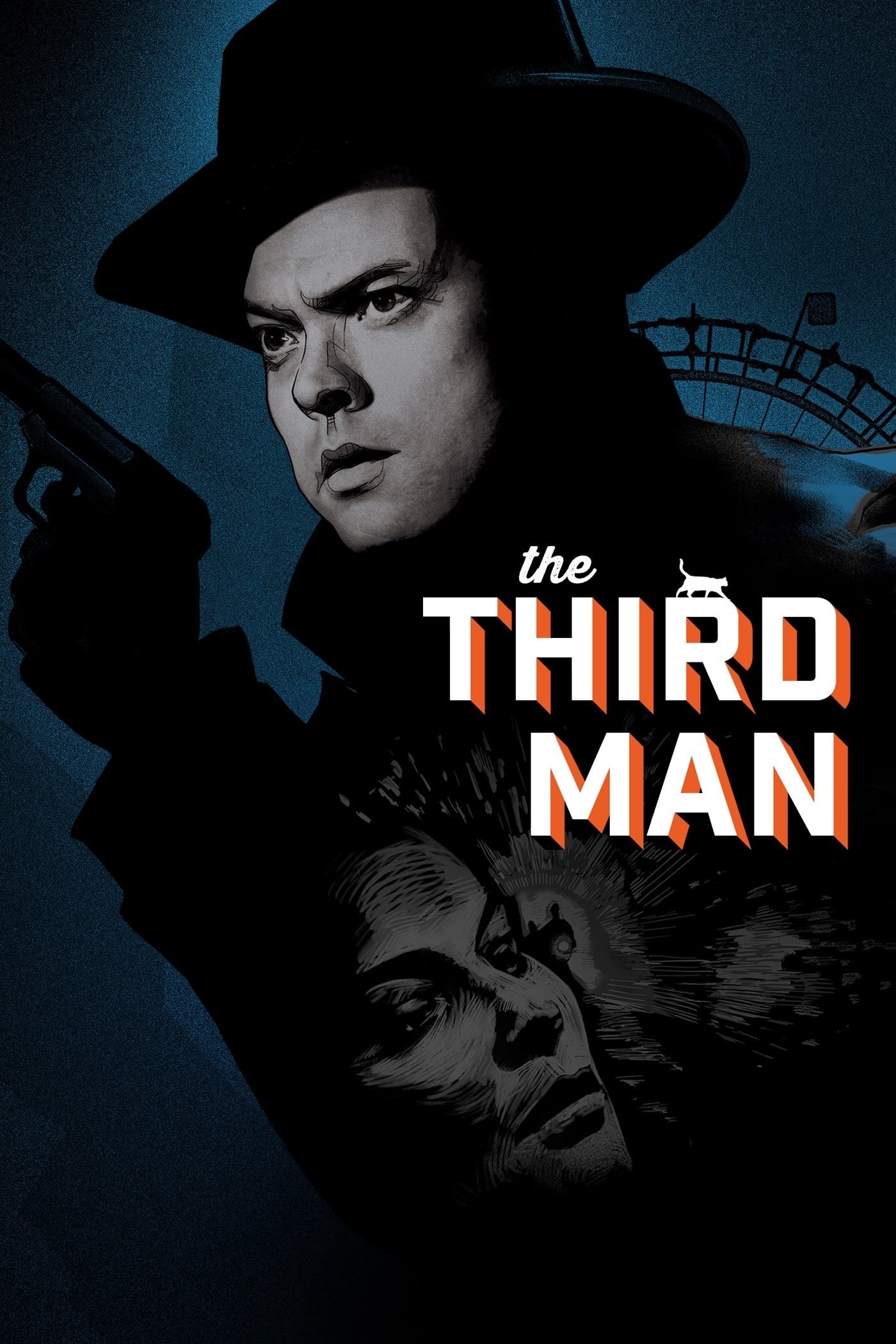
In postwar Vienna, Austria, Holly Martins, a writer of pulp Westerns, arrives penniless as a guest of his childhood chum Harry Lime, only to learn he has died. Martins develops a conspiracy theory after learning of a "third man" present at the time of Harry's death, running into interference from British officer Major Calloway, and falling head-over-heels for Harry's grief-stricken lover, Anna.
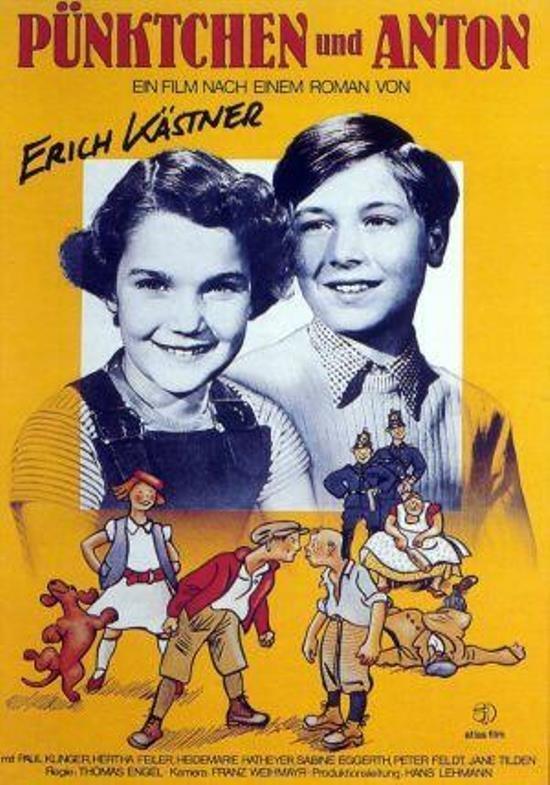
Despite their social differences Luise, called Pünktchen, a girl from rich parentage befriends Anton, a boy who has to earn his own money in order to afford life for his sick mother and himself. Together they undergo different adventures, even preventing a theft in Pünktchens home

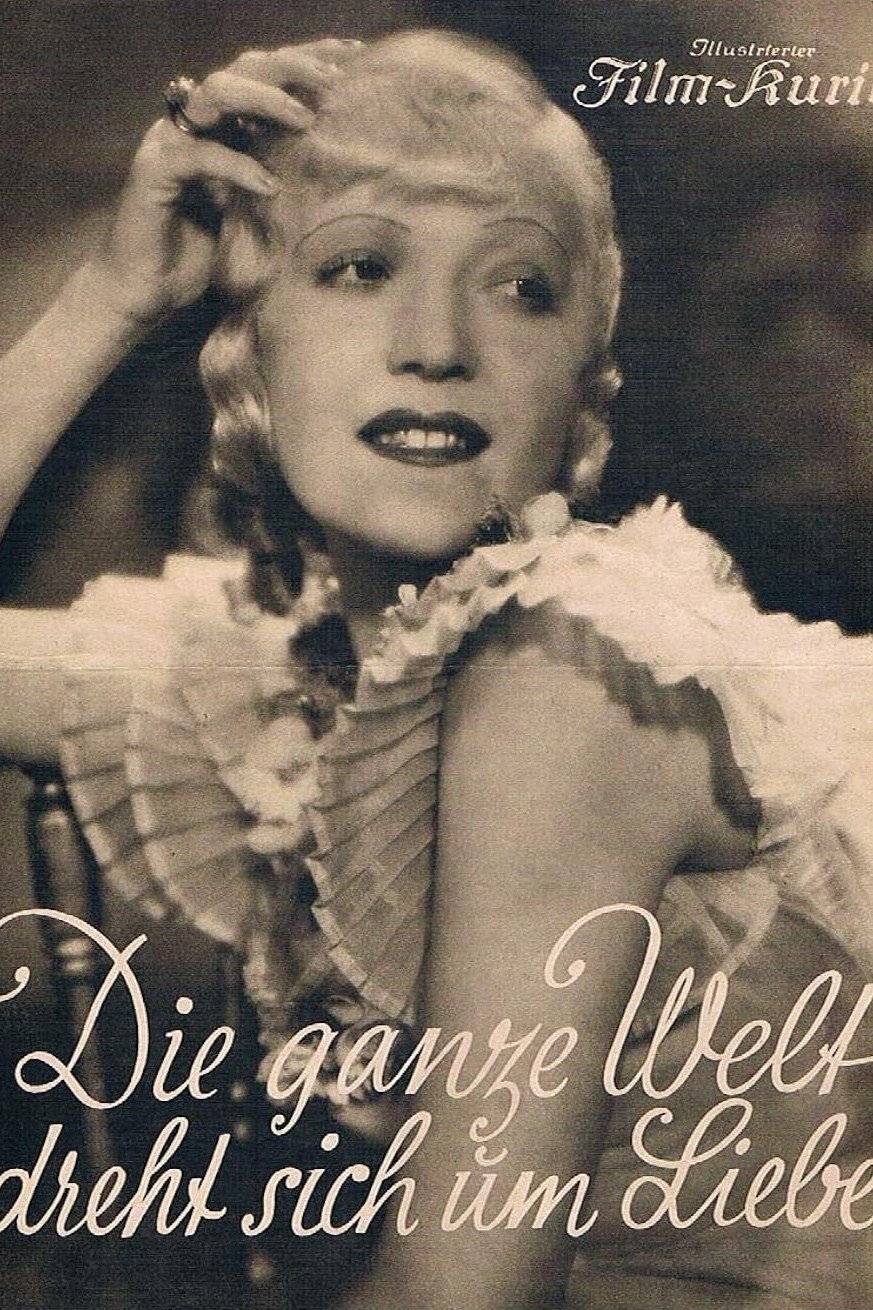
A Hungarian squire and his son compete for the favour of an operetta diva; the younger makes the running. - Unplausible mistakes, small intrigues and a lot of love in an old-fashioned musical comedy with proven comedians.
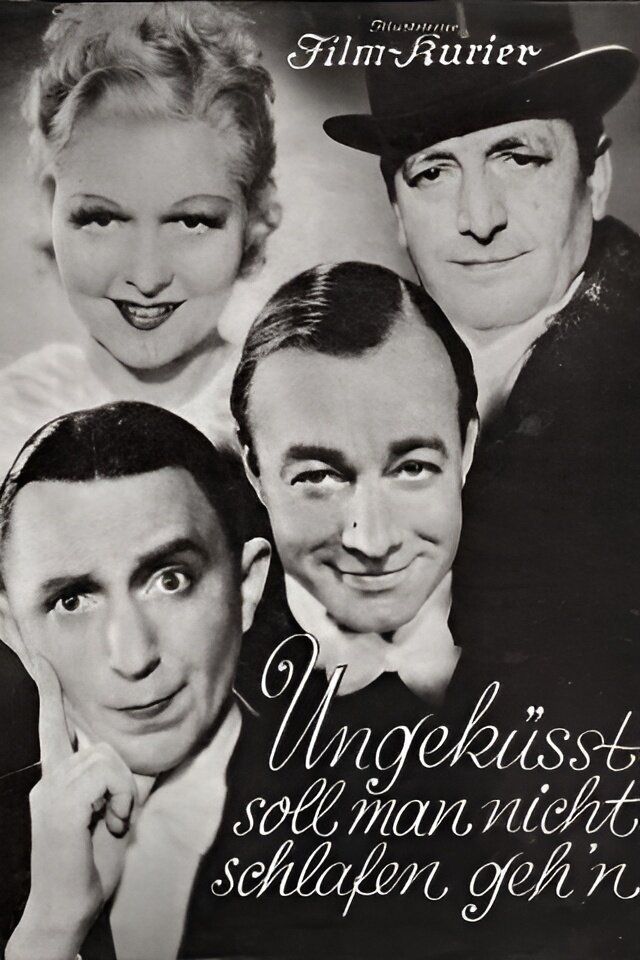
On the occasion of a charity ball in Vienna a kiss of a famous actress should be auctioned. Misunderstandings between the manager of the film star, a record producer and a student lead too all kinds of mistakes, during which a student is mistaken for a prince in disguise and almost breaks his hapiness. - Quickly and expertly produced mistake comedy with a lot of singing desposits and an at than popular comedian line-up, which offers amusing surface entertainment.
This Hungarian musical comedy (English title: Spring Parade) was produced by Joseph Pasternak, who later remade the picture in Hollywood as a Deanna Durbin vehicle. The original 1934 version stars Franciska Gaal as a Hungarian serving girl who heads to Vienna to visit a relative. Stopping over at an outdoor carnival, Gaal is told by a fortune teller that she will enjoy a happy marriage with a handsome and wealthy stranger. Later on, she finds herself at a fancy dress ball, where a good-looking aristocrat, assuming that our heroine is a countess masquerading as a peasant, falls in love with her. Delighted that the fortune-teller's prophecy seems to be coming true, Gaal finds herself in a dilemma when she falls in love with poverty-stricken soldier Wolf Albach Retty. But things turn out OK when Retty, the regimental drummer, composes a hit song which brings him fame and fortune, thereby neatly fulfilling that prophecy.
A classical art junk dealer and an almost bankrupt hairdresser who unexpectedly makes an inheritance go hunting behind thirteen chairs from which of a 100,000 DM contains which the rich aunt has hidden there.

In the eve of the war between Vienna and Berlin playing dear comedy with then popular occupation: The mother wants to marry her daughter to the lord of the manor, but the daughter prefers the elegant hoteliers.
A wardrobe mistress at a Vienna theatre wins a competition, receiving as her prize a luxury tour round Italy. On the train she meets an impoverished young Italian who pretends to be a prince.

In this musical, a tempermental opera singer falls in love with a hearing-impaired young woman.
Young Josefa Maria, a great-great-granddaughter of Emperor Franz Josef of Austria, is engaged to a count, as befits her status, but she hardly knows him. Young Josefa Maria, a great-great-granddaughter of Emperor Franz Josef of Austria, is engaged to a count, as befits her status, but she hardly knows him. During a vacation visit to her home village of St. Wolfgang, Josefa meets her childhood friend Toni Leitner again, who has opened a successful auto repair shop.
Hans, living in Vienna during the Great Depression, intends to drown himself in the river after losing his livelihood. While there he meets a girl named Anna after pulling her from the river.
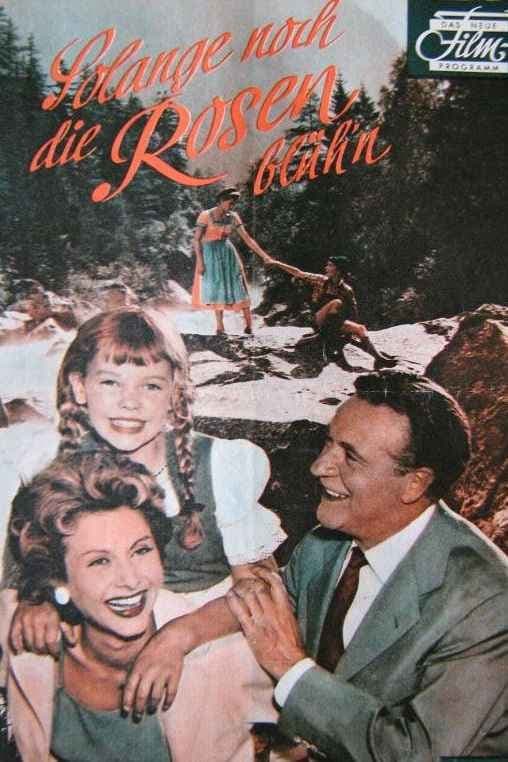
Another German Heimatfilm.
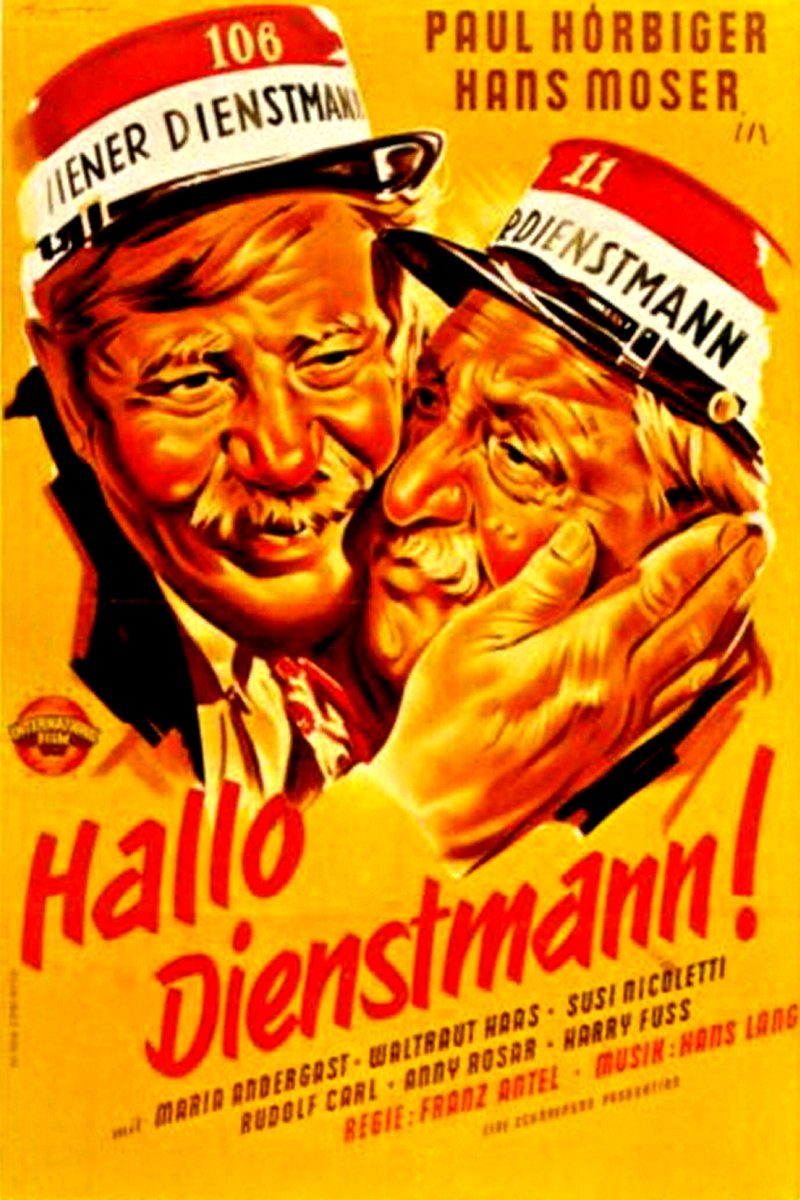
Vienna, 1951. Ferdinand Godai is a professor of operetta at the Academy. Disguised as a porter for a costume party, he ends up in a drunken mood at the South Station. There he meets Anton Lischka, a genuine Viennese porter with a fiery temper, who asks him for his collegial help. Ferdinand falls in love with the sweet Gabi, who turns out to be a new colleague at the Academy. A series of adverse circumstances force him to continue his complicated double life as a fake porter and a genuine professor. Lischka, who becomes increasingly annoyed by his "colleague's" clumsiness, is also drawn into the confusion. Only Gabi sees through the deception and even contributes to its escalation in order to teach her beloved professor-porter a lesson in womanizing.
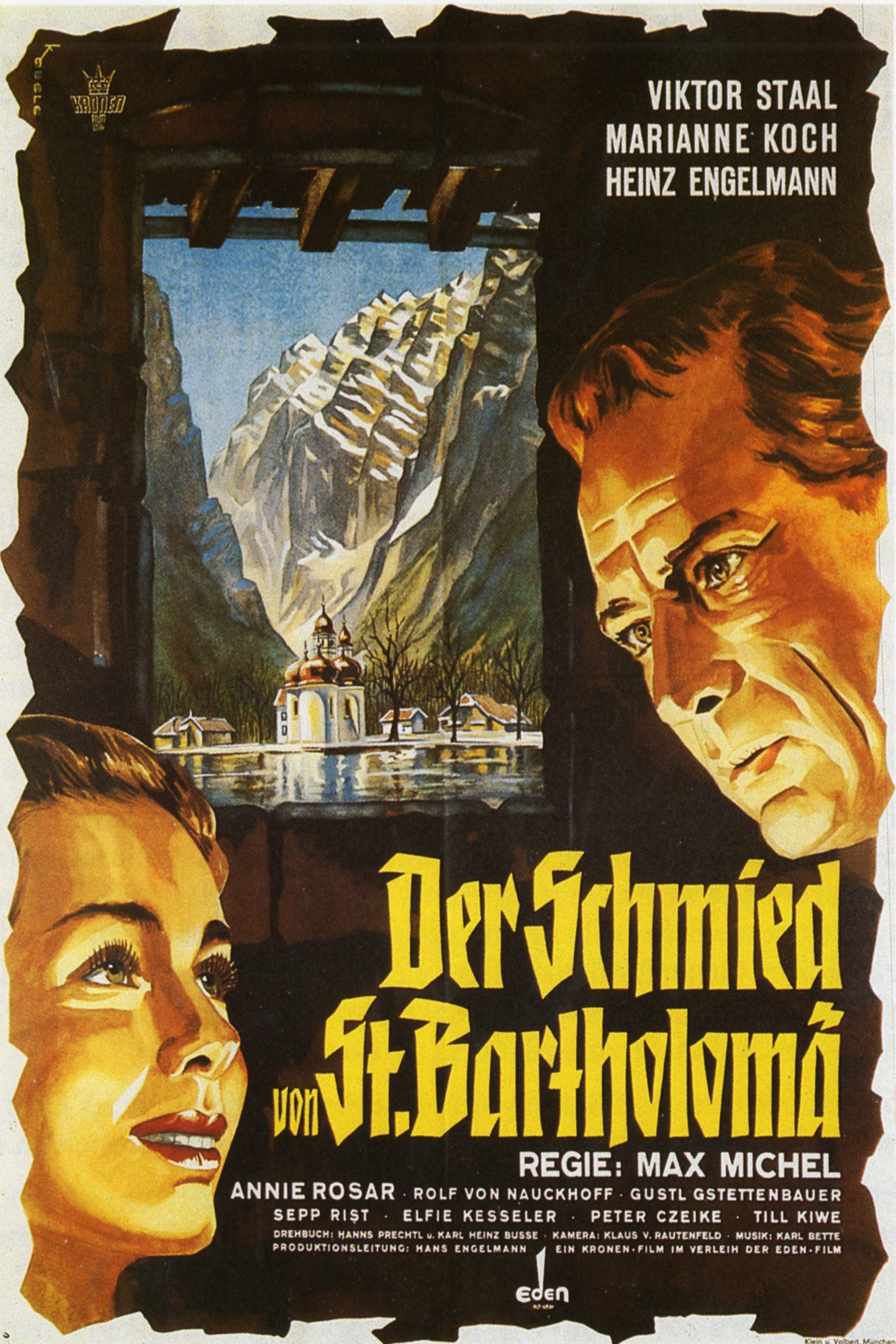
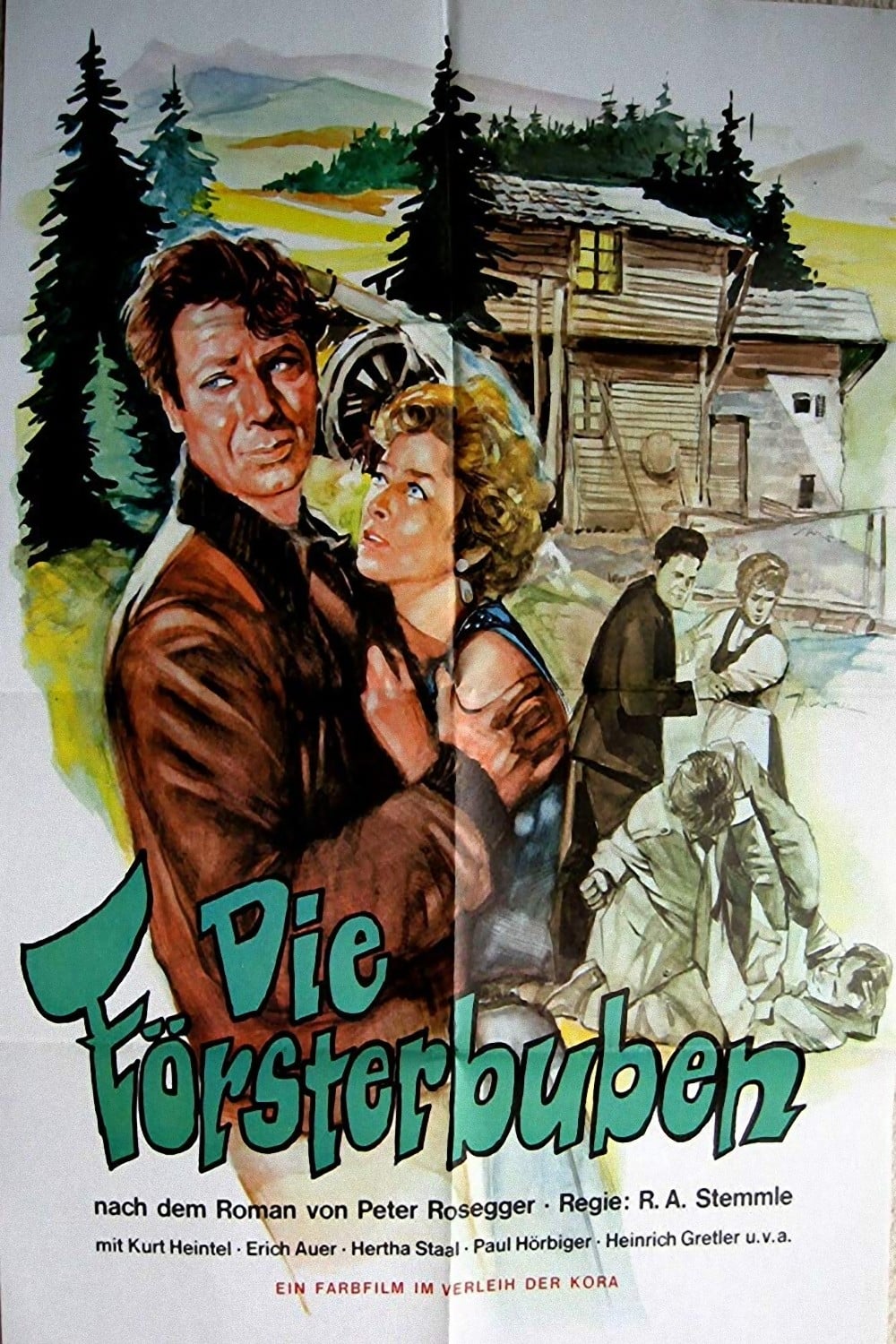
When seminarian Martin Rufmann arrives in St. Eustachen, idyllically located in the Carinthian mountains, the local choral society is celebrating a joyous festival. Martin is the youngest son of the widowed head forester Thomas Rufmann. Martin's older brother Friedolin has inherited his father's love of hunting and is one of the best hunters in the area. He is also engaged to the pretty innkeeper's daughter Helene Schwarzaug. At the feast, Friedolin and his cronies drink heavily to the black liquor of the charcoal burner Krauthaas. Friedolin and the townspeople Günther have a loud argument in front of everyone. When Günther is found murdered a short time later, suspicion immediately falls on Friedolin. To save his brother, Martin accuses himself of the crime. The two brothers are arrested. The real culprit soon turns himself in, but in the meantime Thomas Rufmann has disappeared without a trace.

When the mathematics teacher discovers a love letter from his daughter, family father Felix Schneider is suspected of having a secret lover.
A biopic of the singer and film actor Joseph Schmidt. The title is a reference to his best-known song and a 1933 film of the same title in which he starred.

German sailor Peter Hille arrives in Copenhagen to see his beloved Hannah. But she has died in childbirth, leaving Peter with an eight-month-old baby. The young father is left with the entire burden of caring for the child. But he would never have been able to cope with his worries if the ordinary people he encounters had not helped him.
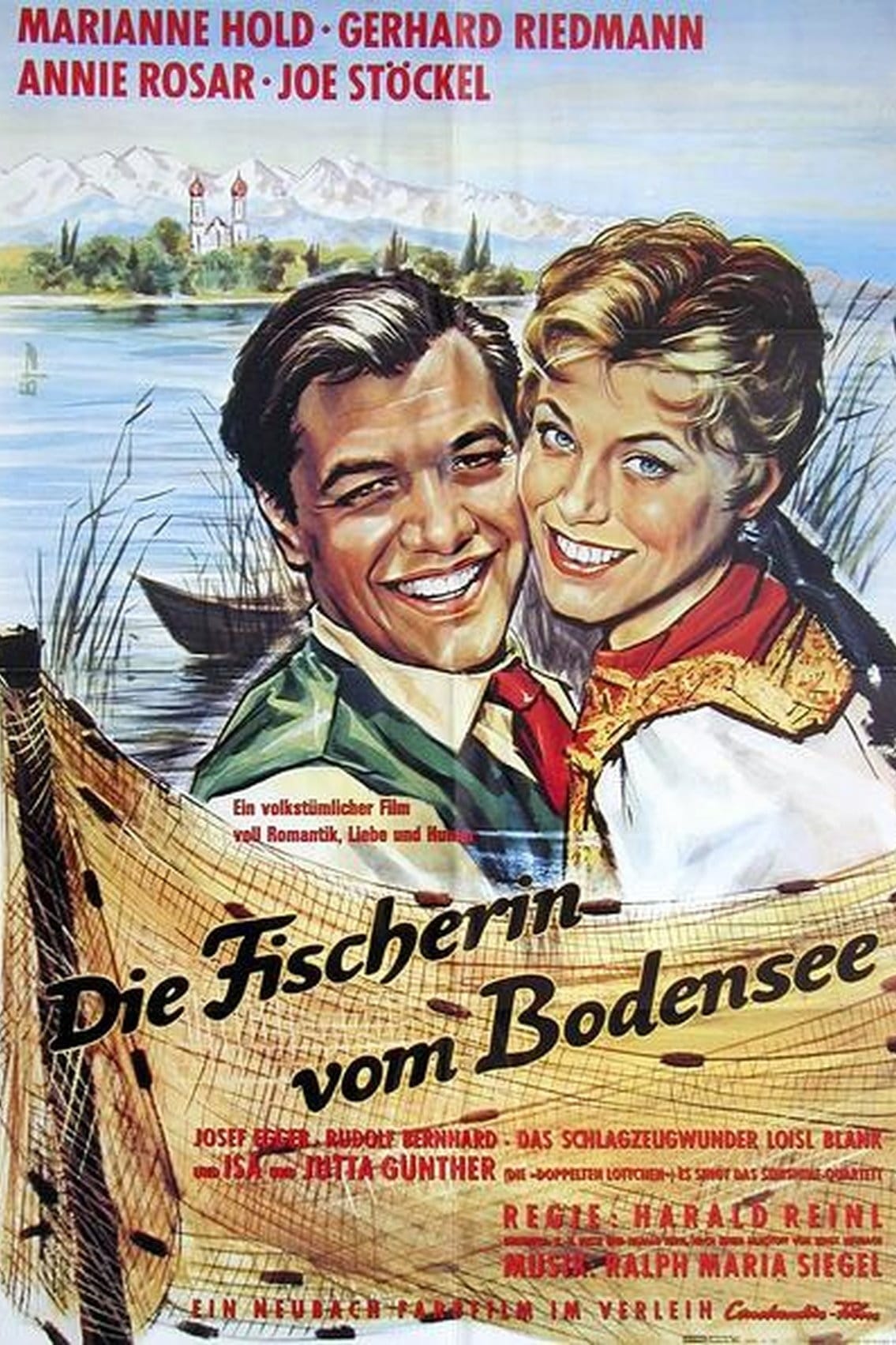
Maria lives with her grandfather in a secluded fishing hut on Lake Constance where they barely survive on what the fishing grounds provide. The daughters from next door make things worse by scaring away the fish with their motorboat. But Hans, the son of a rich family, falls in love with Maria and tries to help her, although she is unsure if he can be trusted.
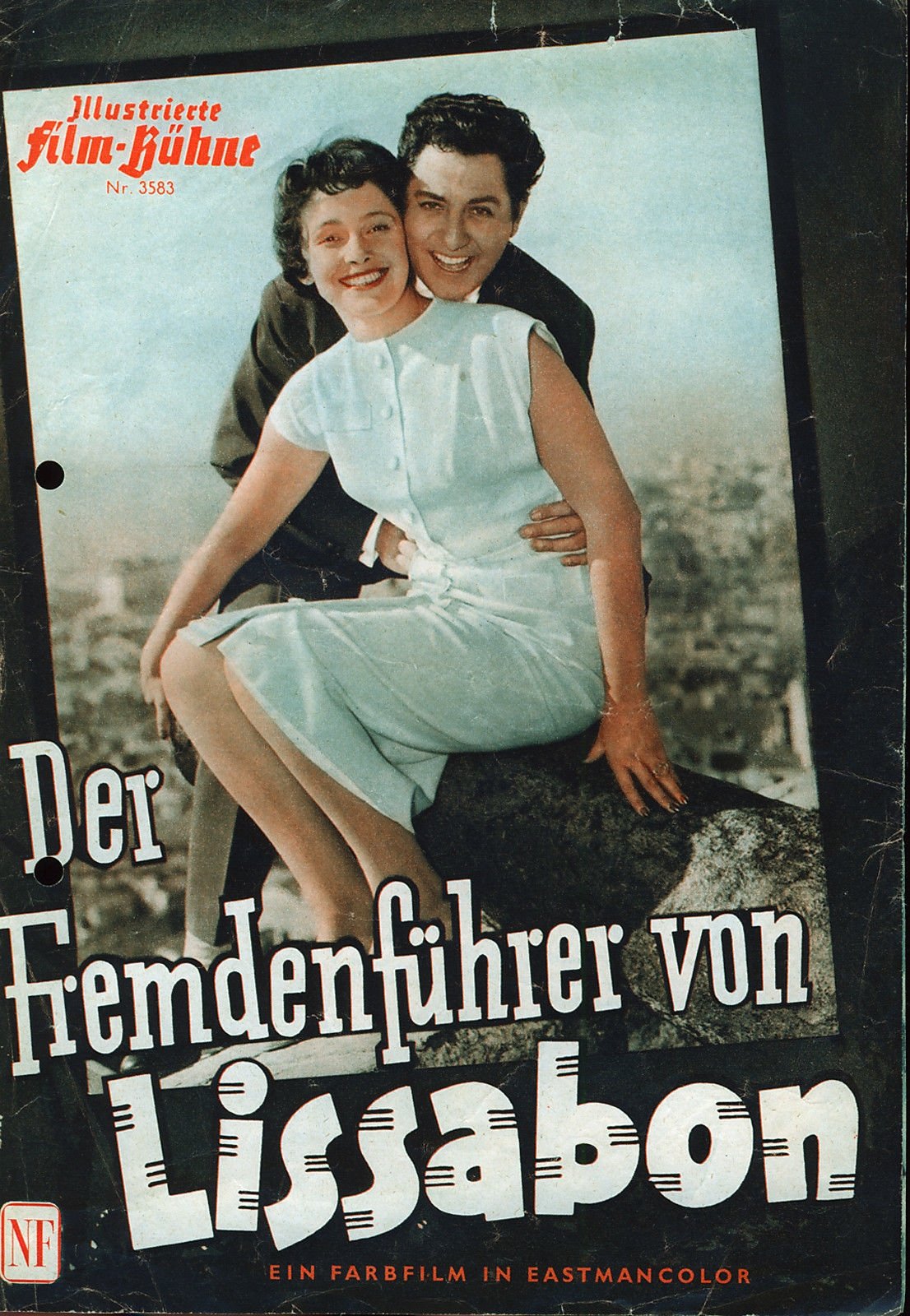
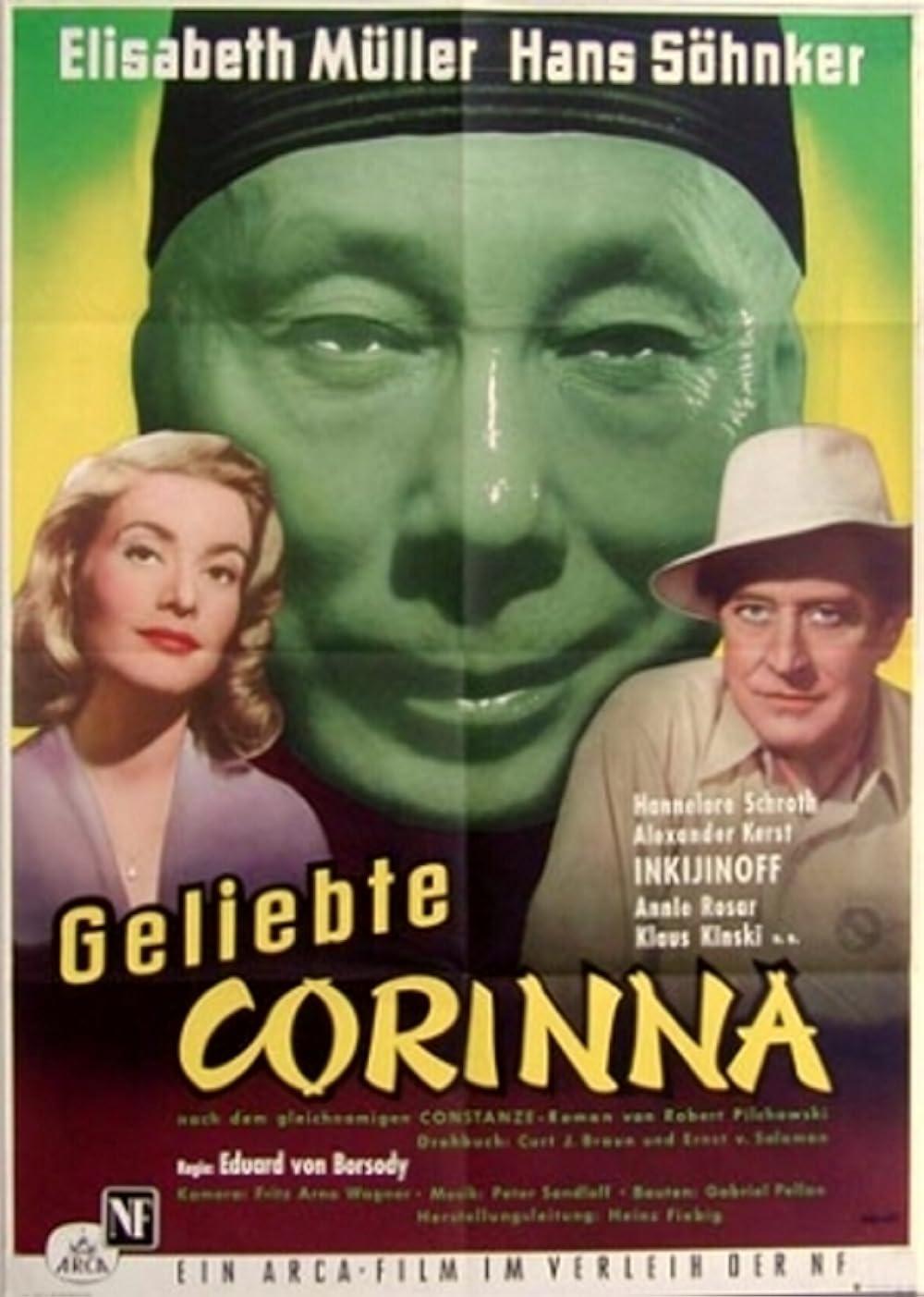
Out of love, young Corinna follows the plantation owner Mannsfeld to the Far East - where she has to realize that he is already married. A small consolation for her is the fact that Mannsfeld is not about a womanizer, but that he is serious about his love for Corinna. The only thing standing in the way of this love is his wife, who, despite the broken marriage, does not want to let Mannsfeld go. When the wife is murdered, this crime seems to bring dubious happiness to the two of them - but it doesn't last long.
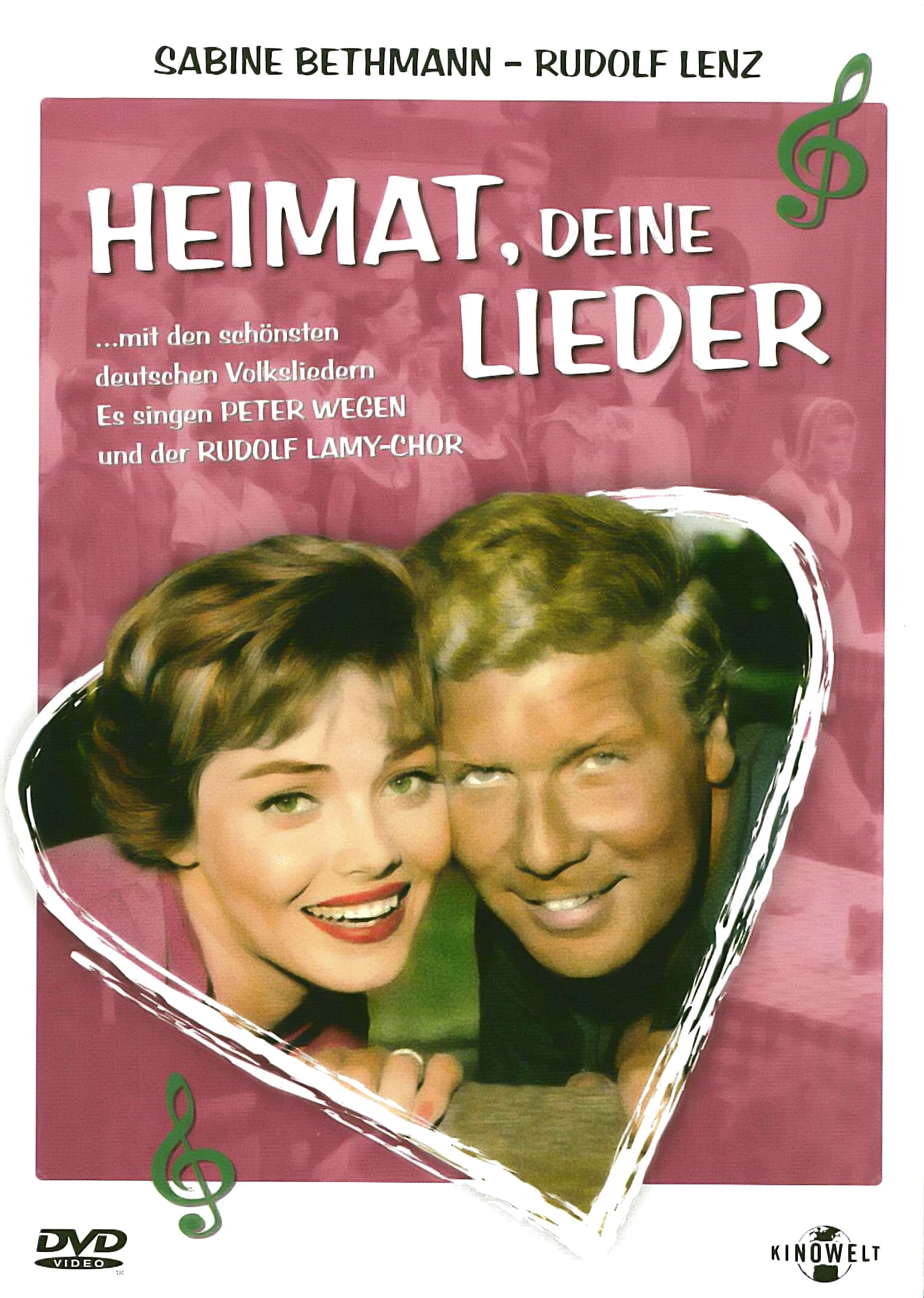
A romantic musical comedy about a young kindergarten teacher who suddenly meets her love.
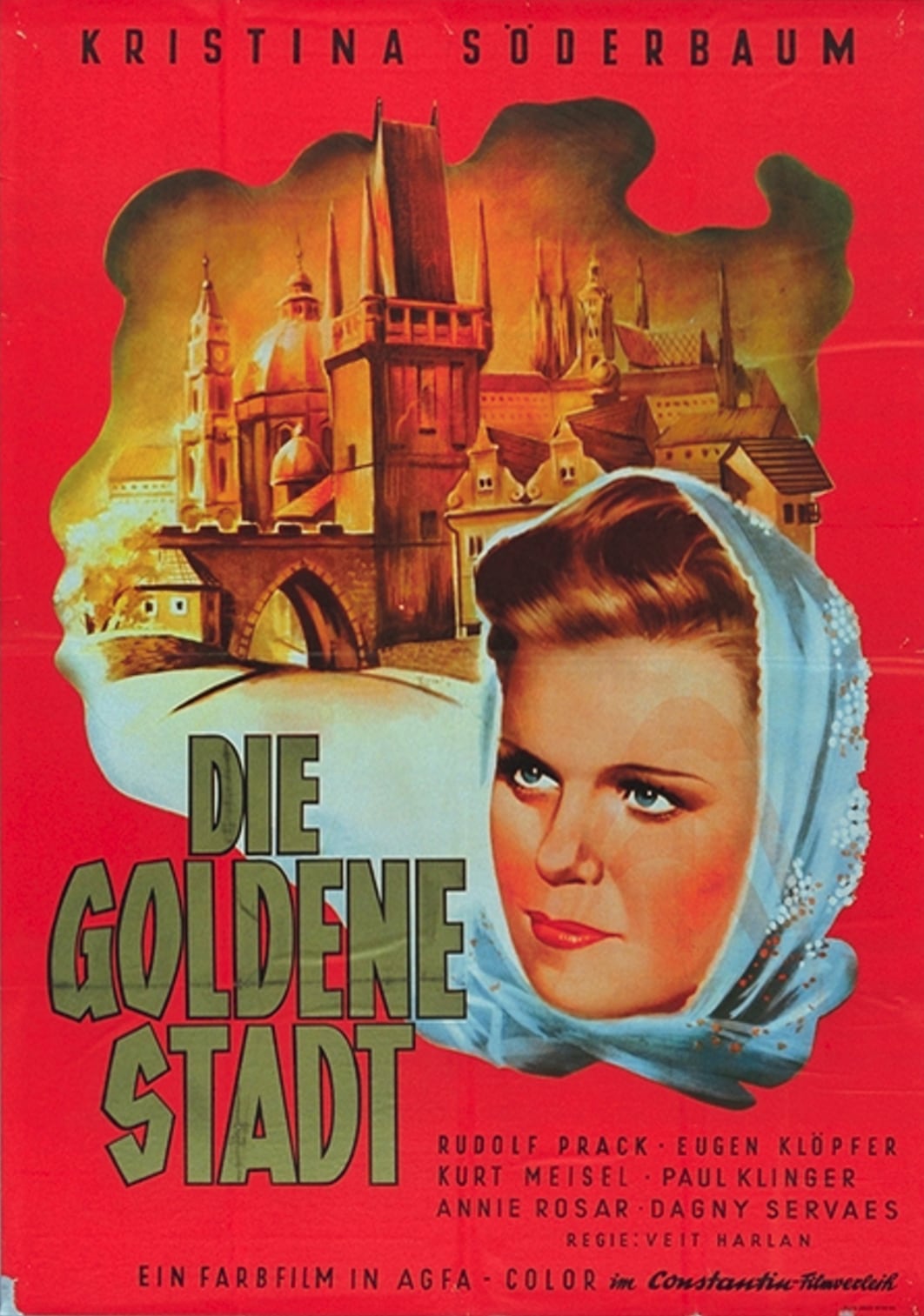
Anna Jobst is the daughter of a rich, conservative farmer. Living on the bank of the Moldau, she wishes nothing more than follow the river to Prague, the "Golden City". After arriving, she quickly falls into a bad crowd.
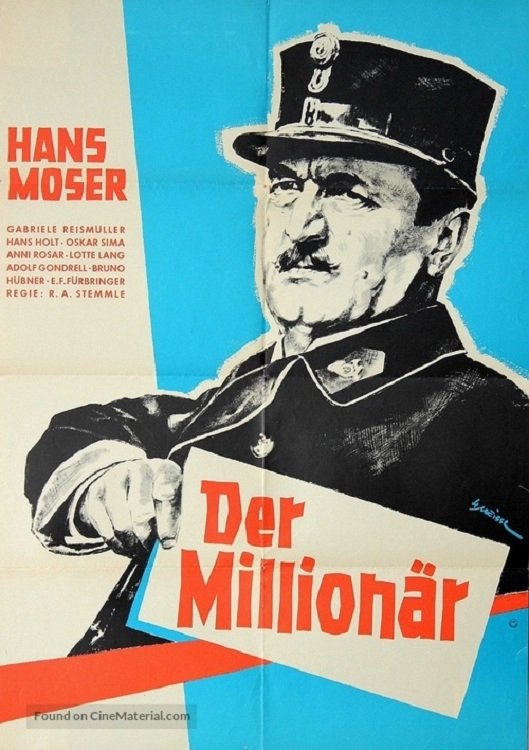
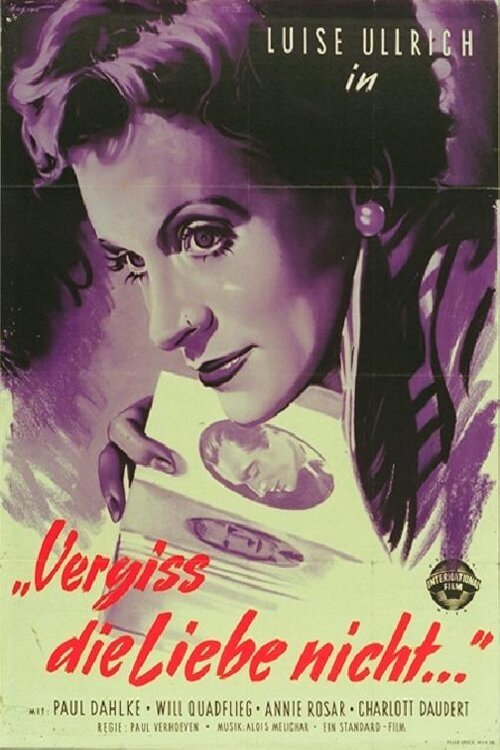
A tenor sparks new hope into the life of a wife,a former piano player whose husband has not been paying enough attention to her.
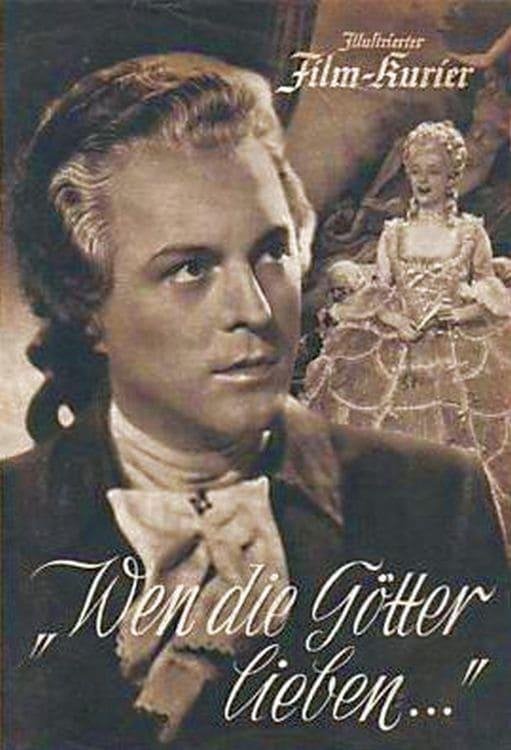
Biographical film about the life of Wolfgang Amadeus Mozart.
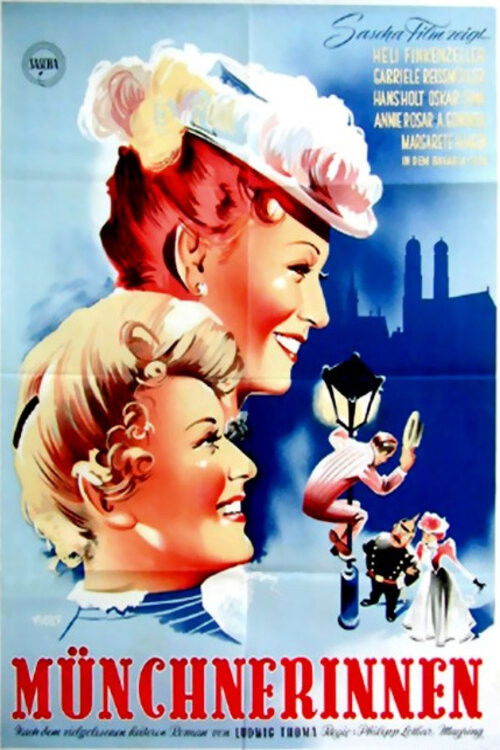
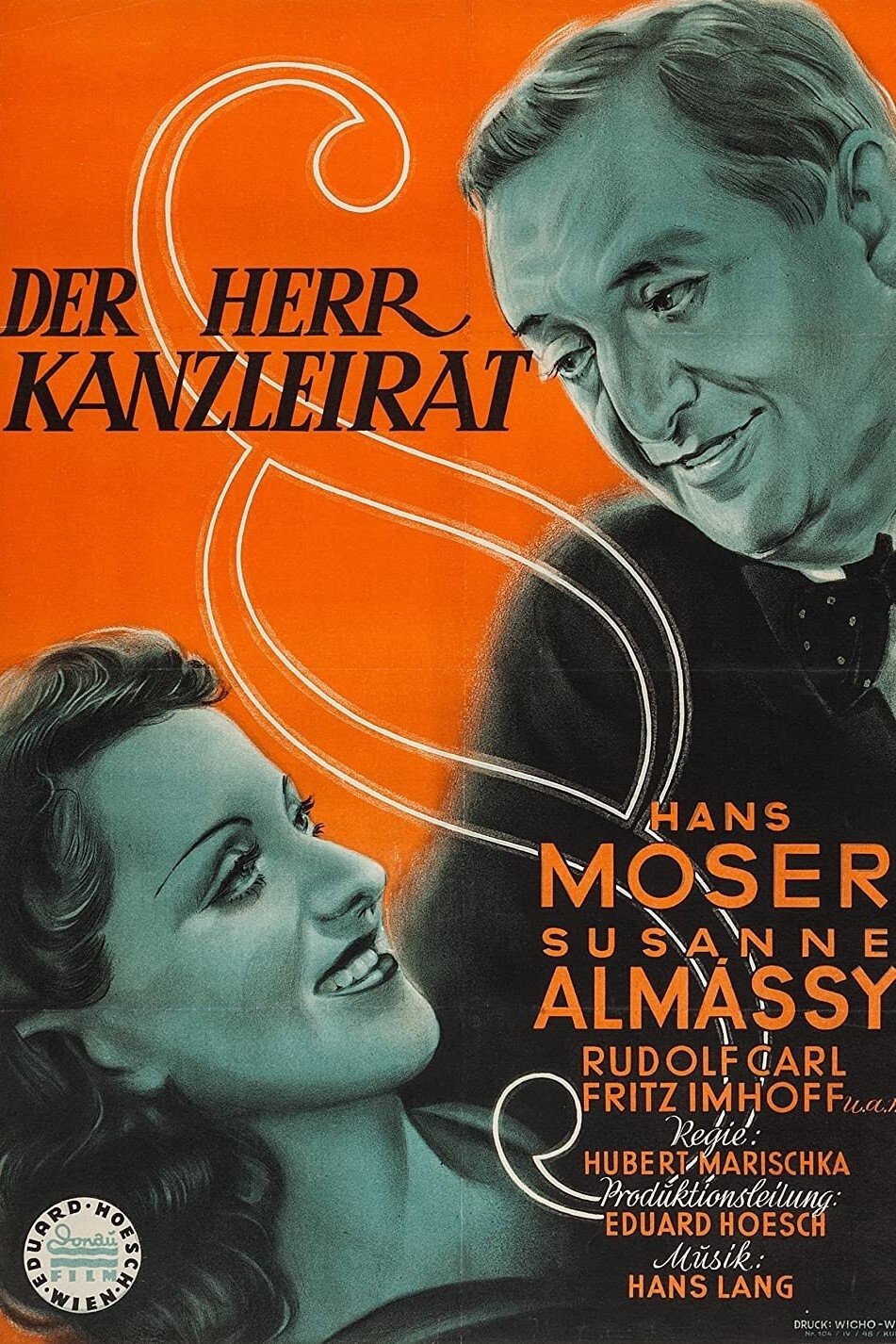
Leopold Bachmayer, a court judge in Vienna, is a grumpy bachelor. Doing foolish things for the sake of a woman could never happen to him. He is firmly convinced of this. This changes abruptly when, shortly before his vacation, he has to interrogate the seductive Frau von Seewald about a brooch allegedly stolen by a maid.
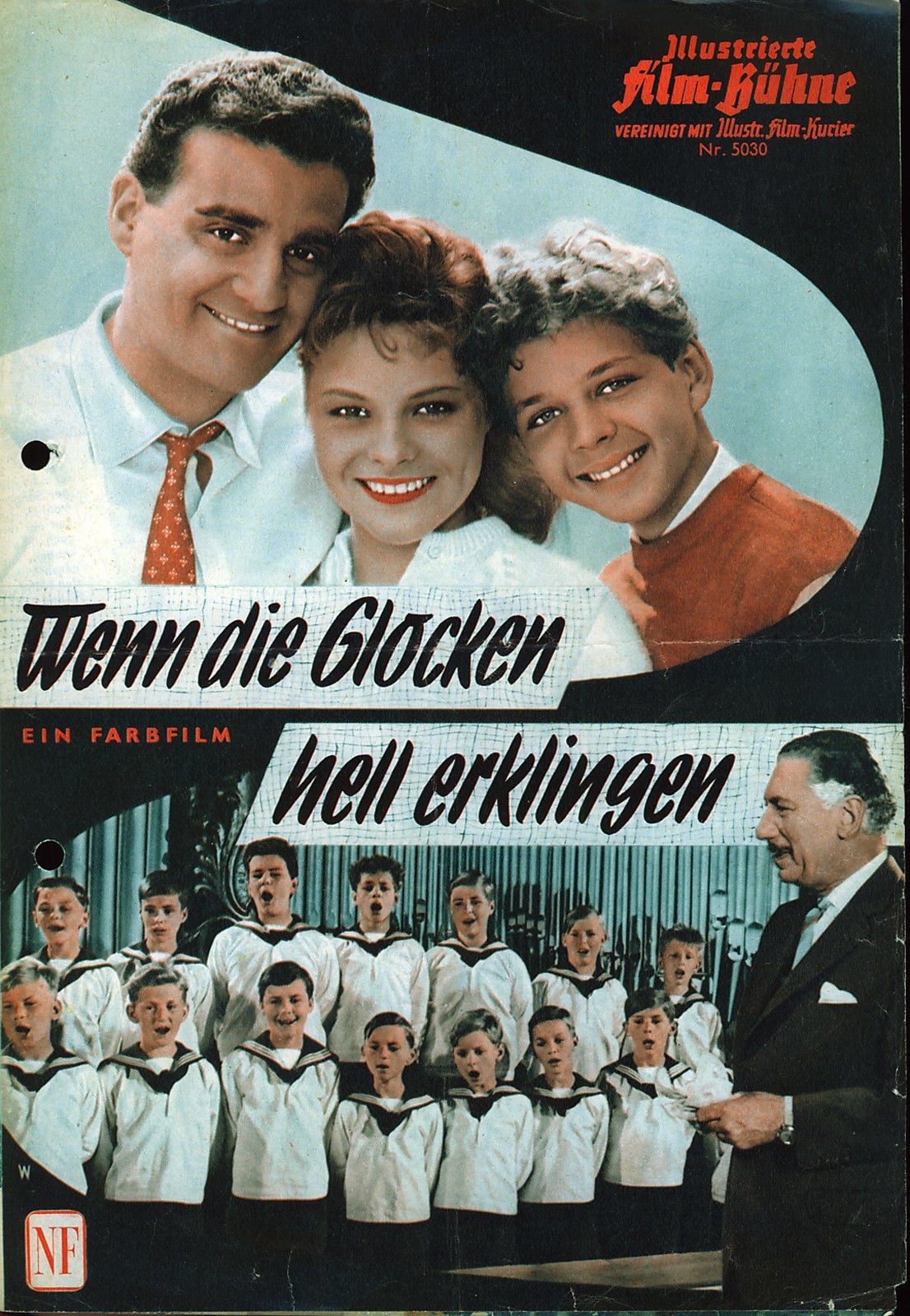
Austrian count von Warthenberg is a grumpy stud-farm-recluse since his wife's death. Ths summer, his old lover Susanne Weiden arrives, hoping for a 'fat' marriage and inheritance. But his daughter Hanna made other plan with secret lover Michael, teacher of Vienna's world-famous Wiener Sängerknaben, who will spend their Alpine countryside holiday in the village. Among them is adolescent Michael 'Mikel', son of the count's estranged elder daughter Maria. The plan is to make grandpa and knave meet and bond before their blood-ties are revealed. A stray dog accidentally and equestrian genes help.
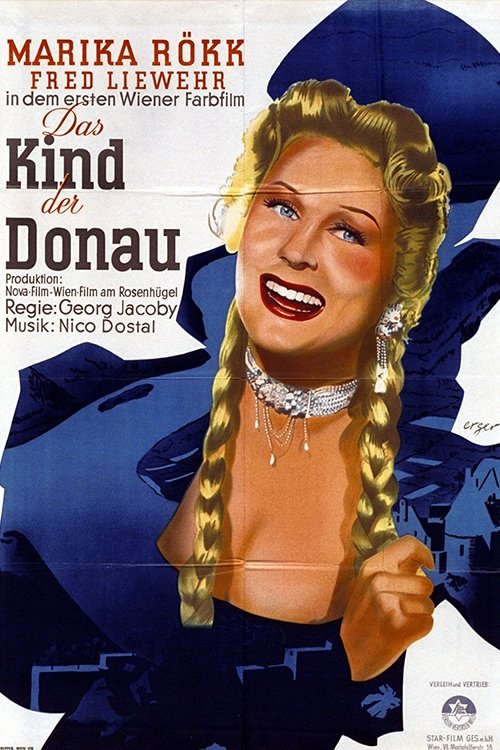
Marika is a cheerful girl who lives on the Danube aboard an old barge she inherited from her father. She works as a waitress in her aunt's inn, entertaining the guests with singing and dancing. Her greatest dream is to save enough money to repair the old barge and sail down the Danube. One day, she meets three young artists, Georg, Oskar, and Christoph, who all fall in love with her. Together, they put on an open-air revue and raise the necessary money. And with Georg, Marika is lucky in love.
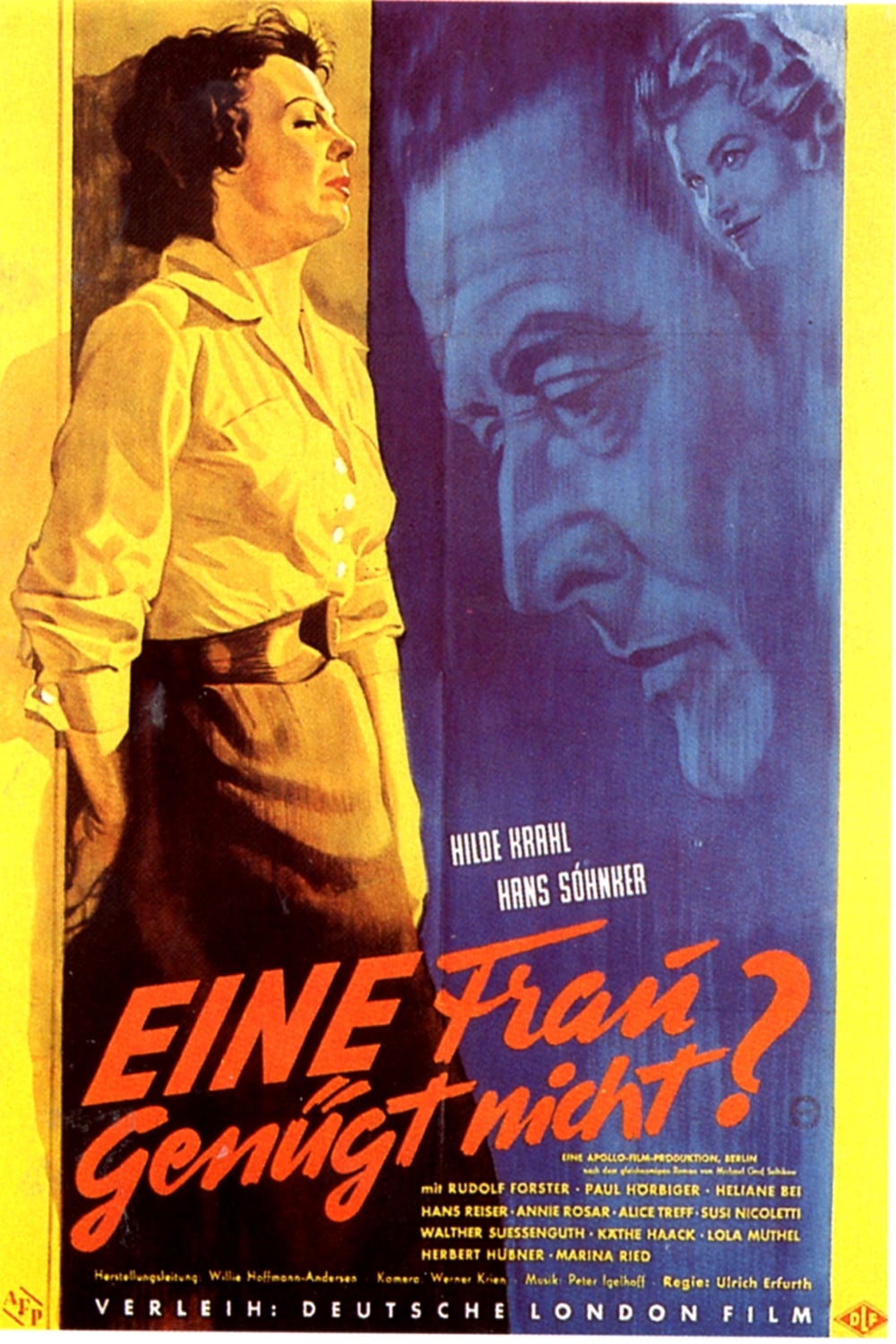
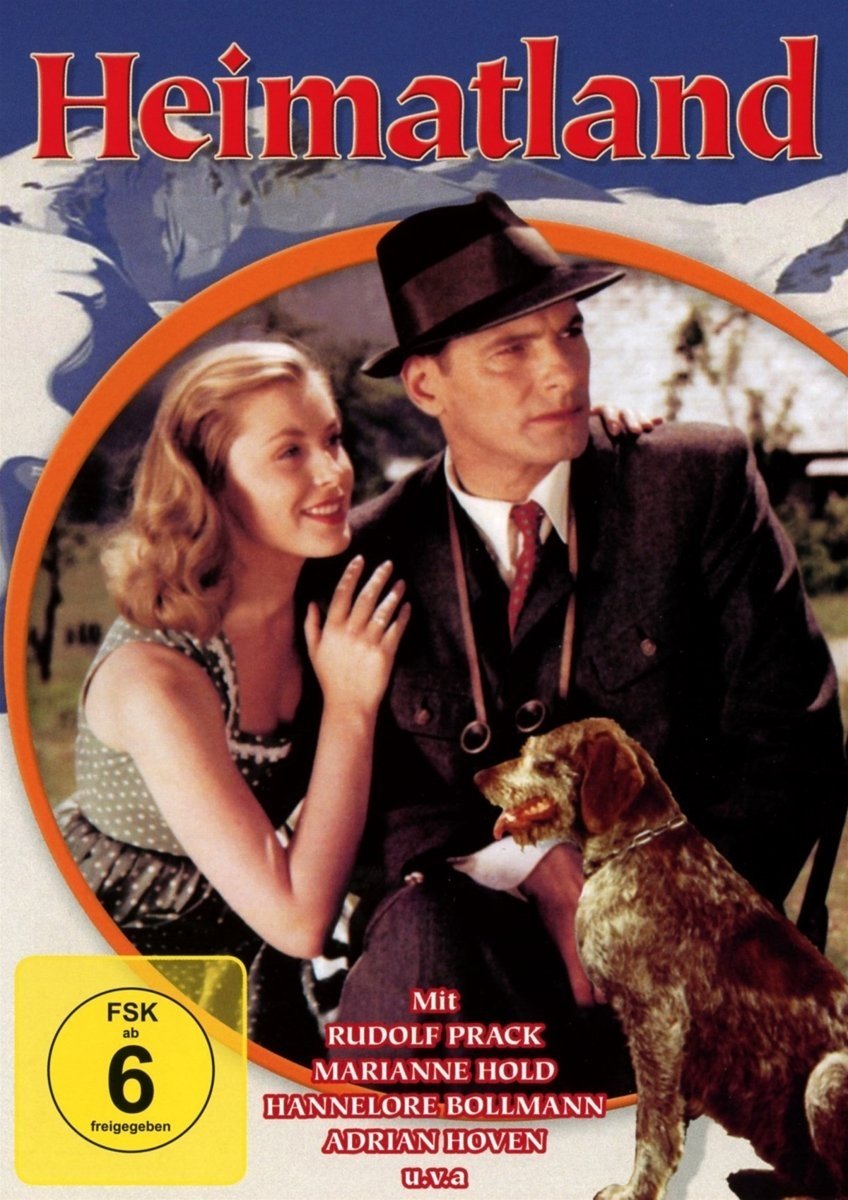
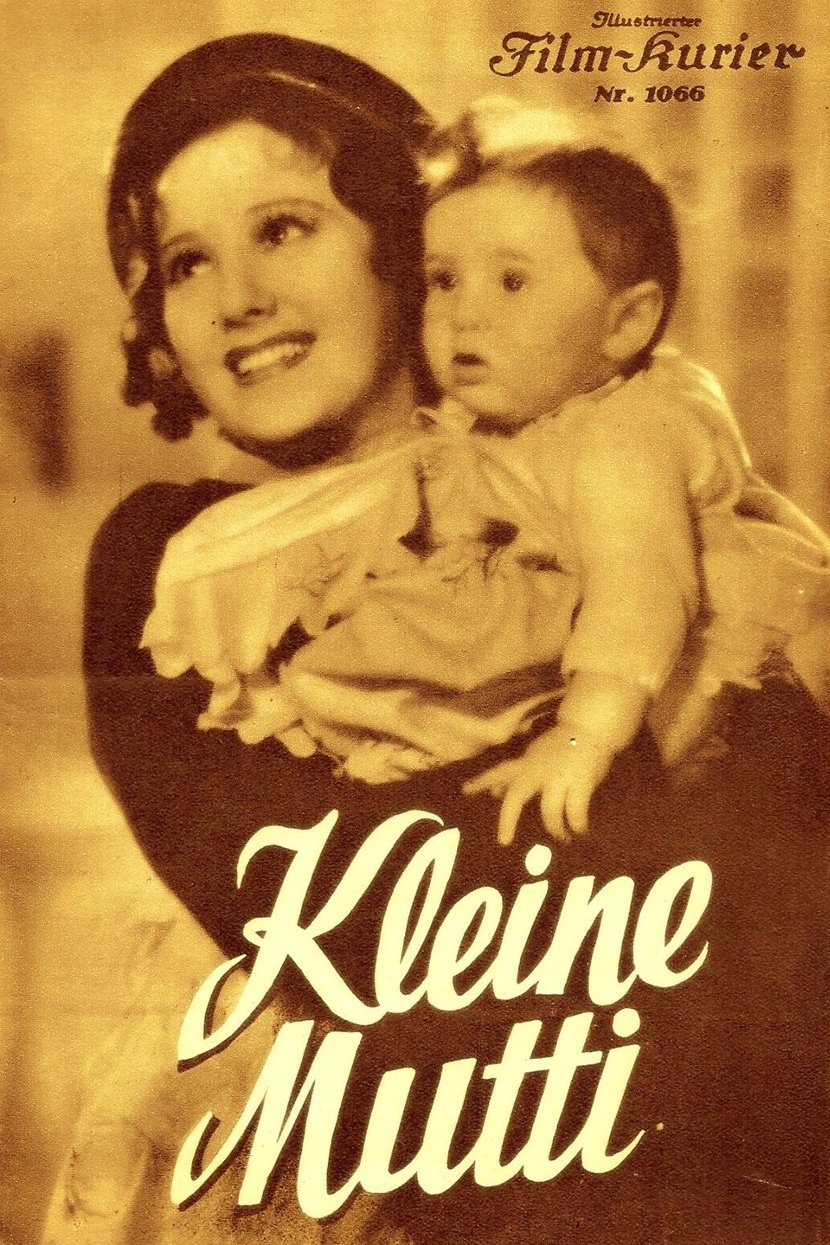
A girl from a boarding school finds a baby and has to keep it because she seems to be the real mother to everyone.

A unlucky village railroader causes a trainwreck by accident. In court he is exculpated by a woman who first becomes his lover, later on his wife. But in the end, his guilt is too strong and he faces his due punishment.
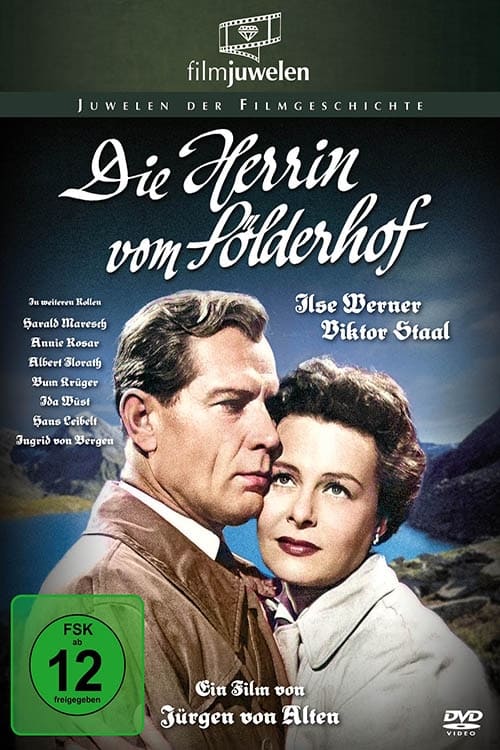
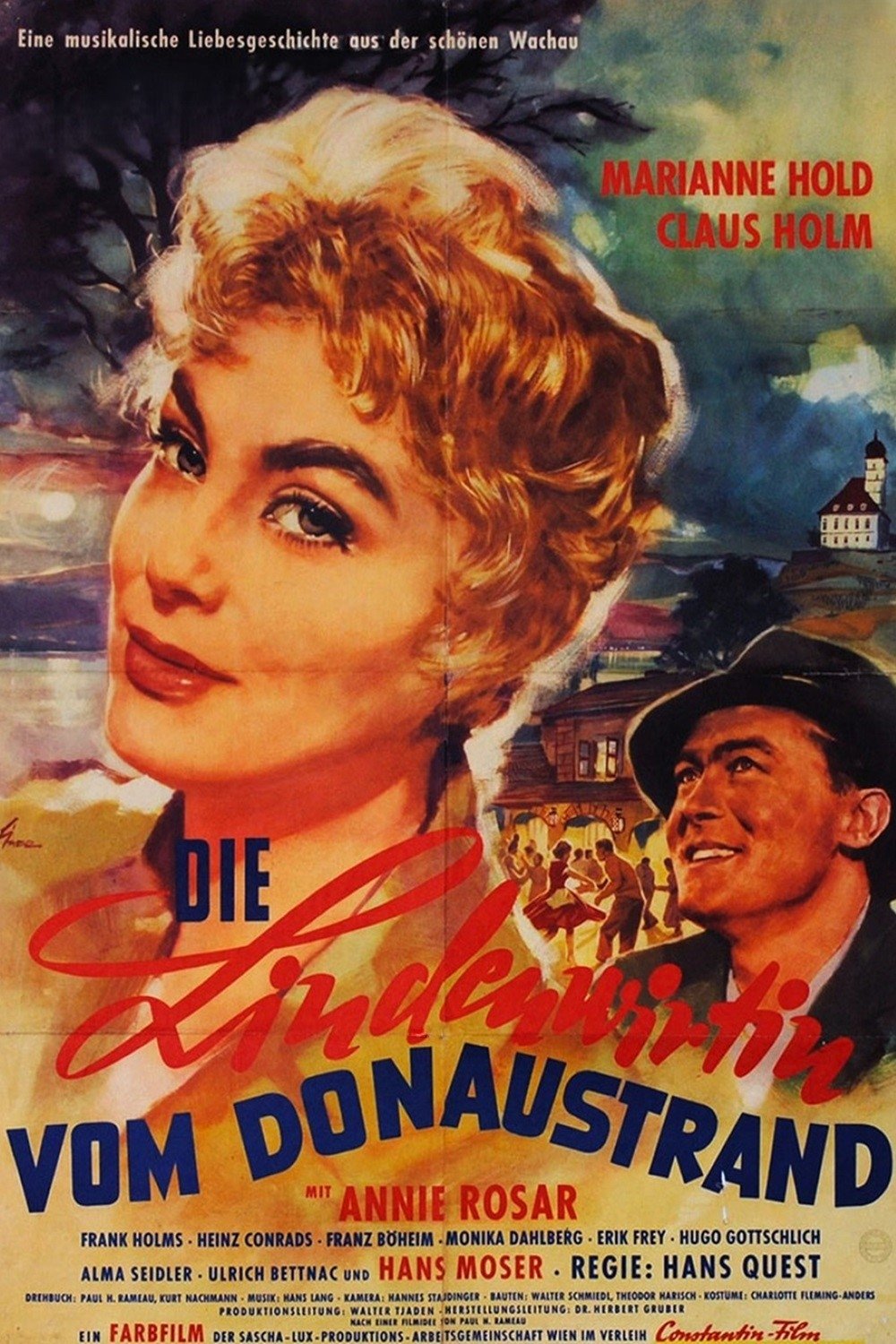
The innkeeper of the Linden Inn is struggling with her debts and her rival, the butcher Kilian. A boost comes when the young interior designer Helga furnishes the inn with furniture from a nearby castle. In the process, she falls in love with the estate manager, Fred, who is an avowed misogynist...
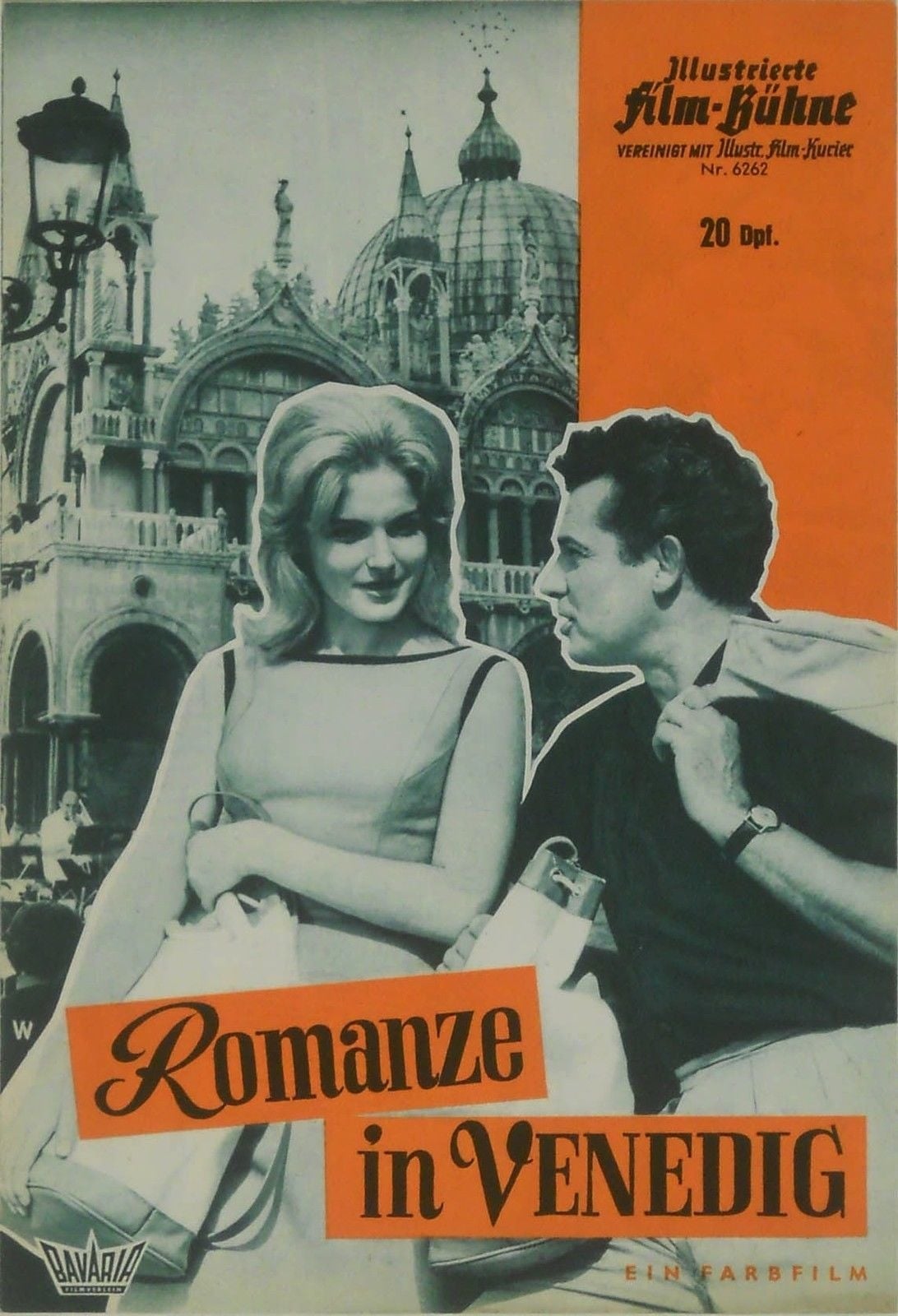
Deeply disappointed by her bridegroom, Andrea flees from Bruggern to the south and experiences a beautiful "Romance in Venice". She falls in love with the boyish-charming pianist Stefan Schröder. But a misunderstanding leads to breakage. Andrea returns pregnant to Germany. Stefan signs a contract for America. And the years go by .
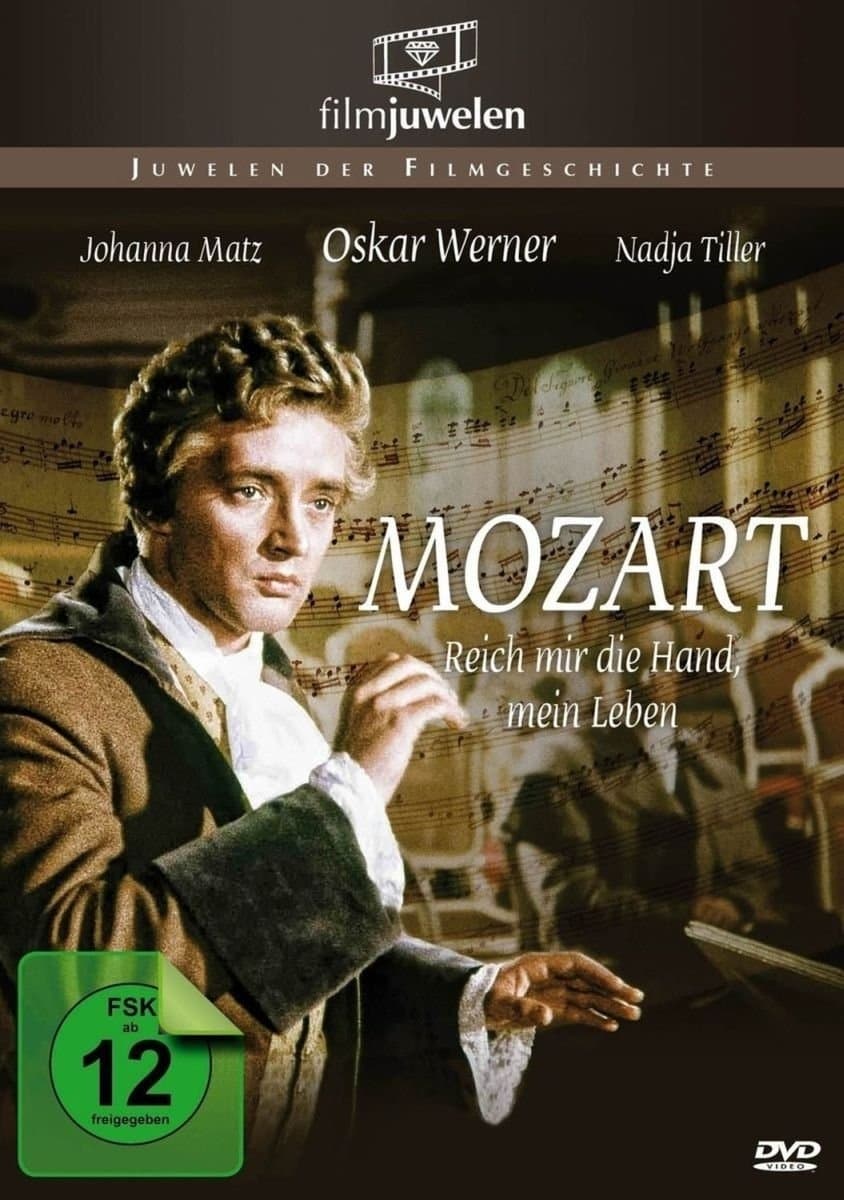
This movie takes place during the premiere of Mozart's Die Zauberfloete (The Magic Flute). Not really depicting his entire life and loves, much of this is fictionalized scatology. Although not without basis in fact, Mozart has attained a somewhat colorful reputation and this is really just more of the same. The music is a joy, but the movie bogs down in titillation. Mozart's last days were lived in poverty and disgrace--stemming chiefly from his embracing of the Freemason stance, which was essentially a heresy in Austria and the rest of Europe at that time. None of this is depicted and even a satyr could not sustain the lifestyle Mozart has been portrayed as having here. Still, this is an interesting movie and worth a listen to.
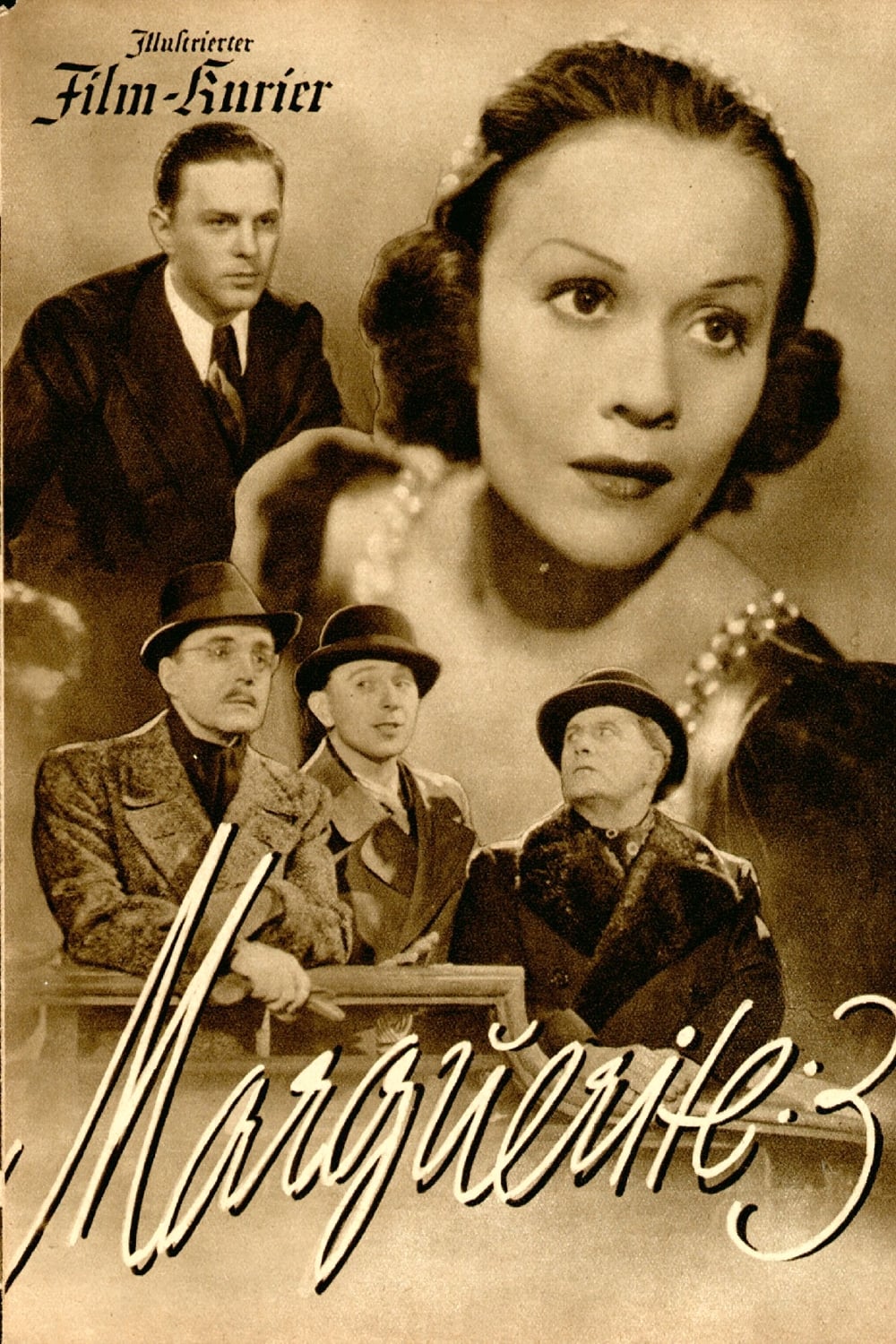
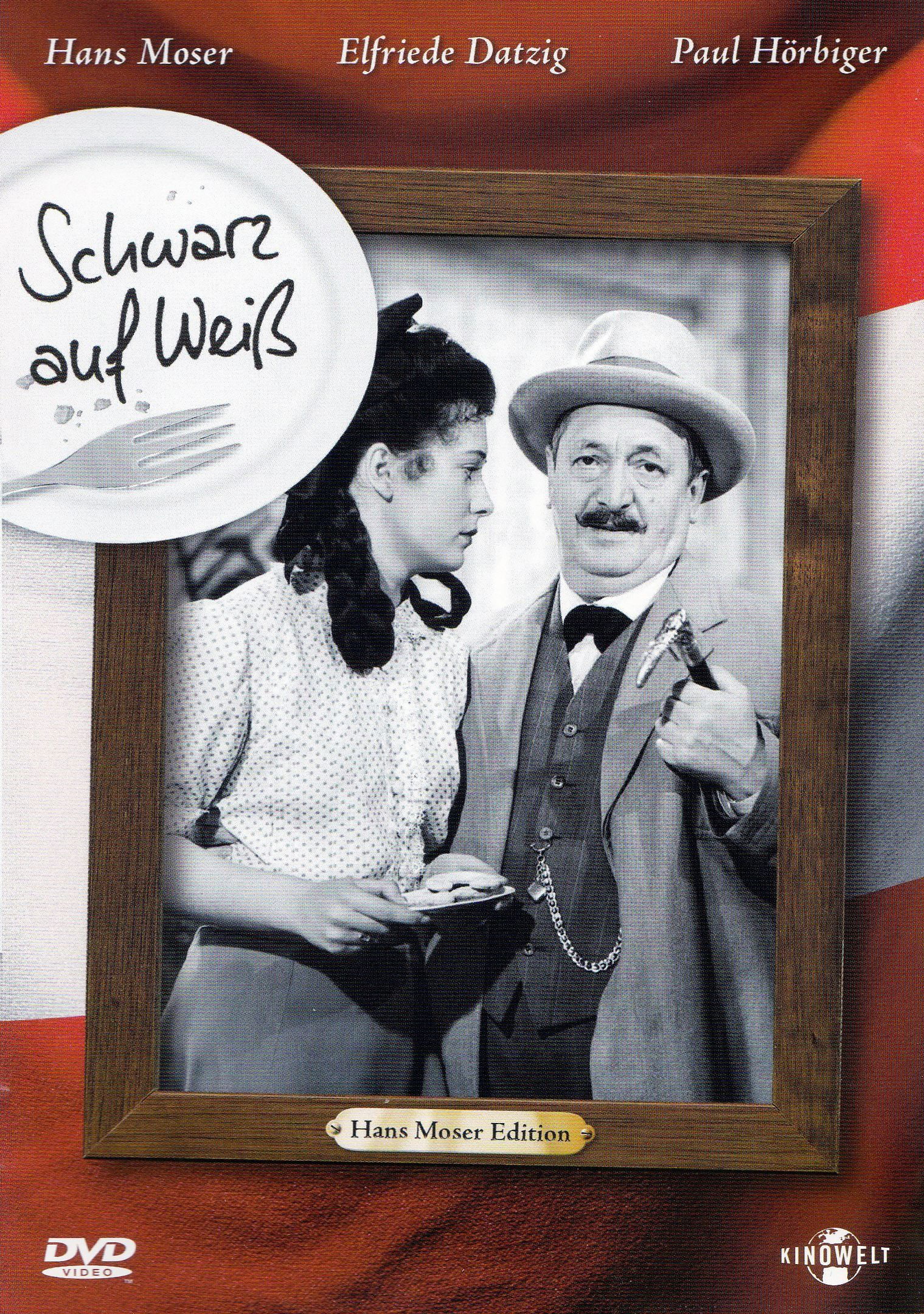
Vienna, around 1900. The master baker Streussler’s most ardent wish is to see his daughter Nelly as a student at the university. With the help of his famous “streusel cake” he succeeds in luring all kinds of helpers for this endeavor into his house. But Nelly has entirely different plans: she is in love with the chimney sweep Heinz, the son of a neighbor, with whom Papa Streussler has been fighting for years. So it’s no wonder then, that the grump confectioner is doing everything he can to break up the relationship.
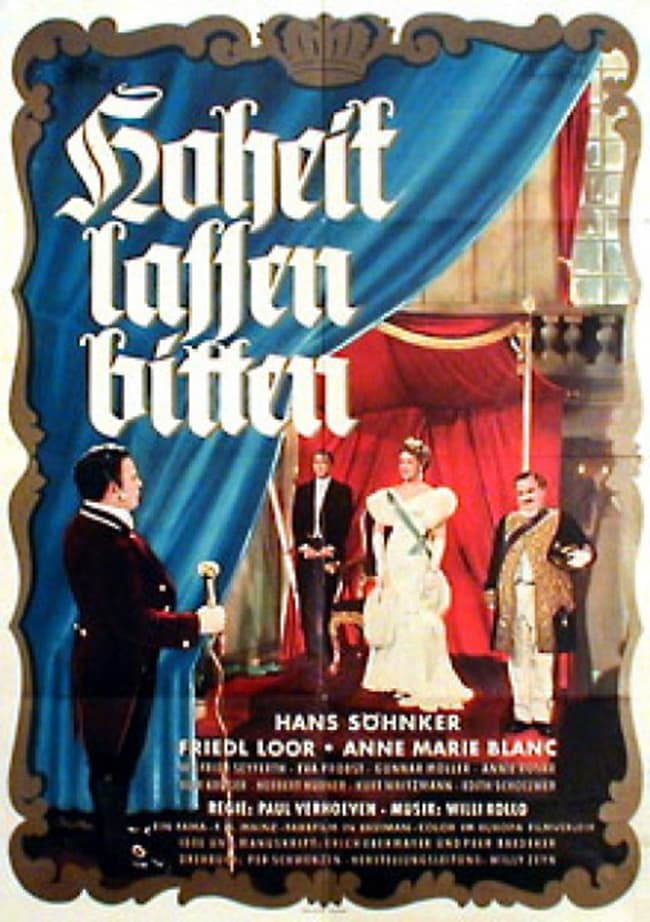
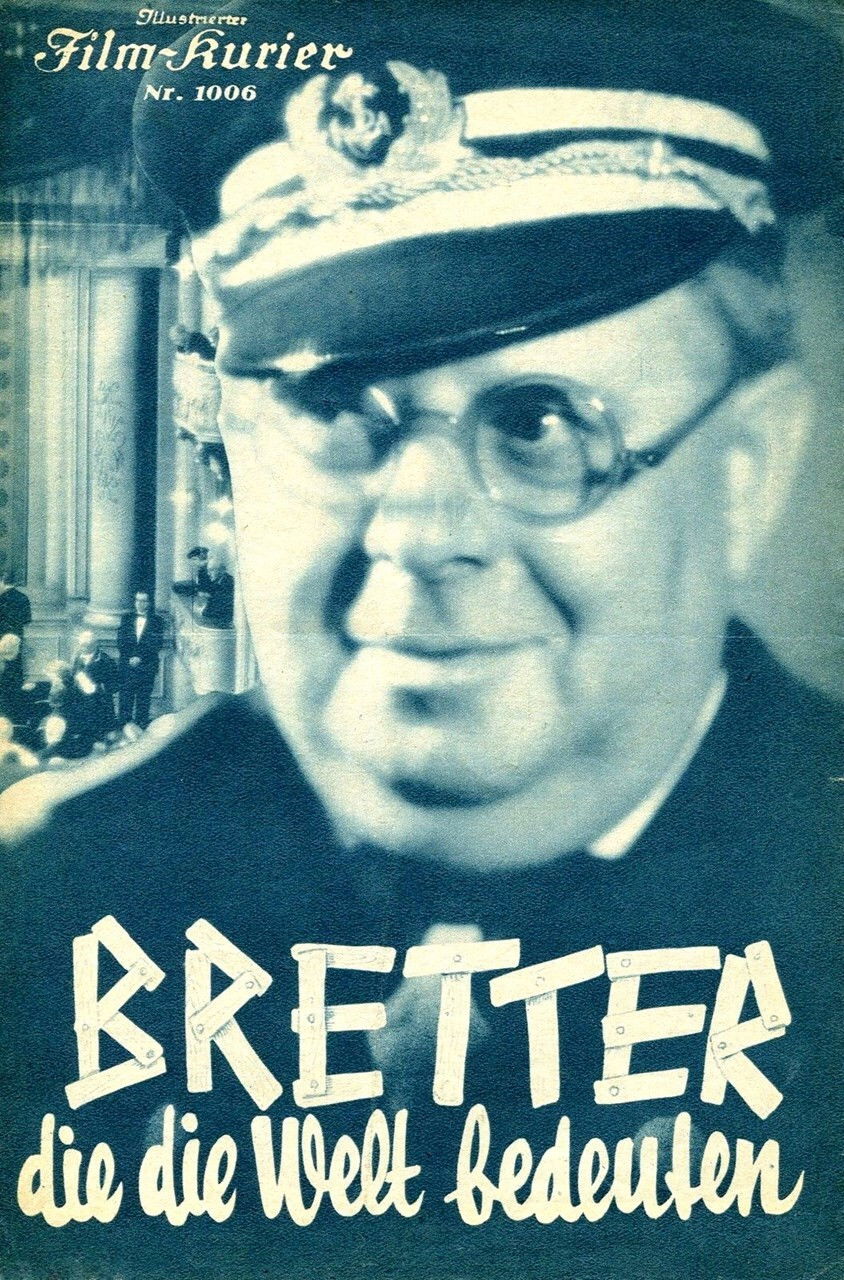
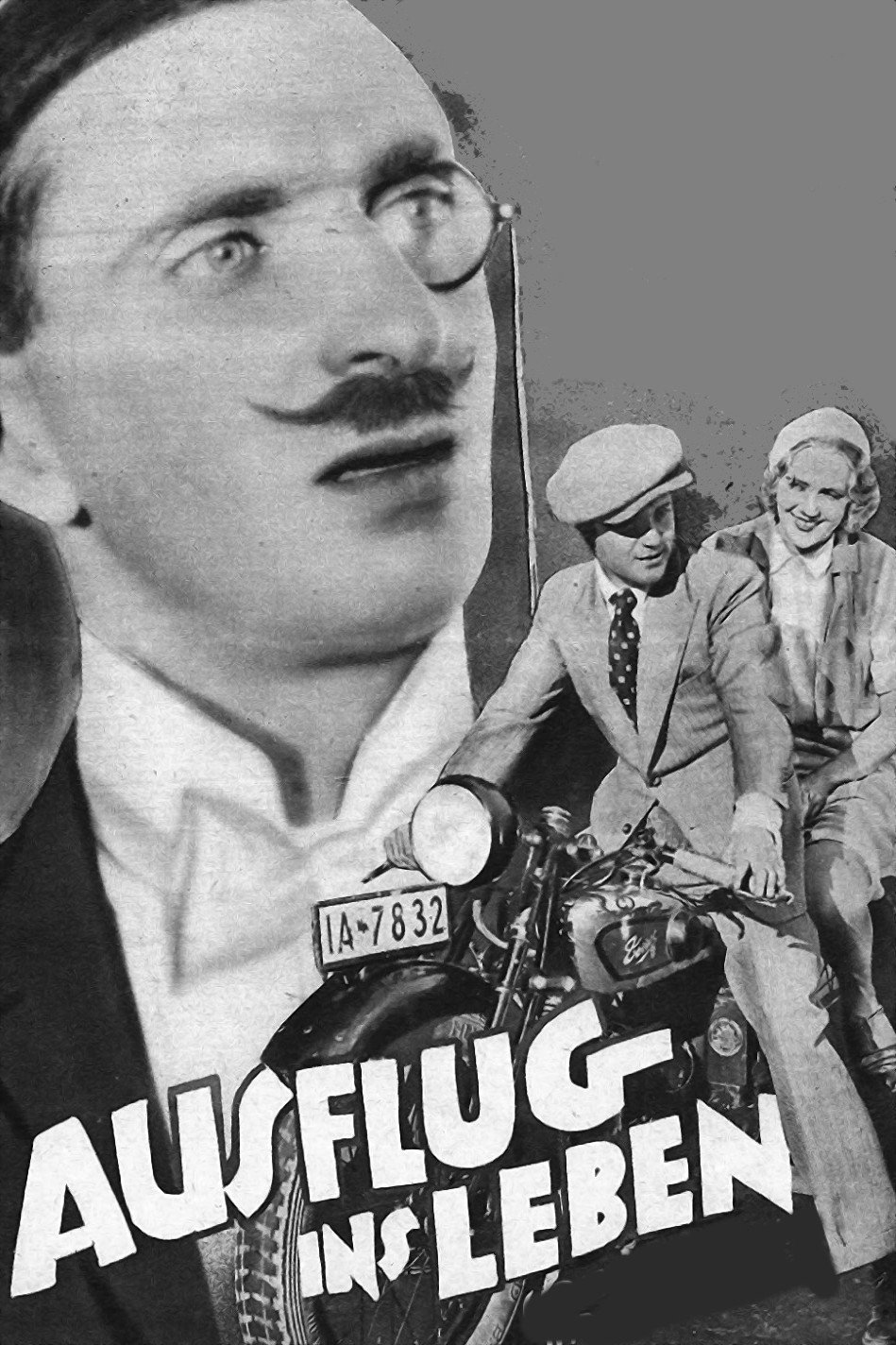
Felix Bressart, later one of the most delightful members of the Ernst Lubitsch "stock company," plays the title character in the Austrian comedy Hirsekorn Greift Ein (Hirsekorn Does Something About It). It's a typical worm-turns affair, as a mild-mannered provincial actor ends up working as a chauffeur for a scatterbrained female novelist. Slapstick is the order of the day, except in the scenes involving heroine Charlotte Susa. Guiding the actors through their paces was Rudolf Bernauer, a stage actor-manager of vast experience. Critics in 1931 felt that Hirsekorn Greift Ein was too thin to be stretched to 90 minutes.

To escape dreary country life, a count travels to Italy with a friend every year. Instead of the alleged purchase of horses, the reason he gives to his mother as to why he needs to travel to Italy, he spends his time chasing after the ladies.
Herzensfreud-Herzensleid (literally translates to "Heartfelt Joy - Heartbreak"), the 1940 Hubert Marischka German family relationship romantic comedy starring Magda Schneider, Paul Horbiger (later, he appeared in "The Third Man"!), Olly Holzmann, Lucie Englisch, and Walter Muller. It appears this movie was never released in the U.S.
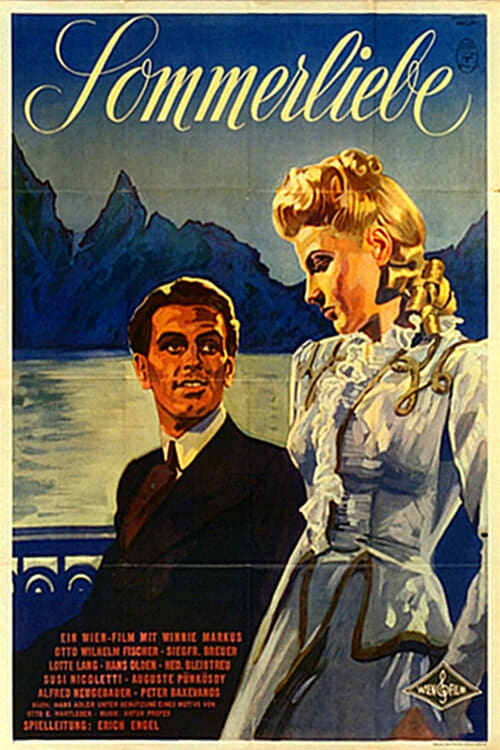
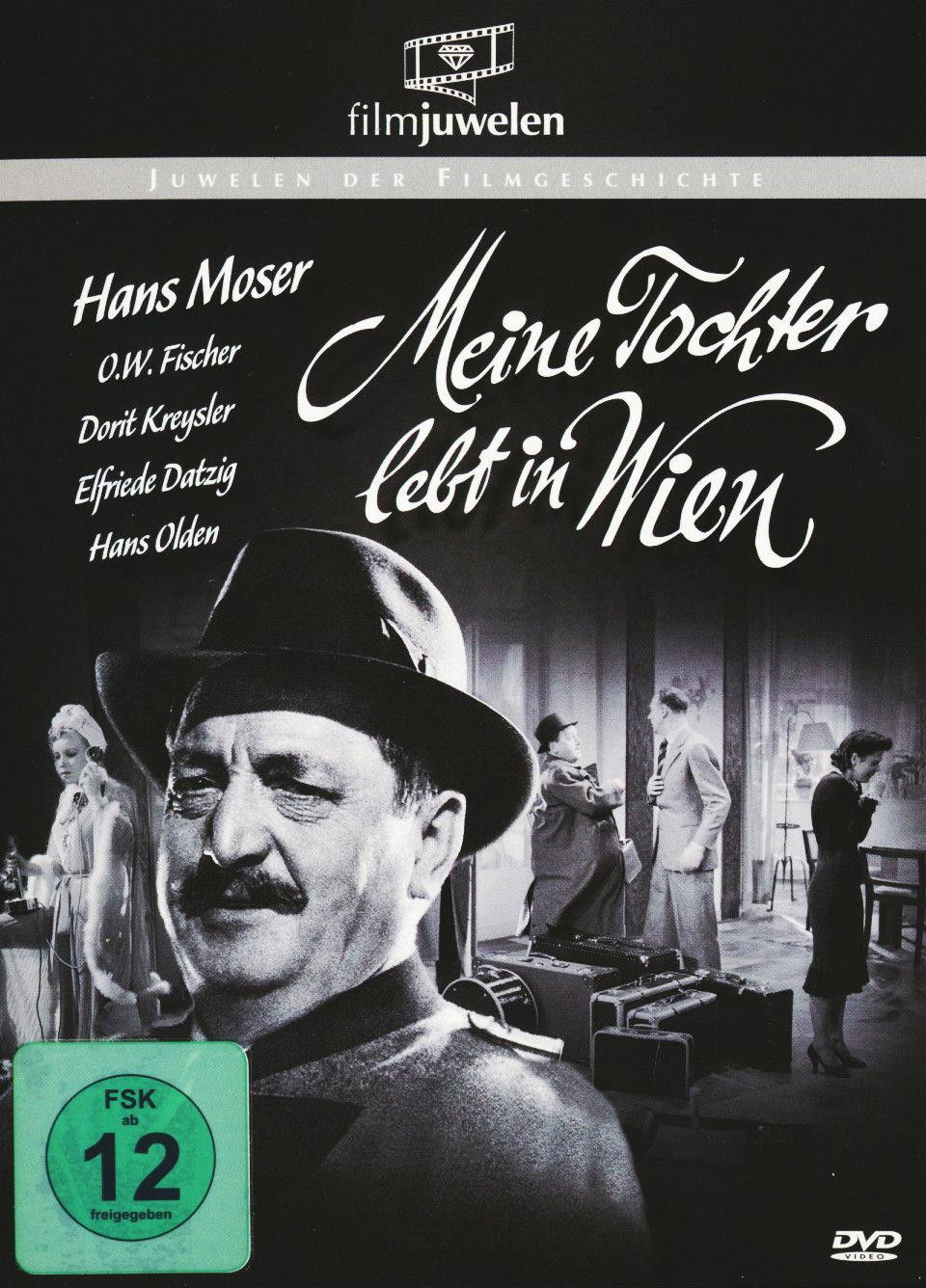
Gretl has been living in Vienna ever since her father, Klaghofer, a small general store owner, tried to marry her off against her will to the wealthy Gruber farmer. Her disgruntled father never opened a single one of her letters. A postcard tells him that Gretl has married—and, he mistakenly assumes, to a rich man. Klaghofer sets out to celebrate the reconciliation. But as soon as he leaves his provincial Austrian hometown and arrives in Vienna, Klaghofer causes utter chaos. In the process, he repairs a troubled marriage and is delighted at the happy ending for everyone involved.
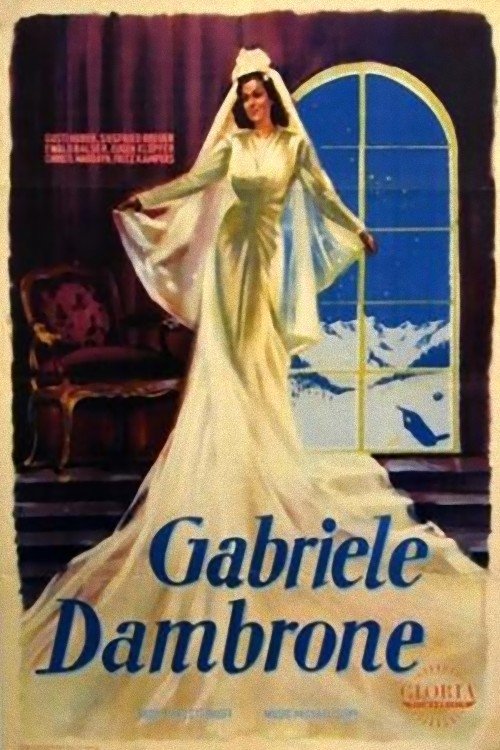
The Viennese seamstress Gabi Berghofer wants to marry an innkeeper. But he marries someone else. Gabi then becomes a model for a painter, who falls in love with her. She spends some wonderful time with him, but he, too, leaves Gabi to return to his family. Desperate and deserted, Gabi stands before the gravestone of the young artist Gabriele Dambrone, who took her life due to heartache. Then she decides to once more take her life in her own hands and to make her old dream of becoming an actress come true.
In 1900, the pianist Radofsky seduces singer Anni in Vienna. Twenty years later, he runs into her again … with her daughter.
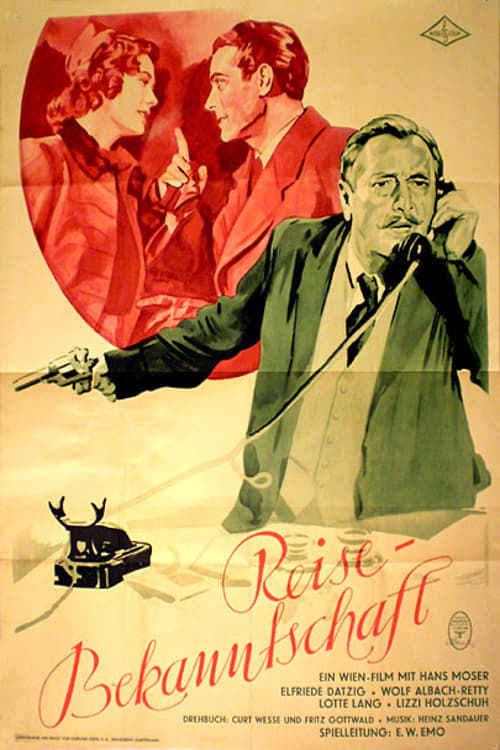
A nervous private investigator, his bumbling boss, a woman in love, 10,000 Reichsmark and two reversed cases. A crime comedy directed by E. W. Emo.
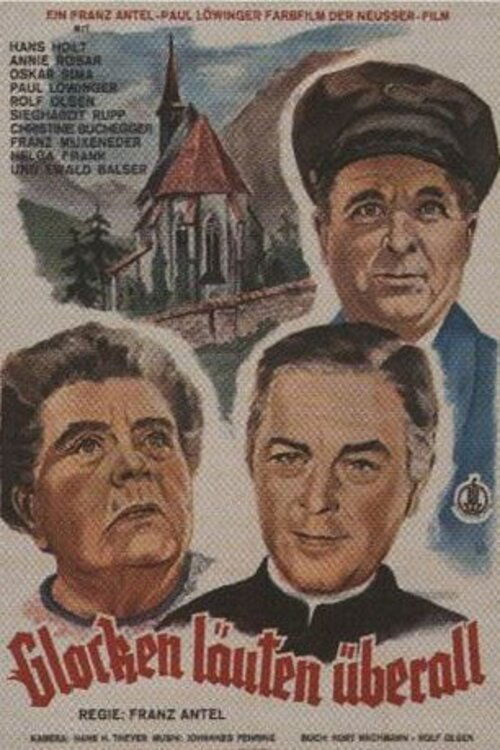
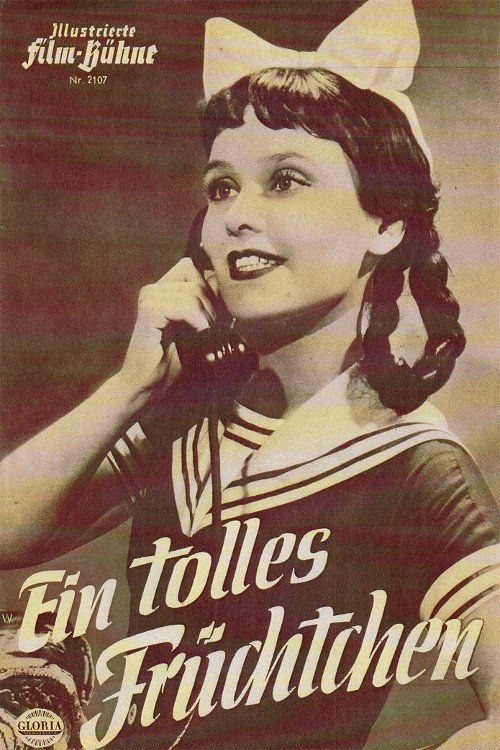
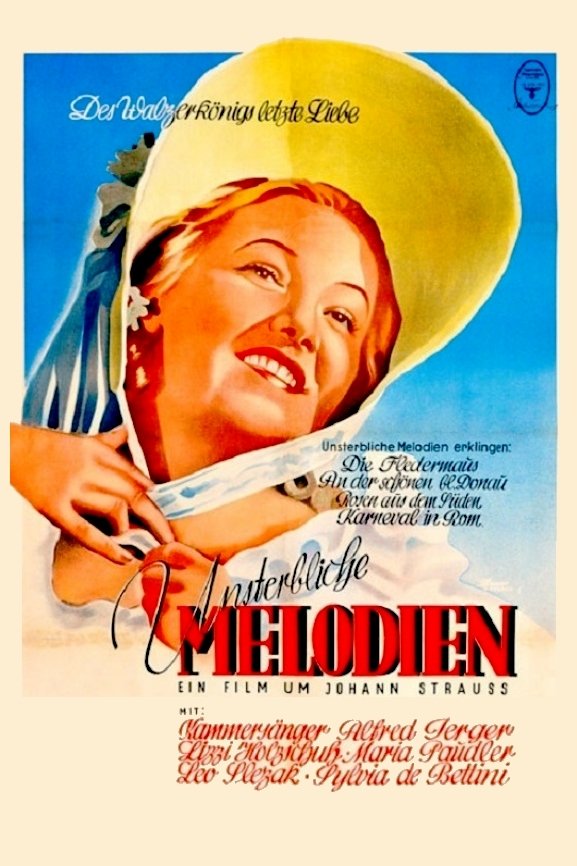
Vienna, Austria, late 1870s. After suffering an irreparable misfortune, the Austrian composer Johann Strauss Jr. (1825-99), the Waltz King, falls in love with a ballet dancer, which disappoints the famous operetta singer Marie Geistinger…
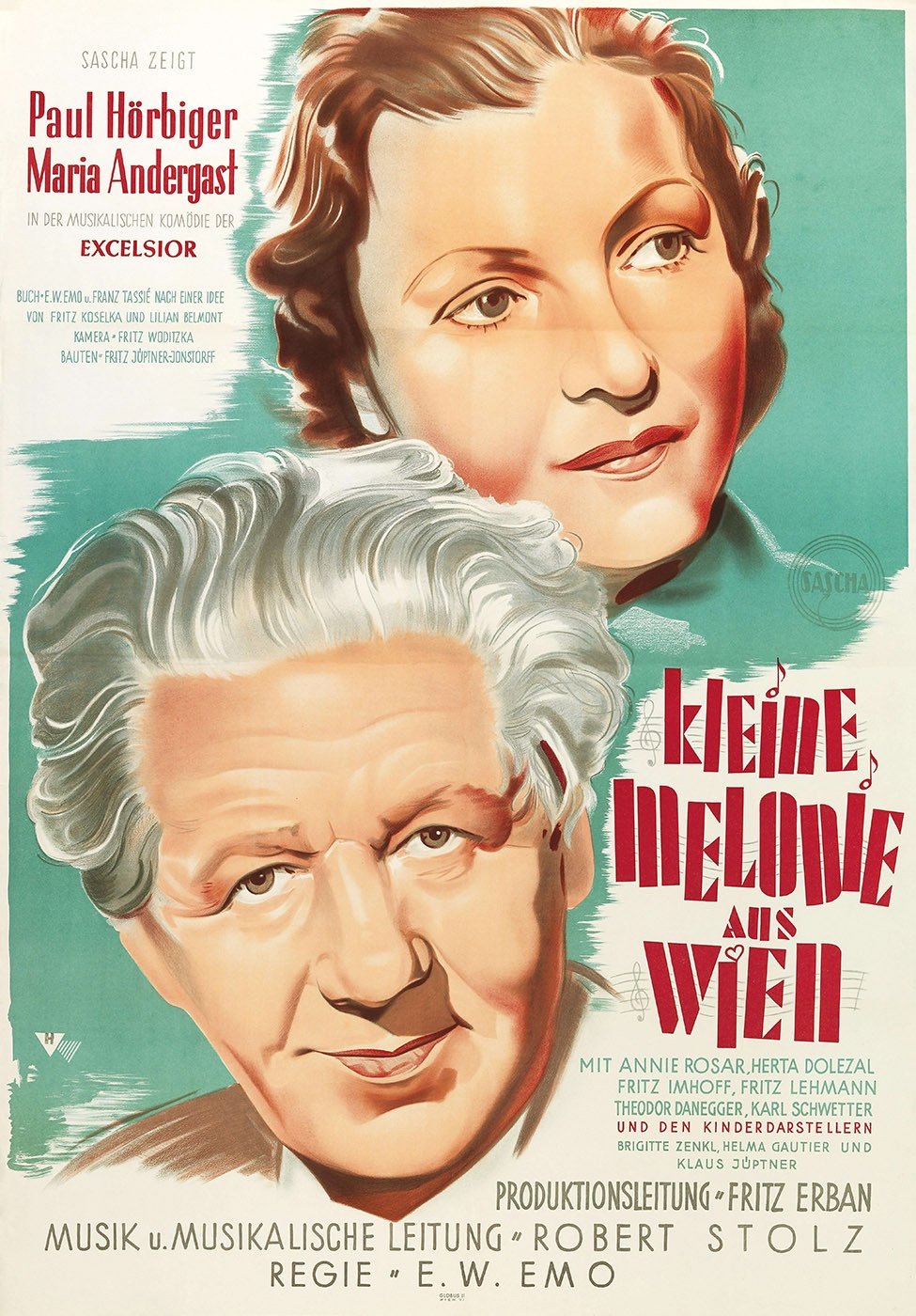
Vienna shortly after World War II. A music professor, in whose house a young widow with three children is quartered by the housing office, changes under the influence of the charming lady.
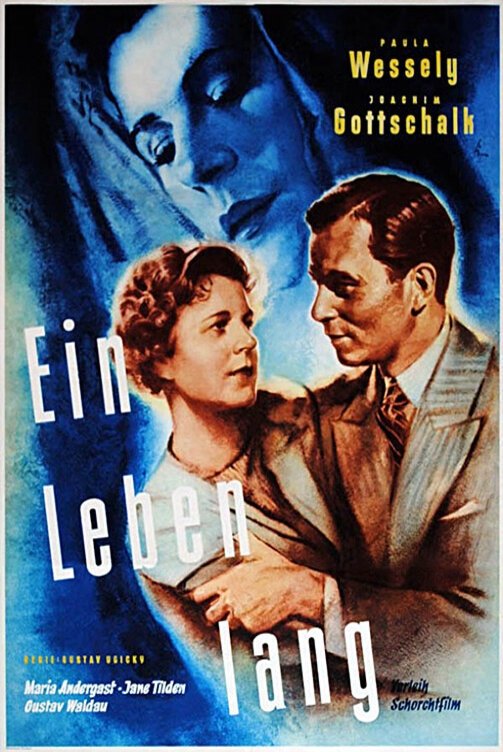
In 1910, the landlord's daughter Agnes from the Steiermark gets to know the diplomat Hans. They have a short love affair and then part from one another. Hans gets sent to Beijing, where he marries and American and has a son with her. Agnes, too, has a son by Hans and moves to Vienna, where she works in a restaurant. She is still in love with Hans ...
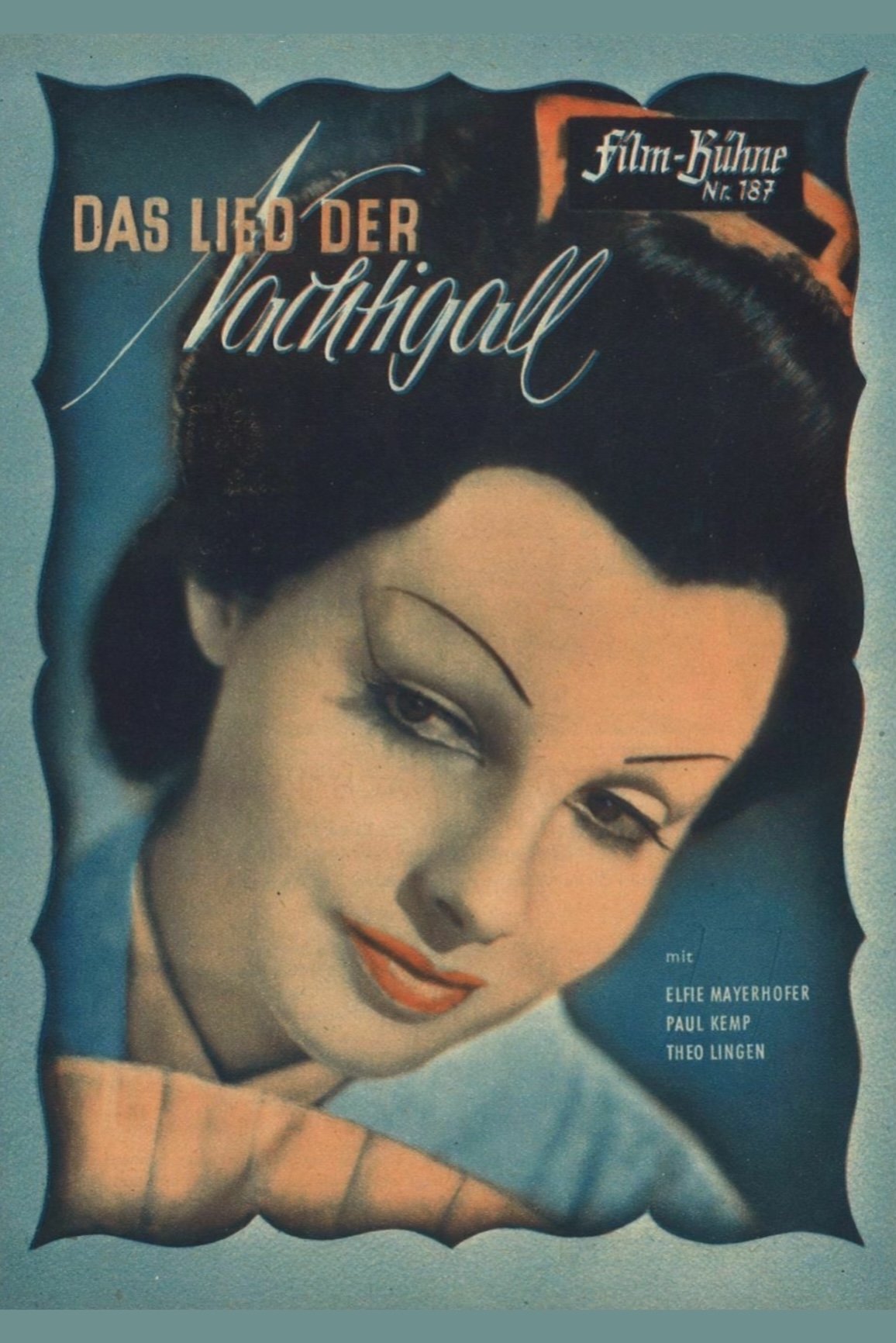
An Austrian comedy about a mayor who gets headwind from all sides. The very strict mayor (Karl Skraup) not only rejects the marriage of his son with a Viennese woman, but he also denies 40 kids their intended holiday--paid for by the provincial government--because they are illegitimate children. The entanglements only get bigger when two reporters start writing about it. When the local nurse (Maria Andergast) pretends to be the mayor's illegitimate daughter, his resistance is finally overcome.
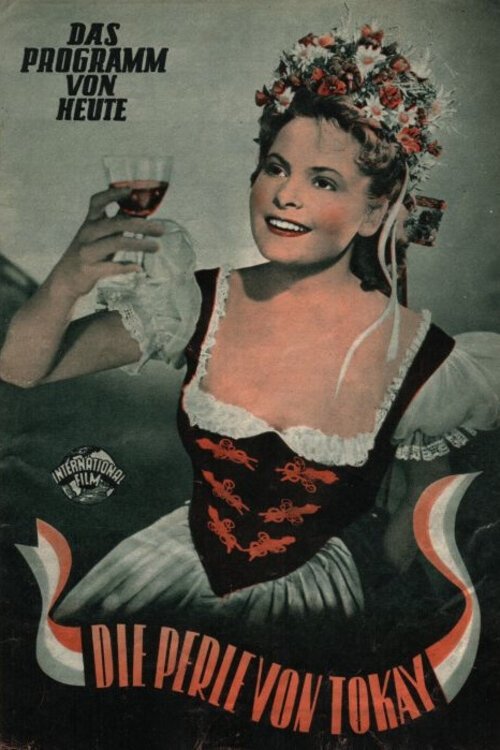

Martin Hinterkirchner, dissatisfied with his position, sends the hits he has secretly composed to a manager. One of them would be ideal for the famous singer Linda Borg, but her manager refuses. Unfortunately, Martin now blames Linda and has nothing good to say about her - in contrast to his grandfather Leopold, who met Linda at a dog show. When Martin stands in for his untalented friend Peter as a singer at a hit song competition and mistakenly believes he has failed, he returns to his Tyrolean home village of Himmelberg. Peter, on the other hand, accepts a contract even though he cannot sing the required duet with Linda Borg and looks for excuses. Linda travels to Tyrol in a bad mood because she has received love letters from there. She has no idea that Martin's grandfather Leopold is the secret sender who wants to get her to sing Martin's hits.
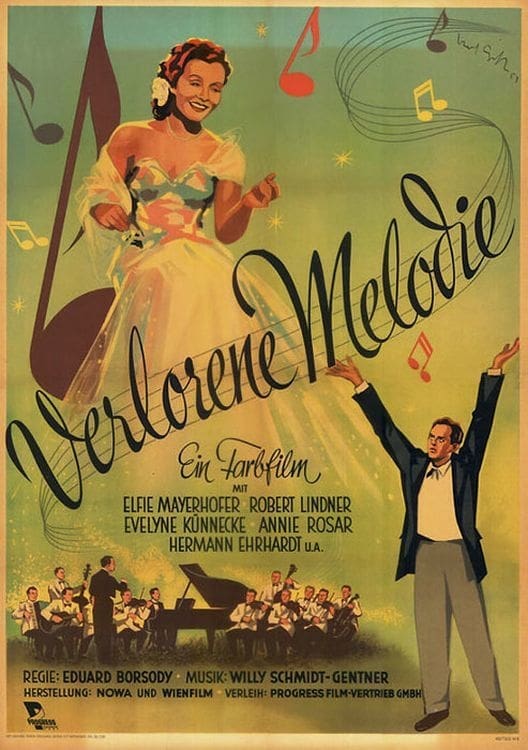
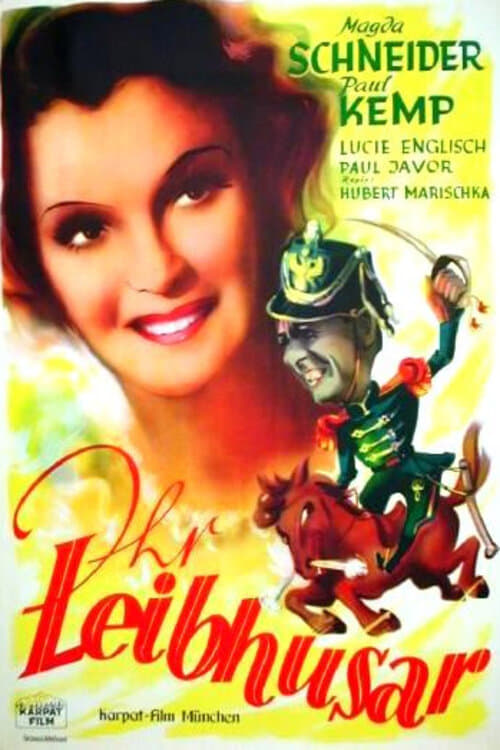
An easy-going hussar officer successfully vies for the love of a millionaire's daughter.
A popular stage tenor can't stay away from his female admirers until his wife threatens to divorce him.
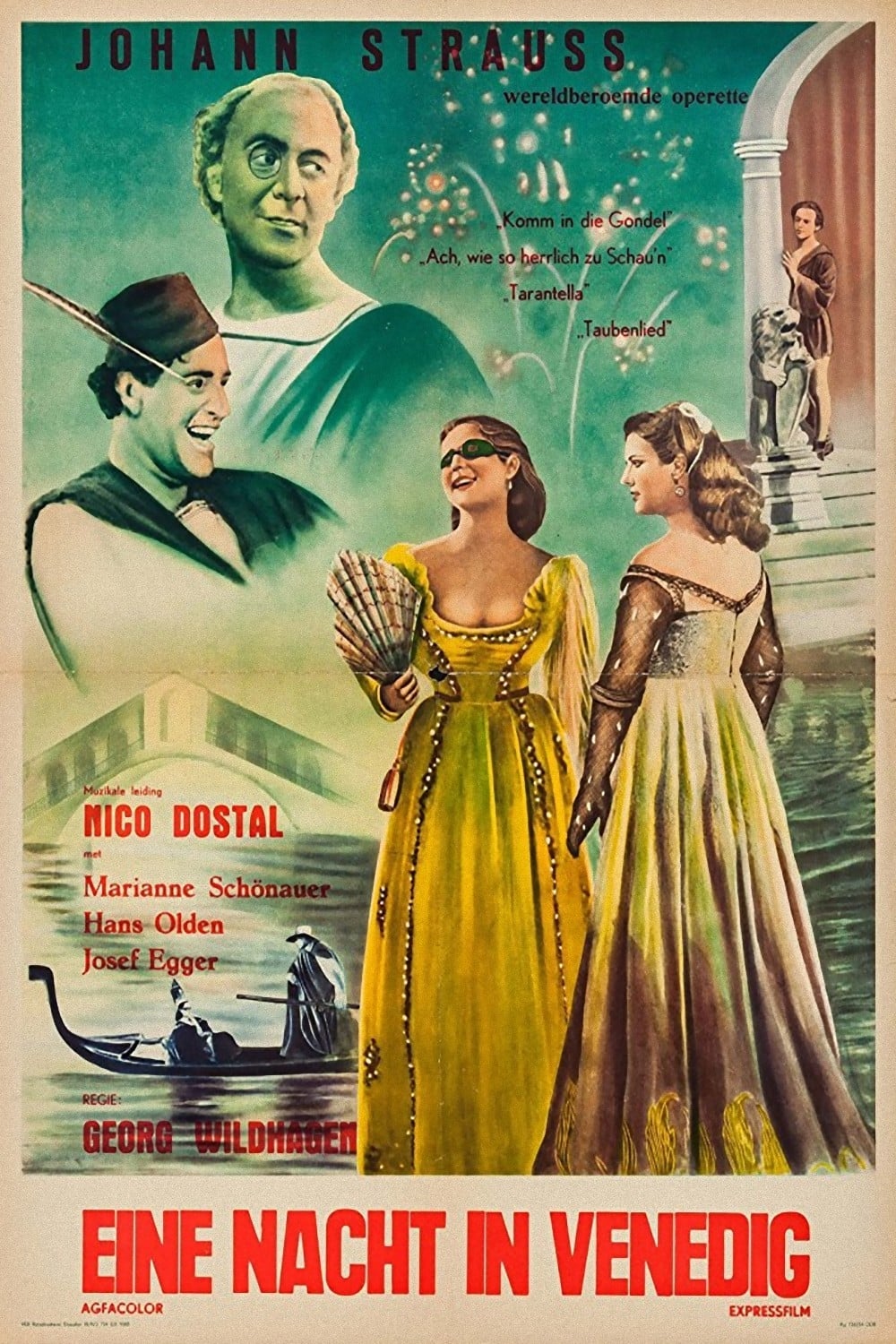
There is great excitement in the Palazzo Urbino. Much to the delight of the ladies, the Duke, known as Don Juan, is expected. But the men of the city are less pleased by his arrival. Senator Delagua therefore decides to hide his beautiful wife in a convent and introduce the lady's maid to the Duke as his wife. When the Duke's valet devises a ruse of his own, the complications seem endless.
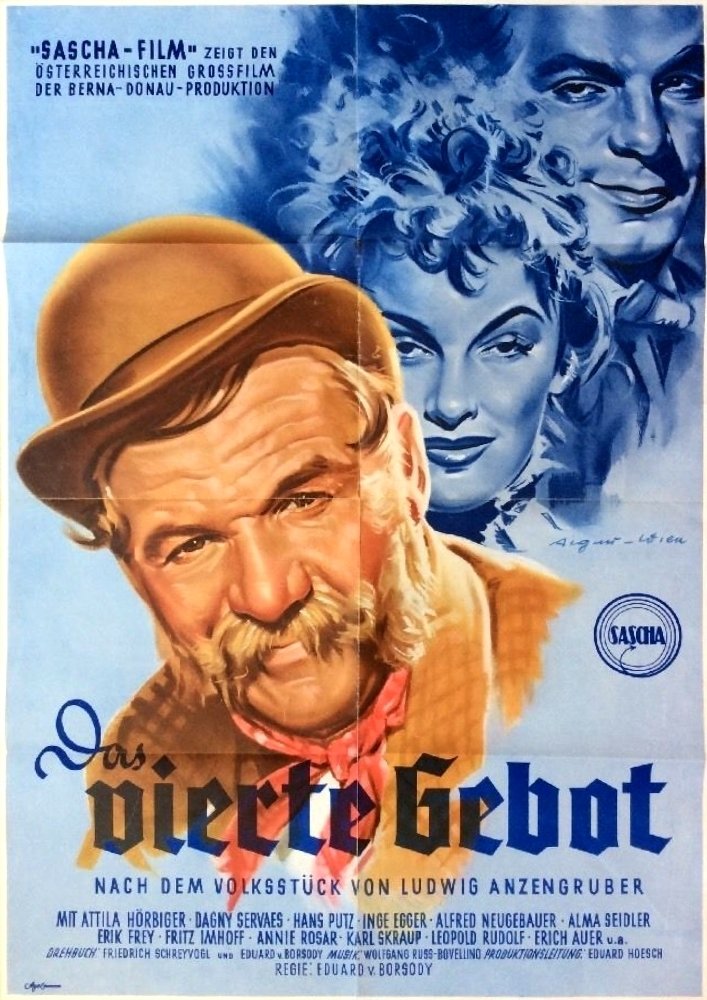
Schalanter, once a prosperous craftsman is hit by the industrialization in Europe of the outgoing 19th century and self-inflicted negligence, he and his family - Gattin Barbara and the children Martin and Josefa - falls into considerable economic distress. More and more, the old man grabs the bottle and thus aggravates the economic situation. Schalanter is marked and predestined for a serious downfall and collapse.
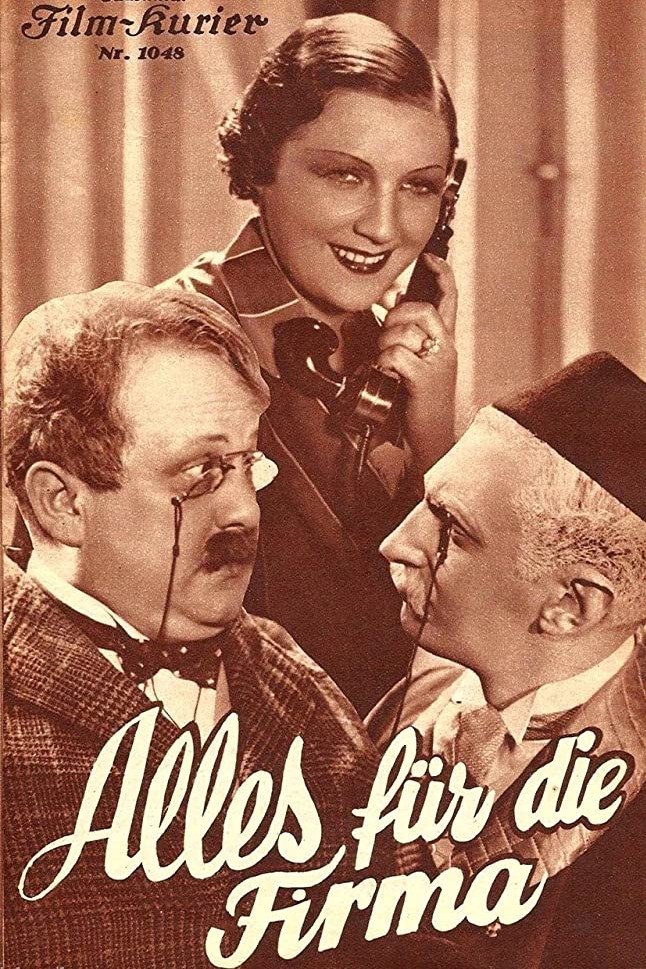
Familial disputes surrounding a traditional business. Grandfather Sonndorfer allies himself with his grandson Otto, in order to bring his arrogant son Max on the right path. Between the fronts is Emmerich Liebling, the intriguing messenger.
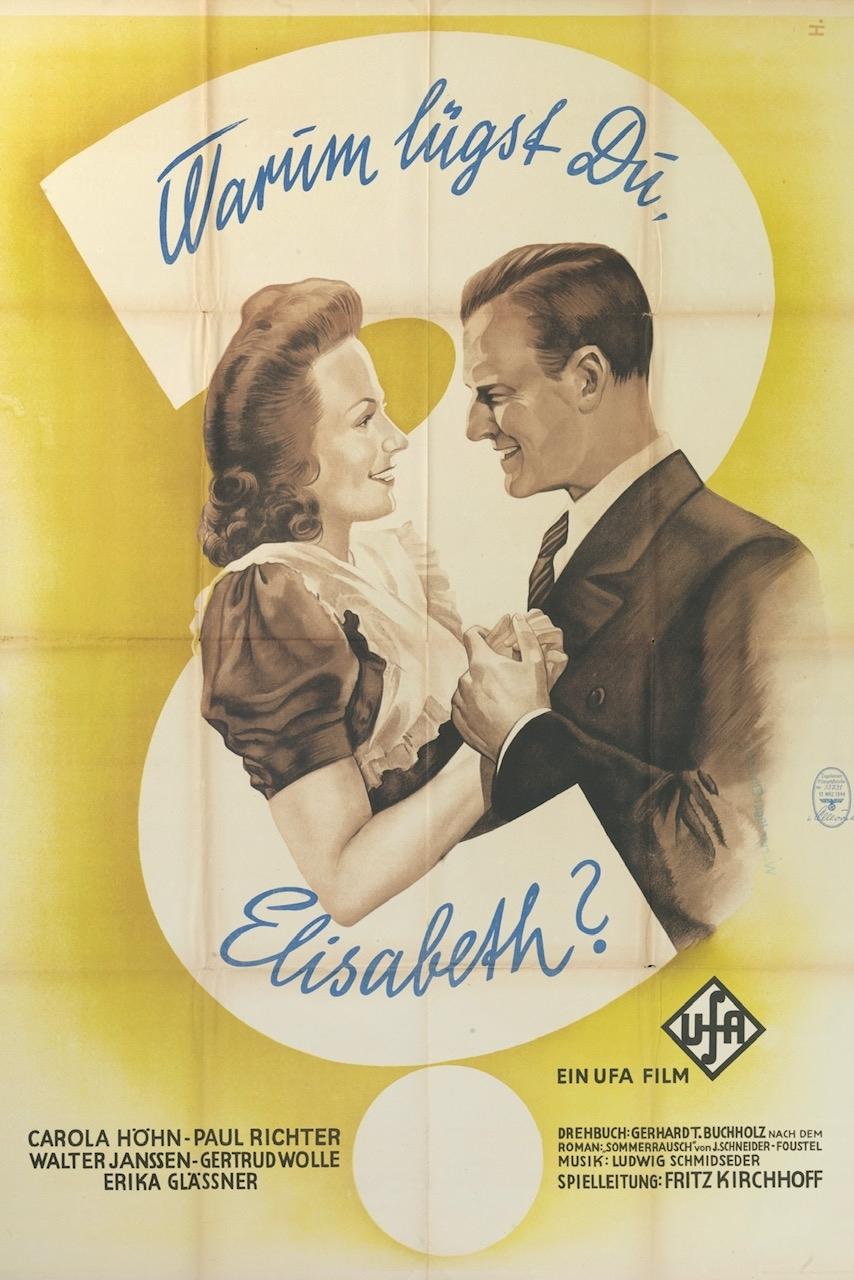

Jeff Elliot is an American GI investigating a black market gang in Munich.
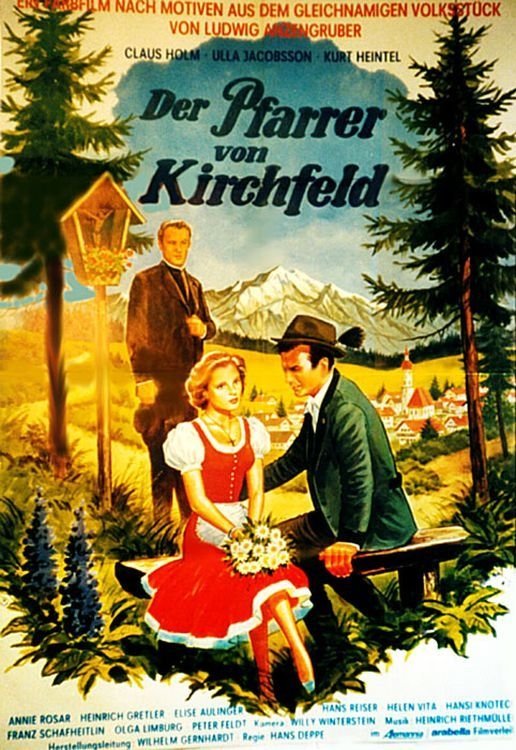
The seamstresses Franzi and Mizzi have opened up a small shop in a suburb of Vienna. Mizzi is of the opinion, however, that her friend could have a much better life if only she'd marry Karl, the son of the landlord, who has been hot for her for quite a while now. Next store to them lives a rather elegant gentleman, whom Mizzi does not like. One day, an excited woman bursts into the studio, tears off her clothes and begs the girls to act as if they're fitting her for a dress should her husband waltz on in, too. In fact, her jealous husband Stefan does show up and is thrilled to discover that his Gerda isn't cheating on him. But Mizzi and Franzi are positive, that she's been meeting a certain elegant gentleman next door.

A film comedy about two beautiful women, two marry-able girls and a man!
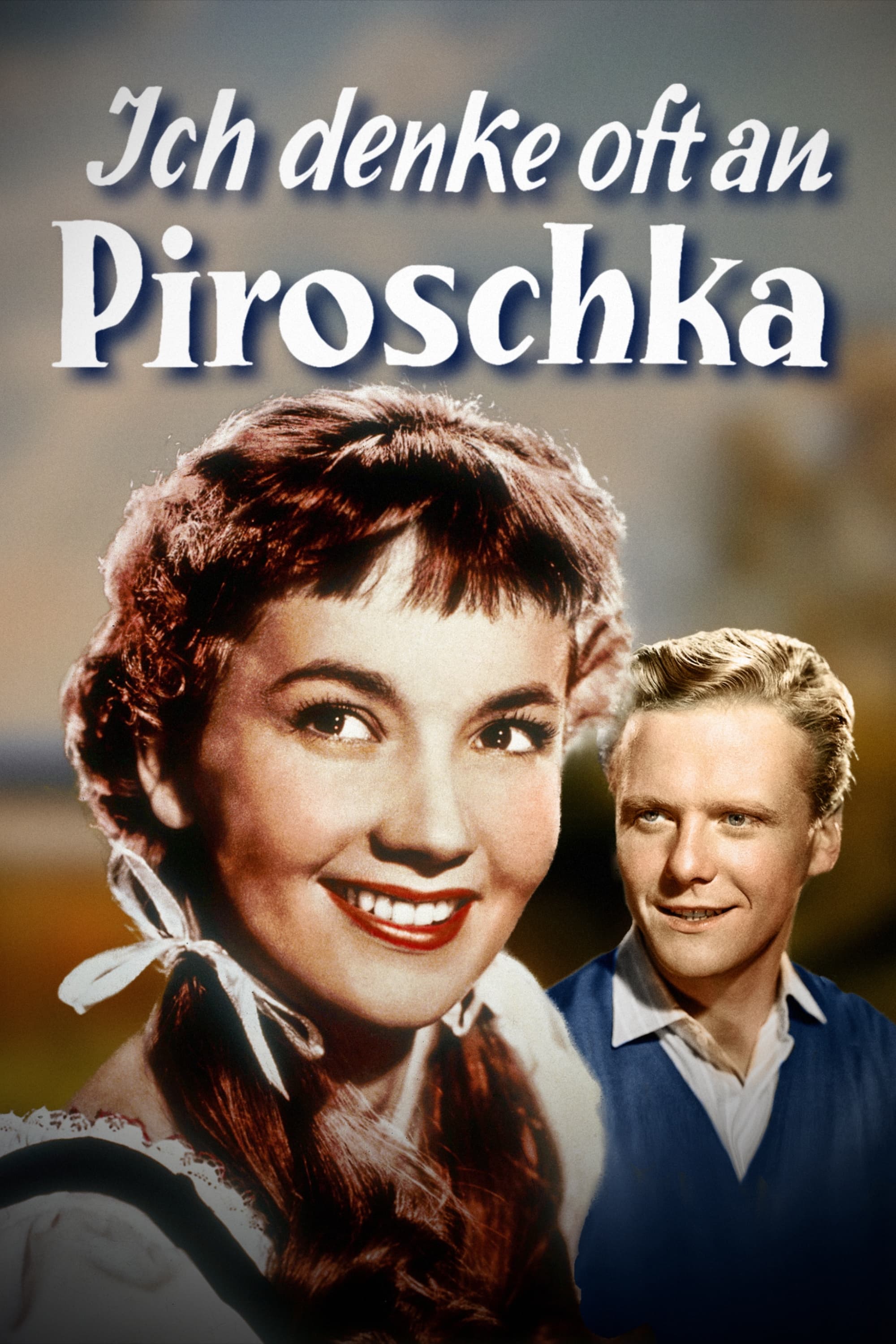
Andreas, a young German student comes to Hungary on an exchange programme. In the Hungarian village he falls in love with the stationmaster's daughter Piroschka and spends much of his time with her. They have an enchanting summer until Andreas gets an invitation to join another young woman at a nearby resort. Piroschka is jealous and follows him there, causing trouble. It takes a long time for Andreas and Piroschka to even talk to each other again. When Andreas has to leave Hungary at the end of his holiday, he is determined to return some day.
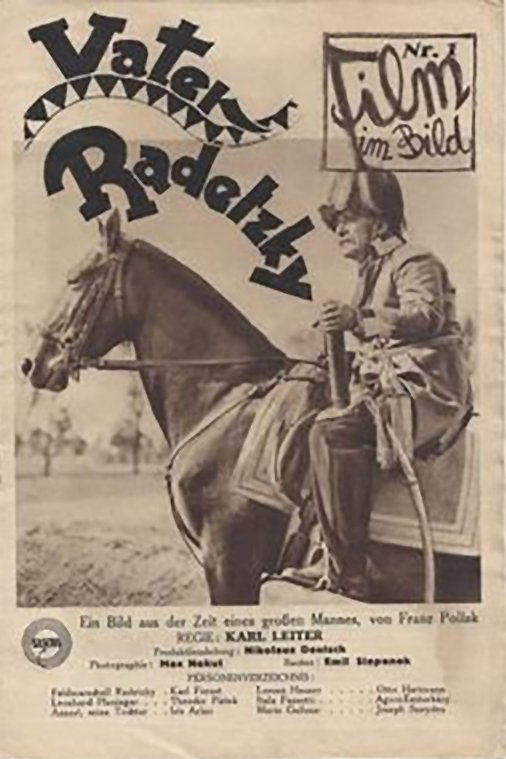
a movie by Karl Leiter
Produced by the Nazis in honor of the 150th anniversary of Mozart's death: a celebration of his music, as the film shows him traveling to Prague for the Don Giovanni premiere and inspired by his wife to compose the finale.
In a fantasy European principality, the headstrong and beautiful Princess Ingrid falls in love with a handsome officer, but dismisses him in a fit of temperamental overreaction when she learns of an alleged liaison.
The already successful tenor Mattei is discovered after he already retired into private life. Der Wiener Staatsoper place a significant part in this musical comedy drama.
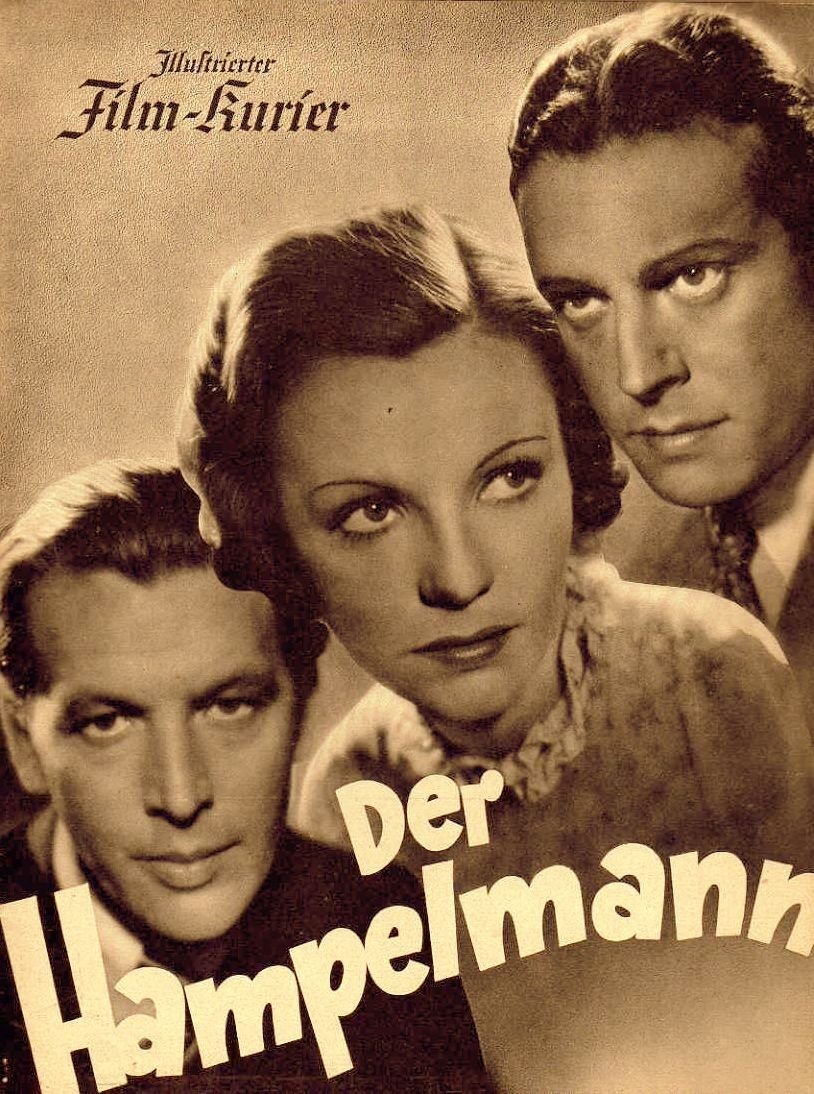
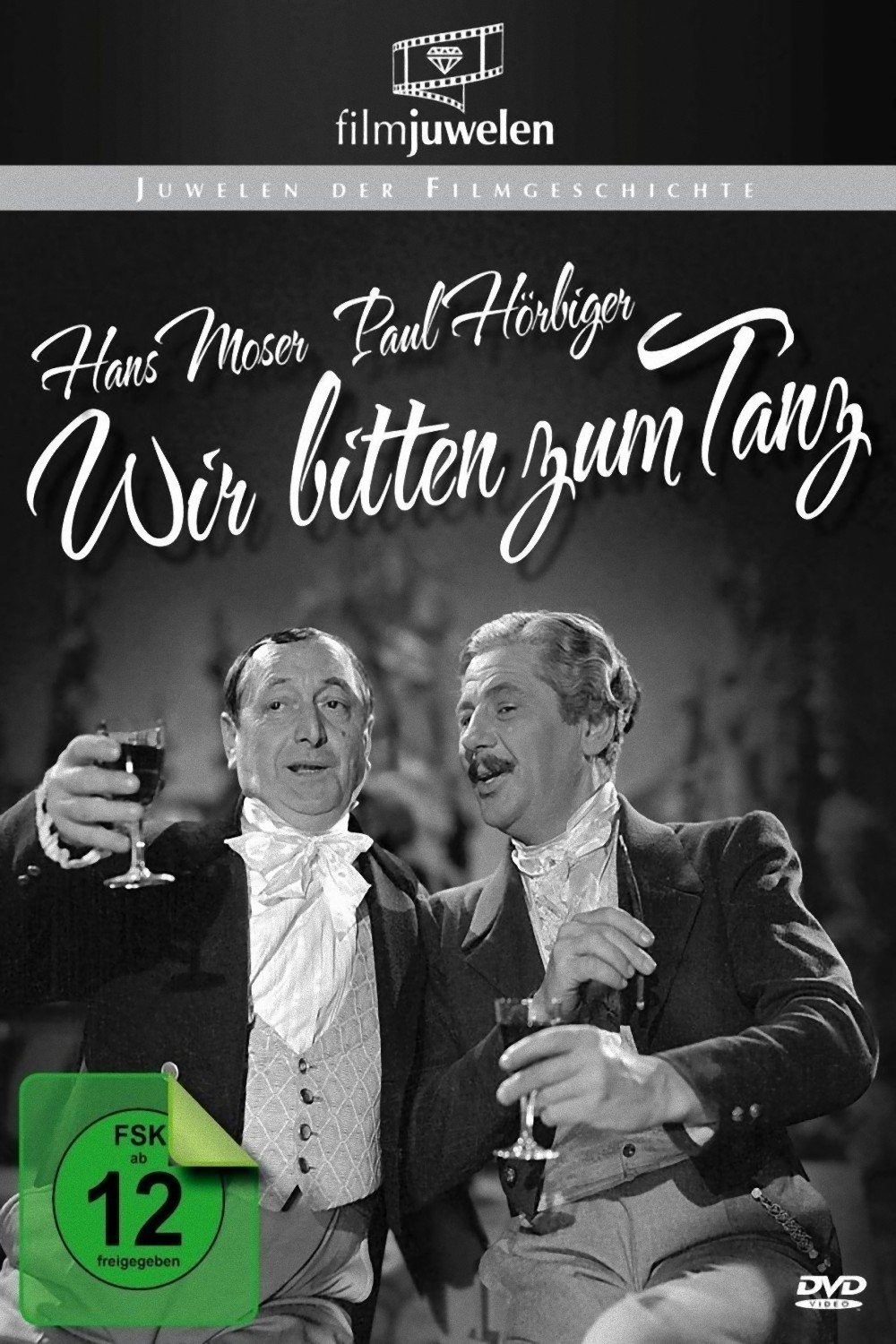
Vienna around 1900. Karl Hofeneder, owner of a dance school, puts great importance on teaching his students not only the right steps but also good behavior. Twenty years ago, the bachelor lost the love of his life to his friend and competitor Georges Roublée. The two have been enemies ever since. Hofeneder is annoyed when he finds out that Roublée wants to open a second dance school locally.
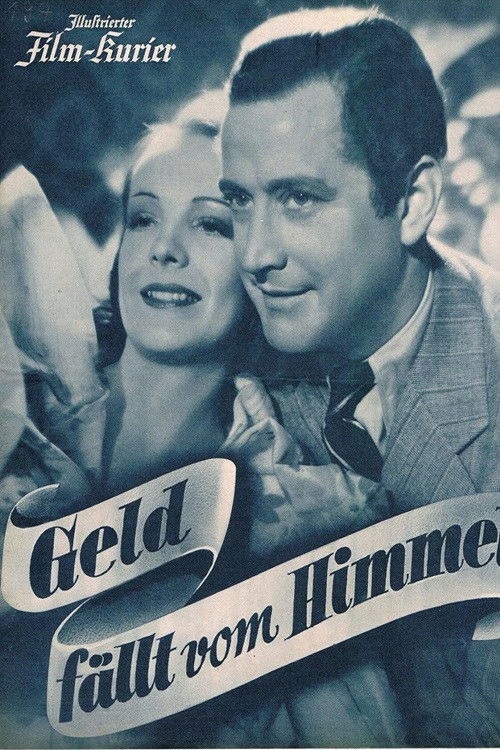
Leopold Pasemann, owner of an auto parts factory, is looking for an heir. Since he has no children of his own, he makes an offer to his late brother's two sons and daughter: each will receive a check for 5,000 marks. Whoever makes the most of it in a year will be appointed as his universal heir. While Gustav works on an invention and Christian opens an advertising agency, Hannelore starts her own fashion salon. She falls in love with Hans Promm, who works as a department head for her uncle. What she doesn't know, however, is that her uncle has tasked Hans with monitoring what the three of them do with the money.
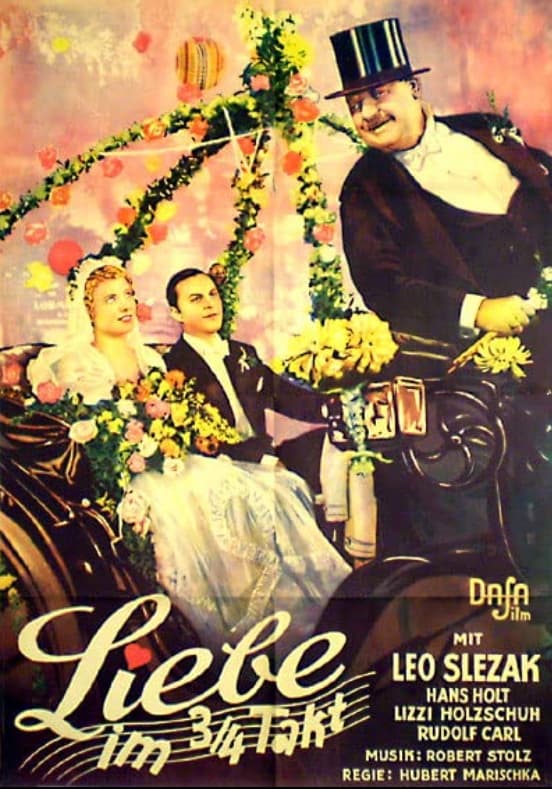
A working class young woman disregards the wishes of her father to stay in her place, and marries higher in society by wooing a wealthy car manufacturer.