
Károly Szakonyi's great play, The Transmission Error, could be set today. The story is about the Bódog family, where the main role is played by watching television, while the family members' attention to each other becomes superficial, their togetherness formalised without them realising the weight and tragedy of it.
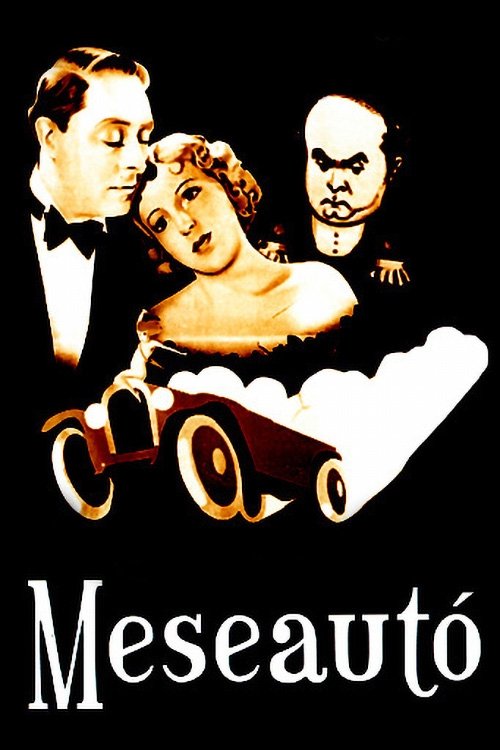
A light hearted comedy, from the thirties. One of the most successful ones in Hungary. The ever enchanting story of a beautiful girl falling in love with a rich man.

Among the Gruber family, the rumor spreads like wildfire that their wealthy American relative, Menyhért Gruber, is visiting Hungary with his daughter, Mary. Various plans are devised to exploit the rich relative. The boldest of them all is the plan of Bálint Koltay, who directly pursues Mary's hand. However, the young ones fall in love with each other so deeply that Bálint stands by Mary even when the "wealthy" Gruber informs him that he's bankrupt. At this point, the only thing left to arrange is for Bálint, who poses as a landowner, to actually present a noble castle to his future father-in-law.
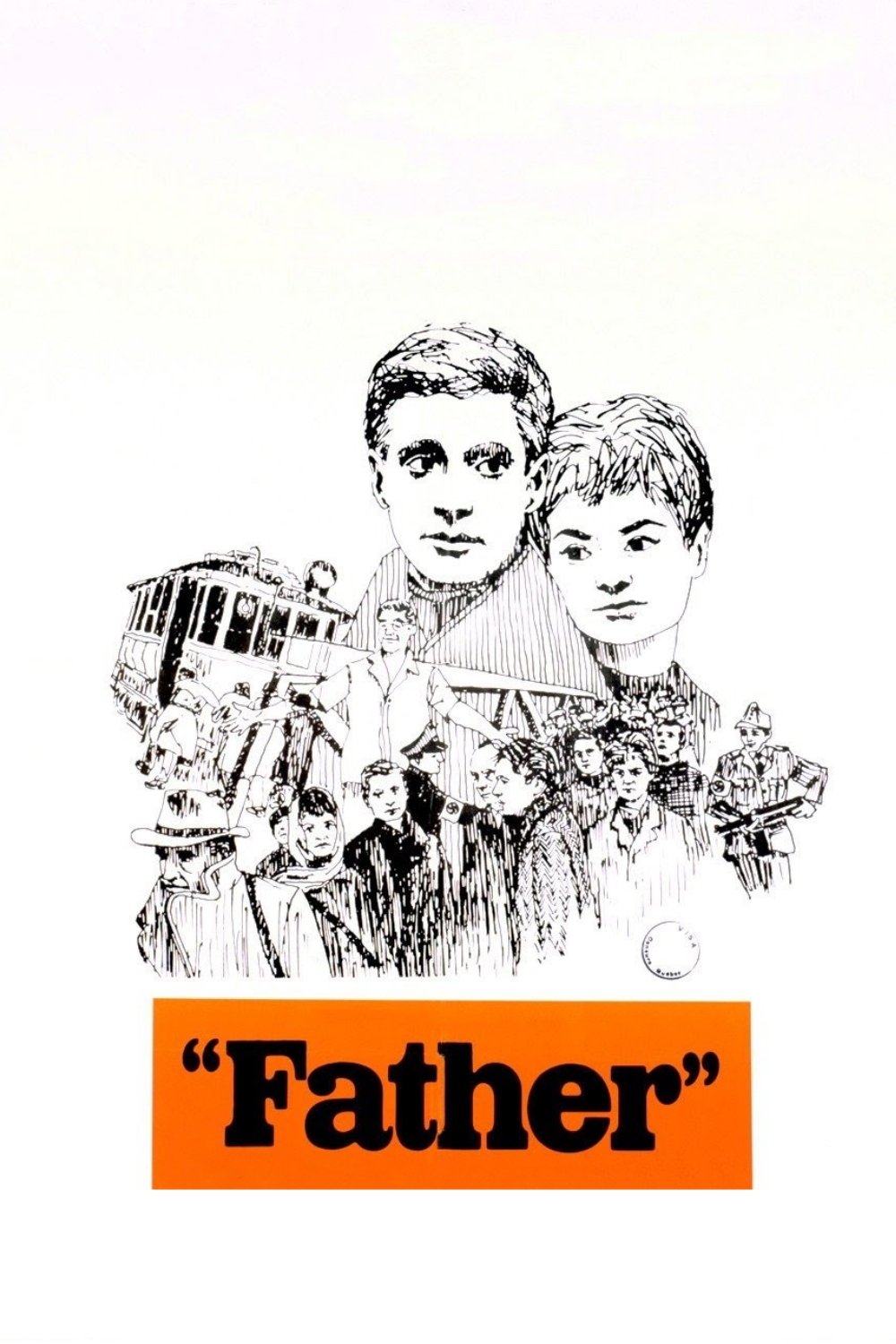
When young Tako's father dies in Hungary in 1945, Tako is left with scant memories of him. Nurtured by his mother, the boy fantasizes about the man his father was, imagining him a hero. Grown into a man himself, Tako falls for a Jewish refugee, Anni. Burdened by her own heritage as a Jew, Anni sparks in Tako a desire to find out what his father was really like, and he delves into the role his father played in World War II.
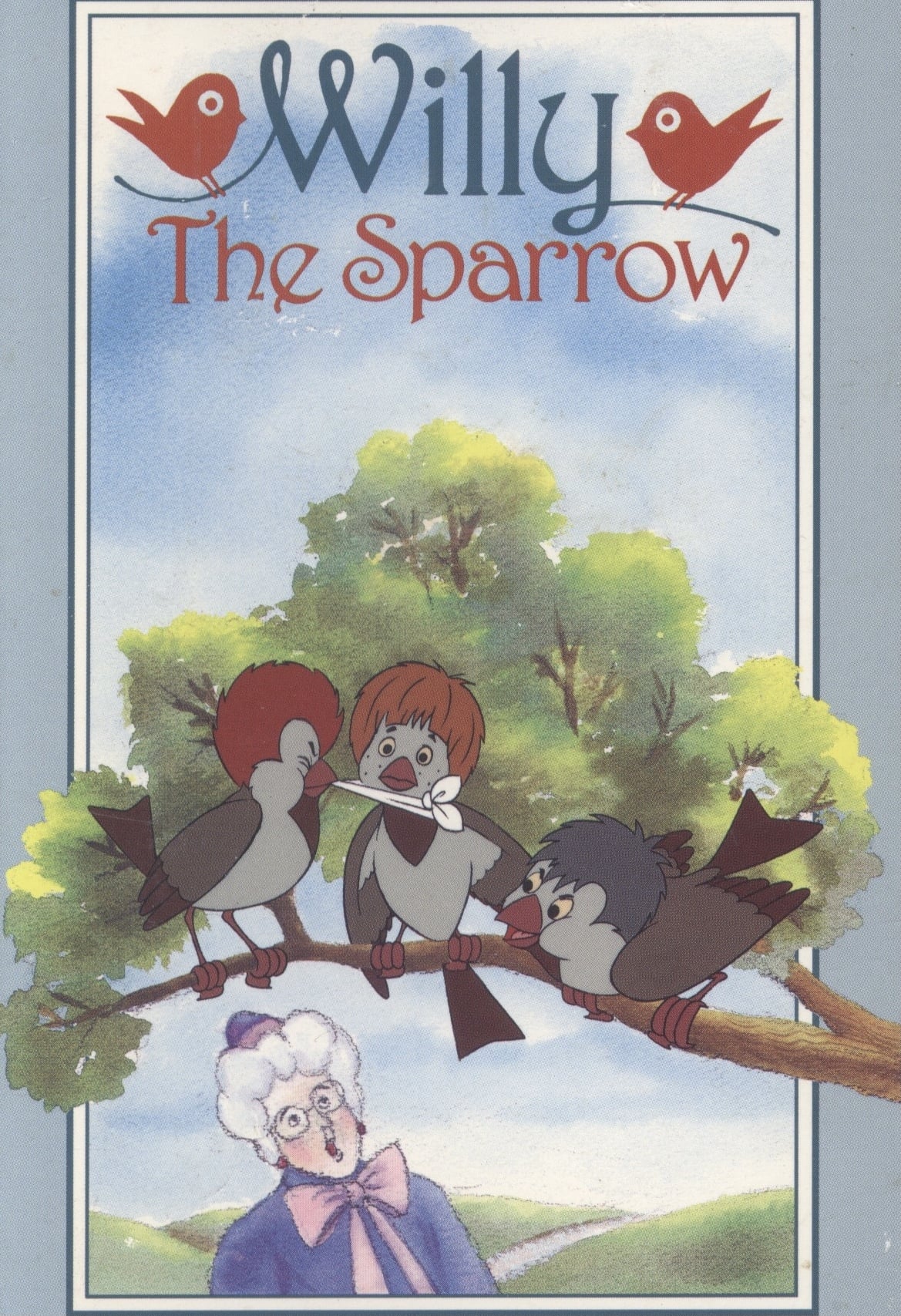
Vili fakes illness so he doesn't have to take a math test. Instead, he starts shooting at sparrows from the window with an air rifle. The kindly old lady who feeds the birds turns out to be a real-life fairy who tries to turn Vili into a good boy.
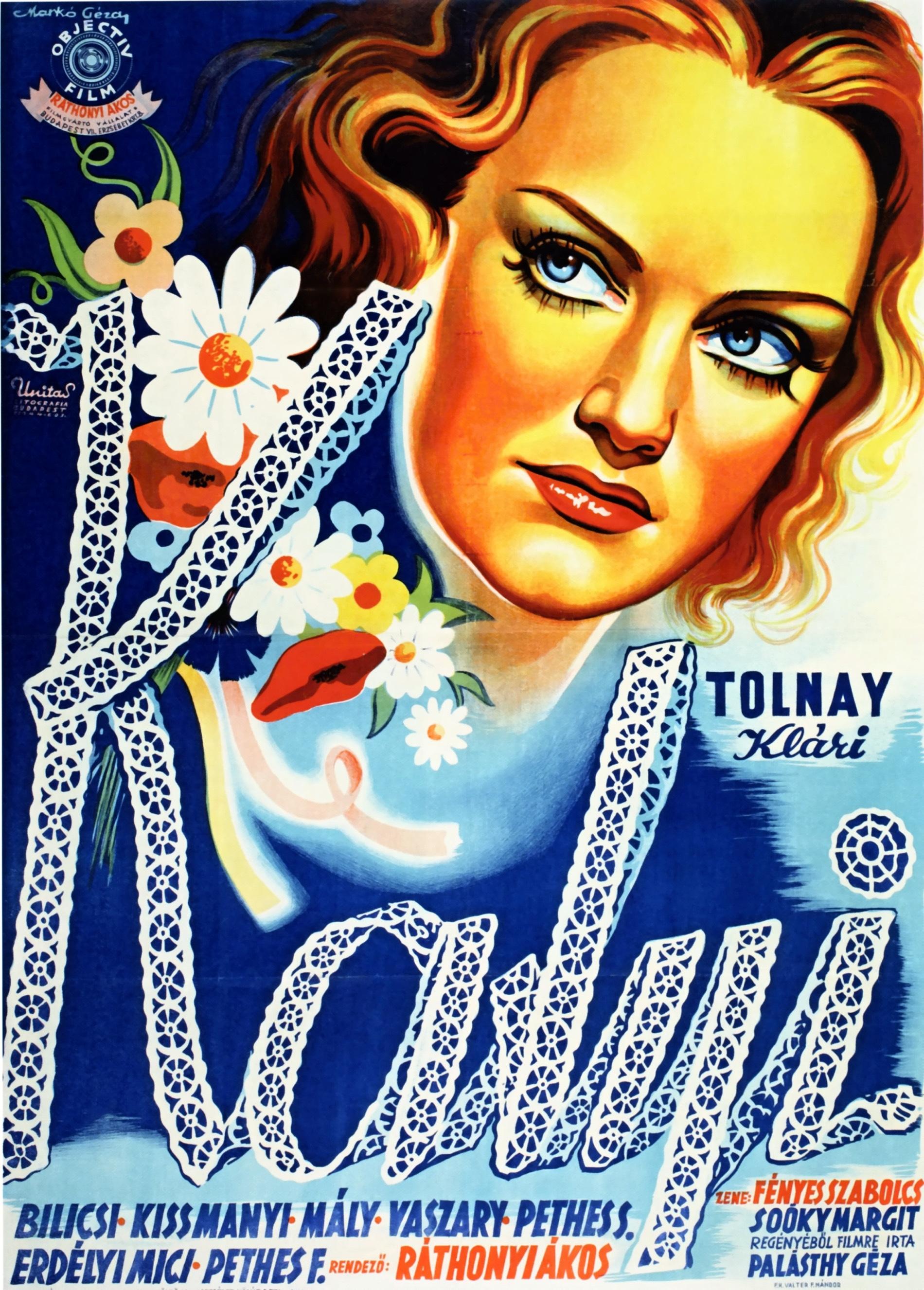
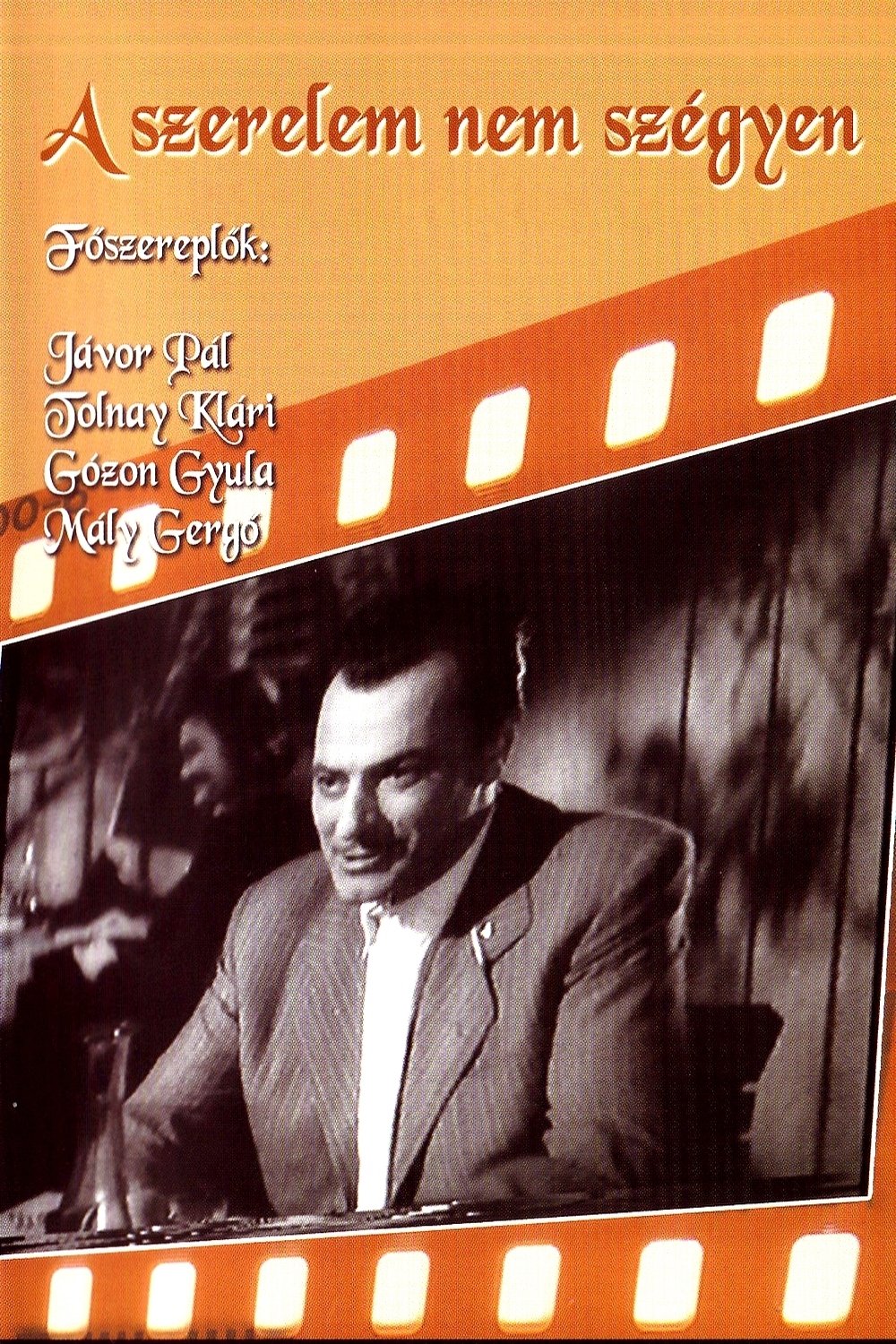
Kató Varga (Klári Tolnay) is unable to play its part in front of the Admissions Committee of the School of Dramatic Art. Geszty (Tivadar Bilicsi), severe President of the Commission maintains that she has no talent for acting and mercilessly tells you will never be an actress. Kató prepares to take revenge and under the false name of Katyi Csiba, dressed as a peasant village, obtains admission to the house Geszty. Turning everything upside down, she makes your life hell.
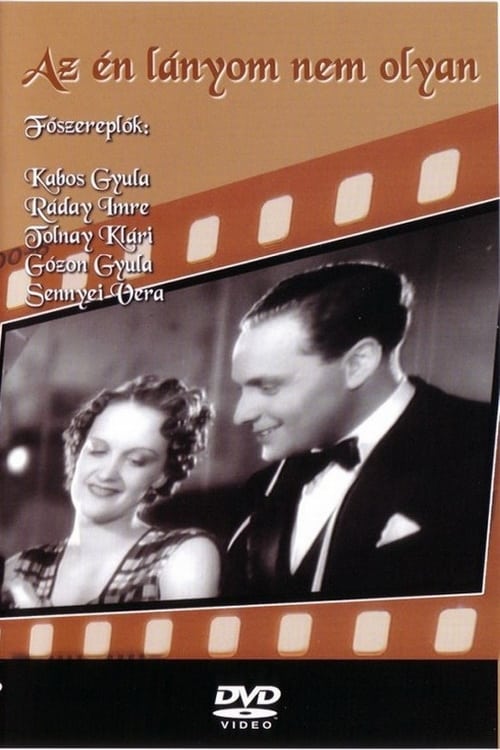
Gitta is 20 years old, a girl with modern attitudes, who is courted by Ferenc Fekete. Not particularly liked by Gitta's parents, especially her old-fashioned father, Fekete dates Gitta in secret.
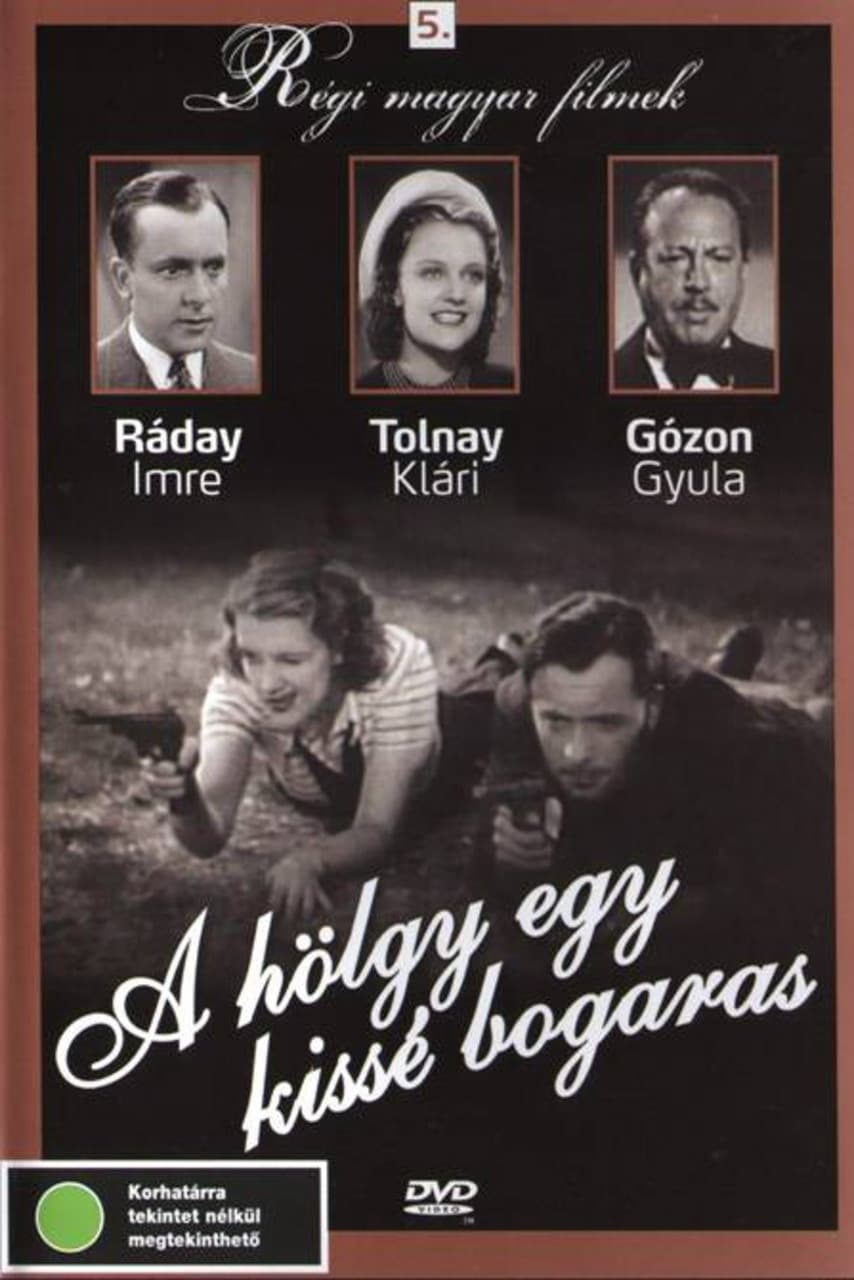
Bimbi, aka Takács Klára is unemployed. She lives in a sublet and has no idea how she will live and pay her bills. But luckily for her, the previous tenant, who had a letter of recommendation for the director of Tormássy Works, has now been put in a mental home. So he can apply for a job with the "unused" letter of recommendation. Since the letter says that the "lady with a bit of a bug" will not get a job, she can go to the son of the CEO as a typist's assistant.

Magyarszurdok does not receive a penny from the county budget, and there are rumours that the settlement would like to be merged into neighbouring Tatarszeg. In order to save the town, the director of the local museum invents an Arpad-era hero, the heroic hero Bodony. At first the council president is reluctant to cheat, but for the right reasons his wife persuades him to commit fraud. The town begins to develop, and tourism revenues increase. However, this uninterrupted development is fundamentally threatened by the emergence of a pair of conmen who outwit even the inventors of the valiant Bodony.

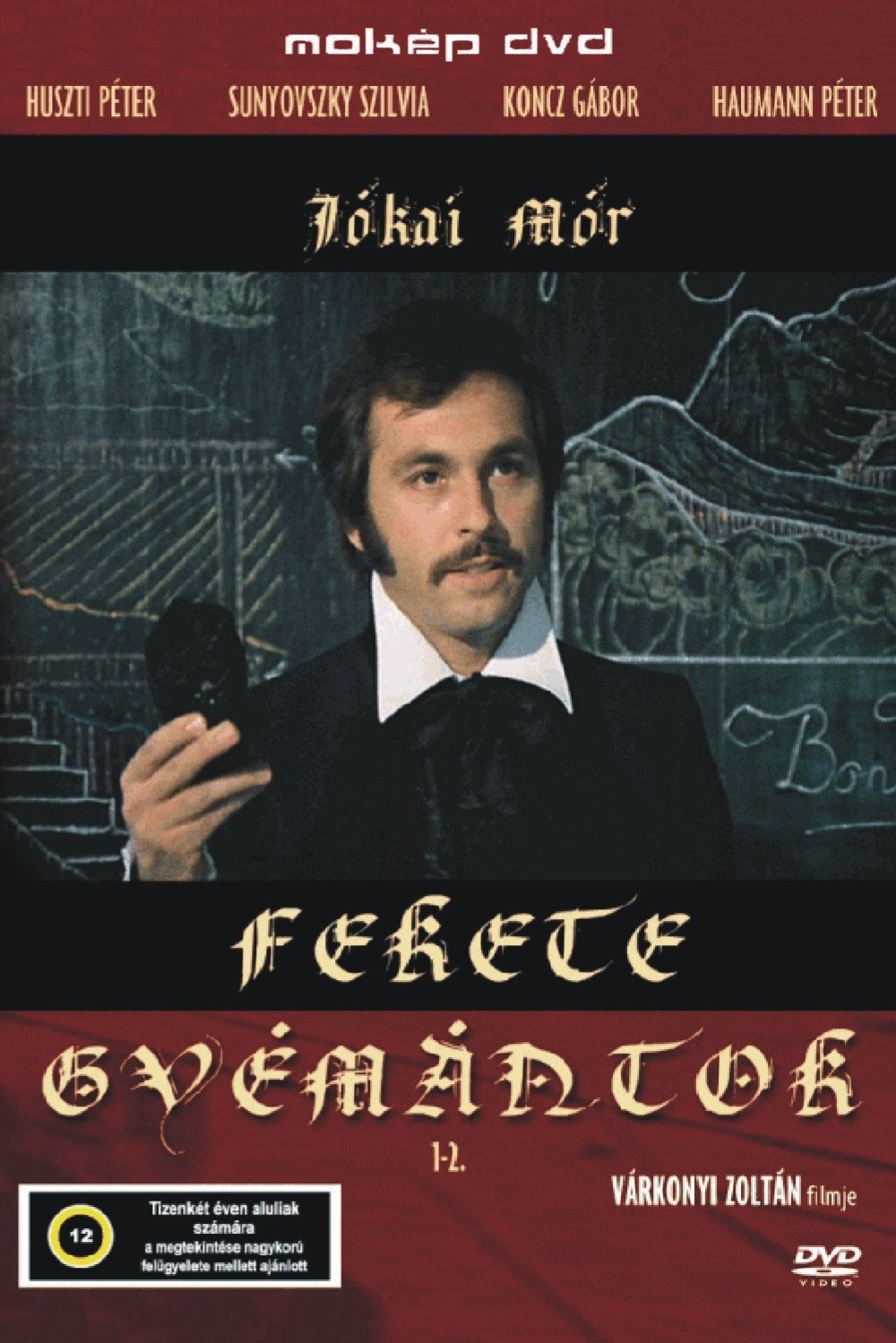
Iván Berend is a nobleman from the countryside, owner of considerable wealth. If necessary, he duels and plays cards like his fellow gentry, if necessary, he dances and compliments like most cavaliers. But far from him is this high life. He prefers to lecture on natural history, and does not hesitate to prove his claims by burning a diamond. He runs the Bondavar mine and experiments on a fire extinguishing agent. Evila, the beautiful starlet, and her impetuous fiancé, Peter Szaffrán, work in the mine. They are hired by the Viennese banker Félix Kaulmann to help him with his grand plan for the coal basin, which will ruin Ivan Berend.
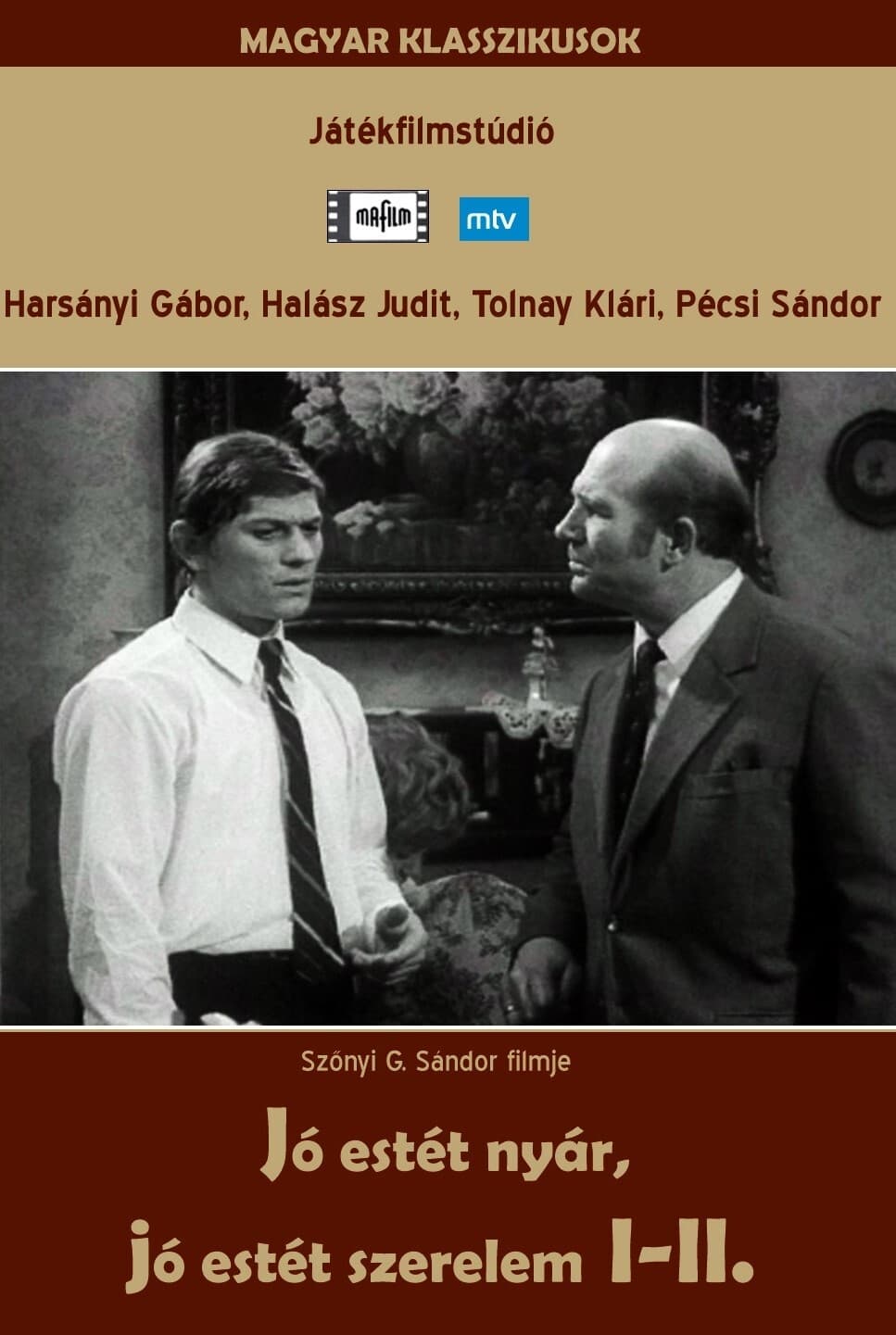
The movie version of Endre Fejes' short story is based on a case that happened in the early 1960s. A psychopathic working-class boy changes his identity for a few days on his hard-earned money. He pretends to be a Greek diplomat, pays for luxurious dinners, courts elegant women, and of course, always disappears before the engagement. But he falls in love with the beautiful Zsuzsa Christmas and can't leave her in time.
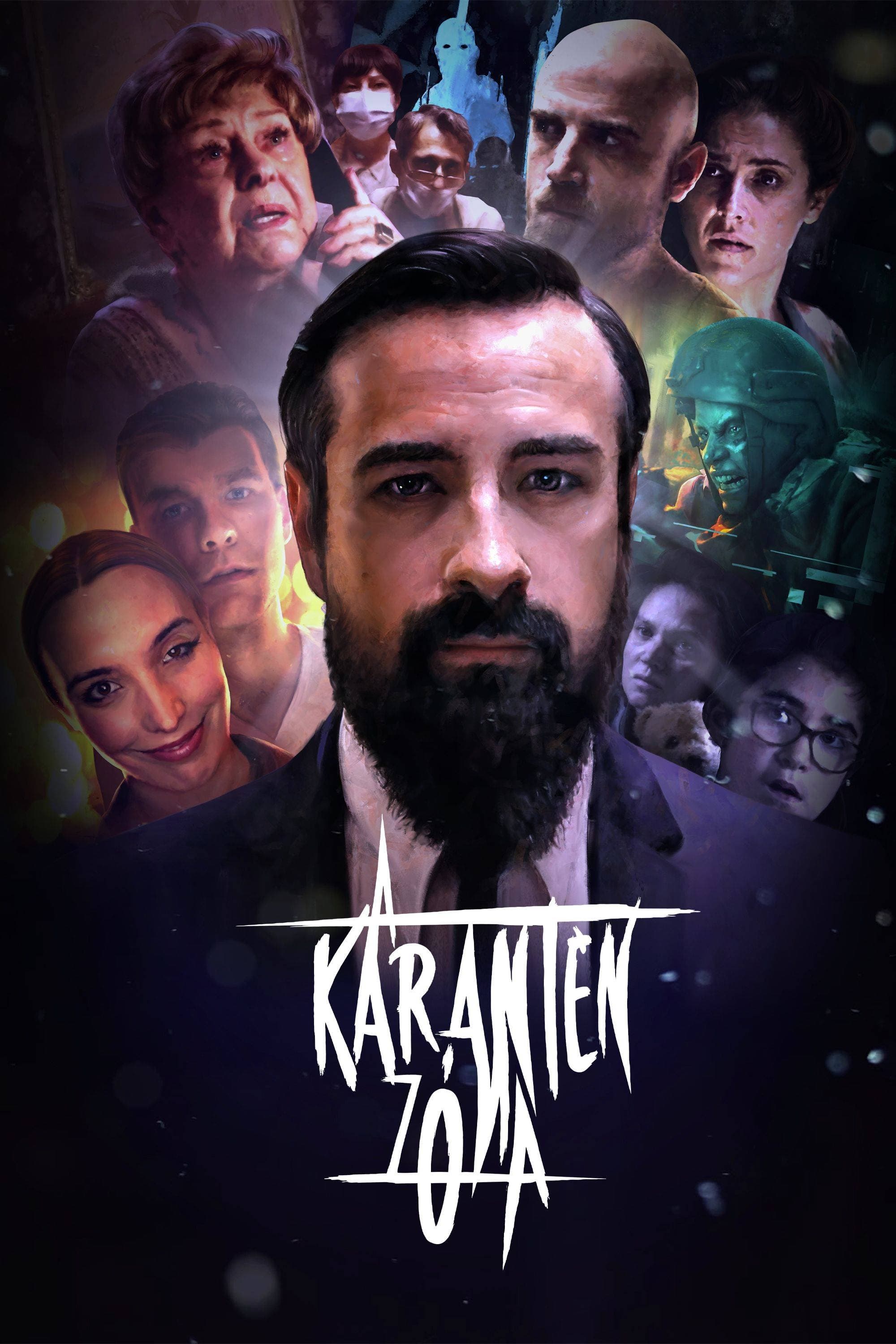
Nightmares submerge into reality and intertwine as we follow the everyday lives of ordinary people living in a parallel reality called The Quarantine Zone during the pandemic lockdown of 2020/21.
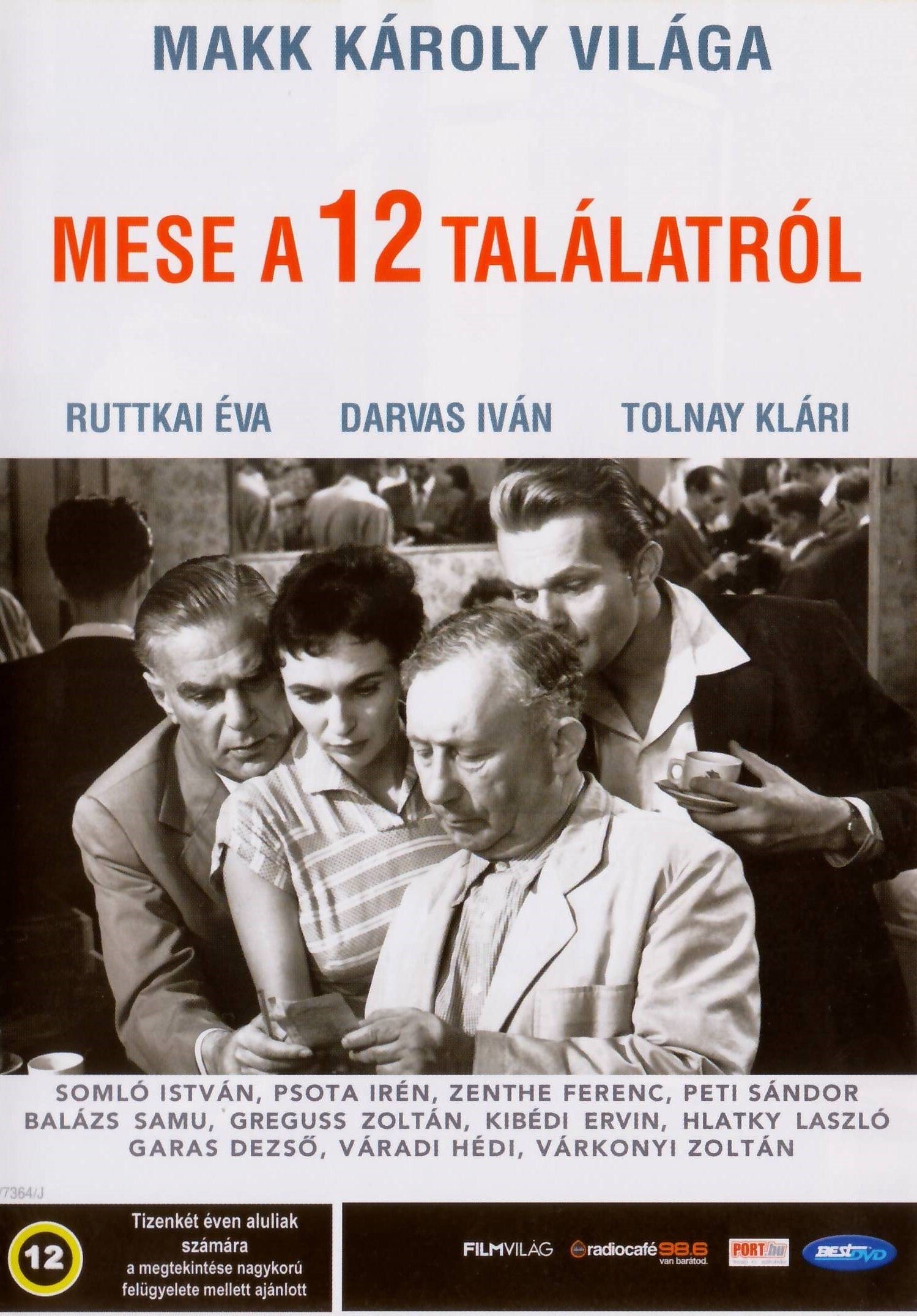
The flat of Doctor Bartha is wetting, the Communal Management Enterprise does not act, the doctor and his wife are at the edge of divorce. Géza would marry his colleague, Kató, but mum is sick, the apartment is small, no money. Uncle Károly is fed up with unsuitable, charlatan business managers. Vali would marry, in order not to live on Titi and Piri any more, but the selected man wants to have a woman with her own apartment. All of them have a chance by the lottery, especially by hitting twelve scores.
Daddy Kárász, the stakhanovist worker, complains in a television interview about the fact that his family, consisting of many members, cannot get a home on their own. Kéri, the chairman of the local authority, promises to help him on the condition that if he does not, they may move in to his villa at elegant Pasarét. Nothing happens, therefore the Kárász family takes Kéri by his word. From this time on, tumultuous scenes and frequent quarrels take place in the villa between the two families.
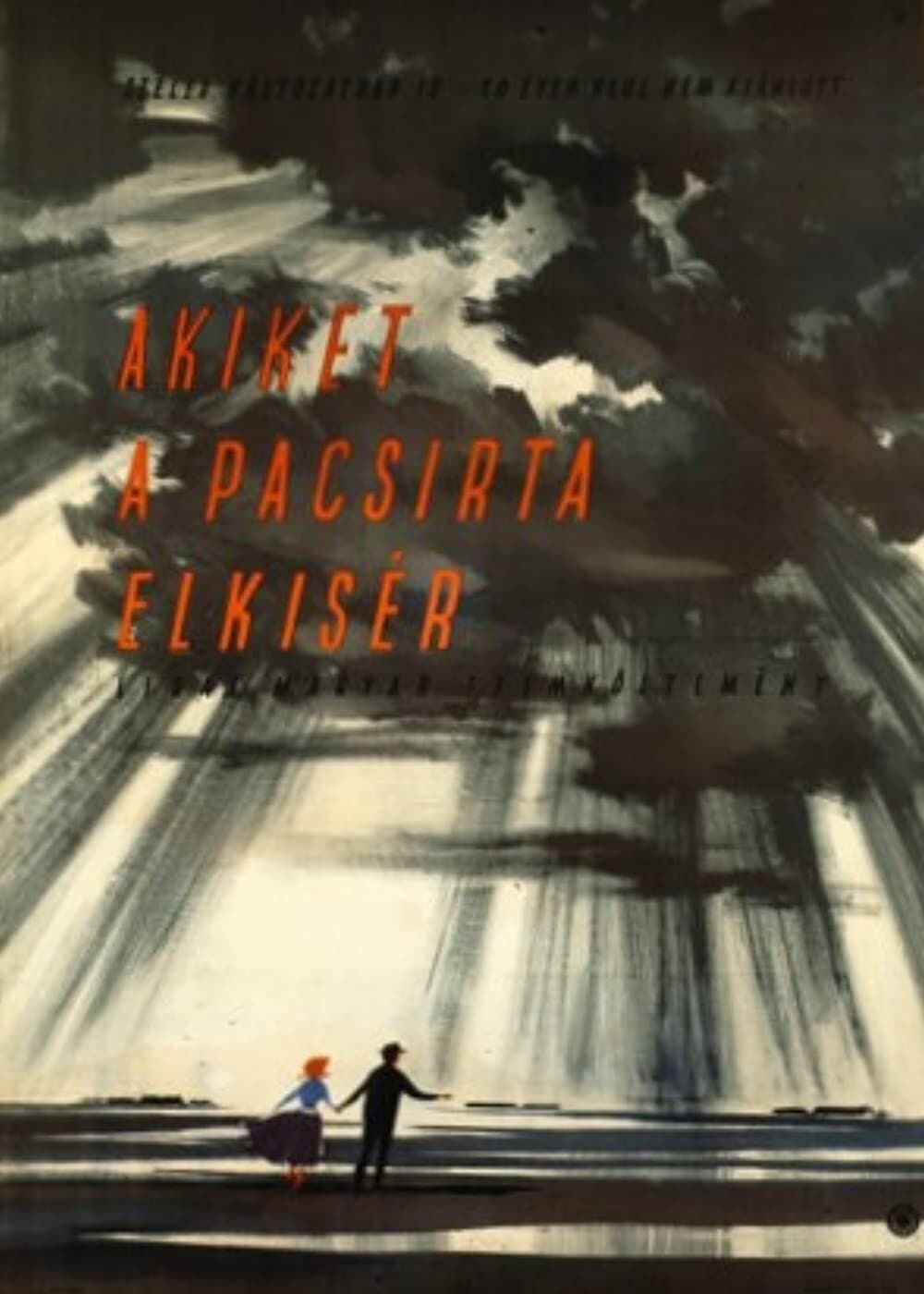
1922. Sándor serves as a farm-hand, but would like to become a blacksmith. He is completely enchanted by the beautiful wife of his new master.
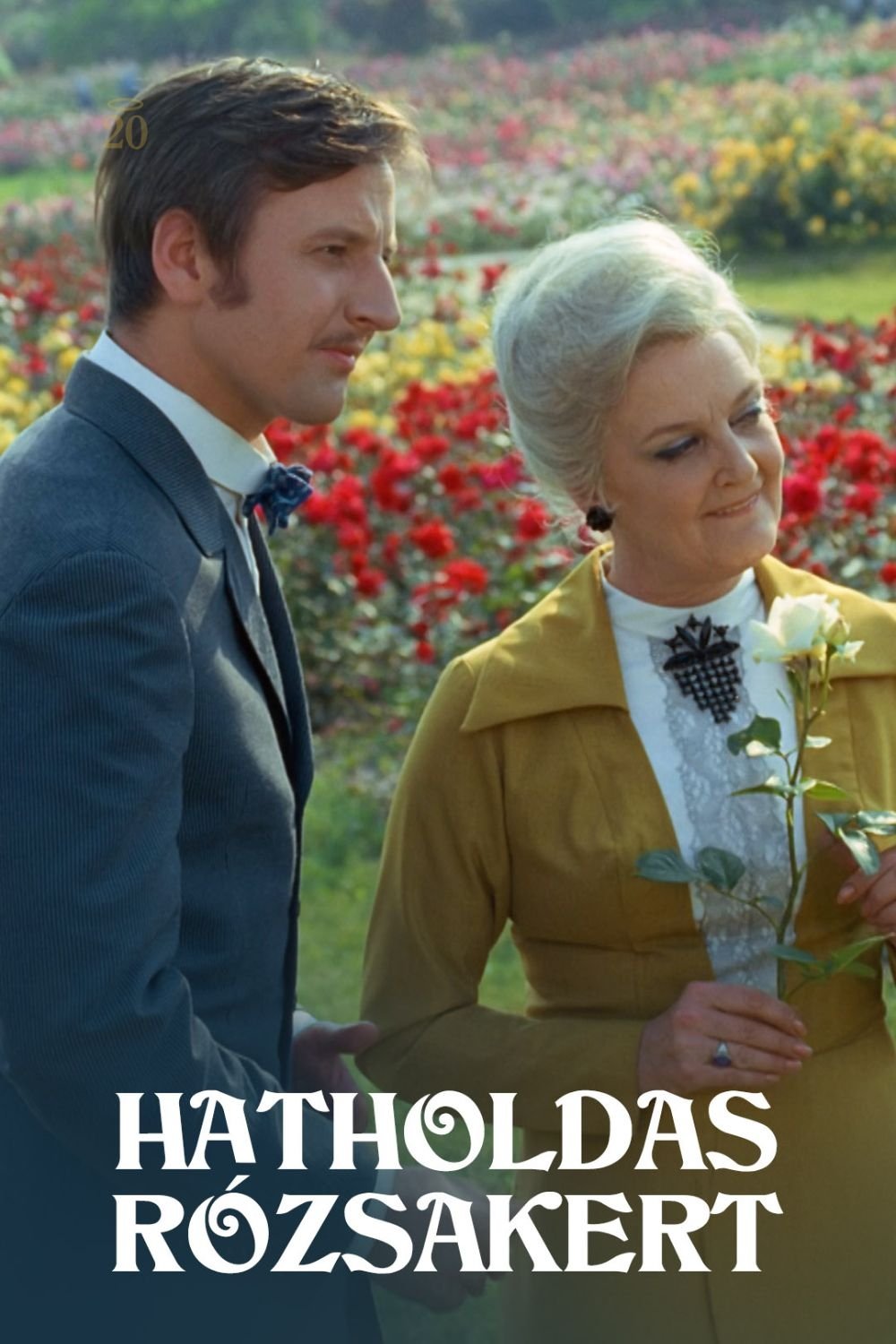
Aunt Ilka, who likes company, opens her house standing in the middle of a six-acre rose garden in the little town for the golden youth of the town. As a result of her benevolence, the tenants are in the position to adore not only the roses but a nice bunch of to-be-married girls of the town.
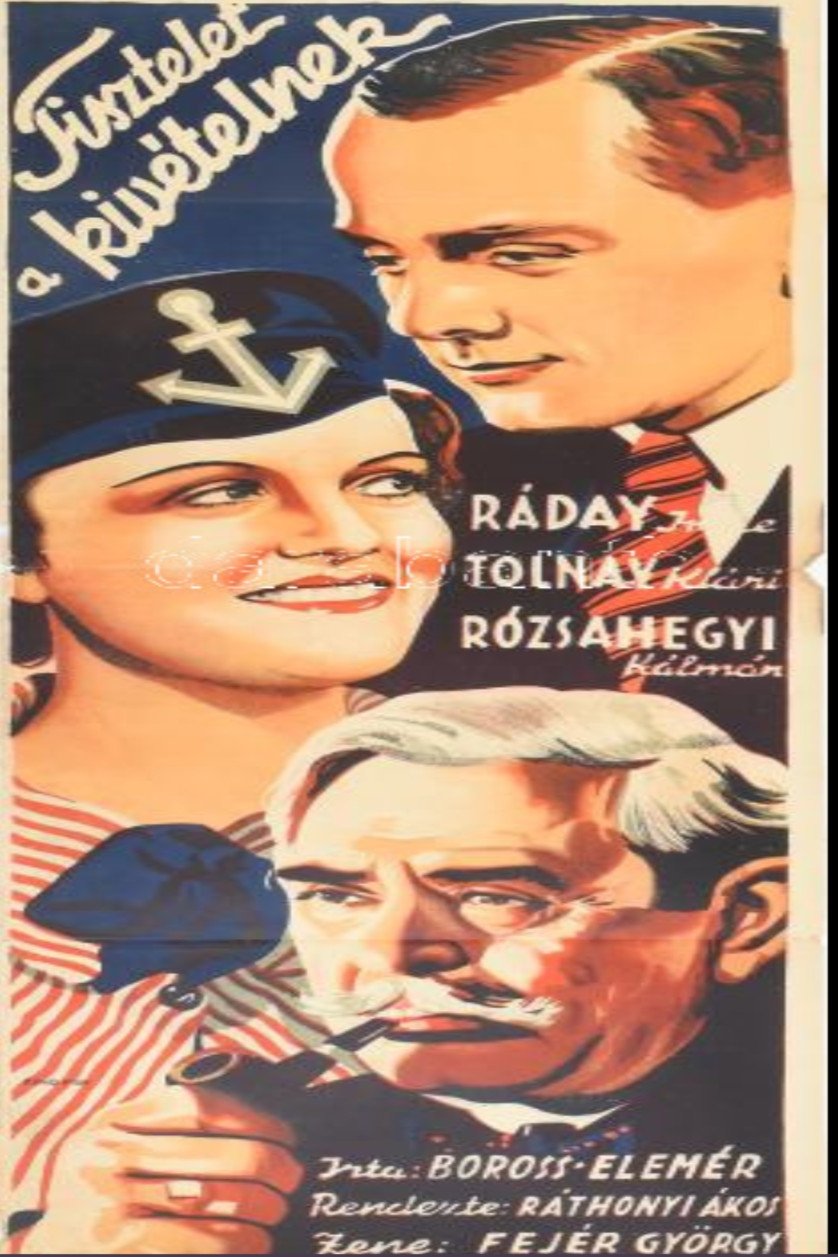
Endre Julián, the young toy maker, lives a life of leisure. A man with a devious nature, he has his eye on the beautiful daughter Vera, the police inspector János Kántor. He takes her to his weekend home, but she realises that he is looking for an easy fling with her. An unfortunate accident causes Vera to disappear in deep water, and Endre notifies the police, telling Inspector Kántor the bad news. Eventually she is lucky enough to be found, but she doesn't want to hear anything about the toy maker. Endre's fatherly friend, Uncle Reményi, is very taken with the serious girl and decides to bring the young people together.
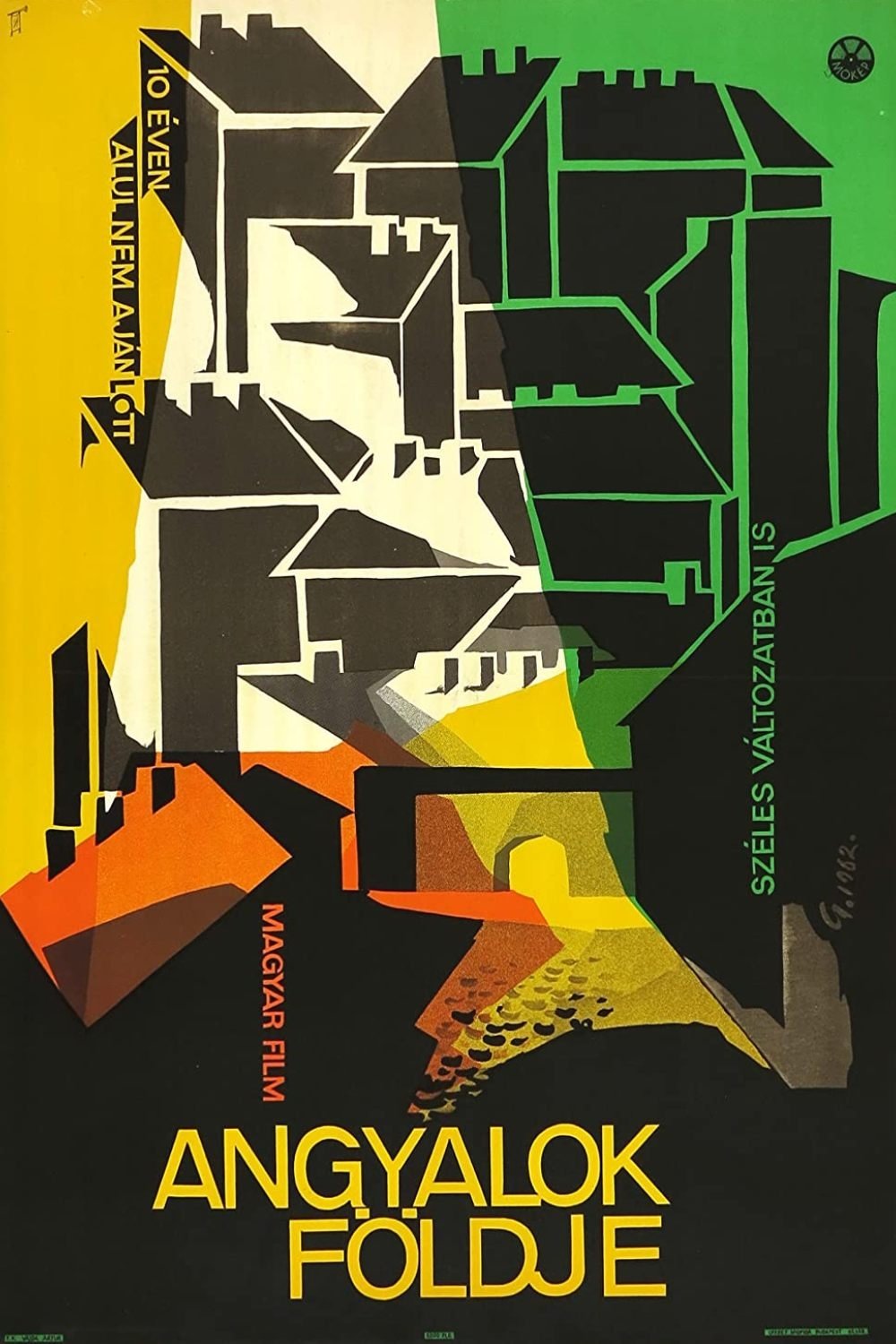
The film is a ballad about the dwellers of a block-of-flats in Angyalföld.

Based on a novel by Dezso Kosztolani, this Hungarian drama is set at the turn of the 20th century. A young, homely woman lives at home with her mother and retired father. Because of all the care the girl provides for her parents, the couple becomes detached from the world outside their home. When the girl leaves for a short visit to her uncle's home, the parents realize the extent of their separation from society and their selfish feelings toward their own daughter.
Anni, a young woman on the verge of divorce, moves into a hotel until the trial, where she meets a charming young man, Albert Sándor. Despite the fact that the lawsuit would prevent Anni from getting involved in a new relationship, she agrees to a compromising meeting. Only on the day of the trial does it become clear that Albert Sándor is the lawyer of Anni's husband, who doesn't want to hear about the divorce, and has been keeping a private eye on her. Anni thinks she is being set up.
Mrs. Holló reports the case of three missing persons to the police. During the investigations, the captain realises that there is nothing to deter Mrs. Holló from her trying to overcome loneliness.
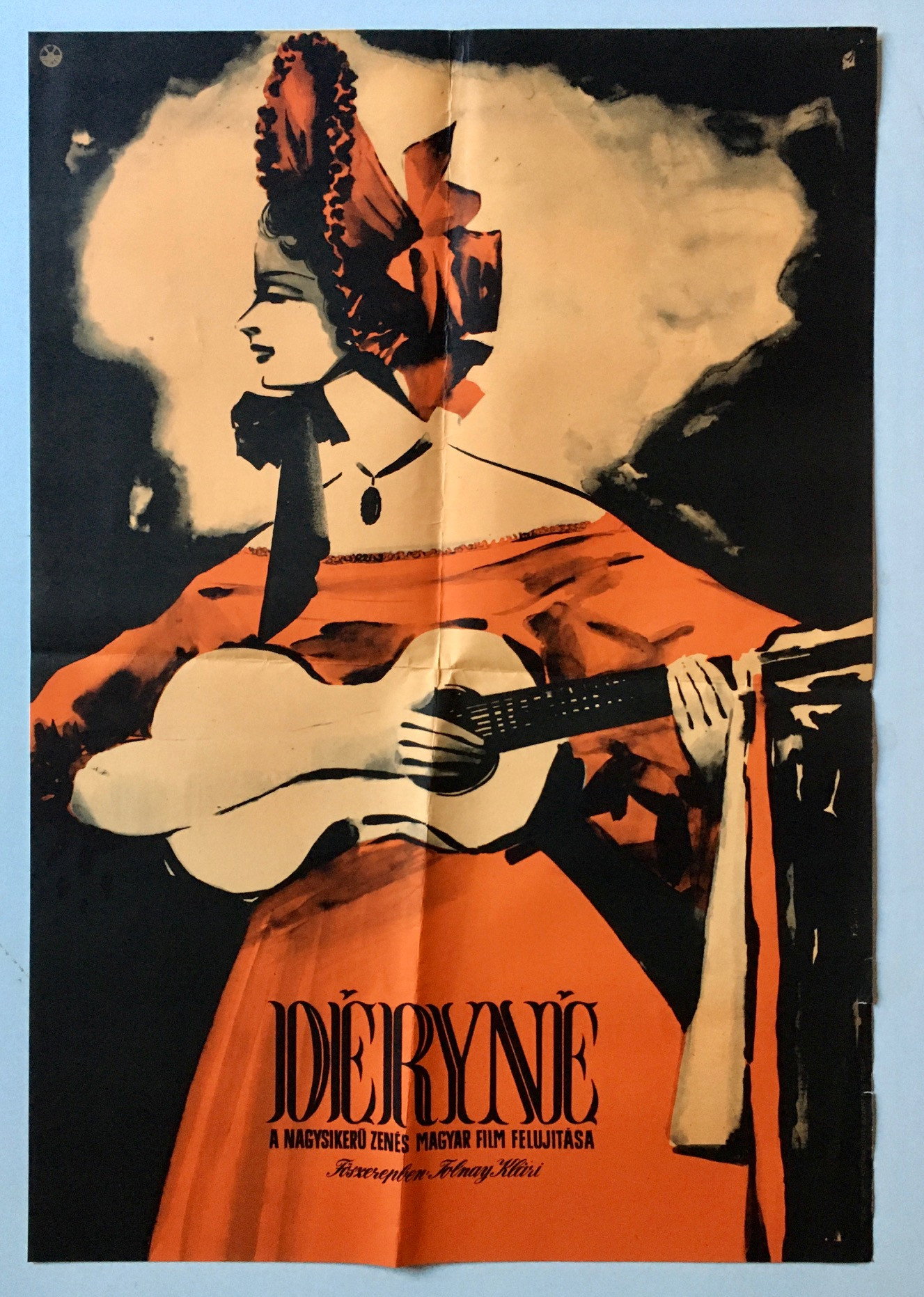
The story, which takes place in the reform era, centres around Mrs. Déry, a legendary actress, who, along with her fellow actors and actresses, travels around the country to become the herald of the Hungarian language, performing in villages and towns up and down the land as strolling players, a woman who is not put off by the prospect of starvation and the dearth of a home to return to and security to live in.
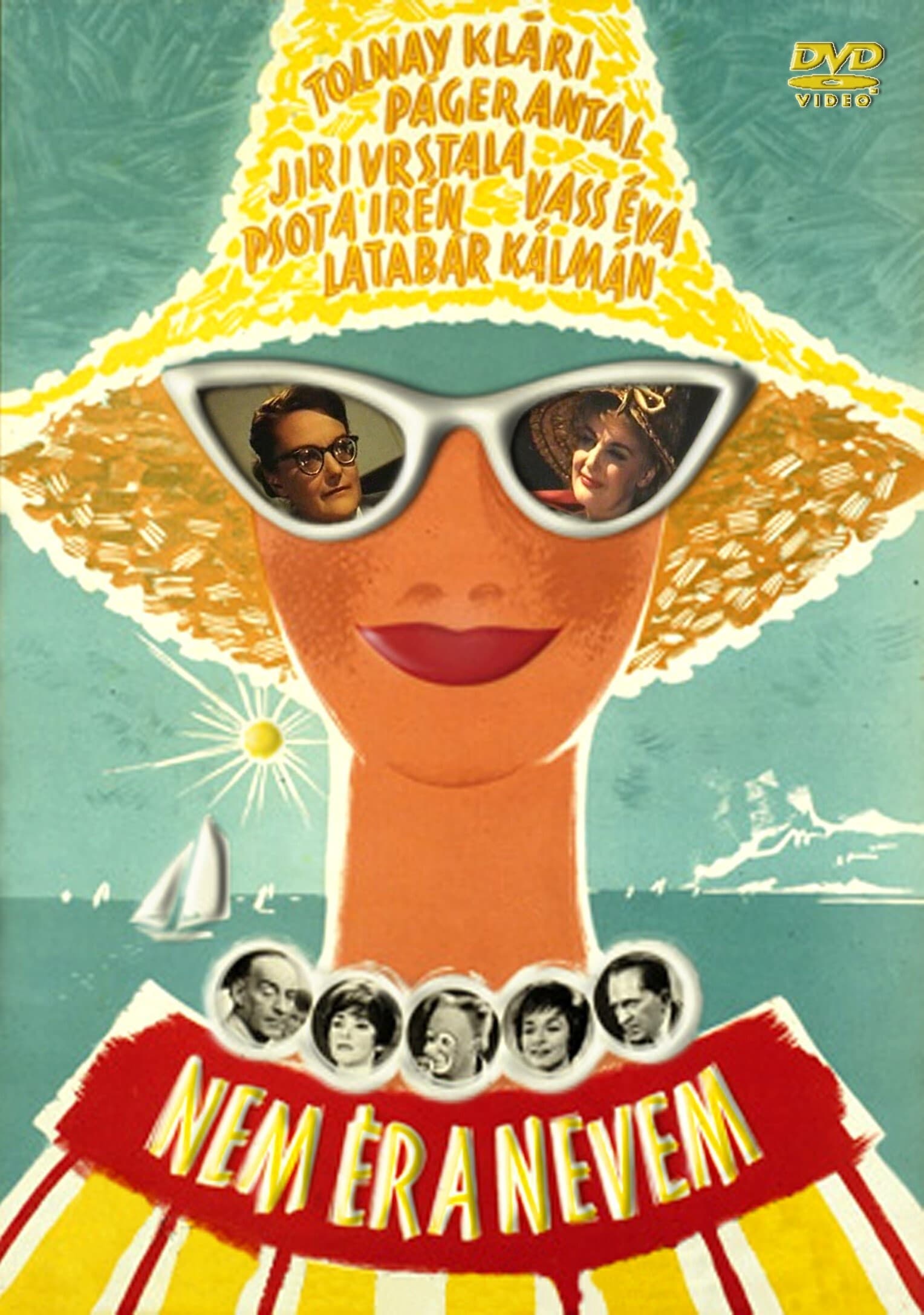
The grey hero of grey workdays, the divorced cashier of a cinema who is always willing to sacrifice herself for others, Etelka, is awarded a two-week-holiday at Lake Balaton. Following the advice of her female friend, she tries to live life at full speed.
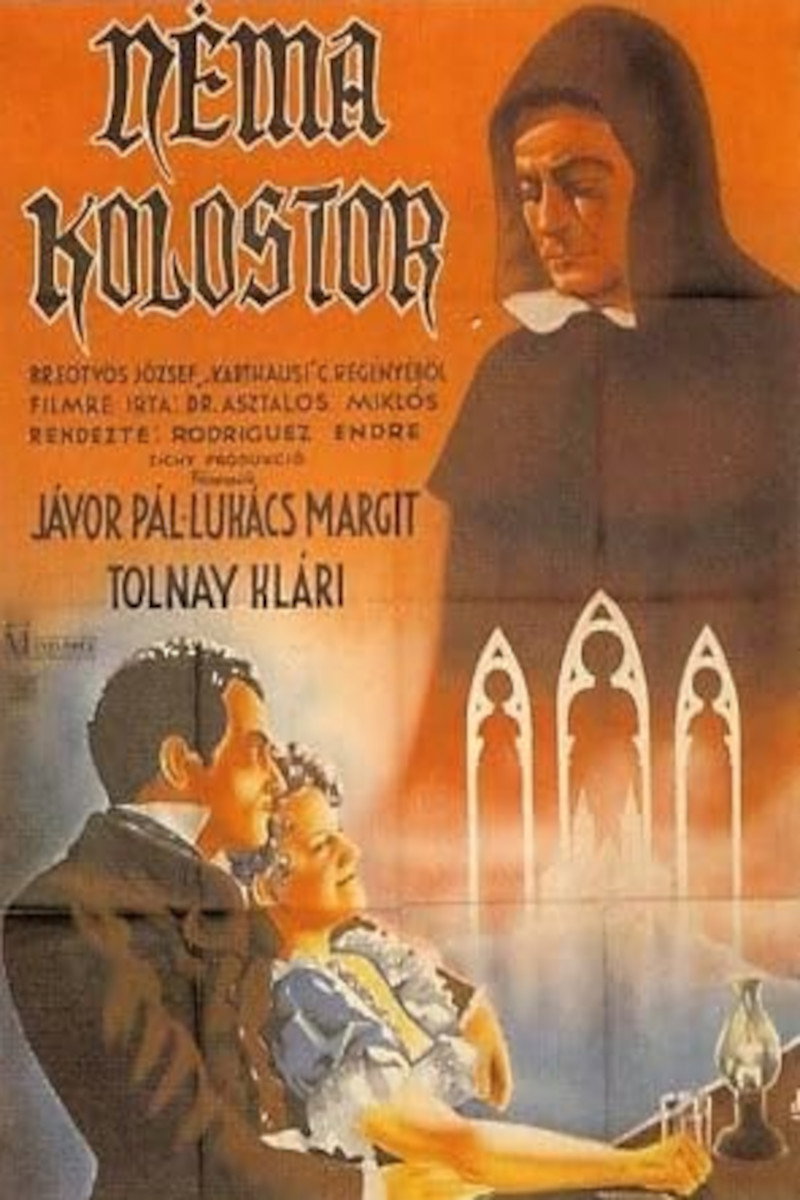
Count Vághelyi Gusztáv is now a member of the Carthusan order. He has to be there at her ex-sweetheart's, Betti's deathbed. Longing for penitence, he recalls his life so far.
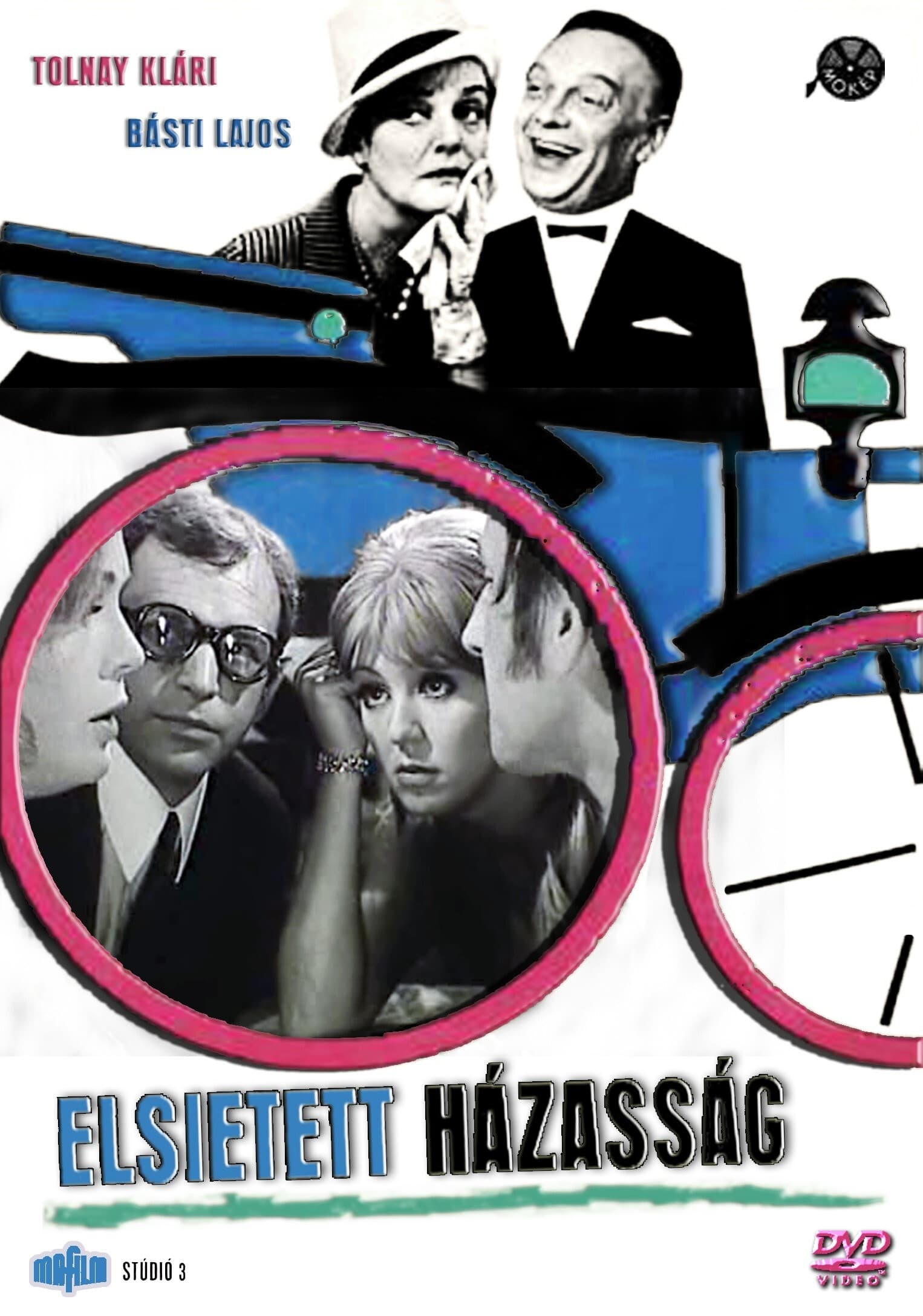
The protagonists of a comic Romeo and Juliet story full of gags are two widowed pensioners. Nádor and Mrs. Komáromi meet in the cemetery while mourning their dead spouses and they fall in love.
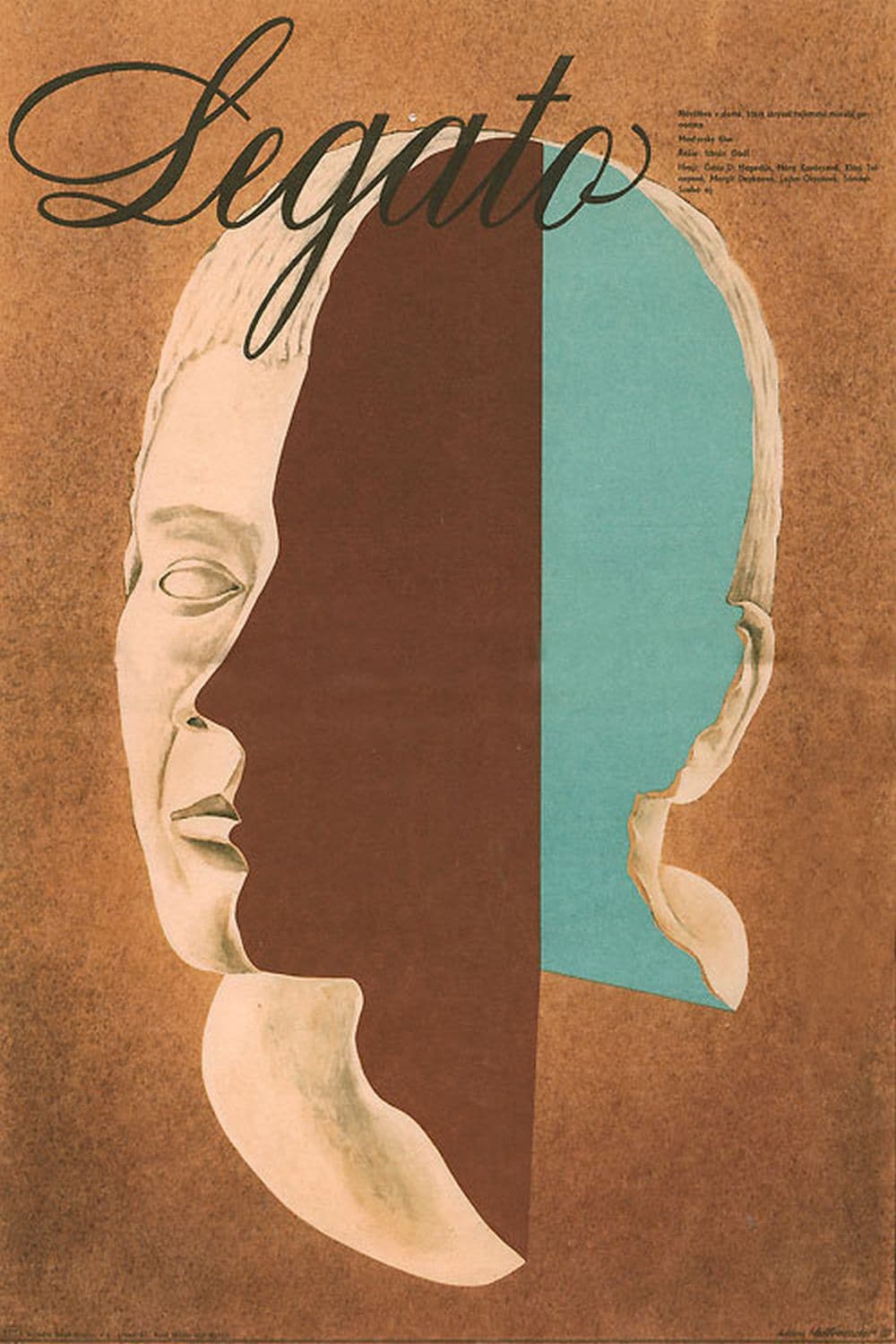
The university student couple, Andris and Mari, cross Nemesbérc during their summer vacation, to hasten the laying of a memorial stone to the memory of András's martyr father.
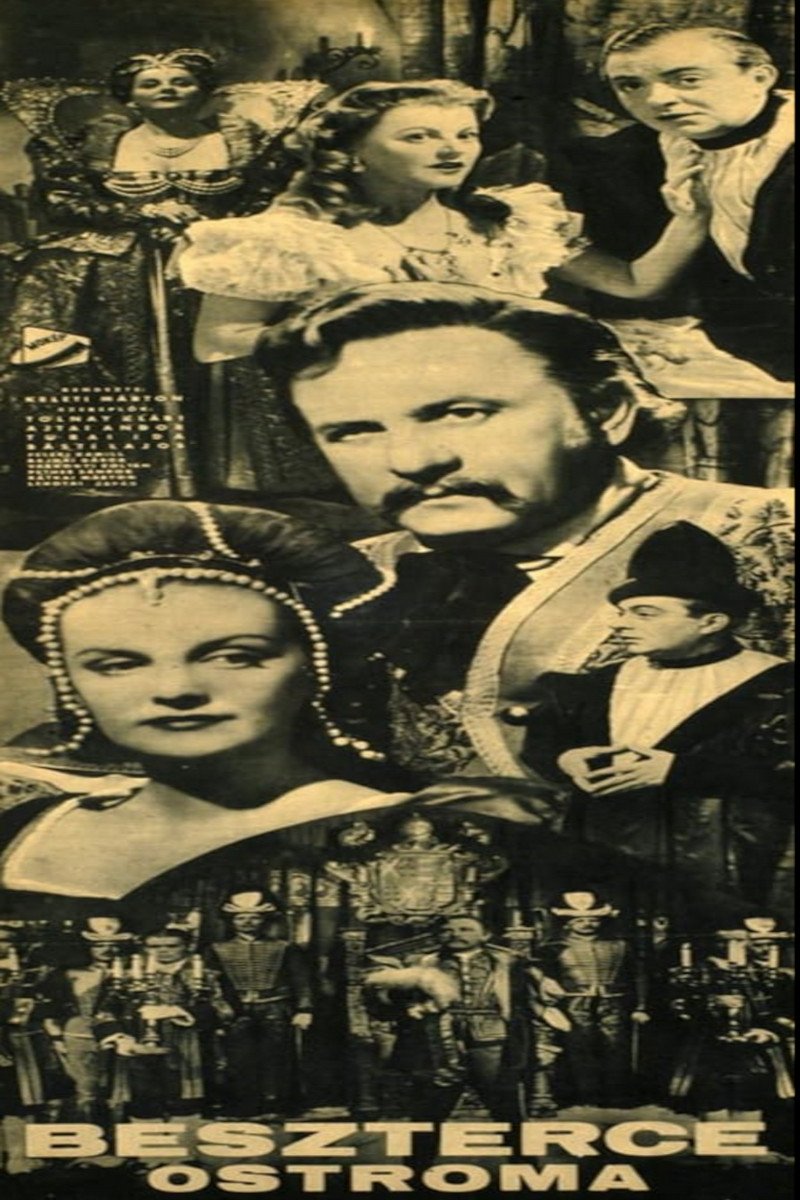
The film evokes count Pongrácz, who, as late as the 19th century, managed to live a life, which reminds one of his medieval ancestor's values. He acts in defiance of the town by fighting his own battle against it, having been offended by the town.
A coming of age story about a young boy spending his summer vacation in the village.
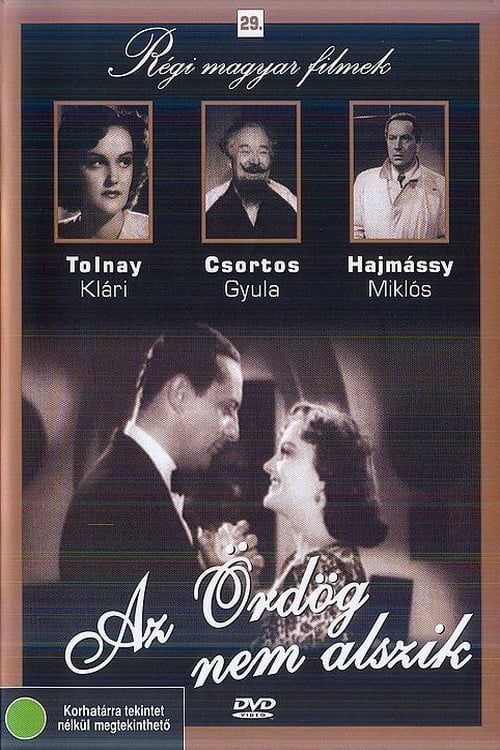
Count Gedeon Boroghy would like to see his last two relatives, Peter and Eva, married, so that the family fortune can pass to their rightful heirs without dissipation. The Count would like to bring them together, so he announces his own death and stipulates in his will that the heirs must stay at the castle for a month, eat together and kiss each other goodbye. The young people, who have already fallen out during their journey, hatch a variety of plans to force the other to break the will and thus lose the inheritance. When it turns out that Uncle Gideon is alive and the will no longer stands between them, they reconcile and agree to comply with the old count's wishes even without an inheritance.
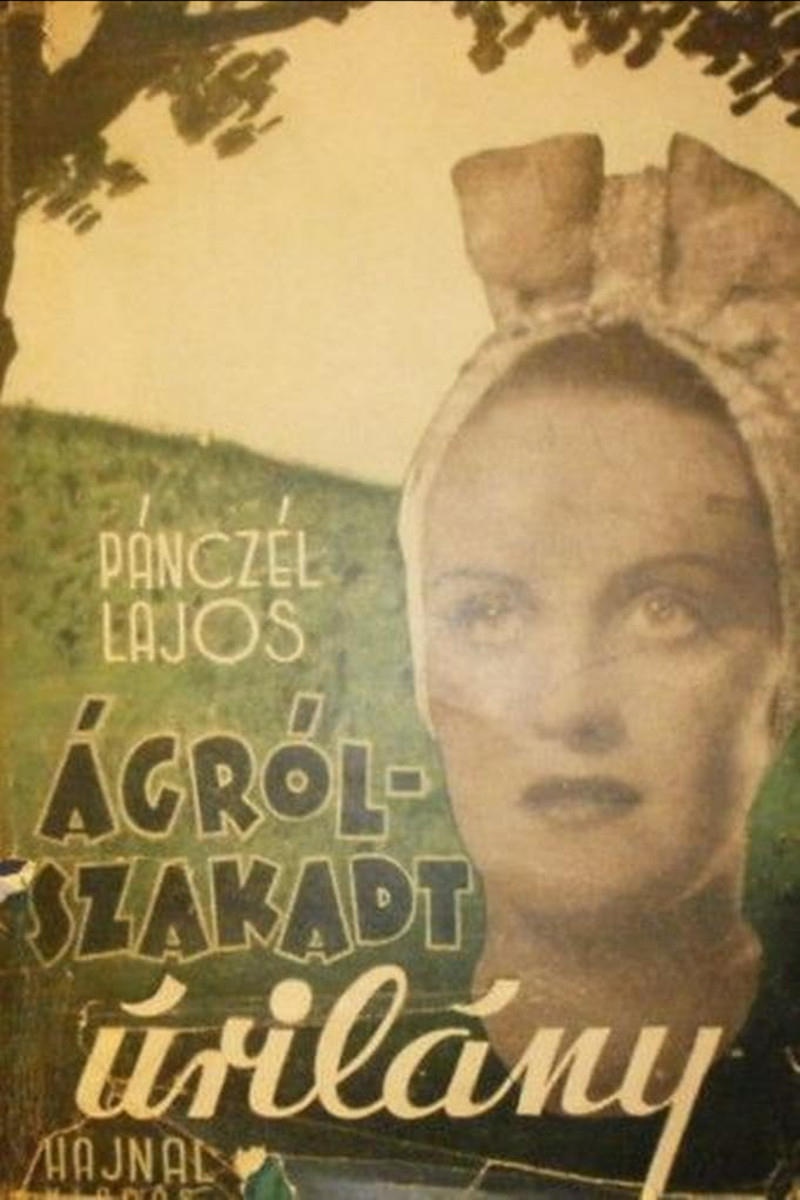
Dr. Ádám Koltay flees the city. Although he is the darling of society, he has grown weary of the emptiness of social life. He tents in the pure, unspoilt world of the snow-covered mountains, but on his first day, an unexpected event occurs: he must save the life of a young girl who has fallen off a cliff. In gratitude, she offers him an invitation to join the hustle and bustle of a nearby noisy resort, but Adam steals a kiss from her instead. Eve vows revenge, ready to do anything to disturb his peace.
Sándor Vedres, a painter, learns that his success is not due to his talent, but to the intervention of his model, the flirtatious Marianne, and flees to the Transylvanian mountains with a disappointed heart and shaken self-confidence. His calm is disturbed by the appearance of Klara, who looks exactly like Marianne. His barely healed wounds are torn open by the encounter, he runs away upset and falls into an abyss. She is found unconscious. Marianne's sister, the noble-hearted Klára, carefully tends to the stricken man, who soon recovers but remains mute. The mute painter discovers pure love alongside the kind-hearted girl, and his paintings of the mountains are rewarded with a prize at the exhibition in the capital. News of his success attracts the old lover, but not the love of Klára and Sándor.
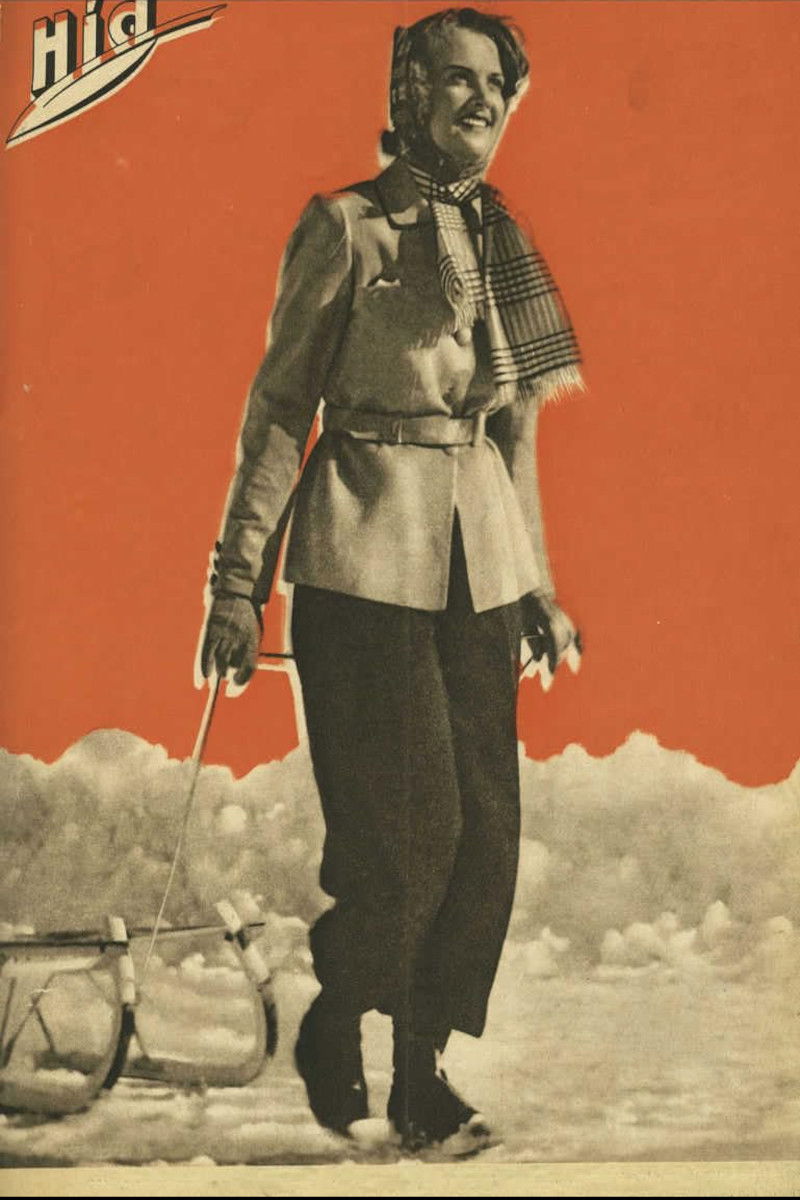
Ágnes, Vass and Kriszt run a sanatorium for consumptives. Fifi, daughter of the institute owner is also here, mortally ill. Feri, the ski trainer relieves her with his courtship every now and then from her boredom and distress.
Kovács, chief cashier, is celebrating the 30th anniversary of his school-leaving exams at the grammar-school. He takes his friends to a night-club.
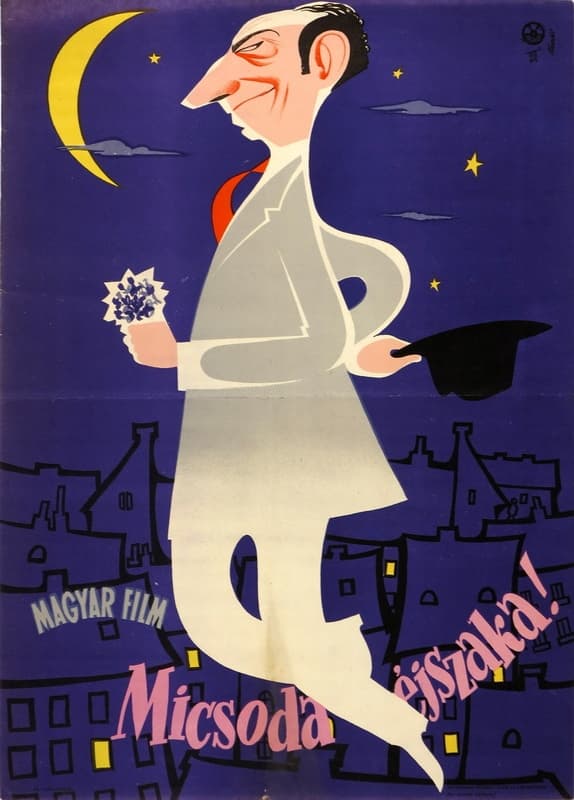
Antal Tőrös, teacher of mathematics, does not like and trust people. No wonder he is not liked by anybody, either. Only his colleague, Klára takes a liking to him. Tőrös is in love with her, and to prove this, he tries to forget about his previous life-philosophy.
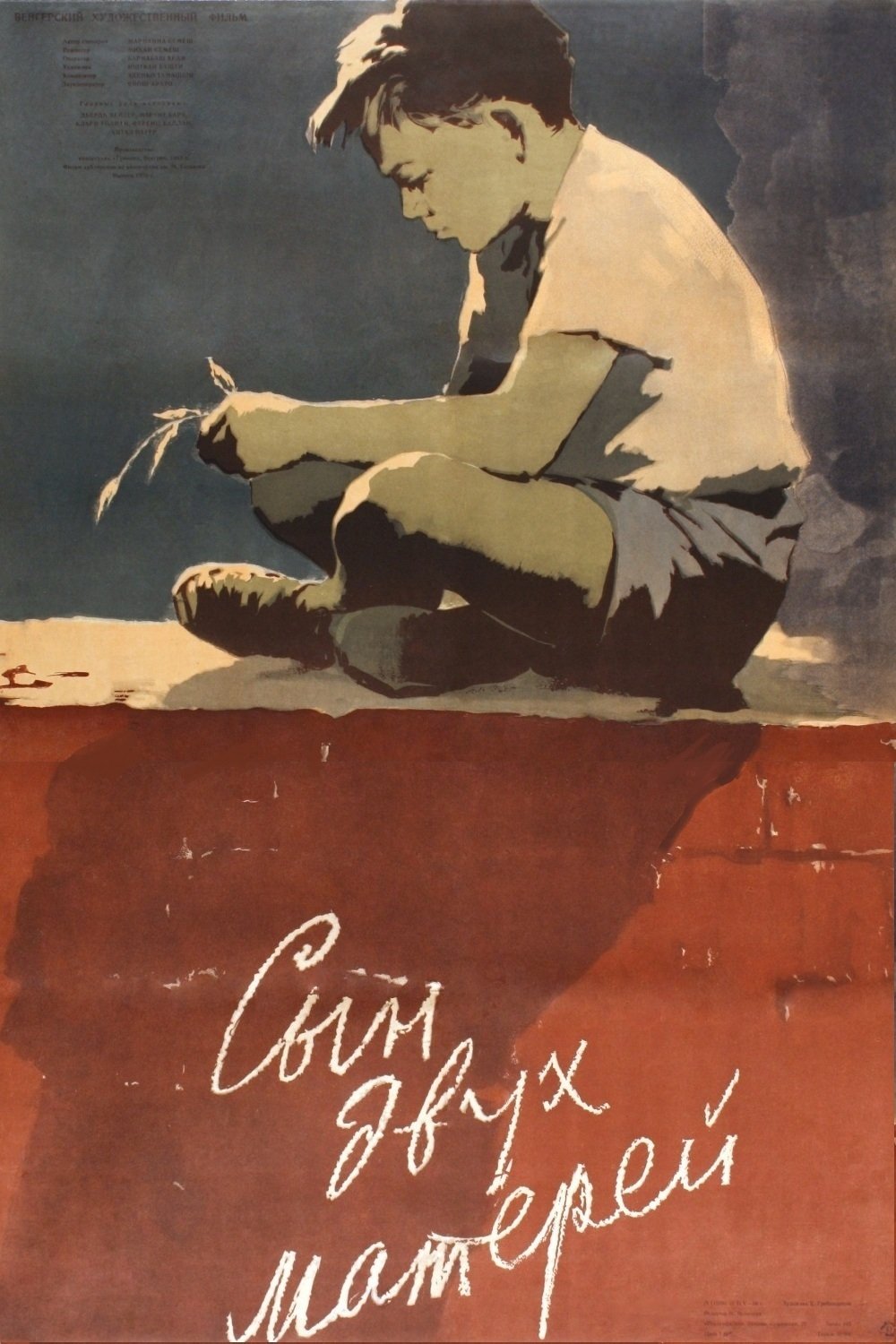
Dani, the few-month-old little boy born outside marriage is left by Eszter in the lap of her companion on the train. The widowed Aranka takes him willingly to her. The child is already ten years old and has a good life with Aranka. Then Géza enters their life and he does not welcome the child of someone else.
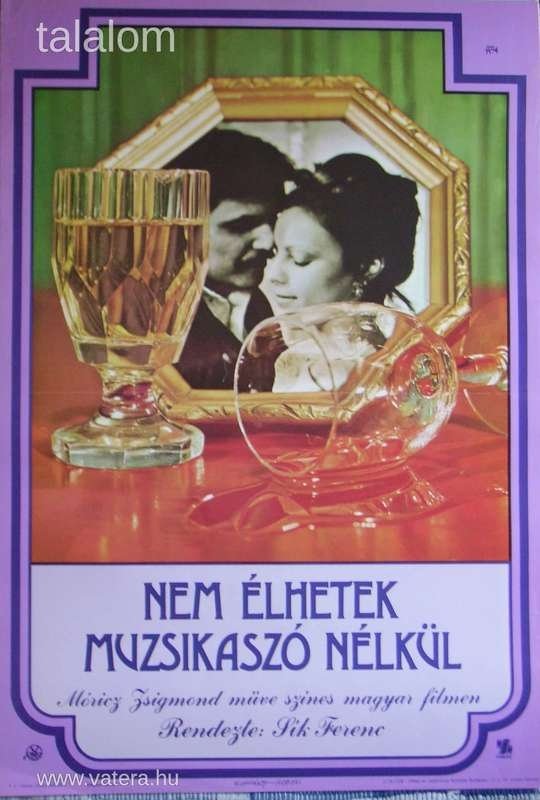
Pólika, tired of her husband Balázs Nyiri’s partying, moves in with her aunt. Nyiri, desperate to win her back, tries everything but fails. Aunt Zsani seeks help from her brother, Uncle Lajos. They sing Pólika’s songs at a pub, joined by the household. Aunt Zsani’s housekeeper, Pepi, serves them food, while servants share news of the Nyiri farm’s sale. Frustrated by the scandals, Pólika tells Nyiri to run away with her if he wants.
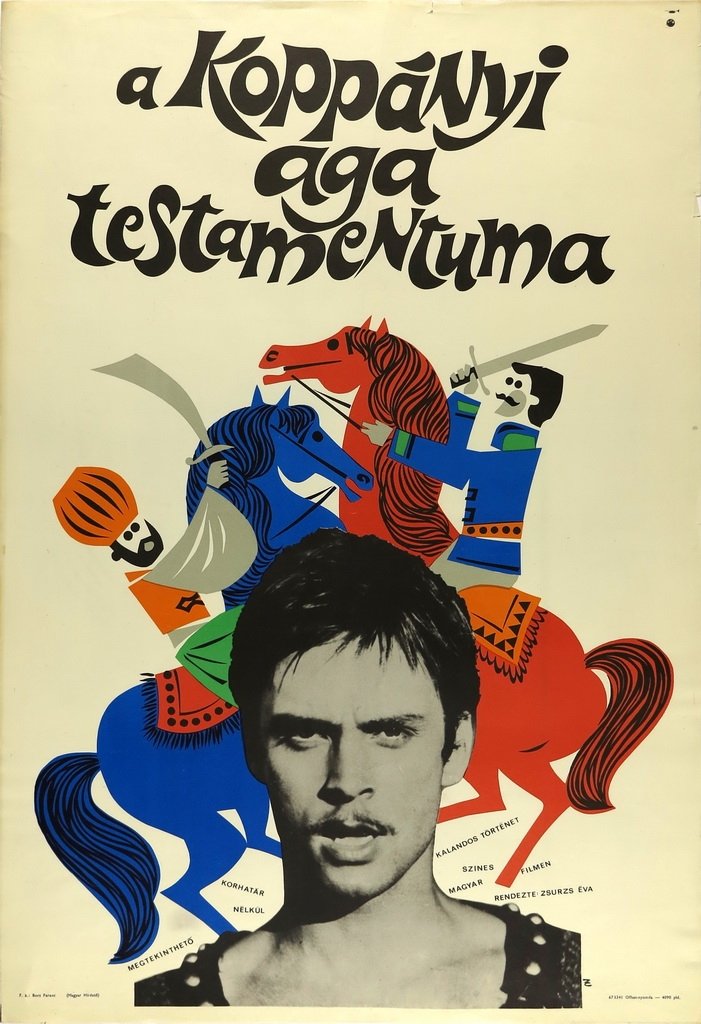
In 1585 the Turks and Vallons are looting the Látrány region.
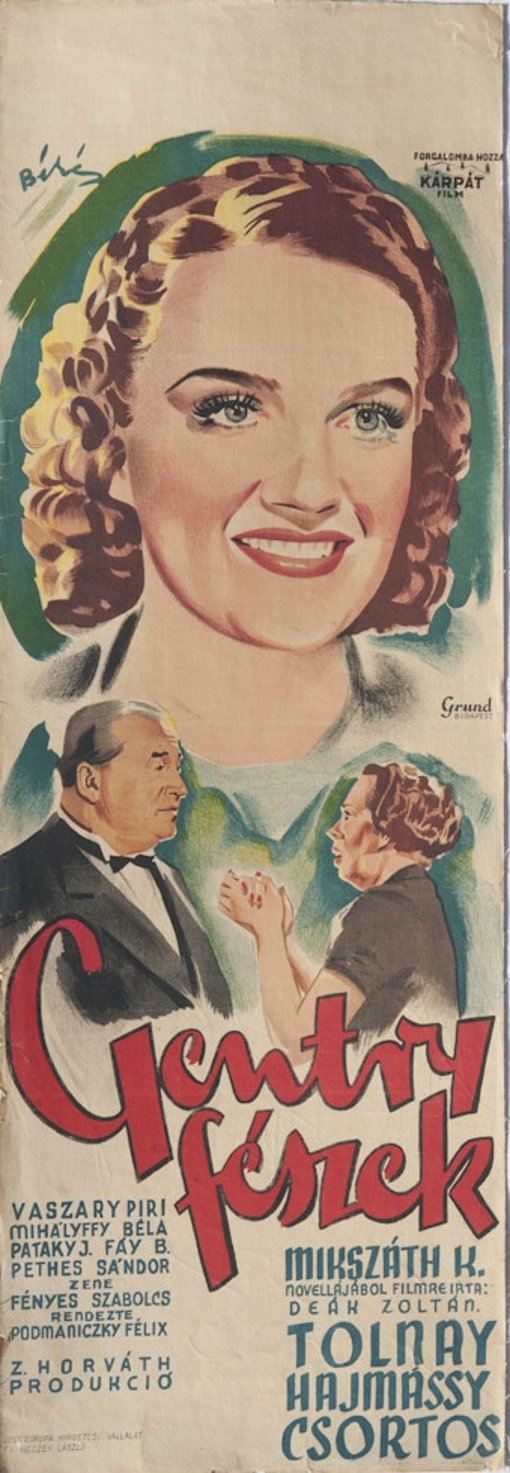
Pál Völcsöky comes home from Sweden to get his uncle's heritage, the castle. The valet, Joachim informs him that all members of the Völcsöky family have a right to spend two weeks of honeymoon here.
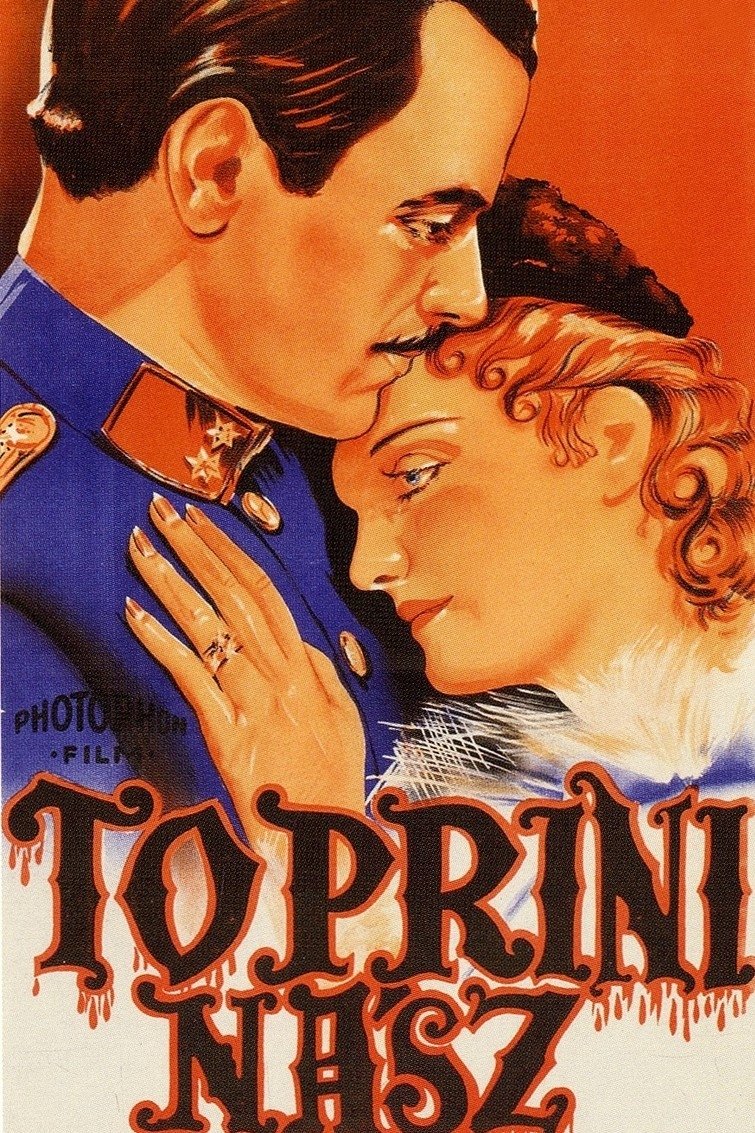
Sent on a spy mission to the estate of Count Toprini, Lieutenant Imre is helped by the count's wife who is unhappy in her marriage.
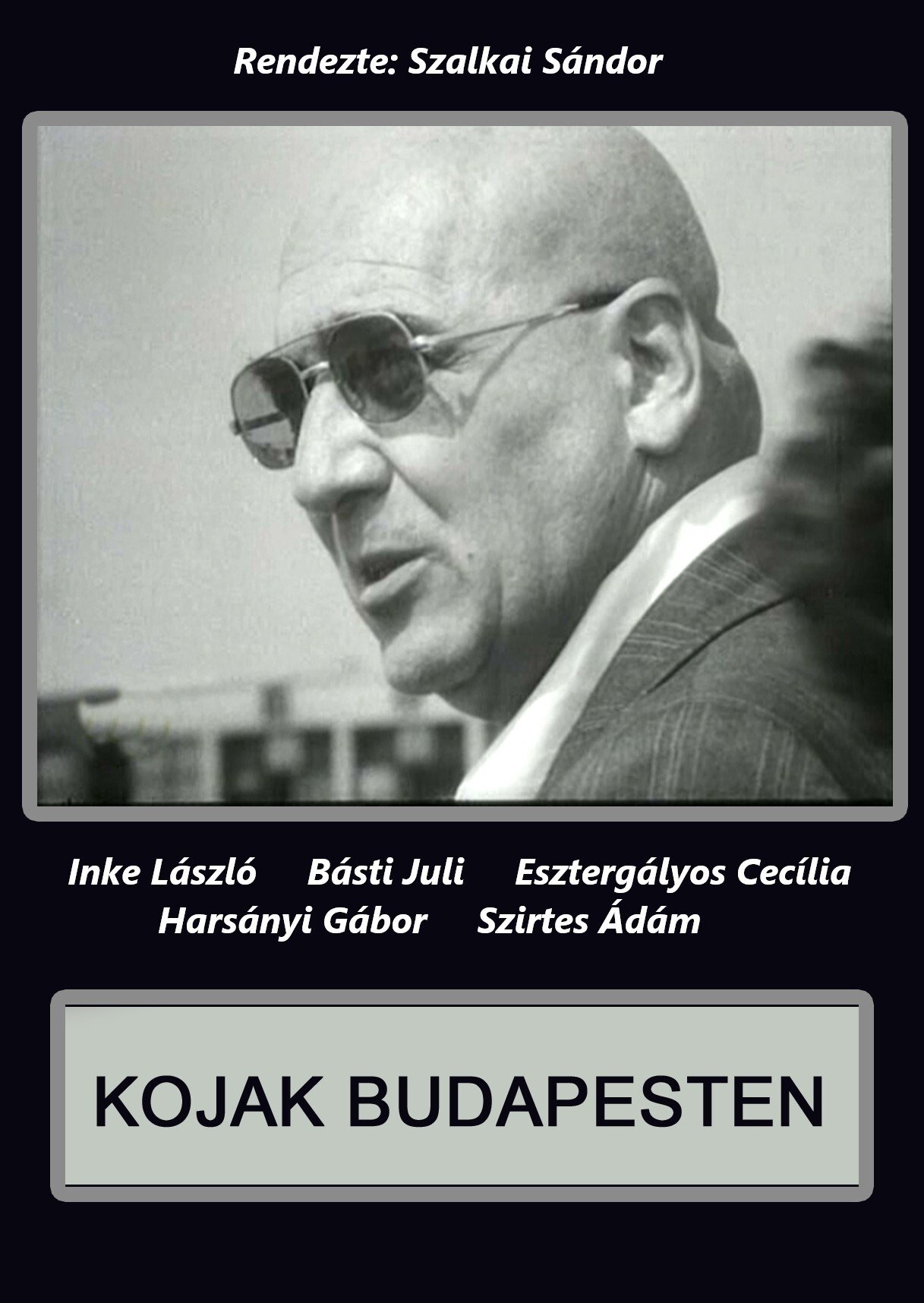
Lt. Kojak arrives in Budapest as a guest speaker for the 'International Crime Writers Conference'. Soon after he starts enjoying the pleasures that the city has to offer, he assists his old friends at the police department with a case. The case involves solving the murder of a noted scientist, unaware that a Mafia hit man and his female companion are targeting him.
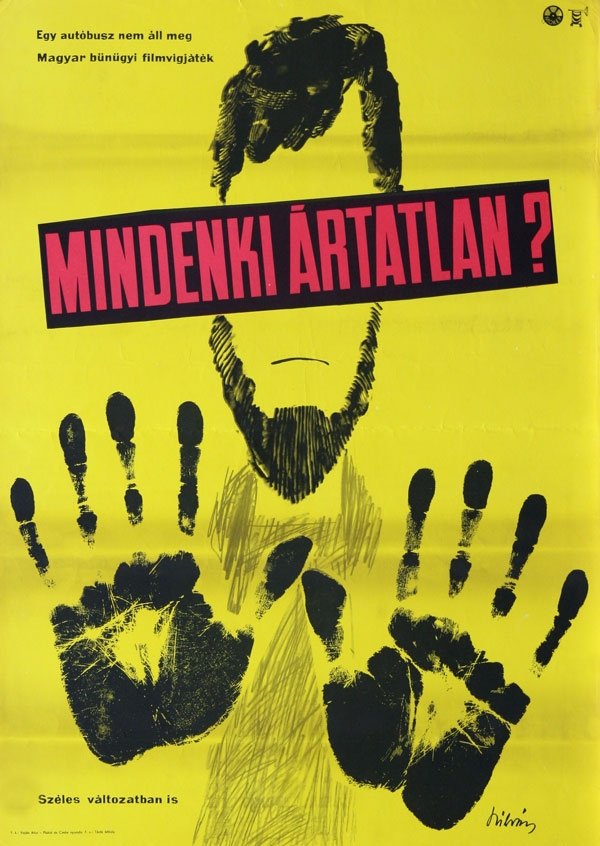
A young woman on board of a bus notices that her watch has been stolen. The ticket collector keeps everybody on board, and upon the advice of a traffic police, they drive directly to the nearest police station.

Varsa engineer receives the Kossuth award for his excellent work. His career once began at the family enterprise of his wife, so the woman invites her relatives for a dinner party.
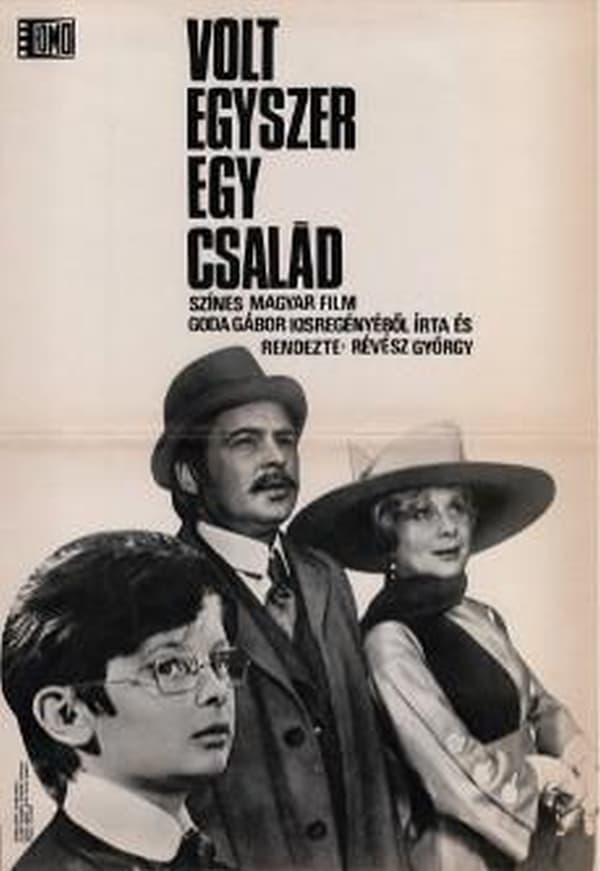
This film describes the narrator's childhood, the years before and after the Hungarian Soviet Republic, in a burlesque and fabulous style and with the humour of a child's fantasy.
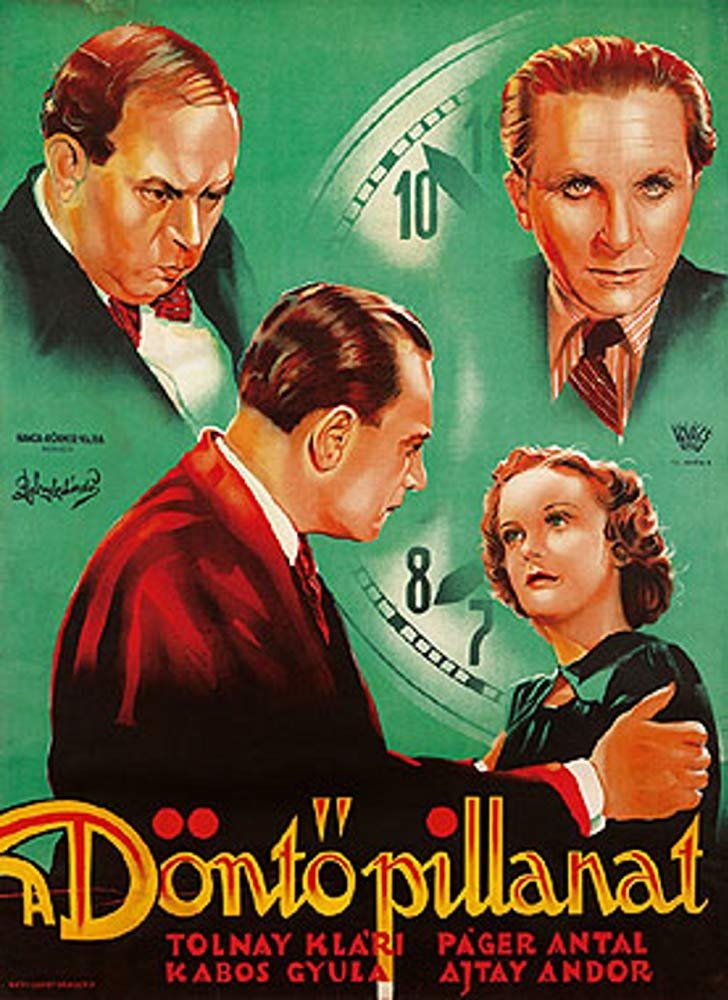
Kulinyi, the theatre secretary in Budapest, becomes the director of a rural theatre. He takes with him a talented, budding theatre couple, Gábor Bálint and Éva Pap. He fights a hopeless battle with drunken and jaded actors, undemanding audiences, and demands the release of their untalented relatives with creditors. Finally, tired of failure, all three return to Pest. Kulinyi resumes his post as secretary. Gábor Bálint, out of options, approaches the famous actor Ferenc Tőrös and asks him to let him play the role for one night only, so that he can prove his talent.
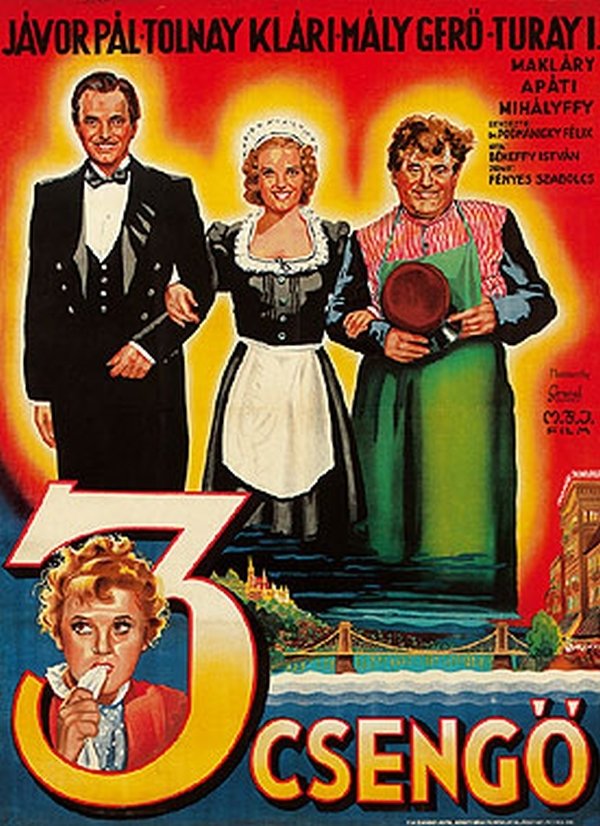
Kovalszky arrives at the Danube-Bank Hotel as a foreign gentleman. Two members of the staff, Miklós, the waiter and Anna, the house-maid are planning their life together. Kovalszky makes passes at Anna.
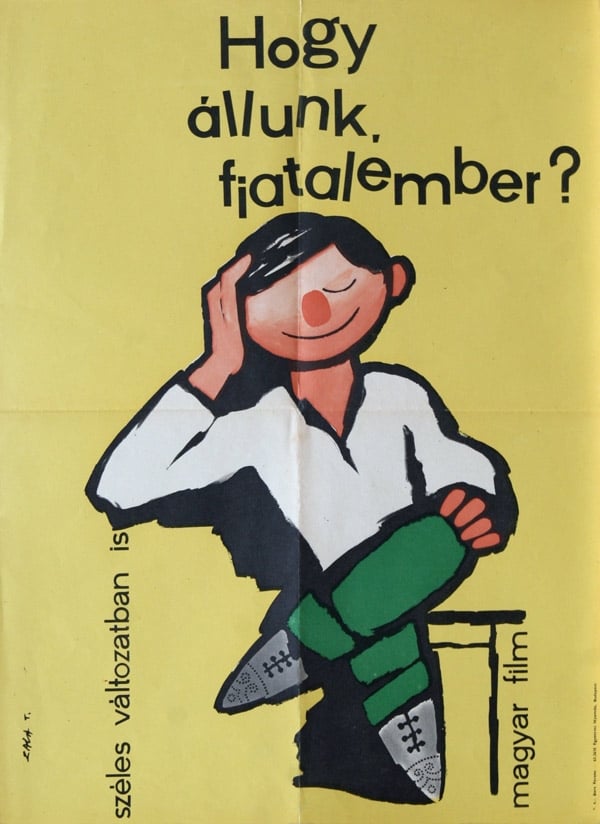
Andris is almost an adolescent boy. He would need the trust and encouragement of his family. But his father is too much preoccupied with his moral problems in his job. He has the choice either to make a fuss about the corruption discovered at the company or he tries to cover it up skilfully.
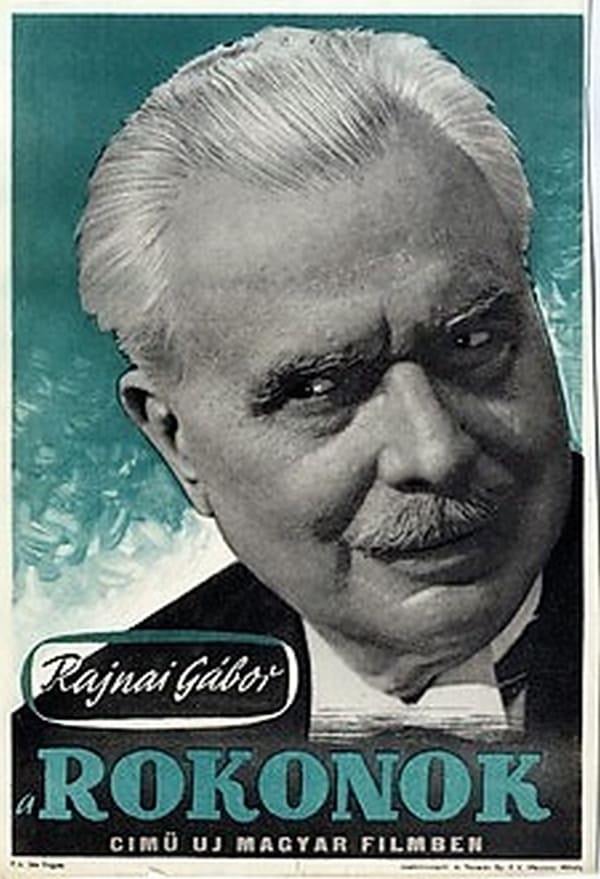
The hero of the story taking place at the end of the twenties is the modest civil servant, doctor Kopjáss who is suddenly appointed to be the chief attorney of Zsarátnok city. He realises slowly that his immaculate name was needed as a cover for the corrupt loan transactions handled by the lords of the city.
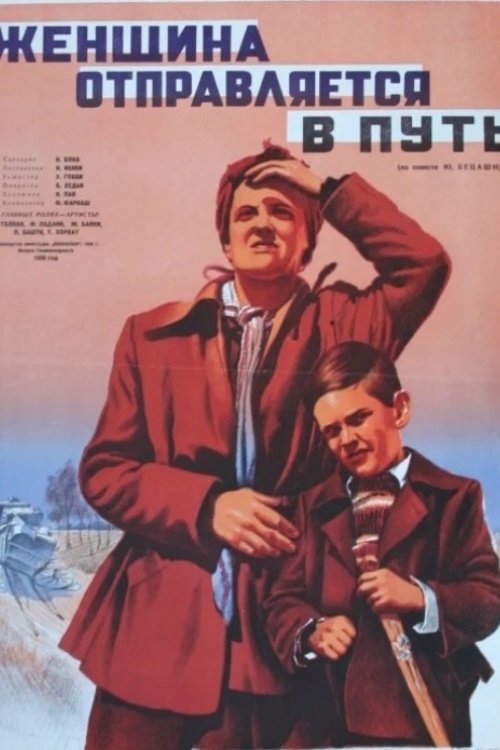
The story is about a woman who is waiting for the return from the war of her front-line soldier husband. Ilonka and her two children return from the village to their apartment in Budapest. Her husband is held captive by the Americans and awaits the first opportunity to return home, but he does not yet know that his fellow soldiers suspect him of complicity in crimes. In the meantime, Ilonka takes a job in a factory to make a living...
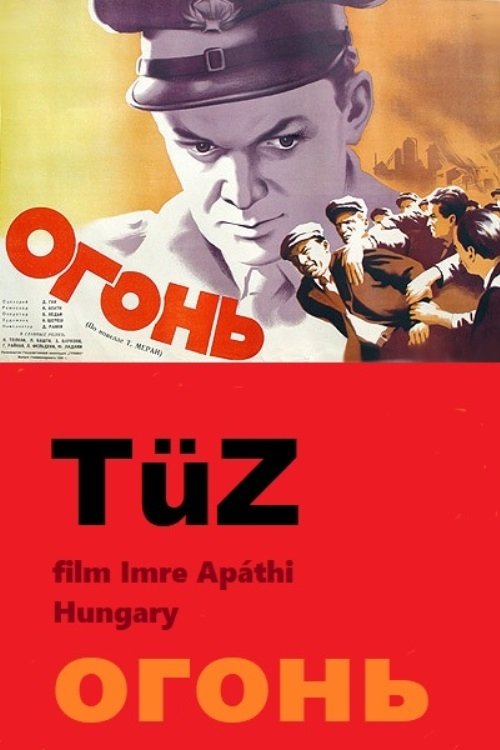
The first Hungarian spy film ripped the mask off those ministerial officials who, having sold out to foreign agents, sabotaged the rebuilding of Hungarian factories and plants destroyed by the war. In the film, spies and saboteurs with wallets full of dollars and pistols in their hands set fire to Hungarian factories. The former ruling class was reluctant to give up its place in life and had to be fought to the death.
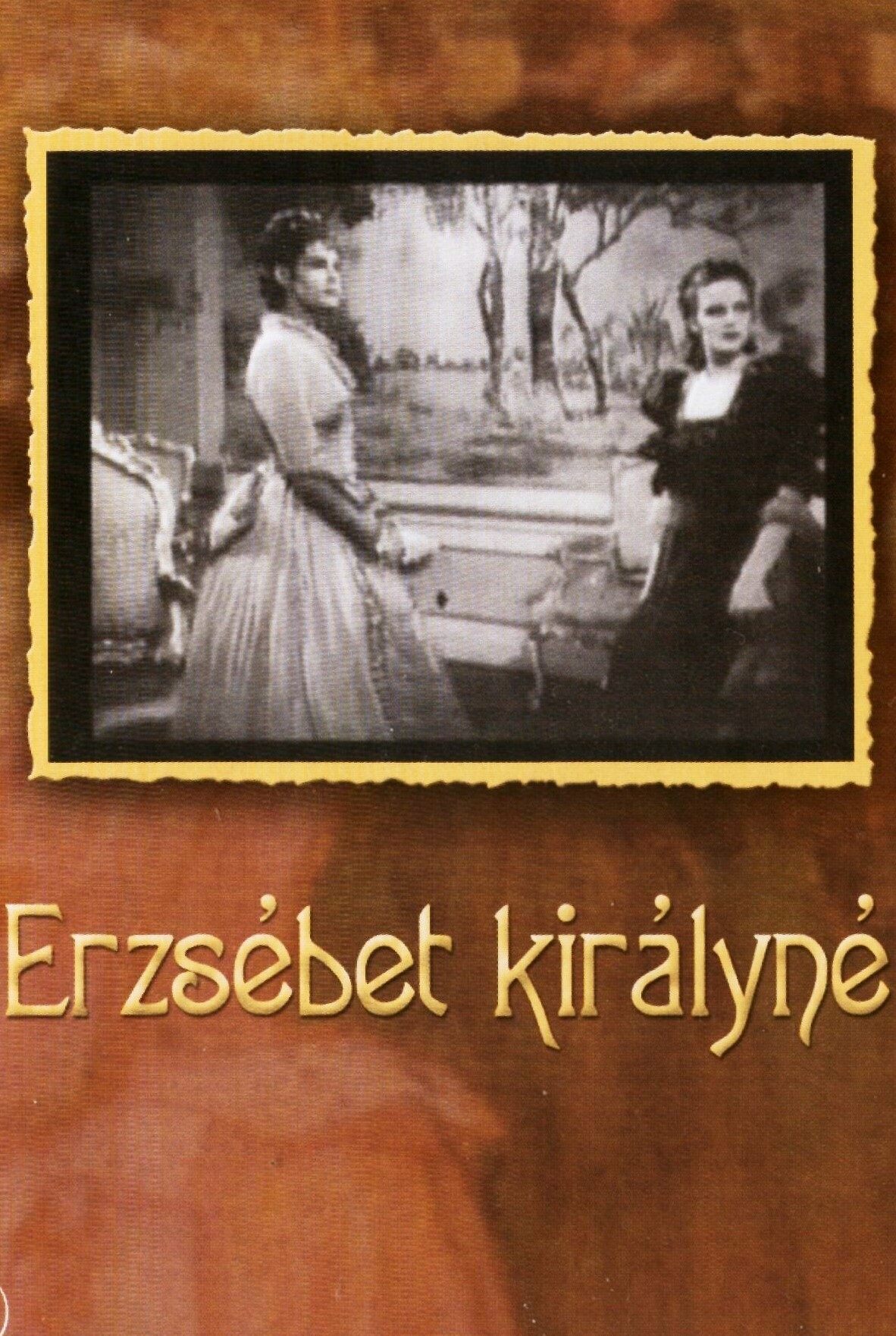
Emperor Franz Joseph's young wife, Queen Elizabeth, was a popular favourite. After the defeat of the War of Independence, the daughter of the revolutionary General Latkóczy came to her to ask for the Queen's intercession on behalf of her father. Little does she know that her journey is aided by the envoys of the Hungarian Legion, which is organizing abroad.
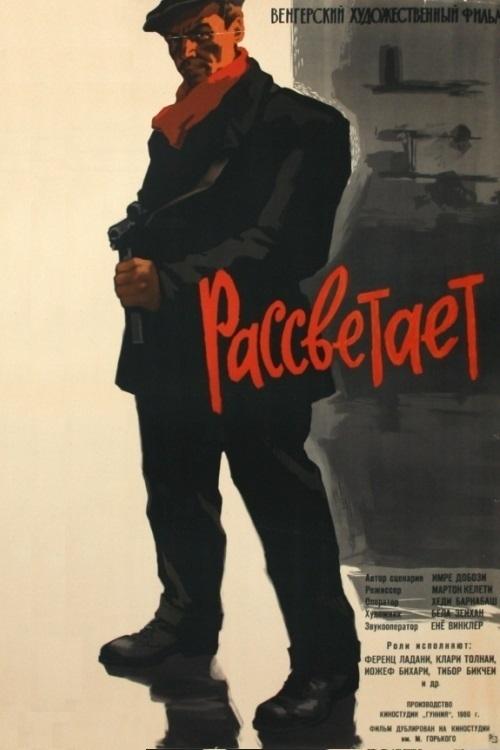
A sequel to "Yesterday". About the defeat of the Hungarian uprising of 1956. The action takes place in the barracks of the People's Army, in the War Ministry and in one of the largest factories in Budapest.
Gábor Bozsó is a professional burglar. His daughter Éva, who knows nothing about her father's profession, is raised in an upscale institution. When she falls in love with one of her father's victims, things take a big change.

On the night before his wedding Tamás, a young teacher, saves a lonely girl named Teri from committing suicide. Since she has nowhere to go, he takes her back to his apartment and gives her some money. Another chance encounter with the girl complicates Tamás's honeymoon.
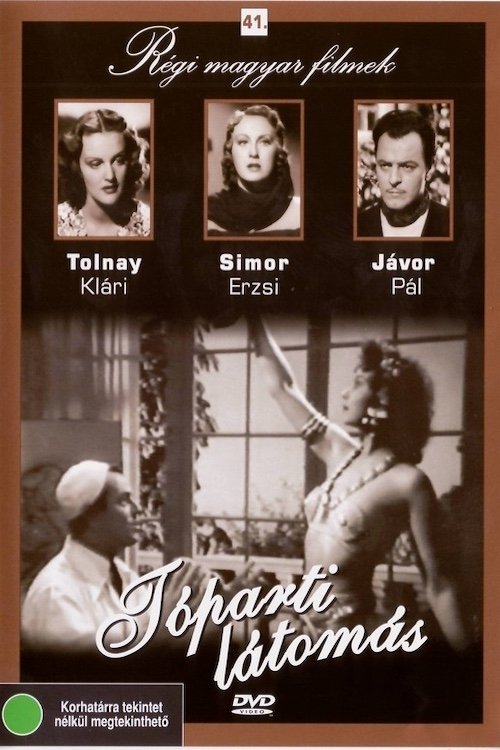
Nothing new under the sun. The famous 'Love Story' is only a faint reminder of the most successful pre-war Hungarian film. The relationship between the painter and the busy girl, as well as the third one, still holds surprises for us today.
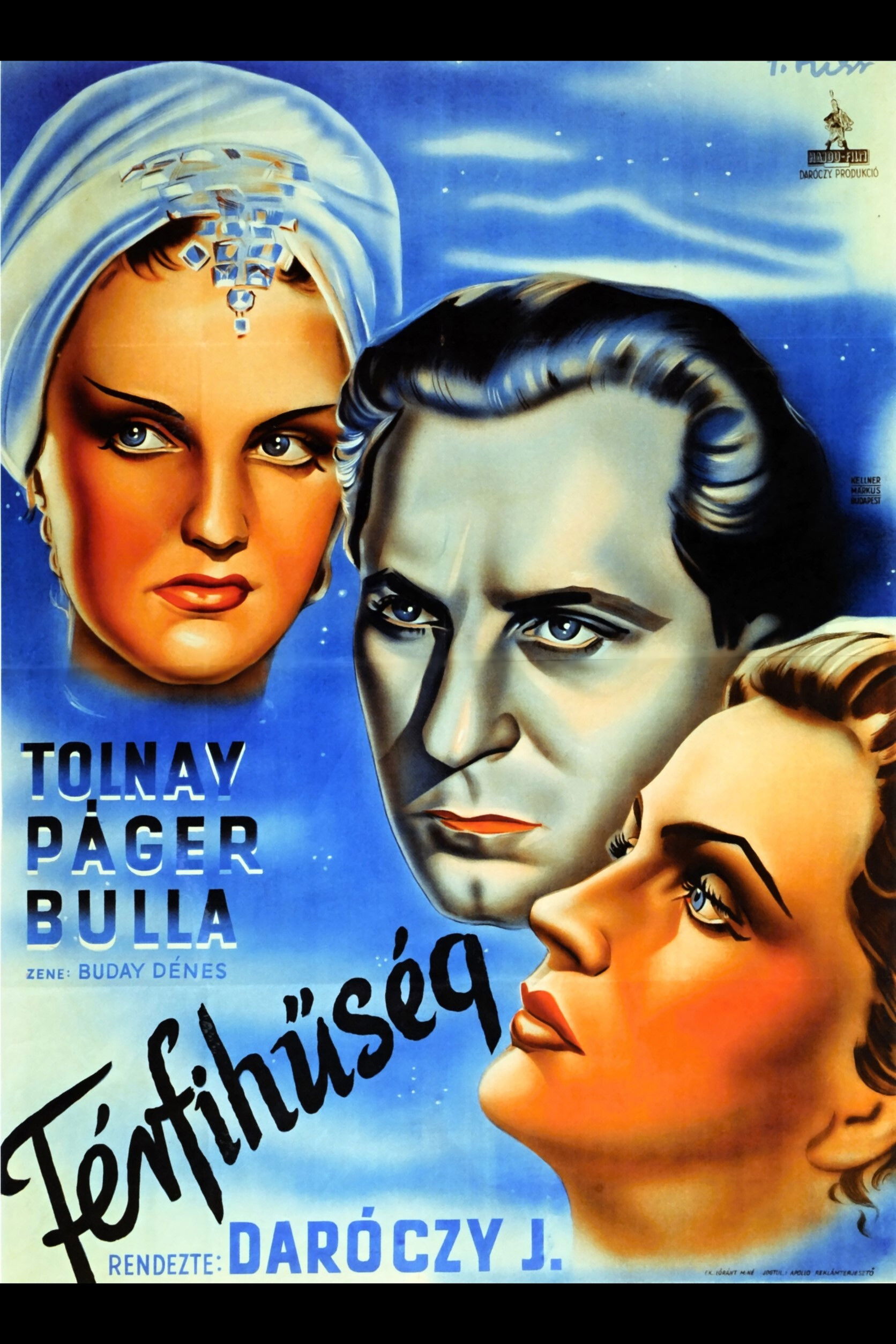
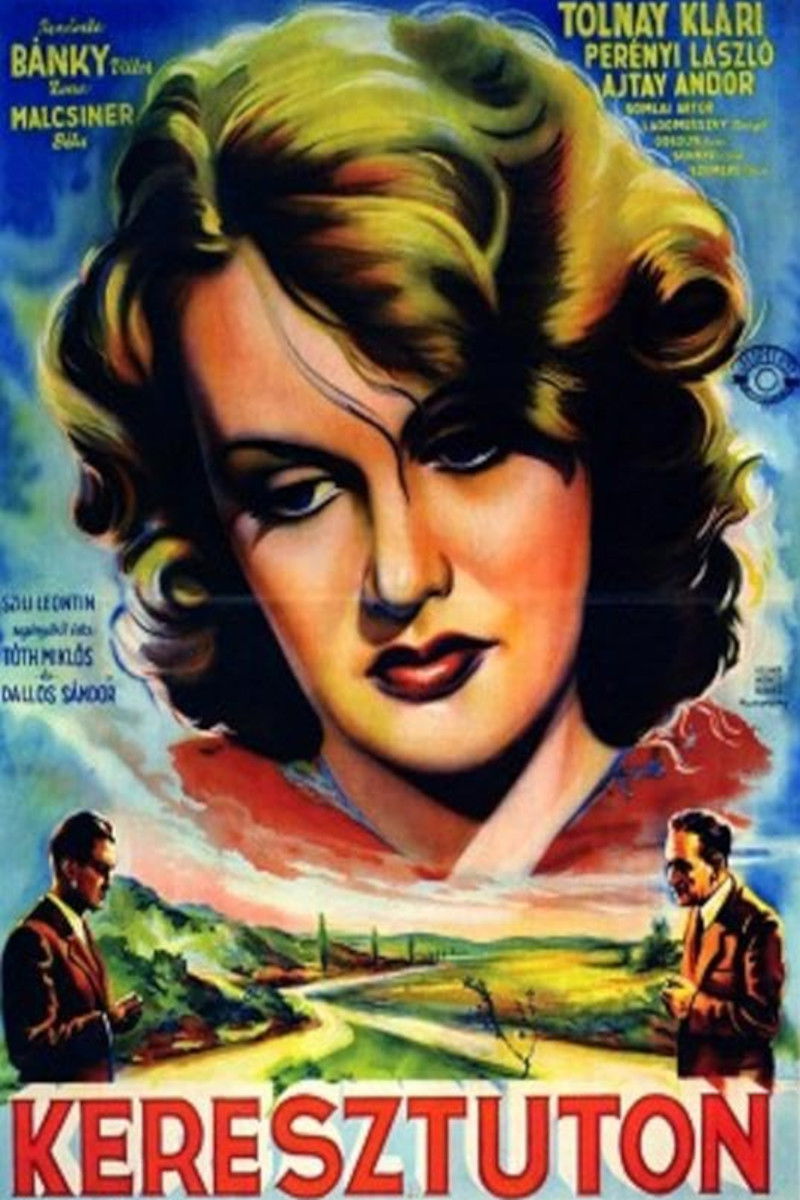
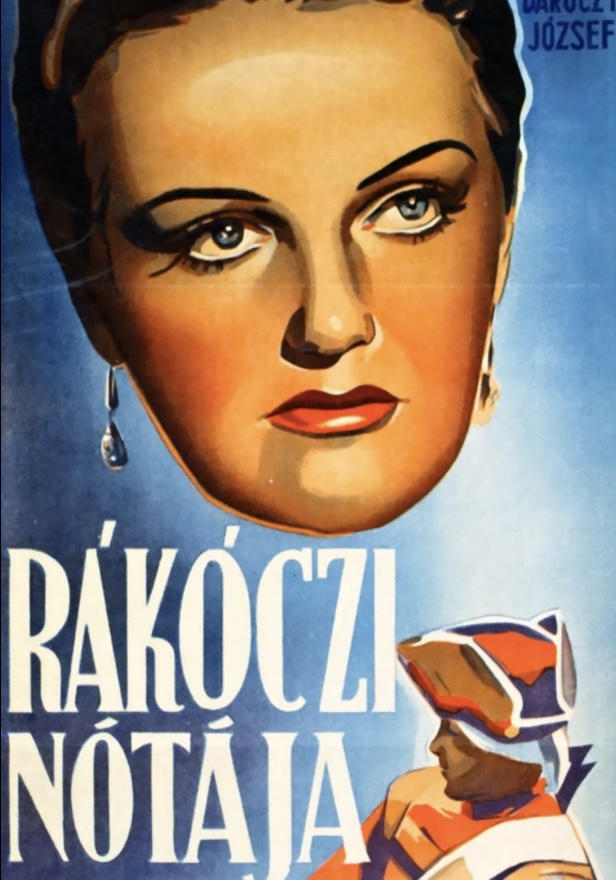
Dressed as a gypsy woman, Krisztinka Oltay spies, organizes, and takes measures to help Prince Rákóczi and free his lover, Péter Szakmáry. Péter was taken in by his brother, who was loyal to the emperor, and he wants to execute him in Kassa together with the other Kurucs. Krisztinka inspires the tired kuruc troops with a song and Rákóczi's music to capture Kassa and free the prisoners...
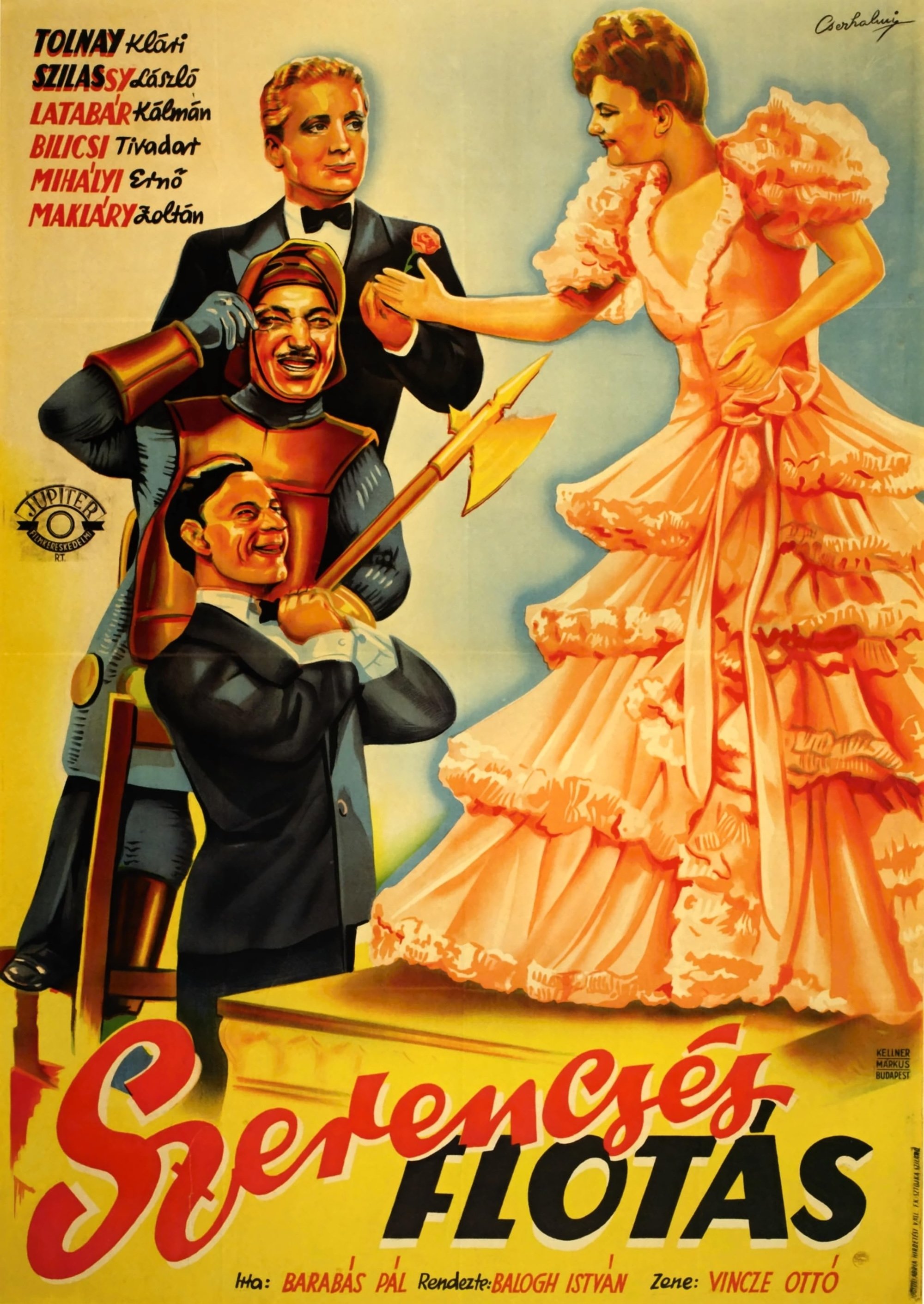
A beautiful and comfortable castle, somewhere in the countryside, in Hungary in the 1930s. The inhabitants of the castle have no idea how to escape their boredom, especially Miss Klári. The two burglars sneaking up on her are just what her courtiers need. They decide not to show their faces, but grant the burglars' every wish. To add to the fun, later on, the inhabitants of the house themselves appear in the drawing room dressed as burglars...
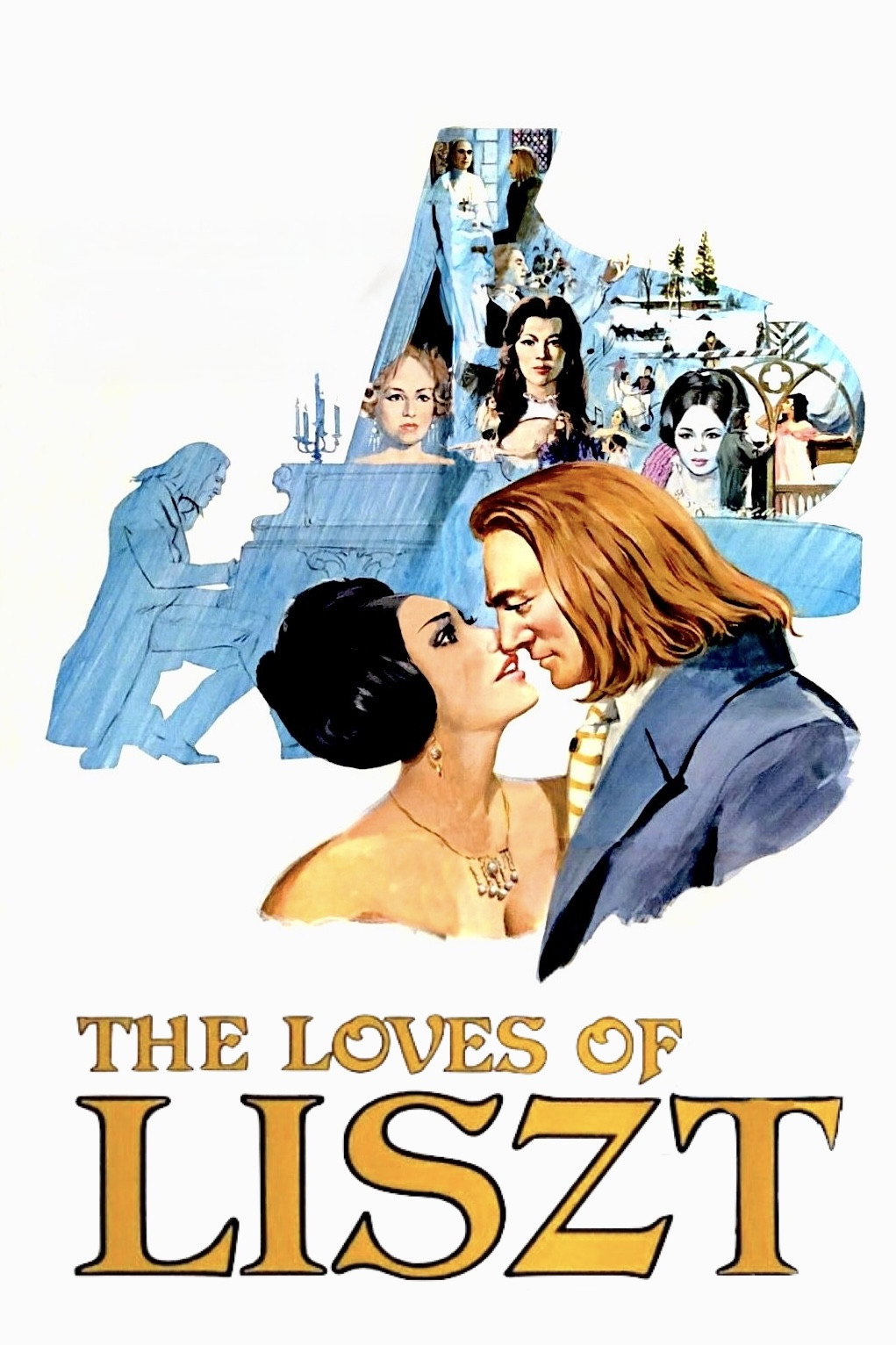
This is a romantic biographical film about Franz Liszt. In a distinguished saloon of Paris, the unknown composer, Liszt, defeats the renown Thalberg at a piano competition. Through his playing, he wins the favours and later the hand of the countess D'Agoult. A daughter is born in their marriage, Cosima. Liszt is better and better known, Marie introduces him to the circle of artists.
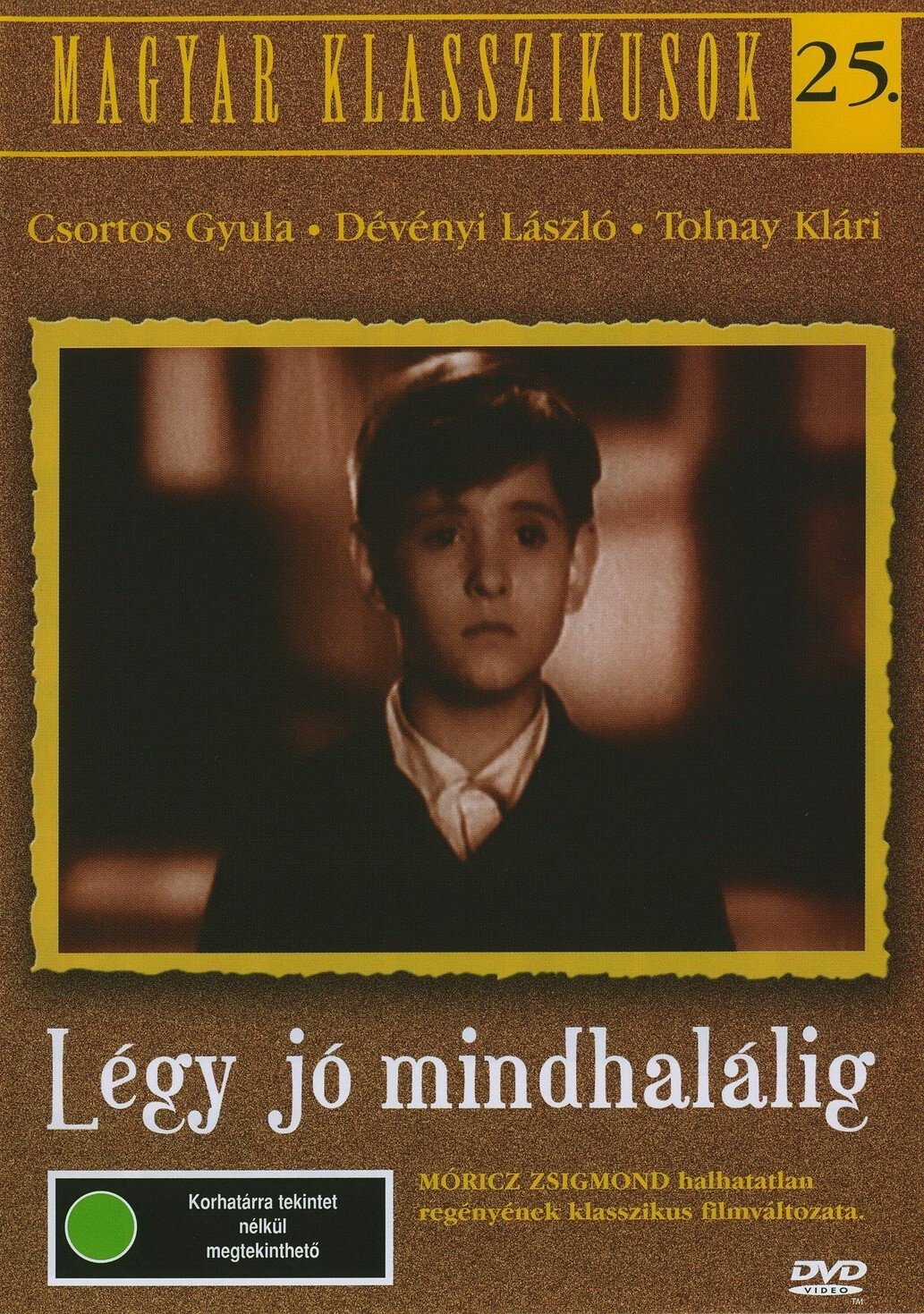
The story follows the life of a bright and sensitive schoolboy growing up in an old, established boarding school in the city of Debrecen in eastern Hungary.
Shows the conflict between Kossuth Lajos and Görgey Artur during the 1848 Hungarian revolution.