
Due to his gambling addiction, farmer Hans Sværke has brought his farm to the brink of bankruptcy, thereby opening up the opportunity for the wealthy landowner Karius to achieve his goal of taking over the farm. However, parish bailiff Mikkelsen vouches for Sværke and saves him for the time being, and Sværke then leases the farm. Sværke dies, and his talented son Niels takes over the lease. He and the farmer's daughter, Grethe, are happy together, and Niels manages to get her hired at the farm. But Karius' daughter, who is in love with Niels, burns with jealousy and persuades her father to take advantage of Niels' difficult financial situation and take over the farm. Things look bleak for Niels, who has been cornered by the wealthy landowner. But one day while plowing, he sees something glinting in the soil...

The body of a loose-living woman is discovered. Who murdered her? Her new hard-drinking boyfriend? Maybe her playboy ex-lover with a criminal past? Or the ex-lover’s pathologically jealous wife. Or..?
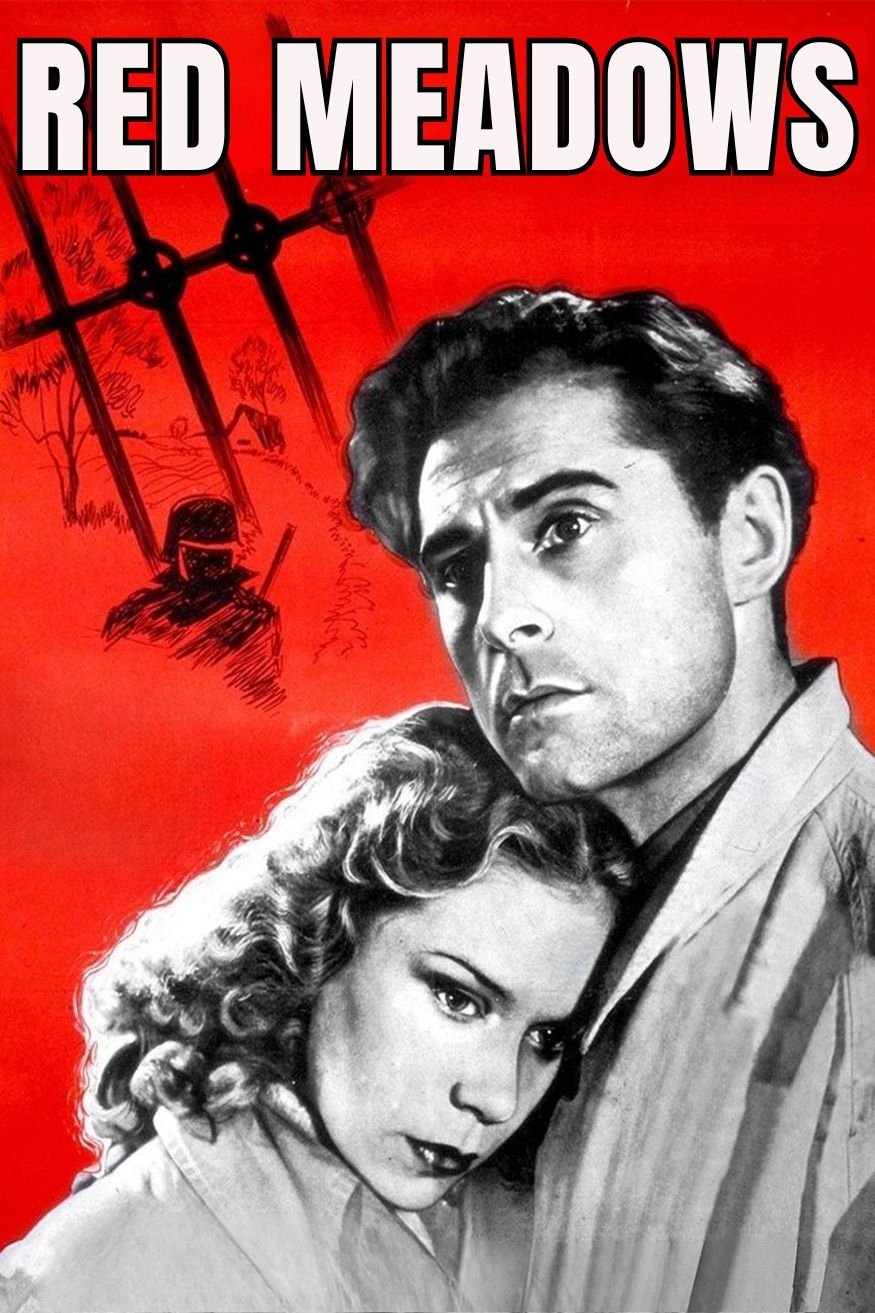
A suspense tale revolving around the memories of a Danish saboteur as he awaits his execution in a German war-time prison.
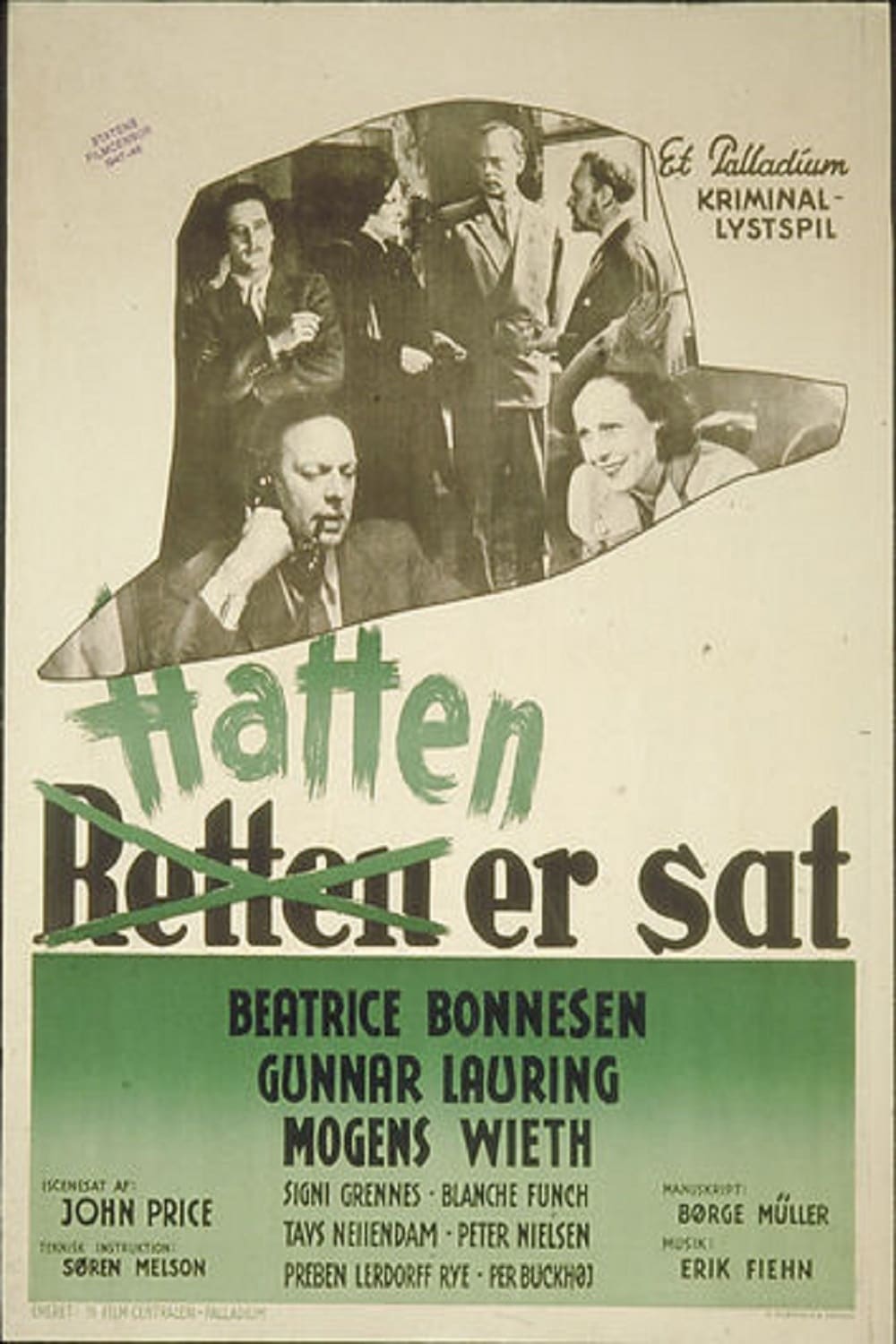
Detective Peter Smeth and his young and charming wife, Louise, visit Magasin Heiberg, where, at his wife's express request, he is to buy himself a new hat. He is not amused by the idea, but there is no getting out of it. Suddenly, however, an event occurs that causes the couple to change their minds. The daughter of the store's owner, Inge Heiberg, is found unconscious in the store's courtyard, and Peter and Louise rush to her aid. The fainting spell turns out to be shrouded in mystery.
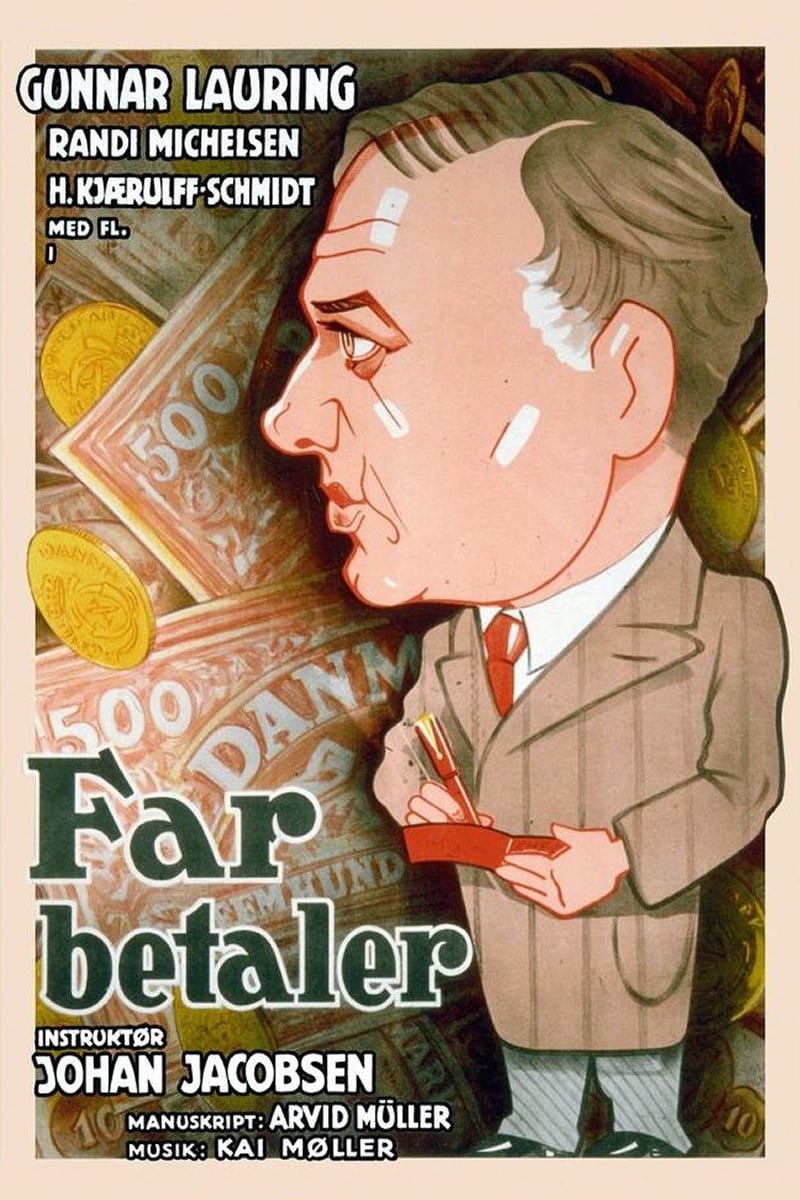
Author and art critic Martin Berg and his charming wife, Karin, live a happy family life surrounded by their children and in-laws. Ever since he got married, Berg has wanted to write a book about the female figures in Botticelli's art, but the practical demands of everyday life have gotten in the way. There is a constant coming and going of young people in the house. It is the young people who keep him fresh of mind, and he is always ready to help young people, but the question is whether Berg sometimes goes too far in his efforts to help?
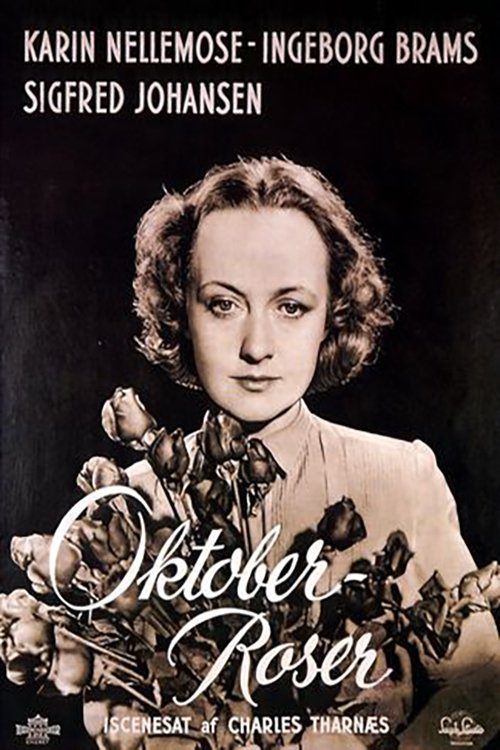
A husband is tempted to stray, gives in, and then struggles with himself and his conscience. The children are weighed in the balance, and in the end they are what make him stay in the marriage, even though he must then forsake the woman who for a time sweetened his life outside the confines of home.
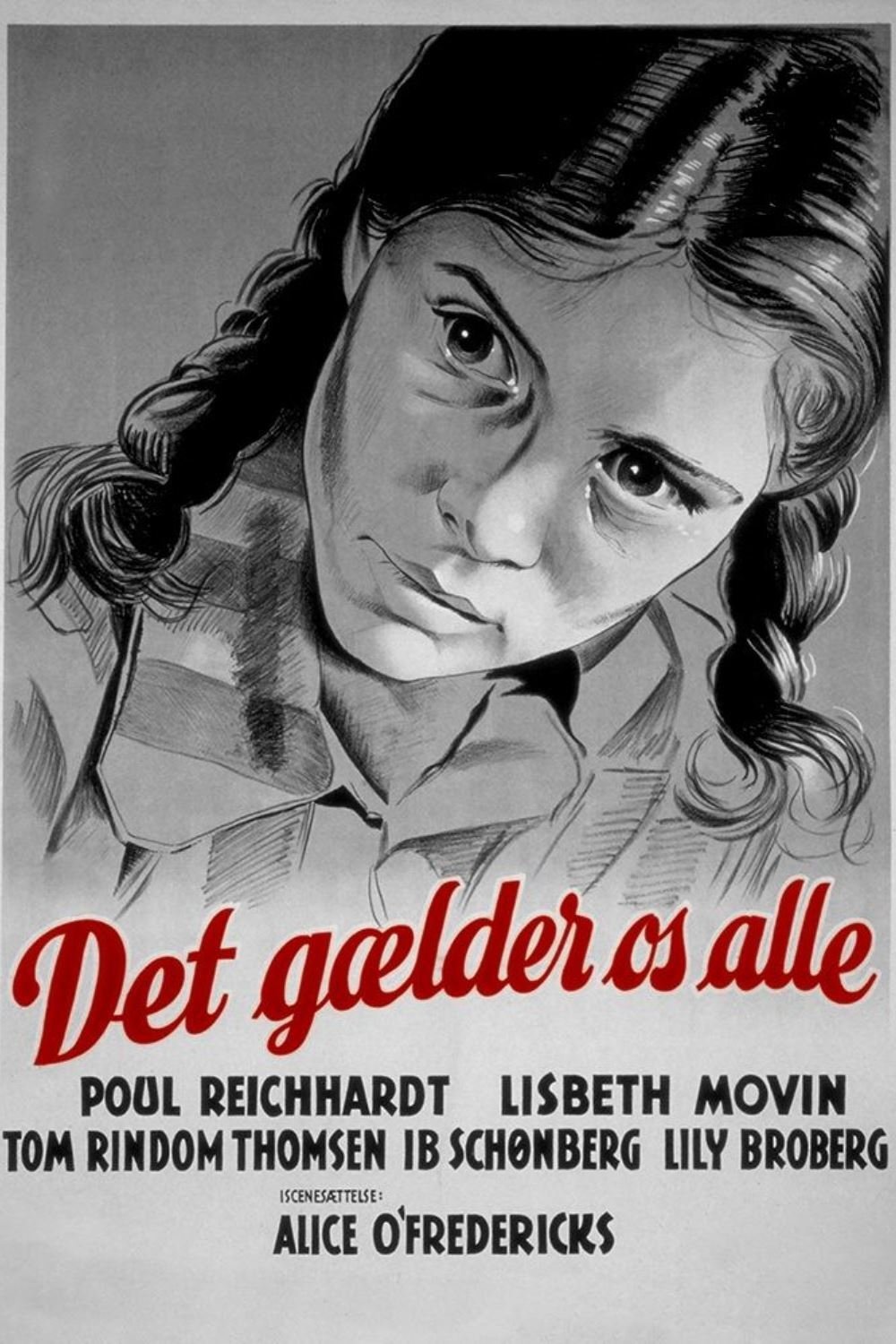
After World War II, Europe lies in ruins and help is desperately needed everywhere. One person trying to make a difference is Dr. Jørgen Vedel, who travels with the Red Cross to Vienna to vaccinate children. There he meets Leni, a girl who has been to Auschwitz, where she lost her mother. Jørgen arranges for Leni to come to Denmark, where she can start a whole new life.

Lau Lauritzen plays an ordinary architect, with a wife and a son. He gets accused for killing a 10-year old girl, and of course nobody doubts he's the one. Even his wife and his uncle has trouble believing him, but at least they don't tell him.

Due to his weakness for women and gambling, the old landowner Vilhelm Stone has ruined his marriage and lost his son and friends. But when he dies, his son Niels returns home from Australia to take over the estate. However, it is not that simple. Lawyers drag out the inheritance case, and initially Niels only inherits the racehorse Ibrahim. Niels is determined to win the big race of the year at the racetrack, and it is here that Poul Reichhardt sings the famous schlager Ibrahim to his horse. In the battle to get the family estate, Niels gets incredible help from his faithful companion, the farmhand Nicholajsen.

It's all about an anonymous little gray book originating from sexually advanced Paris. The book doesn't look like much, but shouldn't be judged by its cover. Wherever this book goes, something will happen. And for sure, this book goes around.
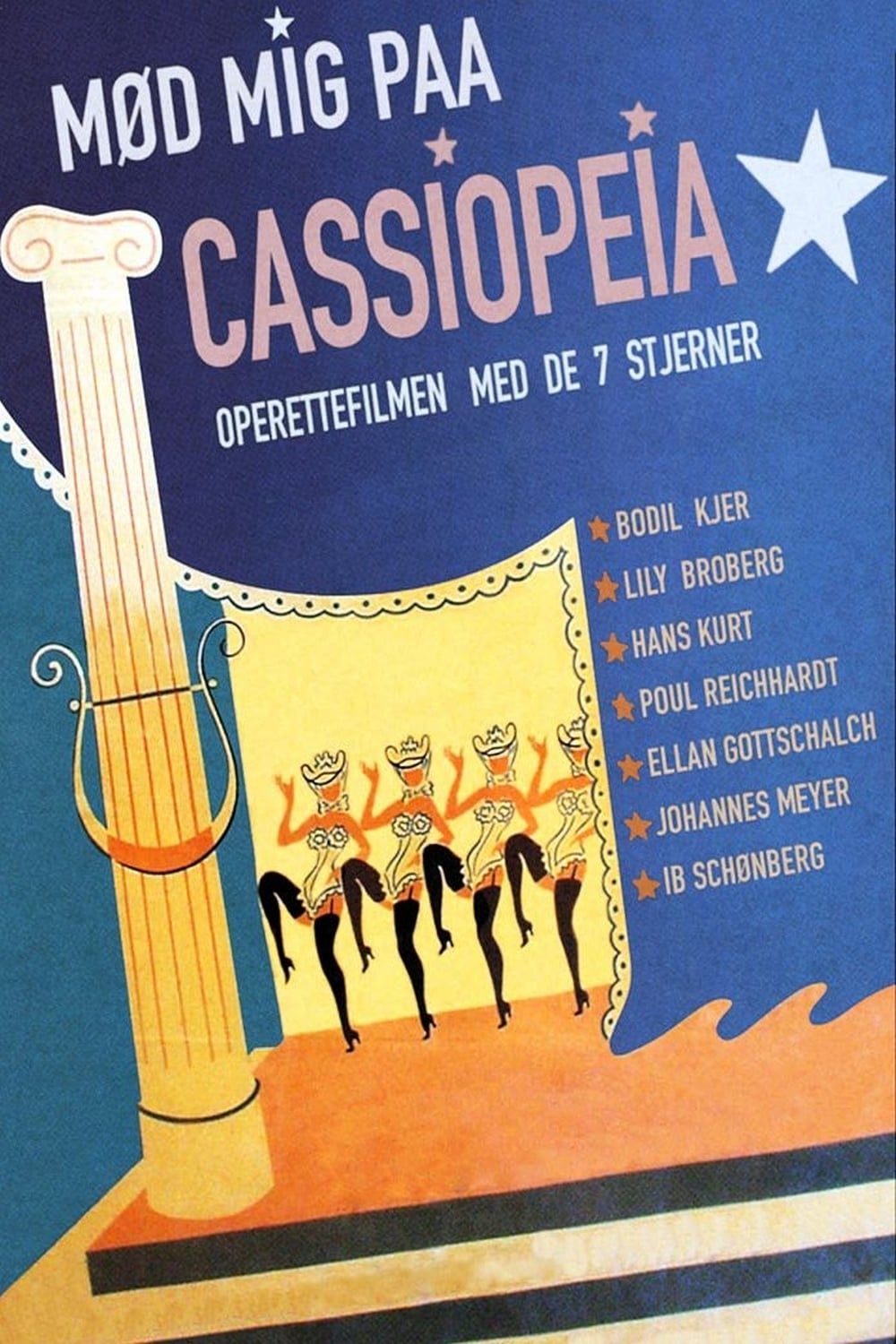
Composer John Berger is plagued by marital problems and struggling with a deadline for the music for an operetta. When he is visited by the muse of music, Polyhymnia, the melodies begin to flow, but she also causes a lot of complications in his earthly life. Like John's wife Irene, she falls in love with flight lieutenant Harry, while her father Zeus looks on disapprovingly and decides to intervene. Meanwhile, the premiere of the operetta is fast approaching.
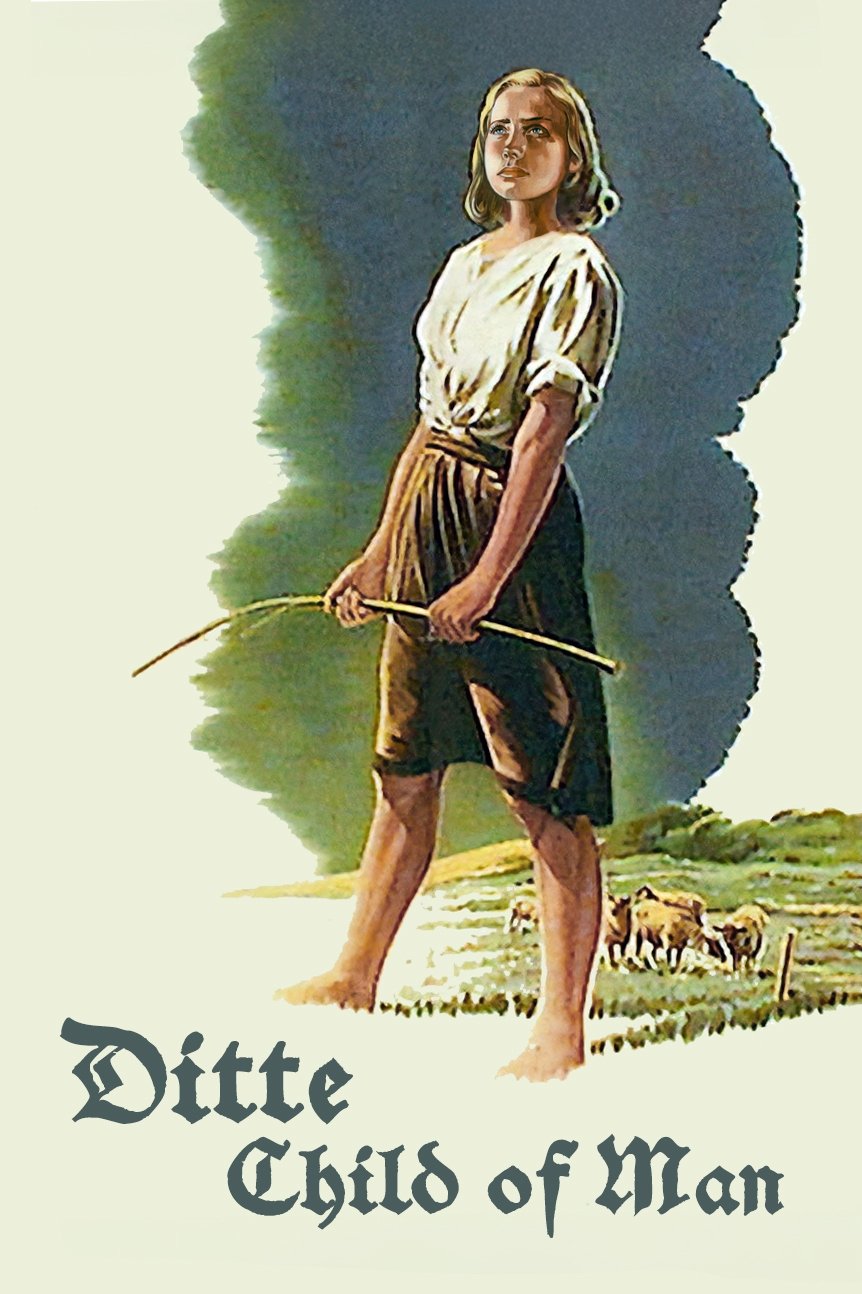
Ditte is born out of wedlock and lives as a young girl with her old beloved grandmother. As an illegitimate child she is teased in school and more than anything in the world she wants a father. When steady - utterly reliable - herring dealer Lars Petter shows up and tells her that he is marrying Ditte's mother, the little girl is very happy. Now Ditte must take care of three new sisters and brothers but gets nothing but complaints from her ungrateful, selfish mother. But the little girl finds consolation and support in both her sisters and brothers and Lars Petter.
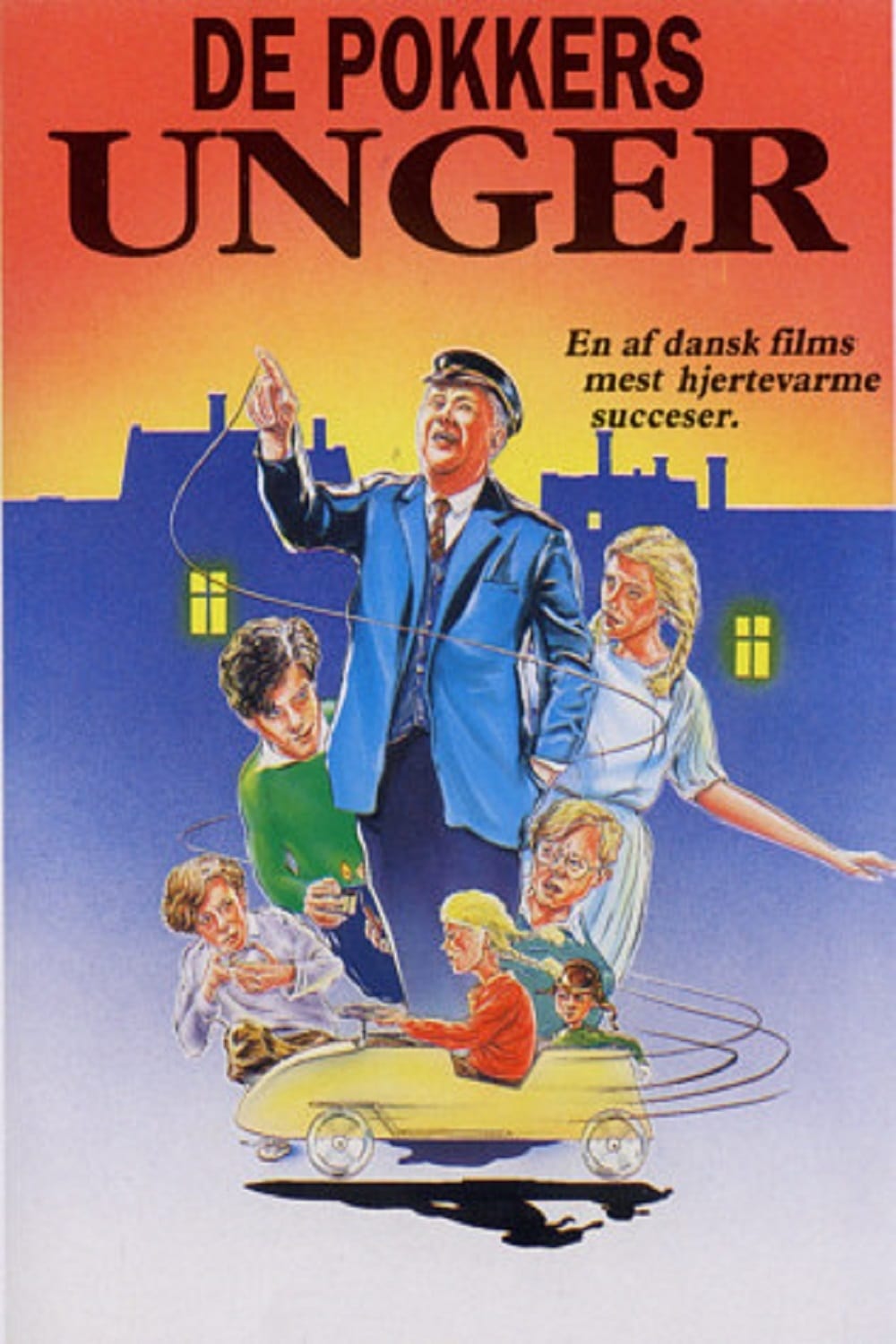
Directed by Danish filmmakers Bjarne and Astrid Henning-Jensen, THOSE BLASTED KIDS tells a story of a group of back-alley urchins that is considered Denmark’s first true children’s film.
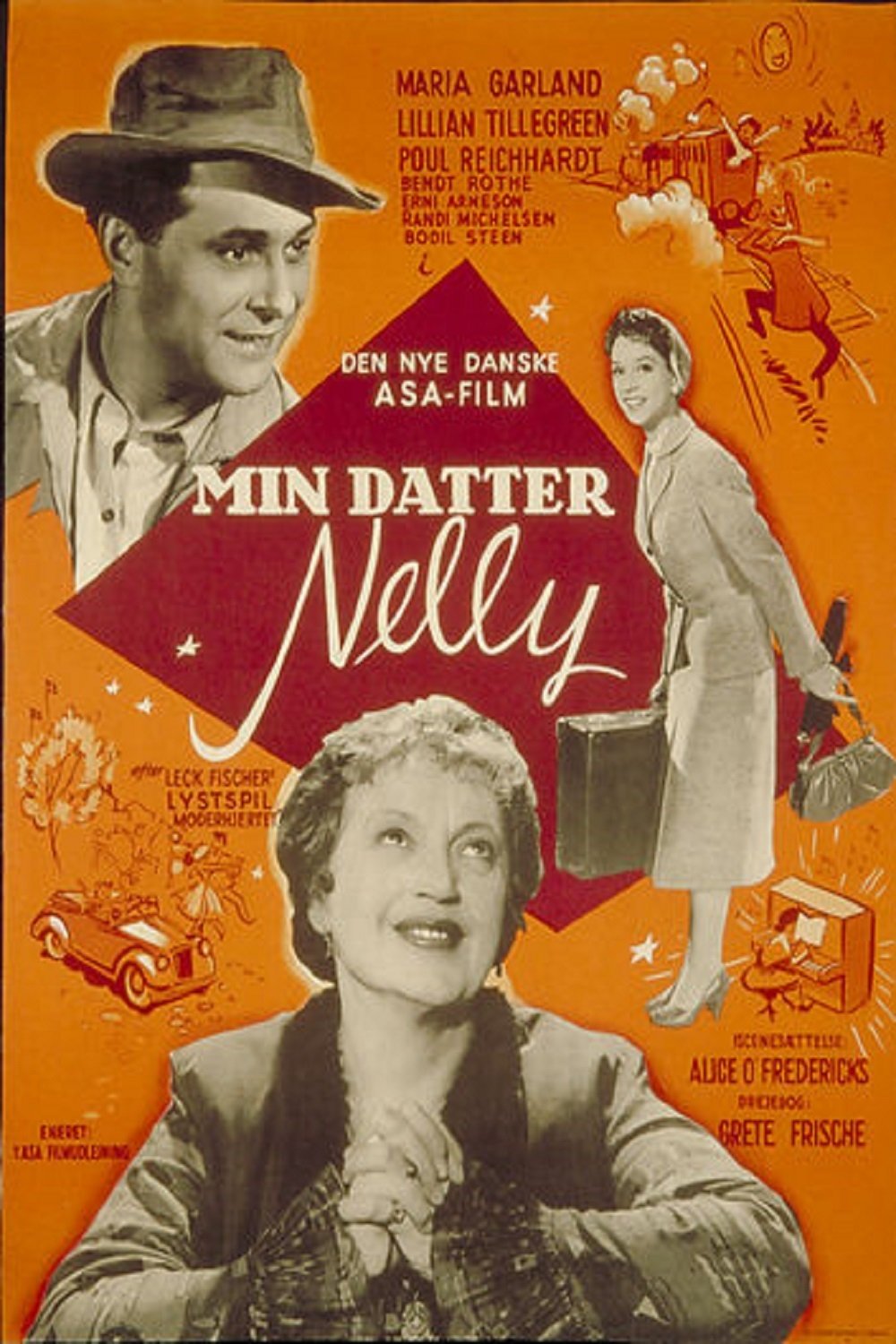
In Fjordby, preparations are underway for a big celebration—the town's 500th anniversary, with music and dancing. The festive Mrs. Ingeborg, who earns her living playing the organ in church and at dances when the young people want to party, is constantly short of money. That is why she has a little side business: she teaches piano. Mrs. Ingeborg has a close family relationship with her lodger, the young veterinarian Kåre. He has repeatedly helped her financially. Mrs. Ingeborg needs money for a new dress for her foster daughter Nelly to wear to the party. Aunt Jessie lives on the first floor. She was once in a relationship with Mrs. Ingeborg's brother, but he broke up with her and married someone else. However, Mrs. Ingeborg still considers her a sister-in-law. She is well off financially, so she has to help out when Mrs. Ingeborg needs money for the dress.
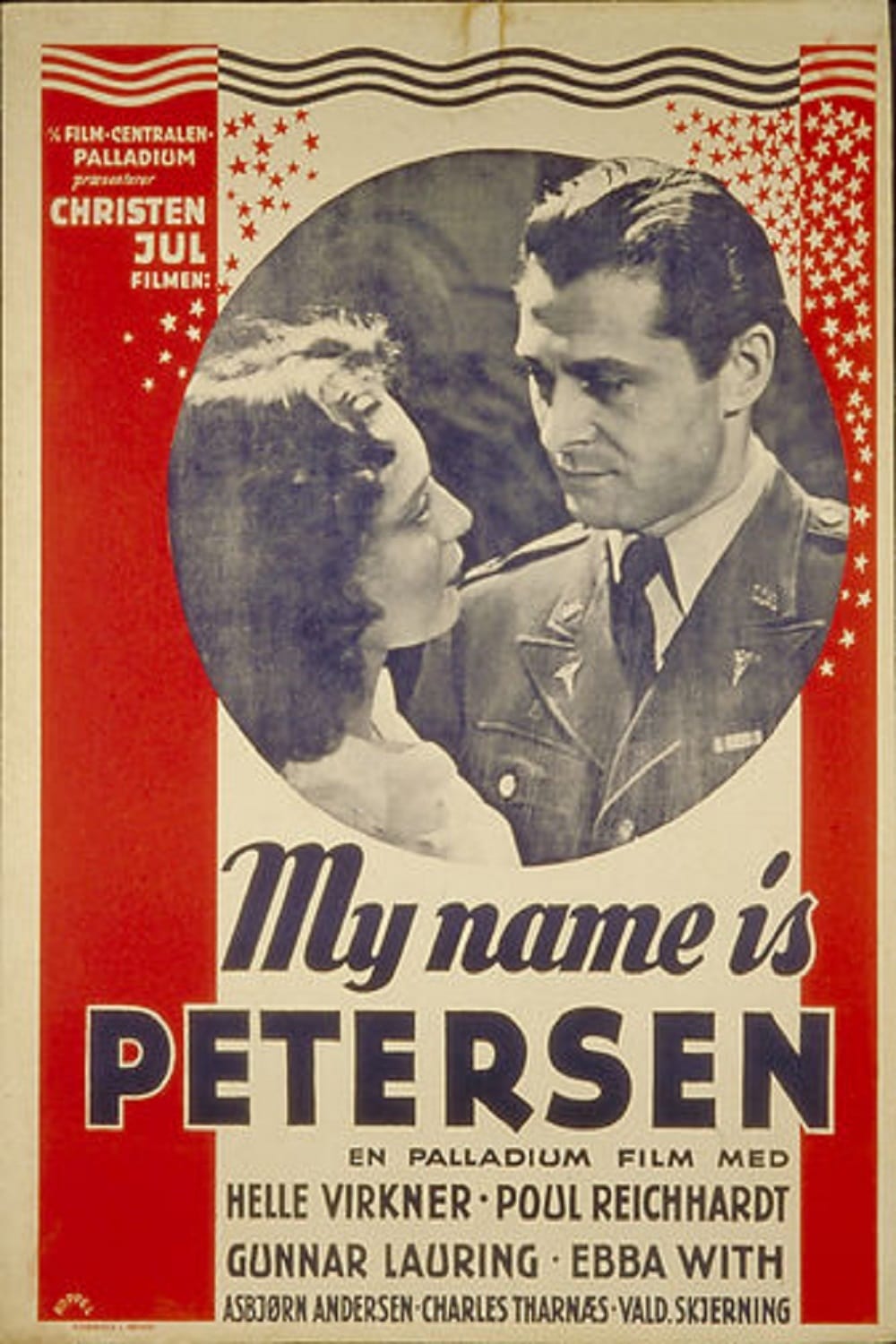
In a train on its way through the bombed out Germany are a bunch of happy American soldiers. They are going to Copenhagen for some R&R. One of them is John Petersen, a lieutenant in the American army and another is his friend Bill. They are talking about how much they are looking forward to a rest in Denmark and John Petersen who is of Danish descent talks about his native Copenhagen.
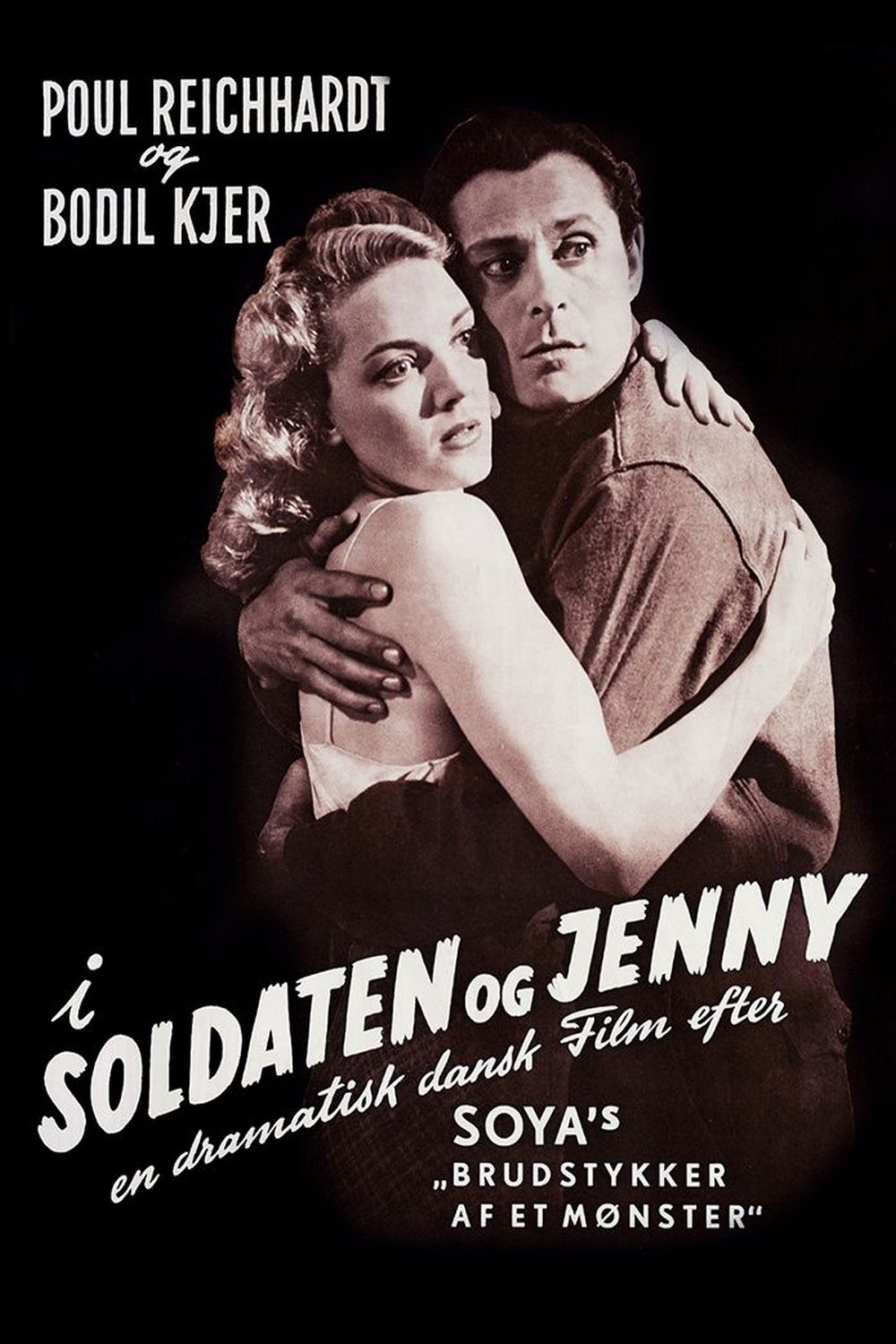
A good natured soldier with a killer right hand falls in love with a beautiful girl who has a troubled past.

Eight old school friends meet at Tove's to discuss what has happened in the last 10 years. Some have made careers, others have become homemakers, some are married and others alone. The community is intact, but what no one knows is that Tove is hiding a big, unhappy secret.
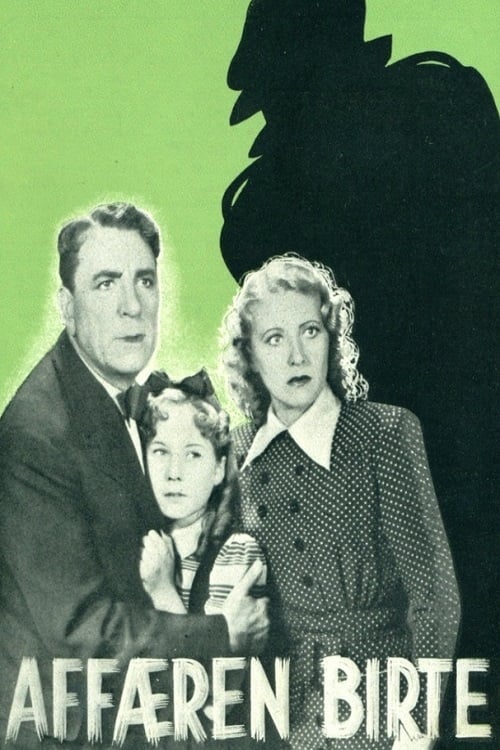
A large city is in a state of panic, in workplaces and in homes people are discussing the terrible fate that has befallen a little girl named Birte. A sex offender has been at play, he has been haunting the city's parks and facilities for a long time, and his latest victim is Birte Elkær, daughter of the scientist Hans Elkær and his wife Martha. The police have deployed extra personnel, and they are now searching for the second day. Will the little girl be found alive?
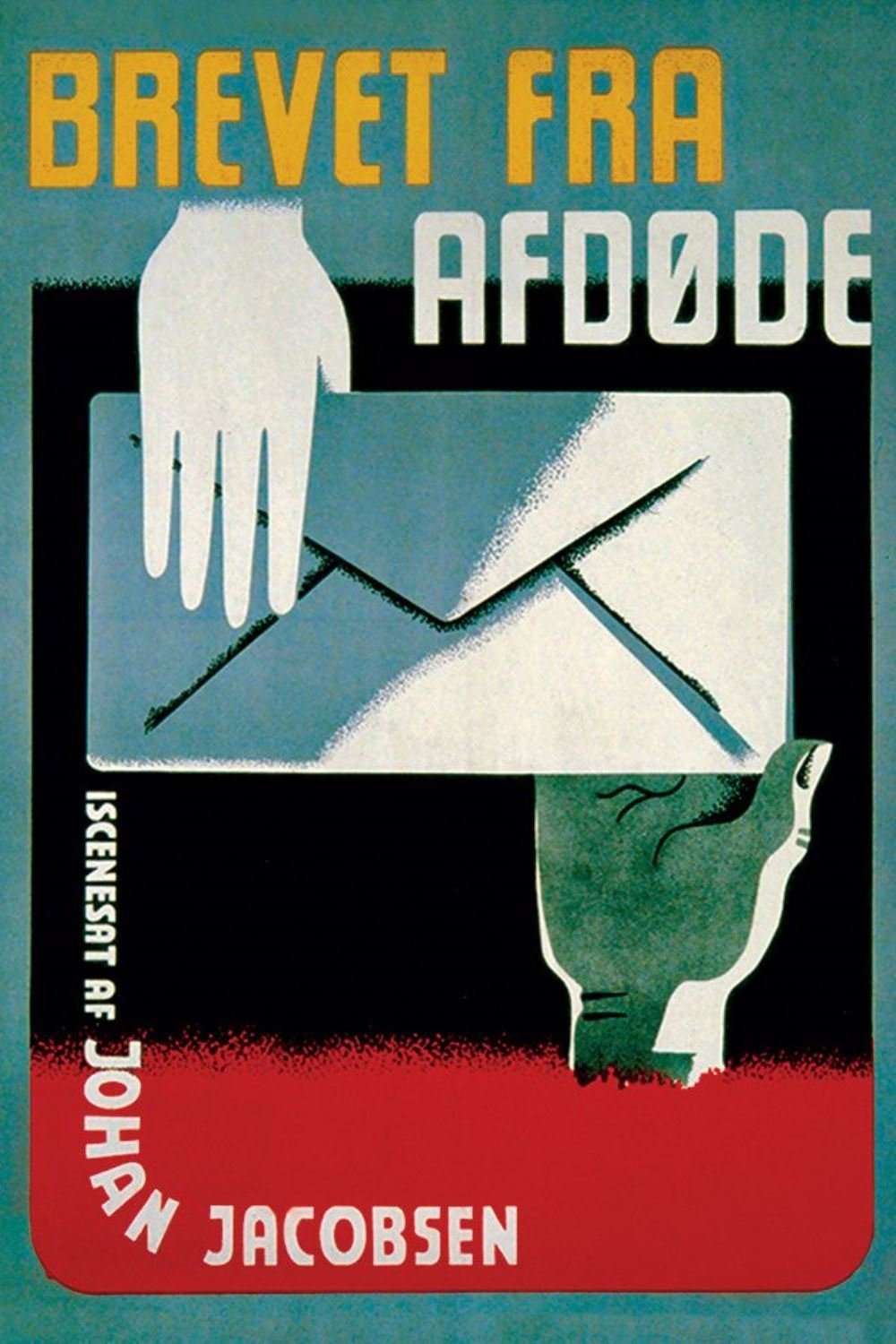
Architect Poul Friis Henriksen falls in love with Norwegian Gerd. Unfortunately, she is already engaged to the doctor Arne Lorentzen, whose former wife died of an overdose under mysterious circumstances. Gerd invites Poul to a party at her home, where he accidentally sees her secretly taking a syringe. This makes Poul suspect that Arne is anything but the perfect husband. He sets out to investigate the matter further.

The heavy prison door in Vridsløse opens, and freedom beckons once again to counterfeiter P. Krone-Strøm. He has served an eight-year sentence, but believes it was a miscarriage of justice. He was one of the many who could not find employment during the crisis years of the 1930s in Denmark. Now he is once again in contact with the world outside the prison walls, but conditions have changed completely during the years he has spent in isolation. Now it is not money that is lacking in society, but labor and goods.

Grete Hansen is looking for work at "Morgenbladet". Here she meets the womanizer Vilmer, who wants Grete to meet him on her first night out on the town, and Bob, a young man who plays private detective. When Bob reads that there are a number of counterfeit 100 kroner notes in circulation, Bob and Grete decide to catch the thief. First they break into the home of a policeman whom they suspect of being a counterfeiter. Later they play servants at the home of another suspect. Then Grete discovers something suspicious about Vilmer - she follows him to a spooky house.
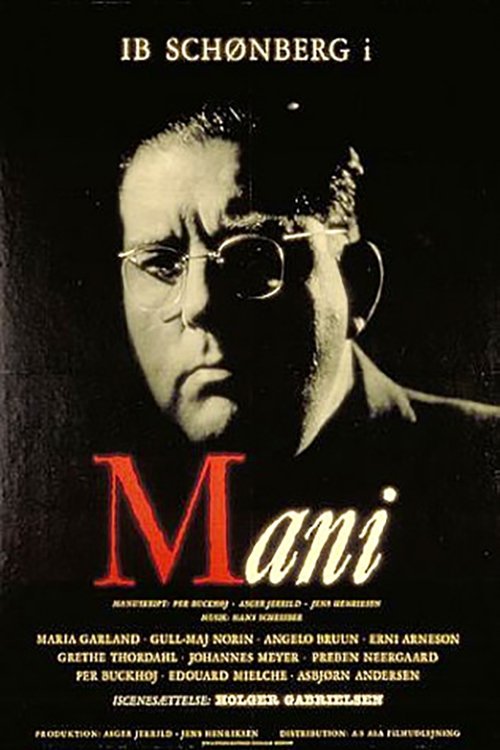
Erik Menkel is released after six years, convicted of the murder of Viktor Smith. He is sought out by an old college friend of Smith's, who wants Menkel to finish Smith's work. At the same time, Menkel knew a young woman who is looking for him. Jerle lets Erik Menkel disappear so that no one knows Menkel is still alive. Barbara discovers that Menkel is living with Jerle and seeks him out. Jerle has a terrible secret.
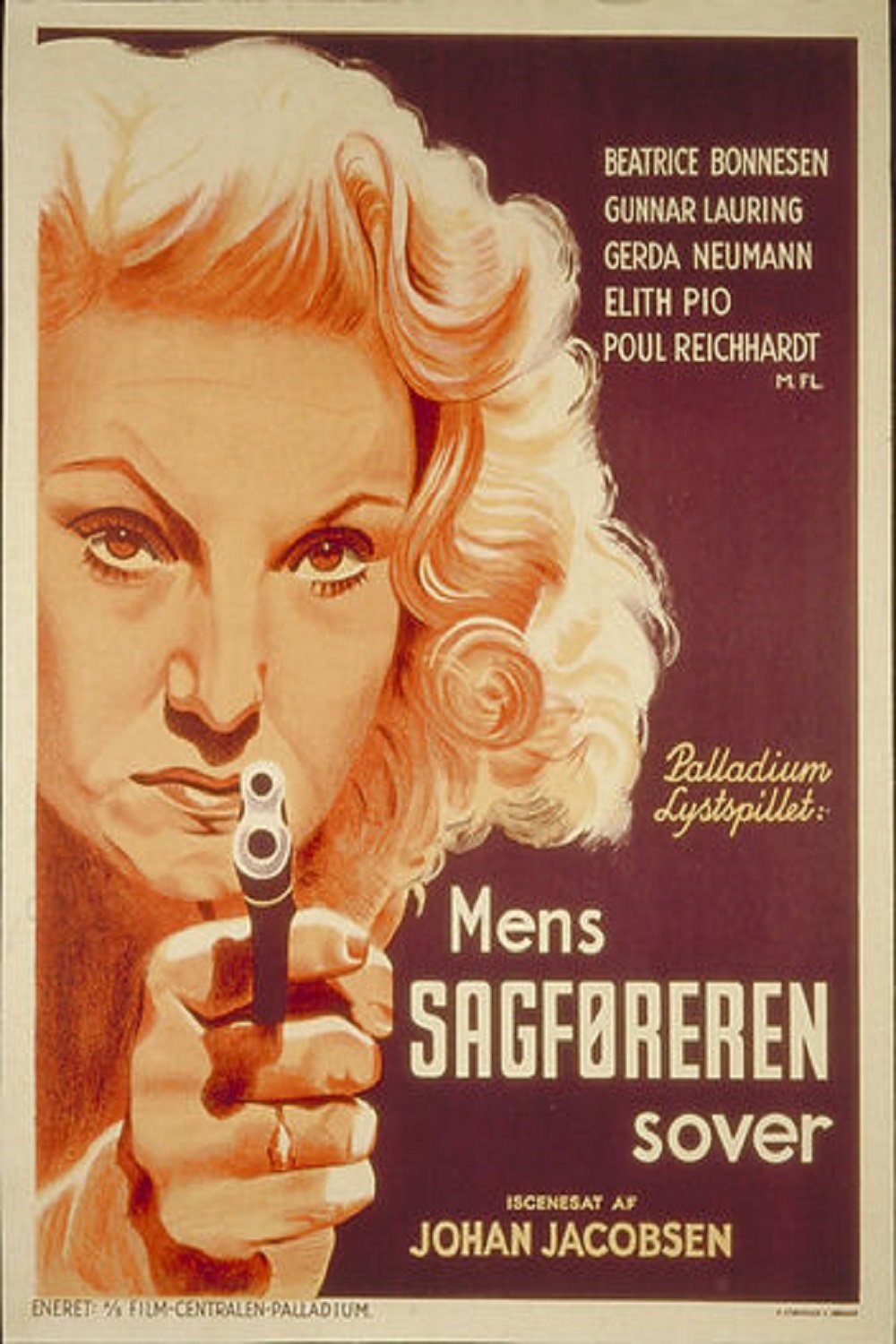
Four Danish-Americans who, thanks to their exploits across the Atlantic, should have been behind bars, have taken up residence in a Copenhagen hotel. It is not longing for their homeland that has driven them home, but the hope of making "the big deal," more specifically, securing the crown jewels at Rosenborg Castle in a daring coup. At the hotel, the four "gentlemen" impatiently await their boss's orders to move out.
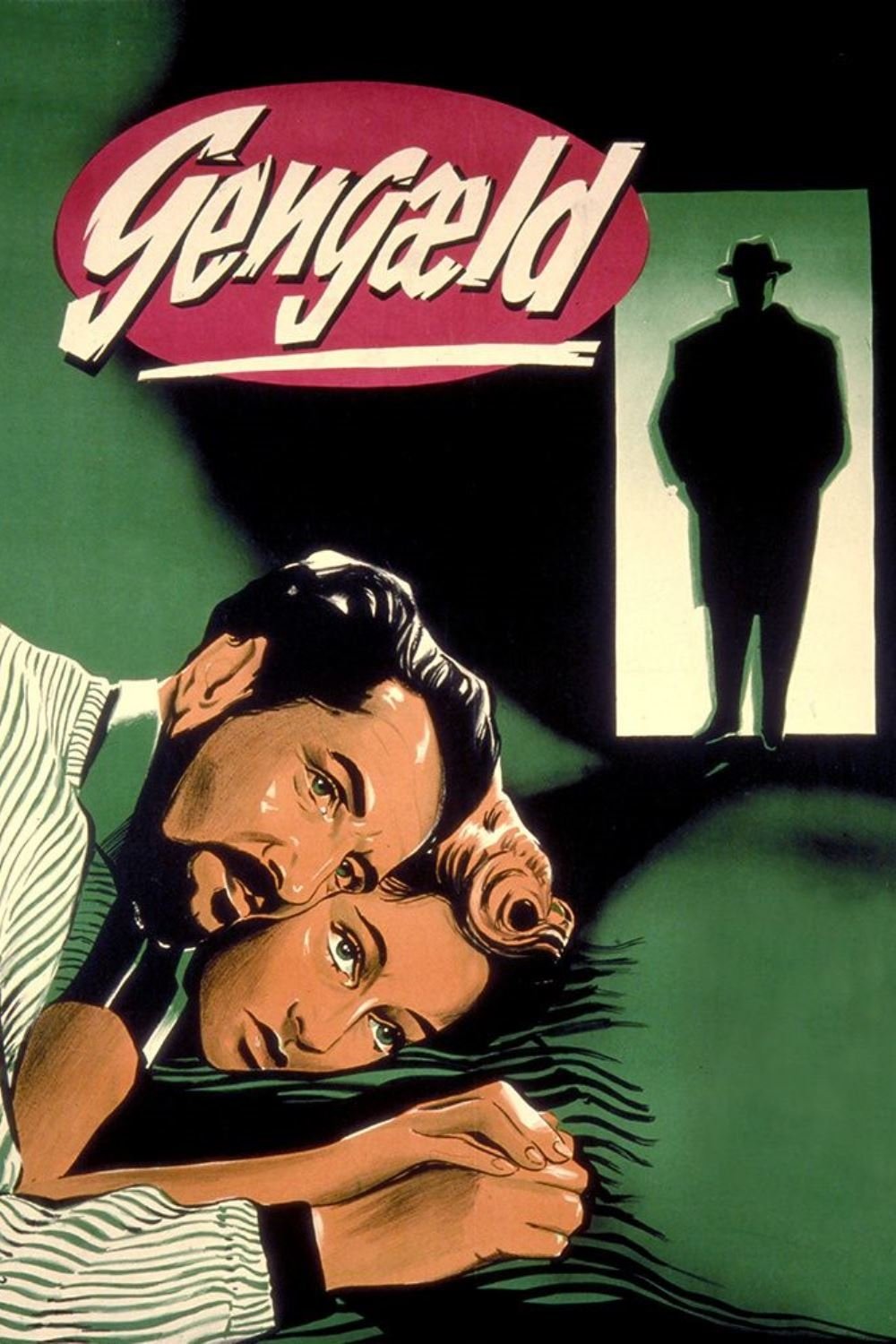
In one of Copenhagen's suburbs stands a large house, a villa-like property. The house is owned by the widow Elise Thomsen, who lives on the ground floor with her adult son, Eigil. Mrs. Thomsen rents out most of the villa. On the first floor lives the author Stefan Donner with his wife Lili and their 9-year-old son, Peter. Donner is talented but poor. The financial pressure on him and his family is getting on his nerves.

On the 9th of April 1940, the crew of a Danish merchant ship receives the news of Germany's invasion of Denmark. Instead of returning home, they vote in favor of setting course for England. The crew will undergo much hardship over the next five years ...
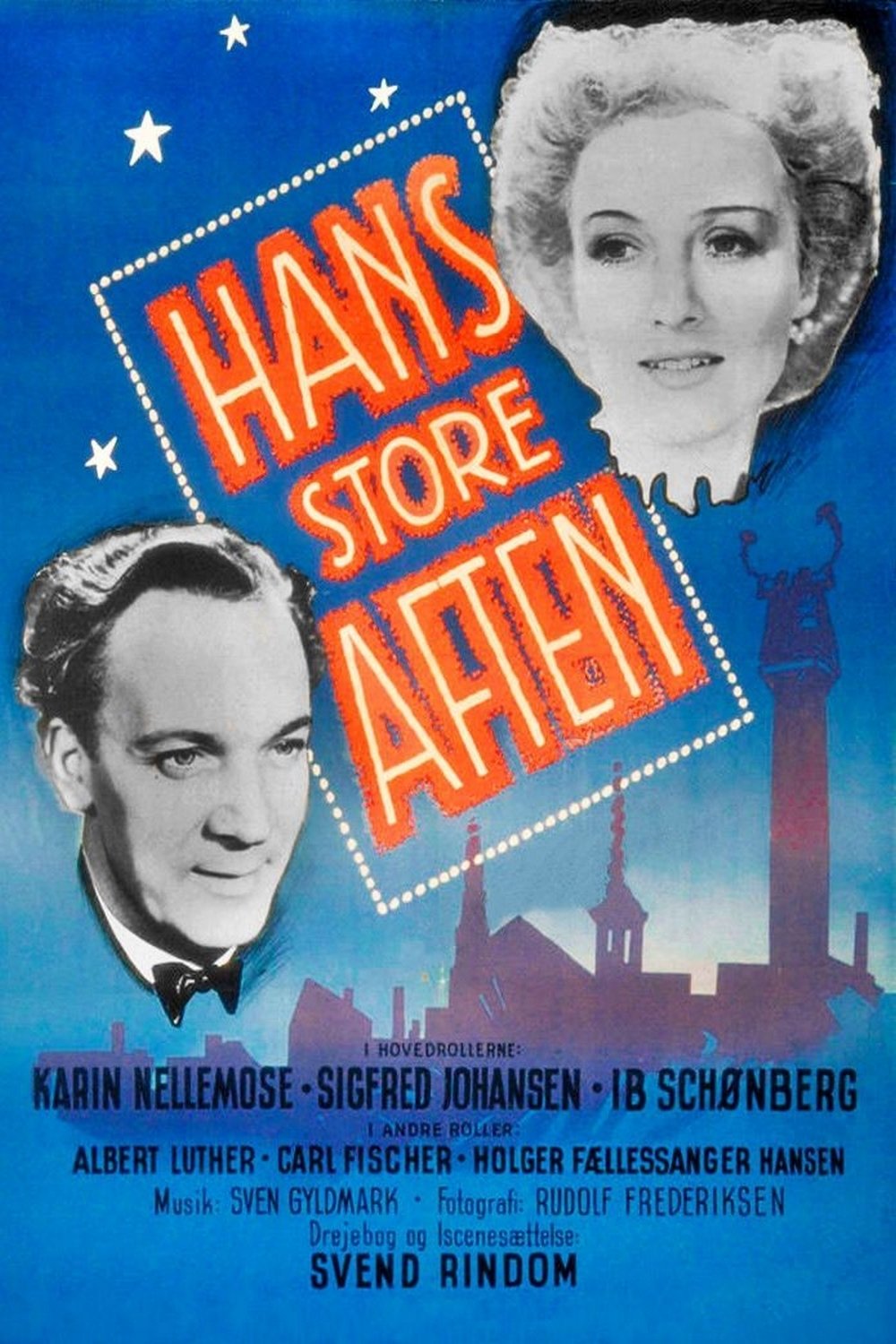
Young Jonas Tofte is a waiter in the theater café, but he is more than that; he is also a poet and has written a comedy that is about to premiere. With this, both he and his sweet little wife, Else, hope to be out of all the difficulties they have come to know so well. Once the premiere is over, all the bills will be paid, and Jonas can stop serving. But many difficulties still lie ahead for Jonas before the premiere is over.

A woman is found strangled in her shop. Shortly after, another murder is committed. Perhaps the most terrifying is that the both girls' name is Sonja. The police is convinced it's the same killer and at each scene is heard a woman singing the same song. A song which is soon dubbed the 'murder melody.'

Einar, brutal son of the viking Ragnar and future heir to his throne, tangles with clever slave Eric, for the hand of a beautiful English maiden.

Among the many guests at the Rebild festival is Andreas Andersen, a man in his early 30s. But he has not come to Denmark to attend the big festival. Seventeen years ago, he was a poor farmhand at "Hovgården," but he fled the country because the farmer's wife, the authoritative Martha Larsen, accused him of a theft that was actually committed by her son, Henrik. Andreas came to America and led a turbulent life here before becoming a farmer and earning a lot of money.
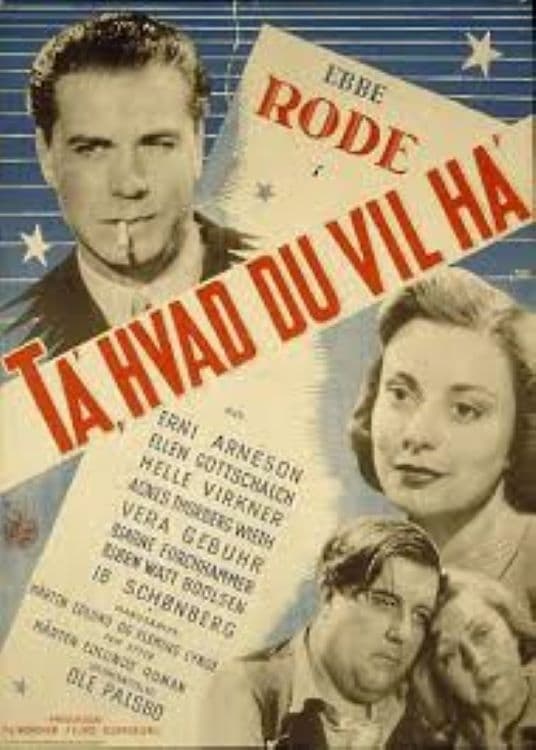
Consul Bergholtz is ill and will probably die soon. Family members gather at her bedside, each with the expectation of receiving a share of the impending inheritance. Among the heirs are her sons, the alcoholic editor Oscar and the homosexual lecturer Ejnar, as well as their pretty and recently divorced sister Esther. But when her grandson, the cunning and unscrupulous businessman Kurt, shows up, the intrigues are stoked. Kurt couldn't care less about good manners and cultural veneer; he simply takes what he wants.

A propaganda film for diphtheria vaccination. The German armies brought a new and more dangerous form of diphtheria beyond the countries, and the refugees carried it on to war-torn Europe. It affects all age classes. Here too the country, and mortality is great. The Norwegian Serum Institute is in charge of vaccination.
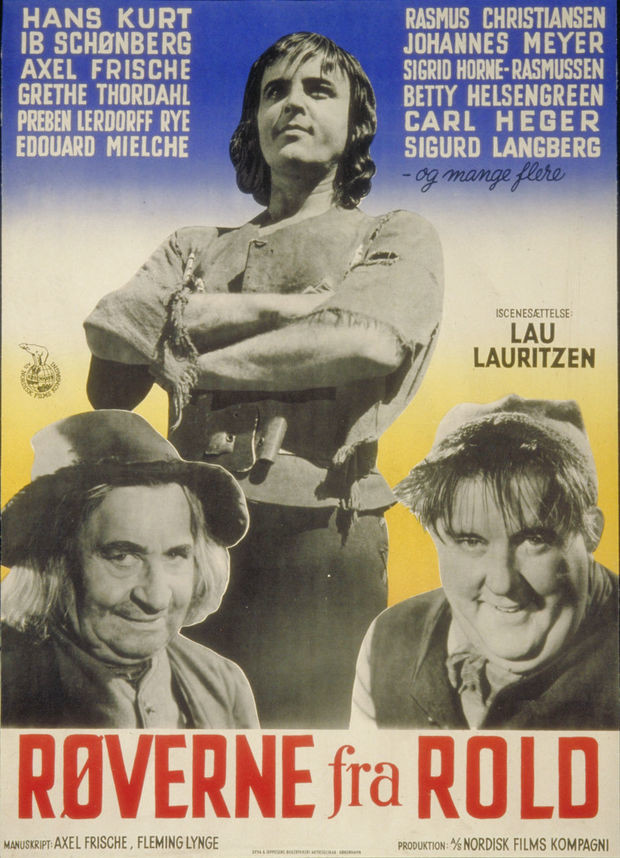
Our bandit story takes place in the good old days, when strife, war, and lawlessness were the order of the day—a time quite unlike our own. In Rold Forest, the daring robber chief Justi roams, stealing from the rich to help the poor. His right-hand men are Reinald, who is more interested in the cash rewards, and the cunning minstrel Ole Hopsasa, whose greatest joy is to quench his ever-burning thirst and sing a cheerful song.
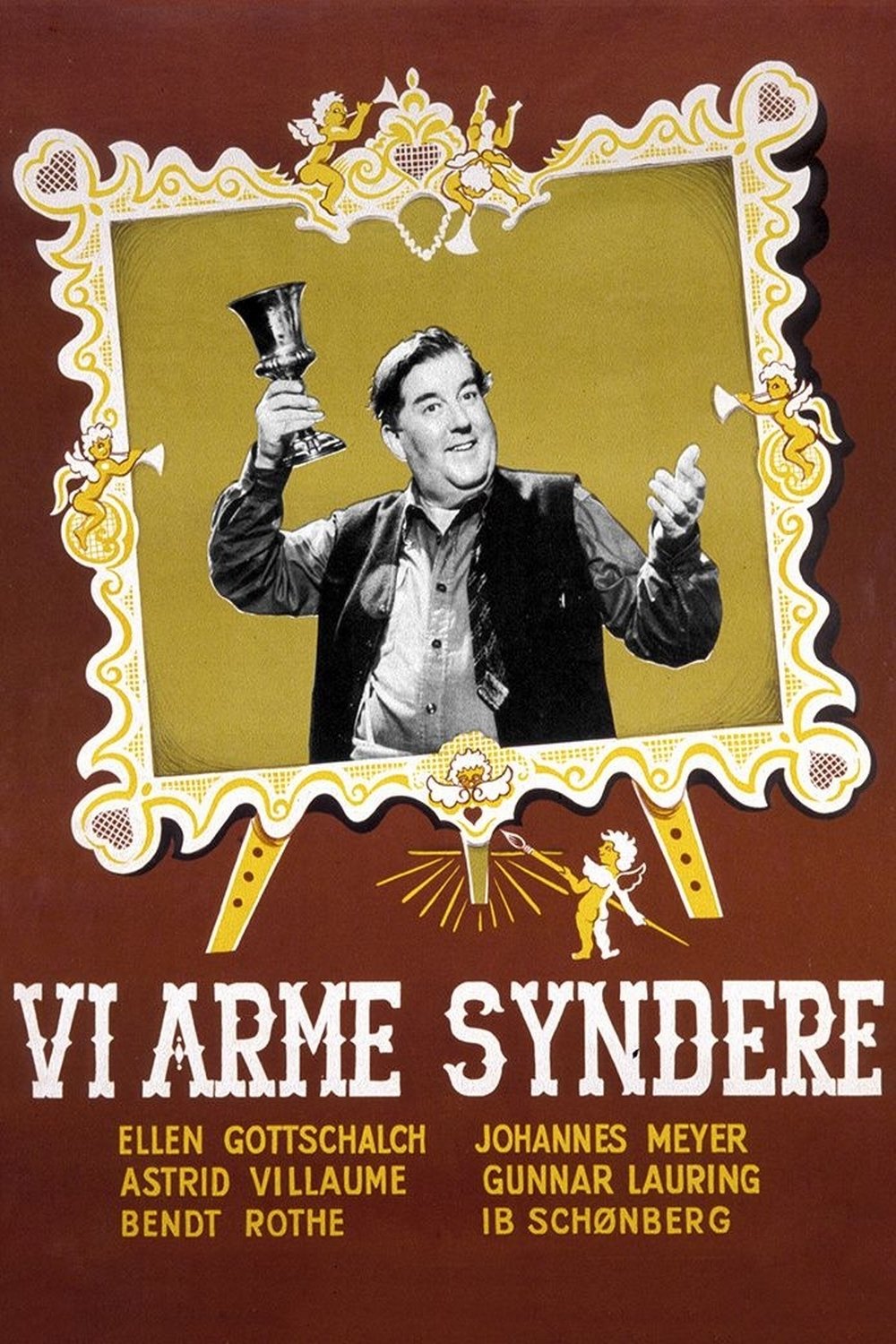
Venus aux belles fesses, or Venus with the beautiful buttocks, is the name given to a statuette by the famous Swedish sculptor Sergel, and this small work of art, a draft in fired clay, plays a significant role in this fantastic story. In a strange way, Venus intervenes in the turbulent fate of art historian Hannibal Svanø and creates conflicts for many others. After spending the whole summer leading a nomadic but rather pleasant life, interrupted only by occasional periods of work with old friends around the country, Svanø now sets off for the capital. On the way, he manages to persuade an old schoolmate, Judge Truelsen, to give him a loan that enables him to enjoy a hearty meal in a small, cozy restaurant called "Asietten."
A surprising film about the large number of inadequately addressed letters that the postal service receives every day. The film is an invitation to the audience to address letters correctly.
A short documentary on the pioneering Danish engineer and aviator J.C. Ellehammer.