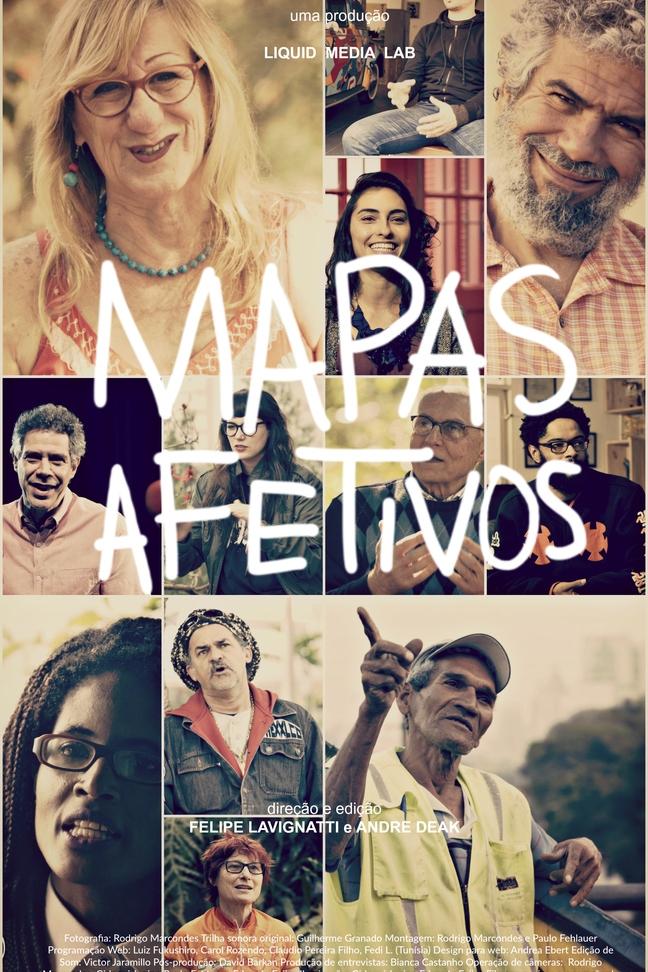
An emotional geographic reading of the city of São Paulo, created through hundreds of love stories from its residents. Neighborhoods, streets, parks and houses that sometimes no longer exist, or are invisible to most people, come to life in the stories told by the inhabitants.
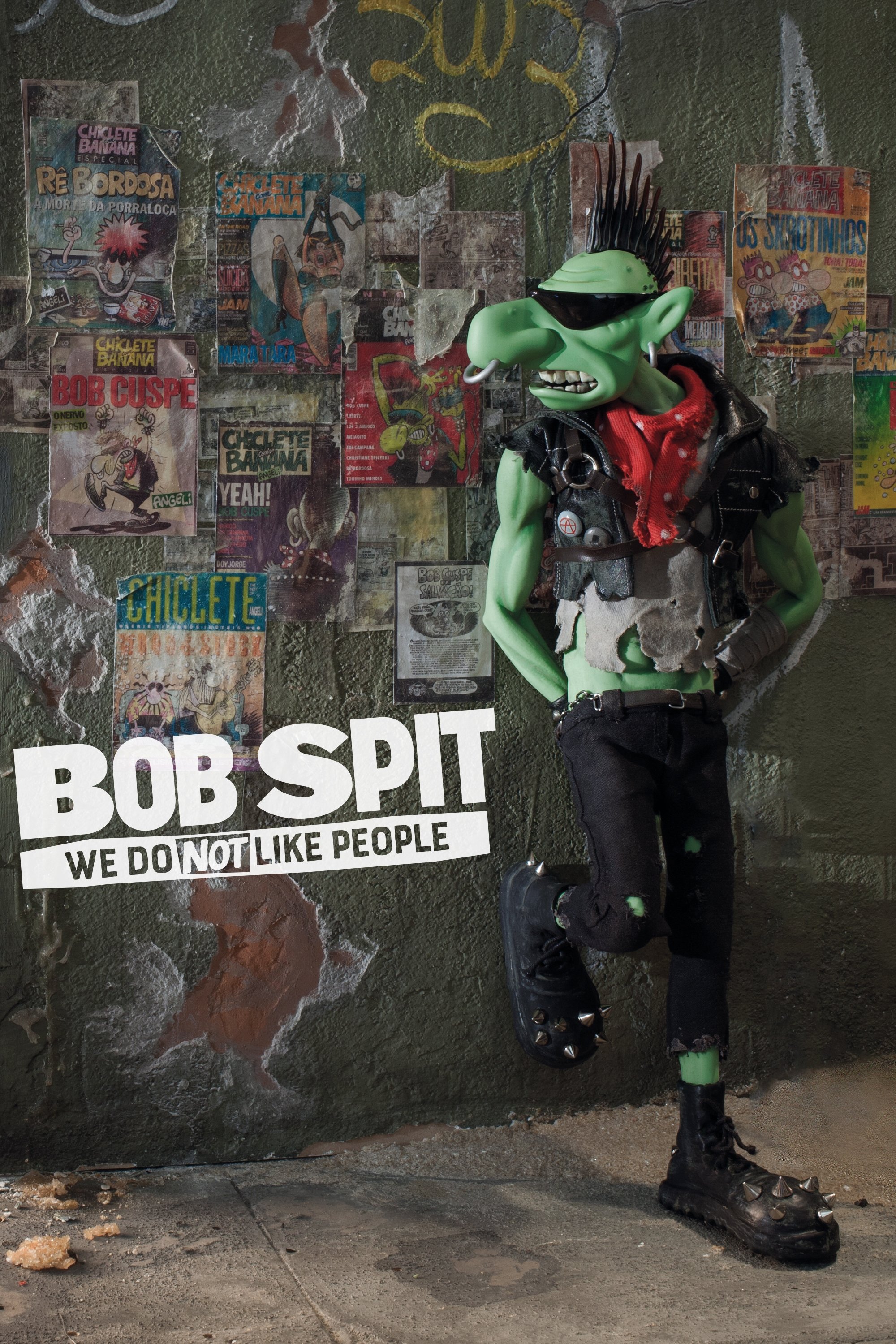
Bob Spit, a comic book character, lives in a post-apocalyptic desert inside the mind of his creator, the legendary Brazilian cartoonist Angeli. When Angeli decides to kill off Bob, the old punk leaves this wasteland and faces his creator.

The cartoonist Laerte goes a long way through São Paulo searching for a certificate.
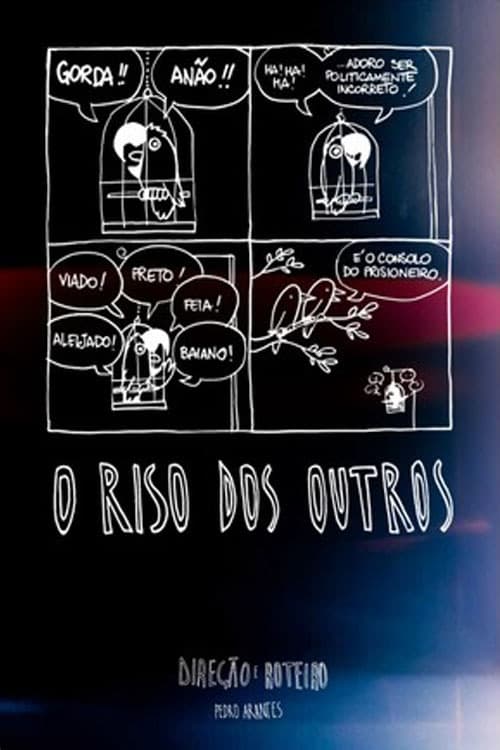
There are limits to jokes? What is the politically incorrect humor? A joke has the power to offend? It is these issues that 'Laughter of Others' discusses interviewing personalities such as comedians Danilo Gentili and Rafinha Bastos, cartoonist Laerte and Congressman Jean Wyllys, among others. The documentary delves into the world of Stand Up Comedy to discuss the fine line between comedy and offense, between legal and what creates endless lawsuits.

Carlos Drummond de Andrade's poetry is read by exponents of Brazilian culture, such as Chico Buarque, Caetano Veloso, Adriana Calcanhoto, Fernanda Torres, Marilia Pera, Antonio Cicero and others.
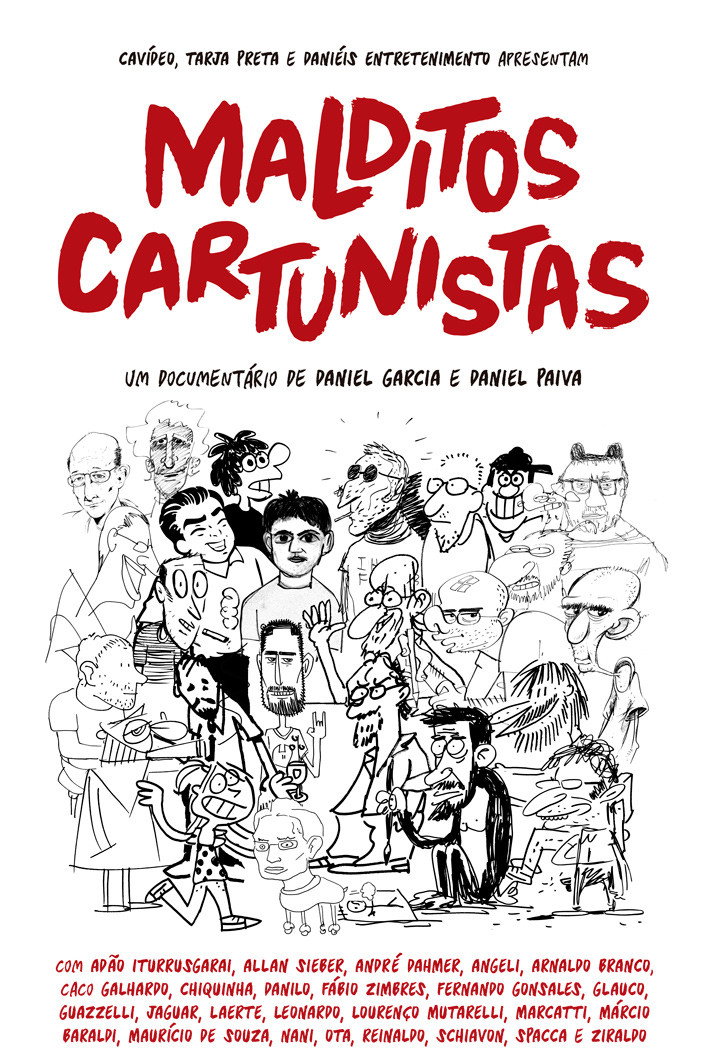
Documentary that presents an overview of the production of cartoons and comics in Brazil.

Several characters realize their personal way to build their own identity from the choice of genre. Transsexual, transgender, crossdressing – the defining of terminologies different ways of looking at yourself are constantly rising, portraying a universe of possibilities, expanding the boundaries of the possible and permitted.

Inspired by the US paper “Gay Sunshine”, in April of 1978 appeared in Brazil – during the dictatorship – the newspaper “O Lampião”, depicting the point of view of gays on various issues, including sexuality. A group of journalists and writers from Rio de Janeiro and São Paulo joined the project, fueling a publication that paved the way for the press at the time, addressing controversial issues at the period, such as racism, abortion, drugs and prostitution.
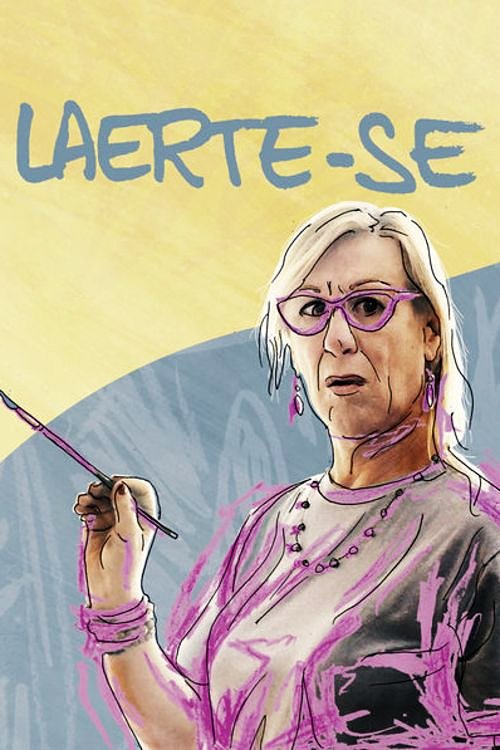
In this film, Laerte conjugates the body in the feminine, and scrutinizes concepts and prejudices. Not in search of an identity, but in search of un-identities. Laerte creates and sends creatures to face reality in the fictional world of comic strips as a vanguard of the self. And, on the streets, the one who becomes the fiction of a real character. Laerte, of all the bodies, and of none, complicates all binaries. In following Laerte, this documentary chooses to clothe the nudity beyond the skin we inhabit.

Xiclet is a plastic artist who settled in São Paulo in the early years 2000 and has since transformed the house where he lives in a public space, focused on the dissemination of artists who stay out of the great circuit of the arts. In addition to artist and galley, Xiclet is a tireless teaser of the "status quo".
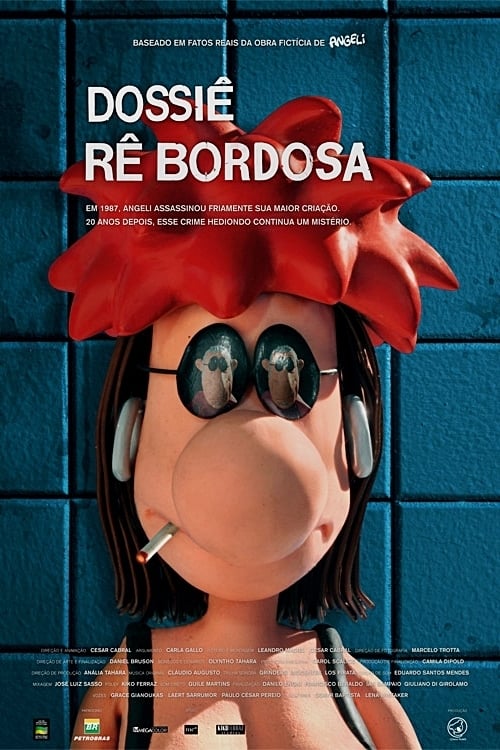
Envy? Ego issues? Malice? In 1987, Angeli, one of the most important cartoonists in Brazil, coldly murdered one of his most famous creations, the underground diva Rê Bordosa.

Marked in history as the first Brazilian comic book, totally in nuclei, Turma do Pererê is considered a giant influence for several later authors, such as Maurício de Sousa. In addition to being the first to address topics such as ecology and social inclusion, a work is also referenced for perfectly aligning with the main political interests of the time.
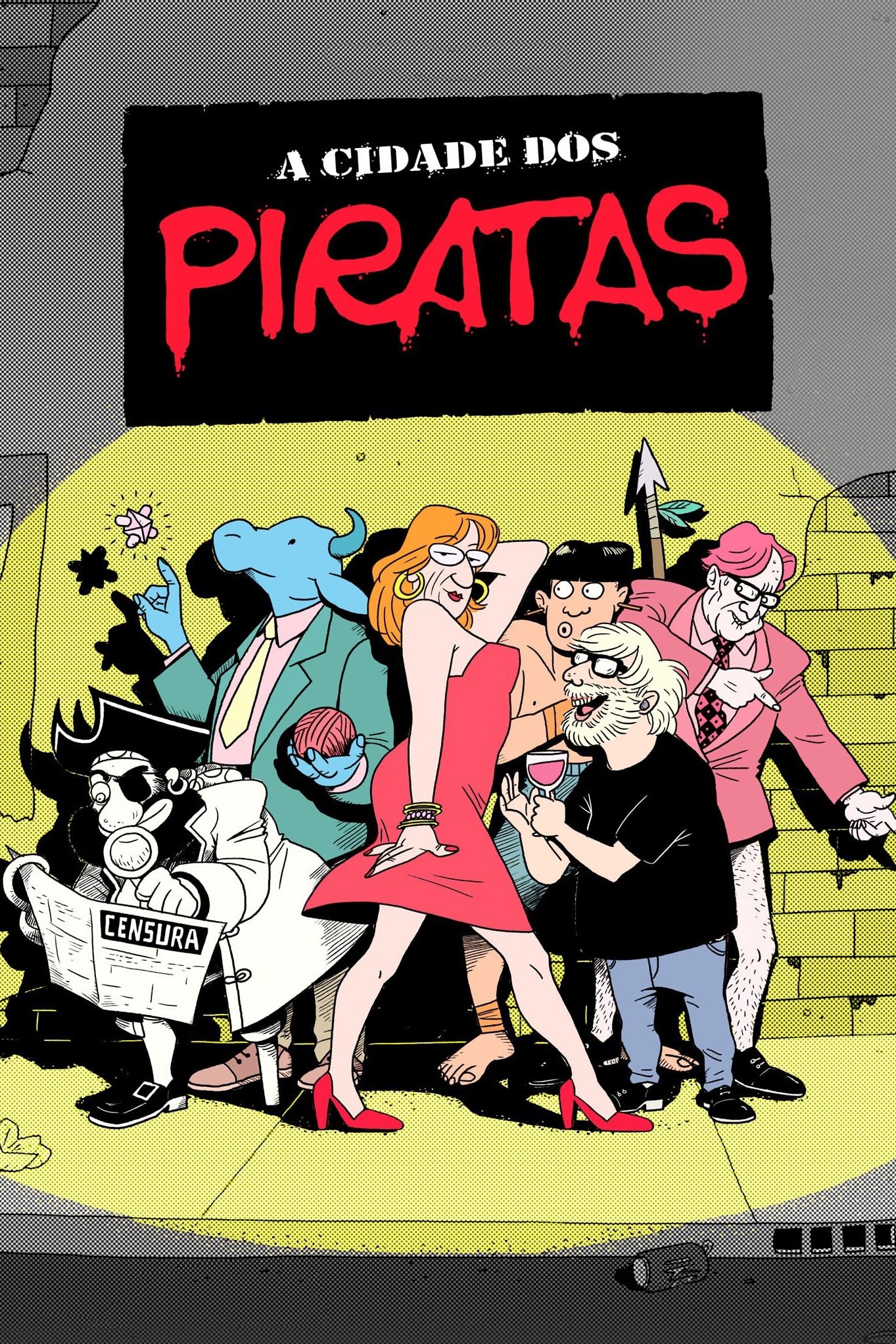
A film director faces a complex situation in the production of his new film: Laerte, the protagonist of the story, begins to renegade her former characters, the Pirates of the Tietê. Lost in this situation and determined to be faithful to his whims after seeing the approach of death, the director decides to tell his drama mixing his persona with the story, creating a chaotic labyrinth between fiction and real life.

A portrays of the period in which Brazilian humor had fewer limits (1986-2003), free from military dictatorship.
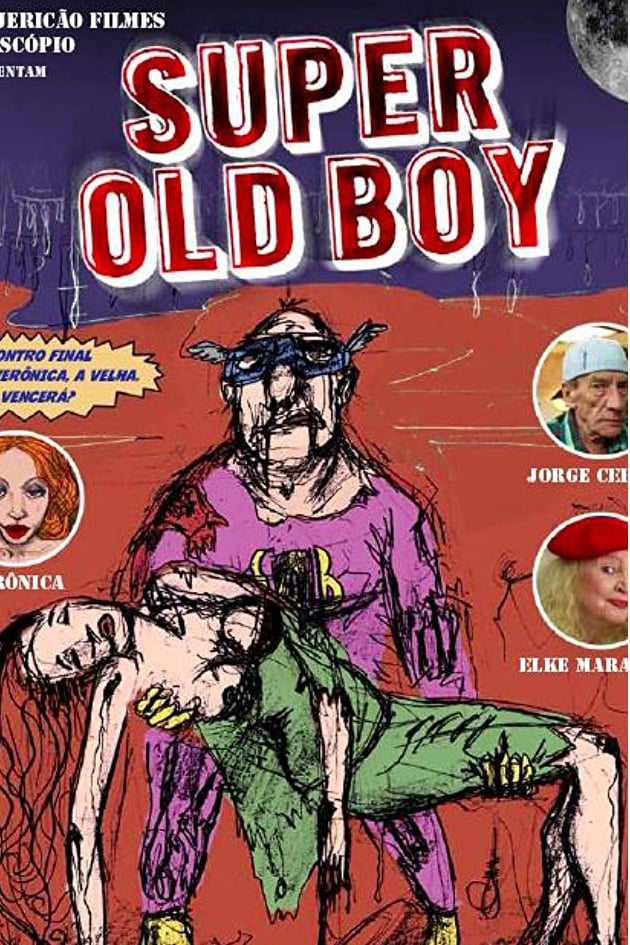
Bil is an elderly man who works as an office boy for a firm in São Paulo, as he does not pay for a bus ticket and takes a preferential line at the bank. One day he gets involved in an unusual bank robbery.
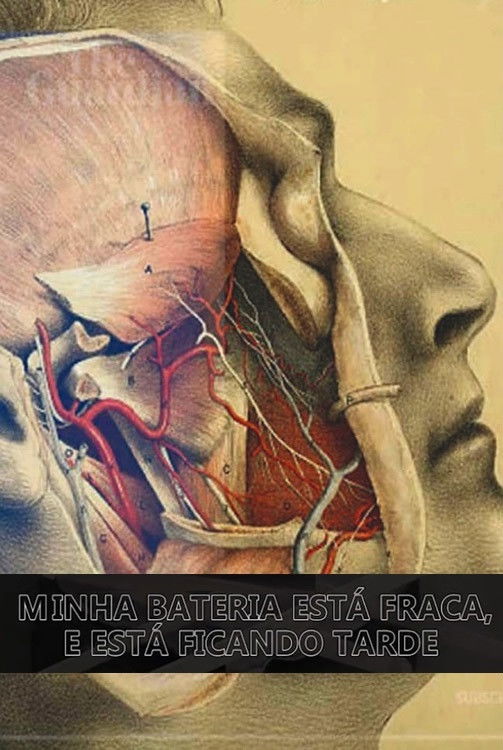
As the Sars-Covid 19 pandemic increased, Rubiane Maia was in Folkestone, England, and Tom Nobrega in Tarapoto, in the Peruvian Amazon. Both were surprised by the sudden need to cancel planned trips to Brazil, their homeland. The closed borders brought unusual situations and an unknown feeling of exile. As news from Brazil reaches the distance like rocks breaking their computer screens, blurring the line between what is personal and what is collective, the pair of friends share their bewilderment and try to find some resonance amid the overwhelming amount of information that floats the virtual space.
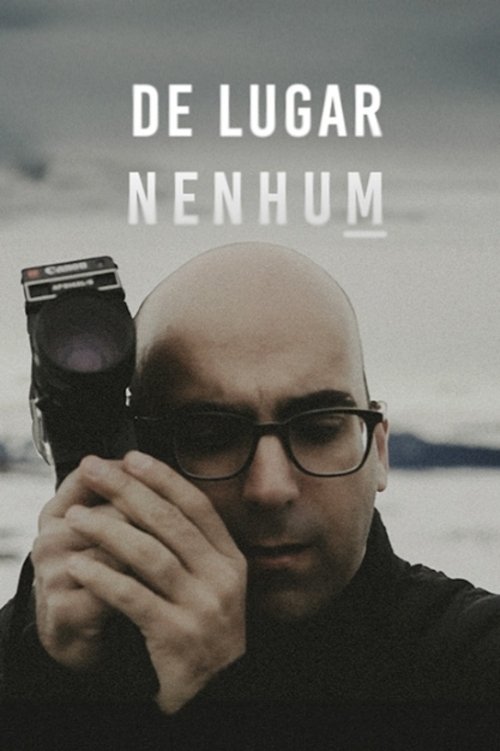
Filmed over seven years, the documentary follows Valter Hugo Mãe as he writes his novel “A Desumanização”, across journeys through Iceland, Brazil, Portugal, Colombia, and Macau. A visual meditation on solitude, loss, and belonging, featuring appearances by cartoonist Laerte Coutinho and Icelandic composer Hilmar Örn Hilmarsson, mentor of bands such as Sigur Rós and Björk. The film is part of the project “The Meaning of Life”, which director Miguel Gonçalves Mendes has been developing for more than a decade: a series of nine features built as a kaleidoscope of contemporary figures, in which the filmmaker invites us to reflect on what makes us, as humans, unique beings.
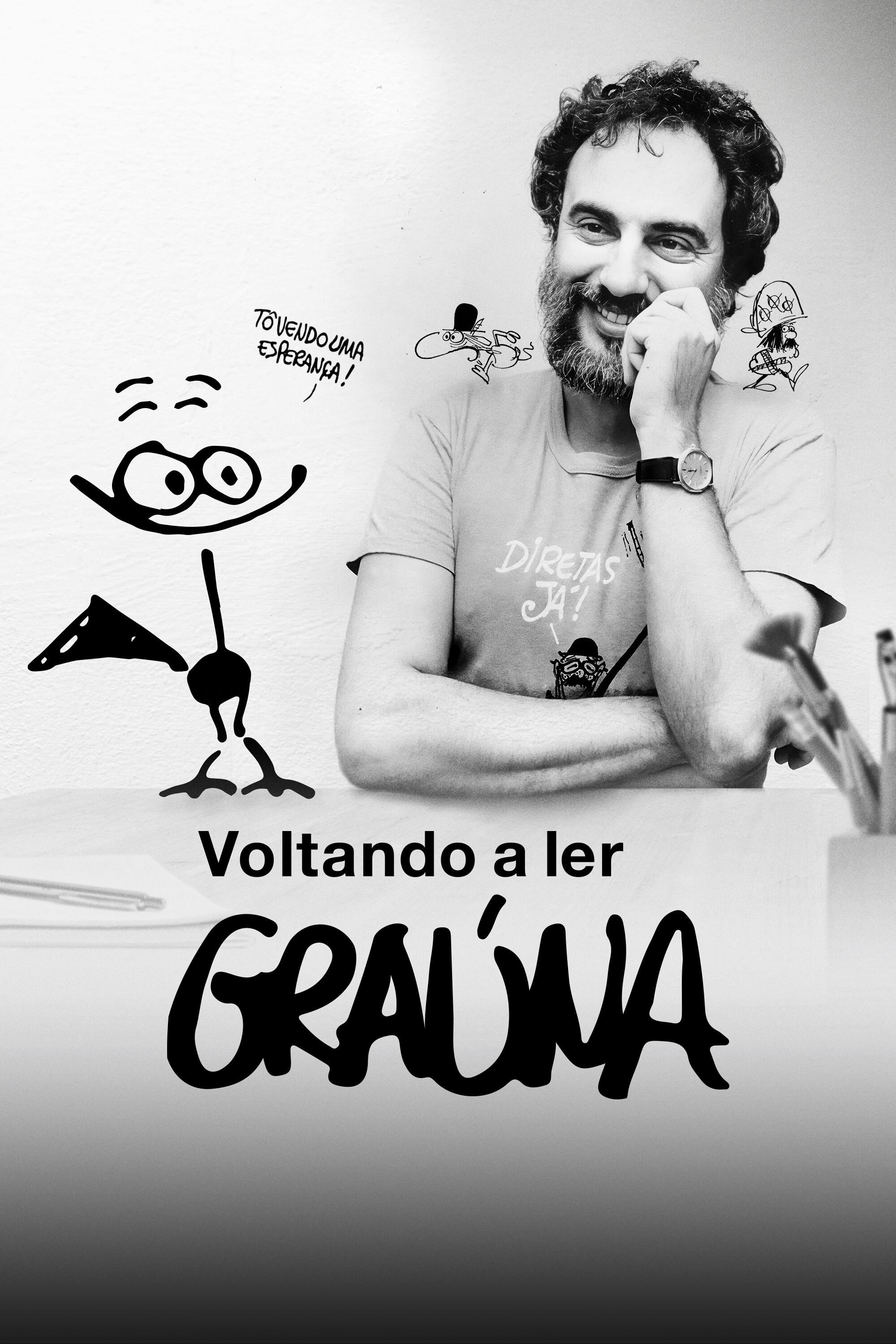
The documentary reconstructs the history of Graúna, one of the most famous comic characters in Brazil during the '70s. Analyzing creator Henfil's usage of this poor, little, female blackbird to criticize the social inequities and censorship in Brazil of the time, testimonies from family and fellow cartoonists shed light into why "Reading Again Graúna" is still relevant today.
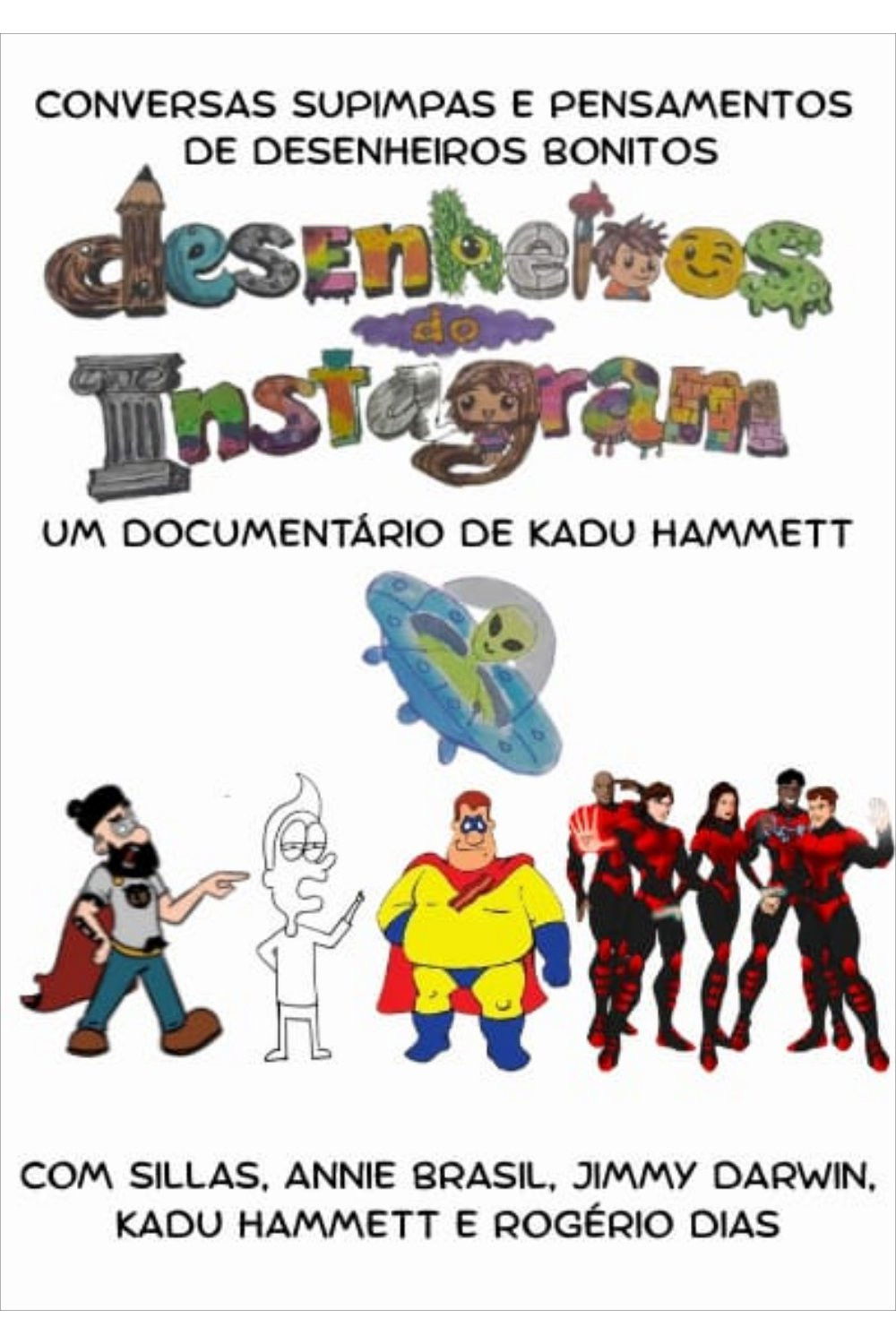

Claudia Wonder died in 2010 and her grave was abandoned in a dirt road without a photo or identification. The Known Daughter of Claudia Wonder claims the right to the ethernity of her trancestry.