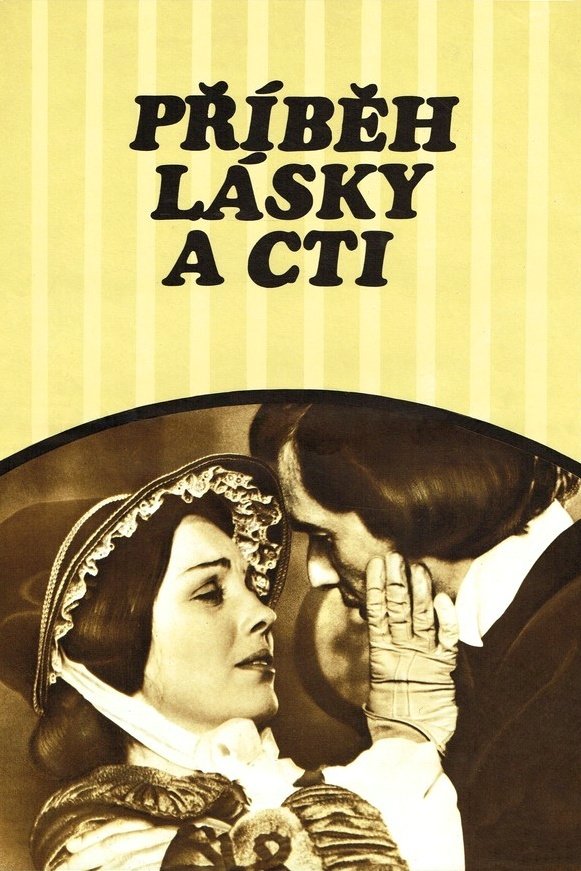
A story of love and honor that takes place during the mid-nineteenth century during revolutions, as well as economic, political, and social hypocrisy. Two extraordinary but lonely artists share a passionate love, as evidenced by the preserved letters that they exchanged.

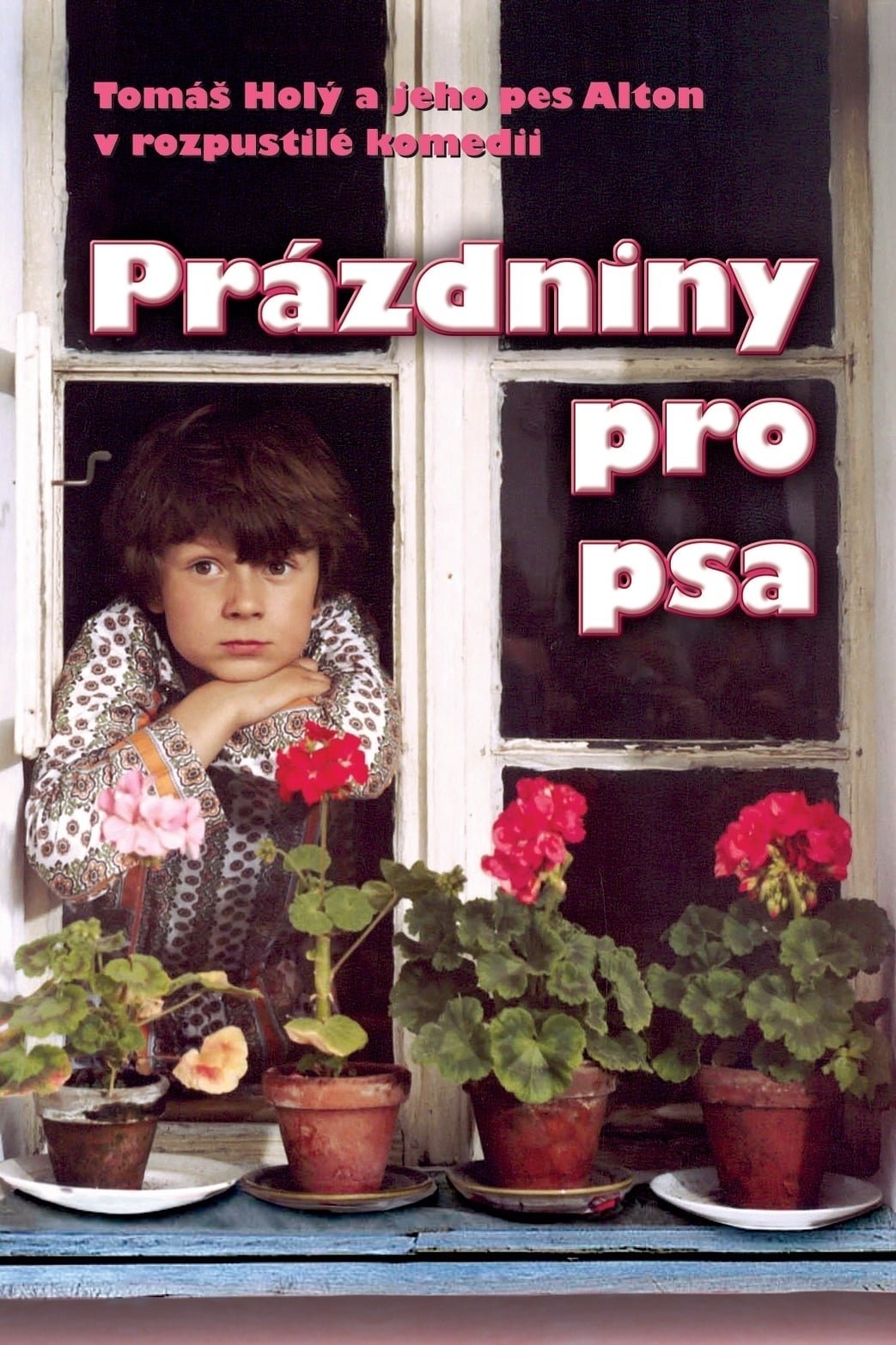
The Mráz family is preparing for holidays. Parents are traveling to the spa and little Petr is going to the country to his grandparents. In addition, to the chaotic preparations, mother's friend is bringing a dog Blek. She wants Petr to look after it. Grandfather welcomes Petr and the dog with pleasure because he needs the ally against strict grandmother. Grandfather is not very skillful and thus grandmother often experiences troubles with his ideas.
The family is connected with Prague's "Kolbenka", the ČKD locomotive factory. Grandfather Antonín, already retired, son Rudolf, a master in the locomotive assembly section and grandson Antonín, a promising football player. The film also tells the story of Rudolf's daughter Vera - each generation has its own ideas about life and cannot identify with the others. The film is linked by retrospective sequences from the lives of Antonín the Elder and Rudolf, especially from the war years. It is a realistic take on working-class life, unencumbered by ideology (despite the opening dedication), featuring well-known and time-tested actors in mainly male roles.
A story of two boys who during the summer at a recreation area become best friends despite being enemies at first.
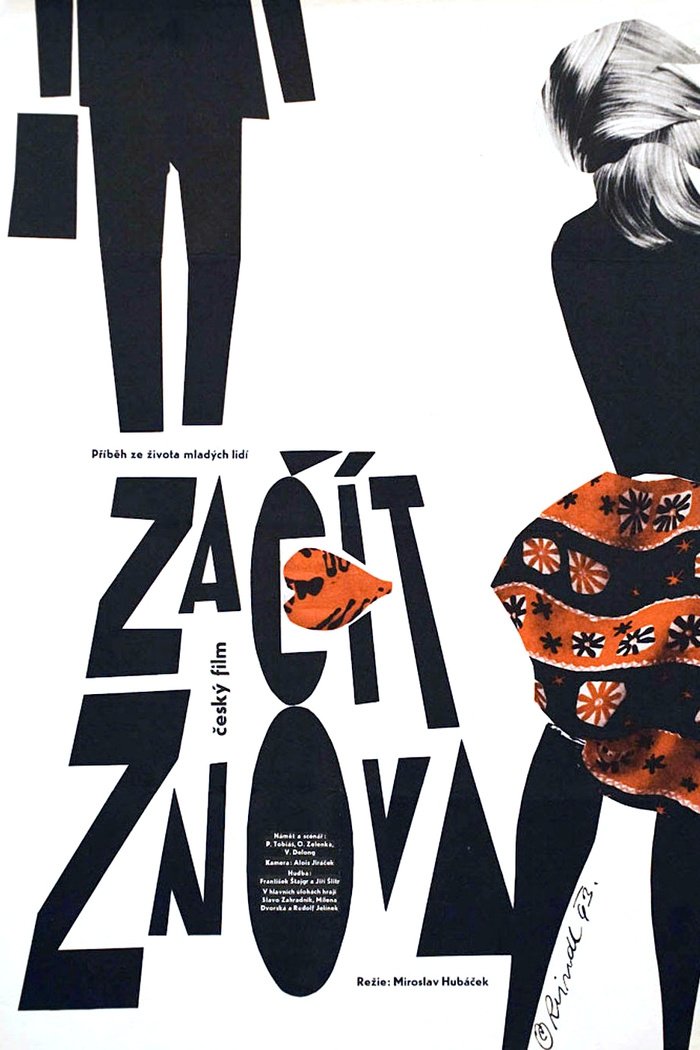
Young Jan Stehlík signs up for a job to build a new mine. On the train he meets the pretty Alena, who falls in love with him. However, she means nothing to the superficial Jan, and when the girl becomes his lover, he treats her rudely and insultingly. But Alena's relationship troubles the honest Joseph, who really likes her.

Two aliens stir up trouble on Earth in order to study humans. Misunderstandings ensue.

In Nazi-occupied Czechoslovakia, a doctor-turned-warehouse employee reluctantly agrees to treat a gravely wounded political fugitive, putting himself and everyone living in his building complex in danger.
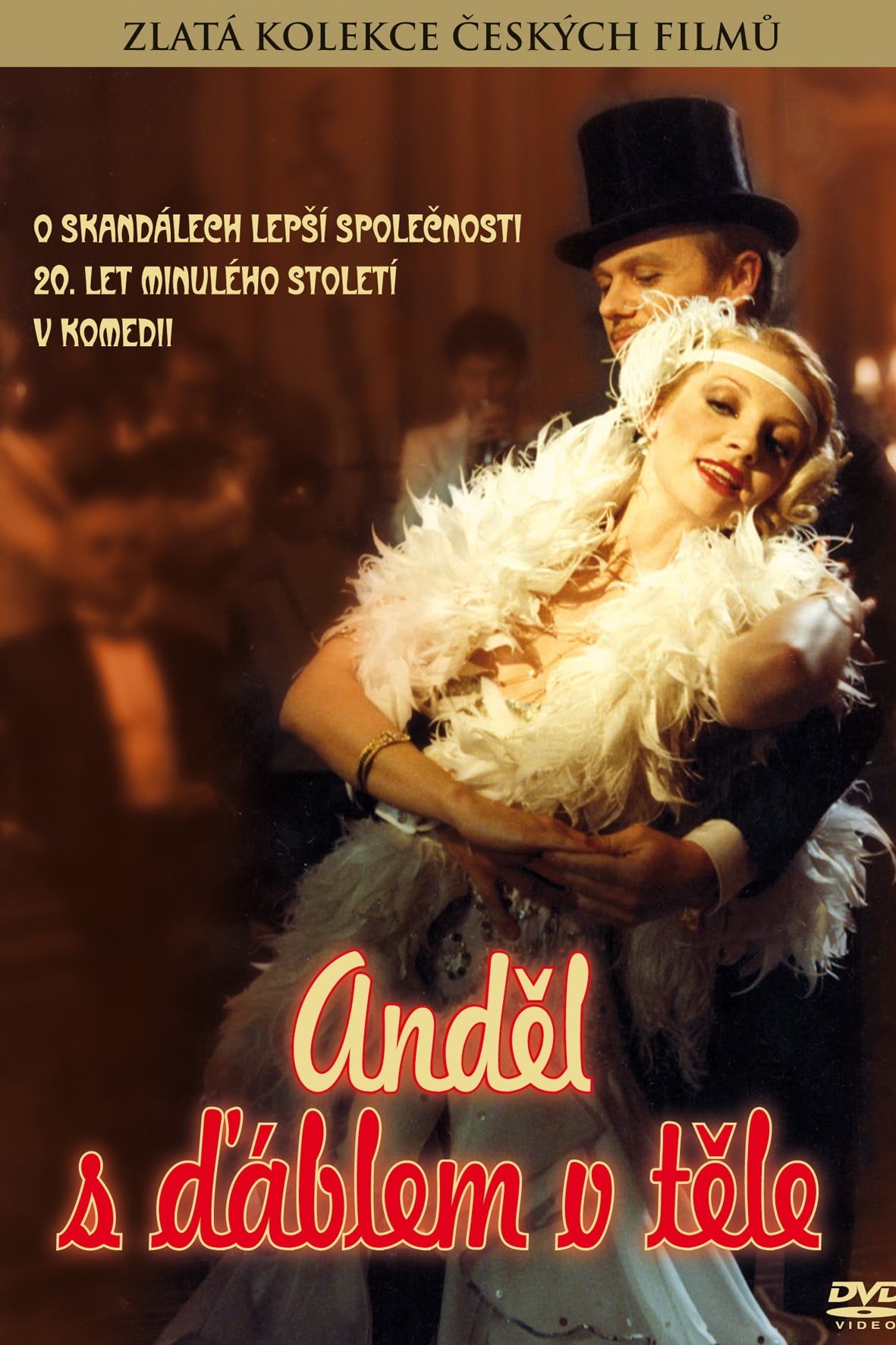
In a chateau near Prague there is a chantry and brothel Riviera, designed for the clientele from the higher circles. Mrs. Gábi Stolařová, called Madame, keeps a close eye on order, but otherwise she runs the place in a family spirit and makes sure that the customers are satisfied. A new employee, the beautiful Renata, disrupts the order of things and immediately draws the attention of all the guests to herself. But beneath her angelically innocent exterior, she hides a fierce ambition and a coldly calculating brain, which, to her own detriment...
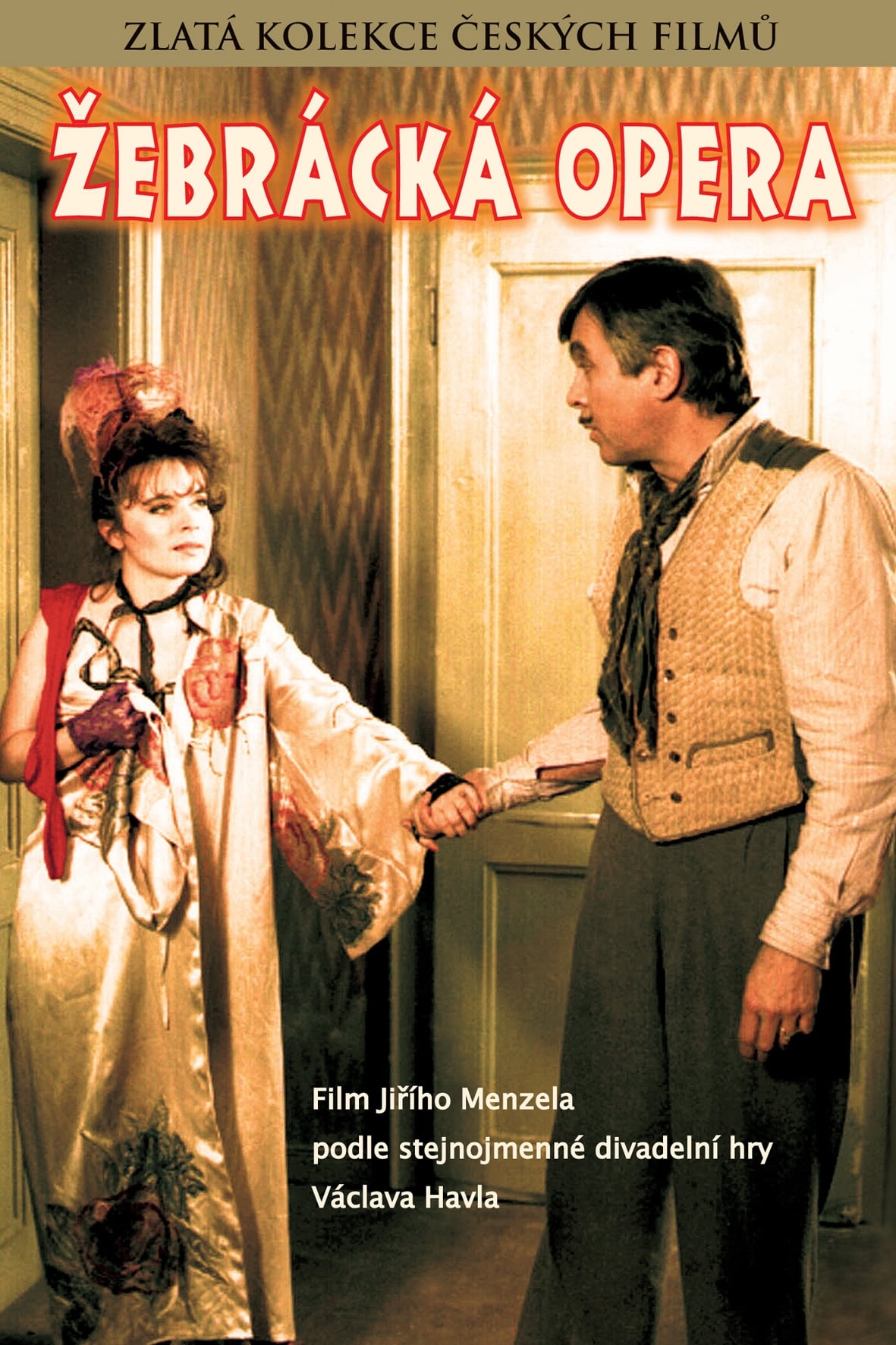
Unlike any other opera, the so-called Beggar's Opera is not just one composition, but a lineage of adapted compositions, beginning with the original hugely successful 1728 political satire written by Englishman John Gay. Composers and writers have penned variations on it ever since. The most famous of these was A Threepenny Opera by Bertholt Brecht and Kurt Weill. Some things these compositions share in common is their setting among the poor and criminal classes, and the roguish character Macheath. This production is based on an adaptation of Gay's original by Vaclav Havel the freedom-fighter, writer and philosopher who became the first (and only) president of the united post-communist country of Czechoslovakia, and it retains many traces of its theatrical origins. Film reviewers were not too tolerant of what they called "slavish adherence" to the noted Czech writer's stage production, but theater, philosophy and history buffs may feel otherwise.
An elderly couple is planning a big family gathering. The husband is thinking about what he can do to make his wife happy. While walking around town, he meets an old friend and they have a few drinks together. After a dose of alcohol, the man trades his brand-new coat for a fox-head fur coat for his wife, thinking it will please her. But his wife doesn't like the gift at all and gets angry with the man. The couple argue, exchange insults, and finally decide to cancel the celebration. The man wants a divorce "due to insurmountable resistance"...
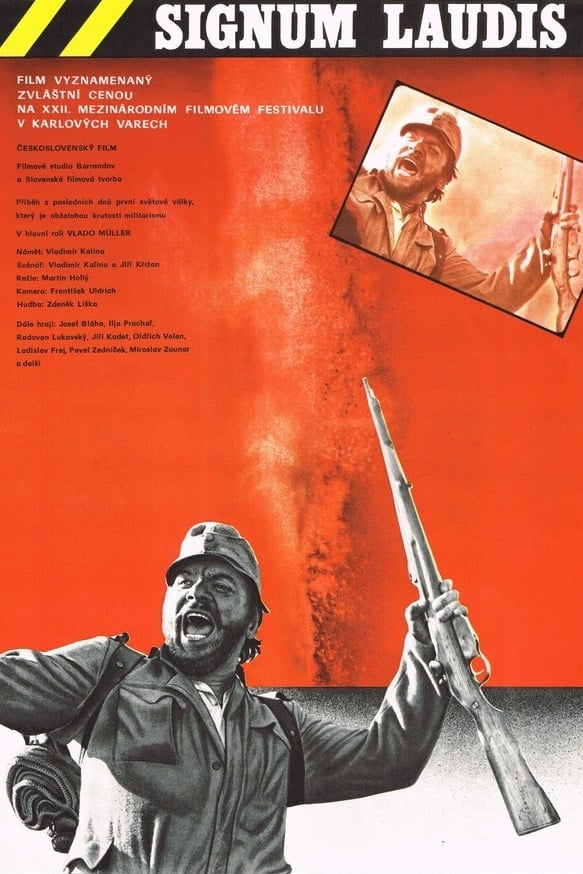
The trenches of World War I provide for a captivating backdrop to the drama of Corporal Hoferik. In his devotion to the Habsburg Monarchy, he fanatically carries out his military orders, but he ultimately suffers the Empire's disfavor.

A stuffy middle-aged foreigner, a businessman named Fabricius, lonely and looking for a night's diversion, finds it in the form of a mysterious blonde. In an abandoned cemetery, she tells him three tales involving black magic and erotic obsession. In "The Last Golem," a young rabbi struggles to fashion a massive, silent giant out of living clay — until he's distracted by a mute servant girl. In the second episode, "Bread Slippers," an 18th-century countess indulges her passion for sweet cakes, adulterous affairs, and secret kisses with pretty maids until a mysterious visitor whisks her away to an abandoned mansion, where Fate has a different kind of dance in store for her. And in the final story, "Poisoned Poisoner," a ravishing murderess in the Middle Ages dispatches lecherous merchants to the tune of upbeat '60s Czech pop songs.
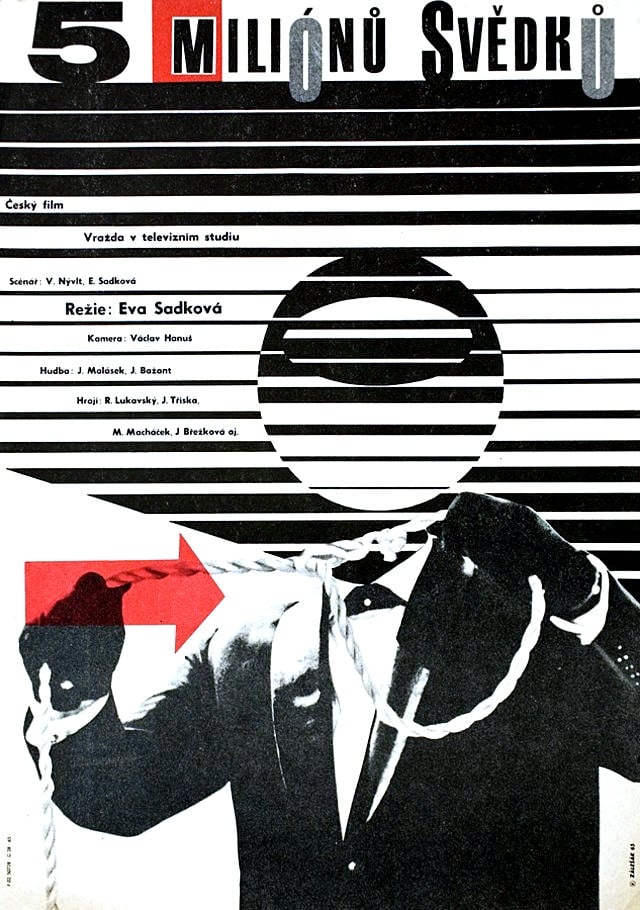
Now we see a naive reminder that television used to broadcast live productions, but in this case the live broadcast has taken on a surprisingly criminal dimension. One of the actors was killed during the broadcast - and it was seen by all the five million people who watched. Investigators are then reconstructing the suspicious event to find out whether it was an accident or a premeditated crime...

Exotic, yet lyrically aimed fairy tale about a young gypsy Pista in search of a beautiful, gentle and faithful bride. An old man told him where to find a girl with those qualities, so Pista sets out on a journey to find the girl of his dreams without knowing that she is special: an hour a day human and rest of the day a chicken...

A remake of Vávra's 1948 atomic age thriller Krakatit. Engineer Prokop creates the devastating explosive “Krakatit” and soon confronts manipulative agents and imperialist conspiracies. Realizing his invention’s threat, he fights to prevent its misuse, risking everything to stop those who seek to exploit his epochal discovery.
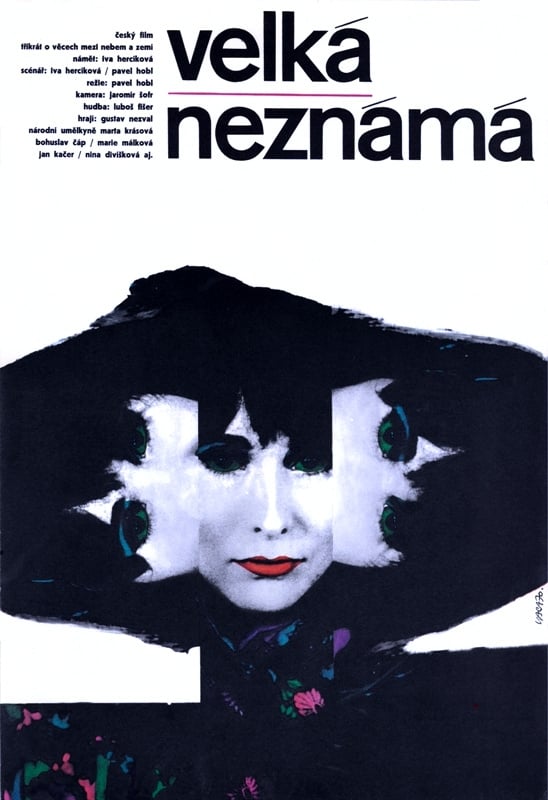
Three detective stories, three different views of life and death... Collection of three horror short stories.

A doctor is shocked when his beloved colleague Mima signs a contract with foreign car manufacturer Ferat, in order to work for them as a rally-driver. A scientist convinces him that human blood is being used as fuel for Mima's ever winning car, but does that really work?
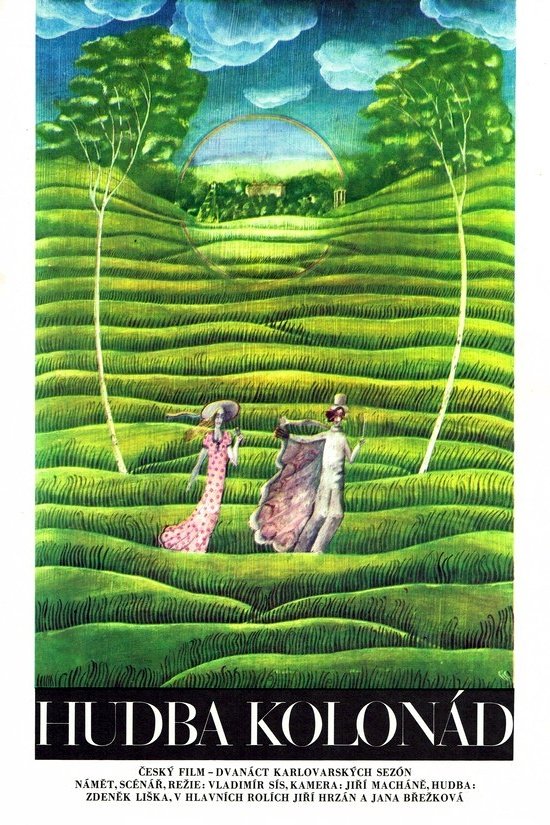
The International Festival of Magicians in Karlovy Vary: one of the performances is stylized as a memory of the eskamotero Vili Brod, who also performed in Karlovy Vary in the 1930s. Brod's story is ingeniously supplemented with excerpts from documentary and feature films with Karlovy Vary themes...

Johanka and Matyáš have an unusual home. The two live among the animals and plants of an enchanted botanical garden in the middle of the city, but this idyll is under threat. To the children’s horror, the mayor wants to build a theme park on the same spot. The Blue Tiger, an animal with magic powers, comes to their aid. Only he can protect the garden, but Johanka and Matyáš must now stop the mayor from capturing their newfound friend. MODRY TYGR is a colourful, atmospheric and imaginatively told animated fairytale that inspires the viewer to reflect on natural resources and habitats.

Energetic Dr. Alice Váňová becomes the pit doctor at Mír Mine and spearheads a silicosis prevention study requiring miners to drink milk regularly. The miners, led by a tight-knit group, stubbornly refuse public participation. Determined union chair Janeček resorts to psychological tactics and pressure campaigns to force their compliance, turning a health initiative into a tense battle of wills.

1982: East German actor Erwin Gregorek travels to Hamburg to shoot screen tests for a film about the sinking of the ocean-liner Cap Arcona in 1945 - a catastrophe he himself survived as a concentration camp prisoner.
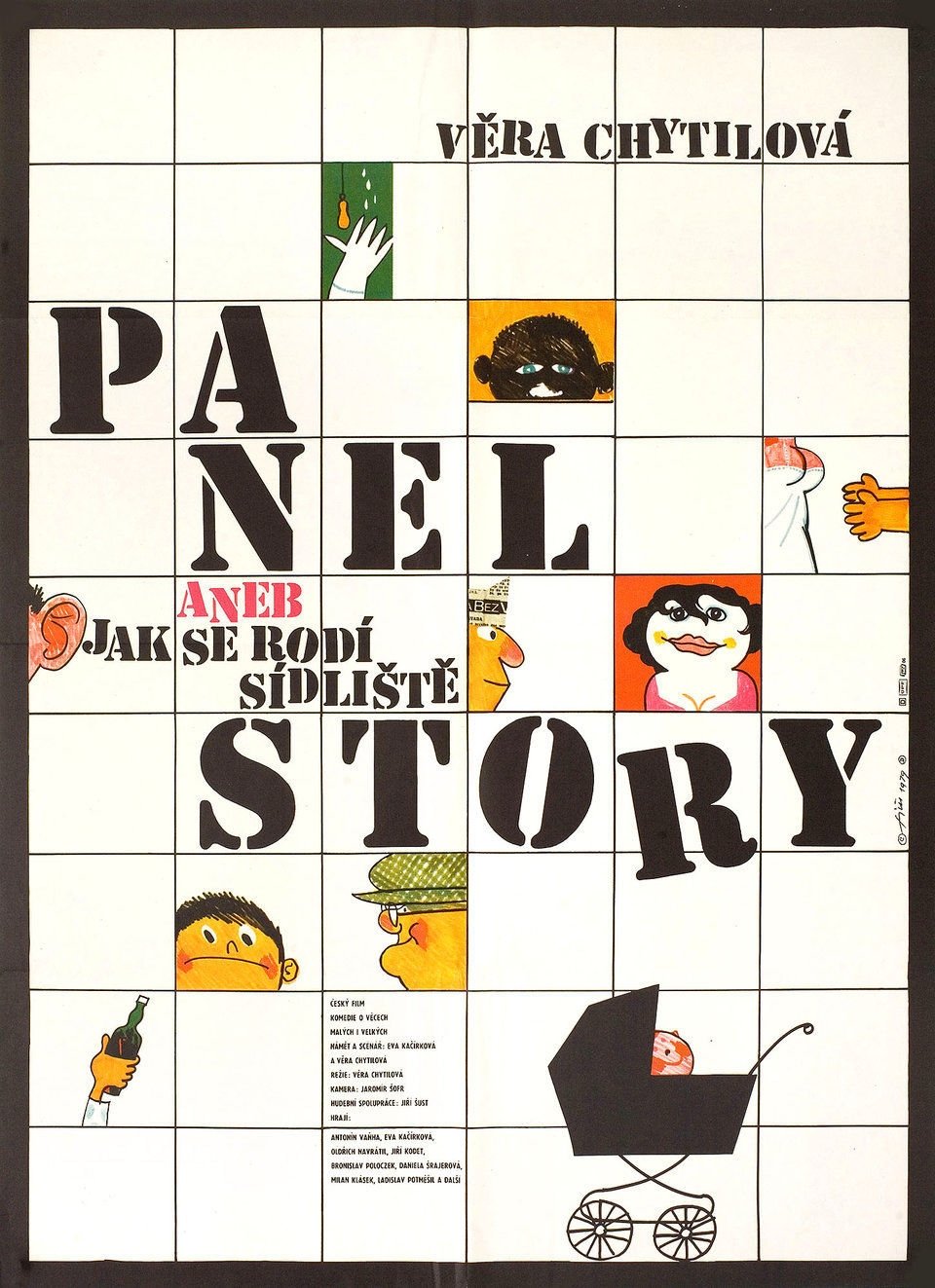
An old man is wandering round a badly signposted and as yet mostly under construction Prague housing estate looking for the high rise block into which he is supposed to be moving with his daughter's family. The old granddad from the countryside likes chatting, nothing escapes his eyes and he wants to give everyone a helping hand.
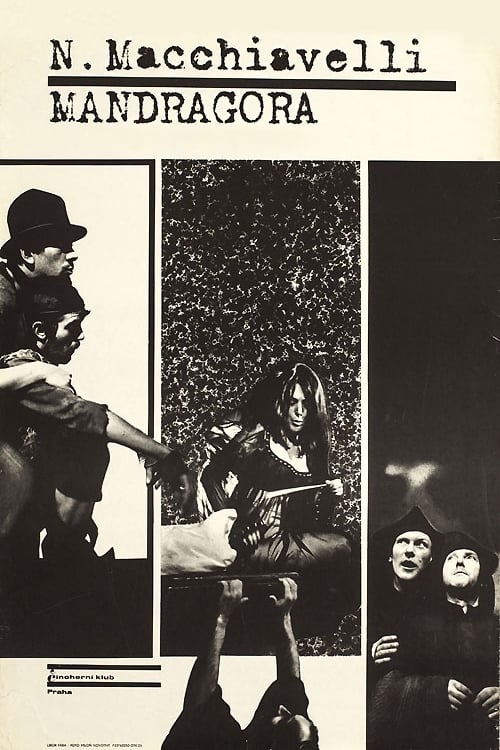
"Power is sweetest when it is completely disproportionate – when a fool rules over the wise..." Kundera's play reveals in a farcical, even sarcastic way what drives people. For some, the most important thing is to submit and have peace of mind, while others need power over others to live. Milan Kundera says of his comedy Ptákovina that "it is a comedy so frivolous that it is more than a comedy: it is nonsense." Its intricate plot is set in motion by the Director, who draws a rhombus on the blackboard in the classroom. And it is discovered. An investigation ensues, and the all-powerful man of the city, the Chairman, also enters the game. This myth-shrouded comedy was only performed briefly in our country in 1969, and since then no one has officially seen it here. Until September 2008, when director Ladislav Smoček staged it at the Činoherní klub in Prague.
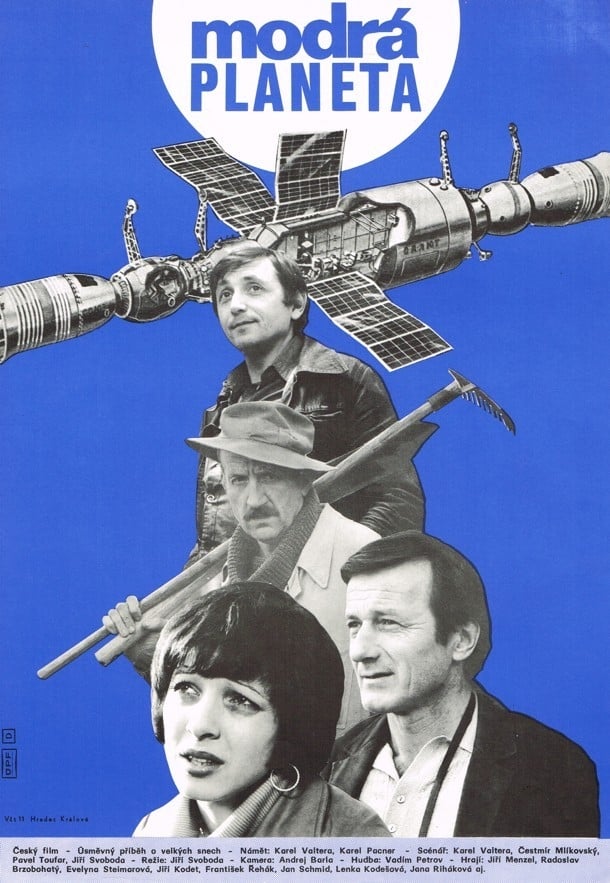
A young engineer, Štěpán Pavlík, dreams of becoming a cosmonaut.
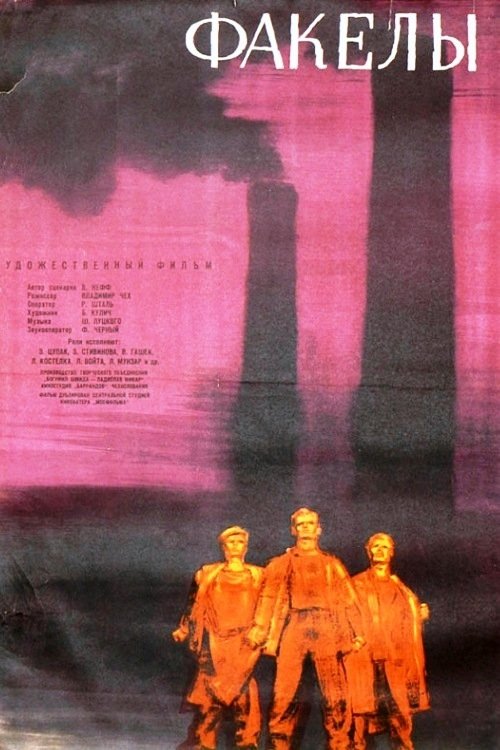
Prague in the 1870s. Work in Smolík's sulphur factory is hard and dangerous to health. The poorly paid workers resemble torches because their clothes are soaked with poisonous phosphorus. Young Josef Rezler also works in the sulphur factory and uses his earnings to feed his mother and little sisters. He throws his perpetually drunken father out of the house. The older worker Brož forces Josef to learn to read and write. A cholera epidemic breaks out in Prague and Josef is the only one of his family to survive the disease...
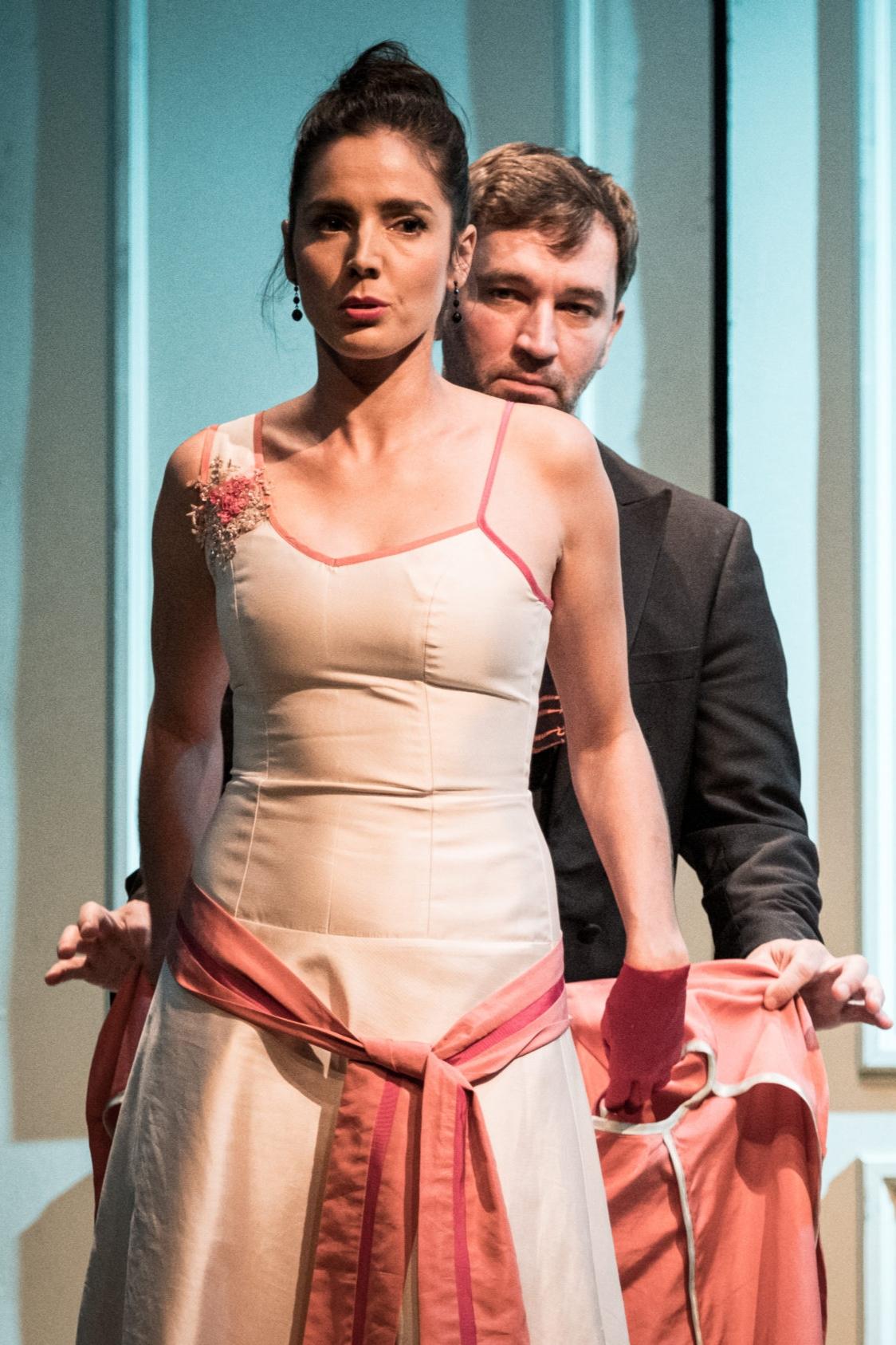
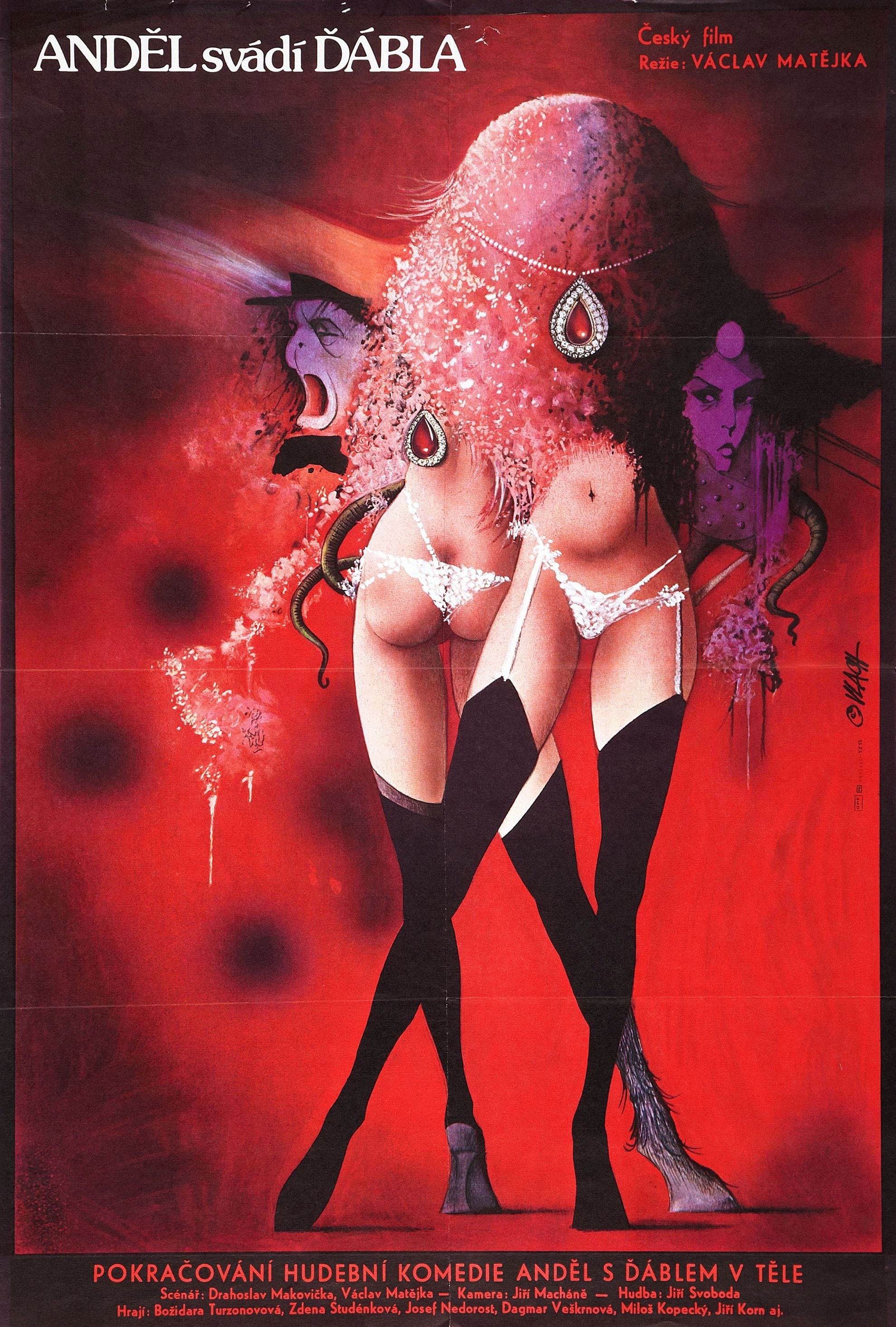
Once again, you can take a look behind the scenes of the Riviera Chateau on the Prague periphery, where a brothel for the socialites is hidden under the guise of an exclusive nightclub. The story takes place in 1930 and although several years have passed since the events of the first volume, the passions unleashed by the intrigues of the time have not cooled down. Once again you meet Renata, called Angel, formerly a prostitute, now the wife of the banker Justice and owner of the Riviera. The elegant Madame, who owned the business before and now works there as a mere manager, is plotting new schemes to get back everything she has...
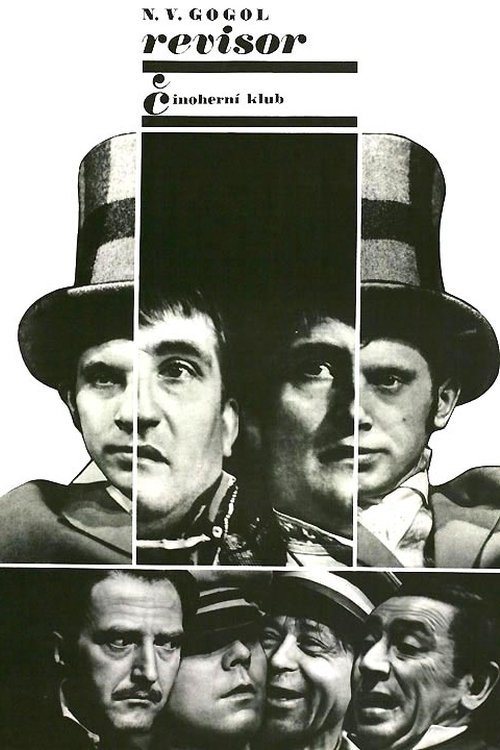
A recording of a theatre production directed by Jan Kačer from 1967.