

The fate of father and son Horáček, but this time they switched roles. Jirka has married, settled down and grown up, while his father is in trouble because he has "second lymphoma" and, feeling that he is missing the last train, he starts a relationship with a stripper, Ala, dyes his hair, but mostly he likes a pretty and kind nurse, Lucie. Although he behaves in such a way that it seems to others as if he has lost his mind, everything turns out well, of course.
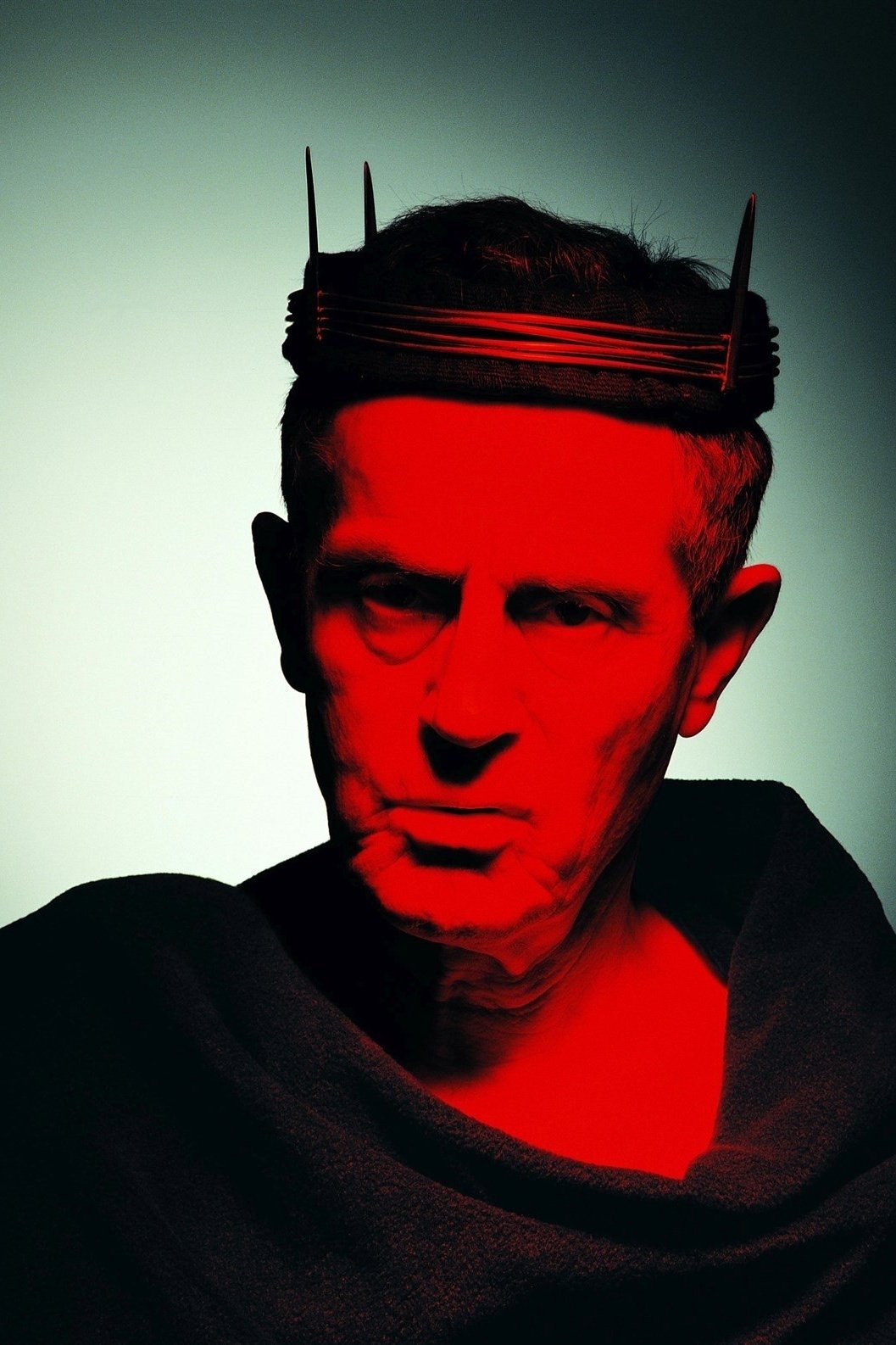
A recording of the production from the courtyard of the Supreme Purkrab of Prague Castle starring Jan Tříská. Shakespeare's tragedy King Lear is a timeless tale of love, hate, betrayal, greed and lust for power. At the end of his life, the King decides to divide the kingdom between his three daughters based on their speeches about how much they love him. In his blindness, he disinherits and exiles the most honest and beloved Cordelia. He hands over all his power to his other two daughters and only in time does he discover what he has done and gradually slips into madness.
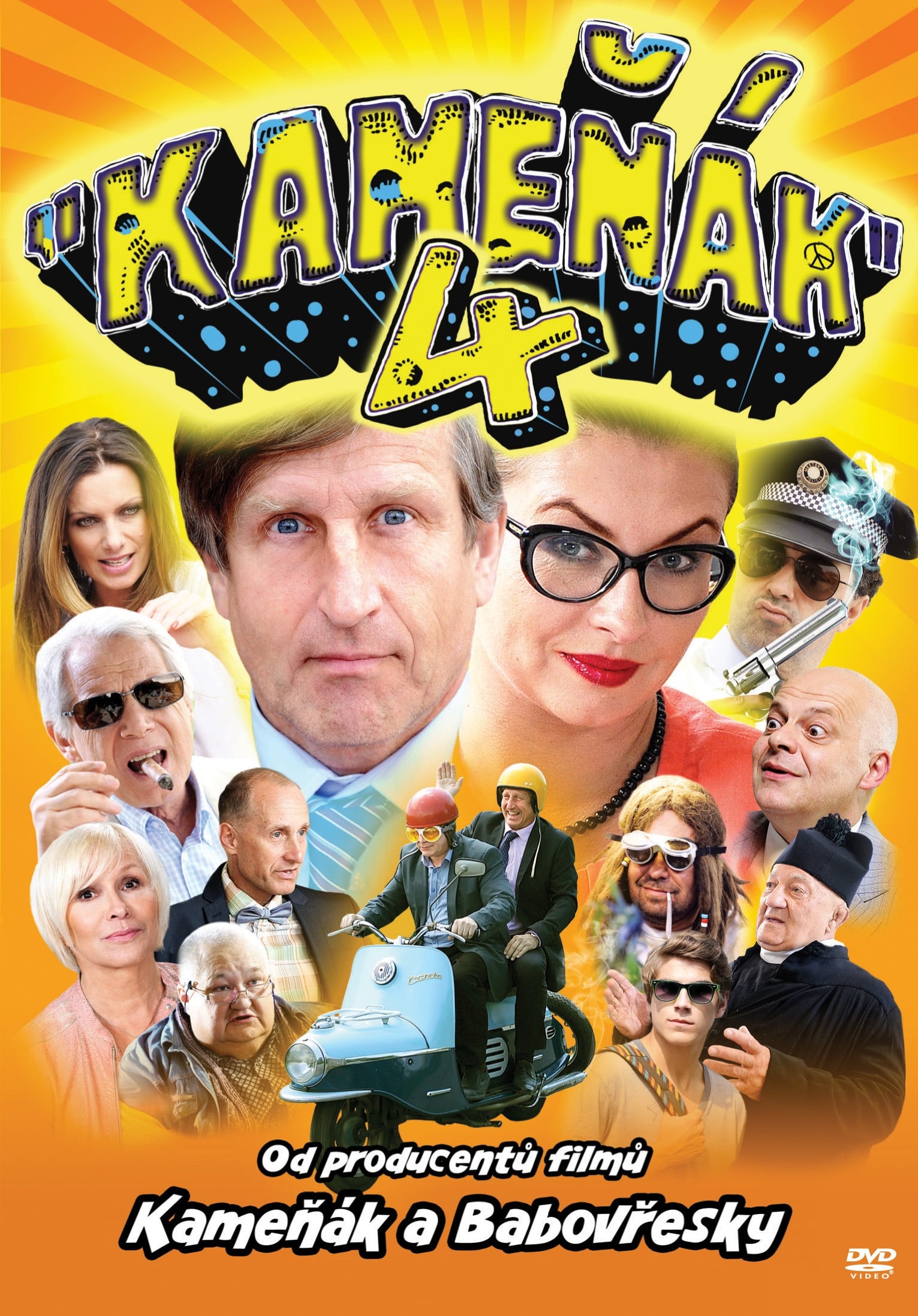
Ten years later, the people of Kamenákov are still stirring up trouble, including Pepa, who is now mayor and trying to establish a police force.
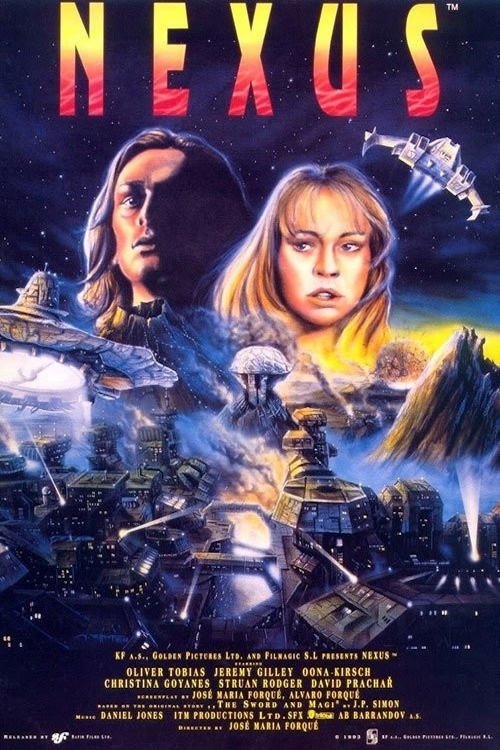
This international co-production, shot at Barrandov Studios with international cast including Czech actors is an attempt to create a sci-fi fantasy in the tradition of Star Wars and Star Trek. Sometime in the distant future, several earthlings turn up on a strange planet ruled over by a despotic ruler with magic powers. A young earth-man initiates a successful uprising.

As a mayor dreams of spreading holiday cheer with a new ski jump, the town's citizens experience wacky antics while searching for love in wild places.
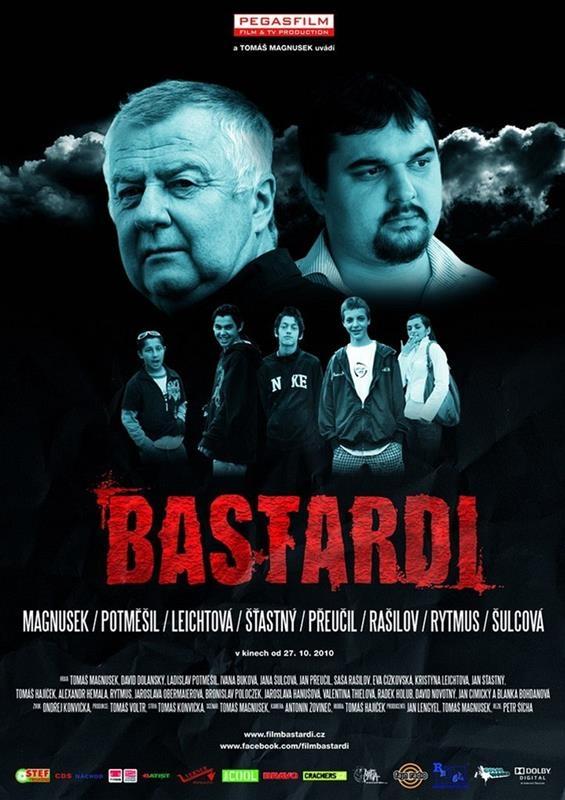
The story of a practical education environment without superficiality, clichés and affectations. The film is based on a real basis and shows what happens when the system fails. Set in the harsh environment of elementary school. The group of local students - young thugs are accused of rape and murder of a young trainee. Still have not been sentenced yet and still attend school. Until it starts young teacher, who had his unorthodox approach gains the sympathy of other cantors and students. For what purpose, however, really came to school, find out until the end of the story.
Klára is abused in her marriage by her husband Martin. When she meets Adéla, who was also a victim of domestic violence, her life changes. She falls in love with Adéla and decides to leave Martin.
Teacher Majer is released from prison under an amnesty. His elementary school classmate Ivan, who lives in a Roma ghetto, takes him into his home. Majer has no family. He has no one left, so he welcomes Ivan's offer. Ivan tells Majer that he has decided to help him mainly because he needs to reopen the school where Majer used to teach and briefly served as principal. Living in the ghetto, Ivan is familiar with the problems of his community and knows that the closure of their beloved school has not been good for them. Majer begins to reach out to his former colleagues and, above all, his students to ask for their help. Many of his students also have children of their own. He experiences a number of comical situations with them. However, he has no idea that he is still being watched by Dostál, the eldest member of the mafia family, who knows that Majer has been released and decides to avenge his son and grandson.
An old English legend about a poor boy who became mayor of London served as the basis for a television adaptation. The orphan Dick Whittington was blessed with nothing more and nothing less than honesty, hard work, sincerity, a sense of honor, and justice. Together with a stroke of luck, it is precisely these character traits that help him become a respected and wealthy young man and a loving husband. And so this charmingly old-fashioned story, in which decency, diligence, and personal effort lead to success and fulfillment in life, retains its appealing and necessary relevance to this day.
The second part begins shortly after the death of Michal Dostál, the biggest bastard of them all. Michal's father and grandfather are convinced that teacher Majer was behind the murders of all three students and was avenging his sister's death. They begin to psychologically torment Majer and search for evidence. The new police investigator Karas, who takes over the case from the deceased police investigator Paleček, is also looking for evidence. Karas immediately suspects something is amiss in the deaths of the "bastards" and also begins to focus on Majer, who is now the school principal.
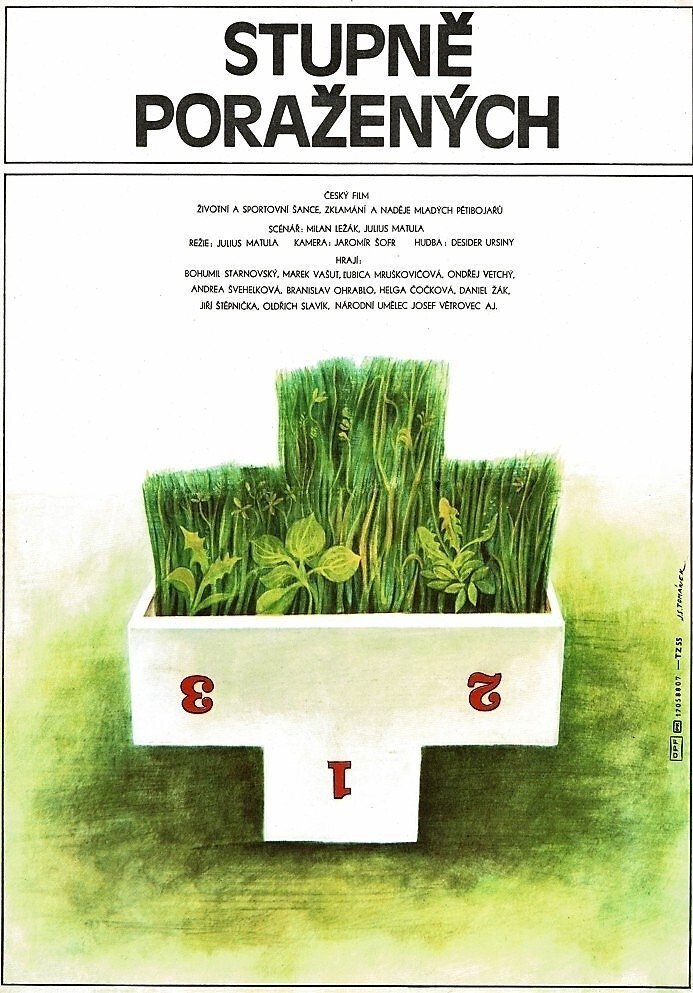
The top sport was also closely monitored in the communist era, and officials were naturally bothered that the pentathlon team failed to win the World Championships. But the measures that should have ensured redress were caught up in a web of behind-the-scenes machinations that backfired on the athletes themselves, their endurance and their family backgrounds. While the film has critical ambitions and wants to reveal much of what should have remained hidden from the public eye, it is a rather clumsy and schematic view, not very convincing in terms of realisation.
The common theme of the short story film is the famous duels between two important historical figures: Pushkin and Casanova. Pushkin's tragic duel, which ended his life prematurely, is portrayed in connection with the creation of his short story "The Dirty Shot", while Casanova's story is conceived in a rather ironic and humorous way. The point is that the famous seducer never actually seduced, on the contrary, all his life he was in a constant battle with female seductions.
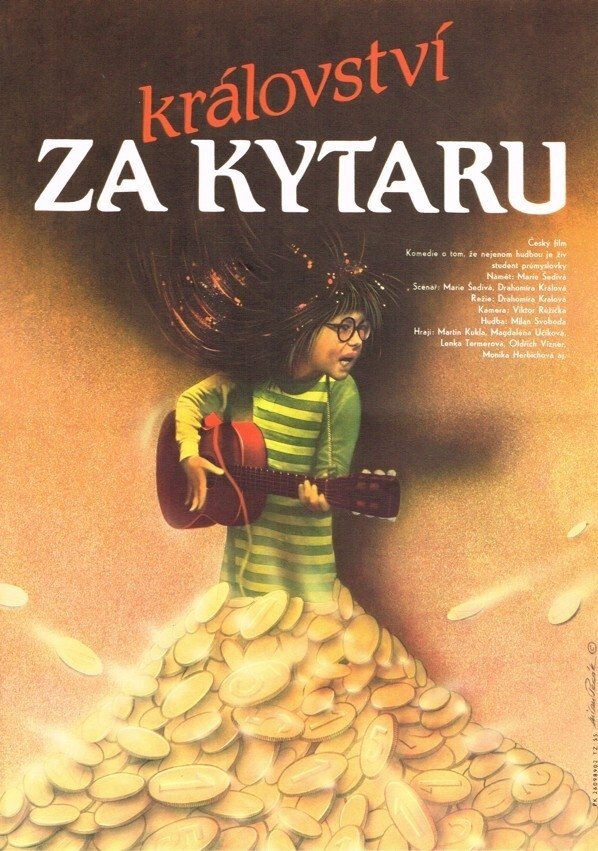
A 16-year-old young man, a budding rock enthusiast, spots a beautiful guitar but soon finds he doesn't have enough money. In vain, he asks his parents to help him. Eventually he tries to raise the necessary funds on his own. This is a not very believable normalisation morality tale, which was supposed to guide teenagers towards desirable patterns of behaviour.
Twenty-one years (1968 - 1989) in the life of violinist Jan, whose life and social situation forced him to make compromises and personal concessions.
A tragicomic story from a tragicomic time - this is how one could characterize Jiří Hubac's play, which premiered in May 1991. The drama of two friends who fought in England as Czech airmen during the war and had to live through the well-known martyrdom after returning home is a story about the power of friendship, the courage to transcend oneself in the face of violence and the right to preserve human memory. The television film by director Jaroslav Dudek, who cast Jiří Bartoska and Josef Dvořák in the lead roles, was honoured with the prestigious Prix Europe international award in Reykjavik.