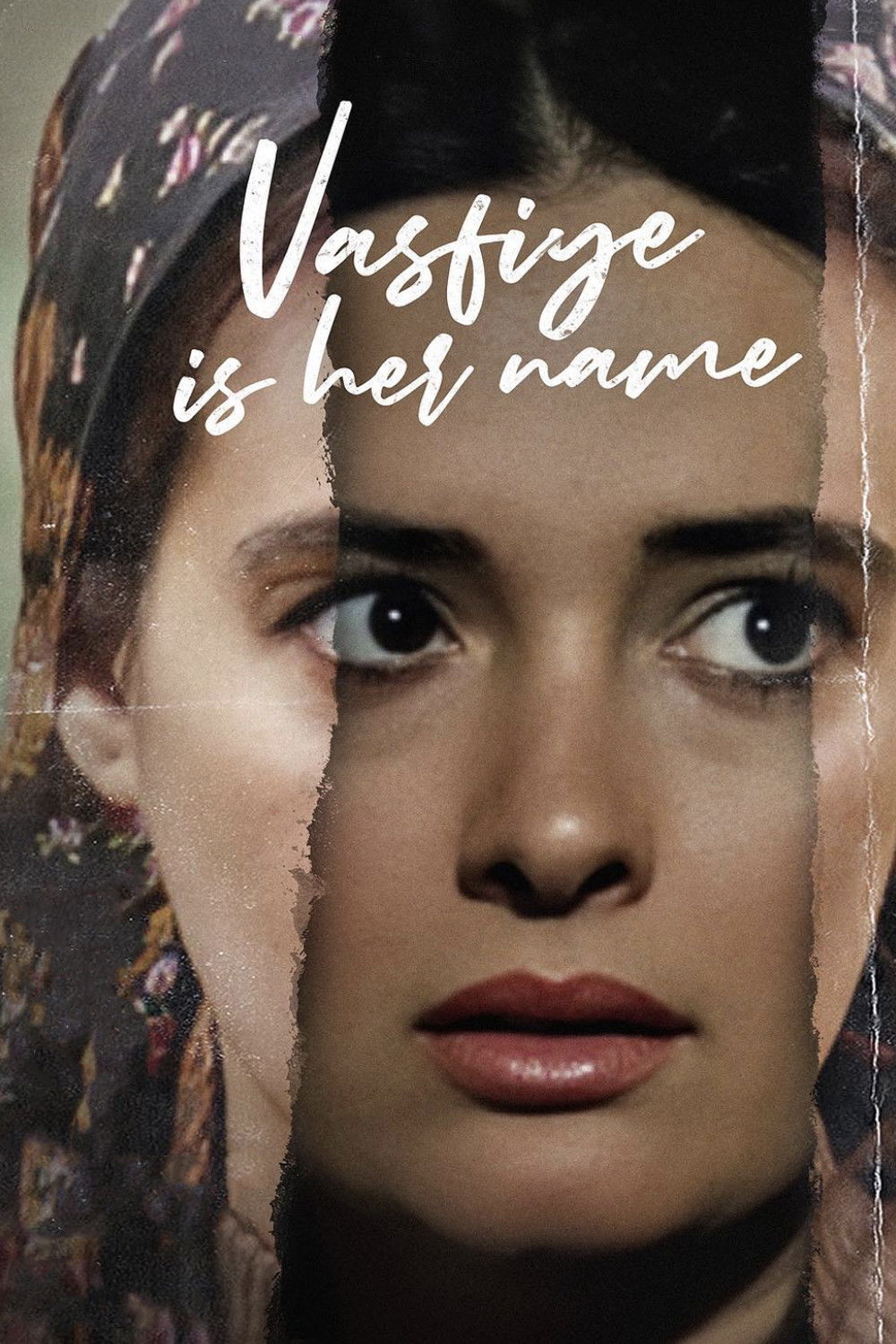
The story of a provincial woman named Vasfiye, whose life passed changing hands and drifting between men in Aegean towns, is told by different narrators. The story changes every time the narrator changes. However, it is not known which story is the truth.
Five short films by five directors based on themes of love and tolerance, each independent of the other. Supported by the Ministry of Culture and Efes Pilsen. The collection includes five short films: Ömer Kavur's "The Meeting," İrfan Tözüm's "Monte Cristo," Yusuf Kurçenli's "Because I Love Her," Erden Kıral's "Moon Stories," and Zeki Ökten's "Always the Same."

In the harsh times of the small time crime in Istanbul, a conscientious police officer Cumali is recognized by the police chief Ziver Bey who sees Cumali as a threat and matches him with Sekerpare, a famous harlot.
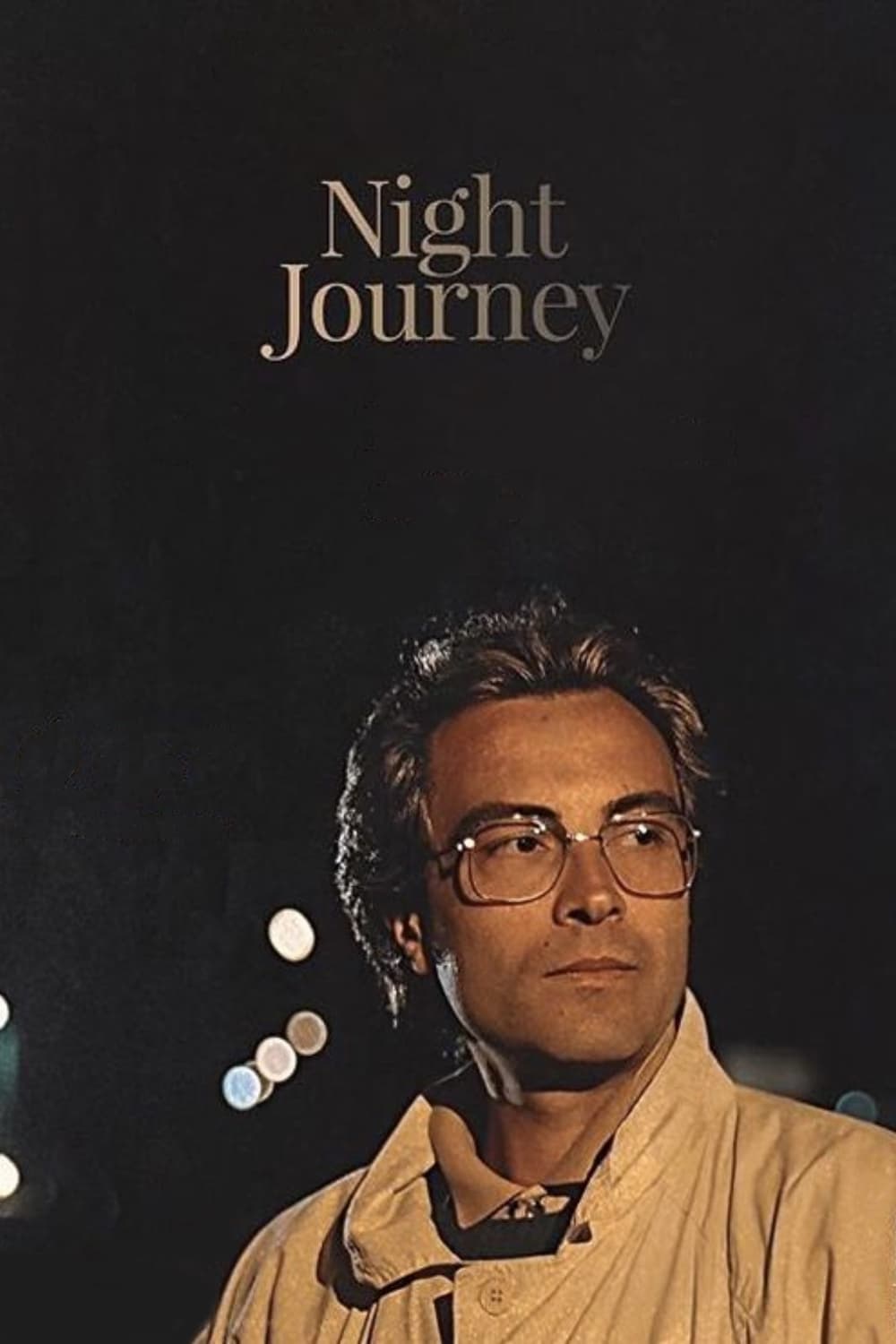
A confused script writer takes refuge in the ruins of a Byzantine church at a remote village while looking for locations for his next film.
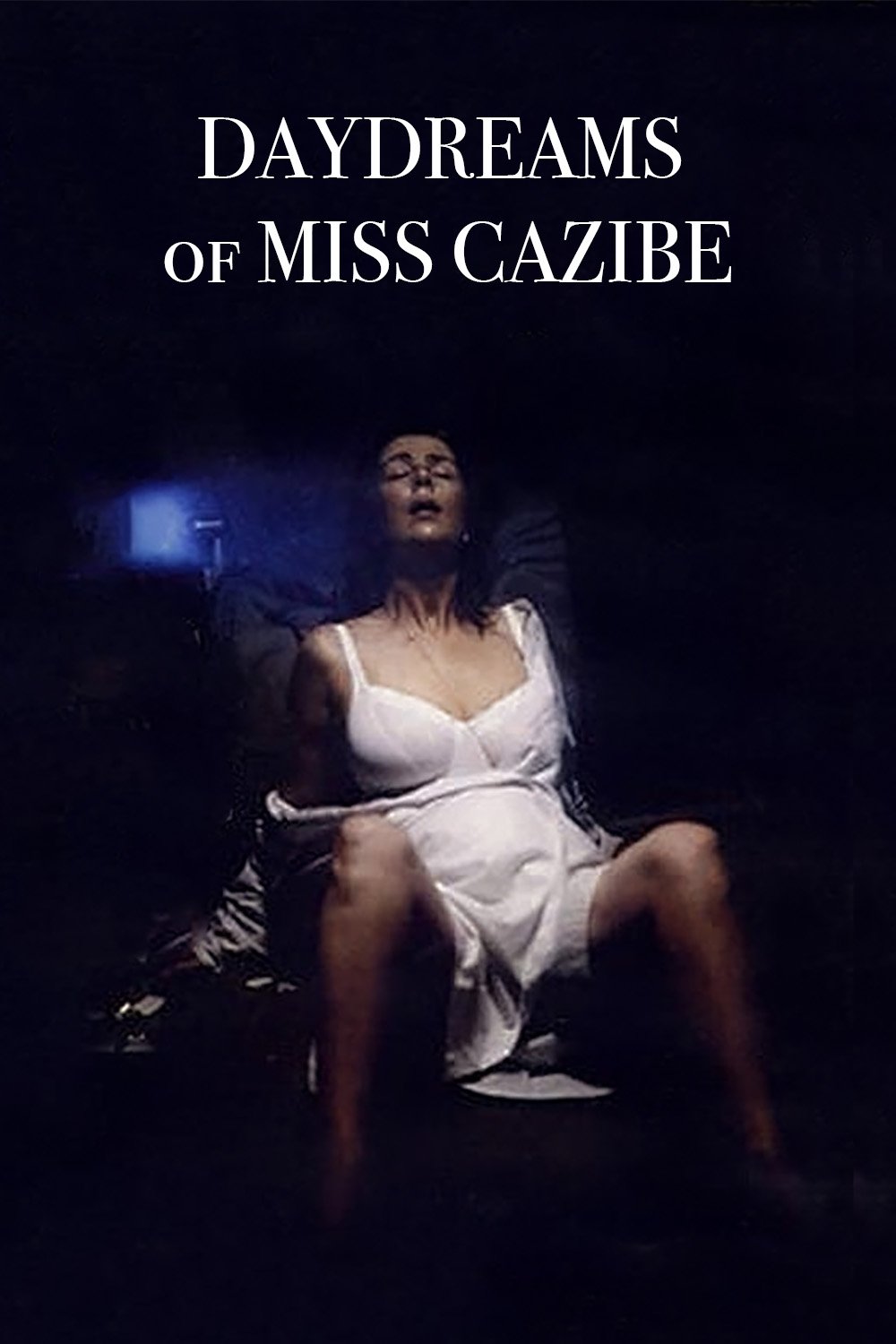
Cazibe is a woman in her late thirties, who has never got married or had a relationship with a man in her life. She lives with her old mother and her uncle who feels an attraction towards her. The lonely woman, whose only existence is her small room, spends all her time in this old room, dreaming and fantasising about her ex-lover.
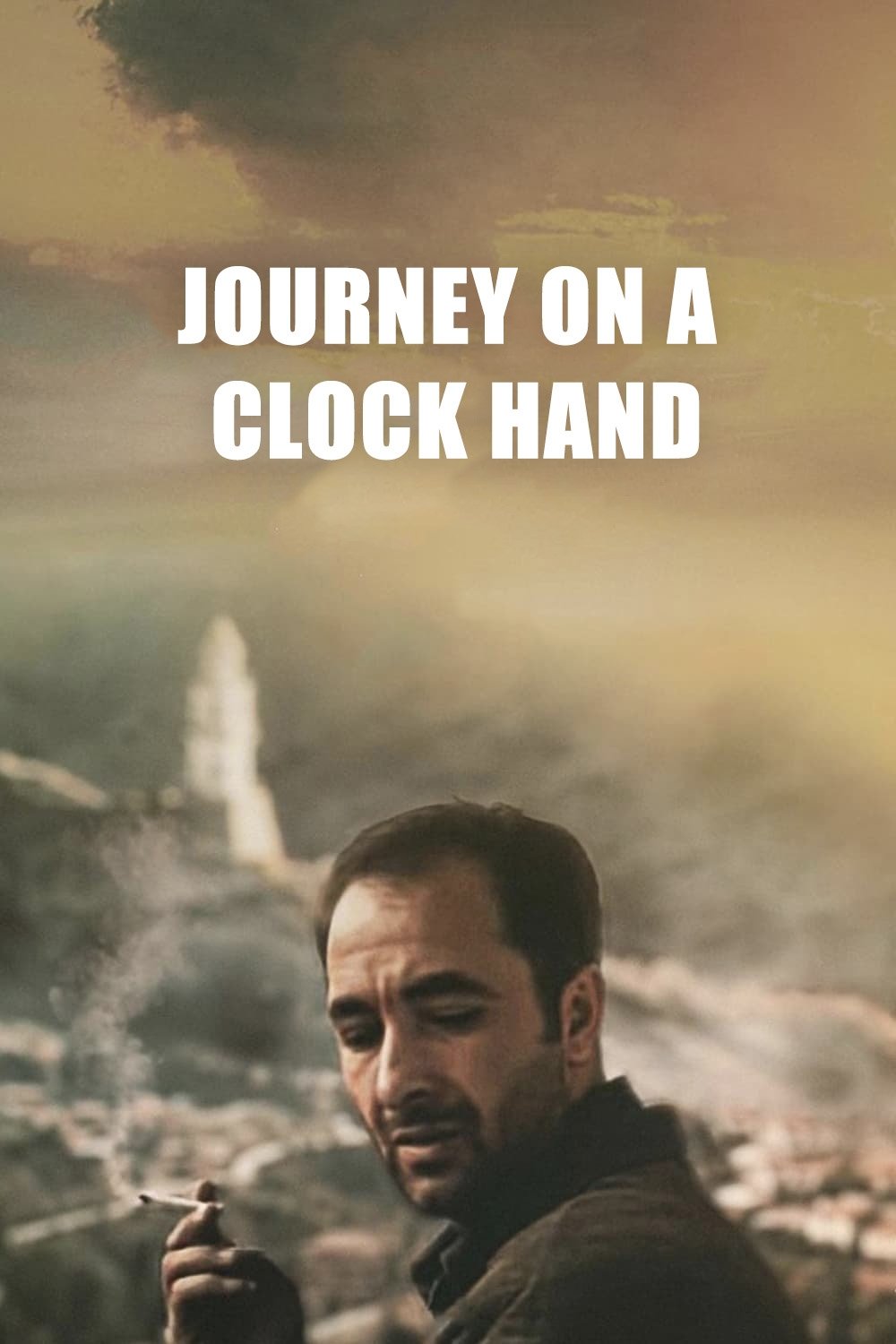
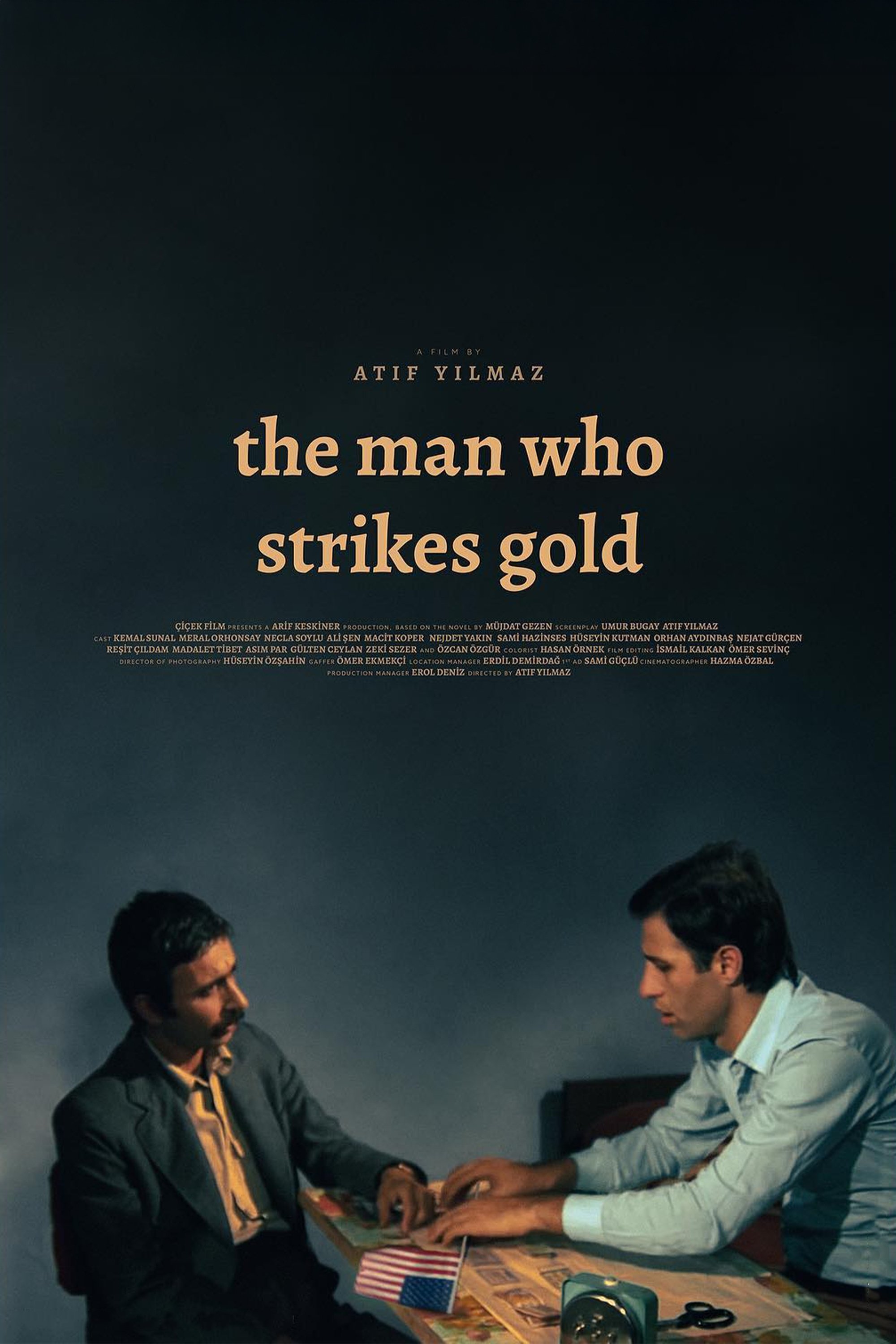
A Turkish watchmaker is employed to mend a village clock that has not worked for some seven years. However, what seems like a simple and un-exciting task is plunged into a web of mystery and intrigue when the watchmaker innocently witnesses the murder of a beautiful woman on his first day in the village.
Turkish film 2011
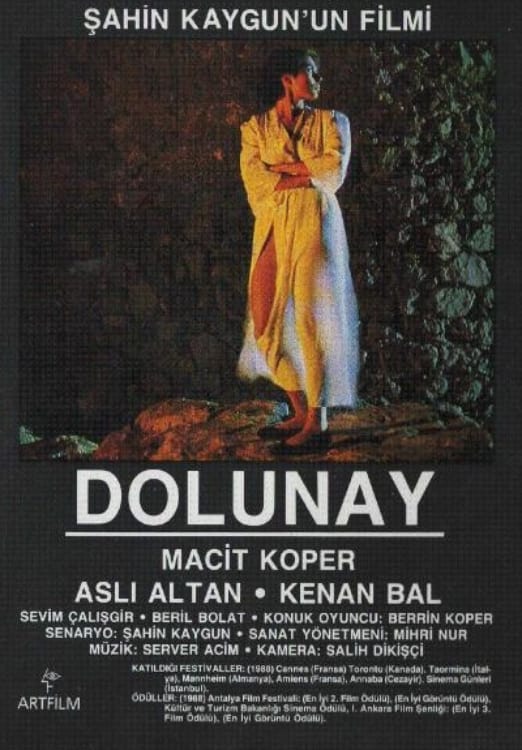
The film tells the story of a married woman’s secret affair. Biriçim is a married painter suffering from depression. She is unable to communicate with her husband and she has lost her inspiration. Never leaving the house, she thinks of her uncle who was also painter, and who died after going mad. One day, her husband’s old friend Ömer visits from America. Ömer looks like her uncle and Biriçim feels close to him. This later turns into a secret love. However, the relationship that starts between two painters will change three people’s lives.
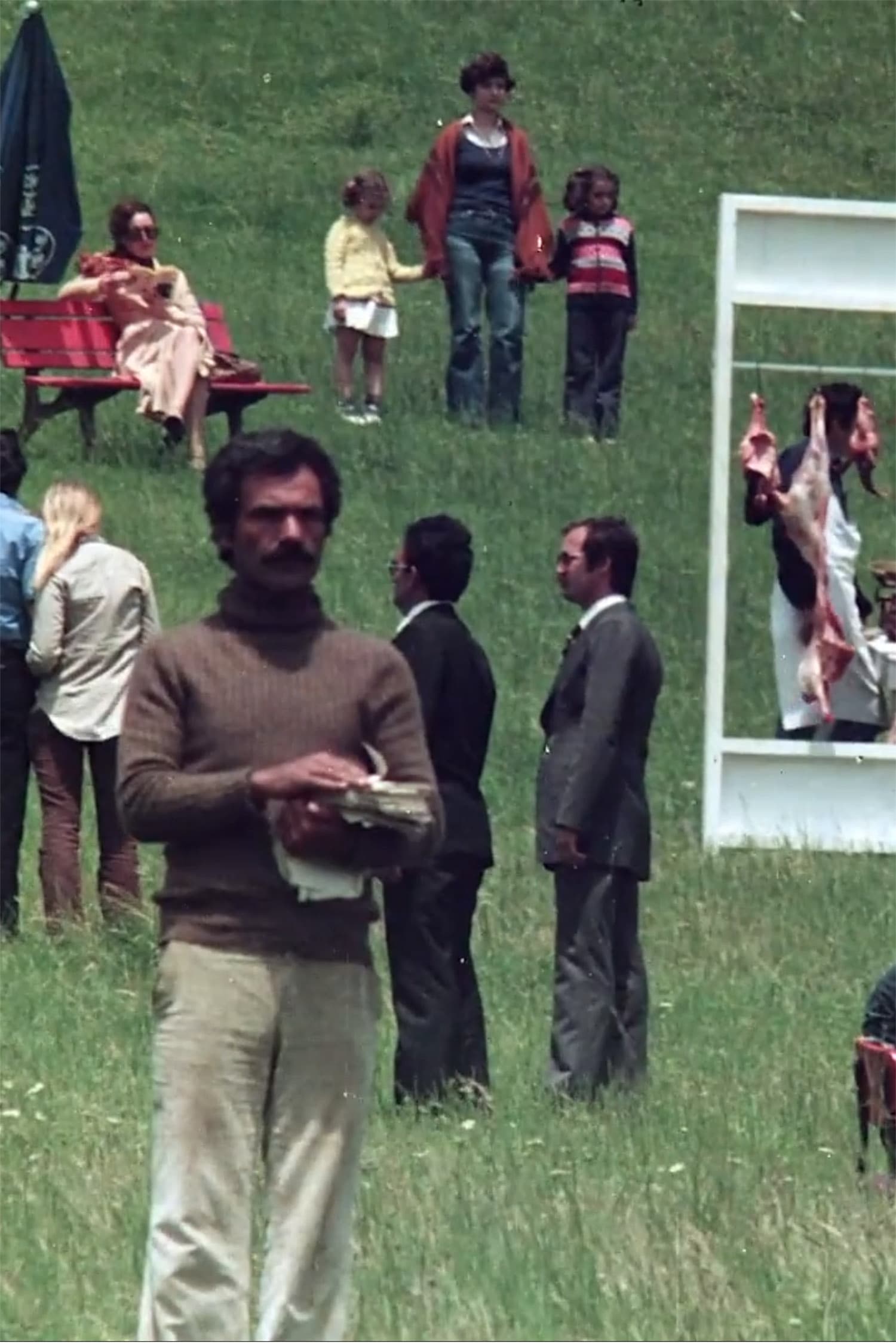
In three stylistically very different parts, it deals with various forms of escapism in a society that has become blind to the violence that is eroding it from within. Made shortly before the 1980 military coup, Üç Bölümlü Kısa Film was bound to appear to contemporary audiences as a courageous plea for civil disobedience.
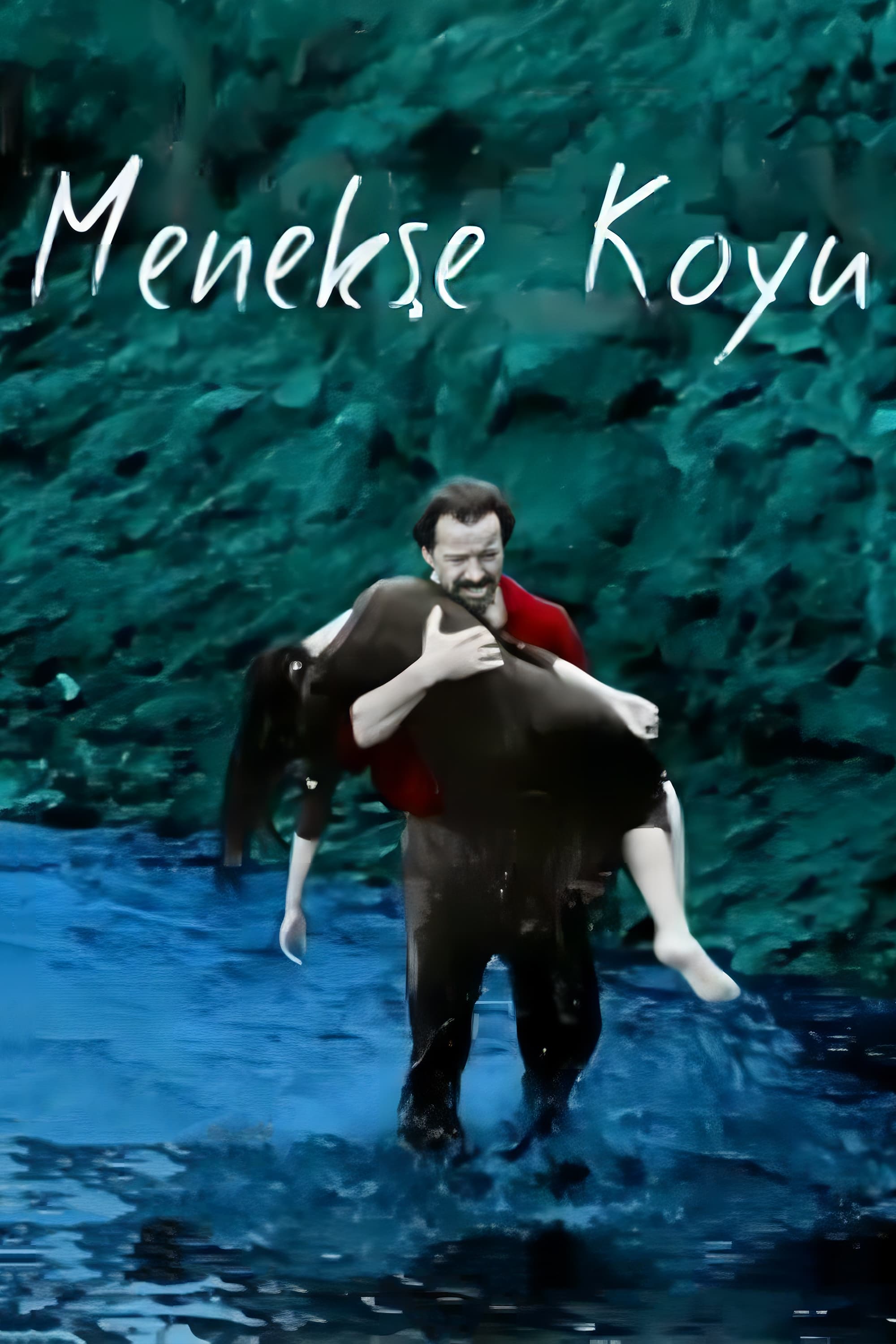
Kerem goes to a village to start a new life for his family. It will not be easy for Kerem's wife Neriman to get used to her new life.
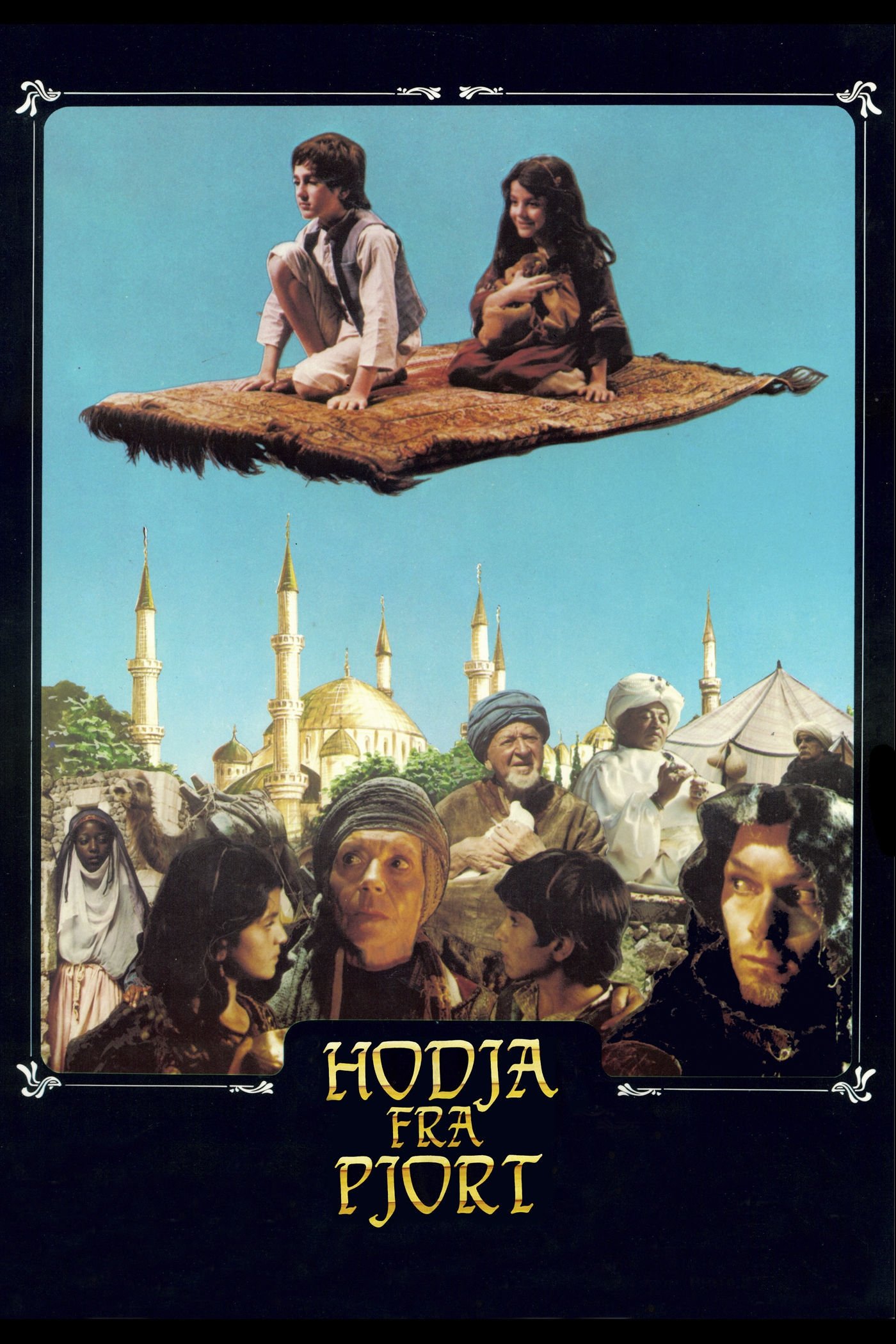
Inspired by tales from "Arabian Nights", with many a touch of magic, but primarily based on a book by Denmark's Ole Lund Kirkegaard, a master of the baroque stories for children, this adventurer takes the boy Hodja on a flying carpet outing. The boy wants to see the world and asks his girl-friend Emerald along. But an evil Sultan has his own designs on the carpet. Shot on Turkish locations with an extensive use of special effects.

In this film that wavers unsteadily between a comedy and a tragedy, Murtaza (Mujdat Gezen) is a deluded security guard whose fanatical reverence for "duty" verges on the psychotic. He is incapable of seeing himself for what he is -- and as a consequence he is often the unwitting and unknowing brunt of jokes. His wife and daughters are painfully aware of his shortcomings, but they generally suffer in silence. One of the daughters ends up working in the factory to help the family out financially, and when Murtaza finds her sleeping on the job one night he hits her so hard she eventually dies from the blow. Though that is not the end of it, by any means.
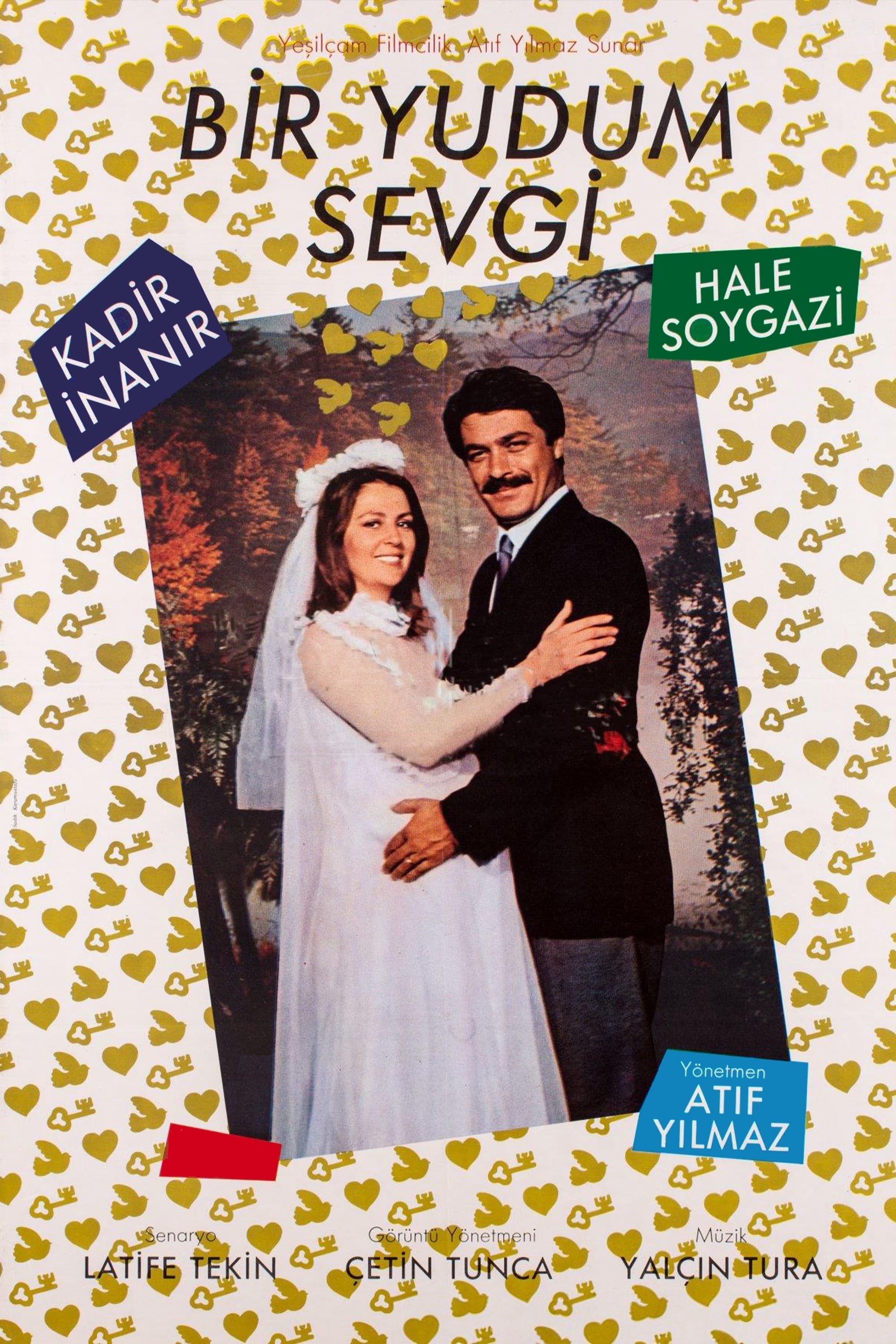
Aygül is an unhappy woman who is trying to raise her four children without the help of her unemployed, no-good husband. She starts working in a factory and this becomes the igniter of her consciousness-raising process.
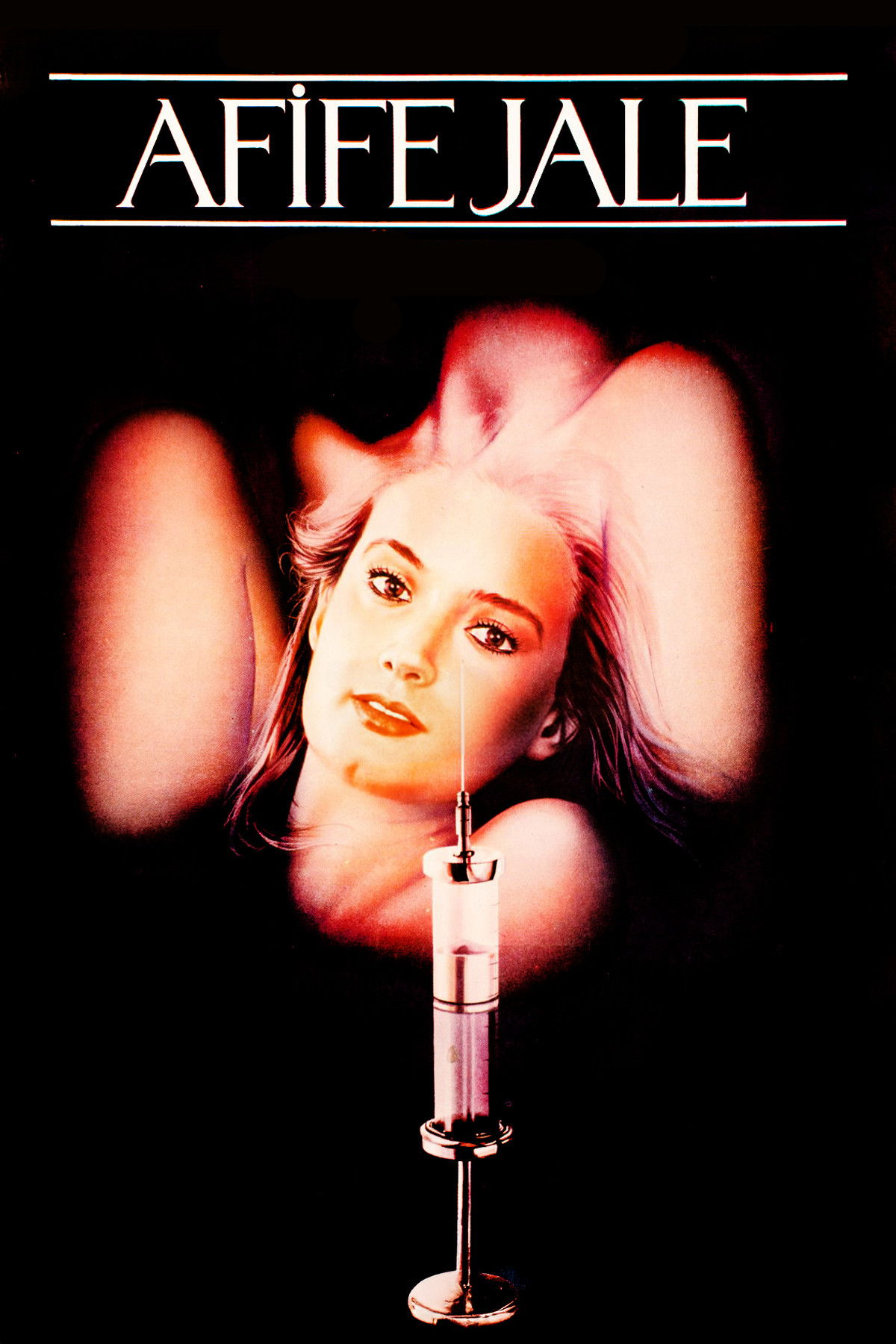
The life of Afife Jale, the first Turkish female theater artist, is recounted. Since childhood, Afife has been a free-spirited girl who loves her freedom. However, she lives in a conservative family environment. When she turned twelve, she was forced to wear a veil despite her objections. With the support of her family elders, her father allowed her to study painting at the School of Fine Arts. However, Afife's heart was set on theater. Initially, she staged plays for her friends on a small stage she had set up inside her home, performing the plays of the Afife Company. Her greatest obstacle was her father. With the support of her grandfather, the Pasha, and her childhood friend and lover, Dr. Ziya, Afife stood up to her father. She could not suppress her desire for much longer.

In early 1970s, Adem is a boy living in an Aegean village with his family. He just finished the primary school and he wants to work while he's on summer holiday. He gets permission from his family to work for a soda pop seller named Ciber Kemal. But the Ramadan has just came and Adem wants to do his fast while he's working. But he starts seeing hallucinations because of the hot summer day. It seems it's going to be the longest day of Adem.

Ercüment is a showman but every single time he performs, it ends up being a disaster. After a while of being in between jobs, he finds himself as a tour guide due to his father's illness and he has to deal with senior people that are taking the tour just so they can commit suicide together.
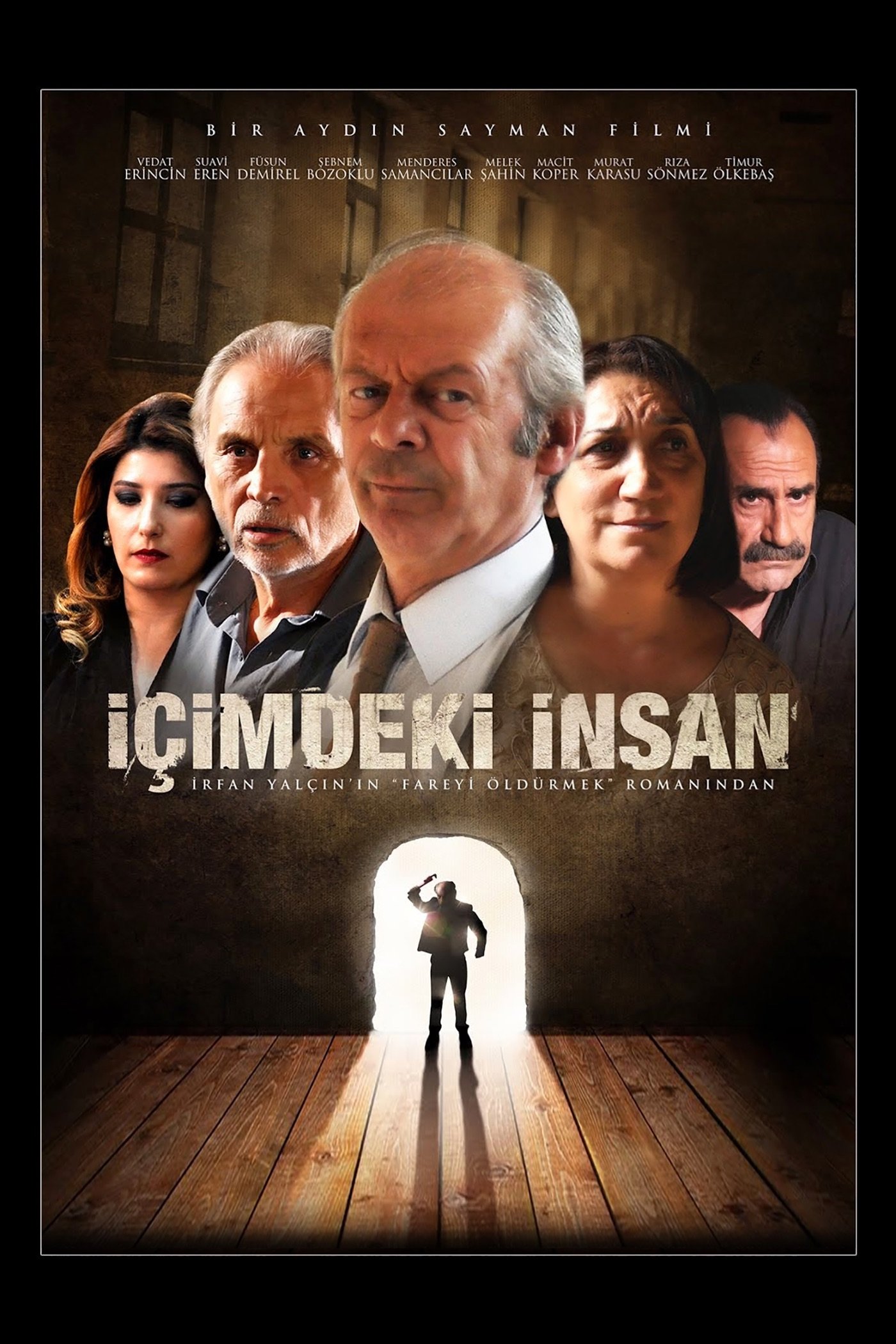
Nuri, whose sole aim is to return to Istanbul by selling a garden left to him by his father, has an interesting encounter with his old friend Sabri in the city. Sabri, however, has just smashed his boss's head in due to sudden psychological trauma he suffered at the government office where he works, and things start to get even more complicated. As Nuri prepares to return to Istanbul, he receives news that his friend Sabri has committed suicide in prison. Now Nuri has a purpose. He decides to uncover the reasons behind his old friend Sabri's mysterious murder and suicide.
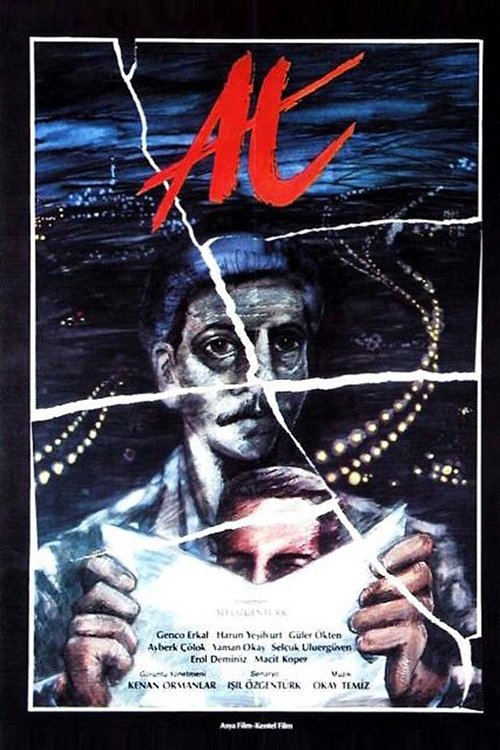
A father and son come to grips with external hardships and their own human frailties as they attempt to earn enough money to send the boy to school.

An urban Turkish teacher is transferred for political reasons to a backward Kurdish village in the mountains near the Iranian border. He is welcomed with distrust, but during that harsh year the mutual cultural misunderstandings fade away.

Zebercet is an obsessive man living a monotonous life in a hotel with few customers. This monotonous life changes with the arrival of a woman who does not even give her name. She stays only one night in the room she has rented and leaves the hotel to come back a week later.
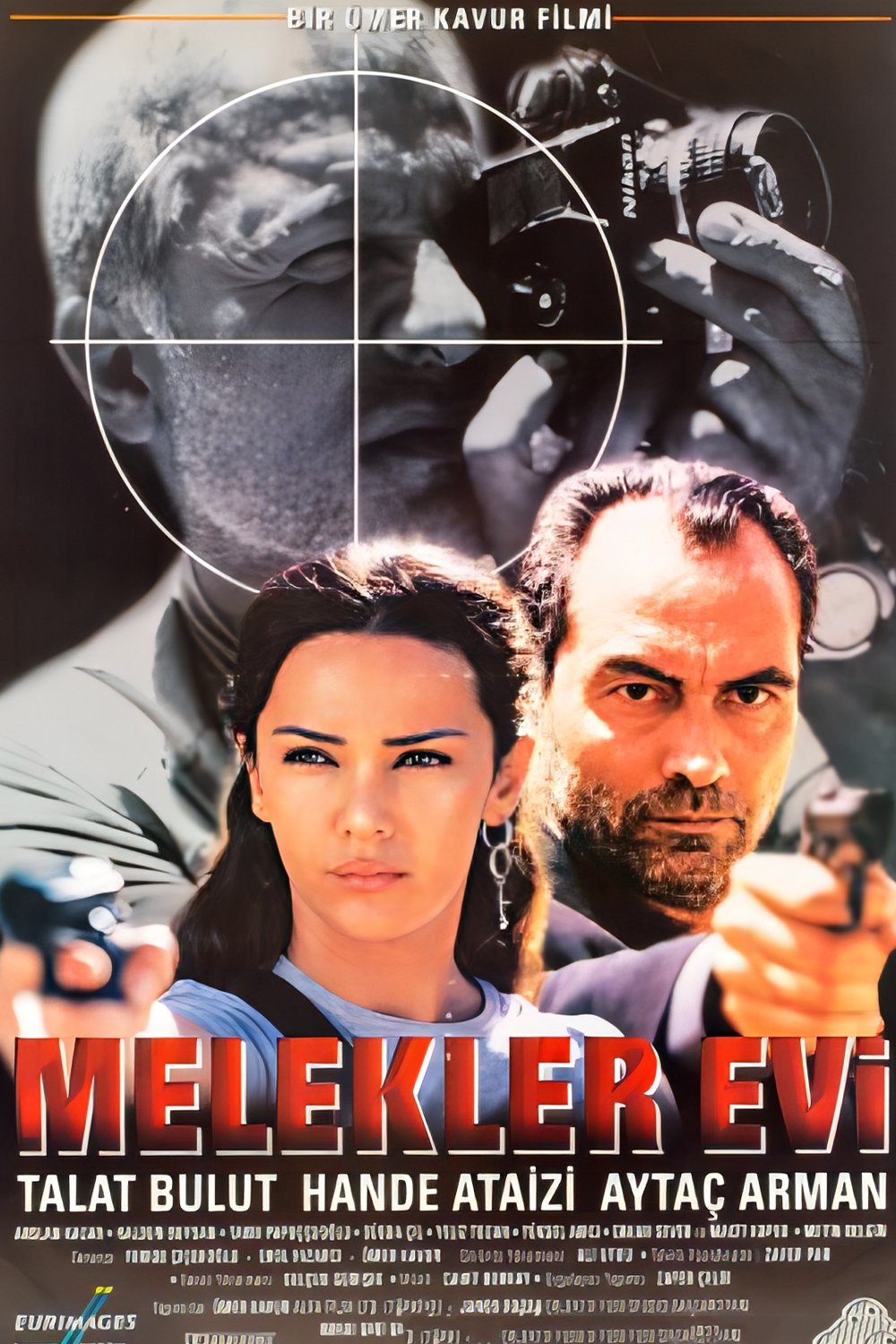
The movie tells the desperate adventure of two people, Arzuhan and Ahmet, who are passionately in love in South-Eastern Turkey.
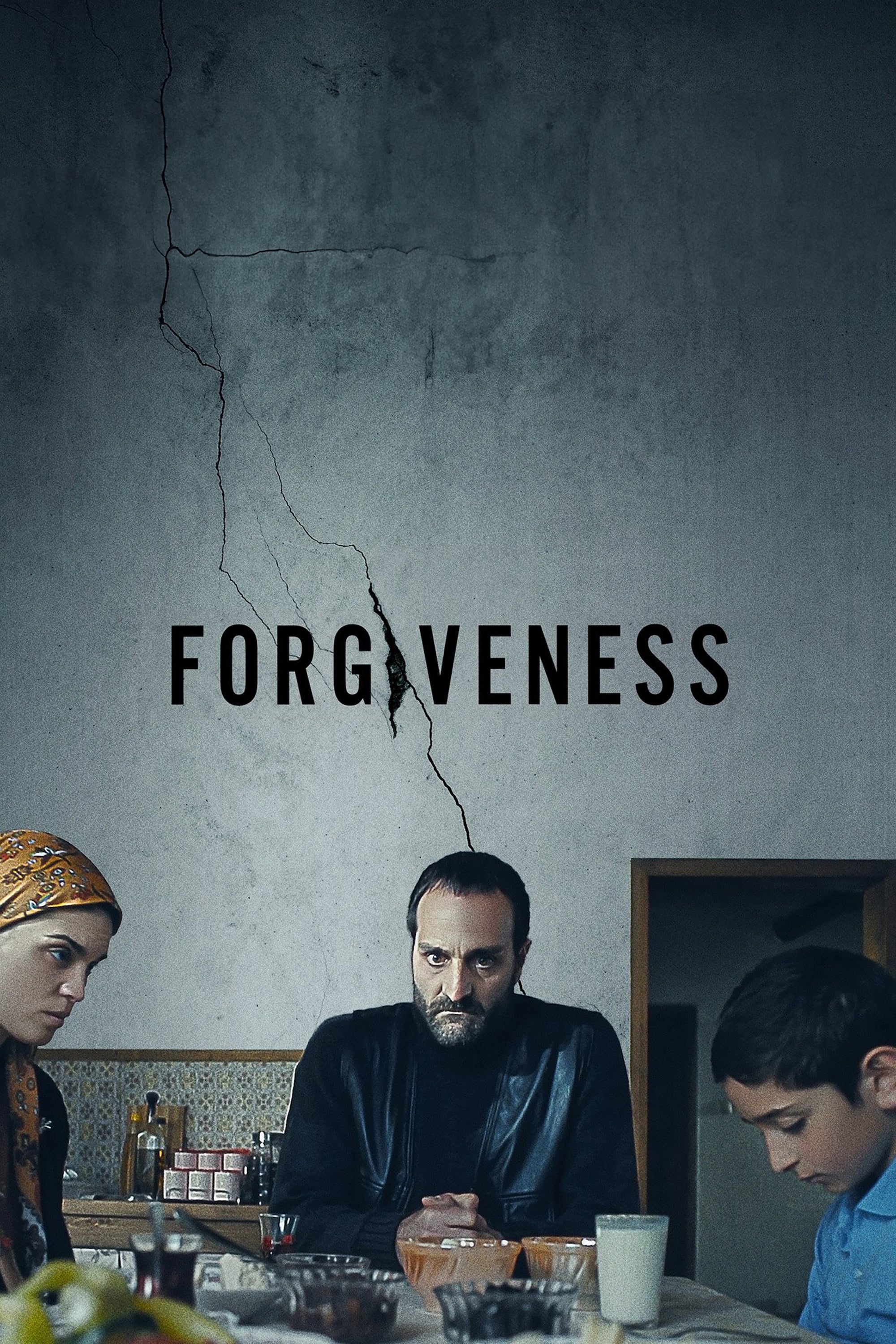
An authoritarian father, who makes his living in a mountain village with tree trade, has a deeper problem with his family due to his oppressive and unjust behavior. The way out of this psychological crisis that the family is in depends on the ability of family members to forgive each other.

Serap is a successful theater actress. Although she rejects the traditional roles assigned to women in her personal life, she agrees to play the role of a traditional housewife in a shampoo commercial. However, she is unaware that this commercial will turn into her worst nightmare.

Adem is working as a waiter and he gets fired at that moment he inherits a fortune from his rich uncle in USA. Women start to throw themselves at him, people try to use him, everyone acts nicer to him while he is try to manage his new life.