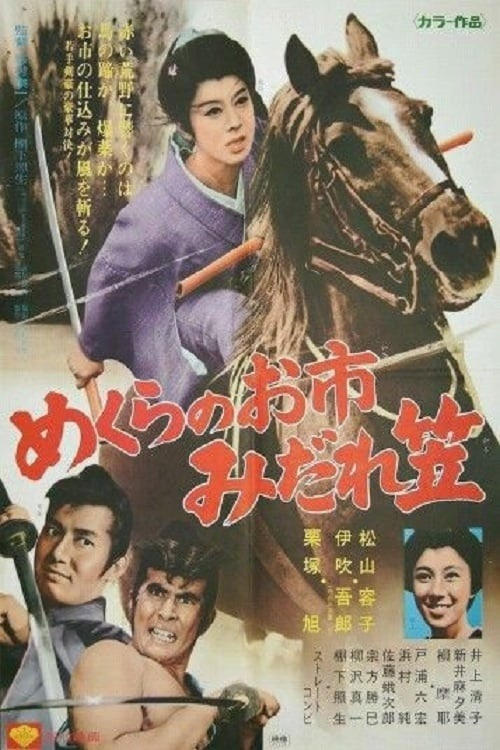
A young female samurai comes upon a dying messenger and agrees to deliver the scroll he was carrying to its destination. However, unbeknownst to her, the scroll is actually a formula for a new kind of gunpowder. An evil clan that is planning to overthrow the Emperor is also after the scroll, and they try to take it from her.
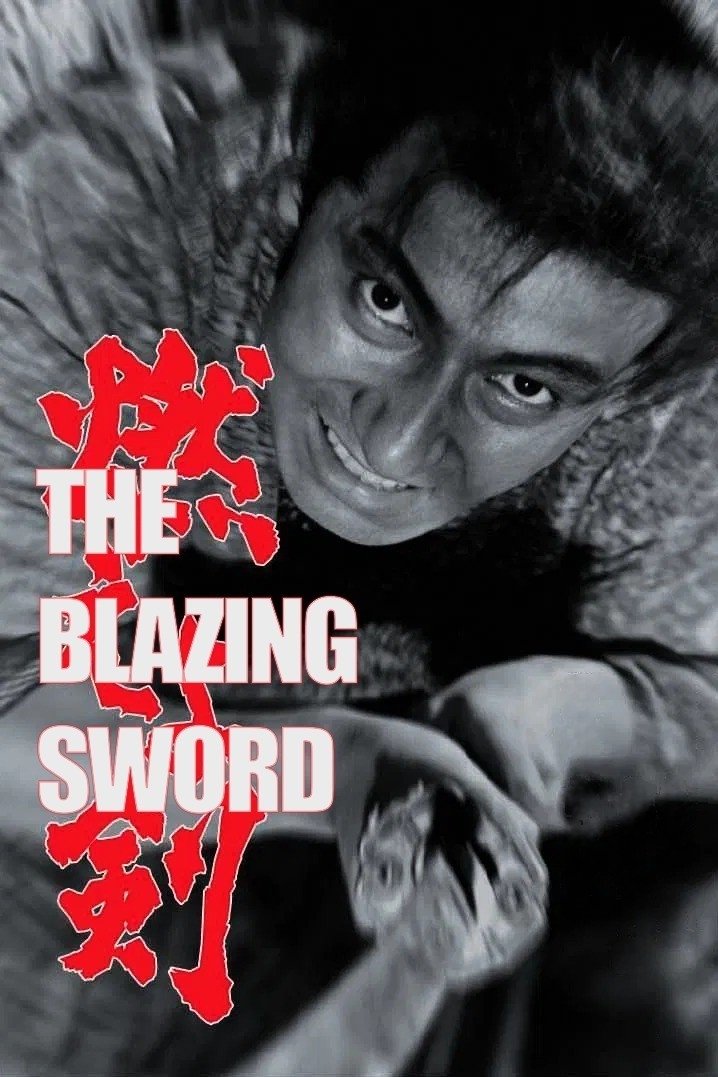
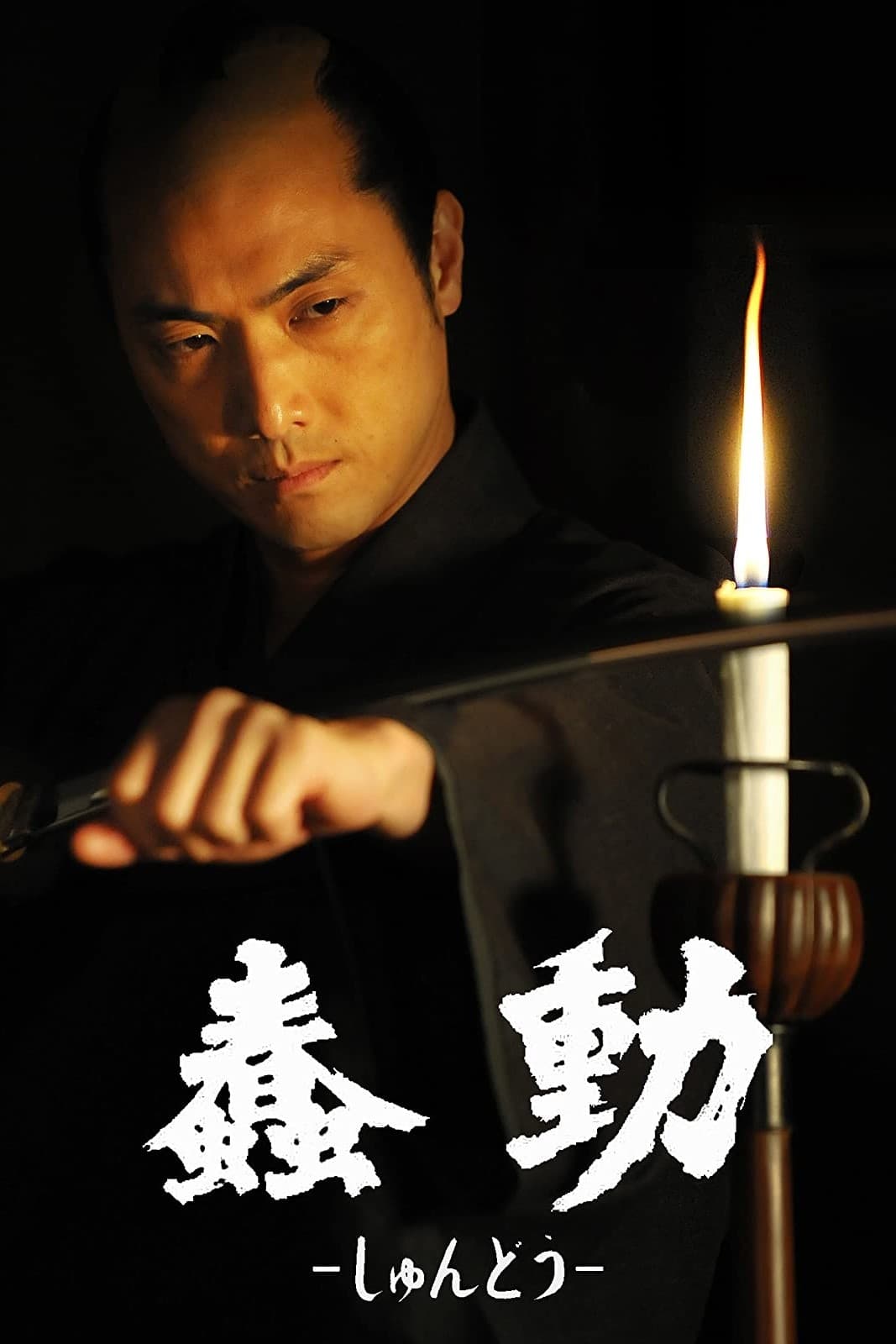
Set during the last days of the Tokugawa (Edo) Period, Moeyo-ken tells the story of Hijikata Toshizo and the Shinsengumi. Hijikata Toshizo is a samurai eager to test his skills and sword and make his first kill. The dojo he belongs to practices the Tennen Rishin style and teaches this to farmers. Not considered real samurai by other dojo's, they receive a request for a duel by a rival dojo practicing the Kogen Itto style. Sohaku Rokusha, a teacher there, challenges them and fights with Hijikata Toshizo. The outcome of the fight creates a deadly animosity between them that lasts through the ages.
1732, in the era of Yoshimune Tokugawa. West Japan suffers from a severe famine. Three years after wards, it appeared as though calm had been restored to the domain, but there is word that Jyuzo Matsumiya, the sword fighting instructor sent by the shogunate, is taking some suspicious actions.
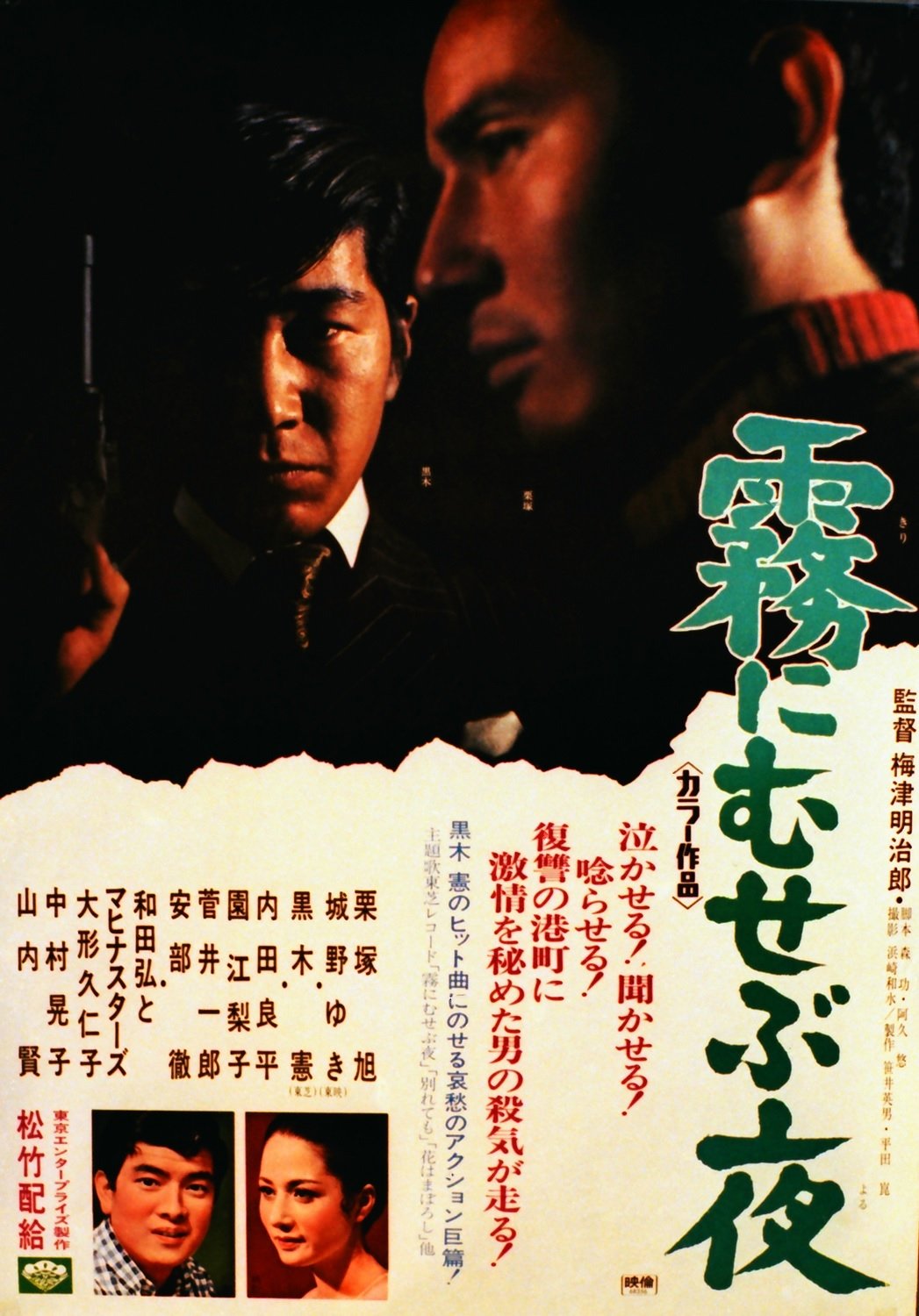
A hit-man returns to Japan after a long sojourne.
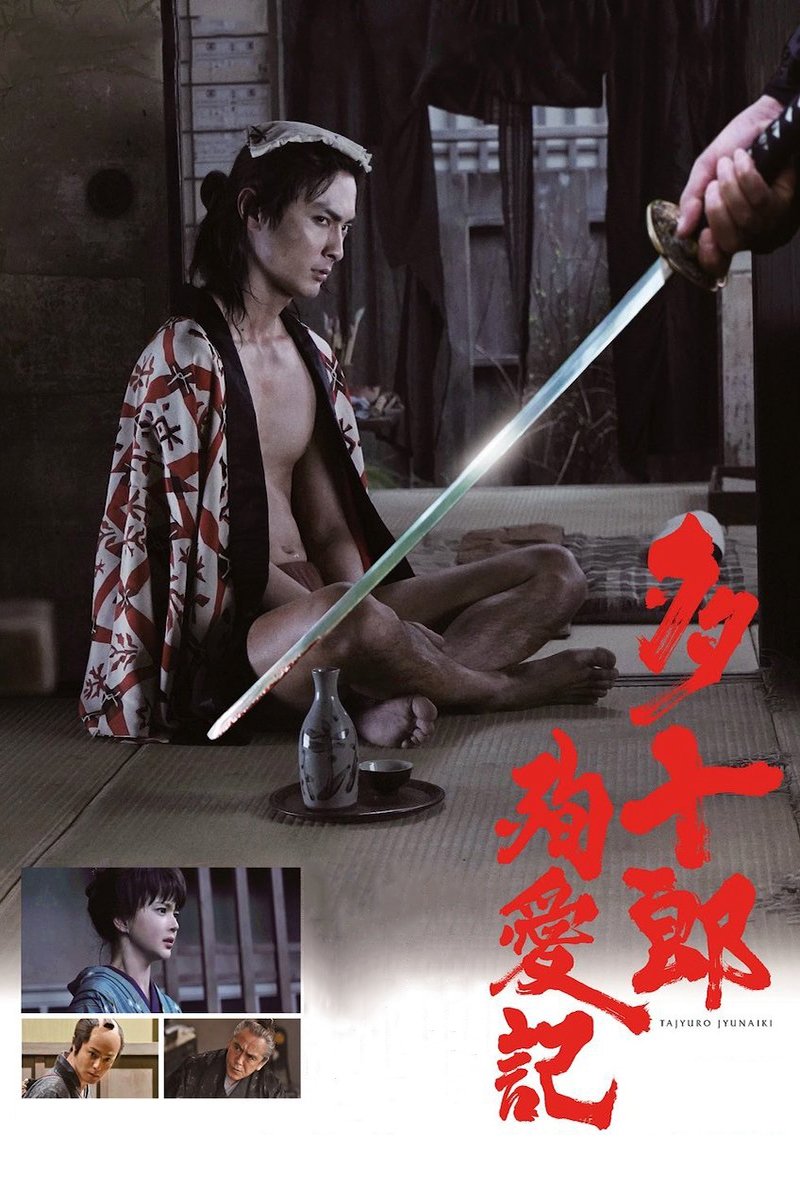
Set in Kyoto in the last days of the Edo Period, the bloody conflict continues between local feudal domains, which aim to overthrow the Tokugawa Shogunate, and the Shogun's police and city patrol. Tajuro Kiyokawa, once the master of the sword but now a depraved samurai who left his domain putting aside his past ambition, barely makes ends meet. Toyo, a woman who runs a tavern next door, feels affection for Tajuro who guards her place against nasty customers, but he never realizes Toyo's feelings.
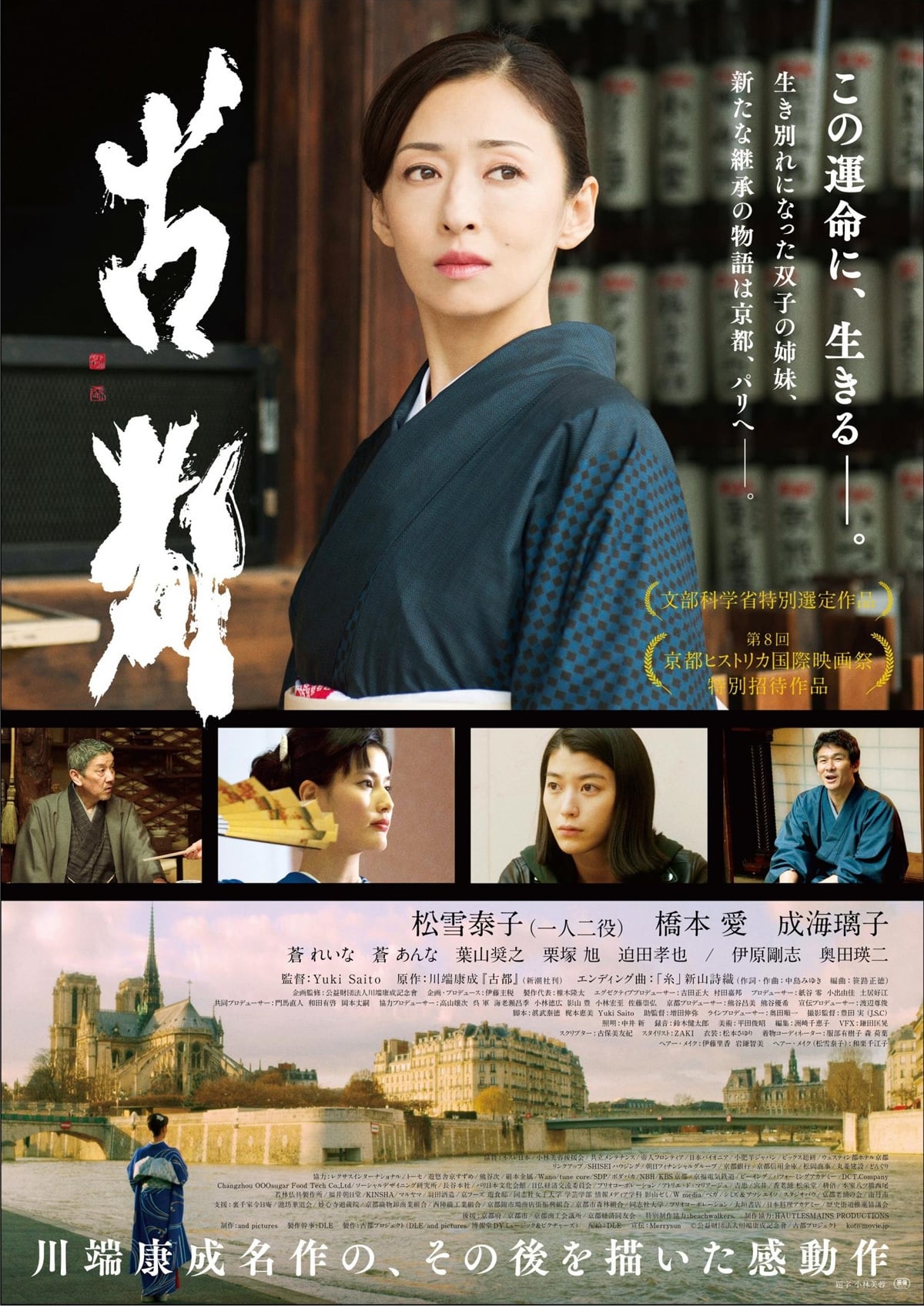
Chieko Sanda has operated a dry goods store in Kyoto for the past 20 years. Her family has owned the store for generations. Chieko is conflicted on whether her daughter Mai will take over her position with the changing of times. Mai is a college student and has not decided whether to take another job or take over the dry goods store. Meanwhile, Mitsuko Nakata runs a forestry in the outskirts of Kyoto. Mitsuko is Chieko Sanda’s twin sister, but they were separated at an early age. Mitsuko is in serious financial difficulties. Mituko's daughter, Yui, has talent in art and she goes to France. There, Yui feels a sense of powerlessness. Mitsuko notices and goes to Paris to see her daughter. Mai travels to Paris to take part in an event to show Japanese culture.
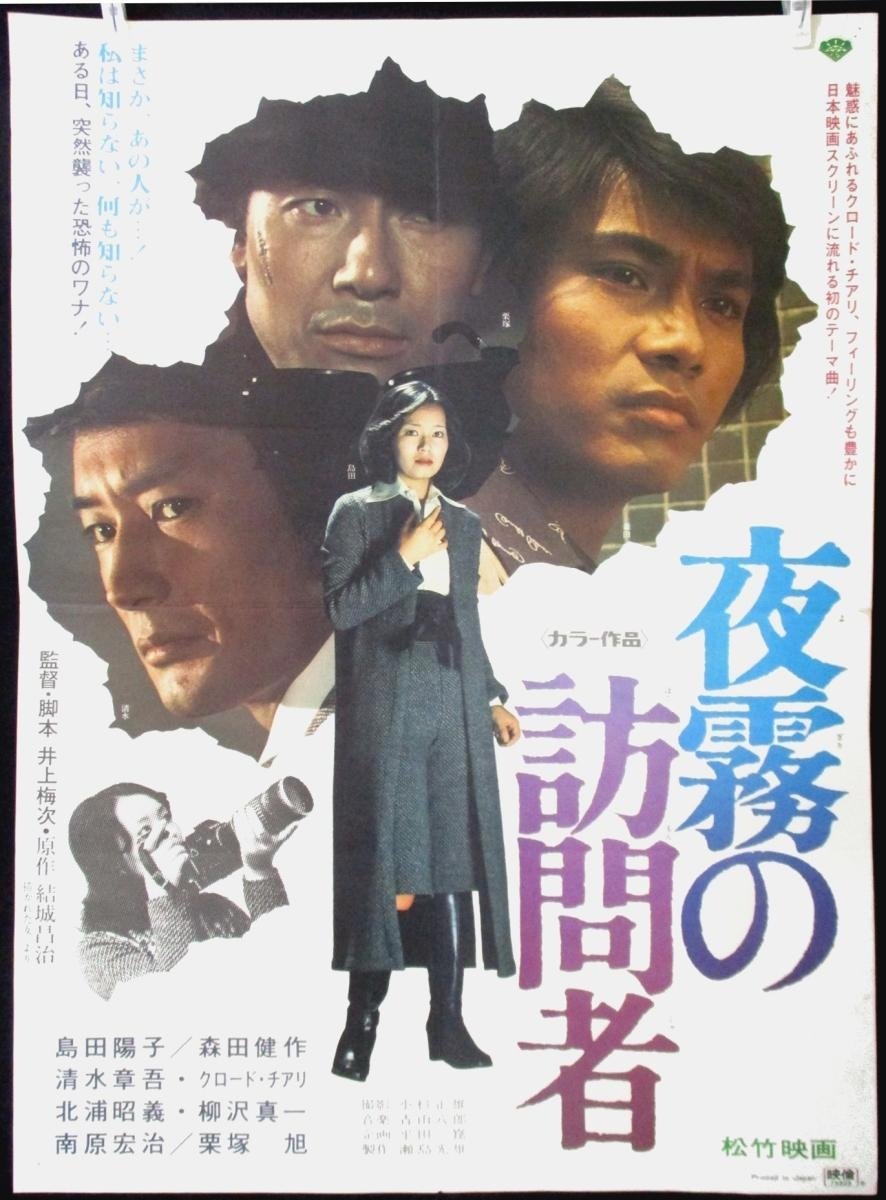
Suspense film about a beautiful photographer who becomes involved in a murder case.
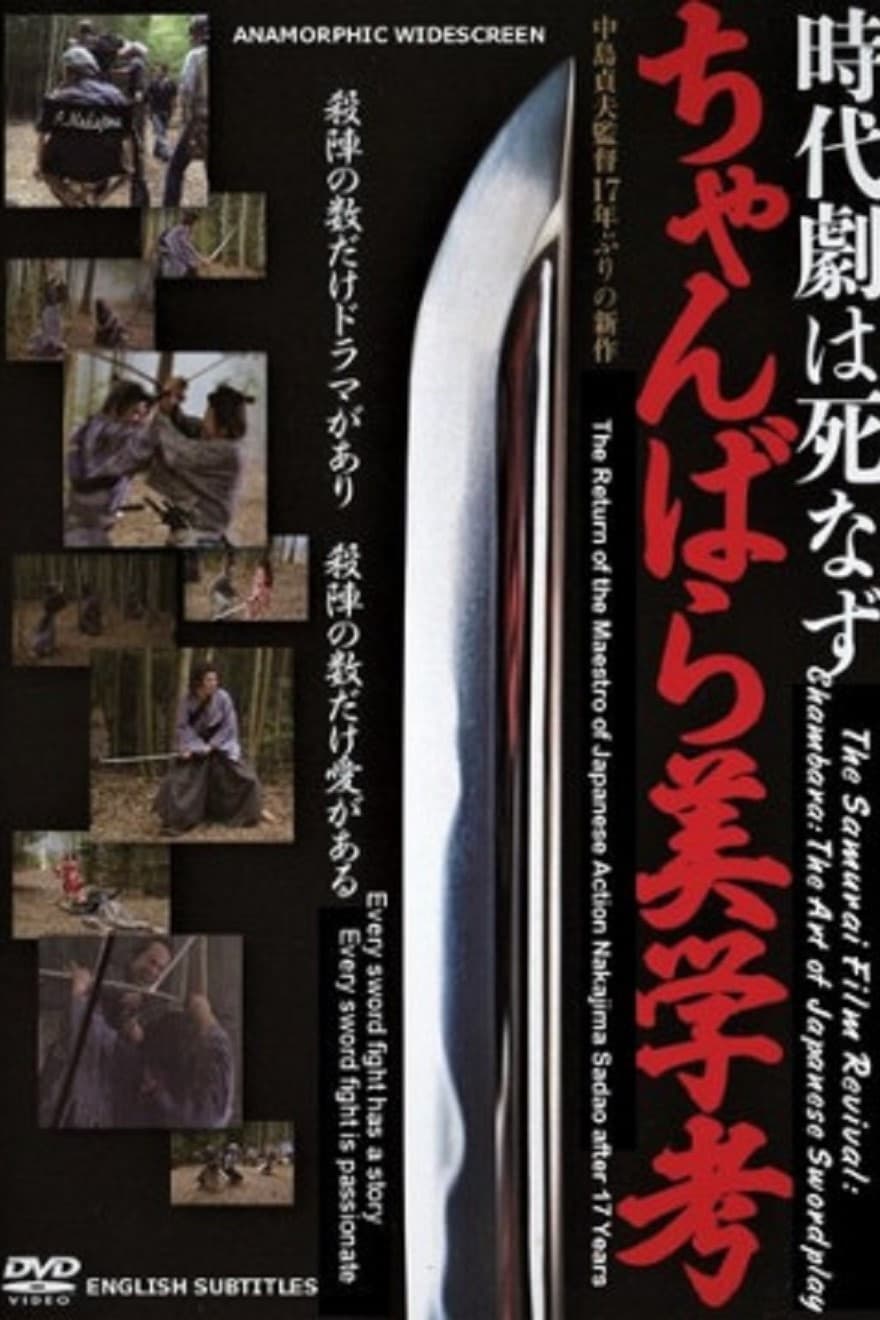
Veteran director Nakajima Sadao examines the appeal, background, context and transition of chambara, or period sword-fighting and samurai films, in Kyoto. Not only interviews with actors, choreographers and critiques are included, but the director orchestrates an original chambara scene for the documentary.
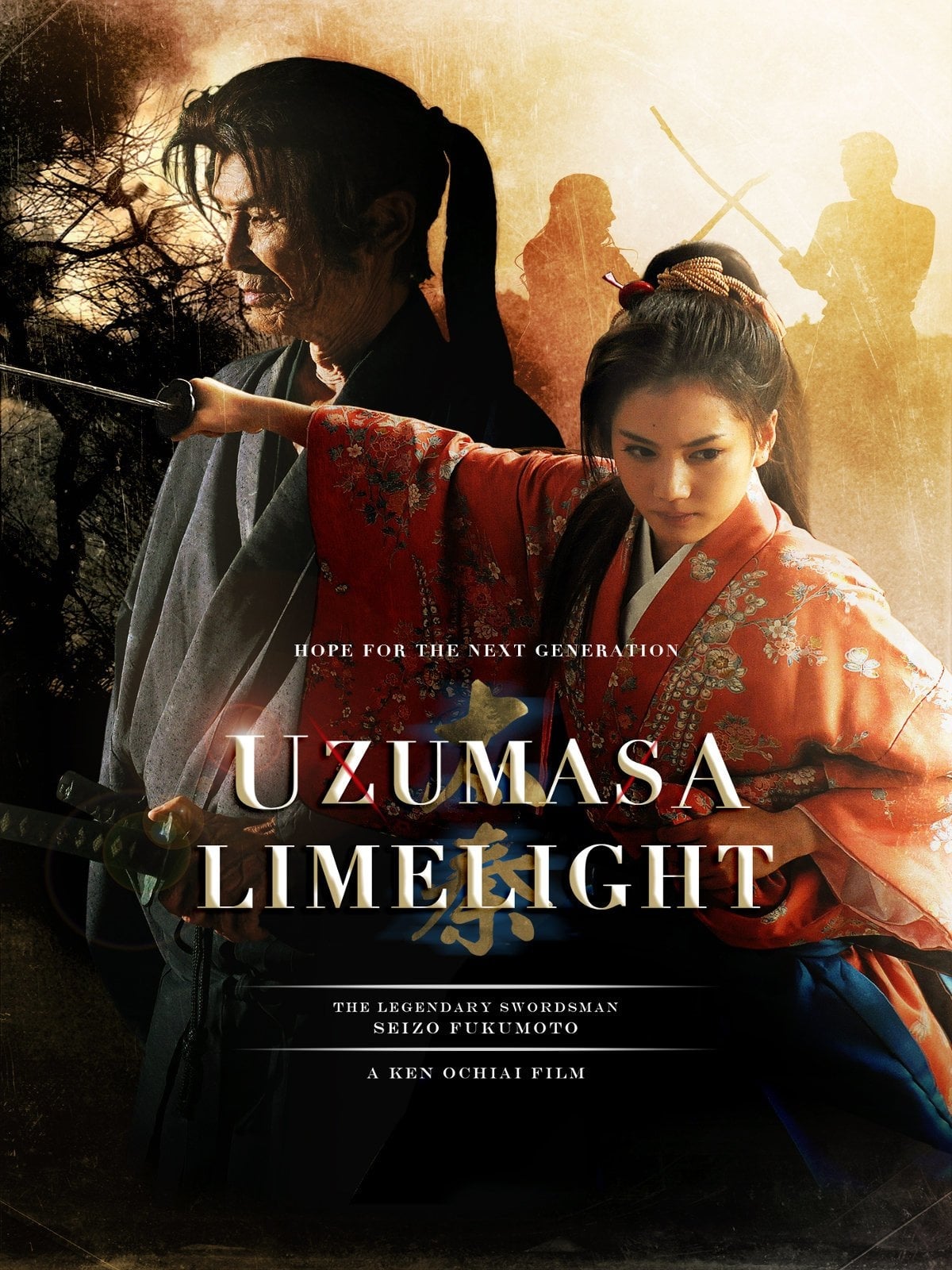
Fewer samurai films are being made, and the Uzumasa studio has fallen on hard times. One day, veteran "kirareyaku" (whose job it is to be felled with a sword by a film's star) actor Kamiyama is tasked with teaching sword action techniques to fledgling actress Satsuki. A few years later, the now-retired Kamiyama is visited by Satsuki, who has become a popular star.
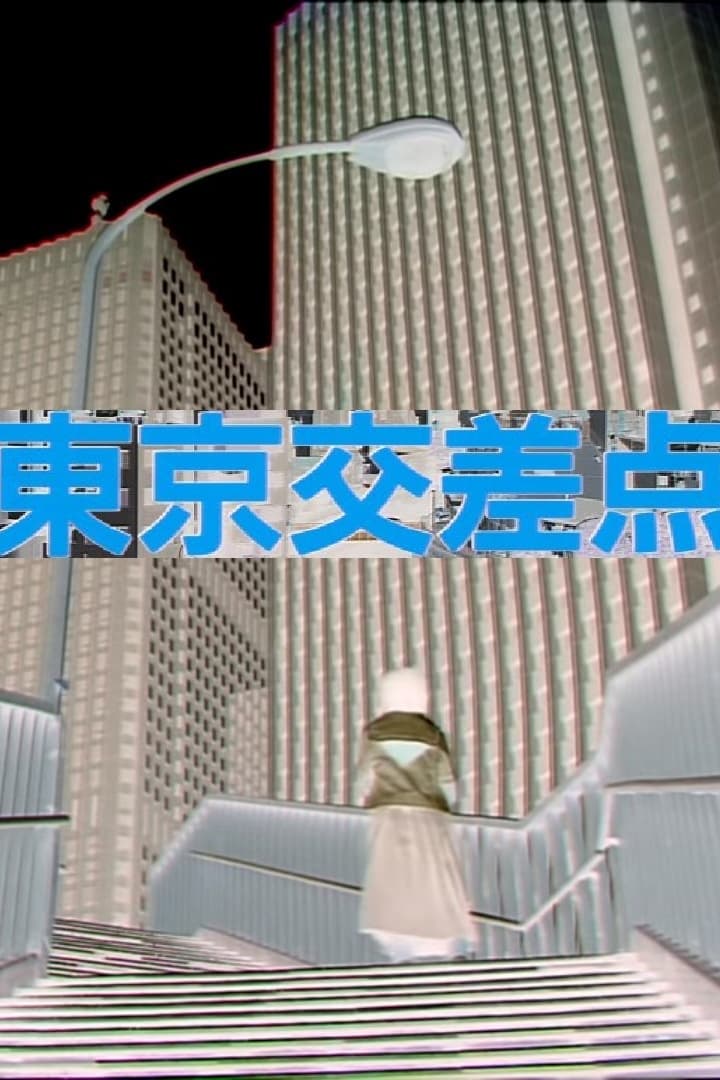
A three parts movie following people forgotten by a society that modernizes at the price of expelling part of its individuals.
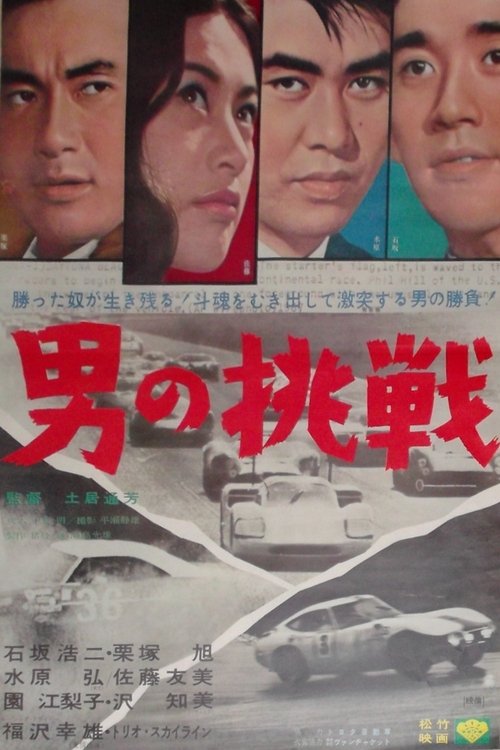
Hiroshi (Ishizaka), the second son of Nippon Automobile president Tsuda (Ozawa), comes to the company's speed test track every day and drives his car at breakneck speed. One day, no one tried to criticise him, but only test driver Inoki (Kurizuka) accused him of being selfish. Angered, Hiroshi challenged Inoki to a race, but lost miserably. From then on, Hiroshi began to seriously hone his skills as a racer in order to overtake Inoki.
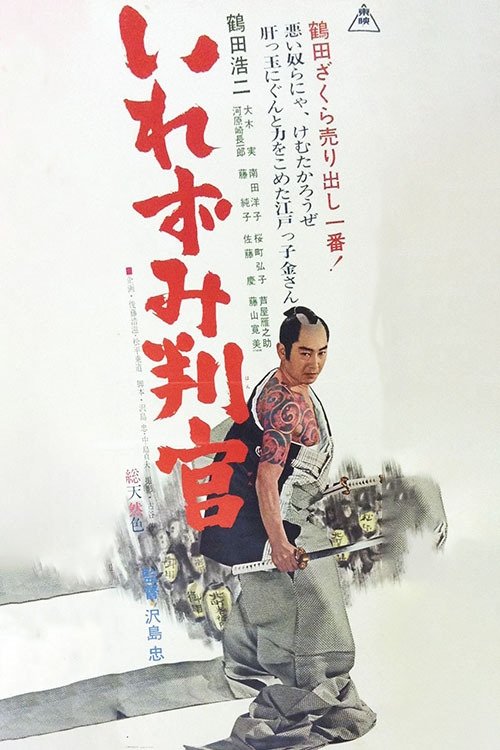
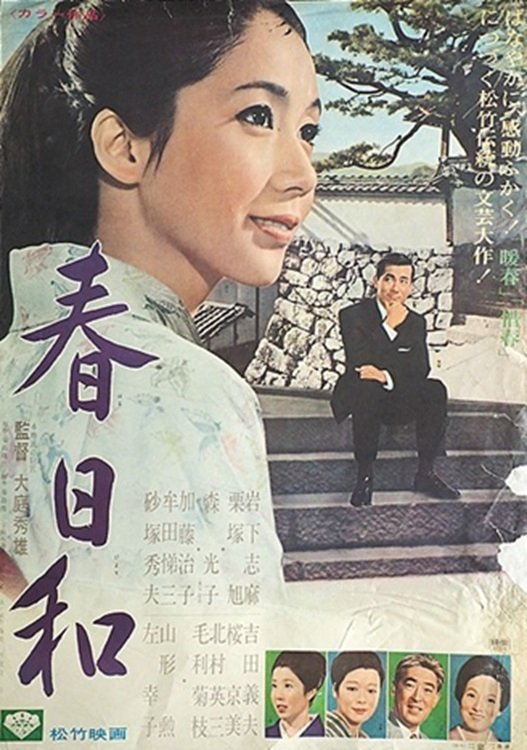
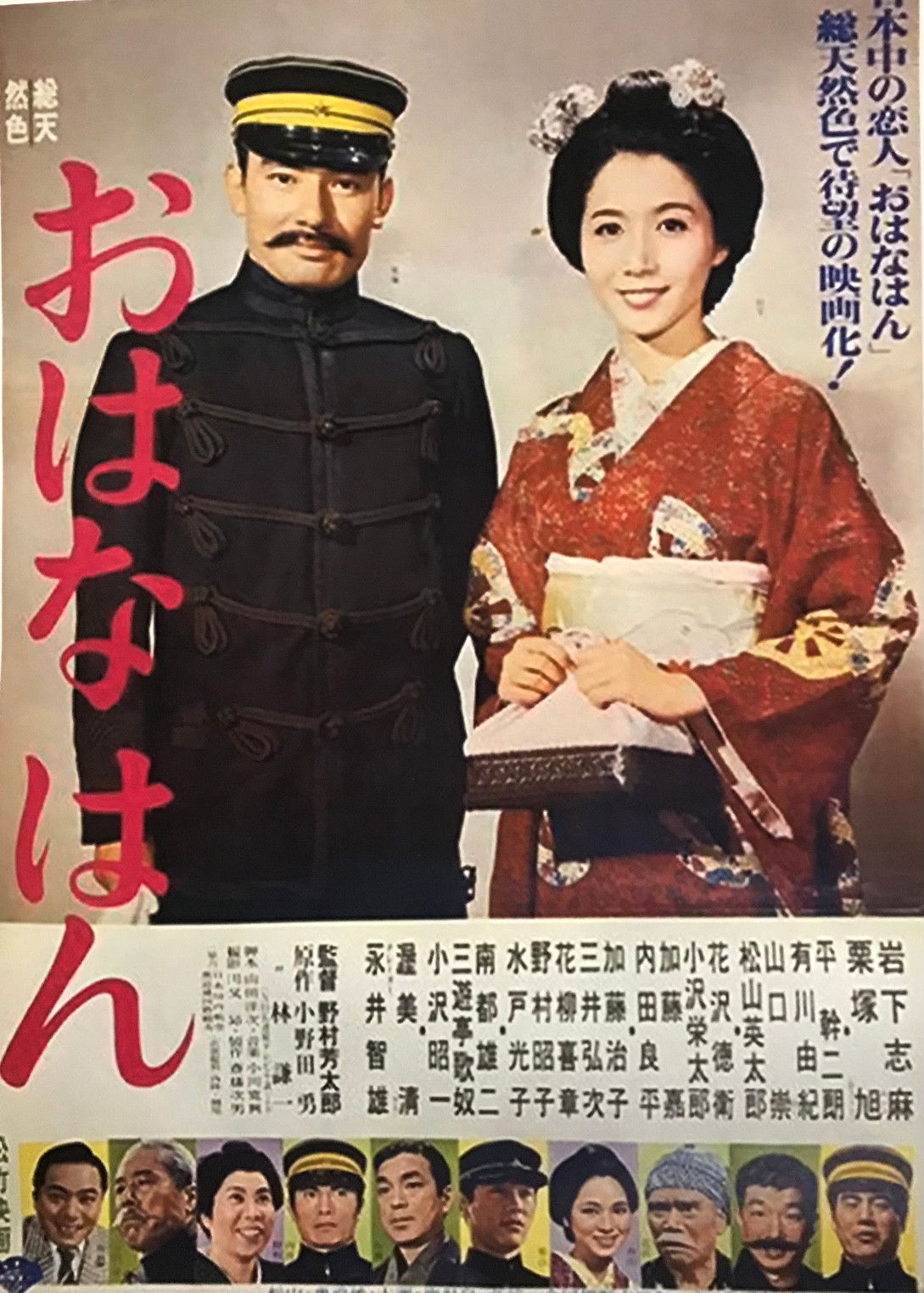
This is a film adaptation of a popular NHK drama that depicts a strong-willed woman, Hana, who lives a lively life while being swept up in the waves of the Meiji, Taisho, and Showa eras.
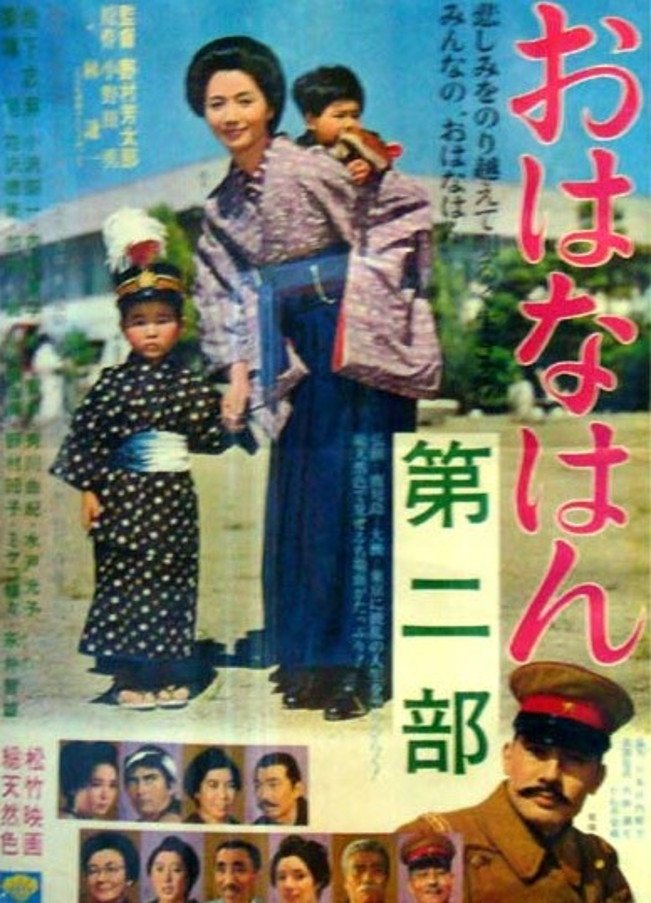
A sequel to Ohana han.