
A psychological thriller about an obsessive compulsive, deeply religious woman who flees her abusive husband and accepts a nanny position for a weatlhy family in a different town. The woman's state of mind is extremely fragile, and is made worse by her visits to a Gothic church where things are not as they seem
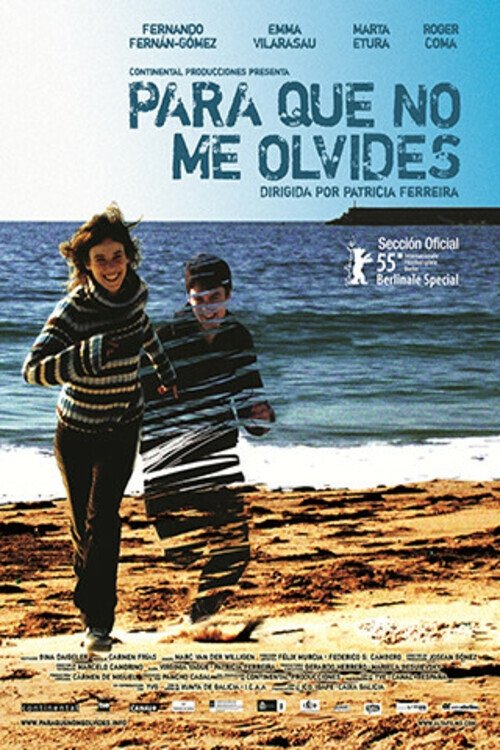
Irene lives with Mateo, his father, and her son David, 22 years old. Living together is harmonious and happy, but there is a conflict: David, a brilliant student of architecture, has decided to go and live with his girlfriend Clara, a supermarket cashier. Despite its liberal way of thinking, Irene cannot understand such an unequal relationship. However, David finds in his grandfather the necessary complicity to carry out his plans. Mateo is a old and vital octogenarian despite his tough history: he was a child during the Spanish Civil War (1936-1939), and he lost his house and all his family. But none of that could finish with his energy and desire to live. One day, however, Mateo arrives with terrible news.
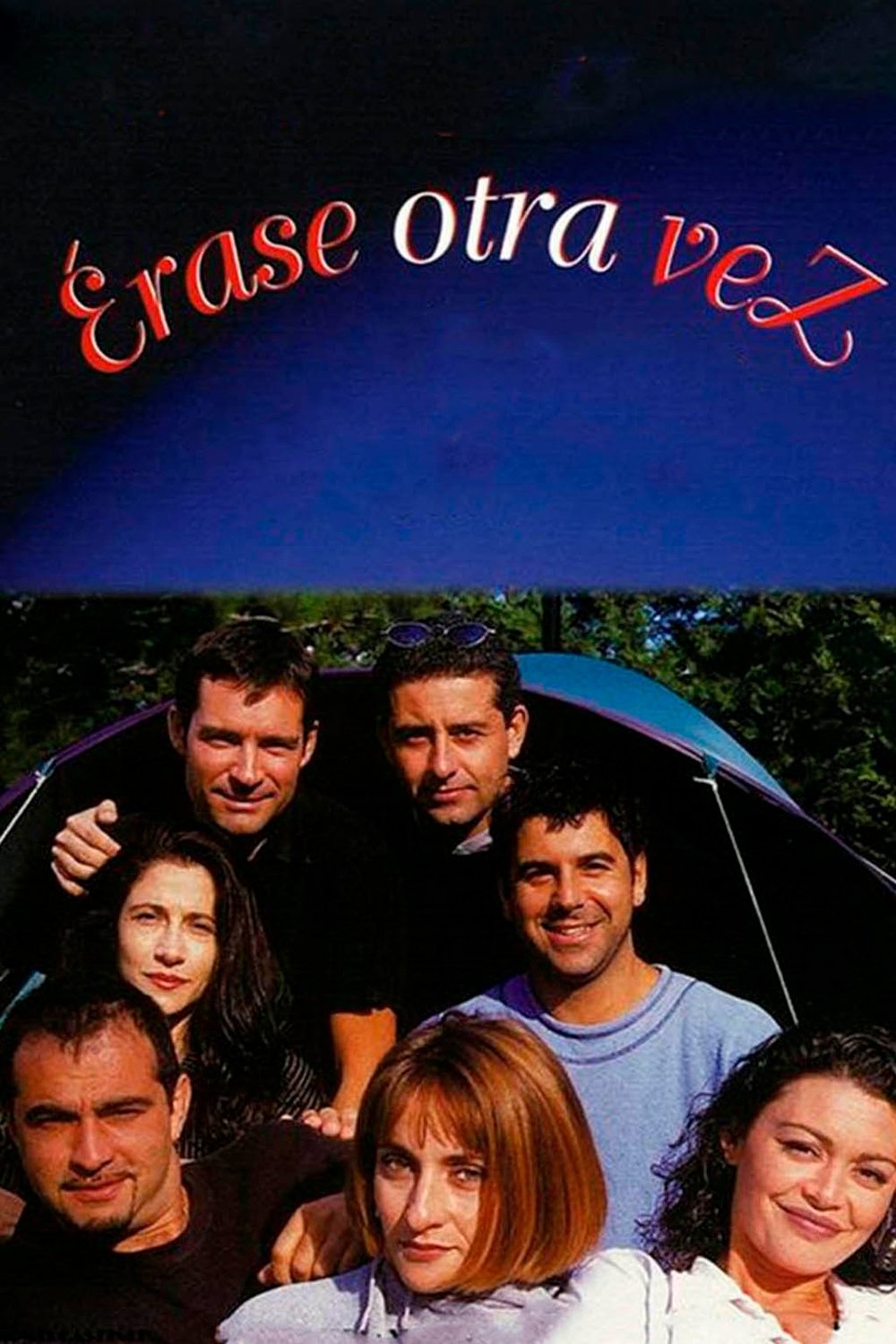
First-ever Spanish Dogma Film. An acid psychosocial-sexual comedy tells the story of a group of friends from university who, ten years after finishing their journalism studies, decide to meet up again in one of their friends' homes to revisit past times. Up until now, they have all done well in life and should be happy, but they aren't. A weekend will be more than enough to bring out the best and the worst in each of them and to create conflict.
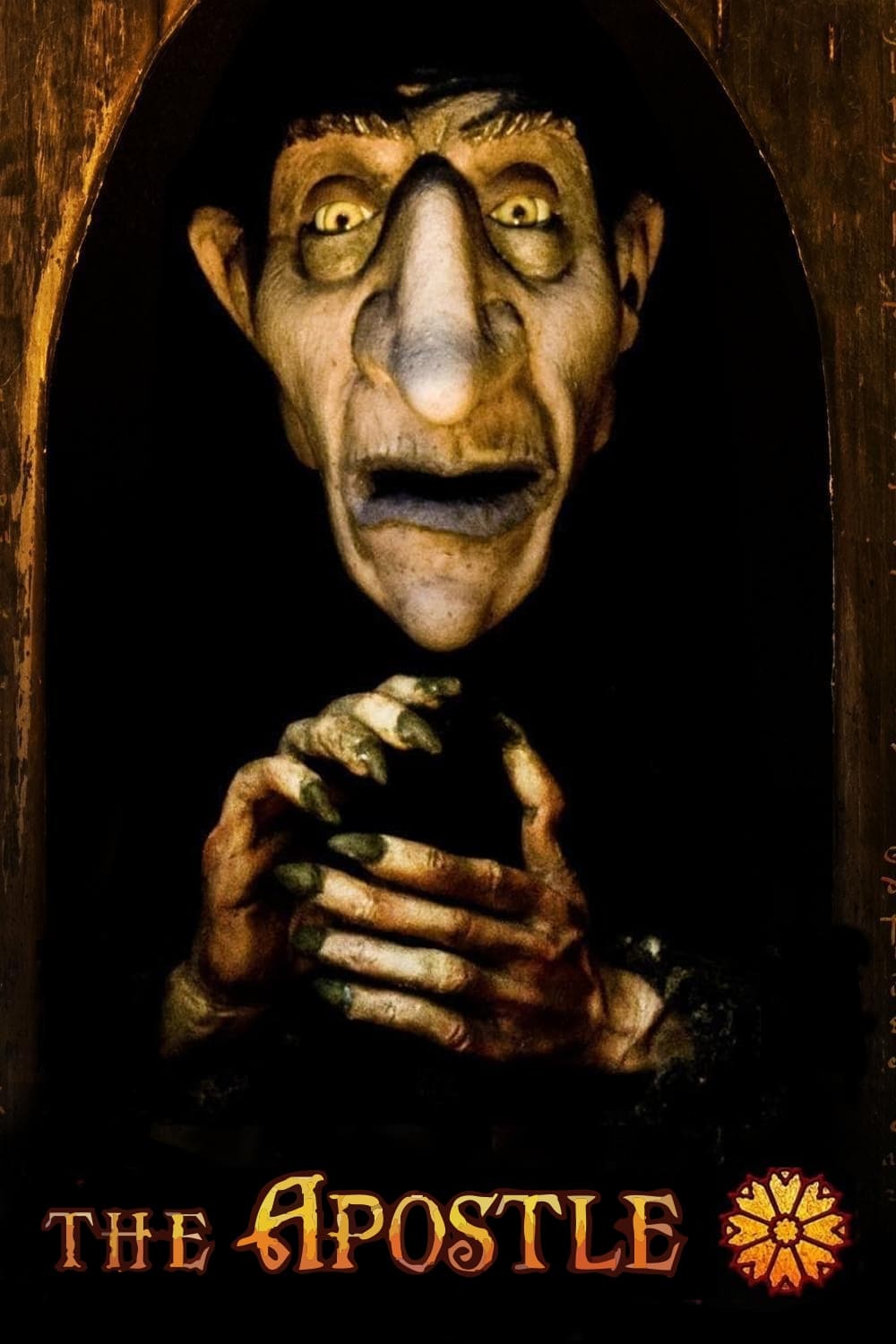
A recently escaped convict seeks to recover a treasure he hid years ago in a small, secluded Galician village. However once there, he finds out that in the village there is an even worse sentence than the one he fled from.
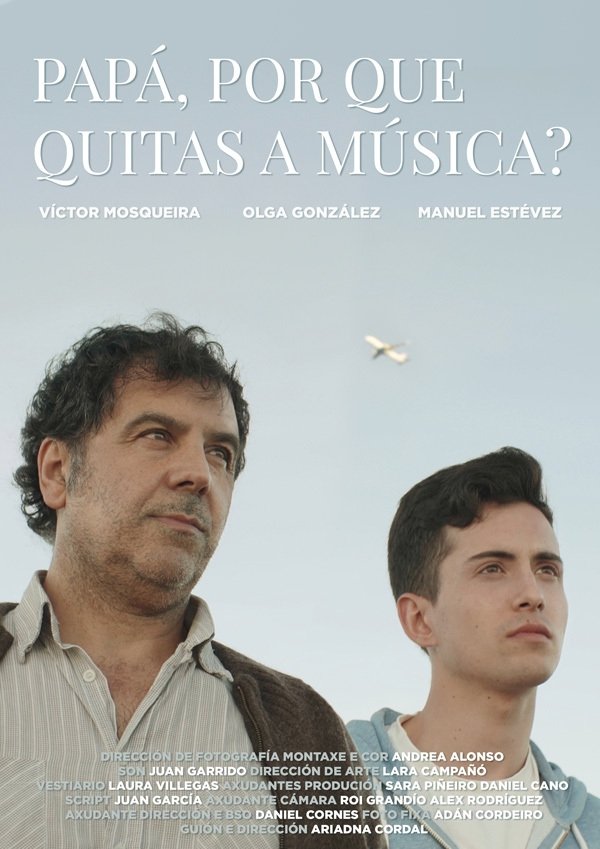
After going through a difficult economic situation, a father loses his job and becomes depressed. When the relationship with his wife and son deteriorates, they attempt to help him.
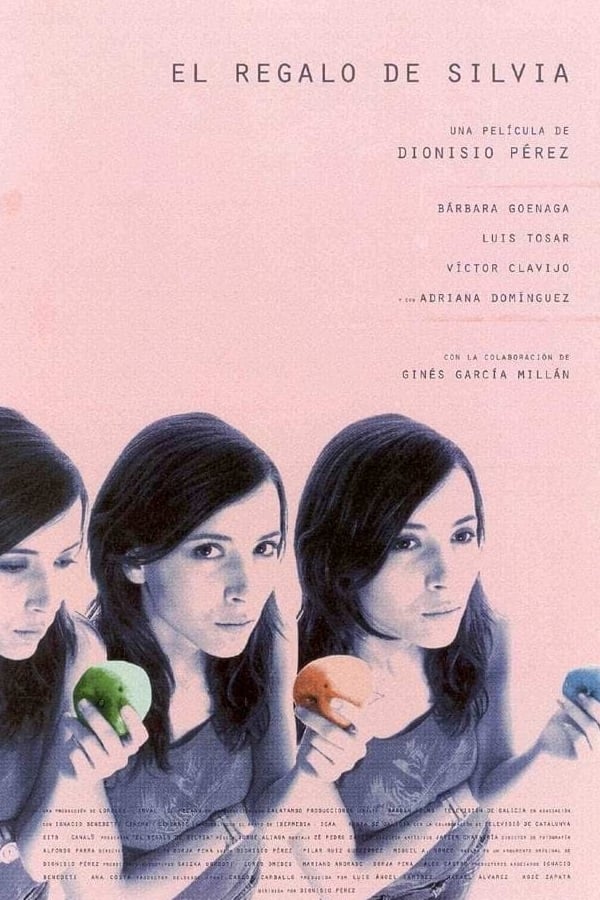
Silvia decides to commit suicide and leaves a video note saying that she wishes to donate her organs and save the lives of a few strangers.
An acorn and a mussel are arguing about who is the most miraculous saint when they find a magical trumpet at the side of the road.

1918, Castelao leaves his public position in Pontevedra to work as a doctor in Rianxo during the Spanish flu. A hero for the town, but an absent man for his wife, Virxinia. 1929, the couple travels through Britain a few months after the loss of their only son. Two broken beings and a bond that is no longer understood. A trip will unite them forever and ever. Castelao before being Castelao. Galicia before the “xeración Nós”. Castelao and Virxinia before being “we”.