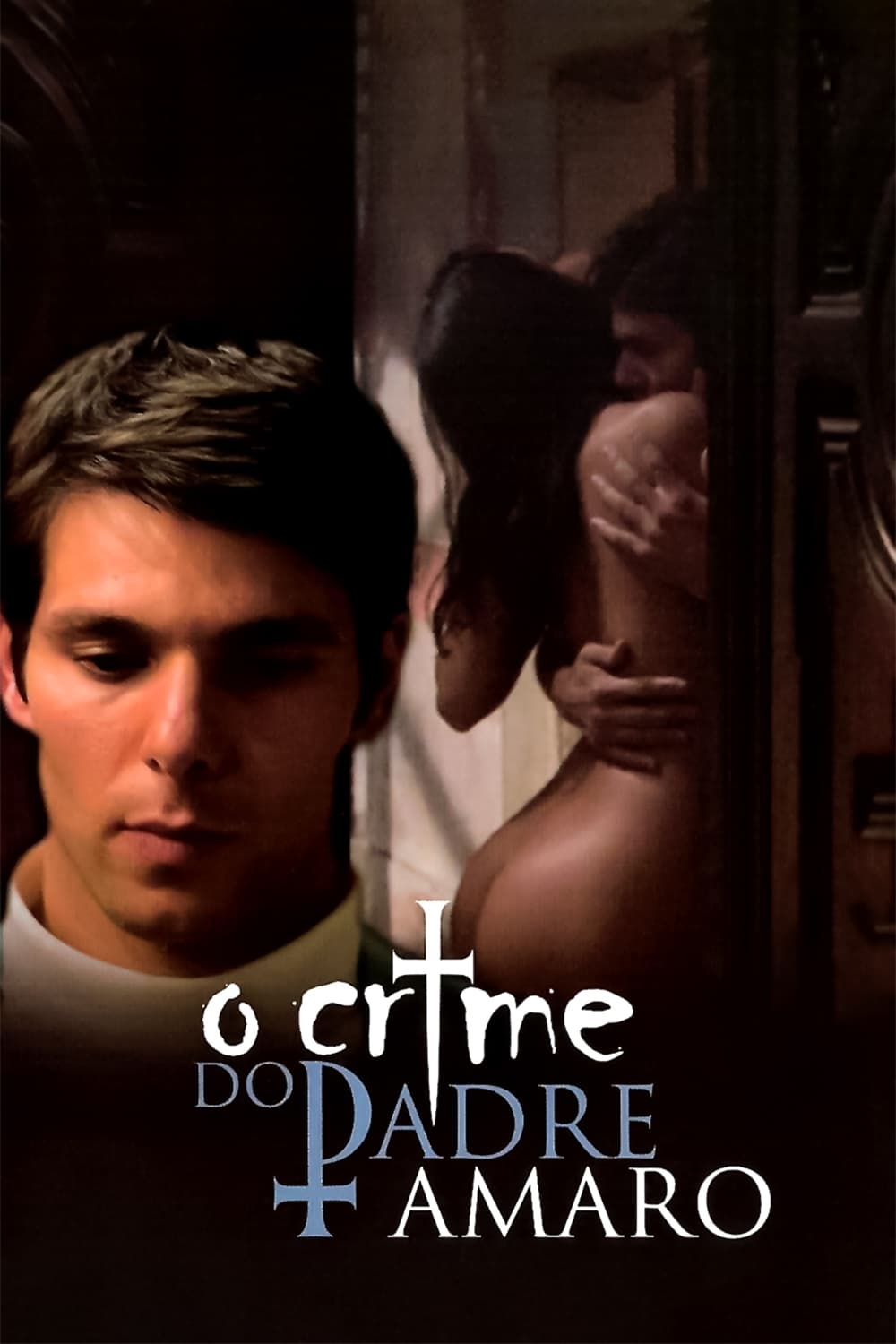
A young priest commits a crime when he falls in love with a beautiful and troubled woman. Based on O Crime do Padre Amaro ("The Crime of Father Amaro"), a novel by the 19th-century Portuguese writer José Maria de Eça de Queiroz. It was first published in 1875 to great controversy.

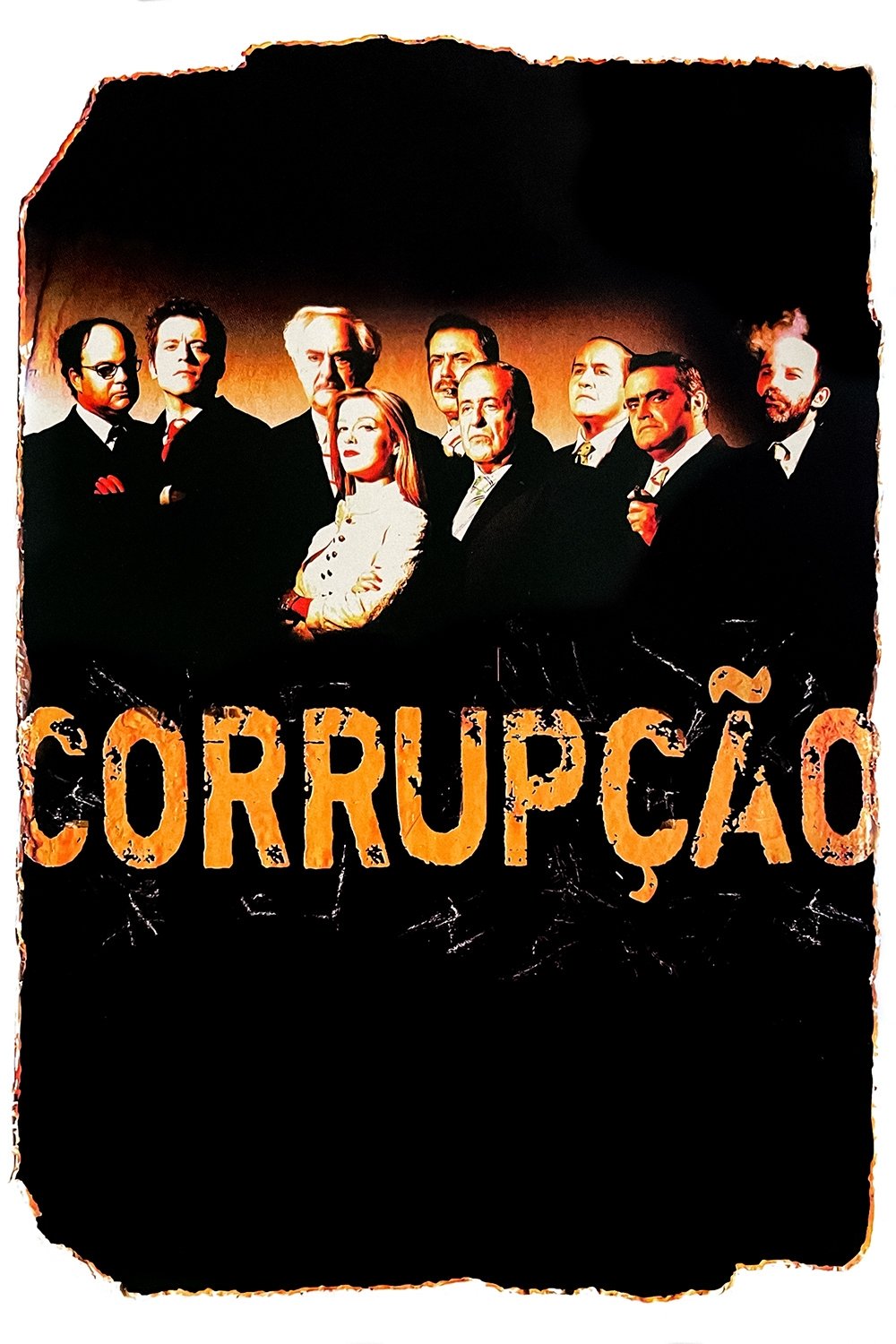
A crime drama based on the life of a woman who lived for years with a man that was the head of a corruption network in the Portuguese football world.
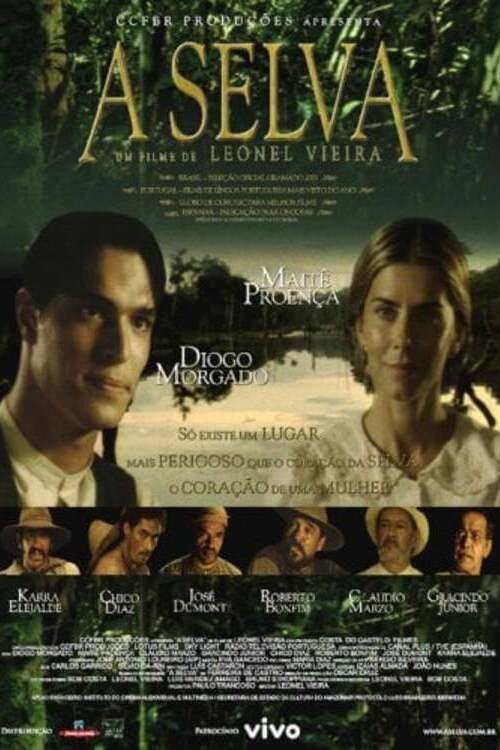
Young man, of Portuguese nobility ascendancy, starts working in a rubber plantation in the Amazon, in 1912, and falls in love with pretty Yayá, a married woman.
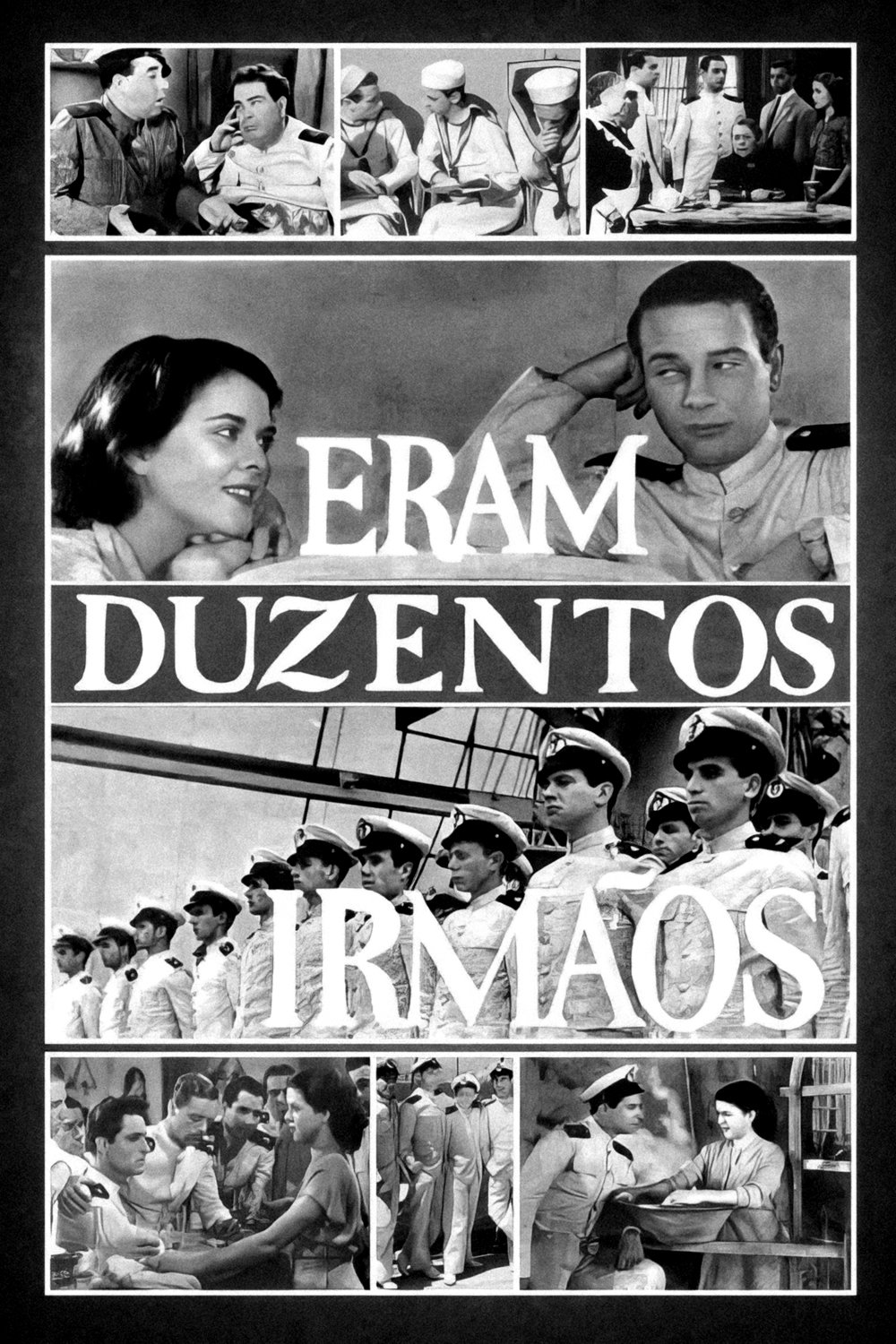
A man afflicted by an inferiority complex, is helped out by his comrades to pass the tests to enter the navy. A girl accepts to show a fake love interest in him as part of the plan, and ends up really enamoured.

The struggle between two friends: one, symbolizes the deepest incredulity about religion; the other, priest Manuel, endures insults with stoic resignation, but doesn't give up on installing words of faith in the hope of recovering his soul for God. In a pathetic atmosphere, in which everyone defends the primacy of their beliefs, they feel surrounded by a bundle of circumstances linked to a secret of love, with an unexpected and disconcerting outcome ...
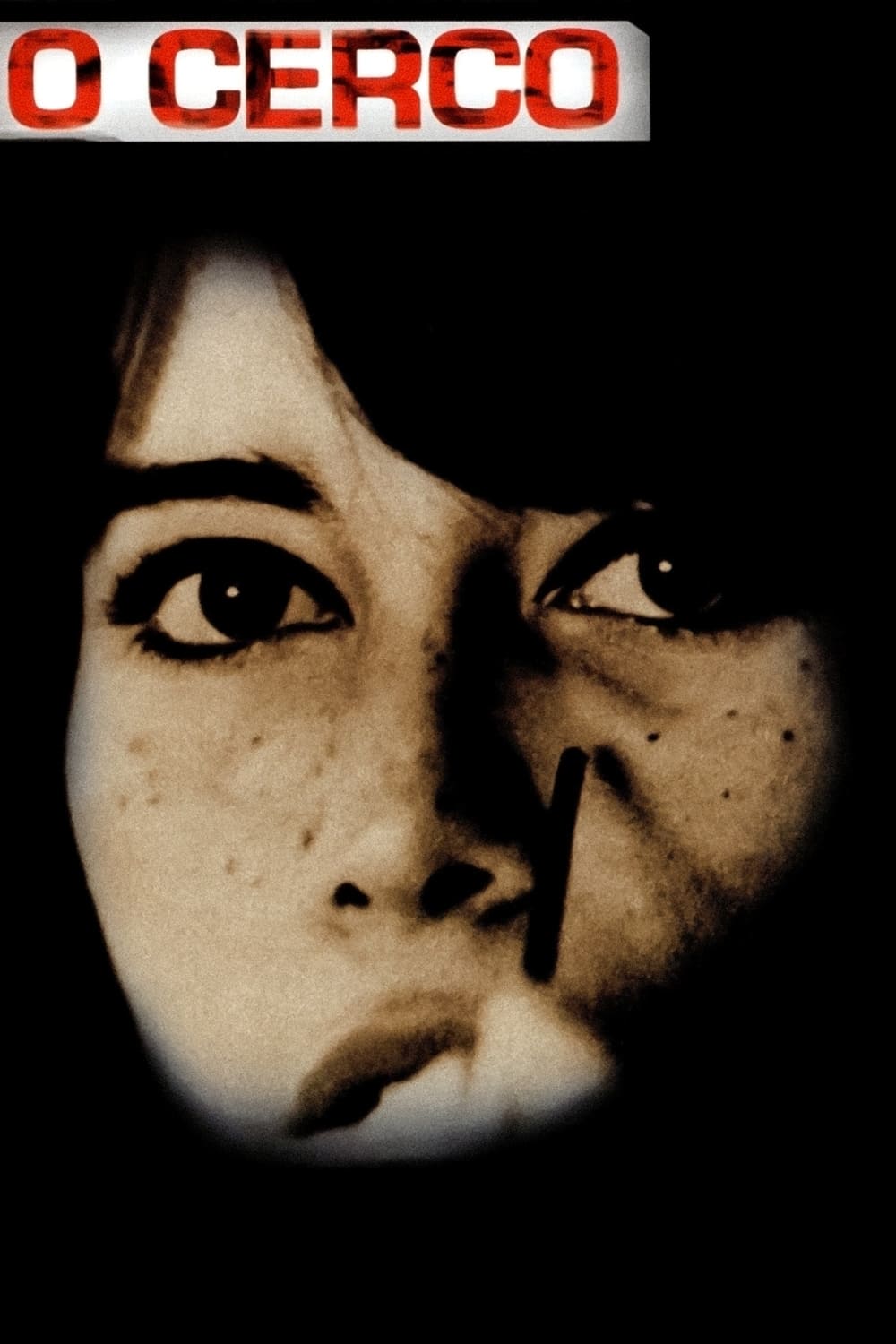
A look at the urban society of the seventies. The story of Marta a young and pretty girl, who leaves her husband to search for her true identity. She doesn't quite know what she wants, but at least she knows what she's escaping from. Soon she encounters financial difficulties and finds herself involved with shady characters, a situation that leads to a mysterious murder. The net closes around her.
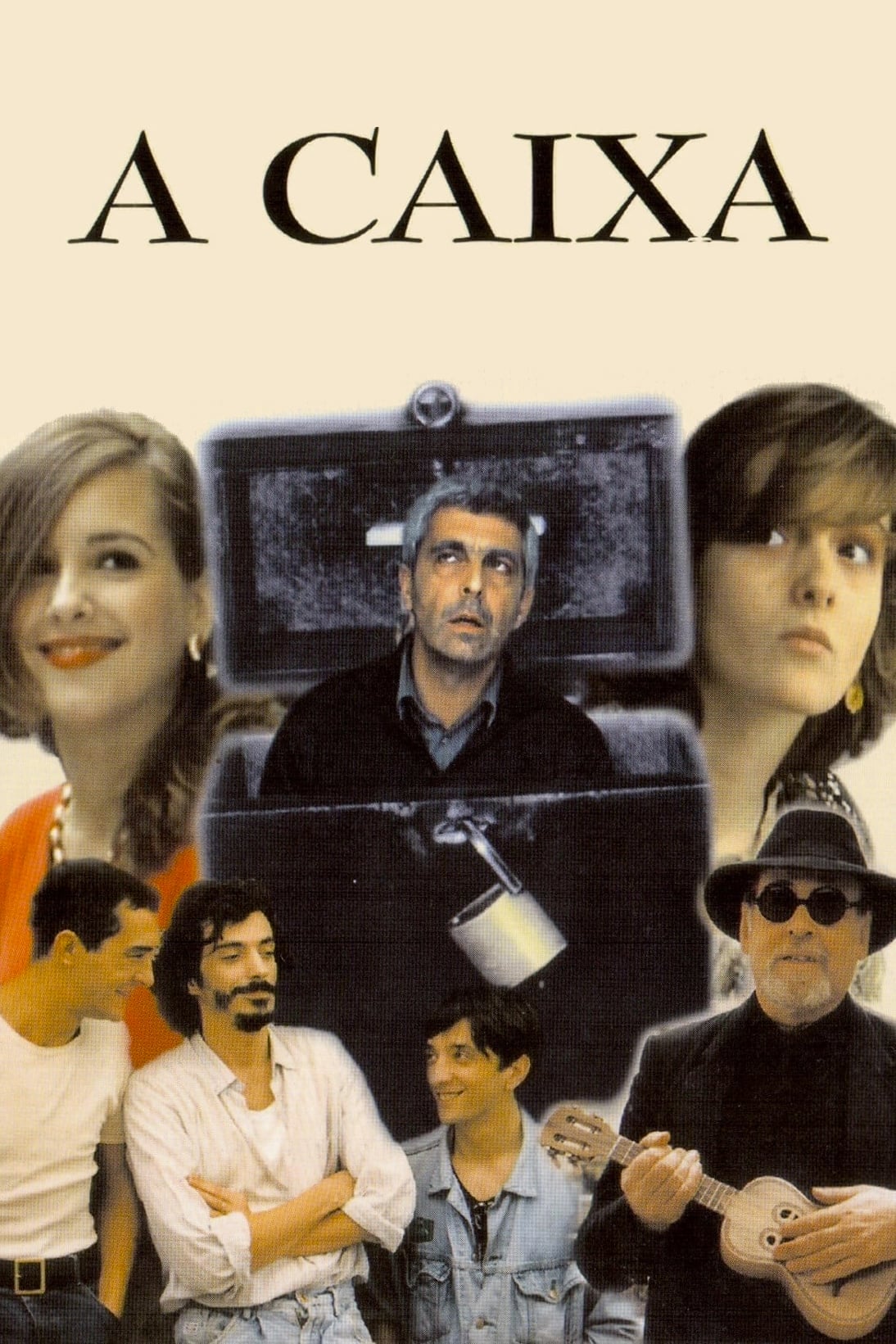
A blind beggar is robbed of his chest of money. The theft leads to a dramatic situation in the street where he begs every day.
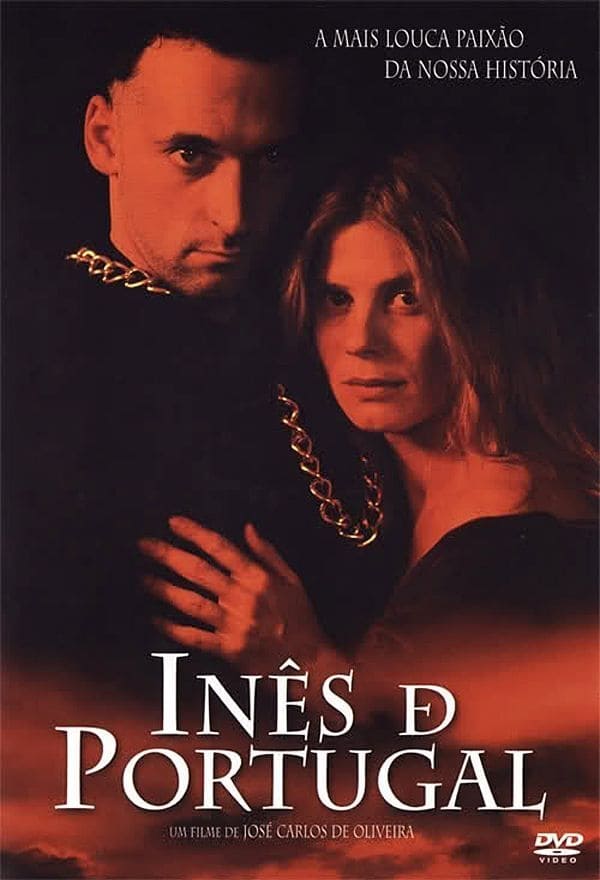
The consuming passion between Pedro I of Portugal and Ines de Castro is brutally interrupted when Ines is executed, as a consequence of political intrigue and in the name of the kingdom's interests. Pedro, cruelly hurt, pursues the single-minded purpose of avenging his lost love. He captures and kills the executioners, and compels the nobility to acknowledge Ines as his lawful wife and Queen of Portugal.

Alfredo Loureiro, a carpenter by trade, never knew any other passion in life besides his craft. Women intimidated him, so he spent more time avoiding them than courting them. But all it took was one glance at Emília's smile for everything to change. At 78, Alfredo discovers true love and will do anything to experience this feeling, which had been unknown to him his entire life.

On an isolated Portuguese island, a nameless man makes a mental journey which brings him into contact with the strange and menacing world without peace and harmony.
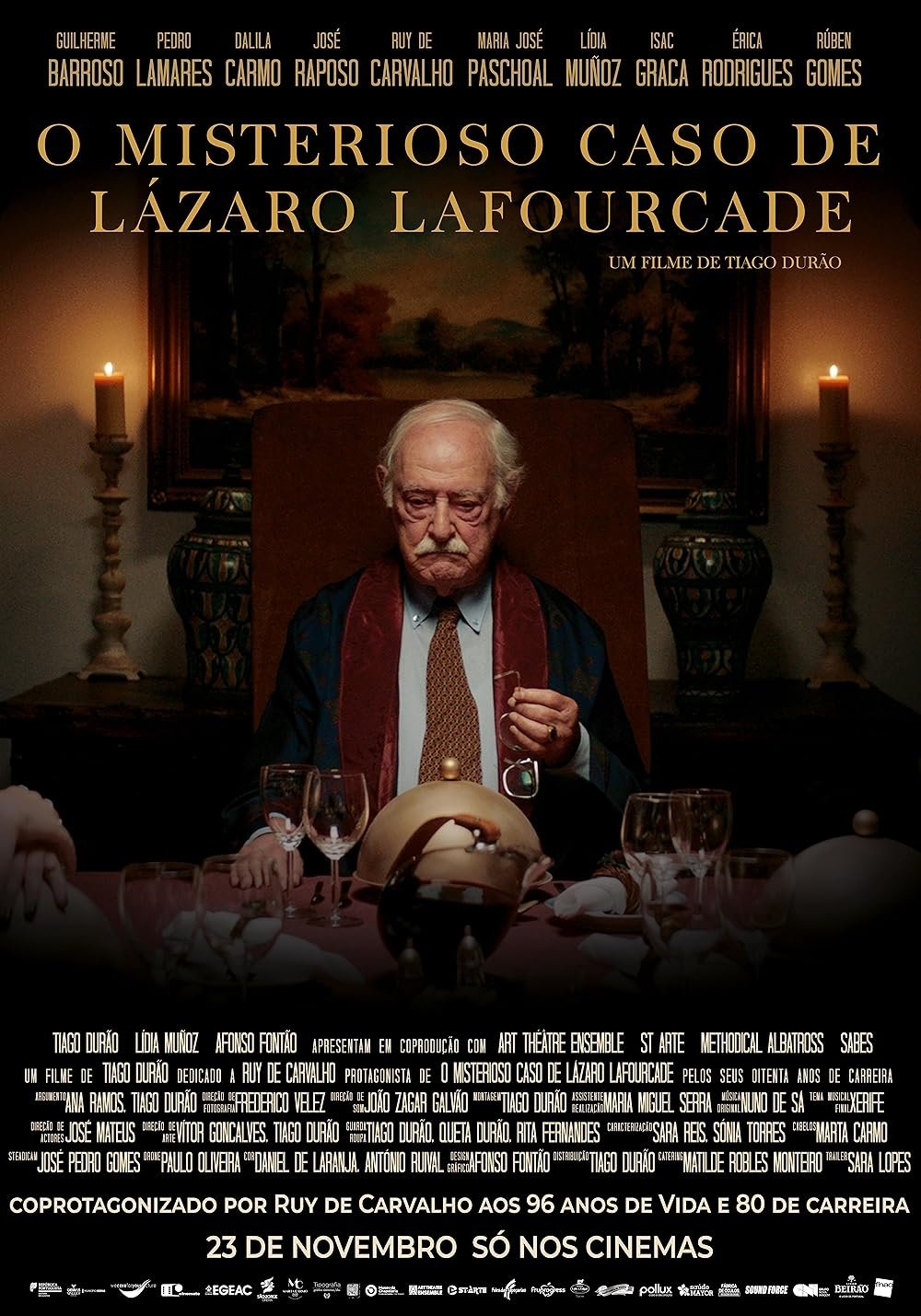
Lázaro Lafourcade, an old capitalist, is found dead in his mansion after a dinner with his peculiar family. An inspector is called in to investigate the crime and find the culprit, delving into the glamorous and sordid underworld of the Lafourcades, kicking off a good old-fashioned crime story where everyone is a suspect. A whodunnit that takes us back to the 1950s and results in an "eat the rich" narrative, while the investigation takes place at the Lafourcades' home.
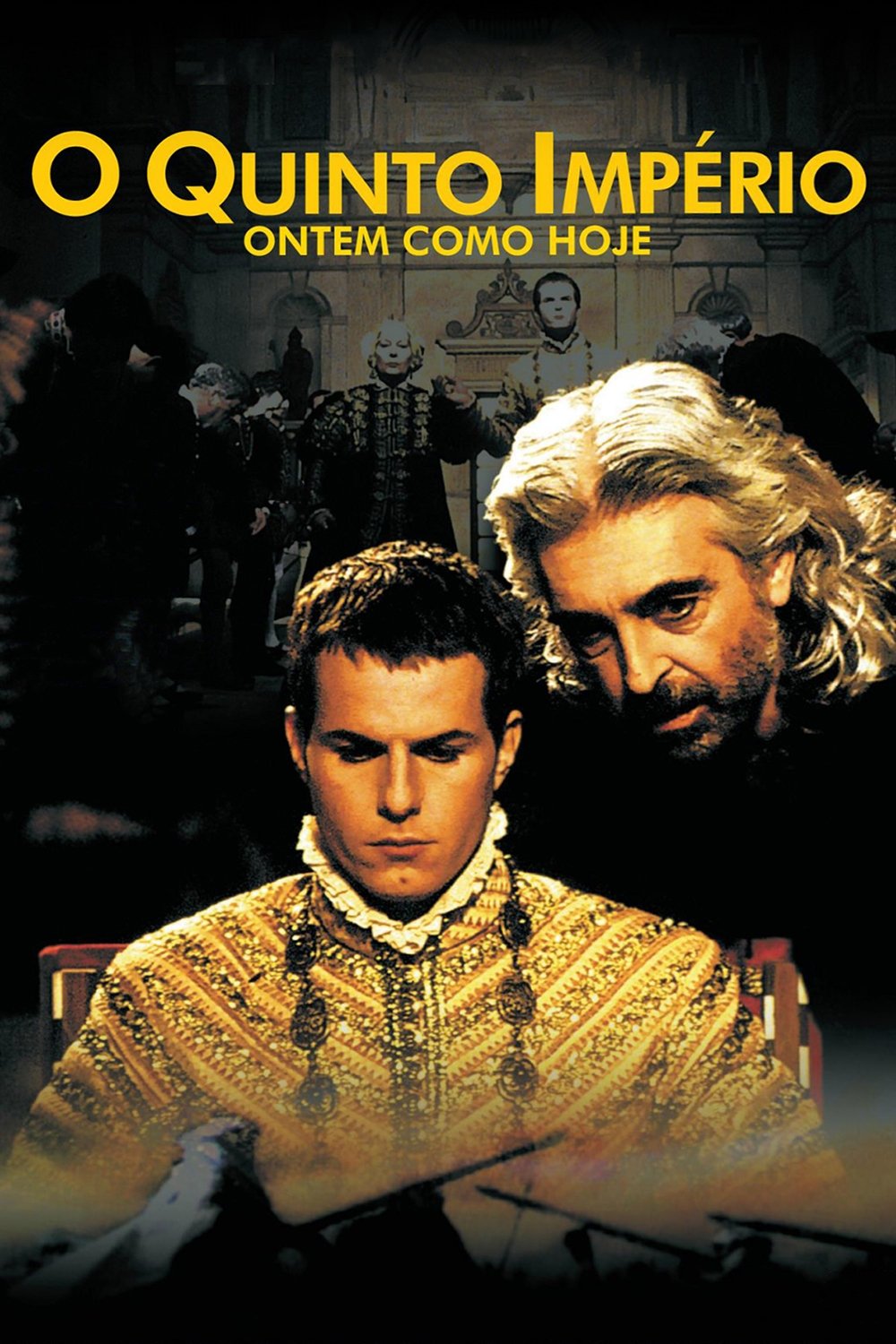
Manoel de Oliveira directs José Régio's historical epic of religious and political power struggles. King Sebastião plans to make Portugal the world's Fifth Empire.
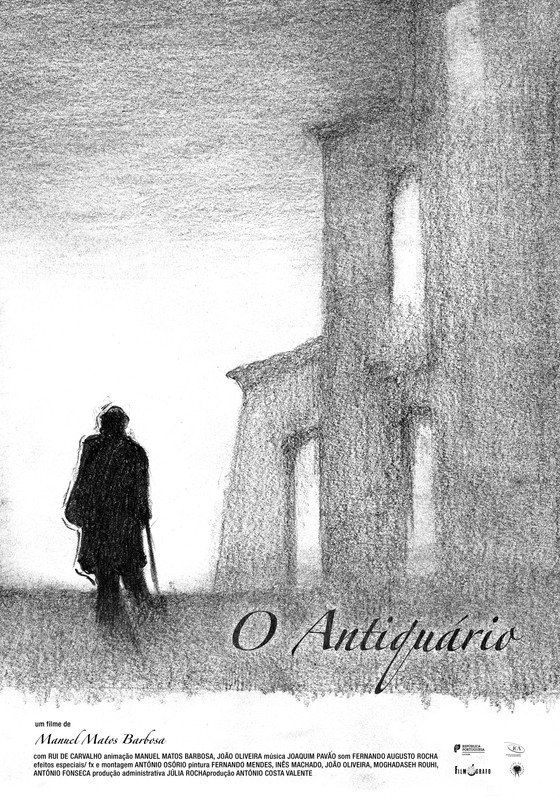
Vicente was a mean old man, short of words. In his collection, he lacked the pyx of mercy he so admired.
The Fidalgos da Casa Mourisca are ruined. Poor management and the pride of D. Luís have led the estate to this situation. However, Jorge, the eldest son, is not happy with this and decides to ask for help from a farmer who has prospered: Tomé da Póvoa. Tomé da Póvoa has a daughter who was educated outside the village and is now returning home. Jorge falls in love with her. But the proud and inflexible D. Luís, Jorge's father, does not agree with either Jorge's proposed economic recovery plan or his passion for a commoner.

The story of Brazilian Antônio José da Silva, a jewish poet, playwright and lawyer living in the 18th Century Lisbon, who managed to avoid Inquisition by converting himself to Catholicism, after being tortured. But his fierce criticism of Portugal's élite led him to persecution and torture, becoming kind of a scapegoat.

How happy and proud they are those two ladies back in Oporto! Thanks to them, their bright nephew can study medicine in Lisbon and may already have become a doctor. Little do they know, not only Vasco wastes all his time drinking, dancing and picking up girls but he has just failed his final exam! And in that same day, he receives an email from the two aunts announcing their visit to Lisbon! Will he be able to make them believe he is such a good student as they think?

A love story between a failed musician and a girl in a dinosaur costume.

Ema is a very attractive but innocent girl, so pretty that cars crash in her presence. In her youth she marries Dr. Carlos Paiva, her father's friend, to whom she is not attracted. They move to the valley of Abraham. Carlos loves her, but decides to sleep in a separate room to avoid waking Ema when he has to return late at night. As time goes by she begins to feel unhappy about her marriage, so she finds a new lover.
Nuno is the son of divorced parents. He lives a nomadic existence with his father: he lost all his friends and never stays long enough anywhere to make new friends. Now Nuno has become a drug addict, he’s in hospital, in a coma struggling between life and death. His father and his father’s sister remain by his bedside. The three separately evoke requests from the past and other characters they meet also complement their current life experiences and memories. Based on the novel by António Lobo Antunes.
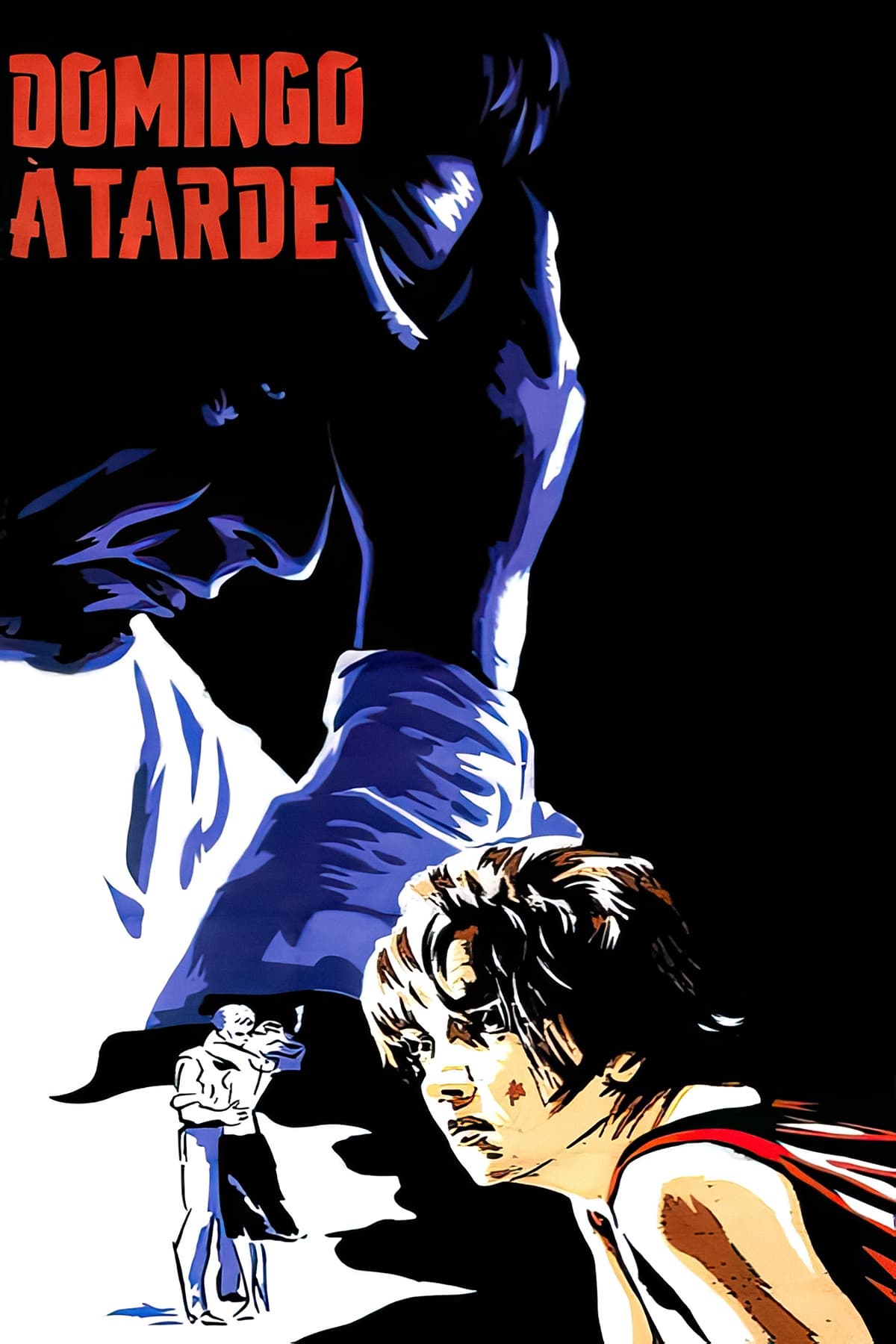
Reflections on life and death through the eyes of a Medical Doctor, researcher on blood diseases, under the anguish of consulting a terminally ill young woman.
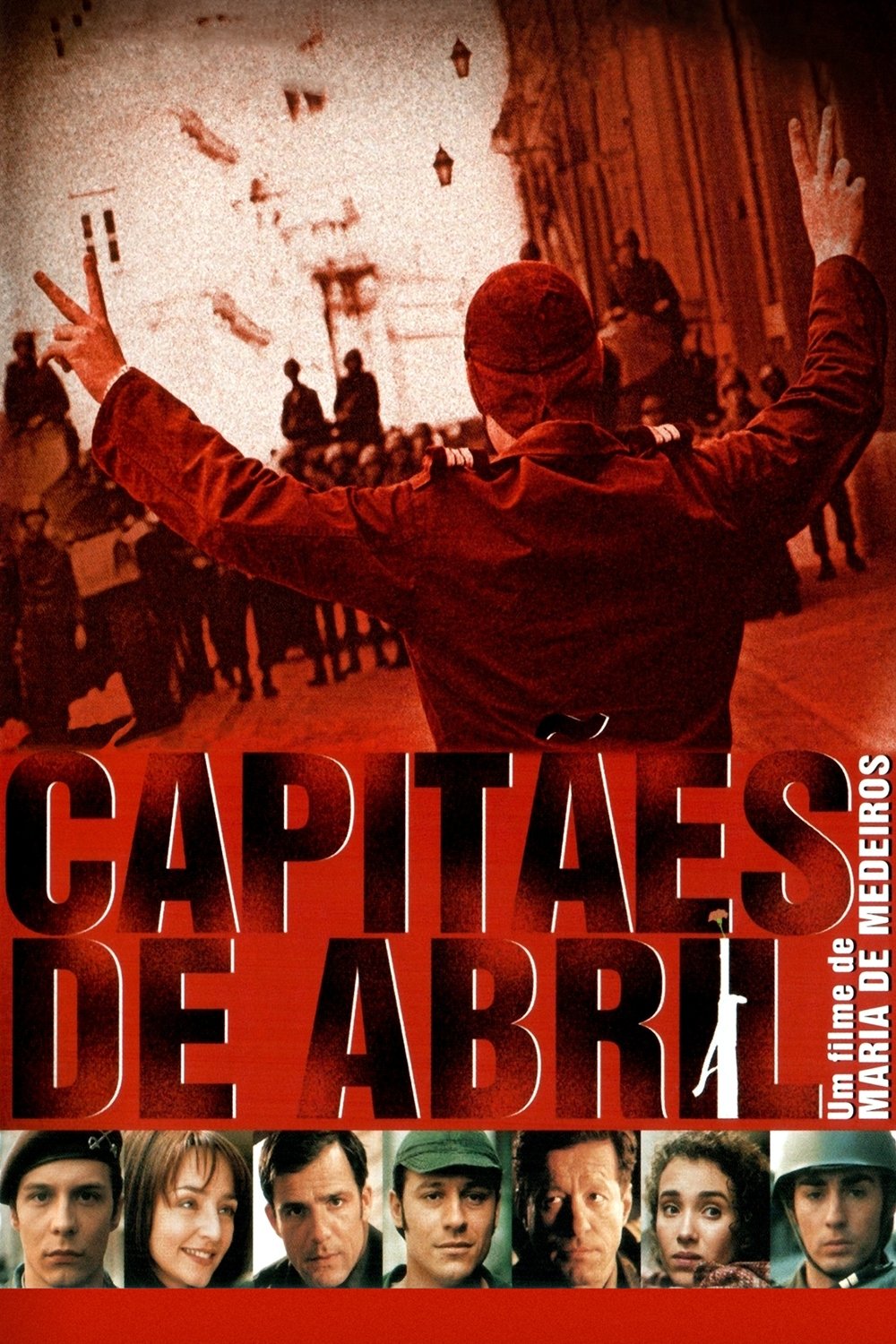
Story of the 1974 coup that overthrew the right-wing Portuguese dictatorship--which continued the fascist policies of long-time dictator Antonio Salazar--and of two young army captains who were involved in it.
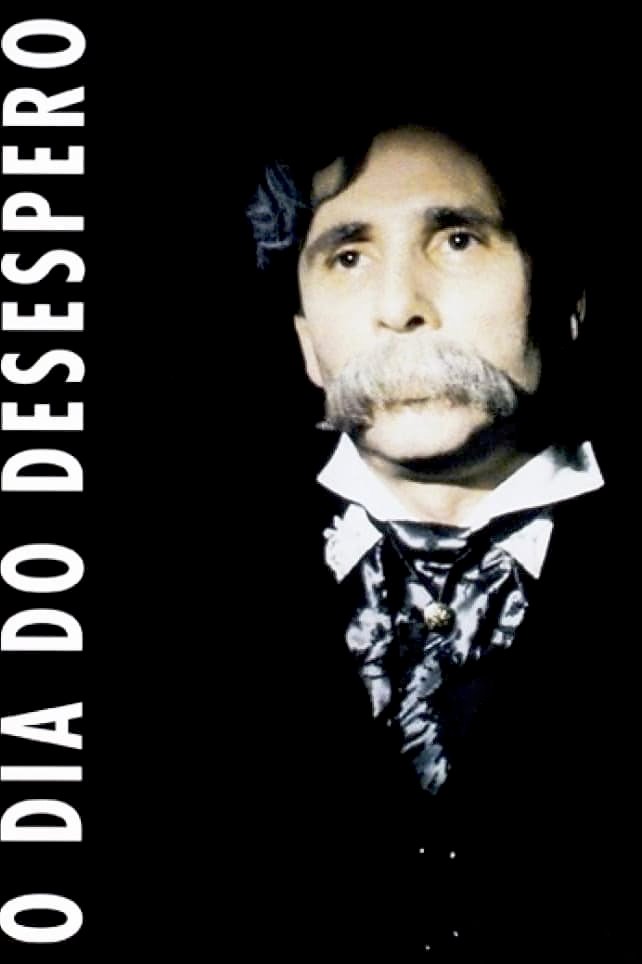
Portrait of the last days of the life of Portuguese writer Camilo Castelo Branco.
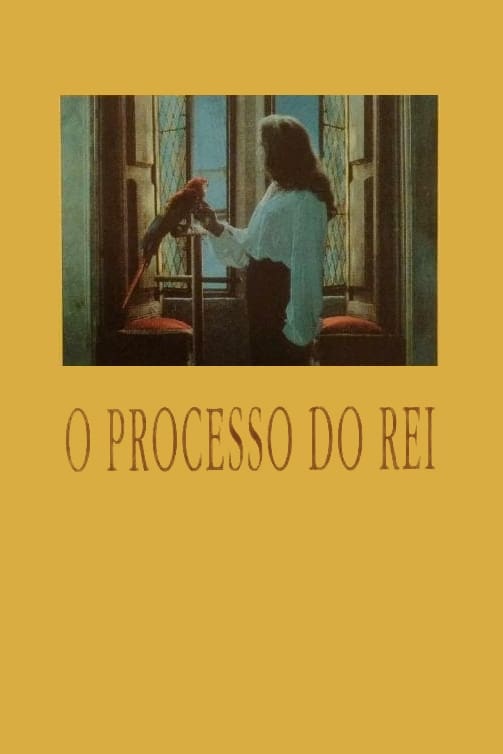
At the time Portugal presented a strange spectacle to the rest of Europe. D. Afonso VI, son of the fortunate D. João de Bragança, was in possession of the throne and was an insane imbecile. His wife, daughter of the Duke of Nemours and cousin of Louis XIV, dared hatch a plot to oust her husband from the throne. The king's stupidity justified the queen's bravado. Despite being master of unusual strength and having slept with his wife for a long time, she accused him of being impotent. Marie Françoise had acquired through artfulness what Afonso had lost in anger in the kingdom. She had him imprisoned ( November 1667 ) and quickly obtained a papal bull from Rome to confirm her virginity and bless her marriage to her brother-in-law Pedro. Portugal's submission for the Academy Award for Best Foreign Language Film in 1990.

Nicholas celebrates his 40th birthday in his country house, with some friends. He has everything he ever wished for, but, on that night, he will end up dead, on his swimming pool. From that moment on, a dead Nicholas wonders how his life would be if he had made a different choice, ten years ago. We then follow two stories: on one hand the police, trying to solve the mystery of Nicholas' death and on the other, Nicholas himself, living a different life. A second life.
After a fatal crash involving her brother, Elsa tries to escape her corrupt & prejudiced background, making Francisco (the victim’s dad) – a wealthy family’s driver – resign himself with the unavoidable so as not to compromise his employer’s son, thus trying to gain something from the tragedy.
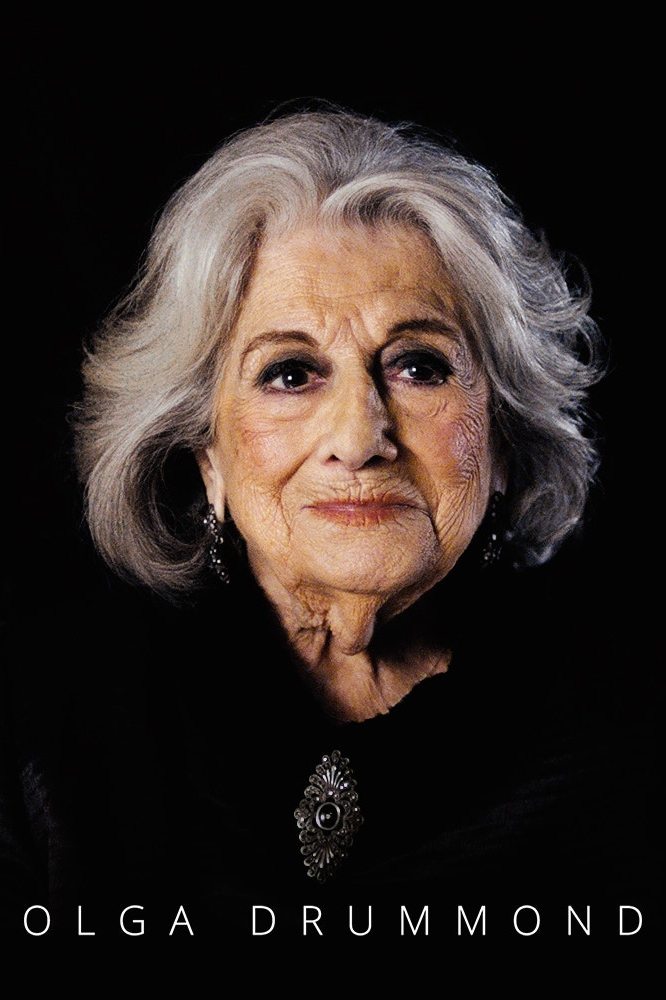
A homage to all Portuguese actors. The news that Olga Drummond, the greatest Portuguese actress of all-time, is arriving to a nursing home for performers provokes agitation between residents and workers.
A look at the life and career of Vasco Santana, one of the most beloved actors of the Portuguese cinema.
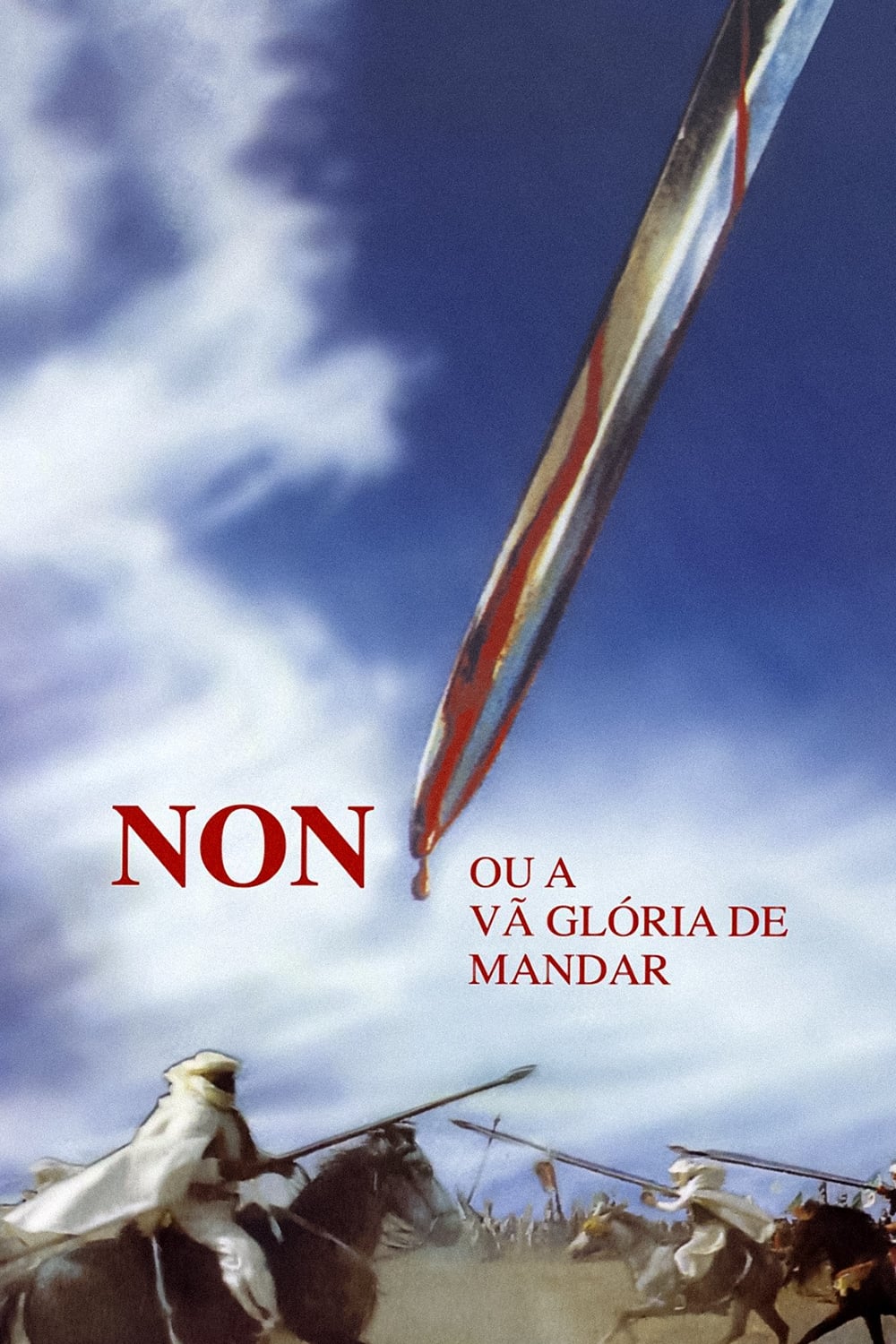
Episodes from throughout the entire military history of Portugal are told through flashbacks as a conscripted student of history recounts them to his fellow soldiers while they march through an African colony in revolt during 1973.
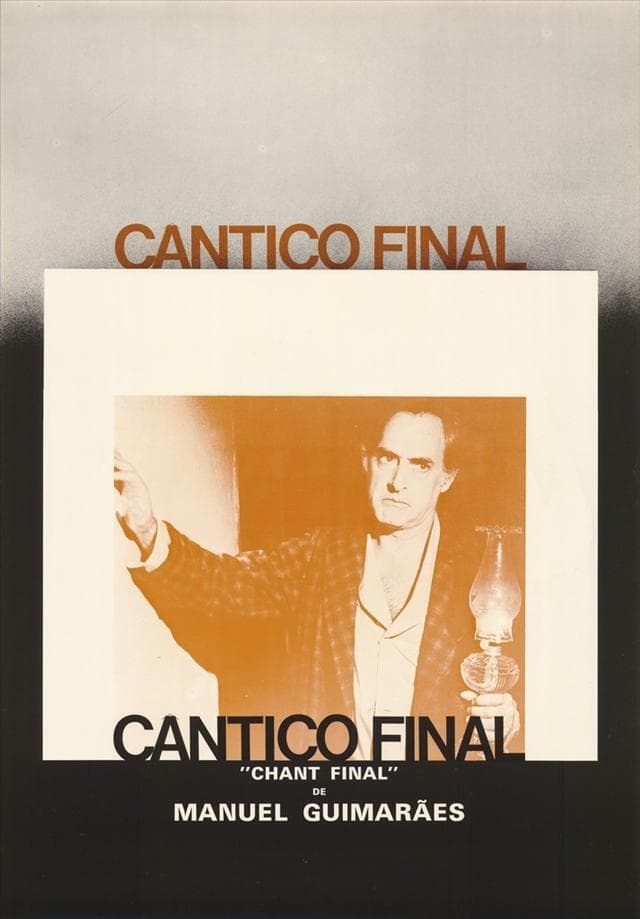
Mário Gonçalves, a high school teacher threatened with death due to cancer, spends the last days of his life in the village where he was born, in the heart of Serra da Estrela. There, he expresses his talent as a painter in the intimate decoration of an abandoned chapel. This is also the twilight hour of rebellious memories: love and precariousness, choices and contingency, perennial dissatisfaction...
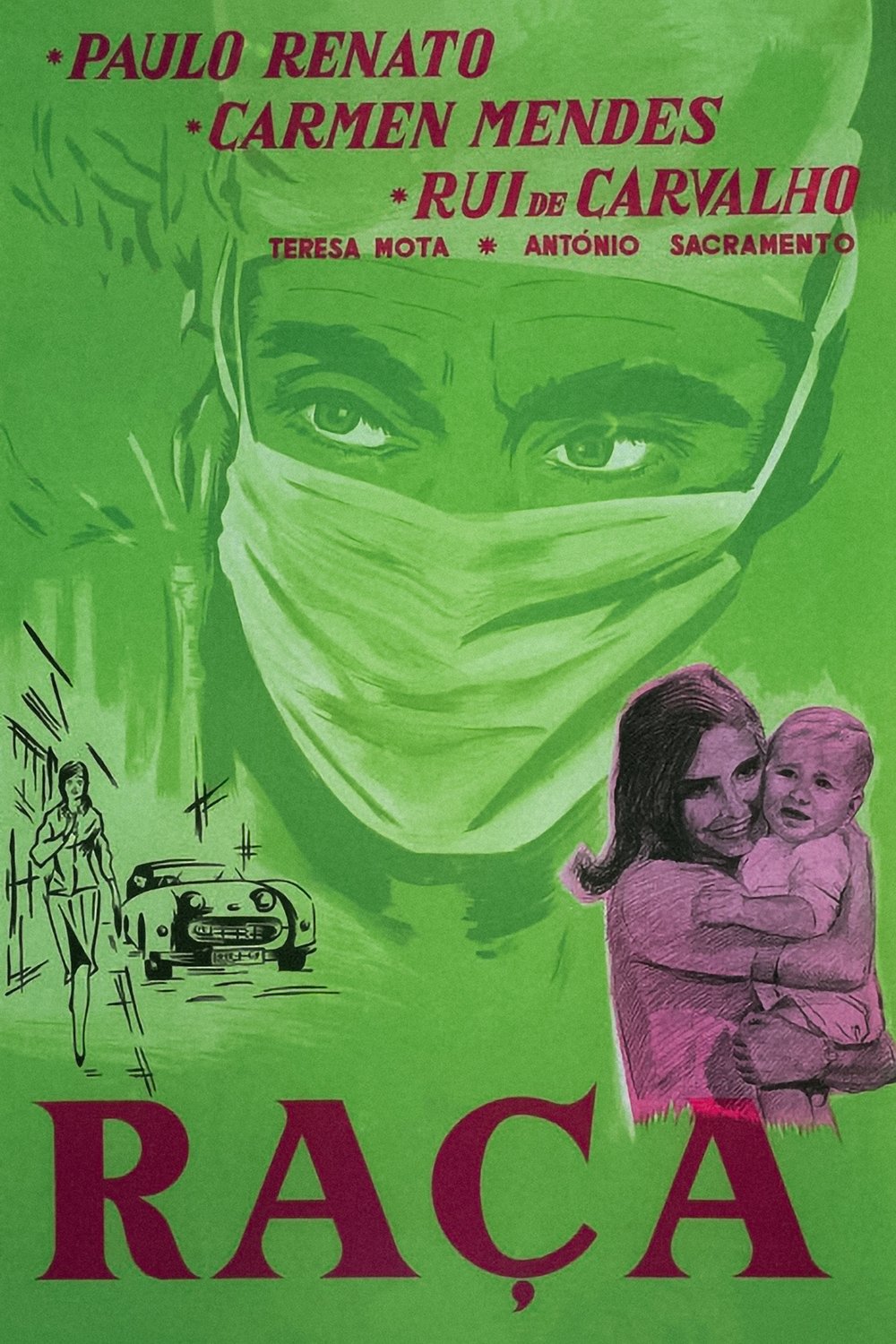
The vicissitudes of a bourgeois family and the conflicts emerged between brothers - Dr. Manuel Bernardo, wise and weighted, and Zecas, libertine and Capricious - who ignore his kinship. Two girls mark the sentimental vector: one defends the danger that threatens the threat, the other does not know how to react and is the victim of her ingenuity, a dream of restless youth ...
"O Regresso" is a documentary featuring renowned Portuguese actor Ruy de Carvalho as he returns to Macau after a 10-year absence. Directed to mark the 10th anniversary of his visit, the film captures Ruy de Carvalho revisiting key locations across the city, reflecting on the cultural and social transformations that Macau underwent in the lead-up to its handover from Portuguese to Chinese administration in 1999. Blending personal memories with the evolving landscape, the documentary offers a nostalgic look at Macau's unique blend of Portuguese and Chinese heritage, seen through the eyes of one of Portugal’s most beloved actors.
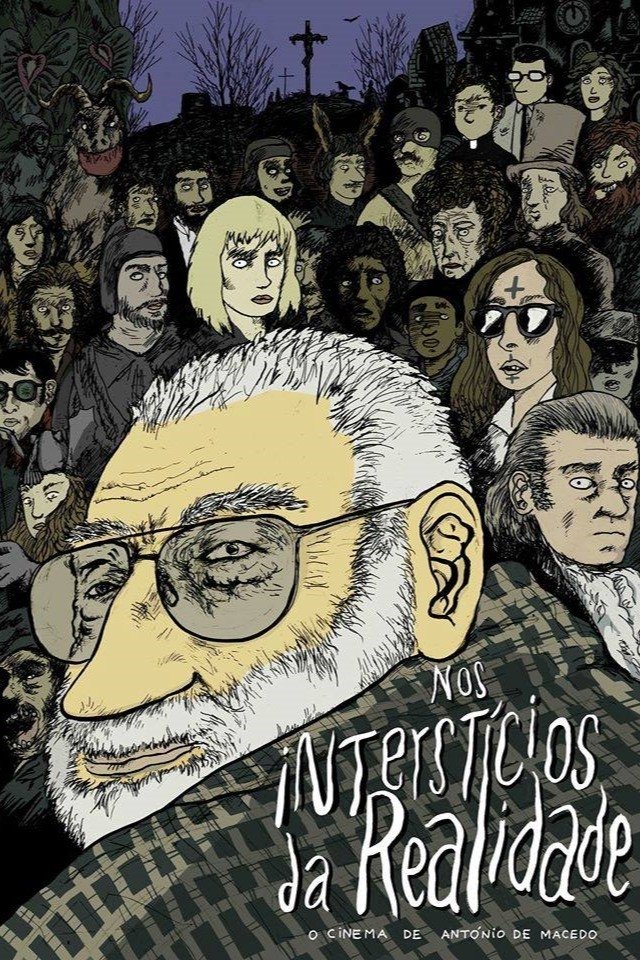
He was the most prolific within the New Portuguese Cinema generation. He would try western spaghetti, esoteric allegory, supernatural, and science-fiction. Without state subsidies, he would quit filmmaking in the 1990s. Who remembers António de Macedo?

"Laurinha," the documentary, brings back from oblivion and silence the great Laura Alves, one of the best Portuguese actresses of all time. In this documentary, we get to know a woman with boundless energy and unafraid to speak her mind. We discover her life, the people she shared moments with, her family, and her loves. We also explore what motivated her immense dedication to her work and confront her tragic, premature end, marked by illness and loneliness.
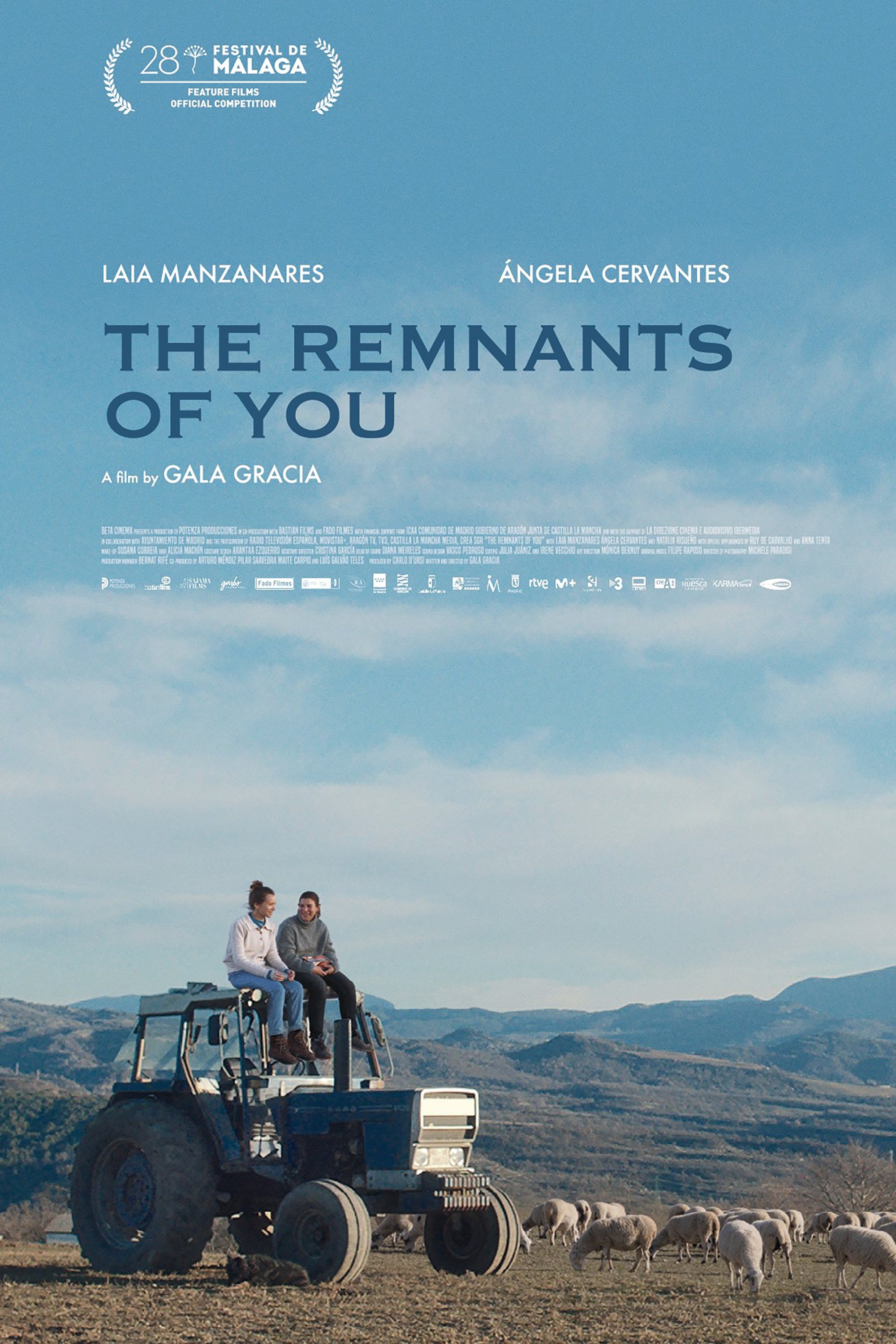
Sara leaves New York, where she’s preparing for her first jazz concert, to return to her hometown in Huesca, Spain, after her father’s sudden death. Inheriting a farm and a flock of ecological sheep with her sister Elena, she struggles with grief and guilt. She immerses herself in farming, yet, despite her efforts, she feels lost in a life she didn’t choose. Will she stay to preserve her father’s legacy, or find the courage to follow her own path?
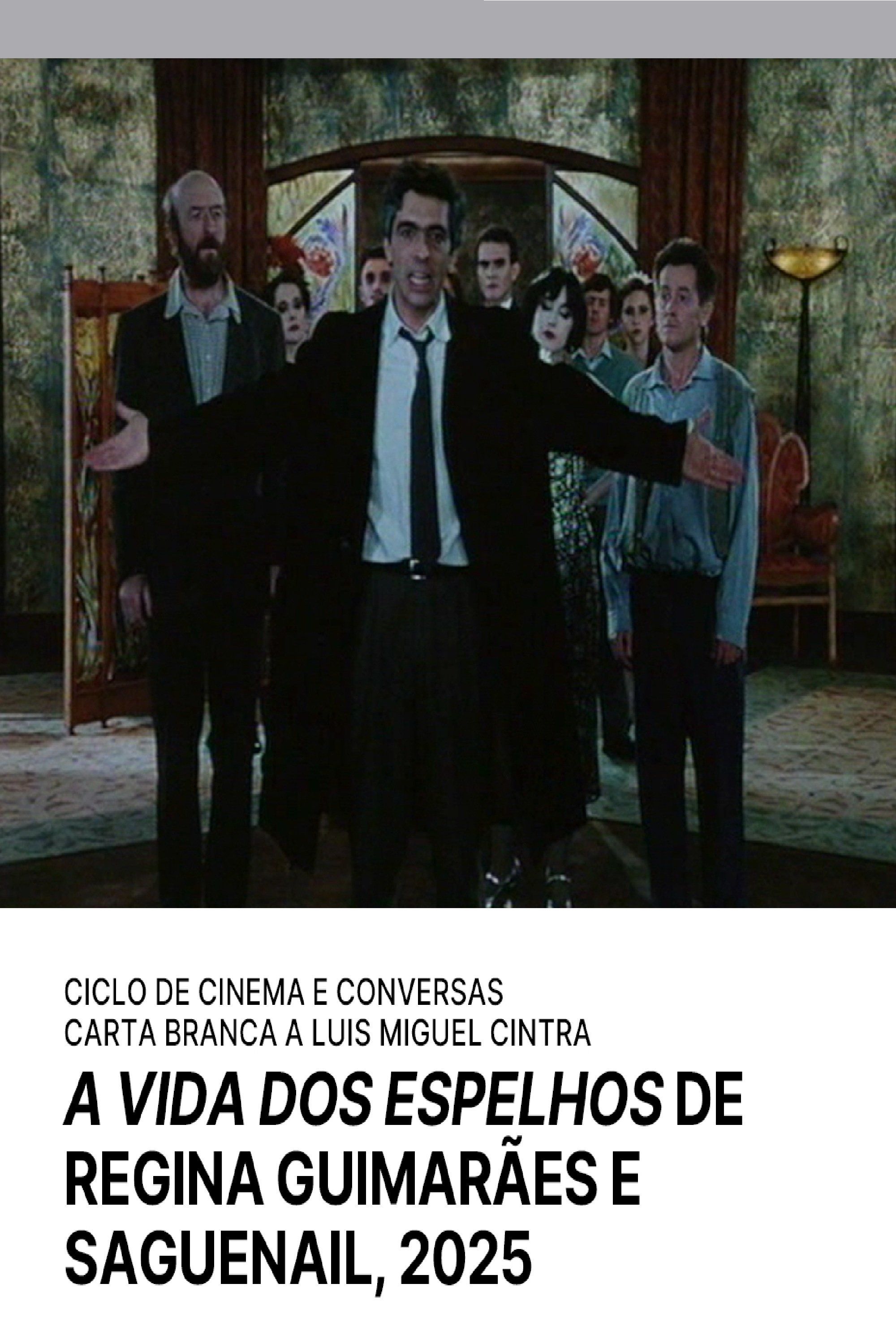
The Life of Mirrors is one of the sections of the exhibition Luis Miguel Cintra - Small Theatre of the World. A commission by Serralves Foundation to Regina Guimarães and Saguenail, and constructed after an unpublished interview with Luis Miguel Cintra, this film is the result of a long and painstaking exercise of selecting and editing excerpts from films by Manoel de Oliveira in which Cintra participates as an actor. In this way, The Life of Mirrors is a reflective, retrospective essay film, which opens the Carte Blanche, thus establishing a gateway to Luis Miguel Cintra's cinematographic and cinephile career.
