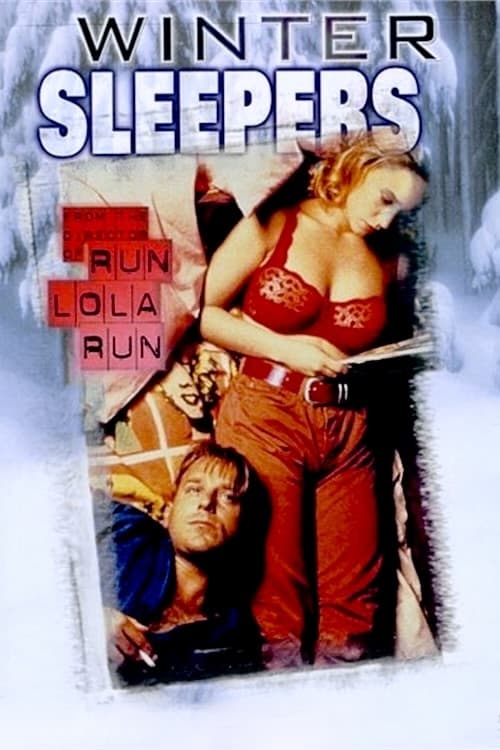
Young blonde translator Rebecca lives with her boyfriend ski instructor Marco in a mountain villa owned by her friend, nurse Laura. Rene, local cinema projectionist, steals Marco's car and gets into a car crash with local Theo, whose daughter, after being in coma for a time, dies. Rene suffers from partial short term memory loss and starts a relationship with Laura. Meanwhile Marco is looking for the man who stole his car and Theo - for the man who killed his daughter...

Having fathered an illegitimate child with his lover, Marie, feckless soldier Franz Woyzeck takes odd jobs around his small town to provide some extra money for them. One job is volunteering for experiments conducted by a local doctor, who puts Woyzeck on a diet of peas. This serves to drive him close to madness, and the discovery that Marie is involved in an affair with the local drum major exacerbates the situation. Pushed too far, Woyzeck resorts to violence.

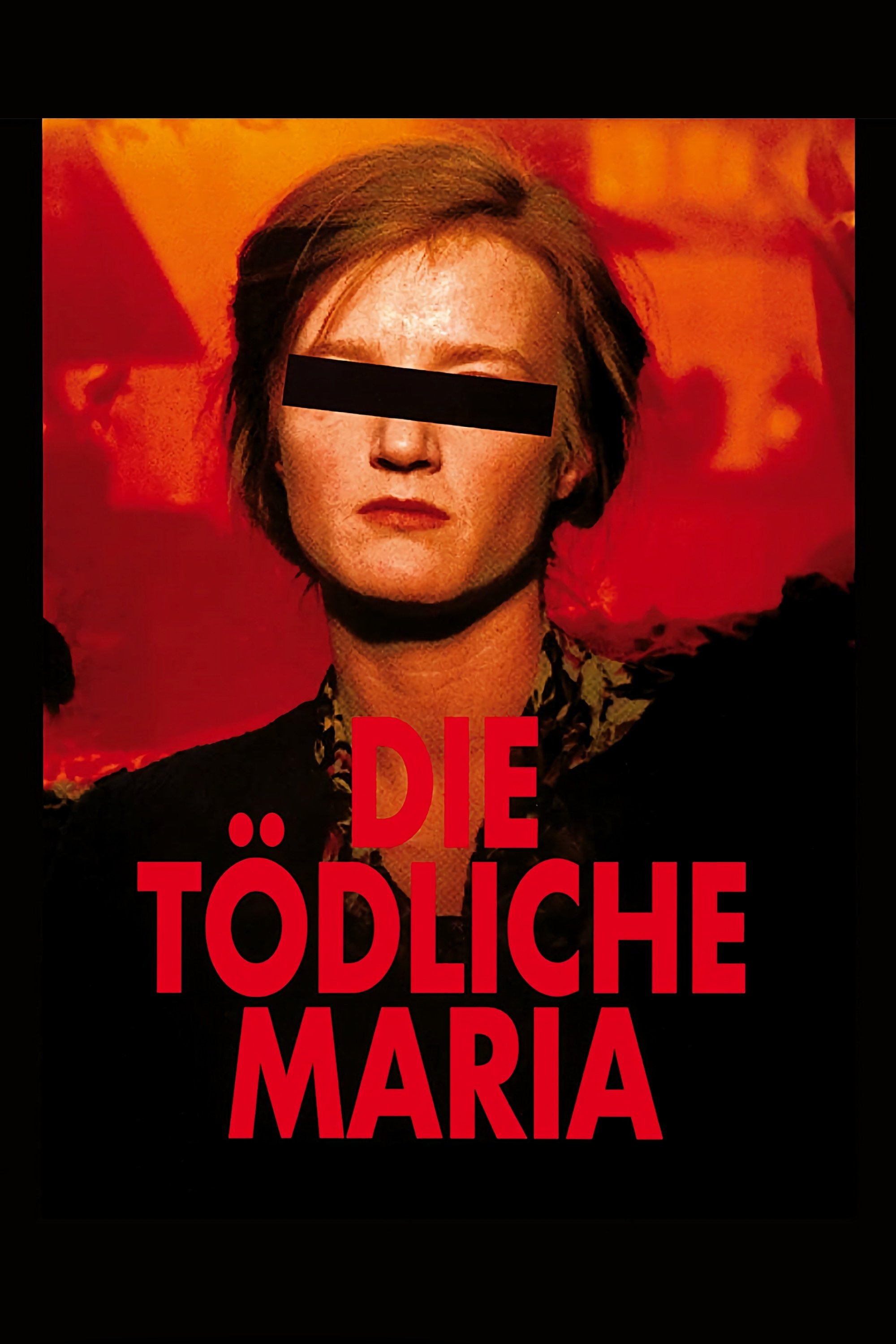
40-year Maria is living in a monotonous and deadlocked marriage with her husband. In addition, she has to take care of her ill despotic father. One day, she falls in love with her sensitive neighbour Dieter. But her attempt to leave her gloomy everyday life behind leads straight into tragedy.
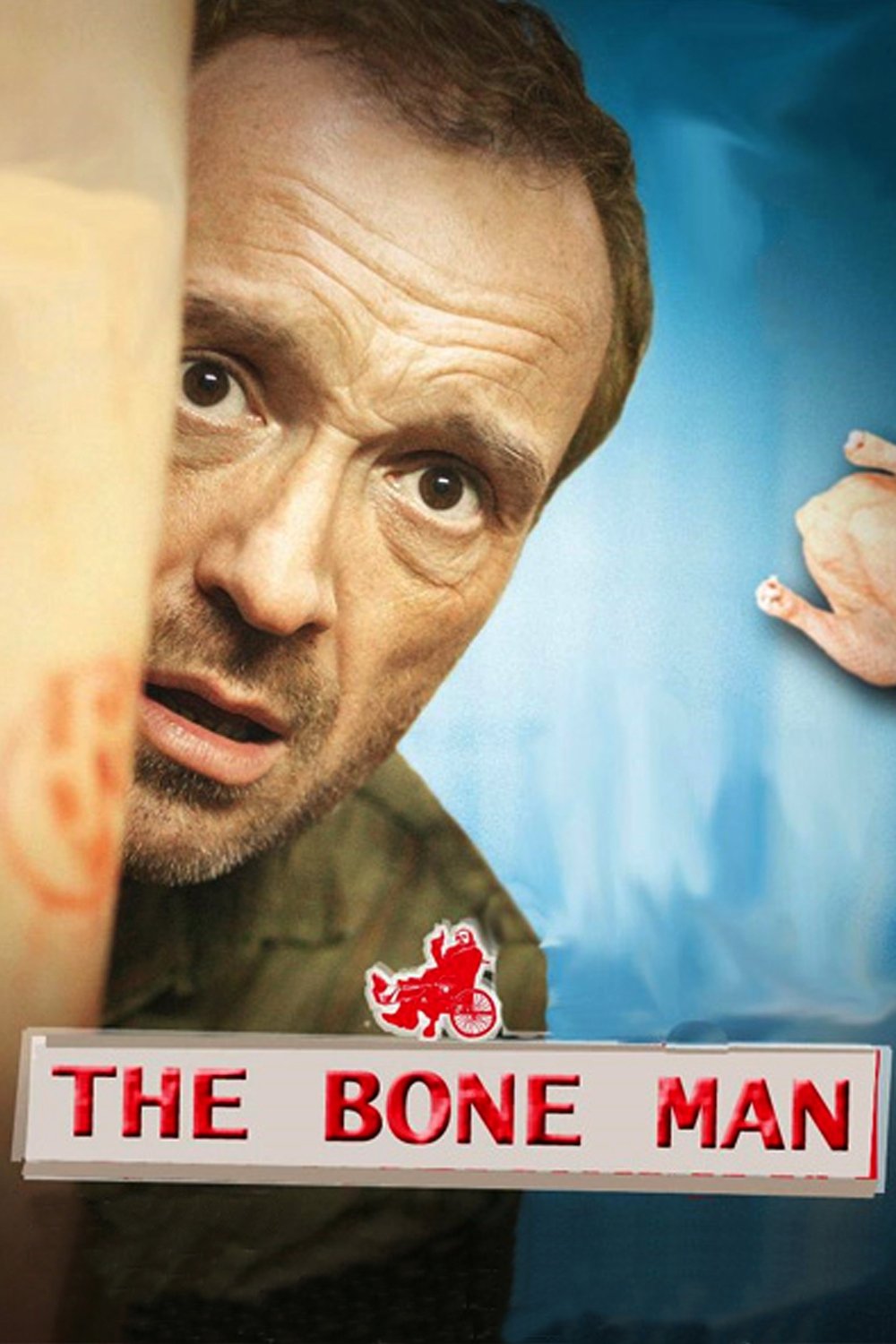
Set in a sleepy Austrian mountain village, ex-detective Simon Brenner has grown weary of his job repossessing cars and embarks on an extended getaway to the countryside. But before long he becomes embroiled in the convoluted world of the locals of a supposedly quiet town.
The film is based on the figure of the police inspector Simon Polt of the Austrian author Alfred Komarek.

A renowned artist must uncover a young dancer's secrets in order to truly capture her likeness for a commissioned work.

Lene Thurner is standing on a train platform in Munich. She has to decide: back to Berlin where she lives, or toward the south, where at the foot of the Alps her family lives on the lonely farm “Hierankl”.

A small Bavarian village is renowned for its "Ruby Glass" glass blowing works. When the foreman of the works dies suddenly without revealing the secret of the Ruby Glass, the town slides into a deep depression, and the owner of the glassworks becomes obssessed with the lost secret.
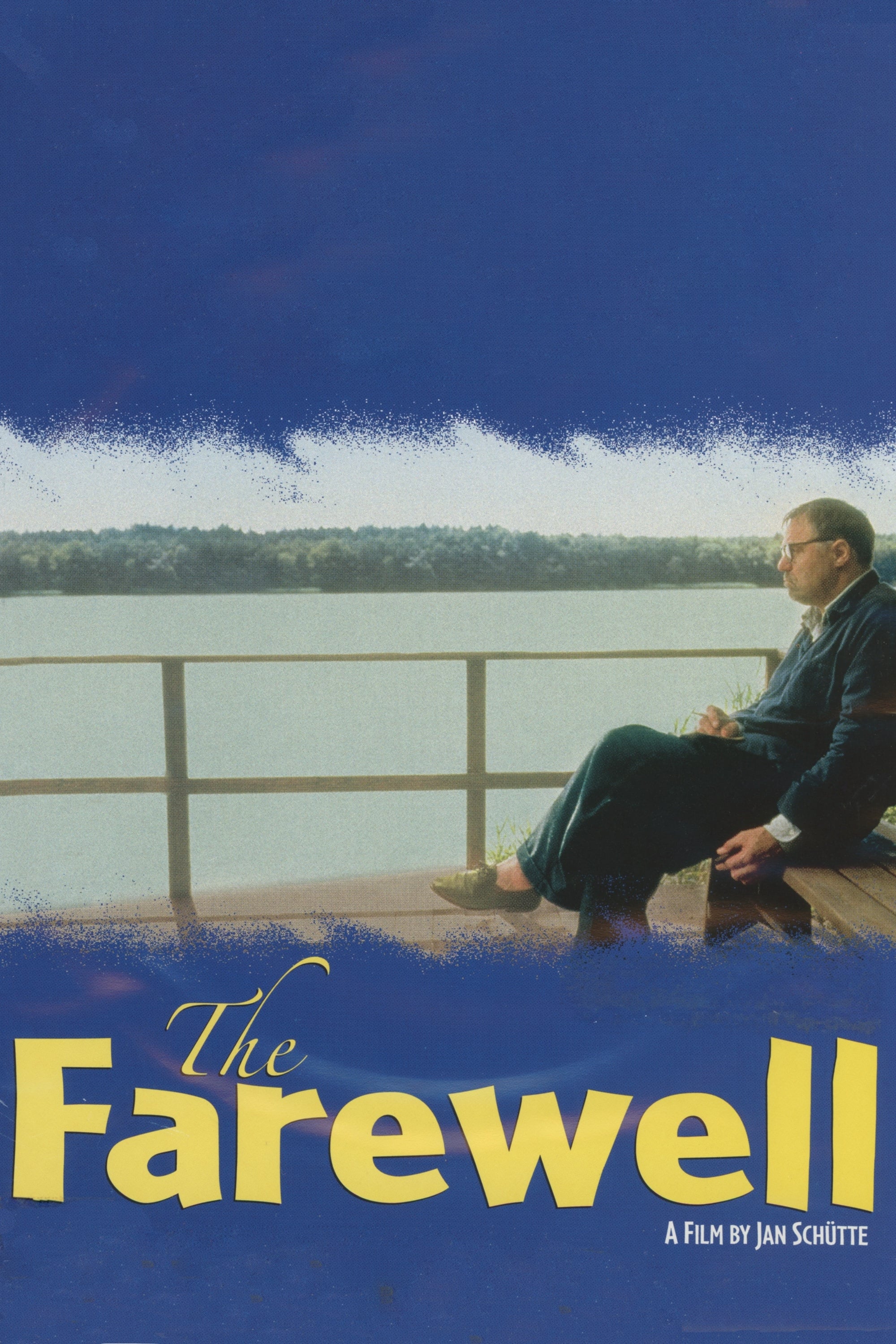
A portrait of a single day in the late summer of 1956, toward the end of Bertolt Brecht's life, as he prepares to leave his lakeside home, surrounded by the women who form his extended family.

Accepting a prize, architect Georg Winter explains that an architect has the good fortune of measuring every completed building against the rightness of his original idea. Soon Georg himself is forced to take stock of the achievements and mistakes he has made in his personal life. An intense drama in which the four members of the family travel to a mountain village to bury Georg's mother. They get stranded in bad weather. This unexpected isolation throws new light on the past and present life of the parents and the two almost-adult children.
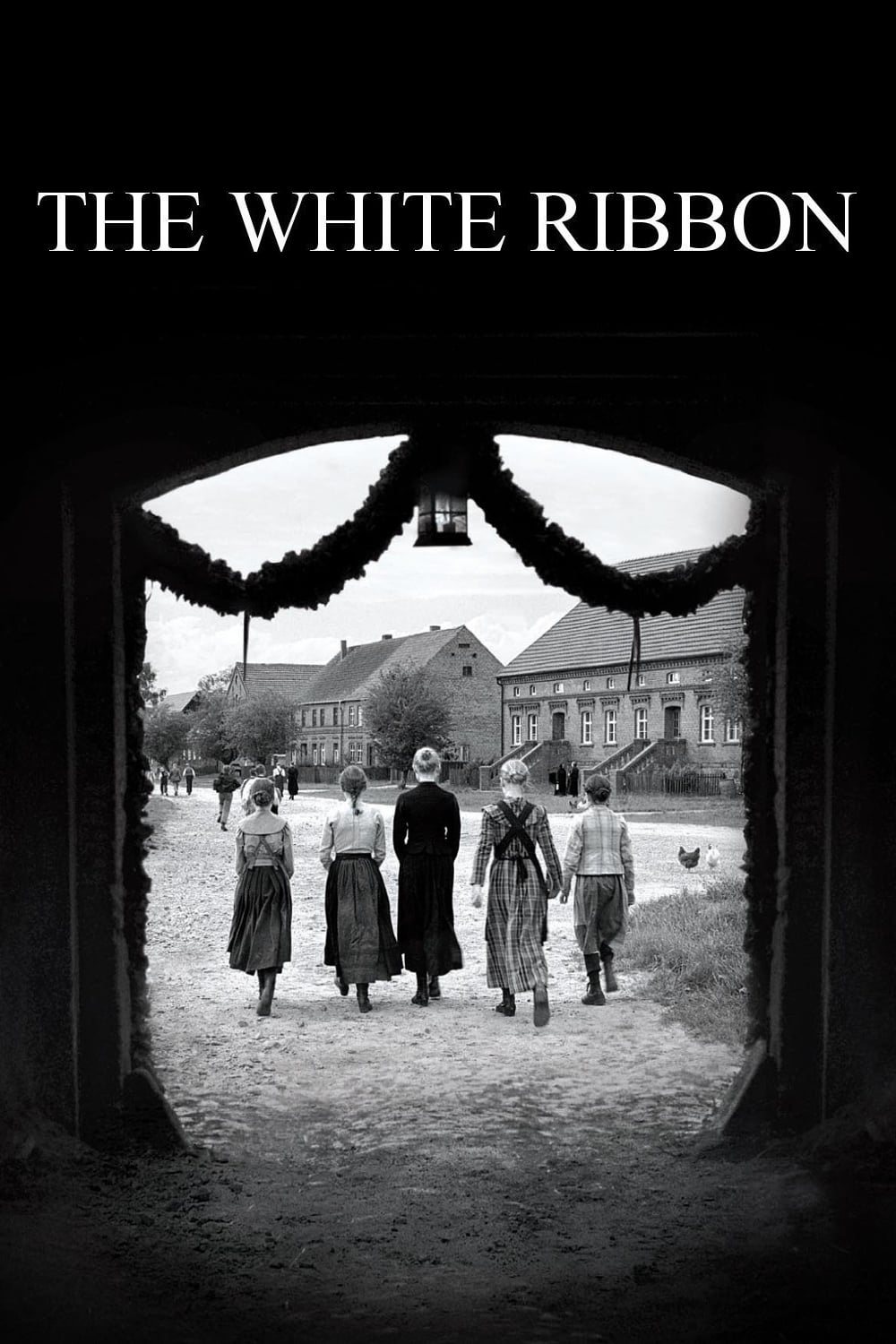
An aged tailor recalls his life as the schoolteacher of a small village in Northern Germany that was struck by a series of strange events in the year leading up to WWI.
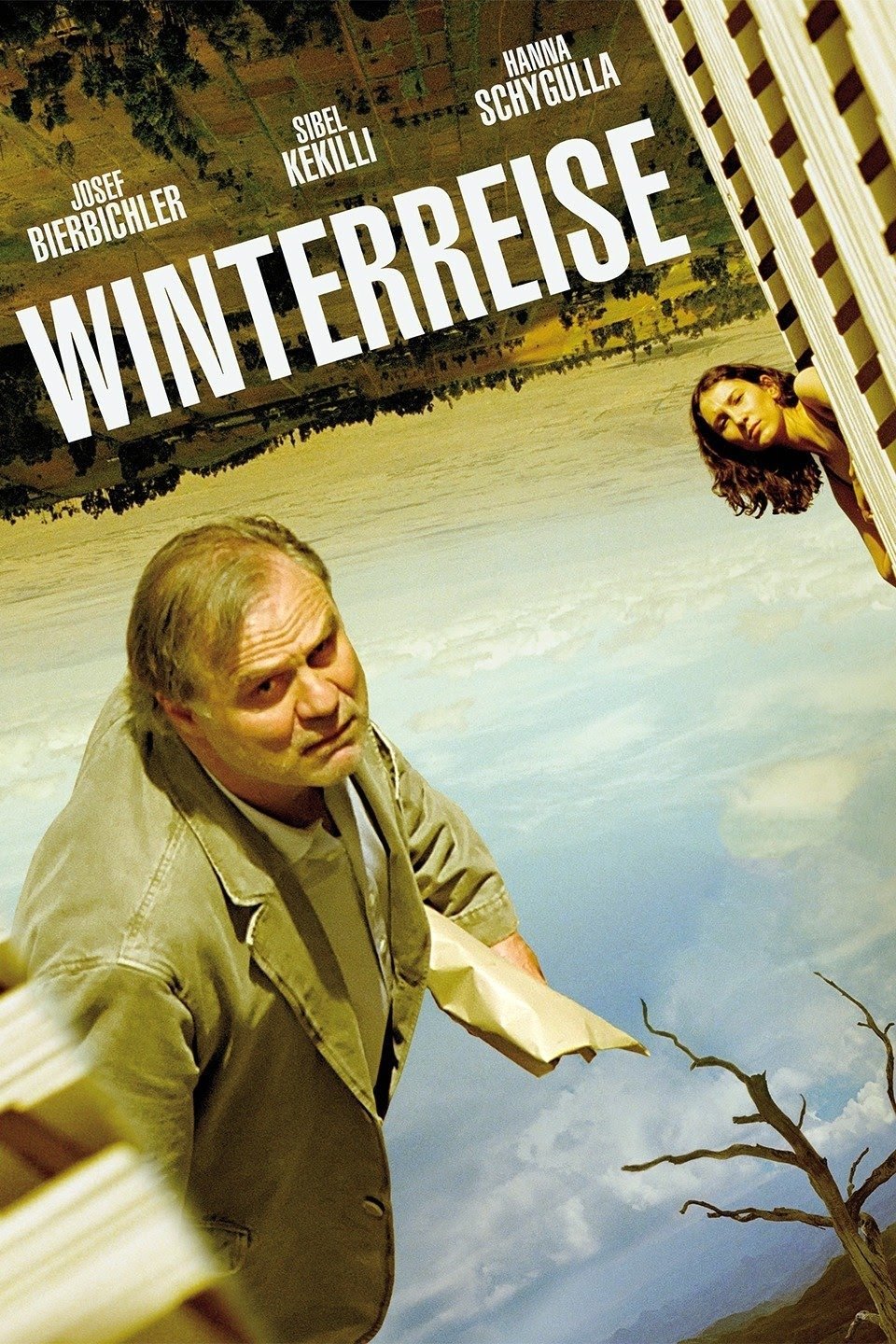
Despite advancing age, rural businessman Franz has remained fit and energetic, but serious mental illness and financial problems mean that this hitherto ordinary man one day finds himself on a journey to Nairobi to get his money back, and perhaps his human dignity as well.

Brand, an author, who falls in love with Angela, his terminally ill wife's nurse and blunders into a dangerous spiral of passion and jealousy. A vindictive husband, an insistent chief inspector, a farsighted priest and a proud wife entrap Brand in a maelstrom of persecution, destruction and obliteration which can only end in life or death. It's a quest for redemption, the force which drives us all.
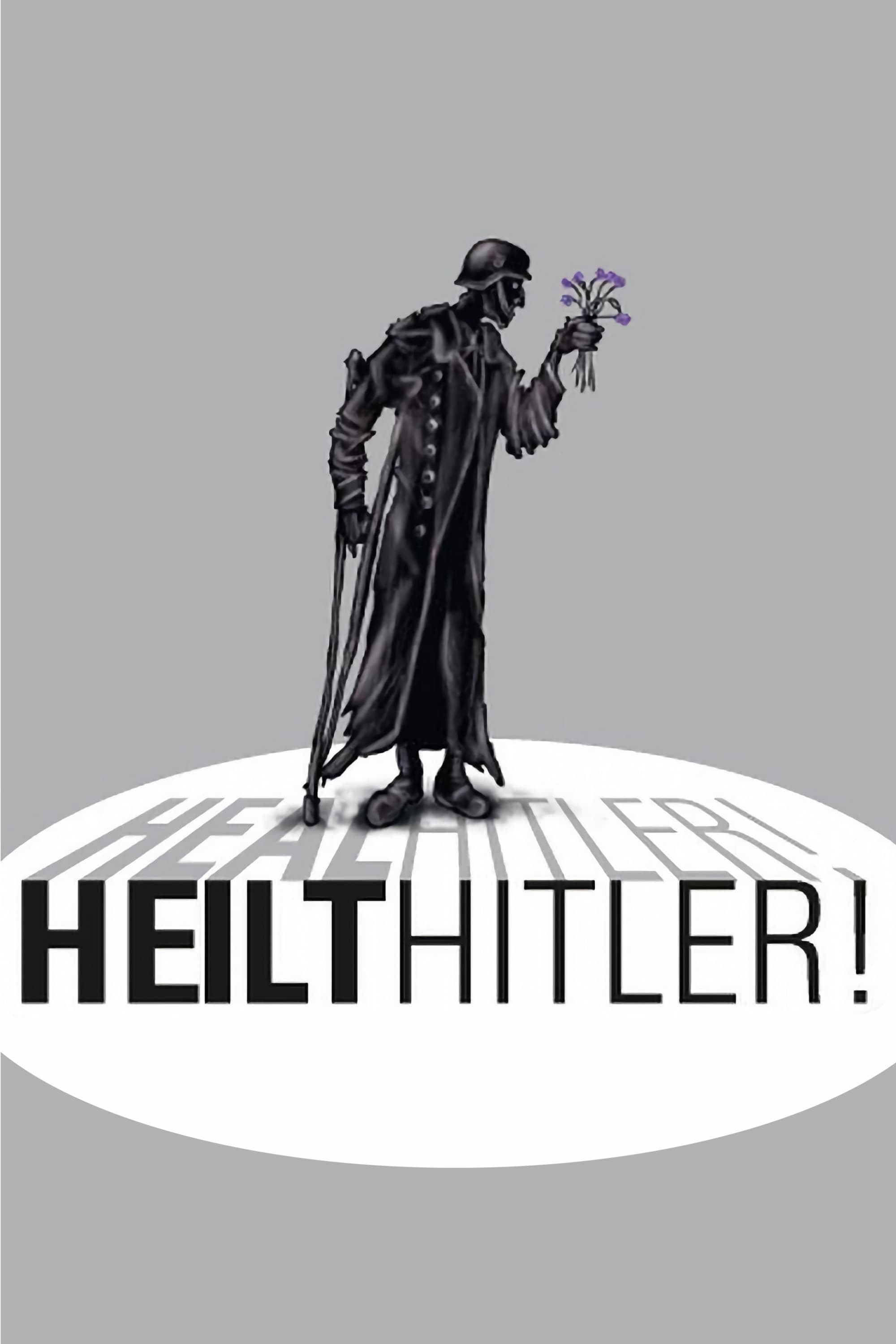
Stalingrad, 1942: just as he is complaining about the "blockheads" who are in control, a German named Herbert gets hit. Fast forward forty years after the war to Munich's Hofgarten, where in front of the patched-up ruins of the Army Museum, Herbert reappears, mistakenly believing he is still in Stalingrad, which the victorious Germans have destroyed and rebuilt in the image of Munich.
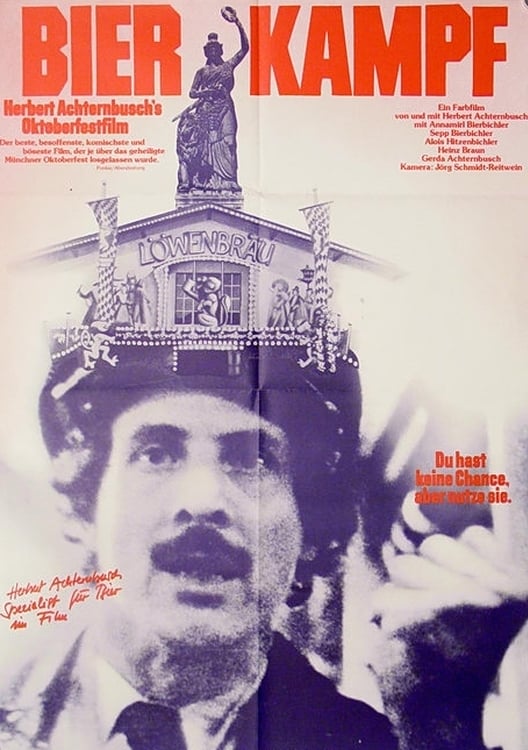
A man who is dissatisfied with his senseless existence in his family-life and social status steals the uniform of a policeman and then enters the Oktoberfest. Now he is somebody, he is important, he can help, people respect him, etc. His wife, other relatives and some friends start to follow him while he gets some new acquaintances.
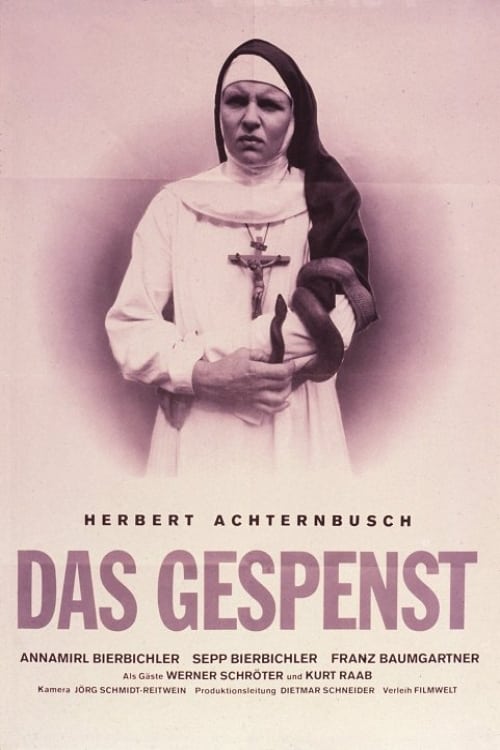
Jesus returns to present-day Bavaria, walks around Munich in a somewhat dazed manner and strikes up an affair with a nun, arguing that they are married anyway. Therefore, he refers to himself as "Ober" (waiter), obviously the male form of "Oberin" (Mother Superior). He occasionally transforms into a snake when being afraid and is finally carried up into the sky by the nun, who transforms into a bird of prey.
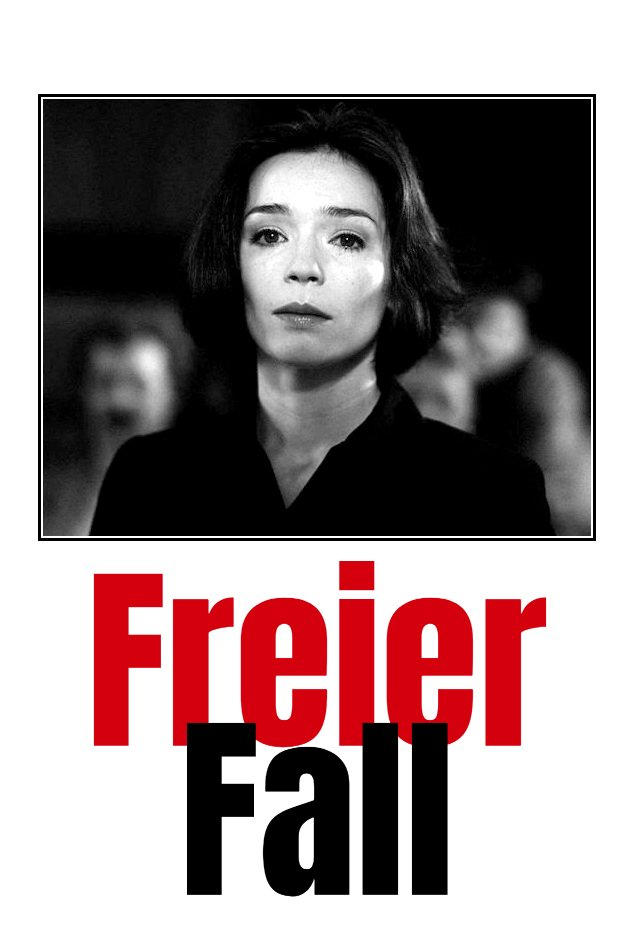
Edgar Wurlitzer is on his way home when a woman suddenly jumps in front of his car. He quickly drives on and enlists the help of his friend Werner for a conclusive alibi. However, before they can arrange the alibi, the police are already at the door. Soon Edgar finds out that he has run over and killed his own wife.

When 17-year-old Ben visits his father Heinrich in Marrakech, it is the start of an adventurous journey through a foreign country with a picturesque charm and a rough beauty where everything appears possible — including the chance that father and son will lose each other for good, or find one another again.
A docu-drama about tetrachloro-dibenzo dioxin, later known as 'Sevesogift', sprayed on thousands of tons of vapor in Vietnam 'Agent Orange', and the involvement of the later Federal President, Richard Karl Weizsäcker, who was hiring manager when production was moved to another plant because of massive health problems of the workers, but claims to be unable to remember anything, in these crimes.
1. A modern Bavarian brewer, Emanuel Holzbauer, faces a sales crisis and targets his competitors to save his brewery. 2. In 1567, Protestant merchant Johann Christof Paumgartner—outlawed by church and state—compassionately aids the poorest in his town. 3. A fairy-tale rivalry: peasant boy Franz Niederholzer learns a harsh lesson about greed when he mistakes ordinary metal for gold. 4. A Moritat set during hyperinflation, as shopkeeper Max Geiger is forced to desperate measures to survive. 5. April 9, 1865: In her diary entry on the Confederacy’s surrender, Missis Marilyn Haley-Care confronts the illusion of freedom that costs the enslaved Ben his life. 6. A musical conversation piece finds Laura Wohlbrück passionately campaigning to humanize industrial labor, earning unexpected acclaim. 7. At displaced Walter Gladek’s wedding, a friend’s song about a hunter’s horn rekindles memories of building an industrial enterprise in their homeland.
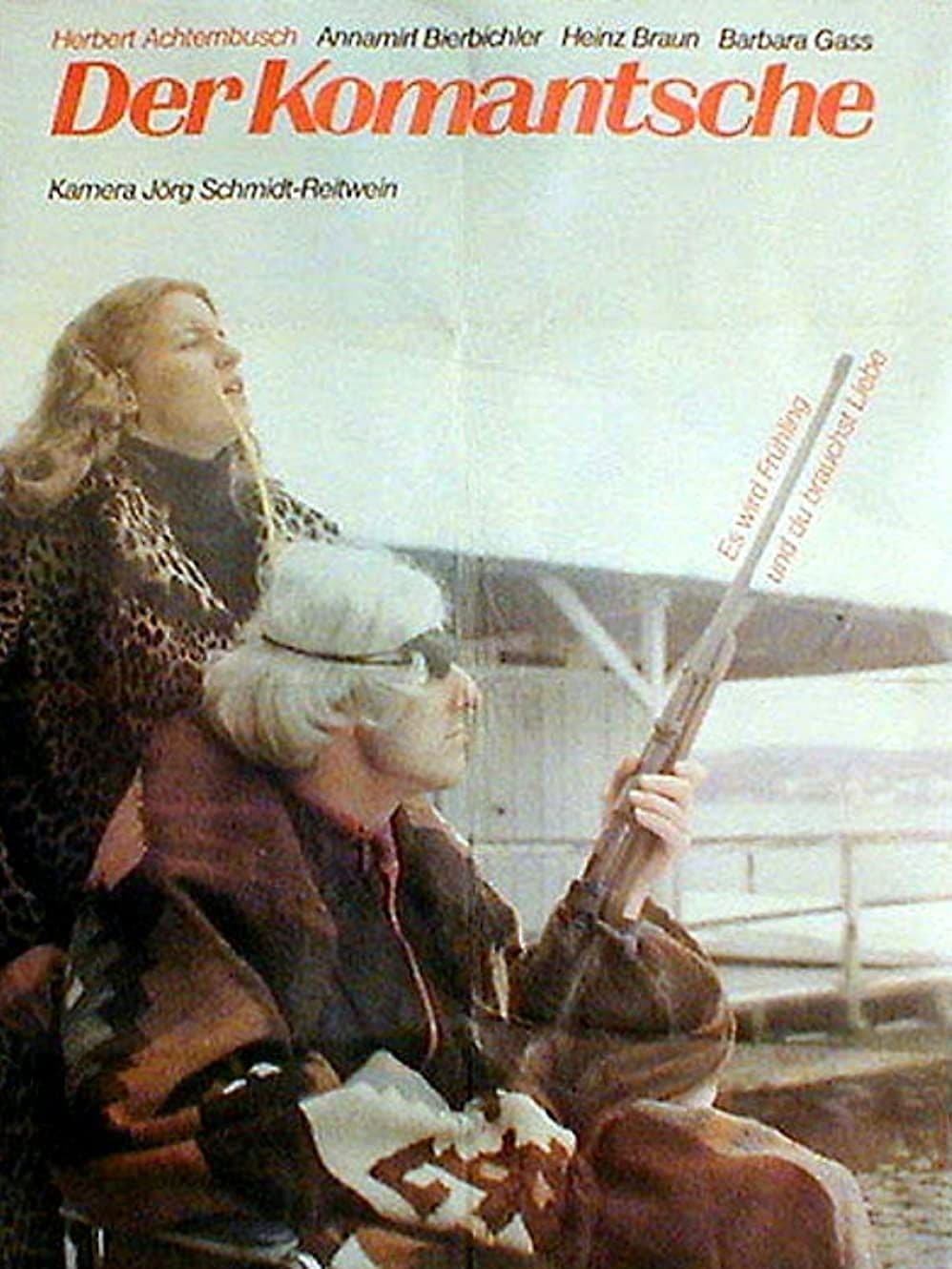
After several years in a coma, the Comanche, an Indian, wakes up in a Bavarian hospital. But reality does not match the dreams he had of it during his coma: it seems bleak and barren to him. The Comanche shows the audience his view of everyday life in Germany, with a collage of images and language demonstrating the absurdity of this reality.
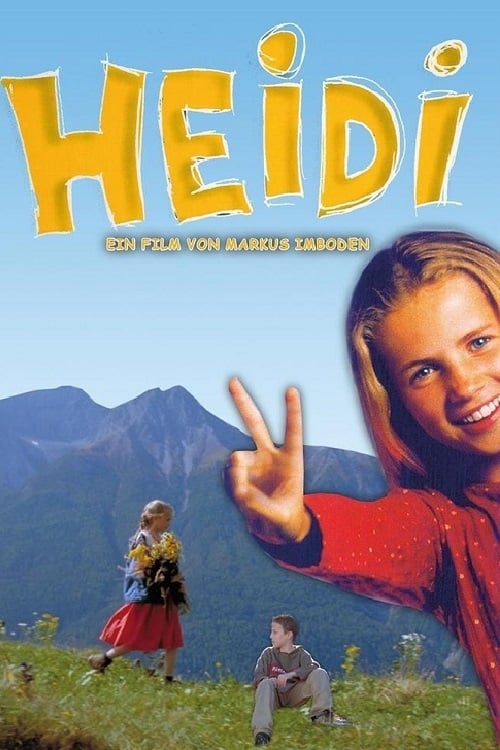
In the new film adaptation of Johanna Spyri's popular children's book, Heidi is sent to live for a short time with her eccentric grandfather, the "Alpöhi", who lives alone above the village and initially wants nothing to do with his granddaughter. Heidi's friend Peter, the baseball-playing son of an engineer from Boston, helps her out and shows her how to write e-mails. A little later, Heidi has to go to her aunt Dete in Berlin. Her grumpy daughter Clara, a lonely city girl, dyes Heidi's hair blue and not only causes the bath to overflow, but also Heidi's patience. Heidi wants to go back to her grandfather. Doris, a girl from a Berlin internet café, and 327.80 marks bring this dream within reach.
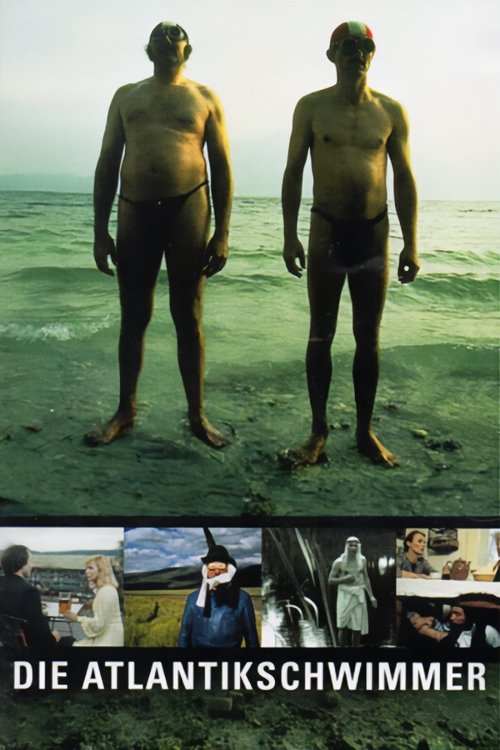
Munich Heinz and Herbert wants to escape the torturous confines of their home by swimming across the Atlantic.
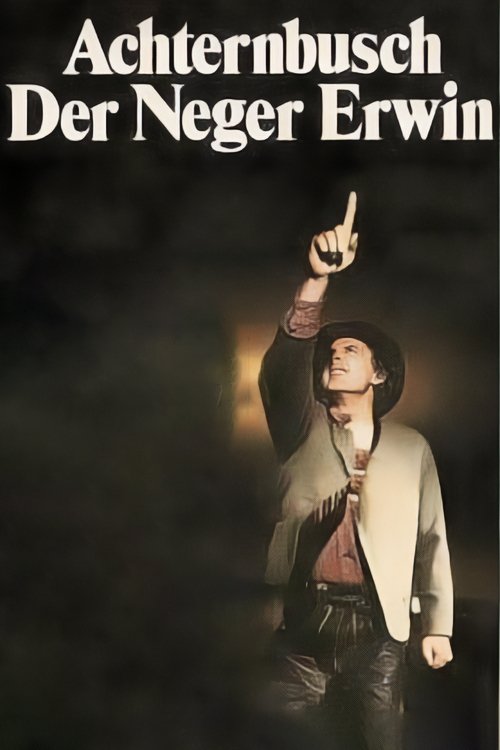
A filmmaker (Achternbusch) is just released from prison and has to make a living with his craft again. He is followed by a reporter who wants an interview and winds up at an inn called "Zum Neger Erwin," run by a woman whom he convinces to be the leading lady in his planned production. As the story continues, the filmmaker finds ample excuses to pan the financial powers that be and to paint the benighted and talented seekers after funds as slaves to the funding process.

A series of events unfold like a chain reaction, all stemming from a minor event that brings the film's five characters together. Set in Paris, France, Anne is an actress whose boyfriend Georges photographs the war in Kosovo. Georges' brother, Jean, is looking for the entry code to Georges' apartment. These characters' lives interconnect with a Romanian immigrant and a deaf teacher.

Political satire about the billion-euro loan to the GDR in 1983, which was arranged by Franz-Josef Strauß and Alexander Schalck-Golodkowski to save a bankrupt bank.
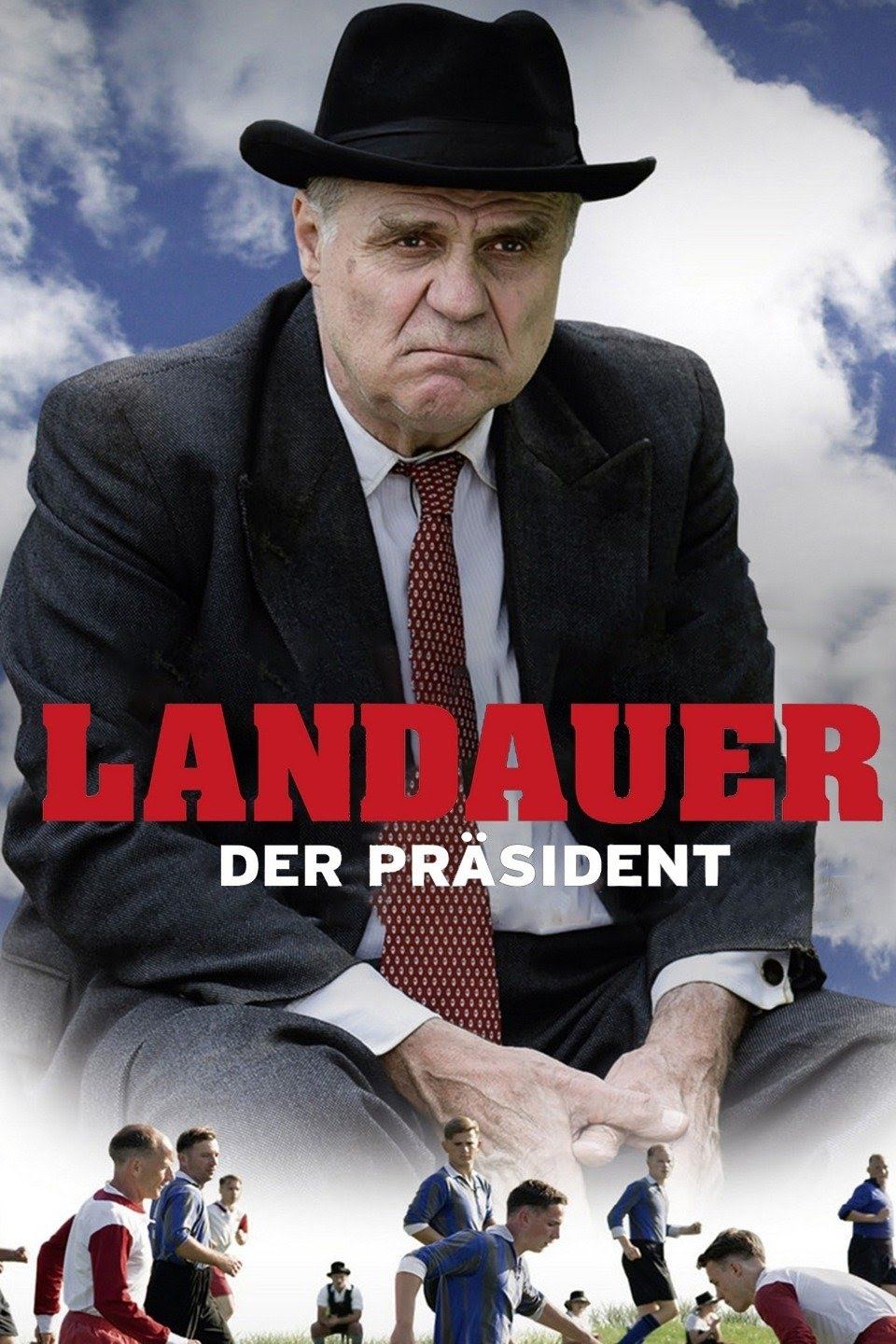
The story of former Bayern Munich president Kurt Landauer, a Bavarian jew ousted by the National Socialists and brought to the concentration camp of Dachau, where he survived to come back and start to rebuild his old club after World War II.

Documentary about actor Josef Bierbichler.

Thirteen German directors present short films exploring the state of their country.

A writer tries unsuccessfully to sell his screenplays and plays. He marries a television editor, but she only wants to fuck him and thinks nothing of his work. He then remembers his old Parisian lover Rita, calls himself Rita from then on and becomes her wife. When a French director stages a play of his, he meets Rita again in Paris and the two women become a happy couple.
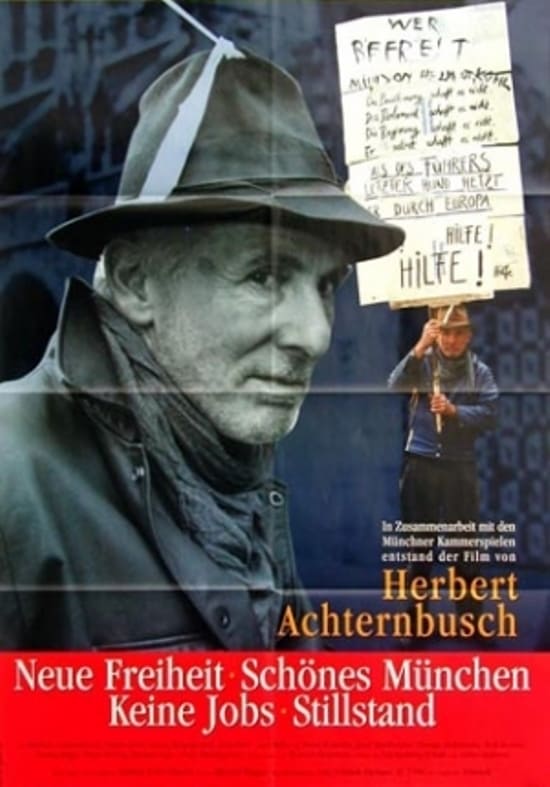
Chancellor Helmut Kohl is to blame in Germany and has to go away without violence. The homeless Hick takes up the idea and demonstrates the abolition of Kohl.
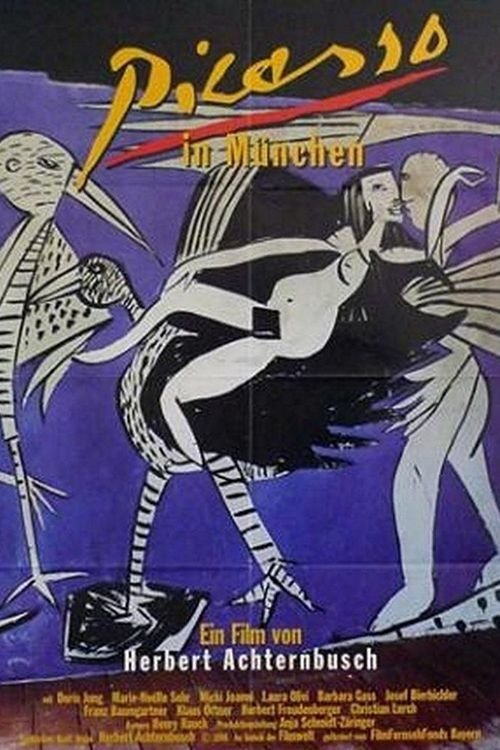
In this surrealist film director Picasso can awaken from the dead. He steals a paintings painted by himself of a couple of wealthy psychiatrists. When Picasso meets Takla Bash, a patient of the psychiatrists, Picasso falls in love. Although it is his own daughter, he remembers an incredible love affair, in which a film with a blue cow plays a role. In the majority of the paintings shown in the film are works of Herbert Achternbusch.

Hedi is the new neighbor of Iva, who raises her daughter Sofia by herself. The two women start a relationship and Iva is desperately in love with Hedi. Suddenly Iva's father appears. Hedi feels strongly attracted to him. It seems that only one world exists for Hedi. Her own.

A great mosaic, a labyrinth of scenes, dialogue splinters, interviews, portraits of people surrounding Hamlet and wanting to be part of his story.
The story takes place in the 1960s, when computers were still big and scary. Nevertheless, this is not about yesterday's technology, but much more about the technology of the day after tomorrow. Ray Müller has incorporated the current problems of chip researchers, especially the question of artificial intelligence, into the topic.
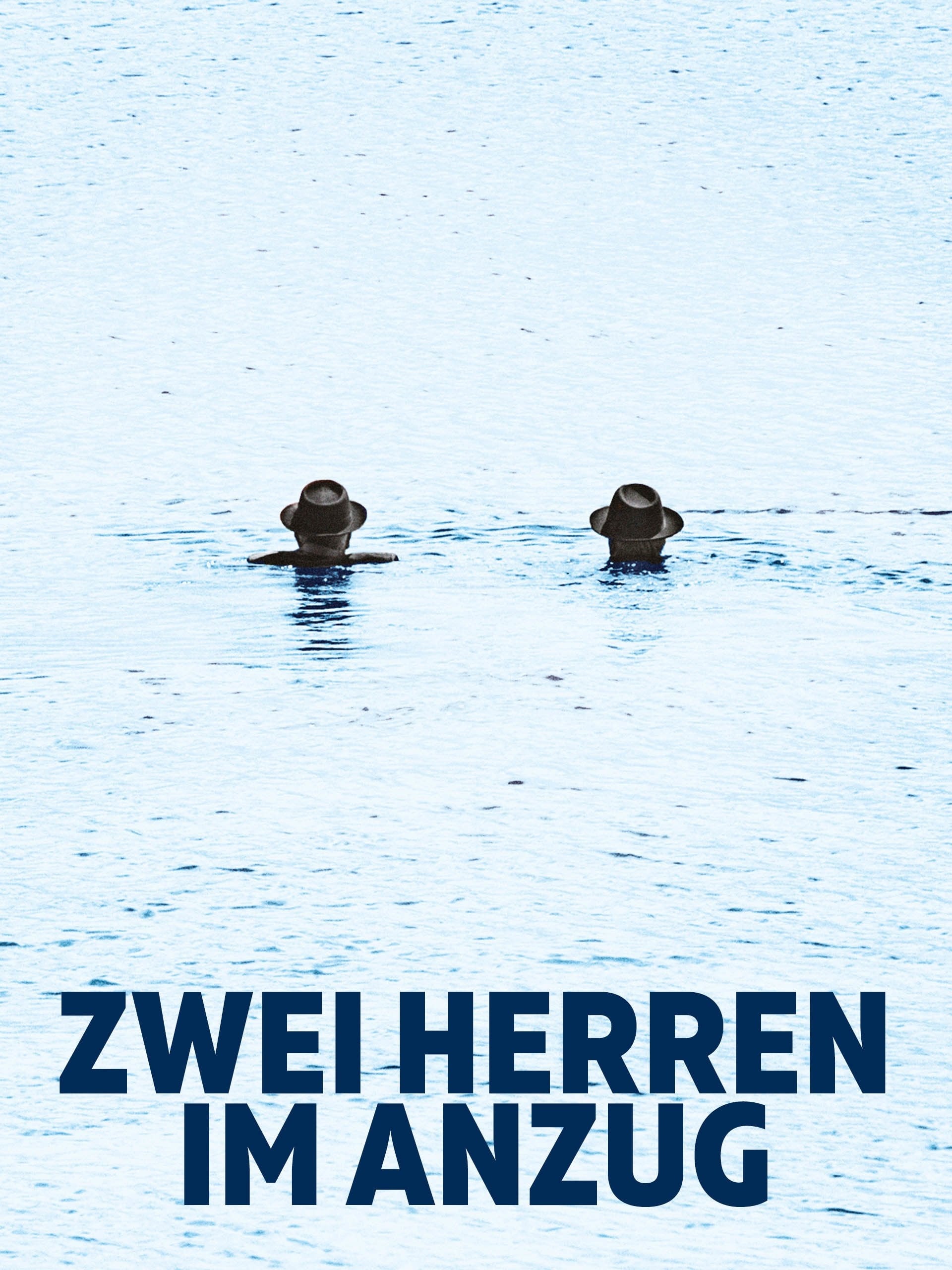
In the Bavaria of the 1980s, a father and his son compare their respective views on a family past heavy with resentment and unsaid.
Several comedy situations are strung together for this offbeat satire. An unassuming businesswoman is discovered to be the mastermind behind a terrorist organization, and a disgruntled waitress has looks that can kill, literally and not figuratively speaking. In another tacky passage, played as a reoccurring gag, an official is infected with the AIDS virus after suffering a bite from the businesswoman.
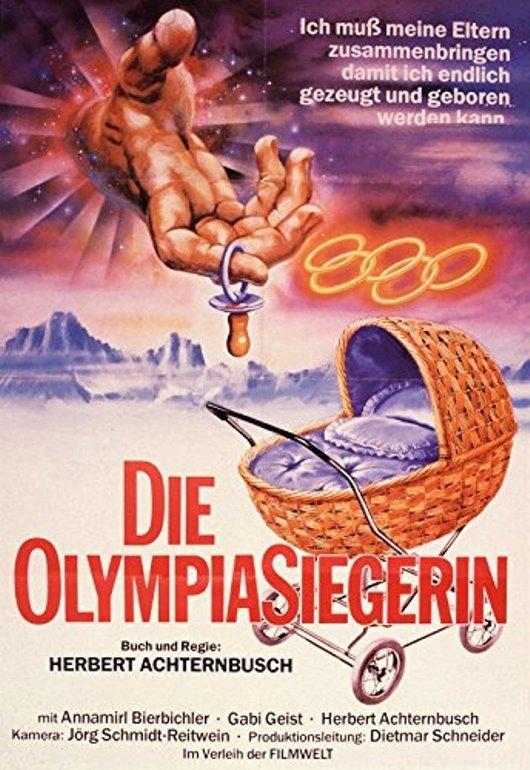
Dentist Adi has an extraordinary dream: a boy appears to him and asks to become his father. The unknown boy has chosen the most beautiful woman in Munich - sportswoman Ilona - as his mother. She has ambitions to win an Olympic title. Adi's reality is different: He is married to Gabi. So he sets off in search of the future Olympic champion and mother of his son. He meets her in a park and a romantic rendezvous ensues. But his wife Gabi also wants him to have a child.
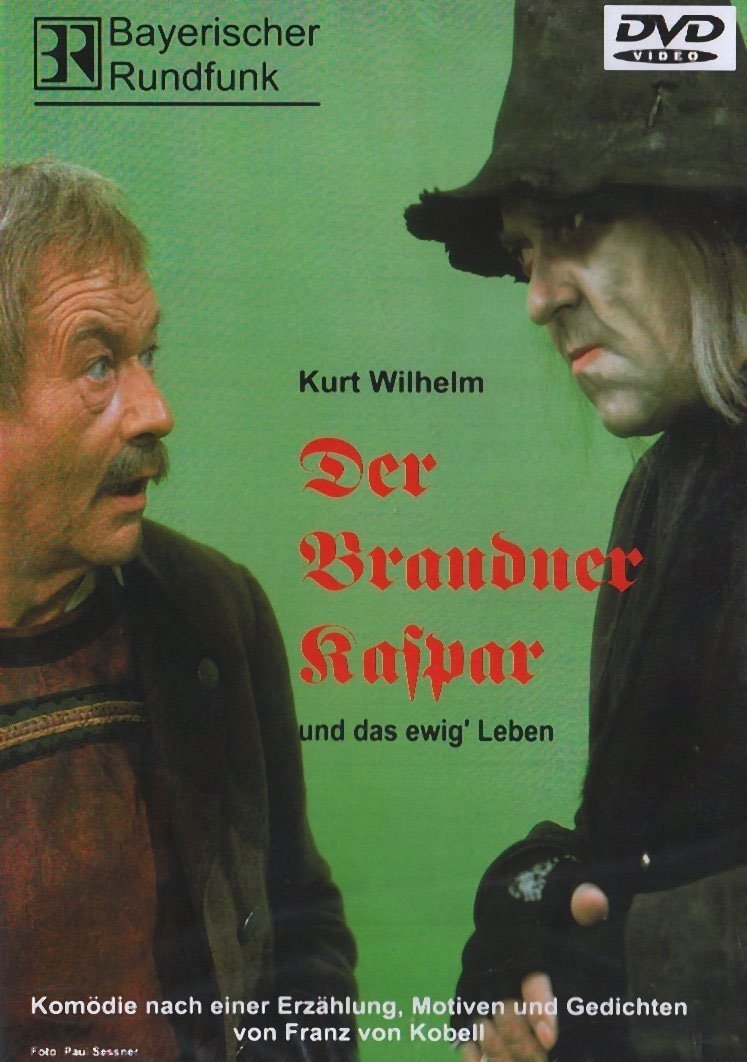
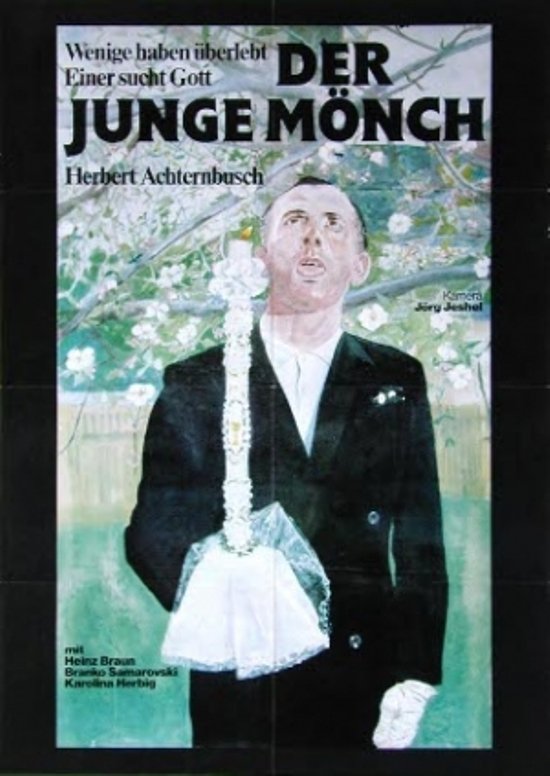
Bavaria has become an arctic, hostile environment; at the site of the former state capital, a huge geyser is now gushing through the ice sheet. Miraculously, the home village where the young monk Herbert lives has been spared from the catastrophe. Now he propagates his religion, in which a chocolate Easter bunny is worshipped and whose central commandment is "God must not be bitten". In a surrealistic style, images from Iceland and Munich are mixed with images of the Easter bunny and the Pope.
Claus Peymann's production of Schiller's play about oppression, rebellion and human rights is less a flaming political appeal than a subtle exploration of human behavior in a social conflict.

Three people rob a bank to help a day care center that's in debt. Wolf is captured, Werner identified, police suspect Christa is the third. She and Werner ask Hans, a clergyman, to launder the money and give it to the kindergarten. He refuses. They try Ingrid, Christa's friend, who tries to help, but the school rejects the money. When tragedy strikes Werner, Hans helps Christa bolt to a collective in Portugal. Ingrid visits her; their relationship makes the collective nervous, so she returns to Germany and ceases living in hiding. The police are still looking for her and so is a witness to the robbery, Lena, a bank clerk. Lena's interest brings Christa's second awakening.
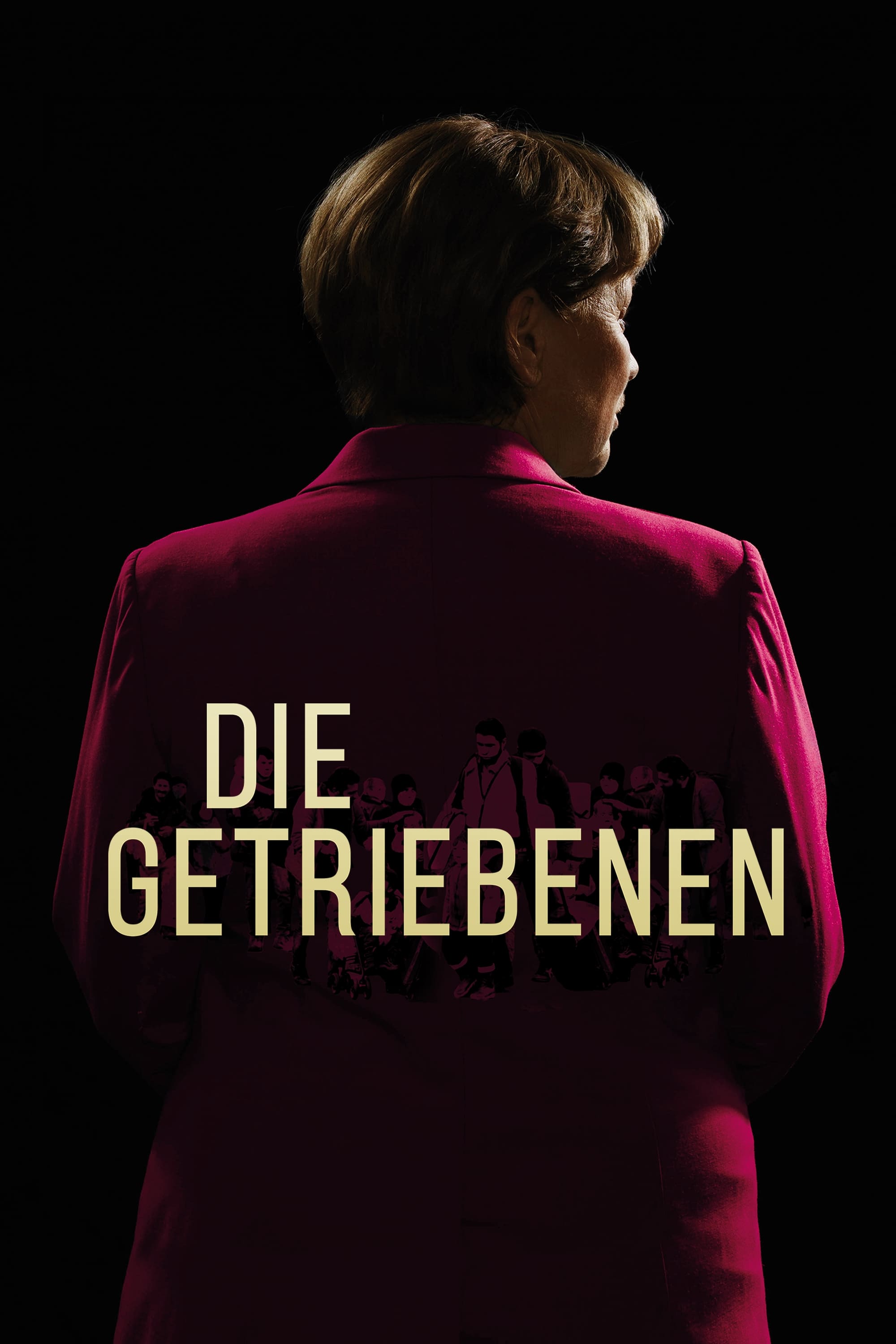
Angela Merkel's decision in autumn 2015 to open the borders for refugees split the country - some praised the moral stance, others criticized the surrender of sovereignty. Yet what would appear to be well-planned activity is in reality a policy of muddling along, chance, trial and error. The Driven Ones is a chronicle of the refugee crisis which shows that the political actors are being driven along, crushed between self-imposed constraints and events that have spun out of control.

Martha and Betty have known each other for twenty years and they have decided to breakthrough. But while Martha realizes that her father has only faked his death wish in order to see the great love of his life again on Lake Maggiore, Betty mourns her stepfather Ernesto, who supposedly died years ago.
Feature documentary about Christoph Schlingensief's political party/art project "Chance 2000".
A German Film Award winning docu-drama about a woman who works in a school for deaf children.
Munich, 1938: After his traditional Jewish restaurant was destroyed by the Nazis during Kristallnacht, restaurateur Richard Schwarz and charismatic jack-of-all-trades Edgar Enders hatch a daring plan. They open a sophisticated Jewish cooking school.
A renowned and sensitive poet and writer is fed up with the crudenesses of his native Bavaria and, in a well-publicized move, says he refuses even to die there.
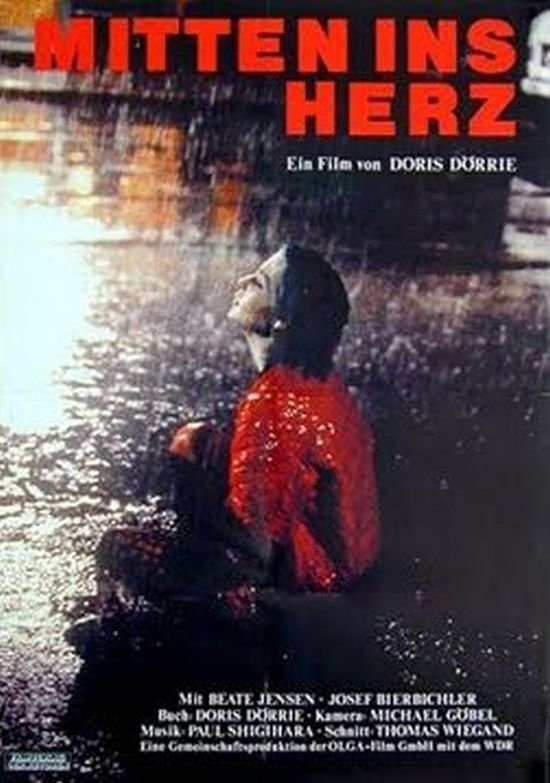
Released in Germany in 1983 as Mitten Ins Herz, Straight Through the Heart was director Doris Dorrie's first feature. Beate Jensen portrays Anna, an odd, quirky young girl. She begins a romance with the much older dentist Dr. Armin Thal (Josef Bierbichler). Both lovers are neurotic, and both seem to thrive on feeding off each other's neuroses. Director Dorrie, who'd first gained critical acceptance with her 1978 short film The First Waltz, furthered her reputation with the highly original and perceptive Straight Through the Heart, but wouldn't achieve international recognition until her second feature, Men... (1985).