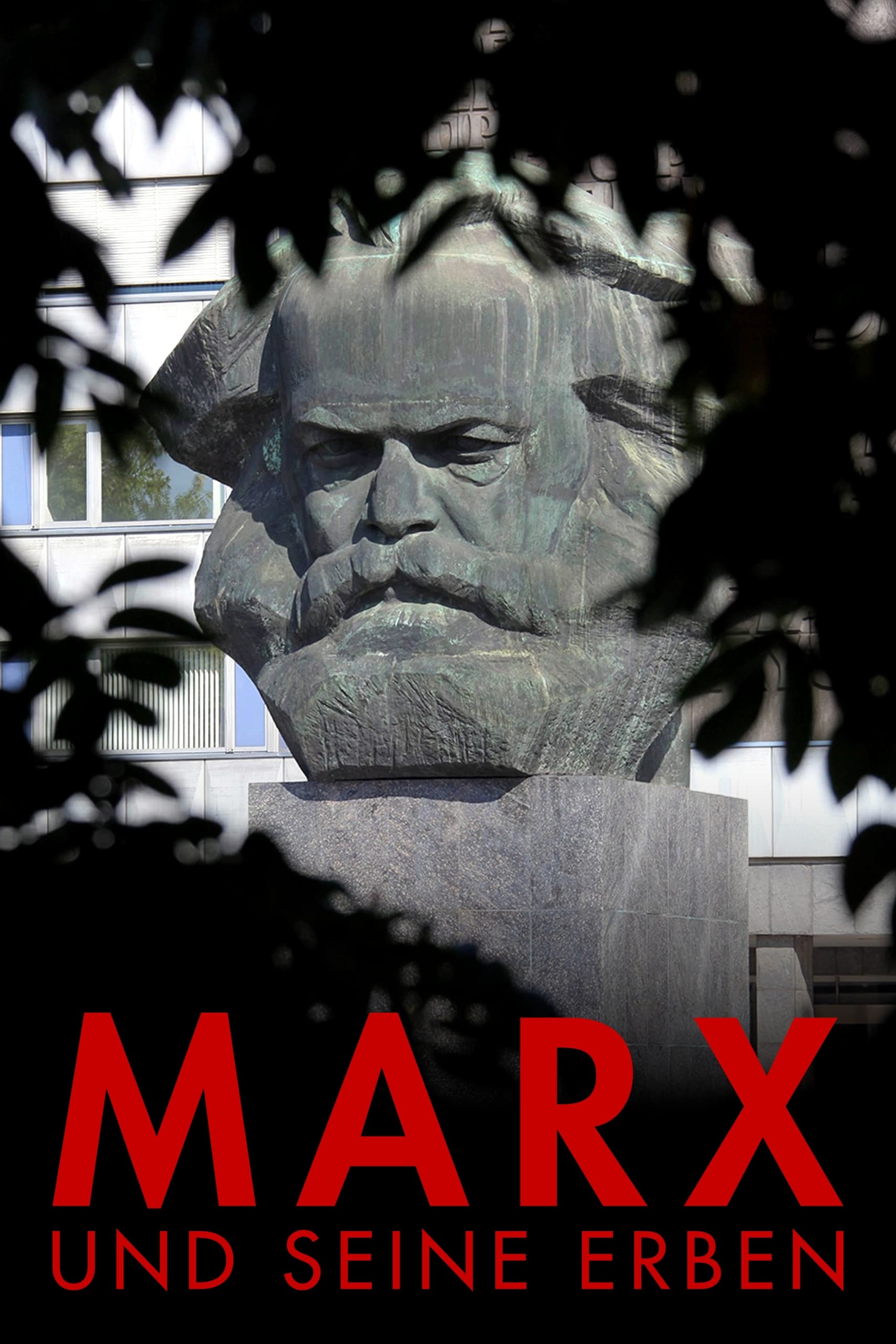
Over the past hundred years, dramatic social upheavals have taken place in the name of Karl Marx's theories. In Western Europe, the student movement of 1968 and the Eurocommunists were inspired. And in recent times, the thinker has experienced a renaissance.
Guy Debord's analysis of a consumer society.
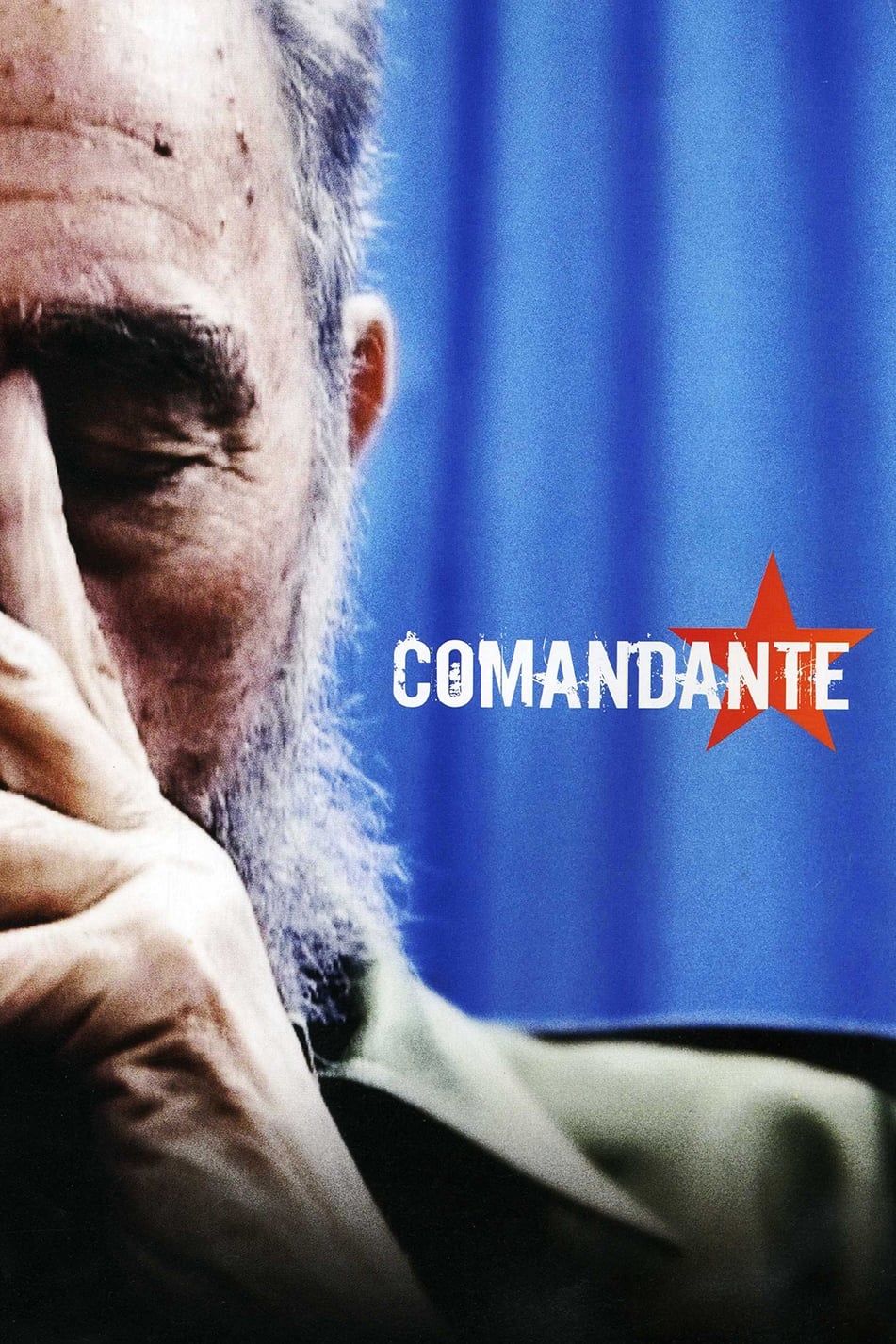
Oliver Stone spends three days filming with Fidel Castro in Cuba, discussing an array of subjects with the president such as his rise to power, fellow revolutionary Che Guevara, the Cuban Missile crisis, and the present state of the country.
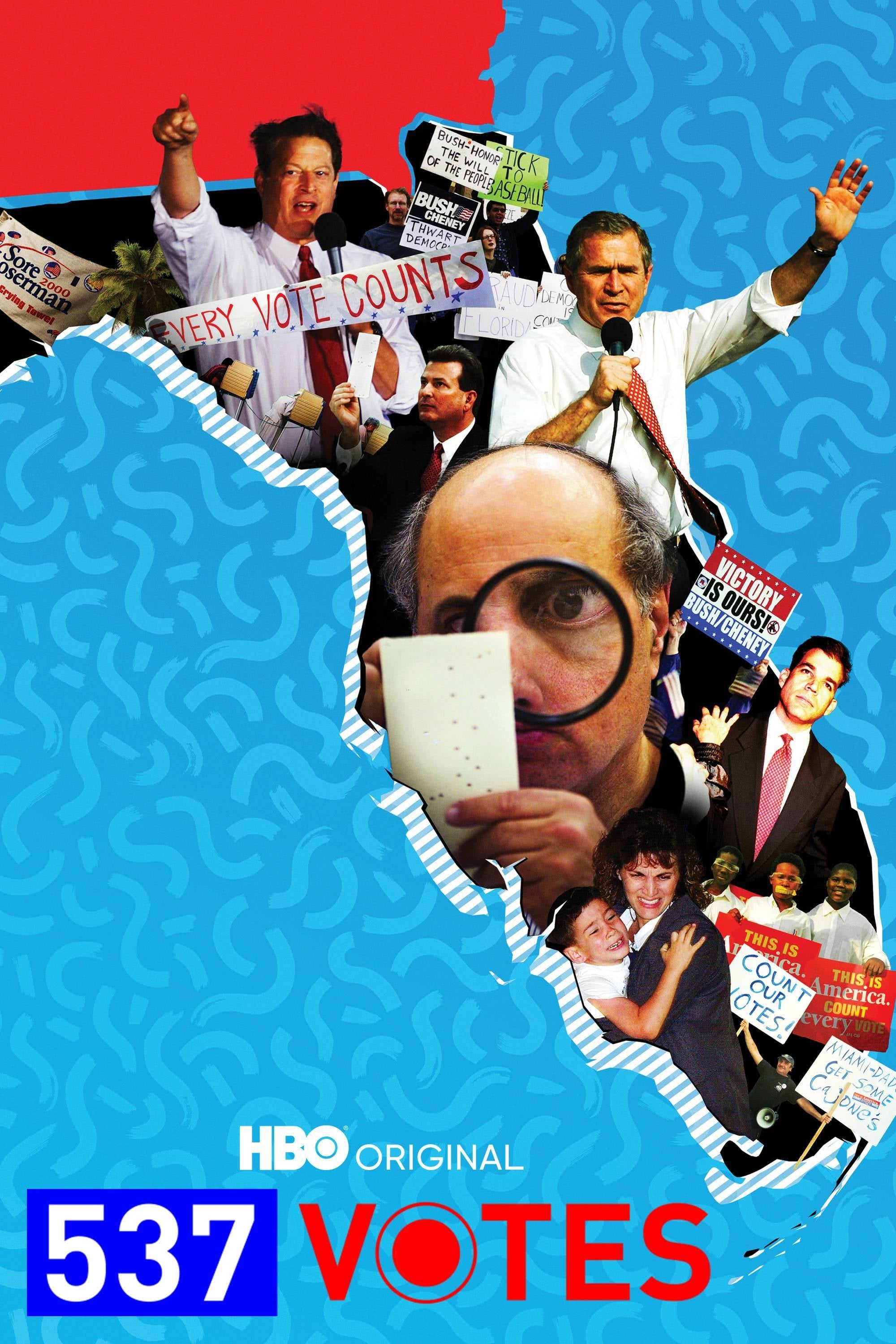
Documentary chronicling the political machinations that led to the unprecedented, contested outcome of the 2000 presidential election, including the chaotic voter recount in Florida that ended with George W. Bush winning by a razor-thin margin.
The story of Cuban refugees who risked their lives in homemade rafts to reach the United States, and what life is like for those who succeed.
A 1960 cinéma vérité documentary on anti-American sentiment in Latin America, combining observational footage from Caracas and political events, directed by Robert Drew and shot by Maysles, Leacock, and Pennebaker. (Note: Originally broadcast as a standalone documentary on ABC, "Yanki, No!" is widely cited and archived as a discrete direct-cinema film with its own title, production identity, and critical reception, rather than as an anonymous TV news magazine episode.)
In seven different parts, Godard, Ivens, Klein, Lelouch, Marker, Resnais, and Varda show their sympathy for the North-Vietnamese army during the Vietnam War.
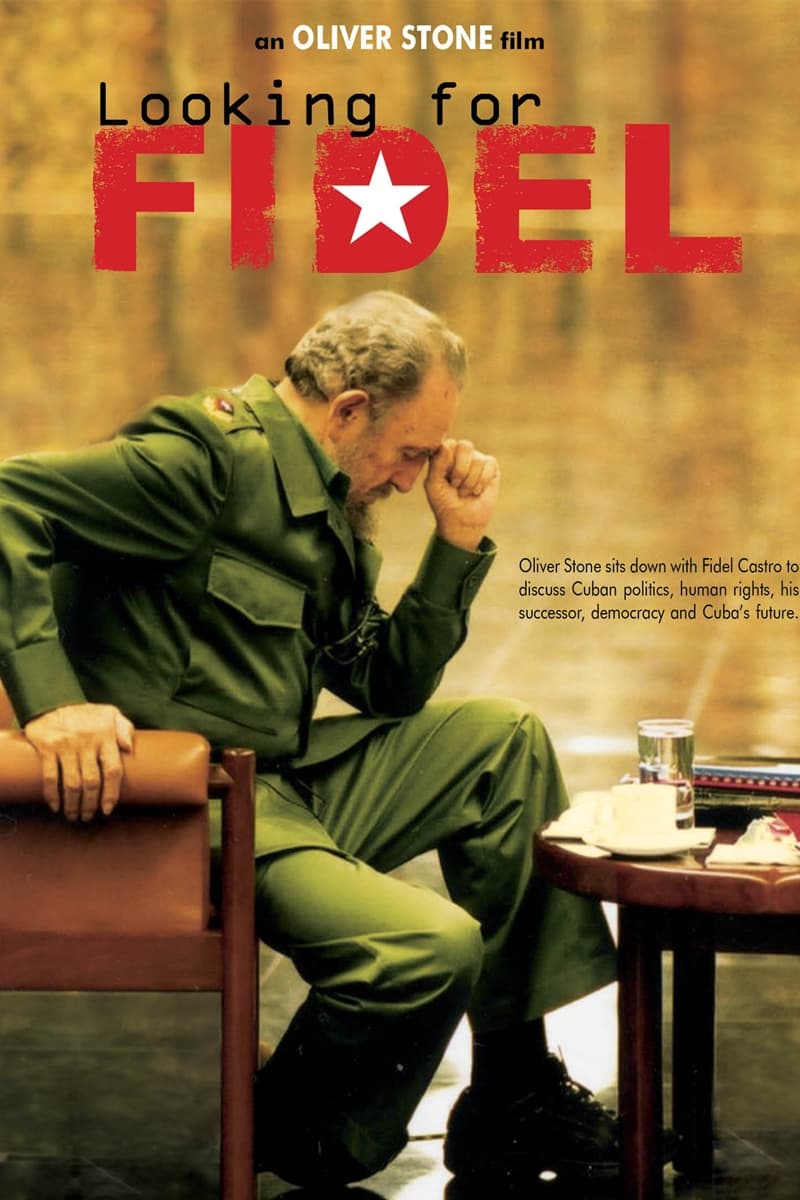
Oliver Stone's second documentary on/interview with Fidel Castro specifically addresses his country's recent crackdown on Cuban dissidents; namely, the execution of three men who hijacked a ferry to the United States.

Filmmaker Barbet Schroeder shows the Ugandan dictator meeting his Cabinet, reviewing his troops, explaining his ideology.
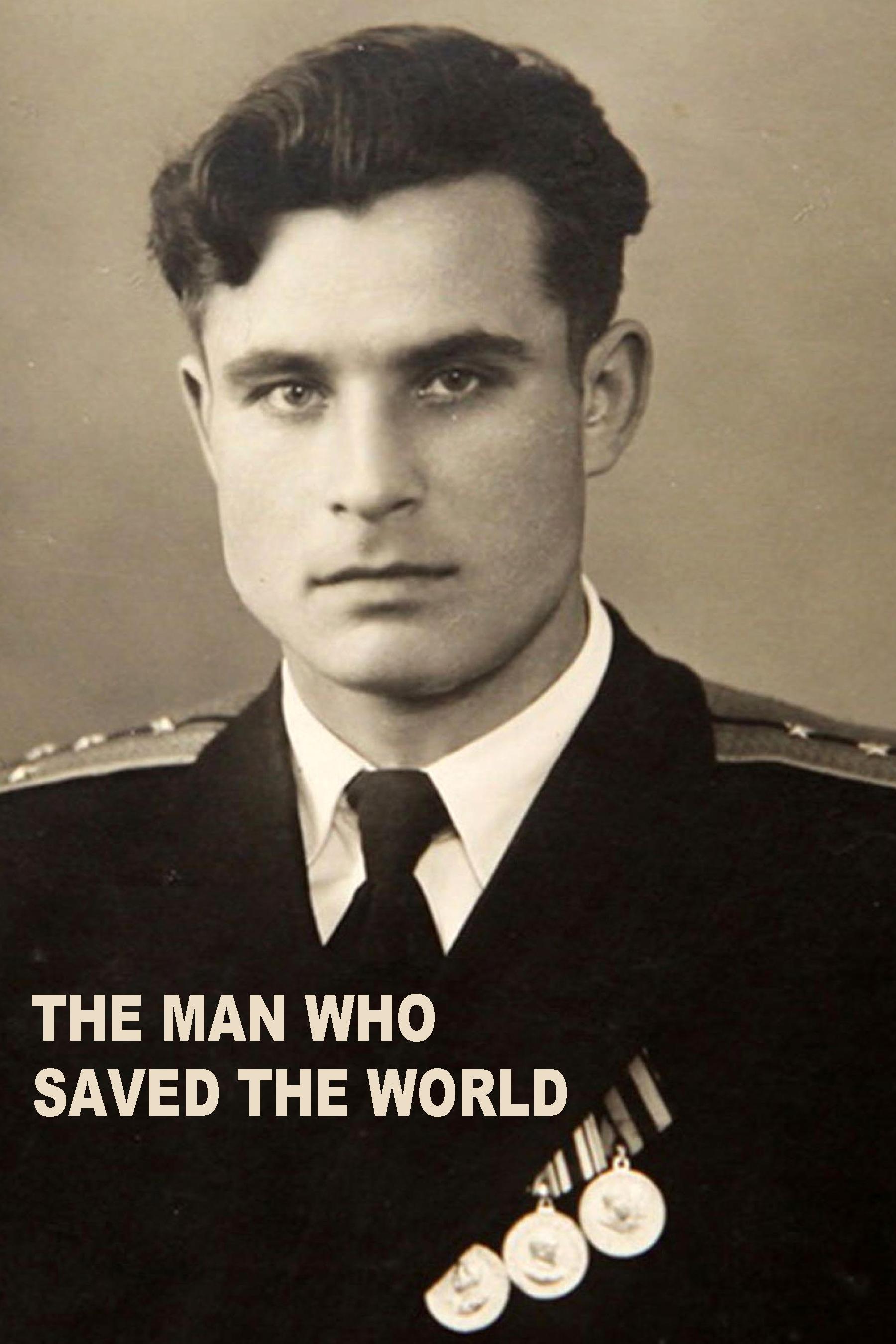
During the Cuban Missile Crisis of 1962, Soviet Navy officer Vasily Arkhipov refused to launch a nuclear strike and saved the world from nuclear war and total destruction.
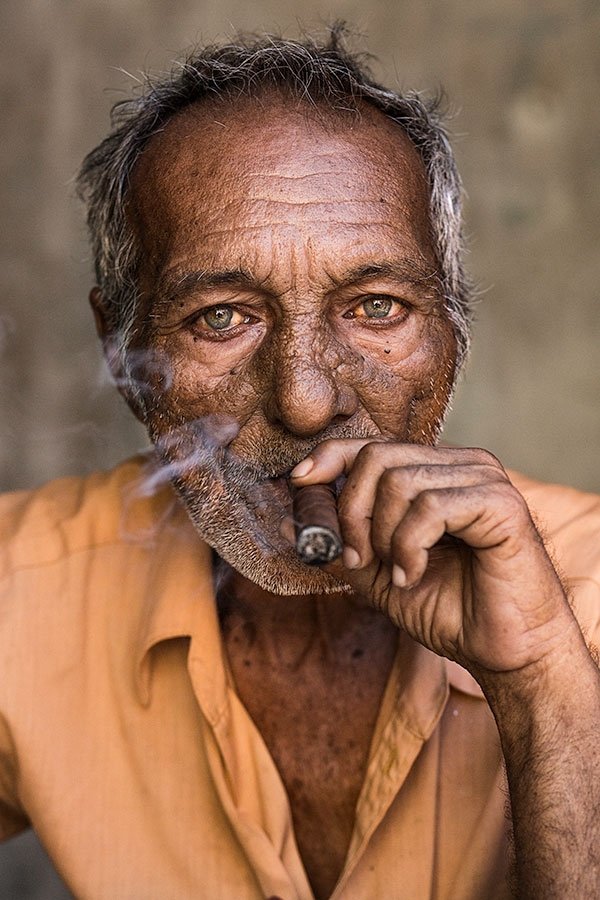
Cuba: Defending Socialism, Resisting Imperialism brings you voices from Cuba, a country fighting for social and economic justice, representing the aspirations of the poor and oppressed worldwide, building socialism in a capitalist world. The film demonstrates how vital Cuba is to the struggle for socialism in Britain and beyond.
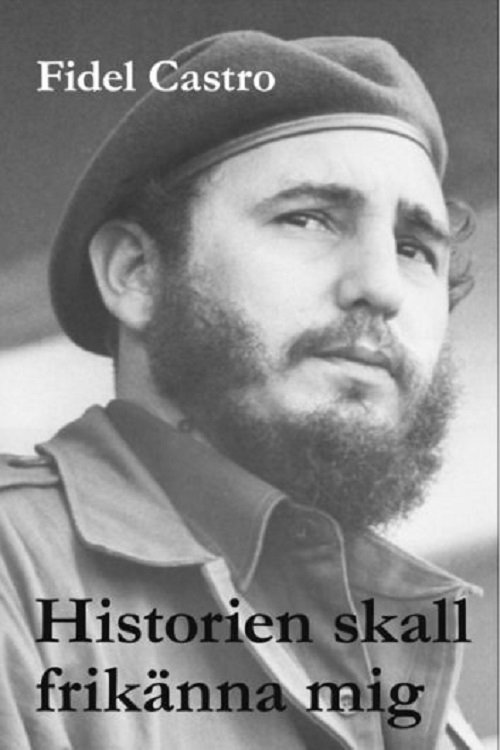

A historical perspective to understand Neoliberalism and to understand why this ideology today so profoundly influences the choices of our governments and our lives.
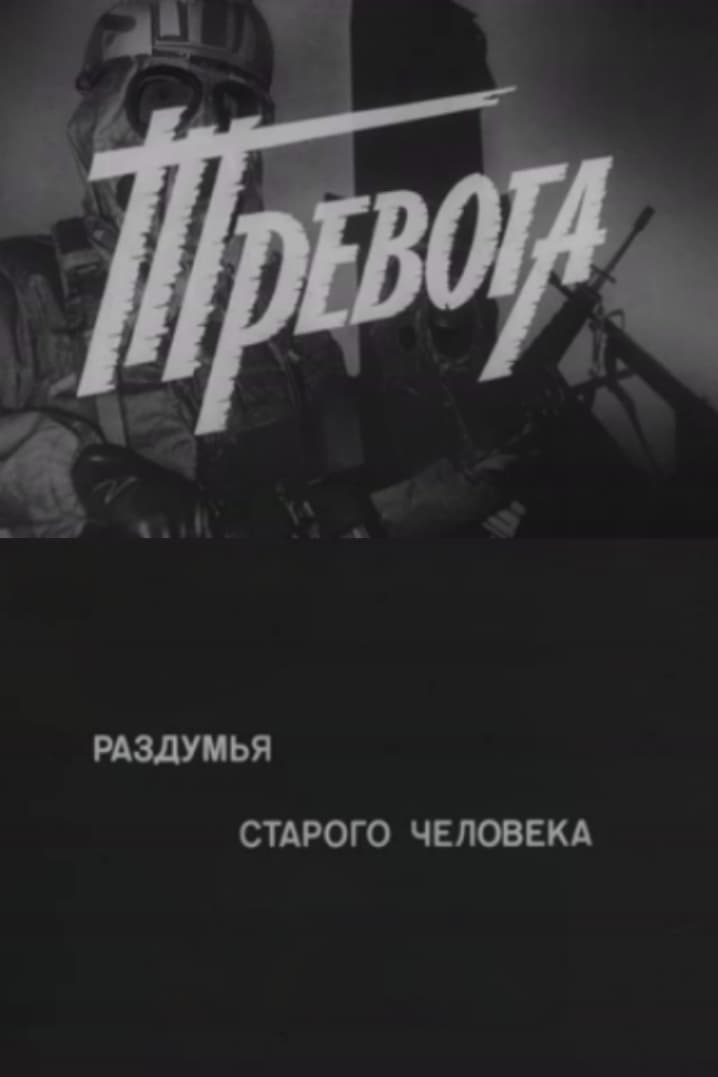
The director's reflections on the modern politics of the Reagan administration.
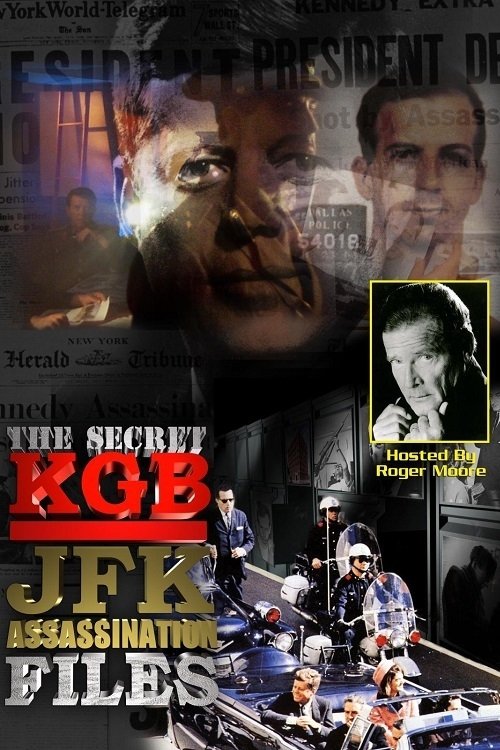
On Nov. 22, 1963 the world was shocked by the assassination of John F. Kennedy. The mystery surrounding this history-changing event has led to many unanswered questions.
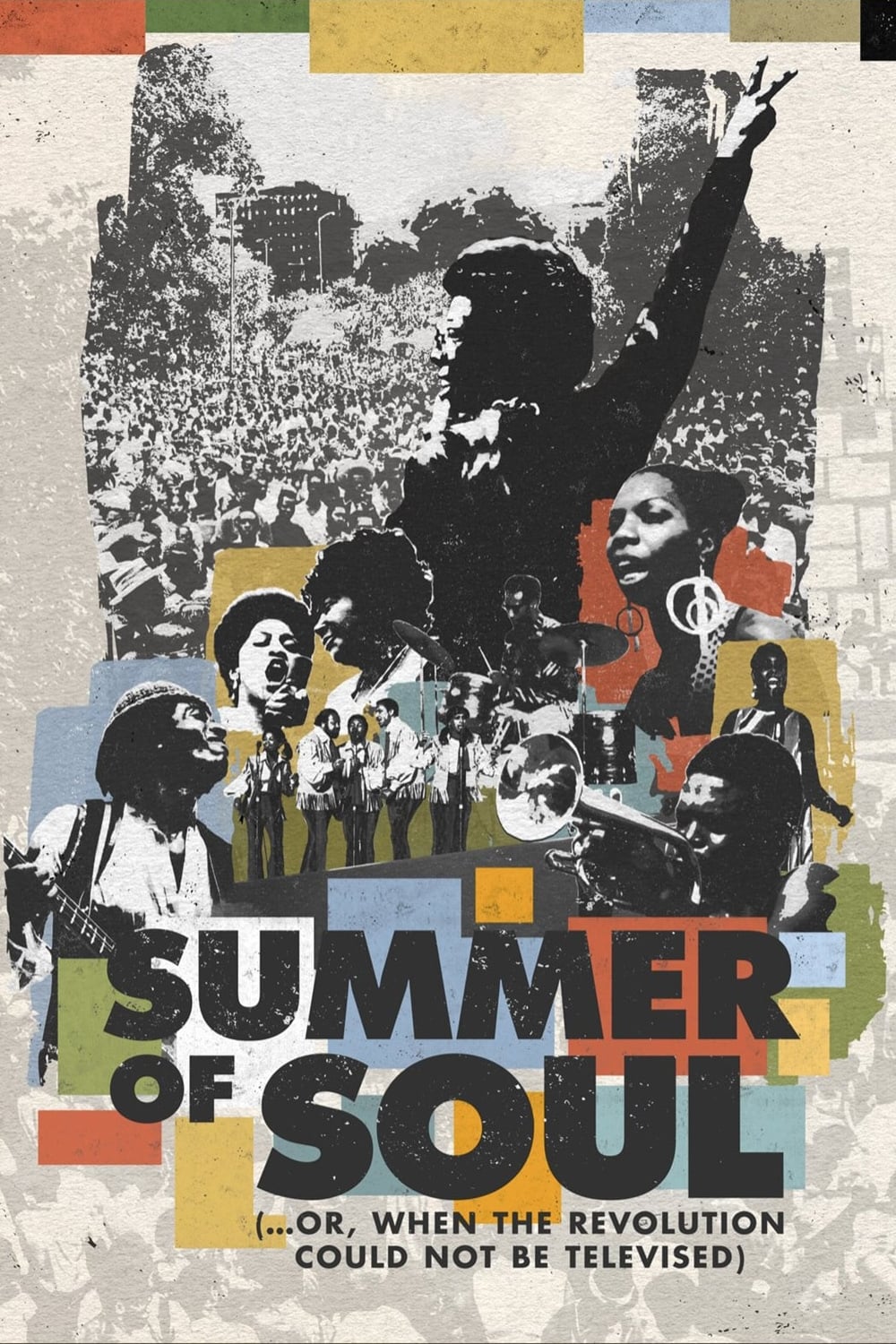
During the same summer as Woodstock, over 300,000 people attended the Harlem Cultural Festival, celebrating African American music and culture, and promoting Black pride and unity. The footage from the festival sat in a basement, unseen for over 50 years, keeping this incredible event in America's history lost — until now.
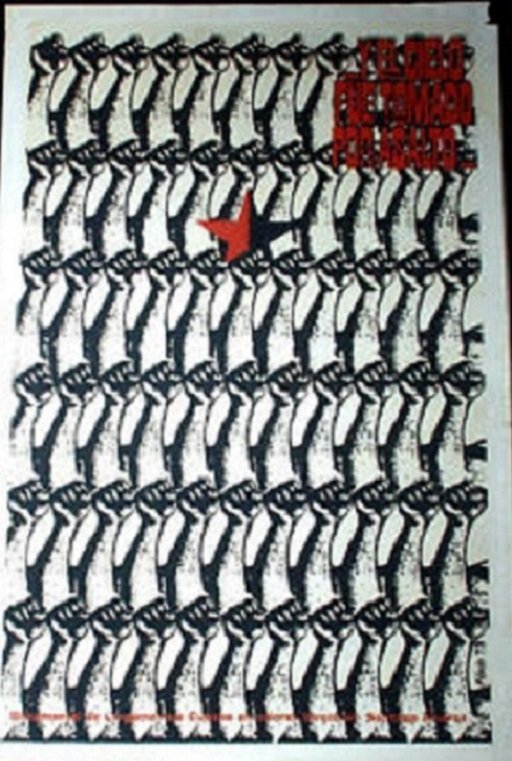
A chronicle of Fidel Castro's two-month tour of ten East European and African nations in mid-1972.

A documentary about the life of Errol Flynn, with recollections from friends and family.
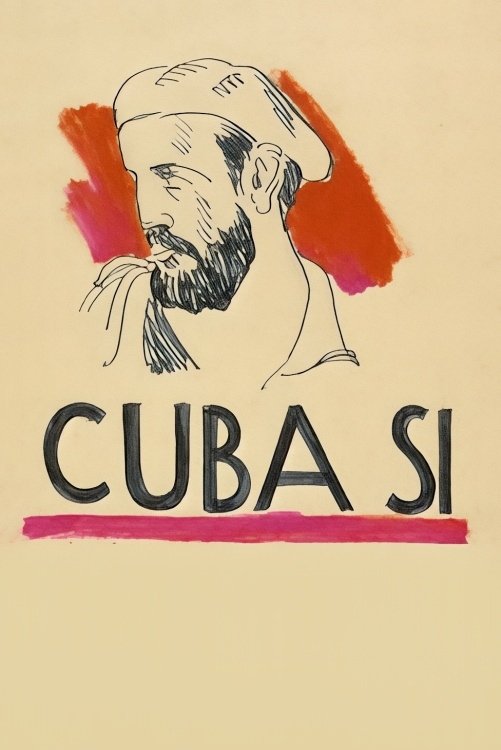
Chris Marker’s documentary traces the course of the Cuban Revolution, from its early optimism to the aftermath of the Bay of Pigs invasion. Through on-the-ground footage and interviews—including two with Fidel Castro—the film captures the spirit and contradictions of a nation in transformation.
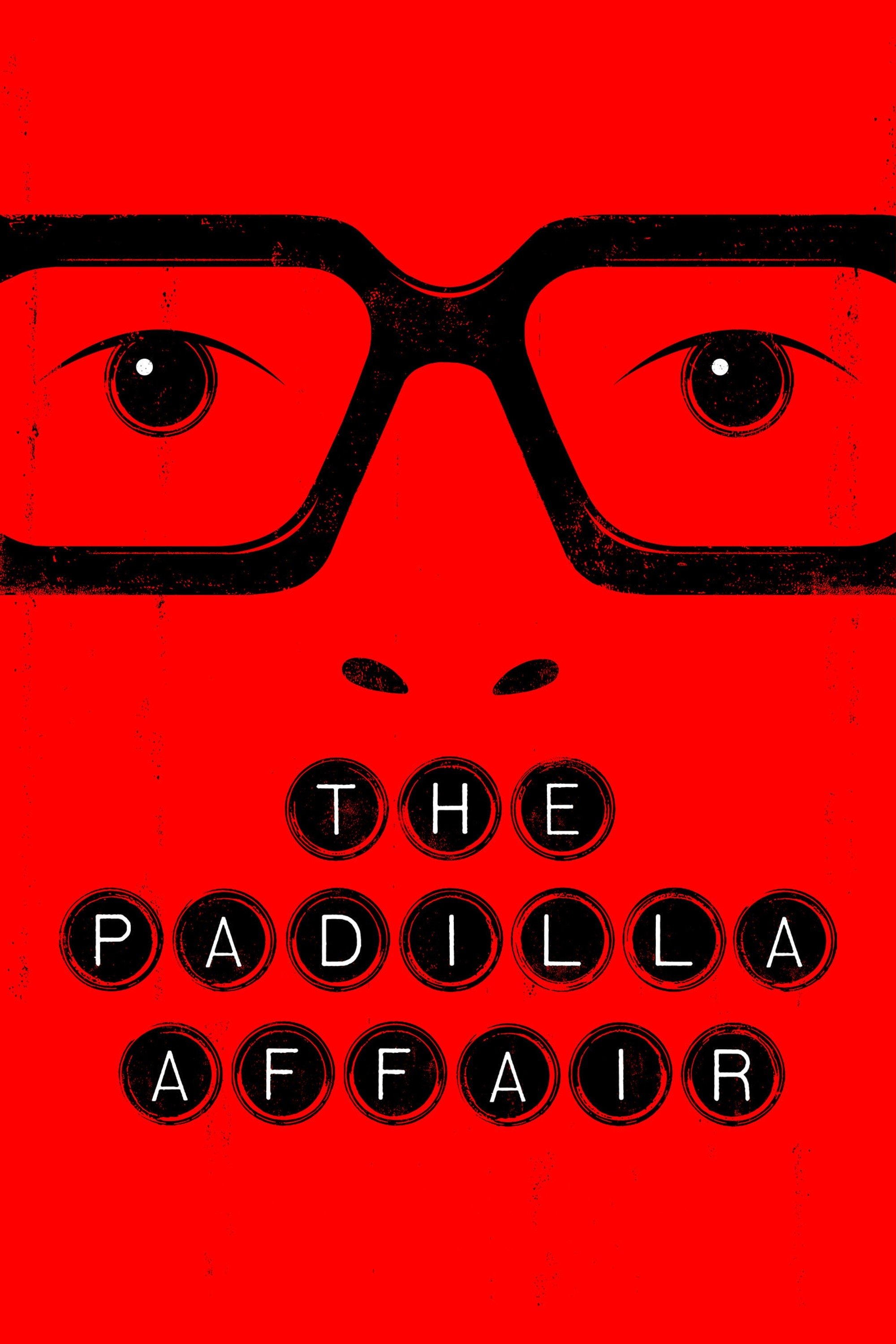
Havana, spring 1971: The poet Heberto Padilla has just been set free and appears before the Cuban Writers' Union where he pronounces a statement of "heartfelt self-criticism", declares himself to be a counterrevolutionary agent and throws accusations of complicity at many of his colleagues present at the event, among them, his wife. A month previously, his arrest under the accusation of endangering the security of the Cuban state had mobilised prominent intellectuals all over the world, who wrote a letter to Fidel Castro calling for the release of the poet, whose only sin had been to dissent through his poetic work. The writer's mea culpa, the recording of which is shown for the first time to the public, marks the narrative line of a story including the testimonies of Gabriel García Márquez, Julio Cortázar, Mario Vargas Llosa, Jean-Paul Sartre, Jorge Edwards and Fidel Castro.
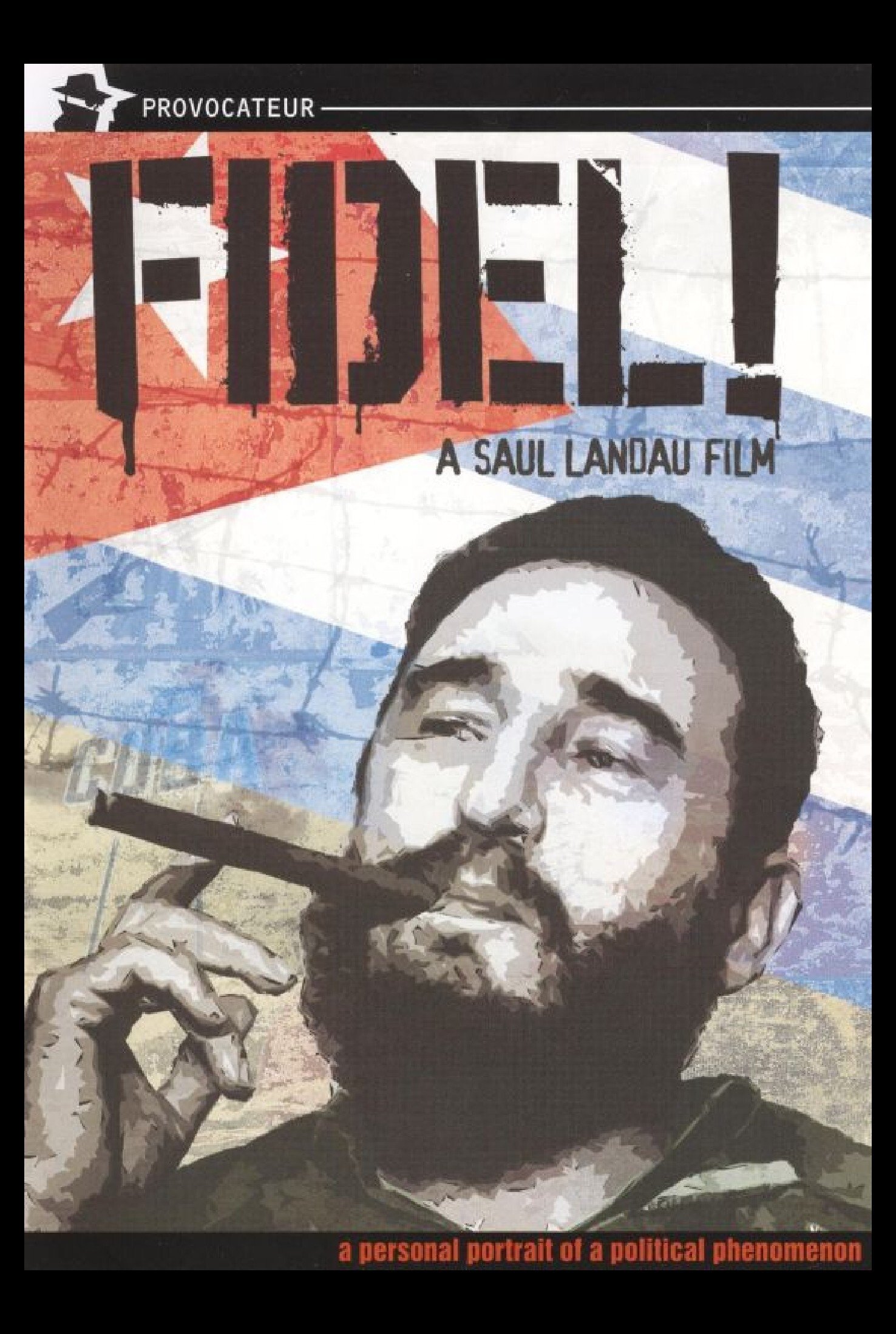
This film provides a unique view of Cuba's leader, containing fascinating archive footage of the Bay of Pigs invasion and scenes of Che Guevara - alongside interviews with political prisoners.
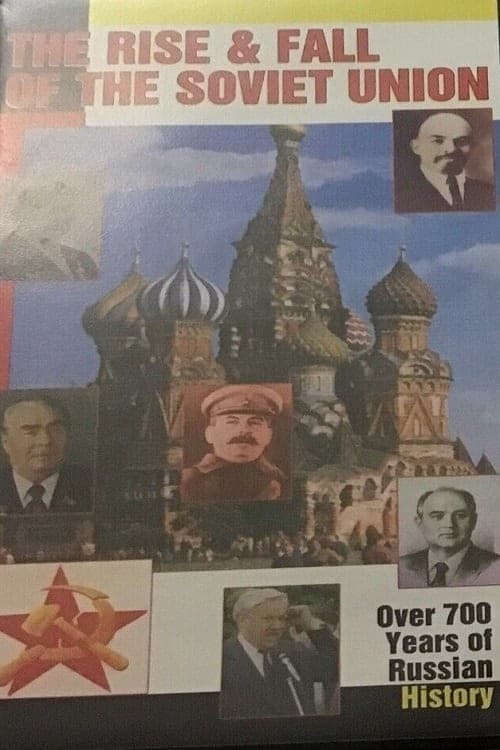
Historic Russian battles to repel invaders serve as prelude to the story of events that redrew the map of Eastern Europe and parts of Asia in the 20th century. Following the turmoil of the Bolshevik Revolution, Communist Russia faces the venom of Nazi aggression. 1940's film footage reveals the harsh reality of total war, as the Red Army and Soviet civilians alike confront a brutal and tenacious enemy. The following decades are darkened by tensions between the USSR and foreign powers, and violent measures taken to silence voices of dissent. Finally, the Soviet people's yearning for a freer society leads to accelerating reforms and the ultimate dissolution of the USSR.

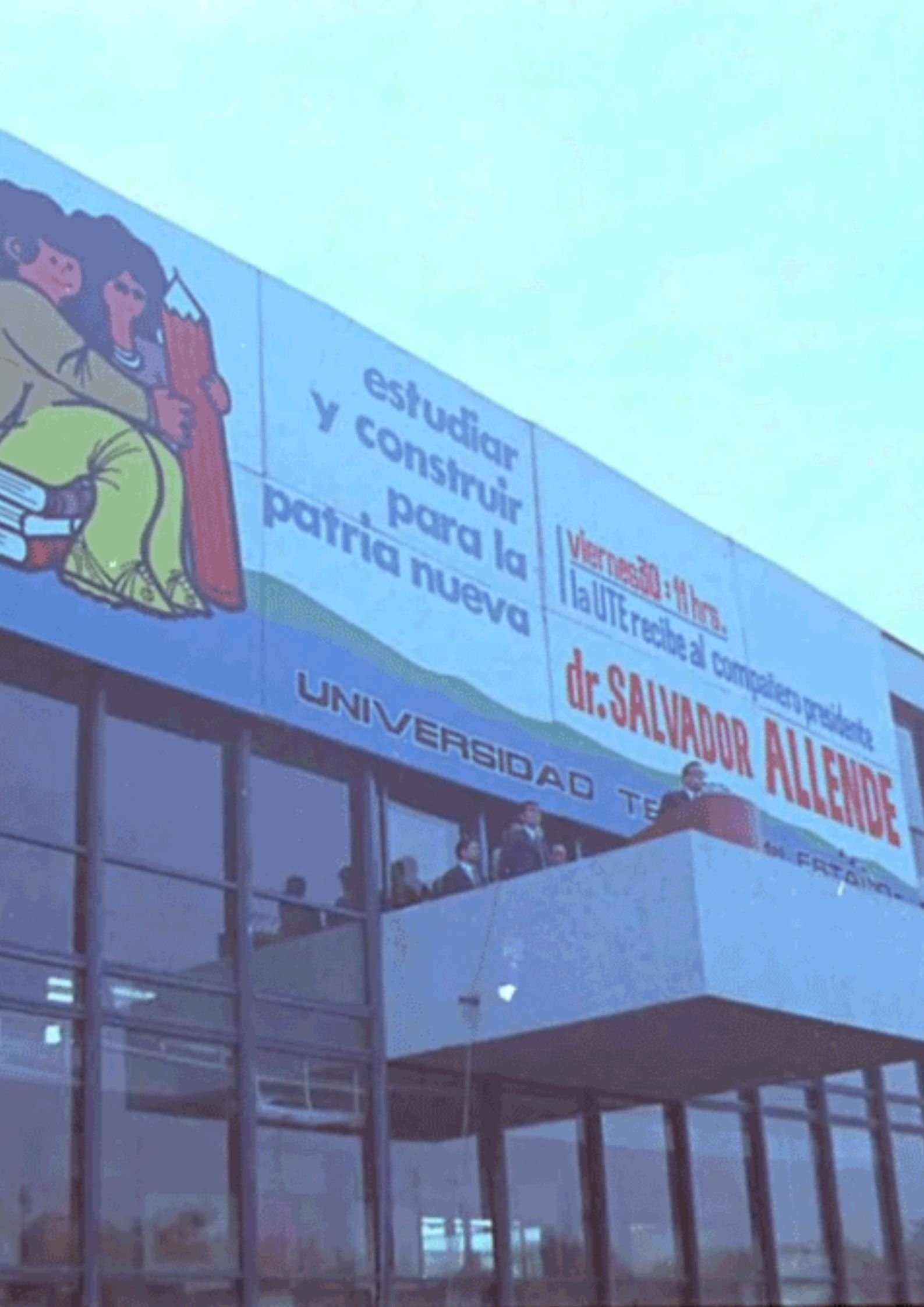
Made by Fernando Balmaceda in 1972, it is a documentary that shows the presence of the State Technical University throughout Chile through its provincial headquarters, with teaching, scientific research, technological development, cultural extension and the relationship with the historical moment of the country.
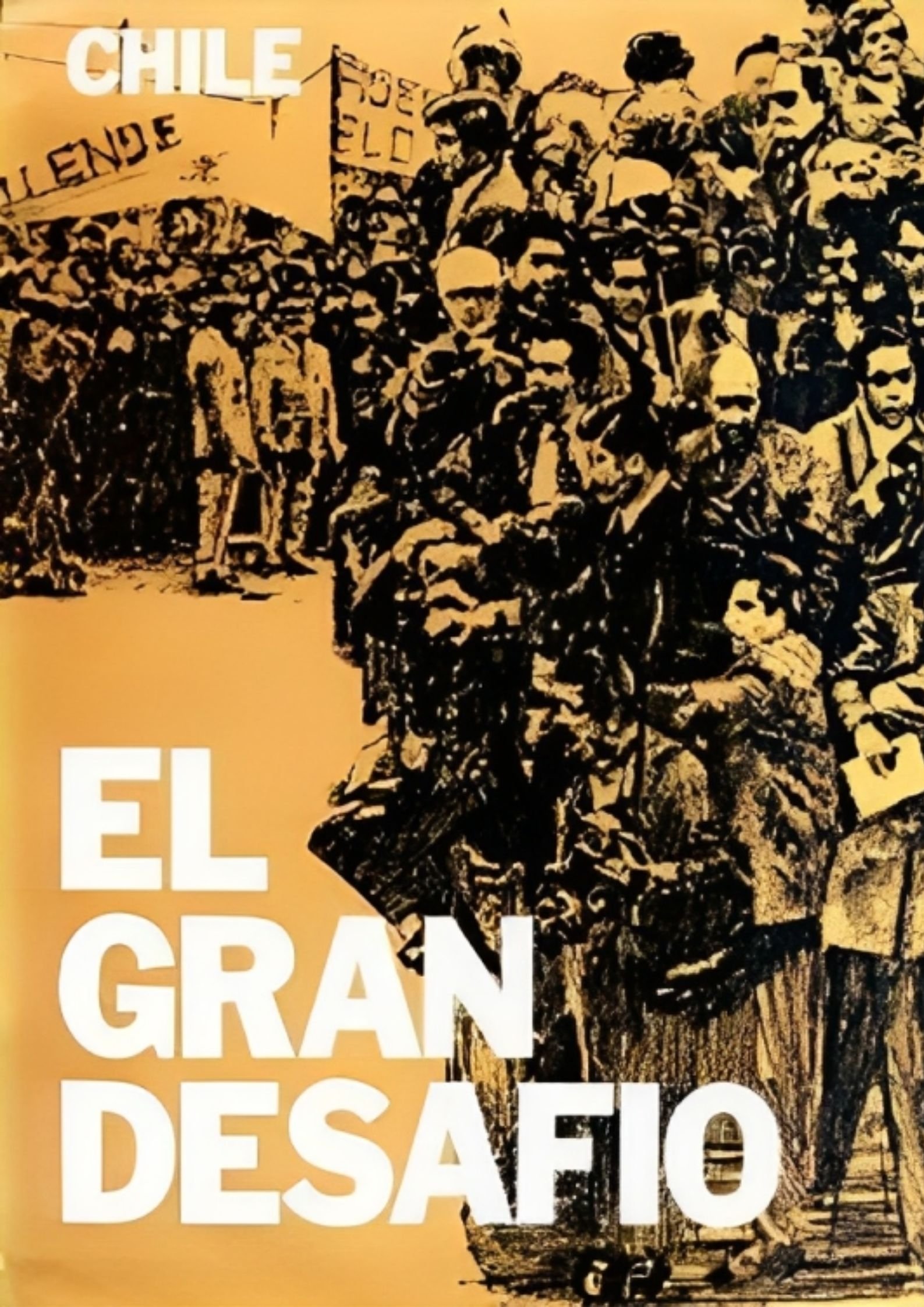
After providing a pictorial vision of Chile, from north to south, President Salvador Allende's tour of the following countries is recorded: Mexico, Algeria, USSR, USA and Cuba. In each place, scenes of welcoming demonstrations, official acts and typical archive notes are presented.
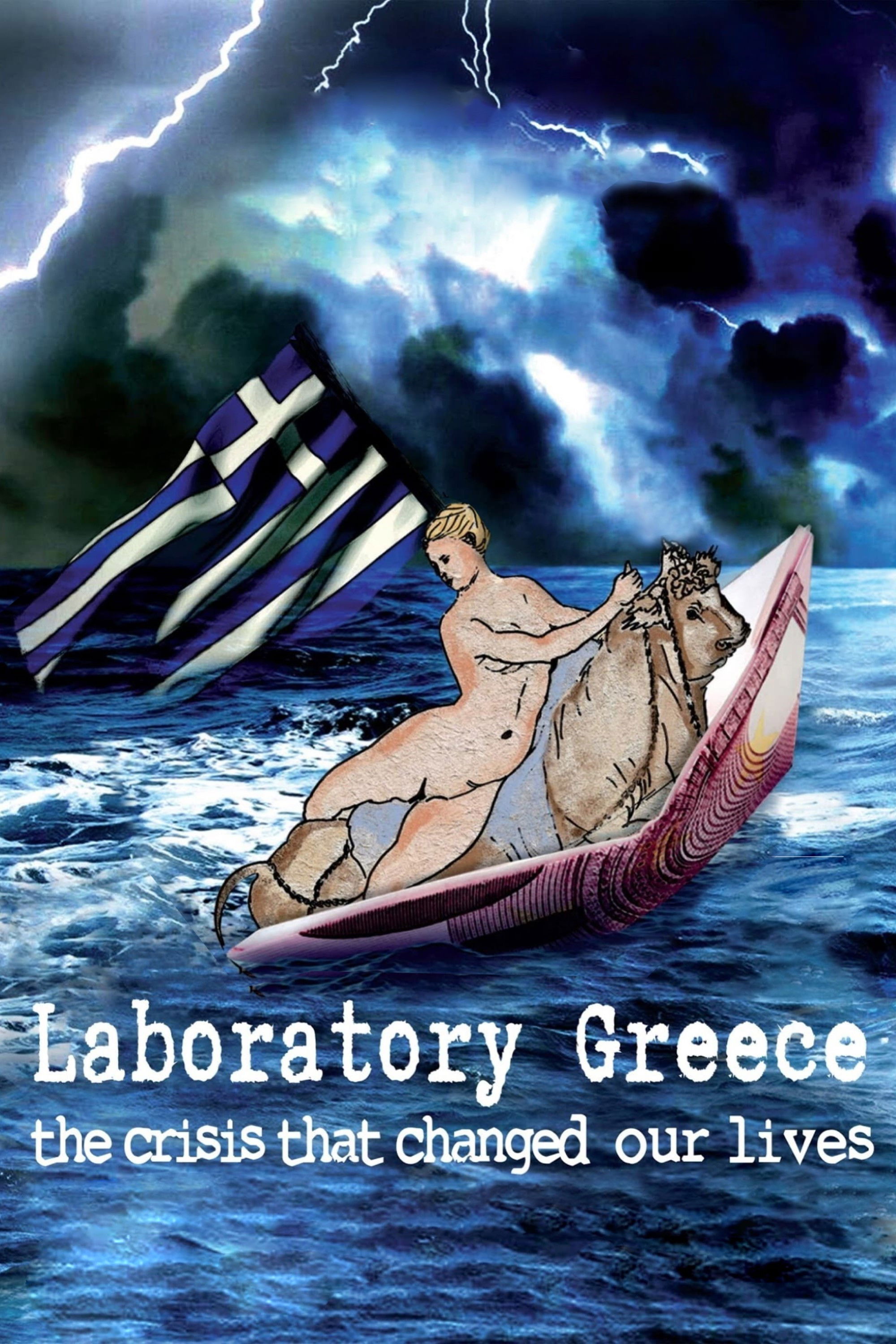
A journey through Greece and Europe’s past and recent history: from the Second World War to the current crisis. It is a historical documentary, a look into many stories. «If Democracy can be destroyed in Greece, it can be destroyed throughout Europe» Paul Craig Roberts
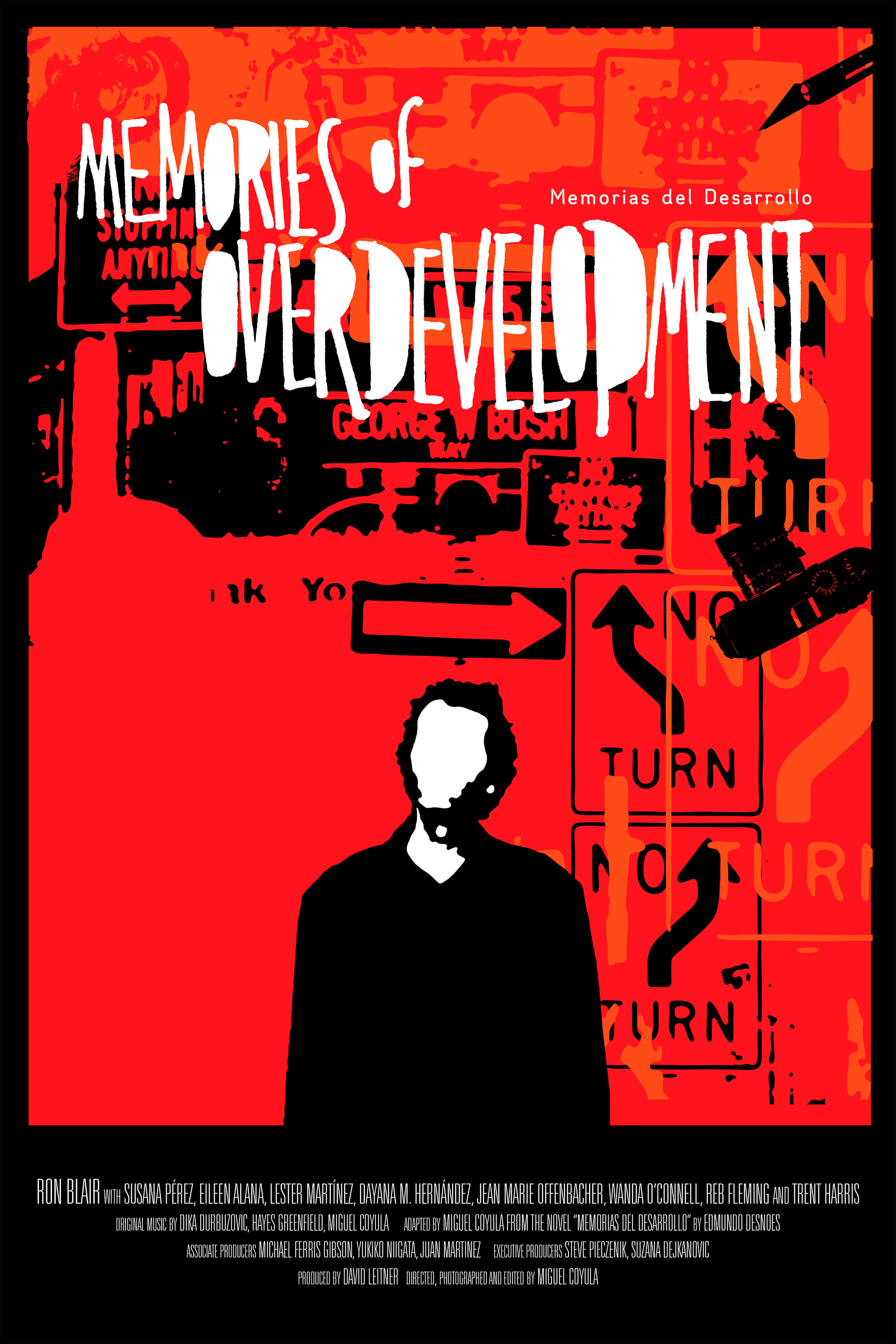
An intellectual leaves the Cuban revolution and 'underdevelopment' behind only to find himself at odds with the ambiguities of his new life in the 'developed' world. A portrait of alienation, of an outsider with no clear-cut politics or ideology. A stranger in a strange land struggling with old age, sexual desire and ultimately the impossibility for the individual to belong in any society. The film's narrative is a collage of flashbacks, daydreams, and hallucinations comprising live-action, animation, and newsreel footage assembled to suggest the way personal memory works, subjectively and emotionally.
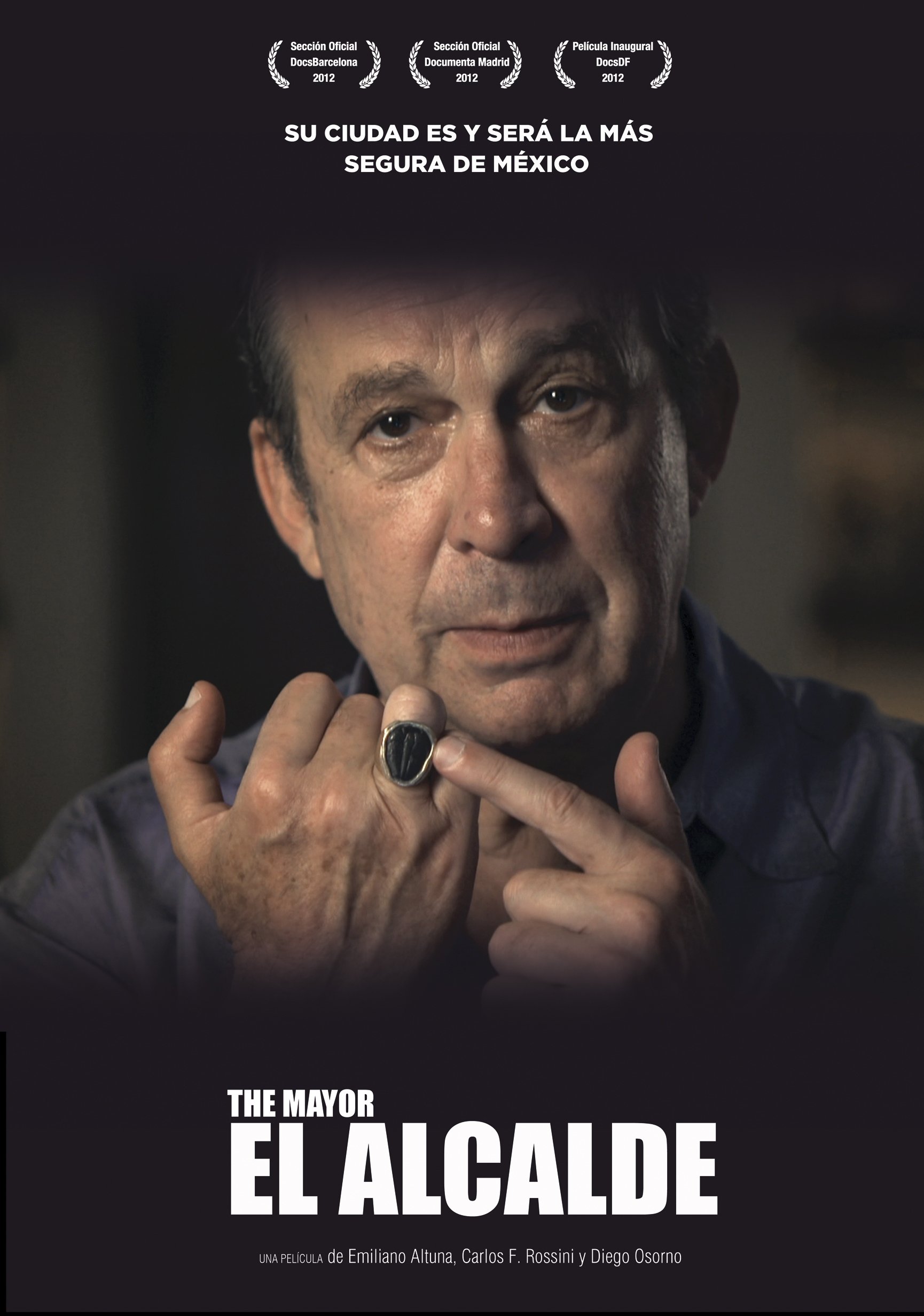
The film tells the story of Mauricio Fernandez, mayor of the wealthiest municipality in Latin America, located in the North of Mexico. He presents himself as a polemical figure who takes justice into his own hands in order to "clean" his municipality of the drug cartels' presence. Mauricio is a key character to better understand the present situation in Mexico and through the unusual views of this politician, the audience will be a privileged witnesses of an scenario where political tasks and excessive violence mingle with one another.
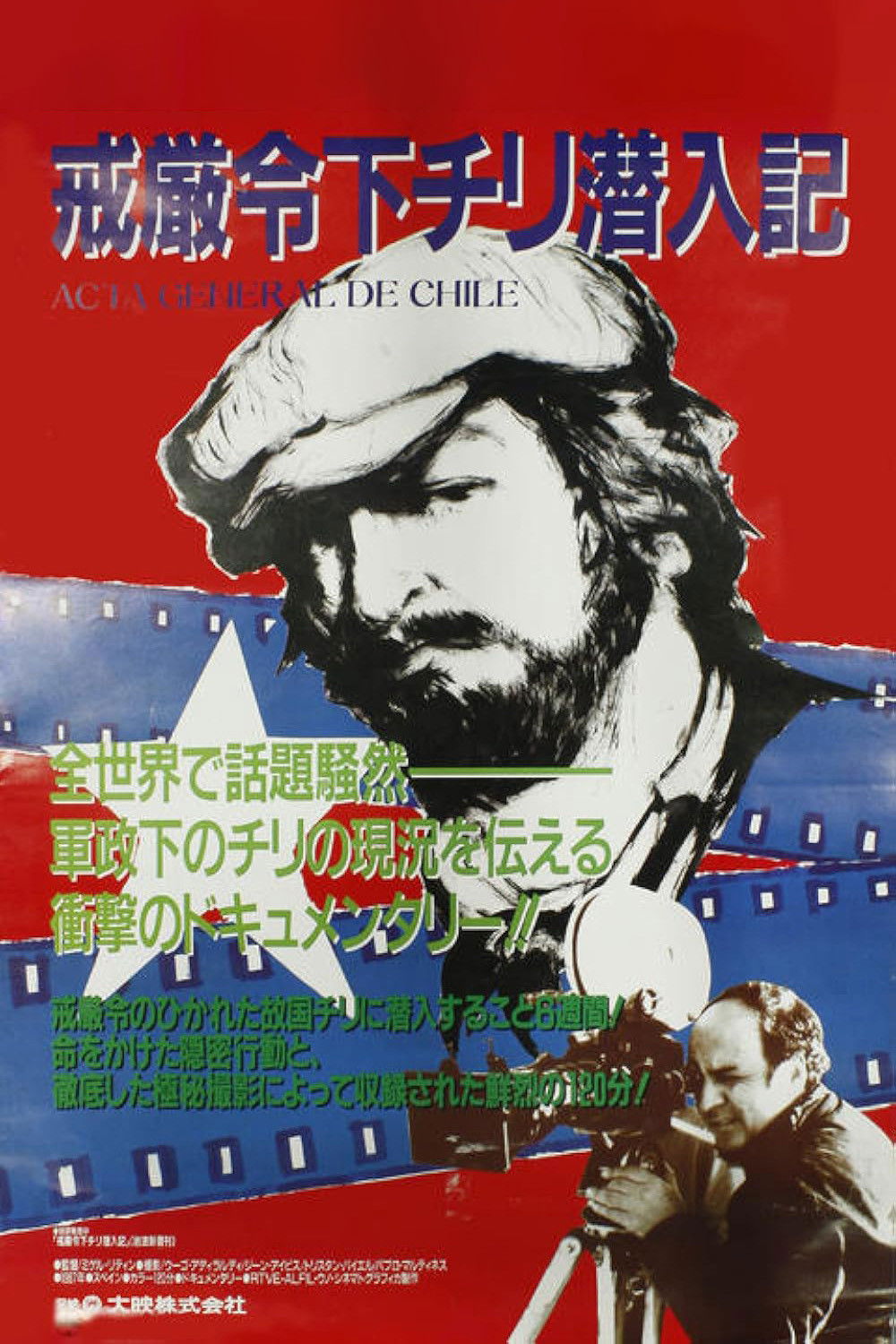
In 1985, exiled director Miguel Littín secretly reentered Chile to film this sweeping documentary portrait of the country under the dictatorship of Augusto Pinochet. Shot clandestinely and later released as a four-part television series, the film combines interviews, historical reflection, and on-the-ground footage to examine Chile’s political climate more than a decade after the 1973 coup.
This program examines Cuban exile terrorists living in Miami. These terrorists were secretly trained and employed by the U.S. government in the early 1960s to fight Fidel Castro. Now, without U.S. support, terrorist activities continue in Miami and Latin America. The program reviews secret U.S. policies toward Cuba in the 1960s and includes interviews with Castro and former top CIA officials. Members of this group, formerly secretly trained and employed by U.S. Government until 1967, have been active in Watergate crimes and anti-Castro terrorism including bomb explosion on Cuban Airline killing seventy-three. Includes interviews with Castro, E. Howard Hunt, Bernard Barker, and Rolando Martinez.' - The Paley Center For Media
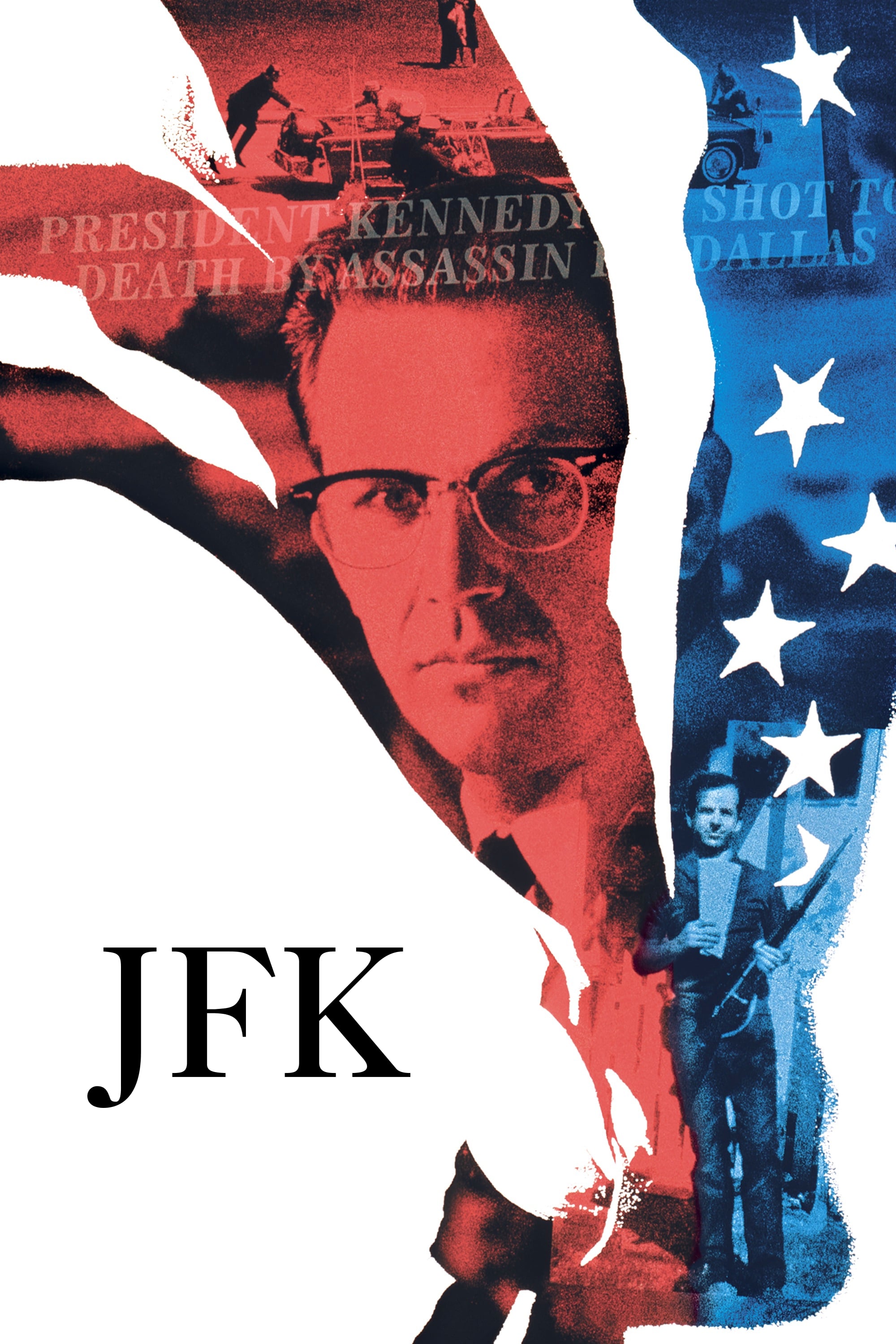
Follows the investigation into the assassination of President John F. Kennedy led by New Orleans district attorney Jim Garrison.
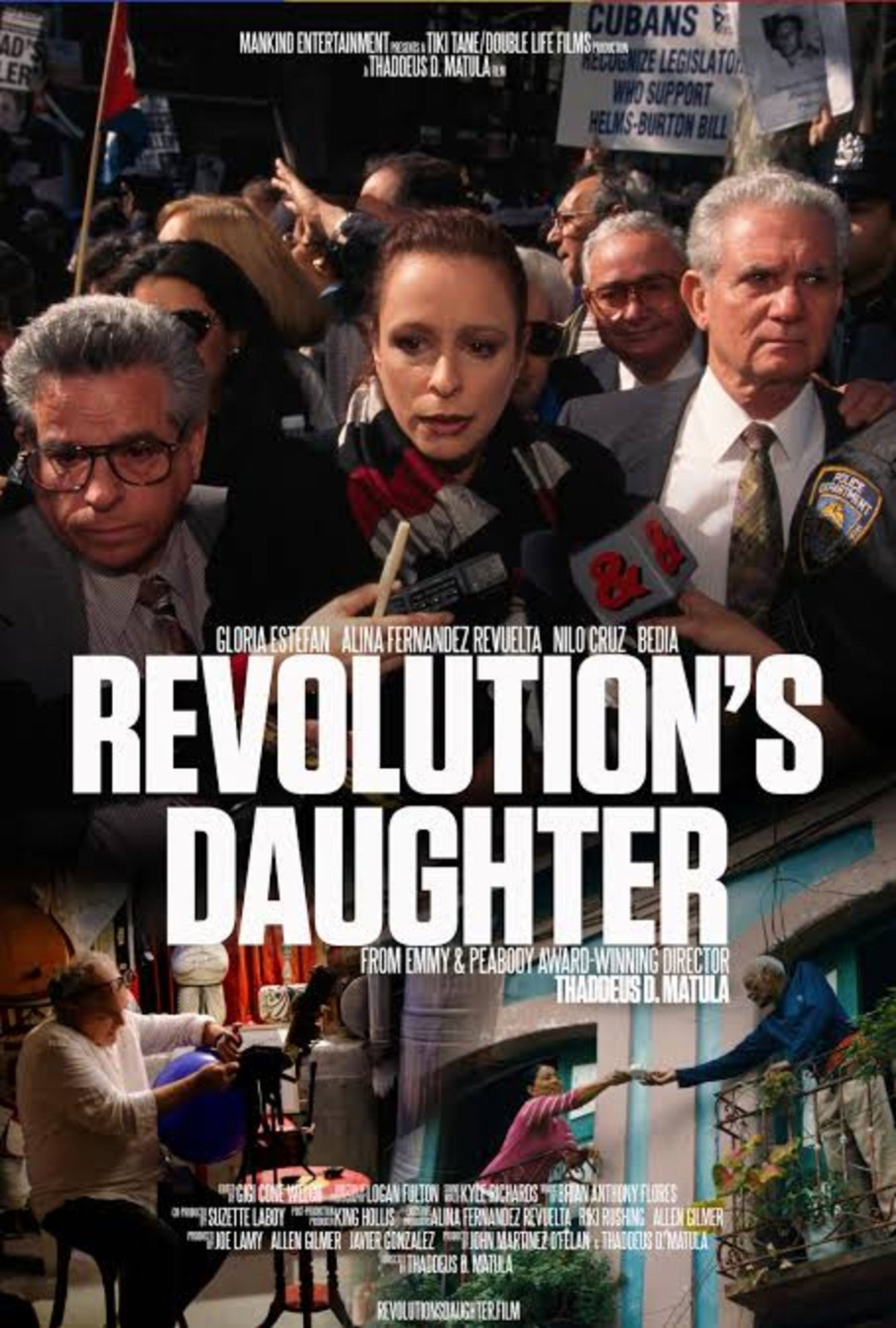
A deep dive into the lives and experiences of those impacted by the Fidel Castro era in Cuba.
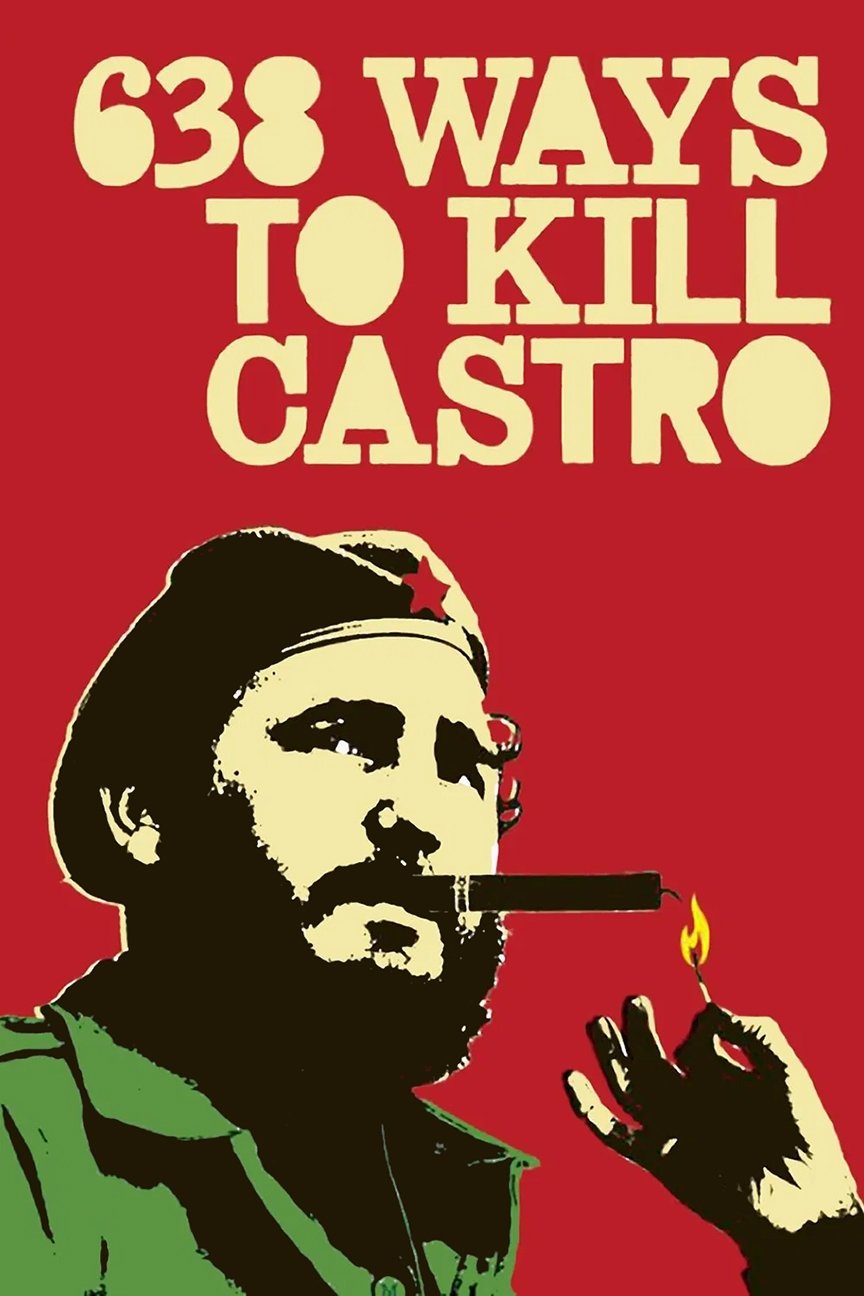
Dollan Cannell's documentary on the hundreds of alleged plots to assassinate Fidel Castro, and a look at the evolution of Cuban politics. If the title of this extraordinary film sounds ludicrous, don't be fooled. This film looks at the incredible story of the 638 alleged plots by the CIA and Cuban exiles to kill the Cuban leader Fidel Castro.
An assessment of the first twenty-five years of the Cuban revolution. PBS Special funded by the Corporation for Public Broadcasting and WNET in New York, featuring an interview with Fidel Castro. Narrated by Raul Julia. Filmed on Location in Cuba and Nicaragua. Chicago Film Festival Winner Gold Hugo Award Winner Honorable Mention: San Francisco Film Festival
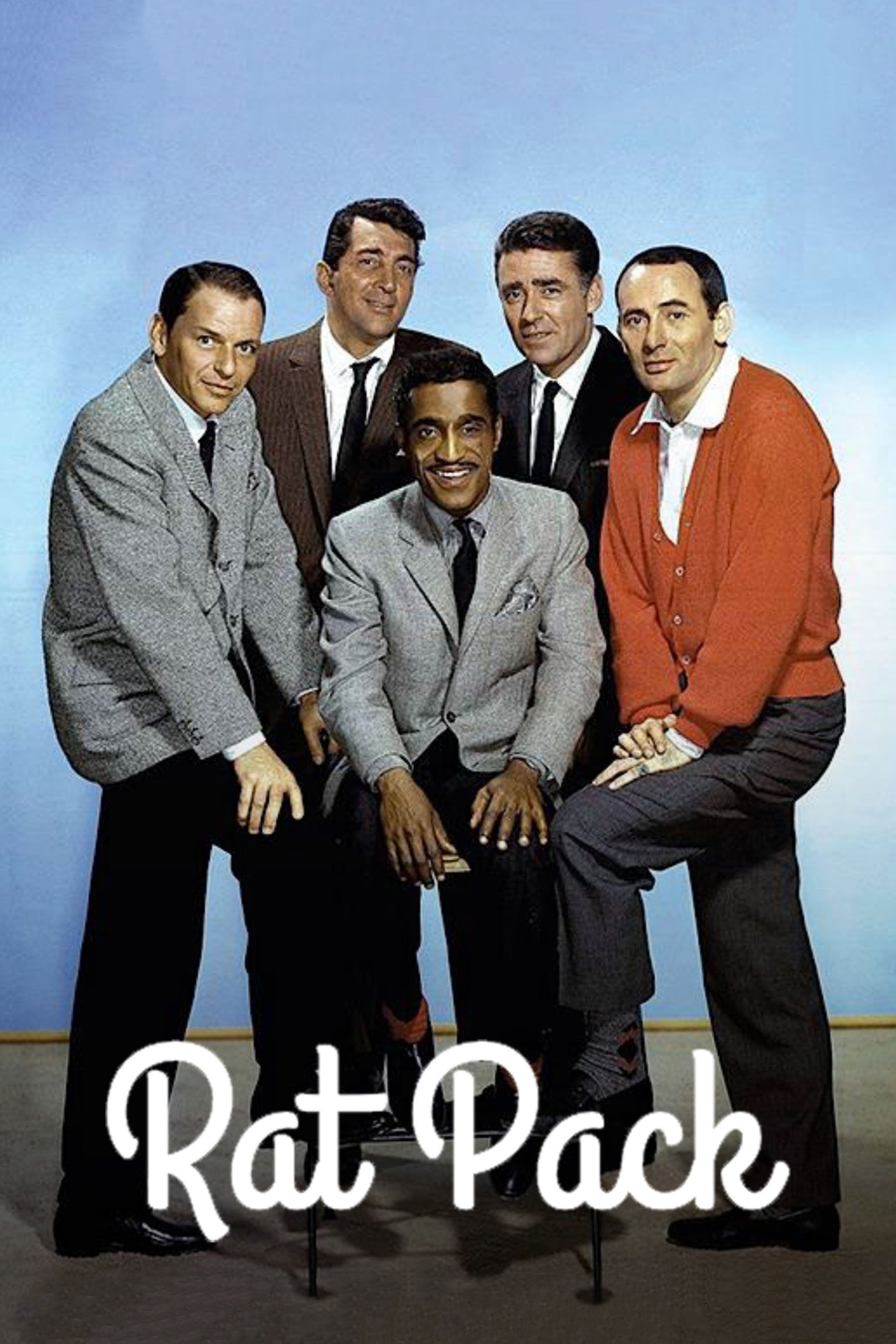
In the 1950s, a small group of artists monopolized the attention of the cameras and the public. Frank Sinatra, Dean Martin, Sammy Davis Jr., Joey Bishop and Peter Lawford together form the "rat pack": they sing the most popular hits of the moment, star in the most profitable Hollywood films and are already making a splash on television . This documentary, produced by a recognized specialist in the history of Hollywood, recounts the exceptional destiny of this informal group which flirted with the greats of this world, notably through Sinatra, personal friend of American President Kennedy.
The Spanish dictator Francisco Franco was a rabid anti-Communist and a staunch ally of the United States. But that did not keep him from forging a friendship with a Communist nation that was America's sworn enemy: Fidel Castro's Cuba. The Spanish dictator Francisco Franco was a rabid anti-Communist and a staunch ally of the United States. But that did not keep him from forging a friendship with a Communist nation that was America's sworn enemy: Fidel Castro's Cuba.
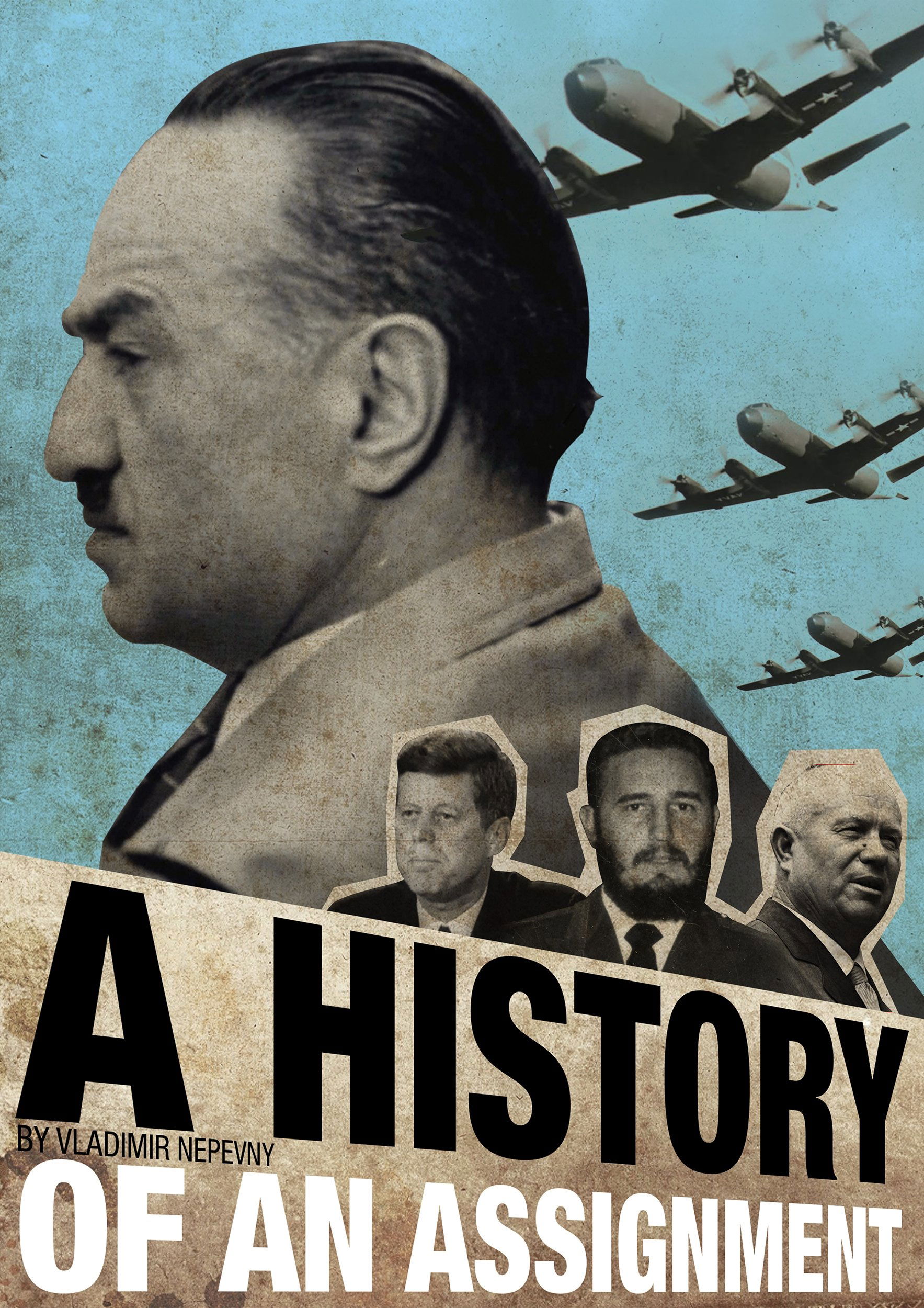
1962 year. Cuban Missile Crisis. The world is on the brink of nuclear disaster. Khrushchev has no leverage over the stubborn commander. The only thing he could do was send someone to Cuba whom he trusted, someone who could convince Castro. This person was Anastas Mikoyan. He was accompanied on his mission by Roman Carmen, a legendary cameraman who filmed the Spanish Civil War, World War II and the Nuremberg Trials. Mikoyan's business trip lasted almost a month. Day after day, step by step, like a real psychologist, he talked with Castro and Che Guevara, listened to their calls to "die beautifully" and destroy the enemy with one blow, and tried to persuade Cuba to compromise to save the world. This film was born thanks to recently declassified documents.
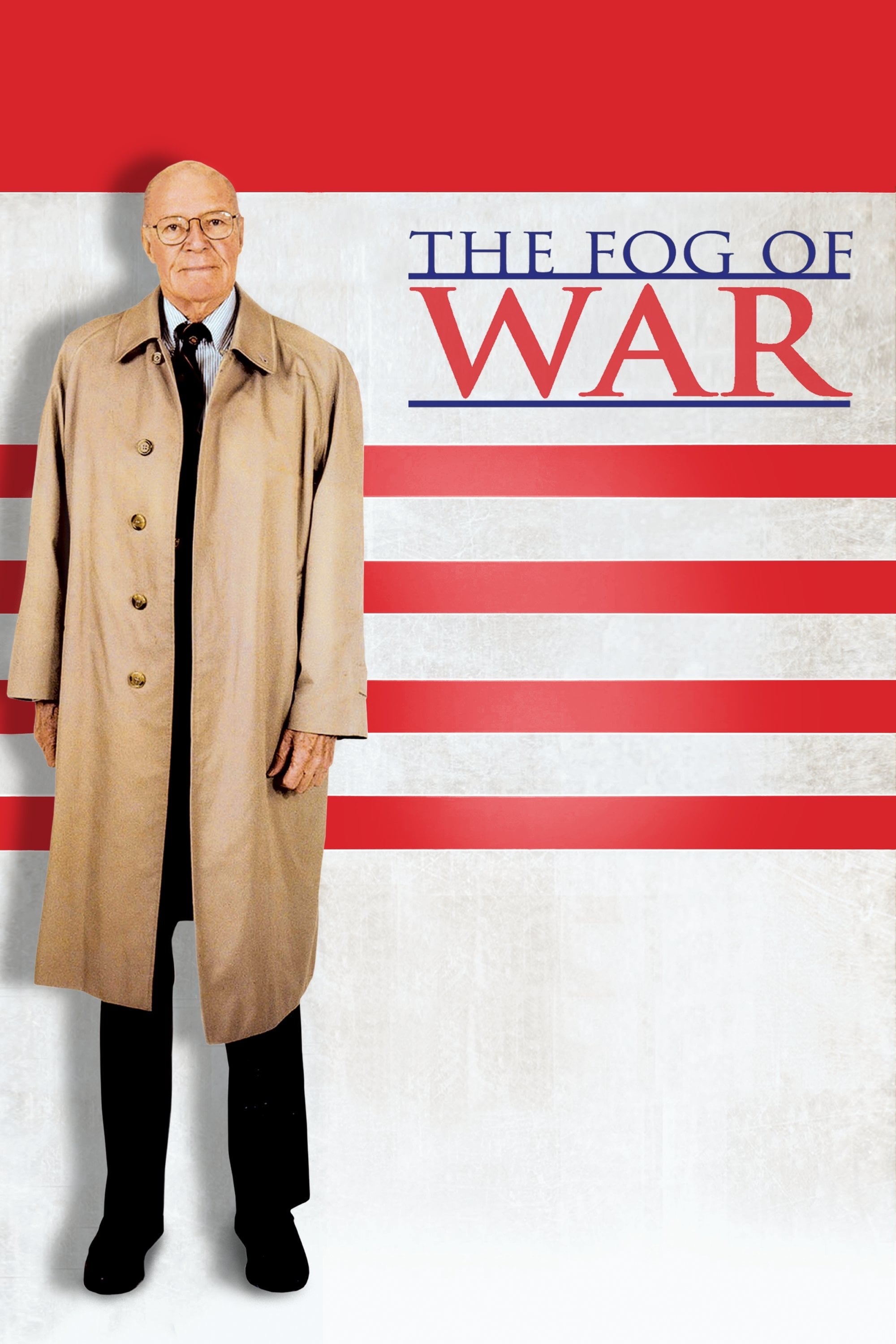
Using archival footage, cabinet conversation recordings, and an interview of the 85-year-old Robert McNamara, The Fog of War depicts his life, from working as a WWII whiz-kid military officer, to being the Ford Motor Company's president, to managing the Vietnam War as defense secretary for presidents Kennedy and Johnson.
Contemporary film critics regard the epic film I Am Cuba as a modern masterpiece. The 1964 Cuban/Soviet coproduction marked a watershed moment of cultural collaboration between two nations. Yet the film never found a mass audience, languishing for decades until its reintroduction as a "classic" in the 1990s. Vicente Ferraz explores the strange history of this cinematic tour de force, and the deeper meaning for those who participated in its creation.
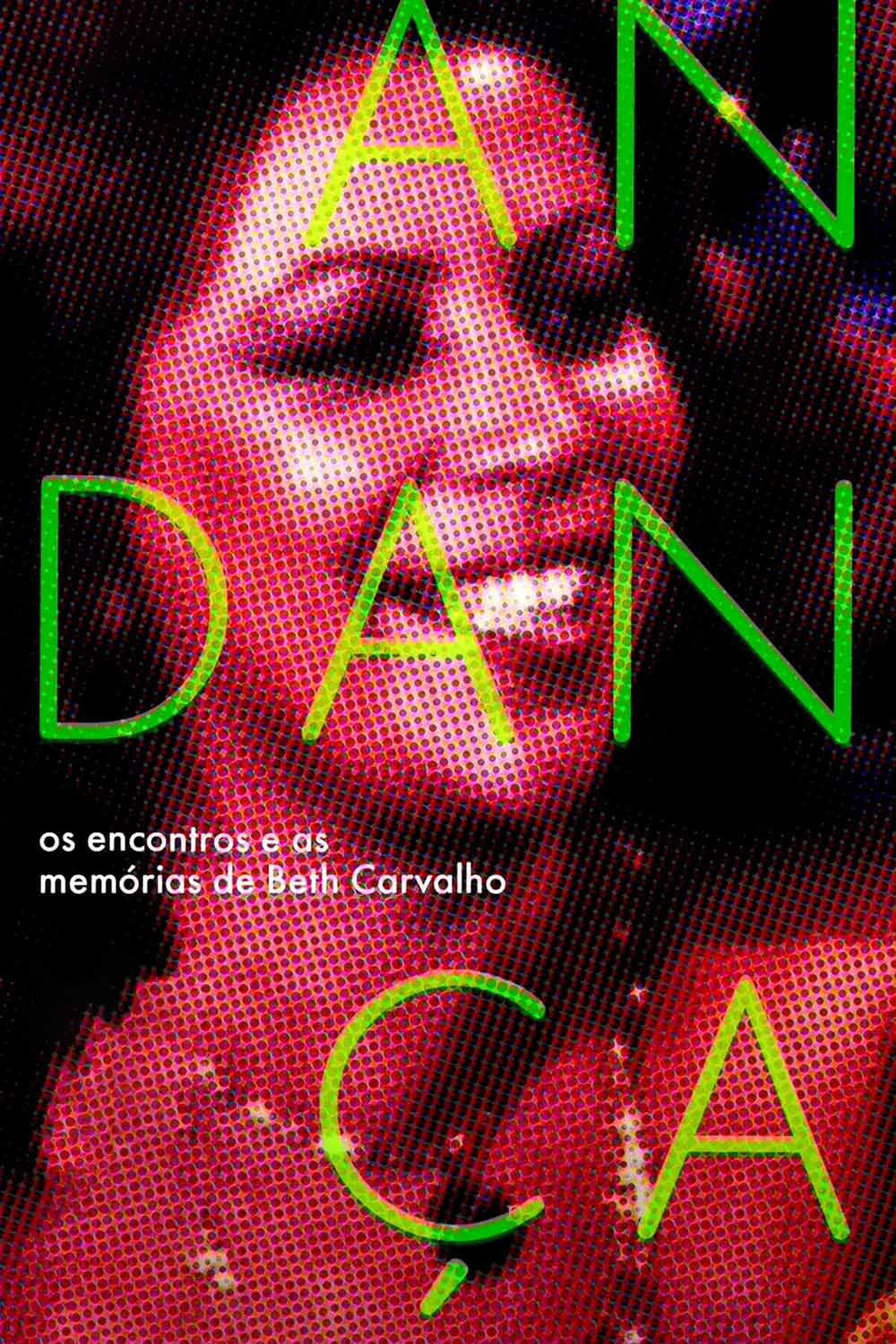
A documentary on the career of Beth Carvalho, the Brazilian singer who became a well known samba legend from the 1970s onwards, edited together from hundreds of hours of footage and audio files kept (and partially recorded) by Carvalho herself during her lifetime.
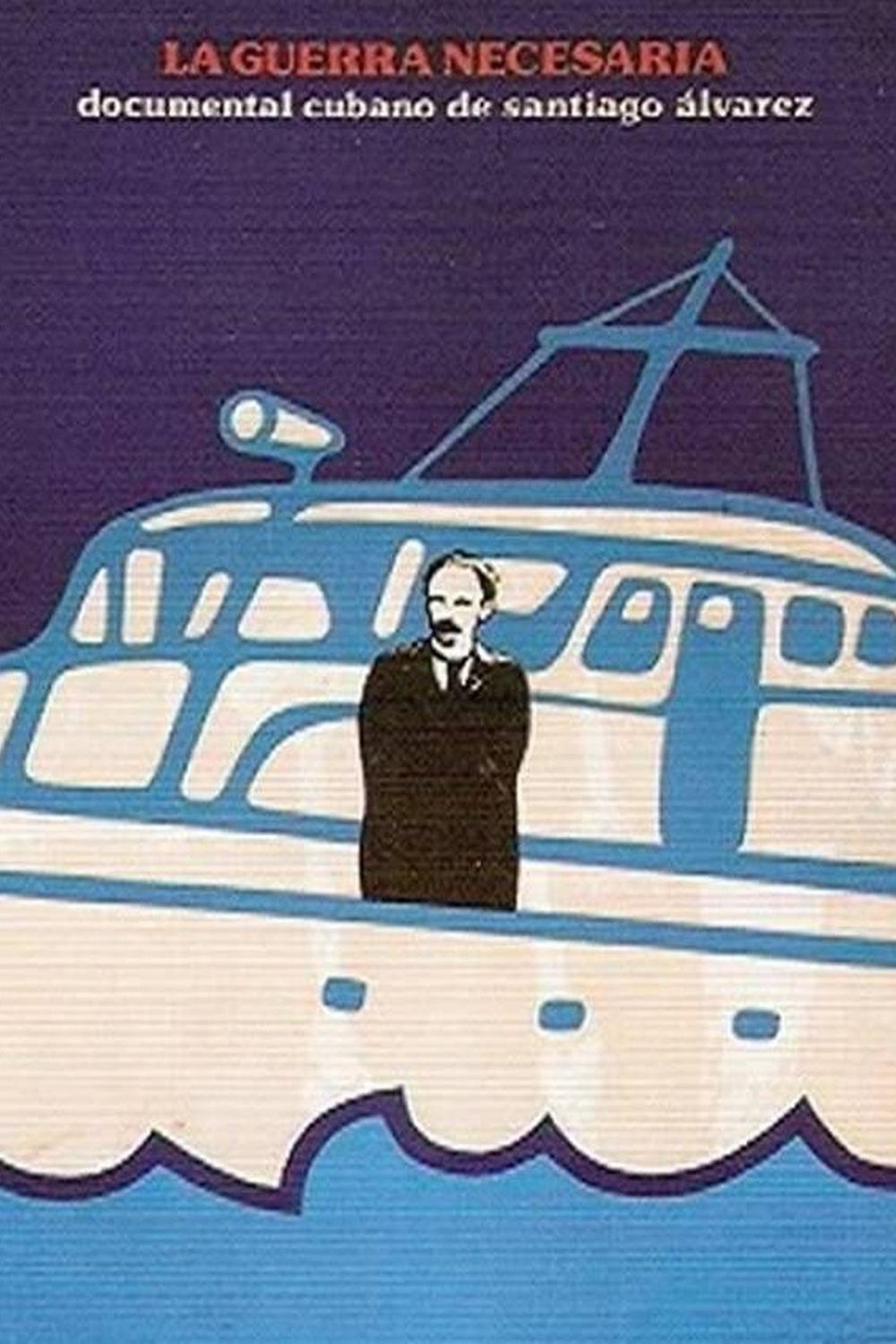
Alvarez' longest documentary examination of the Cuban Revolution, this contains exceptional interviews with Fidel, Raúl, Almeida, Vilma, Haydee, Celia and Faustino Perez, among other key players in the Revolution.
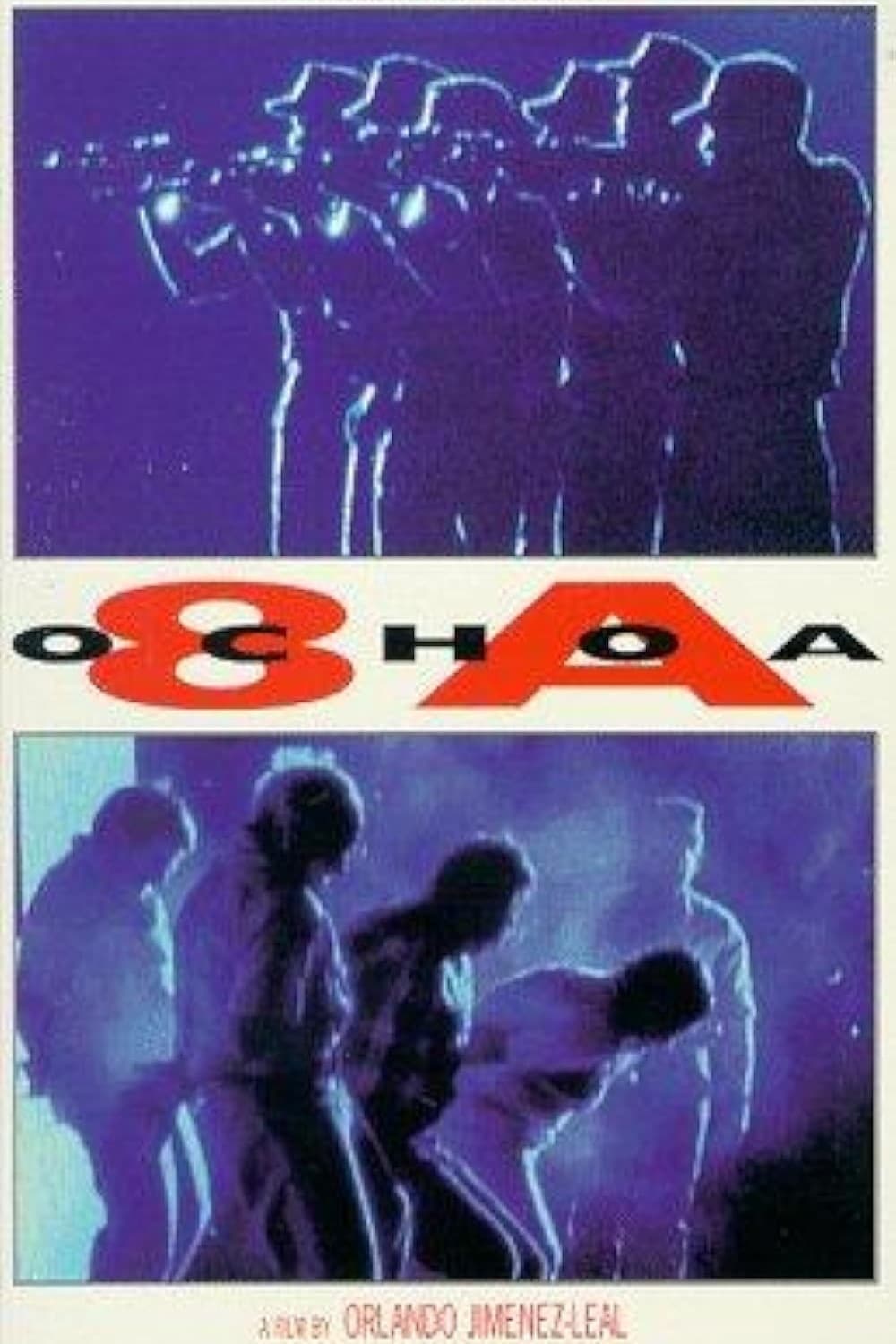
The Kafkaesque world of Cuba under Castro's rule is brought to light in this reconstruction of the 1989 trial and execution of General Arnaldo Ochoa Sanchez, the highest-ranking general and hero of the revolution, and commander of the Angolan and Ethiopian campaigns.
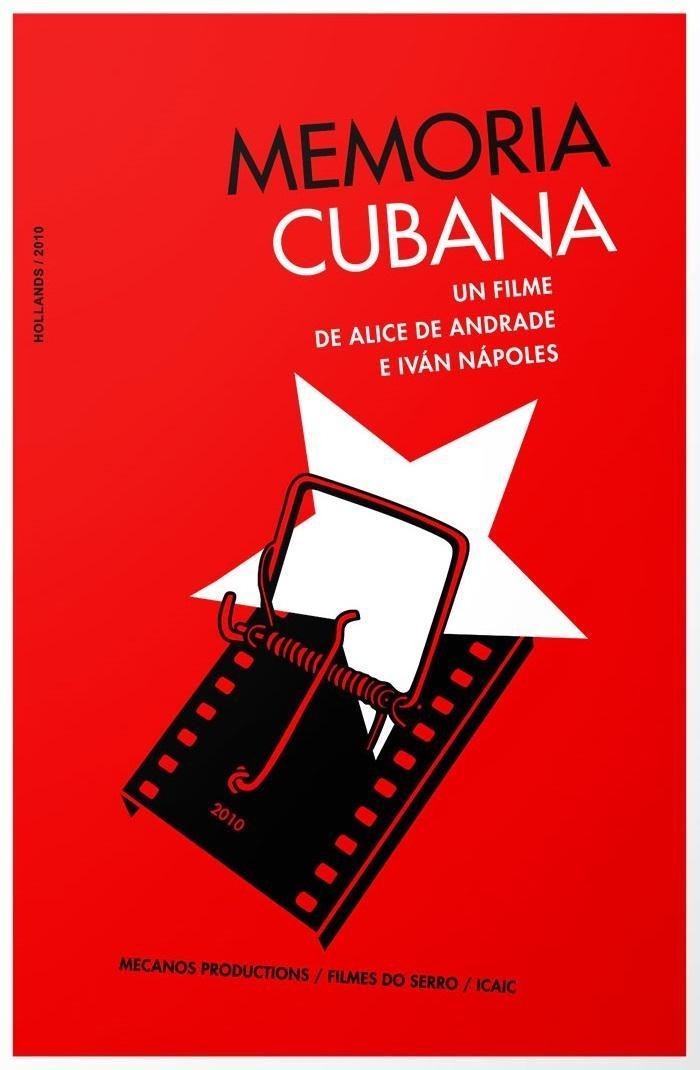
Through the files of Cuban cinema news program Noticieros ICAIC Latinoamericanos, the documentary shows the most relevant events of the second half of the 20th century as seen by the documentary filmmakers of the island. During three decades and under the general direction of Santiago Álvarez, these moviemakers witnessed almost everything: from the shivers of the Cold War to Bola de Nieve's piano solos; from the discovery of the killing fields in Cambodia to the Carnation Revolution in Portugal. In 2009, the original negatives of Noticieros ICAIC Latinoamericanos were declared part of the "world memory" by UNESCO.
Profiles the Cuban Revolution and Fidel Castro at political middle age. The Cuban leader reflects on his life and Cuba — past, present and future – and declares his continuing faith in communism. In numerous other interviews, including encounters with people on the streets, Cuban citizens voice their pro and con feelings about the revolution and Cuban society.
The documentary explores the life and political influence of Fidel Castro, leader of the Cuban Revolution. Through interviews and archival footage, the documentary offers an in-depth look at the events that brought Castro to power and his impact on Cuba and the world.
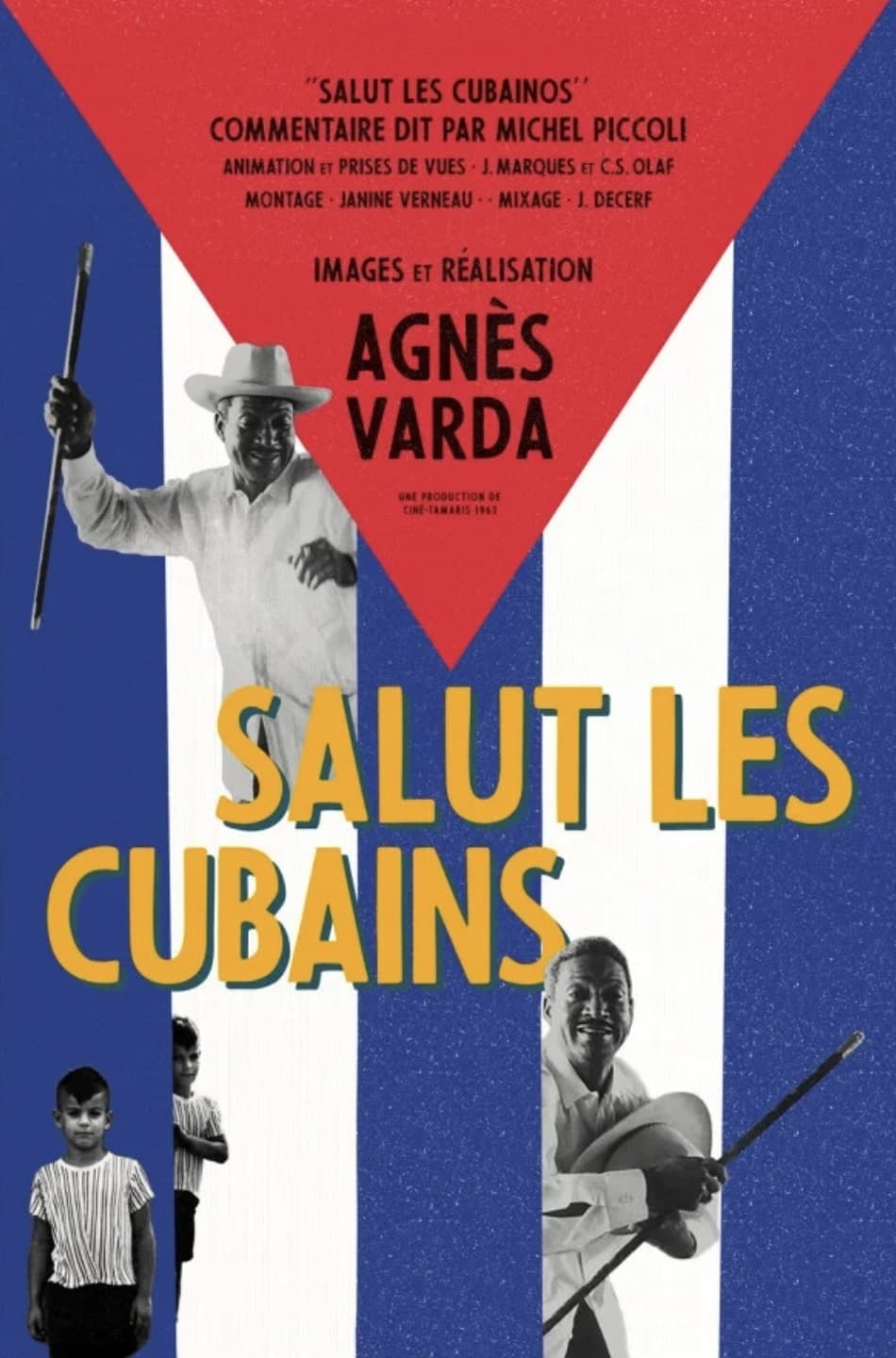
A photo montage of Cubans filmed by Agnès Varda during her visit to Cuba in 1963, four years after Fidel Castro came to power. This black & white documentary explores their socialist culture and society while making use of 1500 pictures (out of 4000!) the filmmaker took while on the island.
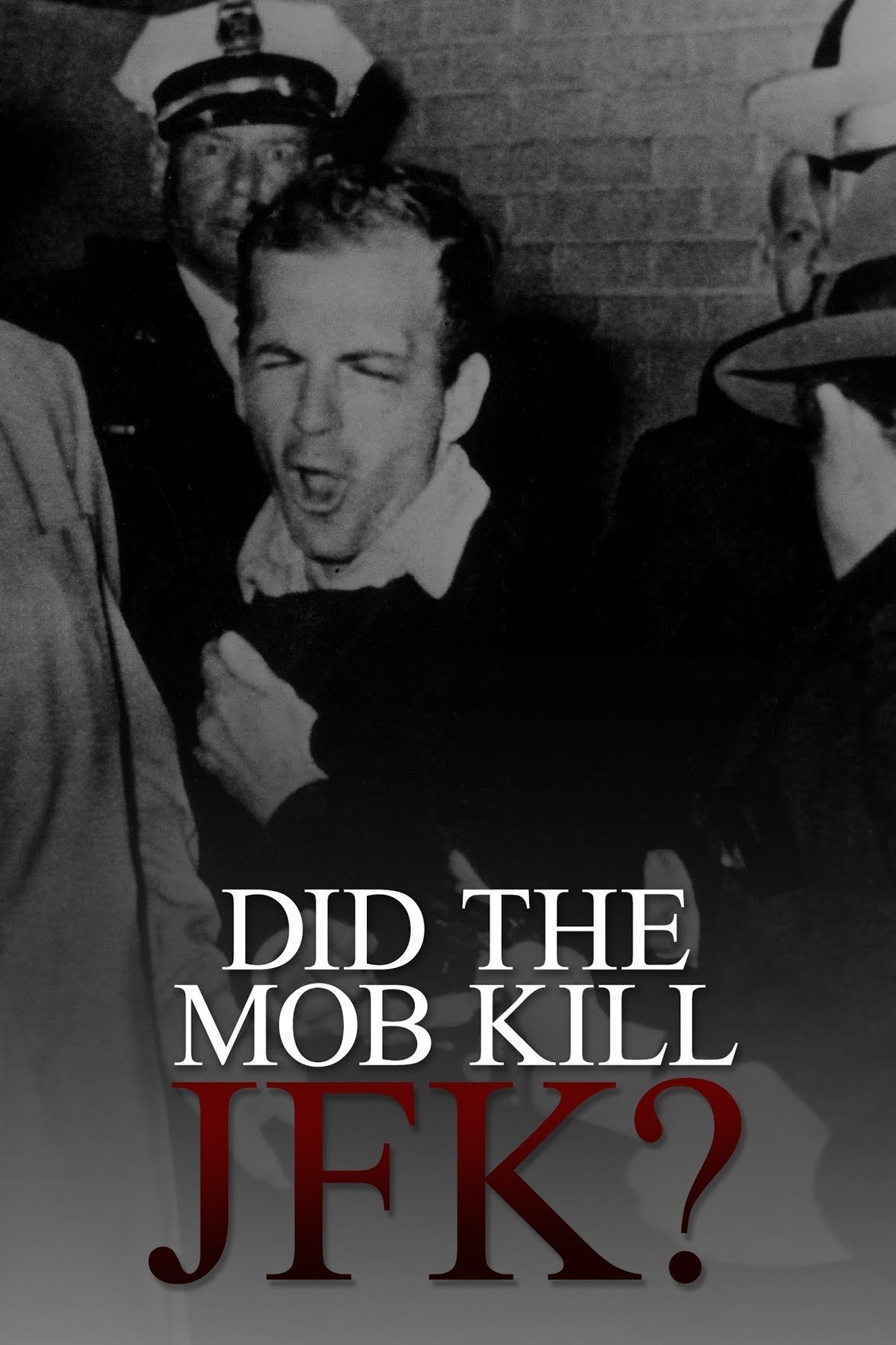
Did the Mafia order the killing of JFK? The compelling evidence includes a never before seen interview with an FBI informant who shared a prison cell with a Mafia kingpin.
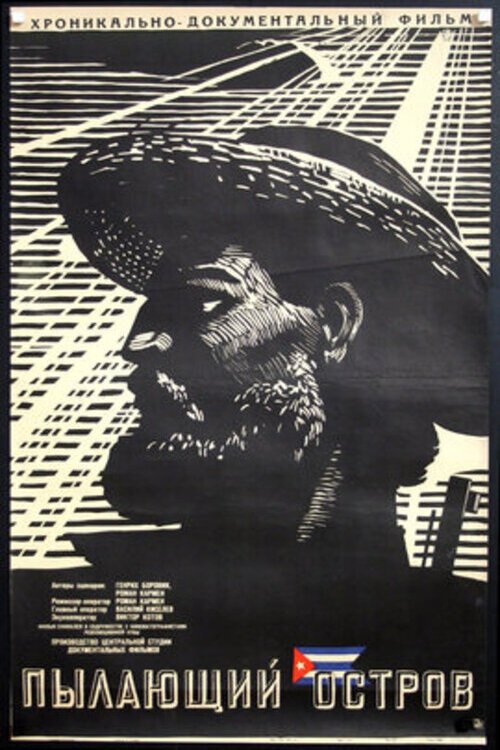
Documentary recounting the story of the Cuban Revolution and its impact on the young people of Cuba.
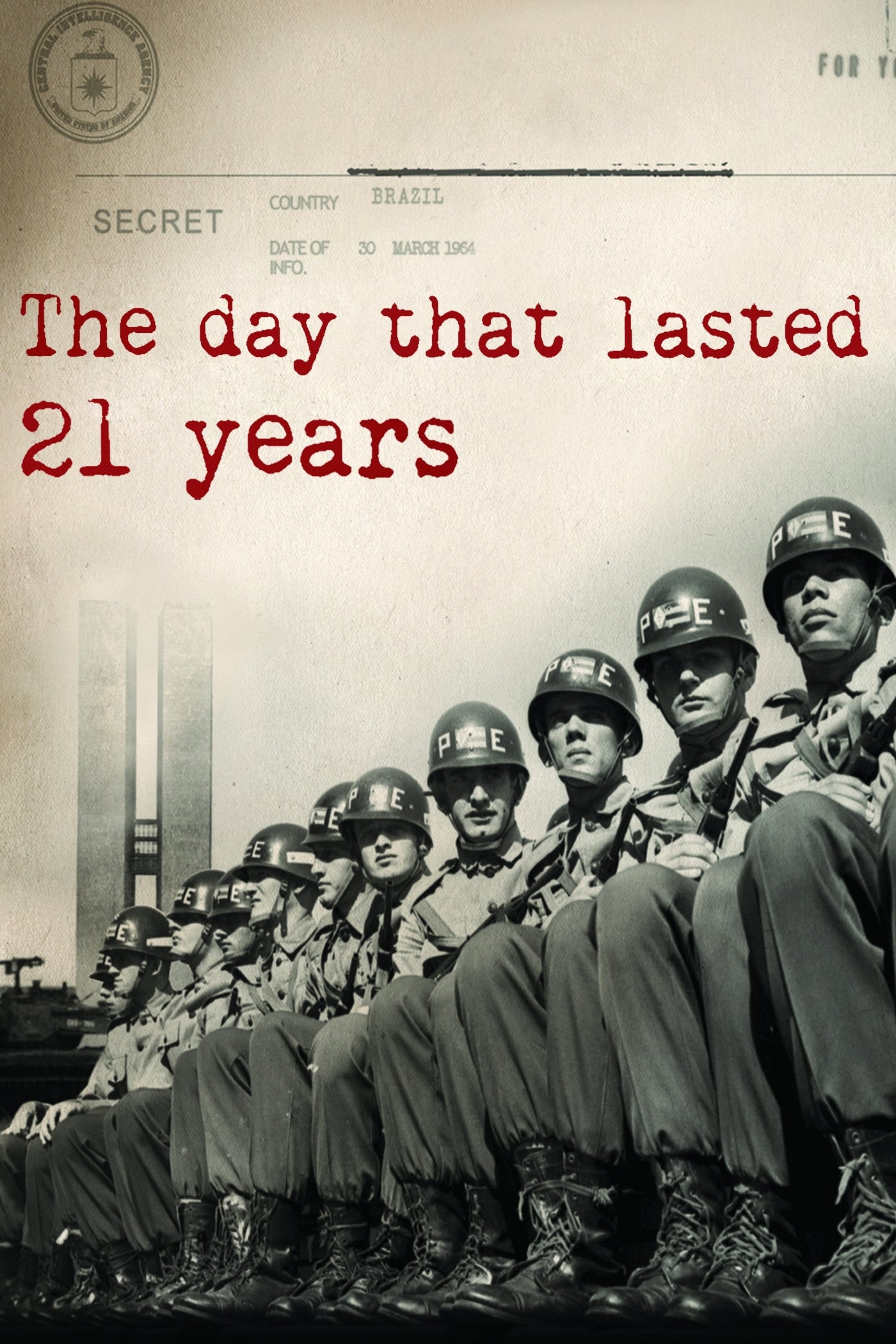
Stunning espionage documentary on the US conspiracy that led to the 1964 Brazilian coup d'état. John F. Kennedy and Lyndon Johnson original White House tapes, and CIA Top Secret documents reveal how the US government planned to overthrow Brazilian elected president João Goulart.
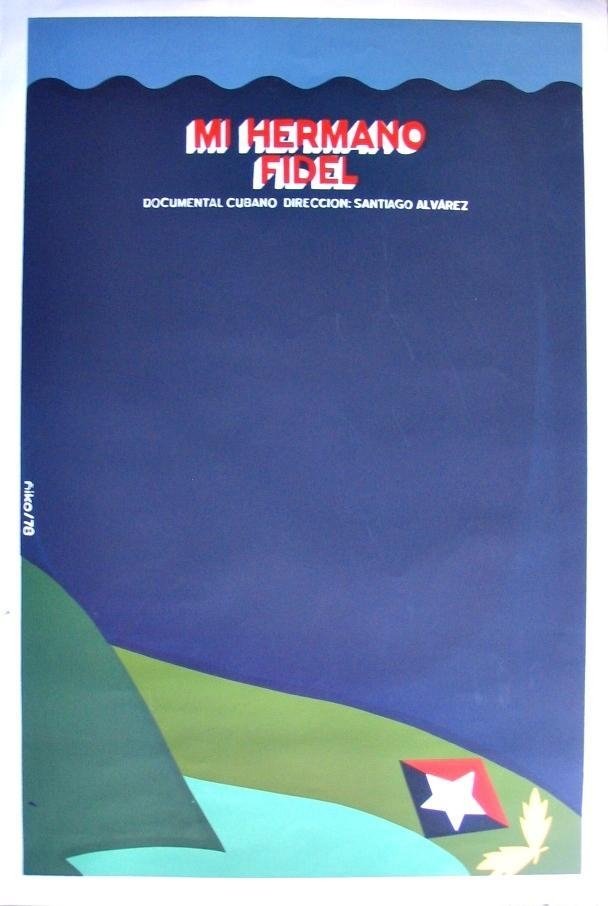
Follows the Cuban leader into the home of a 93 year old acquaintance of Jose Marti, who is now blind and who takes the duration of the film to realize who his illustrious interviewer actually is.
Prior to Fidel Castro's reign, Cuba was open to immigration. However, once Castro proclaimed himself dictator of Cuba, one of the largest exodus recorded began, one that continues today, 47 years after the Cuban Revolution. Six central characters of the film discuss in detail their personal experiences through Operation Pedro Pan, the Freedom Flights, El Mariel, the Rafter Crisis, and the Cuban Visa Lottery.
Anonymous short documentary released immediately after the Chilean military coup of 1973. It recapitulates the presidency of Salvador Allende which was terminated by the military coup that assassinated him and installed a dictatorship. The documentary captures the aftermath of the event and the efforts of international protesters and diplomats in their claim for justice.
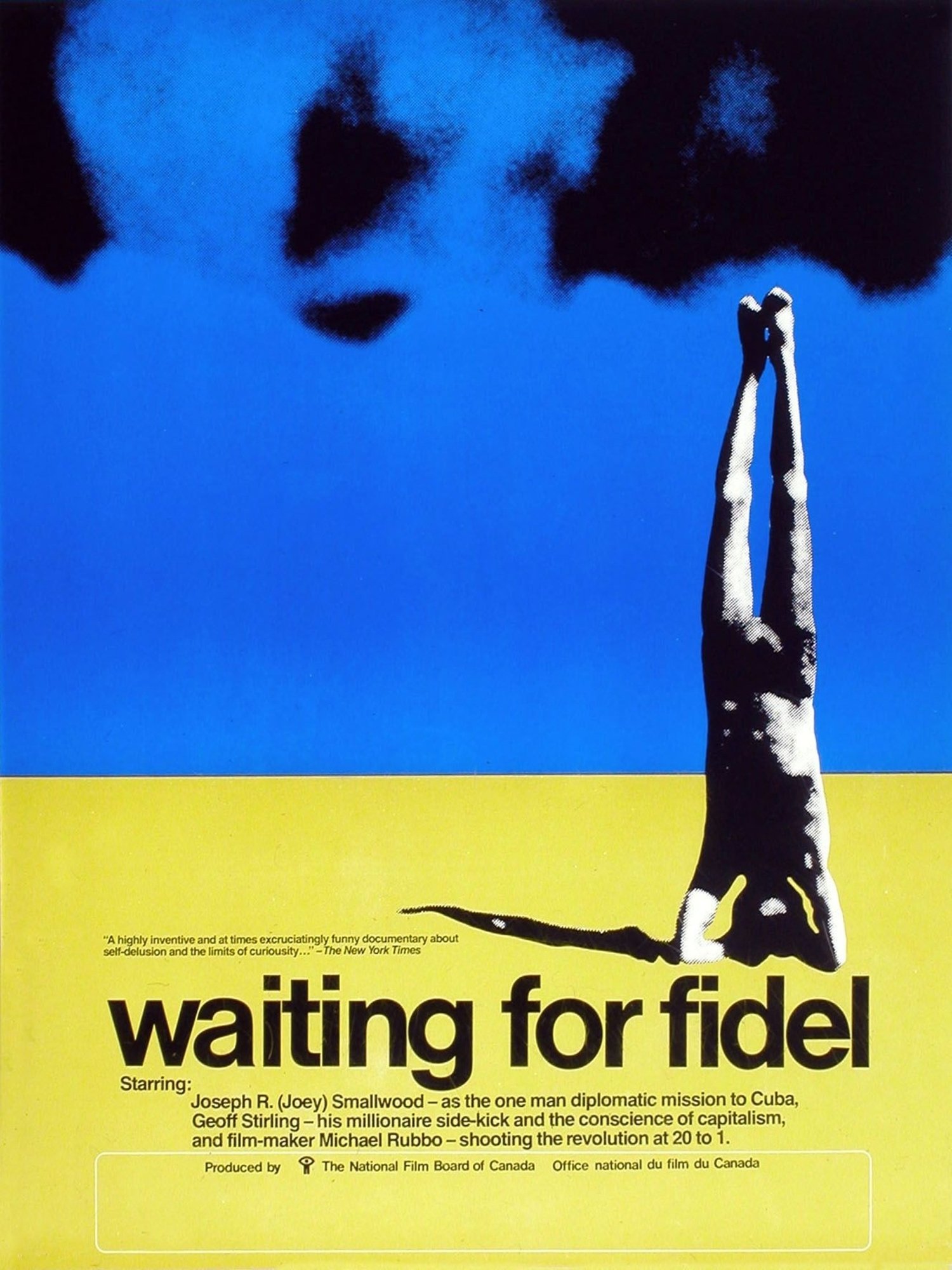
This feature-length documentary from 1974 takes viewers inside Fidel Castro's Cuba. A movie-making threesome hope that Fidel himself will star in their film. The unusual crew consists of former Newfoundland premier Joseph Smallwood, radio and TV owner Geoff Stirling and NFB film director Michael Rubbo. What happens while the crew awaits its star shows a good deal of the new Cuba, and also of the three Canadians who chose to film the island. (NFB)

Adventurer, filmmaker, inventor, author, unlikely celebrity and conservationist: For over four decades, Jacques-Yves Cousteau and his explorations under the ocean became synonymous with a love of science and the natural world. As he learned to protect the environment, he brought the whole world with him, sounding alarms more than 50 years ago about the warming seas and our planet’s vulnerability. In BECOMING COUSTEAU, from National Geographic Documentary Films, two-time Academy Award®-nominated filmmaker Liz Garbus takes an inside look at Cousteau and his life, his iconic films and inventions, and the experiences that made him the 20th century’s most unique and renowned environmental voice — and the man who inspired generations to protect the Earth.
Through the voice of an impersonator, the cuban hero will recount with us his political career. This tender, caustic yet authentic portrait will take us through his life from euphoria to revolt, from hollow laugh to genuine cheerfulness. Here comes... "En la Piel de Fidel".
A documentary depicting Cuba/US relations through baseball.
After directing two documentaries on Fidel Castro in 2002 ("Comandante") and 2003 ("Looking for Fidel"), filmmaker Oliver Stone returned to interview Castro in 2009 for the first in-depth conversation since Castro had stepped down as president and recovered from colon surgery. In this new film, Castro is interviewed at home, surrounded by his family. The stimulating conversation is friendly and casual, as Castro offers his perspective on current leaders such as President Barack Obama and Secretary of State Hillary Clinton, as well as controversial events such as the coup in Honduras, upheaval in Iran, and the collapse of the Soviet Union's effect on the Cuban economic model. Castro also reflects on some of the defining moments of his life during the last 50 years, including John F. Kennedy's assassination and the Cuban Missile Crisis.
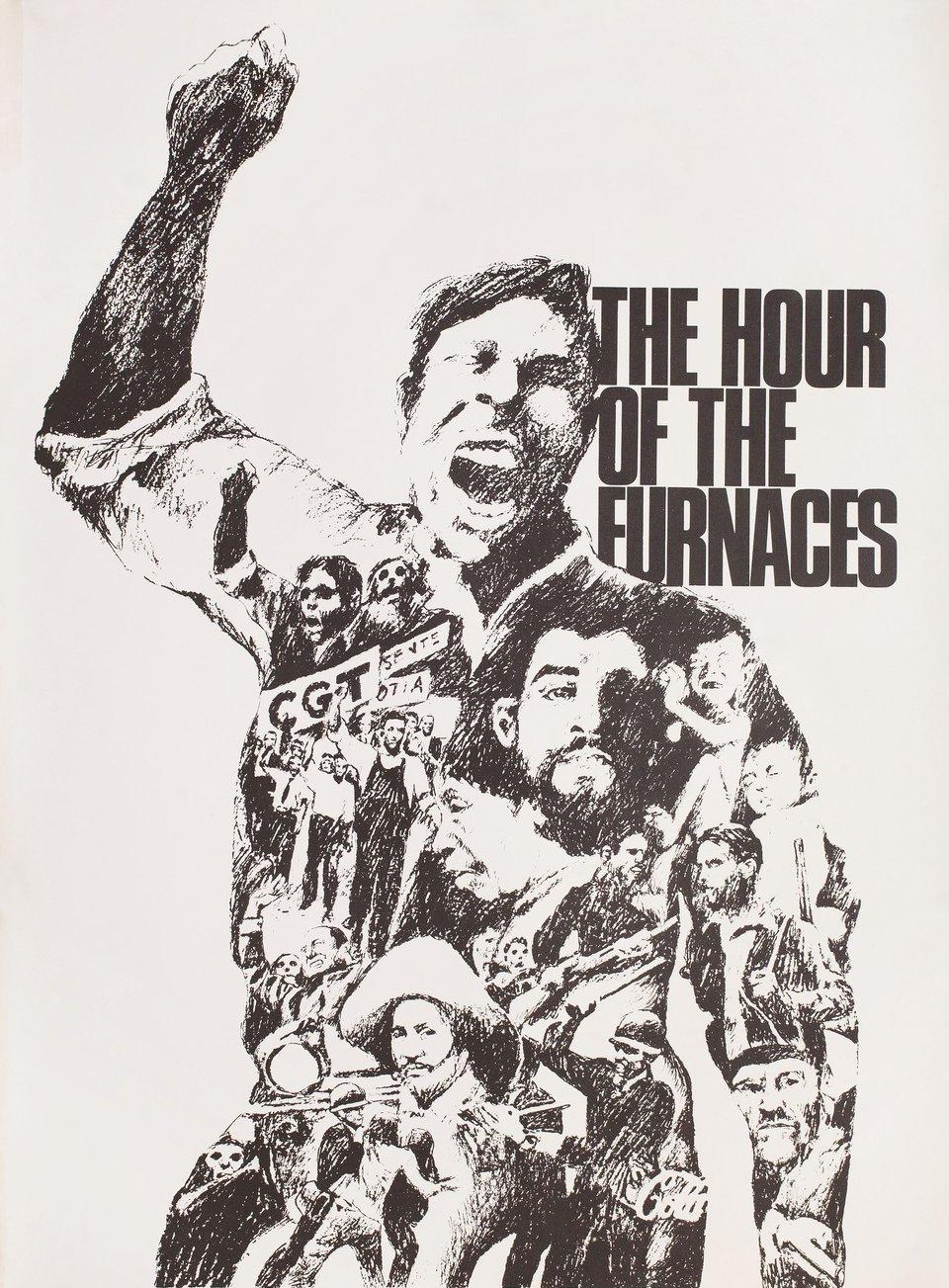
An impassioned three-part documentary of the liberation struggle waged throughout Latin America, using Argentina as a historical example of the imperialist exploitation of the continent. Part I: Neo-Colonialism and Violence is a historical, geographic, and economic analysis of Argentina. Part II: An Act For Liberation examines the ten-year reign of Juan Perón (1945-55) and the activities of the Peronist movement after his fall from power. Part III: Violence and Liberation studies the role of violence in the national liberation process and constitutes a call for action.
Half blind and half deaf, ostraziced Cuban writer Rafael Alcides tries to finish his unpublished novels to discover that after several decades, the home made ink from the typewriter he used to write them has faded. The Cuban revolution as a love story and eventual deception is seen through the eyes of a man who is living an inner exile.
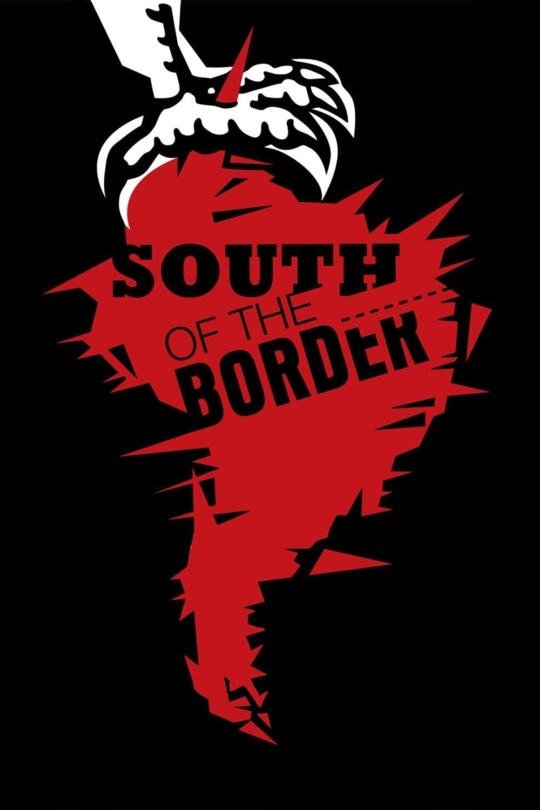
A road trip across five countries to explore the social and political movements as well as the mainstream media's misperception of South America while interviewing seven of its elected presidents.
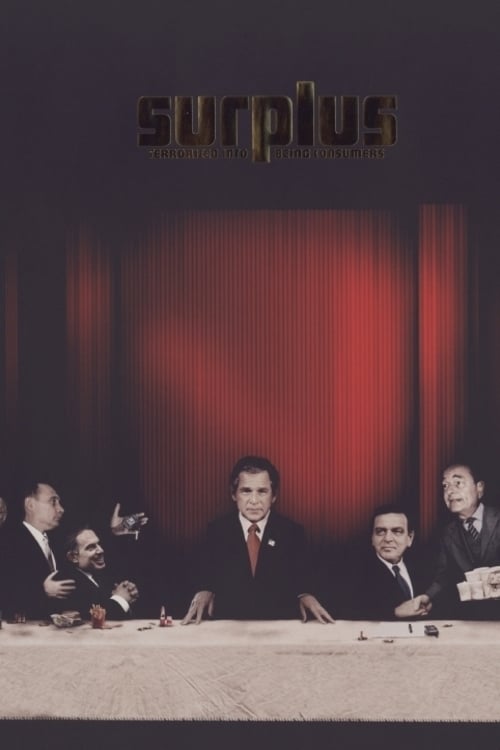
Swedish documentary film on consumerism and globalization, created by director Erik Gandini and editor Johan Söderberg. It looks at the arguments for capitalism and technology, such as greater efficiency, more time and less work, and argues that these are not being fulfilled, and they never will be. The film leans towards anarcho-primitivist ideology and argues for "a simple and fulfilling life".
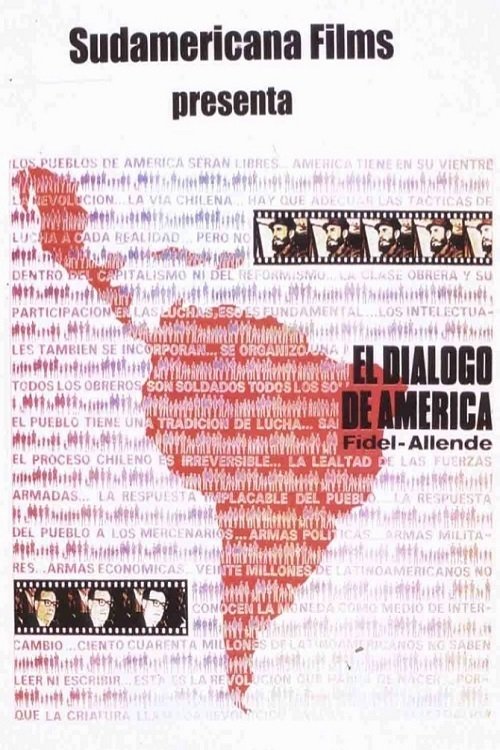
In November 1971, Salvador Allende and Fidel Castro chat to each other about revolution, imperialism, oligarchy, underdevelopment, cultural dependency and economics.
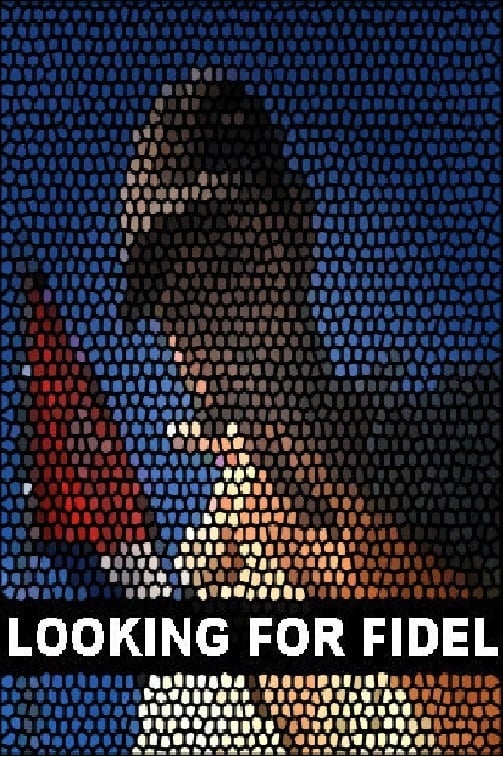
A man living in the USA is nauseated by the media power and Consumerism, decides to go to Cuba with the intention of meeting Fidel Castro. The man is looking for revolution and socialism for a better future for everybody... But he finds a different Cuba from what he thought. Nostalgic, sad, tired of a strong prohibitionist, and of a shortage of speaking and thinking freedom, for a difficult human situation (before a politic idea).
Two Meetings and a Funeral explores Bangladesh’s historical pivot from the socialism of the 1973 Non-Aligned Movement (NAM) meeting in Algeria to its ideological counterpoint, the emergence of a strong Islamic perspective at the 1974 Organisation of Islamic Countries (OIC) meeting in Lahore. Centred on Bangladesh’s navigation of these two historic meetings, as well as its fight for United Nations recognition (vetoed by China, acting as a proxy for Pakistan), the film considers the erosion of the idea of the Third World as a potential space for decolonialism, liberation theology and socialism. In particular, it looks at how a transnational Islamic ‘ummah’ concept was used against socialist forces.
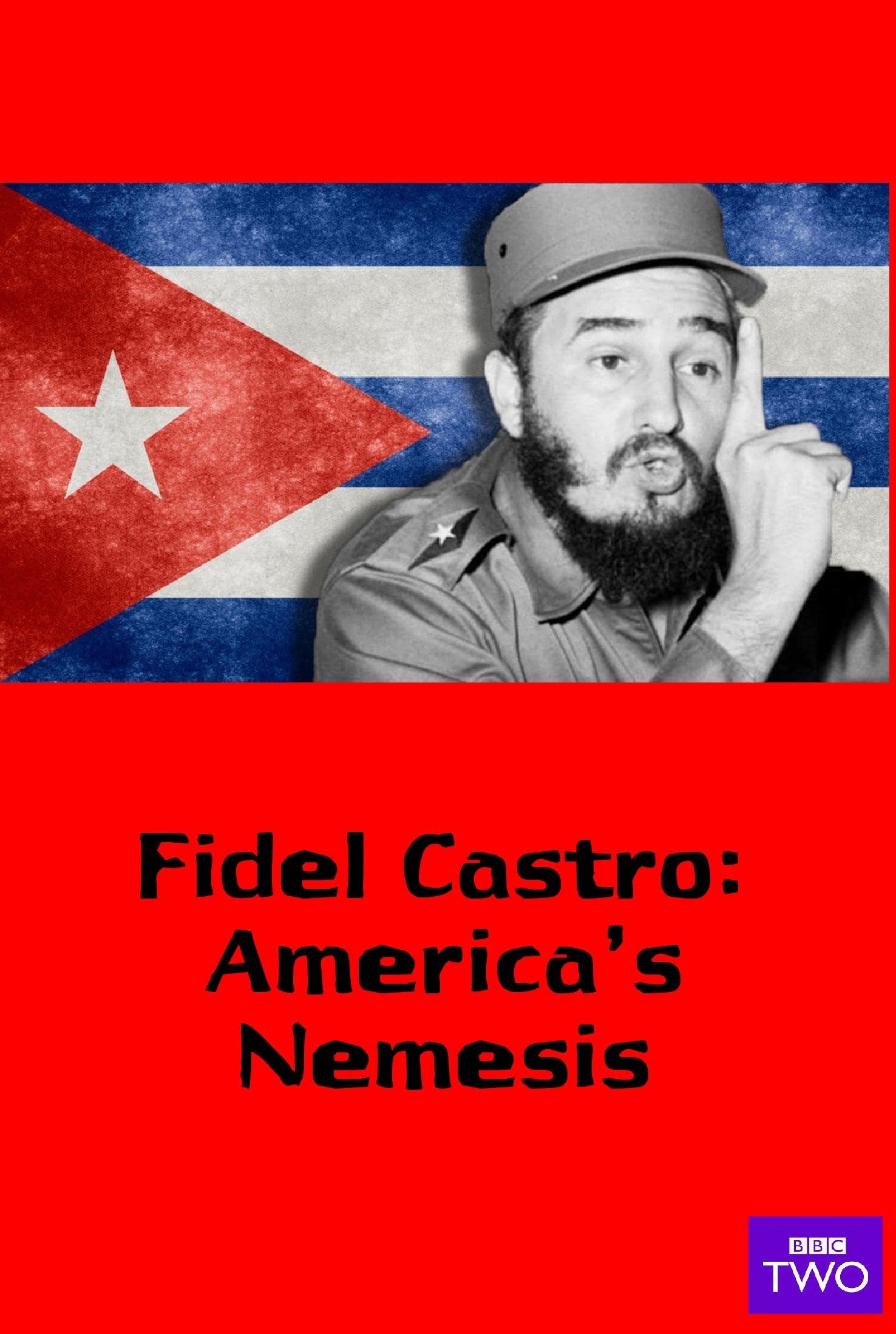
Fidel Castro, the former President of Cuba and one of the most controversial figures of the 20th century, passed away in November. He famously claimed that "history will absolve me", but will it? This special film considers Castro and his legacy.
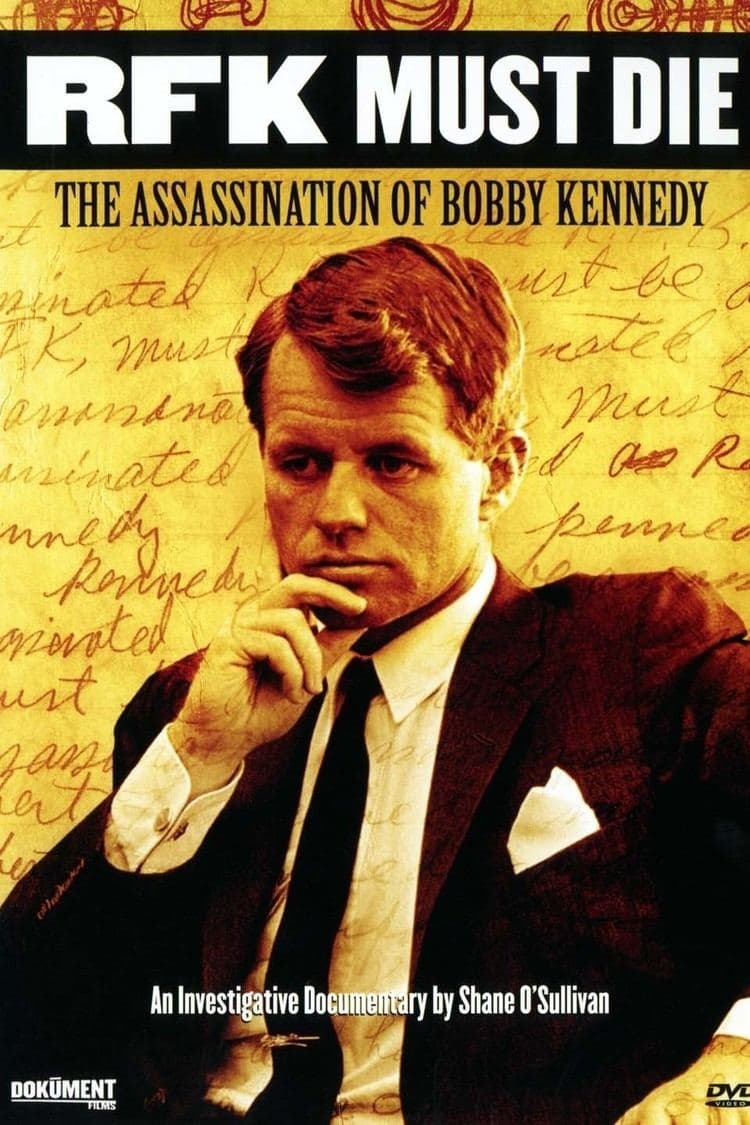
A new investigative documentary exploring the controversies surrounding the assassination of Bobby Kennedy on June 5, 1968 as he looked set to challenge Nixon for the White House. Munir Sirhan tells how his brother Sirhan has never been able to remember the shooting. Sandra Serrano speaks for the first time in forty years about the girl in the polka-dot dress fleeing the scene, yelling "We shot him! We shot him!" And Dr. Herbert Spiegel of Columbia University describes how Sirhan was hypnotically programmed to kill Robert Kennedy.
In Asamblea general (1960), the documentary about Fidel's address of the First Declaration of Havana in the Plaza of the Revolution, Alea practises what becomes a sustaining Cuban contribution to documentary. Engaging with Free Cinema and cinema-vérité, his camera seems to touch the faces of the new citizen one by one rather than as a single mass before a leader.
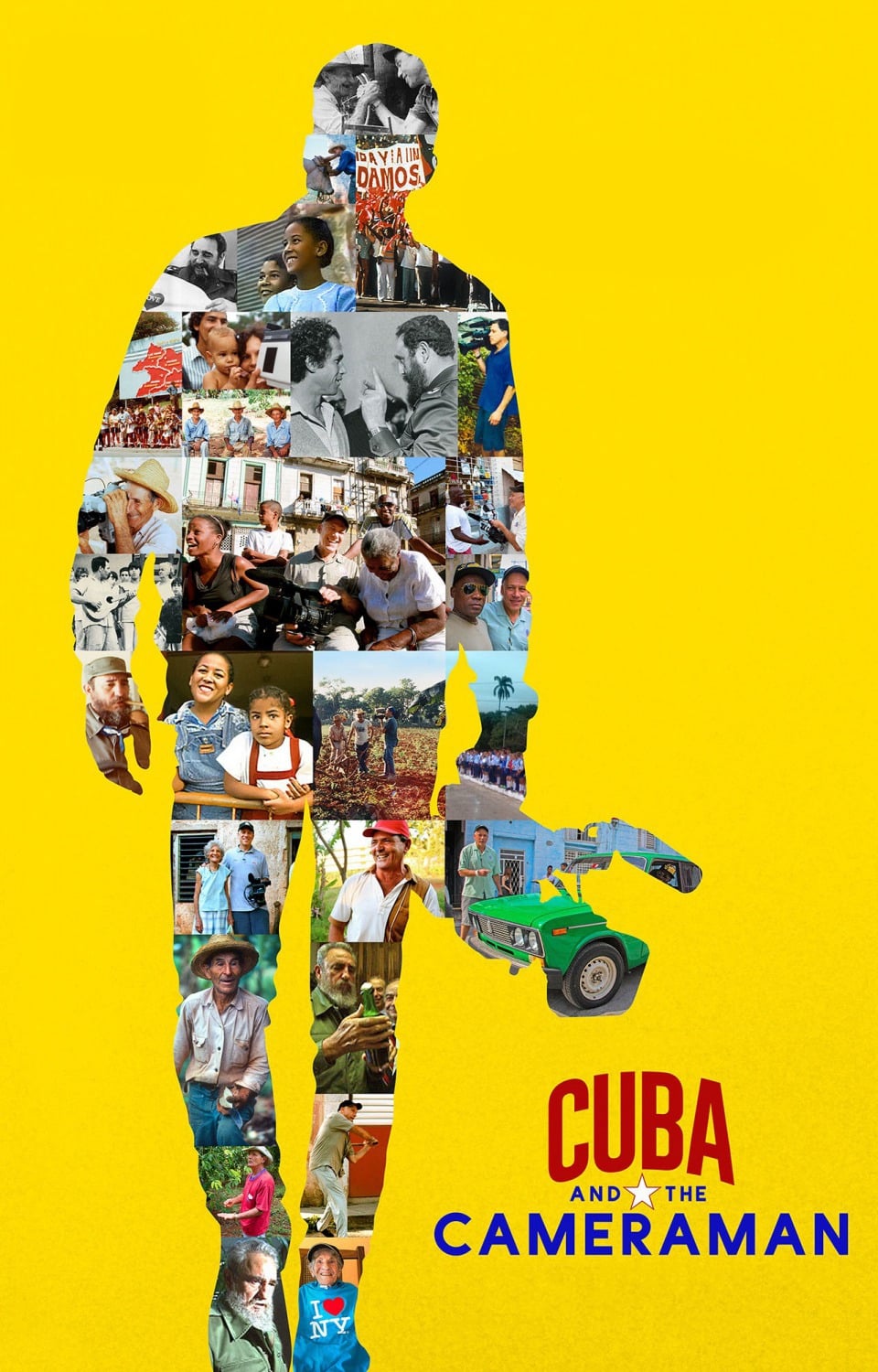
This revealing portrait of Cuba follows the lives of Fidel Castro and three Cuban families affected by his policies over the last four decades.

The story of Tasmanian-born actor Errol Flynn whose short & flamboyant life, full of scandals, adventures, loves and excess was largely played out in front of the camera - either making movies or filling the newsreels and gossip magazines. Tragically he was dead from the effects of drugs and alcohol by the time he was only 50 & the myths live on. But there is another side of Flynn that is less well known - his ambitions to be a serious writer and newspaper correspondent, his documentary films and his interest in the Spanish Civil War and Castro's Cuba

Celia Sánchez Manduley (1920 - 1980) was a Cuban revolutionary, politician, researcher and archivist. She was a very close friend of Fidel Castro. She joined the struggle against the Batista government following the coup of March 10, 1952. She was the founder of the 26th of July Movement in Manzanillo. Together with Frank País, she was one of the first women to assemble a combat squad during the revolution.
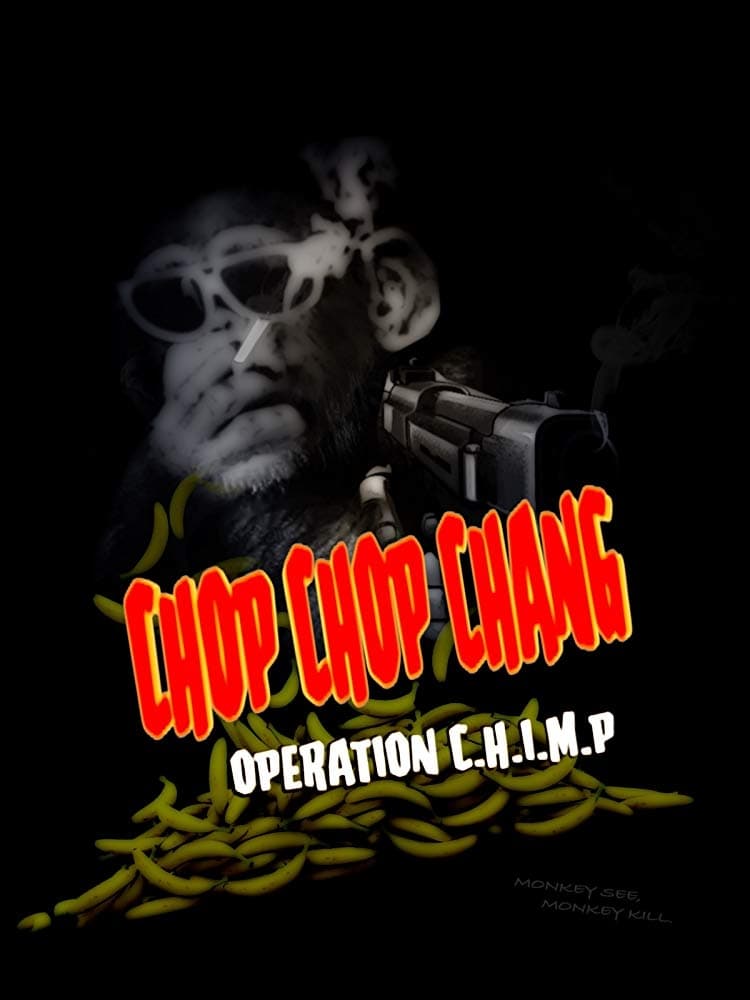
The incredible story of Chop Chop Chang, a world famous circus chimpanzee who is secretly trained by the CIA into a deadly assassin.
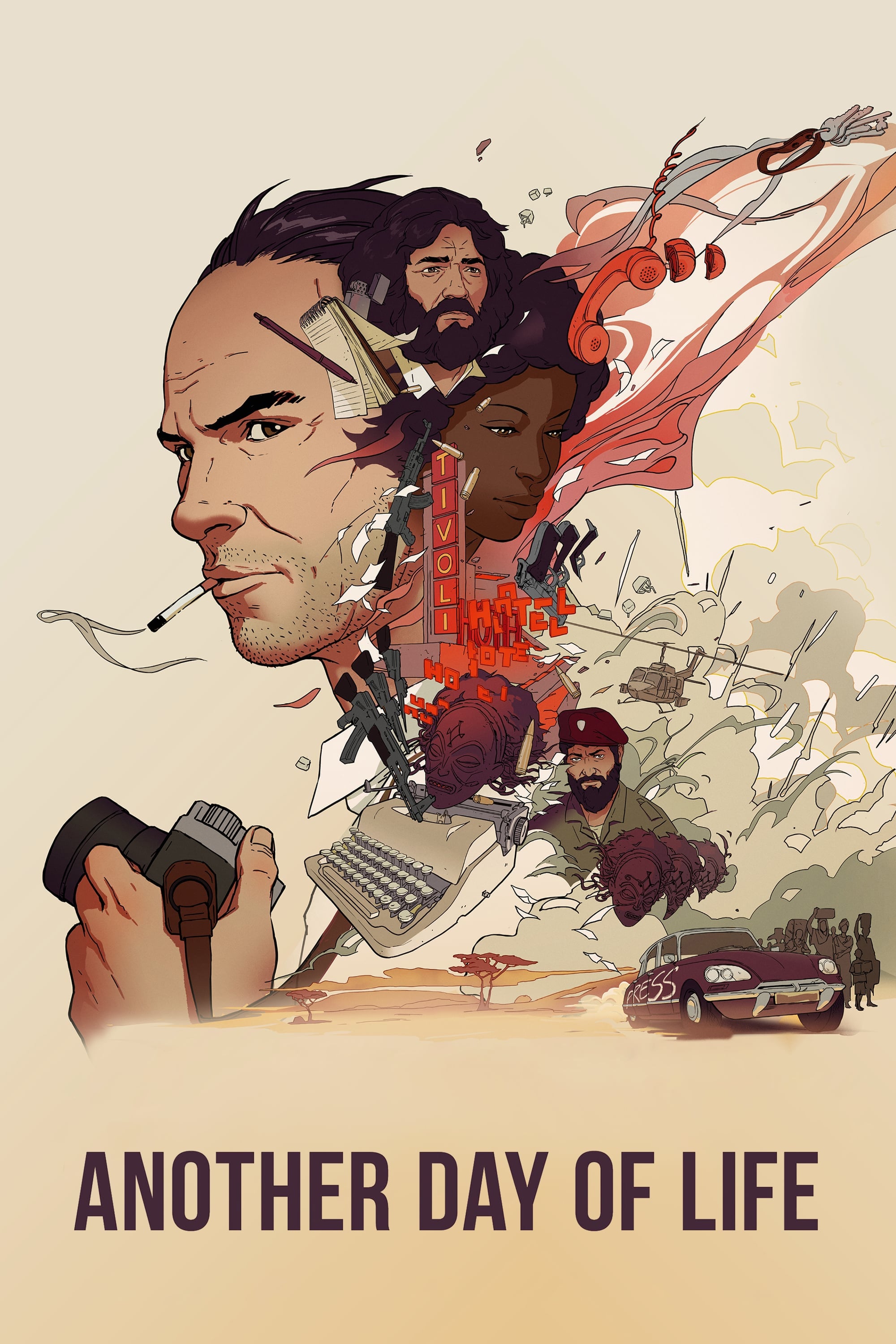
In 1975, Ryszard Kapuściński, a veteran Polish journalist, embarked on a seemingly suicidal road trip into the heart of the Angola's civil war. There, he witnessed once again the dirty reality of war and discovered a sense of helplessness previously unknown to him. Angola changed him forever: it was a reporter who left Poland, but it was a writer who returned…
The story of the persecution of homosexuals and intellectuals in Cuba under Fidel Castro's dictatorship, from the beginning of the Cuban Revolution (1953-59) until the early 1980s. Interviews with relevant personalities of Cuban culture who suffered persecution demonstrate that concentration camps for gays existed in Cuba.
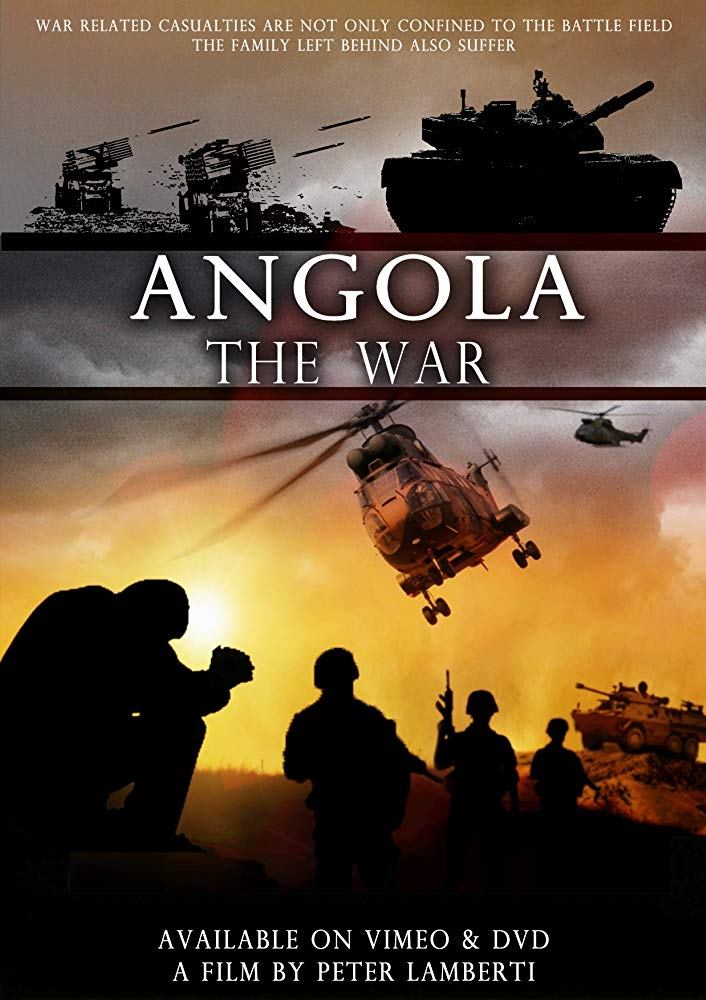
For twenty-three years, five western nations, members of the Soviet bloc and two superpowers were locked into a war never formally declared. It all began in 1966. Once the Draft started, every able-bodied white South African male was called up for service.
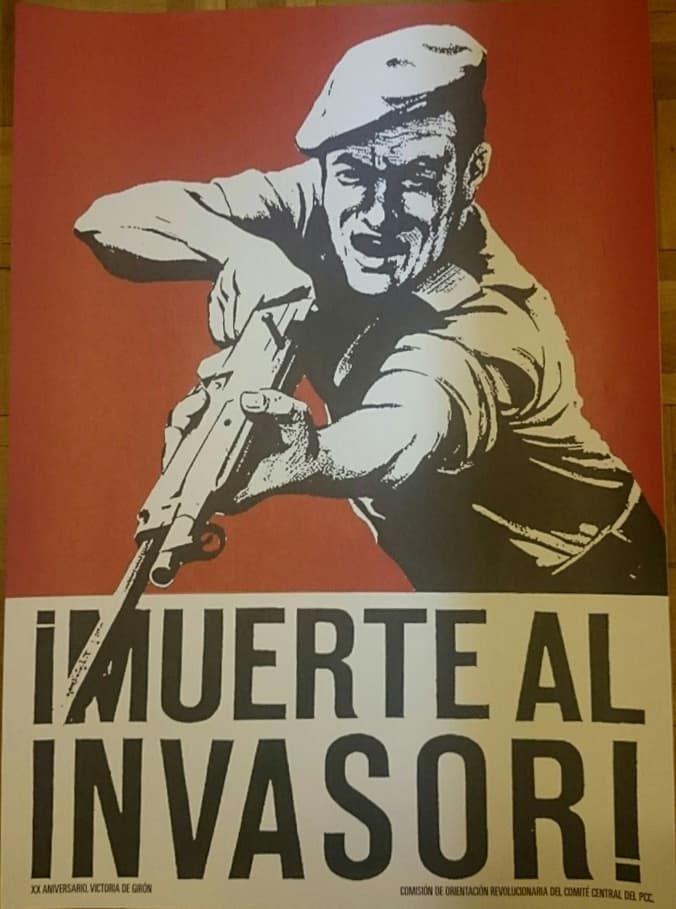
Produced by ICAIC in the wake of the Bay of Pigs invasion, "Muerte al invasor" chronicles the three days of fighting at Playa Girón, portraying the rapid mobilization of Cuban forces and civilians against a CIA-backed exile army.
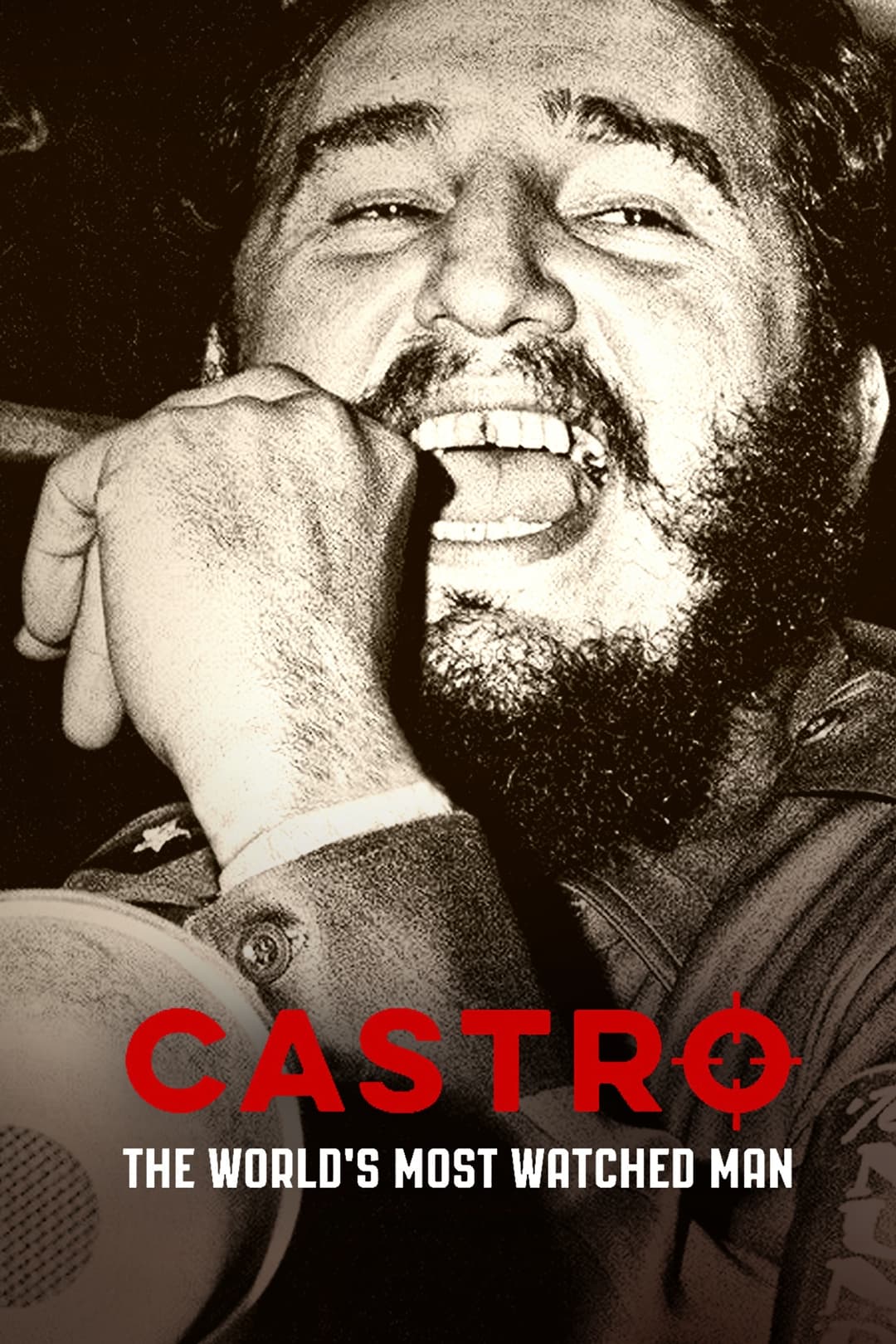
Fidel Castro employed a vast spy network that helped him remain in power.

PBS documentary examining the work of Jack Paar.
Documentary about economic development in Cuba, particularly the effort to boost output of sugar cane. This film is made from a compilation of newsreel footage from the Cuban film institute and from Santiago Alvarez's film Despegue a las 18.00 (Departure 18:00).
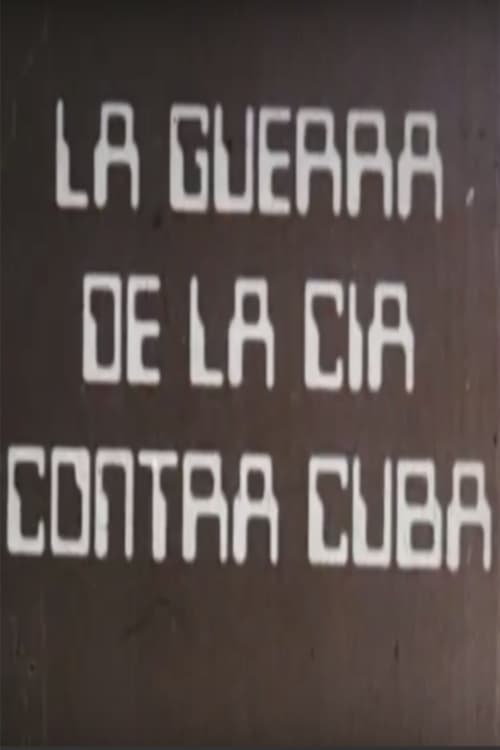
"The CIA's War Against Cuba" - a briefing of the past ten years of CIA activities in Cuba, and the agents and other staff involved by the Dirección General de Inteligencia (DGI). DGI executed a parade of CIA agents active in Cuba, technology used, arms caches, journalists and other correspondents involved in intelligence tasks. This action was taken by Fidel Castro when his top agent Florention Aspillaga defected to the US via their embassy in Vienna, which immediately was followed by more defections and disclosure of so-called double agents. "La guerra de la CIA contra Cuba" was being broadcasted in 11 episodes.
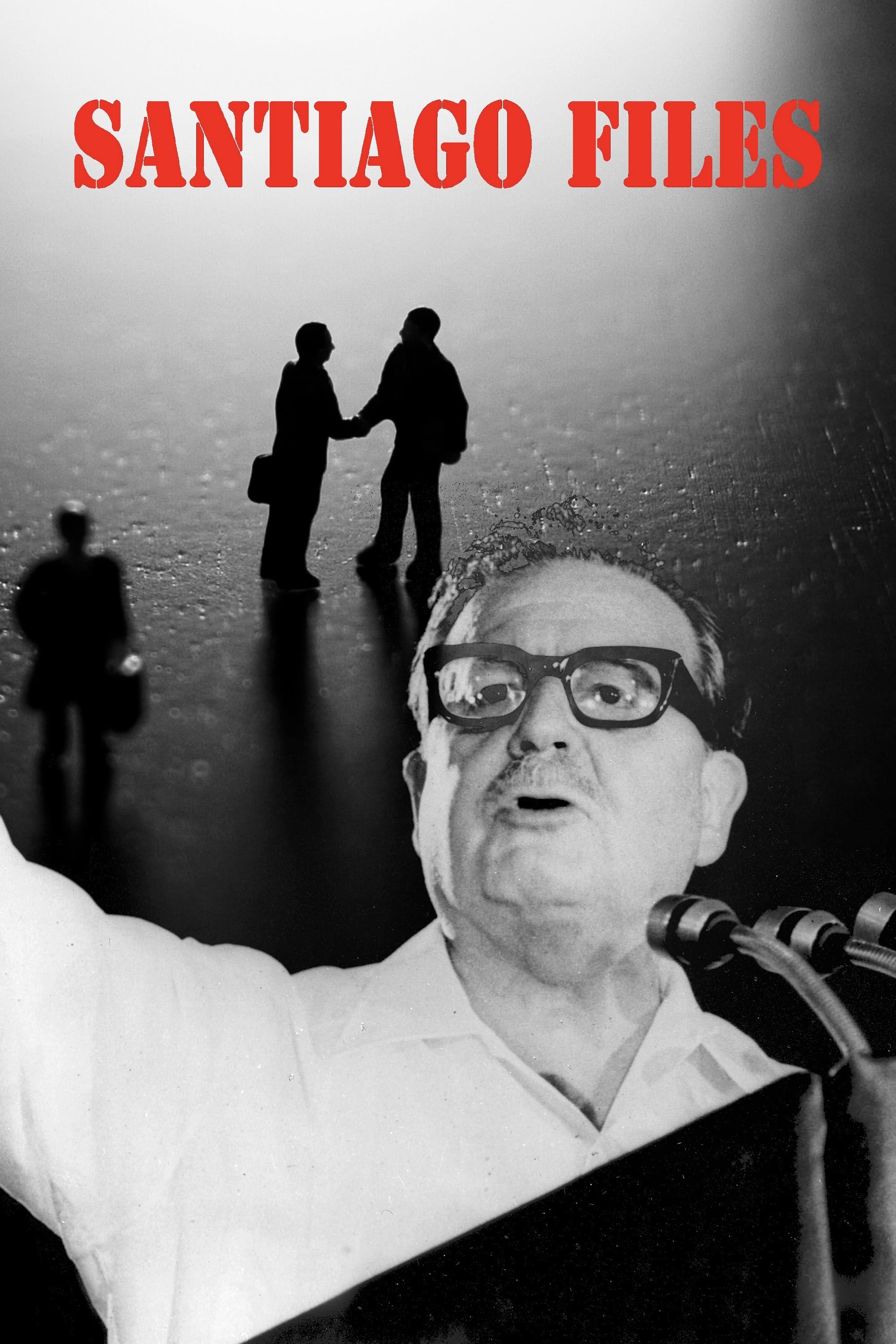
President Salvador Allende's topple from Chile's unstable government and the CIA's involvement in the September Coup that would turn the South American socialist country into a dictatorship.
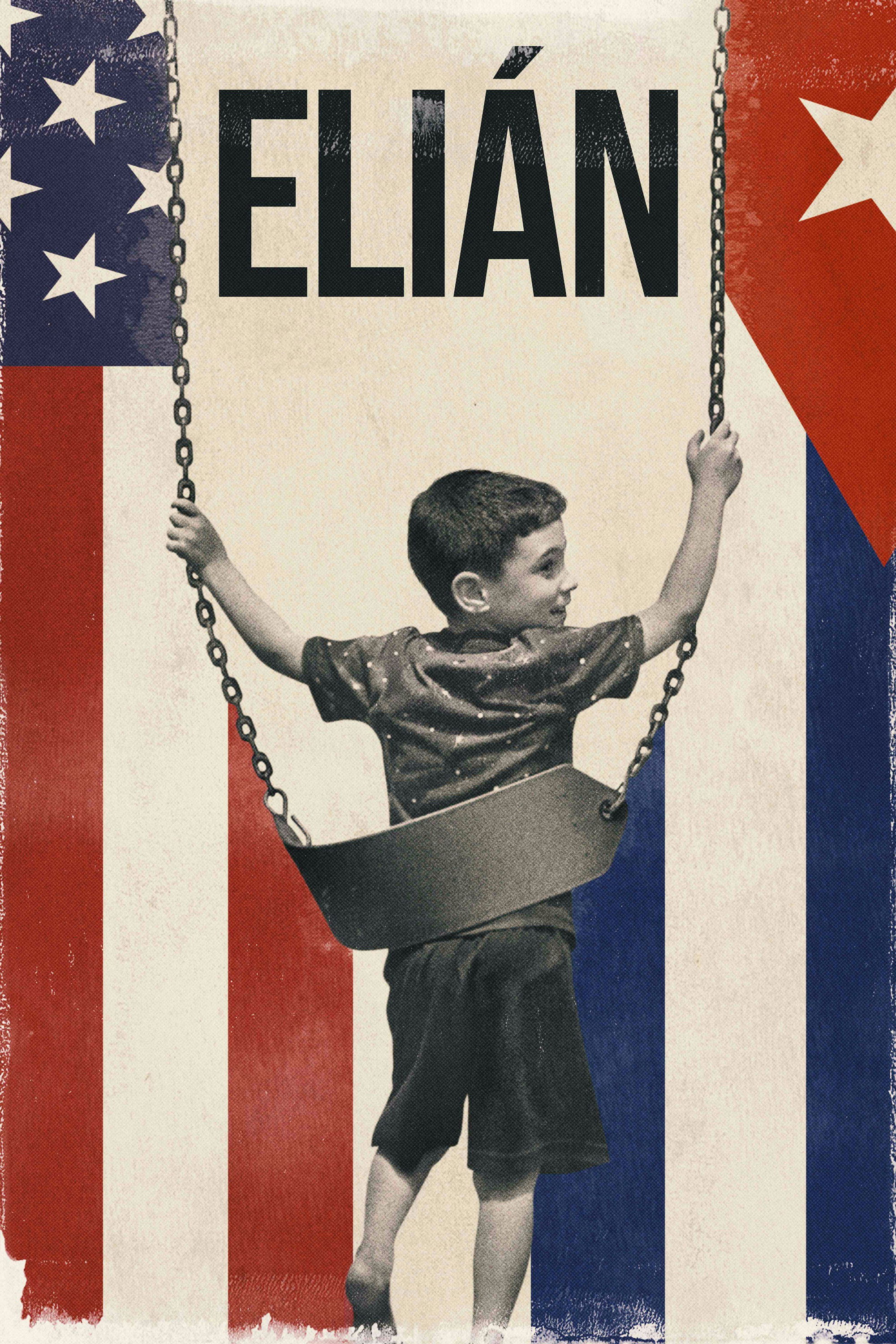
The story of Elián Gonzalez, a five-year-old Cuban boy plucked from the Florida Straits, and how the fight for his future changed the course of U.S.-Cuba relations. Featuring personal testimony, interviews, and a news archive, this documentary recounts Elián’s remarkable rescue on Thanksgiving Day in 1999, after his mother and 10 others fleeing Cuba perished at sea, and the custody battle between the boy’s Cuban father and his Miami-based relatives.
According to the official Cuban version, Fidel Castro died on his bed on November 25, 2016. Sixty years after his arrival on the island, with his troop of guerrillas who came to fight the Batista dictatorship, the director went to meet Cubans who talk about the Lider Maximo, who escaped - according to rumor - more than 630 assassination attempts! For his funeral, Fidel Castro had orchestrated a spectacular procession before his death so that his ashes crossed the island on the same route - in reverse - that he carried out when he was young.
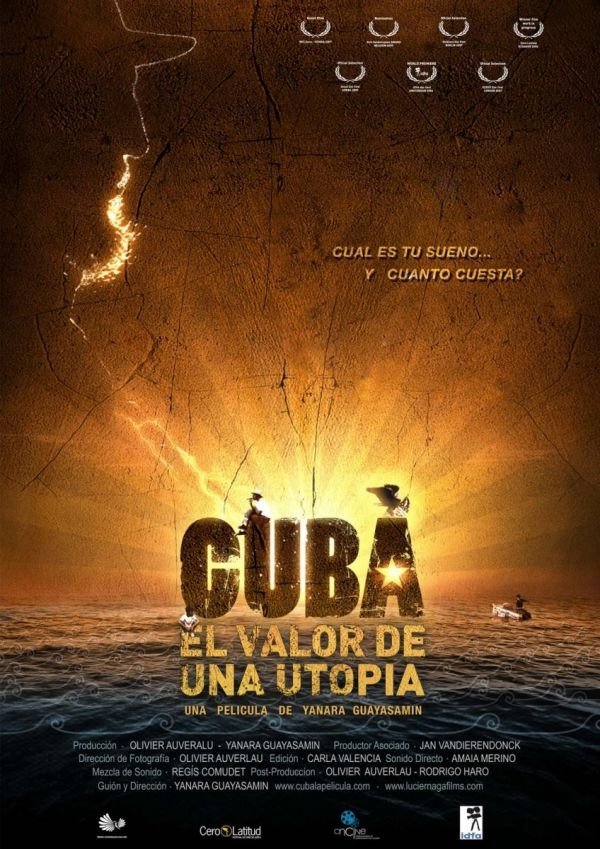
Eyewitnesses, including Castro himself, look back on the period of resistance and the toppling of Batista's dictatorship. By zooming in on the individual within the collective, the detailed story of the revolution unfolds. In the oral tradition, various Cubans report on oppression, violence, arrests, kidnappings, shootouts, escapes, the guerrilla fight from the mountains and the subsequent triumphant entry into Havana. Their stories are interspersed with archive footage and pictures showing the beauty of contemporary Cuba. In this film, the revolutionary generation muses on the situation on the island 47 years after the heroic revolution.
Copenhagen, Denmark, 1962. When a high-ranking Soviet official decides to change sides, a French intelligence agent is caught up in a cold, silent and bloody spy war in which his own family will play a decisive role.
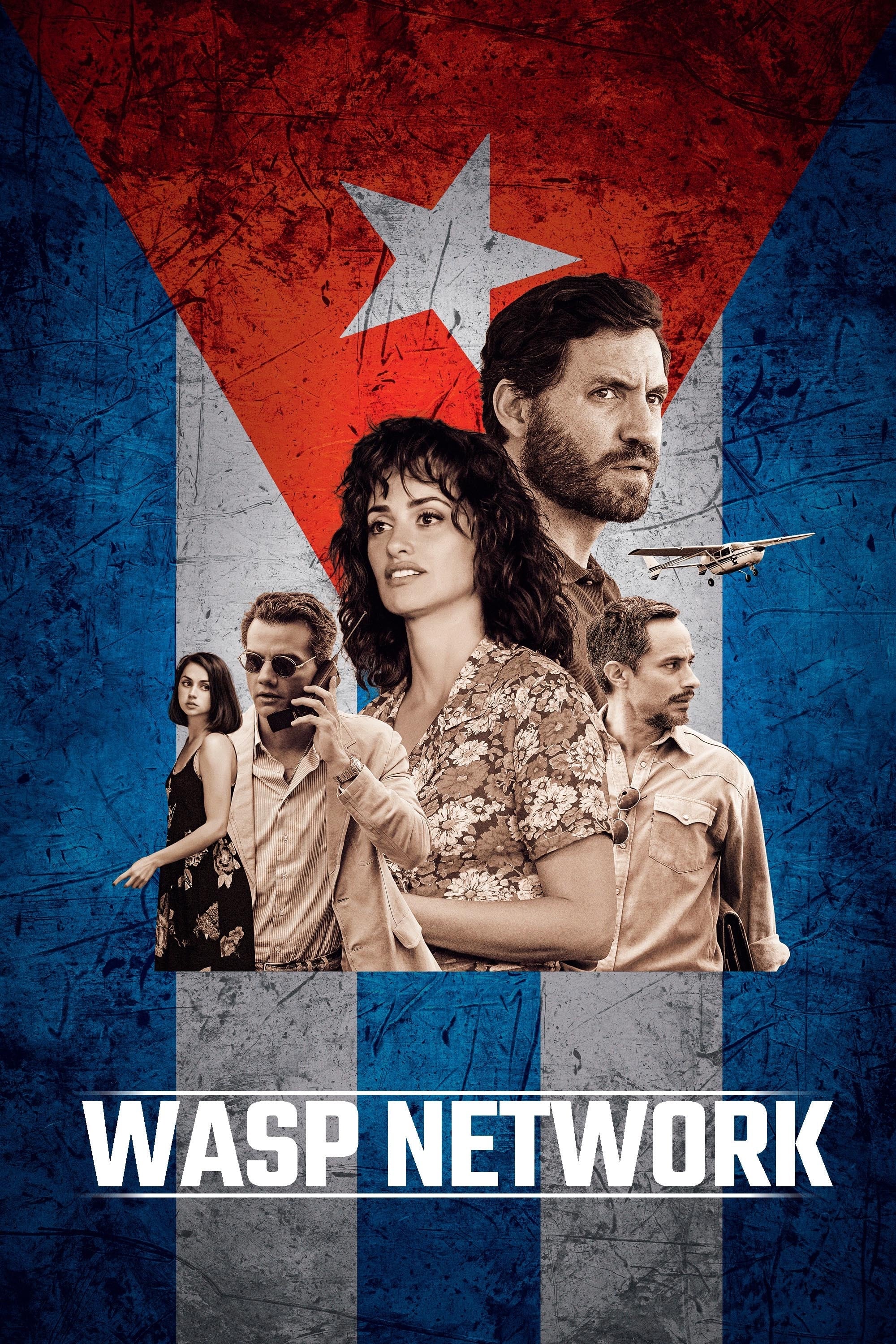
Havana, Cuba, 1990. René González, an airplane pilot, unexpectedly flees the country, leaving behind his wife Olga and his daughter Irma, and begins a new life in Miami, where he becomes a member of an anti-Castro organization.
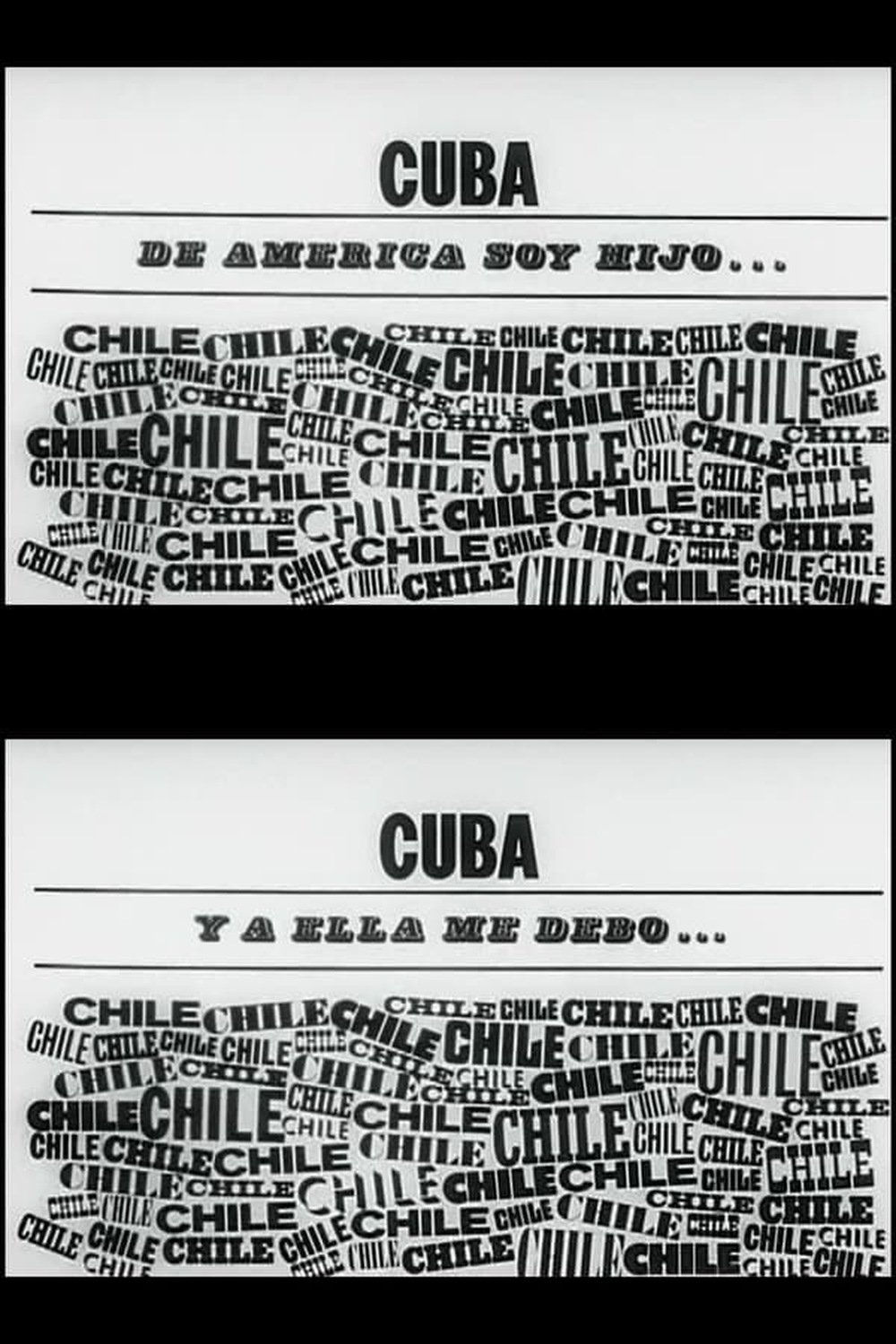
Recollections of Fidel Castro's visit to Chile on November, 1971, and of the historical imperialist exploitation of Latin America.
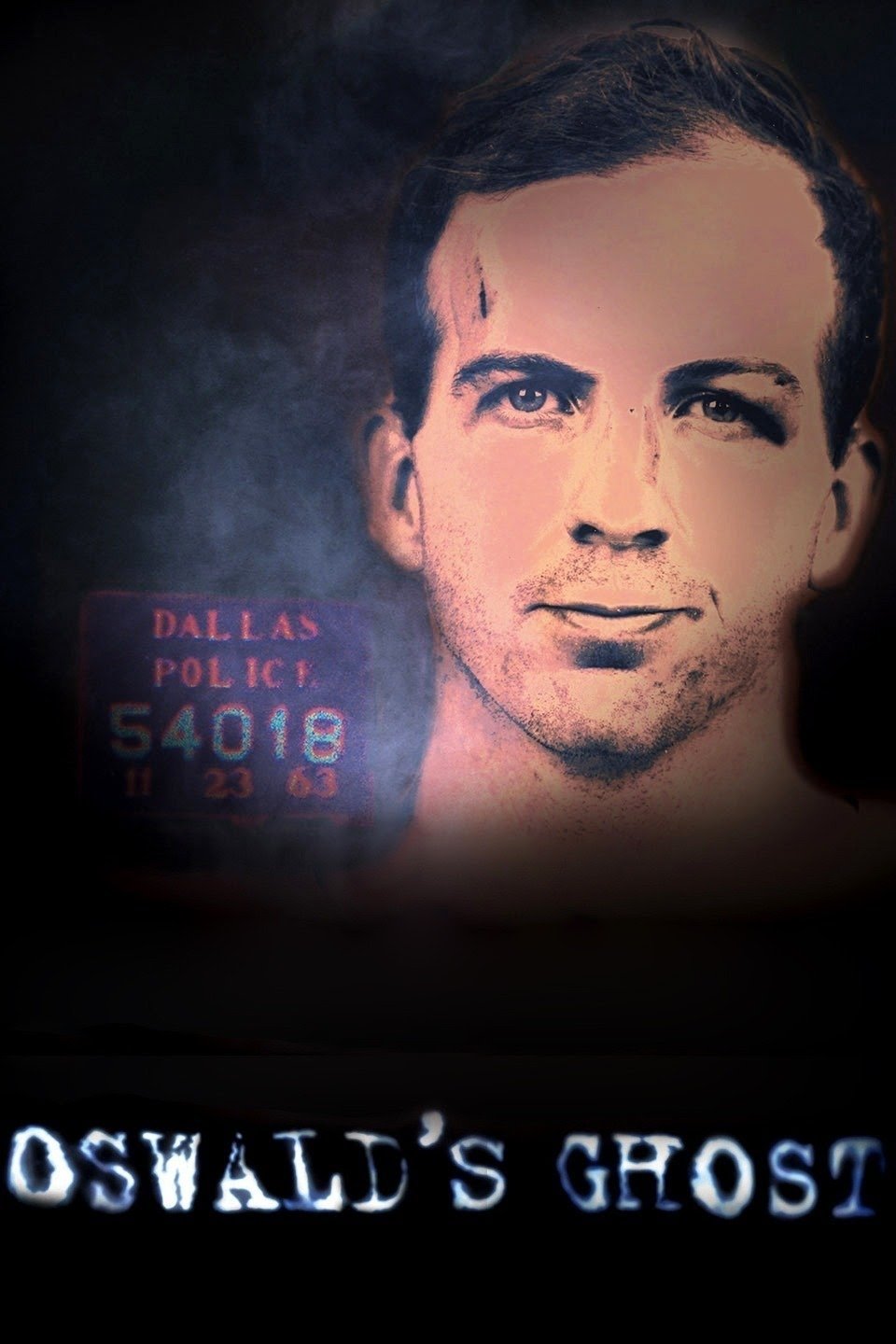
For the Baby Boomers, the assassination of President John F. Kennedy took on the same sense of tragedy as the September 11, 2001 terrorist attacks did for Generation Y - not only for the effect that it had on the nation's morale but for the conspiracy theories that would follow in its wake as well. In the aftermath of the assassination,
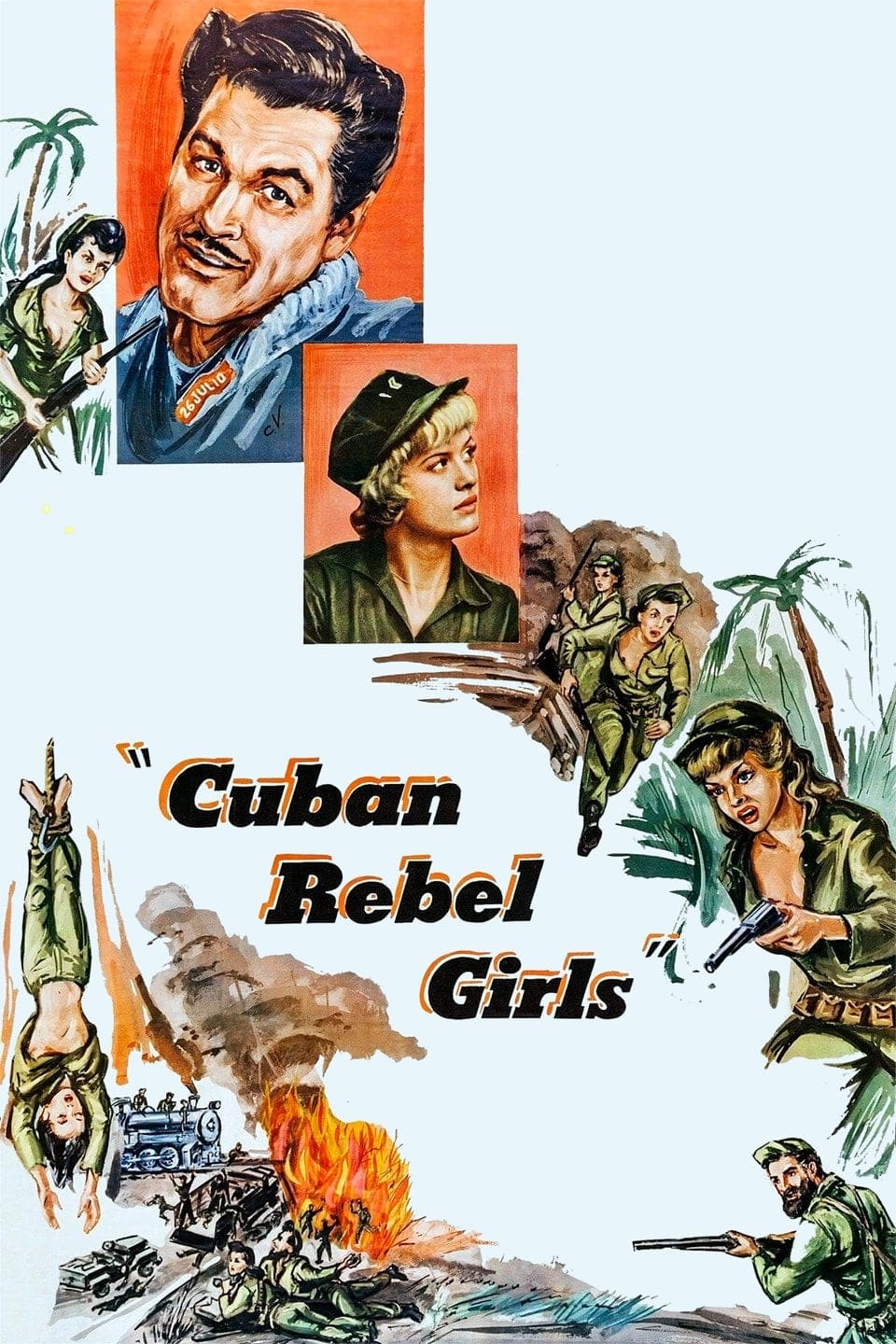
Errol Flynn, playing himself as a war correspondent, reports the dangerous goings-on of a band of Cuban rebels- Two of which are misguided teenage girls from America. The film was shot with Castro's cooperation while he was still fighting Batista's forces.

Filmmaker Rory Kennedy interviews her mother, Ethel Kennedy, who discusses family, marriage and politics.
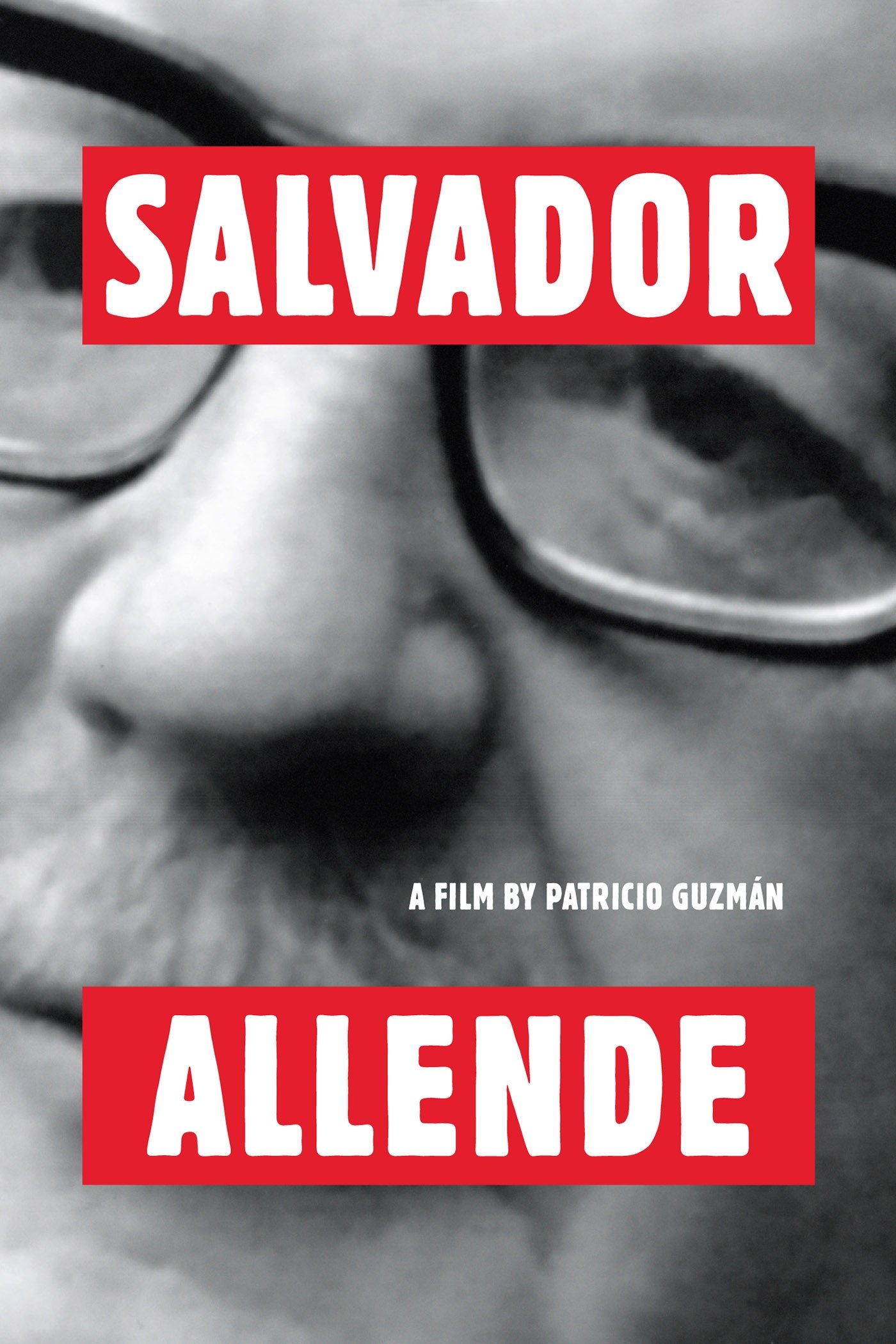
A leftist revolutionary or a reformist democrat? A committed Marxist or a constitutionalist politician? An ethical and moral man or, as Richard Nixon called him, a "son of a bitch"? In SALVADOR ALLENDE, acclaimed Chilean filmmaker Patricio Guzmán (The Battle of Chile and Chile, Obstinate Memory) returns to his native country thirty years after the 1973 military coup that overthrew Chile's Popular Unity government to examine the life of its leader, Salvador Allende, both as a politician and a man.
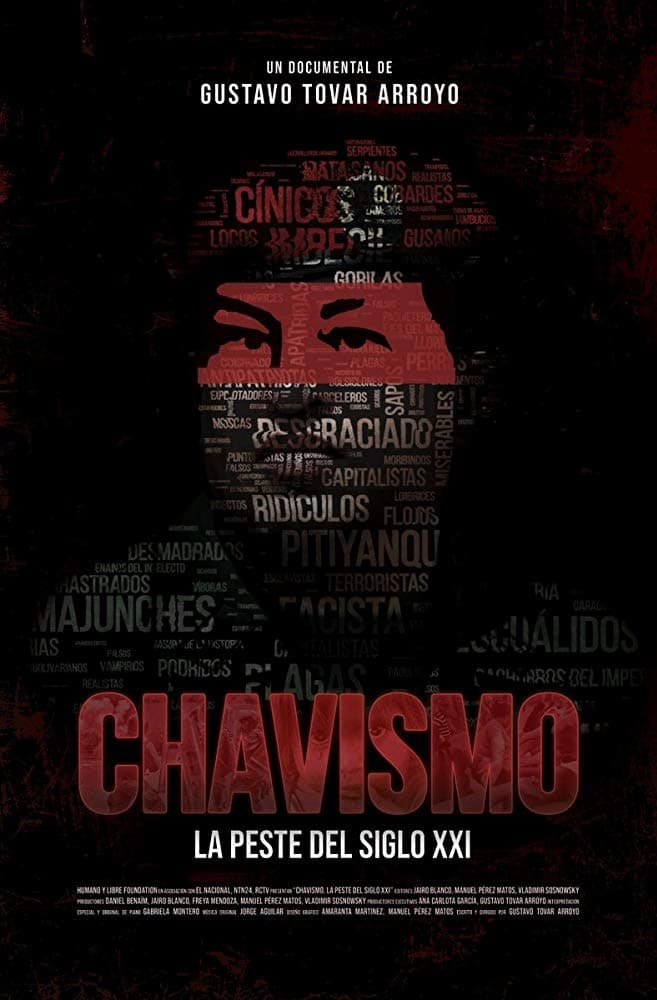
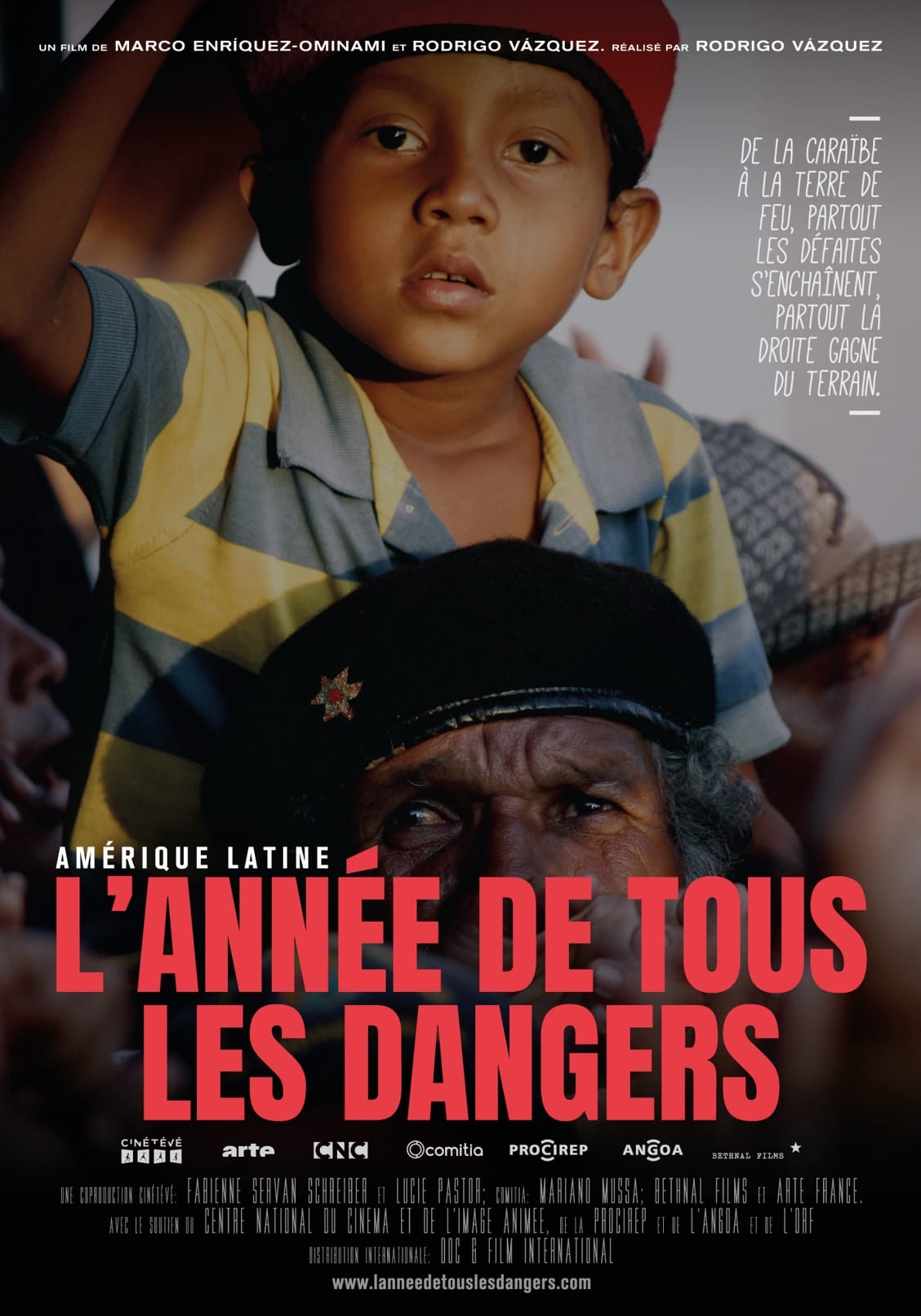
An analysis of the causes, social, political, and economic that caused the rise of Hugo Chávez as president of Venezuela; his abuse of power and the response of civil society, including the student movement; his political fall as well as the secrecy that surrounded his illness and the succession of Nicolás Maduro.
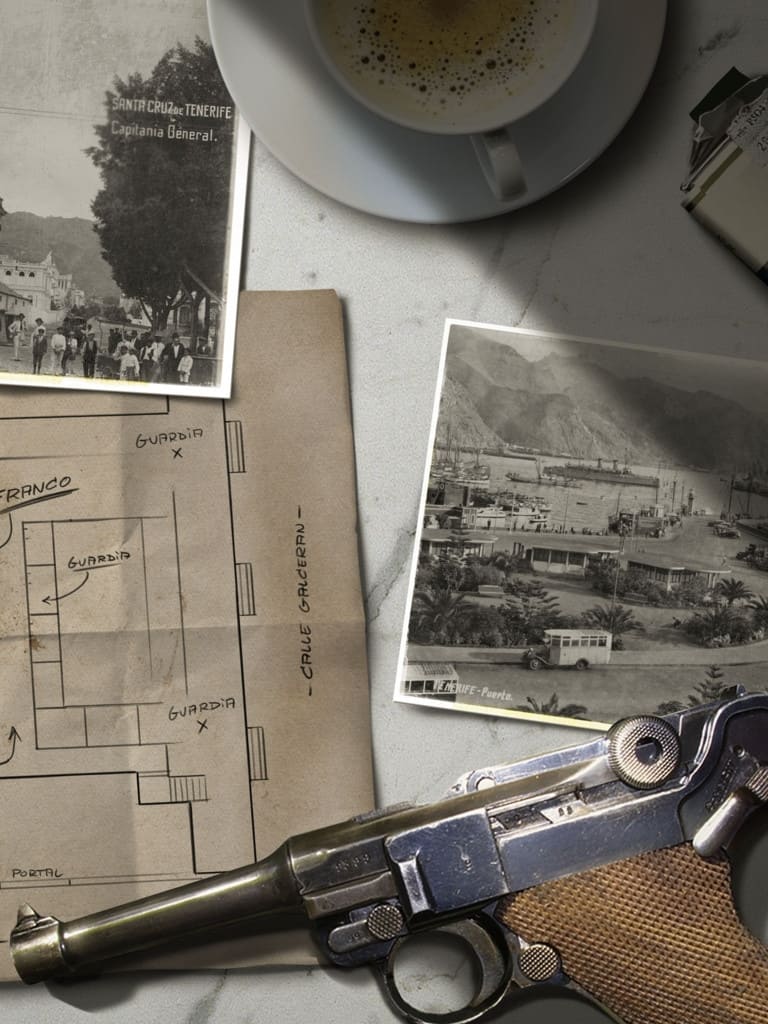
Documentary about the attempts to assassinate Franco
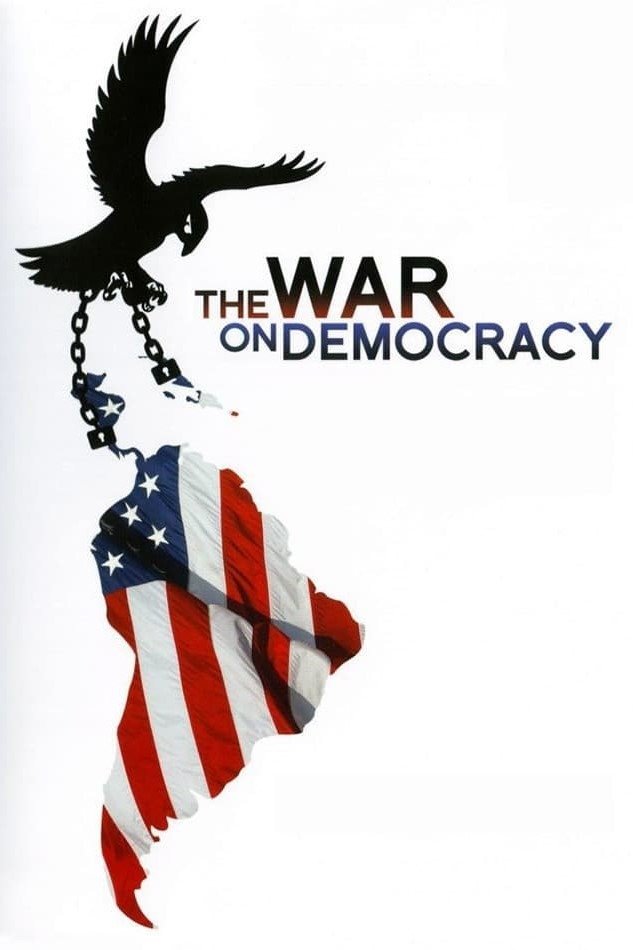
Set both in Latin America and the United States, the film explores the historic and current relationship of Washington with countries such as Venezuela, Bolivia and Chile. Pilger says that the film "...tells a universal story... analysing and revealing, through vivid testimony, the story of great power behind its venerable myths. It allows us to understand the true nature of the so-called "war on terror". According to Pilger, the film’s message is that the greed and power of empire is not invincible and that people power is always the "seed beneath the snow".
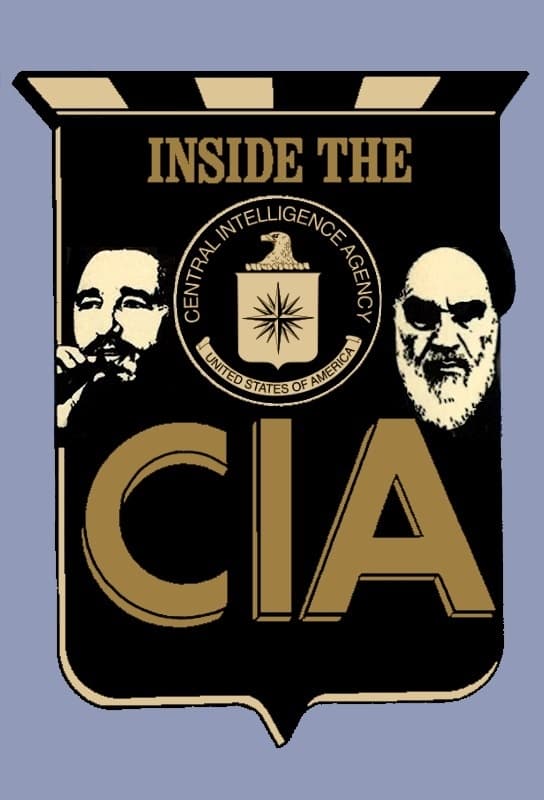
A controversial three part critical documentary on the history of the CIA.
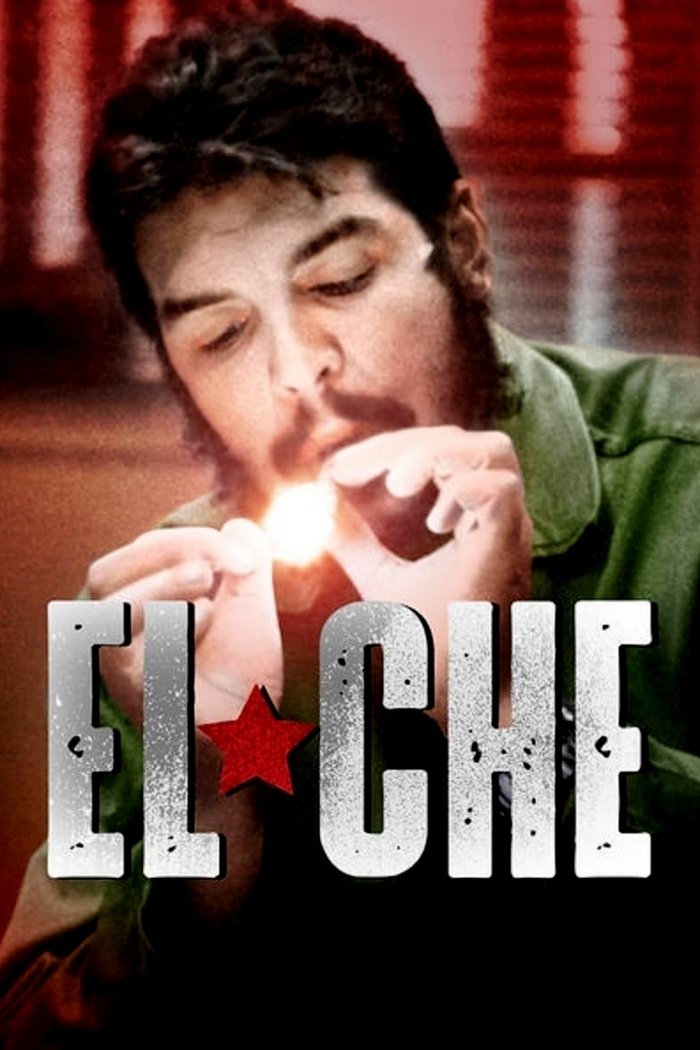
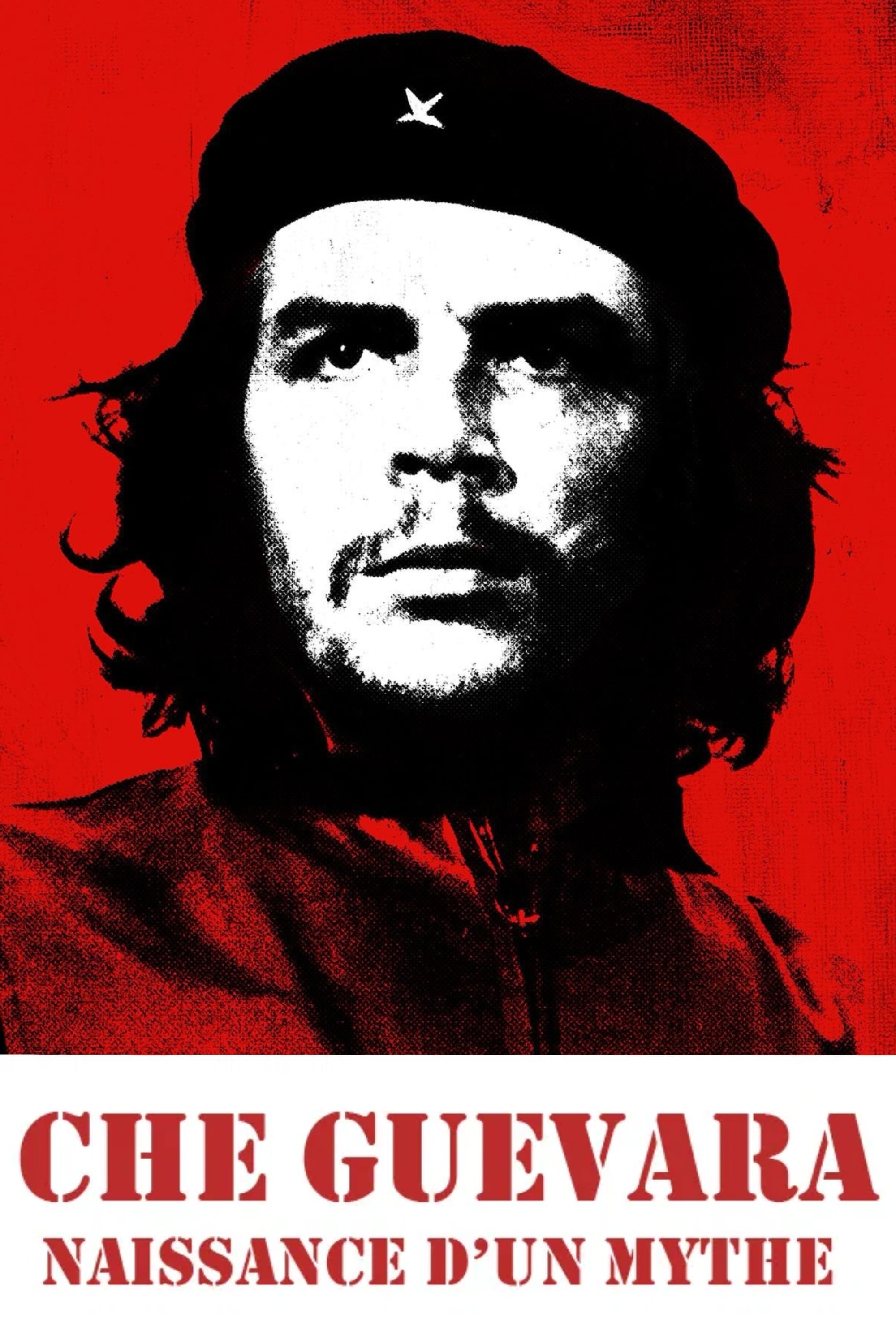
Ernesto "Che" Guevara's controversial story told by the Mexican writer Paco Ignacio Taibo II. He revisits places where the guerrilla and revolutionary leader has passed and interviews people who knew Che, making revelations about this important figure in Cuba's political history.
Investigative reporter Jack Anderson hosts a two-hour investigation of the Kennedy Assassination featuring interviews with experts, eyewitnesses, government officials and authors. Includes dramatic recreations of key events.
Marita Lorenz, the daughter of a German sea captain, recalls how she became the mistress of Fidel Castro in Havana soon after the Cuban revolution in 1959. After being six months pregnant with his baby, she was drugged and given a near fatal abortion. She was then recruited by the CIA and Mafia to assassinate Castro, but she threw away the poison pills just before she met Fidel. She then worked for the CIA in Florida and, in 1962, had a daughter while she was the mistress of an ex-dictator of Venezuela. She later married an FBI agent, by whom she had a son, and they spied on UN diplomats in a New York apartment. She claimed her spying days were over when she testified, in the 1977 Kennedy Assassination Inquiry, about her connection to Frank Sturgis and Lee Harvey Oswald.
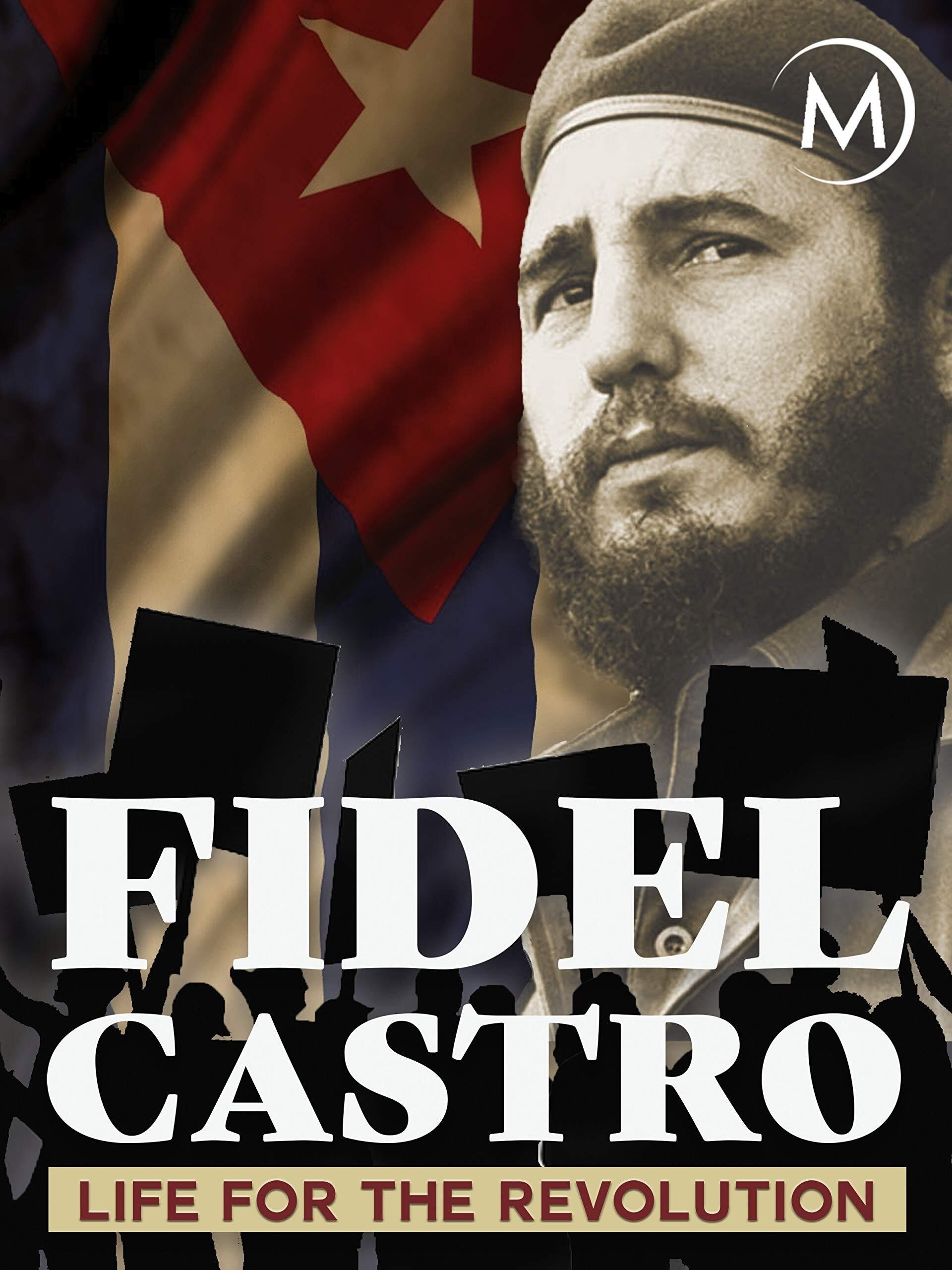
Castro has outlived generations of US Presidents, Soviet General Secretaries, CIA Directors and would-be assassins. This film offers a psychological profile of the Cuban revolutionary, and a deeply intimate account of his life based on private letters, correspondence, speeches and interviews. It features interviews with some of Fidel Castro's closest relatives, close friends and committed enemies.

A visual montage portrait of our contemporary world dominated by globalized technology and violence.
A lesbian, an aspiring actor, an aspiring singer, a low-class marriage, a neighborhood community and 2 renowned directors have memorable less-than-24-hour-long experiences while living in/visiting the capital of Cuba.
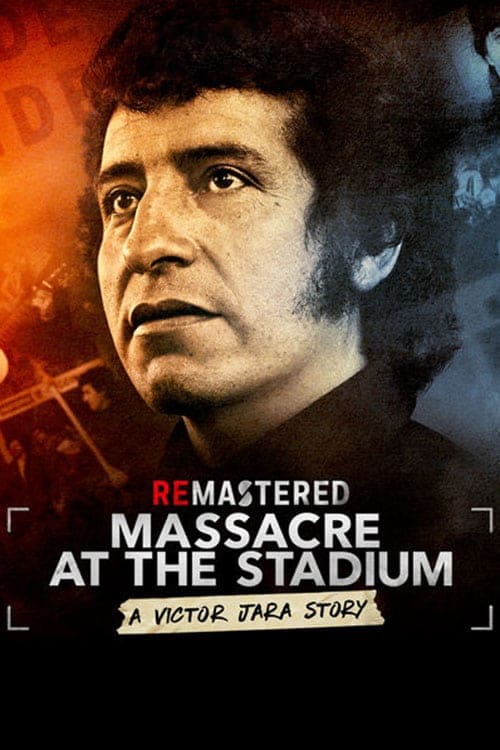
For years, the murder of Chilean protest singer Victor Jara was blamed on an official in Pinochet's army. Now in exile, he tries to exonerate himself.
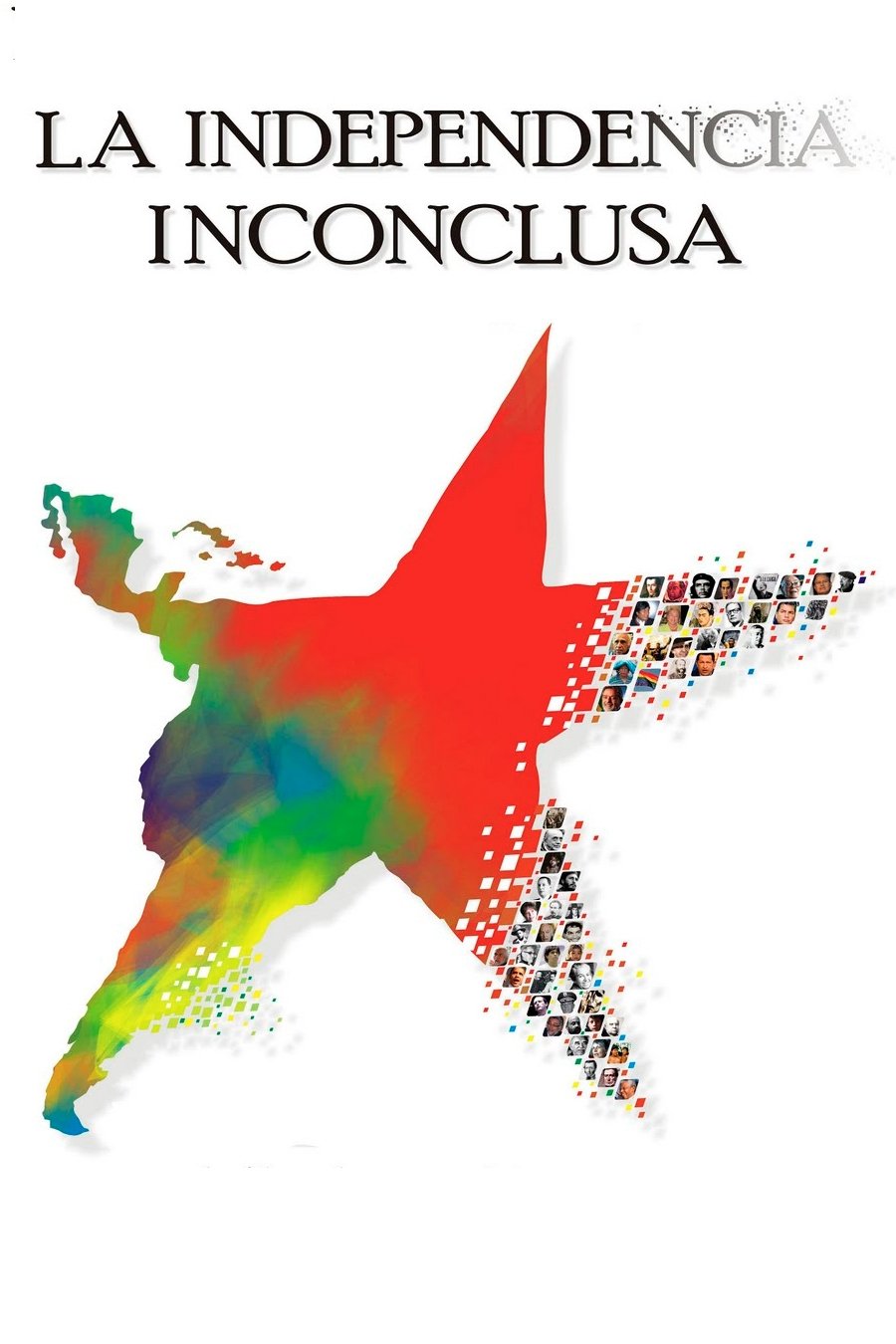
Documentary about the independence and history of Latin America.

Chris Marker’s A Grin Without a Cat is an epic political essay tracing the rise and decline of the global left from the 1960s to the 1970s. Through archival footage and commentary, the film examines revolutionary movements in France, Latin America, and beyond, reflecting on the ideals, failures, and fading hopes of a generation.
Host/narrator James Earl Jones explores the island of Cuba, introduces the viewer to the Cuban people and discusses the uncertainty of the country's future.
Uncovering government agencies (especially the CIA) that secretly tested the effects of LSD on humans.
How long will workers be subjected to exploitation? This is the question posed by this documentary, which explores the employer-worker relationship in the country. It conducts a critical examination of the historical inequality in Chile, perpetuated by foreign imperialists and Chilean capitalists. In the same vein, it delves into the implementation of Agrarian Reform under three different administrations: Alessandri, Frei Montalva, and Allende.
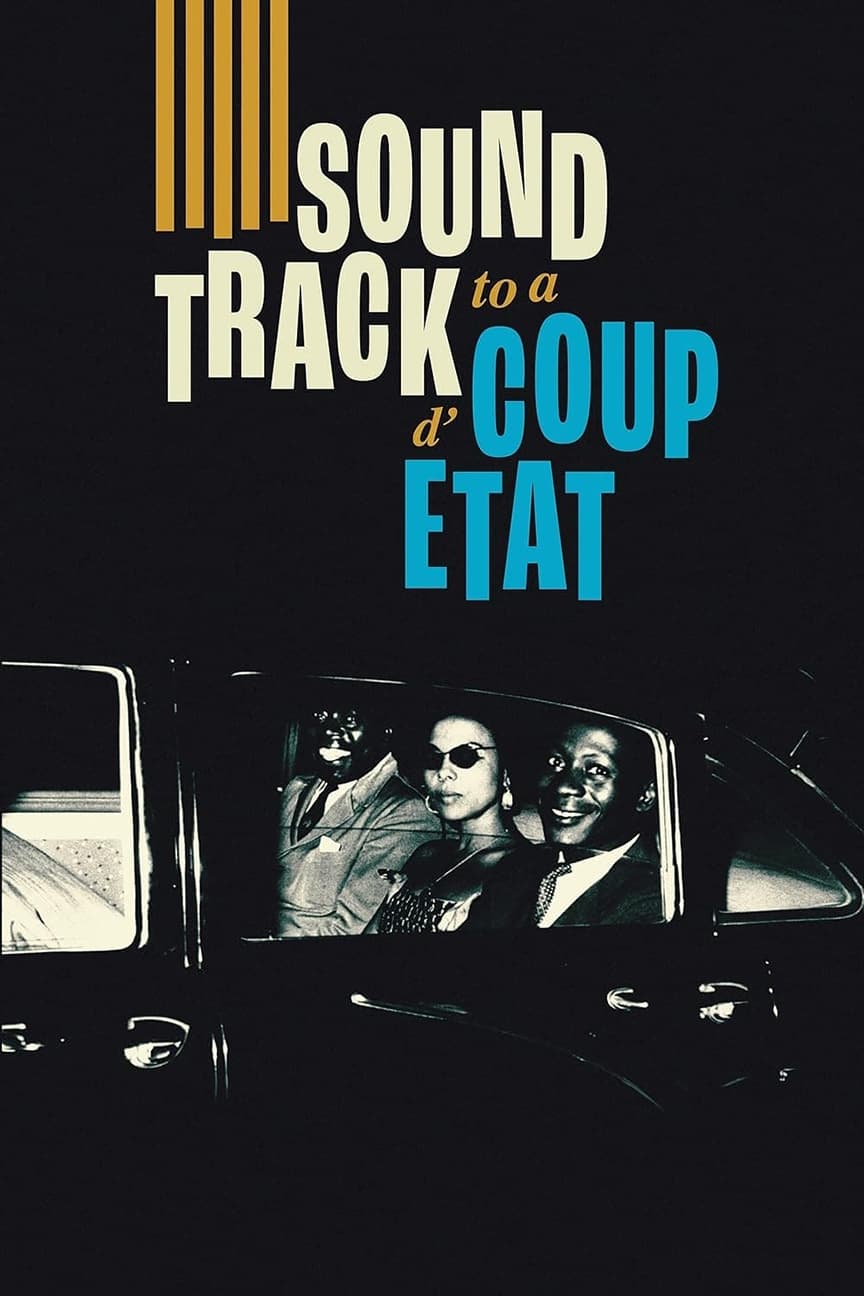
Jazz and decolonization are intertwined in a powerful narrative that recounts one of the tensest episodes of the Cold War.
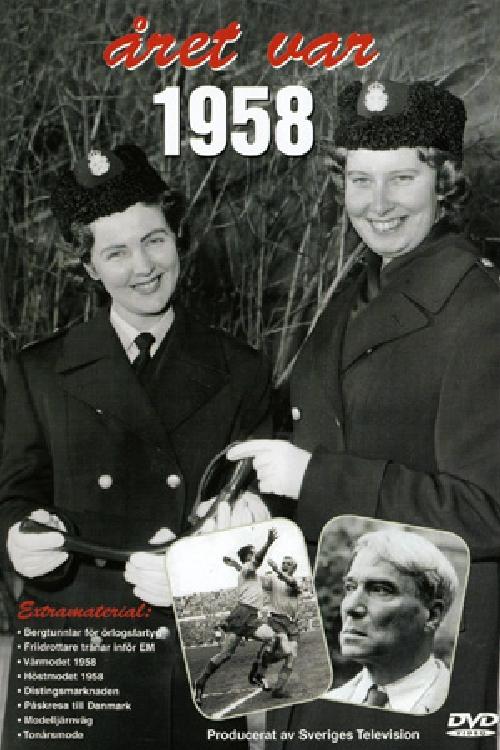
1958 - the year when Ingvar Kamprad opened the doors to his first Ikea department store in Älmhult. The World Cup is played in Sweden, where Kurre Hamrin scores a legendary goal against West Germany and Sweden takes a sensational silver. The first female police officers start serving this year with the same duties as the male police officers, however, they were not allowed to carry a saber but had to settle for a baton.
illustrates how directors pushed boundaries and altered the art of filmmaking during the turbulent, swinging 1960s. Narrated by Woody Harrelson, "Reel Radicals" features clips from such seminal films as Arthur Penn's "Bonnie and Clyde" (1967); Mike Nichols' "The Graduate" (1967); Dennis Hopper's "Easy Rider" (1969); John Frankenheimer's "The Manchurian Candidate" (1962); Stanley Kubrick's "Dr. Strangelove" (1964) and "2001: A Space Odyssey" (1968); John Schlesinger's "Midnight Cowboy" (1969); Richard Brooks' "Elmer Gantry" (1960) and "In Cold Blood" (1967); and Norman Jewison's "In the Heat of the Night" (1967) and "The Thomas Crown Affair" (1968). Frankenheimer, Jewison, Hopper, Schlesinger, Penn, Buck Henry, Paul Mazursky, Roger Corman and Arthur Hiller are among the filmmakers who discuss the decade.
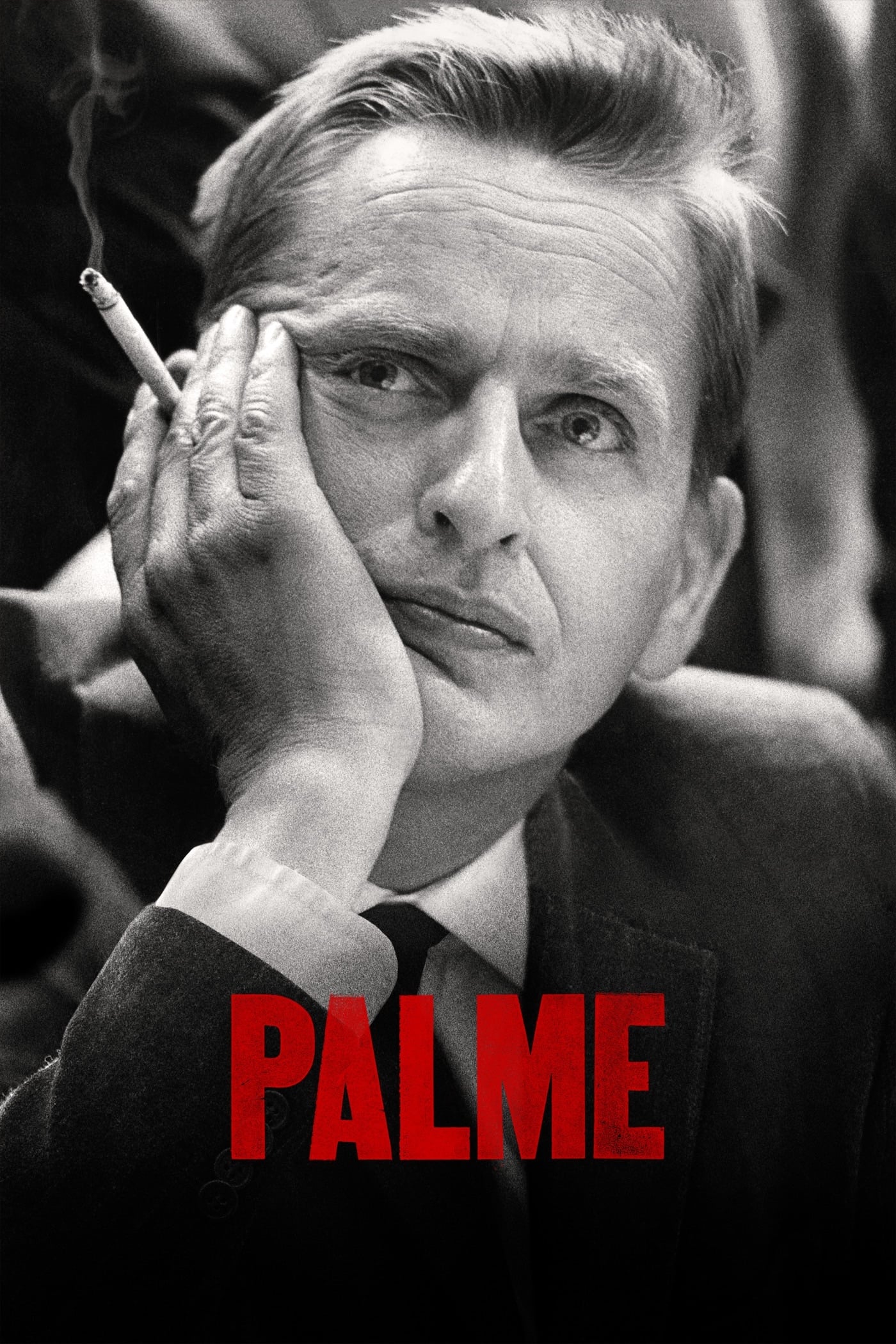
Swedish Prime Minister Olof Palme was openly shot to death on a February evening 1986 on the streets of Stockholm. In one night, the country of Sweden was transfigured. “Palme” is about his life, his time, and about the Sweden he had created. About a man who altered history.
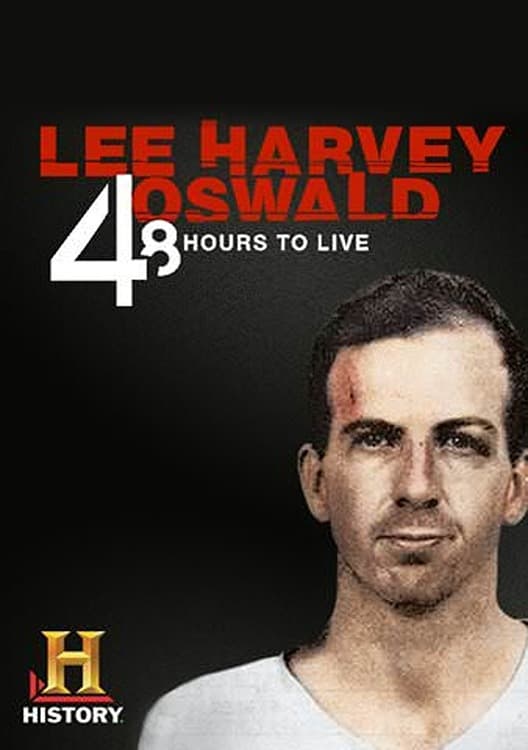
This special seeks to explain the enigmatic Oswald using a brand new approach. No other documentary has exclusively traced Oswald's actions in the minutes, hours and days following the events in Dallas. By shifting the focus on that November weekend, we're able to tell a familiar story in an unfamiliar way, providing a refreshing new perspective on Oswald himself, as well as on the Kennedy assassination.
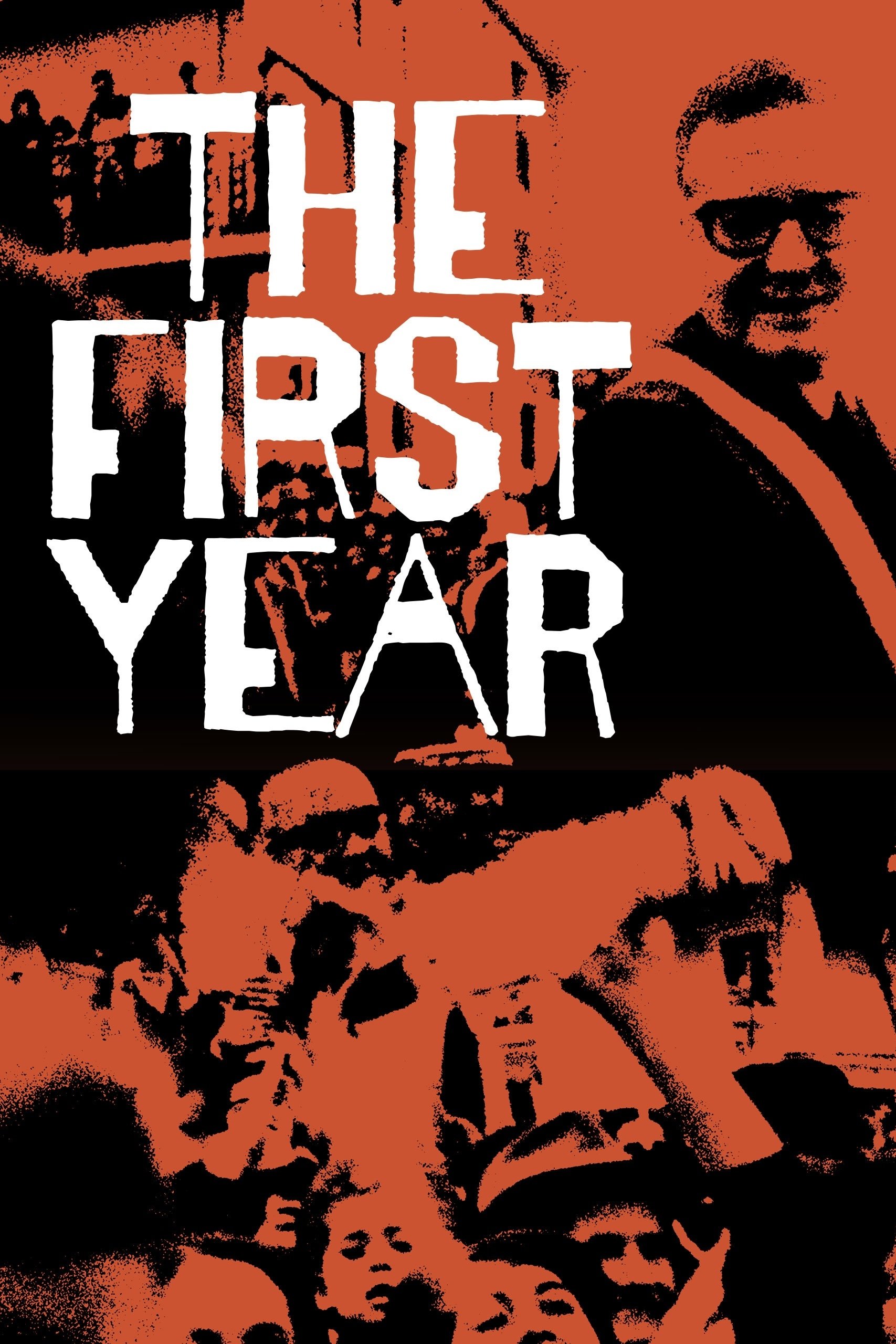
The documentary narrates the events that took place during the first year of the Unidad Popular government, in chronological order.
A look back at the first 21 years of Britain's most successful film series.

With the release of new documents in 2025, this gripping exploration revisits the JFK assassination, featuring expert insights and theories that leave viewers questioning the truth behind the events of a day that changed history.
Up to now, no one knows the truth about the JFK assassination. But now, in a fast-paced two-hours, learn what really happened, who ordered it, and how the truth was hushed up for all these years.
Made shortly after the death of Brazilian revolutionary Carlos Marighella, this documentary reconstructs his life and political struggle through interviews with friends and comrades. It examines his role in the resistance against Brazil’s military dictatorship and his death in a 1969 police ambush.
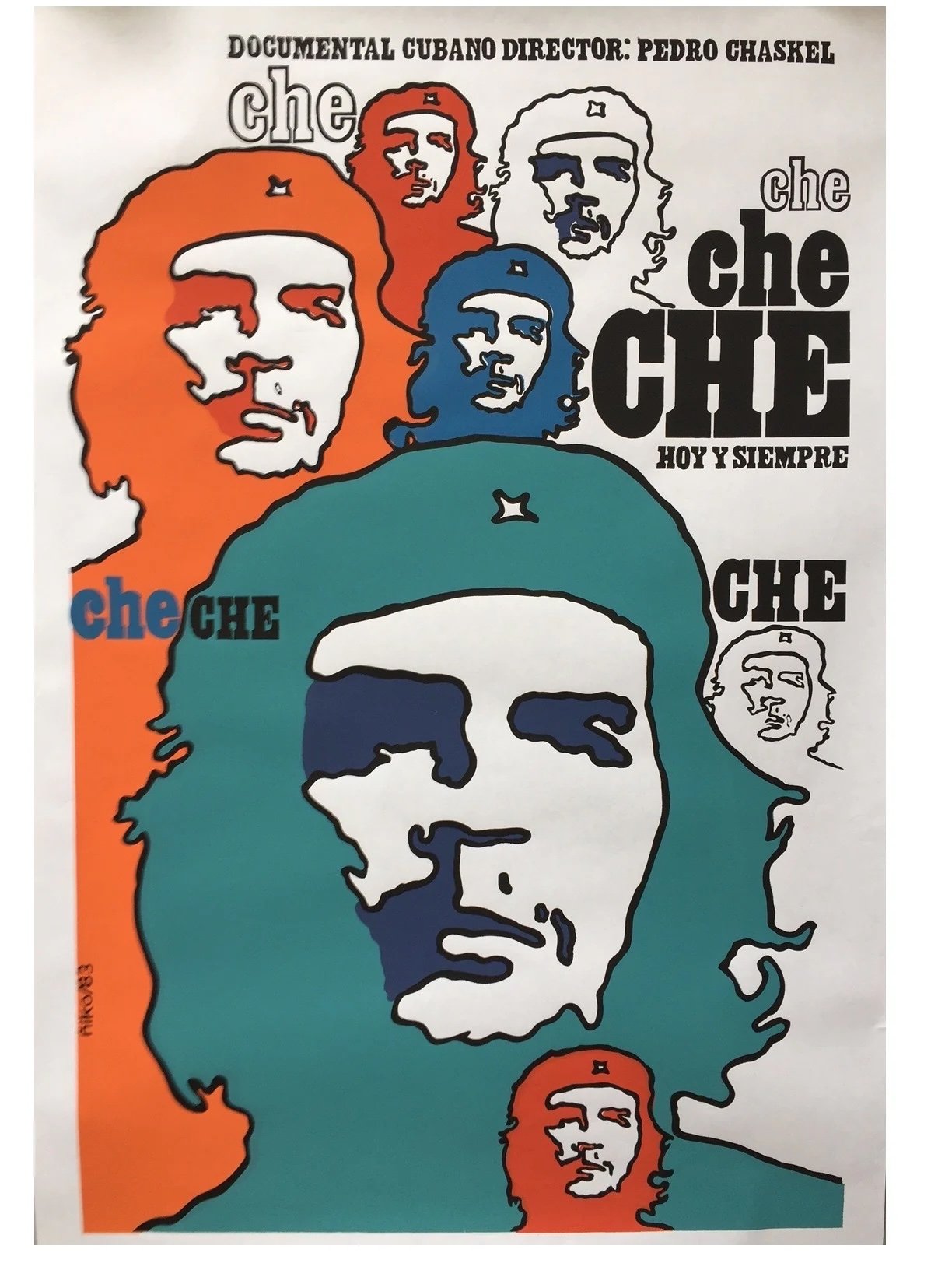
A sound system plays Commander Ernesto Guevara's speech, delivered on October 20, 1962, during the Second Anniversary of the Young Communist League, along with a series of archival images of the revolutionary leader visiting factories and meeting with workers.
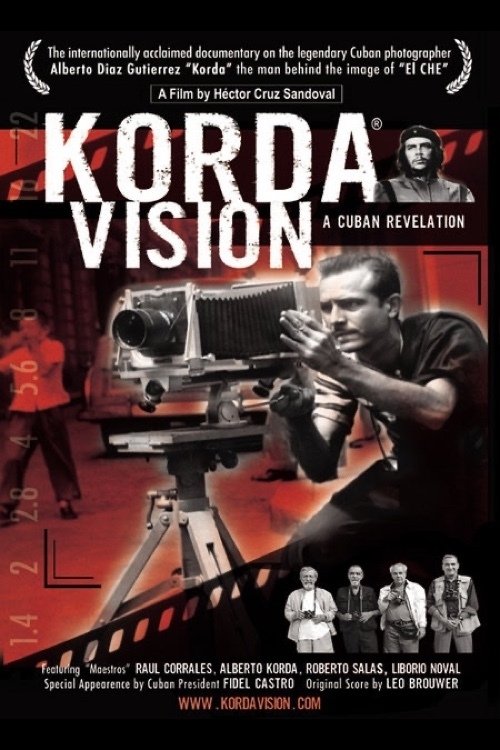
Alberto Díaz Korda delivered intense photography experiences throughout his 40-year career. KordaVision traces this brilliant career from his beginning in Havana, Cuba, until he became Fidel Castro's personal photographer from 1959 through 1968.
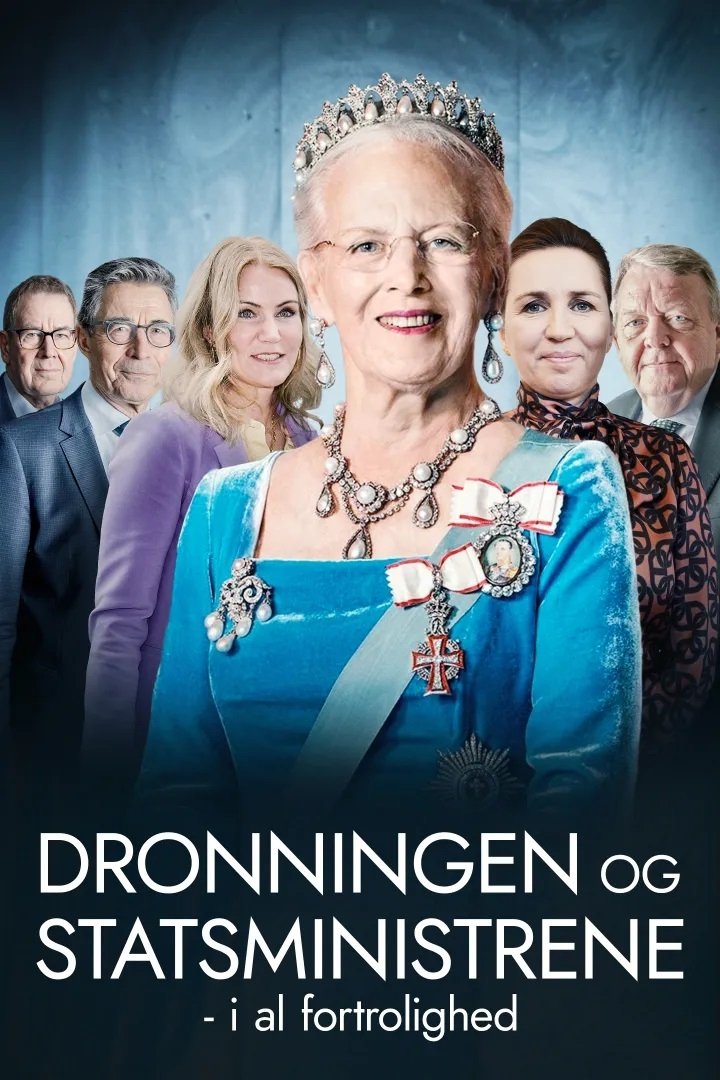
Danish documentary about the relationship between Queen Magrethe II and the prime ministers.
A documentary film promoting the life and career of Ho Chi Minh on the 100th anniversary of his birth (1890-1990) through a series of interviews with his contemporaries including Phạm Văn Đồng, Võ Nguyên Giáp and Nguyễn Văn Linh. One of the highly acclaimed films about Ho Chi Minh, this is often broadcast by Vietnam Television on the occasion of his birthday (May 19) or death anniversary (September 2).
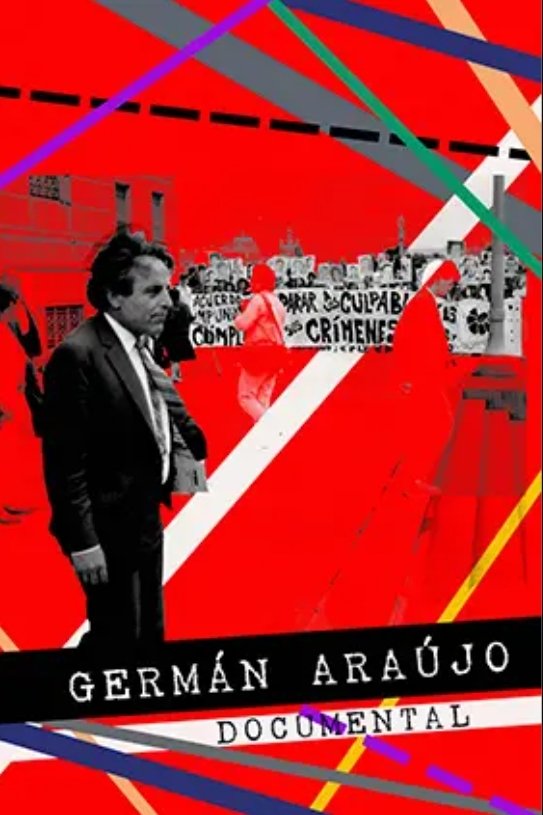
In Germán Araujo, director Aldo Novick revives the memory of a journalist who defied censorship during one of Uruguay's darkest periods. Through previously unseen archival footage, testimonies, and music, the film honors the courage of those who reported the truth when it was risky. This powerful documentary is shaping up to be one of the most important Uruguayan film releases of the year.
A 1980 propaganda film on communism in Latin America and support US intervention in Central America
An American lesbian in Cuba explores gender through dance and film, blending personal experiences and cultural symbols with music and Revolutionary cinema and questions how lesbians fit into Cuban cinema.
A World in Action documentary filmed in Bolivia immediately after Che Guevara’s death. Directed by Brian Moser, it documents the political aftermath and centers on the trial of Régis Debray, incorporating interviews conducted before the proceedings alongside testimony from Bolivian officials, the U.S. ambassador, and U.S. special forces personnel. (Note: Produced within World in Action, the film has a distinct title, subject, and on-location production and is documented in archives and film databases as a self-contained reportage work, justifying treatment as a separate film.)

Baldwin’s “pseudo-pseudo-documentary” presents a factual chronicle of US intervention in Latin America in the form of the ultimate conspiracy theory, combining covert action, environmental catastrophe, space aliens, cattle mutilations, killer bees, religious prophecy, doomsday diatribes, and just about every other crackpot theory broadcast through the dentures of the modern paranoiac.
A short film puzzling together Fidel Castro, J. R. R. Tolkien, and Star Trek.
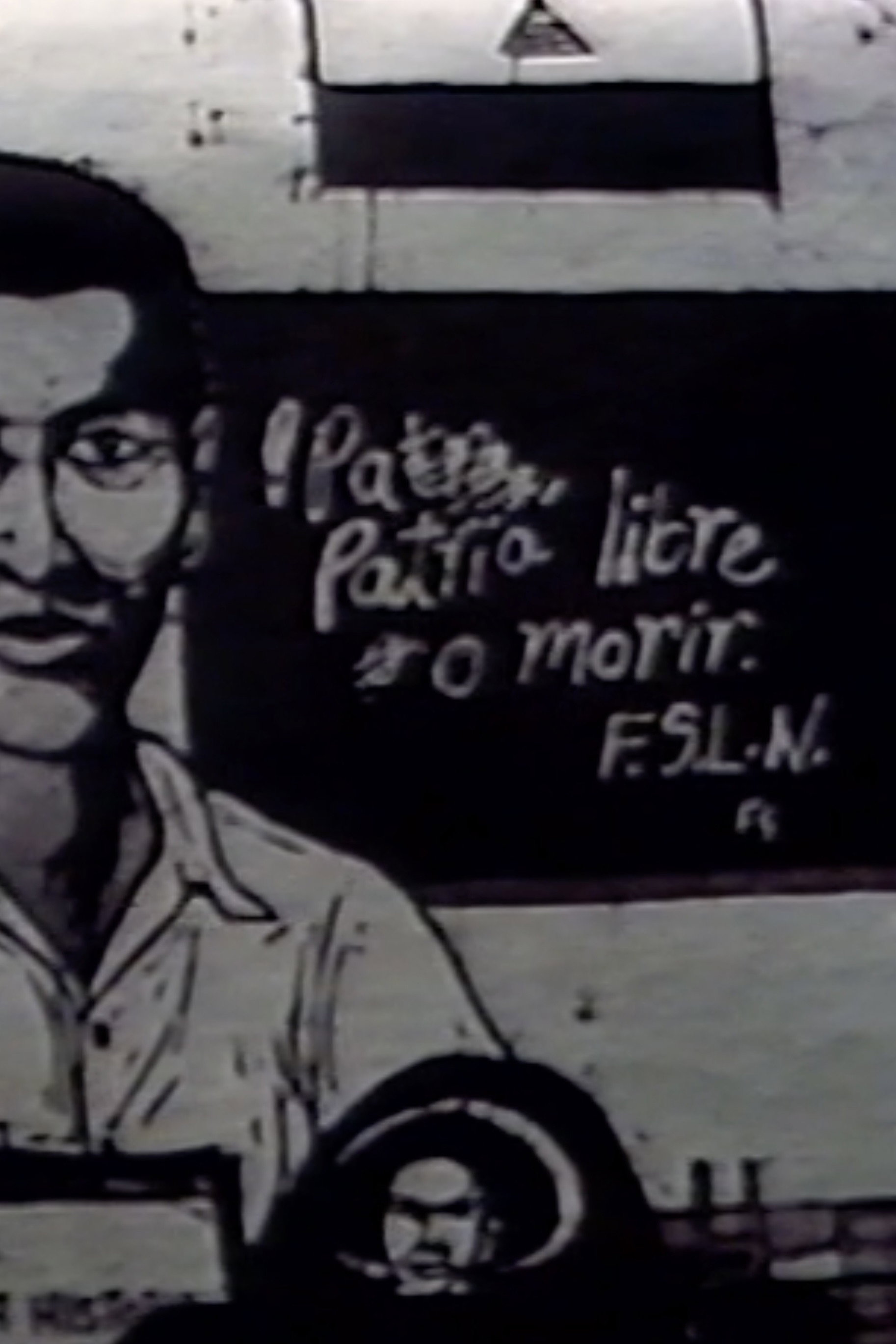
Salvadoran documentary about the revolutionary movement, produced by the Centro de Producciones Audiovisuales de Guazapa.
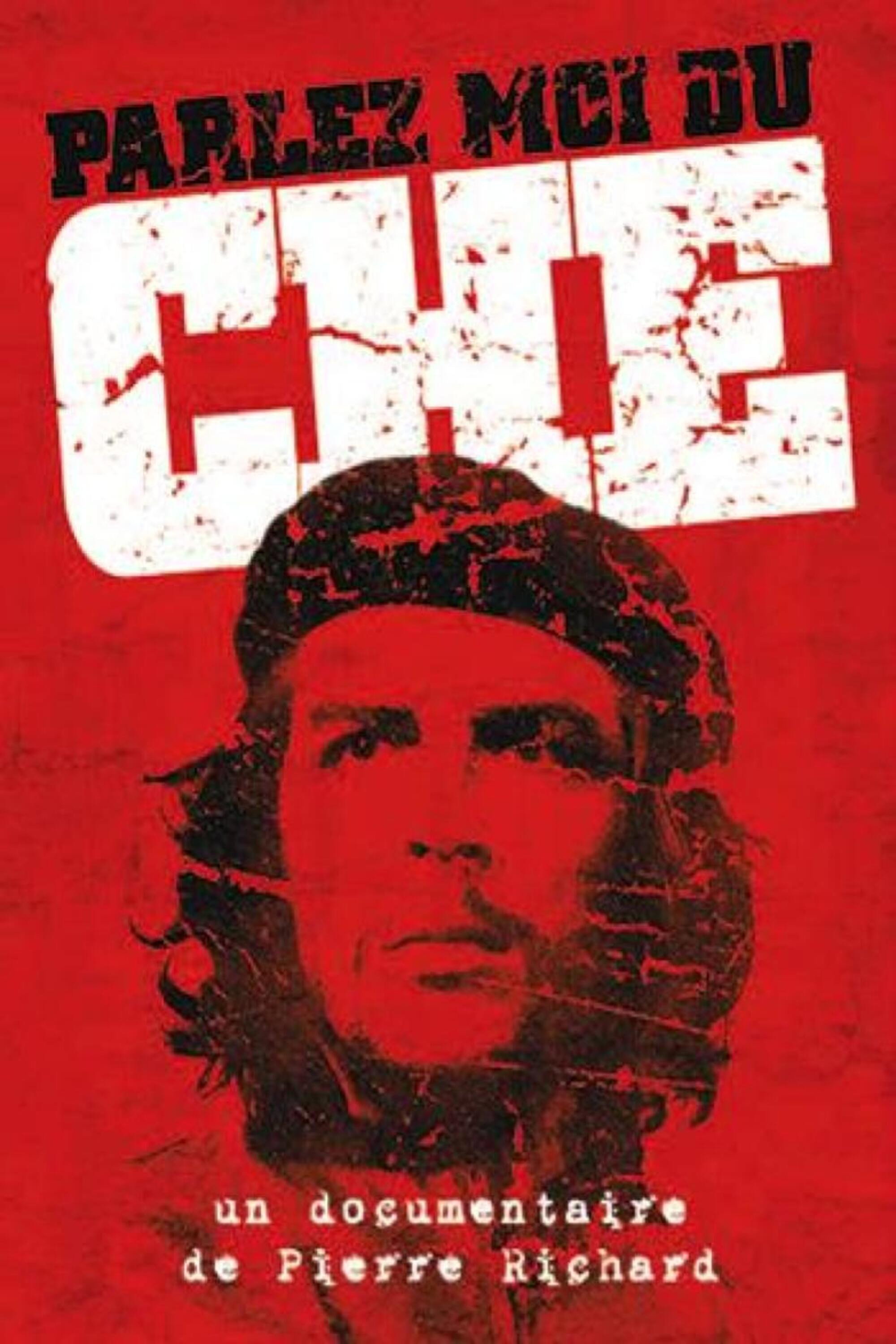
Twenty years after Che’s death, in 1987, Pierre Richard and his journalist friend Jean Cormier set out to follow in his footsteps in Cuba. Through a series of encounters, their journey brings the revolutionary guerrilla back to life through numerous firsthand accounts.
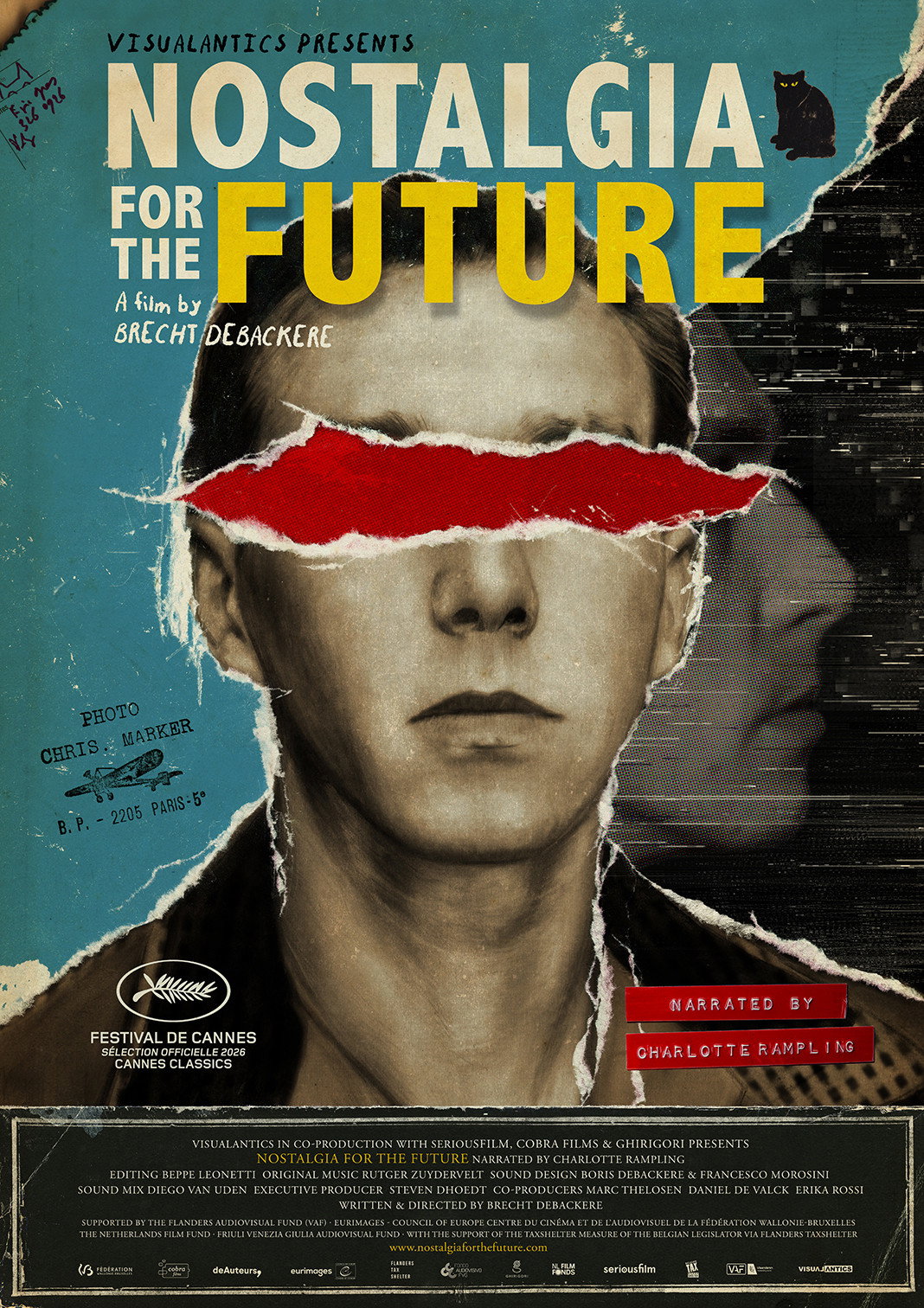
Guided by the evocative narration of Charlotte Rampling, Nostalgia for the Future is a descent into the labyrinthine world of Chris Marker, the “best-known author of unknown films,” who spent a lifetime concealing himself behind a veil of pseudonyms and images of cats. Moving through a constellation of personal documents and film fragments, an archivist attempts to decode the man through the material traces he left behind. By repurposing and recontextualizing Marker’s own body of work, the film treats his images as “time machines,” transforming the archive into a landscape of living memory. Nostalgia for the Future is a meditation on memory, identity, and the power our past images hold over the futures we imagine.
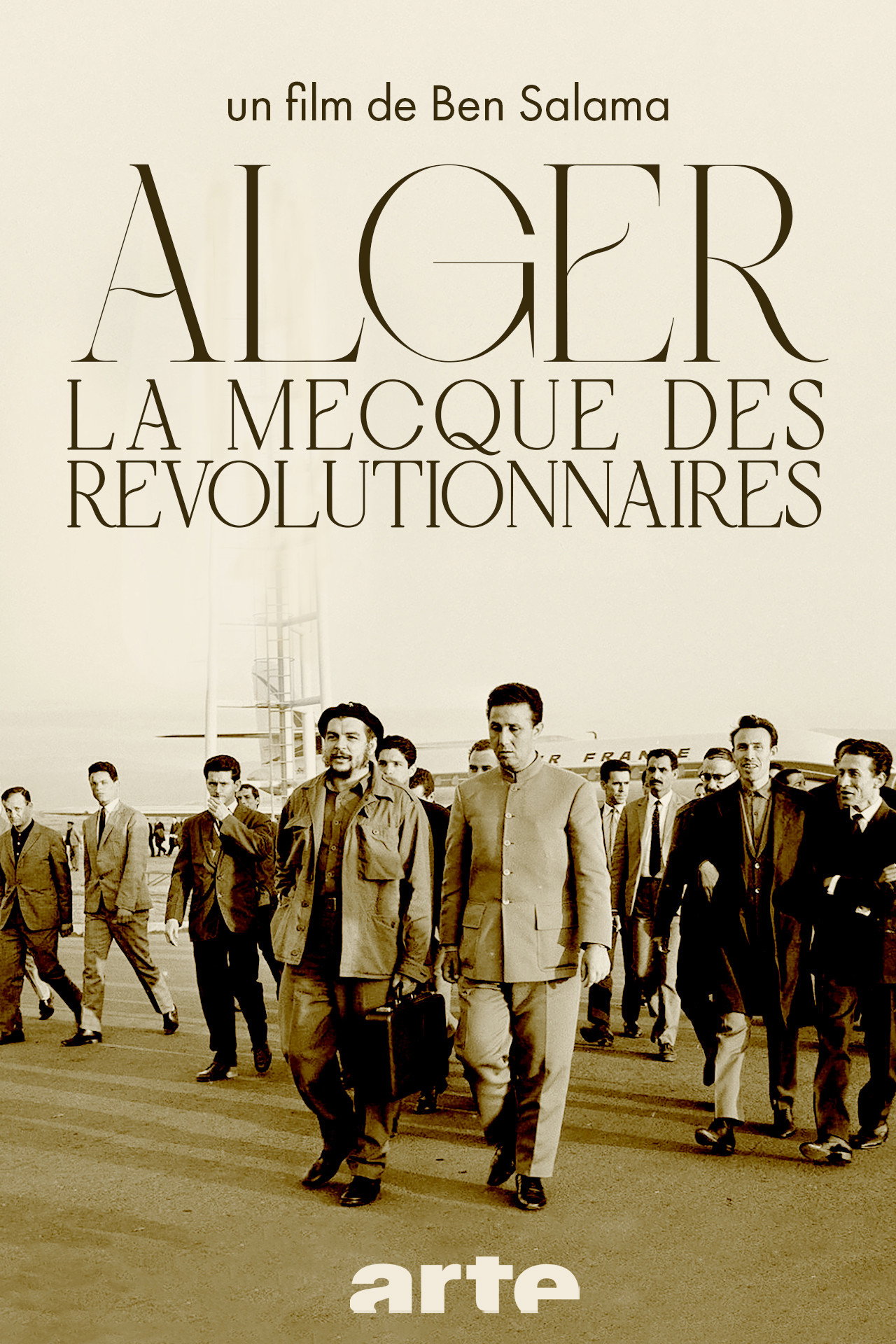
From the early 1960s to the mid-1970s, independent Algeria provided significant support to anti-colonial movements and revolutionaries worldwide. Successive presidents, Ahmed Ben Bella and then Houari Boumédiène, made Algiers a haven for activists fighting against colonial and racial oppression. Algiers the White became Algiers the Red. The internationalist Che Guevara established his base of operations there for his guerrilla activities in Africa. The African-American leader Eldridge Cleaver made it the international headquarters of the Black Panther Party. During this period, Algiers was known as "The Mecca of Revolutionaries."
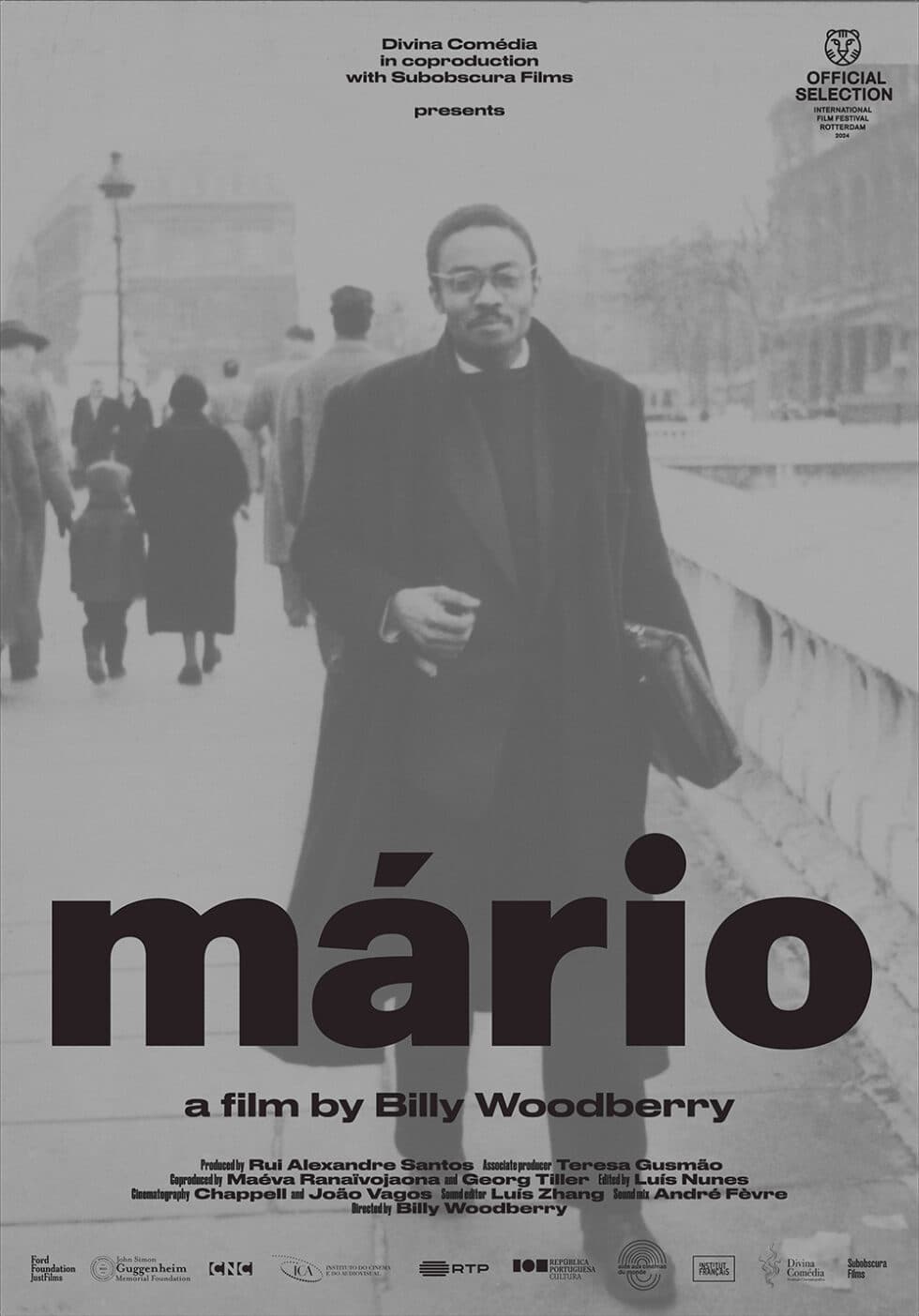
Are even the best and brightest revolutionary movements doomed to inevitable compromise, betrayal and failure? That question haunts this documentary, a biography of Angolan-born Mário Pinto de Andrade (1928–1990), a key figure in African revolutionary and anti-colonial struggles.
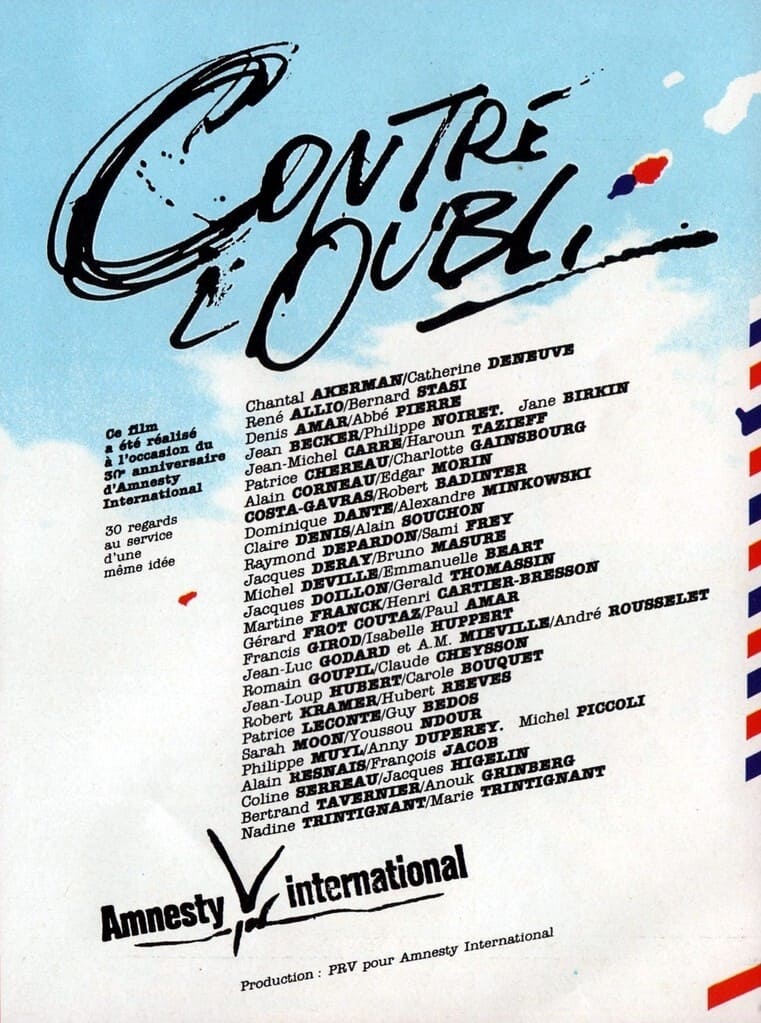
A compilation of 30 French filmmakers, Alain Resnais and Jean Luc Godard among them, who use film to make a plea on behalf of a political prisoner. Jean Luc Godard and Anne Marie Mieville's film concerns the plight of Thomas Wanggai, West Papuan activist who has since died in prison. The short films were commissioned by Amnesty International.