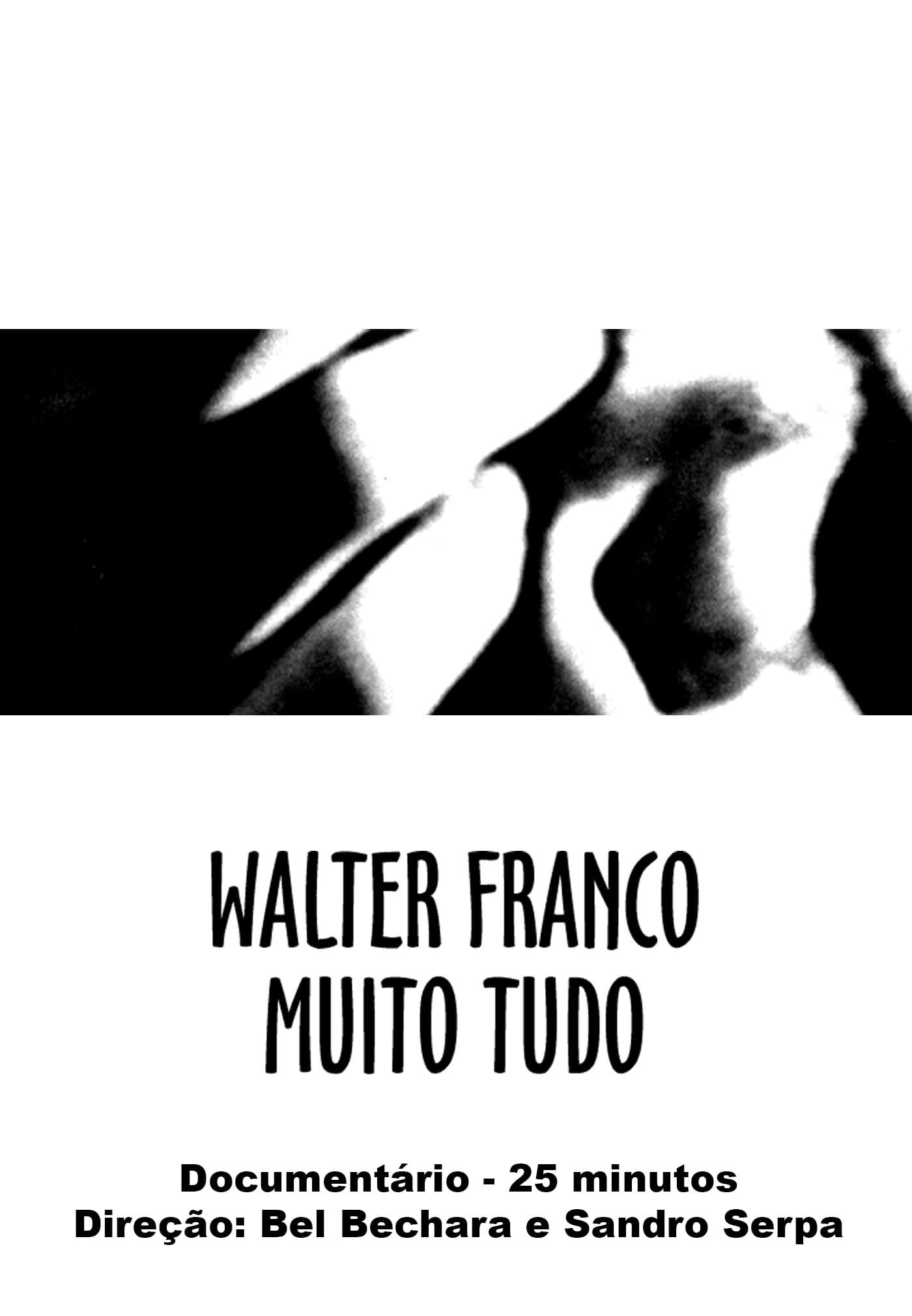
Poetic documentary about brazilian musician Walter Franco.
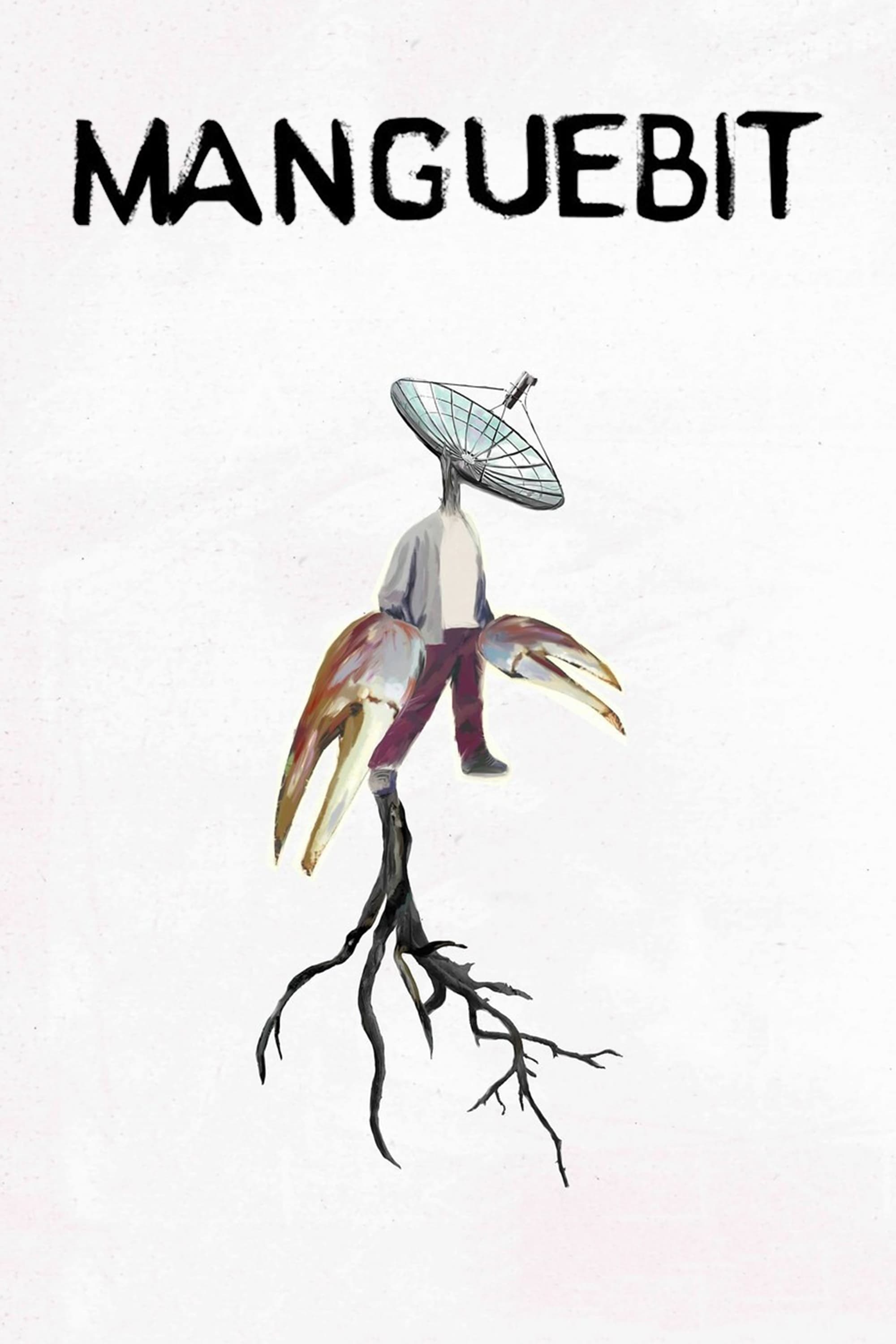
Mangue Beat, a musical and aesthetic movement which emerged in Pernambuco in the 1990s, transformed the visibility of the peripheries and cultural manifestations of the metropolitan area of Recife and placed the state on the map of the world music market with the launching of bands like Chico Science and Nação Zumbi and Mundo Livre S.A. The film experiments with the freedomn of thought of the Mangue using a plural language, which brings togther ideias and ideals, refleting the daring which resulted in the great symbol of the movement: a satellite dish planted in the mud of the estuaries - the Mangue.
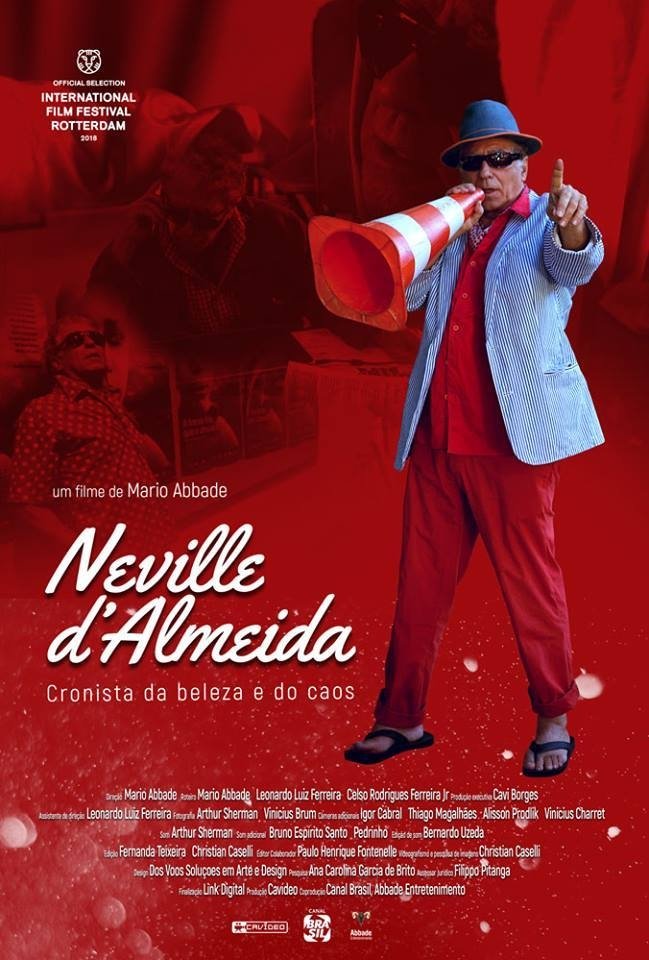
This film seeks to rescue the role of filmmaker Neville D'Almeida by using many rare images, numerous interviews, vast archival and audiovisual material.
Portrait of various figures in Brazilian pop music.
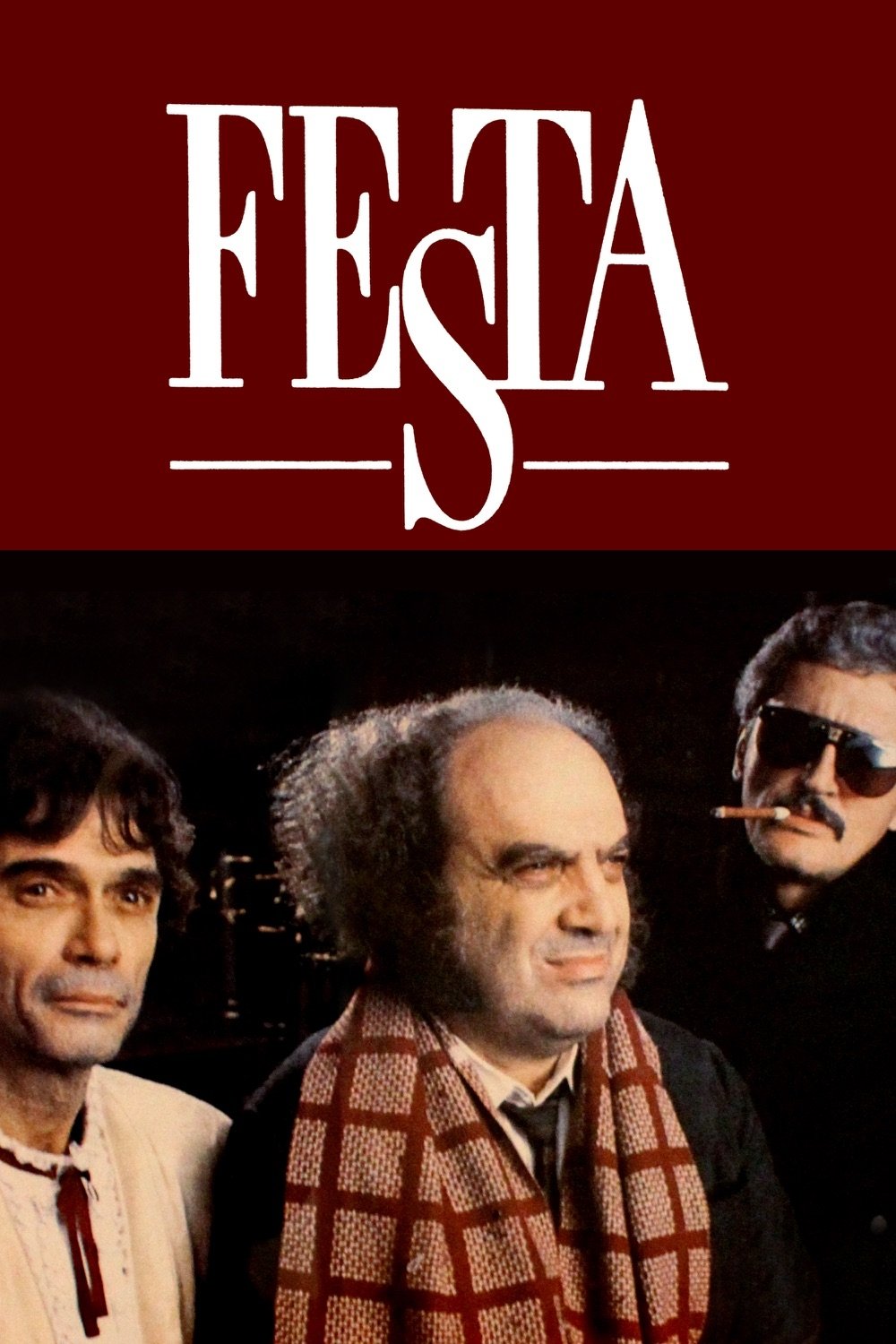
A harmonicist, a pool player, and his old assistant get invited as entertainers at a fancy dinner party but have to wait in the lobby for what seems like forever. They witness all sorts of absurdities as the party goes on and guests loosen up.
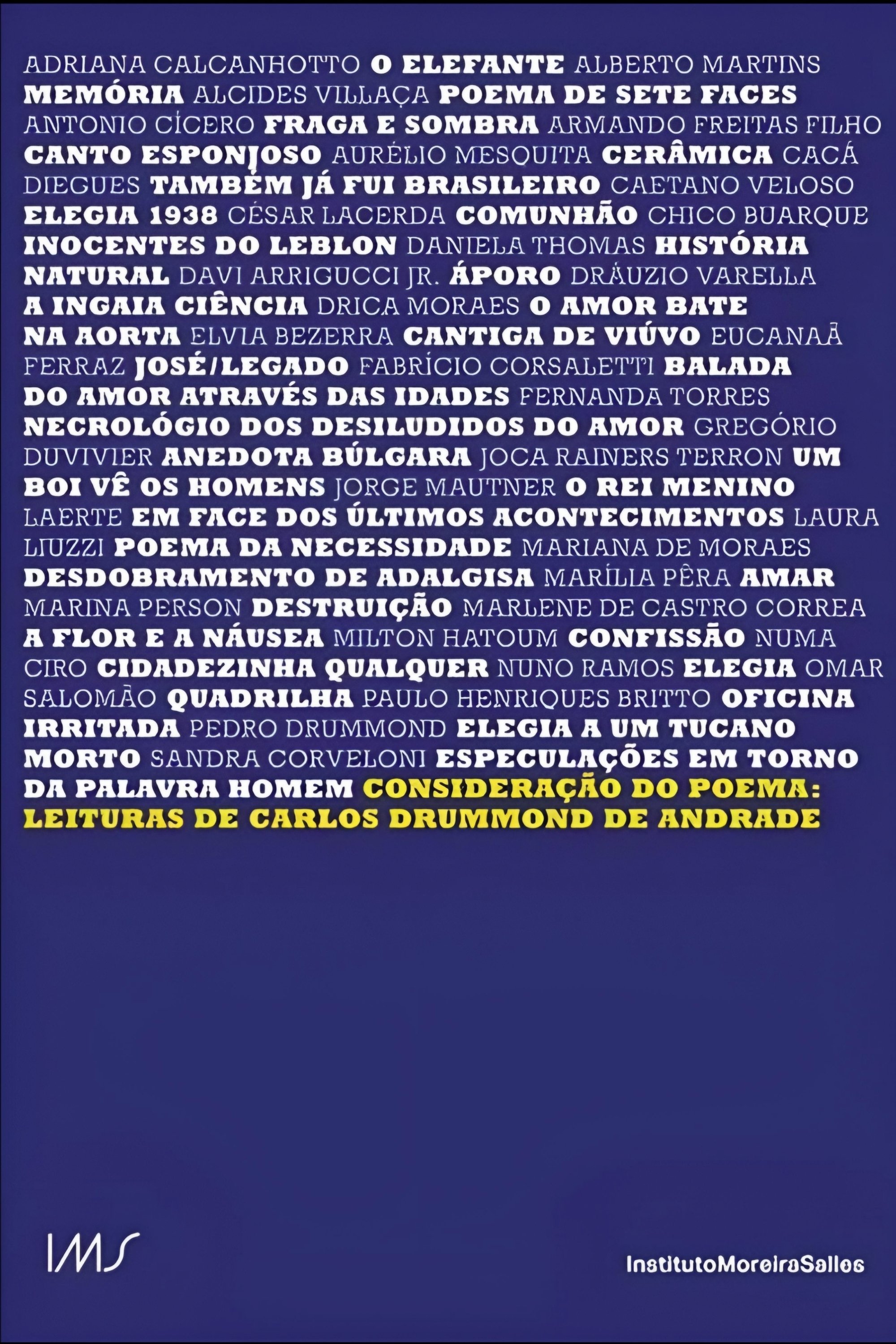
Carlos Drummond de Andrade's poetry is read by exponents of Brazilian culture, such as Chico Buarque, Caetano Veloso, Adriana Calcanhoto, Fernanda Torres, Marilia Pera, Antonio Cicero and others.
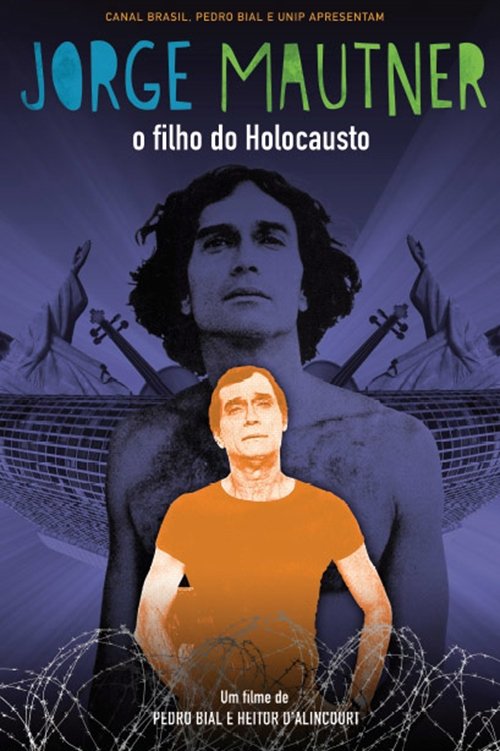
The film follows the birth of Jorge Mautner up to his 17 years. He was born in Brazil shortly after his parents fled the Holocaust. Raised by a nanny who introduced him to Candomblé, Mautner became a precursor of the Tropicália, contributing to the construction of the identity of Brazilian music.
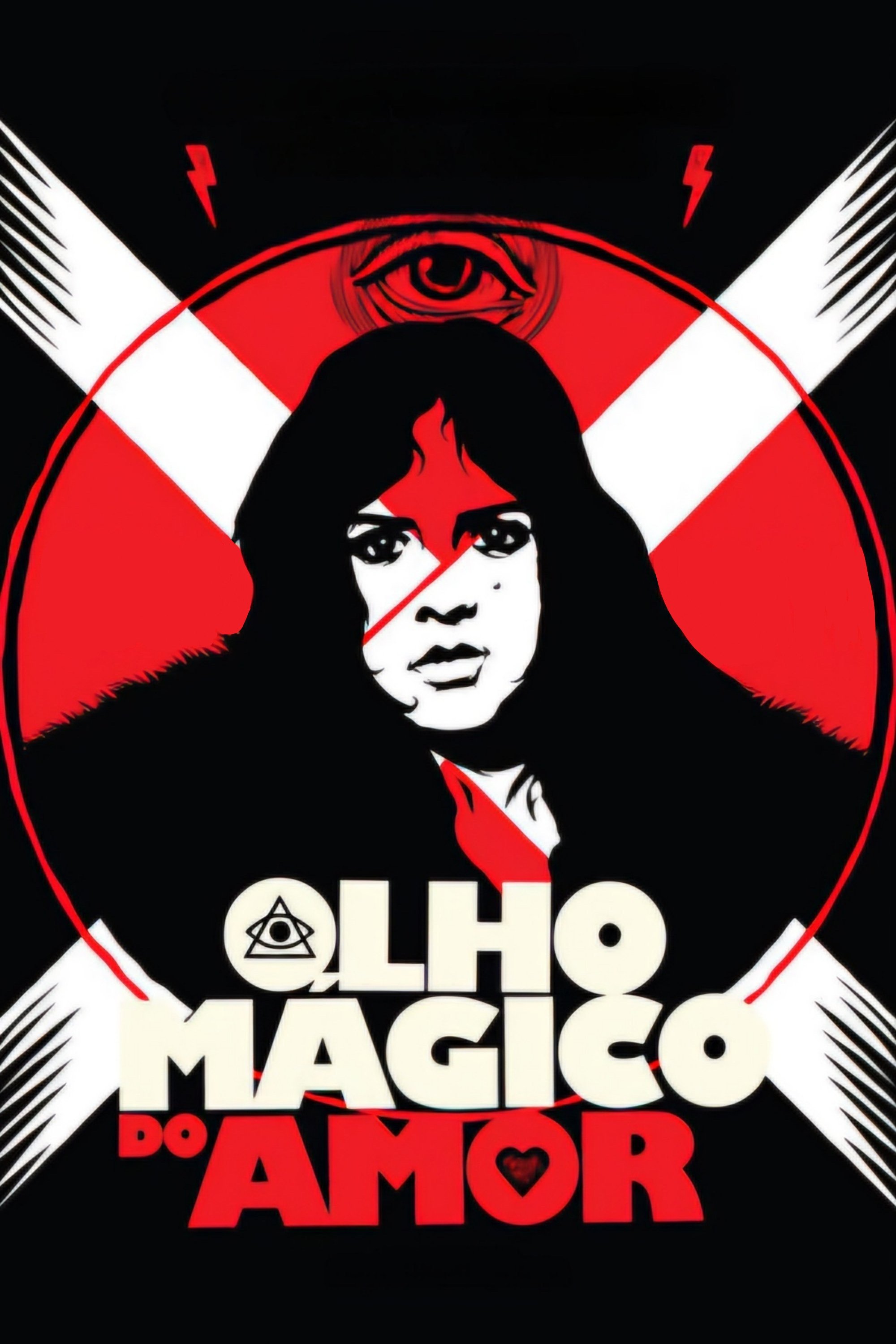
An innocent working girl finds a hole in her wall through which she can see the action in her neighboring apartment, where a prostitute meets her bizarre clients.
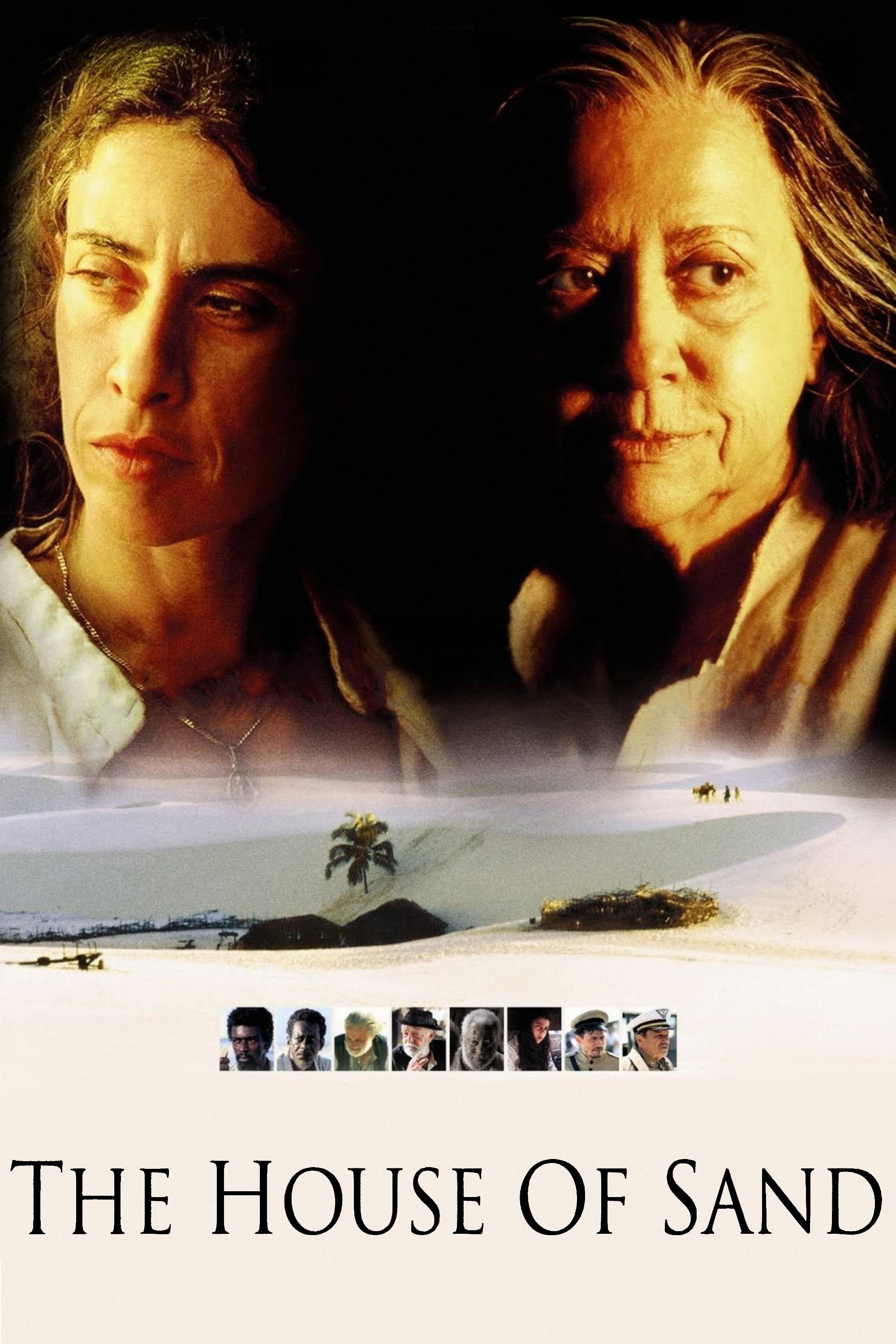
A woman is taken along with her mother in 1910 to a far-away desert by her husband, and after his passing, is forced to spend the next 59 years of her life hopelessly trying to escape it.
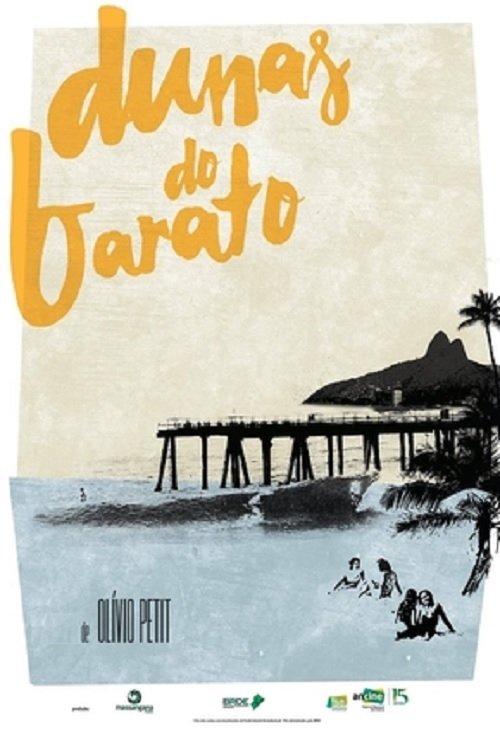
A rescue of the history of Ipanema beach in the 1970s, when the construction of a pier changed the landscape and created fertile soil for a generation of artists and sportsmen.

Caetano Veloso, Gilberto Gil, Jards Macalé and Jorge Mautner recall important moments during the military dictatorship the befell in Brazil from 1964 to 1985. The film presents the events of the prison, life in exile and the return to the country.
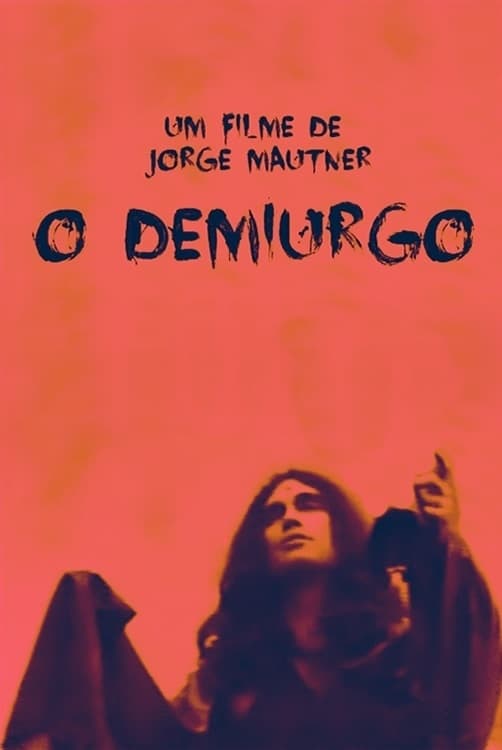
A colorful feature film that mixes exile with the figure of the poet Rimbaud and the feminist revolution. "It's super-intellectual. A fable-musical-philosophical-chanchada", Mautner says. He also affirms that the work focuses a lot on the longing for Brazil, on the will that the exiled had to return to their homeland. The idea came from conversations between the musician and his old father, "always talking about the pre-Socratics", he recalls. Glauber Rocha states that "The Demiurge" is the best film "of" and "about" exile.

Rogério Sganzerla’s lost film. The only existing copy was lost in 1992 and the negatives are lost. It tells about the history of Betty Bomba, an exhibitionist woman.
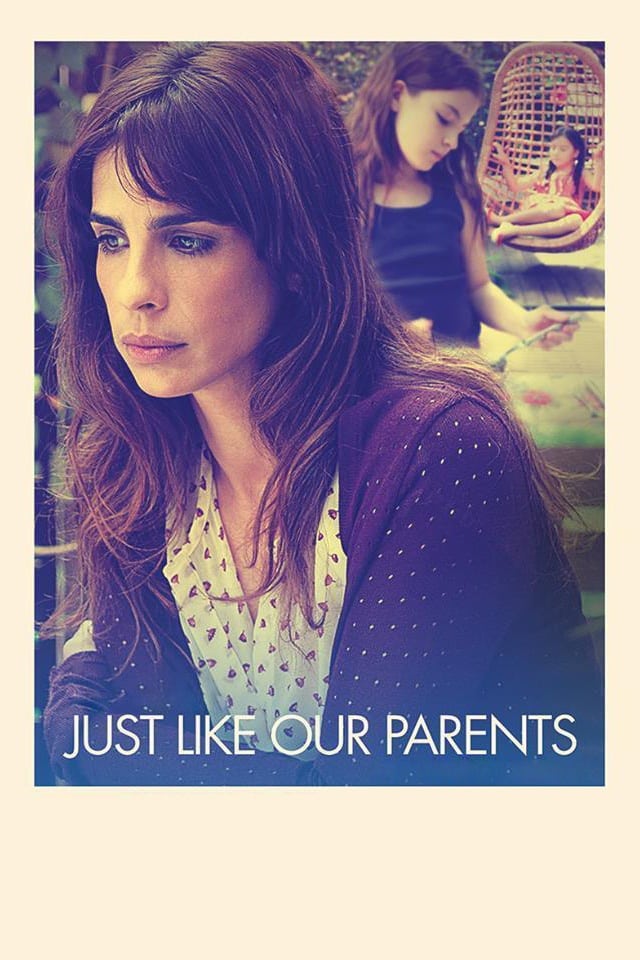
Rosa is in her late 30s, a child of the 1970s with divorced parents. She lives with her own family in São Paulo. Overwhelmed by an eruption of individual passions, lies and the expectations of three generations, she tries to discover who she really is.

Hunting Season deals with the wave of homosexual murders that plagued São Paulo and Rio de Janeiro in the 1980s. With street statements and cultural and artistic figures such, such as Zé Celso, Jorge Mautner, Roberto Piva and others.
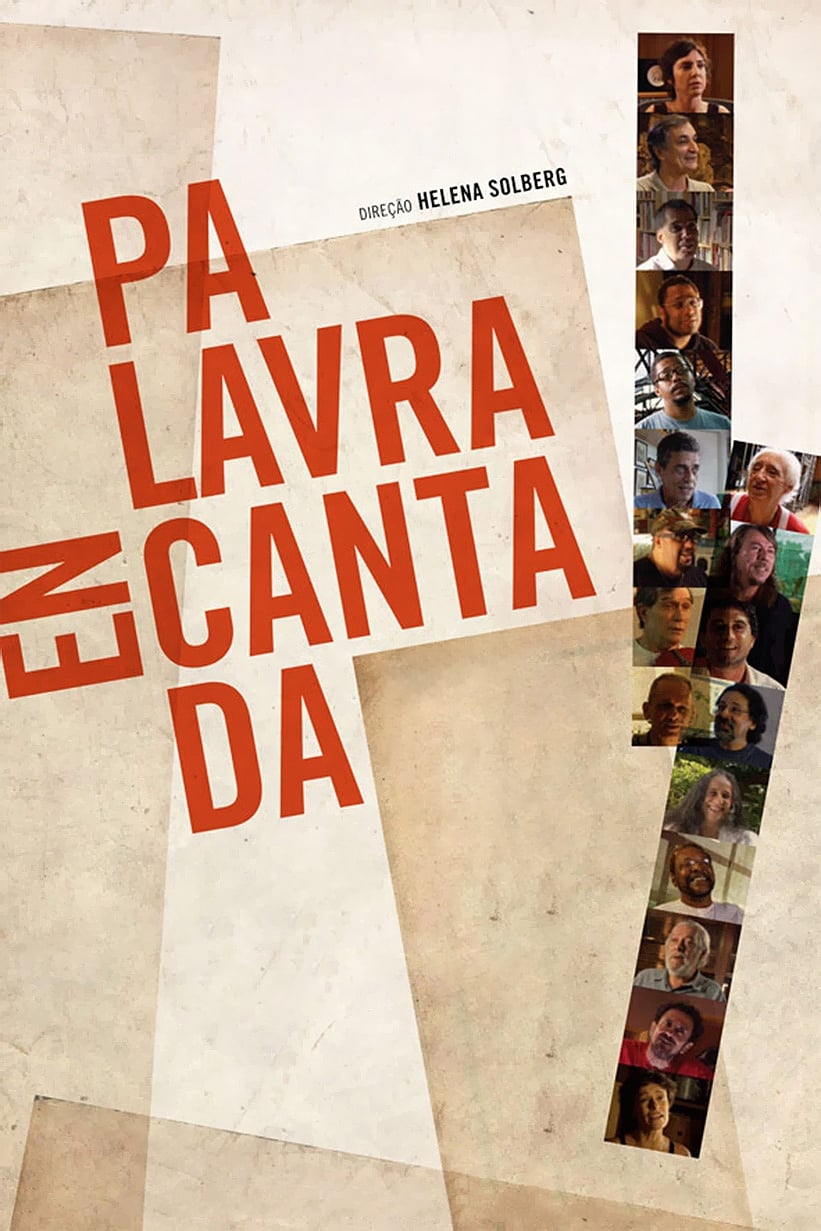
A journey in the history of the Brazilian songbook with a look at the relationship between poetry and music, sewing testimonials of great names of our culture, musical performances and amazing research of images.
Sao Paulo revisited by brazilian poets that were aligned with the beatnik generation.
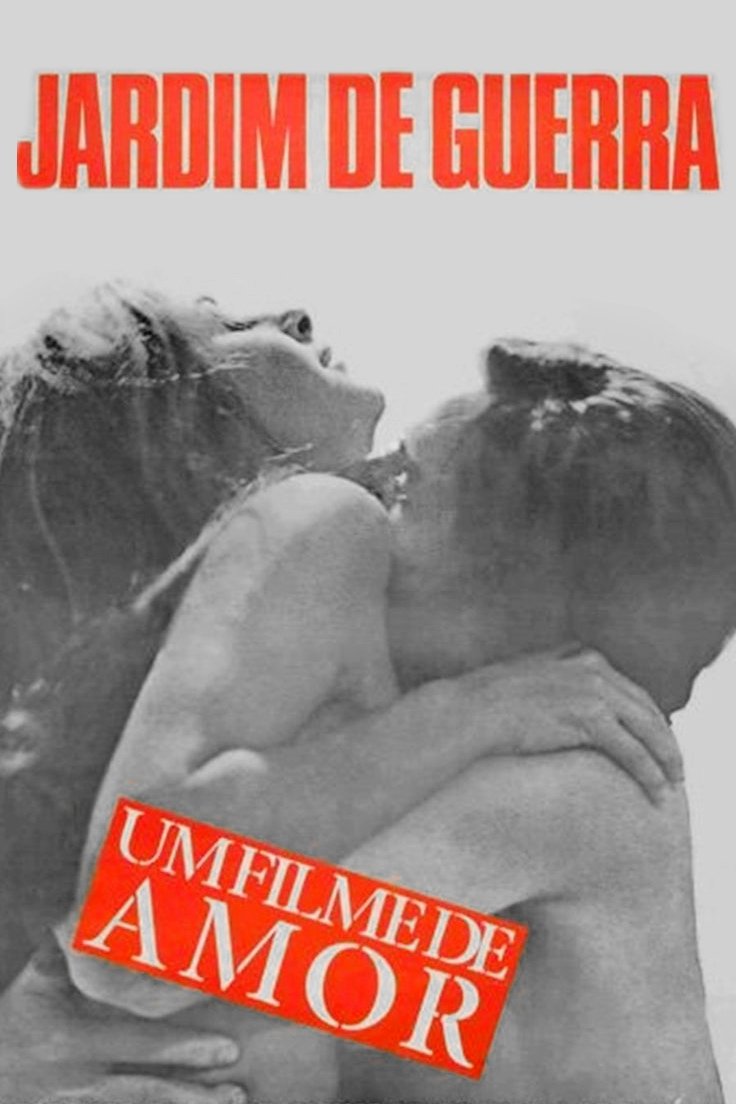
Edson is having an affair with actress Maria do Rosário, who dreams of being a movie director. So he tries to get some easy money for her film, but is arrested and meets a police torturer instead.
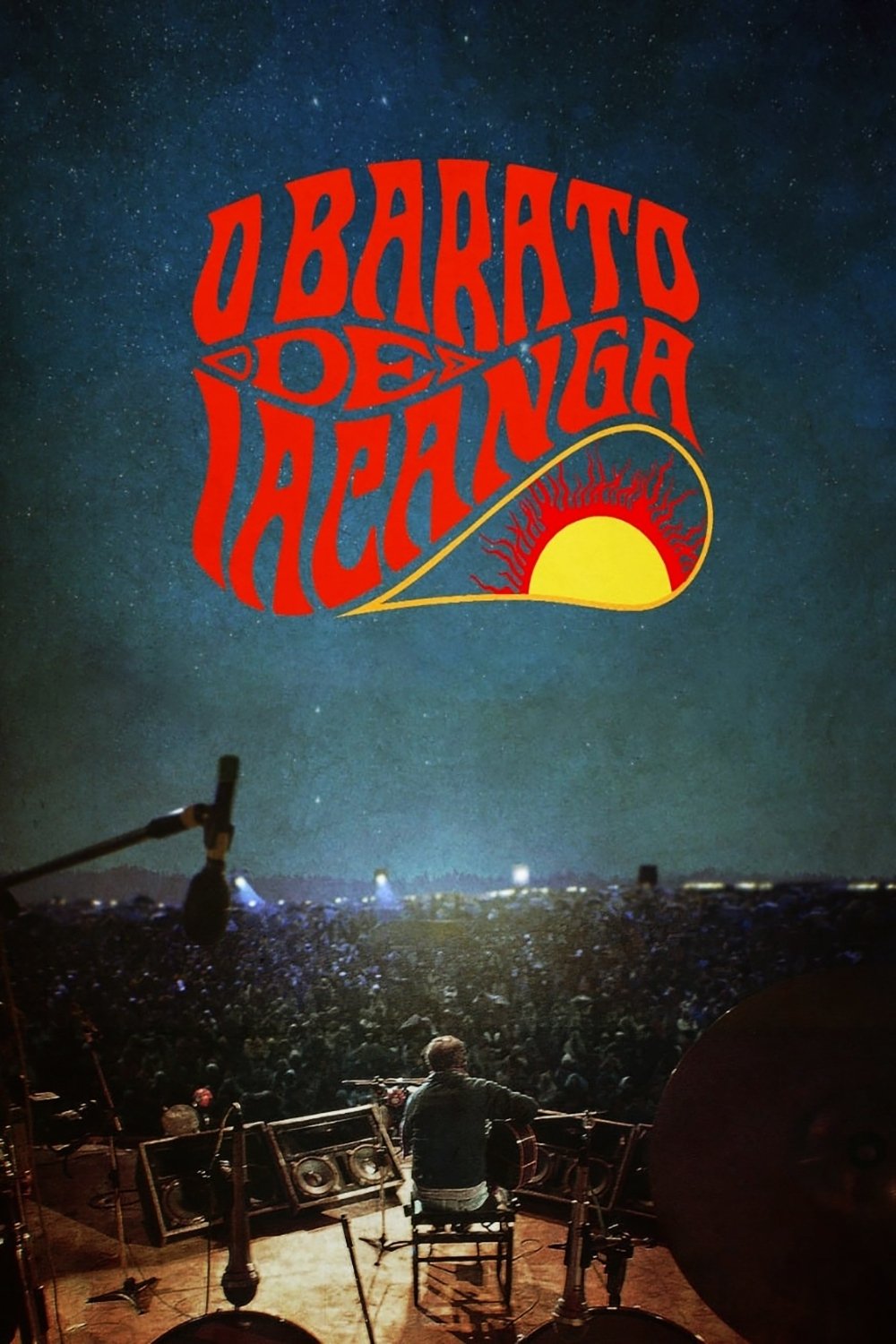
Participants recall a series of festivals held on a farm in Brazil during the '70s and '80s that evolved into liberating celebrations of music.
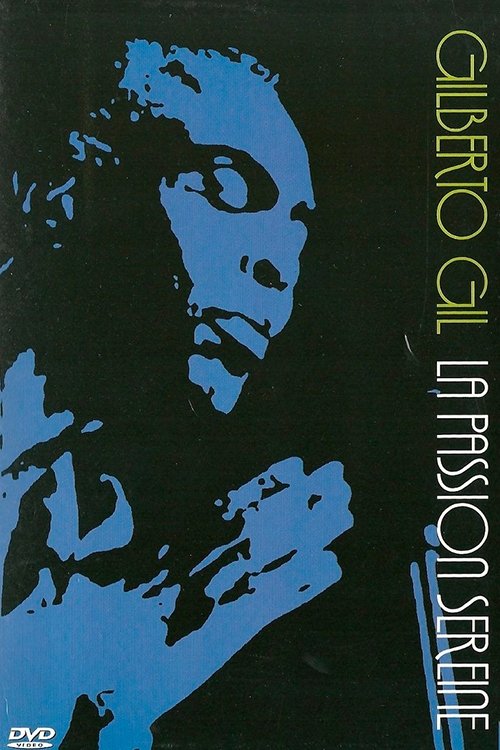
Gilberto Gil talks with friends and share his thoughts, influences and reveal his impact on brazilian music and vision of the black people.
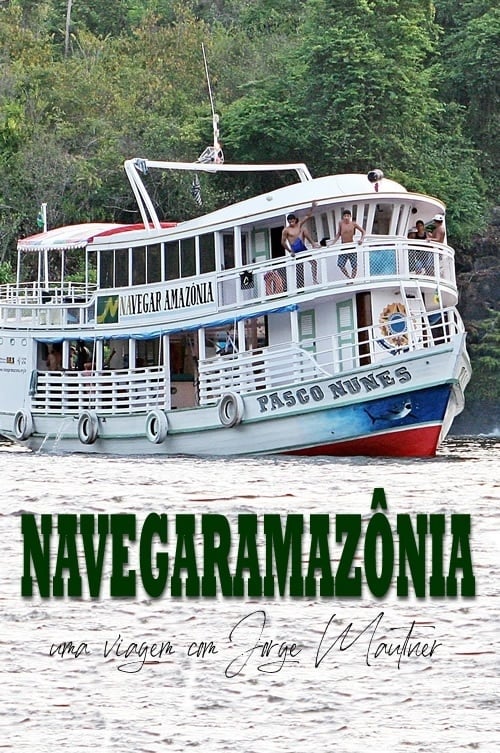
In March 2006, the team for the Navegar Amazônia project left the Jandiá Channel in Macapá, bound for Belém. On board a regional boat, adapted with a modern multimedia laboratory, were the project team and thirty persons, including musicians and filmmakers. The objective was, along the way, to offer workshops in music, cinema, photography, video and art to the population visited on the river's edge. The documentary is a record of the interaction between the guests and the local population. The Navegar Amazônia project captures and conveys contents of the Amazon in a unique way: from the heart of the forest and from the river to the world.
"Before I Forget" is a short film by Jairo Ferreira. It was filmed in 1977, during the release of the book of the same name of Roberto Bicelli. The poet is part, along with Cláudio Willer and Roberto Piva, of the surrealist group of São Paulo. Also participating in the short Jorge Mautner and Nelson Jacobina.
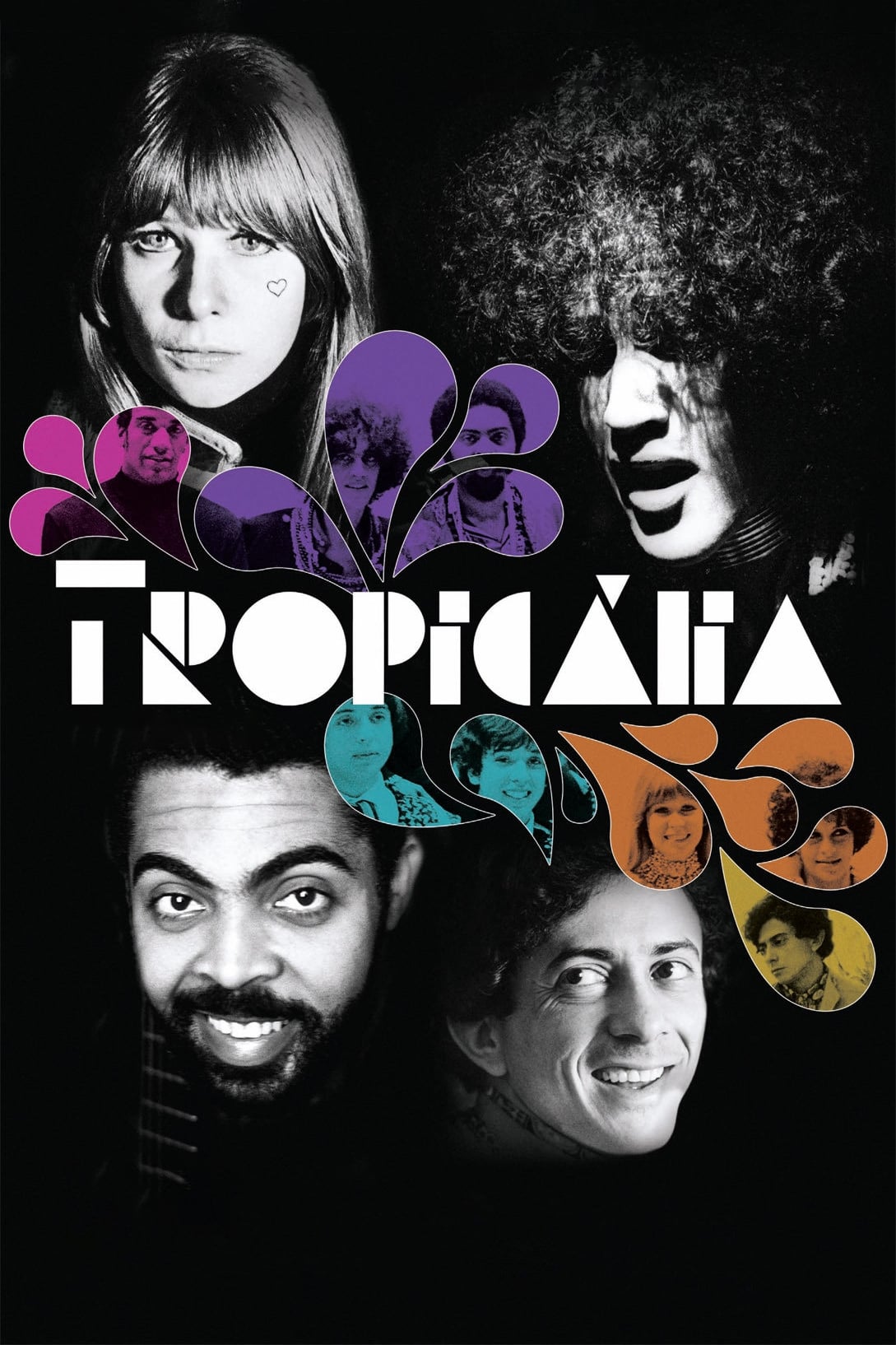
Set against the turbulent atmosphere of the 1960s, Tropicália is a feature length documentary exploring the Brazilian artistic movement known as Tropicália, and the struggle its artists endured to protect their right to freely express revolutionary thought against the traditional Brazilian music of that time.

Brazilian documentary that tells the story of Titãs, the most famous rock band in the country. The film was directed by one of the members, Branco Mello, using images recorded from the early 80's until the present day.
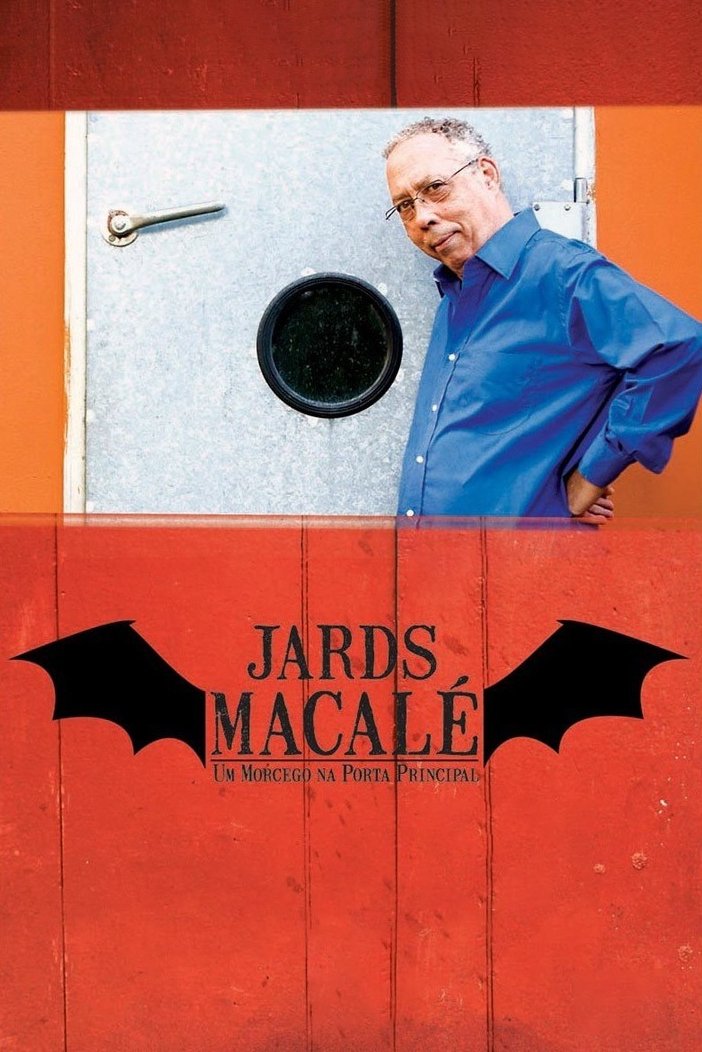
This film shines a light at the story of Jards Macalé, polemic artist and controversial character of Brazilian culture over the last four decades. Author of songs such as "Vapor Barato" and "Movimento dos Barcos", a partner in crime of poet Waly Salomão, guitar player and songwriter for Gal Costa and Caetano Veloso, actor and author of soundtracks in Nelson Pereira dos Santos' films, a personal friend of visual artists Lygia Clarke and Hélio Oiticica, but, first and foremost, someone who dreams of seeing the word "love" in the Brazilian flag.