
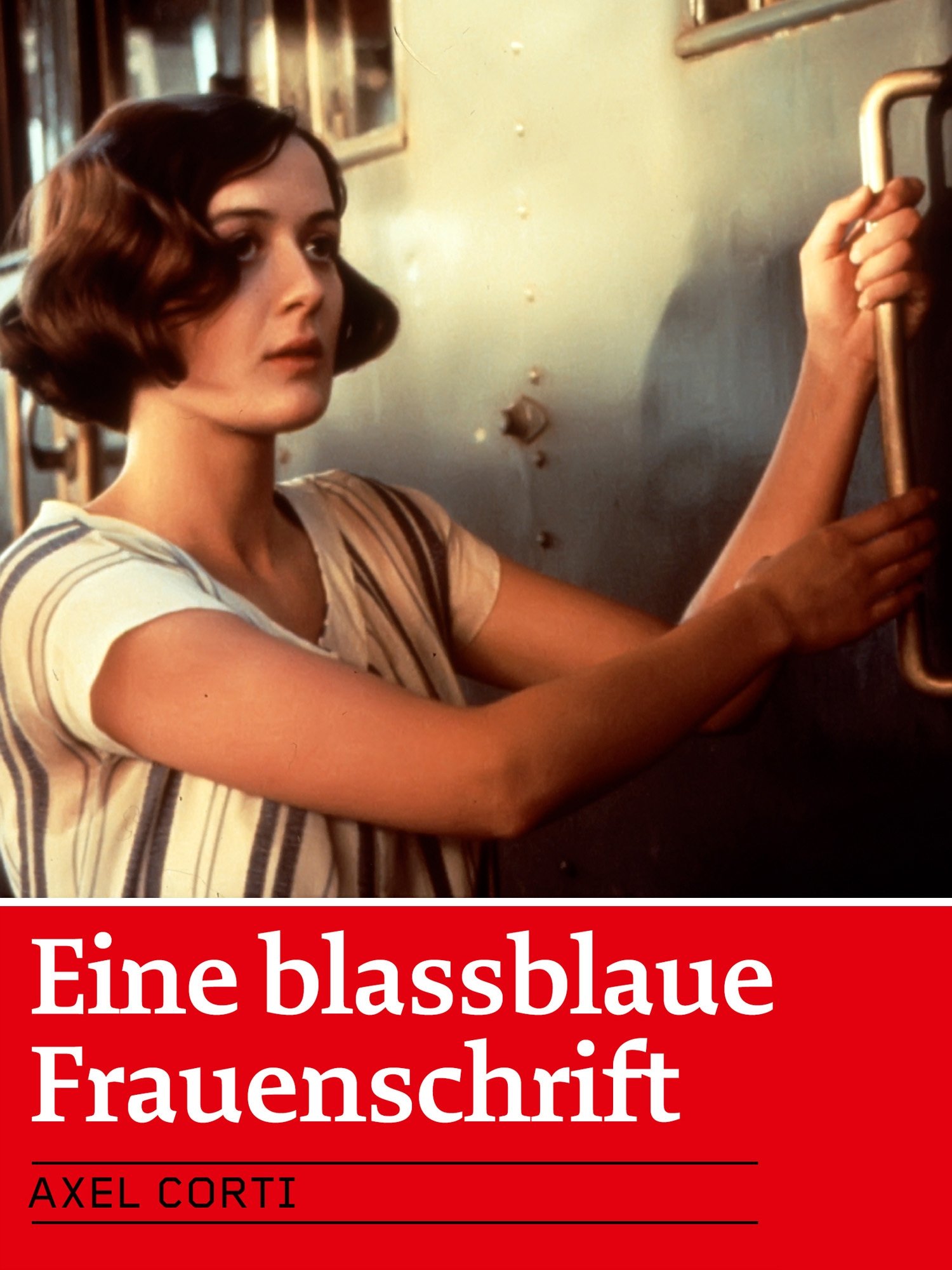
In October 1936, a high official in the Austrian government receives a letter from a German Jewish woman with whom he had an affair in 1925 asking him to help place an 11-year-old, half Jewish boy in a good Austrian school. Is the child his? Should he help? And above all should he help now, at a time when Nazis are becoming powerful in Austria?
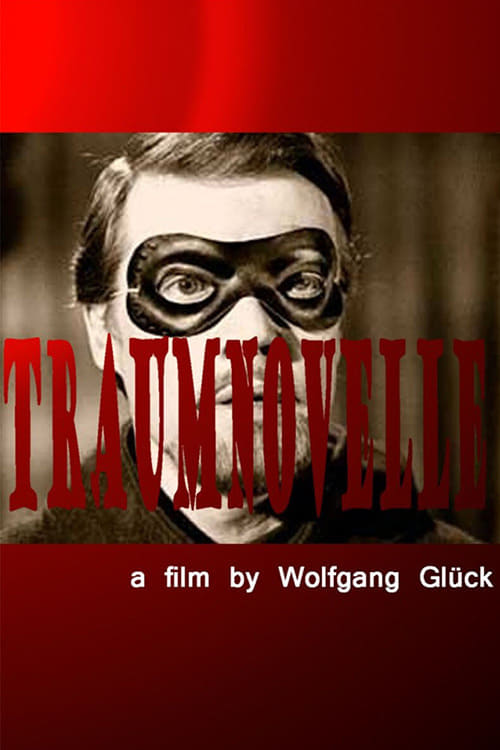
After a frank confession by his wife, a doctor is called to see a dying patient. The cause of the night brings him to meet an old friend, a pianist, who tells him of a mysterious ball where he is due to perform. Based on the book "Traumnovelle" ("Rhapsody: A Dream Novel") by Arthur Schnitzler, which was the inspiration for the film Eyes Wide Shut (1999).
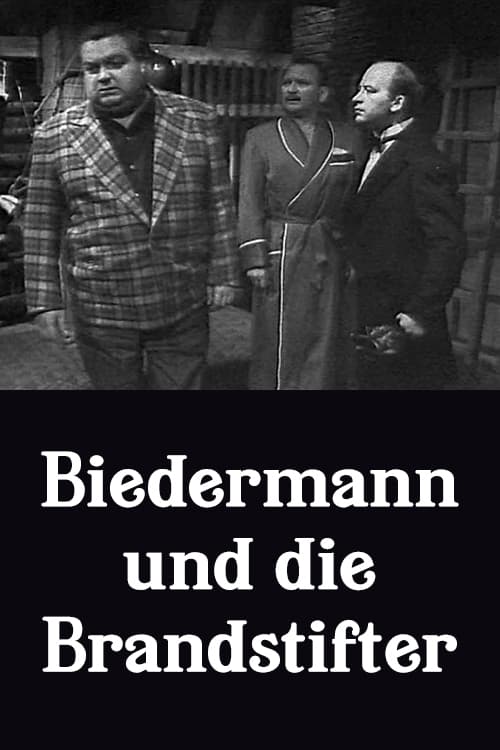
Max Frisch's famous parable about the cowardice of opportunists: Mr. Biedermann brings two arsonists into his home and pretends that they are his best friends.
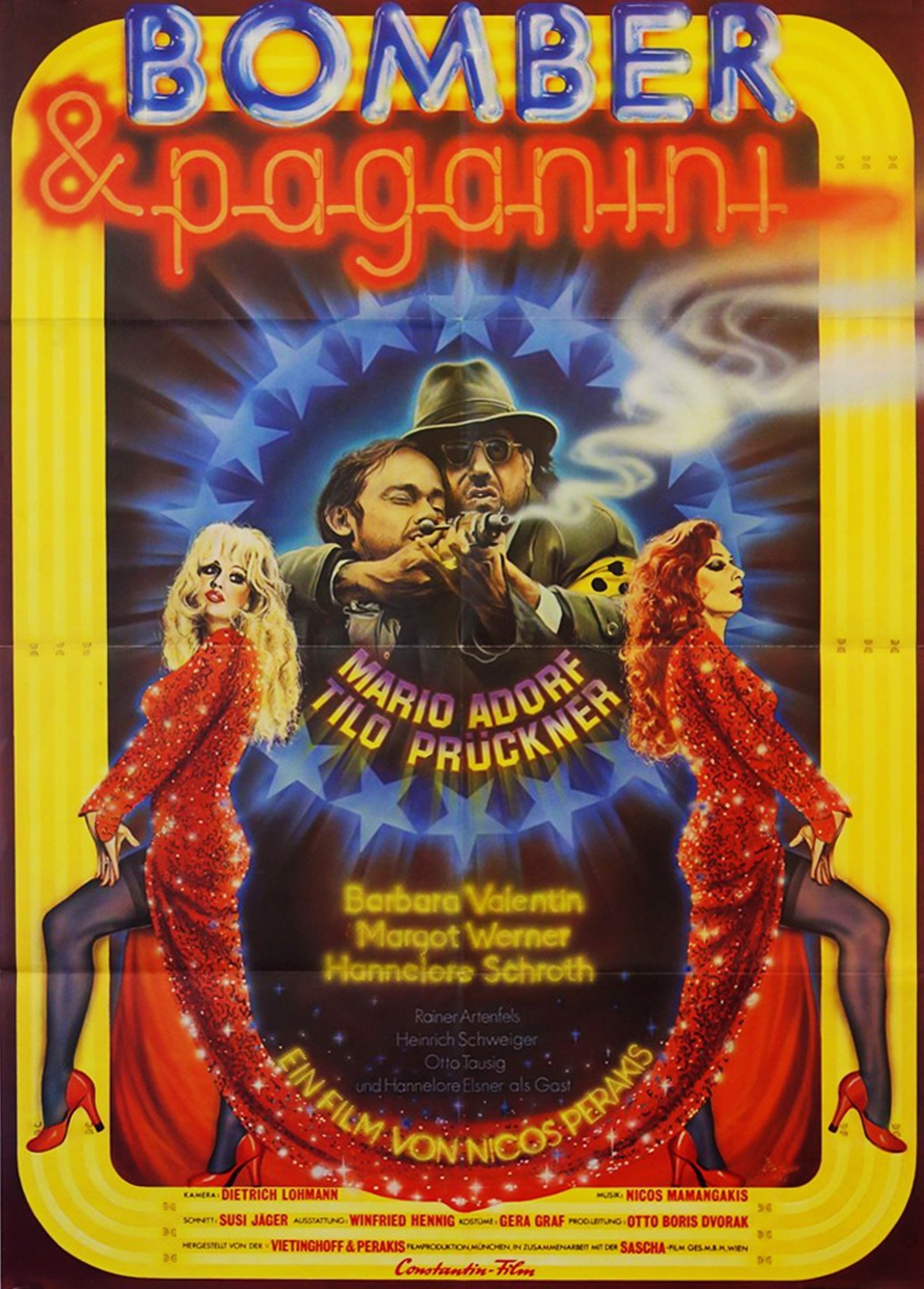
The story follows two simple as well as incorrigible petty crooks, who always fail spectacularly in search of the big coup.
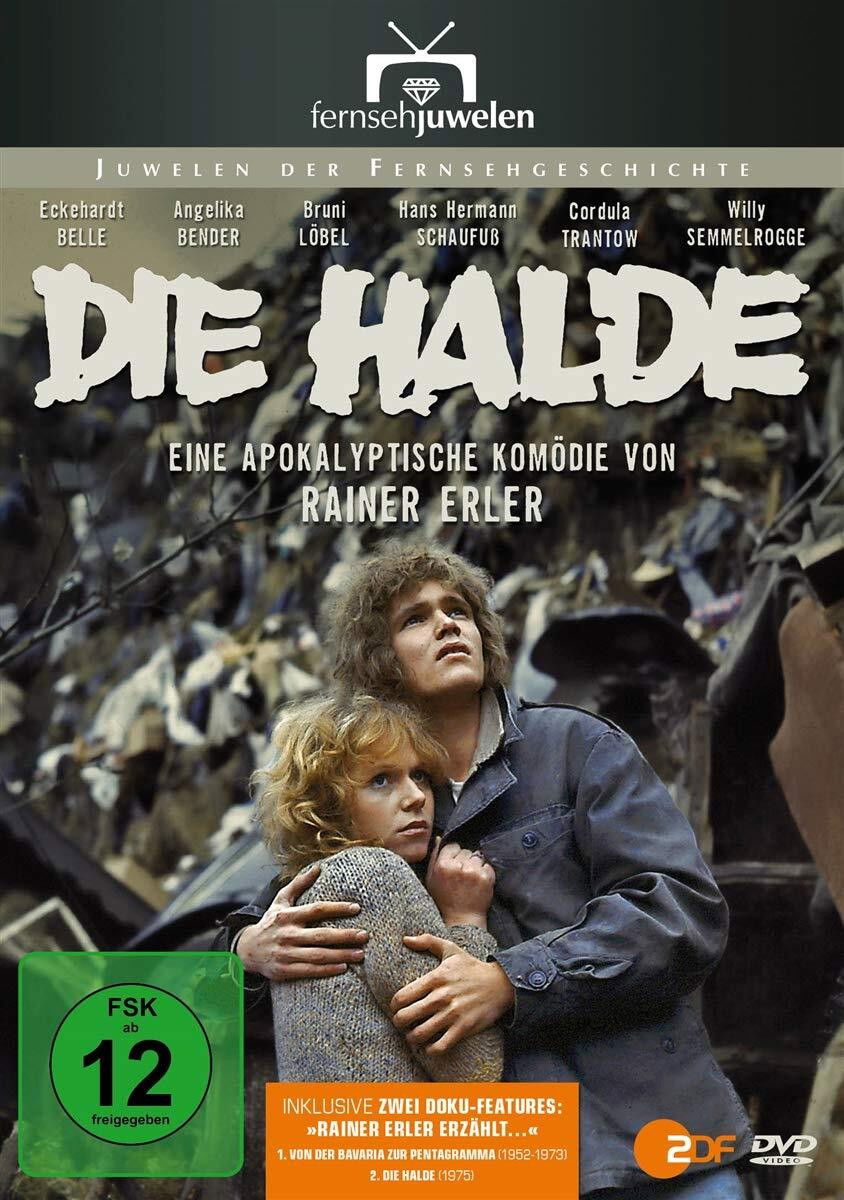
On his wanderings, Tom meets young Lizzi and accompanies her to the vacation resort "Im Sonnengrund". The residents there are threatened by a huge garbage dump that will bury them all.
Leim, the carpenter’s journeyman, invests his lottery winnings wisely and marries his master Hoblmann’s daughter Pepi, securing a comfortable middle-class life. Zwirn, the tailor, falls for the alluring Signora Palpiti and lavishes his newfound wealth on her, rapidly depleting his fortune. Knieriem, the stout shoemaker’s apprentice, spends his windfall on endless drinking and revelry, embracing the carefree life without regrets.
Richard Nielson, who is in Vienna as the English representative at an aviation conference, has to stand in for his boss on his wedding day. Vicky Nielson then vows revenge on her husband. She releases seven balloons into the Viennese sky, each bearing a note reading "Please report if found" and the Nielsons' address in Grinzing. From then on, numerous misunderstandings ensue.
On November 3, 1918, a group of Austro-Hungarian officers in a makeshift hospital of the Austro-Hungarian Army, somewhere in the Karawanks, is completely cut off from the outside world by persistent snowstorms. A machinist's mate manages to reach the trapped men and bring them the news that the war is lost and the monarchy will be divided. Initially, they plan to shoot him as a deserter. But when the news is confirmed, everyone wants to return to their homeland. For Colonel von Radosin, his world collapses, and he shoots himself.
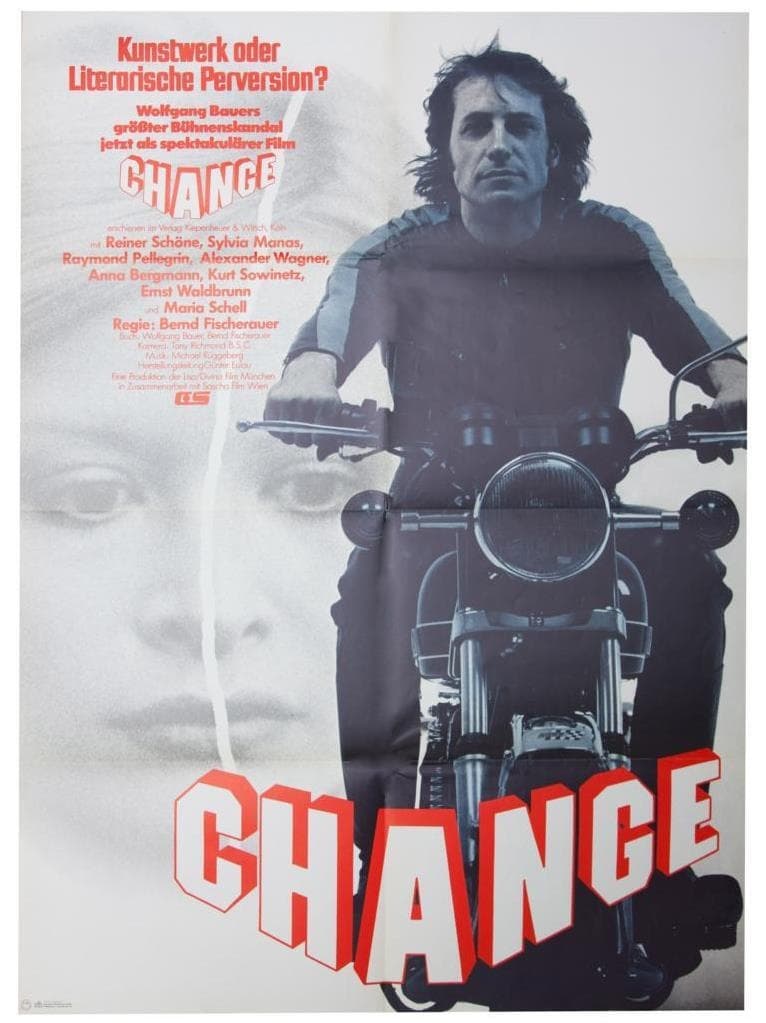
Based on the drama by Wolfgang Bauer. Fery Kaltenböck is a painter of the Viennese avant-garde in the post-1968 milieu. His lack of success plunges him into depression. Out of frustration, he builds the Pölten painter Blasius Okopenko into a star, only to subsequently destroy him and gain fame through the scandal. But his plans fail because he underestimated Okopenko. When Kaltenböck realizes that he is becoming the manipulated man, depression and conscience drive him to suicide, and he hangs himself.
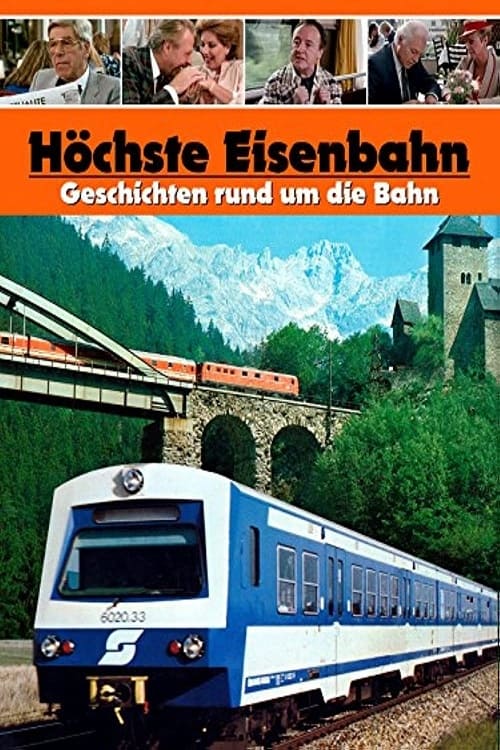
The storyline of this episodic film, made on the occasion of the 150th anniversary of the Austrian Federal Railways (ÖBB), is a PR team's train journey through Austria. The professionals are to use the inspiring surroundings to develop a new advertising concept for ÖBB. Various stories are embedded, in each of which the railroad naturally plays a leading role.
Arthur Schnitzler's key piece describes the liaisons of his artist colleagues from the Cafe Central, Vienna. Behind the character "Treuenhof" is Peter Alterberg recognized, "Winkler" = Arthur Schnitzler, "Flatterer" = Frida Uhl, "Rapp" = Stefan Großmann, "Willi" = Hans Lang, "Van Zack" = Adolf Loos, and "Lisa" = Lina Loos.
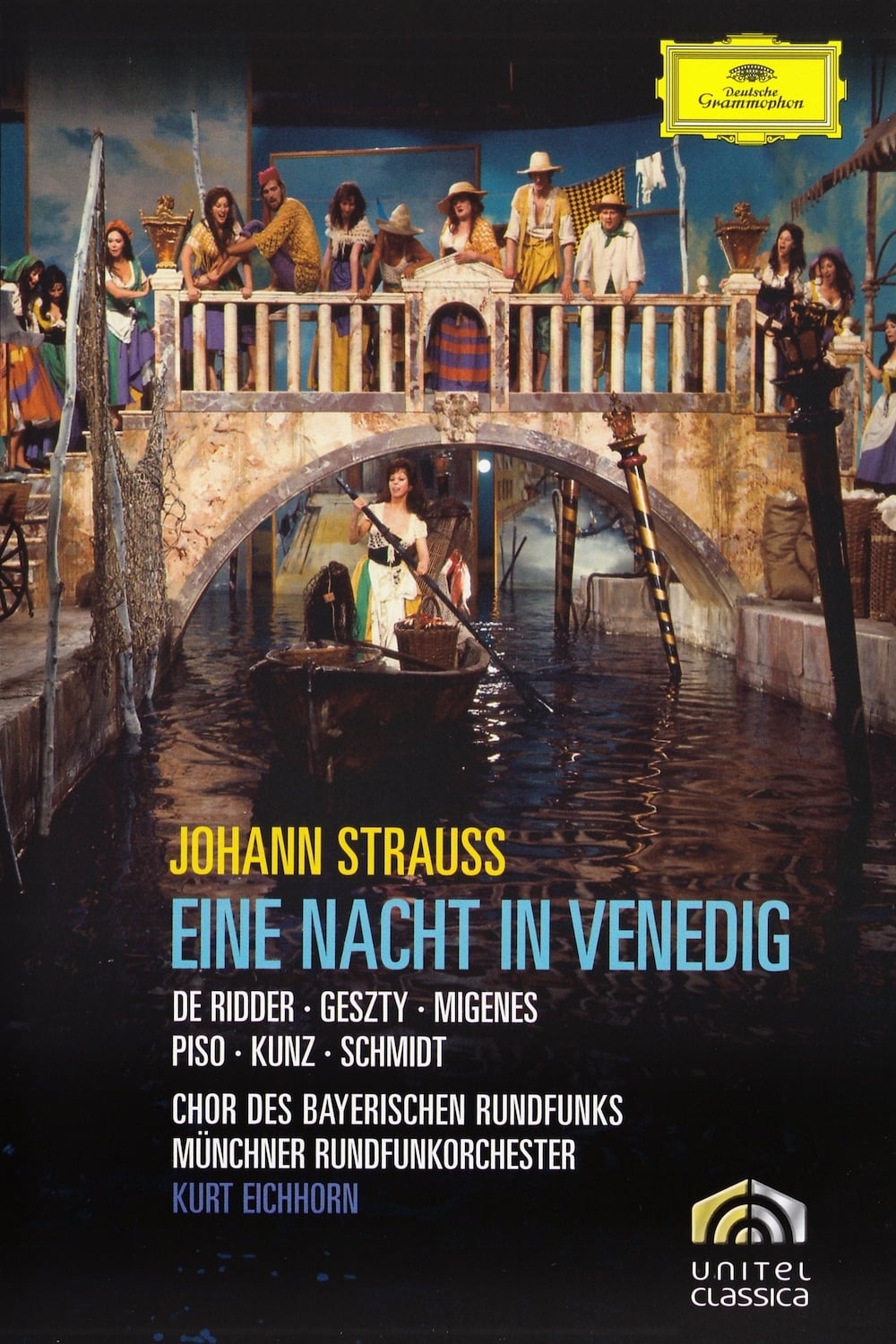
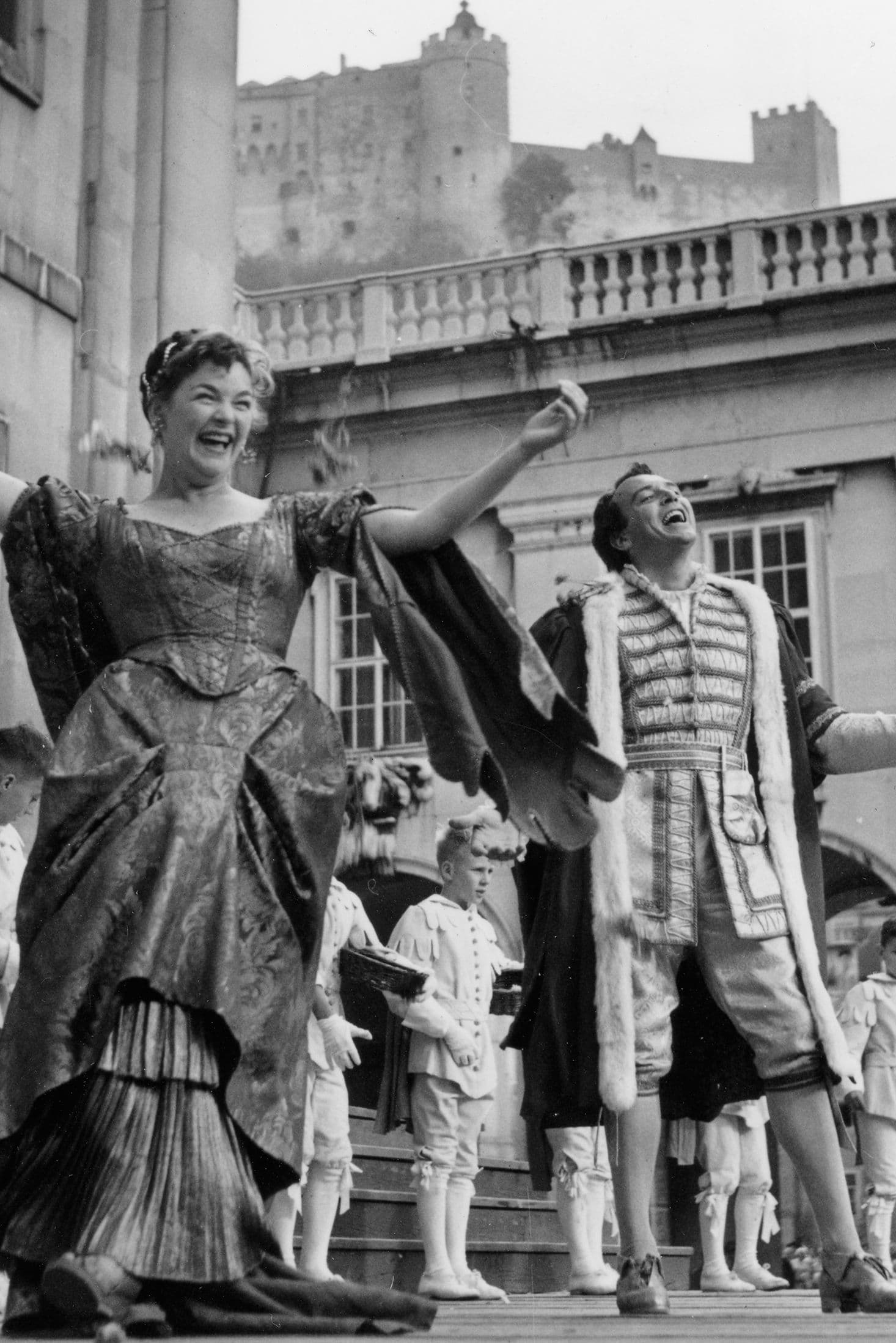
Eine Nacht in Venedig (A Night in Venice) is an operetta in three acts by Johann Strauss II. Its libretto was by F. Zell and Richard Genée based on Le Château Trompette by Eugène Cormon and Richard Genée. The farcical, romantic story involves several cases of mistaken identity. The piece premiered in 1883 in Berlin and then Vienna. It became one of Strauss's three most famous stage works and has been seen in New York, London and elsewhere, and has been adapted for film.
In the pre-WWI Austro-Hungarian Empire, an older officer (Capt. Kunze) investigates a brilliant junior officer (Lt. Dorfrichter) suspected of complicity in a murder by poisoning.
On the eve of WWI, Russian landowner’s son Nicholas Tarabas, a Catholic sympathizer turned assassin exiled to America, returns as a ruthless soldier dubbed “the Terrible.” Yet when anti-Jewish violence erupts, his conscience awakens for the first time.
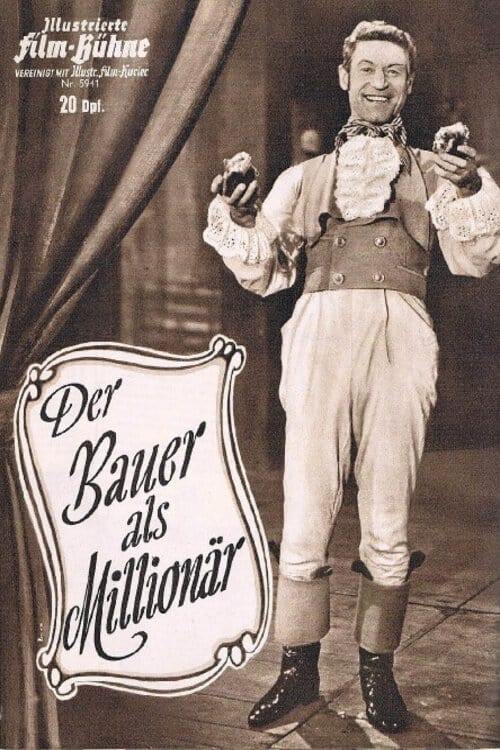
The fairy Lacrimosa's daughter lives with a forest farmer. If she marries a poor man, her mother will regain her magical powers. «Envy» wants to prevent this and turns the forest farmer into a hard-hearted millionaire.
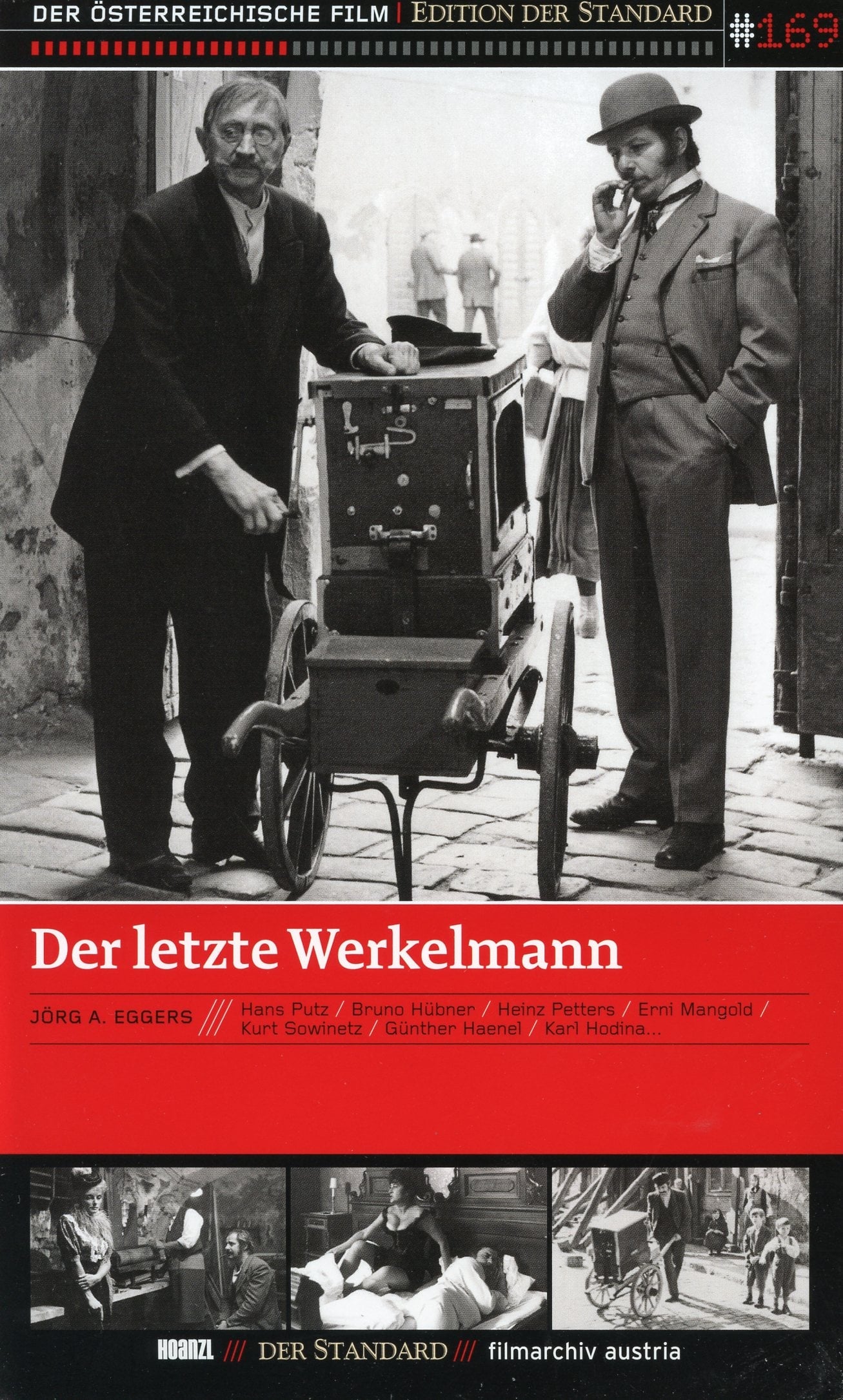
Vienna, a few days before the shots in Sarajevo which would trigger what was first called the Great, later simply the First World War: Job seekers from the crown lands flock to the capital of the empire in search of a better life, even if it's the factory hell . A new social class is growing faster and faster, the city overflows with the poor, lower-class workers and the unemployed. Labor fighters can be heard louder, better, clearer, every day. The nobility strongly suspects its end.
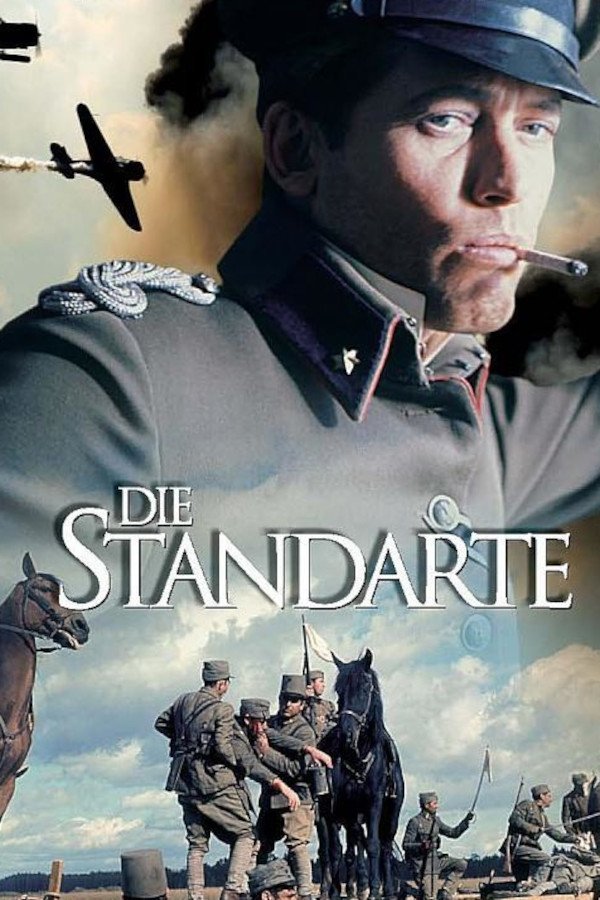
During the final days of the First World War, Officer Menis does his duty in defending the battle flag of the defeated Austro-Hungarian empire, while his fellow troops, a motley gang recruited from several different countries not loyal to the royal family, simply try to survive by any means possible.
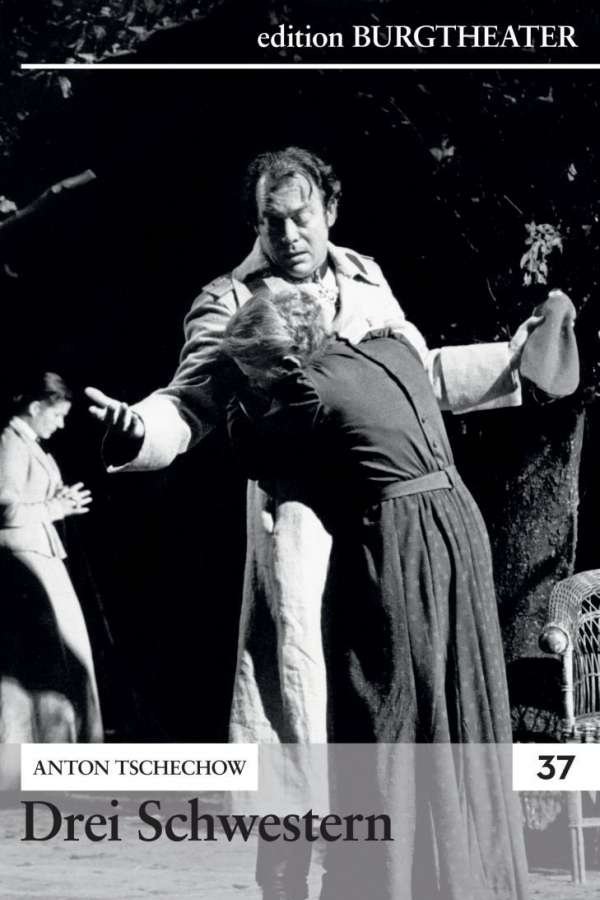
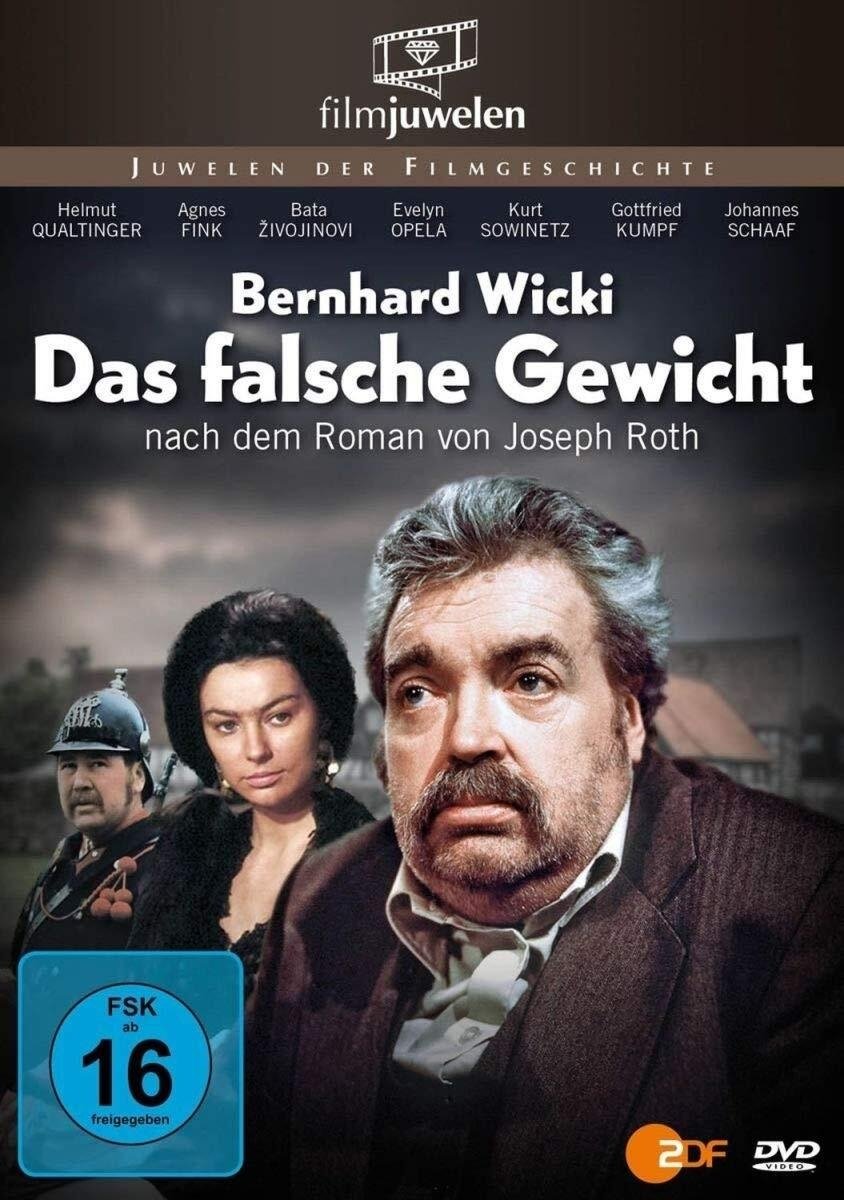
Tells of the tribulations of a middle-aged official of the Austro-Hungarian Bureau of Weights and Measures in fighting the local shopkeepers and traders whose weights are frequently light.
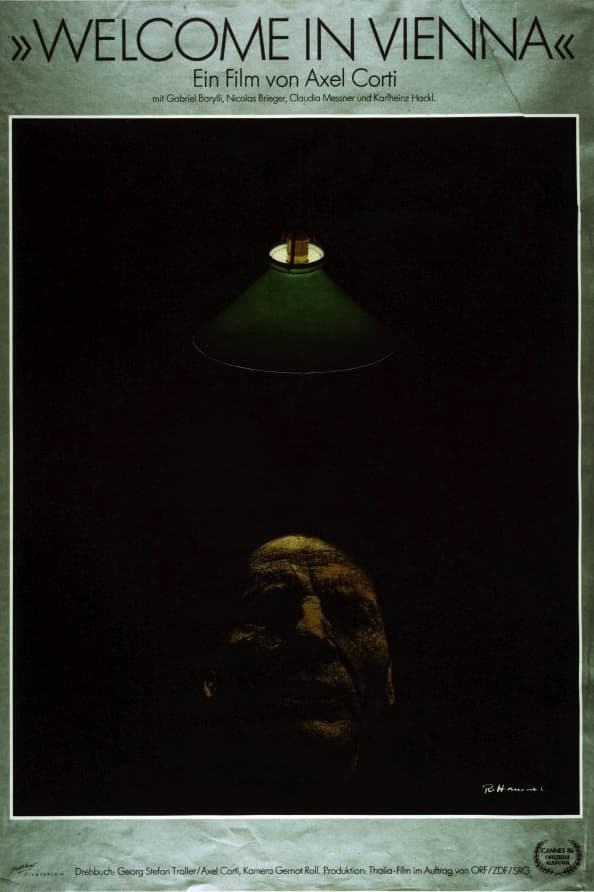
Freddy, a Viennese Jew who emigrated to New York after Hitler's invasion, and Adler, a left-wing intellectual originally from Berlin, return to Austria in 1944 as soldiers in the U.S. Army. Freddy falls in love with the daughter of a Nazi, and Adler attempts to go over to the Communist Zone. But with the advent of the Cold War and continuing anti-semitism, the idealism of both characters is shattered as they find themselves surrounded by cynicism, opportunism, and universal self-deception.