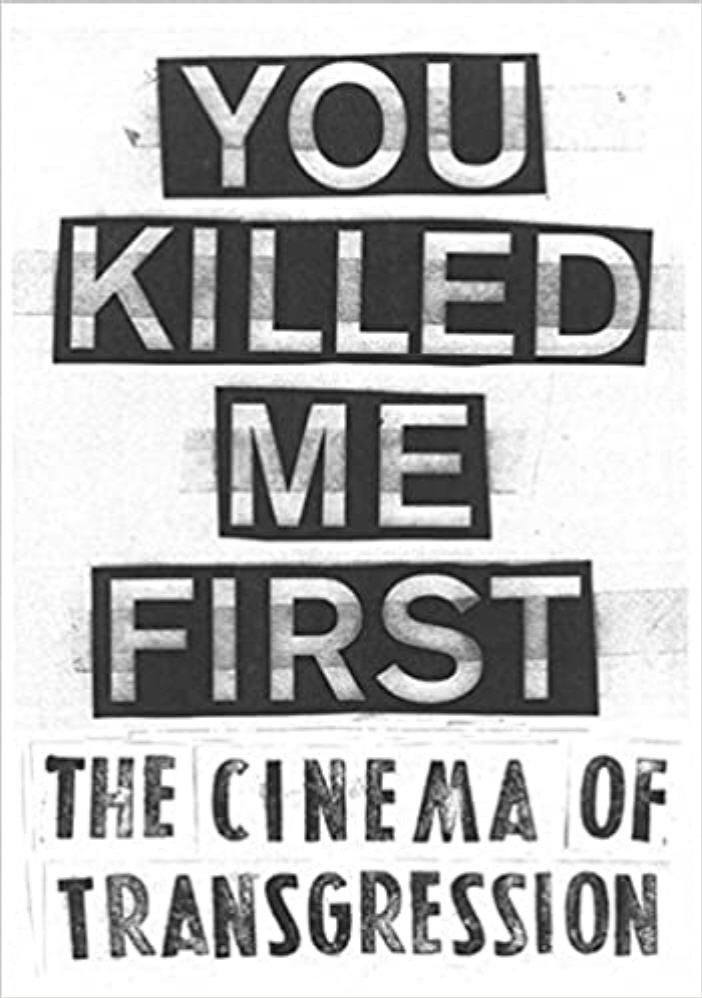
Elizabeth bristles at the religious directives of her parents, asserting her right to personhood outside demure hairstyles and turkey dinners, constructing voodoo dolls and entertaining other manners of dark drawing in her dank emo-den. When confronted with the humanity and hypocrisy of her tormentors, the young antihero vanquishes their belief systems (and bodies) asserting, "You killed me first!"
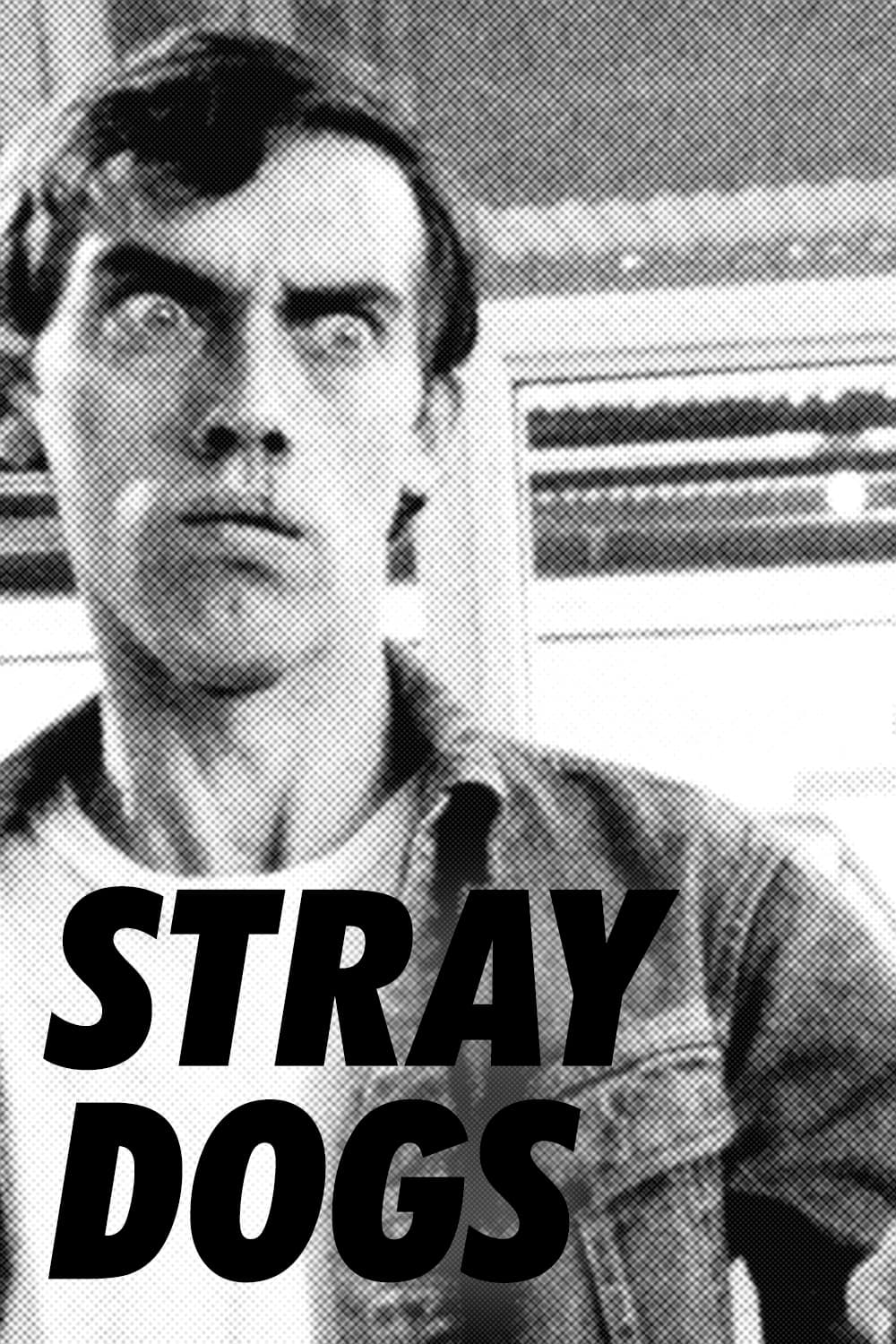
A fan tries to get an artist's attention by literally coming apart.
AIDS victims and activists cope with hardship and society’s ignorance.

Loosely based on an infamous 1984 Long Island murder case involving Satan-worshiping, teenage drug freaks (Knights of the Black Circle), David Wojnarowicz and Tommy Turner’s Where Evil Dwells is a low-budget D.I.Y. movie that walks the jagged lines between splatter flick, experimental film and transgressive art. The original footage was destroyed in a fire and the only footage that survived is this 28 minute preview that was put together for the Downtown New York Film Festival in 1985.
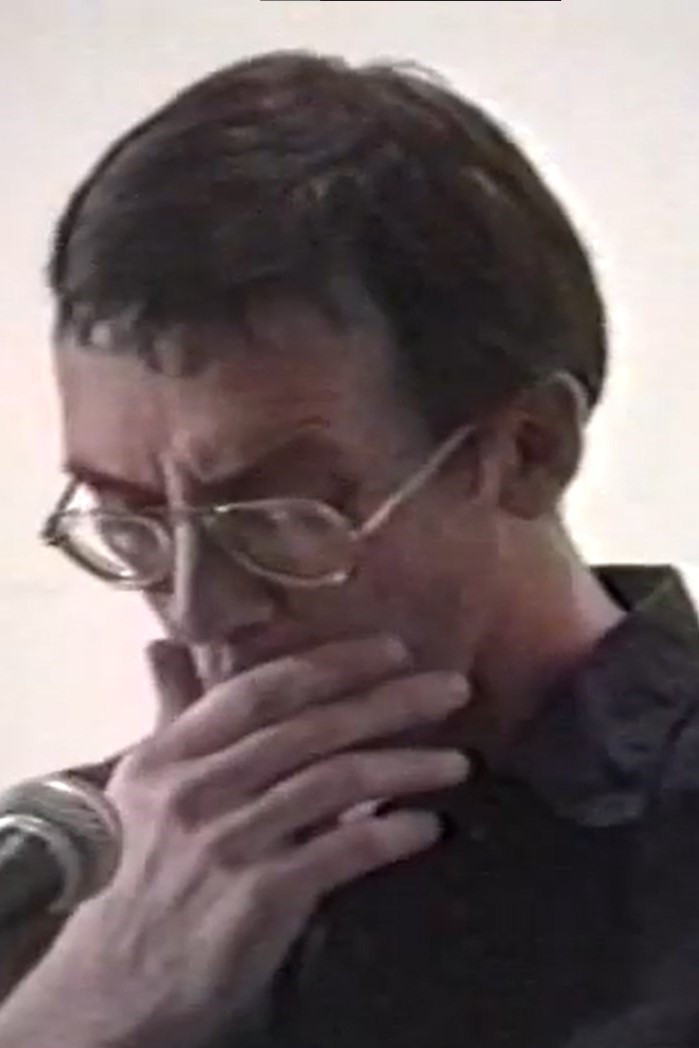
David Wojnarowicz speaking before his death. Tens pounds of pressure, tens pounds of rage
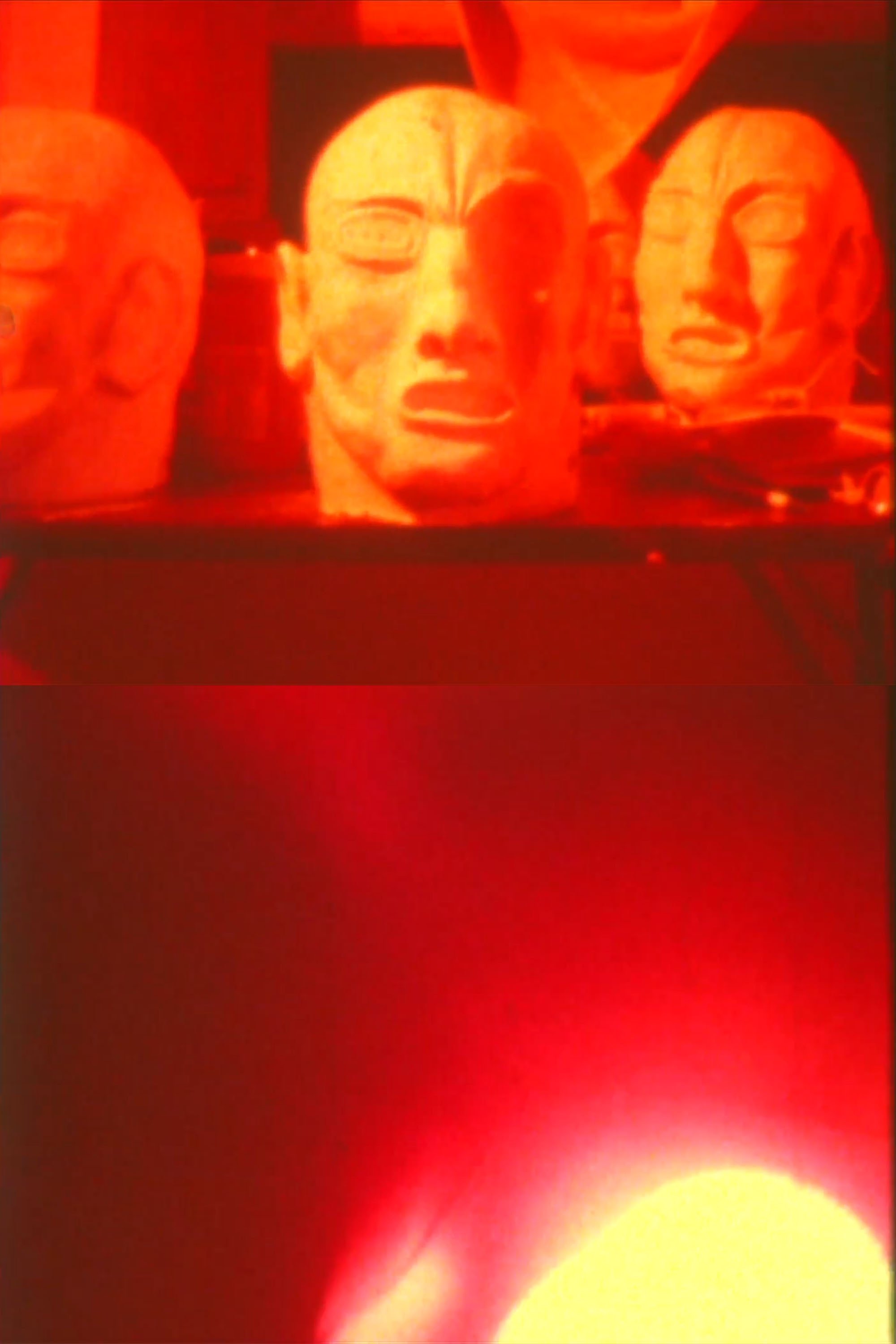
Richard Kern’s 1983 film "American Obsessions" features David Wojnarowicz interacting with plaster heads from his “Metamorphosis” sculpture series. Kern went on to create two more films with David, "Stray Dogs" from his series Manhattan Love Suicides, 1984 and "You Killed Me First," 1985.
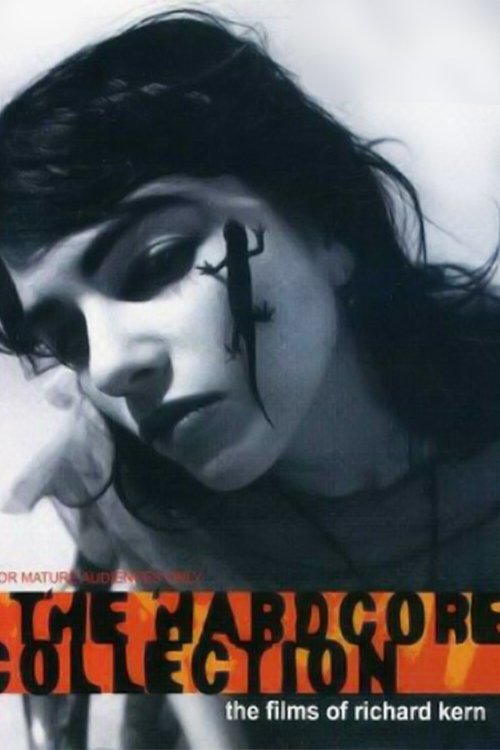
This DVD features 13 provocative short films by Richard Kern. Color & B&W film shorts with Lydia Lunch, Henry Rollins and more. Includes Death Valley 69 , The Right Side Of My Brain, You Killed Me First, The Bitches, The Sewing Circle, X is Y, Fingered, Horoscope, Submit to Me Now, My Nightmare, Manhattan Loves Suicides, Submit to Me, and Evil Cameraman. Music from Sonic Youth, Cop Shoot Cop, J.G. Thirwell, Butthole Surfers.
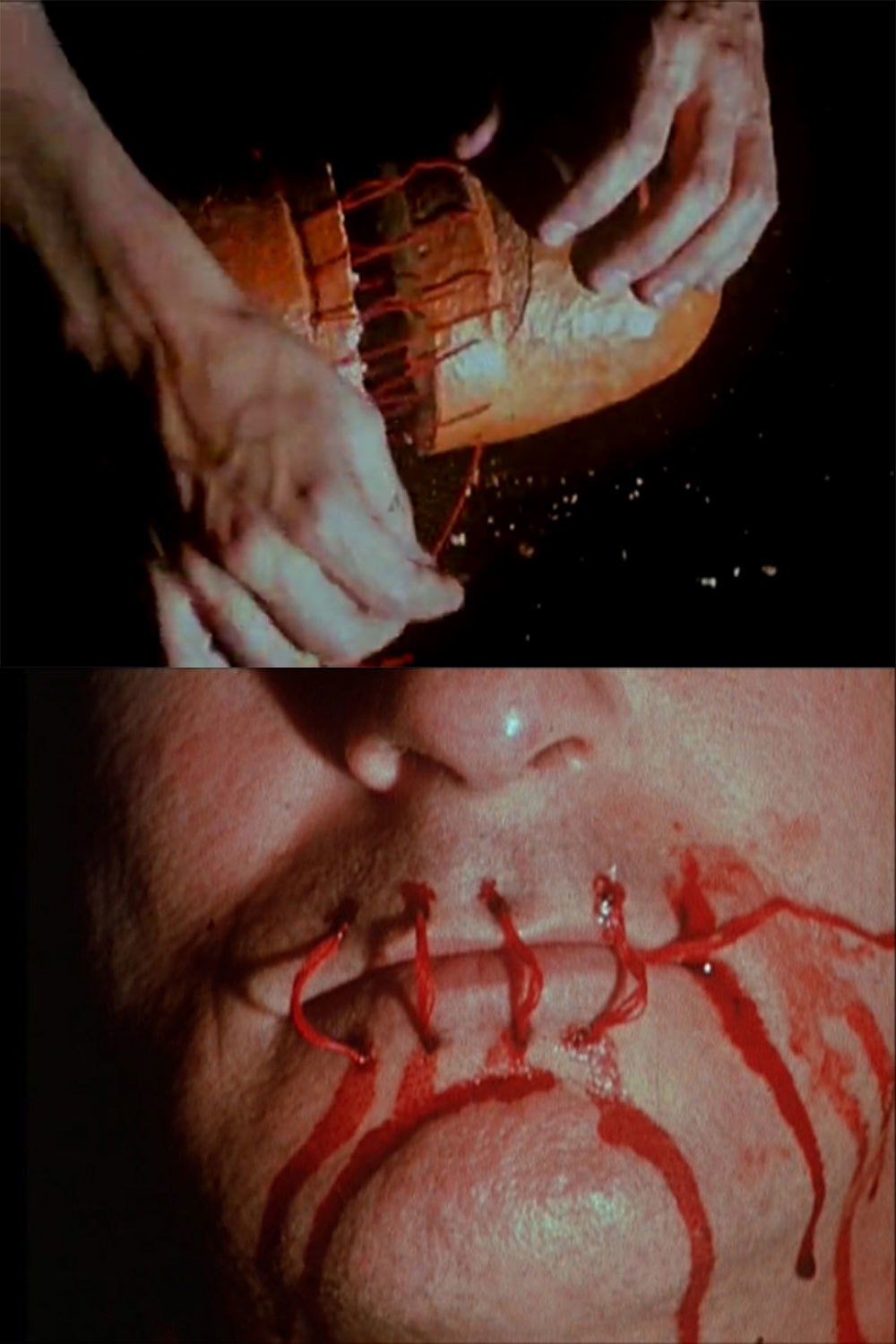
Experimental short film that explores themes of religion, violence, and gender/masculinity.
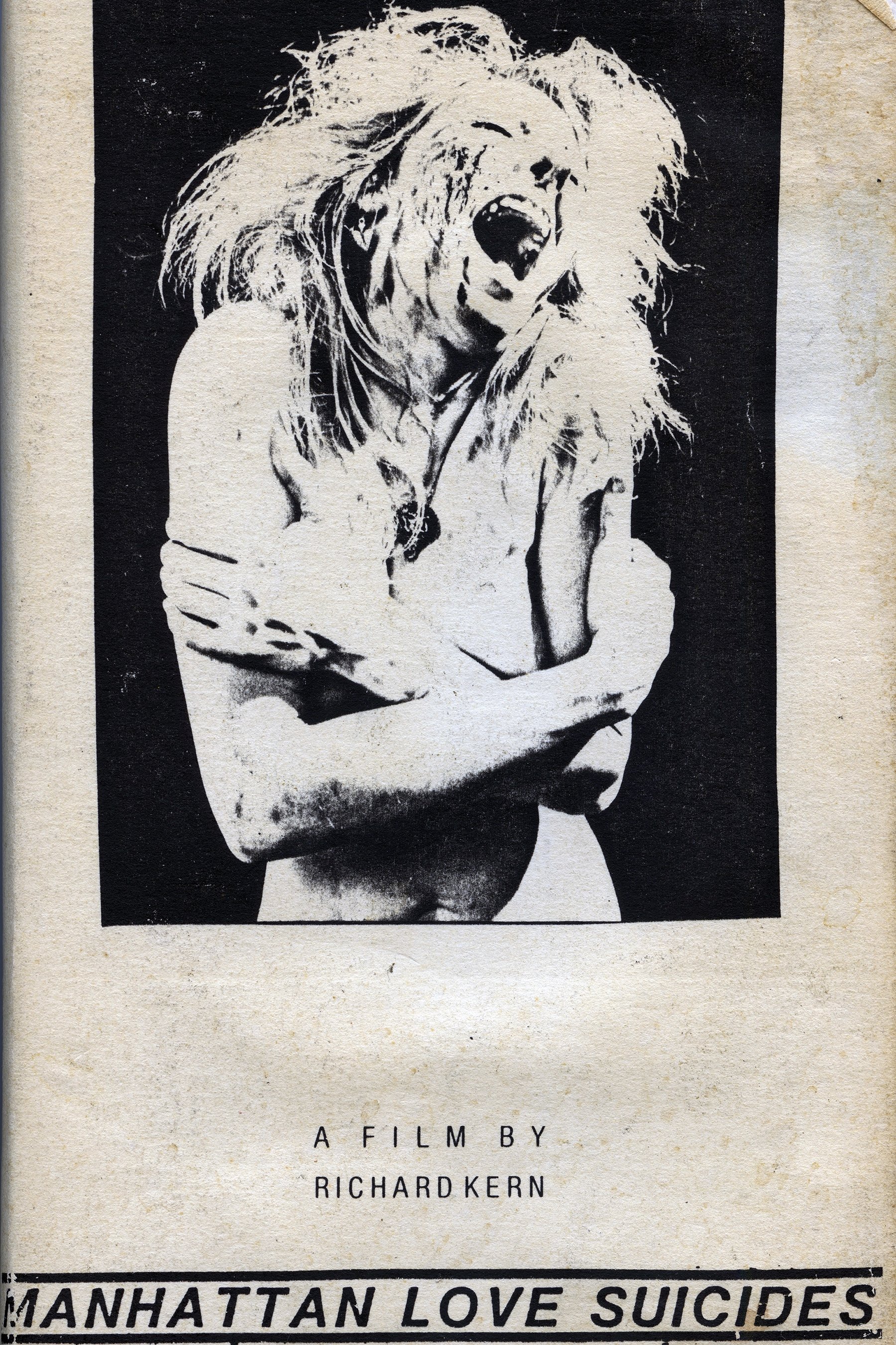
A series of short films by Richard Kern: Stray Dogs, Woman At The Wheel, Thrust In Me, & I Hate You Now.
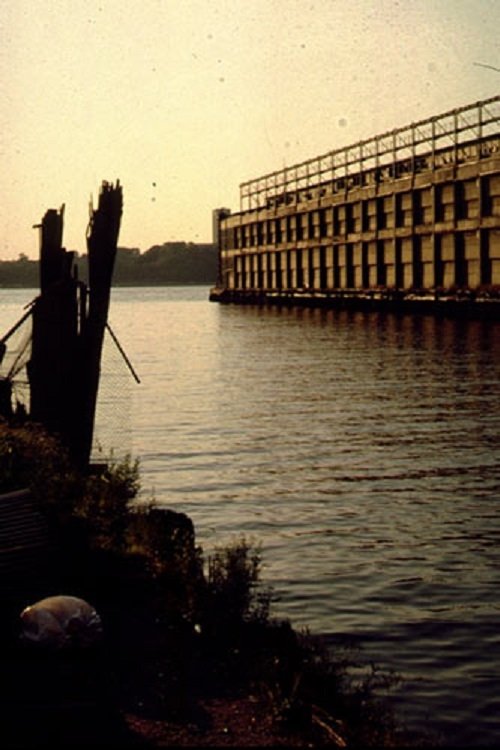
A crumbling pier, its walls covered with graffiti and erotic frescoes reminiscent of pagan Pompeii, the locus of the seduction rituals of men longing for men, is the focus of this meditation on gay cruising at the height of sexual freedom before AIDS. Shot in 1982, this is the first segment of a film capturing the life, death, and rebirth of the legendary “sex piers” over the last three decades.
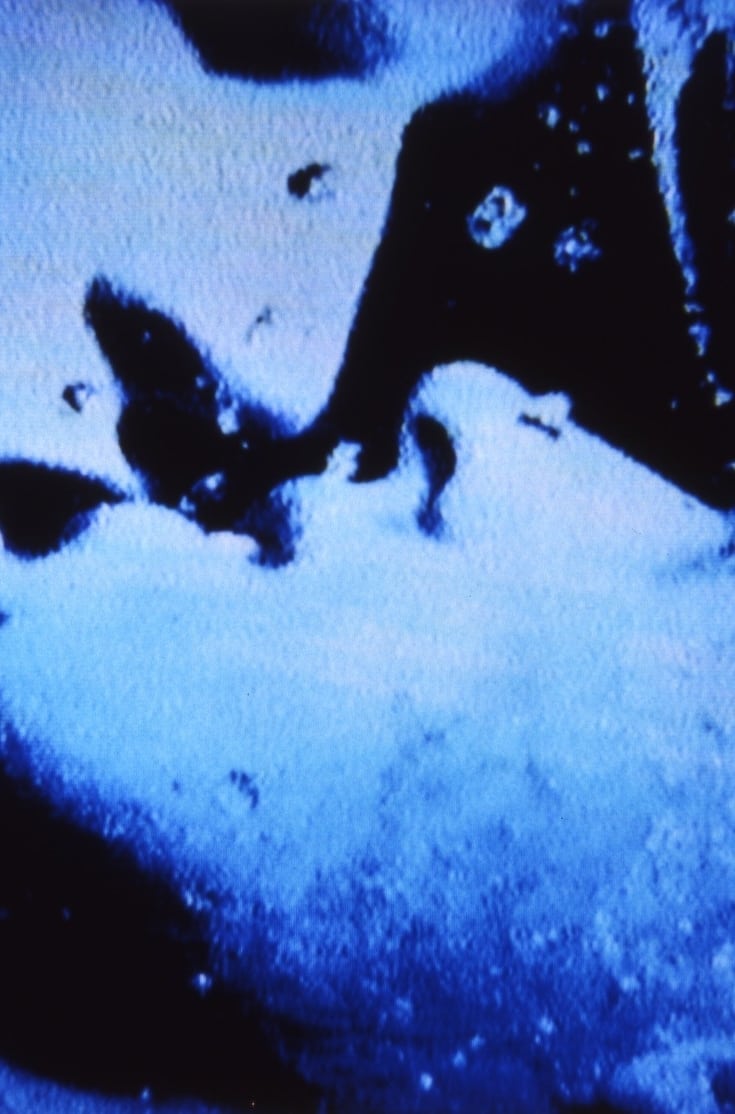
Political artist, painter, writer, performer and photographer David Wojnarowicz was one of the leading personalities of the 1980s New York art scene. In an interview conducted in 1989 by cultural theorist Sylvère Lotringer, Wojnarowicz speaks candidly about intimate moments in his life, the creative process, sexuality, AIDS, and coming to terms with one’s own death - at a time when society categorically refused to face up to the AIDS epidemic.
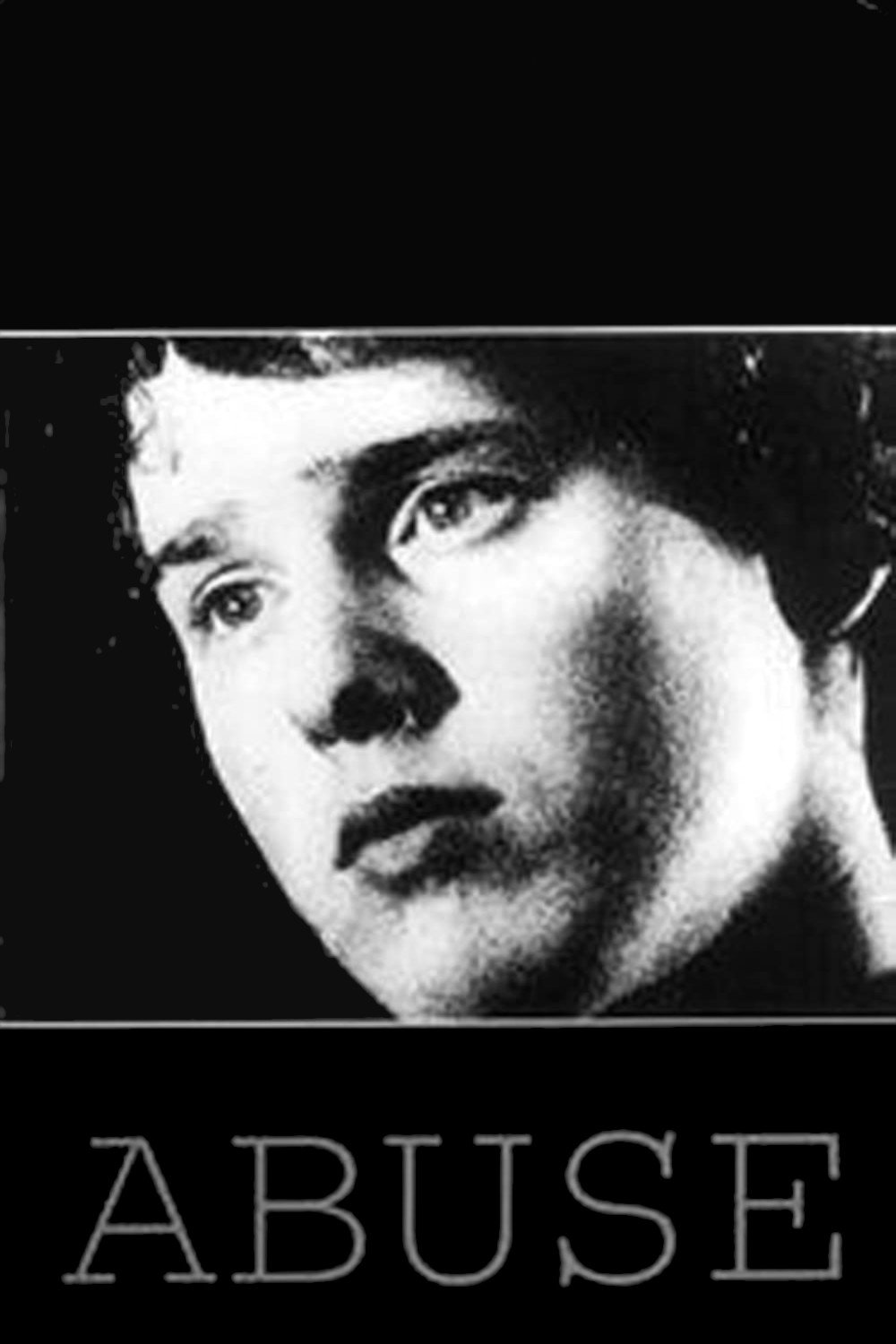
Brutally abused by his parents, teenage Thomas finds comfort in associating with a film director who is making a documentary about physical child abuse. The two fall in love, and the elder is faced with the decision of either running away with Thomas or focusing on his career and thereby letting the boy possibly be beaten to death.
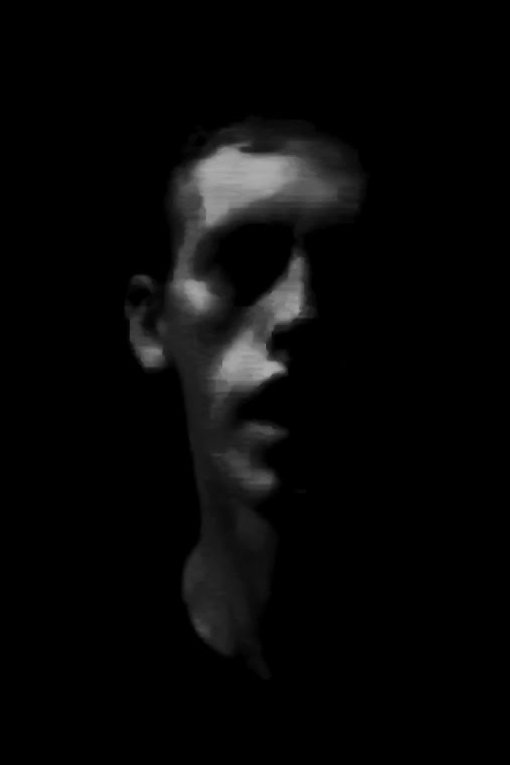
A close up head and shoulders of David Wojnarowicz, is the only image. He speaks with characteristic candor and ferocity about his experience being a person with AIDS.
An intriguing, powerful work, portraying a journey through the dark, ugly underbelly of a rough and disturbed America. Resembling a Situationist d rive, images from the streets of New York and the Las Vegas strip mingle with prison-like structures. Laid over the collage is the voice of artist and gay activist David Wojnarawicz relating stories of personal anguish and acts of violence.
Listen to This is a fragment of collective memory that finds critical relevance in contemporary Queer discourse. Tom Rubnitz weaves narration, image, and a form of temporality, dislocated from ‘real time’, into a video where artist and AIDS activist David Wojnarowicz’s loss and anger is palpable.
Phil Zwickler interviews David Wojnarowicz about a NEA project grant for a gallery show.
A collaboration between David Wojnarowicz and Steve Doughton.
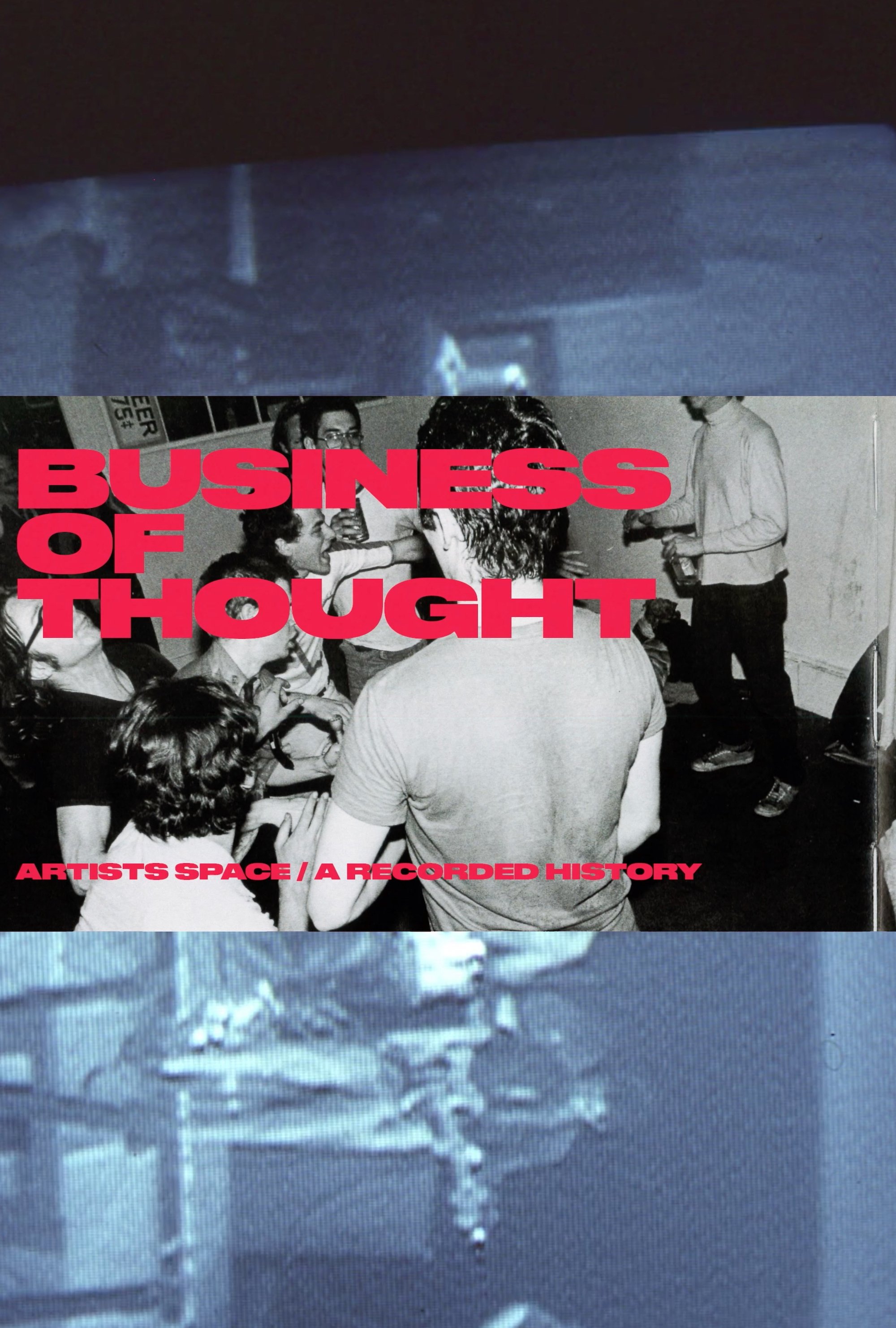
An oral history of Artists Space, the legendary New York artists organization. Told through the voices of the artists, critics and curators who formed it, the film is narrated by voiceover culled from 30 hours of archival cassette tape interviews over a 45 year period. Artists such as Laurie Anderson, Mike Kelley, Hito Steyerl and David Wojnarowicz walk us through the decades. A formally-experimental and raucously-told chronology composed of rare archival documentation, The Business of Thought... is a reminder of the radical potential of the arts and the importance of collective, cultural spaces.
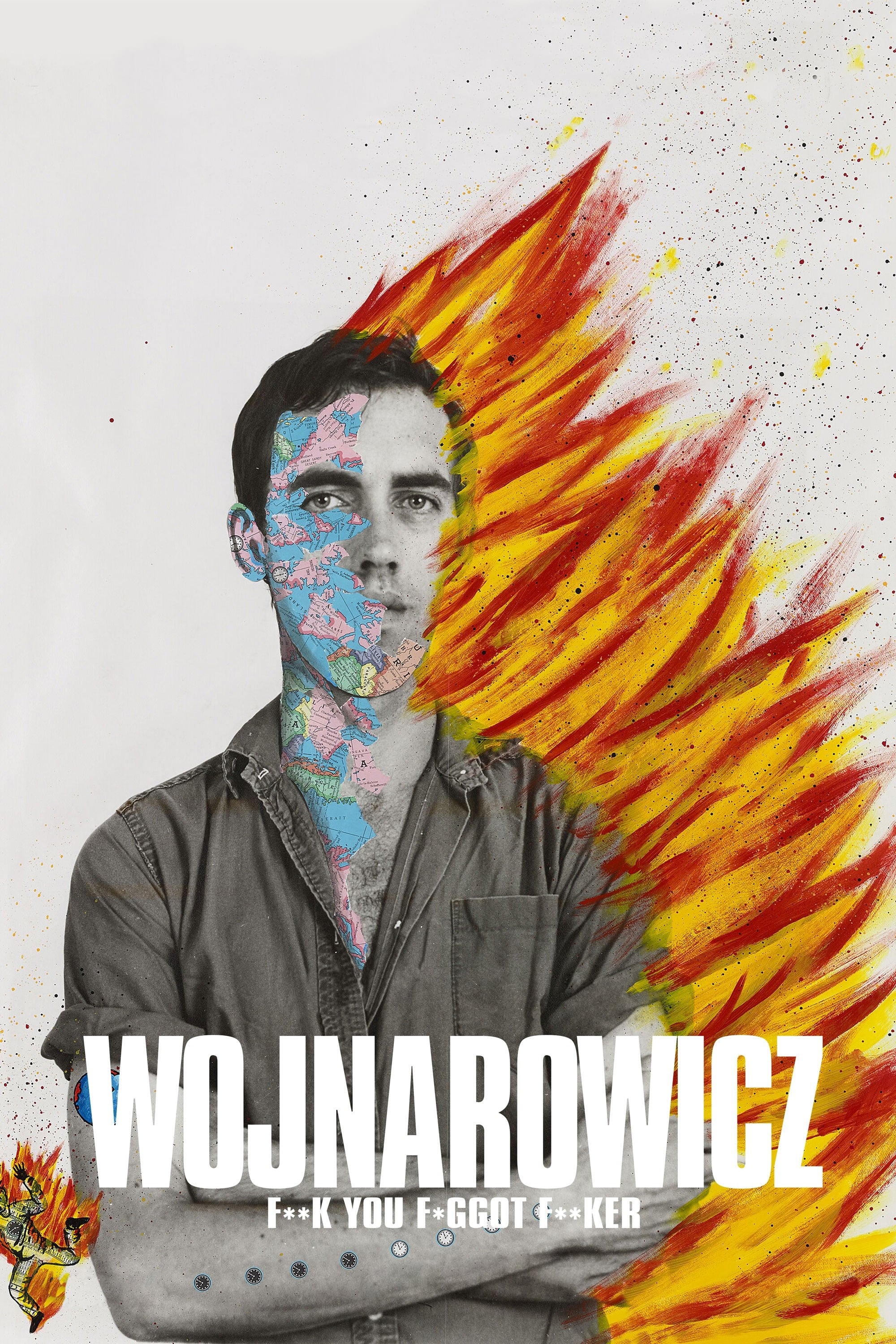
A collage-like, incisive look at the life of writer, painter and thinker David Wojnarowicz, whose powerful, unapologetic way of seeing the world gave voice to queer rights at a critical time in US history.
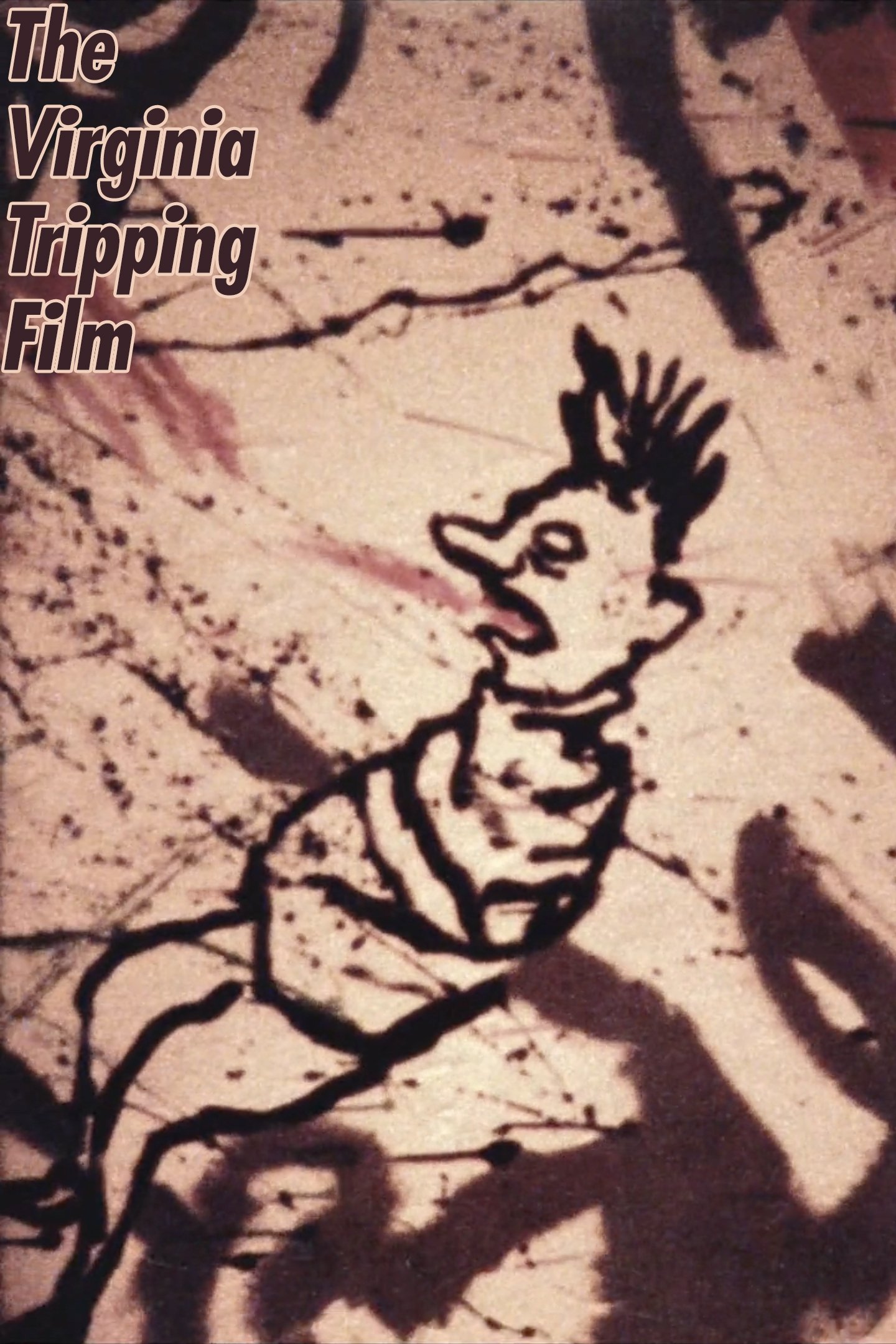
Carlo McCormick was invited to curate an East Village Art show at a gallery in Richmond, Virginia. Filmmaker Tessa Hughes-Freeland took filmic evidence of the infamous exhibition that featured downtown artists such as David Wojnarowicz, Marilyn Minter, Luis Frangella and more painting naughty murals while on acid.

In 1981, David Wojnarowicz befriended twenty-one year-old Sophie Breer, an artist and co-worker at the Peppermint Lounge. David delighted Breer at the “Pep” with antics such as letting a costumed cockroach out of a jar to run across the bar at 3am. Amused, Sophie rented a Betamax camera to create the film Waje’s Cockabunnies. Shot in the style of the mid-century children’s show Romper Room, Sophie's 14-minute video features David attaching bunny ears and cottontails to cockroaches he found in his apartment.

In the summer of 1989 Marion, David and François Pain took a camera with them to the Adirondacks lakes region of New York State. Passing it from hand to hand they captured a video diary of a vacation spent together in freedom, creativity, love and melancholy. "Every day, the group filmed each other, experimenting with spontaneous, intimate moments. The camera moves between them, emotions are exchanged along with it. More than just documentation, the film reveals the way they looked at each other, created together, and made space for one another —friendship and collaboration as a tender, furious act of witnessing. David Wojnarowicz had known since 1988 that he had AIDS. In Summer 89, Marion’s eye is that of a friend, imbuing David’s gestures with memory of the love and friendship they shared." ~ Christina Demetriou