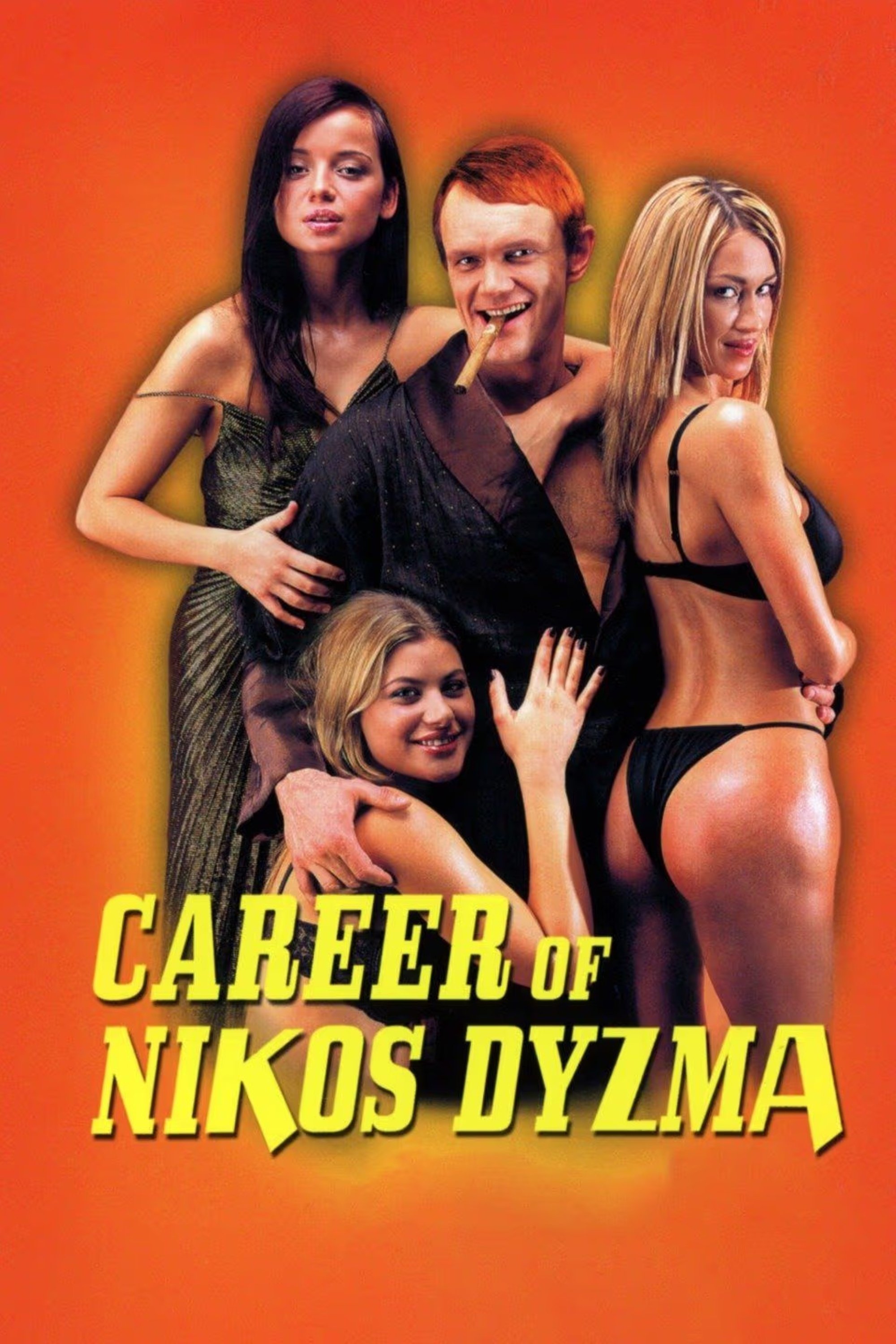
Nikos is a master of funeral ceremonies (that's undertaker to you and me) who doesn't expect much from life. After drunkenly insulting a diplomat at a party, weird things begin to happen for Nikos. The news that a mysterious stranger offended the hated Deputy Prime Minister galvanizes the political elite assembled at the banquet, and a rumor that Nikos can take care of anything spreads like wildfire, making him an idol of the masses.

Set during the insurgency of 1863, the story focuses on a tragic romance between a poor gentlewoman and a rebel noble. After a bloody battle a unit of insurgents have been wiped out and only one survived, but badly wounded. He eventually finds shelter and care from a landsteward's daughter, hiding in a burned-out manor with an old servant.
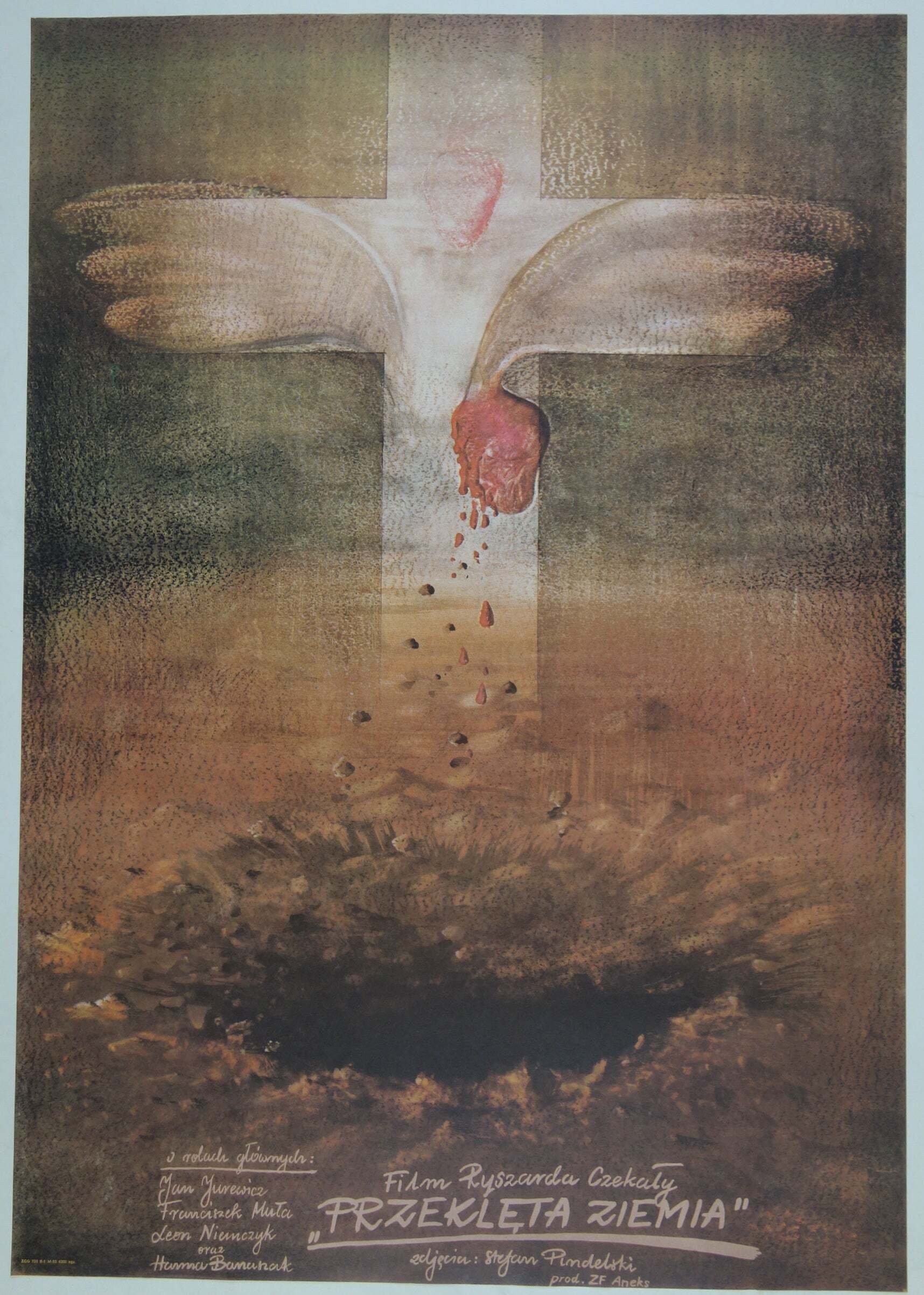
Jan, the café pianist, comes from the countryside. The talented boy was taken care of by an old organist. Jan then studied at the conservatory, where he made friends with Paweł, an undisciplined but very talented composer. Paweł's works gain publicity abroad, but he himself, unable to bear human envy and accept the loss of his beloved girl, commits suicide ... Jan's father dies, and soon his mother ...
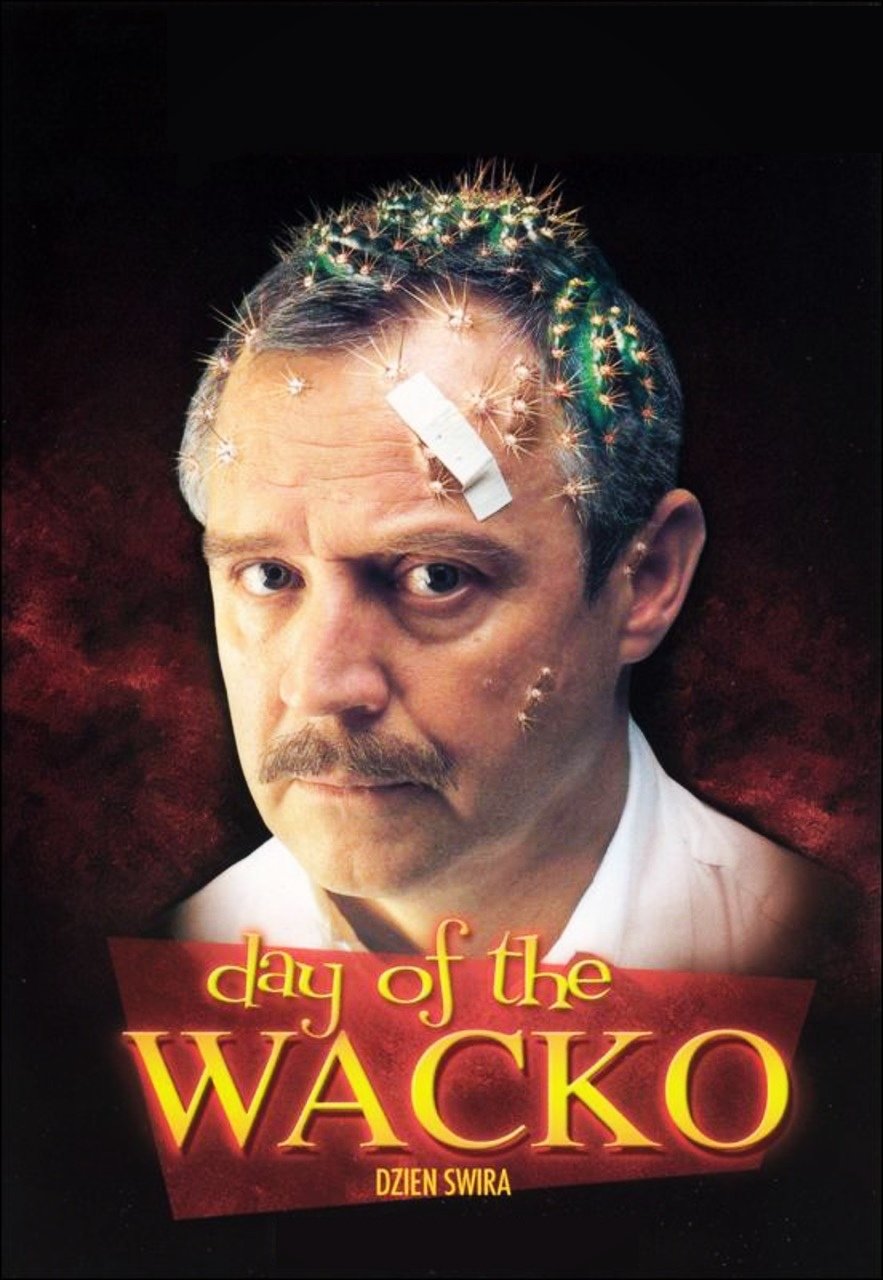
It is a bitter story about a middle-aged man, who hates his life and other people, including himself. Adam Miauczynski, the character known from director Marek Koterski's previous films, is a 44 year-old teacher, who reads poetry during school lessons and later goes home swearing and calling his neighbours' names. The worst pain for him is the next 5 minutes of living. He doesn't accept himself and even everyday contacts with others cause his aggression. Though constantly dreaming of a romantic love, he is not bold enough to make his dreams come true. The desperate Miauczynski personalizes our own fears and obsessions, which have become so visible recently.

A woman just out of prison gets a job in a nursing home and tries, unsuccessfully, to put her life back together.
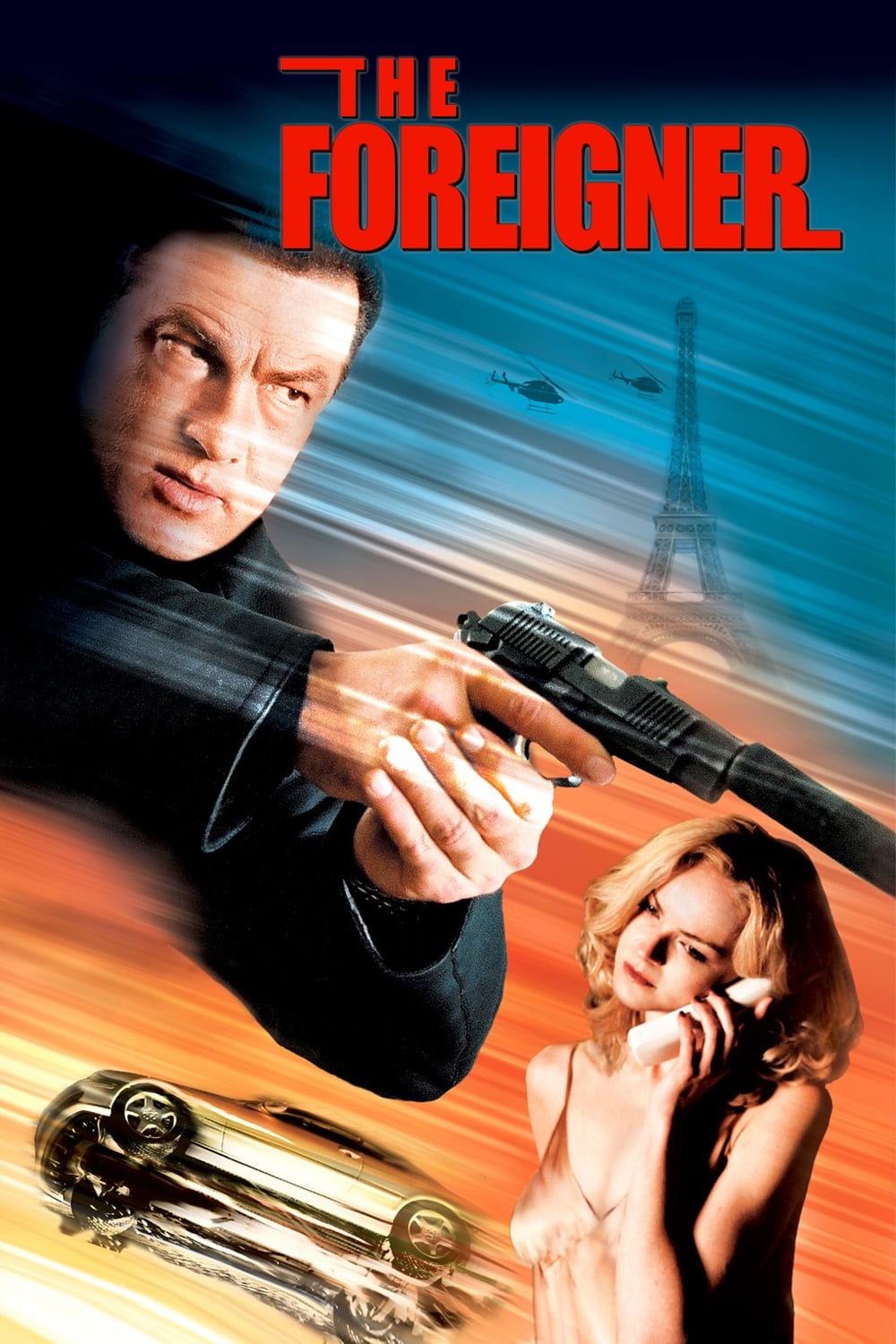
This story is about a freelance agent who is the courier of a package from France to Germany. He soon finds that many people want to get their hands on it.

The fearless soldier, Marcin Kabat, returns to his hometown from a long war.
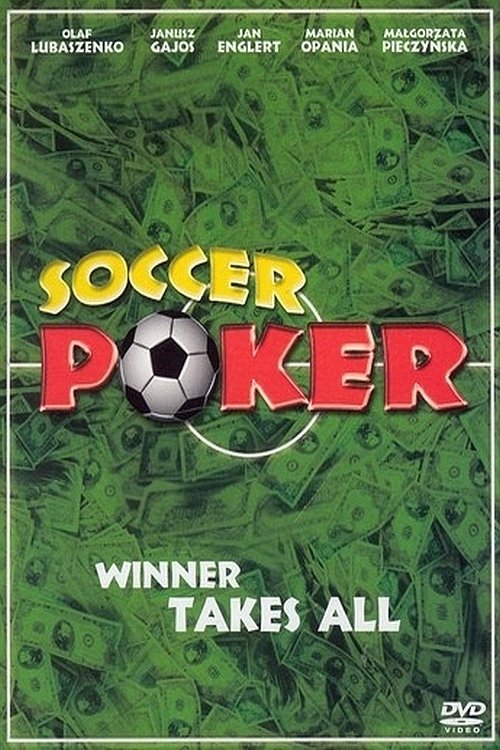
Laguna was once a great soccer player whose career was interrupted by an injury. He spent years climbing the ranks to become an international referee. He sees the prevailing arrangements, manipulations, and bribery around him. Now desperate, he decides to stage an extraordinary culmination of his career: he wants to create a so-called "miracle Sunday" by "printing" the final round of games - taking substantial bribes from the interested clubs and manipulating the matches so that the results align in the order he set up.
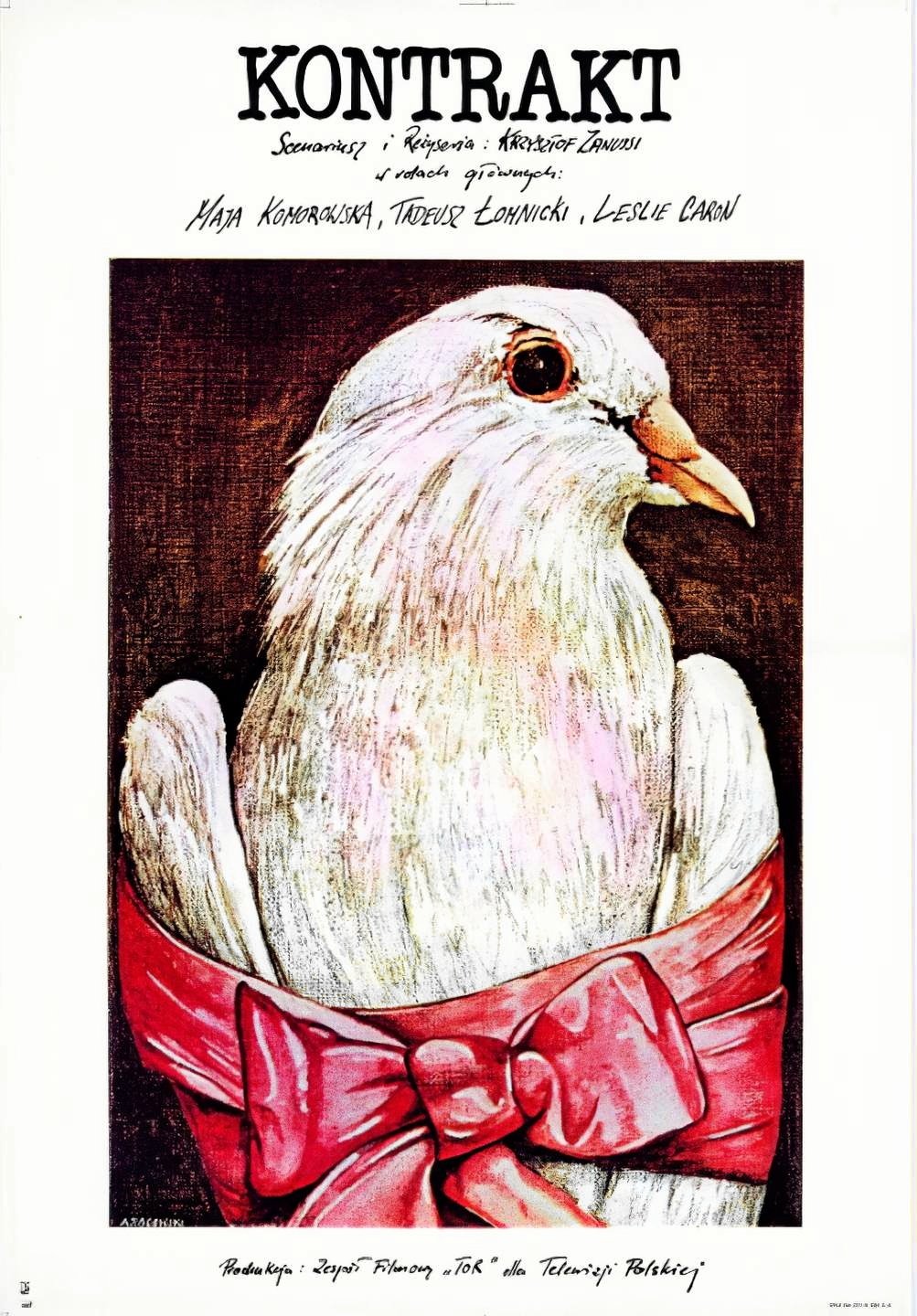
Bearing traces of the old Anton Chekhov play The Wedding, The Contract is set during an "arranged" ceremony. The bride and groom barely know each other, but this matters not at all to their tradition-bound families. At the last minute, the bride balks. Only slightly nonplused, the groom's father, a status-seeking doctor, decides to go ahead with the expensive reception anyway. Polish director Krzysz Zanussi uses this scenario to stick it to capitalist corruption, and to society's destruction of the individual spirit. Leslie Caron, the one recognizable member of the cast, is outstanding as a wealthy, over-the-hill ballerina who happens to be a kleptomaniac.
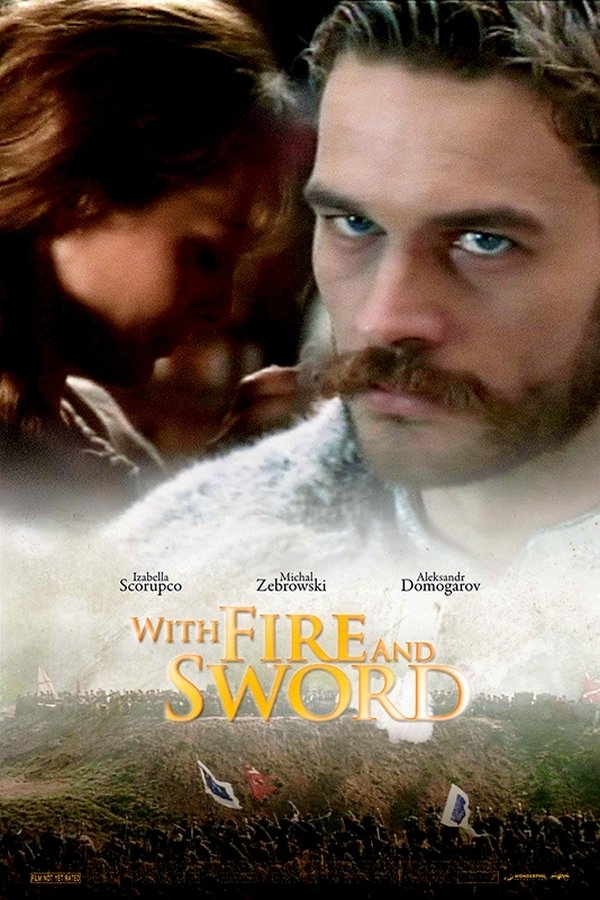
In the mid-17th century, Poland was the largest, most democratic, and most tolerant country in Europe. However, a tragic civil war brought about the gradual decline of the once glorious republic... An epic story about the Ukrainian uprising against the Polish-Lithuanian Commonwealth magnates in the 17th Century.

The 8th Plenum of the PZPR is underway. Passengers waiting for a train learn that their traffic has stopped.

A well-known wheeler dealer joins the underground opposition to avoid responsibility after stealing valuable coins. When he is released from prison, he sets up a private bank with high interest rates together with a Security Service colonel. However, the colonel has bigger ambitions.
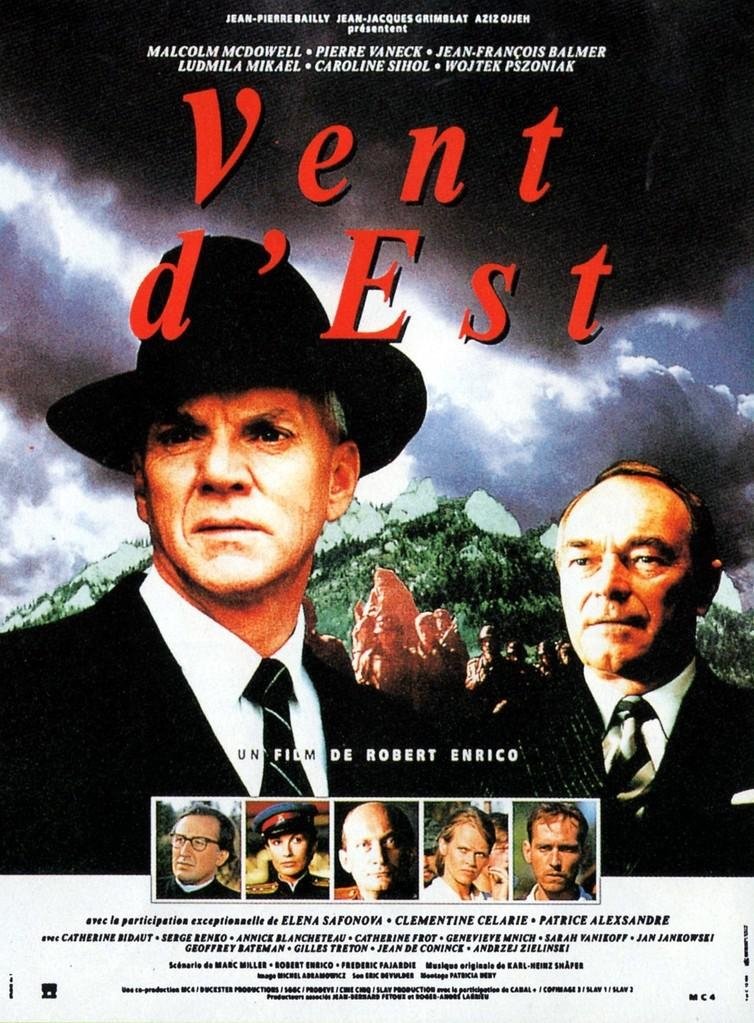
The true story of General Smyslovsky and the anti-Communist 1st Russian National Army receiving shelter in Liechtenstein in 1945 and successfully resisting Soviet pressure to be returned for execution in the USSR.

Early 90's. The political and economic landscape of Poland, Russia and Germany is changing. Both good and bad sides of freedom are revealed. The mafia is becoming more and more bold, operating without obstacles across borders. One of the more lucrative "businesses" is the trade in luxury cars, stolen in Germany and transferred to Russia by Russia.
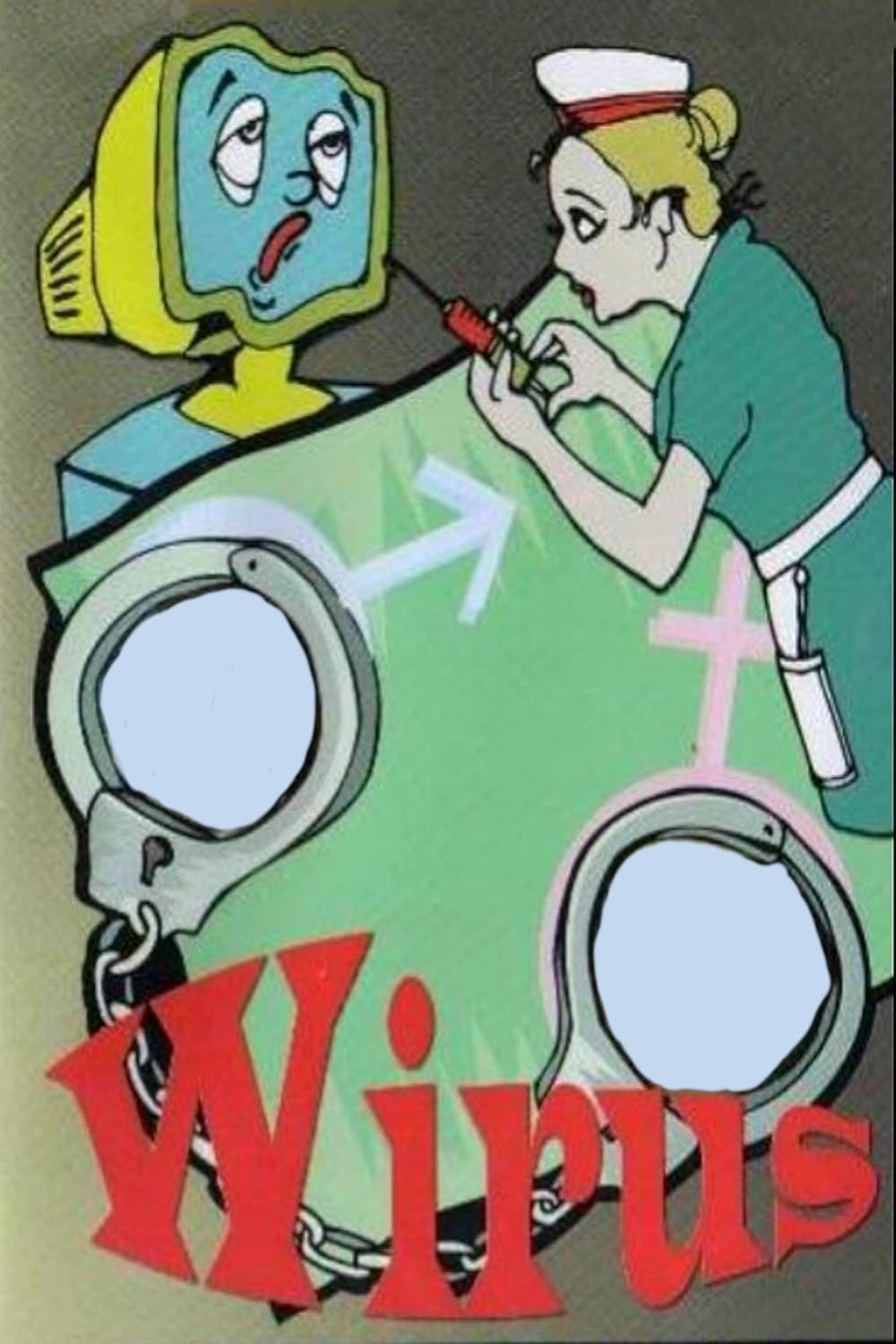
An unknown terrorist infects computer networks with the most important institutions in the country with the virus. It paralyzes hospitals, trains, aircraft control system. Suspicions fall on Michal, a thirty-year-old IT genius and owner of a small computer company. Michal must prove he is innocent. He agrees to the proposal to cooperate with the prosecutor.

A literary critic's quest for love takes a hopeful turn when he runs into a woman from his past, but their turbulent quirks strain their new romance.
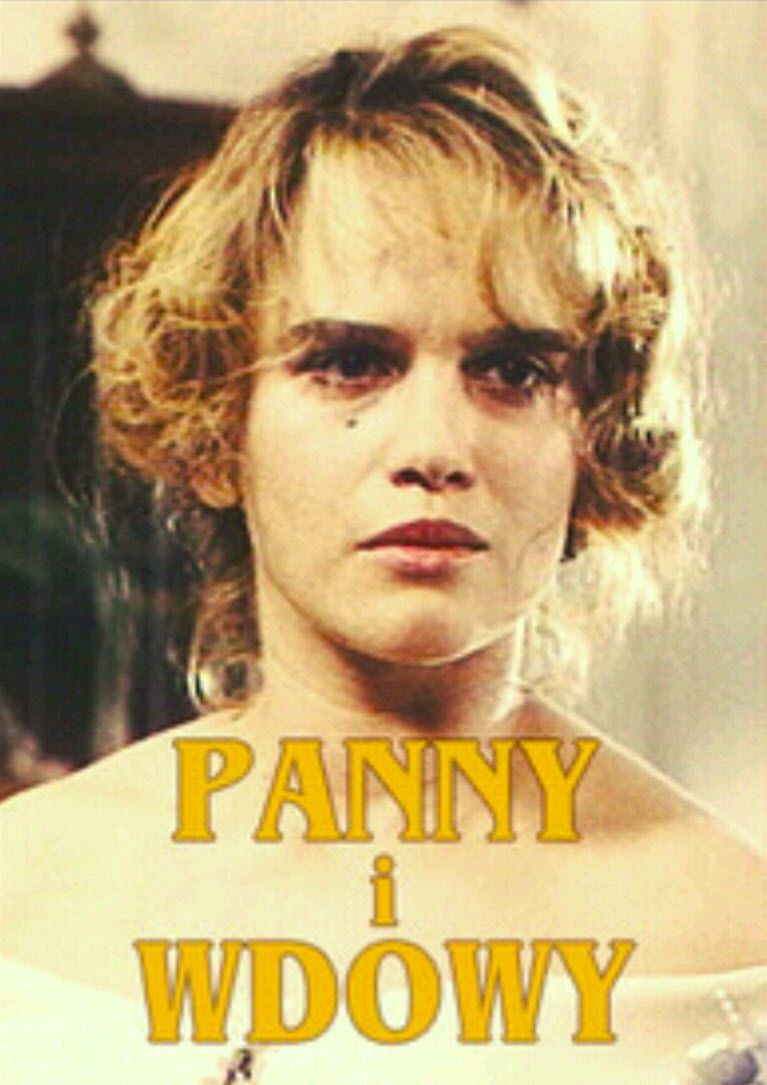
Maidens and Widows is an epic tale of a hundred years of Polish history from the perspective of women, the titular maidens and widows. Set against the backdrop of turbulent historical events.

The circus leaves 1948. In one of the towns there is a circus organized right after the liberation. A conflict arises between Kossakowski, a lion trainer, and Chamron, a horse trainer, which creates a tense atmosphere in the entire team.
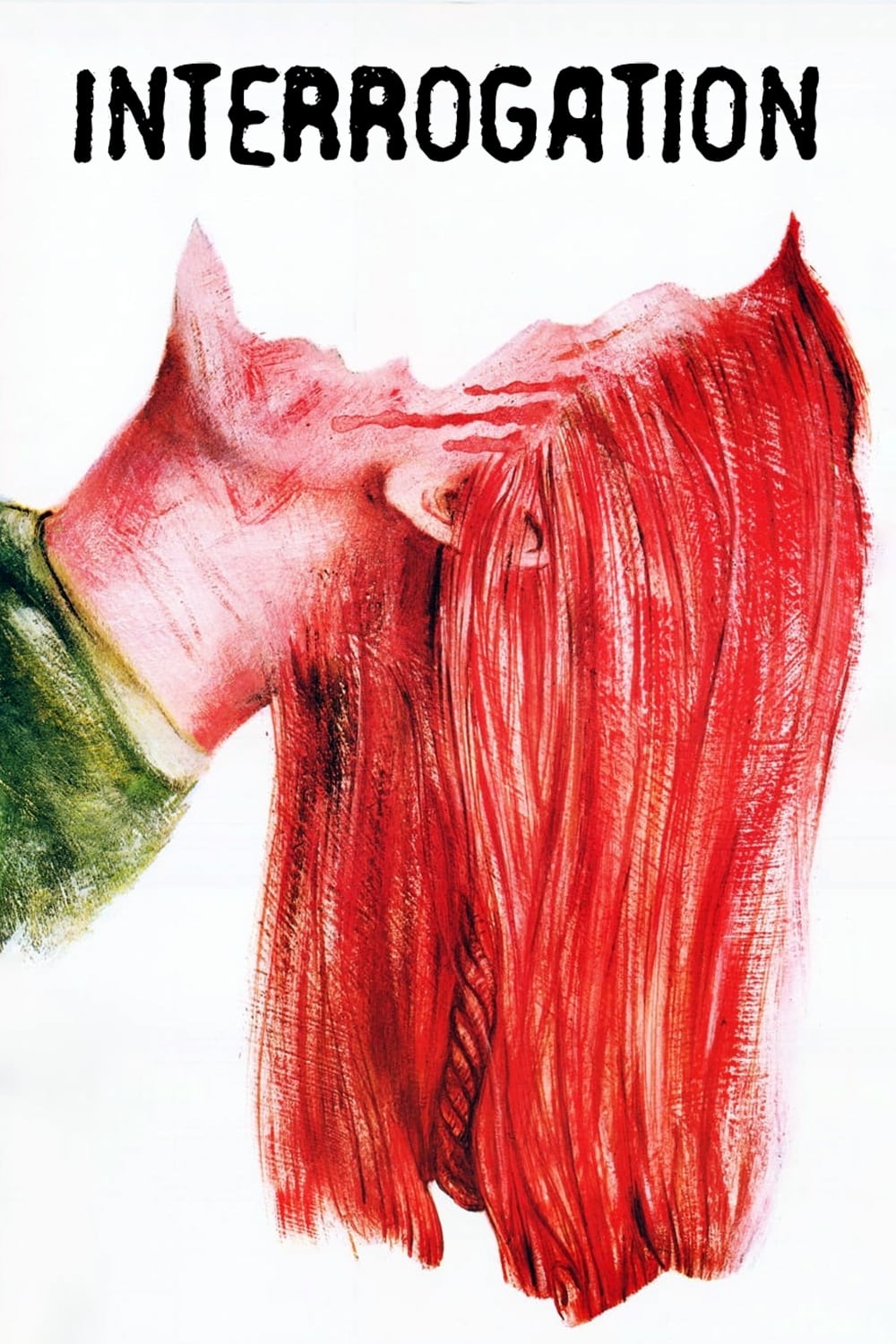
In Stalinist Poland, cabaret singer Tonia decides to spend the evening drinking with a group of friends. The next morning, she awakes to find that, for reasons unknown to her, she has been jailed as a political prisoner. As prison officials interrogate, torture and humiliate her, she fights for survival and to maintain her innocence by refusing to sign a false confession. As her years of imprisonment pass, her relationship with her captors grows more complicated.
Summer 1944. Polish armed forces are being organized in the Lublin region. Edward, one of the generals of the First Army, receives an order to form an artillery division. He counts on the help of Stefan, his old friend who lives in Lublin. However, it turns out that Stefan - a colonel and commander of the Home Army during the occupation - was arrested...
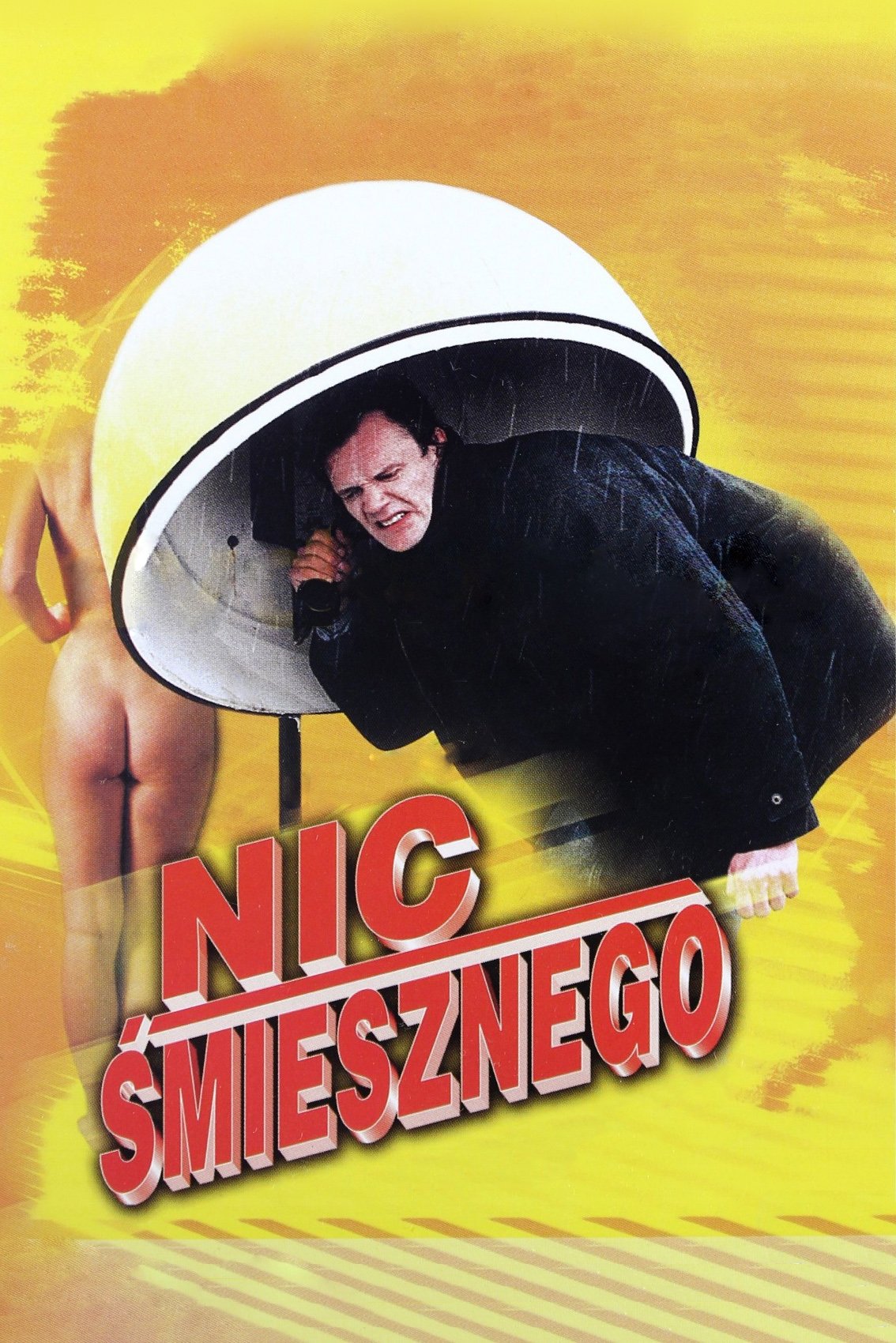
One day, hospital orderlies, watching corpse in the morgue, recognize film director. Man, even though he died, he begins to remember his life. He made a career making movies, had numerous mistresses, but never realized their dreams. His life was interspersed with many setbacks that enfeebled him from the inside. Although he made a career in film, he was not happy with his life.

The plot is a series of unfortunate events happening to unremarkable characters. The father of the main character, Sigismund, unexpectedly decides to marry an unknown, mysterious woman. Shortly after this event, he loses all his money, and his son, Andrew, decides to get it back by abducting a suspicious girl, with whom he immediately falls in love. In addition, Sigismund has to face his wife's relentless admirer, and the whole, already tense enough family situation is complicated by the affair of his adult daughter. In addition, the plot is enriched by Jan Frycz in the role of a doctor who is not indifferent to the charms of his sexy nurse, an attractive student with a head full of crazy ideas, the head of a gas station, whose refueling has become a habit, as well as many unusual characters.
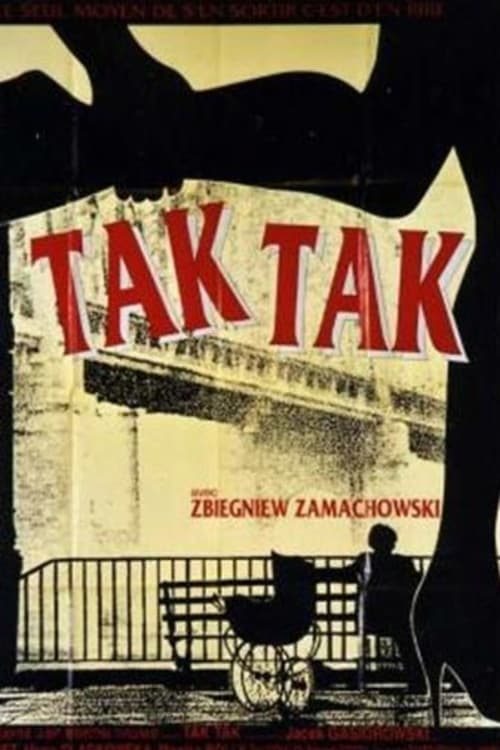
Set in Poland in the 1970s, the main character half-heartedly goes about his job as a censor at the state run television station, whilst conducting affairs with nurses, airline pilots, etc. Interesting scene where main character must illegally emigrate to his own country.

The true story of how businessman Oskar Schindler saved over a thousand Jewish lives from the Nazis while they worked as slaves in his factory during World War II.
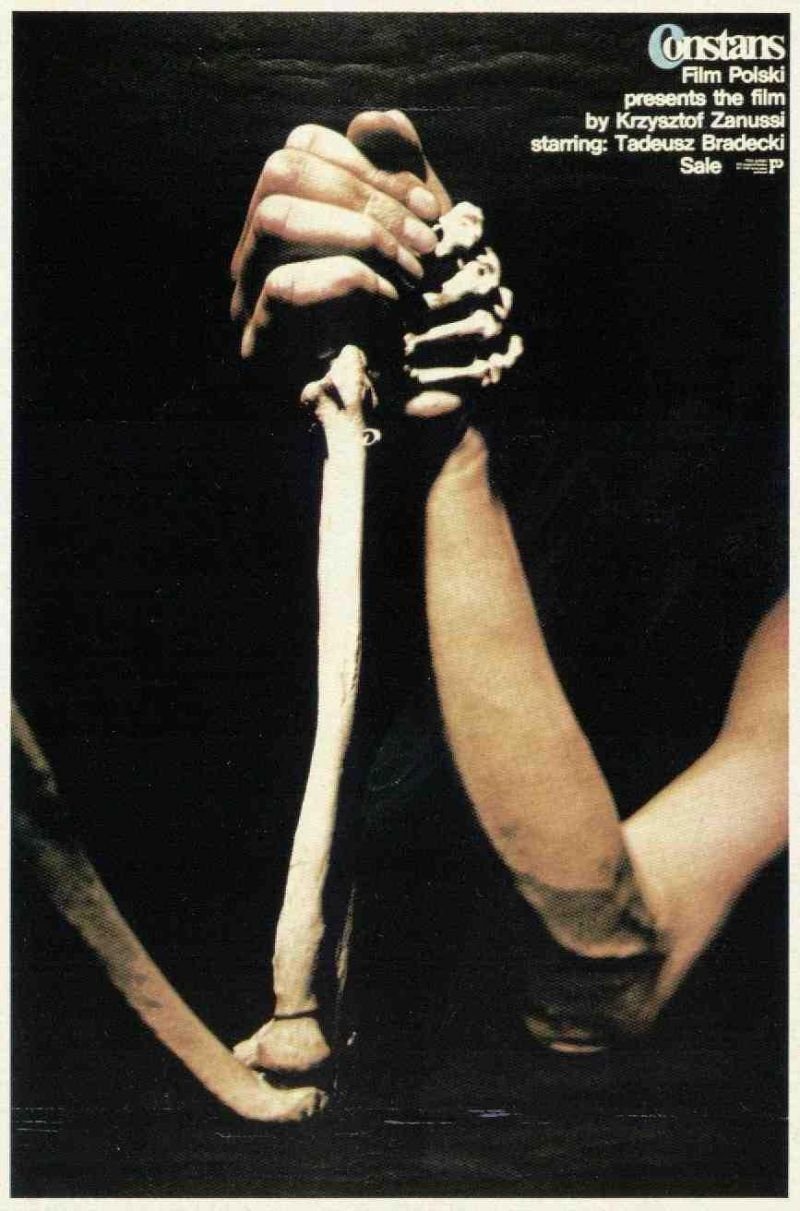
A young man is confronted with corrupt and vindictive colleagues at work and negligent officials at the hospital where his mother is dying. As he searches quixotically for a steadfast moral code by which to live, he suffers from the knowledge of human frailty and our darker inclinations to do harm.
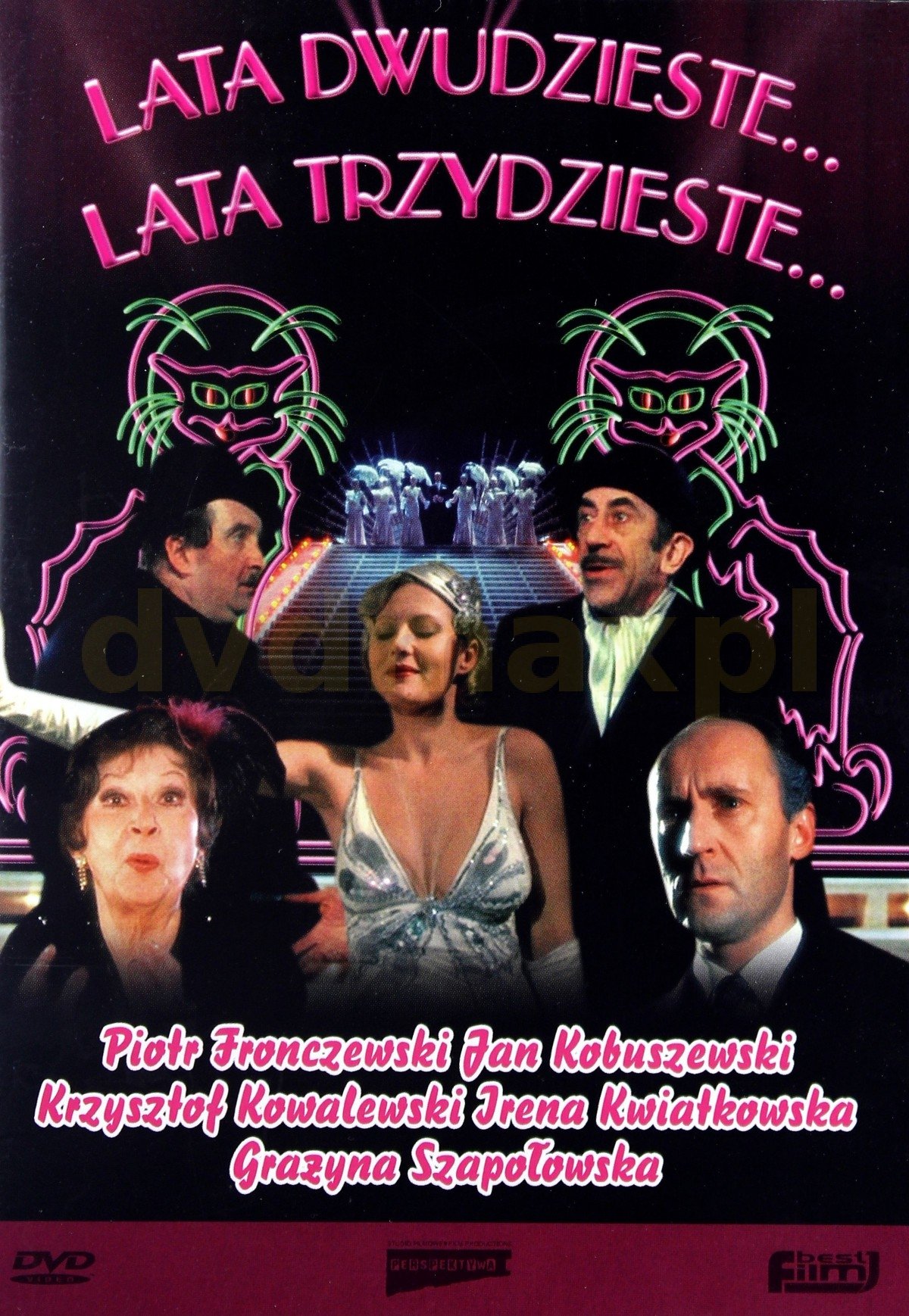
On the way to Warsaw after a crude oil fraud in southern Poland, conman Adam Deren meets singer Liza. He decides to invest his money in a venture deemed to be a failure - a small cabaret where Liza could perform.
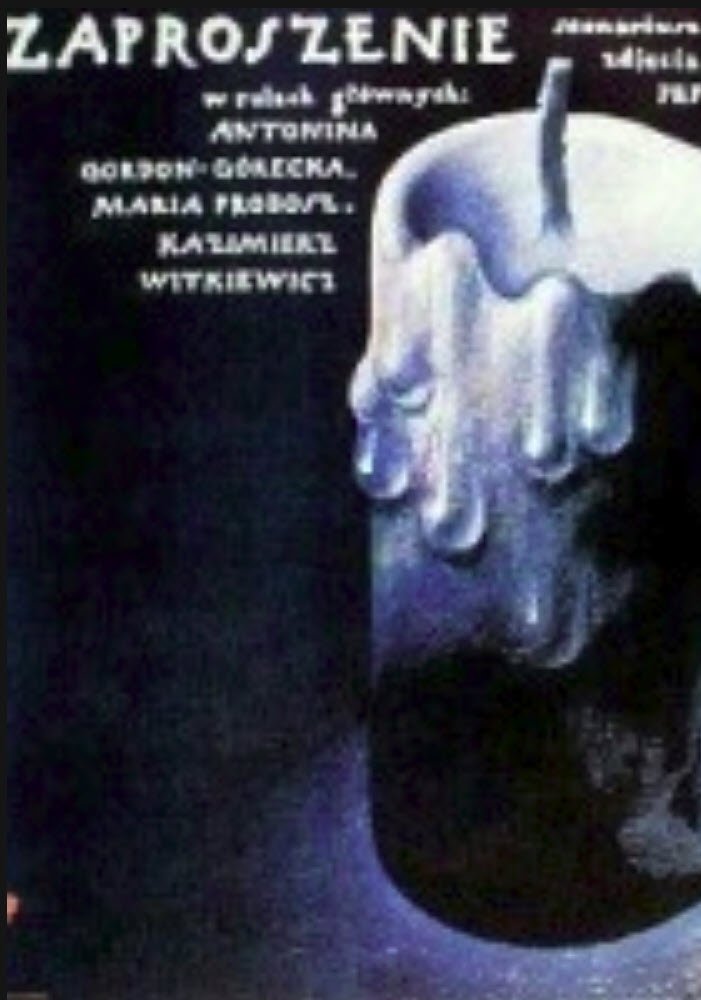
The main character is Anna, an outstanding pediatrician. She survived the harsh years of war in a concentration camp and cannot accept the behavior of her daughter Natalia, who uses her connections and cares only about material goods. Anna is reminded of 1939, when Piotr, who had been missing for forty-five years, arrives in Poland. Together, they visit places that are important to them: Auschwitz, Sachsenhausen, and Ravensbruck.
The protagonist of the film is a 50-year-old businessman, Tomasz Adamczyk, who wants to give up running his winery business and devote himself to his lifelong passion for philosophy. This idea does not appeal to his business partner. On top of all this, Tomasz has an accident and is taken hostage by enthusiasts of the wine he produces.
A parliament member's sixteen year old daughter Agatha falls in love and runs away with a convicted young tramp, while her father uses his friends in the government and police to brutally break their happiness.
Journalist Anna is trying to make a documentary about an opposition activist she met years ago.
Kaziuk, a stubborn peasant and his pregnant wife live in a backwood village, unaffected by the civilization. The village is once visited by a couple of wanderers, and strange things start to happen afterward. A new schoolteacher is sent to the area. She stirs erotic fantasies in Kaziuk. In a stir of frustration Kaziuk cuts down a family tree - a sacrilegious act in the eyes of his family. Going a step further and using a scythe for cutting the rye instead of a sickle brings the whole village against him.
The 1970s. Senator Caposta, an American of Polish descent, is due to arrive for trade negotiations. A condition of his arrival is to obtain permission to shoot a magnificent deer. The hunt is to be led by Wiktor Szalaj from the Kosy forester's lodge.
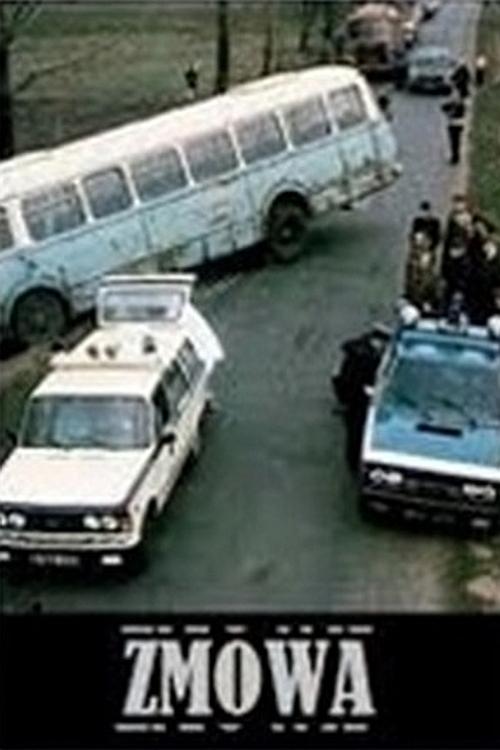
Christmas Eve night of 1976. In a village in the newly formed Tarnobrzeg province, a local bus hits a young married couple and a twelve-year-old boy. In the presence of numerous witnesses, the victims are beaten to death with a wheel wrench. In the aftermath of this crime, all the villagers are united by a conspiracy of silence. The dramatic scenario is freely based on the authentic case of the shocking 1976 Polanieck case.
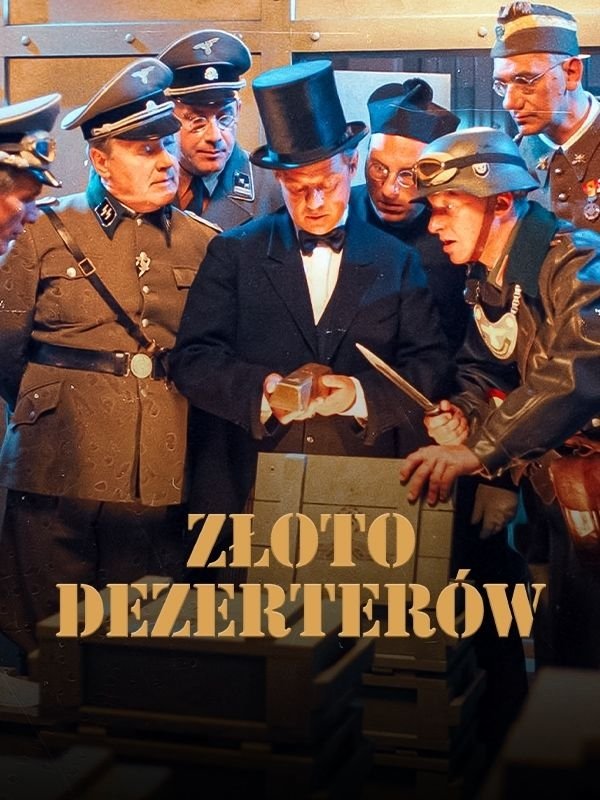
"Deserter's Gold", the sequel to the very popular "The Deserters", is a rich war comedy, skipping humorously around the more serious dangers of a war. Deserters Gold takes place during World War II, while the first film happened during WWI. The heroes' mission is to rob a Nazi-run bank in Poland for gold that will buy military supplies for the Polish Underground.
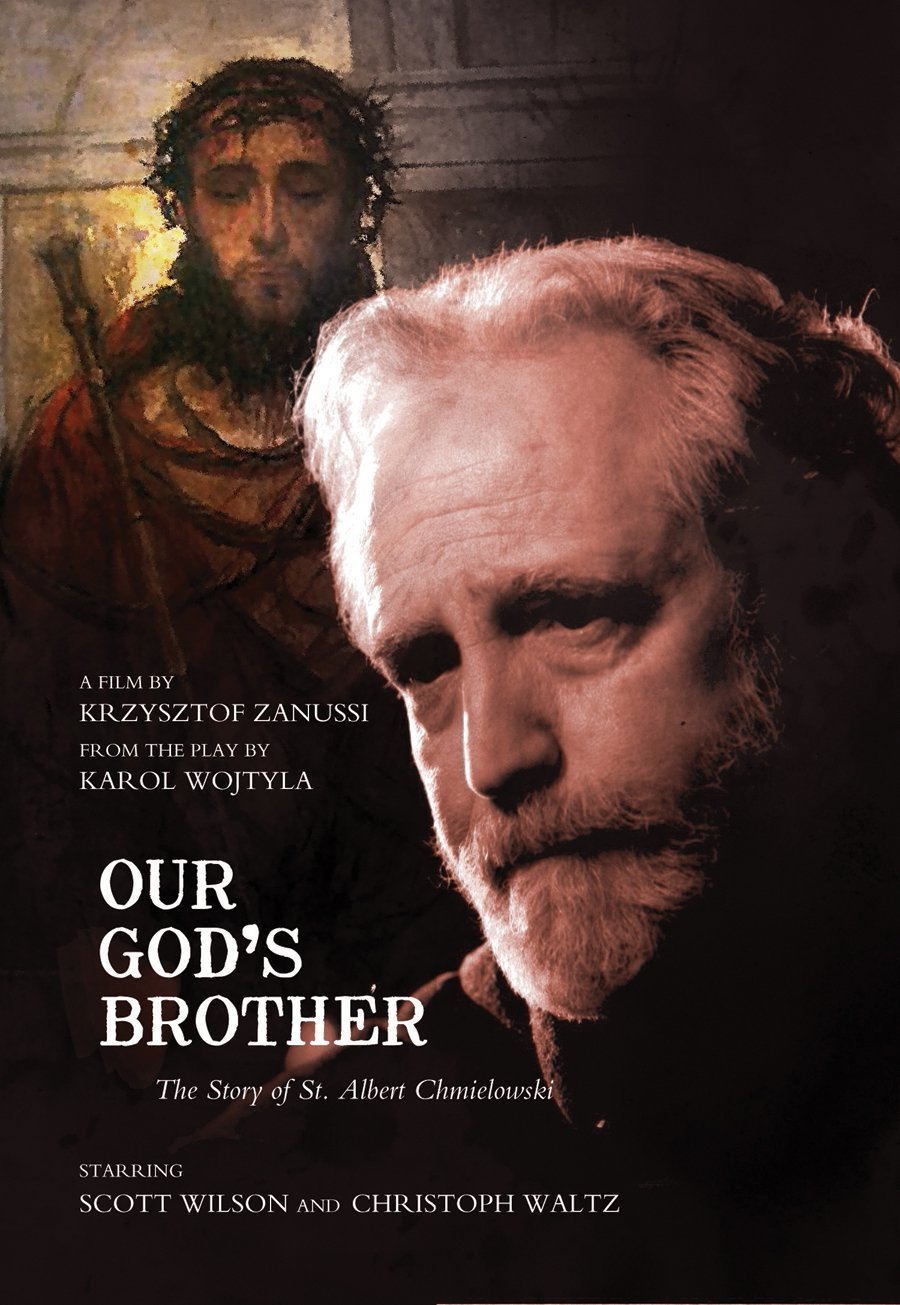
In this adaptation of an historical play by Pope John Paul II, painter Albert Chmielowski decides to devote his life to helping the homeless.
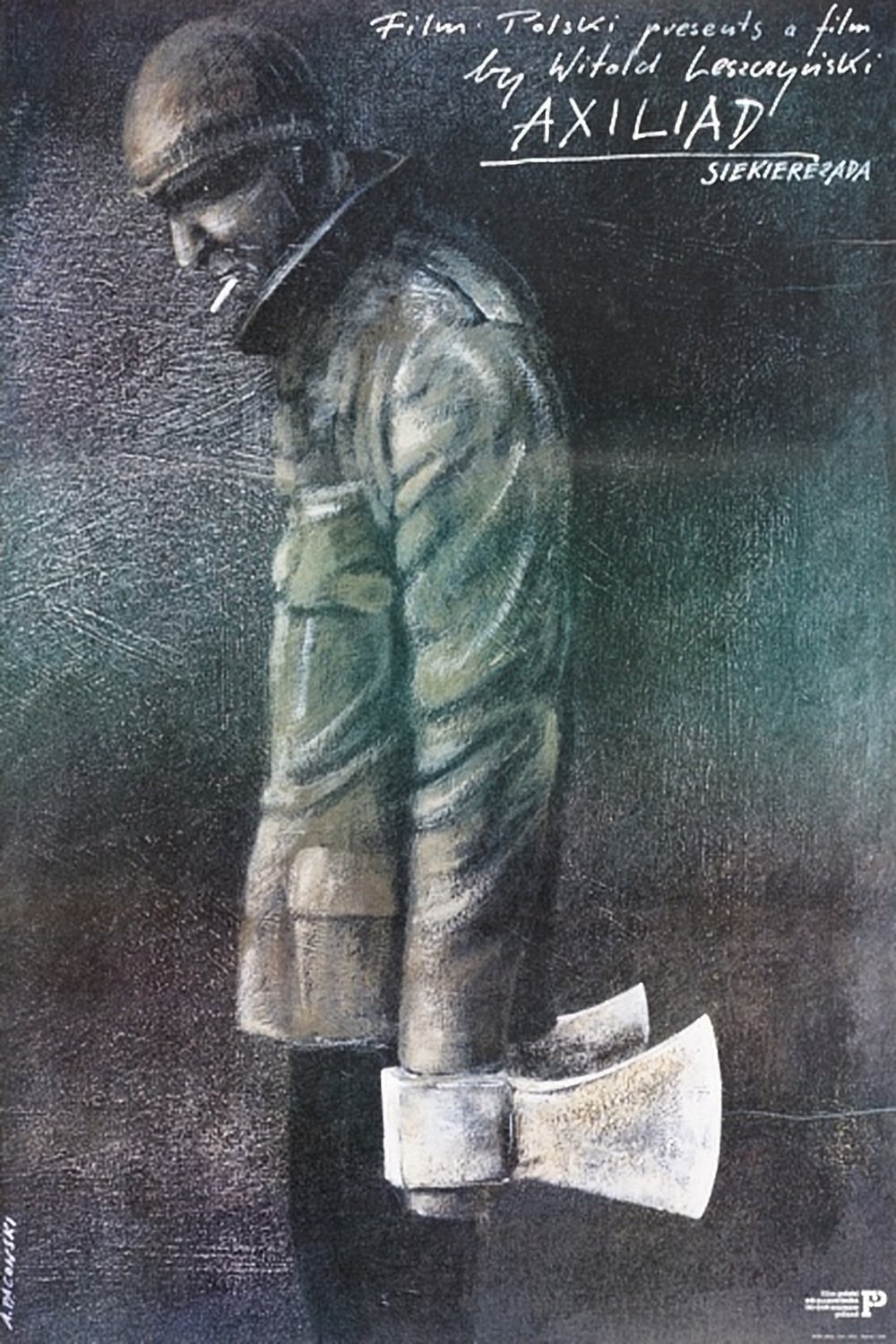
A young, idealistic poet, turns his back on civilization and goes to small, backwood village, rents a bed in the house of an old woman, and decides to make his living as a lumberjack. Soon he realizes that the world around him is far from perfect.
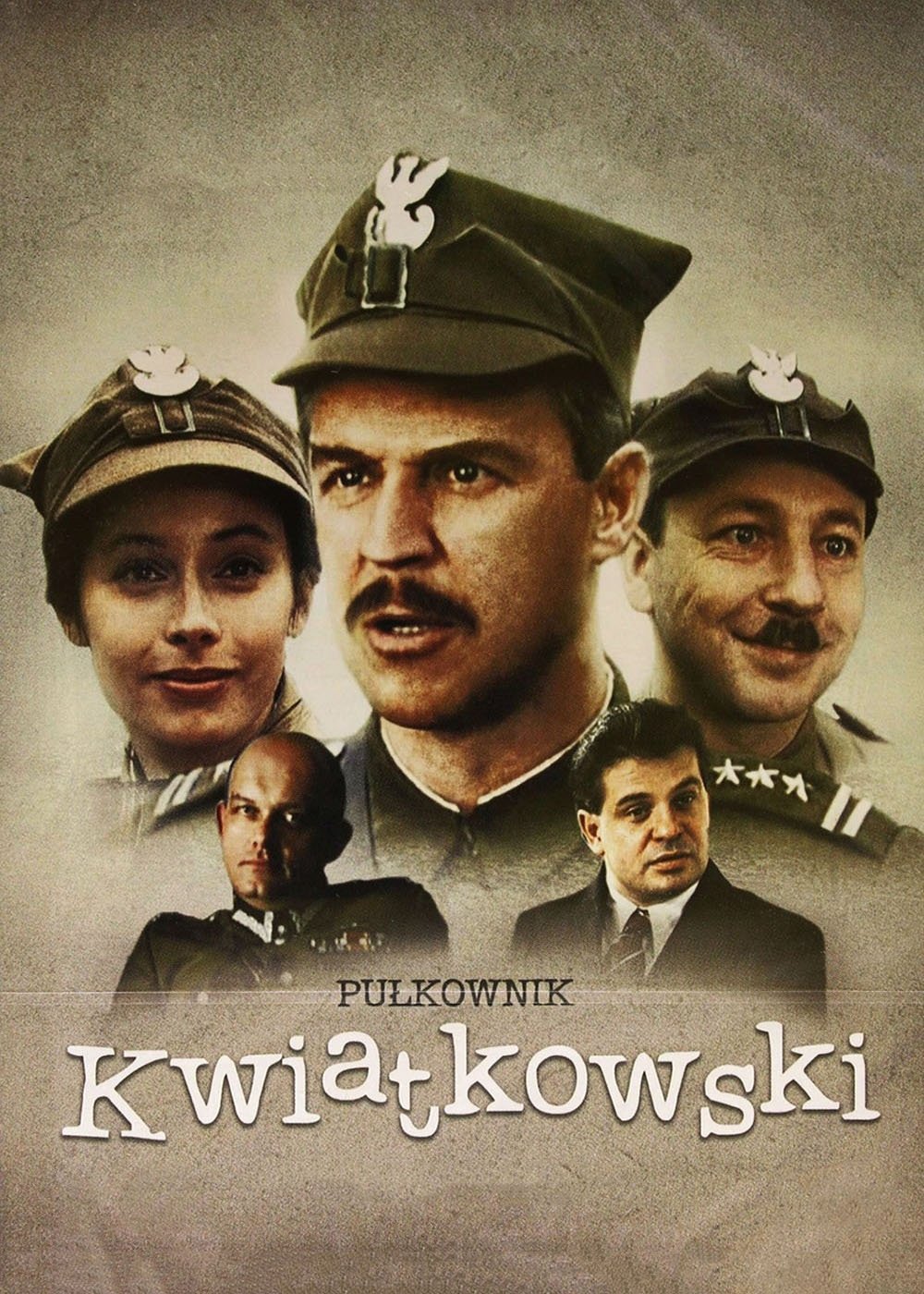
Military doctor Kwiatkowski, serving in a barracks hospital on the Western Territories, is rewarded with a week’s leave after successfully operating on Colonel Kiziora of the UB. He and his friend steal a truck bound for Warsaw, where among the ruins of his former home he meets his prewar neighbor Krysia, instantly falls in love, and, after a brawl with a Russian officer at a dance in the surviving “Polonia” hotel, pretends to be a high-ranking UB colonel to save face.
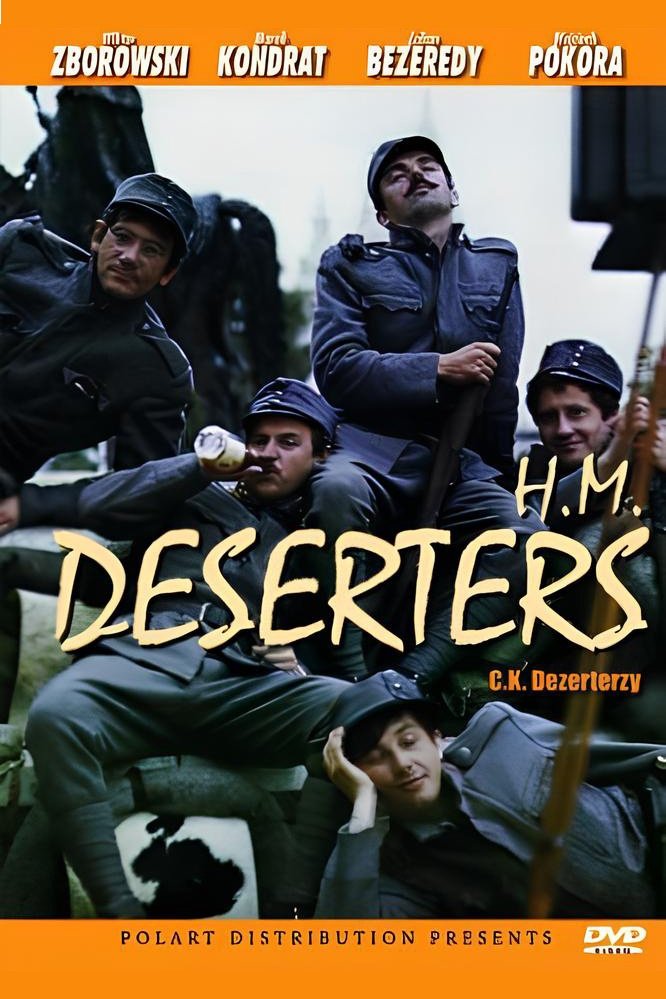
Set in 1918, this World War I drama follows a group of Austro-Hungarian soldiers—Czechs, Jews, Italians, and others—confined in a provincial barracks under German officers. Subjected to the cruelty of a sadistic lieutenant, they rebel, humiliate him, and later attempt escape. Disguised as guards for veterinary surgeons in Budapest, the deserters are eventually recaptured and returned for court-martial, forced once more to face their tormentor.
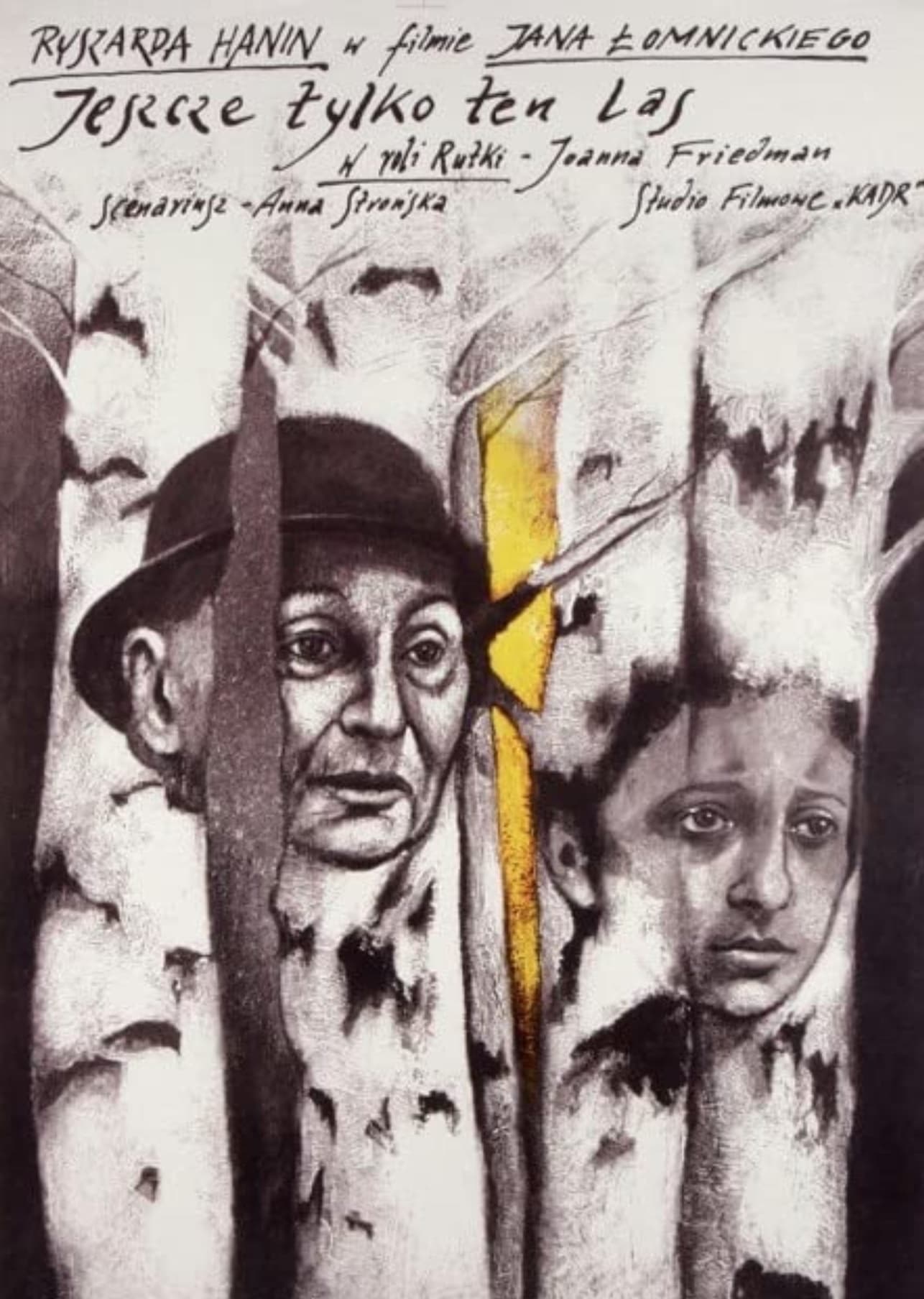
The laundress working at the doctor's house agrees to take her daughter out of the ghetto for a fee and get her settled with her family in the countryside. The old woman's attitude to the Jews is ambivalent but the action is unambiguous.
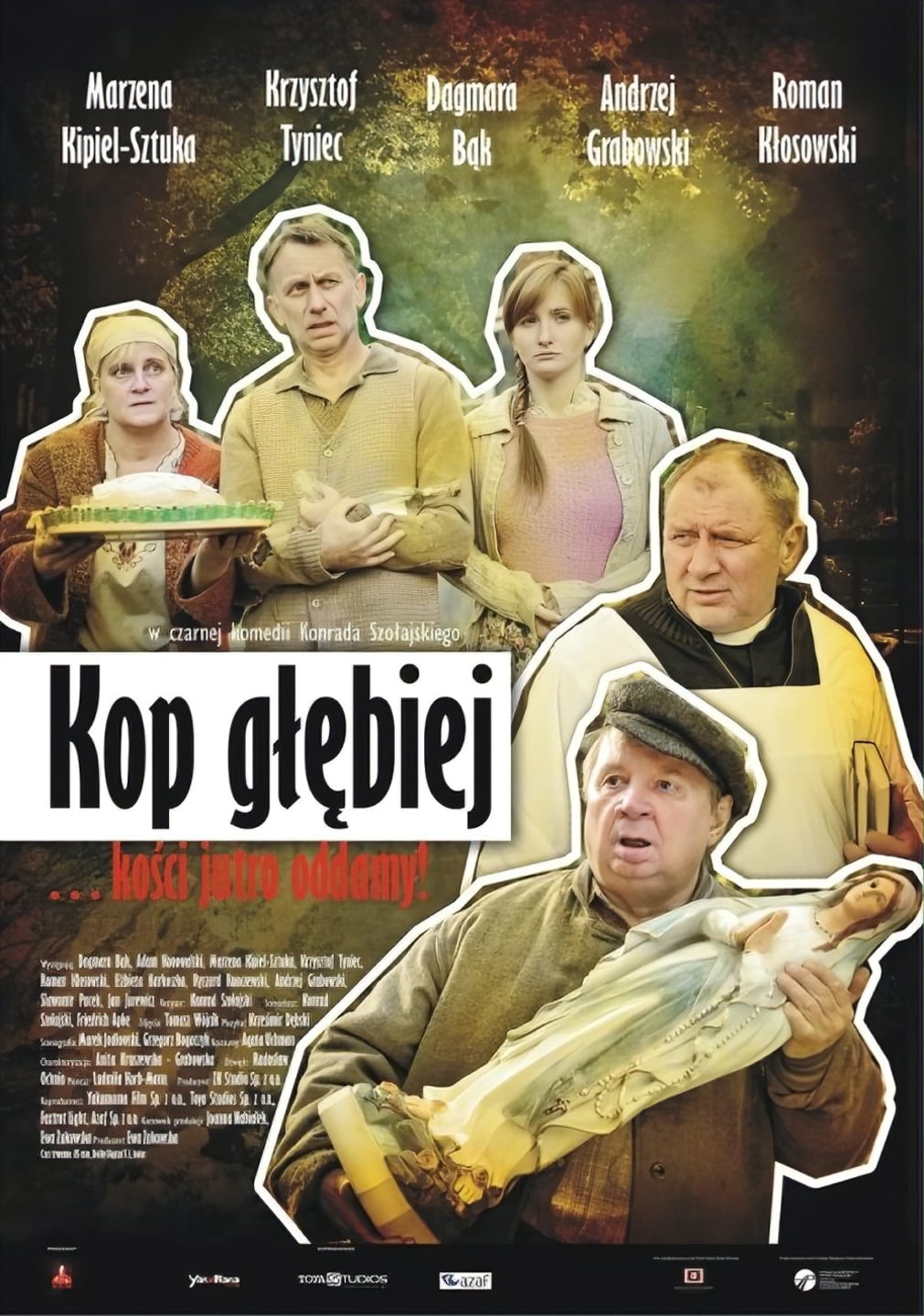
Searching for his family roots, aged German pensioner Hugo Schmidt arrives with his grandson in a village in the Mazury region. The house where he was born is now inhabited by a poor Polish family, resettlers from across the Bug River, not very concerned with keeping the farmhouse in order.
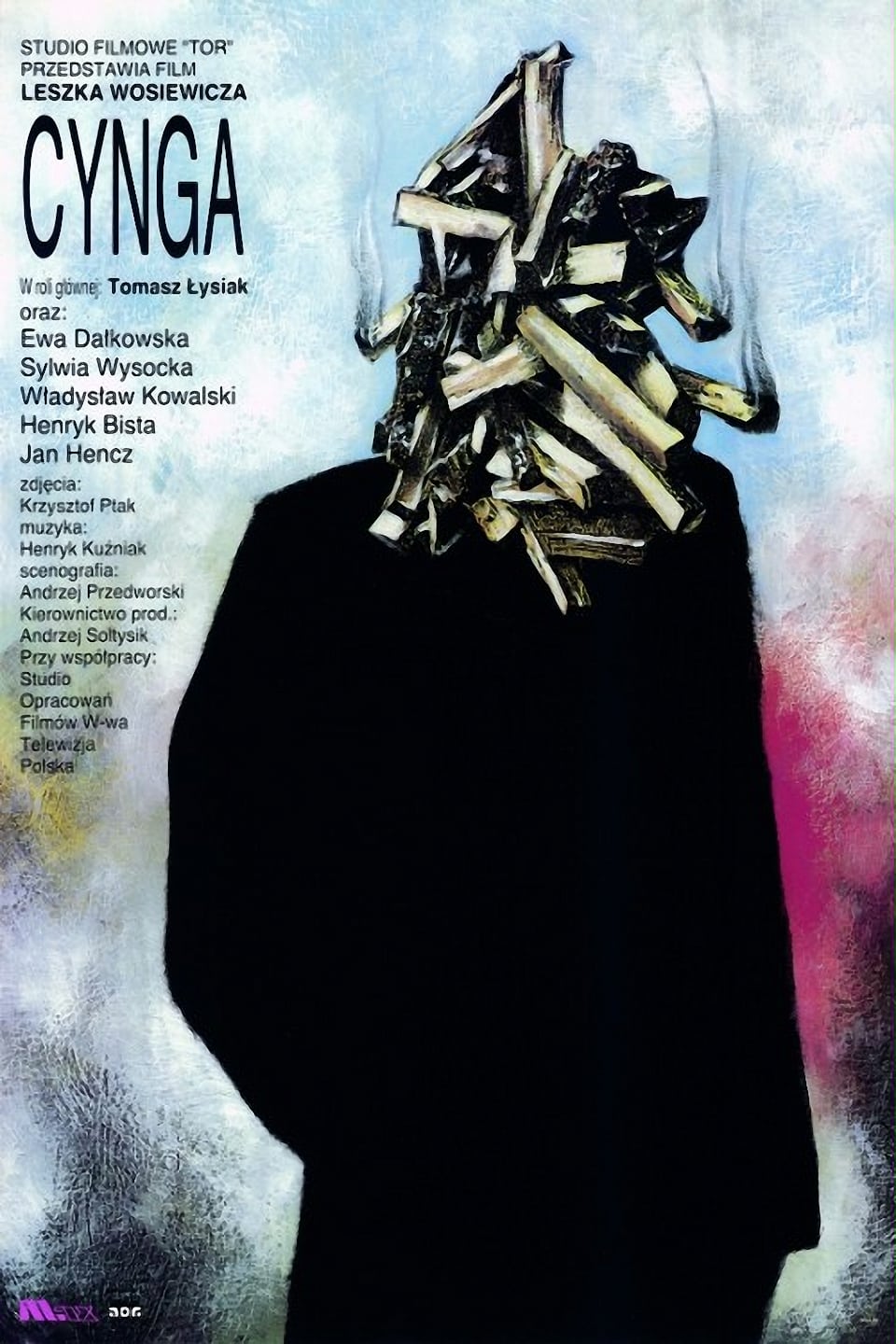
A young Varsovian runs away from the Nazi’s attack on the East. He falls into the hands of the NKVD. Suspected of espionage, he ends up in a camp in Siberia. He will spend the war in a psychiatric hospital.
Teenager Ursula is in trouble at school - she doesn't pay attention in class and occasionally truants. She also lies to her parents to free herself from the imposed "barrier". Eventually, all her faults come to light. The girl must bear the consequences of her behavior.

Taming the Floods fulfills the dream of the landscape architect Jan Dijkstra: he can design an area in Poland that is regularly flooded by the river. Dijkstra wants to create a large nature reserve where people no longer have any influence: an area where the river can run its course and wolves can be set free. The fanatical landscape architect however does not bear in mind the needs of the local people. His younger colleague David is eventually sent to Poland to get things organised. Taming the Floods is a mixture of documentary and feature in which all the scenes are borrowed from situations which really happen or have happened. Alongside actors, roles are played by the local people, including farmers and a priest.
Her talent — his unfulfilled ambitions. The story of a duel between a young Polish artist and a Russian sadist. The year is 1939. Marta, always late, lives in two worlds, writing the same symphony. In the New York music world, she develops her talent rapidly. In occupied Poland, in a cattle wagon and during her escape from captivity, she fights a duel with a musically unfulfilled Soviet officer who envies her talent. Although in the other world, Marta has no chance, she fights to save her son and write the work of her life.