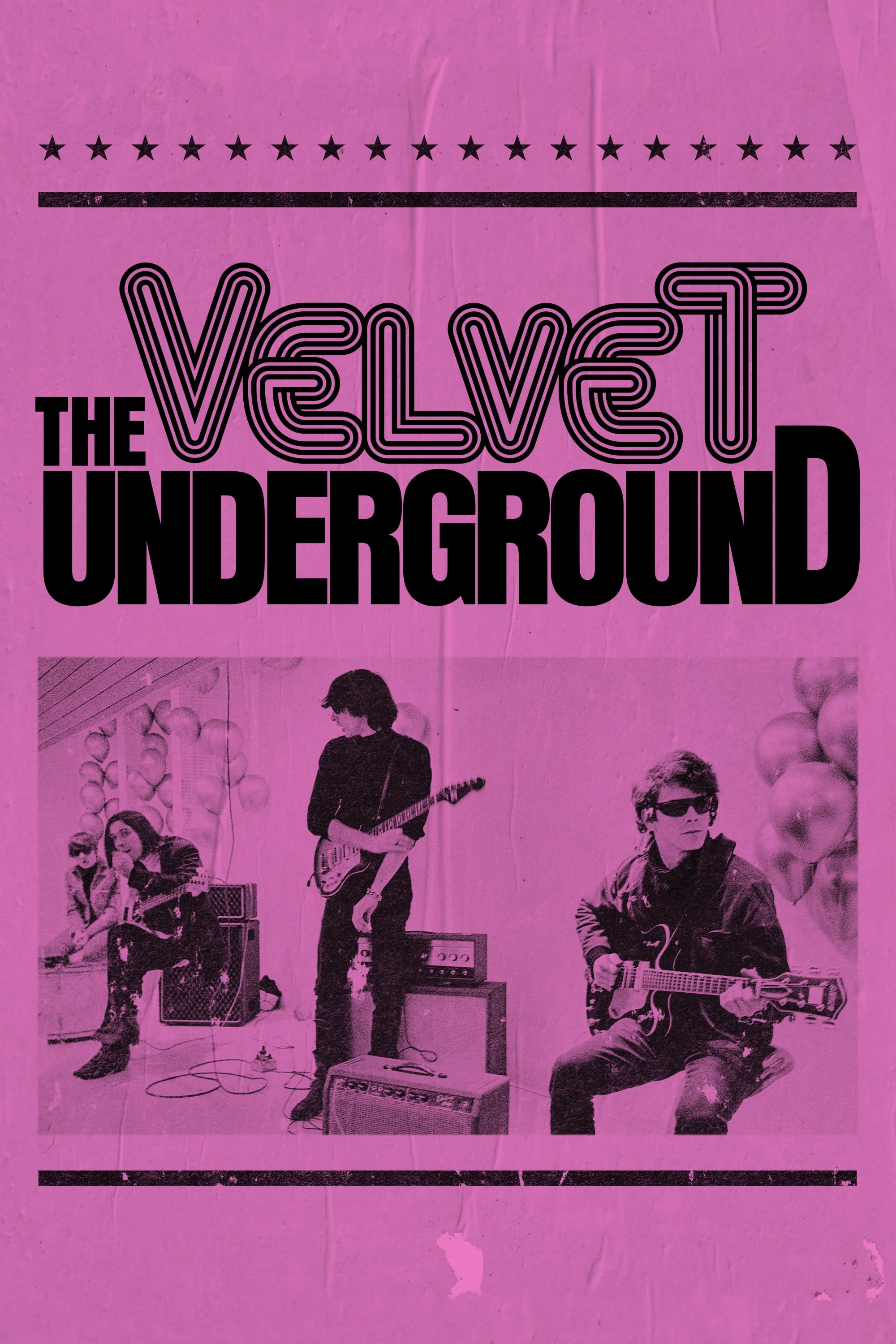
Experience the iconic rock band's legacy in the first major documentary to tell their story. Directed with the era’s avant-garde spirit by Todd Haynes, this kaleidoscopic oral history combines exclusive interviews with dazzling archival footage.

“A theory discourse among three participants, enacted in silhouette.” –Tony Conrad
Home movies shot on Super 8mm by W+B Hein over 10 years.
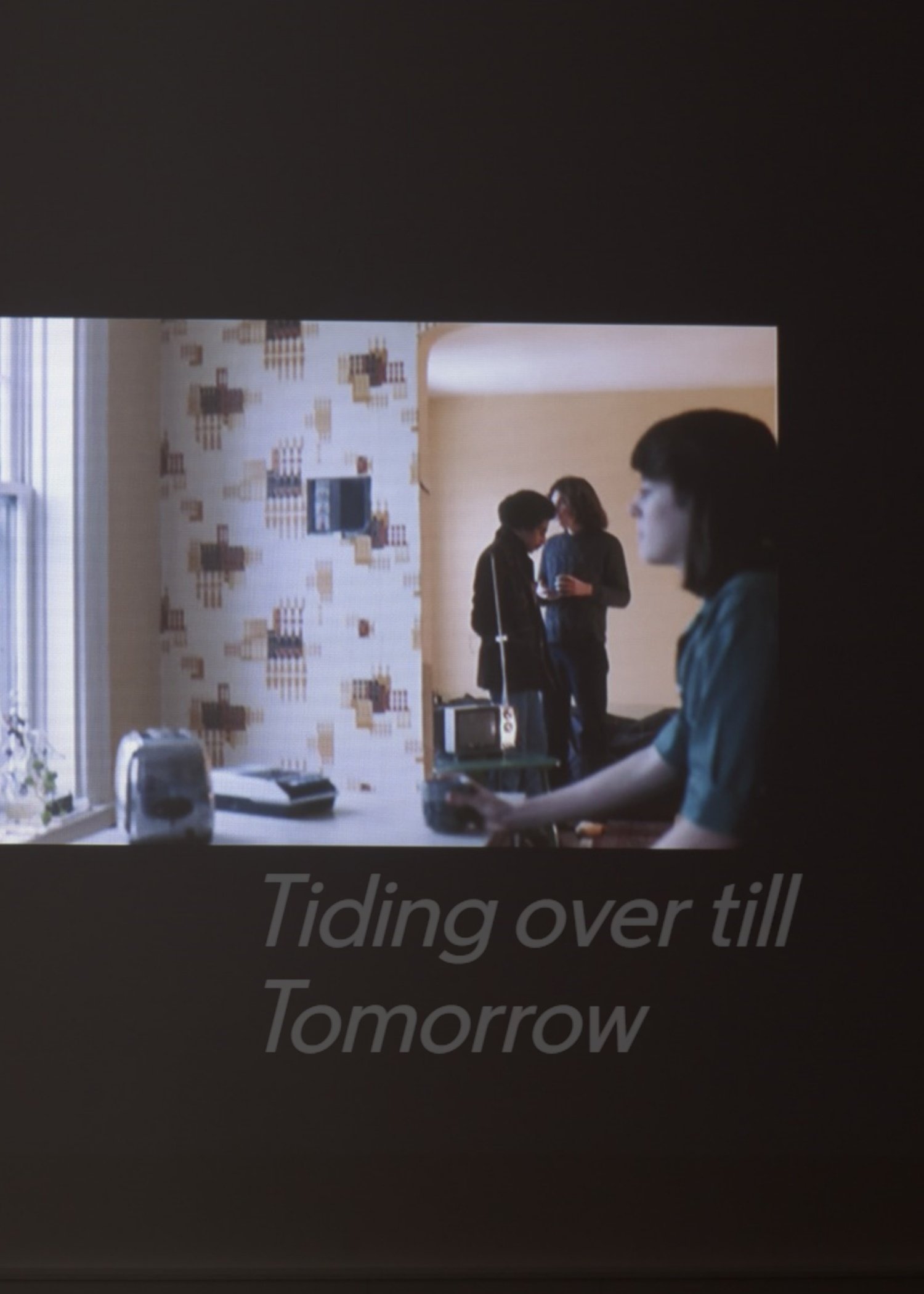
Originally debuted in 1977, where it took the form of a dual slide projection with live piano accompaniment by the artist. In the 2012 installation version at the Buffalo AKG, the slides were transferred to digital projection and Conrad’s live accompaniment was replaced by a contemporaneous recording of him playing piano. The piano accompaniment belongs to a larger durational performance project that Conrad called Music and the Mind of the World. Between 1976 and 1982, the artist—who was known as a violinist and had no formal piano training—recorded himself experimenting at length on the piano. The photographs that make up Tiding over till Tomorrow were taken by Conrad and are joined by a number of enigmatic texts slides by the artist Anne Turyn.
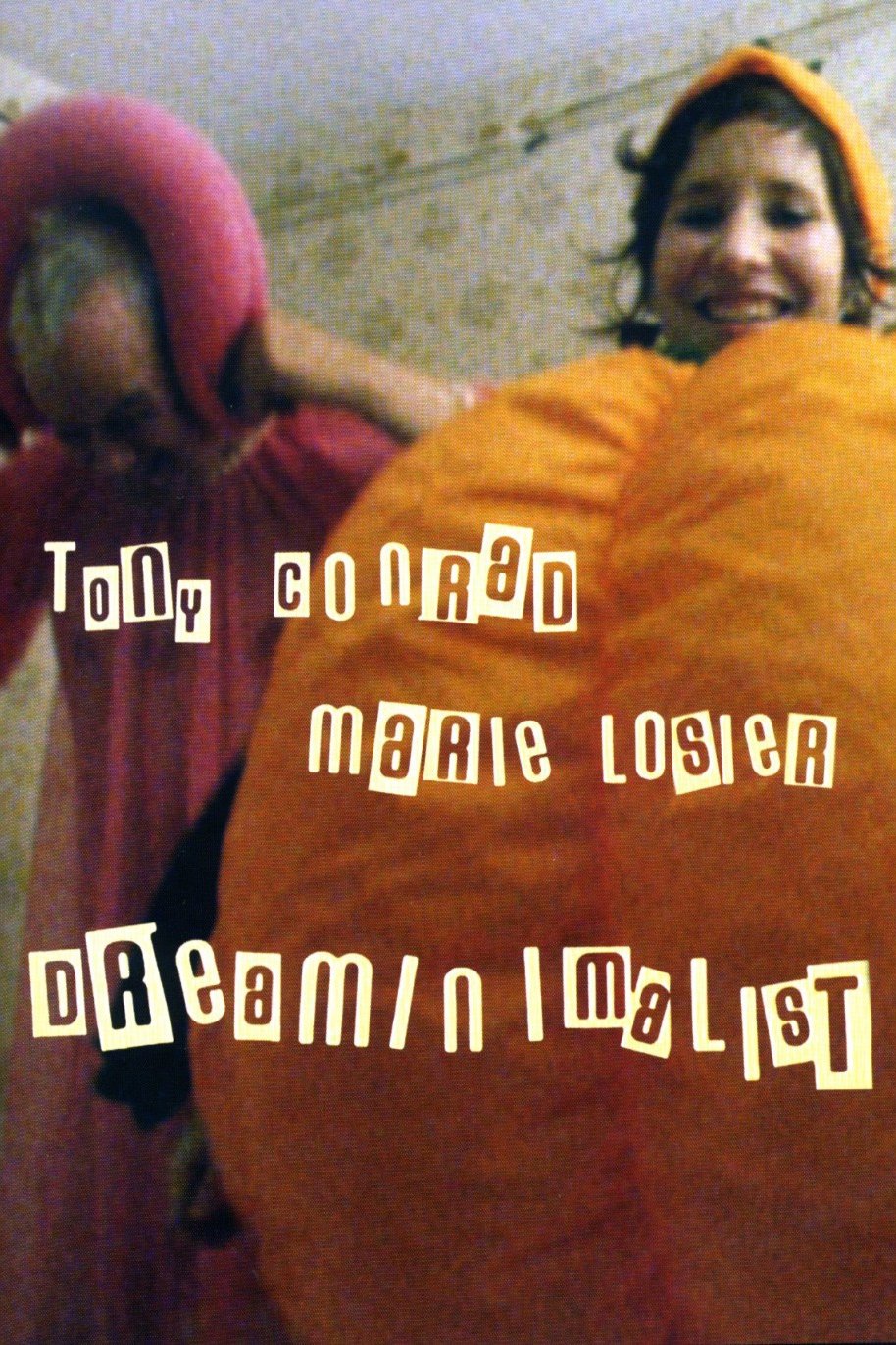
The latest in Marie Losier's ongoing series of film portraits of avant-garde directors (George and Mike Kuchar, Guy Maddin, Richard Foreman), DreaMinimalist offers an insightful and hilarious encounter with Conrad as he sings, dances and remembers his youth and his association with Jack Smith. - Harvard Film Archive
Tony Conrad interviewed on the streets of NYC.
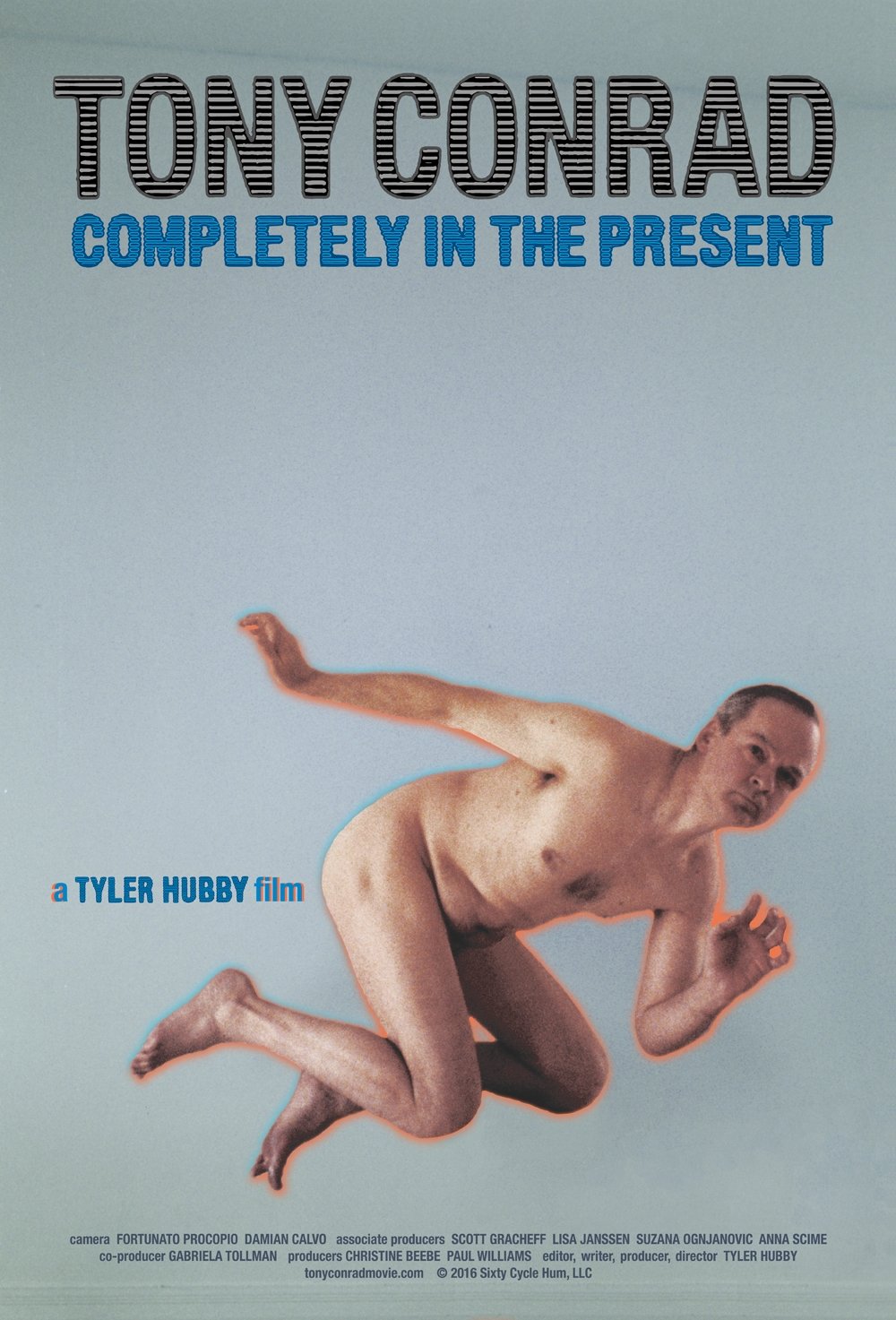
Feature documentary on the pioneering life and work of iconoclastic filmmaker/musician/composer/artist Tony Conrad.
This exhibition focuses on Jonas Mekas’ 365 Day Project, a succession of films and videos in calendar form. Every day as of January 1st, 2007 and for an entire year, as indicated in the title, a large public (the artist's friends, as well as unknowns) were invited to view a diary of short films of various lengths (from one to twenty minutes) on the Internet. A movie was posted each day, adding to the previously posted pieces, resulting altogether in nearly thirty-eight hours of moving images.
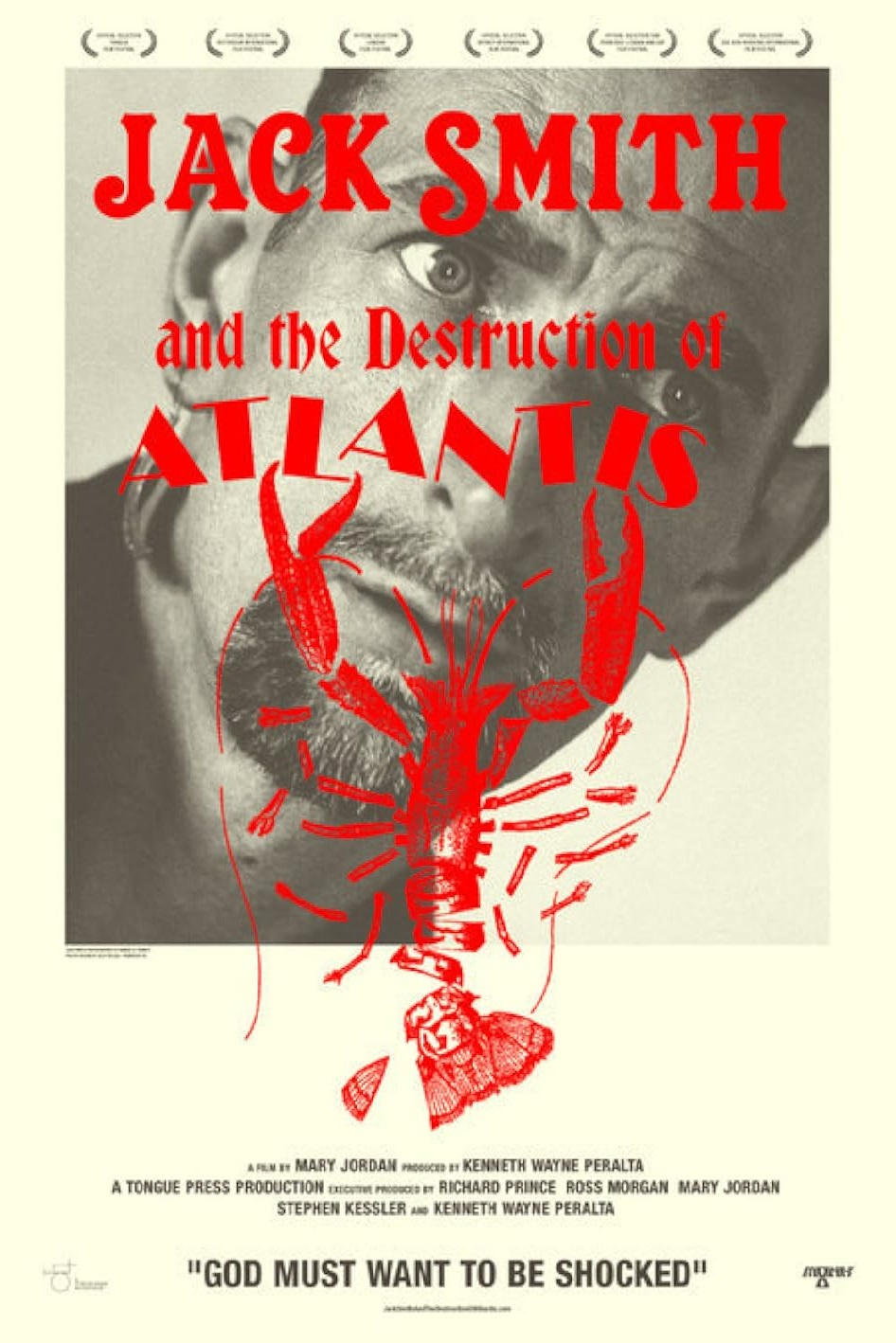
In this entrancing documentary on performance artist, photographer and underground filmmaker Jack Smith, photographs and rare clips of Smith's performances and films punctuate interviews with artists, critics, friends and foes to create an engaging portrait of the artist. Widely known for his banned queer erotica film Flaming Creatures, Smith was an innovator and firebrand who influenced artists such as Andy Warhol and John Waters.
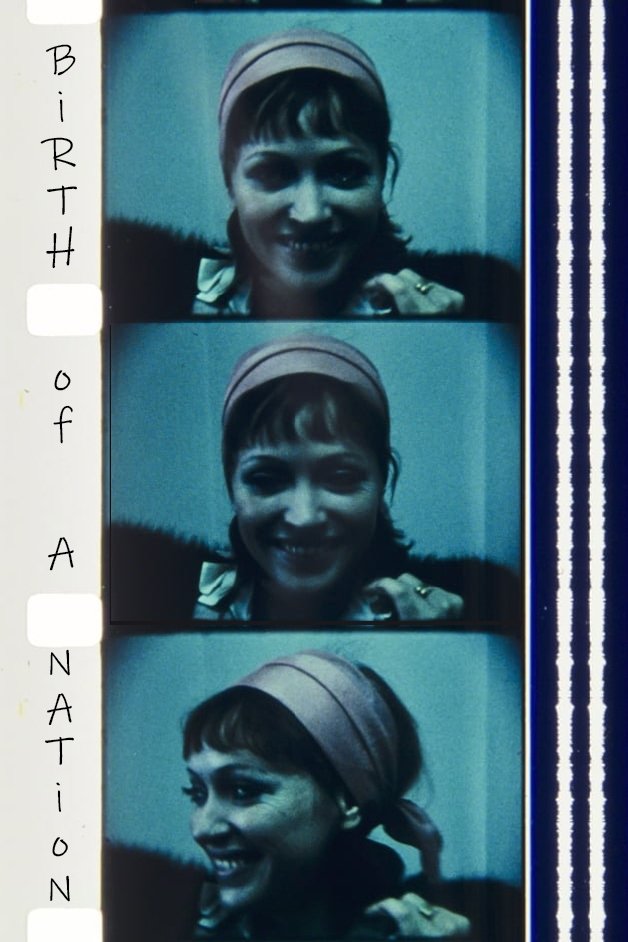
Jonas Mekas assembles 160 portraits, appearances, and fleeting sketches of underground and independent filmmakers captured between 1955 and 1996. Fast-paced and archival in spirit, the film celebrates the avant-garde as its own “nation of cinema,” a vital community existing outside the dominance of commercial film.
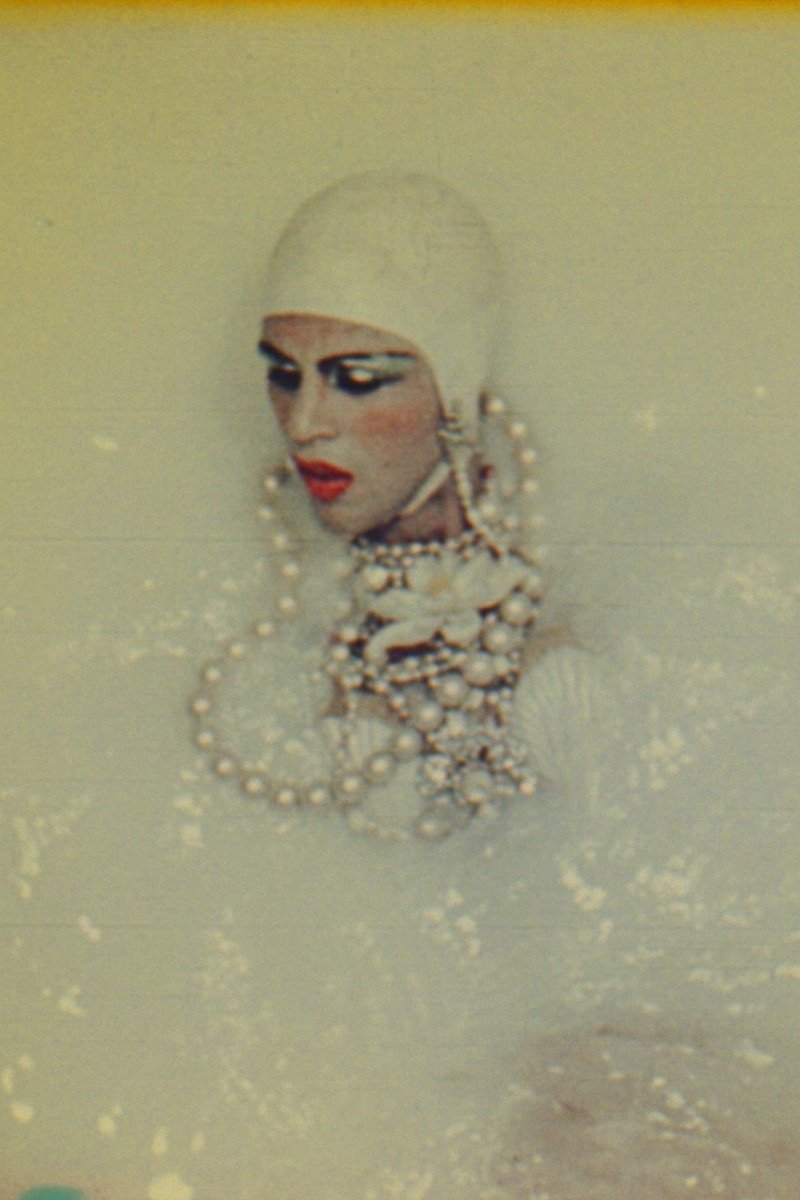
The feature length Normal Love is Jack Smith’s follow up to his now legendary film Flaming Creatures. This vivid, full-color homage to B-movies is a dizzying display of camp that clearly affirms Smith’s role as the driving force behind underground cinema and performance art of the post-war era. The cast includes Mario Montez, Diane de Prima, Tiny Tim, Francis Francine, Beverley Grant and John Vaccaro. Smith was known to constantly re-edit the film, often during screenings as it was still unspooling from the projector.
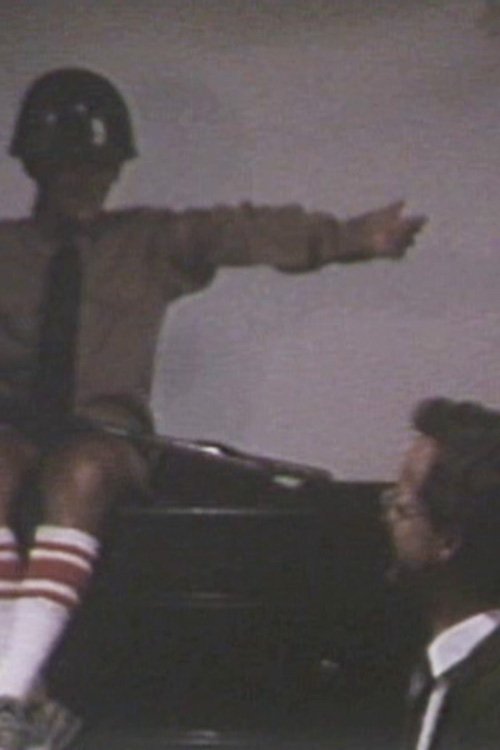
This exquisite single shot is a complement to Combat Status Go. Here the viewer is positioned casually, even though every other element in the film experiences a painful precision: piano, gun, wardrobe; conversation directed at (and across the bow of) the viewer; timing, direction, gaze. —Tony Conrad
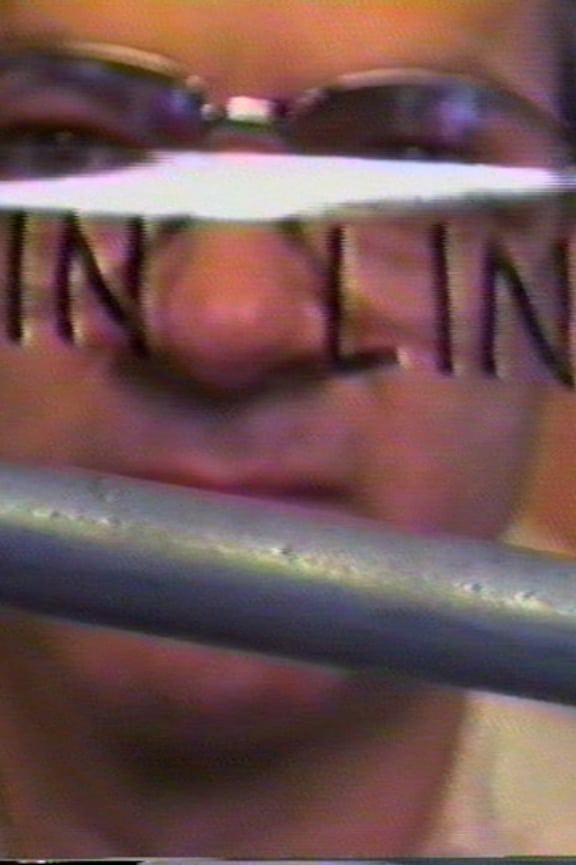
A trisection of the spectators’ power over their own image language: word, trance, and command are installed as valences of the artist’s license, revealed as figures of parental authority. How peculiar that people like being an audience because they enjoy their submission to the authority of the program. This ritual of being dominated is a conspiracy with themselves that we enjoy but refuse to acknowledge. “Oh, no. I don’t like TV because I’m submissive; it’s because it makes me feel good.” The programs are always carefully crafted to be sensitive to people’s selfprotectiveness, even if they offer a good scare, or a good cry. Well, if this is all true, what happens when, by chance, you submit to a program that refuses to be polite about your closet masochism? That tells all? —Tony Conrad
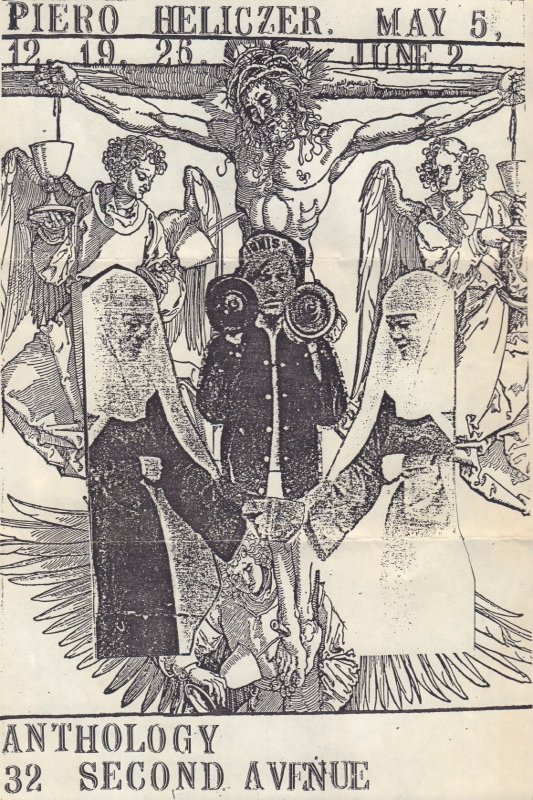
The story of Joan of Arc as applied to the present revolution in arts and more. The Gothic is applied to the War in Vietnam. The film is experimental in the sense that in it the visual becomes tactile.
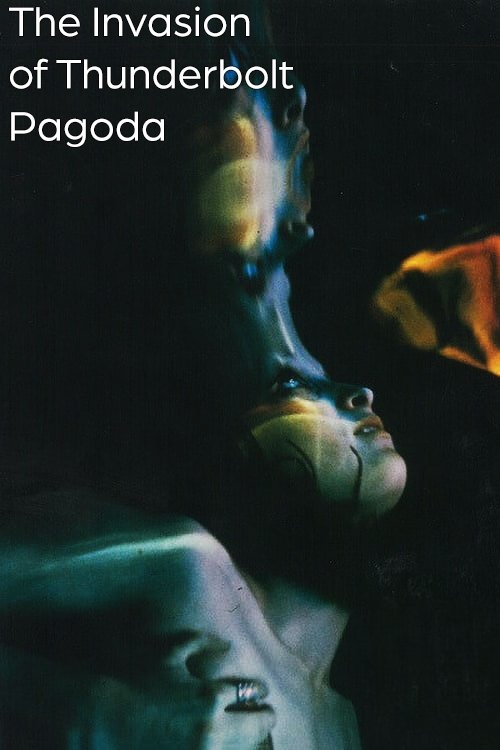
At the court of the Yellow Emperor, the Majoon Traveler & Lady Firefly appear in the Hall of Unconscious Magnetism.
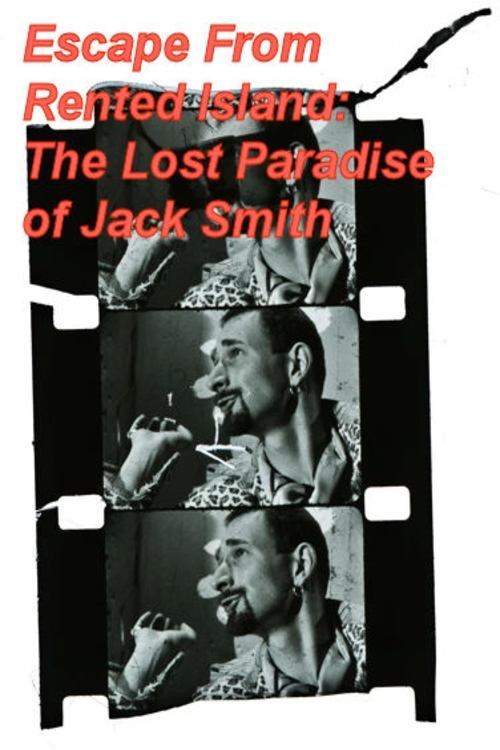
In his essay film, Jerry Tartaglia, longtime archivist and restorer of the film estate of queer New York underground, experimental film, and performance legend Jack Smith, deals less with Smith’s life than with his work, analyzing Smith’s aesthetic idiosyncrasies in 21 thematic chapters. It's a film essay about the artist’s work, rather than a documentary about his life. An unmediated vision of Jack Smith, an invitation to join him in his lost paradise.
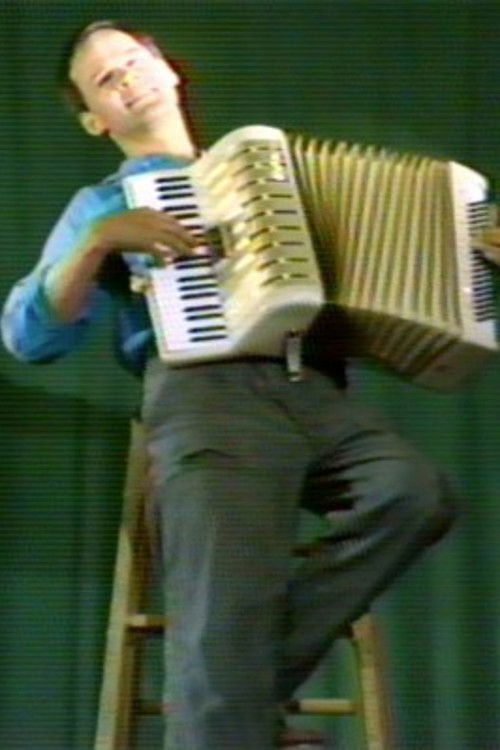
“A man, an accordion, a ladder, and a video camera. It’s as simple as that.” - Andrew Lampert
Also known as Walden, Jonas Mekas’s first diary film is a six-reel chronicle of his life in 1960s New York, interweaving moments with family, friends, lovers, and artistic idols. Blending everyday encounters with portraits of the avant-garde art scene, it forms an epic, personal meditation on community, creativity, and the passage of time.

Tradition, mystical revelation, the passing on of family secrets--all that is lost in translation. In this magical fairytale Grandma Baba struggles with the impossibility of telling what needs to be told. How can she pass on the traditions and stories of the Old Country to Little Boris, especially when Old Bandy Legs, a mercurial old magician, is vying to tell his stories? A humorous and whimsical tale made with puzzle pieces that never exactly fit together. Includes a stunning performance by Buffalo, NY as Mother Russia.
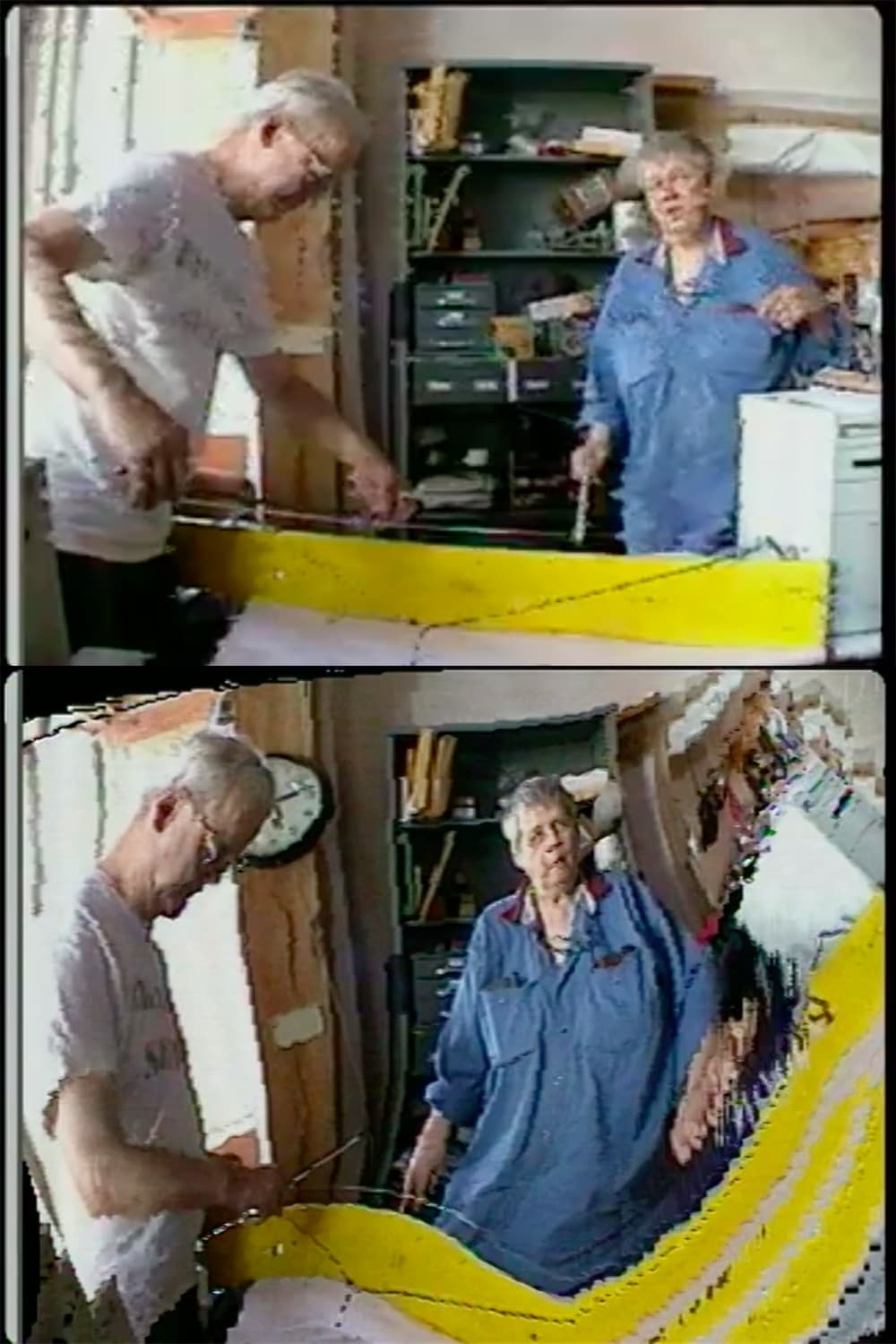
Fellow violinist and artist Tony Conrad, in collaboration with software engineer Tom Demeyer, made for Steina the instrument seen in this title. Conrad and the Vasulkas all taught at the University at Buffalo in the Media Study Department from 1976 to 1979.
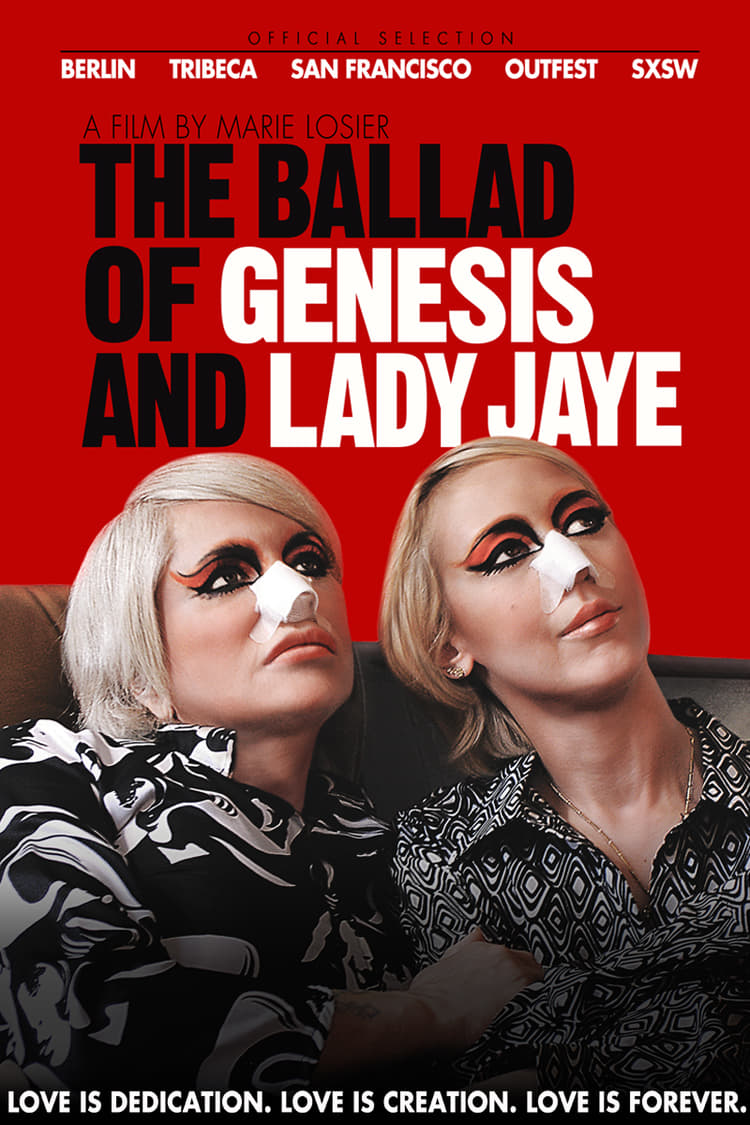
An intimate, affecting portrait of the life and work of ground-breaking performance artist and music pioneer Genesis Breyer P-Orridge (Throbbing Gristle, Psychic TV) and their wife and collaborator, Lady Jaye, centered around the daring sexual transformations the pair underwent for their 'Pandrogyne' project.
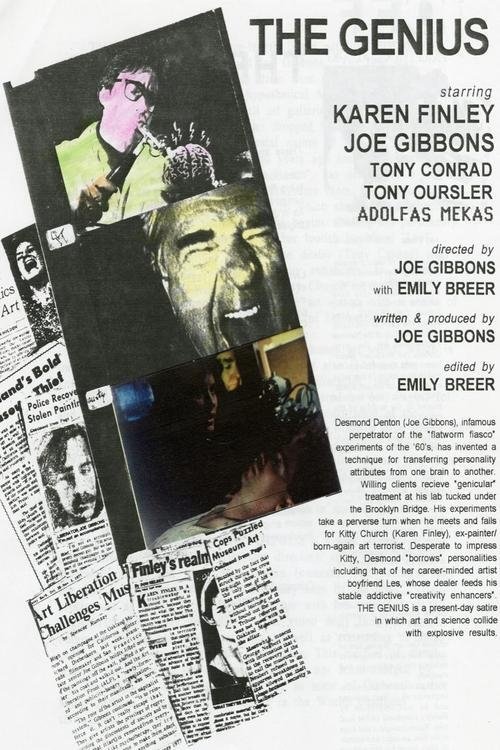
A ramshackle underground SF satire set and shot in the self-absorbed art world of lower Manhattan, written, produced, and directed by Joe Gibbons, who also plays one of the lead parts. Gibbons plays a mad scientist who's developed a technique for transferring personalities from one person's body to another; he becomes obsessed with an outlaw artist (played by performance artist Karen Finley) who destroys paintings in various galleries as a form of anarchist, anticapitalist protest.
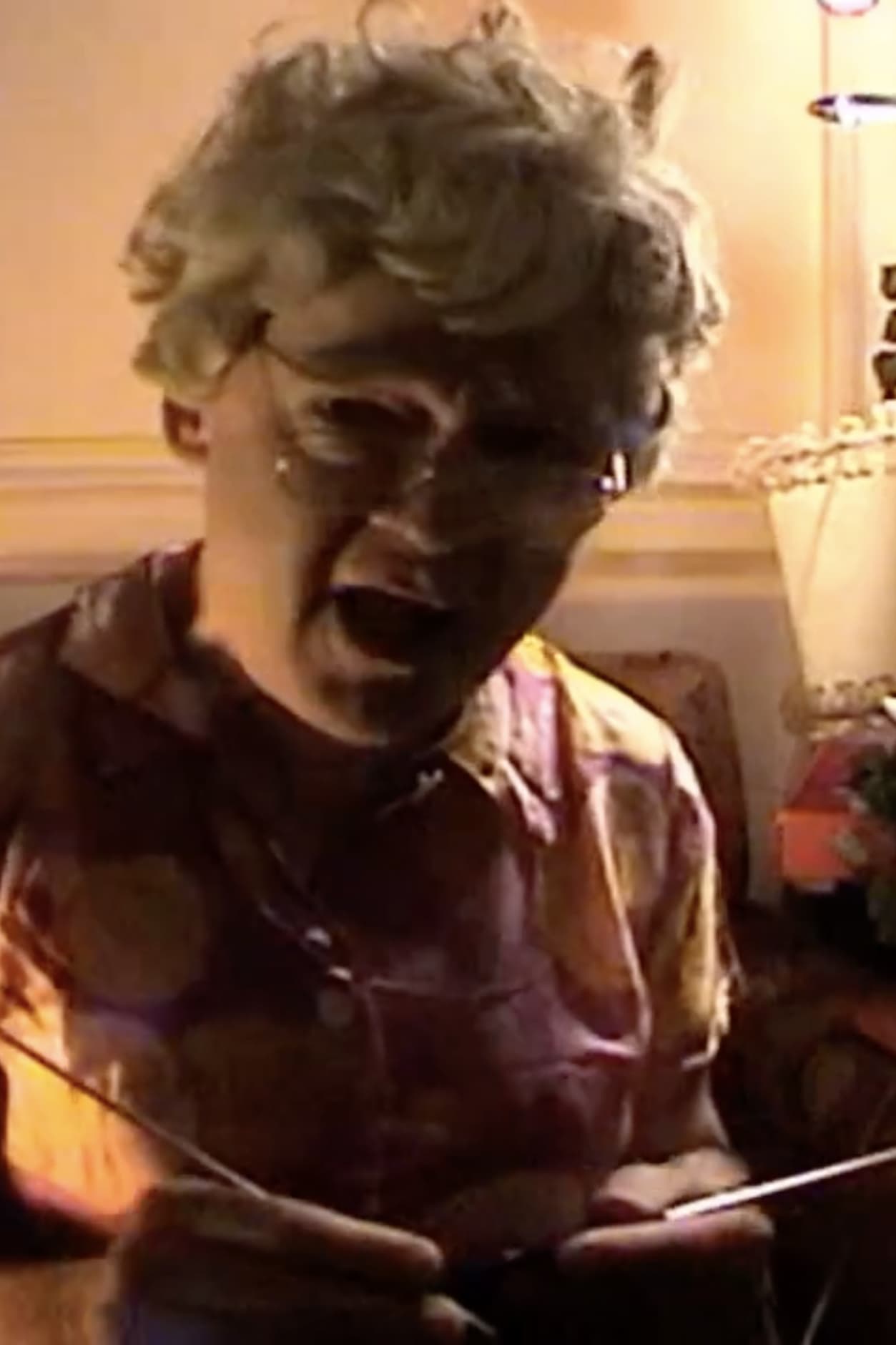
Mrs. Claus complains because Santa is away.
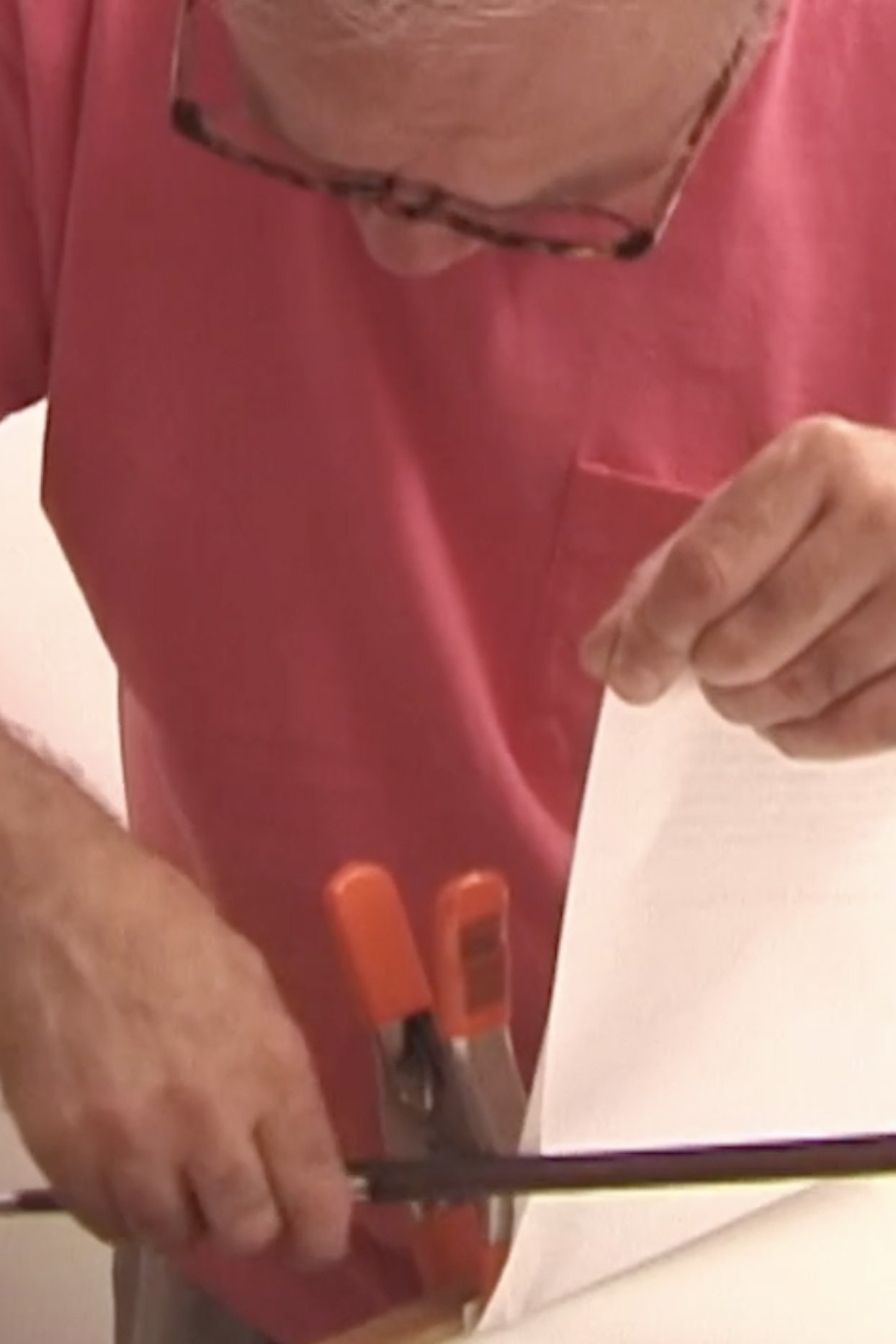
Tony Conrad provides useful & alternative grading tips for teachers. Made in Buffalo, NY.