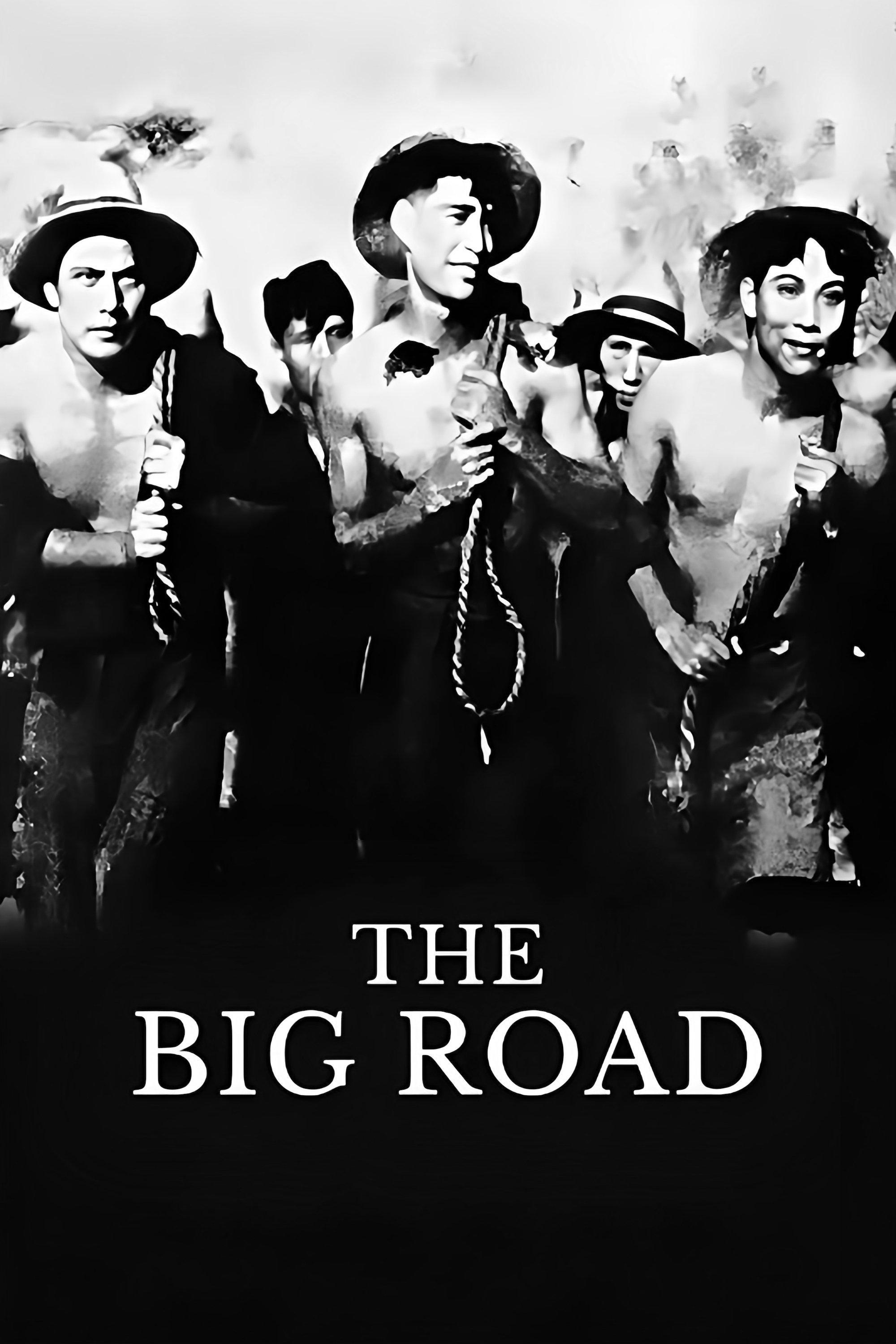
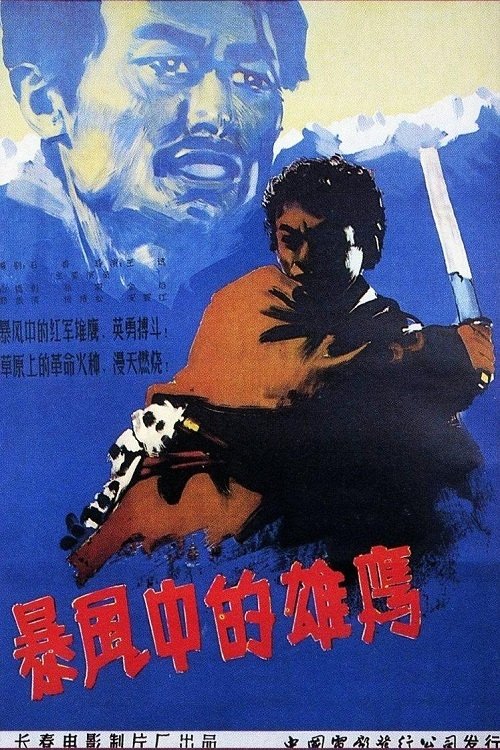
Six young men from the city take jobs building roads for the Chinese Army
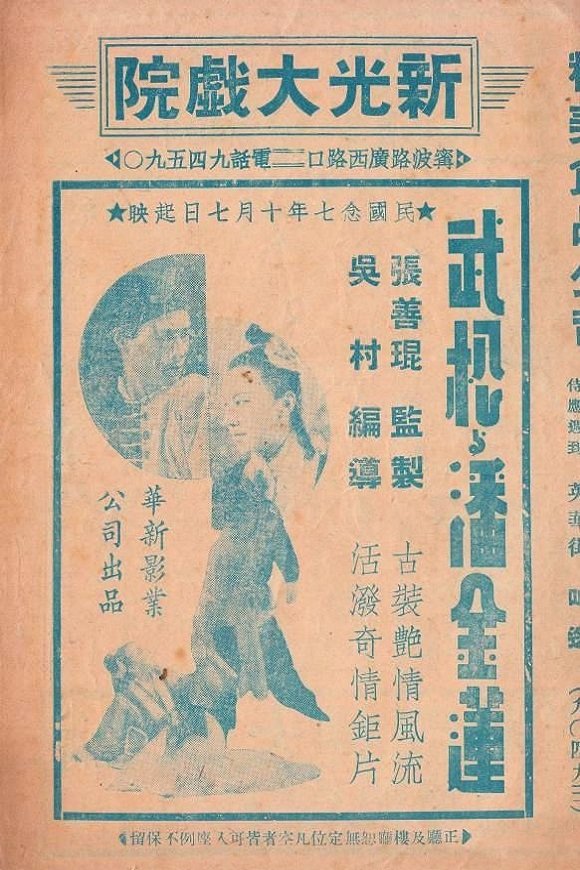
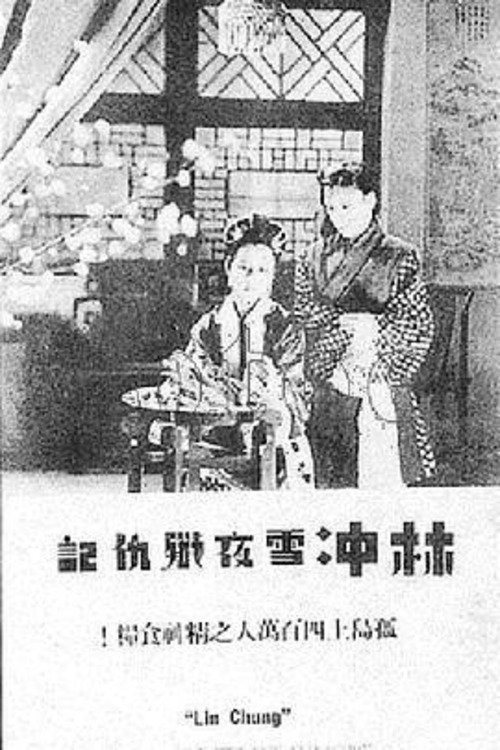
Wu Song and Pan Jinlian (1938) is a feminist masterpiece. This insular-era production was produced by Zhang Shankun, directed by Wu Cun, photographed by Huang Shaofen, and starring Gu Lanjun, Jin Yan, and Liu Qiong in a gloriously hefty cast. It tells the story of Wu Song who kills his cheating sister-in-law for his brother and avenges his brother's death.
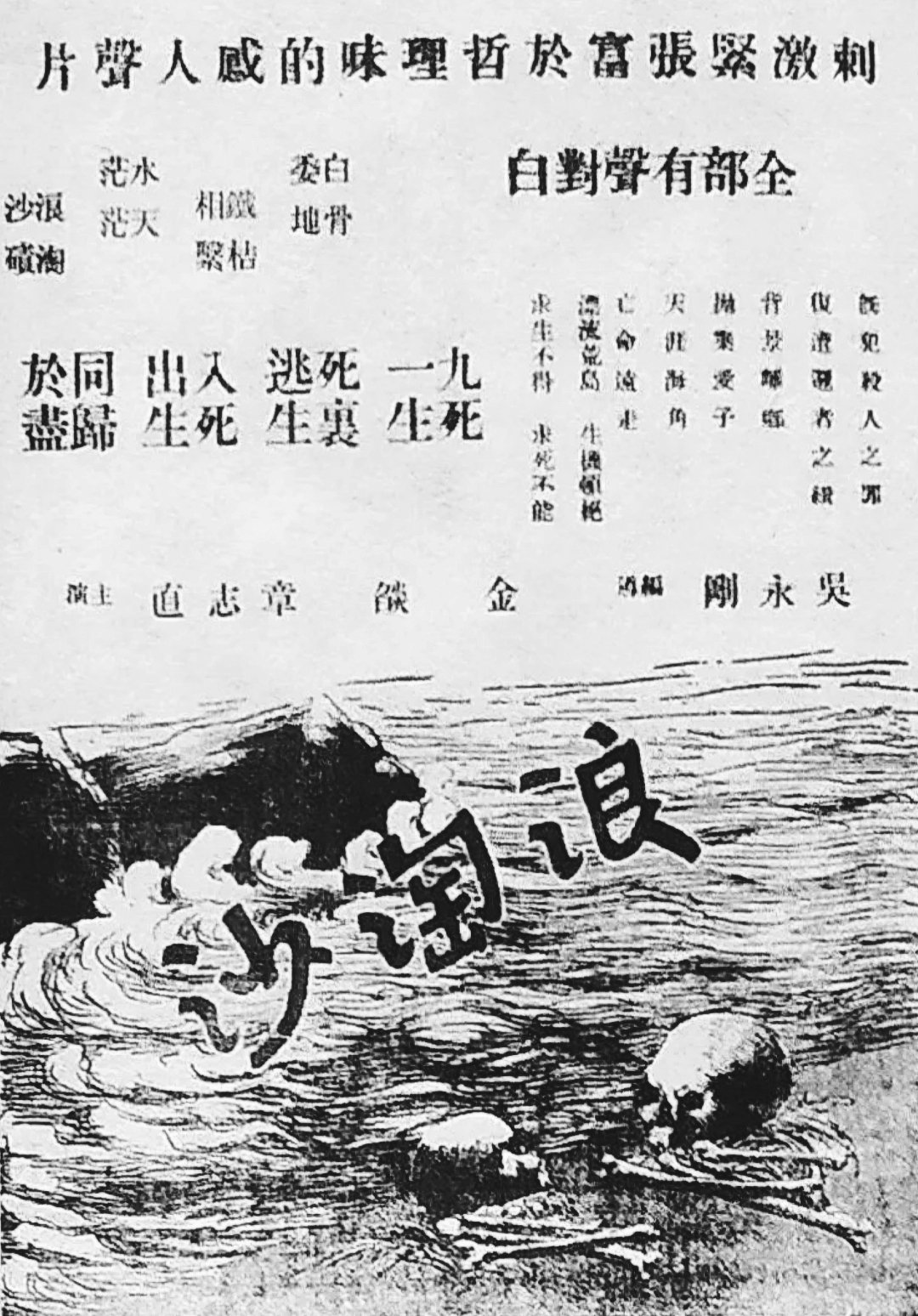
Returning home from a long voyage overseas, a man finds his wife and child living with another man. Fuelled by anger, he murders the other man and is forced to flee justice, until he faces death on a deserted island.

An upper-class son of urbane landowners falls in love with a peasant girl. When a pregnancy results, the couple are kept apart by strict societal morays.
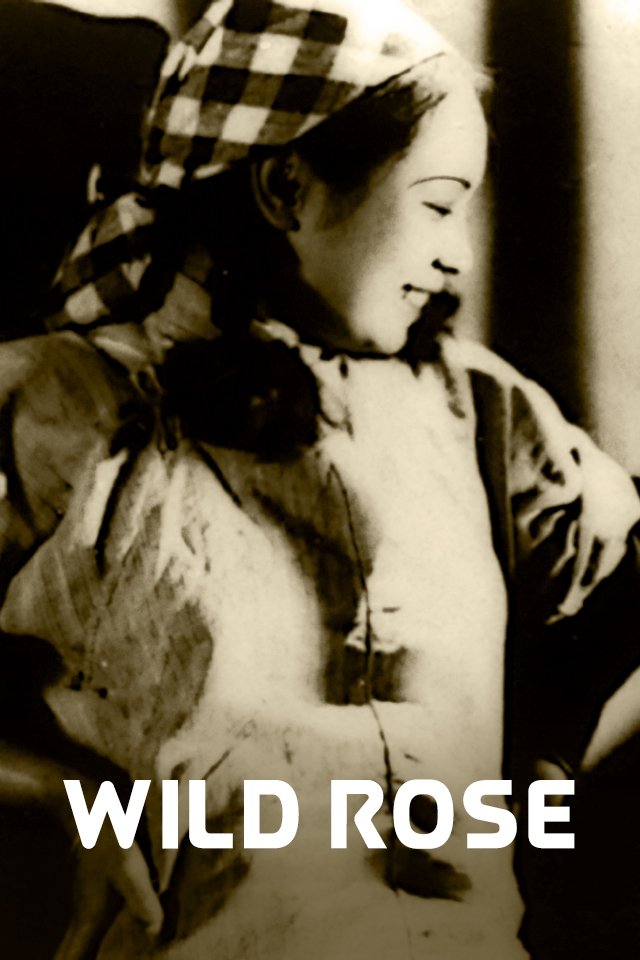
A wild country girl moves to Shanghai with her painter boyfriend and experiences exploitation and poverty.

The film tells the story of Yang Naifan (Ruan Lingyu) who runs from her arranged marriage to be with her true love, Li Zuyi (Jin Yan). The film details the poverty she must endure for breaking with tradition.
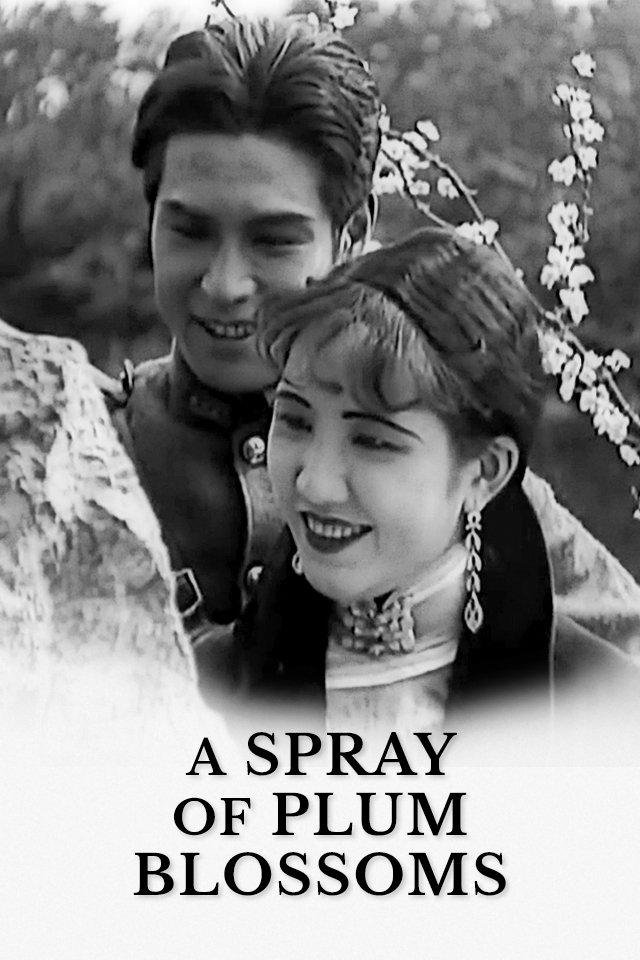
Bai Le De and Hu Lun tung are military cadets. After graduating, Hu Lin Tung is appointed captain of Guangdong headquarters and goes away. Later, Bae Le De is also appointed to a post at the same place. Hu Lun Ting falls in love with Luo Hua, daughter of the local commander.
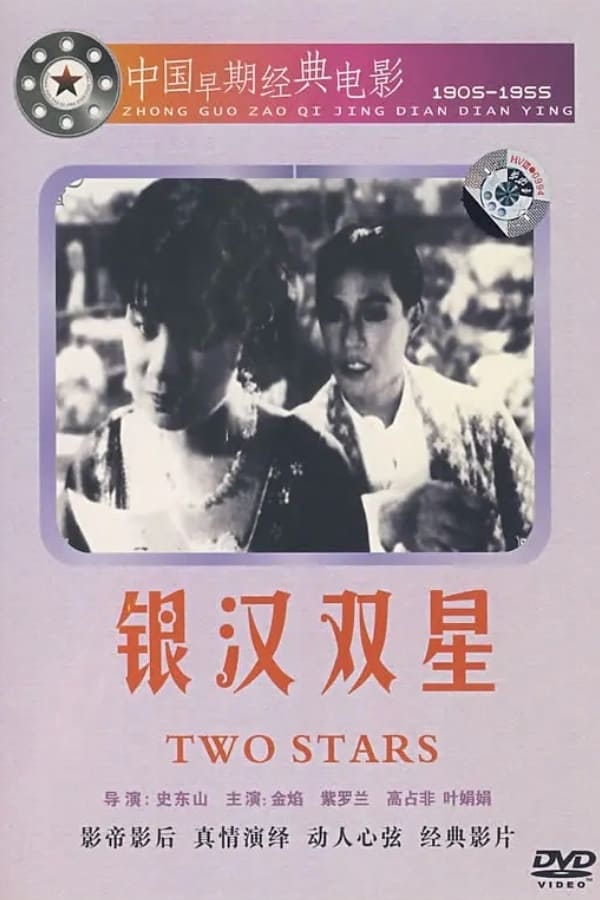
This is a silent film from China made in 1931. It is about two leads in a film, Yan (Raymond King) and Ying (Violet Wong). They meet after hearing Ying sing while another movie is being shot. You, of course, don't get to hear the song, but it catches people's attention. Once they meet and work together, they fall in love. Is it forever?
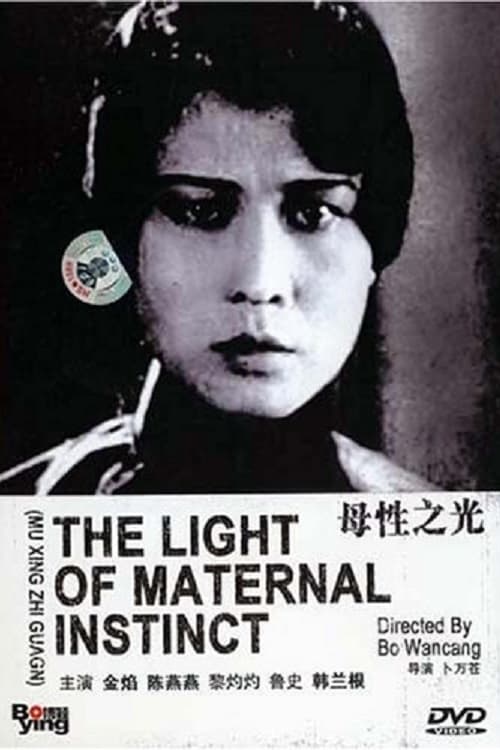
Although Hui-Ying is now married to a husband that offers a life of stability and comfort, over ten years ago her first husband (Jia-Hu) fled from Shanghai to Nanyang (old name for Southeast Asia) to escape capture by a warlord - leaving her and their toddler daughter (Shao-Mei) behind in helpless desperation. Despite the mother's emotional attachment to her absent husband, she has never told the daughter about Jia-Hu so the daughter believes the stepfather is her biological father. But the mother begins to have second thoughts about the stepfather when she sees the teen daughter zealously follow the path paved by him - a path that the mother fears will lead to her daughter's moral decline.
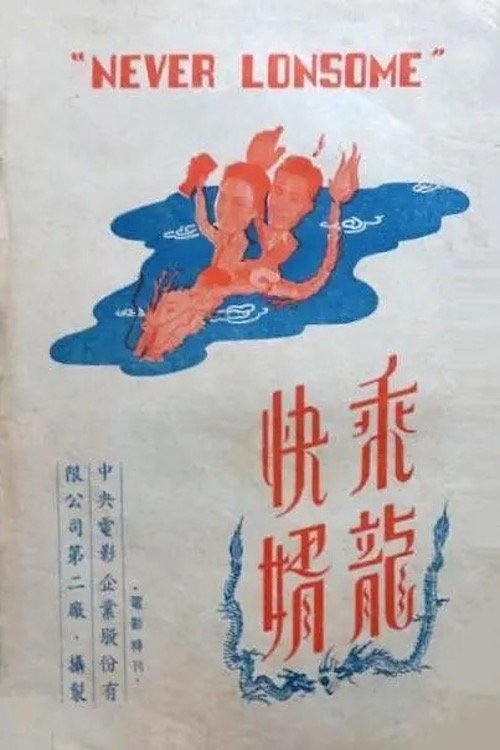
After the end of the war, Mrs. Lu's eldest daughter's fiancé Situ Yan returns to Shanghai from Chongqing. When they meet, they find that he is an impoverished journalist, and cannot provide for them. One day, Situ Yan exposes a corruption case, which implicates many people, including Mrs. Lu's brother.
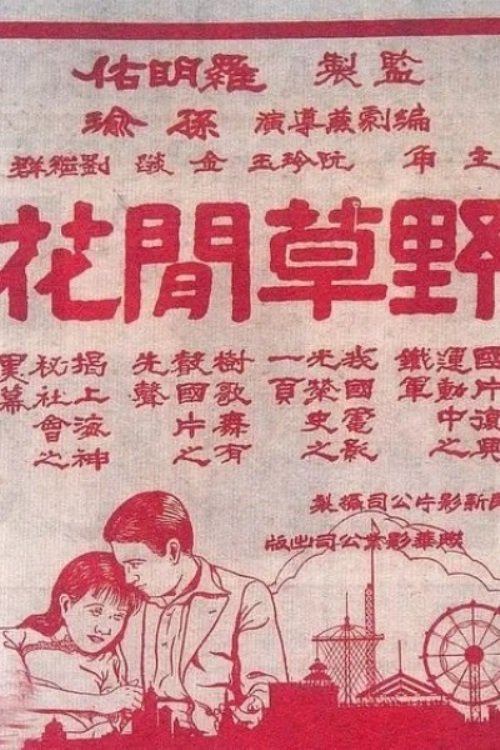
Ill-fated romance of an orphaned flower girl and a young musician, destroyed by his traditional family and the Shanghai underworld.
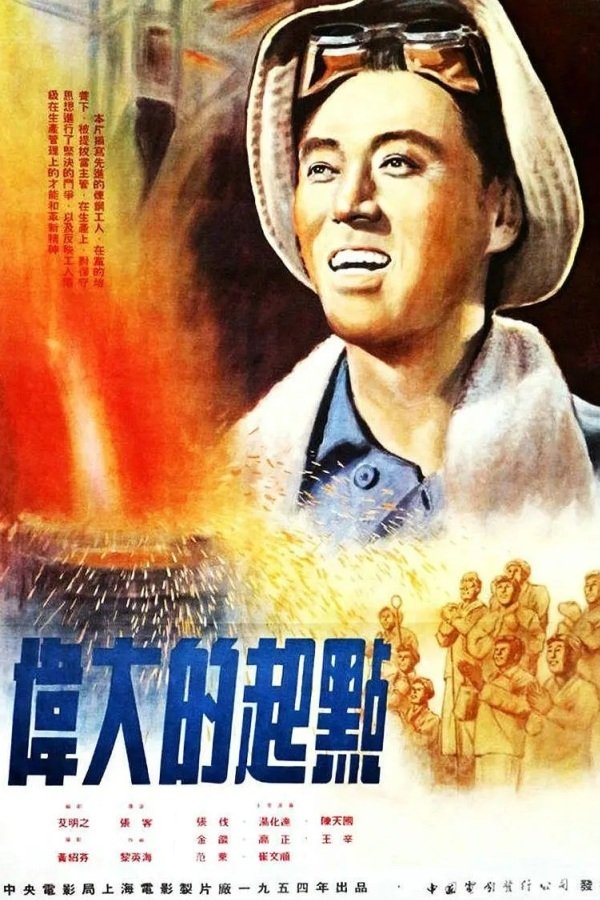
An episode from the life of a metallurgical plant collective. Lu Zhong-kui, an advanced worker appointed as head of the smelting shop, initiates the re-equipment of the open-hearth furnace. The plant director and some specialists warn him that the furnace, built by Americans, is operating at maximum capacity. However, many refer to the experience of the Soviet people and support Lu. And then an accident occurs: steel bursts out of the furnace... This episode is full of drama, as is the entire story about the selfless and persistent struggle of a worker-promoter to fulfill the state plan.
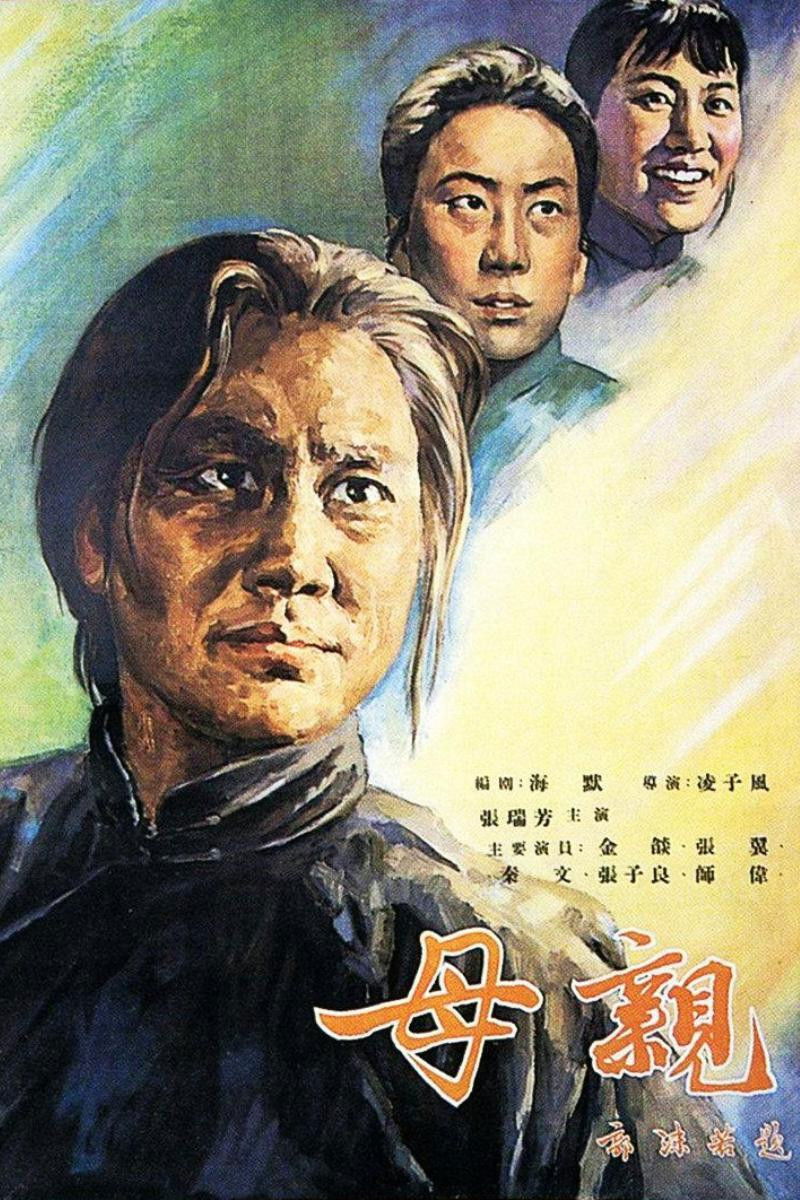
Based on the novel "Mother" by Maxim Gorky, about the hardships of a peasant laborer.
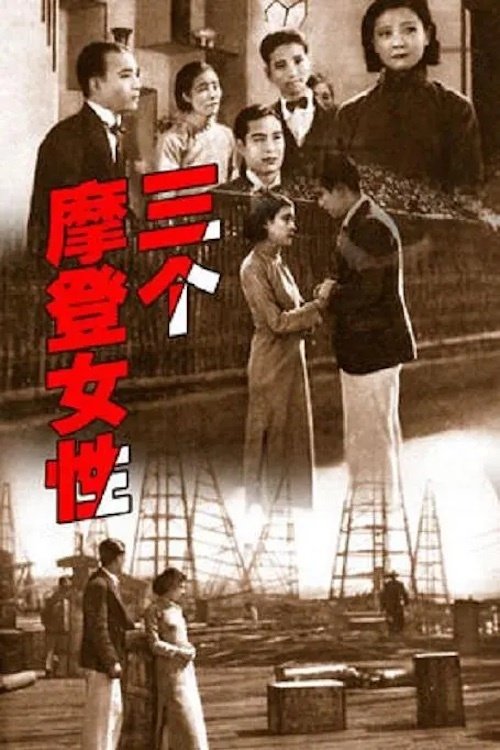
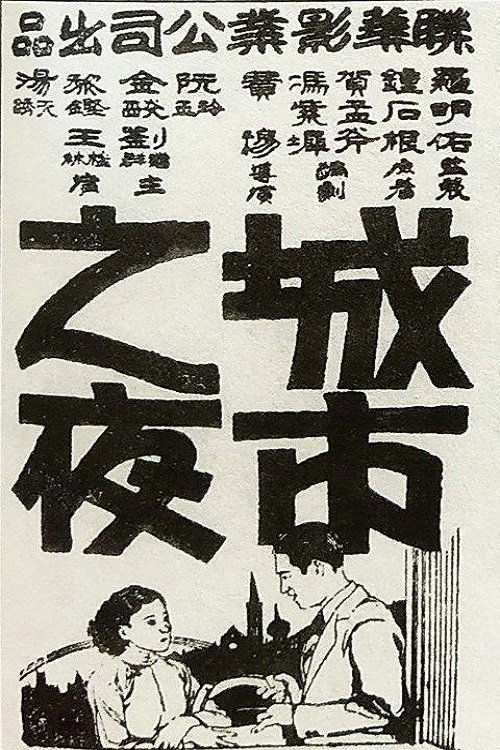
The daughter of a poor family living in the slums is forced to work at the docks. When it is learned that the slum's landlord is preparing to demolish the entire tenement, she is forced to give up her body to her landlord's son in exchange for a delay in construction. Considered a lost film.
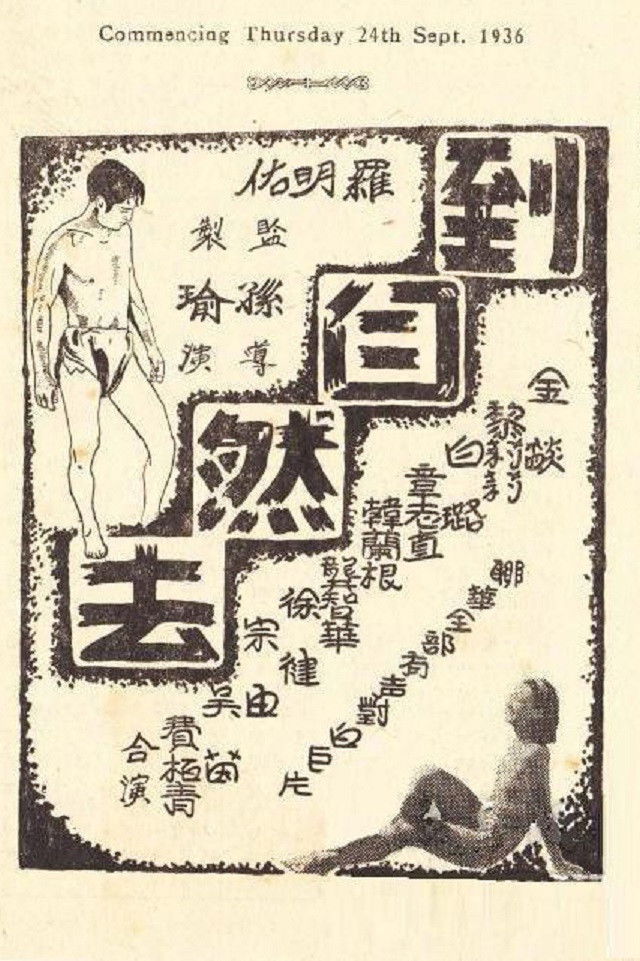
General Zhou organized a boat trip with his family and friends, but a storm struck and they were all drifted to a deserted island.