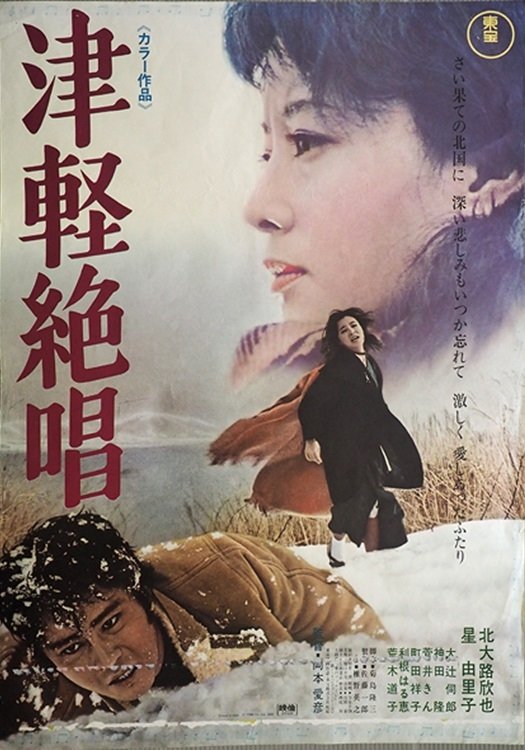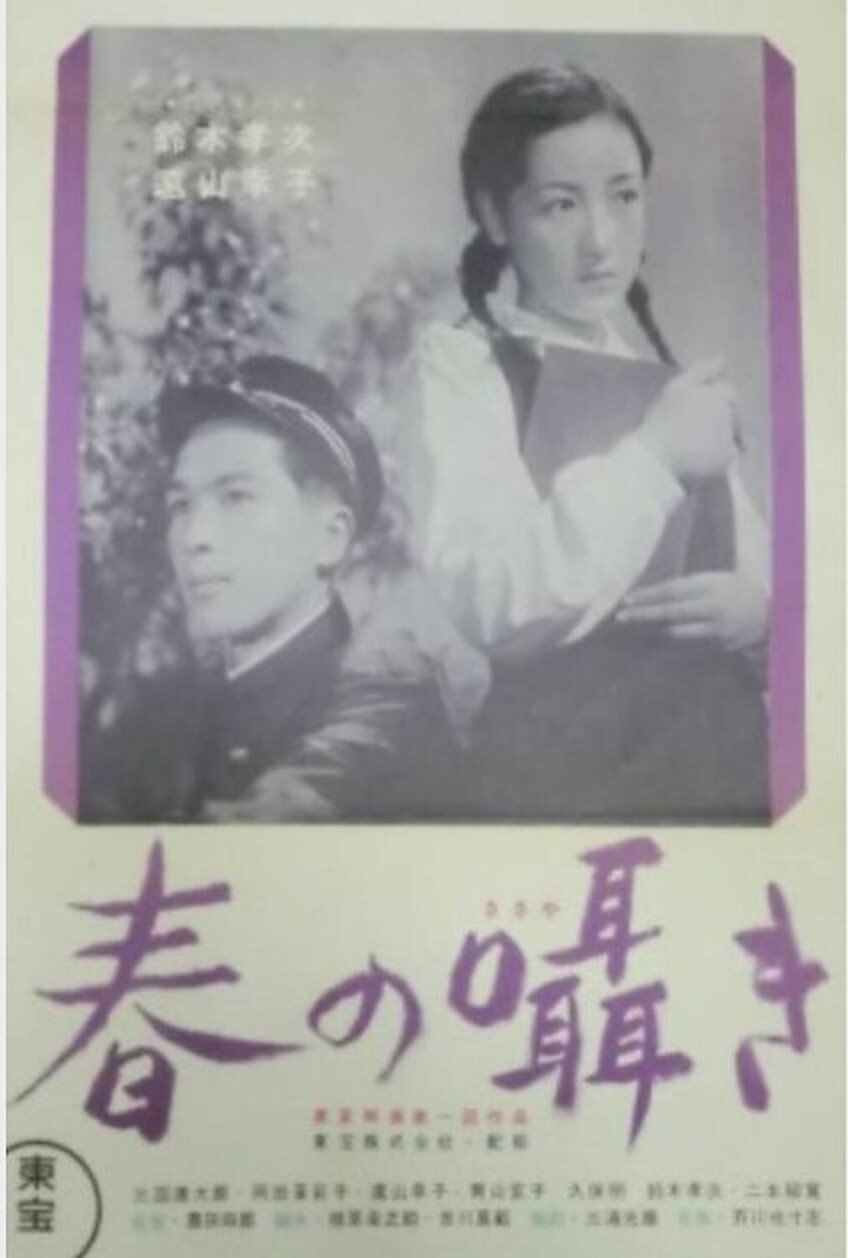
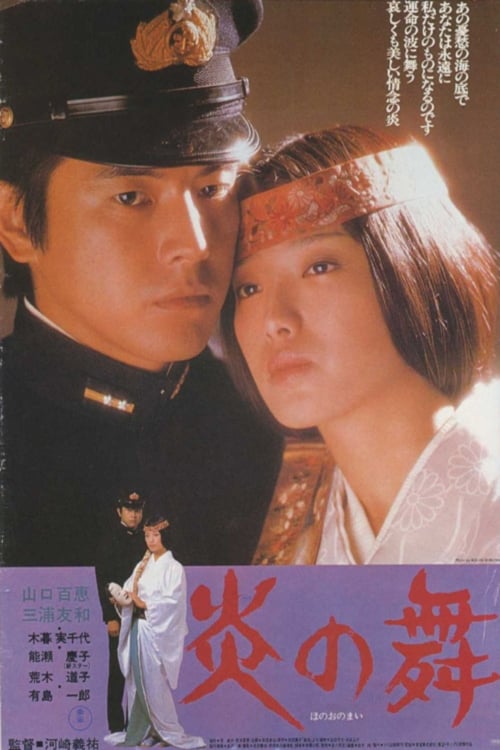
After graduating from a high school in the Seto Inland Sea, Koji, a childhood friend of Yaeko, went to Tokyo to enter university wearing a heartfelt sweater.
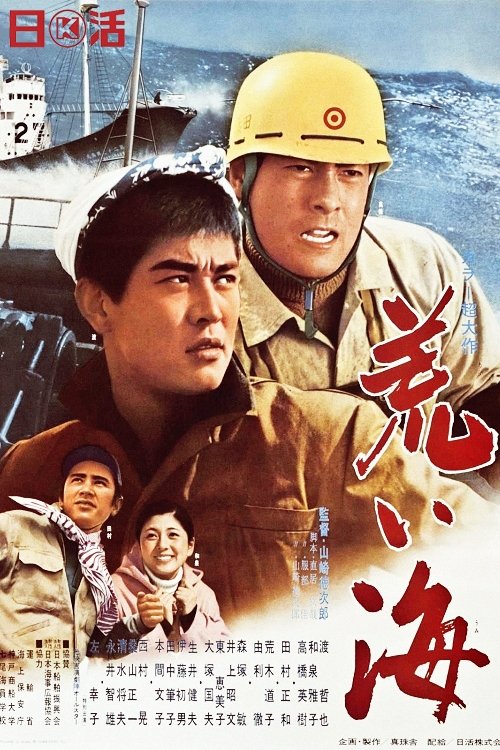
Yoji Kitami, a fisherman's son, is a student in Tokyo. His father had died at sea and Taichiro, his brother, is sending him to the university. But the outbreak of violence by radical students and blockade of classrooms make studying impossible and Yoji goes home. Fortunately, he meets Katsuyuki Shinoda, a childhood friend, who works on a whaling vessel. Yoji decides to join him and rediscover a meaning in life. But finding sidework on a whaler is not so easy and Ogaki, a veteran harpooner, curtly turns him down. But finally, deeply touched by Yoji's earnestness, Ogaki reluctantly agrees to take him with them. Rules are very strict, for even one slight slip-up may jeopardize the safety of the entire ship. For a long time, it seems like a living hell, but with patience and courage, he begins to learn the ropes. And the day they sight their first whale, Yoji comes into his own and finds the real meaning of life.
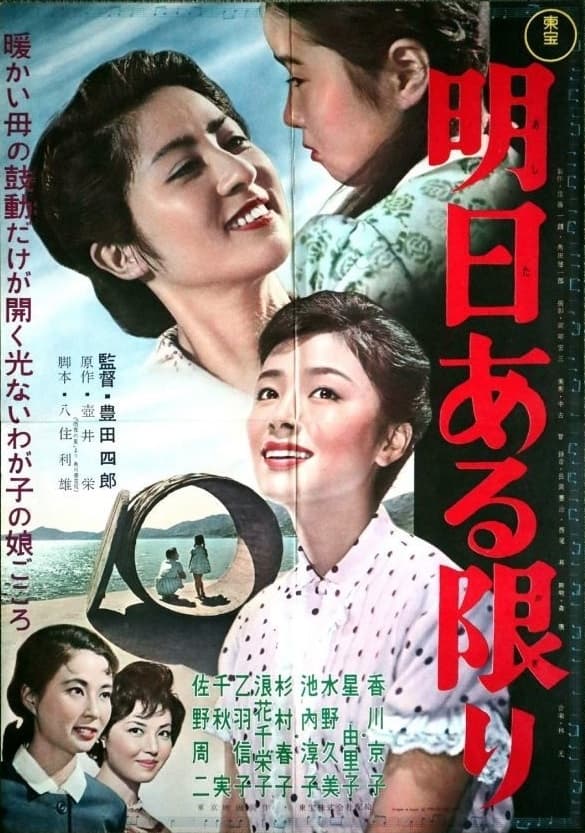
Natsuko’s daughter Saori is born blind in 1941, just before her father is drafted. Despite an attempted surgery and years of struggle, her condition proves permanent. Growing up, she faces stigma and danger but eventually finds hope and love with a fellow blind student.
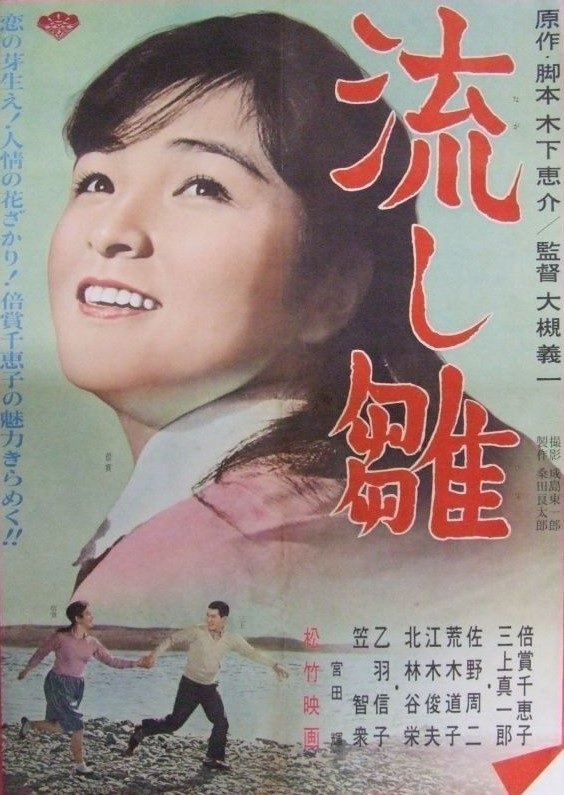
A touching story of pure love and tears between a boy and a girl, drawn by the innocent duo of Chieko Baisho and Shinichiro Mikami, based on "Nagashi bina", which absorbed the customs of the Tottori region.
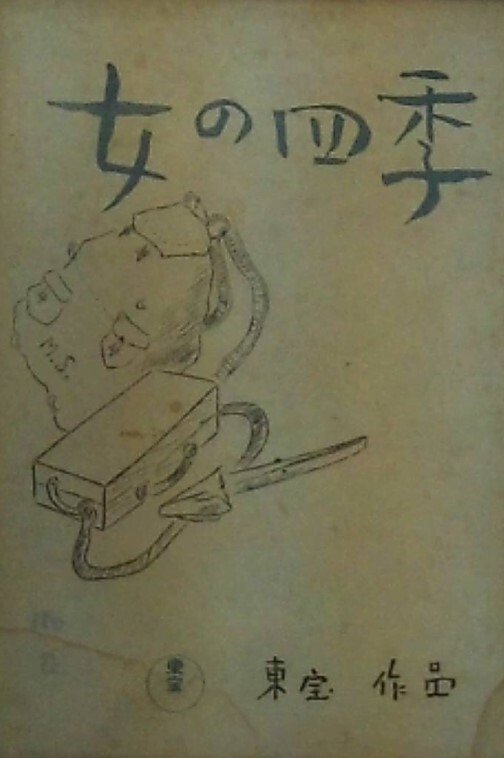
Woman melodrama by Shiro Toyoda
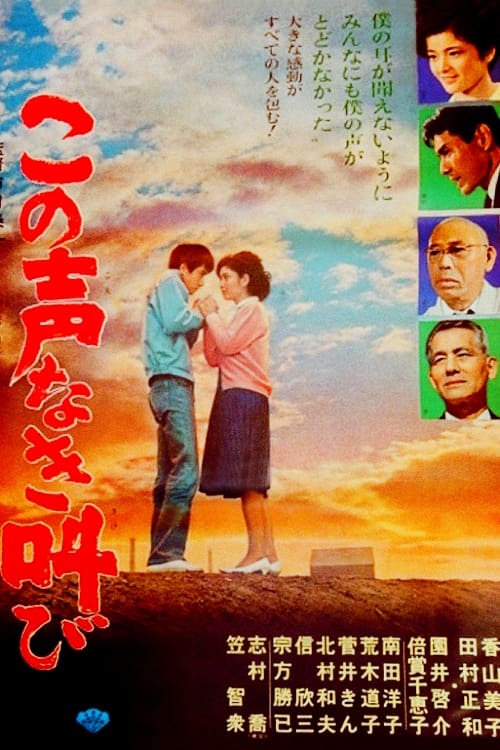
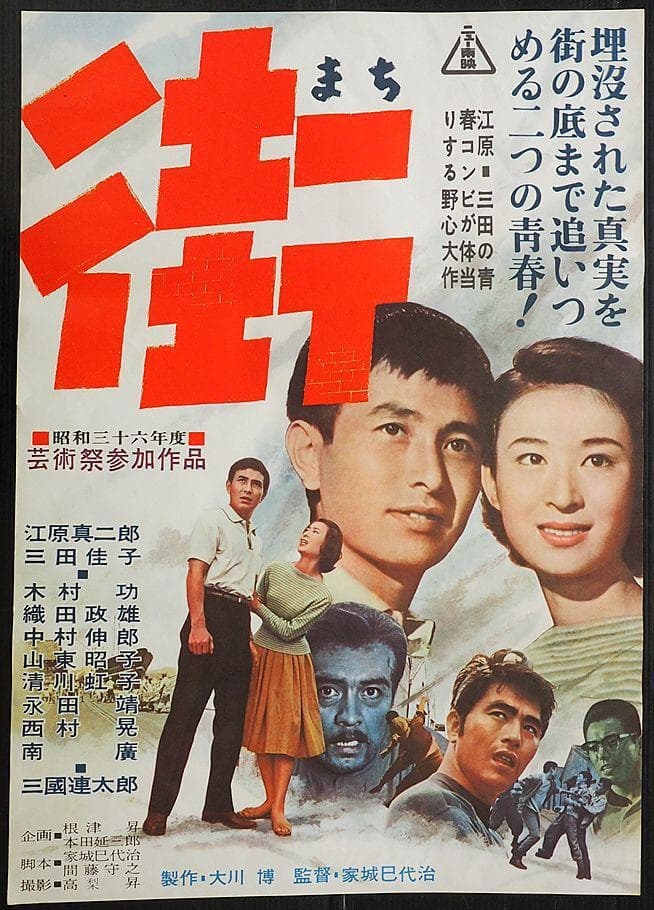
Shinichi is not only poor, he is also deaf, and leads a joyless life with his sick mother. His one happiness is his friendship with a girl who works in a bar nearby. Then, one day, his mother dies after drinking the medicine that Shinichi himself gave her. It is discovered that the pills contained poison. He is apprehended on suspicion of murder and taken away for interrogation, unable to defend himself - being deaf and dumb - or even to proclaim his innocence.
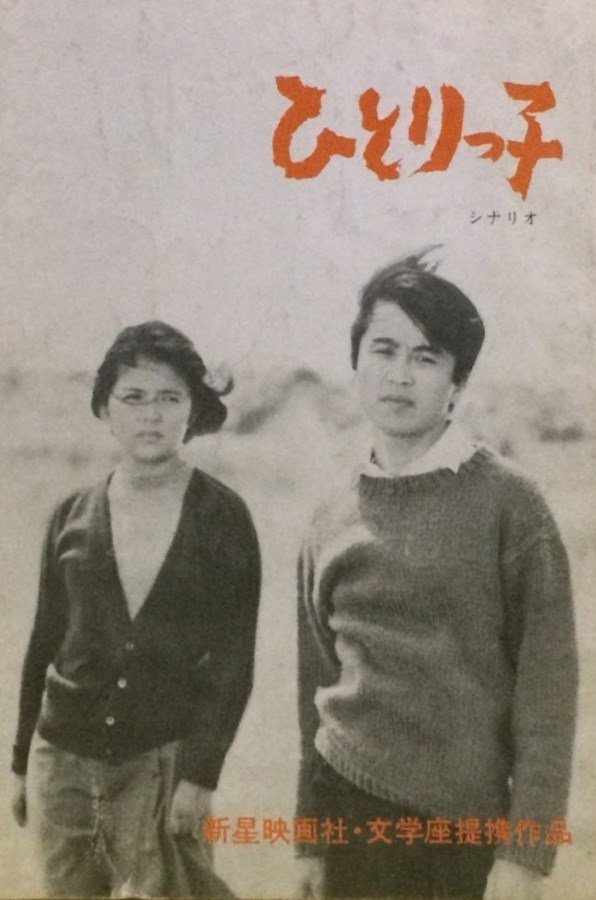
Part 2 of the 'Onna bangaichi' series
Based on an autobiographical novel by Toshiko Takagi, set close to the end of World War II

A footballing law student tutors an undergraduate, developing into a romance that soon enough goes awry.
If You Were Young: Rage highlights the other side of post-war Japanese prosperity, focusing on the throngs of young people who missed out on the boom. We follow a group of young men that can't seem to get ahead, despite their willingness to try. Then one hits upon a plan - to work together to save for a dump truck and thus become independent contractors and be their own bosses at last. Ultimately life presents obstacles: jail for one, violence at the hands of the police for another, and a girlfriend and subsequent children for the third. An early Kinji Fukasaku gem that imports the freewheeling style of the French New Wave and the hip detachment of American noir.
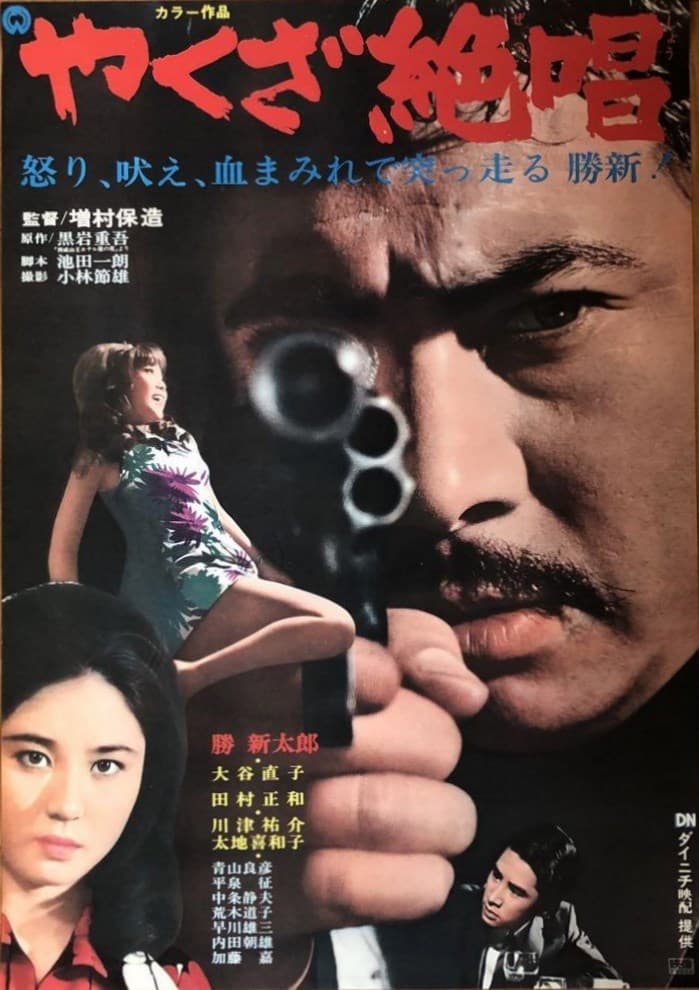
Tatematsu Minoru, a yakuza belonging to the Ishikawa group that runs the Shinjuku area, has a beautiful sister named Akane. He dreams of sending her to college and turning her into a perfect young lady. He's extremely fond of Akane. His fondness for her goes beyond how he feels about his mistress, Kanae. And yet, Akane feels alone. Now, a new tutor comes into her life that seems to have taken a liking to her...

Young yakuza Shujiro Hanada goes to prison after losing his cool in a rigged gambling game and slashing a few other players. When he's released in 1927, the world has changed. His sister died in the Great Kanto Earthquake and his father is also gone. His brother Jukichi invites him to stay at his in-laws and works in their family pub. He lies low, helping his blind mother-in-law and slowly developing a relationship with Ikuye, the hostess who helped him before his arrest. But trouble lurks when the resident gang decides to show its strength.
1950s Japanese comedy.
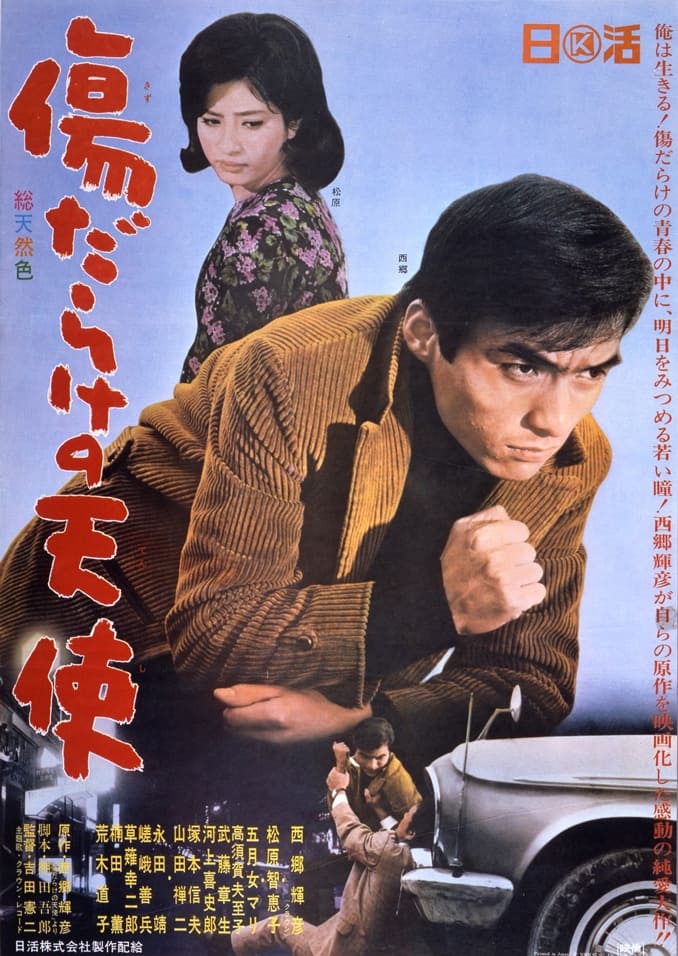
A musical film based on the original work of Saigo Teruhiko. After leaving the juvenile detention center and returning to his hometown of Ibusuki, Hachiro begins to investigate the cause of his older sister Sumiko's suicide. While Hachiro was in juvenile detention, Sumiko committed suicide, but there are too many mysteries surrounding this suicide...
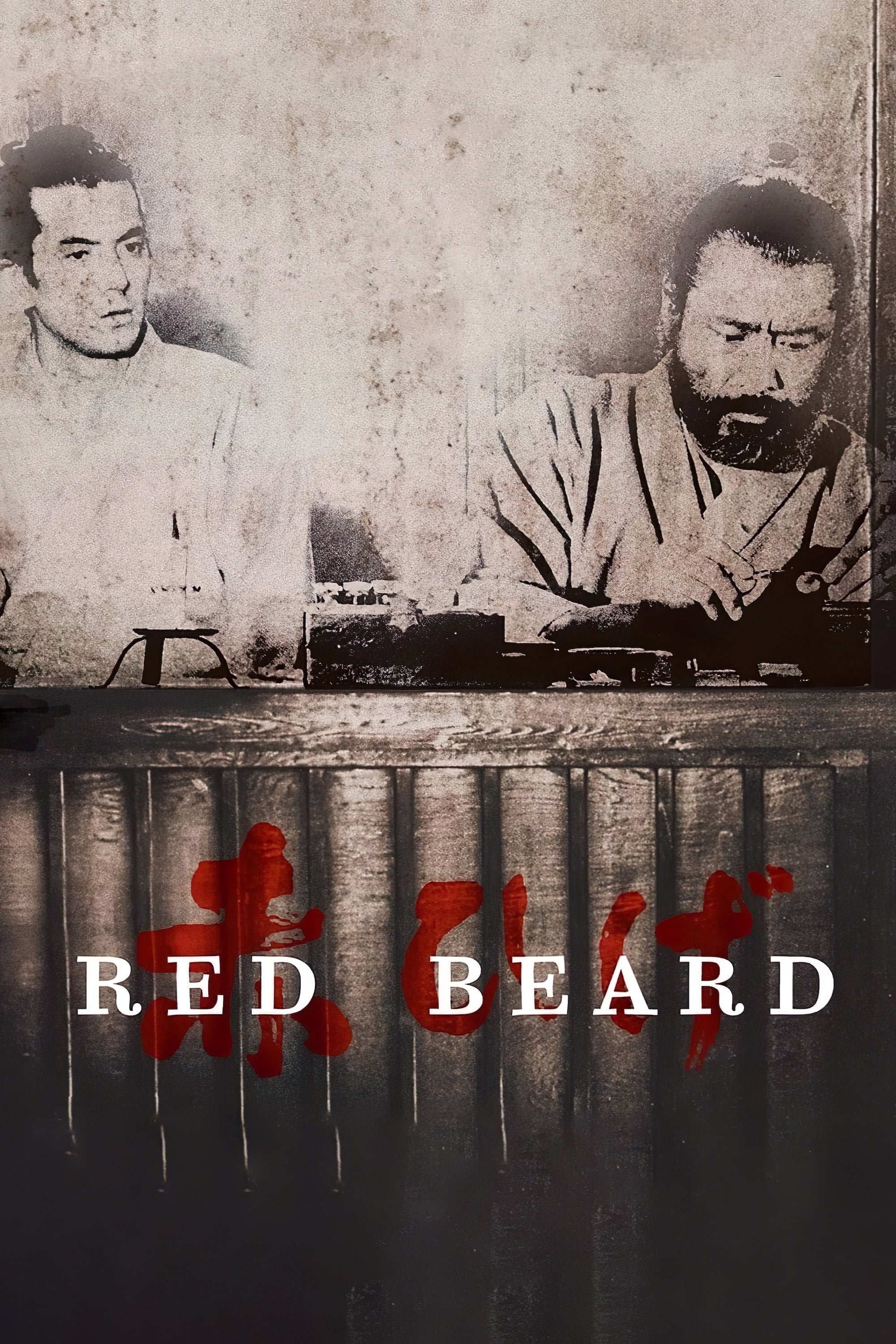
Aspiring to an easy job as personal physician to a wealthy family, Noboru Yasumoto is disappointed when his first post after medical school takes him to a small country clinic under the gruff doctor Red Beard. Yasumoto rebels in numerous ways, but Red Beard proves a wise and patient teacher. He gradually introduces his student to the unglamorous side of the profession, ultimately assigning him to care for a prostitute rescued from a local brothel.
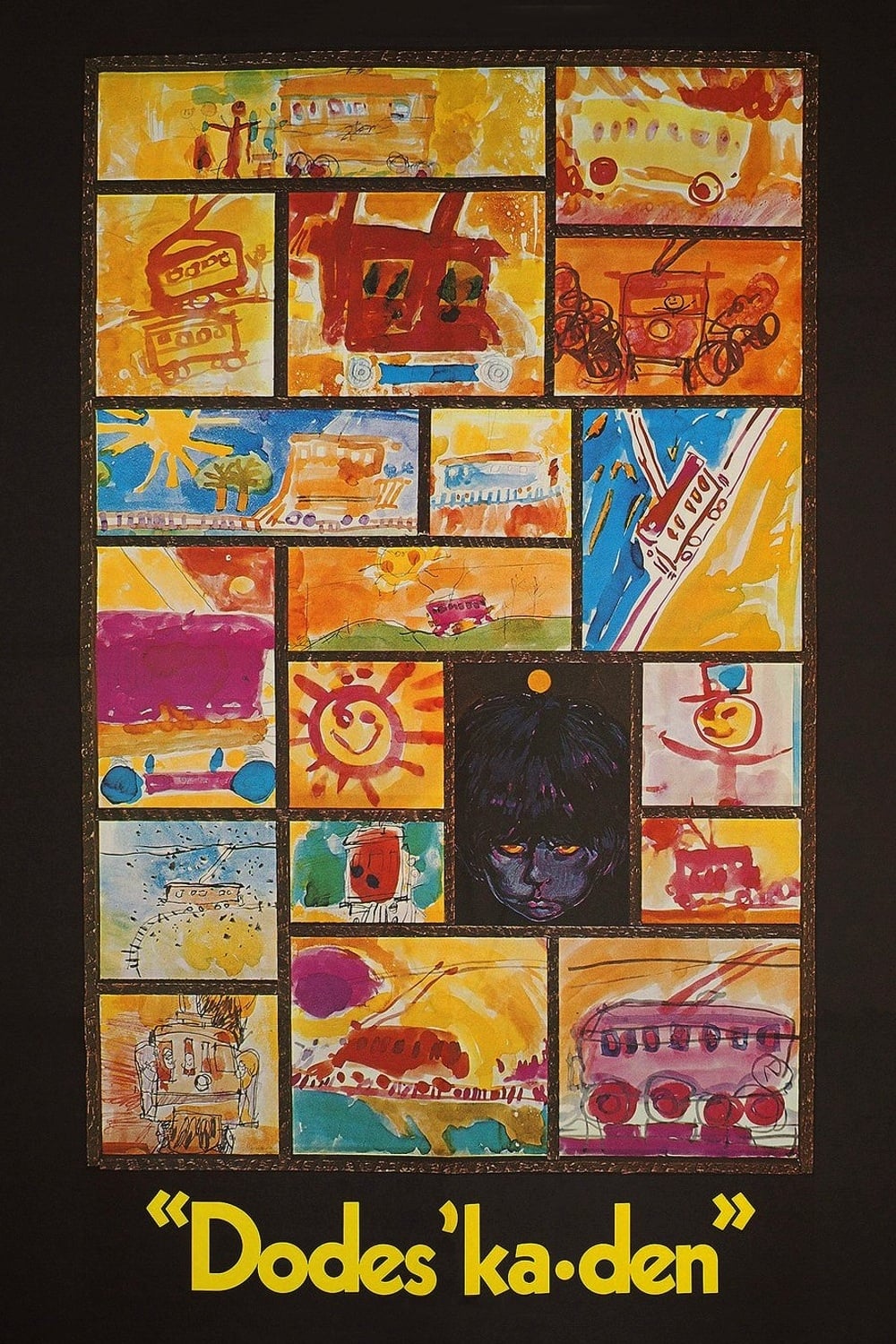
On a Tokyo dump’s shantytown edge, interwoven vignettes follow residents scraping by: a boy who “drives” an imaginary trolley, a homeless father and son designing a dream house, a young woman brutalized at home, drunks, schemers, and saints of small kindnesses. Kurosawa crafts a ragged mosaic of hardship, fantasy, and flickers of grace that keep people moving forward.
TV drama based off the play of the same name by Yukio Mishima.
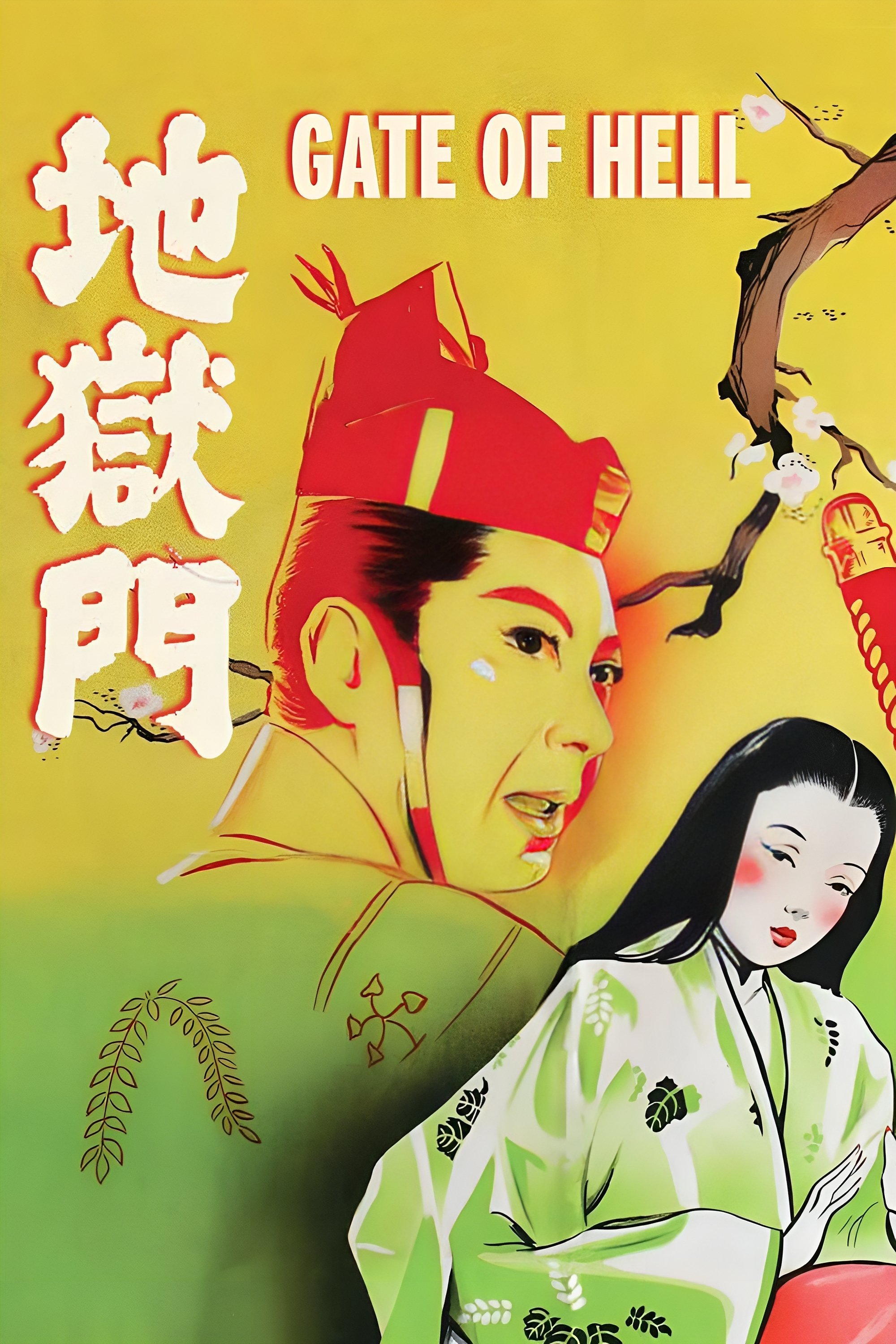
Japan, 1159. Moritō, a brave samurai, performs a heroic act by rescuing the lovely Kesa during a violent uprising. Moritō falls in love with her, but becomes distraught when he finds out that she is married.
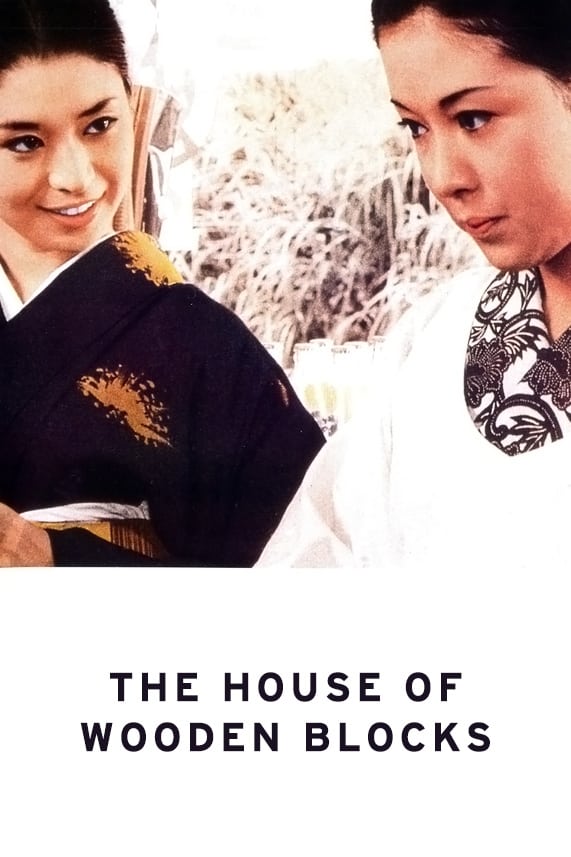
On his return from school, young Ichiro finds his father in bed with his adopted sister, Namie. Enraged, he decides to outdo his father in terms of immoral behaviour.
1977 Shochiku adaptation of Natsume Soseki's novel.
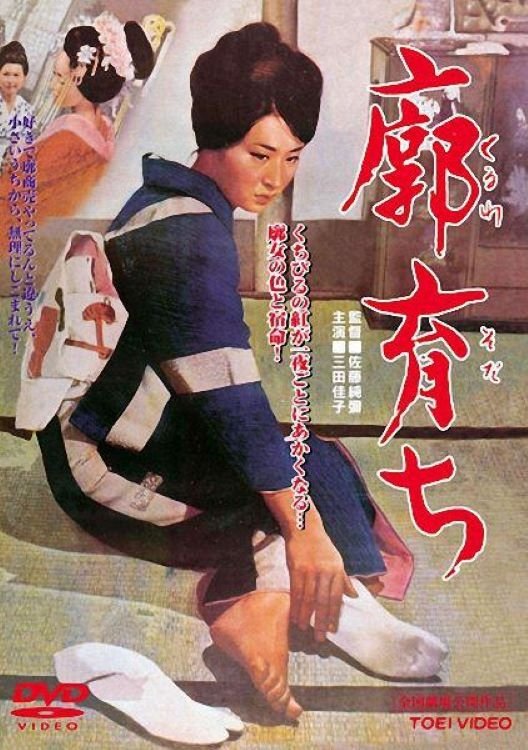
Set in the pleasure district of Kyoto, Tamiko (Yoshiko Mita, in her first lead role) is a young girl attending high school by day and training as a geisha at night She sees her future as an entertainer, not a prostitute, & she expects a happy marriage with a medical student, Yasuke (Katsuo Nakamura), a sweet fellow she deeply loves. but things started to getting worse for Tamiko and she's forced to become the mistress of the disgusting Tsukada (Seiji Miyaguchi).

Story of loyal sailors giving their lives for their country as human torpedoes towards the end of the War.
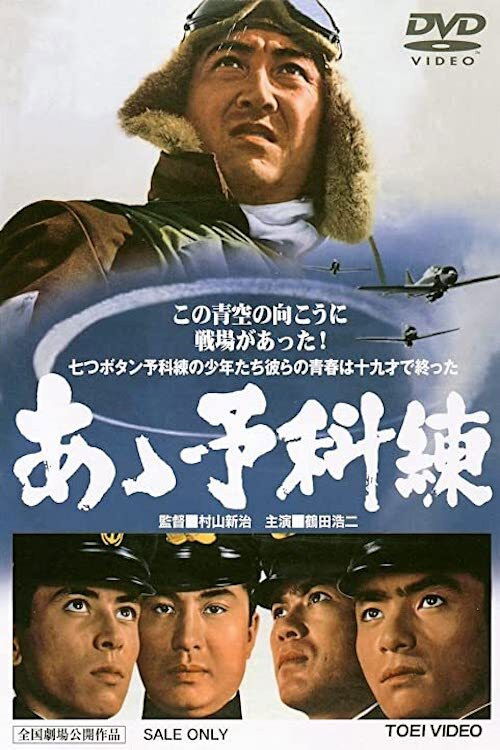
The film is dedicated to the souls of flight school graduates killed in World War II. Young boys dream about becoming pilots and apply to flight schools. However, the flight schools have extremely demanding, harsh training, and once they finally become pilots, they must become suicide bombers and give their lives for their homeland.
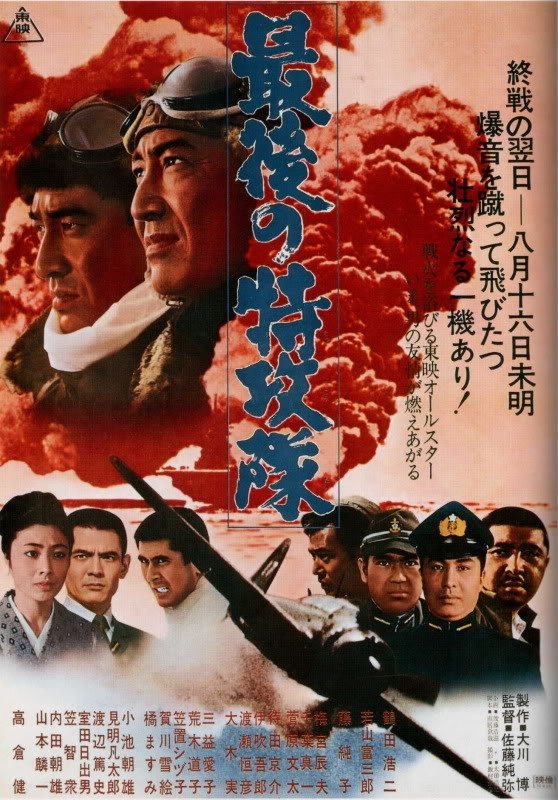
With World War II is coming to its end and Japan nearing defeat, Japanese military leaders step up suicide attacks on Allied ships. Toei legend Koji Tsuruta stars as a Kamikaze squad leader who has second thoughts about suicide runs. He becomes torn between his own morality and his duty to his country when he must deal with a pilot under his command who refuses to complete his mission.

Suzuko, a woman in her twenties who has a brother with political problems (due to communist reprisals), lives for over five years in a love affair with Tate who's a young lieutenant in the Army, ultimately becoming a right-wing fundamentalist revolutionary. She marries another man, one totally dedicated to the rigorous practices of Noh theatre, in an arranged marriage, but the bond that connects her with Tate is too strong.
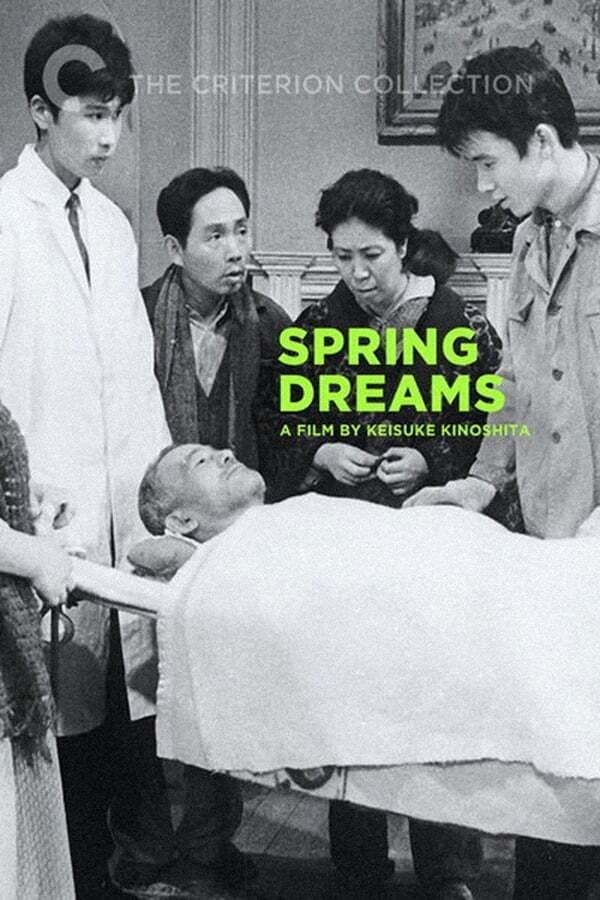
When a wealthy, selfish family decides to take care of an elderly hobo who collapsed near their home, they are beset by visits from his numerous friends.
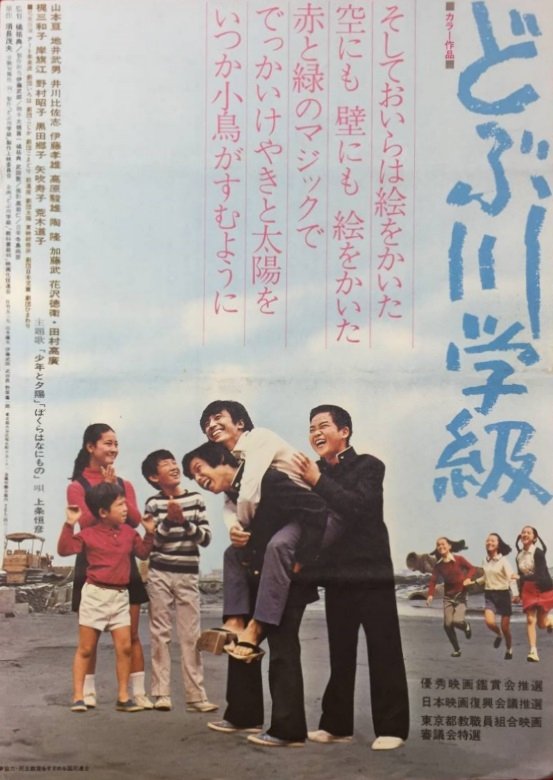
The struggle of a young man and boys who try to create the environment where they can speak their minds freely.
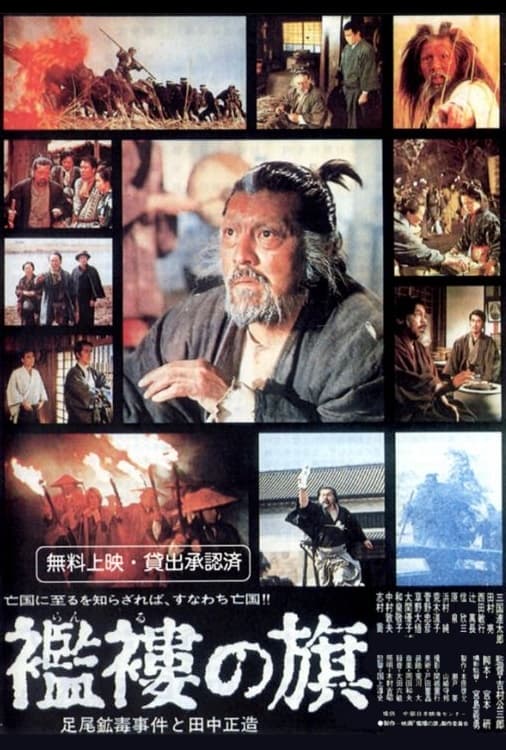
Film about the Ashio Copper Mine Incident and Shozo Tanaka.
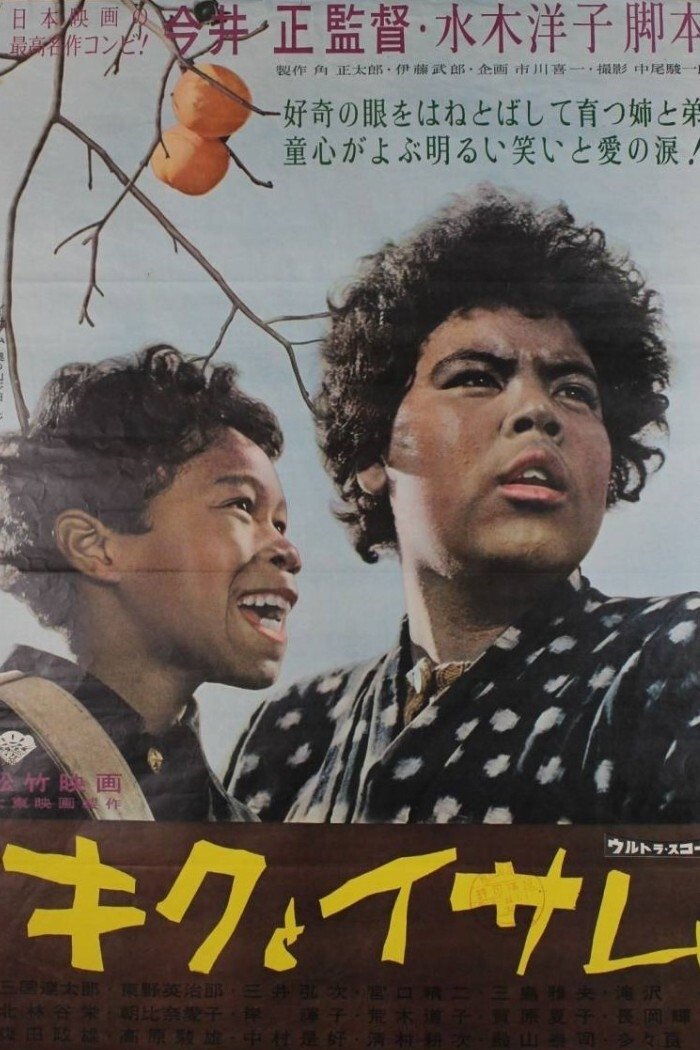
Kiku and her brother Isamu are social outcasts, children of a prostitute mother and black GI father, in postwar Japan.
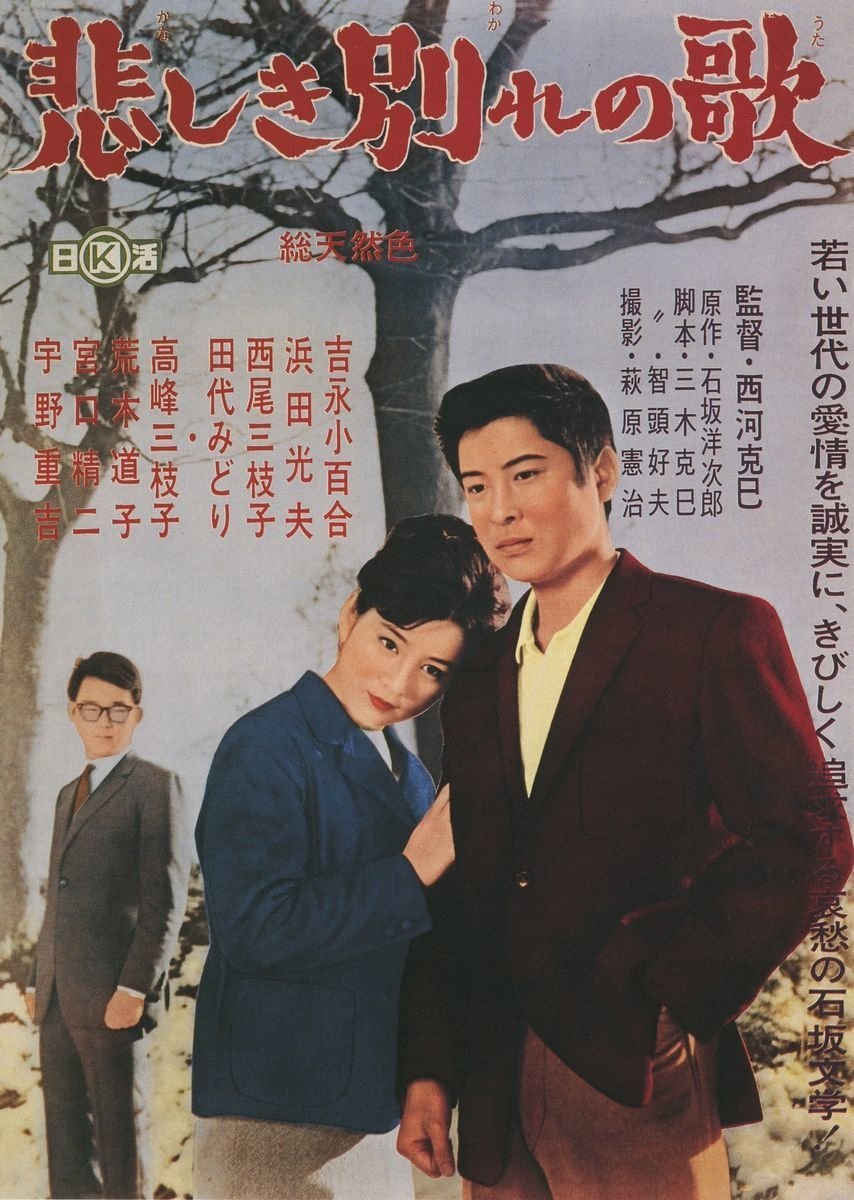
After her mother's funeral, Yuriko, dressed in mourning clothes, sees off her lover Shintaro as he leaves in the powdery snow, and resolves to part ways with him forever. However, in Yuriko's heart... Pure love duo Yoshinaga and Hamada rigorously pursue a life of sincerity and love of the younger generation, and love but parting, in this lyrical and melancholy touching story of Ishizaka literature.
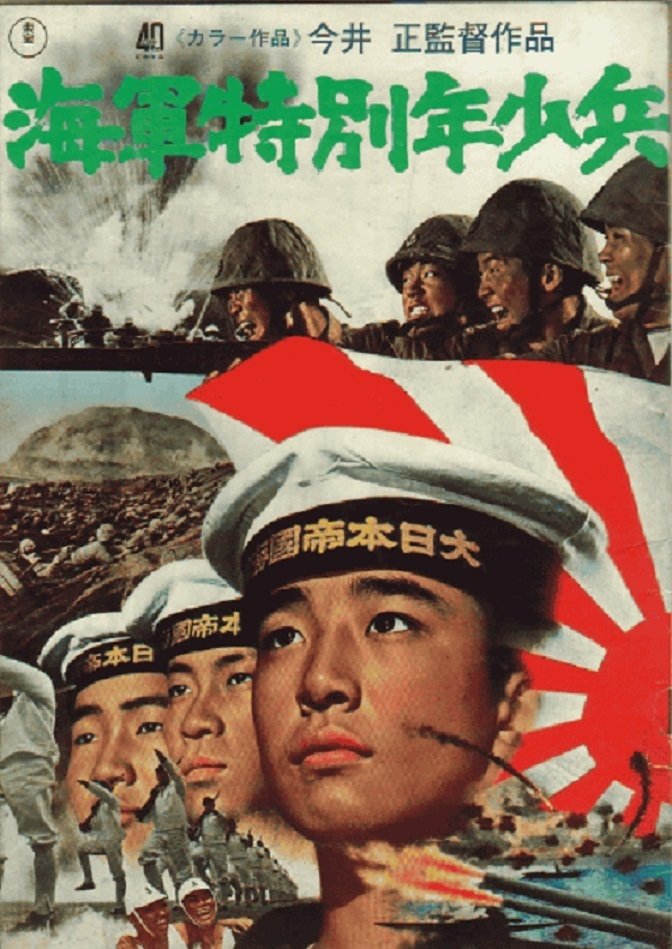
Japanese youngsters enduring hard training in Recruit Camp and then going to Iwo Jima in the last days of World War II.
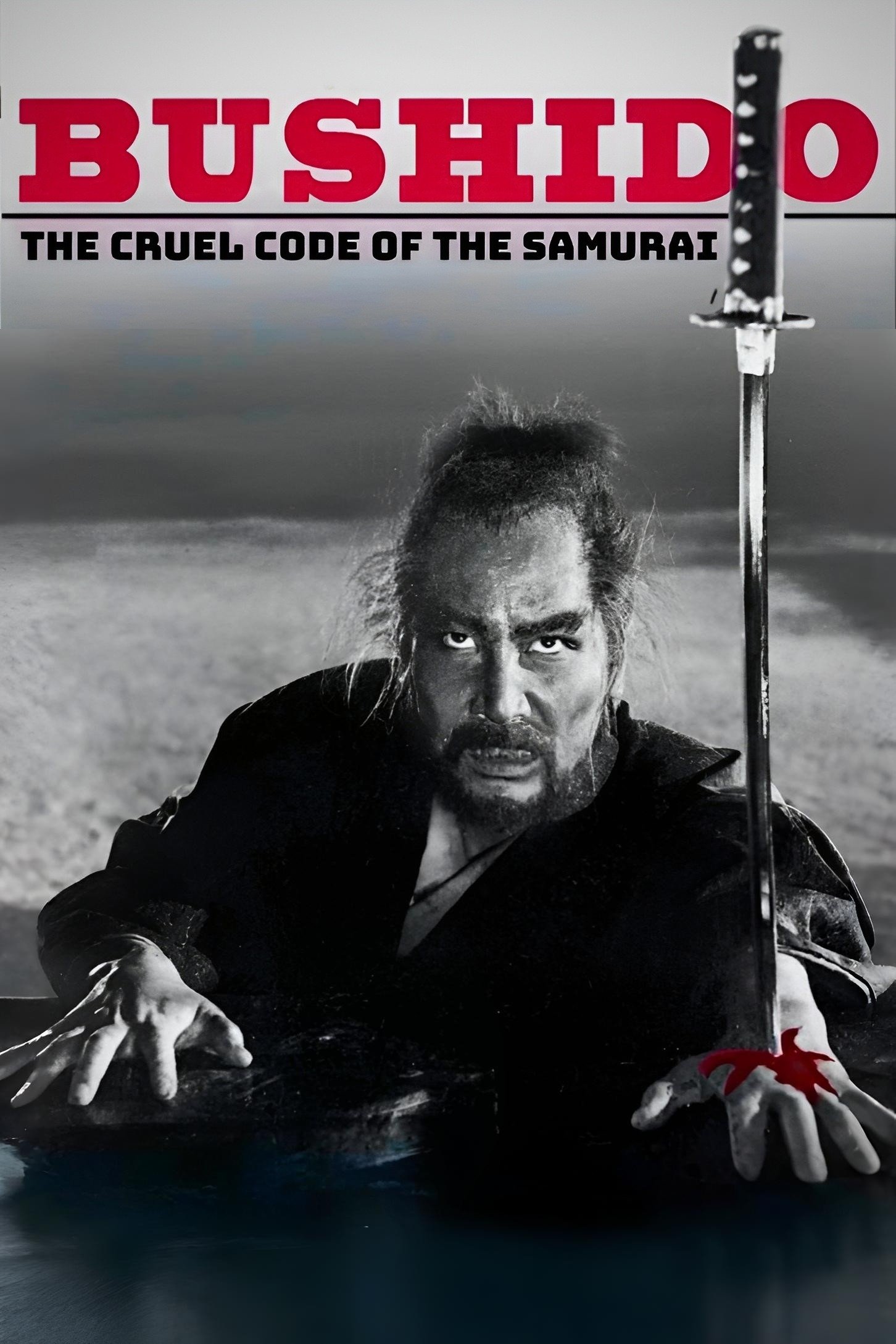
After a salary-man's fiancée attempts suicide, he recounts his gruesome family history which saw generations of his ancestors suffer and sacrifice themselves for the sake of their cruel lords.
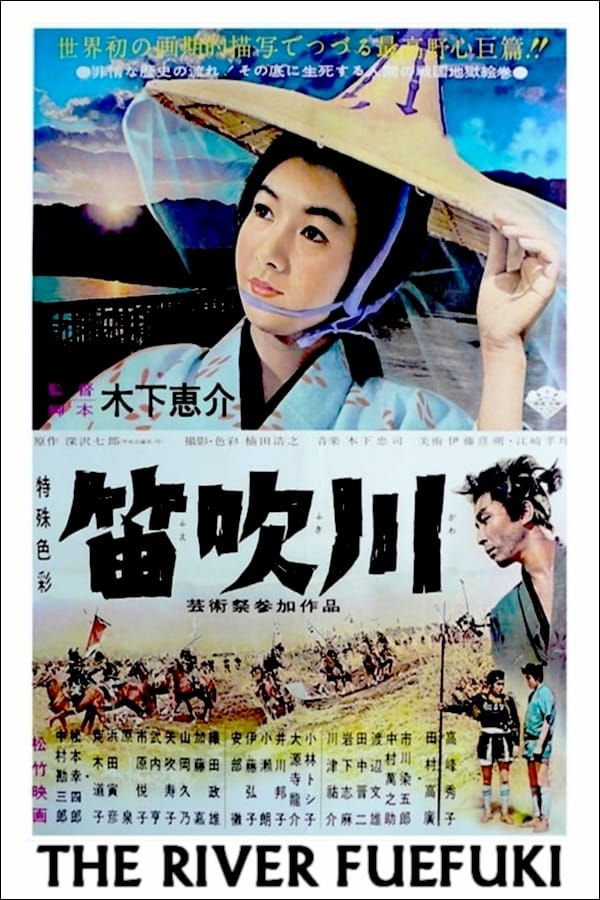
In a time of continuous civil wars ravaging the fields of feudal Japan, the eldest son of a very poor peasant family, living alongside the bridge over the Fuefuki river, decides to serve a warlord to escape his miserable condition, being soon followed by his younger brothers. Although not all the men of the family take this tragic path of death, women of the family will be doomed to endure the pain of loss during the next five generations.
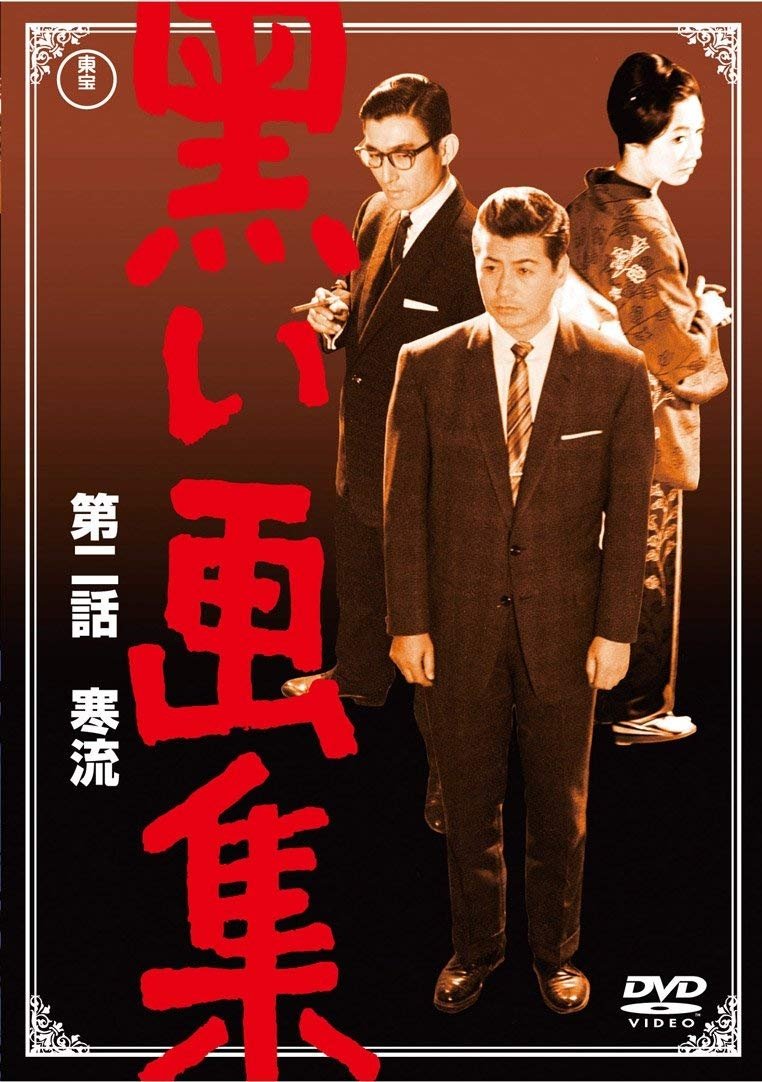
Drama about two college friends, now working for the same banking firm, torn apart by jealousy over their inequitable positions and love lives.
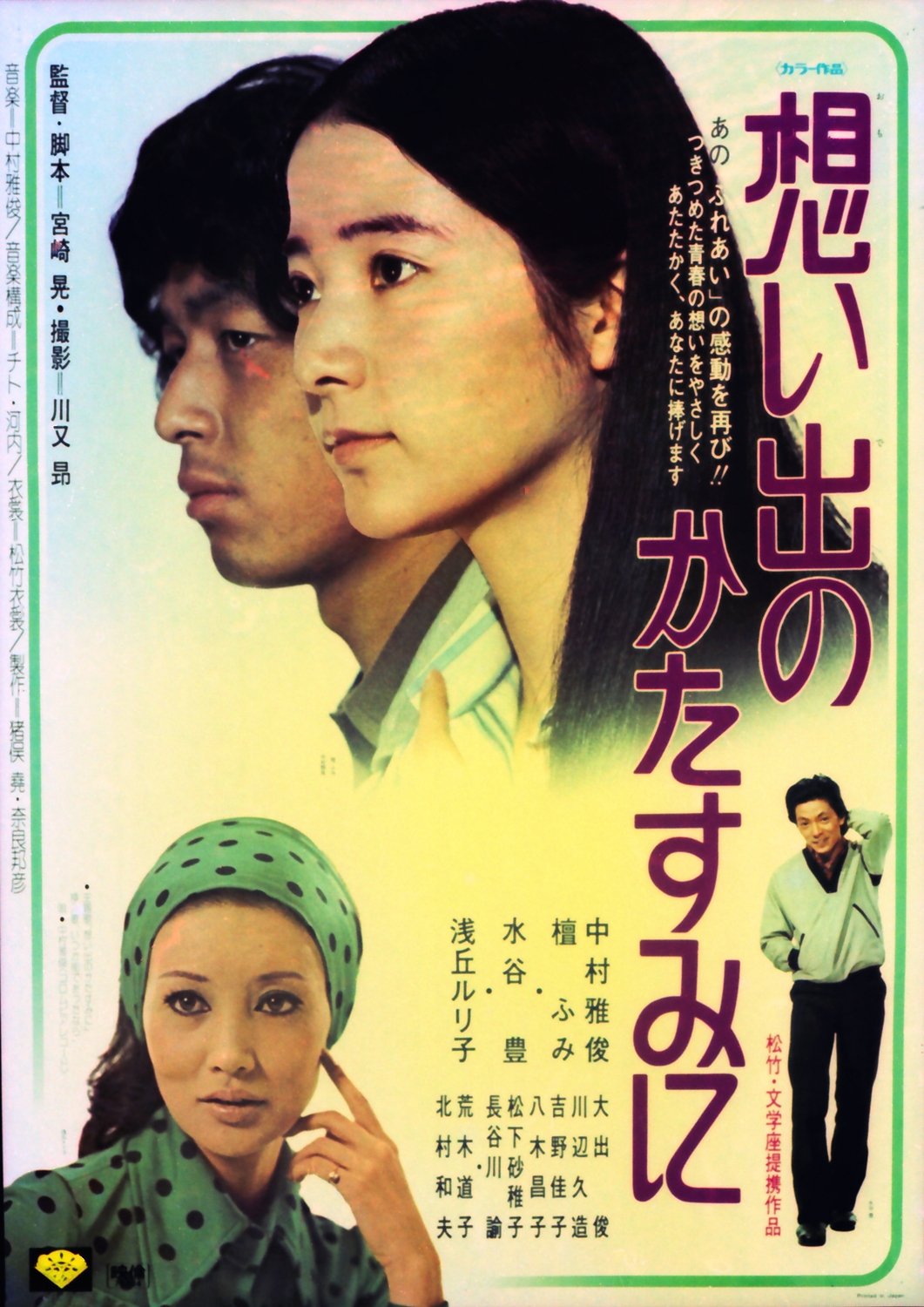
Japanese drama film.

Kazumi - whose sensitivity does not undermine her strength when she handles her second husband's emotional conflicts with the wisdom of an adult. Kazumi's younger and more inexperienced husband Hideo is continually suspicious of her fidelity.
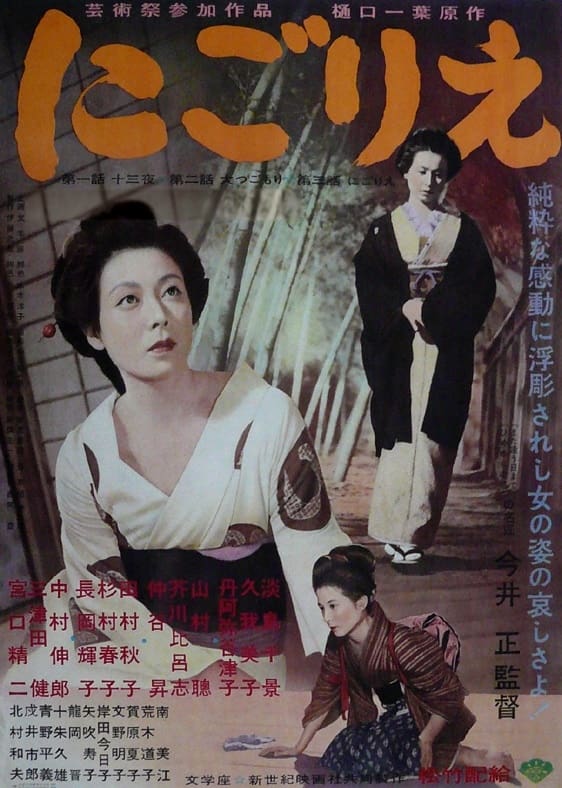
A Japanese woman writes down three stories she has witnessed or heard of in her diary, each about the difficult situation a young woman finds herself in.
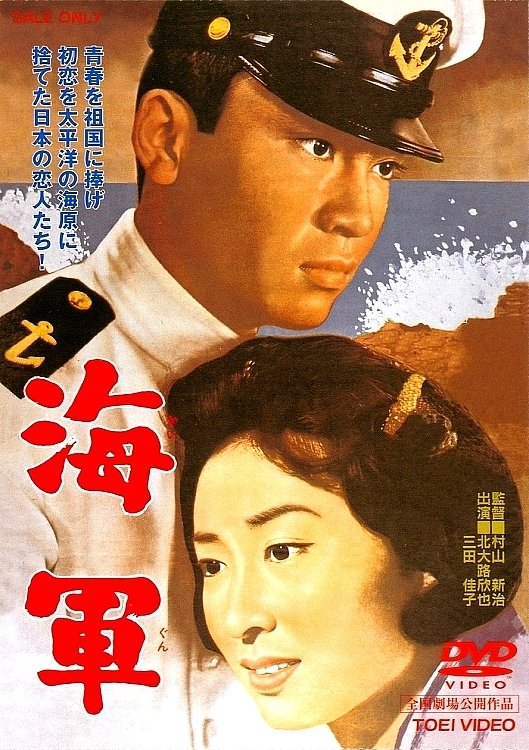
A tale of two best friends in the WWII era Japan. Takao is a young man enthusiastic about joining the navy to fight for his country. He convinces his best friend Shinji to join him. As it turns out, however, Takao's poor health prevents him from entering the navy while his friend is chosen instead. As time goes by, Takao becomes a painter and changes his mind about the meaningfulness of war and fighting, while his friend goes the opposite path. Meanwhile Takao's sister falls in love with Shinji.
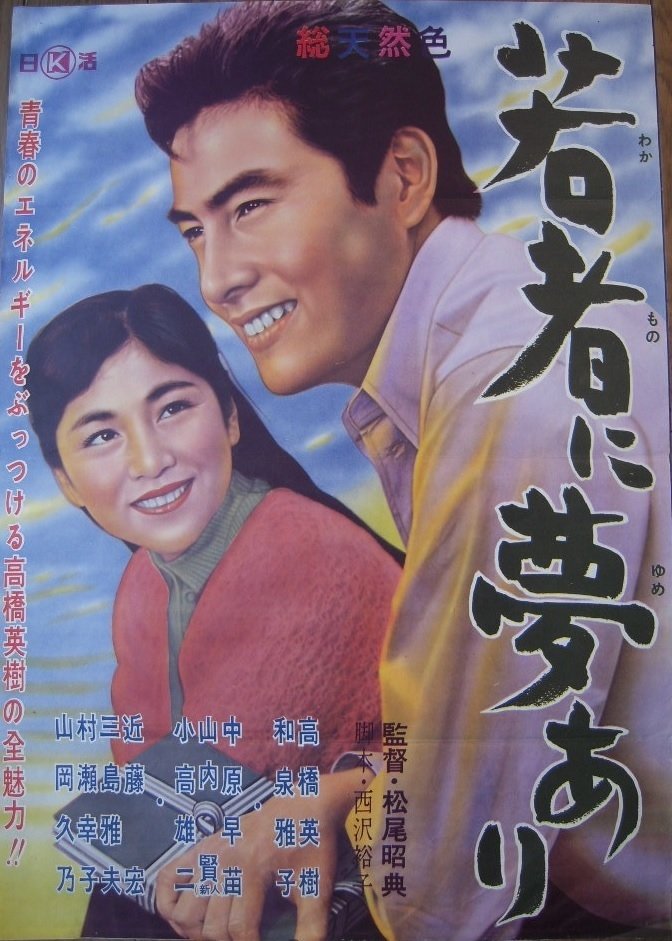
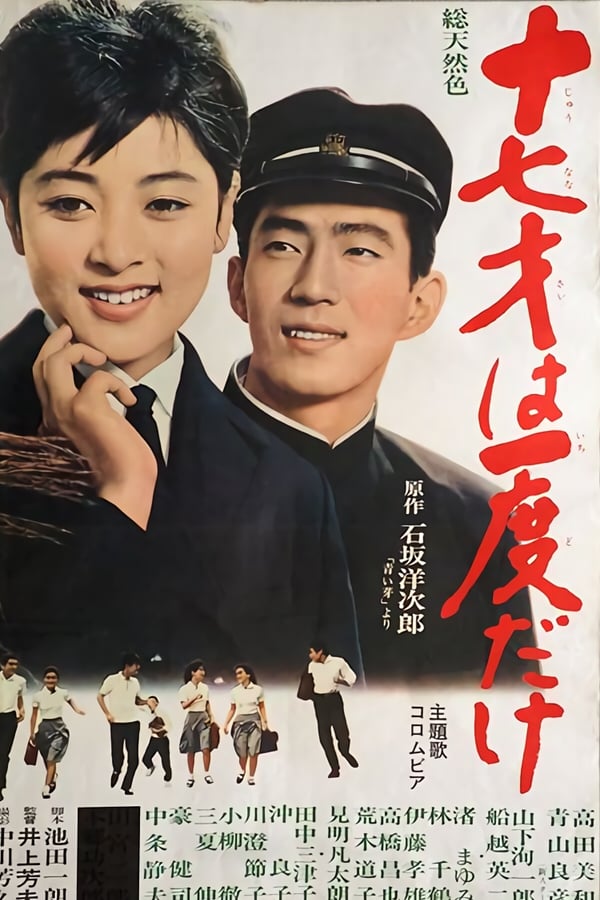
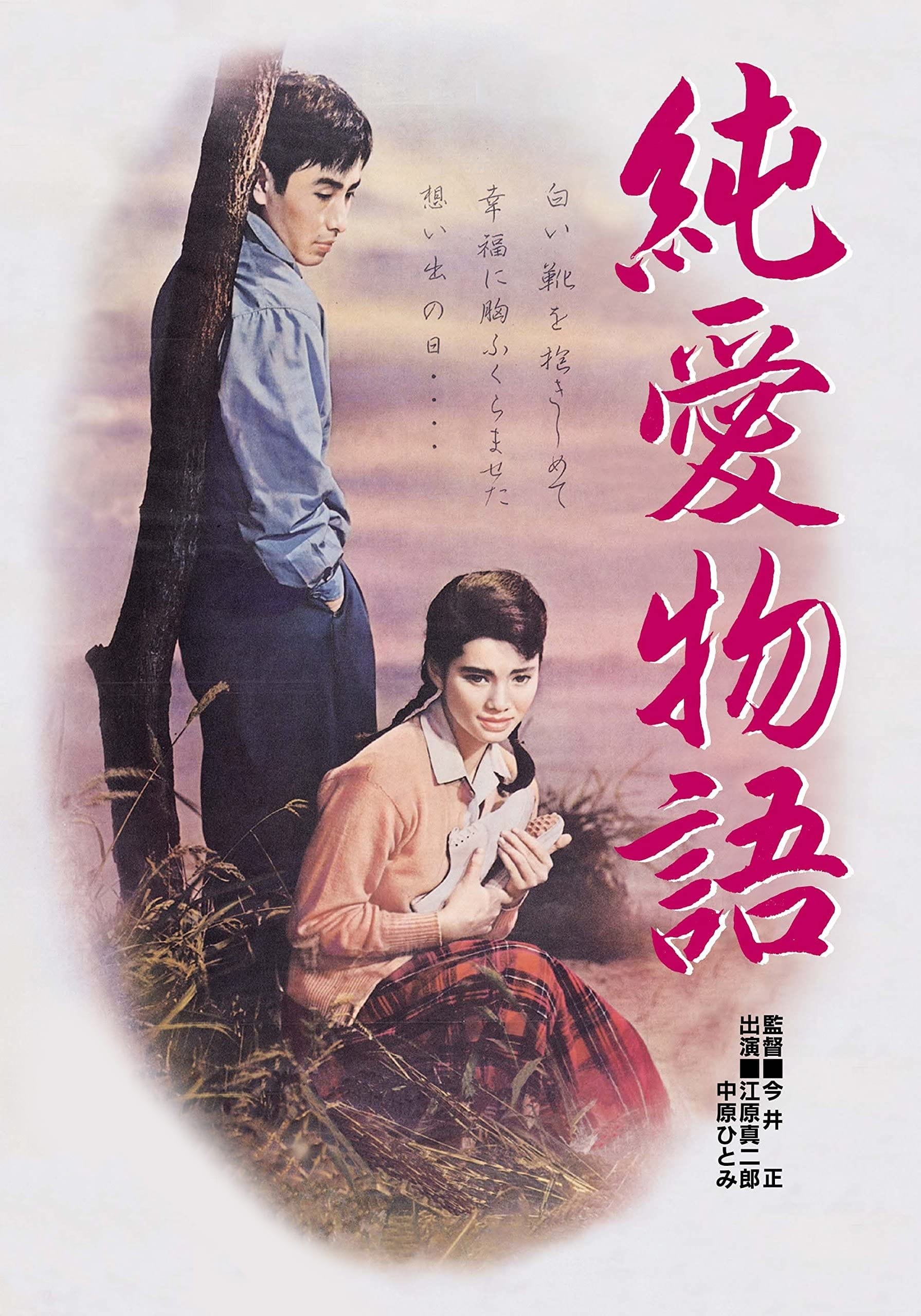
Junai Monogatari AKA Story of Pure Love is about two poor youths, Mitsuko and Kando, rebelling against society in various ways, who are desperately trying to be together despite tortuous circumstances. The film depicts their lives as thieves, menial laborers who can get little pay, society outcasts, and of course, lovers. Junai Monogatari depicts, mostly, their struggles within the Japanese reformatory system and Mitsuko's worsening sickness.
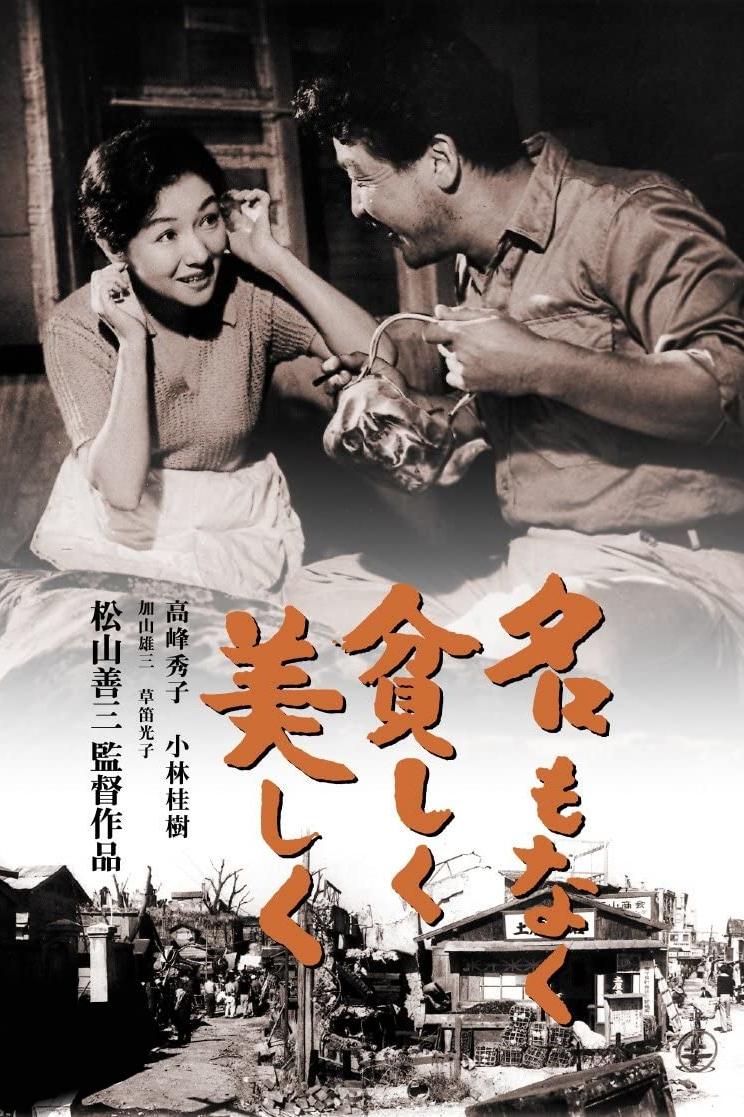
The story is of two people. One is deaf, the other deaf and mute. They marry after meeting at a school reunion, and the film follows their trials and tribulations ... and joys.
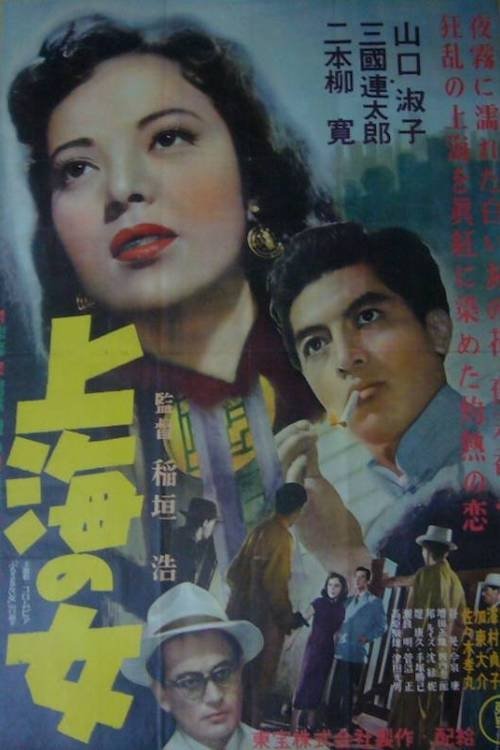
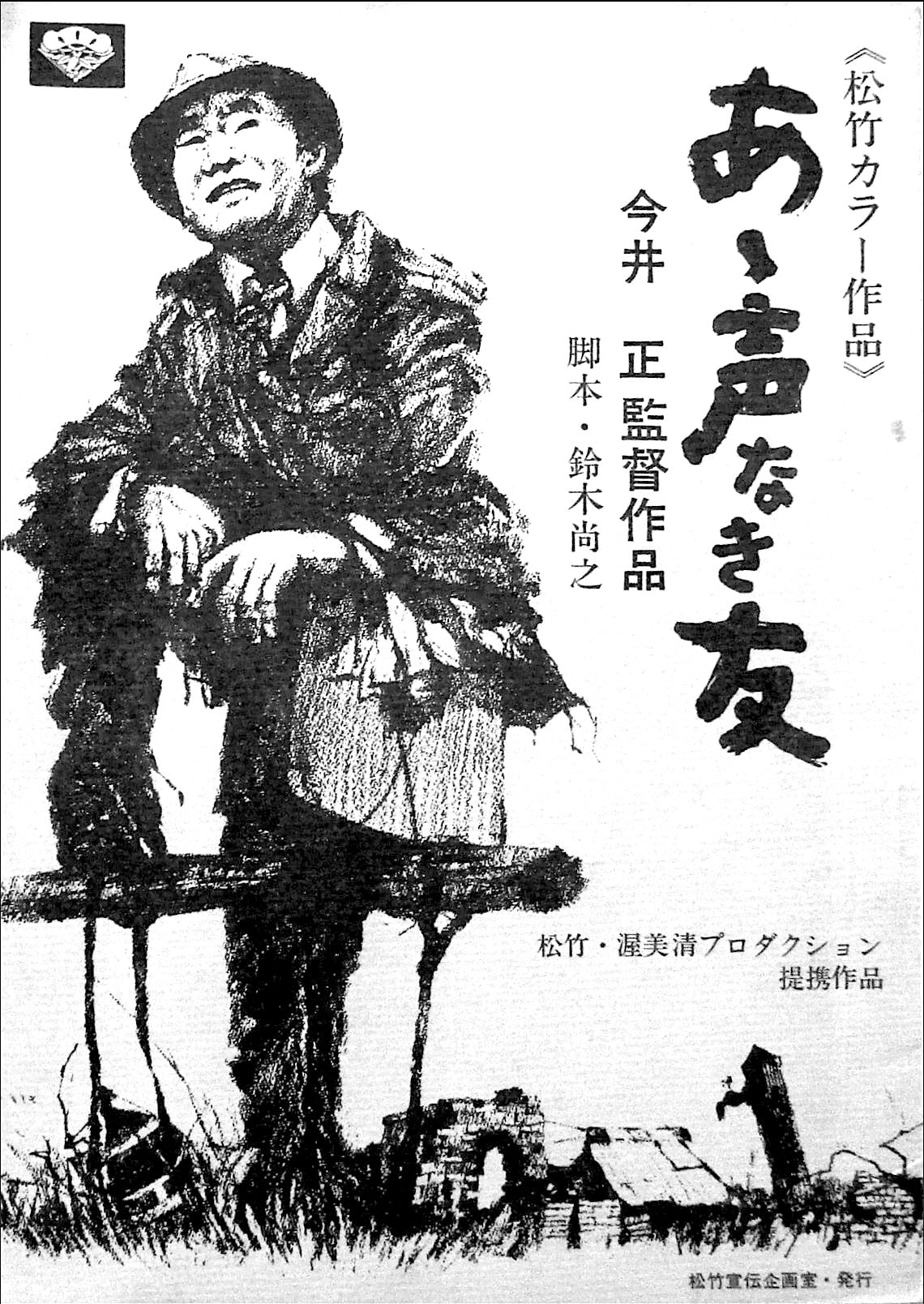
A man who survived the war carries the will of his comrades in arms, walking across the country visiting the bereaved families.
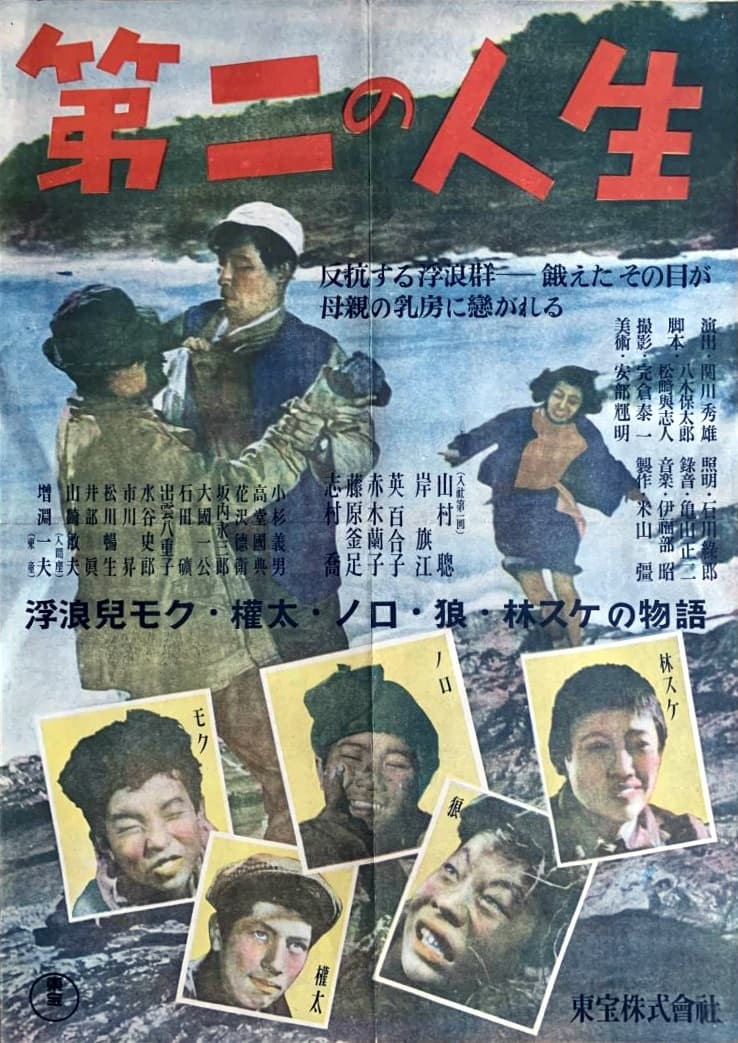
1948 Japanese drama film.
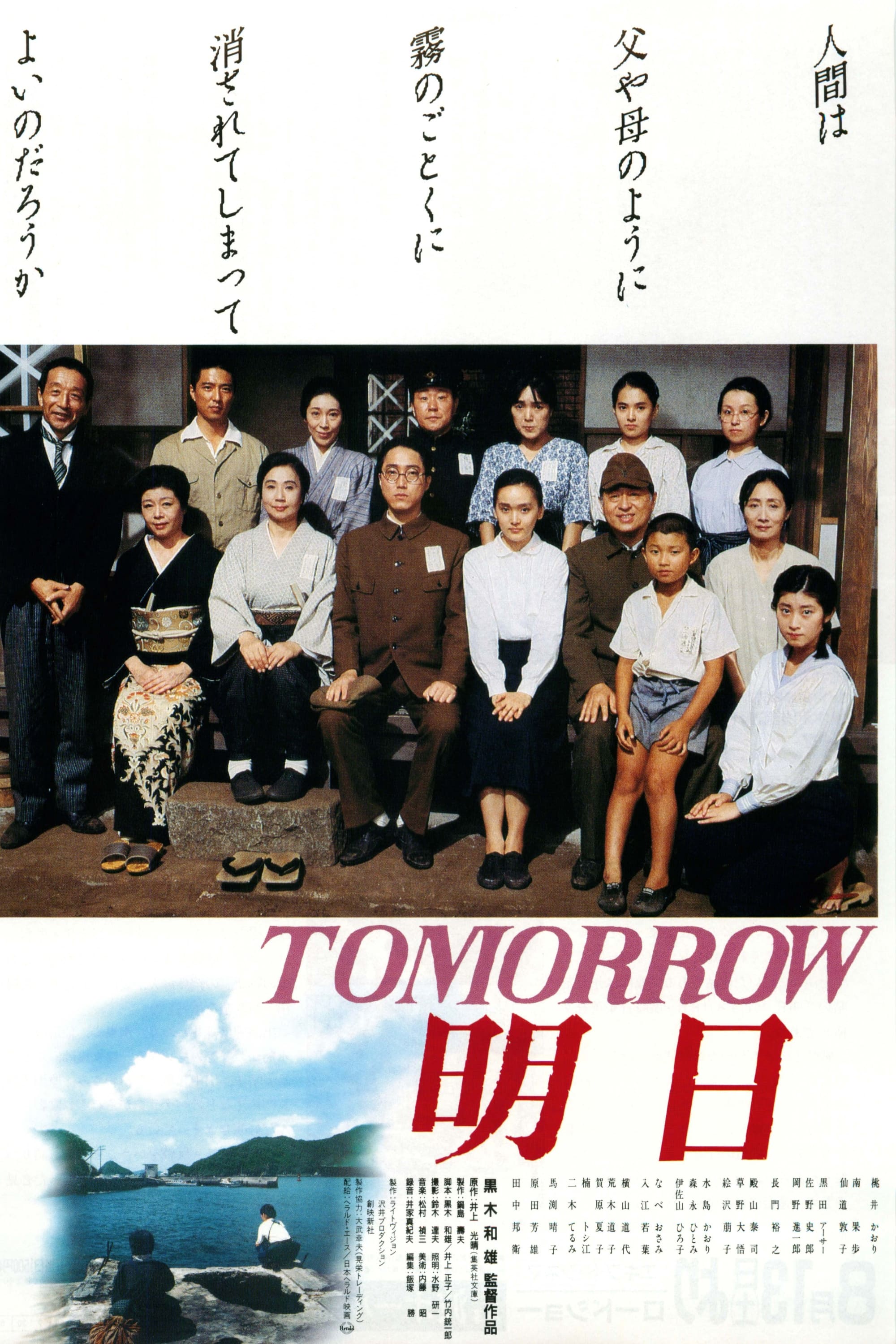
On August 9, 1945, the Americans dropped an atomic bomb on Nagasaki. This film, based on a story by Mitsukaru Inoue, describes the daily life of people in Nagasaki the day before that fateful event. It presents the human drama of people's lives, and their feelings of joy and sadness. These include a newlywed couple, an expectant mother, and lovers who must say farewell because the boy is called to serve in the army. Each of these people, like others in the city, hoped to live with their dreams for ‘tomorrow’. But tomorrow never comes for them, as their lives are brought to an abrupt and unexpected end. Knowing how the story ends, in this case, doesn't detract from it at all; rather, it enhances the emotional impact, which is further heightened by the poignant musical score from Teizo Matsumura. 'Ashita' is the first film in Kazuo Kuroki's 'War Requiem Trilogy,' which also includes 'Utsukushii Natsu Kirishima' (2002) and 'Chichi to Kuraseba' (2004).
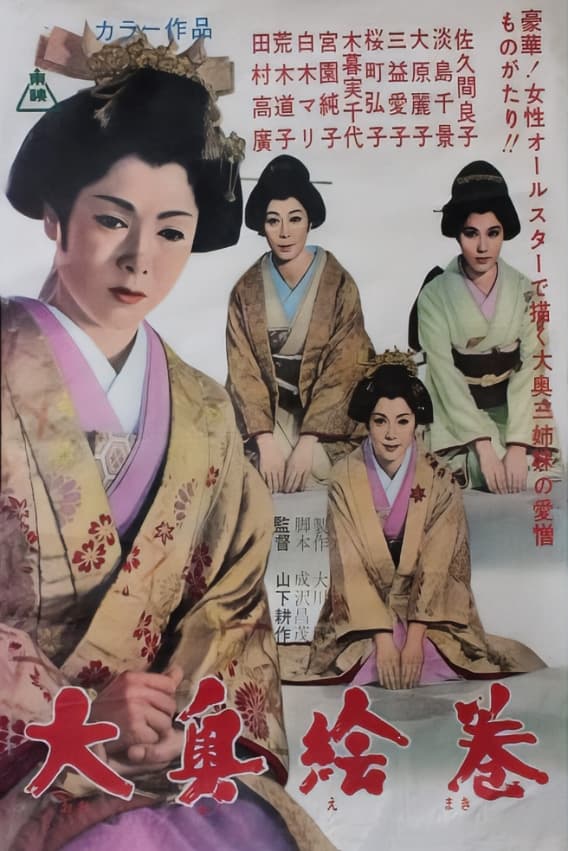
Love-hate drama of three beautiful sisters in Ooku in Edo Castle.

Yumechiyo, a geisha house madam recently diagnosed with a terminal illness, yearns to do something constructive with the little time she has left. Though her responsibility lies in taking care of her girls, she finds purpose in helping a man wrongfully accused of murder and in the process discovers love.
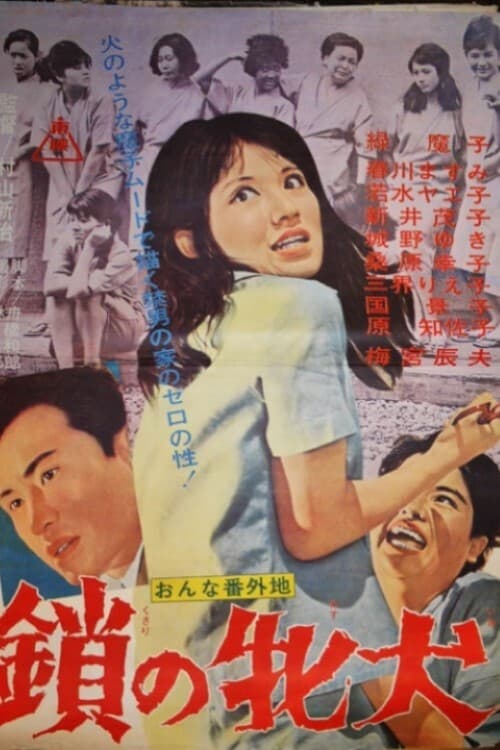
Japanese prison exploitation movie. Part 1 of the 'Onna bangaichi' series