
An expose of the methods used by a police-department to extract a confession from a suspect, regardless of innocence or guilt, and the effect and consequences on a family when an innocent member breaks under the interrogation methods and confesses to a crime he did not commit.

During an attack on the Matelija Indian village, Wana, a beautiful Indian girl, is captured. Don Pablo, a Mexican gentleman, rescues Wana and places her in the care of the old Padre at San Louis Rey Mission. Two months later Wana again meets her rescuer. Romero, a half-breed, is rejected by Rubia, Don Pablo's sweetheart.
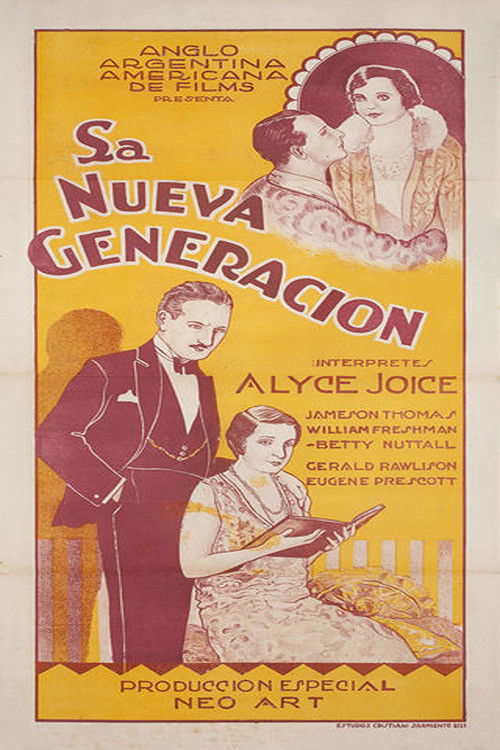
A major and his wife return from abroad and pose as servants to observe their adolescent children.
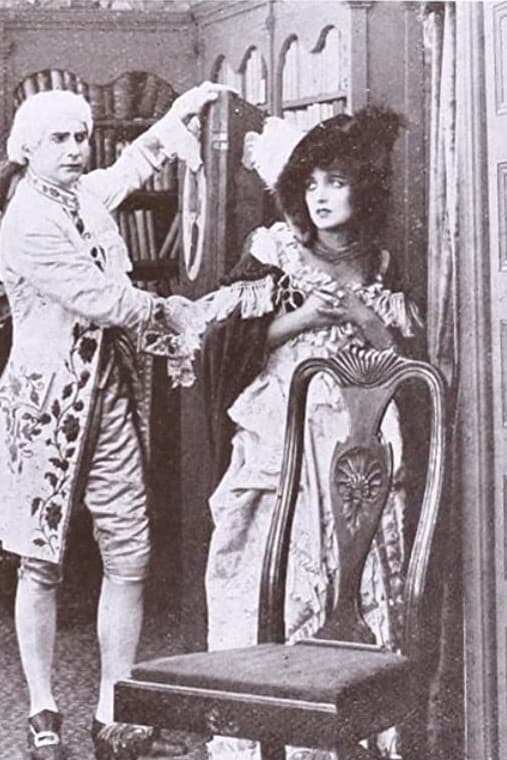
One of many adaptations of the comedy of manners written by Richard Brinsley Sheridan satirizing the gossip and scandal-mongering of London's high society.
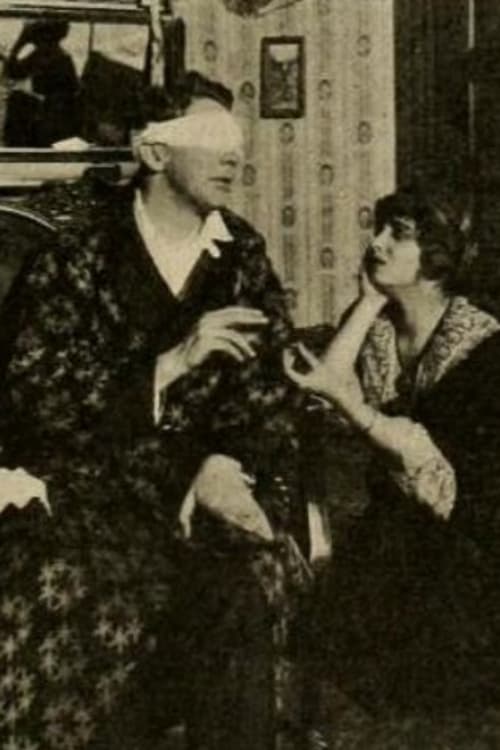
Don Packard, an artist, forgets his country sweetheart, Martha, and falls in love with his model, Linee. The boy marries Linee and takes her to his home. Martha conceives a hatred for Linee when she discovers that the girl has robbed her of her lover. Don's father, a parson, is horrified when he learns of his son's worldly wife. When Linee realizes the trouble her marriage to Don has caused, she runs away, Martha does her utmost to stir up trouble. For two years Don searches in vain for Linee, who has become a cabaret dancer. Dupree, a Frenchman, falls in love with the girl, but she repels his advances, Don enters the restaurant just as Dupree, mad with jealousy, attempts to shoot Linee.

Driven to desperation by the enmity of Jane, her step-daughter, Sarah, Dean's second wife, turns to Ware, a friend of the family and a former suitor, for advice. Jane learns that her stepmother has gone to call upon Ware. Realizing the unhappiness her conduct has caused, the girl is stricken with remorse. Knowing that her father would misconstrue Sarah's visit to Ware, the girl hastens to the man's home to meet her stepmother. Sarah is fallen aback when Jane finds her with Ware, but is filled with happiness when the girl announces her desire for a reconciliation.
Foster sister of the Duchess d'Aubeterre, Madeline, marries Jean Renaud, a French soldier, and has a daughter named Adrienne. Five years later, on a battlefield, Renaud is entrusted by the Count de Moray with jewels and papers proving that Adrienne is his heir. After Moray's death, Renaud gives everything to Madeline and then returns to the battle.
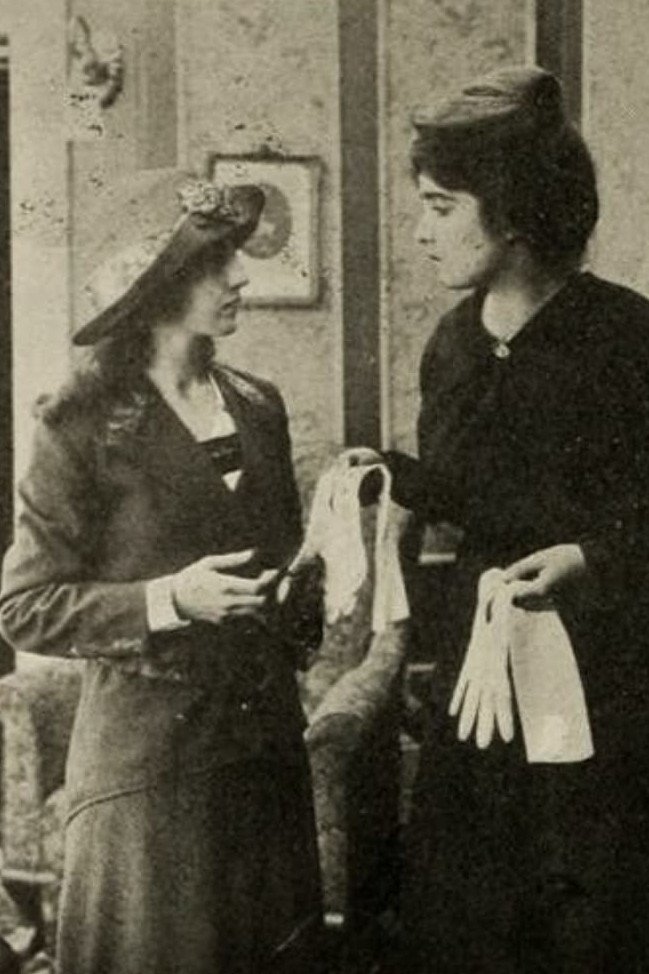
Hampton, a broker, employs a detective to investigate Stella, a show girl, with whom his younger brother Dick is in love. As a result of the detective's discoveries, Dick breaks his engagement with Stella. The woman calls at Dick's office late that afternoon. Hampton leaves the two alone. Unable to alter Dick's decision, Stella seizes a knife and threatens suicide. Dick tries to wrest the weapon from her and is accidentally killed.
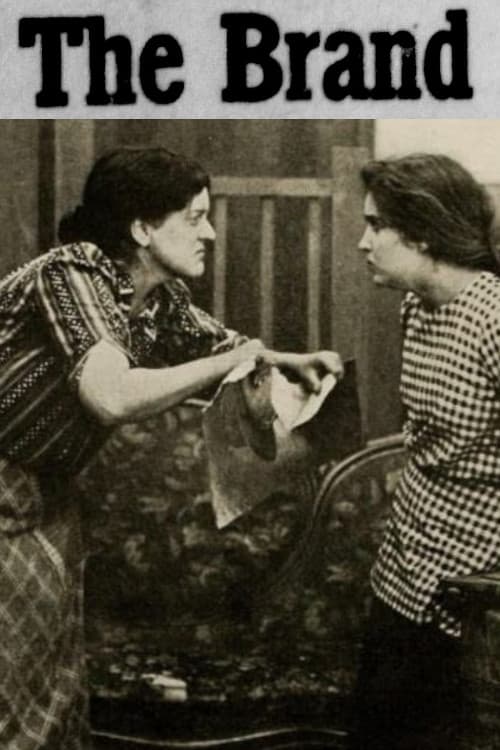
Mary's lot. always hard, becomes doubly so upon her father's death. Desiring to re-marry, the girl's stepmother conspires to get her out of the way.
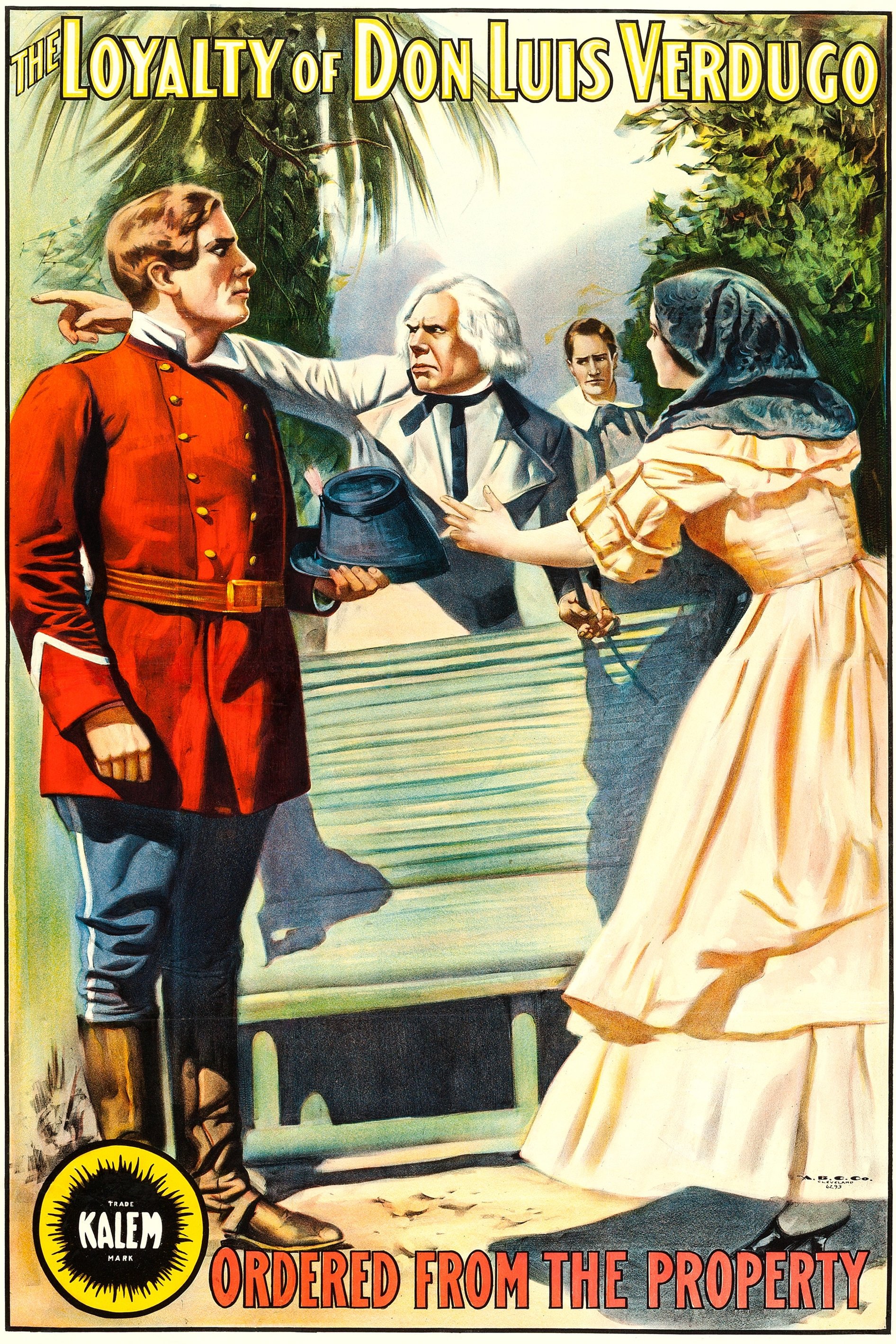
Lieutenant Malcolm, of the United States Army, arrives at the Casa Verdugo and reads the proclamation authorizing the occupation of Southern California by the United States government. The lieutenant orders all Mexican flags lowered and the United States emblems hoisted instead. Don Luis Verdugo, a feeble old Spanish grandee, unreconciled to the American occupation, refuses to allow the lowering of the Mexican flag. His daughter, Dona Maria, intercedes with the American officer, who temporarily allows the flag to wave. Struck with the brilliant beauty of the little senorita, the Union officer falls a slave to her charms and the attachment seems mutual. Don Luis, however, refuses to allow his daughter to receive the attentions of the American officer.
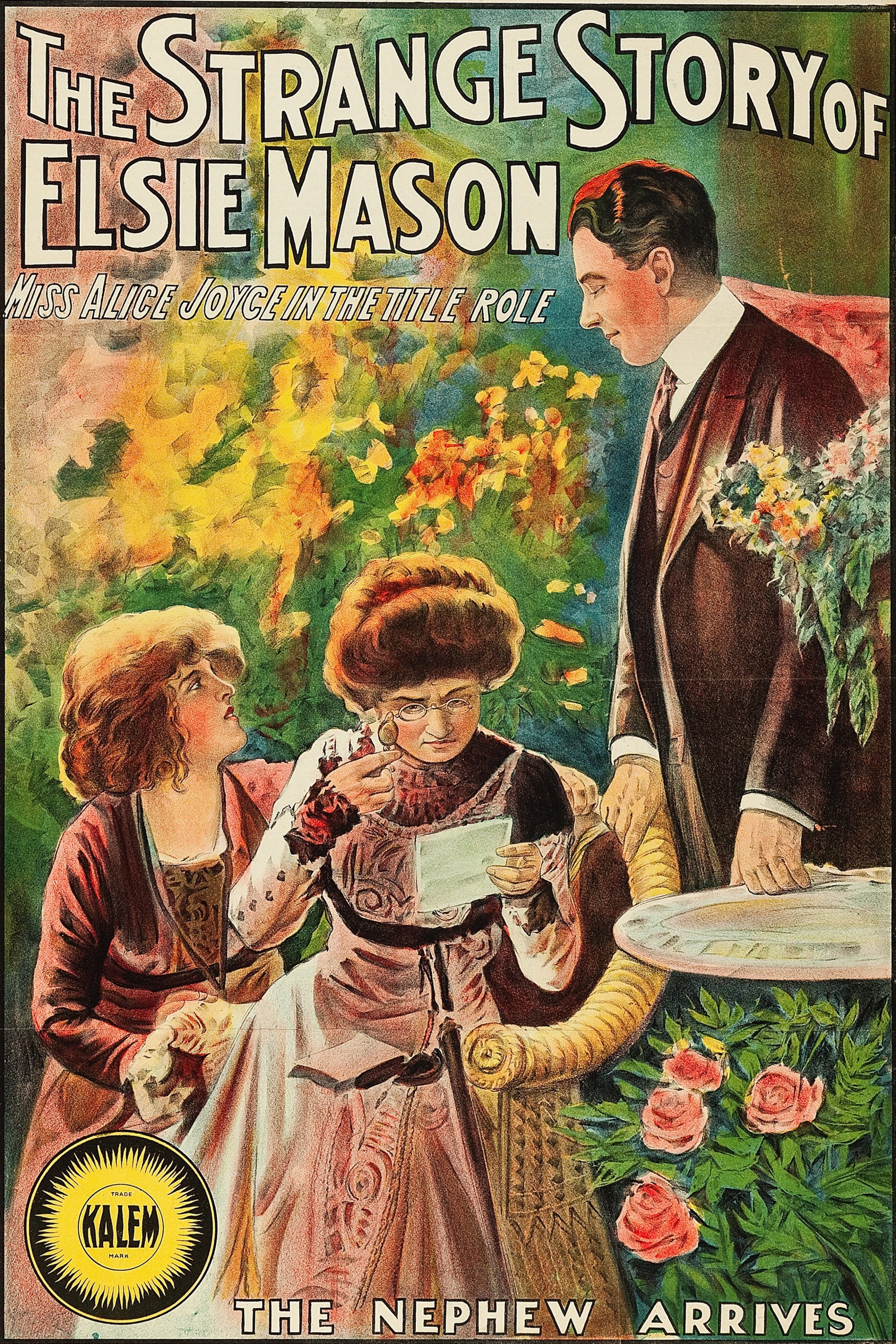
Little Elsie, scarcely two years of age, awakens one morning and crawls out of the house, dragging her doll. The little tot creeps to the nearby railroad station and resumes her nap in one of the flower beds. Mrs. Hastings, a wealthy widow, is taking an early morning train, after having spent several weeks at an eastern summer resort. She reaches the station before train time and while strolling about, she discovers little Elsie. While she is fondling the little one, the train arrives and Mrs. Hastings, who has no child of her own, cannot master the temptation to take this baby with her. Upon arriving in the west, Mrs. Hastings learns from a newspaper of the strange disappearance of Elsie Mason.

Lem Ransom, the village drunkard, steals the Widow Huggins' bonds while under the influence of liquor, at the instigation of Hannibal Chapman, an unscrupulous lawyer. After taking the stolen bonds from his catspaw, Chapman treacherously arranges to have suspicion fall upon Lem.
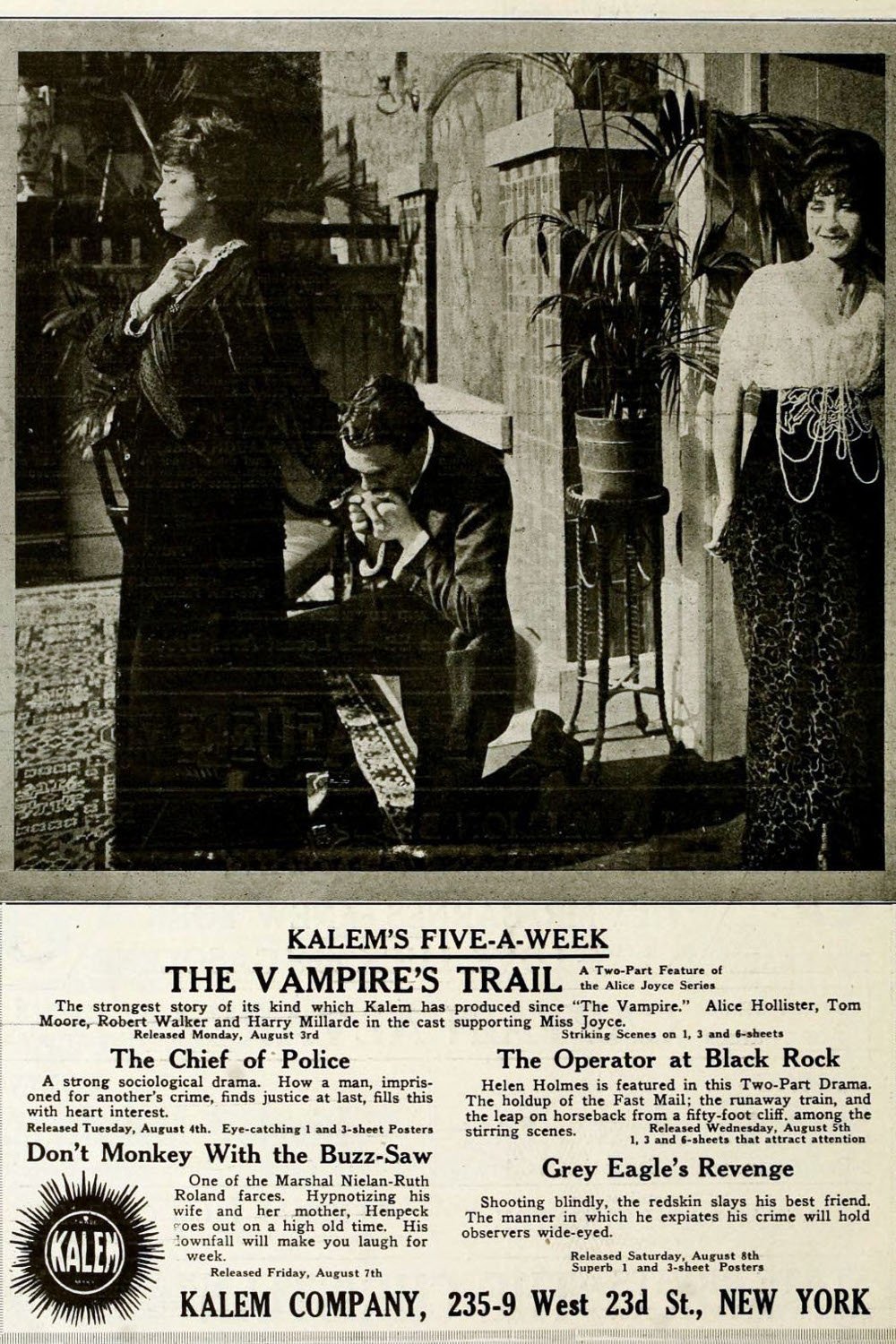
A young mother wants to be with her child so much that she is cross to her husband when he asks her to spend a pleasant evening with him away from home. The husband in consequence seeking diversion and relief from business cares alone, drifts away from her.
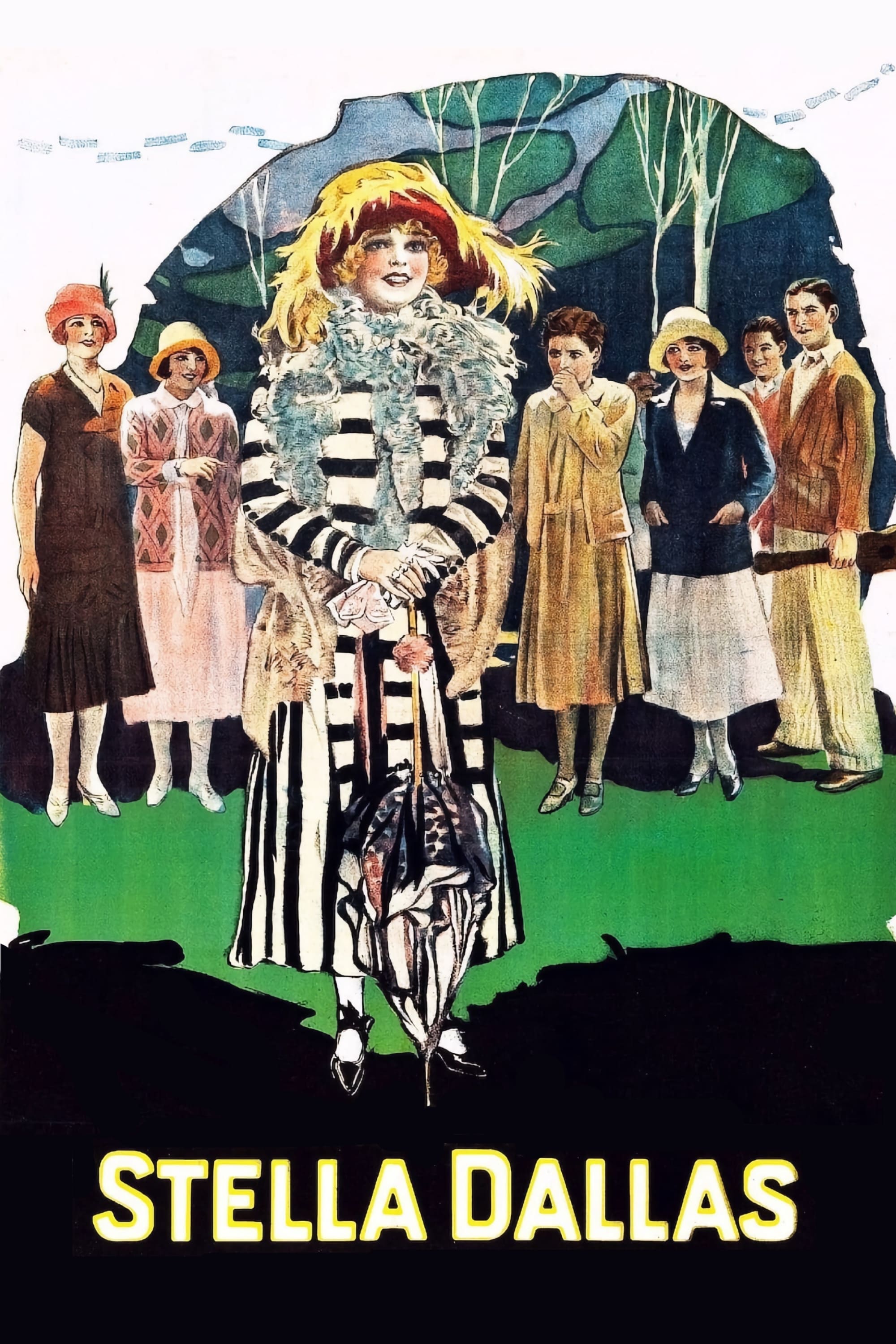
An eccentric lower class woman struggles to gain respect in high society after marrying a wealthy man, and the problem gets worse when their daughter starts growing up.

Young, innocent, confiding, it is a shock to Ann Fenton to learn that her supposed husband is not a business man, but a gambler, and that her marriage is bigamous. The child is taken from her by a Helping Hand Society and apprenticed to a brutal farmer. She is left upon her own resources. Seven years later Fenton again crosses her path, but she finds happiness in honorable marriage while her betrayer is taken away to face a murder charge, and the Song of the Soul now rises in full, pure tones from the breast of the happy wife and mother.

Broken hearts in Ireland. Sean is a great tenor, in semi-retirement, living in a village close to Mary, the woman he’s always loved. Mary’s aunt convinced her to marry a man for his money; he has recently deserted her, leaving her penniless. She and her two children, Eileen and Tad, move in with the selfish and austere aunt. Eileen is falling in love with Fergus, a young man who’s off to Dublin to seek his fortune. Sean is drawn out of retirement and goes on tour in America. At his first concert, he’s nervous and out of sorts until the last song, when peace descends on him like a gift. What has happened, and can family life be set right?
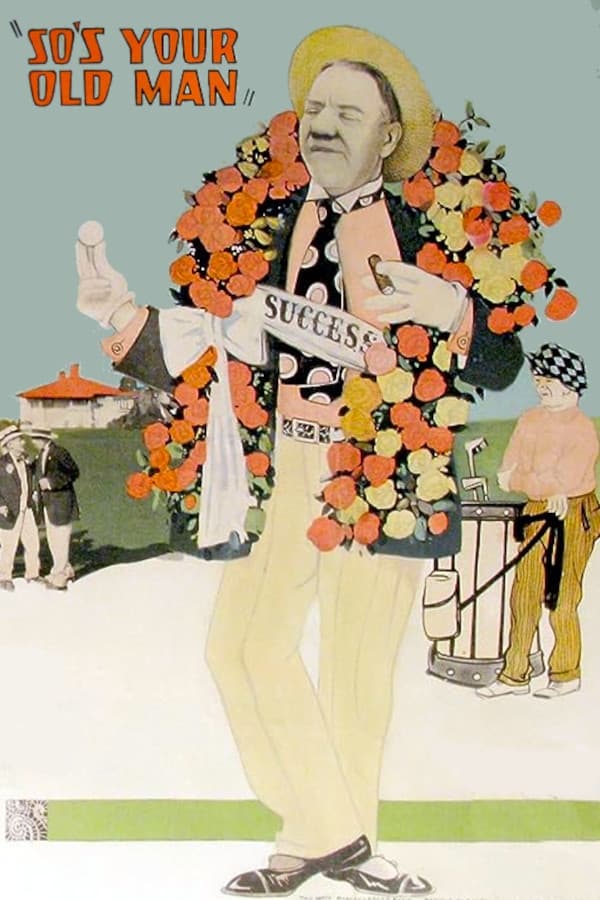
Gregory La Cava directs this comedy of errors, starring W.C. Fields as a hen-pecked, inebriated inventor who triumphantly creates unbreakable windshield glass while struggling to gain the respect of his social-climbing daughter and nagging wife.
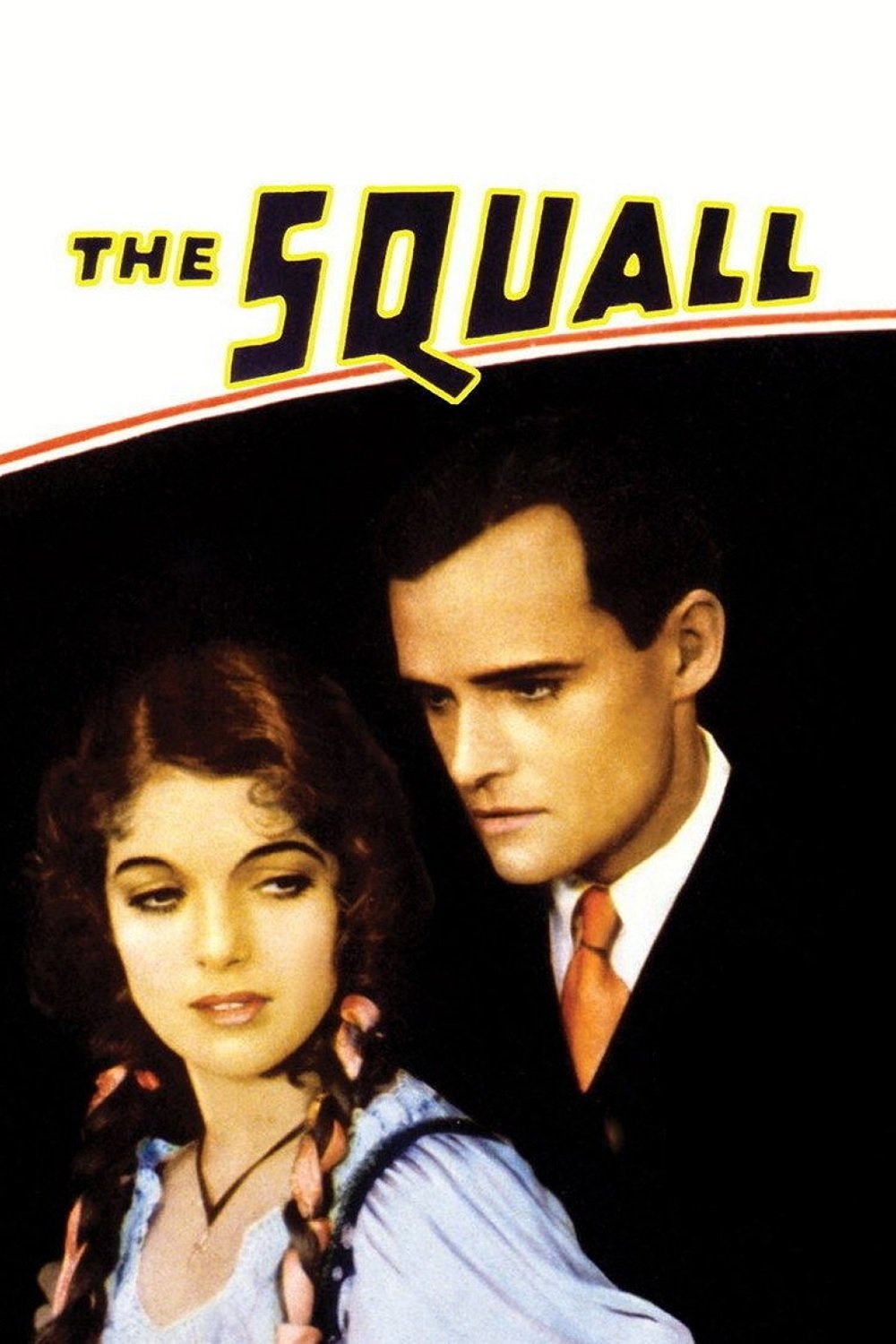
A fiesty, sexy and manipulative gypsy disrupts the lives of a conservative farm family.
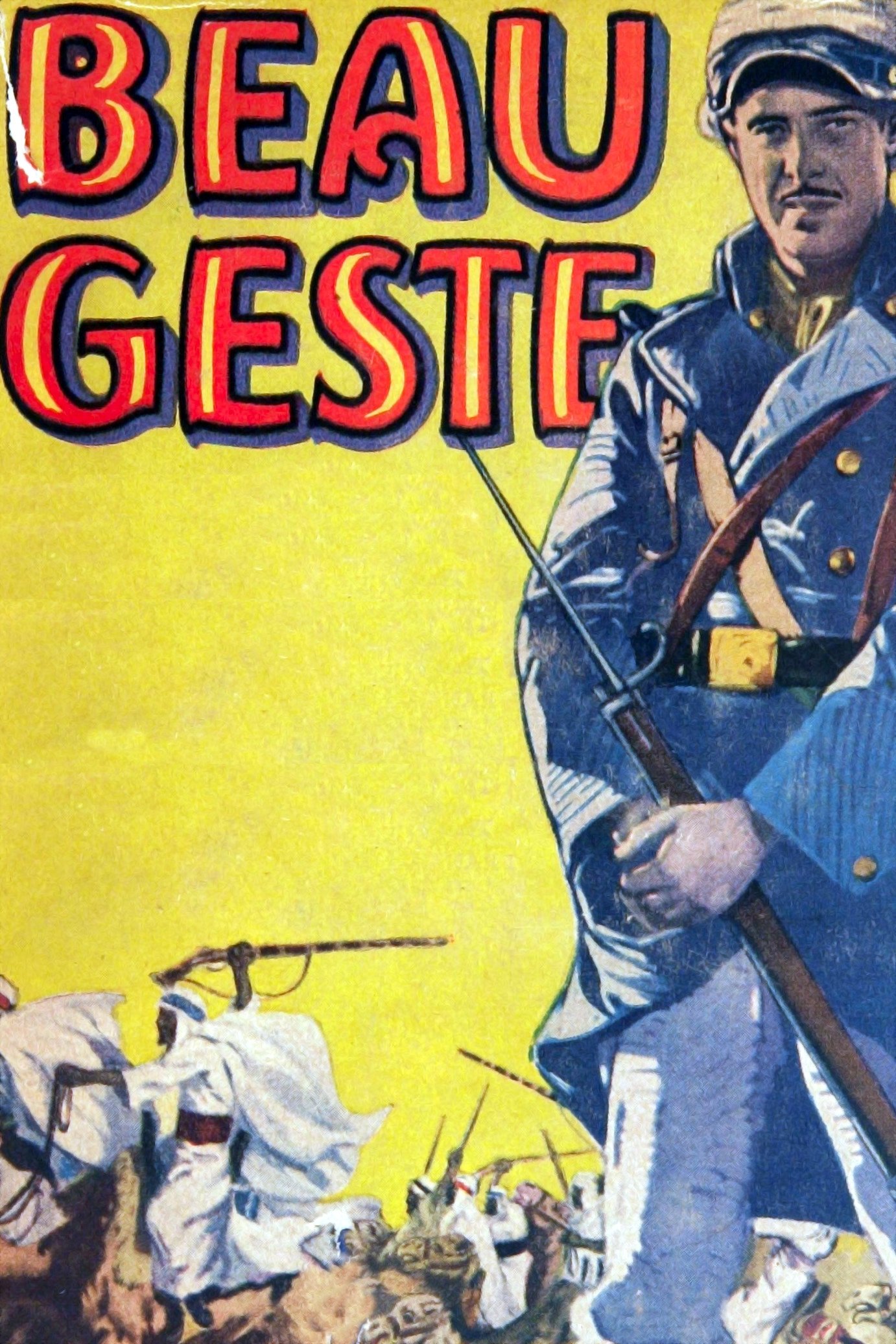
Michael "Beau" Geste leaves England in disgrace and joins the infamous French Foreign Legion. He is reunited with his two brothers in North Africa, where they face greater danger from their own sadistic commander than from the rebellious Arabs.
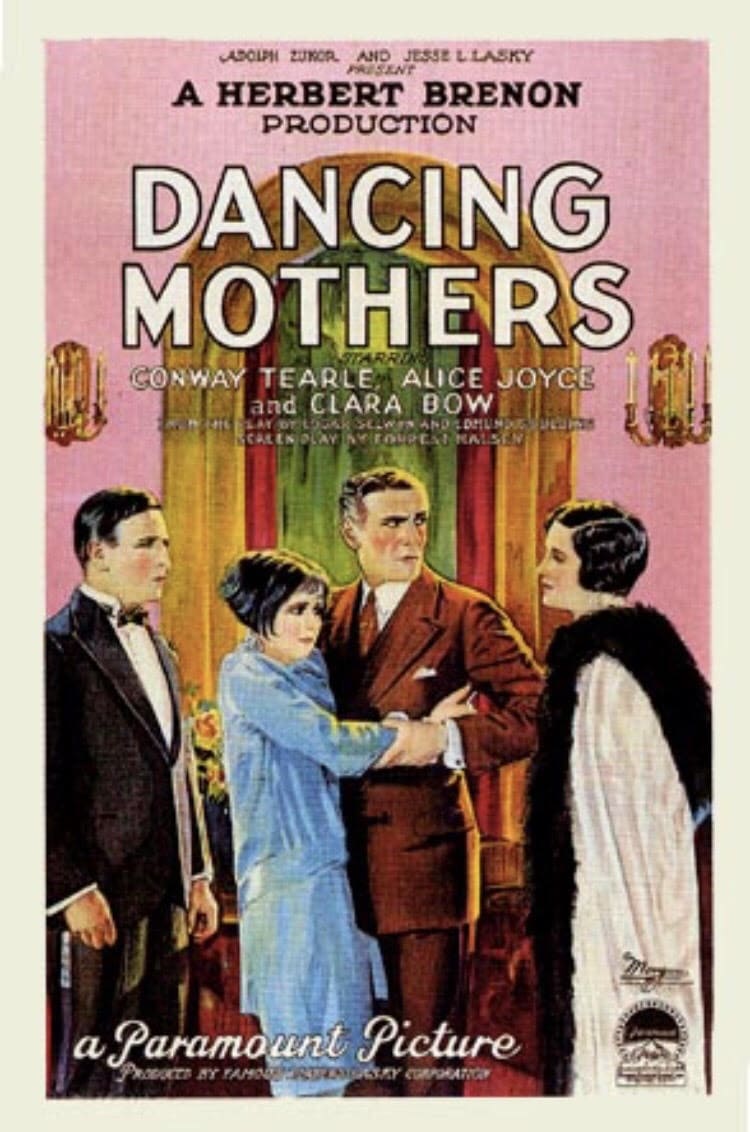
An unfaithful husband and his daughter go on nightly club outings, leaving the mother at home. The mother rebels against her lonesome life and attempts to prevent a man from pursuing her daughter.

The setting is the Mexican Revolution and friends Pedro and Alvarez get a message to transport some weapons across the border.
When her husband and sons are executed without trial by Colonel Cephis, Señora Talamantes vows revenge. She rallies a band of Mexicans and Indigenous fighters, joins the Insurrectos, and lures the Colonel into a trap. Captured and condemned by a drumhead court martial, he faces the same fate he dealt to her family. With justice served, the widow returns to her people.
A compilation of thirteen rare silent films digitized by the Library of Congress, selected for the 2022 Domitor conference theme “Copy/Rights and Early Cinema.” Drawn from nitrate and safety film, the program spans comedies, trick films, and dramas exploring censorship, invention, adaptation, and social rights. Titles include: Pruning the Movies (Nestor, 1914); Imperial Japanese Dance (Edison, 1894); Early Edison Camera Tests (Edison, c.1890s); Censorship and its Absurdities (Edison, 1915); In Wrong (Crystal, 1914, dir. Phillips Smalley); Tillie’s Tomato Surprise (Lubin, 1915, dir. Howell Hansell); Indian Land Grab (Champion, 1910); The Stolen Play (Falcon Features, 1917, dir. Harry Harvey); And the Villain Still Pursued Her (Vitagraph, 1906, dir. J. Stuart Blackton); The Doll’s Revenge (Hepworth, 1907, dir. Lewin Fitzhamon); The Disintegrated Convict (Vitagraph, 1907); The Mexican Joan of Arc (Kalem, 1911, dir. Kenean Buel); and Fads and Fashions of 1900 (U.S., 1940s).

A rich man leaves his wife, poses as a coster, and saves a factory girl from a crook.
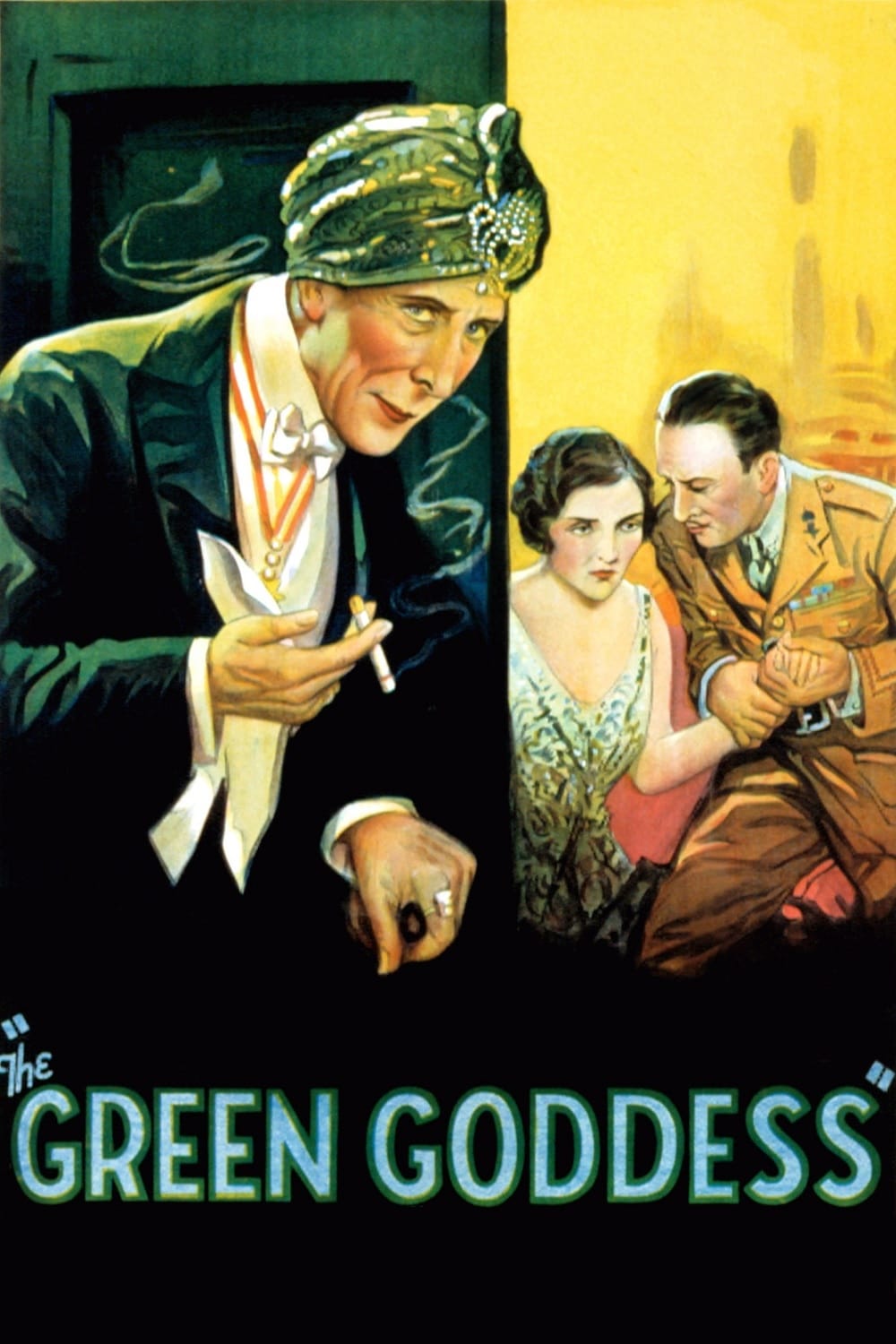
An airplane carrying three Brits crash lands in the kingdom of Rukh. The Rajah holds them prisoner because the British are about to execute his three half-brothers in neighboring India.

When the nation of Ruthania declares war on the United States, an army of enemy soldiers invades the U.S. and captures New York. But the American forces have prepared adequately for such an event, and hidden booby traps, trick fortifications, and remote-controlled bombs...

A novelist has to choose between his wealthy patron and a penniless romantic.

Madame Vervier, a sophisticated woman, sends her daughter Alix to live with Owen Bradley's parents in London.
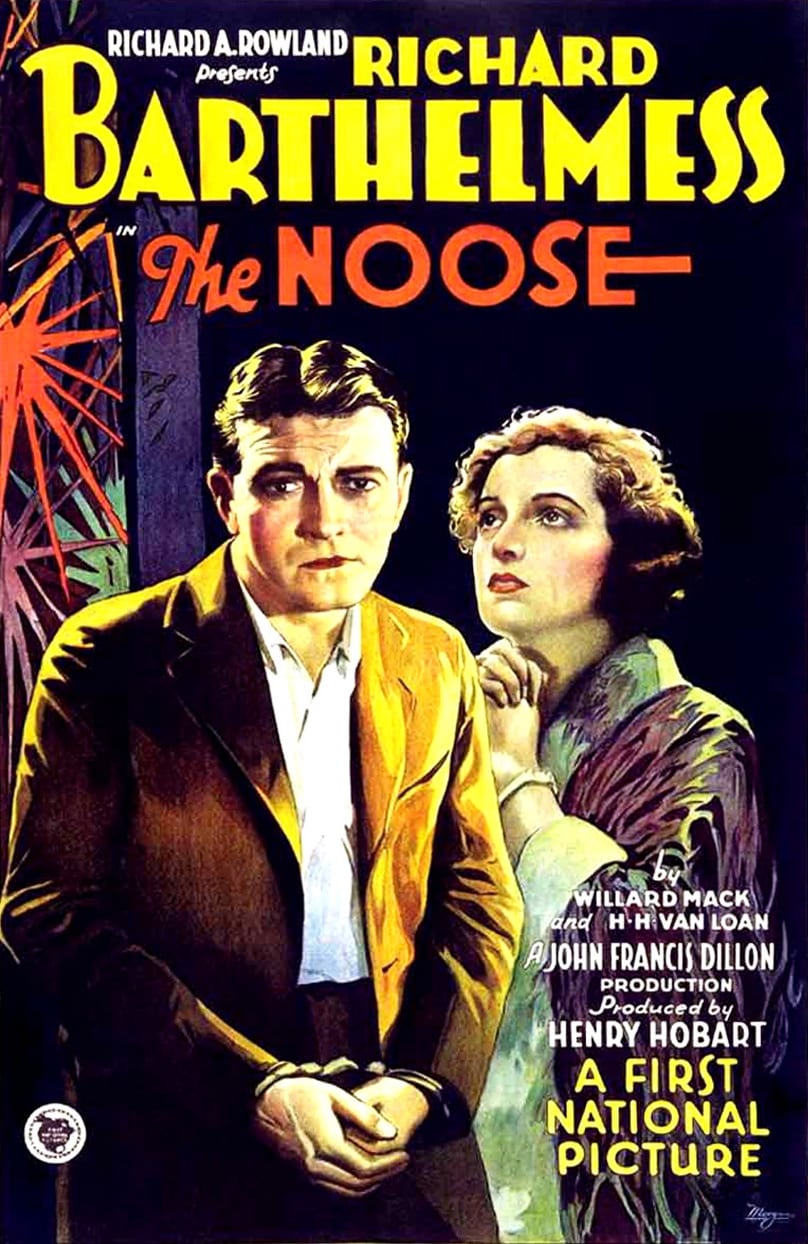
In this suspenseful silent crime drama, a hijacker proves his loyalty to his mother by killing his biological father, a blackmailing gangster who has been threatening to destroy the mother's happy marriage to the governor.
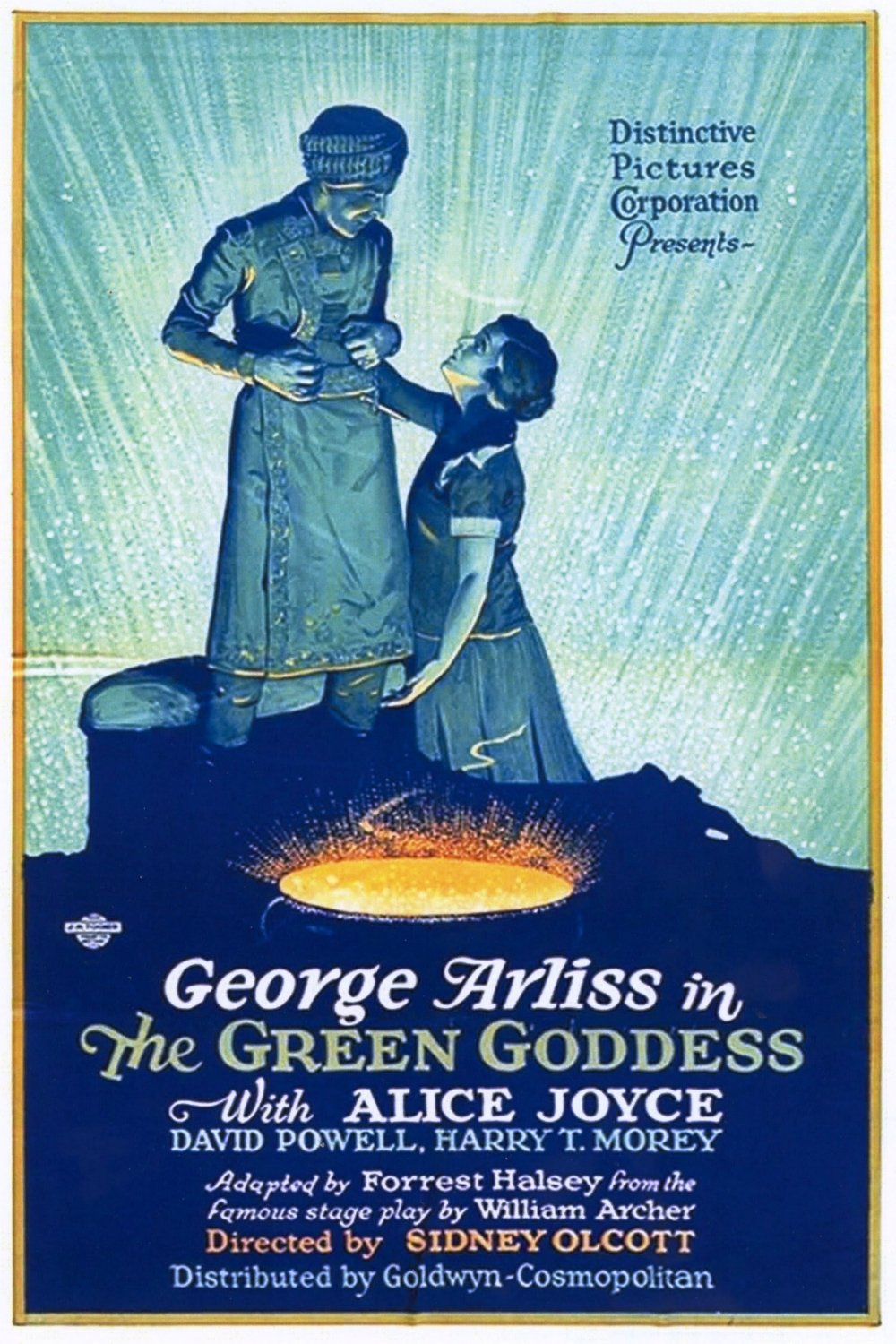
The Green Goddess is a 1923 American silent adventure film based on the play The Green Goddess by William Archer. Set during the British Raj, it stars George Arliss as the Rajah of Rukh, into whose land arrive three British subjects, played by Alice Joyce, David Powell, and Harry T. Morey.
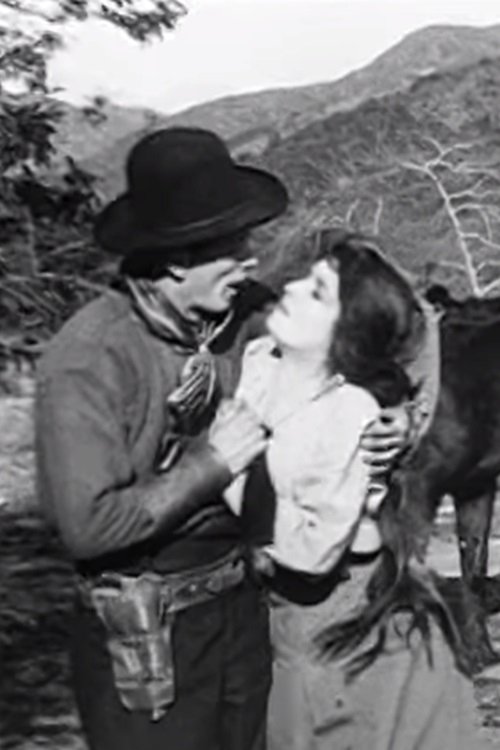
The prison doors open and Tom Benton, a first timer, and Slim Jim, alias Red Davis, of the underworld, are liberated. Tom learns that the prison odor clings by being ceremoniously turned away wherever he applies for work. Slim Jim immediately on his release beats his way west. Eventually Tom goes west and finds his work. Several months later Slim Jim gets a job at the same place Tom is employed. Slim Jim, being caught at his old tricks and exposed by Tom, reveals Tom's past. The several thrilling scenes that follow show Tom's genuine manhood and gives Slim Jim an opportunity to prove that even the underdog has at least a spark of good lying dormant under the rough exterior.
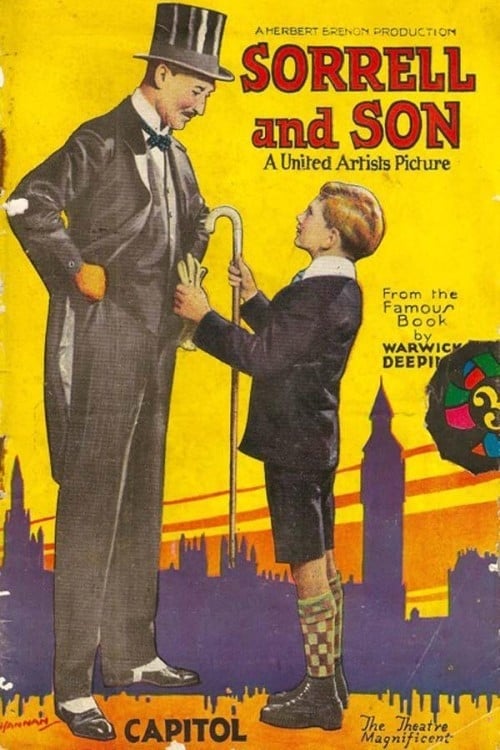
Stephen Sorrell, a decorated war hero, raises his son Kit alone after Kit's mother deserts husband and child in the boy's infancy. Sorrell loses a promising job offer and is forced to take work as a menial. Both his dignity and his health are damaged as he suffers under the exhausting labor and harsh treatment he receives as a hotel porter. But Sorrell thrives in the knowledge that his son will benefit from his labors. Sorrell has allowed the boy to believe his mother dead, but when the mother shows up, wanting to re-enter the young man's life, Sorrell must make hard decisions. Preserved and restored by the Academy Film Archive in 2004.
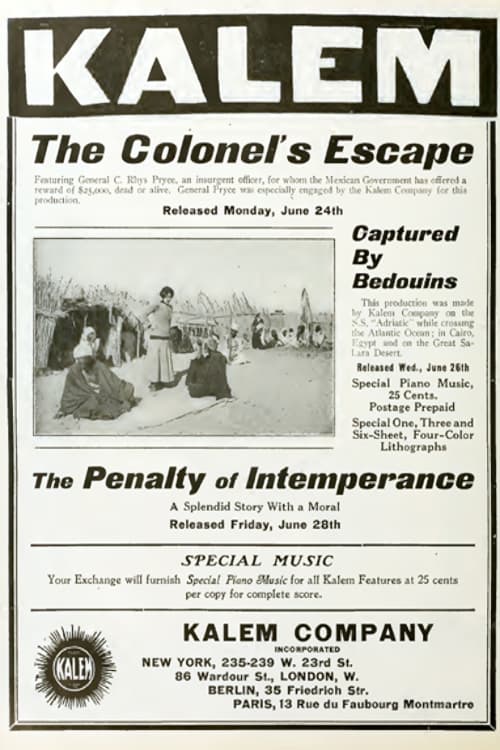
A short Western in which a colonel and a resistance fighter help each other out in times of war.
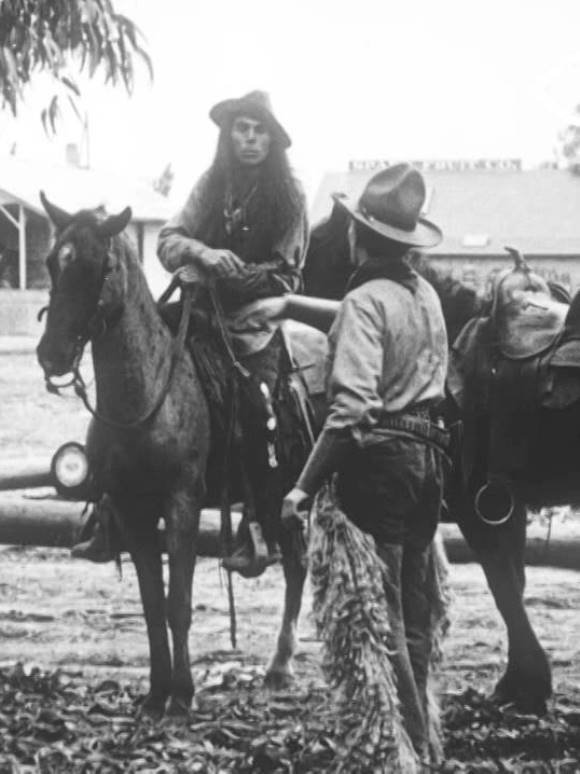
Bill is discharged from Bar K Ranch and in his desperation decide to turn train robber. On his way to town he rescues Myrtle Mulligan, who has been driven from protection to the high branches of a tree by a vicious bull. Arriving in town Bill applies to the superintendent of the railroad and secures a job as track walker. Pinto Joe, a friendly Indian, learns of Bill's train wrecking plans, and tells Myrtle about it. Hearing Bill intends to dynamite the bridge the plucky girl decides to take a hand in the game. Arriving on the scene just after Bill has lighted the fuse she fearlessly picks up the cartridge and throws it where it can do little damage. Rushing up the bank to the track she flags the oncoming train. When the passengers and trainmen cluster about her to learn the cause of the explosion she tells them that Bill saved their lives by finding the burning fuse just in time to prevent the blowing up of the bridge.
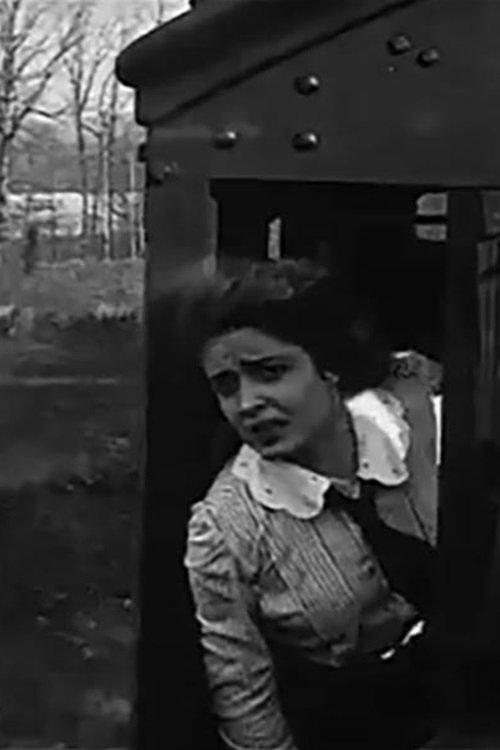
Allan Peters, just out of college, the son of a railroad president, calls at his father's office. The indignant parent suggests that as he has studied hard for several years, a trip to Europe would be in order. Allan, however, tells his father he is ready to go to work and wants to begin at once. Further, that he wants to learn the railroad business from the bottom up and asks for an opportunity to start as a fireman. While following his vocation he meets the daughter of Steve Martin, his engineer and falls in love at first sight. Industriously prosecuting his suit they become formally engaged and Allan advises his father by wire. The receipt of the message angers President Peters. He orders his private car got ready and hurries to the division where Allan is employed in an effort to rescue him from what he terms a misalliance.
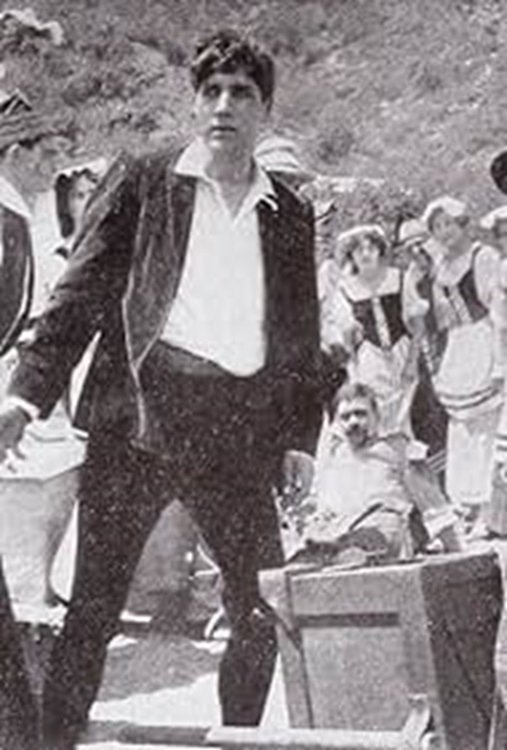
A short romantic crime drama in which a wealthy American tourist is robbed and taken hostage in the mountains of Italy, but is then rescued thanks to an organ grinder.
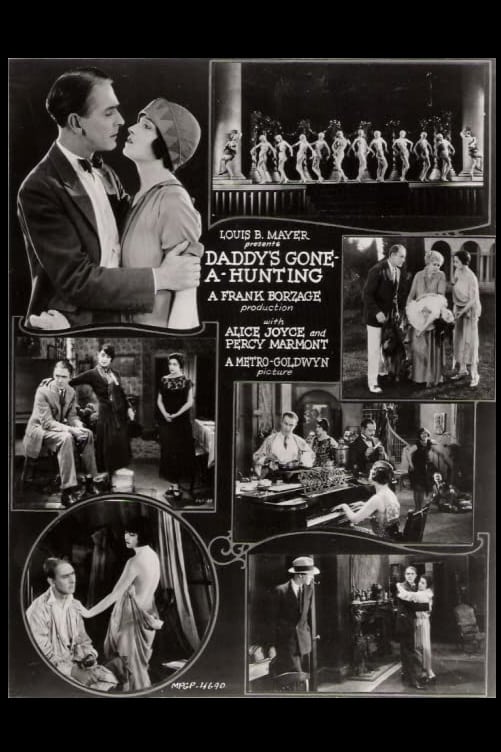
Julian (Percy Marmont) is a poor artist who lives with wife Edith (Alice Joyce) and their newborn baby in Harlem. Struggling to make ends meet, he foregoes his artistic calling and draws for magazines. Reaching his limits, Julian convinces his wife he could reach higher grounds if he were to go to Paris. He moves to Paris while his Edith works at a shop on Fifth Avenue. Each of their lives evolves differently—Edith is courted by a wealthy suitor whom she ignores while pining for her husband, while Julian fails to meet his goals in Paris, returning defeated three years later. The meeting highlight how different their routes have been.
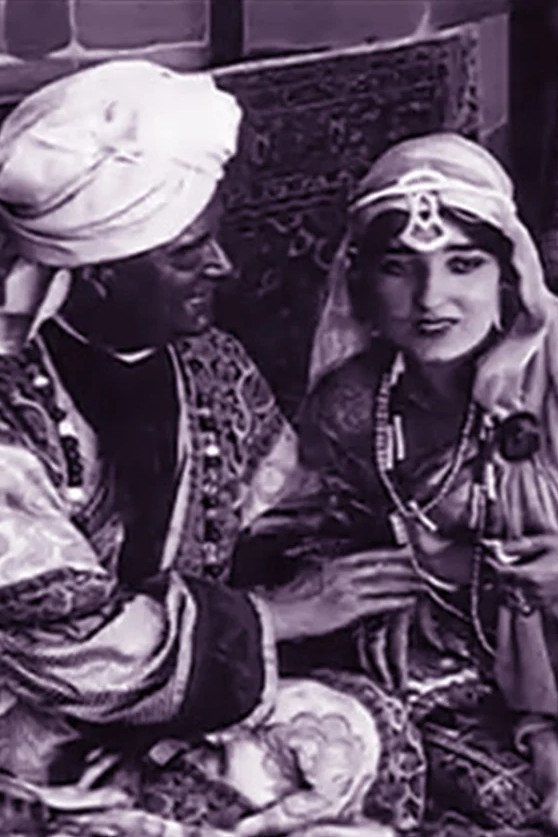
A mystery film in which two people fall into a mysterious sleep coma; an Oriental hypnotist then tries to reawaken them.

Adapted from the Fannie Hurst story of the same name, Mannequin is the story of Joan Herrick, kidnapped in infancy from her wealthy parents and raised by a slatternly slum woman. The film is still extant.
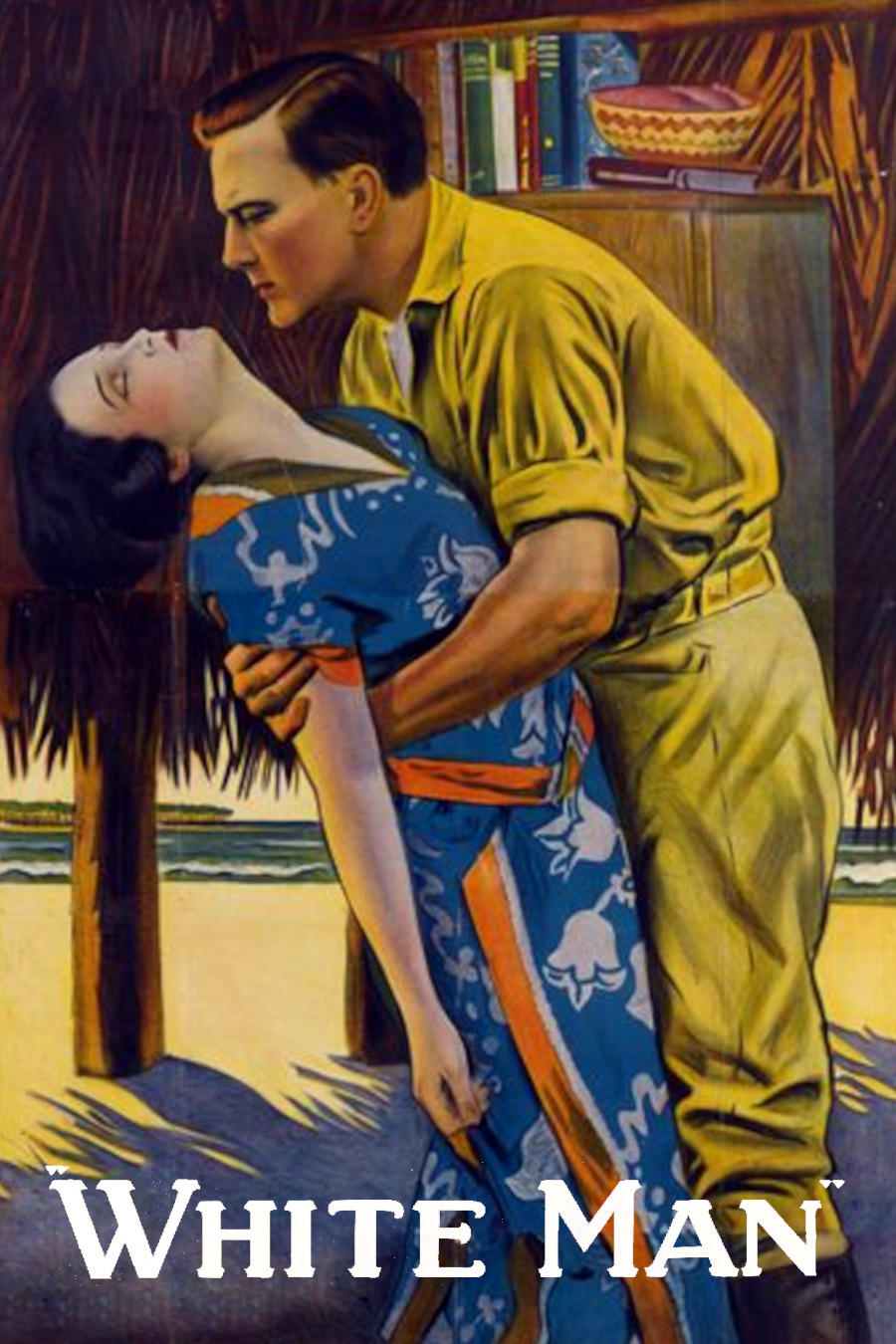
Lady Andrea Pellor is engaged with a South African wealthy mine owner only to save her family from misery. Before the wedding, she changes her mind about marrying the rich man for the wrong reasons, and she begs a pilot known as "White Man" to take her with him.
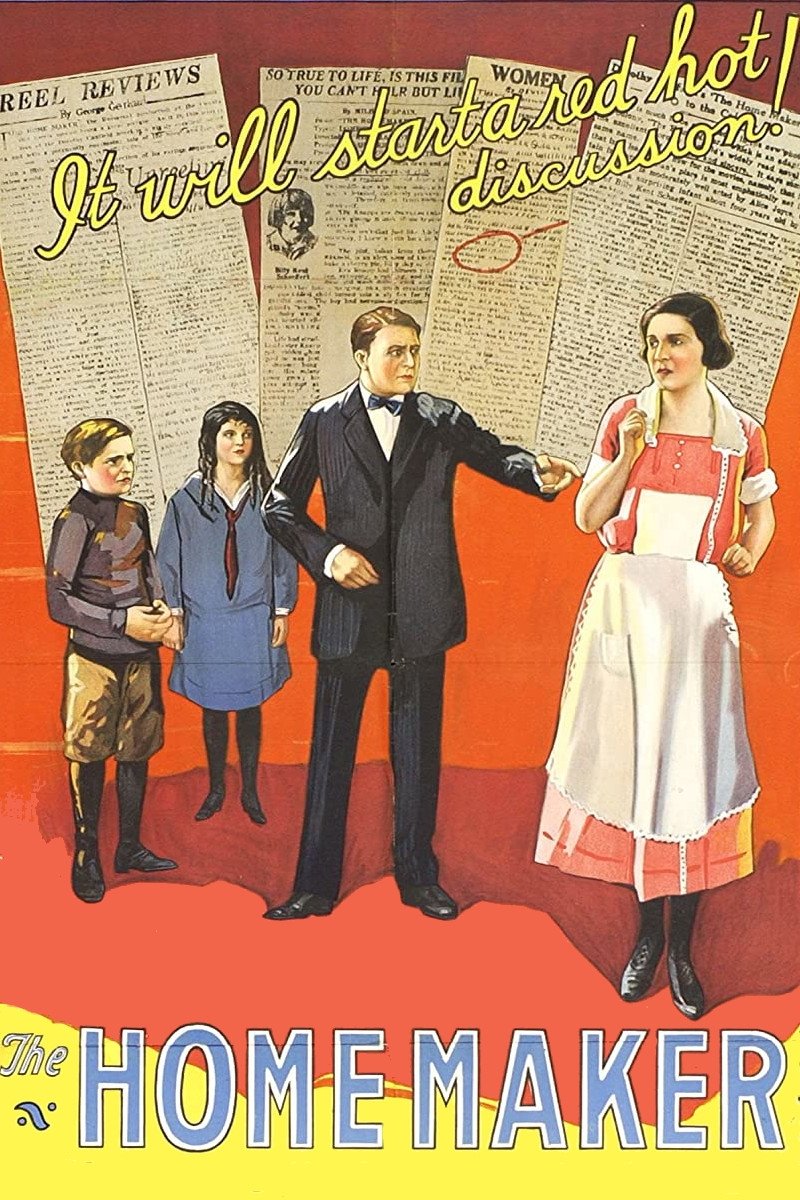
A man's life seems to be falling apart. He's bored with his job, gets passed over for a promotion and, when the pressures get to be too much, he tries to commit suicide, but he even fails at that and manages only to cripple himself instead of killing himself. Forced to stay at home, he finds the role of "househusband" enjoyable--until his wife takes a low-paying job with his old company, and rapidly rises up the corporate ladder.
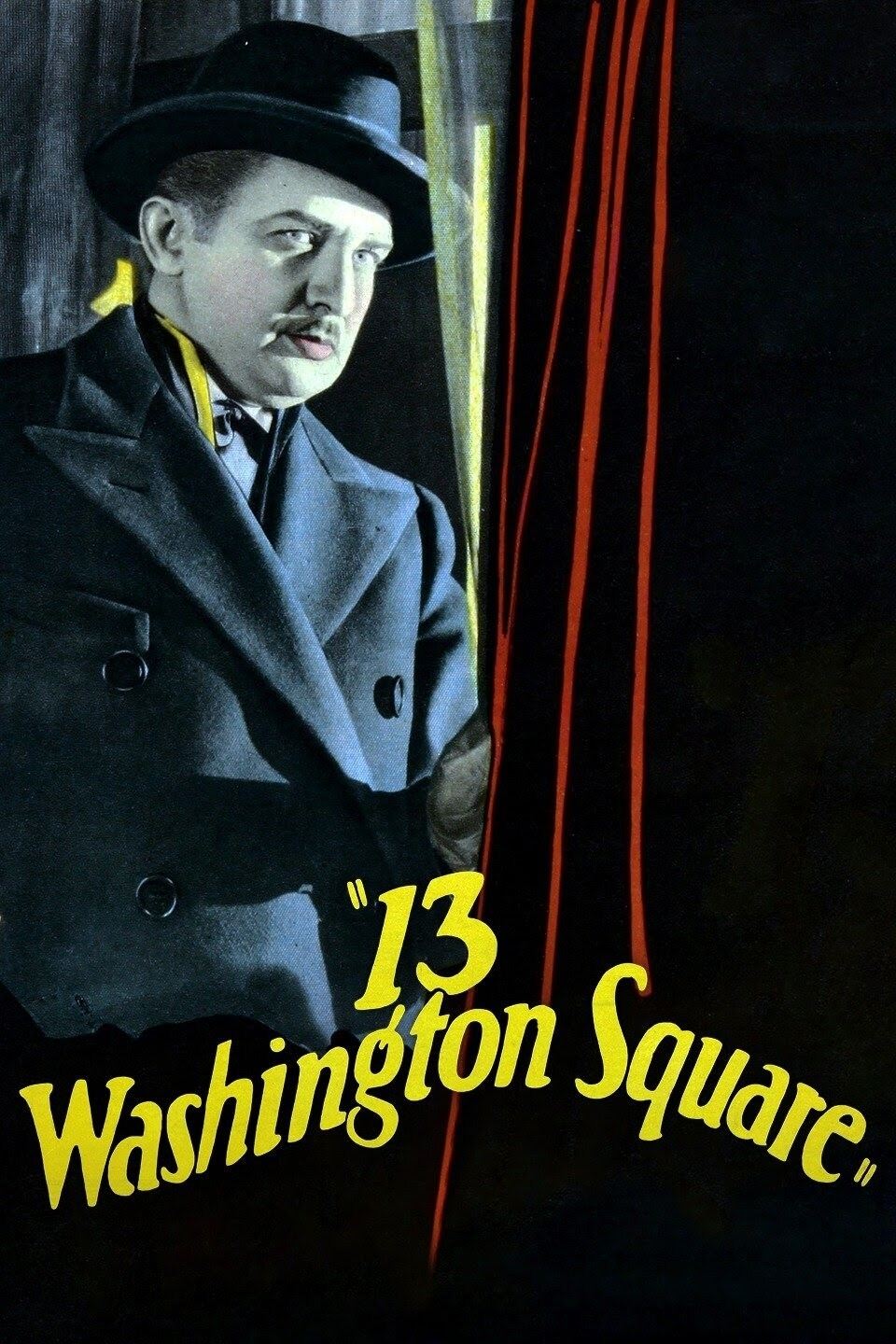
In this comedy, a wealthy matron is terribly upset when she learns that her socialite son is planning to marry a blue collar girl.
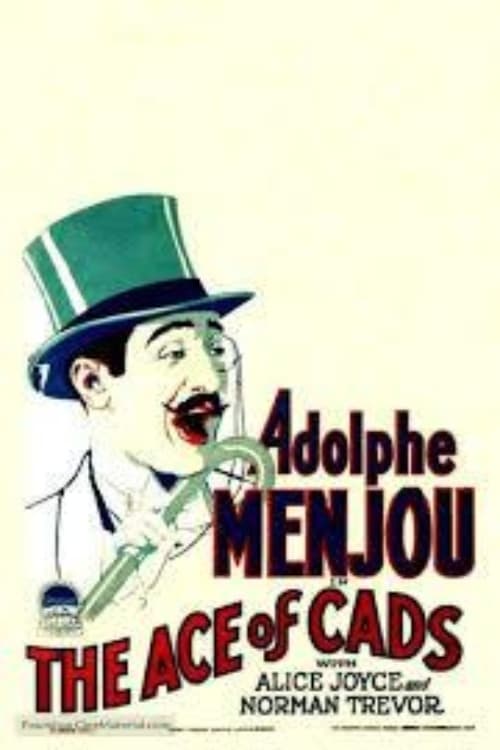
An officer in the British Guards takes to drink when a friend and fellow officer convinces the woman they both love that he has another woman.
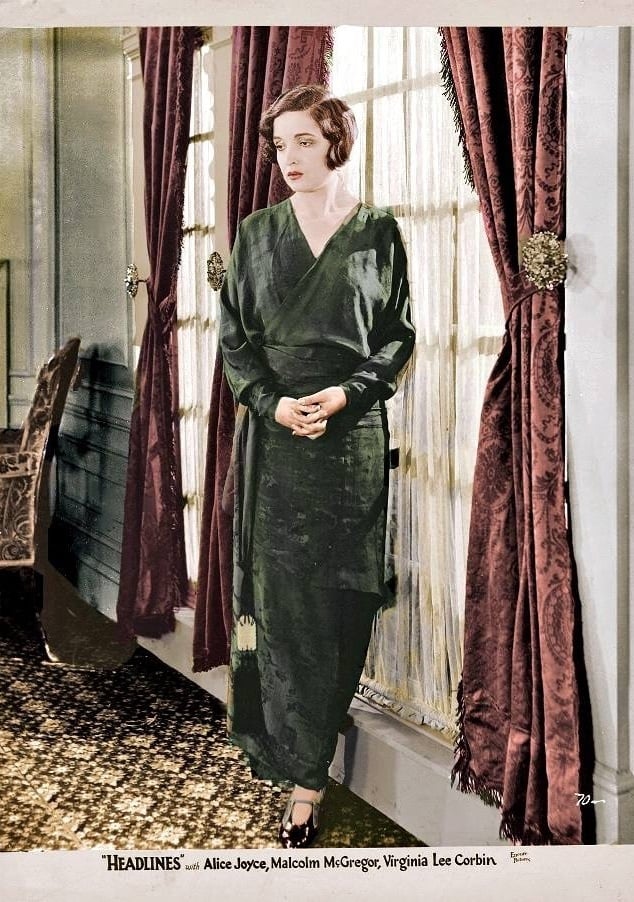
The scenes are laid in the Hudson Bay country in comparatively recent years and cover the life of a Hudson Bay factor, showing him as a young man assuming his business in the wilderness and, as was common in those days, taking an Indian wife that he had purchased of her father in Indian fashion.
Indiana Stillwater, the daughter of a wealthy American railroad industrialist, marries English nobleman Viscount Canning and travels to England. Her in-laws are somewhat shocked by her casualness in dress and manner, but welcome her into the family anyway. When her parents invite her to a Sunday-night dinner at their hotel, however, her husband--believing it to be inappropriate behavior for the wife of a nobleman--orders her not to go. Complications ensue.
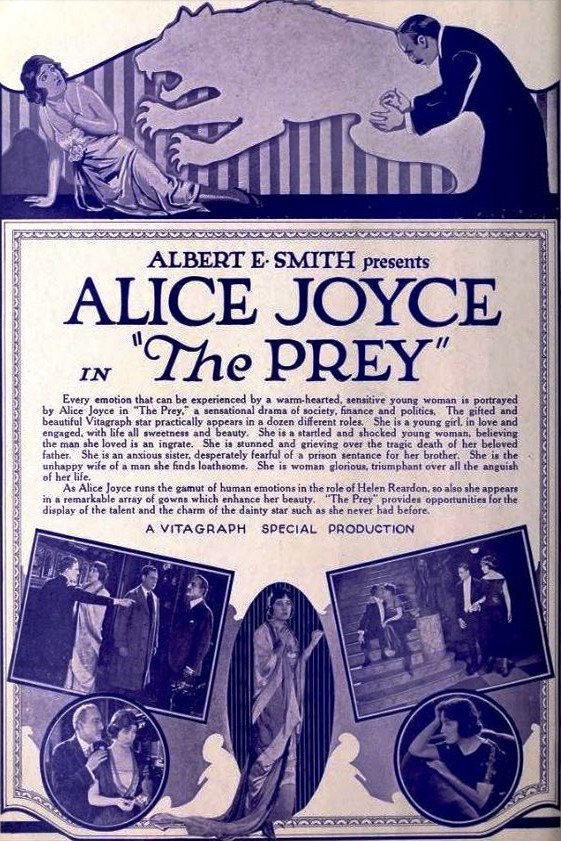
Having misused funds held in his trust by investing them with his friend, Henry Lowe, Robert Reardon appeals to his future son-in-law, James Calvin, a candidate for the position of district attorney, for help. When Calvin threatens to indict Lowe for fraud if he is elected, Reardon's anger becomes so great that the engagement between Calvin and Reardon's daughter Helen is broken, resulting in Reardon's suicide. After Lowe comes into possession of a check forged by Helen's brother Jack, he uses the document to force a marriage with Helen. Treated brutally by her husband, Helen seeks Calvin's aid, but Lowe frames Calvin, now the district attorney, in a compromising situation with his ex-fiancée. Calvin is about to resign when Helen traps her husband with some marked money, causing his suicide through disgrace. Thus freed, Helen and Calvin find happiness together.

John Sark is the owner of a piece of land coveted by Henry Murden, leader of the band of "White Riders," who has purloined the information that a railroad wishes to buy the property. Sark is a naturalist and has for an assistant Rose Ember. He discovers one of the rider's masks which is made of one of Rose's handkerchiefs, and this introduces a mysterious element into the love affair. The mask belonged to her father. The riders try to force Sark's hand, but are obliged to capture him. Rose, seeing Sark lead away, dons a mask and riding close to his horse, cuts his bonds. Sark kills Murden, and, finding that his savior was Rose, is once more happy in his love.
In 1826 came into California by way of New Mexico and Arizona Sylvester Pattie, a Kentuckian, his son James and one other man. Though they had passports from the American authorities, Gov. Echeandia received them with great harshness, tore up their passports and threw them into prison. They were liberated after one year mainly through the influence of Donna Ysidora Sepulveda, whom James Pattie afterwards married.
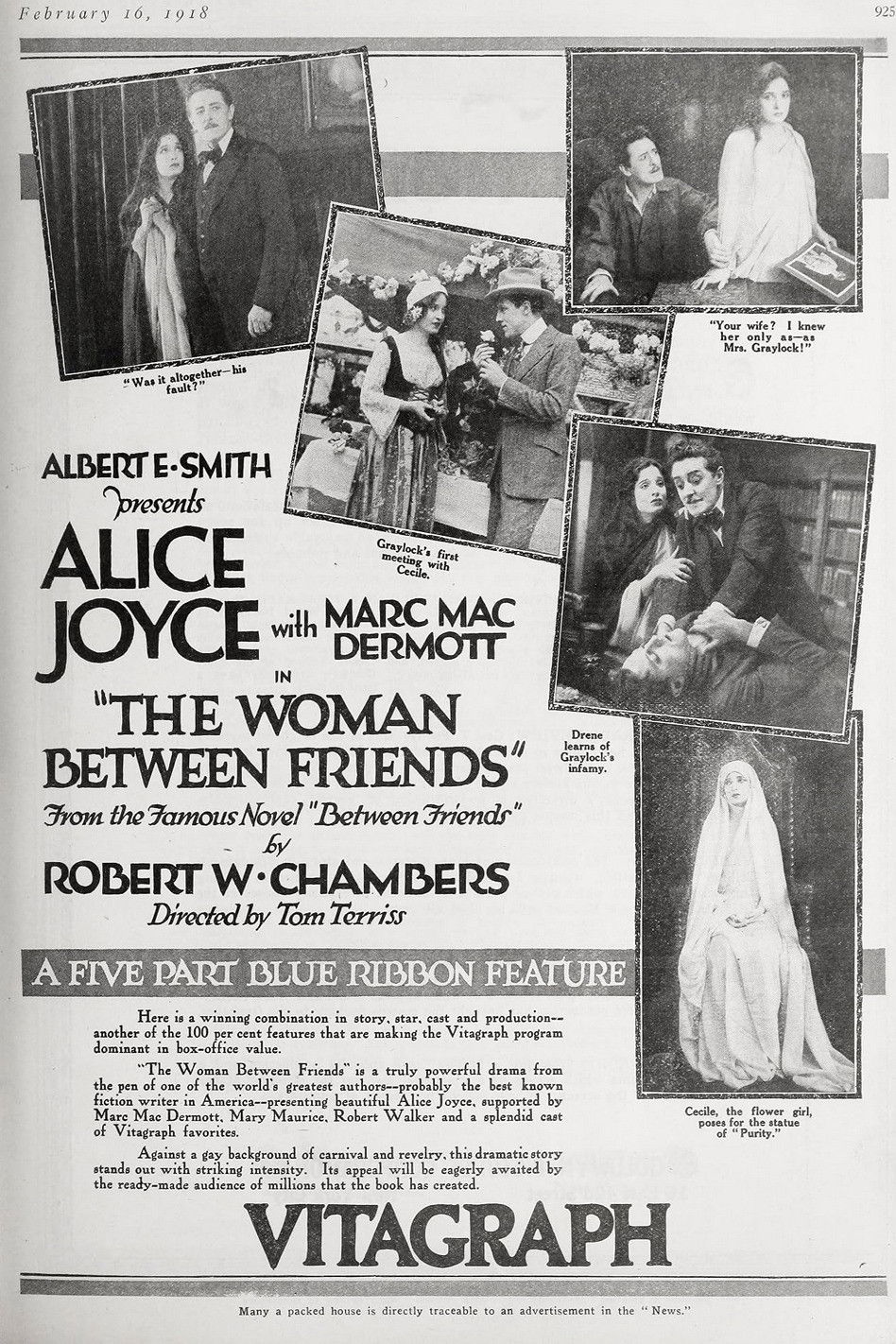
The friends of the story are John Drene, a sculptor, and Jack Graylock, a painter. Both men swear eternal friendship on the night before Drene's marriage.
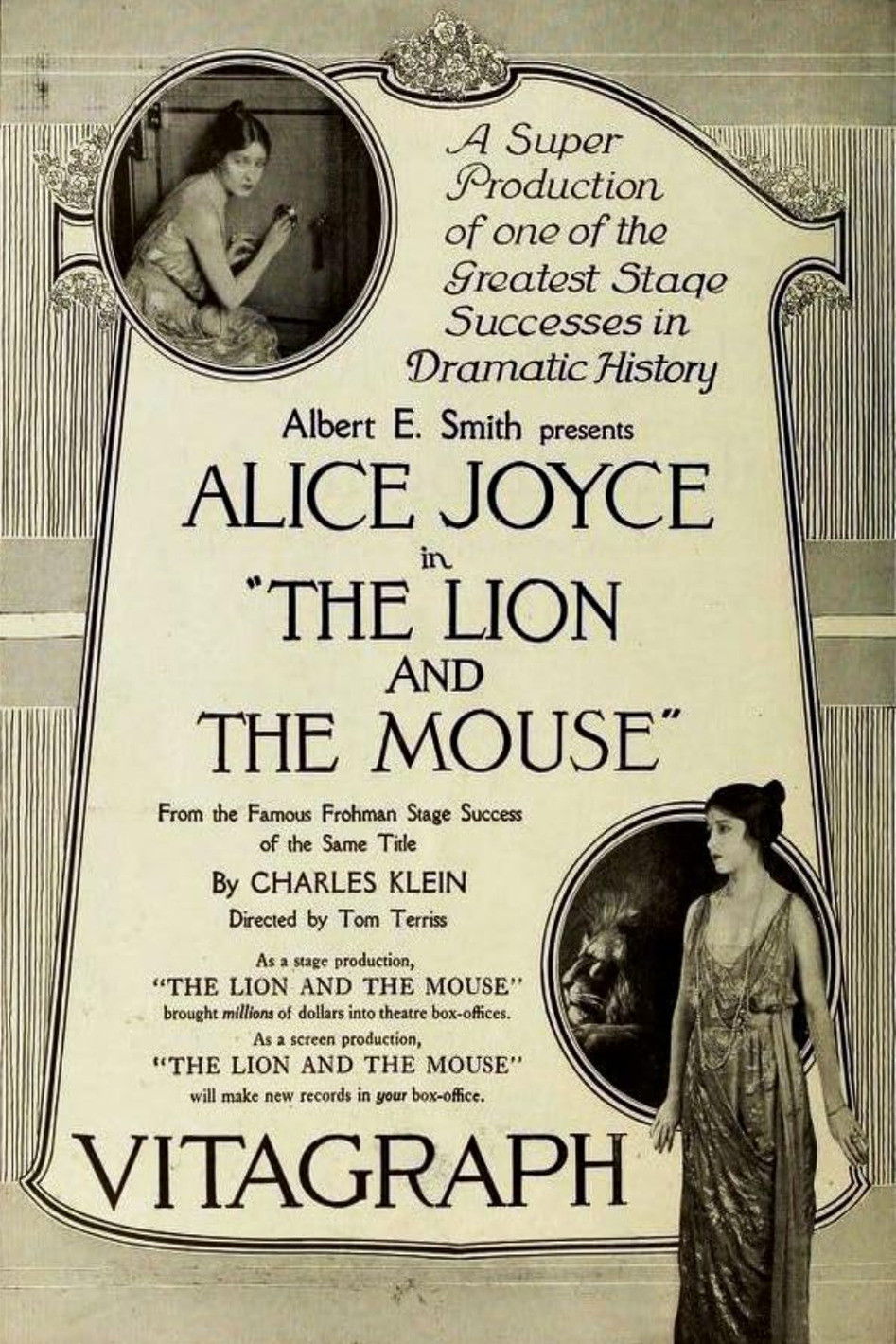
John Burkett Ryder, "the richest man in the world," determines to discredit a judicial decision which works against the interest of his millions by discrediting its author, Judge Rossmore, and causes impeachment charges to be laid against him in Congress. The judge's daughter Shirley Rossmore, learns of his trouble and returns home from Paris, where she has won success as a writer. She is loved by Jefferson Ryder, son of the magnate who is slowly killing her father.
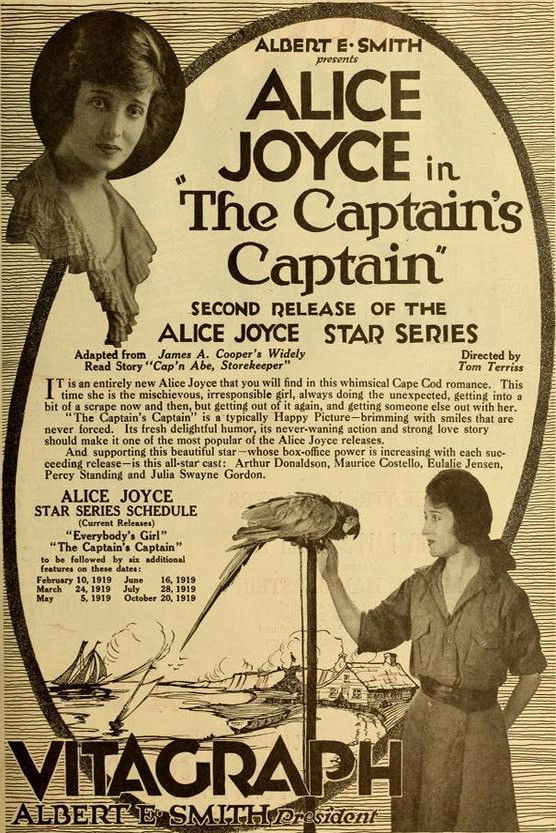
Louise Grayling escapes from a straight-laced aunt on a plea that she wants to visit her uncle, Captain Abe, on Cape Cod. Abe is henpecked by his housekeeper and rather looked down upon by the villagers who haunt his store. To give himself a fictitious glory he invents a fictitious brother, Amzon, who is a composite of all the pirates from Blackbeard to the food profiteers. Louise penetrates the deception and induced Abe to go away and come back as the fictitious brother.
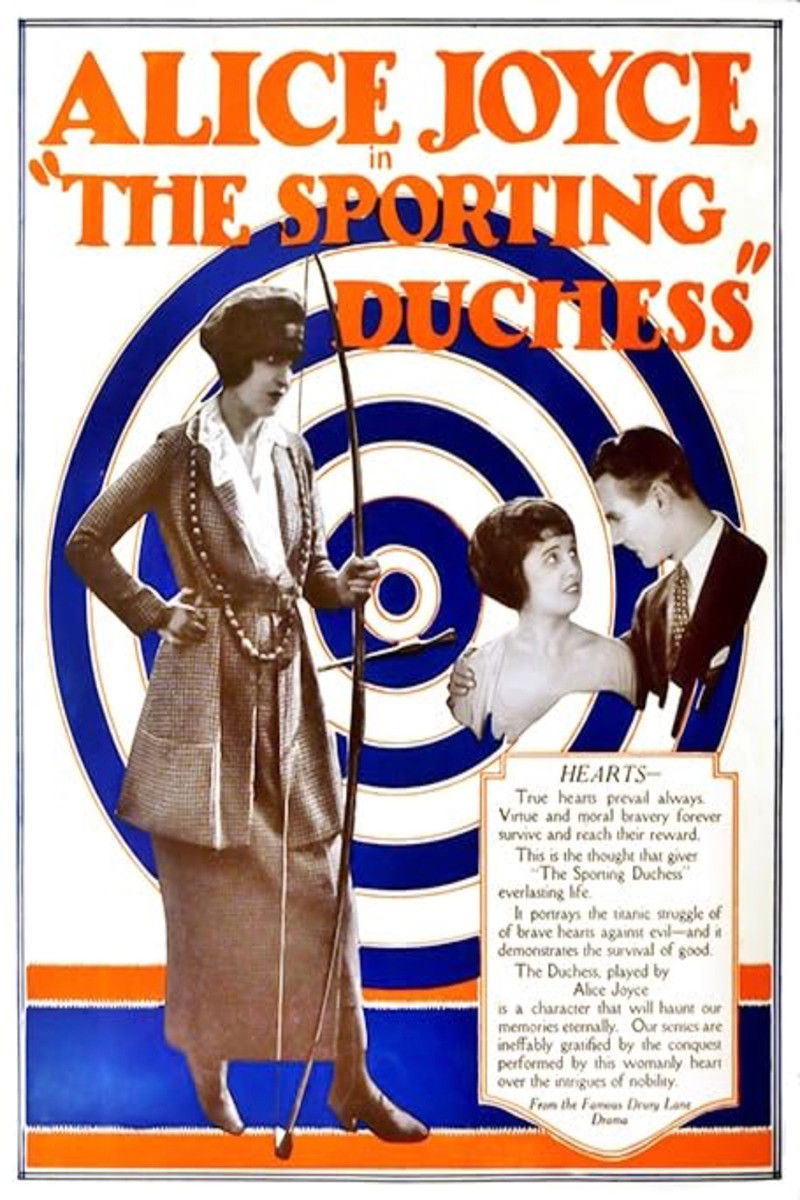
Very jealous of the Duke of Desborough's prize race horse "Clipstone," Major Roland Mostyn schemes to destroy his rival and thus obtain possession of the animal. After framing the duke's wife Muriel in a false adultery suit which results in divorce, Mostyn ruins the young duke at cards, thus forcing him to auction his horse in order to pay his debts. Muriel, heartbroken by the separation, persuades her old friend Captain Streatfield to purchase the horse and enter him in the derby. Mostyn bets all his money on his horse and attempts to fix the race but his plot is discovered and Clipstone wins the contest. After Muriel's innocence is proven, Mostyn's villainy towards the duke is finally stopped and the couple is happily reunited.