
A friendship grows between two prisoners when they haul a cart with provisions during the evacuation of a concentration camp. However, their friendship ends tragically.
A stranger shows up in an American town, promising a reward for the person who once helped him out of trouble.
The action takes place in the second half of the 19th century in a small Californian town in the Wild West. Hans, a German émigré, opens a shop on one of the streets. To his annoyance, his fellow countryman, young and beautiful Lora, sets up a shop on the opposite side. There is fierce competition. Lora decides to take Hans to court. However, unfamiliar with German, the judge mistakenly marries them.

A jealous husband follows his wife, but accidentally ends up in a strange apartment.
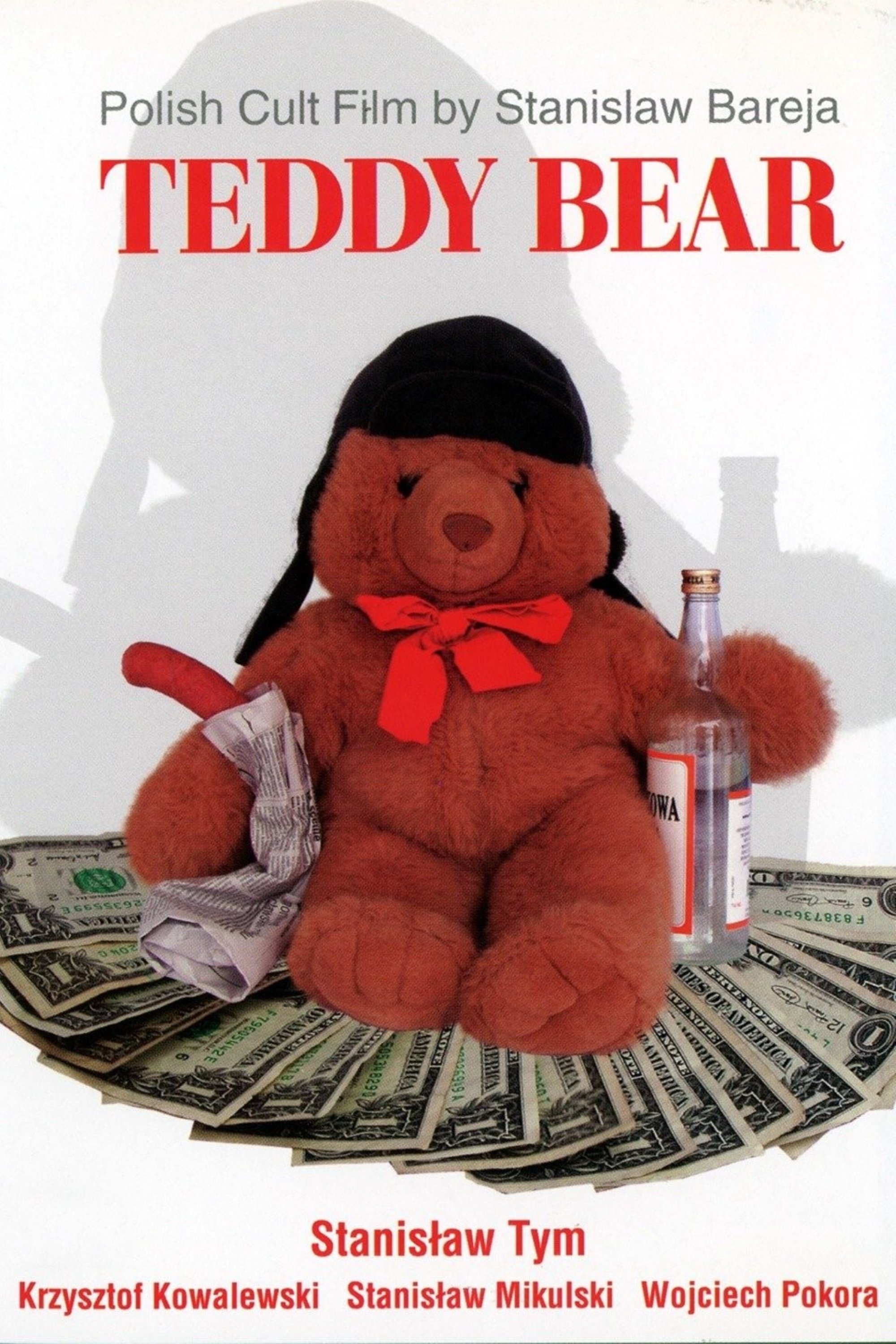
En route to London, Bear discovers at the border checkpoint that his passport is missing a few pages, which may prevent him from traveling to the city with the sports team he manages.

A reclusive lighthouse worker accepts the offer to swap jobs with a police inspector for a while, just to help him catch Teston, the so-called criminal of criminals.
Wiktor Wiarecki is an unsuccessful writer. He is also not successful in his personal life: Wiktor's marriage is in crisis, and his adult son wants nothing to do with his father. The turning point is the death of his friend Wiarecki, an outstanding writer Stefan Przewłocki. A literary widow gives Wiktor the materials for the deceased's last novel.
A dying man, influenced by a neighbor in the hospital room, decides to enjoy his life.

A young woman runs away from her home to the big city, gets a job in theatre and gets involved with shady characters.
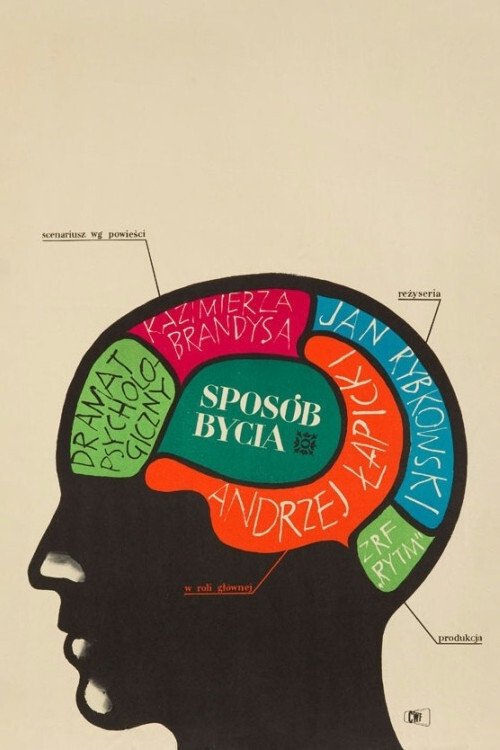
A forty-year old man, destroyed physically and mentally by life experiences recounts his life.

Zofia, a professor of ethics, is visited by Elżbieta, an American researching the fate of Jews who survived World War II. A daytime classroom conversation turns into a night of confrontation, and Zofia is forced to answer for a decision she made decades ago that directly affected the course of Elżbieta’s life.

Tadeusz Krzakoski, the director of a failing state-owned company, is married with problems. His mistress, the daughter of a Communist party bigwig, says she's pregnant and Tadeusz knows he'll have to marry her to save his reputation and his job. But divorce is never simple and Bareja's screwball comedies are never boring.

As every year, the celebration of All Saints Day brings Polish families together at the graves of their loved ones. On this special day Maria, 80-year-old widow, visits the graveyard with her son, his wife and their children.
Retired Sypniewski stands before a bizarre task - he must drown kittens.
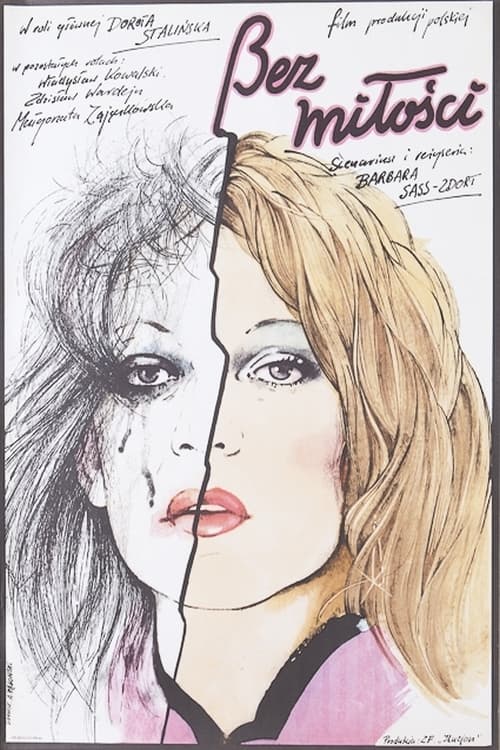
Ewa is a reporter. Using her feminine charms and other means she is trying to become a journalist on a Warsaw weekly popular magazine. She hopes to become political interviewer of personalities and state leaders. On her way up the ladder she trips over one of her own shoestrings and falls short of the goal she has been pursuing so fanatically.
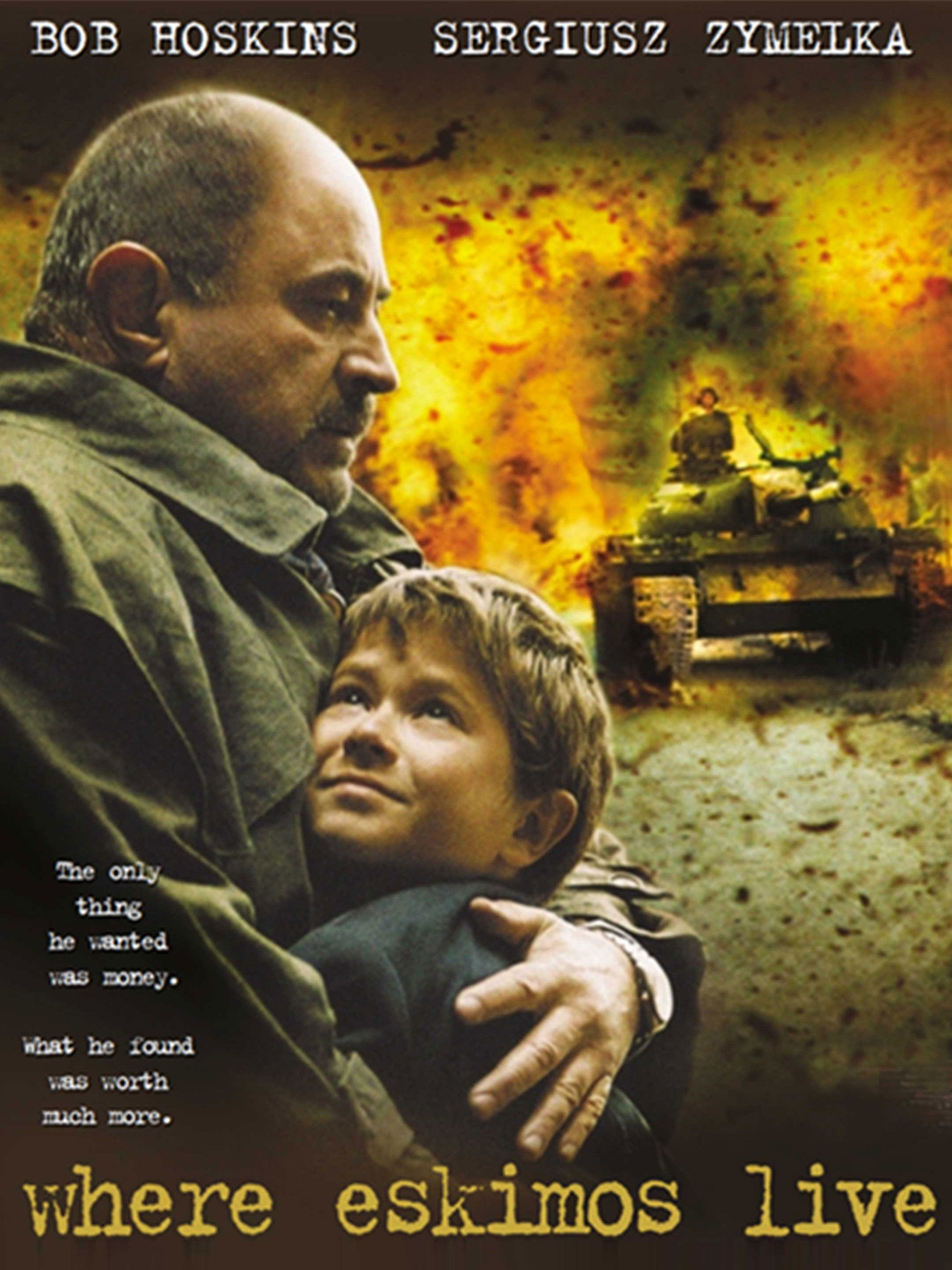
Sharkey, part of the sinister world of child trade, picks up Vlado, an orphan of war, dreaming of freedom and a better life. They embark upon a strange and enlightening journey through war torn Bosnia. As they struggle to get out of the country and fight to stay alive, they find a special love and compassion from which emerges their ultimate moral and spiritual redemption.
A radio journalist is having a heart attack. This event becomes a pretext to summarize life.
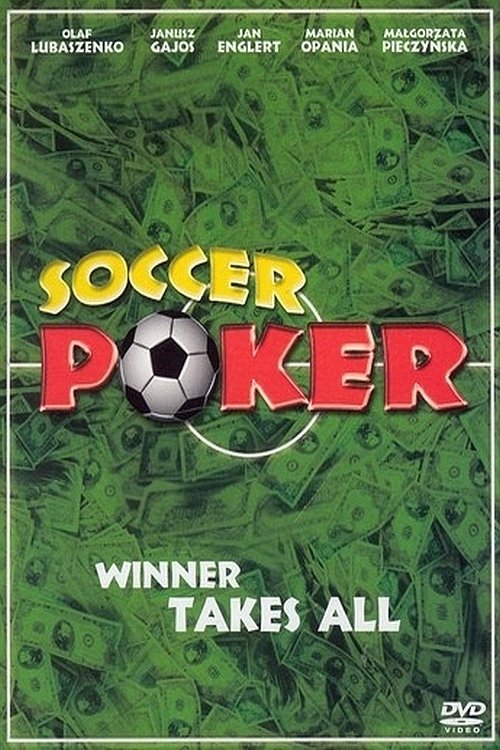
Laguna was once a great soccer player whose career was interrupted by an injury. He spent years climbing the ranks to become an international referee. He sees the prevailing arrangements, manipulations, and bribery around him. Now desperate, he decides to stage an extraordinary culmination of his career: he wants to create a so-called "miracle Sunday" by "printing" the final round of games - taking substantial bribes from the interested clubs and manipulating the matches so that the results align in the order he set up.
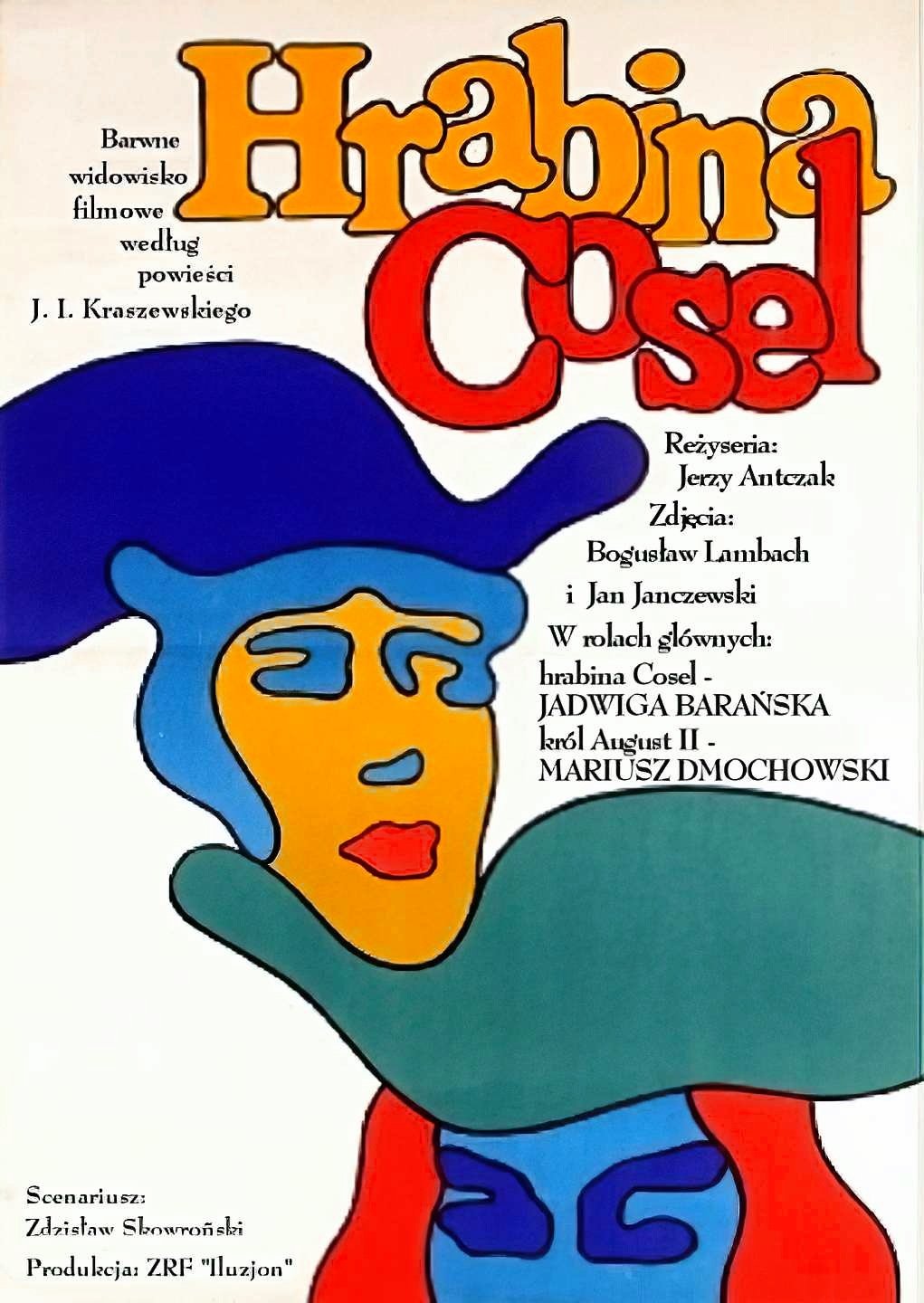
The Countess Cosel is based on the true story of the beautiful Anna Constantia of Brockdorff, a German noblewoman who became a mistress of Augustus the Strong, King of Poland and Elector of Saxony in 1704.
Warsaw elites meet at a ball in Baron Neman's palace, where they discuss the political situation in Poland.

Thanks to the powers of magic, Adaś Niezgódka is transported to the fairy tale land of Mr. Blot – the protagonist of Jan Brzechwa’s classic book. Mr. Blot is a teacher and a magician in one. His lessons cannot be boring. Especially when bIotology is the subject. Adaś learns about the miracles of the enchanted land, but also gets to know its dark secrets.
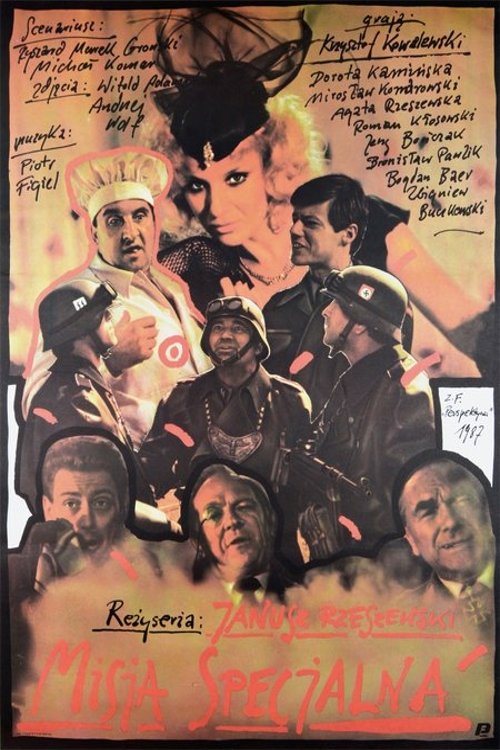
In 1943, a drunk cook is mistaken for a secret agent and sent on a special mission from London to Nazi-occupied Poland.
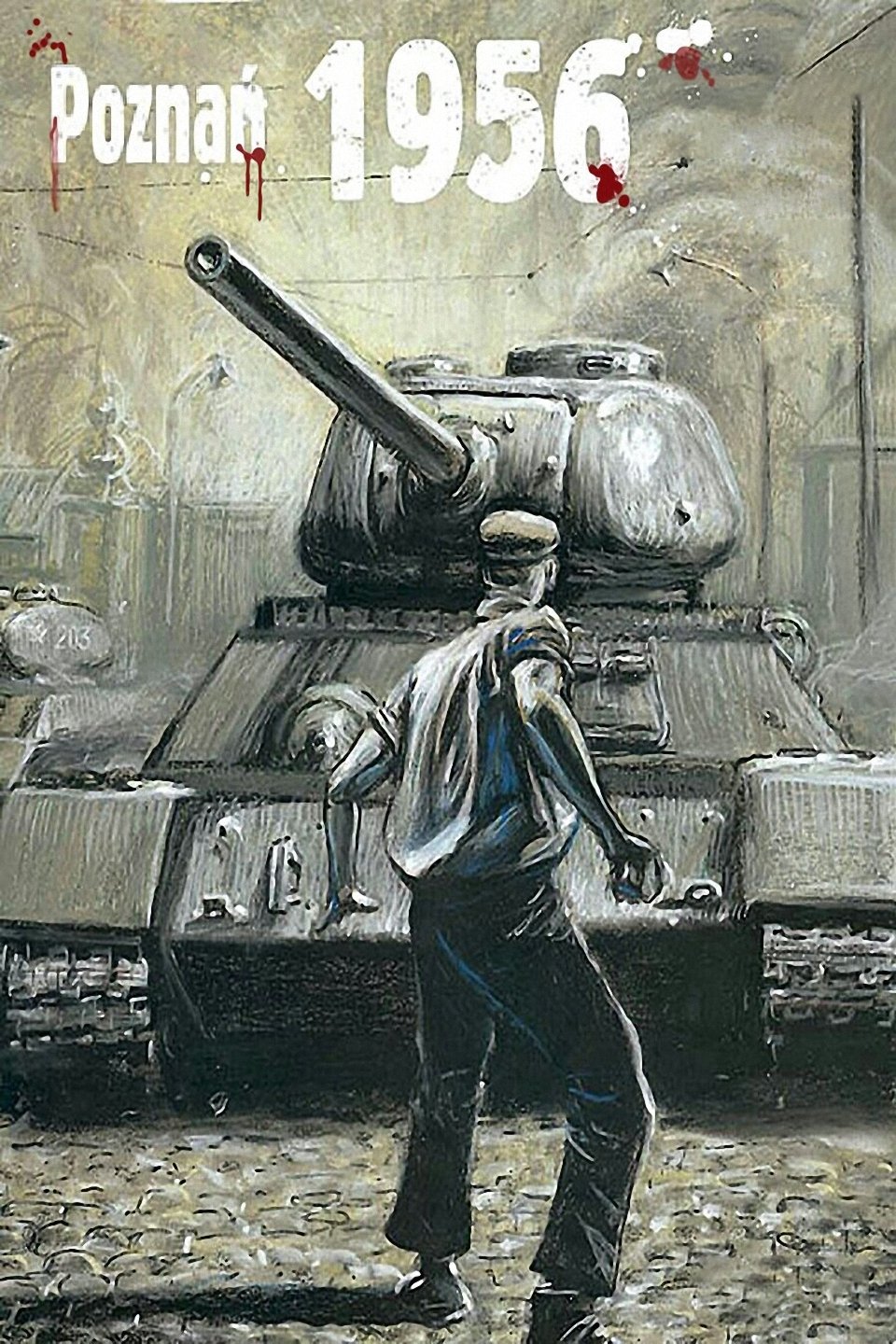
The film depicts the momentous and tragic history of the Poznan uprising of 1956. The memory of the director, who was a nine-year-old boy at the time, is the only canvass of the script. The main characters of the black-and-white film are two boys aged ten and twelve. From their perspective, the viewer follows the development of events. From the depths of the gates, through the rails of fences and cluttered backyards, through the eyes of the children we watch the street riots. The film, without action in the literal sense of the word, was made using a reportage technique that perfectly captures the spontaneity of the Poznan uprising. Among other things, the author of the picture depicts the adventures of a young worker Zenek, who becomes the unwitting leader of the protest, and five professors, who by chance find themselves in the very center of events.
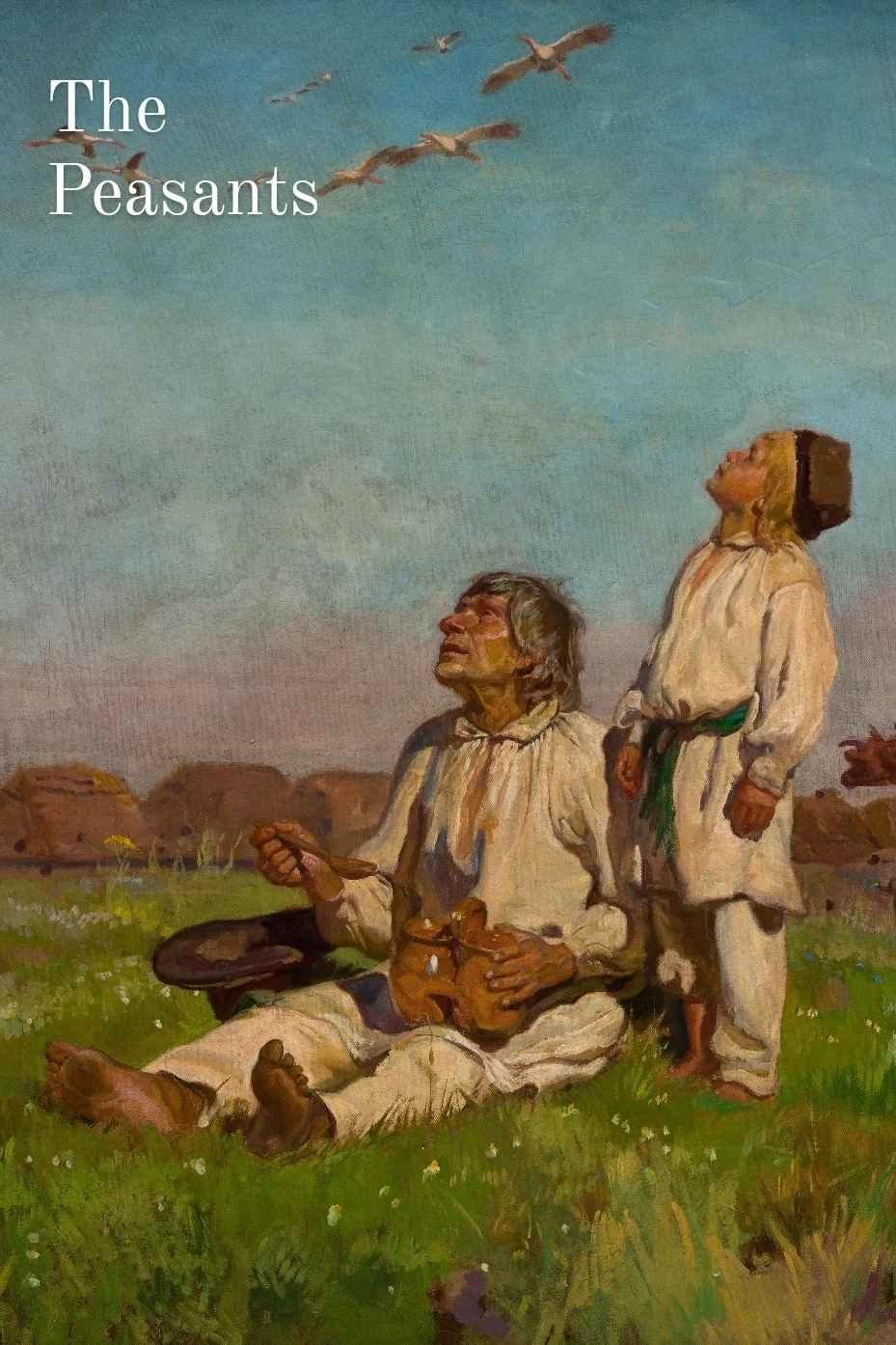
In a bucolic Polish hamlet, the tense relationship between a father and son reaches a boiling point when the men lose their hearts to the same woman and vie for her affections. Based on Wladyslaw Reymont's Nobel Prize-winning book and helmed by Jan Rybkowski, this theatrical release (starring Krzystof Chamiec, Wladyslaw Hancza and Emilia Krakowska) was culled from a 13-episode miniseries that aired on Polish television in 1972.

Set before the first World War in part of Poland under Austrian occupation, the story of a young boy in primary school who later grows up to become a rebellious, poetic-minded teen in the same school when the national movement toward liberation is under way. The story of a country where church and state work together to suppress the human spirit.

Ewa Bonecka, a young student about to start school in a new place finds herself without a place to sleep after she is declined a room in a women-only hotel. Helped by a pleasant policeman, Piotr, she tries to find a lodging in the strange town full of thieves and petty troublemakers.

Young Pinio gives his porcelain elephant Dominik vitamins, after which he becomes real, and the two set off on new adventures.
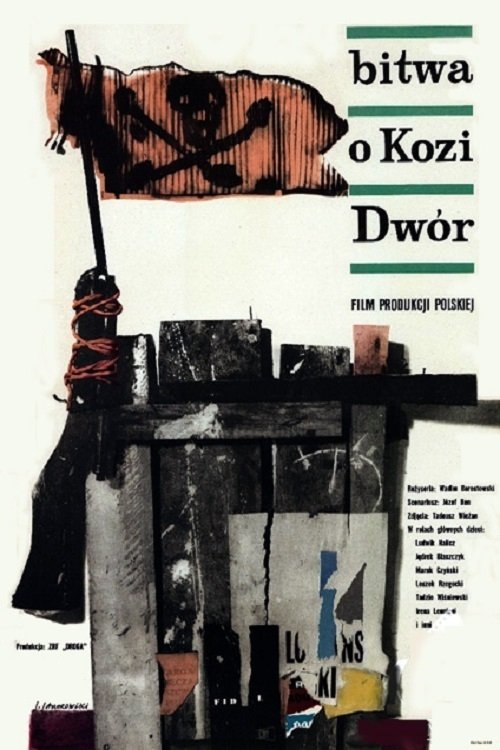
A group of boys in pre-war Warsaw fight for the right to train at an abandoned square.
A popularity-hungry young journalist writes a sensationalist article on a supposed teen suicide club.
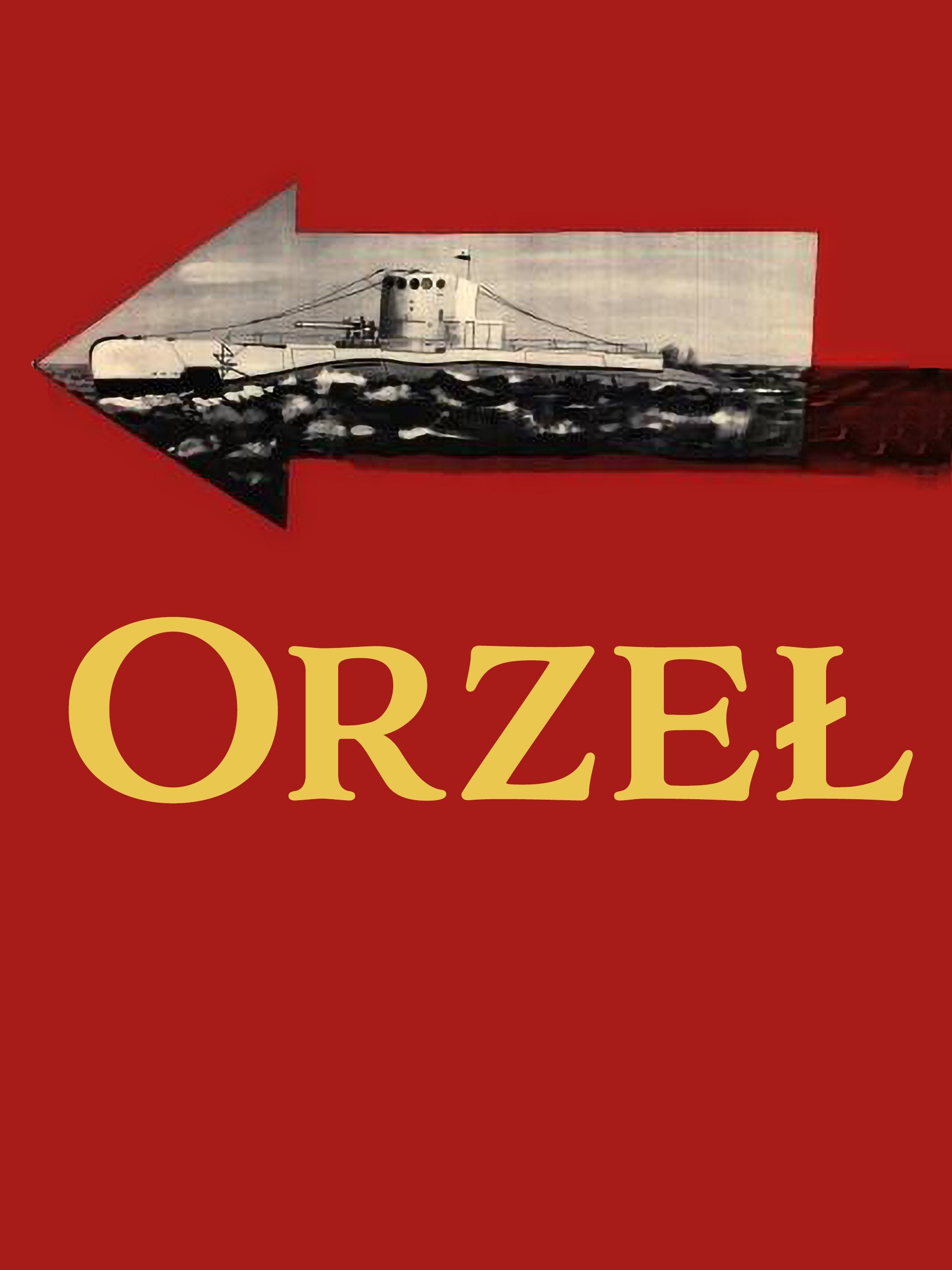
Based on a true story of Polish submarine "Orzel" (The Eagle): September 1939, "Orzel" is coming to Estonian neutral harbor in Tallin. Under pressure from Germany Estonians have intern the ship. Commander Grabinski decides to escape to England through the Baltic Sea, without any maps that has been confiscated and with only small amount of fuel on board.
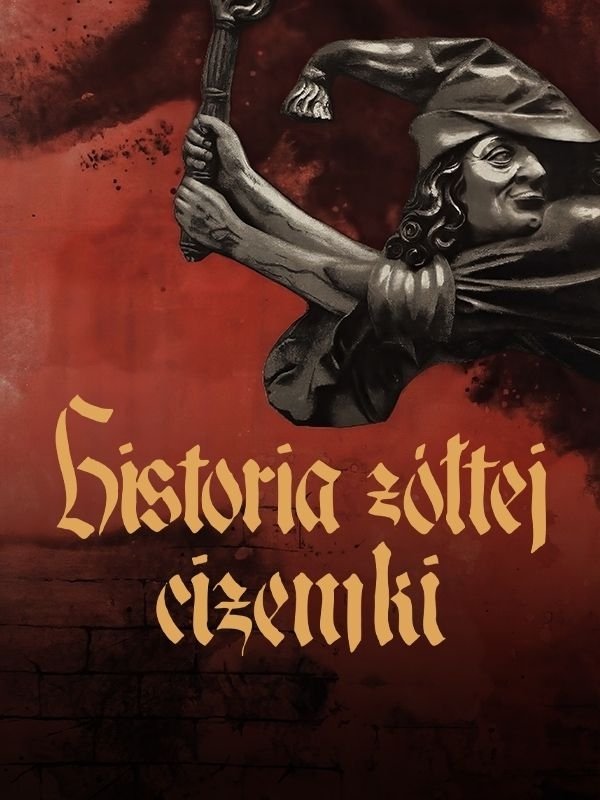
Set in the Middle Ages the film tells the story of a wonder child, the little sculptor Wawrzek, who goes to work for a great master, Wit Stwosz. The story culminates in the unveiling of Stwosz's greatest masterpiece, the Altar of St. Mary's Church in Cracow.
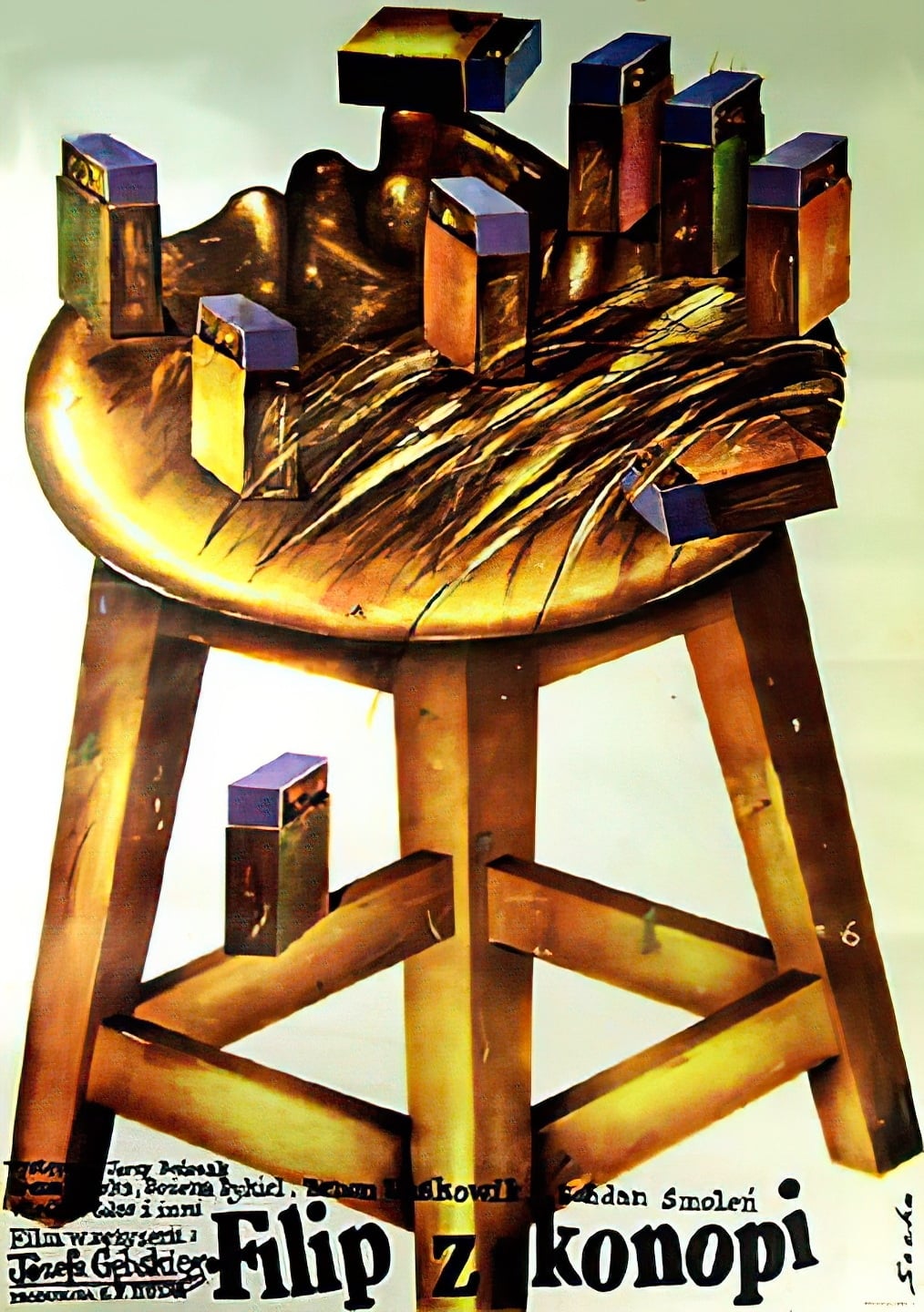
Zenon Ziembiewicz, a young, budding journalist, comes to his parents' manor house for a vacation. Here he enters into an affair with the lovely Justyna Bogutówna, the daughter of a cook. When the canicule comes to an end, Zenon packs his bags and leaves for Paris to study. Returning after a year with a doctorate in political science, he makes a fast and glamorous career. He becomes the editor-in-chief of the local newspaper and, soon after, mayor of the city. He also marries Elzbieta Biecka, but still does not break up with Justyna.
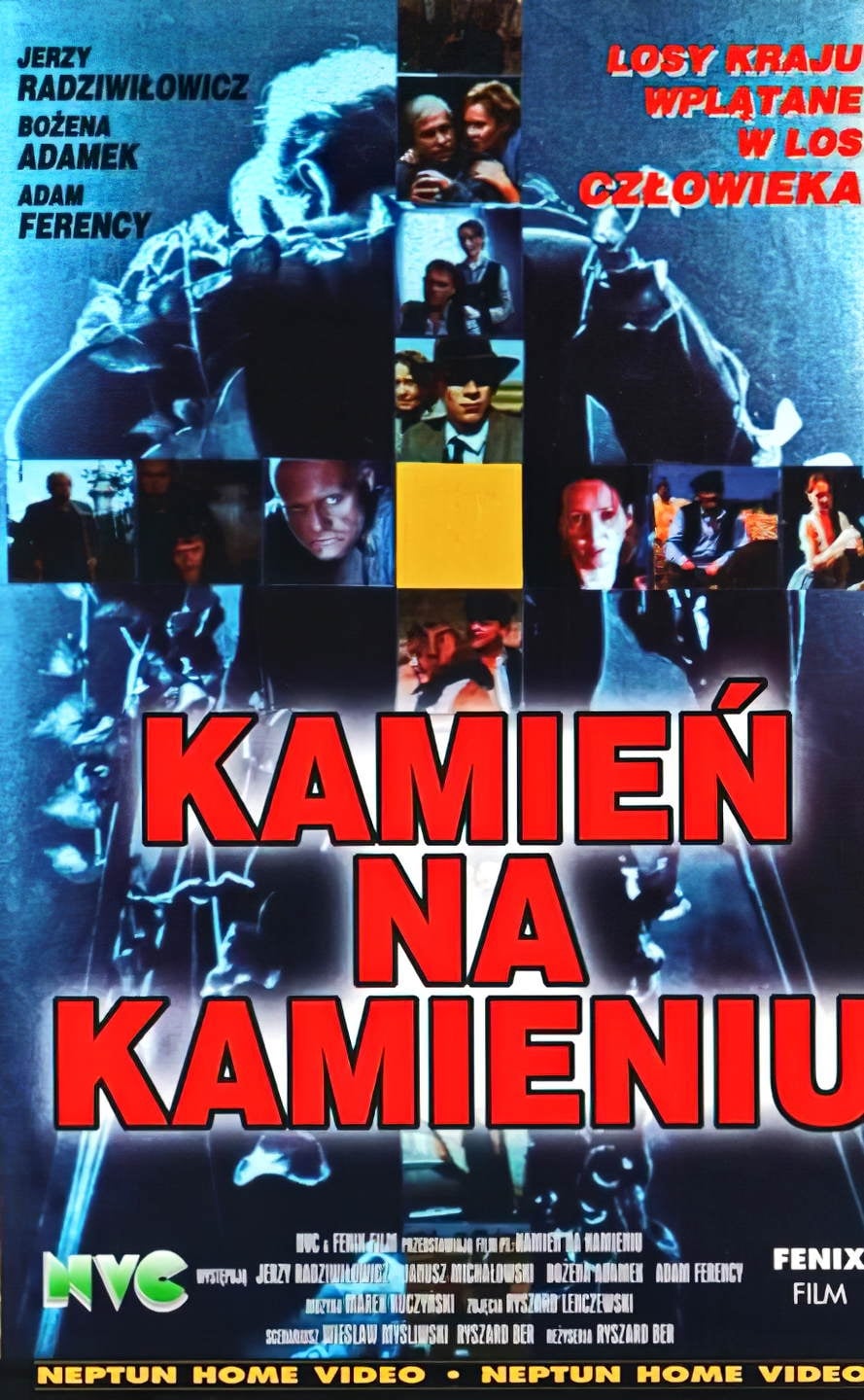
A story about the fate of post-war Polish villages. Szymon Pietruszka's life is dominated by Michał, his older brother, who left for the city before the war. There, he became involved in the leftist movement. He returned to his home village after the war in a dignitary's car. Soon, however, he left again, only to reappear a few years later—this time penniless, mired in apathy, betrayed by his ideals. The only person who guesses Michał's secret is Szymon, who is also unable to break down the wall separating him from his brother.
PZU Inspector Anatol Kowalski is sent to the city of Paryżew on a special mission to catch a gang of bathing suit robbers.
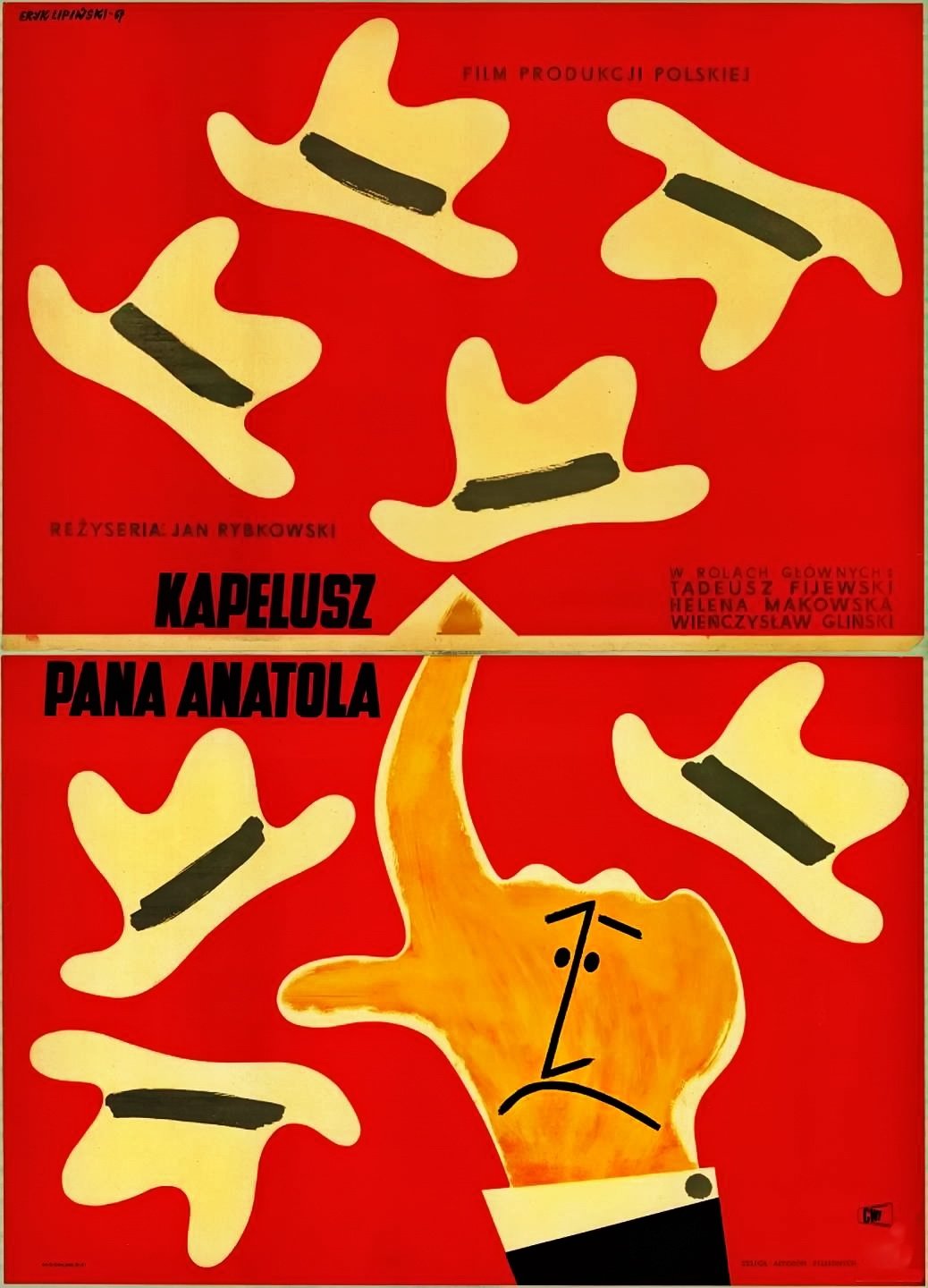
Anatol Kowalski is an old man who works in a bank and loves his old-fashioned hat. One day the hat gets lost and Anatol decides to buy a new one.
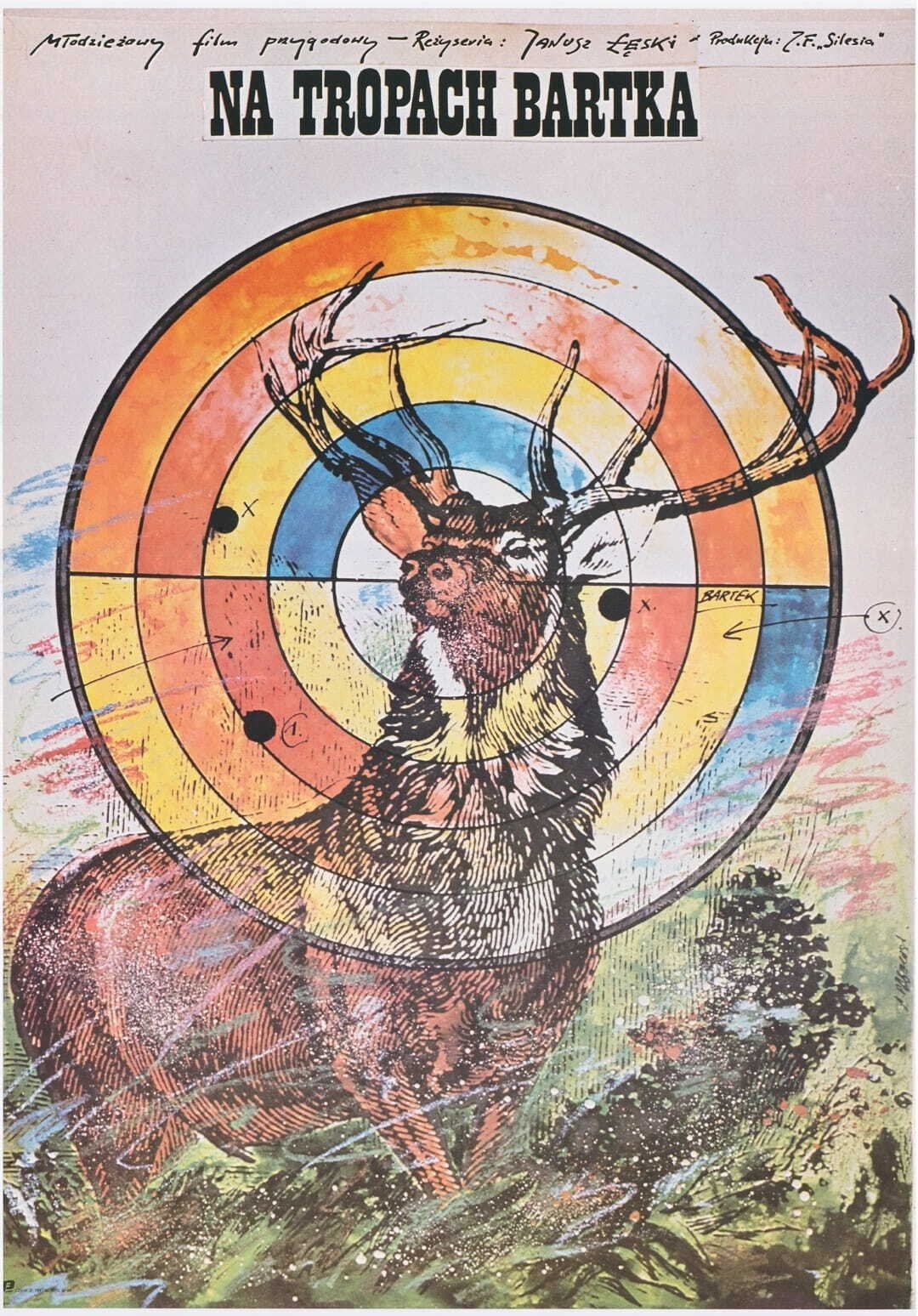
Friends, with the help of the gamekeeper and forester, try to catch the poacher.
Three ironic episodes showing how to get what every man dreams of - money, women and fame.
The film is set in the interwar period. Jerzy, a young journalist, spends his vacation alone, kayaking on rivers and lakes. One day, he stops for the night near an old manor house. He learns from the local residents that the once magnificent residence has now fallen into complete disrepair. Even Miss Gabrysia had to be taken out of boarding school because there was no money for her further education. To Jerzy's surprise, the local heiress appears in his tent at night. Complaining about the boredom of provincial life, begging and flirting, she obtains a promise from the journalist to help her escape "into the world."
A group of chauvinistic men start a Bachelors' Club, but soon they start falling in love with women, threatening the continued existence of the club.
A chance meeting at a dinner table reveals the culprit of an old thought-to-be-solved murder.
The action takes place in Warsaw in the second half of the 19th century. The main character is the head of the girls' school - Mrs. Emma Latter. Ms Latter is struggling with the financial problems of her institution, because the parents of the students are still in arrears with payments. In addition to professional problems, she is tormented by problems with adolescent children. All this causes Mrs. Latter to experience a mental breakdown.
Bronek Pekosinski lives in Zamosc, Poland. He is probably 83 years old. He has no family and does not really know who he is. Everything about his life is fictitious: symbolic is the date of birth - the day World War II broke out, as well as his surname - after PKOS, an abbreviation of a charitable institution, and the place of birth - the Nazi concentration camp, from where his mother threw him over a barbed wire fence. Even his friends and guardians turned out to be false. Only his loneliness and his hump seem to be authentic. Two great powers have vied for young Bronek's soul: Roman-Catholic church and a totalitarian state. He fell into alcoholism. Partially paralyzed as the effect of cerebral hemorrhage, he is fired with an ambition of acquiring a mastery in a game of chess.
The film is a continuation of the 1984 film I died to live. Leopold Wójcik, faking his own death, returns to the underground. Unlike the previous part, the fate of the heroes is a fiction - a variant of events that could have taken place. The film had a sequel: Born for the Third Time (1989).
A mysterious man takes a writer back to the 19th century, where they meet Death.

One day, hospital orderlies, watching corpse in the morgue, recognize film director. Man, even though he died, he begins to remember his life. He made a career making movies, had numerous mistresses, but never realized their dreams. His life was interspersed with many setbacks that enfeebled him from the inside. Although he made a career in film, he was not happy with his life.
A world of the future where society is addicted to the drug of television. Supervision sessions create a perfect illusion of reality, making it almost impossible to return to reality.
The wealthy Lord Artur Savile learns from a palm reader that he's destined to become a murderer. Obsessed with the prophecy, he decides to commit the deed as quickly as possible.
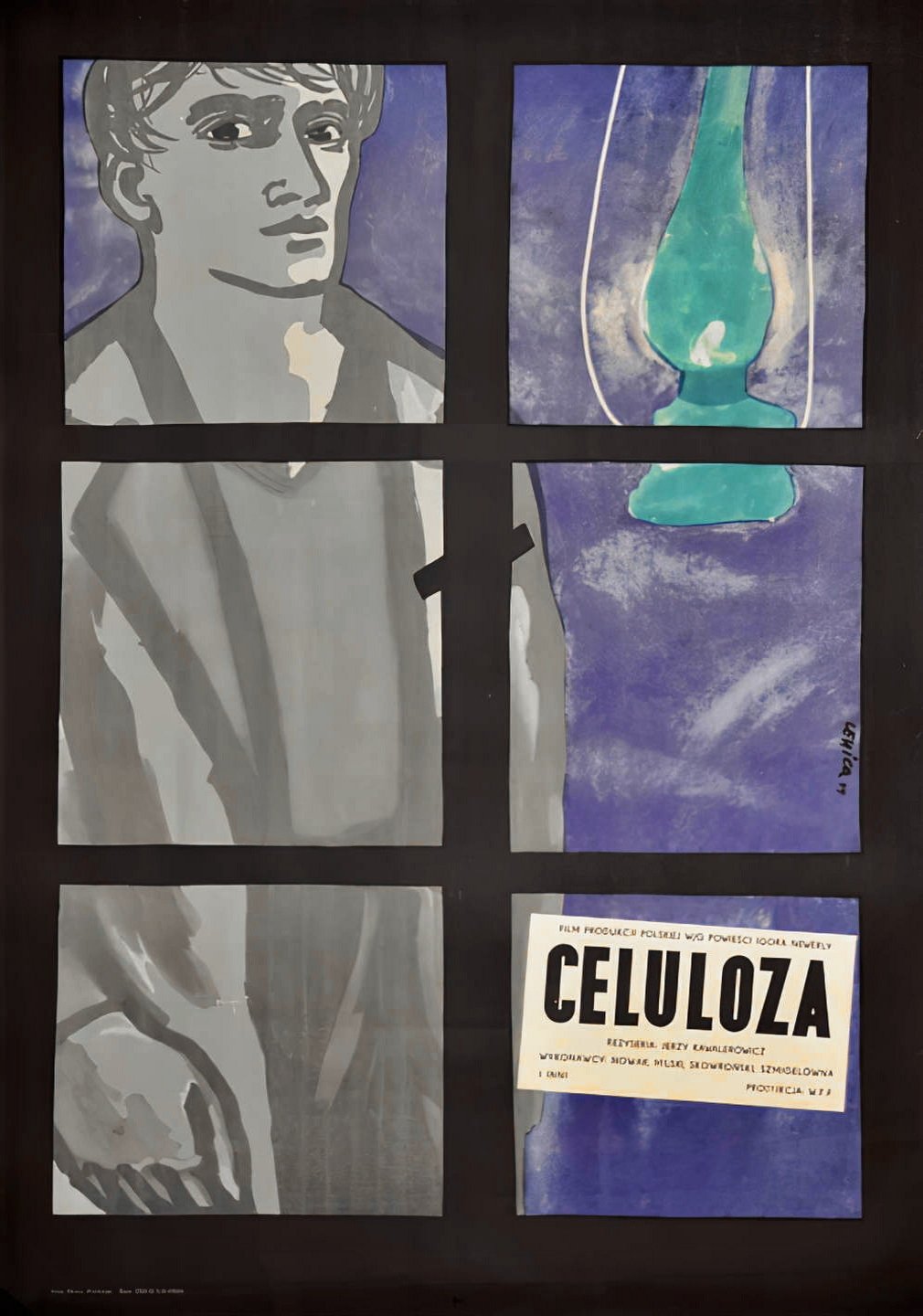
Through the fate of the boy - whose hunger drives from his home village , and who receives a severe school of life , going through different social environments in order to become conscious , revolutionary activist - creators show a realistic panorama of conflicts in pre-WWII Poland.
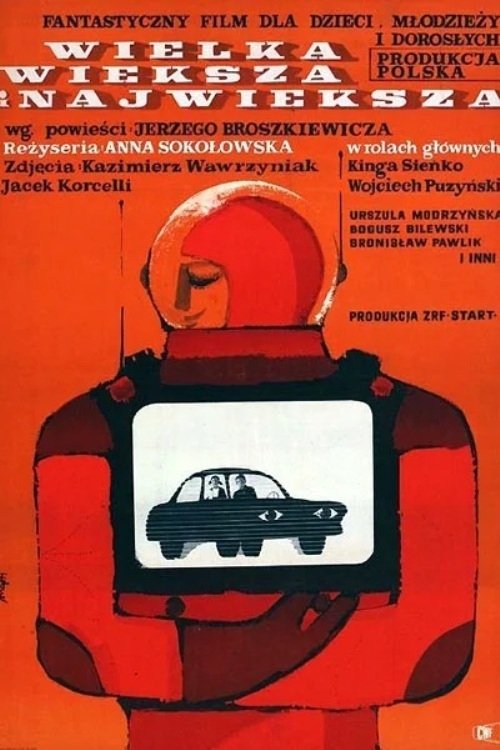
A young boy and girl travel in a strange car and encounter various objects which come alive to help them. Eventually they leave the Earth altogether and visit a strange, new planet.

Mr. Jourdain, oblivious to his own ignorance, embarks on a comical journey to transform himself into a nobleman, taking lessons from music, dance, fencing, and philosophy teachers who exploit his naivety for profit. Despite the mockery from his maid Michasia and the exasperation of his wife, who warns against his lofty ambitions, Mr. Jourdain remains undeterred. His daughter Lucille’s potential marriage to a nobleman is threatened by an envoy from the Turkish sultan’s son, who seeks her hand. To secure the alliance, the envoy elevates Mr. Jourdain to the rank of Turkish voivode, resolving the dilemma and setting the stage for a humorous conclusion.
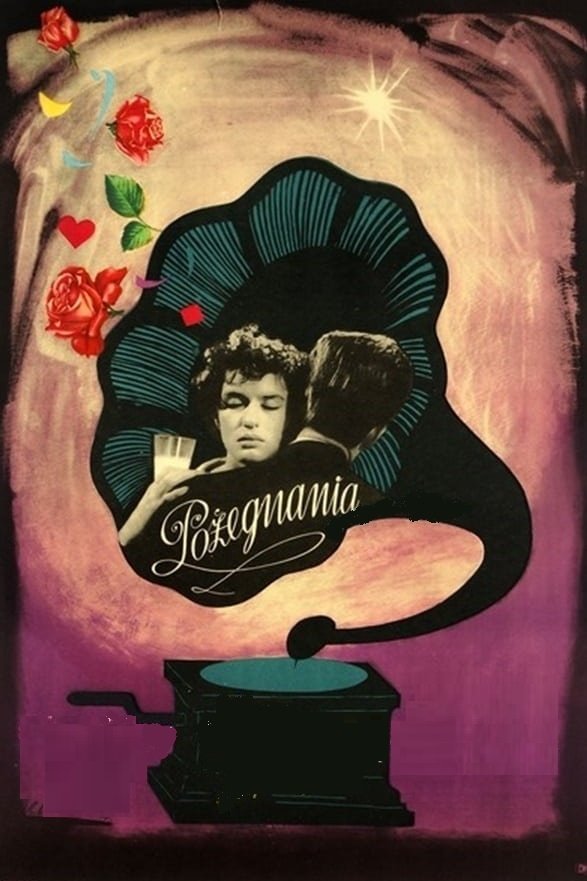
The story takes place before World War II and centers on Pawel, a member of a conservative, middle-class family, and his love for Lidka, a taxi dancer. Social conventions and the lovers' inability to defy those forces Pawel and Lidka benefit. Times change, war breaks out, leading to Pawel sent to Auschwitz while Lidka marry his cousin. Their love has survived and conventions are no longer the issue.
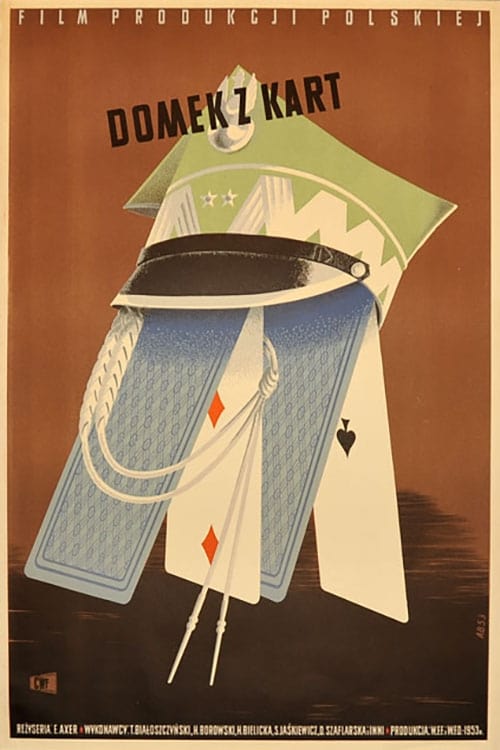
August 1939. After publishing an article criticizing the government, a journalist has to hide from the authorities.
Four friends work out the interests of a dishonest businessman.
Kazimierz Zaliwski was born into an intellectual family, he graduated from high school, and knows two foreign languages. The foreman, in love with his daughter, decides not to continue his studies. He wants to take a job as a locksmith in a factory.

A young teenager from the provinces comes to Warsaw to find her relatives and gets herself in various trouble.

Old friends come to the reunion of alumni, for whom the meeting after many years is an opportunity for memories, but also comparisons of who have been most successful in their lives.
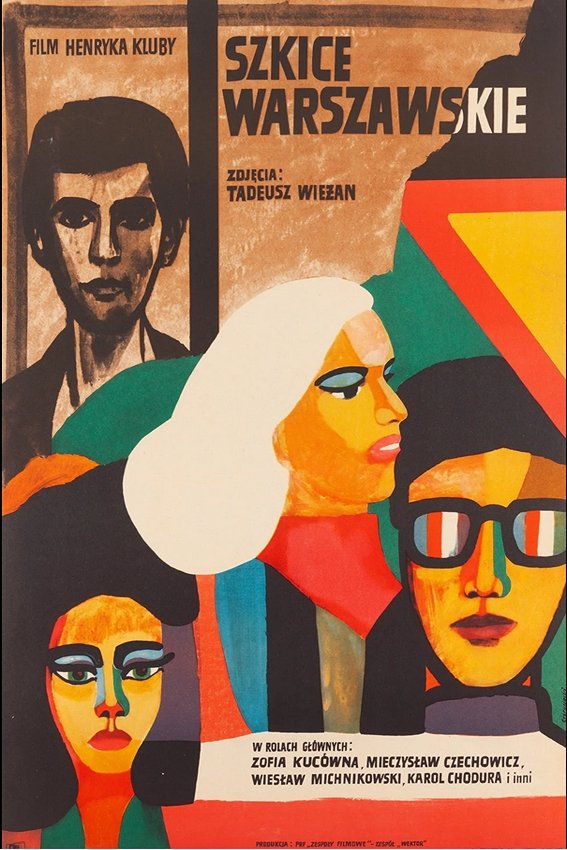
Three stories describing the life of the inhabitants of Warsaw, each set in a different time period.
Every morning, a mysterious trombonist plays a concert in one of Warsaw's tenement houses.
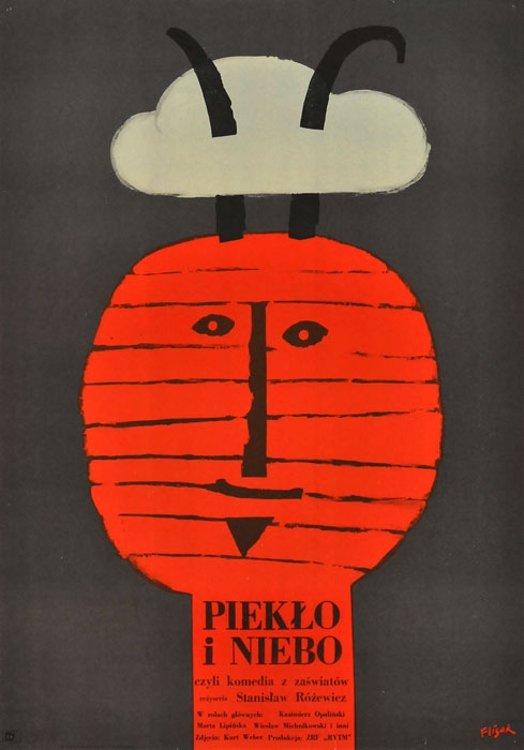
A bus crashes and its passengers find themeselves in the afterlife, which they find has the not only the same set of rules as Earth, but also the same bureaucratic chaos.
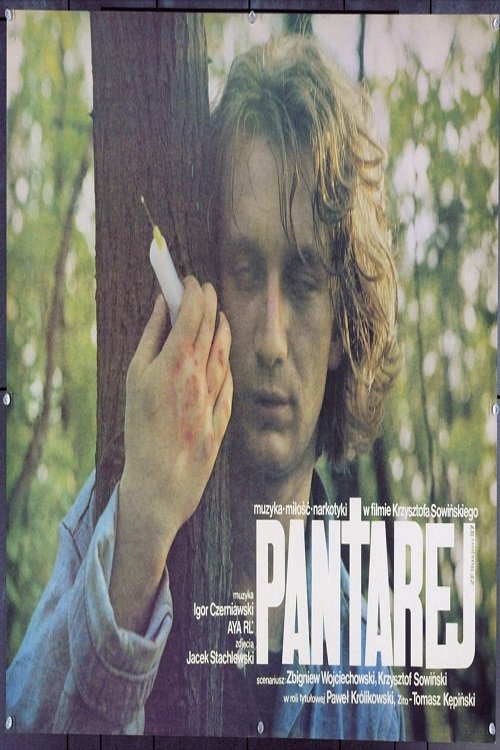
Wanting to get drugs, Pantarej and Zito decide to break into the hospital.
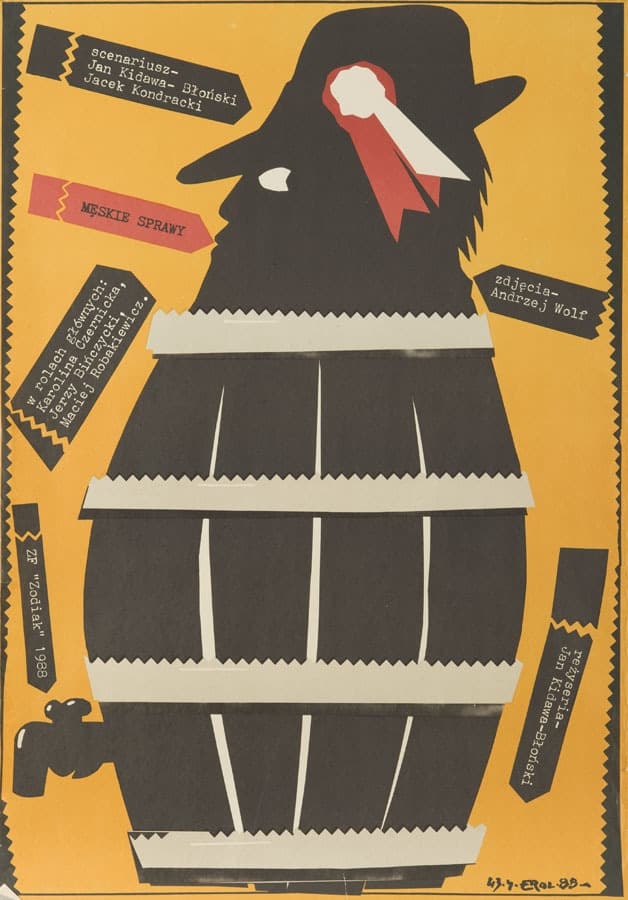
Young residents of a town near Poznań are getting ready to fight the Germans.

A collection of intimate television short stories based on well-known literary works.
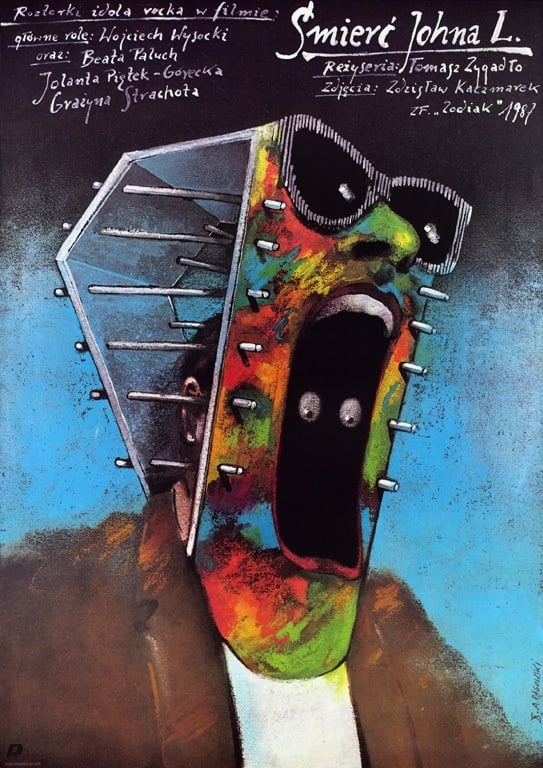
Zbigniew Gąsior, a thirty year old singer, is a youth idol. Despite fame, money and success with women he can't neglect the emptiness in his life.
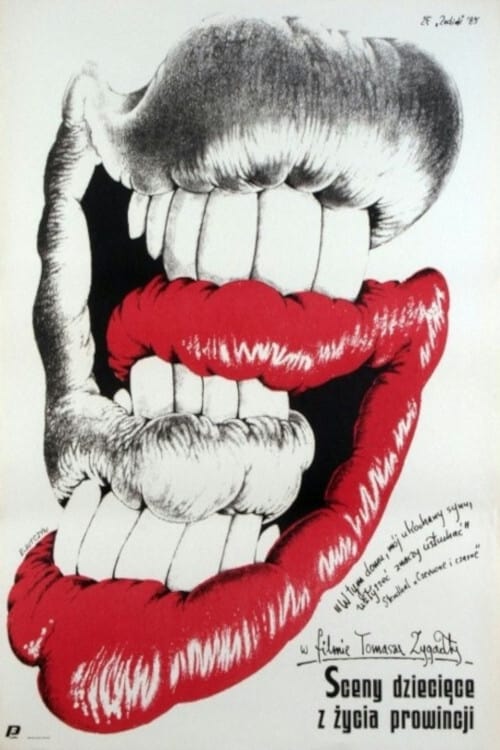
Based on a short story by Andrzej Mencwel. Somewhere in Poland, spring 1980. Julian S. is an intelligent young man with a lot of interests. After another argument with his father, he leaves the house. Comrade R., the mayor of the city, engages Julian as his son's tutor. Krzysztof R. doesn't want to study, to annoy his parents, but Julian wins his friendship and encourages independent thinking. Meanwhile, the Mayor is so preoccupied with his career that he doesn't notice the growing intimacy between his wife and Julian.
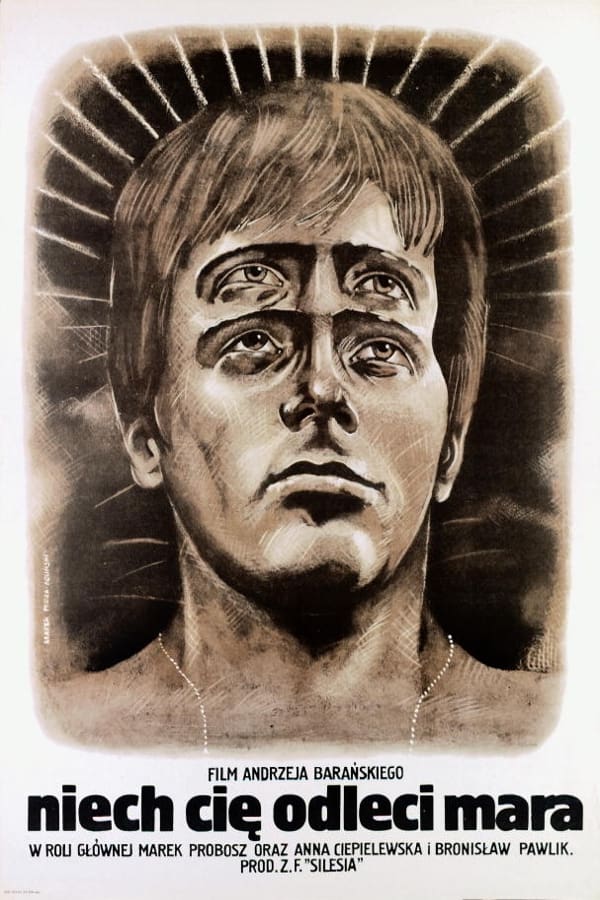
1950, a small town in Poland. Not the best times for shop owners like Jozef Piasecki - obstacles from authorities, restricted wholesale supplies. Moreover, he constantly argues with his son, the 17 year old Witek. Witek experiences love for the first time. This should be a time of great excitement for him, but Witek, being rather anxious about the future, becomes an example of a youth generation growing up under the long shadow of Stalin.
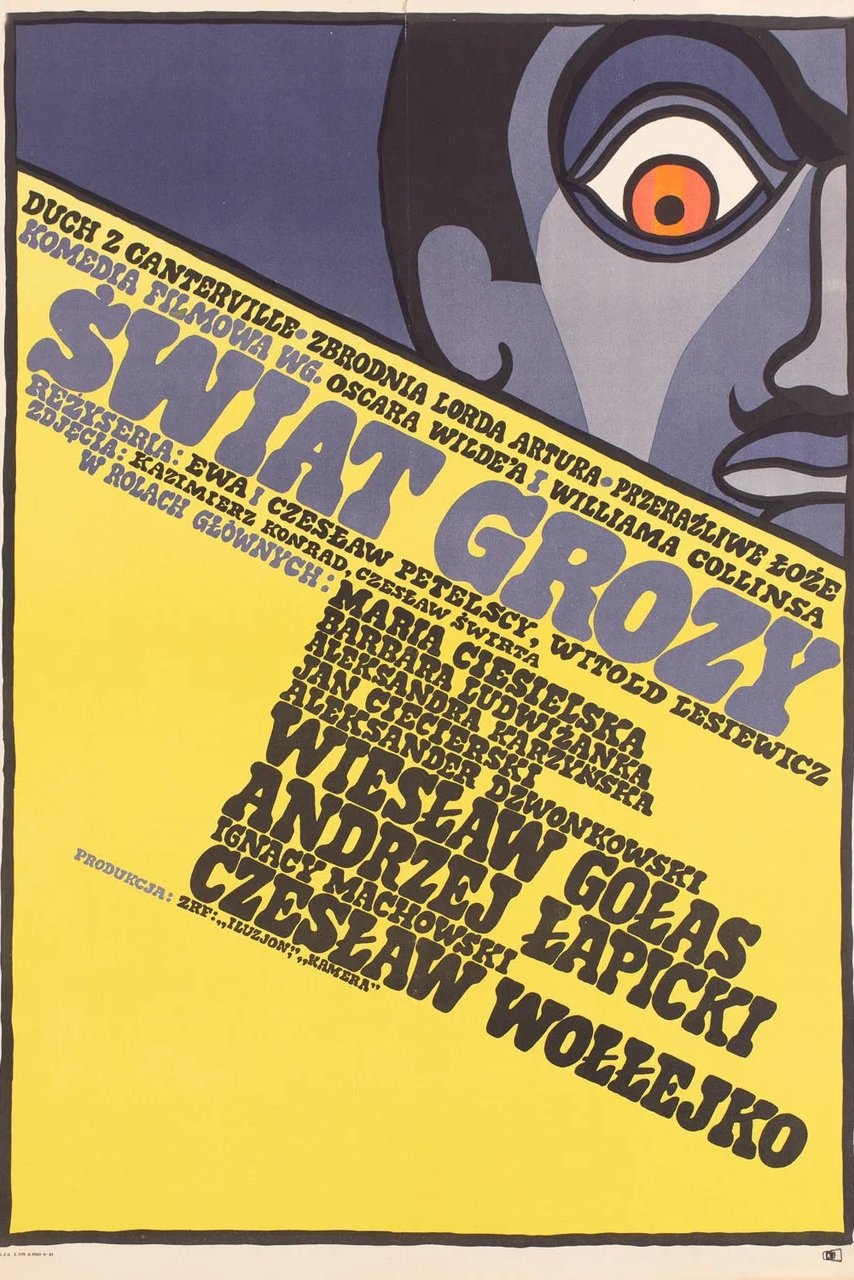
Selected episodes from a television series of thrilling stories based on works of world literature classics.
The writer Jan Kellert - the author of the widely known book "The Legend of the Vistula", which is part of the canon of pre-war middle school reading, comes from Lublin to Żmurki, where he spent the occupation. The division of the Żmurki estate is to take place the next day. The welcome dinner becomes an opportunity to exchange political views and a critical view of the manor's inhabitants on the current situation.
A school reunion is called to commemorate Adam, who died during the Second World War while defending a bridge. Unexpectedly, Adam shows up just before the ceremony. It turns out that he was only wounded, and after a war started a family and lived an ordinary life. To avoid the truth from spreading town Adam is asked to leave so that he can still be revered as a hero.
The second of six episode compilations of the TV series, featuring episodes 2 and 4.
The third of six episode compilations of the TV series released theatrically, featuring episodes 5 and 7.
The fourth of six episode compilations of the TV series, featuring episodes 8 and 9.
The fifth of the six episode compilations of the TV series released theatrically, featuring episodes 14 and 15.
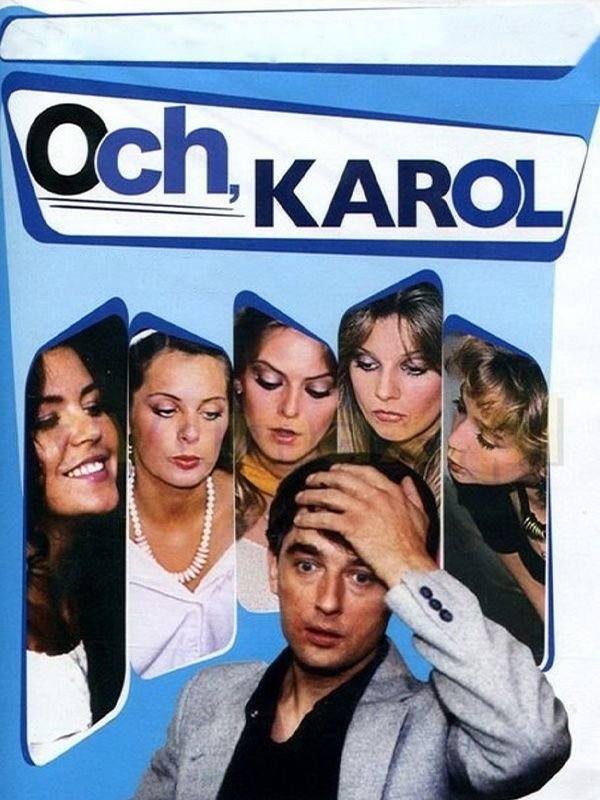
Karol has everything. He has three mistresses in addition to the bride. He is charming, loves sex and enslaves women in the blink of an eye. He's also well aware of that women like and uses it for his benefits.
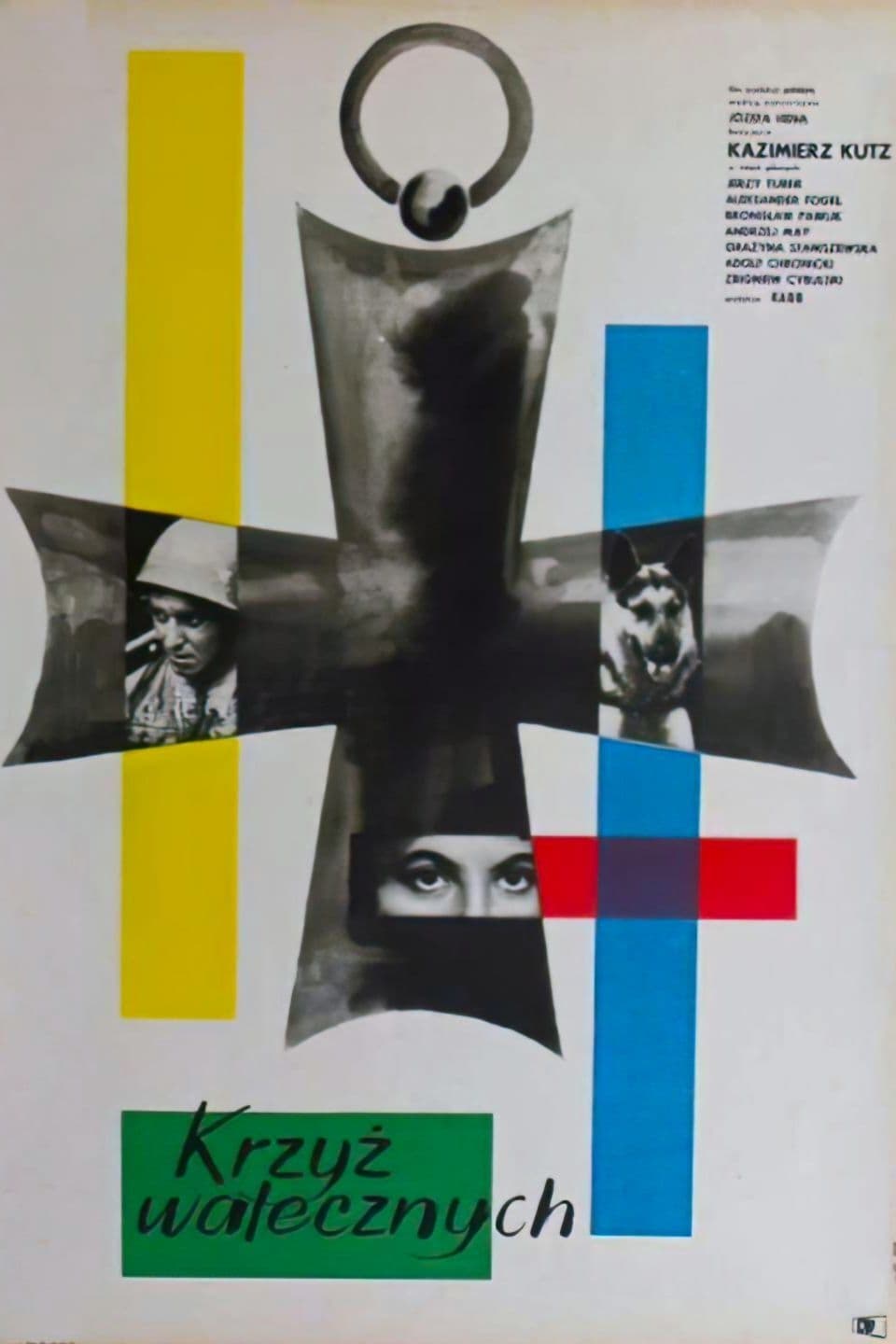
Three episodes showing the repercussions of war. A soldier is awarded with the Cross of Valor and vacation to home. But instead of his village, he finds only the charred ruins. A stray dog turns out to be the former guard at Auschwitz. A young widow is hailed as the wife of the hero but dreams of something else.

Documentary essay about the First Moscow International Film Festival, held in August 1959, about its participants and guests - Soviet and foreign actors, directors who came to the film forum.

Story of a tragic love triangle that develops between a mother daugther and a farmhand. A good-looking widow lives alone on a farm with her teenage daughter. Their neighbor occasionally helps them in the farmwork. He would have eventually married the mother, but the daughter tries to seduce him at all costs. He becomes the lover of both women, but eventually runs away leaving the mother shattered and the daughter pregnant.
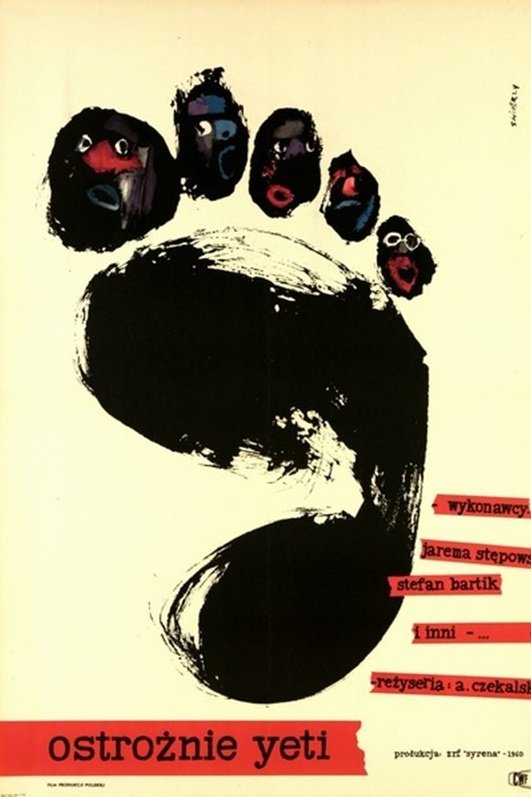
Absurd gag comedy about a grotesque pursuit of a "snow man" allegedly imported to Poland. A box with a shipment from India, which was supposed to contain a yeti, turned out to be empty. The desperate professor tries to find it. He even gets into prison, from which, however, he escapes handcuffed with the thief. Meanwhile, the "snow man" begins to be considered the perpetrator of more and more crimes. Eventually, everything becomes clear. In the telegram notifying of the shipment, a word was twisted and hence the whole misunderstanding.
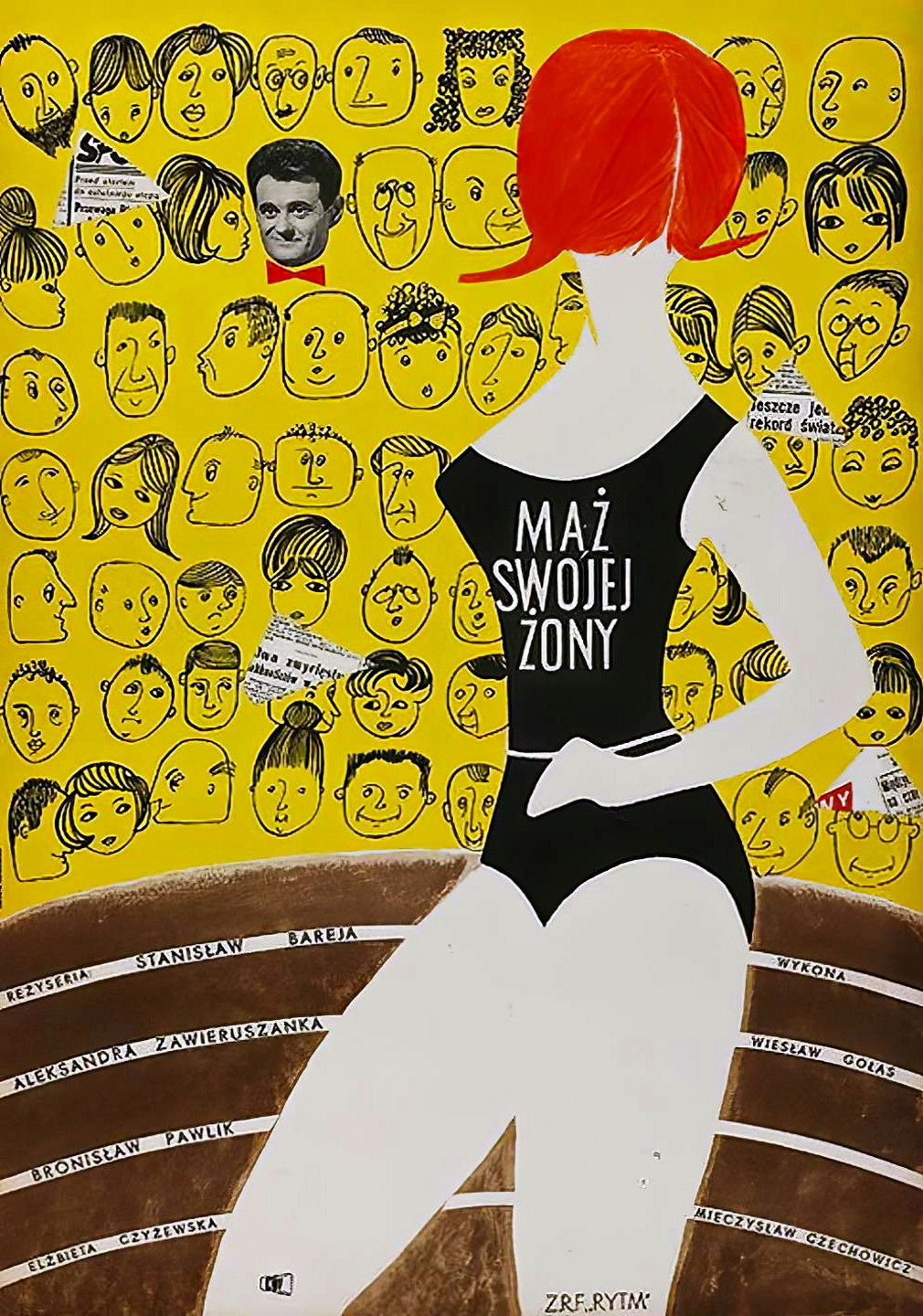
Mąż swojej żony (English: Husband of His Wife) is a Polish comedy from 1960 directed by Stanisław Bareja. The story of a newly married couple, Michał Karcz (composer) and sprinter Jadwiga Fołtasiówna-Karcz. Michał has to adjust to Jadwiga being much more famous and her fame and needs dominating their lives.

After discussions with Schwartz, a producer from the West, screenwriter Stefan comes back to Poland. Everybody reminds him of his previous success: “The Flame”. The tired protagonist goes back to his wife, actress Ewa, who is eagerly awaiting him. Ewa goes to an audition which doesn’t turn out too well. On the next day, Stefan and his collaborators are wondering what to write a scenario about. Meanwhile, Stefan has a tooth ache. He decides to visit a dentist but is scared away by the price he has to pay for the treatment. Stefan still can’t find an idea for a scenario, and Ewa is not being cast. They decide to sell the car, but a man who takes their car out for a test drive doesn’t return. Stefan is changing ideas for the scenario constantly, he can’t make up his mind… at home, a pipe goes off… the wine he keeps in gallons blows up… the milicia (People’s Republic of Poland’s police) comes and general chaos ensues, as they are drowning in water and wine… which gives Stefan an idea…

A young boy must go to school with his father.
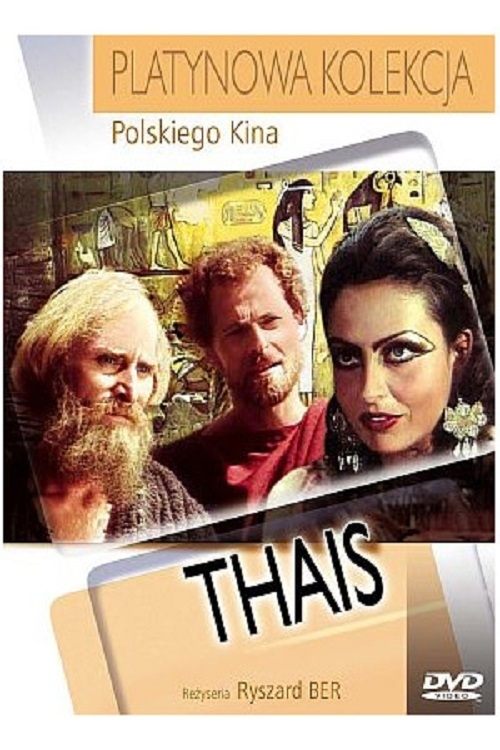
Thais, an Egyptian courtesan, is converted to a life of a penitant by Paphnutius, a holy man. She is taken to a convent in the desert and lives her life in the care of the abbess there. But Paphnutius is changed by the vision of Thais and becomes obsessed with gaining her love and retrieving her from the spiritual world for himself.
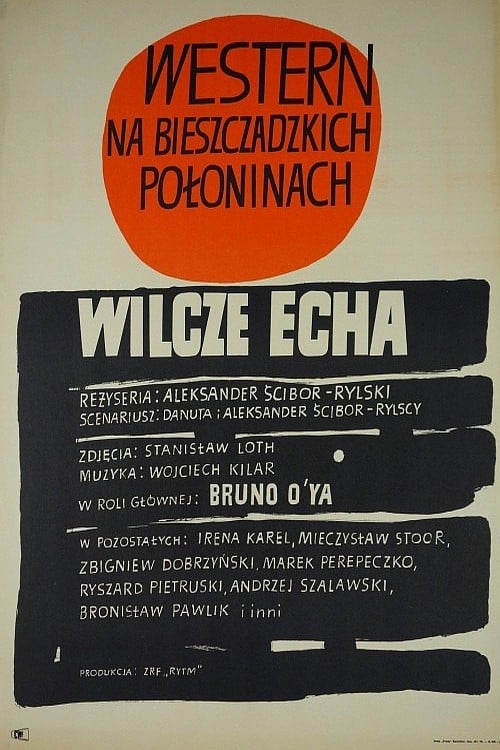
A lonely Border Guard officer, with a girl and a former villain, has to face a local corrupt Militia commandant and his people in wild Bieszczady Mountains in the Polish East.
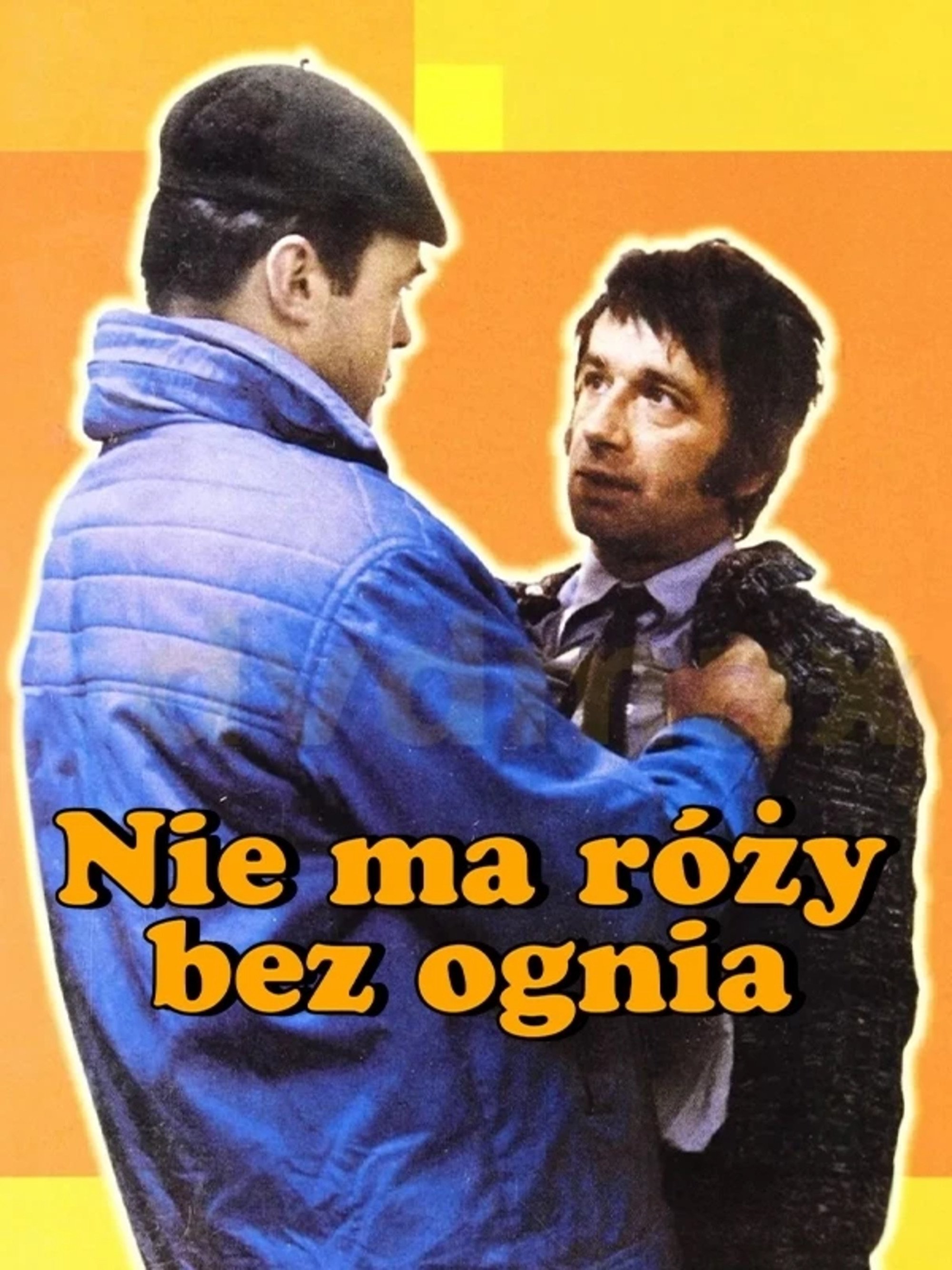
Janek and Wanda live in a small room in a villa, while other rooms are occupied by offices of various institutions. Janek often stays at work after hours, just to avoid returning to the cramped apartment too early. One day, a man named Malinowski, who once lived in the same small room, visits the couple. He proposes to exchange their room for a new, two-room apartment that he has just received. Janek and Wanda are initially distrustful, but eventually, the exchange takes place. It turns out that Wanda's ex-husband, Jerzy, already lives in the new apartment. Despite the divorce, as he is registered with Wanda, he has the right to continue living in her apartment. Janek tries to find a way to get rid of the intruder.
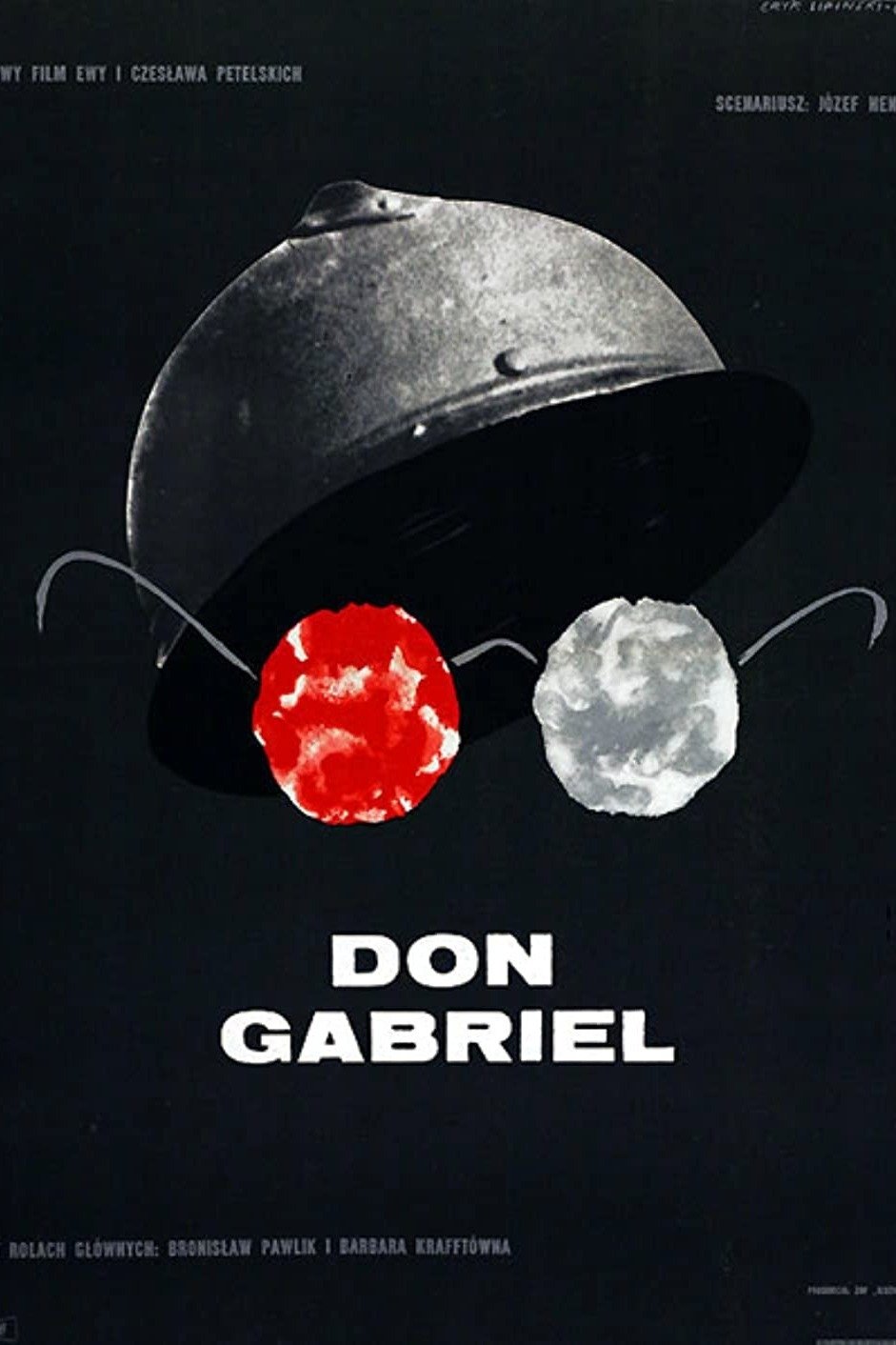
The first Polish film to discuss the failure of September 1939 Polish-German war, seen from the point of view of a university intellectual, fascinated by German culture, who decides to take active part in the conflict.
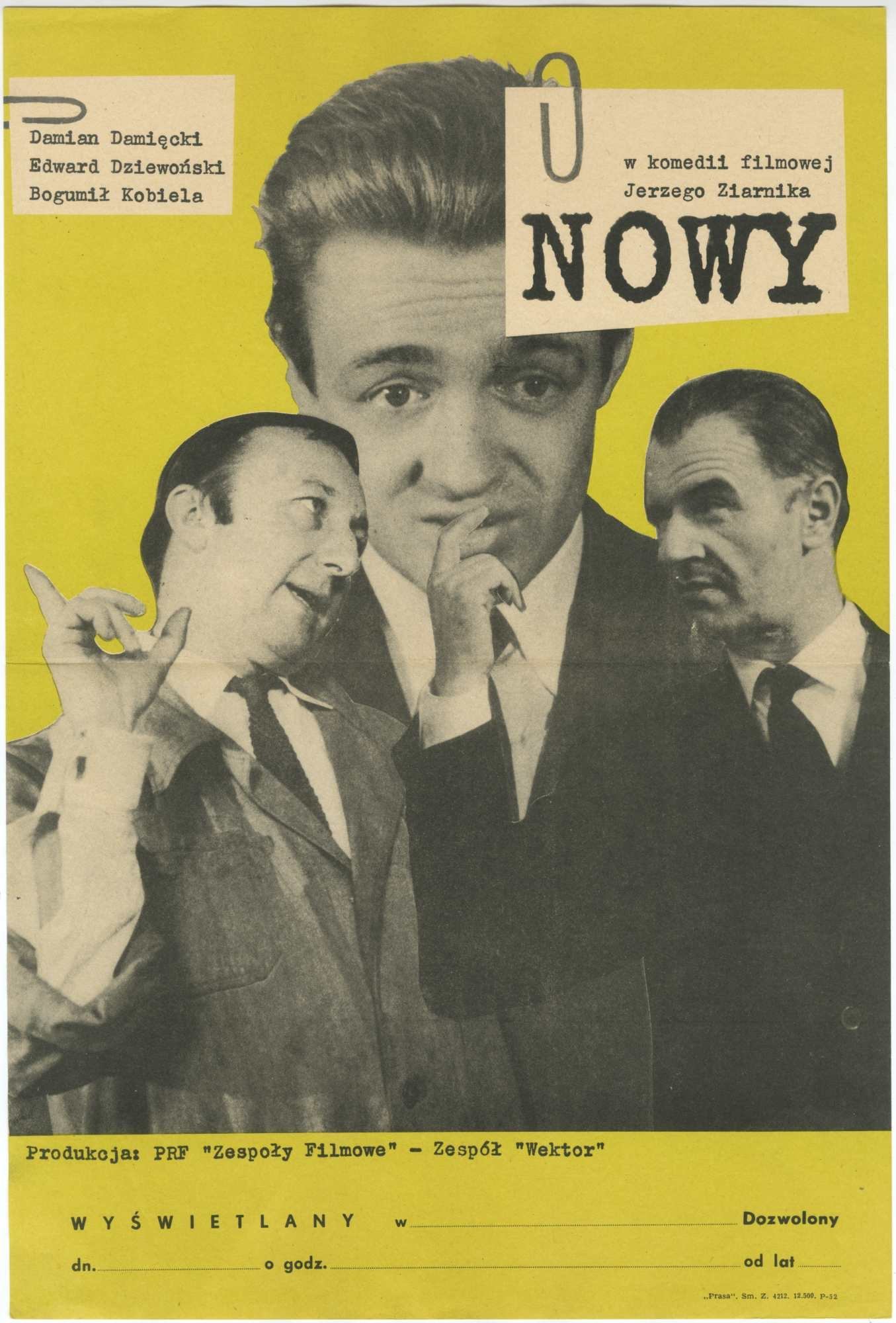
A young man looking for work in Warsaw has to overcome many hurdles in the world of bureaucracy to finally get employed.
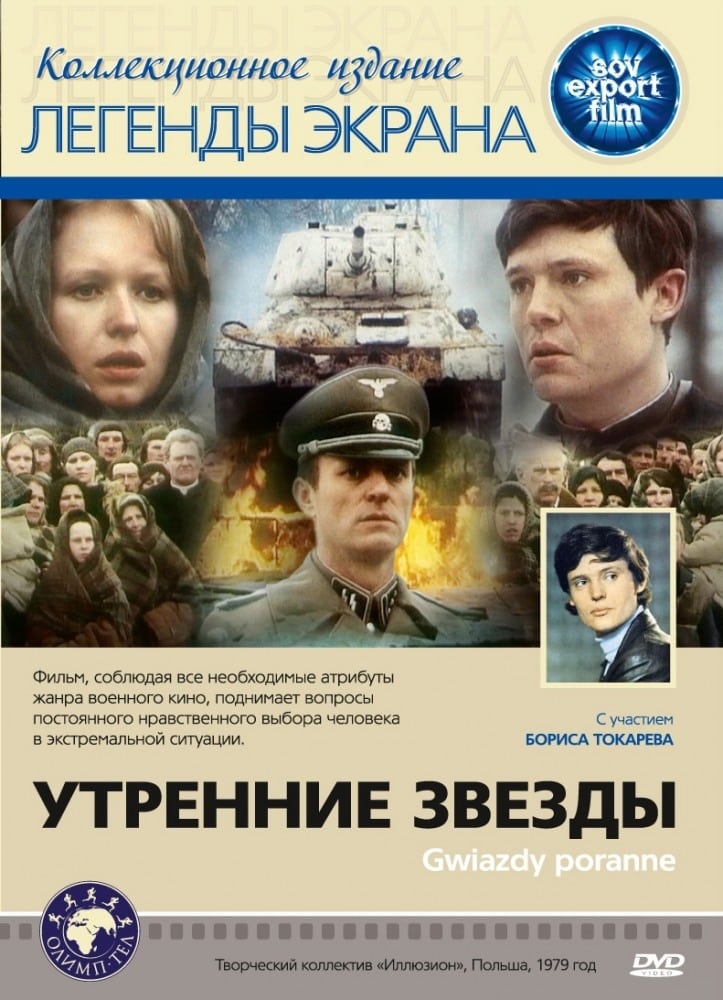
A Soviet tank breaks through the front line during the January 1945 offensive.
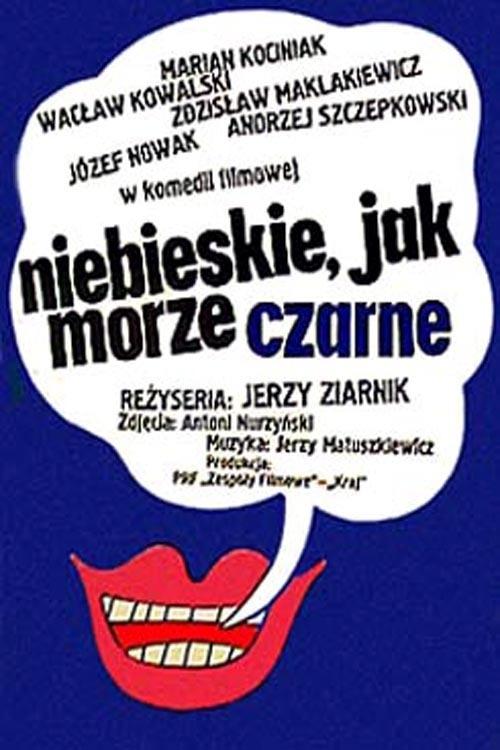
A group of middle-aged men takes a bus trip to the Black Sea, having to put up with the border guard, accommodation and their guide, a film school student.
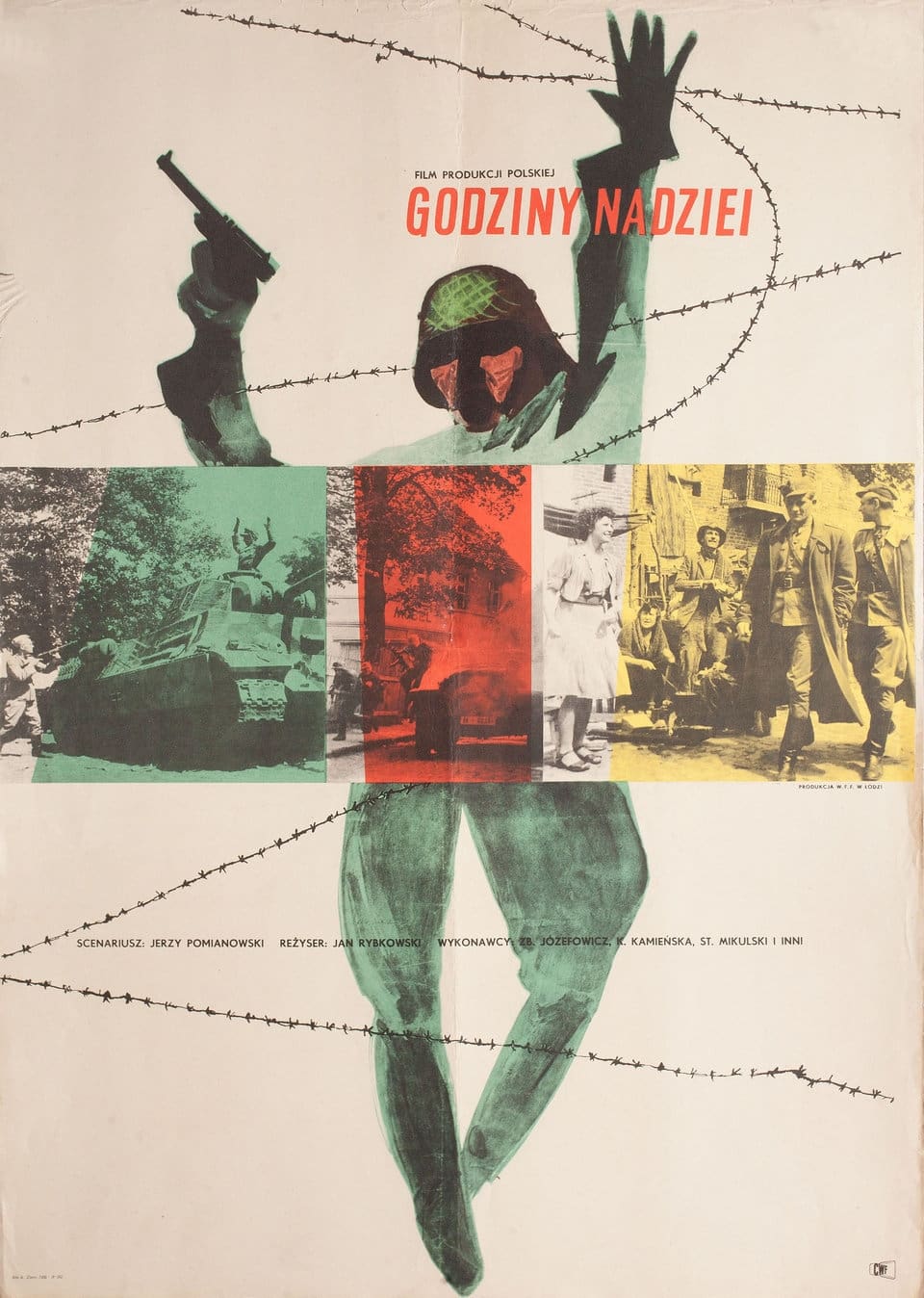
In the last days of World War 2, people of various ethnic background meet in a Polish military hospital in a small German town, whereas a Nazi SS division hides in the local forests and tries to move westwards.
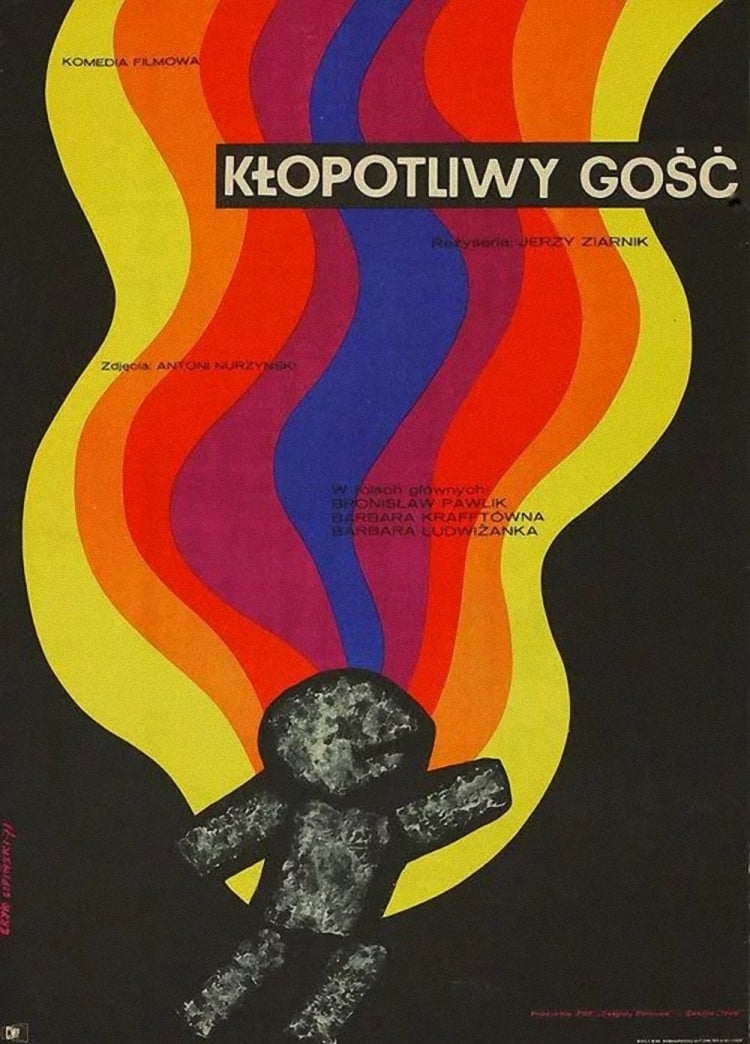
Strange human-shaped phenomenon appears in Piotrowski's new flat and he approaches all available institutions to help him get rid of it.
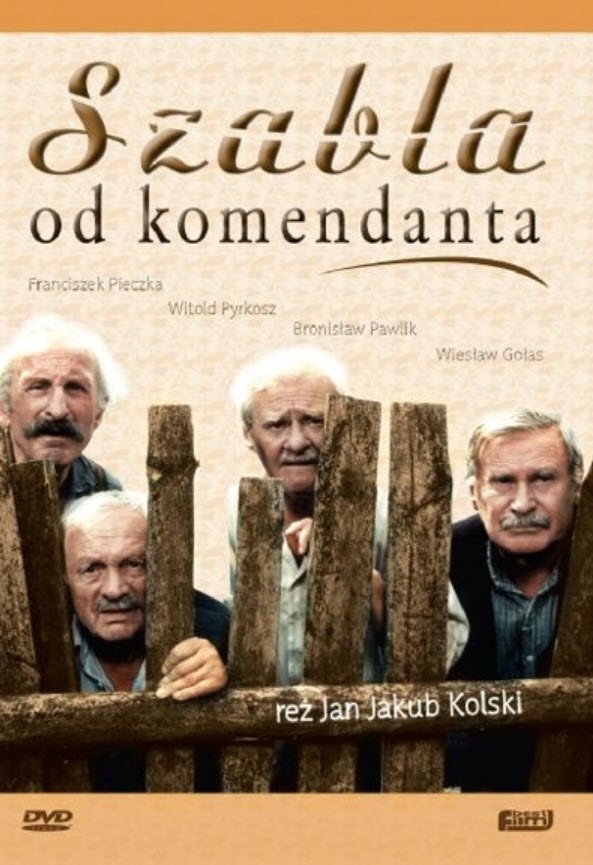
In a fairy-tale village lives Jakubek, a former legionnaire. He buried his wife some time ago and now lives with his adult but very shy son Janeczek. Three of Jakubek's comrades-in-arms also live in the same village: Kotek, Ingatko, and Gniewisz. For some time now, the legionnaires have been talking more and more about dying. Jakubek, the oldest of them, already has a beautiful coffin prepared and longs for death because he misses Brzózka, his youthful love, very much.
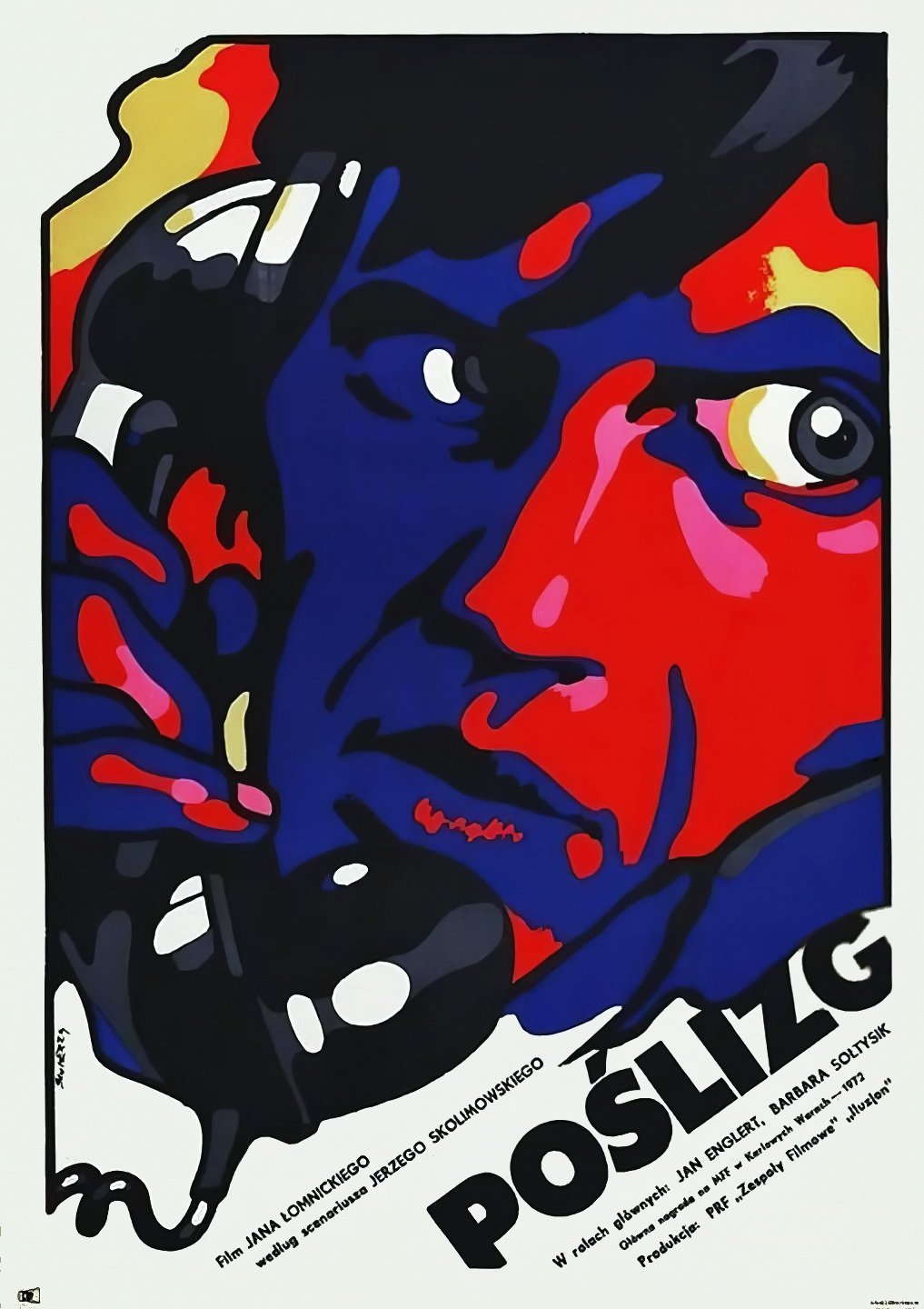
A young man strikes up an ill-fated romance with a married woman.
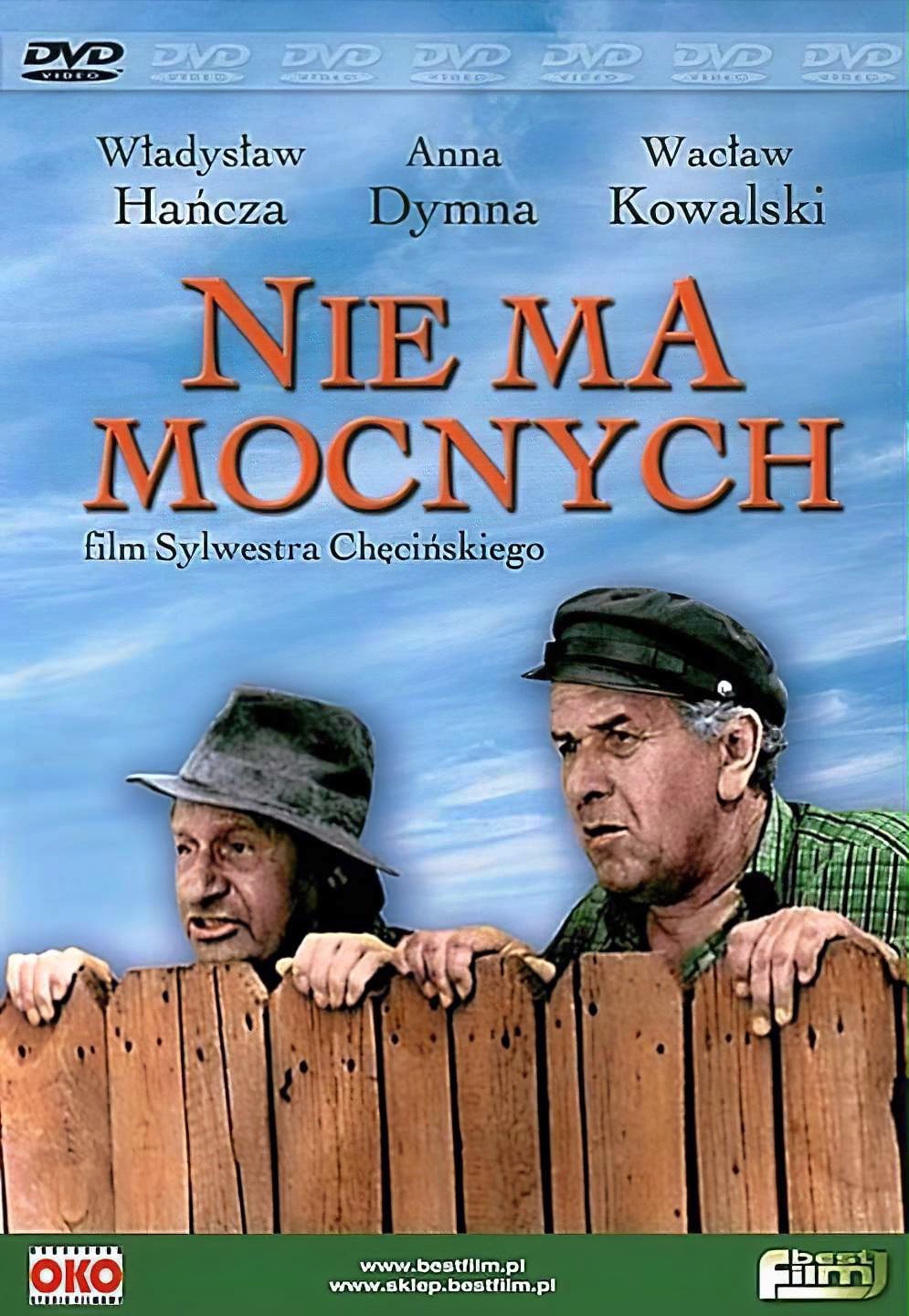
The main characters are the same two quarreling peasant families introduced in "Sami swoi" (Our Folks). The action of the film starts 18 years later. The old quarrels have been forgotten, but new problems keep popping up. They have no successors to inherit the farms. They invent a tricky and clever plan. The young granddaughter is to take over both of the farms after her marriage. Both Kargul and Pawlak have no rest until they carry out the plan. In the end, after numerous adventures and obstacles their cunning intrigue is fulfilled - the young marry and the land remains in the family's hands.
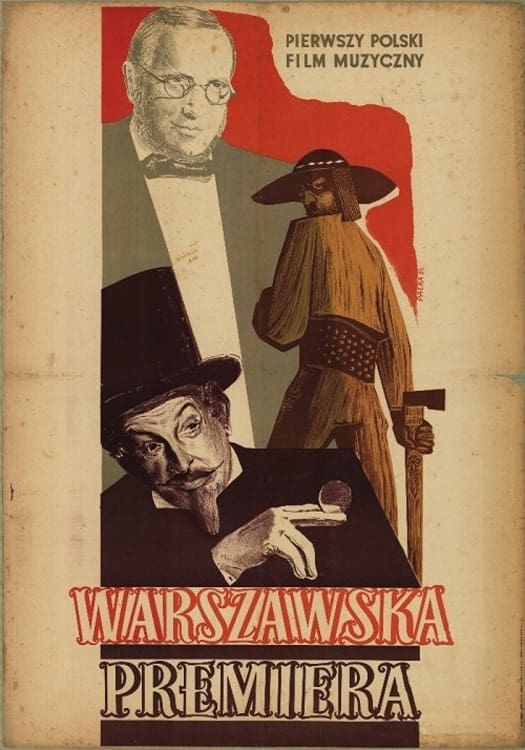
Polish composer Stanisław Moniuszko fights for the right to stage his opera "Halka".
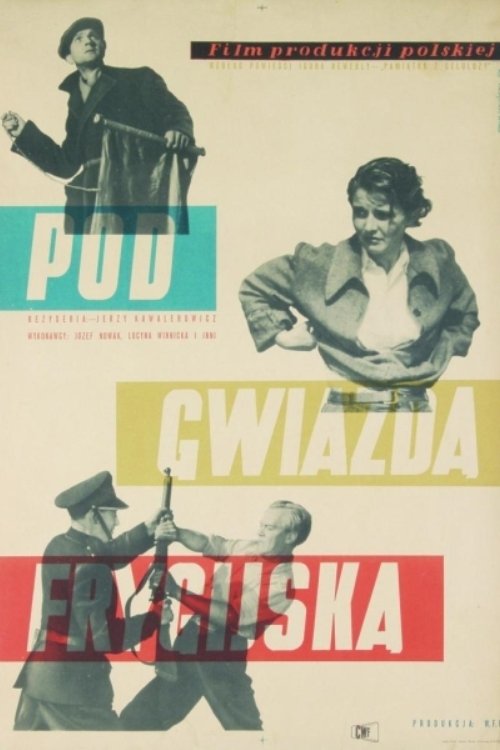
Communist Szczęsny juggles between his revolutionary activities and love to a fellow party member Madzia in this sequel to "Cellulose".
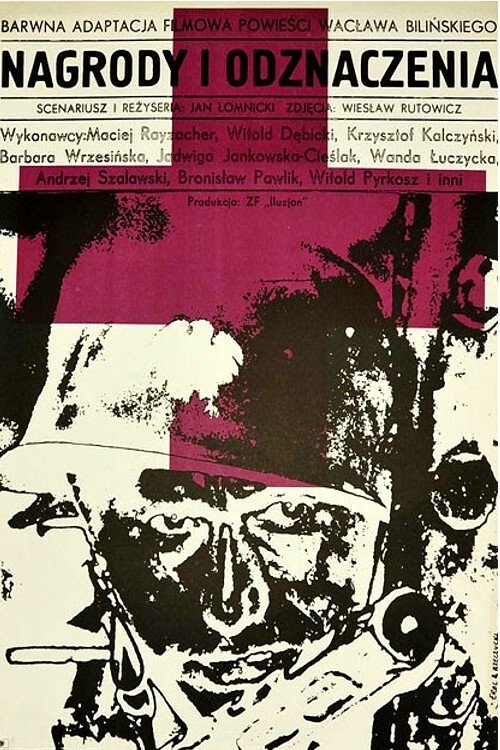
1944. Three wounded officers from both sides of political conflict meet in the hospital where the staff is politically divided too.

Two Poles get out of Soviet Union with Polish Army. Based on autobiographical short stories by Józef Hen.
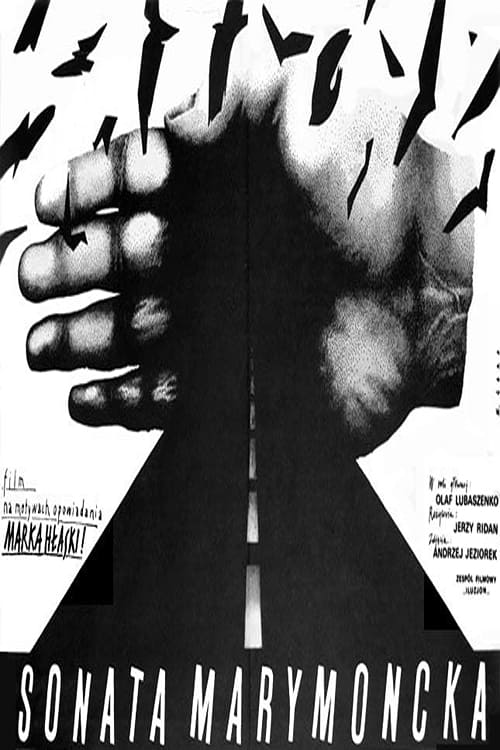
Main character, Rysiek, tries to live through dangerous times of war-torn and later stalinist Poland.
An average notary finds a small fortune of coins hidden in his fireplace alongside a manuscript dating back 100 years.
This drama follows a lawyer who, averse to the sound of a barrel organ, changes his outlook upon meeting a blind girl. Based on the short story by Bolesław Prus.
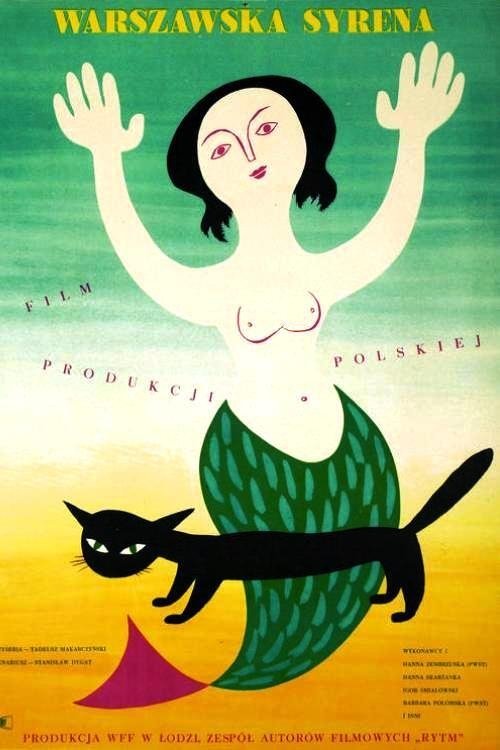
A fairy tale film based on an ancient legend about the founding of Warsaw and the good fairy Sirene of the Mazovian forests, who became the patron saint of the city.
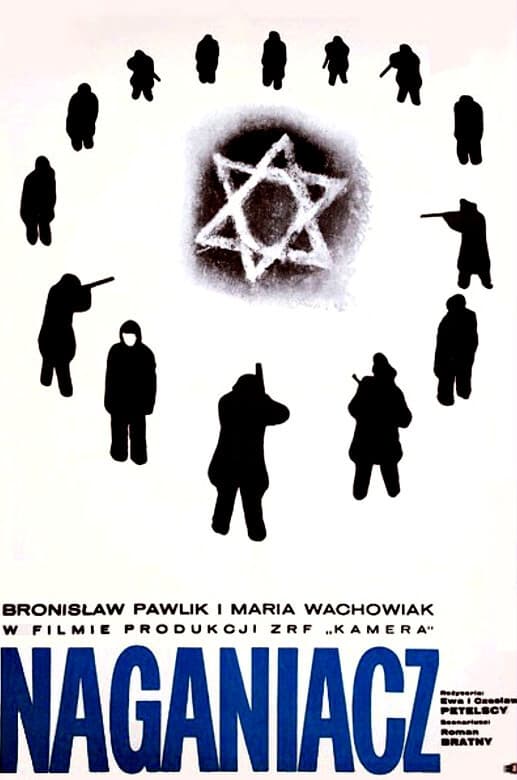
1945. Home Army soldier who hides in the village must decide if he wants to engage into dangerous situation to help group of Jewish runaways.
Warsaw 1941. Gestapo captures a Home Army soldier who knows the code needed to read the list of agents working in Reich. Tortured Wójcik asks the doctors for poison.
The nouveau riche chinchilla breeder hires a painter-portraitist.