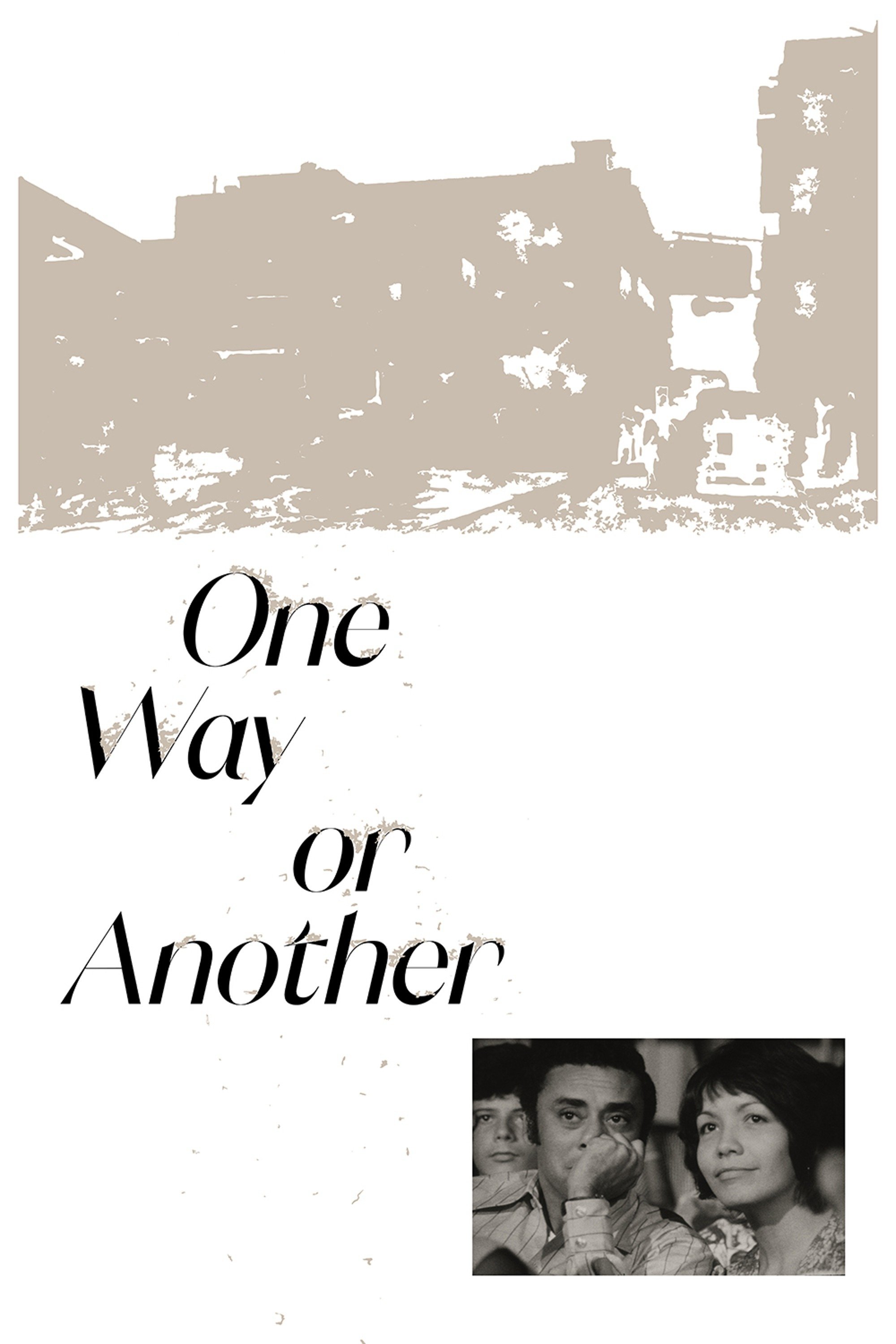
In Miraflores, Cuba, the growing romance between Mario, a factory worker, and Yolanda, a schoolteacher, throws into relief the differences in their perspectives and values in Revolutionary Cuba.
A pious plantation owner attempts to teach Christianity to 12 of his slaves by inviting them to participate in a reenactment of the Last Supper.

By director Manuel Octavio Gómez
1964, in the Escambray mountains: the area is infested with counter- revolutionary bands which are trying to spread terror among the population and re-establish contact with the US, CIA. The murder of a man led to a reprisal to wipe out the bandits.
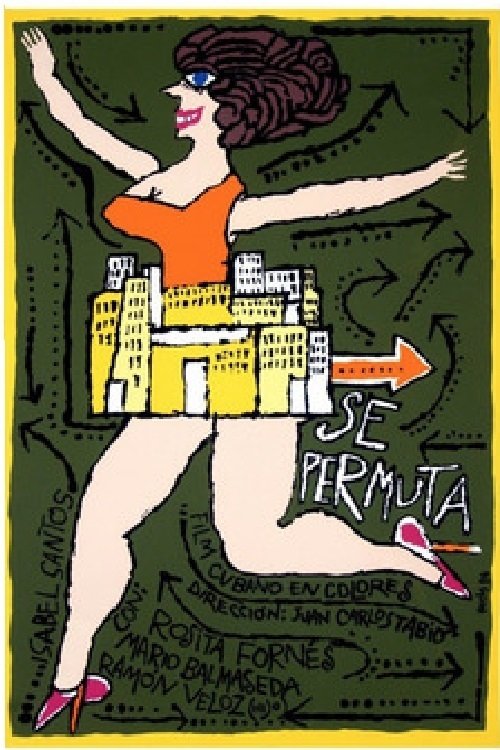
Gloria, Yolanda's mother, exchanges their old house in Guanabacoa for a modern apartment in Vedado to keep Yolanda away from her boyfriend, but her plans soon backfire.
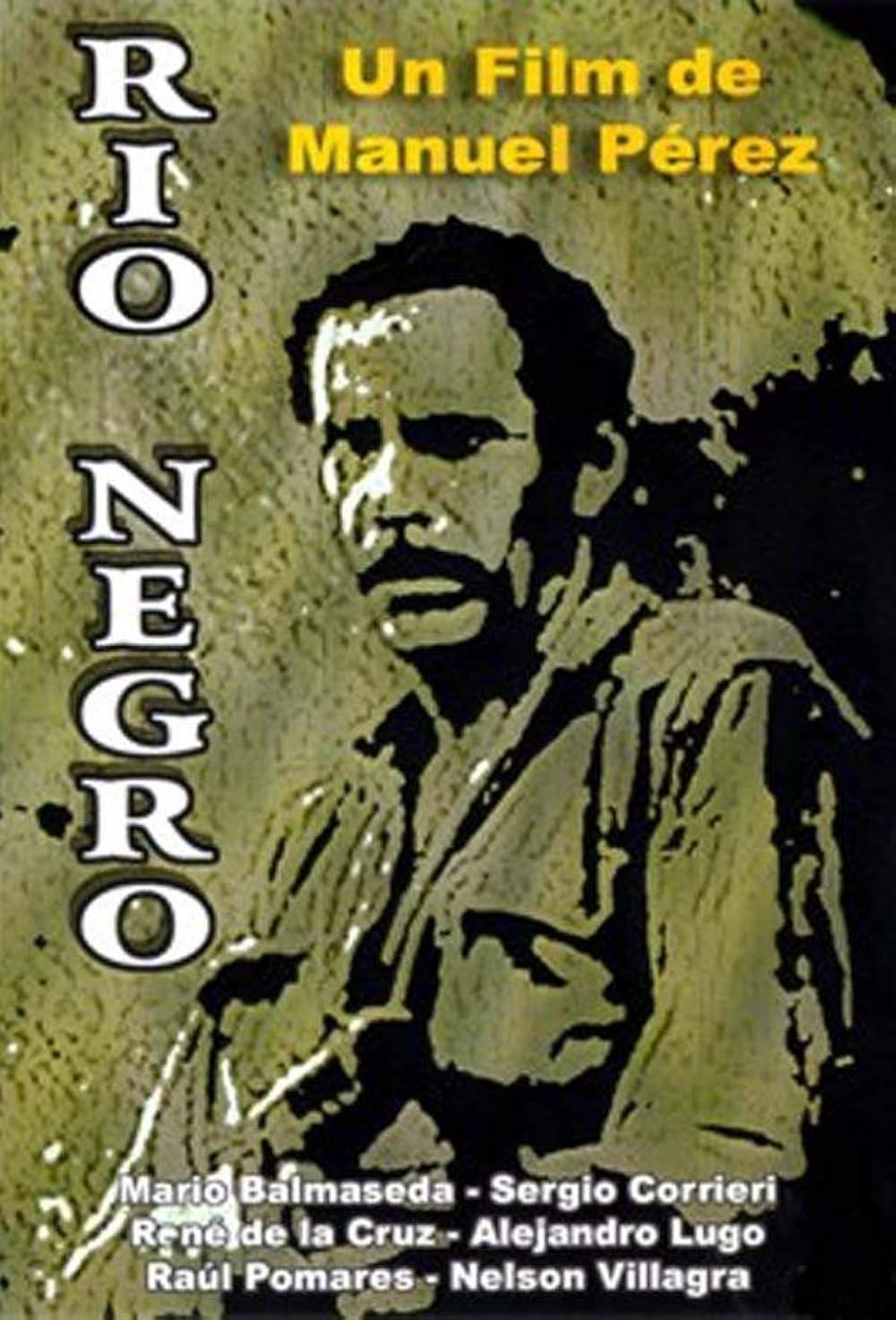
Tirso Fabre, a militiaman and member of the Black River co-operative farm, and Chano Carrillo, a counterrevolutionary hiding behind his front as a Castro sympathizer, receive the news in different ways, in line with their antagonistic ideological positions.
Luis, a sterility physician, is in love with a young colleague and faces the dilemma of breaking his marriage or accepting the tranquility and security of domestic life.
Struggling with the breakdown of a relationship, Leo moves back to a dilapidated 'city of tomorrow' to live with his belligerent grandfather and his father Rafael, a disillusioned engineer who once worked in Cuba's now-abandoned nuclear program.
A story of survival and triumph of the human spirit.
The film is based on the historical event known as the Protest of Baraguá.
Based on a real event, the action takes place in Havana in 1931, during the dictatorship of Gerardo Machado. Rachel, a young French showgirl, is murdered during an orgy involving personalities of the bourgeoisie and politics. The tabloid press echoes the story to divert public attention from the serious social problems that affect the country. The governors on their part order to silence the case to protect the characters involved.
Born in 1943, Sara Gómez studied literature, piano, and Afro-Cuban ethnography before becoming the first female Cuban filmmaker. A woman of great intelligence, independence and generosity, she was a revolutionary filmmaker with intersecting concerns about the Afro-Cuban community and the value of its cultural traditions, women's issues, and the treatment of the marginalized sectors of society.
In the Cuba of these times, where everyone sells something, the young Nácar wants to sell her only property, the family vault.
This Cuban feature examines the circumstances arising out of a woman's claim to have seen the Virgin Mary and to have been healed by waters from a nearby stream. In an accelerating storm of cynical opportunism, her sincere beliefs are exploited by businessmen, politicians and military men. Rival groups compete to exploit the hysteria the vision causes, and the chaos culminates in a revolution. Striking imagery and skillful camerawork enhance this feature.
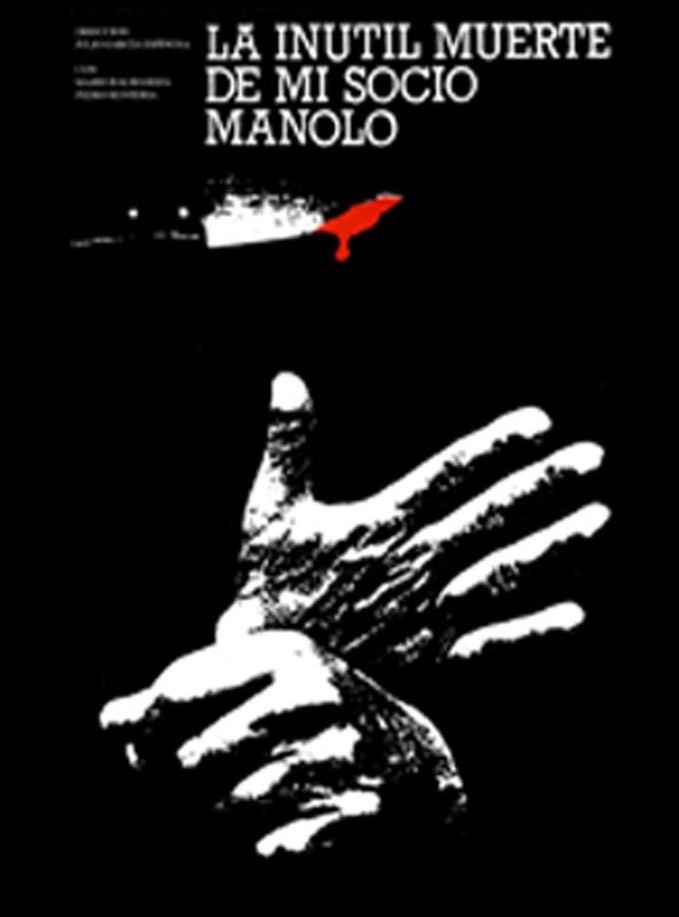
Cheo visits his friend, Manolo, who he hasn't seen for many years. They drink to celebrate their reunion and fondly recall the times they spent together in years past. As they reminisce, the two friends confront the revolution, evaluate their lives, and bare their souls.
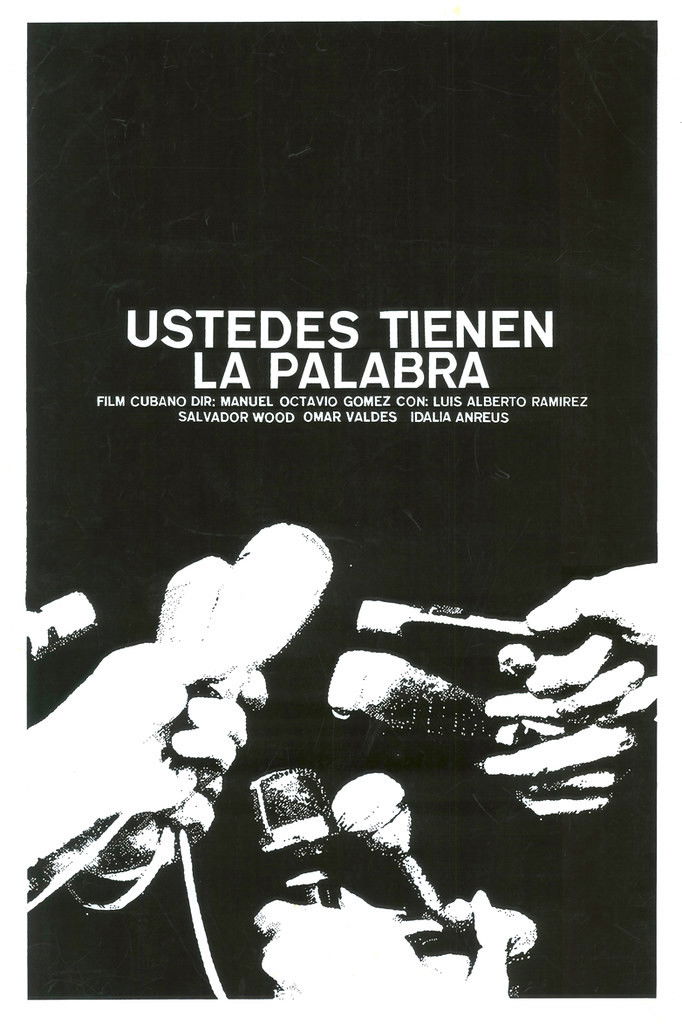
Rebuild, in the same place of events, a trial held in 1969 to four men, accused of sabotage for having caused the fire of a forest plan that caused the death of eight people and large material losses. At the same time, it analyzes retrospectively the circumstances that contributed to the occurrence of the crime.
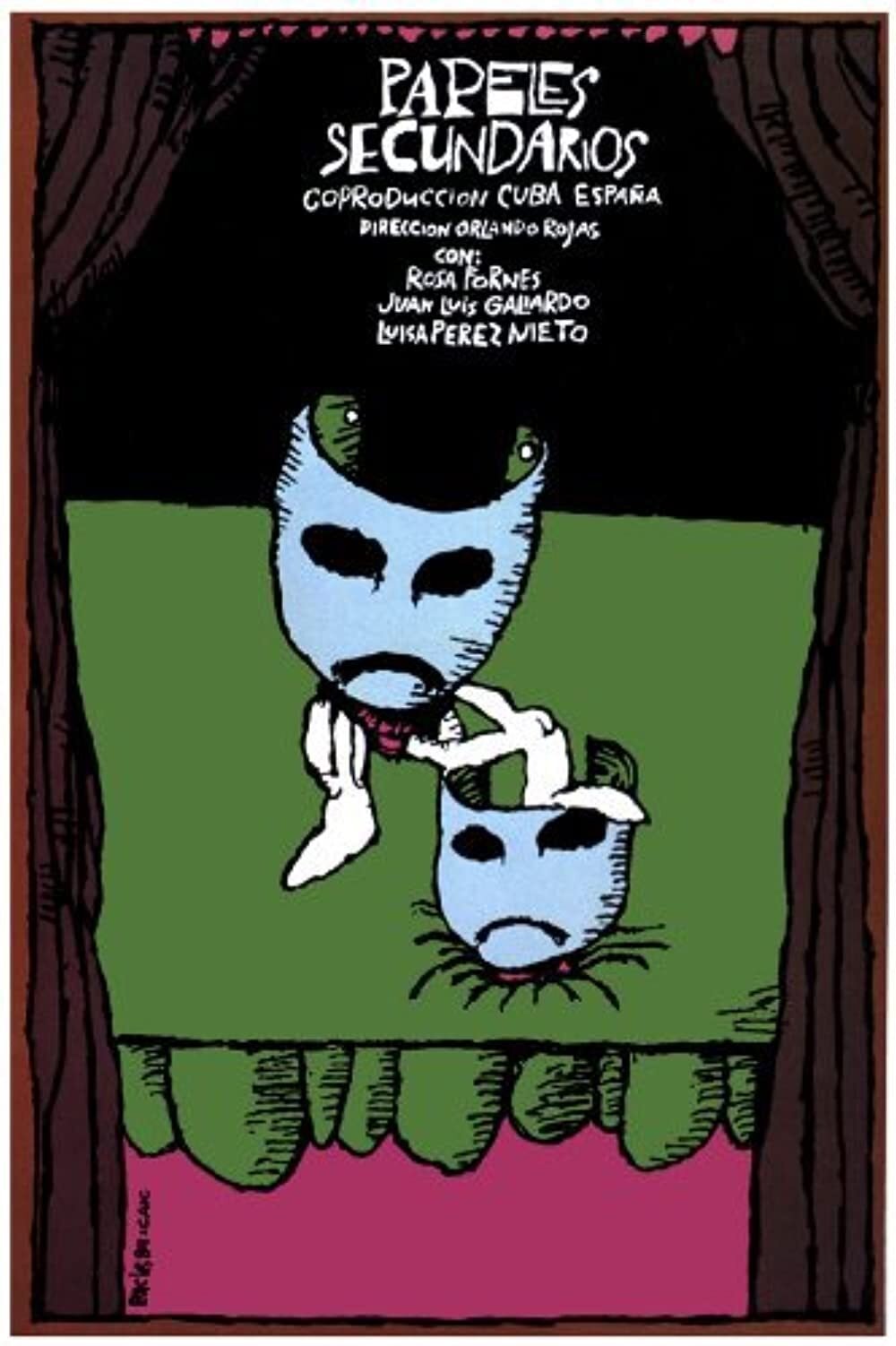
A prestigious theater group in crisis prepares for the staging of a famous love tragedy. Mirtha, an actress marked by frustration, decides to leave the theater when a guest conductor offered a starring role. The incorporation of young actors, unscrupulous, and an inspector trigger a series of situations that will endanger the reputation and power of the actress who heads the group.