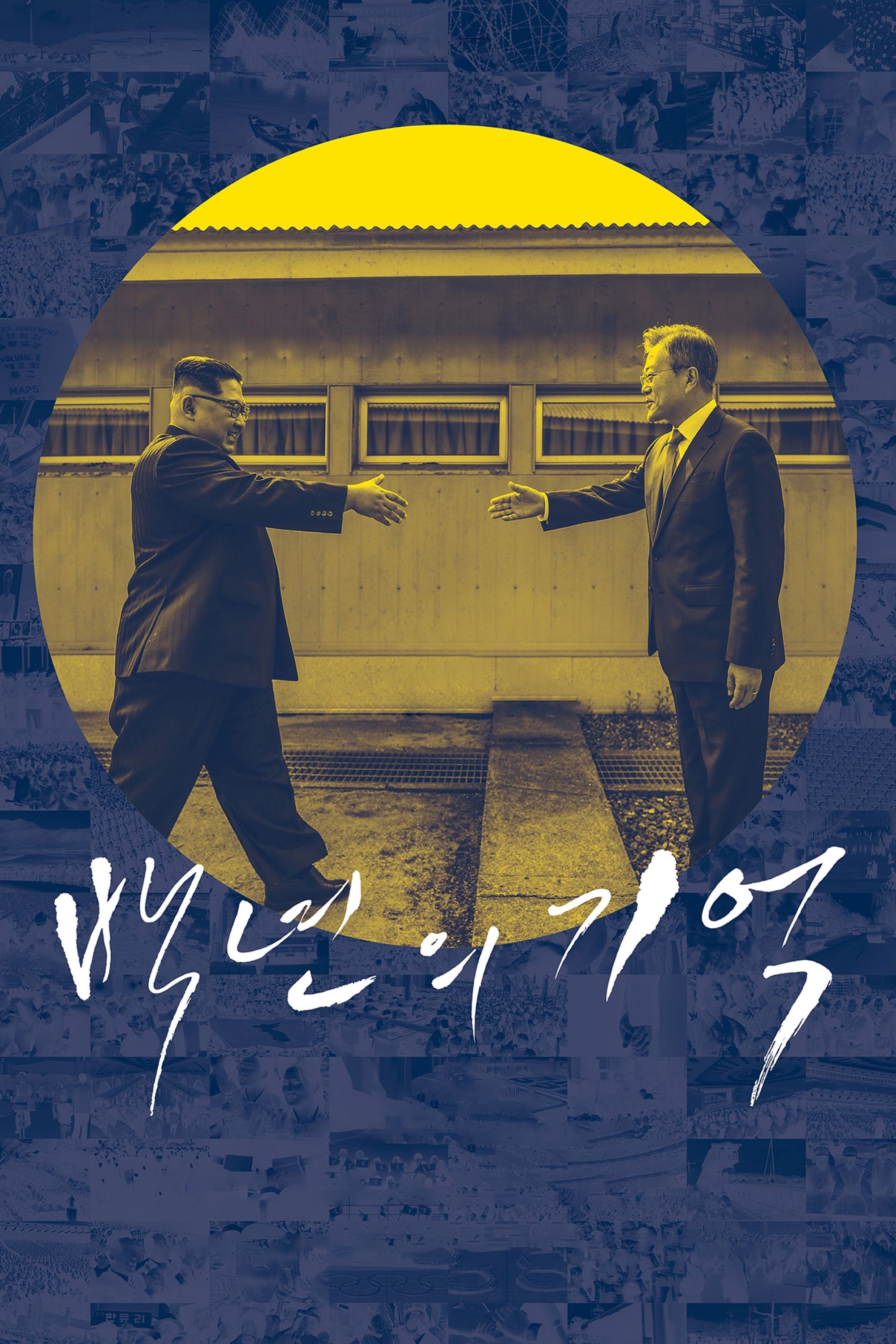
A contemporary history of Korea(s) from a unique point of view that embraces the inner history of both South and North Korea in a single narrative.
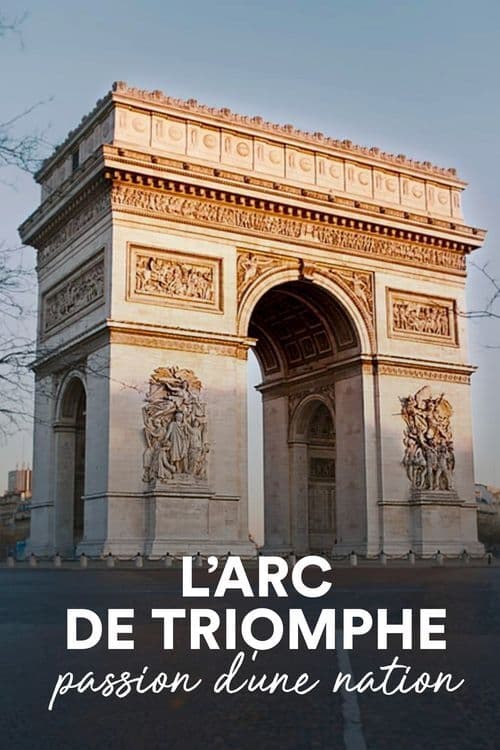
The pride of Napoleon's victories, the Arc de Triomphe, whose first stone was laid in 1806 at the top of the Champs-Élysées, is, along with the Eiffel Tower, one of the most visited monuments in the French capital. Wanted by an emperor, inaugurated under the reign of a king (Louis-Philippe) and sanctuarized by the Republic, this patriotic temple polarizes the passions of a whole nation. A historical portrait before "packaging", which teems with anecdotes and unsuspected details.
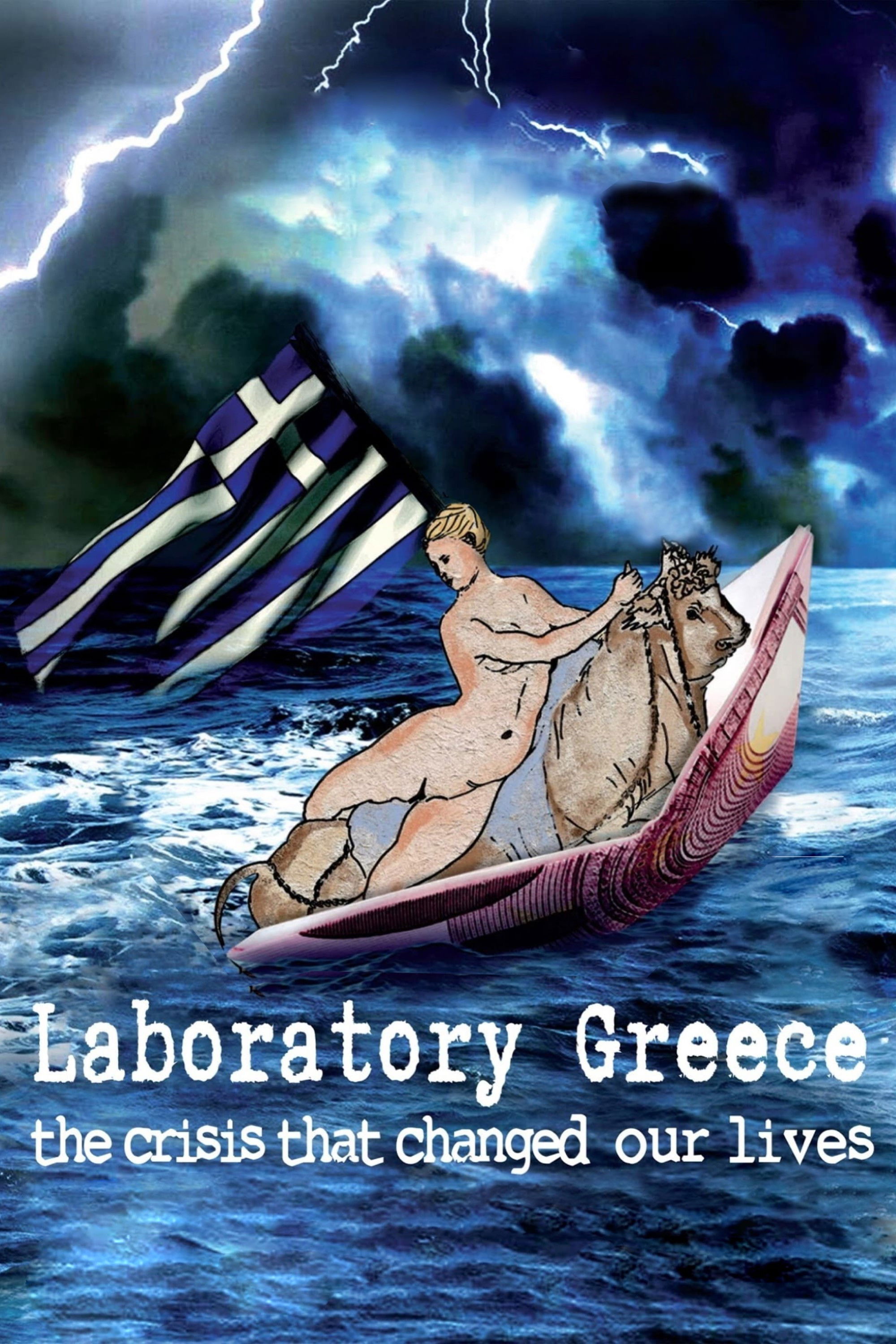
A journey through Greece and Europe’s past and recent history: from the Second World War to the current crisis. It is a historical documentary, a look into many stories. «If Democracy can be destroyed in Greece, it can be destroyed throughout Europe» Paul Craig Roberts
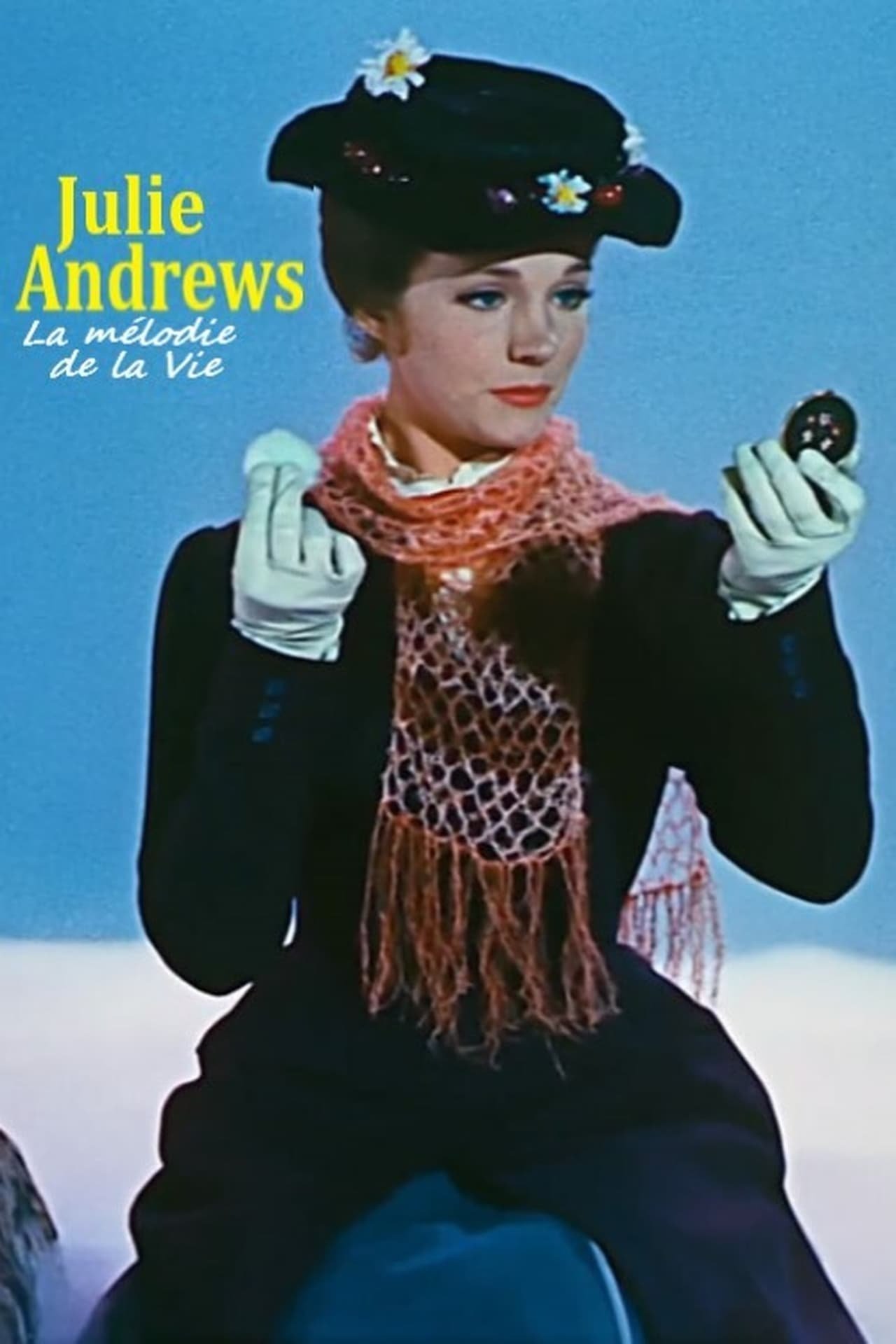
Julie Andrews starred in Hollywood productions that have become iconic movies, winning an Oscar for her performance as Mary Poppins, a symbol of the magic of musicals from the 1960s. And yet, behind the squeaky-clean image hides a much more tortuous career, with its moments of glory and tough times, all of which explain the longevity of a story that is still being written.
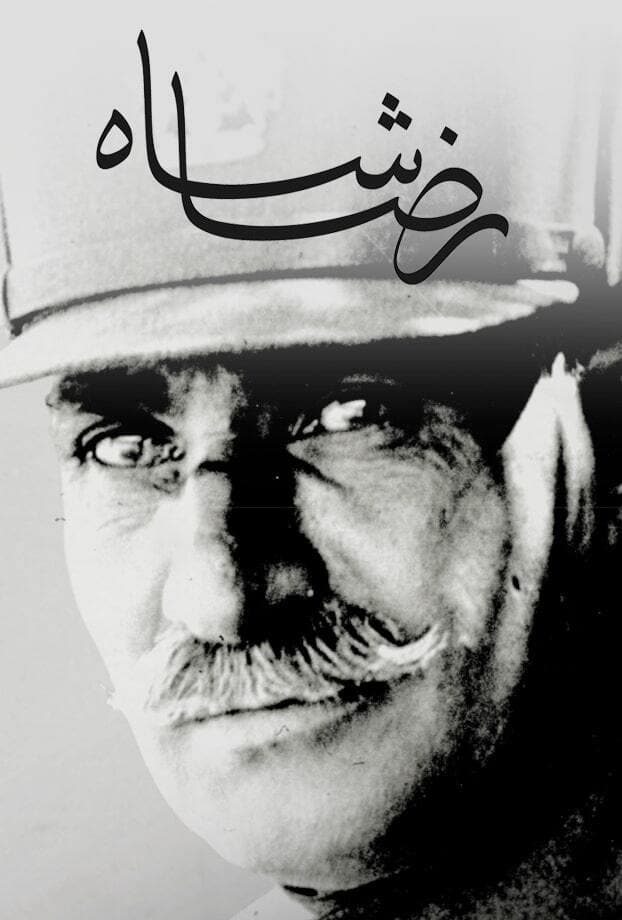
The documentary "Reza Shah" begins with the rise of Reza Khan to power and looks at his reign from beginning to the end.
Oliver Stone charts the history of the United States from the Second World War to the present.

A historical perspective to understand Neoliberalism and to understand why this ideology today so profoundly influences the choices of our governments and our lives.
In 1945, Great Britain and the United States organized a bombing raid that devastated the ancient city of Dresden. This short documentary returns exactly 40 years after its destruction and celebrates its renaissance with the re-opening of one of the most beautiful opera houses in Europe. One guest at this gala was the Canadian navigator of one of the bomber planes, returning to Dresden on a mission of peace that brought him face-to-face with the people who were once his enemies.
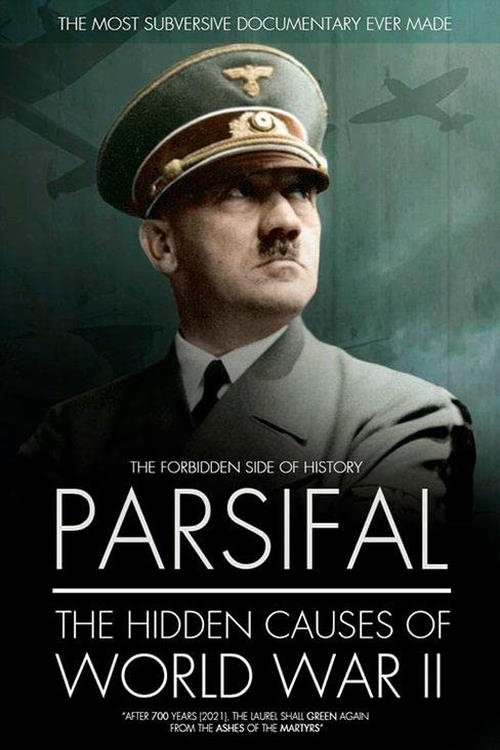
Based on Worldwide Defeat by Salvador Borrego, it exposes the forbidden side of history and reveals Adolf Hitler's hamartia.
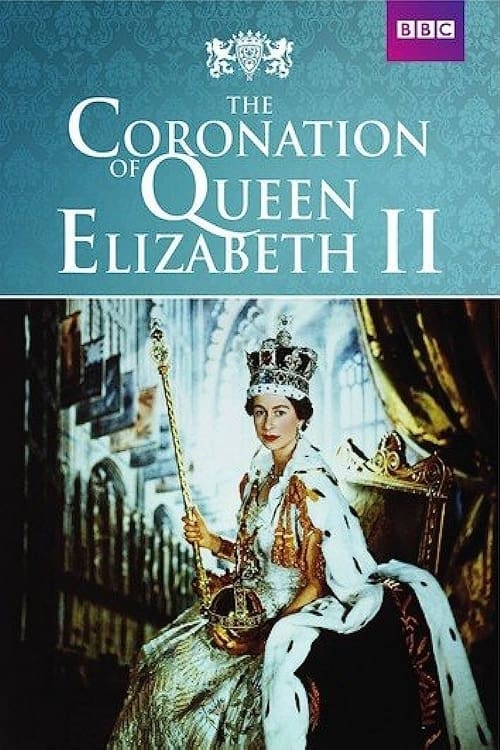
The coronation of Elizabeth II as queen of the United Kingdom and the other Commonwealth realms took place on 2 June 1953 at Westminster Abbey in London. She acceded to the throne at the age of 25 upon the death of her father, George VI, on 6 February 1952, being proclaimed queen by her privy and executive councils shortly afterwards. The coronation was held more than one year later because of the tradition of allowing an appropriate length of time to pass after a monarch dies. It also gave the planning committees adequate time to make preparations for the ceremony.

"Trinity and Beyond" is an unsettling yet visually fascinating documentary presenting the history of nuclear weapons development and testing between 1945-1963. Narrated by William Shatner and featuring an original score performed by the Moscow Symphony Orchestra, this award-winning documentary reveals previously unreleased and classified government footage from several countries.

The Sidney Street siege. "HOUNDSITCH MURDERERS: THE GREAT ALIENS OUTRAGE AT MILE END SHEWING (sic) THE ACTUAL SCENES.
Coverage of the Siege of Sidney Street, 3 January 1911, including film of Winston Churchill witnessing the events.
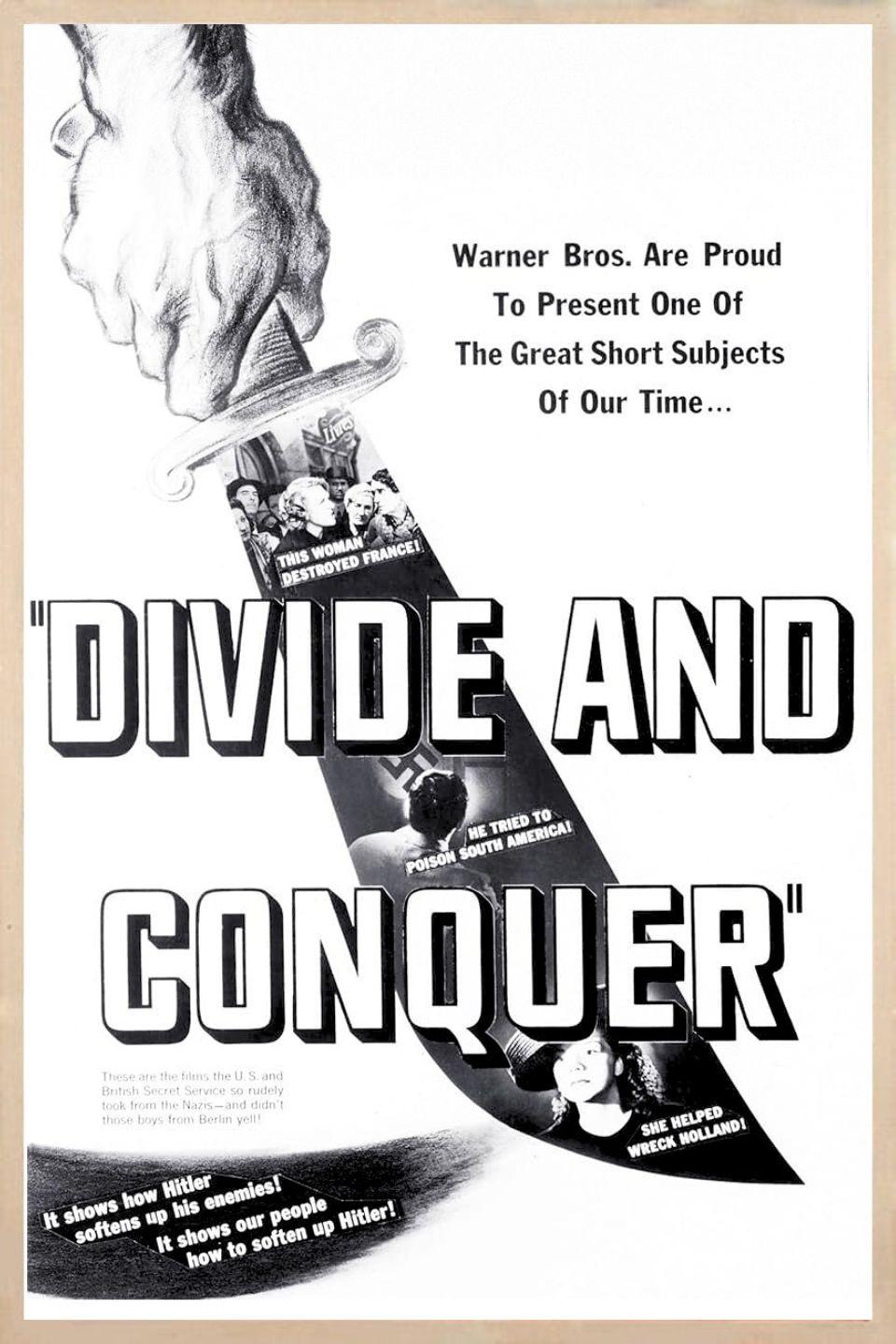
The third film of Frank Capra's 'Why We Fight" propaganda film series, dealing with the Nazi conquest of Western Europe in 1940.
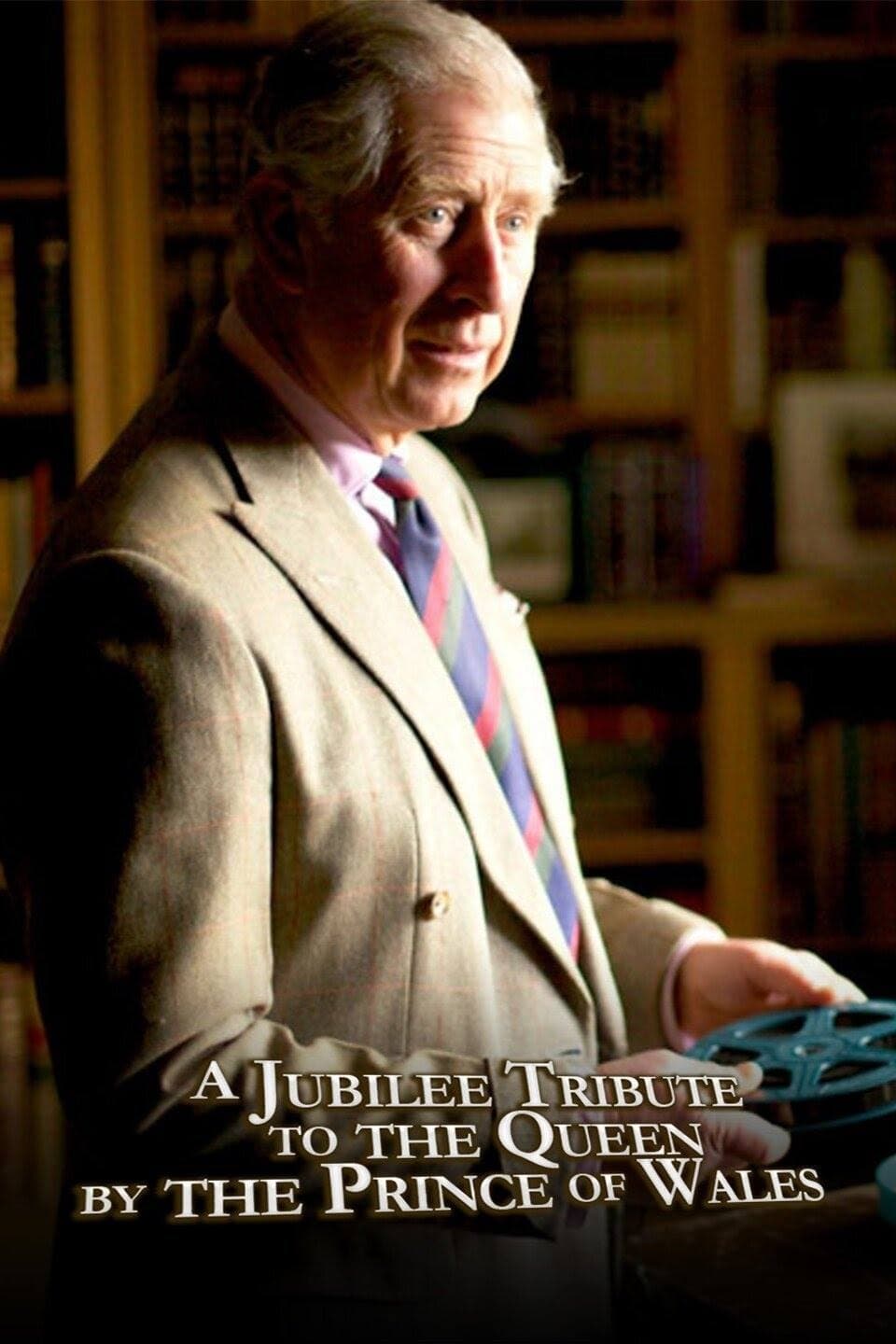
Marking the Diamond Jubilee (1952-2012) of Queen Elizabeth II, Prince Charles shares his memories of the private side of his mother, the Queen, making use of his family's home movies.
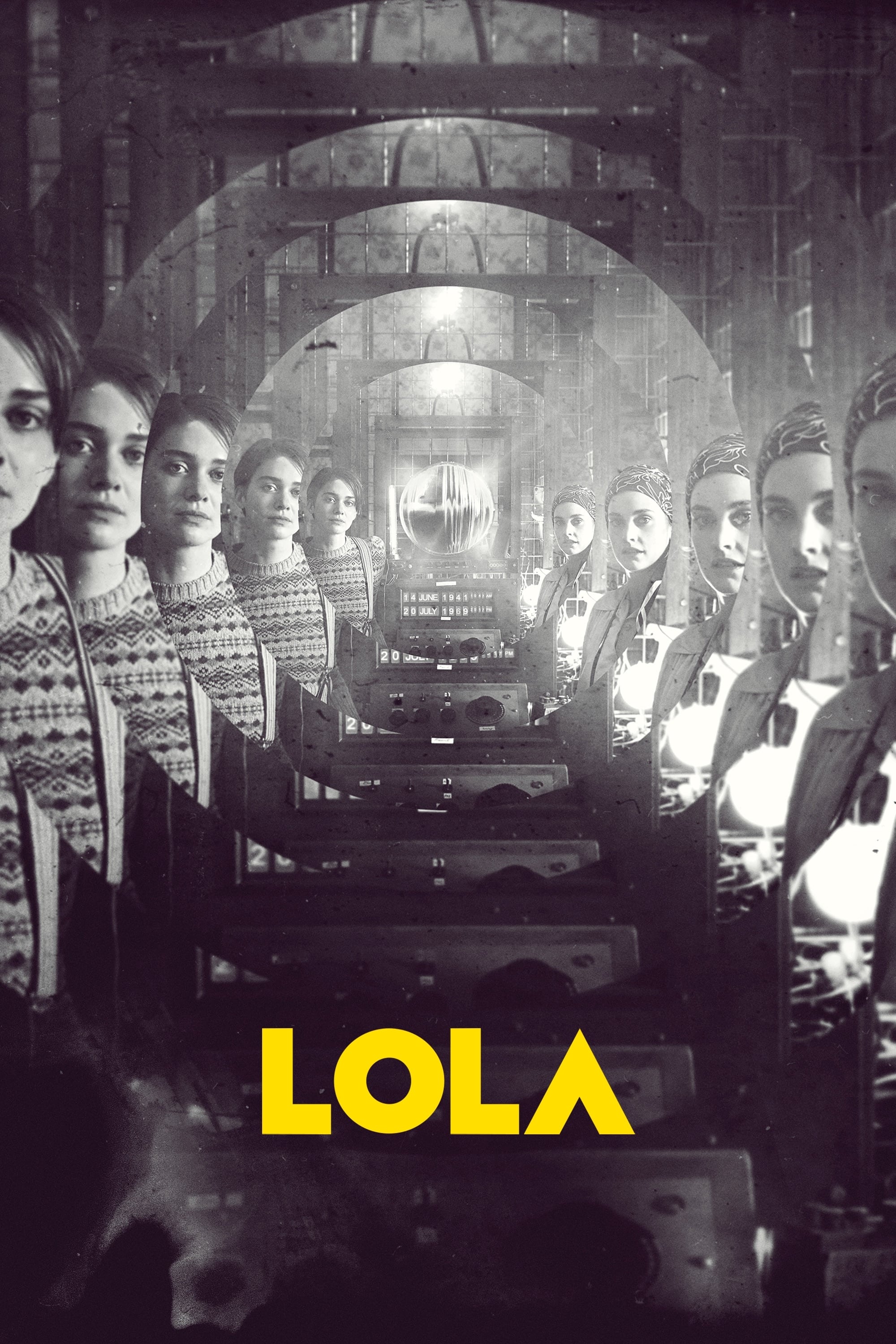
Sussex, England, 1938. Shortly before the outbreak of World War II, Thomasina and Martha Hanbury, two ingenious sisters, create LOLA, a miraculous machine.
Peter Gabriel is among the rockstars performing the music of Lennon and McCartney against a montage of World War II newsreel footage.
This historic film documents the restoration of the House of Commons, which was severely damaged by a bombing raid in May 1941. It also commemorates the secret location, in nearby Church House, where MPs met following the destruction of the Commons chamber. The film features Sir Winston Churchill giving a lighthearted commemorative speech to mark the occasion of the reopening of the restored House of Commons. There is also rare footage of King George VI delivering an address to both House of Parliament in Westminster Hall - the only monarch to have done so since Charles I. Many of the skills employed to restore the chamber to its original condition are also featured in sequences showing the craftsmen at work.
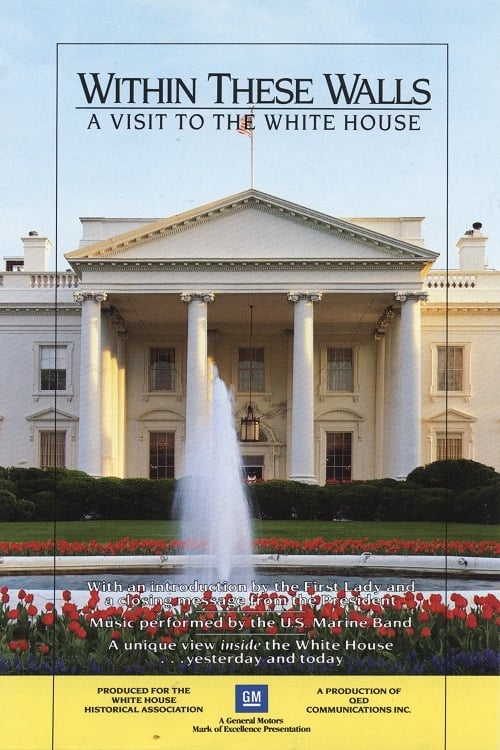
A special that takes a look inside the White House.
This John Nesbitt's Passing Parade series short highlights the film preservation efforts of the Museum of Modern Art in New York. Several scenes from early newsreels are shown.

The story of Queen Elizabeth II in her own words, featuring never-before-seen home movies.
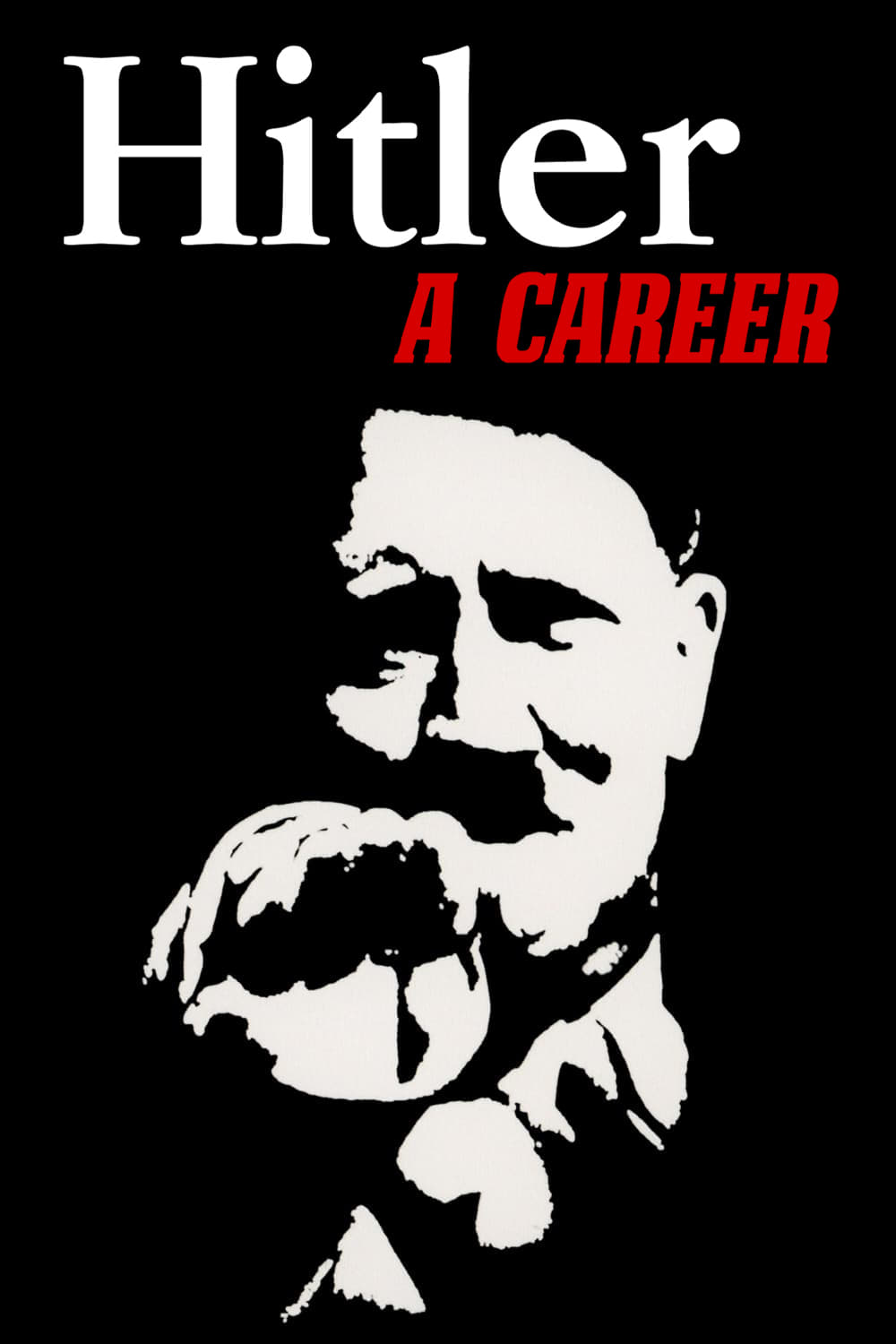
A keen chronicle of the unlikely rise to power of Adolf Hitler (1889-1945) and a dissection of the Third Reich (1933-1945), but also an analysis of mass psychology and how the desperate crowd can be deceived and shepherded to the slaughterhouse.
A look at the streets of London in 2016 with Churchill's speech on the importance of a unified Europe.
A collection of five short films tackling the military industrial complex, the rise of fascism, political polarization and various issues in modern society.
No fewer than five once or future prime ministers on show at the momentous 1923 election.
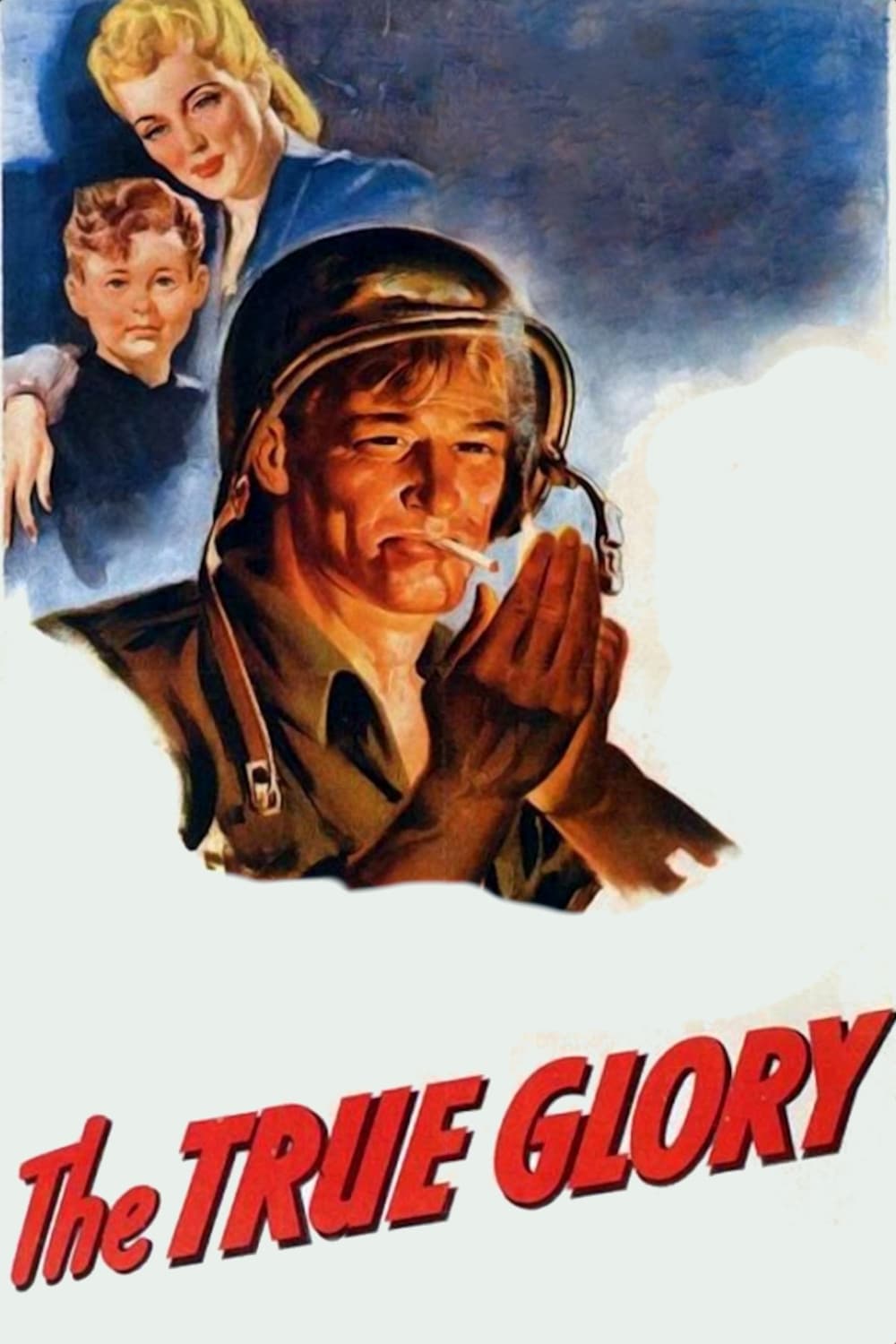
A documentary account of the allied invasion of Europe during World War II compiled from the footage shot by nearly 1400 cameramen. It opens as the assembled allied forces plan and train for the D-Day invasion at bases in Great Britain and covers all the major events of the war in Europe from the Normandy landings to the fall of Berlin.
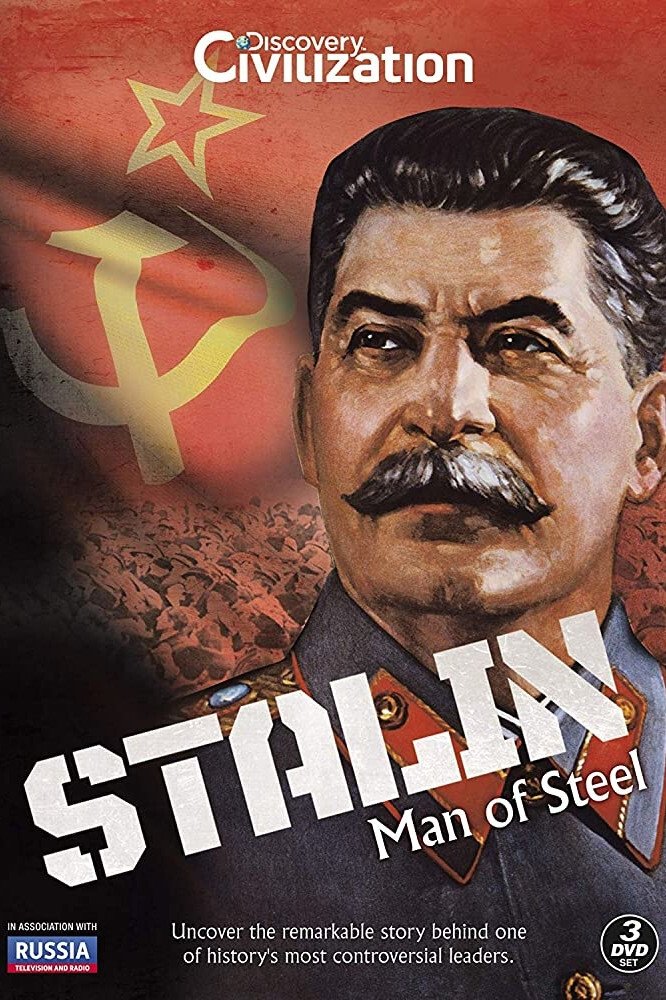
Emmy Awards nominee for "Outstanding Individual Achievement in a Craft: Research: Multi-faceted portrait of the man who succeeded Lenin as the head of the Soviet Union. With a captivating blend of period documents, newly-released information, newsreel and archival footage and interviews with experts, the program examines his rise to power, deconstructs the cult of personality that helped him maintain an iron grip over his vast empire, and analyzes the policies he introduced, including the deadly expansion of the notorious gulags where he banished so many of his countrymen to certain death.
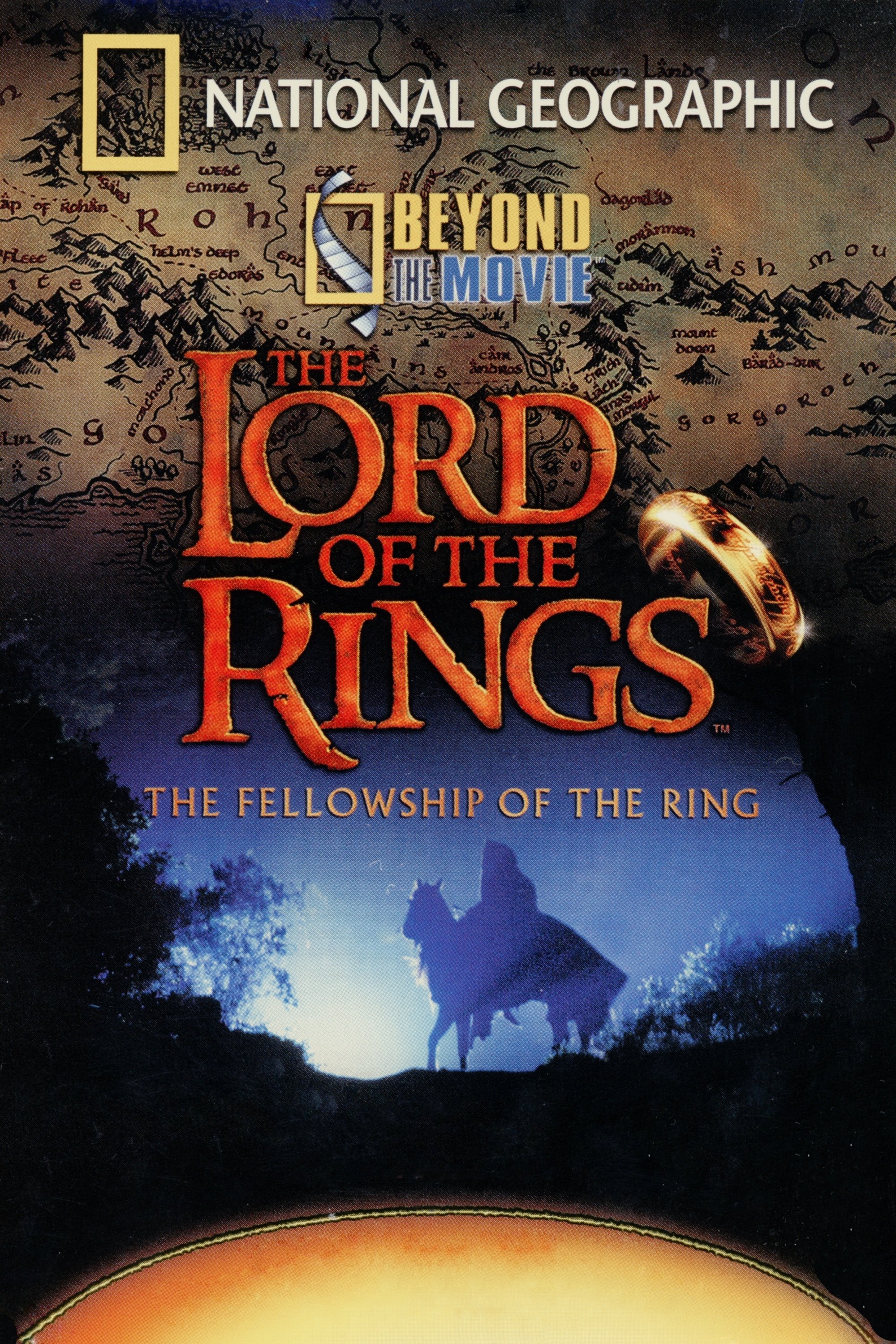
A documentary about the influences on Tolkien, covering in brief his childhood and how he detested the onslaught of industry through the idyllic countryside, moving on to describe his fighting experience from WWI, and closing with a look at the Finnish inspiration for the scholar's self-invented languages of Elfish. In between are interviews with the cast of the films and some clips, by far the most from "The Fellowship of the Ring", but a few glimpses of Rohan riders (from "The Two Towers") are provided. Also, there are interviews with a range of the filmmakers.
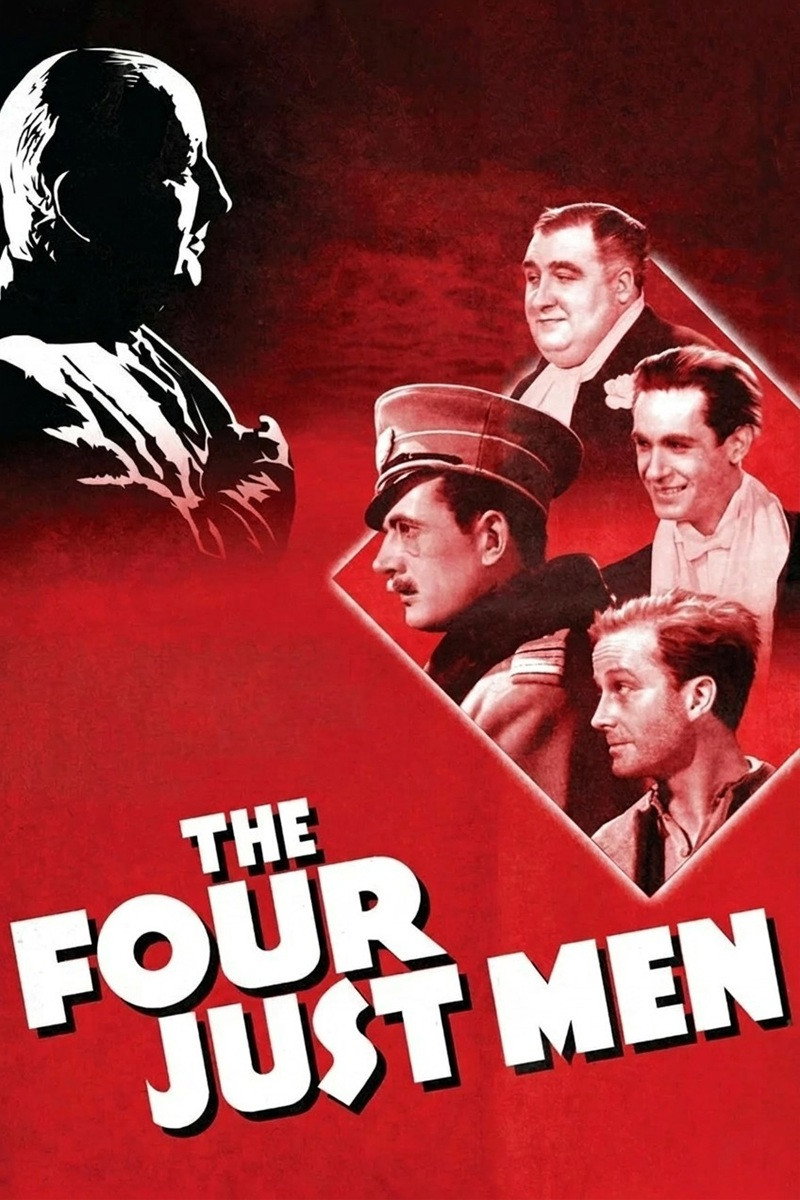
The Four Men of the title are British WWI veterans who decide to work secretly against enemies of the country. They aren't above a bit of murder or sabotage to serve their ends, but they consider themselves to be true patriots.
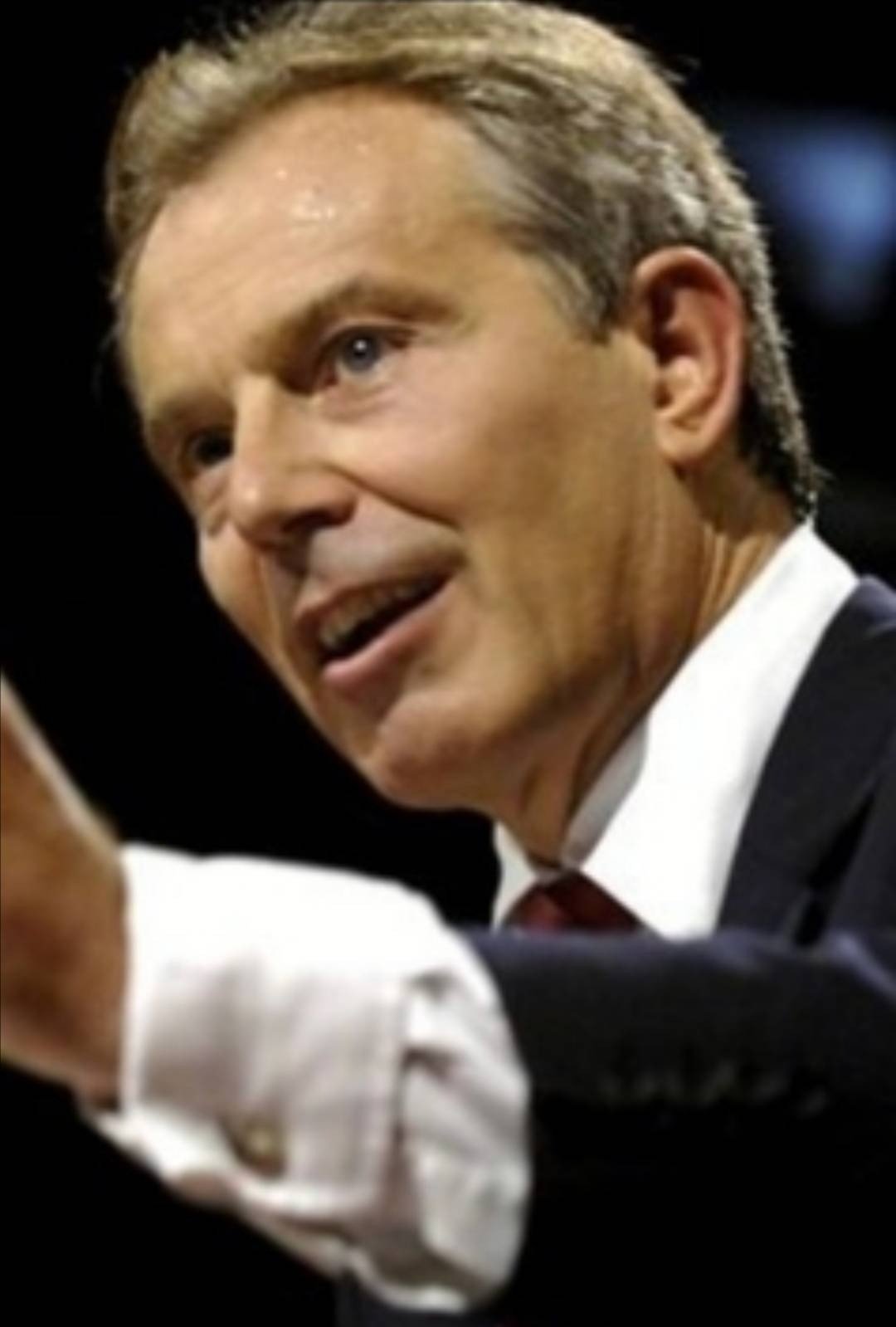
Michael Cockerell tells the story of how prime ministers have coped with life after Number Ten, after Tony Blair became the youngest member of the ex-PMs' club for a hundred years. The film reveals who left office bankrupt, who did TV commercials for Cheshire cheese, who had his own chat show and who has never had a single happy day since leaving Number Ten. Cockerell, who met the eight PMs prior to Blair, looks at what Tony planned do next and just how many millions he could make from being an ex-PM.
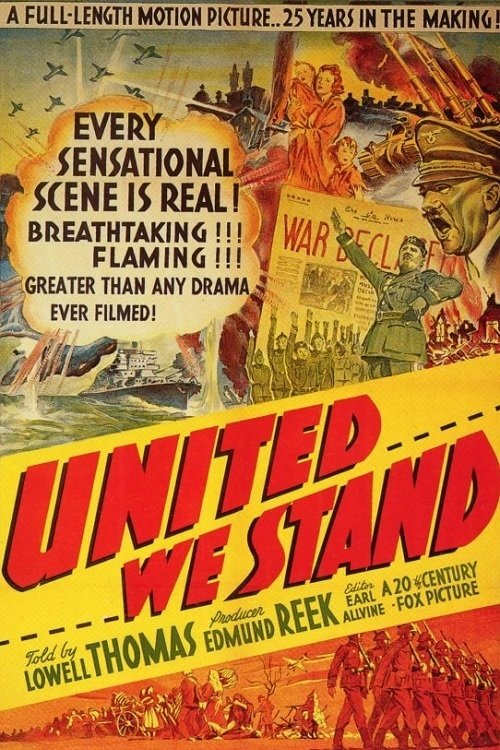
Using newsreel footage, this film reviews world events from the end of World War I to the American entry into World War II and, according to the narration, shows "how, through their disunity, democracies were led, some to destruction and others to the verge of destruction."]

Meet the real-life airmen who inspired Masters of the Air as they share the harrowing and transformative events of the 100th Bomb Group.
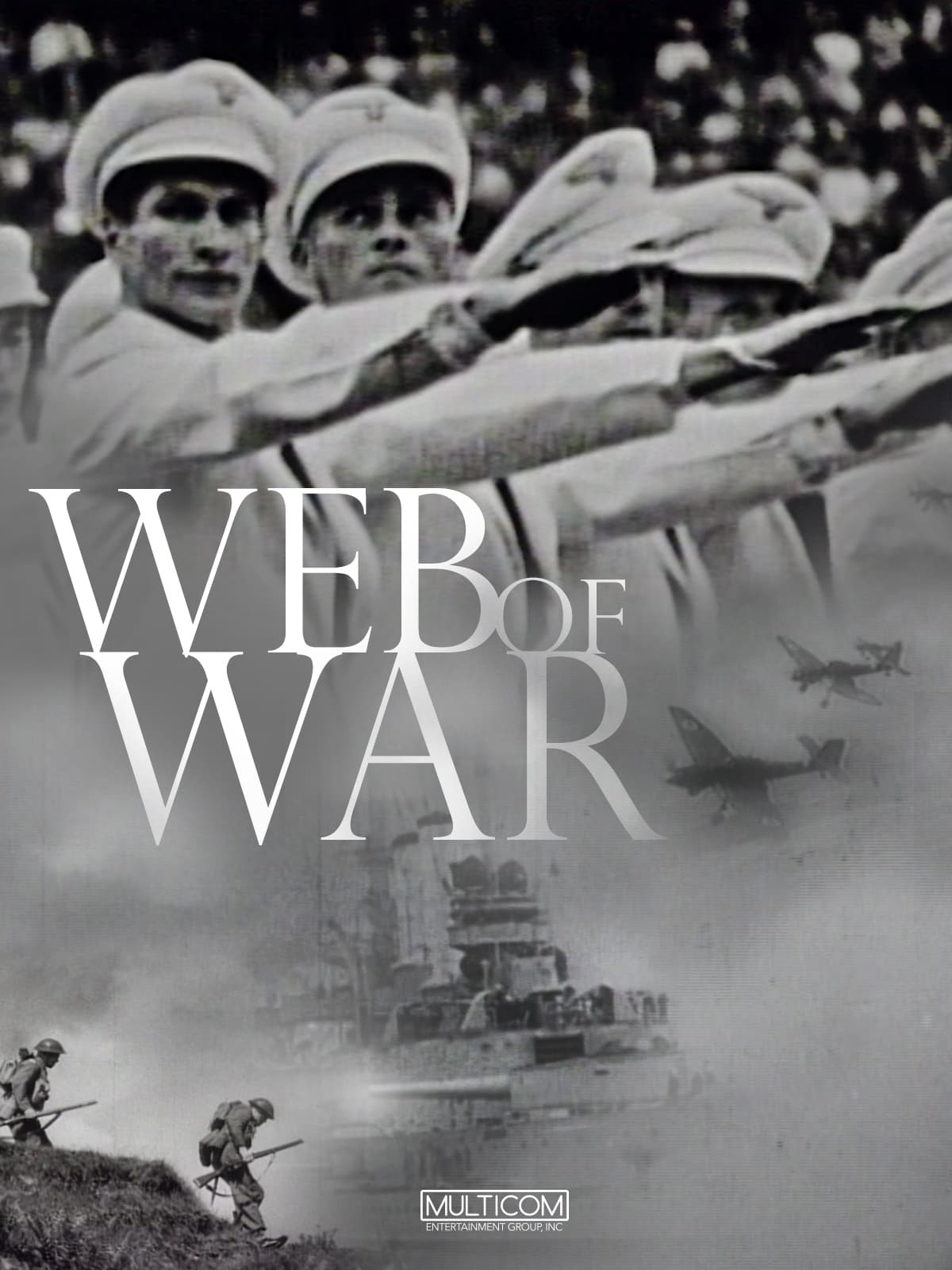
The stories of the battles that brought together a Polish cavalry officer, a Canadian captain, and a Polish underground member are told by the very same Canadians who survived them.
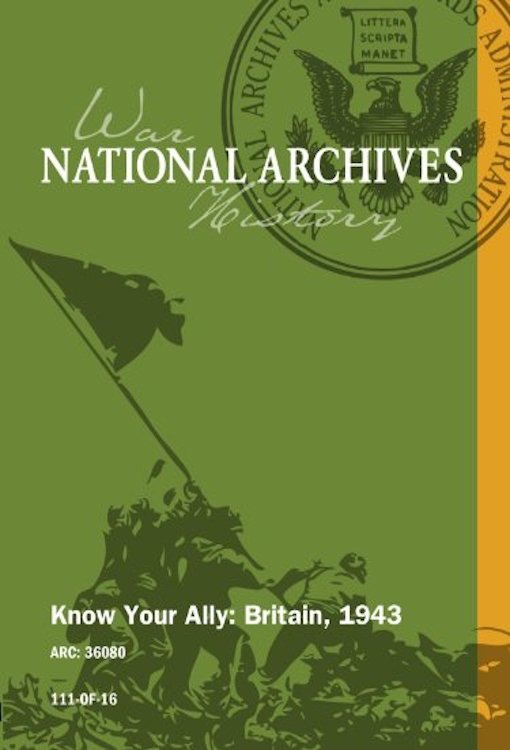
Know Your Ally: Britain was a 45-minute propaganda film made in 1944. It was narrated by Walter Huston and produced by the United States War Department and Signal Corp to solidify Anglo-American solidarity within the ranks as well as counter Nazi propaganda aimed at weakening the Alliance.
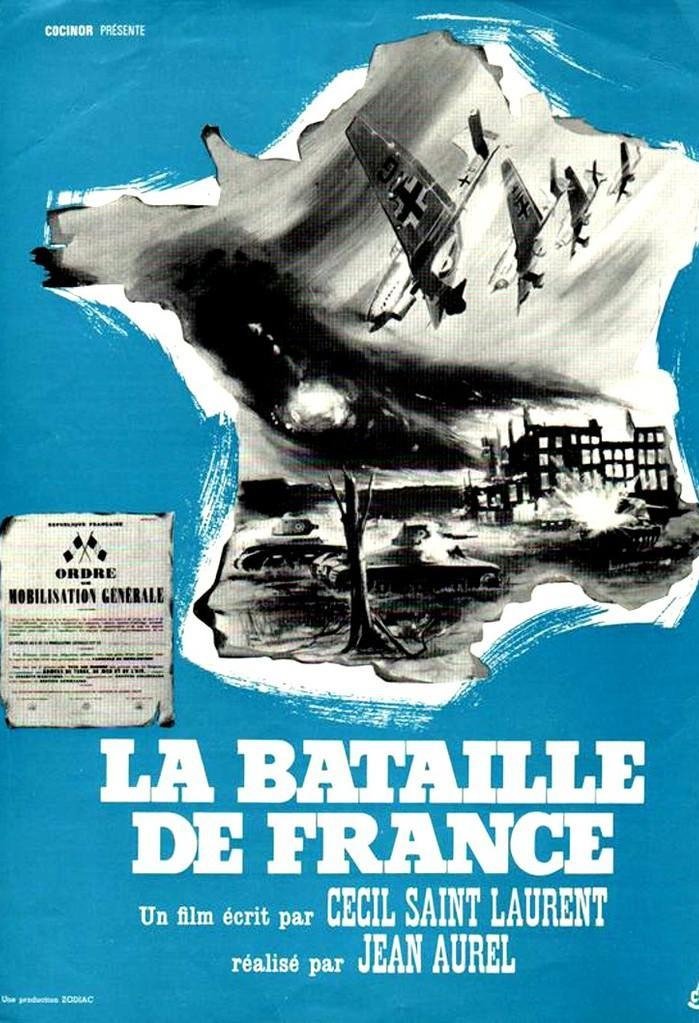
A montage of newscasts tracing the events of the "damned war" and the German invasion of 1940.
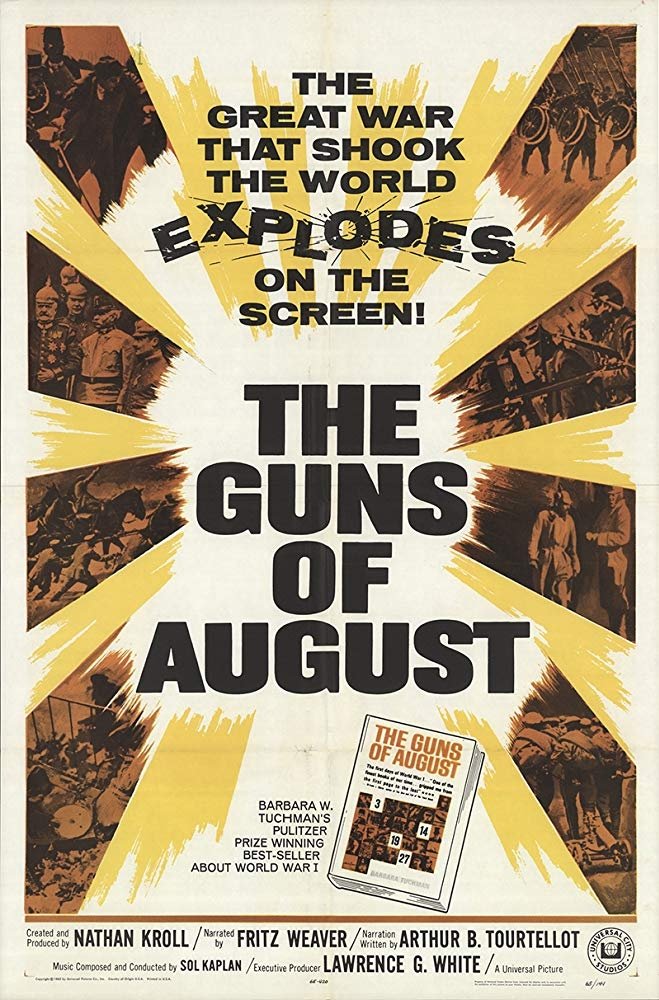
Traces the origins and actions of World War I, from the funeral of Britain's King Edward VII to the Versailles Treaty.
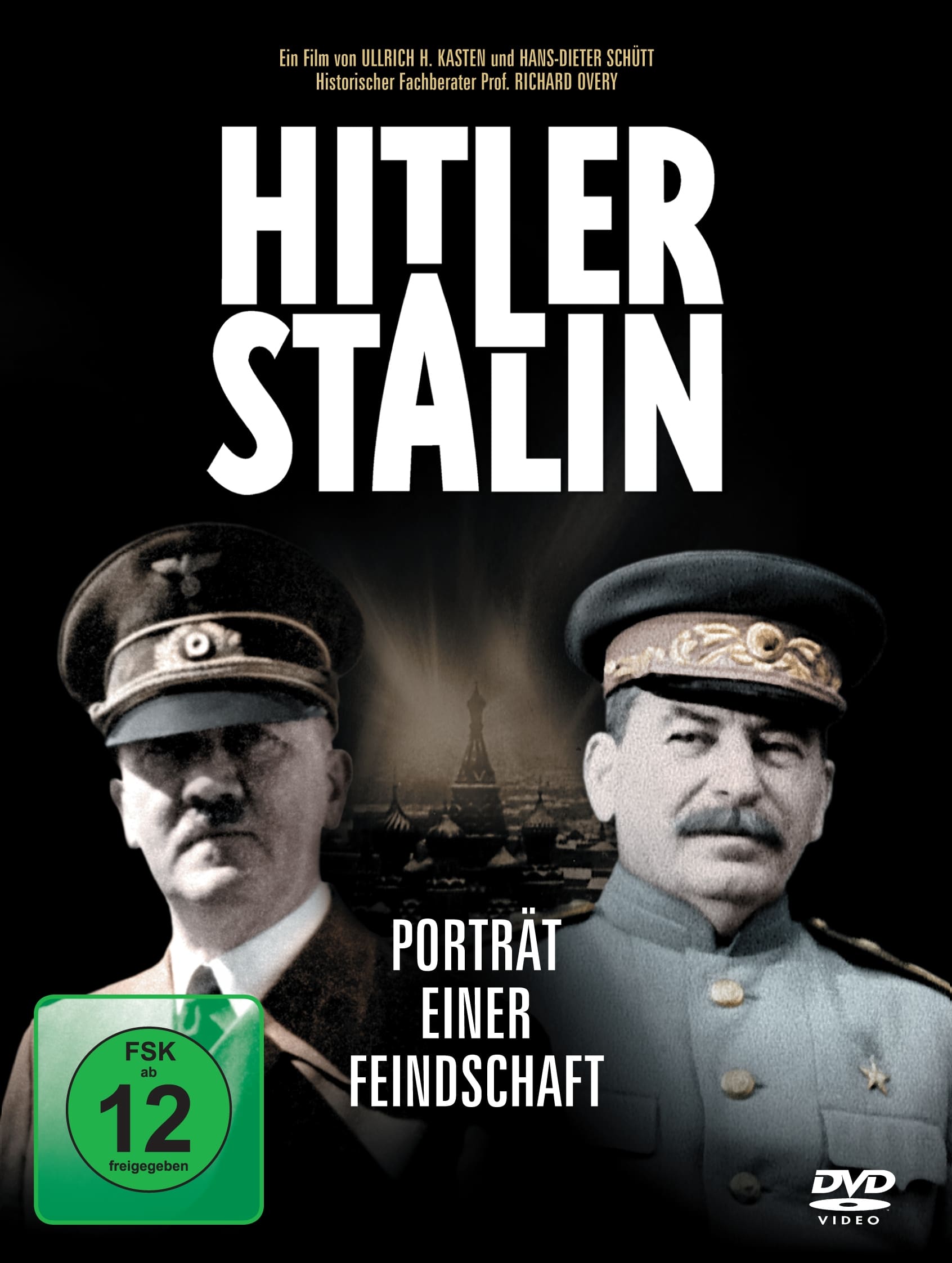
A double portrait of two dictators who were thousands of miles apart but were constantly fixated on each other.
A brilliant documentary about the growth of Israel into the Jewish homeland. Seventy-three years of struggle for religious freedom is vividly recorded using rare archive film footage and photographs of historic events in the development of 20th century Israel. Beginning with the Dreyfus Affair in 1894, the film covers Theodor Herzl, founder of modern Zionism; the earliest immigration and settlements; the formation of kibbutzim; the Balfour Declaration; the rise of European anti-Semitism; the British occupation of Palestine; Arab confrontations; the United Nations resolution; the "Exodus" incident, and the Six Day War.
In a tale of double agents and decoys, this documentary reveals, for the first time, the story of King George VI's elaborate ruse to divert German attention away from the Normandy landings in 1944.
In April 1945, as Stalin's Red Army approach from the East and the Western Allied forces quickly approach through France and Belgium, Adolf Hitler awaits his fate in his bunker, reflecting on the mistakes that lost him the war.
The Crimean (Yalta) conference of the leaders of the three powers - allies in the Anti-Hitler coalition was held from February 4 to February 11, 1945 in the Livadia Palace near Yalta.
Documentary exploring the parallels between 'The Return of the King' and real events and people in history.
Fighter pilot, inventor, spy - the life of Roald Dahl is often stranger than fiction. Through a vast collection of his letters, writings and archive, the story is told largely in his own words with contributions from his last wife Liccy, daughter Lucy and biographer Donald Sturrock.
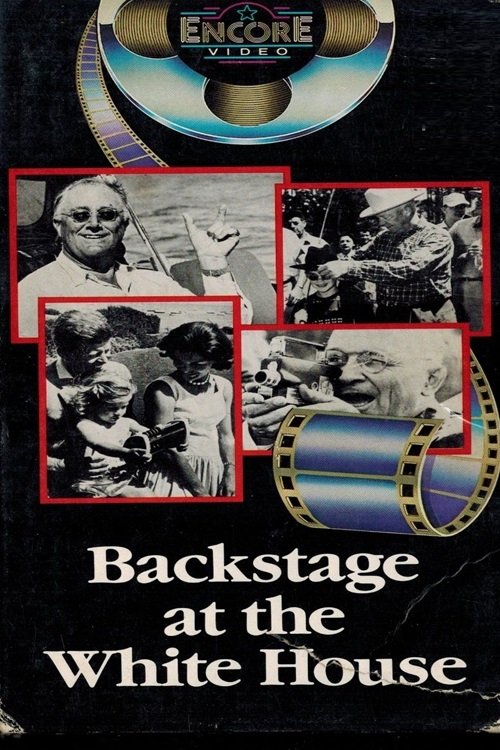
This unique glimpse into the private lives of our Presidents and their families showcases some of the most significant personal moments they have experienced. These instances have not only resonated with our emotions but have also elicited joy, creating lasting memories that highlight the humanity of these influential leaders.
Documentary on the Greek history of the first half of the 20th century, from the Balkan wars until December events, with a special emphasis on the Asia Minor Catastrophe and its aftermath, through filmed documents by Joseph Hep, George Prokopiou, Achilleas Mandras, Philopimenas Finos, Gabriel Loggos and Kyriakos Kourbetis.
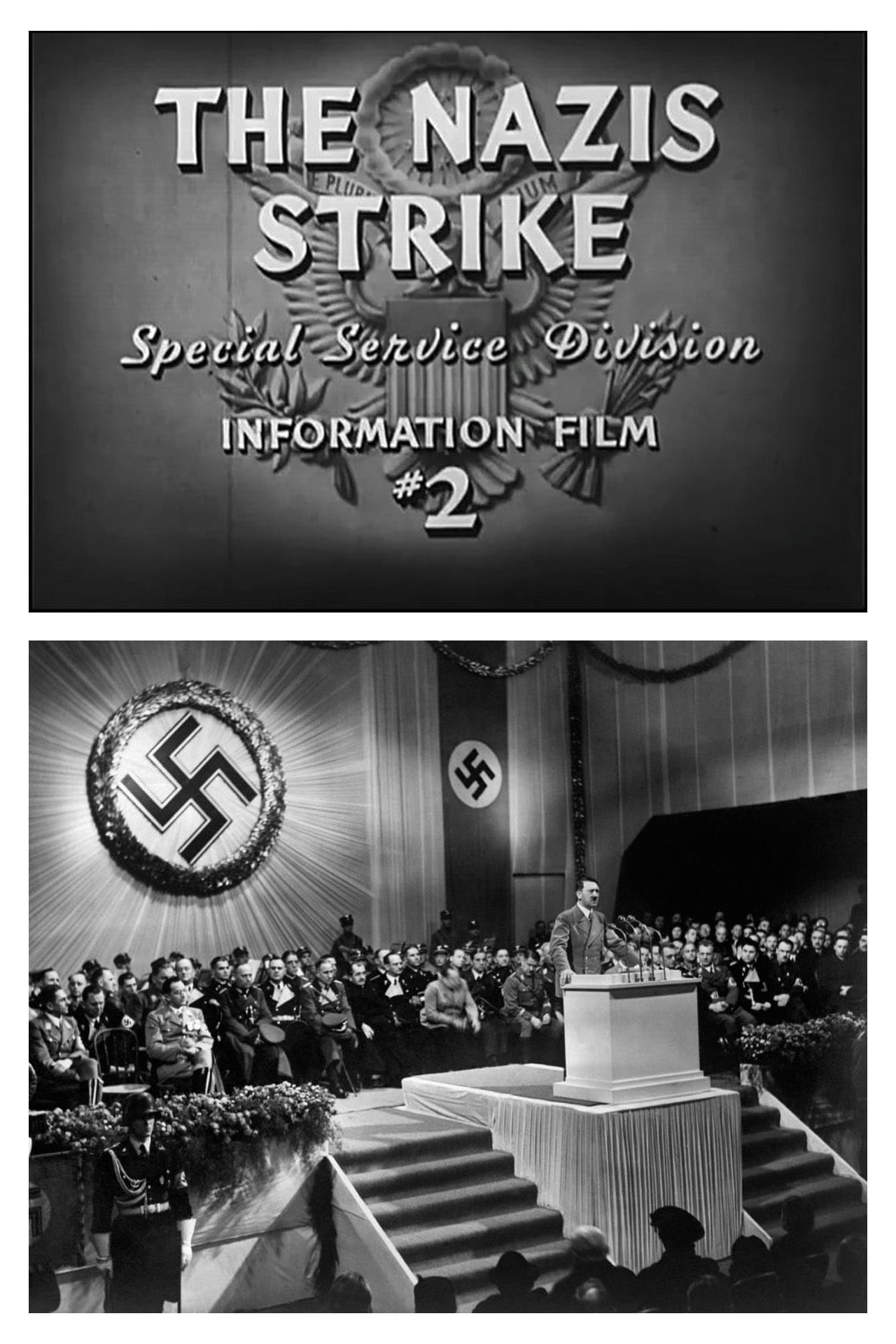
The second film of Frank Capra's Why We Fight propaganda film series. It introduces Germany as a nation whose aggressive ambitions began in 1863 with Otto von Bismarck and the Nazis as its latest incarnation.
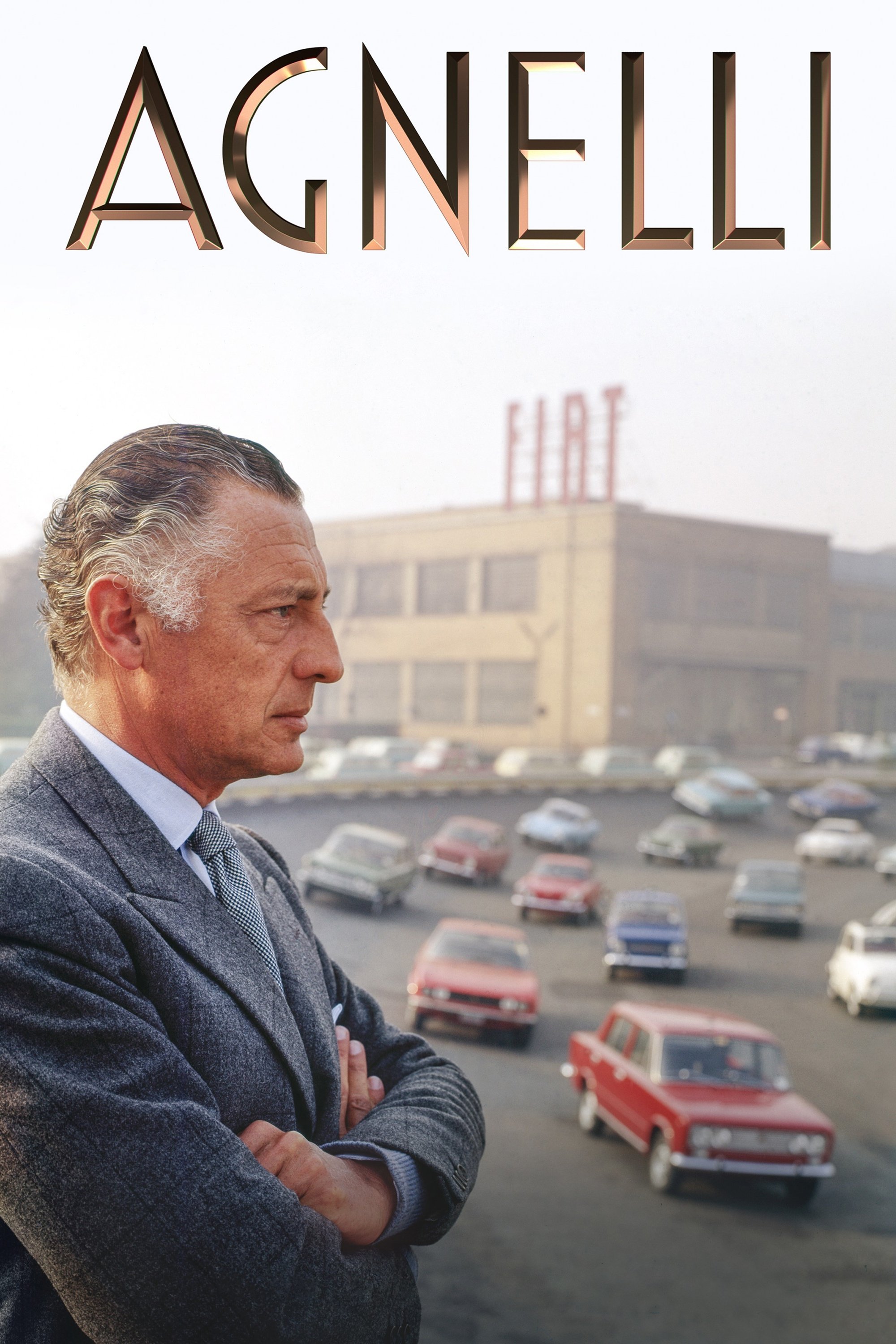
Documentary about the life of Giovanni "Gianni" Agnelli, an influential Italian industrialist and principal shareholder of Fiat.
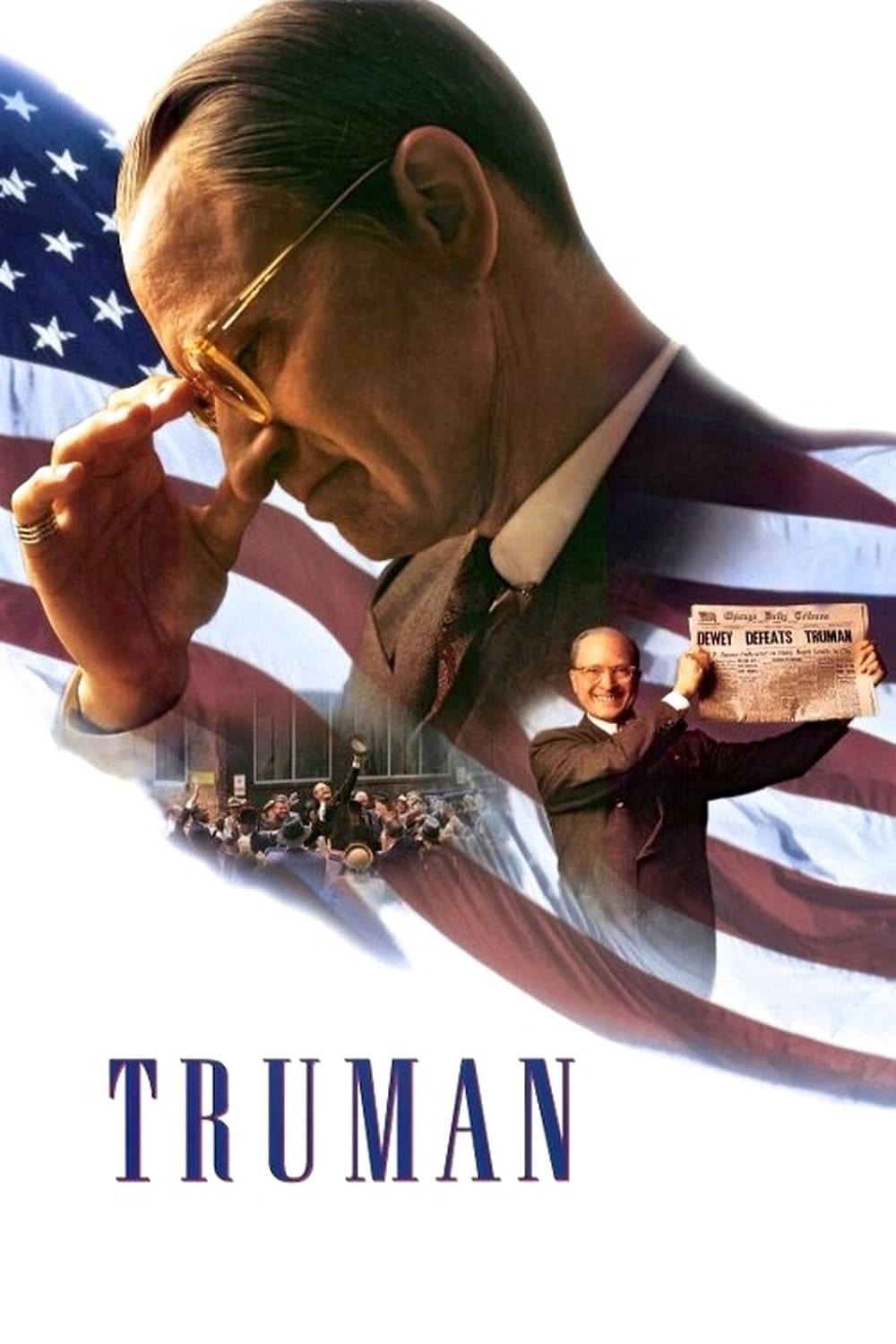
Biographical account of America's President for the latter part of WWII. Shows Truman's rise from small-town nobody to leader of the USA, his decision to use the Atomic Bomb against Japan, and subsequent election as the US' post-war President.
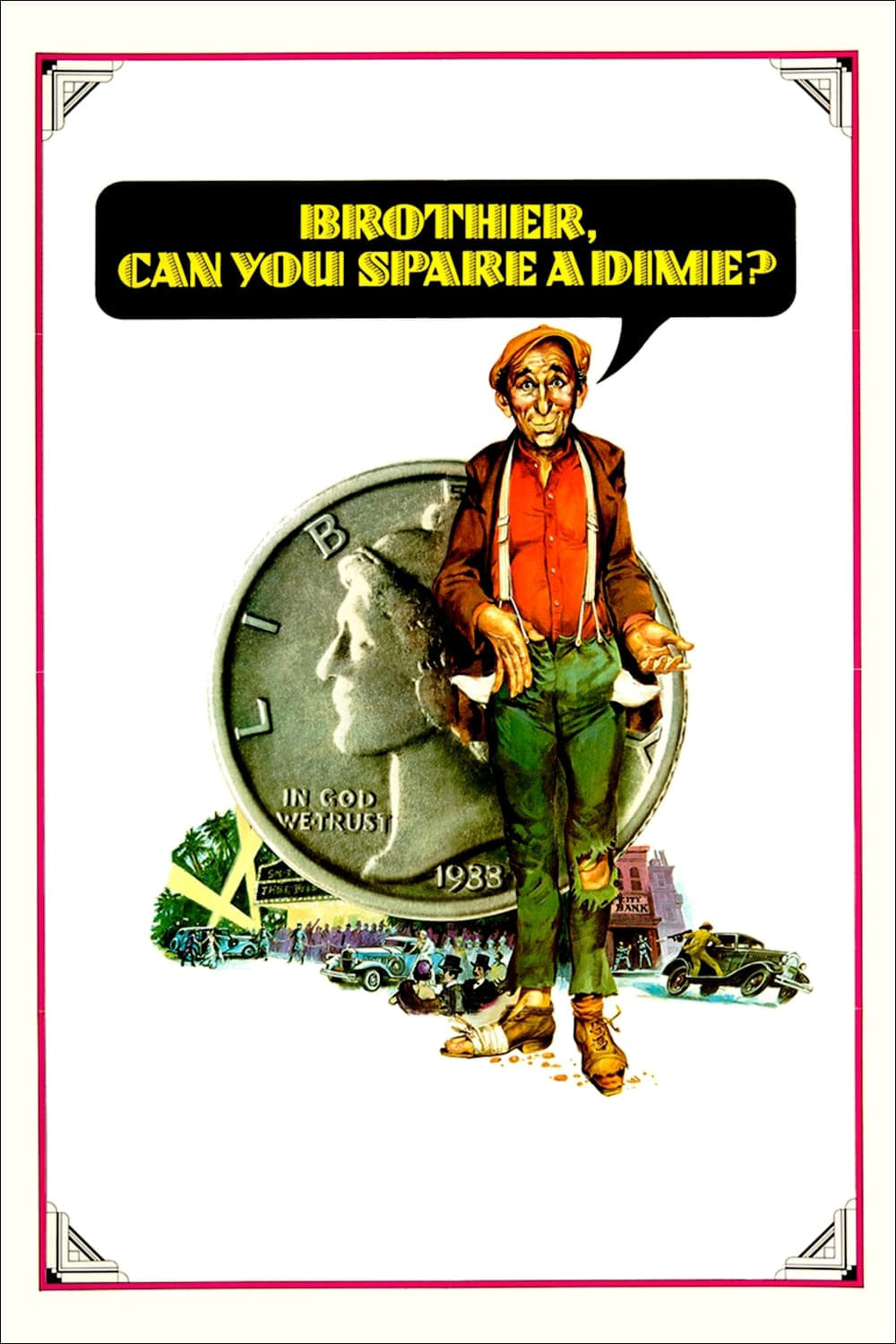
Period music, film clips and newsreel footage combined into a visual exploration of the American entertainment industry during the Great Depression.
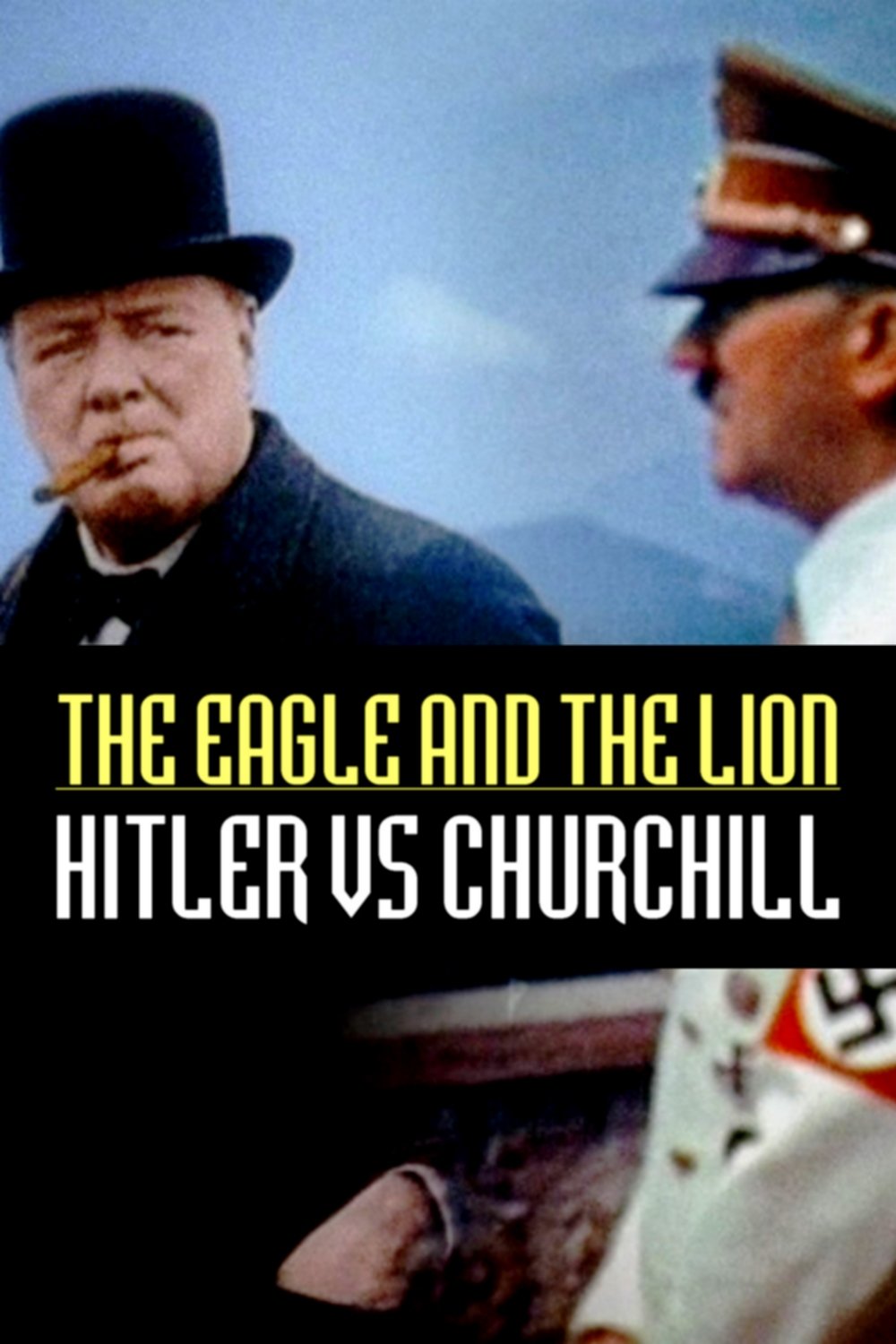
Winston Churchill, one of the most revered men of the twentieth century. Adolf Hitler, one of the most hated leaders in contemporary history. Between 1940 and 1945, these two enormously contradictory personalities faced each other in both politics and war. A clash of giants whose story begins in the trenches of the World War I and ends with the debacle of the World War II.

Speech-making is the art of persuasion. Well-honed rhetoric appeals not just to the mind, but to the heart and, deeper down, in the guts. Examining the speeches that provoked radical change, surprised pundits or shocked listeners, poet Simon Armitage dissects what makes a perfect speech. Simon gets the inside story behind some of the famous speeches of the modern age, talking to Tony Blair's speechwriter, to Earl Spencer on his controversial address at his sister's funeral and the woman who challenged the rioters in Hackney. We hear how Peter Tatchell confronted the BNP, Paul Boateng on how Enoch Powell's divisive speech personally affected him as a child, and Colonel Tim Collins, whose charge was to motivate his troops on the eve of the Iraq war. Simon discusses the nuts and bolts of speech writing with Vincent Franklin, aka the blue-sky thinking guru Stuart Pearson from The Thick of It, and gets tips on powerful delivery from actor Charles Dance.
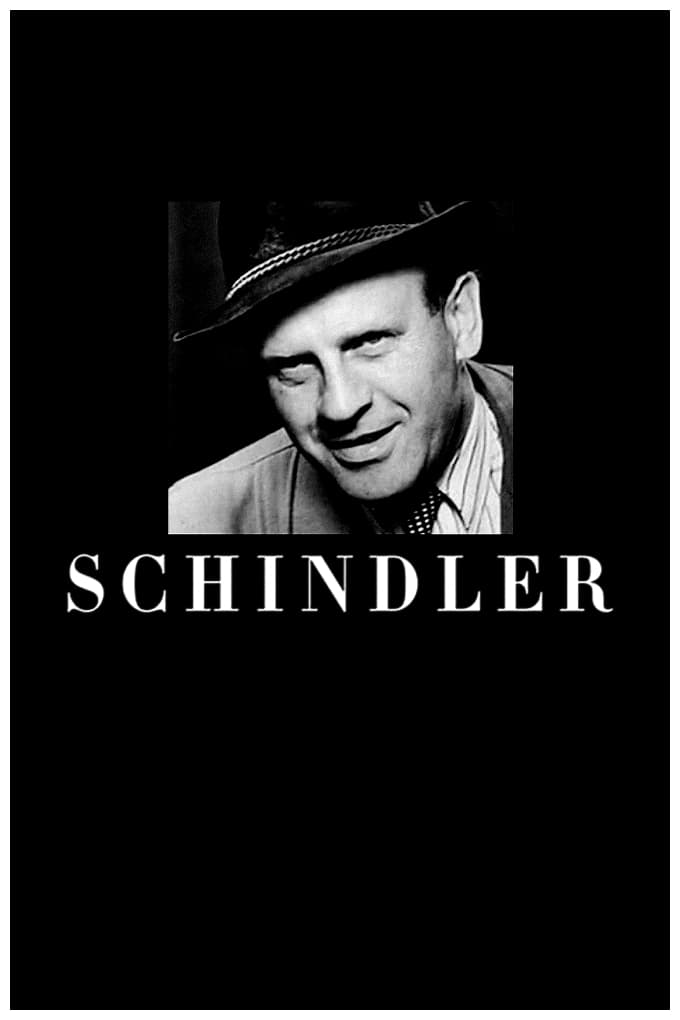
The true story of German-Czech businessman Oskar Schindler (1908-74) as told by some of the Jews — more than a thousand people — whose lives he saved from extermination during World War II.
Part of a a video series that documents the fighting between the United States and Imperial Japan during and immediately after World War II.
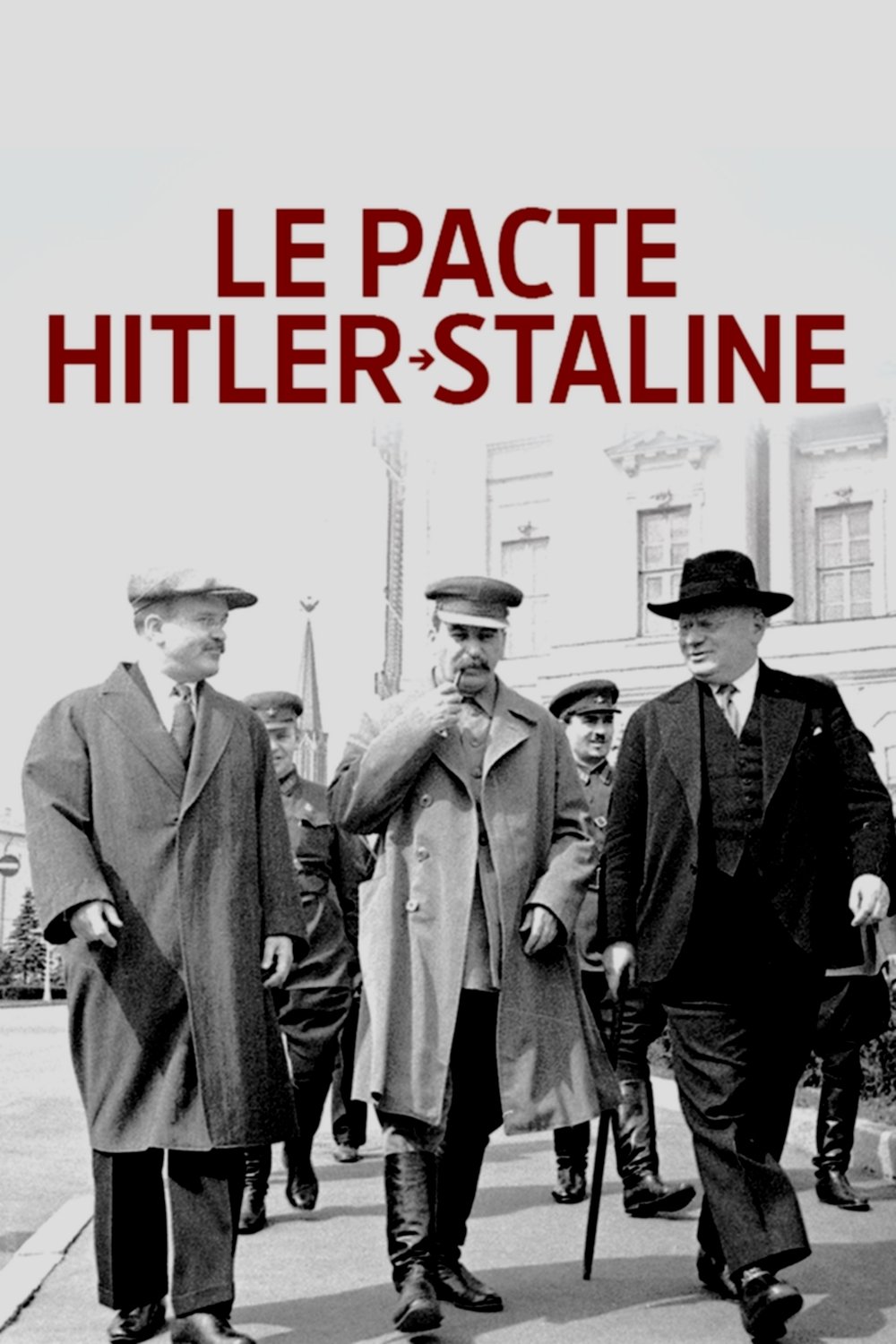
How could Hitler and Stalin, sworn ideological enemies, come to a secret pact in 1939? The captivating and detailed story of the diplomatic fiasco that led to the signing of the Nazi-Soviet pact and its devastating consequences.
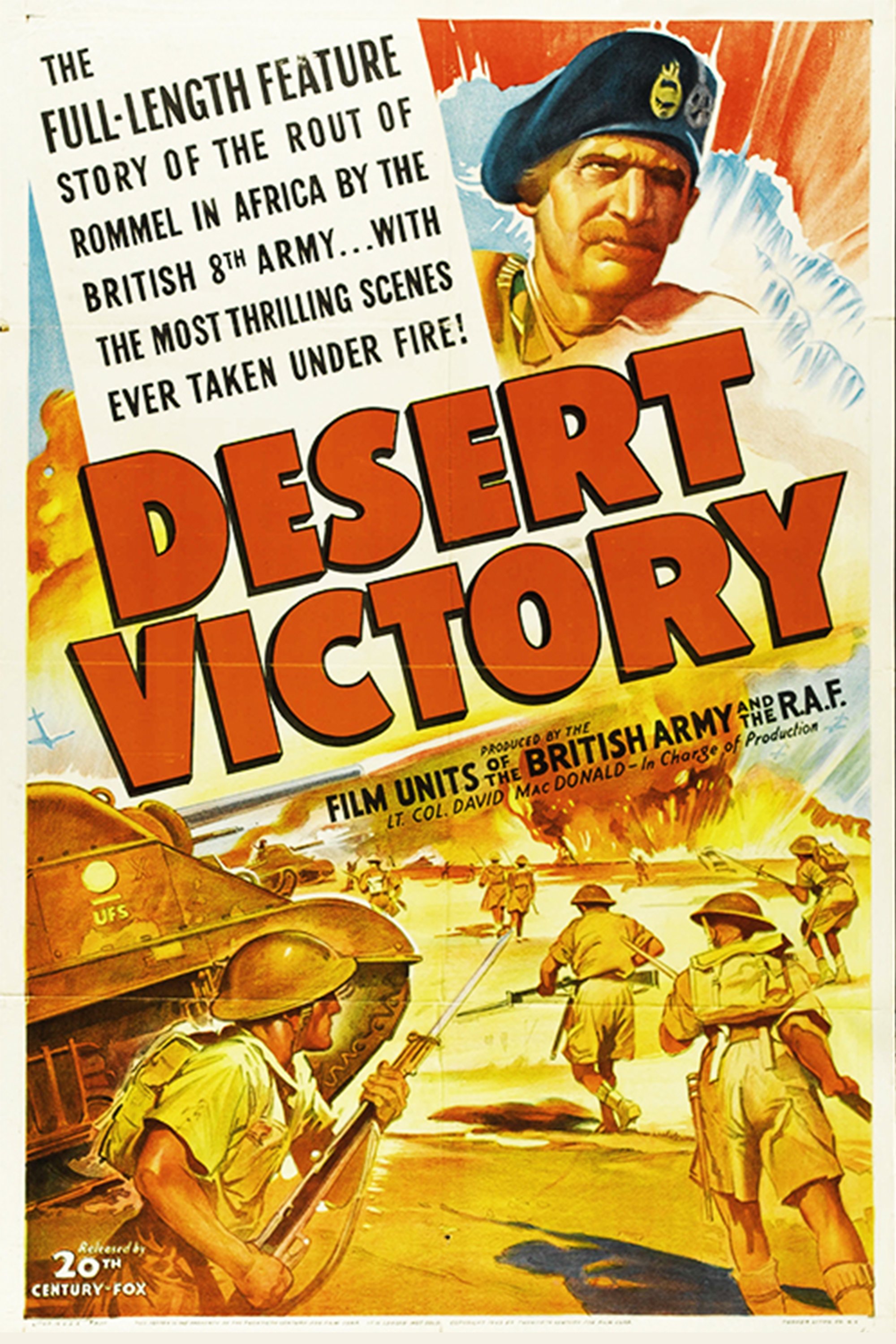
A featureless land fit only for war, as the narrator, J. L. Hodson stated in the early scenes: "If war was to be fought then let it begin here". In endless miles of rock-strewn scrub desert, where civilians hardly existed. Desert Victory tells the story of the Allied campaign to drive Germany and Italy from North Africa is analysed, with the major portion of the film examining the battles at El Alamein, including some re-enactment. Won "Best Documentary Feature" at the 16th Academy Awards in 1944.
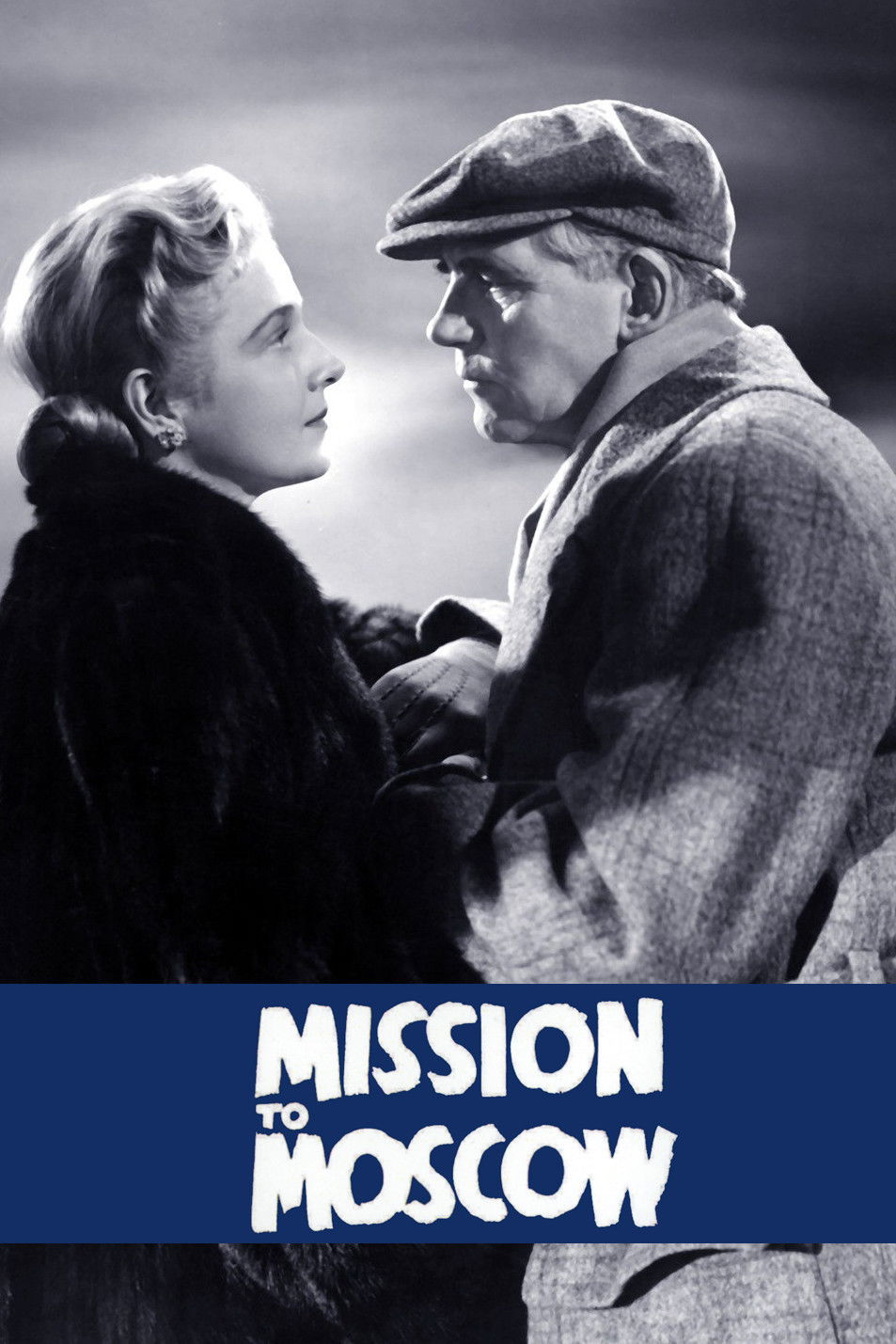
Ambassador Joseph Davies is sent by FDR to Russia to learn about the Soviet system and returns to the US as an advocate of socialism.
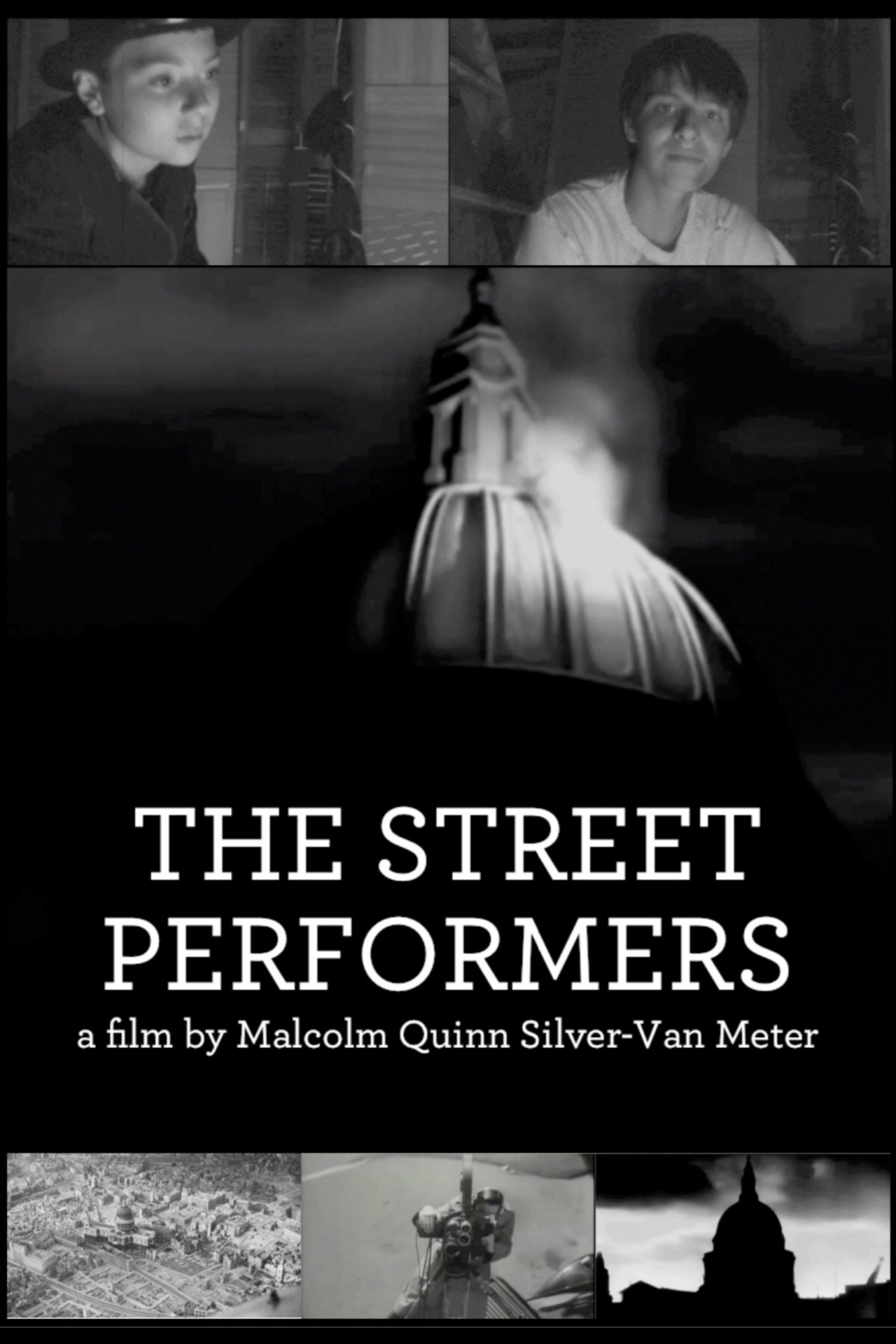
This documentary-style short follows two impoverished teens performing on the streets of London in the days leading up to the London Blitz of 1940.

Both a visit to a very peculiar exhibition at the Bundeswehr Military History Museum in Dresden, Germany, as well as an unprejudiced look at the artistic depiction of violence throughout history and the ways in which that depiction has been gendered.
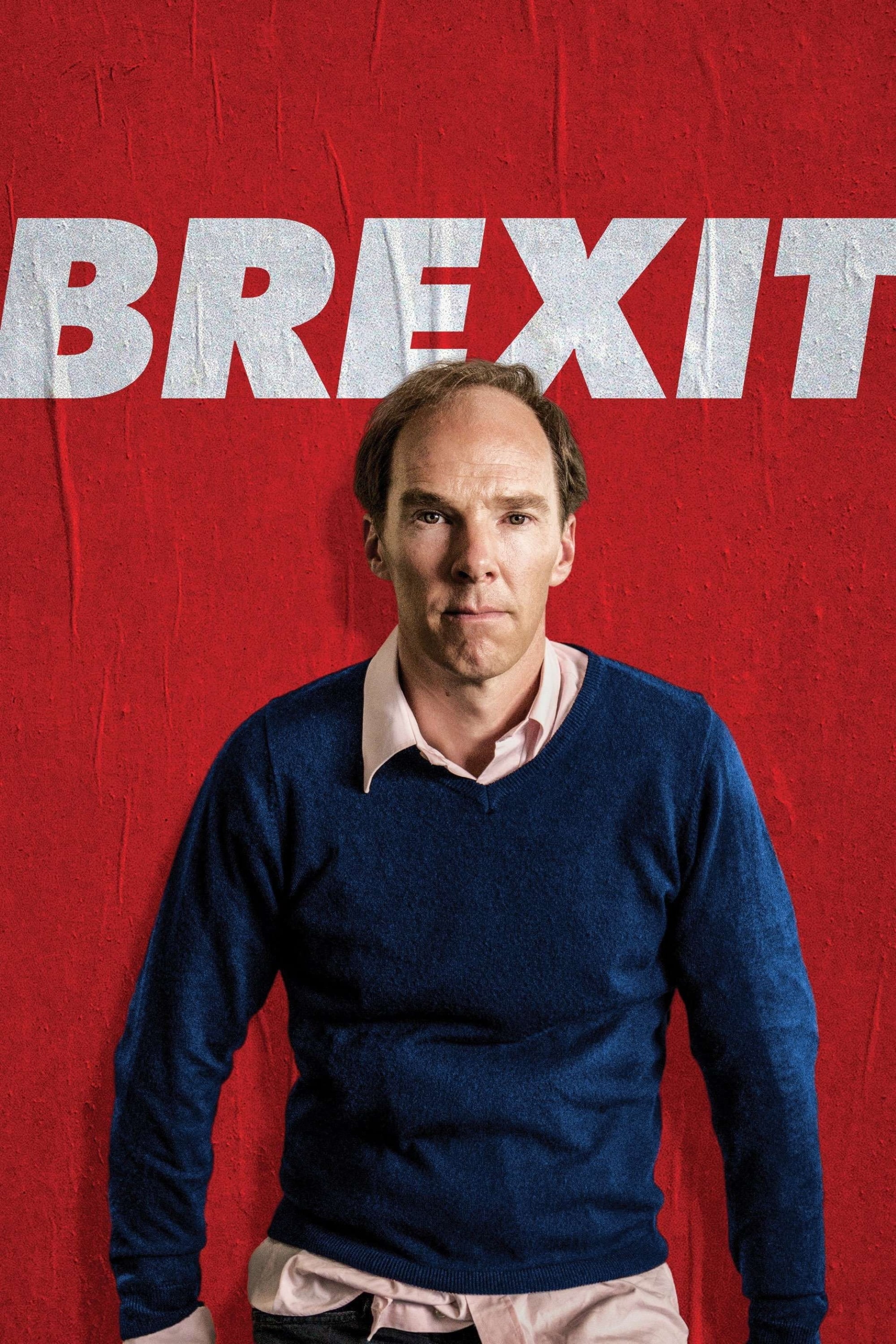
Political strategist Dominic Cummings leads a popular but controversial campaign to convince British voters to leave the European Union from 2015 up until the present day.

Ireland, June 1944. The crucial decision about the right time to start Operation Overlord on D-Day comes to depend on the readings taken by Maureen Flavin, a young girl who works at a post office, used as a weather station, in Blacksod, in County Mayo, the westernmost promontory of Europe, far from the many lands devastated by the iron storms of World War II.

A new look at the public and private life of one of the most important statesmen in the history of Europe: Winston Churchill (1874-1965), soldier, politician, writer, painter, leader of his country in the darkest hours, winner of the Nobel Prize in Literature, a myth, a giant of the 20th century.
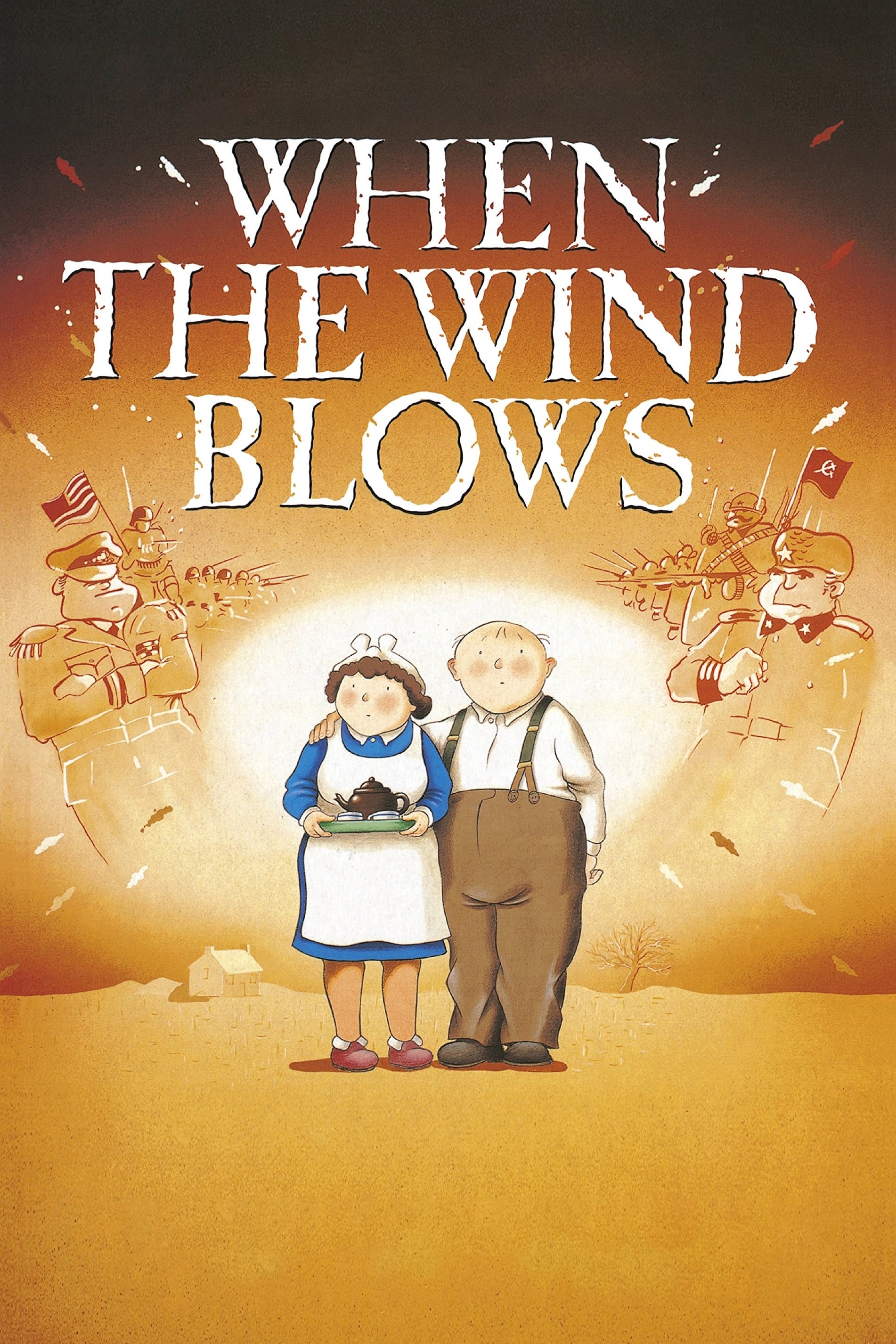
With the help of government-issued pamphlets, an elderly British couple build a shelter and prepare for an impending nuclear attack, unaware that times and the nature of war have changed from their romantic memories of World War II.
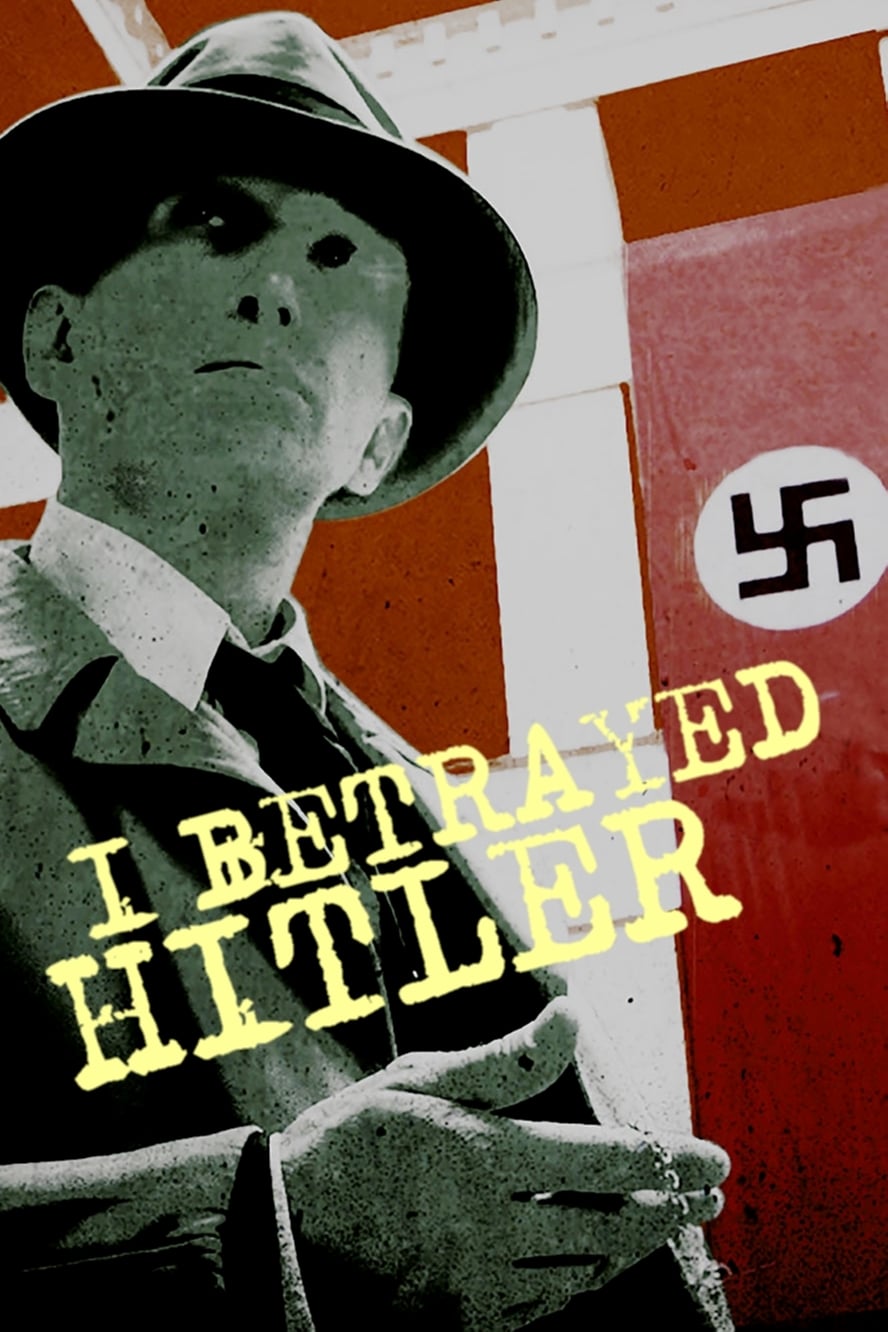
During the worst days of World War II, the British government asks the mathematician Alan Turing to unravel the mysteries of the German Enigma encryption machine, an impossible task to accomplish without the invaluable information that Hans-Thilo Schmidt, a disenchanted but greedy German citizen, had been handing over to the French secret services since 1931.
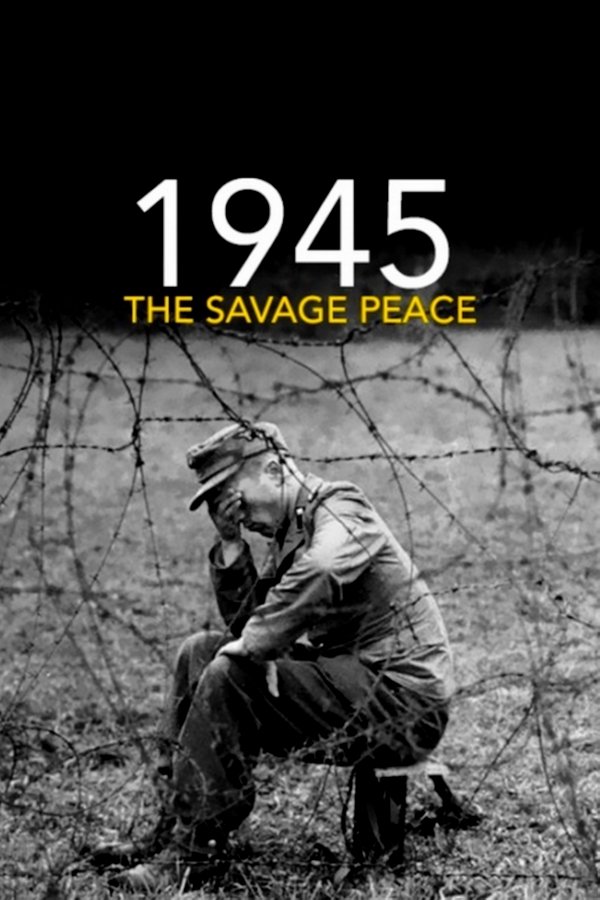
How, in 1945, after the end of World War II and the fall of the Nazi regime, the defeated were atrociously mistreated, especially those ethnic Germans who had lived peacefully for centuries in Germany's neighboring countries, such as Czechoslovakia and Poland. A heartbreaking story of revenge against innocent civilians, the story of acts as cruel as the Nazi occupation during the war years.

September 3rd, 1939. Britain and France declare war on Nazi Germany, only two days after the Wehrmacht invades Poland. This day, the sad date when the fate of the world changed forever, the Phoney War began: eight months of uncertainty, preparations, evacuations and skirmishes.
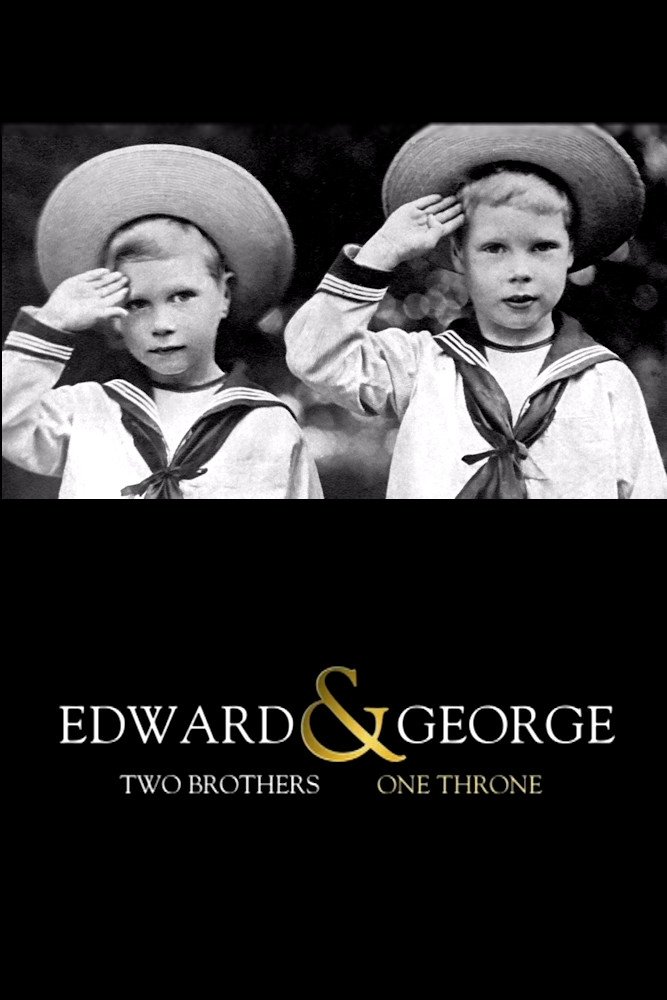
The complex relationship between royal brothers Edward VIII and George VI, who were both at the heart of the infamous abdication crisis of 1936, is the subject of this excellent documentary. From British Pathé TV's Royalty Collection.
Made at the end of WWII, this documentary looks at Britain's post-war period. During a time of economic hardship, Prime Minister Winston Churchill is concerned about the future of his nation.
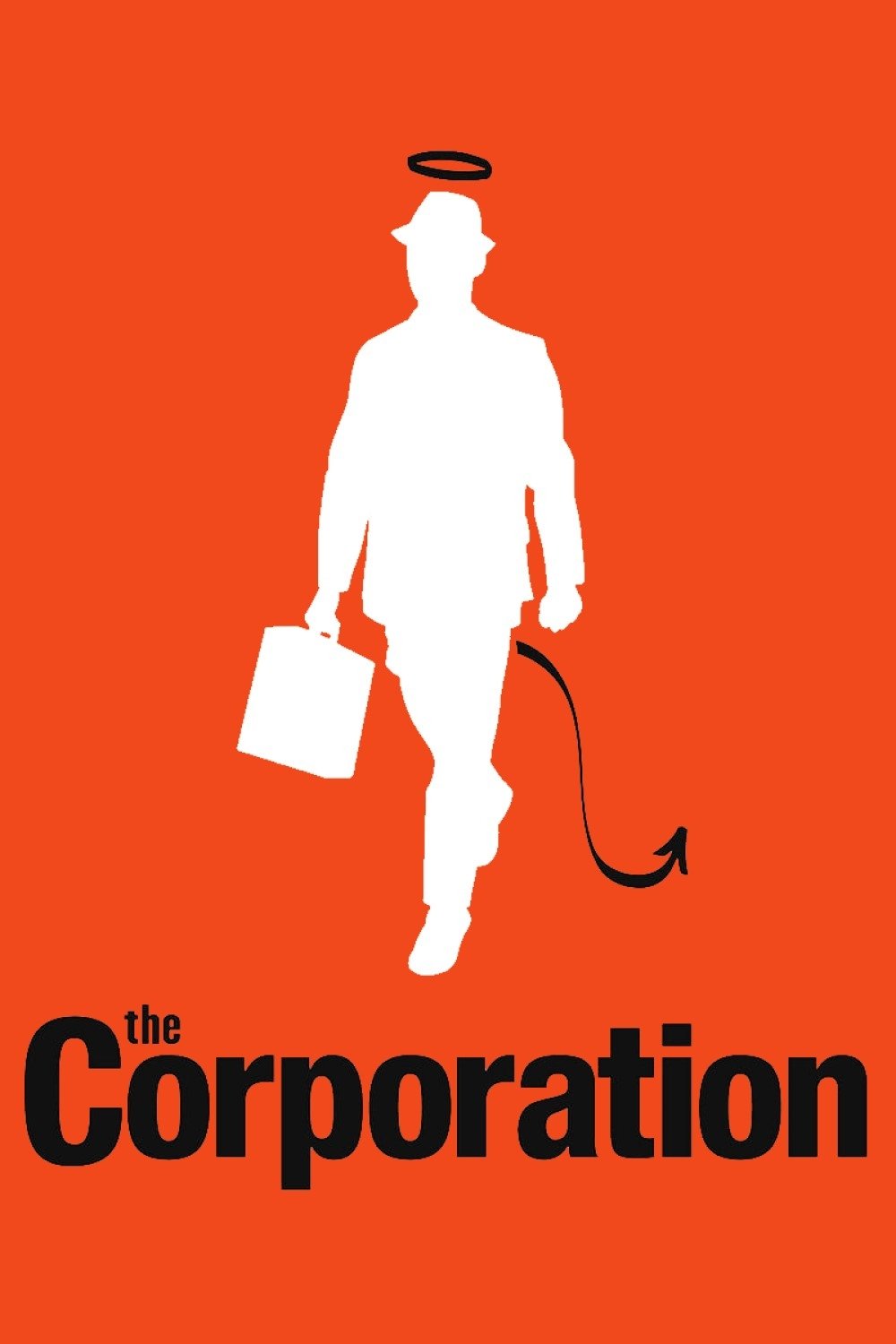
Since the late 18th century American legal decision that the business corporation organizational model is legally a person, it has become a dominant economic, political and social force around the globe. This film takes an in-depth psychological examination of the organization model through various case studies. What the study illustrates is that in the its behaviour, this type of "person" typically acts like a dangerously destructive psychopath without conscience. Furthermore, we see the profound threat this psychopath has for our world and our future, but also how the people with courage, intelligence and determination can do to stop it.
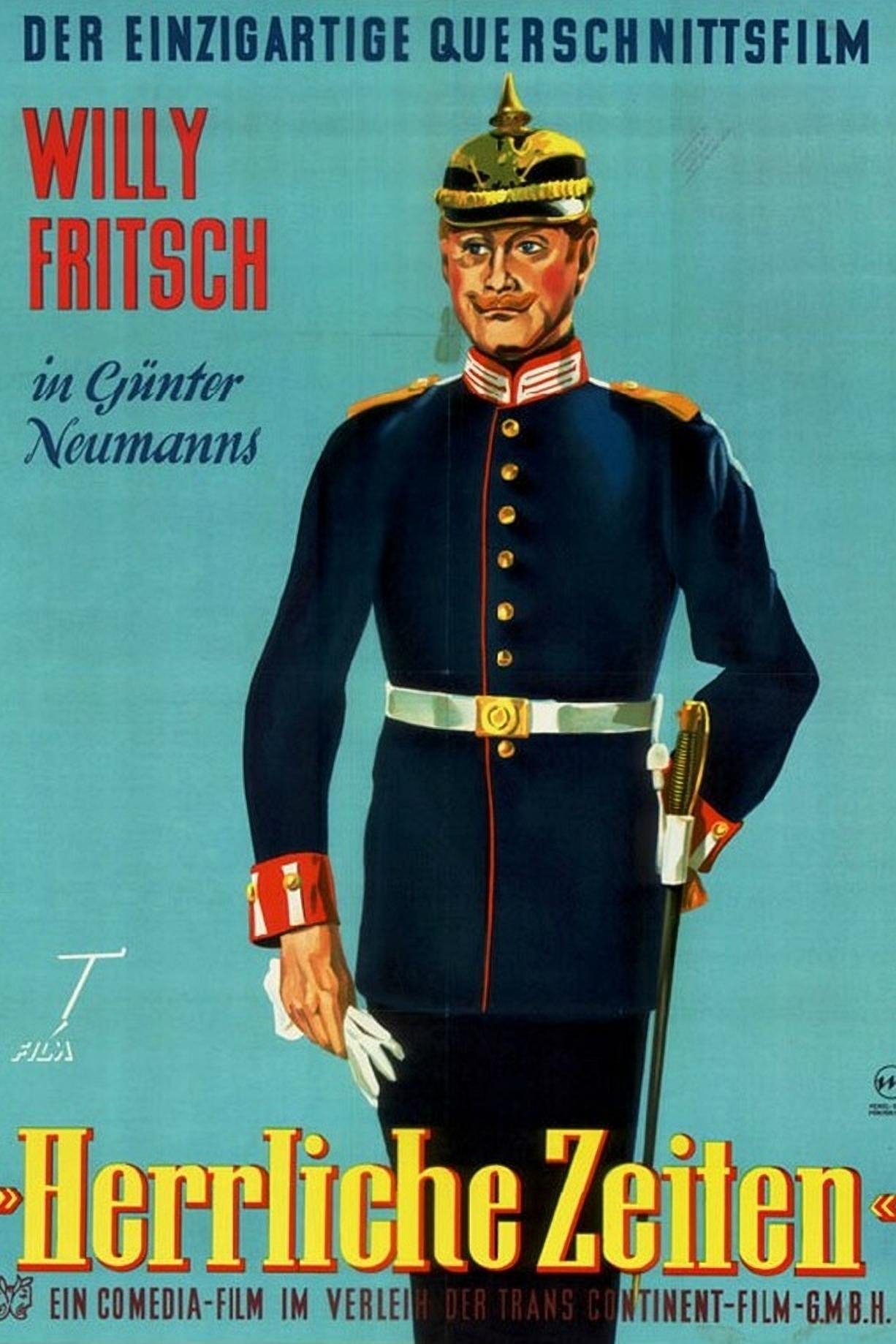
Compilation film about a very German first half of the 20th century.

A lavish documentary film of Queen Elizabeth II's Coronation in 1953.
2014-2015: 17. The Great European Disaster Movie Authored documentary by Italian director Annalisa Piras and former editor of The Economist Bill Emmott, which explores the crisis facing Europe. Through case studies of citizens in different countries, the film explores a range of factors that have led to the present crisis, economic and identity challenges across Europe. High-level experts analyse how and why things are going so wrong. The film includes fictional scenes, set in a post-EU future, which feature archaeologist Charles Granda (played by Angus Deayton) travelling on a flight through a menacing storm, explaining to a child passenger what the EU was. Sombre, thought-provoking and witty, the film frames Europe through the eyes of those who have most at stake - the Europeans themselves.
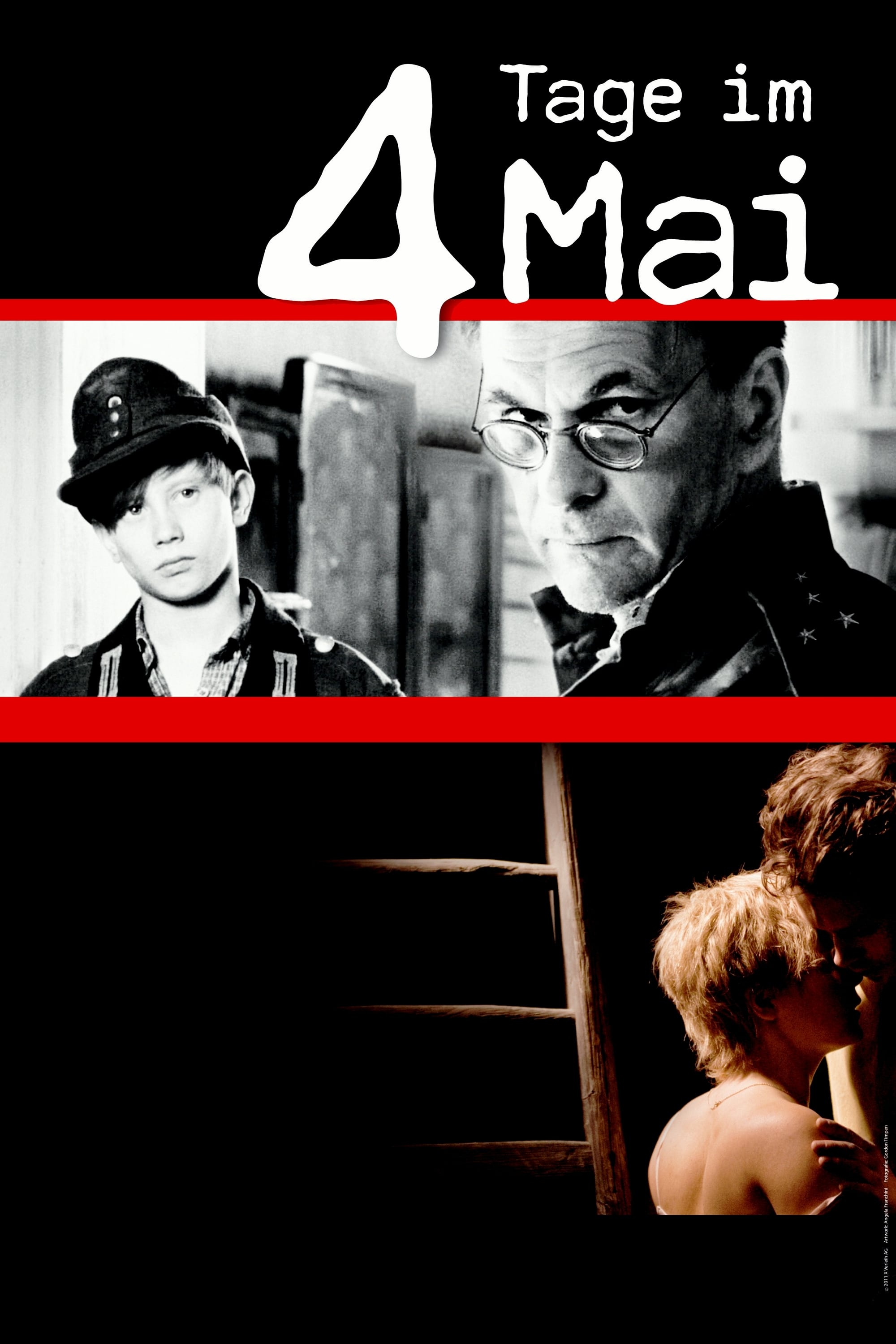
Germany, Baltic Sea coast, May 1945, a few days before the end of World War II. A small Soviet patrol arrives at an isolated house where an elderly baroness gives shelter to a group of orphan girls and a boy who is determined to continue the fight.
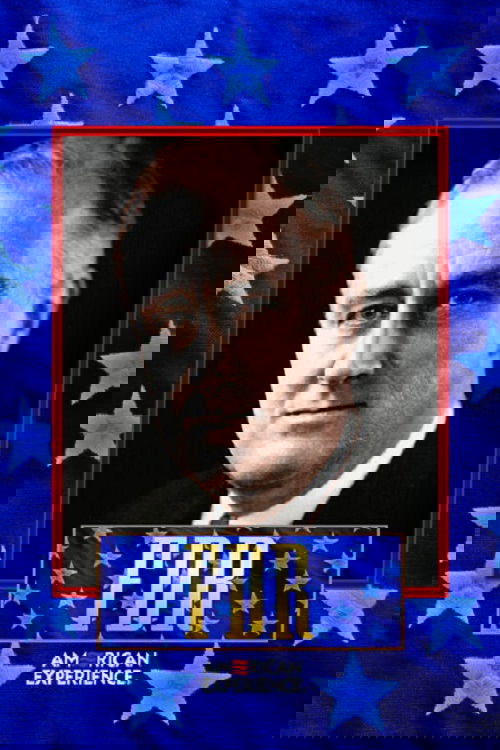
Polio at age 39, president at age 50. Explore the public and private life of a determined man who steered this country through two monumental crises: the Depression and World War II. FDR served as president longer than any other, and his legacy still shapes our understanding of the role of government and the presidency. A film by award winning filmmaker David Grubin. This is the second of four parts.

Based exclusively on testimonies of "Schindler Juden" from the Institute’s Visual History Archive, Voices from the List continues beyond the narrative of the Academy Award®-winning film Schindler's List by incorporating rare, archival footage and an original score to add a new dimension to the story of Oskar Schindler.
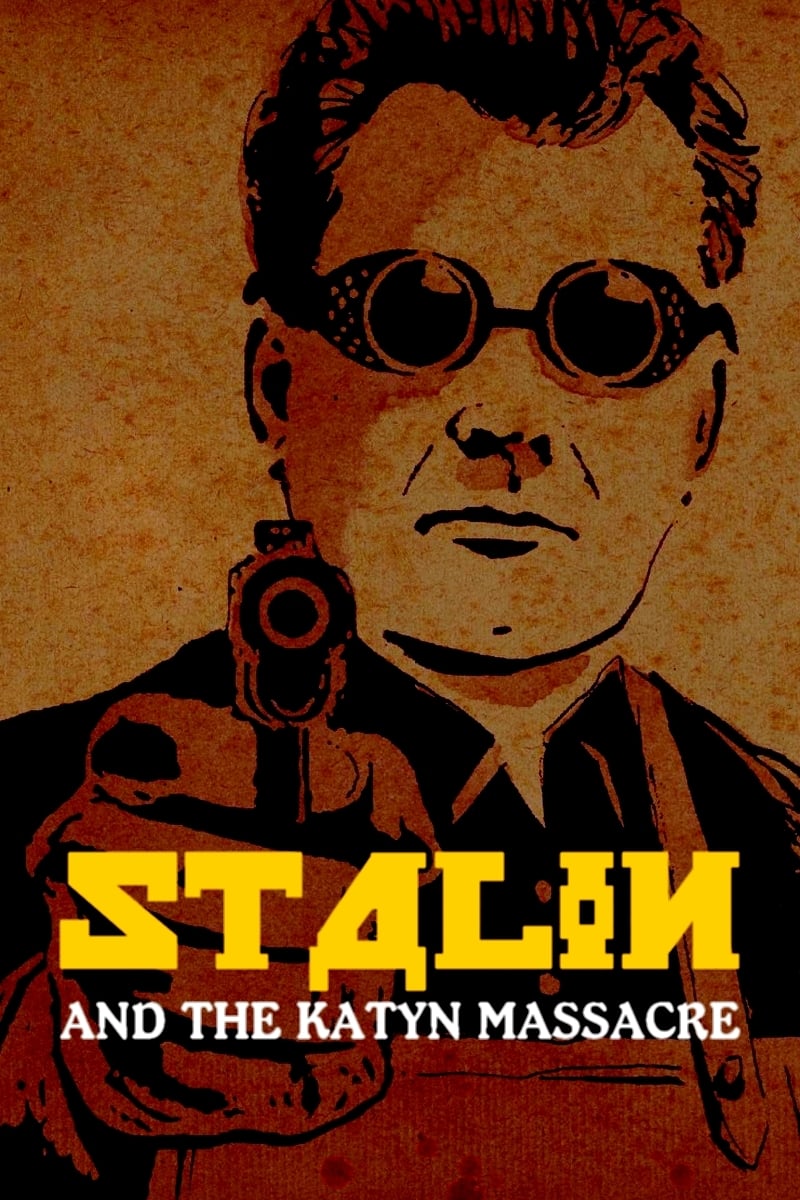
The Katyn massacre, carried out by the Soviet NKVD in 1940, was only one of many unspeakable crimes committed by Stalin's ruthless executioners over three decades. The mass murder of thousands of Polish officers was part of a relentless purge, the secrets and details of which have only recently been partially revealed.
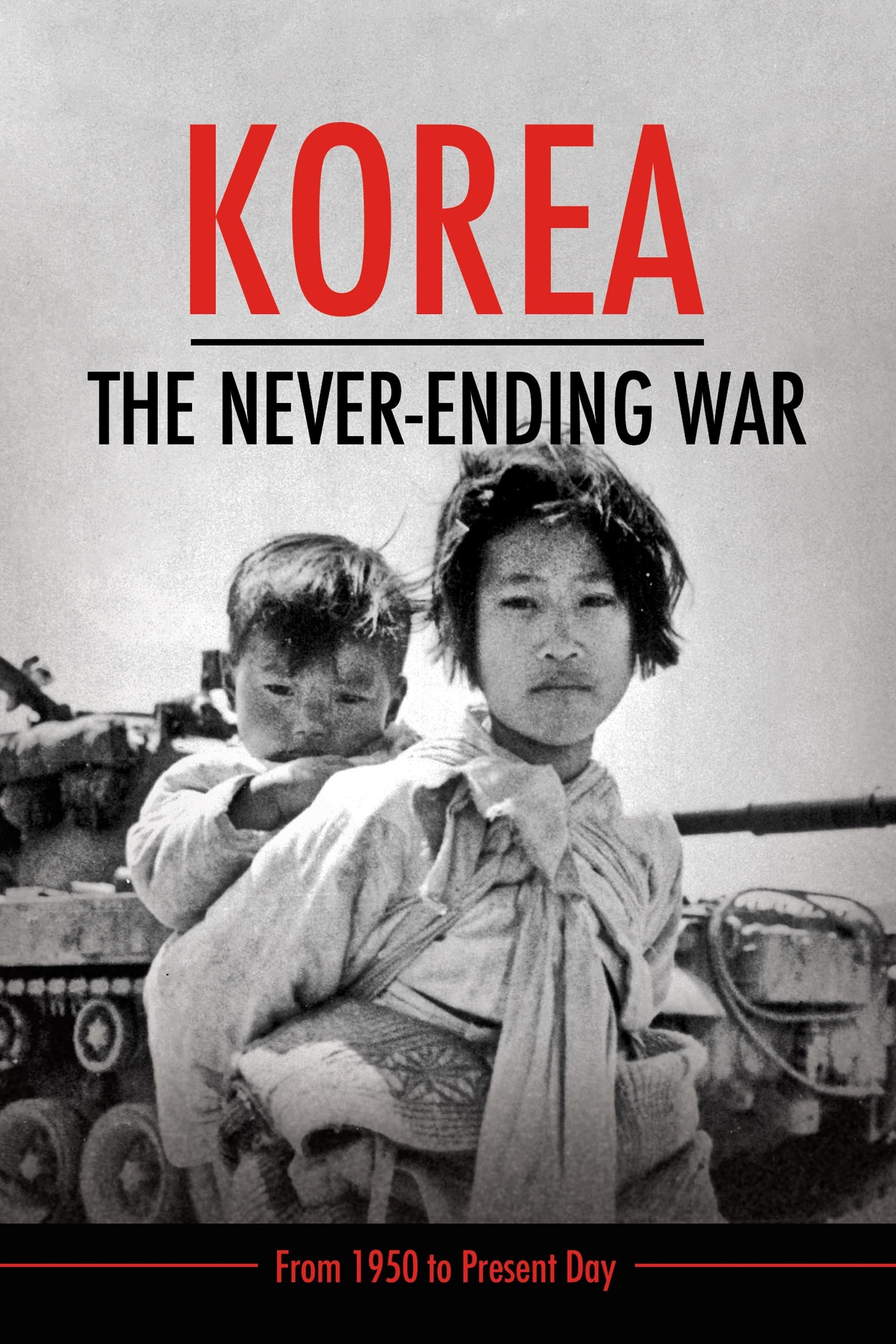
Shedding new light on a geopolitical hot spot, the film — written and produced by John Maggio and narrated by Korean-American actor John Cho — confronts the myth of the “Forgotten War,” documenting the post-1953 conflict and global consequences.
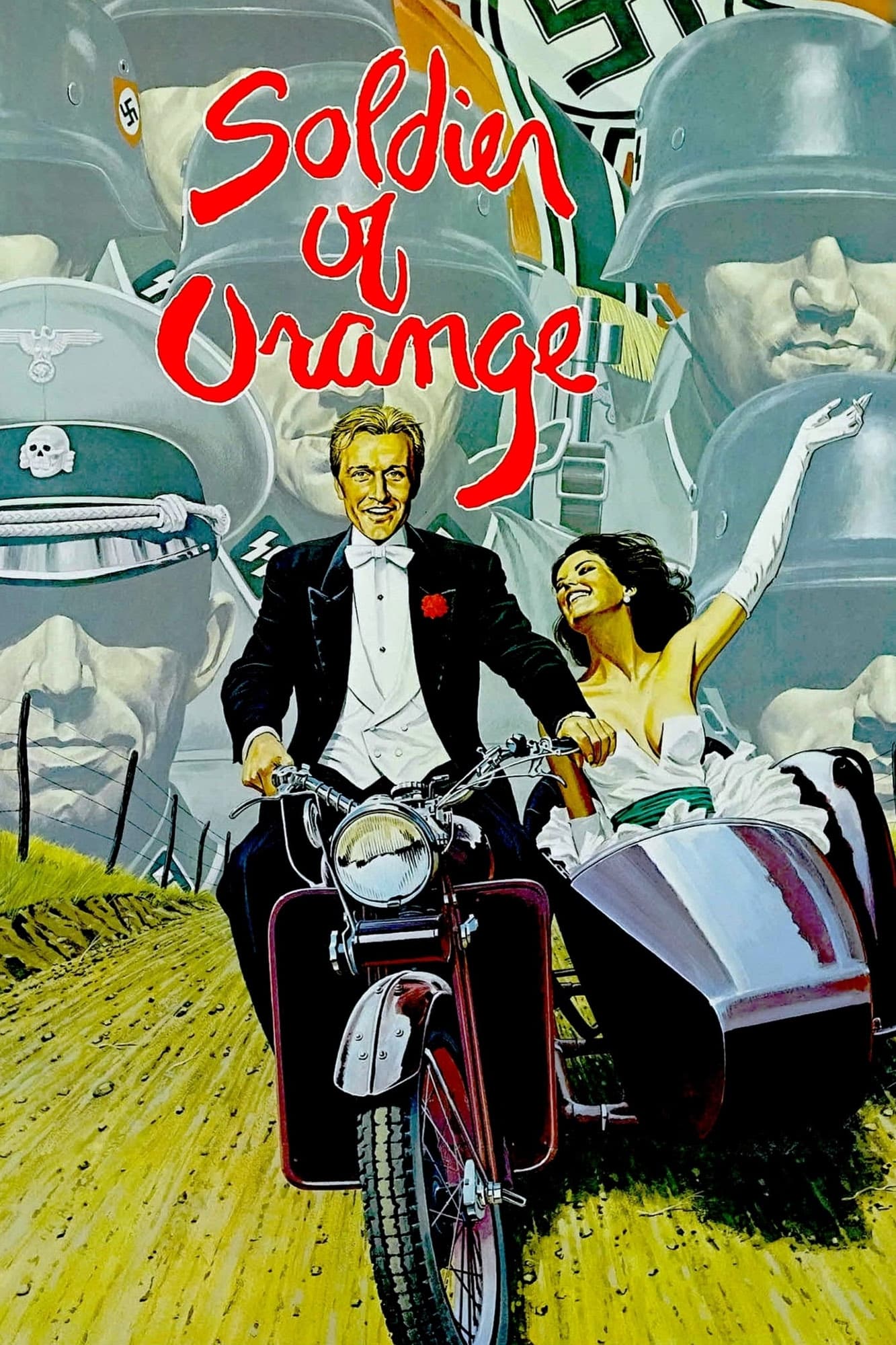
The lives of Erik Lanshof and five of his closest friends take different paths when the German army invades the Netherlands in 1940: fight and resistance, fear and resignation, collaboration and high treason.
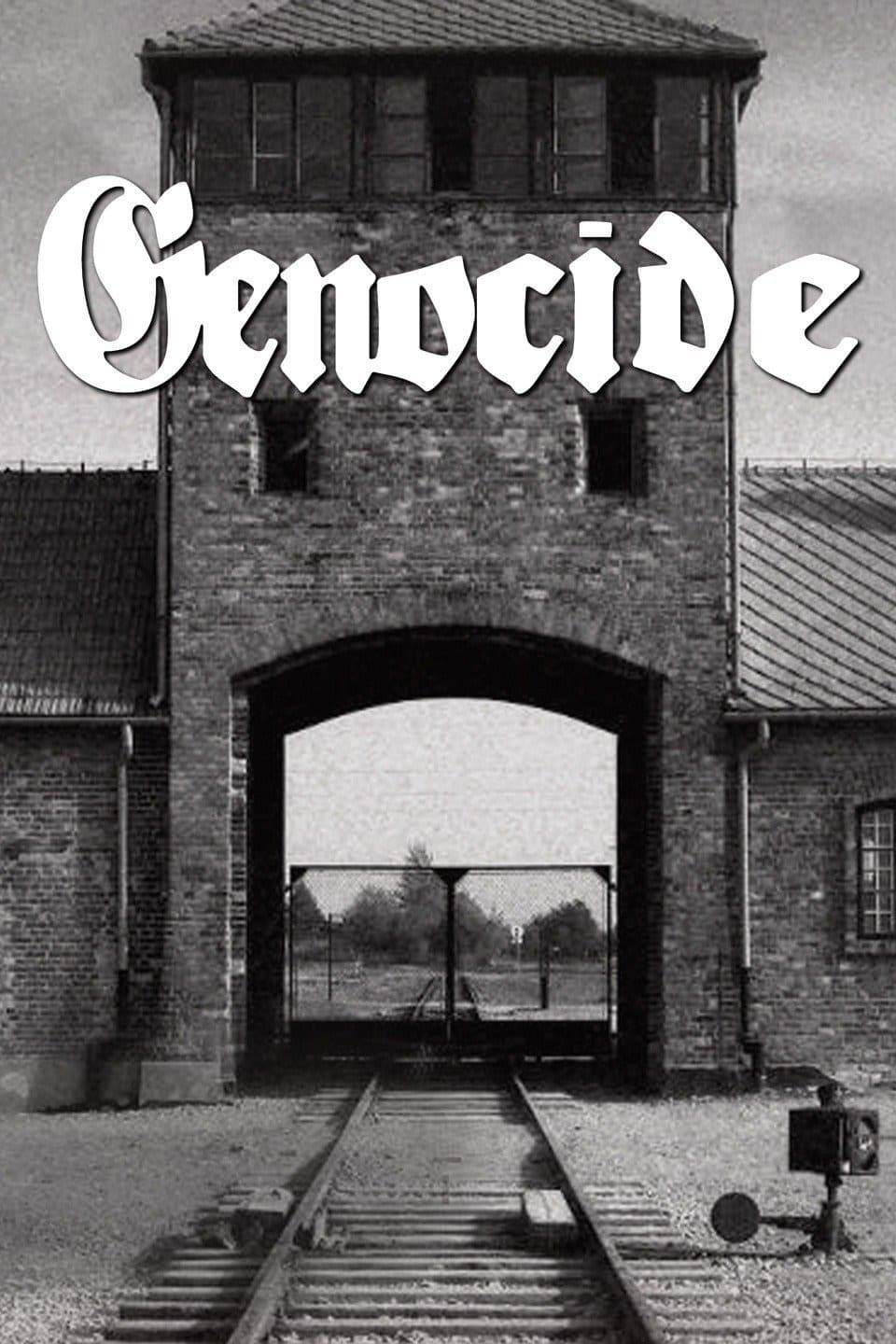
The mass murder of Jewish people by the Nazi regime is chronicled, with a warning that anti-Semitism is on the rise and the events of the Holocaust could happen again. The history of European Jewish culture and events before and during the Holocaust are seen in newsreels, photographs, and animated segments. The words of the victims of the era are read, and footage from the liberation os a concentration camp is shown.
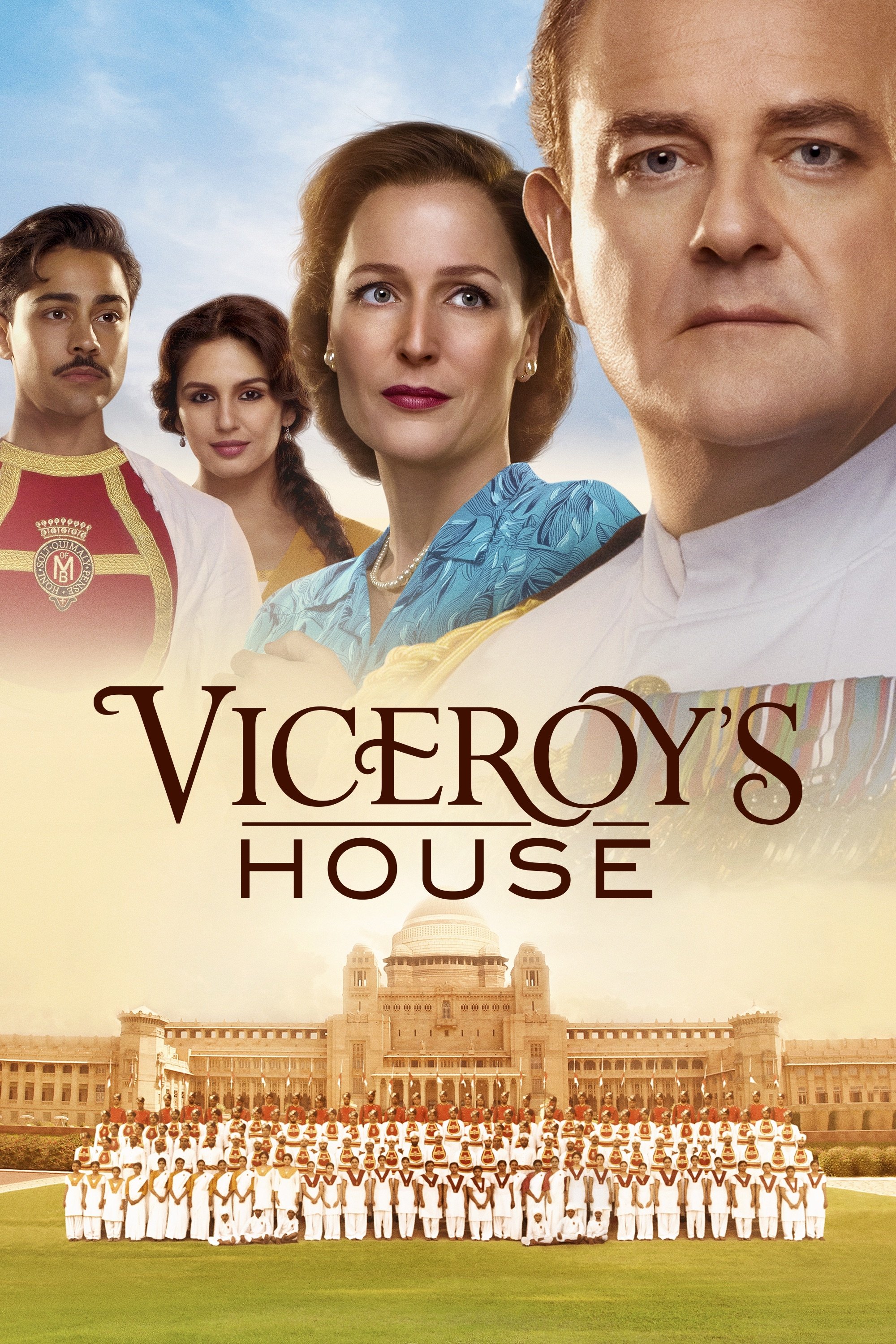
In 1947, Lord Mountbatten assumes the post of last Viceroy, charged with handing India back to its people, living upstairs at the house which was the home of British rulers, whilst 500 Hindu, Muslim and Sikh servants lived downstairs.
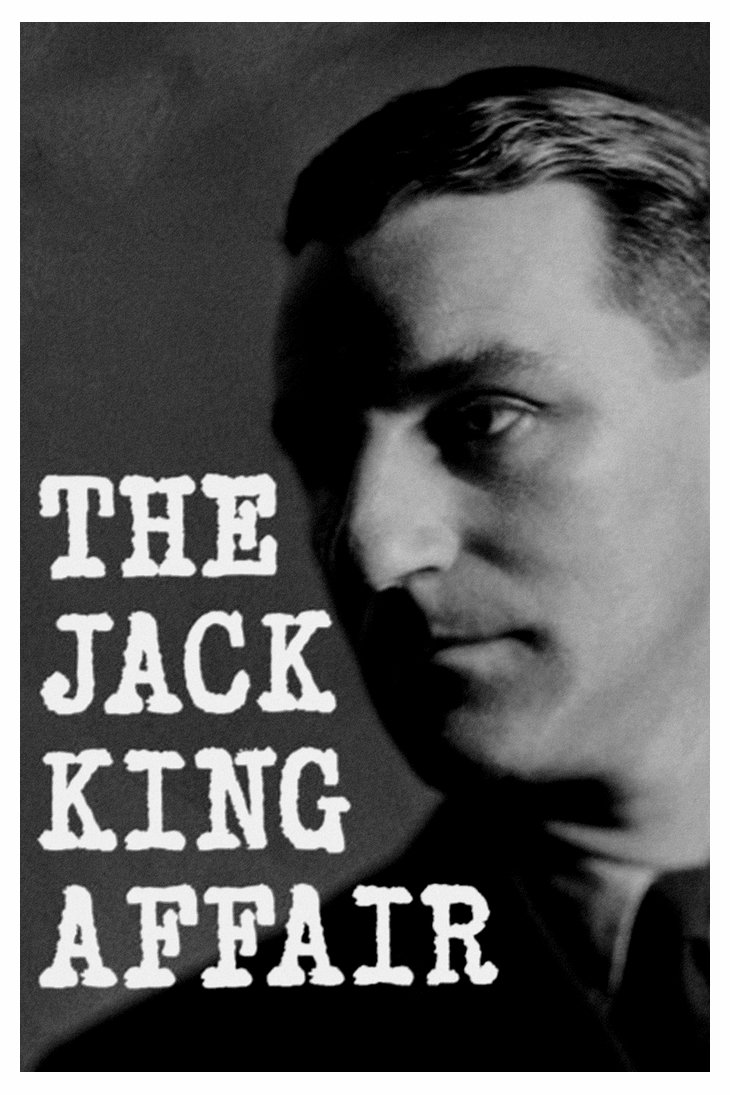
England, 1940, during World War II. An MI5 officer, codenamed Jack King, infiltrates a network of conspirators, a British fifth column sympathetic to Nazi Germany, in order to control the organization and destroy it in the event of a German invasion. But who was he? A single person or several?

In 1945, two young American soldiers, brothers Budd and Stuart Schulberg, are commissioned to collect filmed and recorded evidence of the horrors committed by the infamous Third Reich in order to prove Nazi war crimes during the Nuremberg trials (1945-46). The story of the making of Nuremberg: Its Lesson for Today, a paramount historic documentary, released in 1948.
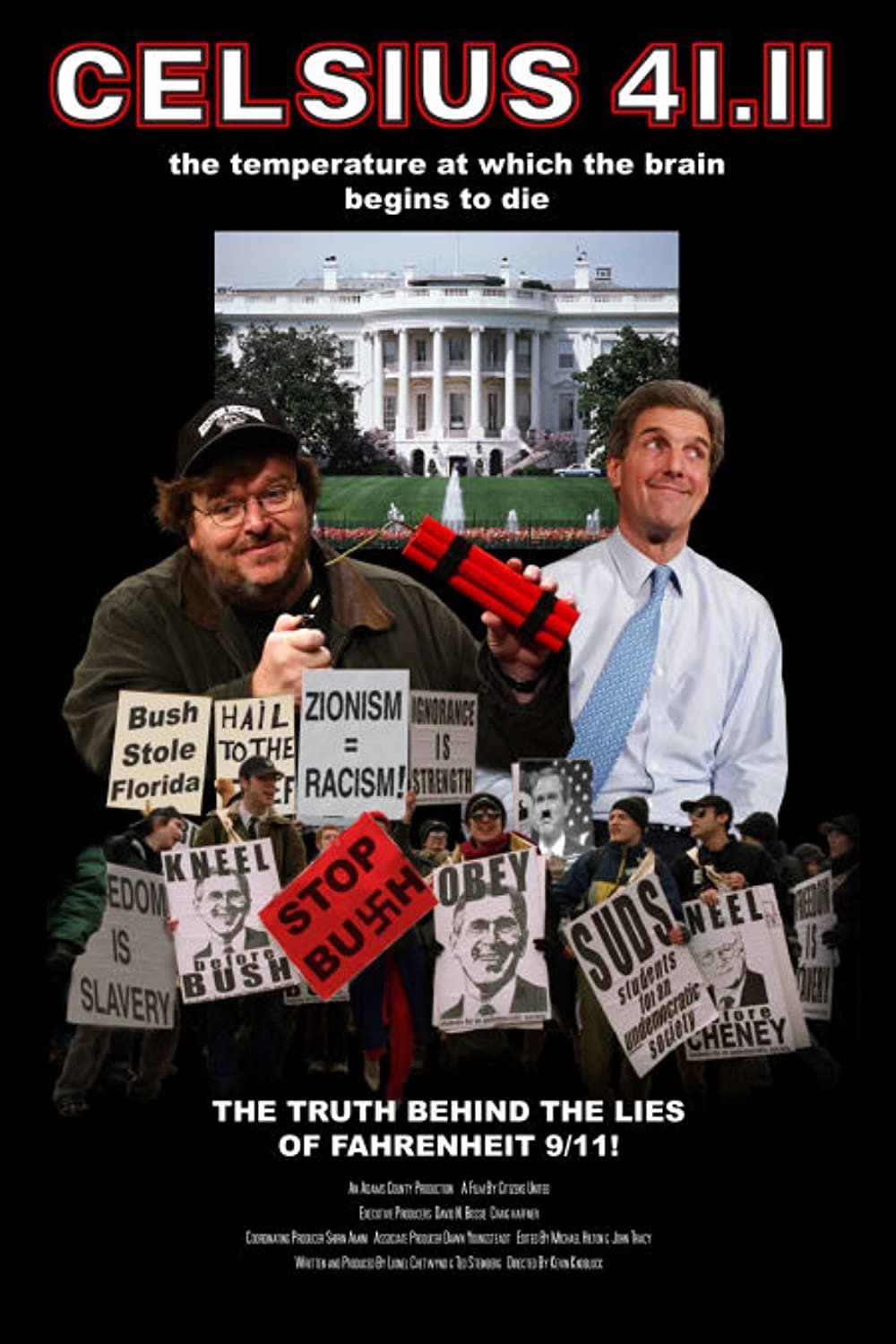
This film attempts to correct the record when it comes to the left's attacks on President Bush, 9/11 and the war in Iraq and Kerry's 20-year tenure in the Senate.
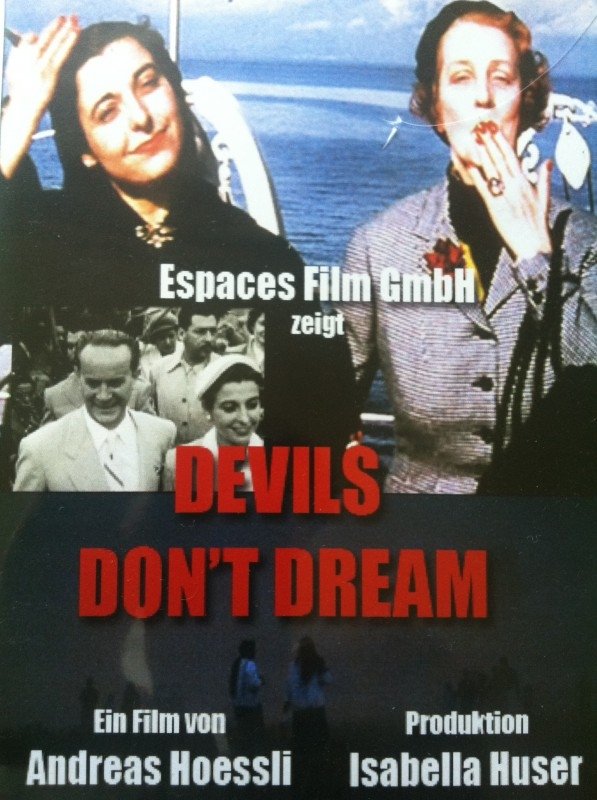
Before his journey into exile Jacobo Arbenz, the overthrown President of Guatemala, is presented to photographers stripped down to his underwear: an image seen around the world. Arbenz had led the successful 1944 revolt against the military dictatorship, a regime that had oppressed Guatemala since colonialism. Arbenz, the son of Swiss immigrants, was celebrated as a national hero. Elected President in 1950, Arbenz was not a member of any party - he didn't issue any manifestos. But he began to fulfill his promises - farmers got their own land. 'The first act of justice since colonial times,' said Arbenz. In the early 1950s, with the Cold War intensifying, then Vice President Richard Nixon said, 'Arbenz is not a Guatemalan President.' Nixon called him 'a foreigner, manipulated by foreign powers.' The young President of Guatemala was soon overthrown, declared a traitor, and chased out of the country.
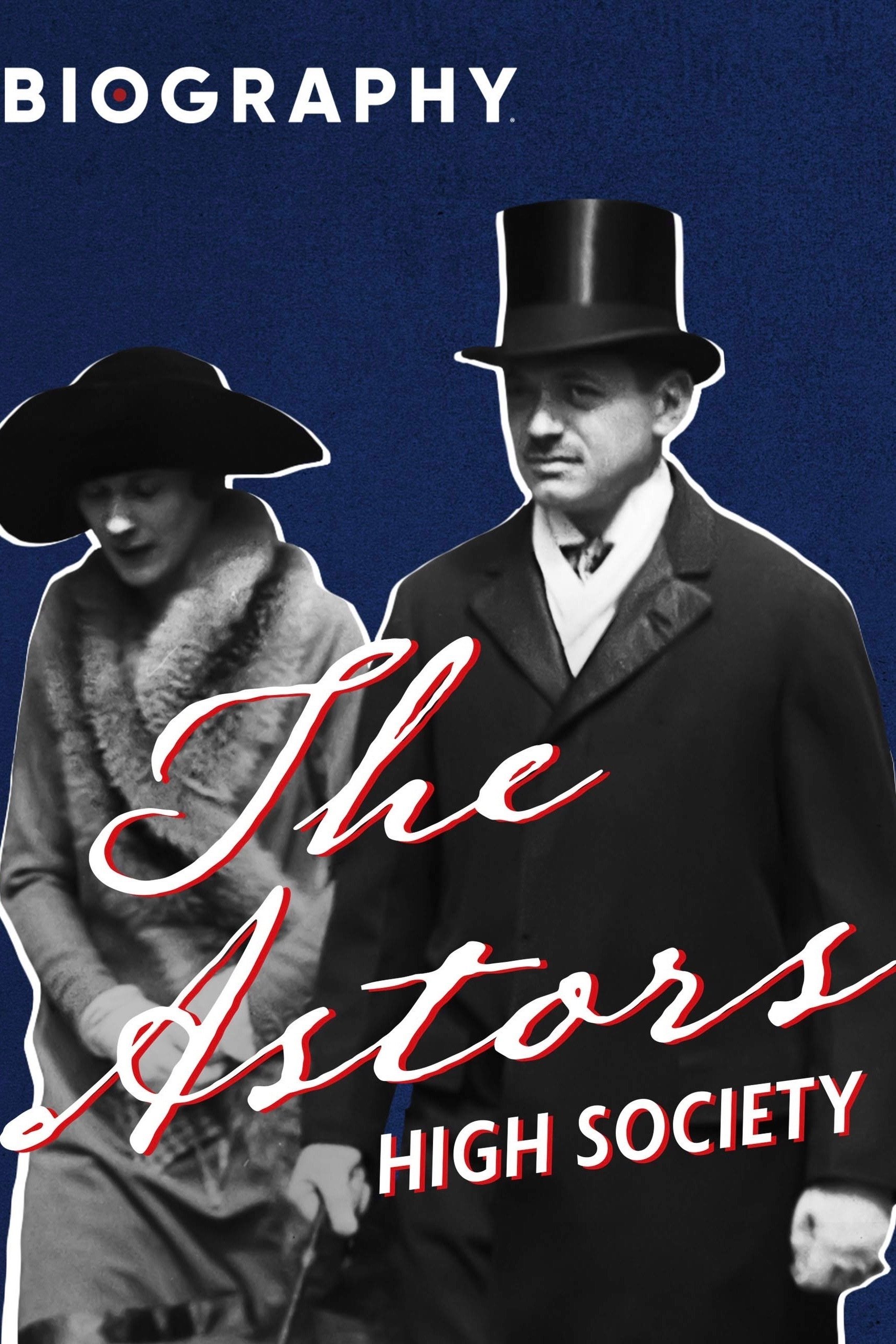
The very name conjures up images of the good life black tie affairs and high society balls. Yet their long saga proves that money is no guarantee of happiness or stability. John Jacob Astor built an empire by parlaying a job in the fur business into a real estate empire so vast he became the richest man in the world. Follow the fortunes of five generations of Astors in this special BIOGRAPHY. From John's son William, who doubled the family fortune and earned the nickname "the landlord of New York," to the astounding charitable contributions of the Astor Foundation, the incredible story of the famed family comes to life through interviews with family members, archival footage and period accounts. Trace the feud and reconciliation that led to the creation of the Waldorf-Astoria hotel, and find out how the Titanic disaster forever transformed the Astors and their reputation.
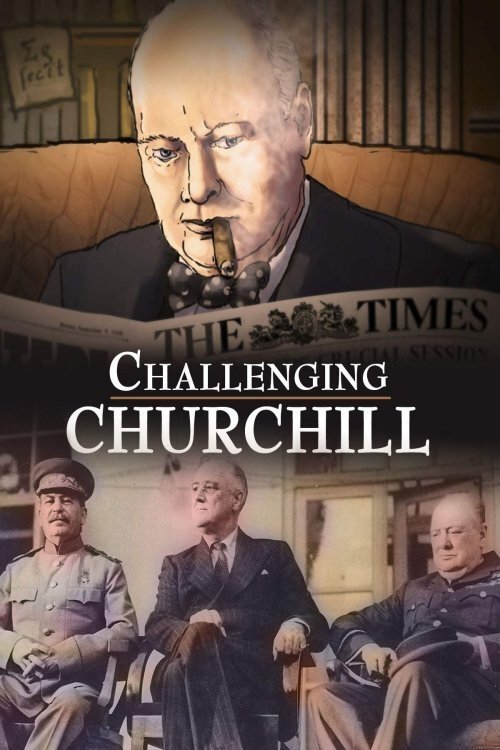
Churchill, a name typically associated with braveness and altruism. Recently found evidence from Soviet and British sources however brings up questions about Churchill's doings in the conferences of Tehran, Yalta and Potsdam. Why did he agree to give Stalin large parts of Poland? The story of two world leaders in times of war - it is also the story of Poland.
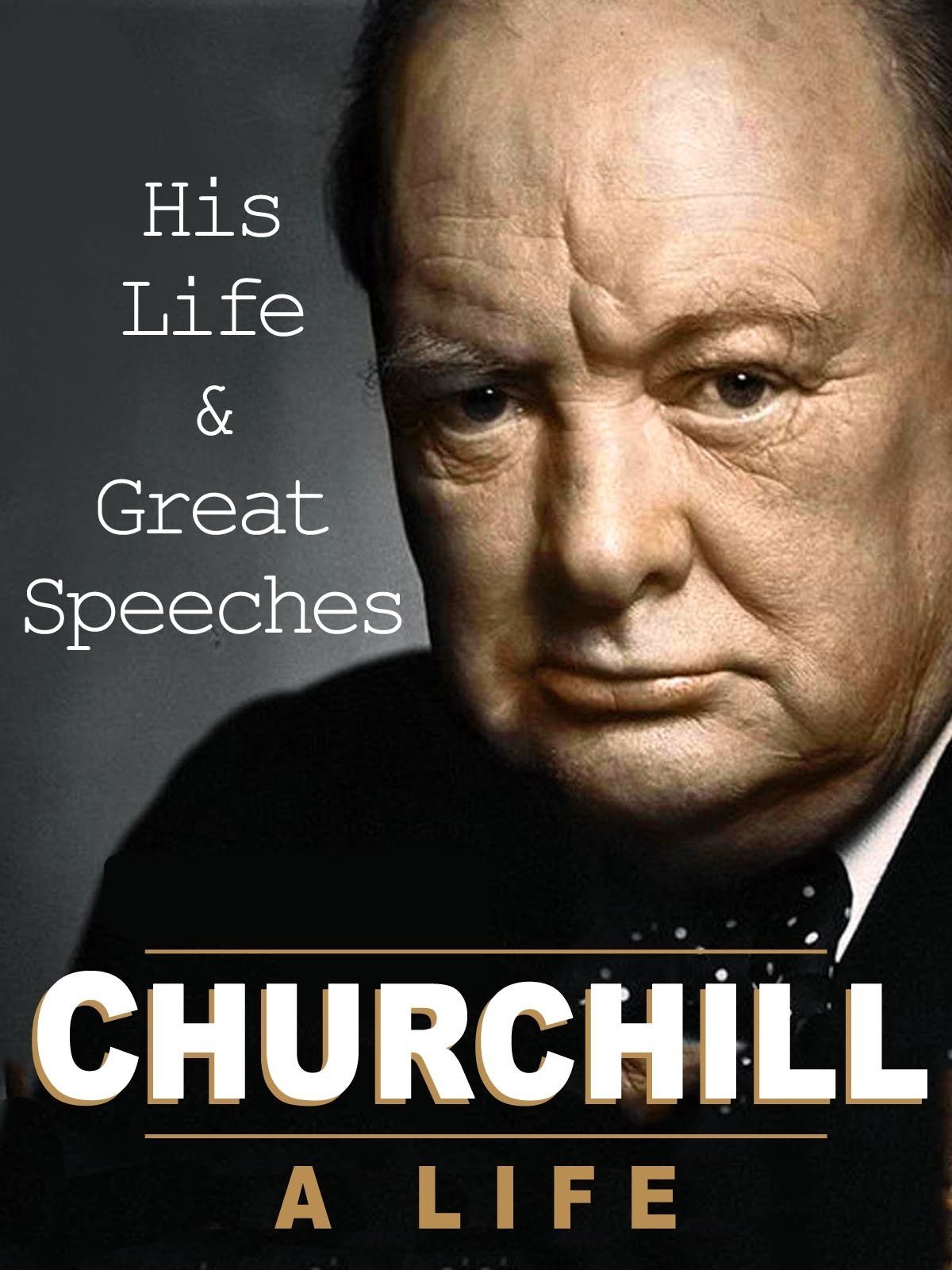
This film covers the extraordinary life and great speeches of Winston Churchill that include the words: 'We shall never surrender,' 'blood, toil, tears, and sweat,' 'This was their finest hour.' 'Never in the field of human conflict was so much owed by so many to so few,' 'the end of the beginning.' Churchill's life and speeches were an inspiration during a time when the world needed it most.
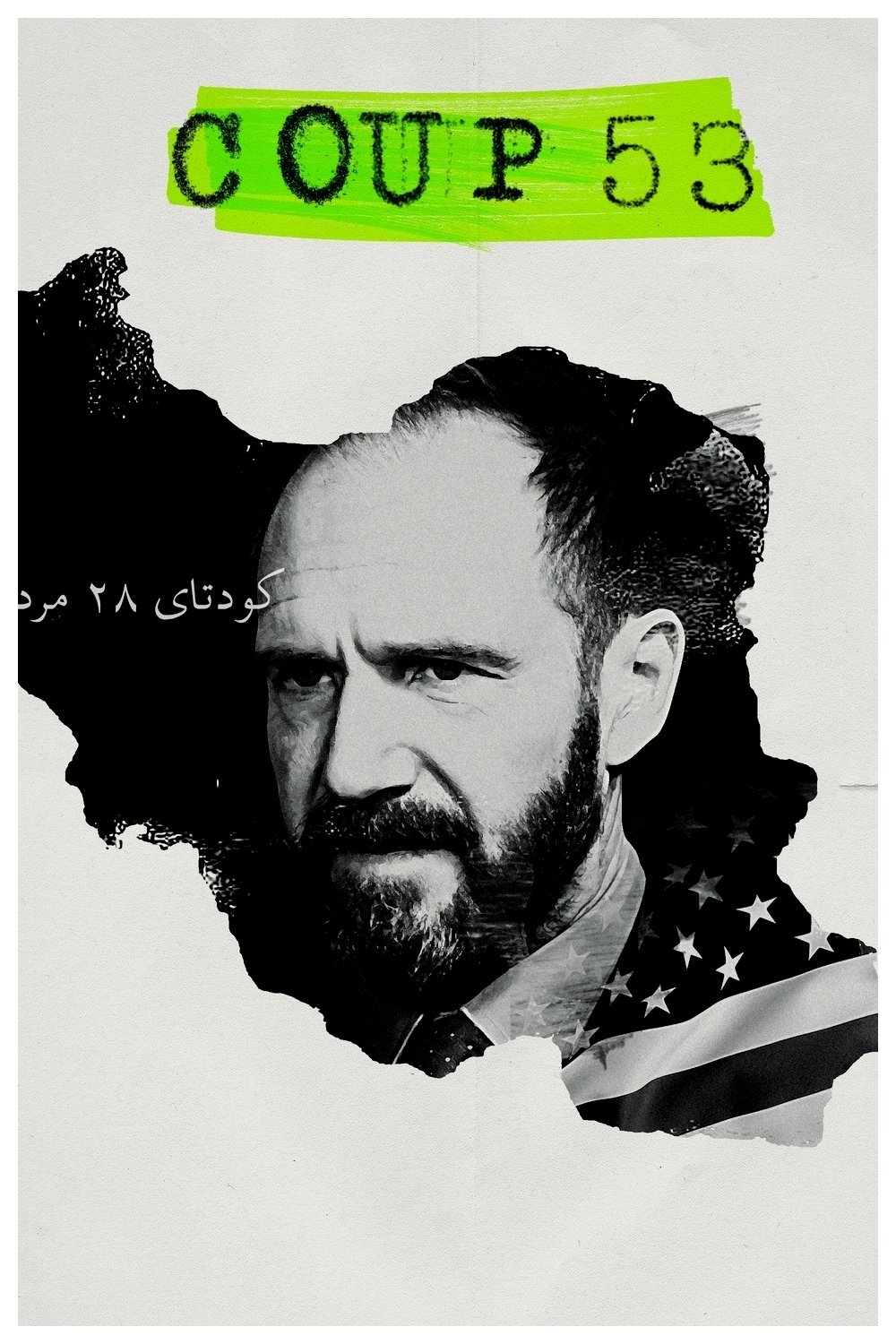
Tehran, Iran, August 19, 1953. A group of Iranian conspirators who, with the approval of the deposed tyrant Mohammad Reza Pahlavi, have conspired with agents of the British MI6 and the US CIA, manage to put an end to the democratic government led by Mohammad Mosaddegh, a dramatic event that will begin the tragic era of coups d'état that, orchestrated by the CIA, will take place, over the following decades, in dozens of countries around the world.
Michael Cockerell presents this documentary on the health problems of Britain's Prime Ministers.
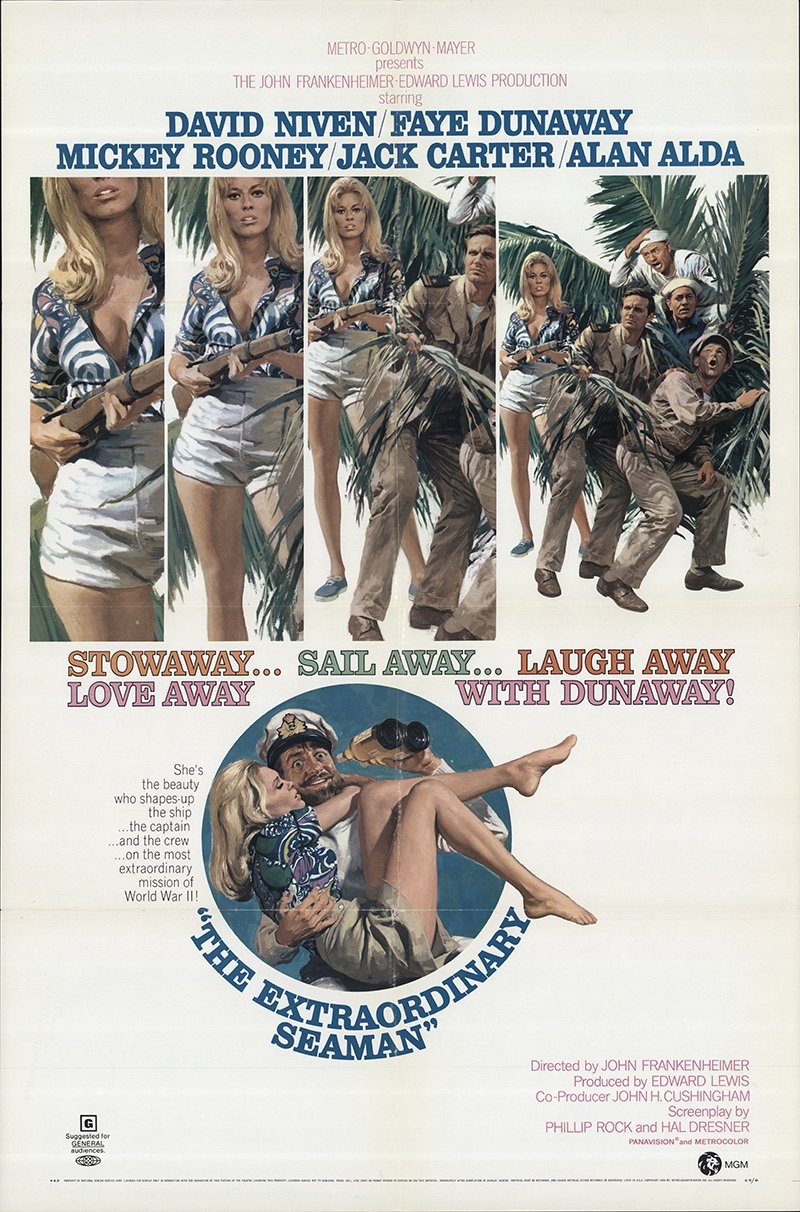
Marooned sailors discover a World War II ship haunted by its late captain.
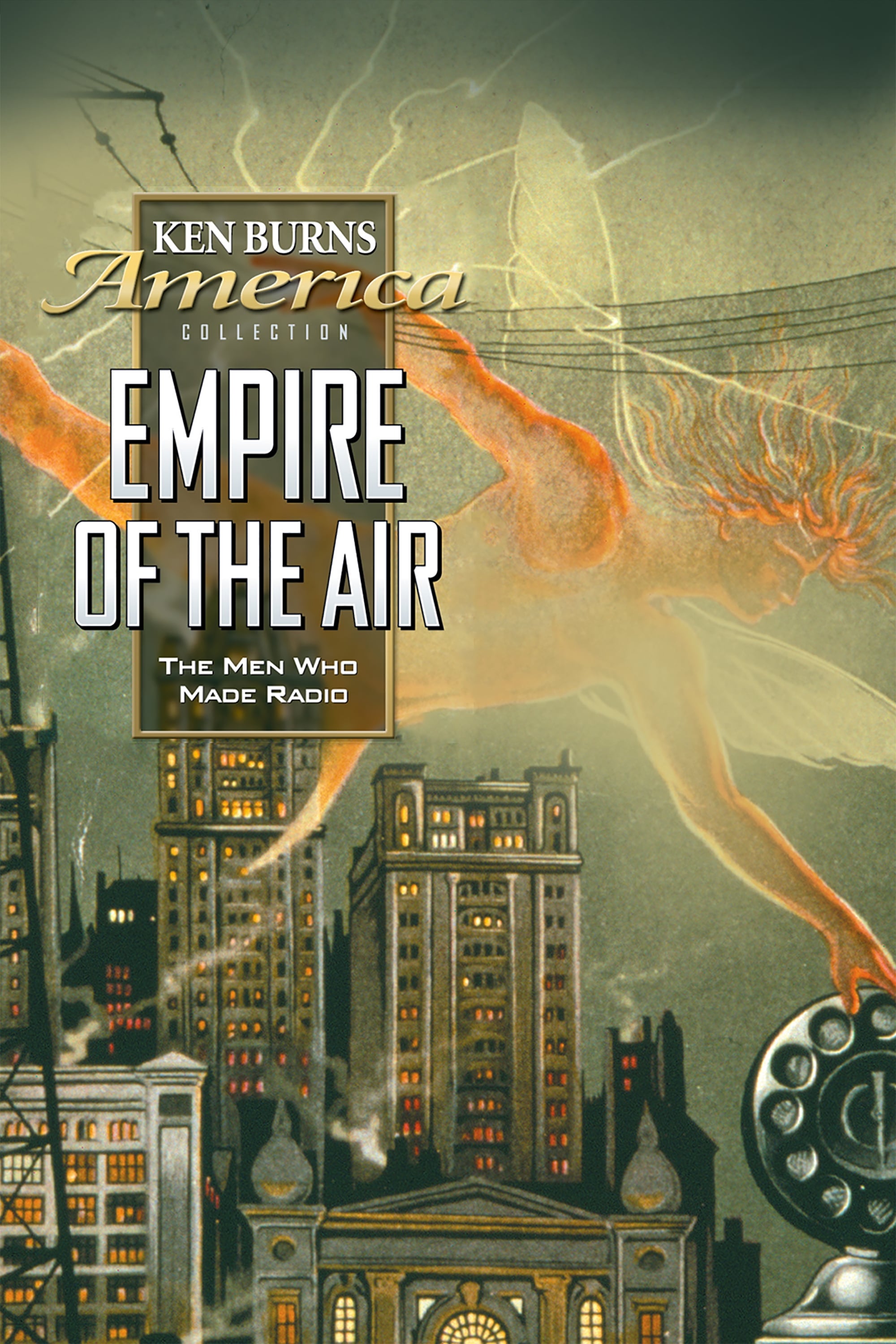
For 50 years radio dominated the airwaves and the American consciousness as the first “mass medium.” In Empire of the Air: The Men Who Made Radio, Ken Burns examines the lives of three extraordinary men who shared the primary responsibility for this invention and its early success, and whose genius, friendship, rivalry and enmity interacted in tragic ways. This is the story of Lee de Forest, a clergyman’s flamboyant son, who invented the audion tube; Edwin Howard Armstrong, a brilliant, withdrawn inventor who pioneered FM technology; and David Sarnoff, a hard-driving Russian immigrant who created the most powerful communications company on earth.
Origin sticks like shit to your shoe! That's what Marlen Hobrack says, who grew up as a working-class child in Bautzen. But the promise of the old Federal Republic was that you can become anything if you just try hard enough. But that no longer applies. So is class in Germany fixed from birth? Have we long been living in a country in which origin and family background are more important for future prospects than individual performance and commitment? In Germany, it takes six generations to rise from poverty to the middle class, in Denmark only two generations. Those affected reflect on their life stories, the burden of their social origins, the wrong and right turning points for social advancement, as classified by social researchers. They talk of pride and shame, of financial hardship and wealth, of origin and future, of growing up and moving up in this Germany with its entrenched selection mechanisms for social advancement.
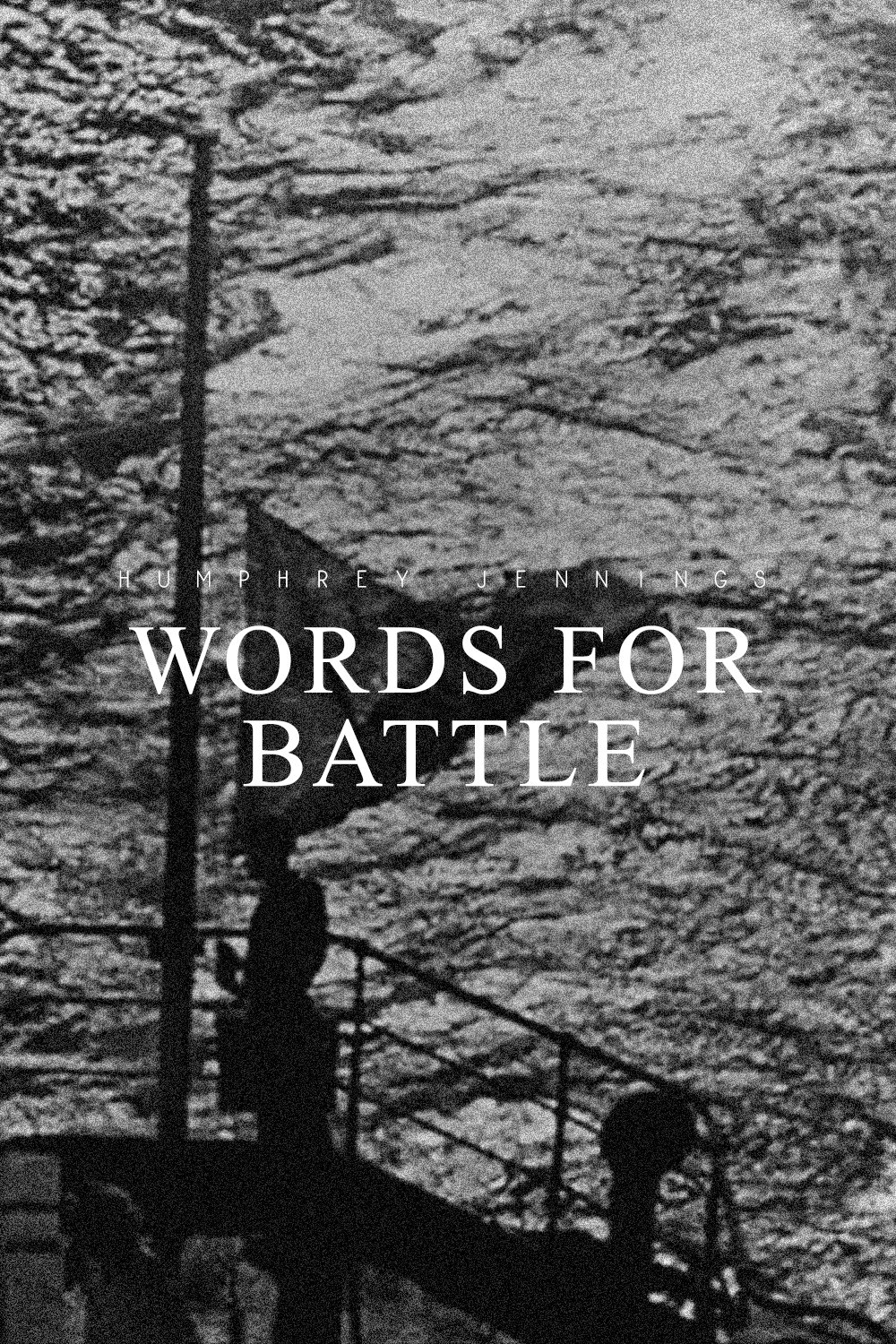
Poetry by Rudyard Kipling, John Milton, and William Blake, and excerpts from speeches by Abraham Lincoln and Winston Churchill, all read by Laurence Olivier, illuminate documentary footage of England during its defense against the Nazi blitz in World War II. This short film serves as both propaganda and as a rallying cry to the British people.
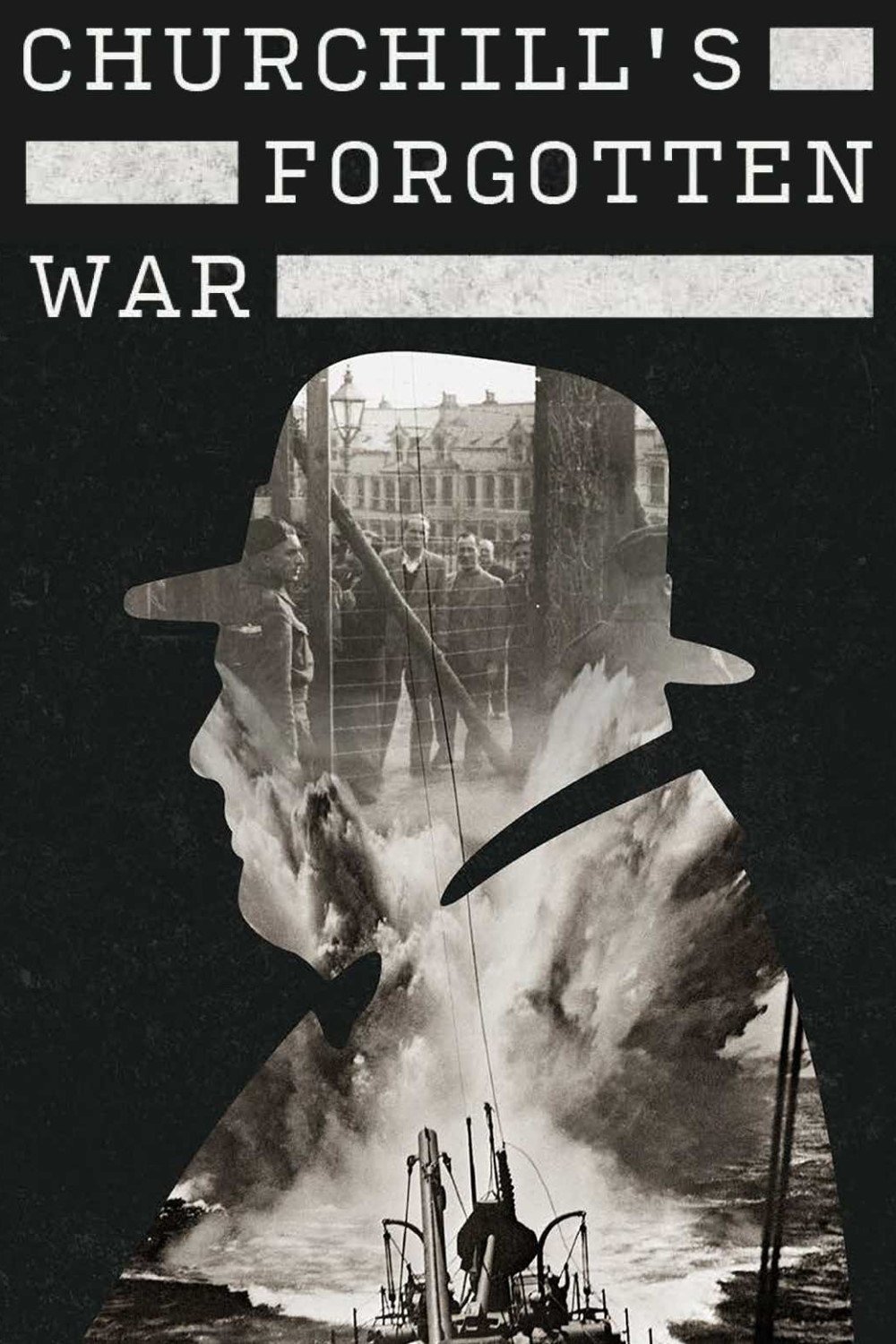
In the summer of 1940, Churchill had taken power and the decision to arrest UK citizens originating from Germany, Austria and Italy; many were perfectly innocent men and some were Jewish refugees.
A silent short film promoting the United States Citizens Defense Corps, a group in which civilians served locally to aid in the war effort and to prepare their cities for possible military attacks.
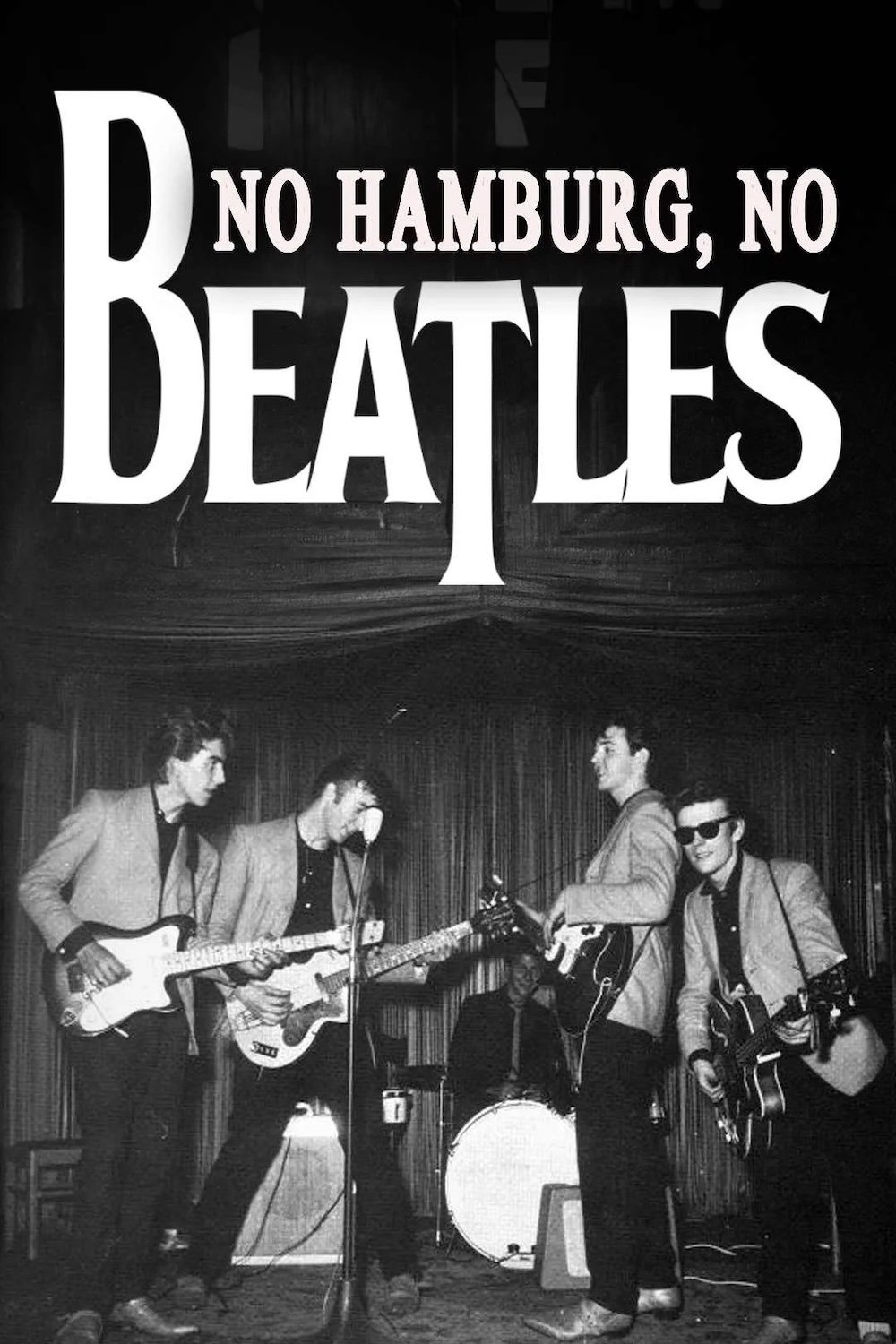
“We were born in Liverpool but grew up in Hamburg”, John Lennon once said. This feature documentary seeks to find the truth in those words. The long and winding road that the Beatles took to worldwide fame passed through Hamburg, Germany in the early 1960s. Only a couple of years before they became household names, the former Quarrymen were cutting their musical teeth on nightclub stages in the city. Hamburg had become the vice capital of Europe after World War Two, its neon-lit streets home to sailors, sex workers, drug dealers, gangs and low life. Meanwhile, the English band was still developing, still young and virtually unknown. By the time of their last German visit in 1966, the Beatles were an international phenomenon. 'No Hamburg, No Beatles' explains how learning their trade in this fascinating city helped propel them to global stardom.
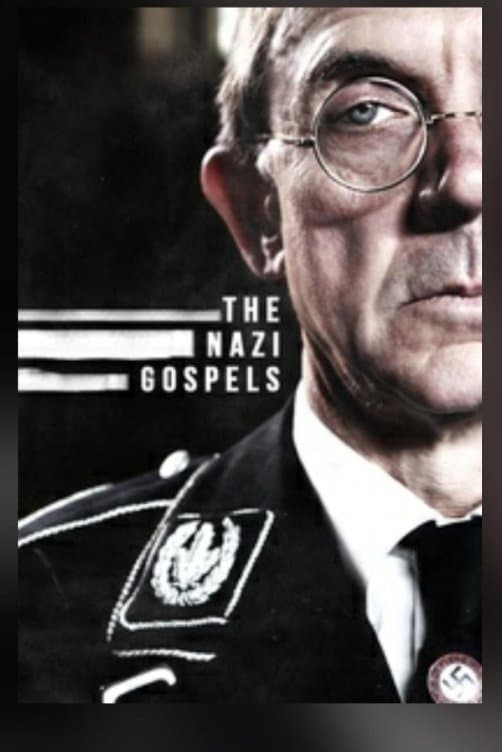
The religious roots of Nazi ideology and practice.
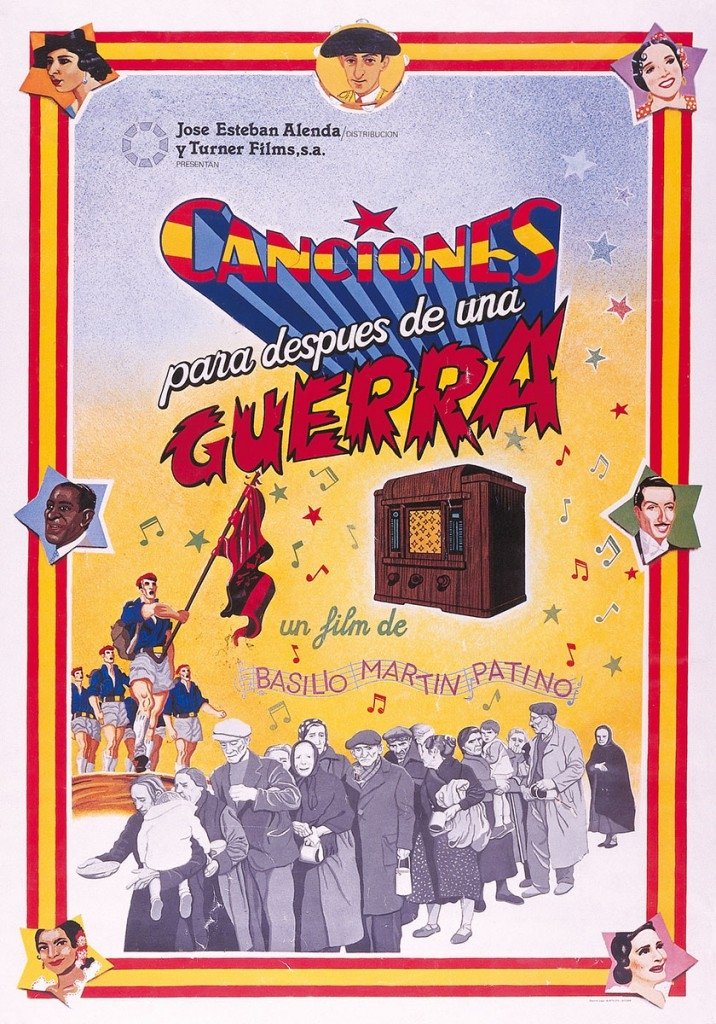
A particular reading of the hard years of famine, repression and censorship after the massacre of the Spanish Civil War (1936-39), through popular culture: songs, newspapers and magazines, movies and newsreels.
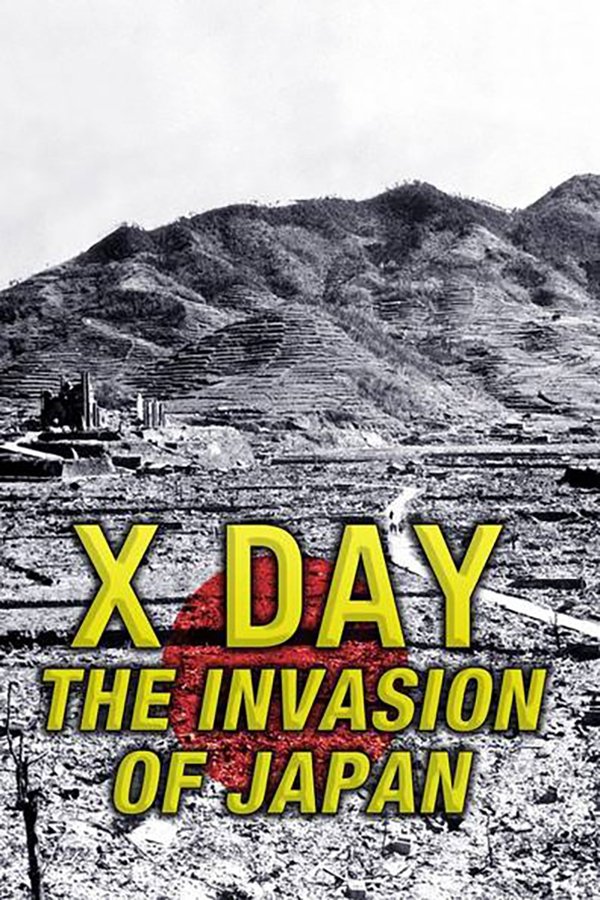
By spring of 1942, Japan controlled the western Pacific, the Philippines, and large parts of Indochina. America and her allies knew that final victory could only be achieved by unconditional surrender and that would involve occupation of the Japanese homeland. This is the story Operation Downfall, the plan to invade and occupy Japan that would dwarf the D-Day landings in Europe. According to the plan, on X-Day--November 1, 1945--General MacArthur would lead an invasion force onto the beaches of Kyushu, the southern most of the Japanese Islands. Y-Day would follow six months later when the largest beach landing in military history would take Tokyo. Politicians and military strategists knew that Japanese resistance would be ferocious. Plans for the invasion continued throughout 1945 until President Truman made the decision to drop the atom bomb. We trace the invasion plans from Pearl Harbor to Hiroshima and analyze why Truman chose the bomb over Operation Downfall.
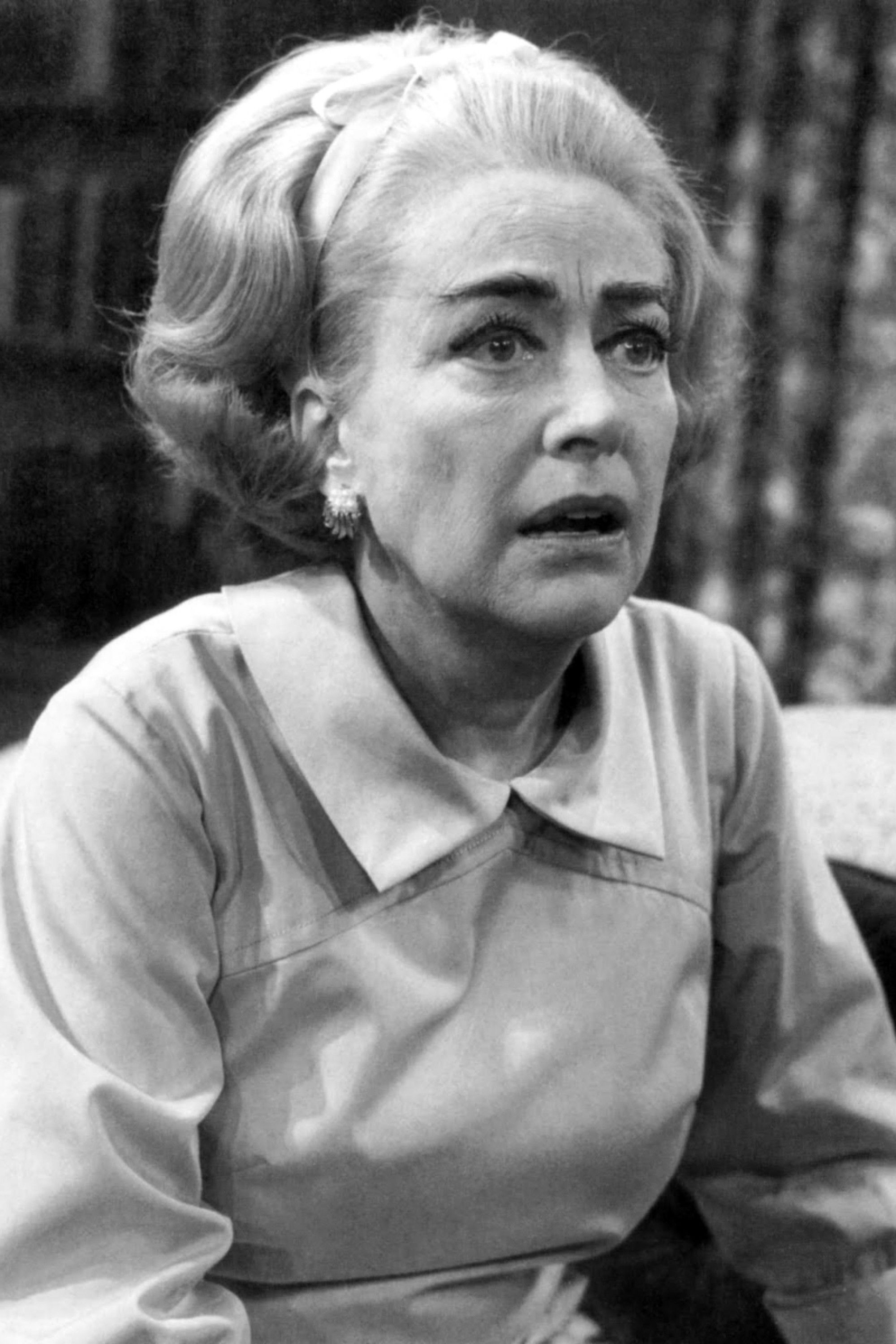
Short 18 minute film about QM and her last Transatlantic voyage from New York to Southampton. Joan Crawford makes an appearance and also narrates the first part of the film.
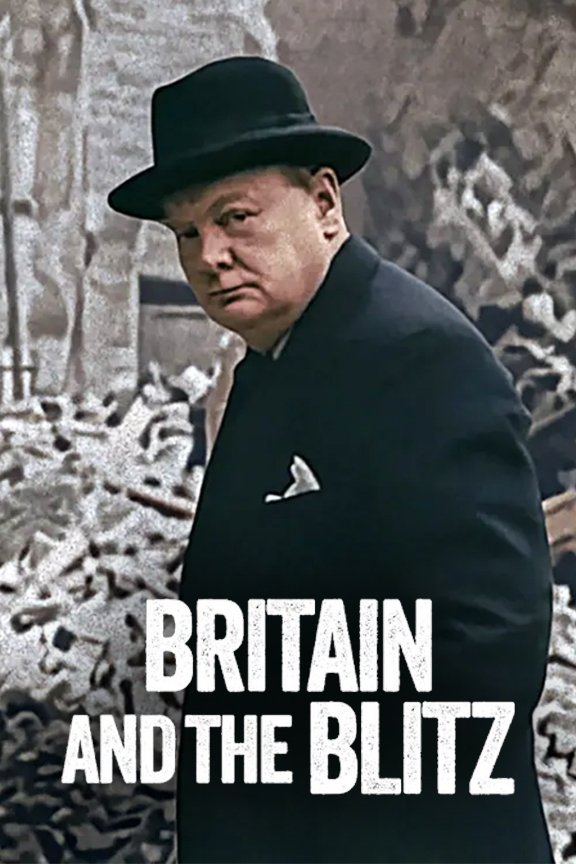
Documentary looking back at a Britain during the darkest days of WWII using stunning new archived footage and interviews with people who lived through it.
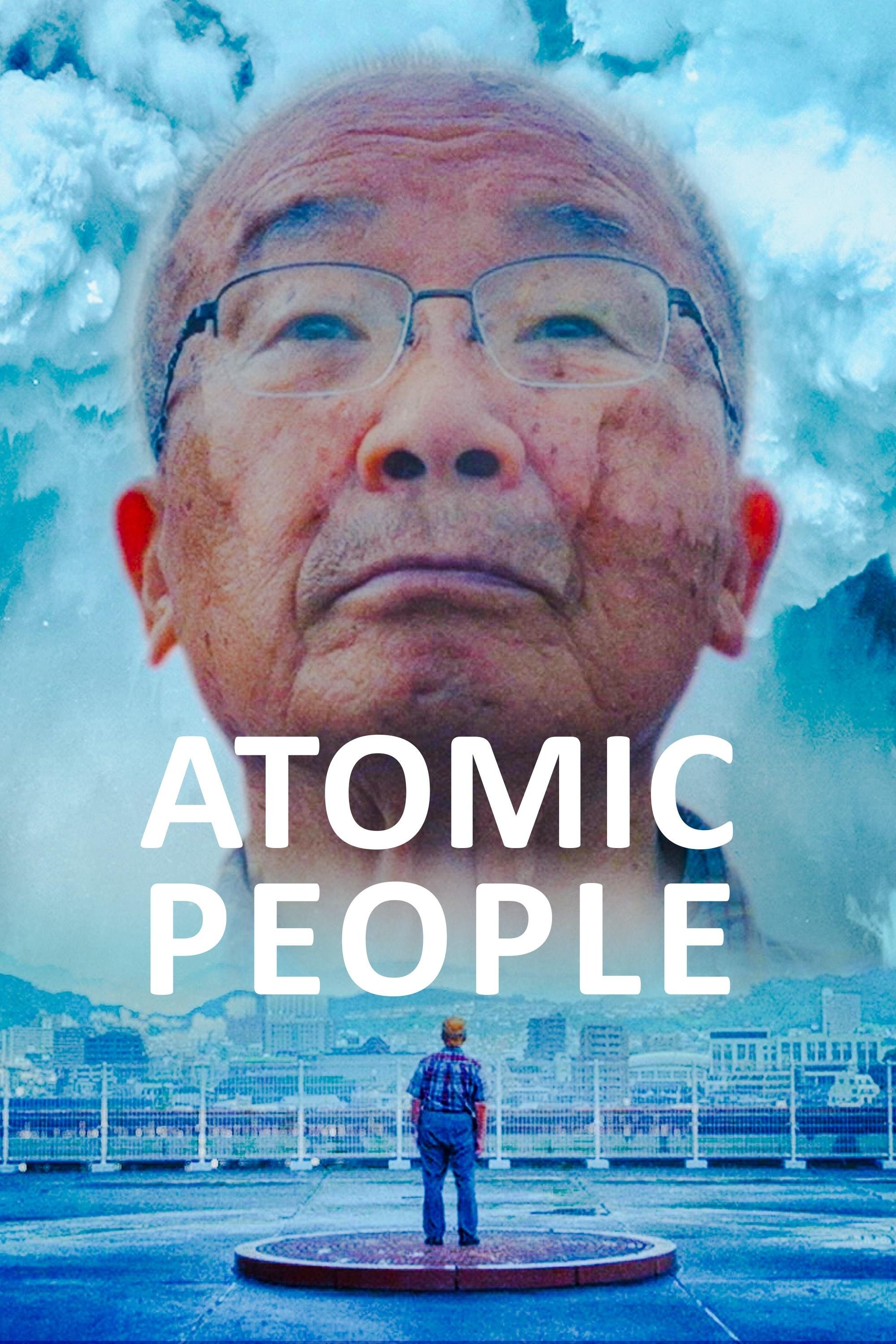
Combining personal accounts with archive footage, this film features the voices of some of the only people left on earth to have survived a nuclear bomb.
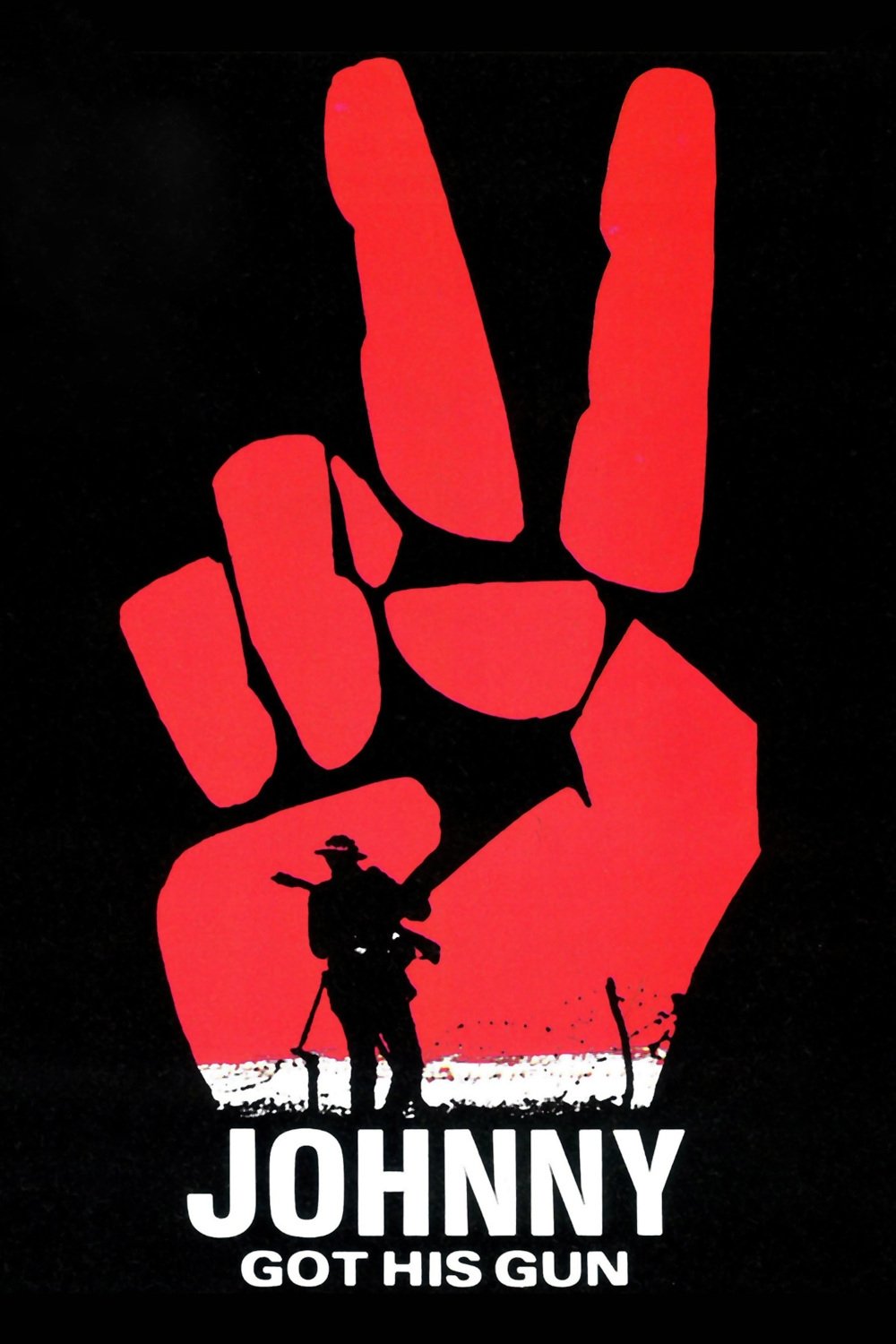
A young American soldier, rendered in pseudocoma from an artillery shell from WWI, recalls his life leading up to that point.
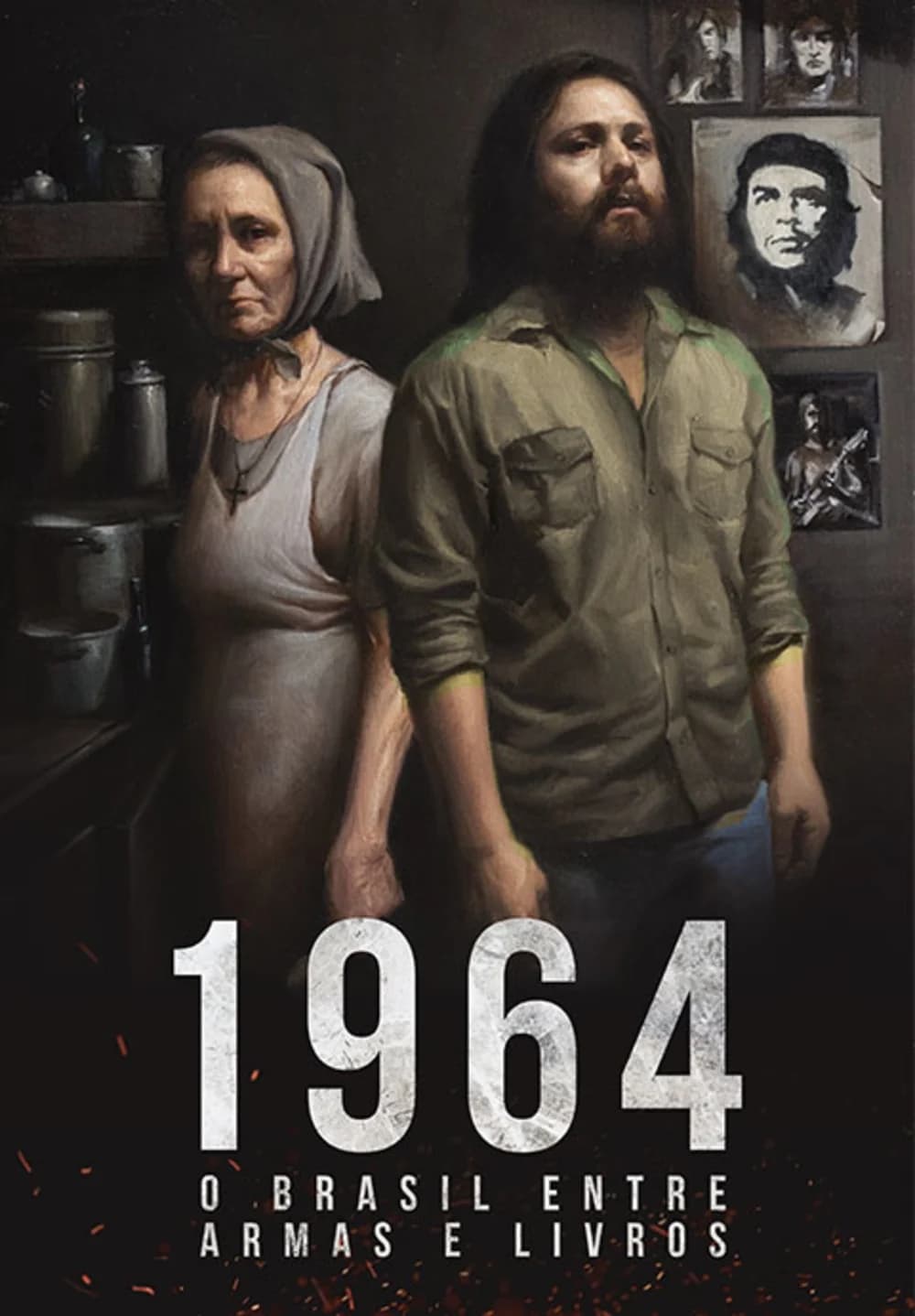
We question the most unquestionable period in our history. The result was an international investigation with part of secret attempts, discovery of Soviet documents and a lot of investigation by the Brazilian media. It was all under our eyes.
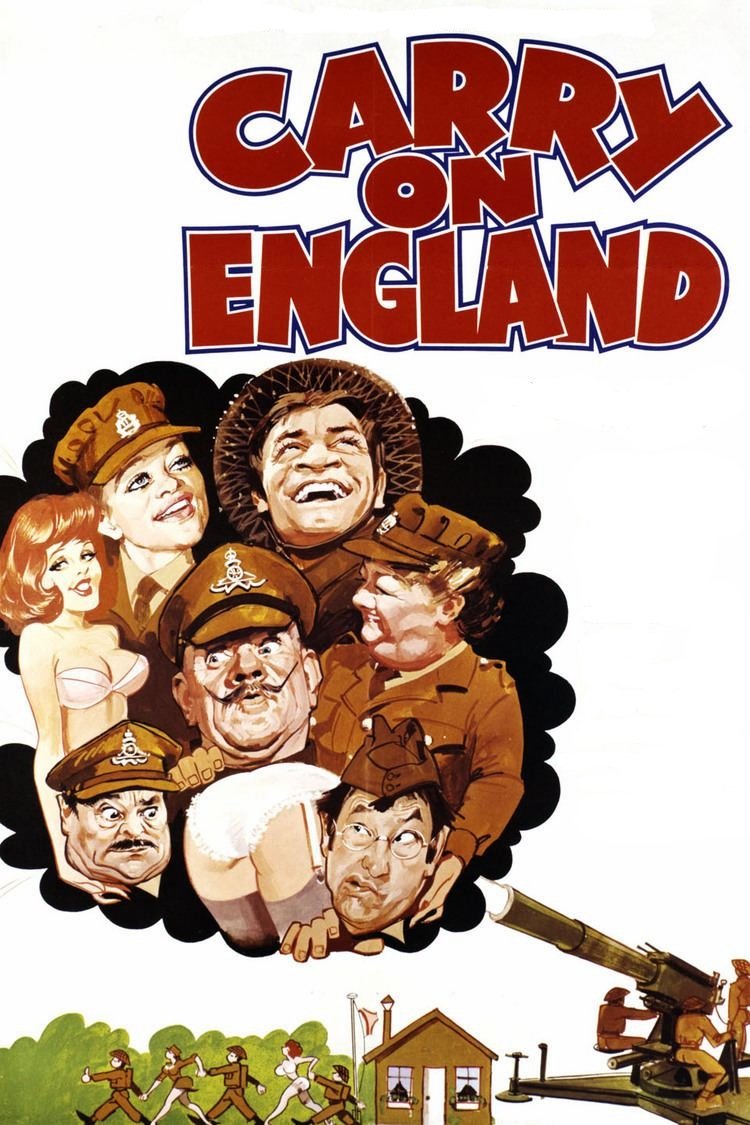
Captain S. Melly takes over as the new Commanding Officer at an experimental mixed sex air defence base. It's 1940 and England is under heavy bombardment, but the crew seem more interested in each other than the enemy planes above. Captain Melly plans to put a stop to all this, and becomes the target of a campaign to abandon his separatist ideals...
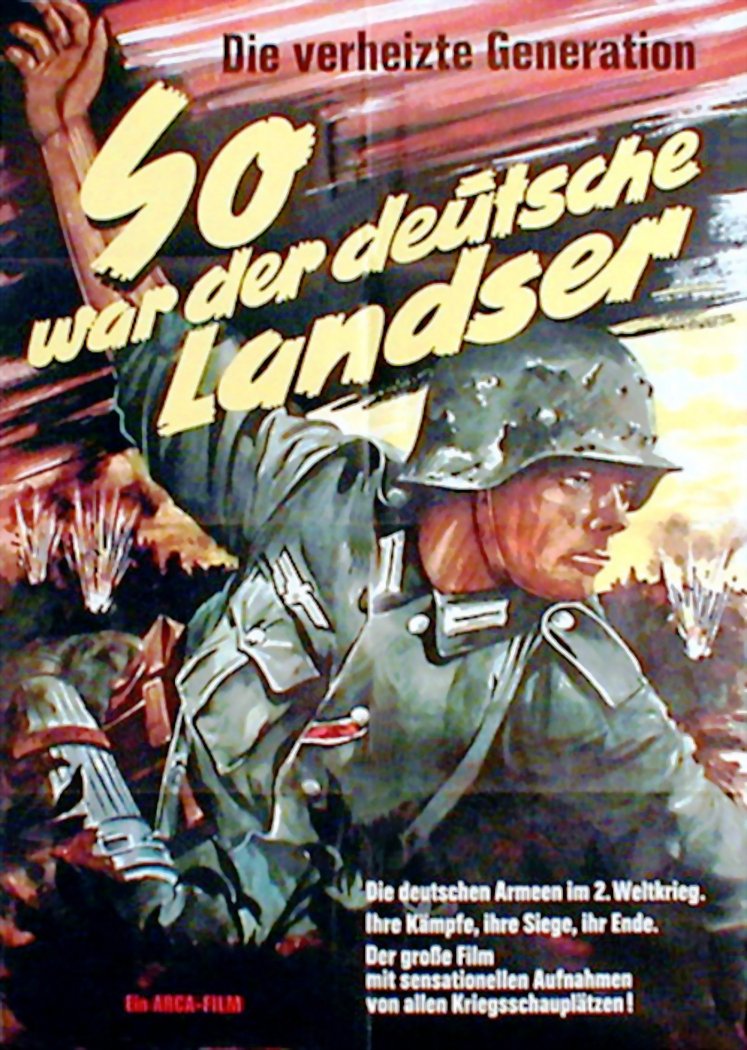
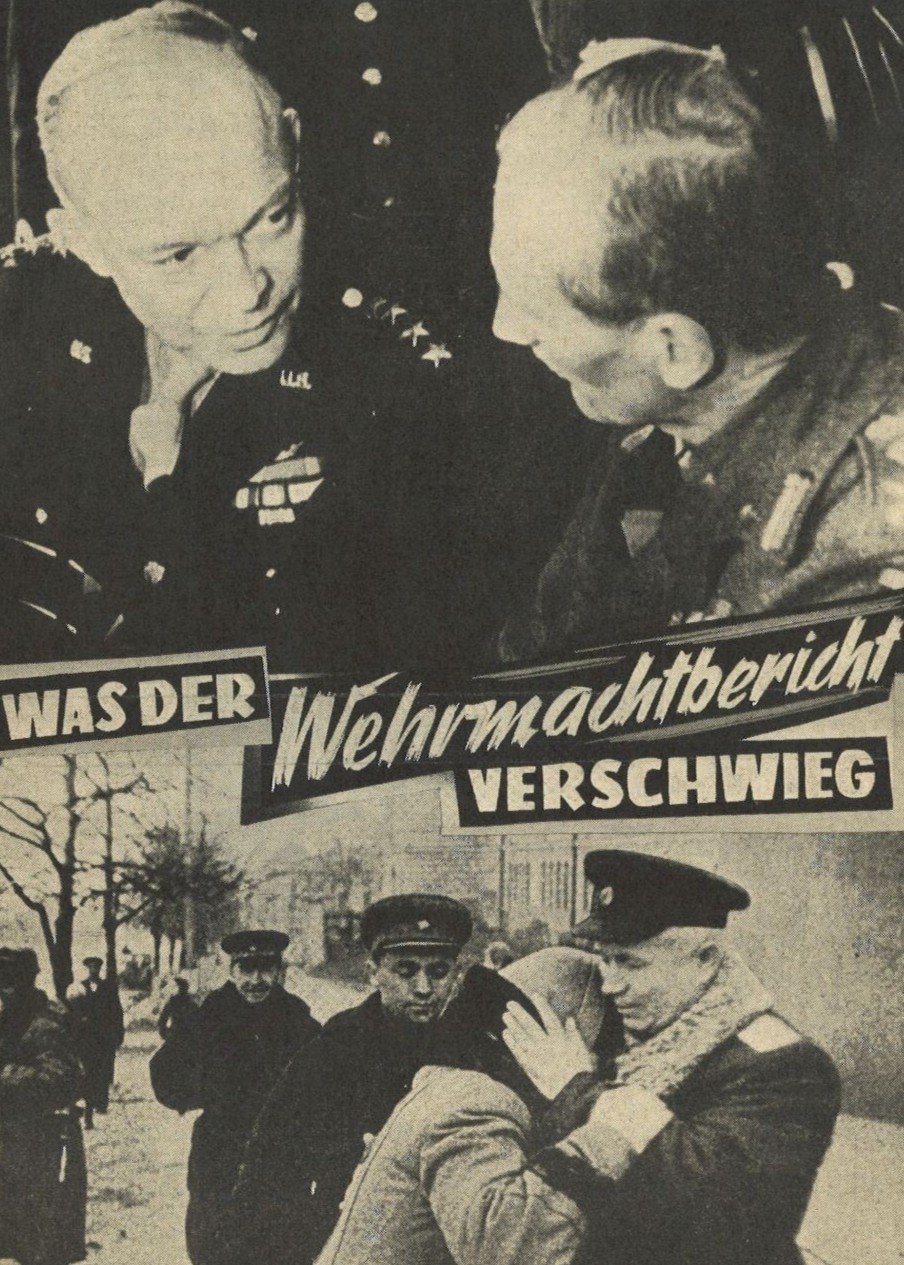

The Nazi propaganda mastermind behind Hitler speaks in first person as actor Kenneth Branagh reads pages of the diary kept by the chief of propaganda, Joseph Goebbels, revealing the man's most inner thoughts.
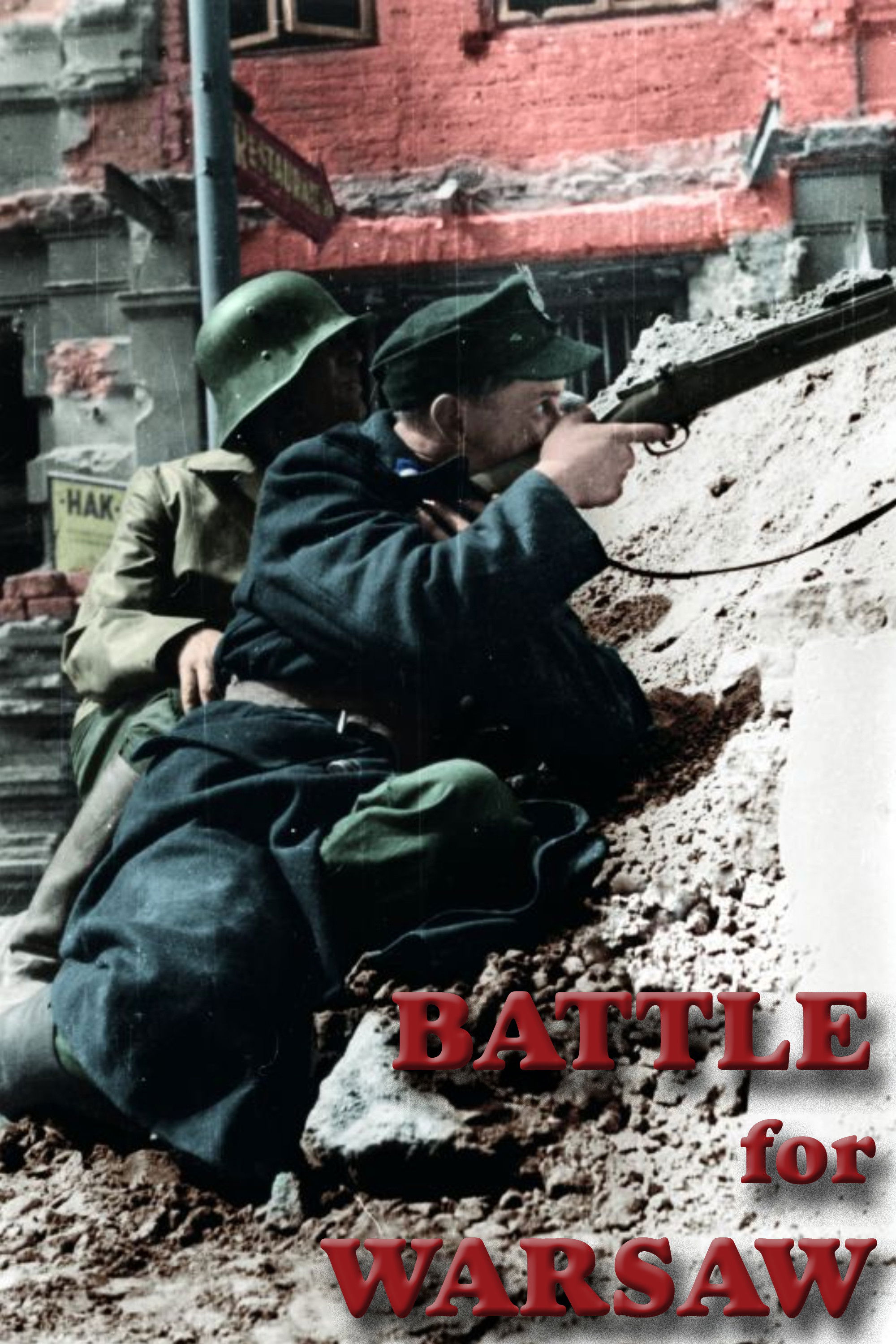
The tragic story of the 1944 Warsaw uprising is chronicled in this filmed record of that epic event. With some shocking new footage unearthed from the vaults, THE BATTLE FOR WARSAW leaves no stone unturned in its bloody depiction of the events that occurred in the Polish capital.


1959: Guy is an experienced British fighter pilot who is in command of Britain's first manned mission to space. He has trained for this for three years at the height of the Cold War and now he is alone in space, suffering Hypoxia, with a malfunctioning capsule. He has limited contact with the UK, some unusual communication with the US and some unorthodox communication with Tyuratam deep in Soviet Russia. Can he get home? Who will help him? Will he make the right choice?

When Allied forces liberated the Nazi concentration camps in 1944-45, their terrible discoveries were recorded by army and newsreel cameramen, revealing for the first time the full horror of what had happened. Making use of British, Soviet and American footage, the Ministry of Information’s Sidney Bernstein (later founder of Granada Television) aimed to create a documentary that would provide lasting, undeniable evidence of the Nazis’ unspeakable crimes. He commissioned a wealth of British talent, including editor Stewart McAllister, writer and future cabinet minister Richard Crossman – and, as treatment advisor, his friend Alfred Hitchcock. Yet, despite initial support from the British and US Governments, the film was shelved, and only now, 70 years on, has it been restored and completed by Imperial War Museums under its original title "German Concentration Camps Factual Survey".
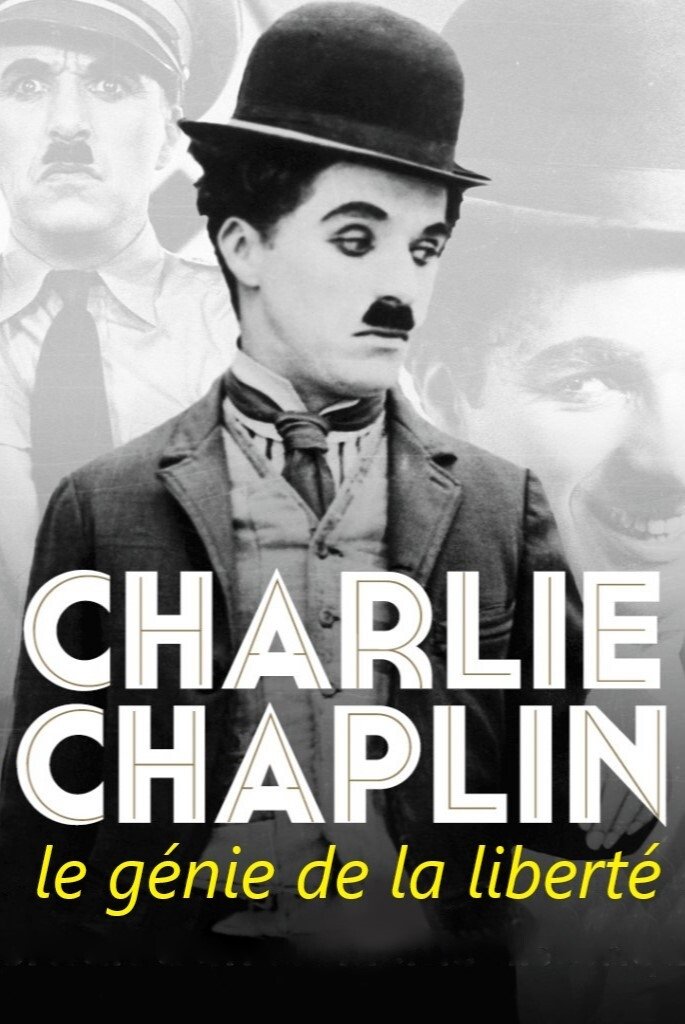
The whole world knows him. Burlesque comedy genius, popular actor, author, director, producer, composer, choreographer, Charlie Chaplin (1889-1977) used his talent to serve an ideal of justice and freedom. But his best scenario was his own destiny, a story written into the political and artistic history of the 20th century.
Produced by the U.S. Atomic Energy Commission, this educational film introduces the organization’s role in developing and regulating nuclear technology in the United States. Through a survey of research laboratories, nuclear power projects, weapons programs, and radioisotope applications, the film explains how atomic energy programs support both national security and civilian scientific and industrial uses.
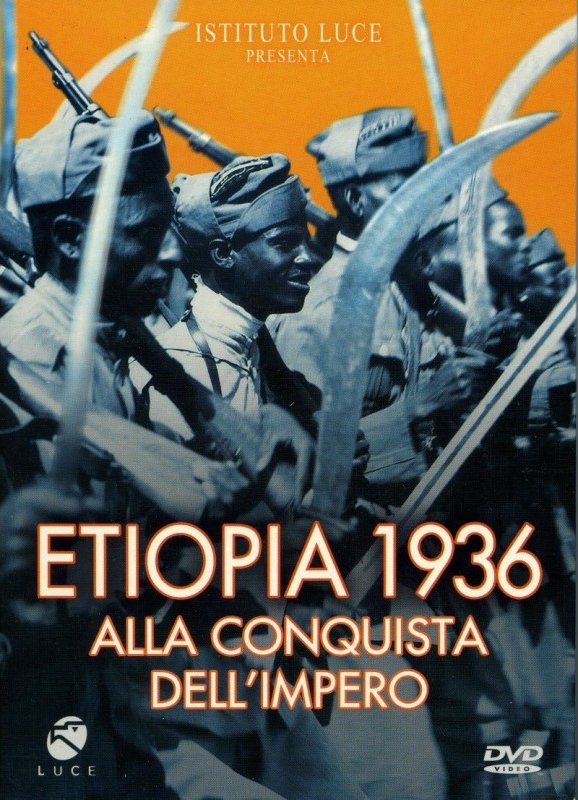
By means of a chronological arrangement of historical video material from the Istituto Luce archives, it tells the story of Fascist Italy's ambitions in Africa and the role they played in shaping fascist ideology and the stance of the fascist regime in the Western world at the height of the age of colonialism and aggressive European expansionism.
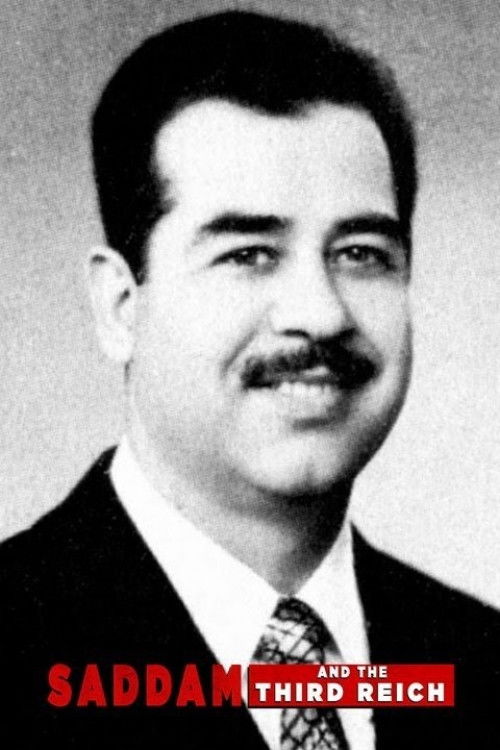
The key individuals of the Iraqi-Nazi connection.