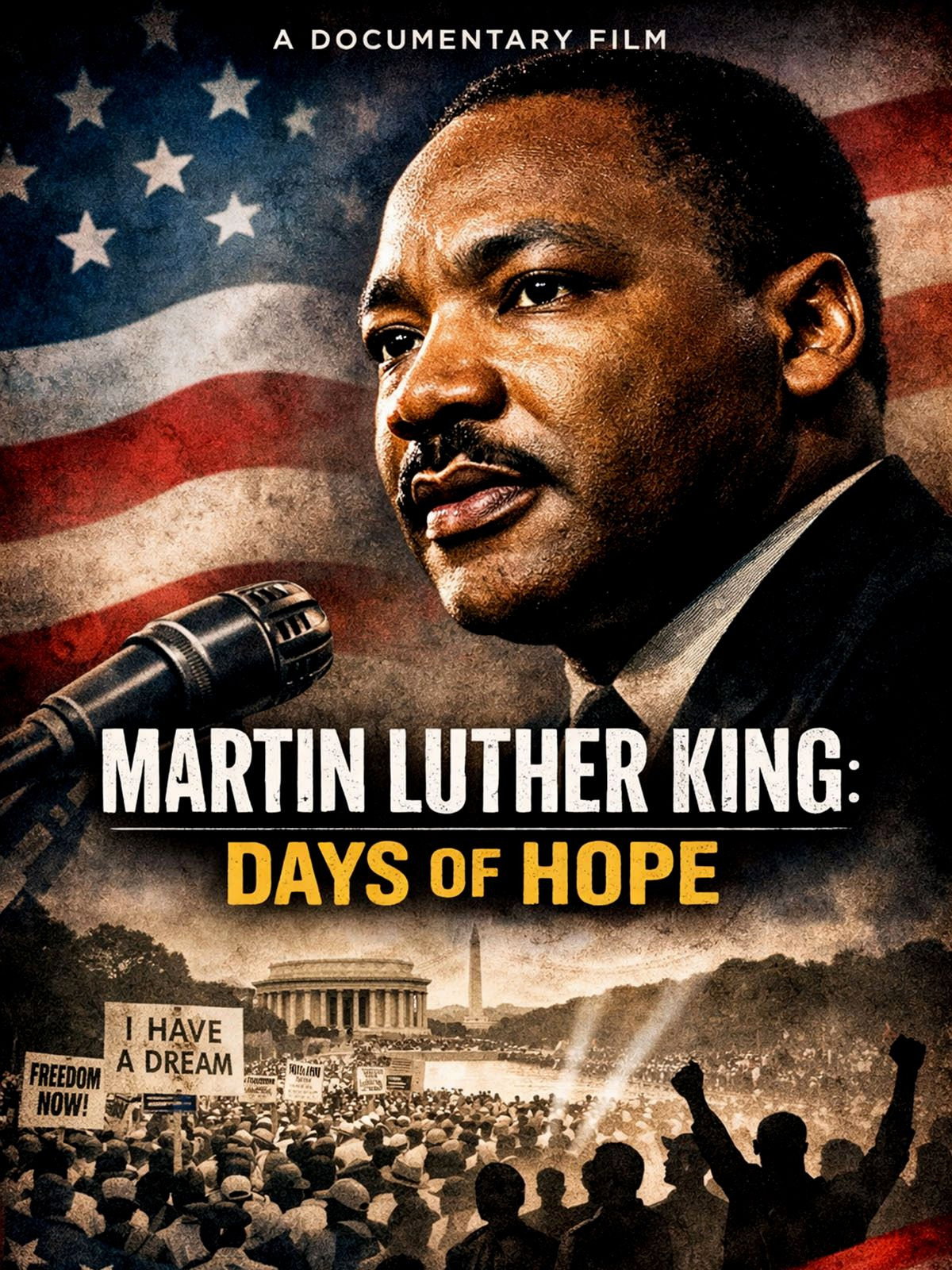
Documentary about the final five, turbulent years in the life of civil rights activist Martin Luther King. The story begins at the Lincoln Memorial in August 1963, when a 34-year-old preacher galvanized millions with his dream for an America free of racism and comes to a bloody end five years later on a motel balcony in Memphis. King has since become a mythic figure, an activist whose works and image are more hotly contested, negotiated and sold than almost anyone else's in American history. (Storyville)

In a last-ditch effort to save earth, a man sacrifices himself and is forced to relive a series of suppressed memories that become smeared by the detonation of a stellar bomb. This paranormal explosion of thoughts begin to blur the lines between reality and fiction; the only way out is forward.
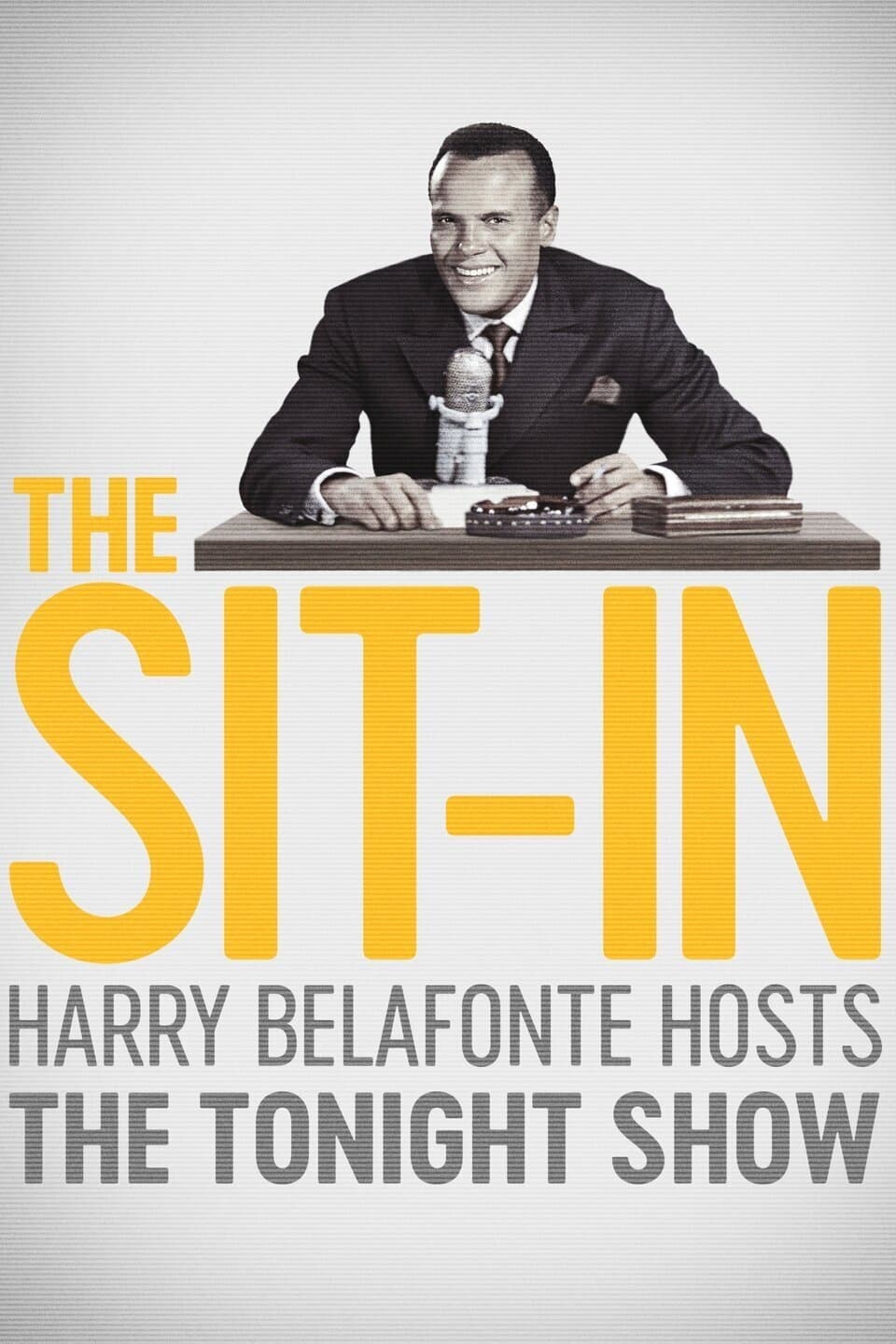
For one week in February 1968, Johnny Carson gave up his chair to Harry Belafonte, the first time an African-American had hosted a late night TV show for a whole week.
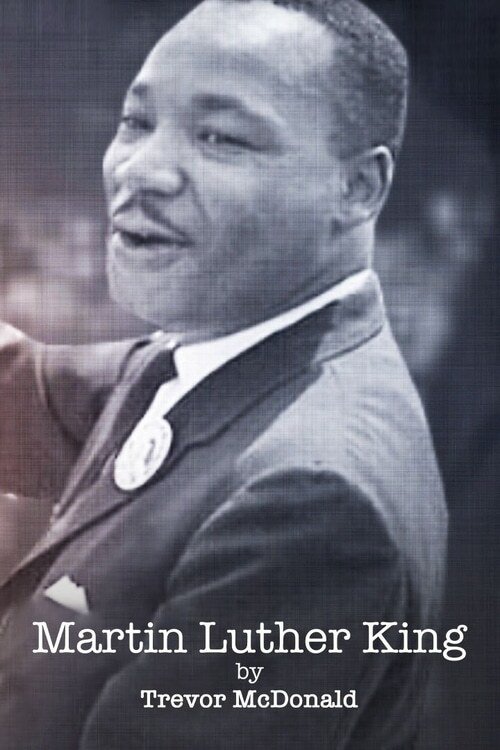
On the anniversary of Martin Luther King's death, Sir Trevor McDonald travels to the Deep South of America to get closer to the man who meant so much to him.
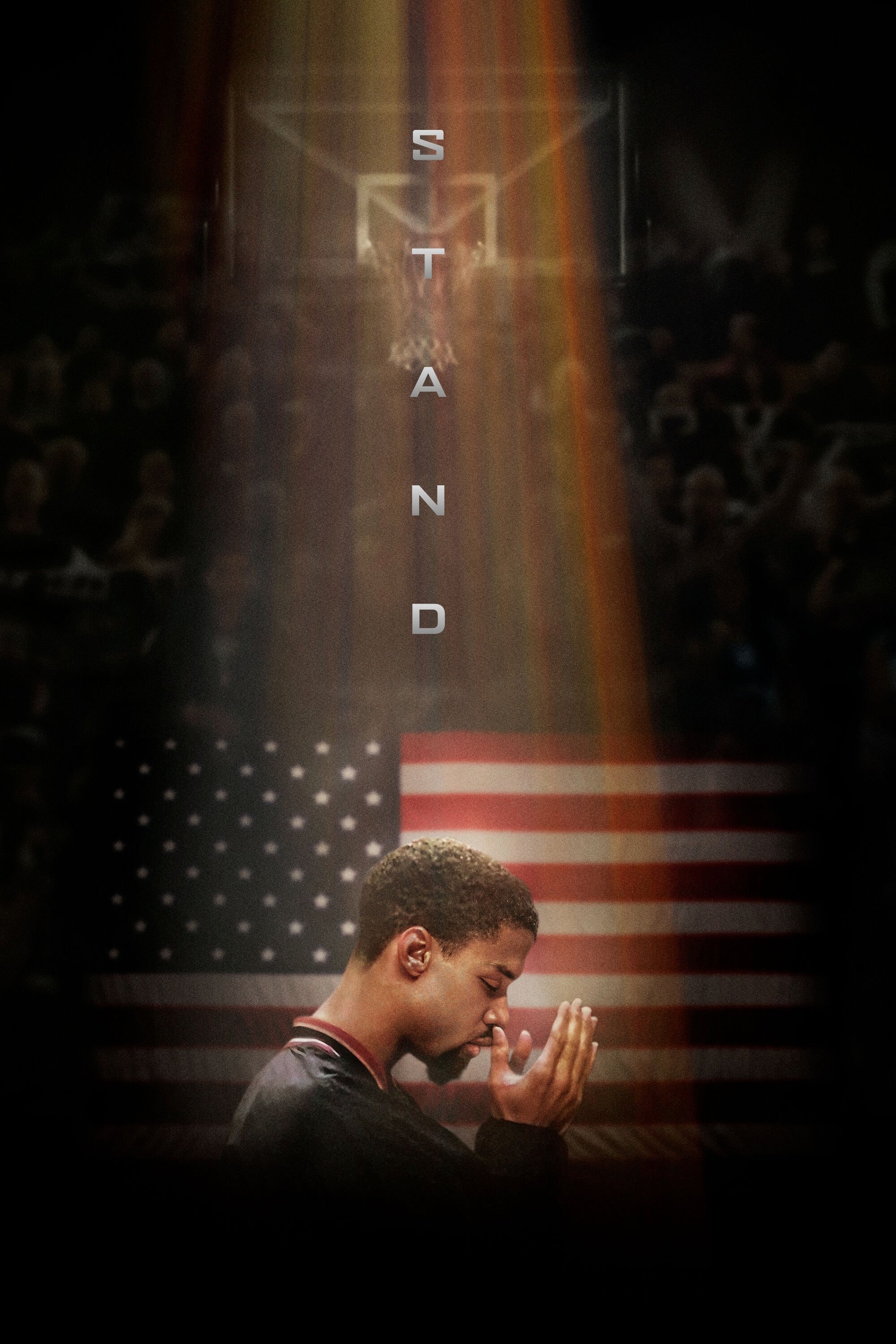
Raw and unflinching examination of the courageous life of basketball star and social justice activist Mahmoud Abdul-Rauf. Born Chris Jackson, he overcame tremendous adversity to reach the NBA and found his true calling when he converted to Islam. His decision not to stand for the national anthem, however, turned him from prodigy to pariah. Told candidly by Abdul-Rauf himself more than 20 years later it’s the remarkable story of one man who kept the faith and paved the way for a social justice movement.
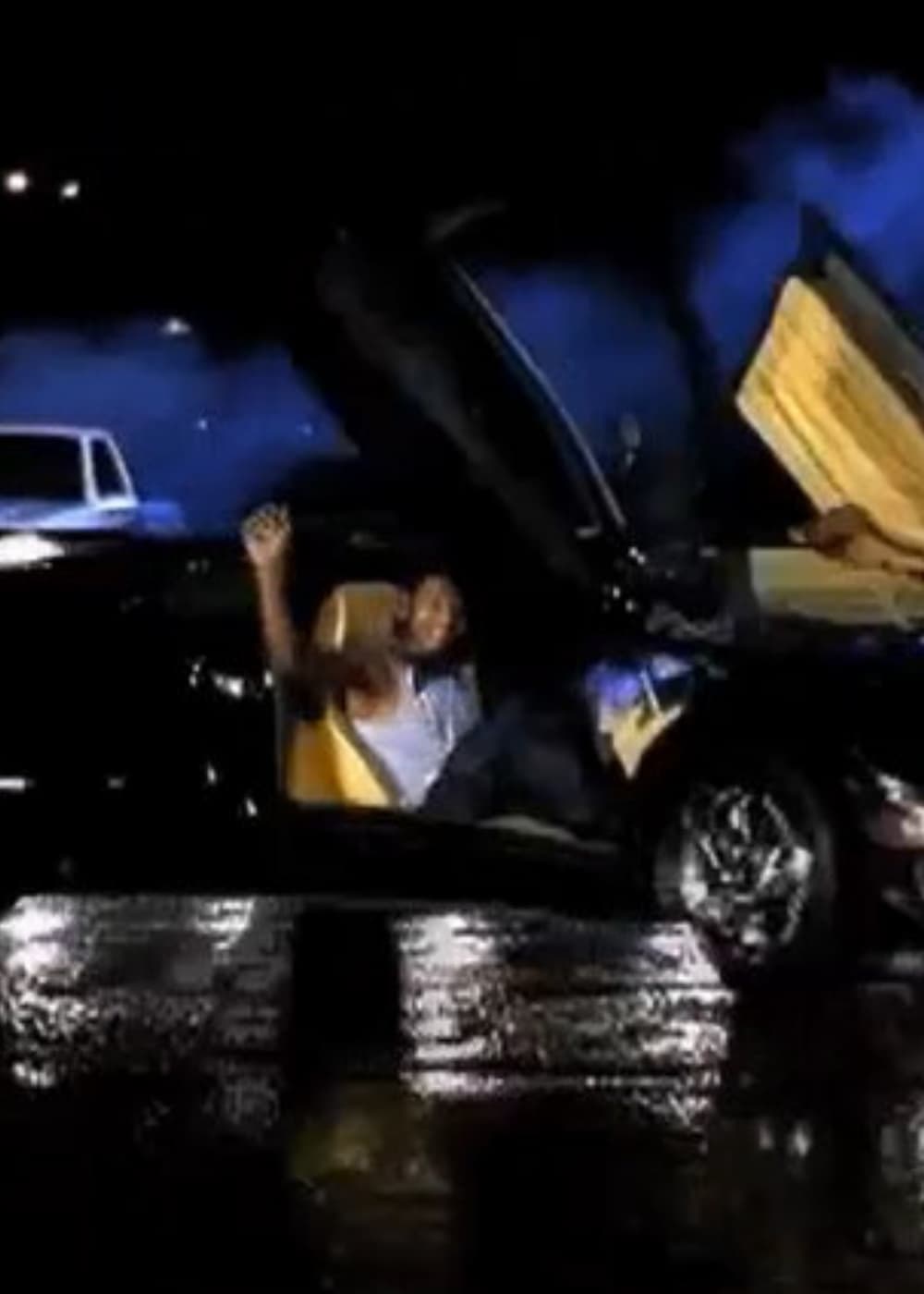
A black Lamborghini spins in circles, cheered on by men in white T-shirts and medallion necklaces. Larry W. Cook has reused a clip from the 2000 music video "Get Your Roll On" by the rap group Big Tymers but replaced the audio with a version of Dr. Martin Luther King Jr.'s "I Have a Dream" speech. The civil rights leader's speech has been chopped and screwed, a hip-hop turntable technique that involves slowing down a track.
In the summer of 1964, more than 700 students descended on violent, segregated Mississippi. Defying authorities, they registered voters, created freedom schools, and established the Mississippi Freedom Democratic Party. Fifty years later, eyewitness accounts and never-before-seen archival material tell their story. Not all of them would make it through.
National Geographic documentary on Martin Luther King Jr. helps drive change in the United States in the face of bitter opposition, not least from opponents within the U.S. government; King is subjected to a fierce campaign of intimidation by J. Edgar Hoover's FBI.
During the same summer as Woodstock, over 300,000 people attended the Harlem Cultural Festival, celebrating African American music and culture, and promoting Black pride and unity. The footage from the festival sat in a basement, unseen for over 50 years, keeping this incredible event in America's history lost — until now.
A look at the role of the Buckeye State in the 2004 Presidential Election.

An examination into the nature of 1960's-70's horror films, the involved artists, and how they reflected contemporary society.
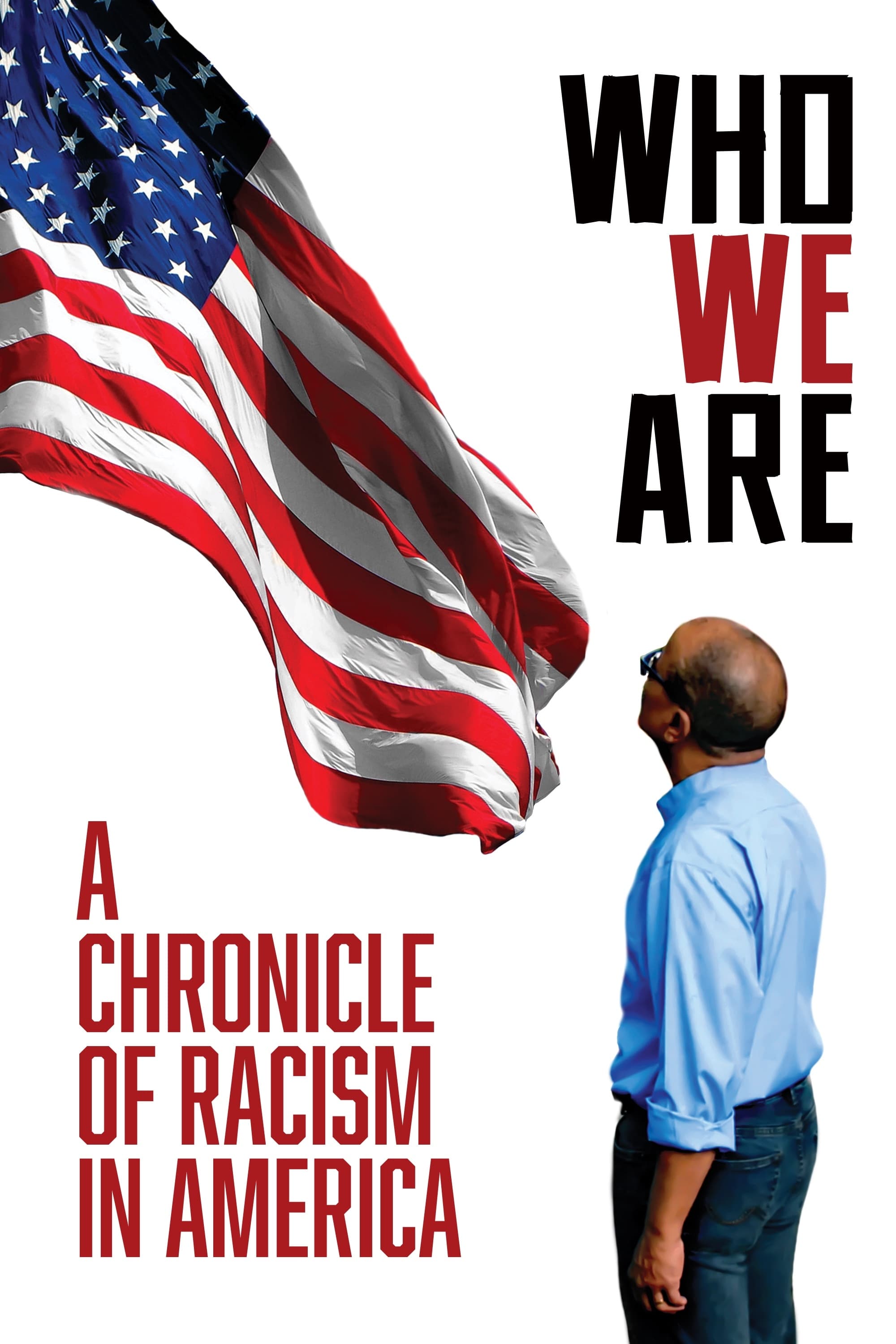
Jeffery Robinson's talk on the history of U.S. anti-Black racism, with archival footage and interviews.
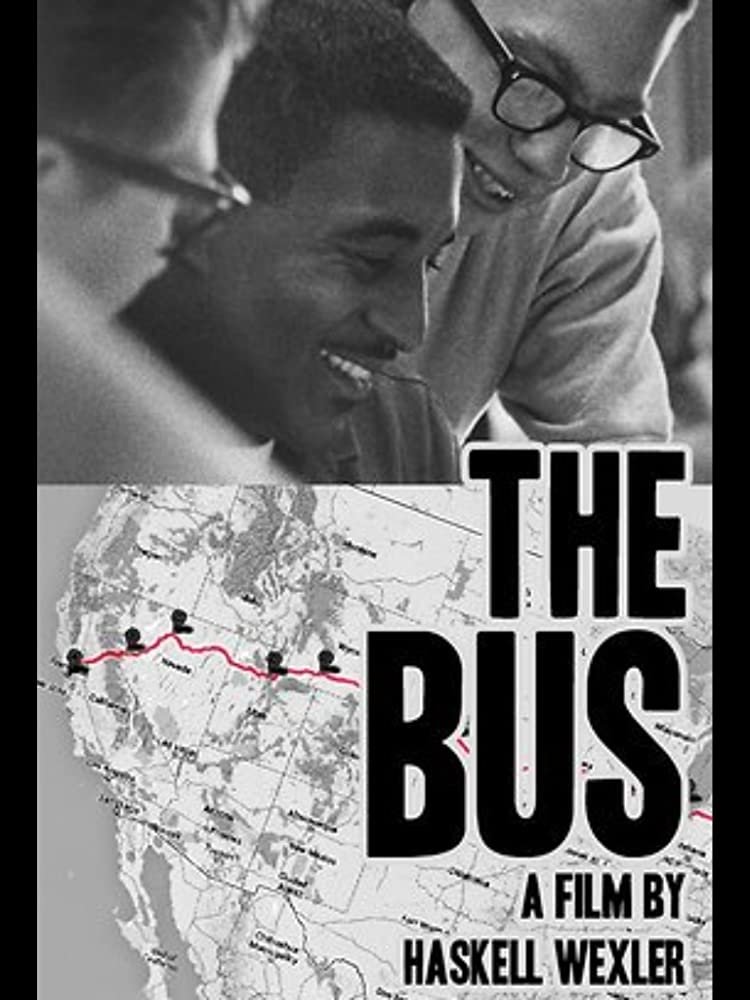
The struggle for civil rights has been one of the most important issues of American life for the last fifty years. In August of 1963, groups from all over the country journeyed to Washington D.C. for a massive demonstration, and this film is a fascinating document of this event. Celebrated filmmaker Haskell Wexler ("Medium Cool") traveled with the San Francisco delegation, photographing and conversing candidly with the participants. He has succeeded admirably in capturing the significance and drama of this historic trip.
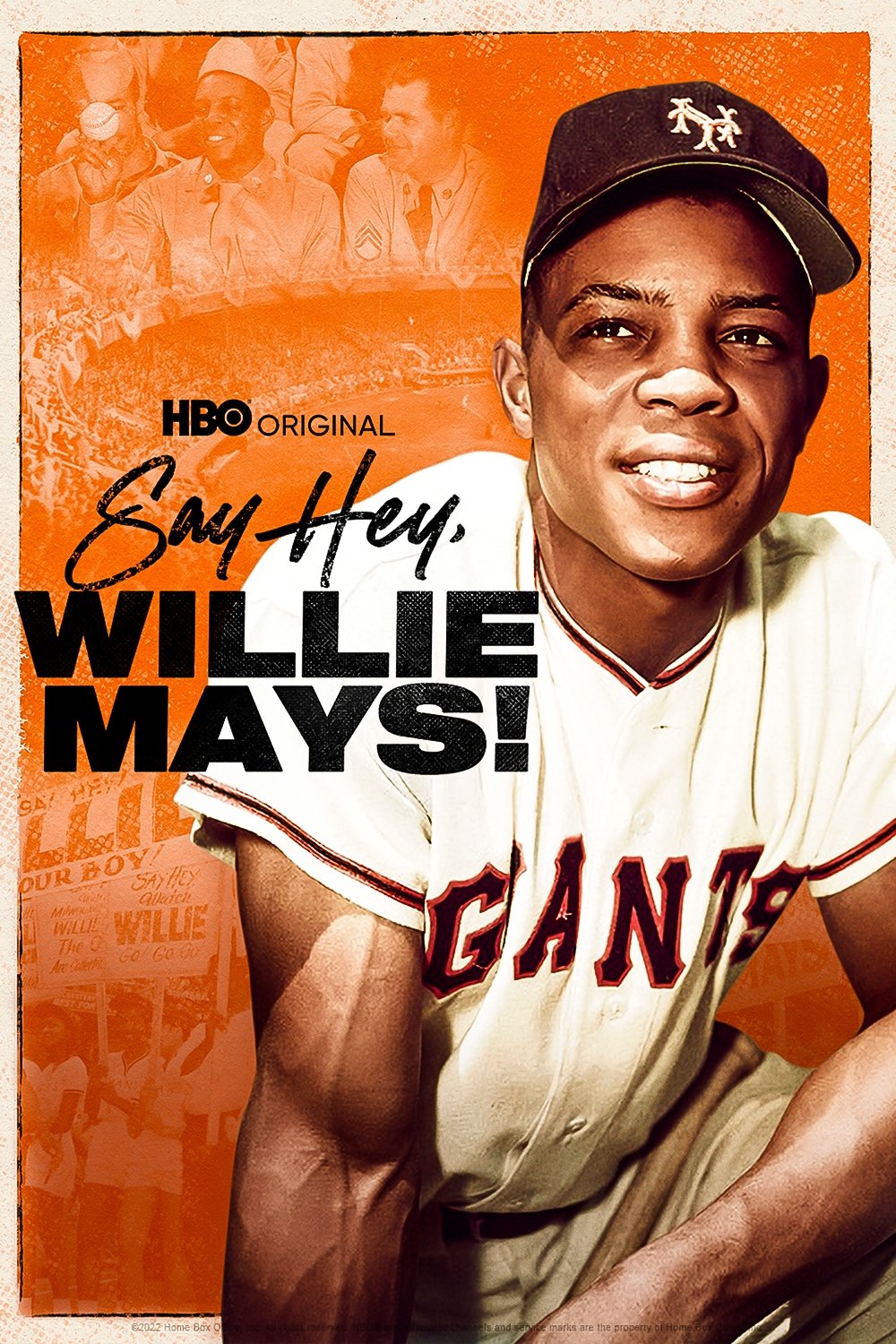
Follow Willie Mays’ life both on and off the field over five decades as he navigated the American sports landscape and the country’s ever-evolving cultural backdrop, all while helping to define what it means to be one of America’s first Black sports superstars. He left an indelible mark in New York City and San Francisco, building a love affair with both cities’ fans.
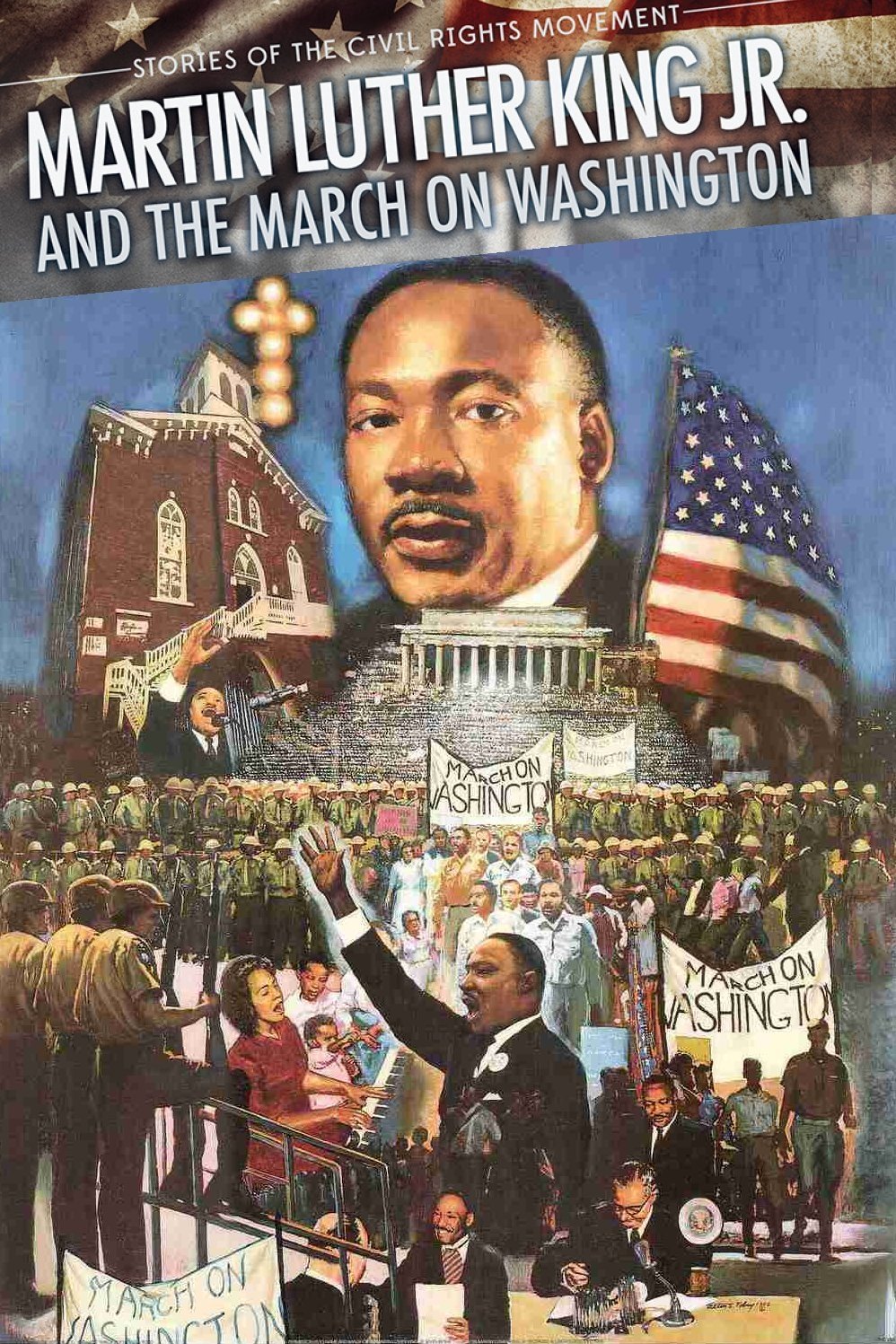
Documentary commemorating the 50th anniversary of Martin Luther King's March on Washington, a pivotal moment in the Civil Rights Movement in the United States. The film tells the story of how the march for jobs and freedom began, speaking to the people who organised and participated in it. Using rarely seen archive footage the film reveals the background stories surrounding the build up to the march as well as the fierce opposition it faced from the JFK administration, J Edgar Hoover's FBI and widespread claims that it would incite racial violence, chaos and disturbance. The film follows the unfolding drama as the march reaches its ultimate triumphs, gaining acceptance from the state, successfully raising funds and in the end, organised and executed peacefully.
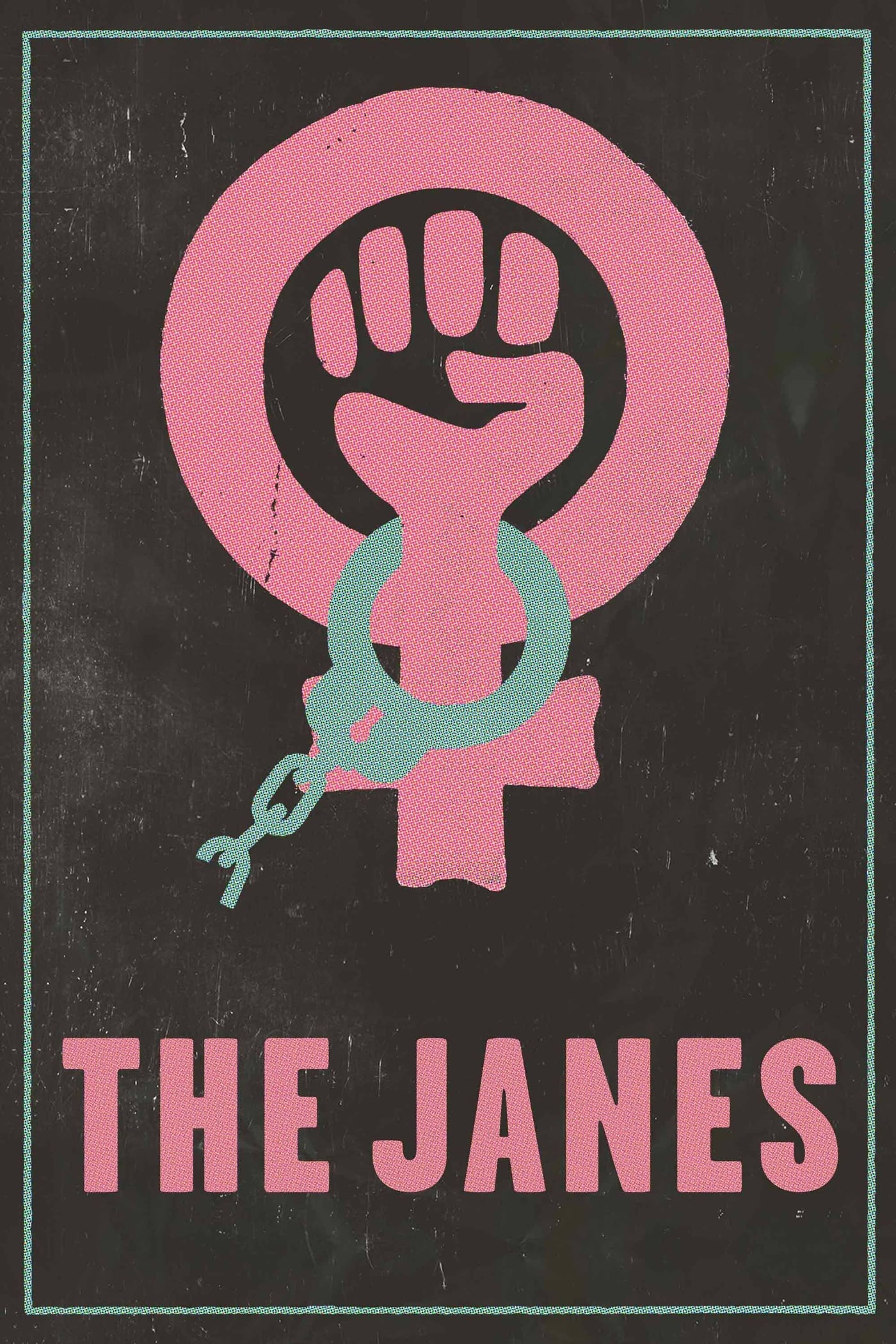
Defying the state legislature that outlawed abortion, the Catholic Church that condemned it, and the Chicago Mob that was profiting from it, the members of “Jane” risked their personal and professional lives to support women with unwanted pregnancies. In the pre-Roe v. Wade era — a time when abortion was a crime in most states and even circulating information about abortion was a felony in Illinois — the Janes provided low-cost and free abortions to an estimated 11,000 women.
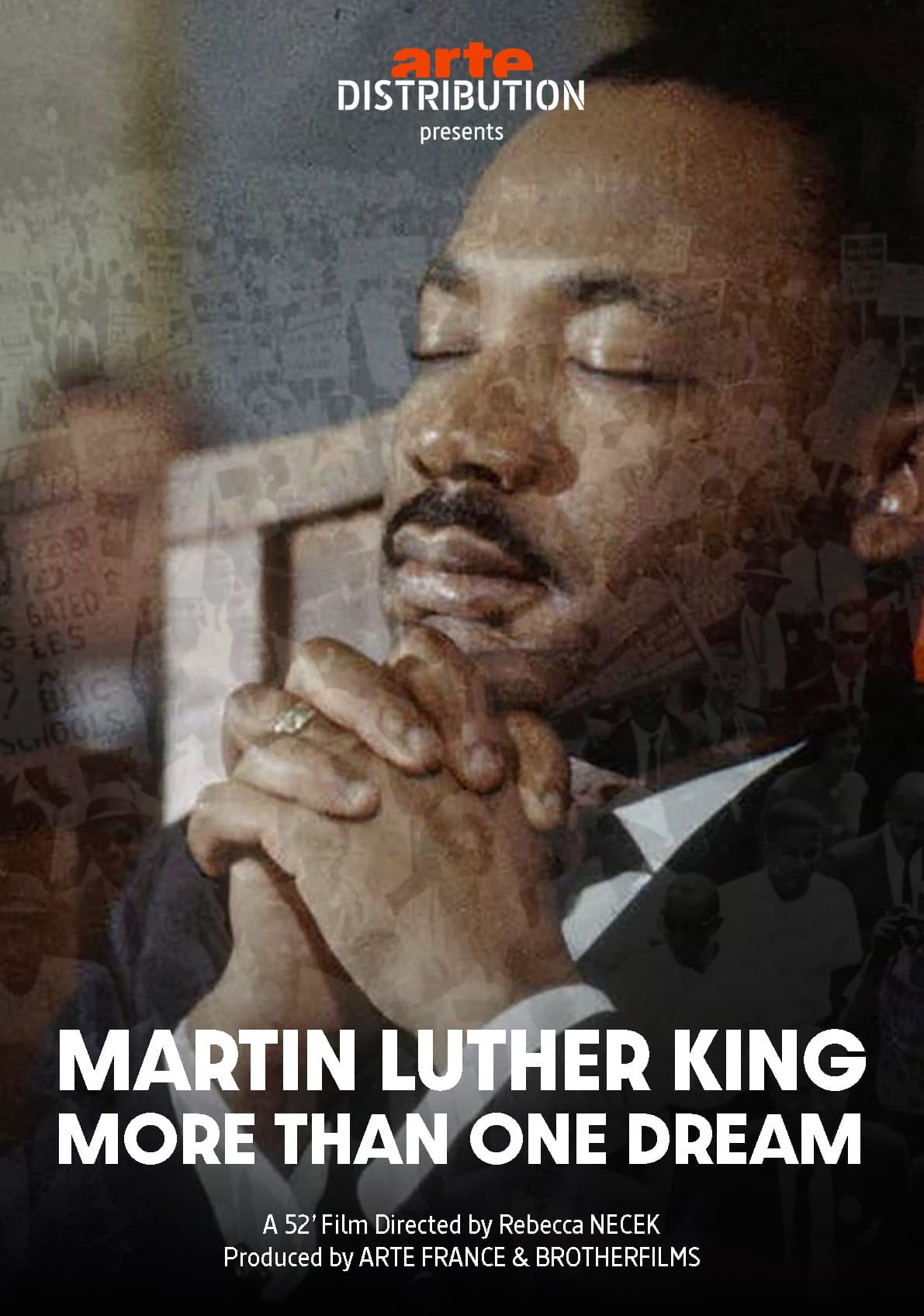
The real dream of the American pastor Martin Luther King was never limited to civil rights. He hoped for a just America, where poverty would no longer have a place. Social equality was for him the only guarantee of a true emancipation. During the last four years of his life, he mobilized all his energy to realize this "other dream". But there were many obstacles: he was scorned by white, racist America, abandoned by the political class, but also by some of his own people, who decided to turn their backs on the principle of non-violence.
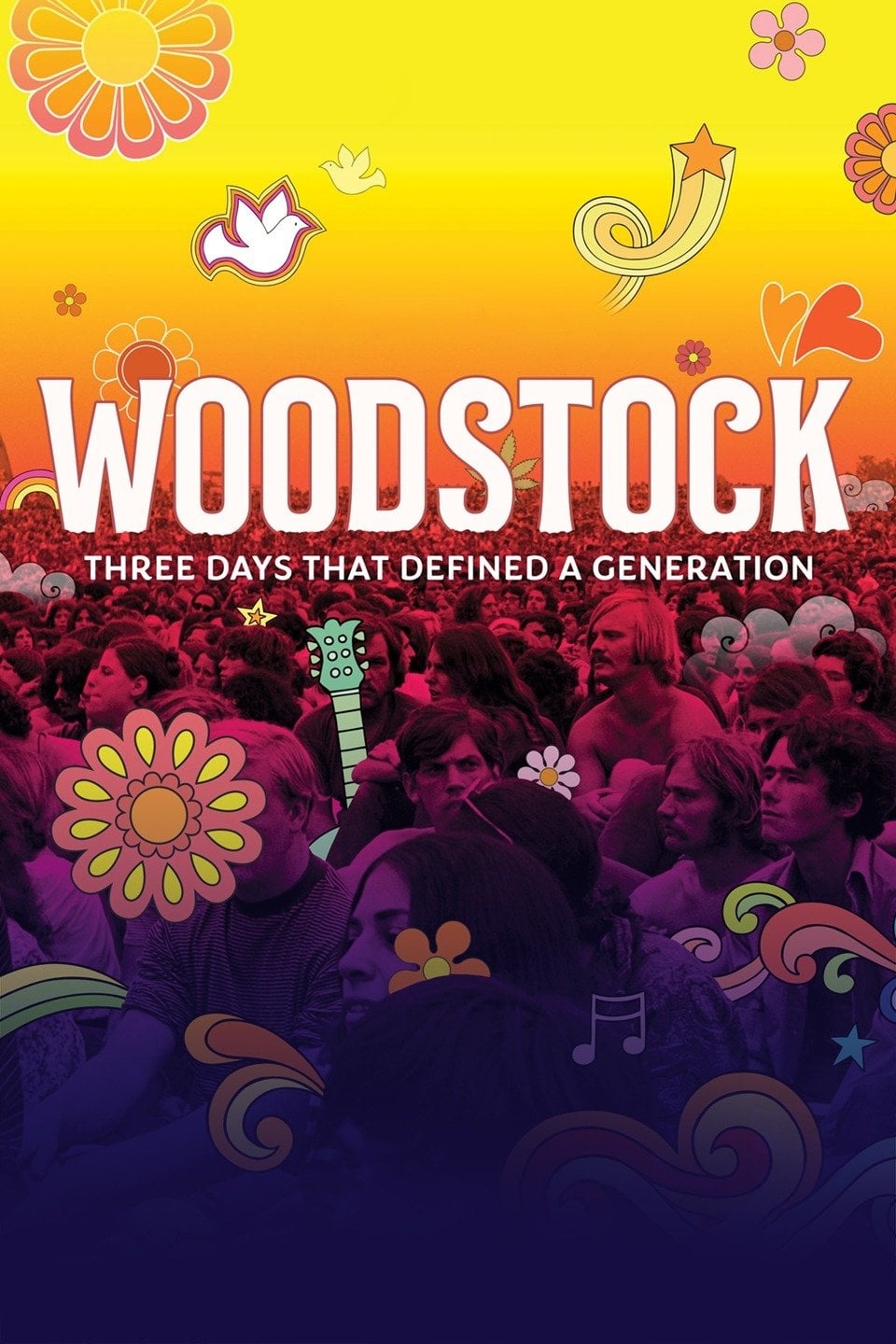
50 years after the legendary fest, Barak Goodman’s electric retelling of Woodstock, from the point of view of those who were on the ground, evokes the freedom, passion, community, and joy the three-day music festival created.
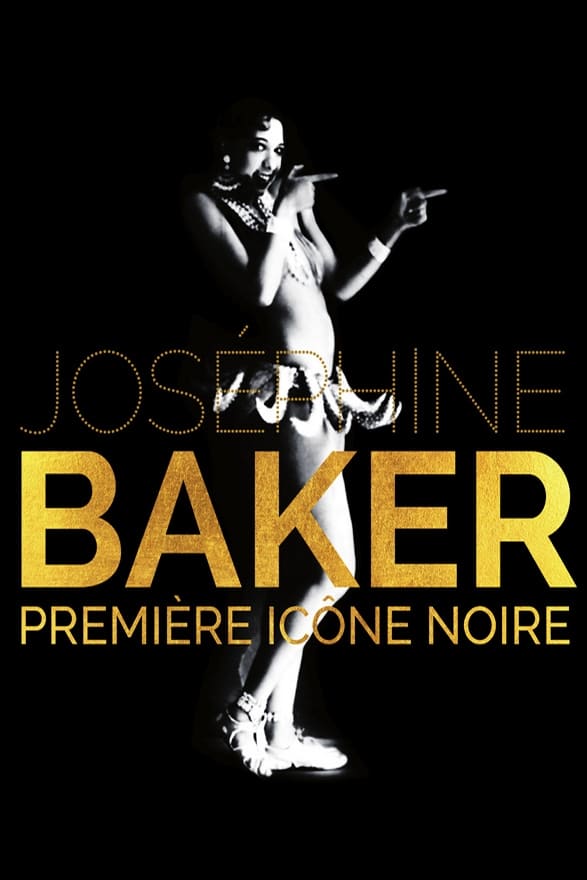
How did a poor little black girl from Missouri become the Queen of Paris, before joining the French Resistance and finally creating her dream family “The Rainbow Tribe”, adopting twelve children from four corners of the world? This is the fabulous story of the first black superstar, Josephine Baker.
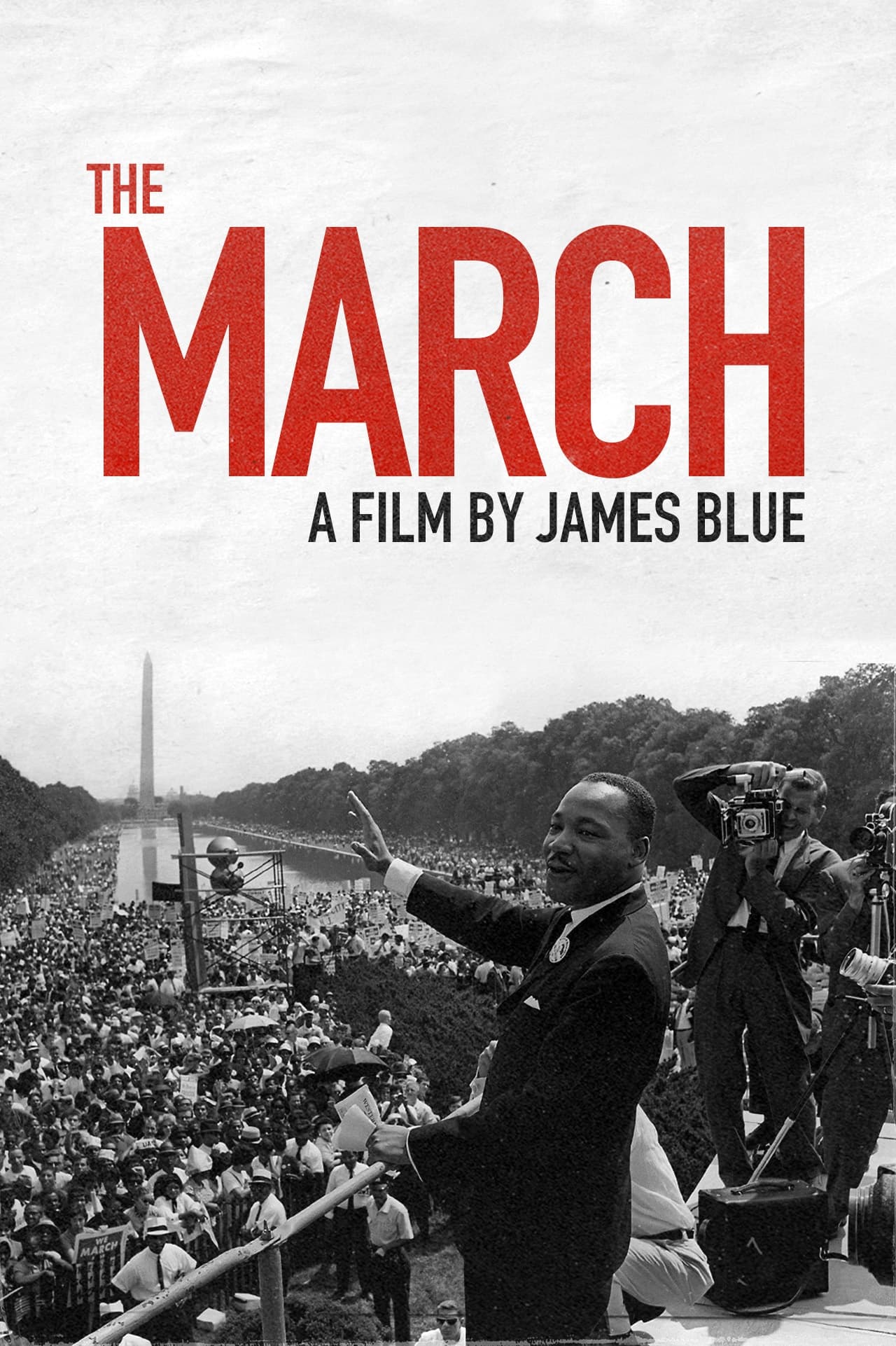
The March, also known as The March to Washington, is a 1964 documentary film by James Blue about the 1963 civil rights March on Washington. It was made for the Motion Picture Service unit of the United States Information Agency for use outside the United States – the 1948 Smith-Mundt Act prevented USIA films from being shown domestically without a special act of Congress. In 1990 Congress authorized these films to be shown in the U.S. twelve years after their initial release. In 2008, the film was selected for preservation in the United States National Film Registry by the Library of Congress as being "culturally, historically, or aesthetically significant". (Wikipedia)
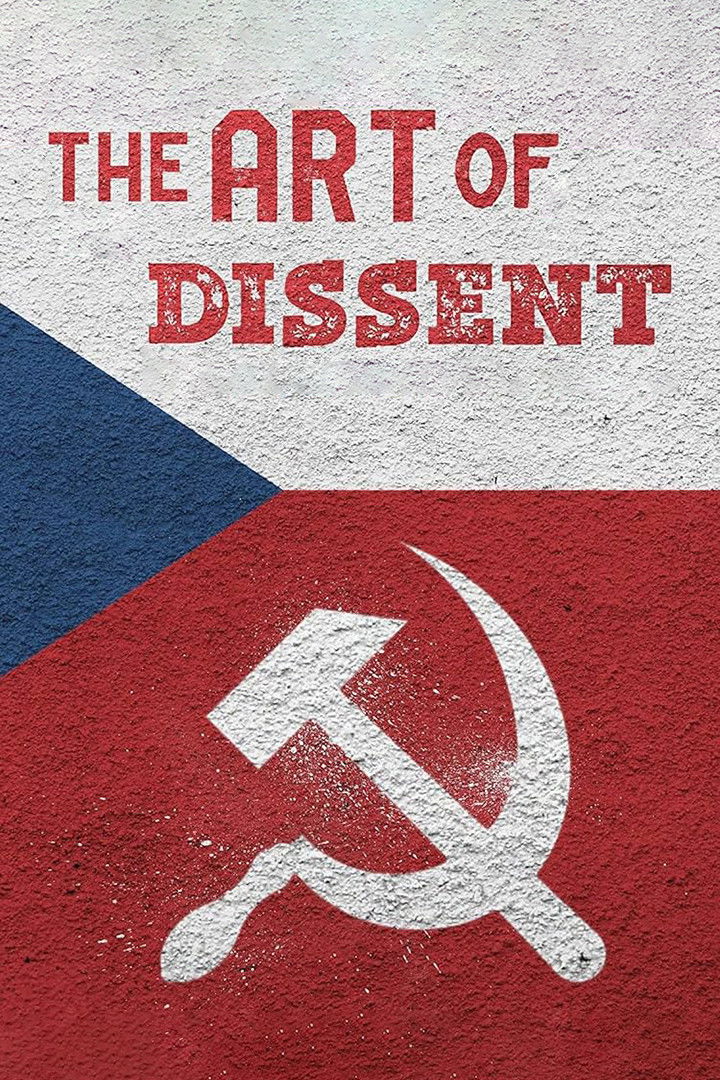
"The Art of Dissent" celebrates the resilience and power of artistic engagement in Czechoslovakia before and after the 1968 Soviet-led invasion. The documentary's main protagonists - Václav Havel, banned singer Marta Kubisová, and the underground rock group the Plastic People of the Universe (PPU) - became the most recognizable dissidents during the 1970-80s. Havel bridged the disparate clusters of individuals and fused the literary, musical, political, and philosophical nonviolent elements into a hybrid network that eventually toppled the totalitarian regime in 1989.
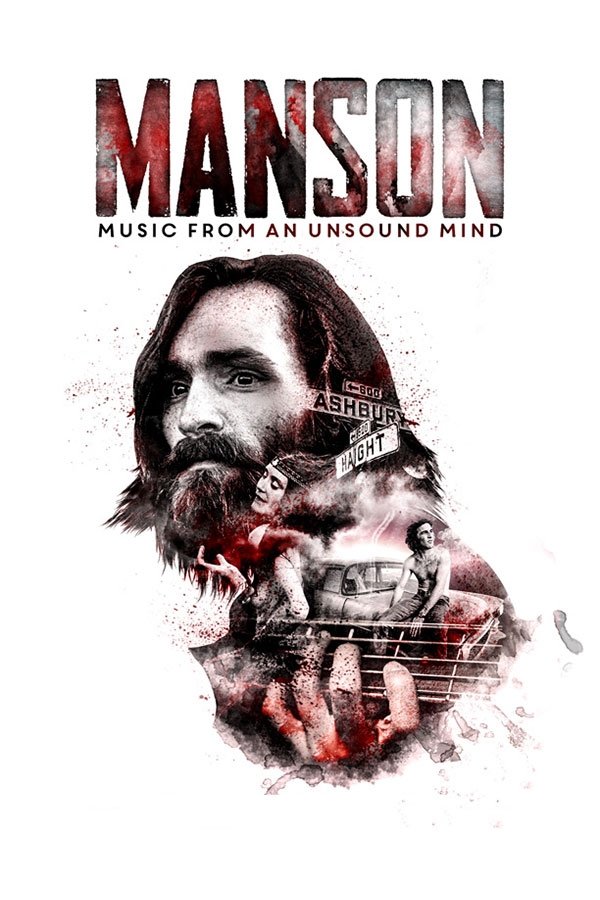
The untold story of Charles Manson's obsession to become a rock star, his rise in the LA music scene, the celebrities who championed his music, his tragic friendship with The Beach Boys' Dennis Wilson and his descent into violence and chaos once his dreams fell apart.
This entry in the "Reel Moments" video series contains newsreel and archive footage of famous 20th century disasters, including: the collapse of the Tacoma Narrows bridge, various ship sinkings, racecar crashes, and assassinations, with emphasis on the assassinations of Martin Luther King, John F. Kennedy, and Robert F. Kennedy.
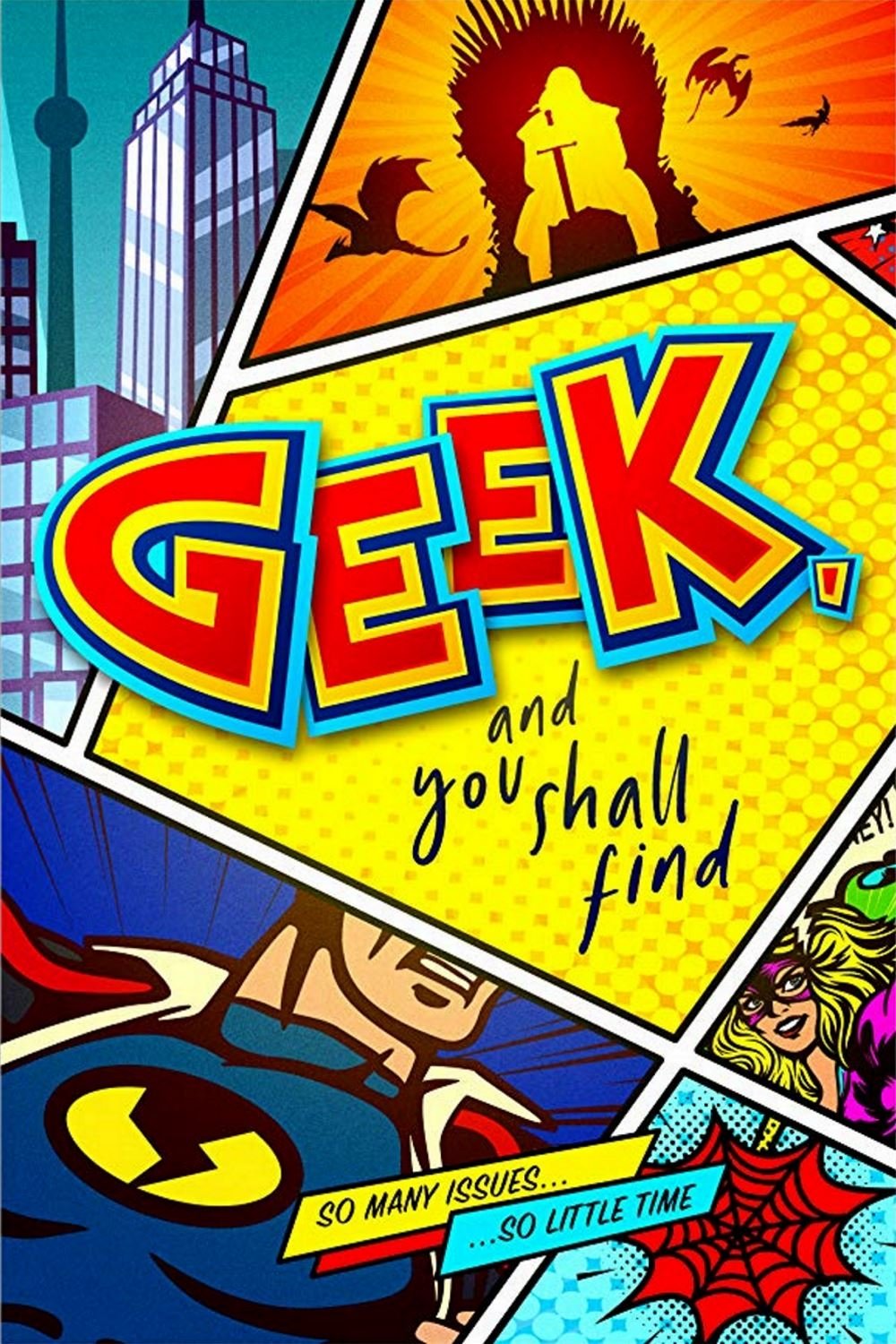
After attending a local comic book convention, three filmmakers are so moved by the stories shared with them by cosplayers that they decide to investigate geek culture even further. Attending other conventions across the country and speaking with legendary creators such as Kevin Eastman, Stan Lee and George R.R. Martin, the trio not only begins to find answers to why people gravitate towards superheroes and stories about superheroes, but how being a geek could help them live deeper, richer lives. Geek, and You Shall Find tells the stories behind the creation of several popular stories including Superman, Star Wars, Game of Thrones and the Teenage Mutant Ninja Turtles. In sharing how these characters and their worlds came to be, creators reveal how often they have been inspired by real-life social ills. Most importantly, by continuing to speak with fans who have been inspired by these creations, this film reveals how superheroes have the potential to combat these social issues as well.
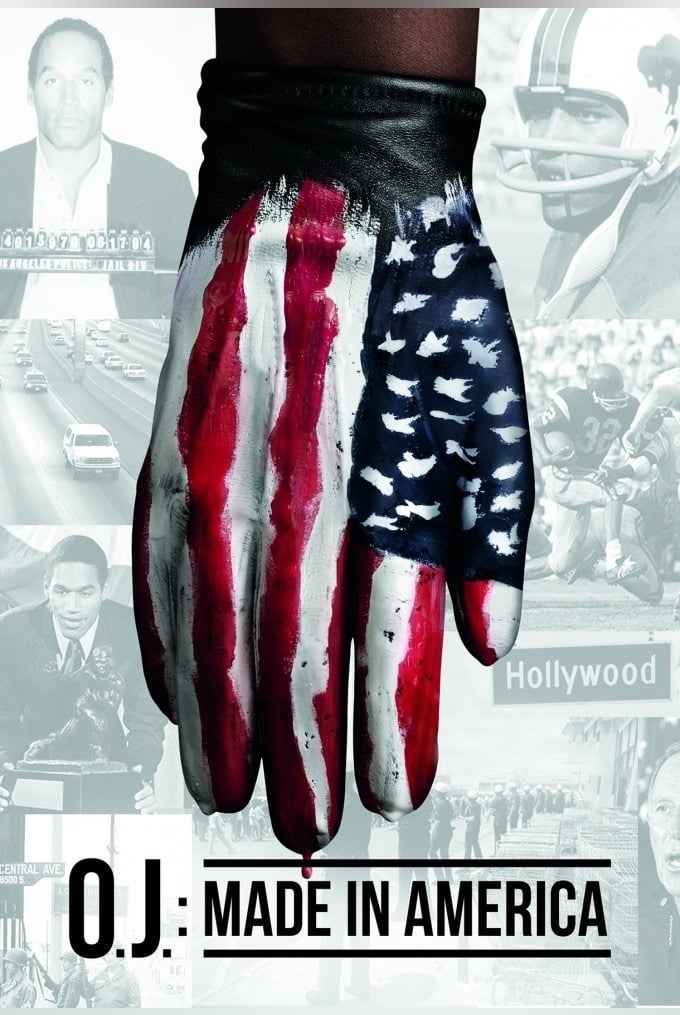
A chronicle of the rise and fall of O.J. Simpson, whose high-profile murder trial exposed the extent of American racial tensions, revealing a fractured and divided nation.
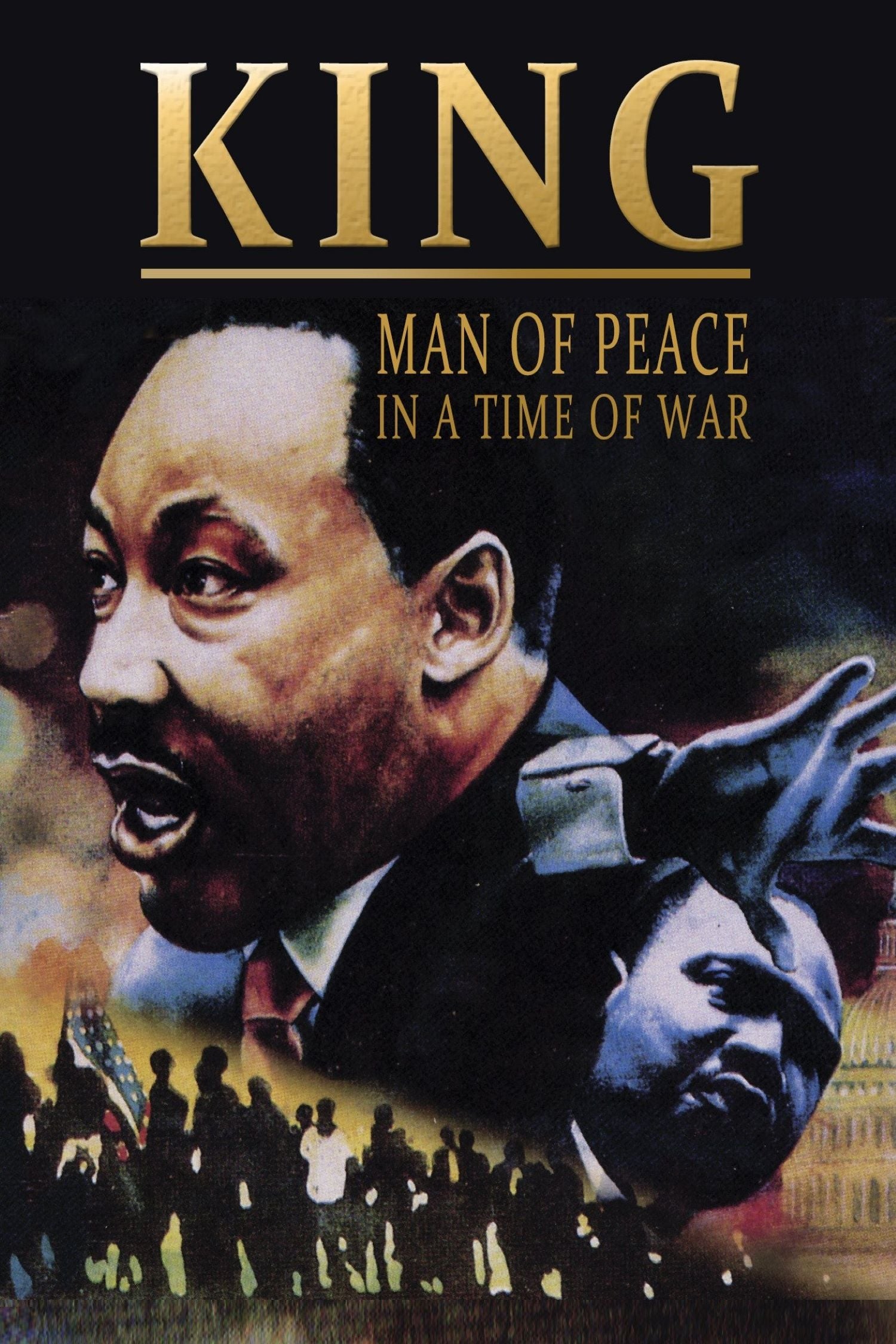
King: Man of Peace in a Time of War documents the work Martin Luther King did in attempting to bring peace to people during the turmoil of the Vietnam War and the Civil Rights Movement. The film includes interviews with contemporaries such as Jesse Jackson, and military experts like Colin Powell.
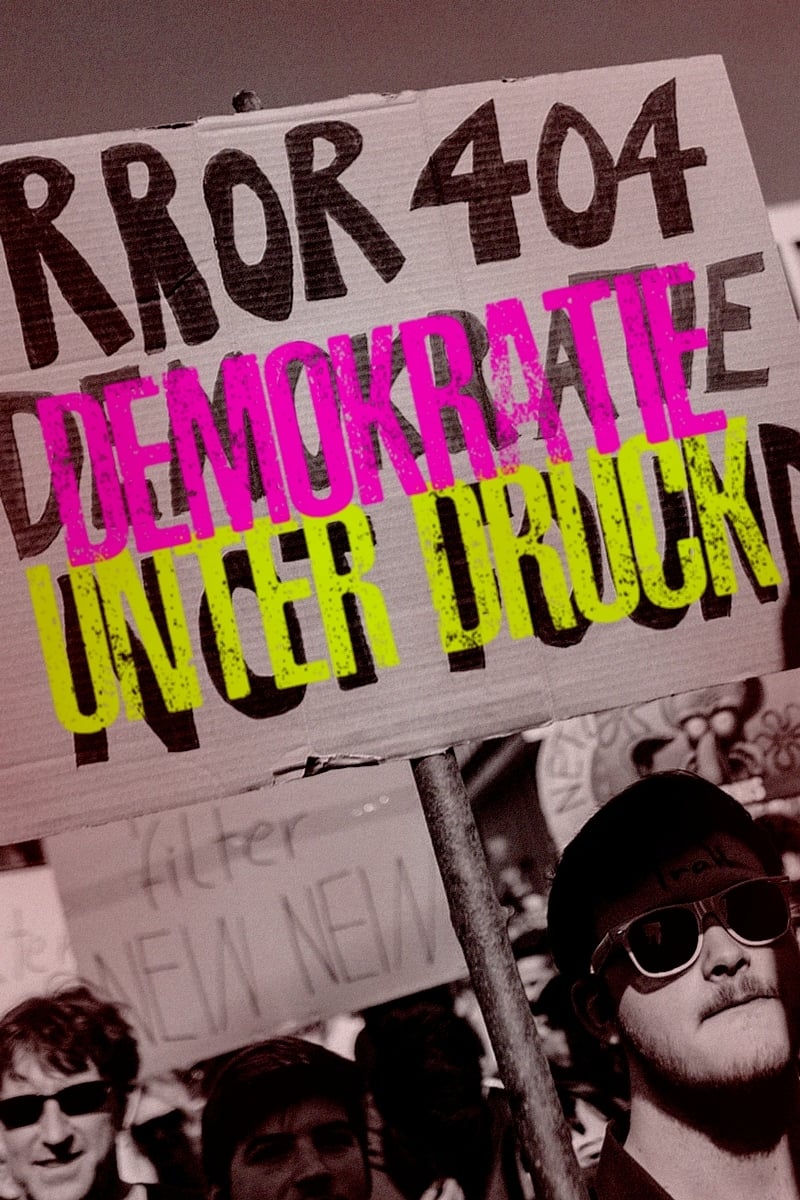
Thoughts of a diversity of public and private citizens on the virtues of democracy, its faults, its decadence, its fall and the rise of populism.
How can something in the public domain not be publicly available? A critical investigation of public domain—a legal term that has nothing to do with free access or public availability—that uses powerhouse commercial archive Getty Images as its example. If the world's visual history remains locked behind a paywall, who will ever see it?
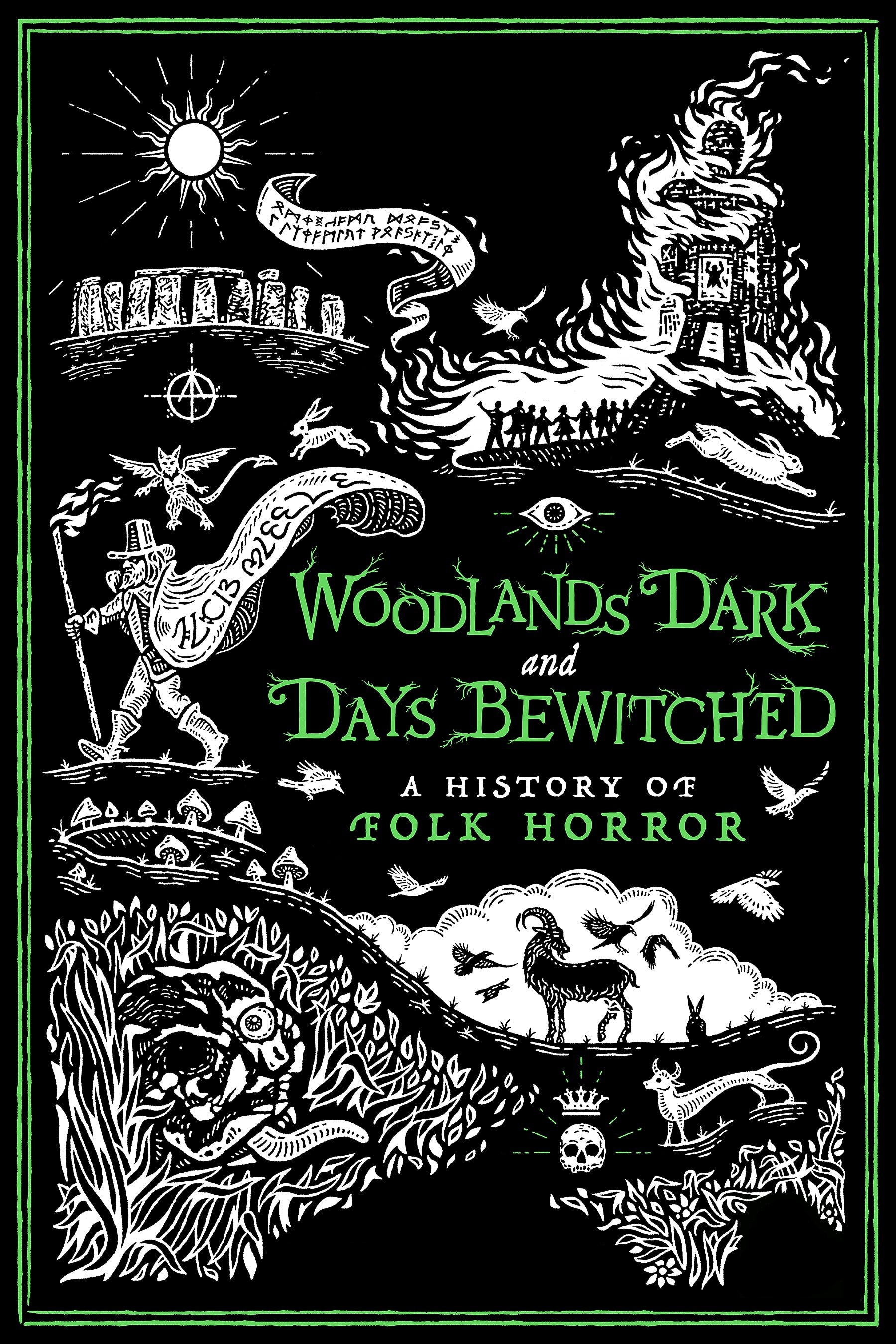
An exploration of the cinematic history of the folk horror, from its beginnings in the UK in the late sixties; through its proliferation on British television in the seventies and its many manifestations, culturally specific, in other countries; to its resurgence in the last decade.
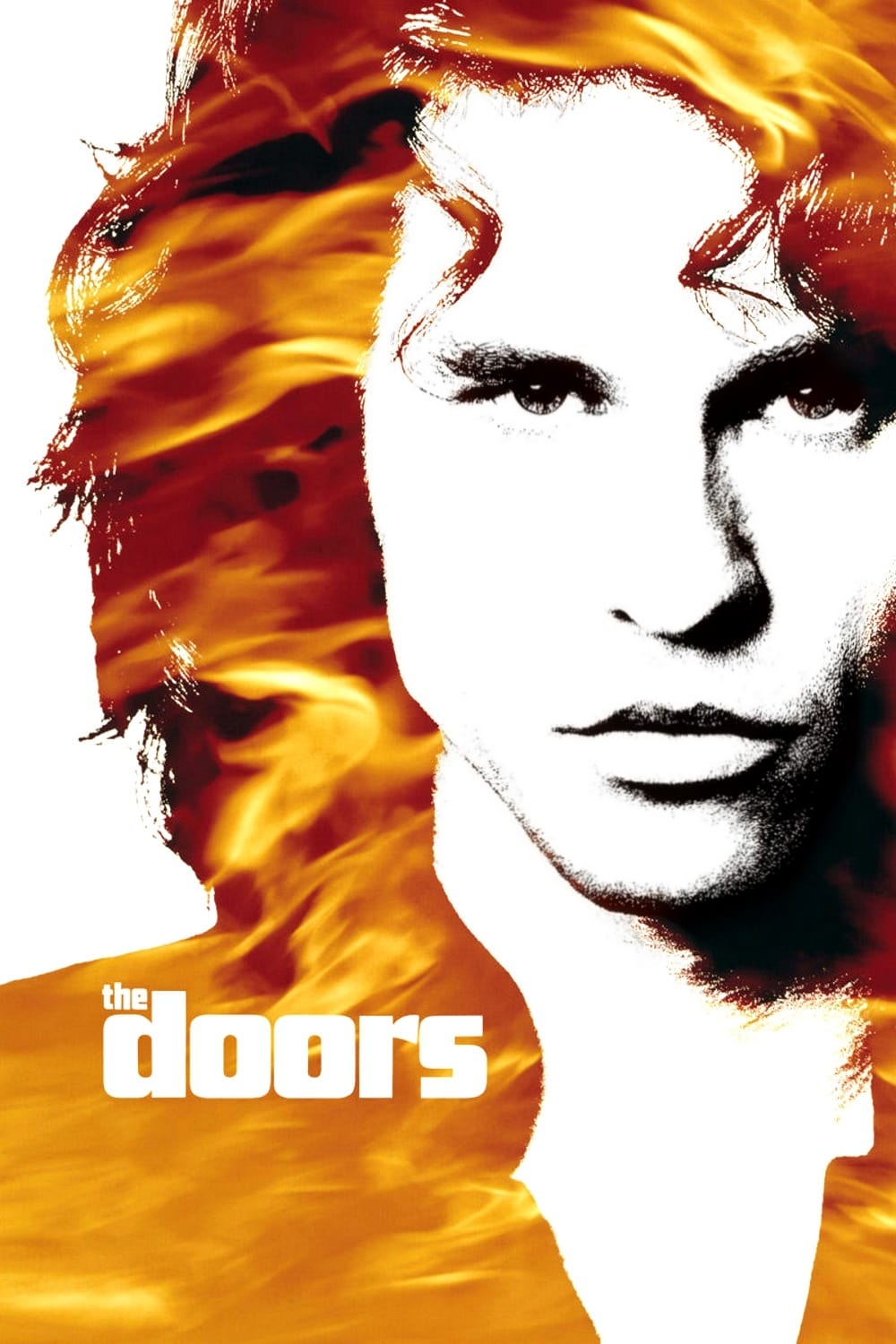
The story of the famous and influential 1960s rock band and its lead singer and composer, Jim Morrison.
Walter Williams critiques the war on poverty, schooling, and more in this public television documentary based on Walter Williams' book 'The State Against Blacks'.
Oscar nominated documentary short.
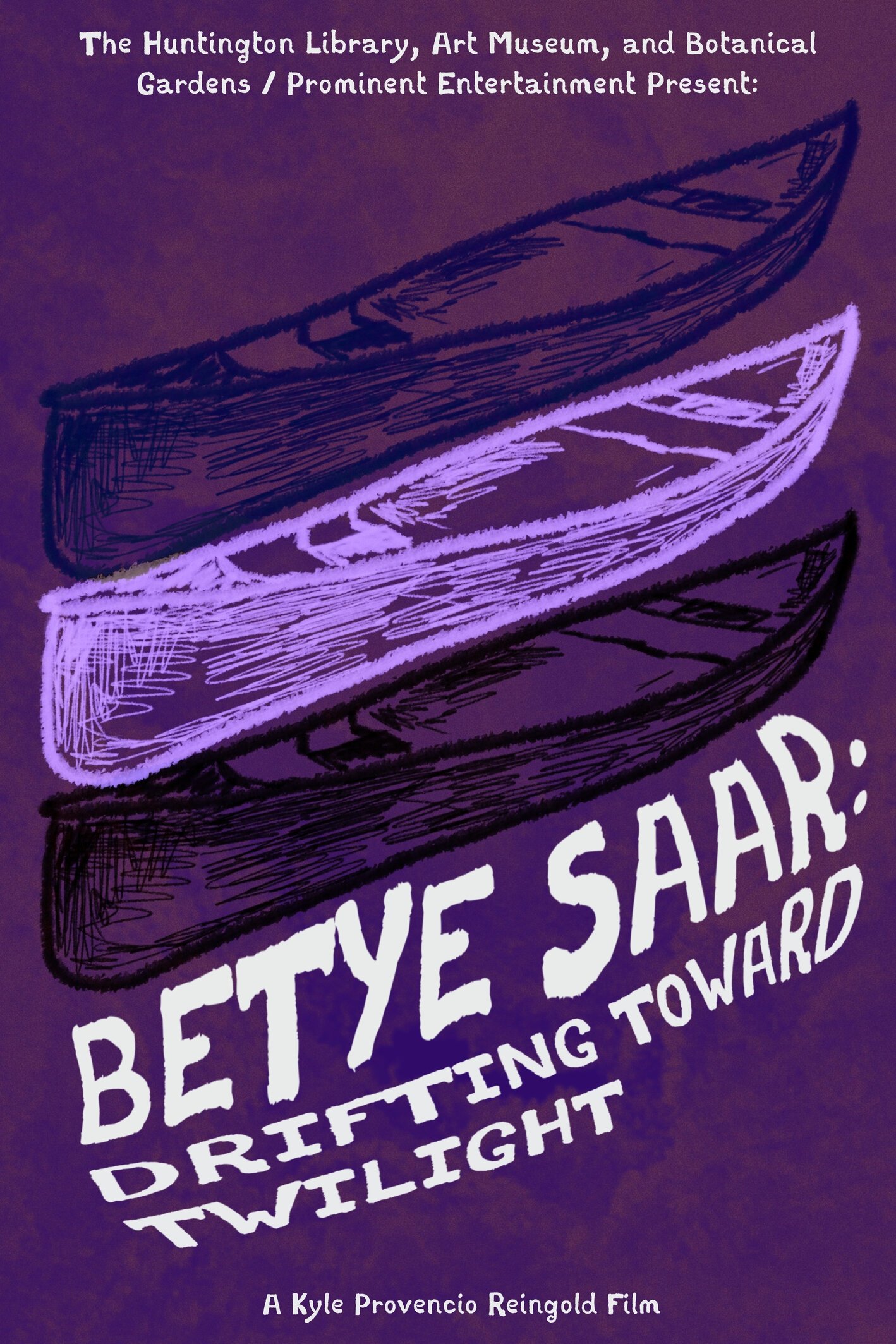
"Betye Saar: Drifting Toward Twilight" covers renowned American artist Betye Saar’s large-scale work “Drifting Toward Twilight”— commissioned by The Huntington Library, Art Museum, & Botanical Gardens — a site-specific installation that features a 17-foot-long vintage wooden canoe and found objects, including birdcages, antlers, and natural materials harvested by Saar from The Huntington’s grounds. This film renders a portrait of Betye's process at 96 while also reflecting on her life, career, and memories of Pasadena.
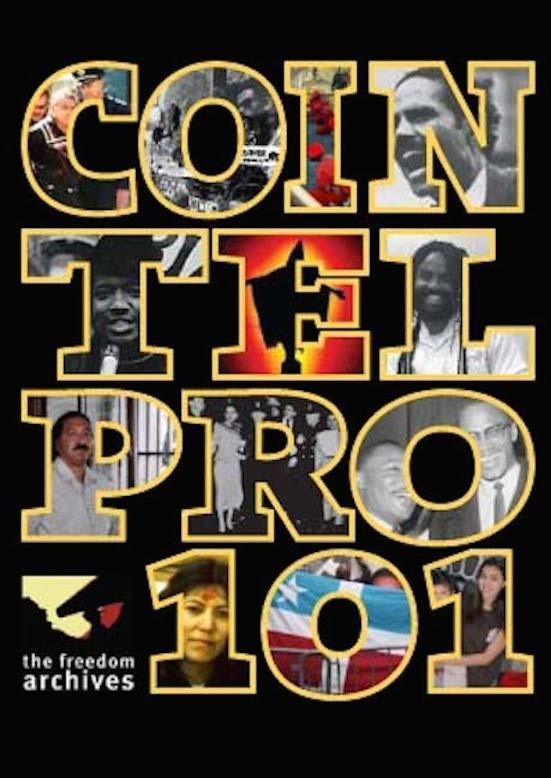
COINTELPRO 101 exposes illegal surveillance, disruption, and outright murder committed by the US government in the 1950s, 60s, and 70s. “COINTELPRO” refers to the official FBI COunter INTELigence PROgram carried out to surveil, imprison, and eliminate leaders of social justice movements and to disrupt, divide, and destroy the movements as well. Many of the government's crimes are still unknown. Through interviews with activists who experienced these abuses first-hand, with rare historical footage, the film provides an educational introduction to a period of intense repression and draws relevant lessons for the present and future.
Through archival footage, the documentary provides an overview of Dr. Martin Luther King's contributions to the civil rights movement.
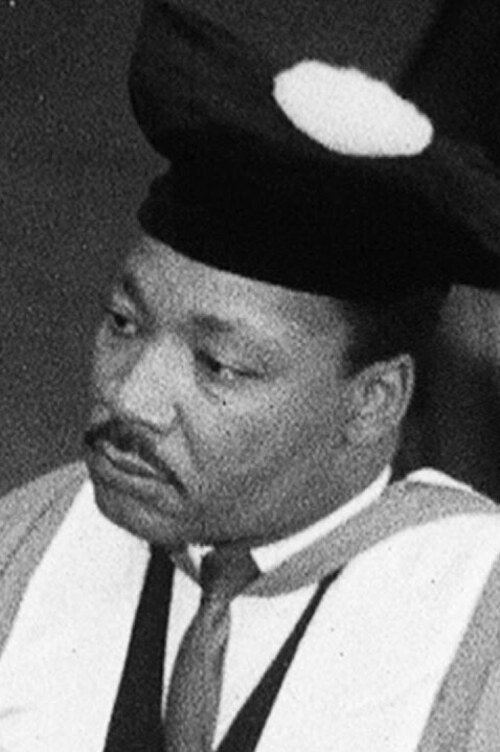
A remarkable event the great American civil rights leader, Martin Luther King makes a powerful speech on a unique visit to Newcastle University.

The timely biopic focuses on John Lewis’ longstanding prominence as a civil rights champion and his continuing crusade for racial and social equality. The documentary illuminates the 80-year-old Congressman’s life as it chronicles the moments on the extraordinary journey that have shaped his place in history and make him such a galvanizing figure today as protests circle the globe. Lewis’ schedule has increased ten-fold as he has become the go-to figure for TV news shows, podcasts and newspapers and magazines from the Washington Post to Vanity Fair, commenting on and leading the way forward through today’s worldwide protests and demonstrations.
In the fourth installment of the Zeitgeist series, director Peter Joseph explorers the fundamental incompatibility of our economy and the culture it has created with our future survival as a species, while posing solutions based on system’s science and cybernetics.
An emotional portrait of David Oyelowo’s journey to play legendary civil rights leader Dr. Martin Luther King, Jr. Featuring behind-the-scenes footage and intimate home videos, Becoming King is a story of faith, friendship and a destiny fulfilled.
In BLUE-EYED, we join a group of 40 teachers, police, school administrators and social workers in Kansas City - blacks, Hispanics, whites, women and men. The blue-eyed members are subjected to pseudo-scientific explanations of their inferiority, culturally biased IQ tests and blatant discrimination. In just a few hours under Ms. Elliott's withering regime, we watch grown professionals become despondent and distracted, stumbling over the simplest commands.
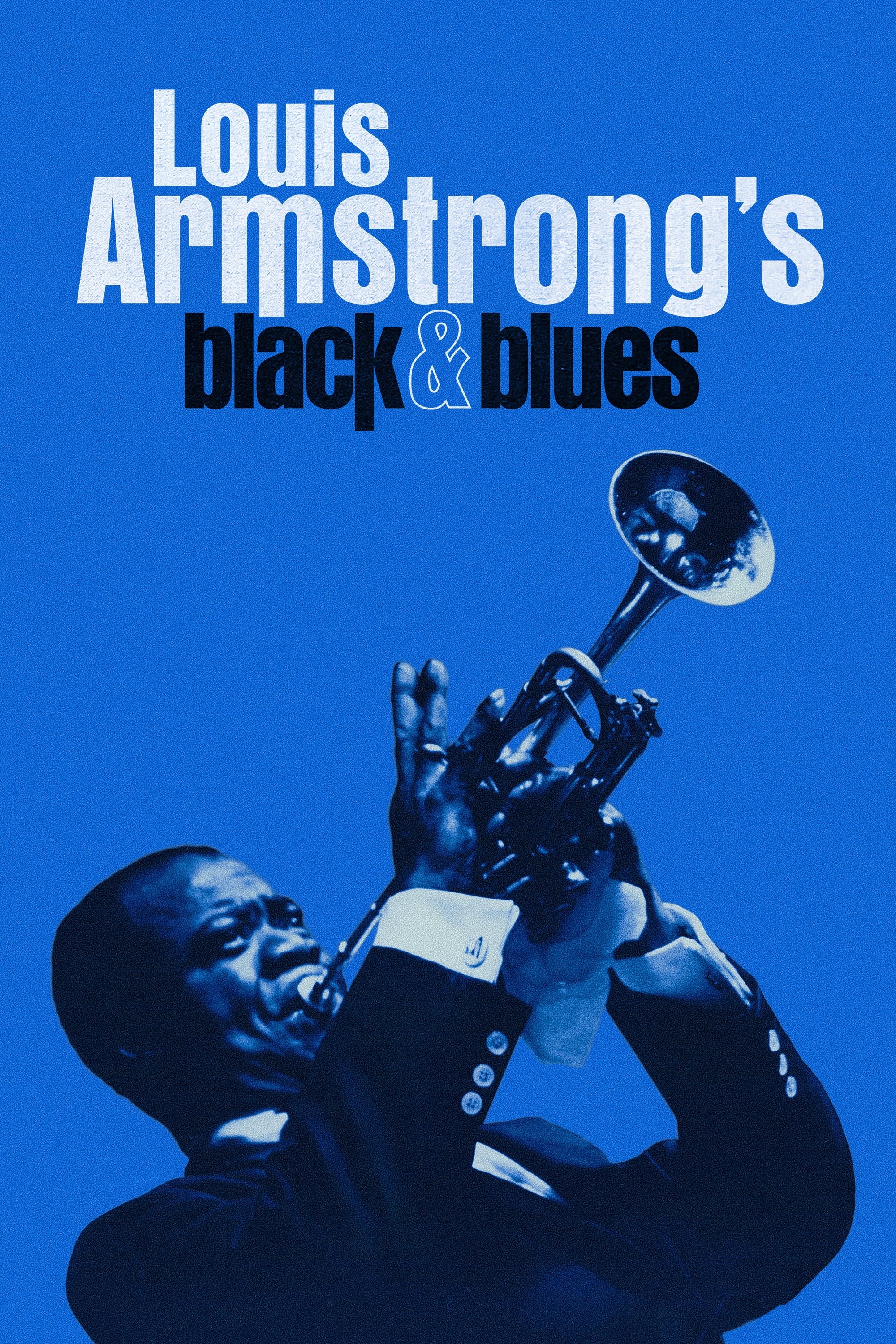
Never-before-heard personal recordings and archival footage tell the story of Louis Armstrong's life from his perspective. From musical phenom to civil rights activist to world-renowned artist, this illuminating film shows sides of Armstrong few have seen.
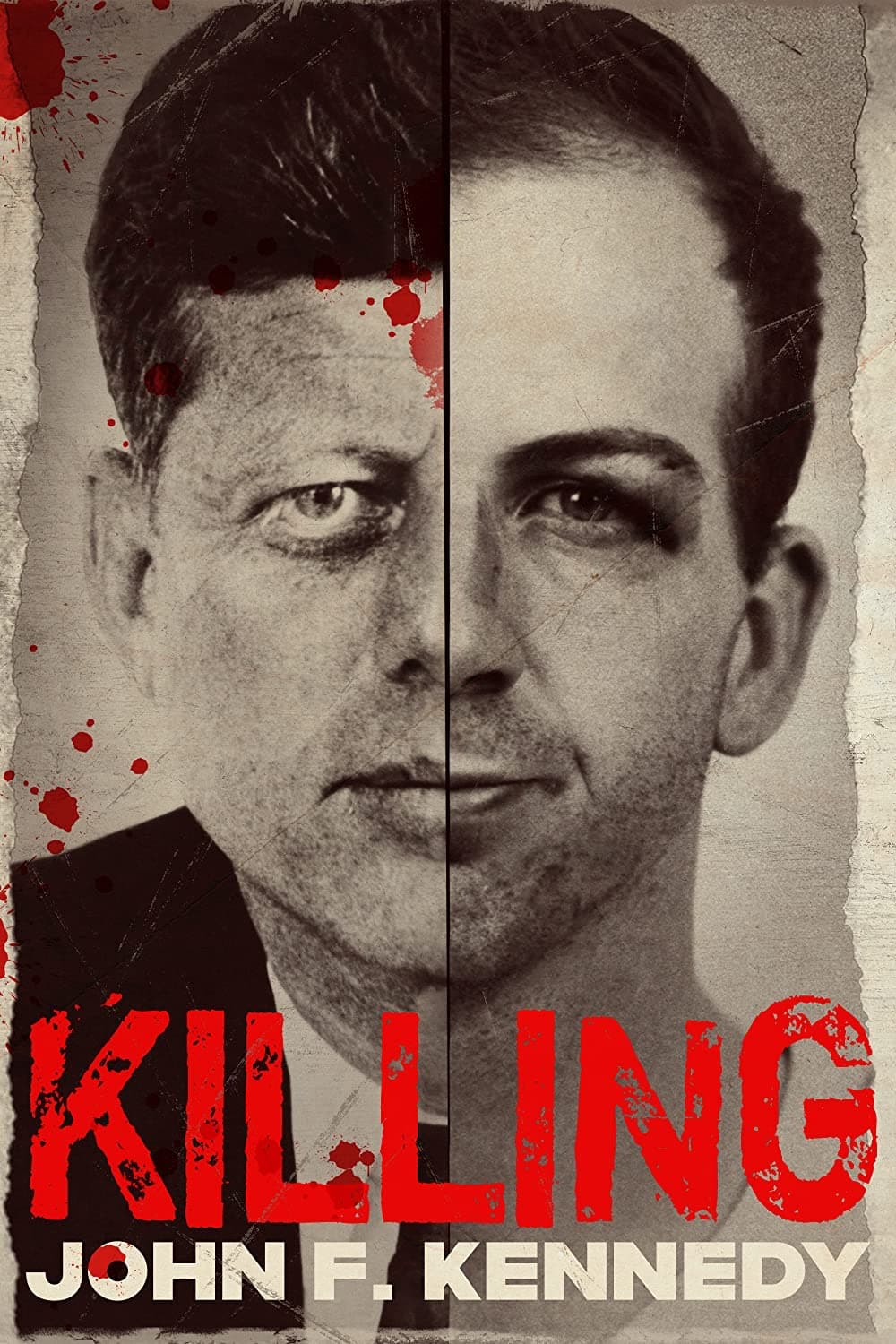
John F Kennedy was one of America's greatest presidents. He was the voice of the people who was a natural public speaker and a cool calm figure in front of the cameras. His influence helped push America through the most dangerous moments of the cold war, diffusing what could have been world nuclear destruction. But in November 1963, his life would come to a devastating end through the hands of an assassin. But who would kill one of the most popular presidents? Why was he a target? Join us as we investigate the life and career of JFK and ask the question...Who was really behind the killing of JFK?
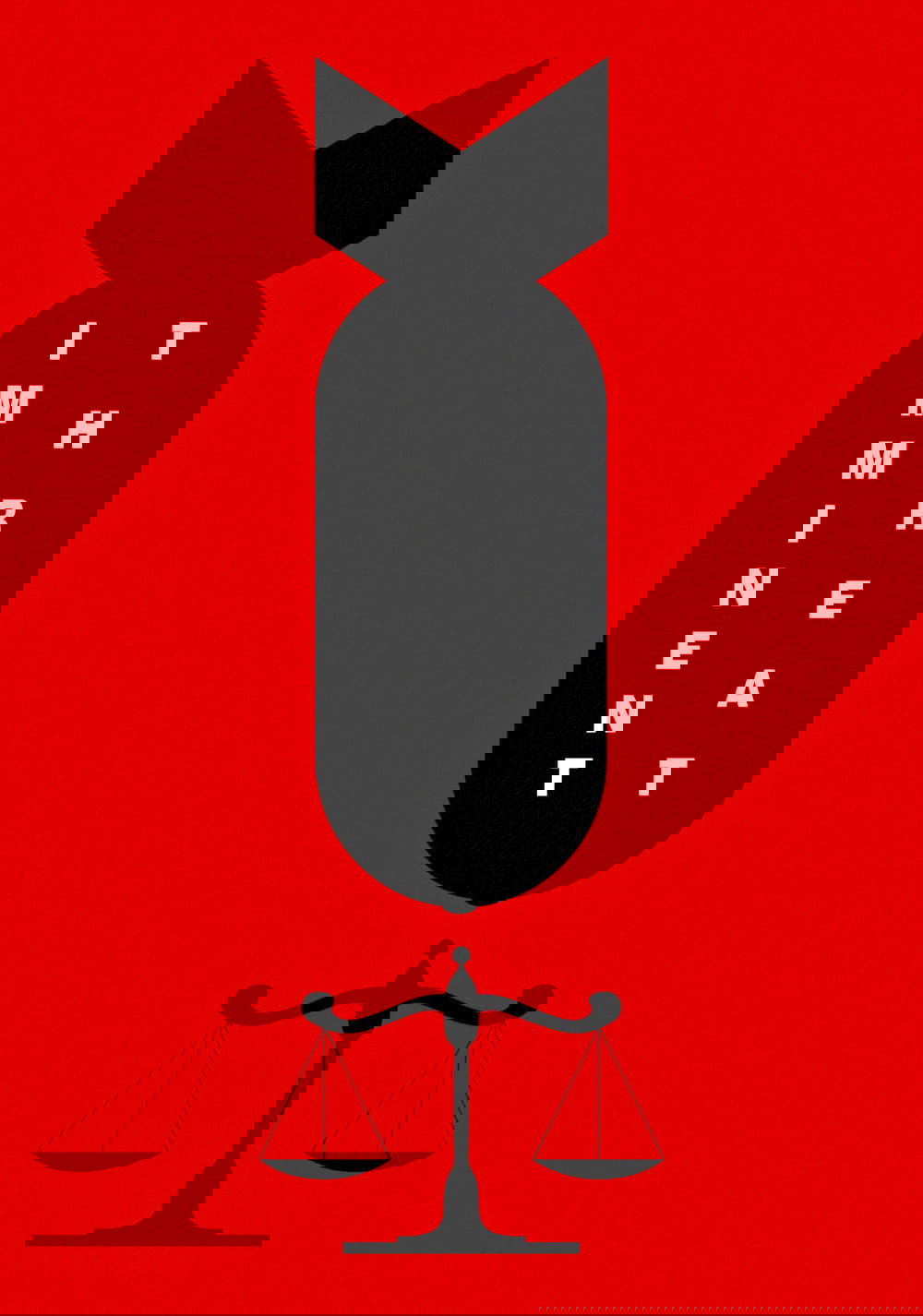
A look at the War on Terror and the threat it's causing to our civil liberties and political discourse. Academy Award nominee James Cromwell presents Janek Ambros' directorial debut. The feature doc tackles the War on Terror's impact on civil liberties and the strange coalition it's creating between the progressive left and libertarian right. The doc examines the NSA, drones, the war on journalism and other encroachments on civil liberties started by the Bush era and expanded by the Democratic establishment.
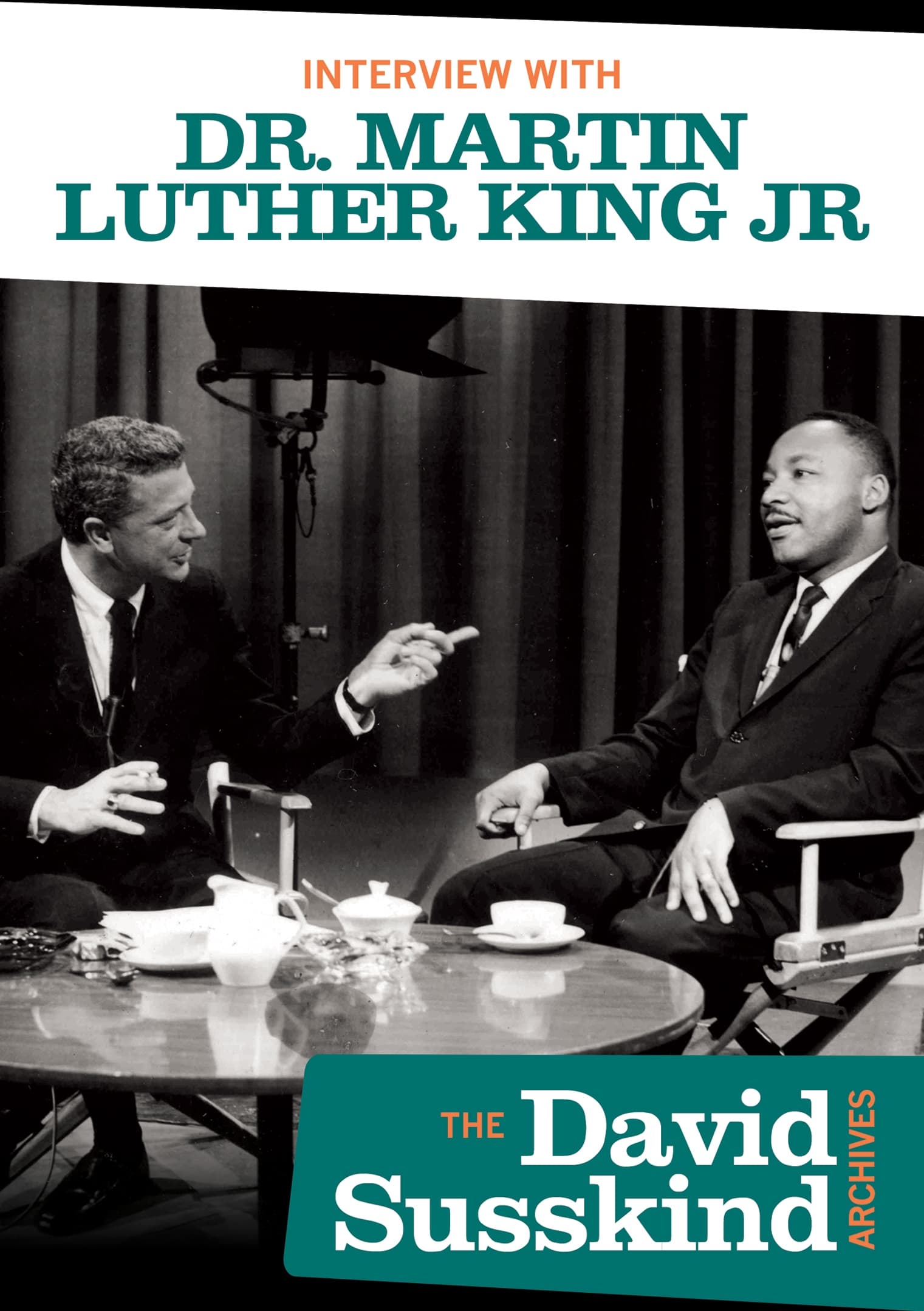
The historic interview that stopped JFK in his tracks...
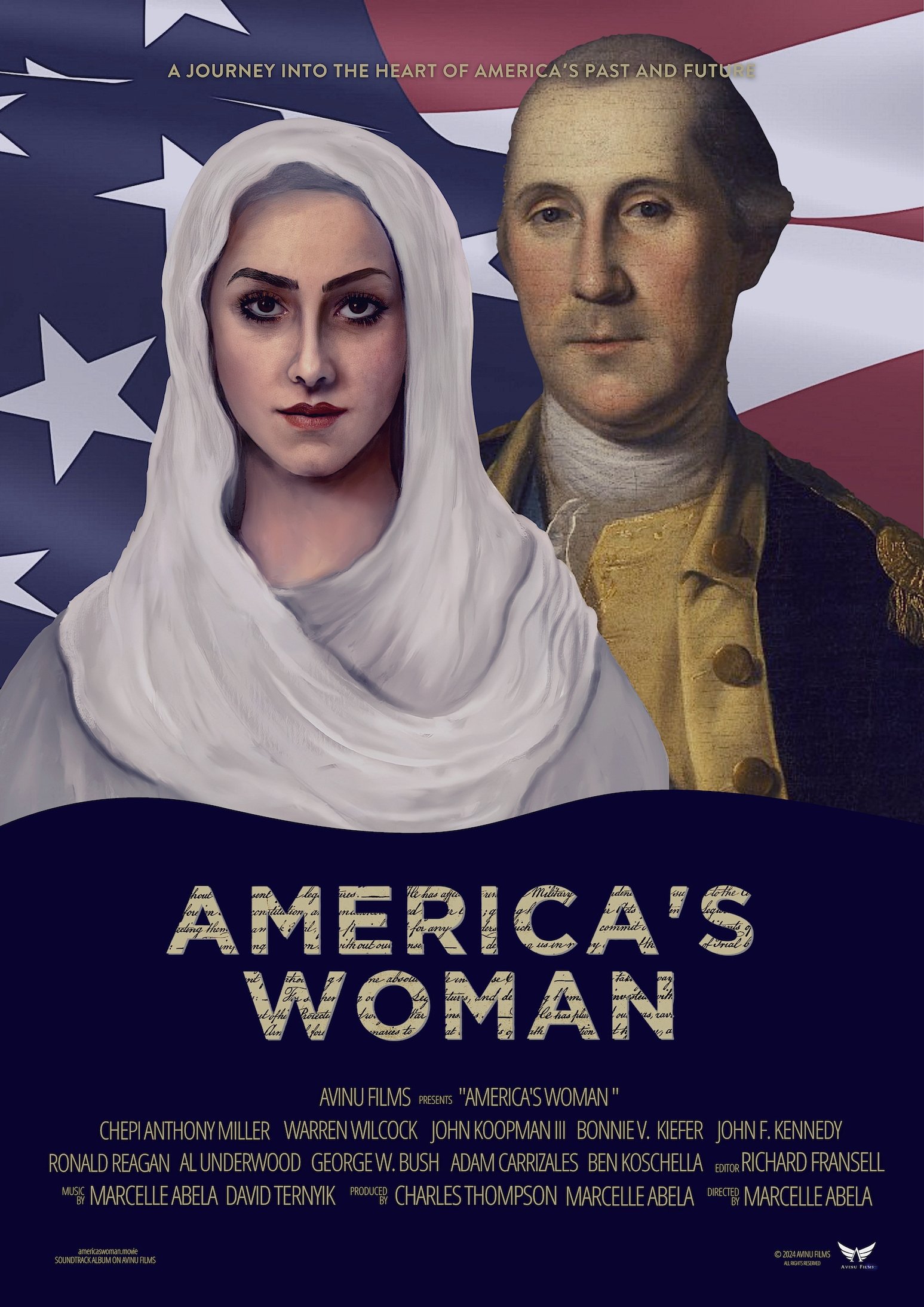
A journey into the heart of America's past and future. The story revolving around the mysterious woman, overlooked by historians, who had a profound influence on George Washington, his vision for America, and its independence – a vision that can deeply influence the nation’s present need for healing and unity.
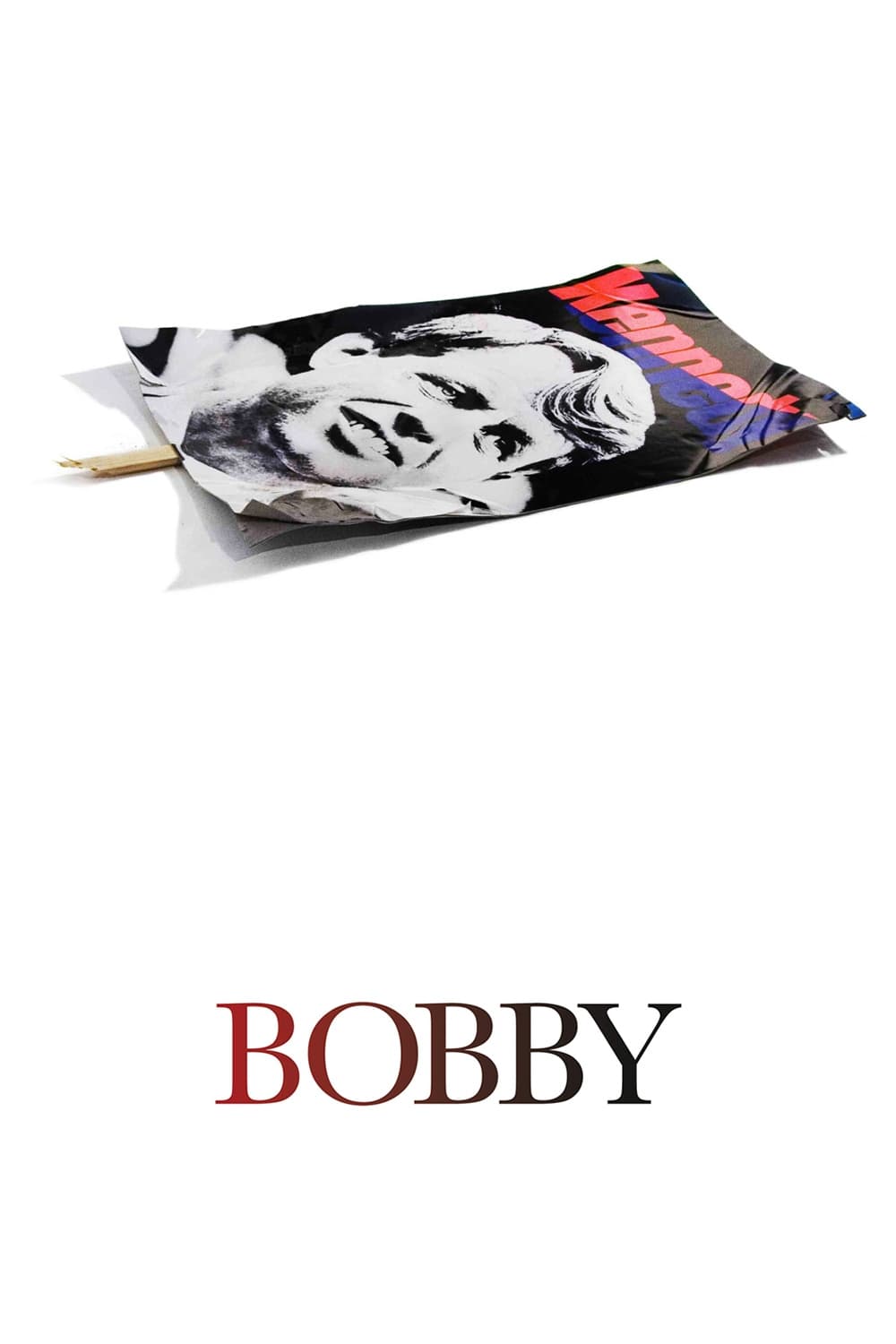
In 1968 the lives of a retired doorman, hotel manager, lounge singer, busboy, beautician and others intersect in the wake of Robert F. Kennedy's assassination at the Ambassador Hotel in Los Angeles.
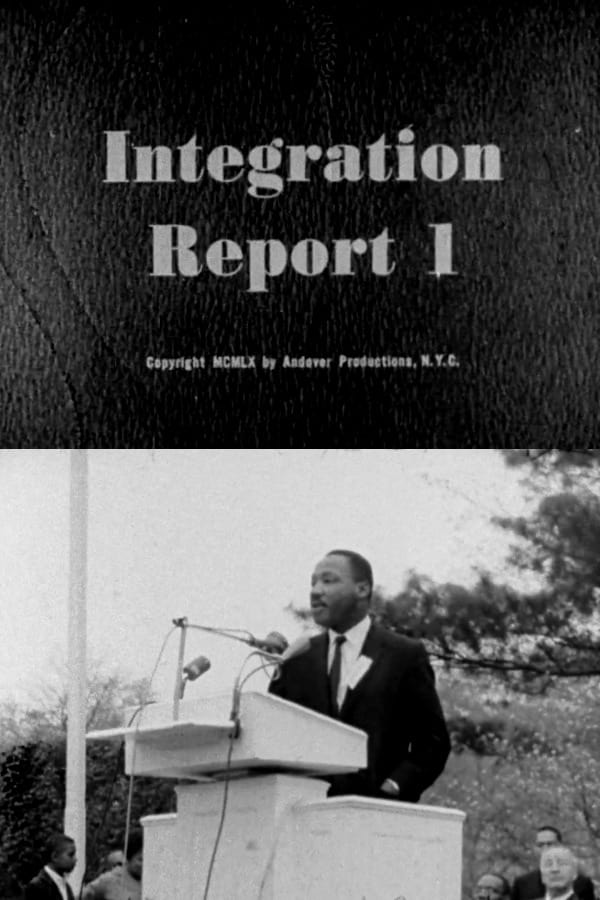
Integration Report 1, Madeline Anderson's trailblazing debut, was the first known documentary by an African American female director. With tenacity, empathy and skill, Anderson assembles a vital record of desegregation efforts around the country in 1959 and 1960, featuring footage by documentary legends Albert Maysles and Richard Leacock and early Black cameraman Robert Puello, singing by Maya Angelou, and narration by playwright Loften Mitchell. Anderson fleetly moves from sit-ins in Montgomery, Alabama to a speech by Martin Luther King Jr. in Washington, D.C. to a protest of the unprosecuted death in police custody of an unarmed Black man in Brooklyn, capturing the incredible reach and scope of the civil rights movement, and working with this diverse of footage, as she would later say, “like an artist with a palette using different colors.”
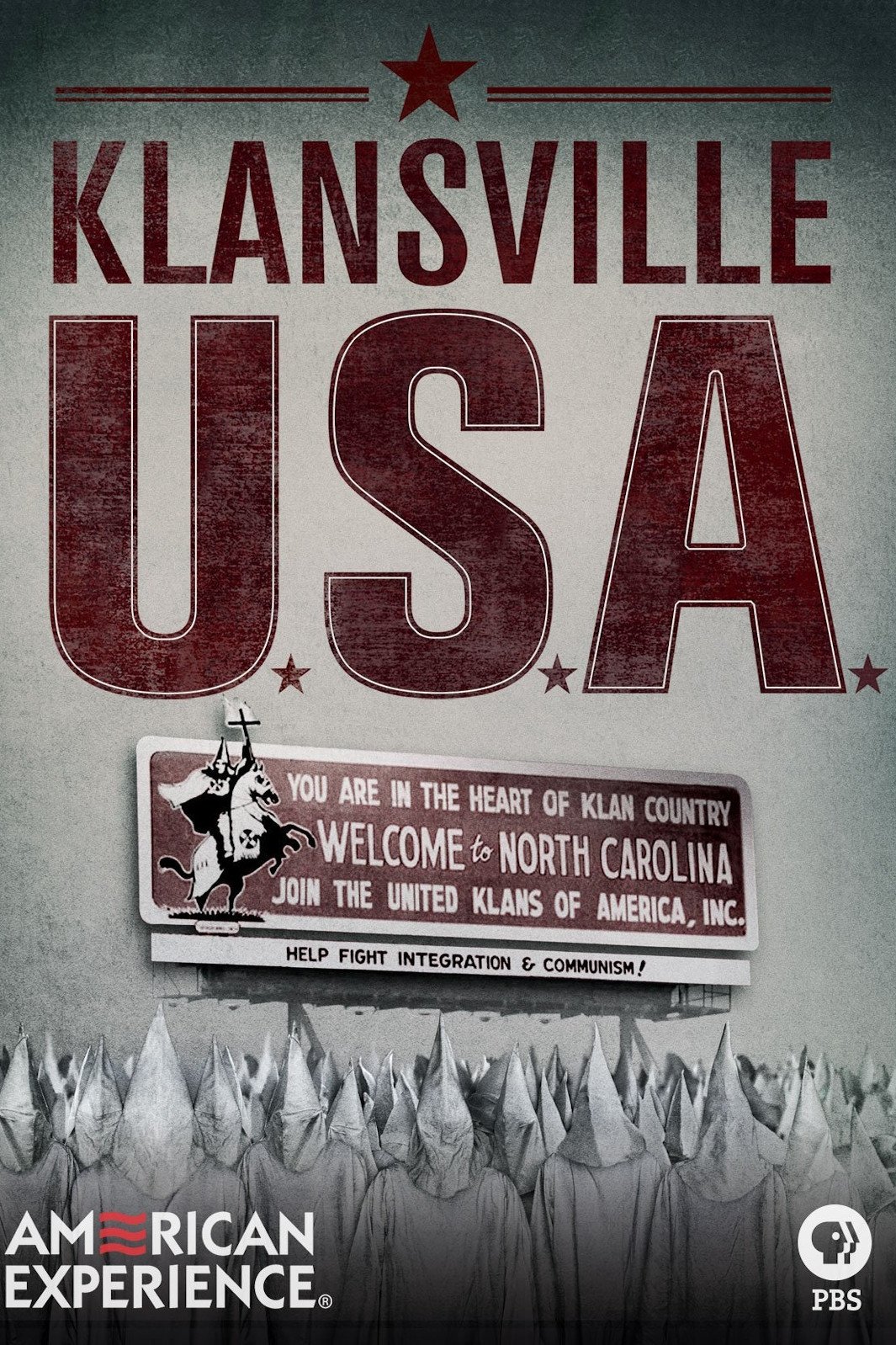
Investigates the reasons North Carolina, long seen as the most progressive state in the South, became home to the largest Klan organization in the country, with more members than all the other Southern states combined, during the 1960s.
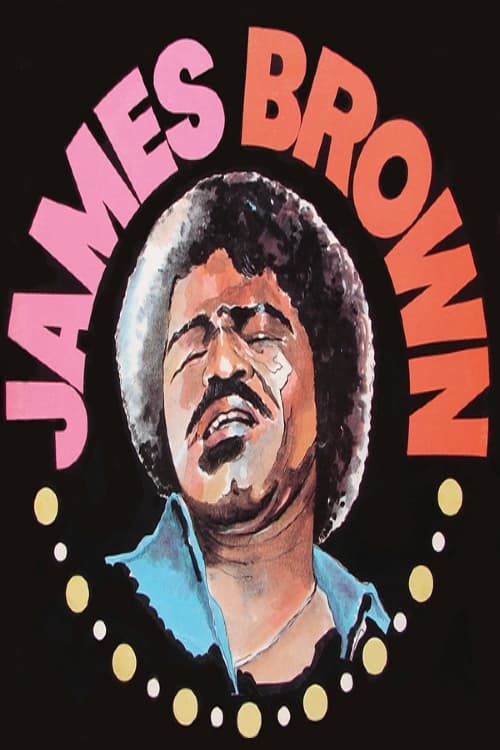
The James Brown Story
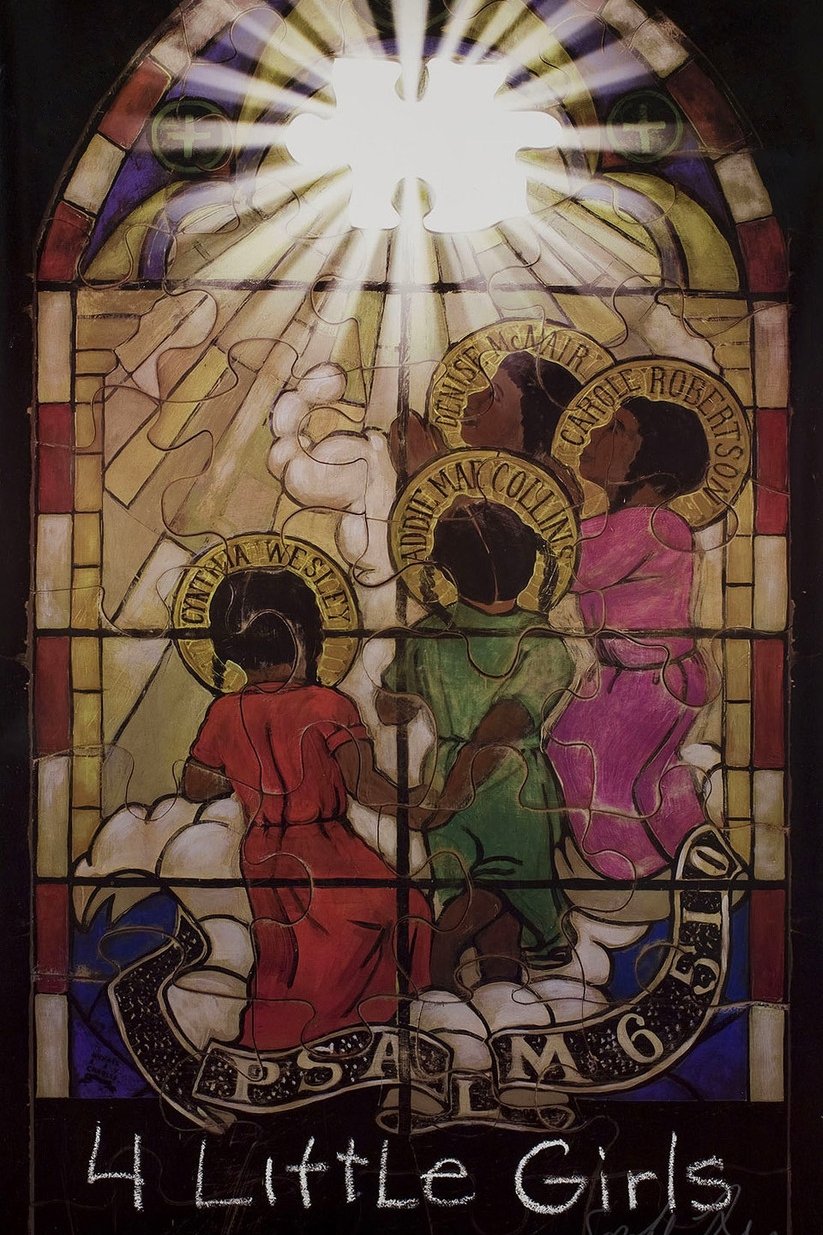
On September 15, 1963, a bomb destroyed a black church in Birmingham, Alabama, killing four young girls who were there for Sunday school. It was a crime that shocked the nation--and a defining moment in the history of the civil-rights movement. Spike Lee re-examines the full story of the bombing, including a revealing interview with former Alabama Governor George Wallace.
Relive an unspeakable tragedy detailed with unforgettable images, videos, and recordings only recently rediscovered.
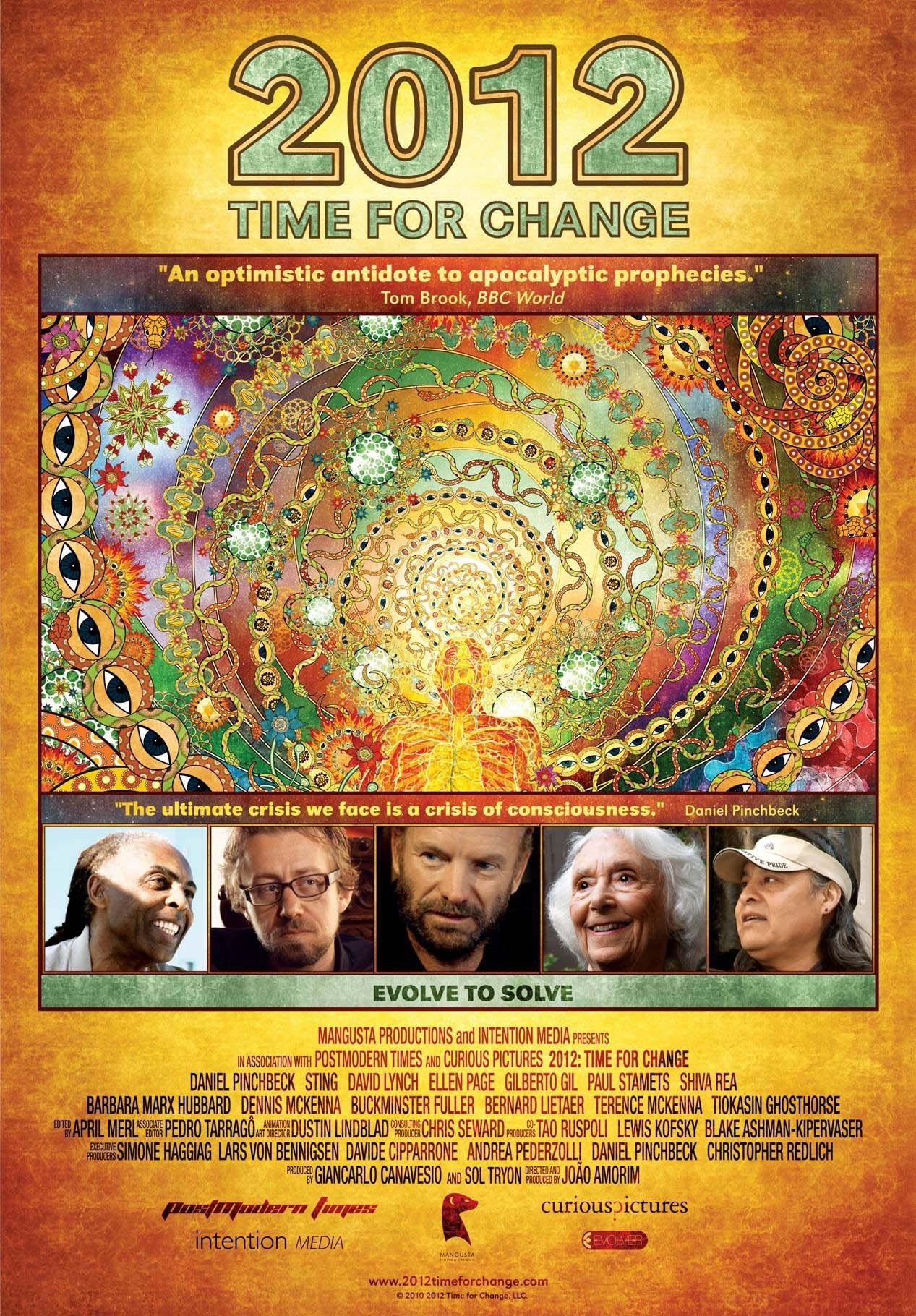
2012: Time For Change is a documentary feature that presents ways to transform our unsustainable society into a regenerative planetary culture. This can be achieved through a personal and global change of consciousness and the systemic implementation of ecological design.
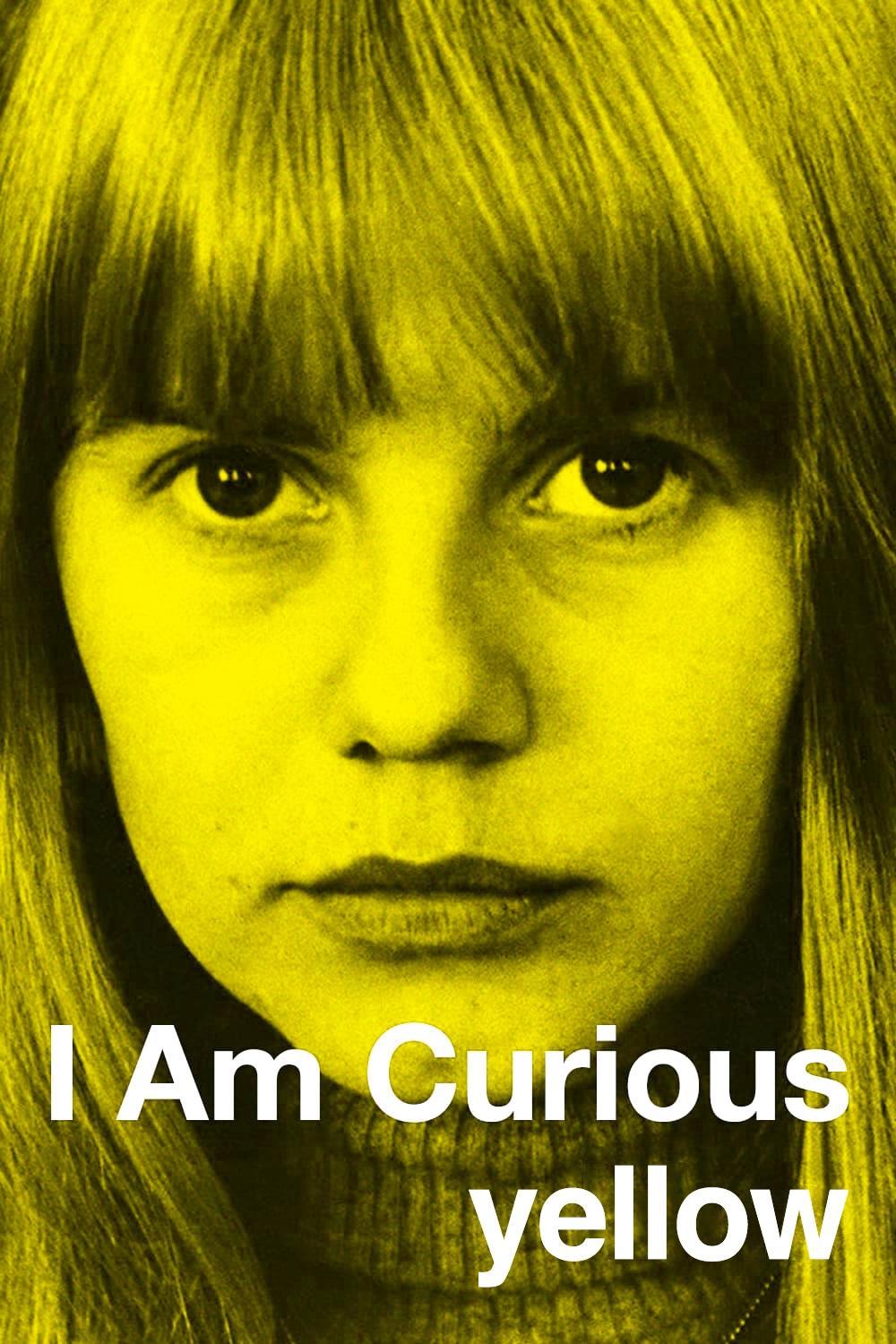
Lena, aged twenty, wants to know all she can about life and reality. She collects information on everyone and everything, storing her findings in an enormous archive. She experiments with relationships, political activism, and meditation. Meanwhile, the actors, director and crew are shown in a humorous parallel plot about the making of the film and their reactions to the story and each other. Nudity, explicit sex, and controversial politics kept this film from being shown in the US while its seizure by Customs was appealed.
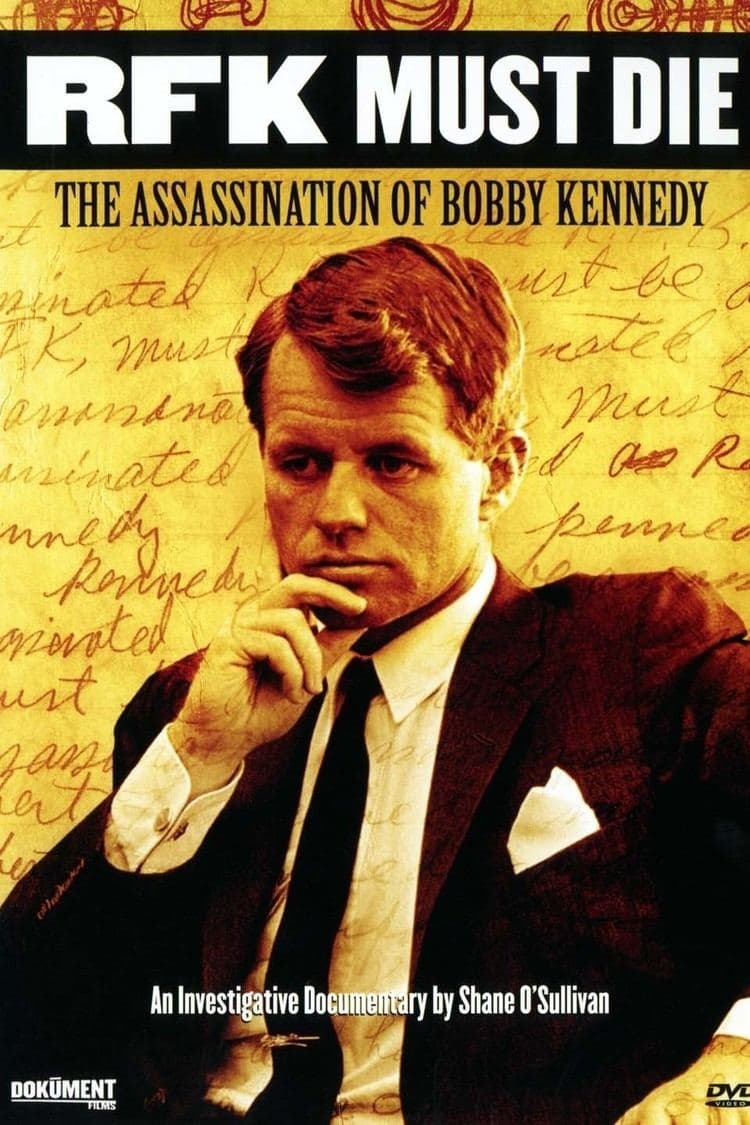
A new investigative documentary exploring the controversies surrounding the assassination of Bobby Kennedy on June 5, 1968 as he looked set to challenge Nixon for the White House. Munir Sirhan tells how his brother Sirhan has never been able to remember the shooting. Sandra Serrano speaks for the first time in forty years about the girl in the polka-dot dress fleeing the scene, yelling "We shot him! We shot him!" And Dr. Herbert Spiegel of Columbia University describes how Sirhan was hypnotically programmed to kill Robert Kennedy.
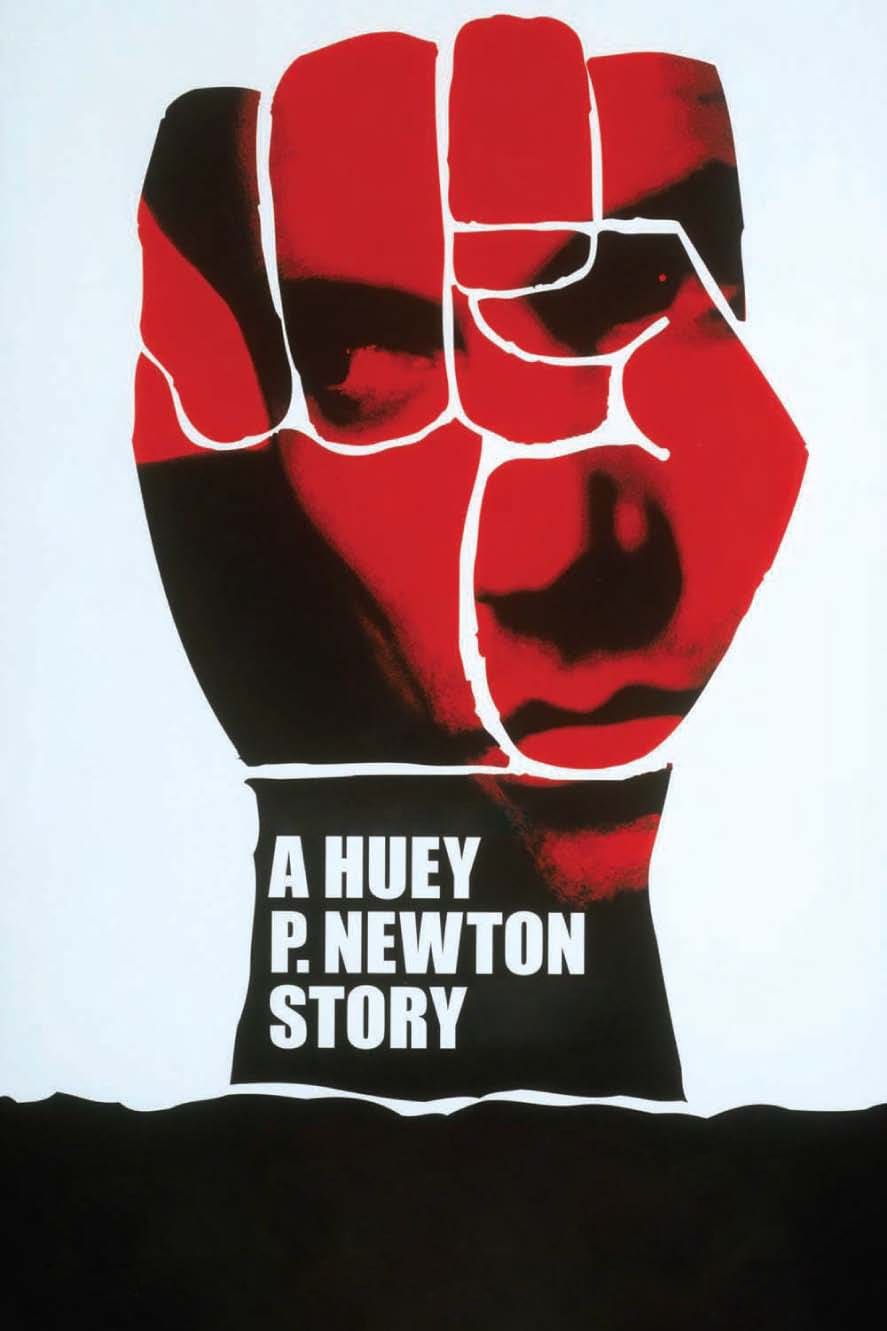
The story of how the radical Huey P. Newton developed the Black Panther Party based on his 10-point program for social reform.
Documentary film on events that happened on August 28th in African-American history, shown at the Smithsonian African-American History Museum.
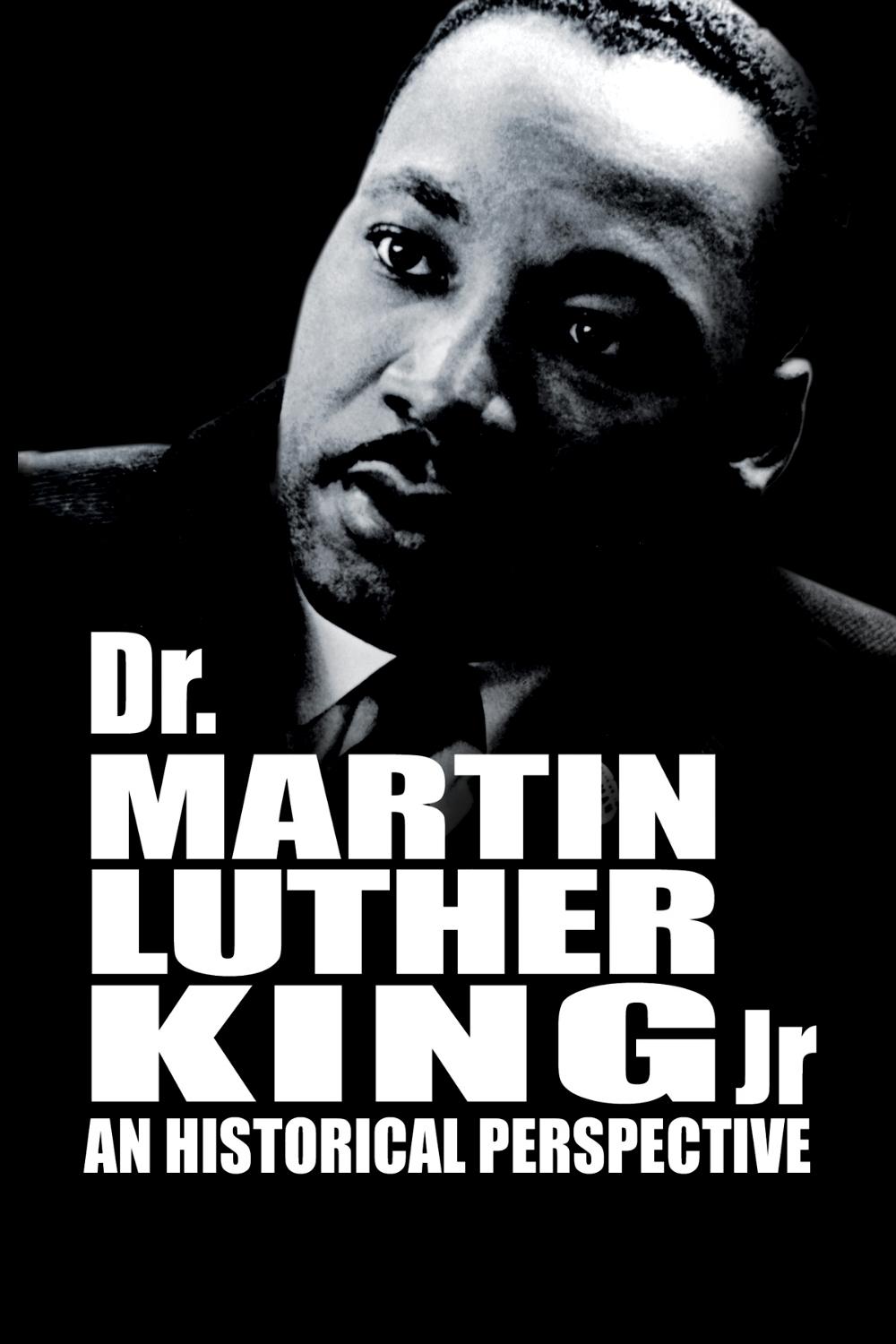
Documentary film focuses on the Civil Rights leader's many groundbreaking accomplishments. Footage covers Dr. King's war on poverty and his staunch opposition to the Vietnam War. Also included is his stirring "I Have a Dream" speech.

This feature documentary deeply explores Dr. King, his experience, his legacy and the Movement at large through key events – The Montgomery Bus Boycott, The Birmingham Campaign, March on Washington, the Selma Movement and Assassination and Legacy.

Speech-making is the art of persuasion. Well-honed rhetoric appeals not just to the mind, but to the heart and, deeper down, in the guts. Examining the speeches that provoked radical change, surprised pundits or shocked listeners, poet Simon Armitage dissects what makes a perfect speech. Simon gets the inside story behind some of the famous speeches of the modern age, talking to Tony Blair's speechwriter, to Earl Spencer on his controversial address at his sister's funeral and the woman who challenged the rioters in Hackney. We hear how Peter Tatchell confronted the BNP, Paul Boateng on how Enoch Powell's divisive speech personally affected him as a child, and Colonel Tim Collins, whose charge was to motivate his troops on the eve of the Iraq war. Simon discusses the nuts and bolts of speech writing with Vincent Franklin, aka the blue-sky thinking guru Stuart Pearson from The Thick of It, and gets tips on powerful delivery from actor Charles Dance.
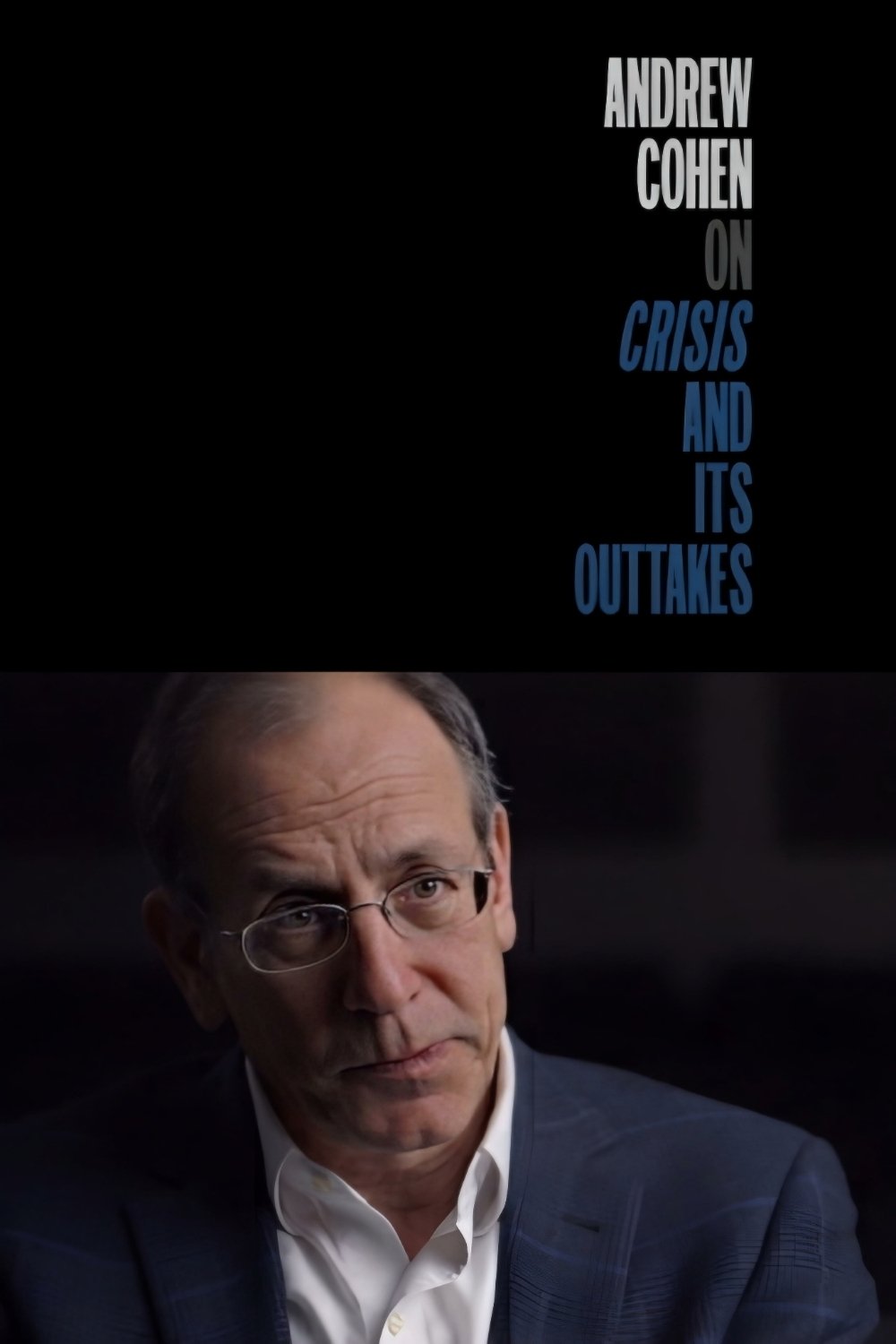
Historian Andrew Cohen discusses Robert Drew's 1963 documentary Crisis: Behind a Presidential Commitment.
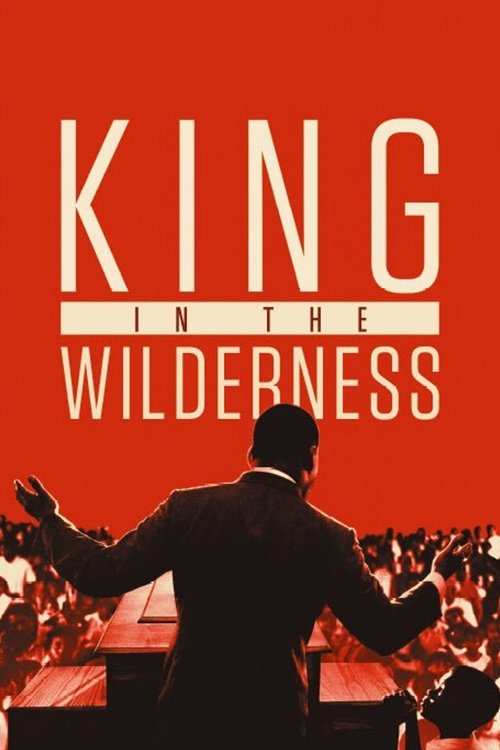
A chronicle of the final chapters of Dr. Martin Luther King Jr.’s life, revealing a conflicted leader who faced an onslaught of criticism from both sides of the political spectrum.
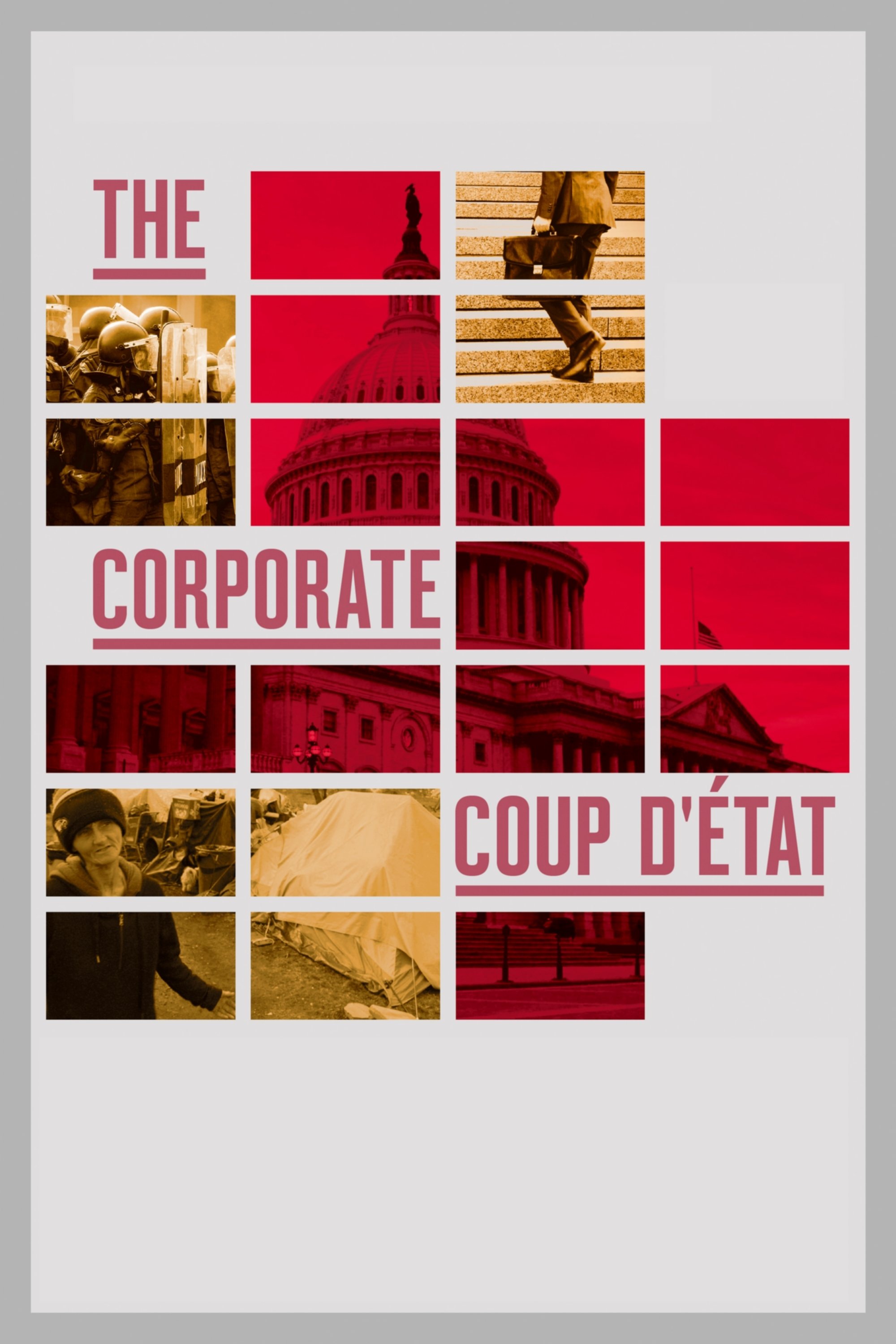
A democracy should protect its most vulnerable citizens, but increasingly the United States is failing to do so. This investigation blends the insights of experts with the experiences of citizens of the Rust Belt in the Midwest where the steel industry once flourished, but where closures and outsourcing have left urban areas desolate. It is here where Donald Trump finds some of his most fervent supporters.
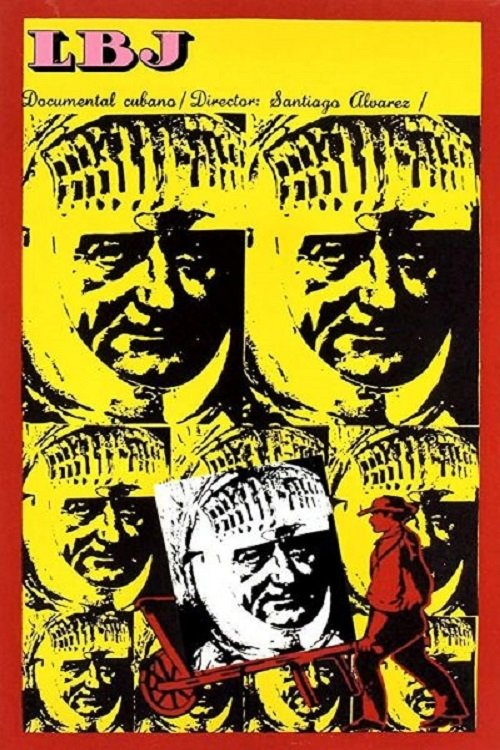
This is a montage of different images from the JFK, Martin Luther King and Bobby Kennedy triumphs and assassinations, all three events being observed by Lyndon Johnson as the dark figure who is plotting the anti-black rights movement.

A chronicle of Bob Dylan's strange evolution between 1961 and 1966 from folk singer to protest singer to "voice of a generation" to rock star.
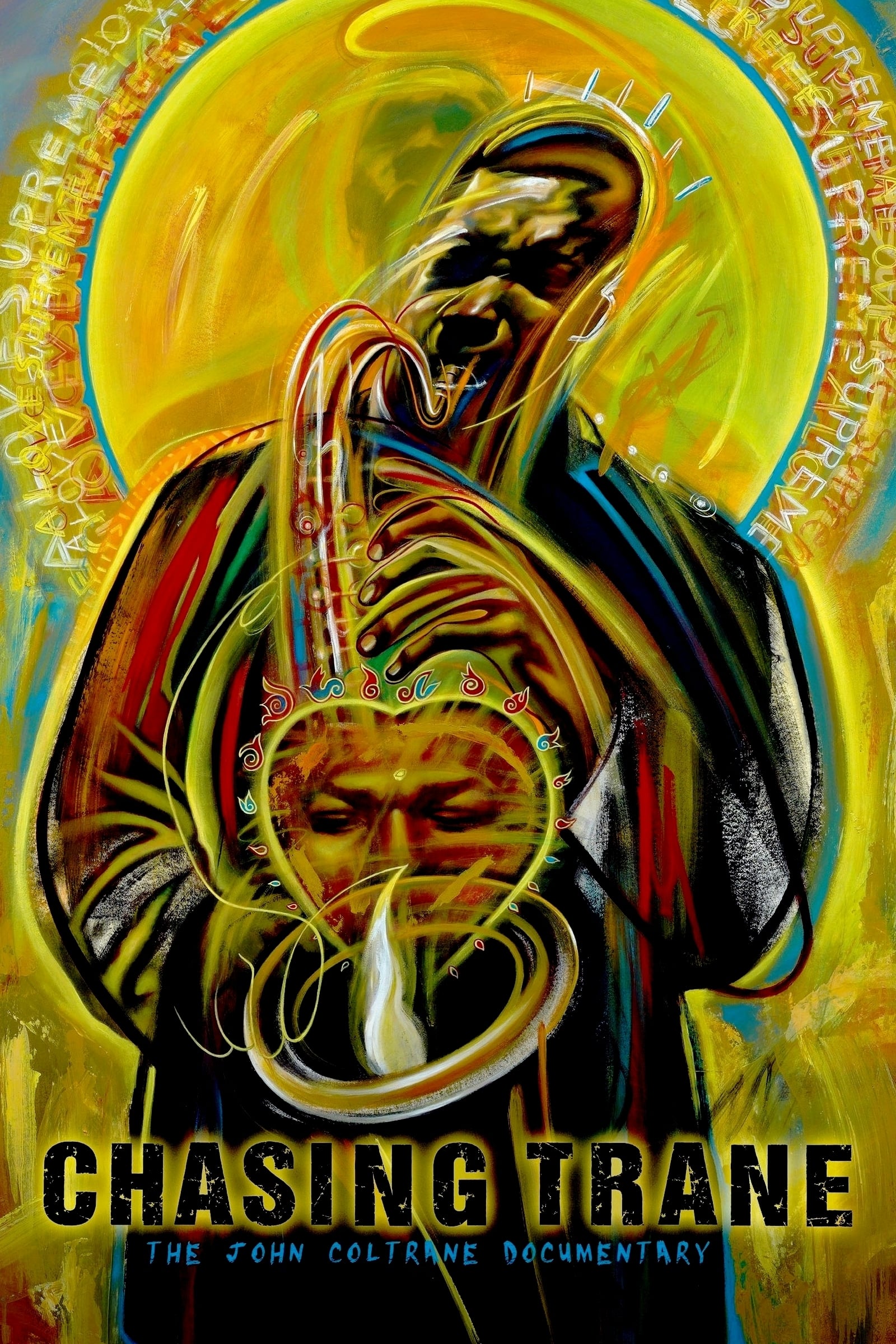
An account of the life of the brilliant jazz musician John Coltrane (1926-67), a gifted saxophonist, an extraordinarily talented thinker whose original, avant-garde work has impacted and influenced people all over the world. A story about music's ability to entertain, inspire and transform.
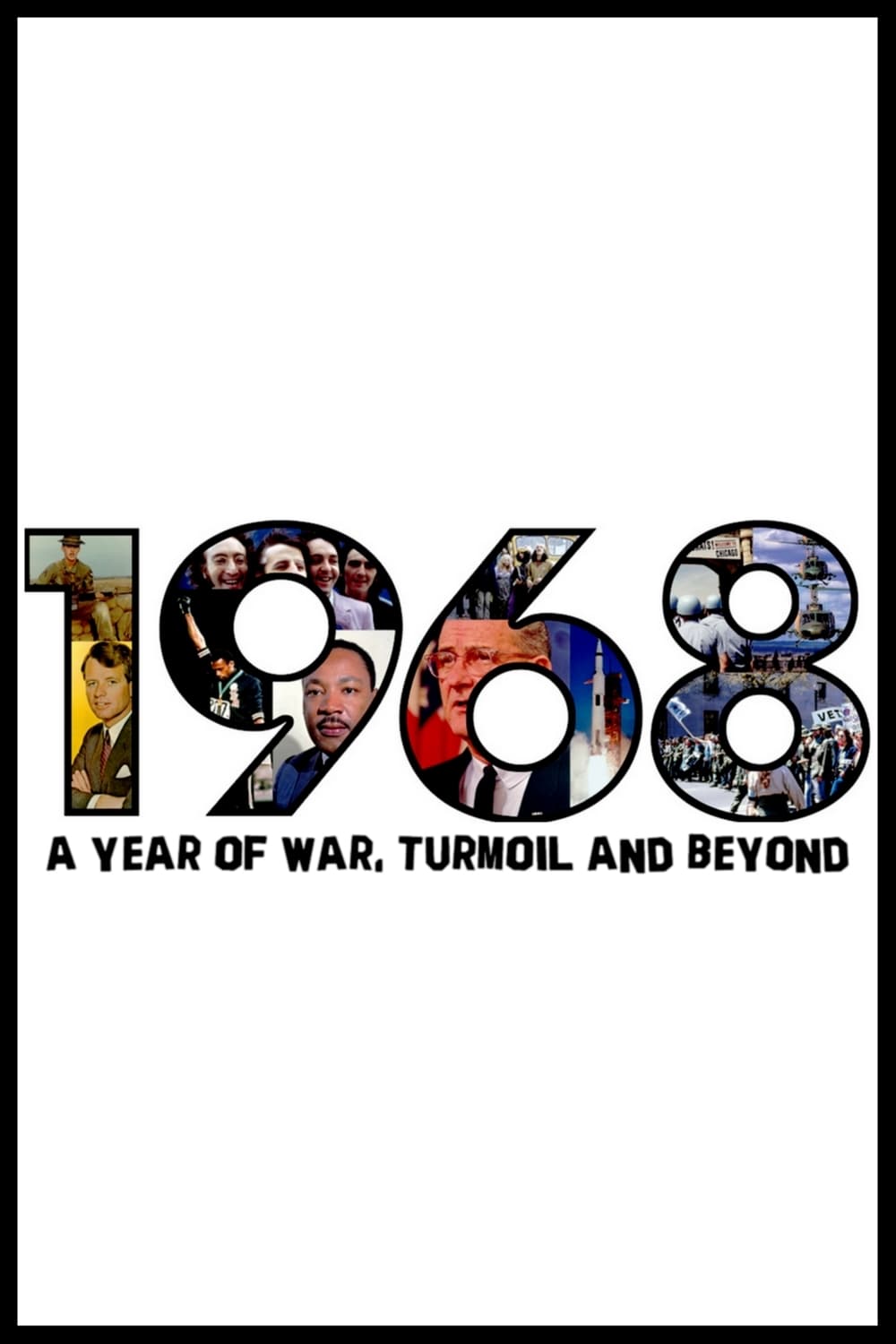
The Tet Offensive during the Vietnam War, the Civil Rights Movement, the May events in France, the assassinations of Martin Luther King and Robert F. Kennedy, the Prague Spring, the Chicago riots, the Mexico Summer Olympics, the presidential election of Richard Nixon, the Apollo 8 space mission, the hippies and the Yippies, Bullitt and the living dead. Once upon a time the year 1968.
"England 79" - 17 scenes from Great Britain the winter of discontent, 1979.
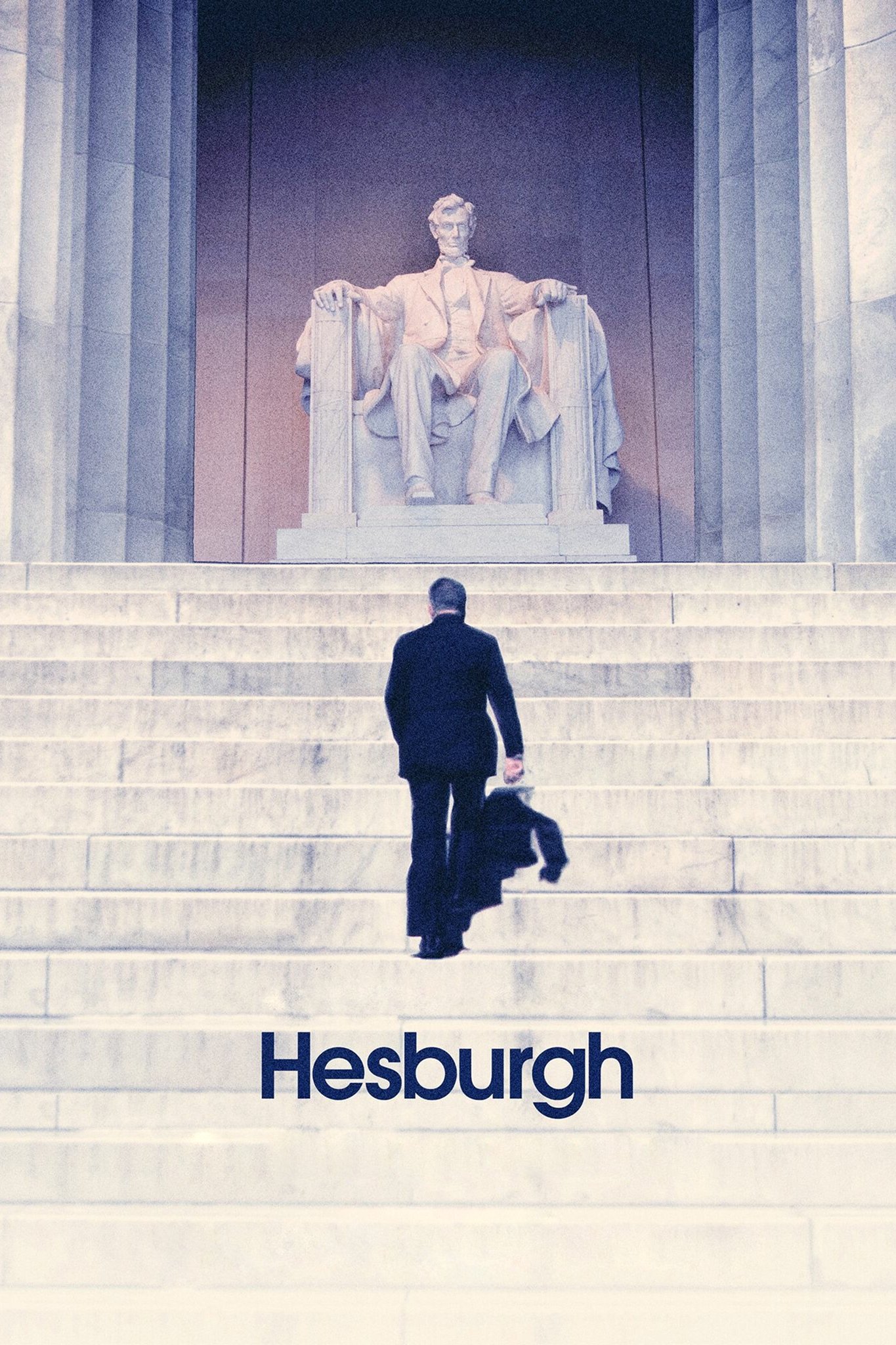
He counseled presidents and popes, served on corporate boards and infuriated Richard Nixon. He was one of the only friends to whom Ann Landers turned for advice. During his 35 years as president of the University of Notre Dame, Theodore Hesburgh became one of the most influential and inspiring people of the 20th century.
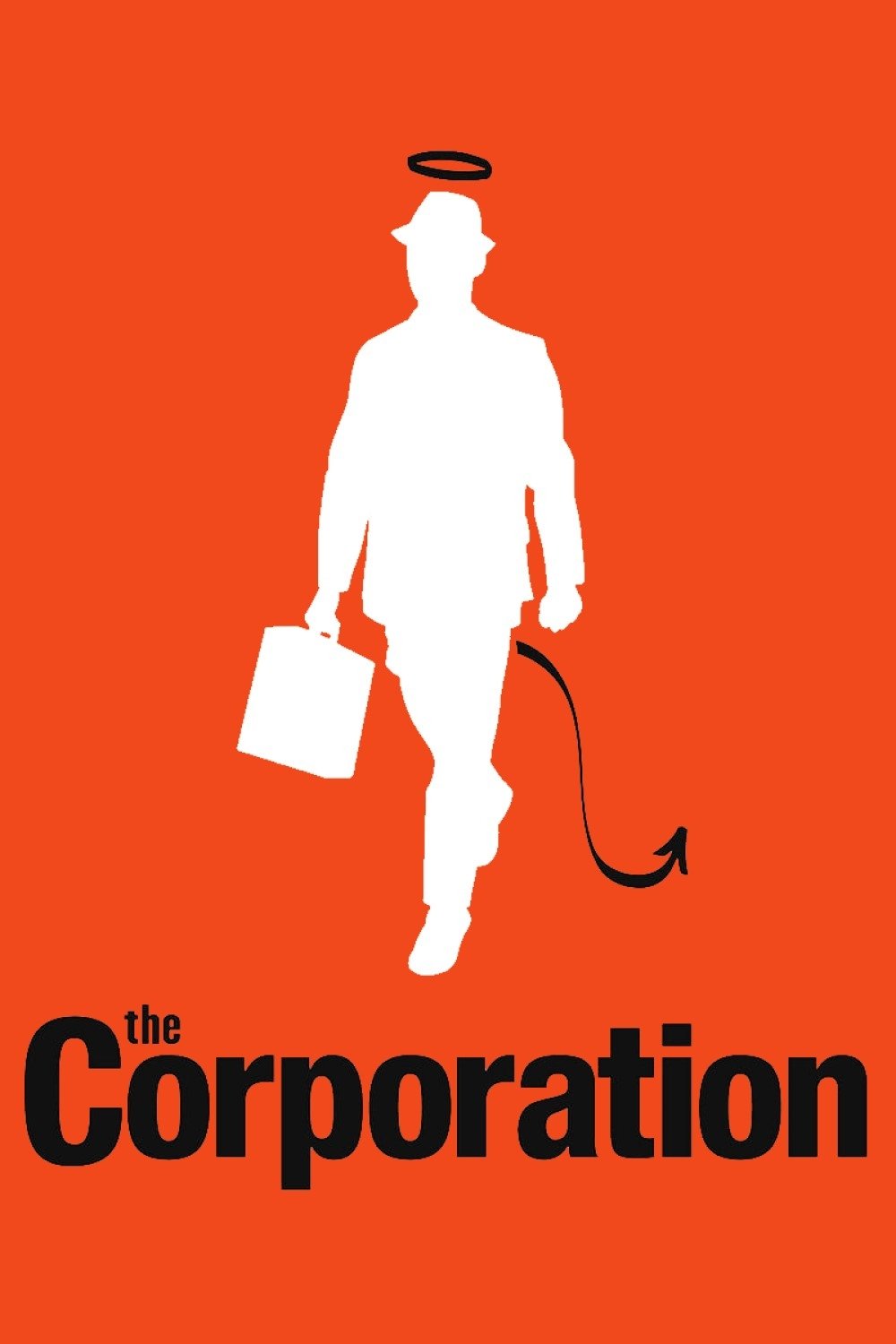
Since the late 18th century American legal decision that the business corporation organizational model is legally a person, it has become a dominant economic, political and social force around the globe. This film takes an in-depth psychological examination of the organization model through various case studies. What the study illustrates is that in the its behaviour, this type of "person" typically acts like a dangerously destructive psychopath without conscience. Furthermore, we see the profound threat this psychopath has for our world and our future, but also how the people with courage, intelligence and determination can do to stop it.
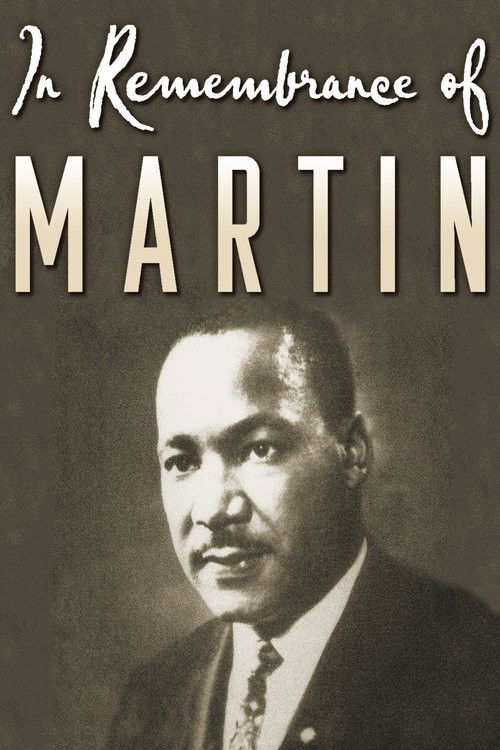
Personal comments from family, friends, and advisors fill this remarkable documentary honoring Dr. Martin Luther King, Jr. Coretta Scott King joins the Reverend Ralph Abernathy, Julian Bond, Jimmy Carter, the Reverend Jesse Jackson, Senator Edward Kennedy, John Lewis, Bishop Desmond Tutu, and Andrew Young, who recall Dr. King's career and trace his leadership in the civil rights movement. Includes portions of his "I Have a Dream" speech.
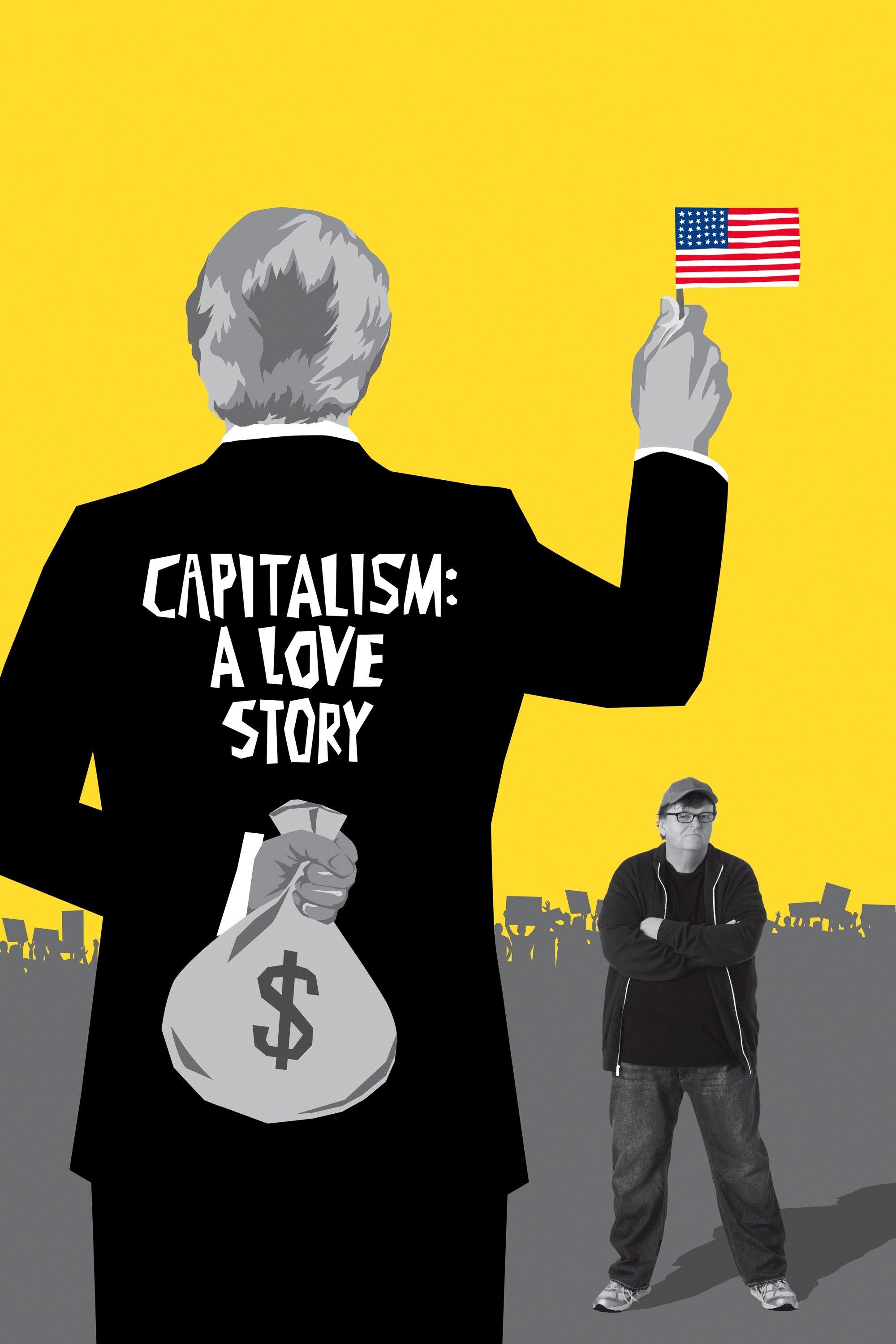
Michael Moore comes home to the issue he's been examining throughout his career: the disastrous impact of corporate dominance on the everyday lives of Americans (and by default, the rest of the world).
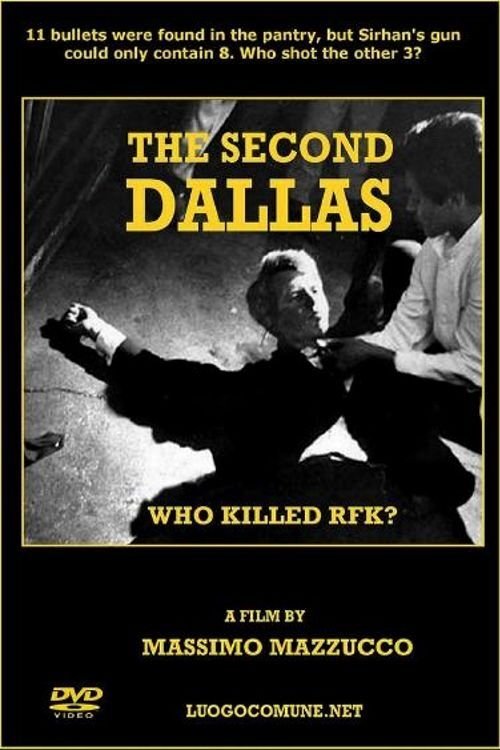
As with the plot to frame Lee Harvey Oswald, the verdict on Robert Kennedy's murder was decided even before the case went to court. A lone, deranged assassin has always been the best way to explain away, and distract attention from, much more intricate conspiracies. This landmark documentary summarizes the best evidence that has ever emerged, contradicting the official story of Robert Kennedy's assassination. While sold by the corporate media as an open and shut case against "Palestinian radical" Sirhan Sirhan, this riveting film presents meticulously researched evidence, by several independent investigators, exposing outrageous procedure violations, blatant forgeries, and unexplained dismissals on the part of the authorities, revealing a world-class cover-up.
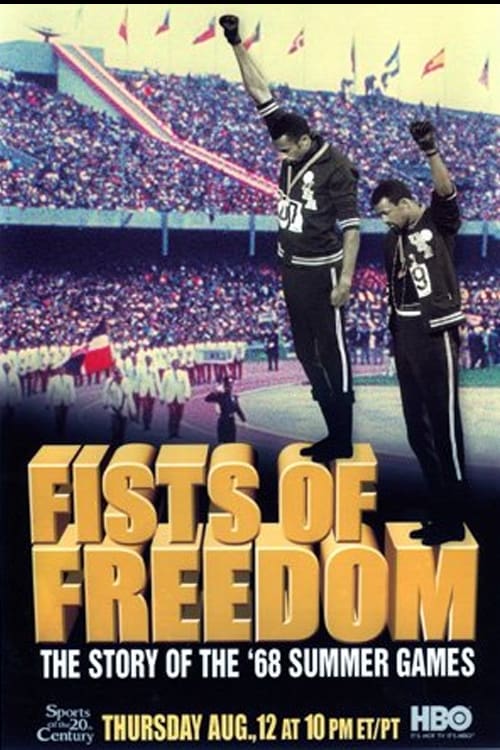
Fists of Freedom examines one of the 20th century’s most memorable moments — the dramatic “Black Power” demonstration of American sprinters Tommie Smith and John Carlos on the victory stand at the 1968 Summer games in Mexico City. Using rare footage, archival photos and interviews with key figures from the era, revisit a pivotal event in American history.
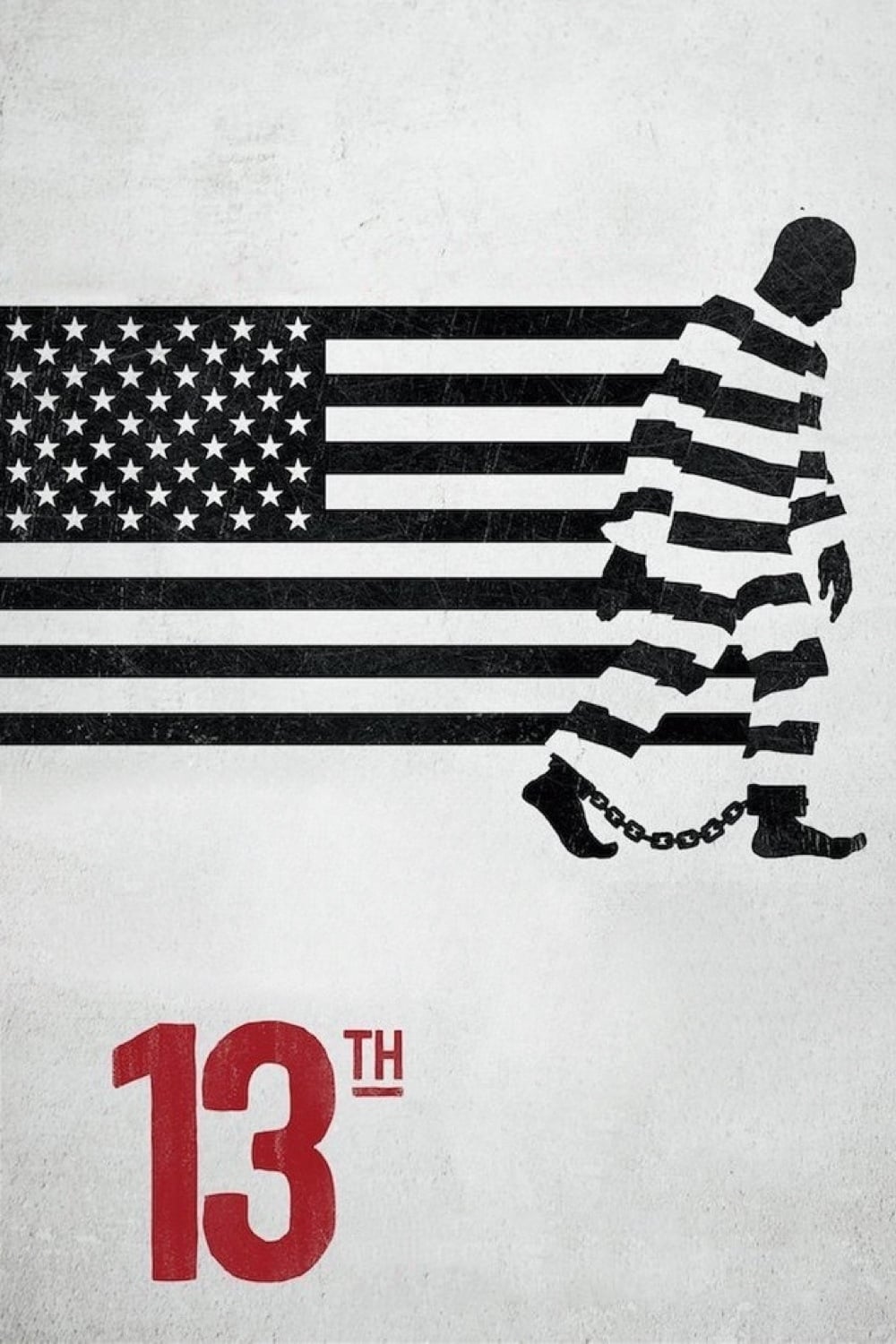
An in-depth look at the prison system in the United States and how it reveals the nation's history of racial inequality.
"This film explores how freedom of speech — including dissent — is afforded to all Americans, and shows freedom of expression in art, music, dance, architecture, and science. The film also emphasizes the importance of the individual’s contribution to the whole of society and demonstrates how a productive and creative society is formed by the open and respectful exchange of ideas. The film was written, produced, and directed by William Greaves" (National Archives).
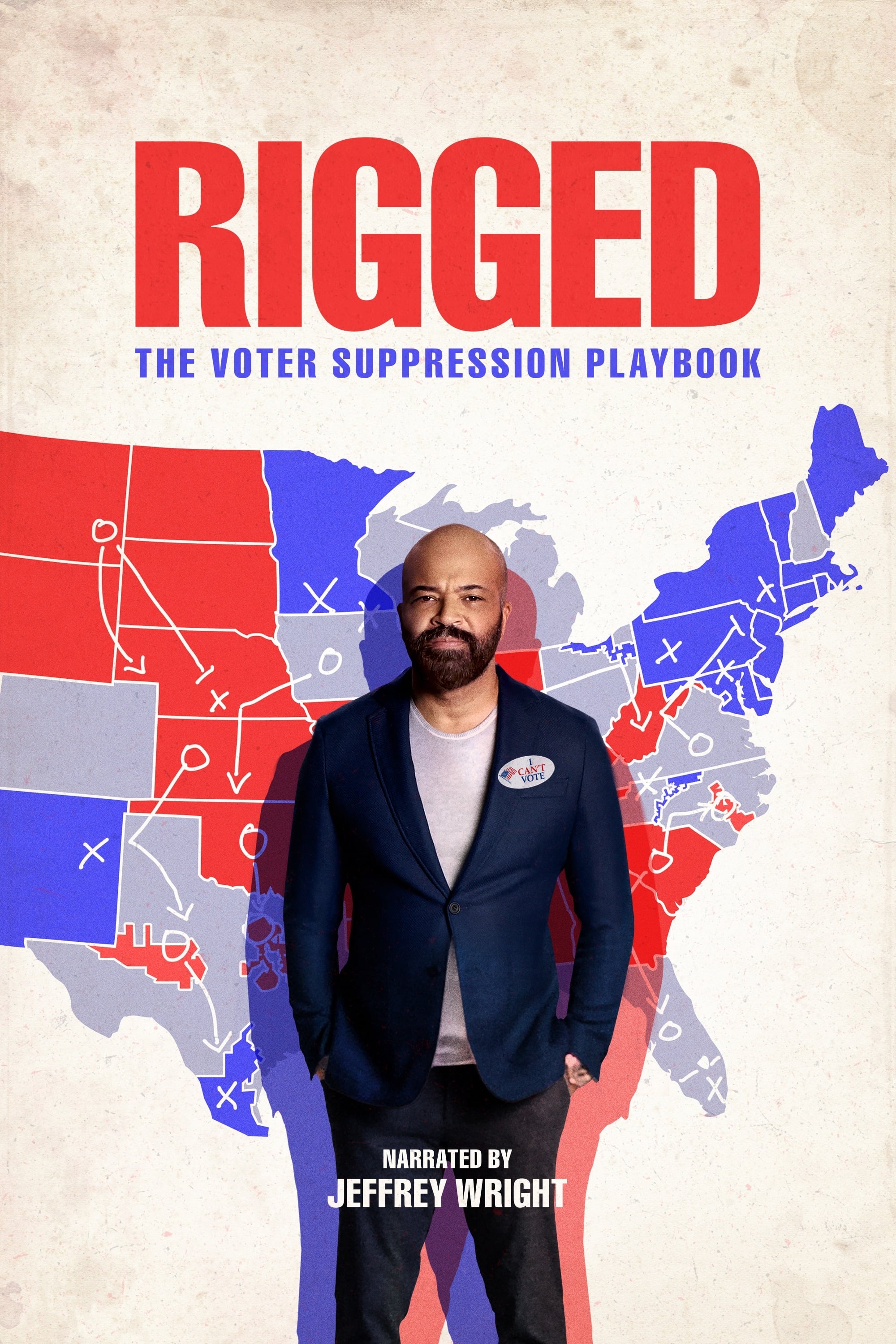
"Rigged" shows viewers just what Republicans did – and continue to do – from creating new barriers to voter registration, to purging American citizens from the voting rolls without notice, to new and deliberate impediments to casting a vote. In addition, the film shows how GOP activists developed an elaborate but false narrative of widespread voter fraud in order to justify the necessity for new and draconian voting restrictions.
A 1964-1973 Retrospective for homecoming POWs.
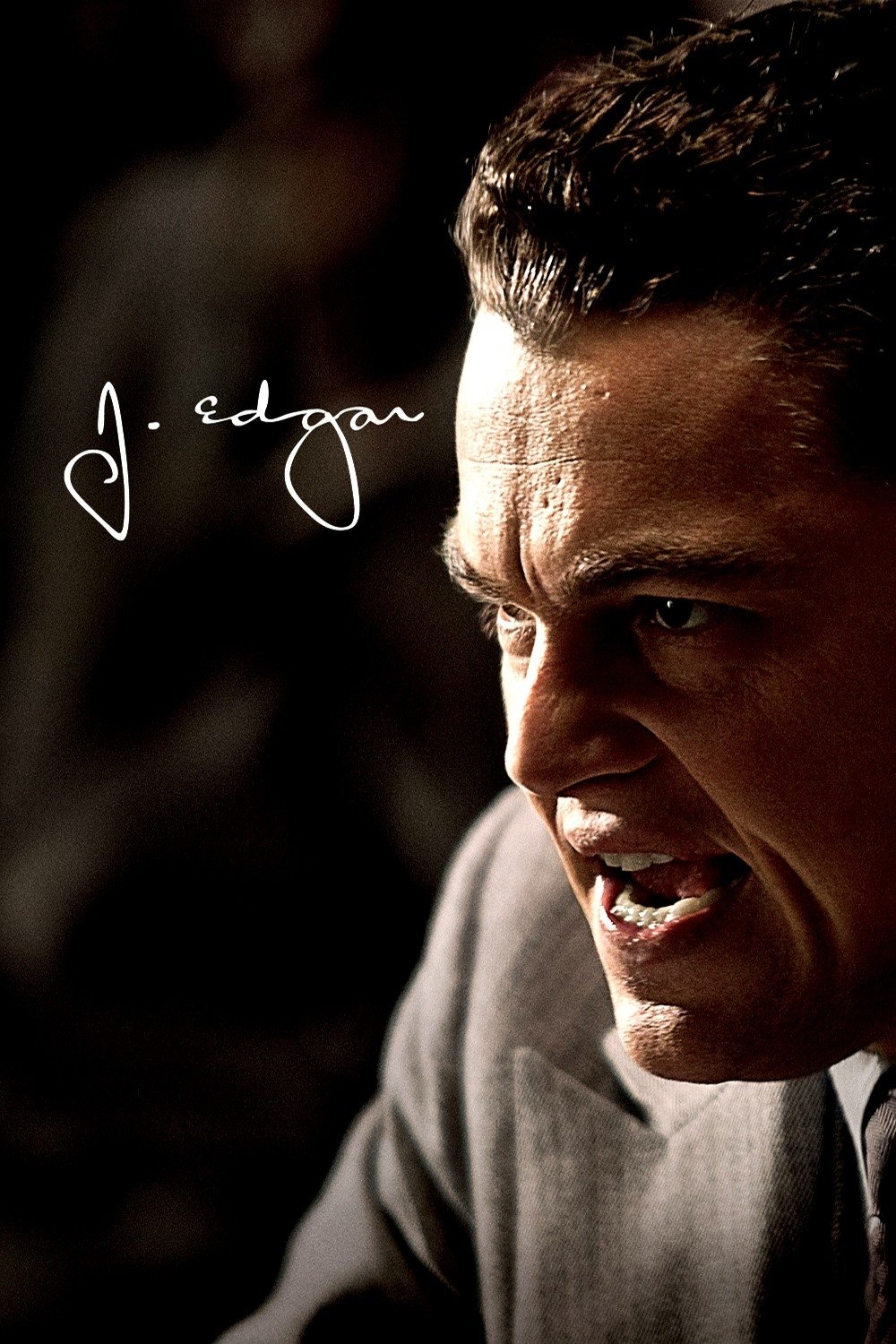
As the face of law enforcement in the United States for almost 50 years, J. Edgar Hoover was feared and admired, reviled and revered. But behind closed doors, he held secrets that would have destroyed his image, his career, and his life.
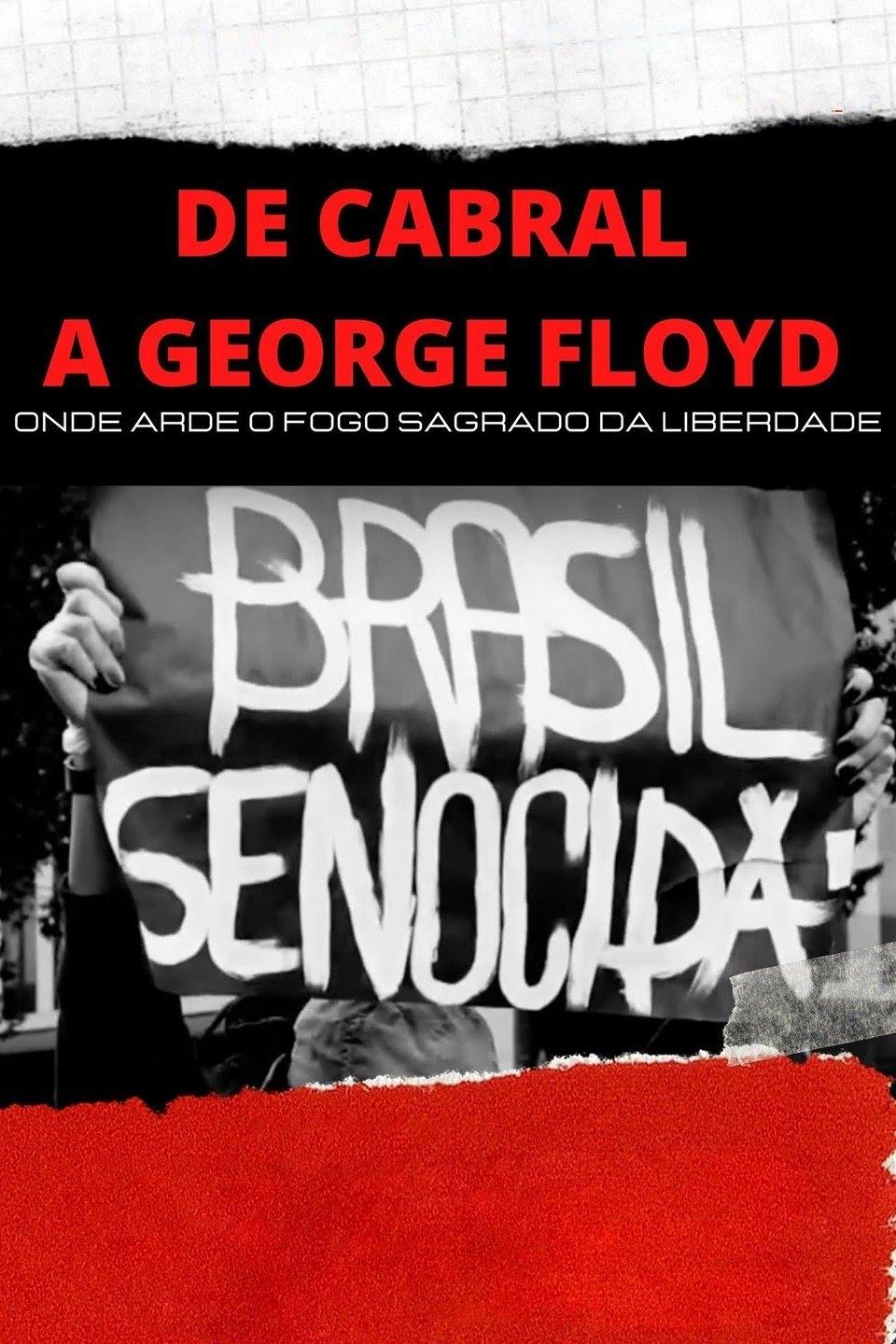
Through clippings, the film draws a narrative line between the construction of racism in Brazil and the United States, having as base the European invasion of the continent, police violence, the genocide of the black people, the massacre of indigenous peoples, religious violence, the criminalization of funk music, structural racism in art and education, the importance of quota policy and the need urgent historical repair as a commitment by the Brazilian state to the black people.
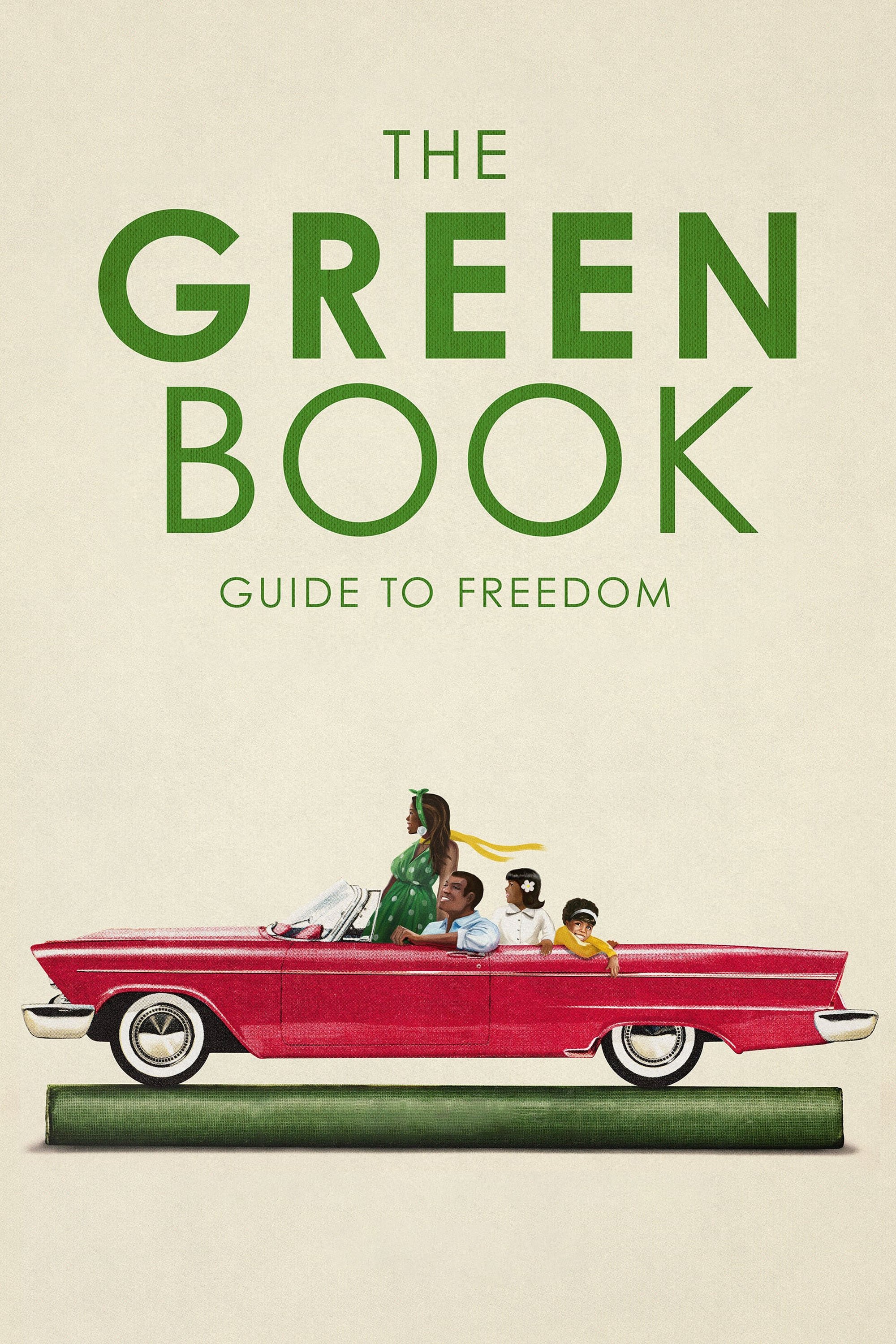
In 1936, Victor H. Green (1892-1960) published The Negro Motorist Green Book, a book that was both a travel guide and a survival manual, to help African-Americans navigate safe those regions of the United States where segregation and Jim Crow laws were disgracefully applied.
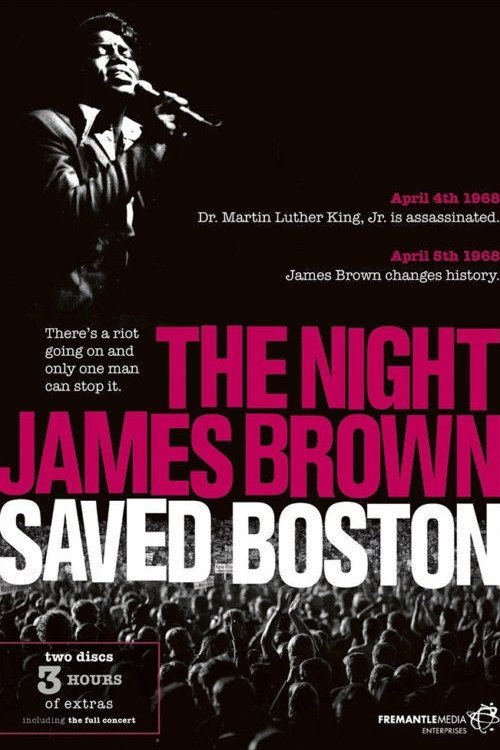
On April 5, 1968, soul legend James Brown performed a concert in Boston that many say shielded that city from the kinds of devastating riots that ripped other cities apart after the assassination of Martin Luther King, Jr.
Broadcast journalist Tavis Smiley hits the road in 2008 with friends Cornel West, BeBe Winans and other prominent African Americans to explore the contemporary experiences of black men and to ask them: "What do you stand for?" Set against Barack Obama's rise to presidential power, Smiley and his fellow travelers offer diverse perspectives on African Americans' soul music, historic struggle for equality, current race relations and more.

In the second film, the author tells about the struggle of blacks for the right to feel equal with all US citizens. Commentary of the mayor of Cairo, one of the cities in the American South, about the suppression of the rebels, about the most brutal methods of fighting African American protesters. Jesse Jackson's speech. Jesse Jackson's commentary on the Black Rights Organization. Comments by female residents of Jackson, the capital of Mississippi, on the degree of mental development of whites and blacks. A story about the Ku Klux Klan, about Robert Shelton - the head of the Ku Klux Klan. Speech by American singer and dramatic actor Paul Robson, his commentary. Shots of the Olympics, victories in the competition of black athletes. About reprisals against Negro organizations. The widow of the American writer Ernest Hemingway Mary and the American scientist Henry Winston speak out about support for African Americans and the fight against racism.
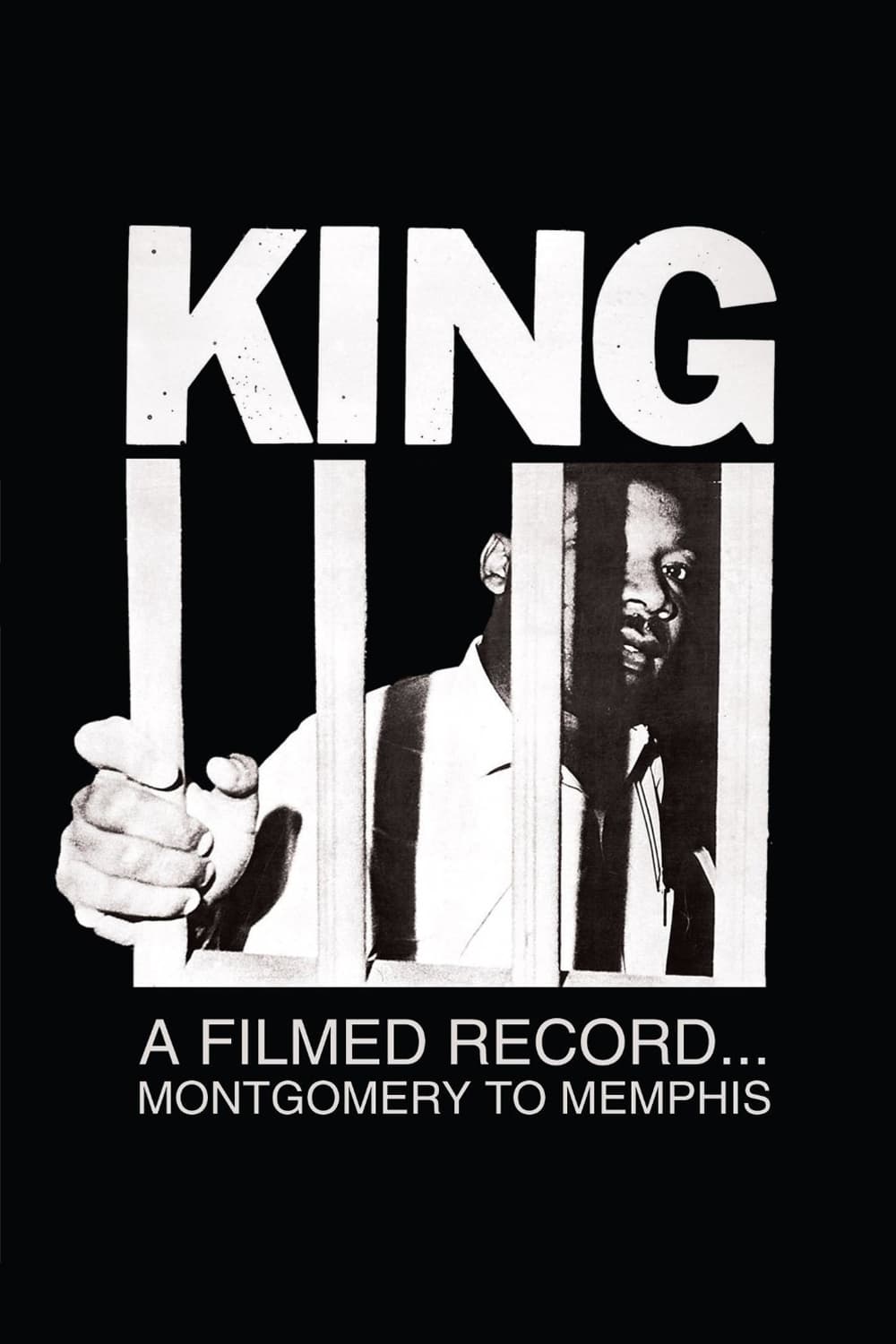
A presentation of key events in the life of civil rights activist Martin Luther King Jr. Beginning with the 1955 bus boycott in Montgomery, Alabama, MLK is followed through major steps in his struggle to promote racial equality. Including footage of King's stirring speeches, it is a fitting tribute to his legacy, and features clips narrated by a wide range of celebrities, including Harry Belafonte, Paul Newman Charlton Heston, Ruby Dee, Burt Lancaster, Anthony Quinn, Walter Matthau, Ben Gazzara, Clarence Williams III, Joanne Woodward, and James Earl Jones.
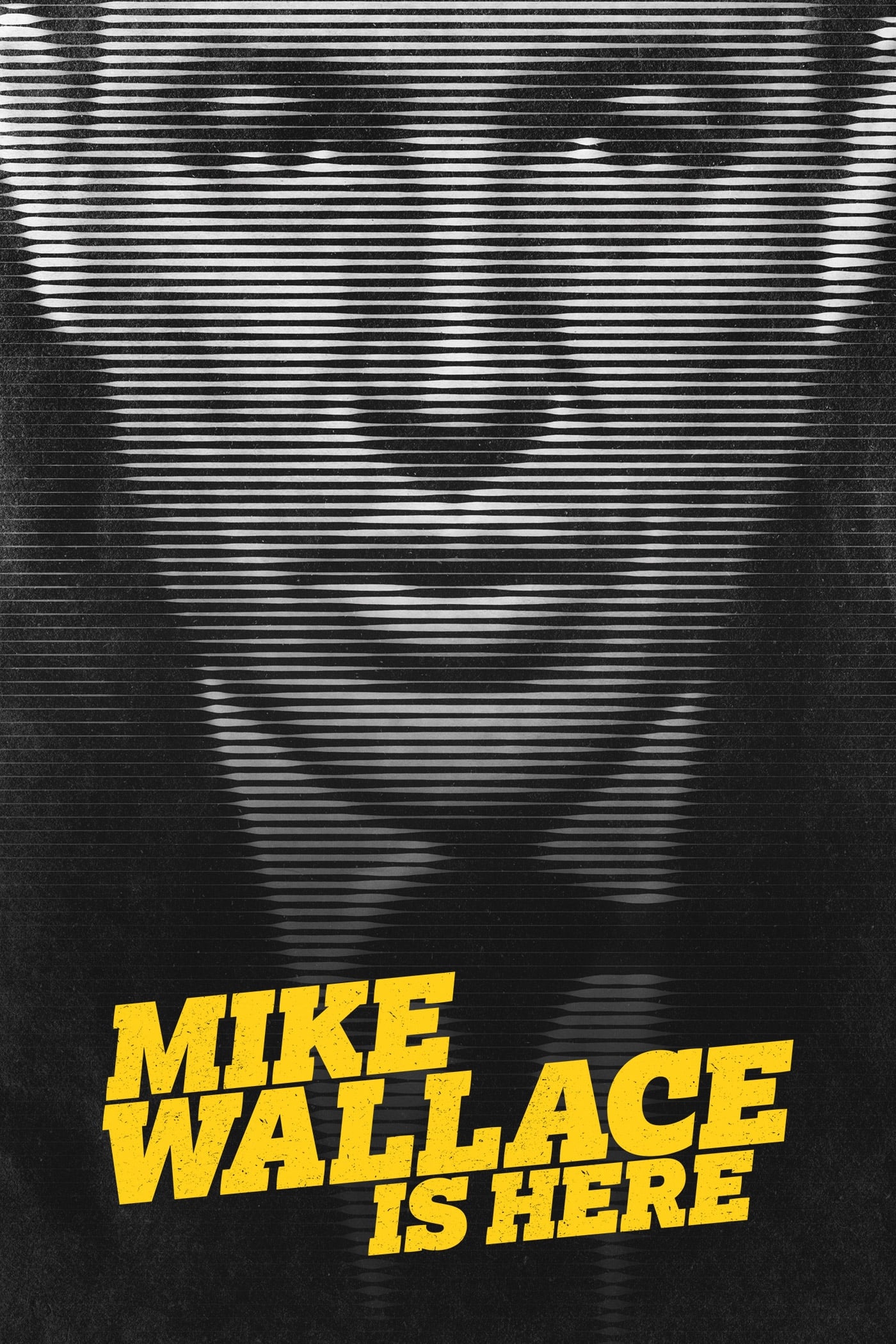
For over half a century, 60 Minutes' fearsome newsman Mike Wallace went head-to-head with the world's most influential figures. Relying exclusively on archival footage, the film interrogates the interrogator, tracking Wallace's storied career and troubled personal life while unpacking how broadcast journalism evolved to today’s precarious tipping point.
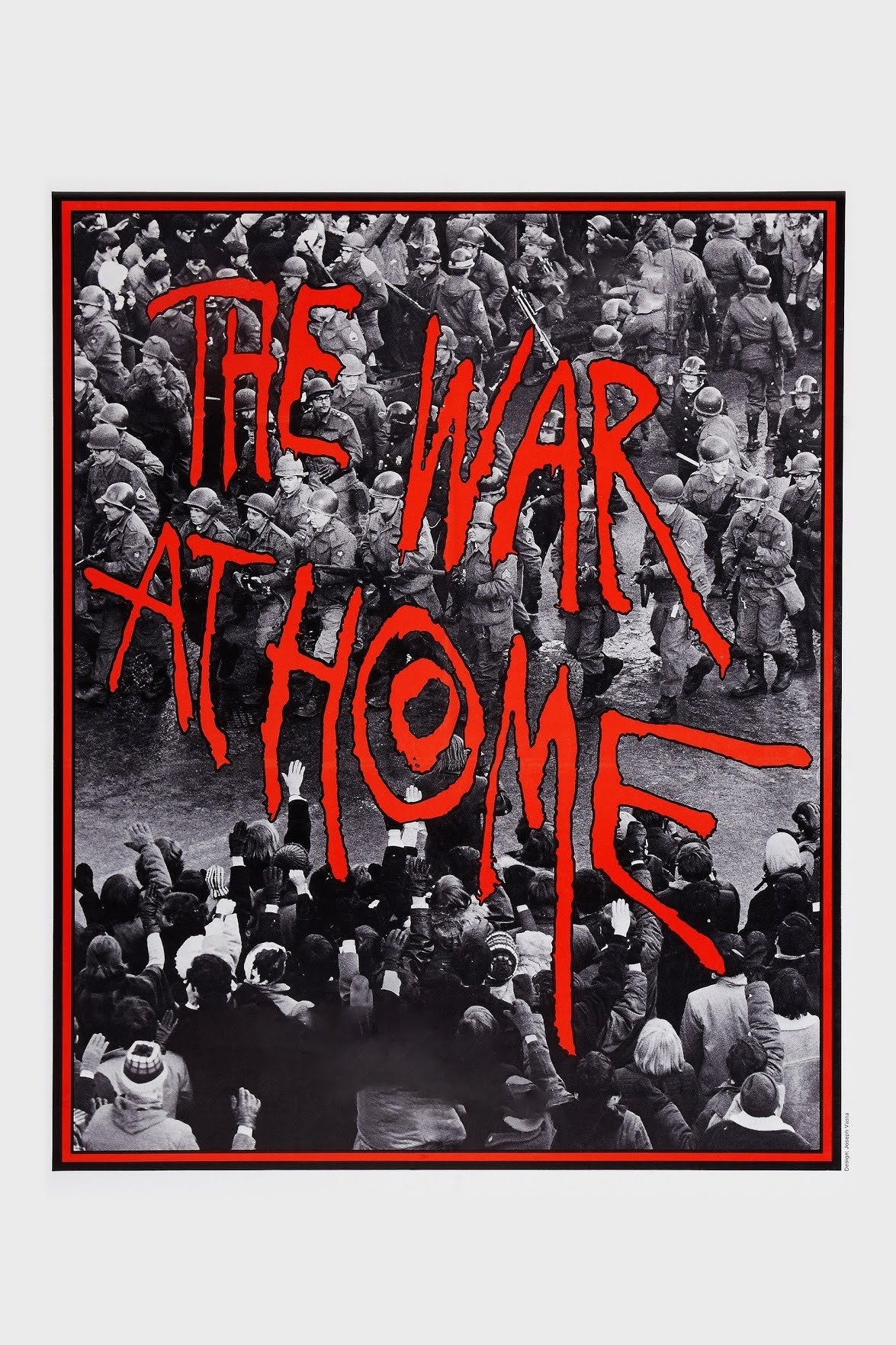
Documentary film about the anti-war movement in the Madison, Wisconsin area during the time of the Vietnam War. It combines archival footage and interviews with participants that explore the events of the period on the University of Wisconsin–Madison campus.
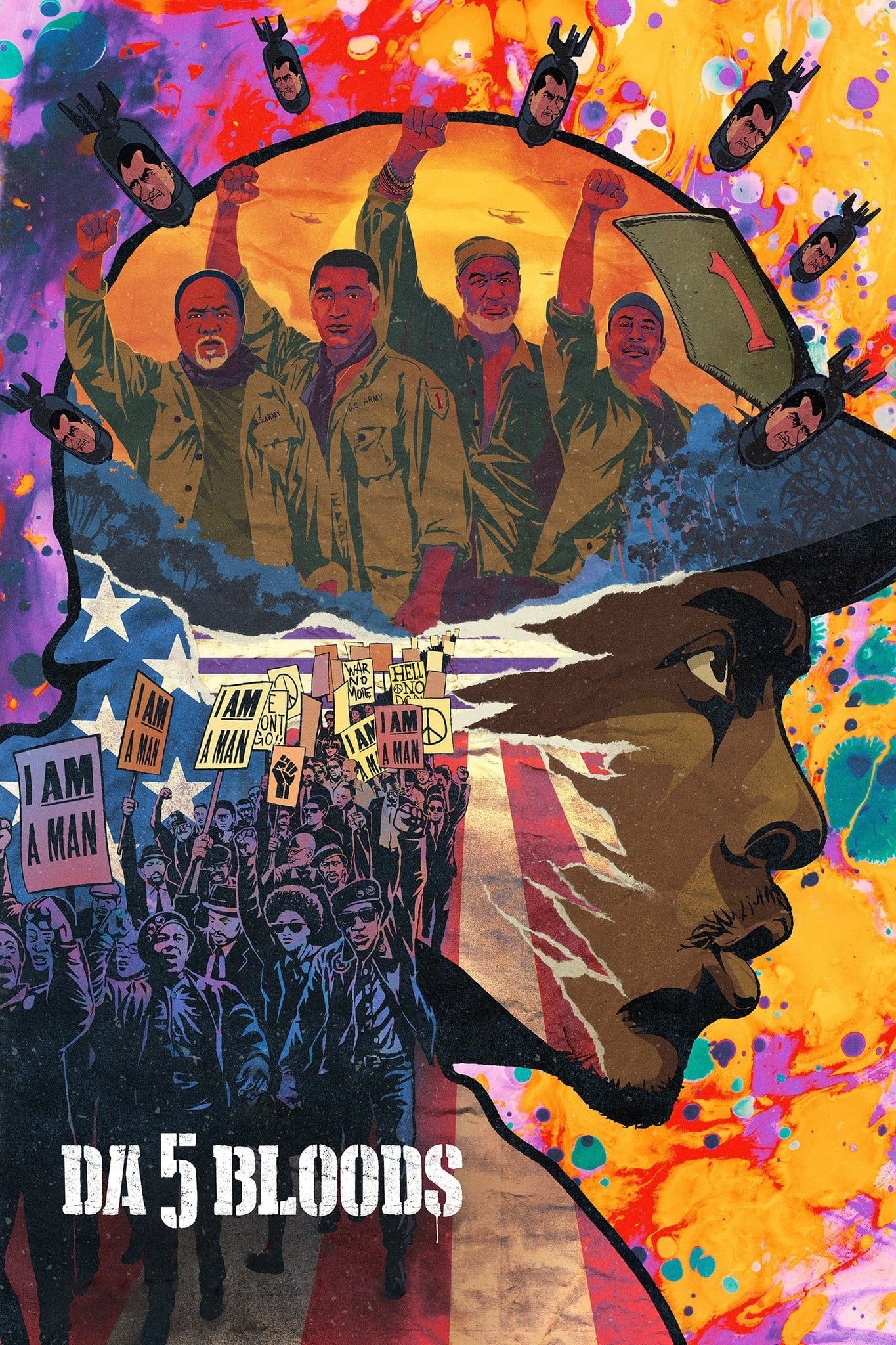
Four African-American Vietnam veterans return to Vietnam. They are in search of the remains of their fallen squad leader and the promise of buried treasure. These heroes battle forces of humanity and nature while confronted by the lasting ravages of the immorality of the Vietnam War.
The timely biopic focuses on John Lewis’ longstanding prominence as a civil rights champion and his continuing crusade for racial and social equality. The documentary illuminates the 80-year-old Congressman’s life as it chronicles the moments on the extraordinary journey that have shaped his place in history and make him such a galvanizing figure today as protests circle the globe. Lewis’ schedule has increased ten-fold as he has become the go-to figure for TV news shows, podcasts and newspapers and magazines from the Washington Post to Vanity Fair, commenting on and leading the way forward through today’s worldwide protests and demonstrations.
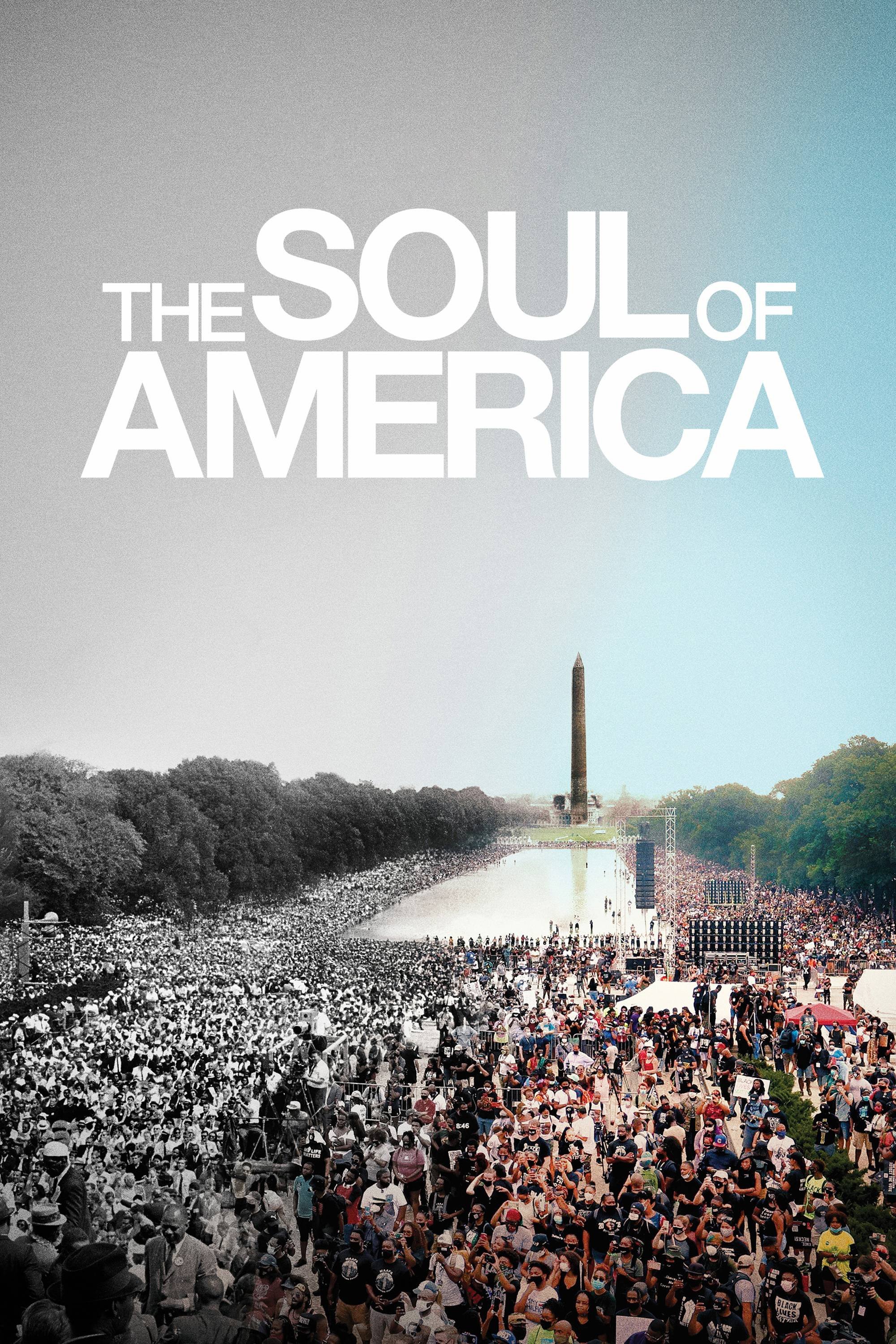
Writer, journalist, Pulitzer Prize-winning historian and presidential biographer John Meacham offers his timely and invaluable insights into the country’s current political and historical moment by examining its past. Based on his 2018 bestseller of the same name.
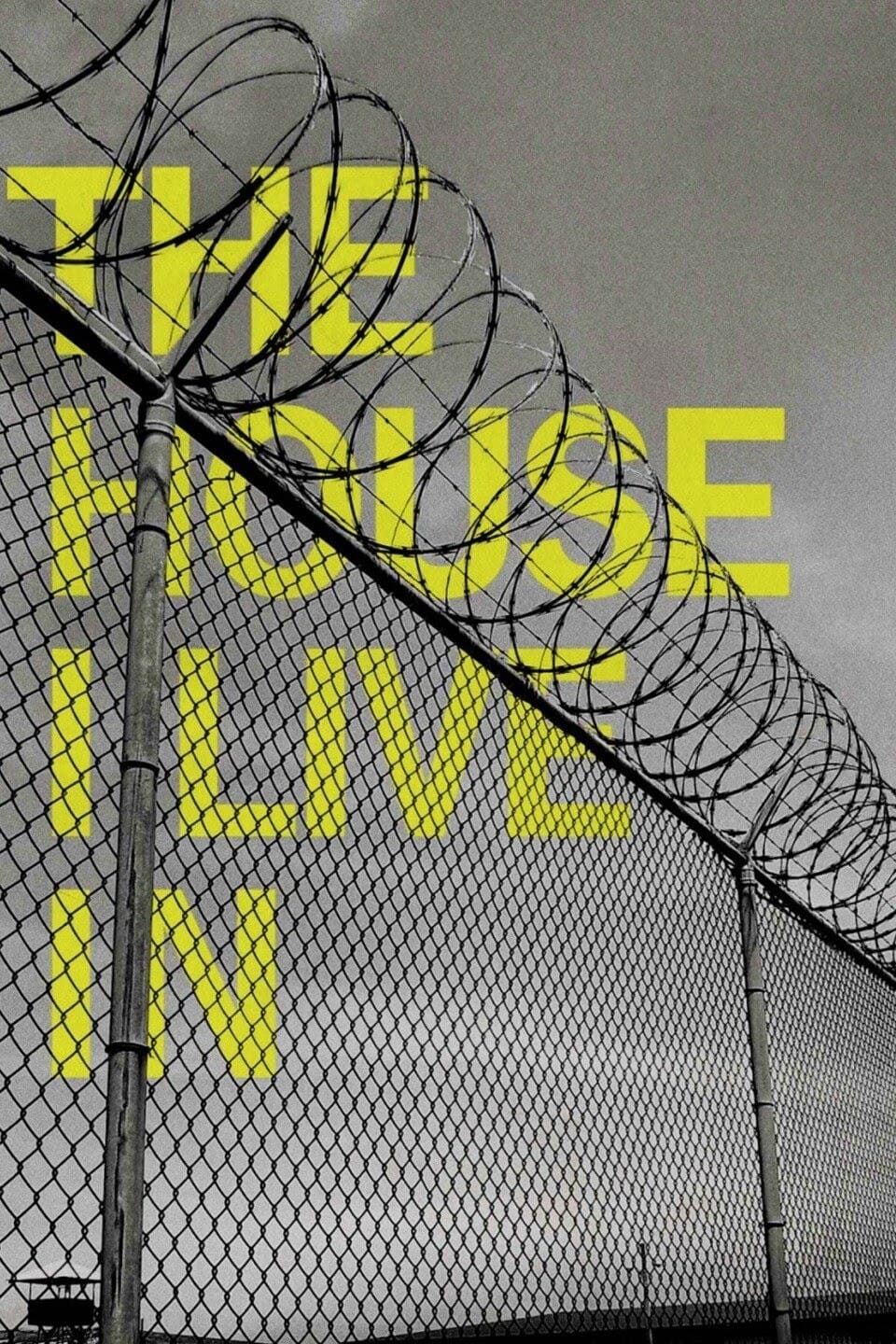
In the past 40 years, the War on Drugs has accounted for 45 million arrests, made America the world's largest jailer, and destroyed impoverished communities at home and abroad. Yet drugs are cheaper, purer, and more available today than ever. Where did we go wrong?
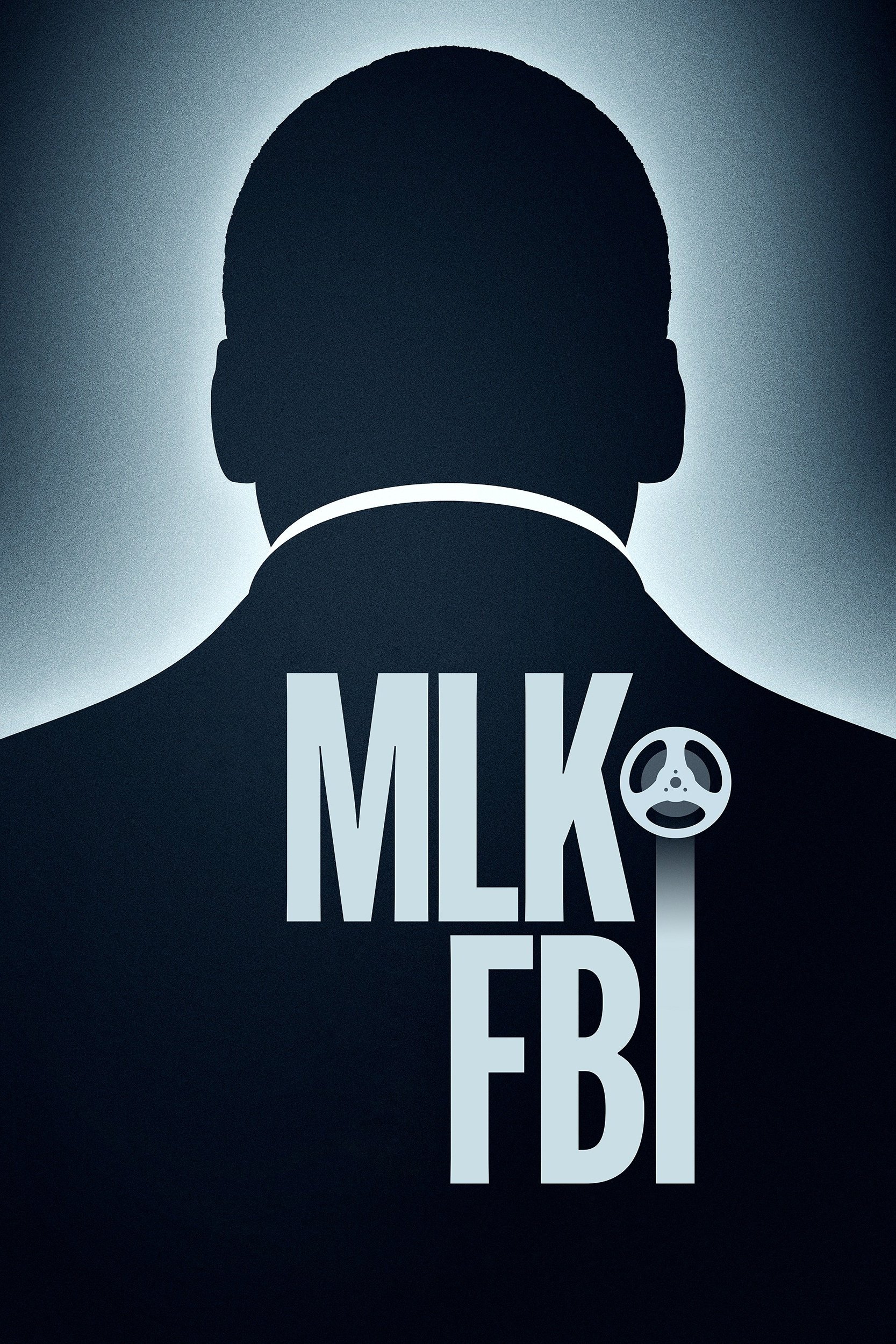
Based on newly declassified files, the film explores the US government’s surveillance and harassment of Martin Luther King, Jr.

Filmmaker Rory Kennedy interviews her mother, Ethel Kennedy, who discusses family, marriage and politics.
Report on the nature of "Black Power," and how it can be effectively used. Interviews with Martin Luther King, SNCC head Stokely Carmichael, Floyd McKissick of CORE, and Charles Evers. Reporter is Sander Vanocur.

Using government documents, archive footage and direct interviews with activists and former FBI/CIA officers, All Power to the People documents the history of race relations and the Civil Rights Movement in the United States during the 1960s and 70s. Covering the history of slavery, civil-rights activists, political assassinations and exploring the methods used to divide and destroy key figures of movements by government forces, the film then contrasts into Reagan-Era events, privacy threats from new technologies and the failure of the “War on Drugs”, forming a comprehensive view of the goals, aspirations and ultimate demise of the Civil Rights Movement…
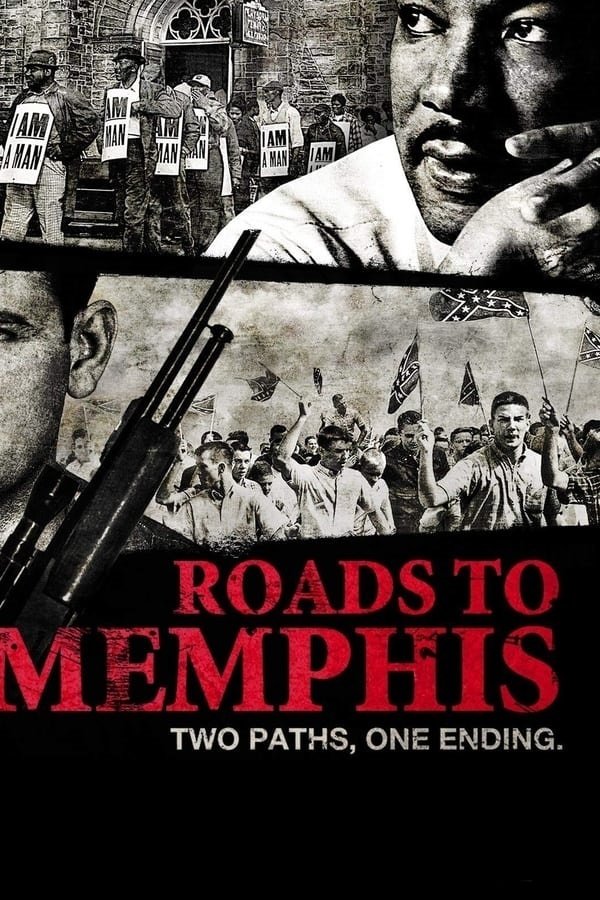
The wildly disparate yet fatefully entwined stories of assassin James Earl Ray and his target, Dr. Martin Luther King Jr.
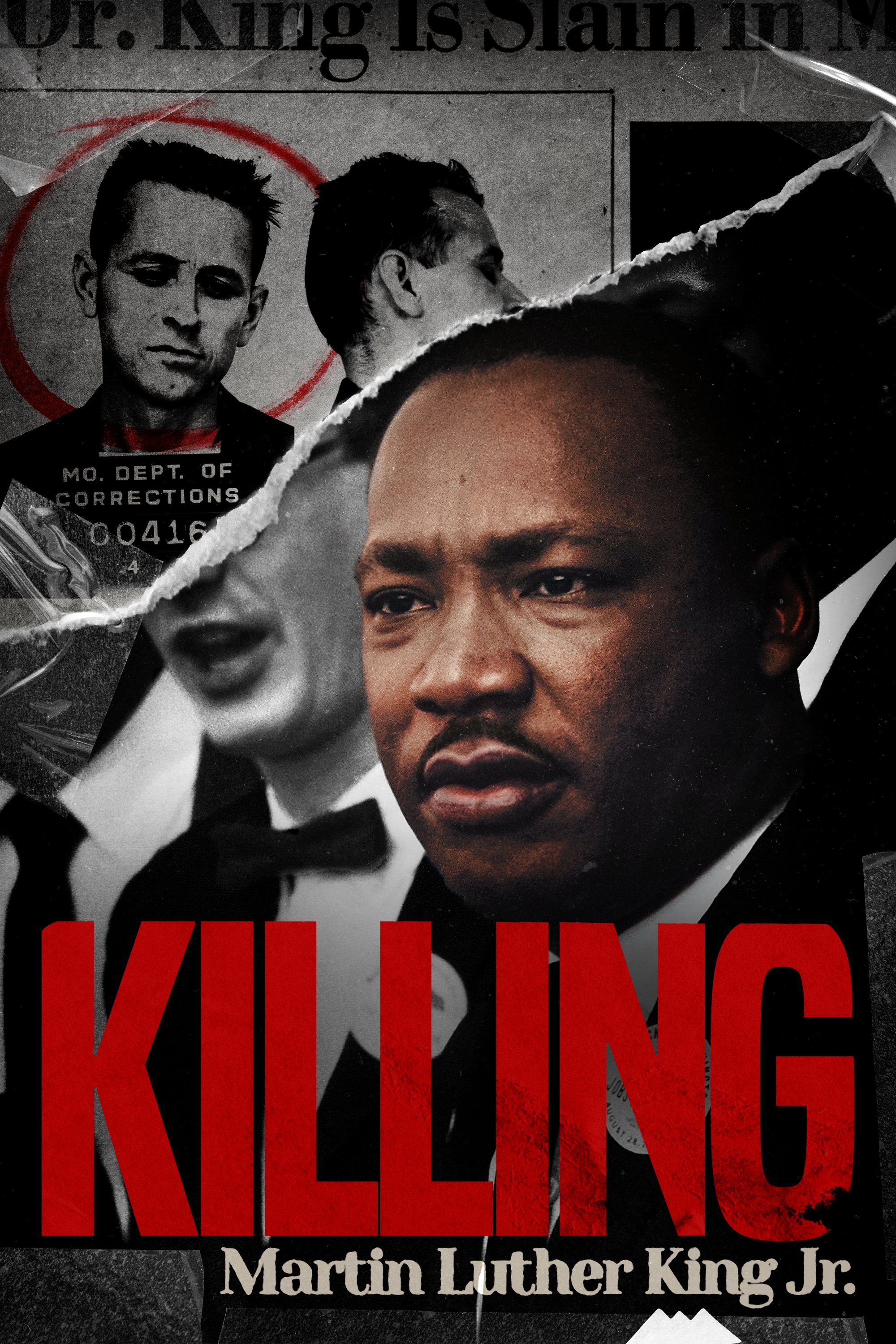
No person has transformed a race’s social standing as Martin Luther King Jr. He transcended racial barriers, But the quest for equality came with consequences. 1968. April 4th. A day that changed the landscape of society forever.

DEATH SCENES II continues the exploration into the dark recesses of violence and rage that ended in such heinous crimes as the Manson Family's assault on society. You'll see the gruesome aftermath of mob reprisals, public executions and international terrorism. DEATH SCENES II uniquely ushers the brave and curious into a spellbinding trip through the reality that is our world today.

A visual montage portrait of our contemporary world dominated by globalized technology and violence.
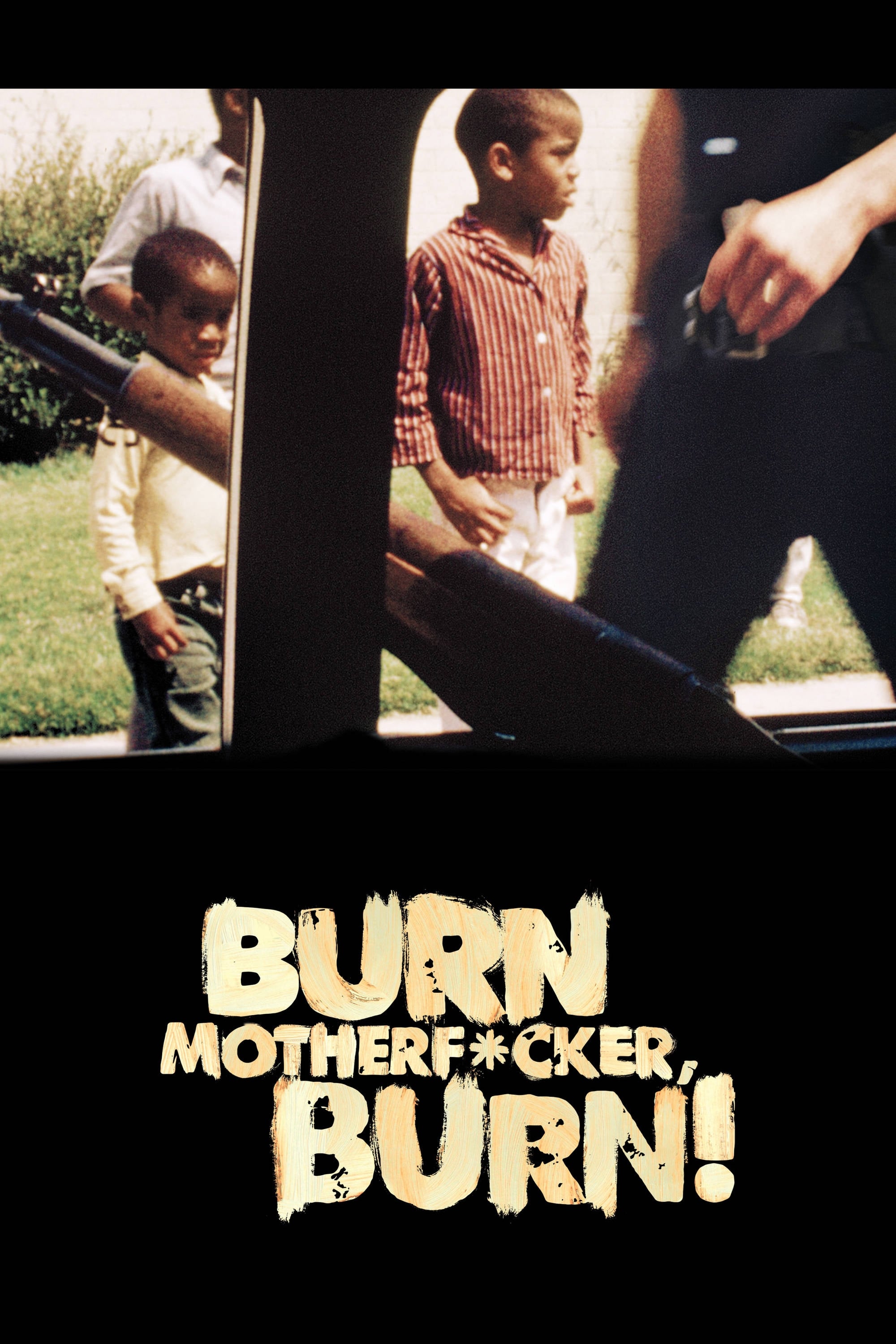
An in-depth and provocative look at the 1992 Los Angeles riots exploring the roots of civil unrest in California and the relationship between African Americans and LAPD.
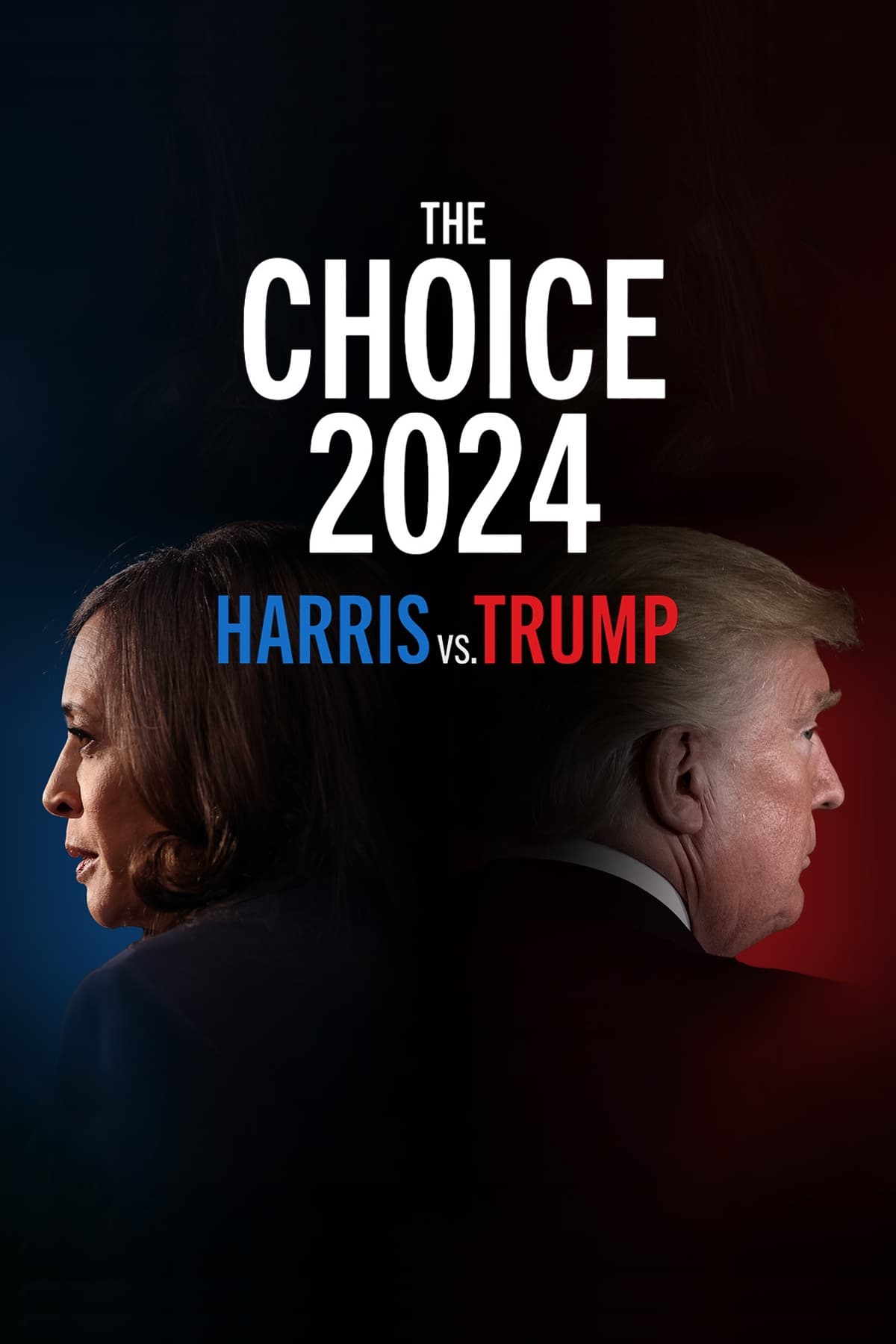
The documentary investigates the lives and characters of Kamala Harris and Donald Trump as they seek the presidency. In a historic election, those who know the candidates best reveal key moments that shape how they would lead America. Award-winning filmmaker Michael Kirk and his team sat down with Trump and Harris’ friends, advisors and critics, as well as authors, journalists and political insiders to present deeply reported narrative arcs of both candidates’ lives, going all the way back to their childhoods. What emerges in FRONTLINE's "The Choice 2024: Harris vs. Trump" is the story of two fighters: One seeking vindication and promising a return to greatness, and the other seeking to move beyond the past and promising a greater future.
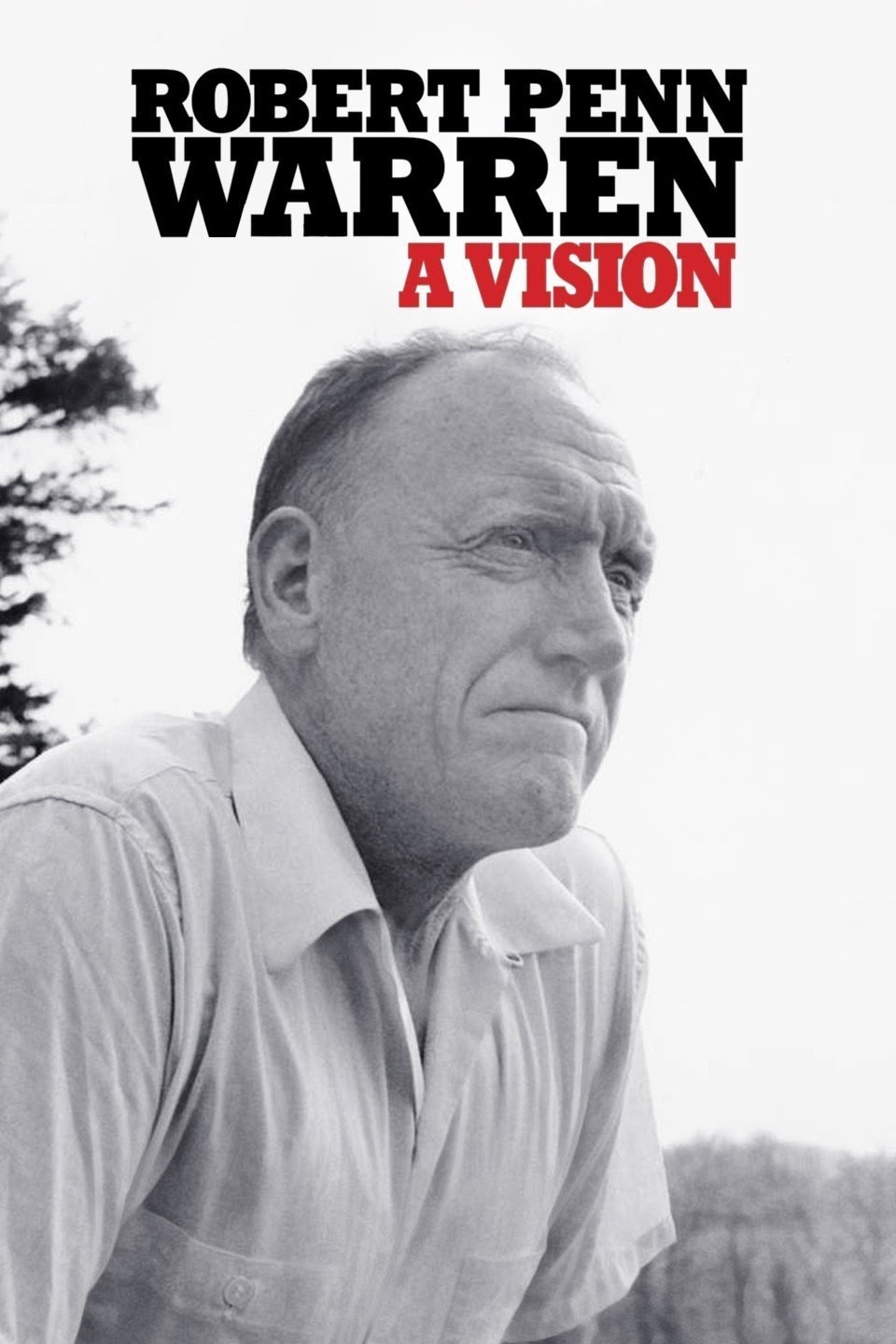
A documentary profile of 3-time Pulitzer winning author Robert Penn Warren, featuring Harold Bloom, David Blight, Natasha Trethewey, David Milch, Gabriel Warren and Rosanna Warren.
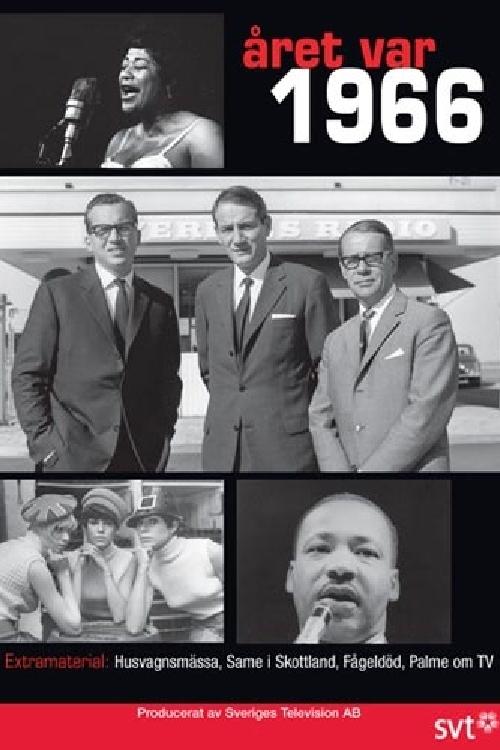
1966 - when Bob Dylan visits Sweden and Prime Minister Erlander has a difficult time with questions about housing. A special evening at the opera is arranged with Harry Belafonte and Martin Luther King. Esrange is inaugurated and in China the cultural revolution is underway.

1963 - the year when the Soviet cosmonaut Valentina Tereshkova becomes the first woman in space. Sweden suffers from an smallpox epidemic - hundreds of thousands are vaccinated, and several thousand are isolated. Colonel Stig Wennerström is arrested for spying for the Soviets. John F Kennedy is murdered in Dallas, while Martin Luther King has a dream about the future, "Villervalle i Söderhavet" is shown on Swedish TV.
illustrates how directors pushed boundaries and altered the art of filmmaking during the turbulent, swinging 1960s. Narrated by Woody Harrelson, "Reel Radicals" features clips from such seminal films as Arthur Penn's "Bonnie and Clyde" (1967); Mike Nichols' "The Graduate" (1967); Dennis Hopper's "Easy Rider" (1969); John Frankenheimer's "The Manchurian Candidate" (1962); Stanley Kubrick's "Dr. Strangelove" (1964) and "2001: A Space Odyssey" (1968); John Schlesinger's "Midnight Cowboy" (1969); Richard Brooks' "Elmer Gantry" (1960) and "In Cold Blood" (1967); and Norman Jewison's "In the Heat of the Night" (1967) and "The Thomas Crown Affair" (1968). Frankenheimer, Jewison, Hopper, Schlesinger, Penn, Buck Henry, Paul Mazursky, Roger Corman and Arthur Hiller are among the filmmakers who discuss the decade.
Martin Luther King Jr.'s iconic speech captured by Third World Newreel
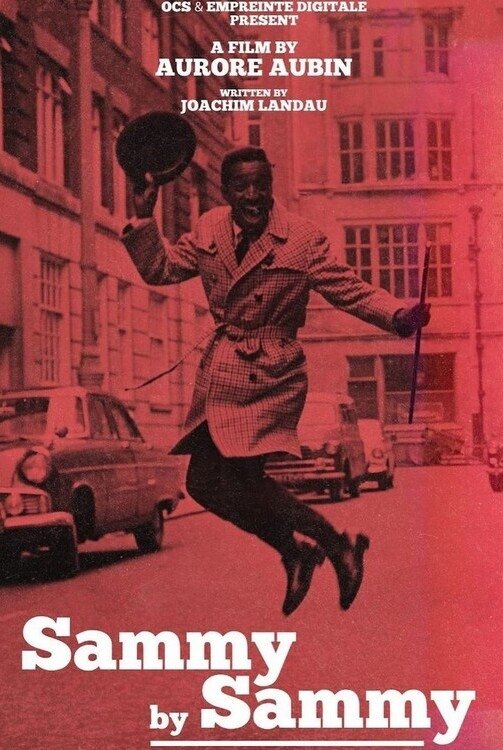
An original documentary that deciphers in depth, like no other before, the ten most singular years of the life of Sammy Davis, Jr. the legendary performer of "Mr. Bojangles". From 1957 to 1968, he was both at the height of the star system and confronted with a violently racist and segregated America. The film addresses the main pillars of his career and his intimate life as he pursued his dream during this incredible decade.
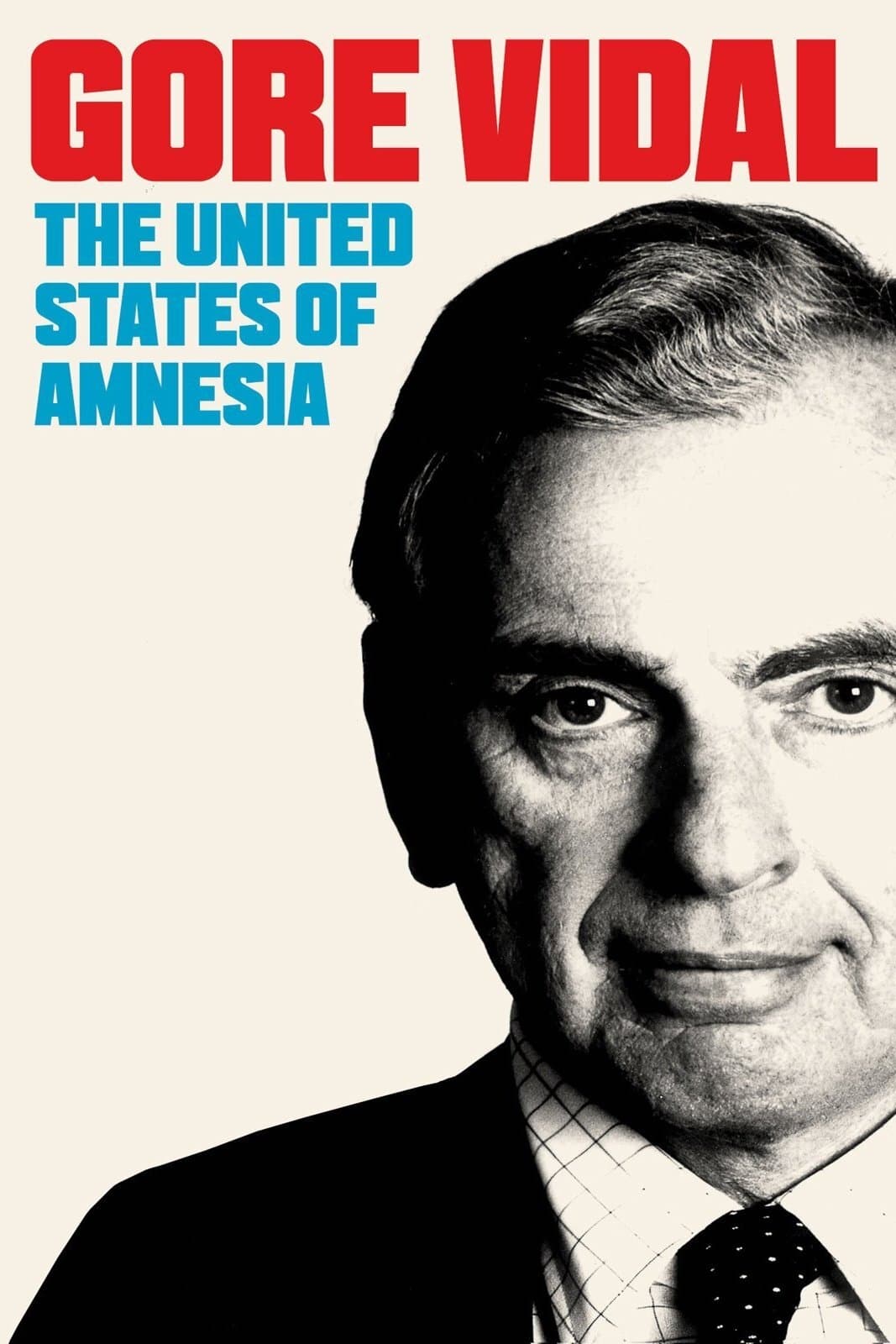
Anchored by intimate, one-on-one interviews with the man himself, Nicholas Wrathall’s new documentary is a fascinating and wholly entertaining tribute to the iconic Gore Vidal. Commentary by those who knew him best—including filmmaker/nephew Burr Steers and the late Christopher Hitchens—blends with footage from Vidal’s legendary on-air career to remind us why he will forever stand as one of the most brilliant and fearless critics of our time.
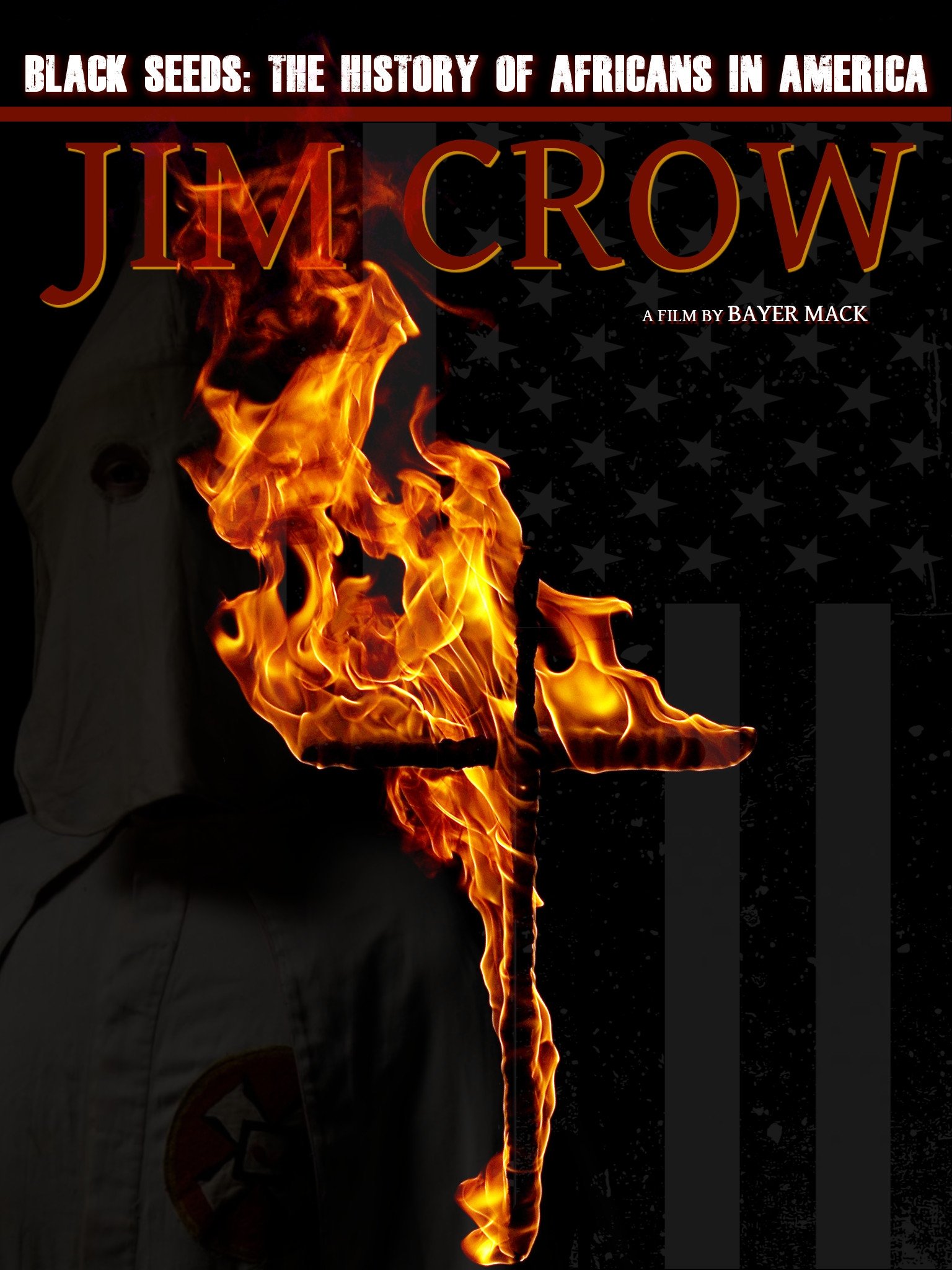
Abraham Lincoln is dead. As the United States tries to rebuild after the Civil War, the country faces the immense problem of taking care of four million emancipated slaves, but the Ku Klux Klan and a racist White House stand in the way.
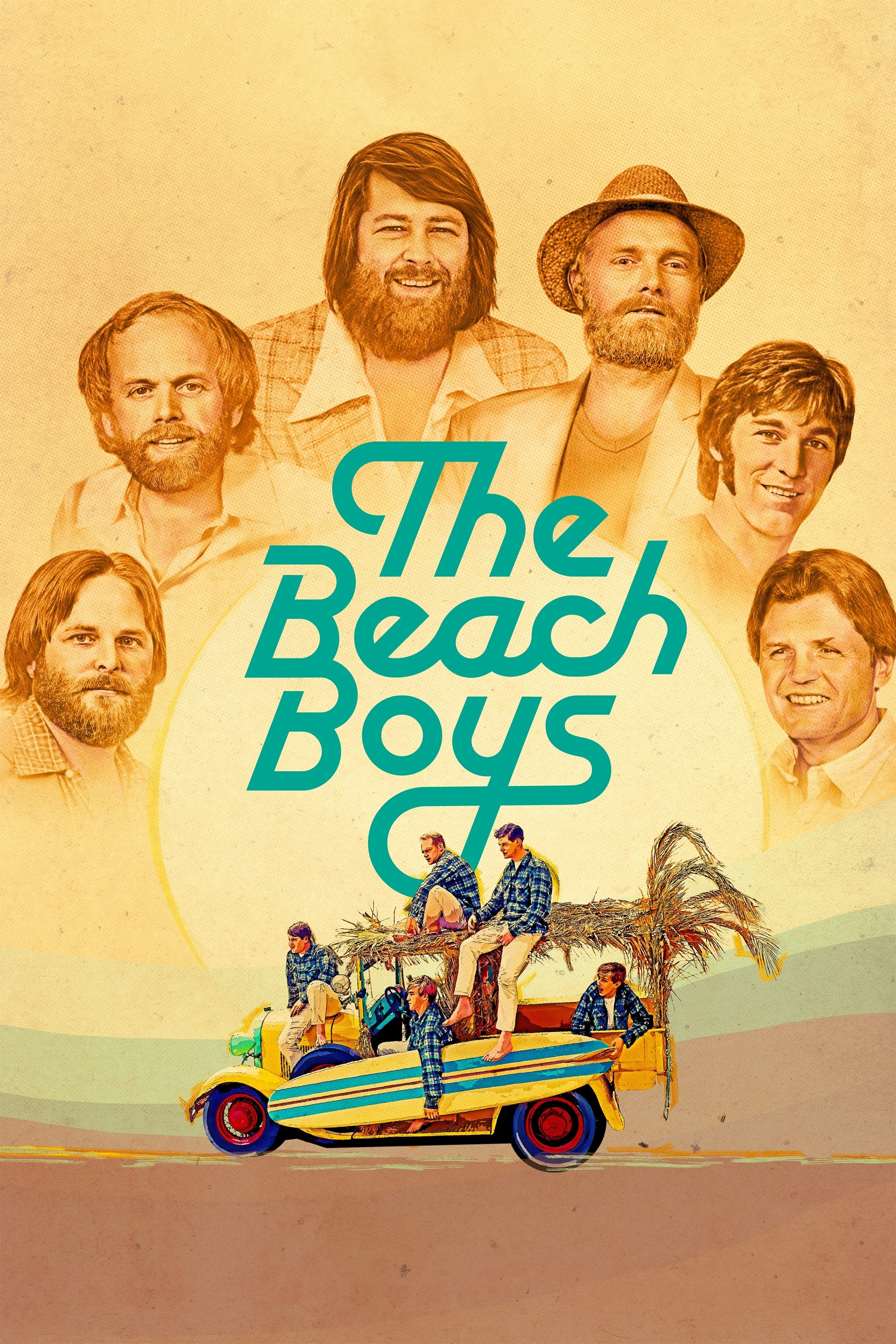
A celebration of the legendary band that revolutionized pop music, and the iconic, harmonious sound they created that personified the California dream, captivating fans for generations and generations to come.
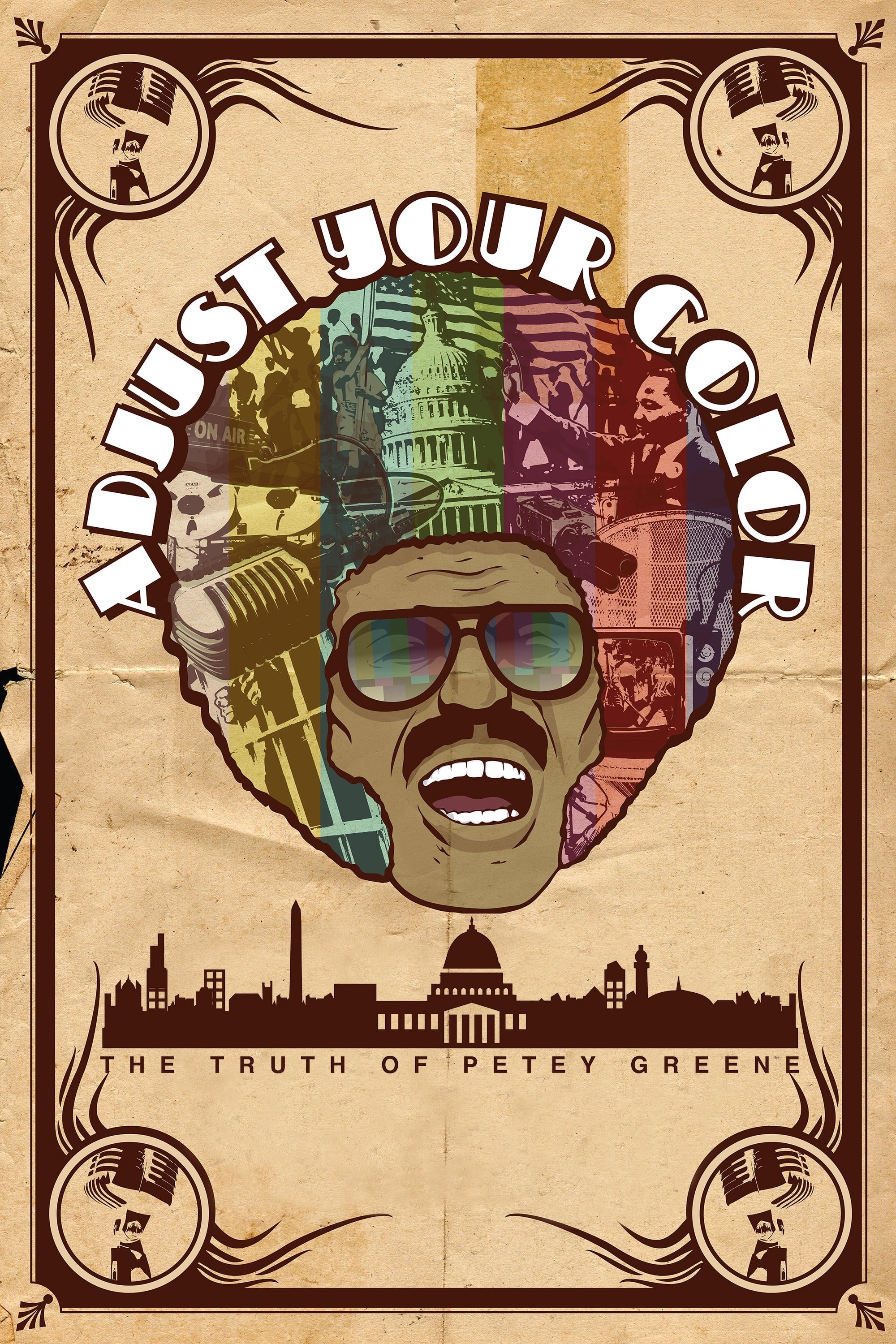
Actor Don Cheadle narrates the story of America's first shock-jock, Washington D.C. radio personality Ralph "Petey" Greene.
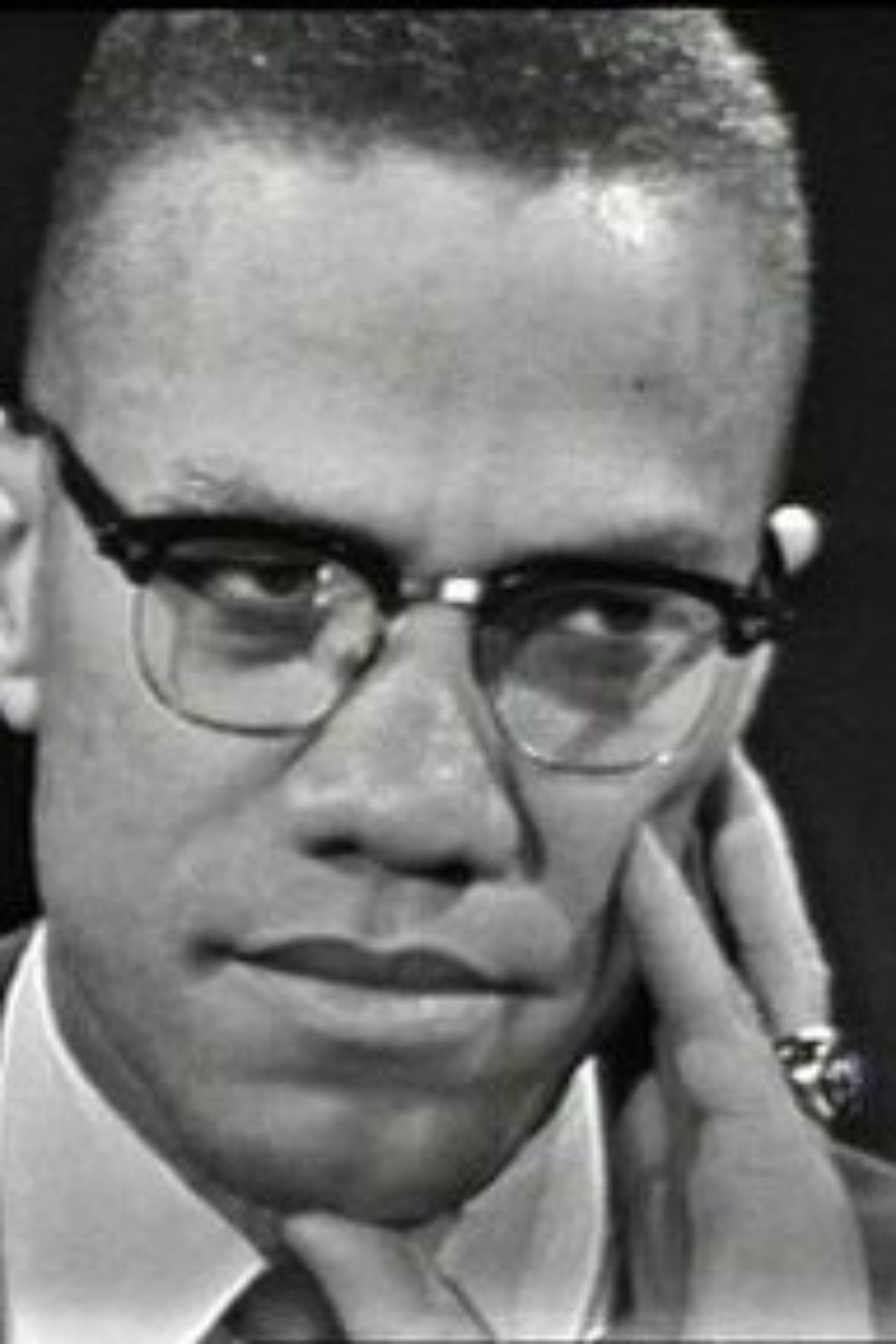
Dr. Martin Luther King, Malcolm X, and James Baldwin -- three of the most highly regarded civil rights leaders of the 1960s -- were united in their quest for Black empowerment. But their methods of approach were polarizing.
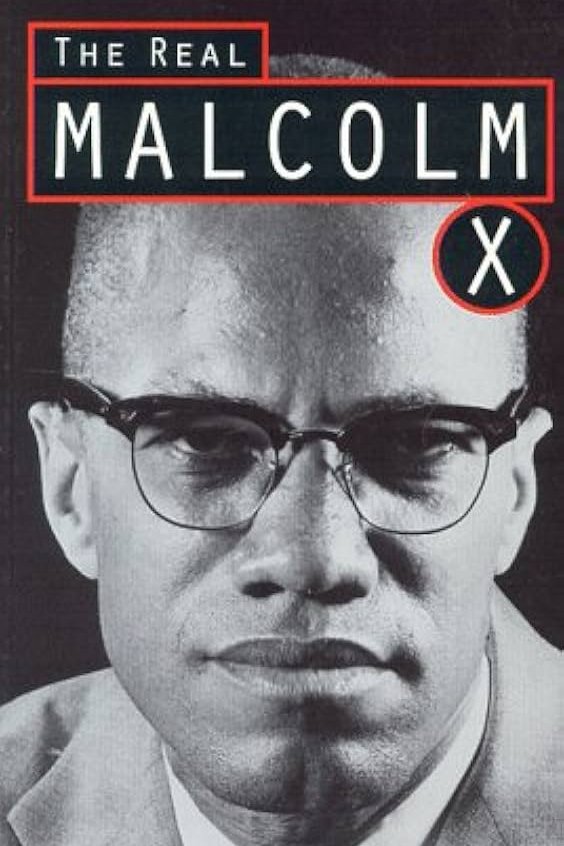
CBS News looks at Malcolm X, focusing on his public life from 1959 to his assassination in 1965, suggesting that his death was a great loss to the nation. The film intercuts archival footage of Malcolm and interviews with family, friends, colleagues, scholars, and writers. CBS documents Malcolm's move from being Elijah Muhammad's deputy in the Nation of Islam to his embrace of Islam: his new links with the civil rights movement posed a real threat to the powers that be. CBS details his death after secret FBI acts to increase the rift between Muhammad and Malcolm. Maya Angelou, Dick Gregory, and Andrew Young offer trenchant comments. "He was our manhood," eulogized Ossie Davis.
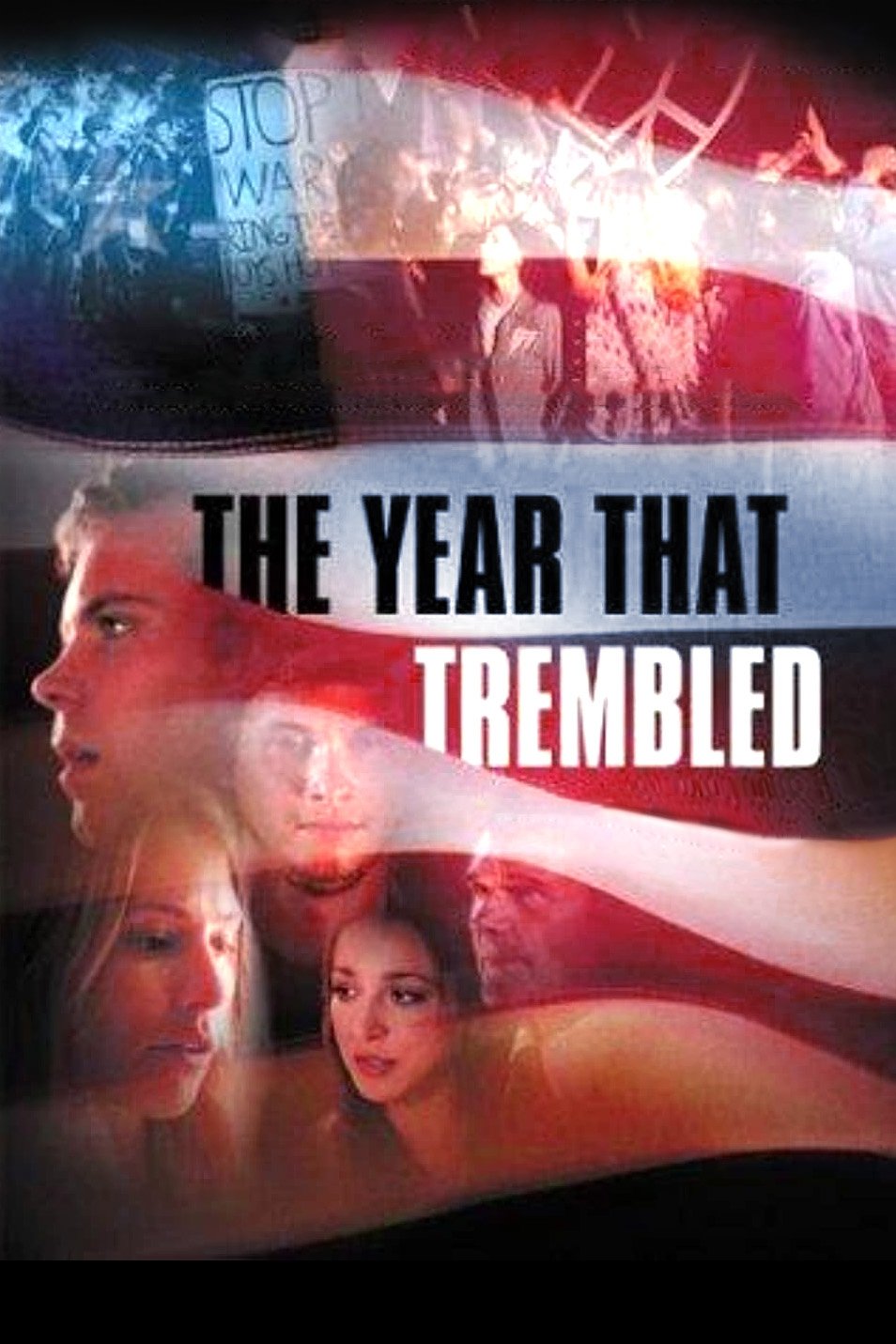
The Year That Trembled is a coming-of-age story set in 1970 in the shadow of Kent State that focuses on a group of young people facing the Vietnam Draft Lottery.
While investigating the global phenomenon of caste and its dark influence on society, a journalist faces unfathomable personal loss and uncovers the beauty of human resilience.
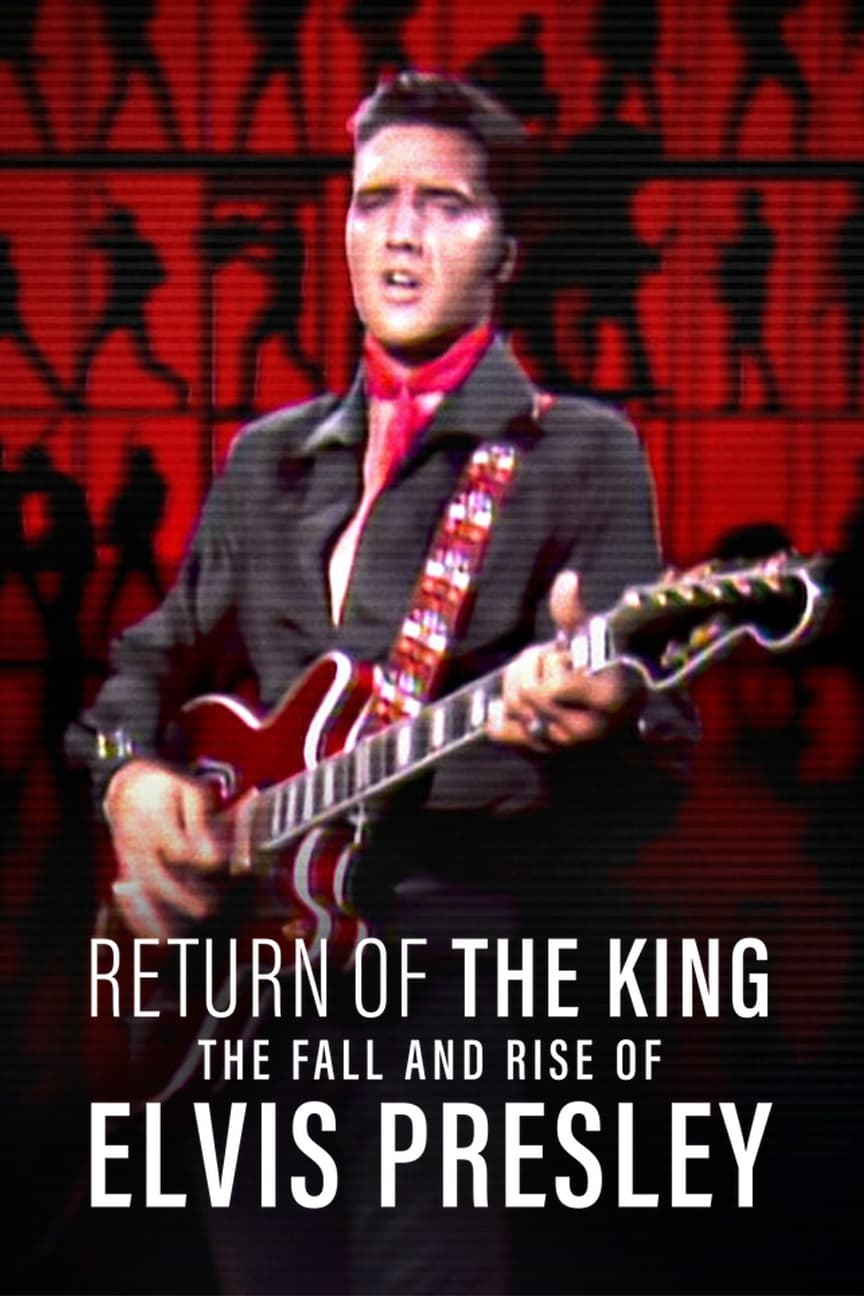
He had one chance to show the world he was still the King of Rock 'n' Roll. Discover the story behind Elvis Presley's triumphant '68 comeback special.

Clock looks, smells and tastes just like any other fast food chain. Its owner? The Swedish state.

An insight into the construction and operation of the Raistinger Earth station for telecommunications satellites in the middle of an old cultural landscape on Lake Ammersee.
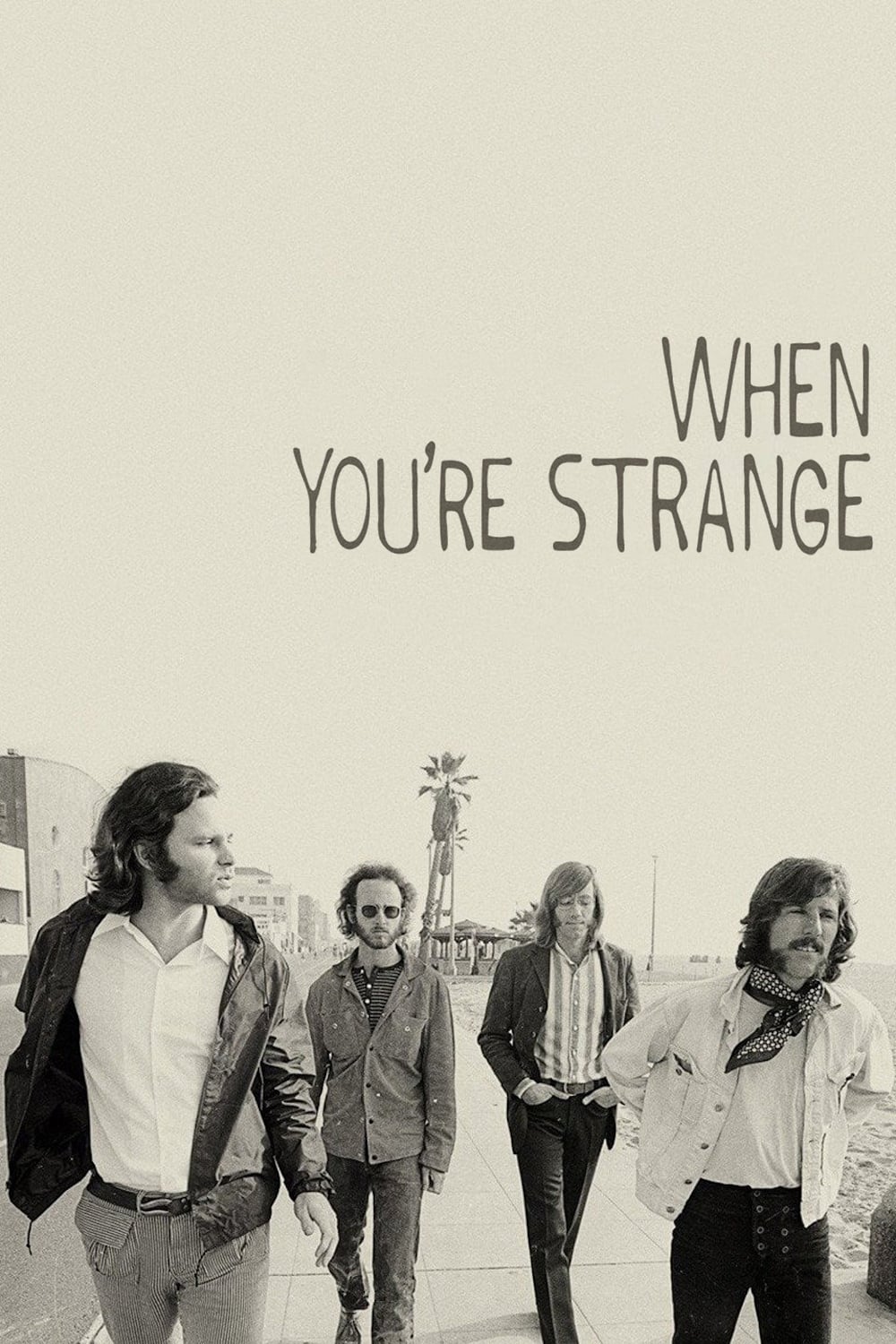
The creative chemistry of four brilliant artists —drummer John Densmore, guitarist Robby Kreiger, keyboardist Ray Manzarek and singer Jim Morrison— made The Doors one of America's most iconic and influential rock bands. Using footage shot between their formation in 1965 and Morrison's death in 1971, it follows the band from the corridors of UCLA's film school, where Manzarek and Morrison met, to the stages of sold-out arenas.
Northern Ireland has had many historic days in the last 40 years. October 5th, 1968 could be the most important. In this documentary, many of those who took part in the Civil Rights march in Derry on this date talk of the international influences that drove them to take to the streets in protest. Featuring interviews with the voices of dissent in America, Europe and Northern Ireland.
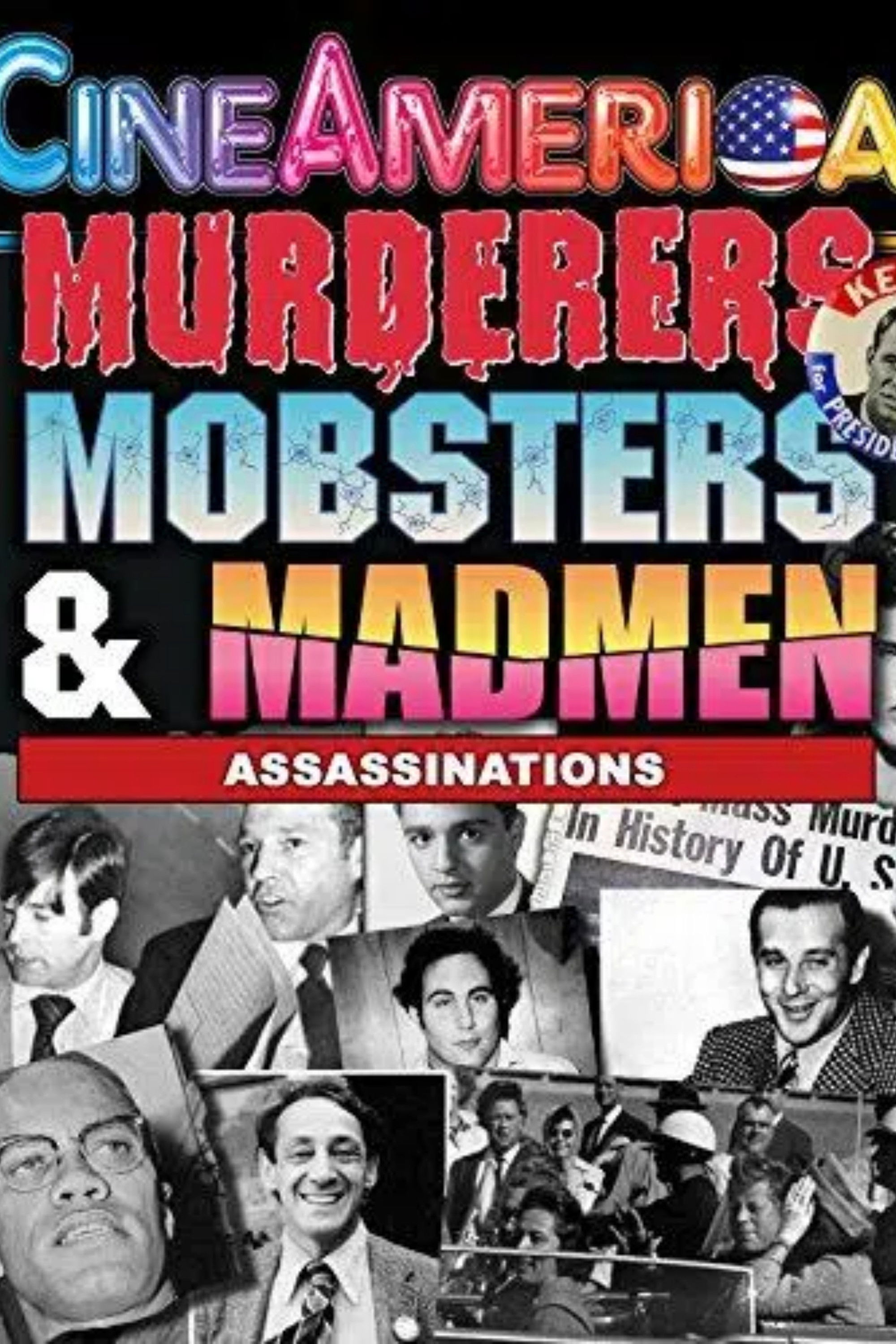
Reveals through graphic historical and exclusive footage the tragic murders of political and social leaders. These heinous crimes help make the 20th century man's most most violent era. Included also are numerous attempted assassinations and the stories behind those who are driven to kill prominent figures. ASSASSINATED: Malcolm X John F. Kennedy Dr. Martin Luther King Mahatma Ghandi John Lennon Robert Kennedy George Moscone
A deep delve into King’s search for the truth on what really happened on that terrible Memphis day in the penultimate years of the tumultuous Sixties.
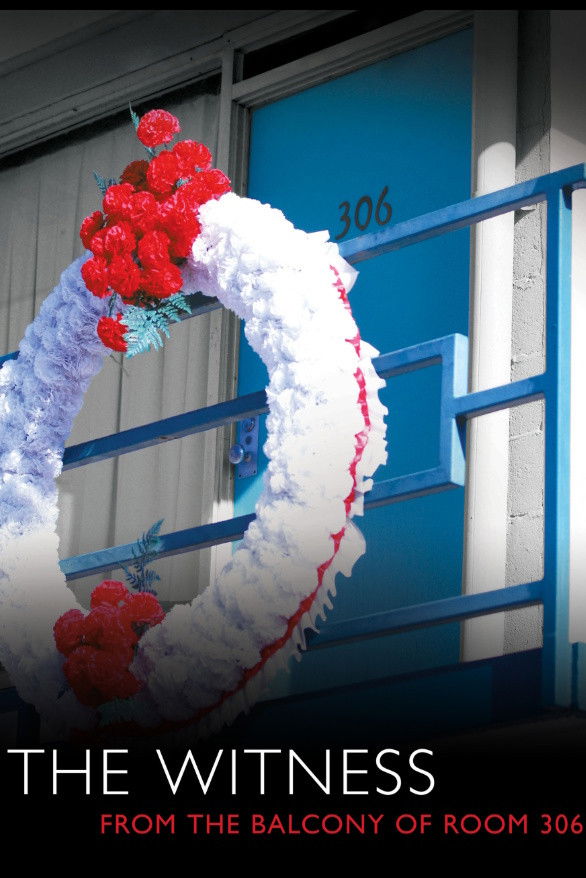
The Witness: From the Balcony of Room 306 is a 2008 American short documentary film created to honor the 40th annual remembrance of the life and death of Martin Luther King Jr.
A documentary of the 1964 International Chemical Workers Union against Scripto.
For six years, a group of kids went into restaurants and asked for service. It never got violent, it never made national news, but these kids desegregated every restaurant in Oklahoma City except one before the 1964 Civil Rights Act was made into law. Children of the Civil Rights, a documentary film, shares their six year odyssey to freedom. This is a story about the strength of youth.
In Harlem in 1987, Claireece "Precious" Jones is a 16-year-old African American girl born into a life no one would want. She's pregnant for the second time by her absent father, and at home she must wait hand and foot on her mother, an angry woman who abuses her emotionally and physically. School is chaotic and Precious has reached the ninth grade with good marks and a secret – she can't read.
Clyde Alleyne, Britain's first black TV news reporter, questions Dr. Martin Luther King about British racism within months of his tragic assassination.
A documentary of the decline of America, composed of archival material and exclusive footage, carnage, madness, and mayhem with an unapologetic sincerity on the factual depiction of violence in the industrialized nation of the United States. Featuring a juxtaposition of detailed accounts of terrible acts, brutal behavior, and interviews from experts and convicted killers alike.
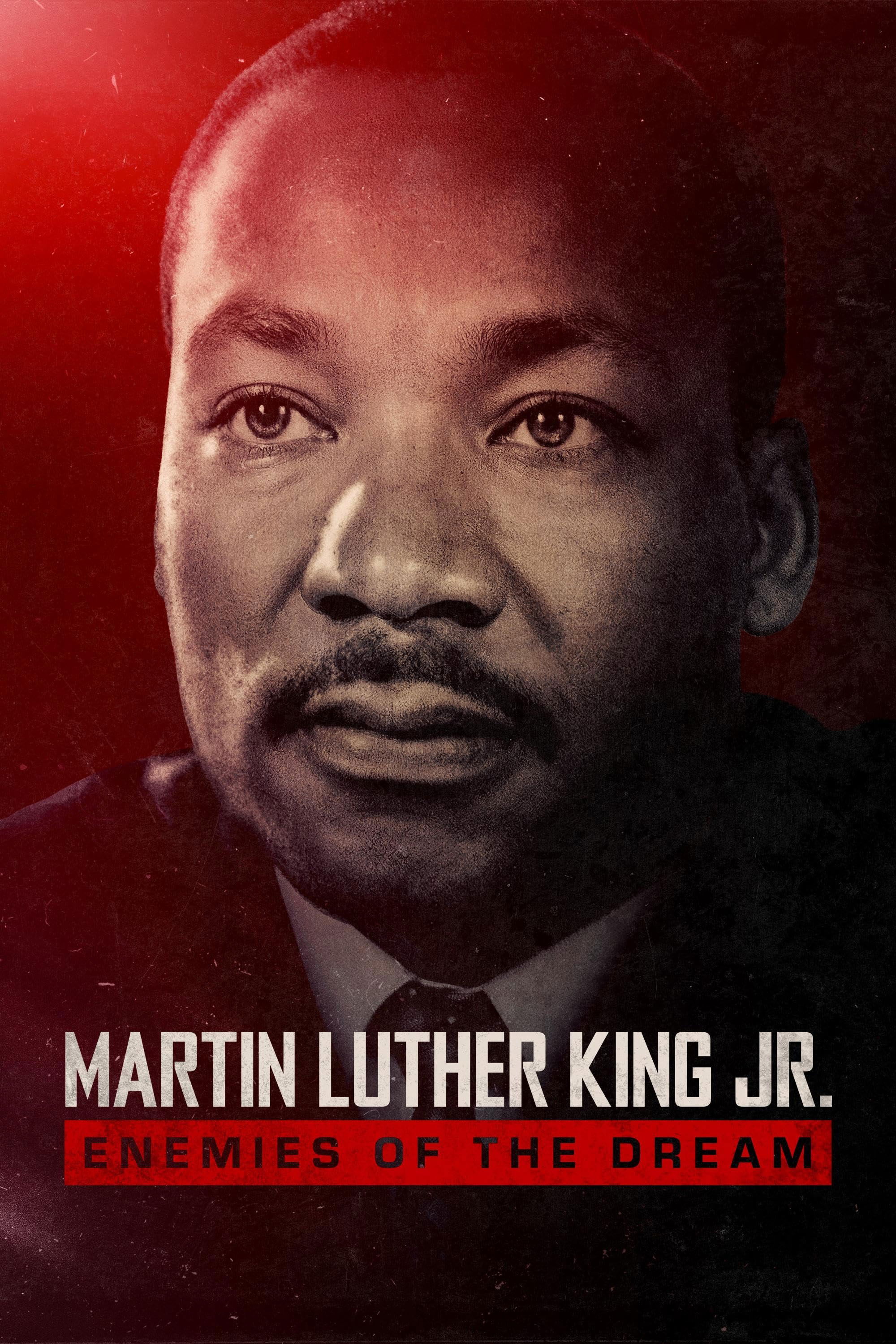
The fight for racial equality came at a cost. Martin Luther King Jr. rose as a powerful voice for justice, yet was seen as a threat by some. Declassified records fuel questions about whether more lay behind the silencing of his voice.
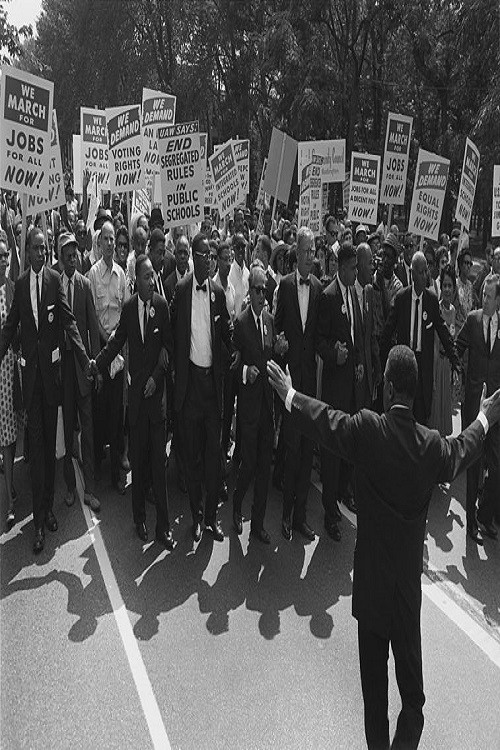
Bringing together historic footage of the August 1963 March on Washington and the 1960's in the modern State of Israel, "We Have a Dream" explores what it means "to hope" and "to be free". (Produced for the non-profit initiative ISRAELrealNATION.)
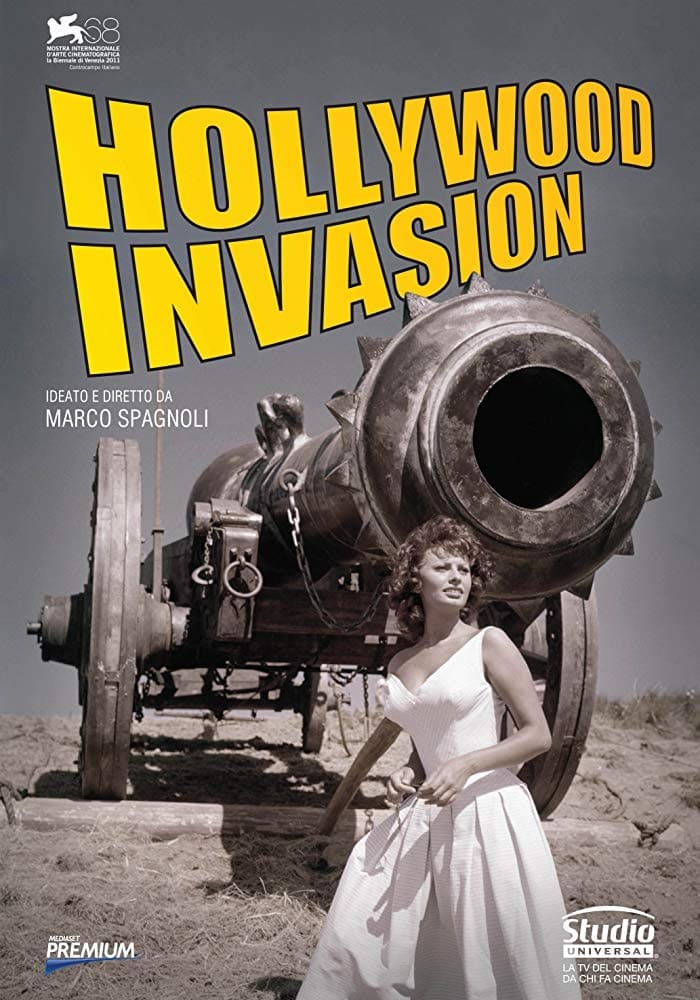
Italy, Europe and America during the 'Dolce Vita' years narrated with unseen and rare footage from NBC Archives in New York.